All articles published by MDPI are made immediately available worldwide under an open access license. No special
permission is required to reuse all or part of the article published by MDPI, including figures and tables. For
articles published under an open access Creative Common CC BY license, any part of the article may be reused without
permission provided that the original article is clearly cited. For more information, please refer to
https://www.mdpi.com/openaccess.
Feature papers represent the most advanced research with significant potential for high impact in the field. A Feature
Paper should be a substantial original Article that involves several techniques or approaches, provides an outlook for
future research directions and describes possible research applications.
Feature papers are submitted upon individual invitation or recommendation by the scientific editors and must receive
positive feedback from the reviewers.
Editor’s Choice articles are based on recommendations by the scientific editors of MDPI journals from around the world.
Editors select a small number of articles recently published in the journal that they believe will be particularly
interesting to readers, or important in the respective research area. The aim is to provide a snapshot of some of the
most exciting work published in the various research areas of the journal.
by
Anika Volkmar, Gregor Mattert, Florian Deisinger, Kornelius Schulze, Asmus Heumann, Werner Dammermann, Selina Strathmeyer, Steffen Heelemann, Thomas Kalinski, Stefan Lüth and Janine Kah
Int. J. Mol. Sci.2026, 27(11), 4695; https://doi.org/10.3390/ijms27114695 (registering DOI) - 22 May 2026
Steatotic liver disease (SLD) is characterised by profound metabolic reprogramming, yet no single biomarker reliably distinguishes disease entities, stages or sex-specific risk profiles. By integrating serum metabolomic signatures as a liquid biopsy with tumour-associated CSC marker profiles in a sex-stratified analytical framework, we
[...] Read more.
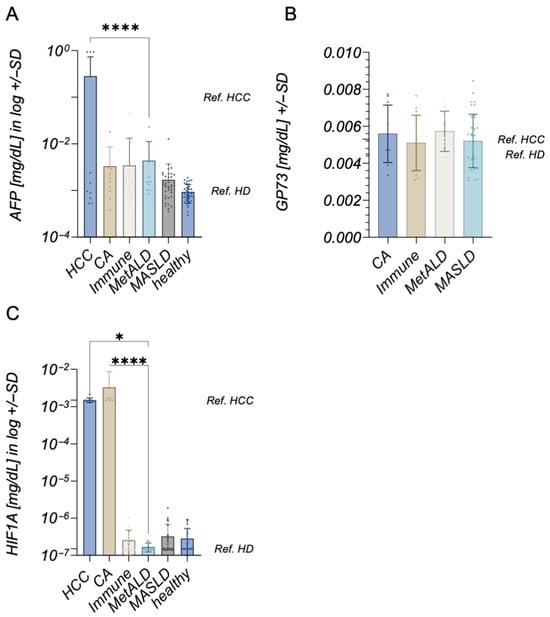
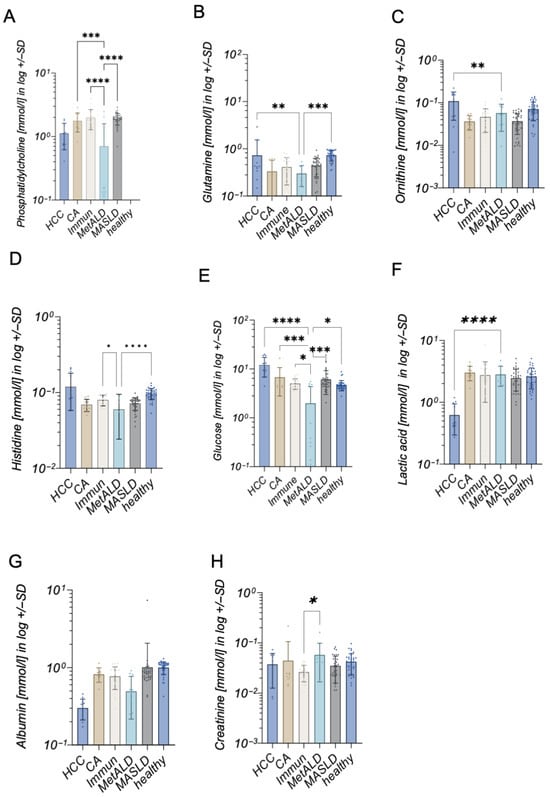
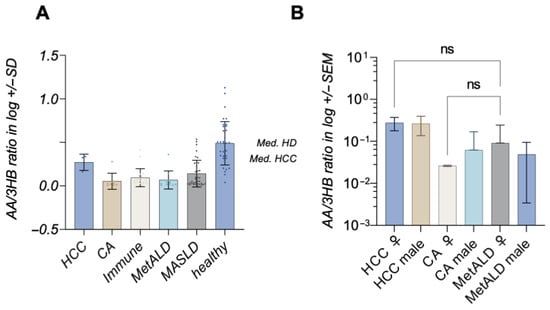
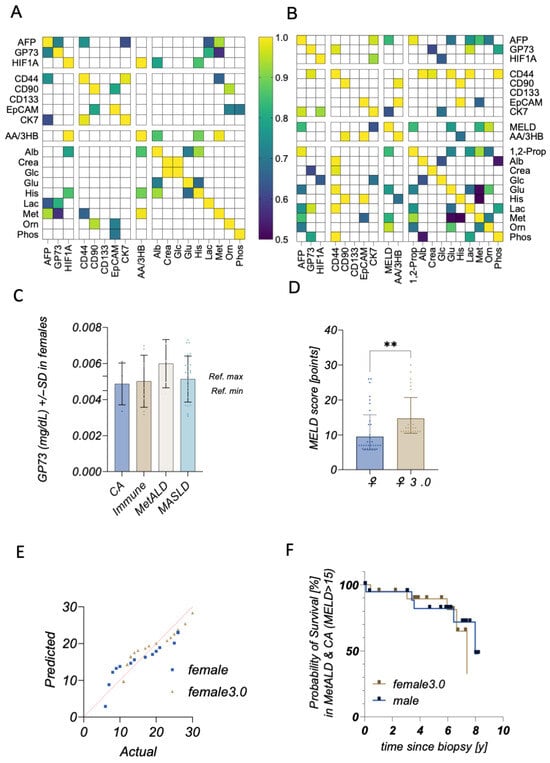
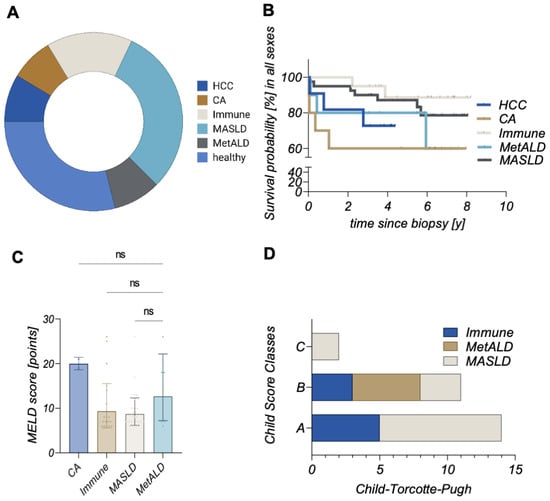
Steatotic liver disease (SLD) is characterised by profound metabolic reprogramming, yet no single biomarker reliably distinguishes disease entities, stages or sex-specific risk profiles. By integrating serum metabolomic signatures as a liquid biopsy with tumour-associated CSC marker profiles in a sex-stratified analytical framework, we aimed to identify biologically meaningful differences and improve strategies for early, presymptomatic detection of SLD progression and HCC. The present study focuses on a targeted panel of 12 strongly dysregulated serum metabolites as candidate biomarkers of disease progression, quantified by NMR-based metabolomics and ELISA and complemented by CSC marker staining. We combined these NMR-based metabolomic ‘liquid biopsy’ data with circulating tumour-associated biomarkers, MELD-based risk assessment and tissue-level CSC marker expression across MetALD, MASLD, immune-mediated and cancerogenic liver disease, HCC and healthy controls. Female MetALD patients showed the second highest mortality after HCC, with lower survival than male cancer patients, despite MELD 3.0 assigning ~50% higher scores in women. MetALD mortality clustered with GP73, CD44, metabolomics and AA/3HB ratio, indicating a distinct, high-risk female phenotype. Integrating liquid-based metabolomic profiling, AA/3HB redox assessment, CSC markers and MELD 3.0 into sex-sensitive diagnostic pathways may improve early detection and risk stratification of alcohol-associated SLD, especially in women.
Full article
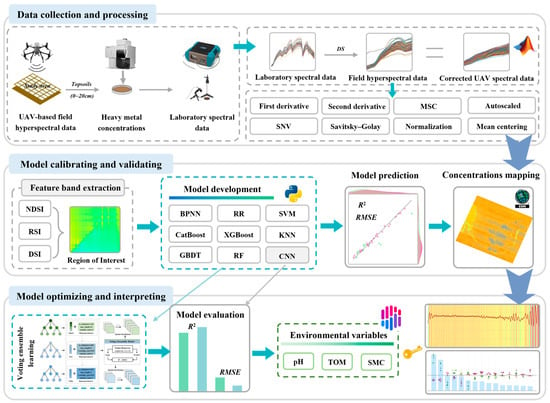
Accurate identification of HMs contamination in mine tailings is essential for understanding pollution and supporting remediation. However, conventional laboratory monitoring is labor-intensive, time-consuming, and spatially discontinuous, while UAV hyperspectral inversion is limited by spectral inconsistency, unstable performance under small-sample conditions, and insufficient interpretability.
[...] Read more.
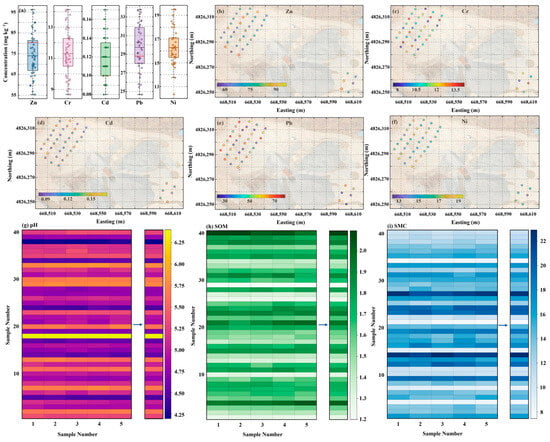
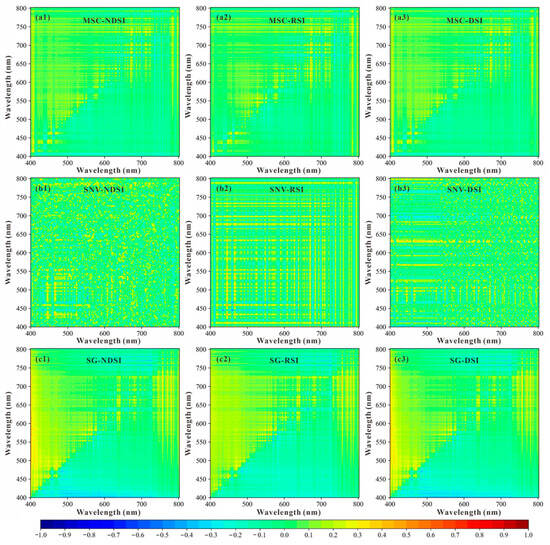
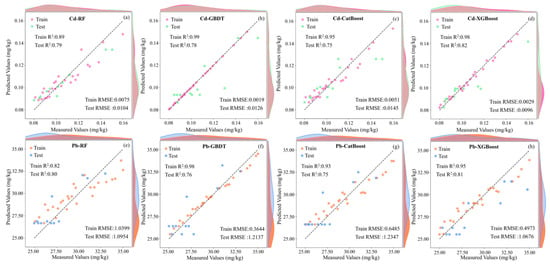
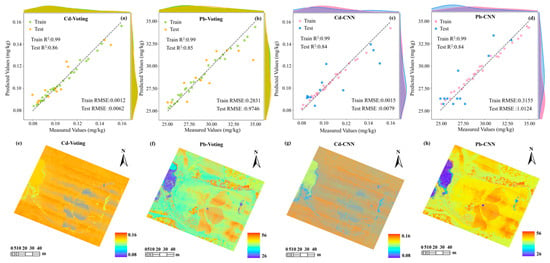
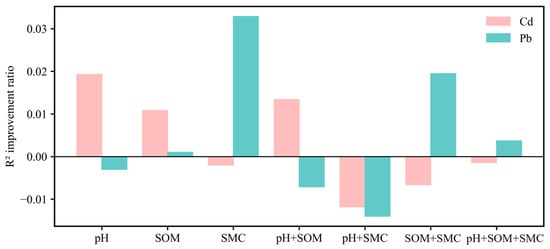
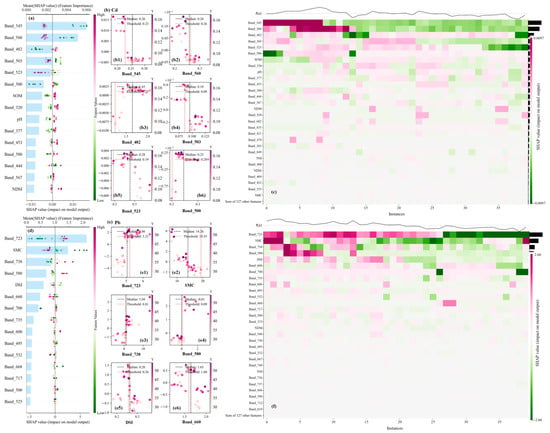
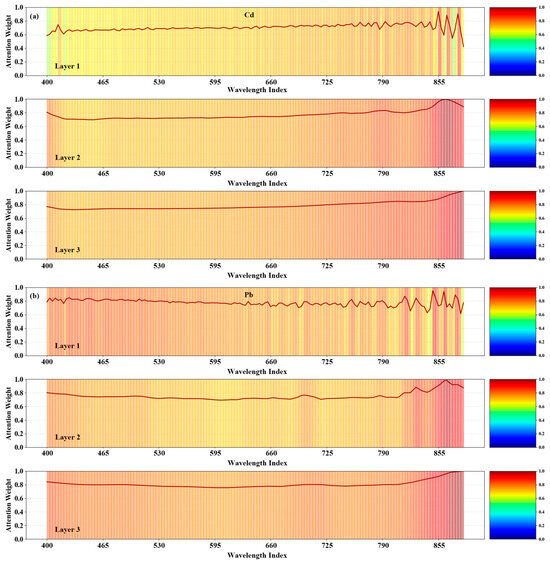
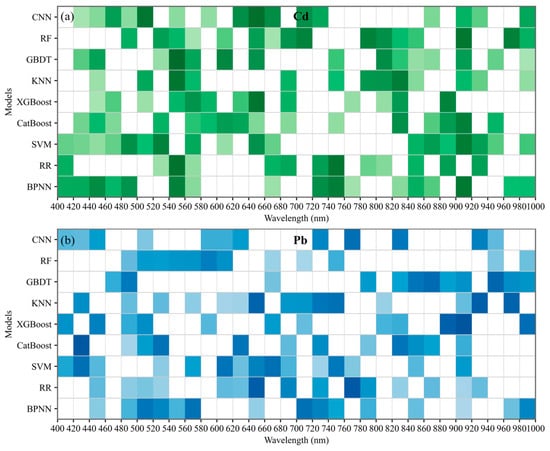
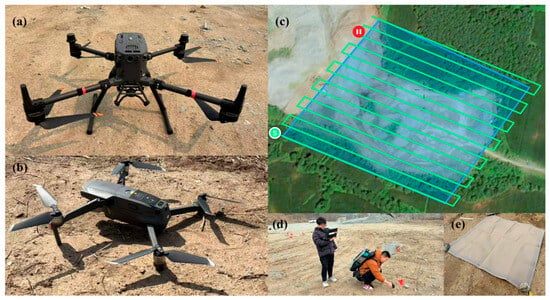
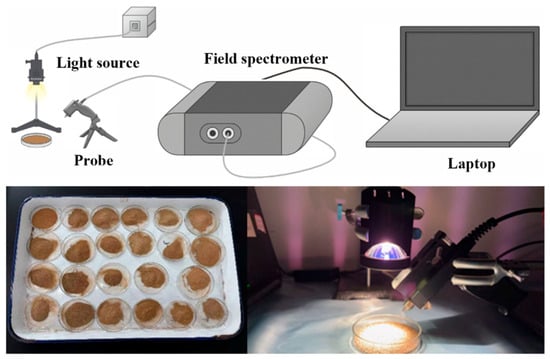
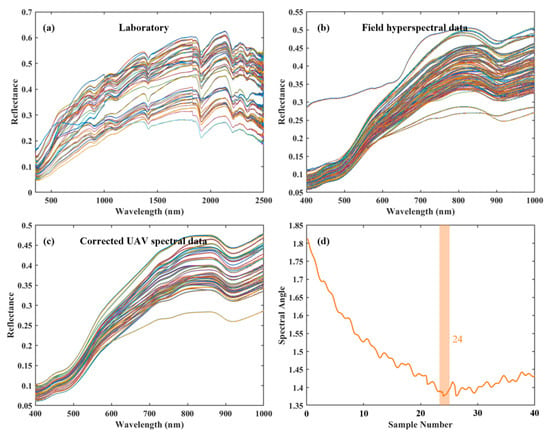
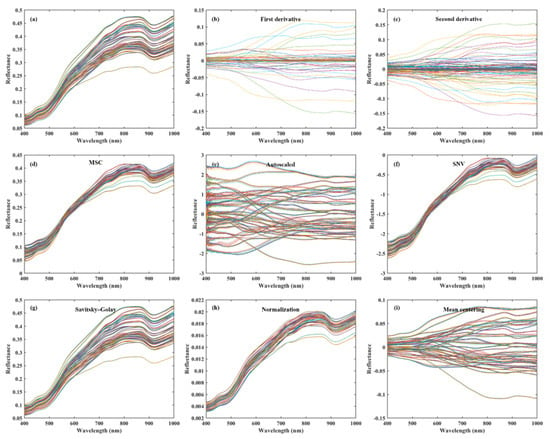
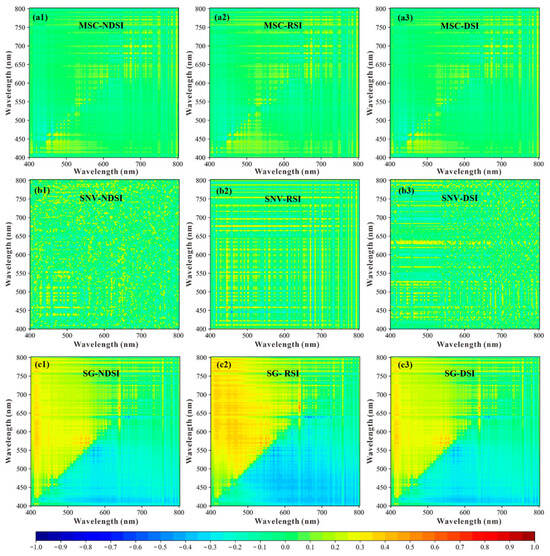
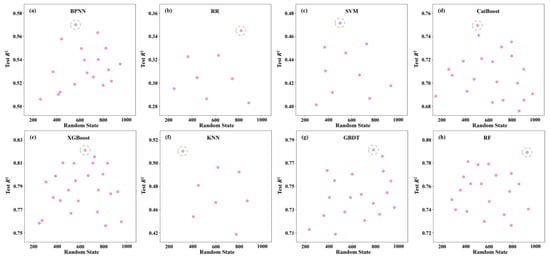
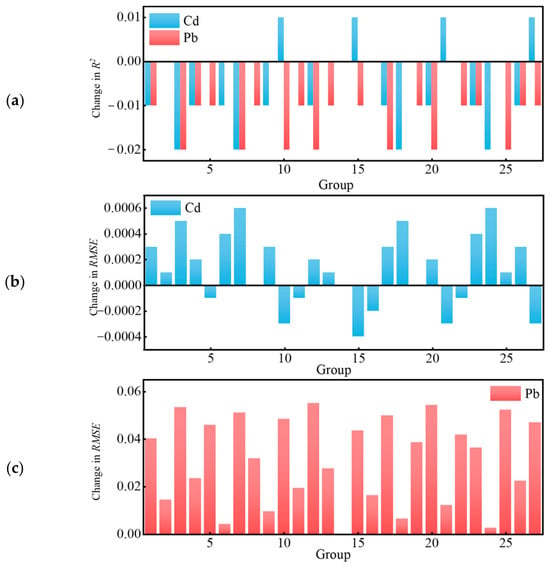
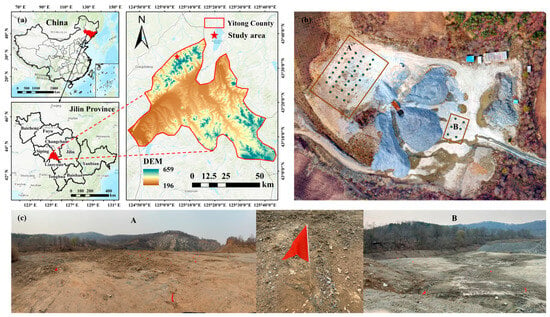
Accurate identification of HMs contamination in mine tailings is essential for understanding pollution and supporting remediation. However, conventional laboratory monitoring is labor-intensive, time-consuming, and spatially discontinuous, while UAV hyperspectral inversion is limited by spectral inconsistency, unstable performance under small-sample conditions, and insufficient interpretability. Here, we developed an interpretable UAV–laboratory synergistic framework for Cd and Pb mapping in the Yitong open-pit mine. Forty site-level soil samples, composited from 200 subsamples, were linked with UAV hyperspectral observations. Direct Standardization was used to harmonize UAV and laboratory spectra. A weighted voting ensemble (RF, GBDT, and XGBoost) achieved the best performance (R2 = 0.85), outperforming the individual models and showing slightly higher stability than CNN (R2 = 0.84). Environmental covariates (pH, SOM, SMC) revealed distinct metal-specific prediction patterns: Cd was mainly associated with pH–SOM interactions, whereas Pb was more strongly associated with SOM–SMC coupling. SHAP and Grad-CAM identified sensitive spectral regions, with Cd linked to the 440–580 nm range and Pb to the 720–740 nm range. Overall, this study provides an integrated framework that combines spectral transfer correction, stable multi-model inversion, and mechanism-oriented interpretability for HMs monitoring in complex mining environments.
Full article
by
Anna Didkowska, Alejandro Navarro, Abel Dorrego, Jorge Martínez, Irene Martínez, Marta Kloch, Sergio González, Wanda Olech, Fatima Cruz-Lopez, Krzysztof Anusz and Nerea García
Pathogens2026, 15(6), 562; https://doi.org/10.3390/pathogens15060562 (registering DOI) - 22 May 2026
As wild ungulates, including European bison, increasingly share habitats with livestock, surveillance of infectious zoonotic agents in their populations is essential for both wildlife and public health. This study aimed to screen for selected zoonotic pathogens in European bison from Poland. Samples (blood,
[...] Read more.
As wild ungulates, including European bison, increasingly share habitats with livestock, surveillance of infectious zoonotic agents in their populations is essential for both wildlife and public health. This study aimed to screen for selected zoonotic pathogens in European bison from Poland. Samples (blood, ticks, and spleen) were collected from 86 animals. Serum was used for serological testing using commercial ELISA kits for Borrelia burgdorferi sensu lato, Brucella spp., and hepatitis E virus (HEV); ticks were analysed by real-time PCR targeting B. burgdorferi s.l., Anaplasma phagocytophilum, and Brucella spp., and spleen samples from Brucella-seropositive animals were cultured. Serological analysis revealed that 53.9% of European bison were seropositive for B. burgdorferi s.l., while 25.3% showed seroreactivity against Brucella spp.; however, these findings were not supported by molecular or culture confirmation, suggesting possible non-specific reactions or past exposure. No serum samples were positive for HEV antibodies, and no Brucella spp. were isolated from spleen samples. Molecular analysis of ticks detected B. burgdorferi s.l. DNA in 4.8% of samples and sequencing confirmed Borrelia garinii in one case. In contrast, A. phagocytophilum DNA was detected in 59.0% of ticks. No ticks tested positive for Brucella DNA. These findings indicate substantial exposure of European bison to tick-borne pathogens, particularly B. burgdorferi s.l. and A. phagocytophilum. However, Brucella seropositivity should be interpreted with caution due to the lack of molecular or culture confirmation.
Full article
Coastal reclaimed polders with shallow saline groundwater support intensive greenhouse horticulture but require timely diagnosis of root-zone water and salinity conditions. This study developed a compact Internet-of-Things (IoT) monitoring system based on the M5Stamp Pico microcontroller to acquire SDI-12 soil-sensor data, buffer records
[...] Read more.
Coastal reclaimed polders with shallow saline groundwater support intensive greenhouse horticulture but require timely diagnosis of root-zone water and salinity conditions. This study developed a compact Internet-of-Things (IoT) monitoring system based on the M5Stamp Pico microcontroller to acquire SDI-12 soil-sensor data, buffer records locally, and transfer them to a low-cost cloud dashboard. Outside-greenhouse validation showed high operational reliability, with a missing observation rate of only 0.9%, and acceptable agreement with a reference TDR100 for both volumetric water content (θ) and bulk electrical conductivity (ECb). The system was then applied to ridge-position monitoring in a commercial pepper greenhouse on a coastal reclaimed polder. The ridge records captured depth-dependent infiltration and salinity redistribution under drip irrigation, together with contrasting responses between the cultivated layer and shallow groundwater. Potential-based interpretation indicated that the monitored ridge root zone was often not strongly limited by matric potential, whereas osmotic potential derived from pore-water salinity showed reduced water availability even when the soil remained relatively wet. These results demonstrate that continuous real-time monitoring at the ridge position can support diagnosis of root-zone stress and provide useful information for irrigation and fertigation management in salt-affected greenhouse soils.
Full article
Cracks are among the most common pavement distresses, and their timely detection is crucial for road maintenance. Existing methods struggle to completely capture elongated and irregular cracks, often resulting in fragmented detection outputs, which leads to the inaccurate assessment of crack length and
[...] Read more.
Cracks are among the most common pavement distresses, and their timely detection is crucial for road maintenance. Existing methods struggle to completely capture elongated and irregular cracks, often resulting in fragmented detection outputs, which leads to the inaccurate assessment of crack length and affects the reliability of pavement condition evaluation. To address this issue, this paper proposes a dual-path crack segmentation network that integrates CNN and Transformers. The CNN branch incorporates a dynamic multi-branch convolution module to enhance the directional perception and structural modeling of elongated cracks. The Transformer branch employs a lightweight DCNv4 module to replace traditional self-attention mechanisms, effectively capturing long-range dependencies while reducing computational complexity. A multi-path fusion module is designed to achieve the collaborative enhancement of dual-path features, improving the semantic representation of continuous crack regions. Additionally, a combined loss function of BCE and Dice is adopted to alleviate the severe class imbalance between crack and background pixels, further improving the completeness of crack segmentation. Experiments on four datasets, including CFD, DeepCrack537, Gaps384, and Crack500, demonstrate that the proposed model outperforms all compared methods in terms of F-score and mIoU. Ablation studies further validate the effectiveness of the dual-path architecture and its key modules in improving performance. Furthermore, in field validation on real road scenarios, the pavement condition index (PCI) calculated based on the proposed method shows an average deviation of only 0.81 compared to manually interpreted ground truth, demonstrating the practical value of continuous crack detection for pavement maintenance assessment.
Full article
Intensive agriculture, deforestation, and frequent land-use changes contribute to increased soil erosion and sediment transport from both arable and non-arable lands into minor river channels. These factors directly and indirectly influence riverbank erosion and, in turn, sediment transport in rivers. Evidence on anthropogenic
[...] Read more.
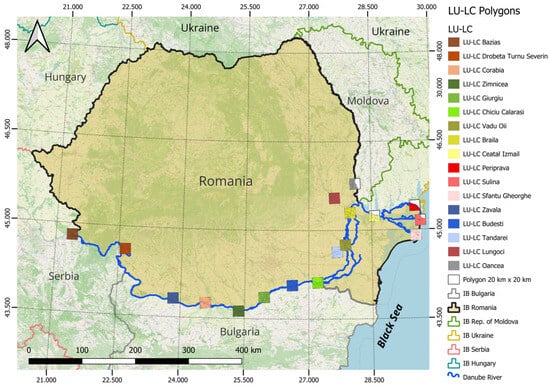
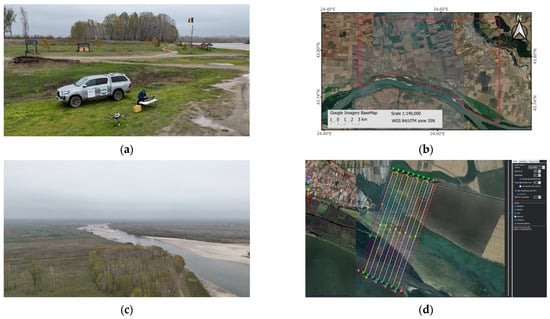
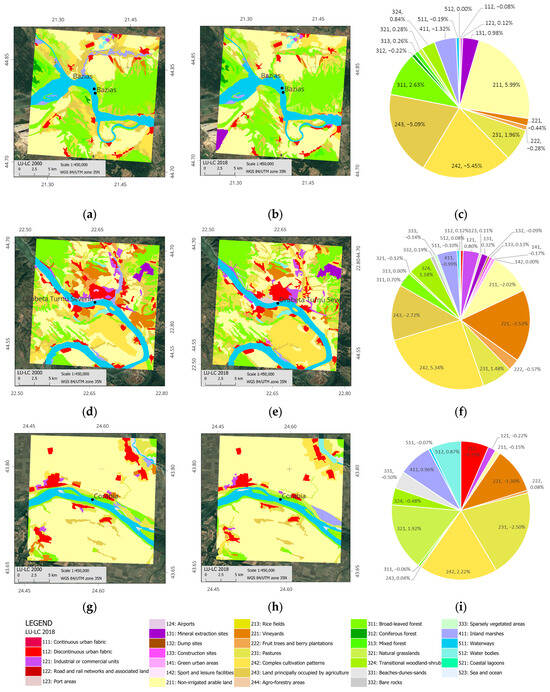
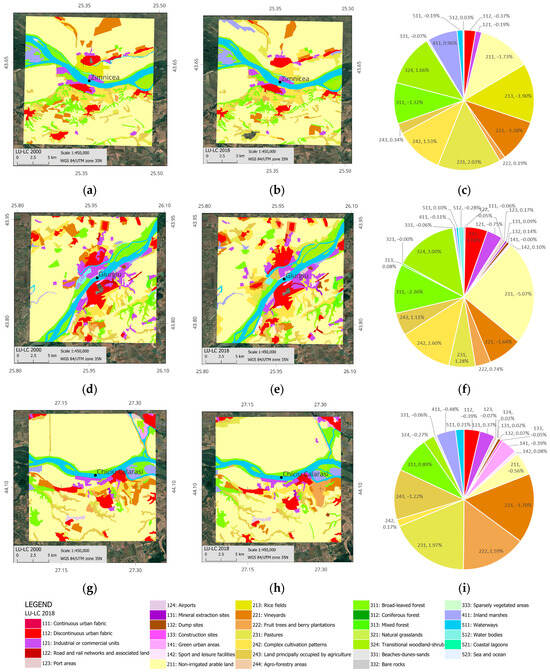
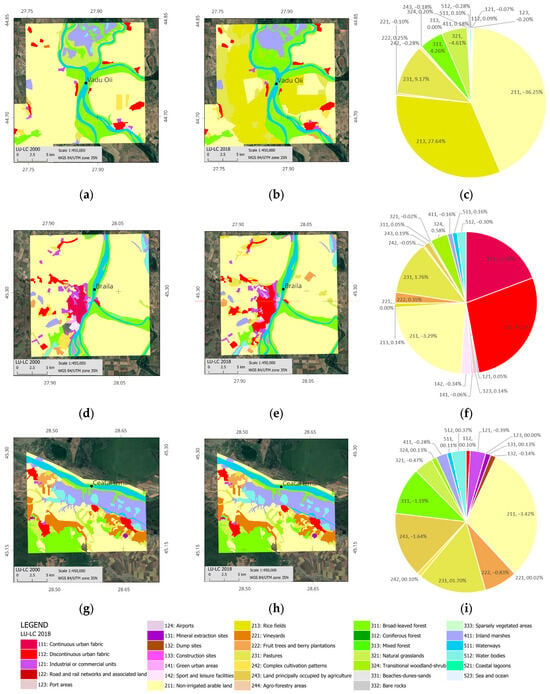
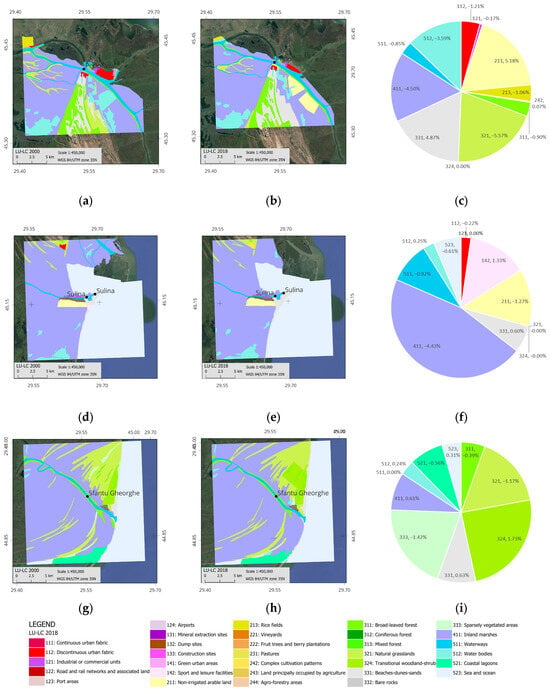
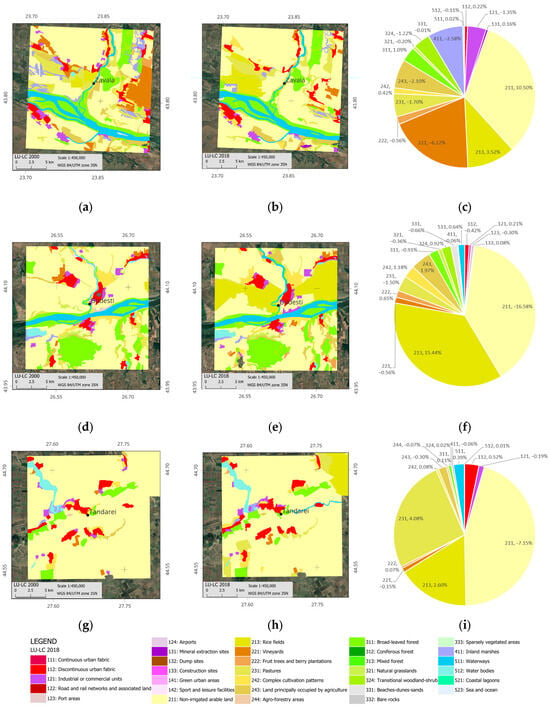
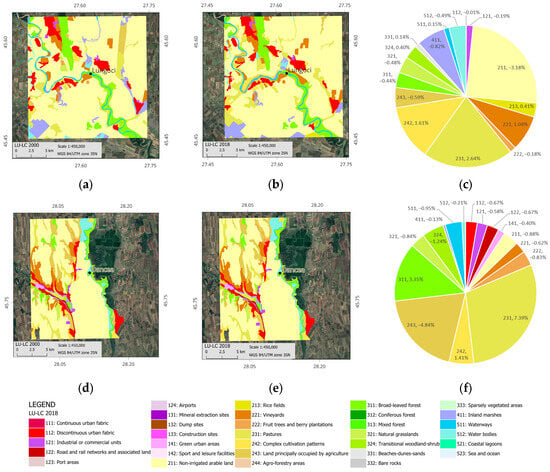
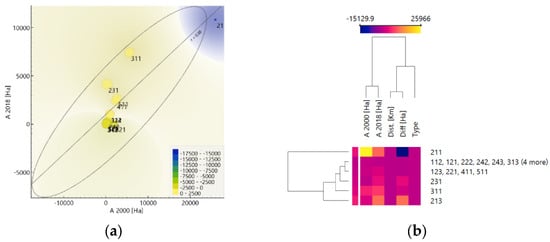
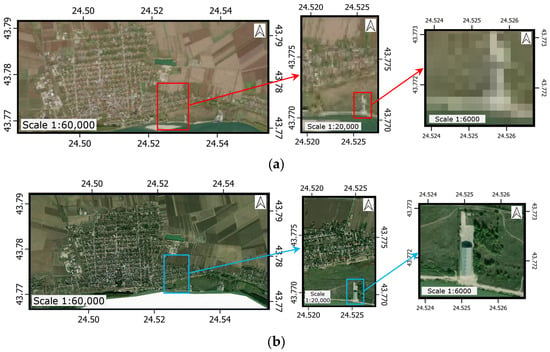
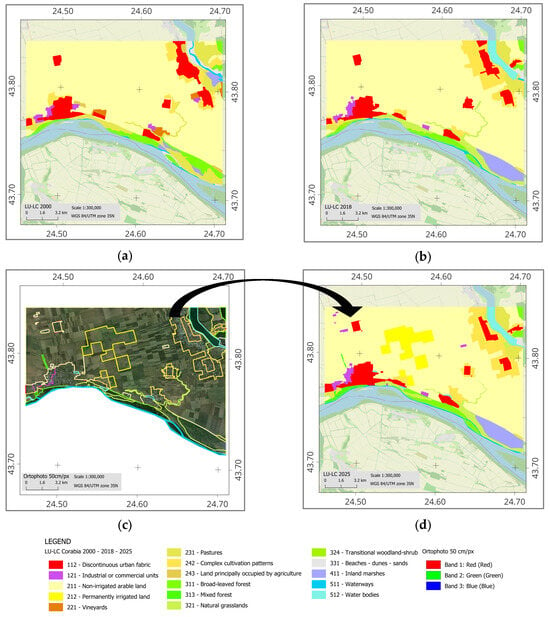
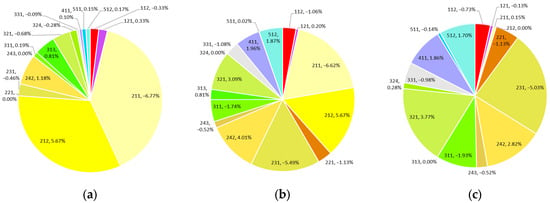
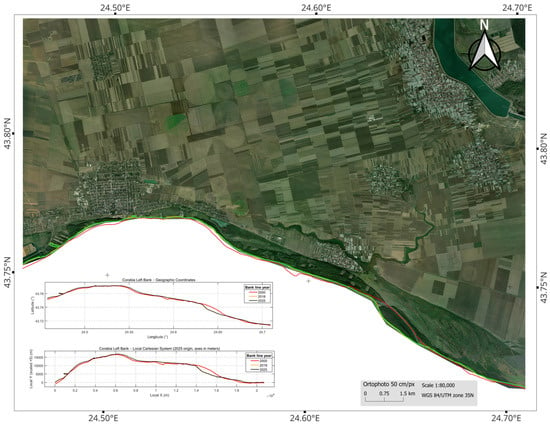
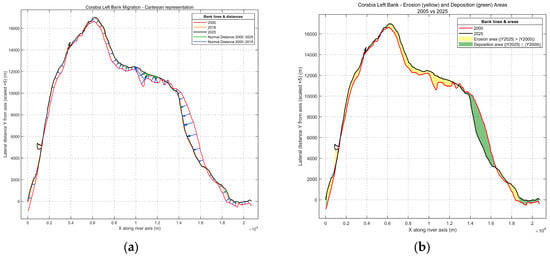
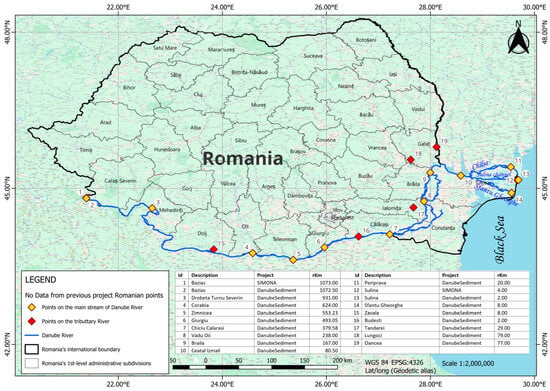
Intensive agriculture, deforestation, and frequent land-use changes contribute to increased soil erosion and sediment transport from both arable and non-arable lands into minor river channels. These factors directly and indirectly influence riverbank erosion and, in turn, sediment transport in rivers. Evidence on anthropogenic land-use/land-cover (LU-LC) change impact remains limited in both quantitative and spatial terms within the Danube River Basin. The study area includes research results from 17 locations concerning satellite-derived LU-LC changes along the Romanian sector of the Danube River, as well as validation results with particular highlighting on the Corabia area, Romania. According to results derived from combining LU-LC products based on Copernicus satellite data (comparing the years 2000 and 2018) and validated in the field through UAV flights conducted in 2025, the conversion of riparian vegetation into cultivated or uncultivated land accelerates bank failure. This is particularly evident where agricultural areas are located in the immediate vicinity of riverbanks. Such bank failures can be attributed to a reduction in root cohesion and a decrease in soil–bank structural stability. As a consequence, sediment delivery to the river channel increases via overland flow. The workflow proposed in this study offers a transferable and adaptable solution for areas with similar characteristics for a multitemporal approach regarding the influence of agricultural lands especially on sediment transport and riverbank erosion.
Full article
Carbon nanotube field-effect transistors (CNT FETs) hold great promise for extending Moore’s Law, yet their performance is critically limited by excessive off-state leakage, caused by band-to-band tunneling (BTBT) in narrow bandgap CNT channels. In this work, we overcome this long-standing bottleneck by introducing
[...] Read more.
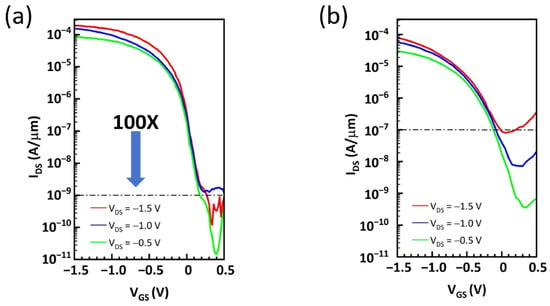
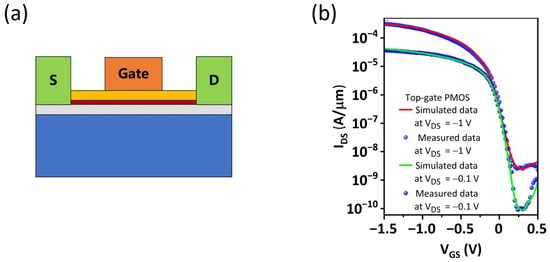
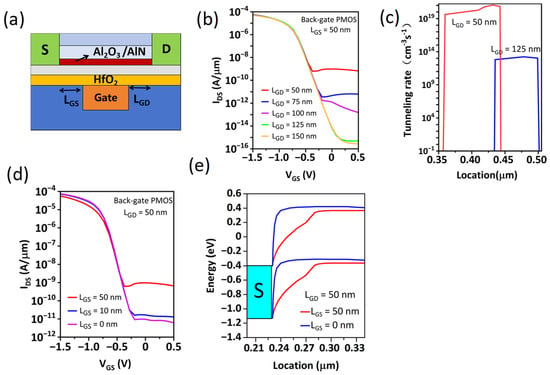
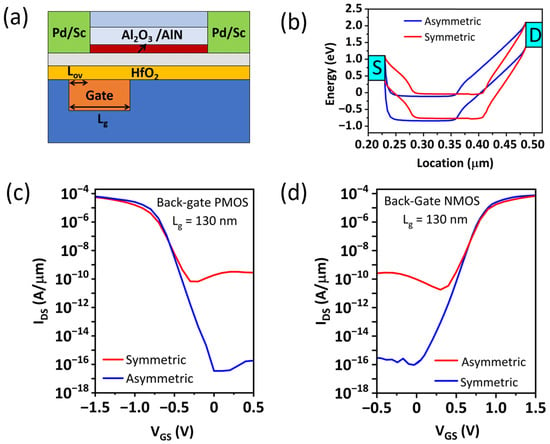
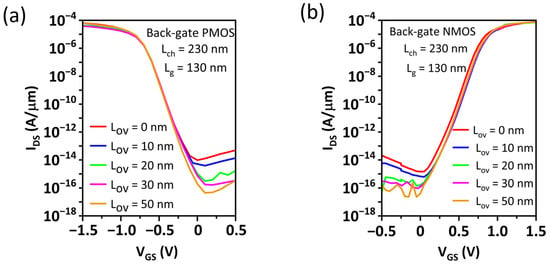
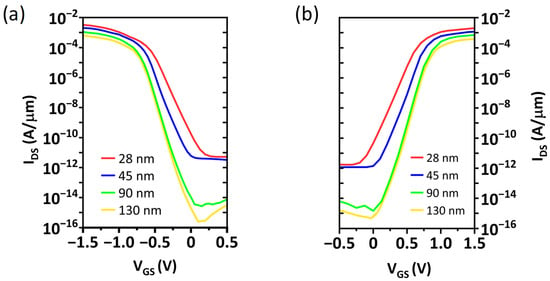
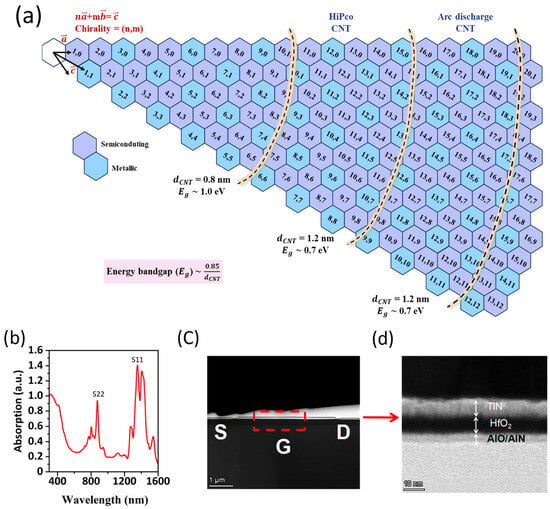
Carbon nanotube field-effect transistors (CNT FETs) hold great promise for extending Moore’s Law, yet their performance is critically limited by excessive off-state leakage, caused by band-to-band tunneling (BTBT) in narrow bandgap CNT channels. In this work, we overcome this long-standing bottleneck by introducing a co-design strategy that integrates a small-diameter HiPco CNT channel with a novel asymmetric gate architecture. This approach strategically reshapes the channel electrostatics to simultaneously suppress the gate-induced drain leakage (GIDL) effect and preserve excellent carrier transport. The efficacy of this strategy is rigorously validated through calibrated technology computer-aided design (TCAD) simulations for both NMOS and PMOS operation, demonstrating an ultralow off-current of 10 fA/µm, an on-current of 1.08 mA/µm, and a record on–off ratio of 1.1 × 10¹¹ for back-gated CNTFETs at the 90 nm node. The design exhibits outstanding scalability: at the scaled 28 nm node with a supply voltage of 0.7 V, the PMOS device achieves 3 mA/µm on-current and 6 pA/µm off-current, maintaining an on–off ratio of 5 × 10⁸. This work establishes a scalable pathway toward femtoampere-level CNT CMOS, addressing the static power challenge in future nano-electronics.
Full article
Yaks are a critical livestock species for plateau regions; however, their poor reproductive efficiency—characterized by low estrus and pregnancy rates—significantly hampers genetic improvement and industry sustainability. Although synchronization protocols are widely utilized in cows to enhance reproductive performance, research on yaks is limited.
[...] Read more.
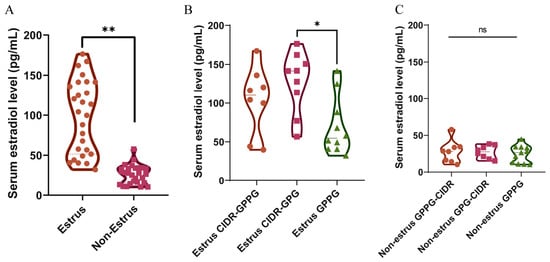
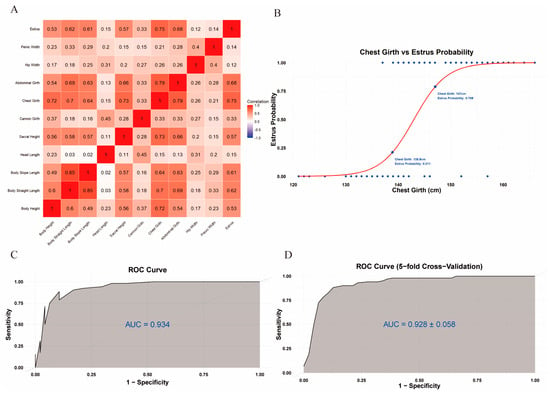
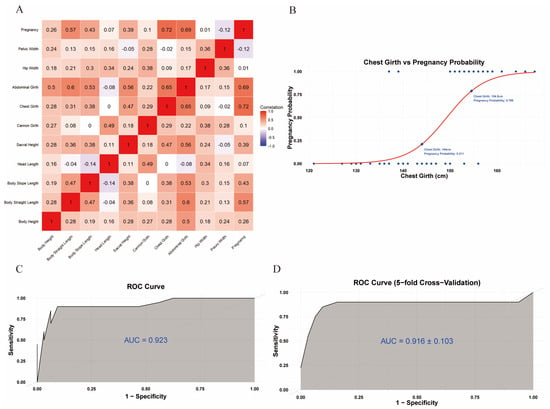
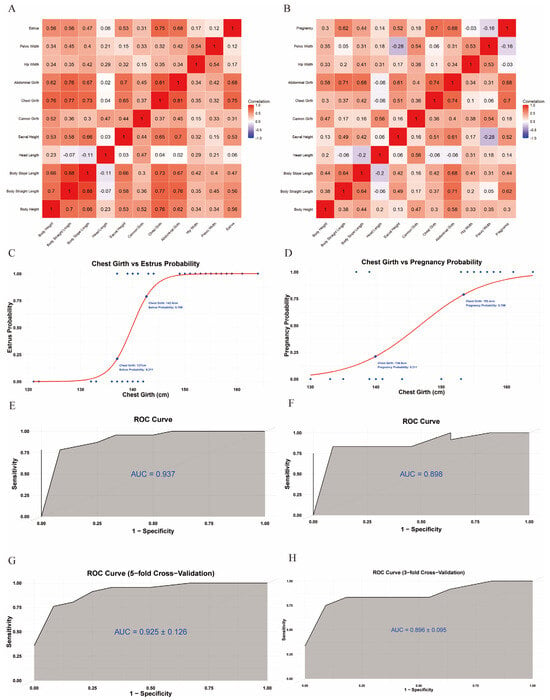
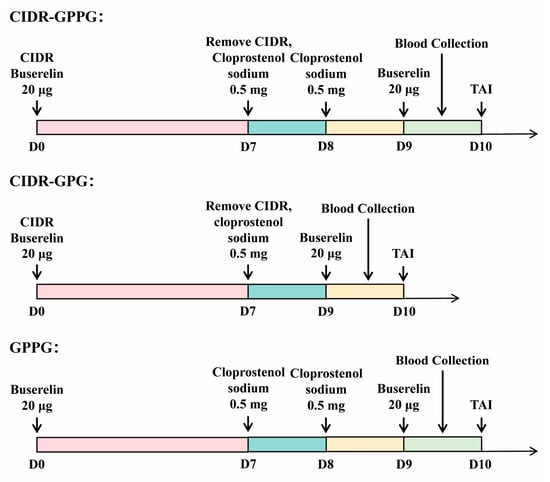
Yaks are a critical livestock species for plateau regions; however, their poor reproductive efficiency—characterized by low estrus and pregnancy rates—significantly hampers genetic improvement and industry sustainability. Although synchronization protocols are widely utilized in cows to enhance reproductive performance, research on yaks is limited. Our study systematically evaluated 3 estrus synchronization protocols (CIDR-GPPG, CIDR-GPG, GPPG) on 99 female yaks. The GPPG treatment resulted in the lowest estrus detection (40.63%) and pregnancy rate (15.38%), while the CIDR-GPG protocol significantly improved these rates, achieving an estrus rate of 65.71% and a pregnancy rate of 52.17%. Notably, serum estradiol concentrations were significantly elevated in the CIDR-GPG group compared to the GPPG group. Given the importance of body condition for synchronization outcomes, we analyzed correlation between body measurements and reproductive performance. Among 10 body measurements, chest girth demonstrated the strongest positive correlation with both estrus (R = 0.75) and pregnancy success (R = 0.72). Further logistic regression modeling based on chest girth generated robust predictors for estrus (AUC = 0.934) and pregnancy (AUC = 0.923). Importantly, CIDR-GPG protocol effectively lowered the body condition threshold required for successful reproductive outcomes, indicating that yaks with smaller chest girths can still achieve comparable probabilities of estrus and pregnancy when employing this protocol. Overall, our findings supported the CIDR-GPG protocol as an effective strategy for optimizing yak reproduction and highlighted chest girth as a valuable indicator for predicting reproductive outcomes, providing a practical approach to enhance reproductive management, even in animals with suboptimal body conditions.
Full article
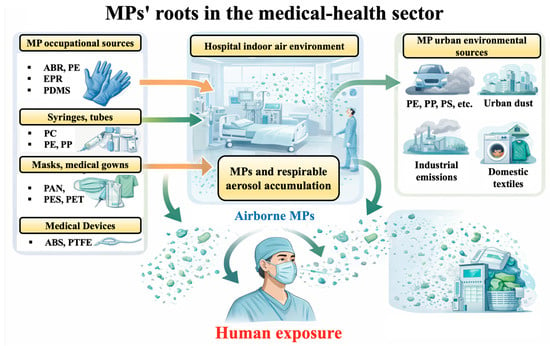
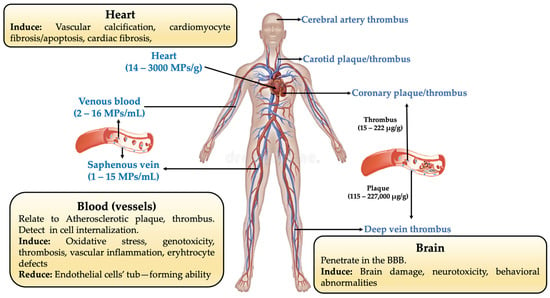
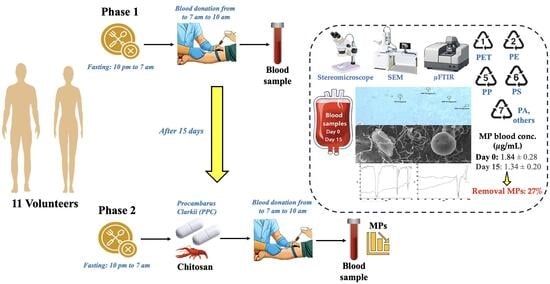
Microplastics (MPs) are emerging contaminants that have been detected in human blood and tissues, raising concerns regarding systemic exposure and potential health effects. Internal MP burden mitigation techniques, nevertheless, are yet largely unexplored. We evaluated whether oral administration of chitosan derived from Procambarus [...] Read more.
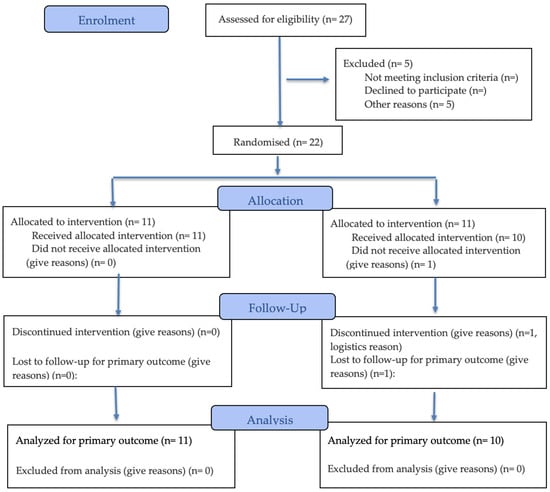
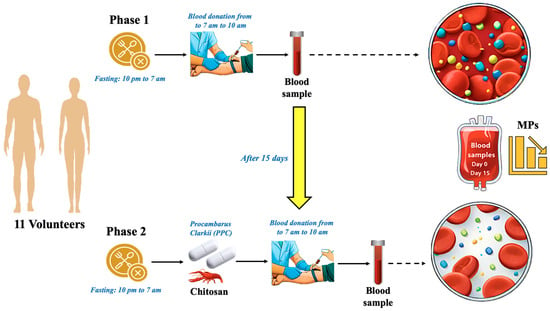
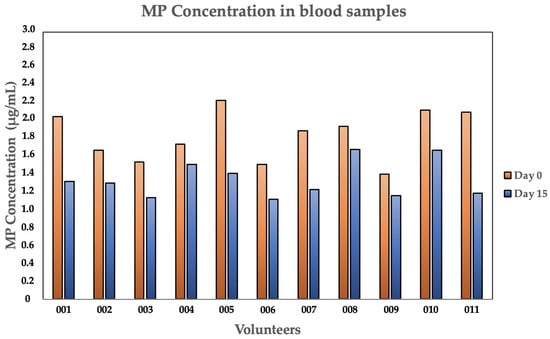
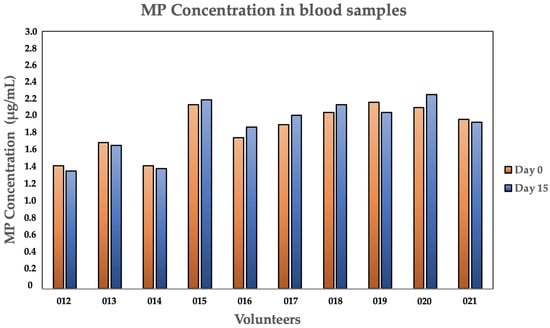
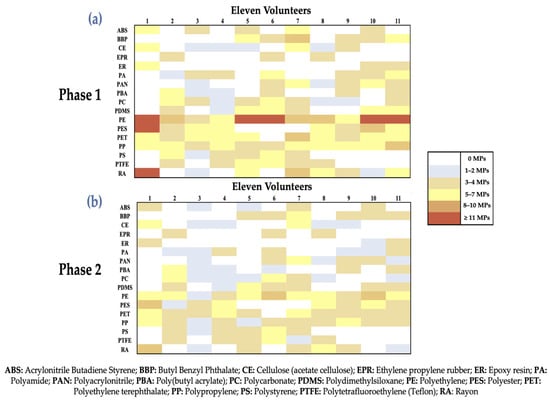
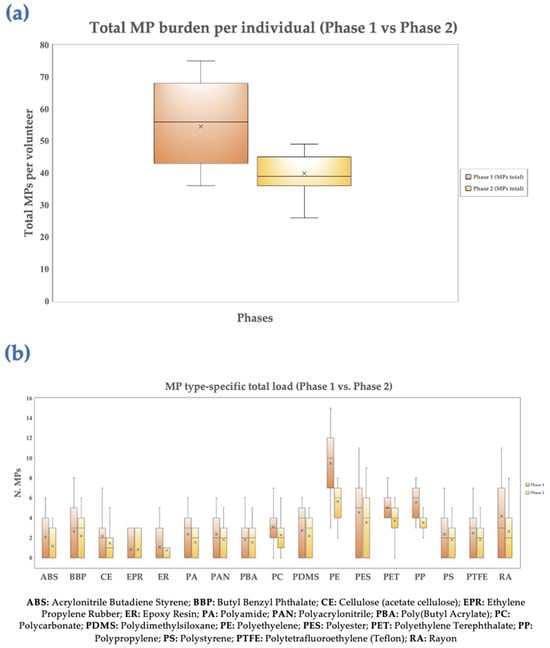
Microplastics (MPs) are emerging contaminants that have been detected in human blood and tissues, raising concerns regarding systemic exposure and potential health effects. Internal MP burden mitigation techniques, nevertheless, are yet largely unexplored. We evaluated whether oral administration of chitosan derived from Procambarus clarkii (PCC) could reduce circulating MPs in humans via gastrointestinal sequestration in this pilot-controlled study. 11 healthy adults received PCC supplementation (0.8 g/day) for 15 days, while 10 matched controls received a placebo. Using stereomicroscopy, scanning electron microscopy (SEM), and micro-Fourier transform infrared spectroscopy (µFTIR), blood MP concentrations were quantified and characterised according to size, shape, and polymer type. At baseline, MPs were found in every subject. Following PCC supplementation, mean MP concentrations decreased from 1.84 ± 0.28 µg/mL to 1.34 ± 0.20 µg/mL (−26.3%, p < 0.01, paired analysis). The control group observed no significant differences. While polymer-resolved analysis consistently indicated reductions across major polymer classes, size-resolved analysis indicated preferential reductions in intermediate particle fractions (11–50 µm). The circulating MPs’ estimated mean residence time (MRT) was 58 ± 28 days. These findings provide preliminary evidence that chitosan-based gastrointestinal sequestration could potentially reduce the systemic MP burden in humans.
Full article
The Internet of Things increasingly relies on EDHOC (Ephemeral Diffie–Hellman Over COSE, RFC 9528) and OSCORE (Object Security for Constrained RESTful Environments, RFC 8613) for lightweight authenticated key exchange and application-layer security. On resource-constrained devices, however, the computational cost of these protocols remains
[...] Read more.
The Internet of Things increasingly relies on EDHOC (Ephemeral Diffie–Hellman Over COSE, RFC 9528) and OSCORE (Object Security for Constrained RESTful Environments, RFC 8613) for lightweight authenticated key exchange and application-layer security. On resource-constrained devices, however, the computational cost of these protocols remains prohibitive in software: a complete EDHOC handshake requires hundreds of milliseconds to several seconds on typical embedded processors. Prior evaluations of EDHOC and OSCORE focus almost exclusively on ARM Cortex-M platforms; to the best of our knowledge, no dedicated evaluation or hardware acceleration study exists for RISC-V. This paper presents the first performance characterization of EDHOC and OSCORE on a RISC-V platform. It introduces a hardware accelerator integrated as a memory-mapped peripheral within a Rocket RV32IMAC SoC. The accelerator offloads the complete EDHOC Method 3 handshake, encompassing X25519 scalar multiplication, HMAC-SHA-256 key derivation, AES-CCM-16-64-128 authenticated encryption, and all protocol state management and message construction within a single hardware boundary; OSCORE per-packet AEAD is accelerated through a dedicated post-handshake interface using the same core. By moving the entire handshake execution to dedicated hardware, the accelerator eliminates the residual overhead that remains in software, regardless of whether individual cryptographic primitives are offloaded. Implemented on a Xilinx Arty A7-100T FPGA, the design consumes 10,597 Slice LUTs, 10,421 Slice Registers, and 15 DSP slices. The accelerator completes the EDHOC handshake in 6.64 ms and 4.52 ms for the Initiator and Responder, respectively, achieving 58× and 85× speedups over the optimized Monocypher software baseline on the same platform, and delivers 37× to 56× speedups for OSCORE per-packet AEAD acceleration across payload sizes from 10 to 1000 bytes. The host firmware footprint is reduced from over 25 KB to 3.6 KB for EDHOC-only and to 5.2 KB for the combined EDHOC and OSCORE stack.
Full article
by
Ben Ponvilawan, Dhruv Bansal, Karnav Modi, Beth Gustafson, Lindsey Douglass, Blake Buzard, Marc Roth, Christopher Ward, Timothy Pluard and Janakiraman Subramanian
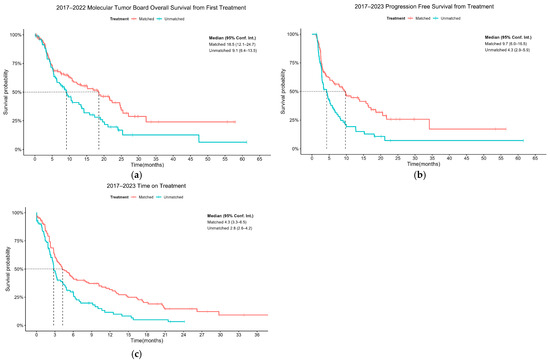
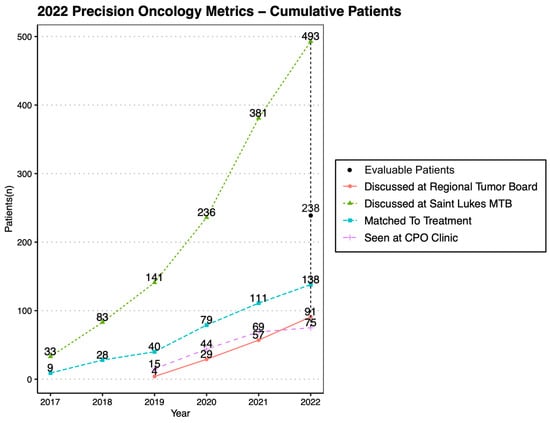
Interpreting and directing treatment based on comprehensive genomic testing for patients with cancer can be challenging. Molecular tumor boards (MTBs) can help by establishing collaborative frameworks to deliver patient care plans with the appropriate incorporation of genomic data. Our retrospective observational study evaluates
[...] Read more.
Interpreting and directing treatment based on comprehensive genomic testing for patients with cancer can be challenging. Molecular tumor boards (MTBs) can help by establishing collaborative frameworks to deliver patient care plans with the appropriate incorporation of genomic data. Our retrospective observational study evaluates the impact of MTB on the outcomes of adult patients diagnosed with advanced-stage cancer. Patients between 1 September 2017 and 1 January 2023 were grouped into those who received at least one treatment recommended by the MTB and those who did not. Hazard ratios (HR) for overall survival (OS), progression-free survival (PFS), and time on treatment (ToT) were determined using Kaplan–Meier analysis and multivariate Cox proportional hazards model adjusted for age, stage, line of therapy, and primary site of diagnosis. Of 238 evaluable patients, 138 (58%) received at least one treatment recommended by the MTB. Patient characteristics were well-balanced between the cohorts, except for higher proportions of lung adenocarcinoma, melanoma, and a lower proportion of glioblastoma in the matched cohort. Median OS, PFS, and ToT were all increased in patients on matched treatment compared to those who did not (18.5 months vs. 9.1 months, HR 0.64, 95% confidence interval (CI) 0.43–0.96, p = 0.030); 9.7 months vs. 4.3 months, HR 0.64, 95% CI 0.42–0.97, p = 0.035; and 4.3 months vs. 2.8 months, HR 0.58, 95% CI 0.41–0.83, p = 0.0027, respectively). Our findings show that MTB at a community cancer center is feasible and improves survival among patients with cancer, even after adjusting for confounding variables.
Full article
Methyl jasmonate (MeJA) is a key regulator of plant defense and abiotic stress responses, while terpenoids are important secondary metabolites. However, the effects of MeJA on floral volatiles in Lagerstroemia indica and the underlying mechanisms remain unclear. In L. indica ‘Whit III’, MeJA
[...] Read more.
Methyl jasmonate (MeJA) is a key regulator of plant defense and abiotic stress responses, while terpenoids are important secondary metabolites. However, the effects of MeJA on floral volatiles in Lagerstroemia indica and the underlying mechanisms remain unclear. In L. indica ‘Whit III’, MeJA treatment rapidly increased the emission of monoterpenes (e.g., citronellol) and sesquiterpenes (e.g., trans-farnesol) and advanced the peak emission time. We identified 34 LiTPS and 22 LiMYC genes in the genome, with promoter regions enriched in JA-responsive cis-elements. Expression analysis showed that LiMYC genes encoding putative JA repressors were transiently upregulated, whereas LiTPS genes located in a chromosome 11 cluster and LiTPS13 (7.33-fold induction) were strongly activated. These results suggest that MeJA may promote an early scent production through the coordinated activation of specific LiMYC and LiTPS gene sets, pointing to a potential mechanism by which jasmonate signaling modulates floral volatile emission.
Full article
A significant fraction of the HF waves is absorbed by the lowest ionospheric layer, the D-region. This region is perturbed by solar flares, which notably cause fast increases in the Sun’s X-ray flux. We present here a new chemistry model, the "Lower Ionosphere
[...] Read more.
A significant fraction of the HF waves is absorbed by the lowest ionospheric layer, the D-region. This region is perturbed by solar flares, which notably cause fast increases in the Sun’s X-ray flux. We present here a new chemistry model, the "Lower Ionosphere Region–Absorption and Chemistry Modelling" (LIR-ACheM), to study the D-region behaviour. It is based on the Mitra–Rowe scheme and takes into account four distinct sources (EUV, Lyman-, X-rays and cosmic rays) and seven species (electrons, , , , positive cluster ions, and other negative ions). It thus offers a compromise between accuracy and computing time. The D-region’s sluggishness and its recovery time after a flare are analysed, highlighting the importance of detachment at low altitudes and soft X-ray fluxes above 80 km.
Full article
Accurately capturing muscle behavior remains a challenging task in computational biomechanics, primarily due to the nonlinear response, anisotropy, and time-dependent characteristics of muscle tissue. In this context, finite element methods have proven to be a suitable framework for representing such complex mechanical behavior.
[...] Read more.
Accurately capturing muscle behavior remains a challenging task in computational biomechanics, primarily due to the nonlinear response, anisotropy, and time-dependent characteristics of muscle tissue. In this context, finite element methods have proven to be a suitable framework for representing such complex mechanical behavior. Among the available constitutive approaches, Hill’s three-element model continues to be widely adopted, largely because it offers a reasonable balance between physiological interpretability and computational efficiency. In this work, a parametric and sensitivity-oriented analysis of the Hill three-element muscle model is performed within a finite element formulation originally proposed by Kojić, Mijailović, and Zdravković (1998) and implemented in the PAK software environment. The analysis considers five key parameters, which are varied independently: the stiffness parameter of the series elastic element (α), the corresponding stress scaling parameter (β), the modulus of the parallel elastic element (E), the activation level (a), and the length ratio constant (k). To enable comparison between parameters of different physical nature, normalized sensitivity indices are used. The results show that the activation parameter a has the strongest influence on active force generation, with an increase of 36.4% at the highest considered activation level. In contrast, parameters α and β primarily affect the behavior of the series elastic component, with variations on the order of ±15–18%. It can also be observed that the influence of individual parameters depends on the deformation regime. At lower deformation levels, the response is mainly governed by the parameter E, while α and β become more relevant in the intermediate nonlinear range. At higher deformation levels, the activation parameter a becomes dominant. From a modeling perspective, these findings suggest a structured approach to parameter calibration in Hill-type finite element models. In addition, they provide further insight into the sensitivity characteristics of such formulations within computational biomechanics.
Full article
Urban traffic congestion presents a complex challenge driven by intricate spatial dependencies and non-stationary temporal dynamics. While Multi-Agent Deep Reinforcement Learning has shown promise for Traffic Signal Control, existing approaches often struggle with partial observability and fail to coordinate effectively across large-scale, heterogeneous
[...] Read more.
Urban traffic congestion presents a complex challenge driven by intricate spatial dependencies and non-stationary temporal dynamics. While Multi-Agent Deep Reinforcement Learning has shown promise for Traffic Signal Control, existing approaches often struggle with partial observability and fail to coordinate effectively across large-scale, heterogeneous road networks. In this paper, we propose HydraLight (HYbrid Deep Reinforcement Learning Architecture for Traffic Lights), a novel spatio-temporal framework that integrates Graph Attention Networks and Temporal Transformers. To overcome the localized myopia of standard graph methods, HydraLight introduces a Global Pooling Context module that broadcasts macroscopic, citywide traffic summaries, enabling agents to proactively mitigate systemic gridlock. Furthermore, to facilitate robust multi-scenario training, we introduce a Unified Prioritized Experience Replay (Unified PER) module that normalizes Temporal-Difference errors, preventing task dominance across diverse topologies. Extensive experiments on the RESCO benchmark across five synthetic and real-world networks demonstrate that HydraLight consistently outperforms state-of-the-art baselines (including X-Light and CoSLight).Byreducing traffic congestion, travel delays, and idle waiting times, the proposed framework also contributes to more sustainable urban mobility through improved traffic flow efficiency, lower fuel consumption, and reduced vehicular carbon emissions. Notably, the proposed architecture excels in structurally irregular environments, achieving up to 13.07% reduction in average travel time on complex arterial networks and consistently improving queue stability and waiting-time minimization across both synthetic and real-world RESCO benchmarks compared to state-of-the-art baselines.
Full article
A new class of modified minimum state error variance (MSEV) state-space based optimal linear quadratic Gaussian (LQG) regulators for closed-loop structures with estimated feedback has been proposed in this article. The negative feedback path is designed as the cascade of the digital LQG
[...] Read more.
A new class of modified minimum state error variance (MSEV) state-space based optimal linear quadratic Gaussian (LQG) regulators for closed-loop structures with estimated feedback has been proposed in this article. The negative feedback path is designed as the cascade of the digital LQG regulator and discrete Kalman state observer. The proposed design enables tracking of a time-varying reference input using the predictive control approach. Moreover, the proposed tracking method utilizes a multivariable continuous-time Cauchy state-space model of nonlinear, nonstationary dynamic systems. The resulting control strategy is approximately optimal, as the optimality of the LQG design holds locally for each linearized model around the respective operating point and does not extend to the global nonlinear system. In this sense, starting from the prespecified nominal state trajectory to be tracked, a numerical optimization procedure minimizing the squared tracking error at each step by using the Nelder–Mead direct search simplex algorithm under the required constraints on the input signal has been developed. The LQG regulator and Kalman state observer are designed by utilizing the linear discrete-time state variable models that properly approximate the nonlinear system dynamics across the nominal state trajectory. The performance of the proposed design is validated by simulating a six-degree-of-freedom nonlinear aircraft model across typical flight regimes.
Full article
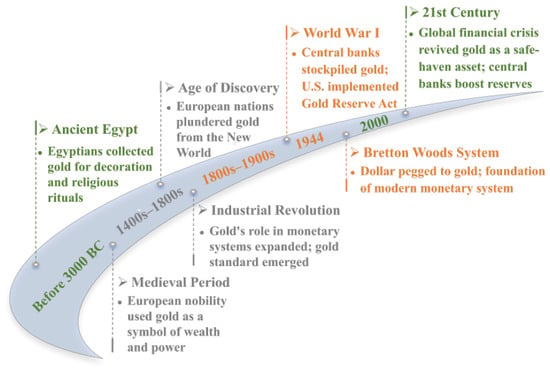
Gold, as a critical material with both financial and industrial value, is widely used across numerous fields such as finance, aerospace and medical care. Under the global background of increasing geopolitical risks and the advancement of high-tech industries, the demand for gold continues
[...] Read more.
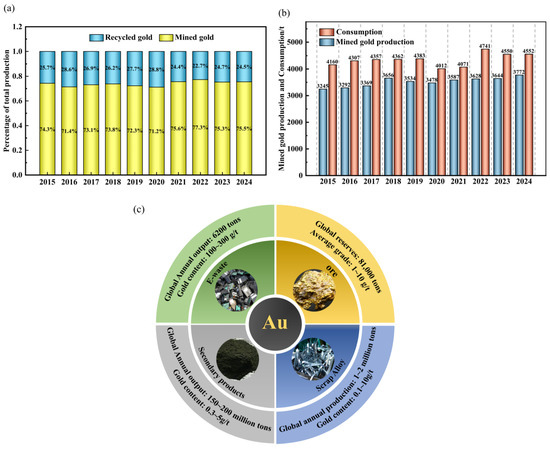
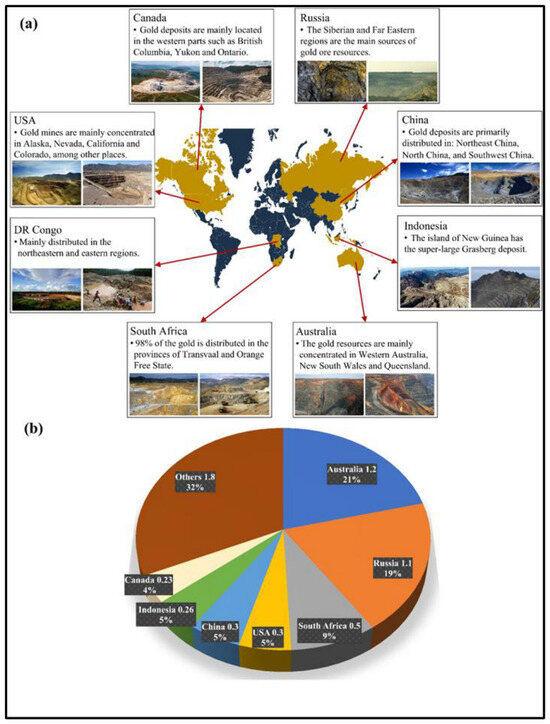
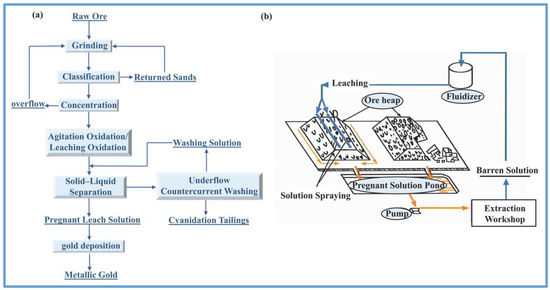
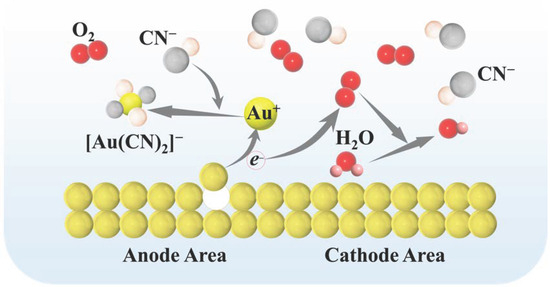
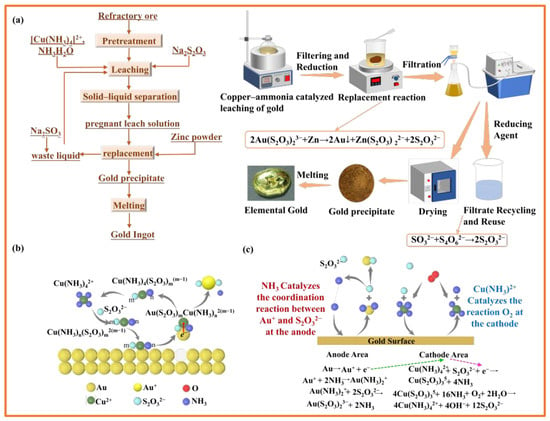
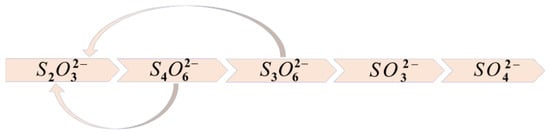
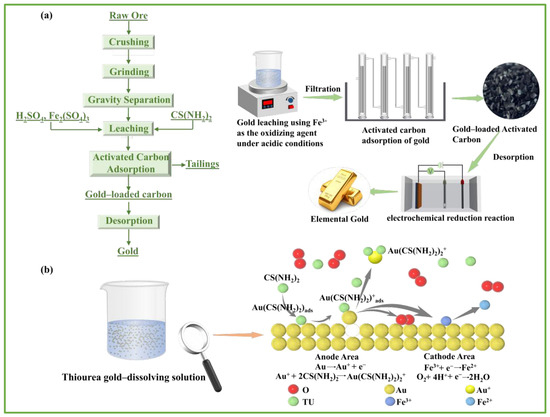
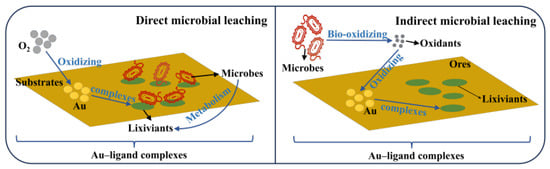
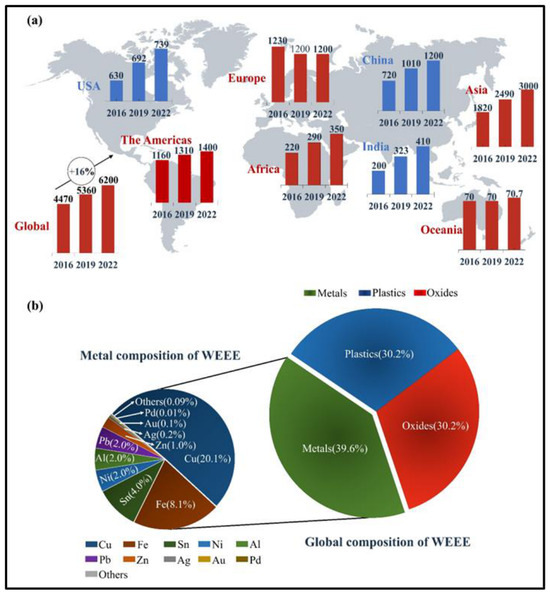
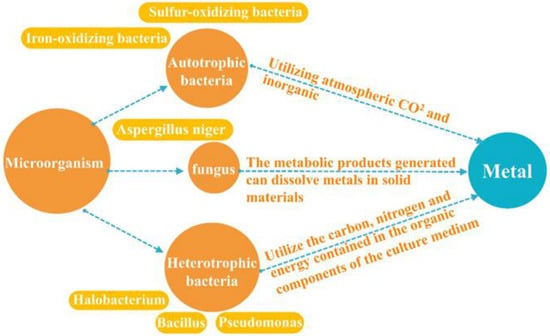
Gold, as a critical material with both financial and industrial value, is widely used across numerous fields such as finance, aerospace and medical care. Under the global background of increasing geopolitical risks and the advancement of high-tech industries, the demand for gold continues to grow steadily. The main raw materials for extracting gold are mainly divided into ore and electronic waste. Currently, conventional cyanidation remains the dominant industrial method for gold recovery. However, issues such as pollution and high toxicity of cyanide tailings are driving global efforts to explore environmentally friendly alternatives. Therefore, the development of green and efficient gold extraction technology has become a global research hotspot. This article focuses on cyanide-free leaching technologies, providing a detailed review of their current developments, advantages, and limitations, and proposing future trends in gold extraction. The future development directions of gold extraction include the development of thiosulfate–glycine leaching systems, the combination of multi-technology collaborative processes such as ultrasonic assistance and biological treatment to enhance efficiency, the strengthening of microbial metallurgy technology, and the construction of a resource recycling system for electronic waste. This review provides new insights and development directions for extracting gold for sustainable development.
Full article
Pore structure characterization is crucial for understanding fluid flow in porous media, including oil and gas reservoirs, aquifers, and geologic formations. Carbonate formations, prevalent in oil and gas reservoirs, pose challenges due to their complex pore structure. This review summarizes diverse methods reported
[...] Read more.
Pore structure characterization is crucial for understanding fluid flow in porous media, including oil and gas reservoirs, aquifers, and geologic formations. Carbonate formations, prevalent in oil and gas reservoirs, pose challenges due to their complex pore structure. This review summarizes diverse methods reported in the literature to characterize the pore structure of carbonate formations. Emphasizing the need for multiple methods and scales, the paper discusses pore-throat classification, imaging techniques (X-ray CT, SEM, and NMR), and pore network modeling. These methods help identify typical pore-throat types and structural features, which commonly exhibit irregular shapes and poor connectivity, thus influencing fluid flow behavior. Pore network modeling elucidates structural heterogeneity and its impact on fluid flow. These insights are vital for oil and gas production and groundwater management, providing a comprehensive understanding of fluid flow in porous media.
Full article
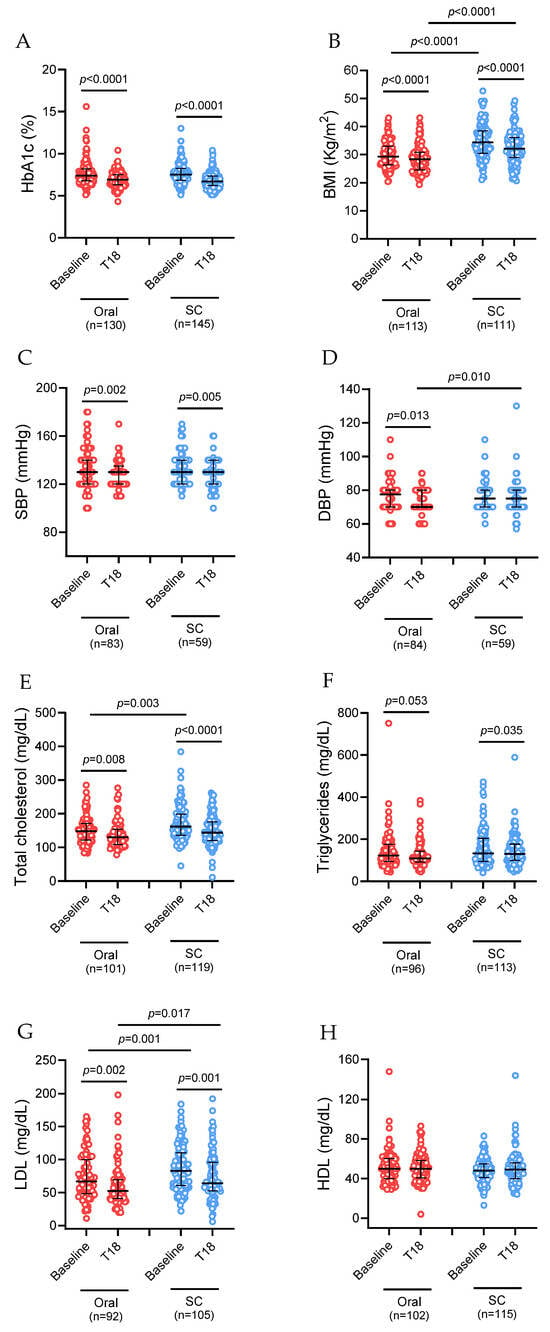
Semaglutide represents a unique therapeutic option for patients with type 2 diabetes mellitus (T2DM), being the first and currently only glucagon-like peptide-1 receptor agonist (GLP-1RA) available in both subcutaneous and oral formulations. This study aimed to compare the effectiveness of oral versus subcutaneous
[...] Read more.
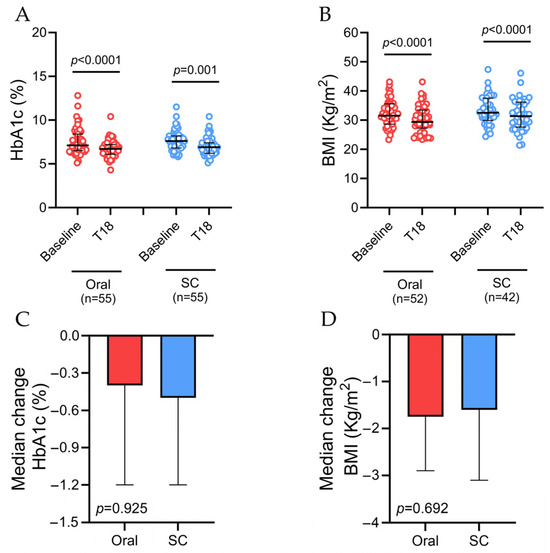
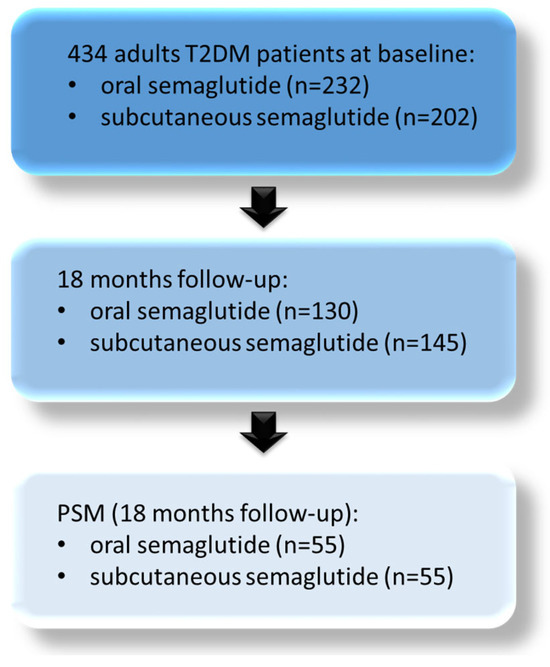
Semaglutide represents a unique therapeutic option for patients with type 2 diabetes mellitus (T2DM), being the first and currently only glucagon-like peptide-1 receptor agonist (GLP-1RA) available in both subcutaneous and oral formulations. This study aimed to compare the effectiveness of oral versus subcutaneous (sc) semaglutide on metabolic parameters and cardiovascular risk factors in T2DM patients. This is a retrospective real-world study including adult patients with T2DM taking oral or sc semaglutide followed at the ASUGI Diabetes Center. We analyzed data from 434 patients (median age 70 years, diabetes duration 13 years), treated with oral (n = 232) or sc (n = 202) semaglutide. The oral formulation had a higher discontinuation rate. Among these patients, 130 patients in the oral group and 145 in the sc group had an 18-month follow-up. When comparing these groups, patients taking sc semaglutide had a significantly higher baseline BMI. However, multivariate linear regression models suggested that both formulations were comparably effective in reducing HbA1c and BMI, with baseline values being the primary predictors of response. To address BMI imbalances, propensity score matching was performed, identifying 55 matched pairs. Both oral and sc semaglutide reduced HbA1c and BMI and there were no significant differences in the median change in HbA1c and BMI between groups. Interestingly, oral semaglutide was associated with a significantly greater reduction in diastolic blood pressure compared to the sc formulation. Furthermore, concomitant therapy with SGLT2 inhibitors significantly enhanced the reduction in total and LDL cholesterol. Oral and subcutaneous semaglutide show comparable effectiveness in lowering HbA1c and BMI in a real-world setting.
Full article
Agricultural production is undergoing a rapid transition from mechanized field operations to data-informed, perception-supported, and adaptive equipment systems [...]
Full article
Rural e-commerce is reshaping agricultural markets, yet its environmental consequences remain insufficiently understood. This study examines how the Rural E-commerce Comprehensive Demonstration (RECD) program affects agricultural carbon outcomes in China. Using a balanced panel of 2152 counties from 2010 to 2022, we employ
[...] Read more.
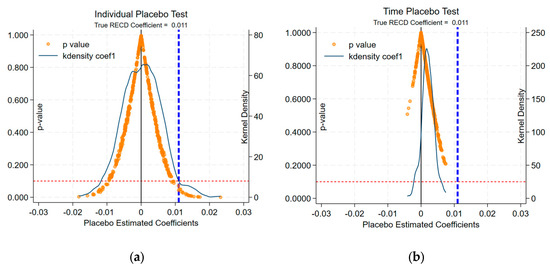
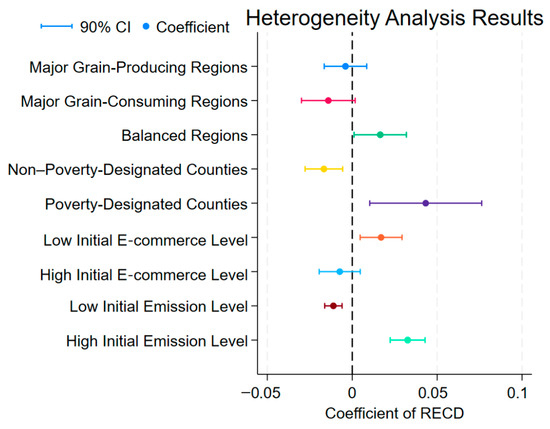
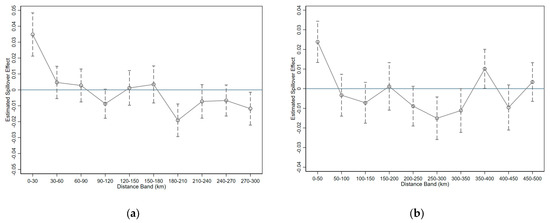
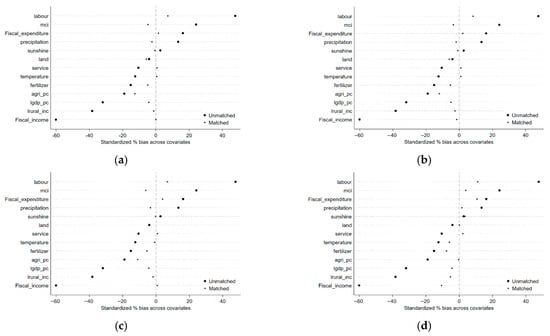
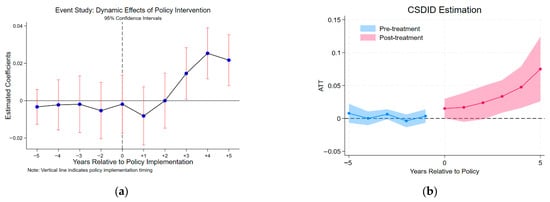
Rural e-commerce is reshaping agricultural markets, yet its environmental consequences remain insufficiently understood. This study examines how the Rural E-commerce Comprehensive Demonstration (RECD) program affects agricultural carbon outcomes in China. Using a balanced panel of 2152 counties from 2010 to 2022, we employ a multi-period difference-in-differences (DID) model to identify the effect of the RECD policy. The results show that the RECD policy significantly increases total agricultural carbon emissions. Evidence for production expansion and production restructuring suggests that improved market access and stronger price incentives encourage output expansion and a shift toward more market-oriented production, thereby raising aggregate emissions. At the same time, the RECD policy significantly reduces the carbon emission intensity and improves the carbon emission efficiency, indicating better carbon performance per unit of agricultural output. Further analysis shows that this dual result reflects the coexistence of efficiency gains and scale expansion, with the scale effect dominating the technical effect at the current stage. The emission-increasing effect is more pronounced in balanced agricultural areas, poverty-designated counties, counties with weaker initial e-commerce foundations, and counties with higher initial emission levels, while stronger environmental regulation and green technological innovation significantly mitigate this effect. In addition, the RECD policy generates spillover effects on neighboring counties within 50 km. These findings provide empirical evidence on the effects of the RECD policy on agricultural carbon emissions and offer policy guidance for integrating rural e-commerce policies with low-carbon agricultural transformation.
Full article
Playing-related musculoskeletal disorders (PRMDs) are highly prevalent among bass-guitar players due to sustained asymmetrical postures, repetitive finger movements, and prolonged support of instrument weight. This study proposes a Human Digital Biomechanical Twin-driven, simulation-based approach to optimize bass-guitar support systems, integrating biomechanical modelling, motion
[...] Read more.
Playing-related musculoskeletal disorders (PRMDs) are highly prevalent among bass-guitar players due to sustained asymmetrical postures, repetitive finger movements, and prolonged support of instrument weight. This study proposes a Human Digital Biomechanical Twin-driven, simulation-based approach to optimize bass-guitar support systems, integrating biomechanical modelling, motion capture, and musculoskeletal simulation. A preliminary survey among 63 Italian bass-guitar players was performed to define the experimental conditions regarding posture, instrument type, and session duration. Fifteen experienced bassists participated in laboratory trials using motion capture and postural assessment tools, including MediaPipe Pose, RULA, and AnyBody Modelling System. Baseline results highlighted significant activation of the trapezius and spinal extensor muscles (19–26% MVC), confirming high ergonomic risk. Three alternative support configurations were digitally simulated, revealing that a three-point harness system (bilateral shoulder straps plus thoracic anchoring) reduced spinal stabilizer activation by 15–25% across four anthropometric percentiles. Experimental validation confirmed enhanced comfort, reduced fatigue, and improved instrument stability, with the majority of participants preferring the ergonomic configuration. These findings demonstrate the feasibility of a simulation-based, prospective, and human-centred ergonomic design framework, offering a scalable methodology to compare and optimize adaptive instrument-support systems before physical prototyping.
Full article
With the deepening integration of 5G-Advanced (5G-A) technology into smart manufacturing, the large-scale deployment of dynamic terminals—such as mobile robots and automated guided vehicles (AGVs)—within industrial private networks introduces complex, time-varying penetration and path losses. This significantly degrades the accuracy of conventional signal
[...] Read more.
With the deepening integration of 5G-Advanced (5G-A) technology into smart manufacturing, the large-scale deployment of dynamic terminals—such as mobile robots and automated guided vehicles (AGVs)—within industrial private networks introduces complex, time-varying penetration and path losses. This significantly degrades the accuracy of conventional signal quality and capacity estimation methods, which were primarily designed for static terminal scenarios, thereby posing substantial challenges to coverage and deployment planning of industrial 5G access points, with downstream implications for power capacity dimensioning. To address this problem, this paper proposes a coverage-driven base station deployment optimization method formulated as a combinatorial optimization problem. The study constructs a signal strength assessment and network throughput calculation model tailored for dynamic industrial environments. This model captures the joint impact of terminal mobility and environmental obstacles on signal propagation, thereby enabling more reliable estimation of coverage performance and power consumption. Furthermore, by formulating the base station placement optimization as a combinatorial optimization problem, and by introducing mechanisms for equivalent transformation of the objective function and data preprocessing, the proposed method substantially reduces redundant computations during heuristic iterations. Simulation results verify that, compared with conventional static planning approaches, the proposed scheme enhances both the accuracy and computational efficiency of deployment planning while maintaining coverage quality. This work provides a theoretical foundation and a practical methodology for deploying reliable and energy-efficient industrial 5G-A private networks.
Full article
Elderly individuals in rural China are highly vulnerable to extreme weather events and temperature fluctuations due to inadequate infrastructure in the built environment and constrained economic conditions, thereby increasing their health risks. Outdoor spaces represent one of the primary daily activity settings for
[...] Read more.
Elderly individuals in rural China are highly vulnerable to extreme weather events and temperature fluctuations due to inadequate infrastructure in the built environment and constrained economic conditions, thereby increasing their health risks. Outdoor spaces represent one of the primary daily activity settings for rural older adults. However, existing research rarely links spatiotemporal patterns of outdoor activities to evidence-based thermal environment optimization, leaving a critical knowledge gap for age-friendly and sustainable rural design. This study focuses on the spatiotemporal differentiation patterns of daily outdoor activities among elderly people aged 60 years and above in rural Xi’an, as well as the optimization of spatial variations in thermal environments. Using on-site interviews, thermal environment measurements, thermal comfort questionnaires, continuous thermal environment monitoring, and machine learning based on random forest, this study drew the following conclusions: (1) outdoor activities in winter were concentrated between 9:00–11:00 and 13:00–17:00, while in summer, they shifted to the morning and evening periods, namely 6:00–9:00 and 17:00–21:00. (2) Models for outdoor clothing adjustment, thermal sensation, and thermal acceptability among elderly residents were established. The calculated neutral temperature was 10.19 °C, with a 90% outdoor thermal acceptability range of 9.6–27.2 °C and an 80% outdoor thermal acceptability range of 6.2–30.6 °C. These findings differ from those documented in regions with distinct climate zones and geographical settings. This discrepancy stems from regional climatic features, lifestyle variations between urban and rural older adults, and differences in the thermal environment quality of elderly-oriented outdoor activity spaces. (3) In winter, the acceptable period of the Universal Thermal Climate Index (UTCI) at south-facing entrances (10:30–16:30) was significantly longer than that in the courtyard (13:30–14:00). In summer, the comfortable period in the courtyard (before 10:00 and after 20:00) was longer than that at north-facing entrances (before 09:00). A random forest model for thermal sensation was established, and the relative importance of each parameter influencing thermal sensation was analyzed. On this basis, priority improvement pathways and strategies for the thermal environment, as well as suggestions for the subjective adaptive behaviors of elderly residents, were proposed. The research results of this study can provide technical solutions for age-friendly thermal environment design in rural areas, thereby safeguarding the comfort, health, and social well-being of the elderly population in rural areas.
Full article
The semi-structured vineyard environments contain numerous irregular obstacles, posing stringent requirements on the navigational safety and trajectory tracking accuracy of mobile robots. To address this challenge, this study first optimizes the A* algorithm at the global planning layer by incorporating a composite turning-cost
[...] Read more.
The semi-structured vineyard environments contain numerous irregular obstacles, posing stringent requirements on the navigational safety and trajectory tracking accuracy of mobile robots. To address this challenge, this study first optimizes the A* algorithm at the global planning layer by incorporating a composite turning-cost evaluation model and a heuristic dynamic weighting strategy, thereby effectively enhancing search efficiency and path smoothness. Building upon this, a local planning method is further developed by integrating an adaptive sampling mechanism with high-order interpolation-based kinematic continuity constraints and a heading-rate-driven velocity smoothing strategy. This enables the robot to maintain a safe clearance from obstacles in dynamic environments, thereby significantly enhancing the smoothness of obstacle avoidance maneuvers. Both simulation and field experiment results demonstrate that the improved global planning algorithm reduces the number of critical turning points and the total turning angle by up to 18.0%. Across three typical path scenarios, the proposed fusion method reduces the robot’s positional deviation by up to 21.8% and the heading angle deviation by up to 29.6%, while concurrently increasing the safe clearance from obstacles by 42.0%. These findings suggest that the proposed framework establishes a viable algorithmic foundation for improving the navigation accuracy, obstacle avoidance stability, and operational safety.
Full article
With the rapid deployment of deep neural networks (DNNs) on edge devices, traditional hardware accelerators face significant challenges in terms of data security, computational redundancy caused by sparsity, and uneven utilization of on-chip resources. This paper proposes SaE-FPGA, a secure and efficient DNN
[...] Read more.
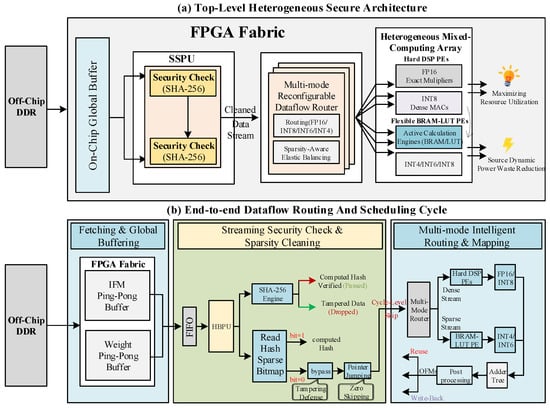
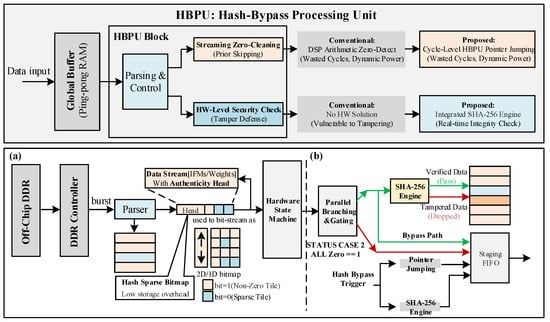
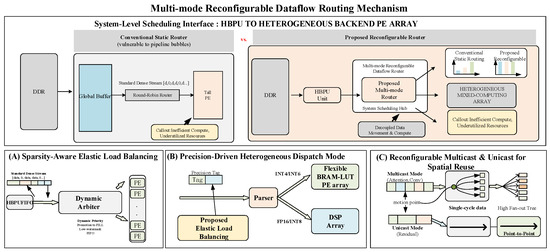
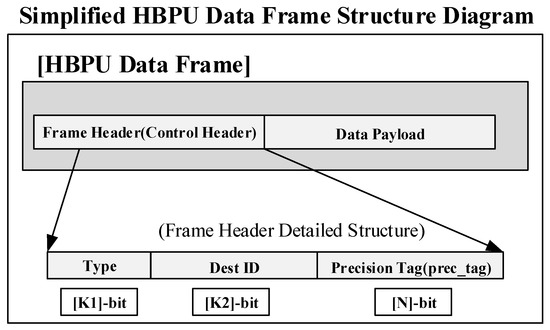
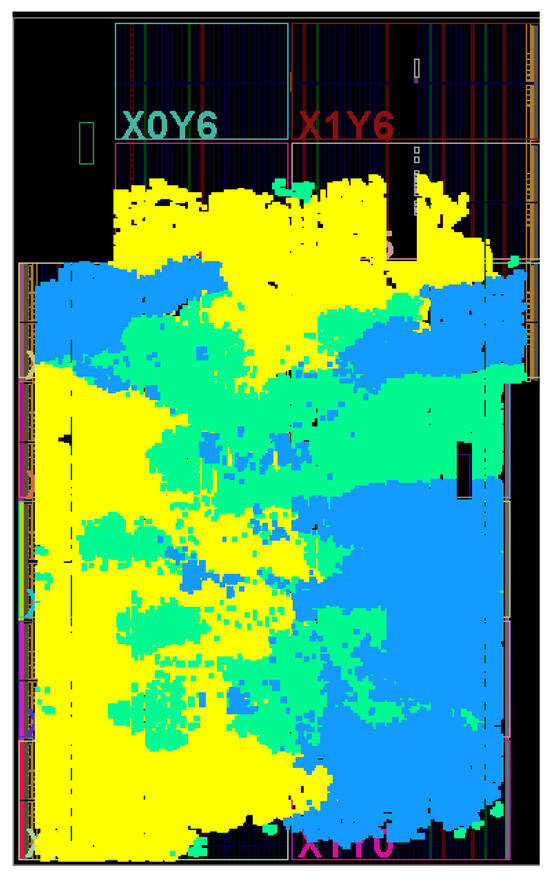
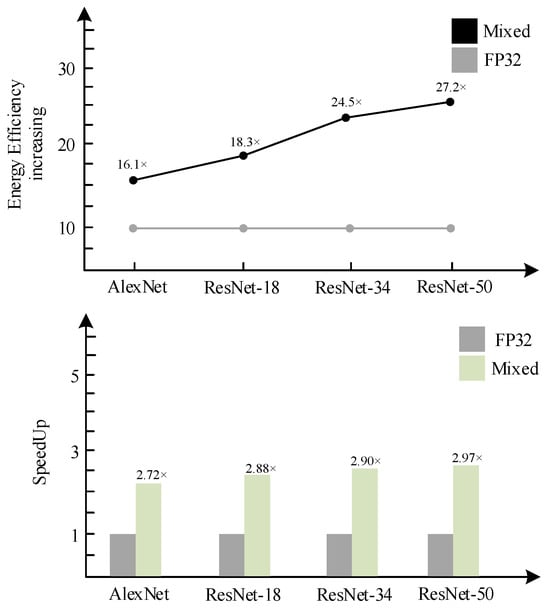
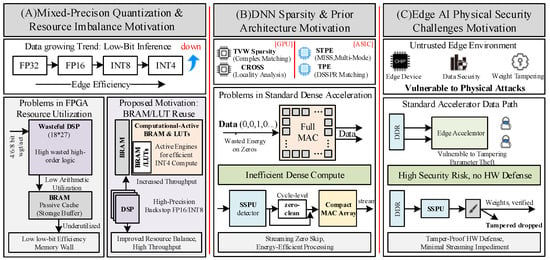
With the rapid deployment of deep neural networks (DNNs) on edge devices, traditional hardware accelerators face significant challenges in terms of data security, computational redundancy caused by sparsity, and uneven utilization of on-chip resources. This paper proposes SaE-FPGA, a secure and efficient DNN accelerator designed specifically for edge FPGA platforms. The architecture introduces three core innovations: (1) Hash-Bypass Processing Unit (HBPU): Integrating a high-speed SHA-256 hardware engine with a hash-sparse bitmap mechanism, it enables real-time data integrity verification within a single clock cycle while skipping computations for redundant zero-value data. (2) Flexible Mixed-Precision Processing Element (FMP): By reconfiguring idle BRAM and LUT resources into an active lookup table multiplication engine, it overcomes the physical bit-width limitations of DSP blocks and supports INT8/INT6/INT4 mixed-precision multiplication. (3) Multi-mode Reconfigurable Streaming Frame (MRSF): A sparse-aware, elastic load balancing and data routing mechanism designed to mask long memory access latencies and ensure high hardware resource utilization. Experimental results on the Zynq 7045 platform demonstrate that SaE-FPGA reduces redundant computations by 23.2% while maintaining high precision and minimizing precision loss. The system effectively mitigates the risk of physical tampering. When tested on ResNet-50, it achieved a 27.2% improvement in energy efficiency and a 2.97× speedup compared to DSP-based FPGA solutions. Furthermore, by fully exploiting the hybrid BRAM-LUT and DSP configuration, the proposed accelerator achieves a remarkable peak throughput of 782.4 GOPS.
Full article






 Sustainability
 Applied Sciences
 IJMS
IJMS
 JCM
JCM
 Sensors
 Energies
 Materials
 Electronics
 Buildings
 Foods
Foods
 Mathematics
 Remote Sensing
 Molecules
 Processes
 Diagnostics
 Cancers
 Nutrients
 Animals
 Plants
 Healthcare
 Polymers
 Water
Water
 Biomedicines
 Microorganisms
 Agriculture
 Medicina
 Land
Land
 Cells
Cells
 JMSE
JMSE
 Life
Life
 Symmetry
 Agronomy
 Behavioral Sciences
 Education Sciences
 Pharmaceuticals
 Biology
 Biomolecules
 IJERPH
 Children
 Antioxidants
 Horticulturae
 Pharmaceutics
 Micromachines
 Forests
 Nanomaterials
 Coatings
 Entropy
 Religions
 Bioengineering
 Genes
Genes
 Machines
 Systems
 Pathogens
 Metals
 Brain Sciences
 Viruses
 CIMB
CIMB
 Minerals
 Atmosphere
 Veterinary Sciences
 Antibiotics
 Information
 Catalysts
 Insects
 Photonics