


Advancing Open Science
A global leader in open access publishing, supporting research
communities and accelerating scientific discovery
 
17 pages, 2217 KB  
Article
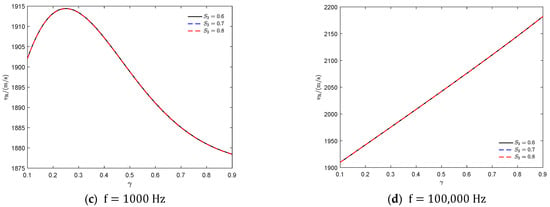
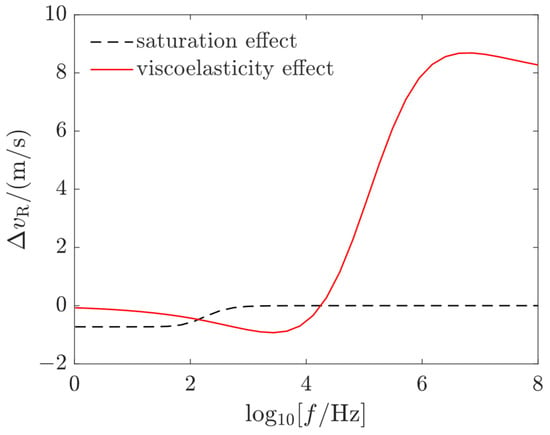
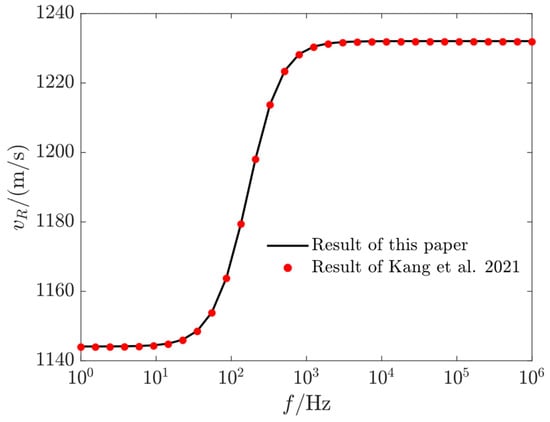
Propagation Behaviors of Rayleigh Waves in Partially Saturated Poroviscoelastic Half-Space
by Xinzhu Ma and Tengyu Ma
Mathematics 2026, 14(14), 2608; https://doi.org/10.3390/math14142608 (registering DOI) - 17 Jul 2026
Abstract
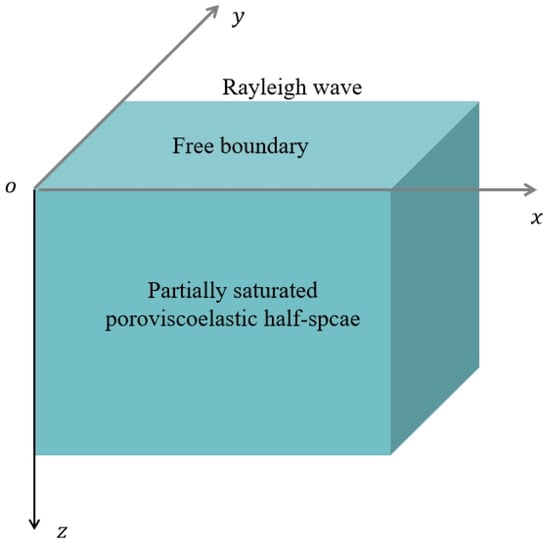
This study investigates the propagation characteristics of Rayleigh waves in partially saturated poroviscoelastic half-spaces based on fundamental theories of elastic wave propagation. Firstly, a poroviscoelastic model tailored to unsaturated porous media is developed, integrating constitutive relations and dynamic equilibrium equations with fractional derivatives [...] Read more.
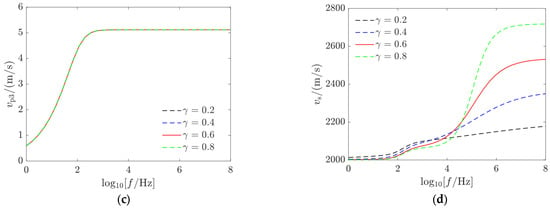
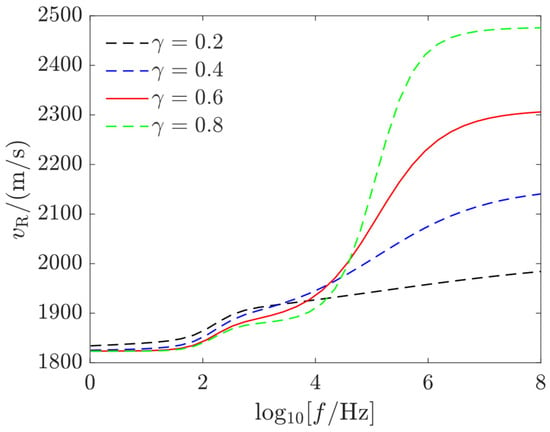
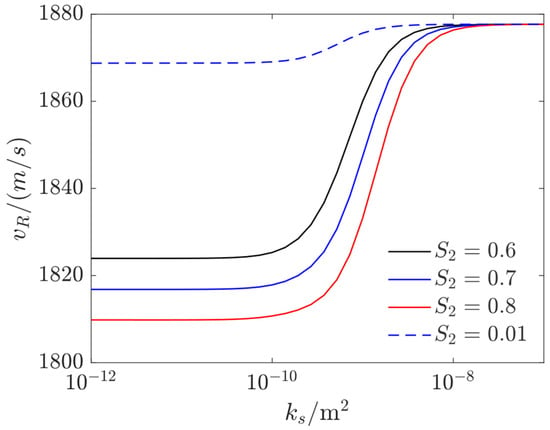
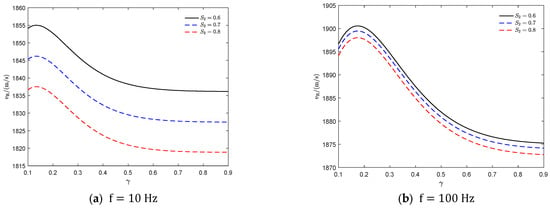
This study investigates the propagation characteristics of Rayleigh waves in partially saturated poroviscoelastic half-spaces based on fundamental theories of elastic wave propagation. Firstly, a poroviscoelastic model tailored to unsaturated porous media is developed, integrating constitutive relations and dynamic equilibrium equations with fractional derivatives to effectively capture the complex, history-dependent viscoelastic behavior of materials. Secondly, the potential function method is employed to derive the dispersion equation for Rayleigh waves in the proposed medium. Lastly, numerical simulations are conducted to analyze the effects of liquid saturation and fractional order parameters on Rayleigh wave velocity, with results presented through graphical illustrations. The analysis reveals that both liquid saturation and fractional order significantly influence the propagation features of Rayleigh waves. This work provides valuable theoretical support for seismic exploration and related engineering applications involving unsaturated porous formations. Full article
(This article belongs to the Special Issue Advances in Fractional Calculus for Modeling and Applications)
Show Figures

Figure 1

24 pages, 9339 KB  
Article
Context-Aware Modeling of Morphology–Performance Associations and Cross-Temporal Generalization Using Variational Autoencoder Latent Representations
by Chengyu Sun, Xinru Wang and Yu Meng
ISPRS Int. J. Geo-Inf. 2026, 15(7), 328; https://doi.org/10.3390/ijgi15070328 (registering DOI) - 17 Jul 2026
Abstract
A better understanding of the associations between urban morphology and performance can support more evidence-based urban governance and design evaluation. However, conventional hand-crafted metrics may omit important configurational information, making it difficult to model morphology–performance relationships consistently across multiple performance domains and under [...] Read more.
A better understanding of the associations between urban morphology and performance can support more evidence-based urban governance and design evaluation. However, conventional hand-crafted metrics may omit important configurational information, making it difficult to model morphology–performance relationships consistently across multiple performance domains and under changing urban conditions. To address this issue, this study tests a modeling pathway based on variational autoencoder (VAE) latent representations of urban morphology, combined with neighborhood de-averaging to reduce the influence of locational context, and evaluates it through a four-phase design covering explanatory gain, cross-dimensional response, contextual-scale and spatial robustness, and temporal generalizability. Using Shanghai as the empirical case, the results show that the latent-representation modeling pathway consistently outperforms multiple hand-crafted metric-based baselines. This relative advantage remained evident across multiple contextual scales, under spatially grouped validation, and in temporal validation. The pathway enables complex urban morphology to enter multidimensional performance models through a unified representation and has practical application potential for data-driven urban evaluation and performance-oriented planning support. Full article
22 pages, 2564 KB  
Review
From Inflammation to Neuroplasticity: Molecular Mechanisms of Pain in Acute, Recurrent and Chronic Pancreatitis
by Cristina Patoni, Stella Ioana Popescu, Christopher Pavel, Marius Nicolae Popescu and Cristian Gheorghe
Int. J. Mol. Sci. 2026, 27(14), 6383; https://doi.org/10.3390/ijms27146383 (registering DOI) - 17 Jul 2026
Abstract
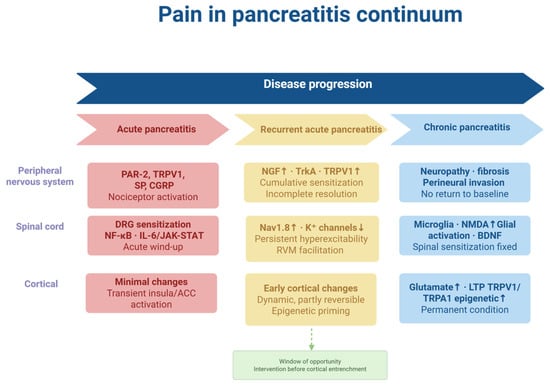
Pain is the most significant and debilitating symptom throughout all stages of pancreatitis, yet the precise mechanisms responsible for it remain only partially understood, and current pain relief methods often prove insufficient. To gain a clearer understanding, it is crucial to consider pancreatitis [...] Read more.
Pain is the most significant and debilitating symptom throughout all stages of pancreatitis, yet the precise mechanisms responsible for it remain only partially understood, and current pain relief methods often prove insufficient. To gain a clearer understanding, it is crucial to consider pancreatitis not as a singular condition but as comprising three distinct clinical types: acute pancreatitis (AP), recurrent acute pancreatitis (RAP), and chronic pancreatitis (CP), each of which may involve different pathways for pain perception. Notably, RAP has historically been overlooked as a distinct entity, resulting in a paucity of phenotype-specific data regarding its pain mechanisms. At the molecular level, pain in pancreatitis involves peripheral and central sensitization, neuroinflammatory signaling, and structural neural remodeling, processes driven by mediators such as substance P, CGRP, NGF, TRP channels, and pro-inflammatory cytokines. However, these mechanisms have been studied largely in isolation and within single phenotypes, leaving a critical gap in our understanding of how they evolve and interact across the full disease spectrum. This review aims to establish a comprehensive framework detailing the molecular mechanisms responsible for pain in all three pancreatitis phenotypes, with a particular focus on RAP as a less-studied clinical condition and to identify phenotype-specific targets for therapeutic development. Full article
(This article belongs to the Special Issue Pancreatic Diseases: Molecular Pathology and Therapeutics)
Show Figures

Figure 1

13 pages, 500 KB  
Article
Impact of Dental Rehabilitation on Oral Health-Related Quality of Life in Children with Cerebral Palsy: A 12-Month Prospective Pilot Study in Two Different Age Groups
by Alaz Oya Erenel, Seçil Çalışkan, Coşkun Yarar, Arife Derda Yücel Şen and Sibel Özdemir
Medicina 2026, 62(7), 1387; https://doi.org/10.3390/medicina62071387 (registering DOI) - 17 Jul 2026
Abstract
Background and Objectives: Children with cerebral palsy (CP) are at increased risk for oral health problems, yet prospective evidence on the impact of dental rehabilitation on oral health-related quality of life (OHRQoL) in this population remains limited. This study aimed to prospectively evaluate [...] Read more.
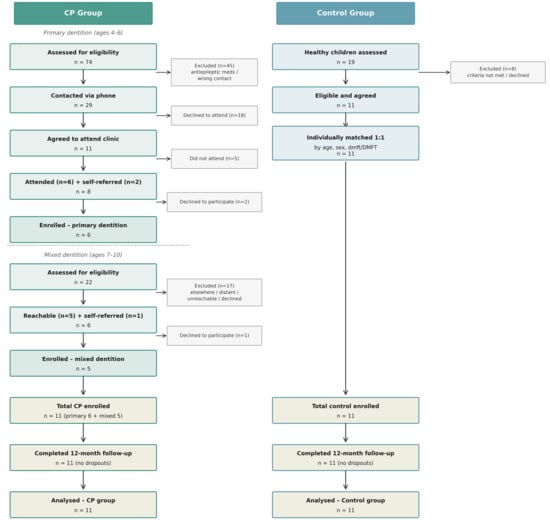
Background and Objectives: Children with cerebral palsy (CP) are at increased risk for oral health problems, yet prospective evidence on the impact of dental rehabilitation on oral health-related quality of life (OHRQoL) in this population remains limited. This study aimed to prospectively evaluate the effects of comprehensive chairside dental rehabilitation on OHRQoL in children with spastic-type CP across two age groups, and to compare outcomes with healthy controls over a 12-month follow-up period. Materials and Methods:This prospective controlled pilot study included 22 children (11 with spastic-type CP, 11 healthy controls), individually matched by age, sex, and caries index (dmft/DMFT). Participants were divided into two subgroups based on dentition stage: the primary dentition group (n = 12; 6 CP, 6 controls; ages 4–6, assessed with the parent-reported ECOHIS) and the mixed dentition group (n = 10; 5 CP, 5 controls; ages 7–10, assessed with the POQL, which incorporates both child-reported and parent-reported forms). OHRQoL was measured at baseline, 3, 6, and 12 months. Comprehensive chairside dental rehabilitation was performed in accordance with AAPD guidelines. The Friedman test and Mann–Whitney U test were used for within-group and between-group comparisons, respectively. Effect sizes (Kendall’s W and r) and 95% confidence intervals were calculated for statistically significant findings. Results: Parent-reported POQL scores demonstrated statistically significant improvement over 12 months in both the CP (p = 0.004) and control (p = 0.007) groups, with the most pronounced change occurring between baseline and the 12th month. ECOHIS scores and child-reported POQL scores decreased across time points without reaching statistical significance. No significant between-group differences were detected at any time point. Conclusions: Comprehensive chairside dental rehabilitation was associated with significant improvements in parent-reported OHRQoL in both children with CP and healthy controls, whereas ECOHIS and child-reported POQL scores showed numerical improvements that did not reach significance. These findings indicate that high-functioning children with spastic-type CP can benefit from dental rehabilitation comparably to their healthy peers, though larger and more heterogeneous samples are needed to confirm and generalize these preliminary results. Full article
(This article belongs to the Section Pediatrics)
Show Figures

Figure 1

21 pages, 3697 KB  
Article
Polyphenol-Rich Cinnamon Bud Extract Affects Ataxin-3 Aggregation and Ameliorates SCA3 Phenotypes Through a Dual Anti-Amyloidogenic and Antioxidant Mechanism
by Barbara Sciandrone, Roberta Pensotti, Diletta Ami, Alessia Saponara, Riccardo Campanile, Valeria Cassina, Antonino Natalello, Alessandro Palmioli, Cristina Airoldi and Maria Elena Regonesi
Molecules 2026, 31(14), 2510; https://doi.org/10.3390/molecules31142510 (registering DOI) - 17 Jul 2026
Abstract
Aberrant self-assembly of ataxin-3 (ATX3) into amyloid aggregates is a key pathological event in spinocerebellar ataxia type 3 (SCA3). Bioactive nutraceutical compounds, particularly polyphenols, have emerged as promising candidates for targeting protein aggregation and cellular stress responses associated with neurodegenerative disorders. Here, we [...] Read more.
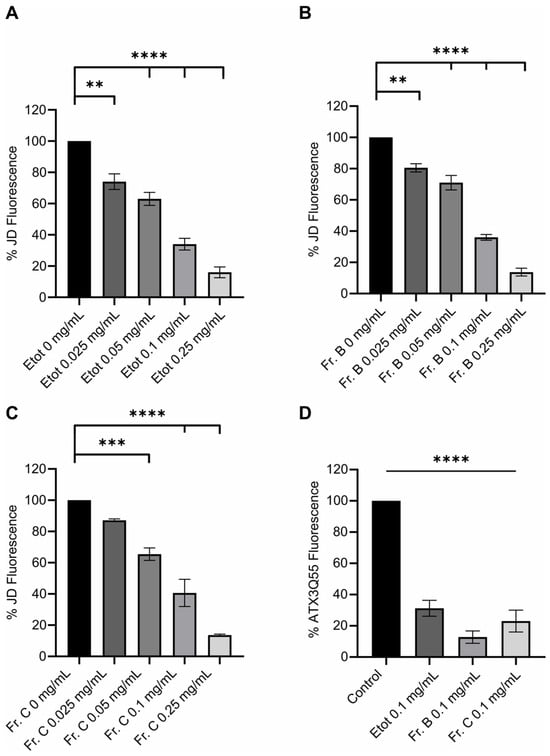
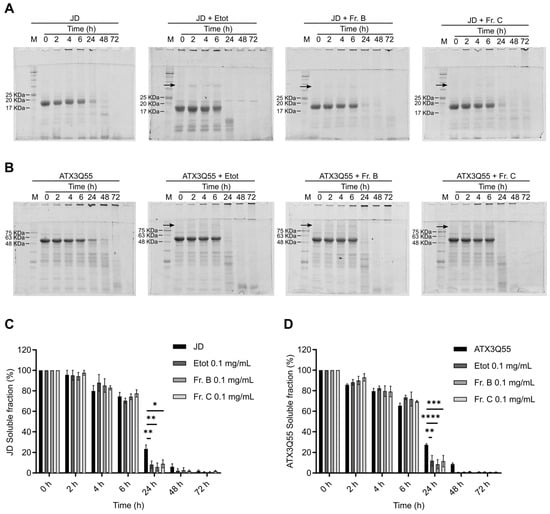
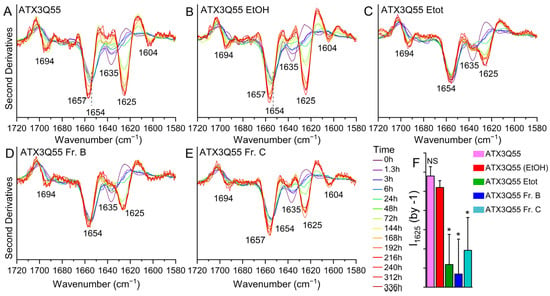
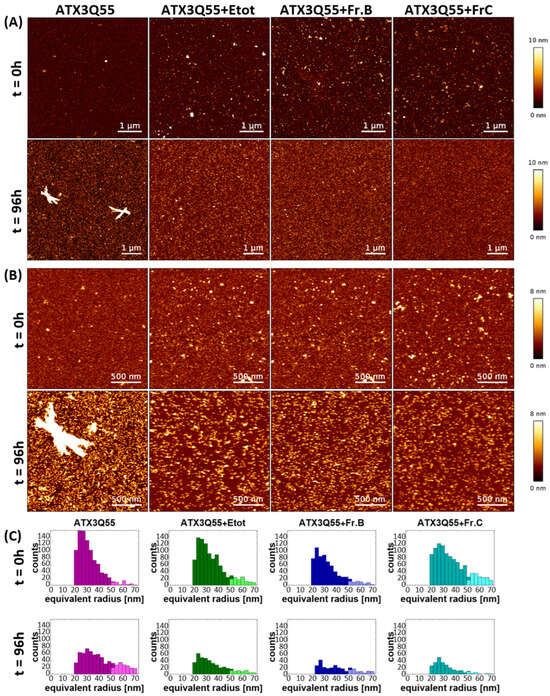
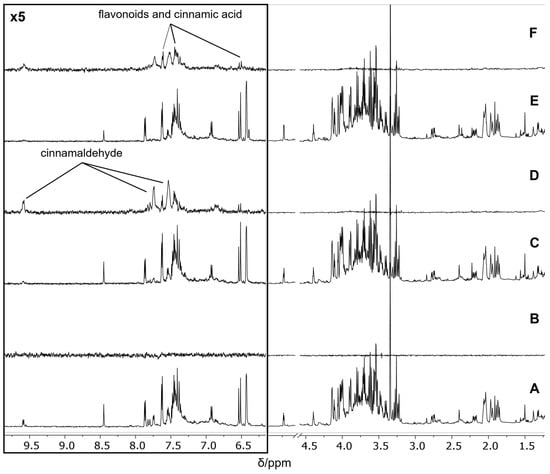
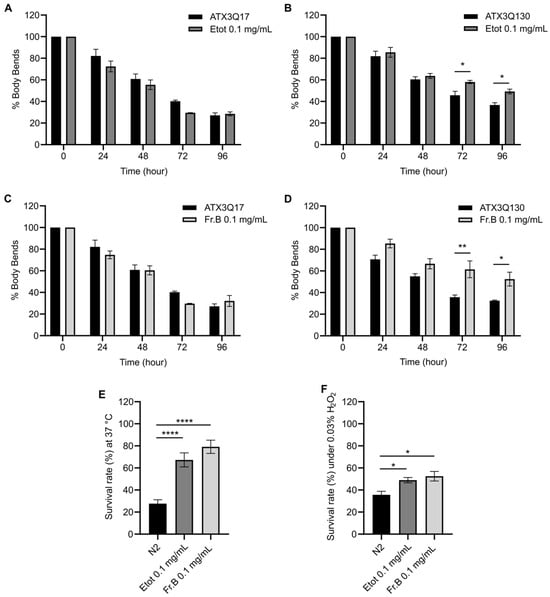
Aberrant self-assembly of ataxin-3 (ATX3) into amyloid aggregates is a key pathological event in spinocerebellar ataxia type 3 (SCA3). Bioactive nutraceutical compounds, particularly polyphenols, have emerged as promising candidates for targeting protein aggregation and cellular stress responses associated with neurodegenerative disorders. Here, we investigated cinnamon bud extract as a natural source of neuroprotective molecules, focusing on its total extract (Etot) and two bioactive fractions: a polyphenol-enriched fraction (Fr. B) and a cinnamaldehyde-rich fraction (Fr. C). By integrating biochemical and biophysical techniques, we demonstrate that cinnamon-derived compounds modulate ATX3 aggregation by reducing the formation of β-sheet-rich amyloid assemblies and promoting the generation of SDS-resistant, soluble, structurally distinct, non-fibrillar species. NMR profiling identified flavonoids, cinnamaldehyde, and cinnamic acid as key ATX3-interacting molecules, supporting their contribution to the anti-amyloidogenic activity of the extract. Moreover, in a Caenorhabditis elegans SCA3 model, Etot and Fr. B improved locomotor defects and enhanced resistance to oxidative and thermal stress, indicating broader cytoprotective effects beyond direct aggregation modulation. Overall, these findings highlight cinnamon bud extract, particularly its polyphenol-rich fraction, as a promising nutraceutical source of bioactive compounds with potential neuroprotective properties and provide a basis for further investigation of nutraceutical strategies targeting polyglutamine-related neurodegenerative diseases. Full article
Show Figures

Figure 1

28 pages, 7385 KB  
Article
Investigating the Performance of Asphalt Modified with Rubber Powder and Surface Organic Layered Double Hydroxides
by Chenze Fang, Xu Guo, Yuanzhao Chen, Zhenxia Li, Tengteng Guo, Hui Li, Jingyu Yang, Haijun Chen, Qi Chen, Chaohui Wang, Qian Chen, Xiaoyan Han and Yi Lu
Gels 2026, 12(7), 641; https://doi.org/10.3390/gels12070641 (registering DOI) - 17 Jul 2026
Abstract
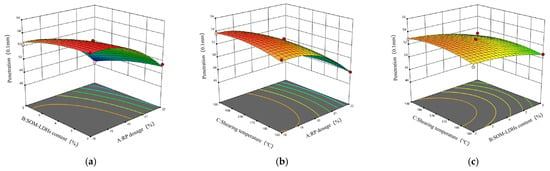
In order to promote the sustainable development of road engineering, this study used waste tire rubber powder (RP) and surface organic layered double hydroxide (SOM-LDHs) to modify 70# matrix asphalt. The Box–Behnken design response surface method with three factors (rubber powder content, surface [...] Read more.
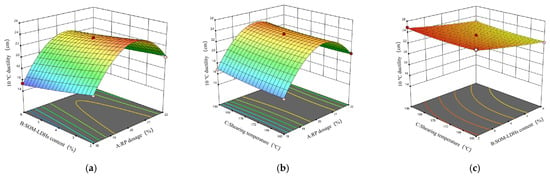
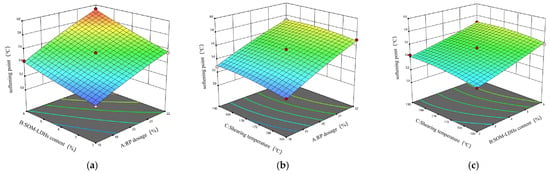
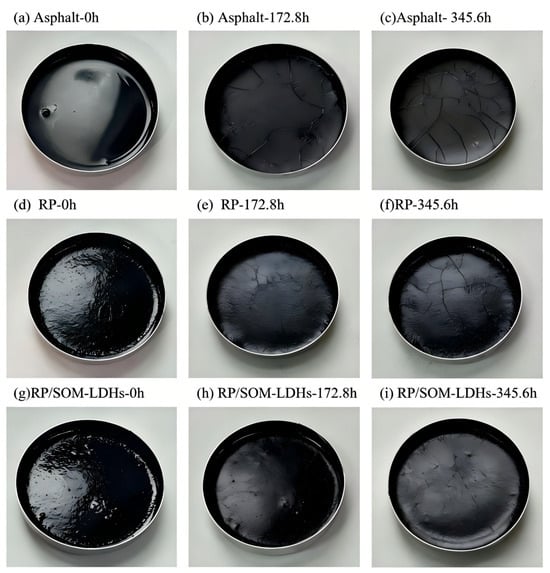
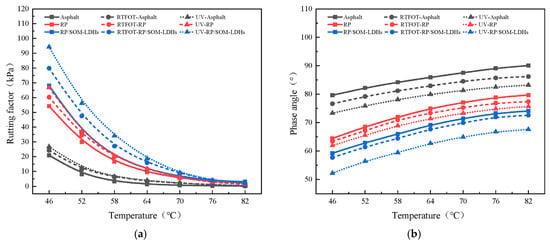
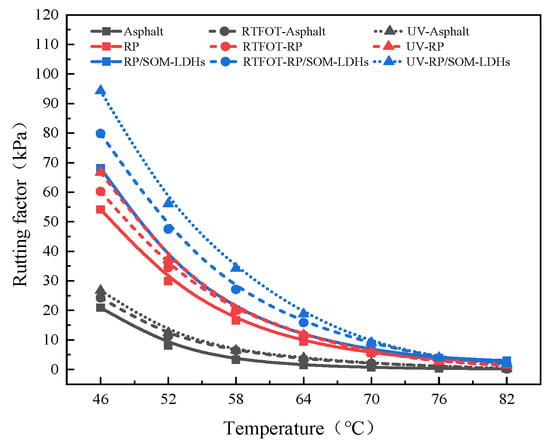
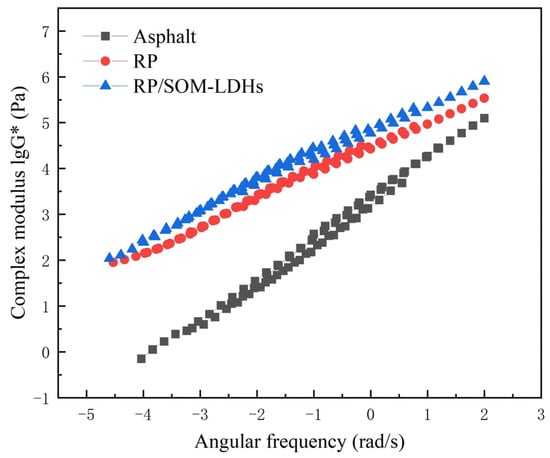
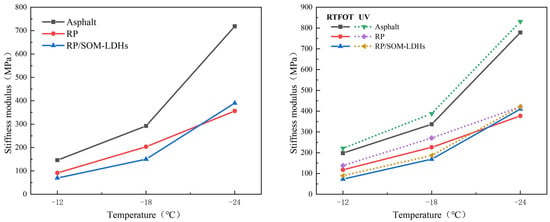
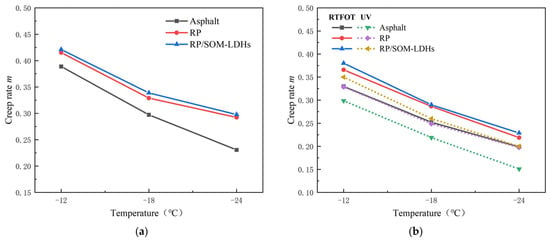
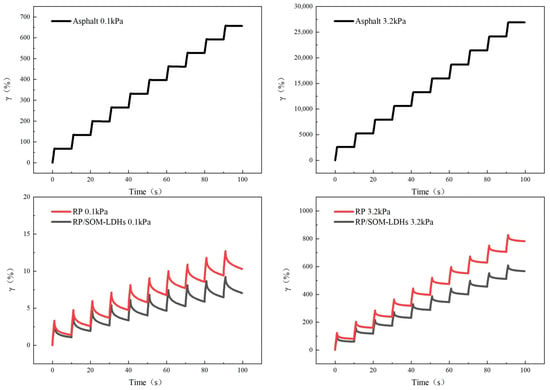
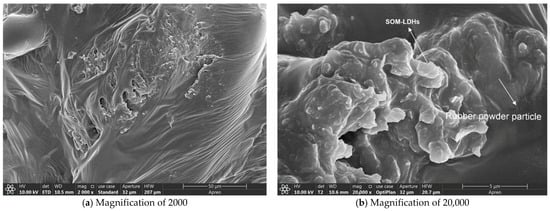
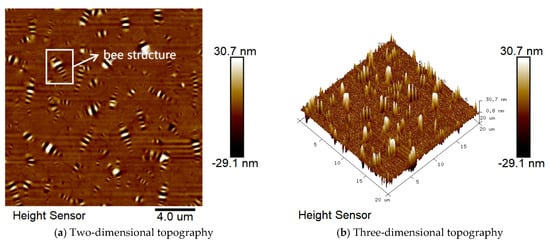
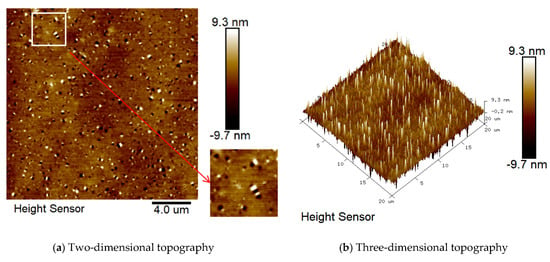
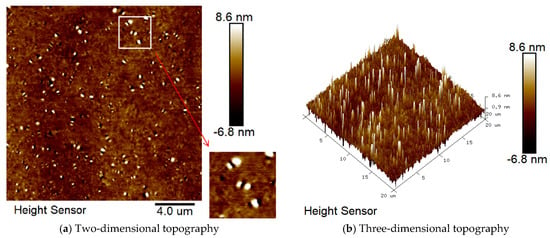
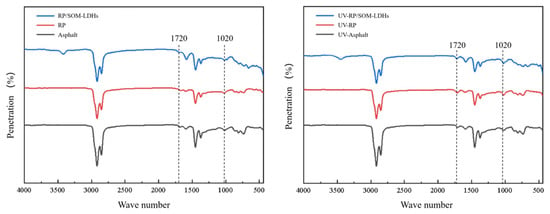
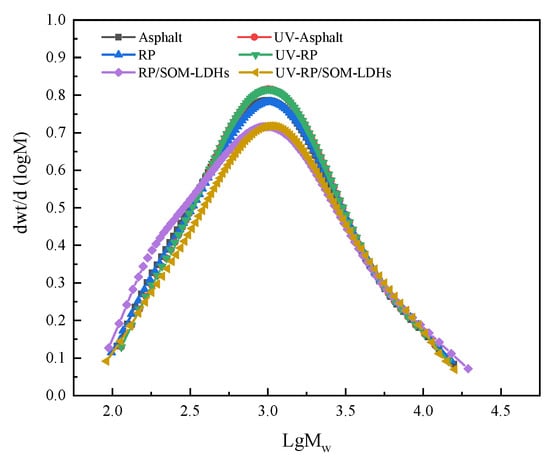
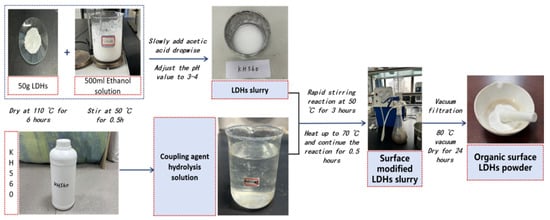
In order to promote the sustainable development of road engineering, this study used waste tire rubber powder (RP) and surface organic layered double hydroxide (SOM-LDHs) to modify 70# matrix asphalt. The Box–Behnken design response surface method with three factors (rubber powder content, surface organic layered double hydroxide content, shear temperature) and three responses (penetration, ductility, softening point) was used to optimize the preparation parameters. The optimum formula was determined to be 21.7% rubber powder content, 4.8% surface organic layered double hydroxide content, and 160 °C shear temperature. The effect of the modifier on the surface morphology was analyzed using a rotating film oven test and ultraviolet aging test. The high and low temperature rheological properties of asphalt were evaluated by dynamic shear rheometer (DSR), bending beam rheometer (BBR), and the multi-stress creep recovery test (MSCR). The microstructure was observed by scanning electron microscopy (SEM) and atomic force microscopy (AFM). The aging mechanism was investigated by Fourier transform infrared spectroscopy (FTIR) and gel permeation chromatography (GPC). The results show that after aging, the complex shear modulus of rubber powder/surface organic layered double hydroxide composite modified asphalt is the highest, which is 27.35% higher than that of matrix asphalt. The rutting factor reaches 79.86 kPa at 46 °C, the phase angle decreases by 11.83% after UV aging, and the high temperature plastic deformation resistance is the best. In the low temperature range of −18 °C to −24 °C, the creep stiffness of the composite modified asphalt is about 30% lower than that of the matrix asphalt, while the m value is increased by about 15%, and the low temperature stress relaxation performance is significantly improved. The strain recovery rate of composite modified asphalt under 3.2 kPa stress reaches 78.5%, and the unrecoverable creep compliance is as low as 0.18 kPa−1, which is better than that of matrix asphalt and single rubber powder modified asphalt. Full article
Show Figures

Figure 1

31 pages, 3100 KB  
Review
Physical Activity and Epigenetically Active Supplementation in Obesity: Mechanisms, Human Evidence, and Future Directions
by Agata Leońska-Duniec
Appl. Sci. 2026, 16(14), 7191; https://doi.org/10.3390/app16147191 (registering DOI) - 17 Jul 2026
Abstract
Obesity is a chronic relapsing disease associated with excess adiposity, metabolic dysfunction, low-grade inflammation, and persistent epigenetic alterations. Changes in DNA methylation, histone modifications, chromatin remodeling, and non-coding RNAs may contribute to adipose tissue dysfunction, insulin resistance, impaired metabolic flexibility, and weight regain. [...] Read more.
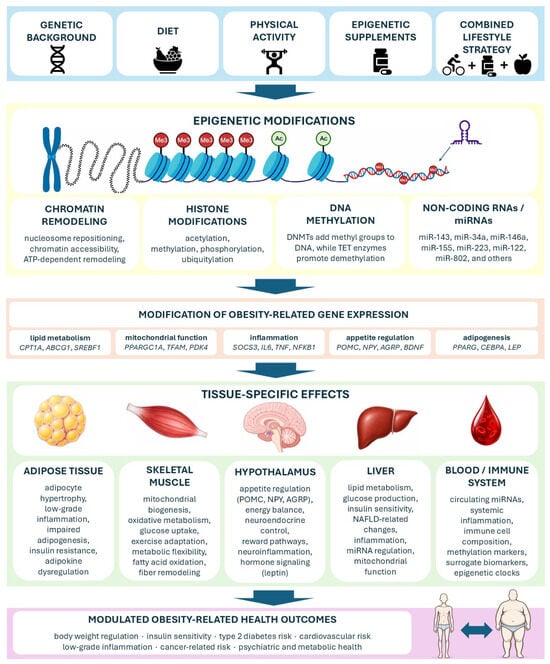
Obesity is a chronic relapsing disease associated with excess adiposity, metabolic dysfunction, low-grade inflammation, and persistent epigenetic alterations. Changes in DNA methylation, histone modifications, chromatin remodeling, and non-coding RNAs may contribute to adipose tissue dysfunction, insulin resistance, impaired metabolic flexibility, and weight regain. This narrative review aimed to critically examine current evidence on the epigenetic effects of physical activity and epigenetically active supplements in obesity, with particular attention to their potential shared and complementary mechanisms. A focused literature search covering publications from January 2000 to May 2026 was conducted using scientific databases. The search strategy was constructed around four main thematic areas: obesity and metabolic dysfunction, physical activity and exercise interventions, bioactive supplementation, and epigenetic regulation. Current evidence indicates that physical activity is a strong epigenetic stimulus, particularly in adipose tissue and skeletal muscle. Exercise-induced epigenetic modifications may regulate biological pathways involved in mitochondrial function, inflammation, insulin sensitivity, and metabolic adaptation. In contrast, evidence for omega-3 fatty acids, vitamin D, polyphenols, and multi-ingredient anti-inflammatory supplementation is more heterogeneous and relies largely on blood-derived or systemic biomarkers. Integrated exercise–supplementation strategies are biologically plausible, but their obesity-specific epigenetic effects require confirmation in long-term, well-controlled human studies. Full article
(This article belongs to the Special Issue Advances in Sport Physiology, Nutrition, and Metabolism, 2nd Edition)
Show Figures

Figure 1

39 pages, 1344 KB  
Article
A Hybrid Multilayer Dynamic Modelling Framework for Path-Dependent Stochastic Systems: Application to EU Digital Public Services
by Oana-Ramona Lobonț, Andrei Trip, Florina Stanciu, Cristina Criste, Iuliana Militaru and Daniel Brîndescu-Olariu
Mathematics 2026, 14(14), 2607; https://doi.org/10.3390/math14142607 (registering DOI) - 17 Jul 2026
Abstract
Path-dependent dynamic systems are often analysed through separate metric, stochastic, econometric or nonlinear methods, while their integration within a unified architecture remains limited. This study develops and validates a Hybrid Dynamic Modelling Framework (HDMF) for path-dependent stochastic systems, using EU-27 digital public service [...] Read more.
Path-dependent dynamic systems are often analysed through separate metric, stochastic, econometric or nonlinear methods, while their integration within a unified architecture remains limited. This study develops and validates a Hybrid Dynamic Modelling Framework (HDMF) for path-dependent stochastic systems, using EU-27 digital public service trajectories during 2017-2022 as an empirical application. The framework combines DTW-TimeSeriesKMeans clustering, Markov transition analysis, PVAR, SEM and MLP approximation. The findings answer the four research questions sequentially. First, EU digital public service development is represented by three distinct trajectory regimes rather than a single convergence path. Second, the Markov layer shows strong diagonal dominance, limited mobility and practical non-ergodicity over the finite observation horizon, indicating persistent state dependence. Third, the PVAR layer confirms dynamic stability and bounded feedback within the institutional–digital system. Fourth, the SEM and MLP layers identify governance as a coherent latent institutional structure and reveal nonlinear predictive heterogeneity, suggesting possible threshold-type behaviour. Overall, the findings support the HDMF as a coherent multilayer architecture for modelling complex path-dependent systems and demonstrate its empirical usefulness through the EU digital public service case. Full article
20 pages, 4687 KB  
Article
Comparative Study of Machine Learning Models for Optimal Prediction of Printed-Line Features in Material Extrusion Additive Manufacturing
by Shuhao Shen, Ruohan Chen, Wenjie Sun, Meiya Zhao and Haining Zhang
Materials 2026, 19(14), 3092; https://doi.org/10.3390/ma19143092 (registering DOI) - 17 Jul 2026
Abstract
Material extrusion (MEX), commonly known as fused deposition modeling (FDM), has become a widely adopted additive manufacturing (AM) technology owing to its low equipment cost and broad polymer compatibility. However, the geometric fidelity of the printed line often suffers from defects that compromise [...] Read more.
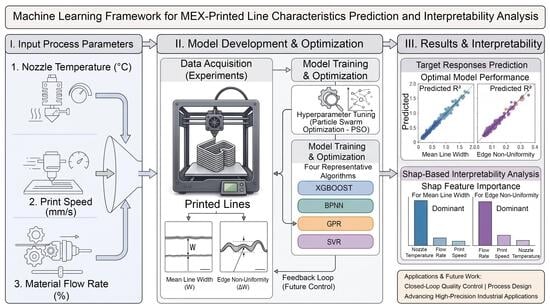
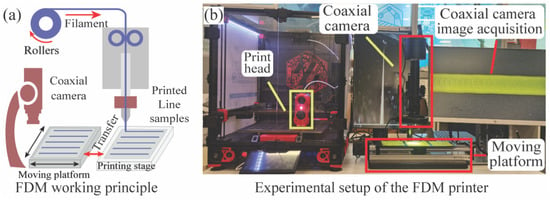
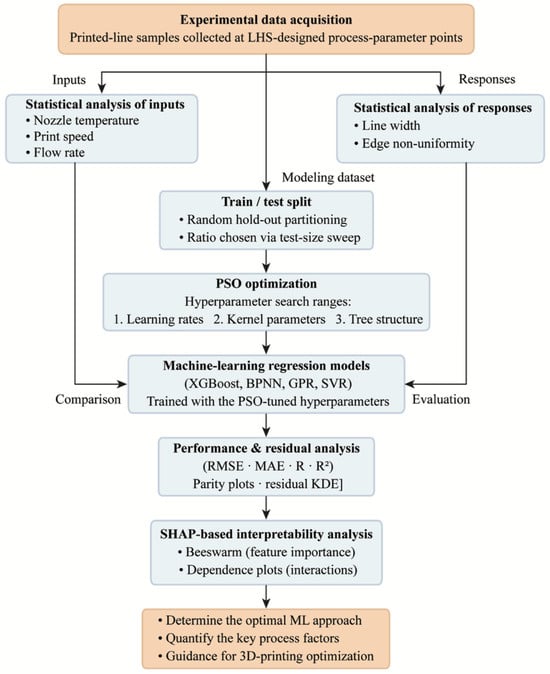
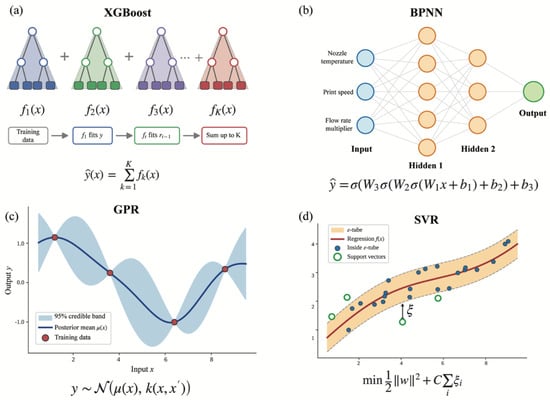
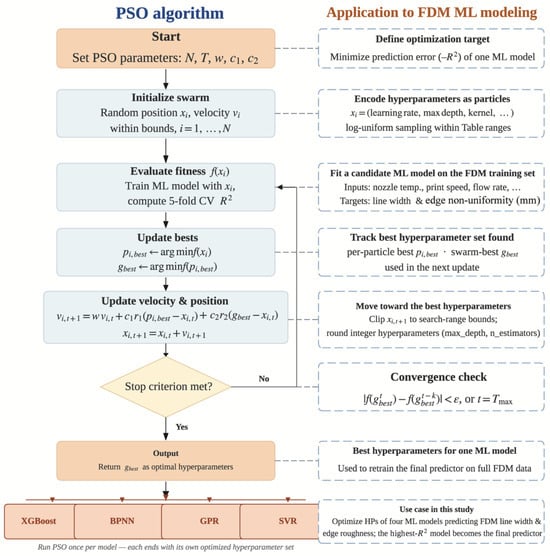
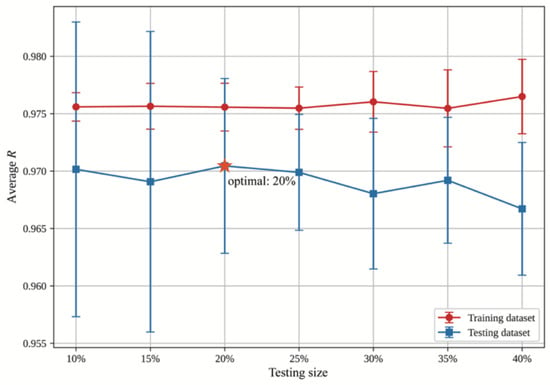
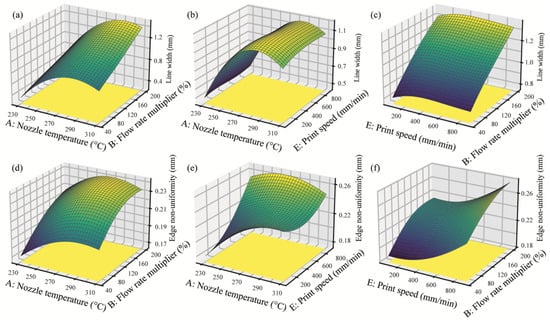
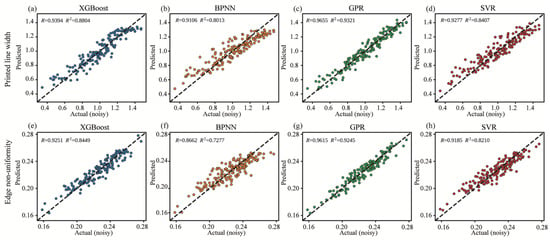
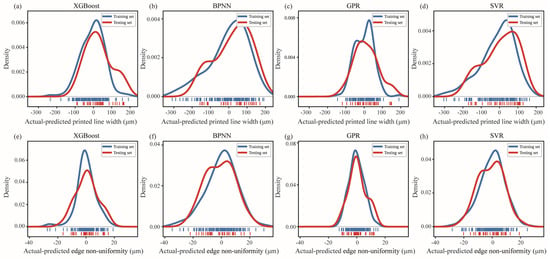
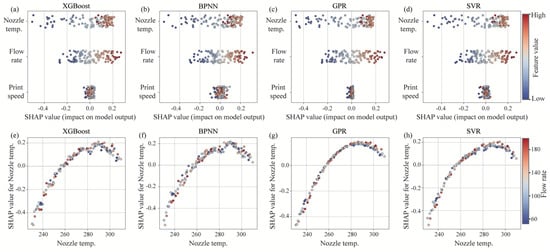
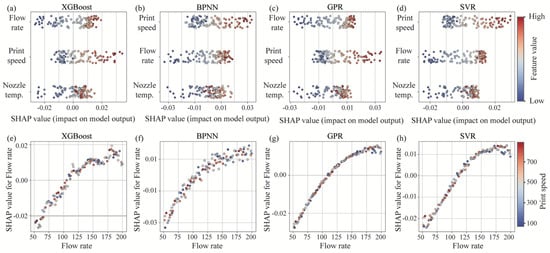
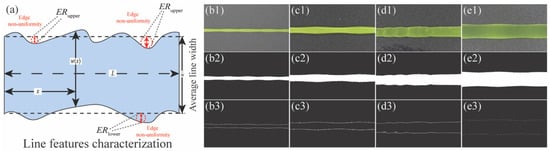
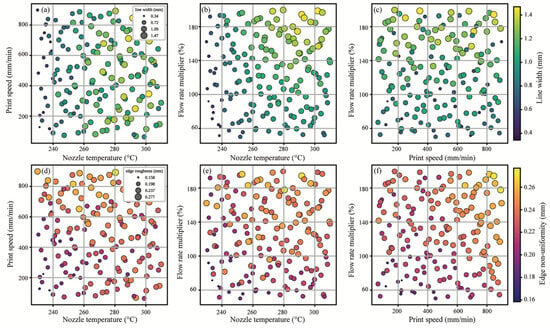
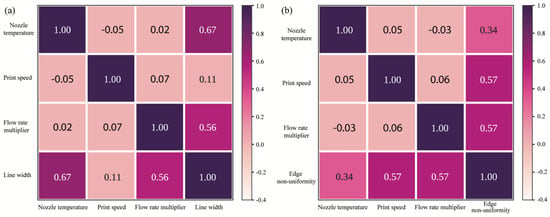
Material extrusion (MEX), commonly known as fused deposition modeling (FDM), has become a widely adopted additive manufacturing (AM) technology owing to its low equipment cost and broad polymer compatibility. However, the geometric fidelity of the printed line often suffers from defects that compromise overall part quality. Specifically, residual edge non-uniformity degrades surface finish, while uncontrolled line width variability causes undesired gaps or overlaps that undermine mechanical performance. Therefore, ensuring an accurate line width and low edge non-uniformity is essential for advancing material extrusion toward high-precision industrial applications. In this study, a machine learning framework is proposed for the rapid prediction and analysis of printed line characteristics. Nozzle temperature, print speed, and material flow rate were considered as input process parameters. Mean line width and edge non-uniformity were taken as the target responses. Four representative machine learning algorithms (XGBoost, BPNN, GPR, and SVR) were adopted for model development. To enhance predictive accuracy, these models were optimized using Particle Swarm Optimization for automatic hyperparameter tuning. Subsequently, comparative evaluations identified GPR as the optimal predictive model. Furthermore, a SHAP-based interpretability analysis was conducted, revealing that nozzle temperature dominates line width, while the flow rate governs edge non-uniformity. Consequently, this interpretable and computationally efficient surrogate modeling approach provides a robust foundation for future closed-loop quality control and inverse process design. Full article
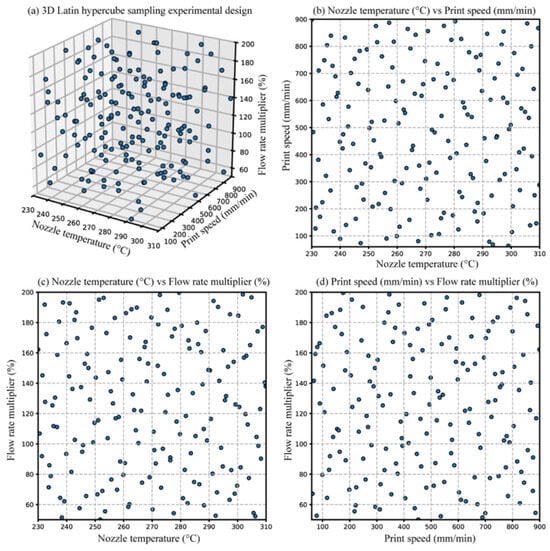
Show Figures

Graphical abstract

16 pages, 895 KB  
Review
Anisotropic Permeability in Solidifying Mushy Zones: Coupling Dendritic Kinetics to Interdendritic Transport for Predicting Solidification Defects in Metallic Alloys
by Bao Yang, Xiaoyong Tang, Wenming Xiong, Zhuang Li, Minglin Wang and Hui Zhang
Metals 2026, 16(7), 805; https://doi.org/10.3390/met16070805 (registering DOI) - 17 Jul 2026
Abstract
The anisotropic permeability tensor governs interdendritic fluid flow and solute transport during the directional solidification of metallic alloys, fundamentally influencing crystal growth kinetics and microstructural evolution. Traditional scalar models, notably the Kozeny–Carman equation, are fundamentally limited by isotropic assumptions that contradict the inherent [...] Read more.
The anisotropic permeability tensor governs interdendritic fluid flow and solute transport during the directional solidification of metallic alloys, fundamentally influencing crystal growth kinetics and microstructural evolution. Traditional scalar models, notably the Kozeny–Carman equation, are fundamentally limited by isotropic assumptions that contradict the inherent anisotropy of dendritic microstructures and preclude description of microstructure–transport coupling. Recent advances in multiscale computational crystal growth modeling, integrating phase-field simulations of dendritic morphology, lattice Boltzmann calculations of interdendritic flow, and synchrotron X-ray tomography for in situ microstructural characterization, have enabled tensor-resolved quantification of permeability evolution, yet the dynamic feedback between solid skeleton deformation and permeability remains poorly understood. This work establishes a critically assessed mechanistic framework coupling dendritic microstructure evolution, anisotropic permeability tensor dynamics, and solidification transport phenomena. By explicitly addressing the hitherto unresolved dynamic feedback between solid skeleton deformation and permeability, this review provides a theoretical foundation and a conceptual framework for future predictive modeling for solidification microstructure control, offering fundamental insights into the physics of crystal growth and interdendritic transport in metallic systems. Full article
(This article belongs to the Special Issue Advanced Metallic Materials and Manufacturing Processes)
4 pages, 180 KB  
Editorial
Special Issue “Advances in Molecular Forensic Pathology and Toxicology: An Update”
by Angelo Montana
Int. J. Mol. Sci. 2026, 27(14), 6382; https://doi.org/10.3390/ijms27146382 (registering DOI) - 17 Jul 2026
Abstract
Forensic pathology and forensic toxicology are experiencing one of the most significant scientific transformations since the introduction of molecular biology into biomedical research [...] Full article
(This article belongs to the Special Issue Advances in Molecular Forensic Pathology and Toxicology: An Update)
25 pages, 5362 KB  
Article
Multi-Interface Oxide Semiconductor Engineering in LAO/STO/LTO Heterostructures: A Self-Consistent Schrödinger–Poisson Study of Quantum Confinement, Enhanced 2DEG Carrier Density, and Tunable Transport
by Basma Elzein, Enrico Traversa and Ali Elrashidi
Inorganics 2026, 14(7), 191; https://doi.org/10.3390/inorganics14070191 (registering DOI) - 17 Jul 2026
Abstract
Two-dimensional electron gases (2DEGs) at complex oxide interfaces have emerged as a promising platform for next-generation oxide semiconductor devices, owing to their tunable electronic properties and rich interfacial phenomena. In this work, a LaAlO3/SrTiO3/LaTiO3 (LAO/STO/LTO) trilayer heterostructure is [...] Read more.
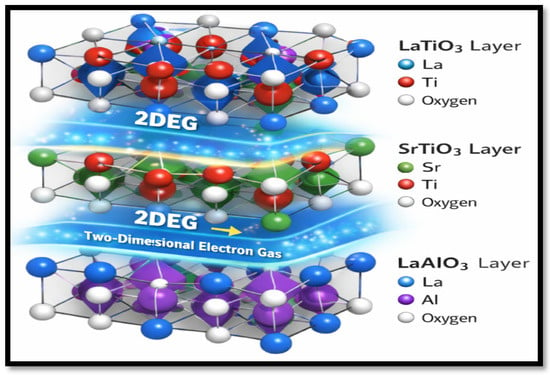
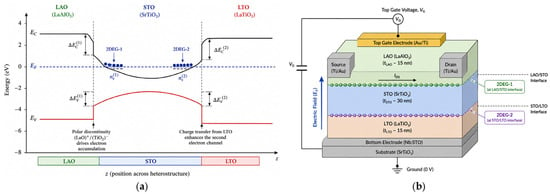
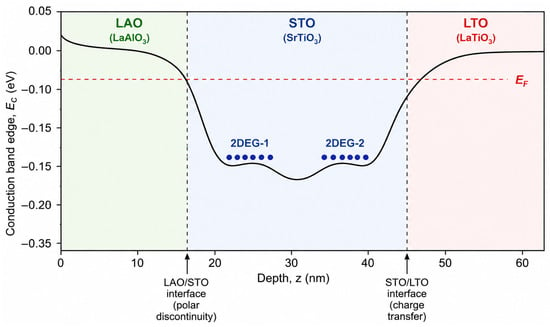
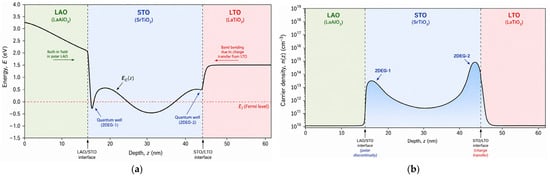
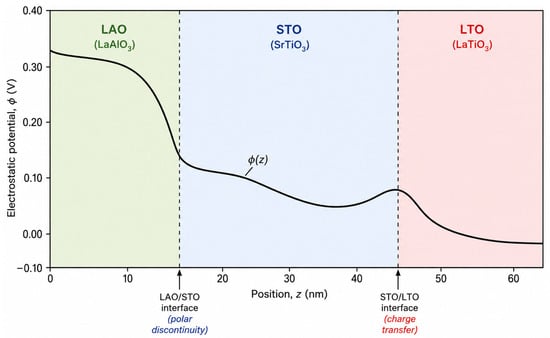
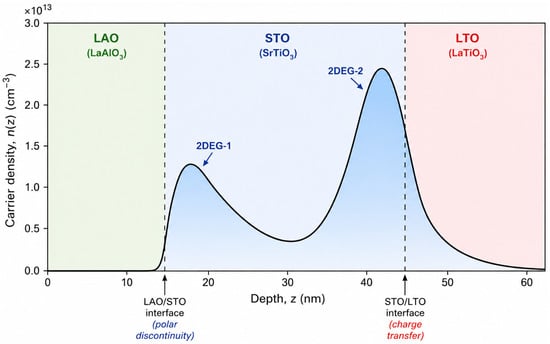
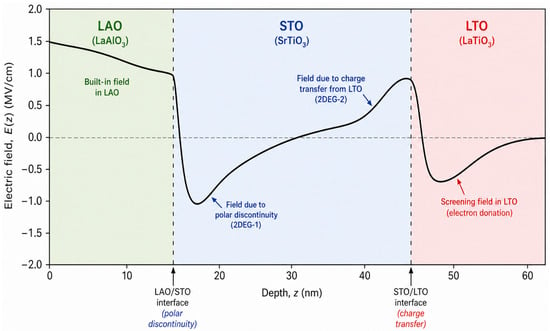
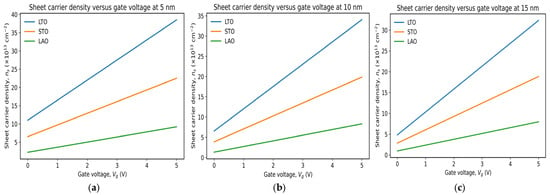
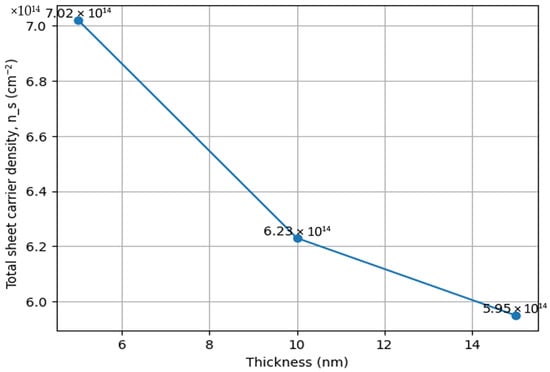
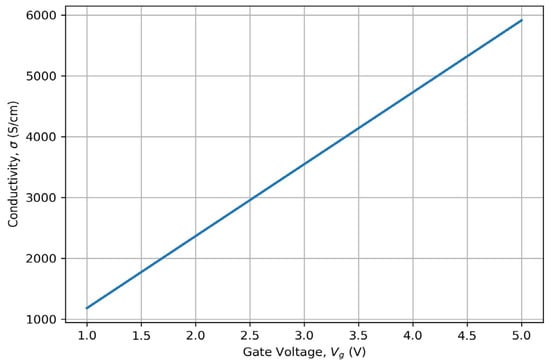
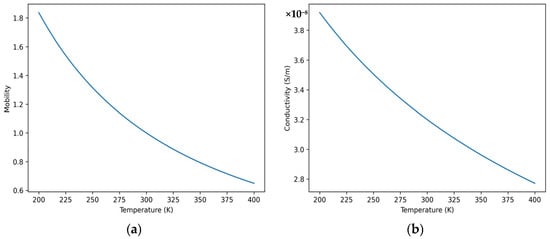
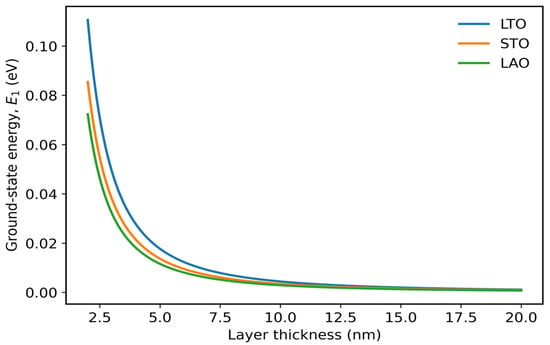
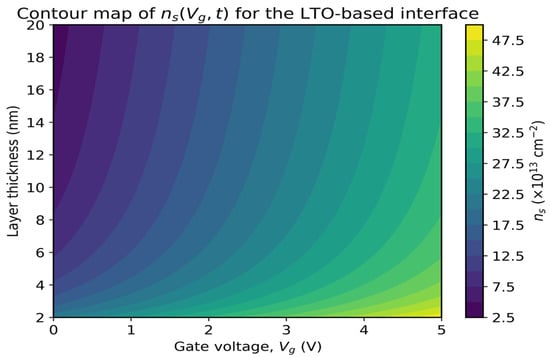
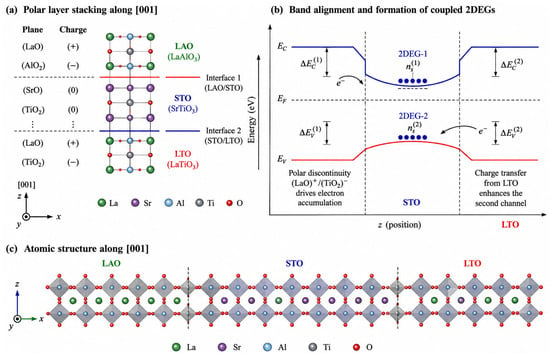
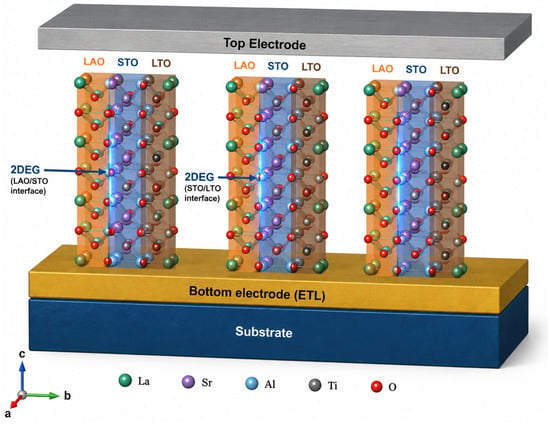
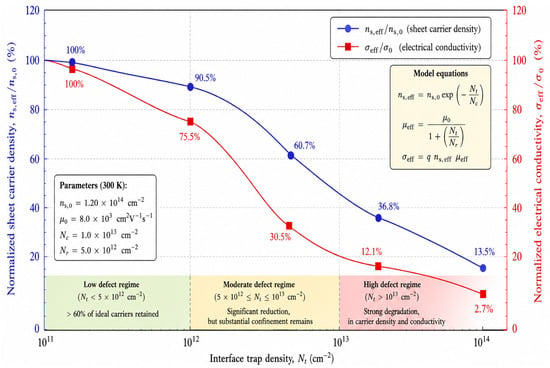
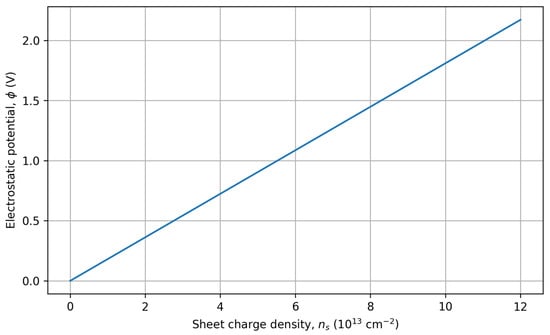
Two-dimensional electron gases (2DEGs) at complex oxide interfaces have emerged as a promising platform for next-generation oxide semiconductor devices, owing to their tunable electronic properties and rich interfacial phenomena. In this work, a LaAlO3/SrTiO3/LaTiO3 (LAO/STO/LTO) trilayer heterostructure is proposed and theoretically investigated using a self-consistent Schrödinger–Poisson framework to examine the effects of multi-interface engineering on quantum confinement and carrier transport. The proposed architecture combines polar-discontinuity-driven electronic reconstruction at the LAO/STO interface with charge-transfer-induced electron accumulation at the STO/LTO interface, forming two coupled 2DEG channels within the SrTiO3 layer. Compared with conventional single-interface oxide heterostructures, the coupled-interface configuration significantly enhances sheet carrier density and electrical conductivity, with predicted carrier densities approaching 1014 cm−2 and gate-tunable conductivities in the range of 103–104 S cm−1 under idealized operating conditions. The effects of layer thickness, gate bias, temperature, and electrostatic coupling are systematically investigated to establish practical design guidelines for optimizing carrier confinement and transport. A sensitivity analysis incorporating interface trap densities up to 2 × 1013 cm−2 demonstrates that more than 60% of the ideal carrier population is retained under moderate defect concentrations, confirming the robustness of the proposed multi-interface strategy. Although the analytical model represents an upper-bound framework, its predictions are discussed in the context of experimentally relevant limitations, including interface roughness, oxygen vacancies, carrier trapping, and defect-induced scattering. Overall, the proposed LAO/STO/LTO heterostructure provides a predictive framework for engineering high-density, electrically tunable oxide 2DEGs for future nanoelectronic, terahertz, photonic, and energy-related applications. Full article
(This article belongs to the Special Issue Advanced Inorganic Semiconductor Materials, 4th Edition)
Show Figures

Figure 1

26 pages, 1583 KB  
Article
Integrated Metabolomic and Proteomic Analyses of Adventitious Rooting in Cucumis melo Under Waterlogging Stress
by Huanxin Zhang, Qian Chen, Guoquan Li, Huifang Lv, Lihong Guo, Chenghe Ma and Xinlong Hu
Biology 2026, 15(14), 1185; https://doi.org/10.3390/biology15141185 (registering DOI) - 17 Jul 2026
Abstract
Waterlogging-induced hypoxic stress severely impairs vegetative growth and crop yield of melon (Cucumis melo L.). The formation of adventitious roots represents a critical morphological adaptive strategy for melon seedlings to alleviate hypoxic damage and maintain viability under waterlogging conditions. Nevertheless, the synergistic [...] Read more.
Waterlogging-induced hypoxic stress severely impairs vegetative growth and crop yield of melon (Cucumis melo L.). The formation of adventitious roots represents a critical morphological adaptive strategy for melon seedlings to alleviate hypoxic damage and maintain viability under waterlogging conditions. Nevertheless, the synergistic molecular regulatory mechanisms governing waterlogging-triggered adventitious root development in melon remain largely uncharacterized at the proteomic and metabolomic layers. In this study, the waterlogging-tolerant melon line ‘L8’ with superior adventitious root production capacity was exposed to waterlogging treatment, and hypocotyl tissues were harvested at 0, 24, 48 and 72 h post-waterlogging for untargeted metabolomic and proteomic analyses. A total of 1337 differentially accumulated metabolites (DAMs) and 2898 differentially expressed proteins (DEPs) were identified across the pairwise comparisons. Functional enrichment analyses of DAMs and DEPs indicated that pathways related to linoleic acid metabolism, α-linolenic acid metabolism, phenylpropanoid biosynthesis, biosynthesis of secondary metabolites, and glutathione metabolism were centrally implicated in adventitious rooting induced by waterlogging. At the protein level, pivotal functional proteins associated with anaerobic respiration (pyruvate decarboxylase, alcohol dehydrogenase), ethylene biosynthesis (1-aminocyclopropane- 1-carboxylate oxidase), cell wall remodeling and antioxidant defense were significantly up-regulated throughout adventitious root development. In addition, three transcription factors, namely the GRAS family protein MELO3C025904.1, MYB-related protein MELO3C007640.1, and ZF-HD protein MELO3C022921.1, exhibited differential expression across different time points compared to the control. Moreover, metabolomic profiling identified three prominent metabolites with regulatory functions, encompassing the terpenoid acorusnol, the piperidine alkaloid 1,4′-bipiperidine- 1′-carboxylic acid, and the flavonoid 4′,7-dihydroxy-2′-methoxy-3′-prenylisoflavan. Omics correlation analysis revealed extensive concordance between metabolomic and proteomic profiles. Nine core DAMs, including N-methylserotonin, Val-Val and glyuranolide, were tightly correlated with hundreds of DEPs and key transcription factors, constructing a complex regulatory network governing waterlogging stress acclimation and adventitious root morphogenesis. This study systematically characterizes the coordinated proteomic and metabolomic reprogramming underlying waterlogging-induced adventitious root formation in melon. These findings deepen our understanding of the molecular mechanism of waterlogging tolerance and provide valuable candidate genes and metabolic targets for genetic improvement of waterlogging resistance in melon. Full article
25 pages, 2422 KB  
Review
Probiotic Supplementation in Children and Adolescents with ADHD: A Systematic Review and Meta-Analysis of ADHD-Related and Emotional–Behavioral Outcomes
by Yizhen Yan, Haotian Wu, Mengke Han, Li Zhao and Shan-Shan Mao
Nutrients 2026, 18(14), 2357; https://doi.org/10.3390/nu18142357 (registering DOI) - 17 Jul 2026
Abstract
Background: Dysregulation of the microbiota–gut–brain axis has been implicated in attention-deficit/hyperactivity disorder (ADHD), but randomized controlled trial evidence for probiotic supplementation remains inconsistent. Objective: This systematic review and meta-analysis evaluated the effects of probiotic supplementation on ADHD-related clinical outcomes and emotional–behavioral outcomes in [...] Read more.
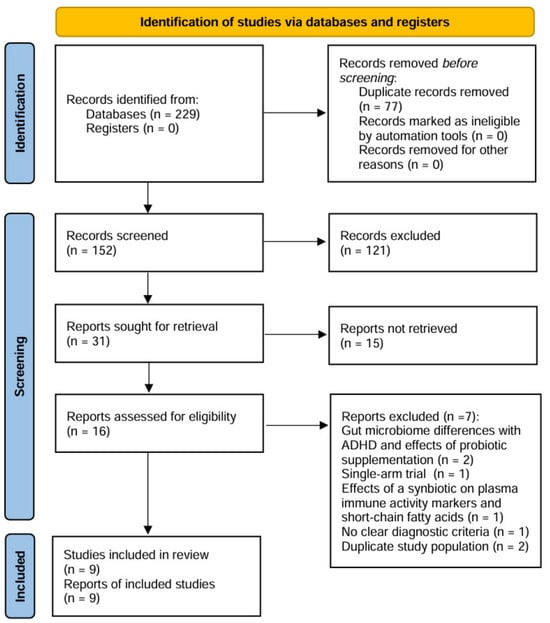
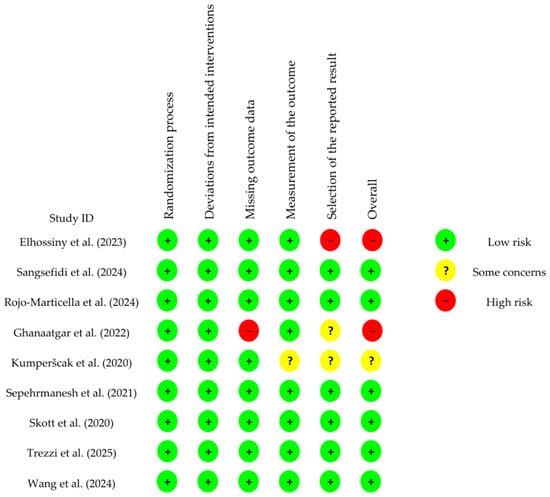
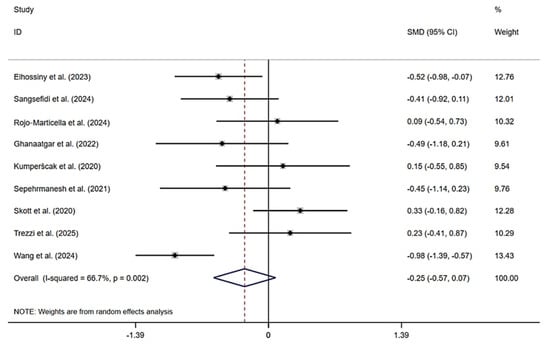
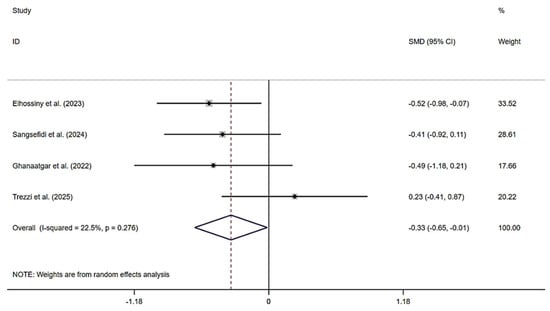
Background: Dysregulation of the microbiota–gut–brain axis has been implicated in attention-deficit/hyperactivity disorder (ADHD), but randomized controlled trial evidence for probiotic supplementation remains inconsistent. Objective: This systematic review and meta-analysis evaluated the effects of probiotic supplementation on ADHD-related clinical outcomes and emotional–behavioral outcomes in children and adolescents. Methods: PubMed, Embase, Cochrane CENTRAL, Web of Science, PsycINFO, and EBSCO were searched from database inception to October 2025. Randomized controlled trials including participants under 18 years of age with DSM-defined ADHD were eligible. Pooled effects were calculated using standardized mean differences (SMDs) or mean differences (MDs) with 95% confidence intervals (CIs) under random-effects models. Results: Nine RCTs involving 482 participants were included, with intervention durations ranging from 8 to 12 weeks. In the broad exploratory synthesis of ADHD-related clinical outcomes, probiotic supplementation did not show a clear benefit (SMD = −0.25, 95% CI: −0.57 to 0.07; p = 0.131). Because this analysis combined conceptually heterogeneous instruments, greater interpretive weight was placed on domain-specific analyses. No clear effects were observed for more specific core symptom-related measures, including SNAP-IV inattention scores and CPT-derived attention-related performance measures. In domain-specific exploratory analyses, CPRS total scores showed a small reduction following probiotic supplementation (SMD = −0.33, 95% CI: −0.65 to −0.01; p = 0.041), whereas CBCL total scores did not show a statistically significant effect under the random-effects model (MD = −1.93, 95% CI: −6.30 to 2.44; p = 0.386). The SNAP-IV hyperactivity finding was statistically significant but was largely driven by a single study and should be interpreted cautiously. Conclusions: Current 8–12-week RCT evidence does not demonstrate a clear benefit of probiotic supplementation for ADHD core symptom-related measures. However, exploratory findings suggest that probiotic supplementation may have potential for improving broad parent-reported emotional–behavioral outcomes, particularly CPRS-assessed behavioral symptoms. This potential benefit should be interpreted cautiously because it was based on a small number of heterogeneous trials and was not consistently supported by CBCL outcomes. Larger, rigorously designed trials are needed to confirm these broad parent-reported behavioral and emotional findings and clarify their clinical relevance. Full article
Show Figures

Figure 1

26 pages, 1587 KB  
Review
Ocular Involvement in Systemic Infections: An Overview of Clinical Manifestations
by Theofilos Kanavos and Effrosyni Birbas
BioMed 2026, 6(3), 16; https://doi.org/10.3390/biomed6030016 (registering DOI) - 17 Jul 2026
Abstract
Infectious diseases constitute a major public health concern and a leading cause of morbidity and mortality worldwide. The eye, by virtue of its rich vascularity and unique immunological microenvironment, is susceptible to involvement by a broad spectrum of bacterial, viral, fungal, and parasitic [...] Read more.
Infectious diseases constitute a major public health concern and a leading cause of morbidity and mortality worldwide. The eye, by virtue of its rich vascularity and unique immunological microenvironment, is susceptible to involvement by a broad spectrum of bacterial, viral, fungal, and parasitic systemic infections, which may lead to diverse ocular and visual manifestations through direct pathogen invasion, immune-mediated mechanisms, or complications of therapy. Notable systemic infections with potential ocular involvement include tuberculosis; the spirochetal illnesses syphilis, Lyme disease, and leptospirosis; brucellosis; cat-scratch disease; leprosy; infective endocarditis; human immunodeficiency virus, cytomegalovirus, West Nile virus, and adenovirus infections; rubeola; dengue fever; candidiasis; cryptococcosis; aspergillosis; mucormycosis; toxoplasmosis; malaria; onchocerciasis; and cysticercosis. Ocular manifestations can serve as early diagnostic clues to underlying systemic infections, whereas, conversely, systemic features can help interpret ocular findings. Effective investigation and management of systemic infections benefit from a multidisciplinary approach, in which ophthalmologists can contribute substantially and help optimize both visual and overall health outcomes. Full article
14 pages, 2230 KB  
Article
Effects of Different Light-Quality Ratios on Growth and Development of Chrysanthemum morifolium Tissue-Cultured Plantlets
by Weichao Liu, Yong Yang, Yv Zhang, Wenqian Shang, Songlin He, Yuxiao Shen, Dan He, Yinglong Song, Zheng Wang and Liyun Shi
Horticulturae 2026, 12(7), 878; https://doi.org/10.3390/horticulturae12070878 (registering DOI) - 17 Jul 2026
Abstract
This study aimed to investigate the effects of different light-emitting diode (LED) light-quality combinations on the growth and development of Chrysanthemum morifolium tissue-cultured plantlets and to identify the optimal light-quality combinations for adventitious shoot induction and rooting. Six LED light-quality combinations consisting of [...] Read more.
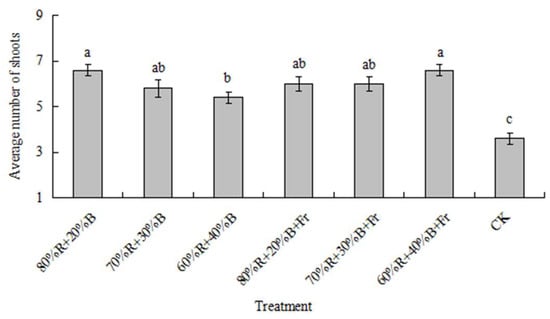
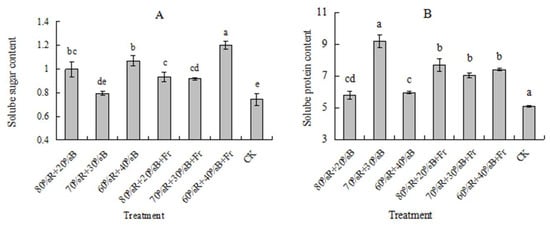
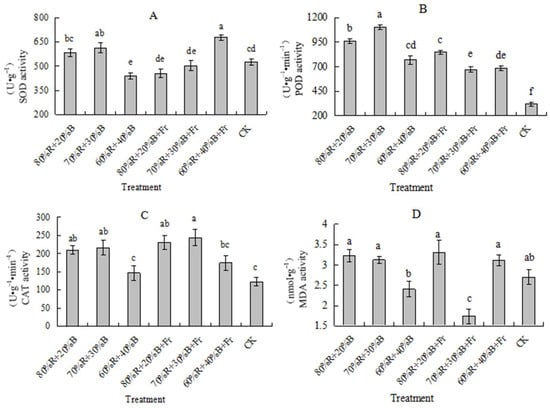
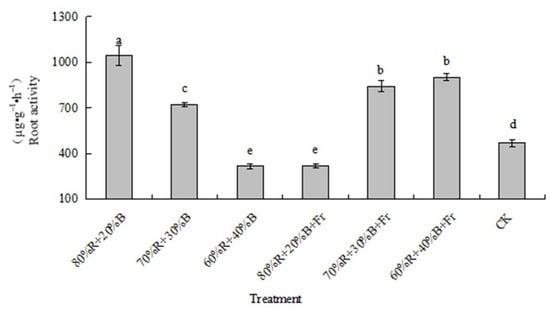
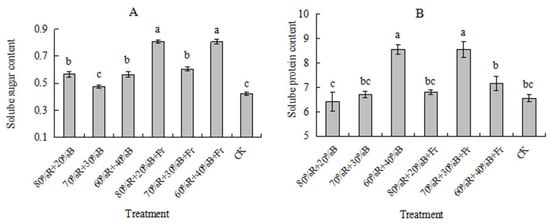
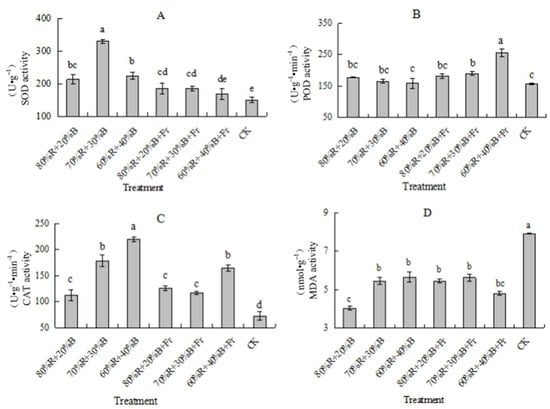
This study aimed to investigate the effects of different light-emitting diode (LED) light-quality combinations on the growth and development of Chrysanthemum morifolium tissue-cultured plantlets and to identify the optimal light-quality combinations for adventitious shoot induction and rooting. Six LED light-quality combinations consisting of red (R), blue (B), and far-red (Fr) light (80%R + 20%B, 70%R + 30%B, 60%R + 40%B, 80%R + 20%B + Fr, 70%R + 30%B + Fr, and 60%R + 40%B + Fr) were evaluated, with a fluorescent lamp serving as the control (CK). The responses to different light-quality combinations varied markedly between the adventitious shoot induction and rooting stages. During adventitious shoot induction, the carotenoid content, soluble protein content, and POD activity were highest under the 70%R + 30%B treatment, whereas chlorophyll a, chlorophyll b, total chlorophyll, and CAT activity reached their highest levels under the 70%R + 30%B + Fr treatment. The highest soluble sugar content and SOD activity were observed under the 60%R + 40%B + Fr treatment. These results suggest that the incorporation of far-red light into red–blue light combinations promoted photosynthetic pigment synthesis, photosynthate accumulation, and antioxidant capacity, thereby facilitating adventitious shoot induction. During the rooting stage, the greatest leaf number and SOD activity were observed under the 70%R + 30%B treatment, while the highest chlorophyll a, chlorophyll b, and total chlorophyll contents were obtained under the 60%R + 40%B + Fr treatment. Plant height, leaf length, root length, fresh mass, dry mass, carotenoid content, soluble protein content, and CAT activity were highest under the 60%R + 40%B treatment. These findings indicate that red–blue mixed light effectively promoted leaf and root development, photosynthetic pigment synthesis, biomass accumulation, and maintenance of antioxidant capacity. Therefore, the 70%R + 30%B + Fr and 60%R + 40%B + Fr treatments were identified as the most suitable light-quality combinations for adventitious shoot induction, whereas the 60%R + 40%B treatment was the most suitable for rooting of C. morifolium tissue-cultured plantlets. Full article
Show Figures

Figure 1

10 pages, 244 KB  
Article
Real-World Eligibility for Germline Multigene Panel Testing in Breast Cancer: An Evaluation of Current Testing Criteria
by Roxana Pintican, Nicoleta Antone Zenovia, Vlad Alexandru Gata, Natalia Moise, Andrei Roman, Carmen Lisencu, Adrian Pavel Trifa, Ovidiu Balacescu, Madalina Filip, Maria Miclaus, Andreea Catana, Catalin Vlad and Patriciu Achimas-Cadariu
Diagnostics 2026, 16(14), 2244; https://doi.org/10.3390/diagnostics16142244 (registering DOI) - 17 Jul 2026
Abstract
Background: Germline multigene testing is increasingly integrated into breast cancer care, but the ability of current eligibility frameworks to identify pathogenic variant carriers remains uncertain in real-world cohorts. Methods: This retrospective observational study included 556 patients with histologically confirmed breast cancer [...] Read more.
Background: Germline multigene testing is increasingly integrated into breast cancer care, but the ability of current eligibility frameworks to identify pathogenic variant carriers remains uncertain in real-world cohorts. Methods: This retrospective observational study included 556 patients with histologically confirmed breast cancer who underwent germline multigene testing at a single oncology center. Testing eligibility was retrospectively assessed according to NCCN criteria, ESMO-based recommendations, and the ASBrS universal-testing recommendations. Family history up to third-degree relatives and surgical data were evaluated. Results: Pathogenic variants were identified in 137 patients (24.6%), while variants of uncertain significance were reported in 310 patients (55.8%). NCCN criteria were fulfilled by 135 of 137 patients with pathogenic variants (98.5%), indicating high sensitivity but limited discriminatory capacity, as eligibility was also frequent among patients without pathogenic variants. ESMO-based criteria were met by 94 mutation-positive patients (68.6%) and were significantly associated with pathogenic variant status (p < 0.001; OR = 3.08, 95% CI: 2.05–4.65). Notably, 42.3% of pathogenic-variant-positive patients reported no family history of malignancy. Prophylactic surgery was documented in only 16.8% of patients with pathogenic variants. Conclusions: NCCN criteria captured nearly all mutation-positive patients; ESMO-based criteria were more selective. The findings support broader access to germline testing before surgery. Full article
(This article belongs to the Special Issue Advances in Cancer Diagnosis and Intervention)
24 pages, 33780 KB  
Article
A Generalized Proportional–Integral Disturbance Observer for DC-Link Voltage Control in Grid-Connected Power Converters
by Mariem Dardouri, Sejir Khojet El Khil, Khaled Jelassi and Alexandre De Bernardinis
Energies 2026, 19(14), 3394; https://doi.org/10.3390/en19143394 (registering DOI) - 17 Jul 2026
Abstract
Grid-connected converters (GCC) commonly rely on proportional–integral (PI) controllers for DC-link voltage regulation. However, their performance can significantly degrade in the presence of parameter variations and external disturbances, resulting in overshoot, undershoot, and slow transient response. To address these limitations, this paper proposes [...] Read more.
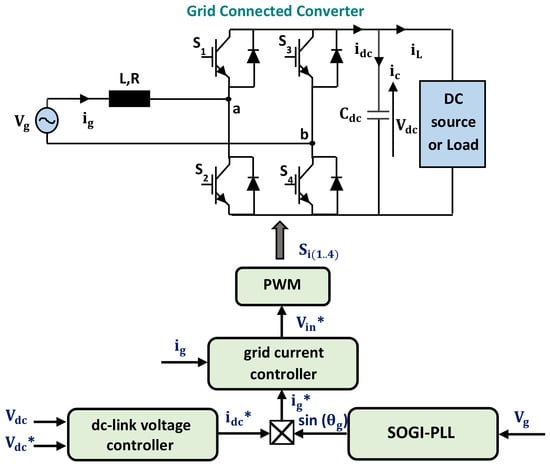
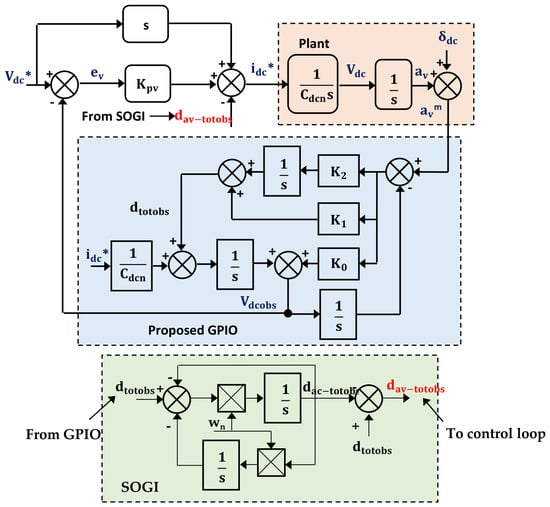
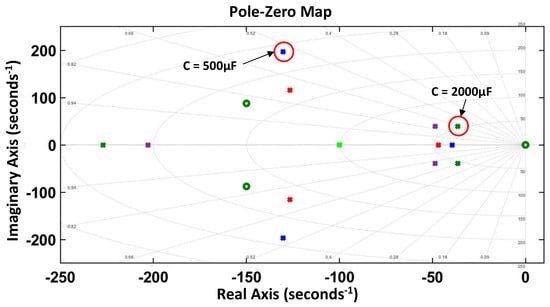
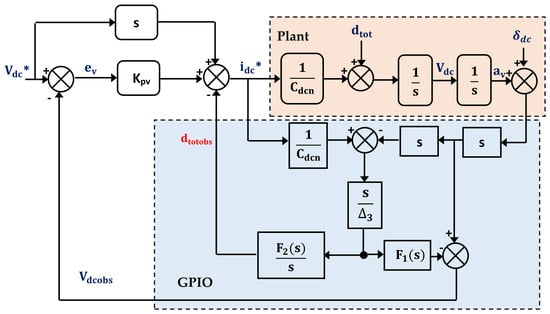
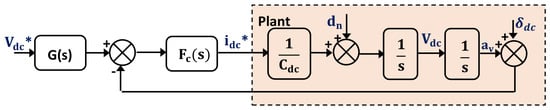
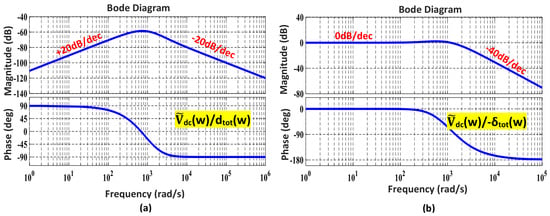
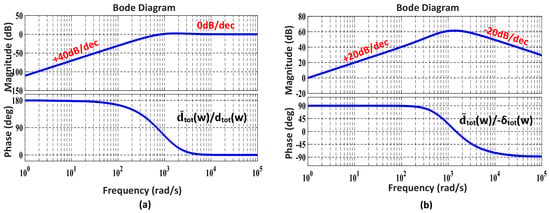
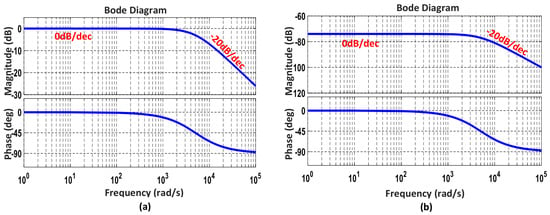
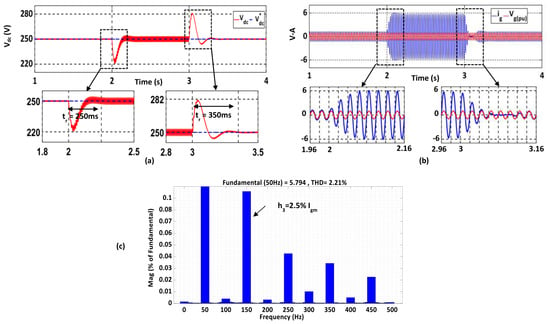
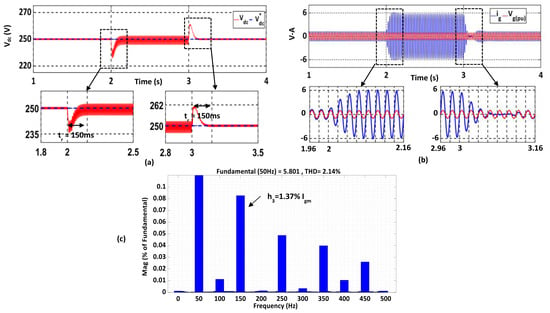
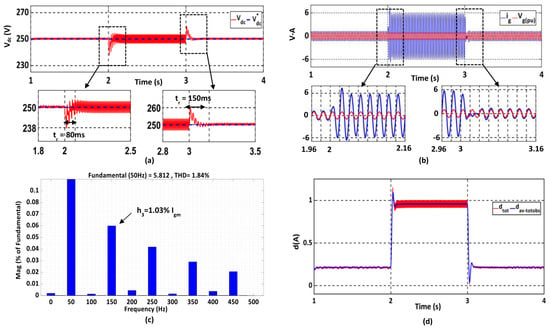
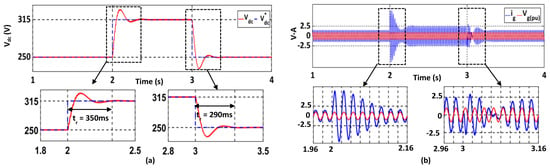
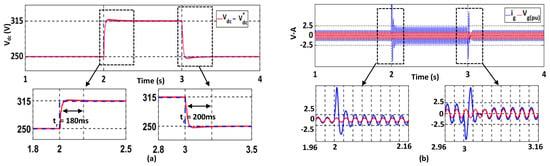
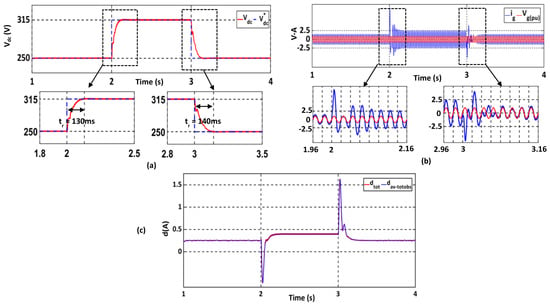
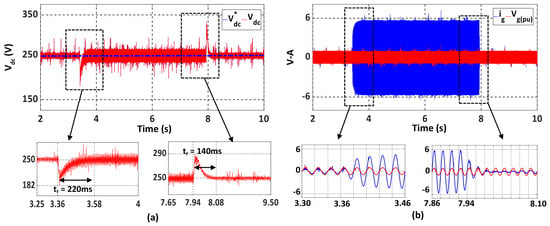
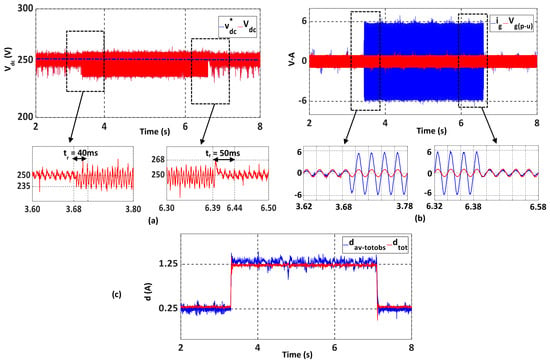
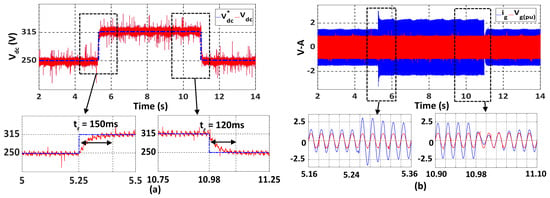
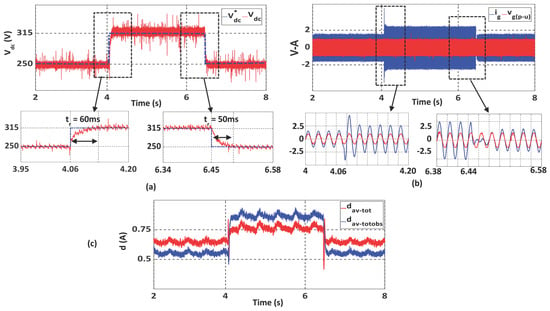
Grid-connected converters (GCC) commonly rely on proportional–integral (PI) controllers for DC-link voltage regulation. However, their performance can significantly degrade in the presence of parameter variations and external disturbances, resulting in overshoot, undershoot, and slow transient response. To address these limitations, this paper proposes a generalized proportional–integral observer (GPIO)-based control strategy for single-phase GCC. The proposed method improves disturbance estimation and rejection, thereby enhancing robustness against system uncertainties while ensuring fast and accurate DC-link voltage regulation. The main contribution of this work lies in the development of a GPIO-based controller that combines improved dynamic performance with strong disturbance rejection capability, without increasing control complexity. The proposed approach is validated through both simulation and experimental results, which demonstrate its effectiveness and superiority over conventional PI-based control in terms of transient response, stability, and robustness. Full article
Show Figures

Figure 1

29 pages, 8998 KB  
Article
Evaluation of Cartilage Repair After Implantation of Labeled Human Chondrocytes as Free Cells or Spheroids in Rabbit Knees
by Jacques Hernigou, Pascale Vertongen, Esfandiar Chahidi, Nathalie Gaspard, Jessica Lechanteur, Gaelle Lapouge and Joanne Rasschaert
Int. J. Mol. Sci. 2026, 27(14), 6381; https://doi.org/10.3390/ijms27146381 (registering DOI) - 17 Jul 2026
Abstract
Articular cartilage repair remains a clinical challenge due to the tissue’s limited regenerative capacity. This study aimed to perform in vivo tracking of human chondrocytes after implantation in femoral trochlear defects. Moreover, we tested the rabbit xenogeneic model to assess the efficacy of [...] Read more.
Articular cartilage repair remains a clinical challenge due to the tissue’s limited regenerative capacity. This study aimed to perform in vivo tracking of human chondrocytes after implantation in femoral trochlear defects. Moreover, we tested the rabbit xenogeneic model to assess the efficacy of human chondrocyte implantation, either in the form of cell suspension or in the form of spheroids, for cartilage regeneration. Chondrocytes were isolated from osteoarthritic human knees, expanded in vitro, and labeled with gold nanoparticles (AuNPs) to enable their in vivo tracking. AuNP labeling did not impair chondrocyte viability and spheroid formation. Knee osteochondral defects were then treated with the labeled cells, either injected intra-articularly as single cells in suspension or aggregated into scaffold-free spheroids and further implanted. Two weeks post-transplantation, macroscopic and histological evaluations were performed to assess cartilage repair and cell engraftment. The presence of labeled cells was detected only in spheroid-treated lesions that exhibited significantly greater tissue filling as reflected by O’Driscoll and ICRS scores. Moreover, localized expression of type II collagen was observed in some of the spheroid-treated defects. In contrast, single cell intra-articular injection resulted in poor cartilage repair and the absence of labeled cells at the defect site. Altogether, our results indicate that human chondrocyte delivery in the form of scaffold-free spheroids in rabbit knees enhances their retention at the defect site and supports early stages of cartilage regeneration. Moreover, our results suggest that the xenogeneic rabbit model could be a useful platform for evaluating human-derived cell therapies. Full article
(This article belongs to the Special Issue Arthritis: Focus on Pathologies, Symptoms and Therapy)
30 pages, 2708 KB  
Review
Quaternary Ammonium-Functionalized Chitosan as a Next-Generation Antifungal Platform: Chemistry, Mechanisms, and Therapeutic Applications
by Neha Jain, Shreya Kaul, Rupali Verma, Triveni, Krishna Kant Jangde, Unnati Garg, Dinesh Kumar Mishra, Upendra Nagaich and Mahmoud H. Abu Elella
Mar. Drugs 2026, 24(7), 249; https://doi.org/10.3390/md24070249 (registering DOI) - 17 Jul 2026
Abstract
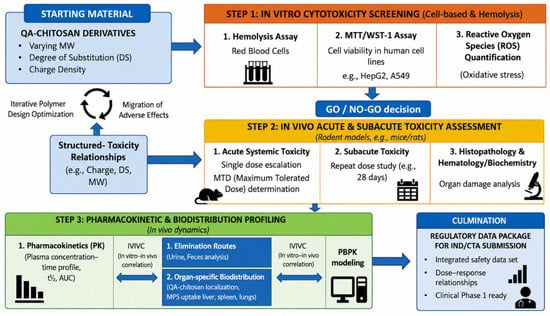
Fungal infection remains a significant therapeutic concern owing to the scarcity of drugs, resistance development, and high levels of toxicity of many conventional antifungals. In this regard, chitosan is one such natural polymer whose biocompatibility, biodegradability, and antimicrobial nature have made it the [...] Read more.
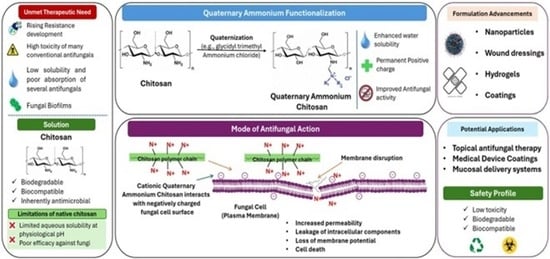
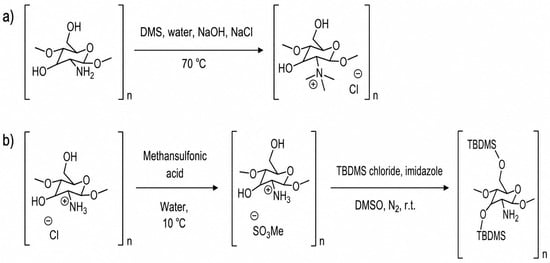
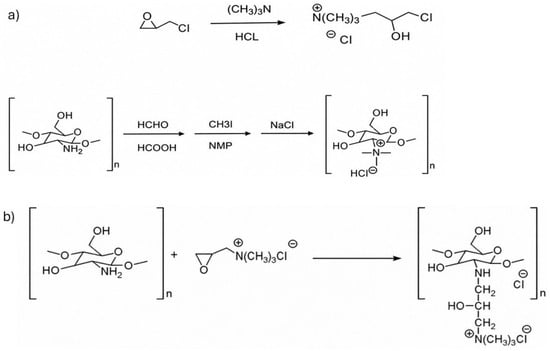
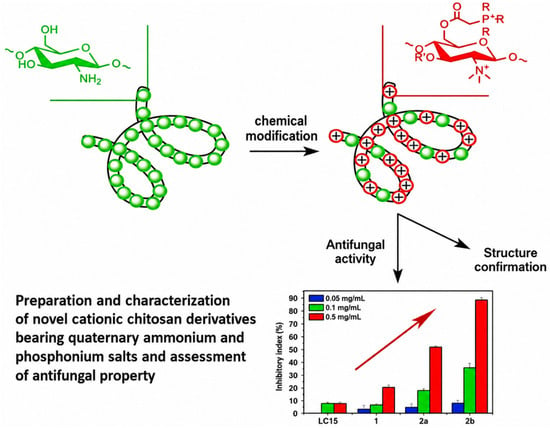
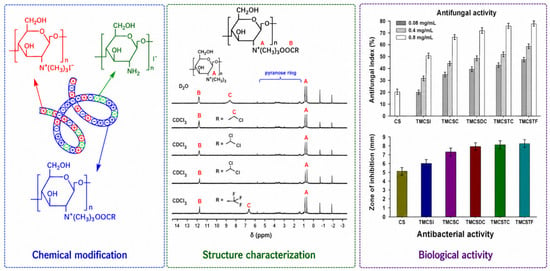
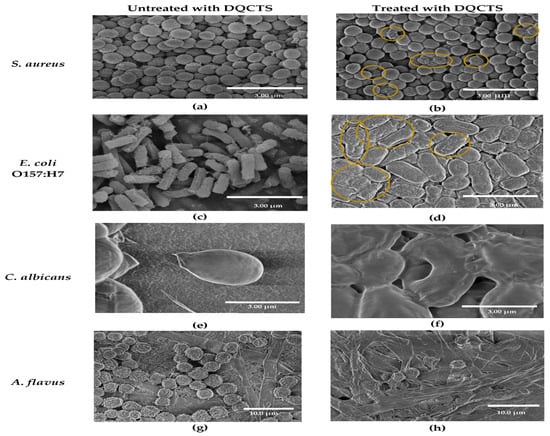
Fungal infection remains a significant therapeutic concern owing to the scarcity of drugs, resistance development, and high levels of toxicity of many conventional antifungals. In this regard, chitosan is one such natural polymer whose biocompatibility, biodegradability, and antimicrobial nature have made it the focus of scientific interest. However, the main problem lies in the polymer’s limited aqueous solubility under physiological conditions and its poor efficacy against fungi. Thus, quaternary ammonium functionalization represents a convenient approach to solving the problem by introducing permanent positive charges into the molecular structure of chitosan, thereby improving water solubility, enabling membrane interactions, and conferring broad-spectrum antifungal activity. Such derivatives can exhibit strong interactions with the negatively charged surface of fungal cells, compromising membrane integrity and inhibiting biofilm formation. Apart from their antifungal activity, such compounds are also promising in local delivery systems, which include coatings, nanoparticles, hydrogels, and wound dressings. Considering their unique chemistry, such compounds appear quite promising for the development of novel antifungal biomaterials that can be adapted to different clinical and pharmaceutical needs. Overall, quaternary ammonium-modified chitosan could be considered a promising platform for the development of next-generation antifungal agents. This review offers a comprehensive discussion regarding the synthesis, mode of action, formulation advancements, safety profile, potential applications, and future directions of quaternary ammonium-functionalized chitosan derivatives as an antifungal agent, with an emphasis on artificial intelligence contributions to this area of research. Full article
Show Figures

Graphical abstract

25 pages, 1220 KB  
Systematic Review
Diversification–Performance Nexus in Insurance: A Systematic Review and Institutional–Contingency Framework
by Seyed Amirhossein Shojaei, Bashar Yaser Almansour, Alireza Pakgohar, Marjan Orouji and Firas Armosh
Risks 2026, 14(7), 168; https://doi.org/10.3390/risks14070168 (registering DOI) - 17 Jul 2026
Abstract
This systematic review examines why empirical studies report conflicting effects of diversification on insurer performance and under what governance, risk-management, and institutional conditions diversification creates or destroys value. Following a PRISMA 2020-guided search of Scopus, Web of Science, and Google Scholar, and after [...] Read more.
This systematic review examines why empirical studies report conflicting effects of diversification on insurer performance and under what governance, risk-management, and institutional conditions diversification creates or destroys value. Following a PRISMA 2020-guided search of Scopus, Web of Science, and Google Scholar, and after screening 238 of the 415 identified records, the review synthesizes 56 empirical studies and develops a multi-level institutional–contingency framework that integrates institutional theory, the resource-based view, and agency theory. The review finds that diversification premiums, discounts, and non-linear effects coexist across the literature rather than forming a single dominant pattern, because—across product, geographic, human capital, and technological diversification—outcomes depend on institutional context, governance quality, ERM maturity, and firm capabilities rather than on diversification per se. Theoretically, the review moves the field beyond a premium-discount binary by explaining how institutional conditions, resource-based execution capacity, and agency problems interact across contexts. Practically, it indicates that insurers should evaluate diversification as a governance-sensitive risk-management decision requiring ERM maturity, internal controls, and incentive alignment, rather than as a standalone growth strategy. Full article
20 pages, 1784 KB  
Article
Paradigm Shifts in Andean Agriculture: Reimagining Human–Nature Relationships Through Associated Cropping Systems in Imantag, Ecuador
by Carmen Amelia Trujillo, Rocío León-Carlosama, Johanna Paulina Flores Ruano and Fabio Elton Cruz Góngora
Sustainability 2026, 18(14), 7348; https://doi.org/10.3390/su18147348 (registering DOI) - 17 Jul 2026
Abstract
Shifting climatic conditions challenge simplified, yield-oriented agriculture, particularly in fragile mountain regions. In the Ecuadorian Andes, agriculture functions as a socio-ecological system shaped by biocultural relationships integrating production, agrobiodiversity, and farmer decision-making. This study examines how climate variability interacts with crop phenology and [...] Read more.
Shifting climatic conditions challenge simplified, yield-oriented agriculture, particularly in fragile mountain regions. In the Ecuadorian Andes, agriculture functions as a socio-ecological system shaped by biocultural relationships integrating production, agrobiodiversity, and farmer decision-making. This study examines how climate variability interacts with crop phenology and management practices within ancestral associated cropping systems (chakras). The analysis focuses on maize, common bean, faba bean, and potato during the 2024–2025 agricultural cycle in Imantag, Ecuador. A total of 30 native, introduced, and improved varieties were sown in traditional rows (wachos) and monitored within a single 420.8 m2 Andean chakra. Using multiple ordinary least squares (OLS) regression (n = 30; R2 = 0.440, adj. R2 = 0.351, F (4,25) = 4.914, p = 0.005), results show that maize significantly outperformed the faba bean reference group (β = 20.34, p = 0.017), while common bean showed intermediate performance (β = 15.31, p = 0.048). Seed mass at planting was positively associated with relative yield (β = 6.71, p = 0.069), highlighting early-stage management decisions. Elevated maximum temperatures during maturation negatively affected yield (r = −0.42, p = 0.020), while accumulated precipitation had a positive effect (r = +0.45, p = 0.014). Model quality criteria, including VIF diagnostics (max. VIF = 3.37), Shapiro–Wilk residual normality test (W = 0.983, p = 0.896), and cross-validation using Ridge and Lasso regression, confirm the robustness of the statistical findings. These findings demonstrate that chakras function as adaptive socioecological systems that enhance productivity, agrobiodiversity conservation, and resilience under climate variability. Full article
24 pages, 5556 KB  
Article
MVO: A Magneto-Visual Odometry System for Indoor Positioning
by Tongxing Peng, Chao Ming, Zhengpeng Yang, Huaiyan Wang, Jiyan Yu and Xiaoming Wang
Sensors 2026, 26(14), 4555; https://doi.org/10.3390/s26144555 (registering DOI) - 17 Jul 2026
Abstract
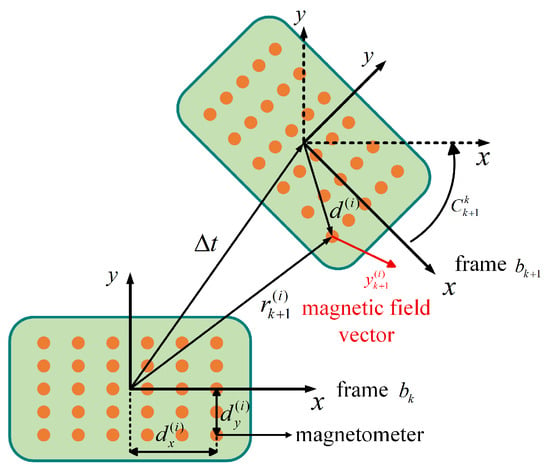
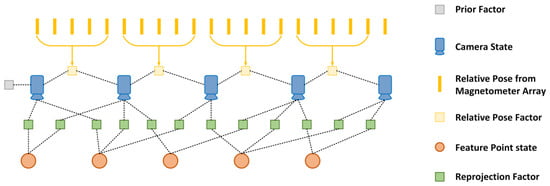
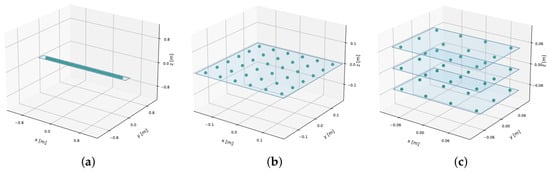
High-precision and resilient indoor positioning is a fundamental requirement for the autonomous operation of mobile robots in GNSS-denied environments. While visual sensors are commonly used for odometry, their operational reliability can be compromised in challenging scenarios such as drastic illumination fluctuations and sparse-textured [...] Read more.
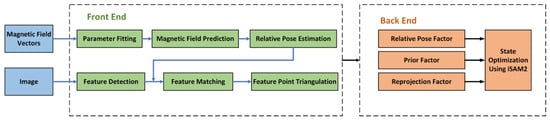
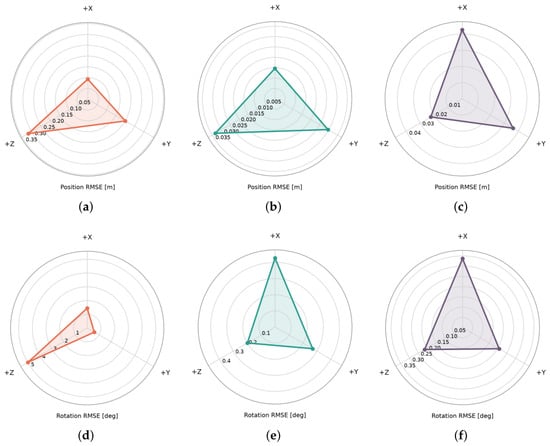
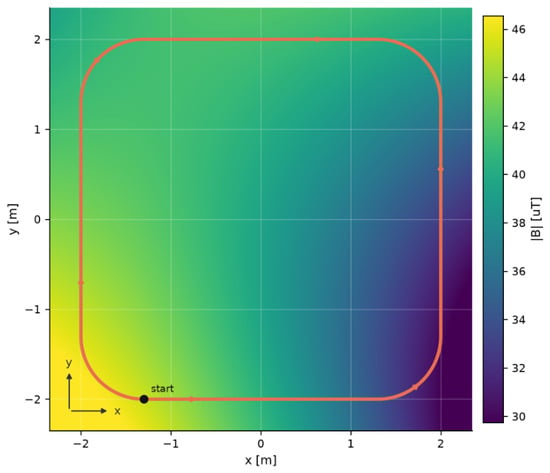
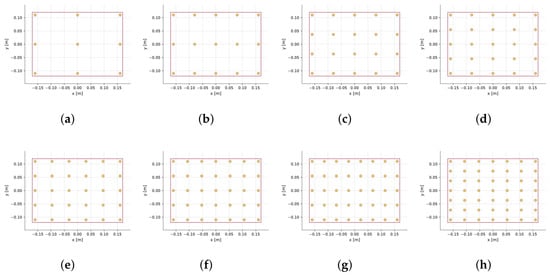
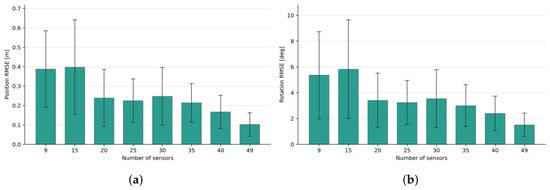
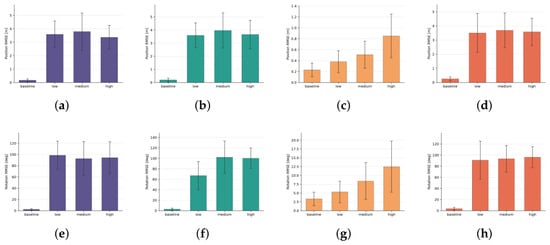
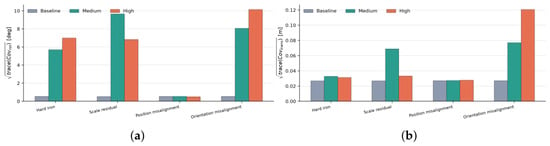
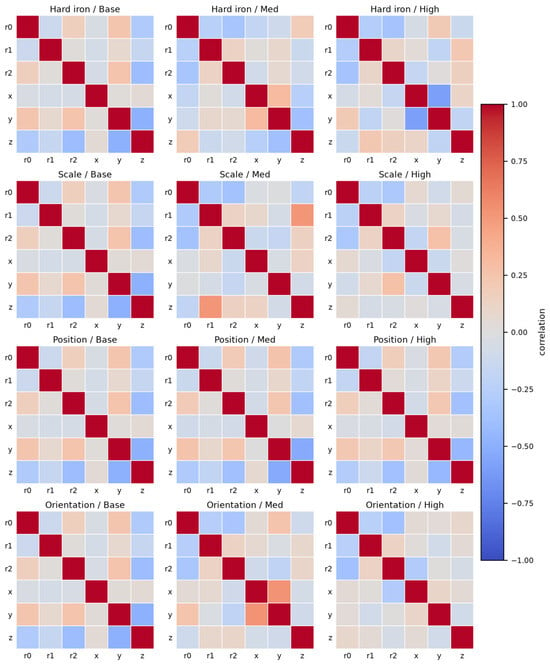
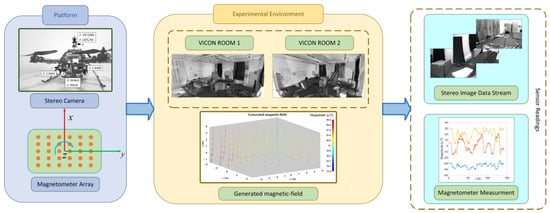
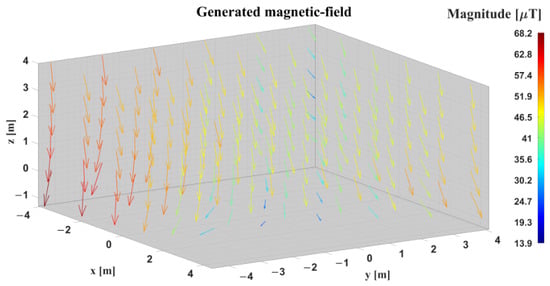
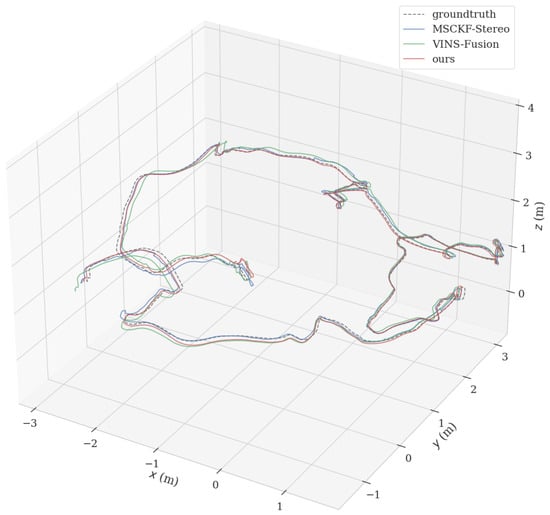
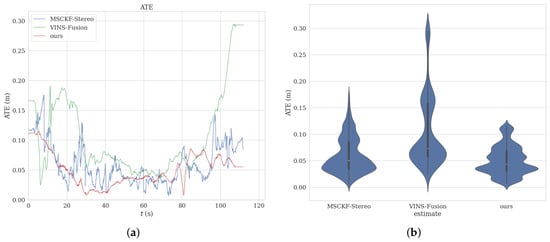
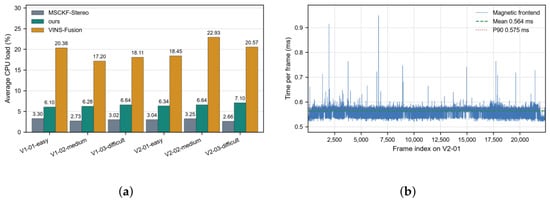
High-precision and resilient indoor positioning is a fundamental requirement for the autonomous operation of mobile robots in GNSS-denied environments. While visual sensors are commonly used for odometry, their operational reliability can be compromised in challenging scenarios such as drastic illumination fluctuations and sparse-textured environments. To address these sensor limitations, this study presents MVO, a magneto-visual odometry framework that explores indoor magnetic field anomalies as complementary constraints for visual odometry. By integrating a 30-magnetometer planar array model with a stereo camera, the proposed system establishes a multi-modal perception framework for indoor spaces. In the frontend, magnetic field gradient information is utilized to provide relative-pose constraints, which assist in the matching of image feature points and help maintain tracking continuity under visual degradation. In the backend, a factor graph optimization (FGO) framework incorporates magnetic relative-pose factors and visual reprojection factors into a unified optimization objective, which is then solved using the incremental smoothing and mapping 2 (iSAM2) algorithm. Frontend-level simulations are conducted to analyze the effects of magnetometer spatial configuration, sensor number, and calibration-error sensitivity on magnetic relative-pose estimation and covariance. Trajectory-level evaluations are further performed on the EuRoC dataset augmented with high-fidelity synthesized magnetic field data, including localization accuracy and computational load. Under this synthesized magnetic field setting, MVO shows improved localization accuracy and moderate computational load compared with the selected MSCKF-Stereo and VINS-Fusion reference baselines. These results provide a simulation-based feasibility validation of integrating magnetic field constraints with visual information for indoor odometry, while validation with real magnetometer array measurements remains future work. Full article
(This article belongs to the Special Issue Intelligent Sensing for Robotic Control and Visual Perception)
Show Figures

Figure 1

12 pages, 401 KB  
Article
A Regioselective Approach to Accessing Trisubstituted Pyrrolo[2,3-d][1,2,3]triazoles via an Orthogonal Protection Strategy
by Kévin Brugemann, Simon Garnier, Johnny Vercouillie, Sylvain Routier and Frédéric Buron
Molecules 2026, 31(14), 2509; https://doi.org/10.3390/molecules31142509 (registering DOI) - 17 Jul 2026
Abstract
The first access to N-2, N-4-disubstituted pyrrolo[2,3-d][1,2,3]triazoles is reported herein. The series was generated using an orthogonal protecting group strategy from N-1, N-4-disubtituted pyrrolo[2,3-d][1,2,3 [...] Read more.
The first access to N-2, N-4-disubstituted pyrrolo[2,3-d][1,2,3]triazoles is reported herein. The series was generated using an orthogonal protecting group strategy from N-1, N-4-disubtituted pyrrolo[2,3-d][1,2,3]triazoles. N-Arylation by Ullman–Goldberg cross-coupling was achieved to explore the reactivity of the pyrrole core and to design N-4-substituted pyrrolo[2,3-d][1,2,3]triazole derivatives. Next, a transition-catalyst-free N-arylation methodology was implemented to achieve N-2 arylation of the triazole moiety. Each arylation strategy was optimized, and a representative library of various aryl iodines or bis-aryl iodonium salts was employed to establish the scope and limitations of each method. Full article
(This article belongs to the Section Organic Chemistry)
19 pages, 288 KB  
Review
From Old to Bold: Advancing microRNA Studies in Sudden Cardiac Death Through Molecular Analysis of FFPE Heart Tissue
by Alessia Bernini Di Michele, Chiara Turchi and Mauro Pesaresi
Genes 2026, 17(7), 819; https://doi.org/10.3390/genes17070819 (registering DOI) - 17 Jul 2026
Abstract
Background/Objectives: Sudden cardiac death (SCD) is a natural death of cardiac origin, accounting for an estimated 6–9 million deaths worldwide each year and representing a major public health challenge. Despite its clinical and forensic relevance, the molecular investigation of SCD remains limited. Peripheral [...] Read more.
Background/Objectives: Sudden cardiac death (SCD) is a natural death of cardiac origin, accounting for an estimated 6–9 million deaths worldwide each year and representing a major public health challenge. Despite its clinical and forensic relevance, the molecular investigation of SCD remains limited. Peripheral blood or fresh tissue, the preferred specimens for post-mortem genetic testing, are not always available, and DNA extracted from formalin-fixed paraffin-embedded (FFPE) tissues is often suboptimal for conventional genetic analyses. This review evaluates the potential of archived FFPE cardiac tissue as a source for microRNA (miRNA) analysis in molecular autopsy. Methods: A narrative review was conducted by collecting studies investigating miRNA expression in FFPE cardiac tissue relevant to SCD. Ten studies met the inclusion criteria and were critically analyzed. Results: Although the available evidence remains limited, recent studies have identified several differentially expressed miRNAs associated with cardiac diseases relevant to SCD. Owing to their small size and remarkable stability, miRNAs remain detectable in FFPE tissues despite fixation and long-term storage, making them attractive molecular biomarkers. While most available studies were conducted in clinical rather than forensic settings, they demonstrate the feasibility and analytical robustness of miRNA profiling in archived FFPE cardiac specimens. Conclusions: This review underlines the importance of reconsidering archived FFPE tissues not merely as historical or morphological resources, but as promising matrices for molecular autopsy of SCD supporting the identification and validation of novel molecular biomarkers. Full article
(This article belongs to the Special Issue Advanced Research in Forensic Genetics—2nd Edition)
31 pages, 4900 KB  
Article
Challenges and Multidisciplinary Approaches for Cultural Heritage Information Management: The Marquis’s Palace of Botrugno Case Study in Southern Italy
by Mattia Mangia, Carla di Biccari, Daniela Fico, Daniela Rizzo and Carola Esposito Corcione
Heritage 2026, 9(7), 282; https://doi.org/10.3390/heritage9070282 (registering DOI) - 17 Jul 2026
Abstract
Cultural Heritage (CH) is becoming increasingly vulnerable to the impacts of climate change, aging, and environmental decay, necessitating advanced preventive conservation strategies. This study presents the results of the SPIDER project, focused on Marquis’s Palace in Botrugno, a small but representative case study [...] Read more.
Cultural Heritage (CH) is becoming increasingly vulnerable to the impacts of climate change, aging, and environmental decay, necessitating advanced preventive conservation strategies. This study presents the results of the SPIDER project, focused on Marquis’s Palace in Botrugno, a small but representative case study in Southern Italy of a municipality overwhelmed with the management of valuable CH sites. The approach integrates multi-sensor surveys, subsurface diagnostics, HBIM modeling, and IoT microclimatic monitoring into a lightweight information model designed for operational flexibility. In addition to that,, the possibility of producing new, eco-friendly filaments for Fused Filament Fabrication (FFF) printing from industrial stone dust waste was explored through a preliminary morphological, structural, and chemical–physical investigation of the stone material historically used in construction, with the aim of identifying materials similar to the original using a simplified, low-cost process. The findings highlight that economic and social factors such as limited resources and the “digital divide” hinder effective technology transfer. Consequently, this study investigates whether a ”lightweight” Asset Information Model (AIM) can provide a more sustainable alternative to complex Digital Twins for small municipalities and other public bodies. For this reason, this research proposes a scalable, wide but basic framework of information management tools and methods aimed at enhancing territorial capacity building, fostering technology integration and social inclusion, and valorizing multidisciplinary approaches to address the challenges affecting CH. Full article

Open Access Journals

Browse by Indexing Browse by Subject Selected Journals
Back to TopTop