All articles published by MDPI are made immediately available worldwide under an open access license. No special
permission is required to reuse all or part of the article published by MDPI, including figures and tables. For
articles published under an open access Creative Common CC BY license, any part of the article may be reused without
permission provided that the original article is clearly cited. For more information, please refer to
https://www.mdpi.com/openaccess.
Feature papers represent the most advanced research with significant potential for high impact in the field. A Feature
Paper should be a substantial original Article that involves several techniques or approaches, provides an outlook for
future research directions and describes possible research applications.
Feature papers are submitted upon individual invitation or recommendation by the scientific editors and must receive
positive feedback from the reviewers.
Editor’s Choice articles are based on recommendations by the scientific editors of MDPI journals from around the world.
Editors select a small number of articles recently published in the journal that they believe will be particularly
interesting to readers, or important in the respective research area. The aim is to provide a snapshot of some of the
most exciting work published in the various research areas of the journal.
Low back pain is closely associated with intervertebral disc (IVD) degeneration, in which inflammation and neovascularization within the annulus fibrosus (AF) contribute to pain generation. Platelet-derived growth factor (PDGF)-BB plays a crucial role in tissue repair and cellular homeostasis, but its role in
[...] Read more.
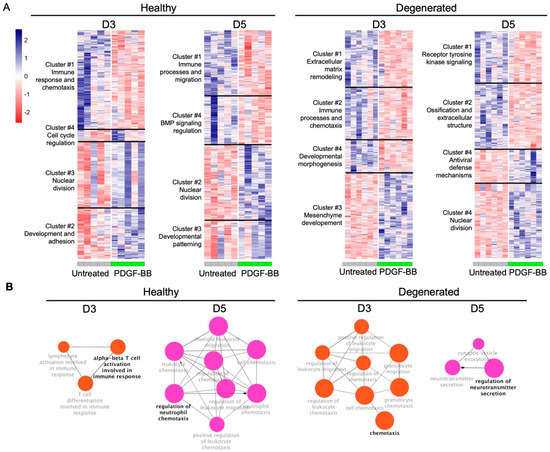
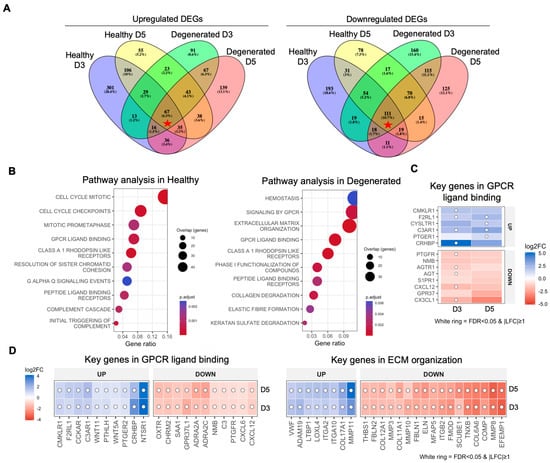
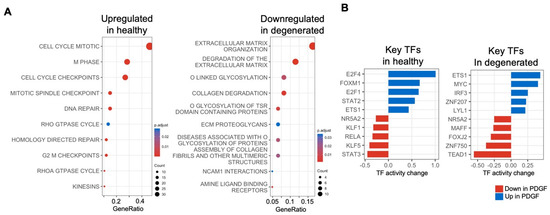
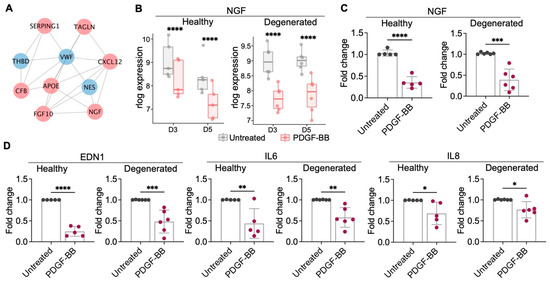
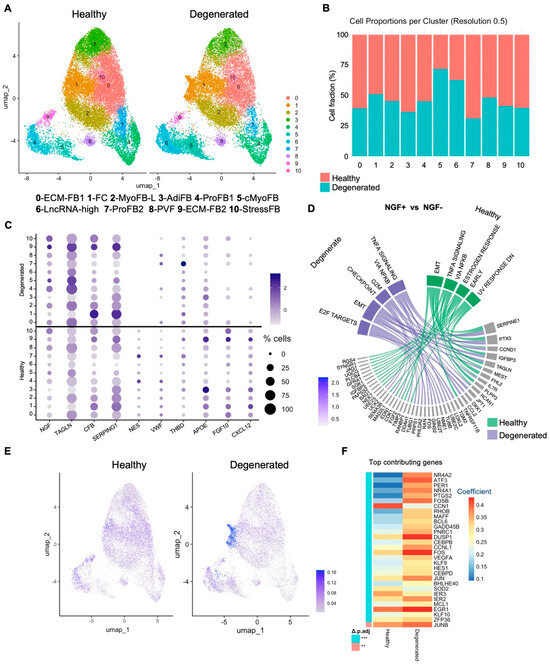
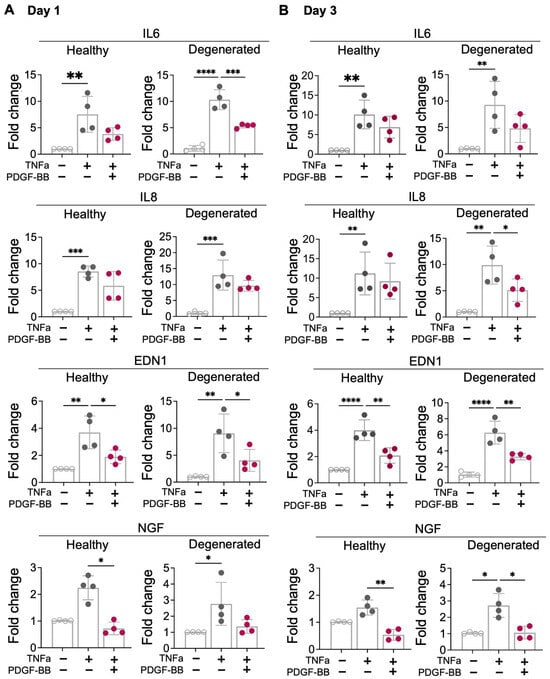
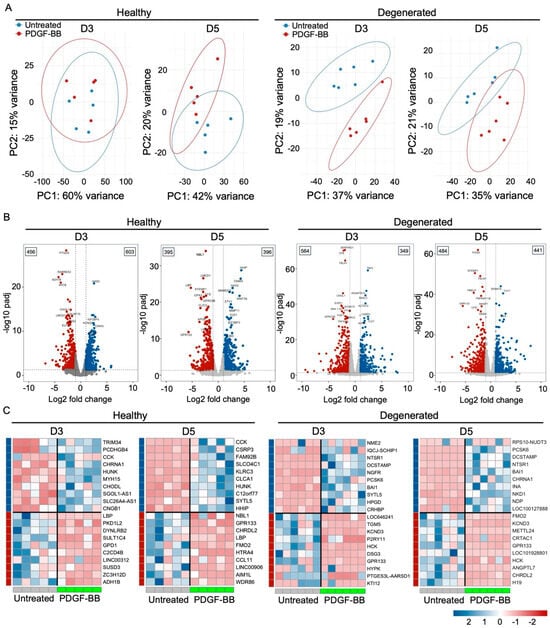
Low back pain is closely associated with intervertebral disc (IVD) degeneration, in which inflammation and neovascularization within the annulus fibrosus (AF) contribute to pain generation. Platelet-derived growth factor (PDGF)-BB plays a crucial role in tissue repair and cellular homeostasis, but its role in AF cell biology remains poorly understood. To investigate the effects of PDGF-BB on human AF cells, healthy and degenerated AF cells were treated with PDGF-BB for 3 or 5 days, followed by bulk RNA sequencing. Functional enrichment of differentially expressed genes, transcription factor activity analysis, and protein–protein interaction network analysis was performed. Publicly available single-cell RNA-seq data were used to compare the transcriptomic profiles of native healthy and degenerated AF samples. In addition, TNF-α stimulation was conducted to validate the anti-inflammatory effects of PDGF-BB. Our findings suggest that PDGF-BB induced both common and context-dependent transcriptional responses in healthy and degenerated AF cells. In healthy AF cells, PDGF-BB consistently upregulated genes associated with cell cycle and developmental growth. In degenerated AF cells, PDGF-BB also induced these responses, while additionally it downregulated the genes related to extracellular matrix remodeling and collagen degradation. Meanwhile, PDGF-BB showed common effects in both healthy and degenerated cells by modulating the expression of genes within G protein-coupled receptor (GPCR) networks that are linked to complement, inflammation, and neurotransmitter signaling. In addition, PDGF-BB also suppressed the expression of genes involved in inflammatory-neurogenic signaling, including nerve growth factor (NGF), C-X-C motif chemokine ligand 12 (CXCL12), and apolipoprotein E (APOE). To relate these PDGF-BB induced responses to disc degeneration, we reanalyzed publicly available single-cell RNA-seq datasets from native human AF tissues and found that NGF-positive cells showed increased tumor necrosis factor (TNF)-α signaling activity. When AF cells were stimulated with TNF-α, PDGF-BB treatment significantly inhibited the expression of NGF, endothelin-1 (EDN1), and interleukin 6 (IL6) under both baseline and TNF-α-stimulated conditions. These results suggest that PDGF-BB modulates gene expression associated with inflammatory and neurogenic signaling as well as ECM remodeling in human AF cells, providing a transcriptomic insight into the PDGF-BB’s function in AF biology.
Full article
Parental emotional expressivity toward their child is an integral component of creating a family emotional climate, which is the primary context in which children develop social–emotional skills. The current study sought to empirically test Darling and Steinberg’s model that parent attitudes that make
[...] Read more.
Parental emotional expressivity toward their child is an integral component of creating a family emotional climate, which is the primary context in which children develop social–emotional skills. The current study sought to empirically test Darling and Steinberg’s model that parent attitudes that make up parenting style effect parental emotional expressivity during parent–child interaction. Using longitudinal data from the NICHD Study of Early Child Care and Youth Development (SECCYD), the authors examined the compounding effects of maternal authoritarian attitudes measured soon after birth on maternal emotional expressivity toward their infant across three time points (child at 6, 15, and 24 months old). Hierarchical linear modeling analyses (HLMs) demonstrated that a mother’s (n = 1165, Mage = 28.2 years) authoritarian attitudes were associated with both decreased positive expressivity and increased negative expressivity toward their child at 6 months of age. Mothers who held more authoritarian attitudes at baseline demonstrated an increased rate of growth in negative expressivity toward their child over time. Maternal race and income were also significantly associated with the linear rate of growth of negative expressivity over time but not in positive expressivity. This suggests that authoritarian attitudes measured when the child is 1 month old continue to impact parent behavior up to 23 months later. This pattern suggests a potential window for effective universal prevention efforts in promoting nurturing parent behavior and promoting positive parent–child relationships. A possible target of prevention intervention could be providing parents with components of a modularized emotion regulation curriculum. The content could help parents to regulate their negative expressivity toward the child and focus on the message they want to convey to the child related to the child’s specific behavior.
Full article
Sarcocystis spp. are common intracellular protozoan parasites of wild and domestic ungulates, yet data regarding their occurrence and molecular diversity in roe deer (Capreolus capreolus) from Romania remain scarce. The present study investigated the epidemiology and molecular diversity of Sarcocystis spp.
[...] Read more.
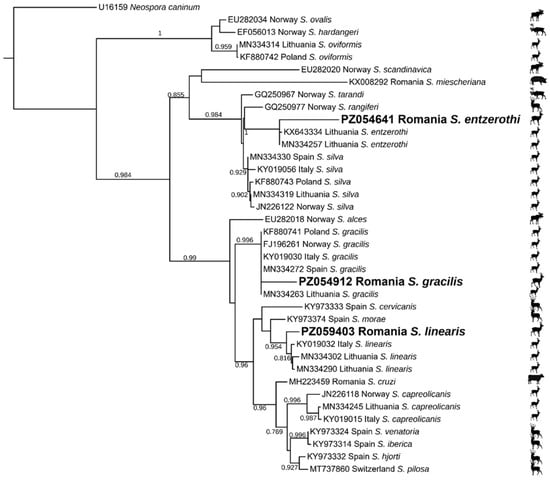
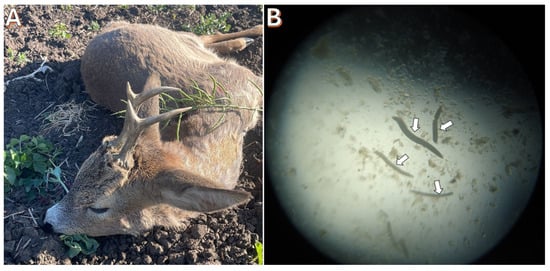
Sarcocystis spp. are common intracellular protozoan parasites of wild and domestic ungulates, yet data regarding their occurrence and molecular diversity in roe deer (Capreolus capreolus) from Romania remain scarce. The present study investigated the epidemiology and molecular diversity of Sarcocystis spp. in roe deer from western Romania and assessed the phylogenetic relationships of the detected isolates. A total of 132 striated muscle samples were collected from roe deer harvested in Arad, Bihor, and Timiș counties during 2023–2025 and examined microscopically for the presence of sarcocysts. Positive samples were subjected to PCR amplification and sequencing of the 18S rRNA gene. Sarcocysts were detected in 102/132 animals, yielding an overall prevalence of 77.3% (95% CI: 69.4–83.7). Infection prevalence increased significantly with host age (p < 0.001) and was significantly higher in males than in females (p < 0.05), whereas no significant differences were observed among counties or sampling years (p > 0.05). Molecular analysis of 30 representative isolates identified three Sarcocystis species: Sarcocystis gracilis (46.7%), S. linearis (33.3%), and S. entzerothi (20.0%), with S. gracilis being the predominant species. Phylogenetic analysis based on partial 18S rRNA sequences confirmed species-level identification and demonstrated close clustering of Romanian isolates with homologous European reference sequences, indicating high genetic similarity and limited phylogeographic structuring. To the authors’ knowledge, this study represents the first molecular characterization of Sarcocystis spp. in roe deer from Romania and expands current knowledge on the epidemiology, species diversity, and phylogenetic relationships of roe deer-associated Sarcocystis in Europe.
Full article
by
Miriam Adorna, Martina Contino, Alessandro Libra, Letizia Antonella Mauro, Davide Giuseppe Castiglione, Claudia Mattina, Claudio Mauceri, Claudia Crimi, Alberto Terminella, Giacomo Cusumano, Alessandra Gurrera, Pietro Valerio Foti, Gianluca Sambataro, Antonio Basile, Carlo Vancheri and Stefano Palmucci
Diagnostics2026, 16(11), 1693; https://doi.org/10.3390/diagnostics16111693 (registering DOI) - 30 May 2026
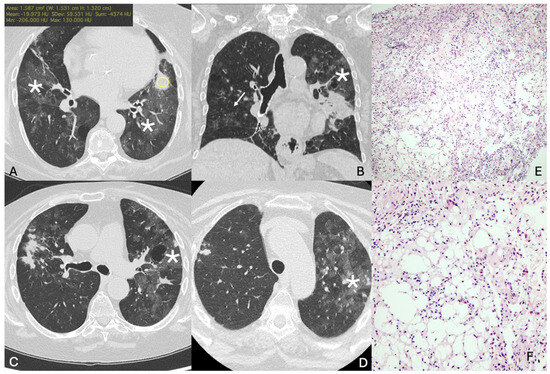
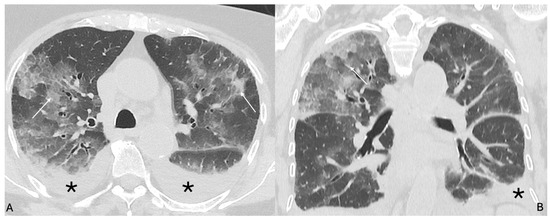
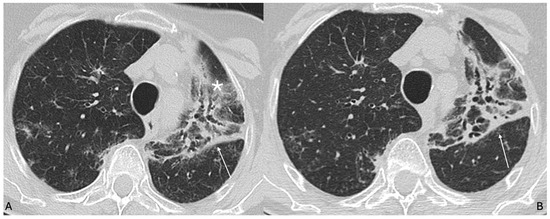
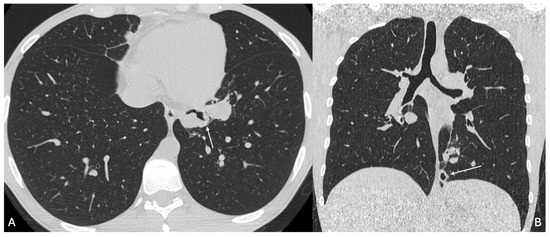
Background/Objectives: Lipoid pneumonia (LP) is a rare and frequently underdiagnosed pulmonary condition with a broad spectrum of radiological manifestations that can closely mimic infectious, inflammatory, and neoplastic lung diseases. Despite its clinical relevance, no standardized imaging-based diagnostic pathway exists. For this reason,
[...] Read more.
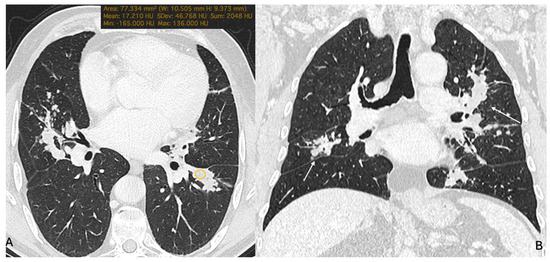
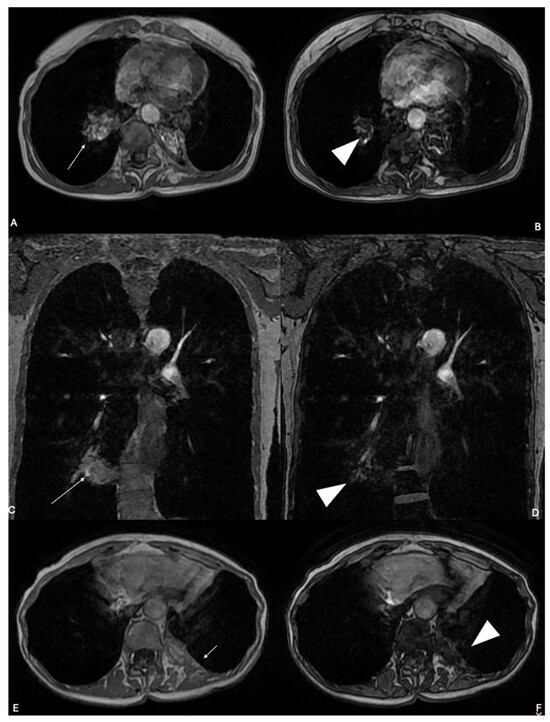
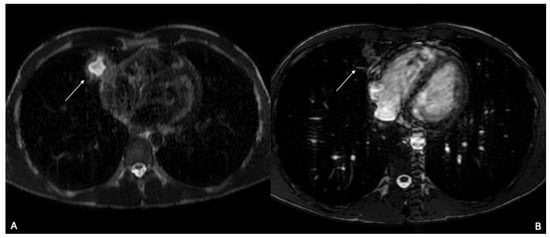
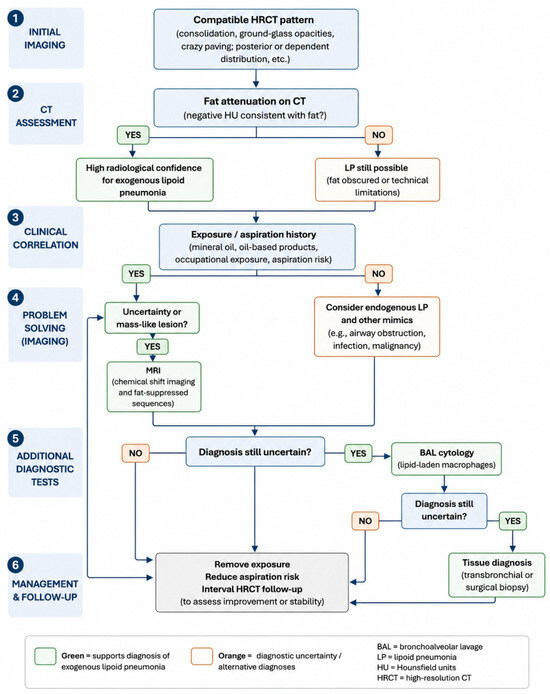
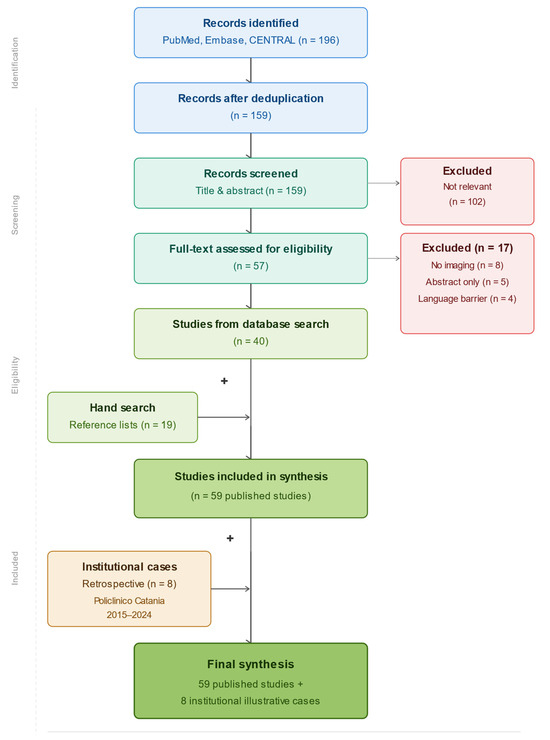
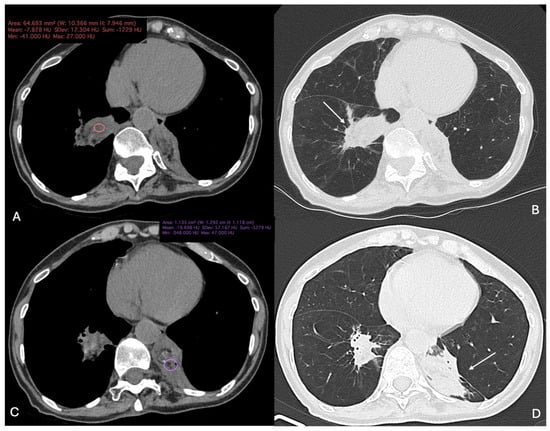
Background/Objectives: Lipoid pneumonia (LP) is a rare and frequently underdiagnosed pulmonary condition with a broad spectrum of radiological manifestations that can closely mimic infectious, inflammatory, and neoplastic lung diseases. Despite its clinical relevance, no standardized imaging-based diagnostic pathway exists. For this reason, this pictorial narrative review aims to provide a structured, imaging-centred synthesis of LP, to characterise the full spectrum of high-resolution CT (HRCT) and magnetic resonance imaging (MRI) findings, and to propose a pragmatic diagnostic workflow. Methods: A systematic literature search was performed in PubMed, MEDLINE, Embase, and the Cochrane Library from January 1950 to February 2025. Search terms combined “lipoid pneumonia” with imaging-related keywords including “HRCT,” “computed tomography,” “MRI,” and “fat attenuation.” After screening 891 deduplicated records, 60 studies were included in the narrative synthesis. Eight illustrative institutional cases with imaging–pathology correlation were additionally selected to demonstrate key imaging phenotypes. Results: HRCT is the cornerstone modality, demonstrating intralesional fat attenuation (typically −30 to −150 HU) in 40–80% of cases depending on series and disease chronicity. Additional patterns include ground-glass opacity, crazy paving, centrilobular nodules, and mass-like consolidation mimicking malignancy. Fat attenuation is absent in up to 60% of cases when inflammatory exudate or fibrosis masks lipid content. MRI, particularly chemical shift imaging, serves as a problem-solving adjunct in pseudotumoral or densitometrically equivocal presentations. A pragmatic diagnostic workflow is proposed, integrating HRCT findings, exposure history, fat-sensitive MRI in selected cases, BAL cytology, and histopathological confirmation when required. Conclusions: A pattern-based radiological approach, anchored on HRCT and integrated with clinical exposure history, BAL cytology, and selective use of fat-sensitive MRI, enables accurate diagnosis of LP in most cases and can prevent unnecessary invasive procedures including surgical resection performed under suspicion of malignancy.
Full article
The thermochemical diffusion treatment of boronitrocarburizing in a single stage was conducted on AISI 1018 steel using the powder-packing method. The treatment was performed at temperatures of 1123 K, 1173 K, and 1223 K for 8 h. The specimens were characterized using Scanning
[...] Read more.
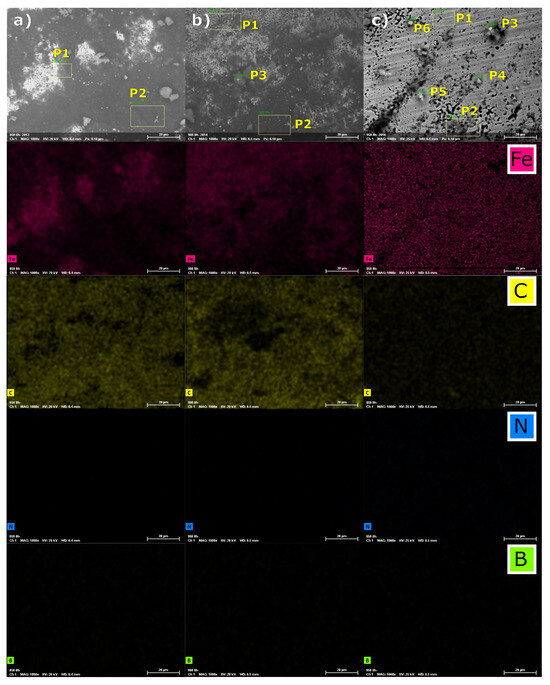
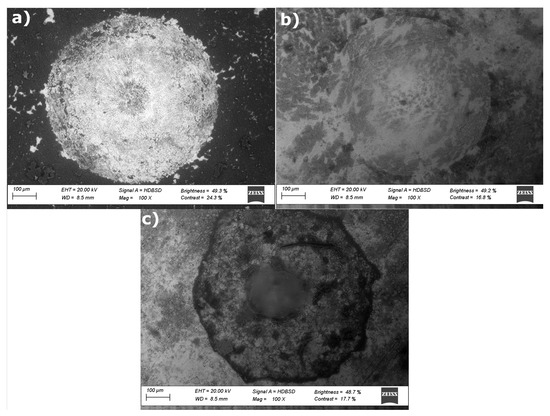
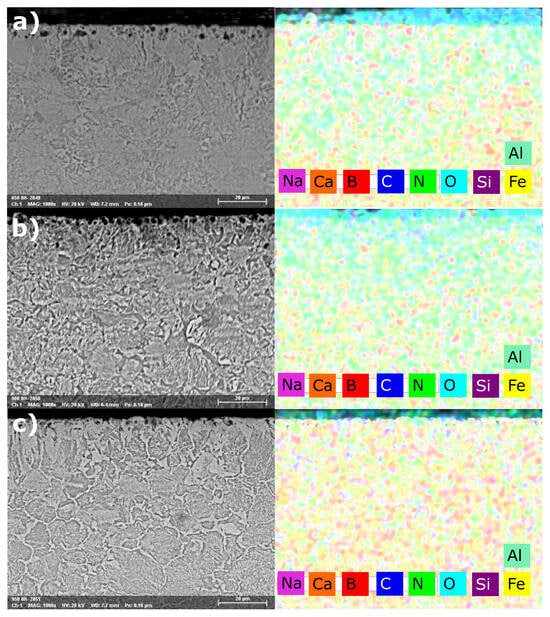
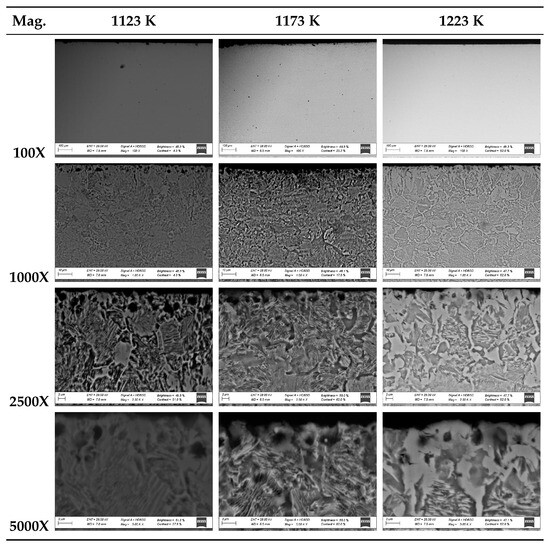
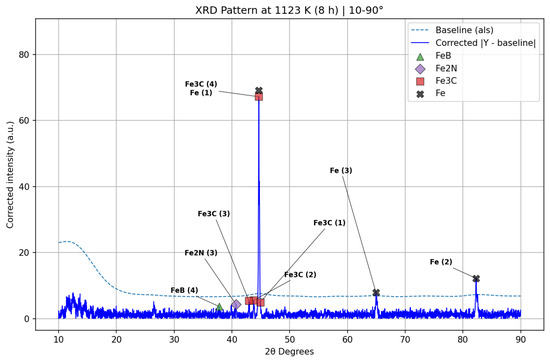
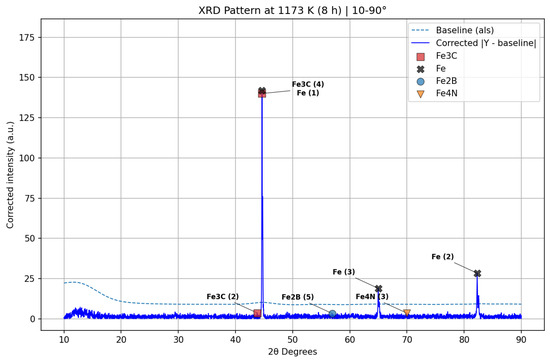
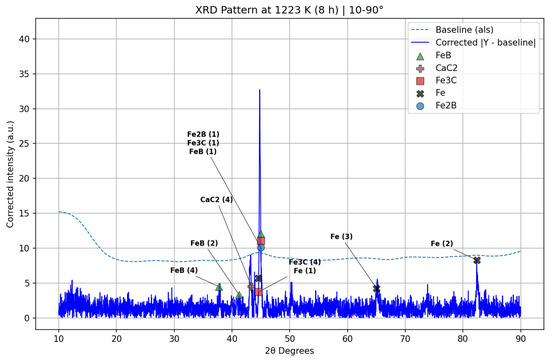
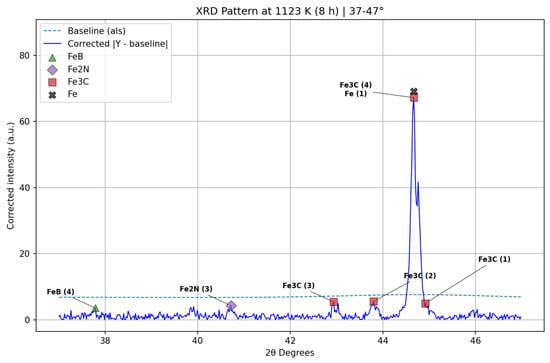
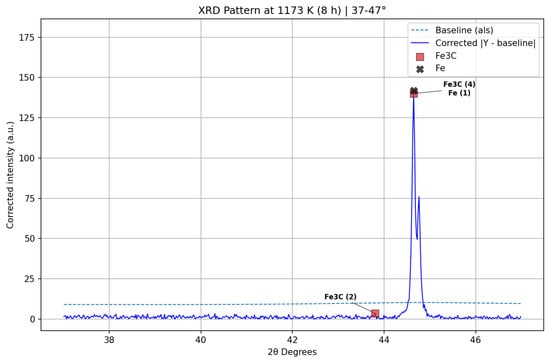
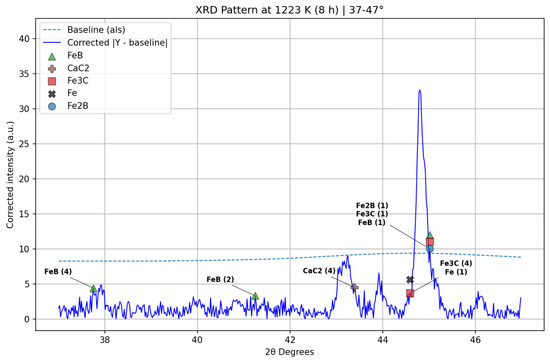
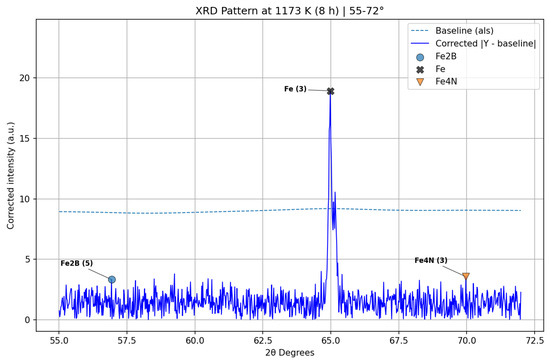
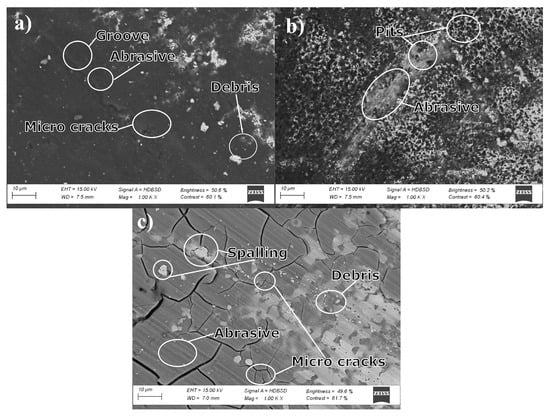
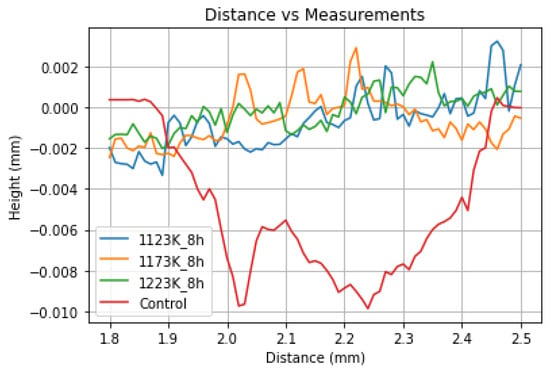
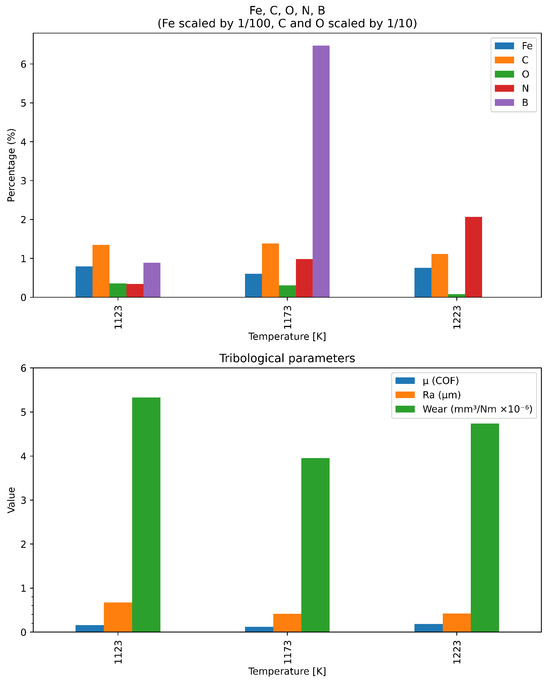
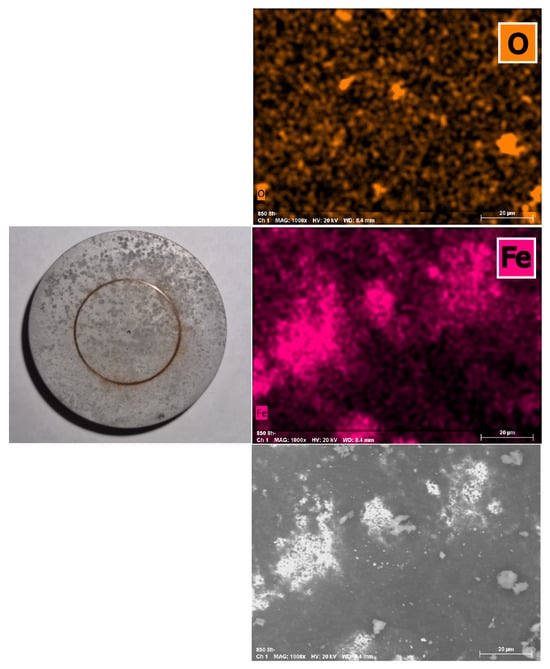
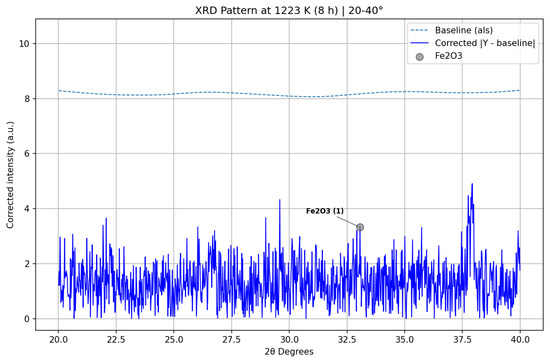
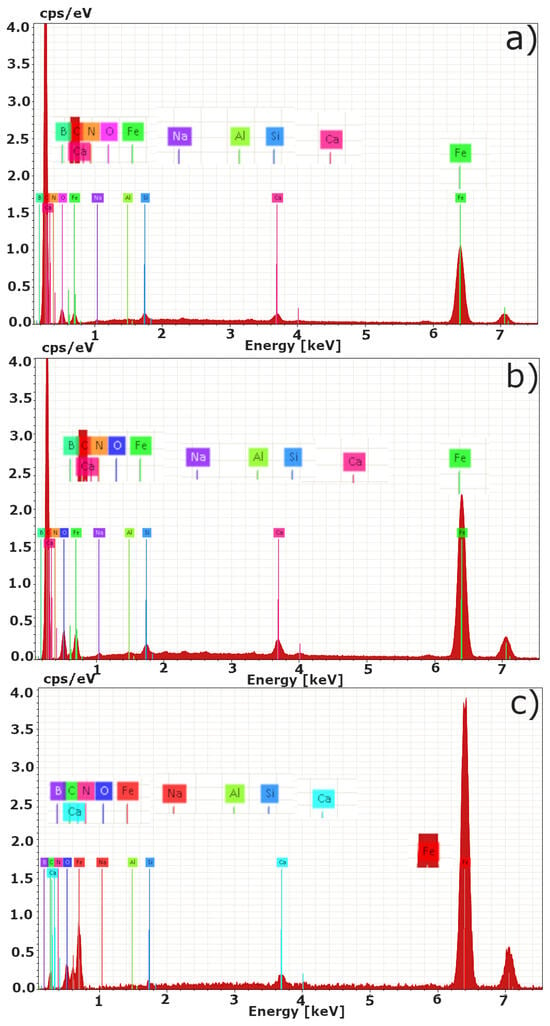
The thermochemical diffusion treatment of boronitrocarburizing in a single stage was conducted on AISI 1018 steel using the powder-packing method. The treatment was performed at temperatures of 1123 K, 1173 K, and 1223 K for 8 h. The specimens were characterized using Scanning Electron Microscopy (SEM), Energy-Dispersive Spectroscopy (EDS) and X-ray diffraction (XRD) enabling a superficial elemental analysis of B, N, and C diffusion into the substrate. The tribological effects of friction and wear under dry conditions were analyzed through a pin-on-disc test, employing an aluminum oxide (Al2O3) sphere and a profilometer to measure mass loss. The study concluded that the sample treated at 1173 K exhibited the best tribological performance, showing the lowest coefficient of friction (), while the samples treated at 1123 K and 1223 K exhibited coefficients of friction of and , respectively. All treated samples showed a reduction in the coefficient of friction compared to the control sample ().
Full article
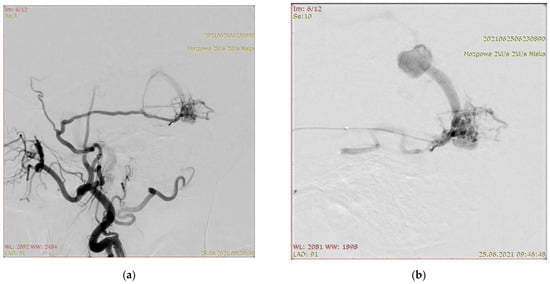
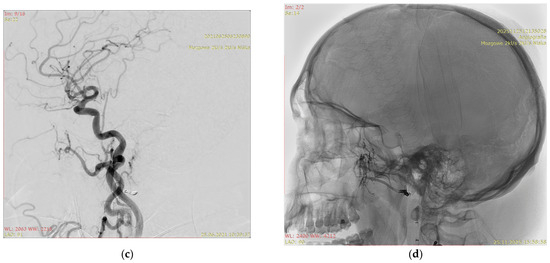
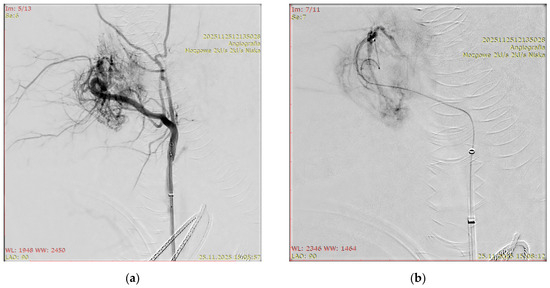
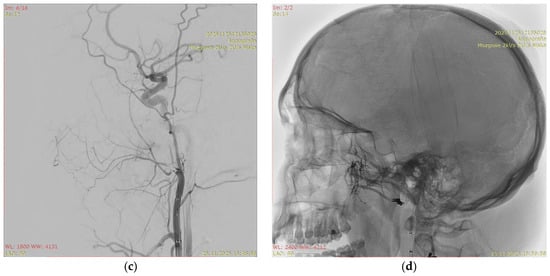
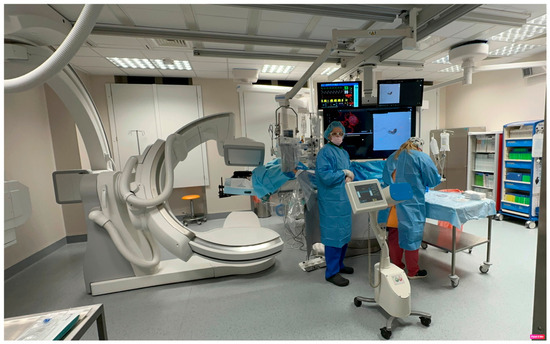
Background/Objectives: Endovascular treatment of cerebral arteriovenous malformations (AVMs) and arteriovenous fistulas (AVFs) is associated with substantial radiation exposure due to procedural complexity and repeated angiographic acquisitions. This study evaluates radiation exposure during AVM and AVF embolization and establishes local diagnostic reference levels (DRLs).
[...] Read more.
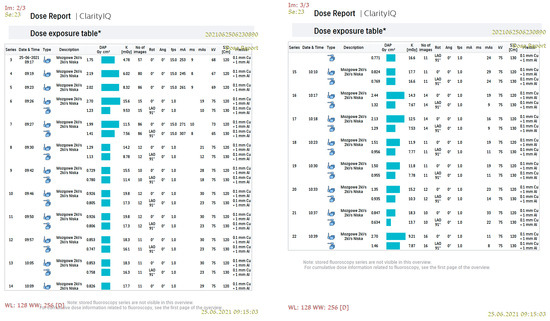
Background/Objectives: Endovascular treatment of cerebral arteriovenous malformations (AVMs) and arteriovenous fistulas (AVFs) is associated with substantial radiation exposure due to procedural complexity and repeated angiographic acquisitions. This study evaluates radiation exposure during AVM and AVF embolization and establishes local diagnostic reference levels (DRLs). Methods: A single-center retrospective dose audit was conducted, encompassing 114 endovascular procedures performed using a low-dose workflow. Radiation exposure was quantified using dose area product (DAP), reference air kerma (Ka,r), fluoroscopy time (FT), and the number of digital subtraction angiography (DSA) frames per procedure. Median values were defined as the median (P50), and local DRLs as the 75th percentile (P75). Comparative analyses were conducted between AVM and AVF procedures, between male and female patients, and within selected AVM subgroups. Results: The analysis comprised 86 AVM procedures and 28 AVF procedures. For AVMs, the local DRLs (P75) were 28.9 Gy·cm2 for DAP, 400 mGy for Ka,r, 310 DSA frames per procedure, and 1619 s for FT. For AVFs, the respective values were 47.3 Gy·cm2, 465 mGy, 478 DSA frames, and 1820 s. No statistically significant differences were identified between female and male patients. However, AVF procedures demonstrated significantly higher radiation exposure than AVM procedures for all parameters except FT. Within the AVM subgroup, no significant differences were observed between single-stage and other AVM procedures or between female and male patients. Conclusions: AVM and AVF embolization procedures are dose-intensive neuroendovascular interventions. Establishing local DRLs for AVM and AVF may enhance radiation monitoring and facilitate procedure-specific dose optimization.
Full article
The “experimenter gender effect” is a pervasive confound in rodent behavioral neuroscience: the sex of the human handler alters stress, social, and pharmacological responses via olfactory cues and conserved neural circuits. Whether this effect extends to dog—a species co-domesticated with humans for over
[...] Read more.
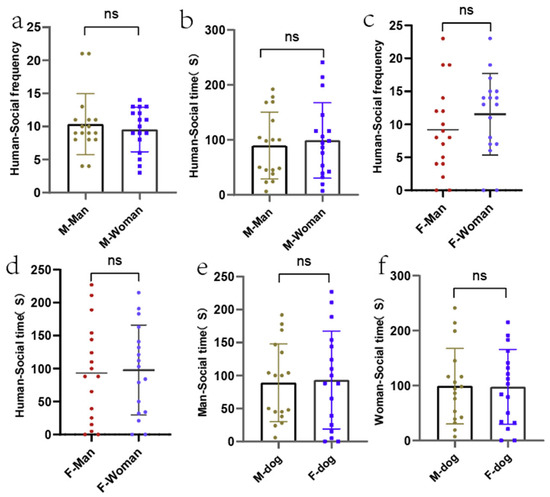
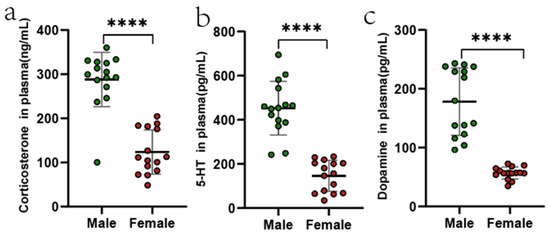
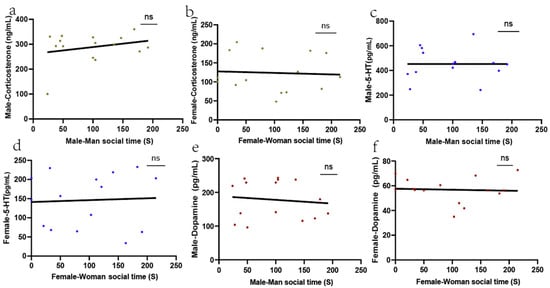
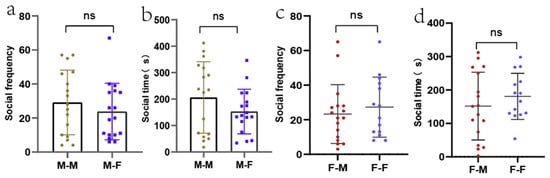
The “experimenter gender effect” is a pervasive confound in rodent behavioral neuroscience: the sex of the human handler alters stress, social, and pharmacological responses via olfactory cues and conserved neural circuits. Whether this effect extends to dog—a species co-domesticated with humans for over 15,000 years—has never been systematically tested. Here, we examined sex-biased social preferences in Beagle dogs during both intra- and cross-species interactions, and asked whether baseline neuroendocrine states predict such preferences. Thirty-four adult Beagles (17 males, 17 females) from a standardized laboratory colony underwent social interaction tests with same and opposite-sex conspecifics and with male and female experimenters. Baseline plasma corticosterone, serotonin (5-HT), and dopamine were measured by ELISA. Results indicated that Beagles did not exhibit significant sex-based preferences for either gender of conspecifics or human experimenters in either dog–dog or human–dog social interaction tests (all p > 0.05). However, males showed markedly higher baseline corticosterone, 5-HT, and dopamine than females (all p < 0.0001), a hormonal dimorphism that did not correlate with any behavioral measure in Spearman correlation analysis (p > 0.05). Nevertheless, this study has several limitations: only baseline hormone levels were measured (not stress-induced responses), behavioral tests involved only low-stakes affiliative interactions, and only one breed was studied under standardized conditions. These results suggest that Beagle dogs may lack experimenter-gender preference in social interactions, exhibiting stable, gender-neutral social behavior despite profound underlying hormonal differences. This decoupling of internal state from behavioral output suggests that domestication may have shaped a social phenotype resistant to the experimenter gender effect, supporting the Beagle as a valuable translational model with a stable baseline and low susceptibility to confounding social cues, making it suitable for research on affective and social-cognitive disorders.
Full article
Hypoxia is a common stressor in aquaculture and severely compromises the physiological health of fish. The present study investigated the expression pattern and transcriptional response of the sirt1 gene (sirtuin1) in yellow catfish (Pelteobagrus fulvidraco) under acute hypoxia stress.
[...] Read more.
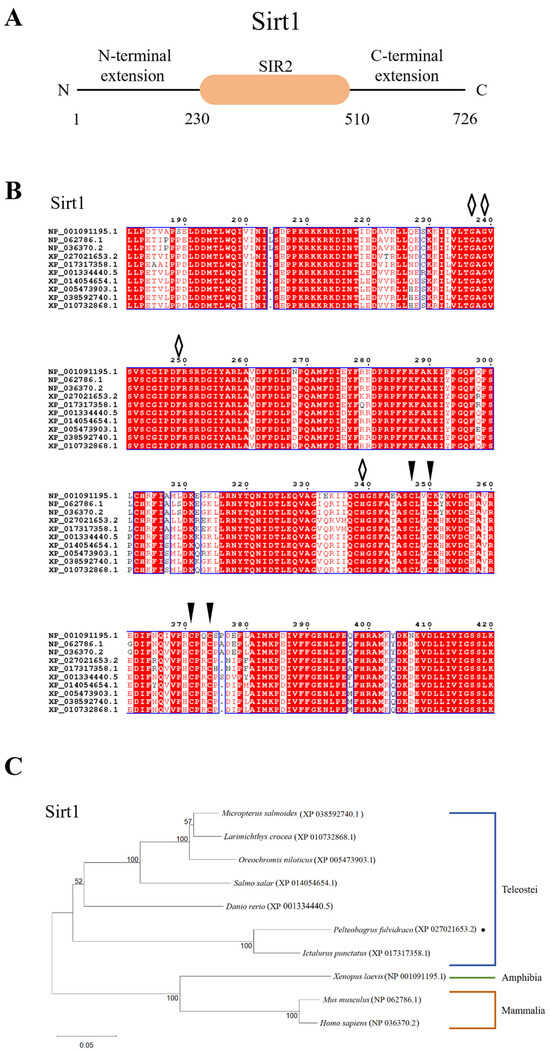
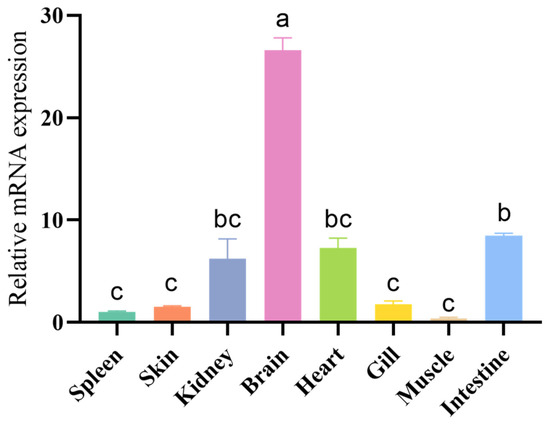
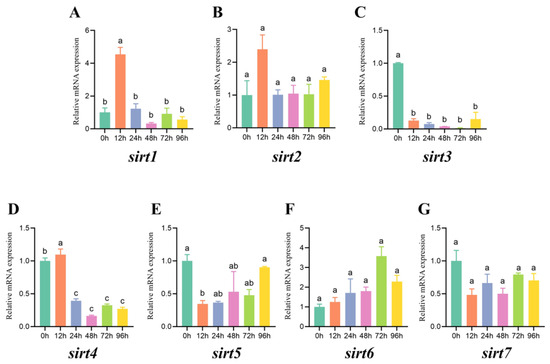
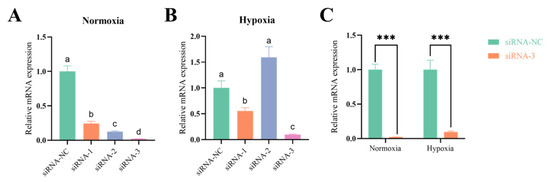
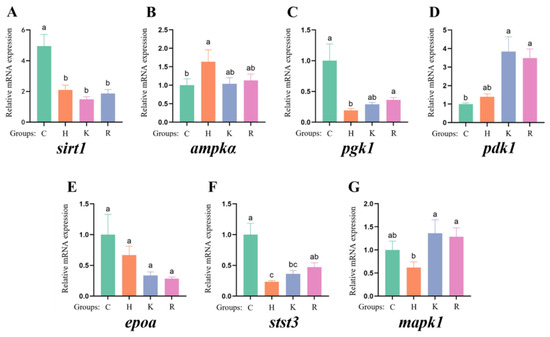
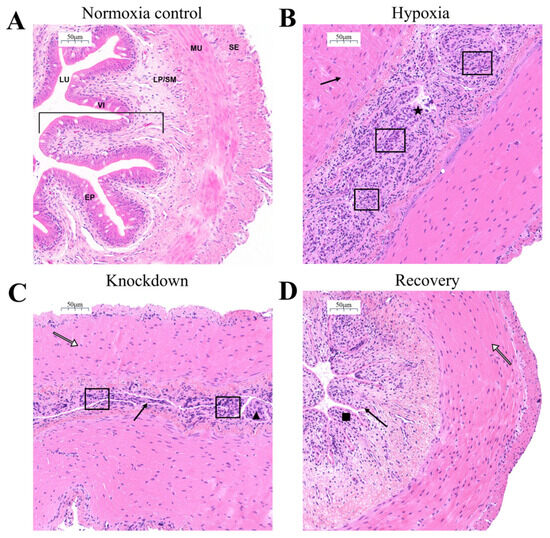
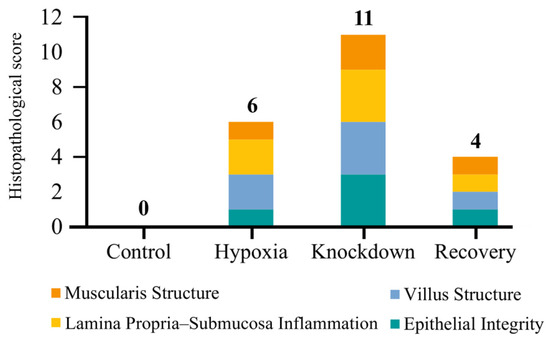
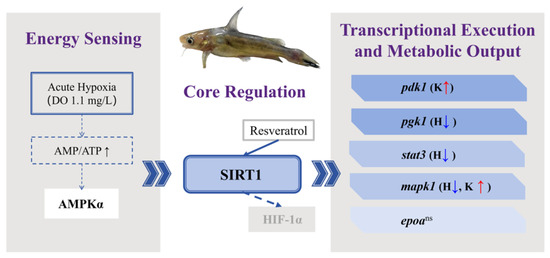
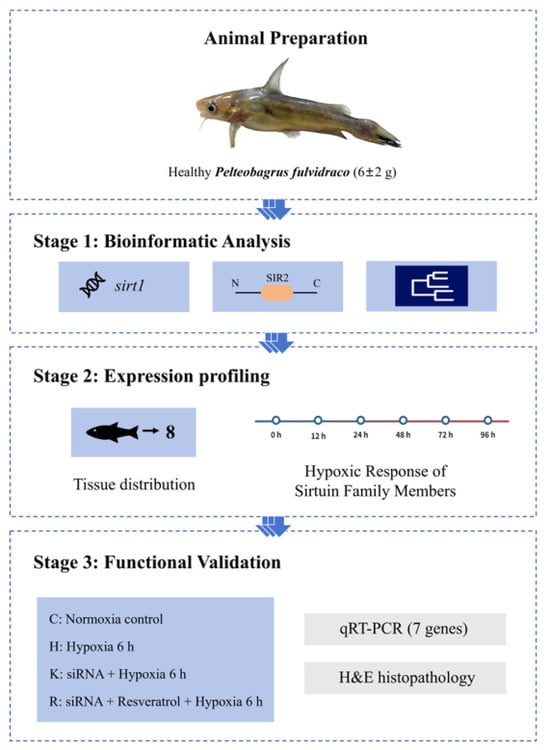
Hypoxia is a common stressor in aquaculture and severely compromises the physiological health of fish. The present study investigated the expression pattern and transcriptional response of the sirt1 gene (sirtuin1) in yellow catfish (Pelteobagrus fulvidraco) under acute hypoxia stress. Sequence analysis of the yellow catfish sirt1 gene indicated that the Sirt1 protein exhibits a high degree of sequence conservation among vertebrates. Tissue distribution analysis under normoxic conditions revealed that sirt1 mRNA was most abundantly expressed in the brain and intestine of yellow catfish. Results from the hypoxia stress trial (dissolved oxygen 1.1 ± 0.2 mg/L) demonstrated that sirt1 was the most hypoxia-responsive member of the sirt family, being significantly upregulated approximately 4.5-fold at 12 h. Subsequent functional validation experiments showed that sirt1 expression was significantly decreased at 6 h of acute hypoxia; together with the marked upregulation at 12 h observed in the time-course experiment, this suggests that the response of sirt1 to acute hypoxia is time-dependent. On this basis, a bidirectional intervention was performed using small interfering RNA (siRNA)-mediated knockdown of sirt1 and resveratrol-mediated activation to analyze the effects of sirt1 on downstream gene expression and intestinal histopathology. The results showed that inhibition of sirt1 led to compensatory upregulation of pdk1, impairment of ampkα signaling and a further decrease in stat3 expression, and aggravated hypoxia-induced intestinal histological damage, whereas resveratrol pretreatment partially restored the expression of the related genes and alleviated tissue injury. These findings indicate that sirt1 is a transcriptionally responsive gene involved in the response of yellow catfish to hypoxia stress, and provide a reference for further investigation into hypoxia adaptation in yellow catfish.
Full article
Background: Koumine is a bioactive alkaloid derived from the traditional medicinal plant Gelsemium elegans. Although it has demonstrated anti-tumor effects in various cancers, its specific role and mechanism in hepatocellular carcinoma (HCC) remain unclear. This study aims to investigate the anti-HCC effects
[...] Read more.
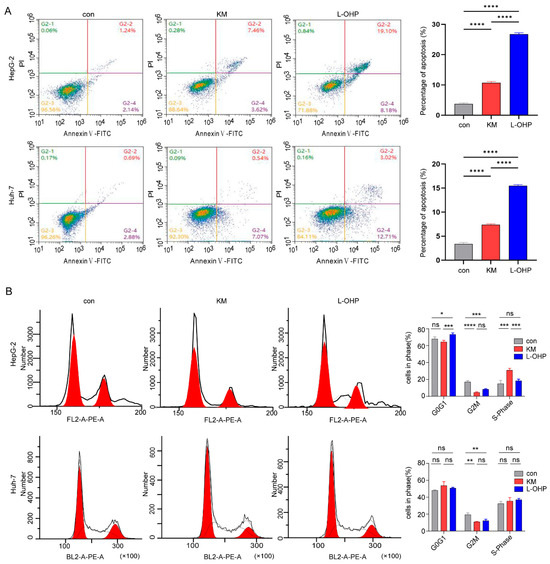
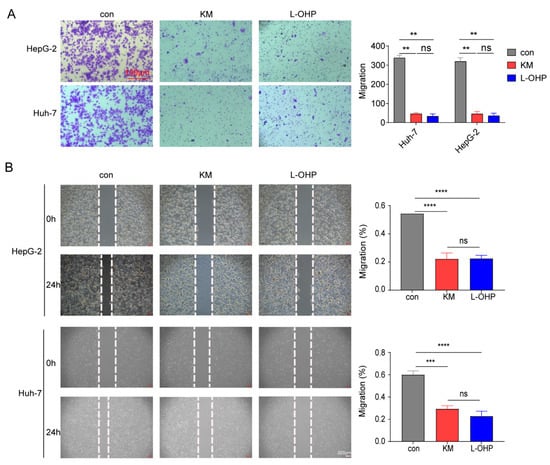
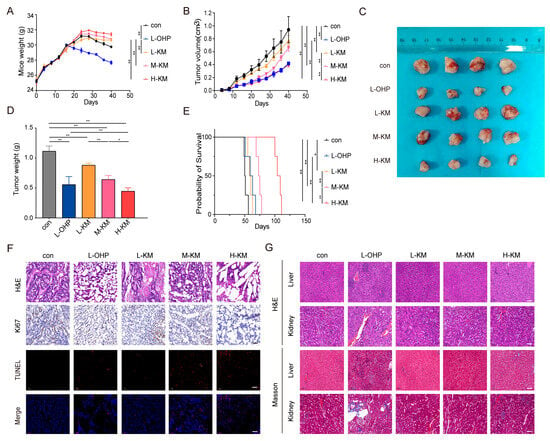
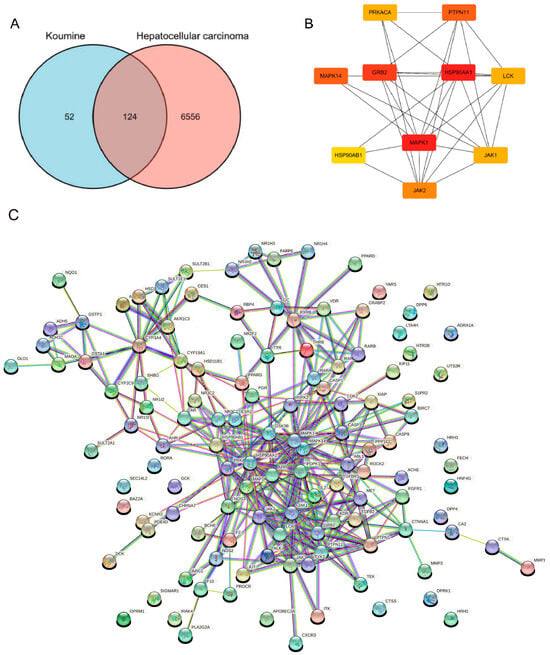
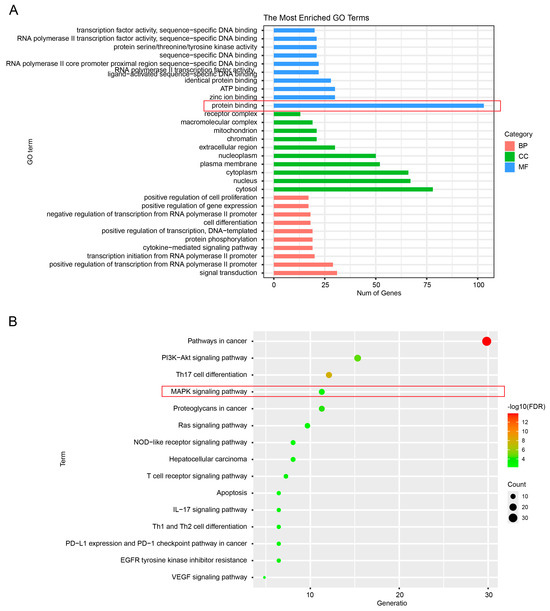
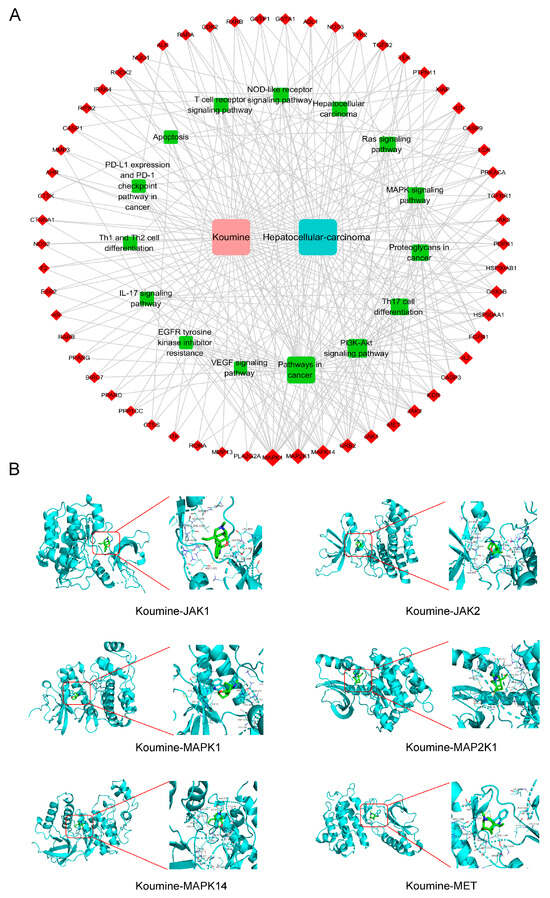
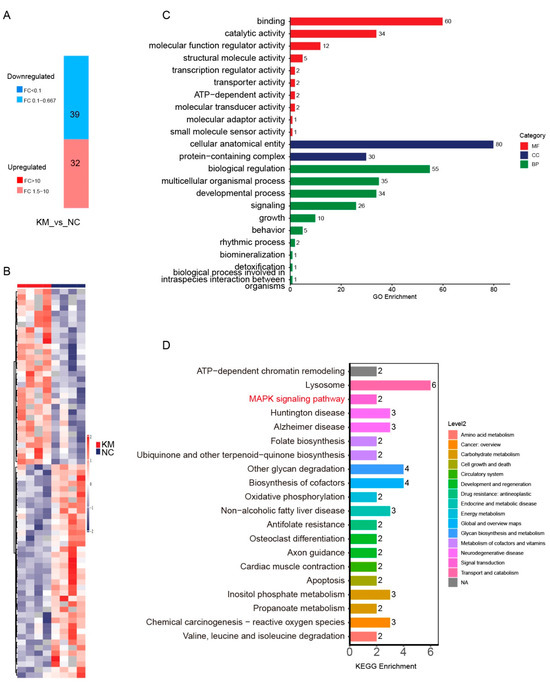
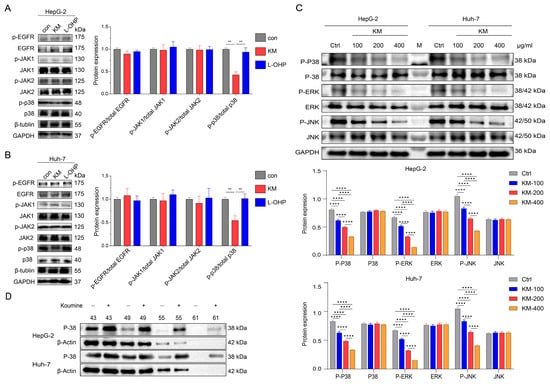
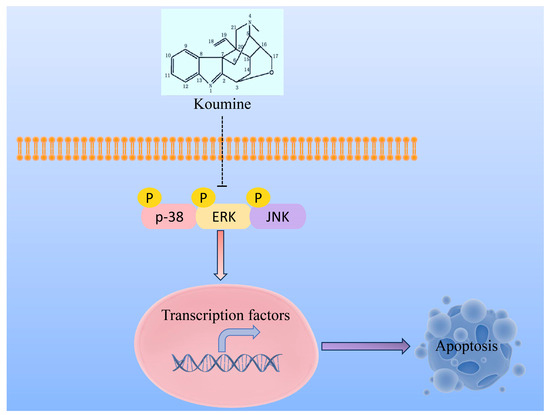
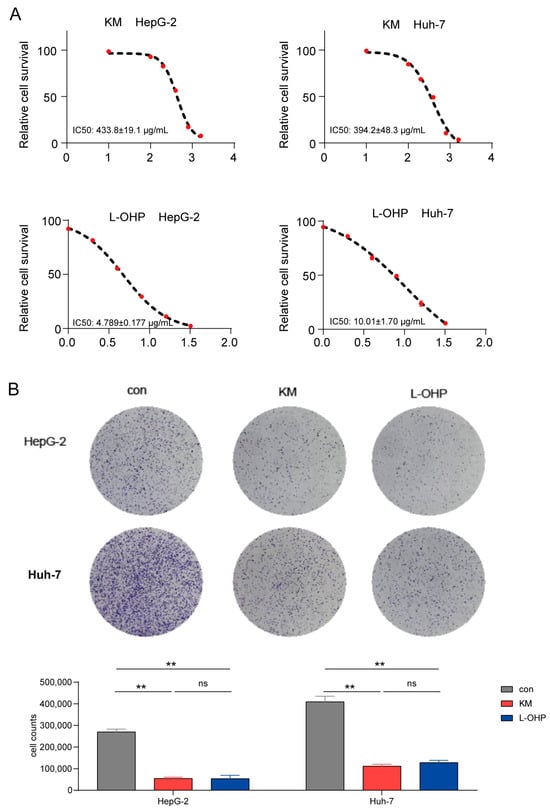
Background: Koumine is a bioactive alkaloid derived from the traditional medicinal plant Gelsemium elegans. Although it has demonstrated anti-tumor effects in various cancers, its specific role and mechanism in hepatocellular carcinoma (HCC) remain unclear. This study aims to investigate the anti-HCC effects of Koumine and elucidate the underlying molecular mechanisms. Methods: A network pharmacology approach was employed to predict potential targets and pathways of Koumine against HCC. The binding affinities between Koumine and core targets were validated using molecular docking. In vitro, the effects of Koumine on the proliferation, migration, and invasion of HCC cells were assessed, and the expression levels of key proteins were examined. In vivo, the anti-tumor efficacy and toxicity of Koumine were evaluated using a murine xenograft model. Results: Network pharmacology analysis identified 124 potential targets of Koumine against HCC, with 10 core targets (e.g., P38, JAK1, JAK2, GRB2) and key pathways involving MAP2K1, P38, JAK1, and MET being implicated. Molecular docking confirmed strong binding affinities between Koumine and these core targets. In vitro experiments demonstrated that Koumine dose-dependently inhibited the proliferation, migration, and invasion of HCC cells and modulated the expression and phosphorylation of P38. In vivo results showed that Koumine significantly suppressed tumor growth without causing notable toxicity. Conclusions: This study systematically reveals that Koumine exerts its anti-HCC effects by targeting the MAP2K1, P38, JAK1, JAK2, and MET signaling pathways. These findings highlight the potential of Koumine as a novel and safe therapeutic agent for the treatment of hepatocellular carcinoma.
Full article
Preservation of dentition remains the primary goal of equine dentistry; however, cheek tooth extraction is required in cases of severe dental pathology. Following tooth extraction, management of the post-extraction alveolus remains a significant clinical challenge due to its large size and susceptibility to
[...] Read more.
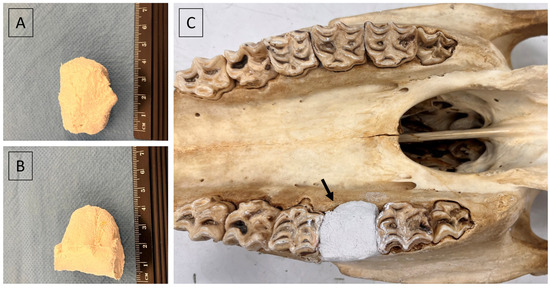
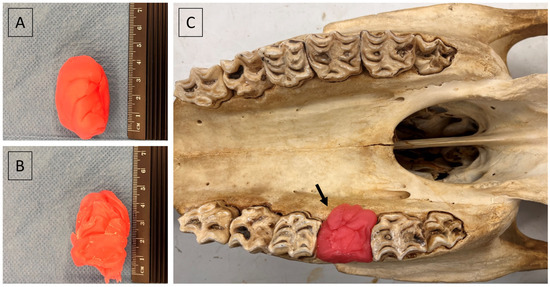
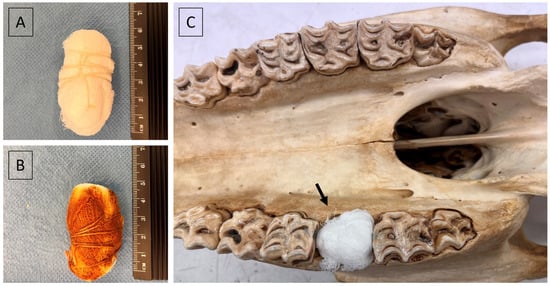
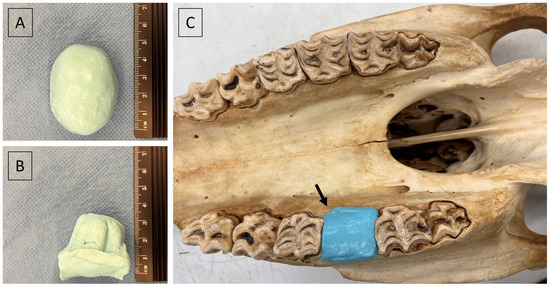
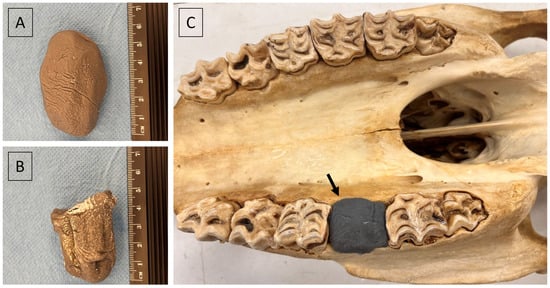
Preservation of dentition remains the primary goal of equine dentistry; however, cheek tooth extraction is required in cases of severe dental pathology. Following tooth extraction, management of the post-extraction alveolus remains a significant clinical challenge due to its large size and susceptibility to contamination with feed material and bacteria. To mitigate these risks, alveolar plugs are commonly used to protect the alveolus, stabilize the blood clot, and support granulation tissue formation. This review summarizes the current case reports and research articles regarding the use of alveolar plugs following equine cheek tooth extraction, with a focus on packing materials, post-extraction management strategies, complications, and clinical outcomes. Reported packing materials include polymethyl methacrylate (PMMA), plaster of Paris (PoP), dental wax, gauze swabs, and polyvinyl siloxane (PVS). Each material has unique advantages and disadvantages, which are summarized in this review. The choice of plug material and its management protocol should be individualized for each case, as it depends on alveolar depth, tooth location, extraction method, and the presence of complications. Although standardized protocols for equine alveolar plug management have not yet been established, it may be suggested that any of the currently described packing materials can be used following routine tooth extractions. For marginally positioned teeth, gauze swab plugs may be more favorable, although they may not be the optimal choice in older horses. Regardless of whether the extraction is routine or complicated, alveolar inspection at 7–14-day intervals may be recommended. However, specific recommendations regarding alveolar inspection intervals and detailed management strategies require further research.
Full article
by
Federica Marzano, Ermanno Nardi, Ciro Cotticelli, Mariafrancesca Di Santo, Simone Agizza, Giuseppe Maria Abbellito, Fabrizio Perrone Filardi, Laura Liccardi, Salvatrice Di Sarno, Isabel Martone, Stefania Paolillo, Paola Gargiulo, Sara Maria Pizzileo, Francesco Pizzolorusso, Andrea Igoren Guaricci, Giuseppe Guglielmi and Pasquale Perrone Filardi
J. Cardiovasc. Dev. Dis.2026, 13(6), 234; https://doi.org/10.3390/jcdd13060234 (registering DOI) - 30 May 2026
A substantial proportion of cardiovascular (CV) events occurs in individuals without previously diagnosed CV disease, underscoring the need for improved primary prevention strategies. Traditional risk scores provide probabilistic estimates but fail to directly identify the presence and heterogeneity of subclinical atherosclerosis. This review
[...] Read more.
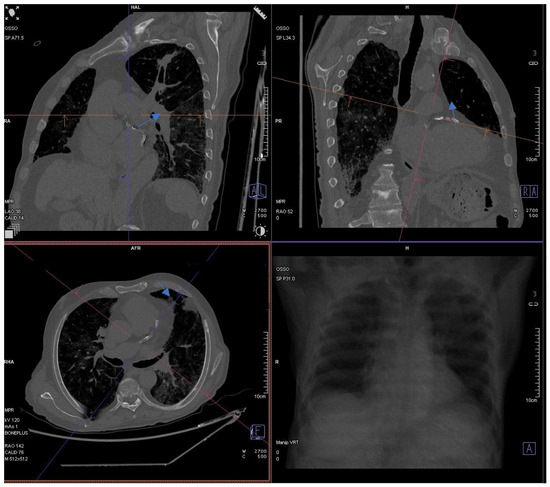
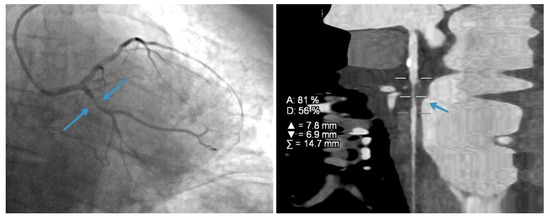
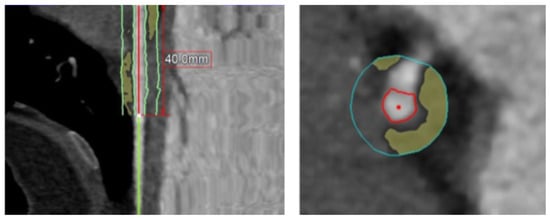
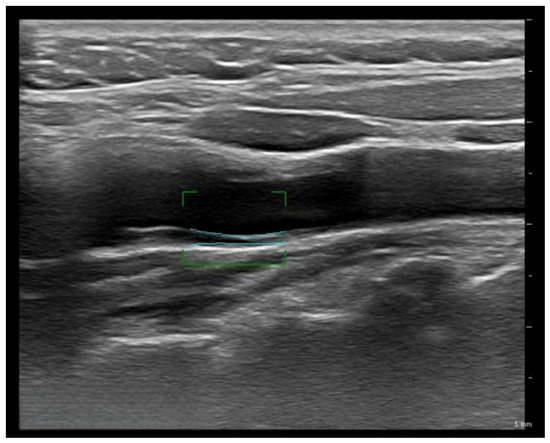
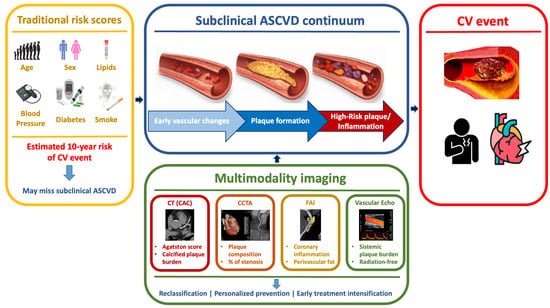
A substantial proportion of cardiovascular (CV) events occurs in individuals without previously diagnosed CV disease, underscoring the need for improved primary prevention strategies. Traditional risk scores provide probabilistic estimates but fail to directly identify the presence and heterogeneity of subclinical atherosclerosis. This review summarizes current evidence on advanced multimodality imaging approaches for identifying high-risk individuals without prior CV events. Evidence from cohort studies, randomized trials, and meta-analyses was examined to evaluate the role of coronary artery calcium (CAC) scoring, coronary computed tomography angiography (CCTA), perivascular fat attenuation index (FAI), and vascular ultrasound in risk stratification. CAC scoring remains the most validated and widely recommended tool, offering robust prognostic value and significant risk reclassification, particularly in intermediate-risk individuals. CCTA provides additional insights into plaque burden and high-risk phenotypes, while FAI enables noninvasive assessment of coronary inflammation, improving risk prediction beyond anatomical measures. Vascular ultrasound offers a radiation-free, accessible method for detecting systemic plaque burden and refining risk estimation. Overall, multimodality imaging enhances the identification of subclinical disease and supports more individualized, disease-based risk assessment. Future research should clarify cost effectiveness, optimize patient selection, and determine whether imaging-guided strategies improve long-term clinical outcomes.
Full article
A novel Bacillus velezensis strain DY201, isolated from broiler feces, was characterized to assess its probiotic potential as an antibiotic alternative in poultry production. The strain demonstrated robust environmental tolerance with optimal growth at 42 °C and 51.32% survival following sequential exposure to
[...] Read more.
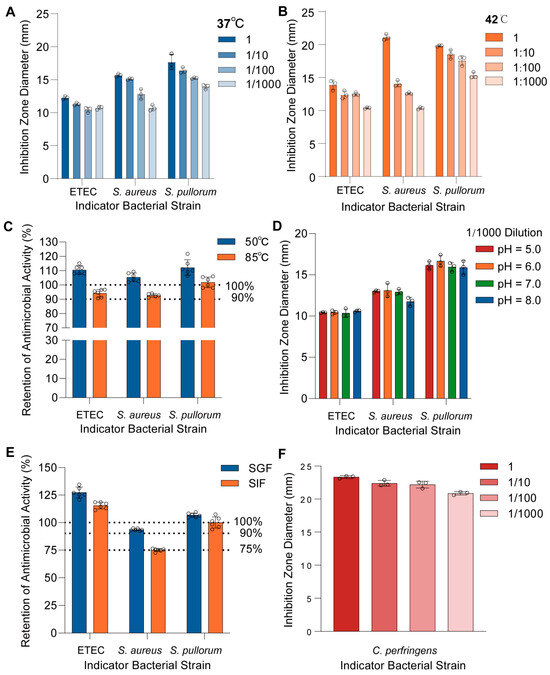
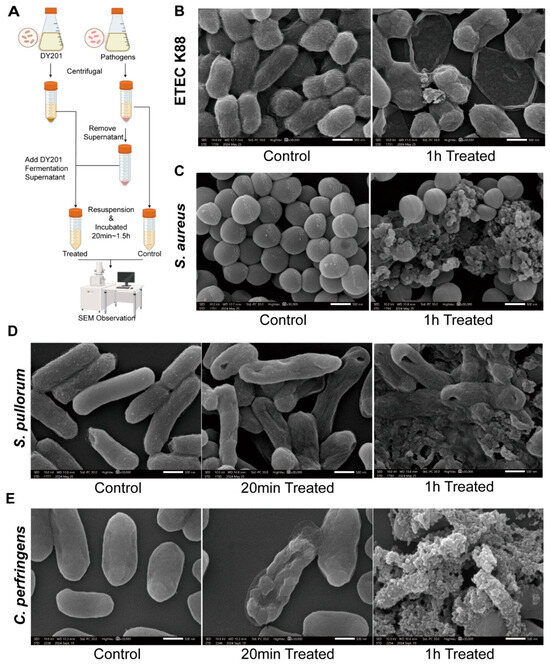
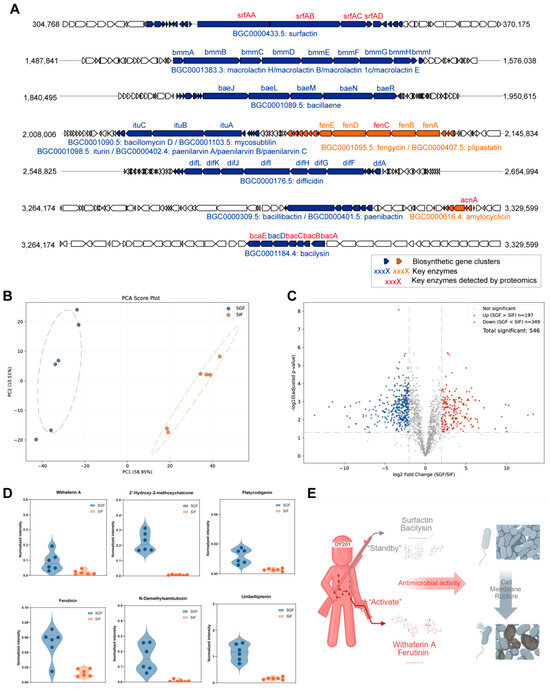
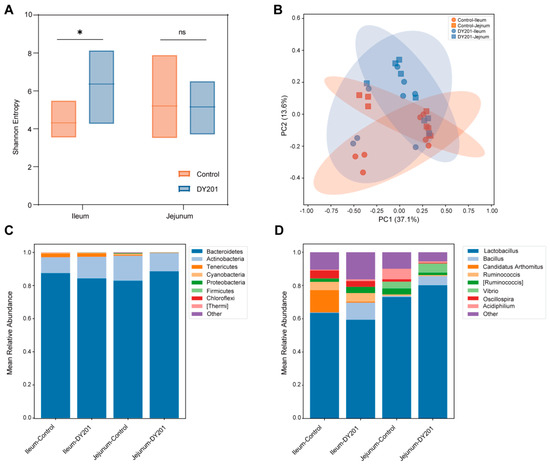
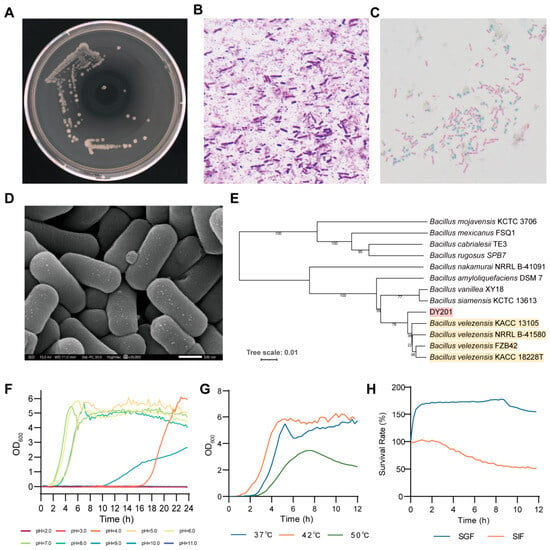
A novel Bacillus velezensis strain DY201, isolated from broiler feces, was characterized to assess its probiotic potential as an antibiotic alternative in poultry production. The strain demonstrated robust environmental tolerance with optimal growth at 42 °C and 51.32% survival following sequential exposure to simulated gastric and intestinal fluids. DY201 exhibited broad-spectrum antimicrobial activity against enterotoxigenic Escherichia coli K88, Staphylococcus aureus, Salmonella pullorum, and Clostridium perfringens, with activity remaining stable across pH 5.0–8.0 and retaining over 92.65% efficacy after 85 °C treatment. Scanning electron microscopy revealed metabolite-induced membrane perforation in target pathogens. Although whole-genome sequencing identified 14 biosynthetic gene clusters for lipopeptides including surfactin and fengycin, integrated proteomic and metabolomic analyses detected small-molecule metabolites—Withaferin A, 2′-hydroxy-2-methoxychalcone, and platycodigenin—as the primary antimicrobial effectors. In a preliminary broiler trial, dietary DY201 supplementation significantly increased the relative abundance of Bacillus in the ileum from 0.30% to 10.30% (p = 0.0434) and in the jejunum from 0.77% to 5.56% (p = 0.0453), enriched the generally beneficial genus Lactobacillus in the jejunum from 73.05% to 80.11% (p = 0.0323), and reduced Candidatus Arthromitus in the ileum from 13.38% to 0.59% (p = 0.0105). These findings support B. velezensis DY201 as a promising probiotic candidate for intestinal microbiota modulation in broilers, although functional intestinal health benefits require further validation through growth performance, barrier function, immune response, and pathogen challenge studies.
Full article
The multi-religious geography of urban streets in India is shaped by the constant negotiation of religious difference in everyday life. Based on ethnographic fieldwork conducted in 2022, this article examines three religious processions commemorating Sikh, Jain, and Ambedkarite events that take place in
[...] Read more.
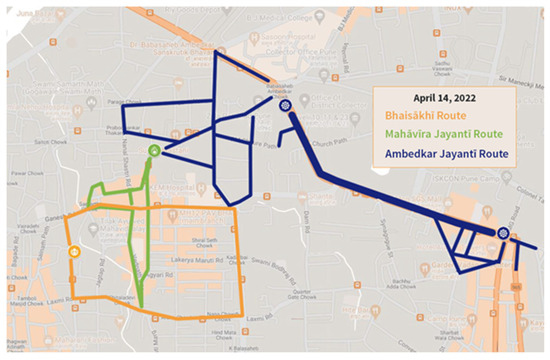
The multi-religious geography of urban streets in India is shaped by the constant negotiation of religious difference in everyday life. Based on ethnographic fieldwork conducted in 2022, this article examines three religious processions commemorating Sikh, Jain, and Ambedkarite events that take place in the neighborhoods of Somvār Peṭh and Rāstā Peṭh in the city of Pune on the same calendar day, but at different times. Focusing on how these processions occupy, traverse, and temporarily transform shared streets, the article analyzes how religious communities claim public space through material practices, bodily presence, and sensory regimes, while simultaneously navigating political regulation and instrumentalization. Drawing on Henri Lefebvre’s theory of rhythmanalysis, the study shows how biological, social, and religious rhythms structure the timing, scale, and form of these events, enabling a fragile coexistence in a densely multi-religious urban environment. The article argues that attention to rhythm offers a productive analytical lens for understanding everyday religion in the city, revealing how power, identity, and belonging are negotiated through temporal coordination, embodied adjustment, and contingent forms of sharing public space.
Full article
γ-Aminobutyric acid (GABA) is the main inhibitory neurotransmitter in the central nervous system (CNS) and plays a vital role in maintaining neural balance, regulating mood, and reducing stress responses. Recent metagenomic studies of the gut microbiome have shown that various bacterial species, especially
[...] Read more.
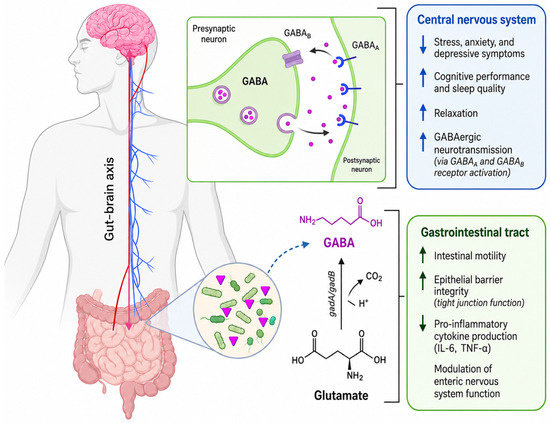
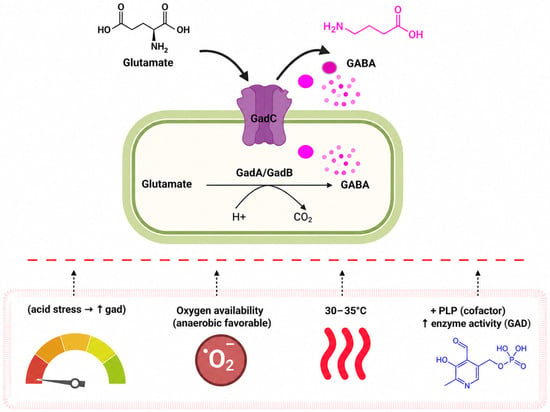
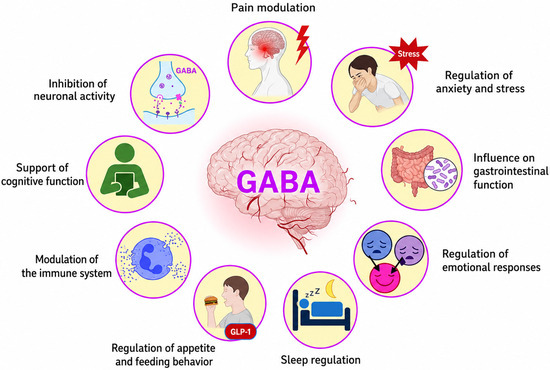
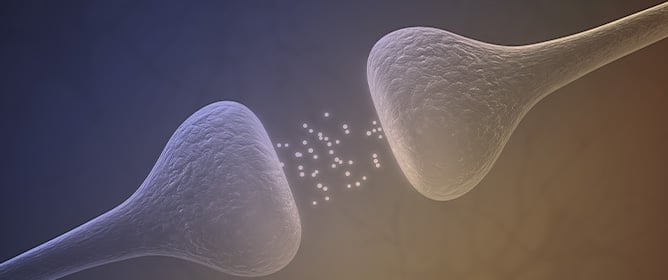
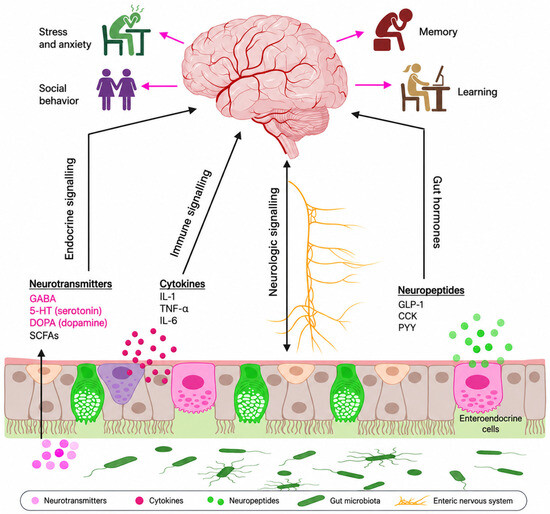
γ-Aminobutyric acid (GABA) is the main inhibitory neurotransmitter in the central nervous system (CNS) and plays a vital role in maintaining neural balance, regulating mood, and reducing stress responses. Recent metagenomic studies of the gut microbiome have shown that various bacterial species, especially those in the genera Lactobacillus, Bifidobacterium, and Bacteroides, isolated from the human gut and environmental sources such as fermented foods, contain glutamate decarboxylase (GAD) systems that enable GABA production. Microbially produced GABA can influence the microbiota–gut–brain (MGB) axis by activating neural, endocrine, and immune signalling pathways that are crucial for maintaining gut and brain homeostasis. Emerging evidence suggests that supplementation with GABA-producing bacteria, known as psychobiotics, may improve neurotransmitter balance, modulate cytokine production, strengthen the integrity of the intestinal barrier, and alleviate anxiety- and depression-related behaviours. This review summarises current knowledge of GABA-producing bacterial strains derived from the human gut and food environments and explores their potential as emerging psychobiotics in modulating gut–brain communication and mental health.
Full article
Efficient and accurate simulation methods are essential for analyzing and optimizing chromatographic processes, which are governed by partial differential equations (PDEs) and characterized by the propagation of steep concentration fronts. These fronts often cause numerical dispersion and high computational costs in conventional finite-volume
[...] Read more.
Efficient and accurate simulation methods are essential for analyzing and optimizing chromatographic processes, which are governed by partial differential equations (PDEs) and characterized by the propagation of steep concentration fronts. These fronts often cause numerical dispersion and high computational costs in conventional finite-volume or finite-difference schemes. In this paper, a fast and accurate simulation method for highly efficient chromatographic columns with negligible axial dispersion, linear and nonlinear non-competitive adsorption isotherms is proposed. The simulation approach is based on the propagation of discrete concentration values using characteristic velocities. In the linear case, the method is exact, and only the graphical representation of the solution depends on the discretization of the concentration coordinate. In the nonlinear case, an approximation is proposed to capture the possible formation of discontinuities efficiently. Nevertheless, it is shown that good agreement with reference solutions is achieved even for a relatively low number of discrete concentration values. Applications of the proposed methods are demonstrated for different multi-column simulated moving bed processes. The results show that the computational effort can be significantly reduced compared to the popular cell model, which represents a first-order finite-volume approximation of the underlying PDEs. The proposed approach thus enables rapid process design and parameter exploration for both linear and nonlinear non competitive adsorption isotherms for SMB chromatography separations with highly efficient columns.
Full article
by
Lisa Oezel, Niklas M. Wergen, Robert Zimmermann, Simeon Popov, Beyza Gürsoy, Jan Peter Grassmann, Nele Benölken, Till Kuebart, Bernd Bittersohl and Vera Grotheer
Biology2026, 15(11), 858; https://doi.org/10.3390/biology15110858 (registering DOI) - 30 May 2026
Osteoporosis (OP) is a highly prevalent age-associated inflammatory bone disease that remains underdiagnosed and undertreated despite its substantial global burden. OP is characterized by impaired osteoblast (OB) function, alterations in the extracellular matrix and chronic, low-grade inflammation associated with aging (‘inflammaging’). Initial evidence
[...] Read more.
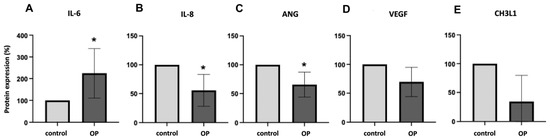
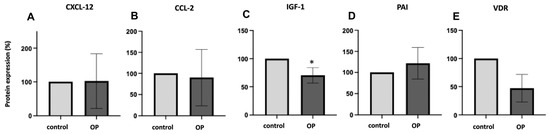
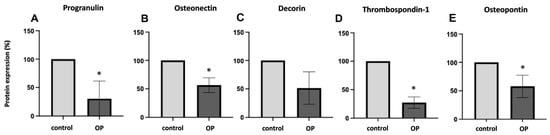
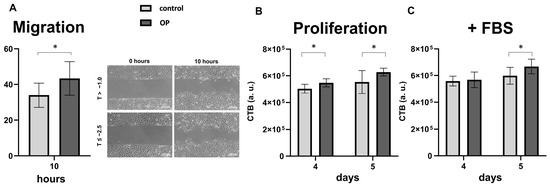
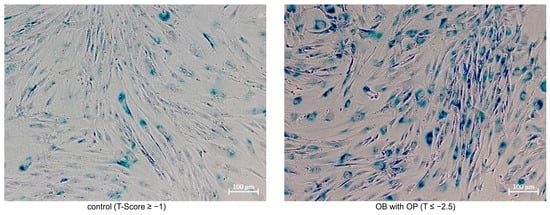
Osteoporosis (OP) is a highly prevalent age-associated inflammatory bone disease that remains underdiagnosed and undertreated despite its substantial global burden. OP is characterized by impaired osteoblast (OB) function, alterations in the extracellular matrix and chronic, low-grade inflammation associated with aging (‘inflammaging’). Initial evidence suggests that the accumulation of senescent cells and their senescence-associated secretory phenotype (SASP) may contribute to disease progression. Additionally, growing evidence indicates a close relationship between osteogenesis and angiogenesis in OP. This study aimed to characterize senescence-associated secretory changes in primary human OBs from donors with OP and to assess their functional impact on endothelial cell behavior. Primary human OBs from donors with OP (n = 15; female: 9, male: 6) and without OP (n = 21; female: 14, male: 7) were analyzed for senescence-associated secretory profiles using ELISA, proteome arrays, and Western blot analysis. The effects of OB-conditioned media on endothelial cell behavior were assessed in endothelial cell migration assays. OBs from donors with OP showed a tendency toward increased senescence-associated features in the β-galactosidase assay, alongside an altered secretory phenotype characterized by increased IL-6, reduced IL-8 and angiogenin levels and decreased expression of extracellular matrix-associated proteins, such as osteopontin, osteonectin, progranulin and thrombospondin-1. Conditioned media from OBs from donors with OP significantly enhanced endothelial cell migration and proliferation in vitro. These findings suggest that OBs from donors with OP exhibit a SASP that may alter the angiogenic microenvironment in the bone.
Full article
Regulatory sandboxes have evolved from specialised FinTech tools into broader mechanisms of regulatory experimentation. As artificial intelligence (AI) applications become embedded in credit decisioning, payment-fraud detection, identity verification, crypto-asset compliance, customer-facing advice and supervisory analytics, sandbox design increasingly affects how legal and institutional
[...] Read more.
Regulatory sandboxes have evolved from specialised FinTech tools into broader mechanisms of regulatory experimentation. As artificial intelligence (AI) applications become embedded in credit decisioning, payment-fraud detection, identity verification, crypto-asset compliance, customer-facing advice and supervisory analytics, sandbox design increasingly affects how legal and institutional responsibility is allocated among regulators, participating firms, technology vendors and users. This article provides a comparative doctrinal and institutional analysis of accountability and liability in AI-related financial regulatory sandboxes. It clarifies the relevant AI modalities, distinguishes accountability (answerability and enforceability during sandbox participation) from liability (contractual, tort/product and regulatory/public law responsibility after harm), and maps framework-level safeguards across the European Union, the United Kingdom, Singapore, Norway and Hungary. The analysis does not seek to measure sandbox effectiveness empirically. Instead, it examines how publicly available legal and regulatory materials structure the allocation of duties before, during and after sandbox testing. The article shows that sandboxes generally do not operate as liability shields. Their legal significance lies in reallocating ex ante accountability duties—documentation, disclosure, monitoring, human oversight and exit planning—while preserving baseline liability rules. An Accountability and Liability Protocol is proposed to clarify roles, protect baseline consumer rights, support evidentiary traceability and connect sandbox learning to enforceable post-sandbox obligations.
Full article
Synthetic polyinosinic:polycytidylic acid (poly(I:C)) offers an attractive cancer therapeutic by operating on two fronts at once, combining direct tumor cell killing with immunostimulatory activity. Yet, these dual functions can only be efficiently harnessed when intracellular delivery is sufficiently effective to enable poly(I:C) to
[...] Read more.
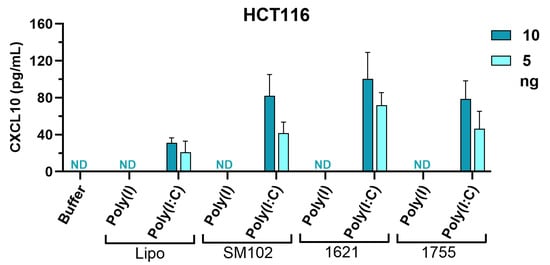
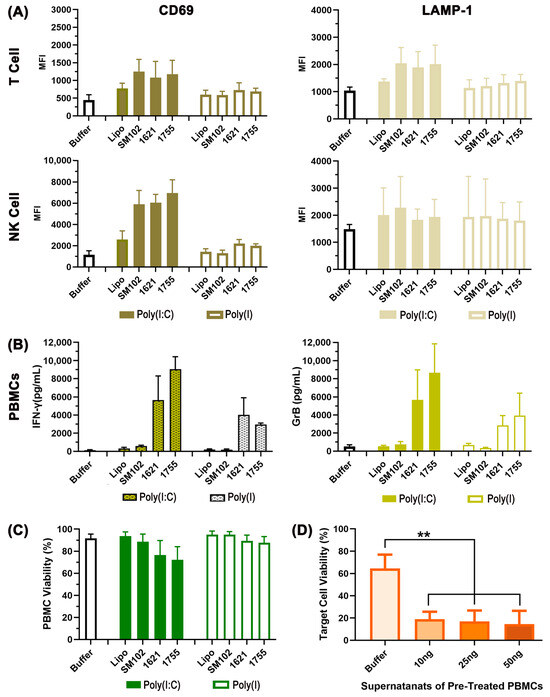
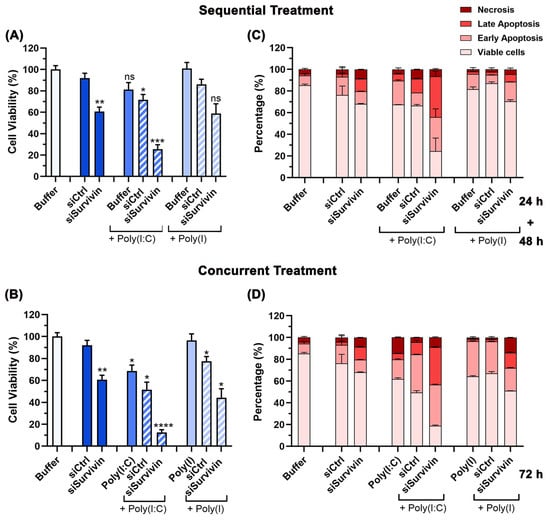
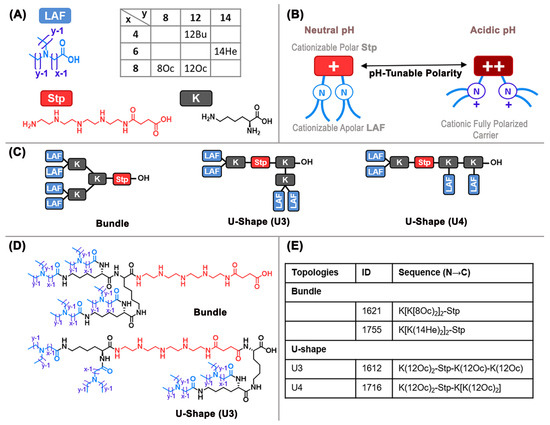
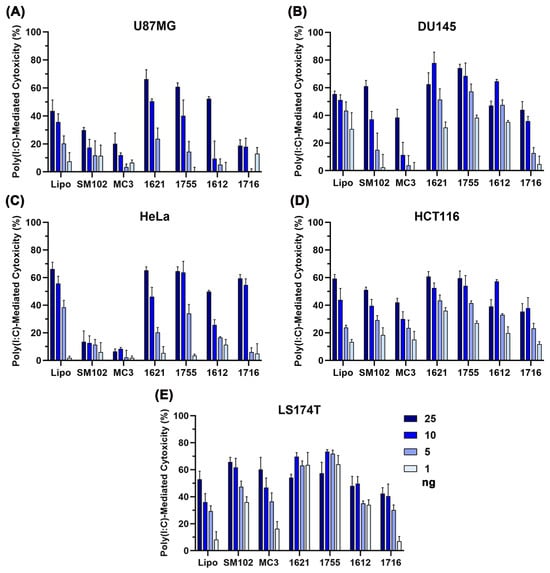
Synthetic polyinosinic:polycytidylic acid (poly(I:C)) offers an attractive cancer therapeutic by operating on two fronts at once, combining direct tumor cell killing with immunostimulatory activity. Yet, these dual functions can only be efficiently harnessed when intracellular delivery is sufficiently effective to enable poly(I:C) to reach and activate its intracellular receptors. We addressed this delivery challenge by developing pH-responsive formulations using lipoamino fatty acid xenopeptide (LAF-XP) carriers, composed of polar cationizable succinoyl tetraethylene pentamine (Stp) and apolar cationizable LAF building blocks in defined architectures. In particular, poly(I:C)-lipid nanoparticles (LNPs) formulated with bundle LAF4-Stp1 XP carriers displayed increased anti-tumoral activity at decreased dosage across multiple cancer cell models, compared to control formulations. In parallel, LAF-XP LNP-delivered poly(I:C) activated immune responses, including CXCL10 production by tumor cells, and activation of peripheral blood mononuclear cells (PBMCs), characterized by increased phenotypic markers (CD69 and LAMP-1/CD107a) and functional molecules (e.g., IFN-γ and granzyme B). Conditioned supernatant of pre-stimulated PBMCs with poly(I:C) reduced cancer cell viability, highlighting the contribution of PBMC-released factors to cancer cell death. Of particular novelty is the combination of poly(I:C) with siRNA-mediated survivin knockdown to increase apoptosis in cancer cells using the bundle LAF-XP LNP. Collectively, our findings establish efficient LAF-XP LNPs as a versatile platform that supports multi-layered therapeutic strategies.
Full article
Mechanical components subjected to dynamic loading require materials that combine adequate strength with effective vibration-damping capability. Austempered ductile iron (ADI) is a promising candidate for such applications because of its ausferritic matrix, which provides a useful combination of strength, toughness, wear resistance, and
[...] Read more.
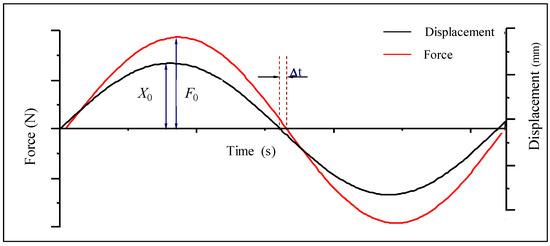
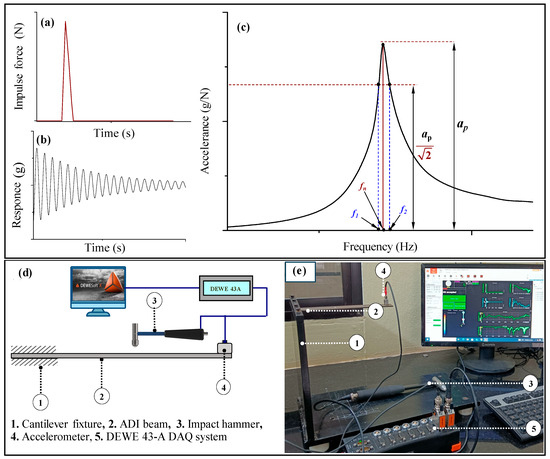
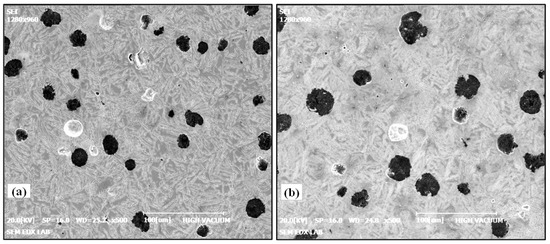
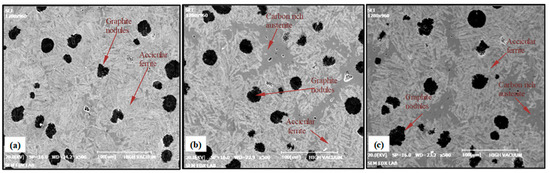
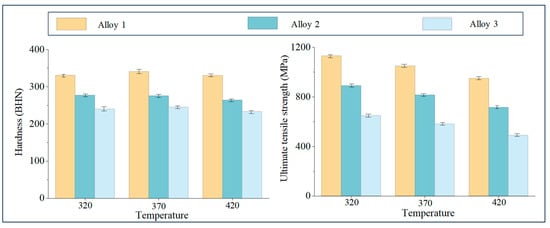
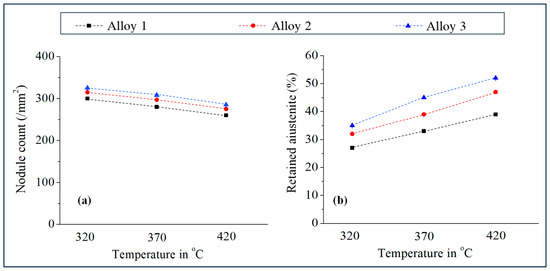
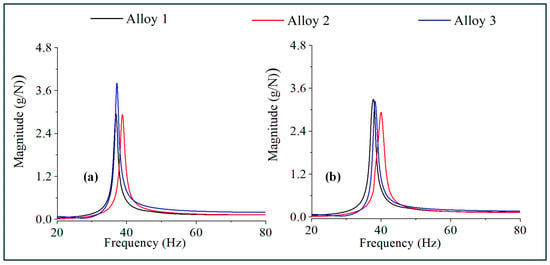
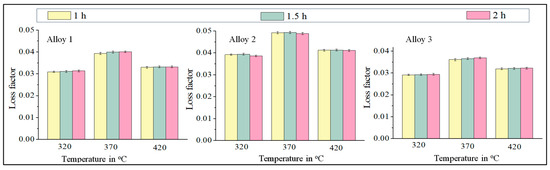
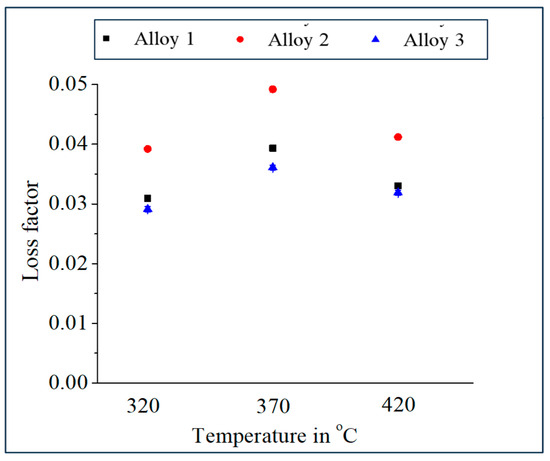
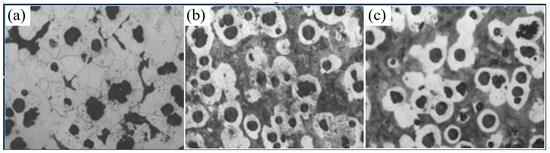
Mechanical components subjected to dynamic loading require materials that combine adequate strength with effective vibration-damping capability. Austempered ductile iron (ADI) is a promising candidate for such applications because of its ausferritic matrix, which provides a useful combination of strength, toughness, wear resistance, and energy dissipation. However, the damping behaviour of manganese-alloyed ADI and its dependence on austempering parameters have not been sufficiently clarified. In this study, ductile iron containing 0.3, 0.6, and 0.9 wt% Mn was austempered at 320, 370, and 420 °C for 1, 1.5, and 2 h using a full-factorial experimental design. The damping response was evaluated through impact hammer-based experimental modal analysis and correlated with hardness, ausferritic morphology, and the volume fraction of carbon-enriched/high-carbon austenite. The results showed that manganese content and austempering temperature significantly influenced the loss factor, whereas austempering time had only a minor effect within the selected range. The highest damping performance was obtained for the alloy containing 0.6 wt% Mn austempered at 370 °C, where a favourable balance was achieved between stabilized high-carbon austenite, refined ausferritic morphology, ferrite/austenite interface density, and controlled matrix hardness. At 320 °C, limited austenite stabilization restricted damping improvement, while at 420 °C, ausferritic coarsening reduced the effective interface-related energy dissipation. ANOVA confirmed manganese content and austempering temperature as the dominant factors, contributing approximately 59% and 39%, respectively, to the variation in loss factor. The regression model showed strong predictive capability within the investigated process window. Overall, the study demonstrates that damping behaviour in manganese-alloyed ADI can be effectively tailored through controlled alloy chemistry and austempering temperature, supporting its potential use in vibration-sensitive engineering components.
Full article
This review is part of a series of studies on short-lived radionuclide accumulation in aquatic organisms following nuclear weapons testing, routine facility discharges, and accidental releases. It examines the pathways of uptake, accumulation, and internal redistribution of 125Sb, 131I, 141Ce,
[...] Read more.
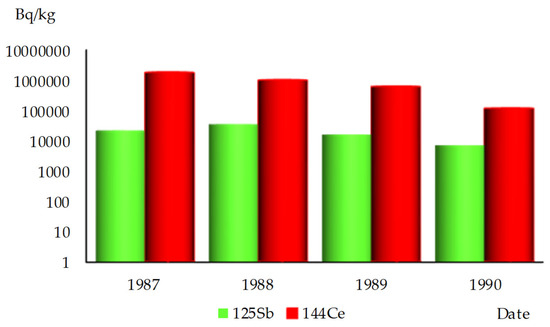
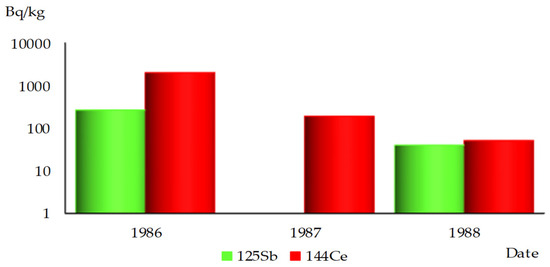
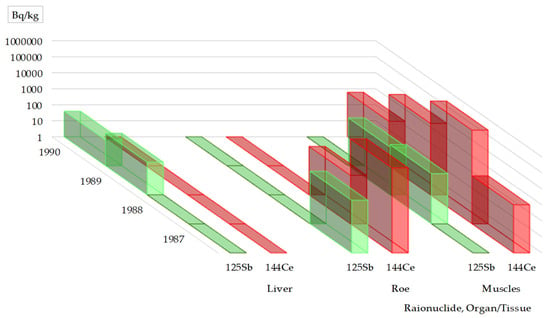
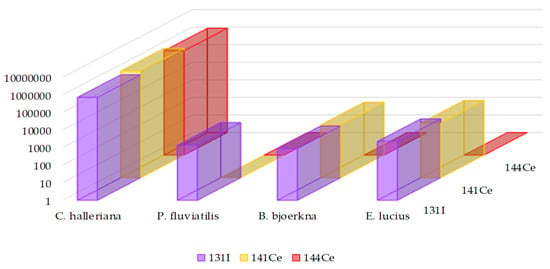
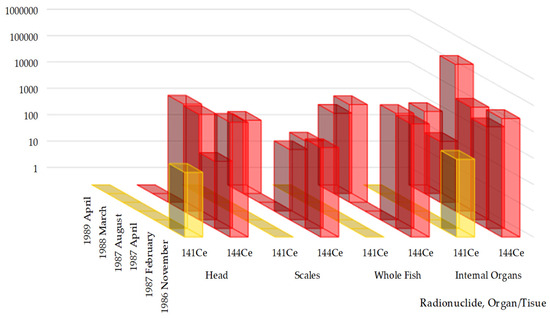
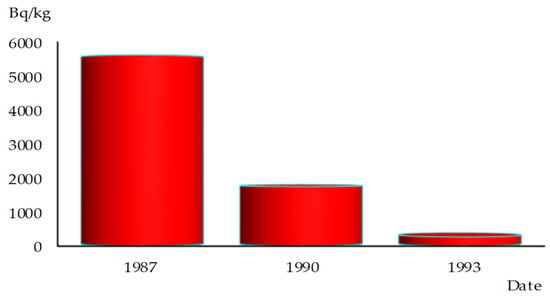
This review is part of a series of studies on short-lived radionuclide accumulation in aquatic organisms following nuclear weapons testing, routine facility discharges, and accidental releases. It examines the pathways of uptake, accumulation, and internal redistribution of 125Sb, 131I, 141Ce, and 144Ce in fish representing different ecological groups. The analysis combines published literature data with our original findings obtained from studies conducted in the cooling pond of the Chornobyl Nuclear Power Plant and the Kaniv Reservoir during the post-accident period. It has been established that radionuclide accumulation is governed by their physicochemical properties, environmental speciation, and the trophic characteristics of fish. 125Sb demonstrates high bioavailability and accumulates in internal organs, gills, roe, and muscle depending on its chemical form in the aquatic environment. 131I is characterized by high solubility, rapid incorporation into biological processes, and transient retention in tissues. 141Ce and 144Ce exhibit low mobility, strong association with particulate matter, and preferential accumulation in the gastrointestinal tract, external, and mineralized tissues. At the same time, the presence of 144Ce in the muscle tissue of carnivores and piscivores suggests possible trophic transfer and does not exclude potential manifestations of limited biomagnification of this radionuclide under conditions of elevated environmental contamination. It has been determined that the ratio of 125Sb to 144Ce can be used to identify contamination sources: their co-occurrence is interpreted as evidence of fuel particle input, explaining their predominant localization in the gastrointestinal tract and, to a lesser extent, in external tissues. Conversely, their separate detection reflects differences in mobility and bioavailability. It has been shown that the principal pathways for the uptake of the investigated radionuclides by fish are particle ingestion and absorption from the dissolved phase; thus, trophic dilution predominates over biomagnification, although trophic transfer of 144Ce cannot be excluded.
Full article
Plant height is a key agronomic trait that influences plant architecture and mechanical harvesting suitability in cotton; however, the molecular mechanisms underlying its dynamic development remain unclear. In this study, two recombinant inbred line (RIL) populations sharing CCRI127 as a common paternal parent
[...] Read more.
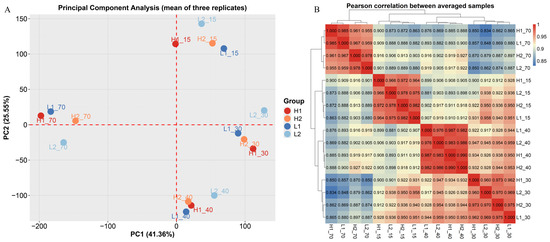
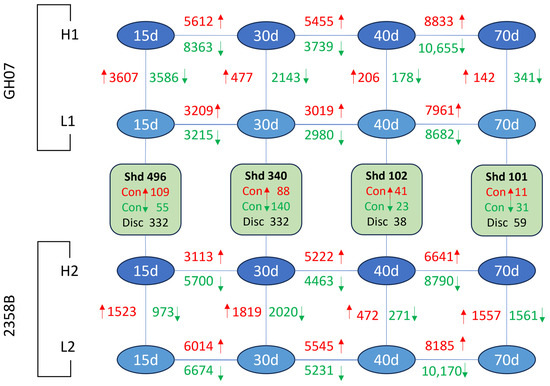
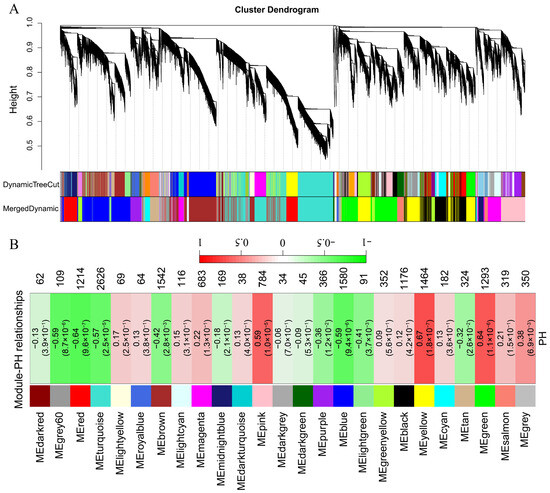
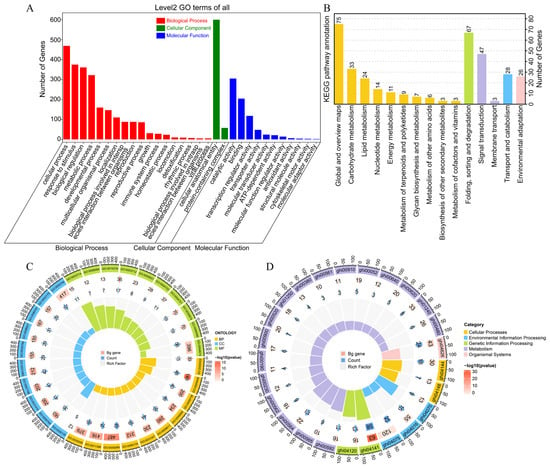
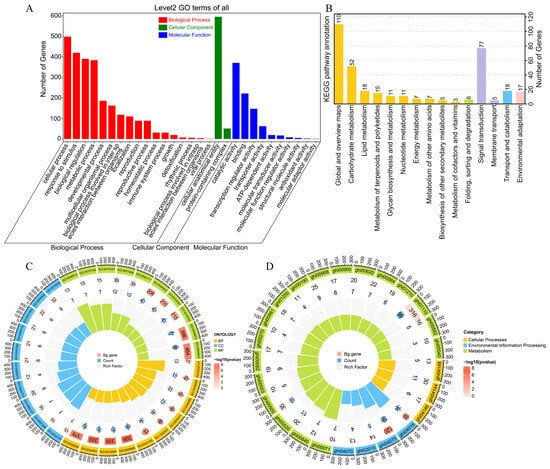
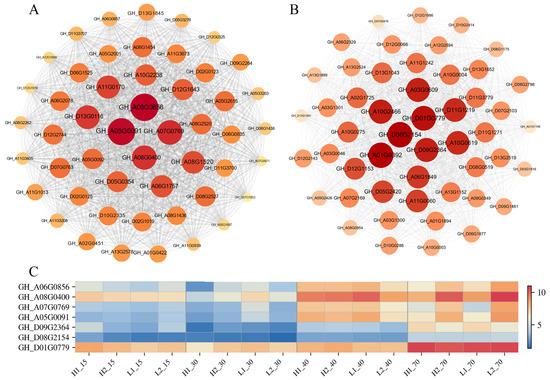
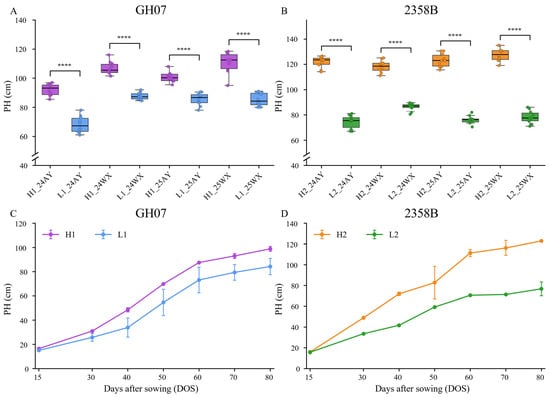
Plant height is a key agronomic trait that influences plant architecture and mechanical harvesting suitability in cotton; however, the molecular mechanisms underlying its dynamic development remain unclear. In this study, two recombinant inbred line (RIL) populations sharing CCRI127 as a common paternal parent (RIL-GH07, n = 150; RIL-2358B, n = 276) were developed. Based on stable plant-height performance across multiple environments, tall and short extreme lines were selected from the two RIL populations for transcriptome sequencing. By integrating differential expression analysis with weighted gene co-expression network analysis (WGCNA), we identified hub genes associated with cotton plant height development, characterized the molecular features and core pathways governing dynamic stem elongation at different growth stages, thereby providing insights into the transcriptional regulation of plant height development in cotton. The two RIL populations showed broadly similar plant-height growth patterns, with slow elongation at 15 DOS, rapid elongation during 30–60 DOS, and reduced growth after 70 DOS. Transcriptome differential expression analysis identified 15,052 non-redundant DEGs, which exhibited clear population- and stage-specific expression patterns. In the GH07 population, the largest number of DEGs was detected at 15 DOS (7193), whereas in the 2358B population relatively large numbers of DEGs were maintained at both 30 DOS (3839) and 70 DOS (3118). Analysis of DEGs shared by the two populations across four developmental stages showed that, in addition to genes with consistent expression trends, each stage also contained a substantial number of DEGs with opposite expression directions. WGCNA identified 25 gene expression modules, among which the green and yellow modules were significantly positively correlated with plant height. Functional enrichment analysis indicated that genes in these two modules were mainly enriched in hormone regulation and signal transduction, protein modification and degradation, and intracellular transport. Seven hub genes were identified by integrating intramodular connectivity and kME values. Functional prediction suggested that these genes may play important roles in cotton plant height development. This study provides genetic resources and a theoretical basis for subsequent functional validation of cotton plant height-related genes and the improvement of plant architecture in cotton.
Full article
by
Amber M. Hubbard, Caitlyn M. Clarkson, Emma E. Drake, Ana G. Colliton, Sanjita Wasti, Katie Copenhaver, Matthew Korey, Carl P. Tripp, Michelle K. Kidder, Halil Tekinalp and Soydan Ozcan
J. Compos. Sci.2026, 10(6), 300; https://doi.org/10.3390/jcs10060300 (registering DOI) - 30 May 2026
Cellulosic fibers can impart many unique benefits into composite applications, such as reduced weight or structural reinforcement; however, these materials also increase hygroscopicity and decrease thermal stability, restricting broader applications. The present work adapted an experimental process for functionalizing the cellulose surface using
[...] Read more.
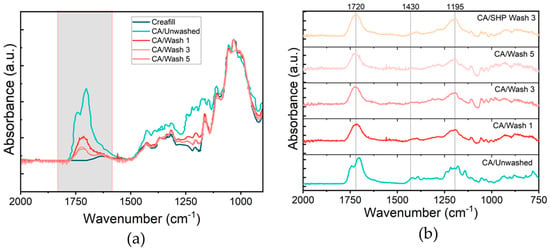
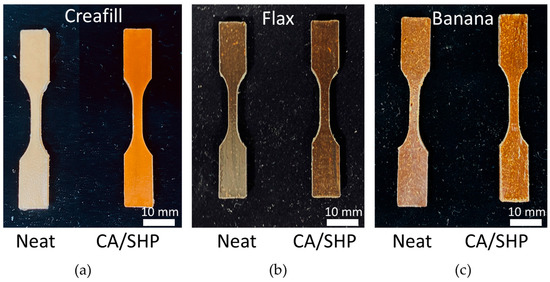
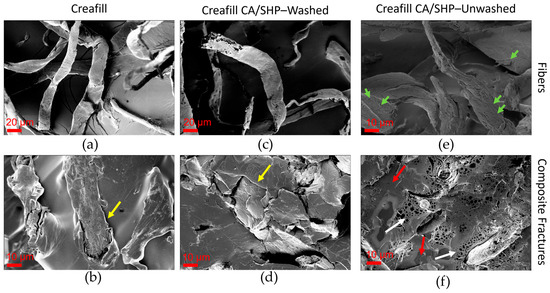
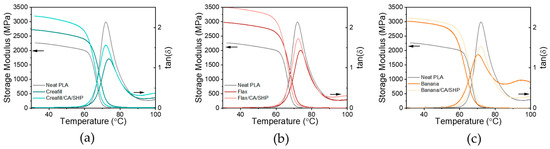
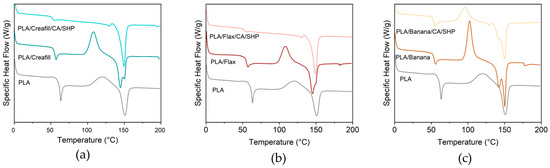
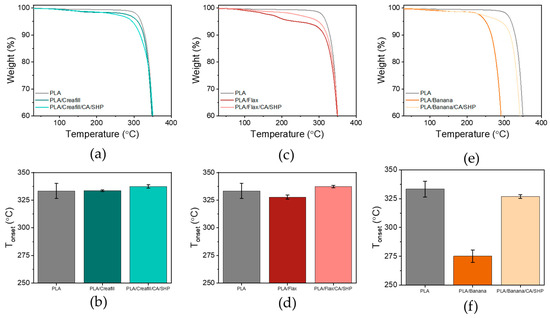
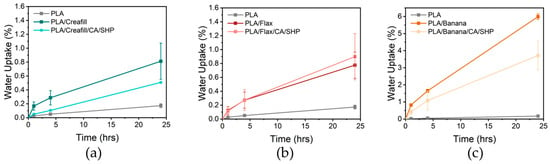
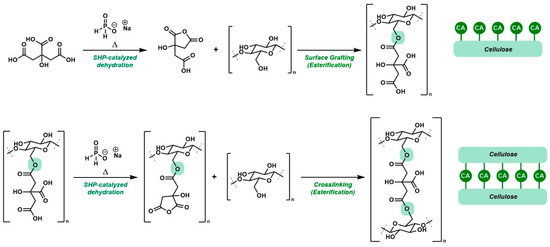
Cellulosic fibers can impart many unique benefits into composite applications, such as reduced weight or structural reinforcement; however, these materials also increase hygroscopicity and decrease thermal stability, restricting broader applications. The present work adapted an experimental process for functionalizing the cellulose surface using citric acid (CA) for three fibers: a 100% cellulose bleached soft Kraft pulp (e.g., creafill) and two natural fibers with similar composition but different fiber morphology, flax fiber and banana fiber. The process uses CA with a sodium hypophosphite (SHP) catalyst to chemically functionalize fiber surfaces, and the reaction mechanism was investigated through Fourier Transform Infrared Spectroscopy (FTIR), which suggested a grafting mechanism rather than a surface-based crosslinking between neighboring sites. Functionalized fibers were compounded into polylactic acid (PLA) at 20 wt.% to better understand how this functionalization might impact critical performance properties like thermal stability, crystallization, thermal mechanical properties, and water uptake of these composites. The study demonstrated varying levels of efficacy for the functionalization of cellulosic fibers with CA/SHP and the fiber with the most open microstructure, e.g., banana fiber, exhibited the largest change in its properties with a 38% reduction in water uptake compared to untreated banana fiber composites. Parallel evaluation of the functionalization process for different fibers demonstrates the importance of fiber morphology on surface modification and can enable their use in composites by demonstrating the efficacy of this potentially low-cost, low-toxicity method for reducing hygroscopicity and improving thermal stability.
Full article
Background: Polyphenols interact bidirectionally with the gut microbiota and may influence short-chain fatty acid (SCFA) production, yet evidence from human randomized controlled trials (RCTs) has not been comprehensively synthesized. Objectives: In this systematic review and meta-analysis, we evaluated the effects of polyphenol supplementation
[...] Read more.
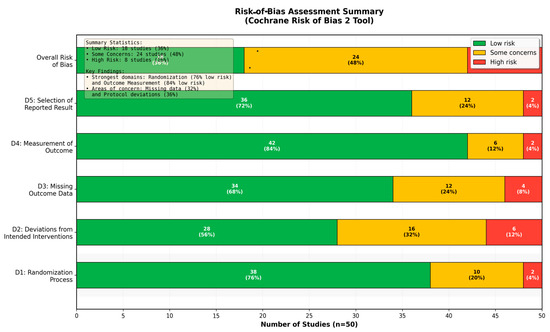
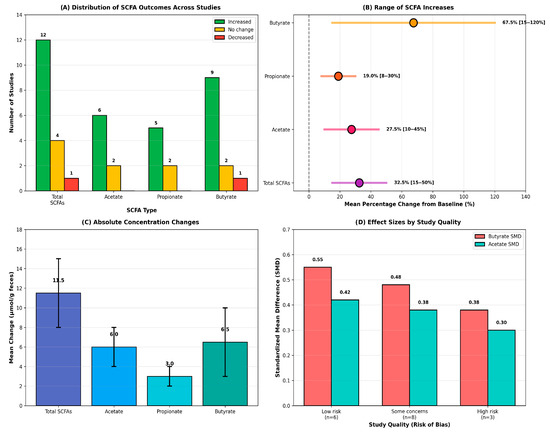
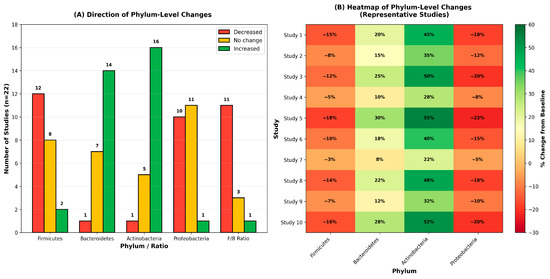
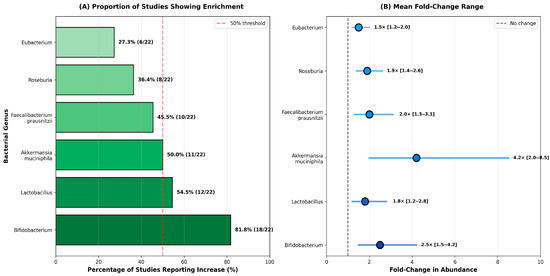
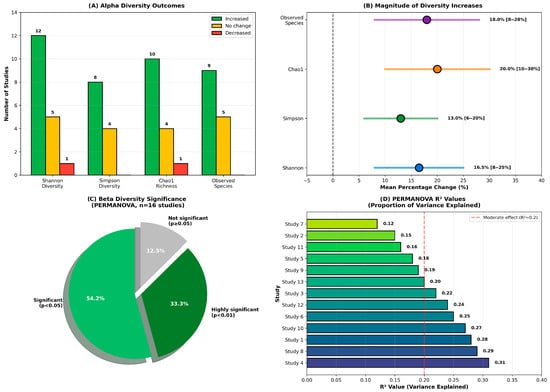
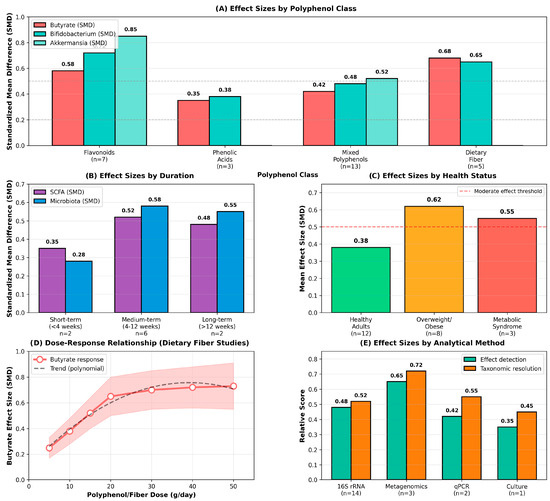
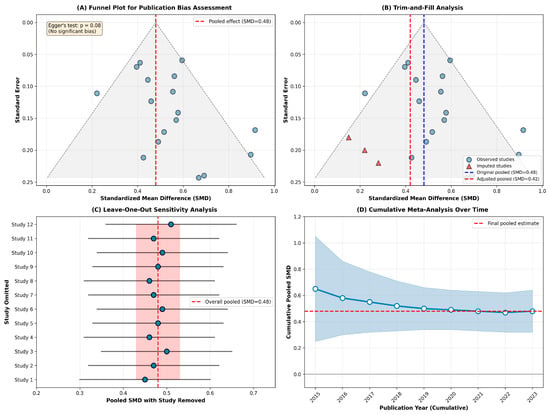
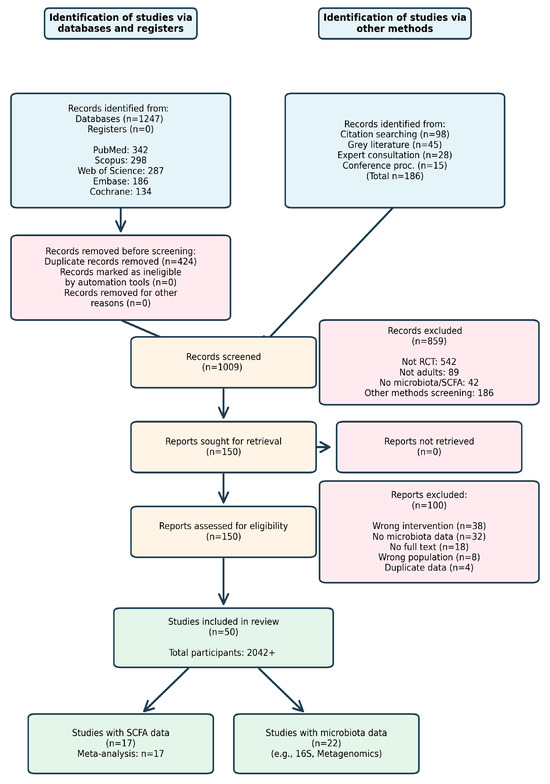
Background: Polyphenols interact bidirectionally with the gut microbiota and may influence short-chain fatty acid (SCFA) production, yet evidence from human randomized controlled trials (RCTs) has not been comprehensively synthesized. Objectives: In this systematic review and meta-analysis, we evaluated the effects of polyphenol supplementation on gut microbiota composition, microbial diversity, and fecal SCFA concentrations in adults and examined moderators of these associations. Methods: Five databases were searched through October 2023 for RCTs assessing oral polyphenol supplementation in adults. Eligible studies reported outcomes related to gut microbiota composition or fecal SCFAs. Random-effects meta-analyses were conducted for SCFA outcomes, and subgroup analyses examined effects by polyphenol class, dose, duration, health status, and analytical methods. Risk of bias was assessed using the Cochrane RoB 2 tool, and certainty of evidence using GRADE. Results: Fifty RCTs (n = 2042 participants) were included. Polyphenol supplementation was associated with an increase in total SCFAs in 70.6% of studies and with significantly higher butyrate concentrations (pooled SMD = 0.48; 95% CI: 0.32–0.64; I2 = 58%). Acetate and propionate increased in 75% and 71.4% of studies, respectively. A shift toward a more butyrogenic fermentation profile was observed. Polyphenol supplementation was associated with increases in the relative abundance of beneficial genera, including Bifidobacterium (81.8%), Akkermansia muciniphila (50%), and Faecalibacterium prausnitzii (45.5%), and with decreases in potentially pathogenic taxa such as Enterobacteriaceae and Clostridium spp. Increases in alpha diversity were reported in 66.7% of studies, and increases in beta diversity were reported in 87.5%. Associations tended to be stronger in individuals with metabolic disorders and in interventions lasting ≥12 weeks. Conclusions: Polyphenol supplementation is associated with favorable shifts in gut microbiota composition, higher fecal SCFA concentrations—particularly butyrate—and modest changes in microbial diversity. These findings should be interpreted as associations rather than evidence of mechanistic or prebiotic effects. Further mechanistic, dose-controlled, and long-term human studies are needed to determine whether these microbiota-related changes translate into clinically meaningful outcomes.
Full article
The long-term application of immobilized quorum quenching (QQ) bacteria requires carrier materials with sufficient mechanical stability and durability across various operating conditions. This study aims to enhance the durability and stability of polyvinyl alcohol (PVA) beads and to evaluate their performance for long-term
[...] Read more.
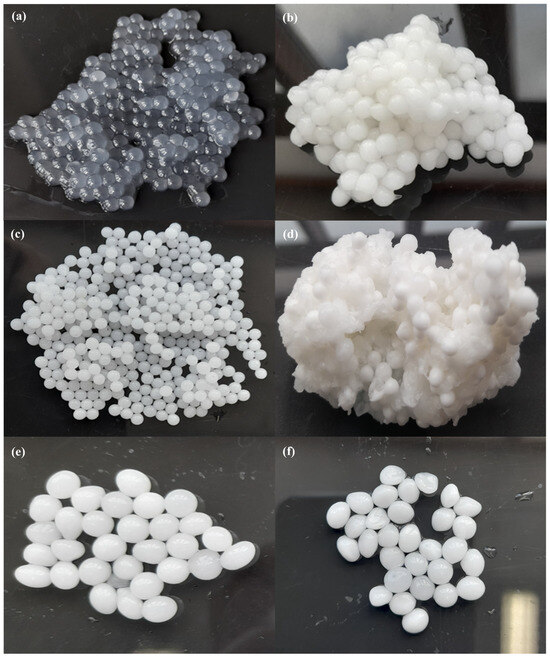
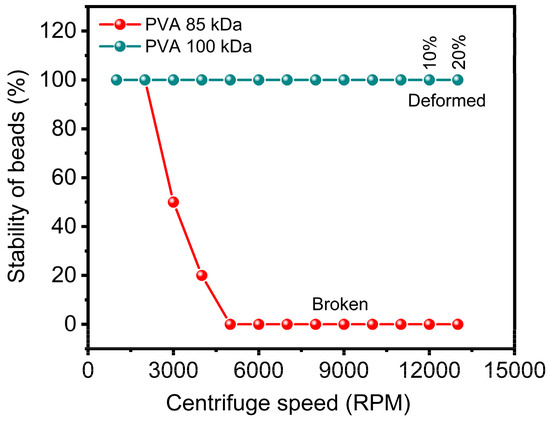
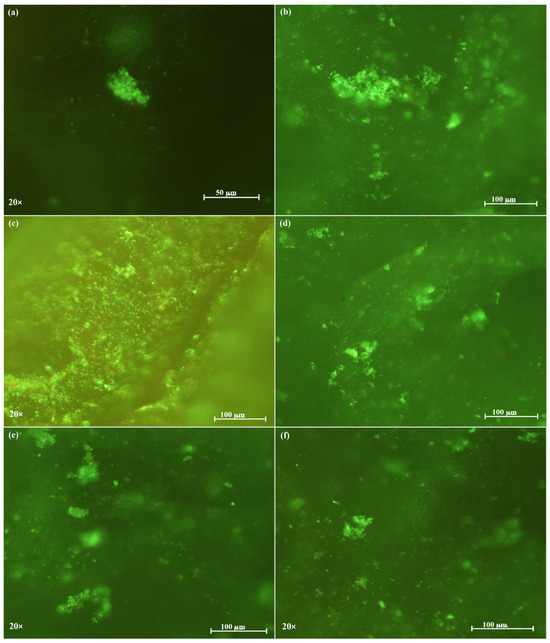
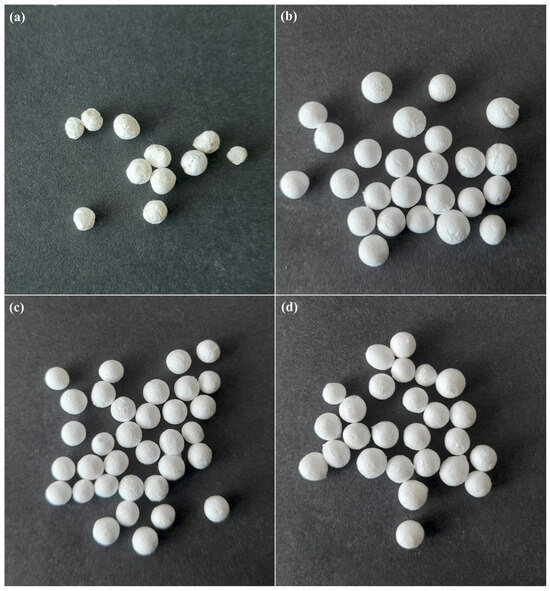
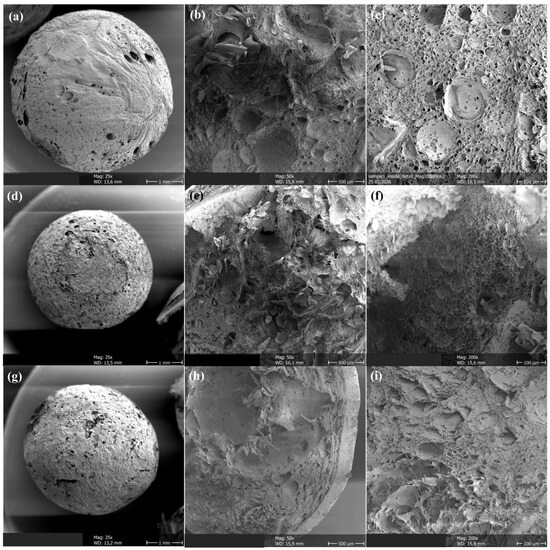
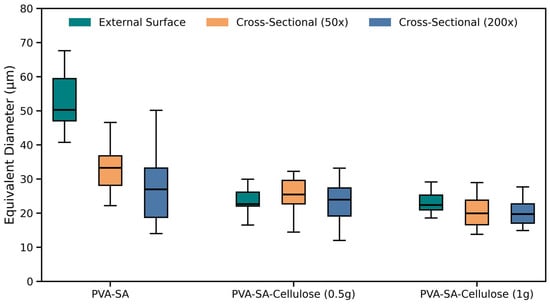
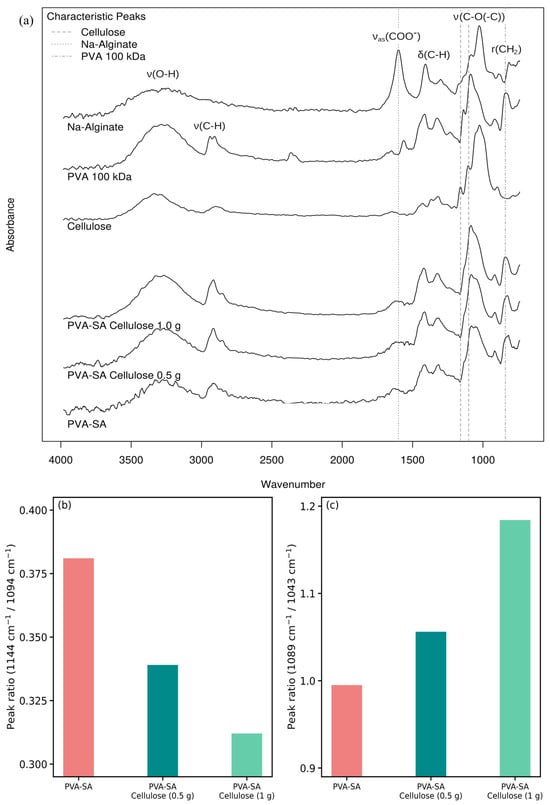
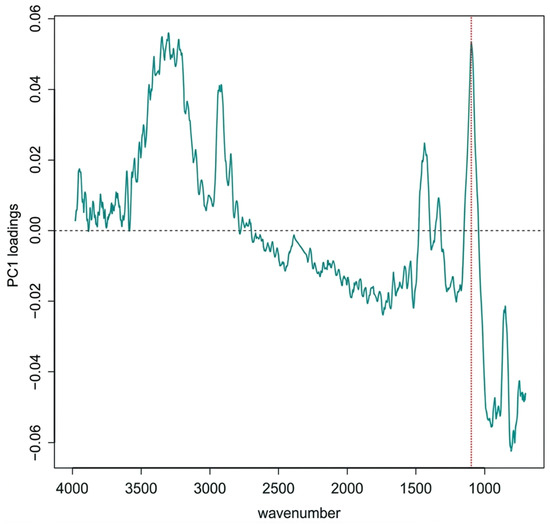
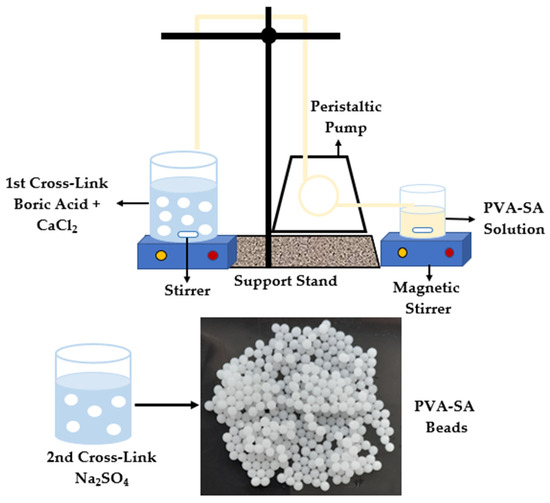
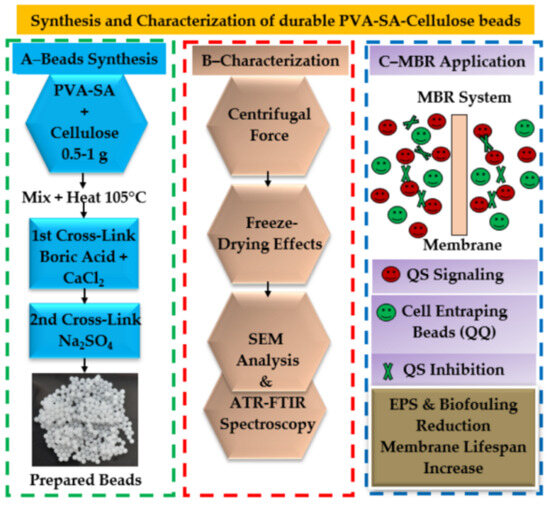
The long-term application of immobilized quorum quenching (QQ) bacteria requires carrier materials with sufficient mechanical stability and durability across various operating conditions. This study aims to enhance the durability and stability of polyvinyl alcohol (PVA) beads and to evaluate their performance for long-term operation. The beads were synthesized using two PVA brands with different molecular weights (MWs), and the effect of cross-linking conditions and reagent purity on bead stability was also investigated. Primarily, their physical strength was evaluated under centrifugal forces. Additionally, polyvinyl alcohol and sodium alginate (PVA-SA) beads were incorporated with cellulose to enhance their strength. The structural and chemical characteristics of the beads were examined using scanning electron microscopy (SEM) and Fourier-transform infrared spectroscopy (FTIR). The results showed that PVA 100 kDa beads withstood centrifugal forces up to 11,000 rpm without breakage, whereas lower MW (PVA 85 kDa) beads failed at 5000 rpm. Bead quality was critically sensitive to calcium chloride purity, as impurities and reduced Ca2+ availability caused poor crosslinking and structural collapse. The results revealed that PVA 100 kDa increases the number of polymer chain entanglements and intermolecular interactions, which enhance the structural integrity. Bead quality is strongly influenced by the purity of calcium chloride in the crosslinking solution, as well as by the solution pH. SEM analysis showed that cellulose-incorporating beads exhibited a denser and more uniform pore structure, with median equivalent pore diameters reduced from 50 µm (PVA-SA) to 22.4 µm upon cellulose incorporation, while maintaining sufficient porosity for nutrient diffusion. Similarly, FTIR analysis confirmed that cellulose was successfully integrated, with increased hydroxyl interactions and modified C–O vibrational characteristics, indicating strong hydrogen bonding within the composite matrix. Principal component analysis (PCA) confirmed that hydroxyl interactions and C–O vibrational modes are the main contributors to spectral variation, indicating that cellulose acts as a structural modifier in the PVA-SA network. These results demonstrate the effectiveness of this strategy in designing durable PVA-SA-cellulose based composite beads for long-term QQ applications.
Full article
Background/Objectives: Gymnastic exercises exert positive effects on chronic neck pain. Growing evidence suggests that combining cervical spine exercises with temporomandibular joint (TMJ) relax pads may enhance outcomes on pain, discomfort, and functional limitations. To evaluate the additive effect of silicone TMJ relax pads
[...] Read more.
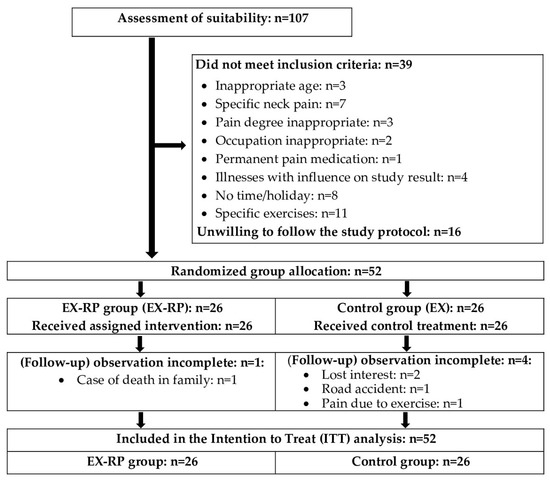
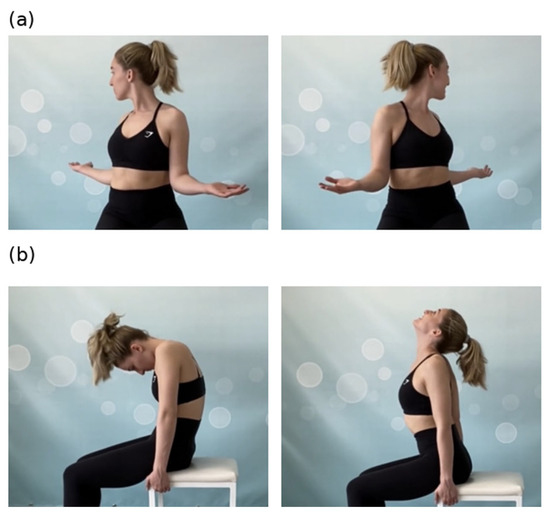
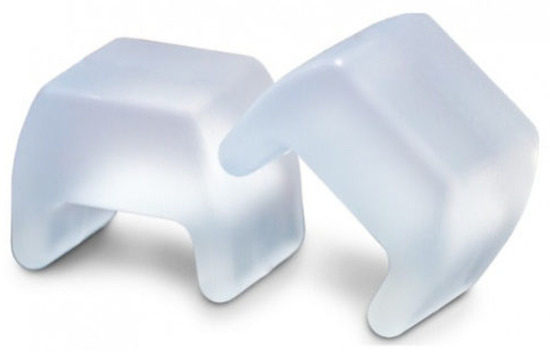
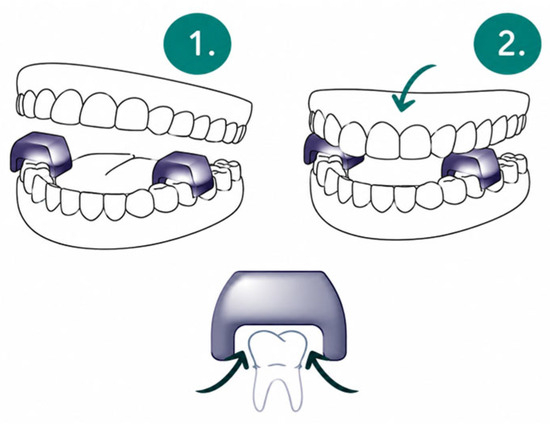
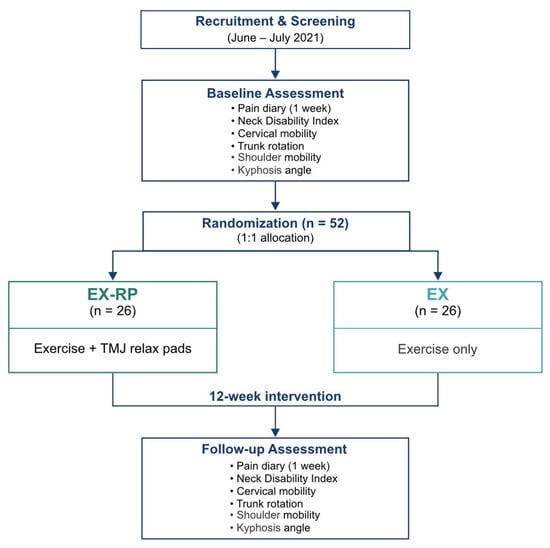
Background/Objectives: Gymnastic exercises exert positive effects on chronic neck pain. Growing evidence suggests that combining cervical spine exercises with temporomandibular joint (TMJ) relax pads may enhance outcomes on pain, discomfort, and functional limitations. To evaluate the additive effect of silicone TMJ relax pads worn in the molar region during cervical spine exercises on reducing neck pain and selected mobility outcomes. Methods: In this study, 52 sedentary middle-aged adults working on video display unit (VDU) workstations were randomly assigned to two groups. Both groups performed a specific cervical spine exercise program (3 × 3 min/day) for three months. One group used bilateral TMJ relax pads during exercise (EX-RP) while the control group applied the identical exercises without pads (EX). Neck pain intensity was assessed using a one-week pain protocol prior to and after a 12-week intervention. Functional assessments included cervical/thoracic and shoulder mobility tests, and thoracic kyphosis angle measurement. An intention-to-treat analysis with multiple imputations was performed. Results: Data from 47 participants (EX-RP: n = 25; EX: n = 22) were analyzed. Neck pain decreased in both groups, with a significantly greater reduction in the EX-RP compared to the EX group (p = 0.046). Neck Disability Index (NDI) scores improved in both groups (p < 0.001), with no significant difference between groups (p = 0.514). EX-RP showed greater improvements in cervical extension (p = 0.044) and trunk rotation (p = 0.019); however, the results for other mobility outcomes were inconsistent. Conclusions: Adding TMJ relax pads to cervical exercises (alone) favorably affects the pain intensity and might enhance mobility outcomes in individuals with chronic neck pain. TMJ relax pads appear to be a feasible and low-threshold adjunct to exercise-based interventions.
Full article
by
Wendell V. de Carvalho, Claire Fortunel, Cristini da S. M. Fonseca, André F. C. Silva, Grazielle S. Teodoro, Thaisa S. Michelan and Ely S. C. Gurgel
Ecologies2026, 7(2), 49; https://doi.org/10.3390/ecologies7020049 (registering DOI) - 30 May 2026
In transitional tropical ecosystems such as the Amazonia–Cerrado ecotone, dominant tree species experience strong environmental heterogeneity, requiring coordinated functional strategies to cope with drought, nutrient limitation, and disturbance. However, how these species integrate leaf morphoanatomical traits and wood density to persist in such
[...] Read more.
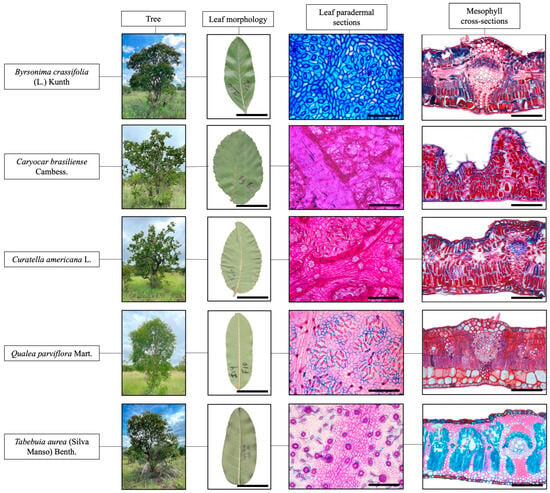
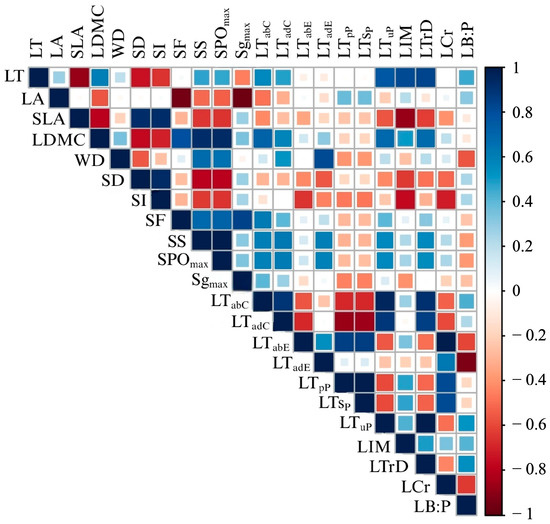
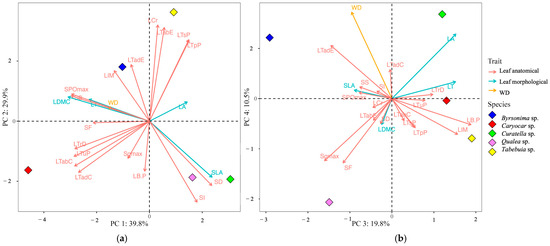
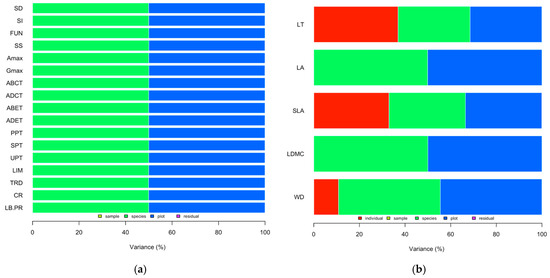
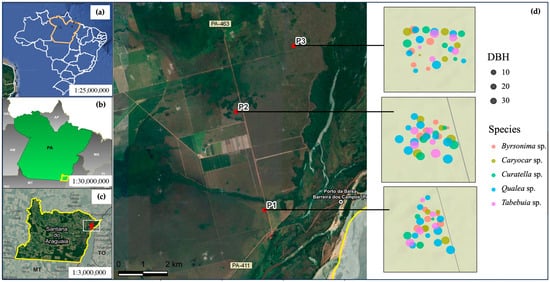
In transitional tropical ecosystems such as the Amazonia–Cerrado ecotone, dominant tree species experience strong environmental heterogeneity, requiring coordinated functional strategies to cope with drought, nutrient limitation, and disturbance. However, how these species integrate leaf morphoanatomical traits and wood density to persist in such environments remains poorly understood. We assessed the coordination among leaf anatomical and morphological traits and their relationship with wood density in five dominant tree species across three savanna park sites in the Amazonia–Cerrado transition. Morphological traits included leaf thickness, specific leaf area, leaf dry matter content, and wood density, alongside 17 anatomical leaf traits. We analyzed inter- and intraspecific variation and covariation patterns to identify trait-based ecological strategies along the acquisitive–conservative spectrum. We found strong coordination among traits related to protection (e.g., cuticle thickness and trichomes) and resource use, as well as clear alignment between leaf and wood traits. Species identity explained most trait variation, although leaf thickness showed notable intraspecific plasticity. Species with conservative traits exhibited thicker leaves and higher wood density, whereas species with acquisitive strategy showed higher specific leaf area and lower leaf dry matter content. Overall, trait coordination reflects integrated ecological strategies shaped by environmental heterogeneity, highlighting the role of multi-trait syndromes in driving functional adaptation in ecotonal systems.
Full article







 Sustainability
 Applied Sciences
 IJMS
IJMS
 JCM
JCM
 Sensors
 Energies
 Materials
 Electronics
 Buildings
 Foods
Foods
 Mathematics
 Remote Sensing
 Molecules
 Processes
 Diagnostics
 Cancers
 Nutrients
 Animals
 Plants
 Healthcare
 Polymers
 Water
Water
 Biomedicines
 Microorganisms
 Agriculture
 Medicina
 Land
Land
 Cells
Cells
 JMSE
JMSE
 Life
Life
 Symmetry
 Agronomy
 Behavioral Sciences
 Education Sciences
 Pharmaceuticals
 Biology
 Biomolecules
 IJERPH
 Children
 Antioxidants
 Horticulturae
 Pharmaceutics
 Micromachines
 Forests
 Nanomaterials
 Coatings
 Entropy
 Religions
 Bioengineering
 Genes
Genes
 Machines
 Systems
 Pathogens
 Metals
 Brain Sciences
 Viruses
 CIMB
CIMB
 Minerals
 Atmosphere
 Veterinary Sciences
 Antibiotics
 Information
 Catalysts
 Insects
 Photonics