All articles published by MDPI are made immediately available worldwide under an open access license. No special
permission is required to reuse all or part of the article published by MDPI, including figures and tables. For
articles published under an open access Creative Common CC BY license, any part of the article may be reused without
permission provided that the original article is clearly cited. For more information, please refer to
https://www.mdpi.com/openaccess.
Feature papers represent the most advanced research with significant potential for high impact in the field. A Feature
Paper should be a substantial original Article that involves several techniques or approaches, provides an outlook for
future research directions and describes possible research applications.
Feature papers are submitted upon individual invitation or recommendation by the scientific editors and must receive
positive feedback from the reviewers.
Editor’s Choice articles are based on recommendations by the scientific editors of MDPI journals from around the world.
Editors select a small number of articles recently published in the journal that they believe will be particularly
interesting to readers, or important in the respective research area. The aim is to provide a snapshot of some of the
most exciting work published in the various research areas of the journal.
Microplastics, typically defined as plastic particles smaller than 5 mm in diameter, have emerged as a pervasive environmental contaminant of global concern [...]
Full article
Land-cover-based ecosystem service valuation commonly assigns a uniform value coefficient to pixels within the same land-cover class, thereby overlooking ecological heterogeneity in mountainous protected areas. This study developed an improved remote sensing ecological index (IRSEI) and applied it as a spatial adjustment factor
[...] Read more.
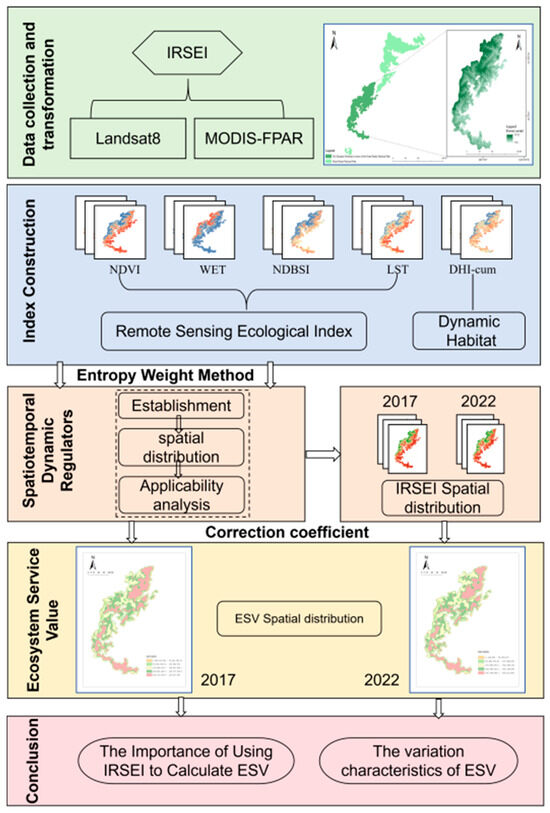
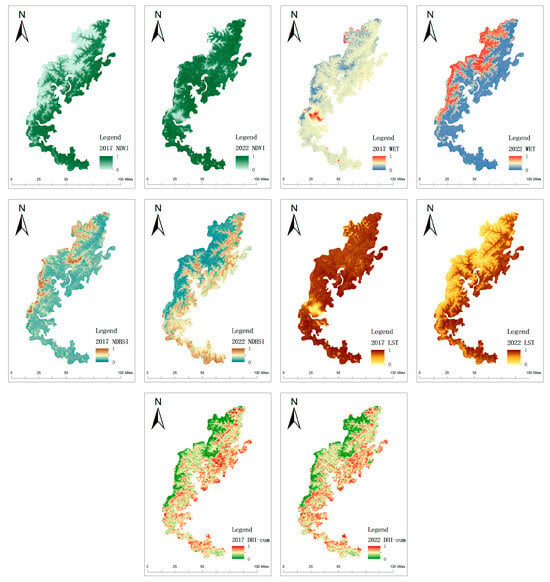
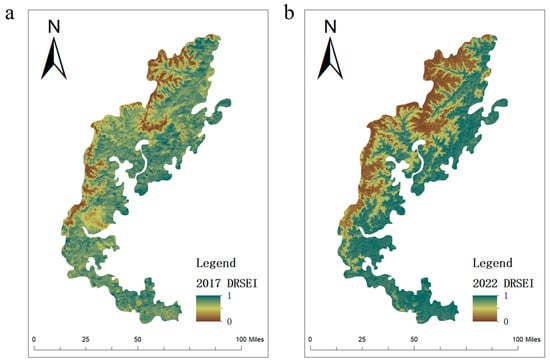
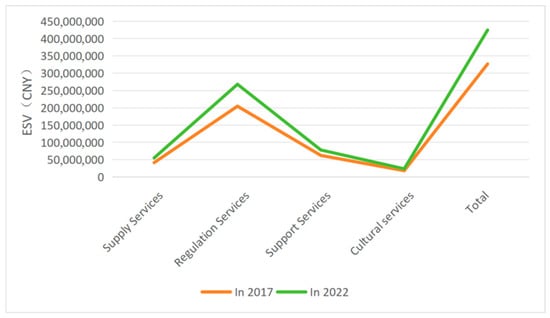
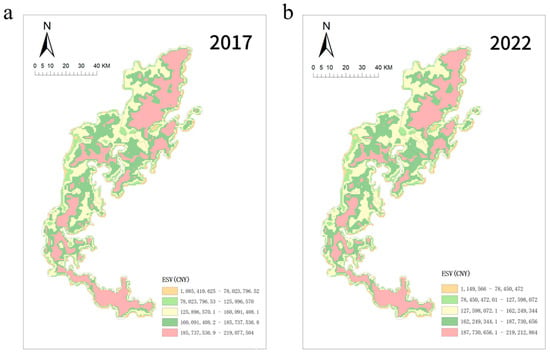
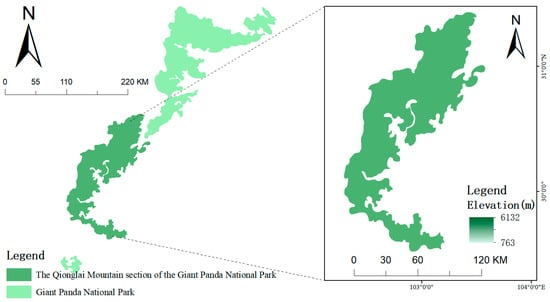
Land-cover-based ecosystem service valuation commonly assigns a uniform value coefficient to pixels within the same land-cover class, thereby overlooking ecological heterogeneity in mountainous protected areas. This study developed an improved remote sensing ecological index (IRSEI) and applied it as a spatial adjustment factor in the equivalent factor method to assess ecosystem service value (ESV) changes in the Qionglai Mountains section of Giant Panda National Park, China, between 2017 and 2022. IRSEI integrated the normalized difference vegetation index, wetness, normalized difference built-up and soil index, land surface temperature, and cumulative dynamic habitat index derived from the fraction of absorbed photosynthetically active radiation. DHI-cum was included as a proxy for annual cumulative vegetation productivity and habitat energy availability rather than a direct measure of biodiversity or giant panda habitat quality. Total ESV increased from 3.27 × 10⁸ CNY in 2017 to 4.25 × 10⁸ CNY in 2022, representing an increase of 9.79 × 10⁷ CNY, or 29.98%. Water bodies contributed the largest absolute increase, rising by 4.79 × 10⁷ CNY, or 42.45%, whereas farmland showed the highest relative increase of 45.35%. Woodland remained the dominant contributor to total ESV. Spatially, ESV was higher in the northern and southern parts and lower in the central region. All corrected sensitivity coefficients were below one, indicating that total ESV responded inelastically to ±50% perturbations of individual land-cover value coefficients. The framework improves within-class spatial differentiation of ESV and may support targeted management of mountainous protected areas, although field-based habitat and biodiversity data are needed for further validation.
Full article
To overcome the limitations imposed by the natural ionosphere on high-frequency (HF) communication systems, the generation of artificial electron clouds through space-based release of ionizable materials offers a controllable means of constructing localized plasma environments. However, a systematic mapping between release parameters and
[...] Read more.
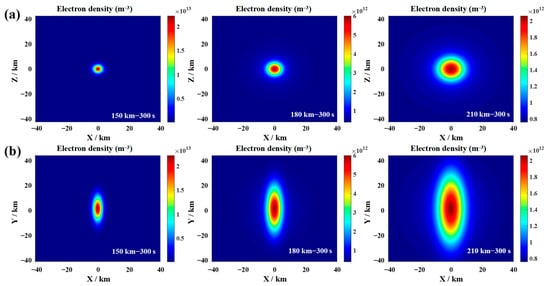
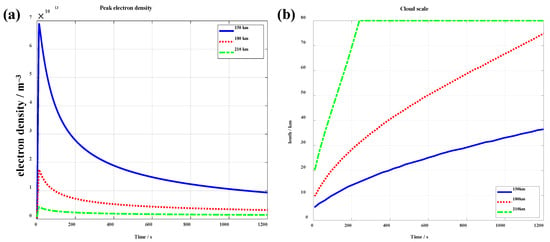
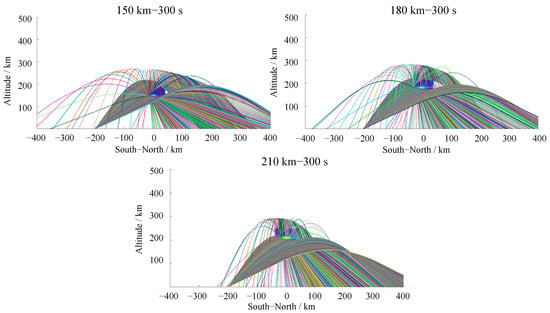
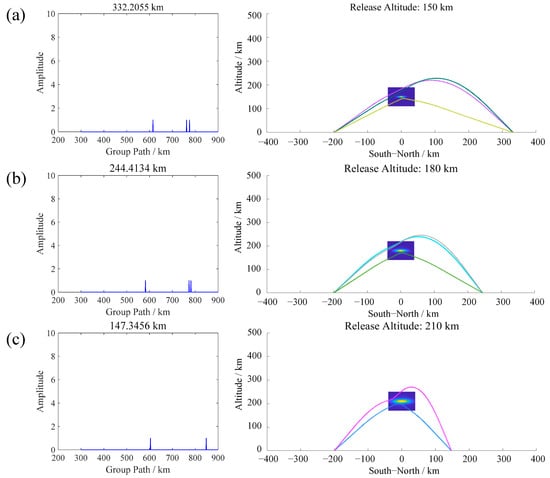
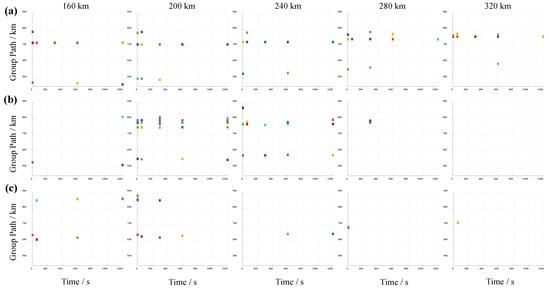
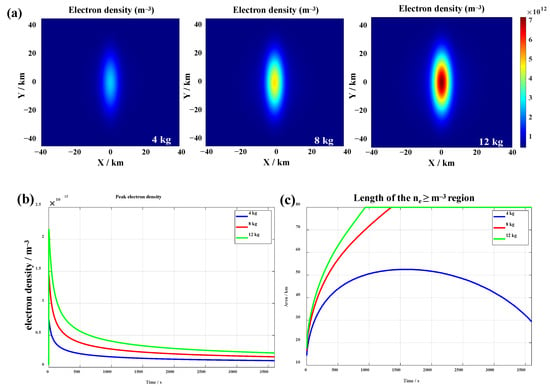
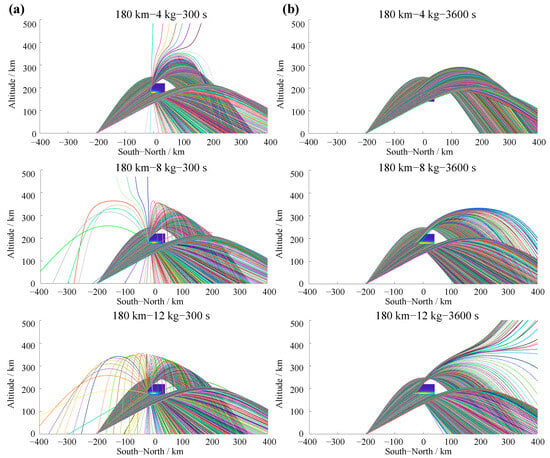
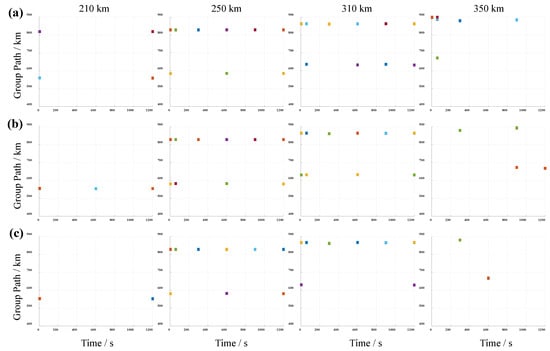
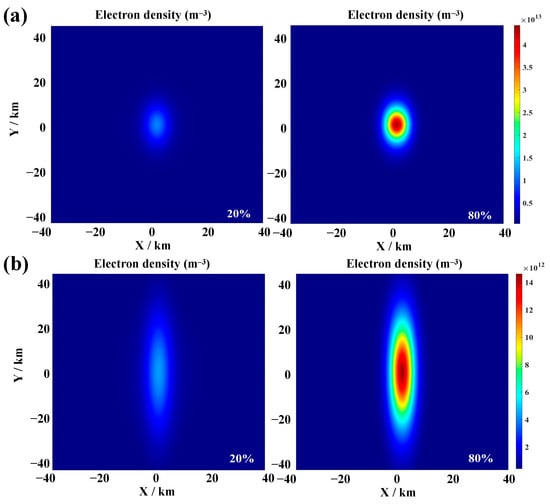
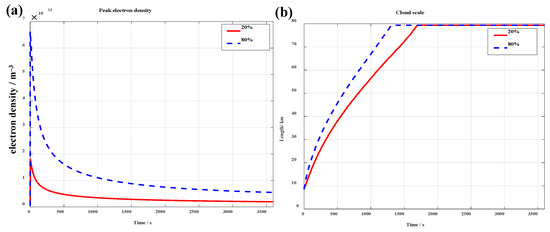
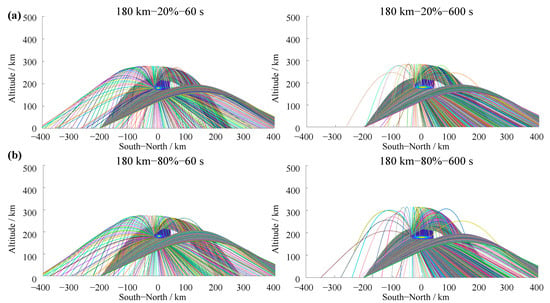
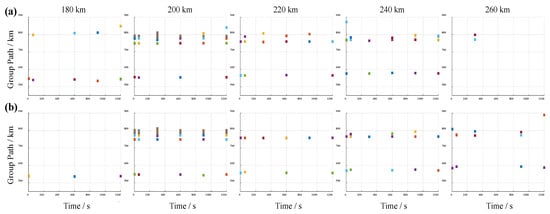
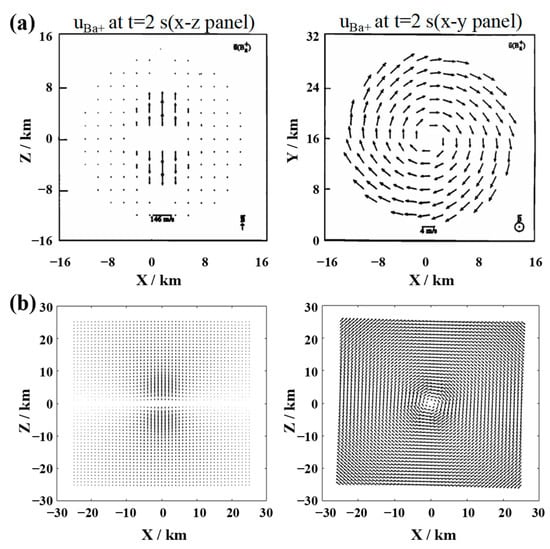
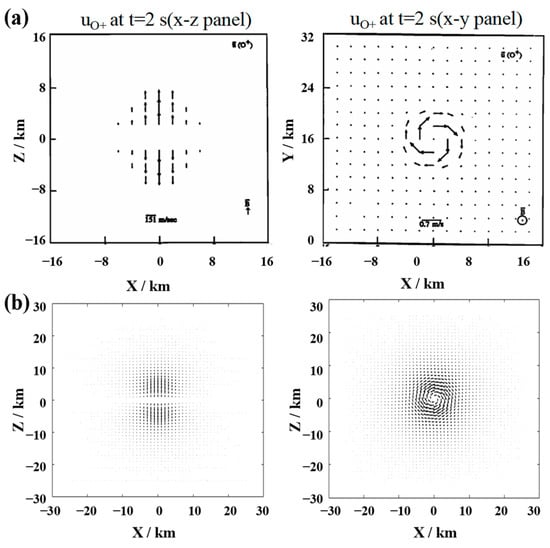
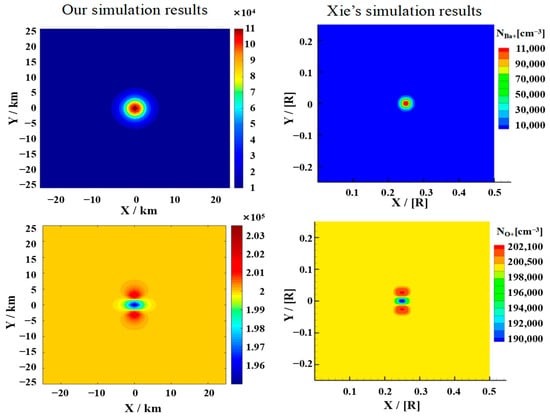
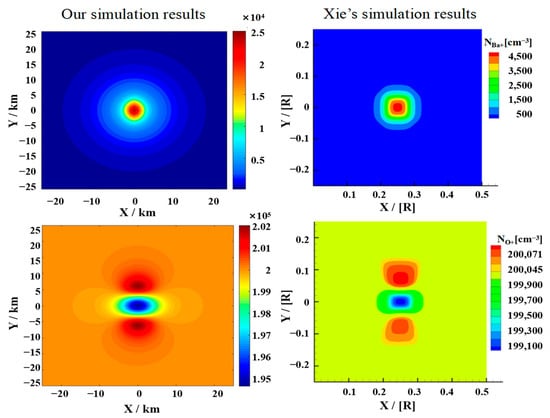
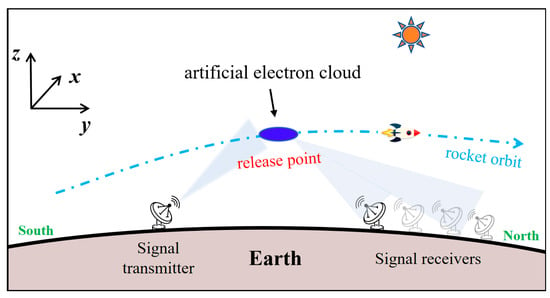
To overcome the limitations imposed by the natural ionosphere on high-frequency (HF) communication systems, the generation of artificial electron clouds through space-based release of ionizable materials offers a controllable means of constructing localized plasma environments. However, a systematic mapping between release parameters and radio wave propagation characteristics is still lacking, which restricts engineering applications. This paper establishes a full-chain simulation framework that links release parameters, cloud morphology, and propagation characteristics by combining a two-fluid hydrodynamic model with ray tracing. Results show that as release altitude rises from 150 km to 210 km, the cloud undergoes pronounced stretching along the magnetic field (the cloud scale grows from 17.28 km to over 80 km), resulting in a broader signal shadow zone (expands from 116 km to 170 km) and a marked increase in multipath delay spread. Increasing mass from 4 kg to 12 kg raises peak electron density from 7.416 × 10¹² to 2.154 × 10¹³ m−3 and widens the shadow zone from 144 km to 174 km. Raising the ionization rate from 20% to 80% broadens the enhancement zone but reduces the shadow zone. Higher altitudes favor broad shielding, larger masses enhance scattering strength and duration, while higher ionization rates accelerate cloud evolution for rapid response and lower rates provide stable coverage. These findings can provide theoretical guidance for the precise design of artificial electron clouds tailored to different application requirements.
Full article
Photoelectric intelligent sensor chips have become a key technology for next-generation intelligent sensing by integrating photonic devices, electronic circuits, and artificial intelligence algorithms. Recent advances in silicon photonics, two-dimensional materials, heterogeneous integration, and intelligent signal processing have significantly improved their sensitivity, response speed,
[...] Read more.
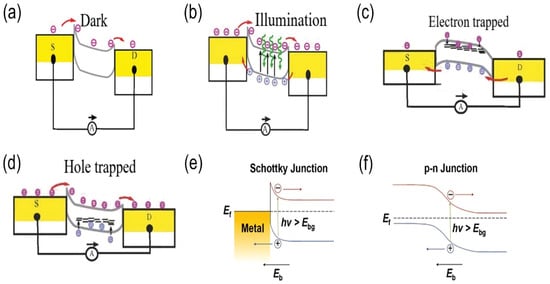
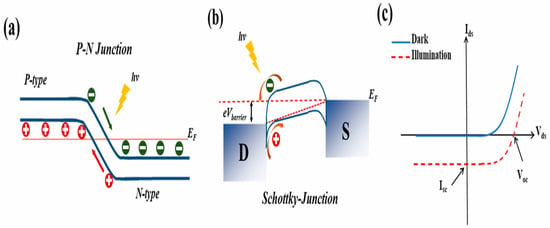
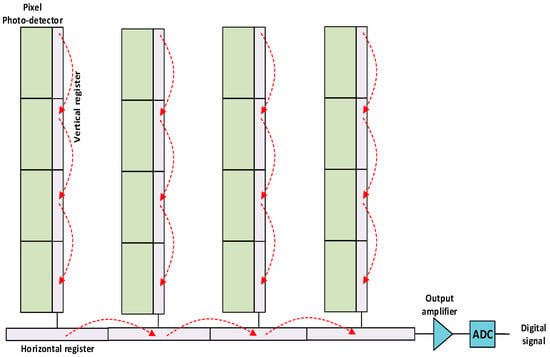
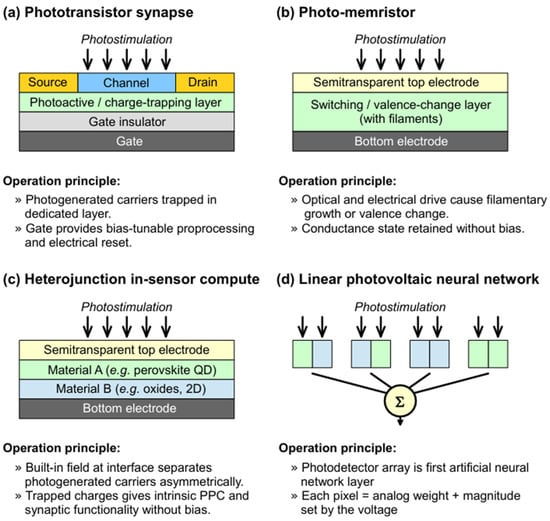
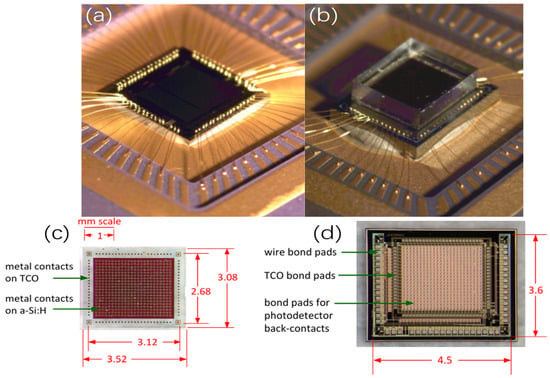
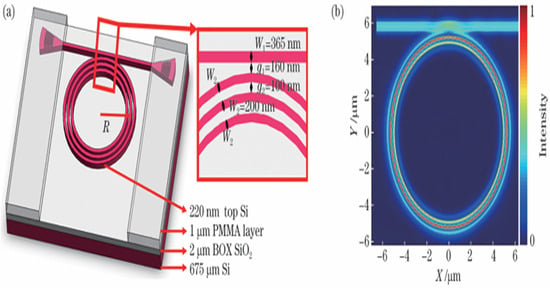
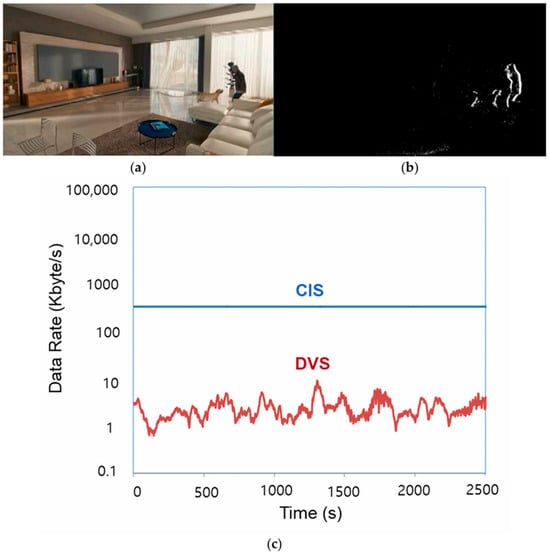
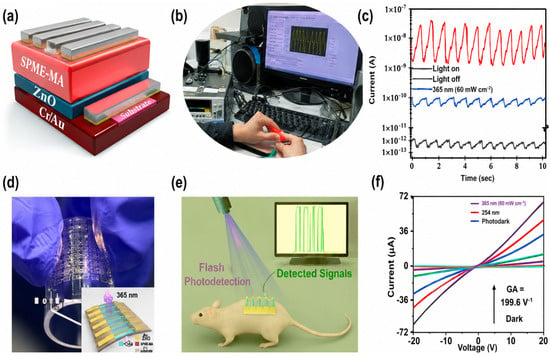
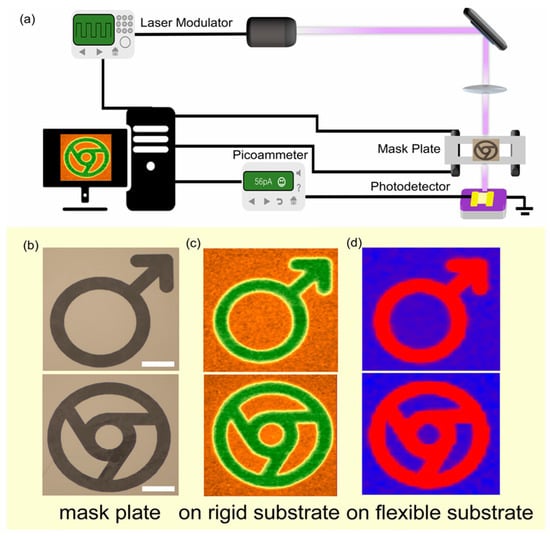
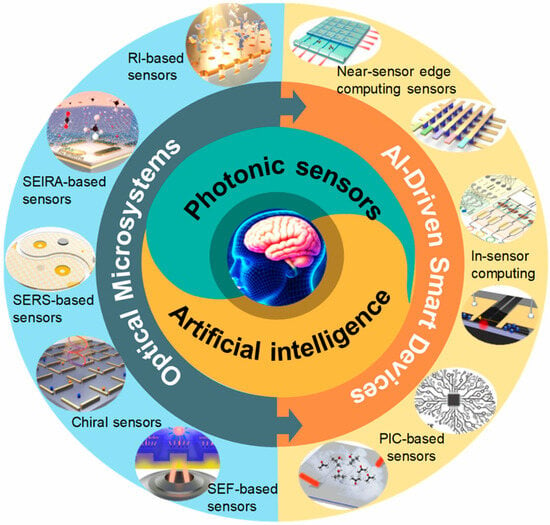
Photoelectric intelligent sensor chips have become a key technology for next-generation intelligent sensing by integrating photonic devices, electronic circuits, and artificial intelligence algorithms. Recent advances in silicon photonics, two-dimensional materials, heterogeneous integration, and intelligent signal processing have significantly improved their sensitivity, response speed, and integration capability. This review presents a comprehensive overview of photoelectric intelligent sensor chips from fundamental principles to system-level applications. The operating mechanisms, device architectures, fabrication technologies, and photonic integration strategies are summarized, followed by recent progress in industrial, medical, and intelligent sensing applications. Current technical challenges, including material quality, heterogeneous integration, power consumption, and intelligent data processing, are also discussed. Finally, future trends toward highly integrated, low-power, and AI-enabled sensing systems are highlighted. This review provides a concise reference for the development of next-generation photoelectric intelligent sensor chips and their practical applications.
Full article
Pharyngeal infection with high-risk human papillomavirus (HPV), particularly HPV16, is biologically distinct from cervical infection because it occurs within the specialized lymphoepithelial environment of Waldeyer’s ring. This review evaluates nanoparticle materials for the prevention, detection, and treatment of pharyngeal HPV, with an emphasis
[...] Read more.
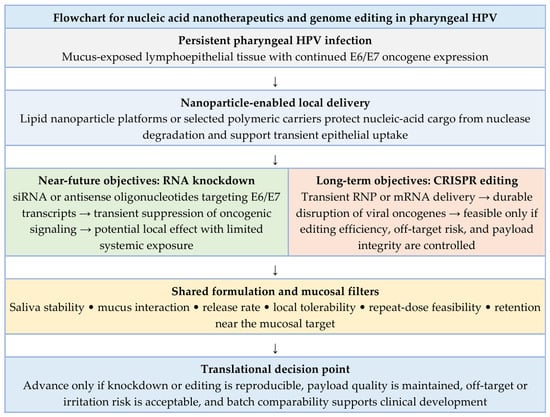
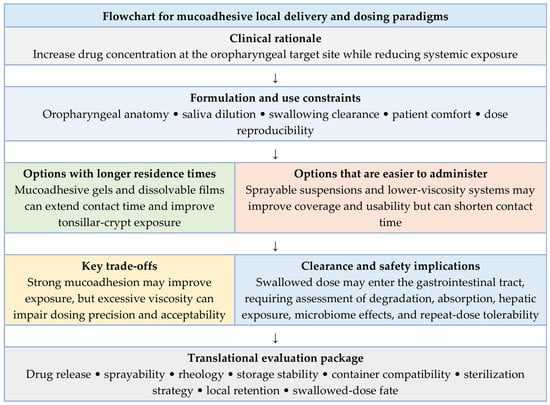
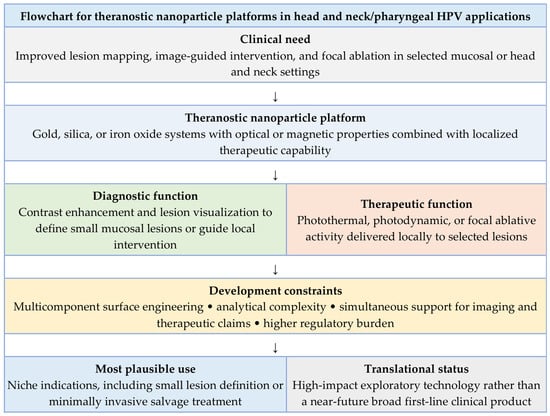
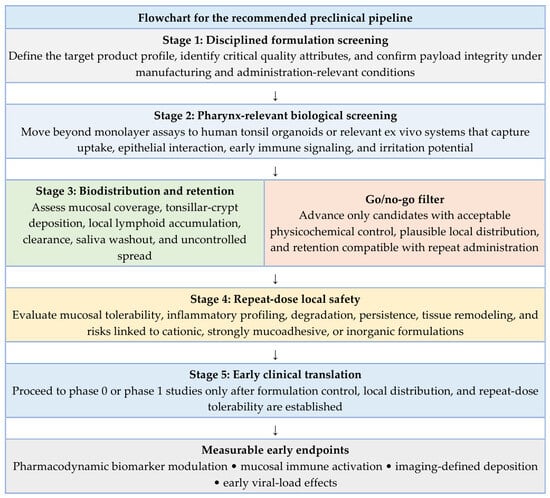
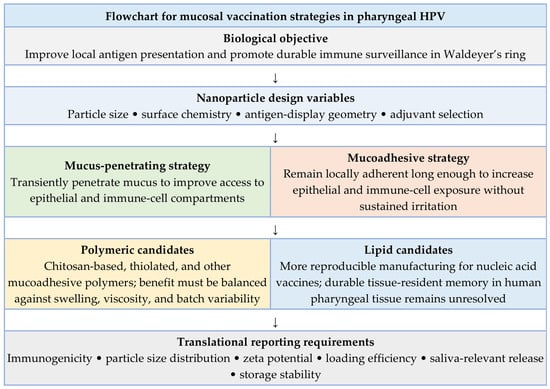
Pharyngeal infection with high-risk human papillomavirus (HPV), particularly HPV16, is biologically distinct from cervical infection because it occurs within the specialized lymphoepithelial environment of Waldeyer’s ring. This review evaluates nanoparticle materials for the prevention, detection, and treatment of pharyngeal HPV, with an emphasis on structure–property–function relationships, mucosal performance, and translational feasibility. Lipid nanoparticle platforms, polymeric nanoparticle platforms, inorganic systems, and hybrid platforms are compared with respect to composition, particle size distribution, surface charge, colloidal stability, biodegradability, payload compatibility, release behavior, and manufacturing complexity. Evidence suggests that lipid and polymeric systems are the most credible near-future candidates for mucosal vaccination and localized nucleic acid delivery because they offer the best balance between controllable fabrication, analytical tractability, and biologically plausible performance in mucus-exposed tissue. By contrast, the development of inorganic theranostics and CRISPR-enabled platforms remains at an earlier stage because repeated mucosal dosing, retention in lymphoid tissue, and combined product regulation impose substantial burdens. A translational roadmap is proposed in which material selection is guided by clinically relevant quality attributes, standardized saliva- and mucus-relevant assays, human tonsil organoid testing, and early attention to manufacturability, safety, and regulatory strategy. The field is promising, but direct pharyngeal HPV data remain limited; accordingly, there is an urgent need for comparative studies that connect nanoparticle architecture to measurable outcomes such as tonsillar deposition, epithelial uptake, immune activation, and local tolerability.
Full article
(This article belongs to the Section Biomaterials)
Water quality analysis plays an essential role in maintaining the health and sustainability of river ecosystems, especially in semi-arid regions like the Arroyo Colorado Watershed in South Texas. Since the river is a vital source of water supply for local communities, agriculture, and
[...] Read more.
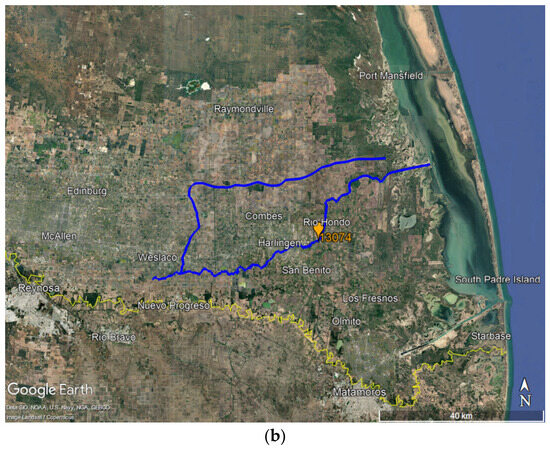
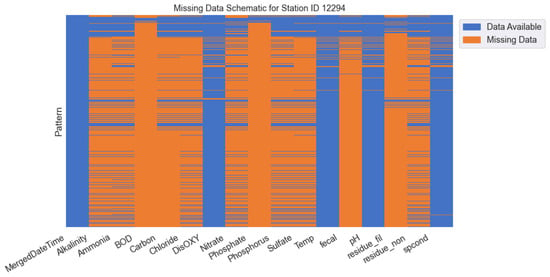
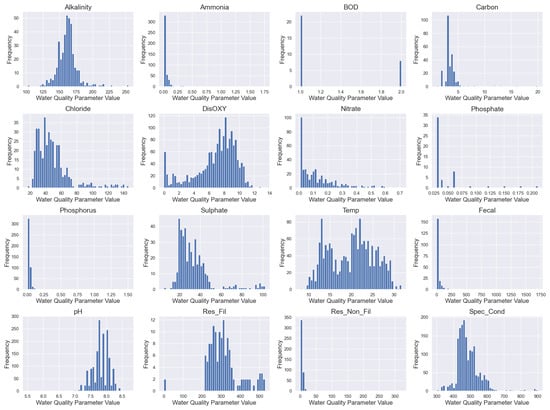
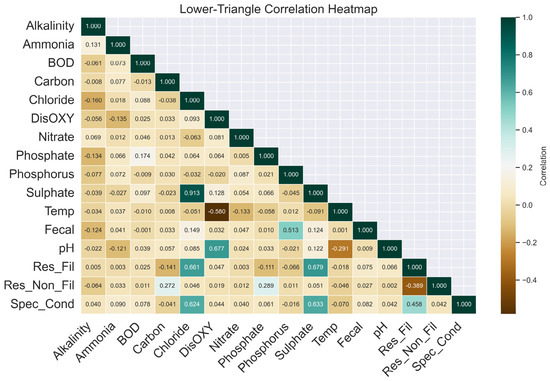
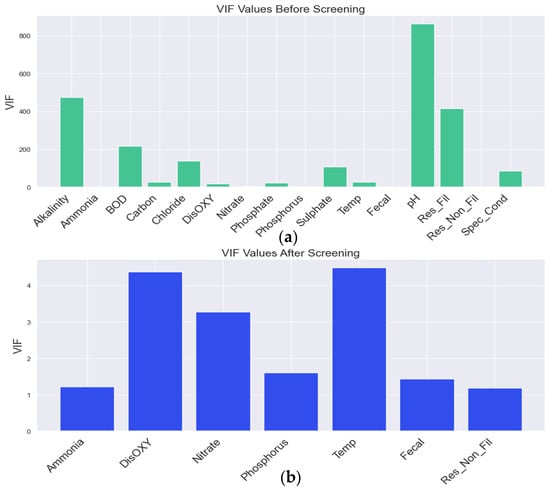
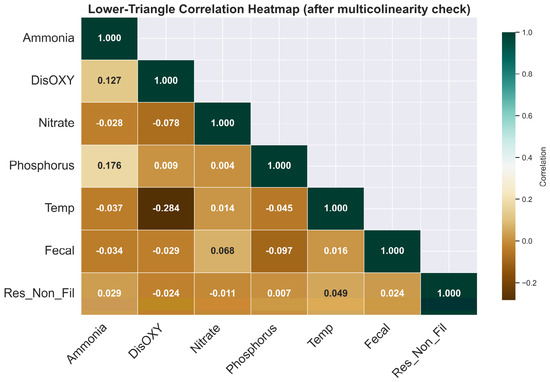
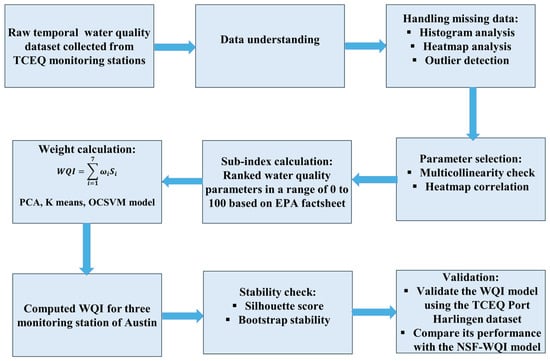
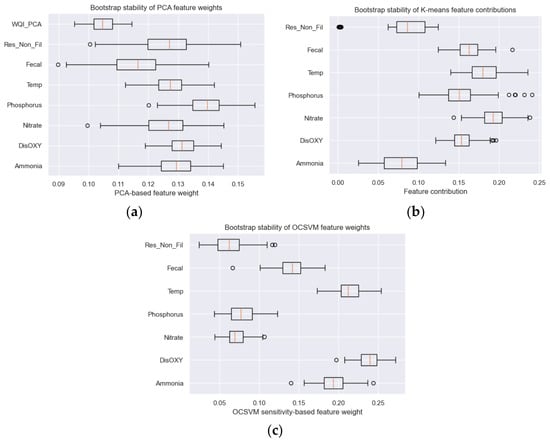
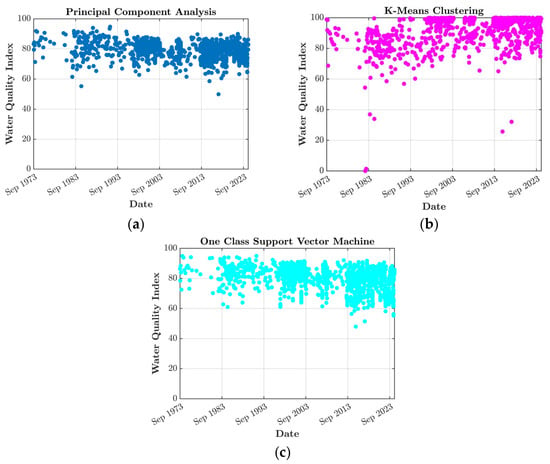
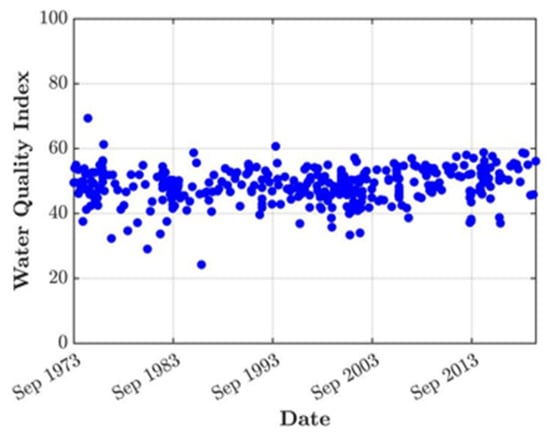
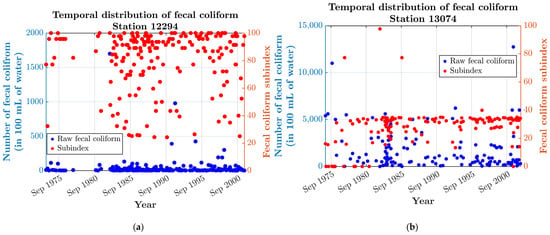
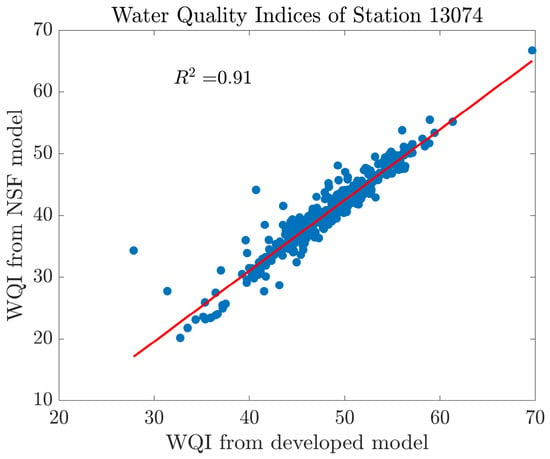
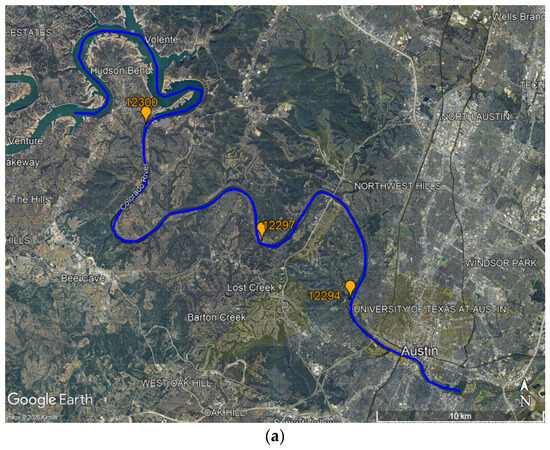
Water quality analysis plays an essential role in maintaining the health and sustainability of river ecosystems, especially in semi-arid regions like the Arroyo Colorado Watershed in South Texas. Since the river is a vital source of water supply for local communities, agriculture, and wildlife, it faces significant challenges and pollution from land use changes, climate variation, and agricultural runoff. Continuous monitoring and assessment of water quality parameters and their temporal variability are essential to ensure the drinking water supply and aquatic ecosystem health. However, comprehensive laboratory-based water quality investigations are often constrained by higher costs, logistical complexity, and limited manpower. As a result, monitoring datasets are often not available for all water quality parameters, or the datasets may be incomplete. To address such challenges, the objective of this study was to evaluate the potential of water quality index (WQI)-based assessment supported by machine learning algorithms as an alternative decision-support tool for water quality evaluation. The analysis compared four monitoring stations in the Austin and Arroyo Colorado Watersheds, with particular emphasis on one gauging station at Port Harlingen. Datasets were collected from the Texas Commission of Environmental Quality (TCEQ). A complete exploratory data analysis (EDA) was performed to understand the TCEQ water quality datasets containing sixteen parameters, and seven water quality parameters were selected based on multicollinearity checks. It was observed that seven independent water quality parameters (dissolved oxygen, ammonia, nitrate, phosphorus, temperature, fecal coliform, and residual non-filterable material concentrations) were identified as sufficient to define the WQI of the Austin monitoring stations. Moreover, U.S. Environmental Protection Agency (EPA)-based guidelines were utilized to scale individual parameters to a range of 0–100 to remove their magnitude and correlation-based bias. These parameters were further analyzed using machine learning techniques, i.e., principal component analysis, K-means, and one-class support vector machine, to compute the relative importance based on their fluctuation within the temporal dataset. Finally, the mean WQI model was developed for Port Harlingen and achieved a strong agreement with the National Sanitation Foundation (NSF) WQI (R2 = 0.91). These findings demonstrate the applicability of the proposed data-driven WQI framework for regional water quality assessment and comparative analysis across watersheds.
Full article
Quantum metrology promises sensitivity beyond classical strategies, yet it remains unsettled how quantum-enabled precision should scale with physical resources and how to interpret quantum advantage. We provide a physically grounded resource accounting that clarifies the true Heisenberg limit and resolves apparent super-Heisenberg paradoxes.
[...] Read more.
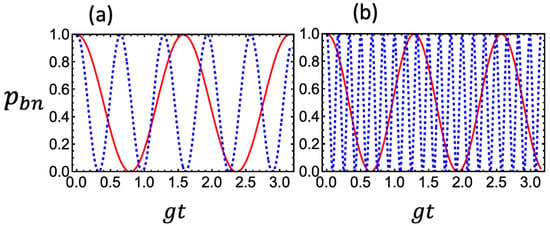
Quantum metrology promises sensitivity beyond classical strategies, yet it remains unsettled how quantum-enabled precision should scale with physical resources and how to interpret quantum advantage. We provide a physically grounded resource accounting that clarifies the true Heisenberg limit and resolves apparent super-Heisenberg paradoxes. We demonstrate that the Heisenberg limit is best viewed as an information-theoretic manifestation of the quantum speed limit. We illustrate these ideas with a simple, super-resolving phase estimation protocol based on Rabi oscillations in two-level atoms driven on an m-photon resonance. In this setting, the phase error scales as , where n is the average photon number. Recasting metrological sensitivity through quantum dynamical speed limits yields operational bounds that reconcile such super-resolution strategies with the standard Heisenberg interpretation and identify the relevant resources in the norm of the generator. We also revisit the common attribution of the NOON state’s scaling to quantum entanglement. We show that such an attribution is not generic and the Heisenberg scaling does not, by itself, certify entanglement as the enabling resource.
Full article
Non-grain production of cultivated land has increasingly affected regional food security and the stability of agricultural ecosystems. In traditional rice-producing regions, changes associated with non-rice cultivation, fallow land, rice-fishery integrated farming, and intensive agricultural management are reshaping the spatial structure of paddy landscapes.
[...] Read more.
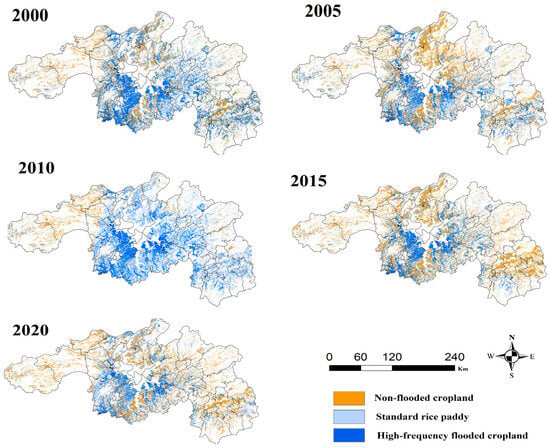
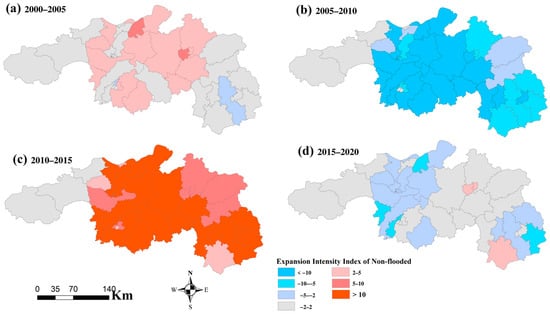
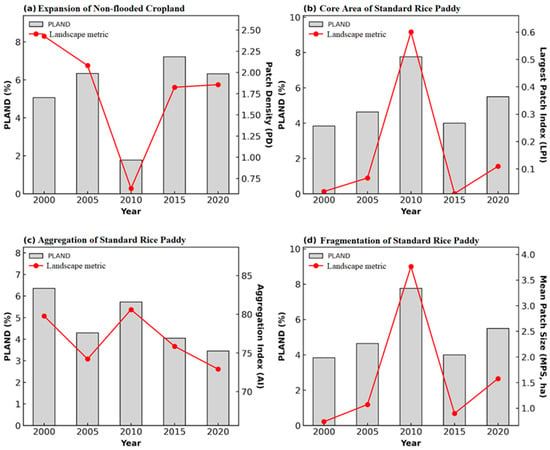
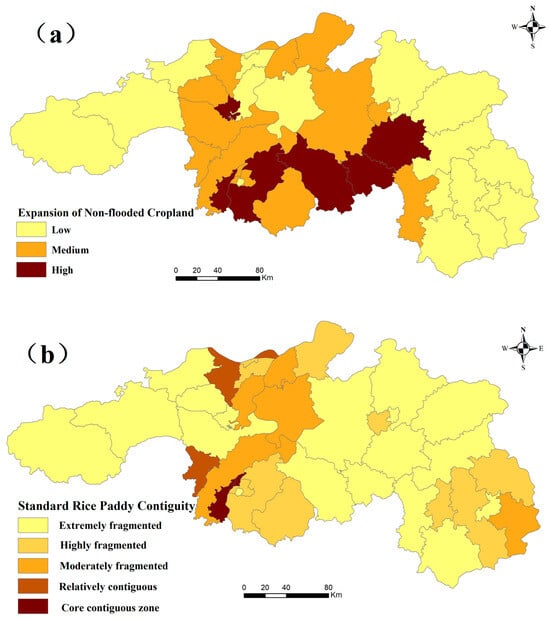
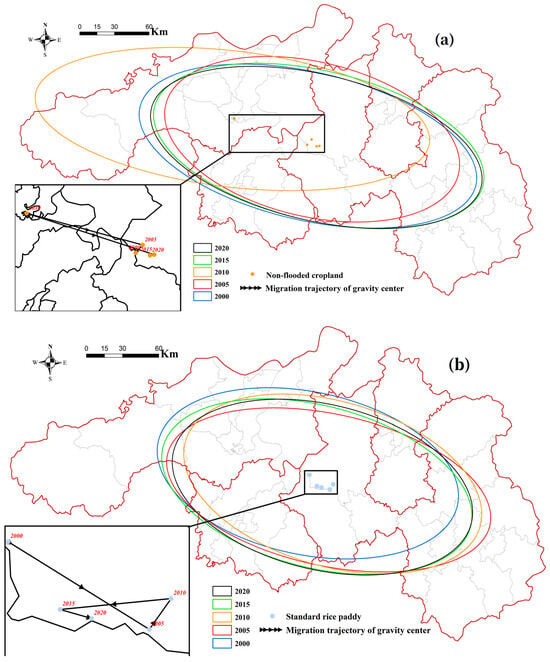
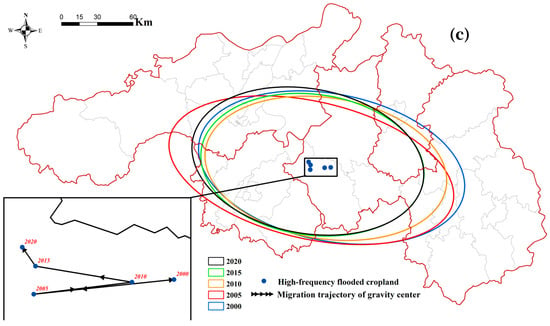
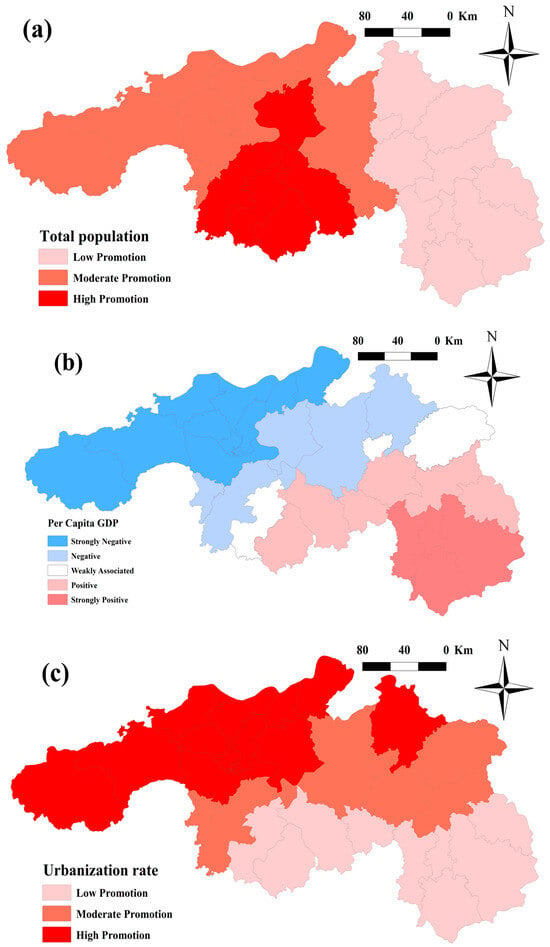
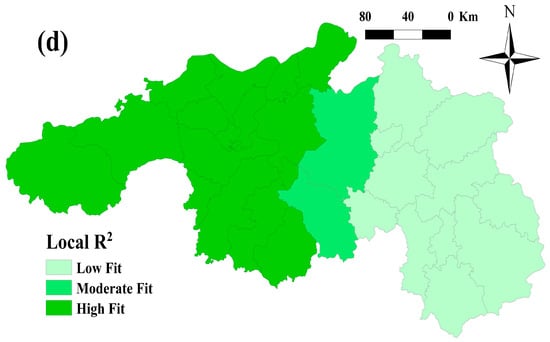
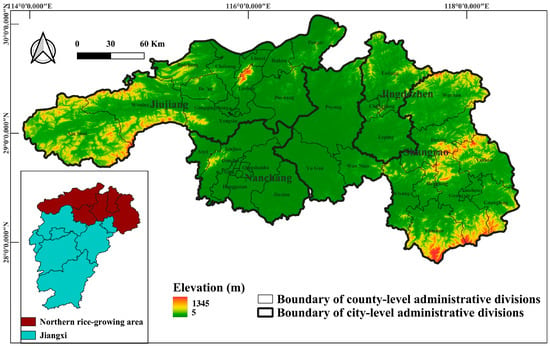
Non-grain production of cultivated land has increasingly affected regional food security and the stability of agricultural ecosystems. In traditional rice-producing regions, changes associated with non-rice cultivation, fallow land, rice-fishery integrated farming, and intensive agricultural management are reshaping the spatial structure of paddy landscapes. To identify the long-term spatiotemporal evolution of paddy systems, this study investigated Northern Jiangxi, China, using Landsat surface reflectance imagery from 2000, 2005, 2010, 2015, and 2020 on the Google Earth Engine (GEE) platform. The Enhanced Vegetation Index (EVI) and Land Surface Water Index (LSWI) were used to construct a phenology-based Flooding Frequency (FF) indicator. Based on the annual frequency with which pixels satisfied the condition LSWI > EVI, cultivated land was classified into three categories: non-flooded cropland, standard rice paddy, and high-frequency flooded cropland. In this study, non-flooded cropland was used as an indicator of potential non-rice cultivation rather than as direct evidence of confirmed non-grain production. Landscape metrics, transition matrices, gravity center migration, standard deviation ellipses, and geographically weighted regression (GWR) were then used to examine paddy landscape dynamics, fragmentation patterns, and county-level spatial associations with socioeconomic factors. The results suggest that the paddy system in Northern Jiangxi experienced marked stage-based fluctuations between 2000 and 2020. Standard rice paddy recovered during 2005–2010, whereas non-flooded cropland expanded considerably during 2010–2015, accompanied by intensified paddy landscape fragmentation. Non-flooded cropland was mainly distributed around urban fringes, transport corridors, and some hilly margins. Standard rice paddy was concentrated in traditional grain-producing areas, including the Poyang Lake Plain and the Gan-Fu Plain. High-frequency flooded cropland was primarily located in low-lying lake areas, where its dynamics were likely associated with rice-fishery integrated farming, continuous irrigation, and hydrological fluctuations. Landscape metrics showed that the largest patch index and mean patch size of standard rice paddy declined after 2010, indicating reduced spatial continuity of core paddy fields. The GWR analysis provided auxiliary evidence that total population, per capita gross domestic product (GDP), and urbanization rate were spatially associated with changes in non-flooded cropland at the county level; however, the results should be interpreted as exploratory associations rather than causal mechanisms. Overall, paddy landscape change in Northern Jiangxi was expressed not only through changes in cultivated land area, but also through the reorganization of paddy function, spatial continuity, and land-use intensity. Future cropland protection should therefore move beyond area-based control toward integrated management of quantity, quality, function, and spatial configuration. Future research should further verify these findings using dynamic cropland boundaries, higher-resolution imagery, and more detailed socioeconomic data.
Full article
Background/Objectives: Neurological impairment after glioma resection is a common postoperative event, but many deficits improve during recovery. The present study investigated whether transient and persistent postoperative neurological deficits differ in their association with overall survival (OS) and progression-free survival (PFS). Methods: We retrospectively
[...] Read more.
Background/Objectives: Neurological impairment after glioma resection is a common postoperative event, but many deficits improve during recovery. The present study investigated whether transient and persistent postoperative neurological deficits differ in their association with overall survival (OS) and progression-free survival (PFS). Methods: We retrospectively reviewed data from patients who underwent initial surgical treatment for glioma in our institution. Neurological function was evaluated using documented clinical examinations performed before surgery, in the immediate postoperative period, and during routine follow-up 3–6 months after the procedure. Results: The study cohort comprised 496 patients, of whom 44.4% were women. The mean age at surgery was 60 years (95% CI, 58–61), and the average follow-up period was 21 months (95% CI, 19–23). According to the 2021 WHO classification, 80.0% of tumors were grade 4, 11.1% were grade 3, and 7.3% were grade 2. IDH mutations were absent in 81% of cases. Median survival for the entire cohort was 34 months (95% CI, 30–38). Preoperative neurological deficits, including hemiparesis, were not significantly associated with OS. Postoperative deficits that were resolved by the follow-up assessment showed no relationship with either OS or PFS, irrespective of IDH mutation status. In contrast, neurological deficits that persisted at follow-up were independently associated with shorter OS and PFS among patients with IDH-wild-type gliomas (p < 0.001), whereas no significant association was observed in the IDH-mutant subgroup. Similarly, when new neurological deficits were present at follow-up, poorer OS and PFS were predicted only in patients with IDH-wild-type tumors (p < 0.001). Conclusions: Temporary neurological deterioration following glioma surgery does not appear to adversely influence overall or progression-free survival, regardless of IDH status. However, persistent postoperative deficits, as well as newly acquired deficits that remain evident during follow-up, are strong indicators of an unfavorable prognosis in patients with IDH-wild-type gliomas.
Full article
Existing NH3/CH4 combustion reaction mechanisms still exhibit a pronounced trade-off between predictive accuracy and computational efficiency. It is difficult to guarantee global optimality, which limits their application in gas turbine combustion simulations. The objective of this study was to introduce
[...] Read more.
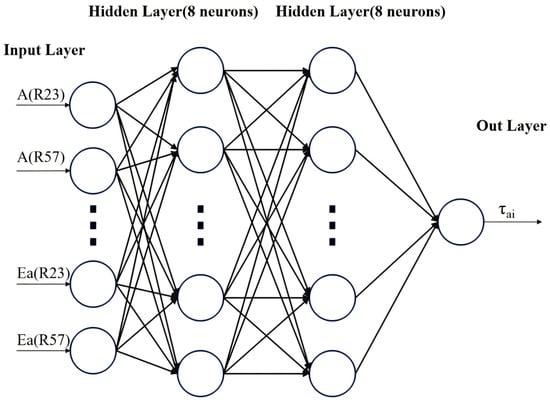
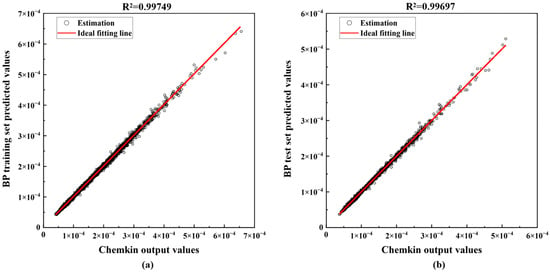
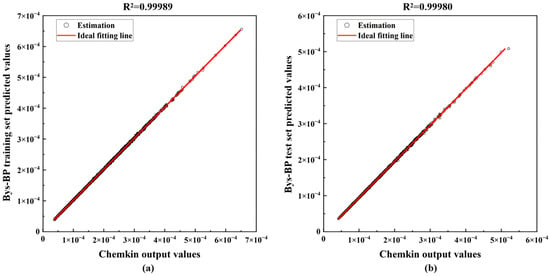
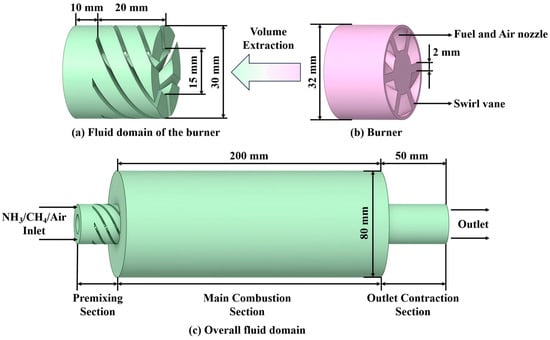
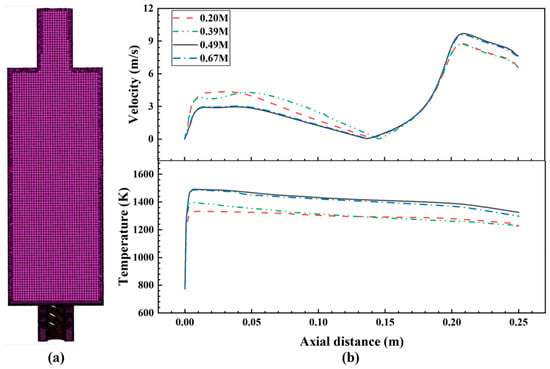
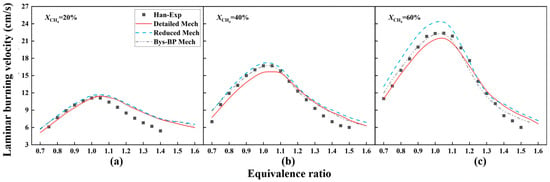
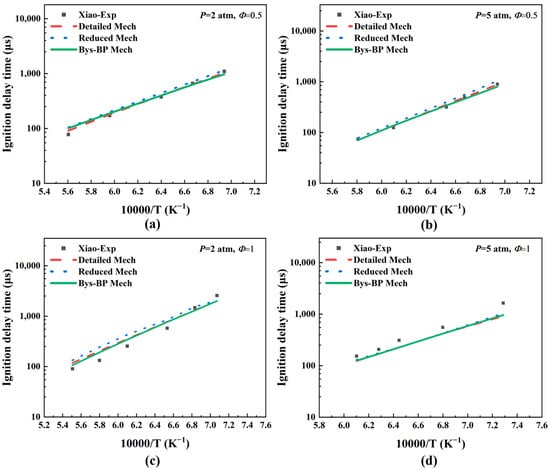
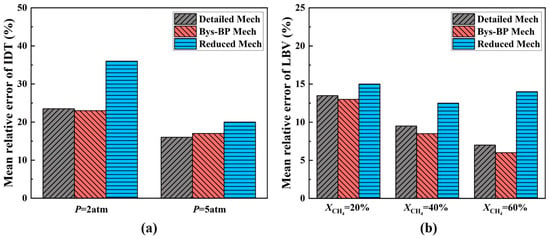
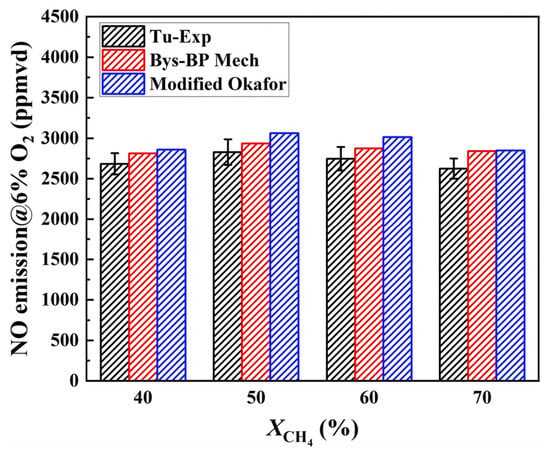
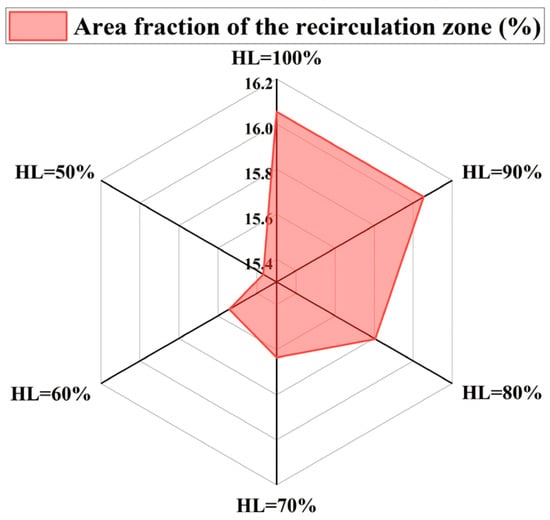
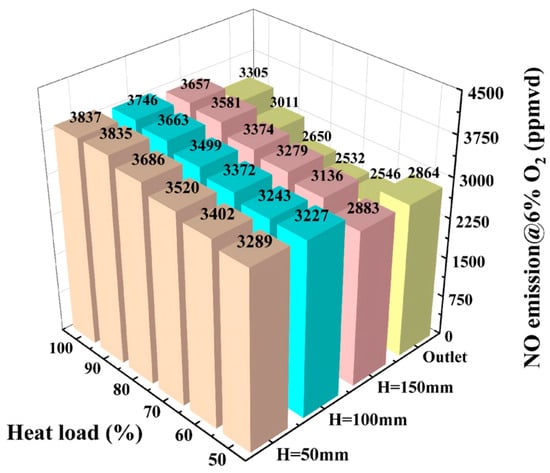
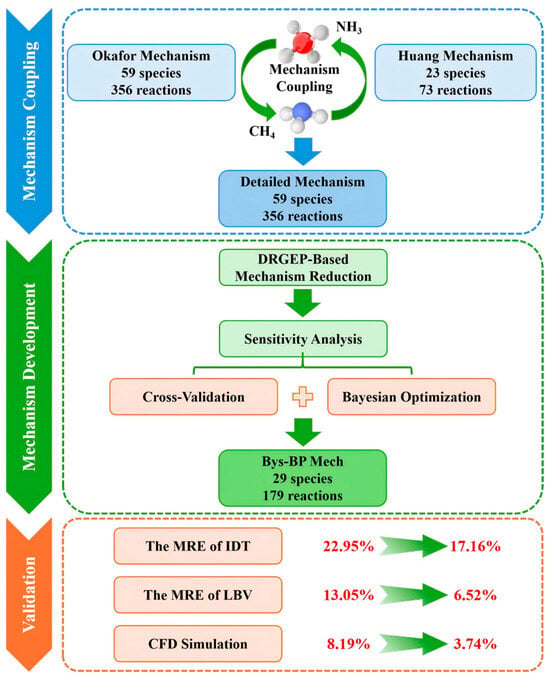
Existing NH3/CH4 combustion reaction mechanisms still exhibit a pronounced trade-off between predictive accuracy and computational efficiency. It is difficult to guarantee global optimality, which limits their application in gas turbine combustion simulations. The objective of this study was to introduce machine learning methods into the parameter optimization process of combustion reaction mechanisms and to construct an optimized mechanism (Bys-BP Mech) with both high accuracy and high computational efficiency. First, a reduced mechanism was obtained through mechanism coupling and the DRGEP method. Subsequently, the pre-exponential factors and activation energies of three key reactions were optimized based on sensitivity analysis. An artificial neural network was used to construct the model, and cross-validation combined with Bayesian optimization was employed to achieve automatic hyperparameter optimization. Validation results showed that the optimized Bys-BP Mech achieved an average relative error of 4.56% for LBV, and the average relative error of IDT decreased to 17.16%. CFD simulations indicated that the minimum prediction error of NO emissions was 3.74% when the CH4 co-firing ratio ranged from 40% to 70%. This mechanism addressed the limitations of existing mechanisms in combustor-scale validation under variable operating conditions and reduced the computational time of combustion simulations by half.
Full article
Data of experimental, comparative, and allometric studies was examined in relation to the wider oxygen transport cascade, including branchial ventilation, diffusion across the water–blood barrier, blood oxygen transport, muscle capillarization, and mitochondrial content. Experimental reductions in functional gill area are associated with lower
[...] Read more.
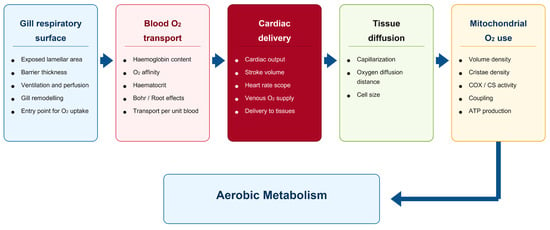
Data of experimental, comparative, and allometric studies was examined in relation to the wider oxygen transport cascade, including branchial ventilation, diffusion across the water–blood barrier, blood oxygen transport, muscle capillarization, and mitochondrial content. Experimental reductions in functional gill area are associated with lower maximal oxygen consumption and reduced critical swimming speed, whereas reversible gill remodelling may increase exposed lamellar surface under hypoxia or increased oxygen demand. Comparative evidence indicates that gill area accounts for a measurable, but incomplete, component of variation in metabolic rate and hypoxia tolerance. A descriptive comparison of ten published paired gill surface area (GSA) and standard metabolic rate (SMR) datasets did not reveal a consistently negative difference between gill surface area and standard metabolic demand across the species and experimental conditions examined. This comparison addresses maintenance metabolism but does not test oxygen-supply constraints during routine or maximal activity. The broader evidence reviewed includes large salmonids with cardiovascular compensation, cyprinids with reversible gill remodelling, haemoglobinless icefishes, and active pelagic taxa with high cardiorespiratory and locomotor investment. Collectively, these examples show that the functional significance of gill area depends on interacting branchial, cardiovascular, haematological, tissue-level, and ecological traits.
Full article
Background/Objectives: Early identification of high-grade lymphoma in children presenting with cervical lymphadenopathy is essential to ensure timely referral while avoiding unnecessary invasive procedures. We have previously developed a diagnostic model to support referral decisions. The aim of this study was to validate
[...] Read more.
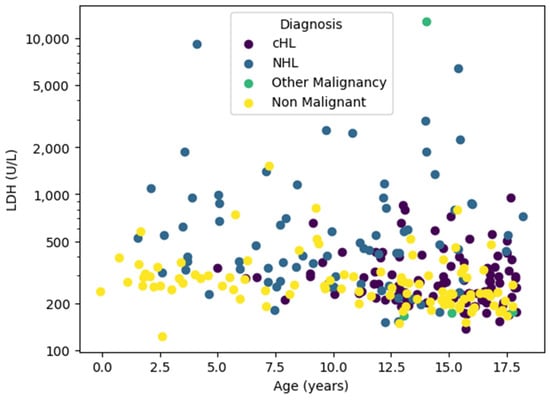
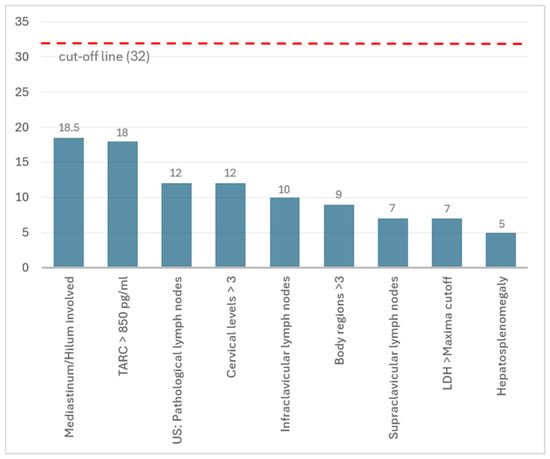
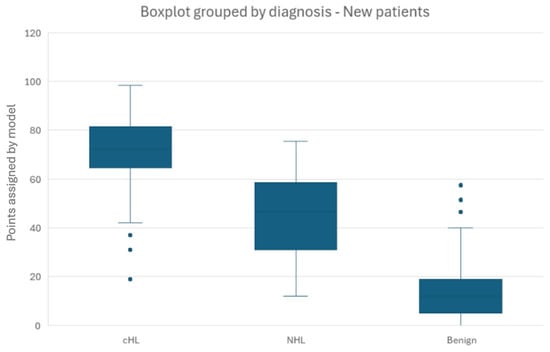
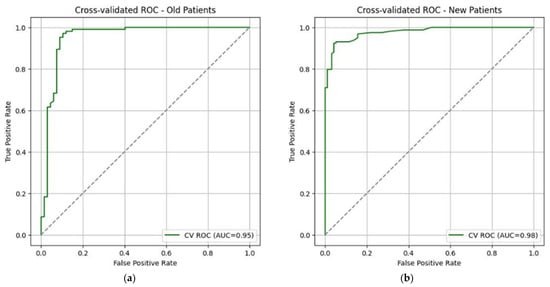
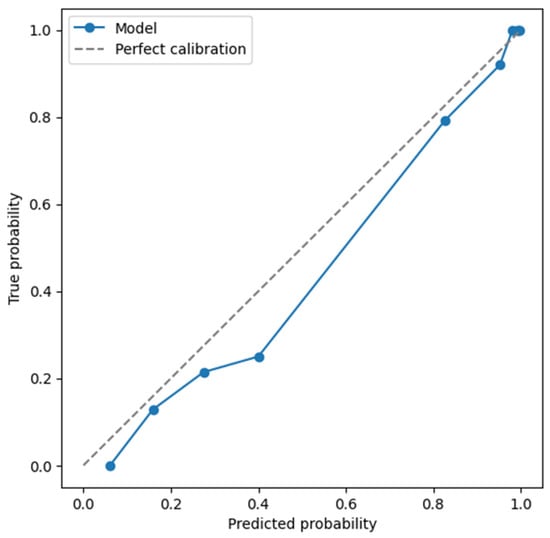
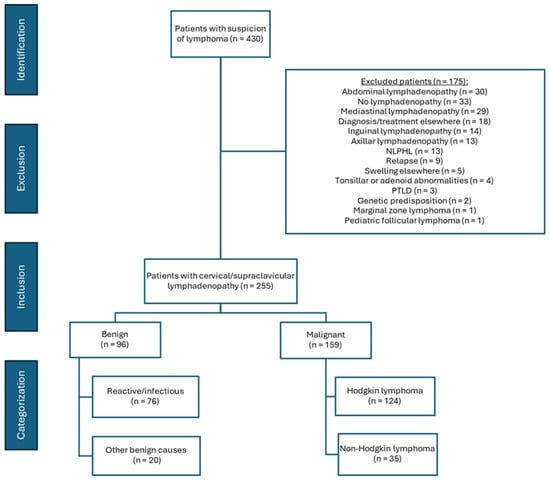
Background/Objectives: Early identification of high-grade lymphoma in children presenting with cervical lymphadenopathy is essential to ensure timely referral while avoiding unnecessary invasive procedures. We have previously developed a diagnostic model to support referral decisions. The aim of this study was to validate this model in an independent cohort and improve it based on clinical feedback and new data. Methods: We included 255 pediatric patients with cervical lymphadenopathy, of whom 62.4% were diagnosed with malignancy. External validity was assessed by applying the original scoring model to the new dataset and calculating the sensitivity, specificity, and area under the curve (AUC). Thereafter, the model was updated by addressing overlapping predictors, and evaluating additional variables that were identified through univariate analysis. Results: The original model demonstrated stable performance in the new cohort, with sensitivity and specificity remaining within the previously reported 95% confidence intervals. No new clinically relevant predictors emerged beyond those already included in the original model. Model refinement resulted in a simplified model with 9 variables (reduced from 12), which improved clinical usability by reducing redundancy among predictors and facilitating implementation in routine practice. The revised model showed stable diagnostic accuracy with a sensitivity of 94% and specificity of 91% in the new dataset. Conclusions: Our updated diagnostic nine-factor model maintains high diagnostic performance while having a reduced number of variables. These findings support its use as a practical tool for early identification of children at risk of high-grade lymphoma.
Full article
In this article, I argue that the probabilistic argument from evil rests on an assumption that weakens its conclusion. The argument presupposes epistemic conditions that we are not in a position to meet. I use combinatorial axiology to show that the world’s axiological
[...] Read more.
In this article, I argue that the probabilistic argument from evil rests on an assumption that weakens its conclusion. The argument presupposes epistemic conditions that we are not in a position to meet. I use combinatorial axiology to show that the world’s axiological profile is unknowable to humans, and that this fact significantly weakens the probabilistic argument. I do not contend that the probabilistic argument is refuted, but only that the version I address is undercut. To my knowledge, this is the first application of systematic combinatorial axiology against the probabilistic argument.
Full article
Corona discharge has been extensively adopted for plasma generation, but its practical application is constrained by discharge uniformity and operational stability. In this study, numerical simulations are performed to explore the enhancement mechanism of external magnetic fields on corona discharge, with a focus
[...] Read more.
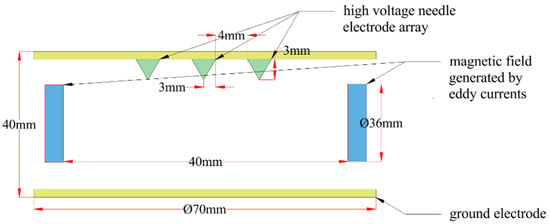
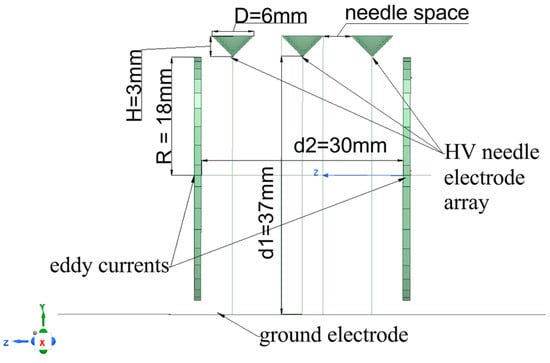
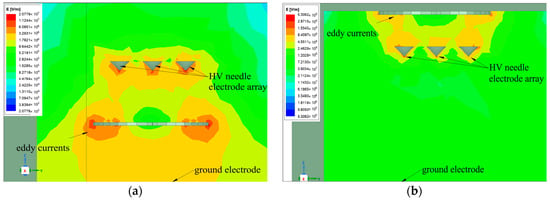
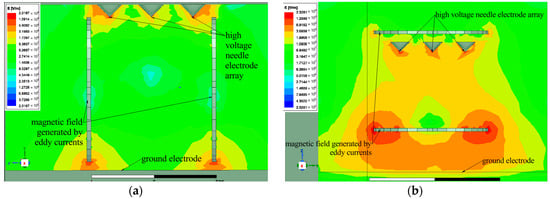
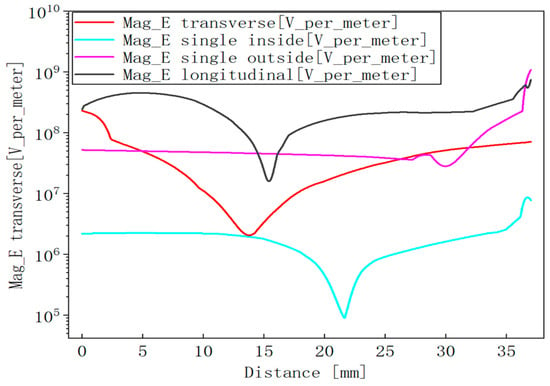
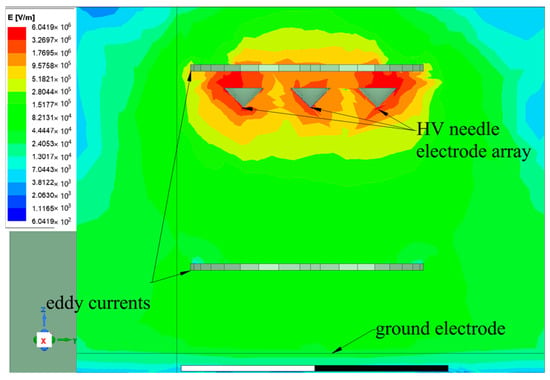
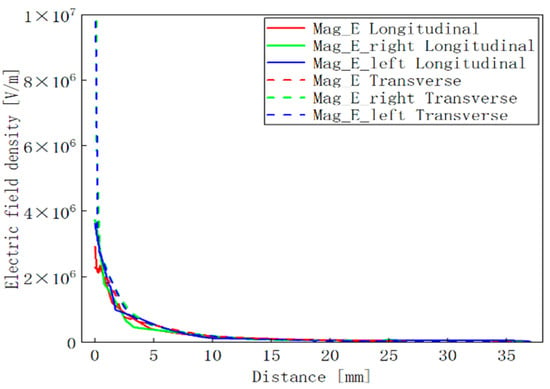
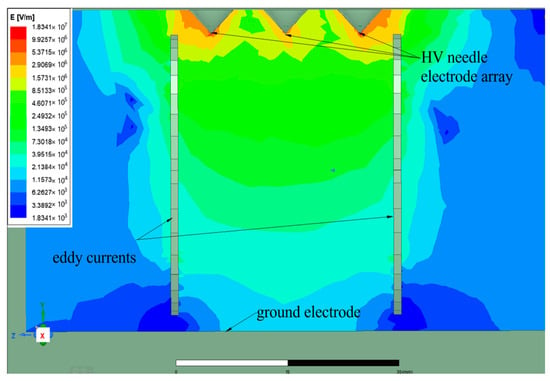
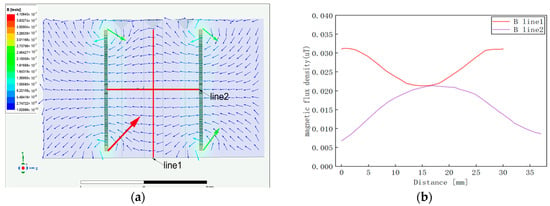
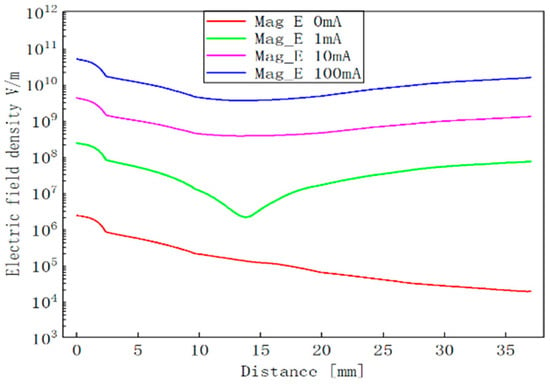
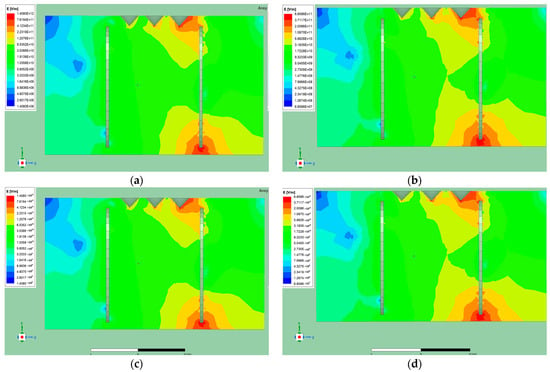
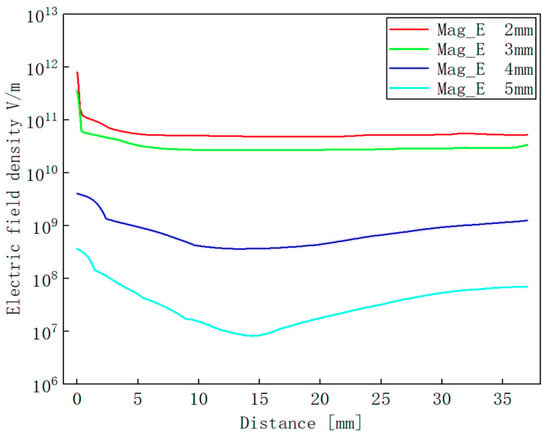
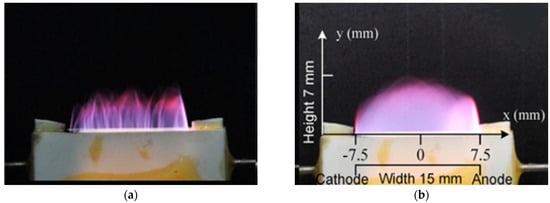
Corona discharge has been extensively adopted for plasma generation, but its practical application is constrained by discharge uniformity and operational stability. In this study, numerical simulations are performed to explore the enhancement mechanism of external magnetic fields on corona discharge, with a focus on the influences of coil configuration, excitation current magnitude, and needle electrode spacing. The simulation results reveal that Helmholtz coils achieve optimal electric field enhancement by eliminating axial magnetic field gradients. Nevertheless, excessively high excitation current will trigger the transition of discharge mode from diffuse corona to arc discharge. Additionally, an optimal needle electrode spacing is determined to strike a balance between electric field intensity and spatial uniformity. The outcomes of this study provide a solid theoretical foundation for the design and optimization of magnetic field-assisted corona discharge systems, which hold promising prospects for environmental treatment and material processing applications.
Full article
Background: Socioeconomic deprivation is a well-established determinant of participation in colorectal cancer (CRC) screening. However, less is known about the geographic clustering of screening adherence and whether spatial inequalities mirror regional patterns of socioeconomic disadvantage. This study investigated the association between socioeconomic deprivation
[...] Read more.
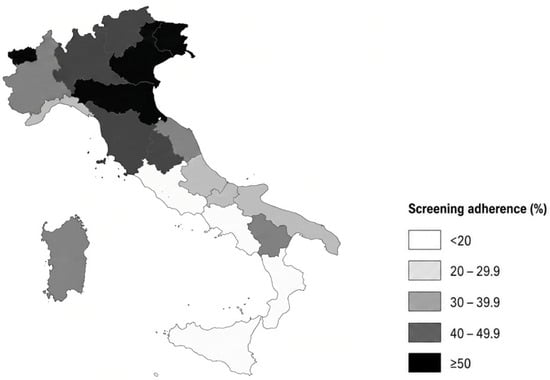
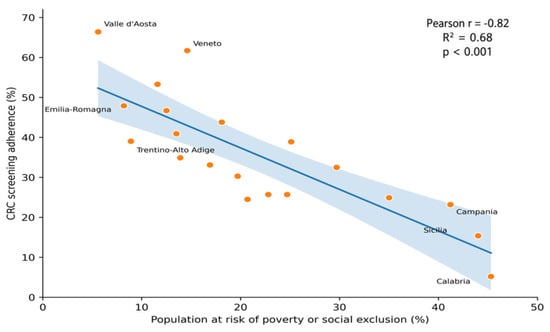
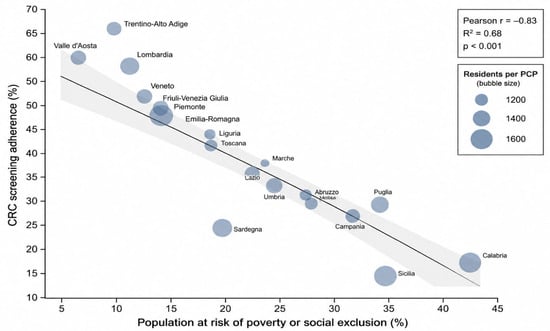
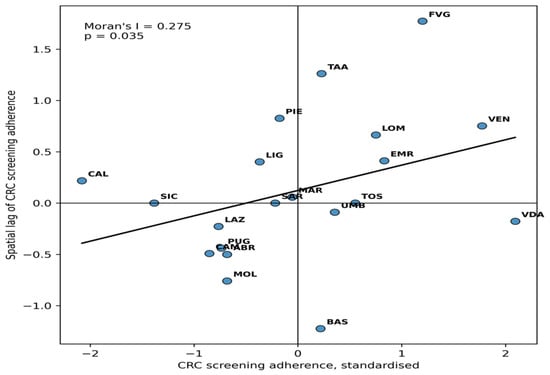
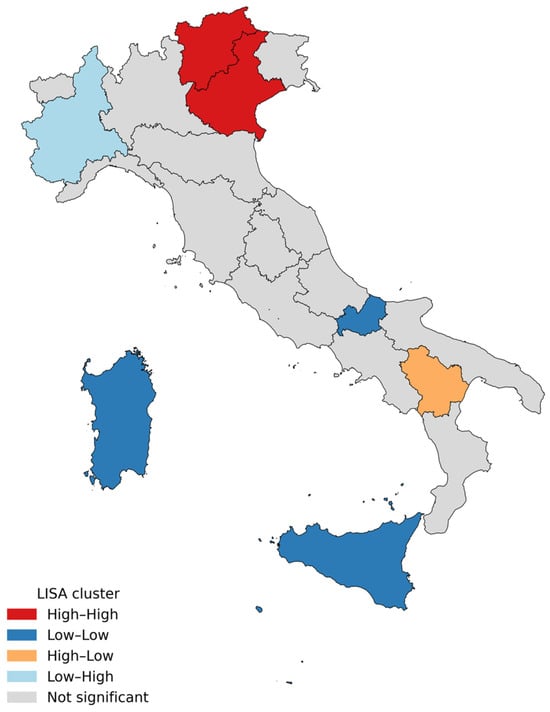
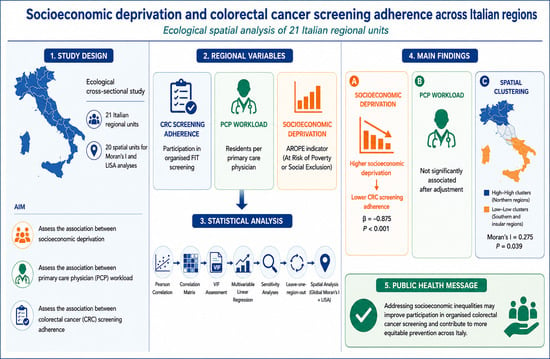
Background: Socioeconomic deprivation is a well-established determinant of participation in colorectal cancer (CRC) screening. However, less is known about the geographic clustering of screening adherence and whether spatial inequalities mirror regional patterns of socioeconomic disadvantage. This study investigated the association between socioeconomic deprivation and adherence to CRC screening across Italian regions and explored the presence of spatial autocorrelation using geographic analytical methods. Methods: We conducted a nationwide ecological cross-sectional study including 21 Italian regional units. Pearson correlation analysis was performed to explore associations between colorectal cancer (CRC) screening adherence, primary care physician (PCP) workload and socioeconomic deprivation. Multivariable linear regression was used after assessment of multicollinearity using variance inflation factors (VIFs). Sensitivity analyses included alternative deprivation indicators and leave-one-region-out analyses. Spatial dependence was evaluated using Global Moran’s I and Local Indicators of Spatial Association (LISA). Results: CRC screening adherence showed substantial geographic variability across Italy, with higher participation in northern regions and lower participation in southern areas. Screening adherence was inversely associated with socioeconomic deprivation. Sensitivity analyses confirmed the robustness of the association across alternative deprivation measures and sequential exclusion of each regional unit. Spatial analysis demonstrated significant positive spatial autocorrelation (Moran’s I = 0.275; p = 0.039), indicating that neighbouring regions tended to exhibit similar screening behaviours. LISA analysis identified significant High–High clusters in northern Italy, Low–Low clusters in southern and insular regions, and isolated spatial outliers, highlighting persistent territorial inequalities in preventive healthcare utilisation. Conclusions: Regional disparities in CRC screening participation were associated with socioeconomic deprivation and modest but significant spatial clustering. These findings provide a regional-level description of inequalities in screening participation and may help inform future public health strategies aimed at reducing disparities in organised colorectal cancer screening.
Full article
Background: Acute angle-closure glaucoma (AACG) is an emergency requiring rapid intervention to prevent irreversible optic nerve damage and permanent vision loss. Methods: This narrative review synthesizes the systemic medication classes most implicated in medication-induced AACG, outlining their underlying pathophysiological mechanisms, typical timing
[...] Read more.
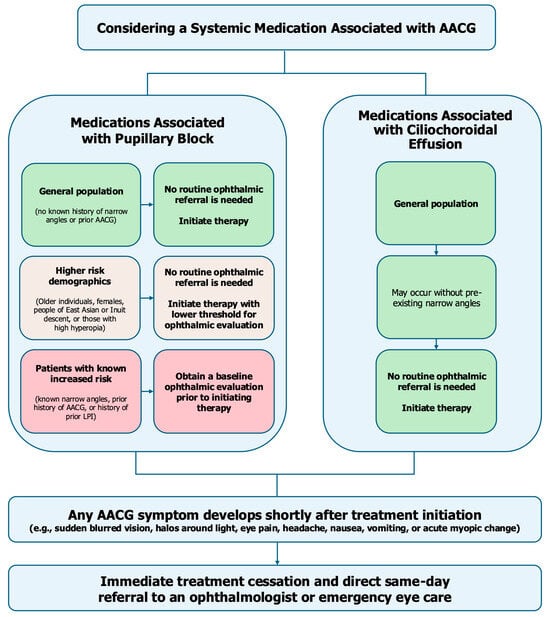
Background: Acute angle-closure glaucoma (AACG) is an emergency requiring rapid intervention to prevent irreversible optic nerve damage and permanent vision loss. Methods: This narrative review synthesizes the systemic medication classes most implicated in medication-induced AACG, outlining their underlying pathophysiological mechanisms, typical timing of onset, and practical risk-reduction strategies. Evidence was collected through targeted searches of the PubMed, Google Scholar, Cochrane Library, and Web of Science databases, focusing on major review articles, pharmacoepidemiologic studies, and clinical consensus guidelines. Source selection and data synthesis followed a narrative approach without formal risk of bias assessment or meta-analysis. Results: The literature consistently implicates sulfonamide derivatives (mainly topiramate), serotonergic antidepressants and triptans, potent systemic anticholinergics, and adrenergic decongestants. Sulfonamides typically precipitate bilateral, non-pupillary-block AACG via ciliochoroidal effusion, secondary anterior displacement of the lens-iris diaphragm, and an acute myopic shift. Conversely, serotonergic, anticholinergic, and adrenergic agents typically trigger classic pupillary-block AACG in anatomically predisposed eyes with pre-existing narrow angles. Adverse events predominantly occur shortly after treatment initiation or dose escalation. Management relies on prompt medication discontinuation and rapid intraocular pressure reduction. Importantly, cycloplegics are preferred over miotics in effusion-induced cases. Given the rarity of these events, brief patient education represents a pragmatic and scalable approach, although its direct clinical effectiveness in reducing event rates has not yet been formally established. Conclusions: A select group of widely prescribed systemic medications are associated with most cases of medication-induced AACG. Improving clinician awareness, providing brief patient counseling on warning symptoms, and ensuring prompt ophthalmic evaluation represent the most practical currently available risk-reduction strategies to prevent vision loss.
Full article
Surface electromyography (sEMG) is increasingly used for gesture recognition in prosthetics, rehabilitation, and human–computer interaction. Existing architectures typically force heterogeneous sEMG features into a shared latent representation, limiting their ability to capture complementary temporal, frequency-domain, and inter-electrode spatial dependencies. To better exploit these
[...] Read more.
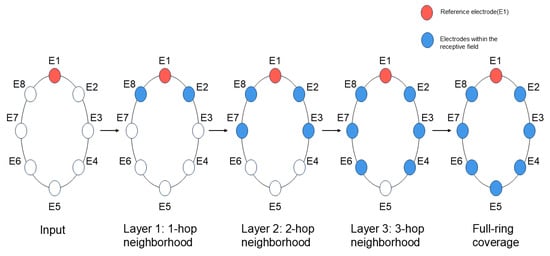
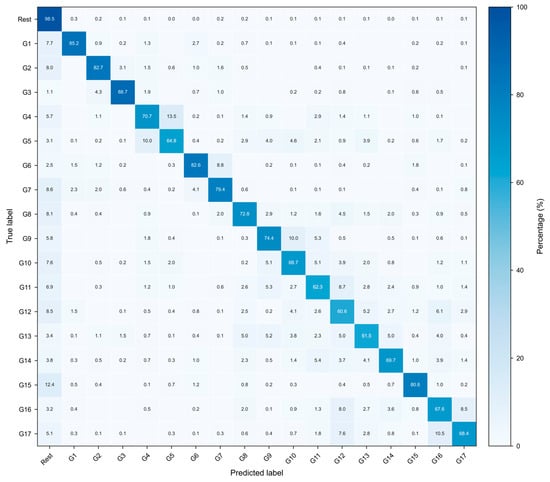
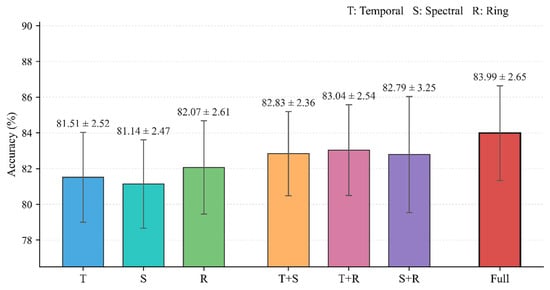
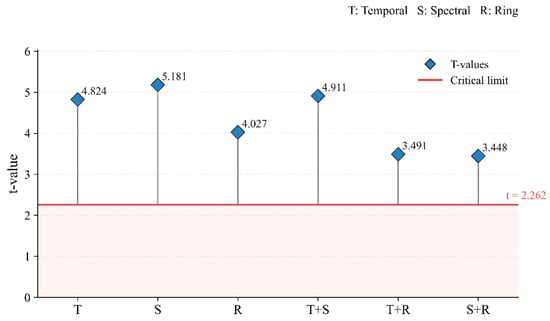
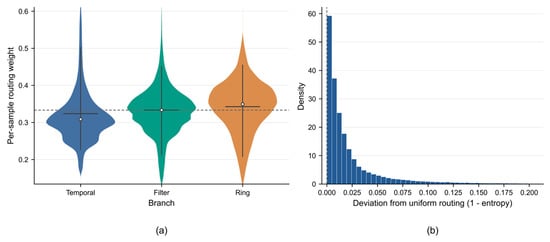
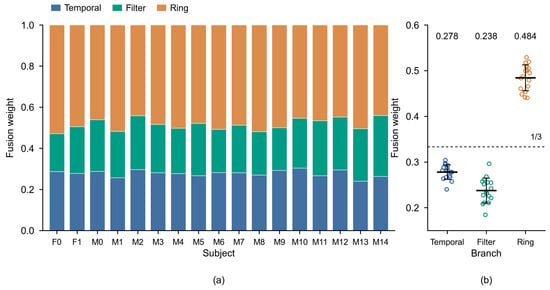
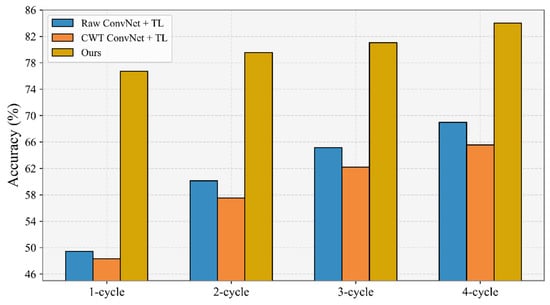
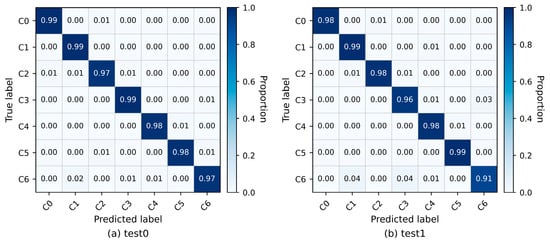
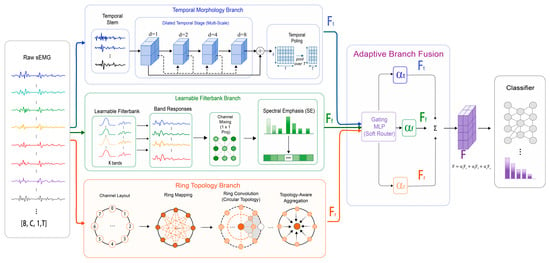
Surface electromyography (sEMG) is increasingly used for gesture recognition in prosthetics, rehabilitation, and human–computer interaction. Existing architectures typically force heterogeneous sEMG features into a shared latent representation, limiting their ability to capture complementary temporal, frequency-domain, and inter-electrode spatial dependencies. To better exploit these features, this paper proposes a three-branch fusion network. Unlike many existing multi-branch methods, the proposed network explicitly models the ring arrangement of armband electrodes, capturing the adjacency information in the sensor topology that linear channel representations ignore. The temporal and spectral branches use a compact multi-scale residual structure, so this topology branch is added while maintaining modest model complexity. A reliability-aware routing mechanism then adaptively assigns fusion weights to the three branches for each sample. On NinaPro DB5 Exercise B (eight-channel lower armband), the method reaches 83.99% under subject-dependent training and 85.66% under transfer learning, exceeding prior transfer learning approaches under matched conditions. Ablation experiments confirm that the three branches contribute non-redundant information and that adaptive fusion outperforms fixed combinations. The architecture also generalizes to MyoArmbandDataset under a subject-adaptive transfer learning protocol without dataset-specific hyperparameter retuning, indicating potential for wearable gesture interfaces, rehabilitation, and prosthetic control.
Full article
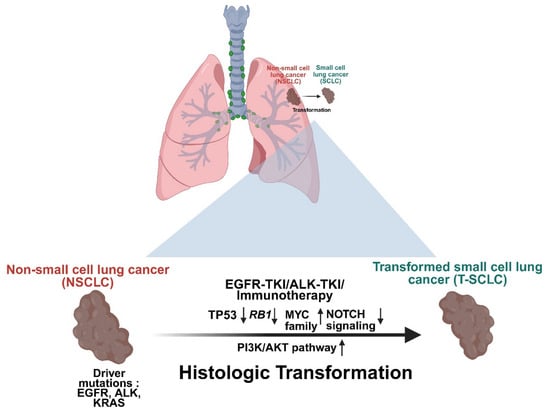
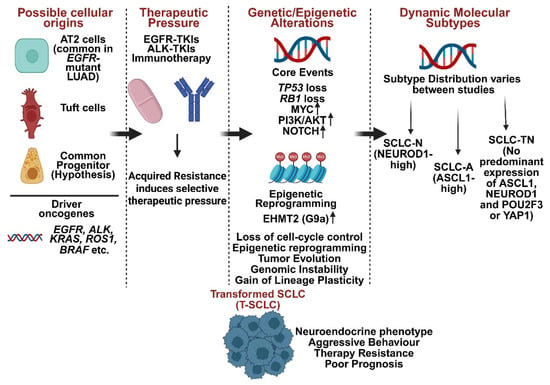
Small-cell lung cancer (SCLC) is a recalcitrant form of cancer, accounting for 15% of lung cancer cases worldwide. In recent years, the histological transformation from non-small-cell lung cancer (NSCLC) to SCLC has become a significant mechanism of acquired resistance, especially in patients undergoing
[...] Read more.
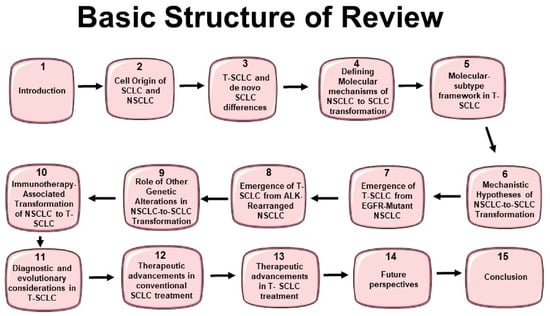
Small-cell lung cancer (SCLC) is a recalcitrant form of cancer, accounting for 15% of lung cancer cases worldwide. In recent years, the histological transformation from non-small-cell lung cancer (NSCLC) to SCLC has become a significant mechanism of acquired resistance, especially in patients undergoing treatment with tyrosine kinase inhibitors (TKIs) or immunotherapy. Although there is growing clinical understanding, the crucial biological mechanisms that drive this phenotypic switch are still not fully understood. Transformed SCLC (T-SCLC) seems to exhibit differences from de novo SCLC regarding molecular characteristics and tumor microenvironment, indicating unique evolutionary paths. While traditional chemotherapy has been the main treatment method after transformation, patient outcomes continue to be unsatisfactory, highlighting the necessity for a more profound mechanistic insight and the development of more effective treatments.
Full article
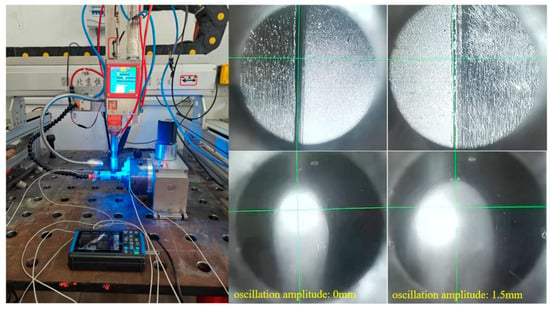
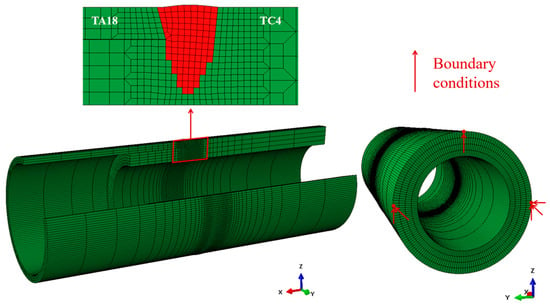
Laser beam oscillation has been recognized as an effective means to modify temperature gradients and relieve stress concentration in welded joints, yet its role in dissimilar titanium alloy bottom-locking configurations—where asymmetric thermo-mechanical responses arise from both material mismatch and structural constraints—remains unclear. This
[...] Read more.
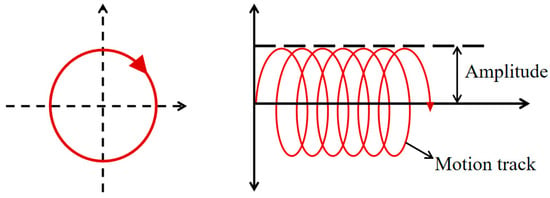
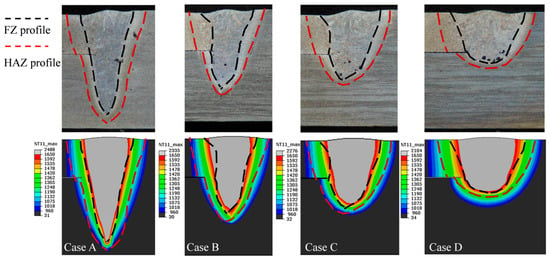
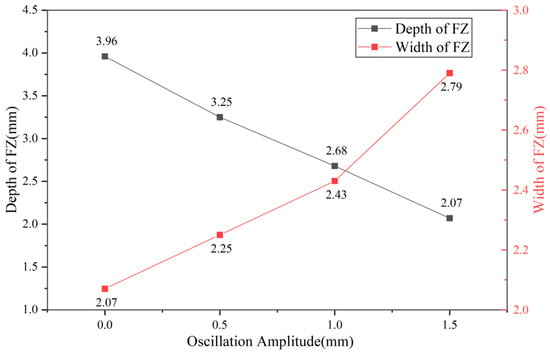
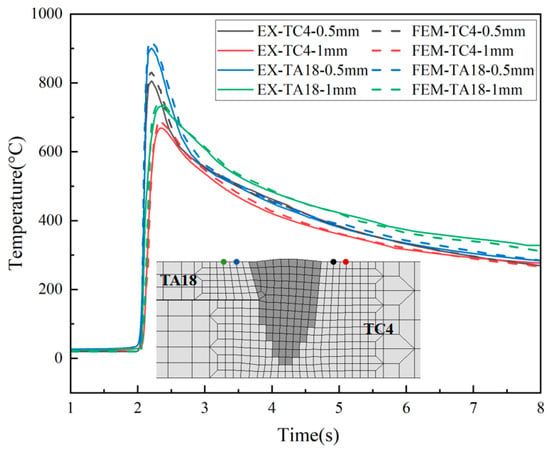
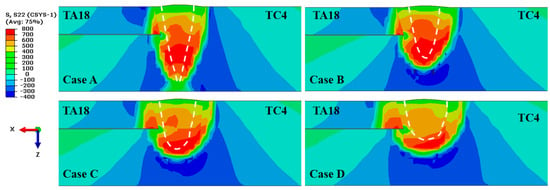
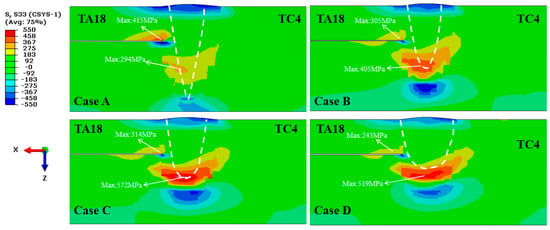
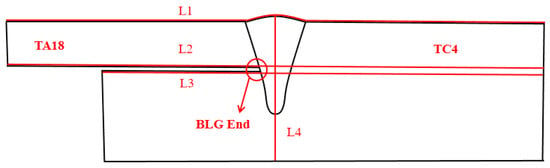
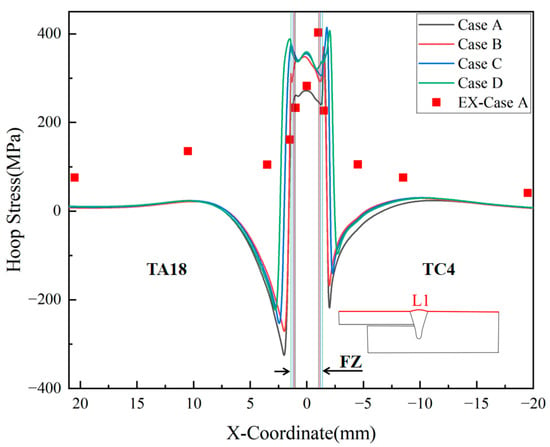
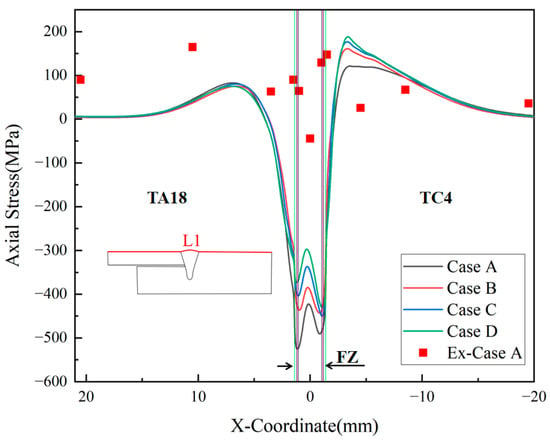
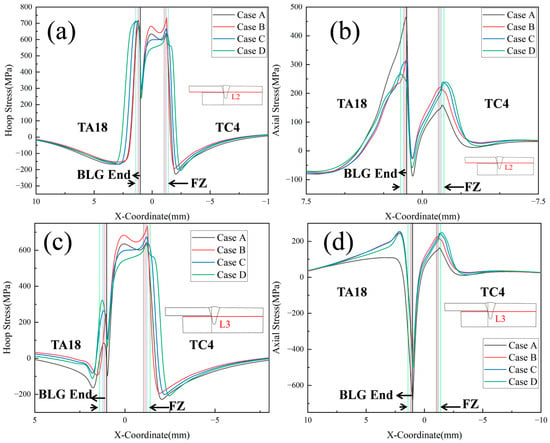
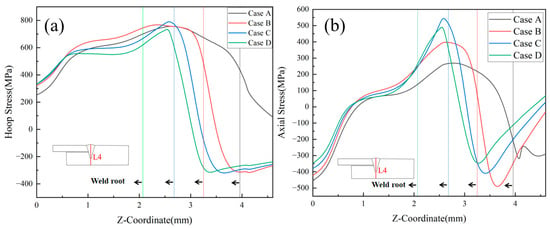
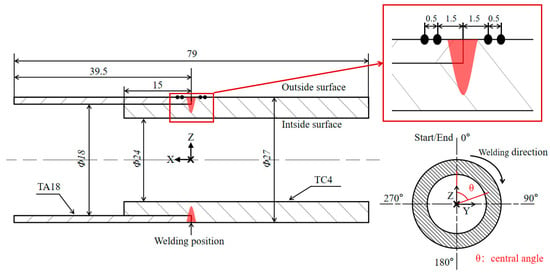
Laser beam oscillation has been recognized as an effective means to modify temperature gradients and relieve stress concentration in welded joints, yet its role in dissimilar titanium alloy bottom-locking configurations—where asymmetric thermo-mechanical responses arise from both material mismatch and structural constraints—remains unclear. This study investigates the influence of circular oscillation amplitude (0, 0.5, 1.0, and 1.5 mm) on residual stress distribution in laser-welded TC4/TA18 bottom-locking tube joints at a constant power of 1000 W. Unlike the monotonic effect of laser power, oscillation amplitude redistributes the heat source spatially. A three-dimensional thermo-elastic–plastic finite element model incorporating a moving oscillating Gaussian conical heat source was developed in ABAQUS and validated against weld macrographs, thermal cycles, and blind-hole residual stress measurements. The results reveal a non-monotonic dependence of residual stress on oscillation amplitude: as amplitude increases from 0 to 0.5 mm, the peak hoop residual stress rises, but further increasing amplitude to 1.5 mm substantially reduces both hoop and axial residual stresses while promoting a more uniform stress field. At 1.5 mm, the molten pool covers the entire bottom-locking step geometry, the region of high hoop tensile stress (>700 MPa) is minimized, and the peak axial tensile stress at the bottom-locking gap end (BLG End) is reduced by 41% (from 415 MPa to 243 MPa) compared with non-oscillation welding. An amplitude of 1.5 mm is therefore recommended as the optimal parameter for residual stress control of these joints at 1000 W within the investigated parameter range. This finding provides a practical guideline for mitigating residual stress-induced failure risks in aerospace hydraulic and fuel delivery systems.
Full article
Historically framed as a behavioral addiction, gambling disorder (GD) has had its somatic dimension neglected by standard clinical evaluation. This is a narrative, hypothesis-generating review focusing on the somatic aspects of GD. Cross-sectional and prospective evidence increasingly shows a somatic phenotype distributed across
[...] Read more.
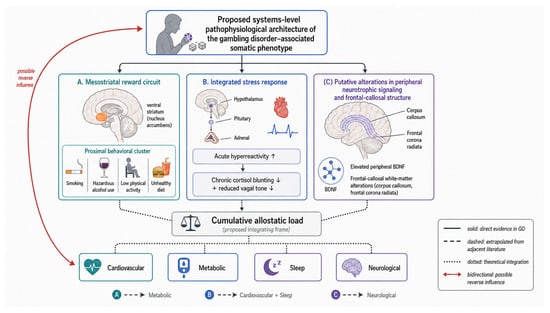
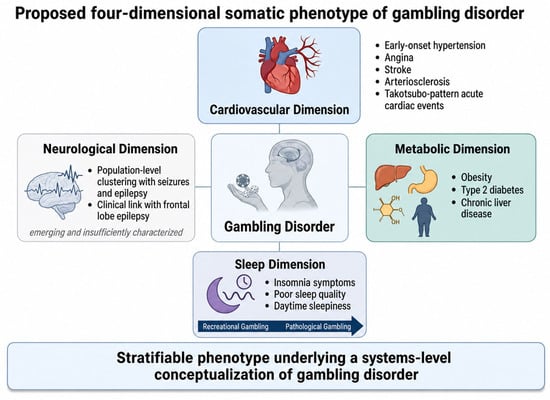
Historically framed as a behavioral addiction, gambling disorder (GD) has had its somatic dimension neglected by standard clinical evaluation. This is a narrative, hypothesis-generating review focusing on the somatic aspects of GD. Cross-sectional and prospective evidence increasingly shows a somatic phenotype distributed across four axes: cardiovascular (hypertension, angina, stroke, acute stress-induced cardiac events), metabolic (obesity, type 2 diabetes, chronic liver disease), sleep-related (insomnia, poor sleep quality, daytime sleepiness), and—as an emerging and insufficiently characterized dimension—neurological (clustering with seizures and frontal lobe epilepsy). Three candidate biological systems may translate this exposure into multi-system physiology: (i) a hyperreactive mesostriatal reward circuit hypothesized to sustain a behavioral cluster of smoking, hazardous alcohol use, low physical activity, and unhealthy diet; (ii) an integrated stress response postulated to shift from acute hyperreactivity to chronic basal cortisol blunting and reduced vagal tone; and (iii) putative alterations in peripheral neurotrophic signaling and frontal-callosal structure, marked by elevated peripheral brain-derived neurotrophic factor and by frontal-callosal white-matter alterations—with cumulative allostatic load serving as a conceptual integrating frame. We propose that GD can be a behaviorally driven systemic medical condition, warranting internal medicine involvement alongside addiction psychiatry. Within this framework, glucagon-like peptide-1 receptor agonists emerge as an exploratory therapeutic hypothesis warranting dedicated evaluation in GD, given their action on the mesolimbic reward substrate and phase 3 evidence in adjacent cardiometabolic, hepatic, and sleep conditions.
Full article
Optimizing fuel injector geometry represents a critical pathway toward cleaner and more efficient diesel combustion. This study presents a comprehensive numerical investigation of the influence of the dual-hole nozzle injection angle on the primary atomization behavior and spray hydrodynamics of high-pressure diesel jets.
[...] Read more.
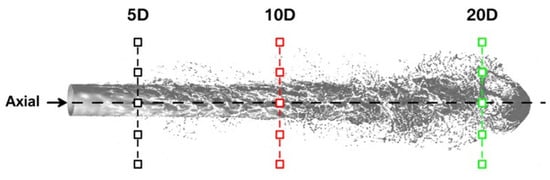
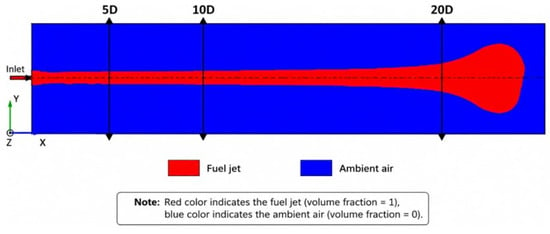
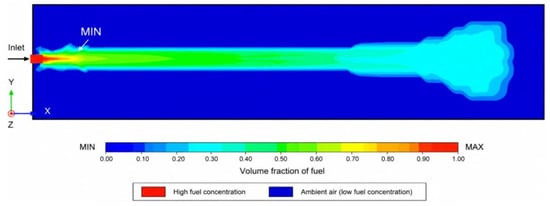
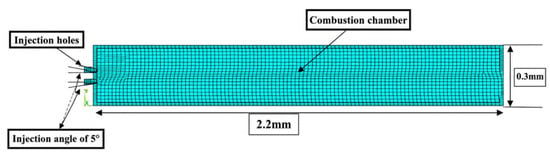
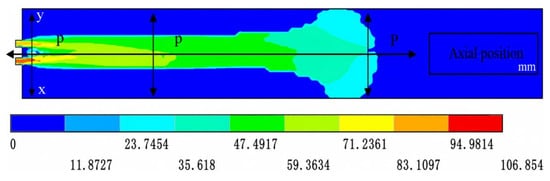
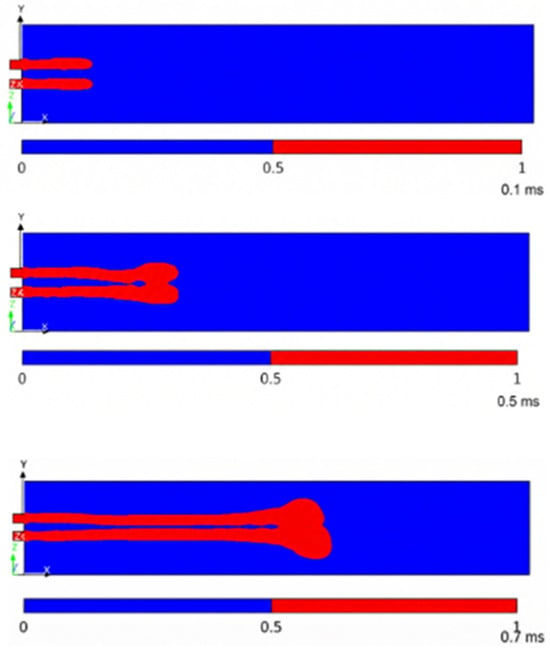
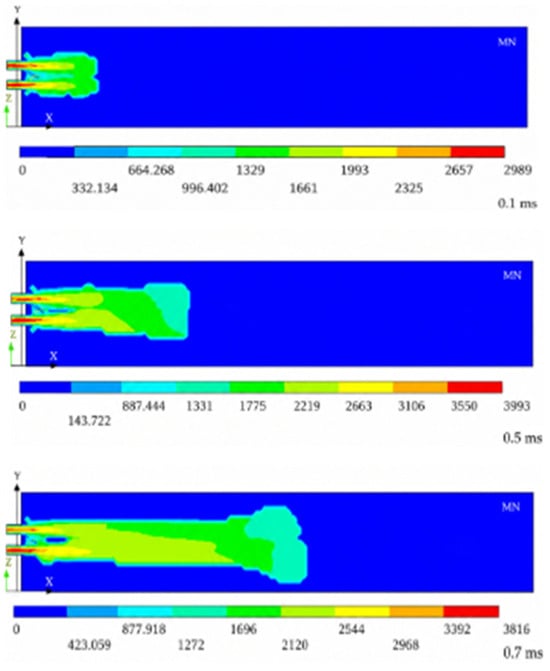
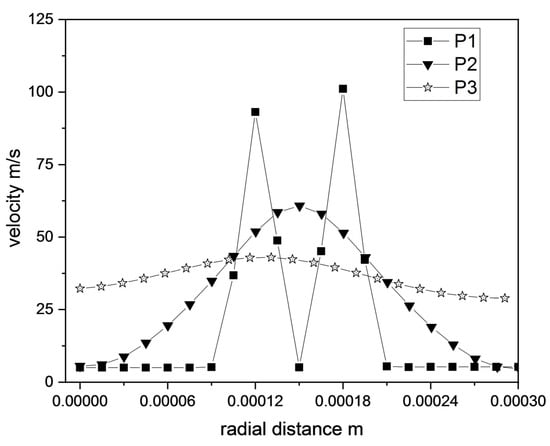
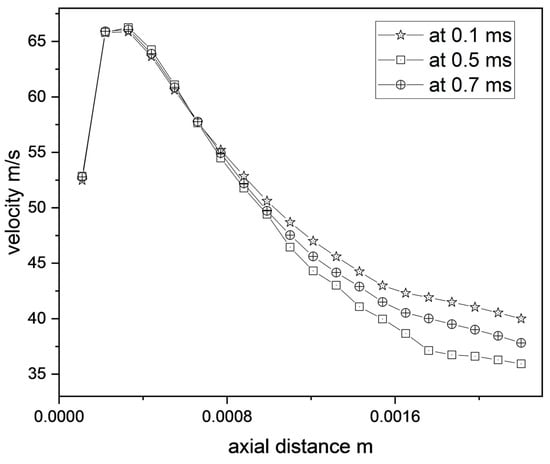
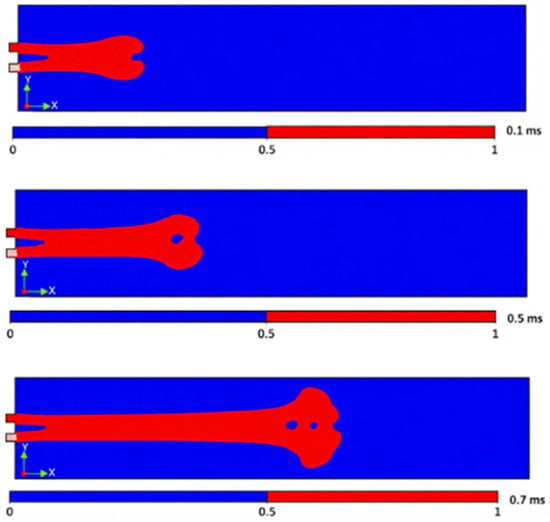
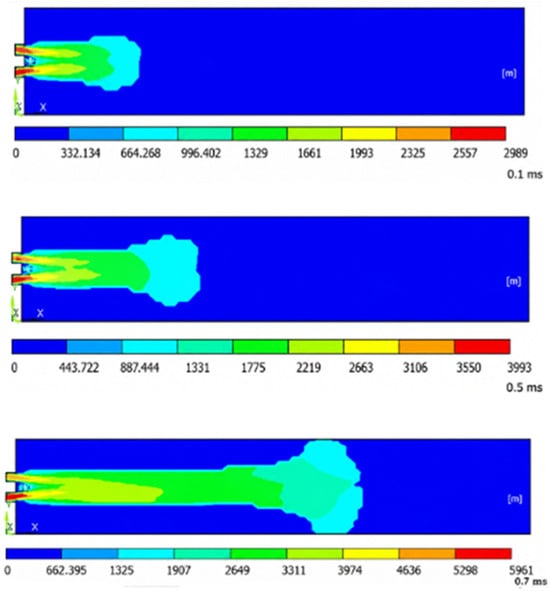
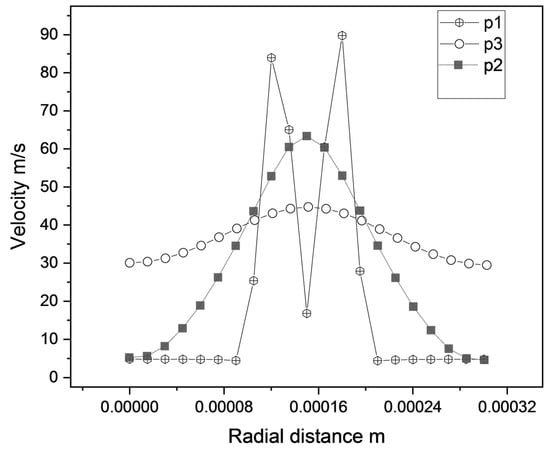
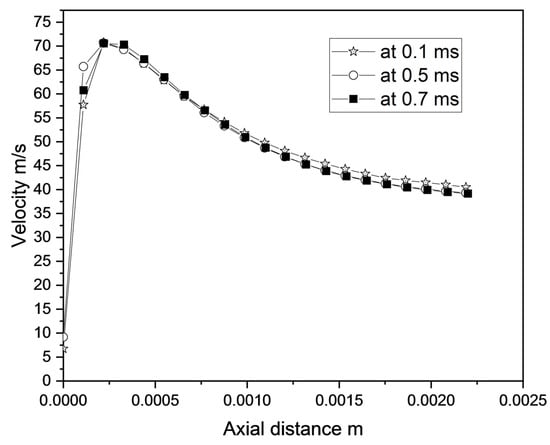
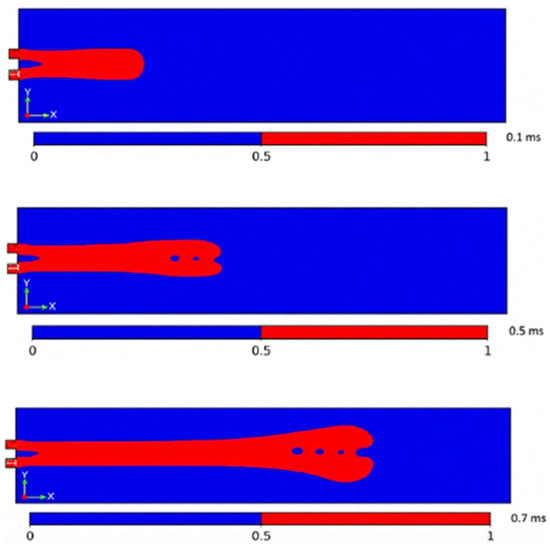
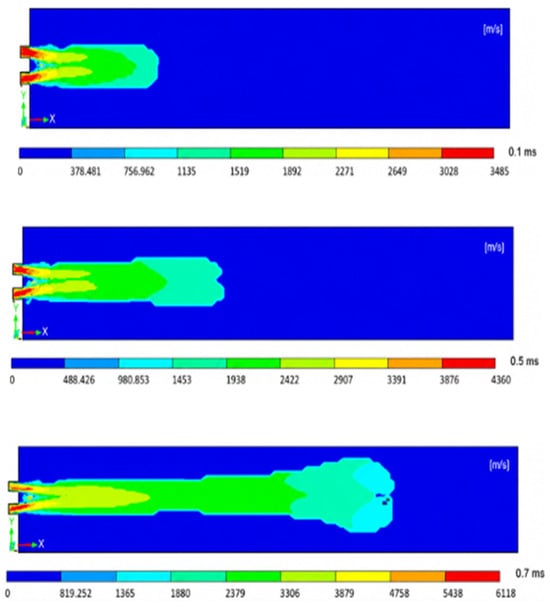
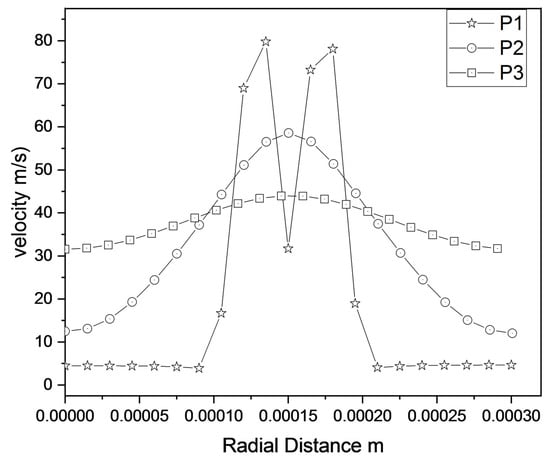
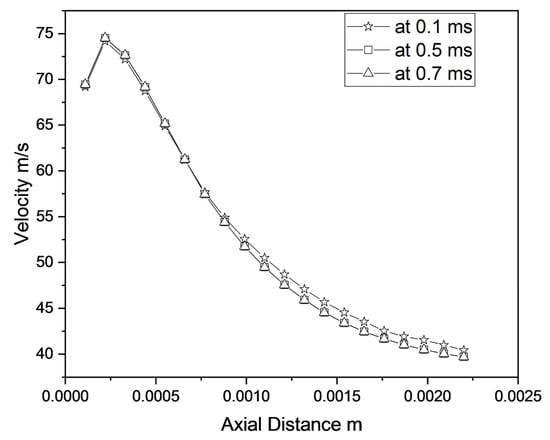
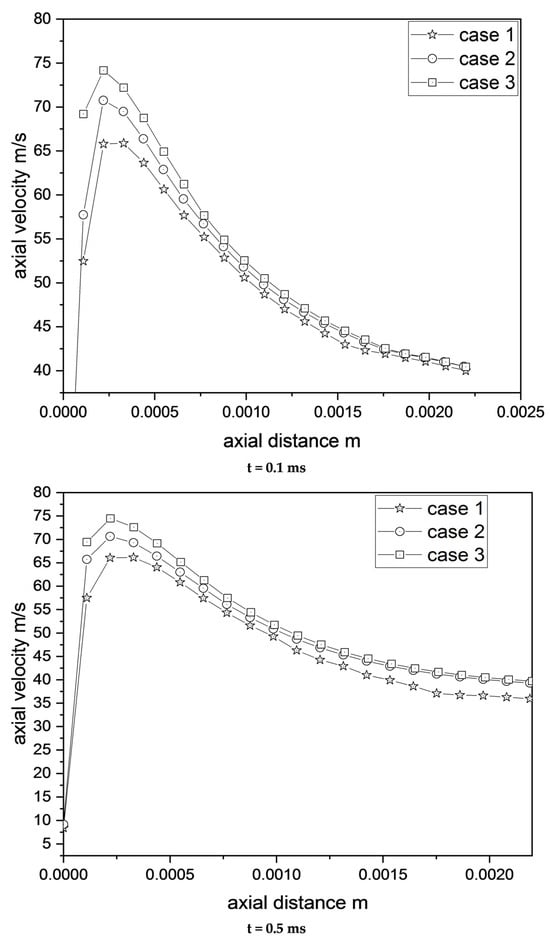
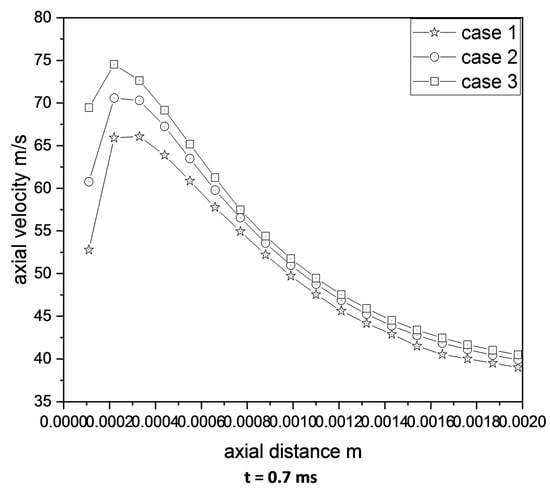
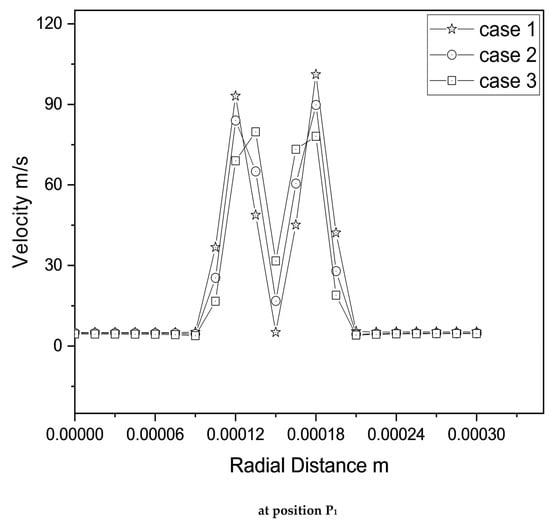
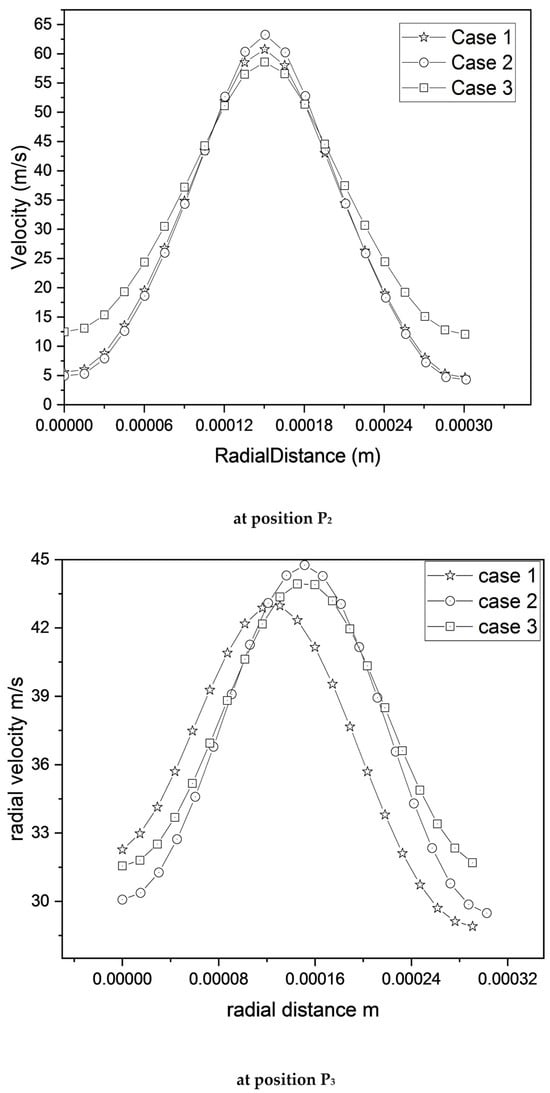
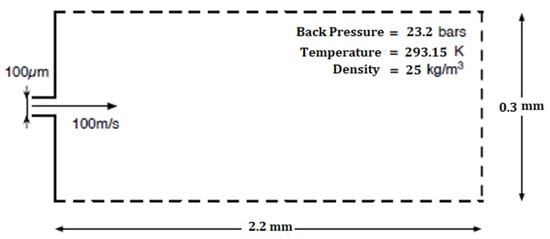
Optimizing fuel injector geometry represents a critical pathway toward cleaner and more efficient diesel combustion. This study presents a comprehensive numerical investigation of the influence of the dual-hole nozzle injection angle on the primary atomization behavior and spray hydrodynamics of high-pressure diesel jets. The present analysis is deliberately restricted to cold-flow, near-nozzle primary breakup under isothermal conditions (293.15 K) so that the hydrodynamic and aerodynamic breakup mechanisms can be isolated in the immediate vicinity of the orifice before evaporation and combustion occur. Two-dimensional simulations are conducted using an Eulerian Volume-of-Fluid (VOF) framework with finite element discretization, three injection-angle configurations (0°, 5°, and 10°) under realistic engine conditions (injection pressure: 138 MPa; chamber pressure: 2.32 MPa; nozzle diameter: 100 µm). The numerical model was validated against the experimental and computational benchmark data of Ménard et al., showing reasonable qualitative agreement in jet morphology, although the 2D nature of the model leads to an exaggerated accumulation of liquid at the spray tip compared to the 3D reference. The validation therefore supports the qualitative trends and the relative angular comparison, but the absolute quantitative predictions remain subject to this 2D structural limitation. Results reveal that the injection angle exerts a decisive influence on the competition between axial momentum and radial dispersion. The neutral 0° configuration yields an overly concentrated jet with limited interfacial destabilization and poor air entrainment, whereas the 10° angle produces excessive radial spreading at the expense of axial penetration depth. By contrast, the 5° convergence angle provides the best trade-off among the three tested configurations under the studied conditions, promoting enhanced Rayleigh–Plateau instability growth, earlier ligament formation, and finer droplet generation—favorable to a more homogeneous air–fuel mixture. These findings provide quantitative guidance for dual-hole injector geometry design and demonstrate the suitability of high-fidelity VOF-based methods for resolving complex two-phase atomization phenomena relevant to low-emission diesel engine design. Quantitatively, the peak axial velocity is reached at the nozzle exit for all configurations; relative to the 0° baseline, the 5° convergence angle increases the fuel–air interfacial spreading by about 141% while retaining roughly 90% of its axial penetration at the monitoring positions P1–P3, whereas the 10° case loses about 26% of axial penetration for a comparable radial spread.
Full article
The building envelope is a key lever for reducing energy demand and carbon emissions in the built environment. However, conventional envelope systems remain largely static and are unable to respond effectively to changing climatic conditions. Biomimetics has emerged as a promising approach for
[...] Read more.
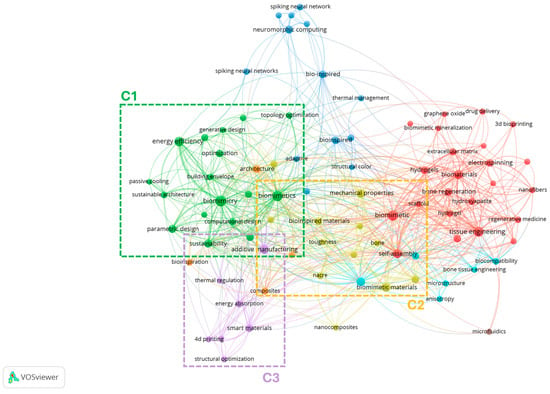
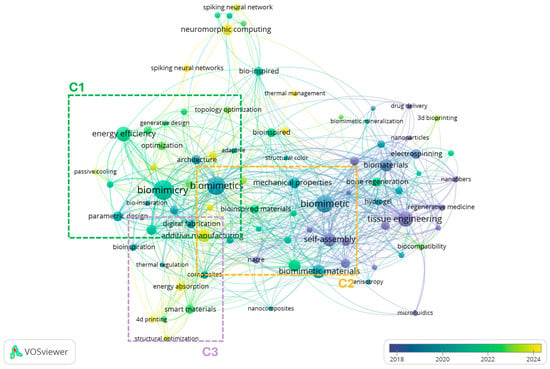
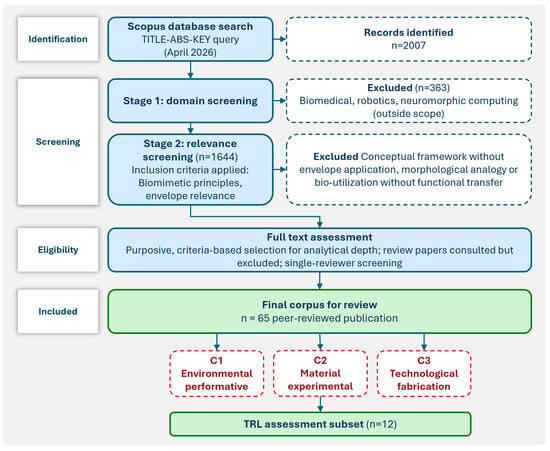
The building envelope is a key lever for reducing energy demand and carbon emissions in the built environment. However, conventional envelope systems remain largely static and are unable to respond effectively to changing climatic conditions. Biomimetics has emerged as a promising approach for the development of climate-adaptive envelope solutions. Nevertheless, research in this field remains fragmented across disciplines, and its evolution and technological maturity have not yet been systematically assessed. This study proposes an integrated analytical framework combining a bibliometric analysis of 2.007 Scopus-indexed documents, based on a VOSviewer keyword co-occurrence network, with a cluster-guided state of the art review, and a Technology Readiness Level (TRL) assessment of selected biomimetic envelope solutions. The TRL assessment is conducted using explicit operational criteria. The analysis identifies three main research clusters: (C1) environmental-performative, focusing on energy efficiency and envelope optimisation; (C2) material-experimental, addressing biomimetic composites and innovative materials; and (C3) technological fabrication, centred on digital fabrication, smart materials, and 4D printing. Temporal trends reveal a shift after 2018 from materials science-oriented studies towards computational design and adaptive manufacturing, providing quantitative evidence of a transition previously described mainly in qualitative terms. The review highlights a strong focus on solar-shading applications, while energy harvesting and passive thermoregulation remain comparatively underexplored. The TRL assessment shows that more than 80% of the analysed solutions are concentrated at TRL 3, indicating an early stage of technological development. The main barriers include limited material durability, non-standardised production costs, and regulatory constraints. The findings suggest that future progress will depend less on the identification of new biological inspirations and more on advancing the technological maturity and industrial scalability of existing concepts. This will require integrated developments in materials, parametric design, life-cycle assessment, and regulatory frameworks.
Full article
by
Antonio Pérez-Pérez, Javier Gil, Isabela Bueno-Bianchi, Loreto Monsalve-Guil, Iván Ortiz-Garcia, Alvaro Jiménez-Guerra, Enrique Núñez-Márquez, Eugenio Velasco-Ortega, José Luis Rondón Romero, Victor Sánchez-Margalet and Jesús Moreno-Muñoz
Guided bone regeneration (GBR) heavily relies on barrier membranes, with collagen being the clinical standard material. Human amniotic epithelial cells (hAECs) represent a promising, non-controversial stem cell source with substantial osteogenic and immunomodulatory potential. This study aimed to comparatively evaluate the structural characteristics
[...] Read more.
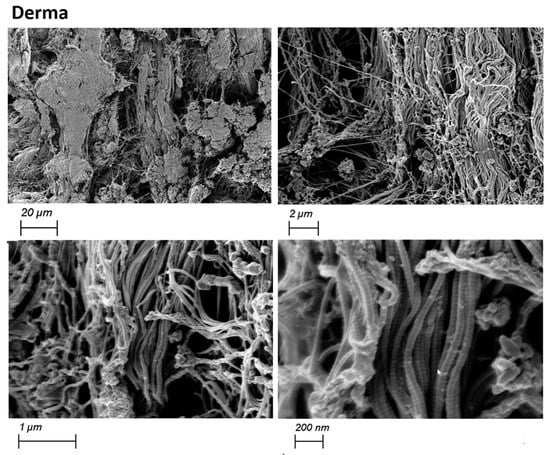
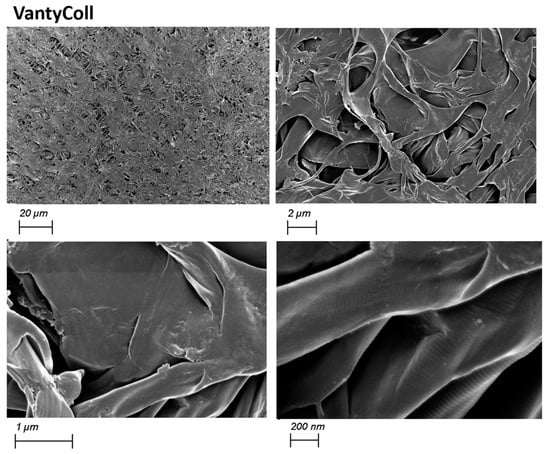
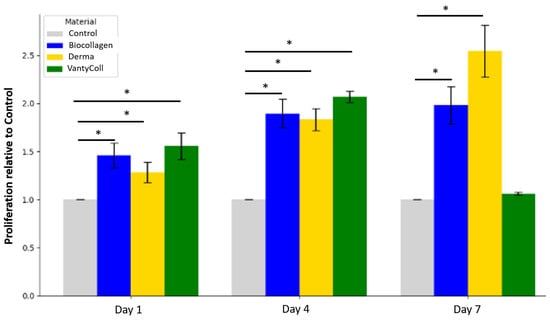
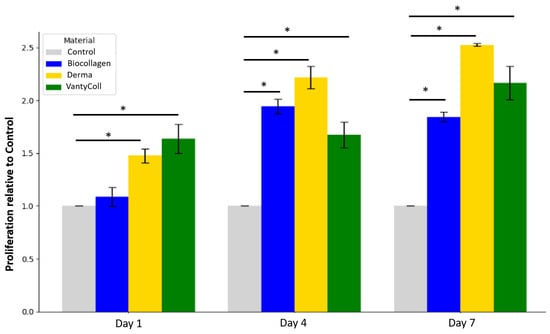
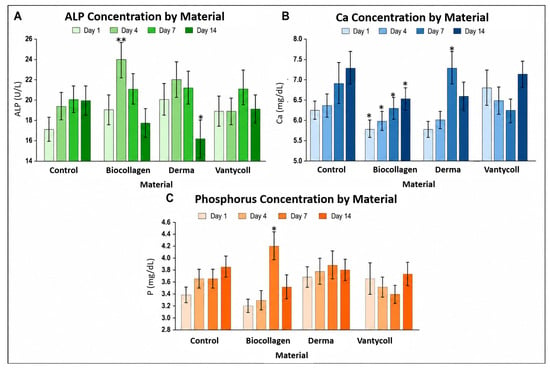
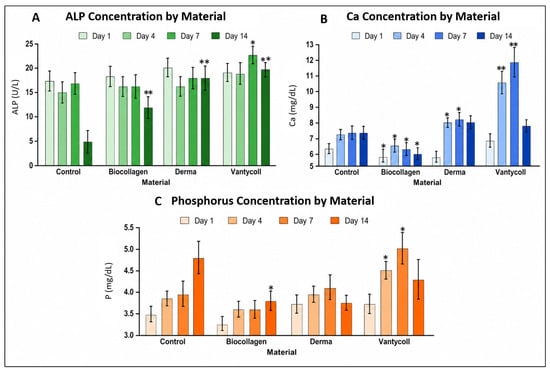
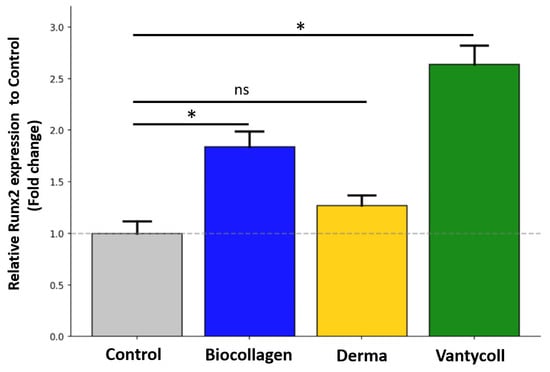
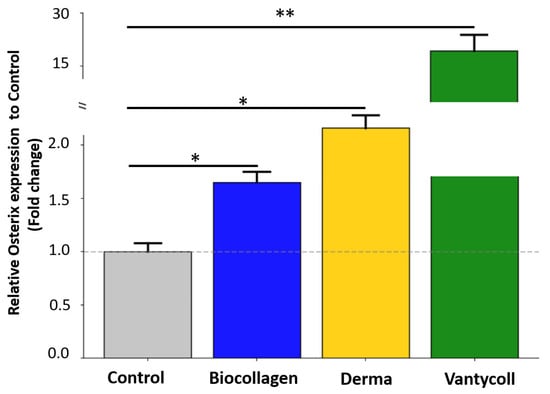
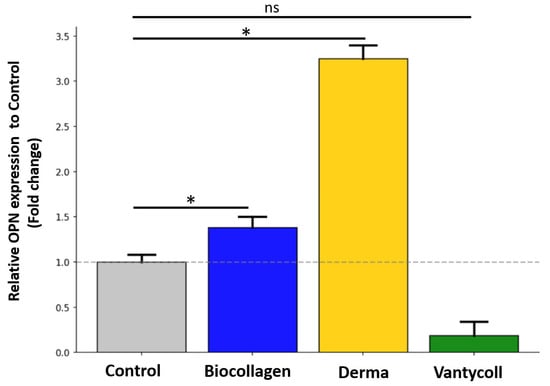
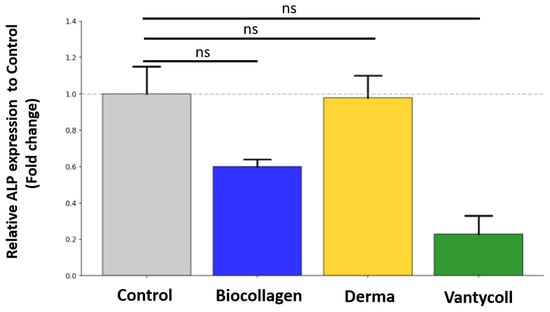
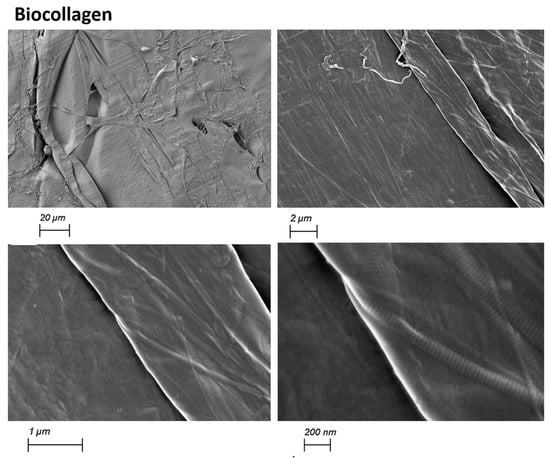
Guided bone regeneration (GBR) heavily relies on barrier membranes, with collagen being the clinical standard material. Human amniotic epithelial cells (hAECs) represent a promising, non-controversial stem cell source with substantial osteogenic and immunomodulatory potential. This study aimed to comparatively evaluate the structural characteristics of three commercial collagen membranes (Biocollagen®, Derma®, and VantyColl®) and their influence on the biological behavior, viability, and osteogenic differentiation of hAECs and hFOB 1.19 human fetal osteoblasts. The microarchitecture was assessed via scanning electron microscopy (SEM). Biological response was evaluated over 14 days, using MTT assays, calcium and phosphorus quantification, alkaline phosphatase (ALP) activity, and quantitative real-time PCR (qRT-PCR) for osteogenic markers (Runx2, Osterix, ALP, and OPN). SEM revealed a dense lamellar structure for Biocollagen®, a fibrillar and oriented architecture for Derma®, and a highly porous network for VantyColl®. Both cell types adhered to and proliferated on all membranes. Derma® provided the best long-term proliferative support for both lineages. Conversely, VantyColl® induced robust early osteoblastic differentiation, marked by exceptional upregulation of Osterix (24.93-fold) and Runx2 (2.64-fold), though it exhibited diminished long-term hAEC viability. Ultimately, collagen membrane microarchitecture dictates cell fate; dense fibrillar networks (Derma®) favor sustained growth and late matrix maturation (OPN), whereas high-porosity scaffolds (VantyColl®) amplify early osteoinductive cascades.
Full article
The melon fly, Zeugodacus cucurbitae (Coquillett), is a destructive tephritid pest of cucurbit crops, and neonicotinoids remain important tools for its management. Although neonicotinoids primarily target nicotinic acetylcholine receptors (nAChRs), their possible effects on acetylcholinesterase (AChE)-mediated cholinergic homeostasis in Z. cucurbitae remain poorly
[...] Read more.
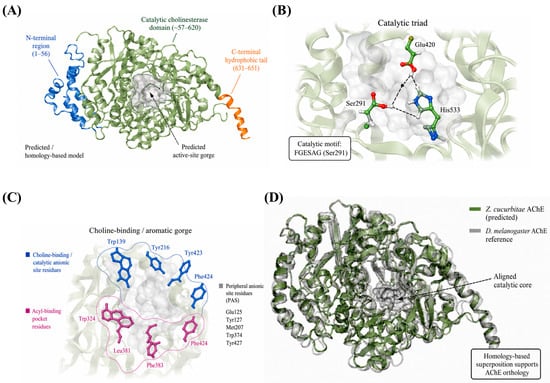
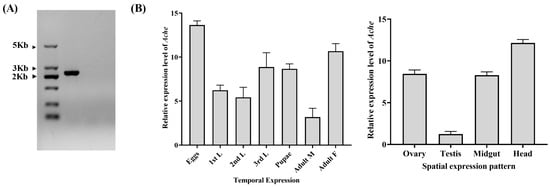
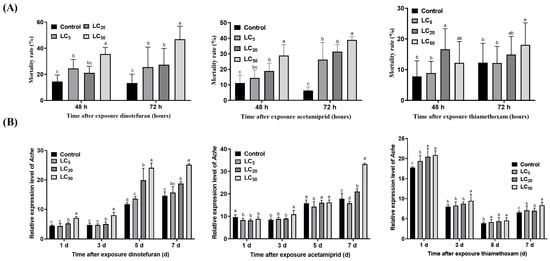
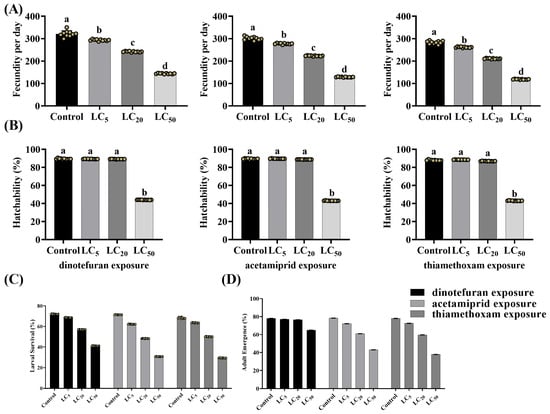
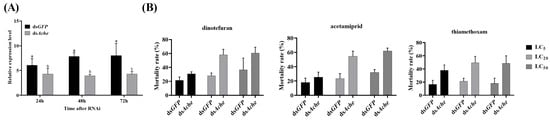
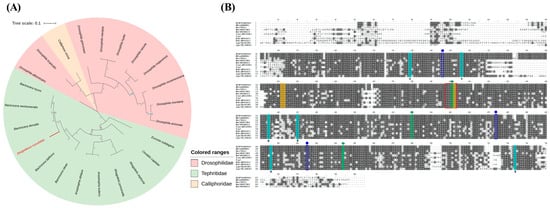
The melon fly, Zeugodacus cucurbitae (Coquillett), is a destructive tephritid pest of cucurbit crops, and neonicotinoids remain important tools for its management. Although neonicotinoids primarily target nicotinic acetylcholine receptors (nAChRs), their possible effects on acetylcholinesterase (AChE)-mediated cholinergic homeostasis in Z. cucurbitae remain poorly understood. In this study, we molecularly characterized the Z. cucurbitae Ache gene and evaluated its expression and functional contribution under dinotefuran, acetamiprid, and thiamethoxam stress. Bioinformatics analyses confirmed conserved cholinesterase features, including the FGESAG catalytic motif, catalytic triad, choline-binding site, oxyanion hole, and conserved disulfide-bond residues. Temporal and tissue-specific expression profiling showed high Ache transcript abundance in eggs, third-instar larvae, and adult heads. Larval exposure to LC5, LC20, and LC50 concentrations of the three neonicotinoids caused dose- and time-dependent mortality and significantly induced Ache expression, with dinotefuran producing the strongest transcriptional response. Parental exposure also impaired F1 fecundity, hatchability, larval survival, and adult emergence, with acetamiprid and thiamethoxam causing stronger transgenerational effects than dinotefuran. Oral RNAi significantly increased larval susceptibility upon re-exposure to neonicotinoids after 72 h. These findings indicate that Ache contributes to cholinergic stress response and susceptibility modulation in Z. cucurbitae, supporting its possible potential as an RNAi target for integrated pest management (IPM). However, practical utility at the field level requires further evaluation.
Full article
Accurate modeling and partitioning of forest evapotranspiration (ET) are essential for understanding water cycle processes in forest ecosystems. This study develops an improved three-source ET model by integrating a physically based canopy interception evaporation (Ei) scheme into the Shuttleworth–Wallace–Hu (SWH) model. A Monte
[...] Read more.
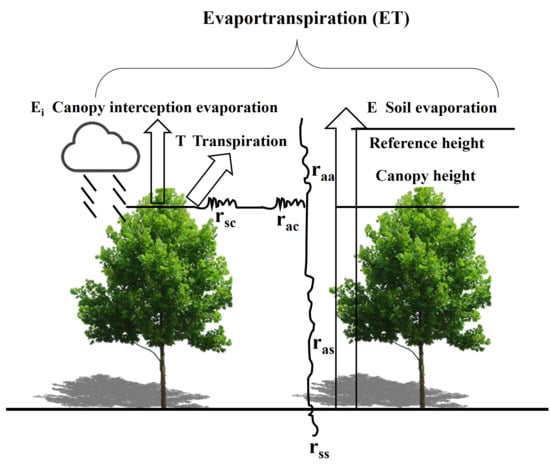
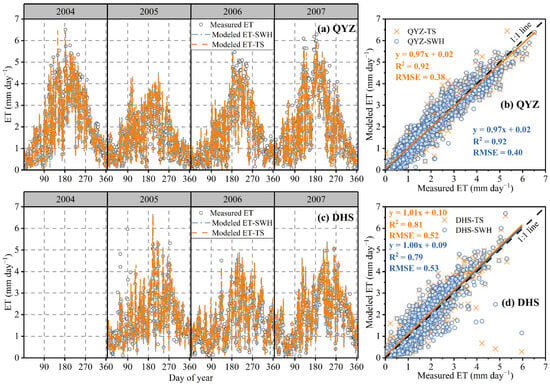
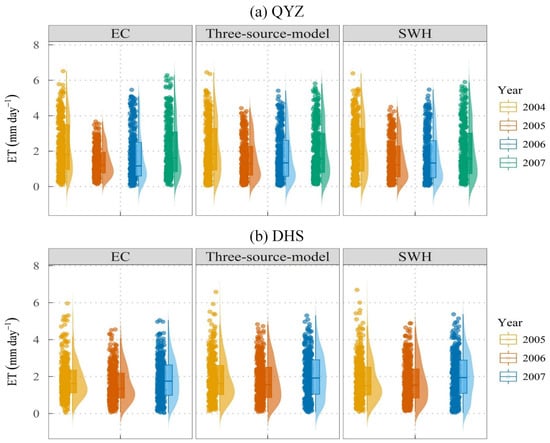
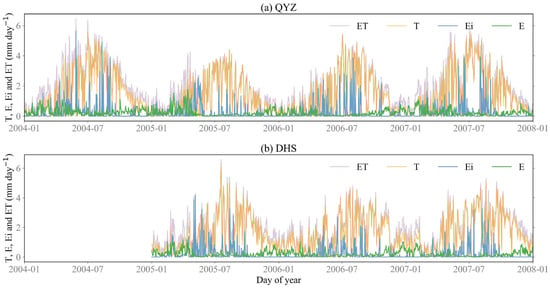
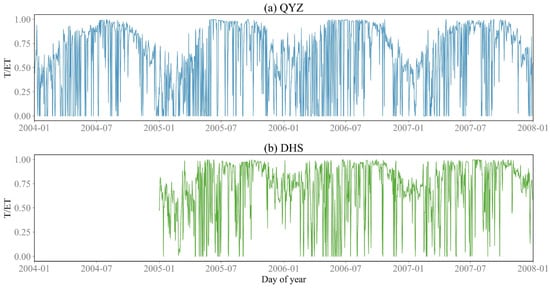
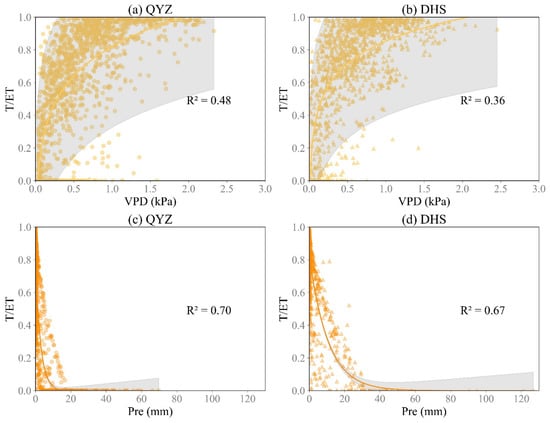
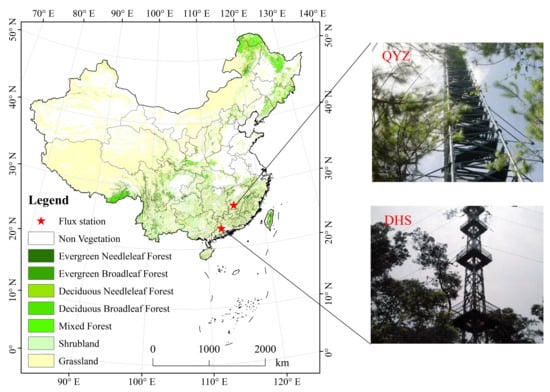
Accurate modeling and partitioning of forest evapotranspiration (ET) are essential for understanding water cycle processes in forest ecosystems. This study develops an improved three-source ET model by integrating a physically based canopy interception evaporation (Ei) scheme into the Shuttleworth–Wallace–Hu (SWH) model. A Monte Carlo stochastic parameterization scheme was applied to optimize model parameters. The proposed framework disaggregates the total ET flux into three distinct components: vegetation transpiration, soil evaporation, and Ei, thereby reducing uncertainties associated with the original SWH model in humid forest regions. The new model’s performance was assessed using flux observations from two subtropical forest sites and compared to the SWH model. The verification results indicate that the three-source model provided reliable estimates of daily ET. At the QYZ station (2004–2007) and the DHS station (2005–2007), the fitting slopes for simulating daily ET were 0.97 and 1.01, respectively, with corresponding coefficients of determination of 0.92 and 0.81. The root mean square errors (RMSE) for the three-source model were 0.38 mm day−1 and 0.52 mm day−1, respectively, with a reduction of 4.33% and 3.10% in RMSE compared to the SWH model. Additionally, the new model simulated the annual T/ET ratio more accurately, with values closer to site-measured data than the SWH model’s estimates. At both sites, the T/ET ratios simulated by the new model were closer to the observed values than those simulated by the SWH model, indicating an improved representation of ecohydrological processes. Furthermore, environmental analysis revealed that vapor pressure deficit and precipitation primarily govern the T/ET ratio, exerting the strongest positive and negative effects, respectively. Importantly, it requires only one additional precipitation parameter compared to the SWH model, yet achieves higher simulation accuracy and a more realistic representation of hydrological processes. Overall, the three-source model provides an improved framework for estimating ET in humid forest ecosystems. Ultimately, these results offer deeper insights into the coupled water and energy fluxes within forest ecosystems, thereby facilitating more effective water management and guiding sustainable forestry under a shifting climate.
Full article





 Sustainability
 Applied Sciences
 IJMS
IJMS
 JCM
JCM
 Sensors
 Electronics
 Materials
 Energies
 Mathematics
 Buildings
 Molecules
 Foods
Foods
 Healthcare
 Remote Sensing
 Diagnostics
 Nutrients
 Cancers
 Processes
 Plants
 Animals
 Polymers
 Water
Water
 Biomedicines
 Land
Land
 Agriculture
 Microorganisms
 Medicina
 Behavioral Sciences
 JMSE
JMSE
 Cells
Cells
 Life
Life
 Agronomy
 Symmetry
 Biology
 Education Sciences
 Biomolecules
 Pharmaceuticals
 Systems
 Antioxidants
 Nanomaterials
 Pharmaceutics
 IJERPH
 Genes
Genes
 Horticulturae
 Coatings
 Children
 Religions
 Micromachines
 Machines
 Bioengineering
 Entropy
 Metals
 Forests
 Minerals
 Brain Sciences
 Information
 Insects
 Pathogens
 CIMB
CIMB
 Catalysts
 Veterinary Sciences
 Photonics
 Antibiotics
 Atmosphere
 Viruses