All articles published by MDPI are made immediately available worldwide under an open access license. No special
permission is required to reuse all or part of the article published by MDPI, including figures and tables. For
articles published under an open access Creative Common CC BY license, any part of the article may be reused without
permission provided that the original article is clearly cited. For more information, please refer to
https://www.mdpi.com/openaccess.
Feature papers represent the most advanced research with significant potential for high impact in the field. A Feature
Paper should be a substantial original Article that involves several techniques or approaches, provides an outlook for
future research directions and describes possible research applications.
Feature papers are submitted upon individual invitation or recommendation by the scientific editors and must receive
positive feedback from the reviewers.
Editor’s Choice articles are based on recommendations by the scientific editors of MDPI journals from around the world.
Editors select a small number of articles recently published in the journal that they believe will be particularly
interesting to readers, or important in the respective research area. The aim is to provide a snapshot of some of the
most exciting work published in the various research areas of the journal.
Early plant leaf disease detection and timely control is important for agricultural yield and stability. Yet, it is difficult for manual labor to monitor the health of the plant leaf 24 h a day. Existing detection approach cannot meet the demands of texture
[...] Read more.
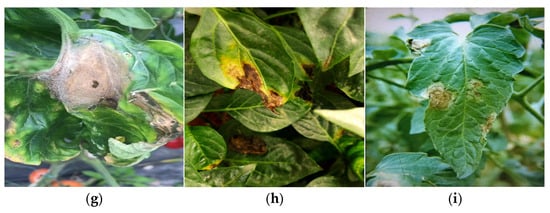
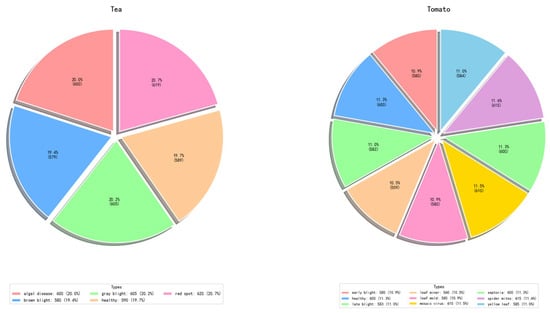
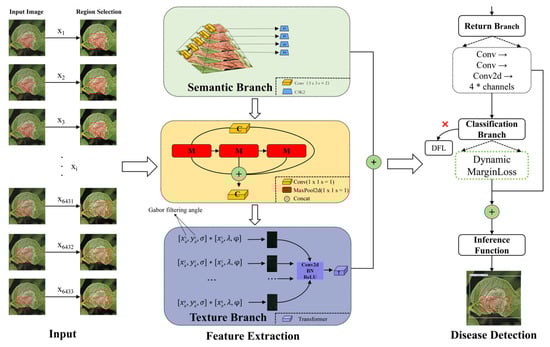
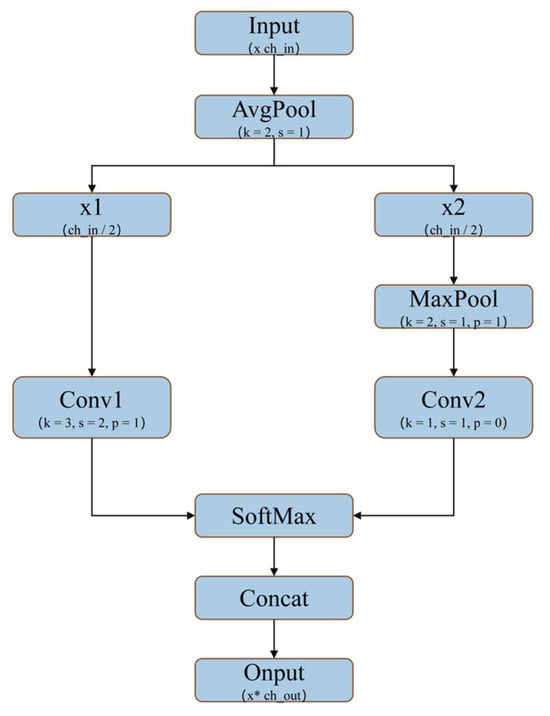
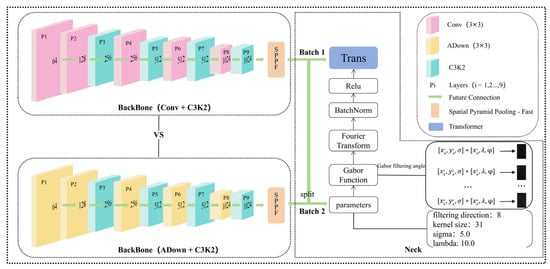
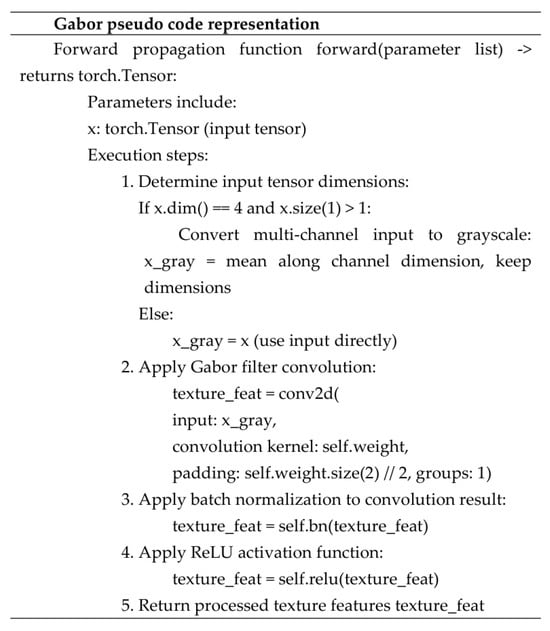
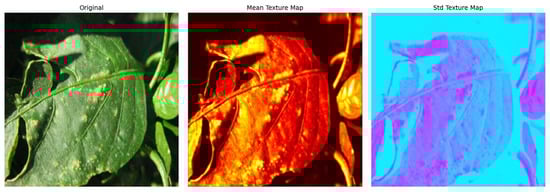
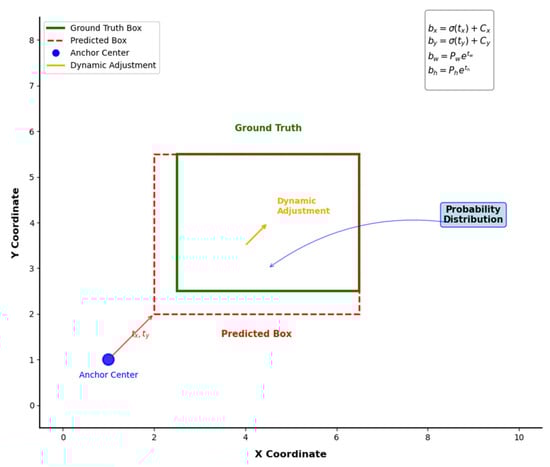
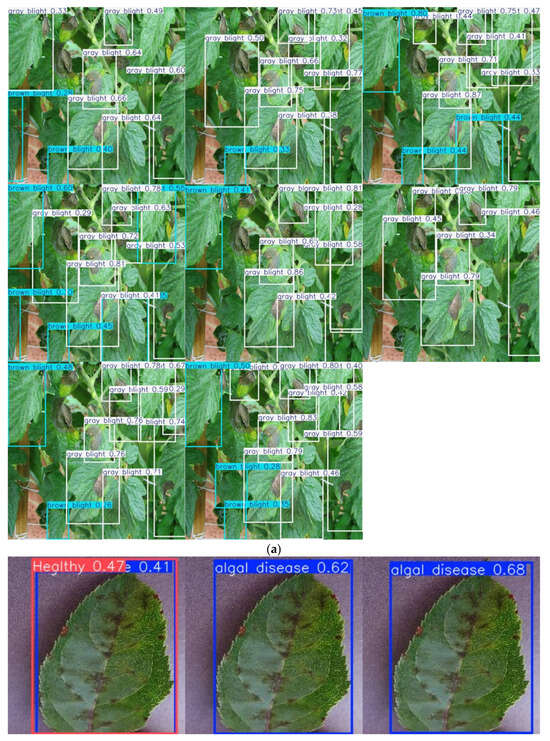
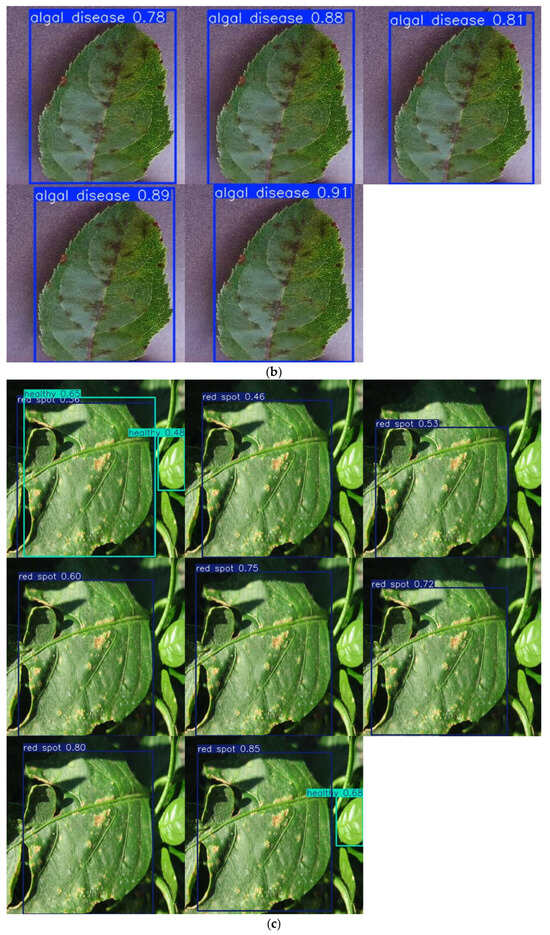
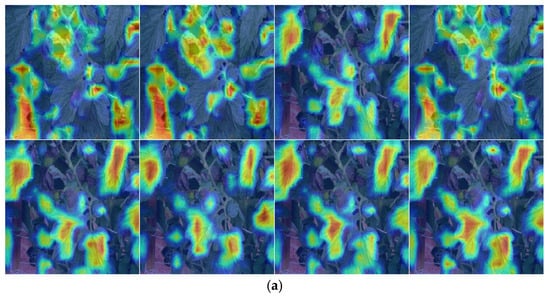
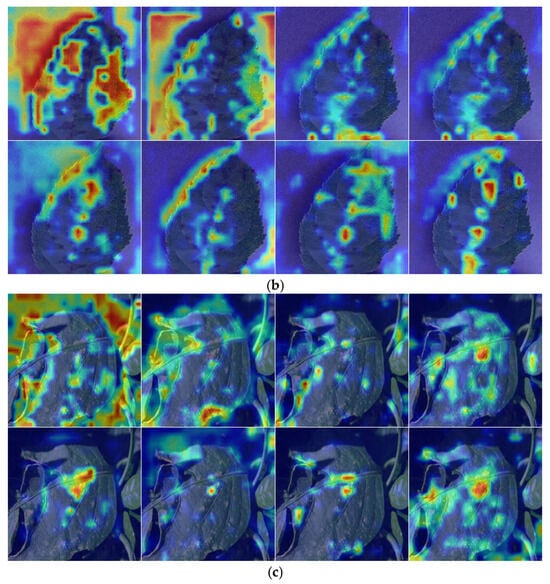
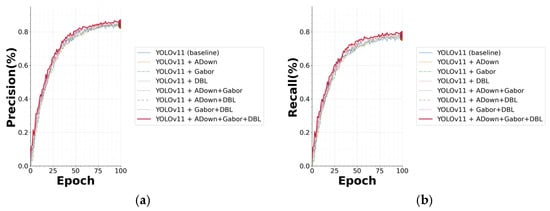
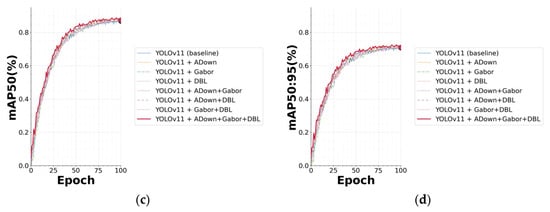
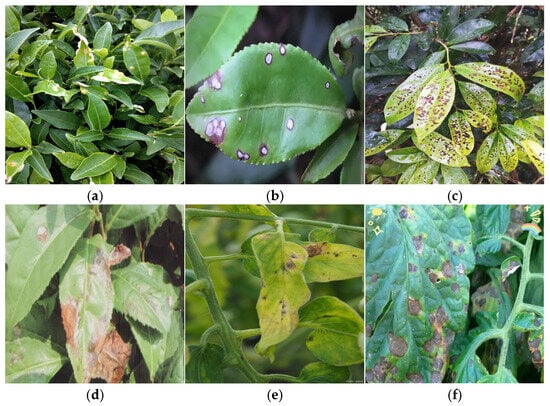
Early plant leaf disease detection and timely control is important for agricultural yield and stability. Yet, it is difficult for manual labor to monitor the health of the plant leaf 24 h a day. Existing detection approach cannot meet the demands of texture enhancement features. Therefore, this paper proposes a new detection approach which undergoes three-layer transformations: convolutional layer, attention mechanism layer and loss function layer. Firstly, ADown is used to extract fine-grained texture features from suspected leaves to reduce computational load. Secondly, Gabor texture enhancement is proposed to extract and enhance the contour and the directional texture of suspected areas using multi-directional filtering, followed by a combination Transformer to enhance the global context modeling capability. Thirdly, a dynamic boundary loss function (DBL) is employed to dynamically adjust the probability distribution of bounding box regression through adaptive temperature coefficient and information entropy, thereby improving the positioning accuracy of the detection box. The experiments show that ATD-Net achieved an average accuracy of 87.42% (mAP50) and an accuracy of 85.96%, with a computational complexity of 6.5 GFLOPs. The visualization results and ablation experiments show that the collaborative work of the proposed modules significantly improves the detection robustness in complex backgrounds, early diseases, and small target scenes. Compared to the original model, ATD-Net achieves a performance improvement of 1.1% at mAP50 and a speed increase of 17.7%. The model size remains almost unchanged, at 5.2 MB. It is an efficient and promising solution for future real-time disease recognition in complex agricultural environments.
Full article
This study evaluated the effects of heat stress on productive performance, physiology, reproduction, and oxidative status in pregnant New Zealand White (NZW) rabbit does, as well as the potential synergistic effects of curcumin and vitamin D3 (Cur + VD3) supplementation in
[...] Read more.
This study evaluated the effects of heat stress on productive performance, physiology, reproduction, and oxidative status in pregnant New Zealand White (NZW) rabbit does, as well as the potential synergistic effects of curcumin and vitamin D3 (Cur + VD3) supplementation in alleviating these stress-induced impairments. Eighty multiparous does (12–18 months old) were assigned to a 2 × 2 factorial design involving two ambient temperatures (indoor vs. outdoor) and two supplementation levels (with or without Cur + VD3). Outdoor does experienced severe heat stress (THI = 33.22) compared to indoor thermal comfort conditions (THI = 25.13). The supplement (Cur + VD3) was administered orally at 1 mL/kg body weight. Heat stress significantly decreased body weight, milk yield, litter size, weight at weaning, and behavioral activity. Conversely, rectal temperature, respiration rate, and mortality increased. Supplementation with Cur + VD3 showed improved body weight, reproductive parameters, milk yield, and behavior, while reducing mortality (0% vs. 5%) compared to treatment without these additives. Physiologically, Cur + VD3 lowered rectal temperature and respiration rate. In conclusion, combined curcumin and vitamin D3 supplementation is an effective nutritional strategy to improve heat stress tolerance and maintain productivity in pregnant rabbits exposed to high ambient temperatures.
Full article
Background/Objectives: Alzheimer’s disease (AD) is a neurodegenerative disorder characterized by progressive cognitive decline and chronic neuroinflammation. Increasing evidence suggests that the imbalance between pro-inflammatory Th17 cells and anti-inflammatory regulatory T (Treg) cells plays a critical role in AD pathogenesis. However, a comprehensive synthesis
[...] Read more.
Background/Objectives: Alzheimer’s disease (AD) is a neurodegenerative disorder characterized by progressive cognitive decline and chronic neuroinflammation. Increasing evidence suggests that the imbalance between pro-inflammatory Th17 cells and anti-inflammatory regulatory T (Treg) cells plays a critical role in AD pathogenesis. However, a comprehensive synthesis of how natural compounds modulate Th17/Treg balance in AD remains lacking. This review aims to summarize current preclinical evidence on Th17/Treg dysregulation and evaluate the immunomodulatory potential of natural compounds in AD. Methods: This review focuses on preclinical evidence derived from experimental AD models and related inflammatory models to evaluate how natural compounds modulate Th17/Treg balance, neuroinflammation, and cognitive function, with an emphasis on underlying molecular and immunometabolic mechanisms. Results: Th17/Treg imbalance contributes significantly to AD-associated neuroinflammation and disease progression. Representative natural compounds, including paeoniflorin, quercetin, and ganoderic acid A, have demonstrated the ability to rebalance Th17/Treg responses, suppress neuroinflammation, and improve neuronal survival in experimental models. These compounds are highlighted due to their relatively stronger evidence in AD-related models and more clearly defined immunomodulatory mechanisms. These effects are partially mediated through modulation of key signaling pathways and immunometabolic reprogramming. Conclusions: Targeting Th17/Treg balance with natural compounds represents a promising multi-target immunomodulatory strategy for AD. However, most current evidence is derived from preclinical or non-AD models, and clinical validation remains limited. Future studies should prioritize AD-specific models and translational research to evaluate therapeutic potential in humans.
Full article
The built environment constitutes a significant factor influencing the physical and mental health of the elderly and has garnered sustained interdisciplinary attention in recent years. Based on 425 publications from the Web of Science database spanning 2001 to 2025, this study employed Citespace
[...] Read more.
The built environment constitutes a significant factor influencing the physical and mental health of the elderly and has garnered sustained interdisciplinary attention in recent years. Based on 425 publications from the Web of Science database spanning 2001 to 2025, this study employed Citespace to conduct a quantitative analysis and synthesis of the relevant literature, aiming to explore the evolutionary trends, hotspot distributions, and pathways of influence regarding the impact of the built environment on elderly health. The results indicate a close positive correlation between the population ageing trend and annual publication growth. The total publication volume exhibited a shift from gradual to rapid growth, demonstrating a distinct phased evolutionary pattern. The research hotspots displayed a gradient structure of descending research intensity: “physical activity—quality of life—mental health.” The impact of the built environment (e.g., green space, street quality) on elderly health can be primarily categorised into three pathways: direct effects, physical activity, and mental health. Macro-level allocation of elderly care facilities and micro-level construction of age-friendly living circles represent the principal optimisation strategies currently employed to address elderly health needs. Finally, potential future research directions are discussed, encompassing aspects such as spatial scales, health representations, and mechanism expansion, with the aim of providing reference and insights for advancing the initiative of “healthy ageing.”
Full article
by
Luis Fernando Villanueva-Jiménez, Rosa Jazmín Trasviña-Osorio, Juan De Anda-Suárez, Jose Luis Lopez Ramirez, Guillermo García-Rodríguez and José Ruíz-Tamayo
Quality evaluation in production systems represents a significant challenge in the manufacturing industry, particularly in environments where expert judgment plays a key role in managing the inherent uncertainty of the production system. This study proposes a fuzzy multicriteria decision-making control chart, termed Fuzzy [...] Read more.
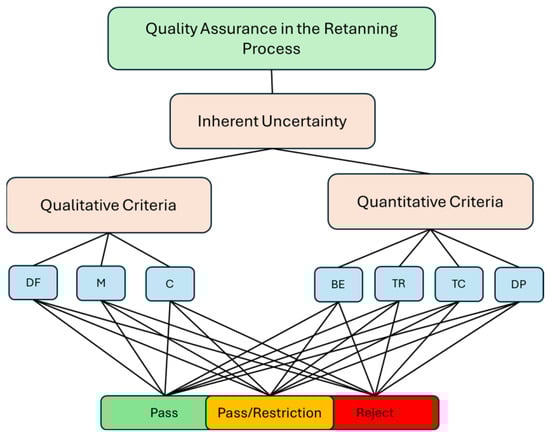
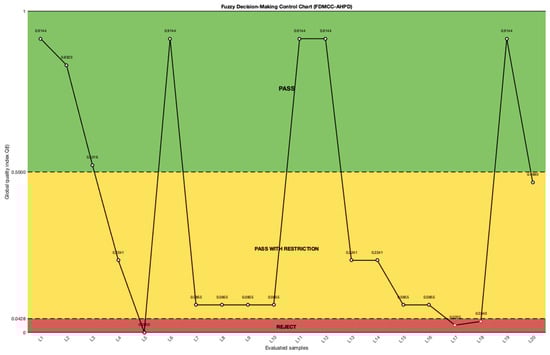
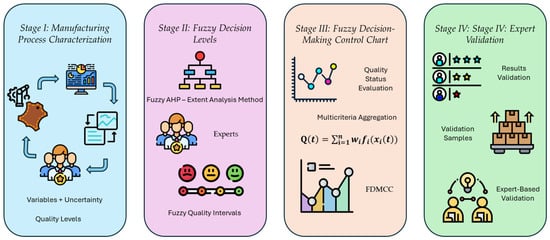
Quality evaluation in production systems represents a significant challenge in the manufacturing industry, particularly in environments where expert judgment plays a key role in managing the inherent uncertainty of the production system. This study proposes a fuzzy multicriteria decision-making control chart, termed Fuzzy Decision-Making Control Chart based on AHP-Extent and Triangular Fuzzy Numbers (FDMCC-AHPE). The method integrates expert knowledge through triangular fuzzy numbers and a Fuzzy Analytic Hierarchy Process supported by Extent Analysis, to define fuzzy decision intervals for quality assessment and subsequently perform a structured analysis to classify the product within a control chart framework. In this framework, expert judgments expressed through linguistic evaluations are systematically translated into triangular fuzzy numbers and processed using FAHP–Extent Analysis, allowing the aggregation of subjective assessments within a structured mathematical decision model. The proposed method was validated in a tannery company, specifically in the retanning process. The industrial case study considers both qualitative criteria, such as surface defects and color uniformity, and quantitative process variables that include bath pH, treatment duration, and processing temperature. The results were compared with an empirical expert-based evaluation and a structured expert assessment supported by a multicriteria decision-making method. The findings demonstrate that the FDMCC-AHPE exhibits greater sensitivity in discriminating between quality states under uncertain evaluation conditions, particularly when samples involve complex evaluation conditions.
Full article
Background: Migration from low- and middle-income to high-income settings is often accompanied by dietary and lifestyle changes that may increase long-term risk of non-communicable diseases. African migrants represent a growing but under-studied population in Australia, with limited evidence on post-migration nutrition transitions and
[...] Read more.
Background: Migration from low- and middle-income to high-income settings is often accompanied by dietary and lifestyle changes that may increase long-term risk of non-communicable diseases. African migrants represent a growing but under-studied population in Australia, with limited evidence on post-migration nutrition transitions and associated chronic disease risk. This study examined changes in diet and lifestyle among Nigerian-born adults before and after migration to Australia and explored any association with chronic diseases. Methods: A pilot cross-sectional study was conducted among adults who migrated from Nigeria to New South Wales, Australia, between 1992 and 2019. Data were collected via a culturally adapted, self-administered online questionnaire assessing socio-demographic characteristics, dietary intake, lifestyle behaviours, and self-reported chronic conditions in the 12 months immediately before and after migration. Descriptive statistics (frequencies and proportions) and inferential analyses (Chi-square tests, McNemar test, and the Bowker test) were used to compare pre- and post-migration behaviours and examine associations with chronic disease outcomes. Results: Ninety-three participants completed the survey (mean age 37.0 ± 7.2 years; 50.5% male). Post-migration, regular breakfast consumption declined (−24.3%), while irregular eating (low and moderate) patterns increased (+7.6% and +16.7%). Regular vegetable intake improved (+5.4%), whereas fruit intake remained low (13.0%). Regular consumption of Nigerian local foods decreased markedly (−53.7%), while regular intake of meat (+18.5%), dairy foods, fats (+14.3%), and non-alcoholic beverages increased (+22.8%). Salt use shifted away from the highest-risk category (−22.2%), and smoking and alcohol consumption remained low and stable. Self-reported chronic conditions were uncommon; hypertension (6.5%) and obesity (5.4%) were the most frequently reported. Conclusions: Nigerian migrants in Australia experience substantial post-migration dietary and lifestyle transitions that may elevate long-term chronic disease risk despite a currently low reported disease burden. Early, culturally responsive nutrition and lifestyle interventions are needed to support healthy adaptation and prevent the progression of cardiometabolic conditions in this growing migrant population.
Full article
The Controller Area Network (CAN) remains the backbone of in-vehicle communication, but its lack of built-in security exposes safety-critical systems to cyberattacks. This paper presents a real-time, reconfigurable, specification-driven intrusion detection system (IDS) implemented on a custom test bench that emulates an EV
[...] Read more.
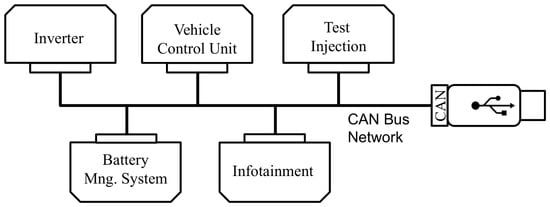
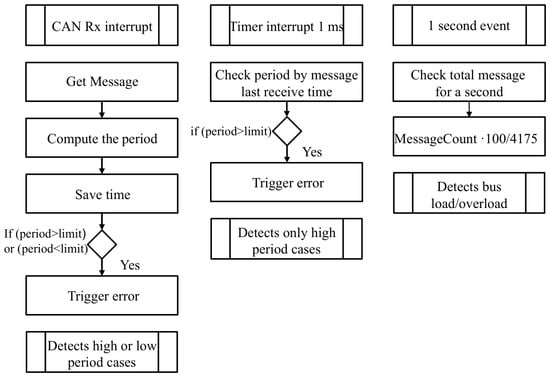
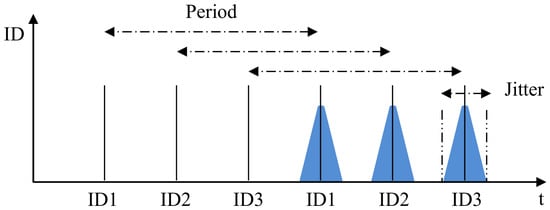
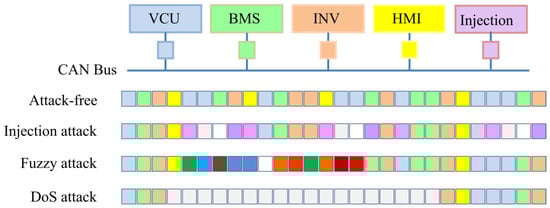
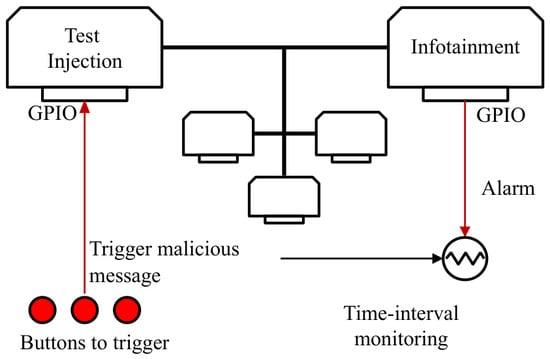
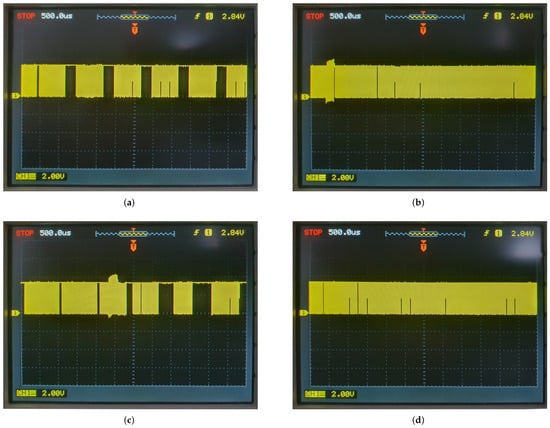
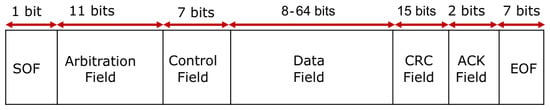
The Controller Area Network (CAN) remains the backbone of in-vehicle communication, but its lack of built-in security exposes safety-critical systems to cyberattacks. This paper presents a real-time, reconfigurable, specification-driven intrusion detection system (IDS) implemented on a custom test bench that emulates an EV powertrain. The CAN traffic captured from the four-ECU setup formed the dataset used in this study. The IDS enforces a compact, reconfigurable ruleset covering timing bounds, jitter envelopes, identifier whitelists, frame format, data length code (DLC) compliance, bus-load thresholds, application-level CRC, and alive-counter verification. The IDS achieves detection times below 2 ms with false positive rates under 1% for injection, denial of service (DoS), and fuzzy attacks, even at CAN bus loads up to 70%, while microcontroller resource usage remains within the constraints of automotive-grade devices, supporting deployment in embedded environments. The main contributions of this study are as follows: (i) a validated and reproducible EV powertrain test bench with millisecond-level timing, (ii) a deployable and easily reconfigurable ruleset with deterministic runtime, and (iii) a latency-oriented evaluation framework that is portable across automotive microcontroller platforms. The EV powertrain dataset v1.0 was released in a public GitHub repository to facilitate reproducible research and enable future benchmarking studies.
Full article
Transcatheter aortic valve implantation (TAVI) has transformed the management of severe aortic stenosis (AS), evolving from a therapy reserved for inoperable patients to a viable treatment across the spectrum of surgical risk. This success has stimulated innovation in transcatheter therapies for other valvular
[...] Read more.
Transcatheter aortic valve implantation (TAVI) has transformed the management of severe aortic stenosis (AS), evolving from a therapy reserved for inoperable patients to a viable treatment across the spectrum of surgical risk. This success has stimulated innovation in transcatheter therapies for other valvular heart diseases, including aortic regurgitation (AR). In contrast to AS, AR is characterised by heterogeneous aetiologies, absence of annular calcification, larger and more elliptical annular dimensions, and concomitant aortopathy. These challenges have limited the efficacy and safety of conventional transcatheter aortic valves (TAVs), use of which in pure native AR is associated with high rates of valve embolisation, significant residual regurgitation, permanent pacemaker implantation, and mortality. The development of dedicated TAVs designed specifically for the treatment of AR has addressed many of these anatomical challenges. The JenaValve Trilogy and J-Valve systems incorporate leaflet-grasping mechanisms that enable secure anchoring independent of calcification, resulting in transformation of procedural and clinical outcomes. Recent prospective registry data, including the landmark ALIGN-AR trial, demonstrate high technical and procedural success rates, low residual regurgitation, acceptable safety profiles, and meaningful improvements in functional status and ventricular remodelling. These data have informed contemporary guideline updates, with the 2025 European Society of Cardiology (ESC)/European Association of Cardiothoracic Surgery (EACTS) Guidelines for the management of valvular heart disease issuing the first conditional recommendation for TAVI in selected patients with severe AR and the National Institute for Health and Care Excellence (NICE) recommending TAVI for native AR in patients for whom surgical AVR is not available or is high risk. This review summarises the clinical implications of AR, examines current guideline recommendations for management, and critically appraises the evidence supporting transcatheter treatment strategies.
Full article
Microplastics (MPs) are pervasive environmental contaminants detected in terrestrial, aquatic, and human systems. Emerging evidence indicates that MPs interact with microbiota through biofilm formation, induction of oxidative stress, enrichment of antibiotic resistance genes (ARGs), and disruption of short-chain fatty acid metabolism, leading to
[...] Read more.
Microplastics (MPs) are pervasive environmental contaminants detected in terrestrial, aquatic, and human systems. Emerging evidence indicates that MPs interact with microbiota through biofilm formation, induction of oxidative stress, enrichment of antibiotic resistance genes (ARGs), and disruption of short-chain fatty acid metabolism, leading to dysbiosis and altered host immune responses. These interactions contribute to dysbiosis, altered immune responses, and increased dissemination of ARGs, which pose health risks. This review synthesizes current knowledge on mechanisms of microplastic–microbiota interactions, highlighting evidence from in vitro, in vivo, and environmental studies. We discuss methodological challenges, including variability in particle types, concentrations, aging, and analytical approaches. Recent advances in multi-omics techniques provide deeper mechanistic understanding and reveal functional consequences of MP exposure. We outline key knowledge gaps and propose future research directions to assess the impact of microplastic exposure on ecosystems and human health.
Full article
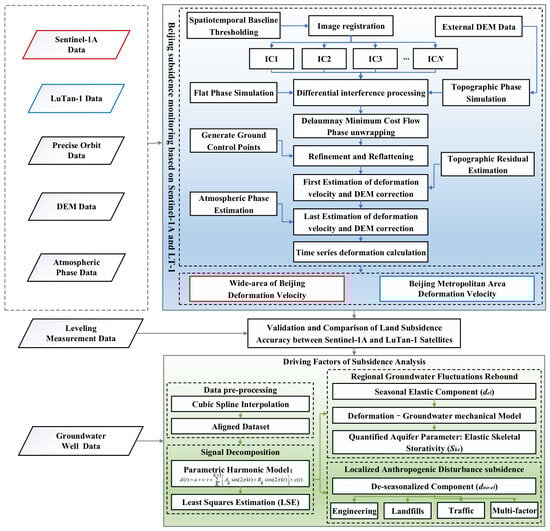
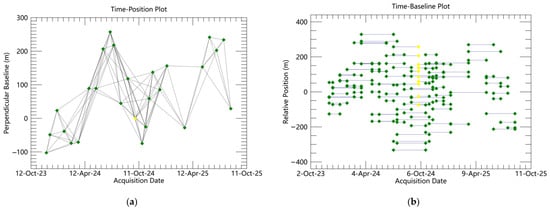
Ground deformation monitoring is pivotal for enhancing urban resilience and mitigating geohazards. This study presents a synergistic monitoring framework integrating 26 Sentinel-1A (C-band) and 16 LuTan-1 (L-band) SAR scenes acquired between December 2023 and August 2025 to characterize the deformation dynamics in Beijing.
[...] Read more.
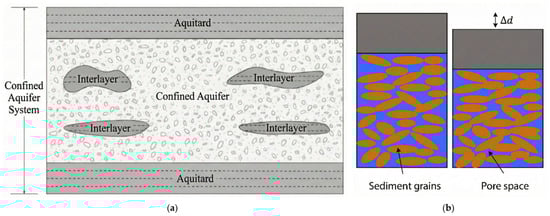
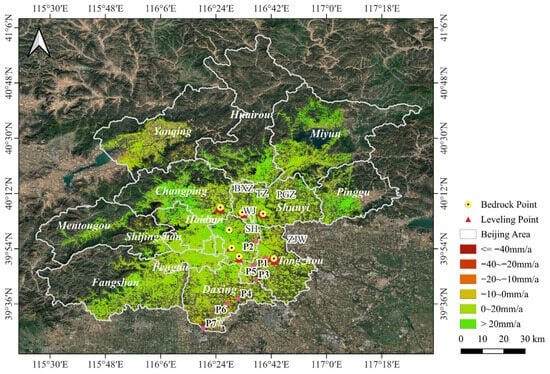
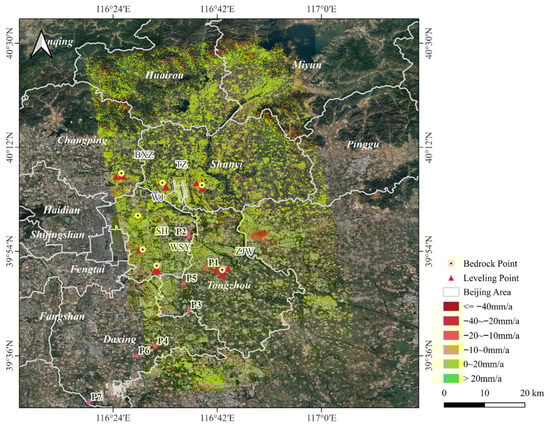
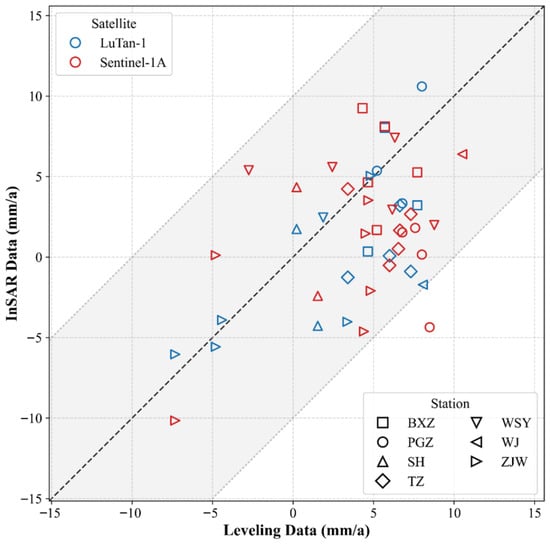
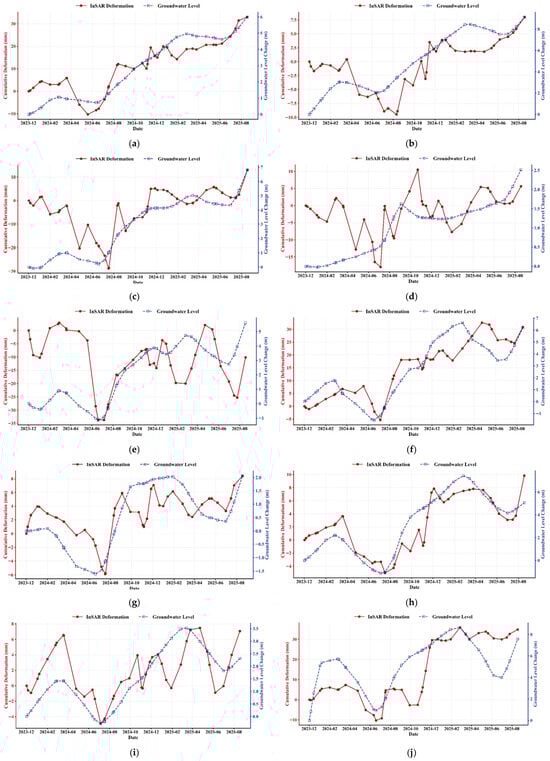
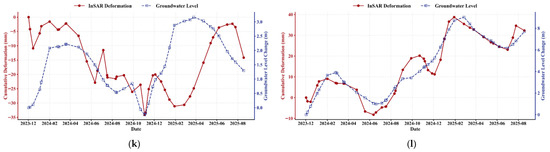
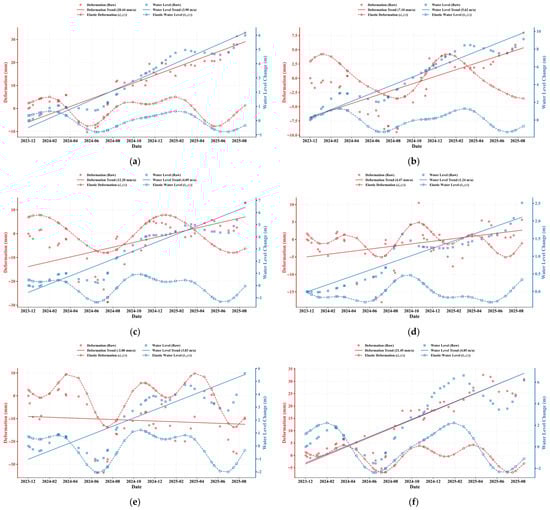
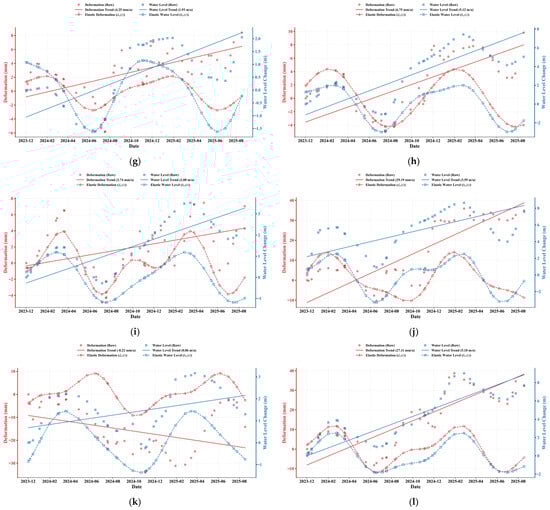
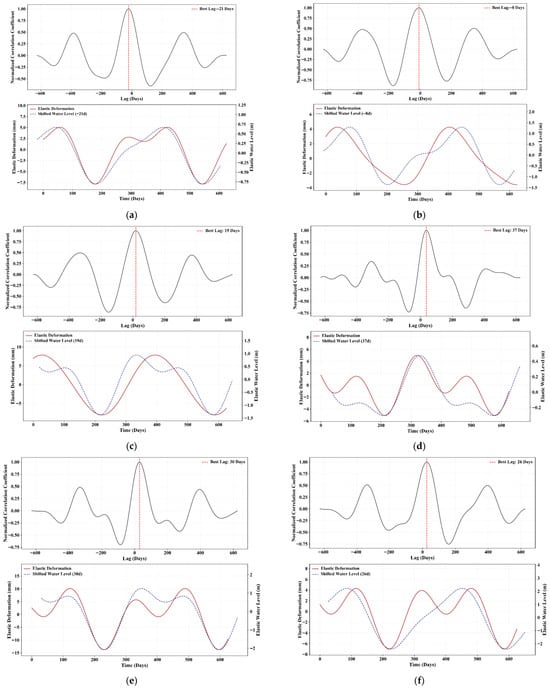
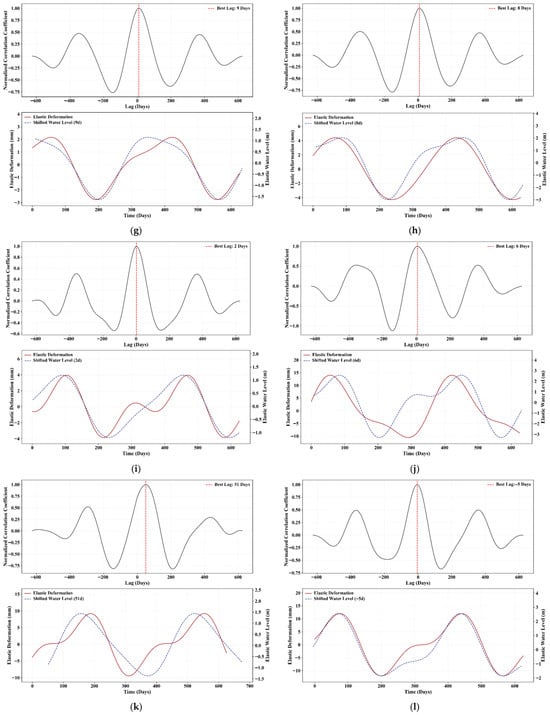
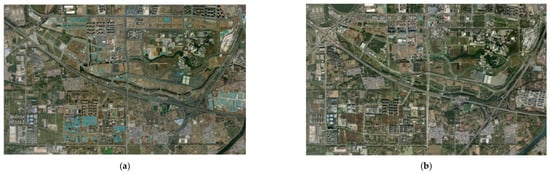
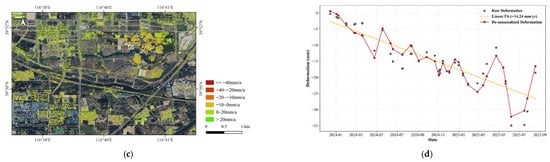
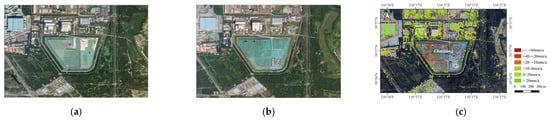
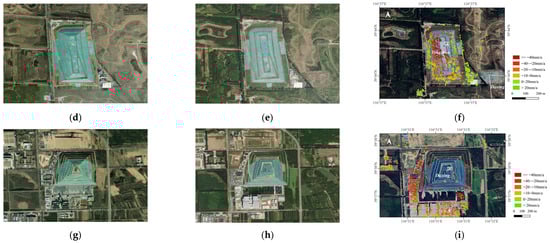
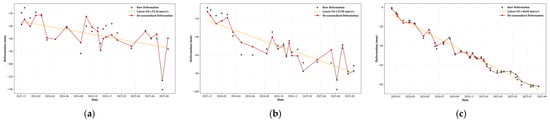
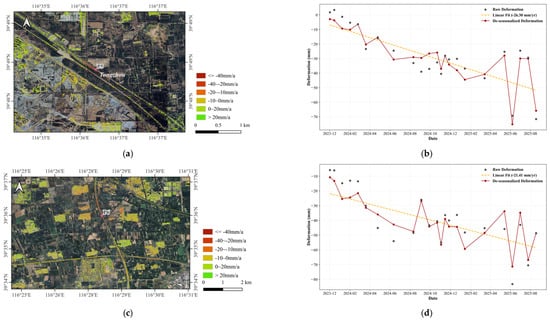
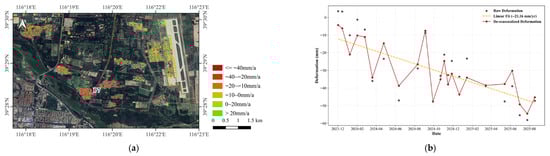
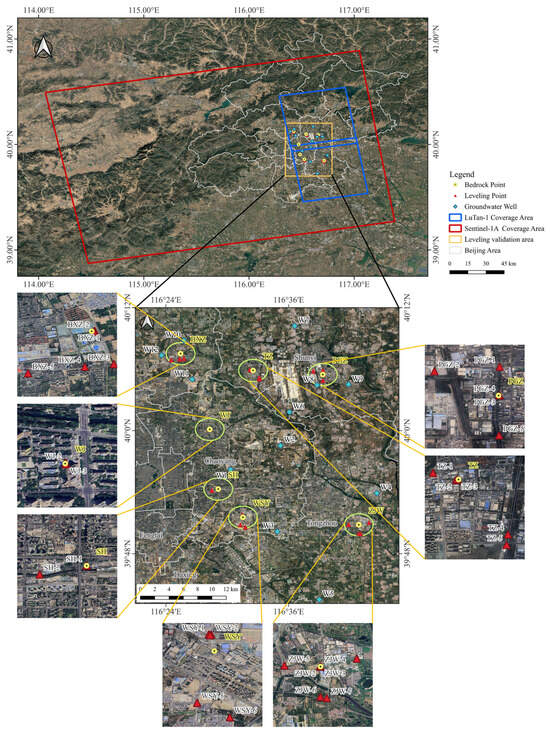
Ground deformation monitoring is pivotal for enhancing urban resilience and mitigating geohazards. This study presents a synergistic monitoring framework integrating 26 Sentinel-1A (C-band) and 16 LuTan-1 (L-band) SAR scenes acquired between December 2023 and August 2025 to characterize the deformation dynamics in Beijing. Utilizing SBAS-InSAR, we first established a regional deformation baseline using Sentinel-1A observations, identifying critical subsidence and uplift zones in the eastern plains. Subsequently, high-resolution (3 m) LT-1 data were leveraged to achieve refined spatiotemporal characterization of these deformation hotspots. Validation against ground leveling benchmarks confirmed that both satellites yield high accuracy. LuTan-1 (RMSE = 3.810 mm/a) shows slightly better agreement with the ground leveling data than Sentinel-1A (RMSE = 4.853 mm/a). Analysis of the spatiotemporal patterns derived from InSAR revealed that the study area is characterized by widespread gene uplift (averaging ~10 mm/a), interspersed with acute localized subsidence exceeding 40 mm/a. Correlation analysis demonstrates a high spatiotemporal coupling between the extent and rate of surface uplift and groundwater level recovery. To further investigate these dynamics, Terzaghi’s effective stress principle is employed to quantify the contribution of groundwater level fluctuations to the observed surface deformation. A Parametric Harmonic Model was implemented to decouple elastic and trend components, and attribution analysis confirms that the continuous recovery of groundwater levels is the fundamental driver of the regional surface uplift. The inverted elastic skeletal storativity (Ske), ranging from 1.587 × 10⁻³ to 9.184 × 10⁻³, reveals that regional surface uplift is predominantly driven by the elastic rebound of aquifer systems following groundwater recovery. In contrast, localized subsidence anomalies observed at large-scale engineering construction sites, landfill facilities, major expressway corridors, and high-density residential areas are independent of groundwater fluctuations, instead they are primarily attributed to anthropogenic stressors. This study elucidates a dual-drive mechanism, which comprising macroscopic hydrogeological rebound and localized anthropogenic disturbance, providing a robust scientific basis for differentiated urban hazard management.
Full article
This Special Issue titled “Information-Theoretic Security and Privacy” brings together nine peer-reviewed contributions that span both fundamental theory and practical system design [...]
Full article
Background/Objectives: Peritoneal metastasis represents the most frequent and prognostically unfavorable metastatic pattern in gastric cancer, largely due to limited sensitivity of conventional imaging, delayed diagnosis, and insufficient response assessment. The aim of this review is to provide an overview of the current
[...] Read more.
Background/Objectives: Peritoneal metastasis represents the most frequent and prognostically unfavorable metastatic pattern in gastric cancer, largely due to limited sensitivity of conventional imaging, delayed diagnosis, and insufficient response assessment. The aim of this review is to provide an overview of the current evidence on the diagnosis and treatment of gastric cancer with peritoneal metastases and to address current treatment limitations and options. Methods: This review was designed as a narrative review and is based on an extensive literature search in established databases. Results: Systemic chemotherapy remains the cornerstone of palliative treatment, improving the survival and quality of life compared with the best supportive care; however, outcomes in peritoneally metastatic disease remain poor. Advances in molecularly targeted and immune-based therapies have extended survival in selected patient populations, yet favorable molecular profiles are mainly unknown in peritoneal metastases. Staging laparoscopy and semi-quantitative assessment using the Peritoneal Cancer Index (PCI) are therefore essential for accurate diagnosis, prognostication, and treatment selection. Growing evidence from retrospective studies, multi-institutional cohorts, and selected randomized trials suggests that a multimodal approach—combining systemic therapy with intraperitoneal or bidirectional chemotherapy—may improve survival and quality of life. In carefully selected patients whose primary gastric tumor and peritoneal lesions respond to systemic treatment, complete cytoreductive surgery (CRS) followed by hyperthermic intraperitoneal chemotherapy (HIPEC) may further enhance outcomes and, in rare cases, achieve long-term survival. These potential benefits appear to be limited to highly selected patients with a low peritoneal tumor burden (PCI ≤ 6–7), positive cytology, good performance status, controlled extraperitoneal disease, and a high likelihood of achieving complete macroscopic cytoreduction (CC-0). Conclusions: Although the treatment intent in metastatic gastric cancer remains primarily palliative, carefully selected patients with limited peritoneal metastases may benefit from intensified multimodal treatment strategies when managed in specialized centers. Interdisciplinary evaluation, accurate staging, and individualized treatment planning are essential to optimize outcomes in this challenging disease setting.
Full article
Low-temperature Cu sintering is used as a die-bonding strategy for the third-generation power device, and the Cu-sintered joints require long-term stability at elevated temperature. In this work, we investigate the thermal stability and microstructural evolution of the Cu interconnect joints with an ultra-thin
[...] Read more.
Low-temperature Cu sintering is used as a die-bonding strategy for the third-generation power device, and the Cu-sintered joints require long-term stability at elevated temperature. In this work, we investigate the thermal stability and microstructural evolution of the Cu interconnect joints with an ultra-thin sintered layer at the temperature of 250 °C in air. The as-prepared joint shows a dense well-bonded interface with low porosity before the thermal aging test. The average shear strength of the joints increases from 85.5 MPa to 91.3 MPa after aging up to 300 h. With further increase in aging time, the shear strength begins to decrease. However, the strength remains at a high level of 69.8 MPa even after 500 h of aging, satisfying the requirements for high-temperature stability. At short aging times, the porosity within the interface reduces slightly, and the fracture exhibits distinct ductile characteristics. When the aging time exceeds 300 h, the oxide content at the interface increases from the outer region toward the inner part, and aging cracks eventually appear at the edge of the sintered layer. Therefore, it is demonstrated that the dense and thin sintered layer limits oxygen diffusion, guaranteeing the high-temperature stability of the sintered joint.
Full article
The present review focuses on the particulars of the hemodynamic assessment of patients with Takotsubo syndrome (TTS), i.e., blood pressure, cardiac output, systemic vascular resistance, left ventricular ejection fraction, left ventricular–arterial coupling (VAC), left ventricular end-diastolic pressure (LVEDP), and their importance in the
[...] Read more.
The present review focuses on the particulars of the hemodynamic assessment of patients with Takotsubo syndrome (TTS), i.e., blood pressure, cardiac output, systemic vascular resistance, left ventricular ejection fraction, left ventricular–arterial coupling (VAC), left ventricular end-diastolic pressure (LVEDP), and their importance in the management of patients with TTS, and the unraveling of its pathophysiology. In addition, the review discusses the discrepancies noted in the reported literature on the LVEDP and the left VAC, speculating as to the underlying reasons, and providing recommendations.
Full article
Hair loss, particularly androgenetic alopecia (AGA) and alopecia areata (AA), is a prevalent condition with widespread psychosocial impact. Recently, low-level laser therapy (LLLT) has emerged as a promising non-invasive therapeutic alternative due to its bioregulatory effects and favorable safety profile compared to conventional
[...] Read more.
Hair loss, particularly androgenetic alopecia (AGA) and alopecia areata (AA), is a prevalent condition with widespread psychosocial impact. Recently, low-level laser therapy (LLLT) has emerged as a promising non-invasive therapeutic alternative due to its bioregulatory effects and favorable safety profile compared to conventional pharmacological treatments. In this study, we employed fluorescence lifetime imaging microscopy (FLIM) to investigate the effects of red-light irradiation on hair follicle dynamics and the cutaneous microenvironment in a C57BL/6 mouse model. A hair regeneration model was established to evaluate the efficacy of 650 nm red-light irradiation (bandwidth ± 20 nm). Then, the skin tissue was stained with hematoxylin and eosin (H&E) and followed by FLIM analysis to provide a multidimensional assessment of tissue morphology and metabolic status. Results showed that red-light irradiation significantly increased hair follicle numbers and enhanced adenosine triphosphate (ATP) levels in the skin tissue. FLIM analysis further revealed prolonged fluorescence lifetime values across different epidermal and dermal layers in the irradiated group, indicating significant alterations in the skin metabolic microenvironment. Furthermore, phasor plot analysis enabled precise differentiation between hair follicles and their surrounding skin structures, highlighting FLIM’s high sensitivity and accuracy in evaluating hair growth. In conclusion, this study has provided novel imaging-based insights into the mechanisms of LLLT-induced hair regeneration, highlighting the potential of FLIM as a powerful tool for characterizing the cutaneous microenvironment and quantitatively evaluating phototherapeutic efficacy in future translational applications.
Full article
Background: Maintaining optimal oral hygiene during fixed orthodontic treatment is critical yet challenging. This study assessed oral hygiene knowledge, practices, and challenges among fixed orthodontic patients and developed a patient-centered guidance form. Methods: A sequential explanatory mixed-methods design was employed. A cross-sectional survey
[...] Read more.
Background: Maintaining optimal oral hygiene during fixed orthodontic treatment is critical yet challenging. This study assessed oral hygiene knowledge, practices, and challenges among fixed orthodontic patients and developed a patient-centered guidance form. Methods: A sequential explanatory mixed-methods design was employed. A cross-sectional survey was conducted among 300 fixed orthodontic patients (150 males, 150 females) age range 13–31+ years followed by in-depth interviews with 15 purposively selected patients. Quantitative data were analyzed using non-parametric tests and multiple regression; qualitative data were analyzed thematically. Results: Scale reliability was acceptable to excellent (α = 0.681–0.941). Females demonstrated higher knowledge (p < 0.001); males showed better recall (p = 0.005). Knowledge increased with age and education (p < 0.001). A substantial knowledge–behavior gap was evident: 85% recognized interdental brushes as essential, but only 23% used them daily. Discomfort was the main barrier (77%), and 71% preferred mobile app reminders. Knowledge of auxiliary aids predicted recall (β = 1.912, p < 0.001), explaining 81.9% of variance. Notably, 100% reported current instructions are physically difficult to execute; 86% prioritized technique guidance. Conclusions: Fixed orthodontic patients demonstrate adequate knowledge but poor translation into practice. The patient-centered guidance form provides a practical resource to support oral hygiene self-management.
Full article
IgA nephropathy is the most common primary glomerulonephritis worldwide and a leading cause of chronic kidney disease and kidney failure, with geographic and ancestral variation and a course ranging from asymptomatic urinary abnormalities to progressive loss of kidney function. This narrative review links
[...] Read more.
IgA nephropathy is the most common primary glomerulonephritis worldwide and a leading cause of chronic kidney disease and kidney failure, with geographic and ancestral variation and a course ranging from asymptomatic urinary abnormalities to progressive loss of kidney function. This narrative review links the multi-hit model to risk stratification, biomarkers, current management, and emerging therapies, and highlights implementation gaps. Risk assessment is longitudinal, prioritizing proteinuria and estimated glomerular filtration rate trajectories and integrating Oxford MEST-C, prediction tools, and biomarker and multi-omics approaches, while recognizing limitations in histologic reproducibility and model calibration. Current management is anchored in optimized supportive care aimed at sustained proteinuria reduction and kidney protection, including intensive blood pressure control with maximal tolerated renin–angiotensin system blockade, dietary sodium restriction and lifestyle measures, and sodium–glucose co-transporter 2 inhibitors for eligible patients. For selected higher-risk patients with persistent proteinuria despite optimized supportive care, immunomodulatory strategies are discussed, including systemic corticosteroids and targeted-release budesonide (Nefecon), emphasizing structured toxicity risk mitigation and cautioning against assuming interchangeability among alternative oral budesonide formulations. Emerging therapies are organized around mechanism-aligned targets across the BAFF/APRIL axis, complement pathways, and endothelin-based approaches, with growing interest in sequencing and combination regimens layered on supportive care. Key gaps include reliance on surrogate endpoints, limited long-term durability and safety data, and uneven evidence for special populations.
Full article
Determining the characteristics of hepatitis B virus (HBV) infection in the healthy population and evaluating the effectiveness of detection strategies will facilitate the optimization of hepatitis B screening strategies in the community and accelerate the elimination of HBV infection in China by the
[...] Read more.
Determining the characteristics of hepatitis B virus (HBV) infection in the healthy population and evaluating the effectiveness of detection strategies will facilitate the optimization of hepatitis B screening strategies in the community and accelerate the elimination of HBV infection in China by the end of 2030. Hepatitis B surface antigen (HBsAg)-electrochemiluminescence immunoassays (ECLIAs), HBsAg-rapid diagnostic tests (RDTs), and HBV DNA-nucleic acid tests (NATs) were performed on serum samples from 2721 community-based healthy participants in Guangdong Province. The screening performance of the RDT and NAT and the distribution characteristics of HBsAg and HBV DNA were evaluated. The prevalence rates of HBsAg-ECLIA, HBsAg-RDT and HBV DNA-NAT in Guangdong Province were 6.10% (95% CI: 5.26~7.06), 4.96% (95% CI: 4.21~5.84) and 6.55% (95% CI: 5.64~7.49), respectively, and the prevalence rates for the three methods for individuals aged over 30 years were 11.18%, 10.92% and 12.57%, respectively. When the ECLIA was used as the gold standard, the sensitivities of the RDT, NAT and RDT and NAT in parallel were 80.7% (95% CI: 73.9~86.4), 86.7% (95% CI: 80.6~91.5) and 93.4% (95% CI: 88.5~96.6), respectively, and the sensitivity of the RDT and NAT in parallel was greater than that of the RDT alone (p < 0.001). The parallel RDT and NAT revealed an additional cost‒benefit ratio (ACBR) < 1 for males and individuals aged over 30 years, which indicated that switching from the RDT screening strategy to the RDT and NAT in parallel is more cost effective. Adults aged over 30 years are the main population with hepatitis B infection in Guangdong Province, China, whose prevalence of HBsAg-ECLIA was 11.18%. Single RDT screening is prone to miss individuals with low levels of HBsAg. It is recommended to implement an RDT and NAT in parallel for individuals older than 30 years.
Full article
The present study evaluated the effects of dietary supplementation with Bacillus coagulans DSM 32016 on growth performance, hematological and biochemical parameters, and nitrogen metabolism in weaned Danube White pigs reared under standard production conditions. While supplementation did not result in statistically significant changes
[...] Read more.
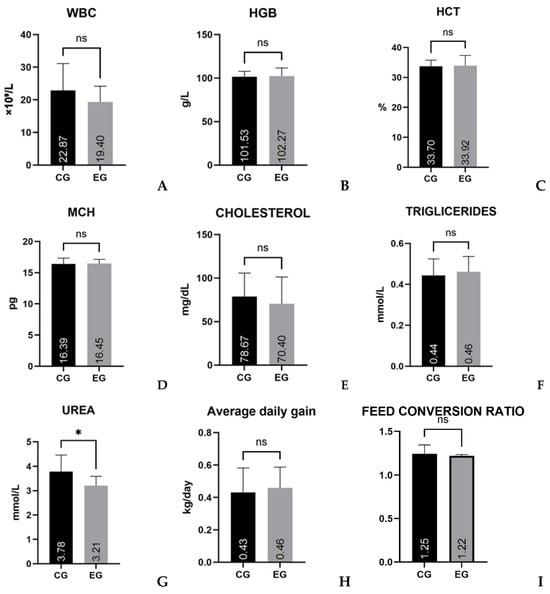
The present study evaluated the effects of dietary supplementation with Bacillus coagulans DSM 32016 on growth performance, hematological and biochemical parameters, and nitrogen metabolism in weaned Danube White pigs reared under standard production conditions. While supplementation did not result in statistically significant changes in average daily gain (ADG), feed conversion ratio (FCR), hematological indices, or serum lipid profile, numerical trends indicated slightly higher ADG, improved FCR, and subtle stabilization of hematological parameters in the probiotic supplemented group. Notably, serum urea concentration was significantly reduced (3.78 vs. 3.21 mmol/L; p = 0.017; Cohen’s d = 1.01), suggesting a potential positive effect on nitrogen metabolism and protein utilization efficiency. These findings are consistent with previous reports that probiotics may exert beneficial physiological effects even in the absence of statistically significant systemic changes. The observed trends highlight the potential of Bacillus coagulans to support growth performance and metabolic efficiency in Danube White pigs, emphasizing the importance of breed and age-specific responses in probiotic supplementation.
Full article
To remove the oxide layer of TC1 titanium alloys in an environmentally friendly and efficient manner, this study conducted experiments using a nanosecond pulsed laser to systematically investigate the influence of different laser energy densities on the cleaning effect. The results showed that
[...] Read more.
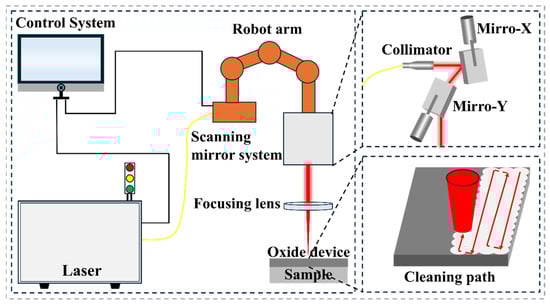
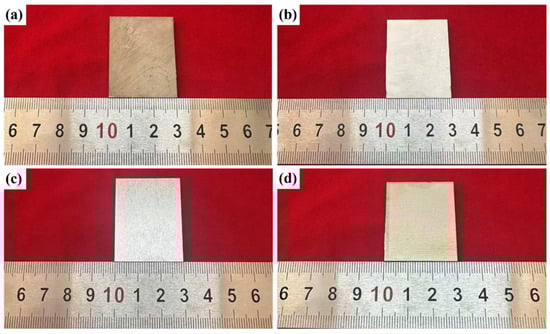
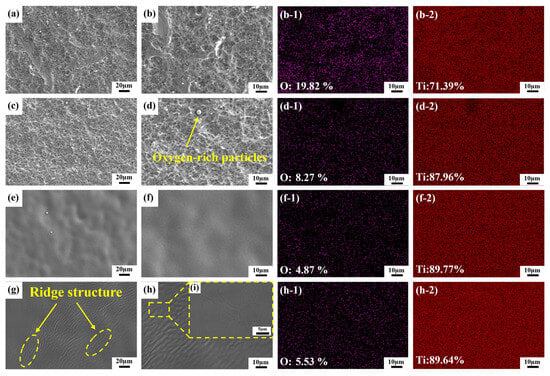
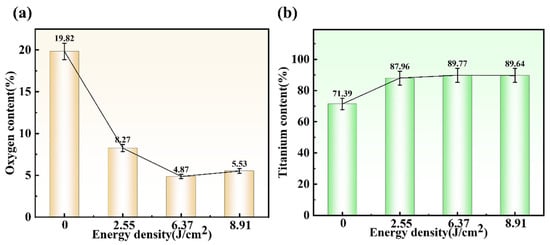
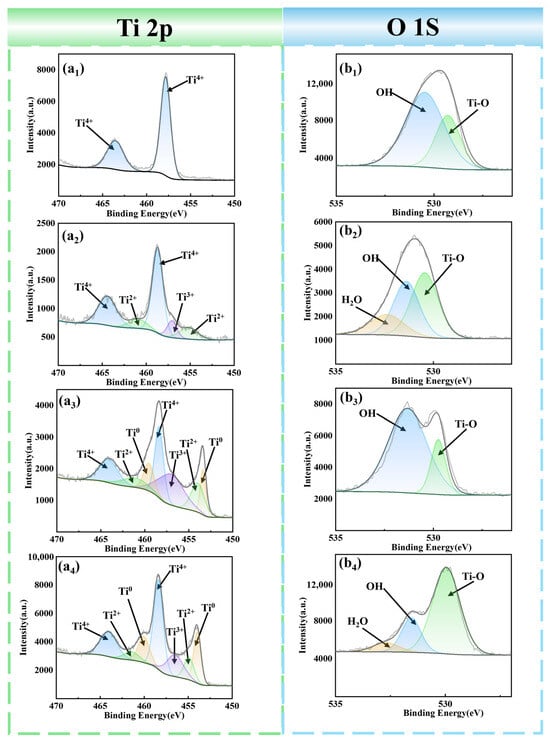
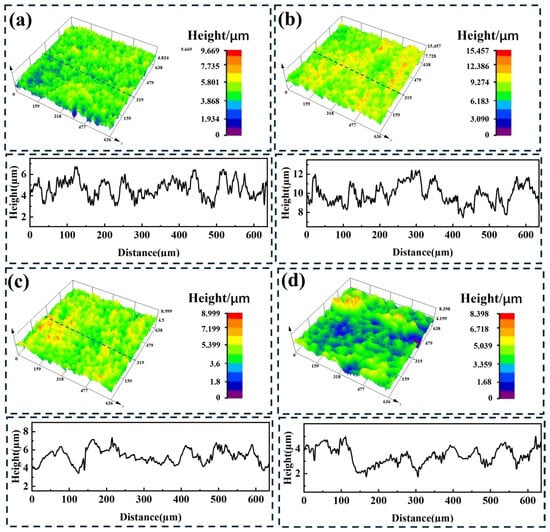
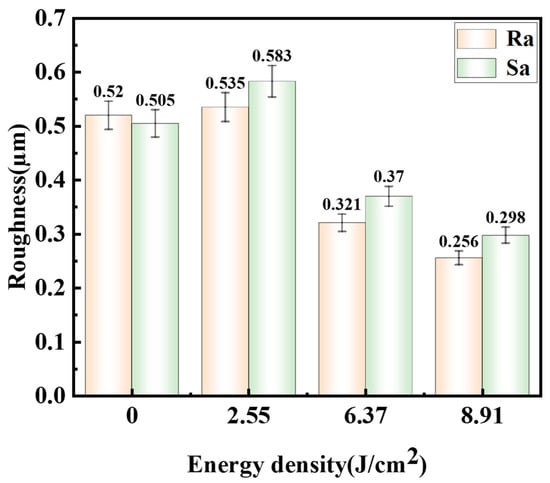
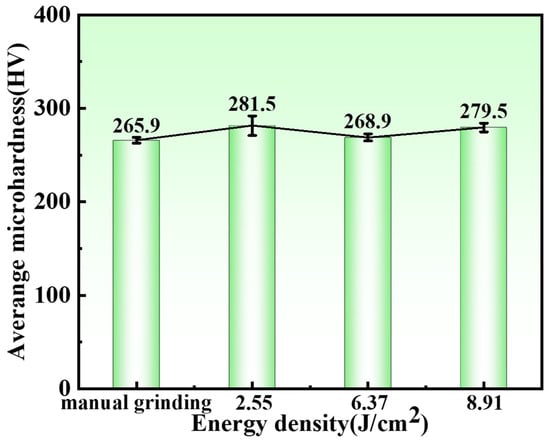
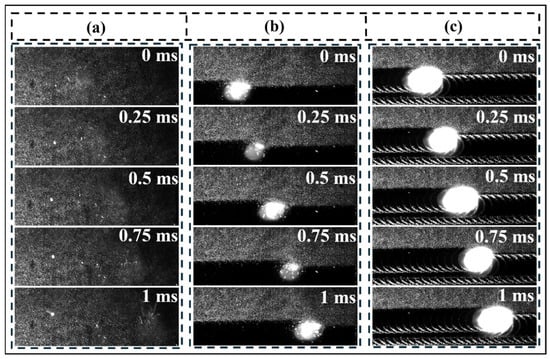
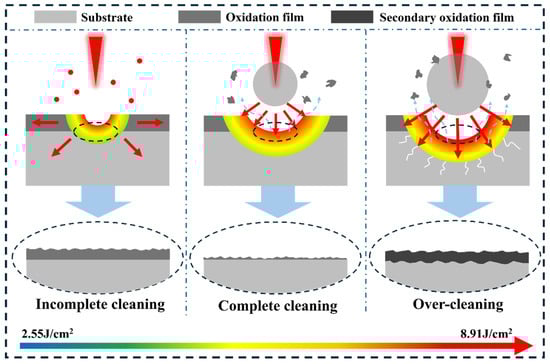
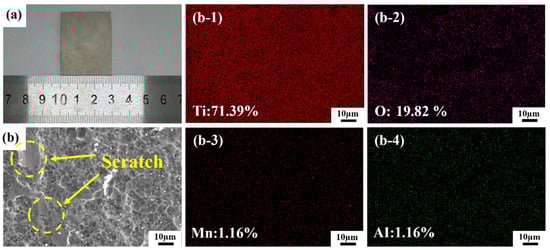
To remove the oxide layer of TC1 titanium alloys in an environmentally friendly and efficient manner, this study conducted experiments using a nanosecond pulsed laser to systematically investigate the influence of different laser energy densities on the cleaning effect. The results showed that the oxide layer could be completely removed at an energy density of 6.37 J/cm2, with the surface oxygen element content reduced to 4.87%. The macroscopic surface presented a silvery metallic luster. Moreover, the roughness decreased significantly with the increase in energy density. At 6.37 J/cm2, the surface roughness dropped to 0.37 µm. The mechanism of removing the oxide layer of TC1 titanium alloy mainly includes laser ablation and plasma impact. At energy densities ranging from 2.55 J/cm2 to 6.37 J/cm2, the cleaning mechanism was mainly laser ablation. When the energy density exceeded 6.37 J/cm2, the cleaning mechanism gradually shifted from laser ablation to plasma impact as the dominant factor. Meanwhile, the microhardness of the samples after laser cleaning was basically consistent with that of the samples subjected to mechanical grinding, which provides a basis for a nanosecond pulsed laser to replace traditional methods for oxide layer cleaning.
Full article
Introduction: Influenza has a major impact on public health. The best way to prevent it is through vaccination. In Catalonia, influenza vaccination has been recommended for children aged 6 to 59 months since the 2023–24 season. Objective: To assess the association between the
[...] Read more.
Introduction: Influenza has a major impact on public health. The best way to prevent it is through vaccination. In Catalonia, influenza vaccination has been recommended for children aged 6 to 59 months since the 2023–24 season. Objective: To assess the association between the implementation of this vaccination program and changes in influenza diagnoses in primary care and influenza-related hospitalizations in all age groups. Materials and Methods: Quasi-experimental study with interrupted time series (ITS) analysis. All influenza diagnoses made in primary care (PC) and all influenza-related hospitalizations in the Central Catalonia health region between October 2018 and August 2025 were included. The monthly aggregated cases were analyzed using segmented negative binomial regression models that accounted for temporal trends, the onset of COVID-19, and the introduction of systematic pediatric influenza vaccination. Results: A total of 6804 influenza diagnoses made in PC and 3252 hospitalizations for influenza were analyzed. A statistically significant decrease was observed in the percentage of influenza diagnoses in PC in the 2–4 (13.5% vs. 10.6%) and 5–14 (26.1% vs. 16.3%) age groups. In the ITS analysis conducted in primary care (PC) settings, the vaccination period was significantly associated with a 13% reduction in expected influenza cases among individuals aged 15–64 years (RR 0.87 [0.78; 0.99]). After sensitivity analysis, these results were no longer statistically significant. The ITS analysis in the hospital setting has not shown a significant reduction in expected influenza cases or in expected admissions. Conclusions: Systematic influenza vaccination in children aged 6 to 59 months has not been shown to be associated with a reduction in influenza cases in primary care or hospitals settings during the early stages of implementation of the new vaccination program.
Full article
Stability plays essential roles for Vertical Take-Off and Landing (VTOL) vehicles. This paper investigates the stability characteristics of a novel tail-sitter VTOL vehicle employing vector thrust control, specifically focusing on nonlinear modeling and parameter optimization. Firstly, the tail-sitter VTOL which employs vector thrust
[...] Read more.
Stability plays essential roles for Vertical Take-Off and Landing (VTOL) vehicles. This paper investigates the stability characteristics of a novel tail-sitter VTOL vehicle employing vector thrust control, specifically focusing on nonlinear modeling and parameter optimization. Firstly, the tail-sitter VTOL which employs vector thrust controlling principles, is designed, and manufactured using 3D printing and carbon-fiber reinforced techniques, with a customized flight controller implemented on the PX4 architecture. To address the nonlinear dynamic characteristics introduced by the vector thrust mechanism, a nonlinear dynamic model for cruise flight is established based on an offline database and validated against cruise flight test data. Flight tests show that the vector-thrust-based pitch control provides rapid response and accurate tracking during cruise flight. Furthermore, based on the validated model, a hybrid optimization strategy combining pattern search and sequential quadratic programming (SQP) is used to tune the cascaded control parameters. Simulation results demonstrate that the optimized controller reduces the rise time from 6.8 s to 0.2 s and the settling time from 10.1 s to 0.9 s under the tested cruise-condition step response, indicating a marked improvement in dynamic response performance. This study provides a practical framework for cruise-flight modeling, pitch-stability analysis, and control-parameter optimization of vector-thrust tail-sitter UAVs.
Full article
Pulse-width-modulated (PWM) automotive headlights enhance nighttime event-based camera detection, yet systematic parameter optimization for vulnerable road user detection remains unexplored. This study evaluates PWM frequency, duty cycle, light distribution, ego-vehicle speed, and ambient lighting under European New Car Assessment Programme-inspired crossing scenarios for
[...] Read more.
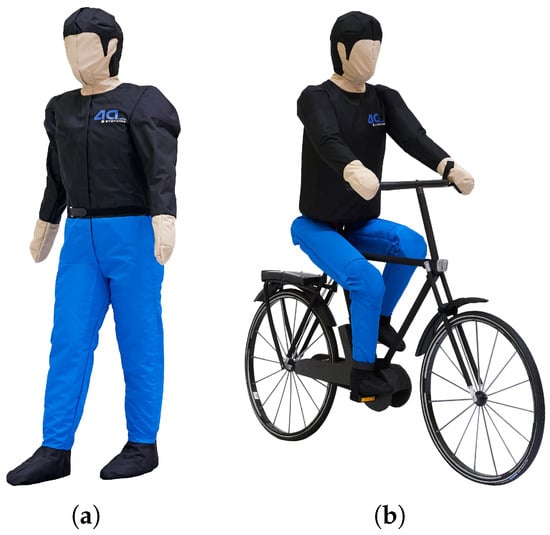
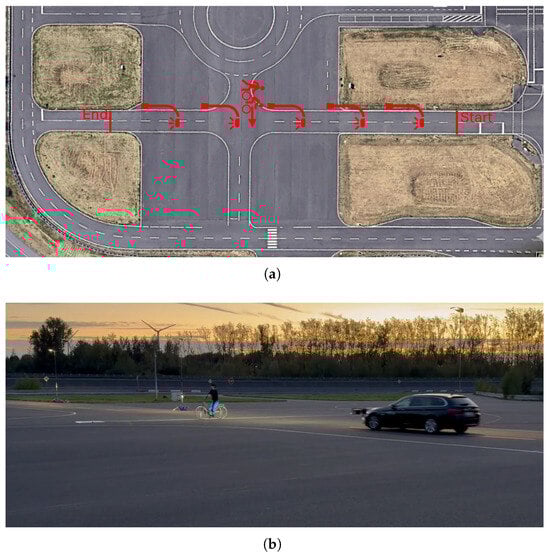
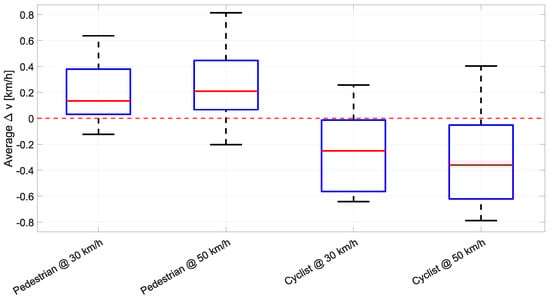
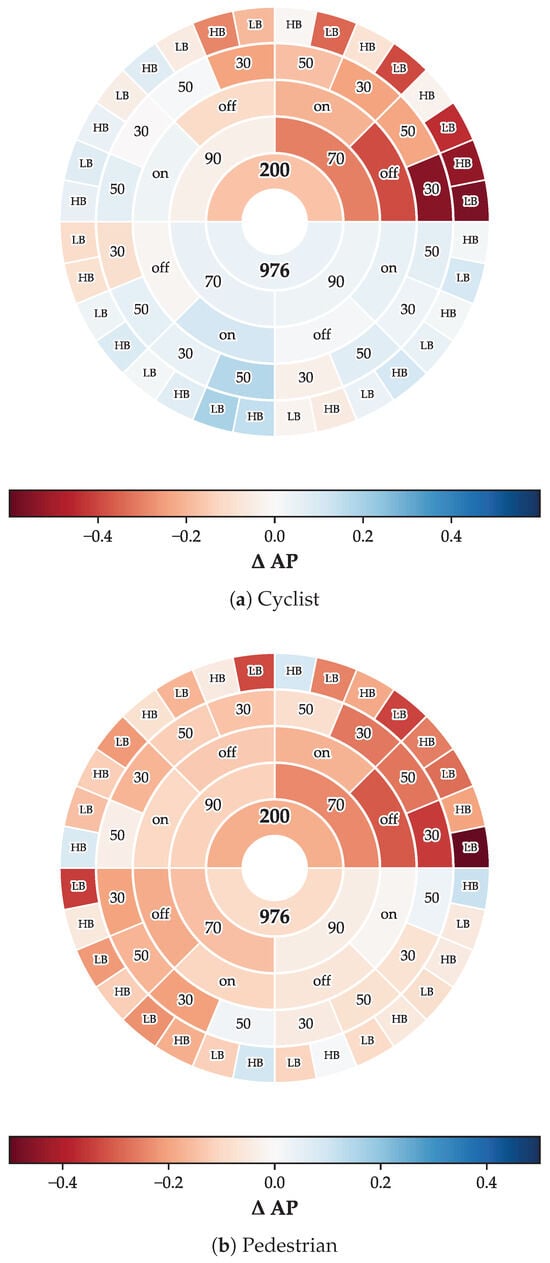
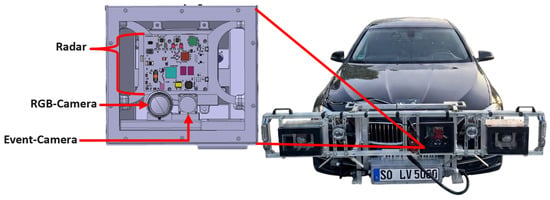
Pulse-width-modulated (PWM) automotive headlights enhance nighttime event-based camera detection, yet systematic parameter optimization for vulnerable road user detection remains unexplored. This study evaluates PWM frequency, duty cycle, light distribution, ego-vehicle speed, and ambient lighting under European New Car Assessment Programme-inspired crossing scenarios for cyclist and pedestrian detection. Results establish performance ranging from substantial improvements to severe degradation relative to continuous illumination. Cyclist detection achieves robust performance with high-frequency modulation across light distributions, while low-frequency operation with low beam produces severe degradation through background noise accumulation. Pedestrian detection requires high beam with street lighting enabled; low beam universally fails regardless of modulation parameters. Limited parameter combinations achieve simultaneous improvements for both targets. Detection performs optimally on retroreflective surfaces, while low-reflectivity clothing limits capability, requiring target-specific optimization.
Full article
by
Andrea Rizzardi, Cinzia Zatti, Alice Galli, Mohsen Fallahi, Sofia Bonomelli, Nicolò Agostini, Klaudia Eshja, Martina Ogliani, Veronica Pucci, Massimo Nucci, Sara Mondini, Clint Hansen, Robbin Romijnders, Walter Maetzler, Alessandro Padovani and Andrea Pilotto
Introduction: Motor reserve (MR) has been hypothesized as a protective factor against age-related and pathological motor decline, potentially enhancing quality of life. This study aimed to investigate the influence of MR on motor performance, assessed via mobile health technology (MHT), in drug-naïve Parkinson’s
[...] Read more.
Introduction: Motor reserve (MR) has been hypothesized as a protective factor against age-related and pathological motor decline, potentially enhancing quality of life. This study aimed to investigate the influence of MR on motor performance, assessed via mobile health technology (MHT), in drug-naïve Parkinson’s disease (PD) patients. Methods: Consecutive drug-naïve PD patients and age-matched healthy controls (HC) underwent cognitive and motor assessments. Turning MHT parameters were extracted from the Timed Up and Go test (TUG) performed at self-selected and fast speeds. Participants were categorized into high- or low-MR groups based on the Motor Reserve Index questionnaire (MRIq). Results: Forty-five PD patients and forty healthy controls (HC) were enrolled. PD patients showed longer TUG durations and altered performance compared to HC. No differences were found between high and low motor reserve (MR) groups in demographics or clinical severity. However, high-MR patients exhibited shorter turn duration and higher angular velocities at both self-selected (p < 0.005) and fast speeds (p < 0.05). MR subdomains related to physical and care activities correlated with MHT turning metrics, unlike housework and leisure domains. Conclusions: the findings highlighted the relevance of MR on motor performances assessed by MHT in drug naïve PD, independently from motor severity.
Full article
To address the stability challenges of surrounding rock in large-span open-off cuts within weakly cemented strata of western China, this study investigated the 1219 open-off cut at the Shila Wusu Coal Mine. An analytical elastic model for rectangular roadway stress was developed using
[...] Read more.
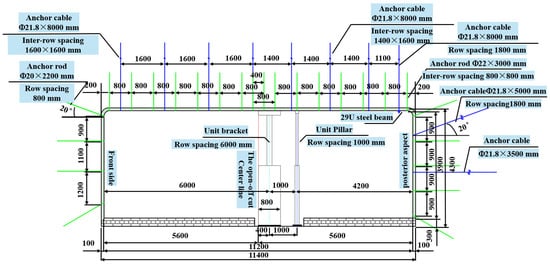
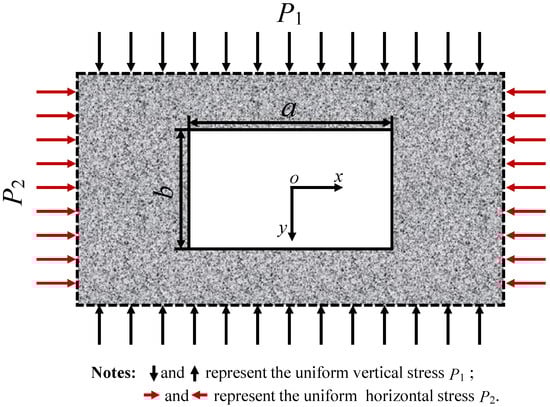
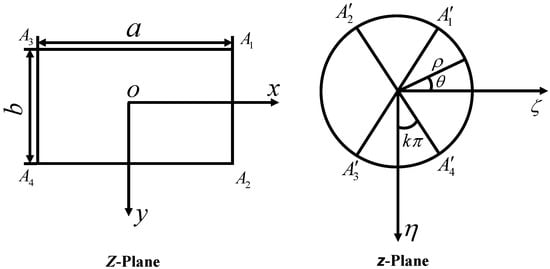
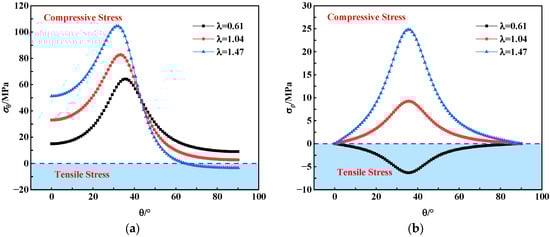
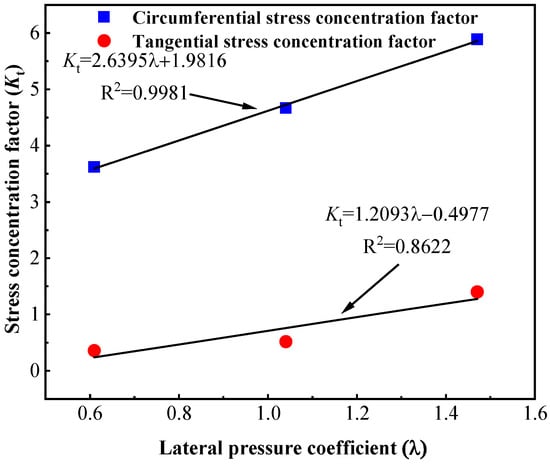
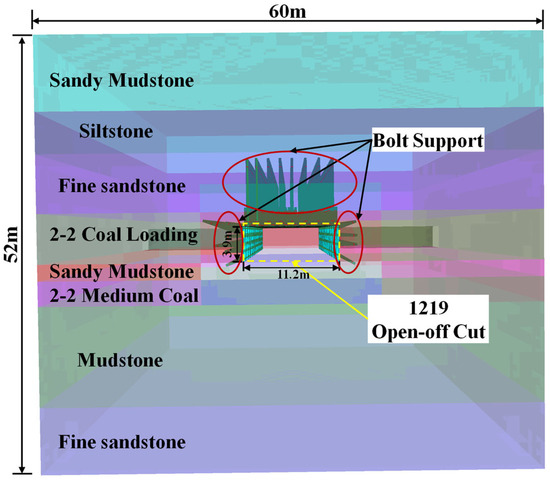
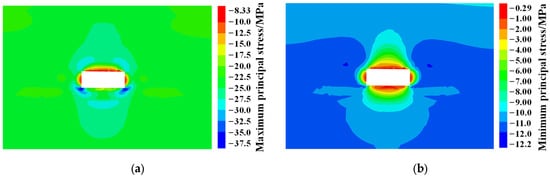
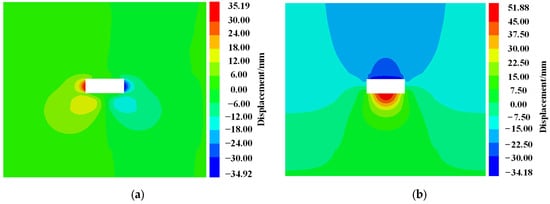
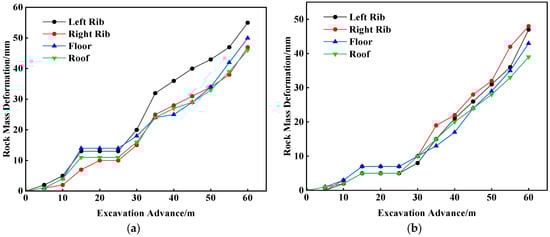
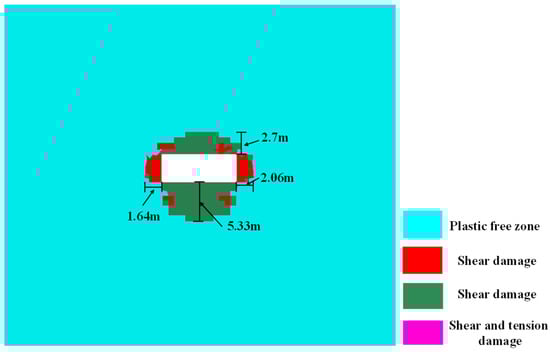
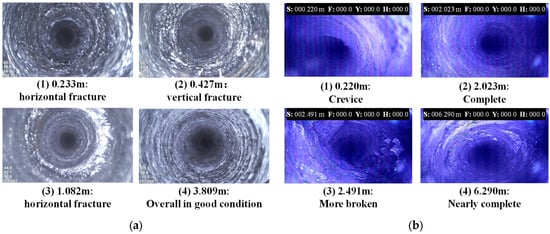
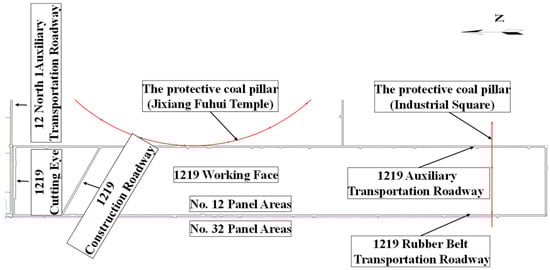
To address the stability challenges of surrounding rock in large-span open-off cuts within weakly cemented strata of western China, this study investigated the 1219 open-off cut at the Shila Wusu Coal Mine. An analytical elastic model for rectangular roadway stress was developed using complex variable function theory to examine the influence of the lateral pressure coefficient on stress distribution. Furthermore, numerical simulations were employed to characterize plastic zone evolution and evaluate support effectiveness. The results demonstrate that the lateral pressure coefficient significantly dictates the stress field: circumferential stress at the ribs intensifies with the increasing lateral pressure coefficient, while stress in the roof and floor decreases accordingly. Notably, tensile stresses develop in the roof and floor when the lateral pressure coefficient is less than 1. Stress extremes are concentrated at the roadway shoulders, exhibiting a distribution pattern where the ribs experience higher concentration than the roof and floor. The circumferential stress concentration coefficient exhibits a marked positive correlation with the lateral pressure coefficient. Numerical results indicate that post-support compressive stress at the shoulders reaches 39.24 MPa, with plastic zone widths of 1.64~2.06 m at the ribs, 2.70 m at the roof, and a significant 5.33 m at the floor, highlighting a pronounced risk of floor heave. Field loosening zone measurements of 1.08 m in the roof and 2.49 m in the rib align closely with numerical findings, confirming that the implemented support effectively constrains plastic zone development. By integrating theoretical derivation, numerical modeling, and in situ observations, this study establishes a robust theoretical and technical framework for the support design of large-span roadways in similar geological settings.
Full article
Partial discharge (PD) measurements are crucial for evaluating the condition of the insulation systems of medium-voltage (MV) cables and their accessories. However, identifying PD defect types from phase-resolved partial discharge (PRPD) patterns still largely relies on expert knowledge. In this paper, the authors
[...] Read more.
Partial discharge (PD) measurements are crucial for evaluating the condition of the insulation systems of medium-voltage (MV) cables and their accessories. However, identifying PD defect types from phase-resolved partial discharge (PRPD) patterns still largely relies on expert knowledge. In this paper, the authors critically evaluate lightweight deep neural network architectures for automated classification of insulation defects from PRPD patterns: YOLOv8n, the MobileNetV2–YOLO hybrid network, and a compact SqueezeNet-based model. PD measurements were performed in a controlled environment in a factory laboratory for MV power cables in order to better evaluate the capability of the investigated models. The results demonstrate that lightweight deep neural architectures can effectively classify PRPD patterns and be deployed in a real measurement environment. The proposed approach has been integrated with the OMICRON MPD Suite measurement system, enabling automated defect recognition and visualisation during routine testing of MV cable.
Full article







 Sustainability
 Applied Sciences
 IJMS
IJMS
 JCM
JCM
 Sensors
 Energies
 Materials
 Electronics
 Buildings
 Foods
Foods
 Molecules
 Mathematics
 Processes
 Cancers
 Nutrients
 Diagnostics
 Plants
 Animals
 Remote Sensing
 Healthcare
 Polymers
 Water
Water
 Microorganisms
 Biomedicines
 Agriculture
 Medicina
 Agronomy
 Cells
Cells
 JMSE
JMSE
 Land
Land
 Behavioral Sciences
 Life
Life
 Education Sciences
 Symmetry
 Pharmaceuticals
 Biology
 Biomolecules
 IJERPH
 Children
 Horticulturae
 Antioxidants
 Forests
 Micromachines
 Religions
 Pharmaceutics
 Bioengineering
 Nanomaterials
 Viruses
 Coatings
 Genes
Genes
 Systems
 Machines
 Pathogens
 Entropy
 Metals
 Brain Sciences
 Insects
 Antibiotics
 Veterinary Sciences
 Minerals
 CIMB
CIMB
 Atmosphere
 Information
 Photonics