



Advancing Open Science
A global leader in open access publishing, supporting research
communities and accelerating scientific discovery
 
19 pages, 601 KB  
Article
Agent-First Bias in Children’s Sentence Comprehension: Evidence from Mandarin
by Jiawei Shi, Lihui Zhang, Yurong Li, Jing Li and Peng Zhou
Languages 2026, 11(9), 184; https://doi.org/10.3390/languages11090184 (registering DOI) - 8 Sep 2026
Abstract
The article investigates children’s agent-first bias in sentence comprehension. Agent-first bias refers to the phenomenon in which children (or adults) tend to assign the agent role to the first noun phrase (NP) in a sentence. Previous studies suggest that children acquiring Indo-European languages [...] Read more.
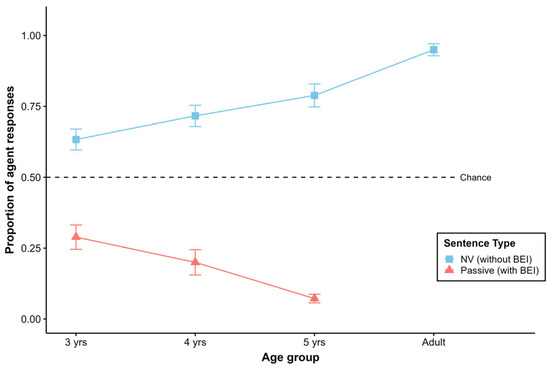
The article investigates children’s agent-first bias in sentence comprehension. Agent-first bias refers to the phenomenon in which children (or adults) tend to assign the agent role to the first noun phrase (NP) in a sentence. Previous studies suggest that children acquiring Indo-European languages like English exhibit the agent-first bias from early on, while children acquiring other languages may do so only during later stages of language development. However, little is understood about whether children acquiring Mandarin, a language with distinct typological features, also exhibit the agent-first bias. To fill this gap, we conducted two studies to examine children’s thematic role assignment in Mandarin noun–verb (NV) constructions and BEI-passive constructions. In the corpus study, our analysis of the child-directed utterances showed that for NV constructions, the NPs appeared more often as agents than patients, while for BEI-passive constructions, the NPs consistently served as patients. In the experimental study, we examined how 3- to 5-year-old children comprehended the two constructions, using a picture selection task. The results were consistent with the corpus findings. More specifically, when comprehending NV constructions, children as young as age 3 exhibited the agent-first bias, and this bias was stronger in the older children and adults. By contrast, when comprehending BEI-passive constructions, the children tended to interpret the NPs as patients. Taken together, these findings indicate a developmental trajectory of the agent-first bias in Mandarin-speaking children. We discuss these findings in relation to typological features across languages as well as the potential influences of input information and the passive marker BEI on children’s thematic role assignment. Full article
(This article belongs to the Special Issue The Syntax of Child Language)
Show Figures

Figure 1
13 pages, 5388 KB  
Article
Smooth Muscle Cell MAPK14 Promotes Vascular Calcification During Hyperlipidemic Aging
by Nestor Ishimwe, Yuchi Tu, Chunhui Wang, W. Bart Bryant, Wei Zhang, Yabing Chen and Xiaochun Long
Cells 2026, 15(18), 1625; https://doi.org/10.3390/cells15181625 (registering DOI) - 8 Sep 2026
Abstract
Vascular calcification is a hallmark of vascular aging that is accelerated by hyperlipidemia and contributes to adverse cardiovascular outcomes. Although vascular smooth muscle cells (VSMCs) are key mediators of vascular calcification, the signaling pathways linking aging-associated stress to osteogenic remodeling remain incompletely understood. [...] Read more.
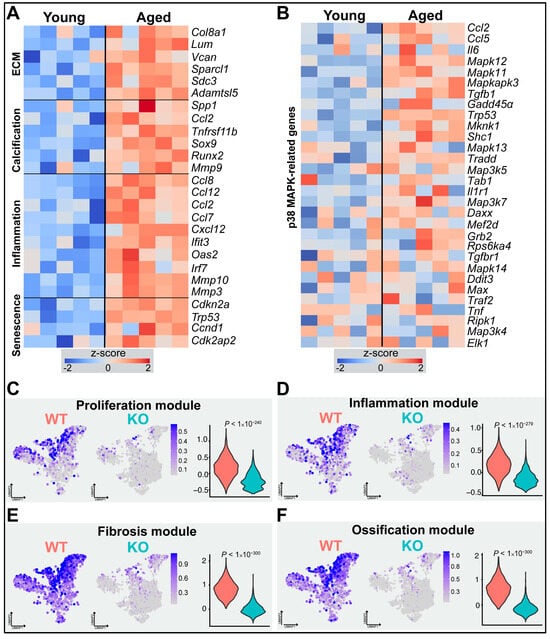
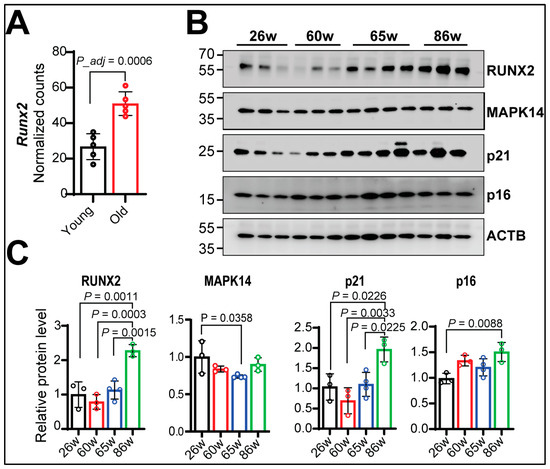
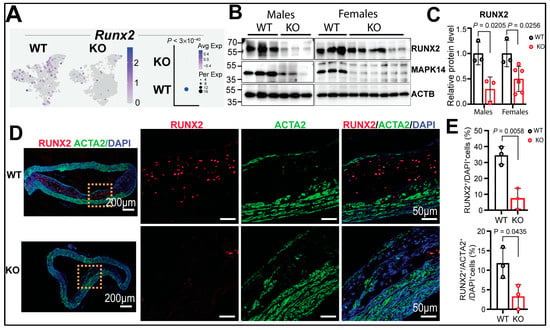
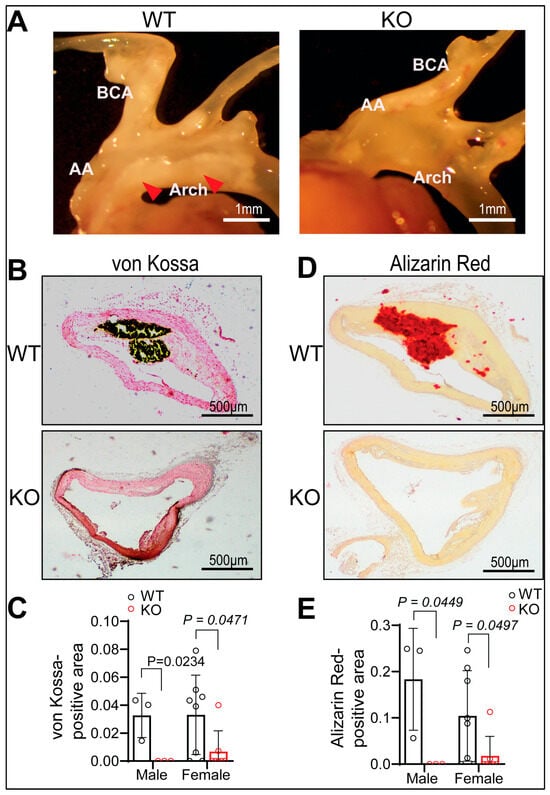
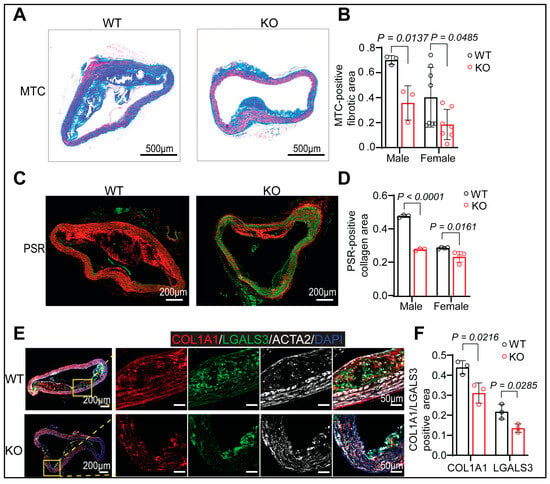
Vascular calcification is a hallmark of vascular aging that is accelerated by hyperlipidemia and contributes to adverse cardiovascular outcomes. Although vascular smooth muscle cells (VSMCs) are key mediators of vascular calcification, the signaling pathways linking aging-associated stress to osteogenic remodeling remain incompletely understood. To define the role of MAPK14 (p38α) in vascular aging, we integrated bulk RNA sequencing of young and aged mouse aortas with published single-nucleus RNA sequencing data from VSMC-specific Mapk14 knockout (KO) mice. Bulk RNA-seq identified age-associated activation of extracellular matrix remodeling, calcification, inflammatory, and senescence-associated gene programs, accompanied by increased p38 MAPK signaling. Single-nucleus RNA-seq further demonstrated that Mapk14 KO attenuated proliferative, inflammatory, fibrotic, and ossification-associated gene modules in VSMCs. Consistent with these transcriptomic findings, RUNX2 expression was markedly increased in aged aortas, whereas aged Mapk14 KO mice exhibited reduced RUNX2 expression together with attenuated vascular calcification, fibrosis, and inflammatory cell infiltration compared with wild-type controls. Collectively, these results identify VSMC MAPK14 as an important regulator of vascular calcification during hyperlipidemic aging and demonstrate that MAPK14 deficiency is associated with reduced RUNX2 expression and attenuated fibro-inflammatory vascular remodeling. These findings support MAPK14 as a potential therapeutic target for limiting vascular calcification and associated pathological remodeling during aging. Full article
(This article belongs to the Section Cellular Aging)
Show Figures

Figure 1
31 pages, 2654 KB  
Article
Digital Pathology Archives as Long-Term Clinical Memory: A Self-Sovereign Identity-Based Governance Model
by Asuman Kilitci and Arzu Kilitci Calayır
Healthcare 2026, 14(18), 2892; https://doi.org/10.3390/healthcare14182892 (registering DOI) - 8 Sep 2026
Abstract
Background/Objectives: Digital pathology is transforming diagnostic workflows through whole-slide imaging (WSI), digital archiving, artificial intelligence (AI)-assisted analysis, and remote consultation. The existing literature only partly addresses patient access to pathology records and cross-institutional sharing within a holistic governance framework. This study proposes [...] Read more.
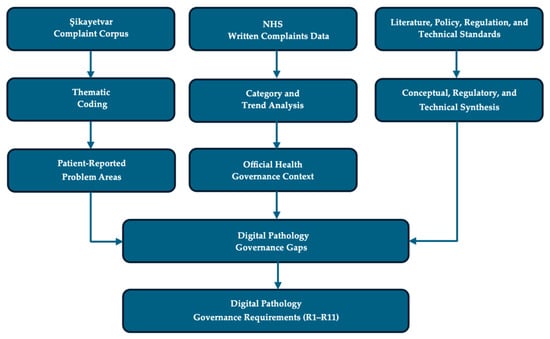
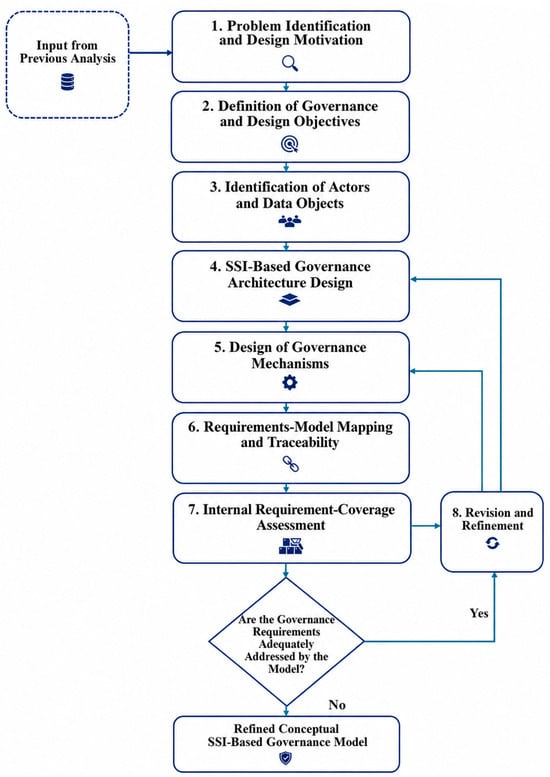
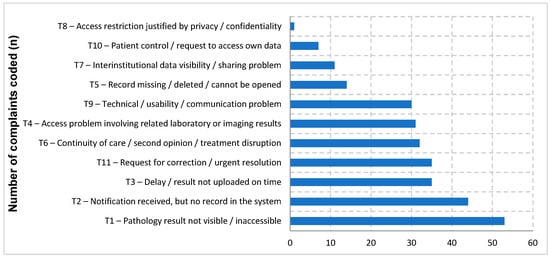
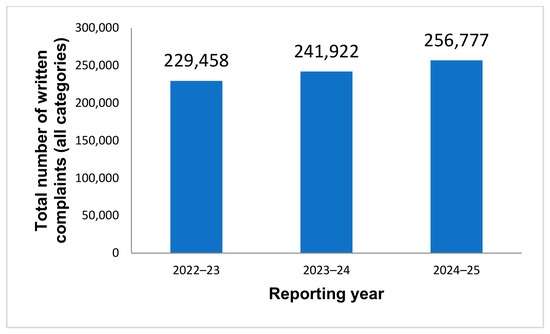
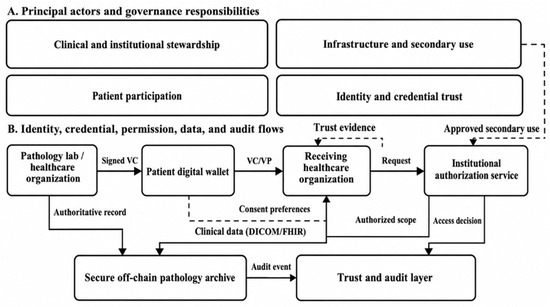
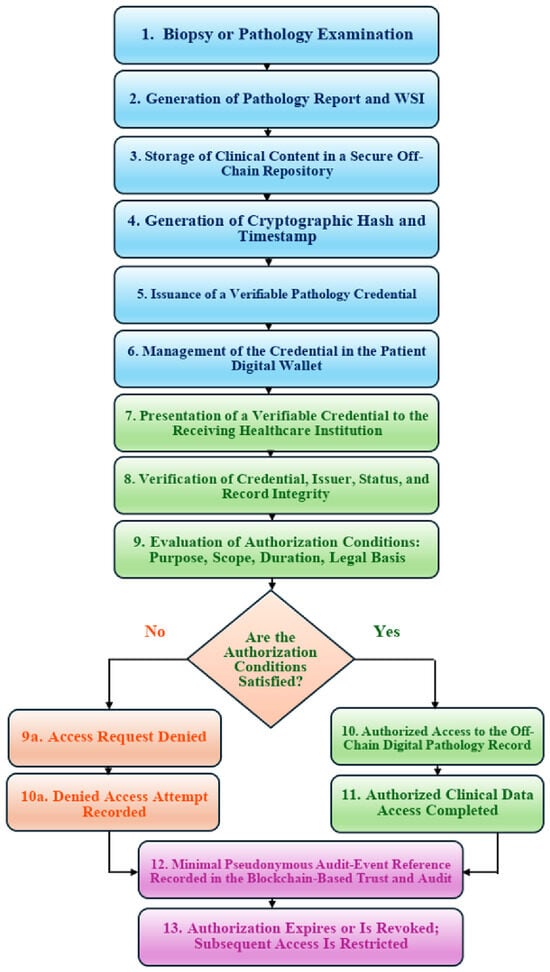
Background/Objectives: Digital pathology is transforming diagnostic workflows through whole-slide imaging (WSI), digital archiving, artificial intelligence (AI)-assisted analysis, and remote consultation. The existing literature only partly addresses patient access to pathology records and cross-institutional sharing within a holistic governance framework. This study proposes a Self-Sovereign Identity (SSI)-based conceptual governance model that treats digital pathology archives as components of long-term clinical memory. Here, clinical memory refers to a pathology-specific information layer that preserves record context, provenance, integrity, and longitudinal links across time and institutions while supporting governed reuse and legally bounded patient-managed access. Methods: Eighty publicly available complaints from the Şikayetvar platform were examined using codebook-based thematic content analysis. Aggregated National Health Service (NHS) Written Complaints data were used to provide an illustrative external governance context. These data were not used for cross-country prevalence comparison or corroboration. Results: The main complaint themes were absent or inaccessible pathology results (66.3%) and records that remained unavailable despite notifications that the results were ready (55.0%). Complaint themes, the literature, regulatory sources, technical standards, and internal clinical review were synthesized while preserving different analytical functions, and 11 governance requirements were identified. Conclusions: Developed through Design Science Research, the model integrates verifiable credentials (VCs), a patient digital wallet, purpose- and time-limited authorization, dynamic consent and access revocation, secure off-chain storage, and blockchain-based integrity and auditing. The model was examined through an internal requirement-coverage assessment and a supplementary post hoc benchmark-oriented assessment. These analyses indicate conceptual consistency rather than independent validation. Real-world technical, clinical, usability, security, and equity validation remains necessary. Full article
(This article belongs to the Section Healthcare Quality, Patient Safety, and Self-care Management)
Show Figures

Figure 1
19 pages, 1580 KB  
Review
Current Perspectives on the Role of Collagen Peptide Fragments in Health and Disease
by Kenzi-Alayna Campbell, Sanjay P. Tirupattur, Gia Katwa and Laxmansa C. Katwa
Cells 2026, 15(18), 1626; https://doi.org/10.3390/cells15181626 (registering DOI) - 8 Sep 2026
Abstract
Collagen is the most abundant protein in the human body and a vital component of the extracellular matrix (ECM), where it maintains structural architecture, strength, and mechanical stability throughout the body. Collagen undergoes continuous turnover and remodeling mediated by matrix metalloproteinases (MMPs) and [...] Read more.
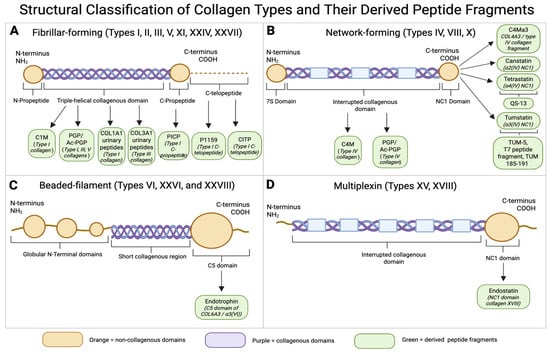
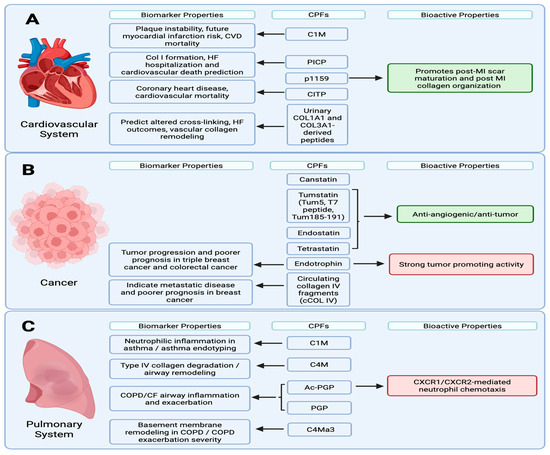
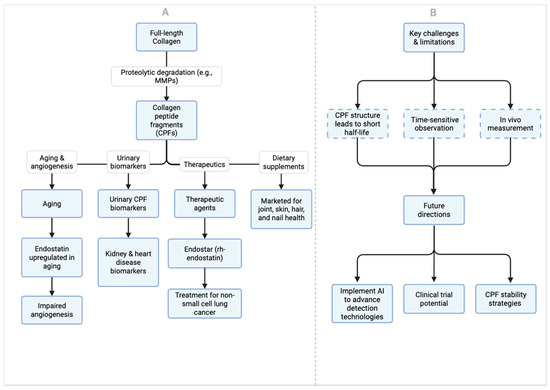
Collagen is the most abundant protein in the human body and a vital component of the extracellular matrix (ECM), where it maintains structural architecture, strength, and mechanical stability throughout the body. Collagen undergoes continuous turnover and remodeling mediated by matrix metalloproteinases (MMPs) and other proteases to generate collagen peptide fragments (CPFs). CPFs were long considered inert byproducts of collagen turnover but are now recognized to have two overlapping roles: as circulating and urinary biomarkers of ECM remodeling, and as beneficial or adverse bioactive matrikines that directly regulate inflammation, angiogenesis, fibrosis, immune responses, and tissue remodeling. This review focuses on current evidence regarding the biological activities of various CPFs across cardiovascular, cancer, and pulmonary systems. We conclude by discussing various perspectives, including clinical and therapeutic applications and future directions. Full article
(This article belongs to the Special Issue Protein and RNA Regulation in Cells)
Show Figures

Figure 1
12 pages, 7053 KB  
Article
Shifts Toward Direct Oral Anticoagulants in Ambulatory Care: Utilization Trends and SARIMA Forecasts
by Vasiliki Gougoula, Konstantinos Kassandros, Panagiotis Nikolaos Lalagkas, Evangelia Nena, Georgia Kaiafa, Vangelis G. Manolopoulos, Maria Panagopoulou, Theodoros C. Konstantinides and Christos Kontogiorgis
Pharmacoepidemiology 2026, 5(3), 34; https://doi.org/10.3390/pharma5030034 (registering DOI) - 8 Sep 2026
Abstract
Background: Anticoagulant treatment is central to the prevention and management of thromboembolic cardiovascular disease, and contemporary practice has increasingly shifted toward direct oral anticoagulants. Objectives: To quantify ambulatory anticoagulant utilization trends in Greece during 2018 to 2022 and to forecast utilization [...] Read more.
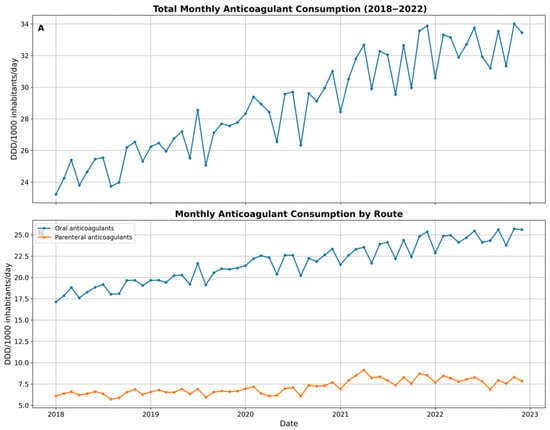
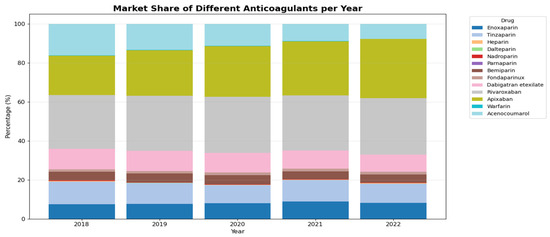
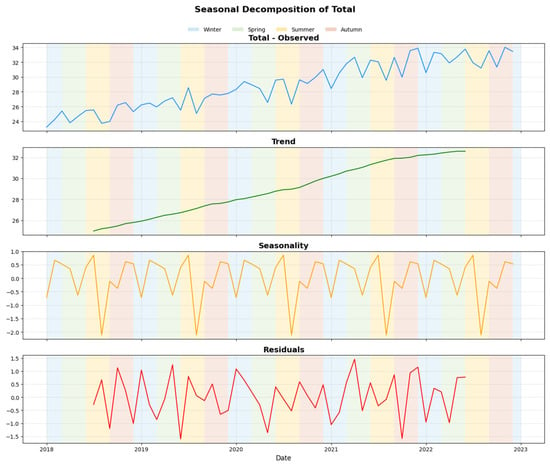
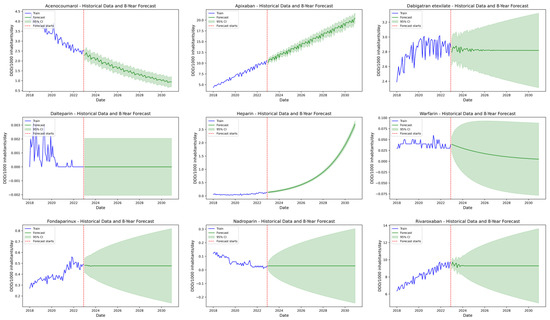
Background: Anticoagulant treatment is central to the prevention and management of thromboembolic cardiovascular disease, and contemporary practice has increasingly shifted toward direct oral anticoagulants. Objectives: To quantify ambulatory anticoagulant utilization trends in Greece during 2018 to 2022 and to forecast utilization through 2030 using standardized drug-utilization metrics. Methods: A retrospective pharmacoepidemiological analysis of community-pharmacy anticoagulant sales data in Greece was performed using IQVIA Greece data as a proxy for population-level drug consumption. Utilization was standardized as defined daily doses per 1000 inhabitants per day. Drug-specific temporal trends were evaluated, and seasonal autoregressive integrated moving average models were developed to generate forecasts through 2030. Results: Total sales-based anticoagulant consumption increased by 31.1%, from 24.84 defined daily doses per 1000 inhabitants per day in 2018 to 32.57 in 2022, corresponding to an average annual increase of 1.57. This increase was primarily driven by direct oral anticoagulants, particularly apixaban, which increased from 5.03 ± 0.36 to 9.91 ± 0.46, and rivaroxaban, which increased from 6.84 ± 0.32 to 9.38 ± 0.29. In contrast, acenocoumarol declined by 37.6%, from 4.02 ± 0.17 to 2.51 ± 0.08. Among parenteral anticoagulants, enoxaparin increased from 1.87 ± 0.11 to 2.65 ± 0.15, whereas nadroparin decreased from 0.06 ± 0.01 to 0.02 ± 0.01. By 2030, apixaban and rivaroxaban are forecast to reach 19.61 (95% CI 18.45 to 20.77) and 9.29 (95% CI 5.09 to 13.49), respectively, whereas acenocoumarol is projected to decline to 0.97 (95% CI 0.72 to 1.23). Conclusions: Sales-based anticoagulant consumption shifted toward direct oral anticoagulants, with concurrent declines in vitamin K antagonists and selected parenteral agents, trends that may inform cardiovascular care planning, reimbursement policy, and implementation of evidence-based anticoagulation strategies. Full article
Show Figures

Figure 1
12 pages, 234 KB  
Article
Perspectives and Challenges in Oral Pharyngeal Cancer Screening Practices of Primary Care Providers—A Preliminary Study
by Sangeeta Yadav, Nishitha Ponnamaneni, Soni Prasad and Alvin G. Wee
Oral 2026, 6(5), 117; https://doi.org/10.3390/oral6050117 (registering DOI) - 8 Sep 2026
Abstract
Objectives: The purpose of this study was to identify the barriers preventing primary care providers from performing regular oral cancer screening, and to understand the challenges they face in integrating oral cancer screening into their annual examination protocols. Method: Sequential exploratory mixed methods [...] Read more.
Objectives: The purpose of this study was to identify the barriers preventing primary care providers from performing regular oral cancer screening, and to understand the challenges they face in integrating oral cancer screening into their annual examination protocols. Method: Sequential exploratory mixed methods were used. Both qualitative and quantitative data from primary care providers working at Nebraska Medicine were obtained. One-on-one in-depth interviews were performed to identify primary care providers’ perceptions and challenges in performing oral cancer screening. Themes identified in the qualitative phase guided the development of the survey questionnaire. The survey was emailed to all the primary care providers (n = 100) listed on the publicly accessible Nebraska Medicine website. Results: The response rate was 34%. Approximately 60% of the participants reported currently performing oral cancer screening; however, only 3.8% stated they performed comprehensive oral cancer screening consistently. Forty-eight percent of the providers identified time as the biggest challenge. Over 35.3% indicated they screened patients with a history of tobacco or alcohol use. Conclusions: With the limitations of this exploratory study, approximately half of the participants identified lack of time as their primary challenge in performing oral cancer screening and lack of knowledge as their second main obstacle. Very few performed comprehensive oral cancer screening, with visual examination being the most conducted step. Full article
19 pages, 427 KB  
Article
From Organizational Politics to Quiet Quitting: Mediating Roles of Psychological Contract Breach and Perceived Job Security in a Federal University in Nigeria
by Olusola Stella Popoola
Psychol. Int. 2026, 8(3), 55; https://doi.org/10.3390/psycholint8030055 (registering DOI) - 8 Sep 2026
Abstract
Employees do not always respond to dysfunctional workplaces by leaving; increasingly, they remain in their jobs while quietly withdrawing the discretionary effort that organizations depend on. Little is known about why some employees respond to political work environments in this way. Drawing on [...] Read more.
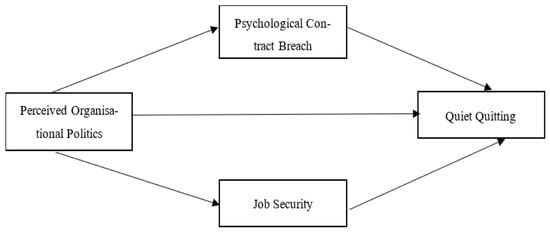
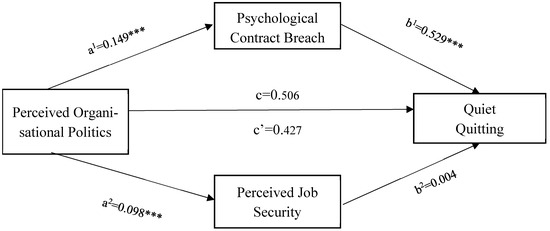
Employees do not always respond to dysfunctional workplaces by leaving; increasingly, they remain in their jobs while quietly withdrawing the discretionary effort that organizations depend on. Little is known about why some employees respond to political work environments in this way. Drawing on Psychological Contract Theory and Conservation of Resources Theory, this study examined whether psychological contract breach (PCB) and perceived job security (PJS) explain how perceived organizational politics (POPS) translates into quiet quitting (QQ). A cross-sectional survey was conducted among 147 employees drawn from a convenience sample at a selected federal university in Nigeria. Data were analyzed using Hayes’ PROCESS macro (Model 4). The findings revealed that POPS significantly predicted QQ (β = 0.51, p < 0.001). When both mediators were entered simultaneously, the direct effect remained significant (β = 0.43, p < 0.001), indicating partial mediation. PCB significantly mediated the relationship between POPS and QQ (β = 0.079, 95% CI [0.0151, 0.1401]), whereas PJS did not. Although POPS was positively associated with PJS (β = 0.09, p < 0.001), PJS did not significantly predict QQ. These findings indicate that employees withdraw discretionary effort primarily because organizational politics signals a failure to fulfil implicit employment obligations, rather than because of concerns about job security. To reduce QQ, organizations need to move beyond preserving employment security and strengthen fulfilment of psychological contract obligations. Full article
Show Figures

Figure 1
16 pages, 1760 KB  
Article
Evaluation of an IoT Strain-Sensing System with LoRa Telemetry and Asset Metadata
by Xiaoxiao Bu, Shenshi Jiang, Henry Gong, Tommy Chaung, Enbang Li and Zhengyi Jiang
Sensors 2026, 26(18), 5686; https://doi.org/10.3390/s26185686 (registering DOI) - 8 Sep 2026
Abstract
Instrumented rock-bolt monitoring requires strain records that retain integrity and asset context after local processing and wireless transmission. An Internet of Things (IoT) strain-sensing system with LoRa telemetry and asset metadata was evaluated on a cantilever fixture. The node converted tare-referenced bridge counts [...] Read more.
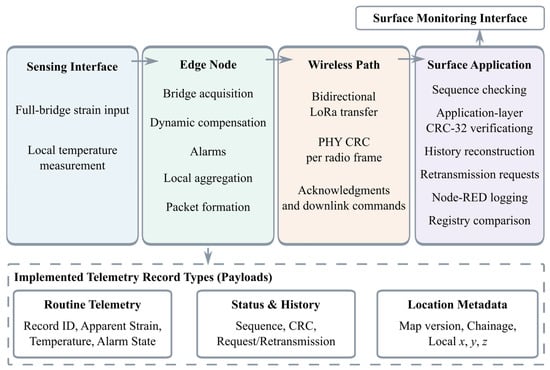
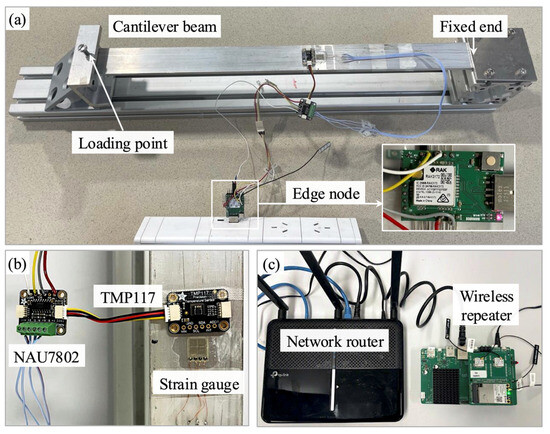
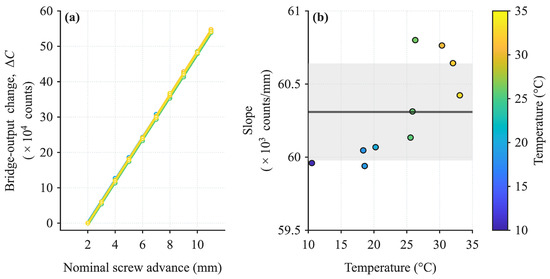
Instrumented rock-bolt monitoring requires strain records that retain integrity and asset context after local processing and wireless transmission. An Internet of Things (IoT) strain-sensing system with LoRa telemetry and asset metadata was evaluated on a cantilever fixture. The node converted tare-referenced bridge counts to apparent strain, applied temperature compensation using a lagged temperature term, evaluated alarms locally, and buffered summaries for LoRa transfer. Histories were assessed using sequence continuity and a 32-bit cyclic redundancy check (CRC-32). Ten monotonic loading runs showed linear responses to nominal screw advance (R2 > 0.9997); fitted slopes had a coefficient of variation of 0.55%. Across three fixed-setting tests spanning 5.1–8.0 °C, unchanged embedded compensation reduced the magnitude of fitted apparent thermal sensitivity by 89.1–95.5%. In all 45 operator-controlled alarm trials, trigger or non-trigger outcomes matched expectations recorded before dashboard inspection. Of 60 planned application-layer history transfers, 50 passed; the remaining ten comprised four failures, three interruptions, and three invalid or contaminated trials. Passed transfers included exact reconstruction of a 1024-record circular buffer. Retrieved metadata passed CRC-32 verification and matched the registered laboratory asset. These results characterize a one-asset laboratory workflow before packaged-bolt, underground, and multi-asset validation. Full article
(This article belongs to the Section Industrial Sensors)
Show Figures

Figure 1
4 pages, 128 KB  
Editorial
Editorial Note—Special Issue on Pandemic Influenza Vaccination
by Francisco Nogareda and Shoshanna Goldin
Vaccines 2026, 14(9), 783; https://doi.org/10.3390/vaccines14090783 (registering DOI) - 8 Sep 2026
Abstract
Influenza pandemics occur when a novel influenza virus strain emerges that spreads rapidly between people with little or no immunity [...] Full article
(This article belongs to the Special Issue Pandemic Influenza Vaccination)
7 pages, 174 KB  
Editorial
Development of Low-Carbon Coatings/Materials and Intelligent Construction Protection Technology
by Tian Su and Jianwen Shao
Coatings 2026, 16(9), 1068; https://doi.org/10.3390/coatings16091068 (registering DOI) - 8 Sep 2026
Abstract
Global urbanization continues to accelerate, driving rapid growth in demand for new buildings and infrastructure, as well as further exacerbating natural resource consumption, ecological degradation, and greenhouse gas emissions [...] Full article
24 pages, 5725 KB  
Article
Molecular Dynamics Study of CO2-Induced Transfer of Crude Oil Components: Roles of Molecular Structure, Cohesion, and Mixture Composition
by Jiahao Gao, Mingyuan Wang, Yu Zhang, Weifeng Lyu, Ke Zhang and Ziyang Zuo
Molecules 2026, 31(18), 3140; https://doi.org/10.3390/molecules31183140 (registering DOI) - 8 Sep 2026
Abstract
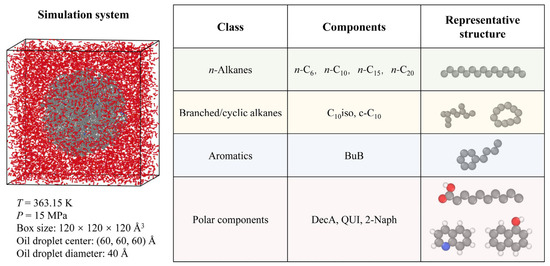
Molecular dynamics simulations examined the roles of molecular structure, thermodynamic compatibility, intermolecular association, and mixture composition in the supercritical CO2 extraction of ten crude oil components at 363.15 K and 15 MPa. Single-component extraction ratios ranged from 80.70% for n-hexane to 5.85% [...] Read more.
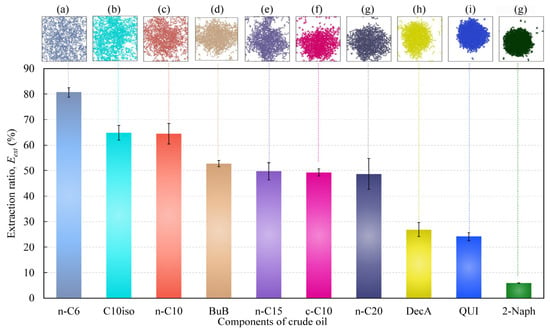
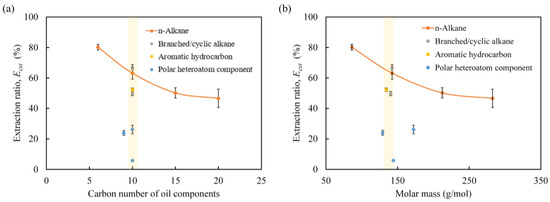
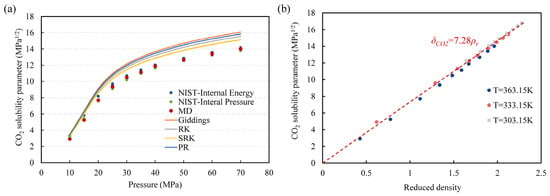
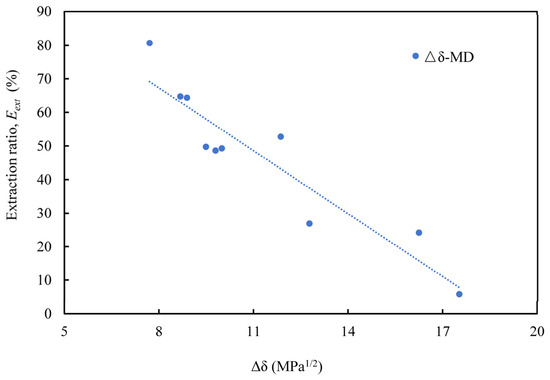
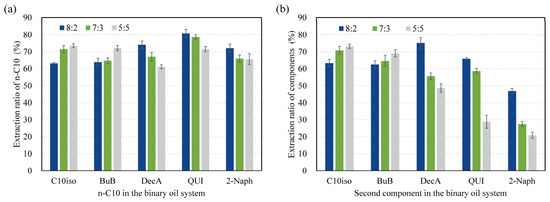
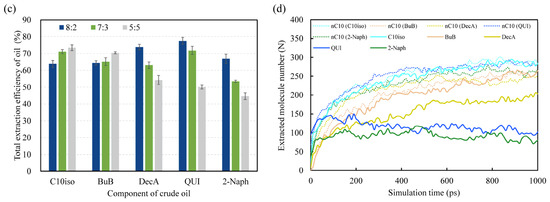
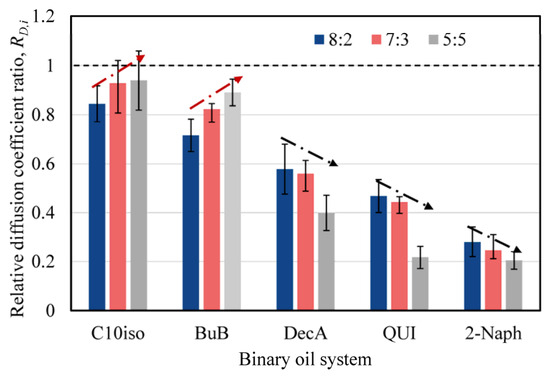
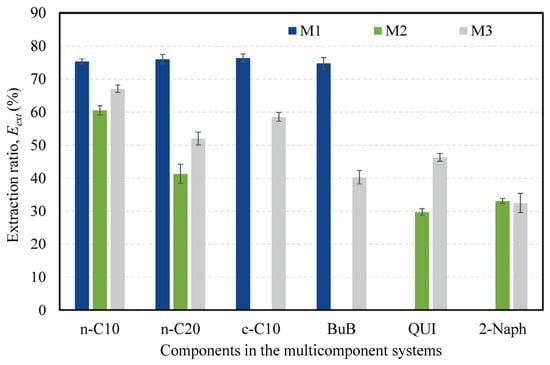
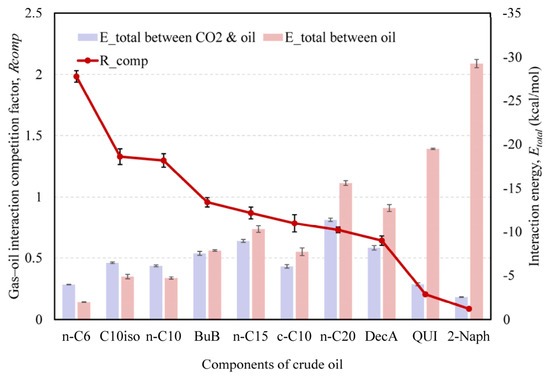
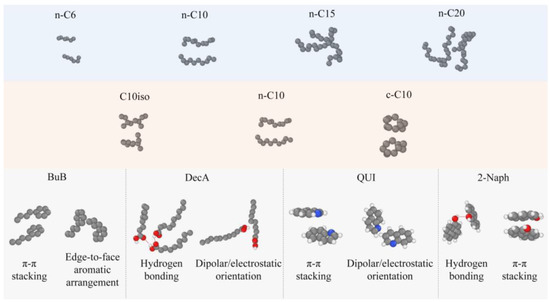
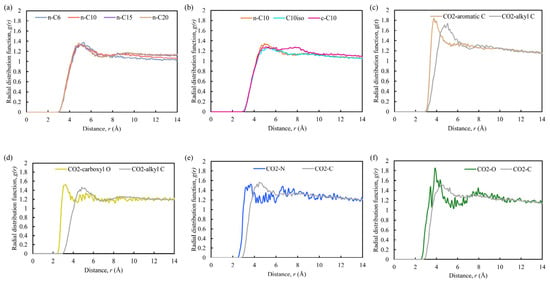
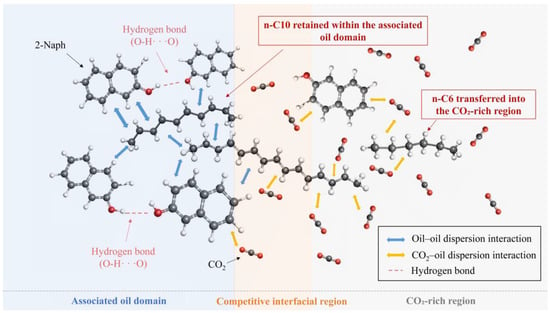
Molecular dynamics simulations examined the roles of molecular structure, thermodynamic compatibility, intermolecular association, and mixture composition in the supercritical CO2 extraction of ten crude oil components at 363.15 K and 15 MPa. Single-component extraction ratios ranged from 80.70% for n-hexane to 5.85% for 2-naphthol. Compounds of similar size differed widely, indicating that topology, aromaticity, and polar functional groups were more informative than molecular size alone. CO2 solubility parameters obtained from MD agreed with estimates derived from NIST data, and δCO2 = 7.28ρr captured their reduced density dependence over 303.15–363.15 K. Extraction generally decreased with increasing oil–CO2 solubility parameter difference. In binary systems evaluated using oil boundaries determined by the half density criterion, higher fractions of nonpolar partners were associated with increased total extraction ratios, whereas higher fractions of polar partners were associated with decreases. Multicomponent systems showed redistribution that depended on the overall composition, and relative diffusion coefficients qualitatively reflected mobility differences. The gas–oil interaction competition factor, Rcomp, decreased from 1.985 to 0.087 in the same order as the extraction ratios. Both the thermodynamic and energetic correspondences persisted after excluding 2-naphthol. Configurations and radial distribution functions showed that association in nonpolar hydrocarbons was dominated by dispersion interactions, whereas polar and aromatic components exhibited additional hydrogen bonding, aromatic stacking, and dipolar or electrostatic organization. Local CO2 enrichment near polar sites alone did not explain overall extraction. Overall, the selective transfer of individual components was consistent with a balance between local CO2–oil association and collective oil–oil cohesion that depended on mixture composition, while molecular organization may regulate the accessibility of favorable CO2 contact sites. Full article
(This article belongs to the Topic Petroleum and Gas Engineering, 2nd edition)
Show Figures

Figure 1

12 pages, 626 KB  
Article
Neonatal Intensive Care Unit Outbreak of Ralstonia pickettii Bacteremia Associated with Contaminated Sterile Distilled Water: Clinical, Environmental, and Molecular Epidemiological Investigation
by Saime Sundus Uygun, Hatice Turk Dagi, Gulsum Alkan, Onur Ural, Baris Otlu, Evrim Kilicli, Osman Selcuk Duysak, Hanifi Soylu and Murat Konak
Pathogens 2026, 15(9), 953; https://doi.org/10.3390/pathogens15090953 (registering DOI) - 8 Sep 2026
Abstract
Ralstonia pickettii is an opportunistic Gram-negative bacterium associated with healthcare-associated infections, particularly in premature infants and other immunocompromised or critically ill patients. This study aimed to investigate a neonatal intensive care unit outbreak of Ralstonia pickettii bacteremia by describing the clinical characteristics of [...] Read more.
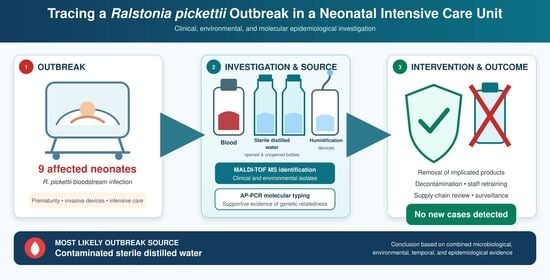
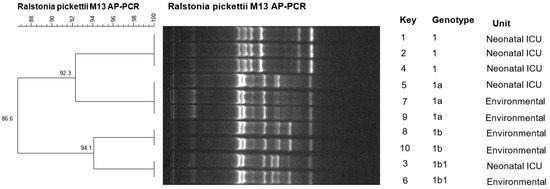
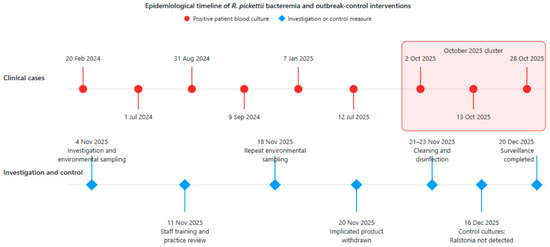
Ralstonia pickettii is an opportunistic Gram-negative bacterium associated with healthcare-associated infections, particularly in premature infants and other immunocompromised or critically ill patients. This study aimed to investigate a neonatal intensive care unit outbreak of Ralstonia pickettii bacteremia by describing the clinical characteristics of affected infants, identifying the environmental source, and evaluating the genetic relatedness between clinical and environmental isolates. Hospital records from January 2023 through November 2025 were reviewed; the nine included cases occurred between February 2024 and October 2025. Demographic, clinical, and laboratory data were reviewed. Environmental sampling was performed to identify the source of contamination. Genetic relatedness between clinical and environmental isolates was evaluated using arbitrarily primed polymerase chain reaction (AP-PCR), and the molecular findings were interpreted together with microbiological and epidemiological data. This study was initially designed as a retrospective clinical review and was subsequently expanded to include an outbreak investigation after three temporally clustered cases were identified in October 2025. The outbreak involved nine neonates with Ralstonia pickettii bacteremia. Environmental investigation identified Ralstonia pickettii in both opened and unopened sterile distilled water samples. Clinical and environmental isolates demonstrated highly similar AP-PCR banding patterns, supporting genetic relatedness when interpreted together with microbiological and epidemiological findings. Following removal of the contaminated source and implementation of infection control measures, no additional R. pickettii bacteremia cases were identified. Overall mortality was 44.4%, whereas only one death (11.1%) was considered attributable to Ralstonia pickettii bacteremia. Ralstonia pickettii can cause healthcare-associated outbreaks in neonatal intensive care units. Integration of microbiological, environmental, epidemiological, and molecular findings may facilitate timely outbreak source identification and implementation of effective infection control measures. Full article
(This article belongs to the Section Bacterial Pathogens)
Show Figures

Graphical abstract

23 pages, 1556 KB  
Article
Bitcoin on Wall Street Time: Natural Experiments on the Institutionalization of a 24/7 Market
by Huda Aldhahi
J. Risk Financ. Manag. 2026, 19(9), 707; https://doi.org/10.3390/jrfm19090707 (registering DOI) - 8 Sep 2026
Abstract
Although cryptocurrency markets trade continuously, the intraday distribution of Bitcoin’s volatility has migrated toward United States trading hours as the asset has institutionalized. Using ten years of hourly Kraken XBT/USD data (2016–2025; 87,672 observations), I document this migration and tie its timing to [...] Read more.
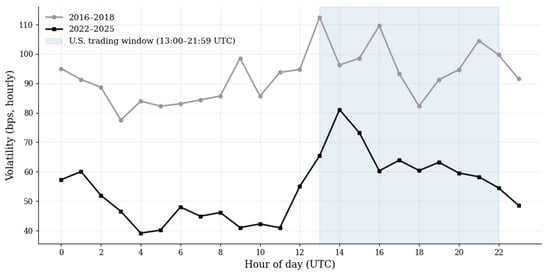
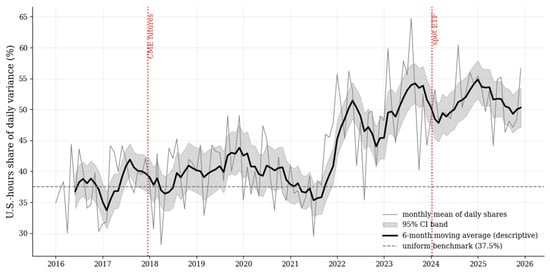
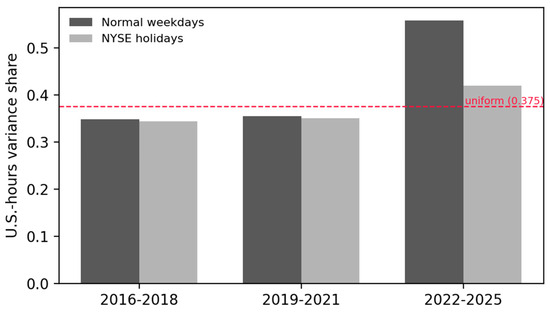
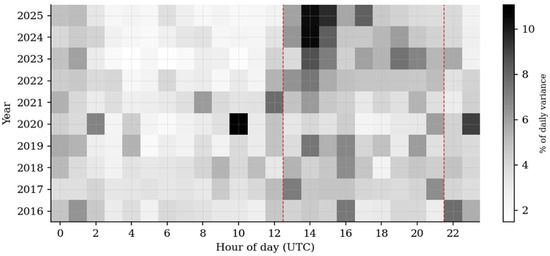
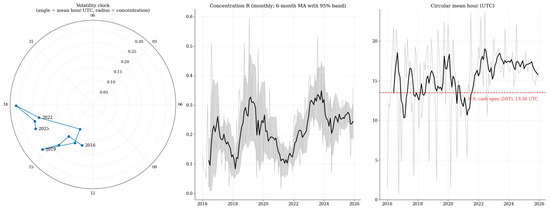
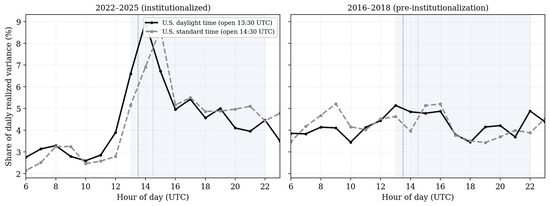
Although cryptocurrency markets trade continuously, the intraday distribution of Bitcoin’s volatility has migrated toward United States trading hours as the asset has institutionalized. Using ten years of hourly Kraken XBT/USD data (2016–2025; 87,672 observations), I document this migration and tie its timing to the U.S. trading calendar with two natural experiments. When U.S. clocks change, the intraday volatility peak shifts by one hour in UTC, tracking the displaced equity open; the shift appears only in the institutionalized period. On weekday NYSE holidays, when the U.S. cash market is closed while most other markets trade, the U.S.-hours share of realized variance falls by 13.9 percentage points relative to matched weekdays, close to the uniform benchmark of 0.375 (the share expected if variance were distributed evenly across the 24 h day), and this effect is also absent before 2019. Neither result is consistent with an explanation fixed in UTC. A window-free circular index of intraday concentration rises by more than 40% over the decade, with a structural break in November 2021, and no local break at the 2017 futures launch or the 2024 spot-ETF approval. A placebo simulation shows that naive whole-sample event contrasts on this trending series are significant for 100% of random pseudo-event dates. The microstructure of a nominally 24/7 market increasingly bears the imprint of the U.S. equity calendar. Full article
(This article belongs to the Section Financial Technology and Innovation)
Show Figures

Figure 1

21 pages, 5128 KB  
Article
Seeking Benefits or Avoiding Risks? Public Opinion Content and Consumers’ Purchase Intention Toward Aquatic Products: The Case of Basa Fish
by Xiaoyan Wang, Jianbo Luo, Yizhuo Zhang, Xiang Gao, Yongxiang Zhang, Yue Sun and Lejun Xu
Foods 2026, 15(18), 3169; https://doi.org/10.3390/foods15183169 (registering DOI) - 8 Sep 2026
Abstract
Information asymmetry in aquatic product markets heightens consumers’ perceived food safety risks. Using basa fish as the focal product, this study examined how public opinion content influences purchase intention through perceived benefits and perceived sacrifices, and whether regulatory focus moderates these effects. Based [...] Read more.
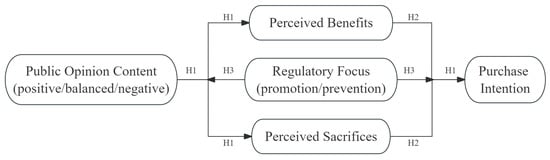
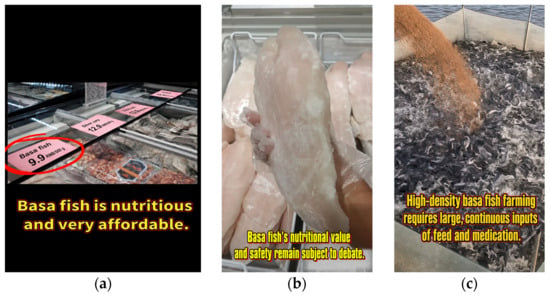
Information asymmetry in aquatic product markets heightens consumers’ perceived food safety risks. Using basa fish as the focal product, this study examined how public opinion content influences purchase intention through perceived benefits and perceived sacrifices, and whether regulatory focus moderates these effects. Based on a scenario experiment, prior basa fish consumers were randomly assigned to positive, balanced, or negative video conditions; the final per-protocol sample comprised 742 participants. Baseline-adjusted analyses showed that positive content produced the highest perceived benefits and purchase intention and the lowest perceived sacrifices, balanced content produced intermediate responses, and negative content produced the least favorable responses. Significant indirect effects operated through perceived benefits and perceived sacrifices. Regulatory focus produced selective moderation: among more promotion-oriented consumers, the positive-versus-negative and balanced-versus-negative advantages in perceived benefits, and the balanced-versus-negative reduction in perceived sacrifices, were greater; among more prevention-oriented consumers, the balanced-versus-negative advantage in purchase intention was greater. These findings clarify how complete public opinion message packages shape consumer evaluations and provide guidance for aquatic product communication and market governance. Full article
Show Figures

Figure 1

16 pages, 4215 KB  
Article
Morphological Characterization of Turkish Ambling Horses
by Burcu Bayramoğlu and Yahya Tuncay Tuna
Animals 2026, 16(18), 2813; https://doi.org/10.3390/ani16182813 (registering DOI) - 8 Sep 2026
Abstract
Morphometric information on ambling horses raised in Türkiye remains limited. This study aimed to characterize the morphometric traits of ambling horses according to breeding origin, age, and sex and to provide baseline phenotypic information on the studied population. A total of 102 naturally [...] Read more.
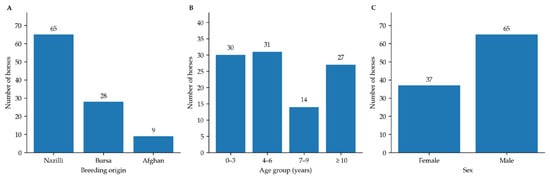
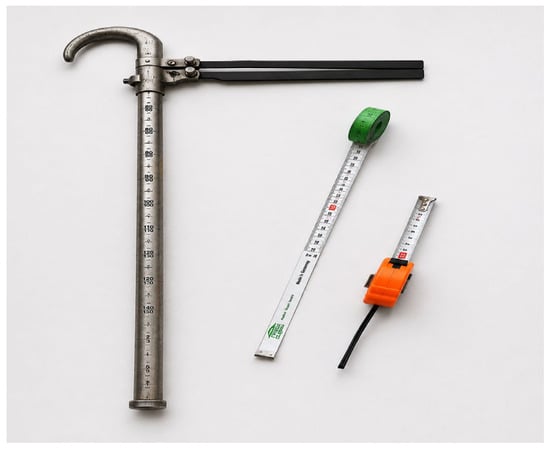
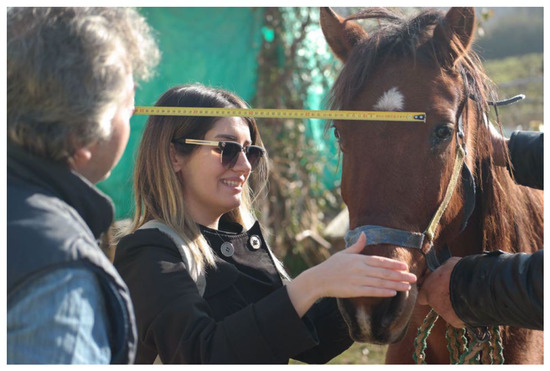
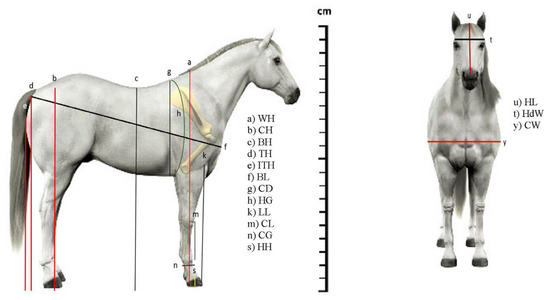
Morphometric information on ambling horses raised in Türkiye remains limited. This study aimed to characterize the morphometric traits of ambling horses according to breeding origin, age, and sex and to provide baseline phenotypic information on the studied population. A total of 102 naturally ambling horses were evaluated, including indigenous horses raised in Bursa (n = 28), indigenous horses raised in Nazilli, Aydın Province (n = 65), and Afghan-origin horses raised in Bursa (n = 9). Morphometric measurements of the head, body, and limbs were recorded, and the effects of breeding origin, age, and sex were analyzed using a general linear model. Significant differences among breeding origins were observed for several morphometric traits (p < 0.05). Afghan-origin horses generally exhibited higher values for several body measurements, particularly withers height, body length, chest depth, chest width, and heart girth, reflecting morphometric differences within the studied sample. Age- and sex-related differences were also observed for several morphometric traits. The strongest correlation was observed between CH and BH (r = 0.920, p < 0.001), followed by WH and BH (r = 0.873, p < 0.001) and WH and CH (r = 0.860, p < 0.001). ITH was also positively correlated with BH (r = 0.825), CH (r = 0.808), and WH (r = 0.744) (all p < 0.001). Overall, this study provides baseline morphometric information on ambling horses from different breeding origins raised in Türkiye and contributes to the phenotypic characterization of the studied population. However, because the Afghan-origin group included only nine horses and the distribution of animals among some groups was unbalanced, the observed differences should be interpreted with caution. Further studies involving larger and more balanced populations are needed to confirm these findings. Full article
Show Figures

Figure 1

16 pages, 694 KB  
Review
Endothelial Collapse as a Convergent Immunovascular Phenotype in Sepsis and Severe Arboviral Disease: The SIMVAC Model
by Jhan S. Saavedra-Torres, H. A. Nati-Castillo, Alice Gaibor-Pazmino, Marlon Rojas-Cadena, Valeria Estefania Galecio Tito, Kenny Ruiz Sosa, Leonardo Sánchez Salazar, Jefferson A. Núñez-Medina and Juan S. Izquierdo-Condoy
Pathogens 2026, 15(9), 952; https://doi.org/10.3390/pathogens15090952 (registering DOI) - 8 Sep 2026
Abstract
Background/Objectives: Severe bacterial sepsis and arboviral diseases may present with overlapping manifestations of vascular leakage, hemodynamic instability, thrombocytopenia, and organ dysfunction. We examined whether etiologically distinct severe infections may converge on selected components of immunovascular dysfunction and propose the Severe Infection-Mediated Vascular Activation [...] Read more.
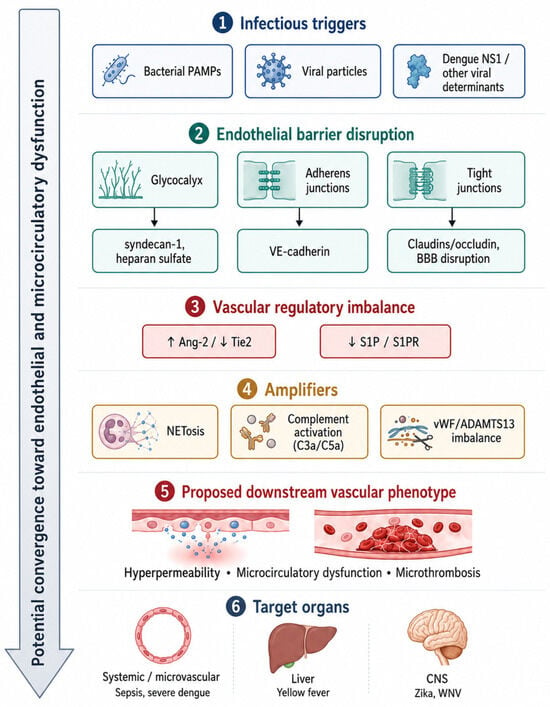
Background/Objectives: Severe bacterial sepsis and arboviral diseases may present with overlapping manifestations of vascular leakage, hemodynamic instability, thrombocytopenia, and organ dysfunction. We examined whether etiologically distinct severe infections may converge on selected components of immunovascular dysfunction and propose the Severe Infection-Mediated Vascular Activation and Collapse (SIMVAC) model as a hypothesis-generating framework. Methods: This narrative mechanistic review integrates human clinical and physiological studies, translational biomarker evidence, experimental models, and pathogen-specific mechanistic studies, with particular attention to the relative strength of evidence across arboviruses. Results: Dengue provides the strongest arboviral mechanistic support, linking plasma leakage with NS1-mediated endothelial barrier disruption, glycocalyx degradation, tissue-specific vascular effects, and inflammatory amplification. Evidence for yellow fever, West Nile virus, and Zika supports distinct organ-specific or systemic pathways but is less complete, whereas evidence for Mayaro, Oropouche, Venezuelan equine encephalitis, and Rocio viruses remains limited or hypothesis-generating. Candidate points of convergence include glycocalyx injury, Ang-2/Tie2 and S1P dysregulation, complement activation, NETosis, and vWF/ADAMTS13 imbalance. Conclusions: SIMVAC should be regarded as a testable conceptual model rather than a validated syndrome or diagnostic tool. Prospective, pathogen-confirmed studies are required to determine whether reproducible immunovascular signatures exist across severe infections and whether they provide clinically meaningful information beyond conventional etiological and severity assessment. Full article
Show Figures

Figure 1

19 pages, 2957 KB  
Case Report
The Long-Term Clinical and Radiographic Evolution of Temporomandibular Joint Involvement in Juvenile Idiopathic Arthritis: A Narrative Review and 15-Year Follow-Up Case Report
by Evgenia Sp. Gogou, Vasileios Chr. Psarras, Dionysios Andrinopoulos and Michail Ger. Tzakis
Children 2026, 13(9), 1211; https://doi.org/10.3390/children13091211 (registering DOI) - 8 Sep 2026
Abstract
Background/Objectives: Juvenile idiopathic arthritis (JIA) is the most common chronic rheumatic disease in childhood and may involve the temporomandibular joint (TMJ), sometimes with limited clinical manifestations. This report combines a narrative review of TMJ involvement in JIA with a 15-year follow-up of [...] Read more.
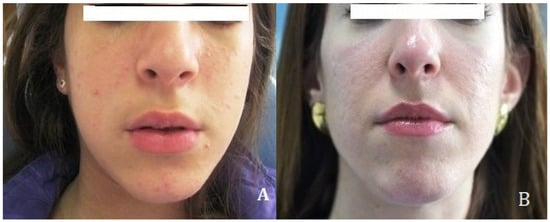
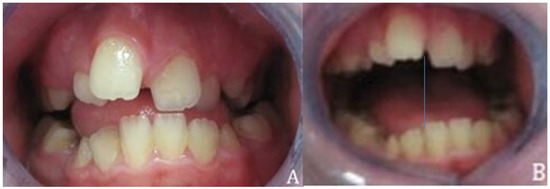
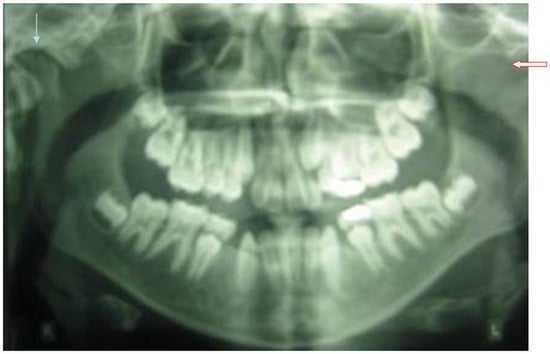
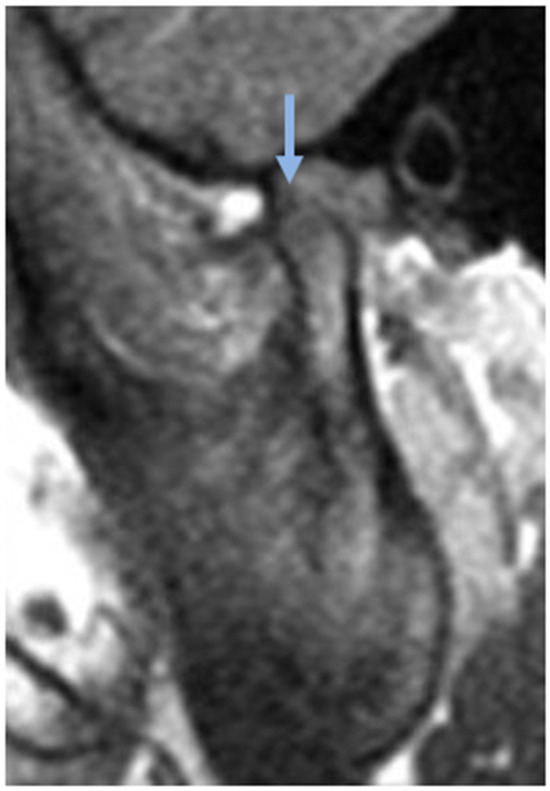
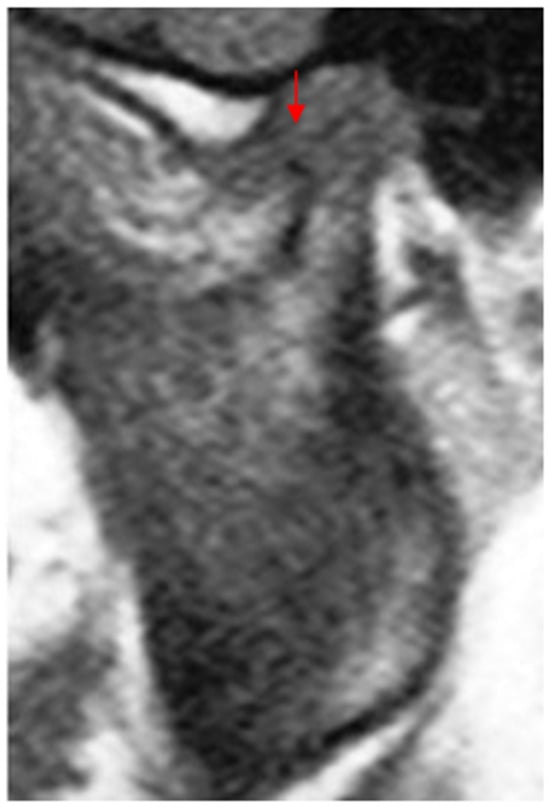
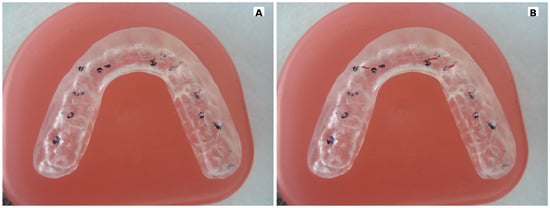
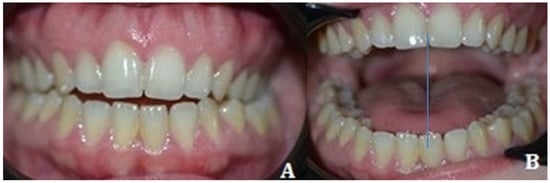
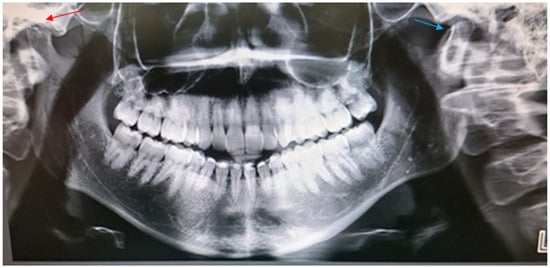
Background/Objectives: Juvenile idiopathic arthritis (JIA) is the most common chronic rheumatic disease in childhood and may involve the temporomandibular joint (TMJ), sometimes with limited clinical manifestations. This report combines a narrative review of TMJ involvement in JIA with a 15-year follow-up of a patient with JIA-associated TMJ disease. The objectives were to summarize current evidence regarding the clinical assessment and management of TMJ involvement in JIA and to describe the relationship between long-term clinical and structural findings in an individual patient. Case Report: A 12-year-old girl with newly diagnosed oligoarticular JIA was referred by the pediatric rheumatologist to the Clinic of Orofacial Pain Management, National and Kapodistrian University of Athens. At referral, TMJ involvement was identified despite systemic antirheumatic treatment. The patient presented with orofacial pain, restricted mouth opening, mandibular deviation, multiple painful orofacial sites, maximum interincisal opening of 26 mm, reduced mandibular excursions, marked masticatory muscle tenderness, and an anterior open bite. Contrast-enhanced magnetic resonance imaging (MRI) demonstrated bilateral active TMJ synovitis, early condylar erosions, and anterior disc displacement, with reduction on the right and without reduction on the left. Management comprised systemic antirheumatic therapy together with a structured physiotherapy program and a maxillary stabilization splint. Results: At one-year follow-up, maximum mouth opening had increased to 50 mm, with substantial improvement in mandibular function and symptoms. Fifteen years after the initial TMJ assessment, the patient remained pain-free with satisfactory mandibular function and a maximum mouth opening of 46 mm. Panoramic radiography at long-term follow-up demonstrated bilateral condylar abnormalities, including flattening, osteophyte formation, and intraosseous cystic changes. Because the initial and long-term assessments were performed using different imaging modalities, these findings cannot be directly compared to establish longitudinal structural progression. Conclusions: This case illustrates dissociation between favorable long-term clinical and functional status and substantial structural abnormalities identified at follow-up in a patient with JIA-associated TMJ involvement. It also highlights the limitations of relying on clinical symptoms and function alone to characterize TMJ structural status. The literature supports multidisciplinary management and individualized clinical and imaging assessment of TMJ involvement in JIA; however, prospective studies with standardized serial imaging are needed to better define the relationship between clinical outcomes and structural changes over time. Full article
Show Figures

Figure 1

27 pages, 1688 KB  
Review
Dietary Lauric Acid and Its Derivatives in Aquaculture Nutrition: Sources, Mechanisms of Action, and Physiological Effects
by Roselida Akinyi Opere, Giulia Pascon, Gloriana Cardinaletti and Francesca Tulli
Fishes 2026, 11(9), 529; https://doi.org/10.3390/fishes11090529 (registering DOI) - 8 Sep 2026
Abstract
Lauric acid (LA), a medium-chain fatty acid abundant in coconut oil and Hermetia illucens larvae, has been reported to promote growth performance and exhibit antimicrobial and immunostimulatory properties. This review examines current studies on its effects on growth performance, intestinal health, microbiota modulation, [...] Read more.
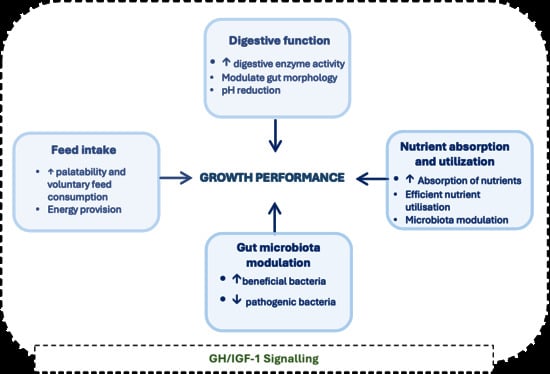
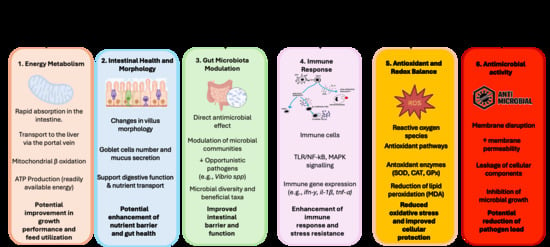
Lauric acid (LA), a medium-chain fatty acid abundant in coconut oil and Hermetia illucens larvae, has been reported to promote growth performance and exhibit antimicrobial and immunostimulatory properties. This review examines current studies on its effects on growth performance, intestinal health, microbiota modulation, and immune responses in aquatic species. Studies in finfish and crustaceans were evaluated according to the LA source, distinguishing purified LA, LA derivatives such as monoglycerides, and LA rich ingredients, when considering LA rich ingredients. Overall, LA was associated with changes in growth performance, feed efficiency, survival, intestinal morphology, gut microbiota, and immune and antioxidant responses, although effects varied with source, dose, species, and experimental conditions. Reported effects include increased villus height and goblet cell density, modulation of gut microbiota, altered cytokine expression, increased antioxidant enzyme activity, and reduced lipid peroxidation. Overall, LA appears to be a promising functional component in aquafeeds for finfish and crustacean species. Nevertheless, inconsistent experimental designs, differences in LA sources, and species-specific responses make direct comparisons among studies difficult. Further studies that use standardized experimental protocols, including consistent LA sources, dietary inclusion levels, trial durations and evaluation criteria, are needed to define optimal inclusion levels in different aquatic species. Full article
(This article belongs to the Special Issue Effects of Dietary Ingredients on Fish Nutrition and Health)
Show Figures

Figure 1

17 pages, 2041 KB  
Review
mTOR-Mediated Neuron–Cancer Interactions
by Joel Karikari Nyarkoh, Matthew Wolan and David M. Feliciano
Kinases Phosphatases 2026, 4(3), 24; https://doi.org/10.3390/kinasesphosphatases4030024 (registering DOI) - 8 Sep 2026
Abstract
The phosphotransferase activity of the protein kinase known as the mechanistic Target of Rapamycin (mTOR) is arguably one of the most studied biochemical events in biomedical sciences because of its importance to human health and evolution. Despite progress being made in understanding the [...] Read more.
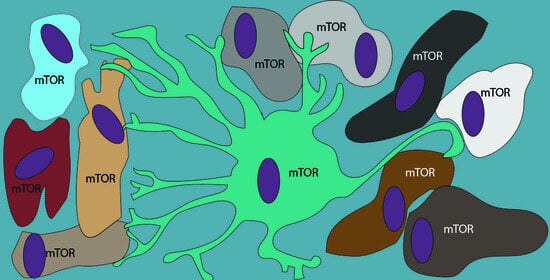
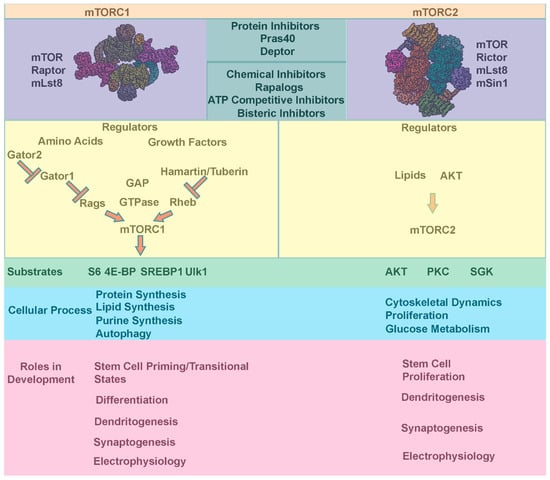
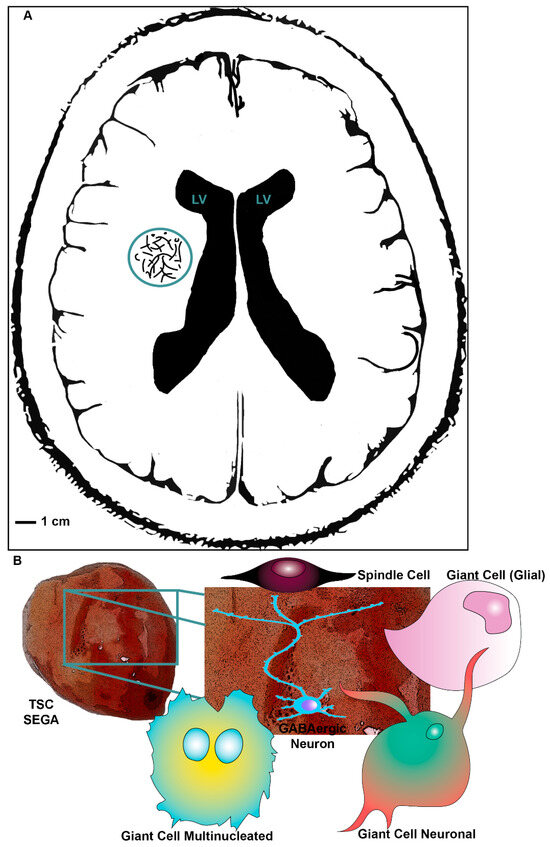
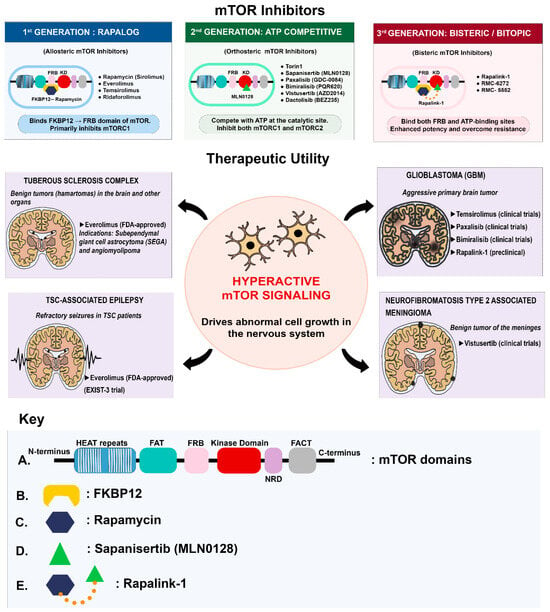
The phosphotransferase activity of the protein kinase known as the mechanistic Target of Rapamycin (mTOR) is arguably one of the most studied biochemical events in biomedical sciences because of its importance to human health and evolution. Despite progress being made in understanding the structure, biochemical characteristics, and function of the enzyme, tremendous knowledge gaps remain unfilled. Altered mTOR activity occurs in numerous neurological disorders, including those that present with seizures and neoplasms. Advances in cancer biology have identified that neuron activity is a critical driver of neoplastic growth. Here, we discuss mTOR, examples of neoplasms with altered neuron activity, and the potential utility of using mTOR inhibitors to modulate tumor-associated neurons. Full article
Show Figures

Graphical abstract

17 pages, 3241 KB  
Article
A High-Sensitivity MEMS Pressure Sensor with a Narrow Cross-Beam Membrane–Short Beam Structure
by Tao Wang, Zibang Xiao, Peicang Chen, Meng Nie, Zhen Yan, Shijie Deng, Jing Chen, Xiaolin Wang and Jingquan Liu
Micromachines 2026, 17(9), 1062; https://doi.org/10.3390/mi17091062 (registering DOI) - 8 Sep 2026
Abstract
To address the difficulty of balancing sensitivity and nonlinearity in MEMS piezoresistive pressure sensors, this study proposes an MEMS piezoresistive pressure sensor with a narrow cross-beam membrane–short beam structure. The structure introduces a tapered design at the ends of a conventional cross beam [...] Read more.
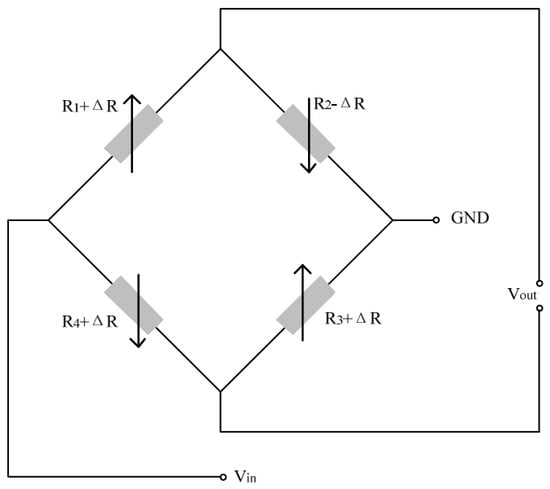
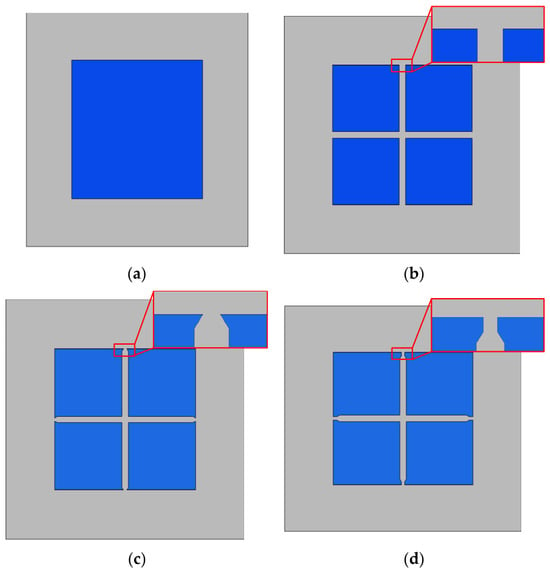
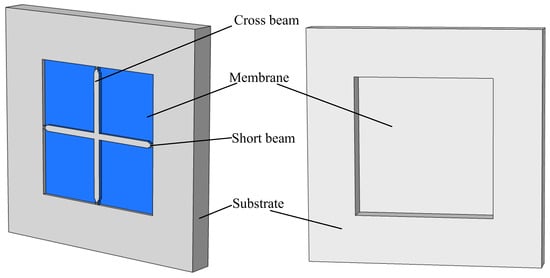
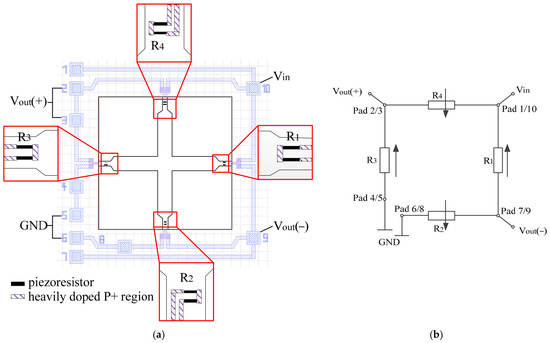
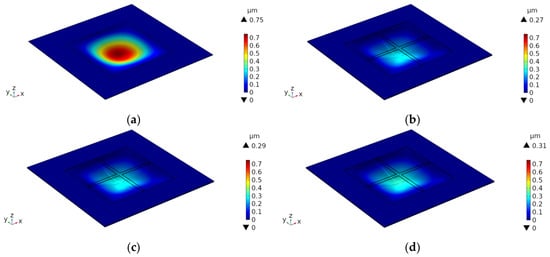
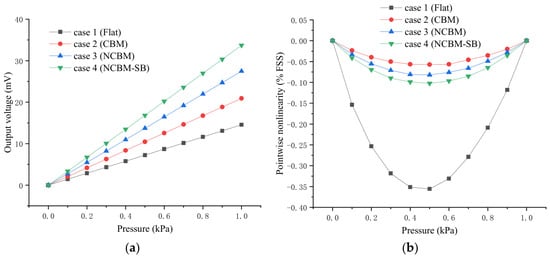
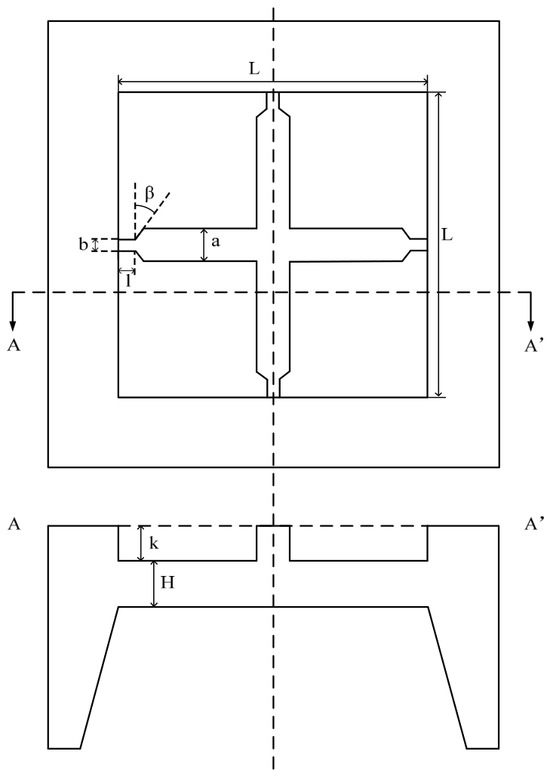
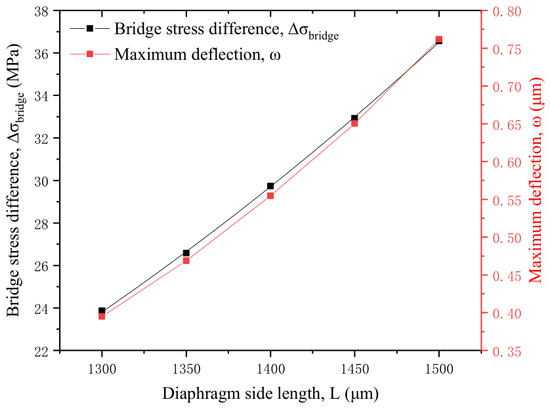
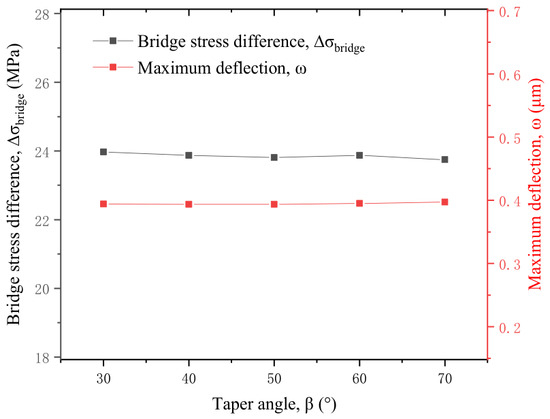
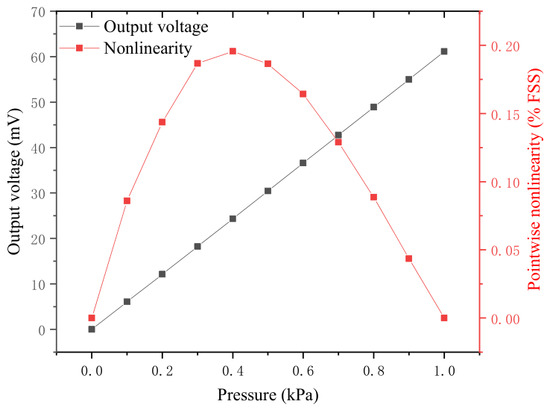
To address the difficulty of balancing sensitivity and nonlinearity in MEMS piezoresistive pressure sensors, this study proposes an MEMS piezoresistive pressure sensor with a narrow cross-beam membrane–short beam structure. The structure introduces a tapered design at the ends of a conventional cross beam and incorporates short beams to enhance stress concentration in the sensitive regions, thereby improving output sensitivity while maintaining low nonlinearity. Finite-element analysis was performed to evaluate the stress distribution and deflection characteristics and to compare the proposed structure with conventional cross-beam and other diaphragm structures. Under identical overall dimensions, the proposed structure improves sensitivity by 61% relative to the conventional cross beam. Based on the finite-element results, multivariate fitting models for surface stress and deflection were established, and nonlinear optimization was used to determine the constrained optimal geometrical parameters within the validated design domain. Simulation results indicate that, over a pressure range of 0–1 kPa, the proposed sensor achieves a sensitivity of 12.23 mV/V/kPa and a maximum nonlinearity of 0.196% FSS, demonstrating favorable performance for micropressure detection. Full article
Show Figures

Figure 1

9 pages, 1933 KB  
Case Report
Bilateral Conjunctival Small Lymphocytic Lymphoma Simulating Inflammatory Ocular Surface Disease: A Case Report
by Maria Vivas, Júlio Almeida, Catarina Monteiro, Mara Ferreira and Isabel Prieto
Vision 2026, 10(4), 68; https://doi.org/10.3390/vision10040068 (registering DOI) - 8 Sep 2026
Abstract
Conjunctival lymphoma classically appears as a painless salmon-pink subepithelial infiltrate, but its indolent forms can closely imitate inflammatory ocular surface disease and delay diagnosis, particularly when an uncommon subtype such as small lymphocytic lymphoma presents bilaterally and in isolation. A woman in her [...] Read more.
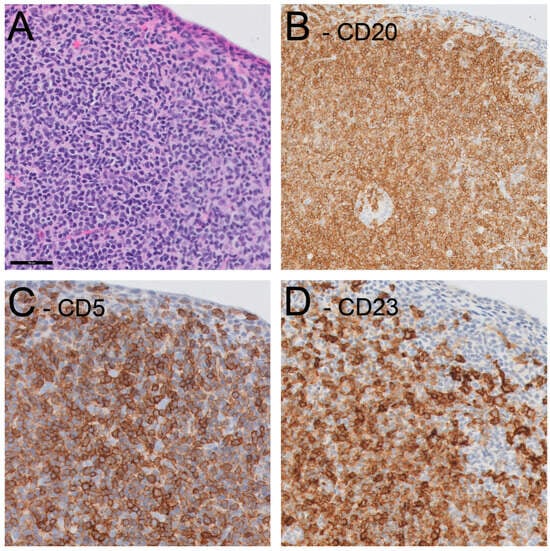
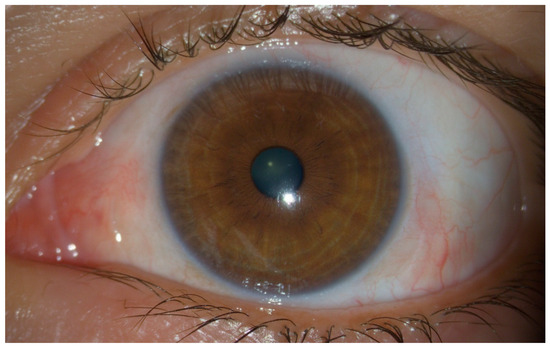
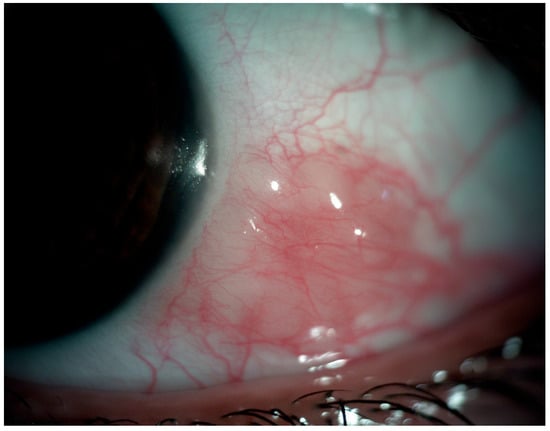
Conjunctival lymphoma classically appears as a painless salmon-pink subepithelial infiltrate, but its indolent forms can closely imitate inflammatory ocular surface disease and delay diagnosis, particularly when an uncommon subtype such as small lymphocytic lymphoma presents bilaterally and in isolation. A woman in her early fifties presented with one month of left ocular discomfort and sectoral redness, and slit-lamp examination revealed two multilobulated hyperaemic bulbar conjunctival nodules, clinically indistinguishable from nodular episcleritis. Topical corticosteroids and a topical non-steroidal anti-inflammatory drug relieved the ocular discomfort and hyperaemia, but the nodules regressed only partially and at no point resolved. This dissociation between symptomatic relief and persistence of the lesions was, in retrospect, the earliest argument against a purely inflammatory process. The initial work-up pointed toward inflammatory and granulomatous causes: elevated serum angiotensin-converting enzyme and lysozyme raised the possibility of sarcoidosis, although thoracic computed tomography, bronchoscopy and a first conjunctival biopsy performed without a lymphoma-directed panel were unrevealing, showing only reactive lymphoid hyperplasia. Approximately one year later, recurrent and now bilateral disease prompted a repeat biopsy with directed immunohistochemistry, which demonstrated a CD20-positive small B-cell infiltrate co-expressing CD5 and CD23 with negative cyclin D1 and CD10, consistent with chronic lymphocytic leukaemia/small lymphocytic lymphoma. Systemic staging with 18F-FDG PET/CT and bone marrow biopsy revealed no definite extra-conjunctival disease. After multidisciplinary review of observation, local radiotherapy and surgical excision, systemic therapy was preferred given the bilateral, recurrent and symptomatic course, and oral ibrutinib 420 mg once daily achieved complete clinical regression at three months and a sustained ocular response at two years, with indefinite haematological and ophthalmological surveillance planned. Full article
Show Figures

Figure 1

22 pages, 2655 KB  
Article
Predicting Musculoskeletal Injury Risk in Professional Football Using a Supervised Machine Learning Approach Based on Full-Season Multi-Protocol Neuromuscular Assessments
by Daniel Rojas-Valverde, Jesús De Jorge, Rodrigo Yáñez-Sepúlveda and Aldo A. Vásquez-Bonilla
Data 2026, 11(9), 231; https://doi.org/10.3390/data11090231 (registering DOI) - 8 Sep 2026
Abstract
Musculoskeletal injuries are the leading cause of time loss in professional football, yet machine learning models integrating multi-protocol force-plate data for injury-risk classification are absent from the Latin American professional football literature. Purpose: This study aims to develop and internally cross-validate a supervised [...] Read more.
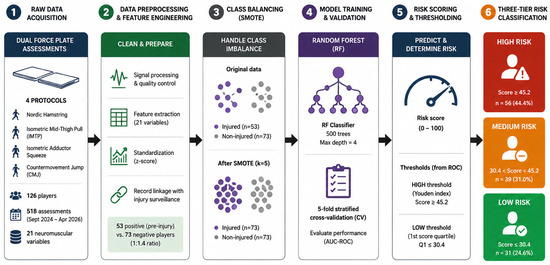
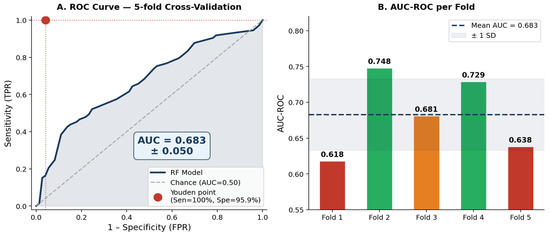
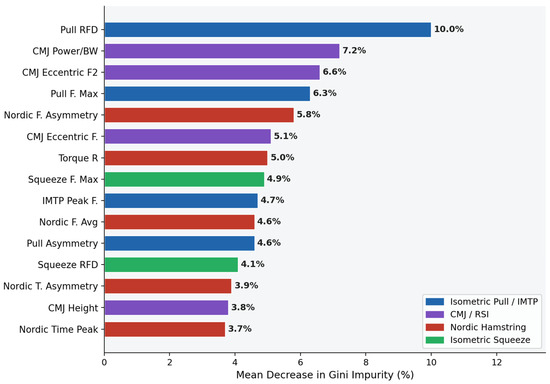
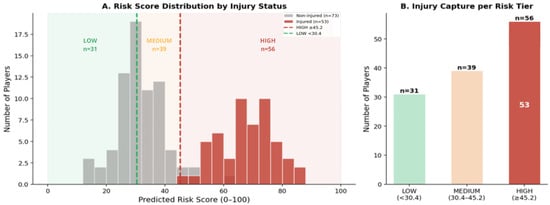
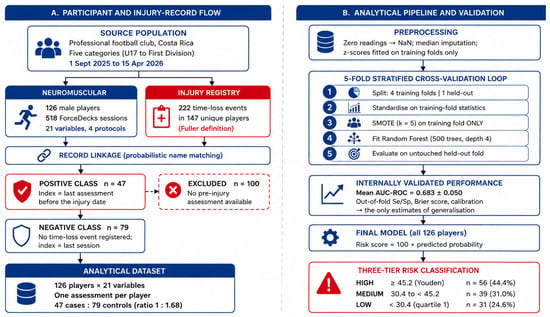
Musculoskeletal injuries are the leading cause of time loss in professional football, yet machine learning models integrating multi-protocol force-plate data for injury-risk classification are absent from the Latin American professional football literature. Purpose: This study aims to develop and internally cross-validate a supervised Random Forest model for injury risk classification using full-season VALD ForceDecks data from a professional Costa Rican club, with thresholds derived from receiver operating characteristic (ROC) analyses. Methods: We utilized an observational longitudinal study (September 2024 to April 2026). One hundred and twenty-six male footballers from five competitive categories underwent 518 dual-force-plate assessments across four protocols (Nordic Hamstring, isometric mid-thigh pull, isometric adductor squeeze, countermovement jump), yielding 21 variables; one assessment per player entered the model. Record linkage against 262 surveillance-documented time-loss events identified 53 players with pre-injury assessments as the positive class (42.1%; ratio 1:1.4). SMOTE (k = 5) was applied within each training fold only. A Random Forest model (500 trees; depth 4) used 5-fold stratified cross-validation. The HIGH boundary was set at the Youden index, and the LOW boundary was set as the first score quartile. Results: The mean AUC-ROC across folds was 0.683 +/− 0.050, the only estimate of generalisation reported. Refitted on the complete dataset and applied back to the same players, the model gave at the Youden cut-point (score ≥ 45.2) an apparent sensitivity of 100% and specificity of 95.9%; these resubstitution values are optimistically biased. The leading predictors were Pull RFD (10.0%), CMJ power per body mass (7.2%) and eccentric CMJ peak force (6.6%). The risk tiers were HIGH 56 (44.4%), MEDIUM 39 (31.0%), and LOW 31 (24.6%). Conclusions: Multi-protocol force-plate data yield moderate internally cross-validated discrimination of injury risk. The near-perfect threshold metrics are apparent values, not generalisation performance. Rate of force development and eccentric force capacity outranked asymmetry indices. Prospective external validation is required before clinical use. Full article
(This article belongs to the Special Issue Big Data and Data-Driven Research in Sports)
Show Figures

Figure 1

20 pages, 13328 KB  
Article
pH-Responsive Mixed Polymeric Micelles as Gel-Related Nanocarriers for Drug Delivery: A DPD Study on Block Ratio Modulation
by Wensheng Wu, Zhiwei Li, Xiang Li, Wenyuan Zeng, Zhimao Lin and Shasha Liu
Gels 2026, 12(9), 823; https://doi.org/10.3390/gels12090823 (registering DOI) - 8 Sep 2026
Abstract
Polymeric micelles represent a fundamental self-assembled architecture of gel-based soft materials and have emerged as promising nanocarriers for anticancer drug delivery. Their performance is largely governed by the block composition of constituent copolymers, and understanding their self-assembly behavior provides critical insights into the [...] Read more.
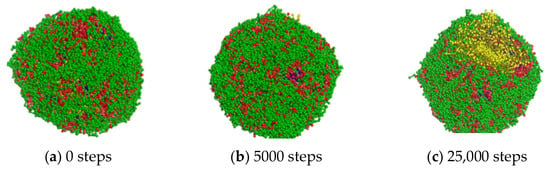
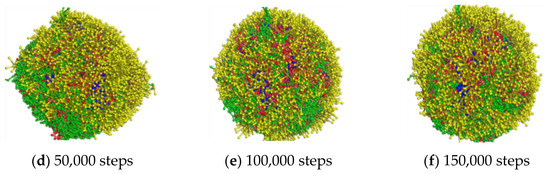
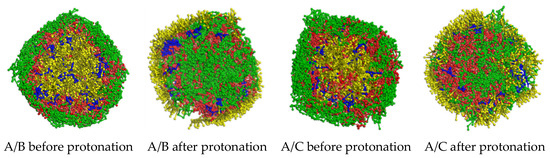
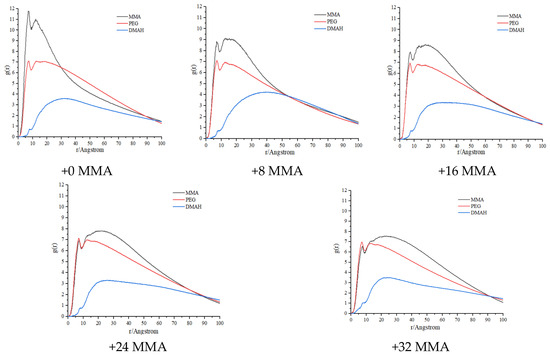
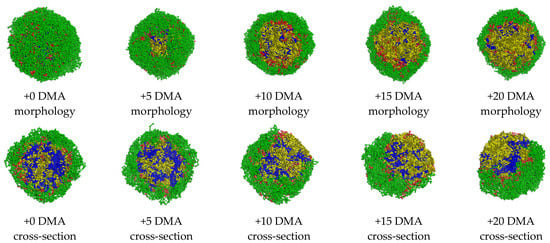
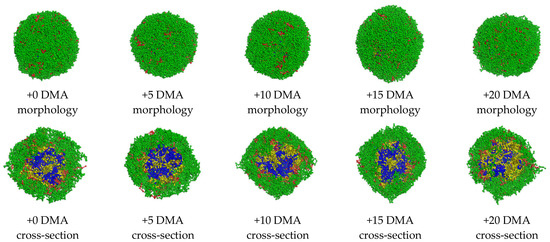
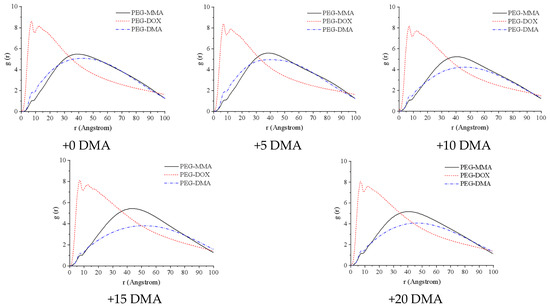
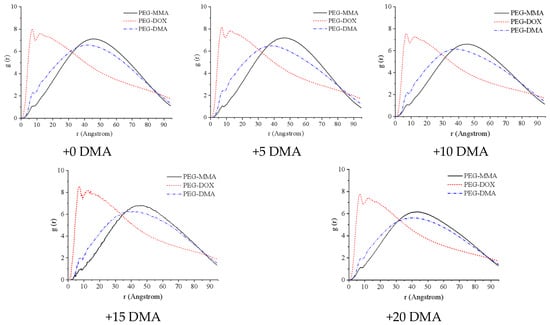
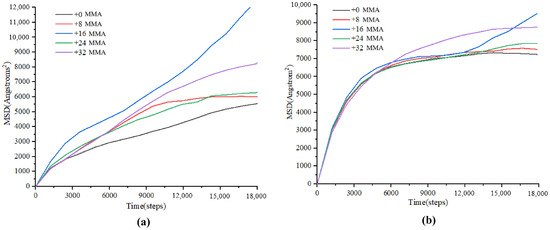
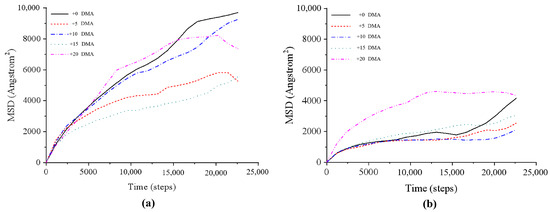
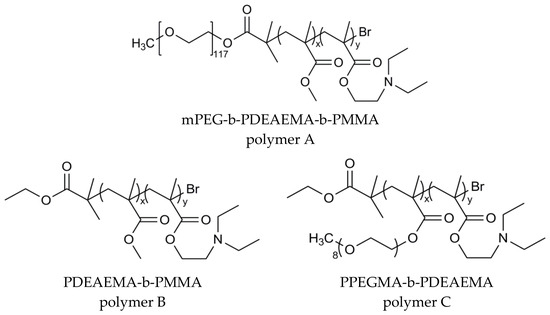
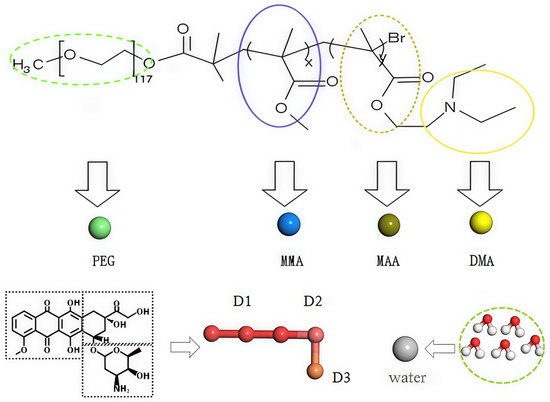
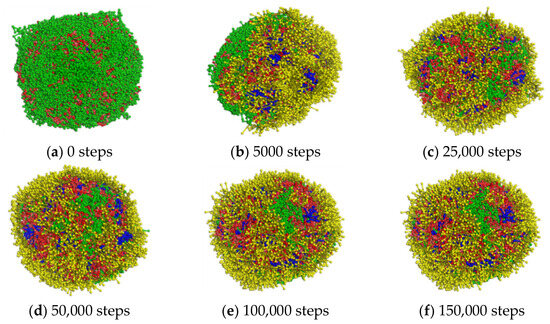
Polymeric micelles represent a fundamental self-assembled architecture of gel-based soft materials and have emerged as promising nanocarriers for anticancer drug delivery. Their performance is largely governed by the block composition of constituent copolymers, and understanding their self-assembly behavior provides critical insights into the rational design of gel-related drug delivery systems. In this work, dissipative particle dynamics (DPD) simulations were performed to systematically investigate two types of mixed drug-loaded micellar systems self-assembled from a triblock copolymer mPEG-b-poly(2-(diethylamino)ethyl methacrylate)-b-PMMA (PDEAEMA, hereafter referred to as the DMA block for brevity) with either a diblock copolymer PDEAEMA-b-PMMA (polymer B) or PPEGMA-b-PDEAEMA (polymer C). By tailoring the ratios of hydrophobic (MMA, the constituent block of PMMA) and pH-sensitive (DMA) blocks, the protonation-responsive behavior, structural stability, drug loading capacity, and release kinetics of the micelles were comprehensively examined. The simulation results demonstrate that: (1) increasing the hydrophobic block ratio accelerates the protonation-triggered micellar swelling and drug release because the increased hydrophobic content enhances the core compactness which, upon protonation, generates a stronger driving force for chain extension, yet an optimal ratio (+16 MMA units) exists beyond which excessive hydrophobic blocks suppress release due to core densification; (2) increasing the pH-sensitive block ratio significantly enhances the maximum drug loading capacity (from 9.83% to 12.22% for the A/C system), but exerts only limited influence on the release rate; (3) the A/C mixed micelles with higher PEG content exhibit superior structural stability and drug loading capacity, while the A/B system with higher MMA content displays more sensitive pH-responsiveness. These findings reveal a competing mechanism between “protonation-driven force” and “structural resistance,” providing mesoscopic theoretical guidance for the rational design of pH-responsive polymeric nanocarriers and self-assembled soft materials via block ratio modulation. Full article
(This article belongs to the Section Gel Analysis and Characterization)
Show Figures

Figure 1

17 pages, 8465 KB  
Article
Research on the Improvement Measure of Armor Rods Segment of Overhead Ground Wire Based on Multi-Field Coupling
by Fawu He, Chuanyi Zheng, Junwei Chao, Rongze Wang, Deming Guo and Gang Liu
Electronics 2026, 15(18), 4055; https://doi.org/10.3390/electronics15184055 (registering DOI) - 8 Sep 2026
Abstract
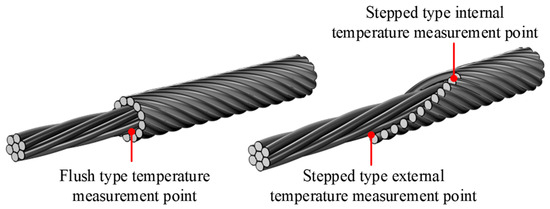
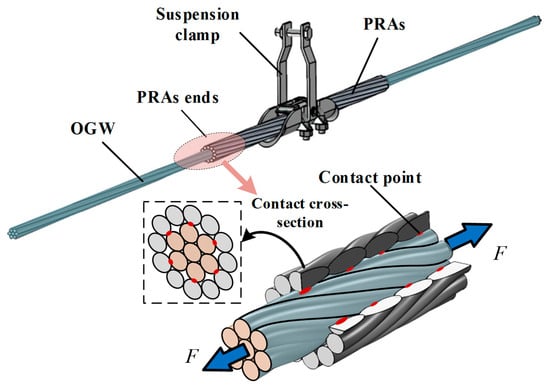
When the power-frequency short-circuit current flows through the armor rods segment on an overhead ground wire (OGW), the OGW at the segment may experience fracture failure due to high temperatures. Consequently, it is necessary to optimize the structural configuration of the armor rods [...] Read more.
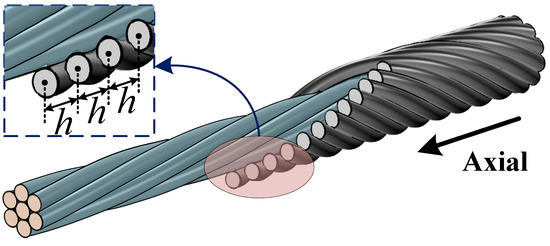
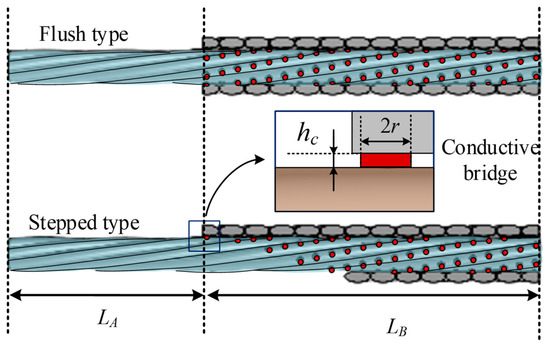
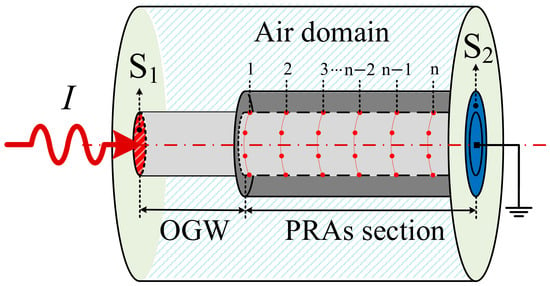
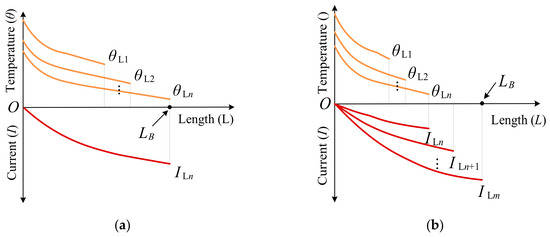
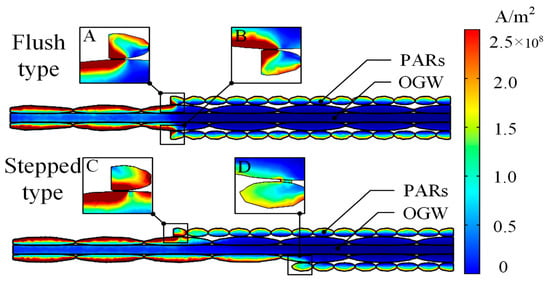
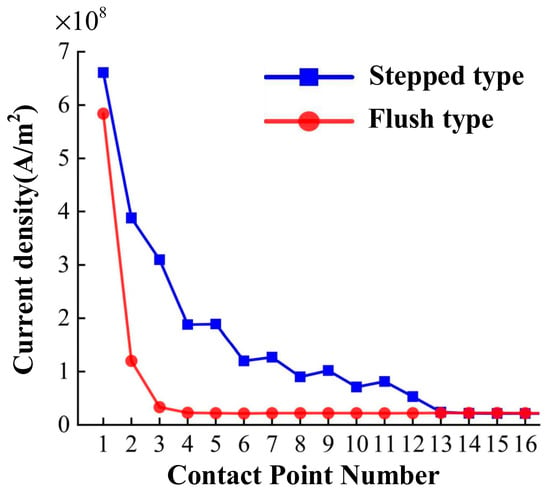
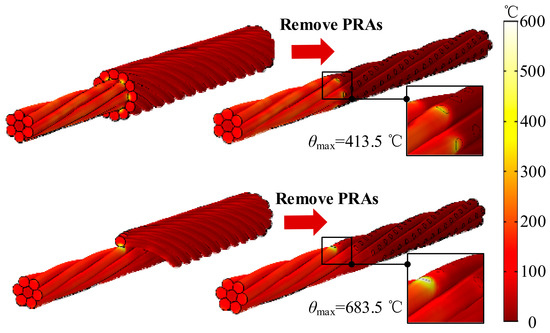
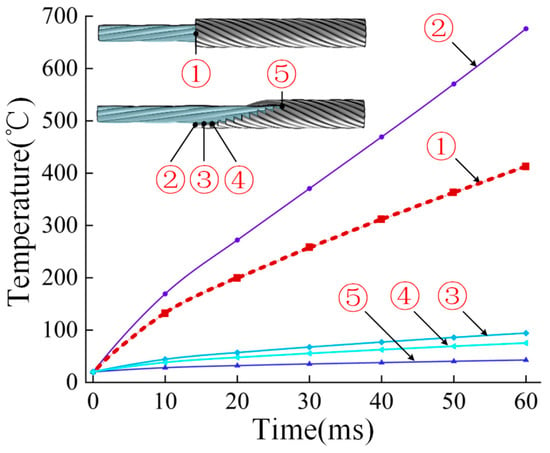
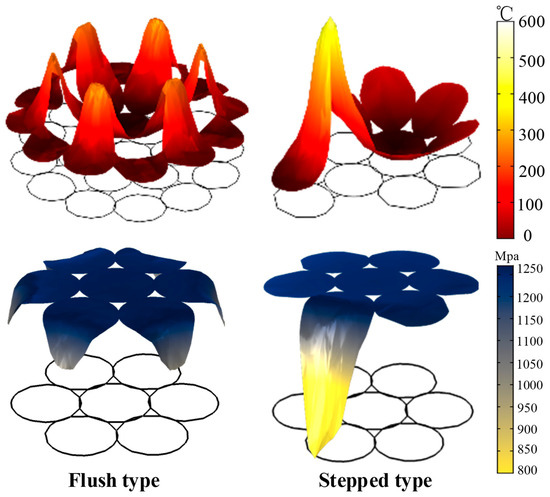
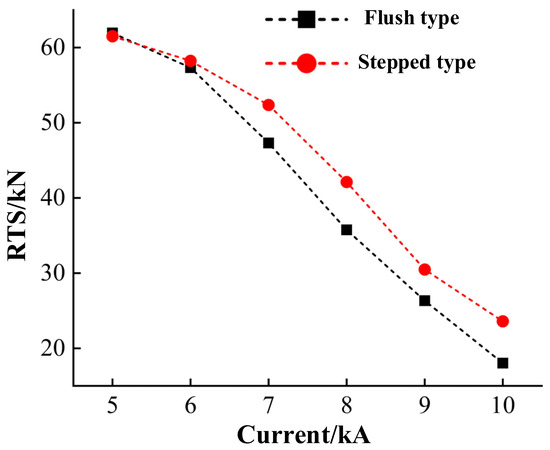
When the power-frequency short-circuit current flows through the armor rods segment on an overhead ground wire (OGW), the OGW at the segment may experience fracture failure due to high temperatures. Consequently, it is necessary to optimize the structural configuration of the armor rods segment. Based on the structural characteristics of the conventional armor rods segment, this paper proposes a stepped-type armor rods segment structure. First, an electromagnetic–thermal coupling simulation model for both types of armor rods segment is constructed, in which the conductor length is determined by the boundary conditions of both the electromagnetic field and the thermal field. The current density distribution and transient temperature distribution under power-frequency short-circuit current are analyzed using the simulation model. Subsequently, based on the simulation results, an evaluation method for the mechanical performance of the OGW considering non-uniform temperature distribution is proposed. This method is employed to compare the high-temperature mechanical properties of the OGW at the two types of ends. Finally, a transient temperature rise experiment is designed to validate the accuracy of the simulation model. The research results show that the simulation model has sufficient accuracy, with an error of no more than 6%. Compared with the conventional armor rods segment, the stepped-type structure effectively avoids the concentration of high-temperature zones. Under identical conditions, the mechanical load-bearing capacity of the OGW at the stepped-type end is higher than that at the conventional end, which can help prevent high-temperature fracture of the OGW to a certain extent. Full article
Show Figures

Figure 1

21 pages, 1963 KB  
Article
Improved TOPSIS and CRITIC Methods for Failure Mode and Effects Analysis Based on Z-Number Theory
by Daijun Deng, Shuai Jiang, Xinlong Li, Yu Liu, Ning Wei and Fafa Chen
Machines 2026, 14(9), 1023; https://doi.org/10.3390/machines14091023 (registering DOI) - 8 Sep 2026
Abstract
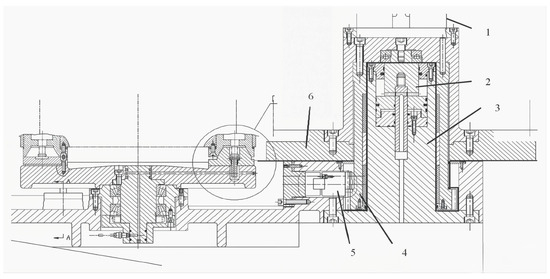
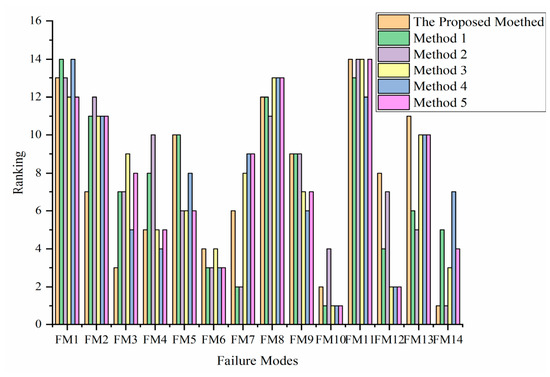
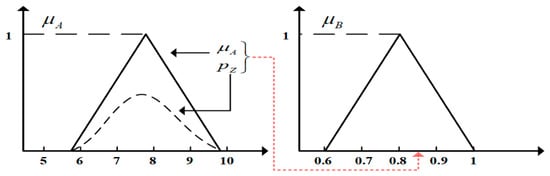
Failure mode and effects analysis (FMEA), as a means of identifying, preventing, and controlling potential system failures, has been widely applied in many industries. However, the classic FMEA method has several drawbacks in practical applications, such as the uncertainty and ambiguity in the [...] Read more.
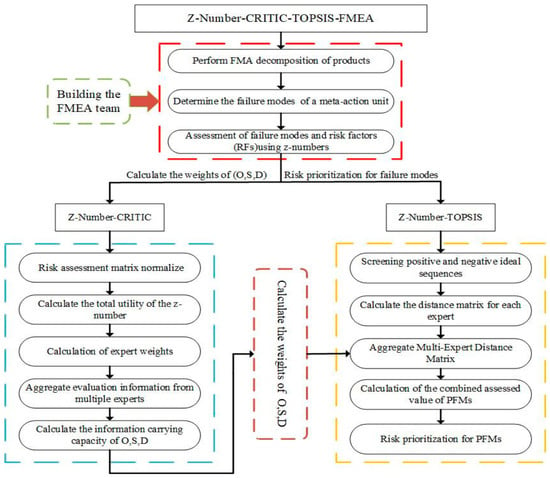
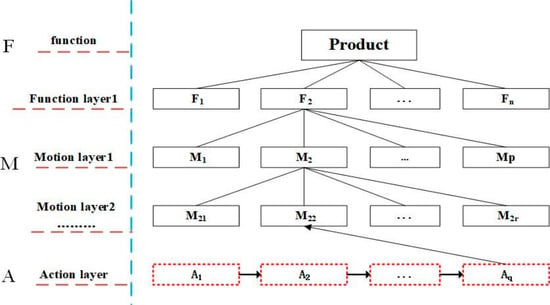
Failure mode and effects analysis (FMEA), as a means of identifying, preventing, and controlling potential system failures, has been widely applied in many industries. However, the classic FMEA method has several drawbacks in practical applications, such as the uncertainty and ambiguity in the expression of evaluation information, the neglect of the reliability of evaluation information, and the failure to consider the psychological behavior of experts, which leads to inaccurate evaluation results. Therefore, this paper proposes an improved FMEA framework that integrates Z-number theory with the criteria importance through intercriteria correlation (CRITIC) and technique for order preference by similarity to ideal solution (TOPSIS) methods to improve the accuracy of failure mode risk ranking. Specifically, Z-numbers are employed to represent expert assessment information, effectively capturing both fuzziness and reliability. The CRITIC method is then extended with Z-numbers to determine the weights of risk factors, which not only accounts for the interrelationships among factors but also prevents information loss caused by defuzzification of weights. Moreover, to handle missing assessment data, a generalized Z-number distance measure is introduced, and the TOPSIS model is enhanced to rank failure modes by considering the reliability and uncertainty of the information. Finally, the effectiveness of the proposed method is verified by taking the pallet exchange device of a CNC machine tool as an example. The results show that, compared with other FMEA methods, the proposed method considers the reliability and fuzziness of the evaluation information, maintains the original Z-number information structure, and provides more accurate and reliable risk-ranking results. Full article
(This article belongs to the Section Automation and Control Systems)
Show Figures

Figure 1

15 pages, 10596 KB  
Article
Attractiveness of Different Artificial Light Sources to Aquatic and Semiaquatic Beetles (Coleoptera) and Its Implications for Sampling and Conservation
by Máté Bernát, Tibor Magura, Ádám Egri, Antal Nagy, Szabolcs Szanyi and Kálmán Szanyi
Water 2026, 18(18), 2225; https://doi.org/10.3390/w18182225 (registering DOI) - 8 Sep 2026
Abstract
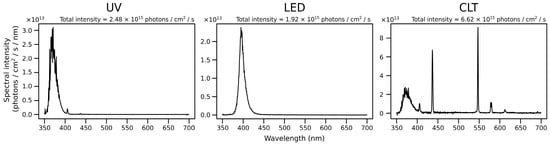
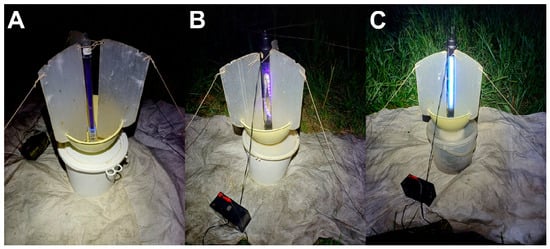
Aquatic and semiaquatic beetles are important components of wetland ecosystems serving as bioindicators, predators, and vital prey resources. Numerous studies examined how their dispersal flights are influenced by biotic and abiotic factors, but the wavelength-specific attraction of different artificial light sources remains understudied. [...] Read more.
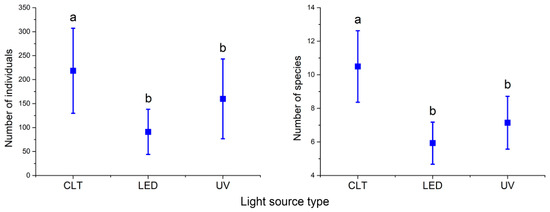
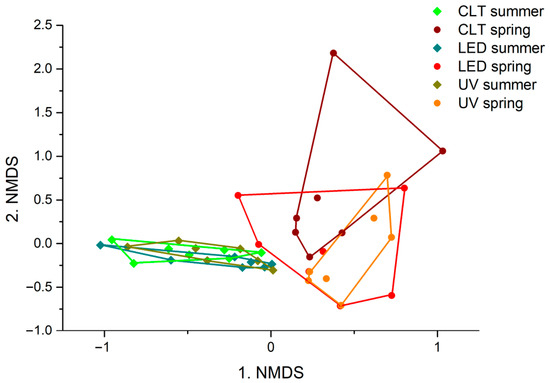
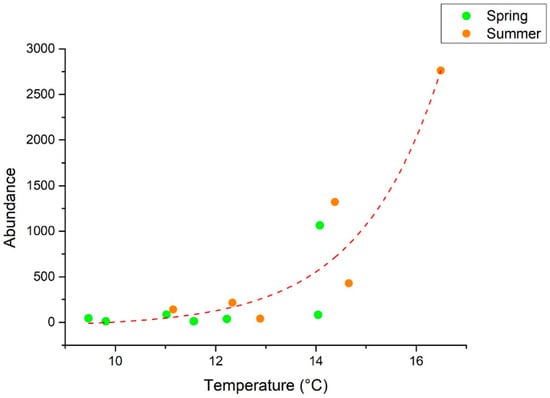
Aquatic and semiaquatic beetles are important components of wetland ecosystems serving as bioindicators, predators, and vital prey resources. Numerous studies examined how their dispersal flights are influenced by biotic and abiotic factors, but the wavelength-specific attraction of different artificial light sources remains understudied. This study evaluated the attractiveness of three portable light traps equipped with different light sources emitting light with different wavelength ranges: a compact light tube, an LED light source, and a UV lamp. A total of 6568 individuals representing 54 species were captured. Total nightly abundance correlated positively with mean nocturnal temperature. Light source type significantly affected both species richness and abundance, with the broad-spectrum compact light tube outperforming the other tested light sources both in abundance and species richness. For Dytiscidae and Hydrophilidae, the compact light tube was significantly more attractive only than the blue LED source, while its attractiveness did not differ significantly from that of the UV lamp, demonstrating family-level differences in attraction. The light source-dependent attraction remained stable across phenological periods. Our findings suggest that while broad-spectrum lights improve the efficiency of faunistic surveys and support conservation-oriented monitoring of aquatic beetle assemblages, their integration into public lighting networks near vulnerable wetlands must be strictly avoided to prevent severe ecological trapping. Full article
Show Figures

Figure 1

19 pages, 1063 KB  
Article
Dietary Folic Acid Modulates Growth Performance, Expression of Antioxidant- and Immune-Related Genes, and Response to Acute Hepatopancreatic Necrosis Disease in Pacific White Shrimp (Penaeus vannamei)
by German León-Valdez, José Antonio Estrada-Godínez, Gabriela López-Cervantes, Píndaro Álvarez-Ruiz, Francisco Antonio Flores-Higuera, María Isaura Bañuelos-Vargas, Jorge Soto-Alcala, Nallely Michelle Panduro-López, Carina Gámez-Jiménez and Magnolia Montoya-Mejía
Aquac. J. 2026, 6(3), 40; https://doi.org/10.3390/aquacj6030040 (registering DOI) - 8 Sep 2026
Abstract
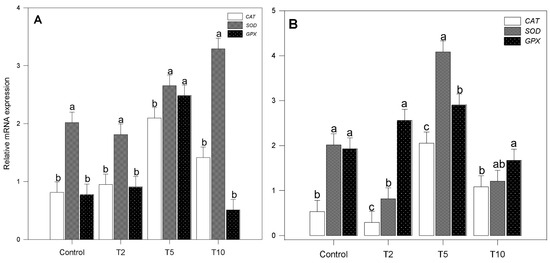
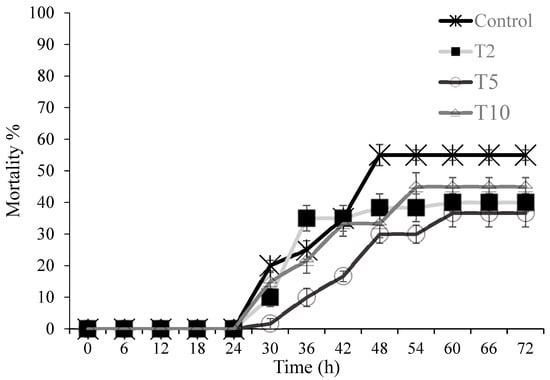
This study evaluated the effects of dietary folic acid supplementation on growth performance, antioxidant- and immune-related gene expression, and the response to acute hepatopancreatic necrosis disease (AHPND) in Pacific white shrimp (Penaeus vannamei). Juveniles (12 shrimp per tank; four replicate tanks [...] Read more.
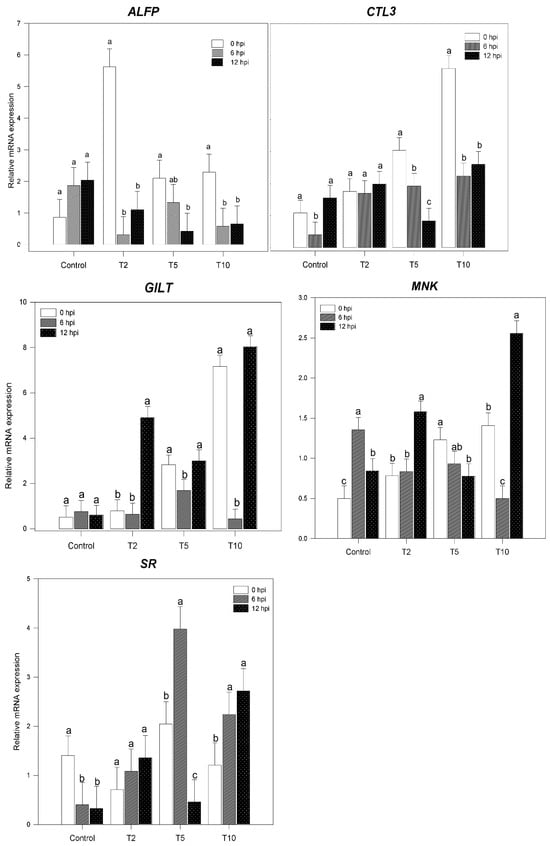
This study evaluated the effects of dietary folic acid supplementation on growth performance, antioxidant- and immune-related gene expression, and the response to acute hepatopancreatic necrosis disease (AHPND) in Pacific white shrimp (Penaeus vannamei). Juveniles (12 shrimp per tank; four replicate tanks per treatment) were fed diets containing nominal supplemental folic acid levels of 0, 2, 5, or 10 mg kg−1 for 35 days, and 30 shrimp per dietary treatment (three replicate aquaria; 10 shrimp per aquarium) were subsequently challenged with an AHPND-causing strain of Vibrio parahaemolyticus. Among the supplementation levels evaluated, the 5 mg kg−1 diet produced the highest final weight (14.8 ± 0.5 g), weight gain (7.9 ± 0.3 g), a specific growth rate (2.14 ± 0.1% day−1), and the lowest apparent feed conversion ratio (1.3 ± 0.1), whereas the Control showed values of 12.3 ± 0.7 g, 5.4 ± 0.3 g, 1.6 ± 0.1% day−1, and 1.6 ± 0.1, respectively (p ≤ 0.05). Dietary folic acid modulated the relative expression of antioxidant-related genes (SOD, CAT, and GPX) in the gills and hepatopancreas and altered basal and post-challenge expression of the immune-related genes ALFP, CTL3, GILT, MNK, and SR in the gills. At 72 h post-challenge, final cumulative mortality differed among treatments (F3,8 = 5.405, p = 0.025), with lower mortality in T5 (36.7 ± 7.6%) than in the Control (53.3 ± 2.9%; Tukey, p = 0.022). These findings indicate that dietary folic acid supplementation influenced growth performance, challenge outcomes, and transcriptional responses in juvenile Penaeus vannamei. Among the supplementation levels evaluated, the 5 mg kg−1 diet consistently produced the most favorable combination of growth performance, lower final challenge mortality, and modulation of antioxidant- and immune-related gene expression. Full article
Show Figures

Figure 1

Open Access Journals

Browse by Indexing Browse by Subject Selected Journals
Back to TopTop