


Advancing Open Science
A global leader in open access publishing, supporting research
communities and accelerating scientific discovery
 
24 pages, 4029 KB  
Article
Evaluation of Seismic Damage Propagation in a Historic Masonry Mosque
by Soner Seker and Hakki Sahin
Buildings 2026, 16(14), 2868; https://doi.org/10.3390/buildings16142868 (registering DOI) - 18 Jul 2026
Abstract
Historical buildings represent a fundamental component of cultural heritage, and their preservation is of paramount importance for future generations. In the context of Turkey, Ulu Mosques represent a distinctive architectural and historical phenomenon, erected during the periods of the Seljuk, Principalities, and Ottoman [...] Read more.
Historical buildings represent a fundamental component of cultural heritage, and their preservation is of paramount importance for future generations. In the context of Turkey, Ulu Mosques represent a distinctive architectural and historical phenomenon, erected during the periods of the Seljuk, Principalities, and Ottoman empires, primarily serving as centres for Friday and Eid prayers. The location of these mosques in city centres is indicative of their role as symbols of both cultural identity and social power. Nevertheless, it is an established fact that earthquakes have caused serious damage to many historical masonry structures over time. This study investigates the seismic behaviour of the historical Ulu Mosque located in Uşak province, Türkiye. To this end, three-dimensional finite element models of the mosque were created, and both linear and nonlinear time-history analyses were conducted using ABAQUS/Standard v10 software. The analyses were performed using the ground motion record of the 1999 Kocaeli (Izmit) earthquake, which had a moment magnitude of Mw = 7.4. In the nonlinear analyses, the Concrete Damage Plasticity (CDP) model was employed to represent the nonlinear behaviour and damage mechanisms of masonry materials under earthquake loading. The objective of the present study is twofold: firstly, to enhance the comprehension of the manner in which historical masonry mosques respond to seismic effects, and secondly, to identify areas that are vulnerable to damage. Stress limits were exceeded in these areas. Tensile stress has been identified as the primary factor in damage occurrence. This situation can be attributed to the inherent resilience of masonry structures in resisting compressive stresses. Stress limits were exceeded in these areas. Tensile stress has been identified as the primary factor in damage occurrence. This situation can be attributed to the inherent resilience of masonry structures in resisting compressive stresses. Full article
(This article belongs to the Section Building Structures)
25 pages, 1094 KB  
Review
Decoding Post-Transcriptional Networks Governing the Melanoma Extracellular Matrix
by Elias N. Katsoulieris, Paraskevi Ioannou and Nikolaos A. Afratis
Cancers 2026, 18(14), 2326; https://doi.org/10.3390/cancers18142326 (registering DOI) - 18 Jul 2026
Abstract
The extracellular matrix (ECM) is a key determinant of melanoma progression, regulating tumor cell behavior through biochemical and biomechanical cues. MicroRNAs (miRNAs) have emerged as critical post-transcriptional regulators of gene expression and are increasingly recognized as important modulators of ECM remodeling in cancer. [...] Read more.
The extracellular matrix (ECM) is a key determinant of melanoma progression, regulating tumor cell behavior through biochemical and biomechanical cues. MicroRNAs (miRNAs) have emerged as critical post-transcriptional regulators of gene expression and are increasingly recognized as important modulators of ECM remodeling in cancer. This review summarizes current evidence on miRNA-mediated regulation of ECM components and ECM-associated pathways in melanoma (matrix-miRNAs). We examine studies reporting miRNAs that directly target structural ECM molecules such as collagens, laminins, fibronectin, hyaluronan-related enzymes, and proteoglycans, as well as miRNAs that indirectly regulate ECM dynamics through modulation of matrix metalloproteinases, signaling pathways, and transcription factors. The collected evidence indicates that miRNAs form complex regulatory networks that influence tumor proliferation, invasion, metastasis, angiogenesis, immune evasion, and therapy resistance by reshaping the tumor microenvironment. Tumor-suppressive miRNAs generally inhibit ECM remodeling and metastatic behavior, whereas oncogenic miRNAs promote matrix degradation and a pro-invasive microenvironment. Importantly, many miRNAs exert pleiotropic effects by targeting multiple components of interconnected signaling pathways, resulting in context-dependent outcomes during melanoma progression. Overall, miRNA-dependent regulation of the ECM represents a crucial layer of control in melanoma biology. Understanding these regulatory circuits may provide novel opportunities for biomarker development and therapeutic intervention targeting both tumor cells and their surrounding microenvironment. Full article
(This article belongs to the Special Issue Decoding the Dynamic Matrix Complexity in Cancer)
24 pages, 2259 KB  
Article
Cascaded Waste-Heat Valorization for AI Data Centers: An Exergy-Economic Framework Integrating Organic Rankine Cycles, Thermochemical Storage, and Adaptive Business Models
by Arezou Shafaghat, Da Hu and Ali Keyvanfar
Sustainability 2026, 18(14), 7362; https://doi.org/10.3390/su18147362 (registering DOI) - 18 Jul 2026
Abstract
The rapid growth of graphics processing unit (GPU)-accelerated AI workloads has made data centers significant sources of medium-grade waste heat, creating both a sustainability challenge and an urban decarbonization opportunity. This paper presents the Cascaded Exergy-Economic Valorization (CEEV) framework, a three-stage system that [...] Read more.
The rapid growth of graphics processing unit (GPU)-accelerated AI workloads has made data centers significant sources of medium-grade waste heat, creating both a sustainability challenge and an urban decarbonization opportunity. This paper presents the Cascaded Exergy-Economic Valorization (CEEV) framework, a three-stage system that converts data-center waste heat through 1) an organic Rankine cycle for GPU liquid-cooling loops at 65–85 °C; 2) a transcritical CO2 heat pump, upgrading residual heat to 75–90 °C; and3) thermochemical energy storage using SrBr2·6H2O for seasonal heat banking. The framework introduces two metrics: the Exergy Value Index (EVI, $/kJ) and the Levelized Cost of Stored Heat (LCSH, $/kWhth). Results for a 10 MW liquid-cooled data center across three climate zones show cascade exergy utilization of 31.2–38.7%, operational cost reductions of 15–25%, 20-year NPV of $2.2–8.4 million, and payback periods of 5.8–7.8 years. The simpler HP (heat pump) +TCES (thermochemical energy storag) configuration achieves higher deterministic Net Present Value (NPV) because it preserves the full waste-heat temperature for the heat pump; however, the full three-stage cascade becomes preferable when electricity prices exceed approximately $50/MWhe, when revenue diversification is valued, or when real-options flexibility is important. Real-options analysis shows that traditional NPV undervalues cascaded waste-heat recovery investments by 18–32%. Even without carbon credit revenue, NPV remains positive at $1.6–6.1 million, confirming that district-heating sales and electricity revenue alone can support investment. The CEEV framework advances sustainable data-center development by providing quantifiable tools for waste-heat performance assessment, supporting policy instruments such as the EU Energy Efficiency Directive and the German EnEfG, and aligning with SDGs 7, 9, 11, and 13. Full article
14 pages, 1340 KB  
Article
High-Sensitivity Cardiac Troponin I (hs-cTnI) Levels Increase After Radiofrequency Ablation and Are Associated with Procedural Success in Left Ventricular Summit-Derived Premature Ventricular Complex Ablation
by Fadime Koca, Atilla Bulut, Yurdaer Donmez, Hilmi Erdem Sumbul and Mevlut Koc
J. Clin. Med. 2026, 15(14), 5652; https://doi.org/10.3390/jcm15145652 (registering DOI) - 18 Jul 2026
Abstract
Introduction: There are no data in the literature regarding changes in cardiac troponin levels following radiofrequency ablation (RFA) in patients undergoing ablation for left ventricular summit-derived premature ventricular complexes (LVS-PVCs). In this study, we aimed to investigate changes in high-sensitivity cardiac troponin [...] Read more.
Introduction: There are no data in the literature regarding changes in cardiac troponin levels following radiofrequency ablation (RFA) in patients undergoing ablation for left ventricular summit-derived premature ventricular complexes (LVS-PVCs). In this study, we aimed to investigate changes in high-sensitivity cardiac troponin I (hs-cTnI) levels after RFA in patients with LVS-PVCs and to evaluate the clinical utility of hs-cTnI in this setting. Method: In this retrospective cohort study, 109 patients with LVS-PVCs who underwent RFA between 2017 and 2025 were included. In addition to routine evaluations, hs-cTnI levels were measured 24 h after the procedure in all patients. Long-term procedural success was assessed at 6 months using 24 h Holter electrocardiography. Patients were divided into two groups according to procedural outcome (successful vs. unsuccessful RFA). Results: In patients with LVS-PVCs, the long-term procedural success rate of RFA was 72.5% (n = 79). Compared with patients with unsuccessful long-term outcomes, those with successful RFA had significantly higher hs-cTnI levels, longer QRS-duration, a higher prevalence of RBBB morphology, more frequent ablation at the left coronary cusp (supravalvular/subvalvular), coronary sinus sites (GCV/AIV), and multiple ablation sites, as well as higher maximum RFA power. In contrast, the maximum deflection index and the presence of a pattern break in lead V2 were significantly lower in patients with long-term procedural success. In logistic regression analysis, hs-cTnI level, maximum RFA power, and ablation within the GCV/AIV were independently associated with RFA success (OR = 1.133, 95% CI: 1.043–1.231, p < 0.001; OR = 1.446, 95% CI: 1.176–1.773, p < 0.001; and OR = 3.281, 95% CI: 1.325–21.219, p = 0.002, respectively). ROC curve analysis demonstrated that hs-cTnI and maximum RFA power thresholds of 700 ng/L and 40 W, respectively, predicted RFA success with acceptable sensitivity and specificity. Conclusions: In patients with LVS-PVCs, hs-cTnI levels increase after RFA. Higher hs-cTnI levels are independently associated with procedural success. Measurement of hs-cTnI at 24 h after RFA may serve as an objective and noninvasive marker of procedural success in patients with LVS-PVCs. Full article
(This article belongs to the Section Cardiology)
14 pages, 256 KB  
Article
Pre-Pandemic- and During-COVID-19 Anxiety and Depression Symptoms and Health-Related Quality of Life Were Similar in Injured Older Adults Enrolled in a Clinical Trial
by Damaris Ortiz, Anthony J. Perkins, Sujuan Gao, Nicholas Adam Sergiwa, Emma Holler, Ashley D. Meagher, Sanjay Mohanty, Dustin D. French, Sue Lasiter, Babar Khan, Malaz Boustani and Ben Zarzaur
Geriatrics 2026, 11(4), 90; https://doi.org/10.3390/geriatrics11040090 (registering DOI) - 18 Jul 2026
Abstract
Introduction: The Trauma Medical Home (TMH) randomized clinical trial tested the efficacy of a collaborative care intervention on the biopsychosocial recovery of older injured adults compared to usual care. Study enrollment occurred between 11 October 2017 and 13 October 2021 and study operations [...] Read more.
Introduction: The Trauma Medical Home (TMH) randomized clinical trial tested the efficacy of a collaborative care intervention on the biopsychosocial recovery of older injured adults compared to usual care. Study enrollment occurred between 11 October 2017 and 13 October 2021 and study operations were impacted by the COVID-19 pandemic. It is important to measure the potential effects of COVID-19 on research study participants to ensure accurate reporting of results. The purpose of this secondary analysis was to compare depression and anxiety symptoms and health-related quality of life in older adults at TMH study enrollment pre-COVID-19 and during COVID-19. We hypothesized that those enrolled during COVID-19 would have worse symptoms and quality of life. Methods: This study was a secondary analysis of data from a multicenter randomized clinical trial (R01AG052493-01A1) TMH, that examined the ability of a collaborative care model to enhance the recovery of older injured adults compared to usual care. It was hypothesized that the TMH intervention would improve biopsychosocial recovery for injured older adults compared to usual care. The enrollment periods pre-COVID-19 and during COVID-19 were compared. Chi-square tests and Wilcoxon Rank Sum tests, then multivariable linear and logistic regressions were completed with SF-36 component scores and depression (PHQ-9) and anxiety (GAD-7) scores as the dependent variables, respectively. Results: A total of 429 participants were analyzed. There was no significant difference in anxiety and depression symptoms between the pre-COVID-19 and during-COVID-19 enrollment periods. Perceived limitations due to physical health problems were worse for those enrolled during COVID-19 (adjusted β = −9.8, 95% CI −18.3 to −1.4), but other health-related quality of life measures were similar between the two groups. Conclusions: These findings support the conclusion that the negative psychological impacts of the pandemic are likely due to individual factors other than age or COVID-19. These results suggest a high degree of psychological resiliency in older adults under stress. Future research should focus on the potential effects of socioeconomic status, demographic background, and level of physical functioning on psychological outcomes. Full article
30 pages, 19176 KB  
Article
Spatiotemporal Dynamics and Driving Factors of Carbon Storage in the Hei River Basin: A Coupled Spatial Modeling and GeoShapley Approach
by Chunqing Wang, Huazhu Xue and Yanbing He
Remote Sens. 2026, 18(14), 2396; https://doi.org/10.3390/rs18142396 (registering DOI) - 18 Jul 2026
Abstract
Arid inland river basins are highly sensitive to land--use change, yet the spatially heterogeneous predictors of ecosystem carbon storage remain insufficiently understood. In this study, a locally calibrated InVEST (Integrated Valuation of Ecosystem Services and Trade-offs) model was used to estimate carbon storage [...] Read more.
Arid inland river basins are highly sensitive to land--use change, yet the spatially heterogeneous predictors of ecosystem carbon storage remain insufficiently understood. In this study, a locally calibrated InVEST (Integrated Valuation of Ecosystem Services and Trade-offs) model was used to estimate carbon storage in the Hei River Basin for 2010, 2015, 2020, and 2025. A CA–Markov (Cellular Automata-Markov chain Model) model was then used to project the 2030 land-use pattern and associated carbon storage under the assumption that the current policy framework remains unchanged. Random Forest models interpreted with GeoShapley were applied to quantify the nonlinear and spatially varying contributions of seven environmental and anthropogenic predictors. Total modeled carbon storage increased slightly from 5.29181 × 10⁸ t in 2010 to 5.33214 × 10⁸ t in 2020, before declining marginally to 5.32310 × 10⁸ t in 2025. The decline was mainly associated with reduced modeled grassland carbon storage. Carbon storage was generally higher in the southern and eastern parts of the basin, particularly in the Qilian Mountains, and lower in the northern and western desert regions. The whole-basin simulation projected a 4.34% increase by 2030, mainly associated with projected expansion of forestland and grassland. Predictor importance varied spatially: elevation ranked first in the upstream region, NDVI in the midstream oasis, and population density in the downstream desert. NDVI was the most important basin-wide predictor, although its importance partly reflected spatial covariance with land-cover classes. These findings demonstrate the value of integrating carbon-storage modeling, land-use simulation, and spatially explicit model interpretation for differentiated ecosystem management in arid inland basins. Full article
(This article belongs to the Special Issue Remote Sensing for Monitoring Water and Carbon Cycles)
13 pages, 579 KB  
Perspective
When Surgical Innovation Outpaces Evidence: Does Modern Maximal Resection Require Re-Evaluation of Postoperative Radiotherapy in Glioblastoma?
by Tomasz Tykocki
Med. Sci. 2026, 14(3), 404; https://doi.org/10.3390/medsci14030404 (registering DOI) - 18 Jul 2026
Abstract
Postoperative radiotherapy (RT) improves survival in glioblastoma, and its role in standard management is not disputed. The randomized trials establishing this benefit, however, were conducted before computed tomography, magnetic resonance imaging (MRI), molecular classification, and temozolomide (TMZ), in heterogeneous populations of “operated malignant [...] Read more.
Postoperative radiotherapy (RT) improves survival in glioblastoma, and its role in standard management is not disputed. The randomized trials establishing this benefit, however, were conducted before computed tomography, magnetic resonance imaging (MRI), molecular classification, and temozolomide (TMZ), in heterogeneous populations of “operated malignant glioma” treated with whole-brain or large-field RT versus best supportive care. Their pooled survival benefit (risk ratio 0.81; 95% CI 0.74–0.88) robustly answers the historical question they were designed to address. Since then, advances in surgery, imaging, molecular diagnostics, and systemic therapy have created a modern best-prognosis subgroup—young patients with excellent performance status, MRI-confirmed complete or supramaximal resection of an IDH-wildtype glioblastoma, and median survival approaching or exceeding three years—for whom no clearly defined historical counterpart exists. This perspective provides a structured appraisal of the directness of the landmark randomized evidence using GRADE concepts and translates that appraisal into a graded roadmap for future de-escalation trial designs. Across population, intervention, comparator, and outcomes, the historical trials exhibit substantial indirectness, while the only randomized RT-versus-no-RT evidence from the modern era derives from elderly patients representing the opposite prognostic extreme. This is not an argument against RT. The infiltrative biology of glioblastoma, predominantly in-field recurrence, and radioresistant stem-cell populations strongly support continued benefit. Rather, the unresolved question concerns the magnitude of benefit after maximal contemporary therapy and whether selected de-escalation strategies merit prospective evaluation. Our thesis is one of collective scientific equipoise regarding an unresolved evidence question rather than individual clinician equipoise or refutation of current standard care. Full article
(This article belongs to the Section Neurosciences)
21 pages, 738 KB  
Review
Is Male Hypogonadism a Risk Factor for Cancer Through Weakening of the Immune System?
by Sandro La Vignera and Rosita A. Condorelli
Int. J. Mol. Sci. 2026, 27(14), 6406; https://doi.org/10.3390/ijms27146406 (registering DOI) - 18 Jul 2026
Abstract
Male hypogonadism is associated with metabolic and cardiovascular comorbidities, and emerging evidence implicates testosterone deficiency in immune dysregulation that may elevate cancer risk. To review current evidence on the relationship between male hypogonadism, immune function, and cancer risk, focusing on mechanisms linking testosterone [...] Read more.
Male hypogonadism is associated with metabolic and cardiovascular comorbidities, and emerging evidence implicates testosterone deficiency in immune dysregulation that may elevate cancer risk. To review current evidence on the relationship between male hypogonadism, immune function, and cancer risk, focusing on mechanisms linking testosterone deficiency to immune suppression and oncologic outcomes. PubMed/MEDLINE, Google Scholar, and SciSpace were systematically searched (through April 2026) using predefined search strings. After removal of duplicates (n = 1535 records screened), 156 full-text articles were assessed for eligibility; 20 studies met predefined inclusion criteria (comprising 4 experimental studies, 4 prospective/RCT studies, 7 observational studies, and 5 reviews used as secondary literature) and were included in a narrative synthesis. Testosterone deficiency was consistently associated with elevated IL-6, TNF-α, IL-1β, and CRP, impaired neutrophil maturation, and reduced NK-cell cytotoxicity. Androgen deprivation augmented thymic output and anti-tumor T cell responses in prostate cancer models, yet promoted chronic inflammation in other contexts. Epidemiologically, low testosterone correlated with increased colorectal cancer risk and poorer survival in advanced malignancies; the prostate cancer relationship followed a paradoxical saturation model. The immunological consequences of hypogonadism are context-dependent. Testosterone deficiency drives pro-inflammatory signaling that may promote carcinogenesis, while androgen-mediated immunosuppression can paradoxically impair anti-tumor surveillance. No simple linear relationship exists between hypogonadism and cancer risk via immune suppression. Prospective studies are needed to guide clinical decisions on testosterone replacement therapy in hypogonadal men. Full article
25 pages, 698 KB  
Review
Targeting Reduced Glutathione (GSH) to Promote Metabolic Health: Insights on the Role of Bioactive-Rich Foods and Fasting Protocols
by Periklis Vardakas, Zoi Skaperda, Paraskevi Maria Nechalioti, Sotiria Makri, Anastasia Patouna, Maria Gkasdrogka, Thomas Karampatzakis, Kyriaki Kroustalli, Georgios Papageorgiou, Evanthia Angeli, Dimitrios Foulos, Fotios Tekos and Demetrios Kouretas
Int. J. Mol. Sci. 2026, 27(14), 6400; https://doi.org/10.3390/ijms27146400 (registering DOI) - 18 Jul 2026
Abstract
The ever-increasing disparity between lifespan and healthspan represents a challenging global issue, with metabolic dysregulation playing a central role in the initiation and progression of chronic non-communicable diseases (NCDs). This review highlights the importance of maintaining optimal redox homeostasis, with particular emphasis on [...] Read more.
The ever-increasing disparity between lifespan and healthspan represents a challenging global issue, with metabolic dysregulation playing a central role in the initiation and progression of chronic non-communicable diseases (NCDs). This review highlights the importance of maintaining optimal redox homeostasis, with particular emphasis on reduced glutathione (GSH), for preserving metabolic health during aging. GSH participates in several physiological processes, including antioxidant defense, xenobiotic detoxification, redox signaling, and metabolic regulation. Diminished GSH levels are consistently reported in obesity, insulin resistance, type 2 diabetes mellitus, non-alcoholic fatty liver, and cardiovascular diseases. Current evidence from human clinical studies indicates that foods rich in bioactive constituents can enhance GSH levels and stimulate GSH-dependent enzyme activity, with the Nrf2/Are signaling pathway being a central mechanistic link. Fasting may promote adaptive redox responses by inducing mild oxidative stress and activating the same molecular mechanism, although the effects on GSH-related antioxidant mechanisms remain heterogeneous across fasting protocols and study populations. Altogether, the available clinical evidence suggests that these nutritional and lifestyle interventions exhibit more consistent beneficial effects in individuals characterized by increased oxidative burden and underlying metabolic dysfunction. Interindividual differences in GSH responses further underscore the need for targeted, tailor-made approaches that account for genetic, epigenetic, and lifestyle factors. Collectively, targeting GSH homeostasis through nutritional and lifestyle interventions represents a promising strategy for improving metabolic health and may further contribute to healthy aging, positioning redox biology at the forefront of aging research and NCD prevention. Full article
(This article belongs to the Special Issue Current Trends in Redox Physiology Research)
26 pages, 698 KB  
Article
Institutional Quality and Regional Growth: Panel VECM Evidence from EU and Western Balkan Economies
by Nina Perunovic, Nikola Milovic, Ivana Katnic, Martin M. Bojaj and Alek Barović
Sustainability 2026, 18(14), 7363; https://doi.org/10.3390/su18147363 (registering DOI) - 18 Jul 2026
Abstract
Regional competitiveness and growth performance in EU enlargement contexts depend critically on institutional foundations, yet the extent to which governance quality shapes macroeconomic policy transmission remains insufficiently examined in comparisons between the European Union and the Western Balkans. Using a panel Vector Error [...] Read more.
Regional competitiveness and growth performance in EU enlargement contexts depend critically on institutional foundations, yet the extent to which governance quality shapes macroeconomic policy transmission remains insufficiently examined in comparisons between the European Union and the Western Balkans. Using a panel Vector Error Correction Model (VECM) for 33 countries over 2002–2022, this paper compares cointegration patterns, adjustment dynamics, and shock transmission channels across both regions. The results show pronounced structural differences: in the EU panel, macroeconomic policies transmit more effectively into real outcomes, consistent with a stable institutional environment and stronger policy credibility. Long-run estimates further indicate that institutional quality is more strongly associated with sustained growth in the EU than in the Western Balkans, where weaker institutional anchoring limits reform effectiveness. These findings suggest that stronger institutions facilitate resilient regional competitiveness and more effective macroeconomic policy, implying that governance reforms should accompany, and in many cases precede, stabilization and liberalization efforts in EU pre-accession settings. Full article
35 pages, 944 KB  
Review
Recent Advances in High-Frequency Ohmic Heating for Food Applications
by Irem Kilinc, Andres Abea, Yvan Llave and Mika Fukuoka
Appl. Sci. 2026, 16(14), 7209; https://doi.org/10.3390/app16147209 (registering DOI) - 18 Jul 2026
Abstract
High-frequency ohmic heating (HFOH) represents a significant advancement over conventional ohmic heating (OH) by reducing limitations related to electrode–food interactions. Although conventional OH provides rapid and volumetric heating, its performance is often limited by electrode fouling and corrosion. A key finding of the [...] Read more.
High-frequency ohmic heating (HFOH) represents a significant advancement over conventional ohmic heating (OH) by reducing limitations related to electrode–food interactions. Although conventional OH provides rapid and volumetric heating, its performance is often limited by electrode fouling and corrosion. A key finding of the present review is that the existing literature lacks a unified frequency-based classification of OH, making it difficult to compare processing conditions, interpret frequency-dependent mechanisms, and identify appropriate operating regimes for different food applications. To address this gap, this review proposes a novel functional classification based on the dominant electrical behavior, electrochemical phenomena, and processing characteristics observed across different frequency ranges. Accordingly, this review classifies OH systems into four functional frequency ranges: low-frequency range (<1 kHz); medium-frequency range (1–<10 kHz); high-frequency range (10–30 kHz); and ultra-high-frequency range (>30 kHz–<1 MHz). HFOH operates within these upper ranges to minimize electrochemical reactions at the electrode interface, resulting in faster and more homogeneous temperature distributions. These advantages lead to lower cooking losses and improved retention of nutritional, sensory, and structural attributes, particularly in heterogeneous and multiphase food systems where conventional methods often fail. However, these effects are matrix-dependent, and low-frequency OH can sometimes achieve stronger microbial inactivation via electroporation. Recent research highlights the importance of computational modeling and simulation for process optimization, as these tools enable accurate prediction of thermal profiles and help reduce temperature irregularities. This review analyzes published studies on HFOH and compares its performance with other OH systems. Applications of HFOH across various food processes are evaluated, including microbial and enzyme inactivation, cooking, heating extraction, thawing, tempering and drying/dehydration. Furthermore, this study discusses the benefits and challenges of HFOH and provides strategic recommendations to address these technical limitations, offering insights that may support its future practical implementation and scalability within the modern food processing industry. Full article
26 pages, 8690 KB  
Article
A Systematic Comparison of Statistical and Machine-Learning Models for Mapping Landslide Susceptibility: Evidence from the 2018 Rainfall-Induced Landslides in Hiroshima
by Kumari Kanchana Mallika Achchillage, Tsuyoshi Wakatsuki, Chiaki T. Oguchi and Masahiko Osada
GeoHazards 2026, 7(3), 87; https://doi.org/10.3390/geohazards7030087 (registering DOI) - 18 Jul 2026
Abstract
Landslide susceptibility mapping (LSM) is an essential tool for hazard assessment and land-use planning in landslide-prone areas. This study compares three statistical models—Frequency Ratio (FR), Weight of Evidence (WoE), and Logistic Regression (LR)—with six machine-learning algorithms: Support Vector Machine (SVM), Random Forest (RF), [...] Read more.
Landslide susceptibility mapping (LSM) is an essential tool for hazard assessment and land-use planning in landslide-prone areas. This study compares three statistical models—Frequency Ratio (FR), Weight of Evidence (WoE), and Logistic Regression (LR)—with six machine-learning algorithms: Support Vector Machine (SVM), Random Forest (RF), Extreme Gradient Boosting (XGBoost), Artificial Neural Network (ANN), k-Nearest Neighbor (KNN), and Decision Tree (DT), for regional landslide susceptibility assessment in Hiroshima Prefecture, Japan. A balanced dataset comprising 1936 landslide and 1936 non-landslide samples was developed from the 2018 rainfall-induced landslide inventory, utilizing seven conditioning factors: slope angle, profile curvature, aspect, elevation, lithology, soil water index, and 24 h cumulative rainfall. Model performance was assessed using the area under the receiver operating characteristic curve (AUC), accuracy, precision, recall, and F1-score. Among the statistical models, WoE exhibited the highest performance, while SVM provided the most balanced results among the machine-learning models. Both modeling approaches consistently identified lithology and slope angle as the primary controls on landslide occurrence. Independent validation demonstrated comparable predictive performance for both models; however, spatial validation showed that WoE assigned 96.72% of observed landslides to the High and Very High susceptibility classes, compared to 72.54% for SVM. These findings underscore the importance of integrating conventional classification metrics with spatial validation to enhance the evaluation and interpretation of landslide susceptibility models for regional hazard assessment. Full article
22 pages, 11466 KB  
Article
Time–Frequency Image-Based Overlapping LPI Radar Signal Detection and Recognition with LPI-YOLO
by Hongbin Pan, Honglin Zhuo, Weixuan Chen, Weiru Lai and Yanzhou Zhou
Sensors 2026, 26(14), 4567; https://doi.org/10.3390/s26144567 (registering DOI) - 18 Jul 2026
Abstract
Accurate recognition of overlapping low-probability-of-intercept (LPI) radar signals under low signal-to-noise ratio (SNR) conditions remains a challenging problem in electronic reconnaissance. Existing methods often struggle to separate and identify multiple overlapping components in time–frequency representations. To address this problem, we present an enhanced [...] Read more.
Accurate recognition of overlapping low-probability-of-intercept (LPI) radar signals under low signal-to-noise ratio (SNR) conditions remains a challenging problem in electronic reconnaissance. Existing methods often struggle to separate and identify multiple overlapping components in time–frequency representations. To address this problem, we present an enhanced YOLOv8-based model, named LPI-YOLO, for processing short-time Fourier transform (STFT) spectrograms. The proposed method integrates a Coordinate Attention (CA) mechanism into the C2f backbone to improve directional feature representation along time and frequency axes. A Transformer encoder is introduced in deeper layers to model global contextual relationships among overlapping signal components. In addition, lightweight GSConv-based bottlenecks and a simplified SimSPPF module are adopted to reduce computational complexity in terms of parameters and FLOPs. Experiments on a simulated dataset containing six modulation types show that the proposed method achieves competitive performance under low SNR conditions (down to 12 dB). Compared with YOLOv8n, the proposed model shows improvements on several challenging modulation classes while maintaining lower computational complexity. Full article
(This article belongs to the Section Radar Sensors)
24 pages, 1066 KB  
Review
Antipsychotics for Cancer Treatment: Current Evidence
by Maria Vasiliki Benekou, Marios Lampros, Aikaterini Lianou, Panagiota Zagorianakou, Georgios Lianos, Spyridon Voulgaris and George A. Alexiou
Onco 2026, 6(3), 34; https://doi.org/10.3390/onco6030034 (registering DOI) - 18 Jul 2026
Abstract
Cancer is a leading health issue worldwide, affecting approximately 20 million people annually. Developing efficient chemotherapy agents for cancer treatment is a challenging, costly, and time-consuming process. Drug repurposing for cancer treatment provides an optimal alternative, as the pharmacokinetic properties and the safety [...] Read more.
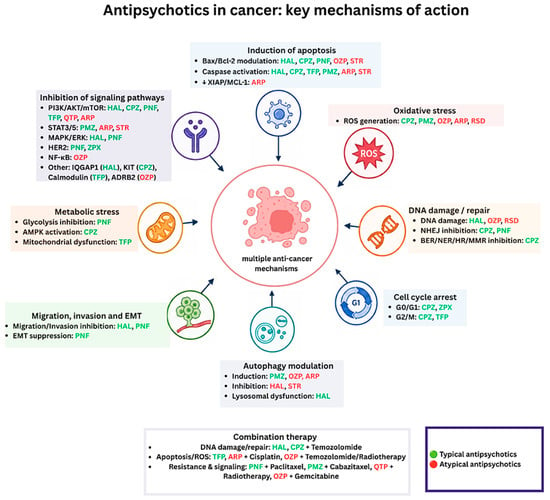
Cancer is a leading health issue worldwide, affecting approximately 20 million people annually. Developing efficient chemotherapy agents for cancer treatment is a challenging, costly, and time-consuming process. Drug repurposing for cancer treatment provides an optimal alternative, as the pharmacokinetic properties and the safety of these drugs have been previously tested. It also offers a faster and more cost-effective path to novel cancer therapies, which is especially valuable when conventional treatments face resistance or toxicity limitations. Antipsychotic drugs, which are primarily used for treating psychiatric disorders, including schizophrenia and bipolar disorder, have recently been investigated for their potential anticancer effects through drug repurposing strategies. While covering preliminary data and providing an overview of their mechanisms of action, this review highlights the latest research on antipsychotic medications’ emerging potential in oncology in experimental models, emphasizing their observed anticancer effects in preclinical studies, safety profile and capacity to enhance the effectiveness of conventional therapies. Despite growing interest, a research gap remains in translating these findings to clinical oncology, an issue this review addresses by proposing future investigative directions. Full article
Show Figures

Figure 1

21 pages, 2128 KB  
Article
Starch-Coated Superparamagnetic Fe3O4 Nanoparticles: From Physicochemical Characterization to Cytogenetic Assessment in Triticum aestivum L.
by Mihaela Racuciu, Lucian Barbu-Tudoran, Marian Grigoras, Florin Brinza, Simona Oancea and Dorina Creanga
Nanomaterials 2026, 16(14), 886; https://doi.org/10.3390/nano16140886 (registering DOI) - 18 Jul 2026
Abstract
Iron oxide-based nanomaterials have attracted considerable interest owing to their unique magnetic properties and potential biomedical and environmental applications. In this study, starch-coated superparamagnetic Fe3O4 nanoparticles (Sta-MNP) were synthesized and comprehensively characterized using electron microscopy (TEM, SEM), energy-dispersive X-ray spectroscopy [...] Read more.
Iron oxide-based nanomaterials have attracted considerable interest owing to their unique magnetic properties and potential biomedical and environmental applications. In this study, starch-coated superparamagnetic Fe3O4 nanoparticles (Sta-MNP) were synthesized and comprehensively characterized using electron microscopy (TEM, SEM), energy-dispersive X-ray spectroscopy (EDS), X-ray diffraction (XRD), vibrating sample magnetometry (VSM), attenuated total reflectance Fourier-transform infrared spectroscopy (ATR-FTIR), and nanoparticle tracking analysis (NTA). The results confirmed the formation of a magnetite-based iron oxide nanoparticles sample with a median physical diameter of 12.24 nm, superparamagnetic behavior with a saturation magnetization of 59.81 emu/g, and effective starch coating on the nanoparticle surface. The biological effects of Sta-MNP were assessed in Triticum aestivum L. using the mitotic index (MI) and aberration index (AI) as cytogenetic endpoints, respectively. Exposure-induced concentration-dependent increases in both parameters across the tested volume fractions (0–200 µL/L), suggesting a significant interaction between Sta-MNP and dividing cells. Overall, this study provides a comprehensive physicochemical profile of starch-coated magnetite nanoparticles and demonstrates their potential cytogenetic impact in a plant model system, supporting further investigation of their environmental interactions and potential agricultural applications. Full article
(This article belongs to the Special Issue Magnetic Nanomaterials: Properties, Synthesis and Applications)
17 pages, 4495 KB  
Article
Problematic Smartphone Use and Adolescent Developmental Outcomes: A Three-Wave Longitudinal Analysis of Prospective Associations Through Academic Stress and Time-Use Pathways
by Joungmin Kim
Behav. Sci. 2026, 16(7), 1224; https://doi.org/10.3390/bs16071224 (registering DOI) - 18 Jul 2026
Abstract
Problematic smartphone use in adolescence has been linked cross-sectionally to poorer academic and emotional functioning, but the longitudinal mechanisms remain unclear. Using three waves of the Panel Study on Korean Children (W14–W16; ages 14–16), this study tested whether problematic smartphone use at age [...] Read more.
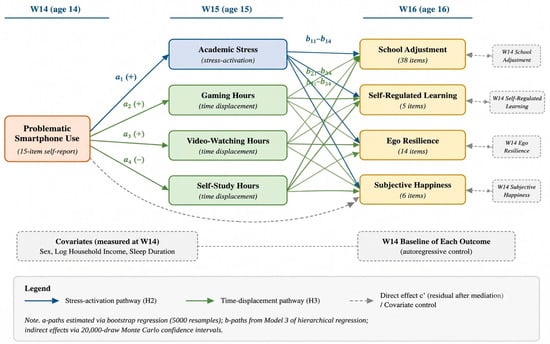
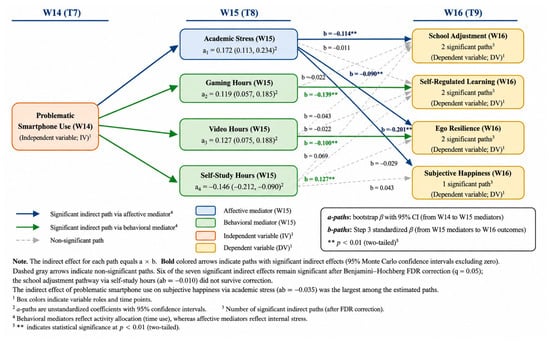
Problematic smartphone use in adolescence has been linked cross-sectionally to poorer academic and emotional functioning, but the longitudinal mechanisms remain unclear. Using three waves of the Panel Study on Korean Children (W14–W16; ages 14–16), this study tested whether problematic smartphone use at age 14 predicts four developmental outcomes at age 16—school adjustment, self-regulated learning, ego resilience, and subjective happiness—through four age-15 mediators: gaming, video-watching, self-study hours, and academic stress. Hierarchical regressions with autoregressive controls, bootstrap a-paths, and 16 indirect effects tested with 20,000-draw Monte Carlo confidence intervals were estimated. Problematic smartphone use predicted three outcomes but not subjective happiness, for which the association was indirect only. Seven indirect effects were significant, and six survived Benjamini–Hochberg false discovery rate correction. The findings indicated two pathways: a time-displacement pathway (gaming and reduced self-study) specific to self-regulated learning and an academic-stress pathway linked to school adjustment, ego resilience, and happiness. Crucially, in baseline-controlled sensitivity analyses, the time-use pathways remained significant, whereas the stress pathway was fully attenuated, indicating a concurrent rather than a prospective association. Results were robust across path-model SEM, full-information maximum likelihood, and inverse-probability weighting, supporting a dual-pathway account of adolescent digital development. Full article
Show Figures

Figure 1

23 pages, 4121 KB  
Article
A Thermal Infrared Remote Sensing Model for Diagnosing Winter Wheat Water (Triticum aestivum L.) Stress by Integrating Angular Effects and Kernel-Driven Models
by Xiaohan Lu, Guoqiang Hu, Xiaofei Yang, Hao Li, Hao Liu, Qi Xu, Yanfu Liu, Daoxu Fan, Zilong Li, Junying Chen, Xin Hui, Maosheng Ge and Zhitao Zhang
Plants 2026, 15(14), 2201; https://doi.org/10.3390/plants15142201 (registering DOI) - 18 Jul 2026
Abstract
Canopy temperature (Tc) is an important indicator for characterizing crop water status and serves as the core variable for constructing the Crop Water Stress Index (CWSI). Timely and accurate diagnosis of crop water stress is of great significance for precision [...] Read more.
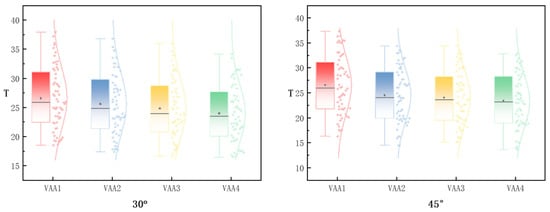
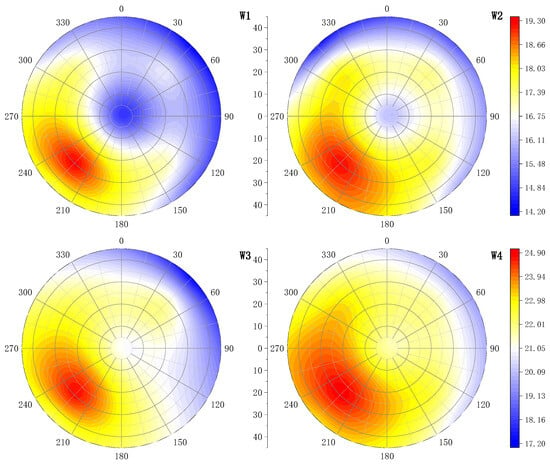
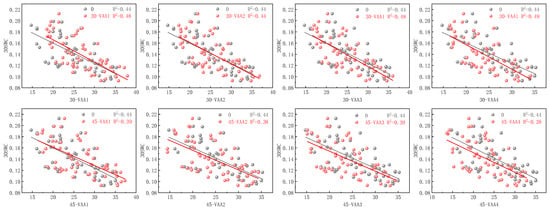
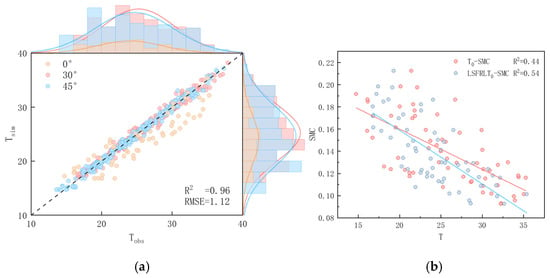
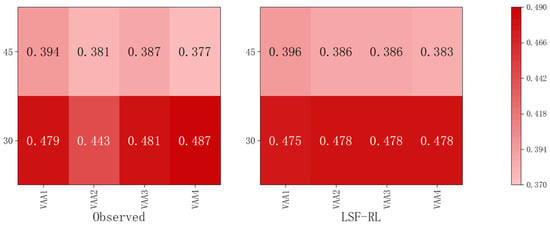
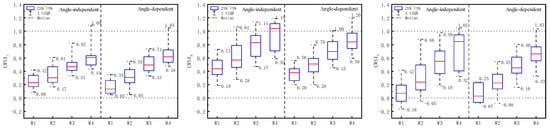
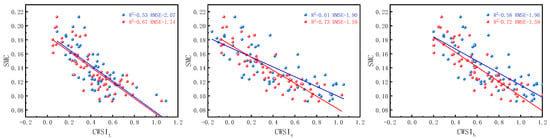
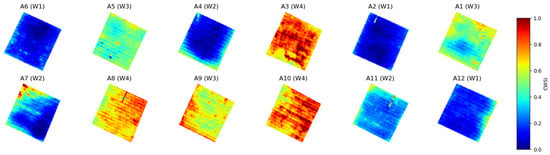
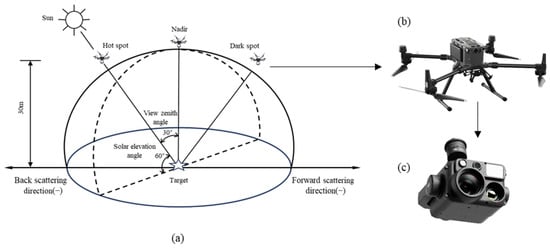
Canopy temperature (Tc) is an important indicator for characterizing crop water status and serves as the core variable for constructing the Crop Water Stress Index (CWSI). Timely and accurate diagnosis of crop water stress is of great significance for precision irrigation and yield improvement. Owing to its non-contact and high-efficiency characteristics, unmanned aerial vehicle (UAV) remote sensing has become an effective approach for high-spatiotemporal-resolution monitoring of crop water conditions. However, variations in observation geometry can introduce thermal directional effects in canopy temperature, thereby reducing the stability and reliability of CWSI estimation. In this study, multi-angular thermal infrared imagery acquired by a UAV platform was utilized to investigate the directional characteristics of winter wheat canopy temperature. A kernel-driven model was employed to separate the directional components of canopy temperature and retrieve isotropic temperature parameters that more closely represent the actual thermal status of the crop canopy. Based on these temperature parameters, three CWSI models were constructed and evaluated for crop water stress diagnosis. The results demonstrated that (1) winter wheat canopy temperature exhibited pronounced directional characteristics, and the observed temperature generally decreased with increasing relative azimuth angle between the viewing direction and solar incident direction; (2) after angular correction, the isotropic canopy temperature simulated by the kernel-driven model showed an improved correlation with soil moisture content at a depth of 30 cm (R2 = 0.54); and (3) when angular-corrected canopy temperature was used as the input variable for different CWSI models, the sensitivity of all models to crop water variation was substantially enhanced, resulting in improved discrimination among different irrigation treatments. Among the evaluated approaches, the empirical CWSI model achieved the best performance in diagnosing crop water stress variations (R2 = 0.73, RMSE = 1.59%). These findings provide a theoretical basis for UAV-based thermal infrared remote sensing of crop water status and offer technical support for precision irrigation management. Full article
Show Figures

Figure 1

21 pages, 583 KB  
Article
Spectral-Centroid-Based Non-Coherent Detection for Chaos Shift Keying
by Tingting Huang, Shengmin Hong, Jundong Chen and Liangyi Kang
Appl. Sci. 2026, 16(14), 7207; https://doi.org/10.3390/app16147207 (registering DOI) - 18 Jul 2026
Abstract
Classical coherent chaos shift keying (CSK) provides certain physical-layer advantages by exploiting chaotic waveforms, but it relies on fragile chaos synchronization, which is difficult to maintain in multipath fading channels. To overcome this limitation, we propose a novel non-coherent CSK detector based on [...] Read more.
Classical coherent chaos shift keying (CSK) provides certain physical-layer advantages by exploiting chaotic waveforms, but it relies on fragile chaos synchronization, which is difficult to maintain in multipath fading channels. To overcome this limitation, we propose a novel non-coherent CSK detector based on the spectral centroid (SC)—the center of mass of the power spectral density. We demonstrate that the SC is an intrinsic invariant of a chaotic map, enabling a fixed-threshold detection scheme that requires no synchronization, no reference sequence, and no channel estimation. Simulation results over multipath Rayleigh fading channels show that the proposed system significantly outperforms conventional CSK pairs. Unlike coherent CSK, which suffers from an error floor under frequency-selective fading, the proposed SC-CSK system benefits from frequency diversity and achieves robust performance. Moreover, while conventional differential chaos shift keying (DCSK) degrades severely under high-mobility scenarios, the proposed system maintains a stable BER across a wide range of Doppler shifts. The receiver is lightweight, interpretable, and well-suited for resource-constrained applications such as Internet of Things (IoT) devices. Full article
(This article belongs to the Section Electrical, Electronics and Communications Engineering)
15 pages, 1668 KB  
Article
Microplastic Accumulation in Deep-Sea and Surface Sediments on the GEOTRACE Med Black Sea Cruise: Composition, Distribution, and Polymer Characterization
by Dhouha Belhaj Sghaier, Noureddine Zaaboub, Ines Chniti, Thouraya Barhoumi-Slimi, Micha J. A. Rijkenberg and Monia El Bour
Microplastics 2026, 5(3), 143; https://doi.org/10.3390/microplastics5030143 (registering DOI) - 18 Jul 2026
Abstract
The pollution caused by microplastics (MPs) in marine sediments has been a concern of many researchers thanks to these substances’ persistence and potential ecological effects. To our knowledge, this study represents the first comprehensive investigation of MP contamination in marine sediments collected from [...] Read more.
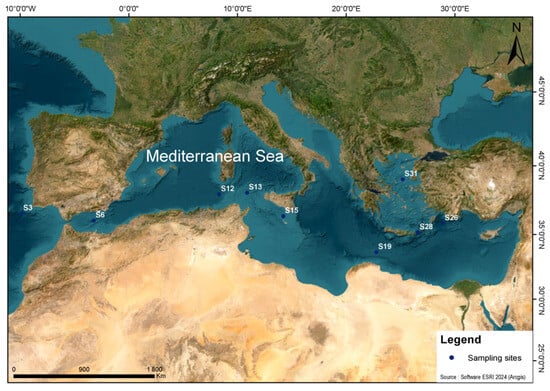
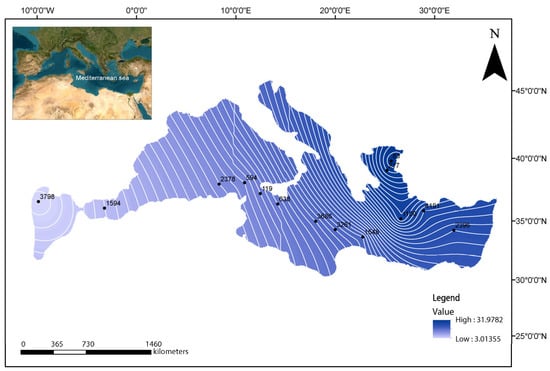
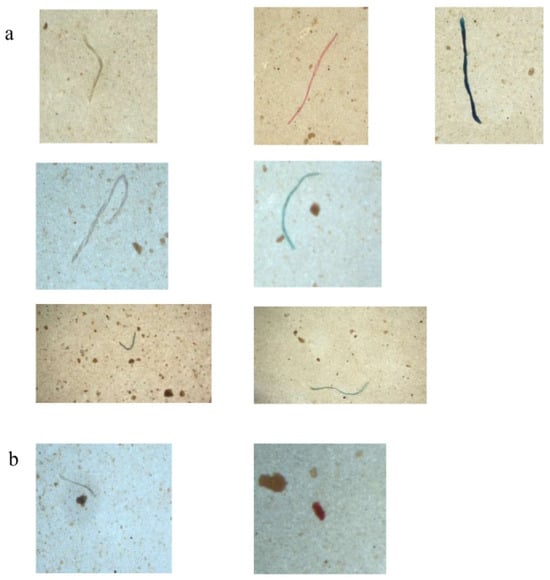
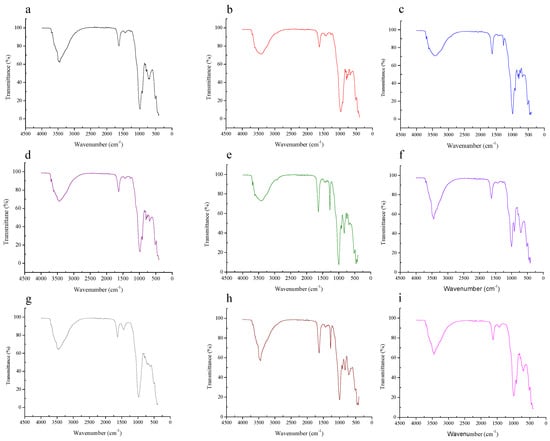
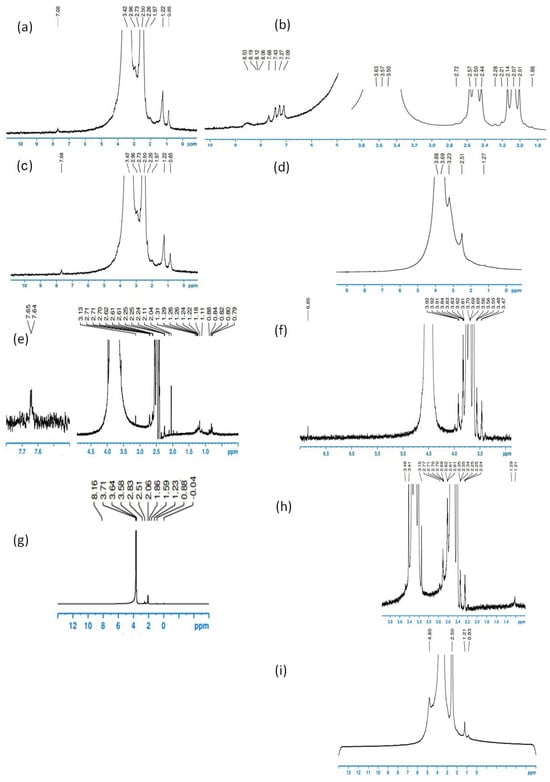
The pollution caused by microplastics (MPs) in marine sediments has been a concern of many researchers thanks to these substances’ persistence and potential ecological effects. To our knowledge, this study represents the first comprehensive investigation of MP contamination in marine sediments collected from multiple regions of the Mediterranean Sea, encompassing a wide bathymetric range from coastal areas to deep-sea environments, down to approximately 4000 m water depth. Sediment samples were taken from several sites in the Mediterranean and the northern Aegean Sea. Thanks to microscopic analysis, fragments and filaments were the dominant MP forms; their color and size varied, and the most frequent particle colors were red, transparent and blue. FTIR spectroscopy revealed diverse types of polymers, including polystyrene (PS), propylene (PP), ethylene–vinylacetate (EVA), polyamide (PA), and Acrylonitrile Butadiene Styrene (ABS) polymer. The 1-H NMR analyses confirmed the presence of PA, EVA, PP, polyethylene (PE), and PS, thereby supporting the FTIR results. This spatial variability in polymer composition probably reflects both regional anthropogenic inputs and hydrodynamic factors affecting sedimentary deposits. These results detail the complex and generalized nature of MP contamination in Mediterranean sediments and offer a basis from which to start assessing ecological risks and developing targeted mitigation strategies. Full article
Show Figures

Figure 1

19 pages, 9933 KB  
Article
Integrated Bioinformatics and Experimental Validation Reveal the Diagnostic and Prognostic Value of SMDT1 in Thyroid Carcinoma
by Tenghong Liu, Hongyi Wu, Zhijun Chen and Wenxin Zhao
Diagnostics 2026, 16(14), 2250; https://doi.org/10.3390/diagnostics16142250 (registering DOI) - 18 Jul 2026
Abstract
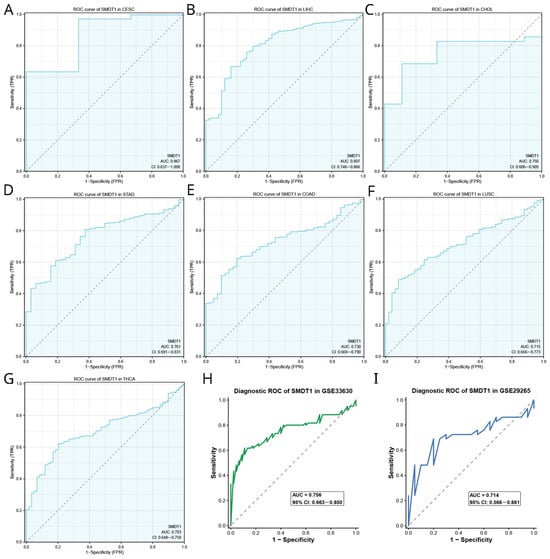
Background: Thyroid carcinoma (THCA), especially papillary thyroid carcinoma (PTC), remains clinically challenging because recurrence and metastasis occur in a subset of patients. SMDT1 is an essential regulator of the mitochondrial calcium uniporter complex that may influence tumor progression, but its role in [...] Read more.
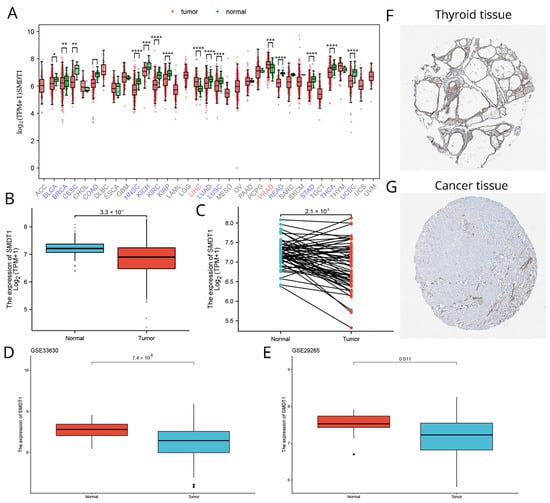
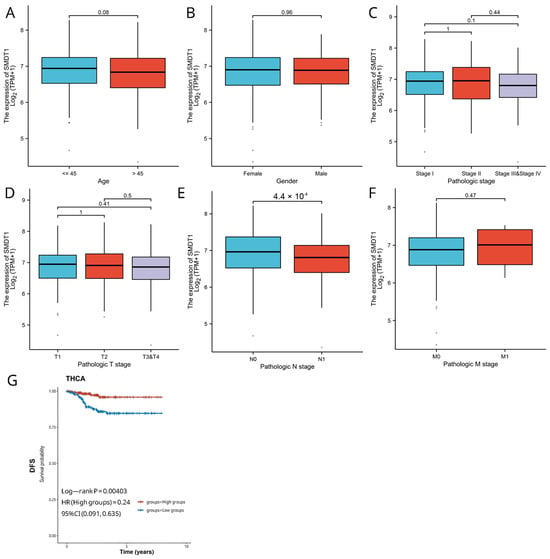
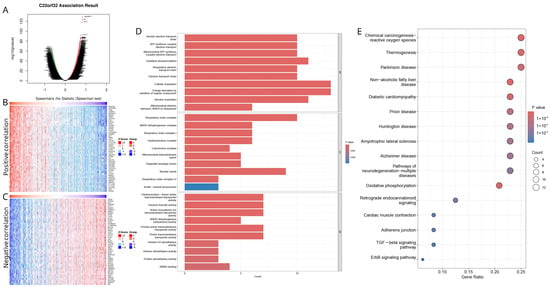
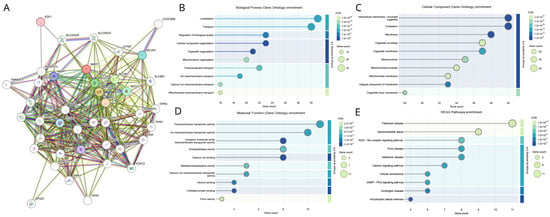
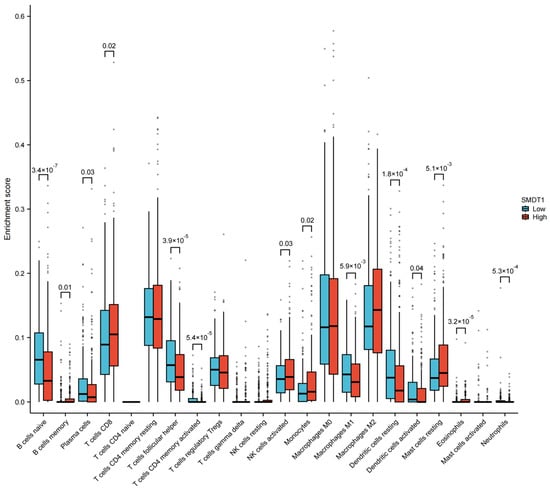
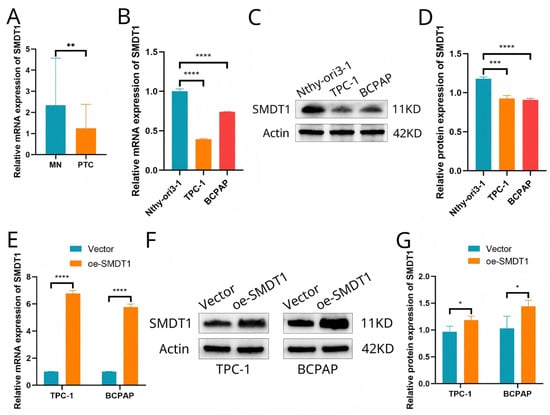
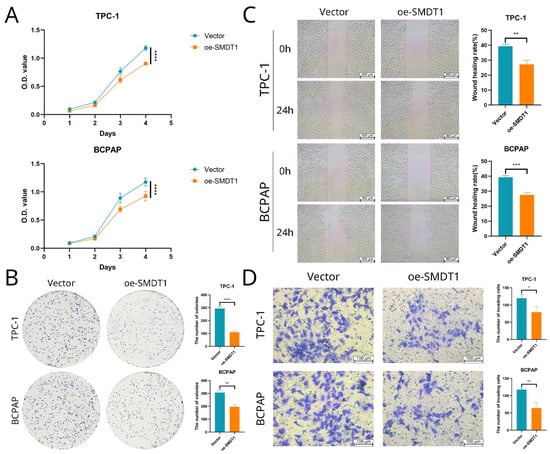
Background: Thyroid carcinoma (THCA), especially papillary thyroid carcinoma (PTC), remains clinically challenging because recurrence and metastasis occur in a subset of patients. SMDT1 is an essential regulator of the mitochondrial calcium uniporter complex that may influence tumor progression, but its role in thyroid carcinoma is unclear. This study investigated the expression, clinical significance, and biological functions of SMDT1 in thyroid carcinoma. Methods: Public databases were used to analyze SMDT1 expression, diagnostic value, prognostic relevance, co-expression networks, functional enrichment, protein interactions, and immune infiltration. SMDT1 expression was validated in 50 paired PTC and adjacent non-tumorous tissues. In vitro SMDT1 overexpression was performed in PTC cell lines, followed by quantitative real-time polymerase chain reaction (qRT-PCR), Western blotting (WB), CCK-8, colony formation, wound healing, and transwell assays. Results:SMDT1 was significantly downregulated in thyroid carcinoma tissues, PTC tissues, and PTC cell lines. Low SMDT1 expression was associated with lymph node metastasis and shorter disease-free survival. Functional analyses linked SMDT1 with mitochondrial calcium transport, oxidative phosphorylation, apoptosis, cellular senescence, and immune infiltration, including CD8+ T cells and activated NK cells. SMDT1 overexpression significantly suppressed PTC cell proliferation, colony formation, migration, and invasion. Conclusions:SMDT1 may function as a tumor suppressor in thyroid carcinoma and has potential diagnostic and prognostic value. Its effects may involve mitochondrial calcium homeostasis, metabolic regulation, and immune microenvironment remodeling. Full article
(This article belongs to the Section Clinical Diagnosis and Prognosis)
Show Figures

Figure 1

14 pages, 653 KB  
Article
Early Identification of Low Bone Density Risk Using a Radiofrequency Echographic Multi Spectrometry-Based Prediction Model
by Elena Bischoff, Stoyanka Vladeva, Nikola Kirilov and Fabian Bischoff
Life 2026, 16(7), 1191; https://doi.org/10.3390/life16071191 (registering DOI) - 18 Jul 2026
Abstract
Osteoporosis is a major public health problem characterized by reduced bone mineral density (BMD) and increased fracture risk. Early identification of individuals with low bone density remains essential for prevention. This study aimed to evaluate a multivariable logistic regression-based model integrating clinical and [...] Read more.
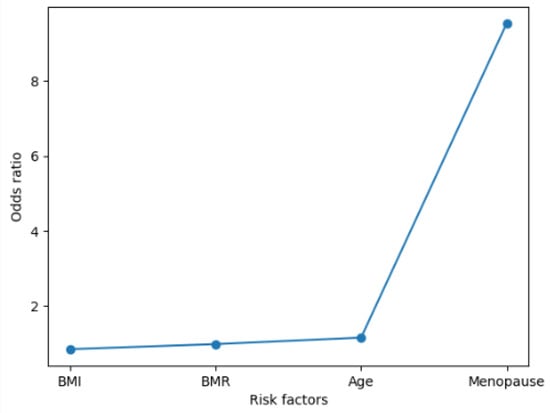
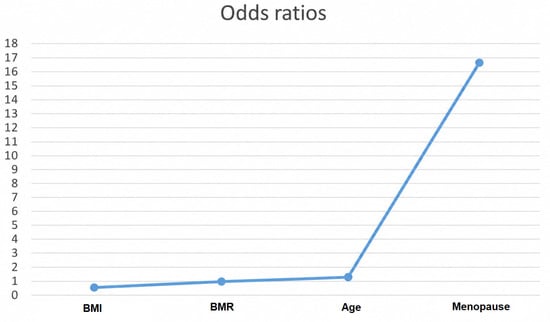
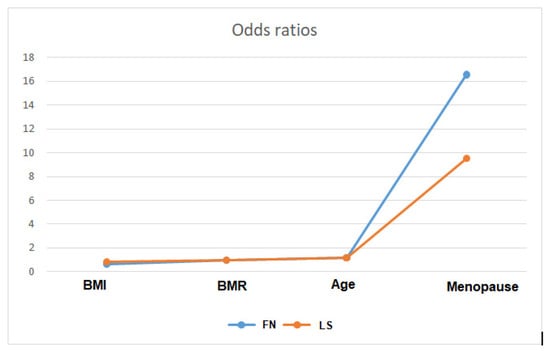
Osteoporosis is a major public health problem characterized by reduced bone mineral density (BMD) and increased fracture risk. Early identification of individuals with low bone density remains essential for prevention. This study aimed to evaluate a multivariable logistic regression-based model integrating clinical and Radiofrequency Echographic Multi Spectrometry (REMS)-derived parameters for the detection of low bone density in women. A total of 324 women undergoing REMS assessment of the lumbar spine and hip were included. Clinical variables (age, body mass index [BMI], menopausal status, and lifestyle factors) and REMS-derived measurements were analyzed. Binary logistic regression was used to identify independent factors associated with low BMD (T-score < −1 SD). Model performance was assessed using odds ratios (ORs), omnibus chi-square testing, pseudo-R2 statistics, and classification accuracy. The Youden index was applied to determine optimal cut-off values. Age, menopausal status, BMI, and basal metabolic rate (BMR) were identified as independent factors associated with low lumbar spine and femoral neck BMD. Increasing age and menopause were associated with higher odds of low bone density, whereas higher BMI and BMR were inversely associated with low bone density. In conclusion, a logistic regression model combining clinical and REMS-derived parameters demonstrated the ability to identify women with low bone density, supporting improved individualized risk stratification in clinical practice. Full article
(This article belongs to the Section Radiobiology and Nuclear Medicine)
Show Figures

Figure 1

22 pages, 2293 KB  
Article
Haematological Tracking of Thyroid Status During Methimazole Therapy and After Treatment Interruption in Hyperthyroid Cats: A Prospective Longitudinal Cohort Study
by Andrei Răzvan Codea, Alexandra Biriș, Sidonia Gog-Bogdan, Alina Diana Haşaş, Daniela Neagu, Cristian Popovici and Mircea Mircean
Vet. Sci. 2026, 13(7), 706; https://doi.org/10.3390/vetsci13070706 (registering DOI) - 18 Jul 2026
Abstract
Background: Feline hyperthyroidism is the most prevalent endocrine disorder of older cats; TT4 monitoring is costly and often inaccessible. Methods: Forty-three cats with primary hyperthyroidism were followed prospectively at baseline (T0) and at 1, 3 and 6 months (T1, T2, T3). Hct, Hgb, [...] Read more.
Background: Feline hyperthyroidism is the most prevalent endocrine disorder of older cats; TT4 monitoring is costly and often inaccessible. Methods: Forty-three cats with primary hyperthyroidism were followed prospectively at baseline (T0) and at 1, 3 and 6 months (T1, T2, T3). Hct, Hgb, MCV, ALT and TT4 were measured at each visit. Per-timepoint correlations, repeated-measures correlation (rmcorr), linear mixed-effects models, and Friedman and ROC analyses were performed. Results: TT4 correlated with Hct (r = 0.875 at T1 to 0.943 at T3), MCV (0.907 to 0.964), Hgb (0.836 to 0.946) and ALT (0.919 to 0.981), intensifying progressively. Within individual cats, Hct (rmcorr r = 0.873) and MCV (rmcorr r = 0.881) tracked TT4, and for Hct, the within-cat coefficient exceeded the between-cat coefficient. All primary parameters and ALT changed significantly from T0 to T1 (all p < 0.001). ROC analysis identified Hct ≥35.2% at T2 as the optimal cut-off (AUC = 0.972, 95% CI 0.914–1.000; sensitivity 96.7%, specificity 92.3%). Conclusions: Hct and MCV tracked TT4 within individual cats during methimazole therapy and returned toward pre-treatment values after discontinuation. A rising Hct or MCV in a treated cat may signal loss of therapeutic control and prompt TT4 re-evaluation, without replacing hormonal monitoring. Full article
(This article belongs to the Special Issue Advanced Therapy in Companion Animals—3rd Edition)
16 pages, 1729 KB  
Article
Longitudinal Analysis of Testicular Cancer Patient Volume and Co-Occurring Urological Conditions Using the Health Insurance Review and Assessment (HIRA) Database in South Korea (2020–2024) with Exploratory Forecasts for 2026–2028
by Hyeran Jung and Minsun Jung
Cancers 2026, 18(14), 2325; https://doi.org/10.3390/cancers18142325 (registering DOI) - 18 Jul 2026
Abstract
Background/Objectives: Testicular cancer (TC) is the most common solid malignancy in young males globally, yet population-level longitudinal data characterizing claims-based patient volume trends and co-occurring urological condition burden in South Korea remain limited. This study aimed to describe national trends in TC [...] Read more.
Background/Objectives: Testicular cancer (TC) is the most common solid malignancy in young males globally, yet population-level longitudinal data characterizing claims-based patient volume trends and co-occurring urological condition burden in South Korea remain limited. This study aimed to describe national trends in TC patient volume from 2020 to 2024, quantify exploratory associations with co-occurring urological and oncological conditions using aggregate annual counts, and generate exploratory 2026–2028 forecasts using validated statistical methods. Methods: We conducted a retrospective longitudinal analysis of administrative claims data from the Health Insurance Review and Assessment (HIRA) database of South Korea (2020–2024). Ten disease categories were analyzed: testicular cancer, bladder cancer, kidney cancer, prostate cancer, benign prostatic hyperplasia (BPH), chronic kidney disease (CKD), cystitis, neurogenic bladder, pyelonephritis, and carcinoma in situ. Annual patient counts, inpatient/outpatient utilization, and healthcare costs were extracted. Pearson and Spearman correlations were computed between TC and co-occurring condition volumes. Forecasting for 2026–2028 used a three-method ensemble: ARIMA(1,1,0), linear regression with 95% prediction intervals, and Holt–Winters exponential smoothing (weights: 0.35, 0.35, 0.30, respectively). The study was approved by the Institutional Review Board of Chungnam National University (IRB No. 202601-SB-014-01). All data were fully de-identified; informed consent was waived. Results: TC patient volume increased from 2309 in 2020 to 2992 in 2024 (compound annual growth rate [CAGR]: 6.69%). Exploratory ensemble forecasts projected 3287 (95% prediction interval [PI]: 2856–3540), 3767 (95% PI: 2962–3749), and 4531 (95% PI: 3066–3962) patients in 2026, 2027, and 2028, respectively, under a continued linear-trend assumption. TC patient volume showed strong positive exploratory correlations with CKD (r = 0.946, p < 0.05), prostate cancer (r = 0.945), kidney cancer (r = 0.932), BPH (r = 0.932), carcinoma in situ (r = 0.937), and bladder cancer (r = 0.928); given n = 5 annual observations, these reflect parallel secular trends and must not be interpreted causally. Nine of ten analyzed conditions demonstrated increasing trends; pyelonephritis showed a negative CAGR (−1.37%). Conclusions: TC patient volume in South Korea increased substantially over 2020–2024, with exploratory forecasts projecting continued growth through 2028. Parallel upward trends in co-occurring urological and oncological conditions are consistent with shared secular drivers including population ageing and improved detection, though individual-level causal inference is not possible from aggregate claims data. These findings support claims-based trend monitoring, urological oncology resource planning, and hypothesis generation for future individual-level studies. Full article
(This article belongs to the Special Issue Advanced Strategies for Precision Therapy in Urinary Cancers)
19 pages, 1207 KB  
Systematic Review
Effects of Continuous Chelation with Etidronate on Mechanical Properties of the Root Canal Dentin: A Systematic Review with Meta-Analysis
by Margarita Sachkova, Daria Savochkina, Nina Novozhilova, Ksenia Babina, Anna Mikheikina, Vladlena Doroshina, Alexandr Zaytsev and Maria Polyakova
Dent. J. 2026, 14(7), 450; https://doi.org/10.3390/dj14070450 (registering DOI) - 18 Jul 2026
Abstract
Background: Continuous chelation with etidronic acid (1-Hydroxyethylidene-1,1-diphosphonic acid, HEDP) has been proposed as a less aggressive alternative to sequential irrigation with ethylenediaminetetraacetic acid (EDTA) in endodontics. This systematic review and meta-analysis aimed to compare the effects of these two protocols on the [...] Read more.
Background: Continuous chelation with etidronic acid (1-Hydroxyethylidene-1,1-diphosphonic acid, HEDP) has been proposed as a less aggressive alternative to sequential irrigation with ethylenediaminetetraacetic acid (EDTA) in endodontics. This systematic review and meta-analysis aimed to compare the effects of these two protocols on the mechanical properties and structure of root dentin. Methods: PubMed, Scopus, and Cochrane Central databases were searched up to June 2026 for in vitro studies comparing continuous chelation (NaOCl + HEDP mixture) with sequential irrigation (NaOCl and EDTA) on root dentin of permanent teeth. Studies on coronal dentin and those not using NaOCl + HEDP as a mixture were excluded. Risk of bias was assessed using the QUIN tool. Meta-analyses were performed for fracture resistance using a random-effects model. This review was registered in PROSPERO (CRD420250630663). Results: Twenty studies with a total of 572 specimens were included. Six studies had a low risk of bias and thirteen had a medium risk. The qualitative synthesis showed that HEDP generally resulted in similar or lower levels of erosion, microhardness reduction, demineralization, and collagen degradation compared to EDTA. The meta-analysis revealed no significant difference in fracture resistance (5 studies; SMD = 0.28; 95% CI: −0.37 to 0.92; p = 0.40); however, substantial heterogeneity was observed (I2 = 66.7%). Conclusions: The evidence was limited by substantial heterogeneity and mainly medium risk of bias. Within the limitations, in vitro evidence suggests that continuous chelation with HEDP is comparable to EDTA in terms of root dentin mechanical properties and composition, supporting its use as a chelating agent in endodontic practice. This research received no external funding. Full article
(This article belongs to the Section Dental Materials)
30 pages, 7204 KB  
Systematic Review
Insights from an Umbrella Review of Digital Storytelling
by Abdullah Arslan
Educ. Sci. 2026, 16(7), 1152; https://doi.org/10.3390/educsci16071152 (registering DOI) - 18 Jul 2026
Abstract
This study synthesised reviews to identify methodological indicators that are instrumental in informing claims regarding digital storytelling (DST) outcomes and effectiveness across fields. An umbrella review methodology was employed, following the PRISMA-ScR reporting framework, with the Population–Concept–Context (PCC) framework guiding research question formulation. [...] Read more.
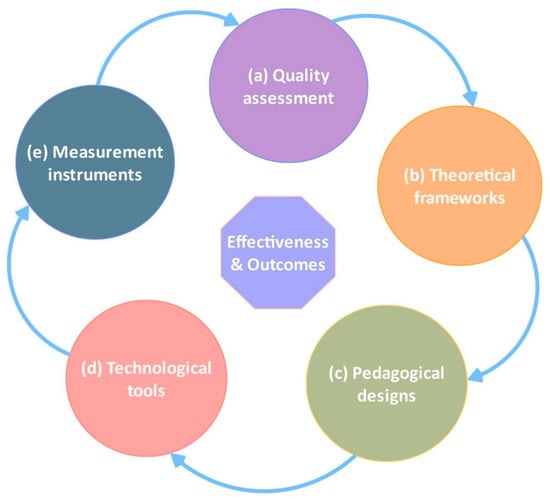
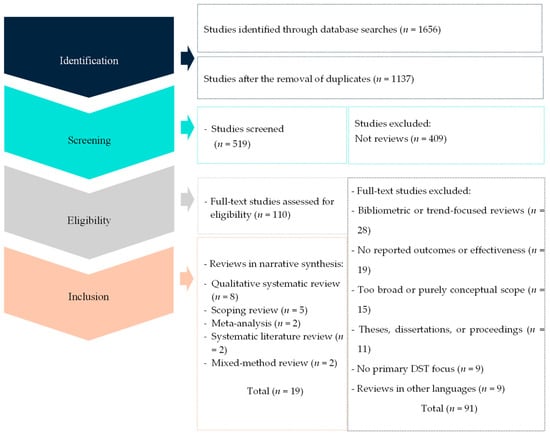
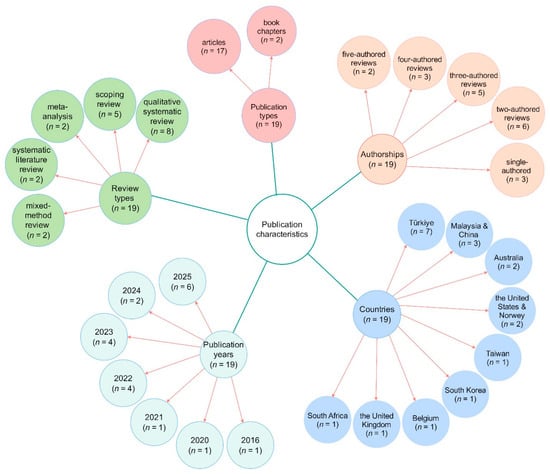
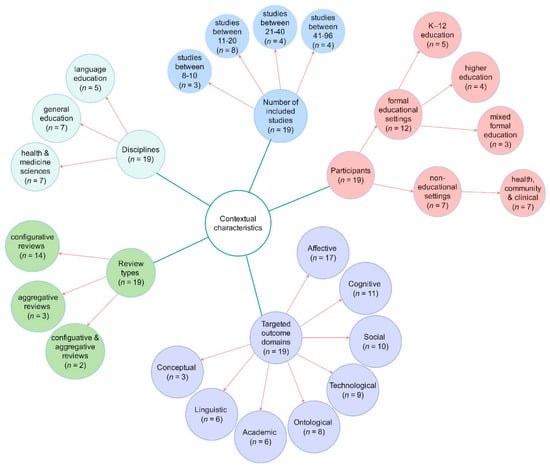
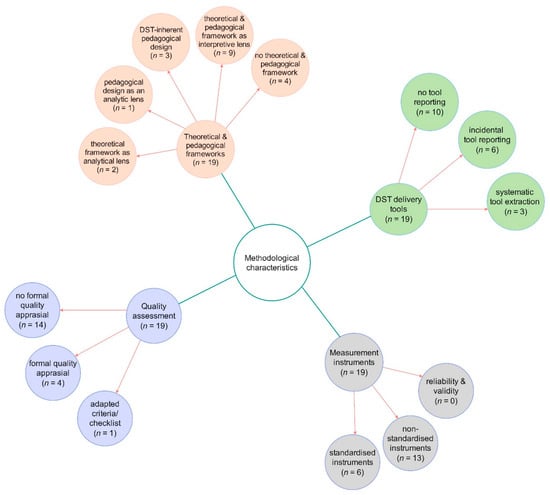
This study synthesised reviews to identify methodological indicators that are instrumental in informing claims regarding digital storytelling (DST) outcomes and effectiveness across fields. An umbrella review methodology was employed, following the PRISMA-ScR reporting framework, with the Population–Concept–Context (PCC) framework guiding research question formulation. Four databases were searched, yielding 1656 records. Following independent screening by two reviewers, 19 reviews met the inclusion criteria. Critical appraisal was conducted using the JBI checklist, and content and thematic synthesis were subsequently performed using MAXQDA 26. Findings related to publication indicators revealed a gradual increase in DST reviews between 2016 and 2025, with qualitative systematic reviews being the most prevalent type. In terms of geographic distribution, most reviews were conducted by researchers based in Türkiye, with notable gaps in South American and African contexts. Analysis on contextual indicators demonstrated that the majority of reviews adopted a configurative review orientation regarding micro-level practices across health-related, general education, and language education fields. Drawing on participants from both formal and non-formal settings, these reviews primarily reported outcomes across eight domains. Regarding methodological indicators, the analysis revealed a lack of uniformity and considerable variation in the use and reporting of quality assessment, theoretical and pedagogical frameworks, technological tools, and measurement instruments. Key recommendations include prioritising meta-analytic and mixed-method reviews, encouraging research in underrepresented regions, examining DST at meso- and macro-levels, and systematically integrating and reporting key methodological indicators in future reviews. Full article
(This article belongs to the Section Technology Enhanced Education)
Show Figures

Figure 1

27 pages, 517 KB  
Article
MC-PoisonVerif: Model Checking-Driven Poisoning Attack Formal Verification Algorithm
by Congdong Lv, Yupeng Song, Yi Li, Wenjie Zhou, Chenyu Gan and Xiaodong Zhang
Mathematics 2026, 14(14), 2617; https://doi.org/10.3390/math14142617 (registering DOI) - 18 Jul 2026
Abstract
Aiming at two core problems in data poisoning attack detection, namely the lack of formal modeling and the insufficient guarantee of theoretical completeness, this paper proposes a model checking-driven formal verification algorithm for poisoning attacks. First, the AI system is abstracted into a [...] Read more.
Aiming at two core problems in data poisoning attack detection, namely the lack of formal modeling and the insufficient guarantee of theoretical completeness, this paper proposes a model checking-driven formal verification algorithm for poisoning attacks. First, the AI system is abstracted into a quadruple, and poisoning attacks (label flipping, feature perturbation, backdoor poisoning, gradient tampering) are modeled as a triple. Meanwhile, CTL* and PCTL temporal logic formulas are adopted to characterize the features of the above attacks, respectively. Second, equivalent mapping from formal features to logic formulas is established by constructing atomic propositions and Kripke structures, and automated detection and verification are realized based on the SPIN and PRISM tools. Furthermore, three core theorems are proposed and strictly proved: the characterization completeness theorem of the formal model for poisoning attacks, the completeness and correctness theorem of the detection algorithm, and the robustness theorem of the defense framework. Theoretical proofs and experimental results demonstrate that, when the proportion of malicious samples is no more than 20%, the missing detection rate is ≤2% and the false detection rate is ≤3.5%. After defense deployment, the accuracy drop of the model is controlled within 8%. This work provides a formally verifiable and theoretically guaranteed solution for poisoning attack detection in AI systems. Full article

Open Access Journals

Browse by Indexing Browse by Subject Selected Journals
Back to TopTop