



Advancing Open Science
Supporting academic communities
since 1996
 
10 pages, 1023 KB  
Case Report
Successful Treatment of Posterior Cortical Atrophy: A Case Report
by Kerry Mills Rutland, Neil Nathan, Chi Kim and Dale E. Bredesen
Int. J. Transl. Med. 2026, 6(2), 20; https://doi.org/10.3390/ijtm6020020 (registering DOI) - 2 May 2026
Abstract
Background/Objectives: Posterior cortical atrophy, also referred to as Benson’s syndrome, is a presentation of Alzheimer’s disease that occurs in 5–15% of Alzheimer’s patients. Visual processing is the predominantly affected modality in posterior cortical atrophy, and symptoms such as prosopagnosia, simultanagnosia, alexia, optic [...] Read more.
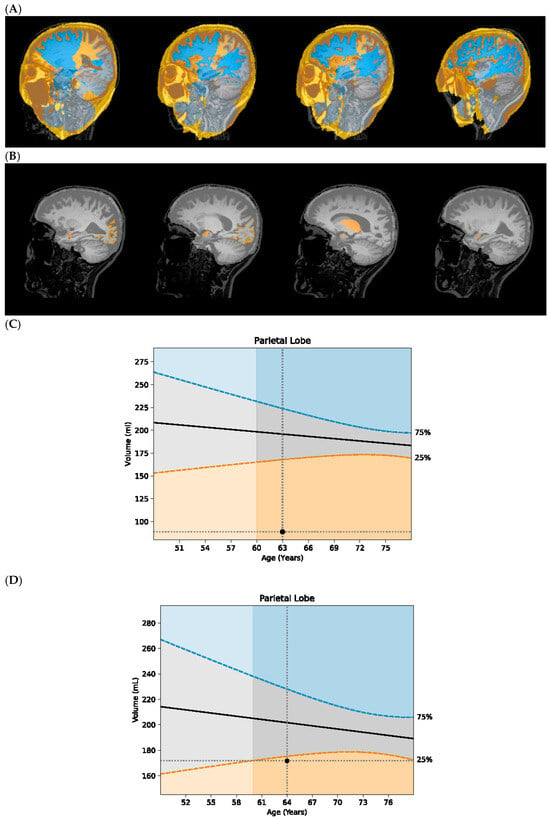
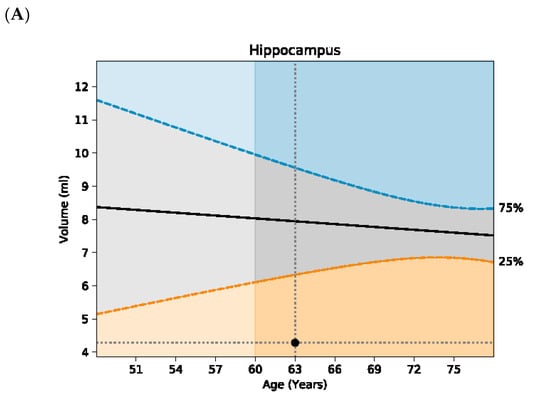
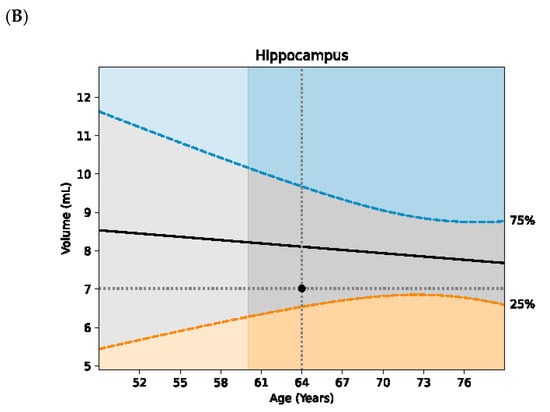
Background/Objectives: Posterior cortical atrophy, also referred to as Benson’s syndrome, is a presentation of Alzheimer’s disease that occurs in 5–15% of Alzheimer’s patients. Visual processing is the predominantly affected modality in posterior cortical atrophy, and symptoms such as prosopagnosia, simultanagnosia, alexia, optic ataxia, and visual hallucinations may occur, as well as blurred vision and visual distortions. Posterior cortical atrophy is considered to be a disease without a known cause or effective treatment. Methods: Here, we report a patient with posterior cortical atrophy who responded to a personalized, precision medicine protocol. Results: The patient had improved MRI volumetrics, symptoms, and cognitive testing. She regained the ability to read, use a computer, and undertake computer-based brain training, among other cognitive improvements. She has now sustained this improvement for over one year and continues to regain her independence and confidence. Conclusions: These results argue for additional laboratory testing in the evaluation of patients with posterior cortical atrophy, and they support the possibility of utilizing a similar approach in a proof-of-concept trial. Full article
Show Figures

Figure 1

28 pages, 9447 KB  
Article
Energy-Constrained UAV-UGV Coordination for Online Task Discovery in Known Environments with Obstacles
by Jiahao Yan, Zheng Wang, Shuoxin Liu, Huizi Liu, Chaojie Zhang, Binhao Wang, Fengrong Sun, Zhuoqun Shen, Qian Liu and Jingjing Xu
Drones 2026, 10(5), 343; https://doi.org/10.3390/drones10050343 (registering DOI) - 2 May 2026
Abstract
In persistent patrol and online task discovery in environments with obstacles, unmanned aerial vehicle (UAV) swarms are constrained by limited battery capacity and frequent recharging disrupts patrol continuity. In comparison, unmanned ground vehicle (UGV) fleets have higher endurance and payload capacity and can [...] Read more.
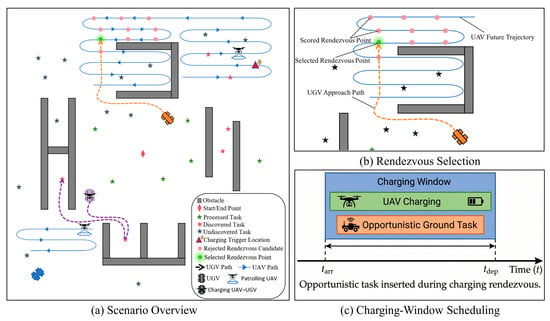
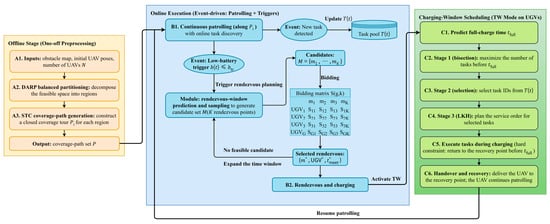
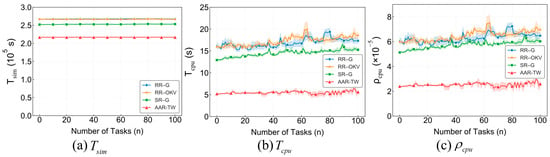
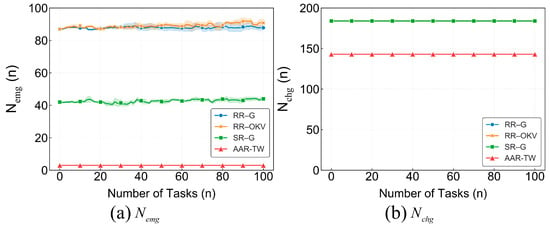
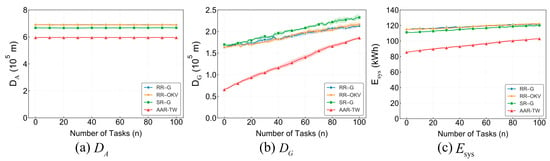
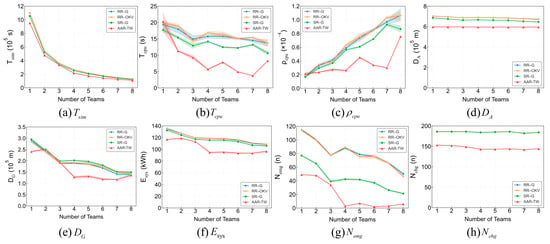
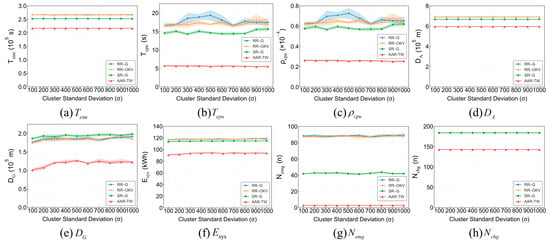
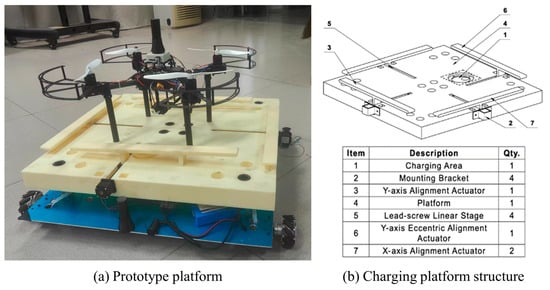
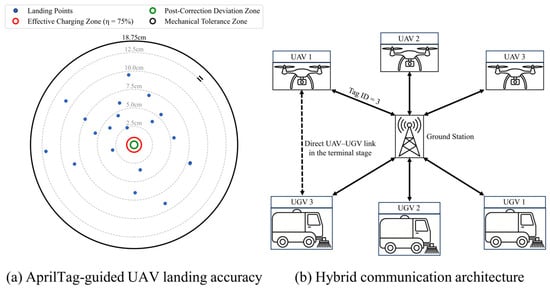
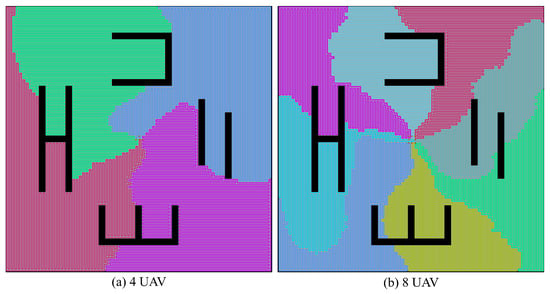
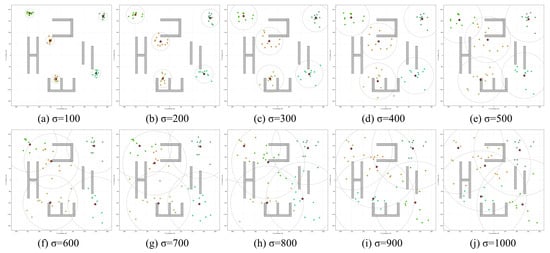
In persistent patrol and online task discovery in environments with obstacles, unmanned aerial vehicle (UAV) swarms are constrained by limited battery capacity and frequent recharging disrupts patrol continuity. In comparison, unmanned ground vehicle (UGV) fleets have higher endurance and payload capacity and can serve as mobile charging platforms while executing ground-service tasks. In such collaborative scenarios, UAVs patrol along a coverage path and discover tasks online, whereas UGVs execute discovered ground tasks and provide mobile charging support. To cope with rendezvous uncertainty due to obstacle-induced detours and inefficient usage of UGV time during charging, this study proposes an energy-constrained UAV-UGV coordination framework based on adaptive anticipatory rendezvous and time-window scheduling. In particular, the adaptive anticipatory rendezvous module handles anticipatory rendezvous planning, while the time-window scheduling module models the post-rendezvous charging stage as a schedulable time window for opportunistic ground-task insertion. Simulations demonstrate that the proposed framework consistently reduces system energy consumption, completion time, and the number of emergency landings compared with three representative baselines. Moreover, a UAV-UGV prototype with AprilTag-based visual landing and post-landing mechanical correction is developed to validate the engineering feasibility of the key closed-loop process. Full article
Show Figures

Figure 1

16 pages, 5628 KB  
Technical Note
Coupled ESEM and XRD Analysis of Montmorillonite Hydration: Real-Time Swelling Quantification and Kinetic Characterization
by J. Theo Kloprogge
NDT 2026, 4(2), 14; https://doi.org/10.3390/ndt4020014 (registering DOI) - 2 May 2026
Abstract
Understanding the hydration dynamics of montmorillonite clay minerals is critical for predicting their behavior in geotechnical and environmental applications. However, prior ESEM studies have employed separate measurement techniques and lack synchronized multi-scale observations linking microscale aggregate morphology to nanoscale interlayer spacing, with kinetic [...] Read more.
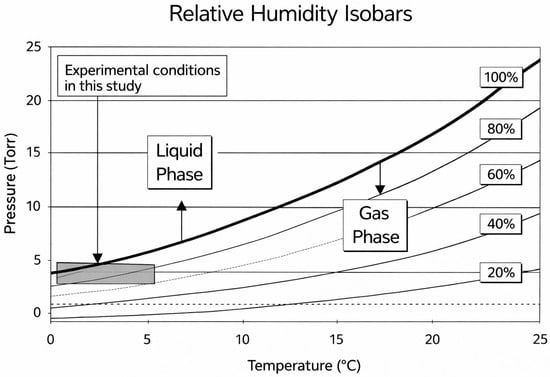
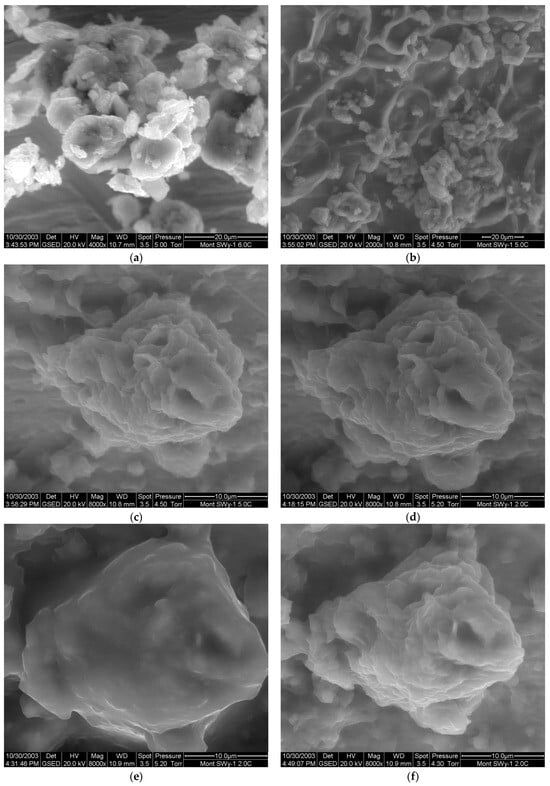
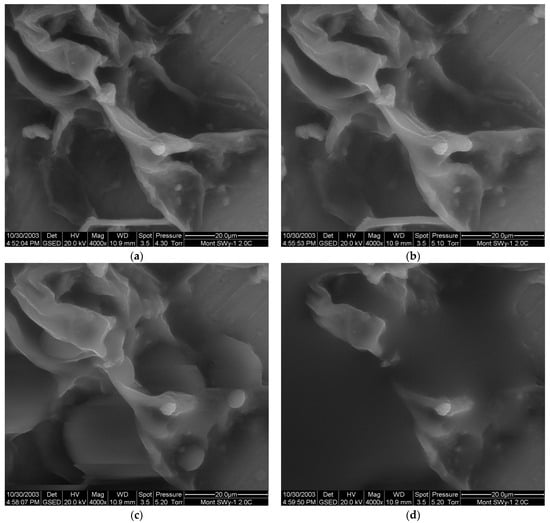
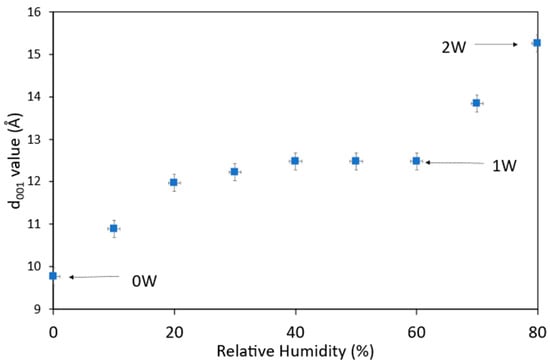
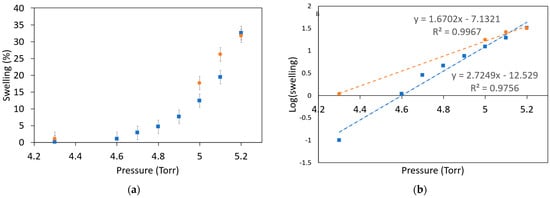
Understanding the hydration dynamics of montmorillonite clay minerals is critical for predicting their behavior in geotechnical and environmental applications. However, prior ESEM studies have employed separate measurement techniques and lack synchronized multi-scale observations linking microscale aggregate morphology to nanoscale interlayer spacing, with kinetic timescales for clay equilibration remaining unknown. This study employs in situ environmental scanning electron microscopy (ESEM) combined with synchronized X-ray diffraction (XRD) to directly observe and quantify the hydration and dehydration processes of montmorillonite SWy-1 under controlled pressure and temperature conditions on the same sample. ESEM enabled direct visualization of water–clay interactions by precisely controlling chamber pressure (4–5.3 Torr), while synchronized XRD measured basal spacing (d001) changes. Key findings reveal: single water-layer hydration (1W) produces ~19% aggregate swelling and two-layer hydration (2W) yields ~32% swelling; rapid dehydration occurs within 3 min with complete equilibration by 15 min; hydration exhibits steeper pressure dependency (slope = 2.7249) compared to dehydration (slope = 1.6702), indicating thermodynamically driven water uptake but kinetically limited desorption; and water-adsorption isotherms exhibited type-H3 hysteresis. This dual-scale integration establishes practical timescales for clay equilibration and provides critical mechanistic insights for predicting clay behavior in geotechnical engineering and engineered barrier design. Full article
Show Figures

Figure 1

18 pages, 29477 KB  
Article
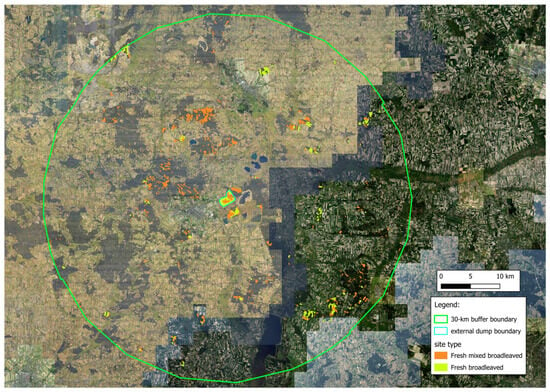
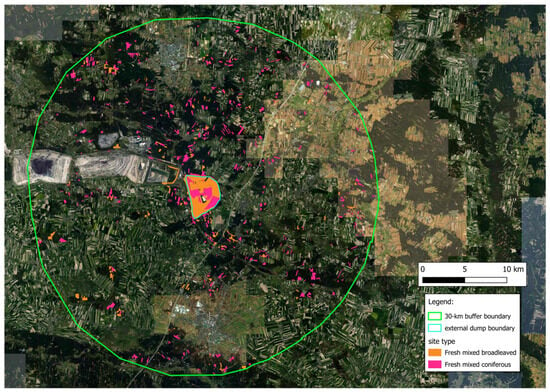
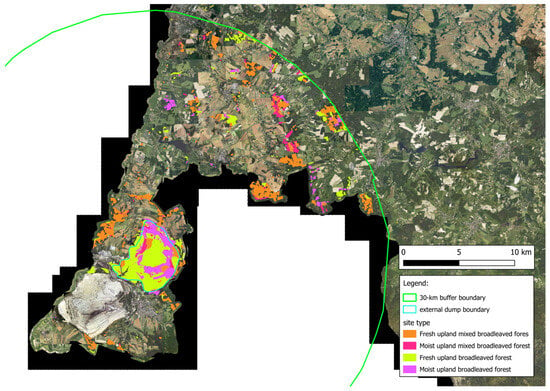
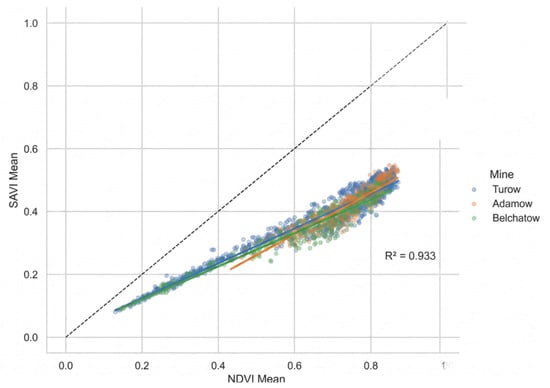
Assessing Forestry Reclamation Success in Lignite Mine External Dumps Using Remote Sensing Techniques
by Bogna Mika and Jakub Ceglarek
Sustainability 2026, 18(9), 4493; https://doi.org/10.3390/su18094493 (registering DOI) - 2 May 2026
Abstract
Open-pit lignite mining causes significant environmental alterations, particularly through the removal of soil deposits and the creation of external dumps, which necessitate effective reclamation to restore landscape structures. This study evaluates the potential of using multi-temporal remote sensing data to assess the effectiveness [...] Read more.
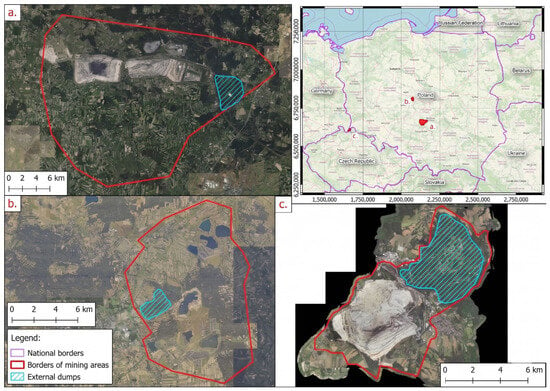
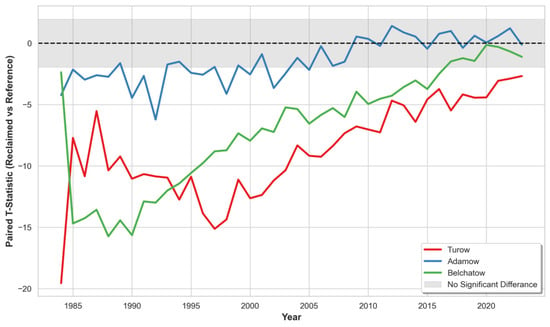
Open-pit lignite mining causes significant environmental alterations, particularly through the removal of soil deposits and the creation of external dumps, which necessitate effective reclamation to restore landscape structures. This study evaluates the potential of using multi-temporal remote sensing data to assess the effectiveness of forest reclamation on selected external dumps of the Adamów, Bełchatów, and Turów Lignite Mines in Poland. Using Landsat imagery spanning five decades from 1976 to 2023, the study monitors vegetation development through the Normalized Difference Vegetation Index (NDVI) and the Soil-Adjusted Vegetation Index (SAVI). Reclaimed forest stands were compared against undisturbed reference forests within a 30 km buffer zone, with recovery defined as achieving 95% of the reference values. The results indicate that most studied sites reached a state of recovery, with success closely linked to the specific reclamation measures implemented and the age of the forest stands. Notably, the Adamów mine, which utilized Bender’s target species method, demonstrated rapid results, achieving high similarity to reference forests early in the analyzed period. In contrast, recovery in Bełchatów and Turów was more gradual, following trajectories influenced by pioneer and biodynamic afforestation methods. Ultimately, the study confirms that remote sensing is a highly efficient tool for monitoring extensive post-mining areas over long periods, providing a general assessment of biological restoration success. Full article
Show Figures

Figure 1

24 pages, 1038 KB  
Article
Avant-Garde Poetry and the Tékhnē of Traditional Versification
by Evgenii Kazartsev and Nikita Kirichenko
Arts 2026, 15(5), 97; https://doi.org/10.3390/arts15050097 (registering DOI) - 2 May 2026
Abstract
This article offers a theoretically nuanced and empirically grounded investigation into the paradoxical afterlife of classical versification within the poetic practices of the Russian and Soviet avant-garde. Challenging the persistent historiographic narrative that equates avant-garde poetics with an unequivocal rupture from tradition, the [...] Read more.
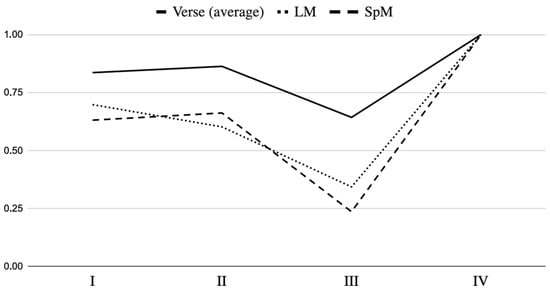
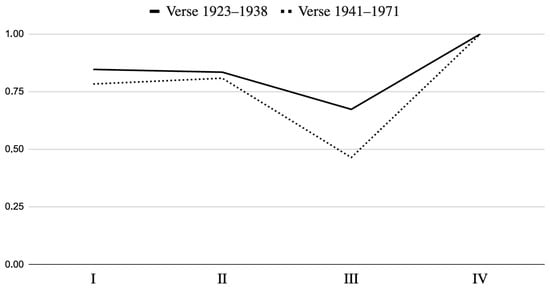
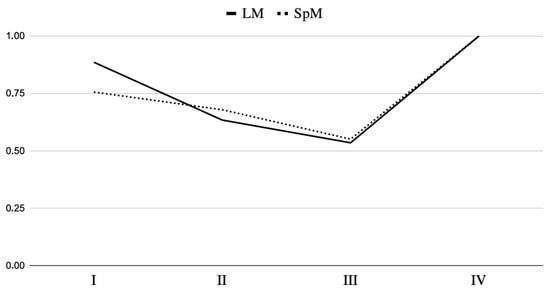
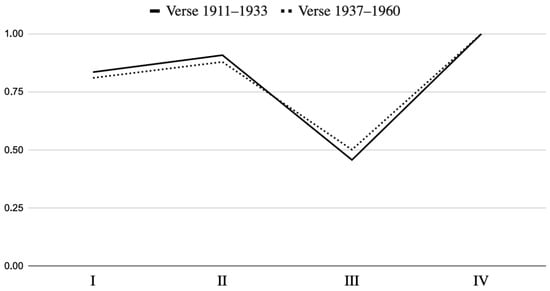
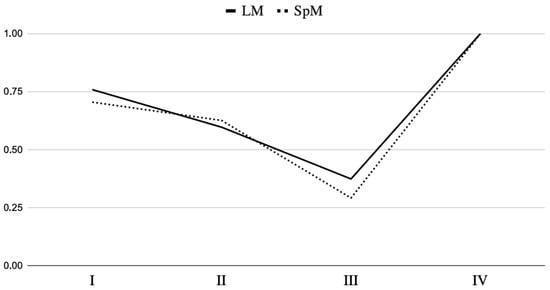
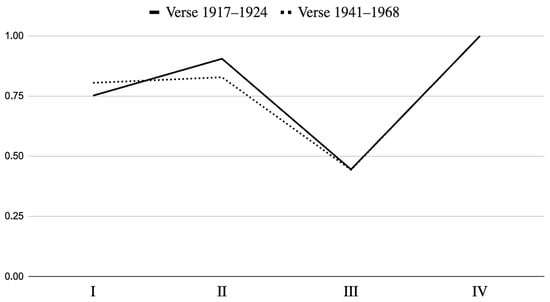
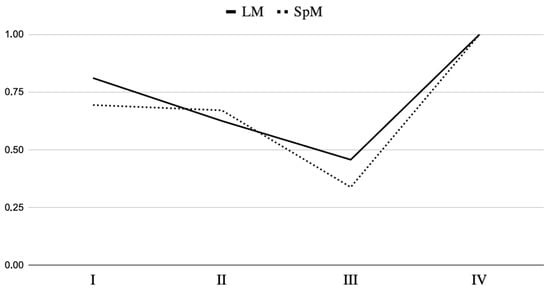
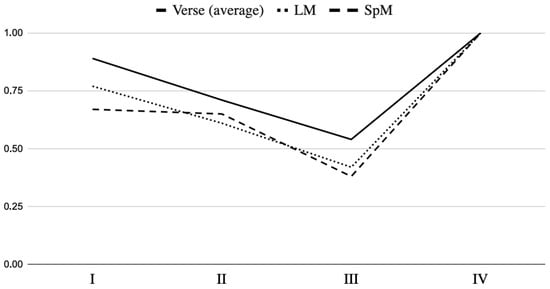
This article offers a theoretically nuanced and empirically grounded investigation into the paradoxical afterlife of classical versification within the poetic practices of the Russian and Soviet avant-garde. Challenging the persistent historiographic narrative that equates avant-garde poetics with an unequivocal rupture from tradition, the study demonstrates that canonical metrical forms—most notably iambic tetrameter—continued to operate as structurally productive, albeit critically reconfigured, elements within experimental verse. Drawing on a broad corpus encompassing poetic manifestos, verse texts, and prose writings by Vladimir Maiakovskii, Ilia Sel’vinskii, Semen Kirsanov, and Nikolai Aseev, the authors combine close formal analysis with quantitative prosodic modeling, including linguistic and speech models derived from Kolmogorov–Taranovsky verse theory. The article argues that avant-garde poets did not simply negate inherited metrics but subjected them to a process of internal recomposition, shifting attention from meter as a fixed scheme to rhythm as a dynamic, semantically charged construct. While rhythmic innovation is shown to be consciously engineered in verse, the analysis of verse-like fragments in prose reveals persistent, unconscious attachments to “classical” rhythmic patterns, particularly the Pushkinian alternating rhythm. This tension between declarative rejection and latent continuity illuminates the avant-garde’s distinctive mode of negotiating tradition: not abolishing it, but instrumentalizing it within a broader project of total artistic reorganization. The study thus reframes avant-garde prosody as a site where innovation and inheritance coexist in a state of productive contradiction, reshaping our understanding of modernist poetic technique. Full article
Show Figures

Figure 1

17 pages, 3156 KB  
Article
Evaluating Sociotechnical Factors Influencing the Feasibility of Vineyard Photovoltaic Integration in Malta
by Aron Rexhausen, Benno Rothstein and Charles Yousif
Energies 2026, 19(9), 2213; https://doi.org/10.3390/en19092213 (registering DOI) - 2 May 2026
Abstract
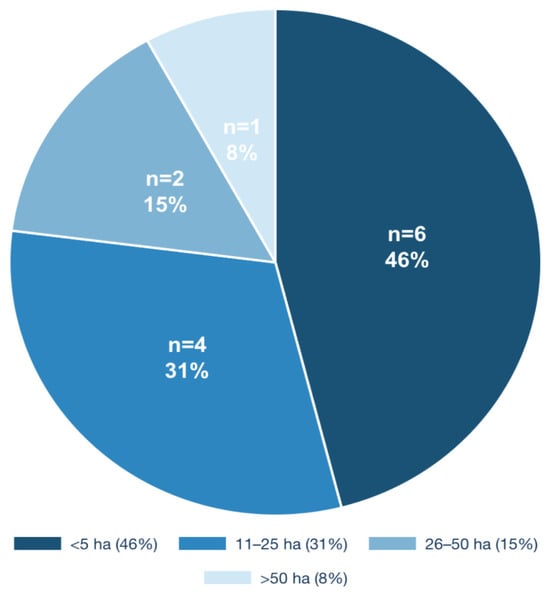
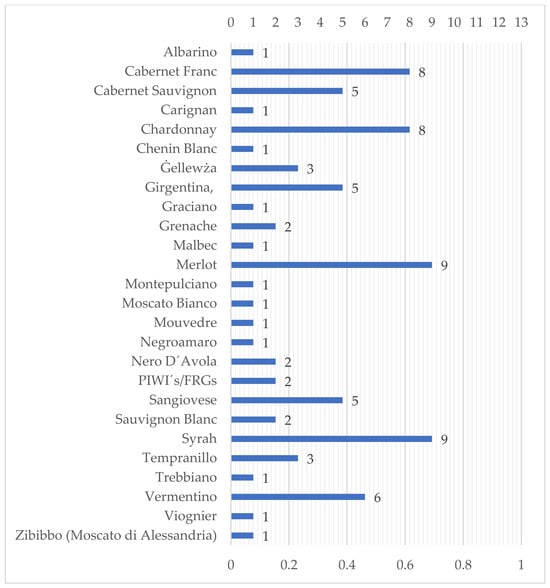
This study investigates the feasibility of viticultural photovoltaics (Viti-PV) in Malta—a small European island state in the Mediterranean—through a mixed-methods approach, combining a standardised questionnaire (n= 13 viticulturists) with expert interviews involving stakeholders from viticulture, energy and policy. Results show that [...] Read more.
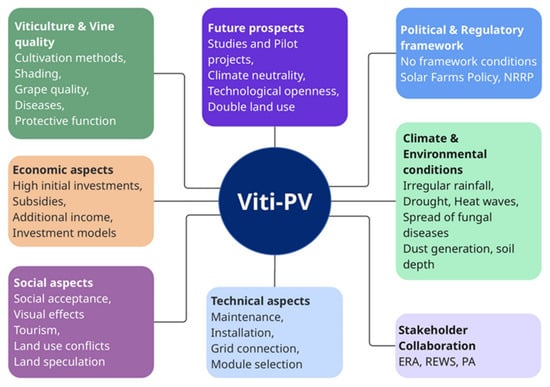
This study investigates the feasibility of viticultural photovoltaics (Viti-PV) in Malta—a small European island state in the Mediterranean—through a mixed-methods approach, combining a standardised questionnaire (n= 13 viticulturists) with expert interviews involving stakeholders from viticulture, energy and policy. Results show that while Viti-PV offers tangible benefits such as shading, reduced irrigation needs and income diversification to this sunny, warm and relatively dry island, adoption is constrained by high investment costs, regulatory prohibitions and concerns over landscape impacts. For policy and practice, the findings highlight the necessity of tailored financing models, regulatory adaptation and participatory pilot projects to build evidence and stakeholder confidence. Viti-PV can contribute simultaneously to renewable energy targets and viticultural climate resilience, but its implementation depends on coordinated support across technical, economic and institutional dimensions. Full article
Show Figures

Figure 1

27 pages, 656 KB  
Article
Real Time as Ontological Choice: A Comparative Inquiry into Al-Ghazālī and Lee Smolin’s Temporal Models
by Adil Guler
Philosophies 2026, 11(3), 72; https://doi.org/10.3390/philosophies11030072 (registering DOI) - 2 May 2026
Abstract
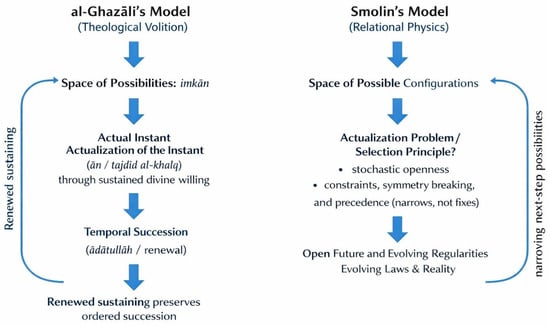
This article develops a comparative metaphysical inquiry into real time through a dialogue structured by formal analogy between al-Ghazālī’s theology of continuous creation (tajdīd al-khalq) and Lee Smolin’s relational, law-evolving physics. Against both timeless determinism and accounts of becoming that deny [...] Read more.
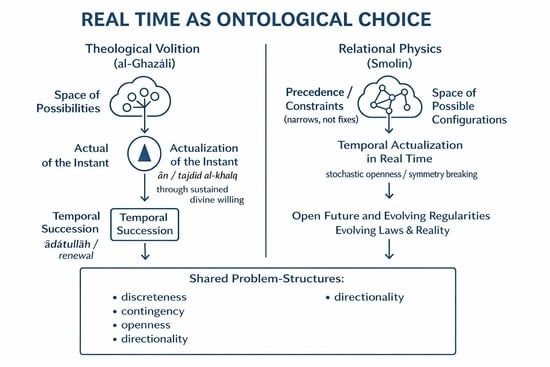
This article develops a comparative metaphysical inquiry into real time through a dialogue structured by formal analogy between al-Ghazālī’s theology of continuous creation (tajdīd al-khalq) and Lee Smolin’s relational, law-evolving physics. Against both timeless determinism and accounts of becoming that deny any further ontological grounding, it argues that real time may be understood as a structured horizon of actualization in which openness is progressively articulated into determinate actuality under constraint. Employing a non-reductive method of formal analogy, the analysis maps shared problem-structures—discreteness, contingency, openness, and directionality—while foregrounding controlled disanalogies, especially the contrast between volitional grounding in al-Ghazālī and system-level, naturalistic actualization in Smolin. The article proposes three interpretive claims: (i) both frameworks may be read as relocating order within time rather than above it; (ii) the comparison brings into focus the philosophical problem of actualization, rather than mere succession, in accounts of real temporality; and (iii) stability and regularity are more plausibly understood as articulated within time than as timeless givens. The result is a layered account of temporal order in which volitional maintenance, ontological stabilization, and mathematical framing intersect, suggesting a way of viewing real time as ontologically significant and epistemically consequential within the present comparison. Full article
Show Figures

Graphical abstract

27 pages, 8678 KB  
Review
Research on Silver-Based Wound Dressing: An Ontological Analysis
by Prabir K. Dutta, Thant Syn and Arkalgud Ramaprasad
Antibiotics 2026, 15(5), 462; https://doi.org/10.3390/antibiotics15050462 (registering DOI) - 2 May 2026
Abstract
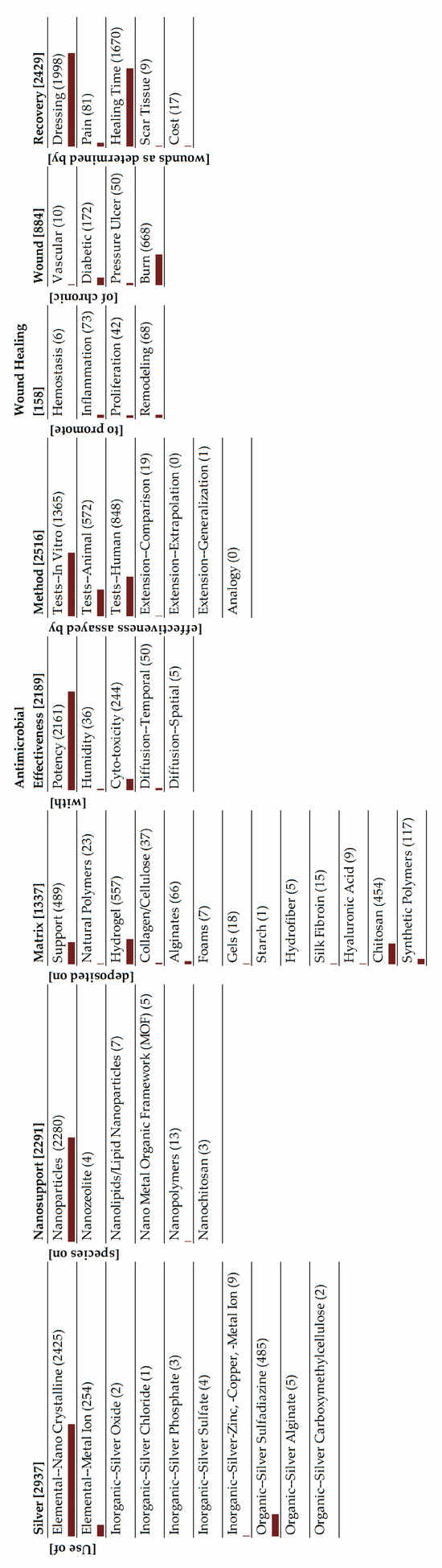
Background/Objectives: Silver’s ability to kill pathogenic bacteria is being widely researched in environment, consumer, and health-related applications. One topic of voluminous research is the antimicrobial properties of silver and silver in wound dressings. This research literature has been reviewed in articles using qualitative [...] Read more.
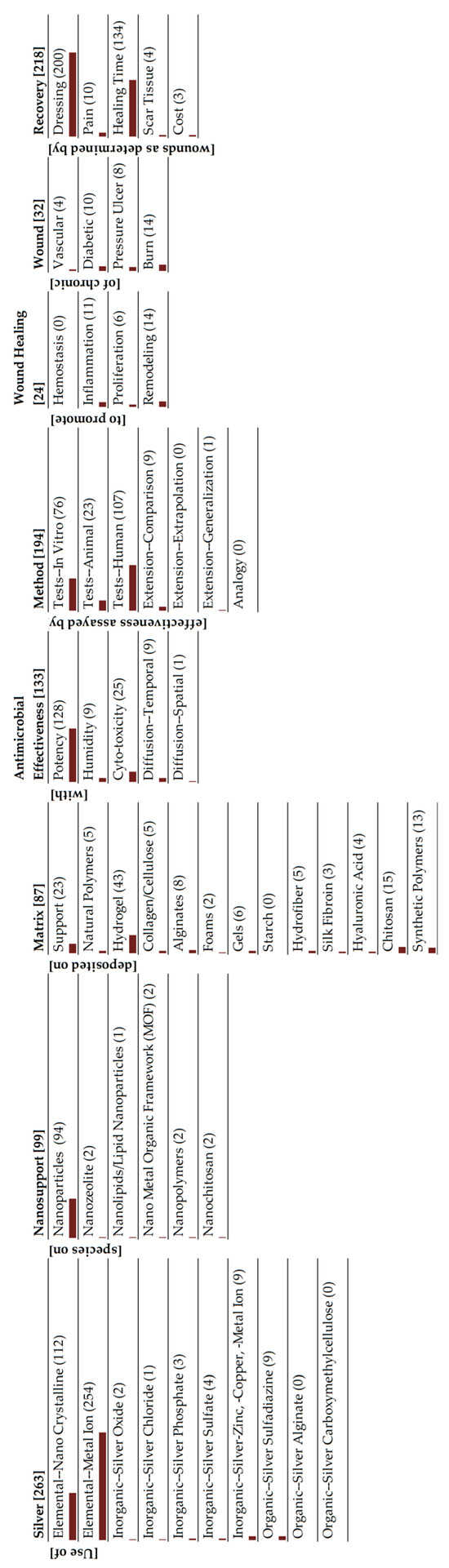
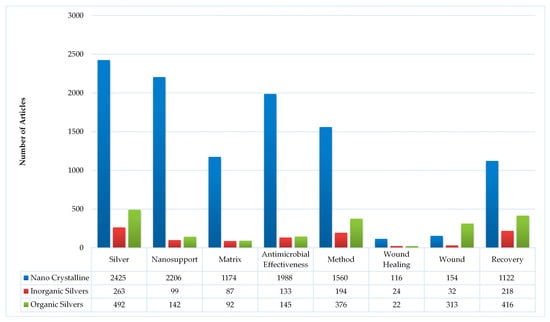
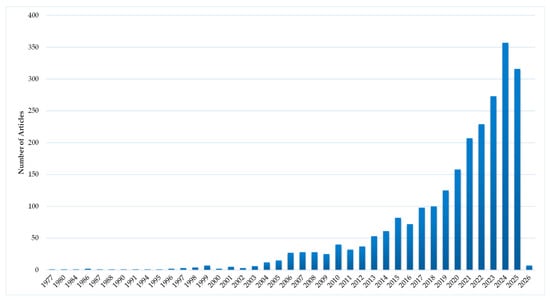
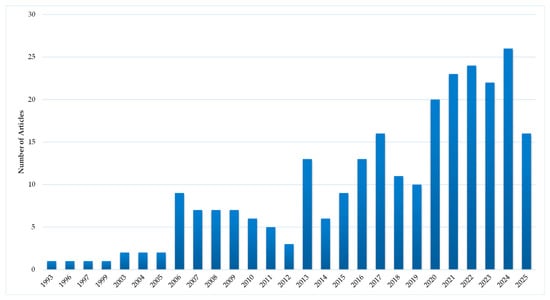
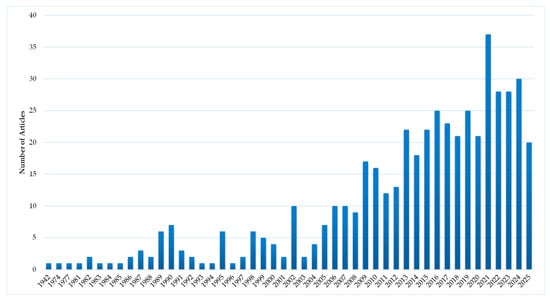
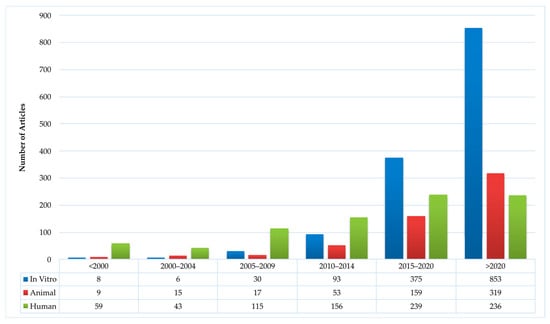
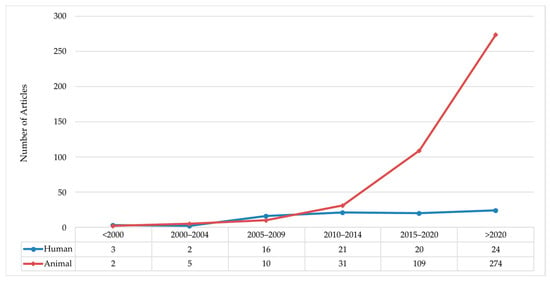
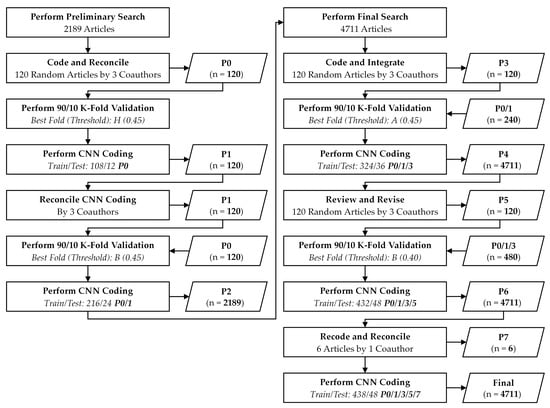
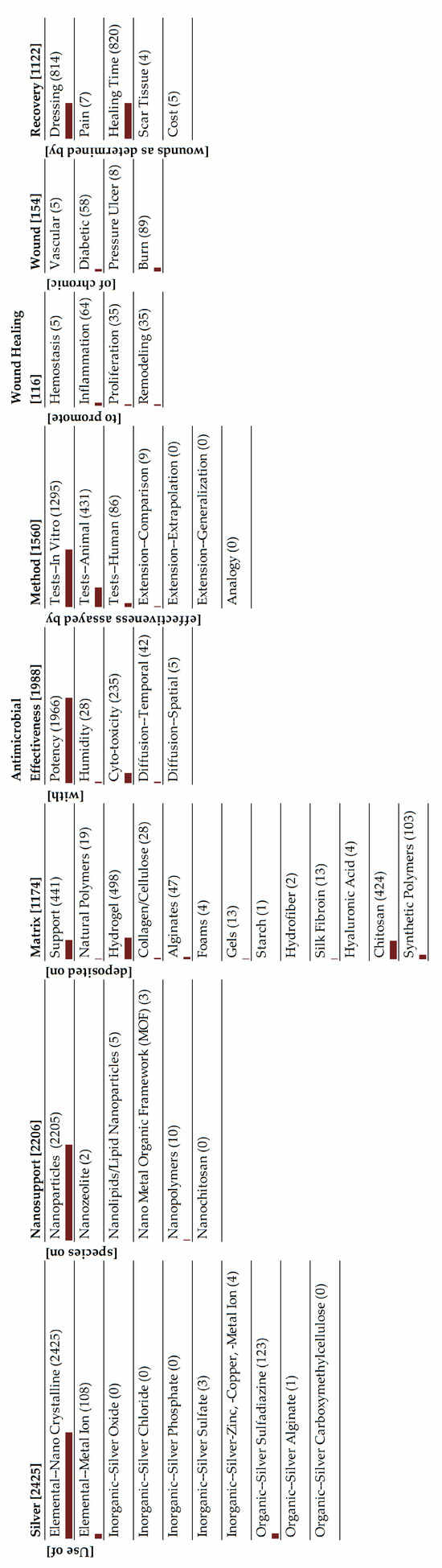
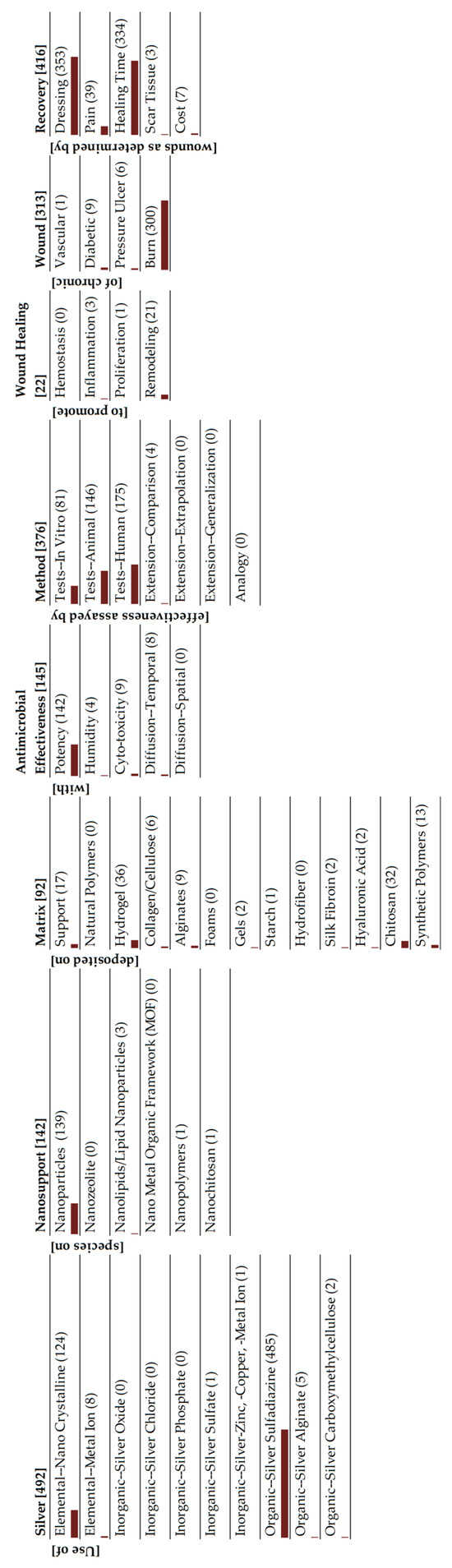
Background/Objectives: Silver’s ability to kill pathogenic bacteria is being widely researched in environment, consumer, and health-related applications. One topic of voluminous research is the antimicrobial properties of silver and silver in wound dressings. This research literature has been reviewed in articles using qualitative analyses, meta-analyses, systematic reviews, bibliometric analyses, and other grounded methods. We present a new strategy for the analysis of the population of articles on the subject based on an ontology of this topic. Methods: A search of the Scopus database for all peer-reviewed articles on silver in wound dressings yielded a population of 4711 relevant ones. The ontology is a logical deconstruction of the problem: “use of silver species on nanosupports deposited on a matrix with antimicrobial effectiveness assayed by methods to promote wound healing of chronic wounds as determined by recovery”. Each bolded term denotes a dimension of the ontology, and each dimension denotes a taxonomy of constituent elements. A Convolutional Neural Network (CNN) was trained using a manually mapped subset of articles. The CNN was then used to map the population of articles. Results: Out of the 4711 articles, 3079 dealt with silver and wound dressings; the others involved silver, but were not related to wound dressings and were not considered. Overall analysis shows that three classes of silver encompass the entire field: silver nanoparticles (AgNP) (78% of papers), inorganic silver-ion-containing species (7%) and silver associated with organic molecules (15%). AgNP papers have grown exponentially beginning in the early 2000s; there is no clear trend regarding inorganic silver-containing-species papers; whereas with the silver-organics species papers, there has been growth in the past decades, but now the number of publications is stabilizing. Research on the AgNPs has primarily focused on in vitro testing (54%), with very limited animal testing (17%) and human testing (3%). On the other hand, with silver-organics, animal (30%) and human testing (38%) are prominent. Inorganic silver ion species also have been human-tested extensively (43%). Thus, in clinical applications of silver wound dressings, AgNP lags considerably as compared to the other silver species, though academic research in AgNP is robust. Conclusions: From detailed temporal visualizations of the ontological mapping, the antecedents and consequences of silver in wound dressings are presented. This first ontological analysis is a novel way of visualizing an entire research field and the temporal characteristics of the various dimensions of the ontology provide information on the current state of research as well as where the field is headed. Full article
(This article belongs to the Special Issue Metal-Based Antibiotics and Therapeutics)
Show Figures

Figure 1

19 pages, 1825 KB  
Article
Proinflammatory Cytokine Preconditioning Enhances the Therapeutic Potency of Different Types of MSCs in Inflammation
by Lanzhi Liu, Juan Fandiño, Abigail J. M. Warren, Rui Shi, Ignacio Sallent, Shanshan Du, Sean D. McCarthy, Claire Masterson, Matt Angel, Christopher B. Rohde, John G. Laffey and Daniel O’Toole
Int. J. Mol. Sci. 2026, 27(9), 4090; https://doi.org/10.3390/ijms27094090 (registering DOI) - 2 May 2026
Abstract
Mesenchymal stromal cells (MSCs) have shown immunomodulatory effects and great promise in many inflammatory diseases such as acute respiratory distress syndrome (ARDS). However, several barriers to translation remain such as cell availability and potency. This study evaluates the therapeutic potentials of three types [...] Read more.
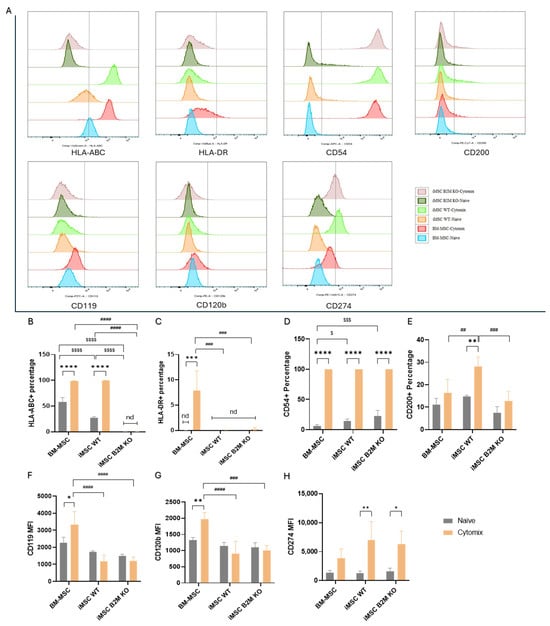
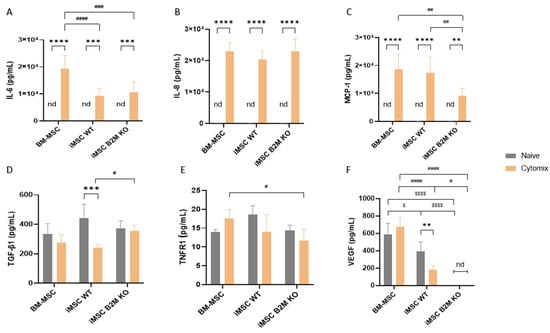
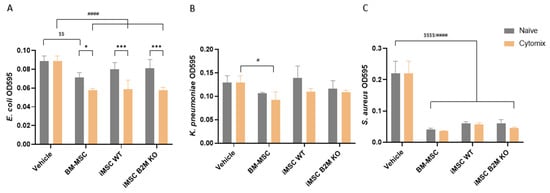
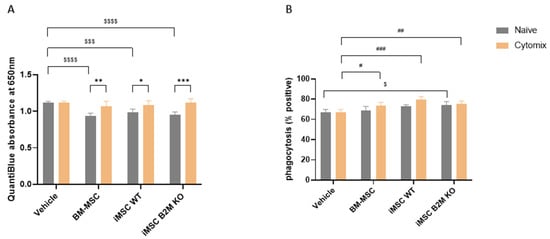
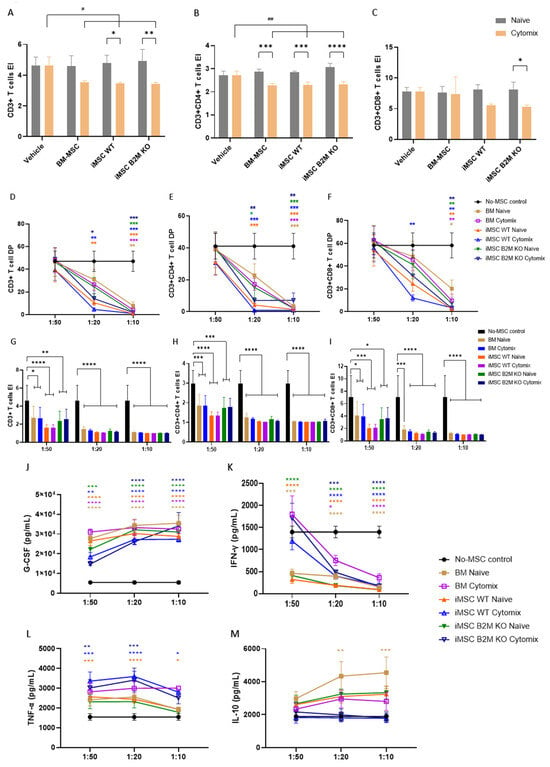
Mesenchymal stromal cells (MSCs) have shown immunomodulatory effects and great promise in many inflammatory diseases such as acute respiratory distress syndrome (ARDS). However, several barriers to translation remain such as cell availability and potency. This study evaluates the therapeutic potentials of three types of MSCs, bone marrow-derived MSCs (BM-MSC), the human induced pluripotent stem cell-derived MSC wild type (iMSC WT) and β2 microglobulin-knockout iMSCs (iMSC B2M KO) with or without proinflammatory cytokine preconditioning. BM-MSC, iMSC WT and iMSC B2M KO were preconditioned with a proinflammatory cytokine cocktail (Cytomix: IL-1β, IFN-γ and TNF-α). Immunoregulatory biomarkers were analysed by flow cytometry and cytokines released by ELISA. MSC antimicrobial properties were analysed via CFU assays while the MSCs’ immunomodulatory effects were evaluated using macrophage activation and T cell proliferation assays. Proinflammatory cytokine preconditioning enhanced the therapeutic potency of all three types of MSCs by increasing immunomodulatory marker expression, enhancing the antimicrobial effects and improving MSC-mediated inhibition of T cell proliferation. These findings provided new insights into the therapeutic potencies of MSCs in inflammation. Further studies are required for in vitro characterisation of the MSCs and in vivo efficacy verification of these MSCs prior to their clinical application. Full article
(This article belongs to the Special Issue The Application of Stem Cells in Regenerative Medicine)
Show Figures

Figure 1

15 pages, 1365 KB  
Article
Synergistic Effects of Nb and Co on the Structural Evolution and Magnetic Hardening of a Multi-Component Al82Fe12Cu2Nb2Co2 Amorphous Alloy
by Oanh Nguyen Thi Hoang, Mai Dinh Ngoc and Viet Nguyen Hoang
Appl. Sci. 2026, 16(9), 4489; https://doi.org/10.3390/app16094489 (registering DOI) - 2 May 2026
Abstract
This research investigates the formation of an amorphous phase in a non-equiatomic aluminum-based alloy, Al82Fe12Cu2Nb2Co2, synthesized via mechanical alloying. By utilizing minor additions of Nb, Co, and Cu, structural stability and “chemical complexity” [...] Read more.
This research investigates the formation of an amorphous phase in a non-equiatomic aluminum-based alloy, Al82Fe12Cu2Nb2Co2, synthesized via mechanical alloying. By utilizing minor additions of Nb, Co, and Cu, structural stability and “chemical complexity” effects are achieved in a matrix dominated by a single element (82% Al). Thermodynamic analysis reveals that a moderately negative mixing enthalpy (ΔHₘᵢₓ = −6.89 kJ/mol) and elevated configurational entropy (ΔSₘᵢₓ = 5.420 J/mol·K) are the primary thermodynamic drivers of amorphization, supplemented by a transitional-regime atomic size mismatch (δ = 4.82%). The evolution of the structure, morphology, and magnetic properties of mechanically alloyed amorphous Al82Fe12Cu2Nb2Co2 as a function of milling time was systematically investigated using X-ray diffraction, scanning electron microscopy, Fourier-transform infrared spectroscopy, and a vibrating sample magnetometer. Full article
18 pages, 3360 KB  
Article
Terazosin as a Non-Hormonal Treatment for Endometriosis
by Ahmet Beyazıt, Okan Tutuk and Didar Gürsoy Kuzuluk
Int. J. Mol. Sci. 2026, 27(9), 4093; https://doi.org/10.3390/ijms27094093 (registering DOI) - 2 May 2026
Abstract
Endometriosis is a chronic, estrogen-dependent inflammatory disease including aberrant local steroidogenesis, inflammation, angiogenesis, oxidative stress, and prostaglandin-mediated pain. Given the elevated adrenergic receptor expression in endometriotic lesions and the potential of terazosin to downregulate Steroidogenic Factor-1 (SF-1), this study aimed to evaluate terazosin [...] Read more.
Endometriosis is a chronic, estrogen-dependent inflammatory disease including aberrant local steroidogenesis, inflammation, angiogenesis, oxidative stress, and prostaglandin-mediated pain. Given the elevated adrenergic receptor expression in endometriotic lesions and the potential of terazosin to downregulate Steroidogenic Factor-1 (SF-1), this study aimed to evaluate terazosin as a non-hormonal therapy in a surgically induced rat endometriosis model. Forty female Wistar rats were randomized to sham, untreated endometriosis, leuprolide acetate or terazosin; two postoperative deaths yielded final group sizes of 10/9/10/9. Blinded histopathology verified successful lesion establishment. ELISA quantified SF-1, IL-6, IL-8, TNF-α, NF-κB, VEGF, HIF-1α, and PGE2 in lesion tissue, serum, and peritoneal lavage; oxidative status was assessed by TAS, TOS, and OSI. Compared with untreated endometriosis, terazosin significantly reduced SF-1, PGE2, IL-6, IL-8, TNF-α, VEGF and HIF-1α across compartments (all p < 0.001), comparable to leuprolide (p = 1.000). Terazosin also normalized oxidative stress by decreasing TOS/OSI and restoring TAS in tissue, serum, and peritoneal fluid (p < 0.001). NF-κB decreased in tissue and serum (p < 0.001) but not in peritoneal fluid (p = 0.206). Overall, terazosin produced leuprolide-like molecular benefits without hormonal suppression, supporting repurposing as a candidate non-hormonal therapy, while highlighting the need for longer-duration studies and randomized clinical trials given model and pain-assessment limitations. Full article
(This article belongs to the Section Molecular Pathology, Diagnostics, and Therapeutics)
32 pages, 10338 KB  
Article
A Preference-Driven SPEA2 for Hyper-Rectangular Regions of Interest with Application to Emergency Resource Allocation
by Tong Hu, Liming Wang, Longmei Li and Xiao Yun
Appl. Sci. 2026, 16(9), 4491; https://doi.org/10.3390/app16094491 (registering DOI) - 2 May 2026
Abstract
Many existing preference-based multi-objective evolutionary algorithms compress decision-maker preferences into a single point or direction, which limits their ability to specify desired objective ranges. This paper proposes Dual-Layer SPEA2 with Preference Differential Evolution (DLSPEA2-PDE), which guides populations toward hyper-rectangular preference regions of interest [...] Read more.
Many existing preference-based multi-objective evolutionary algorithms compress decision-maker preferences into a single point or direction, which limits their ability to specify desired objective ranges. This paper proposes Dual-Layer SPEA2 with Preference Differential Evolution (DLSPEA2-PDE), which guides populations toward hyper-rectangular preference regions of interest through three mechanisms: virtual boundary reference-point guidance, dual-layer fitness assignment, and region-aware differential evolution. The algorithm is validated on ZDT and DTLZ benchmark suites under single-ROI, multi-ROI, and infeasible-ROI scenarios, and comparisons with diverse types of preference-based MOEAs confirm its robustness and coverage uniformity under diverse ROI configurations. To demonstrate practical utility, the algorithm is applied to a multi-stage emergency resource allocation model that accounts for pre-disaster prediction uncertainty and employs conditional value-at-risk to control tail risk, capturing how prediction biases propagate and amplify through inter-stage coupling. On this problem, DLSPEA2-PDE significantly outperforms SPEA2 across all indicators, and runs substantially faster than T-NSGA-II at comparable solution quality. Full article
(This article belongs to the Section Computing and Artificial Intelligence)
33 pages, 1300 KB  
Article
Learning to Deliberate Through Hybrid Role-Playing Games: Evidence from Participatory Budgeting Simulations
by Paolo Spada, Marco Meloni, Matt Ryan, Richard Gomer and Vanyssa Wanick
Soc. Sci. 2026, 15(5), 295; https://doi.org/10.3390/socsci15050295 (registering DOI) - 2 May 2026
Abstract
Hybrid role-playing games are increasingly used to support democratic learning, yet there is limited empirical evidence on how such hybrid designs function across contexts. This study analyses the pedagogical and deliberative effects of Empaville, a hybrid role-playing game designed to simulate a green [...] Read more.
Hybrid role-playing games are increasingly used to support democratic learning, yet there is limited empirical evidence on how such hybrid designs function across contexts. This study analyses the pedagogical and deliberative effects of Empaville, a hybrid role-playing game designed to simulate a green participatory budgeting process by embedding deliberation, competition, and voting within a fictional urban setting. We analyse six implementations conducted between 2023 and 2025 in the United Kingdom and Morocco (N = 118), combining participant observation with post-game survey data. The analysis examines role activation, phase-level enjoyment, and participants’ reported learning and deliberative experiences, using descriptive statistics, non-parametric tests, effect size measures, and qualitative thematic analysis. Across contexts, participants report that the game supports perspective-taking, intellectual humility, and constructive engagement with disagreement, while perceived learning and participation intensity vary more substantially across individuals and sessions. Cross-national comparisons reveal some statistically detectable differences in how specific phases are experienced, particularly voting, but effect sizes are generally small or trivial, indicating limited substantive divergence overall. These findings suggest that hybrid role-playing games can foster deliberative learning outcomes in short educational interventions, while highlighting the importance of distinguishing between enjoyment, engagement, and perceived pedagogical value. The study contributes an exploratory but systematic mixed-methods evaluation suitable for small-N pedagogical interventions without causal claims. Full article
(This article belongs to the Special Issue From Vision to Action: Citizen Commitment to the European Green Deal)
27 pages, 1335 KB  
Article
Experimental Analysis of Animal Behavior for Biomedical Applications
by Florin Rotaru, Silviu-Ioan Bejinariu, Hariton-Nicolae Costin, Ramona Luca, Mihaela Luca, Cristina Diana Nita, Diana Costin, Bogdan-Ionel Tamba, Ivona Costachescu, Gabriela-Dumitrita Stanciu and Gabriela-Gladiola Petroiu
Appl. Sci. 2026, 16(9), 4488; https://doi.org/10.3390/app16094488 (registering DOI) - 2 May 2026
Abstract
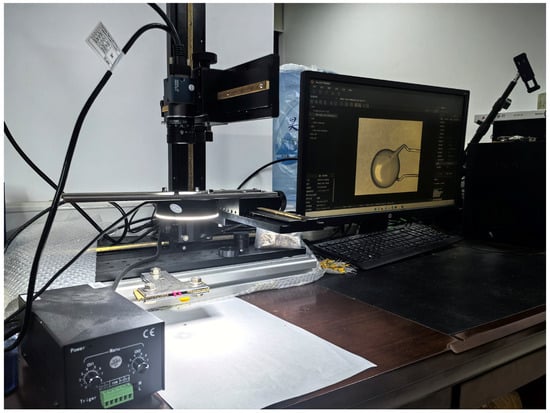
This study addresses the problem of robust video-based tracking of laboratory rats in open-field and Y-maze experiments under challenging acquisition conditions, including non-uniform illumination, low contrast, and heterogeneous recording setups. Existing approaches based on classical image processing or deep learning often fail to [...] Read more.
This study addresses the problem of robust video-based tracking of laboratory rats in open-field and Y-maze experiments under challenging acquisition conditions, including non-uniform illumination, low contrast, and heterogeneous recording setups. Existing approaches based on classical image processing or deep learning often fail to maintain stable localization under such conditions or require large, annotated datasets. We propose a hybrid tracking framework that combines an improved motion–appearance voting mechanism with consistency-constrained optimization for open-field experiments, together with a comparative deep learning-based detection strategy for Y-maze analysis. The proposed method introduces (i) adaptive dual-threshold motion extraction, (ii) directionally constrained temporal validation, and (iii) a robustness-driven fusion of motion and appearance cues. Experimental results demonstrate that the proposed approach achieves reliable tracking with a maximum localization error below 10 pixels under severe illumination variations. In the Y-maze scenario, a comparative evaluation of multiple detectors (YOLOv5, YOLOv9, YOLO12, Faster R-CNN) highlights the trade-off between accuracy and inference time, with YOLOv9 providing the best balance. The main contribution consists of enabling robust behavioral quantification in low-quality experimental conditions using limited training data, bridging the gap between classical tracking robustness and deep learning flexibility. Full article
(This article belongs to the Section Biomedical Engineering)
19 pages, 3887 KB  
Article
A Cost-Effective and Rapidly Manufacturable Infrared–Visible High-Contrast Calibration Board Based on Structural Parametrization
by Yuandong Shao and Aleksandr S. Vasilev
J. Imaging 2026, 12(5), 199; https://doi.org/10.3390/jimaging12050199 (registering DOI) - 2 May 2026
Abstract
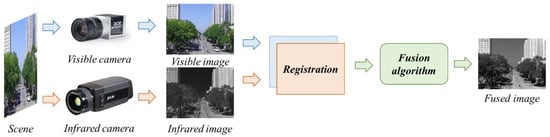
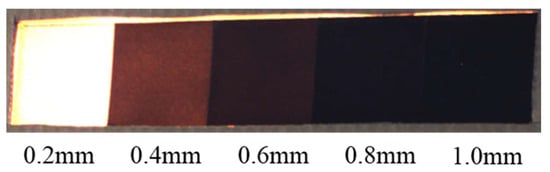
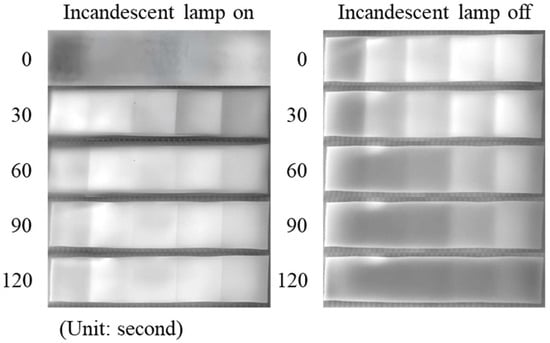
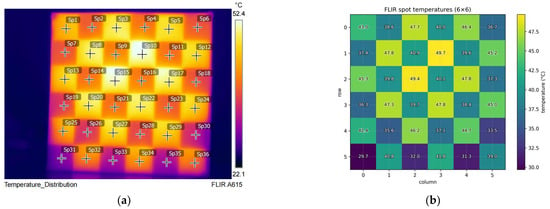
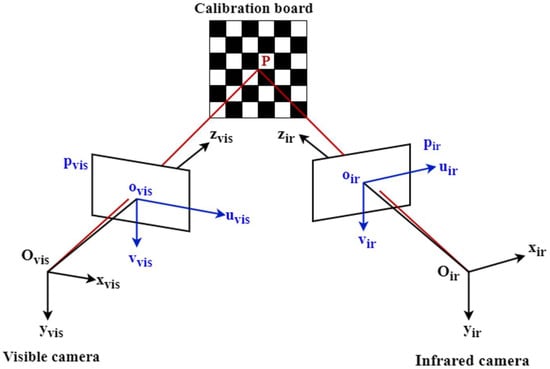
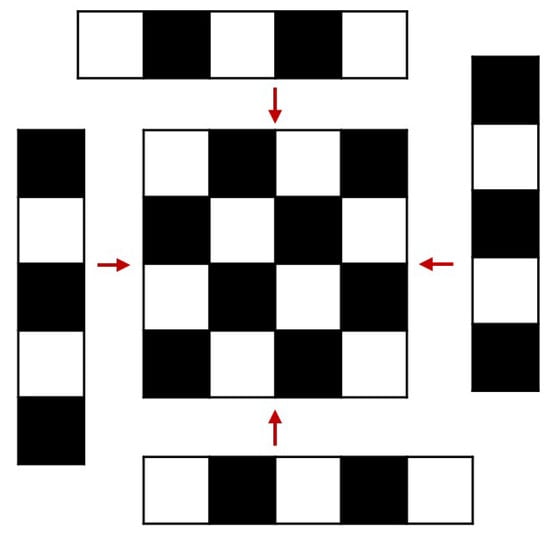
The infrared (IR)—visible light (VIS) dual-camera system provides complementary cues for image fusion, but issues such as geometric mismatch caused by different imaging methods, inconsistent resolution/field-of-view, and installation offsets often lead to ghosting and artifacts. This study aims to develop a fast-deployable and [...] Read more.
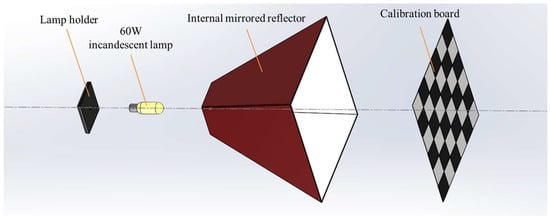
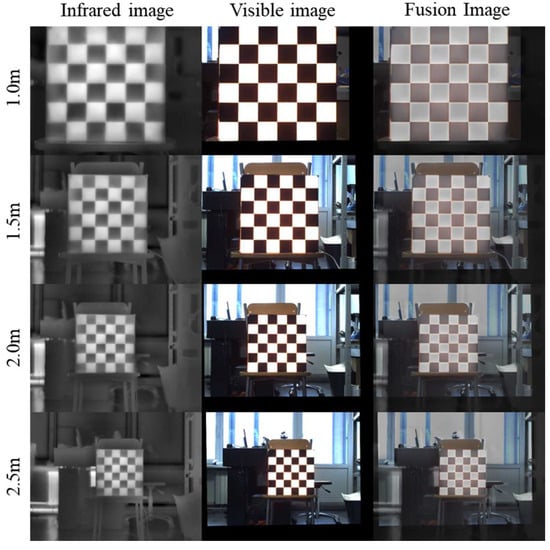
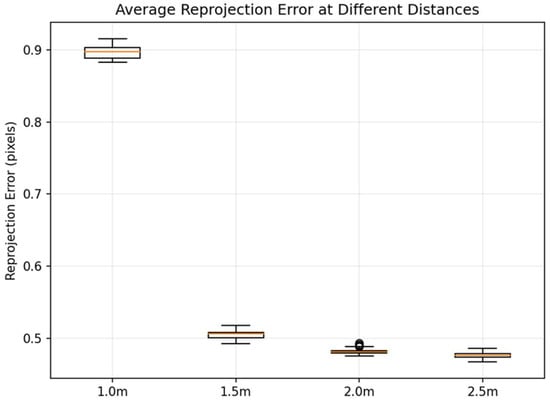
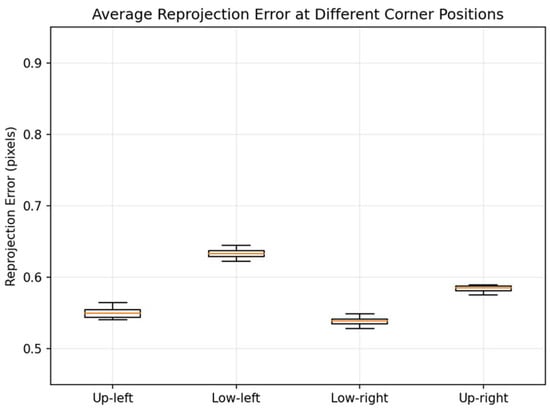
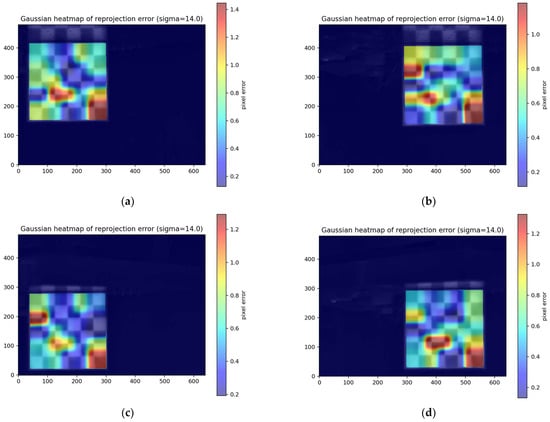
The infrared (IR)—visible light (VIS) dual-camera system provides complementary cues for image fusion, but issues such as geometric mismatch caused by different imaging methods, inconsistent resolution/field-of-view, and installation offsets often lead to ghosting and artifacts. This study aims to develop a fast-deployable and repeatable calibration workflow based on cost-effective calibration board. We designed an infrared-visible high-contrast checkerboard plate that can be generated through structural parameterization and efficiently manufactured using Python/OpenSCAD. We also established a corner-based registration pipeline that estimates global homography to align the visible-light images onto the infrared pixel grid for fusion and quantitative evaluation. Experiments conducted in a controlled indoor environment demonstrated stable sub-pixel performance within a range of 1.5–2.5 m, with an average re-projection error of 0.47–0.50 pixels per frame and a 95th percentile lower than 0.51 pixels. The corner position re-projection error test further confirmed stability near image boundaries, with a median value of 0.53–0.63 pixels and a 95th percentile of 0.54–0.64 pixels. Overall, the proposed target design and workflow can achieve practical infrared-visible calibration under typical deployment constraints and have repeatable accuracy, providing geometrically consistent input for subsequent fusion and dataset construction. Full article
(This article belongs to the Section Computer Vision and Pattern Recognition)
Show Figures

Figure 1

19 pages, 2725 KB  
Article
Extreme Wind Speed Projection Based on Clustering-Elastic Net Regularization Fused Extreme Value Mixed Model
by Yunbing Liu, Shengnan Dong, Xiaoxia He and Chunli Li
Sustainability 2026, 18(9), 4492; https://doi.org/10.3390/su18094492 (registering DOI) - 2 May 2026
Abstract
Wind energy is a cornerstone of the global transition to renewable and sustainable energy systems. However, the same meteorological processes that generate this clean energy can also produce extreme wind events that threaten the structural integrity and operational reliability of wind turbines and [...] Read more.
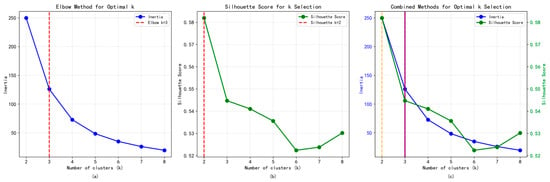
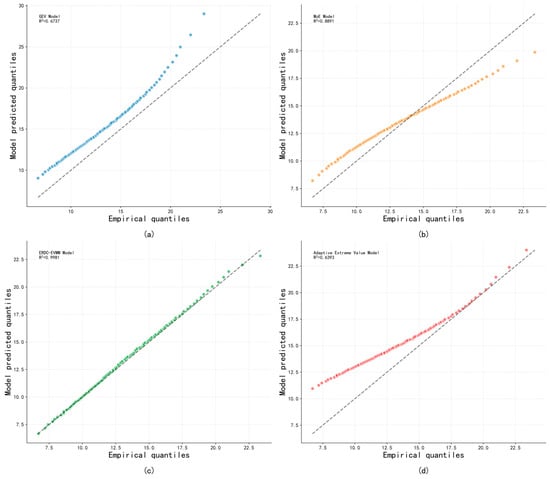
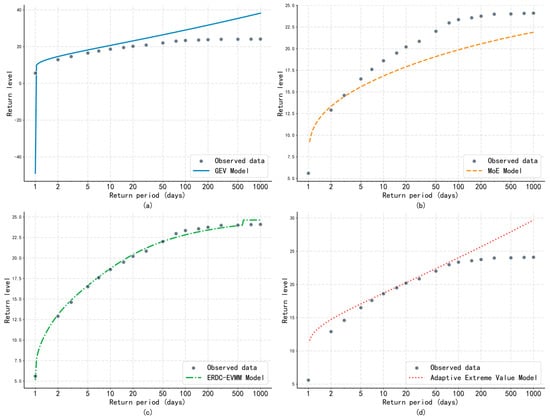
Wind energy is a cornerstone of the global transition to renewable and sustainable energy systems. However, the same meteorological processes that generate this clean energy can also produce extreme wind events that threaten the structural integrity and operational reliability of wind turbines and power grids. Therefore, accurately predicting extreme wind speeds is a critical link between promoting clean energy and ensuring infrastructure resilience. Traditional models often struggle to capture the multimodal characteristics of extreme wind speeds under complex meteorological conditions due to fixed distribution assumptions or unstable training of mixture models, leading to estimation biases that undermine planning reliability and may result in catastrophic turbine failures or overly conservative designs. To address these issues—particularly weight imbalance and overfitting–this study proposes an enhanced regularized extreme value mixture model (ERDC-EVMM). This method integrates elastic network regularization and Kullback–Leibler divergence constraints within a Mixture of Experts framework, and employs K-means initialization and momentum-based training to enhance convergence stability. Validated using daily extreme wind speed sequences from coastal and inland wind farms, the model outperforms standard GEV and mixture models in terms of goodness-of-fit, percentile accuracy, and return period estimates, while achieving a convergence speed that is more than 30% faster (82 iterations). By balancing accuracy and training stability, the ERDC-EVMM model provides a reliable statistical tool for extreme wind speed forecasting, supporting the safe expansion of wind energy infrastructure and the design of climate-resilient communities. Full article
Show Figures

Figure 1

22 pages, 11231 KB  
Article
Resource Recovery from High-Salinity Rare Earth Metallurgy Wastewater by Coupling Electrolysis and Membrane Processes
by Yanxin Xie, Jiuyang Lin, Yinhua Wan, Chao Wang, Kaibo Hu, Wenjing Yuan, Ning Li and Xuewei Li
Separations 2026, 13(5), 140; https://doi.org/10.3390/separations13050140 (registering DOI) - 2 May 2026
Abstract
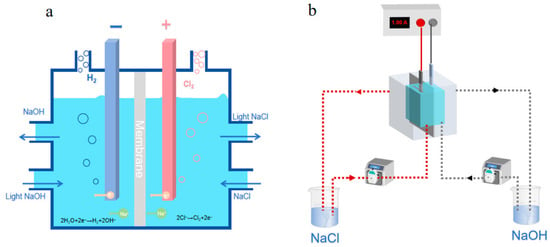
The treatment of high-salinity wastewater generated from the use of sodium hydroxide (NaOH) in rare-earth metallurgy poses significant environmental and resource-recovery challenges. Conventional methods are often economically unfeasible due to their high energy consumption and limited value recovery. To address these limitations, this [...] Read more.
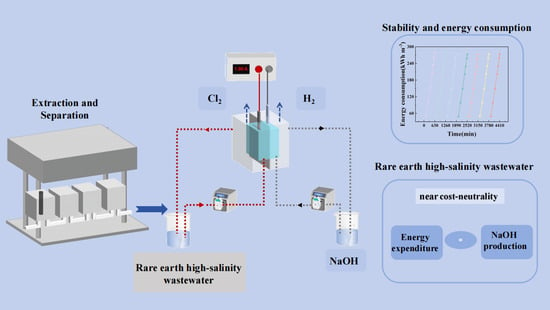
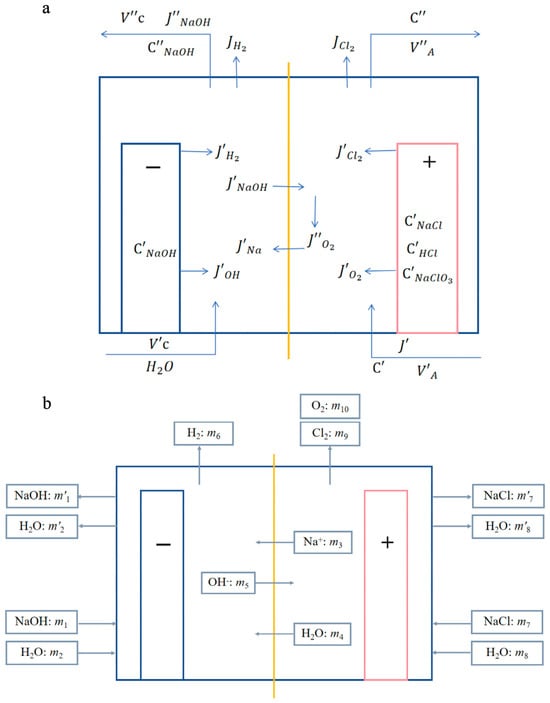
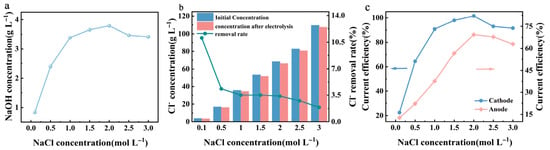
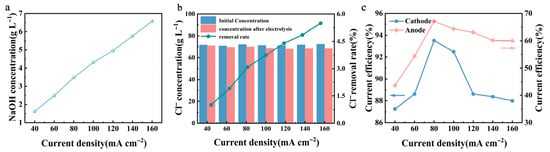
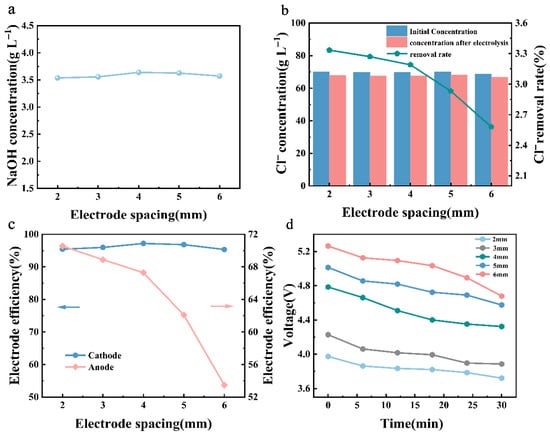
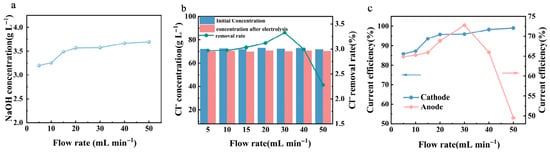
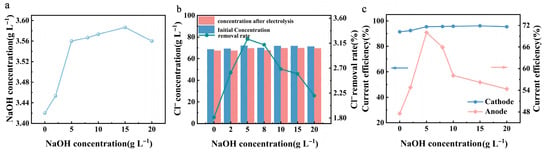
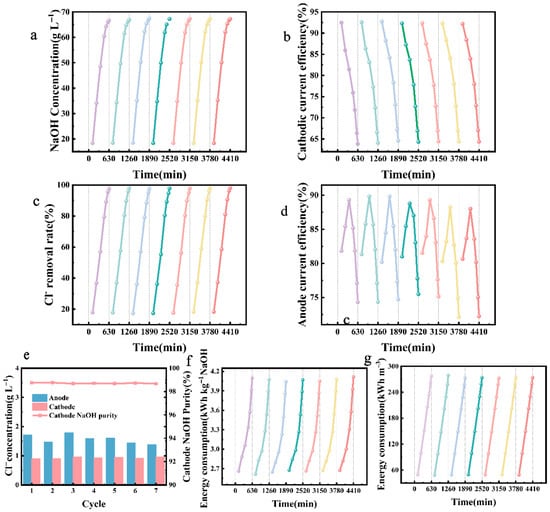
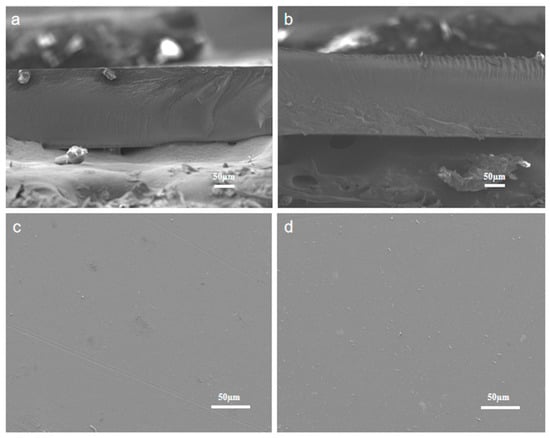
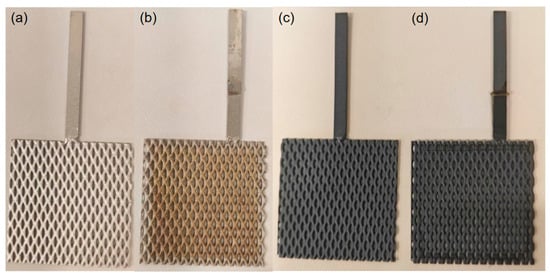
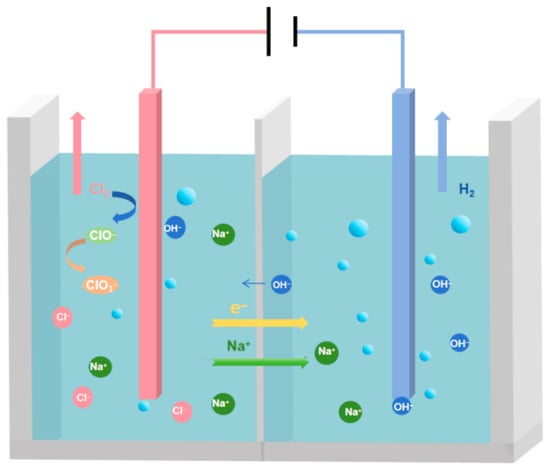
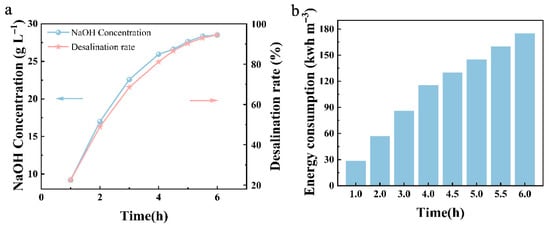
The treatment of high-salinity wastewater generated from the use of sodium hydroxide (NaOH) in rare-earth metallurgy poses significant environmental and resource-recovery challenges. Conventional methods are often economically unfeasible due to their high energy consumption and limited value recovery. To address these limitations, this study proposes an innovative integrated electrochemical process designed not only to desalinate the wastewater efficiently but also to valorize it through the simultaneous co-production of NaOH, chlorine (Cl2), and hydrogen (H2). Systematic optimization reveals a critical trade-off between ion transport efficiency and side reactions, with optimal performance achieved at 2 mol L−1 NaCl, 80 mA cm−2 current density, 2 mm electrode spacing, 30 mL min−1 flow rate, and 5000 mg L−1 initial NaOH concentration. The system maintains exceptional long-term stability, sustaining 97.5% Cl removal over 4410 min of continuous operation without membrane fouling, a key advantage over conventional processes. Validation with authentic rare earth wastewater achieves 90.3% desalination within 5 h. Techno-economic analysis shows that the market value of recovered NaOH nearly offsets the energy cost, achieving near-cost-neutrality. This work establishes electrolysis–membrane coupling as a technically viable and economically attractive strategy for transforming high-salinity industrial waste streams into valuable resources. Full article
Show Figures

Graphical abstract

17 pages, 2267 KB  
Article
What Is the Functional Role of the Acyltransferase-like Domain in the Svx Peptidase of the Phytopathogenic Bacterium Pectobacterium atrosepticum?
by Natalia Tendiuk, Roman Vasiliev, Anastasiya Diakonova, Olga Petrova, Olga Makshakova and Vladimir Gorshkov
Int. J. Mol. Sci. 2026, 27(9), 4092; https://doi.org/10.3390/ijms27094092 (registering DOI) - 2 May 2026
Abstract
The Svx protein is an established virulence factor in the phytopathogenic pectolytic bacterium Pectobacterium atrosepticum and is secreted into the host plant apoplast. However, its particular role has long remained enigmatic. In our recent studies, we showed that Svx proteins from pectolytic bacteria [...] Read more.
The Svx protein is an established virulence factor in the phytopathogenic pectolytic bacterium Pectobacterium atrosepticum and is secreted into the host plant apoplast. However, its particular role has long remained enigmatic. In our recent studies, we showed that Svx proteins from pectolytic bacteria are metallopeptidases composed of two domains: peptidase and acyltransferase-like domains. Structural organization of the peptidase domain active site led us to hypothesize that its preferred substrates are extensins—hydroxyproline-rich glycoproteins of the plant cell wall. Nevertheless, direct experimental confirmation of extensin hydrolysis by Svx was lacking, and the precise role of the acyltransferase-like domain remained unclear. The present study aimed to address these issues. We showed that Svx indeed cleaves extensins while not degrading some other glycosylated and non-glycosylated proteins. The acyltransferase-like domain was shown to be critical for recognition of arabinan substituents in extensins, thereby providing optimal enzyme–substrate complementarity. Deletion of the acyltransferase-like domain abolished extensin hydrolysis by the truncated variant of Svx. Our study provides the first example of an apoplast-secreted protease from a phytopathogenic bacterium whose specificity toward specific target proteins (extensins) is achieved, at least in part, through structural elements that specifically recognize the distinctive glycosylation pattern of the target proteins. Full article
(This article belongs to the Special Issue Molecular Biology of Host and Pathogen Interactions: 3rd Edition)
22 pages, 1205 KB  
Article
Runtime Approximate Computing in BioSoC Architectures for DNA Sequencing
by Maedeh Ghaderi and Sebastian Magierowski
Electronics 2026, 15(9), 1937; https://doi.org/10.3390/electronics15091937 (registering DOI) - 2 May 2026
Abstract
In this work, we analyze the arithmetic building blocks of DNA basecalling to motivate runtime approximate computing in bio systems-on-chip (BioSoCs). We propose and characterize a reconfigurable compressor-tree multiplier whose operating mode can be selected at runtime to trade energy for controlled arithmetic [...] Read more.
In this work, we analyze the arithmetic building blocks of DNA basecalling to motivate runtime approximate computing in bio systems-on-chip (BioSoCs). We propose and characterize a reconfigurable compressor-tree multiplier whose operating mode can be selected at runtime to trade energy for controlled arithmetic error. Using a 45 nm CMOS evaluation flow, the proposed design demonstrates a clear power–accuracy trade-off across 64 operating modes, achieving about a 58–61% reduction in multiplier power (per multiply under fixed V/f) relative to an accurate Wallace baseline, with mean relative error distance (MRED) in the 1.05–2.88% range. At the application level, we outline a first-order noise-propagation model and, consistent with prior approximate-inference studies, note that task-level quality loss is often within a few percent (up to 5%), motivating end-to-end basecalling evaluation. Application-level evaluation on a TinyX3 DNA basecaller—a compact Bonito-based model—shows that the proposed multiplier with measured REV = 0.012 and MRED = 1.98% preserves near-baseline performance, with negligible degradation in sequence identity and relative length at low perturbation levels and only gradual accuracy decline (confirming ≤ 5% accuracy drop) emerging as perturbations increase into the moderate regime. Finally, a processor-level case study using convolution microbenchmarks (kernel footprints 9–49 weights per output) shows an 11% improvement in energy per instruction and a 12% reduction in energy per MAC when integrating the proposed multiplier into an embedded RISC-V execution engine. Full article
17 pages, 788 KB  
Article
Service Urgency for Children and Youth: The Development of an Algorithm to Identify Urgent and Emergent Service Users in Children’s Mental Health
by Shannon L. Stewart, Abigail Withers and Jeffrey W. Poss
Int. J. Environ. Res. Public Health 2026, 23(5), 603; https://doi.org/10.3390/ijerph23050603 (registering DOI) - 2 May 2026
Abstract
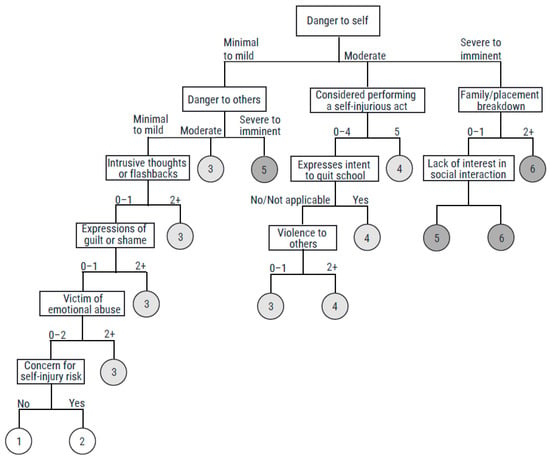
Timely access to children’s mental health services depends on accurate identification of service urgency; however, triage practices in Ontario, Canada vary widely, contributing to prolonged wait times and inconsistent pathways to care. This study aimed to develop and validate an empirically based decision-support [...] Read more.
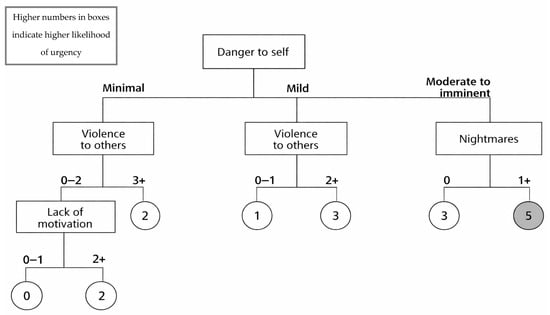
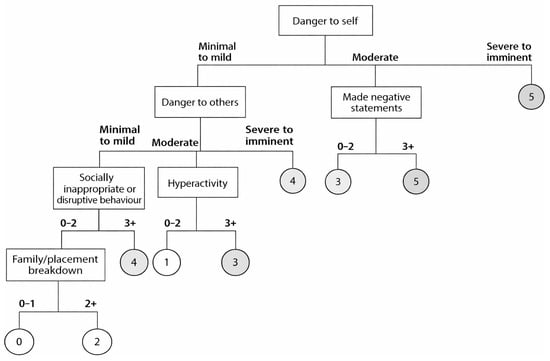
Timely access to children’s mental health services depends on accurate identification of service urgency; however, triage practices in Ontario, Canada vary widely, contributing to prolonged wait times and inconsistent pathways to care. This study aimed to develop and validate an empirically based decision-support algorithm to support standardized triaging and prioritization in Ontario based children’s mental health agencies. Data were drawn from 17,564 children and youth aged 4–18 years assessed with the interRAI Child and Youth Mental Health Screener (ChYMH-S) as part of routine clinical practice. Interactive decision tree modelling was used to identify combinations of clinical indicators associated with high service urgency, with age-stratified models for children 7 years and younger, 8–11 years, and 12 years and older. The resulting interRAI Children’s Algorithm for Mental Health and Psychiatric Services (ChAMhPS) classified individuals into seven urgency levels. The algorithm demonstrated good discrimination for services required within seven days (c-statistic = 0.70) and for the urgency of a comprehensive assessment (c-statistic = 0.73), with stable performance across derivation and testing samples. Higher algorithm levels were associated with an increased likelihood of urgent assessment or service need. The ChAMhPS algorithm offers a standardized, empirically derived tool to support clinical decision-making and improve consistency in triage and prioritization of children and youth with urgent mental health needs. Full article
(This article belongs to the Special Issue Health Promotion Among People with Psychiatric Disorders)
Show Figures

Figure 1

20 pages, 26467 KB  
Article
Sodium Alginate–Carboxymethyl Cellulose Composite Coating Incorporating Natamycin Improves Disease Resistance and Preserves Postharvest Attributes of ‘Cat Chu’ Mango Fruit
by Truc Trung Nguyen, Thi Cao Van Quach, Truc Cong Ho and Vi Tran Le
Coatings 2026, 16(5), 549; https://doi.org/10.3390/coatings16050549 (registering DOI) - 2 May 2026
Abstract
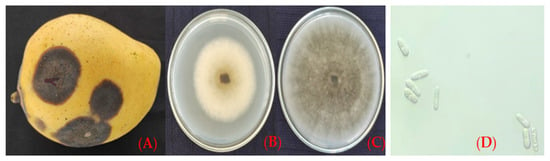
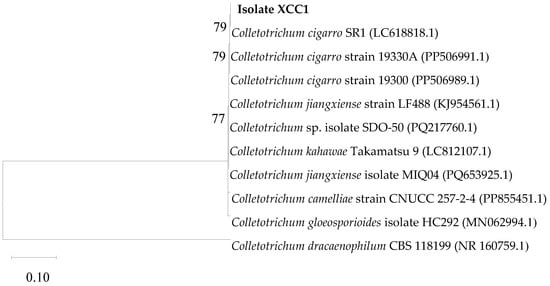
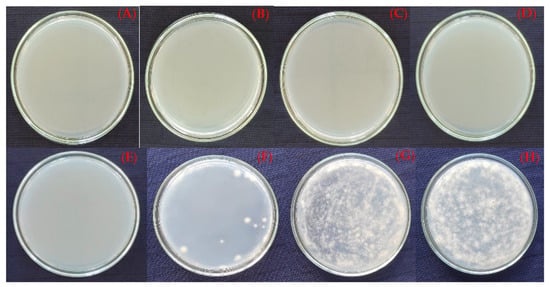
Anthracnose, caused by Colletotrichum sp. isolate XCC1, is a major postharvest disease causing significant quality deterioration and economic losses in ‘Cat Chu’ mango during storage. This study evaluated the effectiveness of sodium alginate–carboxymethyl cellulose (SA-CMC) coating with natamycin for controlling anthracnose and maintaining [...] Read more.
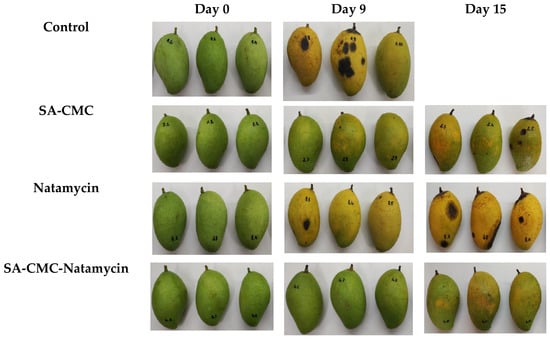
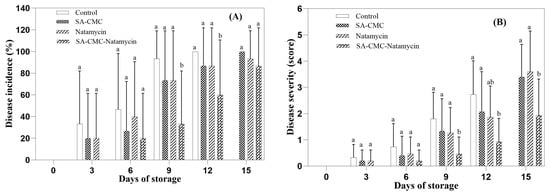
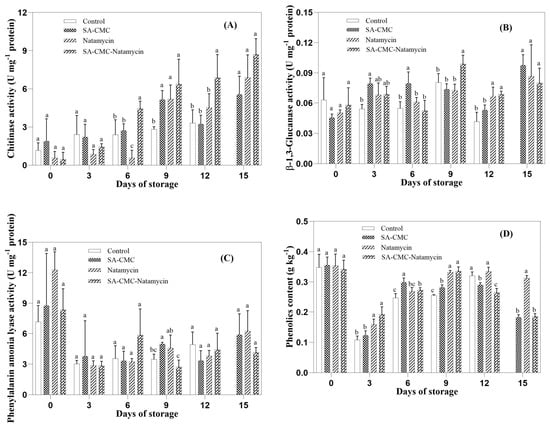
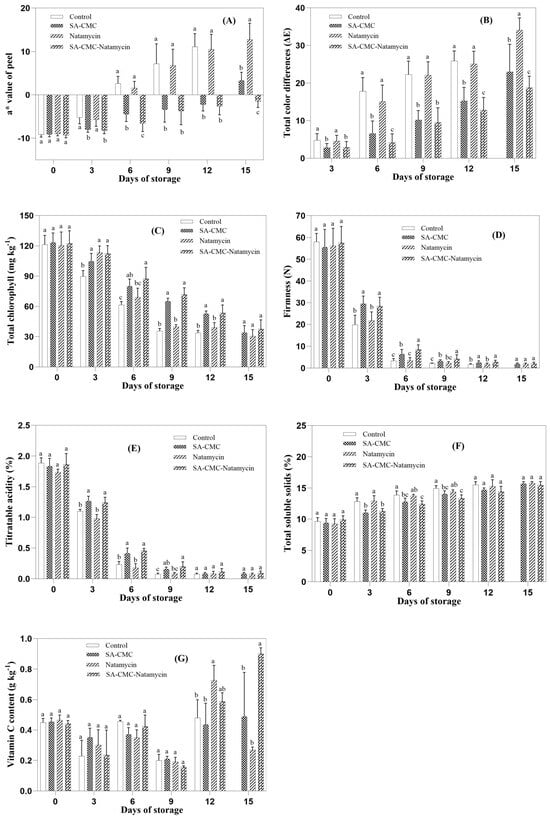
Anthracnose, caused by Colletotrichum sp. isolate XCC1, is a major postharvest disease causing significant quality deterioration and economic losses in ‘Cat Chu’ mango during storage. This study evaluated the effectiveness of sodium alginate–carboxymethyl cellulose (SA-CMC) coating with natamycin for controlling anthracnose and maintaining postharvest fruit quality. Mango fruits were treated with the SA-CMC-Natamycin coating and stored under controlled conditions (25 ± 2 °C; RH = 60 ± 5%) to assess disease development, plant defense enzyme activities, and fruit quality attributes. Natamycin inhibited spore germination of Colletotrichum sp. isolate XCC1 with a Minimal Inhibitory Concentration (MIC) of 6.25 µg mL−1. The SA-CMC-Natamycin coating significantly reduced anthracnose development, resulting in a three-fold decrease in disease incidence and a 3.86-fold reduction in disease severity compared with the control on day 9 of storage. However, the persistence of the treatment was limited since no significant disease incidence reduction was observed after 15 days. The treatment also enhanced chitinase (CHI) and β-1,3-glucanase (GLU) activities and increased phenolic compound accumulation. In addition, the coating delayed fruit ripening by maintaining firmness, titratable acidity (TA), vitamin C, and chlorophyll while suppressing increases in color change and total soluble solids (TSS). These results demonstrate that SA-CMC-Natamycin coating is a promising eco-friendly strategy for controlling anthracnose and preserving postharvest quality of ‘Cat Chu’ mango. Full article
(This article belongs to the Special Issue Biopolymer-Derived Edible and Biodegradable Films and Coatings)
Show Figures

Figure 1

36 pages, 6979 KB  
Article
Defense-in-Depth Management of Radioactive Atmospheric Emissions in an Urban Medical Cyclotron Facility
by Frank Montero-Díaz, Antonio Torres-Valle and Ulises Jauregui-Haza
Technologies 2026, 14(5), 278; https://doi.org/10.3390/technologies14050278 (registering DOI) - 2 May 2026
Abstract
The operation of medical cyclotrons for PET radiopharmaceutical production presents significant radiological and environmental challenges that require systematic risk assessment and evidence-based mitigation strategies. In this study, an integrated framework combining Failure Mode and Effects Analysis (FMEA) with a quantitative Defense Effectiveness Factor [...] Read more.
The operation of medical cyclotrons for PET radiopharmaceutical production presents significant radiological and environmental challenges that require systematic risk assessment and evidence-based mitigation strategies. In this study, an integrated framework combining Failure Mode and Effects Analysis (FMEA) with a quantitative Defense Effectiveness Factor (DEF) approach to evaluate and reduce residual risk in a real urban cyclotron facility. High-criticality failure modes (Risk Priority Number 120) affecting HVAC systems, stack exhaust, and power supply were identified and validated through a Delphi expert consensus process. These modes were addressed with multi-layered defense-in-depth strategies: redundant systems (occurrence reduction, 60–80% effectiveness), real-time monitoring (detection reduction, 40–50% effectiveness), and design robustness (severity reduction, 70–85% effectiveness). The combined DEF yielded a 96–97% risk reduction. One-way sensitivity analysis confirmed the robustness of these results, with residual annual effective dose to the representative person remaining between 50–88 μSv/year (well below the IAEA 1 mSv/year public dose constraint) even under pessimistic scenarios. Primary exposure pathways were inhalation and cloud gamma from 18F and 41Ar during the early-morning production window, while secondary pathways were negligible due to the short half-lives of the radionuclides. These findings demonstrate that the integration of FMEA with DEF-based defense-in-depth and Gaussian plume modeling provides a transparent, robust, and regulatory-compliant framework for managing radioactive atmospheric emissions in urban medical cyclotron facilities. Full article
(This article belongs to the Section Environmental Technology)
18 pages, 2136 KB  
Article
Responses of Soil Fungal Community Structure, Co-Occurrence Networks, and Functions to Different Oak-Dominated Mixed Plantations
by Yanfang Wang, Xiaoqiu Yuan, Zhichao Li, Zhengyang Yan, Yage Li and Ling Liu
Plants 2026, 15(9), 1399; https://doi.org/10.3390/plants15091399 (registering DOI) - 2 May 2026
Abstract
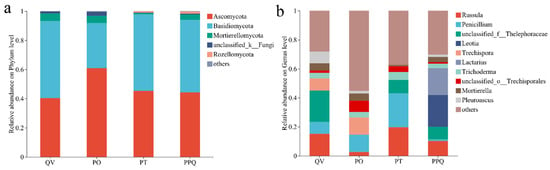
Quercus variabilis is one of the primary species for plantation regeneration across China’s warm-temperate and subtropical zones. However, its long-term monoculture leads to ecosystem instability. Soil fungi are essential for nutrient cycling and ecosystem functioning, yet their responses to oak-dominated mixed plantations remain [...] Read more.
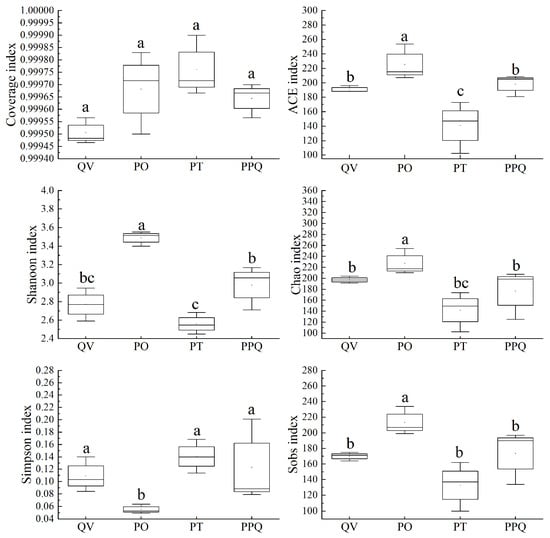
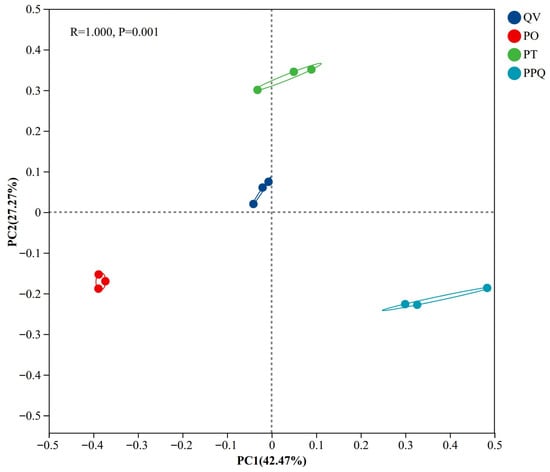
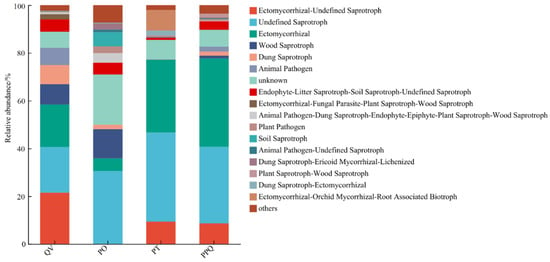
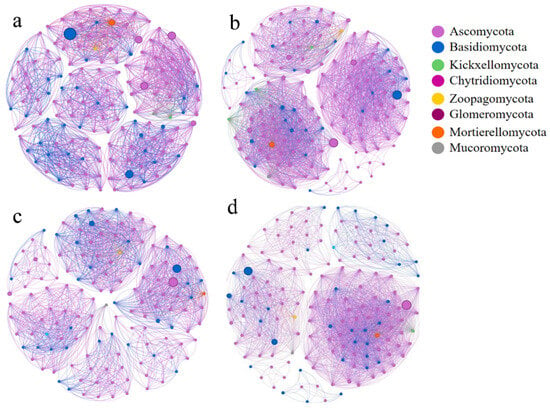
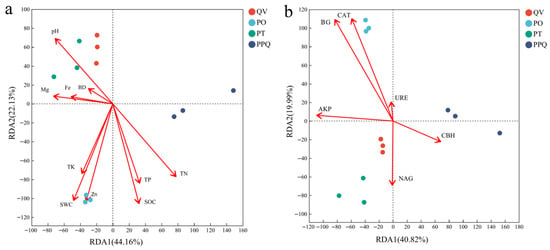
Quercus variabilis is one of the primary species for plantation regeneration across China’s warm-temperate and subtropical zones. However, its long-term monoculture leads to ecosystem instability. Soil fungi are essential for nutrient cycling and ecosystem functioning, yet their responses to oak-dominated mixed plantations remain insufficiently understood. This study investigated the soil fungal communities among Q. variabilis monoculture (QV), mixed plantations of Q. variabilis and Platycladus orientalis (PO), Q. variabilis and Pinus tabuliformis (PT), and Q. variabilis, P. orientalis and P. tabuliformis (PPQ). The results showed that PO and PPQ plantations contained significantly higher concentrations of SOC, TN, and TP compared to QV monoculture. Ascomycota and Basidiomycota were identified as the dominant fungal phyla across four plantation types, with PO exhibiting the highest relative abundance of Ascomycota (60.85%) and fungal alpha diversity. The soil fungal communities across all plantations were predominantly saprotrophic, followed by mixotrophic modes. The relative abundance of saprotrophic fungi was significantly greater in the mixed plantations, peaking in PO at 44.69%. The soil fungal communities in both PO and PPQ plantations exhibited higher network interaction density. The SOC, TN, TP, water content, zinc, and β-glucosidase activity served as key environmental drivers of fungal community composition. Overall, the mixed plantation of Q. variabilis and P. orientalis most effectively improved soil fertility, enhanced fungal diversity, and increased network complexity, suggesting its potential as a sustainable afforestation strategy for oak-dominated ecosystems in the low hilly regions of western Henan. However, these findings are based on a single sampling period, and long-term monitoring is required to confirm its sustained ecological benefits. Full article
Show Figures

Figure 1

24 pages, 22833 KB  
Article
DAER-YOLO: Defect-Aware and Edge-Reconstruction Enhanced YOLO for Surface Defect Detection of Varistors
by Wu Xie, Shushuo Yao, Tao Zhang, Gaoxue Qiu, Dong Li, Fuxian Luo and Yong Fan
J. Imaging 2026, 12(5), 198; https://doi.org/10.3390/jimaging12050198 (registering DOI) - 2 May 2026
Abstract
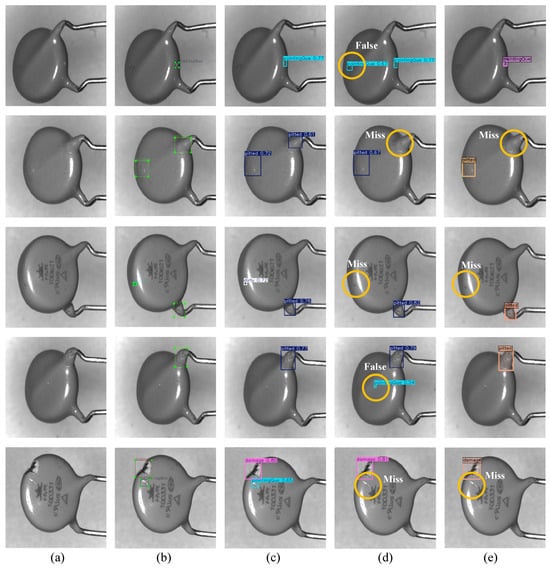
Varistors are critical overvoltage protection components in modern power electronic systems. They effectively absorb and dissipate surge energy to ensure the safe and stable operation of electrical equipment. However, surface defects can lead to substandard performance or even trigger equipment failure, compromising overall [...] Read more.
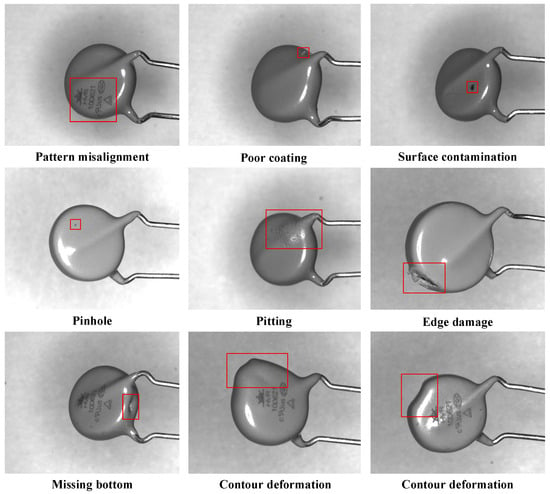
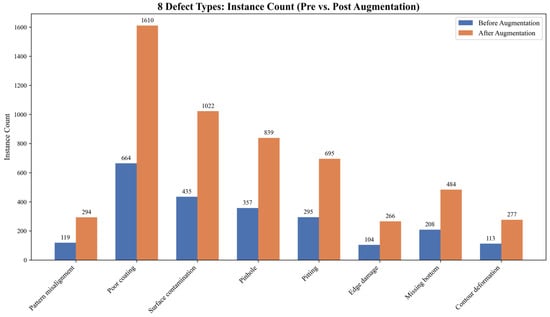
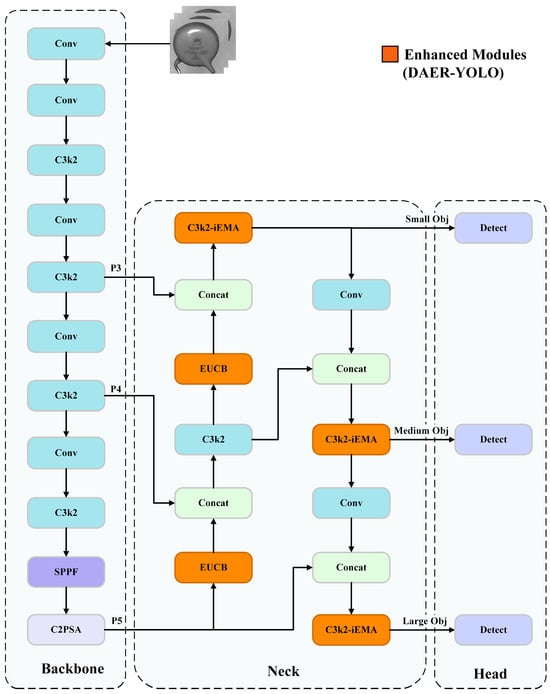
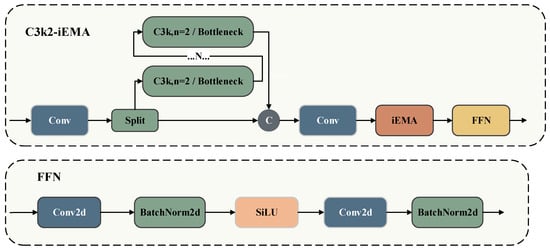
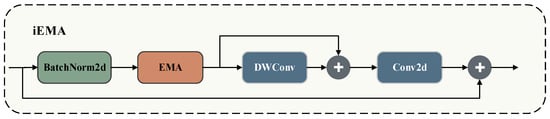
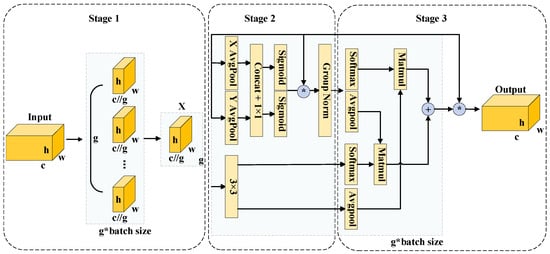
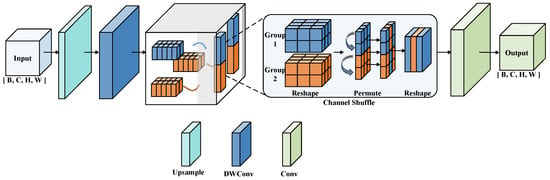
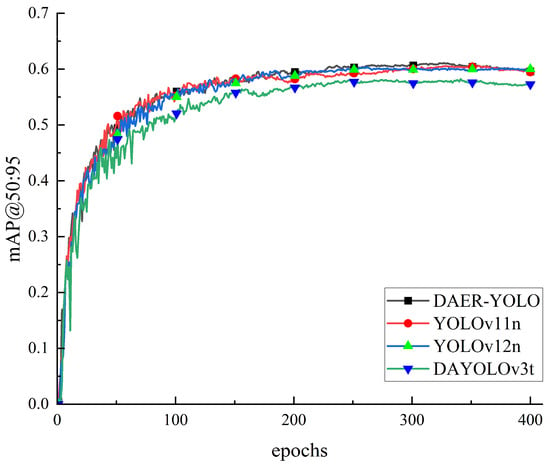
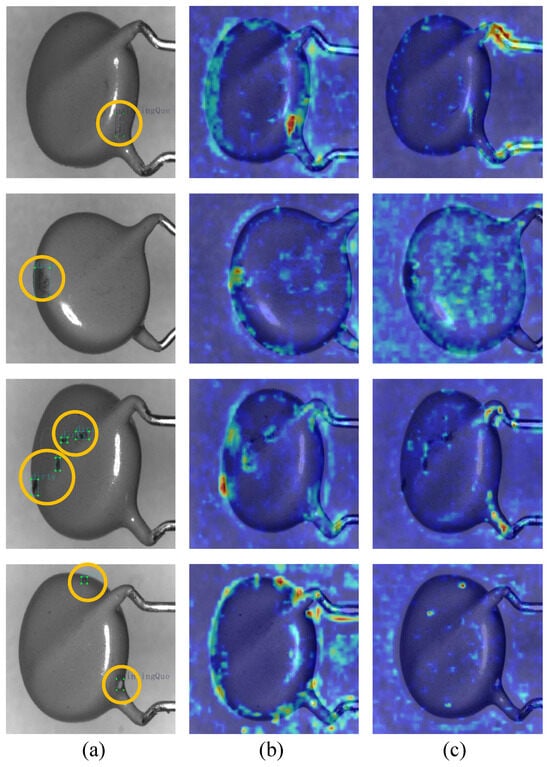
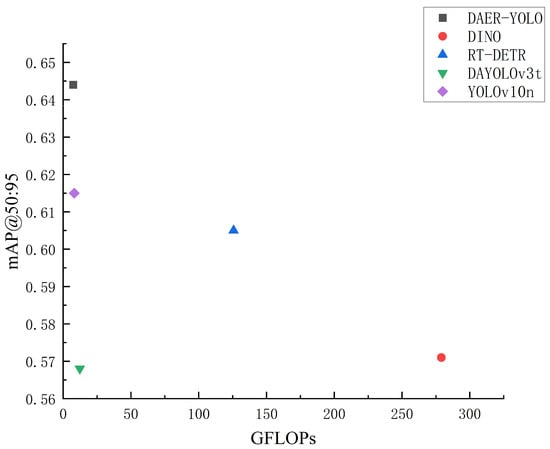
Varistors are critical overvoltage protection components in modern power electronic systems. They effectively absorb and dissipate surge energy to ensure the safe and stable operation of electrical equipment. However, surface defects can lead to substandard performance or even trigger equipment failure, compromising overall system stability. Therefore, high-precision surface defect detection is essential for quality assurance. To address these challenges, we propose a lightweight model termed Defect-Aware and Edge-Reconstruction Enhanced YOLO (DAER-YOLO) for efficient varistor inspection. First, we construct a C3k2-based defect-aware enhancement module (C3k2-iEMA). This module tackles the difficulty of extracting features from small or morphologically complex defects. By integrating multi-scale feature extraction, an attention mechanism, and efficient nonlinear mapping, it strengthens the perception of defect details. Second, to enhance the reconstruction capability for edge damage and small-object defects, we introduce the Efficient Up-Convolution Block (EUCB). This block improves multi-level feature fusion and generates clearer enhanced feature maps. Based on these improvements, DAER-YOLO outperforms the YOLOv11n baseline on a custom varistor dataset, with mAP@50 and mAP@50:95 increasing by 1.6% and 2.3%, respectively. Experimental results demonstrate that the model effectively improves detection accuracy while exhibiting significant potential for real-time industrial applications. Full article
(This article belongs to the Section Computer Vision and Pattern Recognition)
Show Figures

Figure 1

24 pages, 8962 KB  
Article
FetalNet 1.0: TOPSIS-Guided Ensemble Learning with Genetic Feature Selection and SHAP Explainability for Fetal Health Classification from Cardiotocography
by Shweta, Neha Gupta, Meenakshi Gupta, Massimo Donelli, Yogita Arora and Achin Jain
Computers 2026, 15(5), 291; https://doi.org/10.3390/computers15050291 (registering DOI) - 2 May 2026
Abstract
Fetal health assessment is a crucial aspect of prenatal care, aimed at the early detection of potential complications to ensure optimal outcomes for both mother and child. Traditional methods, such as the visual analysis of cardiotocography (CTG) data by healthcare professionals, are valuable [...] Read more.
Fetal health assessment is a crucial aspect of prenatal care, aimed at the early detection of potential complications to ensure optimal outcomes for both mother and child. Traditional methods, such as the visual analysis of cardiotocography (CTG) data by healthcare professionals, are valuable but often subjective and time-consuming. This work investigates the application of machine learning techniques, with a focus on ensemble learning, to enhance the accuracy and efficiency of fetal health classification based on CTG data. Genetic Algorithm (GA) is employed for optimal feature selection, identifying the most discriminative subset of CTG attributes to improve model performance and reduce computational complexity. We employ a combination of advanced machine learning models, including AdaBoost, Gaussian Naïve Bayes, Decision Tree, k-nearest neighbors (KNN), and Logistic Regression. The top two models were selected based on comprehensive performance metrics using the TOPSIS (Technique for Order Preference by Similarity to Ideal Solution) method. These models were then integrated through ensemble learning approaches, such as stacking, Particle Swarm Optimization (PSO) weighted averaging, and soft voting, to improve prediction reliability. Our proposed stacking ensemble model achieves a remarkable accuracy of 97.9%, demonstrating its potential as a robust, data-driven tool for fetal health monitoring and the early identification of at-risk pregnancies. The results indicate that machine learning can effectively complement traditional fetal health assessment methods by providing an objective framework to support clinical decision-making. Full article
(This article belongs to the Section AI-Driven Innovations)
22 pages, 2726 KB  
Article
Exogenous Abscisic Acid Modulates Physiological and Sugar Metabolic Responses to Alleviate Low-Light Injury in Cherry Tomato
by Xin Yang, Jun Nie, Yu Yuan, Yuming Xie, Liangliang Shi and Yanhong Li
Agronomy 2026, 16(9), 928; https://doi.org/10.3390/agronomy16090928 (registering DOI) - 2 May 2026
Abstract
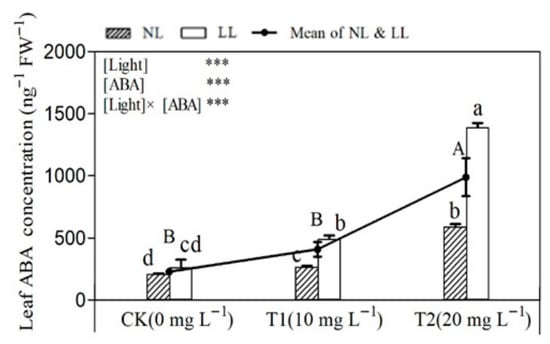
Low-light (LL) stress is a major abiotic limiting factor in protected cherry tomato production, adversely affecting vegetative growth, inducing oxidative damage, and disrupting fruit sugar metabolism. To clarify the regulatory role of exogenous abscisic acid (ABA) in mitigating LL stress, we examined the [...] Read more.
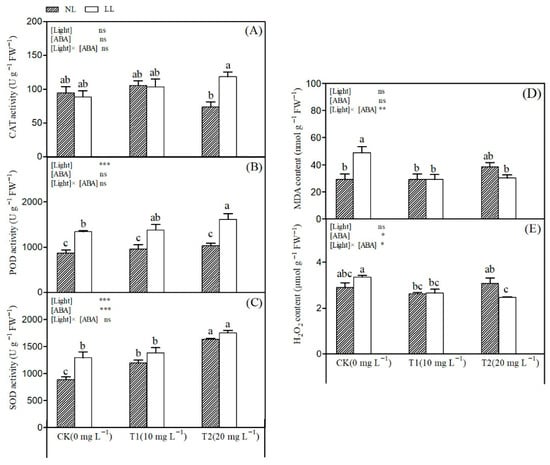
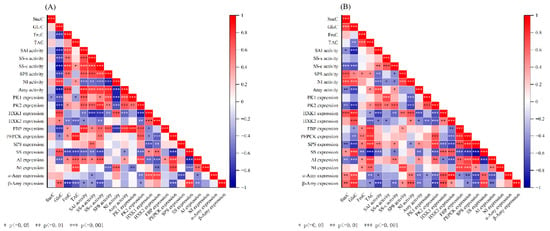
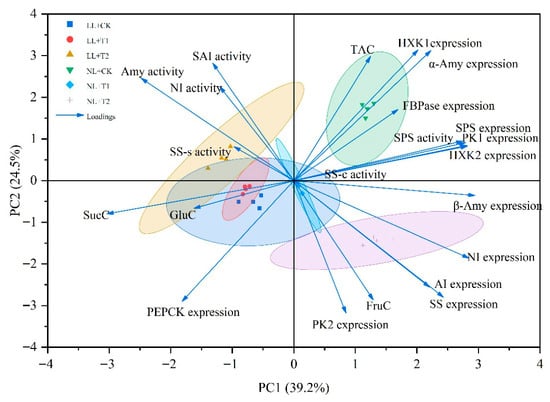
Low-light (LL) stress is a major abiotic limiting factor in protected cherry tomato production, adversely affecting vegetative growth, inducing oxidative damage, and disrupting fruit sugar metabolism. To clarify the regulatory role of exogenous abscisic acid (ABA) in mitigating LL stress, we examined the effects of varying ABA concentrations on plant growth, antioxidant capacity, and fruit sugar metabolism in cherry tomatoes under low-light conditions. A two-factor randomized complete block design, with two light regimes—normal light (NL, 100% natural sunlight) and low light (LL, 25% natural sunlight)—and three ABA concentrations (CK: 0 mg·L−1, T1: 10 mg·L−1, T2: 20 mg·L−1). Fruits were sampled at three typical ripening stages (green mature, breaker, and red ripe) to evaluate vegetative and reproductive physiological responses. The results showed that exogenous ABA application effectively suppressed LL-induced excessive stem elongation and alleviated LL-caused reductions in stem diameter and biomass accumulation. ABA treatment significantly increased peroxidase (POD) activity and reduced malondialdehyde (MDA) and hydrogen peroxide (H2O2) accumulation, thereby relieving LL-triggered oxidative damage. In addition, ABA regulated key sugar-metabolizing enzymes (soluble acid invertase (SAI), sucrose synthase (SS), sucrose phosphate synthase (SPS), and amylase (Amy)) and the transcript levels of related functional genes (HXK1, SPS, SS, AI), thereby mediating stage-dependent fruit sugar metabolism under LL stress. In conclusion, exogenous ABA effectively modulates vegetative growth, antioxidant homeostasis, and stage-specific fruit sugar metabolism, ultimately alleviating low-light stress damage in cherry tomato. Among the tested treatments, 20 mg·L−1 ABA exhibited the most pronounced mitigation effects, which can be recommended as an optimal foliar application concentration for cherry tomato cultivation in low-light protected facilities. Full article
(This article belongs to the Section Horticultural and Floricultural Crops)
Show Figures

Figure 1

Open Access Journals

Browse by Indexing Browse by Subject Selected Journals
Back to TopTop