

Advancing Open Science
Supporting academic communities
since 1996
 
26 pages, 10488 KB  
Article
A Bearing Fault Diagnosis Method Based on an Attention Mechanism and a Dual-Branch Parallel Network
by Qiang Liu, Minghao Chen, Mingxin Tang and Hongxi Lai
Appl. Sci. 2026, 16(9), 4511; https://doi.org/10.3390/app16094511 (registering DOI) - 3 May 2026
Abstract
Rolling bearings represent one of the core functional components of rotating machinery, with their application scope continuously expanding into various sectors of modern social production and life, making the research on fault diagnosis of rolling bearings increasingly significant. Effective vibration feature extraction and [...] Read more.
Rolling bearings represent one of the core functional components of rotating machinery, with their application scope continuously expanding into various sectors of modern social production and life, making the research on fault diagnosis of rolling bearings increasingly significant. Effective vibration feature extraction and improved classification models are crucial to achieving accurate and automated fault diagnosis of rolling bearings. We proposed a fault diagnosis approach based on a Swin Transformer–Improved ResNet module. In the data preprocessing stage, the frequency-domain features and time-domain multi-scale features of fault signals are extracted using FFT and VMD methods, respectively. And then, dual-channel feature extraction is employed using both the Swin Transformer and Improved ResNet module, followed by feature fusion through an ECA module, thereby enhancing diagnostic accuracy and model robustness. The architecture retains shallow-level feature details while incorporating global contextual information, improving feature representation and detection precision. Extensive experiments were carried out on data collected from an SEU bearing dataset, including model validation, ablation analysis, comparative evaluation and simulated noise testing. An average classification accuracy of 99.41% was achieved by the proposed model under uniform experimental conditions, as evidenced by the obtained experimental results, outperforming other models by at least 0.96%. Even under severe noise interference with a signal-to-noise ratio of -4, the model maintained an average accuracy of 91.92%, exceeding that of noise-resistant counterparts. Moreover, generalization experiments on the CWRU bearing dataset under varying load conditions revealed an average fault diagnosis accuracy exceeding 98%, confirming the model’s strong cross-domain adaptability. Full article
29 pages, 3340 KB  
Article
DOL-DETR: An Efficient Small Object Detection Algorithm for Unmanned Aerial Vehicle Remote Sensing
by Shanle Chen and Zhipeng Li
Appl. Sci. 2026, 16(9), 4510; https://doi.org/10.3390/app16094510 (registering DOI) - 3 May 2026
Abstract
Object detection in Unmanned Aerial Vehicle (UAV) imagery faces severe challenges, including small target scales, dense spatial distributions, and complex backgrounds. To address the feature attenuation and noise interference inherent in existing deep learning models, this paper proposes DOL-DETR, an efficient small object [...] Read more.
Object detection in Unmanned Aerial Vehicle (UAV) imagery faces severe challenges, including small target scales, dense spatial distributions, and complex backgrounds. To address the feature attenuation and noise interference inherent in existing deep learning models, this paper proposes DOL-DETR, an efficient small object detection algorithm based on the Real-Time DEtection TRansformer (RT-DETR) architecture. Our model introduces three key innovations. First, the DAttention-based Intra-scale Feature Interaction (DAIFI) module reconstructs intra-scale feature interactions using deformable attention to focus on salient regions with linear complexity. Second, the Omni-Modulated Feature Fusion (OMFF) mechanism adaptively captures multi-scale features and dynamically suppresses background noise. Finally, Linear De-redundancy Convolution (LDConv) replaces standard downsampling to dynamically adapt to object deformations. While introducing a complex dynamic resampling mechanism, it strategically optimizes parameter allocation, significantly enhancing localization precision without introducing excessive computational overhead. Extensive experiments on the VisDrone2019 benchmark demonstrate that DOL-DETR achieves an mAP@0.5 of 52.4% (a 4.2% improvement over the baseline) while maintaining a real-time inference speed of 120.1 FPS with only 20.1M parameters. Furthermore, generalization experiments on the large-scale DOTA dataset yield a 76.1% mAP@0.5, outperforming the baseline by 3.8%. These results indicate that DOL-DETR provides a better trade-off between detection accuracy, inference efficiency, and cross-domain generalization in UAV remote sensing scenarios. Full article
41 pages, 4289 KB  
Review
Advances in Tunnel Kiln Technology for Sustainable Ceramic Manufacturing: Heat Transfer, Energy Efficiency, and Digital Optimization
by Hassanein A. Refaey and Bandar Awadh Almohammadi
Energies 2026, 19(9), 2219; https://doi.org/10.3390/en19092219 (registering DOI) - 3 May 2026
Abstract
Tunnel kilns are widely used in ceramic manufacturing due to their continuous operation, stable performance, and relatively high thermal efficiency. However, the firing stage remains highly energy-intensive and is a major source of environmental impact, necessitating advanced strategies for performance optimization and sustainability. [...] Read more.
Tunnel kilns are widely used in ceramic manufacturing due to their continuous operation, stable performance, and relatively high thermal efficiency. However, the firing stage remains highly energy-intensive and is a major source of environmental impact, necessitating advanced strategies for performance optimization and sustainability. This study presents a comprehensive and critical review of recent developments in tunnel kiln technology, focusing on heat transfer mechanisms, thermal modeling, process optimization, airflow management, energy recovery, computational fluid dynamics (CFD), and environmental sustainability. The literature shows that kiln performance is governed by strongly coupled interactions among fluid flow, heat transfer, combustion, and material transformations. Although significant progress has been achieved through analytical modeling, experimental studies, and numerical simulations, many approaches rely on simplified assumptions or isolated subsystem analyses, limiting their applicability to real industrial conditions. Key findings emphasize the importance of optimizing airflow distribution, kiln geometry, and product arrangement to enhance convective heat transfer and temperature uniformity. Energy optimization strategies—including waste heat recovery, combustion control, and reduction in kiln car thermal mass—demonstrate considerable potential, but their effectiveness depends on integrated, system-level implementation. Environmental analyses identify the firing stage as the primary source of greenhouse gas emissions, highlighting the need for coordinated energy and emission reduction strategies. In this context, Digital Twin and Industry 4.0 technologies offer promising capabilities for real-time monitoring, predictive control, and data-driven optimization. Generally, this review underscores the need to transition from isolated optimization approaches to integrated, multi-scale frameworks that combine advanced modeling, experimental validation, and intelligent digital systems to achieve sustainable and energy-efficient ceramic manufacturing. Full article
29 pages, 3688 KB  
Review
Research Progress on Mammalian Oocyte Vitrification: From Damage Mechanisms to Optimization Strategies
by Kelin Song, Li Wang, Feng Yang, Hongqian Zhu, Qiuyu Meng, Xuelei Han, Ruimin Qiao, Jun Bai, Shuangbao Gun, Tong Yu and Xinjian Li
Animals 2026, 16(9), 1406; https://doi.org/10.3390/ani16091406 (registering DOI) - 3 May 2026
Abstract
With the continuous advancement in reproductive biology, oocyte vitrification has become a critical technology for preserving female germplasm and protecting it from environmental disruptions. This technique also eliminates temporal and spatial constraints in animal embryo engineering research. However, during the vitrification of animal [...] Read more.
With the continuous advancement in reproductive biology, oocyte vitrification has become a critical technology for preserving female germplasm and protecting it from environmental disruptions. This technique also eliminates temporal and spatial constraints in animal embryo engineering research. However, during the vitrification of animal oocytes, exposure to low temperatures and high concentrations of cryoprotectants can cause various forms of damage, including cytoskeletal disruption, spindle abnormalities, mitochondrial dysfunction, apoptosis, oxidative stress and epigenetic modifications. These issues are now understood to severely restrict the subsequent developmental competence of oocytes, resulting in lower cleavage and blastocyst formation rates than those of fresh oocytes. Currently, the mechanisms of cryodamage in vitrified oocytes remain poorly understood, and standardized strategies to enhance vitrification efficiency have yet to be firmly established. This review provides a formal overview of the physiological factors underlying oocyte sensitivity to vitrification, alongside the mechanisms of cryodamage and the variables influencing post-thaw survival and reproductive success. It evaluates strategies for mitigating vitrification-induced stress, compares interspecies differences, and addresses current research limitations. By identifying future directions, this review offers new insights for optimizing mammalian oocyte cryopreservation techniques. Full article
(This article belongs to the Special Issue Advances in Cryopreservation of Livestock Oocytes and Embryos)
40 pages, 1280 KB  
Review
Anthracene and Phenanthrene Photocatalytic Degradation in the Presence of Various Types of Metal Oxide Nanocomposites
by Vladan Nedelkovski, Milan Radovanović and Slađana Alagić
Sustain. Chem. 2026, 7(2), 22; https://doi.org/10.3390/suschem7020022 (registering DOI) - 3 May 2026
Abstract
The persistence and hazardous potential of polycyclic aromatic hydrocarbons (PAHs), with compounds such as anthracene and phenanthrene, raise significant concerns about human health and environmental safety. PAHs are ubiquitous environmental pollutants originating from natural processes and anthropogenic activities, notably fossil fuel combustion. Due [...] Read more.
The persistence and hazardous potential of polycyclic aromatic hydrocarbons (PAHs), with compounds such as anthracene and phenanthrene, raise significant concerns about human health and environmental safety. PAHs are ubiquitous environmental pollutants originating from natural processes and anthropogenic activities, notably fossil fuel combustion. Due to their stability, they tend to accumulate in ecosystems, posing risks to wildlife and human health through bioaccumulation and potential carcinogenicity. Conventional remediation techniques, such as physical adsorption and biological treatment, often fall short in their efficiency and long-term sustainability. Thus, there is an urgent need for innovative methods that can effectively degrade these persistent organic pollutants. Here, we reviewed recent advancements in the photocatalytic degradation of anthracene and phenanthrene, with a focus on metal oxide-based nanocomposites. The major points were: (1) Metal oxides such as TiO2, ZnO, and CuO, recognized for their photocatalytic properties (they show significantly enhanced efficiency when utilized as a part of nanocomposites, primarily due to the improved charge separation, increased surface area, and numerous active sites); (2) The review of the photocatalytic mechanisms involved in PAH degradation, particularly through the generation of reactive oxygen species that can break down anthracene and phenanthrene into less harmful compounds; and (3) The insights into the formed intermediates and reaction pathways, which can help to deepen the understanding of PAH breakdown and support the design of more efficient catalytic systems for future environmental remediation applications. Full article
22 pages, 21732 KB  
Article
Towards a Complete DNA Barcode Library of Austrian Lepidoptera
by Peter Huemer, Wolfgang Stark, Christian Wieser, Peter Buchner, Johannes Rüdisser, Paul D. N. Hebert and Benjamin Schattanek-Wiesmair
Insects 2026, 17(5), 473; https://doi.org/10.3390/insects17050473 (registering DOI) - 3 May 2026
Abstract
This study presents the first comprehensive molecular assessment of the Lepidoptera fauna of Austria based on DNA barcodes (cytochrome c oxidase I, COI; 658 bp Folmer region). The barcode reference library comprises approximately 23,500 sequences, representing 3591 Linnaean species or about 85% of [...] Read more.
This study presents the first comprehensive molecular assessment of the Lepidoptera fauna of Austria based on DNA barcodes (cytochrome c oxidase I, COI; 658 bp Folmer region). The barcode reference library comprises approximately 23,500 sequences, representing 3591 Linnaean species or about 85% of the known national species (ca. 4200 species). Congruence between morphological species identifications under the Linnaean system and barcode data was evaluated using the Barcode Index Number (BIN) system. A total of 244 species could not be unambiguously assigned, showing two to seven BINs that exhibit elevated genetic divergence and may partially represent cryptic diversity. These taxa, together with 40 currently unnamed lineages, require further integrative taxonomic assessment. The distinctiveness of the Austrian Lepidoptera fauna is discussed in the context of endemic genetic diversity. Finally, 17 new faunistic records for Austria are reported. Full article
14 pages, 485 KB  
Article
Pre-Intervention Assessment of Toxocara Infection in Dogs in Vietnam: A Community-Based Cross-Sectional Study
by Minh-Trang Thi Hoang, Dinh Ng-Nguyen, Ketsarin Kamyingkird, Van-Phuong Ngo and Tawin Inpankaew
Animals 2026, 16(9), 1405; https://doi.org/10.3390/ani16091405 (registering DOI) - 3 May 2026
Abstract
Dogs are key reservoirs of zoonotic infections, including Toxocara canis, a widely distributed parasite of major public health concern. In Vietnam, the parasite is highly prevalent in dog populations and humans. Epidemiological studies assessing infection and associated factors are essential to better [...] Read more.
Dogs are key reservoirs of zoonotic infections, including Toxocara canis, a widely distributed parasite of major public health concern. In Vietnam, the parasite is highly prevalent in dog populations and humans. Epidemiological studies assessing infection and associated factors are essential to better understand transmission and to inform effective control strategies. We conducted a cross-sectional baseline survey to assess Toxocara infection in dogs in rural Vietnam. Fecal samples from 371 dogs were examined using centrifugal flotation (Sheather’s solution, specific gravity 1.2) and conventional polymerase chain reaction (PCR), alongside structured questionnaires on dog demographics and management. Using combined copromicroscopic and molecular methods, the overall prevalence of Toxocara infection was 44.7% (95% CI: 39.6–50.0). By microscopy alone, 29.9% (95% CI: 25.4–34.9) of samples were positive, while PCR detected Toxocara DNA in 41.2% (95% CI: 36.2–46.5) of dogs. Molecular analysis identified T. canis in 35.9% (95% CI: 31.0–41.0) and T. cati in 10.5% (95% CI: 7.7–14.2) of tested dogs. Dog age and deworming status were independently associated with PCR-detected T. canis infection. The elevated likelihood of infection among dogs that have never been dewormed highlights the importance of canine deworming. Questionnaire findings indicating suboptimal dog care and management highlight the need for community public health education to promote responsible ownership and reduce transmission risk. This baseline assessment provides essential evidence to inform targeted interventions and improve understanding of Toxocara transmission in endemic settings. Full article
18 pages, 406 KB  
Article
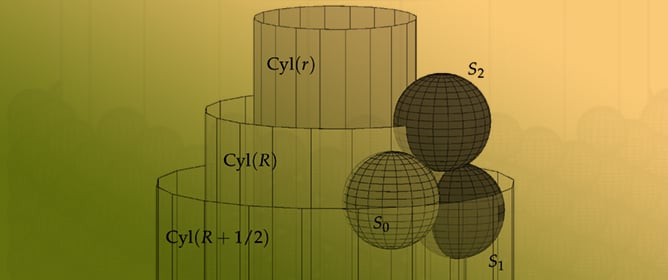
Biquadratic SOS Rank and Augmented Zarankiewicz Number
by Liqun Qi, Chunfeng Cui and Yi Xu
Mathematics 2026, 14(9), 1552; https://doi.org/10.3390/math14091552 (registering DOI) - 3 May 2026
Abstract
This paper introduces the concepts of the augmented Zarankiewicz number zA(m,n) and the limited augmented Zarankiewicz number zL(m,n), which are natural combinatorial extensions of the classical Zarankiewicz number. These numbers [...] Read more.
This paper introduces the concepts of the augmented Zarankiewicz number zA(m,n) and the limited augmented Zarankiewicz number zL(m,n), which are natural combinatorial extensions of the classical Zarankiewicz number. These numbers arise from augmented bipartite graphs that may contain both standard edges (1-edges) and pairs of edges representing squares of binomials (2-edges). The main theoretical result establishes the inequality chain BSR(m,n)zA(m,n)zL(m,n)z(m,n), linking the maximum biquadratic sum-of-squares (SOS) rank to these extremal graph parameters. We determine the exact values of zL(m,n) for the cases (m,2), (3,3), (4,3), and (4,4) and provide new lower bounds for the cases (5,3), (5,4), and (5,5). These results yield improved lower bounds for the maximum SOS rank of biquadratic forms, demonstrating that zL(m,n) can exceed the classical Zarankiewicz number, thereby offering a refined combinatorial perspective on the SOS rank problem. Full article
(This article belongs to the Section D2: Operations Research and Fuzzy Decision Making)
23 pages, 3743 KB  
Article
CT-to-PET Synthesis in the Head–Neck and Thoracic Region via Conditional 3D Latent Diffusion Modeling
by Mohammed A. Mahdi, Mohammed Al-Shalabi, Reda Elbarougy, Ehab T. Alnfrawy, Muhammad Usman Hadi and Rao Faizan Ali
Bioengineering 2026, 13(5), 534; https://doi.org/10.3390/bioengineering13050534 (registering DOI) - 3 May 2026
Abstract
Background: Positron emission tomography (PET) provides physiologic information central to oncologic staging and treatment assessment, but its availability is limited by cost, radiation exposure, and scanner access. Synthesizing PET from computed tomography (CT) is attractive but challenging, as tracer uptake is only [...] Read more.
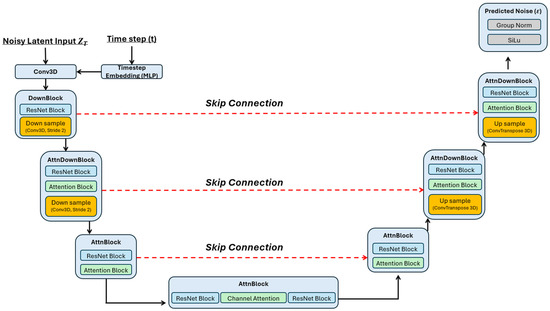
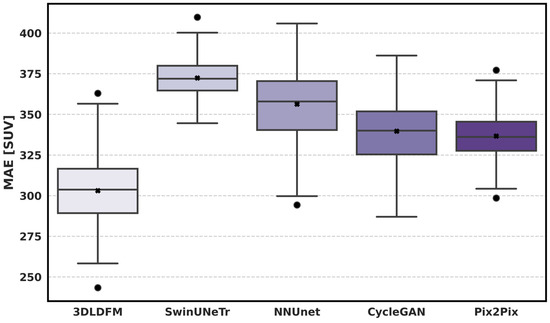
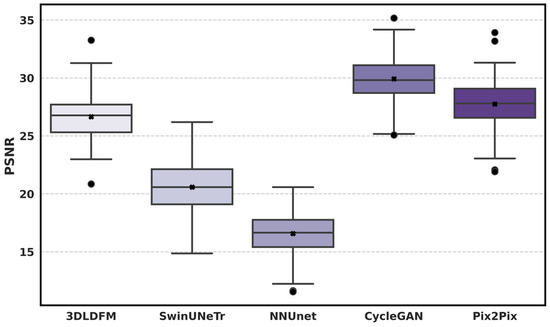
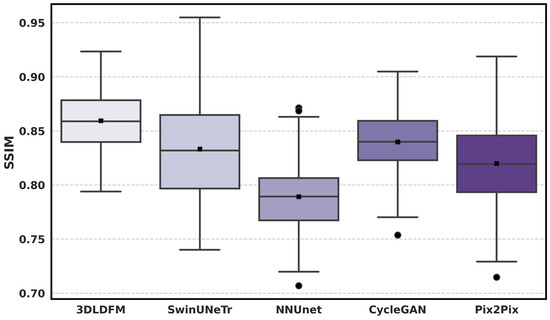
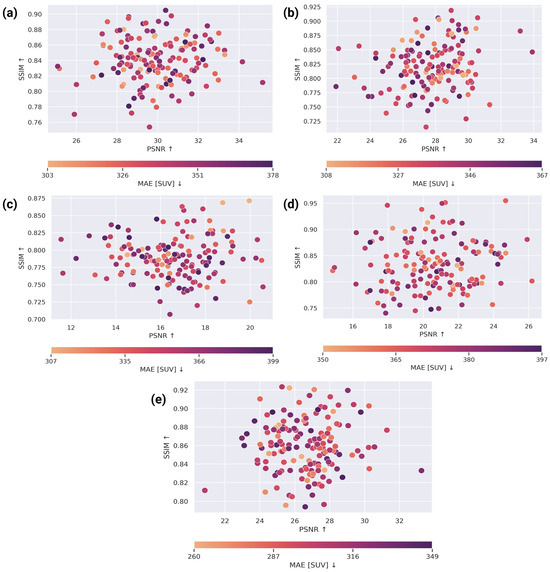
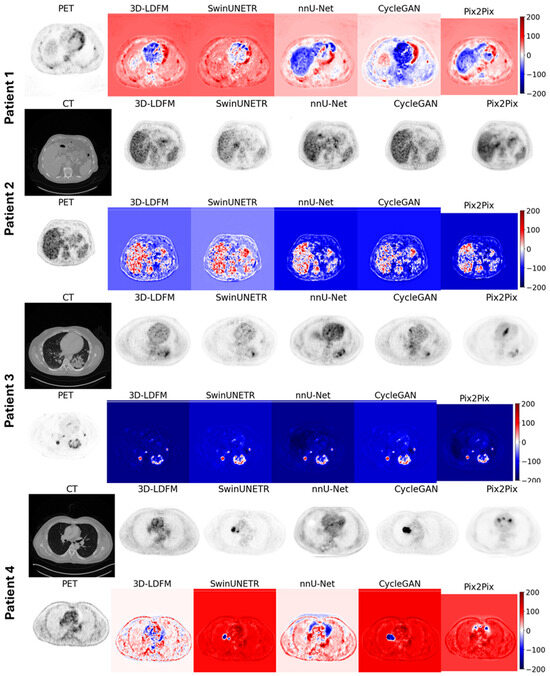
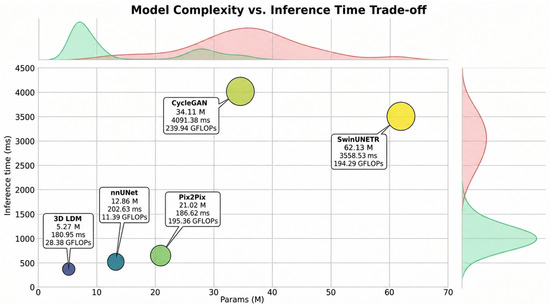
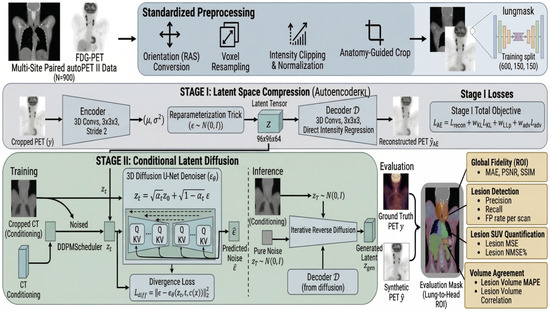
Background: Positron emission tomography (PET) provides physiologic information central to oncologic staging and treatment assessment, but its availability is limited by cost, radiation exposure, and scanner access. Synthesizing PET from computed tomography (CT) is attractive but challenging, as tracer uptake is only partially constrained by anatomy, making the mapping inherently one-to-many. Methods: We propose a conditional 3D latent diffusion framework (3D-LDM) for CT-to-PET synthesis in the head–neck and thoracic region. The pipeline localizes anatomy by segmenting lungs in CT and restricting the volume to reduce irrelevant variability. PET volumes are encoded into a compact latent space using a KL-regularized 3D autoencoder, and a conditional 3D diffusion U-Net learns to generate PET latents conditioned on CT via a denoising diffusion process. The model was trained and evaluated on 900 paired PET/CT studies. Performance was assessed in SUV space using MAE, PSNR, and SSIM, and compared against transformer-, CNN-, and GAN-based baselines. Results: On the held-out test cohort, 3D-LDM achieved the best overall quantitative fidelity (MAE = 303.05 ± 22.16 SUV units, PSNR = 32.64 ± 1.79, SSIM = 0.86 ± 0.03), outperforming all baselines with statistically significant differences (p < 0.001). At the lesion level, the model achieved a precision of 0.76 (95% CI: 0.71, 0.81) and recall of 0.76 (95% CI: 0.72, 0.80), detecting an average of 3.19 lesions per scan with a false-positive rate of 0.72/scan. Lesion-wise NMSE was 11.37%, significantly outperforming GAN and transformer baselines. Conclusions: 3D-LDM enables efficient, high-fidelity PET synthesis in the head–neck and thoracic regions, substantially improving lesion-level accuracy over state-of-the-art baselines. While it is not a replacement for diagnostic PET, these results support the model’s potential as a clinical decision support tool. Full article
(This article belongs to the Special Issue Machine Learning Applications in Cancer Diagnosis and Prognosis)
Show Figures

Figure 1

18 pages, 4933 KB  
Article
The Effect of Low-Temperature Annealing and Long-Term Operation of Nuclear Power Plant Components on the Corrosion Resistance of 08CH18N10T Steel
by Matúš Gavalec, Mária Dománková, Marek Kudláč, Katarína Bártová and Gabriela Stachová
Metals 2026, 16(5), 500; https://doi.org/10.3390/met16050500 (registering DOI) - 3 May 2026
Abstract
Extending the service life of nuclear power plant components beyond their originally designed operational period requires a detailed understanding of the microstructural stability of the materials used. This study focuses on low-temperature precipitation in the austenitic stainless steel 08CH18N10T, which is employed in [...] Read more.
Extending the service life of nuclear power plant components beyond their originally designed operational period requires a detailed understanding of the microstructural stability of the materials used. This study focuses on low-temperature precipitation in the austenitic stainless steel 08CH18N10T, which is employed in the main circulation piping of pressurized water reactors. During long-term operation in the temperature range of 100–320 °C, secondary phases such as M23C6 carbides and intermetallic phase sigma (σ) can precipitate, which can lead to local chromium depletion at grain boundaries, subsequent sensitization of the steel, and susceptibility to intergranular corrosion. The research includes the analysis of samples taken from the decommissioned V1 unit of the Jaslovské Bohunice Nuclear Power Plant, which has been in operation for 28 years. The samples were subjected to thermal aging under laboratory conditions, with an emphasis on evaluating microstructural changes and their impact on corrosion resistance. Based on the experimental results, it can be concluded that the thermal stability of all tested materials is suitable for the operation of the main circulation piping, as the service temperatures to which the main circulation piping is exposed during operation remain below the activation of precipitation that would lead to sensitization and, consequently, susceptibility to intergranular corrosion. Activation of low-temperature precipitation was observed only at 450 °C, while at temperatures up to 400 °C, the structural stability of the material was confirmed, demonstrating its suitability for operation within the specified temperature range of the nuclear power plants’ main circulation piping. Full article
22 pages, 941 KB  
Article
Hepatocellular Carcinoma Treatment with Immune Checkpoint Inhibitors: RECA and CRAFITY Scores Reveal Distinct Clinical Courses and Highlight the Role of Systemic Inflammation in Prognosis
by Xavier Adhoute, Constance Chailloux, Feng Xia, Zhao Huang, Qian Chen, Jing Yan, Qiao Zhang, Victoria Ramdour, Louis Carmarans, Guillaume Pénaranda, Paul Castellani, Albert Tran, Marc Bourlière, René Gerolami and Rodolphe Anty
Biomedicines 2026, 14(5), 1043; https://doi.org/10.3390/biomedicines14051043 (registering DOI) - 3 May 2026
Abstract
Background/Objectives: Systemic treatment of advanced hepatocellular carcinoma (HCC) is based on combinations of immunotherapies (ITs) and lacks predictive markers of efficacy. Objectives: To define the prognostic value of the CRAFITY and RECA biological scores for overall survival (OS) before and during IT, [...] Read more.
Background/Objectives: Systemic treatment of advanced hepatocellular carcinoma (HCC) is based on combinations of immunotherapies (ITs) and lacks predictive markers of efficacy. Objectives: To define the prognostic value of the CRAFITY and RECA biological scores for overall survival (OS) before and during IT, and to evaluate the value of these two models for predicting the therapeutic response. Patients and methods: This was a multicenter retrospective analysis of 229 patients. OS was analyzed using Kaplan–Meier curves, log-rank tests, and Cox models, through which second-line therapy was modeled as a time-dependent covariate to avoid immortal time bias. The predictive capacity was assessed using univariate logistic regression. Validation was performed within two external Chinese cohorts. Results: Sixty-six percent of patients had Barcelona Clinic Liver Cancer (BCLC) stage C HCC (vascular invasion: 36.3%, metastases: 32.6%). After a mean follow-up of 14.9 (12.8) months, the median OS was 17.4 (6.9–38.0) months. The CRAFITY score distinguished only two different prognostic subgroups before treatment, but its prognostic value was confirmed with three different prognostic groups after 3 and 5 cycles and 6 months of treatment. The RECA score was strongly associated with OS before treatment and after 3 and 5 cycles and after 6 months of IT. Conversely, neither score had a discriminatory ability to predict early therapeutic response. The prognostic value of both models for OS was confirmed in the external cohorts. Conclusions: The RECA and CRAFITY scores have strong prognostic value for OS during IT. Beyond the models, the dynamic effects of systemic inflammation on IT reveal distinct clinical outcomes. Neither score has the ability to predict early therapeutic response, further supporting their use during treatment. Full article
16 pages, 2735 KB  
Article
In Vitro Antifungal Potential of Barkleyanthus salicifolius and Punica granatum Extracts Against Crop-Associated Pathogens
by Martha Salinas-Sandoval, Gildardo Rivera, Luis Fernando Ceja-Torres, Martha-Isabel González-Domínguez, Alma D. Paz-González, Janneth López-Mercado and Dioselina Álvarez-Bernal
Compounds 2026, 6(2), 29; https://doi.org/10.3390/compounds6020029 (registering DOI) - 3 May 2026
Abstract
The potential of methanolic extracts from jara (Barkleyanthus salicifolius) and pomegranate carpel membranes (Punica granatum) as biological alternatives for the control of phytopathogenic fungi was evaluated against pathogens associated with commercially important crops in the Ciénega de Chapala region. [...] Read more.
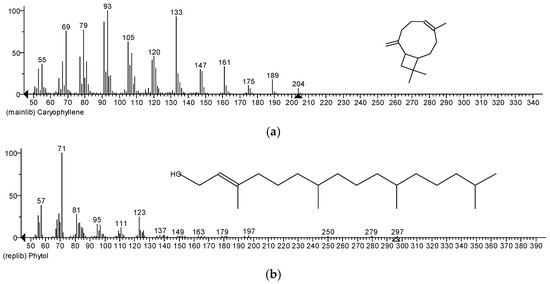
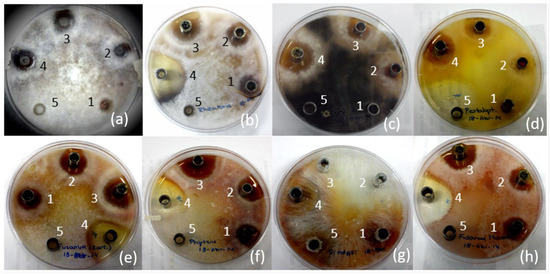
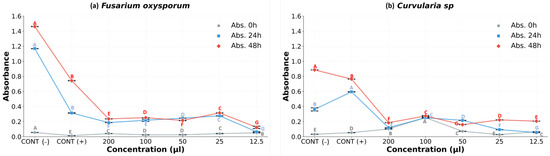
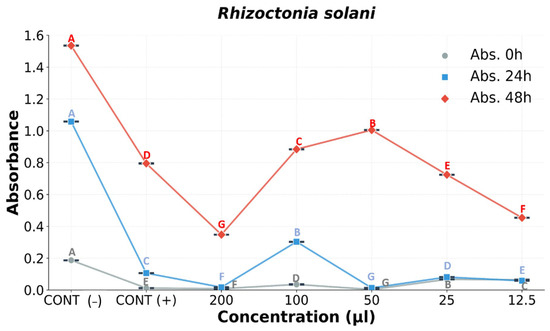
The potential of methanolic extracts from jara (Barkleyanthus salicifolius) and pomegranate carpel membranes (Punica granatum) as biological alternatives for the control of phytopathogenic fungi was evaluated against pathogens associated with commercially important crops in the Ciénega de Chapala region. Extracts were assessed in vitro against Botrytis cinerea and Rhizoctonia solani (strawberry), Curvularia sp., Pestalotiopsis sp., and Fusarium oxysporum (blackberry), Pythium sp. and Fusarium sp. (tomato), and Sclerotium rolfsii (onion). Antifungal bioassays demonstrated that the B. salicifolius extract inhibited the mycelial growth of R. solani, whereas the pomegranate extract inhibited seven of the eight species tested, with the exception of S. rolfsii. Phytochemical screening revealed the presence of alkaloids, flavones, flavonols, chalcones, and quinones in pomegranate, and flavones, flavonols, alkaloids, and sterols in jara. Additionally, phytol and caryophyllene were identified in the latter via GC–MS. Full article
Show Figures

Figure 1

29 pages, 4570 KB  
Article
Performance Evaluation of Lime Cork Plaster Reinforced with Broom Fibers for Infill Walls
by Raffaele Pucinotti, Amerigo Beneduci and Rocco Buda
Appl. Sci. 2026, 16(9), 4509; https://doi.org/10.3390/app16094509 (registering DOI) - 3 May 2026
Abstract
Recent earthquakes have underscored the significant seismic vulnerability and poor energy performance of existing reinforced concrete (RC) buildings, with particular deficiencies observed in non-structural components such as masonry infill walls. Conventional retrofit strategies typically address seismic and thermal deficiencies separately, often leading to [...] Read more.
Recent earthquakes have underscored the significant seismic vulnerability and poor energy performance of existing reinforced concrete (RC) buildings, with particular deficiencies observed in non-structural components such as masonry infill walls. Conventional retrofit strategies typically address seismic and thermal deficiencies separately, often leading to increased costs and invasive interventions. This study explores the development of an innovative plaster that combines seismic strengthening with thermal insulation. The proposed plaster is produced using natural raw materials of local Calabrian origin and reinforced with broom fibers to enhance both ductility and mechanical strength. Experimental investigations included mechanical characterization through compressive and flexural strength tests, toughness, and ductility evaluation, as well as thermophysical analyses and further complementary tests. The results demonstrate that fiber reinforcement ensures adequate strength and significantly improves deformability, making the material suitable for seismic retrofitting of infill walls. In fact, the results show that the fiber insertion improves the post-critical behavior of the plaster through a significant increase in its ductility. Moreover, the thermal tests confirm a notable reduction in heat transfer, enhancing the energy performance of building envelopes. The complementary tests have demonstrated the suitability of the designed plasters for the intended applications. Full article
(This article belongs to the Section Civil Engineering)
27 pages, 5635 KB  
Article
Interpretable Machine Learning for CBR Prediction: Ensemble Methods with SHAP Analysis
by Rabia Korkmaz Tan and Ertuğrul Ordu
Buildings 2026, 16(9), 1826; https://doi.org/10.3390/buildings16091826 (registering DOI) - 3 May 2026
Abstract
The California Bearing Ratio (CBR) is a critical parameter in pavement design and building foundation assessment; however, it requires labor intensive laboratory testing, including a 96 h soaking period. This study evaluated nine machine learning algorithms for predicting CBR from soil index properties: [...] Read more.
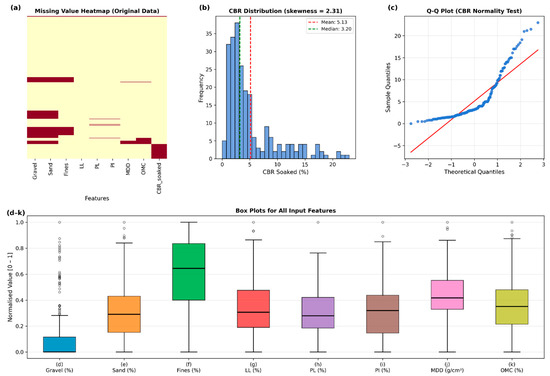
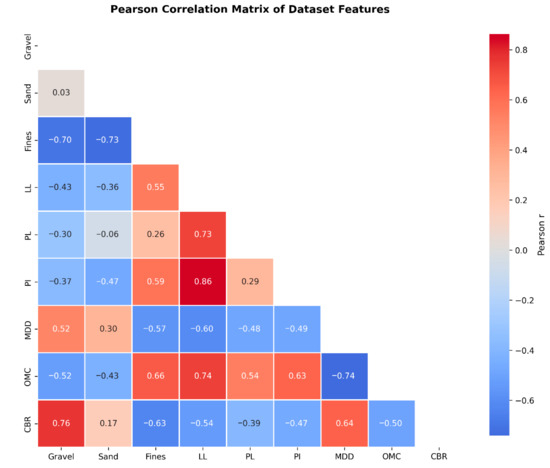
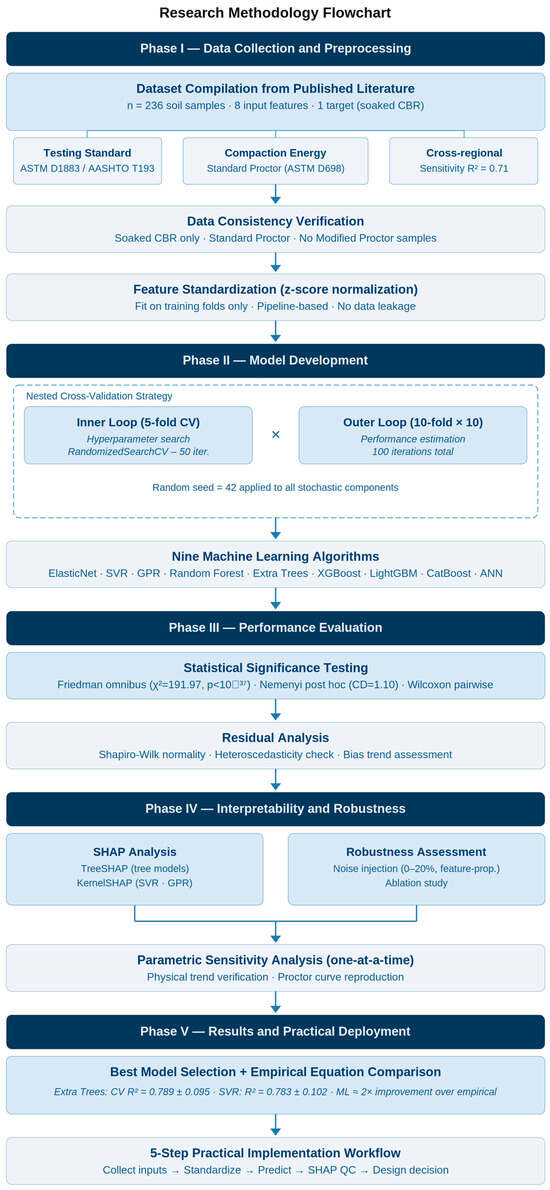
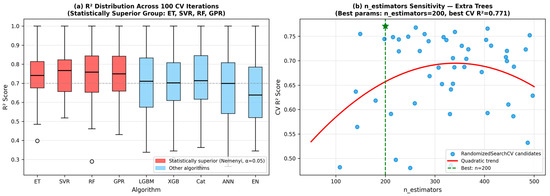
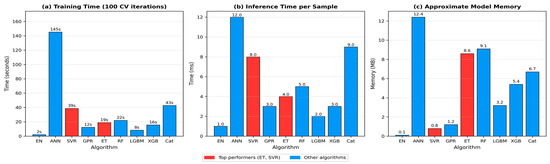
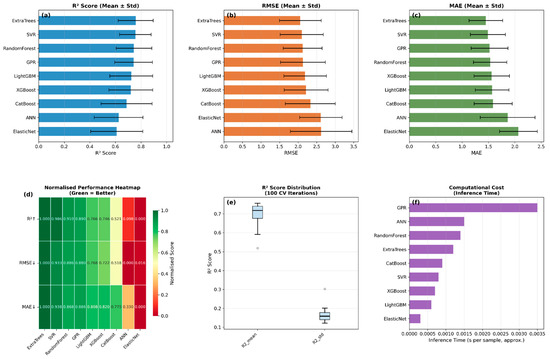
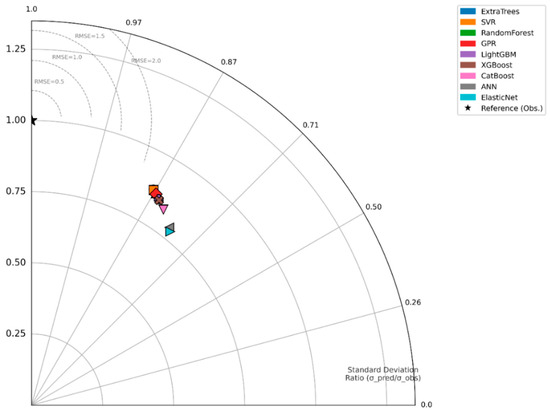
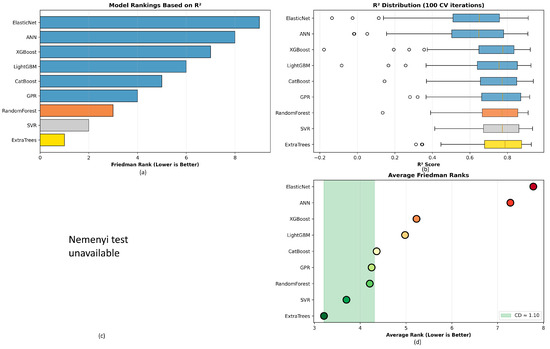
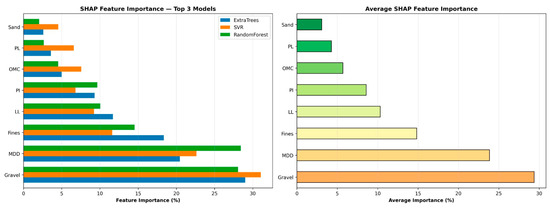
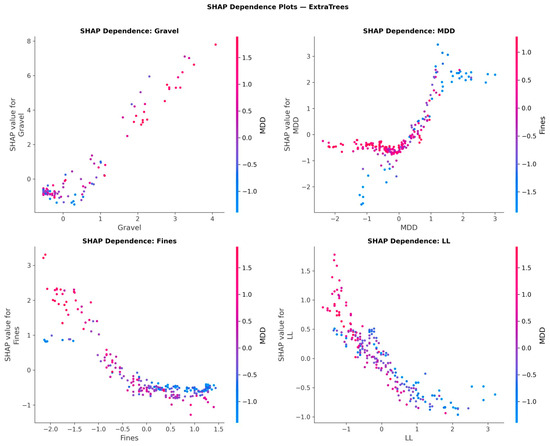
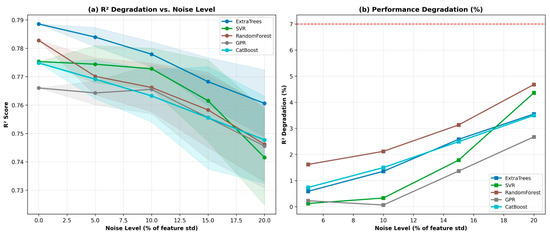
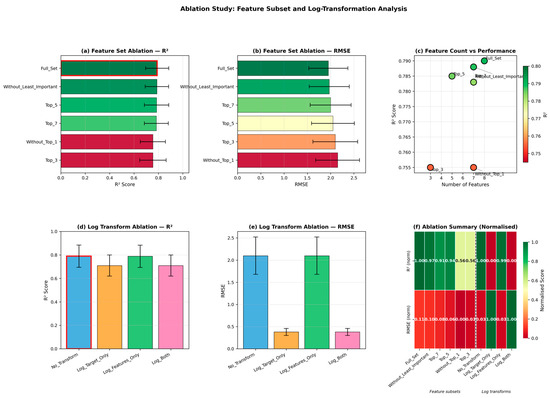
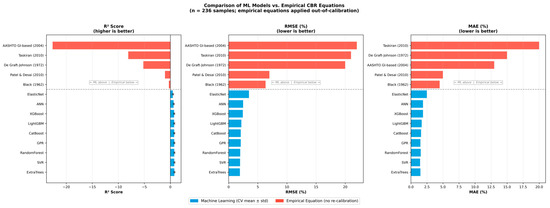
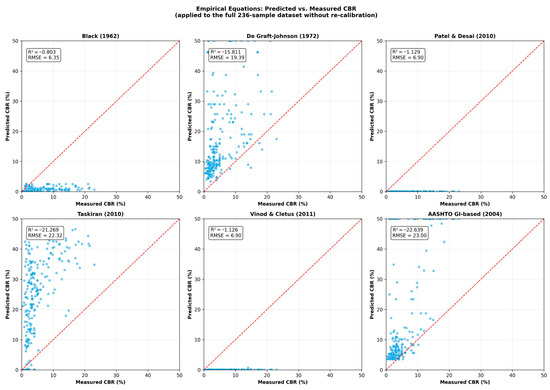
The California Bearing Ratio (CBR) is a critical parameter in pavement design and building foundation assessment; however, it requires labor intensive laboratory testing, including a 96 h soaking period. This study evaluated nine machine learning algorithms for predicting CBR from soil index properties: Extra Trees, Support Vector Regression (SVR), Random Forest, Gaussian Process Regression (GPR), CatBoost, LightGBM, XGBoost, Artificial Neural Network (ANN), and ElasticNet. Using 236 soil samples characterized by eight features, we conducted repeated stratified 10-fold cross validation (100 iterations). Extra Trees achieved the highest cross validation R2 of 0.789 ± 0.095 (RMSE = 2.064 ± 0.481, MAE = 1.482 ± 0.294), followed by SVR (R2 = 0.783 ± 0.102, RMSE = 2.090 ± 0.511, MAE = 1.446 ± 0.300) and Random Forest (R2 = 0.777 ± 0.104, RMSE = 2.117 ± 0.460, MAE = 1.518 ± 0.299). The Friedman statistical test confirmed significant performance differences (χ2 = 191.97, p < 10−37), and Nemenyi post hoc analysis identified Extra Trees, SVR, Random Forest, and GPR as statistically equivalent superior groups. SHAP analysis highlighted gravel content (29.0%), maximum dry density (23.8%), and fines content (14.8%), which is consistent with geotechnical principles. Systematic noise injection (20% perturbation) demonstrated model stability, with less than 7% performance degradation at 15% noise. On this heterogeneous compiled dataset, which extends beyond the calibration domain of the empirical equations, all six empirical methods yielded negative R2 (range: −0.803 to −22.639), while all ML models achieved positive R2 (≥0.655 to 0.789). Extra Trees achieved a 3.1× lower RMSE than the best empirical equation, confirming substantially better predictive performance in this out-of-calibration setting. The framework provides a practical five step implementation workflow that may reduce the need for preliminary CBR tests under project specific accuracy thresholds. Full article
Show Figures

Figure 1

22 pages, 651 KB  
Systematic Review
Adoption of the Nutrition Care Process in Manual and Software Formats: A Systematic Review Across International Dietetic Settings
by Elina Polydorou, Stella A. Nicolaou, Dimitrios Papandreou, Antonis Zampelas and Eleni P. Andreou
Healthcare 2026, 14(9), 1235; https://doi.org/10.3390/healthcare14091235 (registering DOI) - 3 May 2026
Abstract
Background/Objectives: The Nutrition Care Process (NCP) is a standardized model designed to improve the quality and consistency of nutrition care. However, its implementation remains variable across settings, influenced by factors such as time constraints, training, peer support, and technological infrastructure. This systematic review [...] Read more.
Background/Objectives: The Nutrition Care Process (NCP) is a standardized model designed to improve the quality and consistency of nutrition care. However, its implementation remains variable across settings, influenced by factors such as time constraints, training, peer support, and technological infrastructure. This systematic review aims to synthesize the available evidence on barriers and facilitators influencing the implementation of the NCP/NCPT and to explore how different documentation formats may influence its adoption. Methods: This systematic review was conducted in accordance with PRISMA 2020 guidelines and included peer-reviewed studies published between 2009 and 2024 in English or Greek. Searches were conducted in MEDLINE, EMBASE, Scopus, CINAHL, and the Cochrane Library. Study quality was assessed using the National Heart, Lung, and Blood Institute (NIH) tool. A total of 11 reports representing eight studies were included, comprising cross-sectional, cohort, qualitative, and pilot designs. Results: The most commonly reported barriers to NCP implementation were lack of training, time constraints, and limited technological infrastructure. Key facilitators included support from national dietetic associations, peer collaboration, and access to electronic health records (EHRs). Electronic formats were more frequently described as supporting improved documentation practices, practitioner confidence, and workflow efficiency, whereas manual approaches were commonly reported as time-consuming and less structured. Conclusions: Digital integration of the NCP may support more consistent documentation practices and improved workflow processes; however, the current evidence is largely observational and heterogeneous. Evidence regarding patient-level outcomes remains limited, and definitive conclusions regarding the comparative effectiveness of implementation formats cannot be drawn. Further high-quality research is needed to evaluate the long-term clinical impact of NCP implementation. Full article
(This article belongs to the Special Issue Nutrition in Patient Care: Second Edition)
19 pages, 2040 KB  
Communication
A Minimal Synthetic IAA Pathway in Escherichia coli Using Avocado Seed Hydrolysate: A Sustainable and Didactic Platform for Synthetic Biology
by Ana Lilia Hernández-Orihuela, Lucía Carolina Alzati-Ramírez and Agustino Martínez-Antonio
SynBio 2026, 4(2), 8; https://doi.org/10.3390/synbio4020008 (registering DOI) - 3 May 2026
Abstract
Indole-3-acetic acid (IAA) is the main natural auxin and a key regulator of plant growth. However, most commercial auxins are synthetically produced from non-renewable resources. Here, we present a minimal synthetic biology platform for microbial IAA production that also serves as a teaching [...] Read more.
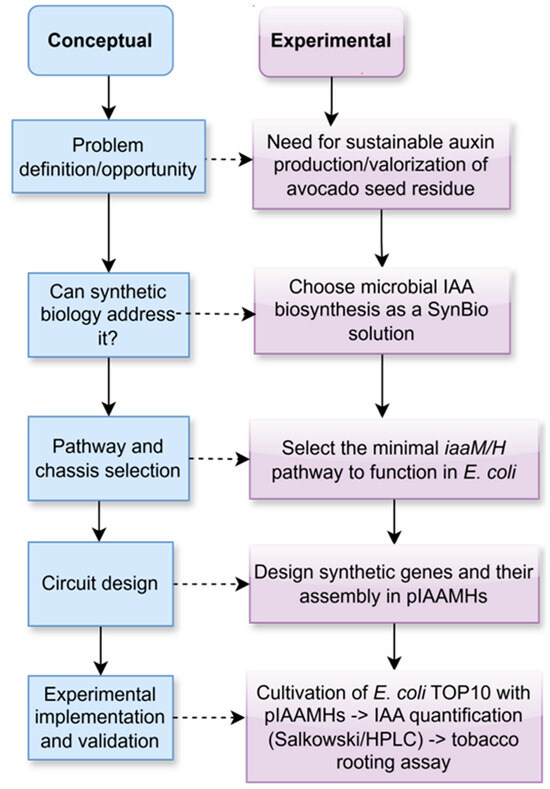
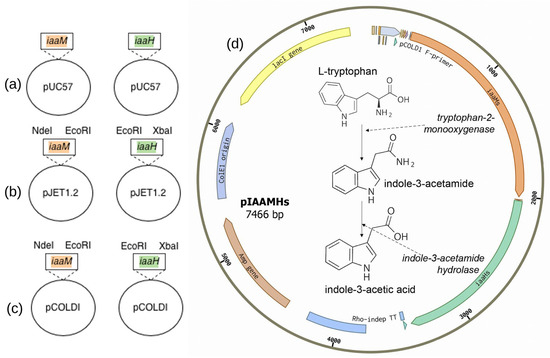
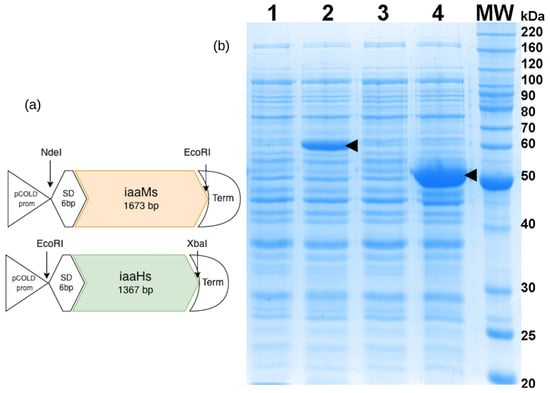
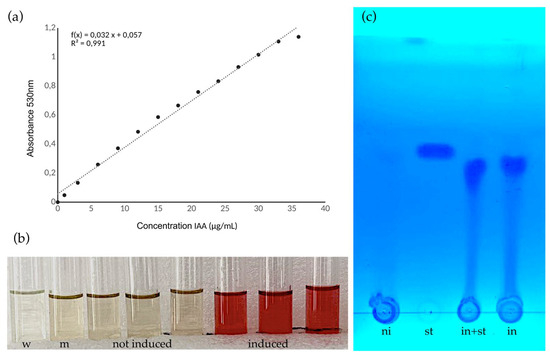
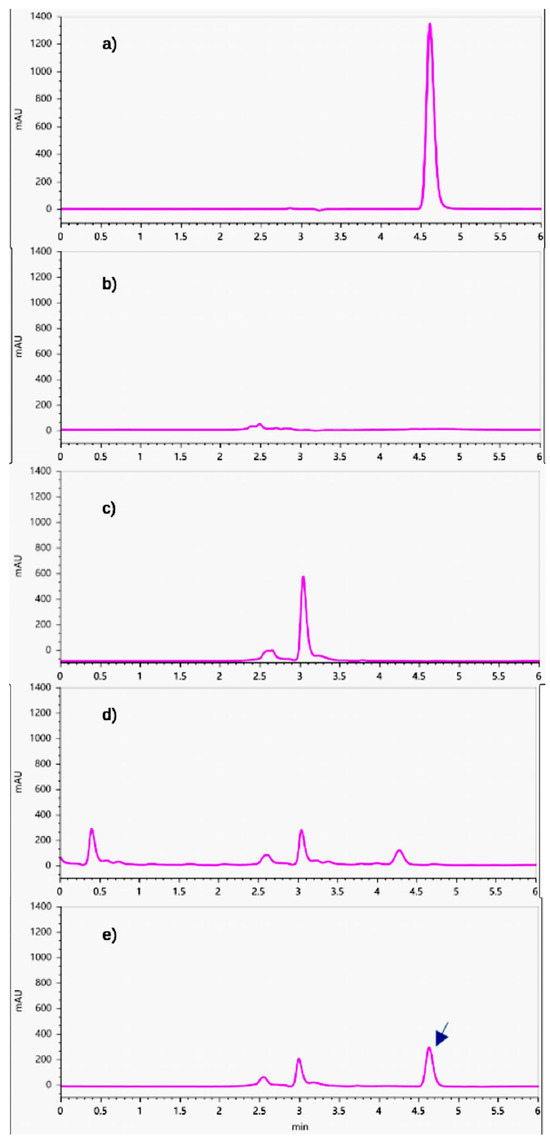
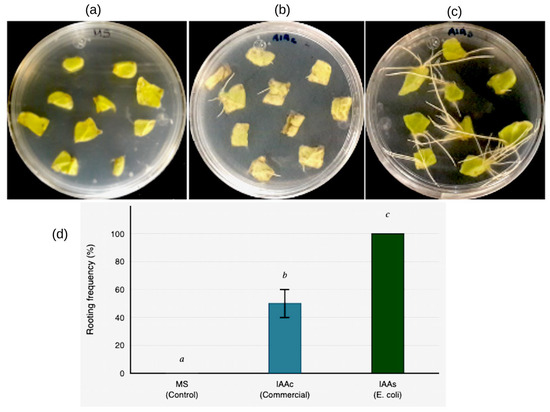
Indole-3-acetic acid (IAA) is the main natural auxin and a key regulator of plant growth. However, most commercial auxins are synthetically produced from non-renewable resources. Here, we present a minimal synthetic biology platform for microbial IAA production that also serves as a teaching model for genetic circuit design and bioprocess development. We developed codon-optimized versions of the iaaM and iaaH genes, which encode tryptophan 2-monooxygenase and indole-3-acetamide hydrolase, and assembled them into a compact expression cassette in Escherichia coli TOP10. Correct expression of both enzymes was confirmed by SDS-PAGE. The engineered strain was cultivated in a low-cost medium made from avocado seed hydrolysate, an agro-industrial waste, supplemented with tryptophan as a precursor. IAA was quantified using the Salkowski colorimetric assay and further validated by HPLC, reaching approximately 303 µg/mL at 48 h, with the medium costing five times less locally than traditional LB. The supernatants containing biosynthetic IAA induced root formation in 100% of tobacco leaf explants, outperforming the commercial standard at the same concentration and confirming biological activity. Since this workflow follows the Design–Build–Test–Learn (DBTL) cycle, Design (pathway selection and codon optimization), Build (plasmid assembly), Test (protein expression, metabolite quantification, plant bioassays), and Learn (medium and process optimization), it provides a sustainable production method and an accessible educational platform for synthetic biology. Full article
(This article belongs to the Special Issue Advances in the Metabolic Engineering of Microorganisms)
Show Figures

Figure 1

16 pages, 11146 KB  
Article
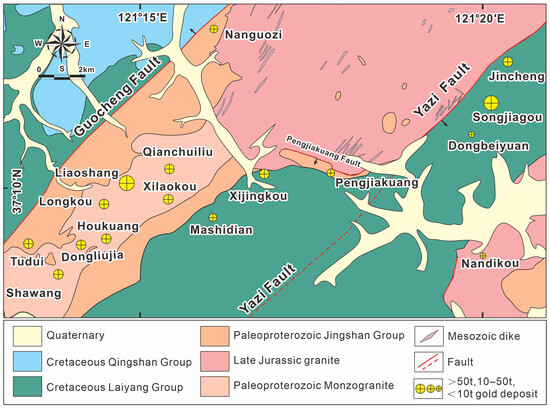
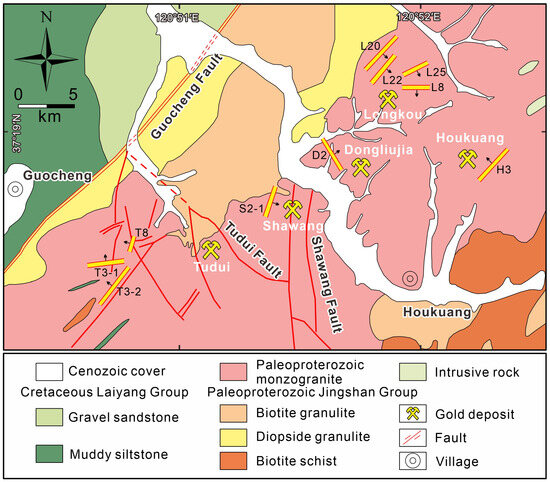
Genesis of the Longkou Gold Deposit in the Northeastern Jiaolai Basin: Constraints from Sericite Rb-Sr Geochronology and Pyrite Geochemistry
by Jin-Shuai Zhang, Hao-Cheng Yu, Guo-Long Yan, Ming Ma, Tao Cui, Ya-Peng Li, Lian-Yuan Qin and Chun-Ting Xu
Minerals 2026, 16(5), 485; https://doi.org/10.3390/min16050485 (registering DOI) - 3 May 2026
Abstract
Whether the genesis of gold deposits in the Northeastern Jiaolai Basin is consistent with that in the Northwestern Jiaodong area remains controversial. This study presents in situ Rb-Sr dating of sericite, along with in situ trace element and sulfur isotope analyses of pyrite [...] Read more.
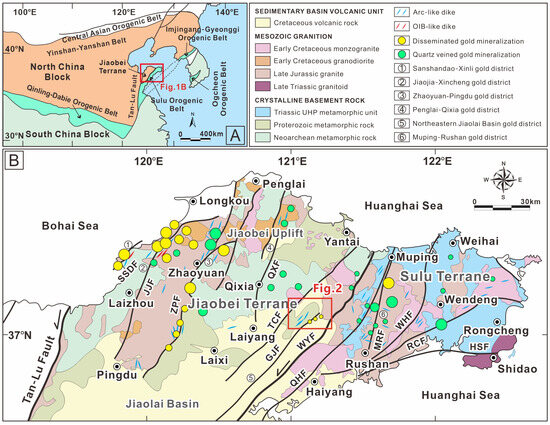
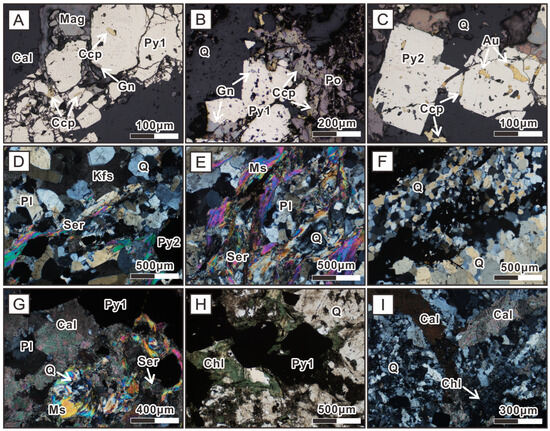
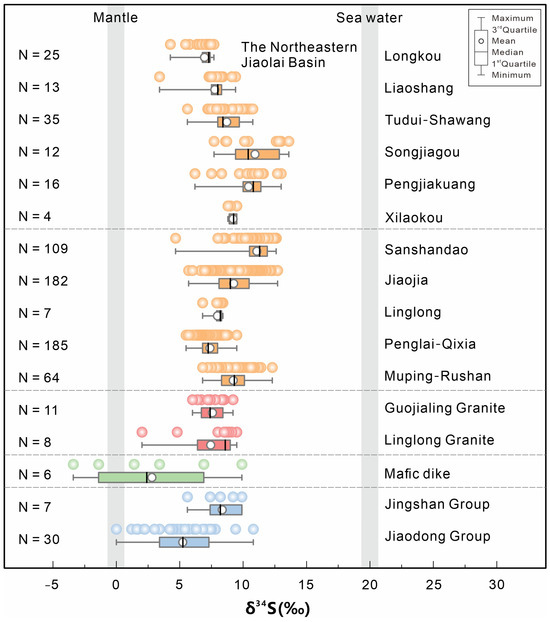
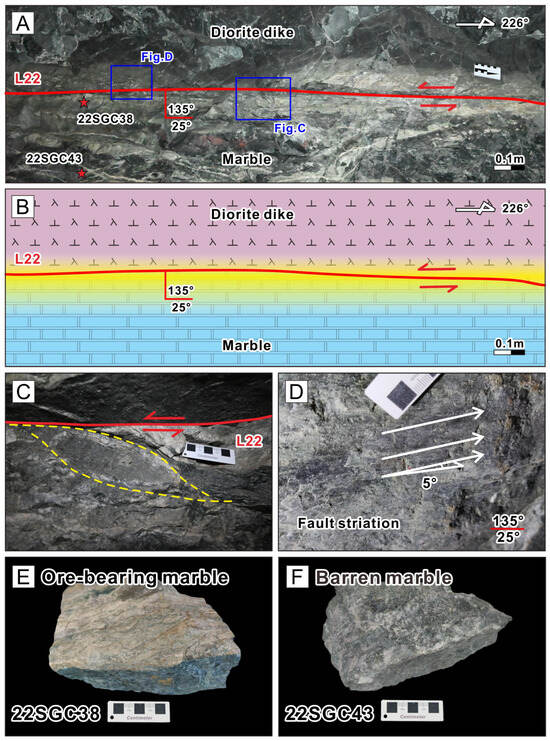
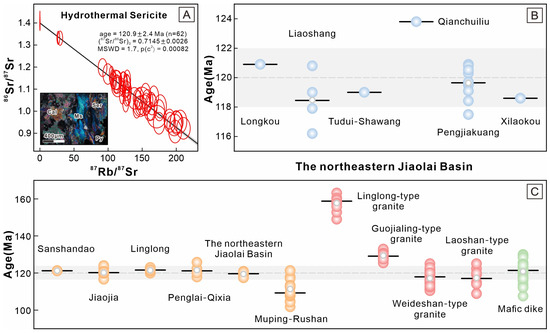
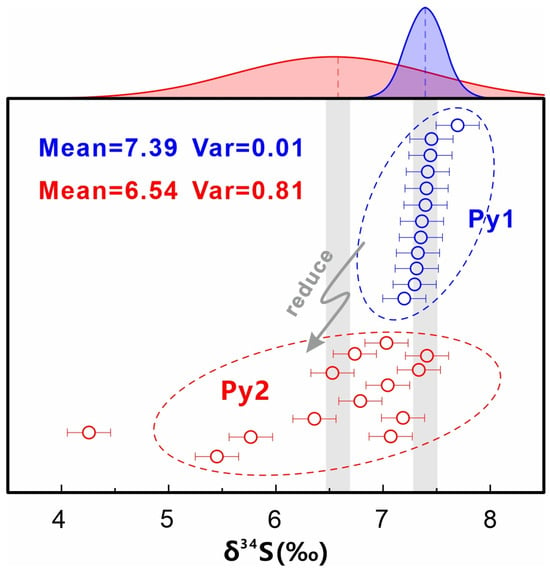
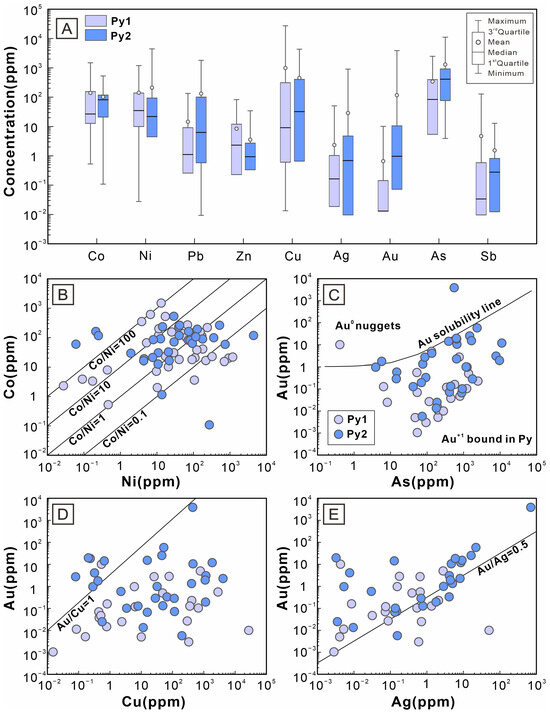
Whether the genesis of gold deposits in the Northeastern Jiaolai Basin is consistent with that in the Northwestern Jiaodong area remains controversial. This study presents in situ Rb-Sr dating of sericite, along with in situ trace element and sulfur isotope analyses of pyrite in the Longkou gold deposit. The sericite Rb-Sr inverse isochron yields an age of 120.9 ± 2.4 Ma, indicating that gold mineralization occurred in the Early Cretaceous. Two generations of pyrite, Py1 and Py2, were identified. Py1 is anhedral and hosted in relatively low-grade, weakly altered marble wall rock. Py2 is euhedral to subhedral and hosted in relatively high-grade, strongly altered marble ore. The δ34S value of Py1 is 7.38‰, whereas that of Py2 is 6.79‰. The decrease in δ34S values from Py1 to Py2 reflects an increase in the oxygen fugacity of the ore-forming system. These features suggest that fluid–rock interaction led to an increase in oxygen fugacity, thereby triggering gold precipitation. The mineralization age and precipitation mechanism of the Longkou gold deposit are consistent with those of the Northwestern Jiaodong area. The Longkou gold deposit is best classified as a Jiaodong-type gold deposit. Full article
(This article belongs to the Special Issue Gold–Polymetallic Deposits in Convergent Margins)
Show Figures

Figure 1

18 pages, 2864 KB  
Article
On the Antenna Impedance Mismatch over the Radiated Power in IoT Devices
by Adrian Ortiz, Gerard Fleta, Joan Navarro, Fabien Ferrero, Aurora Andújar and Jaume Anguera
Electronics 2026, 15(9), 1948; https://doi.org/10.3390/electronics15091948 (registering DOI) - 3 May 2026
Abstract
The efficiency of wireless systems critically depends on the ability of antennas to transfer power from the transmitter circuitry into free space. Although maximum power transfer is theoretically achieved under perfect impedance matching, IoT devices rarely meet this condition due to the ever-changing [...] Read more.
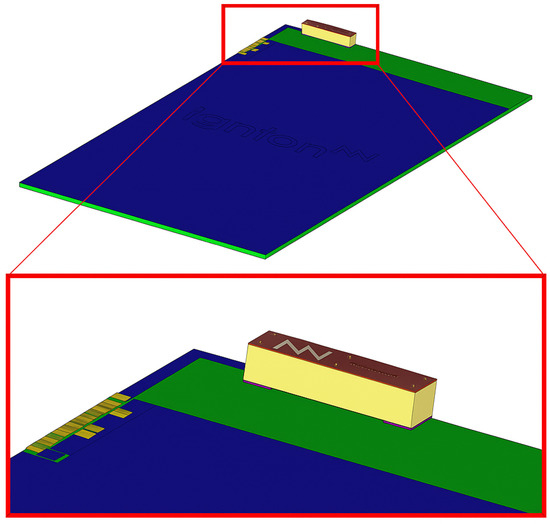
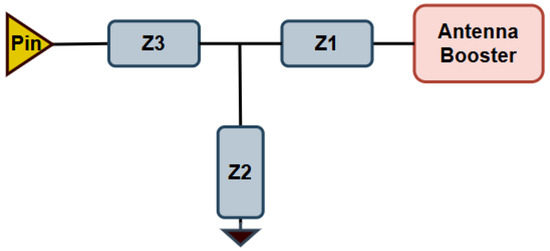
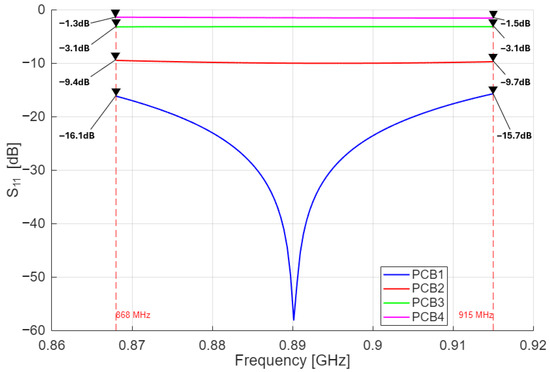
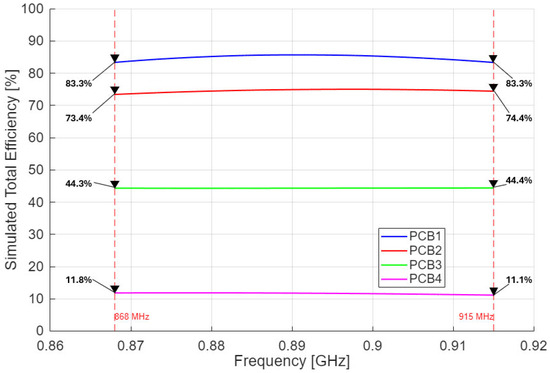
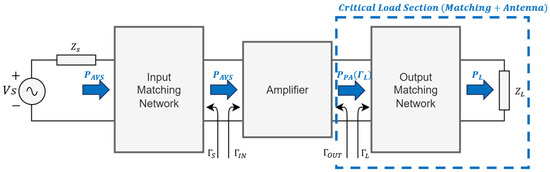
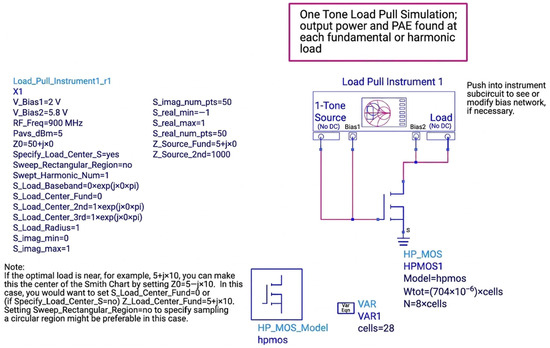
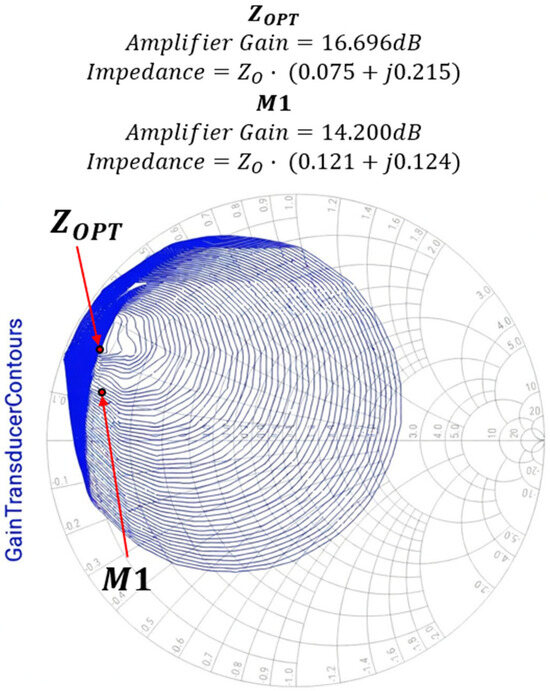
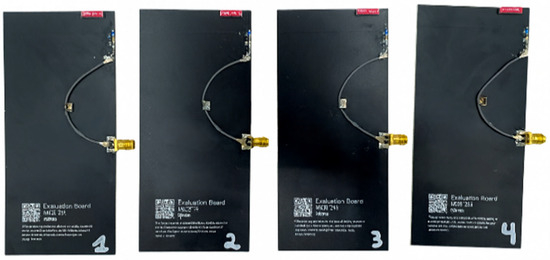
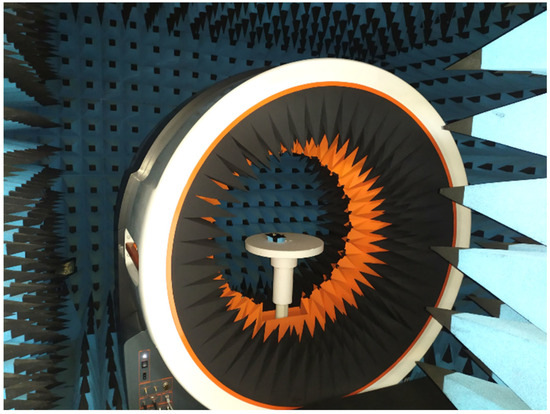
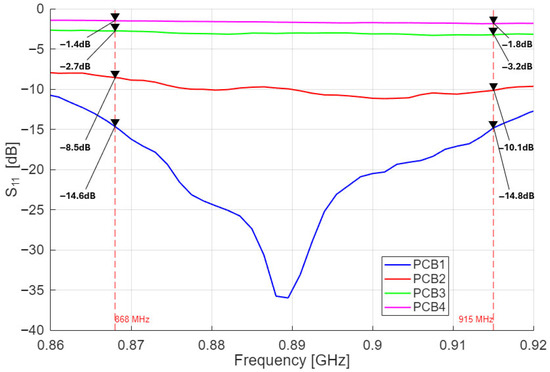
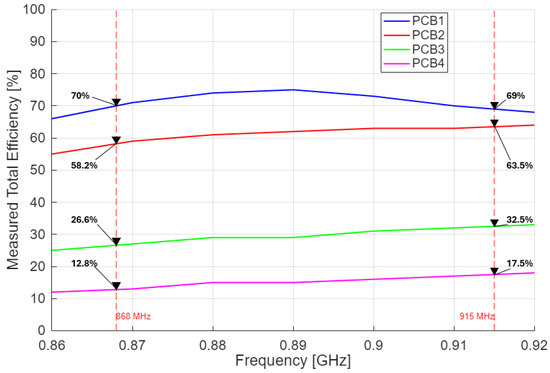
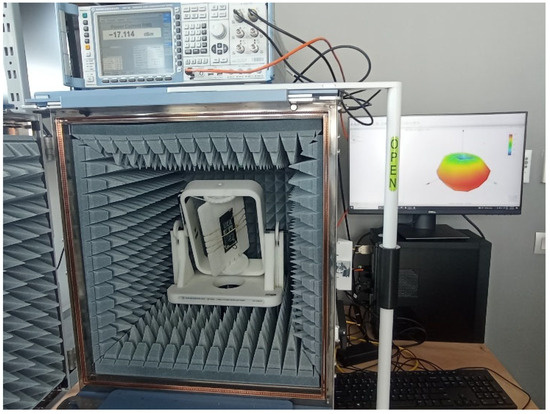
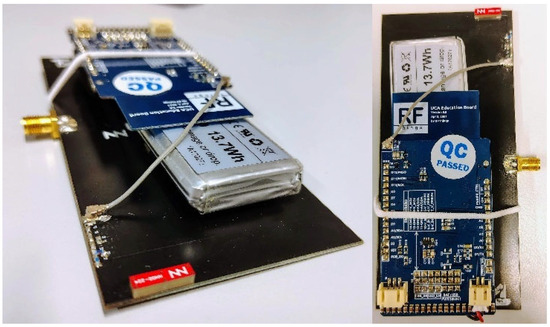
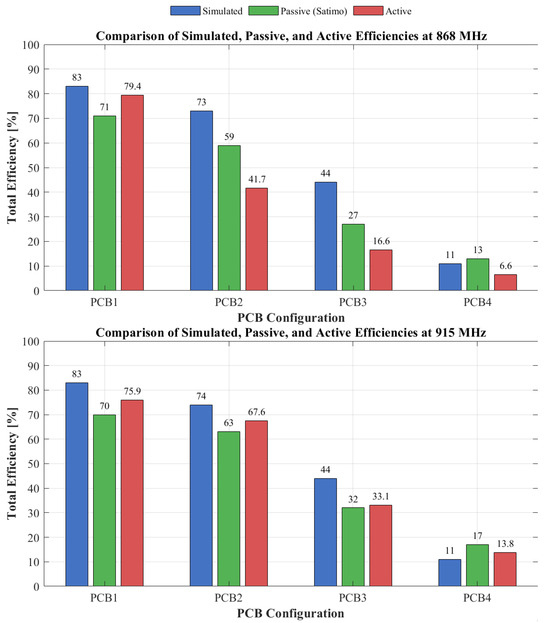
The efficiency of wireless systems critically depends on the ability of antennas to transfer power from the transmitter circuitry into free space. Although maximum power transfer is theoretically achieved under perfect impedance matching, IoT devices rarely meet this condition due to the ever-changing conditions of the surrounding environment. As a result, a portion of the transmitted power is reflected, reducing the effectively radiated power and degrading system performance. In addition to these radiated losses, load mismatch at the power amplifier output can lead to gain degradation, increased power dissipation, and impaired performance of linearization schemes such as digital predistortion. Such an effect is well-known but has never been quantified. The purpose of this paper is to quantify not only the losses arising from reflection due to impedance mismatch but also those associated with the reduction in amplifier gain by considering both antenna- and amplifier-level perspectives. Theoretical calculations of mismatch losses are first developed and analysed. These results are subsequently validated in an idealised environment, followed by experimental demonstrations in realistic device scenarios, where substantial discrepancies with theoretical predictions and controlled measurements are observed. The findings quantitatively separate and superimpose, for the first time in a unified experimental framework, the radiative mismatch losses (antenna and matching network) from the additional power amplifier gain degradation under realistic load conditions. This demonstrates that passive antenna measurements alone significantly underestimate the total radiated power loss in practical IoT devices. The results emphasise the need to account for real-world operating conditions when evaluating mismatch-induced losses and highlight the importance of co-design and adaptive strategies for both antennas and power amplifiers in future wireless and IoT systems. Full article
(This article belongs to the Section Microwave and Wireless Communications)
Show Figures

Figure 1

25 pages, 1605 KB  
Article
A Federated Ensemble Learning Framework for Distributed Fraud Detection
by Abdallah Ghourabi and Kais Khaldi
Appl. Sci. 2026, 16(9), 4508; https://doi.org/10.3390/app16094508 (registering DOI) - 3 May 2026
Abstract
With the rapid evolution of digital payment systems and financial services, the number of fraudulent transactions is increasing, and risks are becoming increasingly critical. Although several fraud detection approaches have been proposed, they remain hampered by certain limitations, including confidentiality constraints on cross-institutional [...] Read more.
With the rapid evolution of digital payment systems and financial services, the number of fraudulent transactions is increasing, and risks are becoming increasingly critical. Although several fraud detection approaches have been proposed, they remain hampered by certain limitations, including confidentiality constraints on cross-institutional data sharing and class imbalance in fraud datasets. To address these challenges, we propose a new hybrid fraud detection framework that integrates federated learning with ensemble learning, enabling collaborative and efficient model training across distributed financial institutions without sharing raw data. The framework leverages heterogeneous machine learning models (XGBoost, CatBoost, and MLP) trained distributedly in a federated architecture, coordinated by a central aggregation server. The three federated models are combined using an ensemble learning method to improve predictive performance and generate more accurate decisions. This solution can help to effectively detect fraud in distributed environments while reducing the need for direct data sharing. Experimental results demonstrate that the proposed federated framework offers competitive performance in terms of recall, F1-score, and AUC-PR similar to, or even superior to, centralized models in certain federated configurations. Full article
15 pages, 1435 KB  
Article
Eco-Friendly Dip-Coated (111)-Oriented CuO Thin Films with Enhanced Optoelectronic Properties
by Youssef Doubi, Bouchaib Hartiti, Abdelkrim Batan, Philippe Thevenin and Maryam Siadat
Coatings 2026, 16(5), 551; https://doi.org/10.3390/coatings16050551 (registering DOI) - 3 May 2026
Abstract
CuO thin layers were synthesized using the sol–gel method and deposited onto glass substrates through the dip-coating technique. The impact of annealing temperatures on the structural, optical, and electrical characteristics of the developed CuO thin layers was comprehensively assessed through X-ray diffraction, UV–visible [...] Read more.
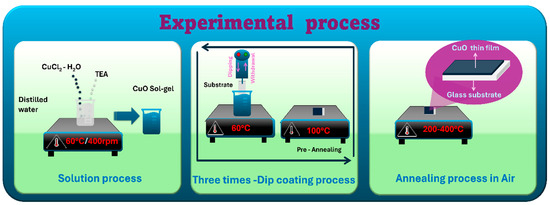
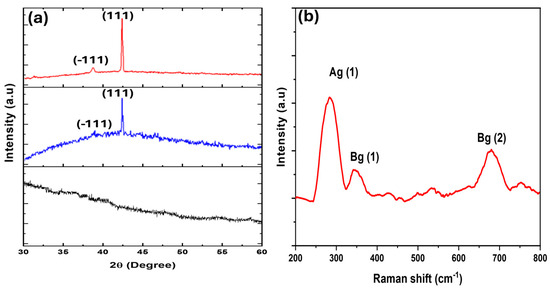
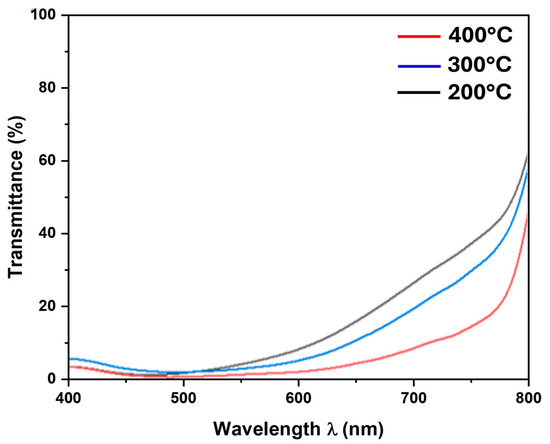
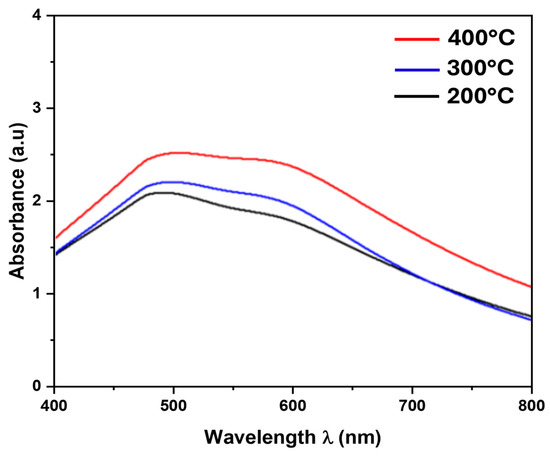
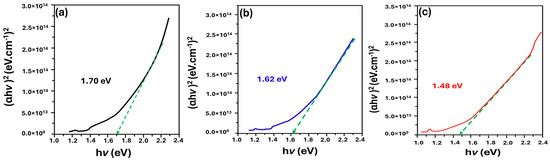
CuO thin layers were synthesized using the sol–gel method and deposited onto glass substrates through the dip-coating technique. The impact of annealing temperatures on the structural, optical, and electrical characteristics of the developed CuO thin layers was comprehensively assessed through X-ray diffraction, UV–visible spectrophotometry, and four-point techniques, respectively. X-ray diffraction analysis revealed the formation of CuO thin layers with a distinctive monoclinic tenorite phase structure. The UV–visible spectrophotometer results demonstrated a decrease in transmittance from approximately 30% to about 7% as the annealing temperature increased from 200 °C to 400 °C. The semiconducting properties exhibited temperature-dependent variations, with the band gap narrowing from 1.70 to 1.48 eV as the temperature increased from 200 to 400 °C. Additionally, the electrical conductivity of the CuO layers exhibited a significant increase from 48 to 61 S.m−1 over the same temperature range. Collectively, the findings suggest that an annealing temperature of 400 °C is optimal for achieving well-crystallized CuO layers with desirable characteristics, including high absorbance, low transmittance, a reduced energy band gap, and enhanced electrical conductivity. These results underscore our ability to manipulate CuO properties, offering insights for tailoring them to meet specific requirements, particularly in the context of gas sensor applications. Full article
Show Figures

Figure 1

36 pages, 78720 KB  
Article
Global Horizontal Irradiance Estimation Using a Hybrid Physical-Machine Learning Soft Sensor Based on a Low-Cost Photovoltaic Measurement Platform
by Ioan-Vladimir Voicu and Dorin Petreuș
Appl. Sci. 2026, 16(9), 4507; https://doi.org/10.3390/app16094507 (registering DOI) - 3 May 2026
Abstract
Accurate measurements of global horizontal irradiance (GHI) are fundamental for solar energy assessment. However, the cost and deployment constraints of standard pyranometers limit their widespread use. This work presents a low-cost pseudo-pyranometer based on photovoltaic current measurements combined with a hybrid physical-machine learning [...] Read more.
Accurate measurements of global horizontal irradiance (GHI) are fundamental for solar energy assessment. However, the cost and deployment constraints of standard pyranometers limit their widespread use. This work presents a low-cost pseudo-pyranometer based on photovoltaic current measurements combined with a hybrid physical-machine learning approach. A custom data acquisition system was developed and deployed in Piatra-Neamț, Romania, consisting of a Raspberry Pi 5, INA219 current sensor, and a 0.3 W photovoltaic panel mounted horizontally. One-minute resolution measurements were collected between August 2024 and June 2025 and augmented with modeled solar geometry and clear-sky irradiance using pvlib. Temporal effects were encoded using sinusoidal representations of the time of the day and the day of the year. Clear-sky current samples were identified using a tolerance-based normalization with respect to modeled clear-sky irradiance and used to train an artificial neural network to estimate the clear-sky panel current. Feature importance was assessed using SHAP analysis, highlighting the dominant role of solar geometry and temporal encoding. The resulting clear-sky current model was combined with measured current through a clearness index formulation to estimate GHI. To evaluate performance, the system was redeployed in parallel with a reference pyranometer in Cluj-Napoca, Romania, enabling direct comparison under real operating conditions. The results demonstrate that the proposed hybrid approach can approximate pyranometer measurements with low-cost hardware, supporting scalable and redeployable solar monitoring networks in geographically localized regions. Full article
15 pages, 366 KB  
Article
Native Fish Inclusion Promotes Nutrient Retention and Productivity in a Biofloc-Based Aquaponic System
by Adolfo Jatobá, Bruno Corrêa da Silva, Felipe Boéchat Vieira, Marco Shizuo Owatari, Leonardo Alexander Krause, Amanda Dartora, Maísa de Lima Lasala, Keren Fagundes Morais and Jaqueline I. A. de Andrade
Animals 2026, 16(9), 1404; https://doi.org/10.3390/ani16091404 (registering DOI) - 3 May 2026
Abstract
The integration of multiple species has been proposed as a strategy to improve resource use efficiency in intensive aquaculture systems. This study evaluated the inclusion of a native fish species, yellowtail lambari (Astyanax bimaculatus), in a biofloc-based aquaponic system co-cultivating Nile [...] Read more.
The integration of multiple species has been proposed as a strategy to improve resource use efficiency in intensive aquaculture systems. This study evaluated the inclusion of a native fish species, yellowtail lambari (Astyanax bimaculatus), in a biofloc-based aquaponic system co-cultivating Nile tilapia (Oreochromis niloticus) and lettuce (Lactuca sativa var. capitata). The experiment was conducted over 35 days using eight experimental units with two treatments (with and without lambari) and four replicates. Water quality, zootechnical performance, lettuce growth, hematological parameters of tilapia, and nitrogen and phosphorus retention were assessed. The presence of lambari was associated with lower total ammonia nitrogen, toxic ammonia, and total suspended solids, particularly during the final stage of the experimental period (p < 0.05), as well as reduced pH and alkalinity, likely reflecting increased microbial activity. Lettuce cultivated in the lambari treatment showed higher final weight, leaf height, and total biomass (p < 0.05), resulting in increased system productivity. No significant differences were observed in growth performance or hematological parameters of Nile tilapia (p > 0.05). In addition, nitrogen and phosphorus retention at the system level were higher in the lambari treatment (p < 0.05), although no differences were detected when fish and plants were evaluated separately. These results indicate that the inclusion of a native fish species can influence nutrient retention and productivity in biofloc-based aquaponic systems without compromising the performance of the primary cultured species. Full article
34 pages, 1889 KB  
Article
Service Learning and Sustainability: Understanding Student Knowledge and Attitudes in Planetary Health Education
by Malissa Maria Mahmud, Fatimah Ahamad, Siti Hannah Zuhairah Mohamad Ariff, Jane Kimm Lii Teh, Siti Norbaya Azizan and Ahmad Lutfi Che Hasan
Sustainability 2026, 18(9), 4515; https://doi.org/10.3390/su18094515 (registering DOI) - 3 May 2026
Abstract
Higher education institutions (HEIs) play a vital role in shaping sustainability mindsets and fostering awareness of planetary health and social responsibility. However, research on how community-based learning affects Malaysian students’ knowledge and attitudes in this area remains limited. This exploratory study, conceptually informed [...] Read more.
Higher education institutions (HEIs) play a vital role in shaping sustainability mindsets and fostering awareness of planetary health and social responsibility. However, research on how community-based learning affects Malaysian students’ knowledge and attitudes in this area remains limited. This exploratory study, conceptually informed by a theory of change (ToC), examines students’ perceived knowledge and attitudes, alongside descriptively reported behaviours, related to sustainability values and social responsibility within a community service learning initiative at Sunway University (SU). A mixed-methods online survey was administered to undergraduate students enrolled in the “Community Service for Planetary Health (MPU 3422)” course to evaluate programme-related learning outcomes and engagement. Based on 52 valid responses, preliminary analysis suggests that students reported moderate to strong perceived knowledge and positive attitudes towards planetary health. A strong positive association between perceived knowledge and attitudes was observed. Behavioural responses indicate variability in students’ engagement, suggesting that positive knowledge and attitudes do not necessarily correspond to consistent behavioural participation. To our knowledge, this study offers an initial empirical exploration of the integration of the KAB and ToC frameworks as conceptual lenses, with a primary focus on knowledge and attitudes, within a Malaysian higher education service learning context, contributing to the understanding of sustainability education in this setting. The findings offer insights into how experiential, community-based learning relates to sustainability awareness and value formation, while highlighting the need for further research to examine how these may translate into sustained behavioural outcomes. Full article
(This article belongs to the Section Sustainable Education and Approaches)
21 pages, 2409 KB  
Systematic Review
Comparative Efficacy of Transbronchial Needle Aspiration and Cryobiopsies in Thoracic Disorders: A Systematic Review and Meta-Analysis for Optimal Diagnostic Efficacy
by Liviu-Ștefan Moacă, Damiana-Maria Vulturar, Daniel-Corneliu Leucuța, Doina Adina Todea, Teodora-Gabriela Alexescu, Maria Adriana Neag, Cezar Aurelian Matau, Anca Dana Buzoianu and Claudia Diana Gherman
Life 2026, 16(5), 768; https://doi.org/10.3390/life16050768 (registering DOI) - 3 May 2026
Abstract
This systematic review and meta-analysis evaluate the comparative diagnostic efficacy and safety of endobronchial ultrasound-guided transbronchial needle aspiration (EBUS-TBNA) and transbronchial mediastinal cryobiopsy (EBUS-TBMC) for sampling mediastinal and hilar lymph nodes. Following the PRISMA 2020 guidelines, 20 studies published between January 2020 and [...] Read more.
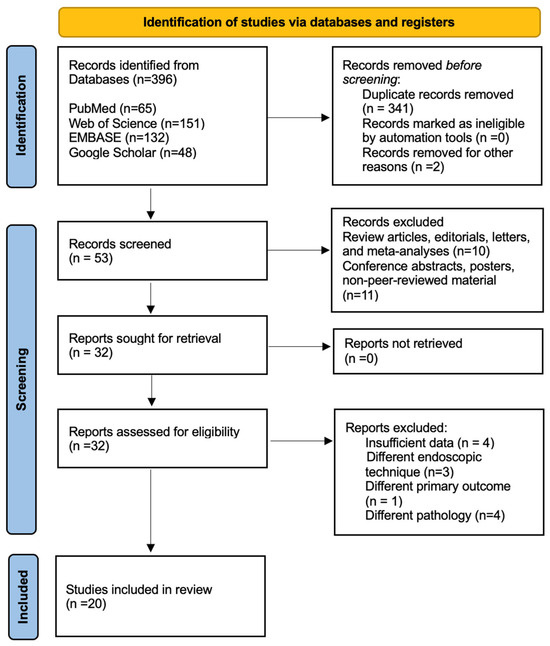
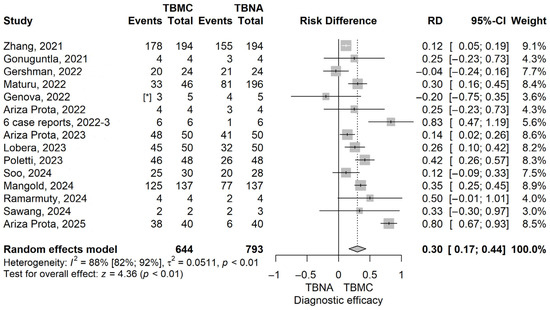
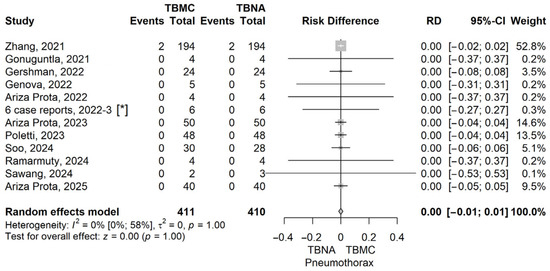
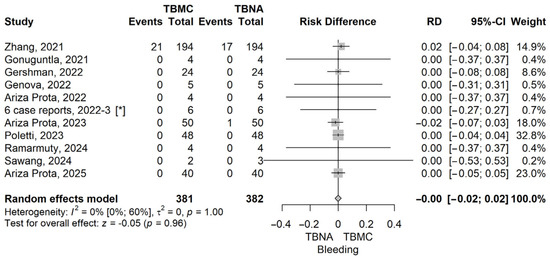
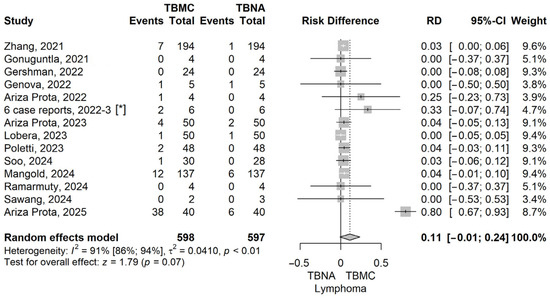
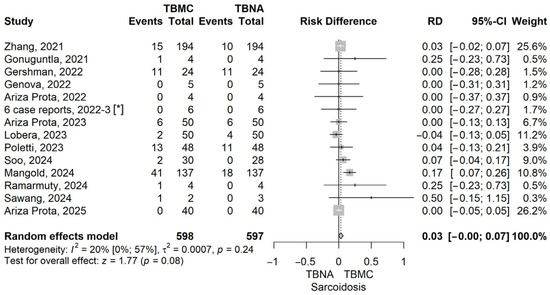
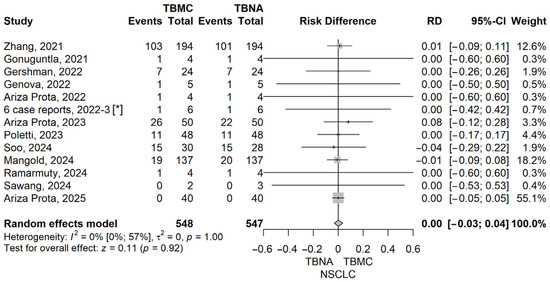
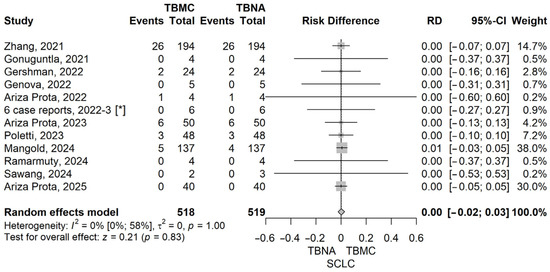
This systematic review and meta-analysis evaluate the comparative diagnostic efficacy and safety of endobronchial ultrasound-guided transbronchial needle aspiration (EBUS-TBNA) and transbronchial mediastinal cryobiopsy (EBUS-TBMC) for sampling mediastinal and hilar lymph nodes. Following the PRISMA 2020 guidelines, 20 studies published between January 2020 and July 2025 were analysed to provide a comprehensive performance overview. The results demonstrate that EBUS-TBMC offers a significantly higher overall diagnostic efficacy compared to EBUS-TBNA, with a pooled risk difference (RD) of 0.30 (95% CI: 0.17–0.44, p < 0.001). The subgroup analyses revealed a trend toward a superior yield for EBUS-TBMC in lymphoma (RD 0.11, p = 0.05) and sarcoidosis (RD 0.03, p = 0.077), while no significant differences were found for lung cancer subtypes. Safety profiles remained comparable, with no significant differences in the risk of pneumothorax (RD 0.00, p = 1.00) or bleeding (RD 0.00, p = 0.965). In conclusion, these findings support integrating EBUS-TBMC into diagnostic algorithms when preserved tissue architecture is critical, such as for lymphoproliferative disorders, granulomatous diseases, and advanced molecular profiling, providing a safe and more effective alternative to conventional needle aspiration. Full article
Show Figures

Figure 1

17 pages, 679 KB  
Article
Early Initiation of rhGH Therapy Significantly Improves Height Gain and Reduces the Gap to Target Height in Children Born Small for Gestational Age: A Multicenter Retrospective Study
by Letteria Anna Morabito, Malgorzata Wasniewska, Cecilia Lugarà, Emanuela Pignatone, Domenico Corica, Renato Vaiasuso, Alessandra Cipriani, Giovanni Luppino, Roberto Coco, Giorgia Pepe, Tiziana Abbate, Stefano Stagi and Tommaso Aversa
Children 2026, 13(5), 641; https://doi.org/10.3390/children13050641 (registering DOI) - 3 May 2026
Abstract
Background: Treatment with recombinant human growth hormone (rhGH) is approved for children born small for gestational age (SGA) who fail to show postnatal catch-up growth; however, optimizing its efficacy remains a challenge. Aim: to evaluate the impact of rhGH therapy on growth trajectory [...] Read more.
Background: Treatment with recombinant human growth hormone (rhGH) is approved for children born small for gestational age (SGA) who fail to show postnatal catch-up growth; however, optimizing its efficacy remains a challenge. Aim: to evaluate the impact of rhGH therapy on growth trajectory (GT) and adult height (AH) in SGA children and to identify factors influencing height gain (HG). Methods: A total of 49 SGA children (24 males, 25 females) without postnatal growth recovery and treated with rhGH were enrolled. Clinical and anthropometric data were collected at treatment initiation (T0), after 1 (T1) and 2 years (T2) of therapy, at pubertal onset (P0), during the first (P1) and second year (P2) of puberty, and at attainment of AH. Parameters included age, bone age, H, weight, BMI (all expressed as SDS), HG, and the difference between H and target height (Δ H-TH). Results: a significant increase in HG at all evaluated stages was observed (p < 0.05). The H–TH difference progressively decreased from T0, particularly until the first two years of puberty. Nevertheless, mean AH was −1.75 ± 0.63 SDS, and it was found to fall within the TH range in 86% of cases. Univariate and multivariate regression analysis revealed that age and H at T0 were independent predictors of HG. Conclusions: rhGH treatment has a positive impact on GT in children born SGA. Pubertal growth has a limited contribution in influencing AH of these patients. H and timing of treatment initiation significantly influence HG in SGA children. Early selection of patients for rhGH therapy could further improve their GT. Full article
(This article belongs to the Section Pediatric Endocrinology & Diabetes)
27 pages, 15688 KB  
Article
Effects of Driving Task Demands and Information Load on AR-HUD Cognitive Efficiency: The Moderating Role of Working Memory Capacity in a VR-Based Simulated Driving Environment
by Jing Li, Min Lin, Xinyu Feng, Hua Zhang, Chuchu Wang and Yulian Ma
J. Eye Mov. Res. 2026, 19(3), 48; https://doi.org/10.3390/jemr19030048 (registering DOI) - 3 May 2026
Abstract
The driving scenario and information load jointly influence the cognitive efficiency of augmented reality head-up display (AR-HUD) interfaces. However, the moderating role of drivers’ working memory capacity (WMC) remains unclear. To investigate this mechanism, a simulated driving experiment with a mixed design was [...] Read more.
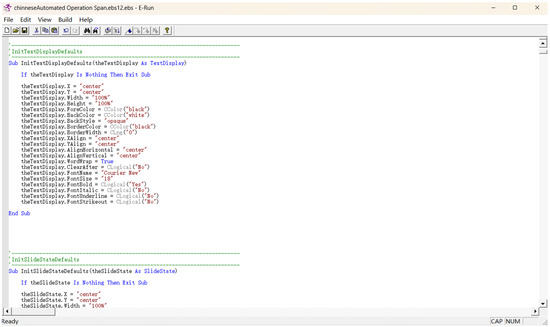
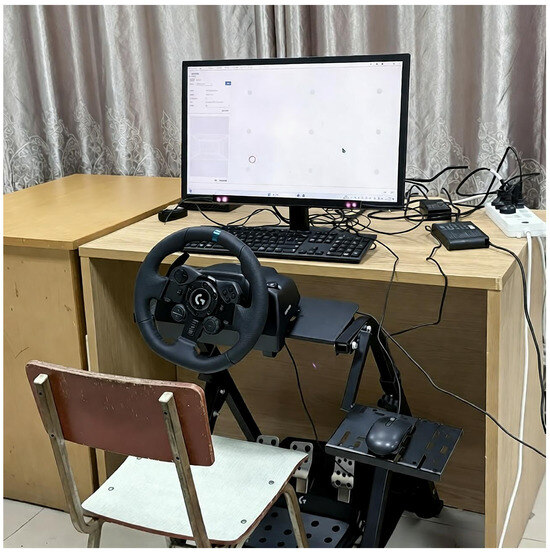
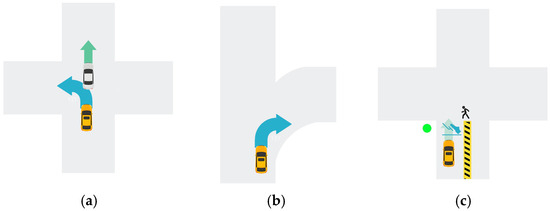
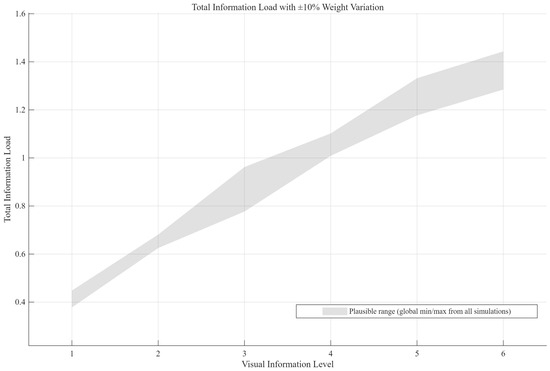
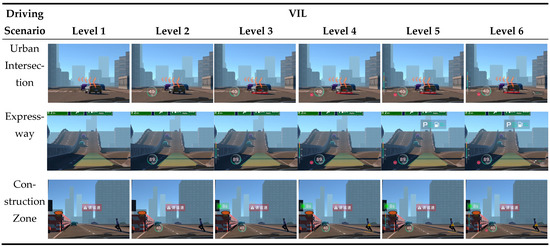
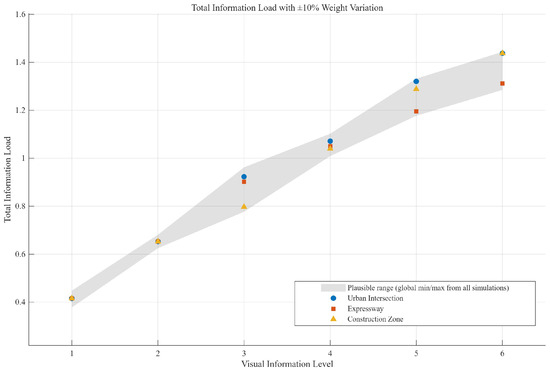
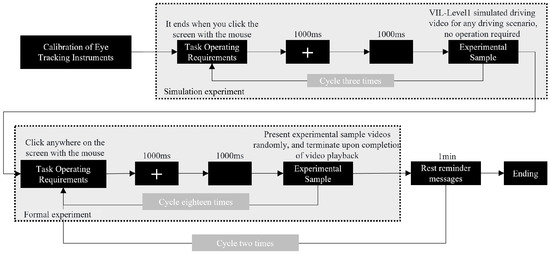
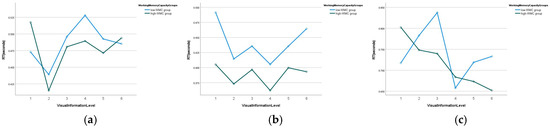
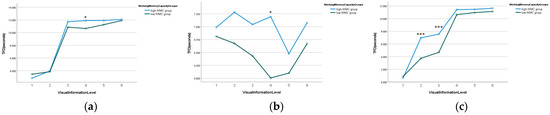
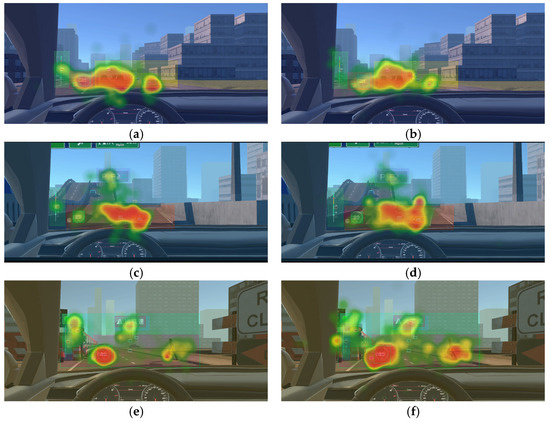
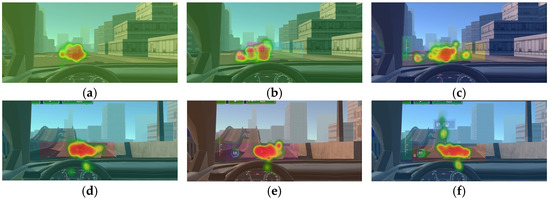
The driving scenario and information load jointly influence the cognitive efficiency of augmented reality head-up display (AR-HUD) interfaces. However, the moderating role of drivers’ working memory capacity (WMC) remains unclear. To investigate this mechanism, a simulated driving experiment with a mixed design was conducted in a low-immersivity desktop virtual reality (VR) environment. First, 40 volunteers were screened using an automated operation span task, yielding 16 high- and low-WMC participants. They then drove under three scenarios (urban intersection, expressway, construction zone) and six levels of AR-HUD visual information load. Generalized linear models were applied to the reaction time, fixation duration, and pupil diameter. The results revealed a significant three-way interaction among WMC, scenario, and information load. High-WMC drivers maintained faster responses and lower subjective loads up to Levels 4–6, adopting a deep processing strategy; low-WMC drivers already showed cognitive overload at Level 4 and above, requiring an optimal load range of Level 2–3. The construction zone induced the steepest increase in cognitive load, whereas the expressway markedly reduced sensitivity to additional visual information. Therefore, the optimal AR-HUD information load must be adapted to drivers’ WMC: high-WMC drivers can safely handle Levels 4–6 in low- or medium-demand scenarios, whereas low-WMC drivers require a minimalist presentation of Levels 2–3 in high-demand situations. This study provides quantitative, empirically grounded guidelines for designing cognitively adaptive AR-HUD interfaces. Full article
Show Figures

Figure 1

Open Access Journals

Browse by Indexing Browse by Subject Selected Journals
Back to TopTop