



Advancing Open Science
A global leader in open access publishing, supporting research
communities and accelerating scientific discovery
 
22 pages, 2107 KB  
Article
Design and Development of High-Power and Extreme Fast Charging Pile Layout Based on Multi-Objective Optimization
by Zibo Ye, Kai Wen, Xingfeng Fu and Feng Pei
World Electr. Veh. J. 2026, 17(5), 263; https://doi.org/10.3390/wevj17050263 (registering DOI) - 12 May 2026
Abstract
With the rapid increase in electric vehicle (EV) ownership, the strategic planning and layout of charging infrastructure have become essential to encourage EV adoption. This study introduces a comprehensive multi-objective optimization method for selecting locations and designing layouts for high-power and extreme fast [...] Read more.
With the rapid increase in electric vehicle (EV) ownership, the strategic planning and layout of charging infrastructure have become essential to encourage EV adoption. This study introduces a comprehensive multi-objective optimization method for selecting locations and designing layouts for high-power and extreme fast charging stations. By thoroughly accounting for user charging demands, economic expenses, and traffic conditions, a multi-objective optimization mathematical model is created aiming to minimize user time and costs while maximizing service capacity and user satisfaction. The model combines queuing theory, network topology analysis, and genetic algorithms to simultaneously handle discrete variables related to station placement, continuous variables for charging pile setup, and complex constraints. Using Panyu District in Guangzhou as a case study, a simulation model with 20,000 electric vehicles and 20 high-power and extreme fast charging stations is developed, focusing on the optimal arrangement of 120 kW, 240 kW, and 480 kW charging piles. The simulation results demonstrate that the optimized charging station layout scheme (13 units of 120 kW, 6 units of 240 kW, and 1 unit of 480 kW) lowers overall costs by 6.74%, reduces user charging waiting time from 1.54 h to 0.65 h, improves user satisfaction by 8.1%, and cuts the peak-to-valley difference in charging load from 900 kW to 450 kW. This work offers both theoretical insights and practical recommendations for the effective planning of electric vehicle charging infrastructure. Full article
(This article belongs to the Section Charging Infrastructure and Grid Integration)
14 pages, 1676 KB  
Article
Marine-Derived Neoagarotetraose Alleviates Dry Eye Disease by Suppressing Inflammation and Apoptosis in a Murine Model
by Nan Wu, Yating Du, Chaocheng Wu, Zhuhua Chan and Runying Zeng
Mar. Drugs 2026, 24(5), 175; https://doi.org/10.3390/md24050175 (registering DOI) - 12 May 2026
Abstract
Dry eye disease (DED) is a complex ocular surface disorder characterized by tear film instability, chronic inflammation, and epithelial damage, for which current treatments remain limited. Marine-derived bioactive oligosaccharides have attracted increasing interest due to their diverse pharmacological activities and favorable safety profiles. [...] Read more.
Dry eye disease (DED) is a complex ocular surface disorder characterized by tear film instability, chronic inflammation, and epithelial damage, for which current treatments remain limited. Marine-derived bioactive oligosaccharides have attracted increasing interest due to their diverse pharmacological activities and favorable safety profiles. In this study, we investigated the therapeutic potential of neoagarotetraose (NA4), a marine oligosaccharide derived from red algal agar, in a murine model of DED. DED was induced in eight-week-old female C57BL/6 mice by topical instillation of 0.2% benzalkonium chloride for seven consecutive days. NA4 was administered topically at concentrations of 125, 250, and 500 mg/L. Therapeutic outcomes were evaluated by tear secretion, corneal fluorescein staining, histopathological analysis, immunofluorescence staining for Ki67, F4/80, IL-1β, IL-6, and TNF-α, TUNEL assay for apoptosis, and ELISA for cytokine levels. NA4 treatment significantly improved tear secretion and reduced corneal fluorescein staining scores. Histological analysis revealed that NA4 preserved corneal epithelial thickness and restored conjunctival goblet cell density. Immunofluorescence analysis revealed that NA4 reversed inflammation-associated epithelial hyperproliferation and attenuated macrophage infiltration. Moreover, NA4 markedly suppressed the expression and tissue levels of IL-1β, IL-6, and TNF-α, and attenuated corneal epithelial apoptosis, with the 500 mg/L NA4 group showing no significant difference in efficacy compared to the positive control 0.1% sodium hyaluronate. These findings demonstrate that NA4, a marine-derived oligosaccharide, exerts multi-targeted protective effects against DED by improving tear film stability, preserving ocular surface integrity, suppressing inflammation, and reducing apoptosis. Our study highlights the potential of marine oligosaccharides such as NA4 as promising candidates for ocular surface disease management and supports the further exploration of marine resources for ophthalmic therapeutic applications. Full article
(This article belongs to the Section Marine Pharmacology)
19 pages, 963 KB  
Brief Report
The Circular Economy of EU Construction and Demolition Waste: Persistent Barriers, Digital Innovation, and the Emerging Energy Security Imperative
by Fernando Pacheco-Torgal, Yining Ding and Xin-Yu Zhao
Sustainability 2026, 18(10), 4851; https://doi.org/10.3390/su18104851 (registering DOI) - 12 May 2026
Abstract
Construction and demolition waste (CDW) constitutes the largest single waste stream in the European Union by weight, yet the EU’s circular material use rate remains low, at around 12%, indicating substantial distance from policy ambitions for circular resource use. This paper presents a [...] Read more.
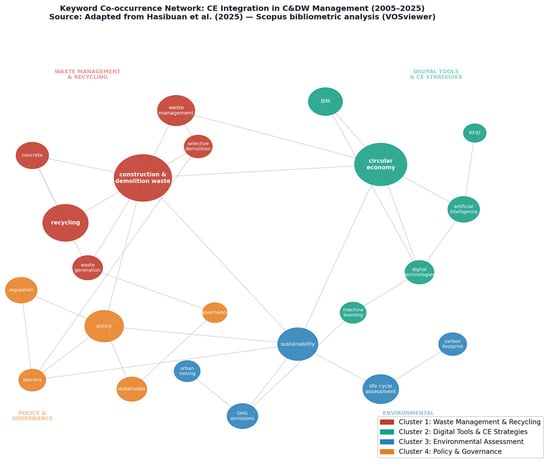
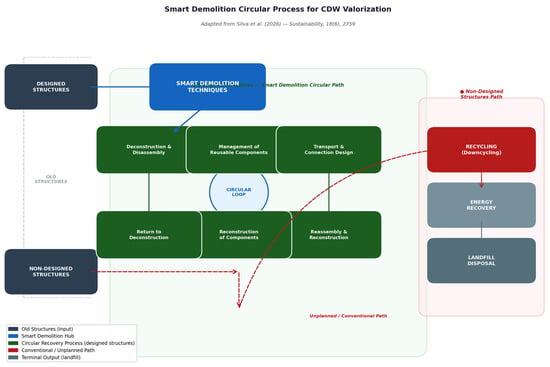
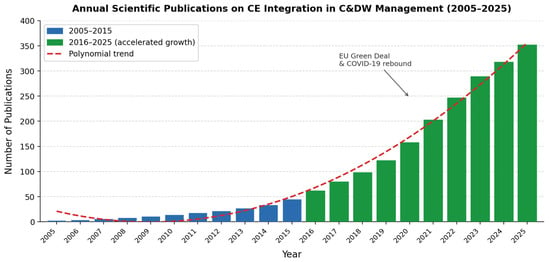
Construction and demolition waste (CDW) constitutes the largest single waste stream in the European Union by weight, yet the EU’s circular material use rate remains low, at around 12%, indicating substantial distance from policy ambitions for circular resource use. This paper presents a systematic narrative review of the literature on circular economy integration in CDW management, with a focus on the EU context. The review pursues three objectives: (i) to critically assess the gap between reported CDW recovery performance and genuine material circularity; (ii) to systematically identify and analyse persistent barrier domains to circular economy adoption in CDW management; and (iii) to evaluate the potential of digital and governance-oriented innovations to address these barriers. The review scope is explicitly delimited to the EU regulatory and institutional context, drawing on a corpus of 42 sources identified through systematic Scopus searches. The review identifies five persistent barrier domains—legal, technical, social, behavioural, and economic—with regulatory fragmentation and secondary material devaluation as the most structurally entrenched. Apparent compliance with the 70% recovery target under Directive 2008/98/EC conceals widespread downcycling and inconsistent reporting. A decisive paradigm shift is observed in recent research, from material characterisation towards systemic circularity, digital demolition frameworks, and governance. Emerging technologies—including AI-enabled sorting, Building Information Modelling, Digital Twins, and Digital Product Passports—offer significant potential to enhance material traceability, recovery quality, and decision-making across the CDW value chain. However, technological innovation alone is insufficient, Design for Deconstruction remains an underutilised upstream strategy, and lasting progress depends on coherent regulatory frameworks, institutional coordination, and market conditions that support circular practices. Future research should therefore focus on governance mechanisms, longitudinal performance assessment, and the scalability of digitally enabled circular solutions. Full article
Show Figures

Figure 1

15 pages, 2970 KB  
Article
Effects of Isovector Spin–Orbit Interaction on the Charge-Weak Form Factor Difference in 48Ca, 208Pb, 90Zr and 62Ni
by Tong-Gang Yue, Zhen Zhang and Lie-Wen Chen
Particles 2026, 9(2), 54; https://doi.org/10.3390/particles9020054 (registering DOI) - 12 May 2026
Abstract
The nucleon spin–orbit interaction is a cornerstone of nuclear structure theory, yet its isospin dependence remains insufficiently constrained within modern nuclear energy density functional (EDF) theory. It was recently shown that, within the framework of extended Skyrme EDFs, the charge-weak form factor difference [...] Read more.
The nucleon spin–orbit interaction is a cornerstone of nuclear structure theory, yet its isospin dependence remains insufficiently constrained within modern nuclear energy density functional (EDF) theory. It was recently shown that, within the framework of extended Skyrme EDFs, the charge-weak form factor difference ΔFCW in 48Ca exhibits remarkable sensitivity to the effective isovector spin–orbit (IVSO) interaction, whereas ΔFCW in 208Pb is much less sensitive to this channel. Extending this analysis to other nuclei, we find that 90Zr, with its ten spin–orbit unpaired 1g9/2 neutrons, displays a ΔFCW sensitivity to the IVSO strength similar to that of 48Ca, arising from modifications to the central mean-field potential rather than the one-body spin–orbit potential. In contrast, 62Ni, like 208Pb, remains largely insensitive to the IVSO interaction. This structure-driven distinction suggests an experimental strategy: future parity-violating electron scattering measurements, e.g., the MREX experiment at the MESA facility, on 48Ca and 90Zr would help constrain the effective IVSO strength, while measurements on 208Pb and 62Ni can provide a cleaner probe of the density dependence of the symmetry energy with reduced IVSO sensitivity. Full article
20 pages, 4954 KB  
Article
Site-Specific Phosphoproteomic Profiling of CAV1 Reveals Co-Regulatory Kinase Networks in Cancer Signaling
by Chrysilla Espy Vaz, Manasa Suresh, Leona Dcunha, Rajesh Raju and Saptami Kanekar
Int. J. Mol. Sci. 2026, 27(10), 4326; https://doi.org/10.3390/ijms27104326 (registering DOI) - 12 May 2026
Abstract
Caveolin-1 (CAV1) is a 21 kDa Vesicular Integral-membrane Protein essential for the biogenesis of caveolae, invaginations of the plasma membrane that coordinate membrane trafficking, lipid homeostasis, and signal transduction. CAV1 functions as a scaffolding platform that integrates mechanotransduction, endocytosis, and cellular stress responses, [...] Read more.
Caveolin-1 (CAV1) is a 21 kDa Vesicular Integral-membrane Protein essential for the biogenesis of caveolae, invaginations of the plasma membrane that coordinate membrane trafficking, lipid homeostasis, and signal transduction. CAV1 functions as a scaffolding platform that integrates mechanotransduction, endocytosis, and cellular stress responses, thereby modulating vascular integrity, inflammation, metabolism, and tumorigenesis. To comprehensively understand the phosphorylation landscape of CAV1, global phosphoproteomic datasets and their corresponding experimental metadata were systematically curated and integrated from previously published human cellular studies. The phosphorylation sites with the highest detection frequency across these datasets were considered predominant phosphorylation sites. To assess their functional relevance, phosphosites in other proteins (PsOPs) co-regulated with the predominant CAV1 sites, along with their upstream kinases and high-confidence protein–protein interaction partners, were systematically analyzed. Analysis of global human cellular phosphoproteome datasets revealed that tyrosine 14 (Y14) and serine 37 (S37) of CAV1 are the most frequently detected phosphosites across diverse experimental conditions. Notably, many of the co-regulated proteins obtained were associated with carcinogenesis, apoptosis, and cell cycle regulation, including MET and ERBB2. Our analysis revealed SRC, ABL2, ERBB2, ERBB3, LYN, and TEC as potential upstream kinases of CAV1_Y14, whereas CSNK1E and GRK5 were predicted to regulate CAV1_S37. Considering the challenges associated with site-specific interrogation, we employed a global co-regulation analysis approach to characterize CAV1 phosphorylation dynamics. Our findings reveal that key CAV1 phosphosites modulate oncogenic signaling, cytoskeletal remodeling, and membrane organization, providing novel insights into CAV1-mediated cellular functions and its context-dependent role in tumor progression. Full article
(This article belongs to the Topic Kinases in Cancer and Other Diseases, 2nd Edition)
17 pages, 645 KB  
Article
Efficacy of Different Regimens of 980 nm Low-Level Laser Therapy to Reduce Pain Caused by Elastomeric Separator Placement in Adults: A Randomized, Double-Blind, Split-Mouth Placebo-Controlled Study
by Alireza Khandan Dezfully, Márió Gajdács, Aliz Eperke Pató, Krisztina Kárpáti and Melinda Madléna
J. Clin. Med. 2026, 15(10), 3731; https://doi.org/10.3390/jcm15103731 - 12 May 2026
Abstract
Background: Effective pain management is crucial during orthodontic treatments with fixed appliances, to ensure adequate patient compliance and to avoid treatment discontinuation. Photobiomodulation approaches, including Low Level Laser Therapy (LLLT) has received substantial attention, due to its potential as an effective, non-pharmacological analgesic [...] Read more.
Background: Effective pain management is crucial during orthodontic treatments with fixed appliances, to ensure adequate patient compliance and to avoid treatment discontinuation. Photobiomodulation approaches, including Low Level Laser Therapy (LLLT) has received substantial attention, due to its potential as an effective, non-pharmacological analgesic modality, however, evidence pertaining to its efficacy is controversial. Our present study aims to evaluate the efficacy of LLLT vs. placebo, following placement of orthodontic elastic separators (ESs) in adult patients treated with fixed orthodontic appliances. Methods: A randomized, double-blind, split-mouth study was carried out, where n = 31 volunteers (18 male and 13 female; aged between 19 and 32 years) were enrolled. ESs were placed at the mesial and distal surfaces of the first permanent molars in both quadrants of lower, as well as upper jaws. Based on the assigned intervention, the four quadrants were divided as follows: three quadrants received LLLT treatment—using a 980 nm wavelength GaAlAs diode laser, with 0.1–0.2 W—according to three treatment regimes, i.e., regime 1 (R1): 6 J, continuous mode, R2: 12 J, continuous mode, and R3: 6 J, pulsed mode; while placebo treatment (P) was applied in the fourth quadrant. A questionnaire with a visual analogue scale (VAS; 0–100) was used for pain assessment (spontaneous pain and pain on mastication), scored directly after separation and after 6, 24, 48 and 72 h of both laser and placebo treatment application. Results: After the 24 h mark, significant differences were detected between the pain readings of LLLT-treated and placebo quadrants, both in resting position and during mastication (p < 0.05); pain readings were highest for R2, P, while lowest for R3 quadrants in resting position, and at R1 during mastication, respectively. Conclusions: Although findings of our study are exploratory in nature, they suggest that a single application of LLLT might be effective in reducing pain caused by ES placement, especially in the vulnerable 24 h following separation. Trial registration: clinicaltrials.gov ID NCT07456709 (date of registration: 2 March 2026, retrospectively registered). Full article
(This article belongs to the Section Dentistry, Oral Surgery and Oral Medicine)
26 pages, 4155 KB  
Article
Integrating NSGA-II and TOPSIS for Stacking Model Optimization in Pursuit of Halide Double Perovskite Screening
by Guiqin Liang and Jian Zhang
Materials 2026, 19(10), 2018; https://doi.org/10.3390/ma19102018 - 12 May 2026
Abstract
Halide double perovskite materials have been used for various applications; their bandgap (Eg) and heat of formation (ΔHf) are their key properties. They can be obtained through calculations based on high-throughput density functional theory (DFT), but such calculations are [...] Read more.
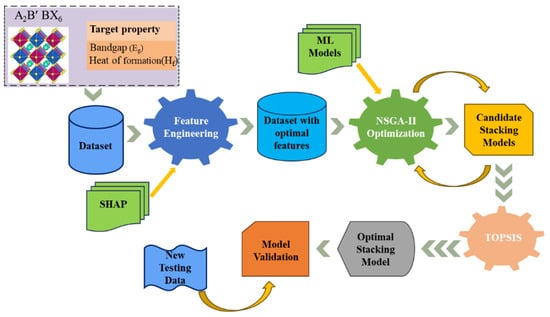
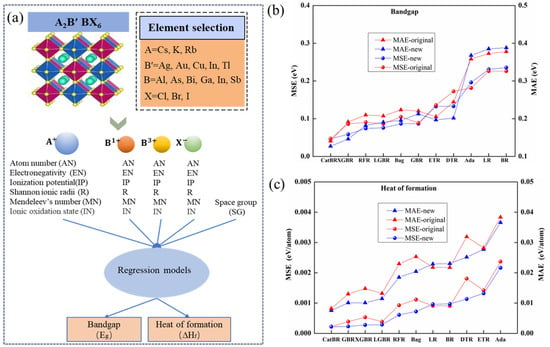
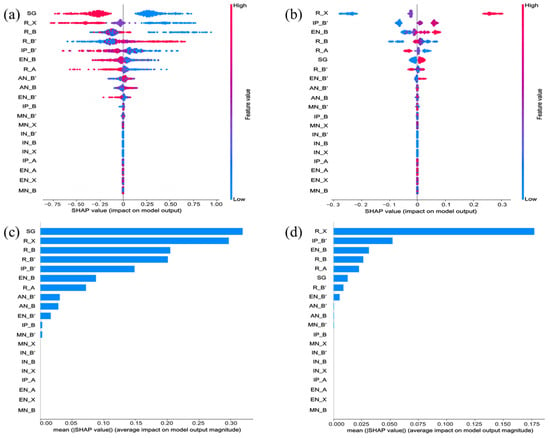
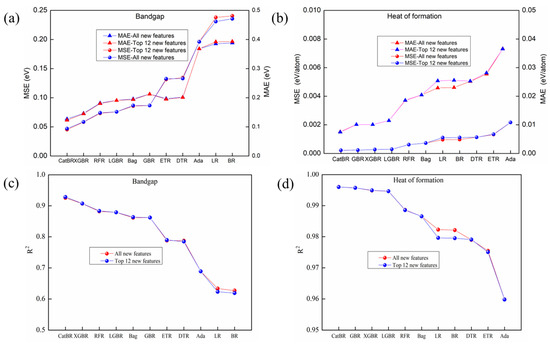
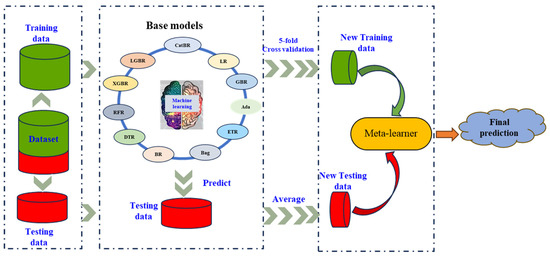
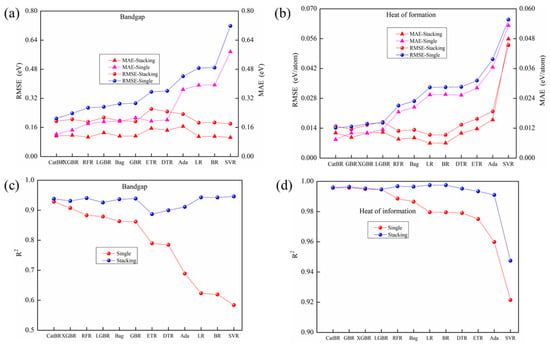
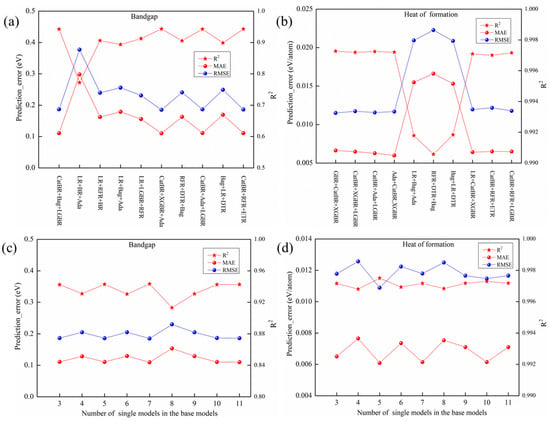
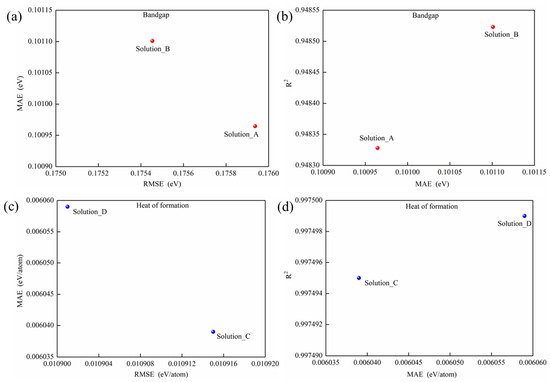
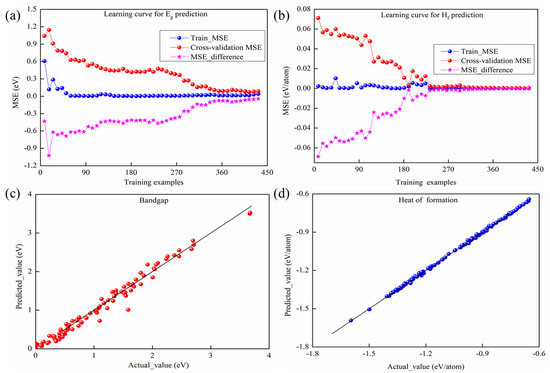
Halide double perovskite materials have been used for various applications; their bandgap (Eg) and heat of formation (ΔHf) are their key properties. They can be obtained through calculations based on high-throughput density functional theory (DFT), but such calculations are computationally expensive and time-consuming. Machine learning (ML) has proved to be an effective tool for screening potential materials. The prediction accuracy of ML models strongly depends on both input features and ML algorithms. However, there is no unified feature set with which ML models can effectively distinguish halide double perovskite materials. Although it has been proven that stacking ML models can achieve higher prediction accuracy than individual ML models, little attention has been paid to the optimization of stacking models. To solve these problems, we constructed a new feature set obtained from periodic tables for predicting the Eg and ΔHf of halide double perovskites, and we further proposed a method integrating the nondominated sorting genetic algorithm (NSGA-II) and the Technique for Order Preference by Similarity to Ideal Solution (TOPSIS) decision-making tool for stacking model optimization to predict the Eg and ΔHf of 540 compounds of halide double perovskites. Experimental results from 40 runs of 5-fold cross-validation demonstrate that our proposed new feature set enables ML models to achieve better performance than the original feature set. Moreover, the stacking model optimized by our proposed method yields better predicting performance than that of any individual single model and stacking regression models without optimization, with average improvements of 5.02%, 2.70%, 3.72% and 0.28% in MSE, RMSE, MAE and R2, respectively, in Eg prediction, thus providing more effective guidance for screening potential compounds for solar cells from a large quantity of materials. Full article
(This article belongs to the Section Energy Materials)
Show Figures

Figure 1

3 pages, 136 KB  
Editorial
Closing Editorial—Special Issue on “Vaccines and Vaccination: HIV, Hepatitis Viruses and HPV”
by Sonia Moretti and Ivan Schietroma
Vaccines 2026, 14(5), 434; https://doi.org/10.3390/vaccines14050434 (registering DOI) - 12 May 2026
Abstract
We are pleased to present this closing editorial for the Special Issue “Vaccines and Vaccination: HIV, Hepatitis Viruses and HPV”, which we had the privilege of coordinating [...] Full article
(This article belongs to the Special Issue Vaccines and Vaccination: HIV, Hepatitis Viruses, and HPV)
16 pages, 3830 KB  
Article
Postharvest Treatments of Potential 2,4-D Surrogates Improve Storage Performance and Flavor Quality in ‘Eureka’ Lemon Fruits
by Liuyin Ren, Xufang Ran, Tuan Wang, Hengquan Wu, Feixiang Wu, Genan Han, Yangsheng Wu, Min Hong, Kun Zhou, Wanpeng Xi, Changpin Chun, Liangzhi Peng and Yizhong He
Horticulturae 2026, 12(5), 598; https://doi.org/10.3390/horticulturae12050598 (registering DOI) - 12 May 2026
Abstract
An issue of common concern in lemon production is finding a safe and efficient alternative to 2,4-dichlorophenoxyacetic acid (2,4-D). In this study, ‘Eureka’ lemon fruits were treated with three concentrations (1, 2 and 3) of fluroxypyr-meptyl (FME), a combination of fluroxypyr-meptyl and fluroxypyr [...] Read more.
An issue of common concern in lemon production is finding a safe and efficient alternative to 2,4-dichlorophenoxyacetic acid (2,4-D). In this study, ‘Eureka’ lemon fruits were treated with three concentrations (1, 2 and 3) of fluroxypyr-meptyl (FME), a combination of fluroxypyr-meptyl and fluroxypyr (FLFM), 2,4-dichlorophenoxypropionic acid (2,4-DP), and 2-methyl-4-chlorophenoxyacetic acid (MCPA). Water and 2,4-D served as controls. We measured the storage performance indicators of fruit, such as weight loss rate and decay rate, and shelf-life quality parameters, such as juice yield, flavor compounds and pesticide residues. During storage, weight loss was significantly higher in water than under all other treatments. Weight loss rates under FME2 and 2,4-DP3 were significantly lower than under 2,4-D. Decay rates in FLFM1, 2,4-DP2, and the FME series were significantly lower than in 2,4-D and water, whereas those in 2,4-DP1 and the MCPA series were significantly higher than in 2,4-D at 200 days after treatment. Regarding shelf-life performance, juice yield in water (65.14%) and 2,4-D (68.26%) was significantly lower than under most other treatments. The highest juice yield was observed in FME2 (77.84%). Treatments 2,4-DP1, 2,4-DP2, and FME2 were superior to 2,4-D and water in maintaining total soluble solids, titratable acid, and vitamin C contents, while other treatments showed no negative effects on internal quality. Fruits under MCPA2, 2,4-DP3, 2,4-DP2, and FME2 maintained better flavor compound profiles than those in water. Notably, MCPA2 resulted in significantly higher levels of terpenes (e.g., D-limonene) and aldehydes (e.g., citral); FME2 effectively maintained linalool, geraniol, and α-terpineol; and 2,4-DP3 performed well in maintaining D-limonene, sesquiterpenes, and alcohols compared with other treatments. All treated fruits complied with Chinese National Food Safety Standard Maximum Residue Limits for Pesticides in Food GB 2763-2026 and meet the EU standard limits for citrus. Overall, FME2 treatment resulted in the best storage performance and quality, followed by 2,4-DP3, indicating that these treatments may serve as effective postharvest alternatives for lemon preservation. Full article
(This article belongs to the Section Postharvest Biology, Quality, Safety, and Technology)
44 pages, 1279 KB  
Systematic Review
Acceptance and Commitment Therapy for Psychosocial Outcomes in Children and Young People with Long-Term Physical Health Conditions: Systematic Review of Intervention Studies
by Rachel Batchelor, Natasha Cogings, Christopher McCormack and Matthew Hotton
Children 2026, 13(5), 672; https://doi.org/10.3390/children13050672 (registering DOI) - 12 May 2026
Abstract
Background/Objectives: Children and young people (CYP) with long-term physical health conditions (LTCs) are at greater risk of psychosocial difficulties. Systematic reviews on adults with LTCs have supported acceptance and commitment therapy (ACT) in improving several psychosocial outcomes. This systematic review aimed to investigate [...] Read more.
Background/Objectives: Children and young people (CYP) with long-term physical health conditions (LTCs) are at greater risk of psychosocial difficulties. Systematic reviews on adults with LTCs have supported acceptance and commitment therapy (ACT) in improving several psychosocial outcomes. This systematic review aimed to investigate the effectiveness of ACT for CYP-reported psychosocial outcomes among CYP with LTCs. It also examined the factors associated with the effects and the quantitative acceptability of the included ACT interventions. Methods: Eligible studies used a quantitative experimental design to evaluate ACT for CYP-reported psychosocial outcomes in CYP (≤18 years old) with LTCs. Only studies published in English in peer-reviewed journals, from any year, were included. CINAHL (EBSCO), Cochrane Library, Embase (Ovid), MEDLINE (Ovid) and PsycInfo (Ovid) were systematically searched. Google Scholar and Web of Science were also searched, and forward and backward citation searching was completed for included papers. Research quality was appraised using Cochrane risk-of-bias tools. Results were narratively synthesised. Results: Sixteen studies (nine randomised controlled trials (RCTs) and seven non-RCTs) from 19 reports met inclusion criteria, with 777 participants and five LTCs (chronic pain, diabetes, cancer, obesity and visual impairment). Findings provided preliminary support for the effectiveness of ACT on most CYP-reported psychosocial outcomes studied. Seven studies considered factors associated with intervention effects, with mixed findings. Acceptability was supported in the three studies that assessed it quantitatively. However, almost all studies had overall high/serious risk-of-bias ratings. Conclusions: There is preliminary evidence supporting potential benefits of ACT for improving psychosocial outcomes in CYP with LTCs, with limited but supportive findings for its acceptability. However, findings are constrained by high/serious risk of bias and small sample sizes. Larger, high-quality trials with active controls and longer follow-ups are needed to inform future care pathways. Registration: This systematic review was pre-registered (PROSPERO registration number: CRD42023425918). Full article
(This article belongs to the Section Pediatric Mental Health)
12 pages, 2255 KB  
Article
Exploring Interfacial Effects in Transition Metal Dichalcogenide/Ferrimagnetic Alloy Heterostructures
by Leonardo Ramos, Ayomipo Israel Ojo, Yasinthara Wadumesthri, Ibrahim Almuhanna, Humberto Rodriguez Gutierrez and Darío A. Arena
Appl. Sci. 2026, 16(10), 4828; https://doi.org/10.3390/app16104828 (registering DOI) - 12 May 2026
Abstract
Ultrathin ferrimagnetic heterostructures have emerged as promising platforms for next-generation spintronic devices, yet the role of two-dimensional substrates in modulating their magnetic properties remains underexplored. Here, we report a comprehensive study of the thickness- and temperature-dependent magnetic behavior of amorphous Fe73Co [...] Read more.
Ultrathin ferrimagnetic heterostructures have emerged as promising platforms for next-generation spintronic devices, yet the role of two-dimensional substrates in modulating their magnetic properties remains underexplored. Here, we report a comprehensive study of the thickness- and temperature-dependent magnetic behavior of amorphous Fe73Co8Gd19 films (4–32 nm) deposited on Si, WSe2 bilayer, and WSe2 monolayer substrates. Structural integrity and stoichiometry were confirmed via X-Ray Diffraction (XRD), X-Ray Reflectivity (XRR), Raman spectroscopy, and Energy-Dispersive Spectroscopy (EDS) analysis. In-plane magnetometry from 10–300 K reveals that monolayer WSe2 promotes stronger interfacial spin alignment, with the 4 nm film exhibiting a sharp increase in coercivity below 50 K, where Hc exceeds 23 mT and even surpasses thicker counterparts, alongside enhanced saturation magnetization (∼790 kA/m at 100 K). This dramatic enhancement of coercivity is the most significant result of this work, underscoring the dominant role of interfacial coupling in governing low-temperature magnetic hardness. Conversely, films on bilayer exhibit suppressed magnetization and soft magnetic behavior (Hc < 10 mT) across all temperatures, making them attractive for ultralow-power and high-speed spintronic applications. These findings demonstrate that atomically thin WSe2 interfaces can modulate coercivity, magnetization, and squareness through proximity effects, establishing a tunable and thermally stable platform for spintronic device applications. Full article
(This article belongs to the Special Issue Magnetic Materials: Recent Advances, Prospects and Challenges)
35 pages, 29266 KB  
Article
An Empirical Study on Assessing Classroom Space Utilization Efficiency in Higher Education Institutions: Indicators, Methodological Advances, and a Comprehensive Analytical Framework—A Case Study of the Zhengxin Building at Harbin Institute of Technology
by Jia Li, Wenrui Zhao and Minghui Xue
Buildings 2026, 16(10), 1929; https://doi.org/10.3390/buildings16101929 - 12 May 2026
Abstract
The accelerating pace of technological innovation has exacerbated the spatial misalignment between the static, supply-driven provision of educational facilities and the dynamic, demand-driven patterns of contemporary pedagogical activities. Assessing and quantifying spatial demand and the operational consumption of teaching environments pose critical challenges [...] Read more.
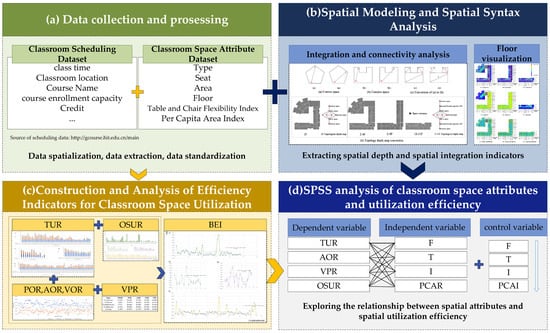
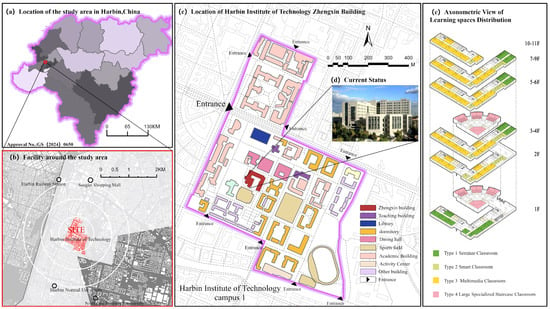
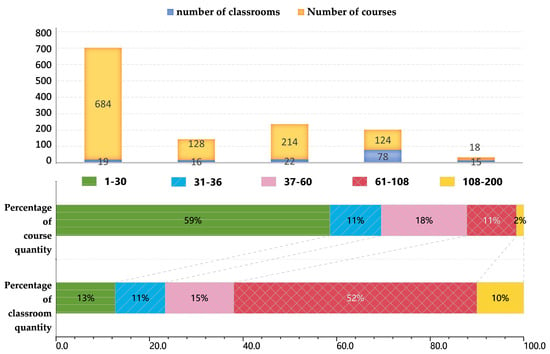
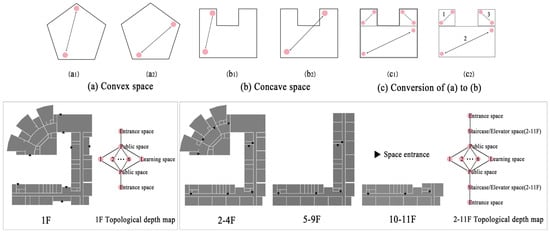
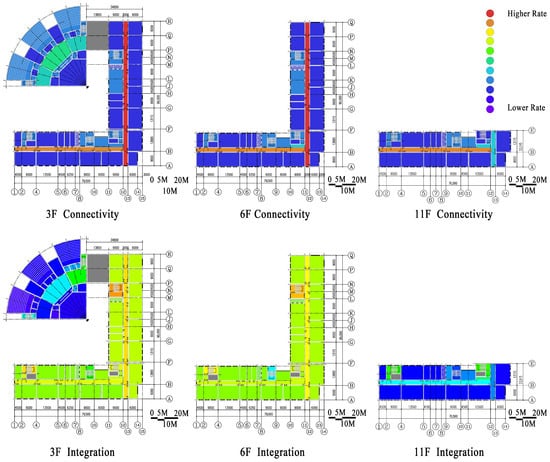
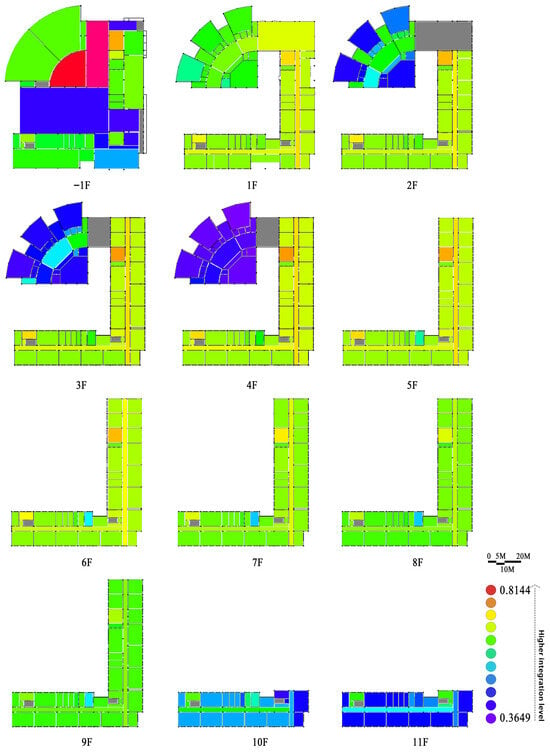
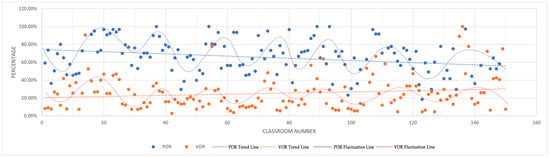
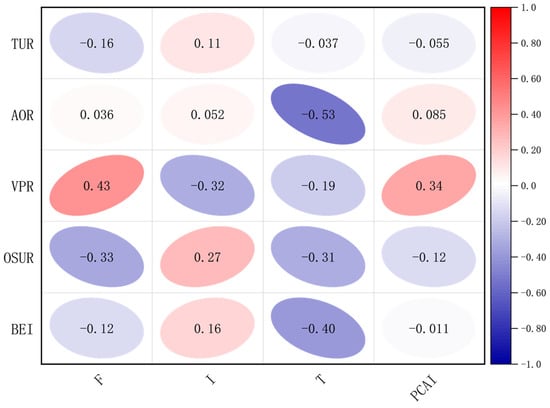
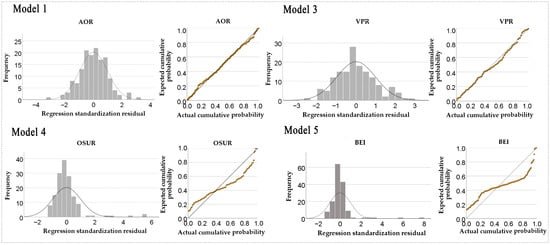
The accelerating pace of technological innovation has exacerbated the spatial misalignment between the static, supply-driven provision of educational facilities and the dynamic, demand-driven patterns of contemporary pedagogical activities. Assessing and quantifying spatial demand and the operational consumption of teaching environments pose critical challenges for facility asset management in higher education. Accordingly, rigorous investigation into the determinants of classroom spatial utilization efficiency and the formulation of evidence-based spatial optimization strategies are essential to advancing the sustainable evolution of campus infrastructure. This study takes the Zhengxin Building at Harbin Institute of Technology as a descriptive case, integrating timetable data with spatial syntax at the building scale. The scheduling data for 2943 courses in the Spring semester of 2023 was selected as the research basis. Using architectural spatial analysis tools—including space syntax theory, statistical correlation methods, and in situ observational surveys—this study extracts spatial attribute variables such as classroom area (A), seating capacity (S), floor level (F), integration (I), and space utilization efficiency metrics as primary quantitative measures. The interrelationships among these variables are examined to elucidate the principal drivers of teaching space performance. The empirical results indicate that the Overall Space Utilization Rate (OSUR) of the Zhengxin Building ranged from 20% to 50% during the study. The key findings include the following: (1) spatial utilization efficiency is positively associated with classroom scale but shows no significant relationship with integration (I); (2) after controlling for classroom type (T), per capita area index (PCAI), and integration (I), floor level (F) no longer exerts a statistically significant influence on utilization outcomes; (3) teaching spaces with higher integration and spatial entropy are more adaptable to heterogeneous instructional and extracurricular uses. The classroom type (T) directly mediates occupancy patterns and activity programming. Full article
Show Figures

Figure 1

29 pages, 1259 KB  
Article
Determinants of Energy Consumption in South Africa: Evidence from an ARDL Model (1980–2023)
by Palesa Milliscent Lefatsa and Sanele Gumede
Energies 2026, 19(10), 2329; https://doi.org/10.3390/en19102329 - 12 May 2026
Abstract
This study examines the determinants of energy consumption in South Africa over the period 1980–2023 using a multivariate time-series framework. Unlike conventional studies that focus primarily on the energy–growth nexus, this analysis incorporates financial development, industrialization, and population growth to provide a more [...] Read more.
This study examines the determinants of energy consumption in South Africa over the period 1980–2023 using a multivariate time-series framework. Unlike conventional studies that focus primarily on the energy–growth nexus, this analysis incorporates financial development, industrialization, and population growth to provide a more comprehensive understanding of energy demand dynamics. The Autoregressive Distributed Lag (ARDL) approach is employed to estimate both short-run and long-run relationships. Unit root tests confirm that all variables are integrated of order one, justifying the application of the ARDL bounds testing approach. The results reveal the existence of a stable long-run relationship between energy consumption and its determinants. Industrialization and population growth emerge as the most significant drivers of energy demand in both the short and long run, reflecting South Africa’s energy-intensive economic structure and rising demographic pressures. Financial development is found to have a positive and statistically significant effect, suggesting that improved access to credit stimulates energy consumption through increased investment and economic activity. In contrast, economic growth exhibits a positive but statistically insignificant long-run effect, indicating partial decoupling between output growth and energy demand. The error correction term is negative and statistically significant, confirming convergence to long-run equilibrium. Causality analysis further indicates that energy consumption is primarily driven by macroeconomic factors rather than acting as a leading indicator. The findings underscore the importance of industrial energy efficiency, population-responsive energy planning, and targeted financial support for sustainable energy investment. This study contributes to the literature by providing a comprehensive, country-specific analysis and offers policy-relevant insights for enhancing energy security and supporting sustainable economic development in South Africa. Full article
19 pages, 510 KB  
Article
Association Between Multiple Sclerosis Severity and Functional Variants in Key Antioxidant Defense and Ferroptosis-Related Genes
by Tamara Djuric, Jovana Kuveljic, Ana Djordjevic, Milan Stefanovic, Evica Dincic, Mariana Seke, Aleksandra Stankovic and Maja Zivkovic
Biology 2026, 15(10), 773; https://doi.org/10.3390/biology15100773 (registering DOI) - 12 May 2026
Abstract
Multiple sclerosis (MS) is a chronic, progressive, inflammatory neurodegenerative disease. Oxidative stress and ferroptosis are implicated in MS pathology, contributing to both inflammation and neurodegeneration. Potentially functional variants in genes related to antioxidant defense and ferroptosis were chosen through an extensive selection process [...] Read more.
Multiple sclerosis (MS) is a chronic, progressive, inflammatory neurodegenerative disease. Oxidative stress and ferroptosis are implicated in MS pathology, contributing to both inflammation and neurodegeneration. Potentially functional variants in genes related to antioxidant defense and ferroptosis were chosen through an extensive selection process to investigate their possible association with the progressive form of MS. The study included 845 MS patients (604 relapsing–remitting (RRMS) and 241 progressive (PMS)). The selected gene variants—GCLC rs572496, GCLM rs2273406, GPX4 rs713041, NQO1 rs1800566 and CAT rs2420388—were genotyped using TaqMan® technology. mRNA expression levels of the corresponding genes in PBMCs were previously determined by targeted RNA sequencing. Circulatory molecular indicators of antioxidant defense and ferroptosis were quantified using ELISA and colorimetric enzymatic recycling assays. The findings indicate that the GCLC rs572496 variant was significantly associated with MS disease severity and had a significant effect on GCLC mRNA levels. Additionally, the NQO1 rs1800566 variant had a significant effect on NQO1 mRNA expression in PBMCs of MS patients overall. The results suggest further analysis of antioxidant defense and ferroptosis-related gene variants with MS severity and validation of the gained results in larger study groups. Full article
(This article belongs to the Special Issue Genetics and Epigenetics of Neurological Disorders)
43 pages, 6624 KB  
Review
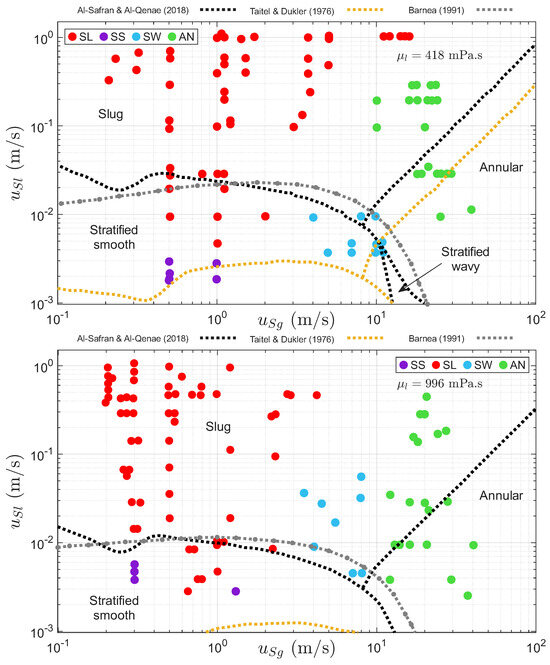
An Overview of Highly Viscous Fluid Flows in Straight and Elbow Pipes: II Gas–Liquid Flows
by Enrique Guzmán, Leonardo Di G. Sigalotti, Lizeth Torres and Jaime Klapp
Fluids 2026, 11(5), 116; https://doi.org/10.3390/fluids11050116 - 12 May 2026
Abstract
This review summarizes the latest research concerning the horizontal flow of two-phase mixtures with viscosities ranging from 0.2 Pa·s to 6.4 × 10⁴ Pa·s. Although our survey is concerned with Newtonian fluids, a short section is included to briefly discuss certain rheological [...] Read more.
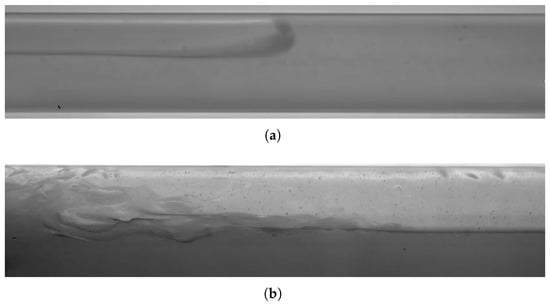
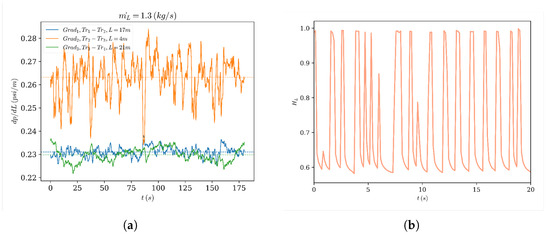
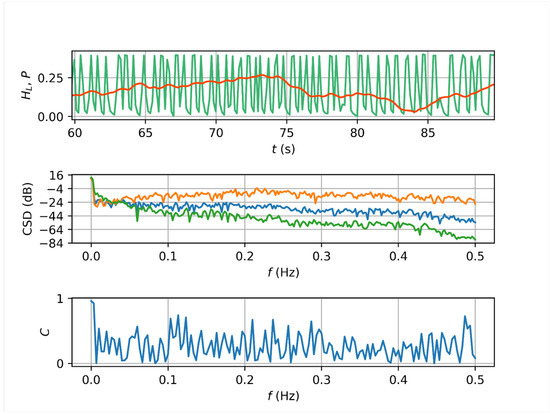
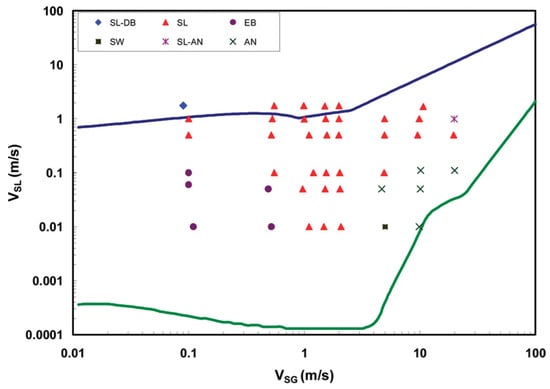
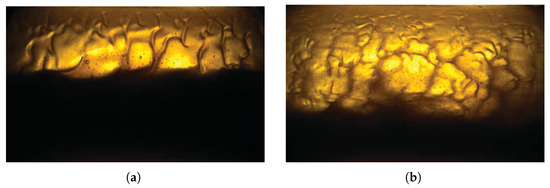
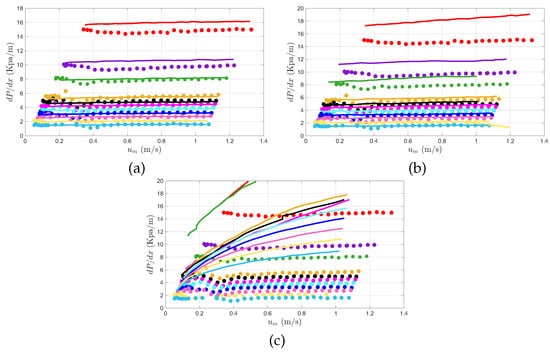
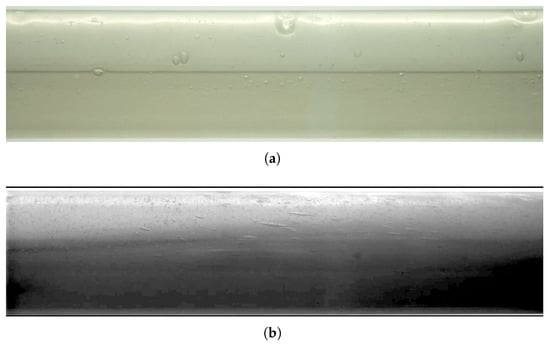
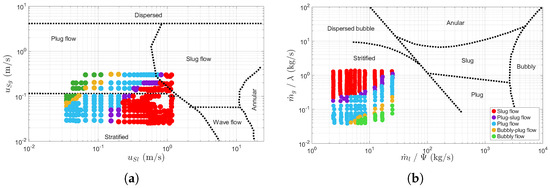
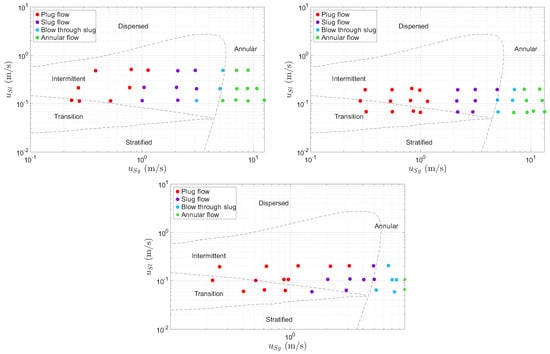
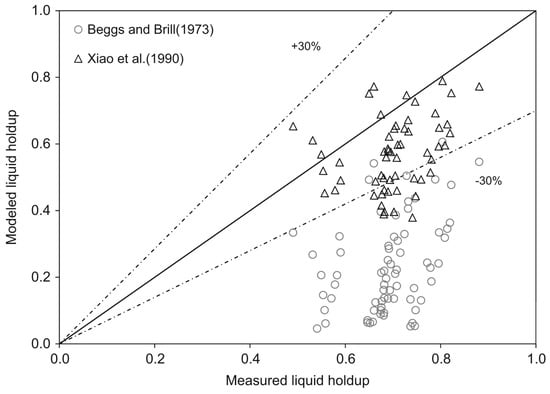
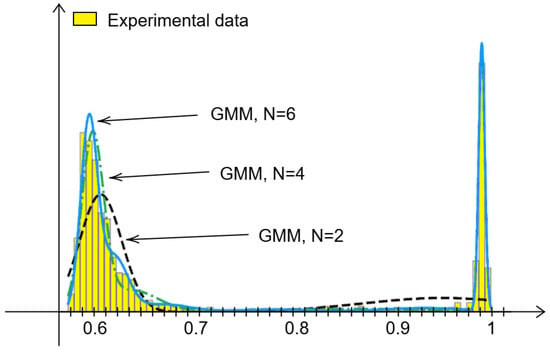
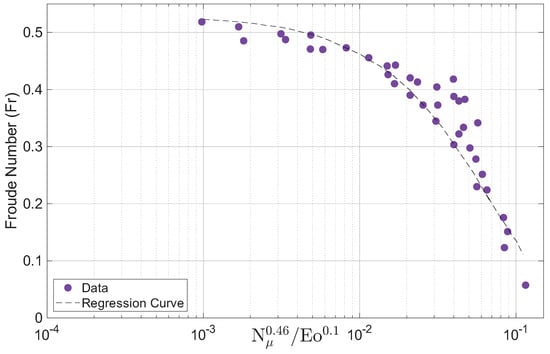
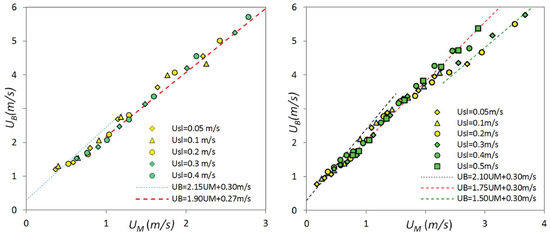
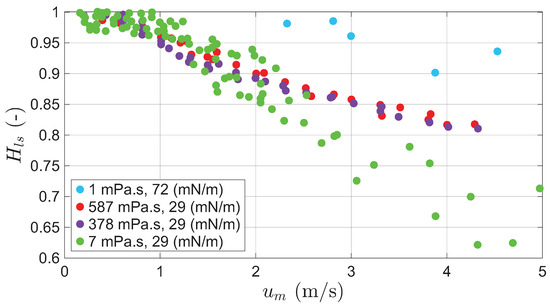
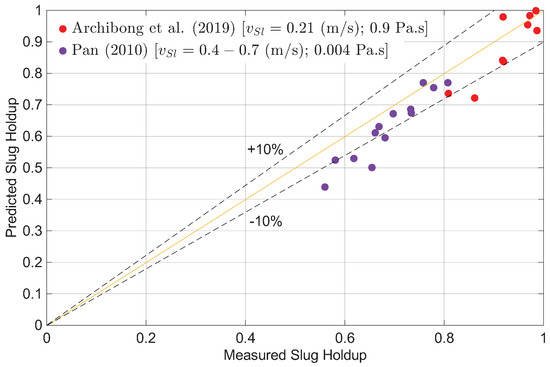
This review summarizes the latest research concerning the horizontal flow of two-phase mixtures with viscosities ranging from 0.2 Pa·s to 6.4 × 10⁴ Pa·s. Although our survey is concerned with Newtonian fluids, a short section is included to briefly discuss certain rheological aspects that should be generally considered. In contrast with previous work reporting on the progress in specific domains (e.g., in the oil and gas, chemical, or geophysical contexts), we seek to provide a comprehensive overview of the methods and results used in different contexts. Accordingly, the scope is widened to encompass a broader range of industrial applications and naturally occurring flows. The interest in high-viscosity flows is motivated by the operational challenges occurring in certain systems, most notably in the oil and gas industry, where the production of heavy and extra-heavy crude oils reduces the margins for a safe and efficient operation. Furthermore, this review underlines the cross-field analogies appearing in a broad range of scales and applications. It emphasizes the fundamental role of viscosity in determining the flow patterns, as experimental evidence suggests that the transition boundaries are largely altered at higher viscosities. Some gaps that could be addressed in future work are briefly discussed. Full article
(This article belongs to the Section Mathematical and Computational Fluid Mechanics)
Show Figures

Figure 1

25 pages, 3792 KB  
Article
Integrated Water, Energy, and Carbon Footprint Analysis of Higher Education Campuses in Arid Environments: Sustainability Insights
by Mohammad Alresheedi, Meshari S. Alharbi, Md. Shafiquzzaman, Saleh Aloraini, Ahmed H. Birima, Abdullah S. Alnasser and Husnain Haider
Sustainability 2026, 18(10), 4850; https://doi.org/10.3390/su18104850 (registering DOI) - 12 May 2026
Abstract
In the Kingdom of Saudi Arabia (KSA) and other arid regions, higher education institutions account for a significant share of energy consumption and greenhouse gas (GHG) emissions. Improving the environmental performance of higher education institutions is important to achieving nationwide impact reduction. This [...] Read more.
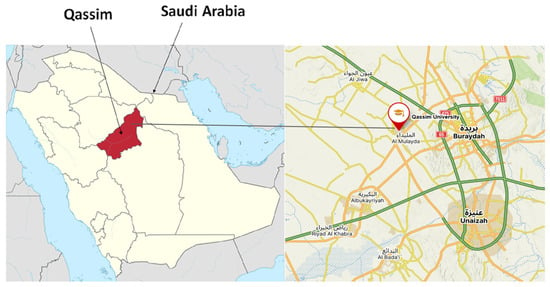
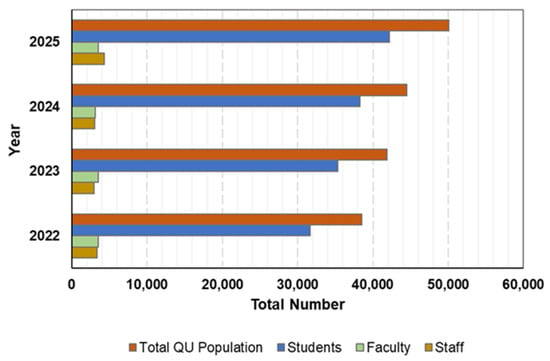
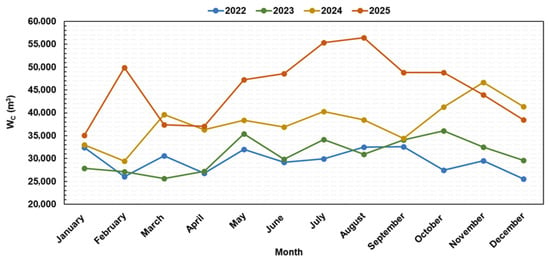
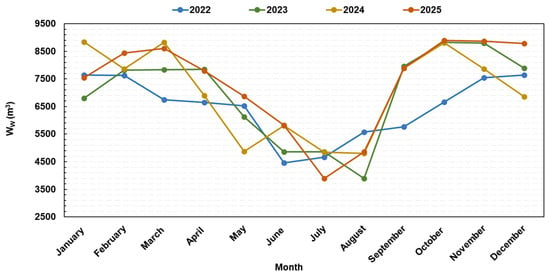
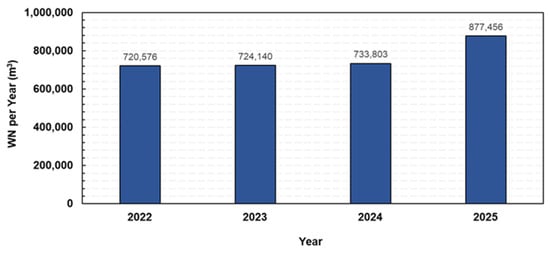
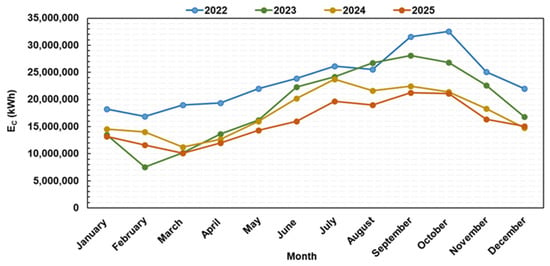
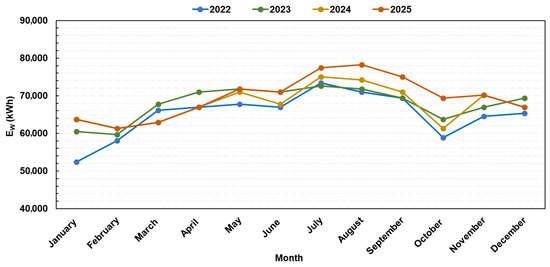
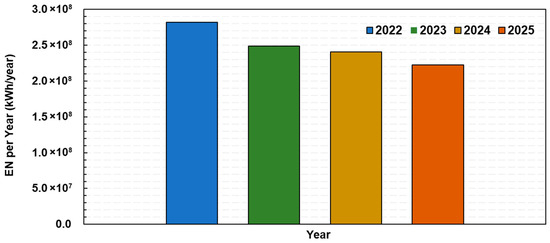
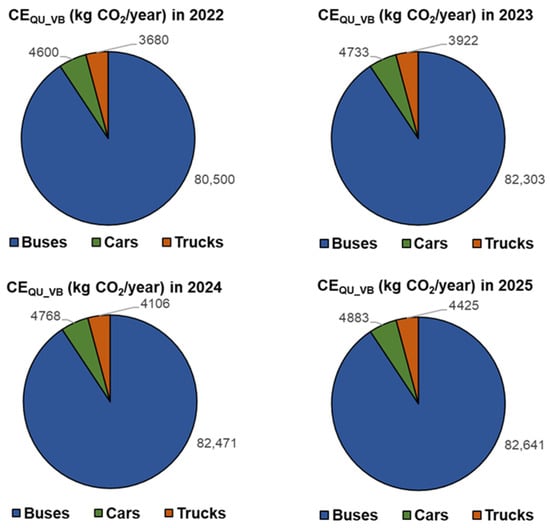
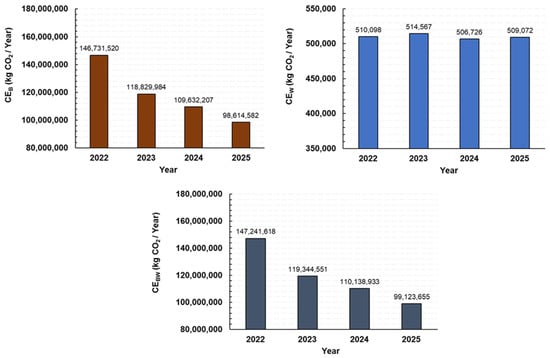
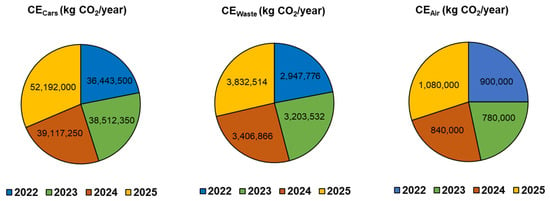
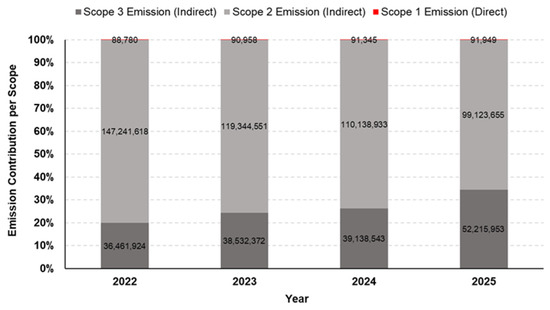
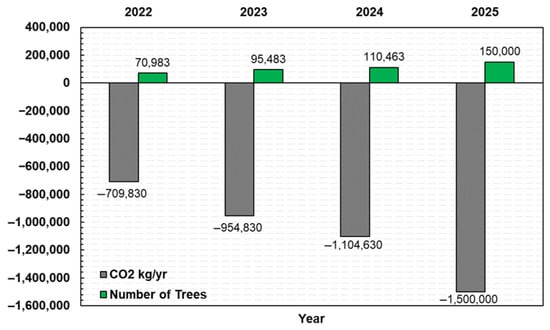
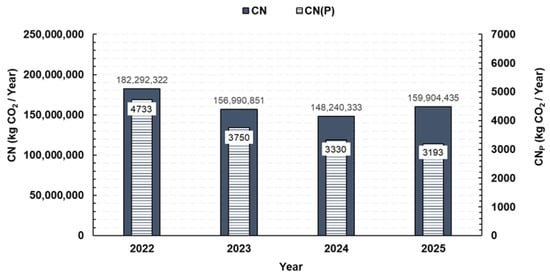
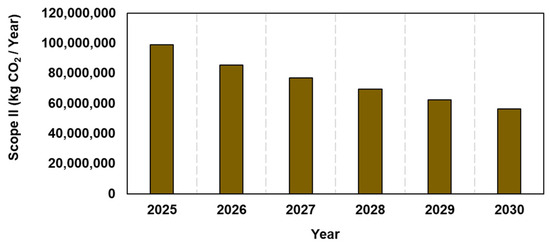
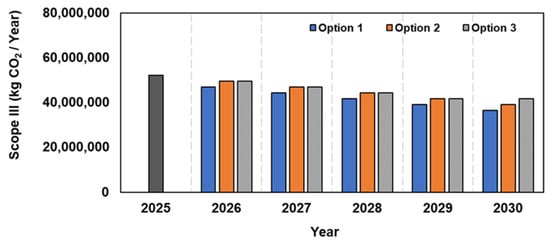
In the Kingdom of Saudi Arabia (KSA) and other arid regions, higher education institutions account for a significant share of energy consumption and greenhouse gas (GHG) emissions. Improving the environmental performance of higher education institutions is important to achieving nationwide impact reduction. This study evaluates the water, energy, and carbon (WEC) footprint of higher education campuses in arid environments. Qassim University (QU), KSA, is a leading public institution of higher education and research in Buraydah City and was selected for this study. A comprehensive assessment based on the GHG Protocol was conducted for the period 2022–2025, covering Scope I, II, and III emissions. This study analyzed institutional data on water use, wastewater, electricity consumption, transportation, waste generation, and air travel. The results show that total water consumption increased from 354,747 m3 in 2022 to 547,268 m3 in 2025, with per capita use rising from 46.2 to 61.7 L/c/day. Net water demand, including irrigation, reached 877,456 m3 in 2025. The declining trend in energy consumption between 2022 and 2025 reflects significant (33%) energy savings with the use of sensors and the overall tendency towards sustainability. Correspondingly, Scope II emissions decreased significantly from 147.2 million kg CO2/year to 99.1 million kg CO2/year and were the dominant CO2 contributor (60–75% of total emissions). In contrast, Scope III emissions from commuting staff and students increased, with transport-related emissions rising from 36.4 million kg CO2/year in 2022 to 52.2 million kg CO2/year in 2025. This study also evaluated current and potential CO2 emission reduction scenarios targeting energy and transportation systems on the QU campus. The findings indicate that the deployment of a 5.1 MW solar energy system can generate approximately 8.6 million kWh annually, resulting in a reduction of around 4000 tCO2 and contributing to nearly 43% of the 2030 emission reduction target. In addition, transportation-focused strategies—including modal shift, vehicle electrification, and hybrid learning approaches—demonstrate significant mitigation potential, with total reductions reaching up to 18,700 tCO2 by 2030. Overall, this study contributes to the limited body of knowledge on WEC footprint assessments on university campuses in arid regions and provides a baseline for future sustainability planning. Full article
Show Figures

Figure 1

8 pages, 209 KB  
Commentary
Vestibular Symptoms: An Underrecognized Extra-Sinonasal Dimension of Chronic Rhinosinusitis
by Luca Galassi, Niccolò Le Donne, Beatrice Faitelli, Mattia Onesti, Francesca Piacente and Gabriele Carioti
Sinusitis 2026, 10(1), 10; https://doi.org/10.3390/sinusitis10010010 - 12 May 2026
Abstract
Chronic rhinosinusitis (CRS) is a prevalent inflammatory disease traditionally defined and assessed by sinonasal symptoms such as nasal obstruction, rhinorrhea, facial pressure, and olfactory dysfunction. However, the burden of CRS extends beyond the sinonasal compartment, including a range of systemic and functional complaints [...] Read more.
Chronic rhinosinusitis (CRS) is a prevalent inflammatory disease traditionally defined and assessed by sinonasal symptoms such as nasal obstruction, rhinorrhea, facial pressure, and olfactory dysfunction. However, the burden of CRS extends beyond the sinonasal compartment, including a range of systemic and functional complaints that are not routinely addressed in standard rhinologic practice. Among these, vestibular symptoms, including dizziness, imbalance, and nonspecific disequilibrium, are frequently reported by patients with CRS, yet remain underrecognized and poorly integrated into current diagnostic frameworks and clinical guidelines, despite being captured as a single, psychometrically limited item within the 22-item Sinonasal Outcome Test (SNOT-22). Clinical observations and limited published data, mostly small observational studies and case reports, suggest that vestibular symptoms may fluctuate in parallel with CRS disease activity and may improve following effective medical or surgical control of sinonasal inflammation. Proposed mechanisms include Eustachian tube dysfunction, immune-mediated and neurogenic pathways, trigemino-vestibular interactions, and altered multisensory integration, although current evidence does not establish a causal relationship between CRS disease activity and measurable peripheral vestibular dysfunction. Comparative observations in allergic rhinitis and post-viral upper-airway inflammation situate CRS within a broader inflammatory upper-airway–vestibular interface. This Commentary highlights vestibular dysfunction as an underappreciated extra-sinonasal dimension of CRS with potential clinical and functional relevance. By drawing attention to this clinical blind spot, we aim to encourage more systematic symptom inquiry, interdisciplinary dialogue, and prospective research into the functional consequences of chronic upper-airway inflammation. Full article
14 pages, 934 KB  
Article
Prognostic Impact of Cancer in Patients Hospitalized for Acute Myocardial Infarction: A Population-Based Cohort Study
by Nicola Cosentino, Filippo Trombara, Matteo Franchi, Daniela Cardinale, Alice Bonomi, Mattia Dall’Asta, Olivia Leoni, Riccardo Maragna, Francesco Cannata, Gianluca Pontone and Giancarlo Marenzi
J. Clin. Med. 2026, 15(10), 3730; https://doi.org/10.3390/jcm15103730 - 12 May 2026
Abstract
Background: Cancer is common among patients with acute myocardial infarction (AMI) and may influence management and outcomes. The prognostic impact of cancer status (active vs. past) and its anatomical site remains insufficiently defined. We evaluated the association between cancer and short- and [...] Read more.
Background: Cancer is common among patients with acute myocardial infarction (AMI) and may influence management and outcomes. The prognostic impact of cancer status (active vs. past) and its anatomical site remains insufficiently defined. We evaluated the association between cancer and short- and long-term outcomes after AMI in a large population cohort. Methods: Using linked administrative databases from Lombardy, Italy, we identified adults with a first AMI hospitalization from 2014 to 2022 (N = 124,403). Patients were categorized by cancer history, cancer status (active vs. past), and cancer site. The primary endpoint was in-hospital mortality; secondary endpoints were 1-year all-cause mortality and 1-year rehospitalization for AMI or acute heart failure (AHF). Multivariable log-binomial, Cox, and Fine&Gray models were applied. Results: Overall, 18,463 (14.8%) had a history of cancer. They were older and had higher comorbidity burden. Cancer history was associated with higher in-hospital mortality (adjusted risk ratio [RR] 1.06, 95% CI 0.99–1.13) and one-year mortality (adjusted hazard ratio [HR] 1.46, 95% CI 1.40–1.52). Active cancer carried the greatest risk (in-hospital RR 1.07, 95% CI 1.00–1.15; 1-year HR 1.60, 95% CI 1.53–1.68), whereas past cancer showed no excess mortality. Site-specific analyses identified lung (one-year HR 2.69, 95% CI 2.15–3.37) and hematological cancers (one-year HR 2.19, 95% CI 1.88–2.56) as highest-risk. Elevated mortality with cancer was consistent in STEMI and NSTEMI. Competing-risk analyses showed a similar risk of rehospitalization among cancer and non-cancer patients. Conclusions: In a real-world, unselected AMI population, cancer worsens short- and long-term survival, especially when active and involving the lungs or the hematopoietic tissues. Incorporating cancer status into AMI risk stratification and strengthening cardio-oncology pathways in acute care are warranted to improve patient outcomes. Full article
(This article belongs to the Special Issue Novel Prognostic Risk Factors in Acute Coronary Syndrome)
31 pages, 20328 KB  
Article
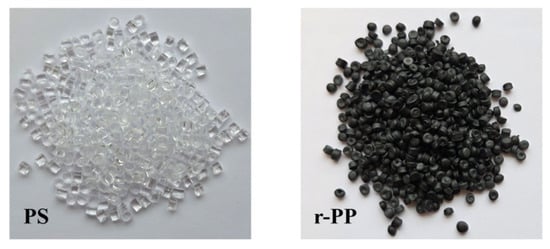
Experimental Investigation of Carbon Black and Hydrogen-Enriched Gas Production from Polypropylene and Polystyrene by a Two-Stage Slow Pyrolysis–Plasma-Assisted Pyrolysis Approach
by Ieva Kiminaitė, Mindaugas Aikas, Sebastian Wilhelm, Vilmantė Kudelytė, Rita Kriūkienė, Arūnas Baltušnikas, Irena Vaškevičienė and Andrius Tamošiūnas
ChemEngineering 2026, 10(5), 63; https://doi.org/10.3390/chemengineering10050063 (registering DOI) - 12 May 2026
Abstract
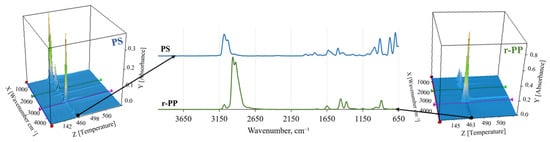
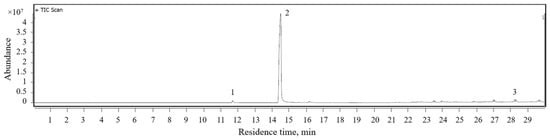
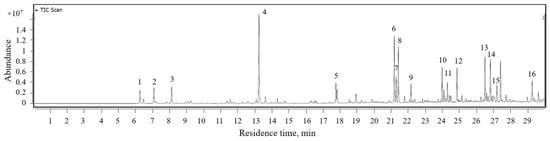
This study investigated the influence of hydrocarbon feedstock composition evolved from slow pyrolysis of polypropylene (PP) and polystyrene (PS) and plasma gas flow rate on the carbon black and hydrogen production yields and quality. The temperature distribution and feedstock flow within the carbon [...] Read more.
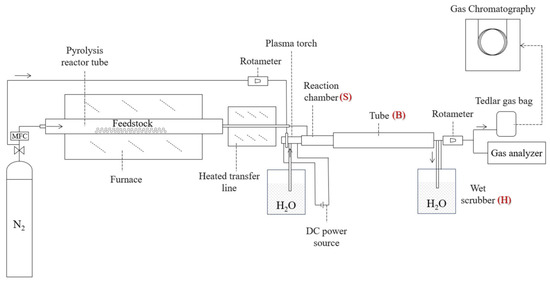
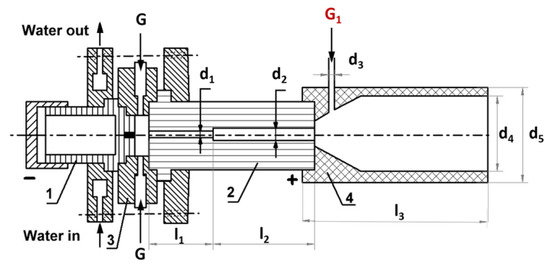
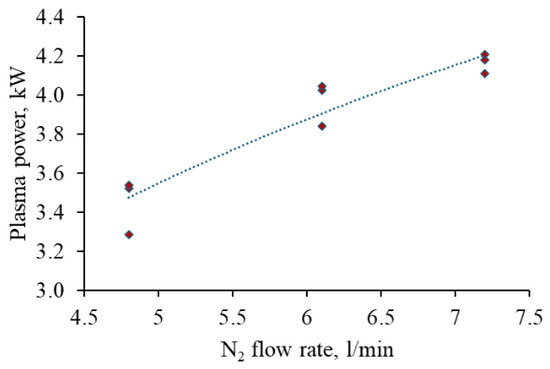
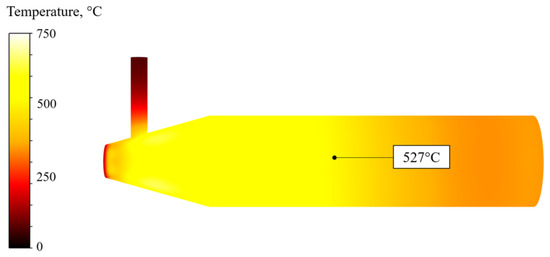
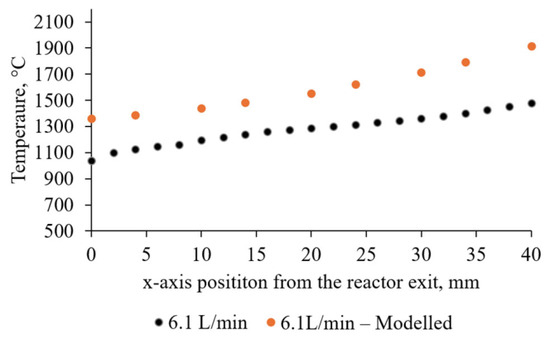
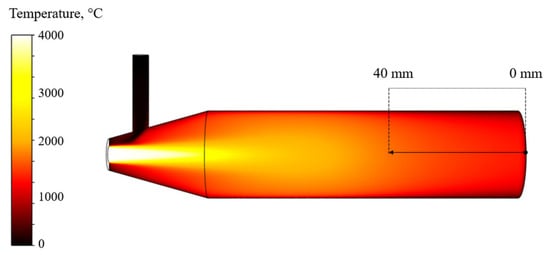
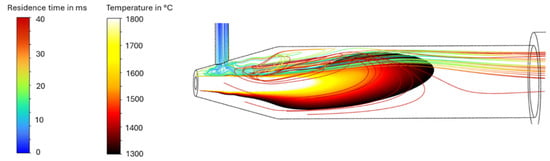
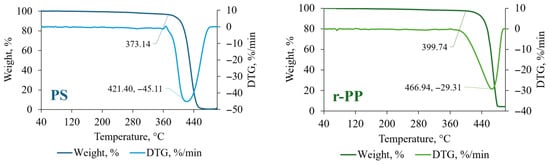
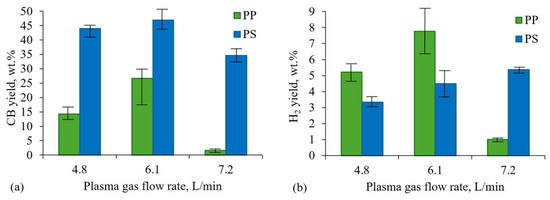
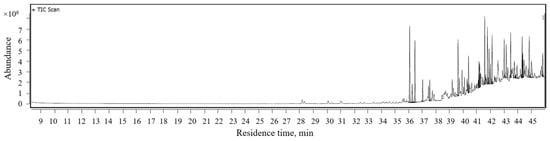
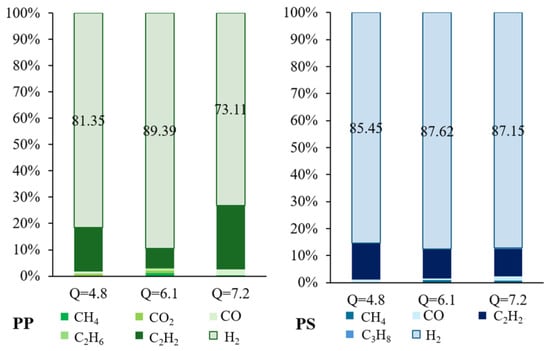
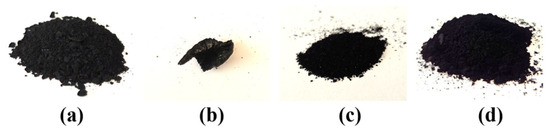
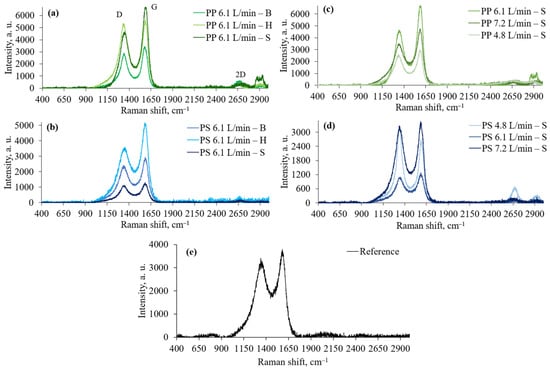
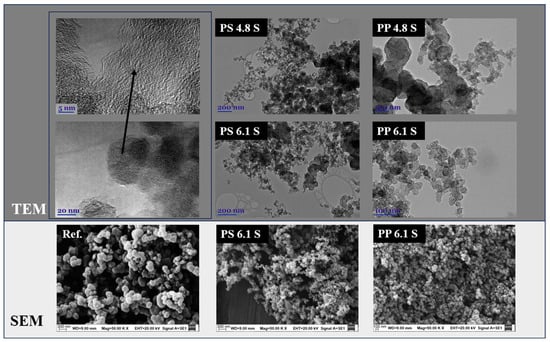
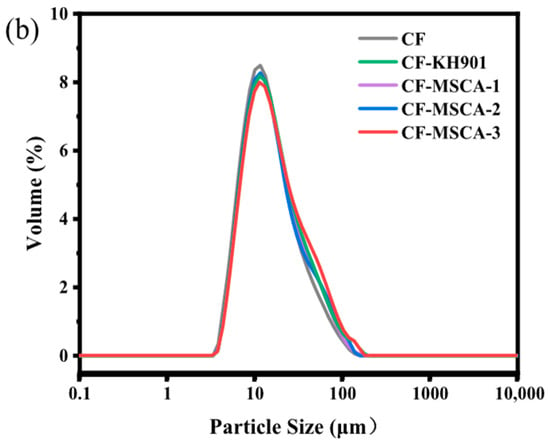
This study investigated the influence of hydrocarbon feedstock composition evolved from slow pyrolysis of polypropylene (PP) and polystyrene (PS) and plasma gas flow rate on the carbon black and hydrogen production yields and quality. The temperature distribution and feedstock flow within the carbon black formation zone with plasma were supplementarily modeled using computational fluid dynamics. TG-FTIR-GC/MS was employed to analyze thermal degradation patterns of plastics and to estimate the composition of volatile intermediates of plastics’ slow pyrolysis. Produced CB was characterized, encompassing physical, structural, and compositional properties using thermogravimetric analysis, CHNS analysis, scanning electron microscopy–energy dispersive spectroscopy, transmission electron microscopy, Brunauer-Emmett-Teller, and Raman spectroscopy. The results revealed that both feedstocks yield CB with comparable structural characteristics; however, PS-derived (aromatic-rich) volatiles produce significantly higher CB yields, whereas PP-derived (aliphatic) volatiles favor hydrogen formation. Differences in carbon structure were also observed, with PP-derived CB exhibiting a higher degree of graphitic ordering compared to the more disordered CB obtained from PS. The optimal flow rate of plasma gas was identified as 6.1 L/min. Increasing the flow rate to 7.2 L/min led to reduced conversion efficiency for PP-derived long-chain hydrocarbons. Overall, the findings demonstrate the potential of this approach for the co-production of high-quality carbon black and hydrogen from plastic waste. Full article
Show Figures

Figure 1

27 pages, 1660 KB  
Article
Trustworthy Wind Power Forecasting Based on Inverted Transformer with Variable-Wise Interaction and Evidential Learning
by Yiming Lou, Zhuoyu Hu, Guona Chen and Shujin Wu
Appl. Sci. 2026, 16(10), 4827; https://doi.org/10.3390/app16104827 (registering DOI) - 12 May 2026
Abstract
The inherent nonlinearity and uncertainty of wind power generation pose significant challenges to the security, stability, and economic operation of power grids. Therefore, accurate and reliable wind power forecasting is crucial for seamless grid integration and effective risk assessment. Existing forecasting models often [...] Read more.
The inherent nonlinearity and uncertainty of wind power generation pose significant challenges to the security, stability, and economic operation of power grids. Therefore, accurate and reliable wind power forecasting is crucial for seamless grid integration and effective risk assessment. Existing forecasting models often focus on improving point-prediction accuracy while overlooking effective multivariate dependency modeling and reliable uncertainty quantification, limiting both the informativeness and reliability of their forecasts. This study proposes a Fractional-order Momentum optimized Evidential iTransformer (FoM-EiT) for short-term wind power forecasting from multivariate time series. The proposed model integrates cyclic feature encoding for periodic variables, an inverted Transformer for variable-wise interaction learning, and an evidential output head that jointly produces point forecasts and uncertainty estimates from a shared representation. The proposed fractional-order momentum (FoM) optimization accumulates gradient history over an extended window, thereby smoothing oscillations caused by gradient competition and stabilizing the joint training process. Experiments on four real-world wind farms from different geographical regions show that FoM-EiT achieves competitive point forecasting performance, with R2 values of 0.6342, 0.8211, 0.7844, and 0.9161, and the Wilcoxon signed-rank test indicates that its advantages over the baselines are statistically significant in the vast majority of comparisons. For uncertainty quantification, FoM-EiT achieves Prediction Interval Coverage Probability (PICP) values of 0.9492, 0.9682, 0.9709, and 0.9498, while the Winkler score results further show that its prediction intervals outperform the conformal prediction and quantile regression baselines in terms of overall interval quality. These results indicate that FoM-EiT provides both accurate forecasts and trustworthy uncertainty information, making it a practical tool for dispatch, reserve allocation, and risk-aware short-term power system operation. Full article
17 pages, 17107 KB  
Article
Rhizosphere Microbial Effects on Soil Quality of Pinus massoniana and Schima superba Mixed Plantations
by Wenyue Wang, Wei Yang, Wenqing Song, Shengyi Huang, Jianming Lai, Zhichun Zhou, Pengcheng Wang and Bin Wang
Plants 2026, 15(10), 1482; https://doi.org/10.3390/plants15101482 - 12 May 2026
Abstract
This study aimed to reveal the rhizosphere microbial community structure, carbon–nitrogen–phosphorus (C-N-P) nutrient cycling processes, and functional gene characteristics of Pinus massoniana and Schima superba in mixed forests. Furthermore, we sought to elucidate the microbial mechanisms by which mixed-species afforestation enhances soil quality [...] Read more.
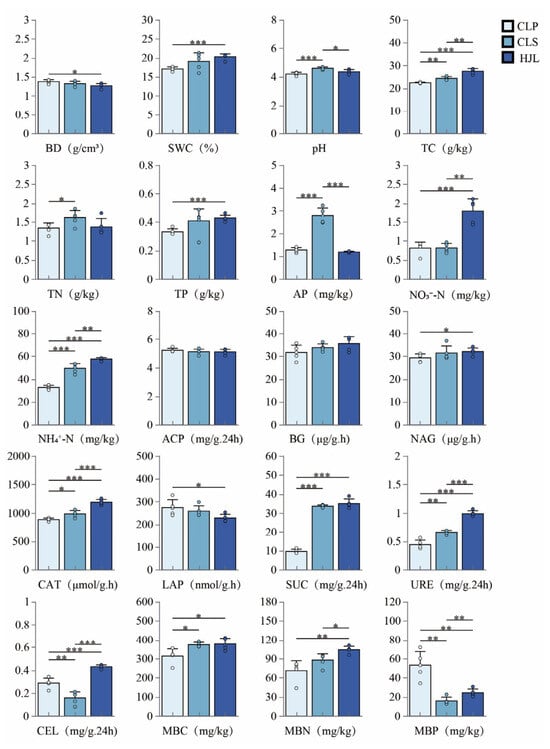
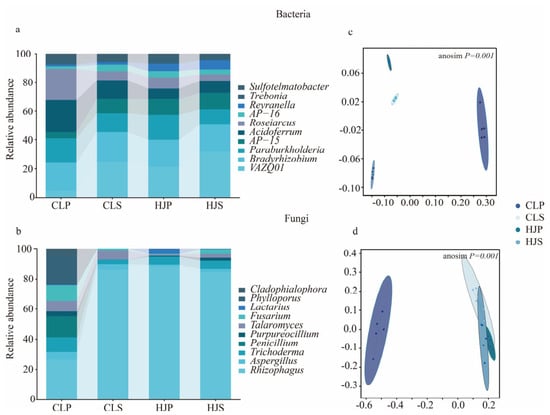
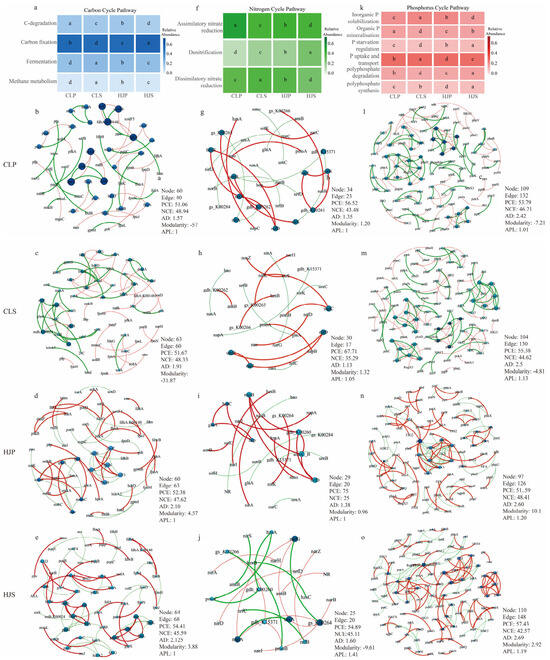
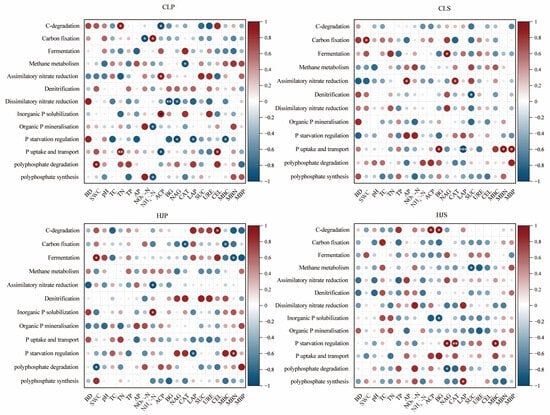
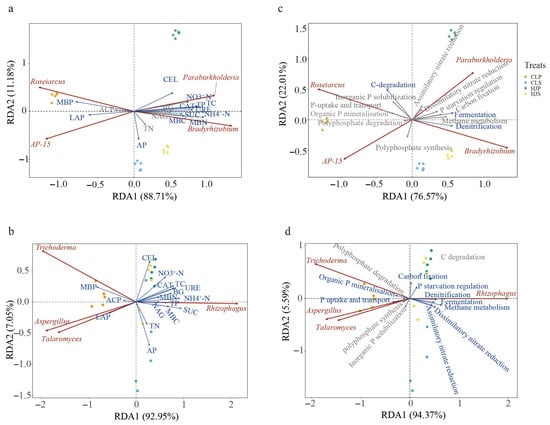
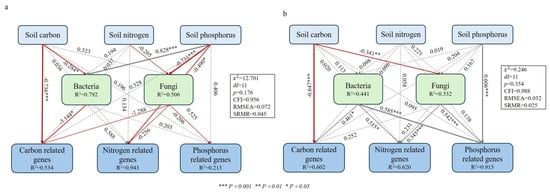
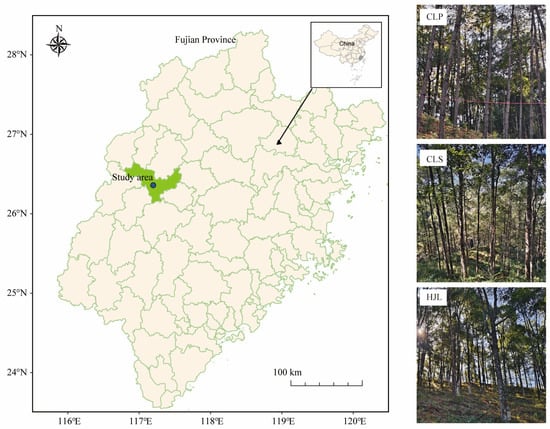
This study aimed to reveal the rhizosphere microbial community structure, carbon–nitrogen–phosphorus (C-N-P) nutrient cycling processes, and functional gene characteristics of Pinus massoniana and Schima superba in mixed forests. Furthermore, we sought to elucidate the microbial mechanisms by which mixed-species afforestation enhances soil quality improvement, providing a theoretical basis in soil microbiology for the cultivation of these mixed forests. The research subjects included pure P. massoniana plantations (CLPs), pure S. superba plantations (CLSs), and individual P. massoniana (HJP) and S. superba (HJS) trees within mixed plantations (HJLs). We collected rhizosphere and bulk soil samples to analyze their physicochemical properties and enzyme activities. Metagenomic sequencing was employed to profile the rhizosphere microbial communities and functional genes involved in C-N-P cycling. Furthermore, by integrating a functional gene co-occurrence network analysis with structural equation modeling (SEM), we systematically elucidated the coupling relationships among the stand types, soil properties, microbial communities, and nutrient cycling. Mixed planting significantly improved soil quality; compared to the CLP and CLS forests, the nitrate nitrogen (NO3-N) content in the mixed forest soils increased by 121.01% and 120.10% (p < 0.05), and the activity of urease (URE) also significantly increased by 123.99% and 49.56%, respectively. Mixing significantly altered the microbial community structure. In the bacterial community of the mixed forests, the abundance of nitrogen-fixing and potentially phosphorus-solubilizing bacteria from the genera Paraburkholderia and Burkholderia increased. In the fungal community, the arbuscular mycorrhizal fungus Rhizophagus, which possesses a nutrient absorption advantage, exhibited absolute dominance, with its relative abundance ranging from 14.84% to 88.81%. The abundances of genes associated with denitrification and phosphorus starvation regulation were significantly upregulated in the mixed forests; notably, the abundance of phosphorus starvation regulation genes in the HJSs was 18.84% higher than that in the CLSs. A co-occurrence network analysis demonstrated that the proportion of positive correlation edges in the HJP nitrogen cycling network reached as high as 75.0%, and the average degree of the HJS phosphorus cycling network (2.691) surpassed that of the CLSs. The structural equation modeling further revealed that the association strength between the fungi and phosphorus cycling genes in the mixed forests increased to R2 = 0.915 (p < 0.01) from R2 = 0.213 in the pure forests. This mixed planting practice transforms nutrient cycling from a resource-competitive mode to a microbially synergized mode, thereby forming an efficient endogenous nutrient cycling system. This synergistic rhizosphere microbial effect is a key internal mechanism for overcoming nutrient bottlenecks and should serve as a diagnostic indicator of soil recovery in the ecological restoration of degraded pine forests. Full article
Show Figures

Figure 1

24 pages, 2286 KB  
Article
APOE4 Alters Early Transcriptional Programs and Inflammatory Signaling in Human Induced Pluripotent Stem Cells
by Wiebke Schulten, Nele Johanne Czaniera, Mehran Fazel, Barbara Kaltschmidt and Christian Kaltschmidt
Int. J. Mol. Sci. 2026, 27(10), 4325; https://doi.org/10.3390/ijms27104325 (registering DOI) - 12 May 2026
Abstract
The APOE4 allele represents the strongest genetic risk factor for late-onset Alzheimer’s disease (AD), yet its influence on early cellular programs remains poorly understood. In this study, we investigated transcriptional differences between human induced pluripotent stem cells (iPSCs) carrying the APOE3 or APOE4 [...] Read more.
The APOE4 allele represents the strongest genetic risk factor for late-onset Alzheimer’s disease (AD), yet its influence on early cellular programs remains poorly understood. In this study, we investigated transcriptional differences between human induced pluripotent stem cells (iPSCs) carrying the APOE3 or APOE4 genotype. RNA sequencing revealed pronounced genotype-dependent transcriptional changes, with enrichment of genes associated with neural development and metallothioneins in APOE4 cells, while genes related to extracellular matrix organization and cell adhesion were downregulated. Protein–protein interaction network analysis confirmed the presence of clusters linked to neurodevelopmental processes and cellular stress responses in APOE4 cells. Increased expression and nuclear localization of the early neural marker SOX1 further suggest a shift towards early neural lineage commitment in APOE4 cells. In addition, altered expression of early growth response (EGR) transcription factors and reduced TNFR2 protein levels indicated genotype-specific differences in stress and inflammatory signaling pathways. Together, these findings suggest that APOE genotype-dependent alterations in transcriptional regulation, stress responses, and inflammatory signaling may already emerge in pluripotent cells and potentially influence early differentiation programs. Full article
(This article belongs to the Special Issue Molecular Mechanisms and Signaling Pathways in Alzheimer’s Disease)
34 pages, 480 KB  
Article
Executive Environmental Attention and Green Innovation Resilience: The Moderating Roles of Environmental Regulation and Corporate Social Responsibility
by Xueling Yang and Yang Zhang
Sustainability 2026, 18(10), 4849; https://doi.org/10.3390/su18104849 (registering DOI) - 12 May 2026
Abstract
As sustainable development strategies keep advancing and the external environment remains unstable, green innovation resilience has become a critical capability for enterprises to cope with uncertainty and achieve low-carbon transformation. This study uses panel data of China’s A-share listed companies from 2010 to [...] Read more.
As sustainable development strategies keep advancing and the external environment remains unstable, green innovation resilience has become a critical capability for enterprises to cope with uncertainty and achieve low-carbon transformation. This study uses panel data of China’s A-share listed companies from 2010 to 2023 to explore how executive environmental attention drives firms’ green innovation resilience. Based on the attention-based view, this study explores the direct effect of executive environmental attention and the moderating role of environmental regulation and corporate social responsibility. The results show that executive environmental attention is significantly positively correlated with green innovation resilience. In addition, environmental regulation and corporate social responsibility both strengthen the positive effects of executives’ environmental attention and green innovation resilience, and this impact is mainly reflected in high-tech industries. Heterogeneity analysis further shows that the promoting effect of executives’ environmental attention on green innovation resilience is more significant in large-scale, high industry competition and manufacturing enterprises. By adopting a micro-level perspective, this study deepens our understanding of the cognitive basis for firms’ green sustainable development in an uncertain environment. It also provides theoretical evidence and practical implications for enterprises to enhance green innovation resilience by strengthening executive environmental cognition and improving internal and external governance mechanisms. Full article
21 pages, 21044 KB  
Article
Tailoring Interfacial Bonding in PEEK Composites via Custom Macromolecular Silane Coupling Agents: From Synthesis to Enhanced Thermomechanical Properties
by Jianquan Li, Xiang Li, Ziyong Liang, Huailin Fan and Qingyu Ma
Materials 2026, 19(10), 2017; https://doi.org/10.3390/ma19102017 - 12 May 2026
Abstract
This study addresses the poor compatibility between resin and reinforcement and the weak interfacial bonding in poly(ether ether ketone) (PEEK)-based composites by preparing several macromolecular silane coupling agents. Three types of coupling agents with different structures were synthesized using hydroxyl-terminated PEEK oligomers, and [...] Read more.
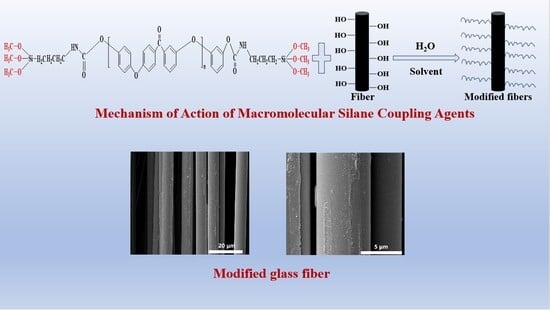
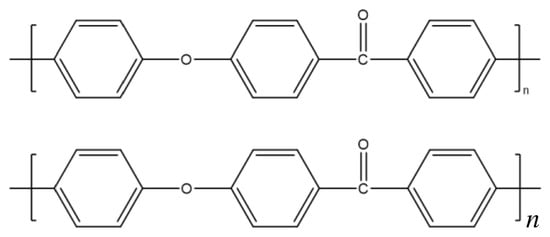
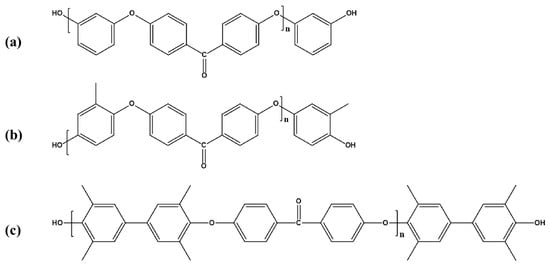
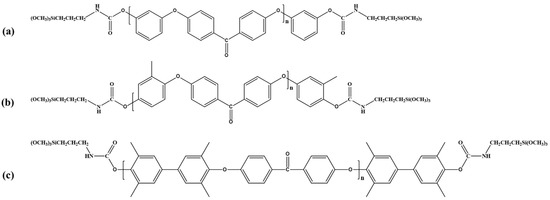
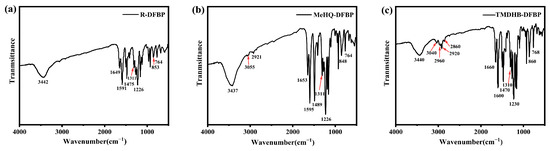
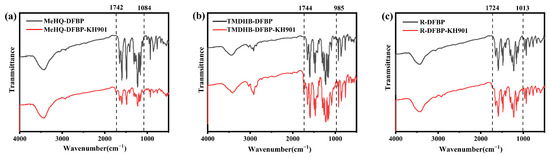
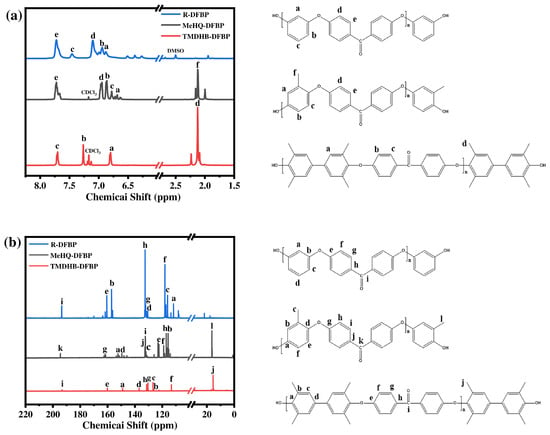
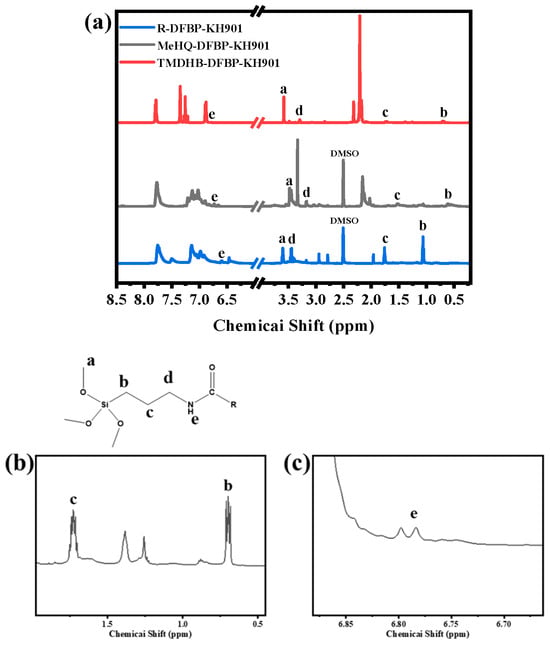
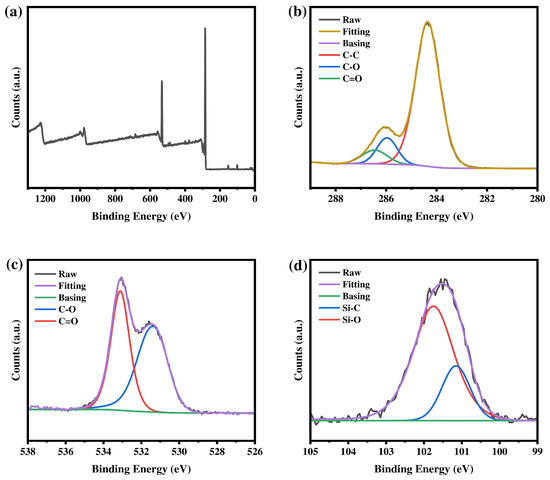
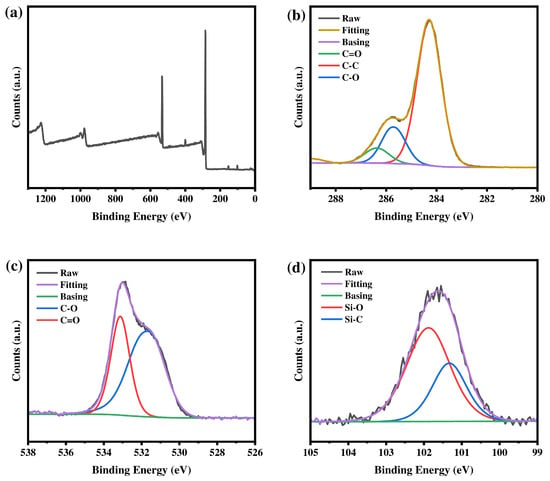
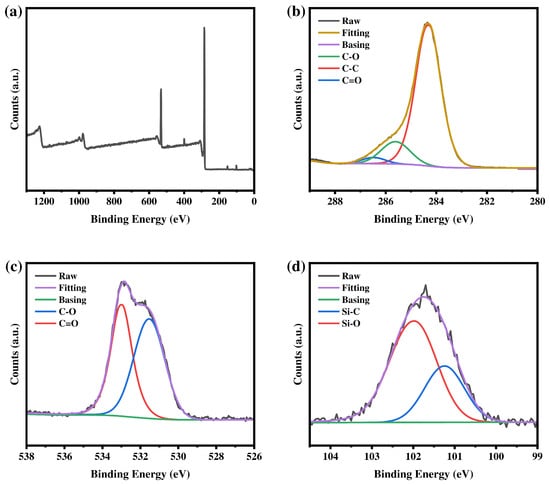
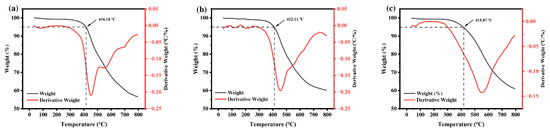
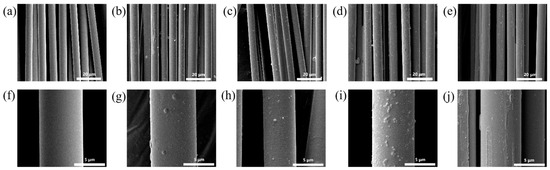
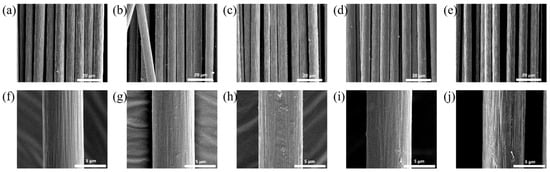
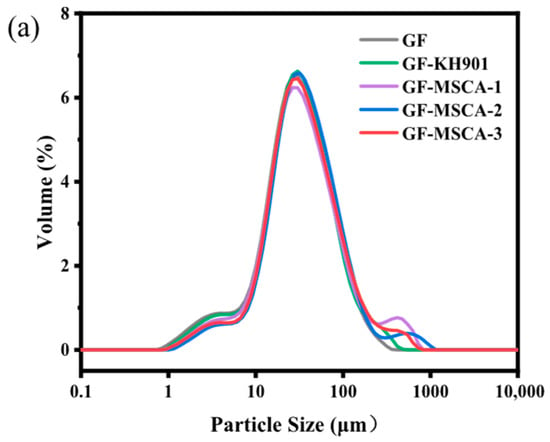
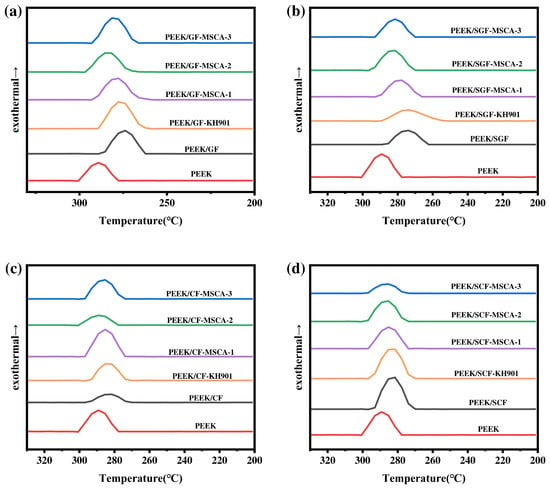
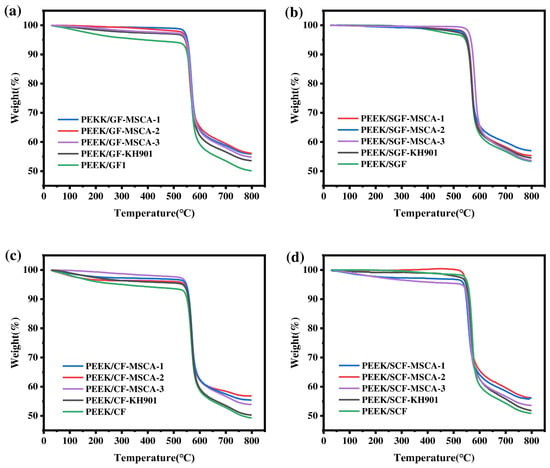
This study addresses the poor compatibility between resin and reinforcement and the weak interfacial bonding in poly(ether ether ketone) (PEEK)-based composites by preparing several macromolecular silane coupling agents. Three types of coupling agents with different structures were synthesized using hydroxyl-terminated PEEK oligomers, and their structures were confirmed by FT-IR, NMR, and XPS analyses. The molecular weights were determined by GPC, and TG analysis showed that all three coupling agents exhibited good thermal stability. Glass fibers and carbon fibers were surface-modified with these coupling agents. SEM and EDS analyses revealed uniform coatings on the fiber surfaces, accompanied by increases in the characteristic elements of the coupling agents. Mechanical tests showed that the tensile and flexural strengths of the treated composites were higher than those of the untreated ones. DSC and TG results indicated significant improvements in crystallinity and thermal properties. These enhancements are attributed to improved fiber–matrix compatibility and interfacial bonding. Overall, this work establishes a structure-tailored macromolecular silane coupling strategy, providing new insights into structure–property relationships and offering an effective approach to enhance the performance of PEEK-based composites. Full article
Show Figures

Graphical abstract

16 pages, 4762 KB  
Article
Live-Cell Imaging of Microglia in Organotypic Brain Slices Using Microcontact Printing
by Björn Y. P. Richardsen and Christian Humpel
Biomolecules 2026, 16(5), 713; https://doi.org/10.3390/biom16050713 (registering DOI) - 12 May 2026
Abstract
Microglia are brain immune cells that phagocytose cell debris and beta-amyloid plaques in patients with Alzheimer’s disease. They develop from round amoeboid cells into ramified microglia or large macrophages, which can be studied in three-dimensional organotypic mouse brain slices. In a recent publication, [...] Read more.
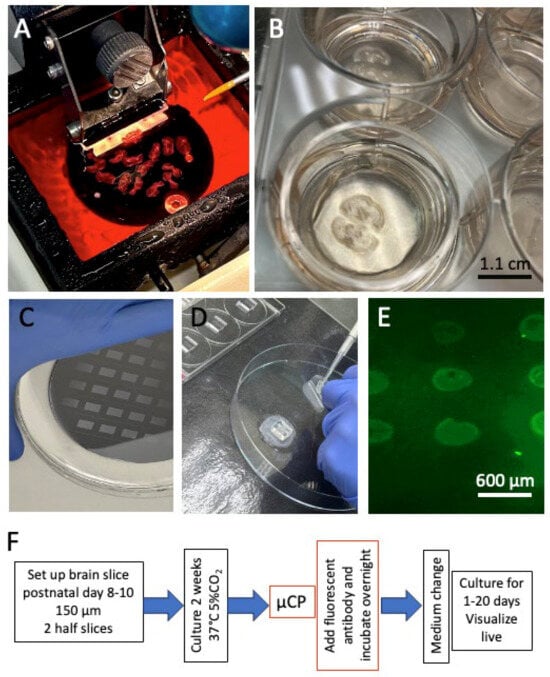
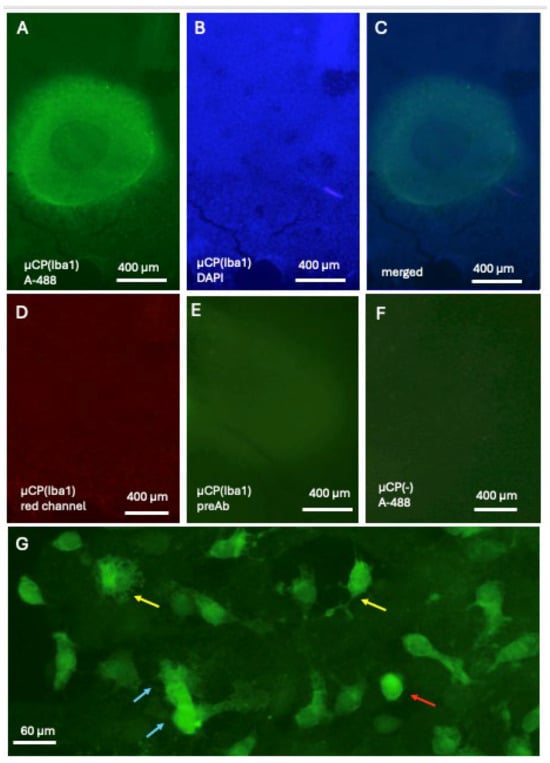
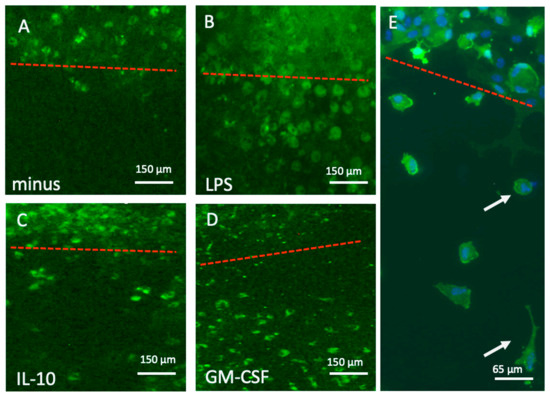
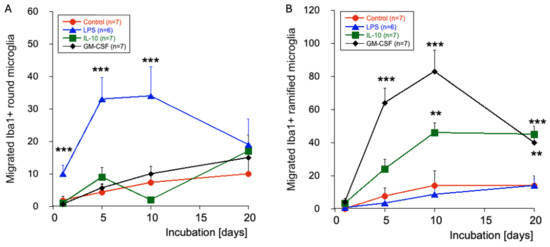
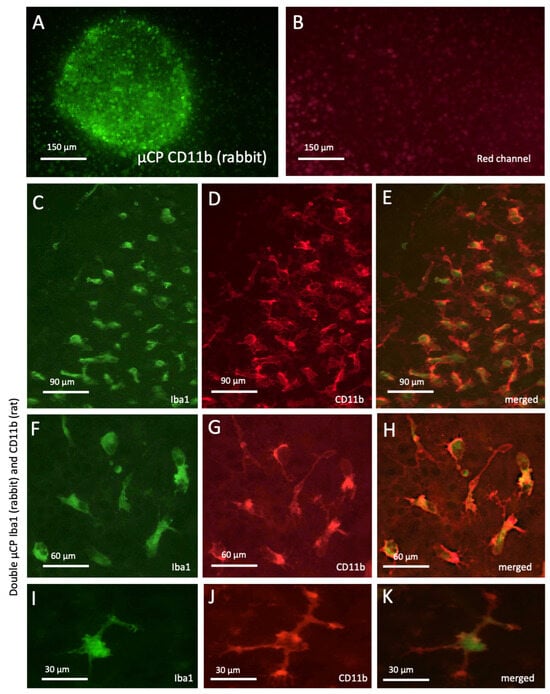
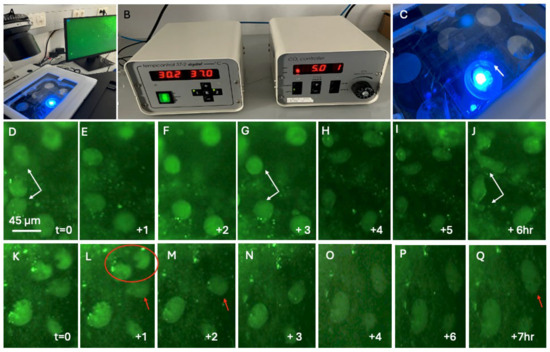
Microglia are brain immune cells that phagocytose cell debris and beta-amyloid plaques in patients with Alzheimer’s disease. They develop from round amoeboid cells into ramified microglia or large macrophages, which can be studied in three-dimensional organotypic mouse brain slices. In a recent publication, we showed for the first time that we can track GFAP+ astrocytes and laminin+ vessels in organotypic brain slices using live-cell imaging . The aim of the present study was to use microcontact printing on organotypic brain slices to label microglia with Iba1 and CD11b antibodies and visualise them through live-cell imaging. We show that microglia can be easily labelled with antibodies and tracked via live-cell fluorescence microscopy for up to 20 days. Incubation in lipopolysaccharide (LPS) or granulocyte–macrophage colony-stimulating factor (GM-CSF) stimulates the migration of round amoeboid microglia, whereas interleukin-10 induces their differentiation into ramified forms. Taken together, we show the first-time live cell imaging of microglia in organotypic mouse brain slices using microcontact printing. Full article
(This article belongs to the Section Cellular Biochemistry)
Show Figures

Figure 1

15 pages, 1193 KB  
Article
The Investigation of the Sensitivity of the Compliance to the Shape of the Spot in Welded Thermoplastic Single-Lap Shear (SLS) Joints
by Eva T. B. Smeets, Calvin D. Rans, René Alderliesten and Irene Fernandez Villegas
Materials 2026, 19(10), 2016; https://doi.org/10.3390/ma19102016 - 12 May 2026
Abstract
To ensure safety in structural design, a method to quantify the damage in thermoplastic ultrasonic single-spot-welded Single-Lap Shear (SLS) joints is needed. This paper investigates whether detailed knowledge regarding the shape of the weld is required when using the global compliance to quantify [...] Read more.
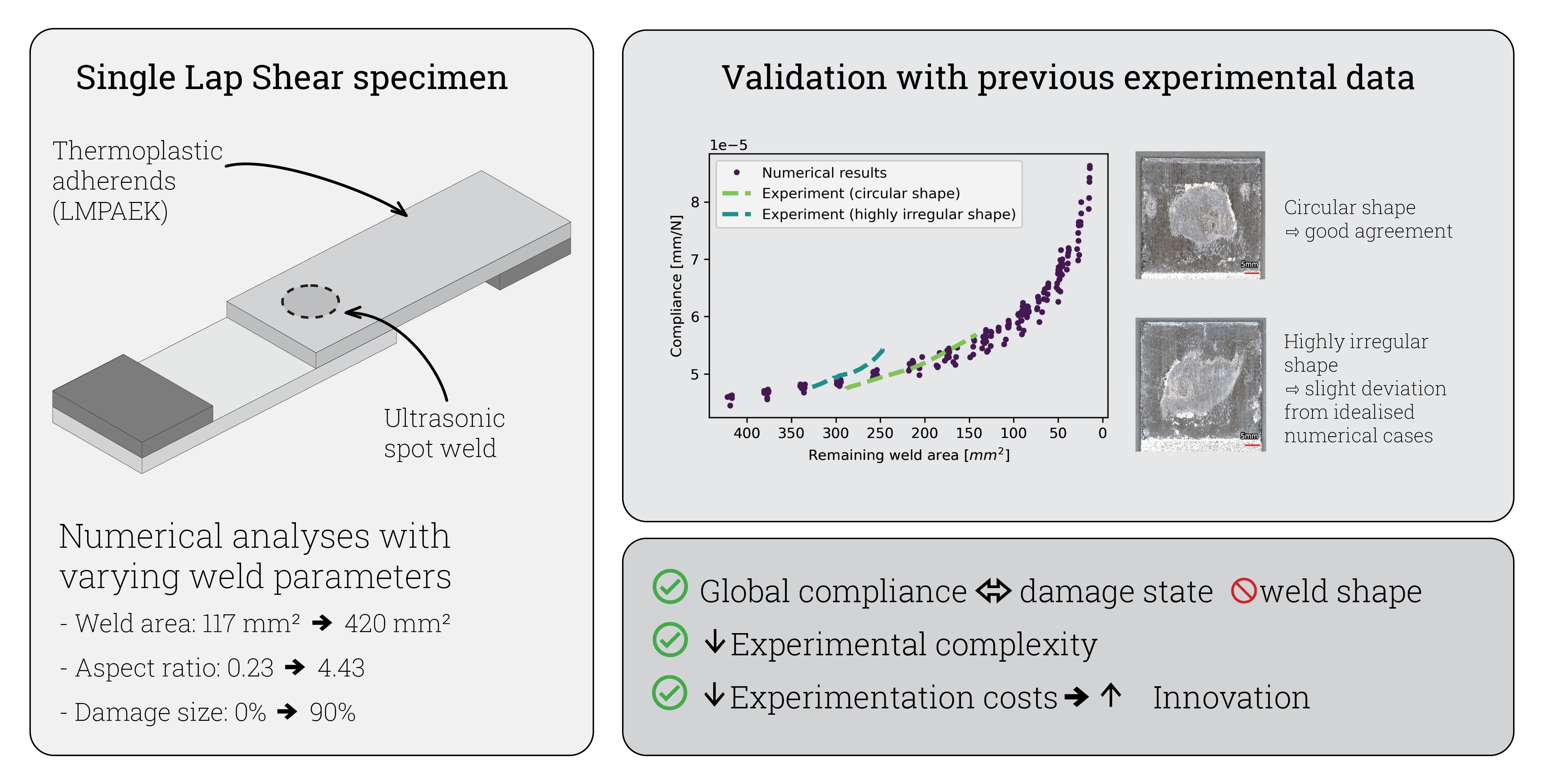
To ensure safety in structural design, a method to quantify the damage in thermoplastic ultrasonic single-spot-welded Single-Lap Shear (SLS) joints is needed. This paper investigates whether detailed knowledge regarding the shape of the weld is required when using the global compliance to quantify damage. A finite element model using cohesive zone elements is developed in Abaqus to simulate single-spot SLS specimens with varying weld areas, aspect ratios, and damage growth directions, covering damage levels from 0 to 90% of the initial weld area. For each configuration, the relationship between intact weld area and global compliance is evaluated, and the numerical trends are compared to previously published experimental data from similar joints. The results show that weld size and damage growth direction have negligible influence on the relationship between global compliance and weld area, and that weld shape is also insignificant as long as the aspect ratio remains within a practical range; only very elongated welds with an aspect ratio over 4.4, which are unlikely in production, deviate significantly. Global compliance can be used as a reliable indicator of damage in single-spot ultrasonic welds that is insensitive to weld shape. This enables simplified in situ damage monitoring and reduces the need for detailed geometric characterisation during mechanical testing. Full article
Show Figures

Graphical abstract

Open Access Journals

Browse by Indexing Browse by Subject Selected Journals
Back to TopTop