


11 pages, 17970 KB  
Article
The Ecological Niche: Toward an Architecture of Care
by Caroline O’Donnell
Architecture 2026, 6(2), 88; https://doi.org/10.3390/architecture6020088 (registering DOI) - 3 Jun 2026
Abstract
This essay centers on the term “Ecological Design” in architecture, tracing its development from natural history and evolutionary theory to contemporary architectural theory. Beginning with the term’s biological origins in the work of Darwin and Haeckel in Europe, as well as Swallow in [...] Read more.
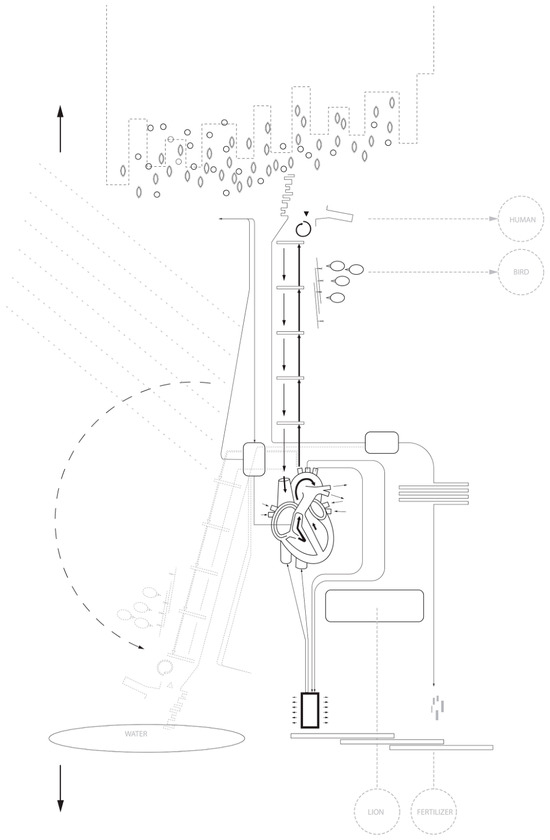
This essay centers on the term “Ecological Design” in architecture, tracing its development from natural history and evolutionary theory to contemporary architectural theory. Beginning with the term’s biological origins in the work of Darwin and Haeckel in Europe, as well as Swallow in the U.S., the article charts how ecological thinking has shaped the evolution of architectural practice, from nineteenth-century analogies with nature to twentieth-century critiques of technologically driven sustainability and, finally, to contemporary shifts to post-human matters of care. The concept of the niche is proposed to support the translation of ecology into architecture, offering a generative model that pushes beyond normative site responsiveness. Instead, niche thinking considers design as co-evolution between the built form and the environment, structured by cultural and social practice. Full article
(This article belongs to the Special Issue Intelligent Ecologies in Architectural Research and Practice)
Show Figures

Figure 1
16 pages, 855 KB  
Article
Left Ventricular Remodeling After Total Coronary Revascularization via Anterior Thoracotomy Versus Conventional Coronary Artery Bypass Grafting
by Vedat Aslan, Sefa Sural, Özerdem Özçalışkan and Gökhan Gökaslan
J. Cardiovasc. Dev. Dis. 2026, 13(6), 244; https://doi.org/10.3390/jcdd13060244 (registering DOI) - 3 Jun 2026
Abstract
Total coronary revascularization via anterior thoracotomy (TCRAT) enables complete anatomical revascularization without sternotomy; however, data on its impact on left ventricular function remain limited. This study compared left ventricular functional outcomes between TCRAT and median sternotomy coronary artery bypass grafting (MS-CABG) in 554 [...] Read more.
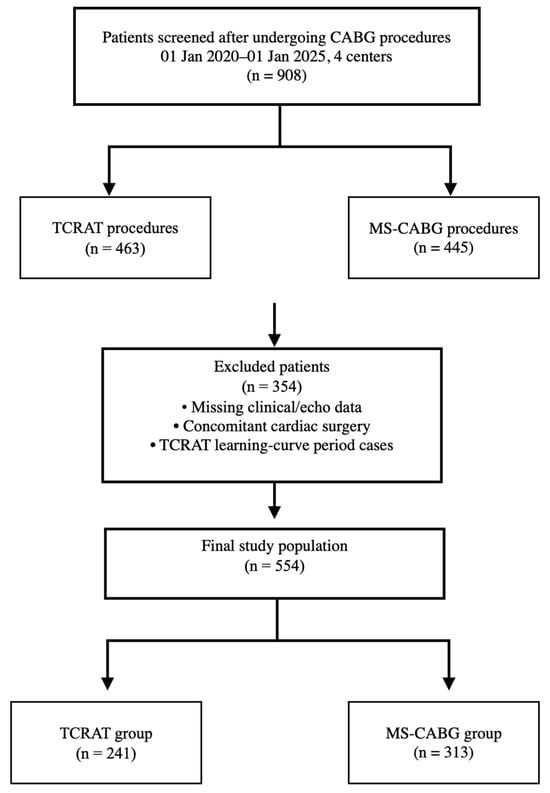
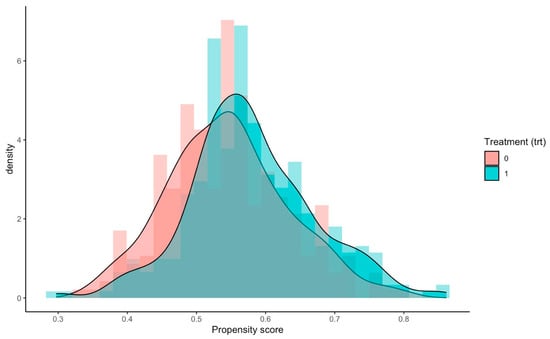
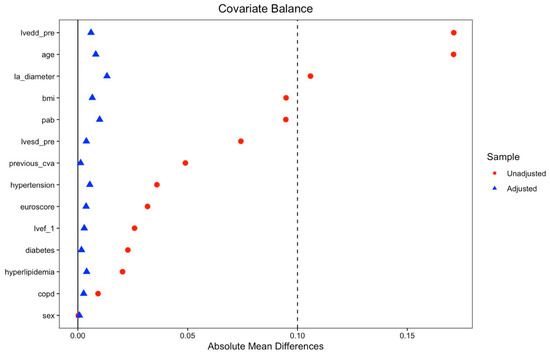
Total coronary revascularization via anterior thoracotomy (TCRAT) enables complete anatomical revascularization without sternotomy; however, data on its impact on left ventricular function remain limited. This study compared left ventricular functional outcomes between TCRAT and median sternotomy coronary artery bypass grafting (MS-CABG) in 554 patients undergoing elective isolated CABG at four centers (January 2020–January 2025) with preoperative and ≥3-month follow-up echocardiography. Patients were grouped as TCRAT (n = 241) or MS-CABG (n = 313). Stabilized inverse probability of treatment weighting was applied to reduce selection bias, achieving adequate covariate balance (all standardized mean differences < 0.10). The primary endpoint was follow-up left ventricular ejection fraction, assessed using IPTW-weighted analysis of covariance adjusted for preoperative values. No significant difference was observed between groups (β = 0.13; 95% CI, −0.63 to 0.90; p = 0.734). Adjusted left ventricular end-diastolic diameter was modestly higher in the MS-CABG group (β = 0.57 mm; 95% CI, 0.17–0.98; p = 0.006), while end-systolic diameter was similar. TCRAT was associated with longer operative times but shorter intensive care unit and hospital stays, along with lower transfusion requirements. These findings suggest that there was no statistically significant difference in follow-up systolic function between the surgical approaches. Although a modest difference in LVEDD was identified, its clinical significance remains uncertain. Full article
(This article belongs to the Section Cardiac Surgery)
Show Figures

Figure 1
16 pages, 469 KB  
Article
Bringing Psilocybin-Assisted Therapy to Palliative Oncology: Early Lessons from Real-World Implementation
by Michel Dorval, Virginie Audet-Croteau, Sue-Ling Chang, Marianne Masse-Grenier, Annie Tremblay, Elodie Bénard, Alexandra Chapdelaine, Nicolas Garel and Jason Robert Guertin
Healthcare 2026, 14(11), 1559; https://doi.org/10.3390/healthcare14111559 (registering DOI) - 3 Jun 2026
Abstract
Background/Objectives: Psilocybin-assisted therapy (PAT) is a promising intervention to alleviate existential distress among patients with advanced cancer receiving palliative care. However, evidence on how to integrate PAT into routine oncology and palliative care services remains scarce. This study aimed to examine real-world [...] Read more.
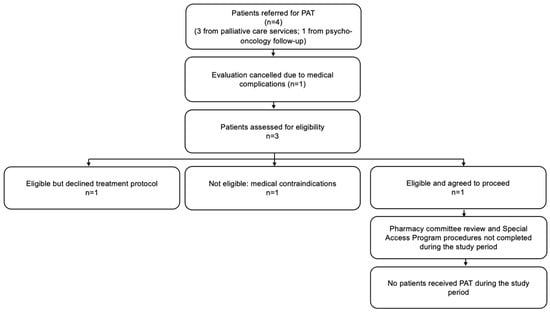
Background/Objectives: Psilocybin-assisted therapy (PAT) is a promising intervention to alleviate existential distress among patients with advanced cancer receiving palliative care. However, evidence on how to integrate PAT into routine oncology and palliative care services remains scarce. This study aimed to examine real-world PAT implementation, identify factors influencing adoption, and estimate integration costs within oncology and palliative care services. Methods: We conducted a single-case implementation study in a large university-affiliated tertiary care center in Canada during the first year following its introduction. Semi-structured interviews with clinicians, managers, and other stakeholders explored barriers, facilitating conditions, and actions needed to support PAT implementation. A budget impact analysis estimated incremental costs associated with delivering PAT. Results: After one year, no patients had received PAT. Ten professionals representing diverse clinical and managerial roles participated in the interviews. While participants viewed PAT favorably, they emphasized the need to align the intervention with existing care pathways and clarify referral processes. Administrative and regulatory procedures, together with logistical constraints related to treatment delivery, were identified as key barriers, whereas perceived clinical relevance and institutional leadership were seen as important facilitators. From the health care system perspective, the estimated cost of delivering a complete PAT intervention ranged from 2648 to 5827 Canadian dollars (CAD) per patient, depending on the scenario examined, excluding the cost of the psilocybin itself. Conclusions: Despite perceived clinical relevance and relatively modest estimated costs, the absence of treated patients after one year highlights the gap between regulatory authorization and effective service uptake. These findings underscore the importance of structured implementation strategies, sustained institutional support, and alignment between regulatory frameworks and clinical workflows to ensure meaningful integration of PAT into routine oncology and palliative care services. Full article
(This article belongs to the Special Issue Psychedelic Therapy in Palliative Care)
Show Figures

Figure 1
13 pages, 621 KB  
Article
The Impact of Inappropriate Use Patterns on Sub-Lethal Antibiotic Exposure: A Multivariate Analysis on the Selection Risk of Resistant Mutants
by Afet Arkut, Saime Uluçaylı, Hatice Sütçü and Mehmet Zeki Avcı
Antibiotics 2026, 15(6), 569; https://doi.org/10.3390/antibiotics15060569 (registering DOI) - 3 Jun 2026
Abstract
Background: Antimicrobial resistance (AMR) is an evolutionary crisis accelerated by inappropriate antibiotic use. While awareness studies often focus on descriptive knowledge, evidence-based predictive models identifying how cognitive deficits trigger treatment non-adherence are lacking. This study analyzed predictors of antibiotic non-adherence among university [...] Read more.
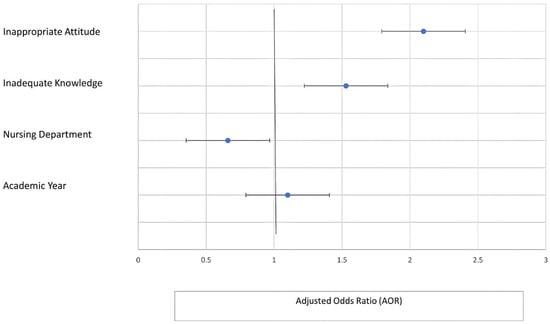
Background: Antimicrobial resistance (AMR) is an evolutionary crisis accelerated by inappropriate antibiotic use. While awareness studies often focus on descriptive knowledge, evidence-based predictive models identifying how cognitive deficits trigger treatment non-adherence are lacking. This study analyzed predictors of antibiotic non-adherence among university students using a multivariate behavioral-microbiological approach. Methods: A cross-sectional KAP (Knowledge, Attitude, and Practice) survey was conducted with 1044 students (Nursing: n = 620; non-healthcare: n = 424) in Northern Cyprus. A validated questionnaire assessed antimicrobial awareness. Multivariate logistic regression identified independent predictors (Adjusted Odds Ratio [AOR]) of treatment non-adherence. Results: Nursing students achieved significantly higher median scores in knowledge (9 vs. 7), attitude (10 vs. 8), and practice (9 vs. 7) compared to non-healthcare students (p < 0.001). Within the nursing cohort, a significant linear progression in KAP scores occurred from the 1st to 4th academic years (p < 0.05). The strongest independent predictor of antimicrobial non-adherence was inappropriate attitude (AOR: 2.100; 95% CI: 1.586–2.780; p < 0.001), followed by inadequate knowledge (AOR: 1.536; 95% CI: 1.160–2.033; p = 0.003). Conversely, nursing education was a significant protective factor (AOR: 0.669; p = 0.005). Conclusions: Antibiotic non-adherence is a complex psychological behavior management issue rather than merely an information deficit. Incorrect attitudes primarily drive sub-lethal dose exposure, theoretically increasing the epidemiological risk associated with resistant mutant selection. Future antimicrobial stewardship (AMS) programs must transcend traditional educational models and incorporate behavioral economics principles, such as digital nudging, to modify inappropriate attitudes. Full article
(This article belongs to the Section Antibiotics Use and Antimicrobial Stewardship)
Show Figures

Figure 1
23 pages, 4562 KB  
Article
Genomic Epidemiology and National Seroprevalence Reveal the Widespread Distribution of Palyam Viruses in China
by Heng Yang, Wei Chen, Lei Xiao, Zhanhong Li, Lin Gao, Defang Liao, Jianbo Zhu, Xiao Wang and Huachun Li
Viruses 2026, 18(6), 638; https://doi.org/10.3390/v18060638 (registering DOI) - 3 Jun 2026
Abstract
The taxonomic species Palyam virus (PALV) comprises a group of widely distributed, Culicoides-borne arboviruses linked to bovine reproductive disorders, yet its genetic diversity and seroprevalence in China have not been fully characterized. To address this gap, we obtained 29 PALV isolates from sentinel [...] Read more.
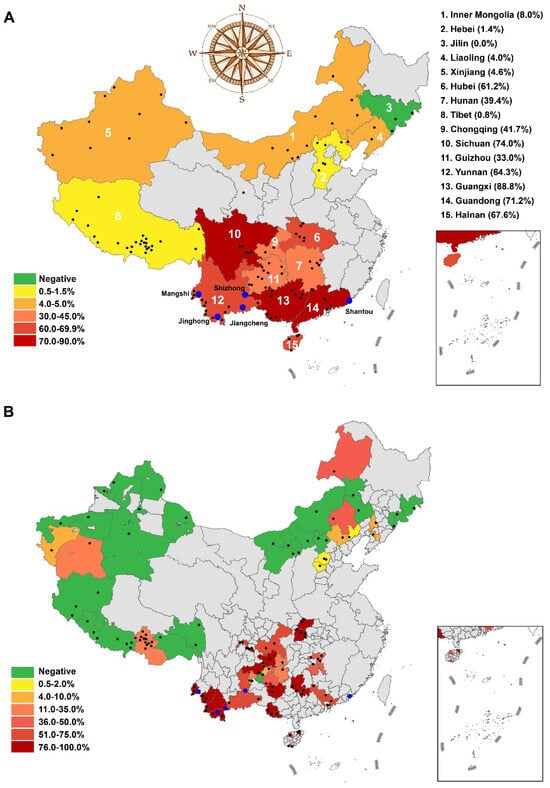
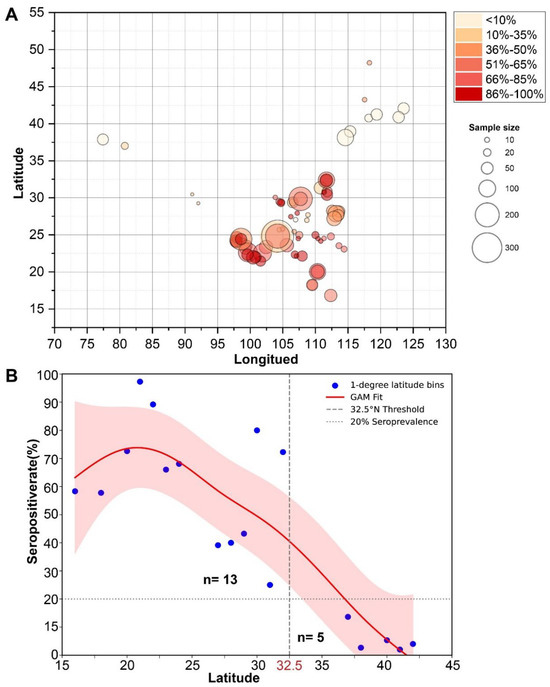
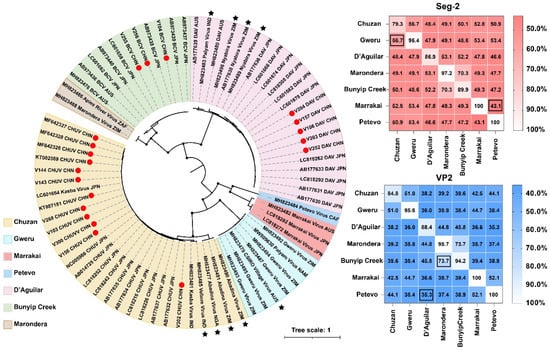
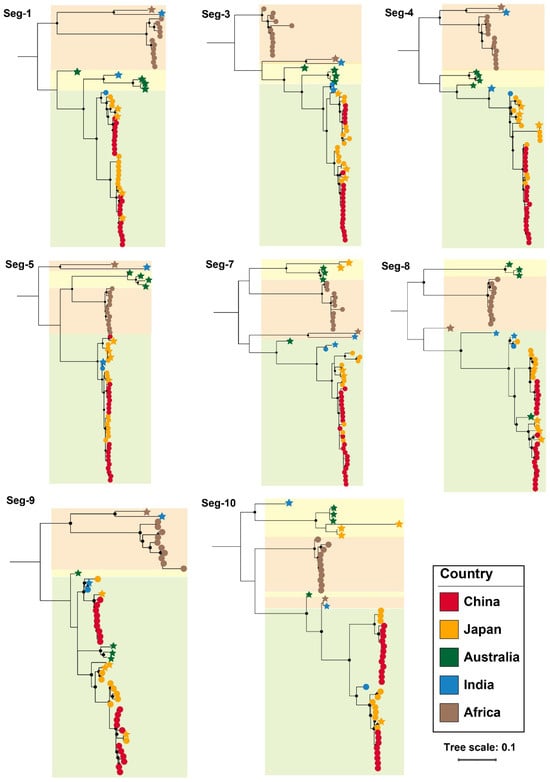
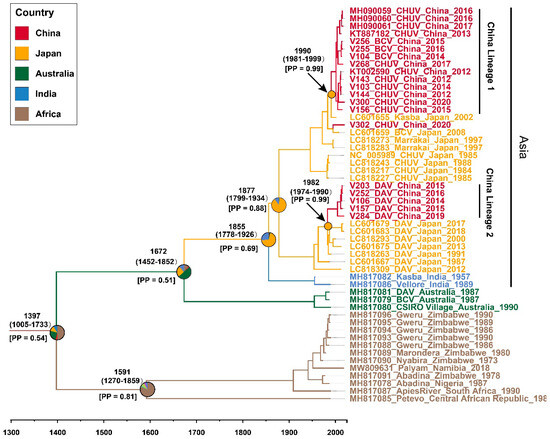
The taxonomic species Palyam virus (PALV) comprises a group of widely distributed, Culicoides-borne arboviruses linked to bovine reproductive disorders, yet its genetic diversity and seroprevalence in China have not been fully characterized. To address this gap, we obtained 29 PALV isolates from sentinel cattle in southern China, performed whole-genome sequencing on 15 representative strains, and conducted a nationwide serosurvey of 4660 cattle using a newly developed c-ELISA. These genomic data were integrated with global datasets for comprehensive phylogenetic and phylogeographic analyses. By establishing a global VP2-based framework, the Chinese PALV isolates were assigned to the Chuzan, Bunyip Creek, and D’Aguilar genogroups. In the global context, Chinese PALV strains exhibited the closest genetic affinity with strains from Japan, while phylogeographic reconstruction suggests at least two independent introductions from Japan during the 1980s and 1990s. Our survey revealed a high overall seroprevalence of 46.5% (95% CI: 44.7–47.5%) in cattle, demonstrating a pronounced latitudinal gradient with a sharp ecological threshold at 32.5° N. The virus is hyperendemic in humid southern China, with seroprevalence ranging from 33.0% to 88.8%, but attenuated in northern regions with seroprevalence less than 8.0%. These findings redefine PALV as a widespread “silent threat” in the East Asian arbovirus ecosystem, highlighting the need for coordinated transboundary surveillance. Full article
(This article belongs to the Special Issue Animal Virus Discovery and Genetic Diversity: 2nd Edition)
Show Figures

Figure 1

21 pages, 3731 KB  
Article
Upcycling rPET from Water Bottles into 3D-Printable Filament via Reactive Extrusion and Chain Extension
by Christina Podara, Eleni Gkartzou, Christos Tsirogiannis, Theodoros Gkikarakis and Costas Charitidis
AppliedChem 2026, 6(2), 38; https://doi.org/10.3390/appliedchem6020038 (registering DOI) - 3 Jun 2026
Abstract
The recycling of polyethylene terephthalate (PET) into value-added products suitable for additive manufacturing remains challenging due to molecular degradation and insufficient melt strength. In this study, post-consumer recycled PET was upcycled via chain extension to develop filaments suitable for fused filament fabrication (FFF). [...] Read more.
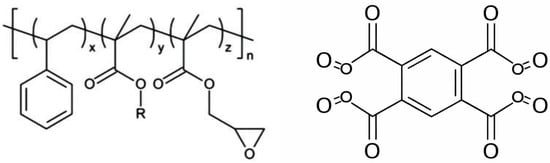
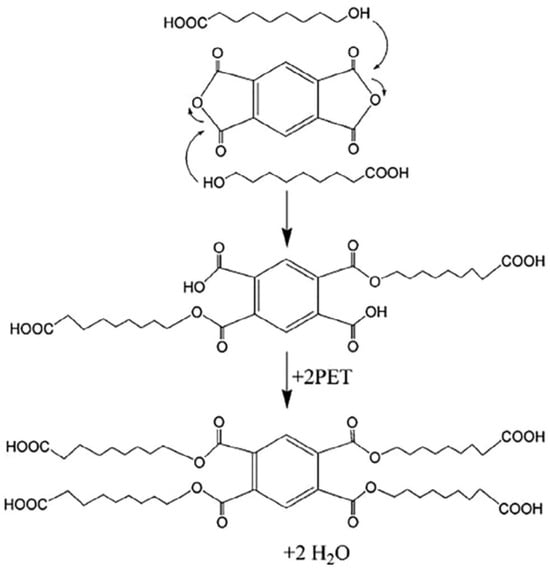
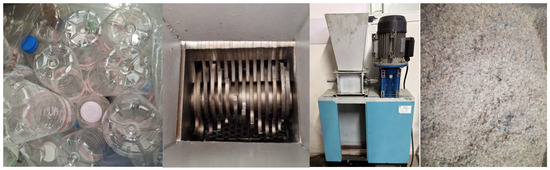
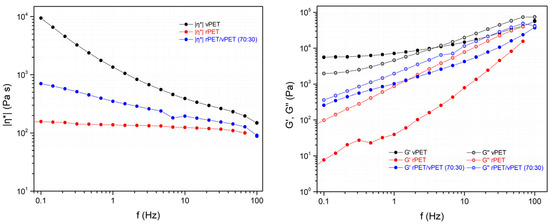
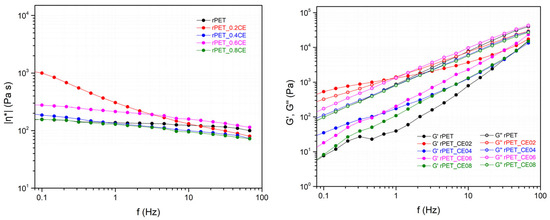
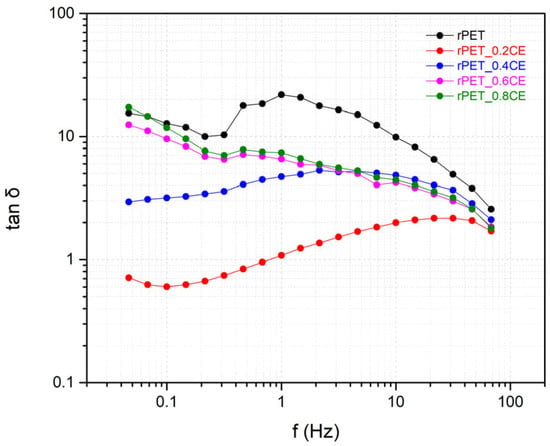
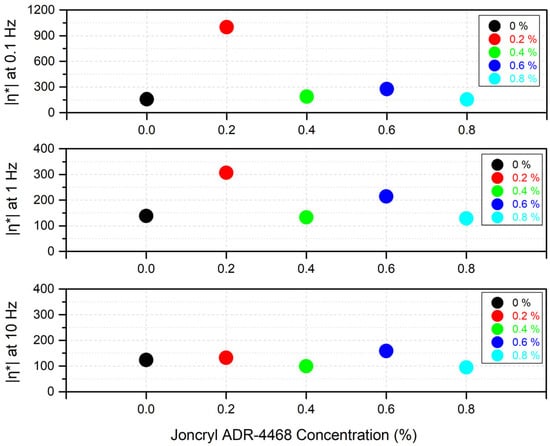
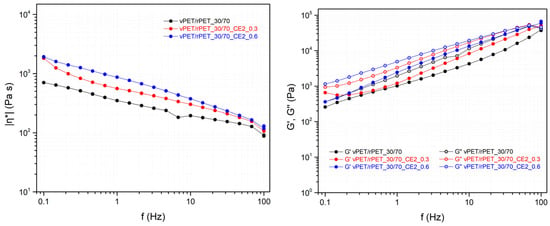
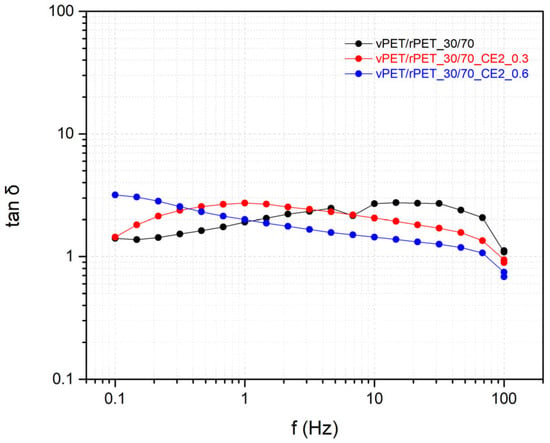
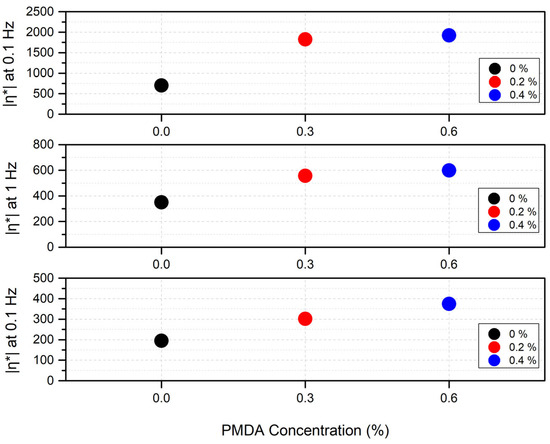
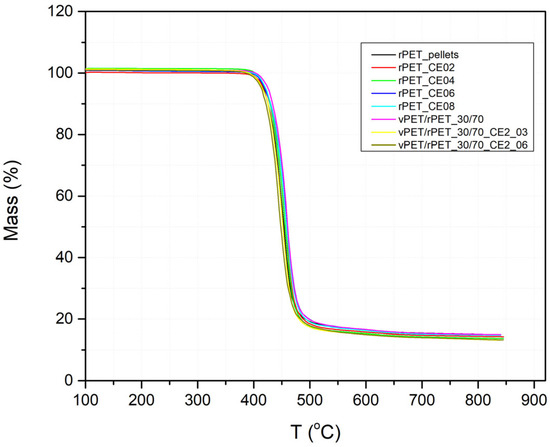
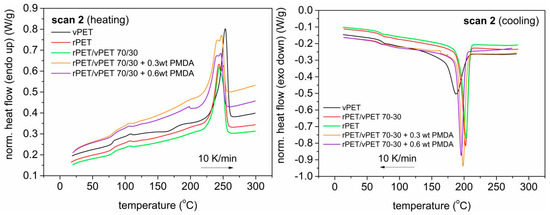
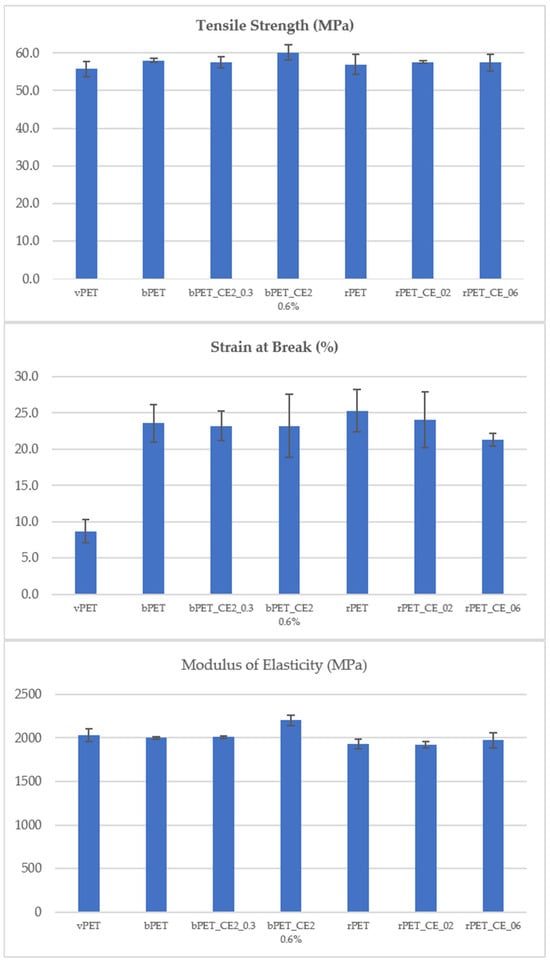
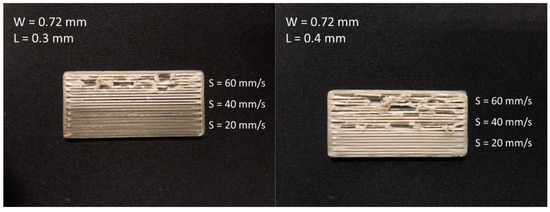
The recycling of polyethylene terephthalate (PET) into value-added products suitable for additive manufacturing remains challenging due to molecular degradation and insufficient melt strength. In this study, post-consumer recycled PET was upcycled via chain extension to develop filaments suitable for fused filament fabrication (FFF). Two chain extenders were evaluated: an epoxy-based multifunctional oligomer (Joncryl® ADR-4468) and a tetrafunctional aromatic dianhydride (pyromellitic dianhydride, PMDA). Joncryl® ADR-4468 increased the complex viscosity and viscoelastic moduli of rPET; however, the response was non-monotonic and resulted in limited filament dimensional stability. In contrast, rPET/vPET (70/30) blends modified with PMDA exhibited a pronounced and reproducible enhancement in melt viscosity and elasticity, enabling the production of a continuous filament with a stable diameter (1.75 ± 0.05 mm). Differential scanning calorimetry indicated that PMDA had a negligible effect on the glass transition temperature, while slightly reducing crystallinity, which is beneficial for FFF processing. Preliminary printing trials confirmed stable extrusion and controlled deposition behaviour for the PMDA-modified formulation. Overall, the results demonstrate that chain extension using PMDA is an effective strategy to restore melt processability and enable the use of recycled PET in filament-based additive manufacturing. Full article
Show Figures

Figure 1

10 pages, 224 KB  
Review
Current Clinical Utility of Gene Expression Panels in Primary Cutaneous Melanoma
by Taylor L. Garza, Jae Hwan Choi, Michelle McGee, Edmond Box, Timothy Nywening, Andreas Karachristos, Abraham Schwarzberg, Mayer Fishman and Richard Jacobson
Cancers 2026, 18(11), 1830; https://doi.org/10.3390/cancers18111830 (registering DOI) - 3 Jun 2026
Abstract
Roughly 100,000 new cases of melanoma are diagnosed yearly in the United States, the majority of which are early-stage disease with excellent prognosis. However, a subset of patients harbors clinically occult aggressive biology that can go undetected on standard clinicopathologic analyses. Gene expression [...] Read more.
Roughly 100,000 new cases of melanoma are diagnosed yearly in the United States, the majority of which are early-stage disease with excellent prognosis. However, a subset of patients harbors clinically occult aggressive biology that can go undetected on standard clinicopathologic analyses. Gene expression profiling (GEP) assays have emerged as molecular adjuncts to risk stratification, aiming to improve sentinel lymph node biopsy (SLNB) decision-making and surveillance planning. Two commercial tests are widely available: the 31-gene expression profile (31-GEP, DecisionDx-Melanoma, Castle Biosciences) and the clinicopathologic gene expression profile (CP-GEP, Merlin, SkylineDx). This review summarizes the current evidence for each assay regarding their performance and utility, with a focus on potentially actionable use cases, limitations, and the practical context in which these tools are most valuable. Full article
(This article belongs to the Section Cancer Informatics and Big Data)
17 pages, 10676 KB  
Article
Formation Mechanism and Dielectric Properties of Ultra-High-Voltage Anodic Al Foils Investigated by ReaxFF-MD and DFT
by Xuliang Chu, Yucheng Ji, Chenyang Yao, Jinlong Wu, Xiaoxue Song, Xiaoou Liu, Hongliang Li, Xin Wang, Wenfeng Yang, Junsheng Wu and Chaofang Dong
Materials 2026, 19(11), 2373; https://doi.org/10.3390/ma19112373 (registering DOI) - 3 Jun 2026
Abstract
Understanding the atomic-scale formation of anodic oxide films is critical for Al electrolytic capacitors. The formation mechanism and dielectric properties of an ultra-high-voltage anodized Al foil were investigated by combining experiments, reactive molecular dynamics, and first-principles calculations. Results indicate that film growth is [...] Read more.
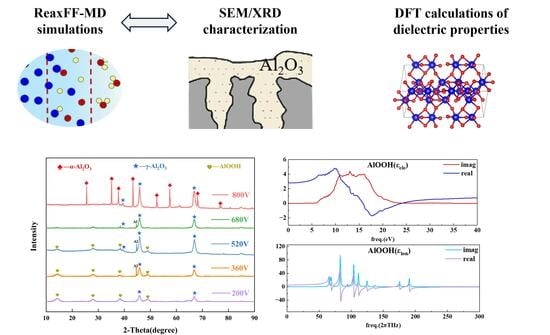
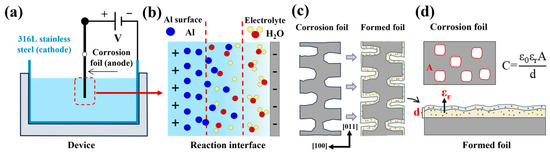
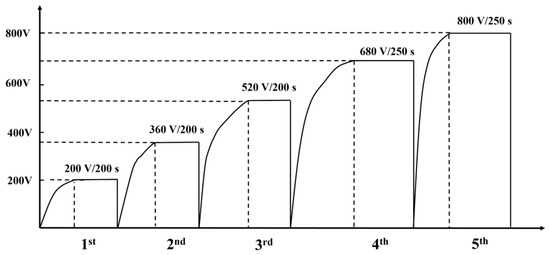
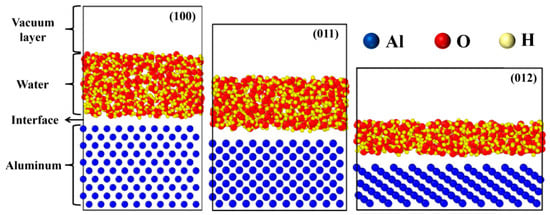
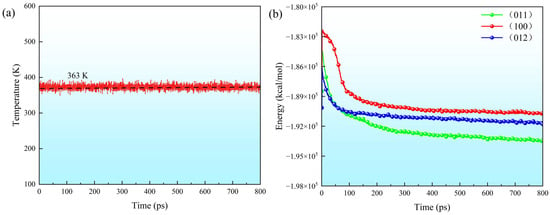
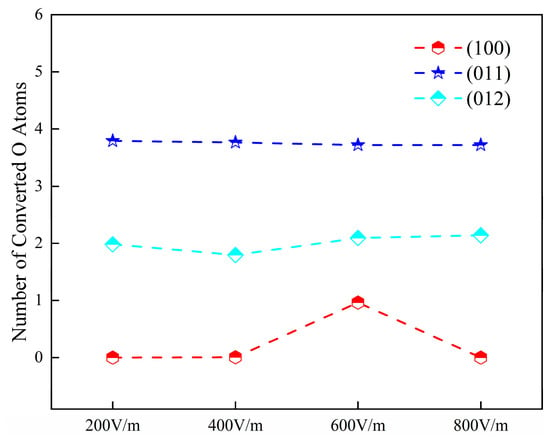
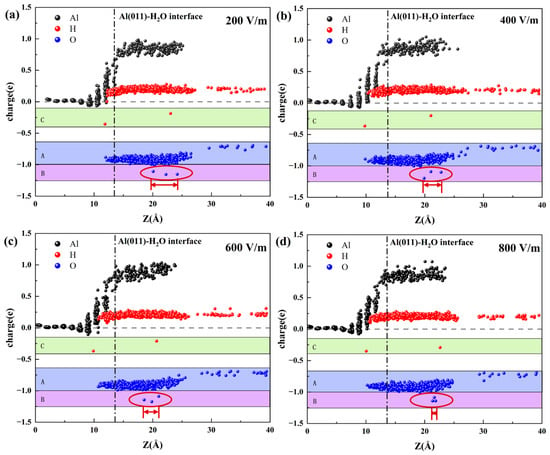
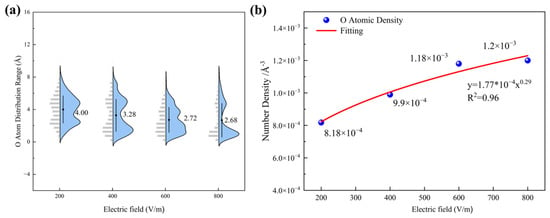
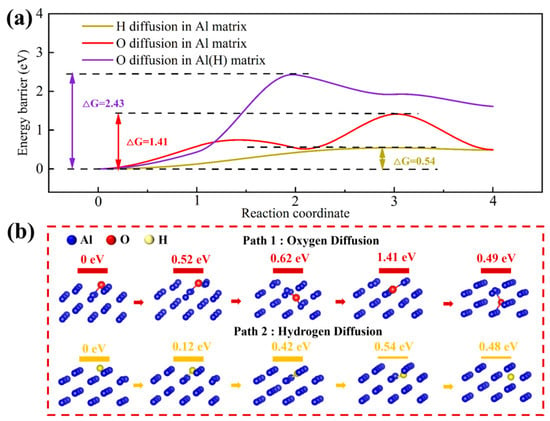
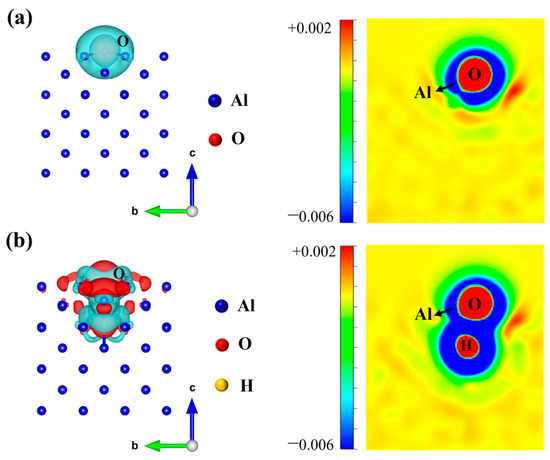
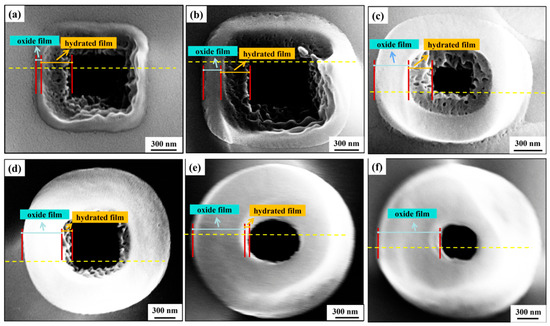
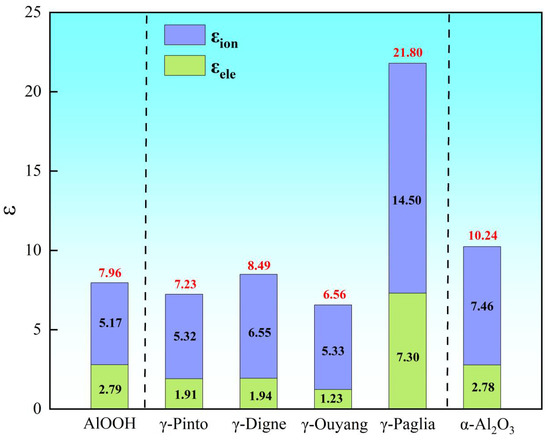
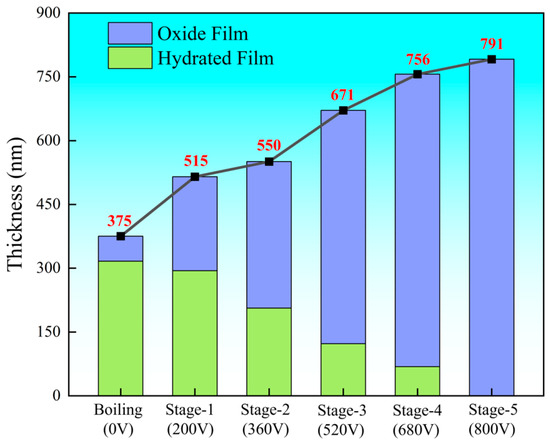
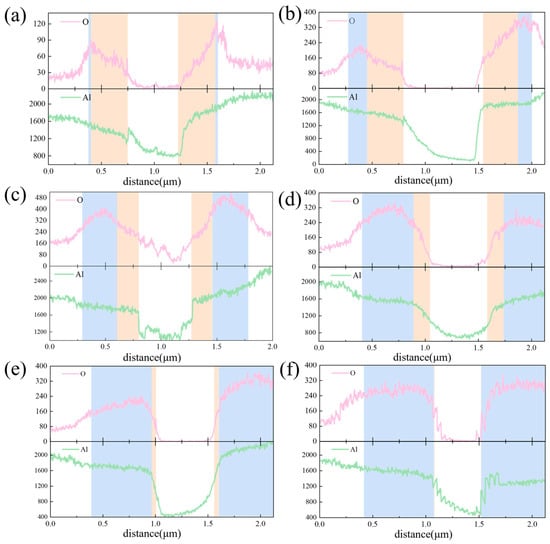
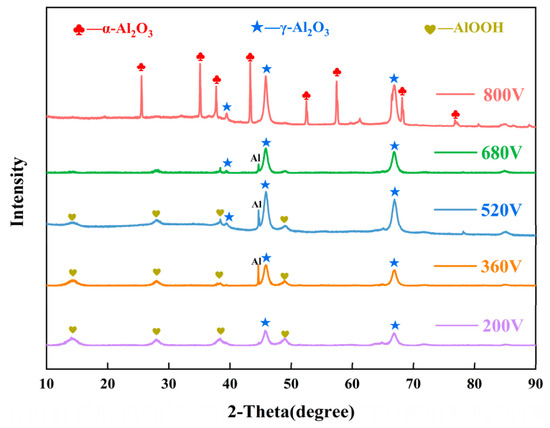
Understanding the atomic-scale formation of anodic oxide films is critical for Al electrolytic capacitors. The formation mechanism and dielectric properties of an ultra-high-voltage anodized Al foil were investigated by combining experiments, reactive molecular dynamics, and first-principles calculations. Results indicate that film growth is primarily governed by the (011) crystal plane, and the density of the oxide film increases with the applied electric field. The diffusion barrier of H atoms (0.54 eV) is significantly lower than that of O atoms (1.41 eV), suggesting the preferential formation of Al hydroxide oxide species on the surface. As the anodization voltage increases, the oxide undergoes phase evolution from AlOOH to γ-Al2O3 and finally to α-Al2O3. First-principles calculations reveal the dielectric constants of alumina, which are 7.96 for AlOOH, 21.80 for γ-Al2O3 (Paglia structure), and 10.24 for α-Al2O3. These findings provide a theoretical basis for optimizing the microstructure and dielectric performance of ultra-high-voltage anodized Al foils. Full article
Show Figures

Graphical abstract

22 pages, 750 KB  
Article
A Judgement-Based Connectivity Framework Linking IFRS S2 Climate-Related Disclosures to IFRS Recognition, Measurement, and Disclosure Outcomes: An Illustrative Application
by Eda Oruç Erdoğan, Murat Erdoğan, Durmuş Acar and İlker Kıymetli Şen
J. Risk Financial Manag. 2026, 19(6), 406; https://doi.org/10.3390/jrfm19060406 (registering DOI) - 3 Jun 2026
Abstract
Increasing attention has been directed toward the consistency between sustainability disclosures and financial statements, giving rise to the concept of financial connectivity. A prevailing assumption in this debate is that climate-related risks and opportunities will directly translate into quantifiable impacts on financial statement [...] Read more.
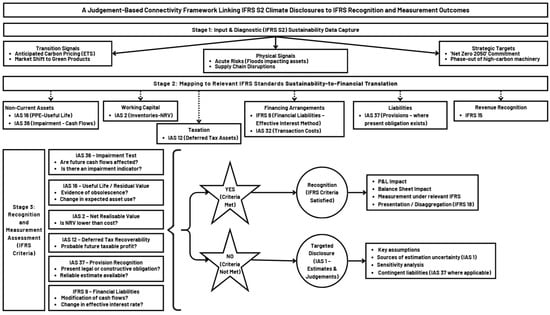
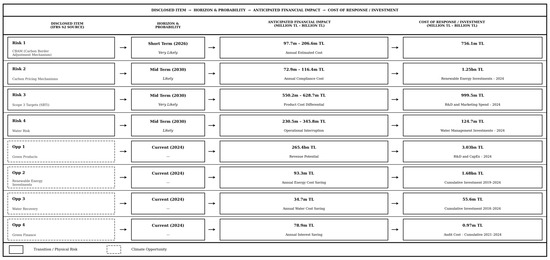
Increasing attention has been directed toward the consistency between sustainability disclosures and financial statements, giving rise to the concept of financial connectivity. A prevailing assumption in this debate is that climate-related risks and opportunities will directly translate into quantifiable impacts on financial statement amounts under International Financial Reporting Standards (IFRS). This study challenges that assumption by arguing that connectivity does not necessarily materialise through immediate recognition outcomes in financial statements. To address this gap, the paper develops a three-stage, judgement-based connectivity framework that links climate-related disclosures under IFRS S1 and IFRS S2 to recognition, measurement, and disclosure decisions under IFRS Accounting Standards. Rather than treating sustainability disclosures as direct valuation inputs, the framework evaluates each disclosed risk or opportunity through structured accounting judgements. The framework is illustrated using the 2024 climate-related disclosures of a listed manufacturing entity (Company A). The illustrative application suggest that significant climate exposures do not automatically result in recognised provisions under IAS 37. Instead, connectivity primarily operates through assumption-setting mechanisms embedded in existing measurement models, including impairment testing (IAS 36), asset life assessments (IAS 16), and deferred tax evaluations (IAS 12). The study makes three interrelated contributions: it reconceptualises financial connectivity as a structured judgement process rather than a numerical reconciliation exercise; it operationalises this reconceptualisation through a replicable step-by-step mapping framework that links IFRS S2 disclosures to specific IFRS recognition, measurement, and disclosure requirements without expanding existing accounting rules; and it clarifies that disciplined non-recognition may represent adherence to accounting integrity rather than a reporting deficiency. These contributions distinguish the framework from existing professional guidance by making the underlying judgement logic explicit and replicable within the scope of IFRS-based financial reporting. Full article
(This article belongs to the Topic Sustainable and Green Finance)
Show Figures

Figure 1

10 pages, 1607 KB  
Article
A Wide-Range High-Efficiency Rectifier for Wireless Power Transfer in Battery-Free IoT Networks
by Yilin Zhou, Zhongqi He and Changjun Liu
Telecom 2026, 7(3), 67; https://doi.org/10.3390/telecom7030067 (registering DOI) - 3 Jun 2026
Abstract
Microwave wireless power transfer (MWPT) is a promising technology for powering dedicated industrial Internet of Things (IoT) devices, enabling battery-free operation. However, in realistic MWPT deployments, the received RF signals fluctuate drastically due to varying transmission distances and multipath fading. Additionally, the equivalent [...] Read more.
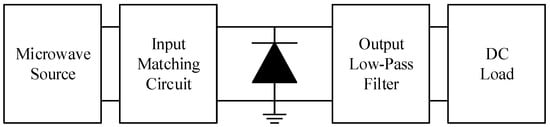
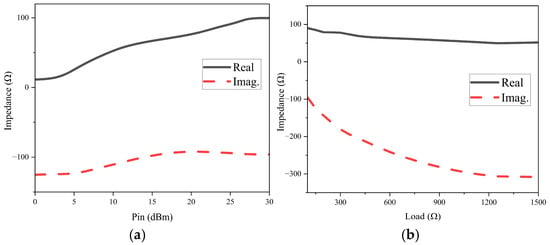
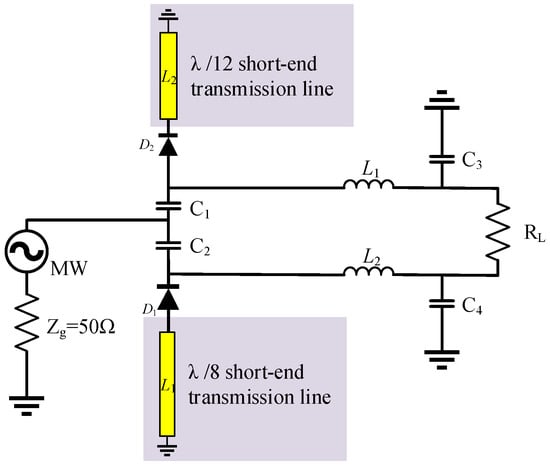
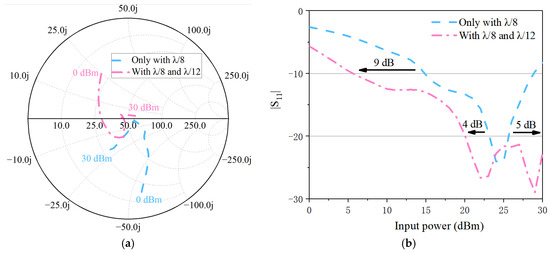
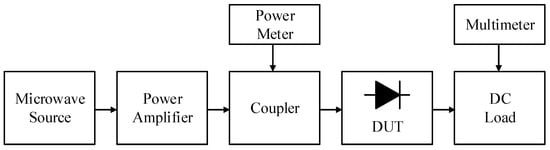
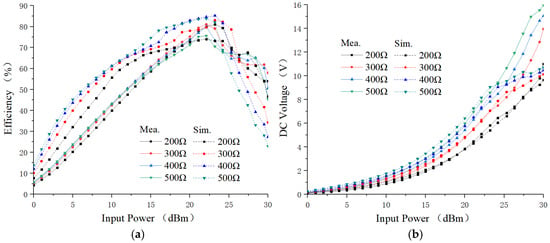
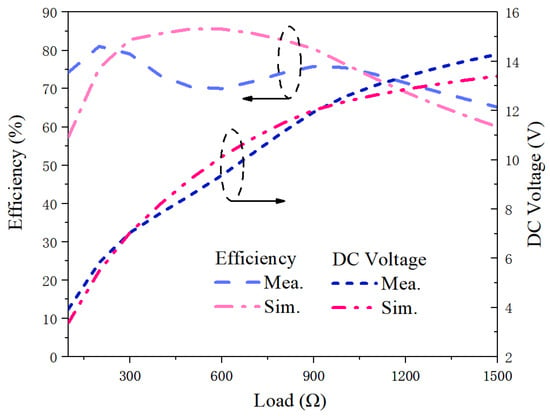
Microwave wireless power transfer (MWPT) is a promising technology for powering dedicated industrial Internet of Things (IoT) devices, enabling battery-free operation. However, in realistic MWPT deployments, the received RF signals fluctuate drastically due to varying transmission distances and multipath fading. Additionally, the equivalent impedance of sensor nodes varies significantly during duty cycles, shifting between a low-resistance active state and a high-resistance sleep state. Consequently, maintaining high rectification efficiency under these dynamic conditions remains a critical challenge. This paper proposes a high-efficiency rectifier with a wide input power and load range based on the suppression of second and third harmonics. The rectifier adopts a dual-diode parallel configuration. By leveraging the impedance compensation characteristics of two short-circuited stubs with distinct electrical lengths, it simultaneously achieves fundamental-frequency impedance matching and harmonic suppression without the need for an additional matching network. Validated through theoretical derivation, simulation analysis, and physical prototype testing, the proposed 2.45 GHz rectifier realizes high-efficiency rectification over a wide dynamic range. Experimental results demonstrate that the power dynamic range reaches 10 dB when the rectification efficiency exceeds 70%, and extends to 17 dB when the efficiency is above 60%. Furthermore, the rectification efficiency is insensitive to load variations (100–1200 Ω), making it highly suitable for powering wireless sensor nodes with varying operating modes in complex electromagnetic environments. Full article
Show Figures

Figure 1

14 pages, 258 KB  
Article
Operative Costs and Anesthesia Exposure Time for Pediatric Glaucoma Surgeries
by Scott D. Sorenson and Raymond G. Areaux, Jr.
J. Mark. Access Health Policy 2026, 14(2), 34; https://doi.org/10.3390/jmahp14020034 (registering DOI) - 3 Jun 2026
Abstract
Background: Pediatric glaucomas are sight-threatening conditions that frequently require surgical intervention and may expose vulnerable young patients to repeated episodes of general anesthesia. While the clinical efficacy of pediatric glaucoma surgeries has been described, comparative data on operative cost and anesthesia exposure [...] Read more.
Background: Pediatric glaucomas are sight-threatening conditions that frequently require surgical intervention and may expose vulnerable young patients to repeated episodes of general anesthesia. While the clinical efficacy of pediatric glaucoma surgeries has been described, comparative data on operative cost and anesthesia exposure time are scarce, limiting evidence-based decision-making for surgeons, caregivers, and health systems. Objective: To quantify and compare the operative costs and total operating room (OR) time of common pediatric glaucoma surgeries, with particular attention to unilateral angle surgery versus immediately sequential bilateral angle surgery (ISBAS), and to single-incision ab interno trabeculotomy (SIT) versus other angle techniques. Methods: A retrospective review of patients who received glaucoma surgery by one of three experienced glaucoma surgeons between January 2012 and August 2019 at the University of Minnesota Medical Center. Each surgery was classified by type, cost, and operative time. Results: A total of 160 surgical encounters were analyzed. Average total cost was $6564 for all unilateral procedures, $6782 (±1952.03) for unilateral angle surgeries, and $11,391 (±2396) for ISBAS. Mean OR time was 121 min for all unilateral procedures, 120 min (±46.3) for unilateral angle surgeries, and 208 min (±53.8) for ISBAS—approximately the cost and time of two unilateral angle surgeries combined into a single anesthetic encounter. Compared to separate encounters for bilateral angle surgeries, ISBAS saved $2174 (p = 0.008) and trended toward saving 33 min of OR time (p = 0.068). Single-incision ab interno trabeculotomy (SIT) was $1647 more expensive than conventional incisional goniotomy or trabeculotome trabeculotomy (p < 0.0001) and reduced OR time by 23.5 min (p = 0.011). SIT was as expensive as 360-degree trabeculotomy ab externo with the iScienceTM catheter (p = 0.098) and reduced OR time by 74.4 min (p = 0.0004). There was no difference in complications between unilateral surgery and ISBAS. Conclusions: Reduced cost and a trend toward reduced anesthesia time support the use of ISBAS. SIT substantially reduced general anesthesia exposure for a neutral or slightly increased cost. Full article
29 pages, 13414 KB  
Article
A Static-to-Temporal Framework for Interpretable Camera Lens Soiling Severity Estimation in Autonomous Driving
by Fan Yang, Xingyu Duan, Fan Li and Luolin Zhang
Sensors 2026, 26(11), 3533; https://doi.org/10.3390/s26113533 (registering DOI) - 3 Jun 2026
Abstract
Camera lens soiling can severely degrade visual perception in autonomous driving, making reliable soiling severity estimation essential for camera-health monitoring and downstream perception safety. However, existing methods mainly rely on area-based indicators or frame-wise predictions, which insufficiently account for opacity differences, spatial importance, [...] Read more.
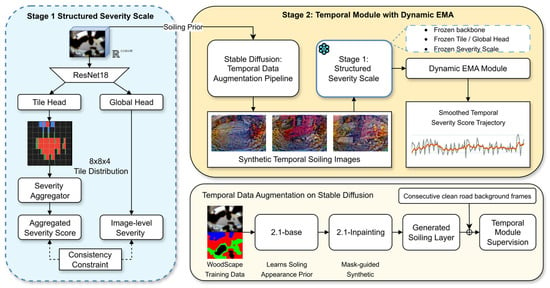
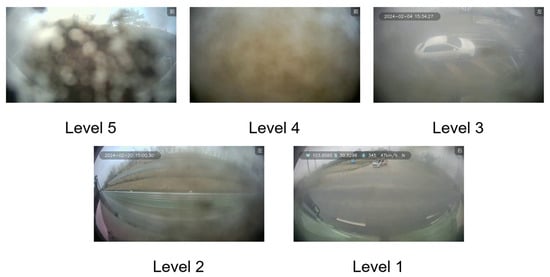
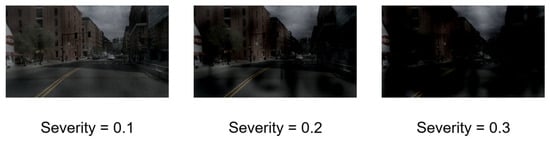
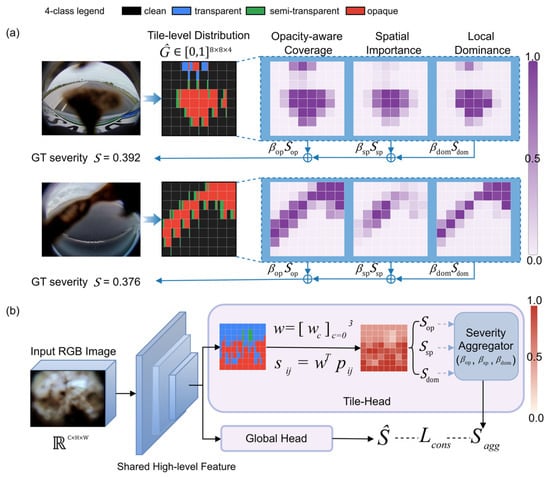
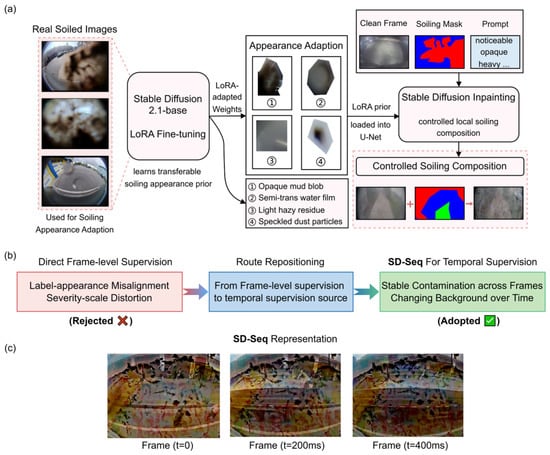
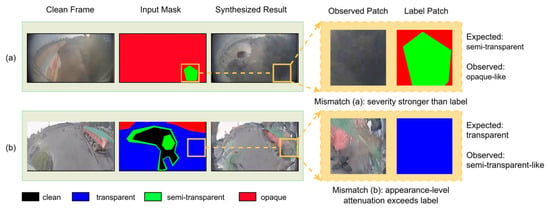
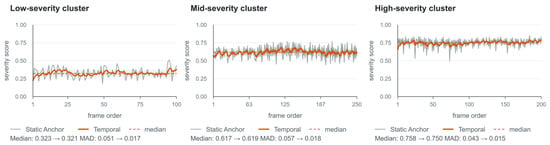
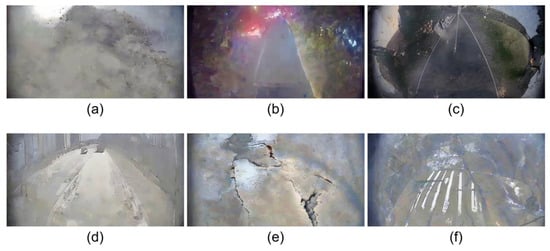
Camera lens soiling can severely degrade visual perception in autonomous driving, making reliable soiling severity estimation essential for camera-health monitoring and downstream perception safety. However, existing methods mainly rely on area-based indicators or frame-wise predictions, which insufficiently account for opacity differences, spatial importance, and temporal stability in continuous video streams. To address these limitations, this paper proposes a static-to-temporal soiling framework for camera-soiling severity estimation. First, we propose a Structured Dual-Head Static Model (SDSM) that jointly predicts tile-level four-class soiling distributions and an image-level severity score. The model is coupled with an explicit Structured Severity Score that aggregates local predictions through opacity-aware, spatial, and dominance-related components. Second, to alleviate the scarcity of real temporal soiling data, we construct a Two-Stage Stable Diffusion (TS-SD) pipeline and use the resulting SD-Seq data as mechanism supervision for temporal learning rather than direct single-frame strong supervision. Finally, we introduce a structure-constrained adaptive EMA Module to improve temporal stability while preserving the original single-frame severity scale. Experiments on WoodScape, External Test, and OccNuScenes-Dirt show strong cross-domain severity estimation performance, including a cluster-level Spearman correlation of 0.7876 on External Test. The temporal module further reduces Jitter (MAD) by 51.5%. These results demonstrate an interpretable, cross-domain, and deployment-friendly solution for camera-soiling assessment. Full article
(This article belongs to the Section Intelligent Sensors)
Show Figures

Figure 1

38 pages, 14738 KB  
Article
From Research Spaces to Strategic Portfolio Design: Forecasting Country-Level Scholarly Diversification
by Jorge Galán-Mena, Martín López-Nores, Daniel Pulla-Sánchez, Luis F. Guerrero-Vásquez and Juan P. Salgado-Guerrero
Mathematics 2026, 14(11), 1953; https://doi.org/10.3390/math14111953 (registering DOI) - 3 Jun 2026
Abstract
This paper examines whether research-space analysis can support portfolio design informed by forecasts at the country–subfield level. Using a bibliographic catalog of scientific papers, authors and institutions, we construct a research space from country activity across subfields and test whether measures derived from [...] Read more.
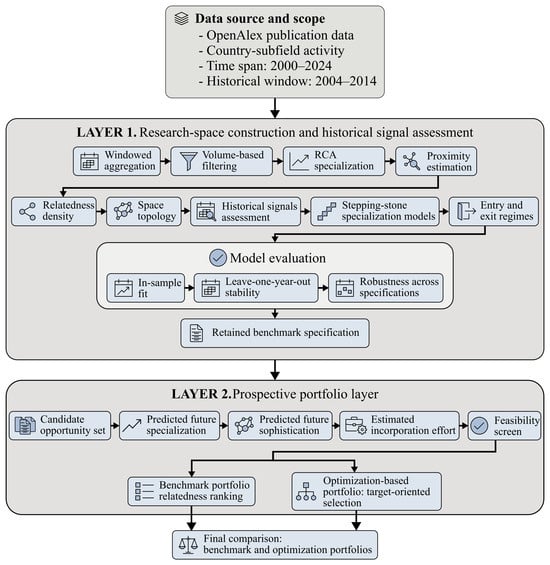
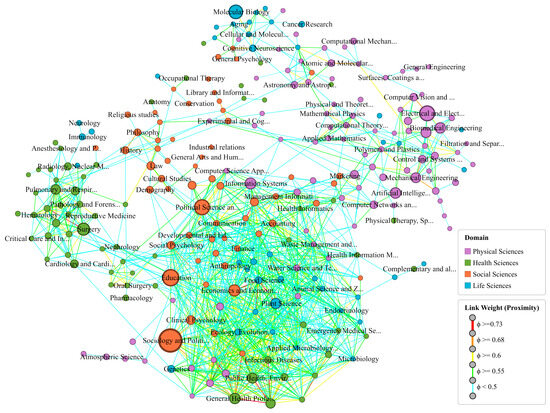
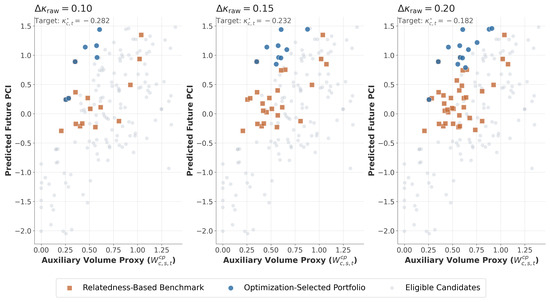
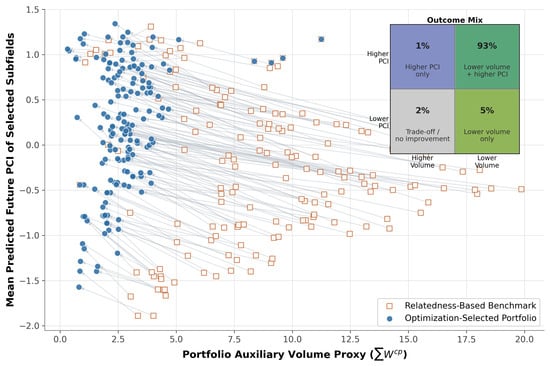
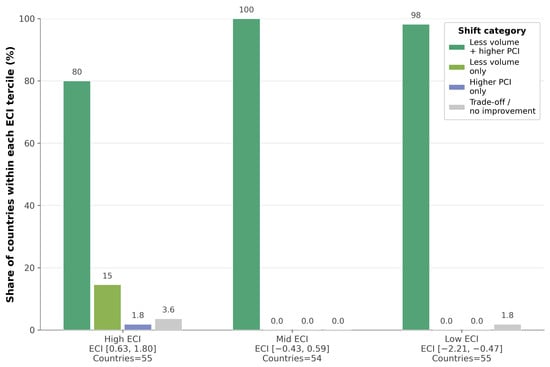
This paper examines whether research-space analysis can support portfolio design informed by forecasts at the country–subfield level. Using a bibliographic catalog of scientific papers, authors and institutions, we construct a research space from country activity across subfields and test whether measures derived from that space help predict later changes in specialization. The study contributes an empirical framework that links three elements: historical validation of research-space measures, comparison of alternative specifications of relative relatedness, and portfolio selection under an explicit complexity target. We estimate reduced-form stepping-stone models for entry and exit and evaluate them using in-sample evidence, leave-one-year-out checks, and robustness comparisons across relatedness constructions. The results show that research-space measures help predict later specialization changes and that relative relatedness standardized over the opportunity set provides the most consistent specification, especially for entry into previously non-specialized subfields. Using this specification, we formulate a prospective portfolio problem in which candidate subfields are selected to increase portfolio complexity while minimizing predicted entry effort. In a 2024 comparison covering 164 countries, optimized portfolios differ markedly from relatedness rankings, with 92.7% of countries shifting toward lower auxiliary volume and higher predicted future sophistication. Full article
(This article belongs to the Section E1: Mathematics and Computer Science)
Show Figures
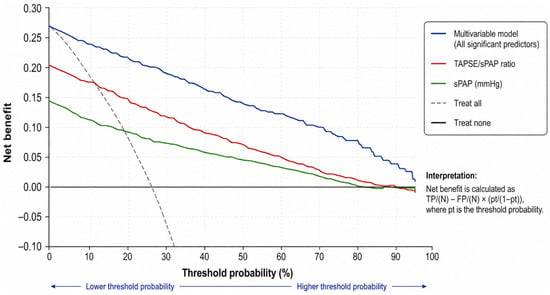
Figure 1

14 pages, 3385 KB  
Article
Aminated PET Thin Film as a Functionalized Insulating Layer for Capacitive Gliadin Aptasensor Construction
by Po-Chung Chen and Po-Chuan Hsieh
Biosensors 2026, 16(6), 324; https://doi.org/10.3390/bios16060324 (registering DOI) - 3 Jun 2026
Abstract
Celiac patients require strict avoidance of gliadin, the primary immunotoxic component of gluten, making sensitive detection essential for food safety. A label-free and reagentless capacitive aptasensor for gliadin detection was developed using an aminated polyethylene terephthalate (PET) thin film as both an insulating [...] Read more.
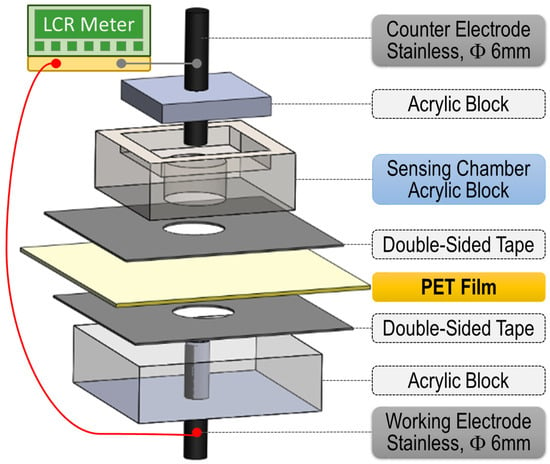
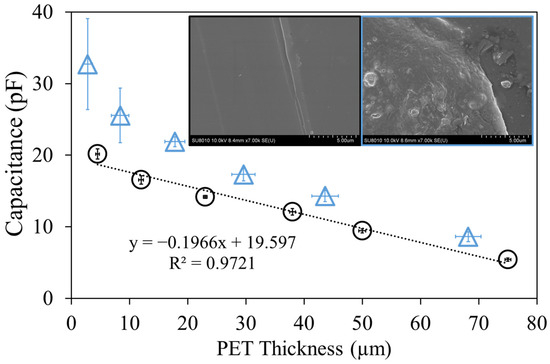
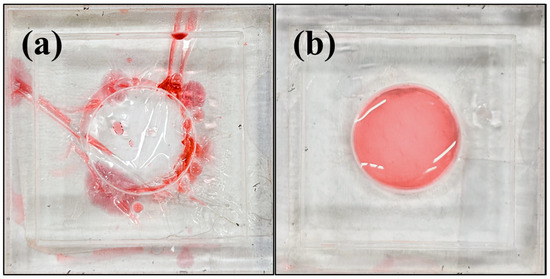
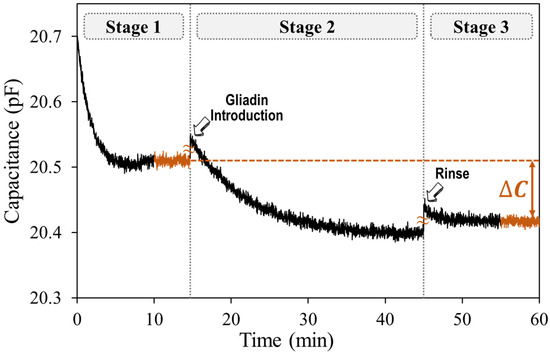
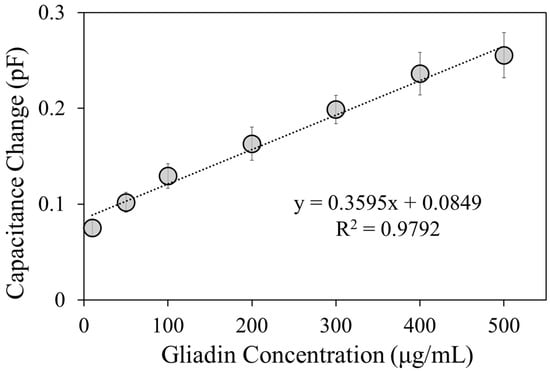
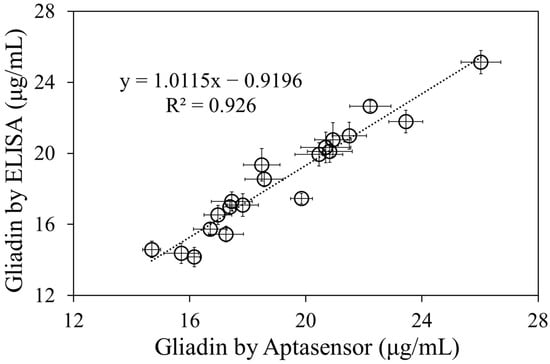
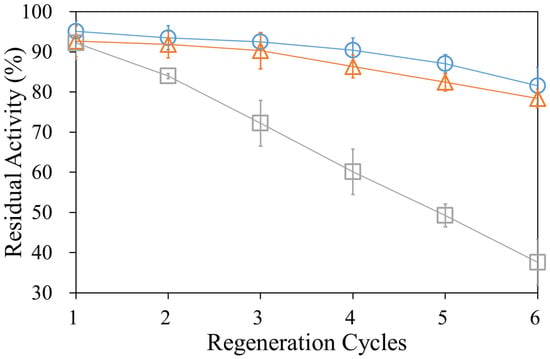
Celiac patients require strict avoidance of gliadin, the primary immunotoxic component of gluten, making sensitive detection essential for food safety. A label-free and reagentless capacitive aptasensor for gliadin detection was developed using an aminated polyethylene terephthalate (PET) thin film as both an insulating layer and functionalization platform. The PET surface was modified via ethylenediamine-mediated aminolysis, enabling covalent immobilization of 5′-NH2-modified gliadin aptamers through glutaraldehyde crosslinking. Under optimized conditions (23 µm initial PET thickness and 10 µM aptamer), the sensor showed a linear response from 10 to 500 µg/mL gliadin (R2 = 0.9792), with a detection limit of 6.0 µg/mL, equivalent to 12 ppm gluten, which is well below the regulatory threshold of 20 ppm for gluten-free labeling. The aptasensor showed excellent correlation with commercial ELISA for 20 gluten-containing soy sauce samples (R2 = 0.926) and spike recoveries of 91.7–105.7% in two gluten-free products. Efficient regeneration was achieved with 25 mM arginine (pH 9.0), retaining >80% activity after six cycles. This simple, low-cost, and reusable platform relies solely on a single PET thin film as consumable in a custom-built system with lab-friendly aminolysis conditions. It substantially lowers barriers to functionalized insulating layer fabrication, the primary challenge in capacitive aptasensor development, providing a promising method for on-site gliadin monitoring in gluten-free food safety applications. Full article
(This article belongs to the Special Issue Advanced Electrochemical Biosensors and Their Applications)
Show Figures

Figure 1

22 pages, 715 KB  
Article
Benchmarking of Ensembles and Meta-Ensembles in the Multiclass Classification of Obesity-Status Classification: Predictive Performance, Calibration and Interpretability
by Daniel Andrade-Girón, William Marin-Rodriguez, Americo Peña, Elsa Oscuvilca-Tapia and Fredy Bermejo-Sanchez
Informatics 2026, 13(6), 80; https://doi.org/10.3390/informatics13060080 (registering DOI) - 3 Jun 2026
Abstract
Obesity is a major public health concern because of its high prevalence and association with cardiometabolic comorbidities. This study compared nine ensemble and meta-ensemble learning models for multiclass obesity-status classification using the Obesity Dataset, comprising 1610 records, 14 predictors, and four body-weight status [...] Read more.
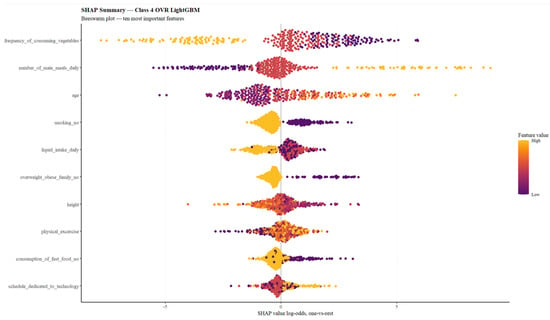
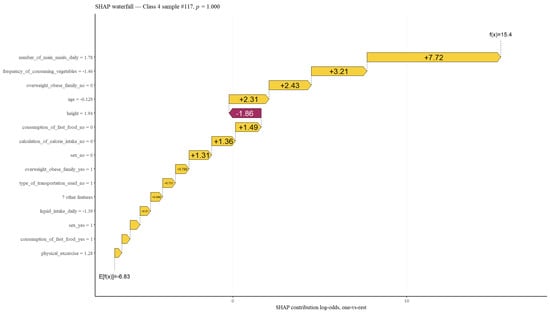
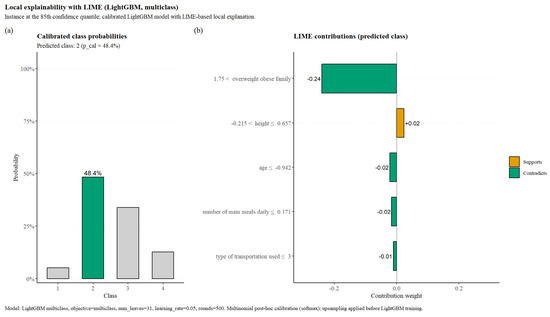
Obesity is a major public health concern because of its high prevalence and association with cardiometabolic comorbidities. This study compared nine ensemble and meta-ensemble learning models for multiclass obesity-status classification using the Obesity Dataset, comprising 1610 records, 14 predictors, and four body-weight status classes. To ensure a leakage-aware evaluation, all preprocessing and resampling steps were embedded within the validation workflow. Standardization, one-hot encoding, and RandomOverSampler were applied only within the training folds; SMOTE and no-resampling configurations were retained as configurable alternatives but were not used to generate the reported results. Model performance was assessed using complementary classification, discrimination, agreement, and calibration metrics, including accuracy, balanced accuracy, weighted F1-score, macro F1-score, weighted ROC-AUC, Matthews correlation coefficient, Brier score, and multiclass expected calibration error. Overall, the ensemble models achieved strong discriminative performance, with eight of nine classifiers exceeding 82% accuracy and obtaining weighted ROC-AUC values close to or above 94%. LightGBM showed the strongest mean metric-based profile, with an accuracy of 85.41 ± 2.85%, weighted F1-score of 85.25 ± 2.88%, weighted ROC-AUC of 95.58 ± 1.52%, and MCC of 0.779 ± 0.042. Random Forest and Stacking achieved comparable classification performance, although Stacking presented poorer calibration. The Friedman test detected significant global differences among classifiers, χ2 = 38.7733, p = 0.000005. However, the Nemenyi post hoc test indicated that Stacking, Random Forest, LightGBM, Voting, Gradient Boosting, and Extra Trees belonged to the same high-performance statistical group. Therefore, LightGBM was selected as the final model based on its practical balance of predictive performance, calibration behavior, stability, and implementation feasibility, rather than on unequivocal statistical superiority. On the independent holdout set, LightGBM maintained strong generalization, achieving accuracy = 0.8447, weighted F1-score = 0.8435, MCC = 0.7653, and weighted ROC-AUC = 0.9464. Calibration was moderate, with Brier score = 0.2575 and multiclass ECE = 0.1070, indicating that predicted probabilities should be interpreted cautiously when used to support threshold-based decisions. Full article
Show Figures

Figure 1

15 pages, 2694 KB  
Article
6–18 GHz High-Efficiency Power Amplifier MMIC Based on Broadband Impedance Matching
by Shuai Liu, Xiaohua Ma, Yi Zhang, Zhaoke Bian and Chunliang Xu
Micromachines 2026, 17(6), 690; https://doi.org/10.3390/mi17060690 (registering DOI) - 3 Jun 2026
Abstract
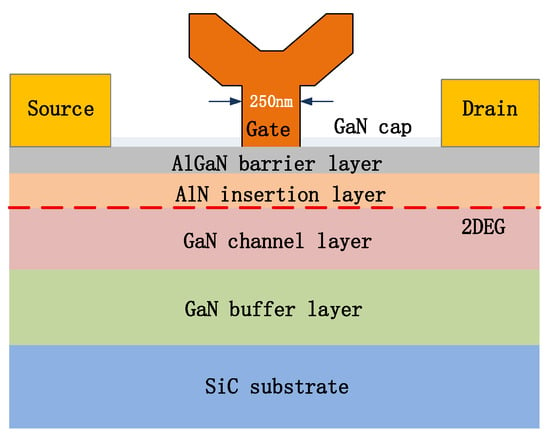
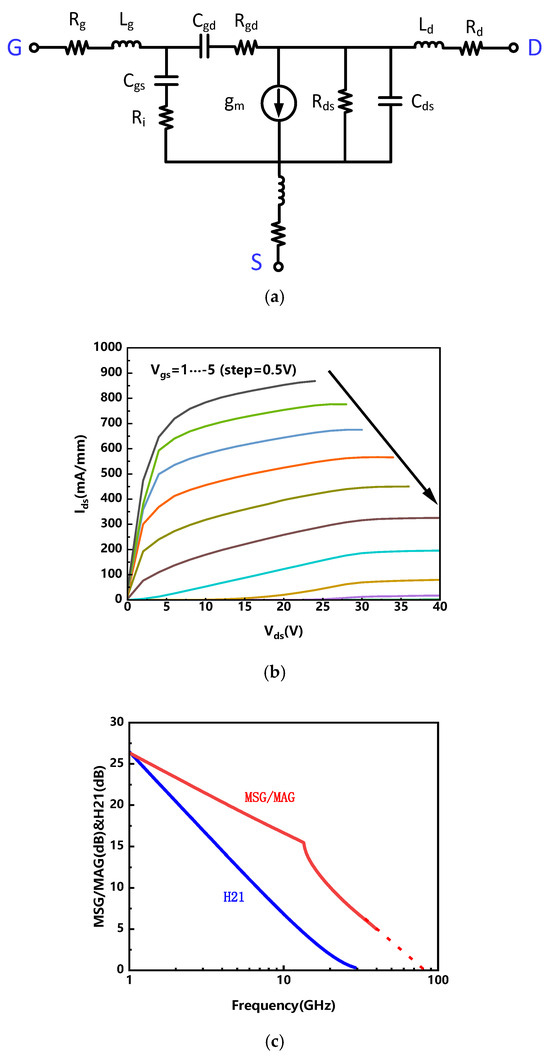
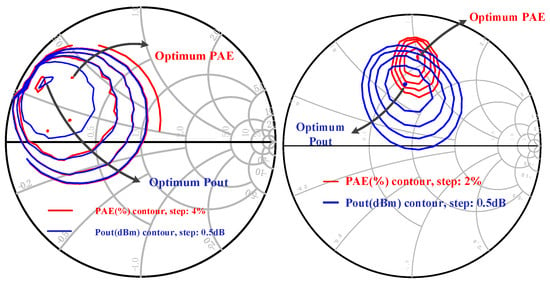
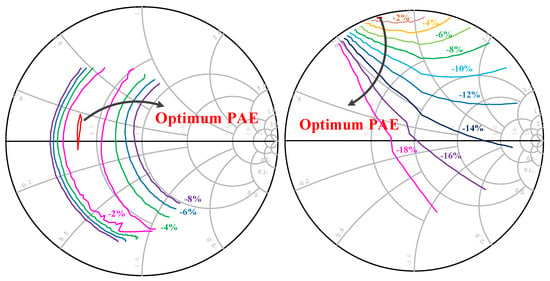
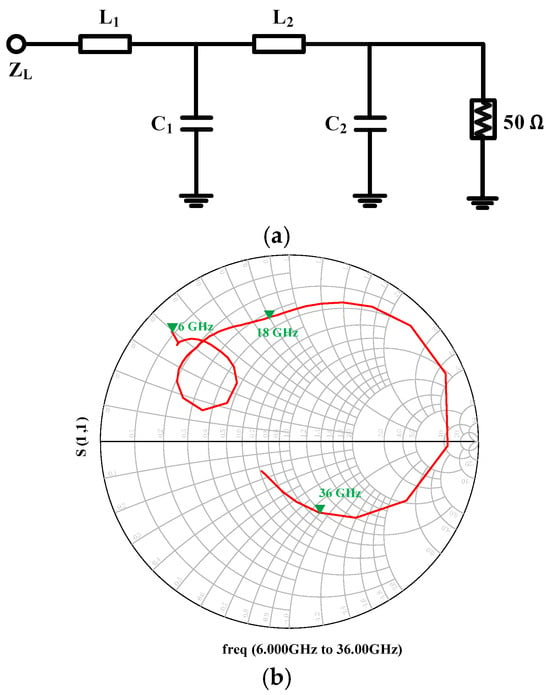
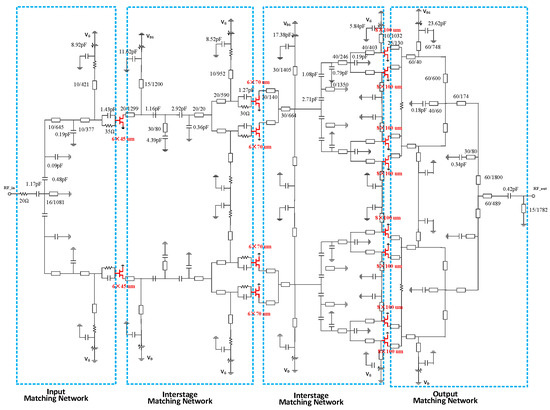
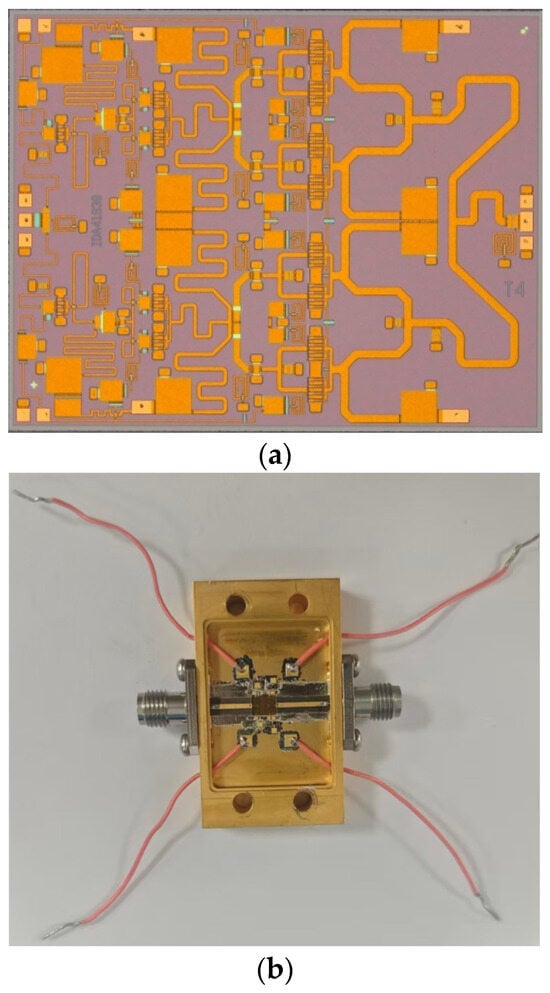
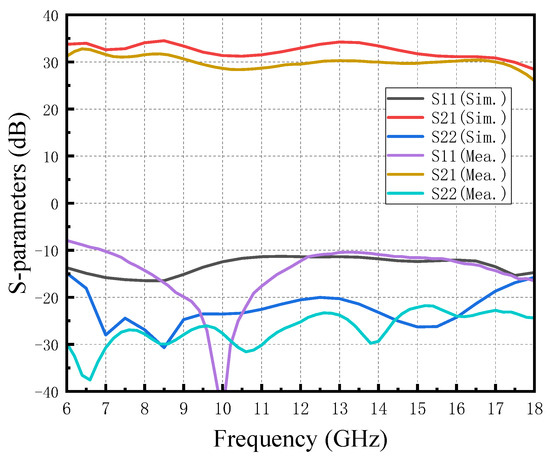
To meet the high standard requirements for broadband high-efficiency power amplifiers in modern communication technology, a 6–18 GHz high-efficiency monolithic microwave integrated circuit (MMIC) power amplifier was developed using a 0.25 μm gallium nitride high-electron mobility transistor (GaN HEMT) process. A multistage Chebyshev-filter-based [...] Read more.
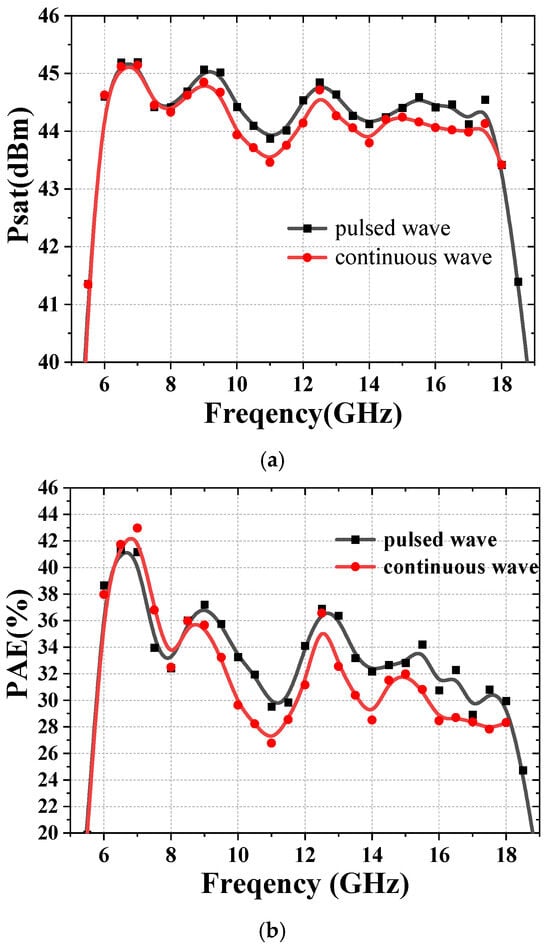
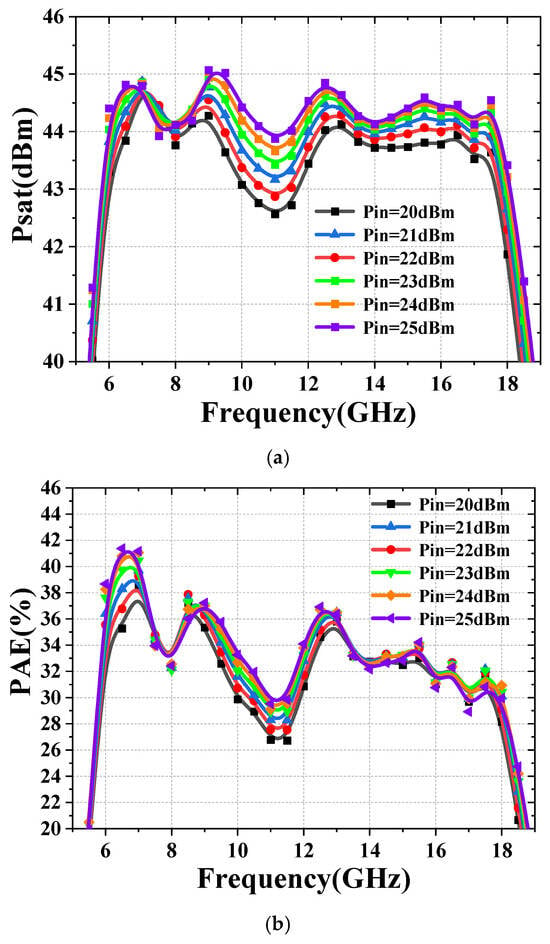
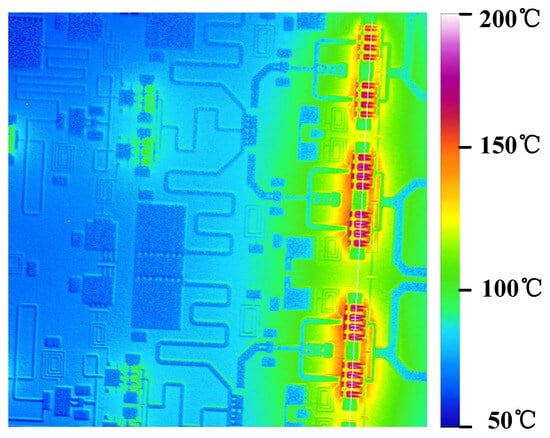
To meet the high standard requirements for broadband high-efficiency power amplifiers in modern communication technology, a 6–18 GHz high-efficiency monolithic microwave integrated circuit (MMIC) power amplifier was developed using a 0.25 μm gallium nitride high-electron mobility transistor (GaN HEMT) process. A multistage Chebyshev-filter-based matching approach is utilized to provide the requisite bandwidth while concurrently managing second-harmonic terminations for enhanced PAE. In the final power stage, a multi-cell combining architecture is employed to achieve high saturated output power. The designed GaN amplifier achieves a saturated power of above 43.5 dBm and a PAE of over 30%. The area of the proposed GaN amplifier is 4 × 3.2 mm2. This chip, with its high efficiency and compact size, is promising for high-performance wideband systems. Full article
(This article belongs to the Special Issue RF and Power Electronic Devices and Applications, 2nd Edition)
Show Figures

Figure 1

18 pages, 14533 KB  
Article
Phosphorus-Deficiency-Induced Development of Root Apoplastic Barriers Restricts Cadmium Translocation in Salix caprea
by Ao Li, Yongge Wang, Yuxiao Qu, Junzhu Zou, Guansheng Ju, Zhenyuan Sun and Junxiang Liu
Plants 2026, 15(11), 1728; https://doi.org/10.3390/plants15111728 (registering DOI) - 3 Jun 2026
Abstract
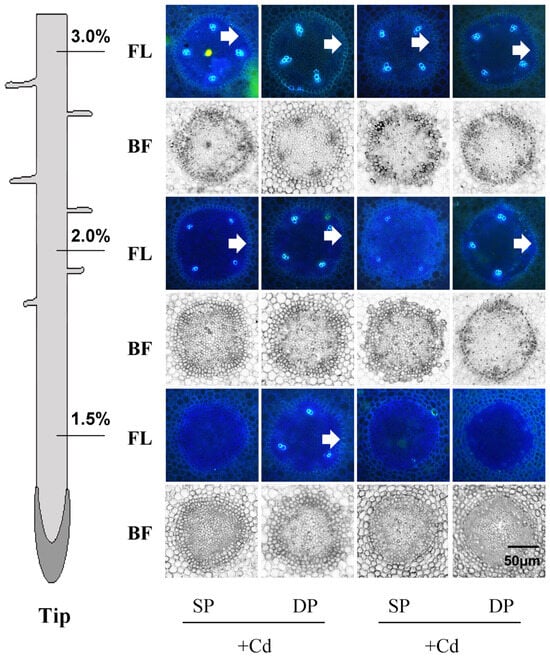
Phosphorus (P) plays a crucial role in the translocation and accumulation of cadmium (Cd) in plants; however, its effects on Cd transport via the apoplastic pathway remain unclear. In this study, Salix caprea was used to systematically investigate the regulatory roles of P [...] Read more.
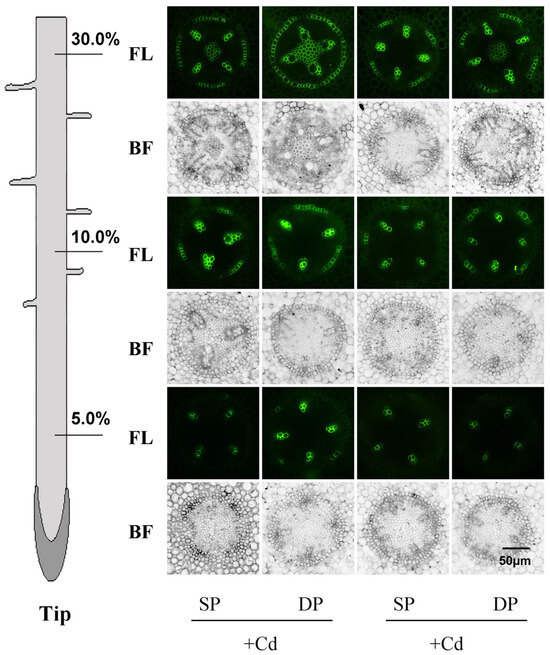
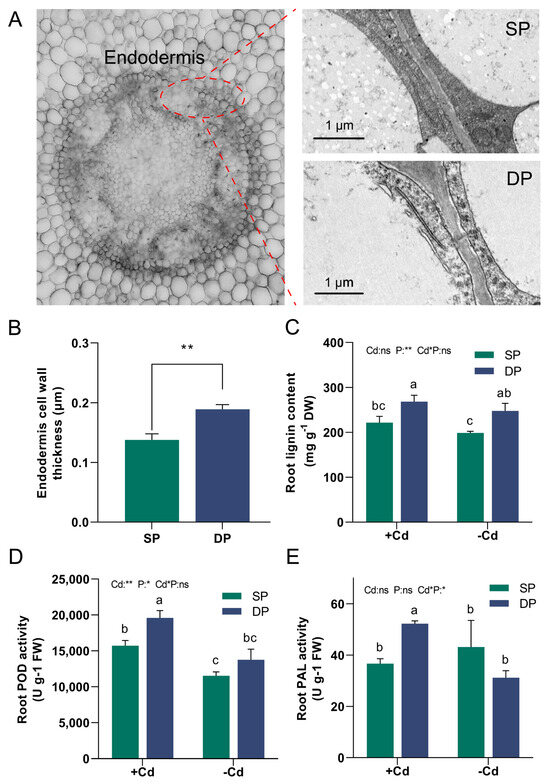
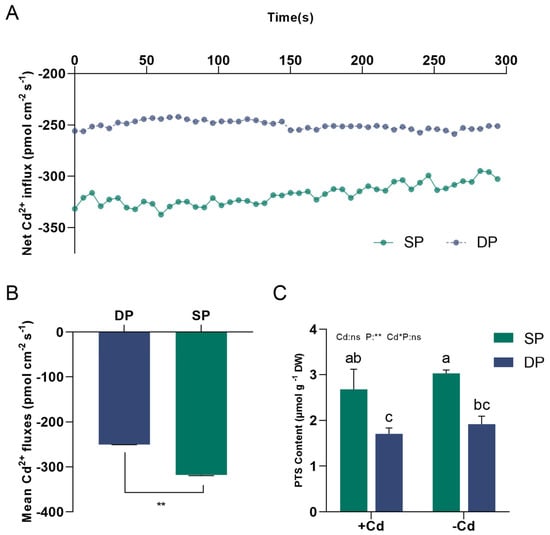
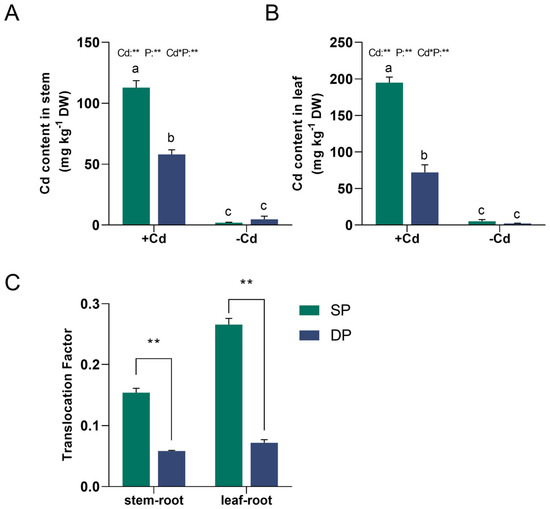
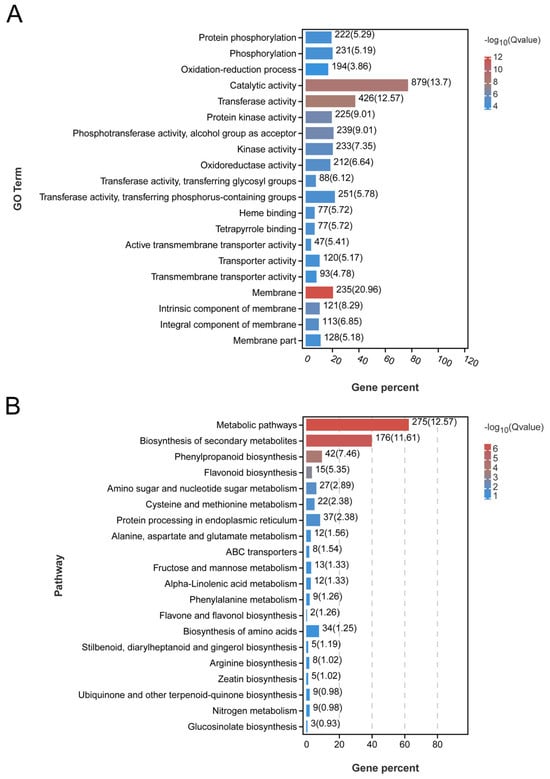
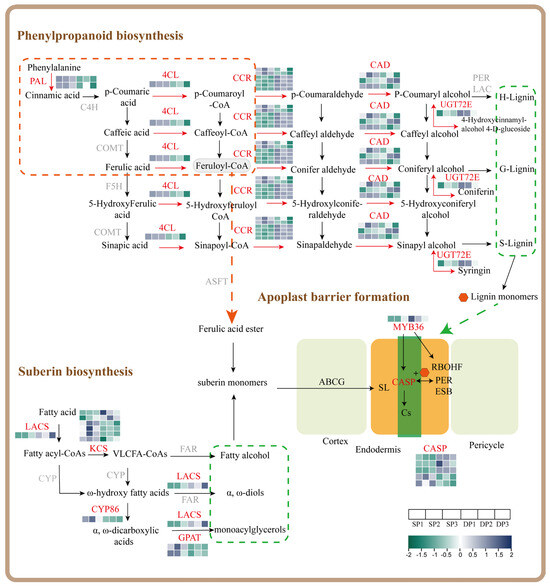
Phosphorus (P) plays a crucial role in the translocation and accumulation of cadmium (Cd) in plants; however, its effects on Cd transport via the apoplastic pathway remain unclear. In this study, Salix caprea was used to systematically investigate the regulatory roles of P on apoplastic barrier deposition (casparian strips and suberin lamellae), apoplastic Cd transport, and Cd accumulation through an integrated approach combining physiological, biochemical, anatomical, and transcriptomic analyses. The results showed that under Cd stress, P-deficient conditions accelerated the development of apoplastic barriers, with the initiation of casparian strips and suberin lamellae occurring 0.5% and 5% closer to the root tip, respectively, compared with P-sufficient conditions. Transmission electron microscopy (TEM) further revealed that P deficiency significantly increased the thickness of endodermal cell walls by 37.2% relative to P sufficiency when exposed to Cd stress. Moreover, root lignin content and the activities of lignin- and suberin-related enzymes (POD and PAL) were significantly higher under P deficiency. Transcriptome analysis indicated that under Cd stress, P deficiency markedly upregulated genes involved in lignin and suberin monomer biosynthesis (PAL, POD, KCS20, LACS), as well as casparian strip polymerization (CASP, MYB36). In addition, under P-deficient conditions, the net Cd2+ flux at the root tip was reduced by 21.3%, and the 8-hydroxy-1,3,6-pyrenetrisulfonic acid trisodium salt (PTS, a tracer for the apoplastic pathway) concentration in leaves decreased by 36.3%, further confirming that P deficiency limits Cd transport via the apoplastic route. This may explain why, under P-deficient conditions, Cd concentrations in leaves and shoots were significantly reduced by 48.7% and 63%, respectively, compared with P-sufficient conditions. This study provides new insights into improving phytoremediation efficiency for extreme heavy metal pollution by P application. Full article
(This article belongs to the Section Plant Response to Abiotic Stress and Climate Change)
Show Figures

Figure 1

13 pages, 3852 KB  
Article
H2O2 and NO2 in Exhaled Breath Condensate Increase After a Wheelchair Rugby Match in Paralympic Athletes: A Possible Effect of Functional Classification
by Cristián Rosales-Antequera, Sebastián Caballero, Ginés Viscor, Teresa Carbonell and Oscar F. Araneda
Antioxidants 2026, 15(6), 705; https://doi.org/10.3390/antiox15060705 (registering DOI) - 3 Jun 2026
Abstract
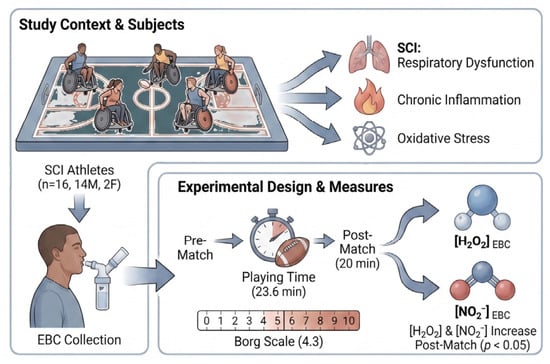
Spinal cord injury (SCI) is associated with respiratory dysfunction, chronic inflammation, and oxidative stress, and can increase pulmonary tissue stress during exercise. Thus, hydrogen peroxide (H2O2) and nitrite (NO2) concentrations in exhaled breath condensate (EBC) were [...] Read more.
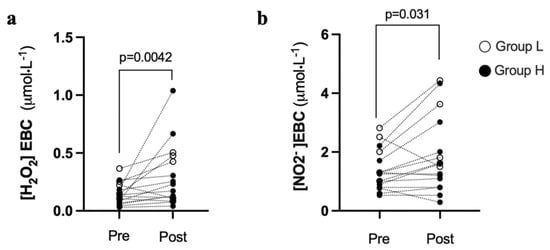
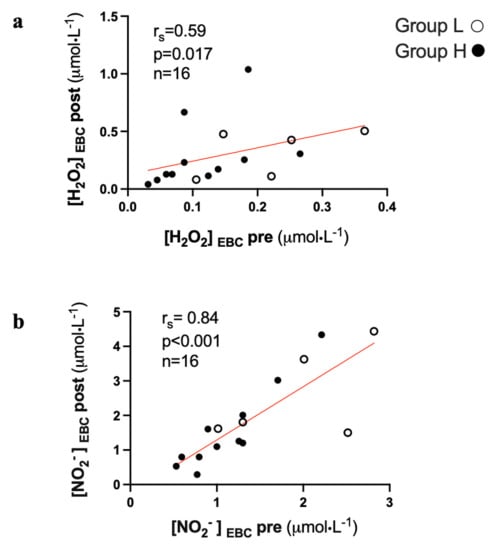
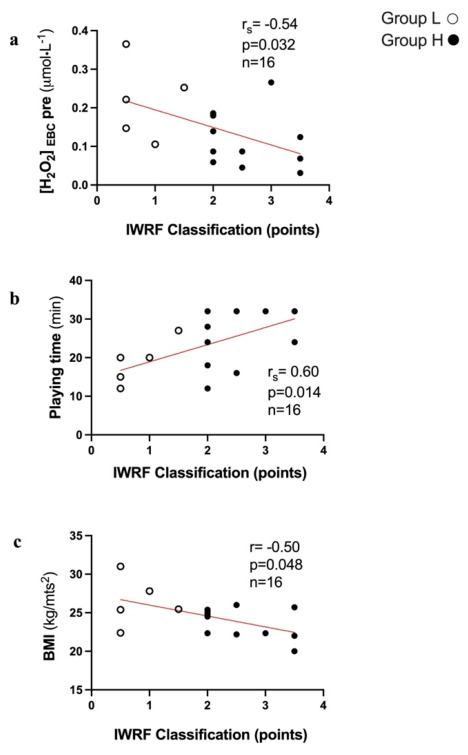
Spinal cord injury (SCI) is associated with respiratory dysfunction, chronic inflammation, and oxidative stress, and can increase pulmonary tissue stress during exercise. Thus, hydrogen peroxide (H2O2) and nitrite (NO2) concentrations in exhaled breath condensate (EBC) were compared during an official wheelchair rugby match. 14 males and two females with SCI (33.3 ± 6.5 years), anthropometry, baseline spirometry, and the International Wheelchair Rugby Federation classification (IWRF) were recorded. Playing time (23.6 ± 7.49 min), Borg scale (4.3 ± 1.64), and [H2O2] EBC and [NO2] EBC were determined before and 20 min after the match. In the total sample, [H2O2] EBC and [NO2] EBC increased post-match (p = 0.0042 and p = 0.031, respectively). When segmented according to IWRF classification, the highest functional capacity, H group (>1.5 points; n = 11) increased its [H2O2] EBC per exercise (p = 0.0029) and showed a trend for [NO2] EBC (p = 0.09), while the lowest classification, L group (≤1.5 points; n = 5) showed a higher baseline concentration in both EBC markers with no changes per exercise. Baseline IWRF classification was inversely correlated with [H2O2] EBC, while body mass index (BMI) was positively associated with [NO2] EBC. In conclusion, in the sample analyzed, a short period of moderate intensity during a wheelchair rugby match increases H2O2 and NO2 in the airway with a potentially greater effect in SCI athletes with better functional capacity; it remains to be determined whether this phenomenon corresponds to a physiological or pathological process. Full article
(This article belongs to the Special Issue Oxidative Stress During Physical Activity)
Show Figures

Figure 1

19 pages, 290 KB  
Article
Physicians’ Knowledge, Attitudes, and Practices on the Management of Helicobacter pylori–Induced Gastric Ulcers in Pakistan: A Questionnaire-Based, Cross-Sectional Survey
by Asma Ghulam Mustafa, Adeel Aslam, Muhammad Aamir, Zita Lívia Szabó, Shazia Jamshed and Márió Gajdács
Hygiene 2026, 6(2), 30; https://doi.org/10.3390/hygiene6020030 (registering DOI) - 3 Jun 2026
Abstract
Background/Objectives: In South Asia, the prevalence of Helicobacter pylori (H. pylori) infections may be as high as 60–80%, constituting a notable public health issue, with eradication strategies critical in reducing the H. pylori-associated disease burden. The aim of our [...] Read more.
Background/Objectives: In South Asia, the prevalence of Helicobacter pylori (H. pylori) infections may be as high as 60–80%, constituting a notable public health issue, with eradication strategies critical in reducing the H. pylori-associated disease burden. The aim of our study was to assess the knowledge, attitude, and practices (KAP) regarding the screening, treatment, and follow-up of H. pylori-induced gastric ulcers among physicians in Lahore, Pakistan. Methods: A self-administered, questionnaire-based cross-sectional study—including the development and validity assessment of a 24-item questionnaire—was carried out in two tertiary-care hospitals between January and May 2024. Statistical analyses (descriptive statistics, χ2-tests, binary logistic regression, and 95% confidence interval [95% CI]) were carried out using IBM SPSS 27.0. The study adheres to the Strengthening the Reporting of Observational studies in Epidemiology (STROBE) guidelines. Results: Among N = 385 participants, 57.9% were male, 60.0% were aged between 25 and 34 years, 59.5% worked in a public hospital, and 55.3% had <5 years of working experience. Of them, 32.9% had noted medical journals, while 27.0% reported online educational materials as their key sources of evidence-based information. Although 91.2% and 87.3% of physicians had good knowledge and attitude levels (≥50% score) pertaining to H. pylori-associated gastric ulcers, respectively. Participants aged 25–34 years (aOR: 0.217 [95% CI: 0.08–0.589]), who have <5 years of working experience (aOR: 0.328 [95% CI: 0.136–0.790]) and those working in public hospitals (aOR: 0.130 [95% CI: 0.048–0.352]) were less likely to show poor attitudes. Furthermore, 76.5% made it a routine to discuss the risk factors of H. pylori-induced ulcers with their patients, while 67.4% highlighted the importance of follow-up testing to confirm the eradication of H. pylori. Conclusions: Inconsistent and empirical treatment approaches, lack of routine screening, and inadequate follow-up practices may further compromise eradication efforts and contribute to antimicrobial resistance. Our findings emphasize the importance of targeted educational programs to address knowledge gaps, standardize practices, and enhance the appropriate management of H. pylori-induced gastric ulcers in Pakistan. Full article
14 pages, 282 KB  
Article
Effects of Mixed-Source Copper, Zinc, and Manganese Supplementation on Growth Performance, Antioxidant Status, and Mineral Utilization in Baluchi Lambs
by Maryam Amini Torghabeh, Marzieh Hajmohammadi, Giovanni Buonaiuto, Damiano Cavallini, Reza Valizadeh and Seyed Hadi Ebrahimi
Ruminants 2026, 6(2), 38; https://doi.org/10.3390/ruminants6020038 (registering DOI) - 3 Jun 2026
Abstract
This study evaluated the effects of partially replacing inorganic copper, zinc, and manganese with hydroxychloride or methionine-bound organic sources on growth performance, antioxidant status, serum mineral concentrations, and mineral utilization in finishing Baluchi lambs. Twenty male ram lambs were randomly assigned to four [...] Read more.
This study evaluated the effects of partially replacing inorganic copper, zinc, and manganese with hydroxychloride or methionine-bound organic sources on growth performance, antioxidant status, serum mineral concentrations, and mineral utilization in finishing Baluchi lambs. Twenty male ram lambs were randomly assigned to four dietary treatments for 60 days: a control group without supplemental minerals (CTR), a sulfate group receiving 100% of supplemental minerals as sulfates (SULF), a hydroxy group receiving 70% sulfates and 30% hydroxychloride sources (HYDRO), and an organic group receiving 70% sulfates and 30% methionine-complexed minerals (ORG). All supplemented diets were formulated to provide similar total concentrations of Cu, Zn, and Mn in accordance with NRC requirements. Growth performance and feed intake did not differ significantly among treatments (p > 0.05). Serum mineral concentrations were affected by dietary treatments (p < 0.0001), with lower Zn and Cu concentrations observed in the ORG. Urinary Mn excretion was higher in ORG (p = 0.007), whereas Zn and Cu excretion were not significantly affected. Apparent mineral absorption was not significantly different among treatments, although numerical variation was observed. Antioxidant parameters were influenced by mineral source, with higher glutathione peroxidase activity and total antioxidant capacity in ORG and HYDRO groups (p < 0.0001). These findings suggest that partial replacement of inorganic trace minerals with hydroxychloride or organic sources can modulate antioxidant status and mineral metabolism without affecting growth performance, highlighting the potential of mixed-source supplementation strategies in practical feeding systems. Full article
(This article belongs to the Special Issue Nutrients and Feed Additives in Sheep and Goats)
19 pages, 4313 KB  
Article
Study on the Functional, Physiological, and Sensory Properties of Coffee Leaf Dark Tea Processed Using the Pile Fermentation Method of Pu-Erh Tea
by Yanbing Wang, Kun Zhang, Guosheng Xiong, Ping Du, Jianhua Dong, Jinxue Li, Xiaogang Liu and Zhenjia Chen
Foods 2026, 15(11), 1980; https://doi.org/10.3390/foods15111980 (registering DOI) - 3 Jun 2026
Abstract
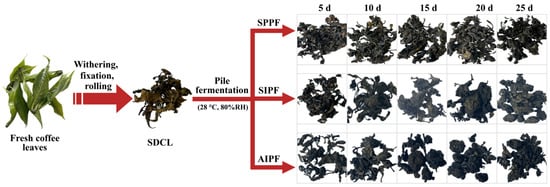
Coffee leaves are a promising raw material for functional beverages due to their distinctive phytochemical profile. In this study, sun-dried Arabica coffee leaves were processed into coffee leaf dark tea using Pu-erh-style pile fermentation with three treatments: spontaneous pile fermentation (SPPF), Saccharomyces cerevisiae [...] Read more.
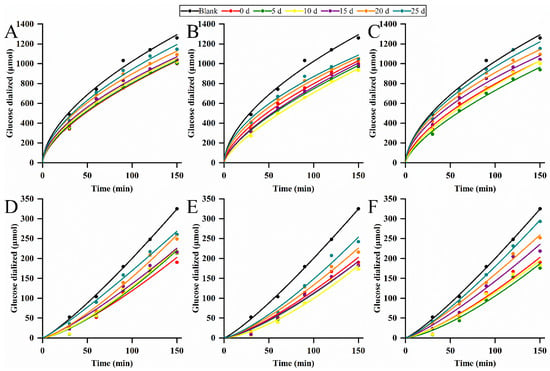
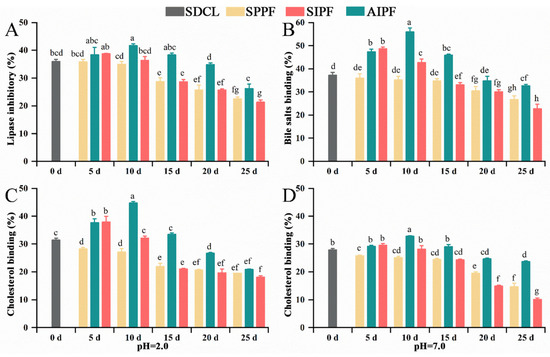
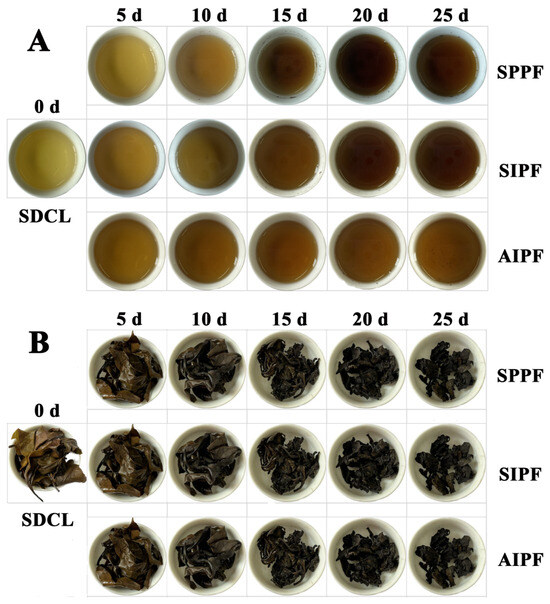
Coffee leaves are a promising raw material for functional beverages due to their distinctive phytochemical profile. In this study, sun-dried Arabica coffee leaves were processed into coffee leaf dark tea using Pu-erh-style pile fermentation with three treatments: spontaneous pile fermentation (SPPF), Saccharomyces cerevisiae-inoculated fermentation (SIPF) and Aspergillus niger-inoculated fermentation (AIPF). Changes in basic components, tea pigments, key phytochemicals, antioxidant capacity, in vitro hypoglycemic and hypolipidemic activities, and sensory properties were evaluated over 25 days. Pile fermentation reduced water extract, free amino acids and several phenolic constituents, while promoting the formation of theabrownins, particularly in SIPF and AIPF. Total phenolics, flavonoids, and antioxidant activities increased initially and then declined, with higher bioactivities observed at intermediate fermentation times. Coffee leaf dark tea also exhibited in vitro α-amylase and α-glucosidase inhibition, glucose diffusion retardation, reduced starch digestibility, and pancreatic lipase inhibition, with SIPF and AIPF outperforming SPPF. Sensory evaluation showed that inoculated fermentations, especially AIPF at 15 days and SIPF at 10 days, produced teas with superior overall quality. These results suggest that Pu-erh-style pile fermentation with targeted microbial inoculation may be a feasible strategy to obtain coffee leaf dark tea with enhanced in vitro functional-related properties and desirable sensory characteristics. Full article
(This article belongs to the Special Issue Coffee Science: Innovations Across the Production-to-Consumer Chain)
Show Figures

Figure 1

7 pages, 5671 KB  
Case Report
Neonatal Presentation of 49,XXXXY (Fraccaro) Syndrome with Ventriculomegaly: Expanding the Early Neuroimaging Phenotype
by Gonca Vardar, Giray Girgin, Emel Kabakoglu Unsur and Gulcan Seymen
Pediatr. Rep. 2026, 18(3), 76; https://doi.org/10.3390/pediatric18030076 (registering DOI) - 3 Jun 2026
Abstract
49,XXXXY syndrome (Fraccaro syndrome) is a rare sex chromosome pentasomy, historically considered a severe variant within the Klinefelter spectrum. It is characterized by intellectual disability, craniofacial dysmorphism, skeletal anomalies, hypogonadism, and congenital cardiac defects. Although neuroimaging abnormalities have increasingly been recognized in 49,XXXXY [...] Read more.
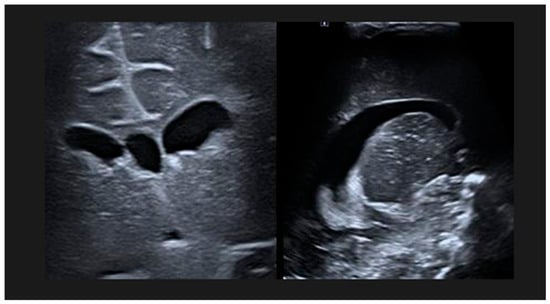
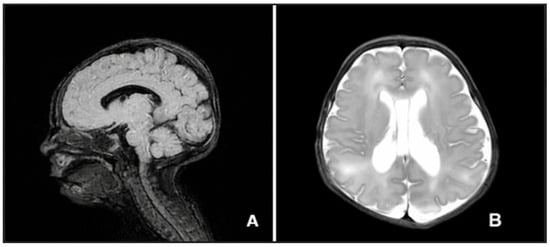
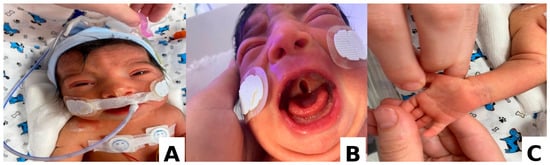
49,XXXXY syndrome (Fraccaro syndrome) is a rare sex chromosome pentasomy, historically considered a severe variant within the Klinefelter spectrum. It is characterized by intellectual disability, craniofacial dysmorphism, skeletal anomalies, hypogonadism, and congenital cardiac defects. Although neuroimaging abnormalities have increasingly been recognized in 49,XXXXY syndrome, neonatal diagnosis prompted primarily by ventriculomegaly remains rare. We report a neonate with prenatally detected ventriculomegaly in whom postnatal evaluation revealed cleft palate, congenital cardiac defects, bilateral cryptorchidism, and auditory dysfunction. Cranial ultrasonography and brain magnetic resonance imaging demonstrated bilateral ventriculomegaly with colpocephaly and a cavum vergae variant. Cytogenetic analysis confirmed the presence of a 49,XXXXY karyotype. This case highlights ventriculomegaly as a potential early diagnostic clue in 49,XXXXY syndrome and underscores the importance of chromosomal analysis in neonates presenting with structural brain abnormalities associated with multisystem anomalies. Early recognition is important for timely multidisciplinary surveillance and long-term endocrine follow-up. Full article
Show Figures

Figure 1

3 pages, 188 KB  
Editorial
Plant Species Diversity and Conservation
by Claudia Biță-Nicolae, Oliviu Grigore Pop and Maria Mihaela Antofie
Conservation 2026, 6(2), 68; https://doi.org/10.3390/conservation6020068 (registering DOI) - 3 Jun 2026
Abstract
Current estimates indicate that the global terrestrial flora comprises approximately 500,000 plant species [...] Full article
(This article belongs to the Special Issue Plant Species Diversity and Conservation)
17 pages, 2018 KB  
Article
Prognostic Value of the TAPSE/sPAP Ratio in Patients with Type 2 Respiratory Failure: Insights into Right Ventricular–Pulmonary Arterial Coupling and Clinical Outcomes
by Murat Karamanlıoğlu, Oral Menteş, Murat Yıldız, Ekrem Şahan, Maşide Arı, Vedat Kacar, Zeynep Büşra Biçer and Suzan Şahan
Diagnostics 2026, 16(11), 1716; https://doi.org/10.3390/diagnostics16111716 (registering DOI) - 3 Jun 2026
Abstract
Background/Objectives: Type 2 respiratory failure (T2RF) is associated with significant morbidity and mortality, partly driven by cardiopulmonary interactions and right ventricular (RV) dysfunction. The tricuspid annular plane systolic excursion to systolic pulmonary artery pressure (TAPSE/sPAP) ratio has emerged as a non-invasive marker [...] Read more.
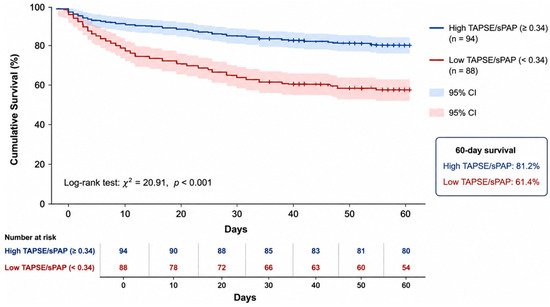
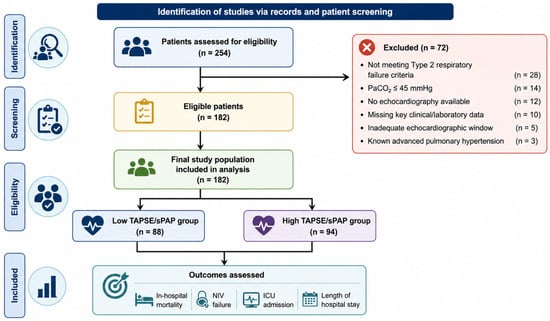
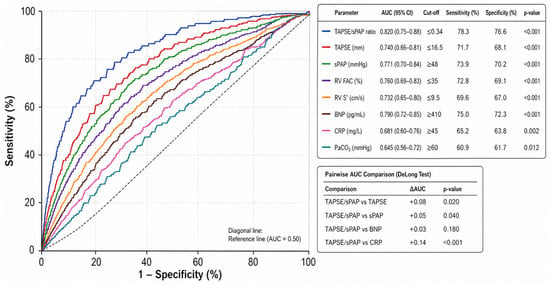
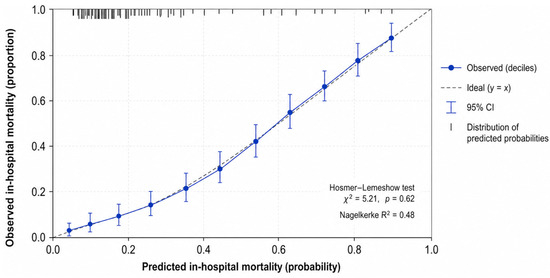
Background/Objectives: Type 2 respiratory failure (T2RF) is associated with significant morbidity and mortality, partly driven by cardiopulmonary interactions and right ventricular (RV) dysfunction. The tricuspid annular plane systolic excursion to systolic pulmonary artery pressure (TAPSE/sPAP) ratio has emerged as a non-invasive marker of RV–pulmonary arterial (RV–PA) coupling; however, its prognostic value in T2RF remains insufficiently explored. This study aimed to evaluate the association between TAPSE/sPAP and short-term clinical outcomes in hospitalized T2RF patients. Methods: In this retrospective cohort study, 182 adult patients hospitalized with T2RF between January 2024 and December 2025 were included. Patients were followed from hospital admission until discharge or death, and survival status was additionally evaluated up to 60 days after admission using hospital electronic medical records and follow-up databases for Kaplan–Meier survival analysis. Complete follow-up data were available for all included patients. Demographic, clinical, laboratory, and transthoracic echocardiographic data were analyzed. Patients were stratified into low and high TAPSE/sPAP groups. The primary outcome was in-hospital mortality; secondary outcomes included 60-day all-cause mortality, non-invasive ventilation (NIV) failure, intensive care unit (ICU) admission, and length of hospital stay. Statistical analyses included receiver operating characteristic (ROC) curves, multivariable logistic regression, calibration assessment, and decision curve analysis. Results: Patients with a low TAPSE/sPAP ratio had significantly higher in-hospital mortality (38.6% vs. 12.8%, p < 0.001), higher rates of NIV failure and ICU admission, and longer hospital stays. TAPSE/sPAP demonstrated the highest predictive performance for mortality (AUC: 0.82, 95% CI: 0.75–0.88), outperforming conventional echocardiographic parameters. In multivariable analysis, TAPSE/sPAP remained an independent predictor of mortality (OR: 1.48 per 0.1 decrease, p < 0.001). The model showed good calibration (Hosmer–Lemeshow p = 0.62), and decision curve analysis confirmed its clinical utility with a higher net benefit across a wide range of threshold probabilities. Conclusions: The TAPSE/sPAP ratio was independently associated with in-hospital mortality and adverse clinical outcomes in patients with T2RF, reflecting impaired RV–PA coupling. As a readily obtainable non-invasive echocardiographic parameter, it demonstrated promising prognostic value for risk stratification in this population. However, given the retrospective single-center design of the study, these findings should be considered hypothesis-generating and require confirmation in prospective multicenter studies before routine clinical implementation can be recommended. Full article
(This article belongs to the Section Clinical Diagnosis and Prognosis)
Show Figures

Figure 1

23 pages, 3365 KB  
Article
Pendulum-Based Characterization of a Commercial IMU Sensor and Real-Time OpenSim Integration for Upper-Limb Motion Analysis
by Jose Alejandro Amezquita García, Miguel Enrique Bravo Zanoguera, Fabian N. Murrieta-Rico, Ileana Montaño Rodriguez, Mariana Graciela Reyes Millán, Nora L. Pérez Ochoa, Hesley Serna Luna, María E. Raygoza-Limón and Gabriel Trujillo-Hernández
Eng 2026, 7(6), 275; https://doi.org/10.3390/eng7060275 (registering DOI) - 3 Jun 2026
Abstract
Research on human motion representation commonly investigates portable, wearable, and ergonomic sensing systems. Cameras, infrared sensors, and inertial measurement units (IMUs) are widely used to reproduce and validate human movement. Known limitations persist, including increased error during slow movements, the gimbal lock effect [...] Read more.
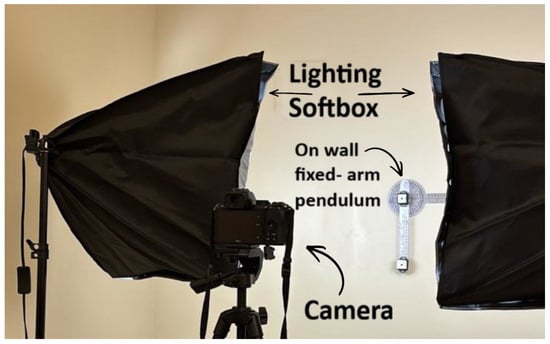
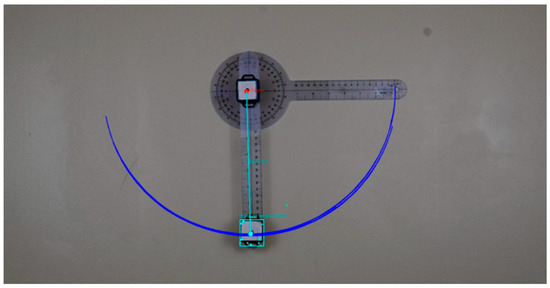
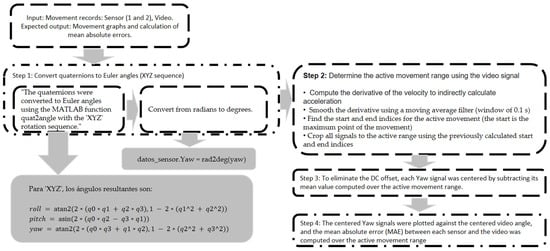
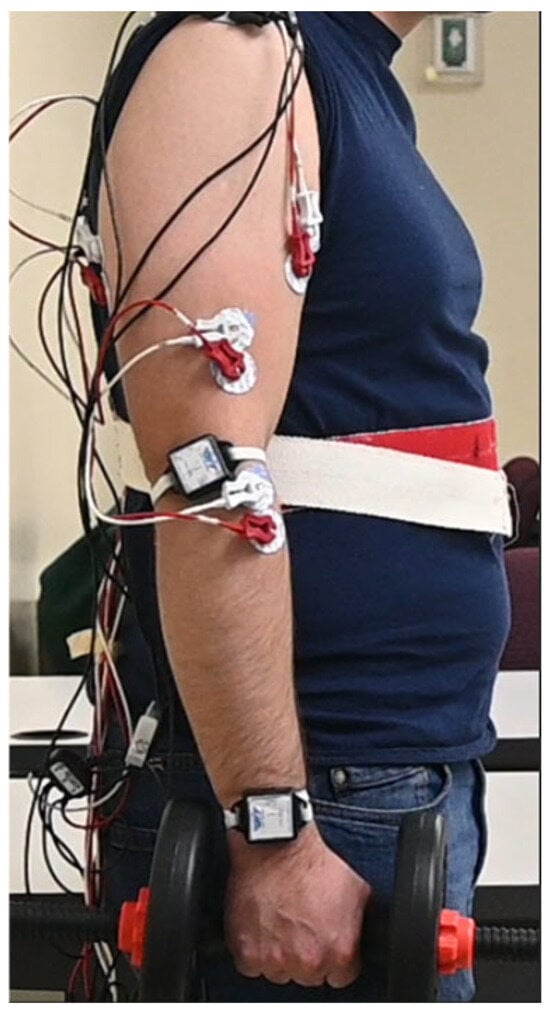
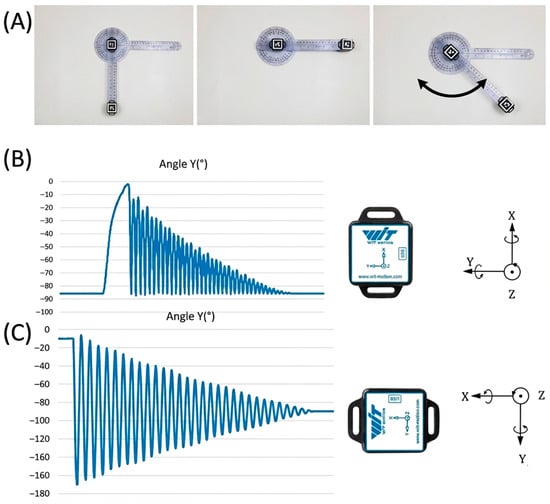
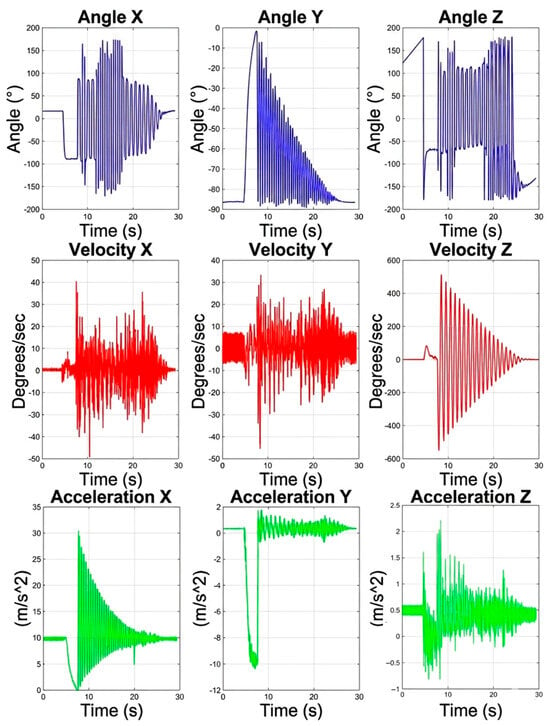
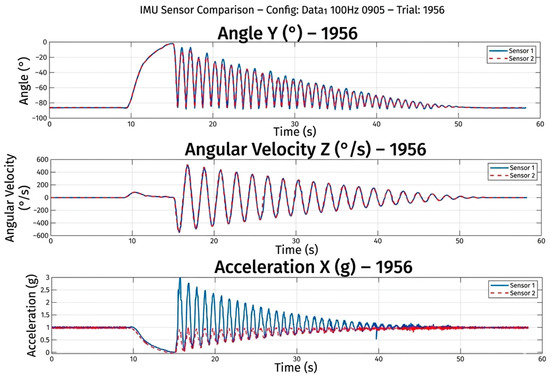
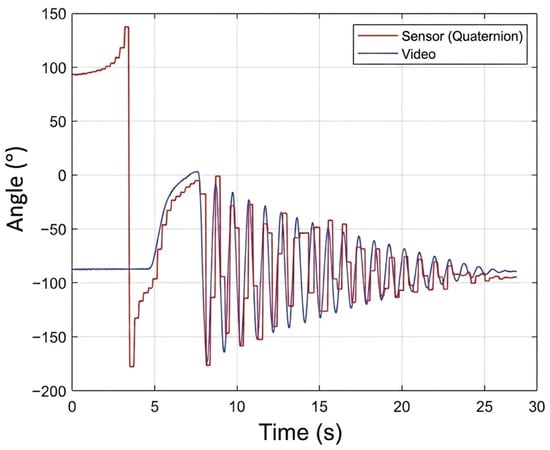
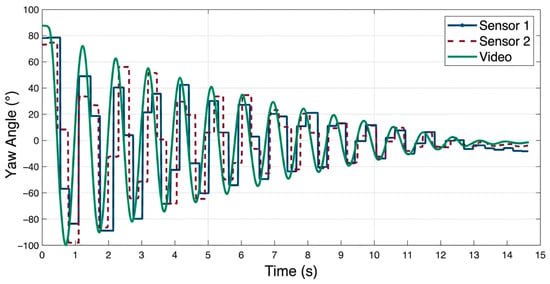
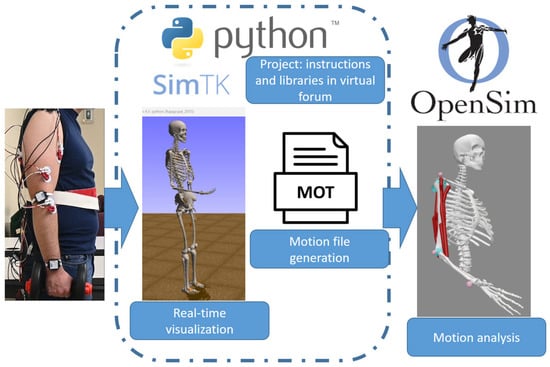
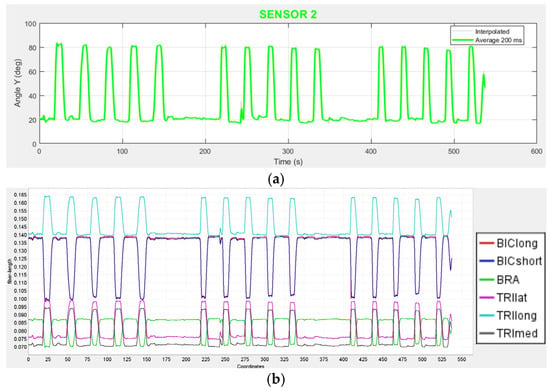
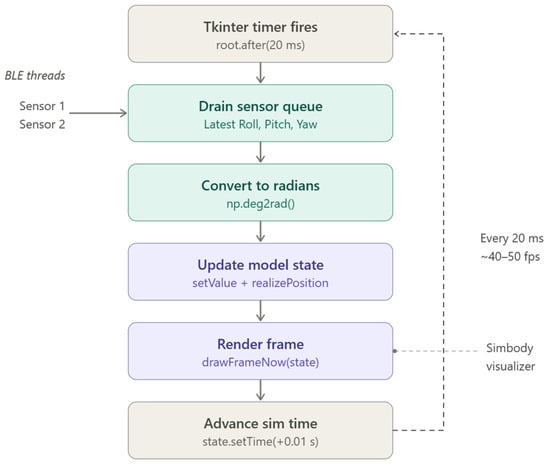
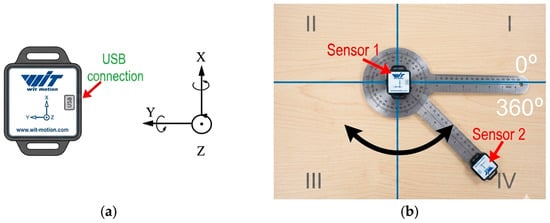
Research on human motion representation commonly investigates portable, wearable, and ergonomic sensing systems. Cameras, infrared sensors, and inertial measurement units (IMUs) are widely used to reproduce and validate human movement. Known limitations persist, including increased error during slow movements, the gimbal lock effect in Euler space, and the requirement for one sensor per joint. The objective of this work is twofold: first, to characterize the measurement accuracy of a commercial IMU sensor (BWT901BLE) under controlled conditions using a fixed-arm pendulum model that replicates the single-degree-of-freedom planar kinematics of elbow flexion–extension, comparing angular position, angular velocity, and angular acceleration outputs against a video-based reference system; and second, to describe and publish a complete data processing pipeline—from raw sensor readings to real-time biomechanical motion visualization within OpenSim—demonstrated through upper limb motion recordings from 6 participants, whose data were used to generate motion files and estimate muscle fiber lengths and activation patterns within OpenSim. Regarding sensor characterization, experiments compared sensor data against the video-based reference. The inter-sensor angular position mean error was 0.765° (100 Hz) and 0.445° (200 Hz); angular velocity mean error was 0.124°/s (100 Hz) and 0.277°/s (200 Hz). Direct Euler angle measurements outperformed quaternion-to-Euler conversion (mean RMSE 5.69° vs. 53.1° at 100 Hz; 5.08° vs. 41.8° at 200 Hz). Angular velocity showed the highest agreement with the video-based reference (mean RMSE 0.60 rad/s at 100 Hz and 0.43 rad/s at 200 Hz; mean R = 0.982 and 0.991). Raw accelerometer output showed negligible correlation with the video-based angular acceleration reference (mean R ≈ 0.00–0.05); however, acceleration derived from angular velocity differentiation achieved high accuracy (mean RMSE 4.43 rad/s2 at 100 Hz and 3.06 rad/s2 at 200 Hz; mean R = 0.976 and 0.989). Regarding the OpenSim integration, the real-time visualization pipeline achieved an effective frame rate of 40–50 fps with an estimated end-to-end latency of 35–50 ms, and the recorded motion data were used to estimate muscle fiber lengths and activation patterns through OpenSim’s analysis tools. These findings confirm that angular velocity is the most reliable output of this sensor class. Full article
(This article belongs to the Section Electrical and Electronic Engineering)
Show Figures

Figure 1

17 pages, 3757 KB  
Article
Non-Essential Element-Based Nanoparticles in Rice: Unraveling the Impacts of Yttrium Oxide and Zirconium Oxide Nanoparticles on Root Accumulation and Antioxidant Responses
by Boxuan Xie and Yukui Rui
Plants 2026, 15(11), 1727; https://doi.org/10.3390/plants15111727 (registering DOI) - 3 Jun 2026
Abstract
Nanotechnology has attracted increasing attention in agricultural and environmental research, but the biological effects and potential risks of nanoparticles based on non-essential elements remain insufficiently understood. This study investigated the physiological and biochemical responses of rice (Oryza sativa L.) seedlings to yttrium [...] Read more.
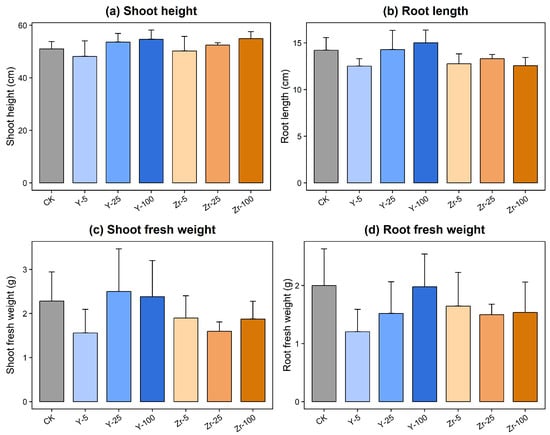
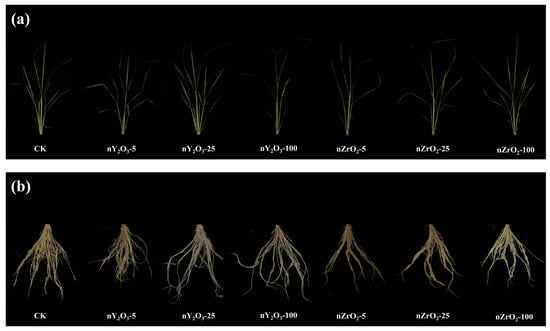
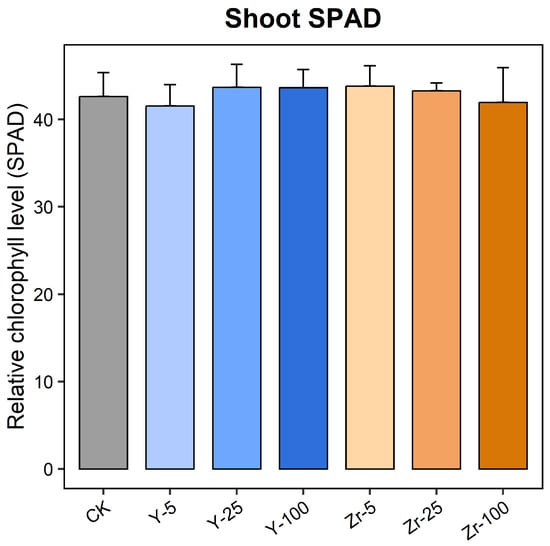
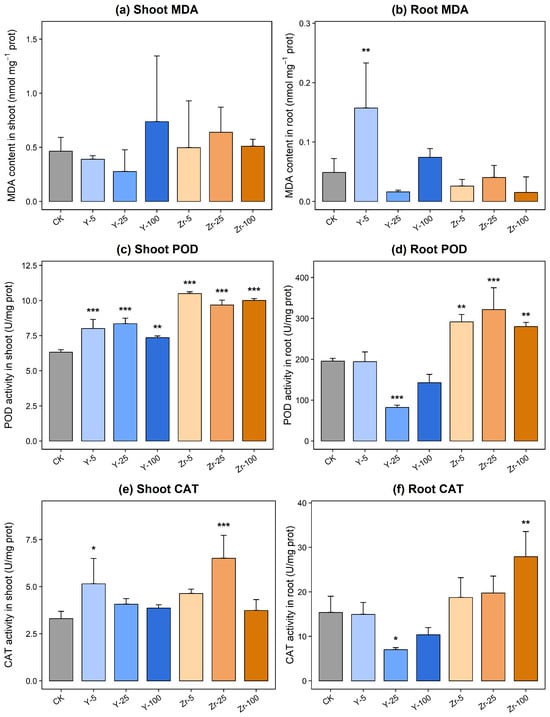
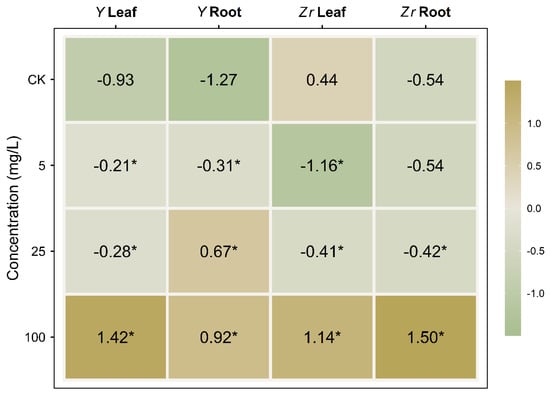
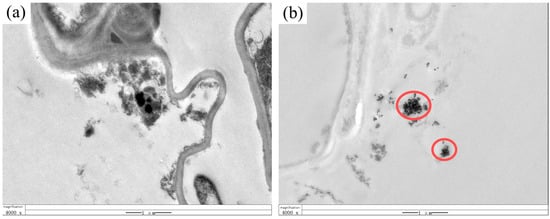
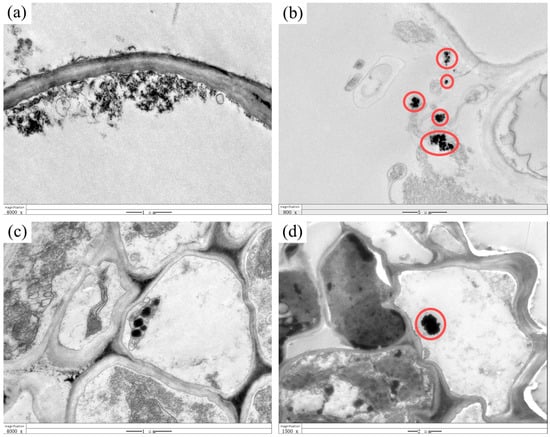
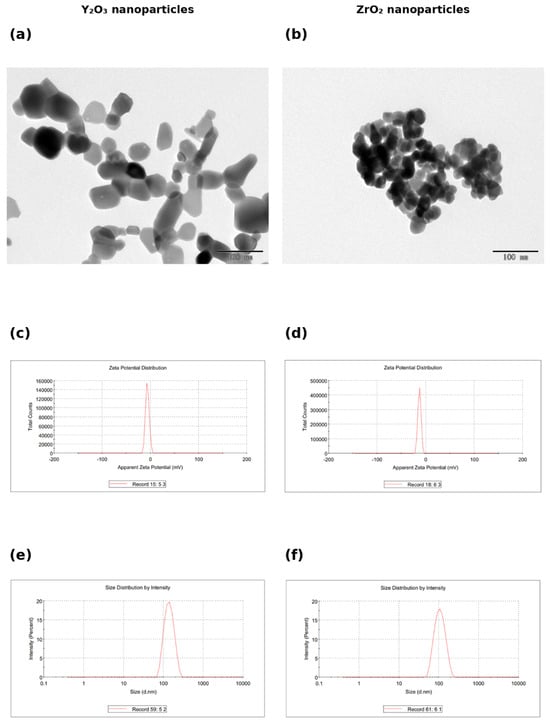
Nanotechnology has attracted increasing attention in agricultural and environmental research, but the biological effects and potential risks of nanoparticles based on non-essential elements remain insufficiently understood. This study investigated the physiological and biochemical responses of rice (Oryza sativa L.) seedlings to yttrium oxide nanoparticles (Y2O3 NPs) and zirconium oxide nanoparticles (ZrO2 NPs) at 5, 25, and 100 mg/L under hydroponic conditions. The results showed that neither Y2O3 nor ZrO2 NPs significantly affected visible growth traits or SPAD-based leaf chlorophyll status, suggesting that seedling morphology and leaf greenness remained relatively stable during exposure. However, both nanoparticles induced distinct biochemical responses. Y2O3 NPs caused root-level stress-like responses, including increased malondialdehyde (MDA) accumulation and suppressed peroxidase (POD) and catalase (CAT) activities under specific exposure conditions. In contrast, ZrO2 NPs were more closely associated with the activation of antioxidant defenses, particularly through enhanced POD activity and increased root CAT activity. Inductively coupled plasma mass spectrometry (ICP-MS) analysis further showed that Y and Zr were mainly retained in roots, with root Y reaching 5014.12–11,255.05 mg kg−1 dry weight (DW) under Y2O3 NP exposure and root Zr reaching 189.68 mg kg−1 DW under high-concentration ZrO2 NP exposure. Bio-transmission electron microscopy (bio-TEM) supported the root-dominant localization of nanoparticle-associated electron-dense aggregates. These findings indicate that Y2O3 and ZrO2 NPs exert material-specific effects on rice seedlings, with root accumulation and antioxidant regulation serving as more sensitive indicators than visible growth traits. However, further research is needed to clarify the long-term environmental fate of Y2O3 and ZrO2 NPs and to assess their potential ecological and food safety risks in agricultural systems. Full article
Show Figures

Figure 1

Open Access Journals

Browse by Indexing Browse by Subject Selected Journals
Back to TopTop