



29 pages, 4831 KB  
Article
MALAT1–miR-20b-5p–P2RX7 Axis Regulates Mycobacterium bovis-Induced THP-1 Pyroptosis
by Tian Tian, Xiaonan Wang, Yanan Zhu, Qi Wang, Wei Zheng, Kun Shi and Rui Du
Vet. Sci. 2026, 13(6), 545; https://doi.org/10.3390/vetsci13060545 (registering DOI) - 31 May 2026
Abstract
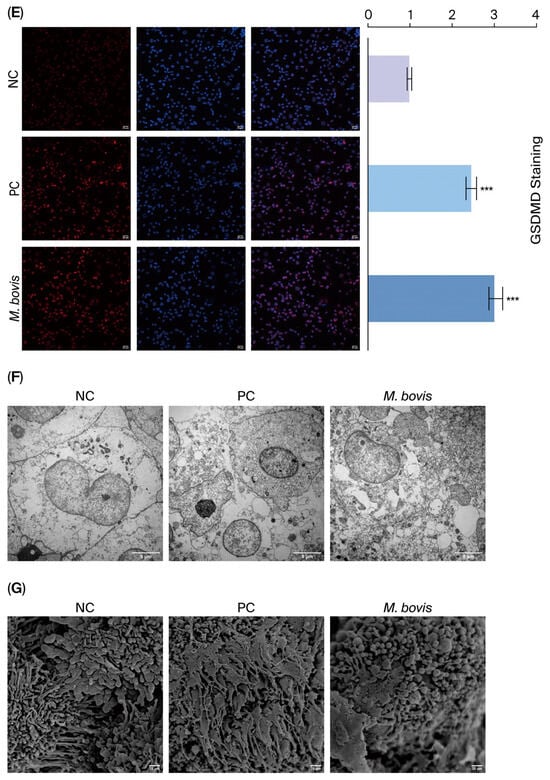
Zoonotic tuberculosis (zoonotic TB) caused by Mycobacterium bovis (M. bovis) accounts for up to 10% of human tuberculosis cases in some regions, but the underlying pathogenic mechanisms remain incompletely understood, especially those involved in cellular pyroptosis. This study aimed to explore [...] Read more.
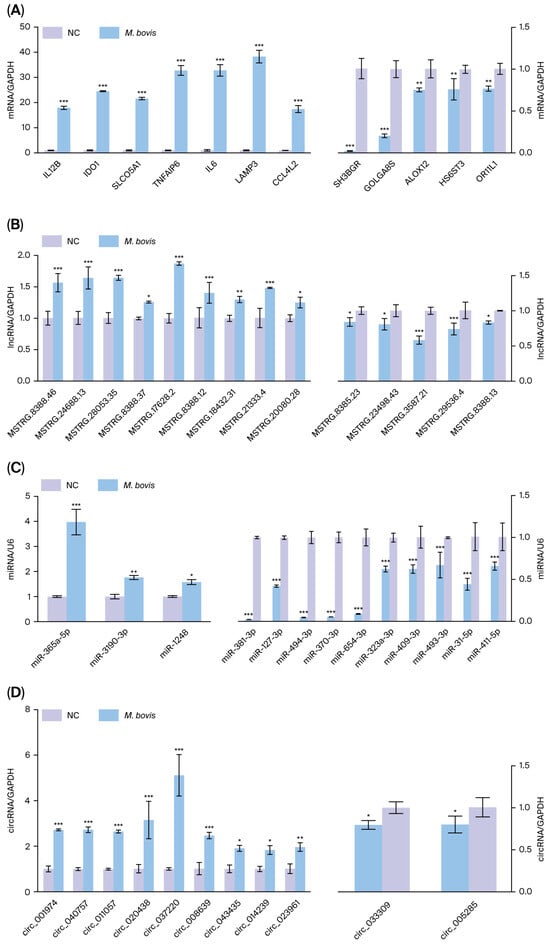
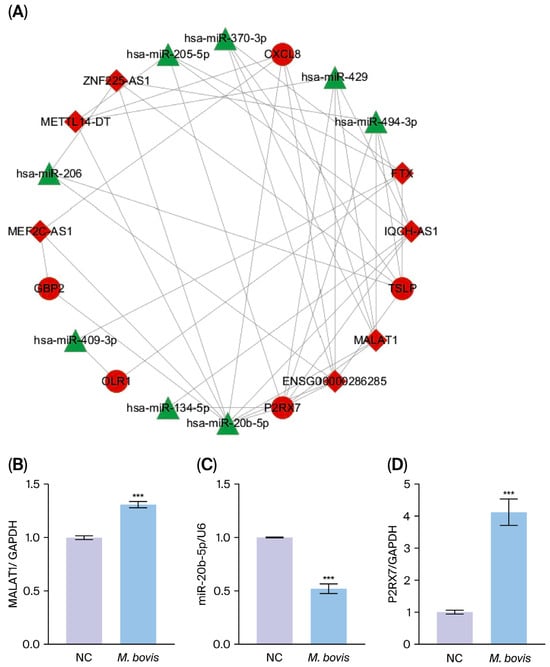
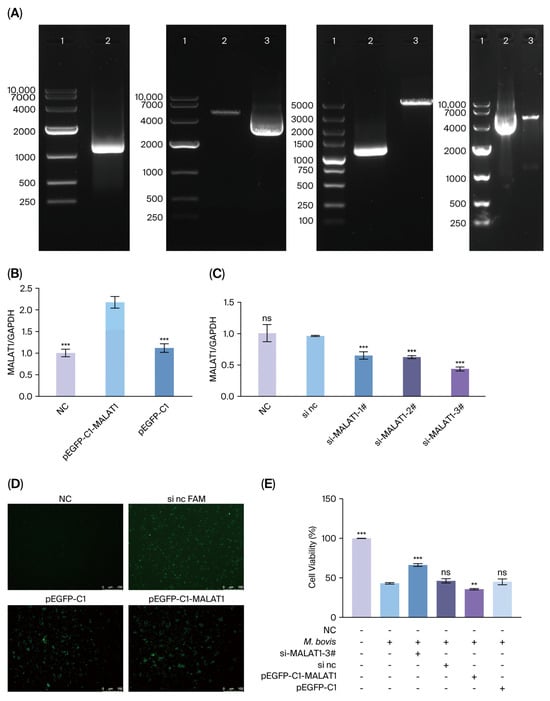
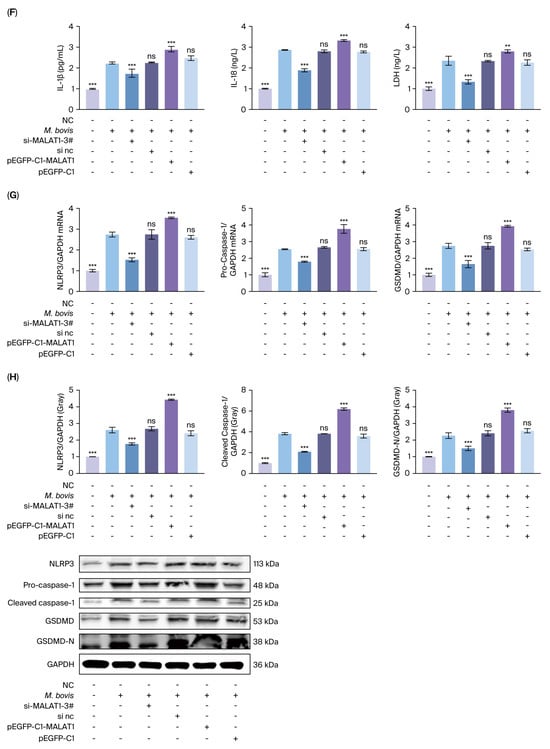
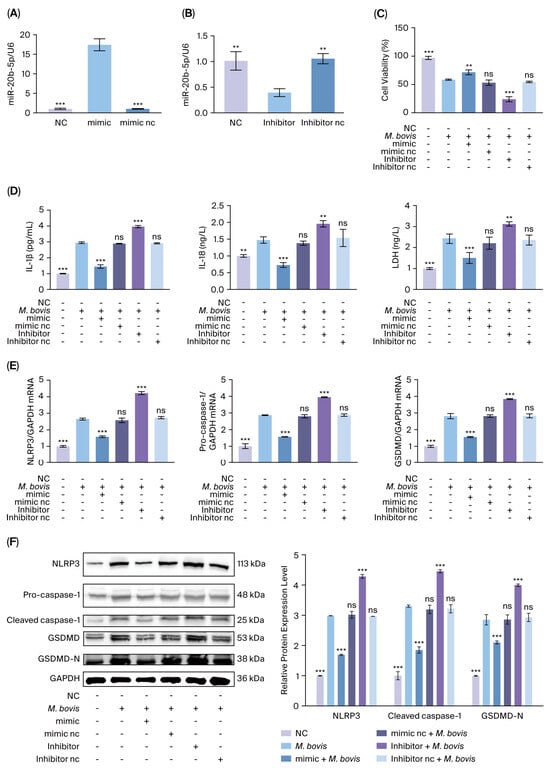
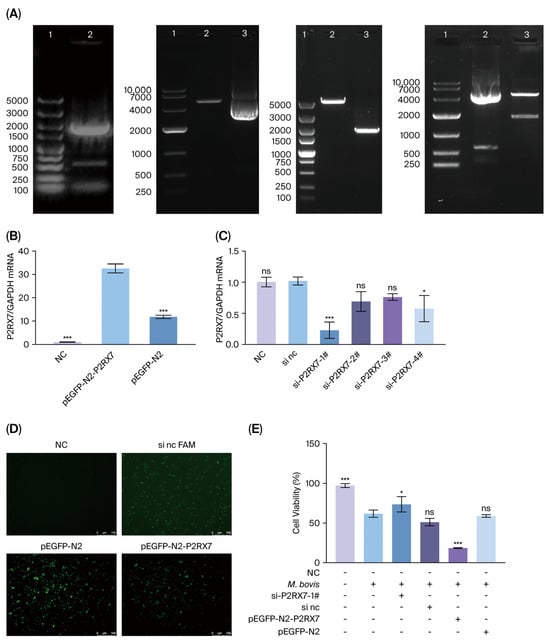
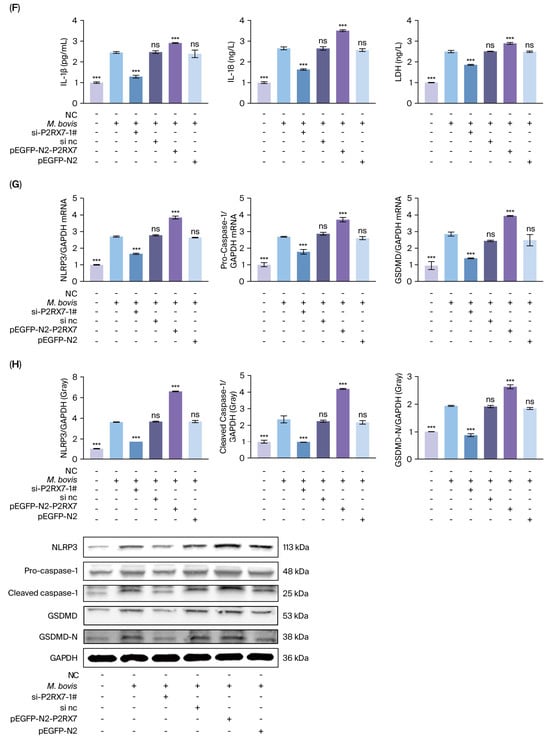
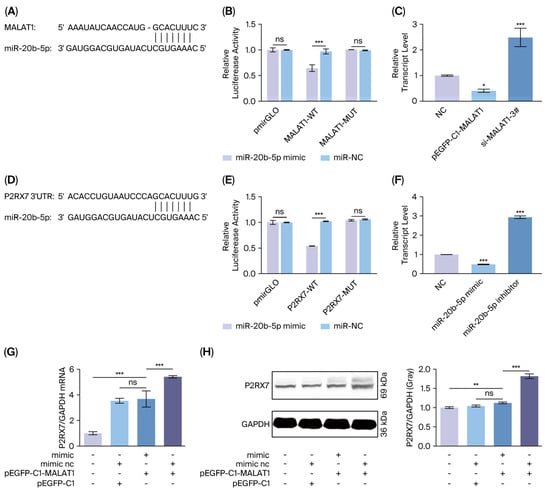
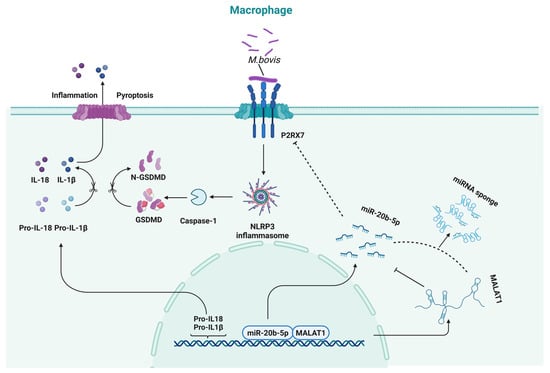
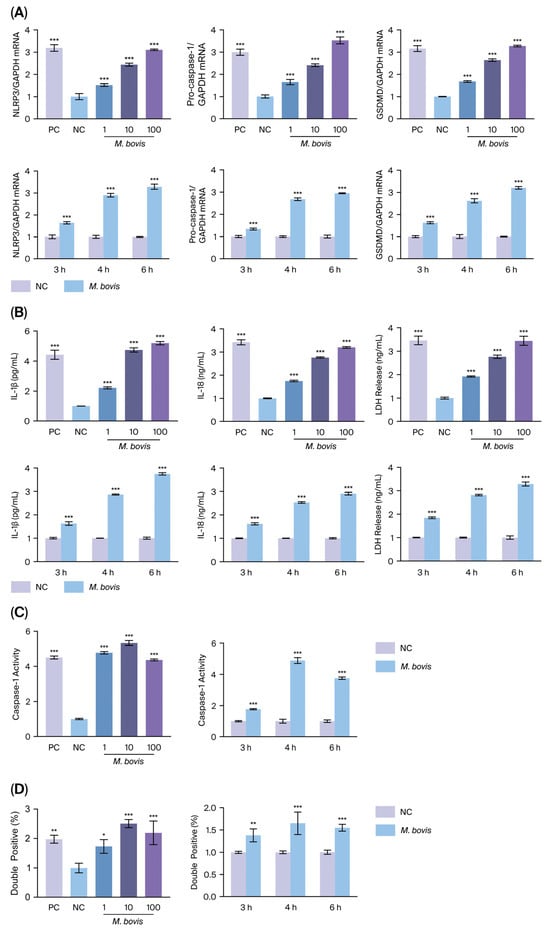
Zoonotic tuberculosis (zoonotic TB) caused by Mycobacterium bovis (M. bovis) accounts for up to 10% of human tuberculosis cases in some regions, but the underlying pathogenic mechanisms remain incompletely understood, especially those involved in cellular pyroptosis. This study aimed to explore the regulatory roles of non-coding RNA (ncRNA) in the pyroptosis of human monocytic THP-1 cells induced by M. bovis infection. An in vitro pyroptosis model was established by infecting THP-1 cells with M. bovis, followed by whole-transcriptome sequencing to identify differentially expressed messenger RNA (mRNA), long non-coding RNA (lncRNA), microRNA (miRNA), and circular RNA (circRNA). Bioinformatics analysis was performed to construct an lncRNA–miRNA–mRNA regulatory network associated with infection-induced pyroptosis; in addition, overexpression, knockdown, and dual-luciferase reporter assays and quantitative PCR were conducted to verify the interactions and functions of metastasis-associated lung adenocarcinoma transcript 1 (MALAT1), miR-20b-5p, and purinergic receptor P2X7 (P2RX7). Transcriptome analysis detected 741 mRNAs, 1049 lncRNAs, 25 circRNAs, and 40 miRNAs with significant differential expression in infected THP-1 cells. Specifically, MALAT1 and P2RX7 were upregulated, while miR-20b-5p was downregulated after infection. Knockdown of MALAT1 or P2RX7 and overexpression of miR-20b-5p relieved M. bovis-induced pyroptosis in THP-1 cells. Mechanistically, MALAT1 targeted miR-20b-5p, which directly targeted P2RX7, and overexpression of miR-20b-5p partially reversed P2RX7 upregulation mediated by MALAT1 overexpression. This study provides a transcriptomic characterization of M. bovis-induced pyroptosis in THP-1 cells and supports the MALAT1–miR-20b-5p–P2RX7 axis as a potential regulatory mechanism involved in this process, offering initial molecular insights into the pathogenesis of zoonotic TB. Full article
Show Figures

Figure 1

28 pages, 3621 KB  
Article
Evaluating Pre-Trained Transformer-Based Models for Political Sentiment Analysis on Social Media
by María Patricia Tzili Cruz, Salvador Contreras Hernández, José Martín Espínola Sánchez, Raúl Hernández Medina, Alma Alejandra Luna Gómez and Adriana Marlene Pacheco Orozco
Computation 2026, 14(6), 127; https://doi.org/10.3390/computation14060127 (registering DOI) - 31 May 2026
Abstract
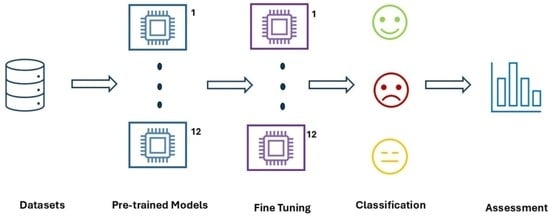
Sentiment analysis has broad applications in social media networks due to the high volume of user activity on diverse topics such as political debates. Transformer-based neural networks are among the technologies that achieve significant results in text classification. This study evaluates twelve pre-trained [...] Read more.
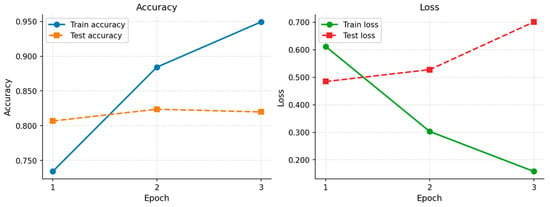
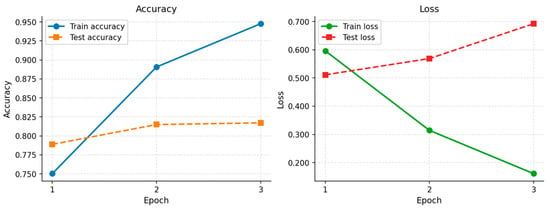
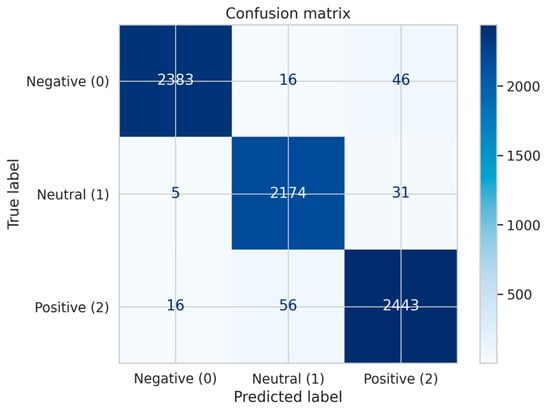
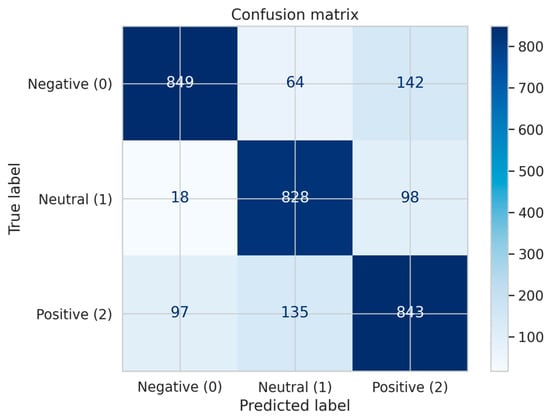
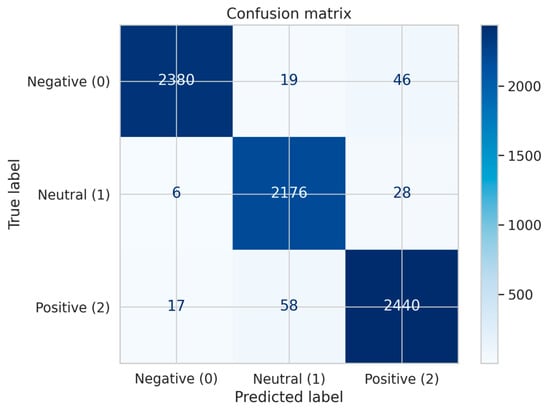
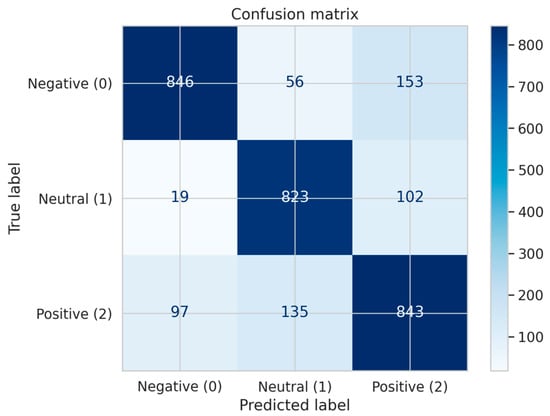
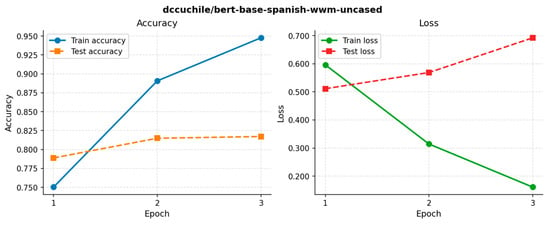
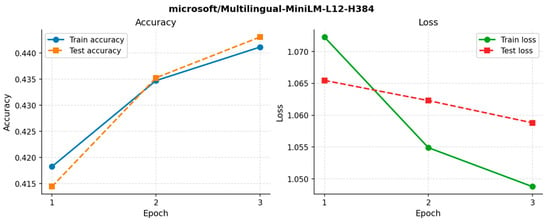
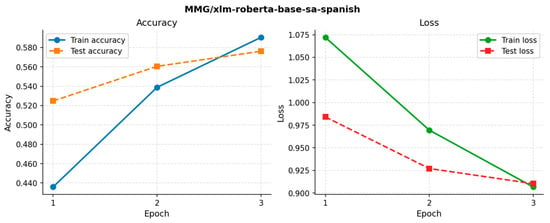
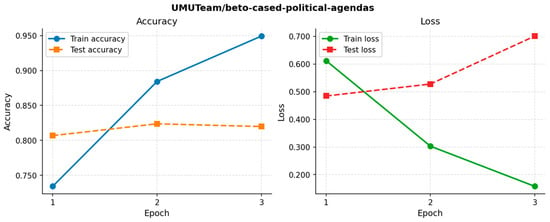
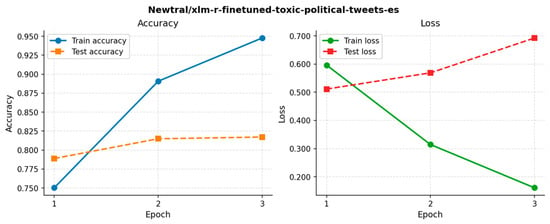
Sentiment analysis has broad applications in social media networks due to the high volume of user activity on diverse topics such as political debates. Transformer-based neural networks are among the technologies that achieve significant results in text classification. This study evaluates twelve pre-trained transformer-based models through fine-tuning for sentiment classification of Spanish-language political texts from the social media network X. Some of these models were originally created in Spanish, while others are multilingual models that include Spanish. The twelve models were trained to specialize in sentiment classification on political topics, using the same training and testing parameters, in order to compare them under equal conditions during fine-tuning. Good results were obtained with the precision, recall, and F1-score metrics mainly in multilingual models but also in some models originally created in Spanish. The study includes the detailed results of the evaluation in training and testing for the three metrics employed. Full article
Show Figures

Graphical abstract

27 pages, 3768 KB  
Article
Depth-Wise Assessment of Soil Fertility and Organic Carbon Under Different Land Use Systems: Implications for Climate Change Adaptation and Resilience in Smallholder Agroecosystems
by Mahendru Kumar Gautam, Shanjeev Sharma, Rohit Kumar, Atin Kumar, Kunal, Hemant Jayant, Dharmendra Kumar, Mahendra Singh, Mandeep Kumar, Vishnu D. Rajput, Maqsood Ul Hussan, Nadhir Al-Ansari, Mohamed A. Mattar and Ali Salem
Land 2026, 15(6), 953; https://doi.org/10.3390/land15060953 (registering DOI) - 31 May 2026
Abstract
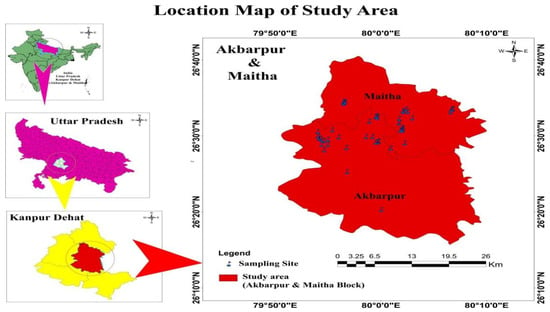
This study investigates the influence of various land use systems (LUSs) on soil physico-chemical properties, nutrient dynamics, and soil organic carbon (SOC) stocks in the Central Plain Zone of Uttar Pradesh, India. Soil samples were collected from six distinct LUSs, i.e., fallow, crop-based, [...] Read more.
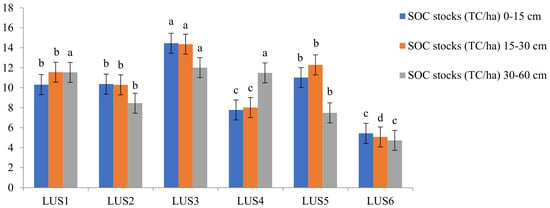
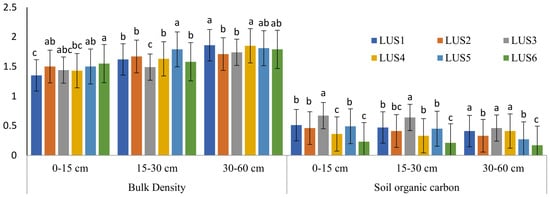
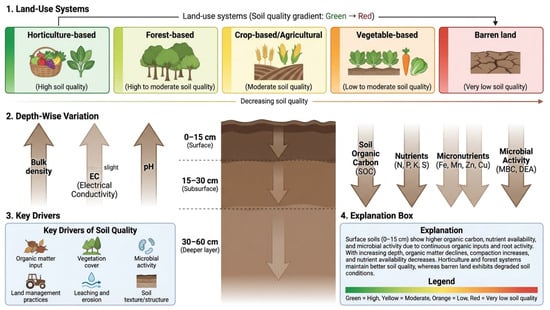
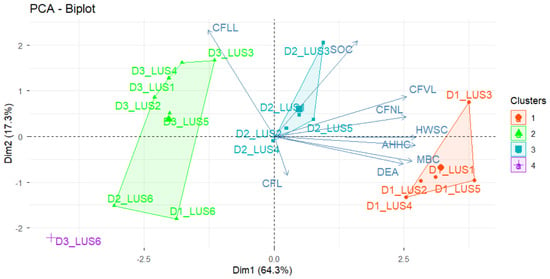
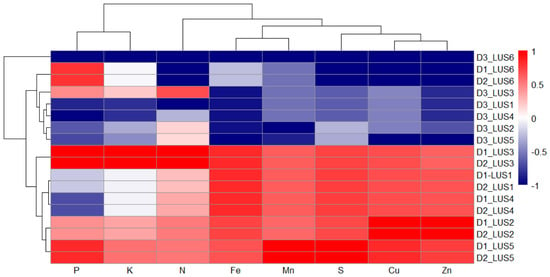
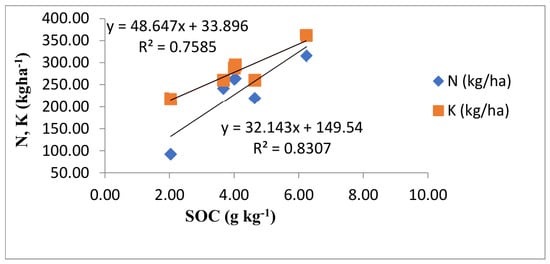
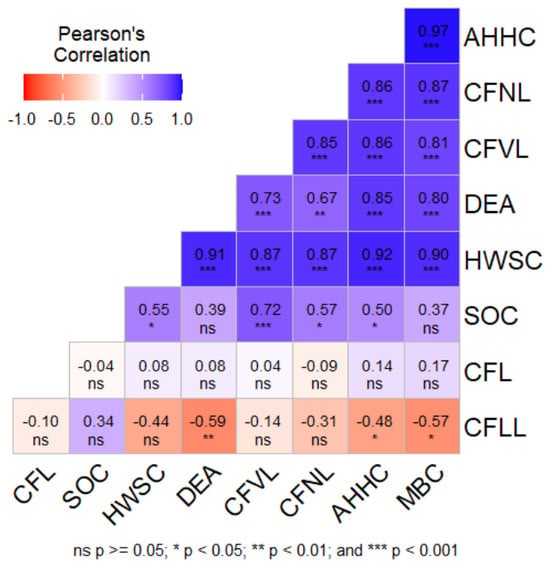
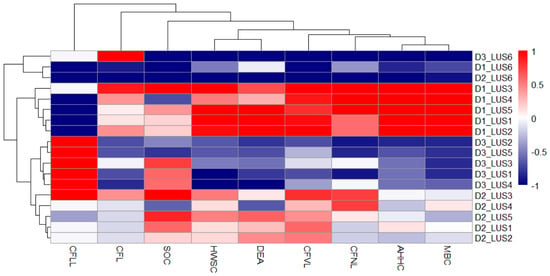
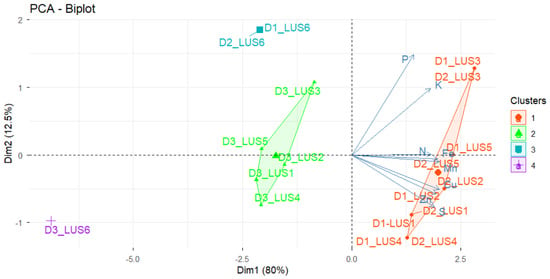
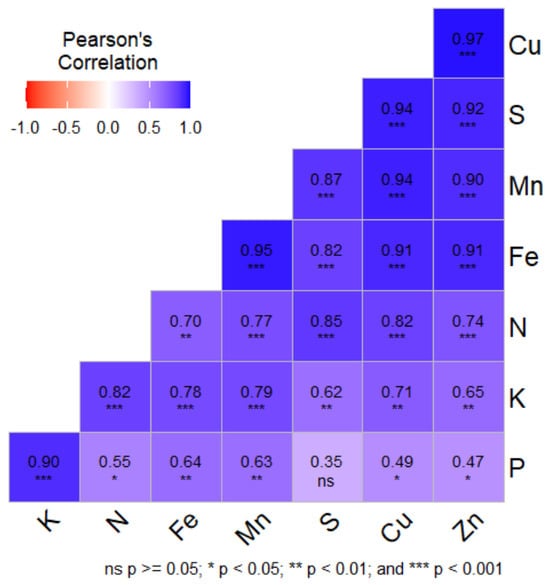
This study investigates the influence of various land use systems (LUSs) on soil physico-chemical properties, nutrient dynamics, and soil organic carbon (SOC) stocks in the Central Plain Zone of Uttar Pradesh, India. Soil samples were collected from six distinct LUSs, i.e., fallow, crop-based, horticulture-based, forest-based, vegetable-based, and barren land, and analyzed across three depth intervals (0–15 cm, 15–30 cm, and 30–60 cm). Soil pH increased steadily with depth, ranging from 7.43 to 8.58 at the surface layer to 7.55 to 10.32 in deeper layers. Horticulture-based LUSs recorded the lowest pH, while barren lands had the highest. Electrical conductivity (EC) also rose with depth, ranging from 0.12 to 3.63 dS m−1, from the surface to subsoil layers, all below critical salinity thresholds. Soil organic carbon (SOC) content decreased with increasing soil depth across all land use systems. Among the studied systems, horticulture-based land use recorded the highest SOC content (0.77%), whereas barren land showed the lowest SOC content (0.21%). Due to greater organic matter inputs and reduced disturbances, horticultural systems also exhibited significantly higher levels of macronutrients (N: 17.98 kg ha−1, P: 330.45 kg ha−1, K: 374.81 kg ha−1, S: 84.33 mg ha−1) and micronutrients (Fe: 164.12 mg ha−1, Mn: 60.89 mg ha−1, Cu: 2.85 mg ha−1, Zn: 1.80 mg ha−1). Bulk density increased slightly with depth (1.46–1.63 Mg m−3), while soil moisture content remained relatively stable (43.43% to 42.31%), with moderate variability (CV: 24–27%). The mean total SOC stock was 10.77 t C ha−1, ranging from 5.44 to 14.46 t C ha−1. Microbial properties also varied among land uses: dehydrogenase activity (DEA), an indicator of microbial functionality, peaked in vegetable-based systems (30.54 µg TPF g−1), whereas microbial biomass carbon (MBC) was highest in forest-based systems (184.83 µg g−1). Correlation and regression analyses revealed a strong positive relationship between SOC and nutrient availability, with the highest correlation observed for Zn (R2 = 0.99), followed by N (R2 = 0.83) and K (R2 = 0.75). Overall, barren lands showed the poorest soil quality indicators, while horticulture-based systems consistently demonstrated superior soil fertility and carbon sequestration potential. These findings emphasize the critical role of land use management in regulating soil fertility, SOC dynamics, and the long-term sustainability of agro-ecosystems in the region. Full article
(This article belongs to the Section Land–Climate Interactions)
Show Figures

Figure 1

16 pages, 1194 KB  
Review
N1 Staging in Non-Small Cell Lung Cancer: Current Situation, Limitations, and the Importance of Peripheral Nodal Assessment
by Tsukasa Ishiwata
Cancers 2026, 18(11), 1792; https://doi.org/10.3390/cancers18111792 (registering DOI) - 31 May 2026
Abstract
Accurate regional lymph node staging is essential for guiding treatment and predicting outcomes in non-small cell lung cancer. While the 9th edition of the TNM classification introduced prognostic subdivisions for N2 disease, the N1 category remains a single, unified descriptor. However, N1 disease [...] Read more.
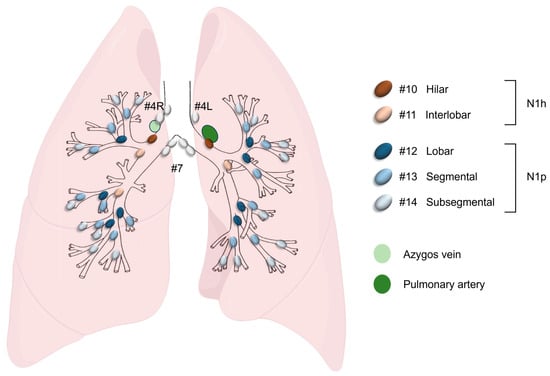
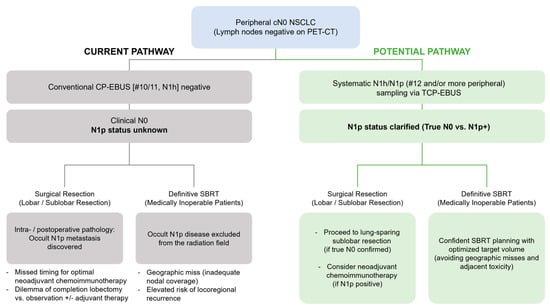
Accurate regional lymph node staging is essential for guiding treatment and predicting outcomes in non-small cell lung cancer. While the 9th edition of the TNM classification introduced prognostic subdivisions for N2 disease, the N1 category remains a single, unified descriptor. However, N1 disease is highly heterogeneous. Evidence shows significant survival differences between single-station (N1a) and multi-station (N1b) involvement, as well as between peripheral (N1p) and hilar (N1h) metastases. Standard medical imaging evaluation and conventional bronchoscopy often fail to detect “occult N1 disease,” leading to postoperative stage migration and suboptimal treatment sequencing. This diagnostic gap affects critical clinical decisions, including the selection of patients for sublobar resection, the administration of neoadjuvant chemoimmunotherapy, and the precision of radiation target volumes. The main obstacle to refining N1 staging has been the limited ability of existing clinical staging modalities to access and accurately assess N1p nodes. However, recent technological advances, particularly in thin convex probe endobronchial ultrasound examination, have renewed interest in bronchoscopic evaluation of N1p and in improving preoperative clinical N1 staging. The purpose of this review is to summarize the biological and immunological basis for N1 subclassification and evaluate how emerging technologies can bridge the gap between clinical and pathological staging. Refining the N1 compartment is vital for a personalized staging system that reflects the true biological spectrum of lung cancer. Full article
Show Figures

Figure 1

35 pages, 6667 KB  
Article
Contact Mechanics Analysis of Main Rotor Shaft Bearings in a Helicopter Main Gearbox Under Flight Load Spectrum
by Feng Zhang, Hongjian Wu, Yanan Zhang, Hongbin Liu, Baolin Jia, Xinlong Wu, Kun Zhao, He Liu and Wenhu Zhang
Lubricants 2026, 14(6), 228; https://doi.org/10.3390/lubricants14060228 (registering DOI) - 31 May 2026
Abstract
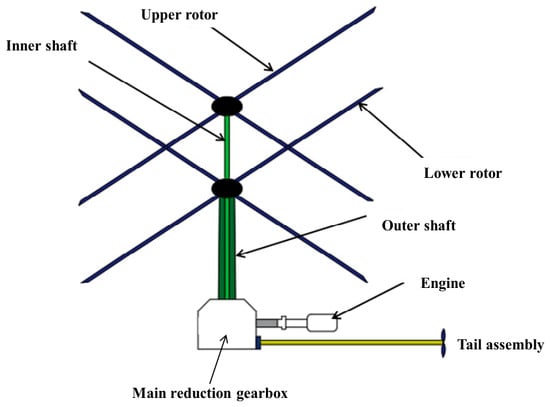
To investigate the contact mechanical performance of helicopter main gearbox rotor shaft bearings under a complex load spectrum, this study focuses on the contact stress and load-carrying characteristics of bearings operating under high-speed and heavy-load conditions. Based on the rotor shaft system of [...] Read more.
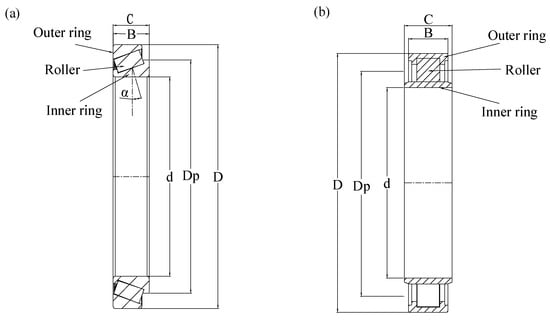
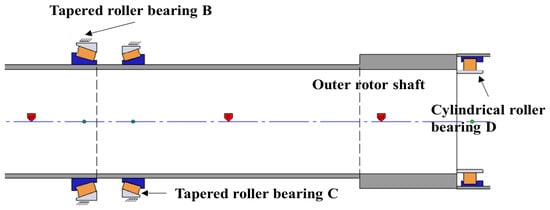
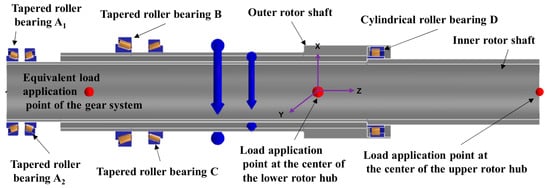
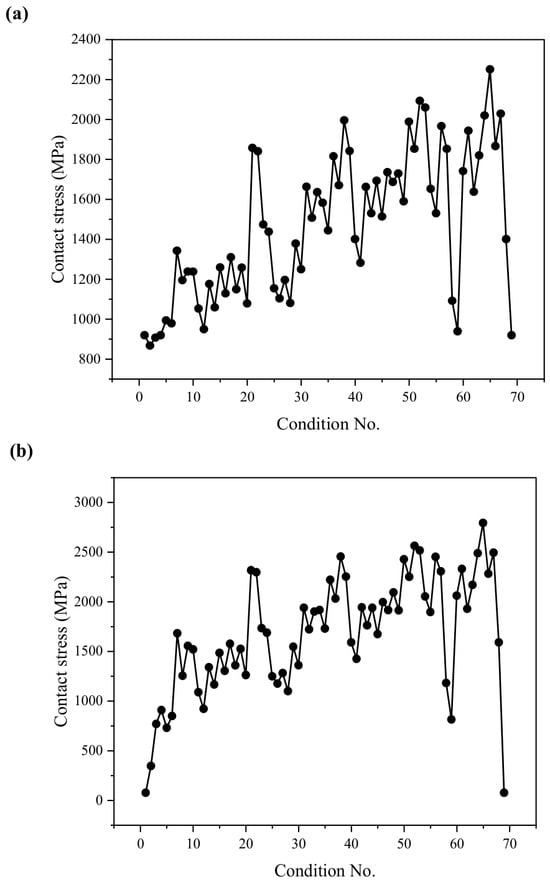
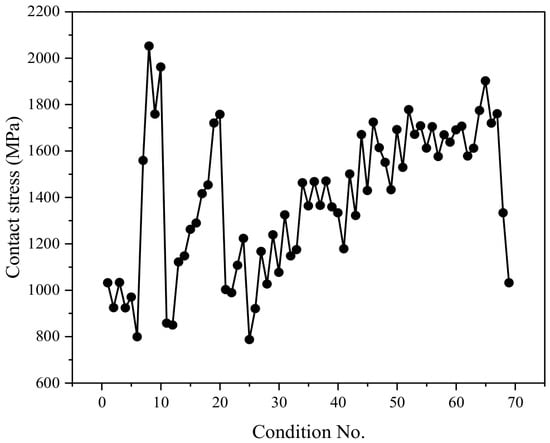
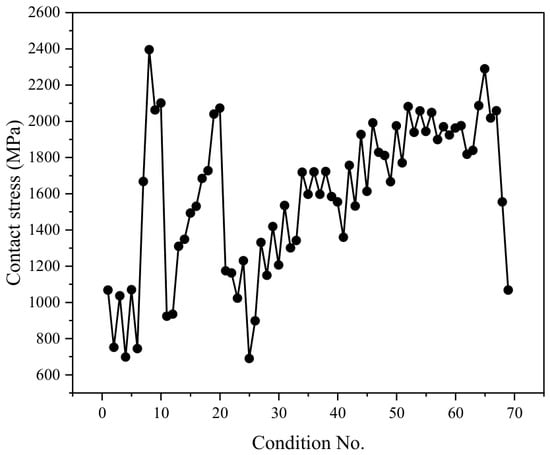
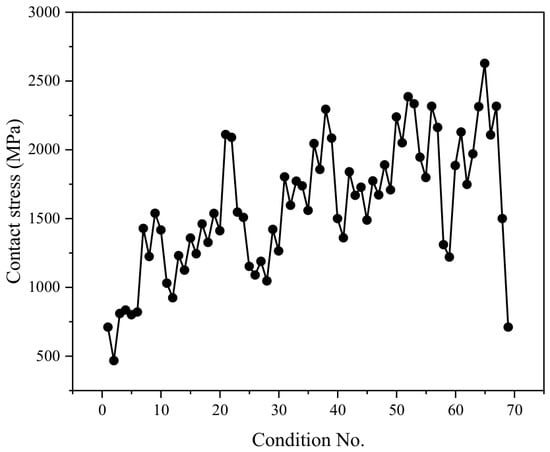
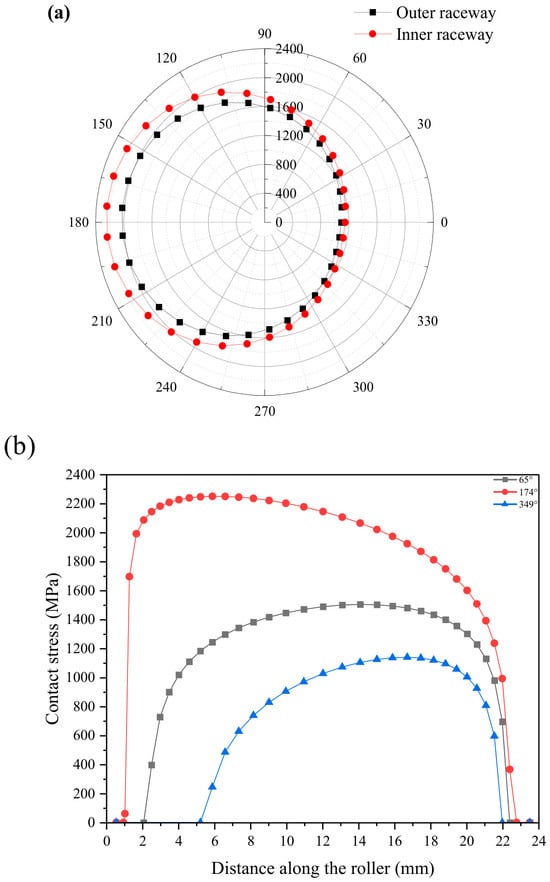
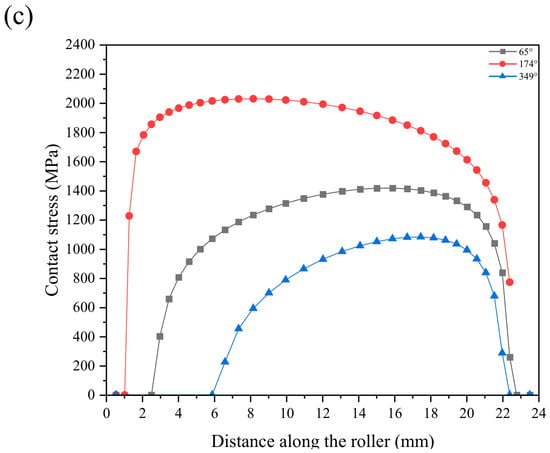
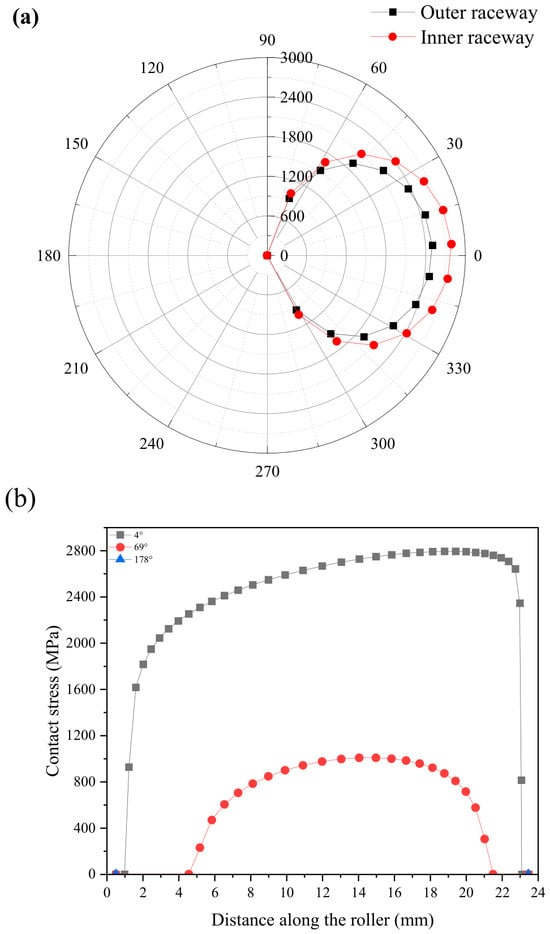
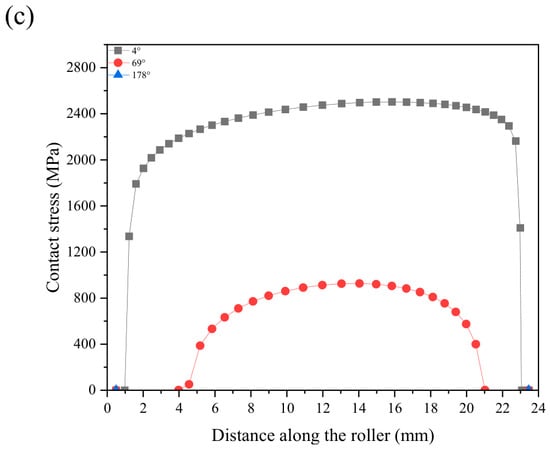
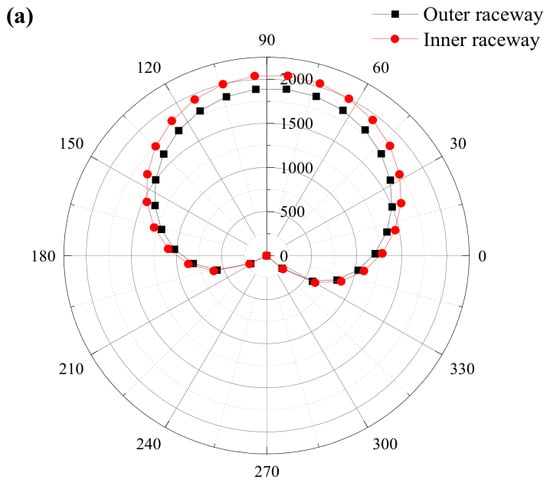
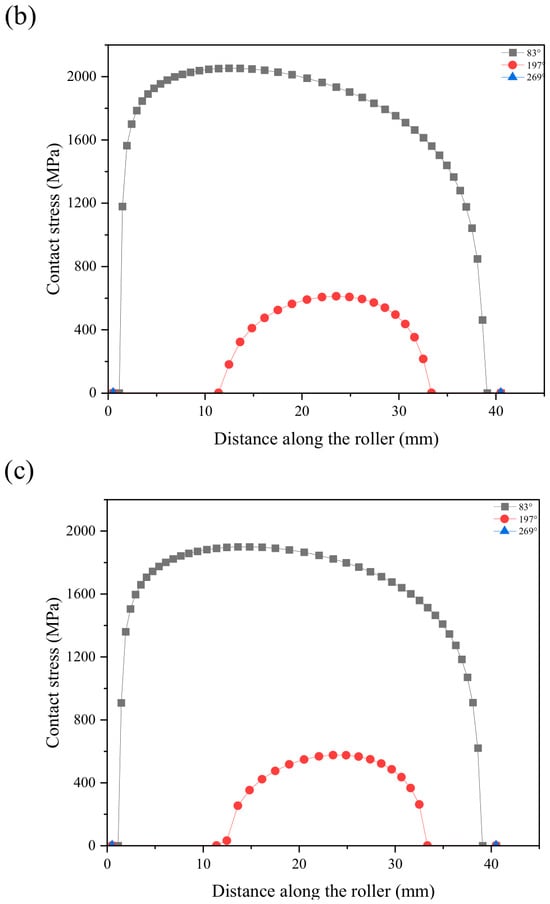
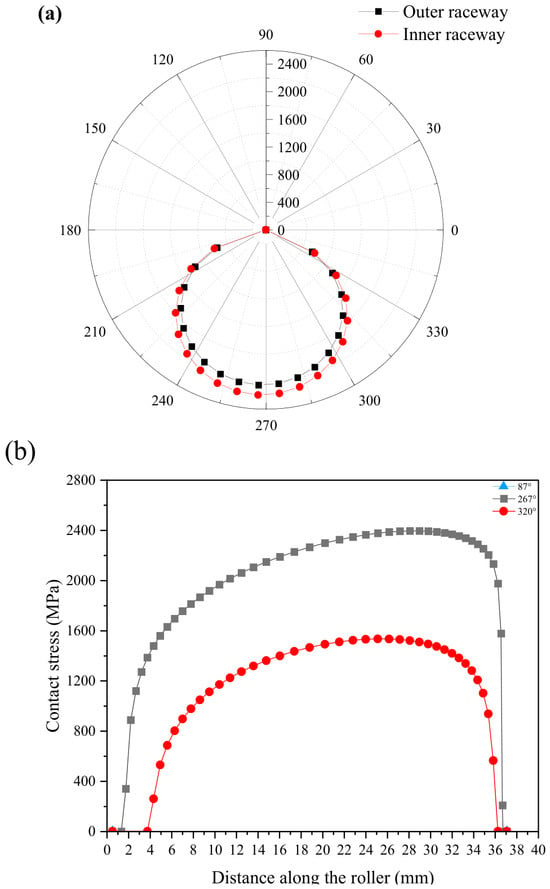
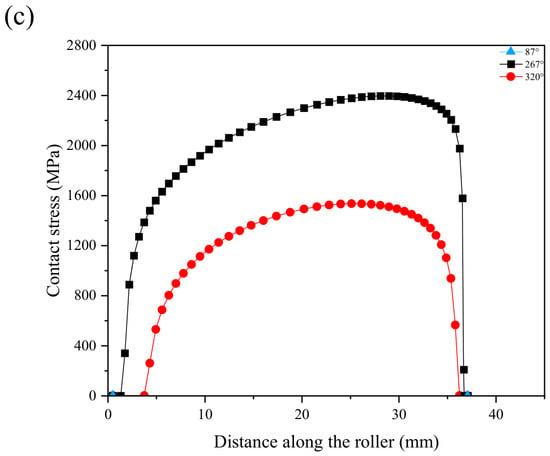
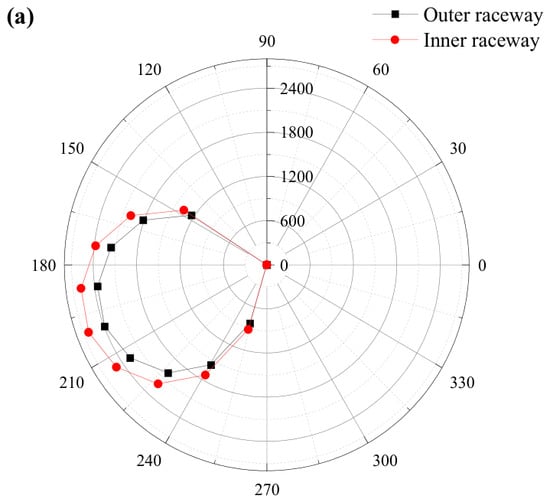
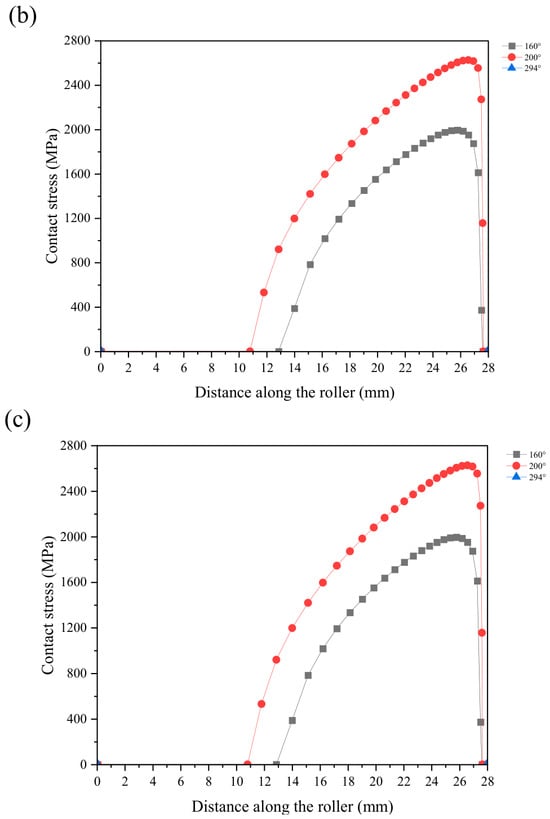
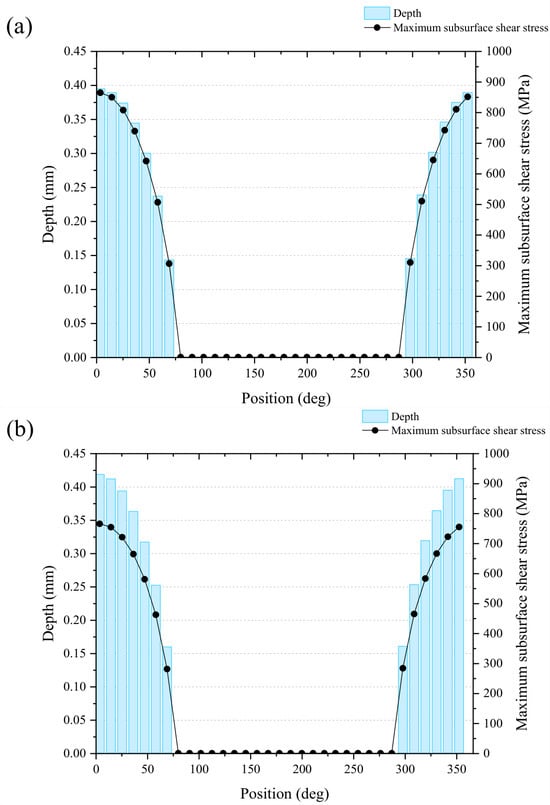
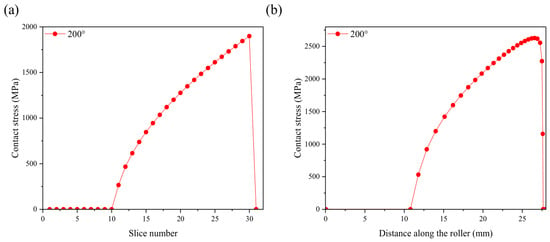
To investigate the contact mechanical performance of helicopter main gearbox rotor shaft bearings under a complex load spectrum, this study focuses on the contact stress and load-carrying characteristics of bearings operating under high-speed and heavy-load conditions. Based on the rotor shaft system of a helicopter main gearbox and Hertzian contact theory, quasi-static analyses were performed on four tapered roller bearings and one cylindrical roller bearing mounted on the shaft system conducted in Romax. The results indicate that the maximum contact stresses of the bearings do not exhibit sustained high-stress states under most operating conditions. The peak-stress conditions account for only extremely small time proportions in limited cases, namely 0.003429% and 0.025%. The contact stresses on both the inner and outer raceways exhibit a non-uniform distribution along the roller length, with local peak values appearing near the highly loaded roller-raceway contact regions. This suggests that during the design process of the helicopter main gearbox rotor shaft, special attention should be given to this region. The present results provide a theoretical basis for subsequent life-index verification and offer an effective analytical method for the design and validation of such critical components. Full article
(This article belongs to the Special Issue Machine Design and Tribology)
Show Figures

Figure 1

12 pages, 2137 KB  
Article
Fe-C Micro-Electrolysis of HMX: Performance Optimization, Degradation Mechanisms, and Toxicity Evolution Revealed by Toxicogenomics-Based Assay
by Xin Jiang, Dongqi Wang, Guodong Chai, Guangxiang Duan, Haoting Xiong, Yishi Qian, Lin Xie, Yi Xiao, Heyun Yang, Mingrui Fan, Jiake Li, Yishan Lin, Xiaoliang Li and Yuling Liu
Toxics 2026, 14(6), 484; https://doi.org/10.3390/toxics14060484 (registering DOI) - 31 May 2026
Abstract
This study evaluated the degradation of 1,3,5,7-tetranitro-1,3,5,7-tetrazocane (HMX) in simulated wastewater using an iron-carbon (Fe-C) micro-electrolysis system. The treatment efficiency was systematically evaluated under varying initial pH, Fe dosage, and Fe/C mass ratios. Under the optimized operating conditions (initial pH of 4, Fe [...] Read more.
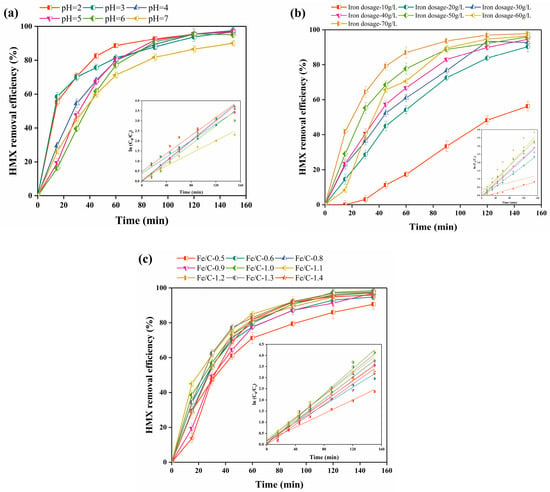
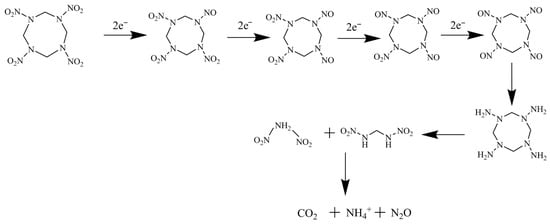
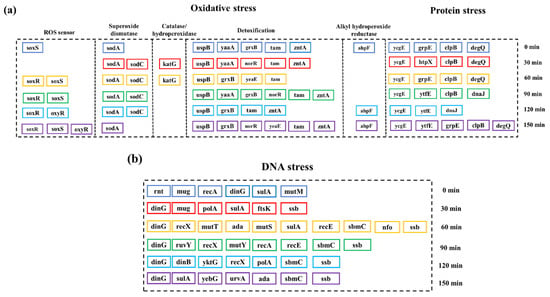
This study evaluated the degradation of 1,3,5,7-tetranitro-1,3,5,7-tetrazocane (HMX) in simulated wastewater using an iron-carbon (Fe-C) micro-electrolysis system. The treatment efficiency was systematically evaluated under varying initial pH, Fe dosage, and Fe/C mass ratios. Under the optimized operating conditions (initial pH of 4, Fe dosage of 70 g/L, and an Fe/C mass rat of 1:1), the system achieved a maximum HMX removal efficiency of 98.4%. Kinetic analysis indicated that the degradation process conformed to pseudo-first-order kinetics. Mechanistically, HMX removal was attributed to interfacial adsorption and co-precipitation via in situ generated Fe2+ and Fe3+ hydroxides, alongside reductive transformation mediated by Fe, Fe2+, and nascent hydrogen ([H]) evolved during the micro-electrolysis process. To assess the molecular toxicity evolution of the treated wastewater, a toxicogenomic assay was deployed to evaluate the molecular toxicity evolution of the treated wastewater matrix. The transcriptomic profiling revealed that DNA damage and oxidative stress were the predominant cellular stress responses induced by the wastewater. While the total toxic effect transcript index (TELItotal) exhibited a transient initial increase before steadily declining, the overall toxic potency remained within a relatively stable range throughout the treatment cycle. Ultimately, this study provides critical insights into process optimization and pathway elucidation, demonstrating that Fe-C micro-electrolysis is a promising and scalable pretreatment technology for the remediation of energetic compound-laden industrial effluents. Full article
Show Figures

Figure 1

37 pages, 5806 KB  
Article
Determination of Optimal Drip Irrigation Timing and Duration for Tea Field in Yangtze River Region of China
by Yongzong Lu, Wuzhe Wei, Pengfei Liu and Yongguang Hu
Agronomy 2026, 16(11), 1089; https://doi.org/10.3390/agronomy16111089 (registering DOI) - 31 May 2026
Abstract
Drought frequently constrains tea production in low-slope hilly regions, where inefficient irrigation scheduling often leads to substantial water losses. This study optimized drip irrigation management for tea plantations by quantifying soil wetting dynamics under different emitter flow rates, spacings, and initial soil water [...] Read more.
Drought frequently constrains tea production in low-slope hilly regions, where inefficient irrigation scheduling often leads to substantial water losses. This study optimized drip irrigation management for tea plantations by quantifying soil wetting dynamics under different emitter flow rates, spacings, and initial soil water content conditions. Field and laboratory experiments were conducted to investigate wetting-front migration, wetted-body morphology, and soil moisture redistribution. The results showed that emitter flow rate primarily controlled the migration of vertical and lateral wetting fronts, whereas emitter spacing mainly influenced the overlap degree and uniformity of the soil wetted body (SWB). Both vertical and lateral wetting fronts exhibited strong power-function relationships with irrigation duration (R2 > 0.98). The optimal configuration for achieving an effective root-zone wetting depth of 40–45 cm was identified as a flow rate of 2.0 L·h−1 combined with a spacing of 40 cm. Based on multi-depth soil moisture monitoring, a soil water content equivalence model was developed to determine irrigation initiation and duration. Validation experiments demonstrated that the proposed control strategy reduced irrigation water use by 17.6% compared with the conventional method while maintaining adequate root-zone moisture distribution. These findings provide a practical framework for precision irrigation management in tea plantations under drought-prone hilly conditions. Full article
26 pages, 5774 KB  
Article
KISP Hand: Space Gripper for On-Orbit Servicing Missions
by Taewon Choi, Daehee Won, Byung-Rok So and Dong-Hyuk Lee
Aerospace 2026, 13(6), 513; https://doi.org/10.3390/aerospace13060513 (registering DOI) - 31 May 2026
Abstract
In this paper, an engineering model (EM) of a multi-joint space gripper for on-orbit servicing (OOS) is proposed. OOS missions demand robotic systems capable of reliable physical interactions under dynamic uncertainties and harsh space environments. While prior space-qualified grippers have demonstrated dexterous manipulation [...] Read more.
In this paper, an engineering model (EM) of a multi-joint space gripper for on-orbit servicing (OOS) is proposed. OOS missions demand robotic systems capable of reliable physical interactions under dynamic uncertainties and harsh space environments. While prior space-qualified grippers have demonstrated dexterous manipulation through anthropomorphic, high-DoF configurations, this work adopts a design direction widely established in industrial applications: a three-finger, lower-DoF configuration that balances grasp versatility, structural simplicity, and system integration for OOS missions. The developed gripper features a tendon-driven mechanism with a structural design optimized for space-environment compatibility and mechanical compliance. The kinematic characteristics of the mechanism are analyzed, while workspace and manipulability analyses are conducted to evaluate its operational limits. To verify the functional feasibility of the proposed design, representative grasping experiments were performed using a fabricated EM. The mechanical reliability and grasping performance were evaluated through a series of empirical experiments. The results indicate that the proposed design achieves a practical balance among grasp versatility, structural simplicity, and system integration for OOS missions, with a shielding-oriented structural configuration adopted as a design baseline. Its functional feasibility is supported by kinematic analysis, repeatability verification, and grasping experiments. This study provides a basis for the design and evaluation of three-finger robotic grippers in future OOS missions. Full article
55 pages, 3766 KB  
Review
Nano-Silica as Designer Tools for Geopolymer Microstructure Optimization: Effects on Porosity, Interfacial Transition Zone (ITZ), and Mechanical Performance
by Kinga Korniejenko and Qinglin Lin Wu
Materials 2026, 19(11), 2320; https://doi.org/10.3390/ma19112320 (registering DOI) - 31 May 2026
Abstract
Nano-silica (nano-SiO2) has emerged as a powerful designer tool for engineering the microstructure of geopolymer composites, enabling precise control over porosity, interfacial transition zone (ITZ) characteristics, and resultant mechanical performance. The main aim of this review is to evaluate the role [...] Read more.
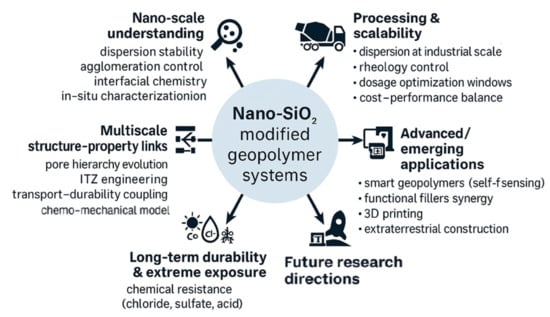
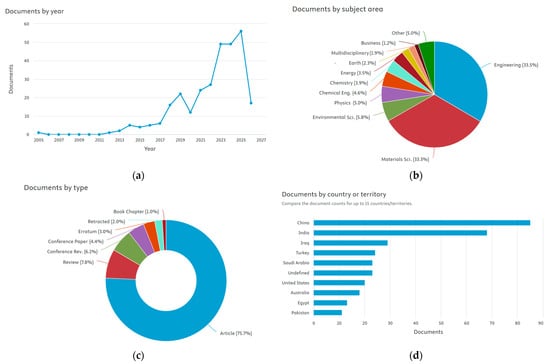
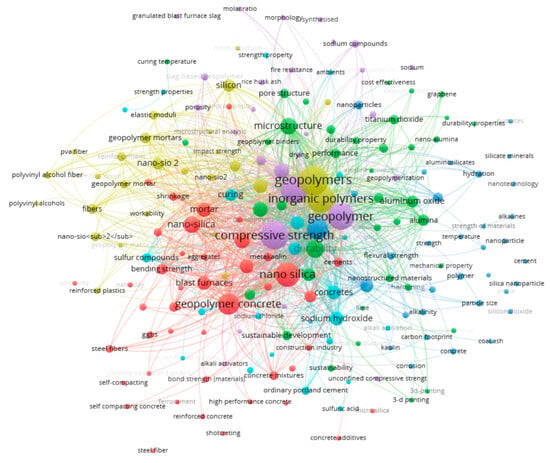
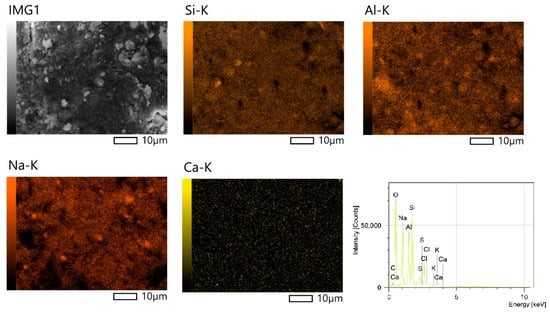
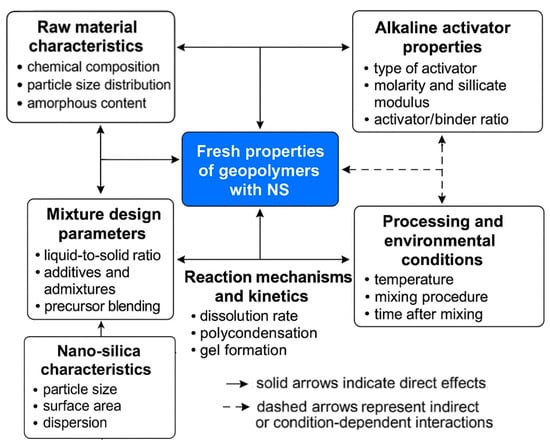
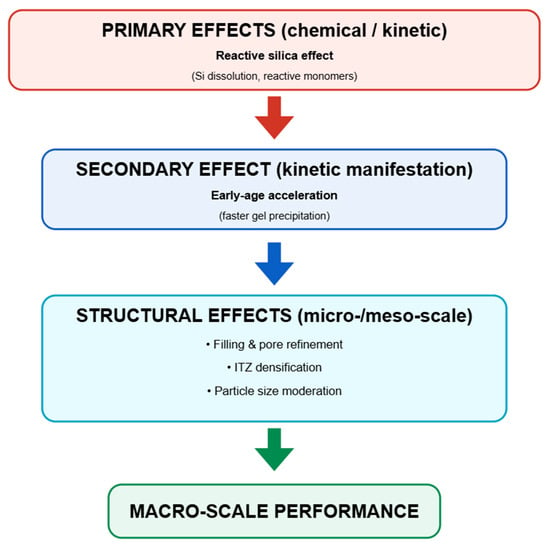
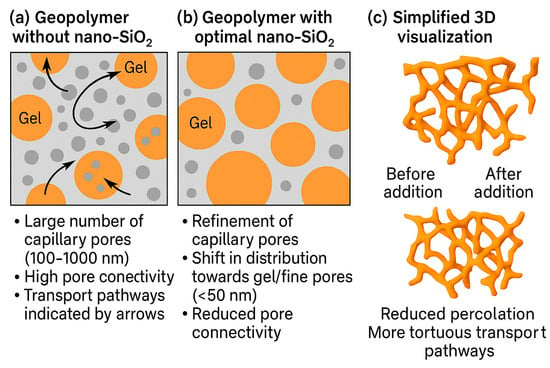
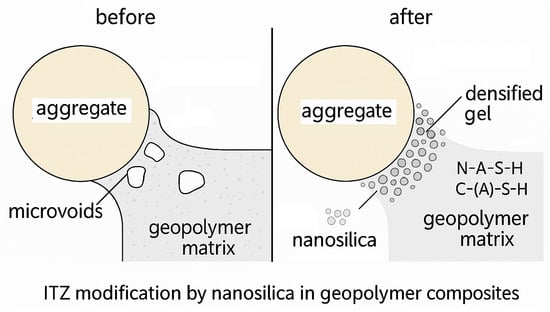
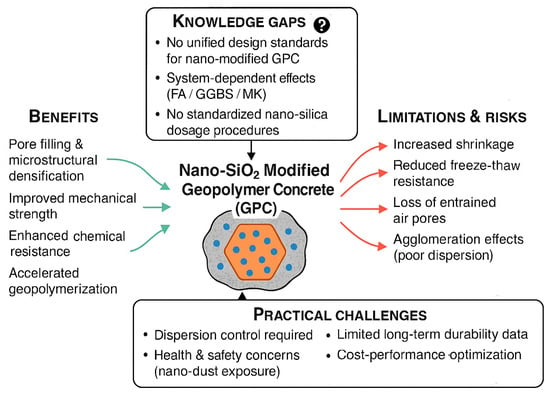
Nano-silica (nano-SiO2) has emerged as a powerful designer tool for engineering the microstructure of geopolymer composites, enabling precise control over porosity, interfacial transition zone (ITZ) characteristics, and resultant mechanical performance. The main aim of this review is to evaluate the role of nano-silica as a reinforcement and pozzolanic accelerator. The paper delivers a critical literature overview. It is based on a comprehensive critical review of the existing literature and illustrative case studies demonstrating practical applications in geopolymer composites. The article presents the key mechanisms connected with the application of nano-additives, including accelerated geopolymerization kinetics and heterogeneous nucleation on nano-silica surfaces. Comprehensive characterization methods are critically assessed, including SEM/EDS for gel morphology, MIP for porosity profiles, XRD/FTIR for reaction products, micro-CT for 3D void networks, and nanoindentation for ITZ mechanical gradients. The article also shows the main applications span high-performance concretes, 3D-printed geopolymer elements (improved buildability and interlayer adhesion), and durable overlays. The article is a closed presentation of challenges such as long-term stability, alongside future directions. The main findings show that nano-silica offers a pathway to tailored, low-carbon geopolymers with superior microstructure–performance relationships aligned with sustainable construction goals. Full article
Show Figures

Graphical abstract

31 pages, 4167 KB  
Systematic Review
Education for Sustainable Development in Higher Education: Bibliometric Analysis of Trends, Innovations and Institutional Commitment to the SDGs (2018–2025)
by Luis Fernando Garcés Giraldo, Rafael Liza, José Alexander Velásquez Ochoa, Gelver Pérez Pulido, Cesar Felipe Henao Villa, José Albán Londoño Arias and Jorge Hoyos Rentería
Societies 2026, 16(6), 178; https://doi.org/10.3390/soc16060178 (registering DOI) - 31 May 2026
Abstract
In a post-consensus institutional landscape—where higher education systems face intensifying pressure to demonstrate strategic governance and measurable commitment to global sustainability mandates—understanding how the scholarly field of Education for Sustainable Development (ESD) has itself structurally evolved acquires both analytical urgency and policy relevance. [...] Read more.
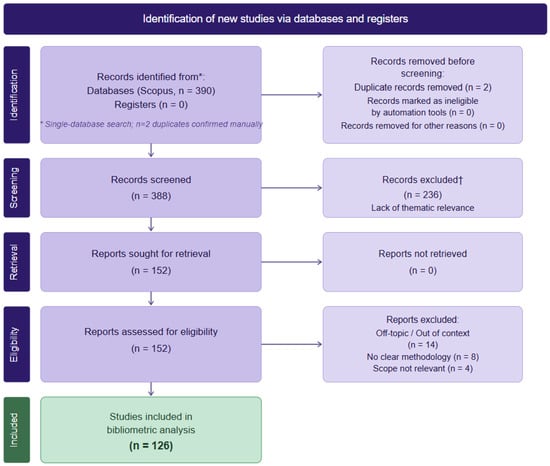
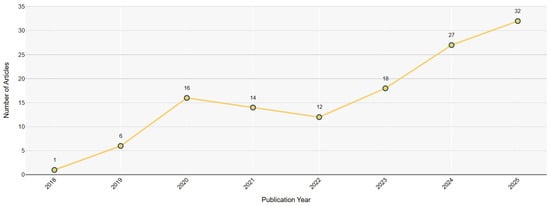
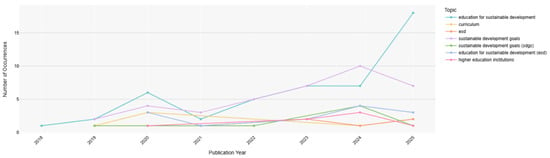
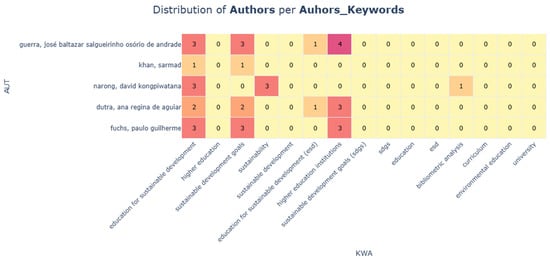
In a post-consensus institutional landscape—where higher education systems face intensifying pressure to demonstrate strategic governance and measurable commitment to global sustainability mandates—understanding how the scholarly field of Education for Sustainable Development (ESD) has itself structurally evolved acquires both analytical urgency and policy relevance. This study maps the intellectual structure of Education for Sustainable Development (ESD) and institutional commitment in higher education through a PRISMA 2020-guided bibliometric analysis of 126 articles retrieved from Scopus for the period 2018–2025. Annual output rose from a single article in 2018 to 32 in 2025, with 46.8% of the corpus concentrated in the 2024–2025 biennium—a pattern indicative of rapid field maturation. Keyword co-occurrence analysis reveals a dual thematic architecture comprising four clusters: a Curriculum Innovation and Pedagogical Transformation axis and a strategic governance and institutional commitment axis. A notable pattern is a reorientation in the relative weight of research themes, evidenced by the growing density of terms such as governance, strategic approach, and institutional commitment in the recent literature. This governance-oriented cluster, consolidated by a core of prolific authors, shows a higher recent growth rate in co-occurrence frequency than the traditional curriculum axis. An emerging tendency toward disciplinary specialization—particularly in engineering education—and toward impact assessment is consistent with a gradual thematic consolidation of the field. The observed co-occurrence patterns are consistent with theoretical frameworks that associate scalable pedagogical innovation with institutional-level commitment and systemic governance frameworks aligned with the SDGs, although bibliometric data alone cannot establish this dependency. These patterns may signal a reorientation in the scholarly framing of ESD toward institutional design and governance questions, although confirming whether this reflects substantive epistemic change or shifts in publishing incentives requires evidence beyond bibliometric indicators. Full article
Show Figures

Figure 1

17 pages, 2610 KB  
Article
The Effectiveness of Cervical Spine and Diaphragm Manual Therapy Combined with Breathing Re-Education Exercises on Musculoskeletal, Respiratory and Psychophysiological Outcomes in Patients with Non-Specific Chronic Neck Pain: A Randomized Controlled Trial
by Petros I. Tatsios, Eirini Grammatopoulou, Zacharias Dimitriadis and George A. Koumantakis
J. Clin. Med. 2026, 15(11), 4266; https://doi.org/10.3390/jcm15114266 (registering DOI) - 31 May 2026
Abstract
Background/Objectives: Dysfunctional breathing interacts with common impairments in patients with non-specific chronic neck pain. This study aimed to assess the effect of combining manual therapy with breathing re-education. Methods: A randomized controlled trial with concealed allocation and intention-to-treat analysis, including ninety patients with [...] Read more.
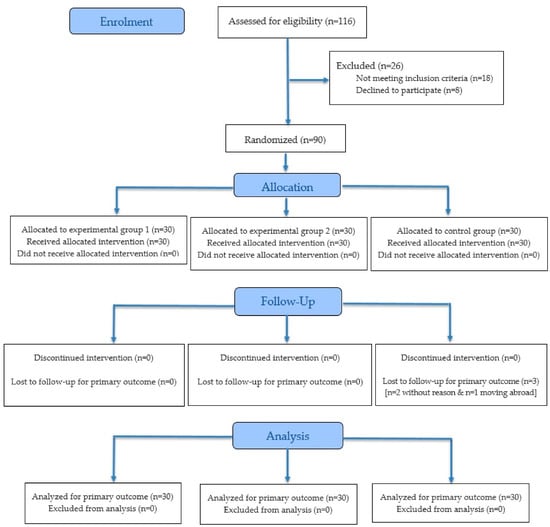
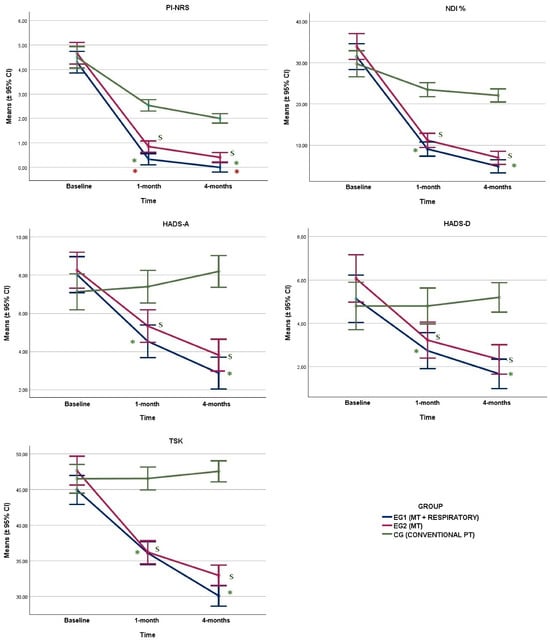
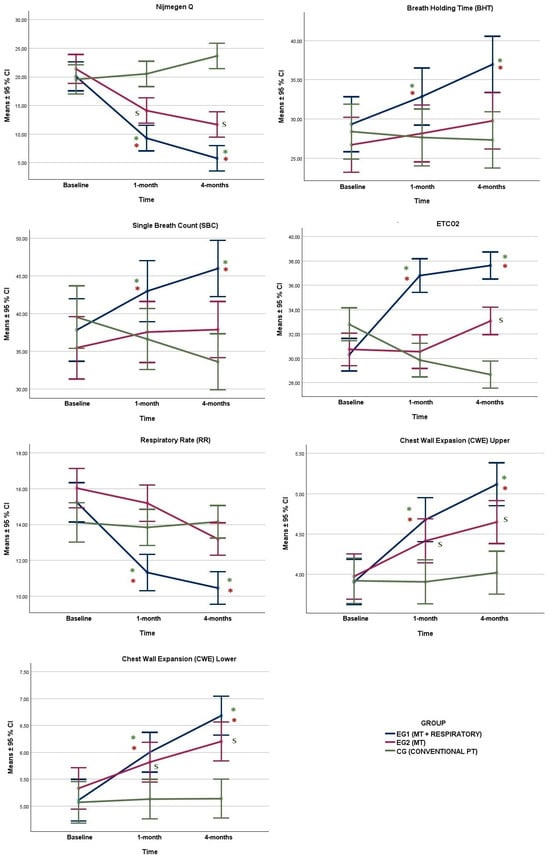
Background/Objectives: Dysfunctional breathing interacts with common impairments in patients with non-specific chronic neck pain. This study aimed to assess the effect of combining manual therapy with breathing re-education. Methods: A randomized controlled trial with concealed allocation and intention-to-treat analysis, including ninety patients with non-specific chronic neck pain, was employed. Participants were allocated to undertake 10 sessions of either cervical spine and diaphragmatic MT (specifically, Mulligan concept techniques and diaphragmatic doming/release) combined with breathing re-education (experimental group 1, EG1) or cervical spine MT alongside sham diaphragmatic MT (experimental group 2, EG2) or conventional physiotherapy (control group—CG). Interventions lasted 1 month. Primary outcomes were the pain intensity assessed on a 0-to-10 numeric rating scale and the Neck Disability Index percentage. Data were collected at baseline, 1 month, and 4 months post randomization. Results: Pain intensity improved more in the EG1 compared to the CG (mean difference −2.15, 95% CI −2.50 to −1.79) and to a lesser extent relative to the EG2 (mean difference −0.42, 95% CI −0.78 to −0.07) at 1 month. Neck disability equally improved in the EG1 (mean difference −14.72, 95% CI −17.55 to −11.89) and the EG2 (mean difference −13.06, 95% CI −15.93 to −10.19) compared to the CG at 1 month. All significant differences for pain and disability noted at one month remained significant at 4 months. EG1 significantly improved in all respiratory-related secondary outcomes compared to EG2 and the CG, both at 1 and 4 months. Conclusions: Combining diaphragm manual therapy with breathing re-education led to superior improvements in pain and dysfunctional breathing-related outcomes. Trial Registration: NCT05229393. Full article
(This article belongs to the Section Clinical Rehabilitation)
Show Figures

Figure 1

25 pages, 1888 KB  
Article
Multi-Objective Optimization of Asymmetric Plate Heat Exchanger with a Fish-Scale Corrugation Pattern
by Ming Yan, Xiaojun Ma, Kaiyuan Yu, Lingjie Zhang, Ting Zhang and Baoqing Liu
Energies 2026, 19(11), 2663; https://doi.org/10.3390/en19112663 (registering DOI) - 31 May 2026
Abstract
In many industrial applications, the significant differences in flow rates and physical properties between the hot and cold media of plate heat exchangers (PHEs) often lead to differentiated performance requirements. Asymmetric structural design is an effective approach to addressing these specific needs. In [...] Read more.
In many industrial applications, the significant differences in flow rates and physical properties between the hot and cold media of plate heat exchangers (PHEs) often lead to differentiated performance requirements. Asymmetric structural design is an effective approach to addressing these specific needs. In this paper, a novel fish-scale corrugated asymmetric plate heat exchanger (APHE) was designed and multi-objective optimization was performed based on the objectives of minimizing the water side pressure drop, ΔP, and maximizing the overall heat transfer coefficient, K. Numerical simulations of the fish-scale corrugated APHE were conducted with the Box–Behnken Design (BBD) in the Response Surface Methodology (RSM). The corrugation angle, corrugation pitch, and protrusion ratio were selected as geometric variables. Through Analysis of Variance (ANOVA), significant regression models were established for the two competing performance indicators. Subsequently, Pareto optimal solutions were identified using the fast and elitist non-dominated sorting genetic algorithm (NSGA-II). A comparison of the performances reveals that the novel APHE reduces ΔP by 47.13% and increases K by 5.77% compared to the original chevron-type PHE. Further analysis of the simulation data reveals that the convective heat transfer coefficient on the refrigerant side is increased by 24.06%. These findings substantiate the benefits of the asymmetric feature of the fish-scale protrusion and offer a comprehensive and effective design strategy for APHEs. Full article
15 pages, 1329 KB  
Review
Diagnostic Aspects and Management Strategies in Primary and Metastatic Intestinal Melanoma: A Literature Review
by Alexandra Caziuc, Radu Alexandru Ilieș, George Ionuț Golea, Andrada Larisa Deac and George Călin Dindelegan
Med. Sci. 2026, 14(2), 281; https://doi.org/10.3390/medsci14020281 (registering DOI) - 31 May 2026
Abstract
Background/Objectives: Intestinal malignant melanoma is a rare entity, most commonly presenting as metastatic disease from a cutaneous primary source. The distinction between primary and secondary intestinal melanoma remains challenging, yet it has important diagnostic, therapeutic, and prognostic implications. This study aims to [...] Read more.
Background/Objectives: Intestinal malignant melanoma is a rare entity, most commonly presenting as metastatic disease from a cutaneous primary source. The distinction between primary and secondary intestinal melanoma remains challenging, yet it has important diagnostic, therapeutic, and prognostic implications. This study aims to highlight the diagnostic difficulties and therapeutic considerations associated with intestinal melanoma. Methods: A narrative literature review was conducted using the PubMed database, only including articles published between January 2015 and December 2025. Case reports, case series, and reviews that described primary-like (i.e., presumed primary) or metastatic small bowel melanoma were considered eligible. Extracted data consisted of clinical presentation, diagnostic workup, histopathological and immunohistochemical features, treatment strategies, and outcomes. Results: Twenty articles met the inclusion criteria, comprising ten reporting primary intestinal melanoma and ten reporting metastatic intestinal melanoma. Primary-like intestinal melanoma was frequently solitary, amelanotic, and occurred in patients without a prior history of melanoma, whereas metastatic disease was usually multifocal and associated with a known cutaneous primary source. Clinical manifestations were nonspecific, most frequently including anemia, gastrointestinal bleeding, abdominal pain, or intestinal obstruction. Immunohistochemistry confirmed melanocytic origin in each case, but could not reliably differentiate primary from metastatic disease. Surgical resection remained the cornerstone of treatment, with systemic therapy reserved primarily for metastatic cases. Conclusions: Diagnosis of primary intestinal melanoma relies on excluding other primary sites through comprehensive clinical and imaging evaluations. Early detection using advanced endoscopic techniques and multidisciplinary management are vital for optimizing outcomes. While metastatic intestinal melanoma carries a poor prognosis, complete surgical resection of primary lesions has been associated with improved outcomes in selected patients. Full article
(This article belongs to the Special Issue Feature Papers in Section “Cancer and Cancer-Related Research”)
31 pages, 3503 KB  
Article
Quantum k-Means Clustering Using Hadamard-Test-Based Similarity Estimation
by Mohammadhadi Alaeiyan, Shahin Torabi and Mehdi Alaeiyan
Computers 2026, 15(6), 355; https://doi.org/10.3390/computers15060355 (registering DOI) - 31 May 2026
Abstract
Recently, the volume of the generated data has increased significantly, leading to the need for computational techniques capable of handling such data efficiently. As a result, many quantum algorithms have been developed, and the domain of quantum machine learning (QML) has become more [...] Read more.
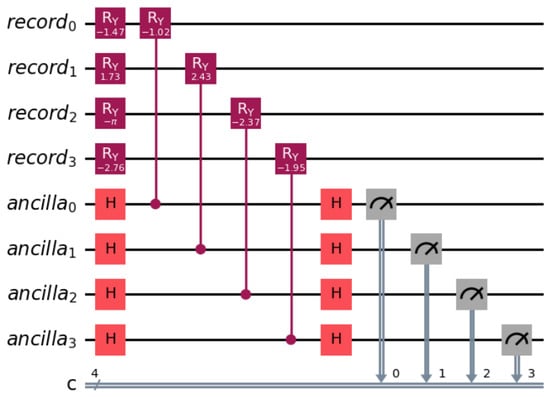
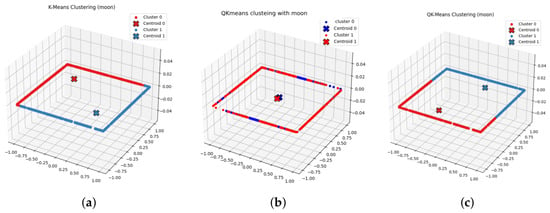
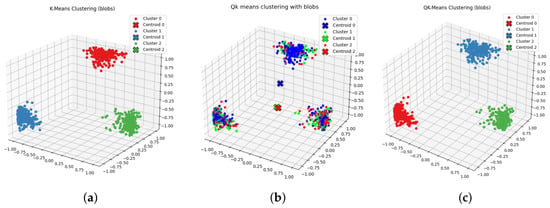
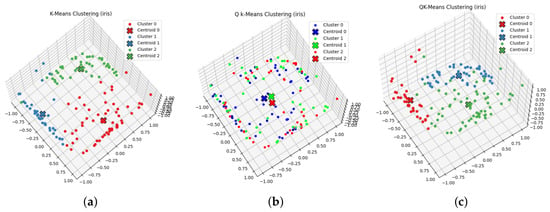
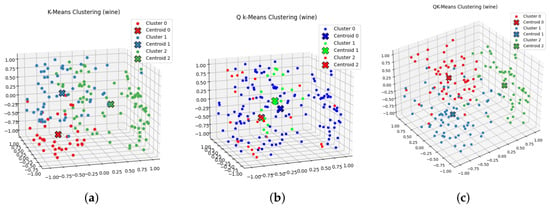
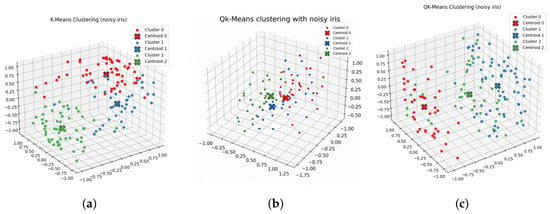
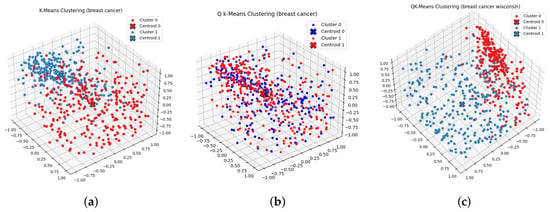
Recently, the volume of the generated data has increased significantly, leading to the need for computational techniques capable of handling such data efficiently. As a result, many quantum algorithms have been developed, and the domain of quantum machine learning (QML) has become more extensive. Traditional k-means algorithms for quantum computers usually make use of deep or shallow quantum circuits, resulting in sub-optimal clustering results. In our work, we introduce two types of quantum-inspired k-means algorithm: (1) the quantum subtraction operation and (2) the rotational-difference dissimilarity measure. Our second framework measures the dissimilarity using a quantum rotation-based dissimilarity circuit, which encodes the relative difference of the states. We employ a Hadamard-test-based circuit design, as well as an alternative technique that is not used in other quantum dissimilarities like the swap test. The introduced algorithms are evaluated on six different datasets—Iris, Wine, Breast Cancer Wisconsin, Blobs, Moons, and the noisier Iris dataset. Evaluation involves clustering validity metrics, as well as the classic classification performance metrics. The findings show that the rotational-based dissimilarity metric allows us to obtain clustering results comparable with the results obtained by the classical counterpart, thus showing the feasibility of the introduced distance calculation technique. Full article
(This article belongs to the Special Issue AI in Complex Engineering Systems)
Show Figures

Figure 1

20 pages, 2658 KB  
Article
Variable-Coefficient Fractional High-Order Nonlinear Models: Establishment and Solutions
by Chunxia An, Jinling Zhang and Sheng Zhang
Fractal Fract. 2026, 10(6), 380; https://doi.org/10.3390/fractalfract10060380 (registering DOI) - 31 May 2026
Abstract
This work extends the analytical operation of the Riemann–RHPHilbert approach (RHA) for fractional-order nonlinear integrable systems under the solvable meaning of inverse scattering transform (IST) to variable-coefficient fractional-order nonlinear models. Firstly, based on the matrix spectral problem proposed by Ablowitz, Kaup, Newell, and [...] Read more.
This work extends the analytical operation of the Riemann–RHPHilbert approach (RHA) for fractional-order nonlinear integrable systems under the solvable meaning of inverse scattering transform (IST) to variable-coefficient fractional-order nonlinear models. Firstly, based on the matrix spectral problem proposed by Ablowitz, Kaup, Newell, and Segur, this article derives an integer-order integrable system, which is abbreviated as the AKNS hierarchy. Secondly, by taking specific values of the operator in the derived AKNS hierarchy, a variable-coefficient fractional higher-order NLS hierarchy (vfhNLSH) is obtained, and its anomalous dispersion relation (ADR) is derived via formal solution. Significantly, the reductions of the vfhNLSH include three variable-coefficient fractional-order integrable models: the Hirota equation (vfHE), the Lakshmanan–Porsezian–Daniel equation (vfLPDE), and the fifth-order NLS equation (vffNLSE). Finally, we conduct a detailed study on the representative vfHE as an example rather than a special case and construct its explicit N-fold analytical solution based on the extension of the RHA. At the same time, numerical visualization simulations are conducted to demonstrate the waveform structure characteristics of the solutions under <!-- MathType@Translator@5@5@MathML2 (no namespace).tdl@MathML 2.0 (no namespace)@ --> <math>  <mrow>   <mi>N</mi><mo>=</mo><mn>1</mn></mrow> </math> <!-- MathType@End@5@5@ -->  and <!-- MathType@Translator@5@5@MathML2 (no namespace).tdl@MathML 2.0 (no namespace)@ --> <math>  <mrow>   <mi>N</mi><mo>=</mo><mn>2</mn></mrow> </math> <!-- MathType@End@5@5@ -->  conditions, including solitons, breathers, and their coupled nonlinear waves. The same process is fully applicable to the other two reduced models, with only some differences in the related results and the dynamic behavior of the solutions. It is shown that the temporal part of the Lax pair associated with the vfHE cannot yet be explicitly determined. Therefore, the fractional-order extension of the RHA presented in this article constitutes a formal or RHA-inspired construction, rather than a fully rigorous fractional-order RHA extension. Full article
14 pages, 4818 KB  
Article
Susceptibility to Beta-Cypermethrin, the F1534C Mutation, and MFO Amount in Aedes aegypti from Dengue-Endemic Areas of Yunnan Province, China, in 2015–2016
by Qing-Ming Shi, Qin-Mei Liu, Ai-Juan Sun, Chun-Xiao Li, Xiao-Xia Guo, Dan Xing, Tong-Yan Zhao and Heng-Duan Zhang
Insects 2026, 17(6), 573; https://doi.org/10.3390/insects17060573 (registering DOI) - 31 May 2026
Abstract
Aedes aegypti is a major invasive vector in China, where prolonged pyrethroid use has induced resistance, complicating dengue control. This study evaluated the resistance levels of Ae. aegypti to the pyrethroid beta-cypermethrin in Yunnan and explored the underlying mechanisms to inform control strategies. [...] Read more.
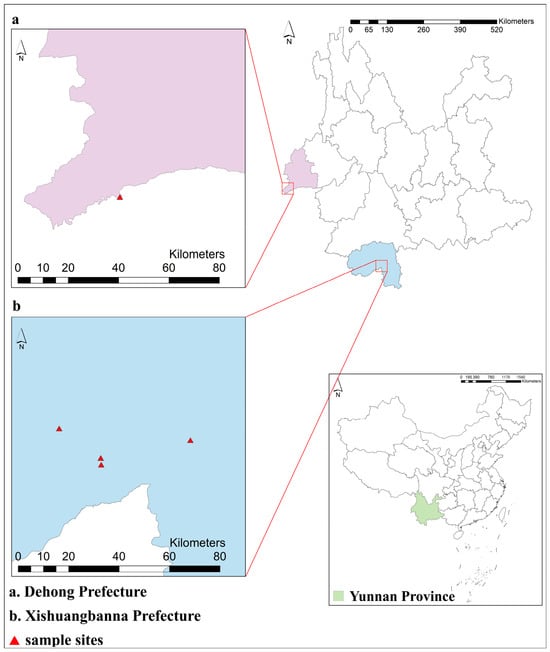
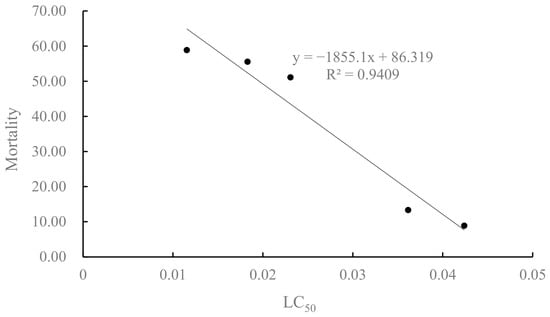
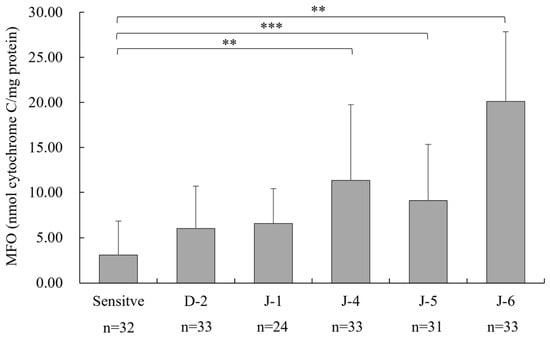
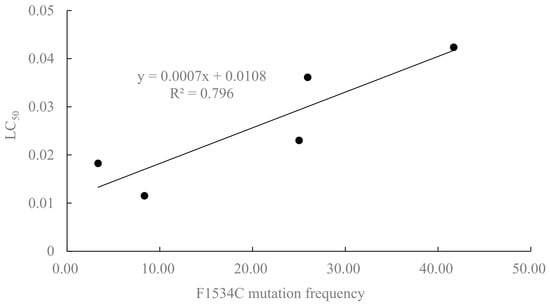
Aedes aegypti is a major invasive vector in China, where prolonged pyrethroid use has induced resistance, complicating dengue control. This study evaluated the resistance levels of Ae. aegypti to the pyrethroid beta-cypermethrin in Yunnan and explored the underlying mechanisms to inform control strategies. Mosquitoes were collected from five regions of Yunnan in 2015–2016. Larval bioassays, adult diagnostic dose determination, and adult bioassays were conducted to assess resistance to beta-cypermethrin. Mixed-function oxidase (MFO) amount was measured in larvae, and PCR amplification was used to detect mutations in the voltage-gated sodium channel (VGSC) gene. Correlations between enzyme activity, mutations, and phenotypic resistance were analyzed. Larval bioassays indicated that all five populations exhibited resistance to beta-cypermethrin, with resistance ratios ranging from 11.31 to 41.56. The adult diagnostic dose was determined as 0.74668 g/L, with mortality rates ranging from 8.89% to 58.89%, confirming resistance. A significant negative correlation was found between adult mortality and larval LC50 values. MFO amount was closely correlated with resistance levels. The F1534C mutation was the only VGSC mutation detected, and its frequency showed a significant positive correlation with beta-cypermethrin resistance. Our data were collected in 2015–2016; resistance levels may have changed since then, and no confirmatory bioassays were performed by us after 2020. The findings demonstrate that the F1534C mutation and increased MFO amount contribute to enhanced beta-cypermethrin resistance of Ae. aegypti in Yunnan. By linking phenotype resistance to key molecular and biochemical mechanisms, these findings support the continued monitoring of resistance and provide a basis for the evidence-based optimization of dengue vector control strategies. Full article
Show Figures

Figure 1

43 pages, 6044 KB  
Article
Explainable Machine Learning Framework for Automotive Fuel Efficiency and CO2 Emission Estimation: A Comparative Study Toward Environmental Sustainability
by Md Monir Ahammod Bin Atique, Md Tareq Zaman, Salman Jahan, Masud Rana and Jeong-Hun Park
Energies 2026, 19(11), 2664; https://doi.org/10.3390/en19112664 (registering DOI) - 31 May 2026
Abstract
The transportation sector is the primary consumer of vehicle fuel worldwide and is thus a major contributor to climate change via carbon dioxide (CO2) emissions. In addition to severe environmental impacts, such as global warming, droughts, floods, and rising sea levels, [...] Read more.
The transportation sector is the primary consumer of vehicle fuel worldwide and is thus a major contributor to climate change via carbon dioxide (CO2) emissions. In addition to severe environmental impacts, such as global warming, droughts, floods, and rising sea levels, these emissions have a negative effect on public health by increasing the prevalence of respiratory disease. Achieving environmental sustainability through regulatory oversight requires a strong understanding of vehicular fuel consumption and CO2 emissions. However, accurate modeling of these remains challenging due to the complex non-linear relationships between various vehicular characteristics and the lack of interpretability of many predictive models. Traditional linear models often fail to capture high-dimensional data complexities, while black-box methods provide few actionable insights for policymaking. To address these gaps, we developed a robust and data-driven two-stage machine-learning (ML) framework designed to enhance model performance and reliability. First, we implemented standard data preprocessing, enhanced feature engineering, and hyperparameter tuning for 14 cutting-edge ML algorithms and three advanced modeling techniques to explore their predictive performance. Second, we introduced three interpretable explainable AI (XAI) approaches. These were evaluated on a publicly available Kaggle static dataset of 550 vehicles, dominated by gasoline-powered vehicles, with only two diesels and two electric vehicles. The tuned CatBoost model demonstrated strong predictive performance, achieving an impressive R2 of 0.9260, a root mean square error (RMSE) of 1.1759, and a mean absolute error (MAE) of 0.8147. In parallel, we deterministically estimated CO2 emissions from fuel consumption, which provide direct estimates of tailpipe emissions. To ensure transparency and model interpretability, we employed Shapley additive explanations, local interpretable model-agnostic explanations, and permutation importance to identify the key factors contributing to the model predictions. Across the explainability analyses, cylinder count, front-wheel drive (drive_fwd), and the displacement–year interaction were the primary contributors to the predicted combined miles per gallon; in other words, they strongly affected fuel consumption. Collectively, these findings demonstrate the ability of the proposed model to capture complex feature relationships; thus, it offers a valuable tool for researchers and policymakers in sustainability planning and emission control. Future research should focus on real-time driving or dynamic measurements data and enhancing practical applications to further reduce emissions and promote environmental sustainability. Full article
19 pages, 1023 KB  
Article
An Adaptive Spatiotemporal Graph Convolutional Method for Highway Traffic Flow Prediction Based on Multi-Period Modalities
by Guozheng Li, Baijing Wu, Ke Gao and Guanghui Yan
Vehicles 2026, 8(6), 121; https://doi.org/10.3390/vehicles8060121 (registering DOI) - 31 May 2026
Abstract
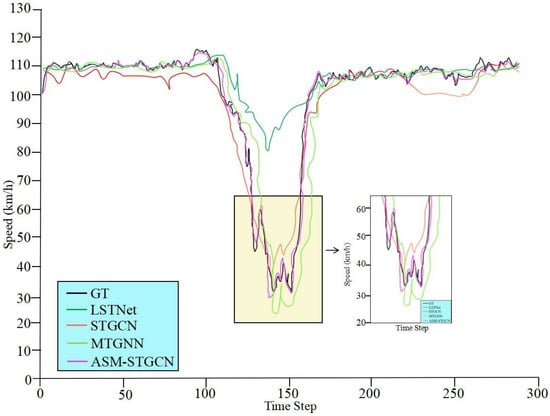
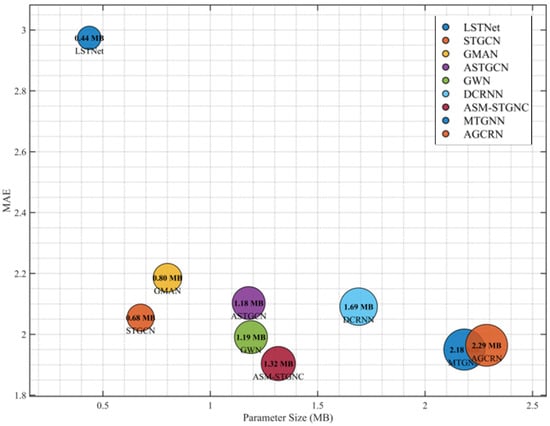
To address the limited prediction accuracy caused by neglecting the inherent periodicity of spatiotemporal traffic flows during spatial feature extraction, this study develops an adaptive spatiotemporal graph convolutional method for highway traffic flow prediction. Firstly, an adaptive temporal graph generation layer with multiple [...] Read more.
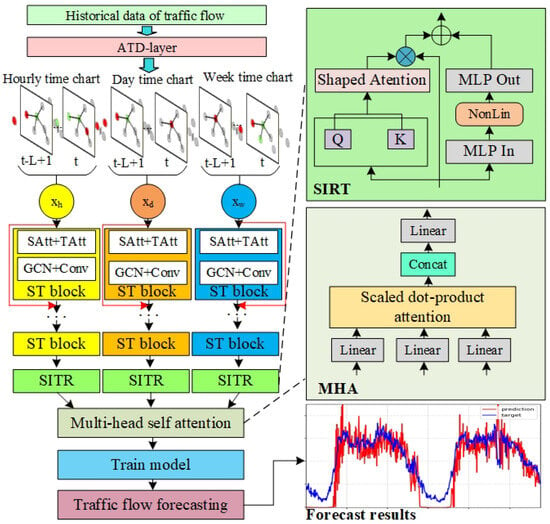
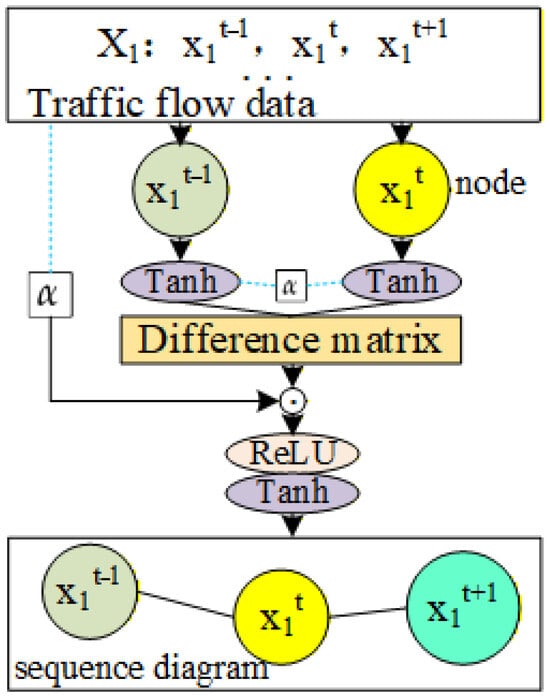
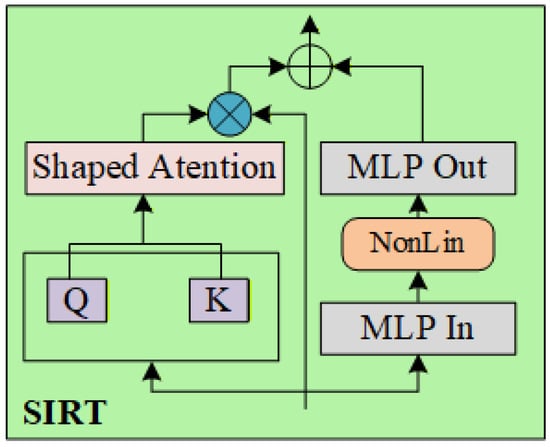
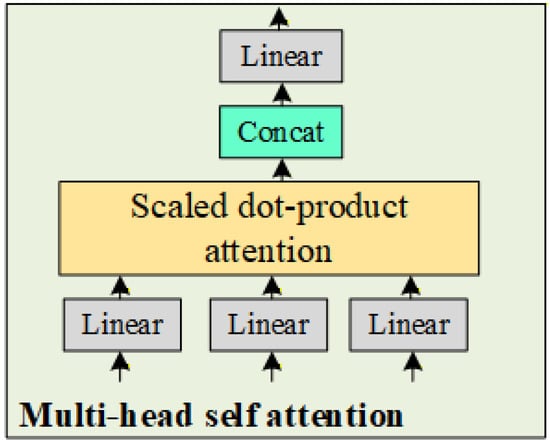
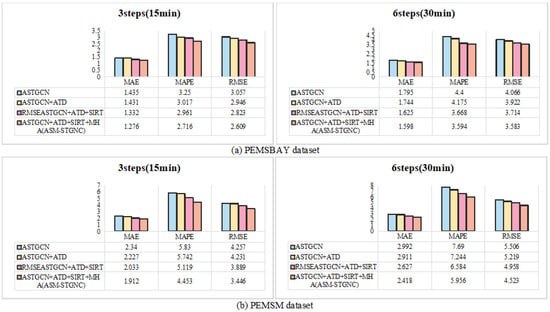
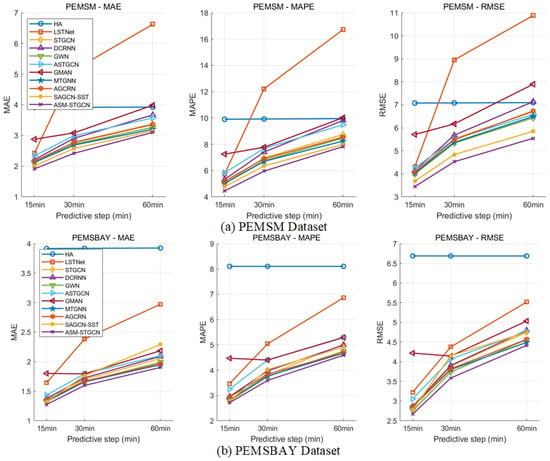
To address the limited prediction accuracy caused by neglecting the inherent periodicity of spatiotemporal traffic flows during spatial feature extraction, this study develops an adaptive spatiotemporal graph convolutional method for highway traffic flow prediction. Firstly, an adaptive temporal graph generation layer with multiple time periods is constructed to dynamically generate traffic flow temporal graphs with rich representations, enabling accurate characterization of spatiotemporal traffic patterns. Secondly, a lightweight Transformer architecture is introduced to design an efficient feature extraction module, which refines both global and local spatiotemporal variations as well as their interactions. Finally, a multi-head self-attention module integrating different temporal scales is designed to capture the intrinsic correlations and dynamic dependencies across multi-scale traffic data, thereby enhancing prediction accuracy and generalization capability. Extensive experiments on two publicly available datasets, PEMSBAY and PEMSM, demonstrate the effectiveness of the proposed method. Compared with the baseline approaches, the proposed model achieves average reductions of 14% in MAE, 19% in MAPE, and 15% in RMSE. These results indicate that the proposed framework improves forecasting accuracy and provides a reliable methodological foundation for intelligent transportation systems. Full article
Show Figures

Figure 1

21 pages, 5594 KB  
Article
Nutritional Stunting Is Linked to Reduced Oral Microbiome Stability and Reconfigured Microbial Networks in Children: A Pilot Intervention Study
by Armelia Sari Widyarman, Nadeeka S. Udawatte, Swiluva Sigalovada Swilly Sumardy Ma, Citra Fragrantia Theodorea, Mario Richi, Wiwiek Poedjiastoeti and Chaminda Jayampath Seneviratne
Pathogens 2026, 15(6), 591; https://doi.org/10.3390/pathogens15060591 (registering DOI) - 31 May 2026
Abstract
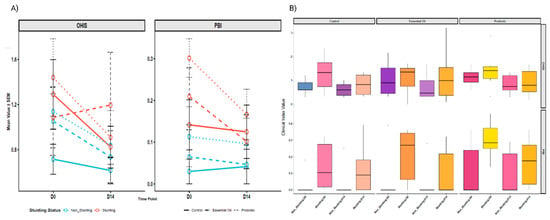
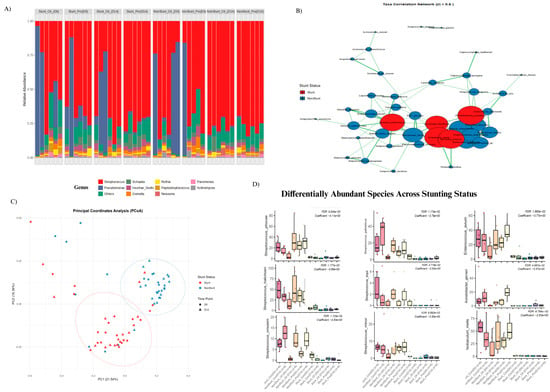
This non-randomized, open-labelled, controlled pilot trial investigated the impact of stunting on oral health and the oral microbiome, and evaluated the effect of 14-day probiotic or essential oil mouthwash interventions in children aged 8–12 years. Thirty-six participants (18 stunted, 18 non-stunted) were randomized [...] Read more.
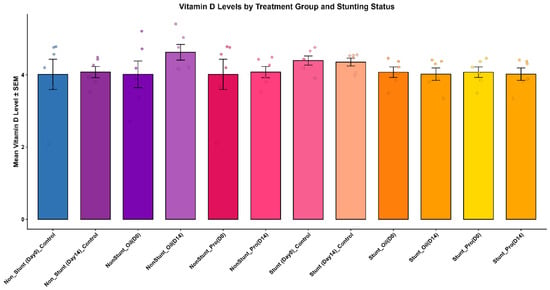
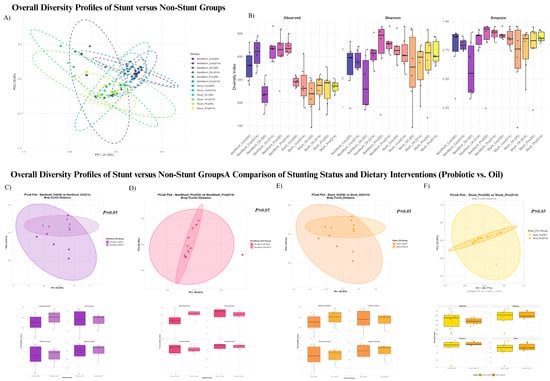
This non-randomized, open-labelled, controlled pilot trial investigated the impact of stunting on oral health and the oral microbiome, and evaluated the effect of 14-day probiotic or essential oil mouthwash interventions in children aged 8–12 years. Thirty-six participants (18 stunted, 18 non-stunted) were randomized into three parallel arms: probiotic lozenges (Limosilactobacillus reuteri DSM 17938 + ATCC PTA 5289), essential oil mouthwash, or water control. D-25OH level was assessed with ELISA, OHI-S, and PBI were examined, and oral microbiome was analyzed using 16S metagenomic sequencing. Stunted children demonstrated significantly higher gingival inflammation (PBI, F = 10.57, p = 0.002), reduced microbial alpha diversity, reductions in commensal Streptococcus spp., and increases in pathobionts, including Parvimonas micra, Fusobacterium nucleatum, and Tannerella forsythia. Beta-diversity analysis revealed distinct microbial communities (p = 0.001), with network analysis identifying these anaerobes as keystone hubs in stunted individuals. Salivary vitamin D and oral hygiene indices (OHI-S) also differed by stunting status. Fourteen-day interventions produced only modest, non-significant improvements in clinical indices and failed to induce significant shifts in microbial diversity or composition. These findings indicate that nutritional stunting is independently associated with oral dysbiosis and gingival inflammation. Short-term antiseptic interventions appear insufficient to reverse established microbial shifts, highlighting the need for sustained, integrated nutritional—oral health strategies. Full article
Show Figures

Figure 1

21 pages, 2526 KB  
Article
Osmotic Stress Adaptation of Poultry-Associated Salmonella Infantis and Its Implications for Food Safety
by Gabriel I. Krüger, Ana Oviedo, Coral Pardo-Esté, Nicolás Avilés-Núñes, Sofía Quintana, Alejandro A. Hidalgo, Javiera Álvarez, Francisca Urbina, Catalina Kusch, Katterinne N. Mendez, Jorge Olivares-Pacheco, Luis Alvarez-Thon, Francisco Remonsellez, Juan Castro-Severyn and Claudia P. Saavedra
Foods 2026, 15(11), 1938; https://doi.org/10.3390/foods15111938 (registering DOI) - 31 May 2026
Abstract
Salmonella enterica serovar Infantis, an important zoonotic pathogen with increasing prevalence in the poultry industry, often persists despite rigorous disinfection. This study characterized the transcriptomic response of the multidrug-resistant Salmonella Infantis strain SE016, isolated from a poultry plant, to osmotic stress, a condition [...] Read more.
Salmonella enterica serovar Infantis, an important zoonotic pathogen with increasing prevalence in the poultry industry, often persists despite rigorous disinfection. This study characterized the transcriptomic response of the multidrug-resistant Salmonella Infantis strain SE016, isolated from a poultry plant, to osmotic stress, a condition frequently induced by the use of industrial disinfectants. Phenotypic assays demonstrated that stress induced by 15% sucrose simulated osmotic stress, producing a drastic reduction in flagellar motility and a significant increase in biofilm formation in SE016, compared with a susceptible control strain. RNA-seq analysis indicated that SE016 undergoes coordinated transcriptional changes consistent with altered metabolic activity under osmotic stress. Key mechanisms include metabolic braking through repression of tricarboxylic acid (TCA) cycle genes (icd, mdh) and induction of anaerobic nitrate respiration (narGHI, narZWV) as an energy contingency. Furthermore, SE016 showed increased expression of genes involved in osmoprotectant uptake, including the proU transport system and endogenous trehalose synthesis (ostAB) while repressing proline degradation (putA). Furthermore, robust biofilm formation was observed despite repression of the master regulator csgD. This was mediated by the CsgD-independent induction of the diguanylate cyclase adrA, activating cellulose synthesis (bcs). These results suggest that pathways associated with the OmpR/EnvZ two-component system may contribute to energy balance and persistence-related phenotypes under industrial-like stress conditions. Full article
23 pages, 4457 KB  
Review
Polymer-Engineered MXene Composites for Durable Electrochemical Energy Storage: Suppressing Oxidation, Preserving Structure, and Extending Cycle Life
by Byeongji Beom, Man-Ki Moon, Jun-Hyeong Jung, Seung-Chan Jung, Eou-Sik Cho, Keun-A Chang and Jae-Hee Han
Polymers 2026, 18(11), 1365; https://doi.org/10.3390/polym18111365 (registering DOI) - 31 May 2026
Abstract
Polymer-engineered MXene composites have emerged as a versatile materials platform for electrochemical energy storage, offering a means to address key limitations associated with ion transport, structural instability, and interfacial reactivity. This review provides a unified perspective on how polymer integration modifies the structure–transport–stability [...] Read more.
Polymer-engineered MXene composites have emerged as a versatile materials platform for electrochemical energy storage, offering a means to address key limitations associated with ion transport, structural instability, and interfacial reactivity. This review provides a unified perspective on how polymer integration modifies the structure–transport–stability relationships of MXene-based systems across Na-ion batteries, aqueous Zn-ion batteries, and supercapacitors. In Na-ion systems, polymer-mediated interlayer engineering and porosity control improve ion accessibility and mitigate diffusion limitations arising from the large ionic radius of Na+. In aqueous Zn-ion systems, polymer electrolytes and interfacial layers regulate Zn2+ solvation and deposition behavior, suppressing dendritic growth and parasitic reactions. In supercapacitors, polymer–MXene hybrids establish coupled ionic–electronic transport pathways and mechanically compliant architectures, enabling stable electrochemical performance under high-rate and deformable conditions. Particular emphasis is placed on the underlying mechanisms responsible for suppressing oxidation, preserving structural integrity, and extending cycle life, including interfacial passivation, desolvation regulation, and structural confinement. These coupled effects govern long-term electrochemical stability across different energy storage systems. Finally, recent advances in operando characterization, data-driven materials design, and scalable processing are discussed in the context of future development. By linking material design strategies to fundamental mechanisms, this review outlines a coherent framework for the rational development of polymer–MXene composites toward practical energy storage applications. Full article
34 pages, 10604 KB  
Article
A Comprehensive Study of Estimating Atmospheric Cloud Microphysical Properties Using Deep Learning Techniques
by Zahid Hassan Tushar, Adeleke Ademakinwa, Jianwu Wang, Zhibo Zhang and Sanjay Purushotham
Remote Sens. 2026, 18(11), 1755; https://doi.org/10.3390/rs18111755 (registering DOI) - 31 May 2026
Abstract
Cloud properties such as cloud optical thickness (COT) and cloud effective radius (CER) are essential for weather forecasting, climate monitoring, and Earth’s energy budget estimation. Traditional physics-based retrievals using independent pixel approximation (IPA) often incur biases due to three-dimensional radiative effects. While existing [...] Read more.
Cloud properties such as cloud optical thickness (COT) and cloud effective radius (CER) are essential for weather forecasting, climate monitoring, and Earth’s energy budget estimation. Traditional physics-based retrievals using independent pixel approximation (IPA) often incur biases due to three-dimensional radiative effects. While existing deep learning approaches reduce these biases, they demand large annotated datasets and high computational cost. This study frames cloud property retrieval as an information-limited learning problem (limited spectral information and limited training samples) and incorporates CloudUNet with Attention Module (CAM), a compact deep learning model with channel attention for joint estimation of COT, CER, and cloud mask from bi-spectral radiance observations. Using synthetic datasets from large-eddy simulation (LES) cloud fields, CAM outperforms state-of-the-art models in both direct radiance-based retrieval and IPA correction, achieving 38% better performance in terms of mean absolute errors (MAE) and higher correlation with true properties. Ablation studies demonstrate that CAM-based IPA correction achieves 73% and 80% MAE reduction relative to the IPA baseline when using no radiance input and single-band radiance, respectively. Including cloud mask information as input improves COT retrieval across deep learning models (except CAM) but degrades CER retrieval for all models except CAM, which shows a slight 3% MAE improvement. These findings highlight the advantage of joint retrievals of multiple cloud properties and IPA correction models under limited labeled data constraints. Full article
24 pages, 1810 KB  
Article
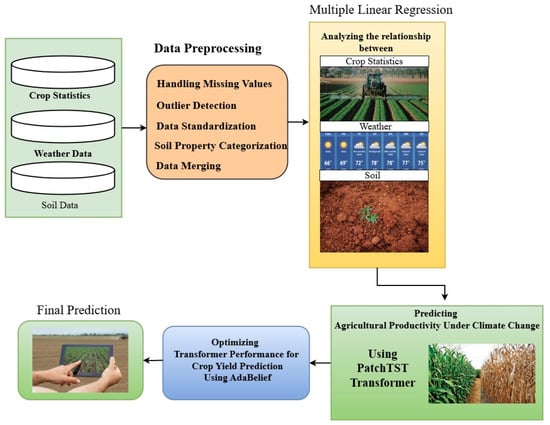
Modeling Climate Variability Impacts on Agricultural Productivity Using Integrated Regression and Transformer-Based Deep Learning
by Md Ehtesam Haque, Md Arifuzzaman, Md Enamul Hoque and Ayed Eid Alluqmani
Agronomy 2026, 16(11), 1088; https://doi.org/10.3390/agronomy16111088 (registering DOI) - 31 May 2026
Abstract
Climate change is a major hazard to the agricultural systems of the world, as it is changing the temperature regimes, precipitation patterns, and soil dynamics, which are weakening crop production and the stability of ecosystems. The proposed research is a hybrid modeling framework [...] Read more.
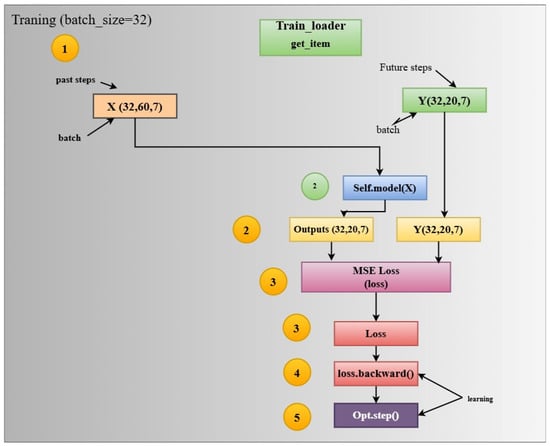
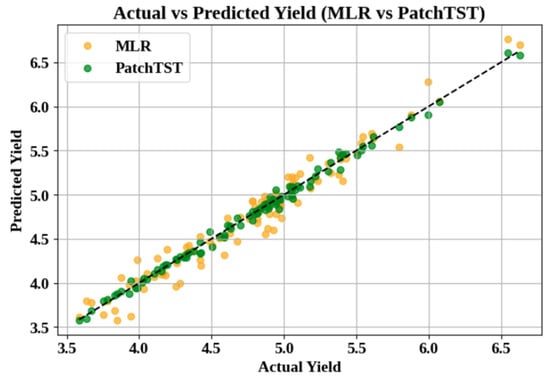
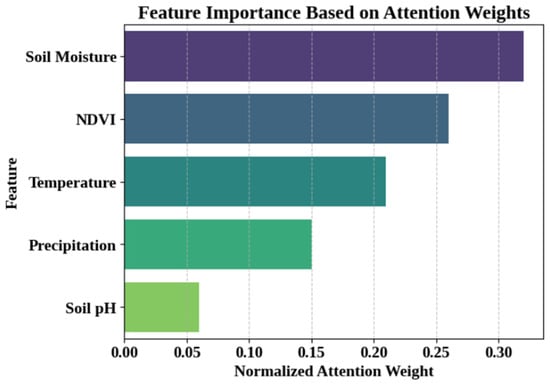
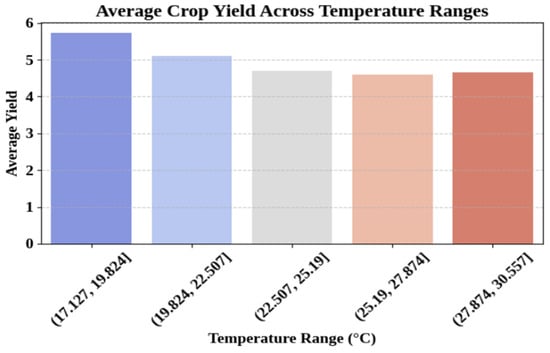
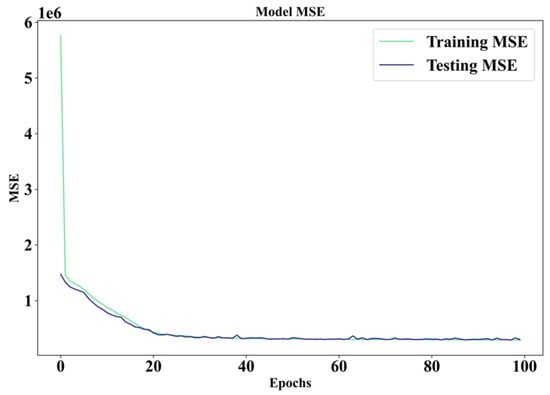
Climate change is a major hazard to the agricultural systems of the world, as it is changing the temperature regimes, precipitation patterns, and soil dynamics, which are weakening crop production and the stability of ecosystems. The proposed research is a hybrid modeling framework that combines Multiple Linear Regression (MLR) with a deep learning architecture (PatchTST) based on the Transformer to quantify and predict the effect of climate variability on the productivity of agriculture. Multi-source data, including global weather data, crop data, and ISRIC-WISE soil data, were harmonized through stringent preprocessing steps that included imputation, normalization, and spatial-temporal alignment. The regression analysis reveals a statistically significant negative impact of temperature on crop yield, while precipitation and soil fertility exhibit positive contributions. To capture complex non-linear dependencies and long-term temporal patterns, the PatchTST model was trained using time-series inputs enriched with satellite-derived vegetation indices. The proposed model significantly outperforms conventional deep learning approaches, achieving an R2 of 0.98, RMSE of 0.0172, and MAE of 0.0134. Attention-based interpretability highlights soil moisture and NDVI as dominant predictors, reinforcing the model’s physical and agronomic relevance. The findings indicate that integrating interpretable statistical models with advanced deep learning improves predictive accuracy while addressing the transparency limitations of black-box approaches. The framework supports practical deployment across regional crop planning, climate risk policymaking, and farm-level decision support systems, demonstrating its direct applicability to real-world agricultural management. Full article
(This article belongs to the Special Issue Application of Machine Learning and Modelling in Food Crops)
Show Figures

Figure 1

20 pages, 7057 KB  
Article
Suppression Method of Sub/Super-Synchronous Oscillation in Direct-Drive Wind Farms Based on a Hybrid GFL-GFM Control Configuration
by Kun Wang and Jiang Li
Energies 2026, 19(11), 2661; https://doi.org/10.3390/en19112661 (registering DOI) - 31 May 2026
Abstract
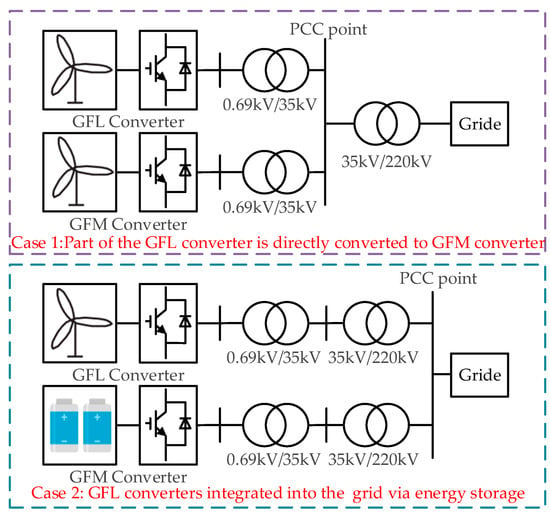
Currently, grid-following (GFL) control is widely adopted in direct-drive wind farms. Its external impedance characteristic exhibits negative resistance and capacitive reactance, frequently inducing sub/super-synchronous oscillations in the direct-drive wind farm and weak grid interactive system. The positive resistance characteristic of grid-forming (GFM) control [...] Read more.
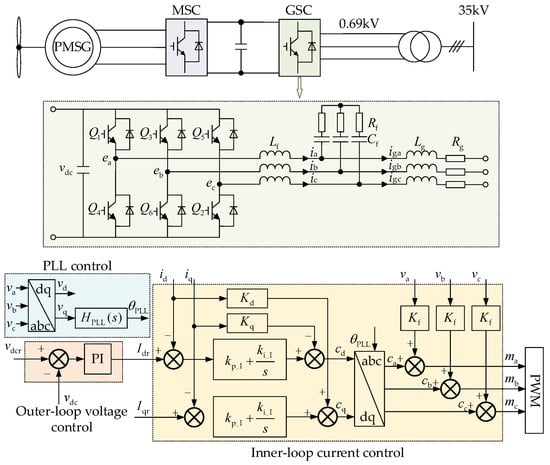
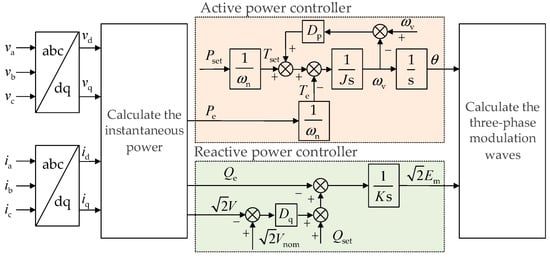
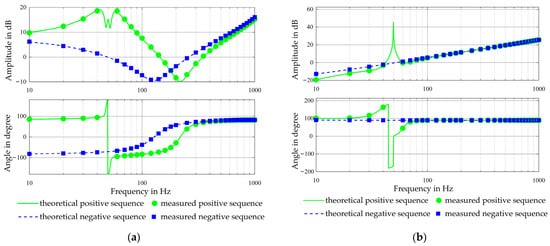
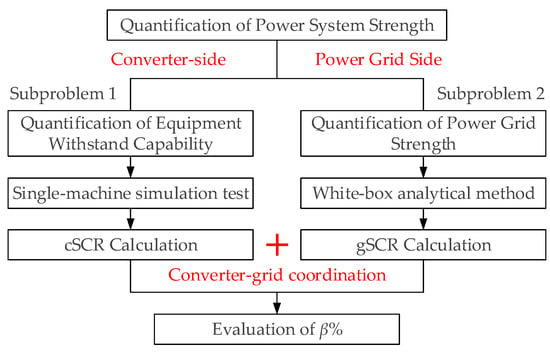
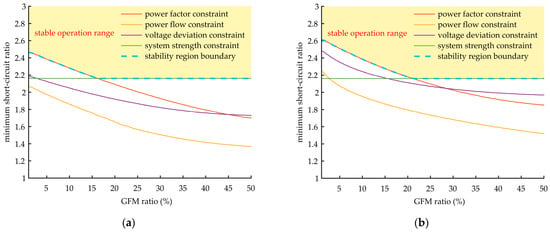
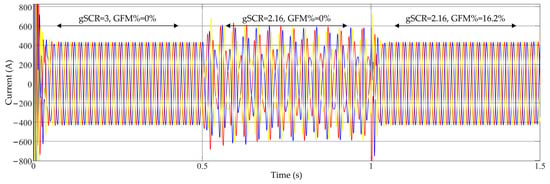
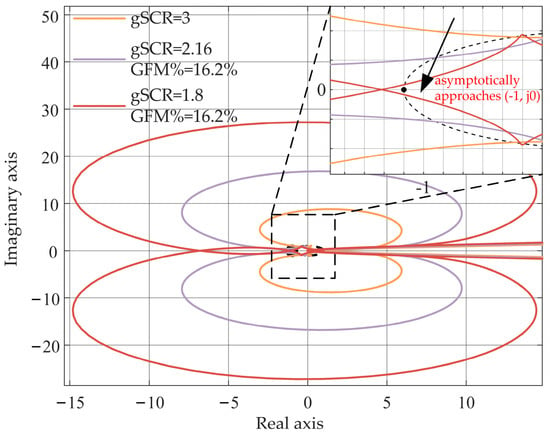
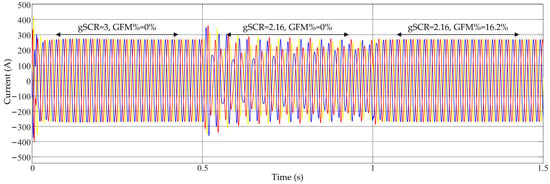
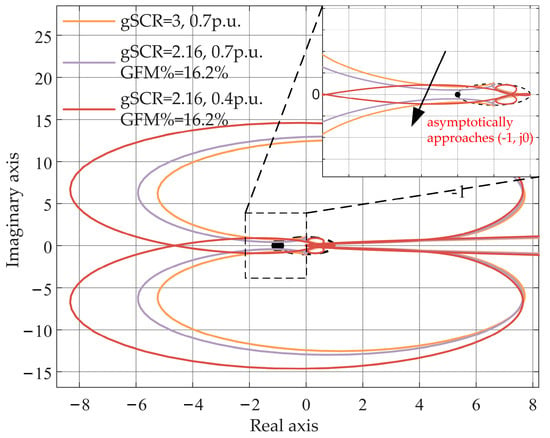
Currently, grid-following (GFL) control is widely adopted in direct-drive wind farms. Its external impedance characteristic exhibits negative resistance and capacitive reactance, frequently inducing sub/super-synchronous oscillations in the direct-drive wind farm and weak grid interactive system. The positive resistance characteristic of grid-forming (GFM) control can, to a certain extent, improve the impedance characteristic of wind farms and enhance the system stability margin. However, the influence of the proportion and deployment location of GFM control within a wind farm on the mitigation of sub/super-synchronous oscillations merits further exploration. First, this paper establishes the sequence impedance models for both GFL and GFM control, analyzes the underlying causes of system oscillations from an impedance perspective, and proposes a method for calculating the stability margin of a grid-connected direct-drive wind farm system that comprehensively accounts for the generalized short-circuit ratio, the critical short-circuit ratio of the equipment, and the steady-state operational constraints of the system. Subsequently, the mitigation effects of the connection location and capacity proportion of GFM wind turbines on sub/super-synchronous oscillations are quantitatively assessed, yielding feasible ranges of the short-circuit ratio under various operating conditions that ensure stable operation of the direct-drive wind farm. The system stability is further examined via Nyquist curve analysis. Finally, the effectiveness of the proposed method is validated by electromagnetic transient simulations in MATLAB/Simulink. Full article
(This article belongs to the Section A: Sustainable Energy)
Show Figures

Figure 1

21 pages, 3428 KB  
Article
Genomic Characterization and Predictors of Mortality in Invasive Streptococcus pneumoniae Disease in Oman: A Four-Year National Genomic Study
by Amina Al-Jardani, Najma Al-Kharusi, Mohamed Al-Balushi, Adil Al-Wahaibi, Neima Al-Shekaili, Suad Al-Fahdi, Rajesh Kumar, Seif Al-Abri and Azza Al-Rashdi
Vaccines 2026, 14(6), 496; https://doi.org/10.3390/vaccines14060496 (registering DOI) - 31 May 2026
Abstract
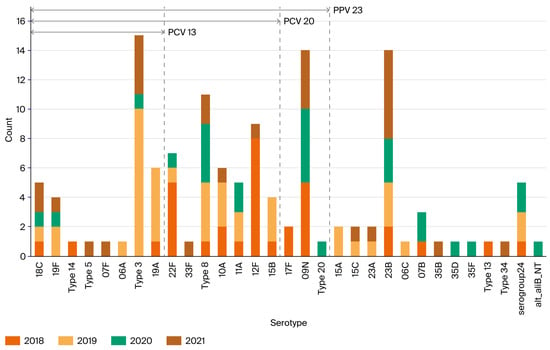
Background/Objectives: Following the introduction of the 13-valent pneumococcal conjugate vaccine (PCV13) in Oman, this study aimed to characterize the genomic epidemiology, serotype distribution, and antimicrobial resistance (AMR) of Streptococcus pneumoniae causing invasive pneumococcal disease (IPD). Methods: All IPD isolates collected through national laboratory-based [...] Read more.
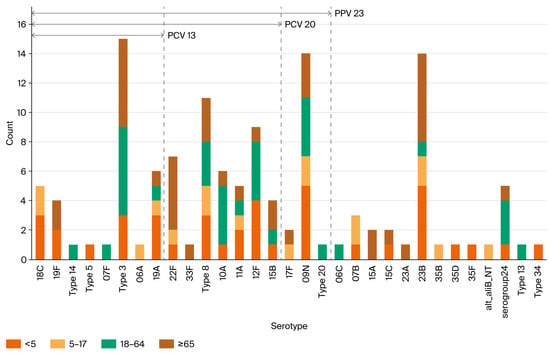
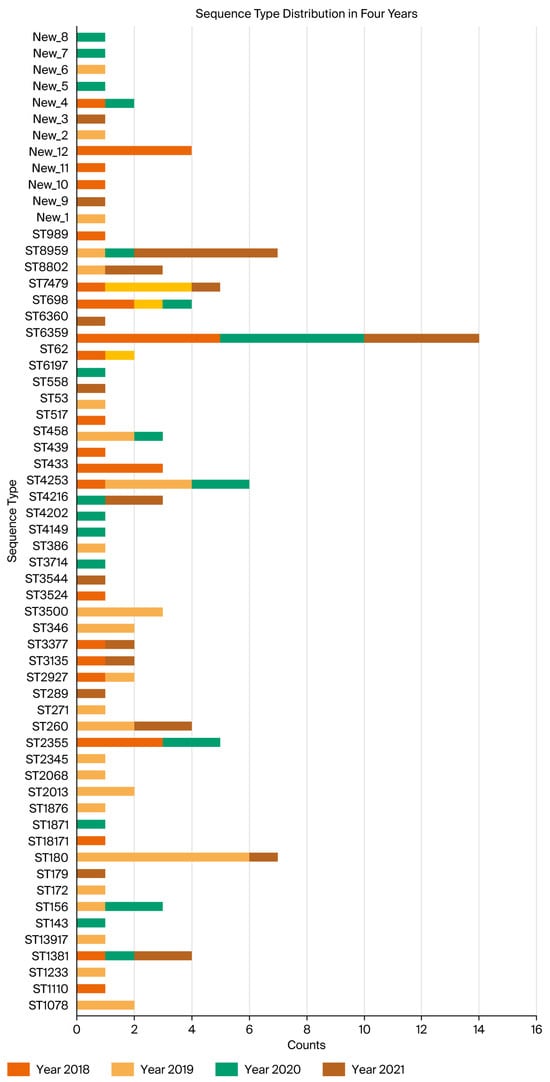
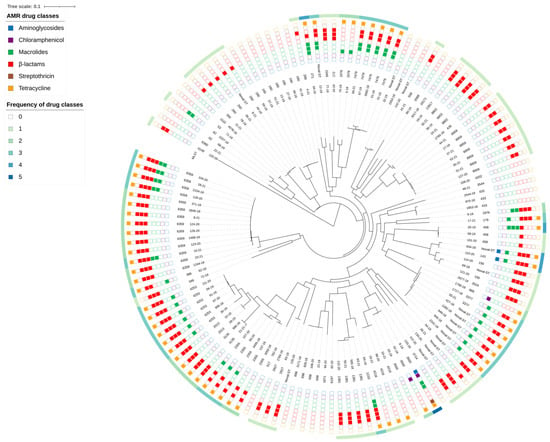
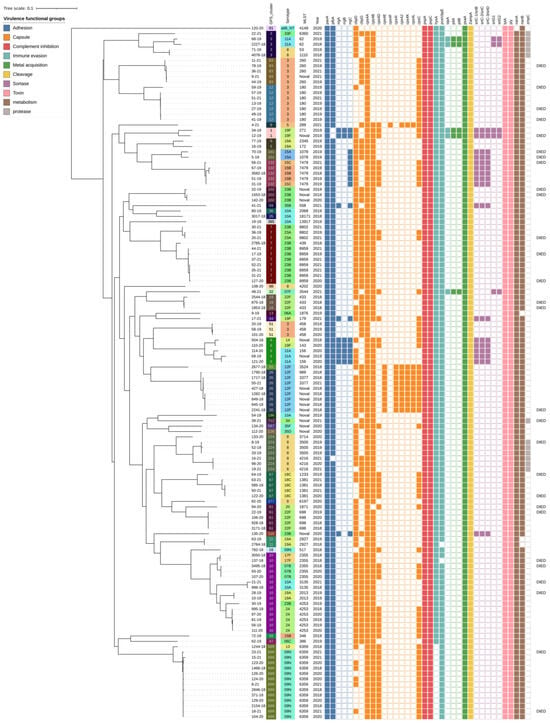
Background/Objectives: Following the introduction of the 13-valent pneumococcal conjugate vaccine (PCV13) in Oman, this study aimed to characterize the genomic epidemiology, serotype distribution, and antimicrobial resistance (AMR) of Streptococcus pneumoniae causing invasive pneumococcal disease (IPD). Methods: All IPD isolates collected through national laboratory-based surveillance between 2018 and 2021 were analyzed using Whole-Genome Sequencing (WGS). Bioinformatics tools determined serotypes, multilocus sequence types (MLSTs), and Global Pneumococcal Sequence Clusters (GPSCs). Clinical correlates and predictors of mortality were assessed via multivariate logistic regression. Results: A total of 129 IPD isolates were included. Serotype 3 (11.6%) was the most prevalent, followed by 23B and 9N (10.8% each), and 8 (8.5%). PCV13 serotypes accounted for only 26.4% of isolates, while PCV20 coverage reached 59.7%. Significant clonal diversity was observed, with GPSC12 (Serotype 3) and GPSC699 (Serotype 9N/13) being prominent lineages. Multidrug resistance (MDR) was identified in 36.4% of isolates, primarily driven by GPSC6 and GPSC699. The case fatality rate was 23.0%. Advanced age (≥65 years) and clinical presentation with bacteremia were significant independent predictors of death, whereas bacterial genotype and AMR status were not. Conclusions: The findings demonstrate significant serotype replacement in Oman after the introduction of PCV13. The high prevalence of non-vaccine serotypes and emerging MDR clones justifies the transition to higher-valency vaccines like PCV20. Sustained genomic surveillance remains essential to monitor the evolving landscape of invasive pneumococcal lineages. Full article
(This article belongs to the Section Epidemiology and Vaccination)
Show Figures

Figure 1

43 pages, 9218 KB  
Article
River–Coast Connectivity Controls Ecosystem Services and Blue Carbon of Coastal Nature-Based Solutions: An Integrated Study Coupling Emergy–Carbon Footprint Accounting and Neural Network Modeling
by Junxue Zhang, Yan Gong, Hairuo Wang, Ashish T. Asutosh, Ge Song, Weidong Wu and Xiaoting Zhai
J. Mar. Sci. Eng. 2026, 14(11), 1029; https://doi.org/10.3390/jmse14111029 (registering DOI) - 31 May 2026
Abstract
This study develops an integrated framework combining emergy analysis, carbon footprint accounting, and long short-term memory neural network modeling to investigate the effects of nature-based solutions on coastal ecosystem services and blue carbon functions from the perspective of river–coast connectivity. Three transects along [...] Read more.
This study develops an integrated framework combining emergy analysis, carbon footprint accounting, and long short-term memory neural network modeling to investigate the effects of nature-based solutions on coastal ecosystem services and blue carbon functions from the perspective of river–coast connectivity. Three transects along a connectivity gradient were established in the Yellow River Delta, a typical large river delta in temperate China, covering riparian zones, estuarine transition areas, intertidal wetlands, and seagrass beds, with multi-source data collected over three consecutive hydrological years. Emergy–carbon coupling analysis based on this case study indicates that the high-connectivity transect shows a higher emergy yield ratio and net carbon sink compared to the low-connectivity transect, with salt marshes being most sensitive to connectivity change. Threshold analysis, specific to this delta, identifies a three-phase response pattern of carbon burial rate with increasing sediment connectivity, and reveals that wave attenuation efficiency declines notably when hydrological connectivity falls below approximately 0.5, although this value may vary across different coastal settings. A higher sea level rise rate raises the critical connectivity level required to maintain carbon sink function. The long short-term memory neural network trained on observational data achieves better prediction accuracy for blue carbon accumulation rates than traditional statistical methods, and SHAP value analysis suggests the possible existence of synergistic effects among connectivity dimensions. Based on these findings, three optimization strategies including tiered restoration, a dynamic pathway, and spatial configuration are proposed as case-specific recommendations for the Yellow River Delta. Framework-based simulations indicate the potential for connectivity-informed strategy adjustments to improve restoration efficiency under local conditions. This study concludes that river–coast connectivity represents an important lever regulating the ecological benefits of nature-based solutions, but emphasizes that all quantitative thresholds and benefit magnitudes reported here are case-specific estimates that require recalibration when applied to other coastal systems. Full article
(This article belongs to the Special Issue Coastal Conservation: Science for Sustainable Shores)

Open Access Journals

Browse by Indexing Browse by Subject Selected Journals
Back to TopTop