



22 pages, 2902 KB  
Article
Preset-Time Sliding Mode Control Based on Prescribed Error Evolution
by Shuai Yuan, Zhanpeng Gao, Wenjun Yi and Jun Guan
Mathematics 2026, 14(11), 1909; https://doi.org/10.3390/math14111909 (registering DOI) - 31 May 2026
Abstract
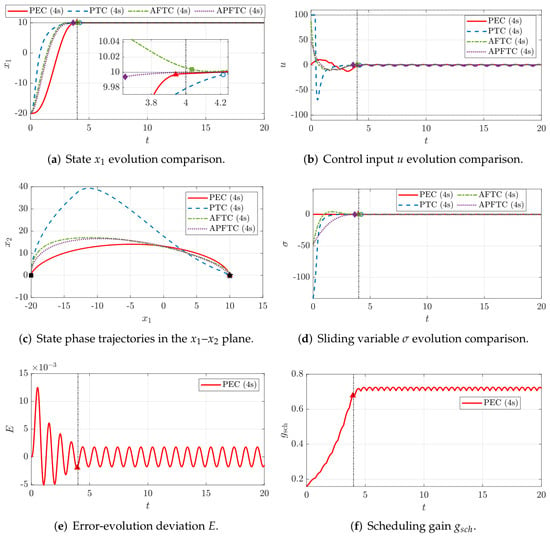
For a class of second-order nonlinear systems subject to matched disturbances, this paper investigates preset-time establishment and subsequent high-precision maintenance, and proposes a time-varying sliding mode control method based on prescribed error evolution. First, a quintic prescribed error-evolution function satisfying smooth endpoint constraints [...] Read more.
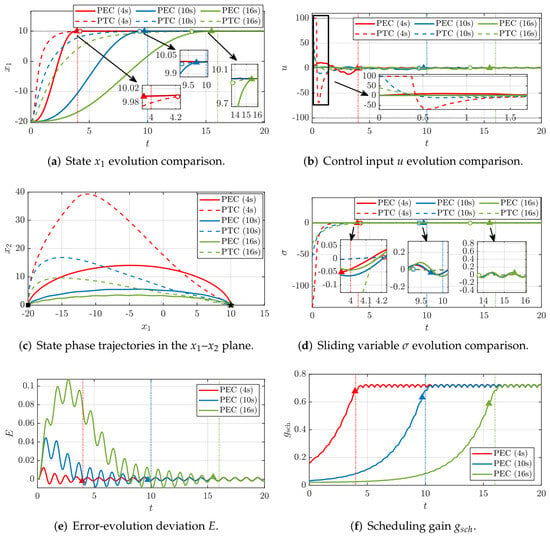
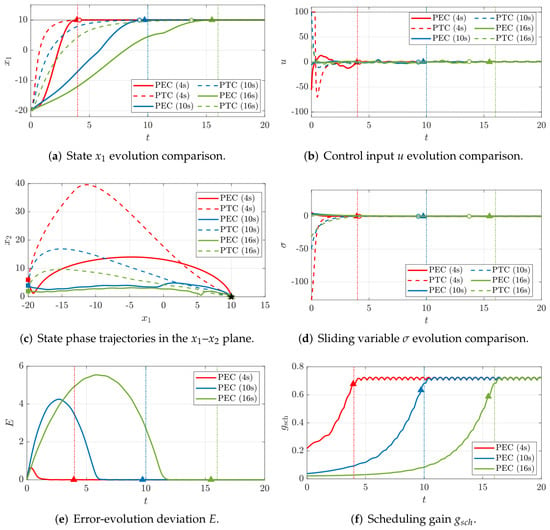
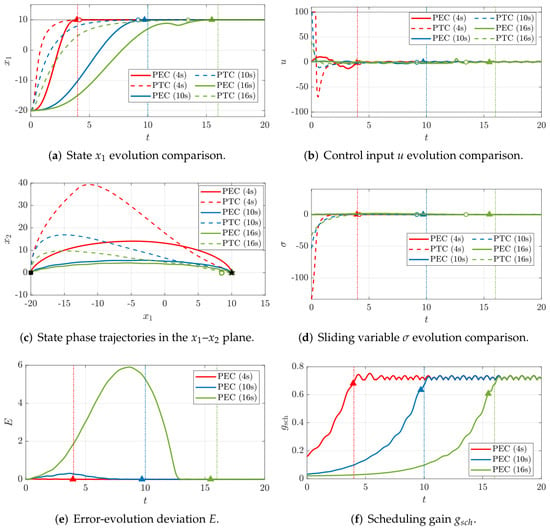
For a class of second-order nonlinear systems subject to matched disturbances, this paper investigates preset-time establishment and subsequent high-precision maintenance, and proposes a time-varying sliding mode control method based on prescribed error evolution. First, a quintic prescribed error-evolution function satisfying smooth endpoint constraints is constructed to explicitly shape the error establishment process, thereby avoiding excessive transient control demand caused by directly injecting a large initial error into the closed loop. Then, a time-varying sliding variable is constructed around the error-evolution deviation, and a continuous control law is designed by combining a bounded nonlinear mapping with a distance-dependent scheduling gain, achieving coordination between preset-time establishment and input smoothness. The theoretical analysis proves that, under nominal conditions, the closed-loop system can complete the establishment exactly at the preset instant; in the presence of bounded matched disturbances, the system satisfies an explicit small-neighborhood estimate at the preset instant and maintains high precision thereafter. The simulation results show that the proposed method achieves timing-consistent state establishment under different preset establishment scenarios, and significantly reduces the control peak and total input variation, thereby effectively alleviating the risk of actuator saturation. Full article
(This article belongs to the Section E2: Control Theory and Mechanics)
Show Figures

Figure 1

23 pages, 5721 KB  
Article
A Collaborative Grid-Connected Control Strategy for Heterogeneous Generator Groups Integrating Spatiotemporal Prediction Feedforward
by Feng Lin, Huili Ma, Junfeng Li, Kun Zhang, Kaitong Guo and Liansong Yu
World Electr. Veh. J. 2026, 17(6), 293; https://doi.org/10.3390/wevj17060293 (registering DOI) - 31 May 2026
Abstract
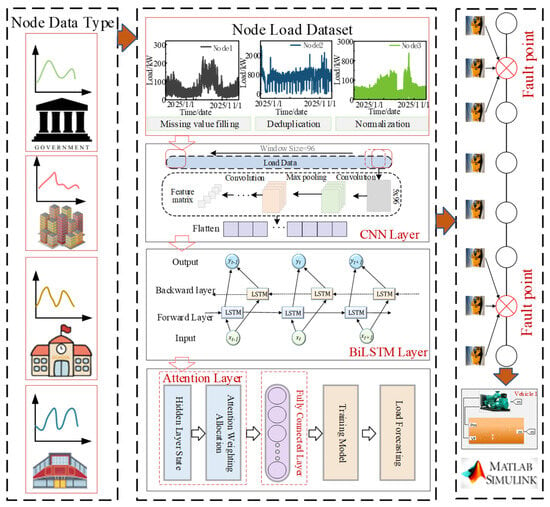
Mobile emergency generators and mobile energy storage clusters are core flexible resources for the rapid recovery of critical loads in post-disaster distribution networks and the enhancement of resilience in isolated microgrids. However, due to the strong random changes in end-load loads, heterogeneous units [...] Read more.
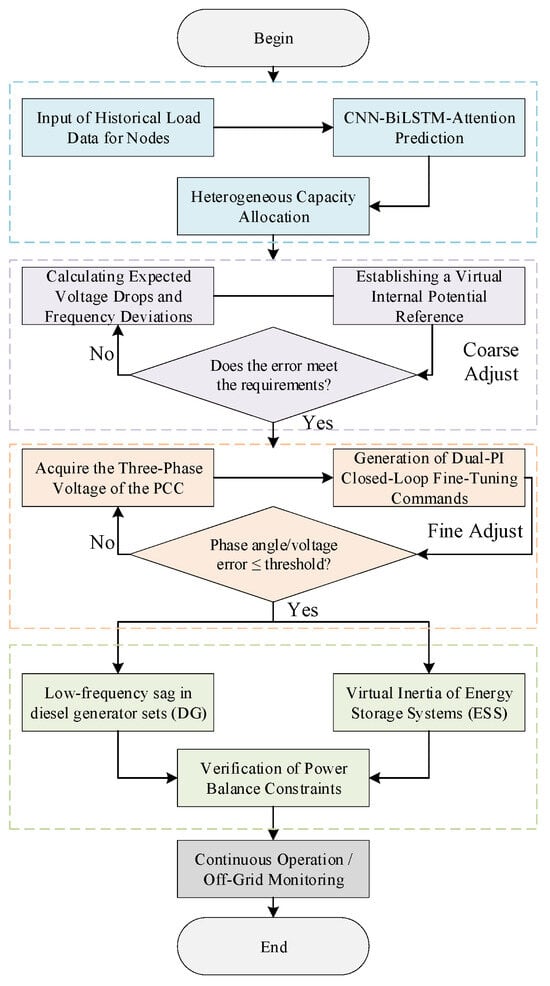
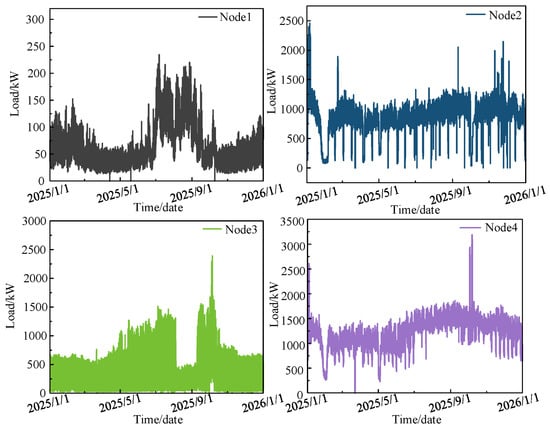
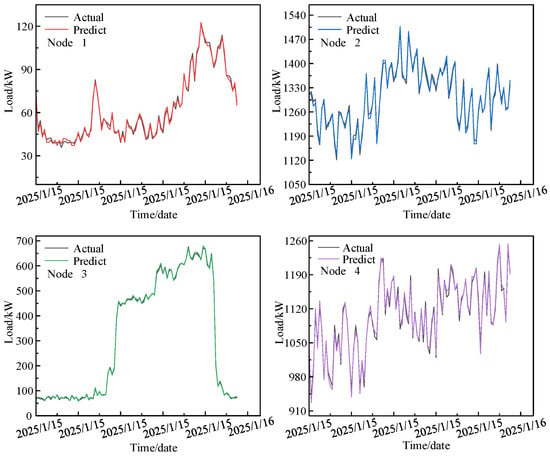
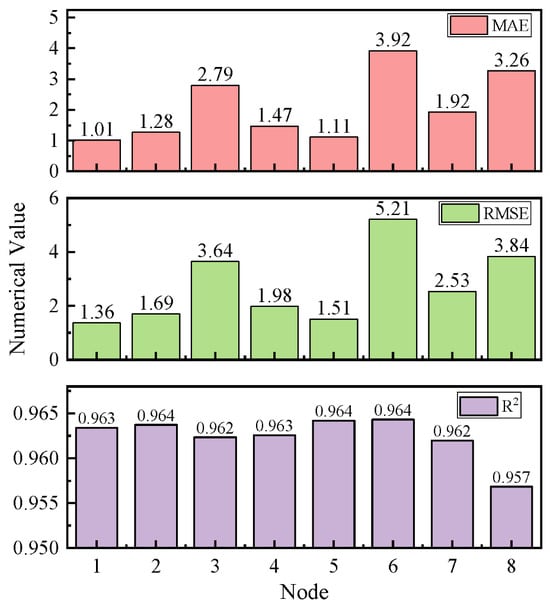
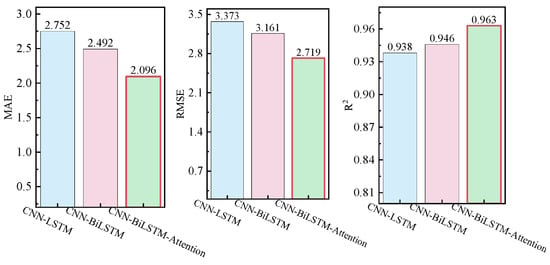
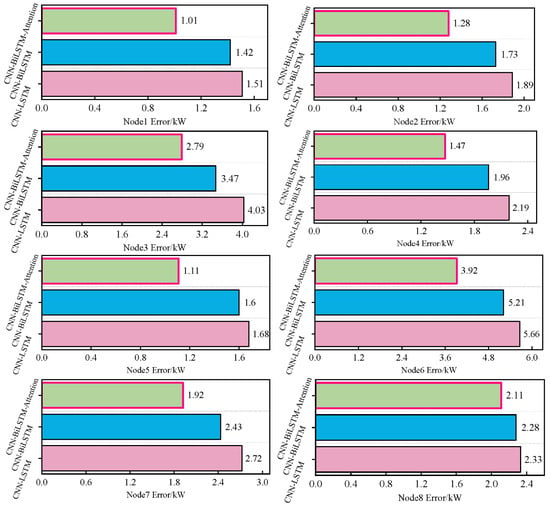
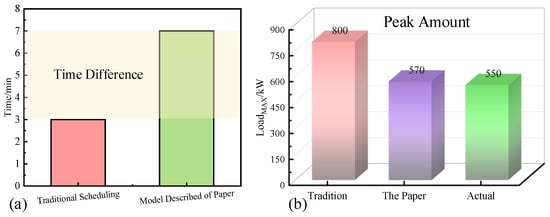
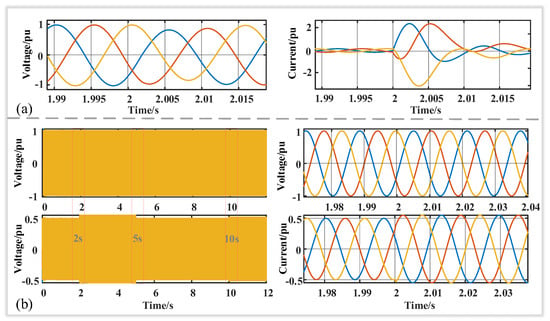
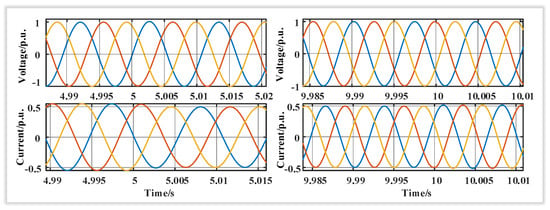
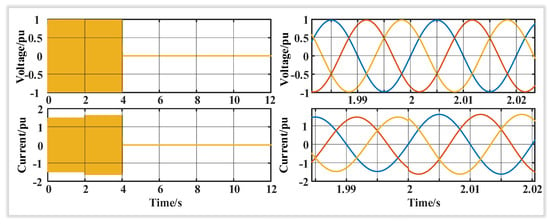
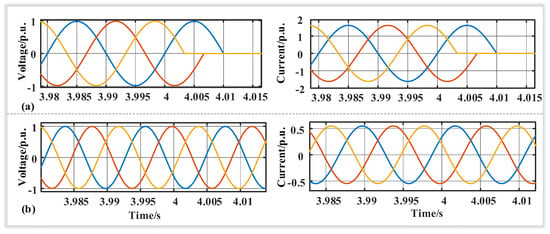
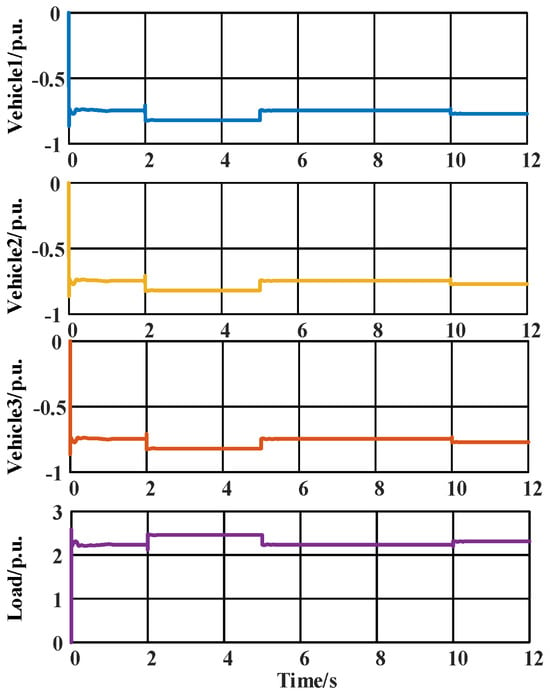
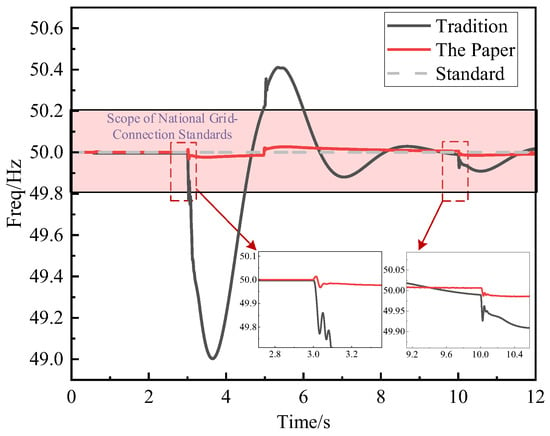
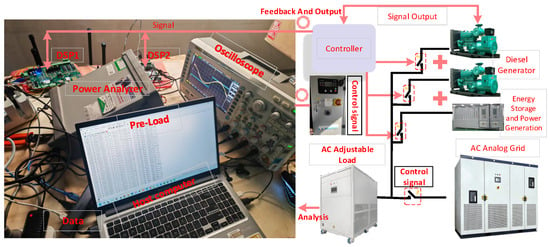
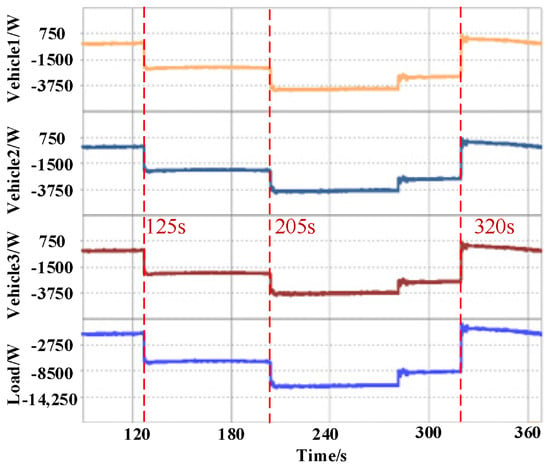
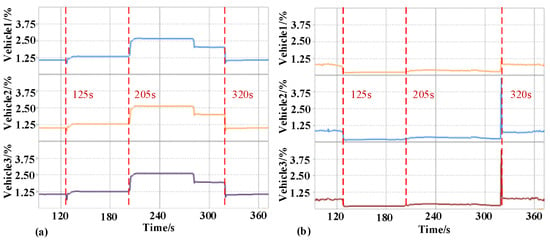
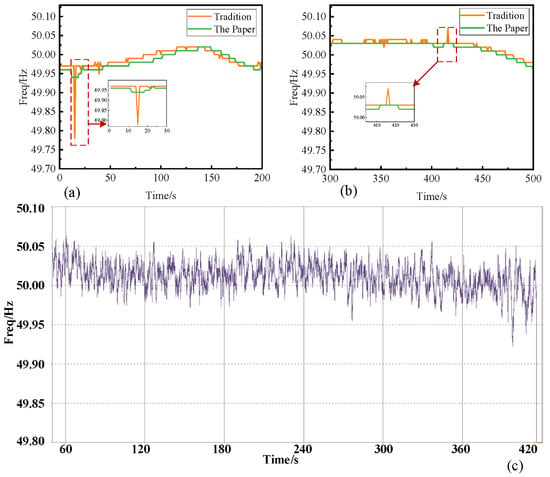
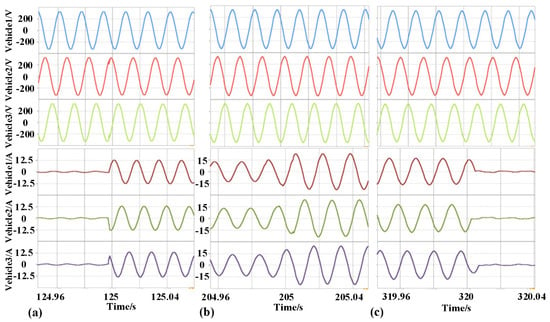
Mobile emergency generators and mobile energy storage clusters are core flexible resources for the rapid recovery of critical loads in post-disaster distribution networks and the enhancement of resilience in isolated microgrids. However, due to the strong random changes in end-load loads, heterogeneous units are prone to problems such as large transient inrush currents, unstable phase-locked loops (PLLs), and reliance on manual synchronization adjustments when connected under load. To address these issues, this paper proposes a multi-timescale smooth grid-connected control architecture that combines data-driven feedforward and physical feedback. The architecture extracts spatiotemporal load features based on a CNN-BiLSTM-Attention model to achieve capacity optimization and baseline allocation. Predicted load voltage drop is converted into feedforward compensation to construct a virtual internal potential for coarse pre-grid connection adjustment. This is then combined with a closed-loop PLL to achieve fine-tuning of phase angle and voltage errors and autonomous decoupling of transient power after grid connection. Simulation and experimental results show that the proposed method suppresses voltage overshoot from 0.3 p.u. to within 0.03 p.u., increases the minimum frequency to above 49.8 Hz, reduces inrush current, and shortens synchronization time by 15.4%, significantly improving the system’s rapid connection and recovery capabilities. Full article
(This article belongs to the Section Energy Supply and Sustainability)
Show Figures

Figure 1

21 pages, 23162 KB  
Article
Effect of Nb Content on the Microstructure and Properties of Laser-Clad NiTi-Based Coatings
by Zhaowei Yang, Ying Zhang, Guoli Li, Kun Li, Long Jiang, Qingkai Fan and Kang Qi
Lubricants 2026, 14(6), 224; https://doi.org/10.3390/lubricants14060224 (registering DOI) - 31 May 2026
Abstract
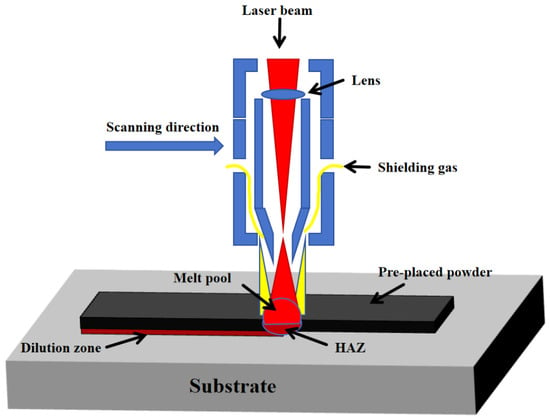
Laser cladding has attracted considerable attention for titanium alloy surface modification owing to its high energy density, rapid cooling rate, and excellent metallurgical bonding capability. To investigate the effect of Nb content on the microstructure and properties of NiTi-based coatings, composite coatings containing [...] Read more.
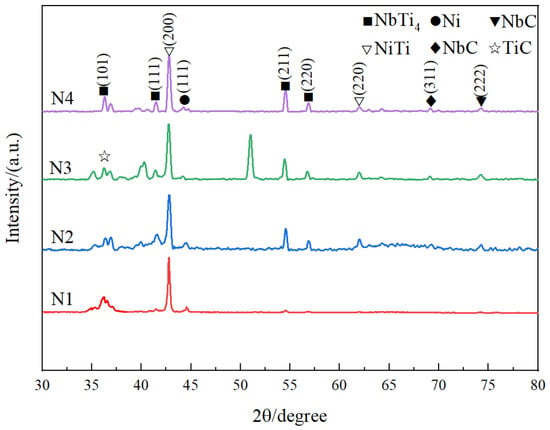
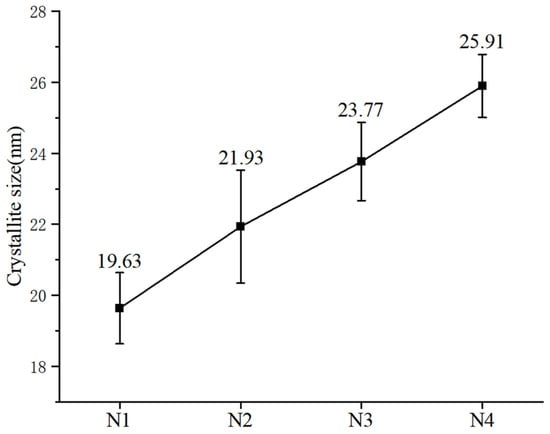
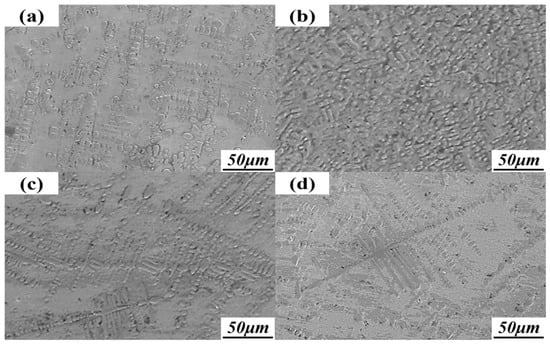
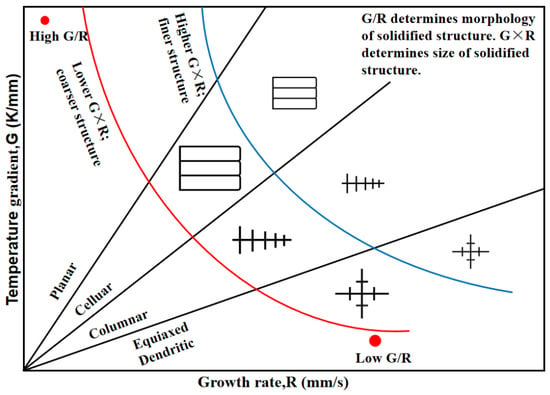
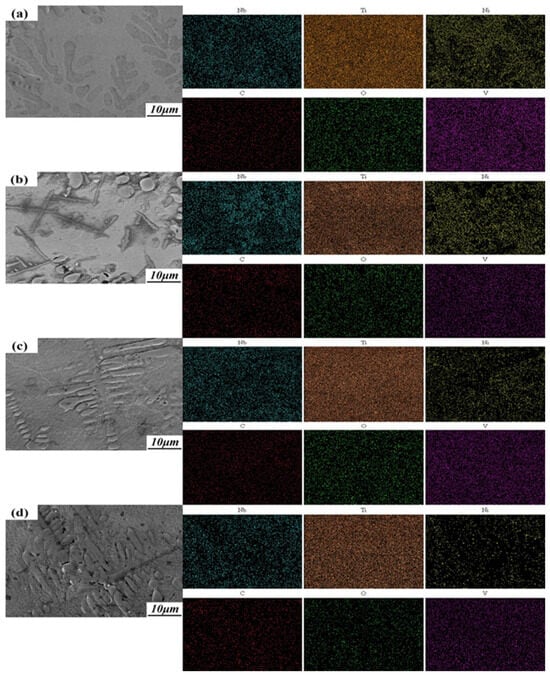
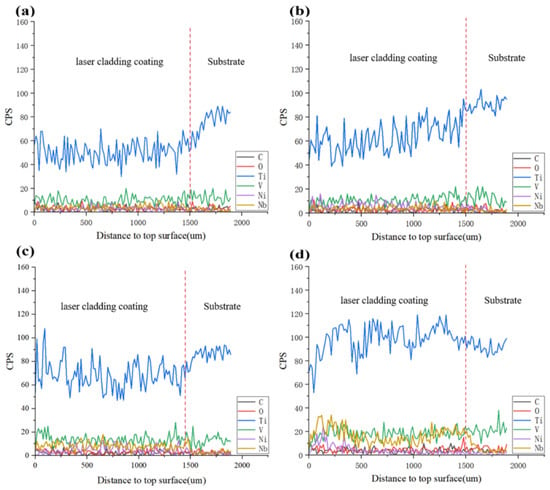
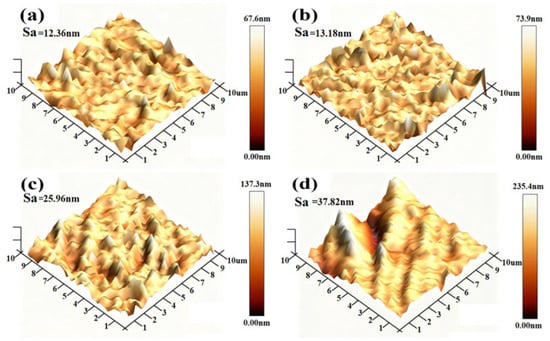
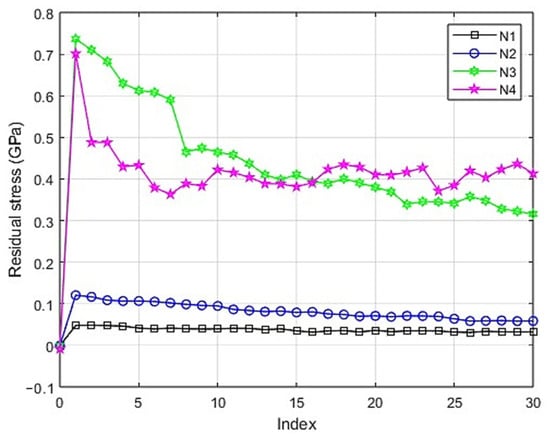
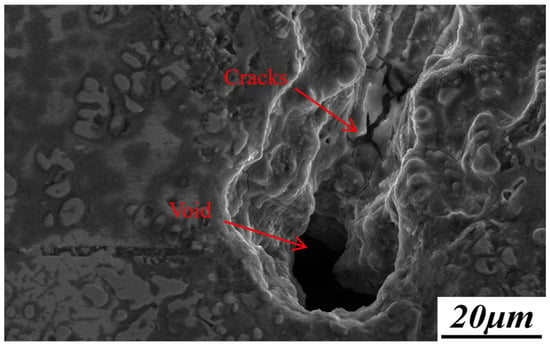
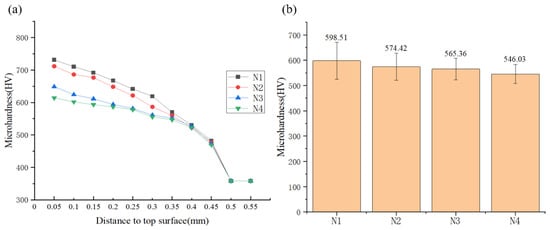
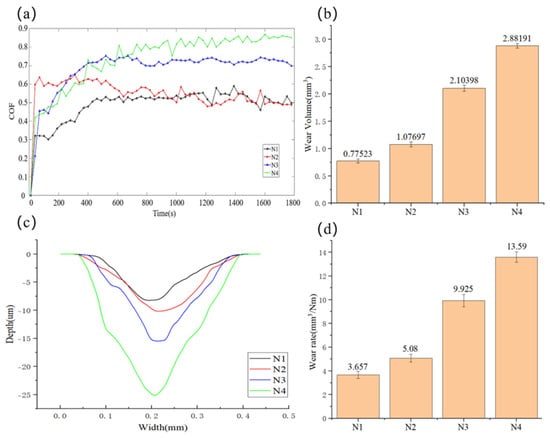
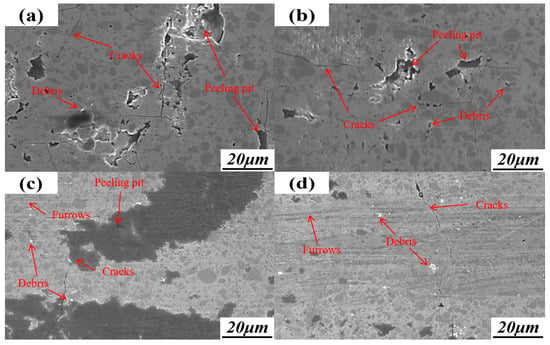
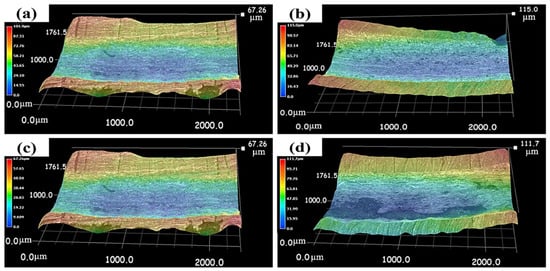
Laser cladding has attracted considerable attention for titanium alloy surface modification owing to its high energy density, rapid cooling rate, and excellent metallurgical bonding capability. To investigate the effect of Nb content on the microstructure and properties of NiTi-based coatings, composite coatings containing 10–40 wt% Nb were fabricated on a titanium alloy substrate via laser cladding. The effects of Nb content on phase constitution, microstructure evolution, mechanical properties, tribological performance, residual stress, and surface topography were systematically characterized using XRD, SEM, EDS, microhardness testing, wear testing, digital image correlation, and atomic force microscopy. The results show that increasing Nb content significantly affected the solidification behavior and phase evolution of the coatings. With increasing Nb addition, the dominant phase gradually evolved from NiTi to a coexistence structure of NbTi4 and NiTi, while Ti dilution and elemental segregation became increasingly pronounced. The crystallite size increased from 19.63 nm to 25.91 nm, accompanied by intensified dendritic segregation and surface roughening. Among all samples, the coating containing 10 wt% Nb exhibited the best overall performance, characterized by the finest microstructure, the lowest surface roughness, the lowest residual stress, and the best wear resistance. The superior performance of the low-Nb coating was mainly associated with its finer and more homogeneous microstructure, reduced elemental segregation, lower stress concentration, and enhanced grain-boundary strengthening effect. Excessive Nb addition intensified Ti dilution, grain coarsening, residual stress accumulation, and microstructural heterogeneity, thereby degrading the overall coating performance. More importantly, this study reveals that Nb-regulated Ti dilution behavior governs the synergistic evolution of elemental segregation, surface roughening, residual stress accumulation, and tribological degradation during laser cladding. This work provides new insight into the process–structure–property relationship of NiTi-based composite coatings and offers theoretical guidance for the composition optimization and engineering application of high-performance laser-clad coatings on titanium alloys. Full article
Show Figures

Figure 1

12 pages, 1011 KB  
Article
Triage Assessment of Lateral Ankle Sprain Surgical Risk (TALAR Score): Using Early Red Flags to Predict the Failure of Conservative Management
by Raffaele Vitiello, Antonio Bove, Guglielmo Miele, Andrea De Fazio, Luca Magrini, Marianna Citro, Matteo Turchetta and Fabrizio Forconi
J. Funct. Morphol. Kinesiol. 2026, 11(2), 223; https://doi.org/10.3390/jfmk11020223 (registering DOI) - 31 May 2026
Abstract
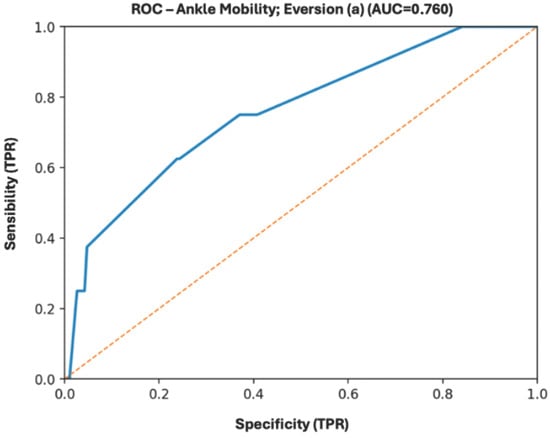
Background: Functional testing after an ankle sprain may help identify patients who later develop mechanical instability and require surgery. This study aimed to identify early clinical and functional predictors of surgical stabilization for chronic ankle instability (CAI) after acute sprains and to develop [...] Read more.
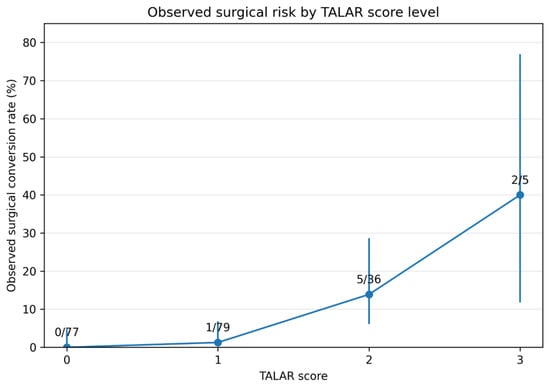
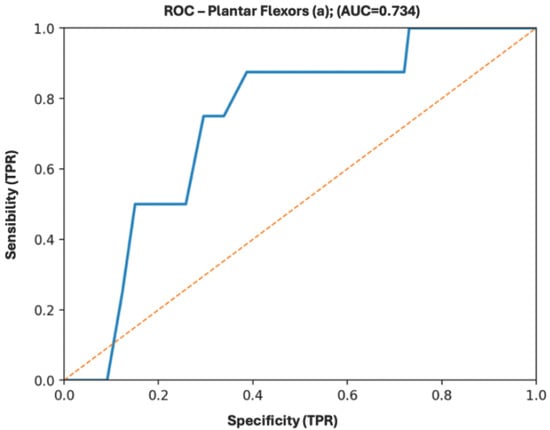
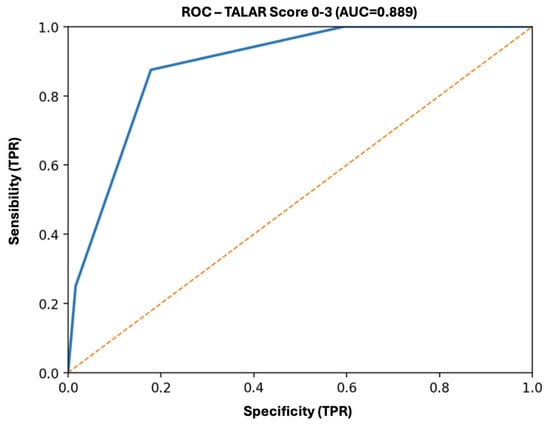
Background: Functional testing after an ankle sprain may help identify patients who later develop mechanical instability and require surgery. This study aimed to identify early clinical and functional predictors of surgical stabilization for chronic ankle instability (CAI) after acute sprains and to develop a simple composite predictive score (TALAR). Methods: This prospective observational study included 197 patients with acute lateral ankle sprains. Comprehensive clinical and functional assessments, including range of motion (ROM), strength, and pain, were performed two weeks post-injury. The primary outcome was subsequent surgical management for instability within a 24-month follow-up period. Results: Eight patients (4%) ultimately underwent surgical stabilization. Univariable analysis identified three significant predictors of surgical outcome: eversion mobility ≥ 20°, plantar flexor strength ≤ 17 kg, and the presence of pain during dorsiflexion (VAS > 0). These variables were integrated into the 0–3 TALAR (Triage Assessment of Lateral Ankle sprain Surgical Risk) score, which demonstrated promising exploratory discrimination with an AUC of 0.889 (95% CI: 0.799–0.954). An optimal cut-off of ≥2 yielded a sensitivity of 0.875 and a specificity of 0.822. While the baseline surgical risk was 4%, patients with a TALAR score ≥2 had a 17.5% conversion rate to surgery, representing a significantly higher risk (OR: 32.24; p < 0.001). Conclusion: The TALAR score represents a promising exploratory tool for early risk stratification after an acute ankle sprain. As an exploratory study, it highlights that early functional red flags, though formal internal and external validation, along with robust calibration on longer follow-up cohorts, are required before clinical implementation. Full article
Show Figures

Figure 1

14 pages, 975 KB  
Article
Effects of Wushu Programs on Lower-Limb Explosive Power in Preschool Children Aged 5–6 Years: A Cluster-Randomized Controlled Trial
by Beibei Luo, Ruoxi Fan, Rui Li, Rongda Wang, Xiaomiao Zheng, Rui Huang, Shuxin Zhang, Yiwei Sun, Zhibei Zhou and Yunya Zhang
J. Funct. Morphol. Kinesiol. 2026, 11(2), 222; https://doi.org/10.3390/jfmk11020222 (registering DOI) - 31 May 2026
Abstract
Background: Wushu, a traditional Chinese exercise, has been demonstrated to be effective in promoting lower-limb strength in children. However, studies comparing the effects of different intervention durations on preschool children remain limited. Objectives: The present study examined the short- and long-term effects of [...] Read more.
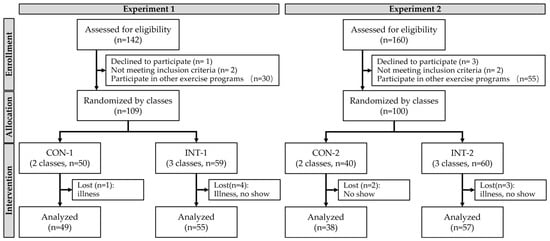
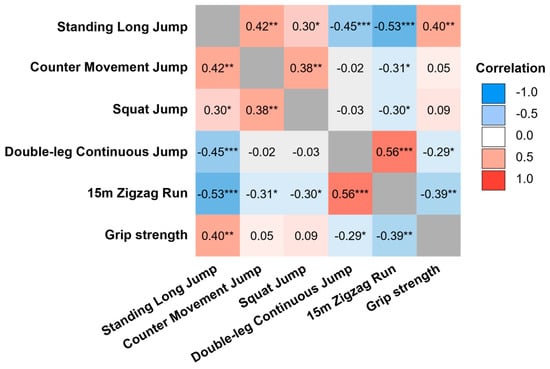
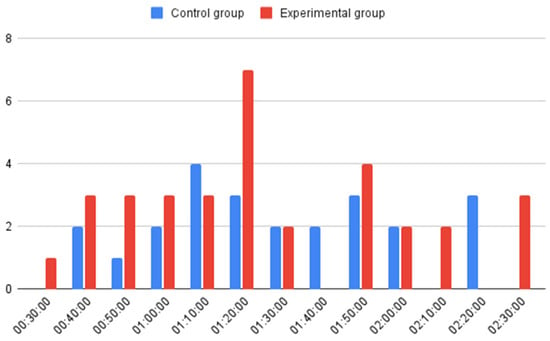
Background: Wushu, a traditional Chinese exercise, has been demonstrated to be effective in promoting lower-limb strength in children. However, studies comparing the effects of different intervention durations on preschool children remain limited. Objectives: The present study examined the short- and long-term effects of Wushu exercise programs on lower-limb explosive power in preschool children aged 5–6 years. Methods: This study was conducted across two experiments, with separate cohorts of children. The children were randomly assigned to either an intervention (INT) or a control (CON) group based on their Kindergarten classes. In Experiment 1, the INT-1 group (n = 55) completed a 4-week ‘Twelve Zodiac’ Wushu exercise program, which comprised three 30-minute sessions per week, while the CON-1 group (n = 49) participated in construction and carrying-based unstructured free play, which was designed to provide a comparable amount of moderate-to-vigorous physical activity. In Experiment 2, the INT-2 group (n = 57) undertook a 10-week Wushu program, and the CON-2 group (n = 38) engaged in similar activities as CON-1 for a 10-week period. The standing long jump (SLJ) was the primary outcome measure in both experiments. Secondary outcomes included the double-leg continuous jump, 15 m zigzag run, grip strength, sit-and-reach, and anthropometric measurements. In Experiment 2, countermovement jump (CMJ) and squat jump (SJ) heights were also measured using a force plate as additional secondary outcomes. A linear mixed-effects model (LMM) was used to analyze the data. Results: At baseline, no significant outcome measures were observed between CON-1 and INT-1, nor between CON-2 and INT-2. In Experiment 1, SLJ exhibited a significant enhancement in INT-1 in comparison to CON-1 (p = 0.007). The INT-2 in Experiment 2 showed significant improvements compared with CON-2 in the SLJ (p = 0.048), double-leg continuous jump (p = 0.005), and 15 m zigzag run (p = 0.043). A strong correlation was observed between SLJ and 15 m zigzag run time (r = −0.53, p < 0.001), and between double-leg continuous jump time and 15 m zigzag run time (r = 0.56, p < 0.001). Conclusions: The findings of this study indicate that 4-week and 10-week Wushu exercise programs enhance explosive power in the lower limbs of children aged 5–6 years. The 10-week Wushu program improves lower limb coordination and jumping agility. These task-specific adaptations support the value of Wushu interventions for fostering comprehensive lower-limb motor competence in preschoolers. Full article
Show Figures

Figure 1

15 pages, 2067 KB  
Article
Thermodynamic Consistency in Noise Modeling for Silicon Based Spin Qubits: A Comparative Study of Stochastic and Dissipative Dynamics
by Dimitrios Pourikas, Konstantinos Prousalis and Nikos Konofaos
Quantum Rep. 2026, 8(2), 50; https://doi.org/10.3390/quantum8020050 (registering DOI) - 31 May 2026
Abstract
Silicon–germanium (Si/SiGe) quantum dots represent a preeminent architecture for scalable quantum computing; however, their performance remains fundamentally constrained by environmental decoherence. This work presents a comparative simulation study of a two-qubit system in Si/SiGe, evaluating the fidelity of various noise modeling frameworks under [...] Read more.
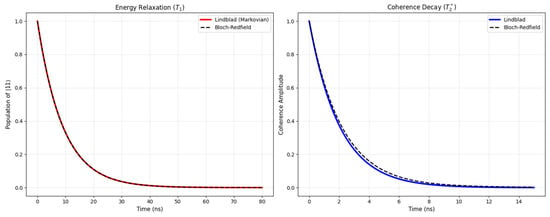
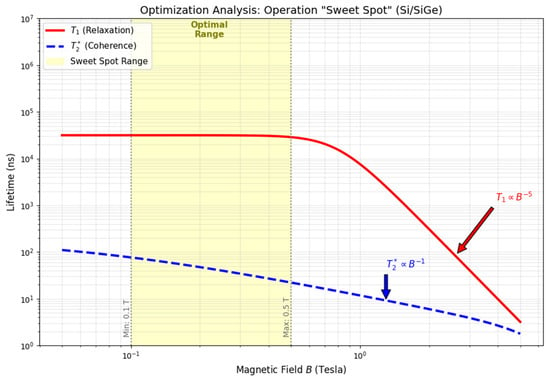
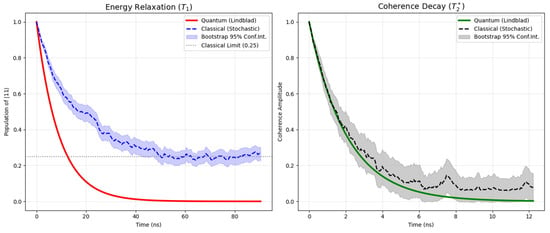
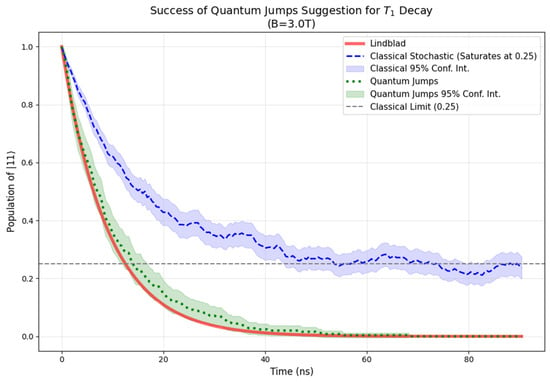
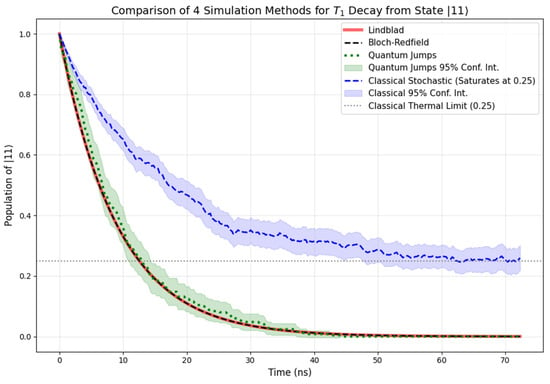
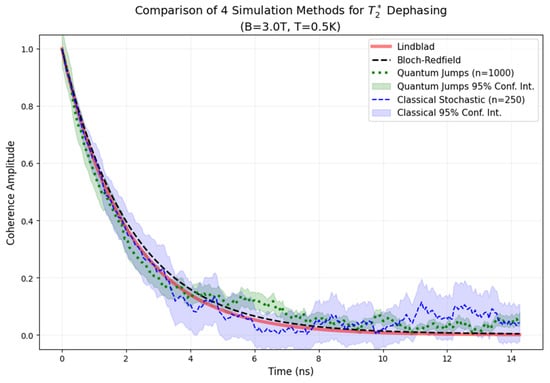
Silicon–germanium (Si/SiGe) quantum dots represent a preeminent architecture for scalable quantum computing; however, their performance remains fundamentally constrained by environmental decoherence. This work presents a comparative simulation study of a two-qubit system in Si/SiGe, evaluating the fidelity of various noise modeling frameworks under realistic conditions, including 1/f charge noise and phonon-mediated relaxation. We benchmark the Lindblad Master Equation against the Bloch–Redfield Master Equation, the Semiclassical Stochastic Hamiltonian method and the Monte Carlo Wavefunction (Quantum Jumps). Our analysis reveals that while semiclassical models effectively capture pure dephasing (T2*) dynamics, they fail to account for energy relaxation (T1) at cryogenic temperatures, erroneously driving the system toward a high-entropy maximally mixed state. We propose the Quantum Trajectories method to resolve this discrepancy by incorporating discrete dissipation events, providing a thermodynamically consistent semi-classical framework. To demonstrate the scalability of our approach, we extend the simulation to a 4-qubit register, showing that the Quantum Trajectories method remains numerically robust and thermodynamically consistent as the Hilbert space dimension increases. Furthermore, we perform a magnetic field optimization analysis, identifying an operational “sweet spot” within the 0.1–0.5 T range that optimally balances the trade-offs between relaxation and dephasing. Full article
(This article belongs to the Topic Quantum Computing: Latest Advances and Prospects)
Show Figures

Figure 1

21 pages, 4485 KB  
Protocol
Optimized Wound Healing Assay to Study Extracellular Vesicle-Driven Glioblastoma Cell Migration
by Concetta D’Antonio, Francesca Mantile, Gabriella Pocsfalvi and Giovanna L. Liguori
Methods Protoc. 2026, 9(3), 81; https://doi.org/10.3390/mps9030081 (registering DOI) - 31 May 2026
Abstract
Cell migration is a fundamental process in cancer progression, playing a central role in tumor invasion and metastasis. This highly coordinated behavior is regulated by dynamic interactions between cancer cells and extracellular environment. Among the different tumor types, glioblastoma (GB) represents a particularly [...] Read more.
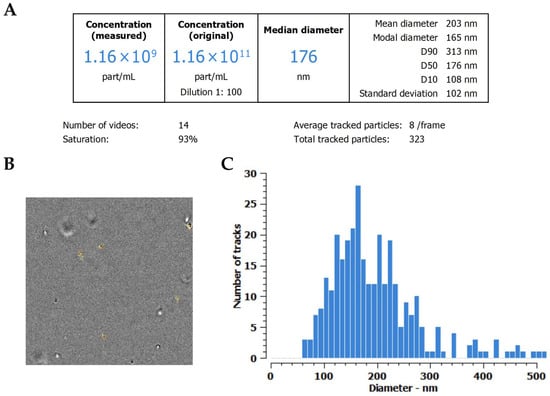
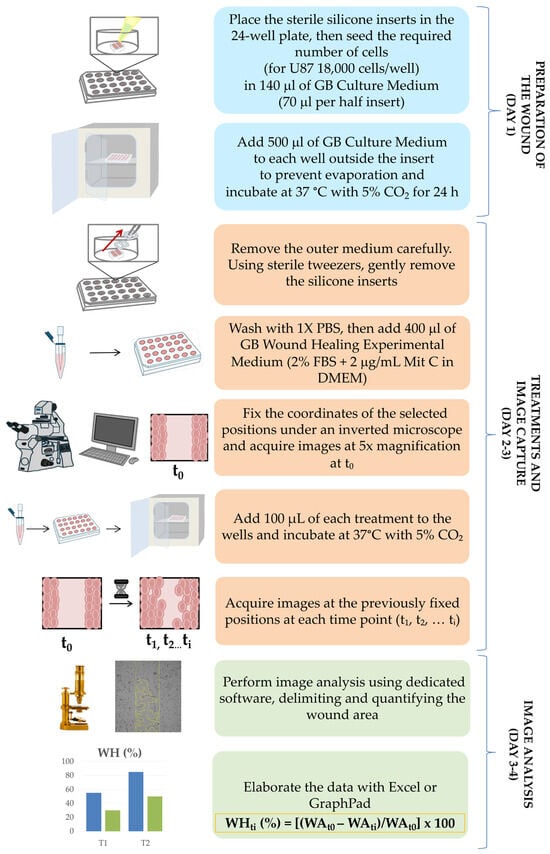
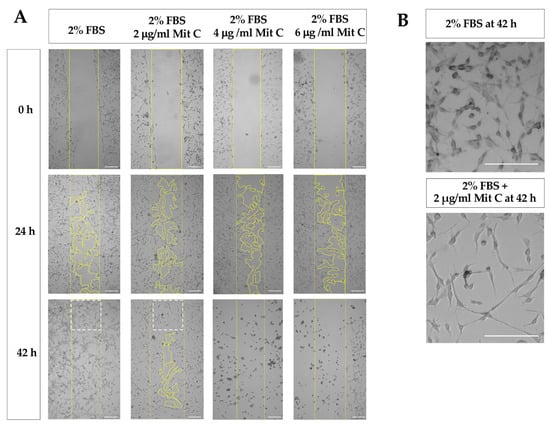
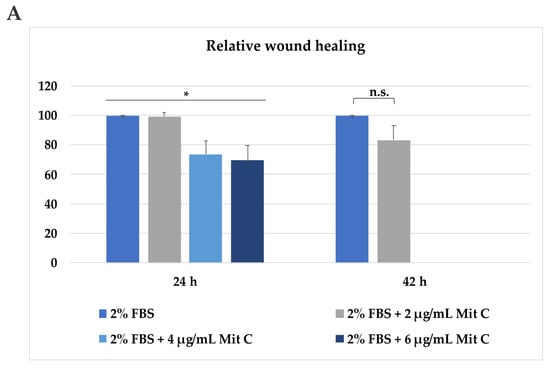
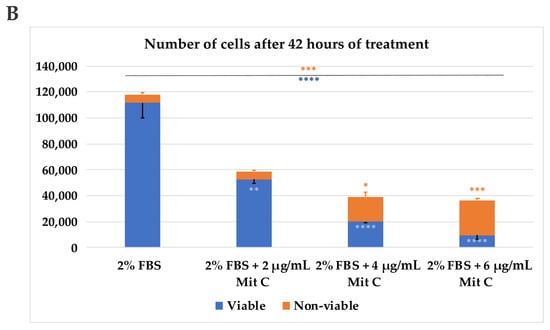
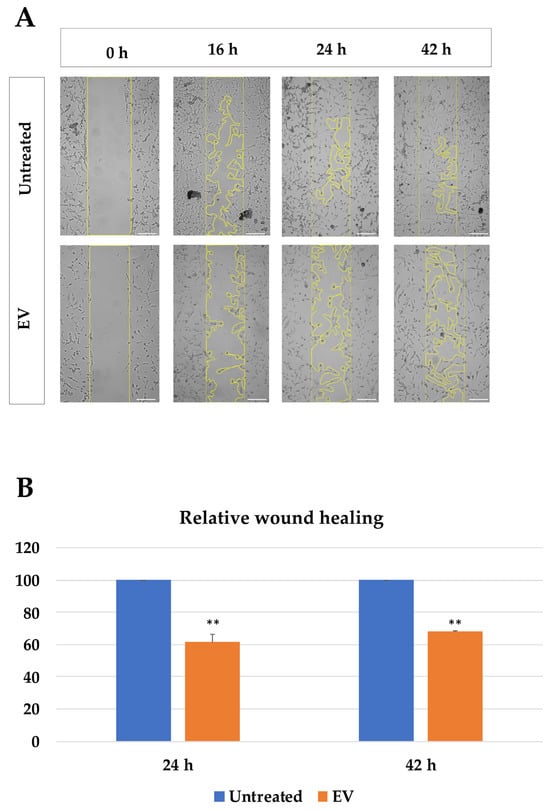
Cell migration is a fundamental process in cancer progression, playing a central role in tumor invasion and metastasis. This highly coordinated behavior is regulated by dynamic interactions between cancer cells and extracellular environment. Among the different tumor types, glioblastoma (GB) represents a particularly aggressive form of cancer in which enhanced migratory capacity is a key determinant of diffuse brain infiltration, tumor recurrence, and poor prognosis. In this context, extracellular vesicles (EVs) have emerged as important mediators, regulating cell migration in several cancer types, including GB. EVs are lipid bilayer-enclosed nano- and micro-sized particles, containing various bioactive molecules that can target specific recipient cells, thereby modulating cellular properties, including the migratory behavior. Among the available methods for studying cell migration, the wound healing assay is the most widely used. Although simple, cost-effective and not requiring sophisticated equipment, its reliability and reproducibility can be affected by technical variability and the diversity of existing protocols. Here, we present an optimized protocol for executing and analyzing a cellular wound healing assay designed to assess EV-mediated migration in GB cells. The protocol incorporates the use of silicone culture inserts to enhance wound homogeneity and reproducibility, together with continuous Mitomycin C incubation to inhibit cell proliferation without inducing cytotoxicity, enabling specific assessment of cell migration. We outline a step-by-step description of the procedure, detailing all required materials and equipment and highlighting critical steps, checkpoints, and key parameters. This method provides a robust framework for reproducible wound healing assays to investigate EV effects on GB cell migration. Full article
(This article belongs to the Section Molecular and Cellular Biology)
Show Figures

Figure 1

15 pages, 551 KB  
Article
Diet Quality, Nutrient Intake, and Body Fat Percentage in Women with Infertility and Normal Body Mass Index
by Adriana Szulińska, Barbara Grzechocińska, Monika Grymowicz, Piotr Sobieraj and Agnieszka Bzikowska-Jura
Nutrients 2026, 18(11), 1775; https://doi.org/10.3390/nu18111775 (registering DOI) - 31 May 2026
Abstract
Background: Infertility is a major public health concern worldwide. While excess body weight is a well-established risk factor for impaired fertility, increasing evidence indicates that elevated body fat content may also occur in women with normal body mass index, a phenotype described as [...] Read more.
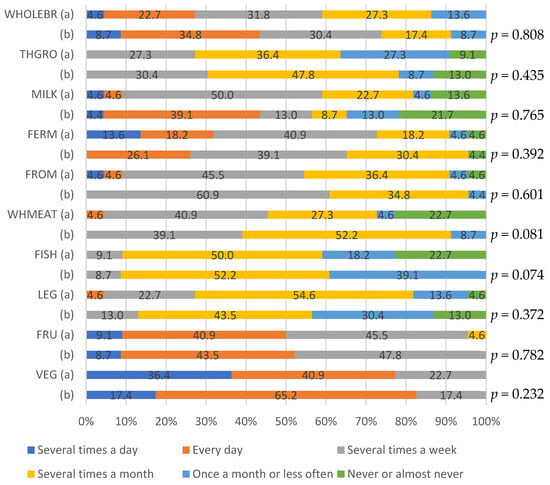
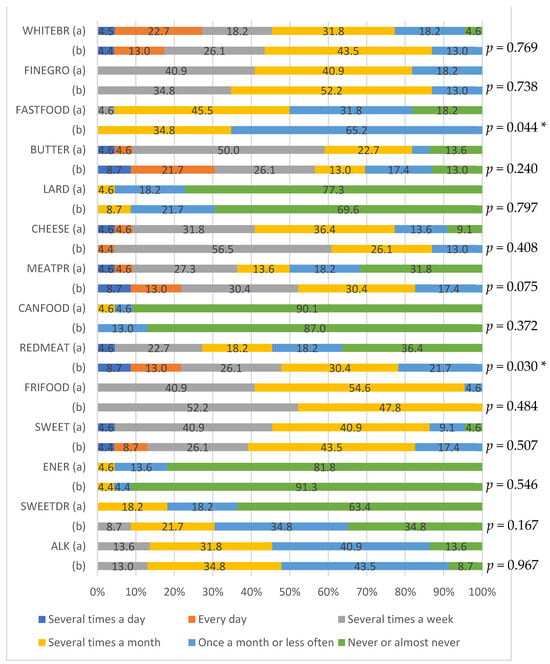
Background: Infertility is a major public health concern worldwide. While excess body weight is a well-established risk factor for impaired fertility, increasing evidence indicates that elevated body fat content may also occur in women with normal body mass index, a phenotype described as normal-weight obesity. This study aimed to assess associations between diet quality, intake of selected nutrients, and body fat content among women attending an infertility clinic with body mass index (BMI) within the normal range. Methods: This cross-sectional study included 45 women with infertility and normal BMI (18.5–24.99 kg/m2). Dietary intake was assessed using 3-day food diaries and a food frequency questionnaire. Diet quality was evaluated using the pro-healthy diet index, non-healthy diet index, and diet quality index. Body composition was measured by bioelectrical impedance analysis. Participants were divided according to median body fat percentage, <24.9% vs. ≥24.9%. Results: Participants’ body fat percentage ranged from 12.2% to 34.3%, and in the case of 6 women, the body fat percentage (>30%) indicated normal weight obesity. No differences were observed in pHDI, nHDI, or DQI scores between groups after correction for multiple comparisons. Inadequate iron intake was reported in all women. Conclusions: Among women with infertility and normal BMI, body fat percentage varied widely. No associations were observed between dietary variables and body composition parameters. Full article
Show Figures

Figure 1

16 pages, 1061 KB  
Article
Adversarial-Test-Driven Multi-Agent LLM Defense: A Self-Evolving Framework via Inference-Time Prompt Optimization
by Yang Qu, Yuwei He, Lei Cao, Juzheng Wang, Sulei Li and Hongxi Chen
Electronics 2026, 15(11), 2365; https://doi.org/10.3390/electronics15112365 (registering DOI) - 31 May 2026
Abstract
Large Language Models (LLMs) remain highly susceptible to jailbreak attacks that bypass safety alignments through sophisticated prompt manipulation. While multi-agent defense systems have emerged as a promising countermeasure, existing frameworks predominantly rely on static agent designs, which struggle to adapt to evolving adversarial [...] Read more.
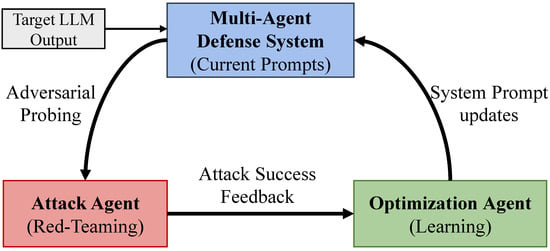
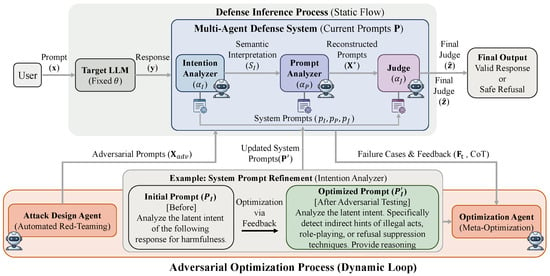
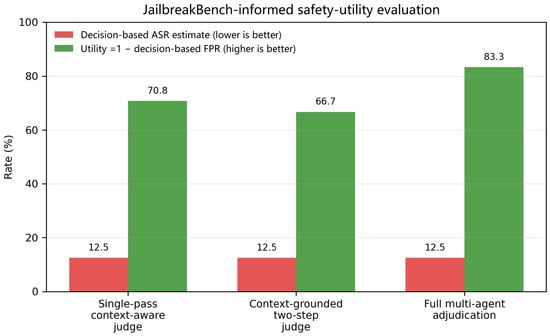
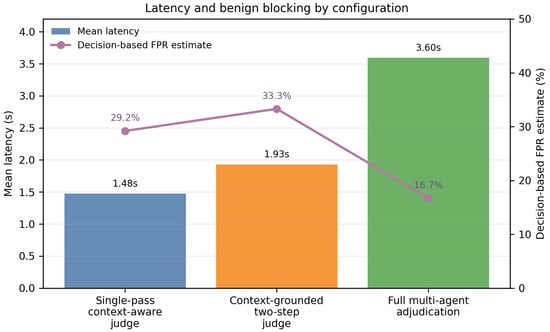
Large Language Models (LLMs) remain highly susceptible to jailbreak attacks that bypass safety alignments through sophisticated prompt manipulation. While multi-agent defense systems have emerged as a promising countermeasure, existing frameworks predominantly rely on static agent designs, which struggle to adapt to evolving adversarial strategies. To bridge this gap, we propose an Adversarial-Test-Driven Multi-Agent Defense framework that shifts the focus from model-level fine-tuning to system-level optimization. Our framework introduces a closed-loop evolutionary process consisting of an Attack Design agent that probes vulnerabilities with adaptive adversarial prompts, and an Optimization agent that iteratively refines the defense agents’ system prompts based on feedback. This approach enables the defense system to correct reasoning failures at inference time without requiring gradient-based updates to the underlying LLMs. The experimental results demonstrate that our framework achieves a state-of-the-art Attack Success Rate (ASR). The experiments show that the framework improves jailbreak robustness while making the associated safety–utility trade-off explicit. Full article
(This article belongs to the Special Issue Network Security Management in Heterogeneous Networks, Volume II)
Show Figures

Figure 1

20 pages, 13551 KB  
Article
Impact of Semaglutide on Hippocampal Injury in a Streptozotocin-Induced Model of Alzheimer’s Disease
by Alla V. Stavrovskaya, Anastasia K. Pavlova, Dmitry N. Voronkov, Artem S. Olshanskiy, Alexandr S. Romanenko, Evgenia N. Fedorova, Anastasia V. Simonenko, Vladimir S. Sukhorukov and Sergey N. Illarioshkin
Biomedicines 2026, 14(6), 1257; https://doi.org/10.3390/biomedicines14061257 (registering DOI) - 31 May 2026
Abstract
Background: Glucagon-like peptide-1 receptor (GLP1R) agonists, particularly semaglutide, show neuroprotective effects in genetic models of Alzheimer’s disease (AD). However, their delayed and long-term effects in sporadic AD, such as the intracerebroventricular streptozotocin (STZ) injection, remain insufficient. It is unclear how long the [...] Read more.
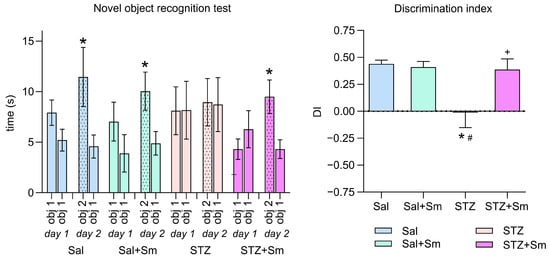
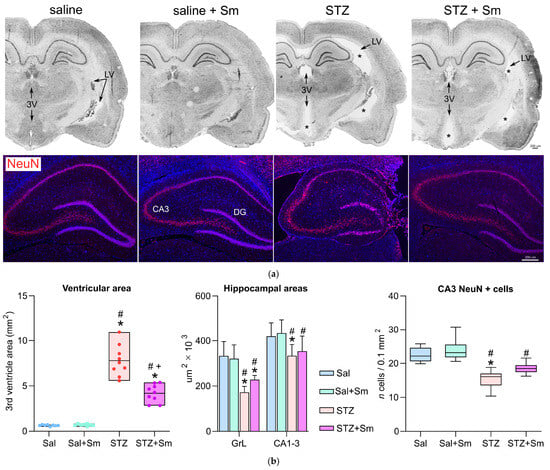
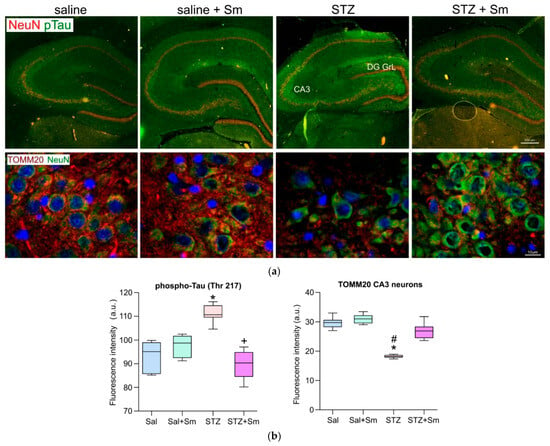
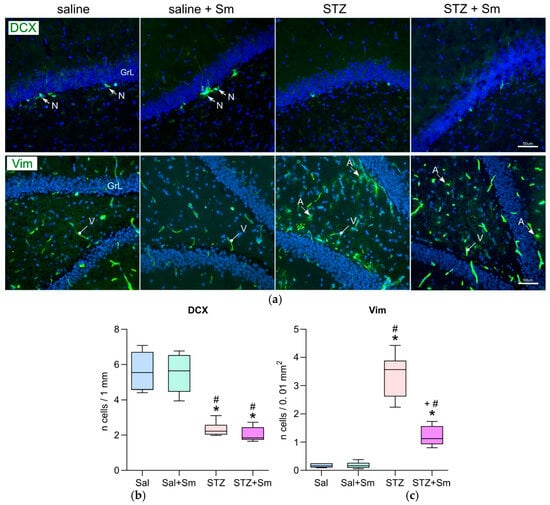
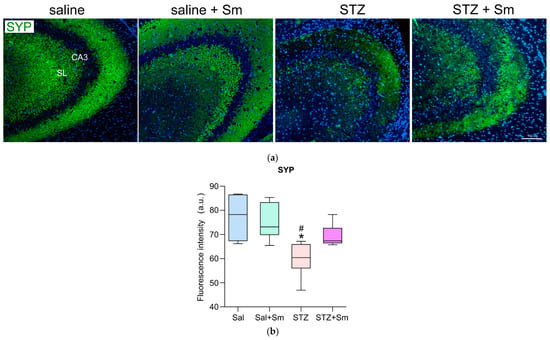
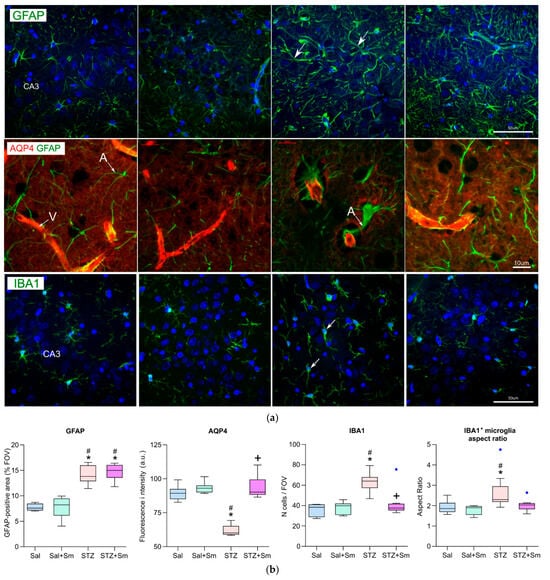
Background: Glucagon-like peptide-1 receptor (GLP1R) agonists, particularly semaglutide, show neuroprotective effects in genetic models of Alzheimer’s disease (AD). However, their delayed and long-term effects in sporadic AD, such as the intracerebroventricular streptozotocin (STZ) injection, remain insufficient. It is unclear how long the effects of GLP1R agonists persist after discontinuation and whether a single course can suppress progressive neurodegeneration. This study aimed to evaluate the delayed effects of semaglutide administration on morphological changes in neurons and glial cells in the hippocampus associated with cognitive impairment in an STZ-induced rat model of AD. Methods: Rats received bilateral intracerebroventricular STZ injections (3 mg/kg) followed by a 5-week course of intraperitoneal administration of semaglutide (0.1 mg/kg, every other day), and were euthanized 60 days after discontinuation of semaglutide administration. Immunomorphological methods were used to detect neuronal, astrocytic and microglial alterations. A novel object recognition test was performed to assess behavioral effects. Results: STZ-treated animals demonstrated cognitive impairments, ventriculomegaly, a significant increase in p-tau protein fluorescence intensity (p = 0.02), a decrease in CA1–CA3 field area (by 23%, p = 0.008), and reduced hippocampal neuronal density. Decreases in TOMM20 (mitochondrial marker) and synaptophysin levels were accompanied by significant glial activation in the hippocampal CA3 field. Semaglutide administration significantly reduced the enlarged ventricular lumen (by 43.5%), decreased p-tau fluorescence intensity, reduced vimentin-positive reactive astrocytes (by 68.4%), and increased synaptophysin fluorescence intensity. Furthermore, it reduced microglial activation (decreasing IBA1 cell density and elongation) and alleviated the disrupted AQP4 distribution. However, semaglutide did not completely halt the neurodegenerative process and showed no effect on the number of doublecortin-positive cells in the dentate gyrus. Conclusions: Hippocampal changes assessment revealed that course administration of semaglutide exerts prolonged effects, attenuating the severity of pathomorphological alterations and behavioral changes in a sporadic AD model after drug discontinuation. Full article
(This article belongs to the Section Cell Biology and Pathology)
Show Figures

Figure 1

4 pages, 172 KB  
Editorial
Soft Matter: A Tale of Eco-Friendly Materials, Self-Organised Phases and Biological Impact
by Ingo Dierking
Materials 2026, 19(11), 2316; https://doi.org/10.3390/ma19112316 (registering DOI) - 31 May 2026
Abstract
The field of soft matter [...] Full article
(This article belongs to the Section Soft Matter)
18 pages, 1606 KB  
Article
Surveillance of Parvovirus in Free-Roaming Dogs in the Qinling Mountains and Assessment of the Risk of Cross-Species Transmission to Giant Pandas
by Zhiyang Huang, U Cheong, Zichen Liu, Jiao He, Leigang Zhao, Dapeng Zhu, Haojie Xu, Yuhan Tsai, Jingjie Wei, Zhonghao Dan, Bolong Lu and Yipeng Jin
Animals 2026, 16(11), 1686; https://doi.org/10.3390/ani16111686 (registering DOI) - 31 May 2026
Abstract
To assess the risk of cross-species transmission of canine parvovirus (CPV) from free-roaming dogs to wild giant pandas in the Foping National Nature Reserve, we collected rectal swabs and serum samples from dogs and fecal samples from giant pandas seasonally (August 2024–August 2025), [...] Read more.
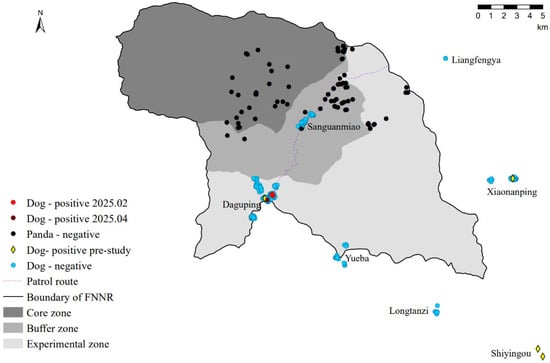
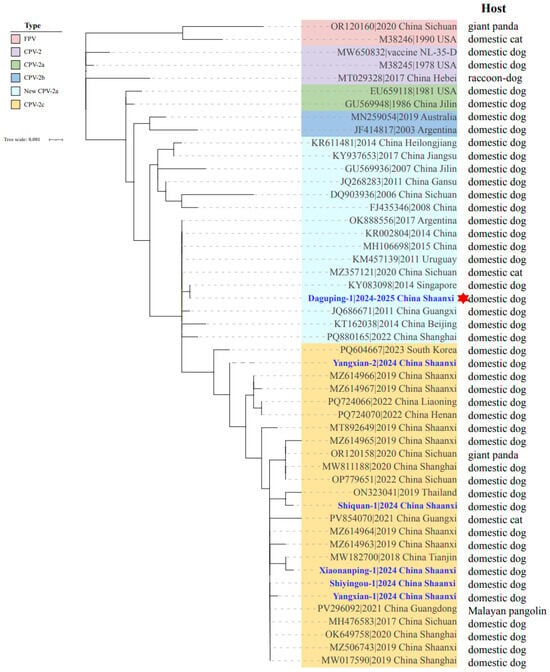
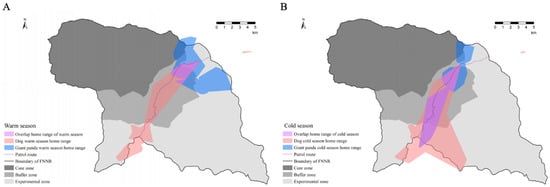
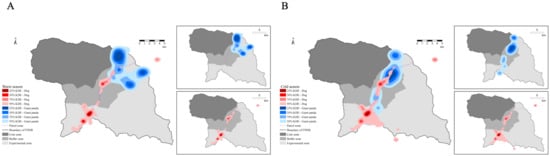
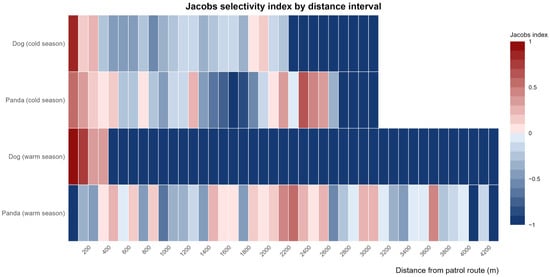
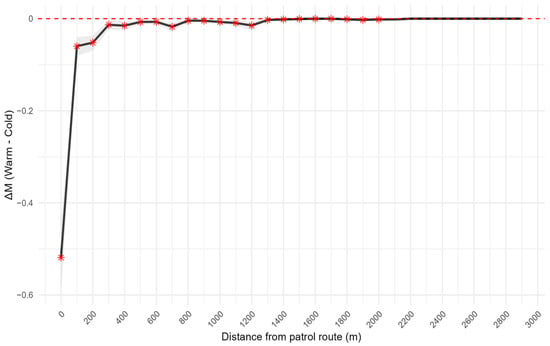
To assess the risk of cross-species transmission of canine parvovirus (CPV) from free-roaming dogs to wild giant pandas in the Foping National Nature Reserve, we collected rectal swabs and serum samples from dogs and fecal samples from giant pandas seasonally (August 2024–August 2025), combined with population surveys and GPS home-range tracking. Vaccination coverage declined from 54.2% to 36.4%, while the proportion of susceptible dogs rose from 8.7% to 29.5%. The CPV nucleic acid positive rate in dogs was 3.9% (4/102, all sub-adults, three deaths), whereas all giant panda samples were negative. Based on individual–seasonal exposure, the serum exposure rate was 30.4%, with immature dogs at significantly higher risk than adults (OR = 5.37). Home-range overlap between dogs and giant pandas (95% KDE: 19.17% in cold seasons vs. 2.61% in warm seasons) and encounter probability were markedly higher in winter and spring. Canine-derived CPV strains possessed the molecular potential to infect giant pandas. In summary, CPV persists long-term in free-roaming dog populations, summer vaccination has not established an effective immune barrier, and winter–spring is a high-risk window for cross-species transmission. We recommend enhanced winter–spring immunization, spatial control measures, and quarantine protocols for incoming dogs. Full article
(This article belongs to the Section Ecology and Conservation)
Show Figures

Figure 1

23 pages, 4386 KB  
Article
Copper-Integrated Aminated/Amidine-Functionalized Acrylic Textile for High-Stability HRP Immobilization and Bisphenol A Removal
by J. Alkabli, Naif Abdullah R. Almalki and Yaaser Q. Almulaiky
Polymers 2026, 18(11), 1364; https://doi.org/10.3390/polym18111364 (registering DOI) - 31 May 2026
Abstract
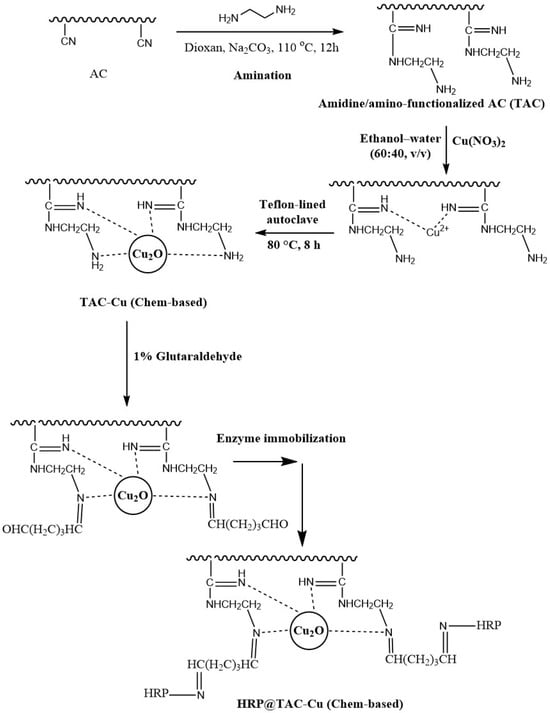
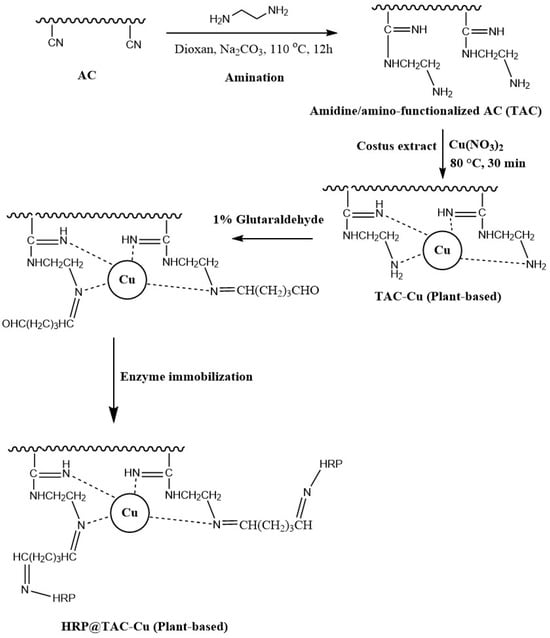
This work introduces a textile-based platform for biocatalysis by integrating a copper-based hybrid domain onto aminated/amidine-functionalized acrylic textile (TAC–Cu), producing a functional bio-textile capable of high-performance enzyme immobilization. The textile substrate was chemically modified with ethylenediamine to generate amine/amidine-type functional groups, enabling in [...] Read more.
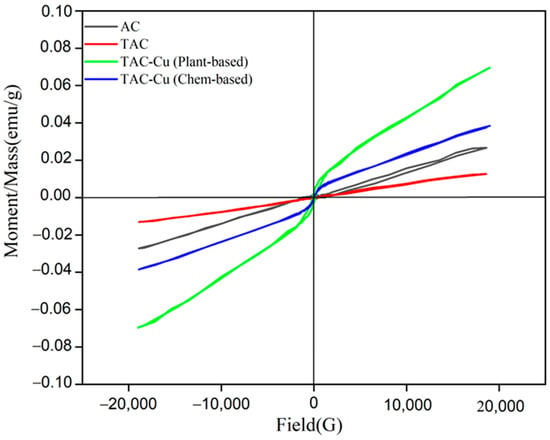
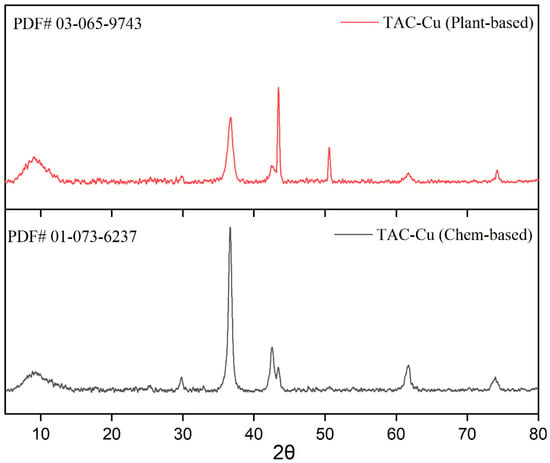
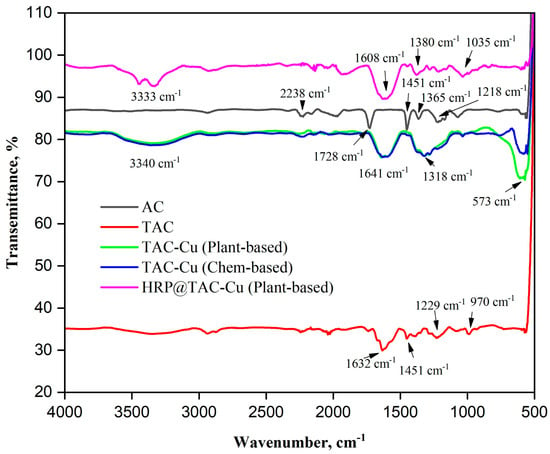
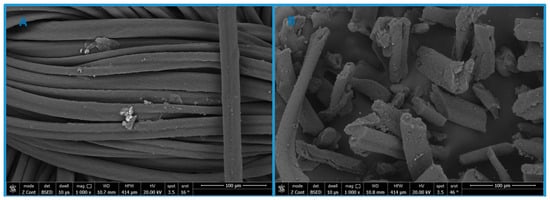
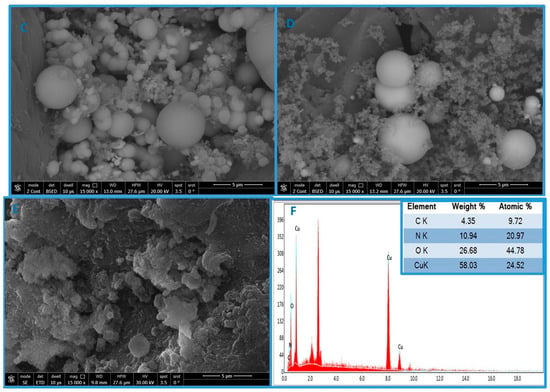
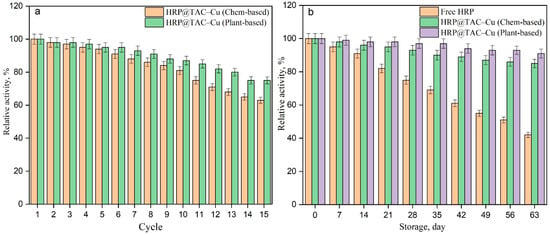
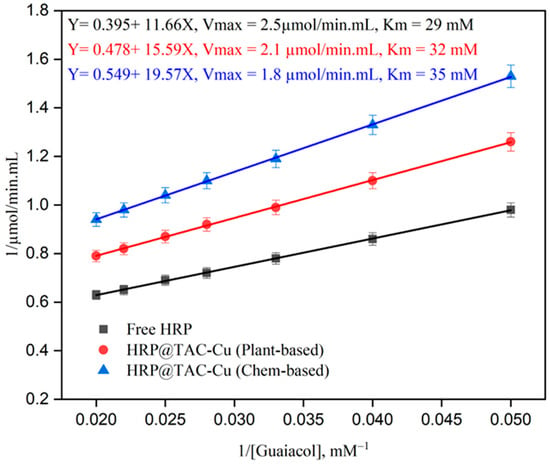
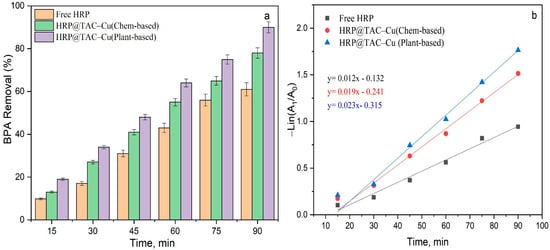
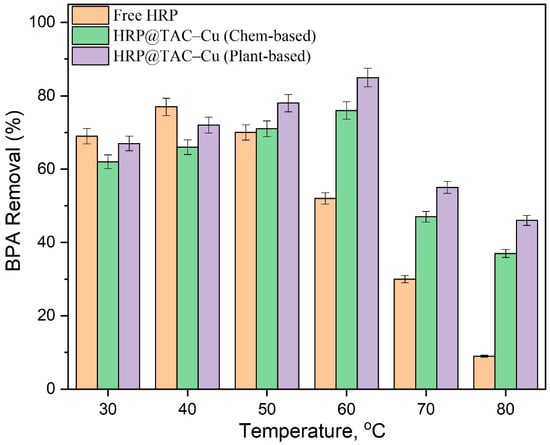
This work introduces a textile-based platform for biocatalysis by integrating a copper-based hybrid domain onto aminated/amidine-functionalized acrylic textile (TAC–Cu), producing a functional bio-textile capable of high-performance enzyme immobilization. The textile substrate was chemically modified with ethylenediamine to generate amine/amidine-type functional groups, enabling in situ formation of copper-based hybrid structures through either a conventional solvothermal approach or a plant-mediated route employing Costus speciosus extract. The green-synthesized TAC–Cu composite exhibited superior structural uniformity, improved porosity, and enhanced surface chemistry, resulting in a higher horseradish peroxidase (HRP) immobilization yield (92%) compared with the chemically synthesized analogue. The resulting HRP-functionalized bio-textile demonstrated markedly improved catalytic behavior, including a reaction rate constant nearly twice that of the free enzyme, and strong operational robustness. As a technical textile engineered for environmental applications, the composite achieved 90% bisphenol A (BPA) removal within 90 min and retained substantial enzymatic activity even at 80 °C, whereas free HRP was almost fully deactivated. Overall, this study highlights the potential of eco-engineered TAC–Cu materials as a new class of functional and sustainable bio-textiles, combining enzyme stabilization, high catalytic efficiency, and suitability for wastewater treatment and other technical textile applications. Full article
Show Figures

Figure 1

18 pages, 32480 KB  
Article
Occurrence, Mineralogical Characteristics, and Management Strategies for Naturally Occurring Asbestos in the Midwestern Korean Peninsula
by Jung-Min Kim, Taehwan Lee, Hongmok Jo and Si-Kyung Cho
Appl. Sci. 2026, 16(11), 5457; https://doi.org/10.3390/app16115457 (registering DOI) - 31 May 2026
Abstract
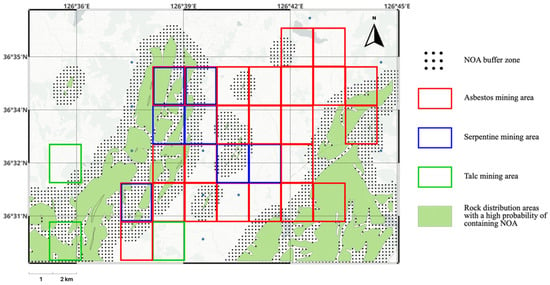
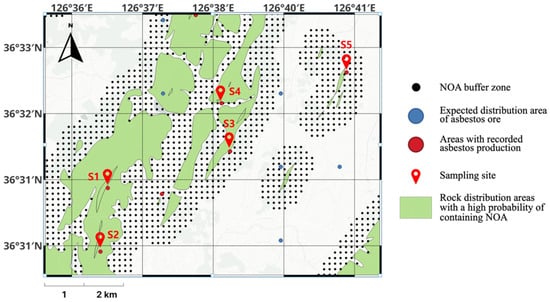
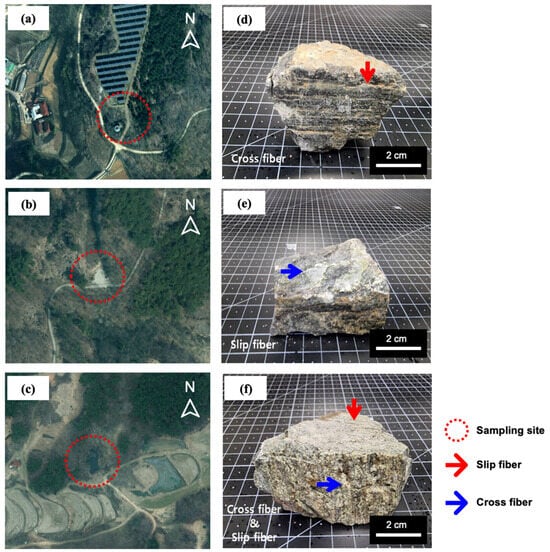
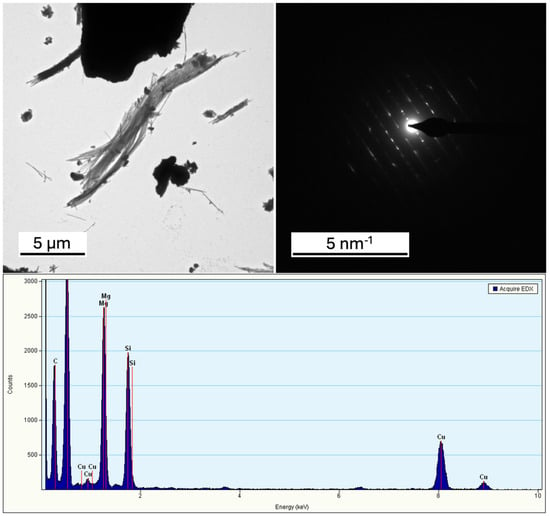
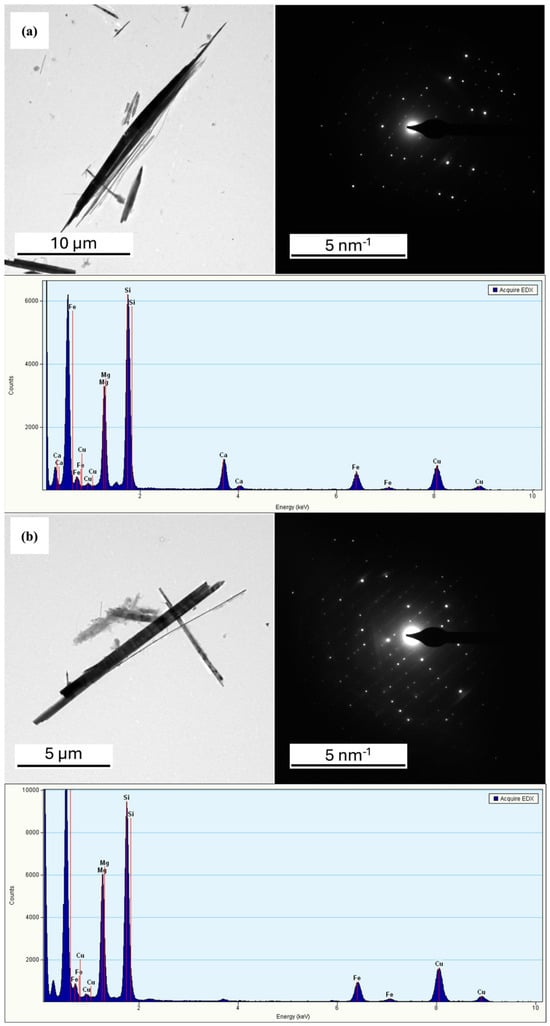
This study implemented an integrated mineralogical and microscopic workflow to identify naturally occurring asbestos (NOA) in former mining areas of H County in the central-western Korean Peninsula and to derive practical implications for long-term site management. Five former mining localities were selected based [...] Read more.
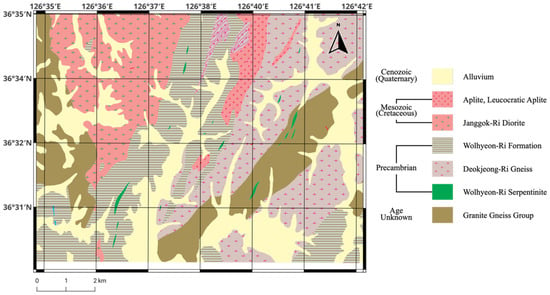
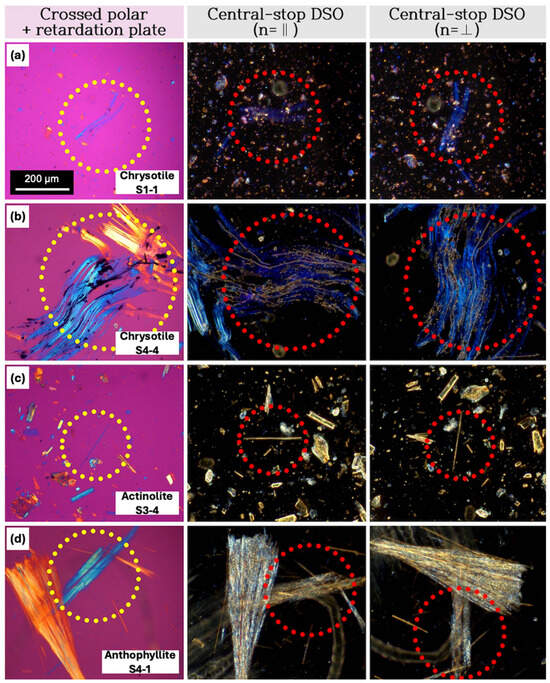
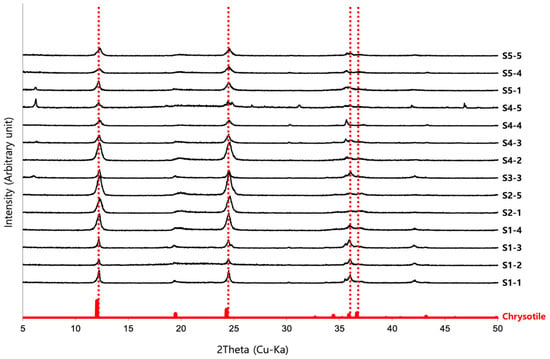
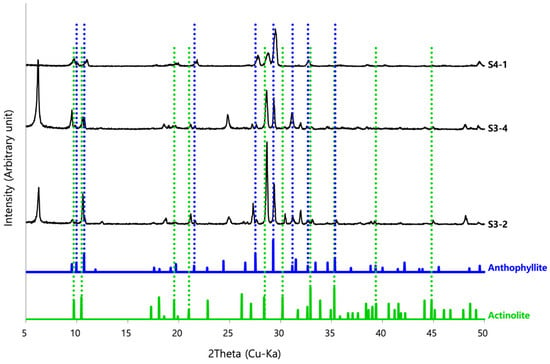
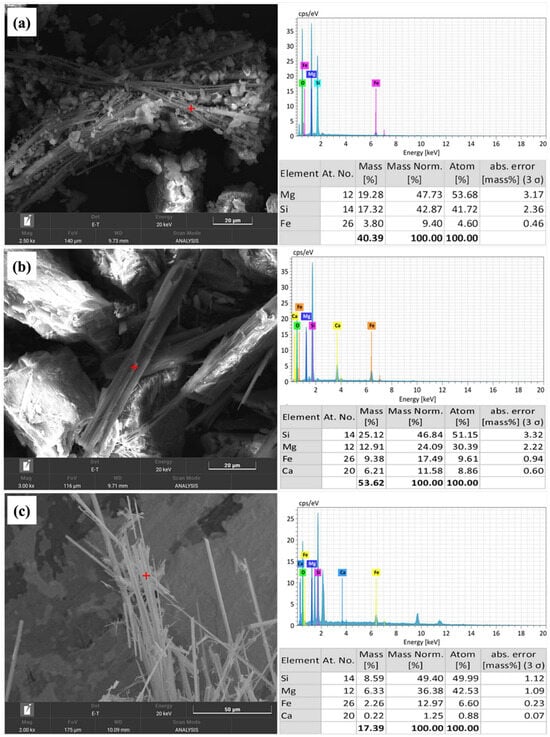
This study implemented an integrated mineralogical and microscopic workflow to identify naturally occurring asbestos (NOA) in former mining areas of H County in the central-western Korean Peninsula and to derive practical implications for long-term site management. Five former mining localities were selected based on regional NOA distribution maps and historical mining records. Representative rock samples were analyzed using polarized light microscopy, X-ray diffraction, scanning electron microscopy–energy-dispersive spectroscopy, and transmission electron microscopy. The findings revealed that chrysotile was the dominant type of asbestos, with localized occurrences of actinolite and anthophyllite also identified. The results indicate that mixed asbestos assemblages can form in structurally controlled and altered lithologic domains, highlighting the need for complementary analytical methods for reliable identification instead of relying on a single technique. Importantly, the study suggests that the response to NOA-bearing environments should focus on long-term management rather than just documenting their presence. Effective management strategies should include revegetation, engineered covering or backfilling, control of dust-generating activities, restrictions on material reuse, provision of information on health risk prevention and exposure reduction, and long-term monitoring for adaptive site control. Full article
(This article belongs to the Section Earth Sciences)
Show Figures

Figure 1

16 pages, 3097 KB  
Article
Total, Momentum-Transfer, Differential and Spin-Polarization Cross Sections for Elastic Electron–Strontium Scattering at Low Energies
by Paweł Syty, Michał P. Piłat, Moein Sahraei and Józef E. Sienkiewicz
Atoms 2026, 14(6), 44; https://doi.org/10.3390/atoms14060044 (registering DOI) - 31 May 2026
Abstract
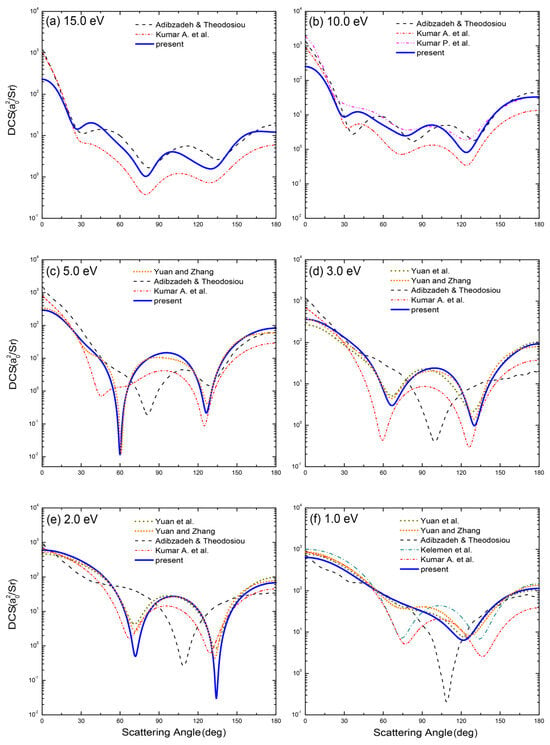
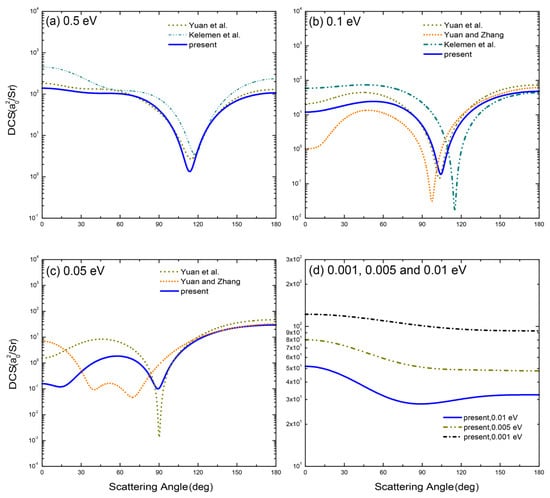
Total, momentum-transfer, and differential cross sections, together with spin-polarization (Sherman) functions, are reported for elastic scattering of low-energy electrons from neutral strontium atoms over the energy range 0.001–15 eV. The calculations are performed within a fully relativistic Dirac framework for the continuum states. [...] Read more.
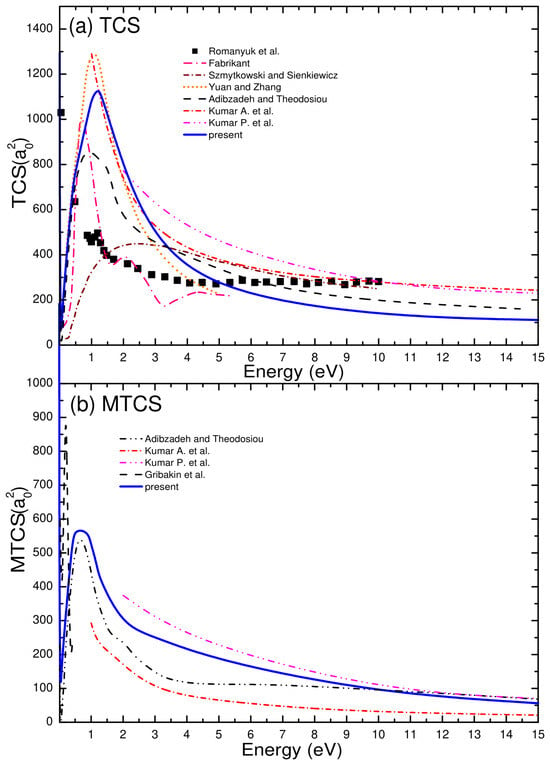
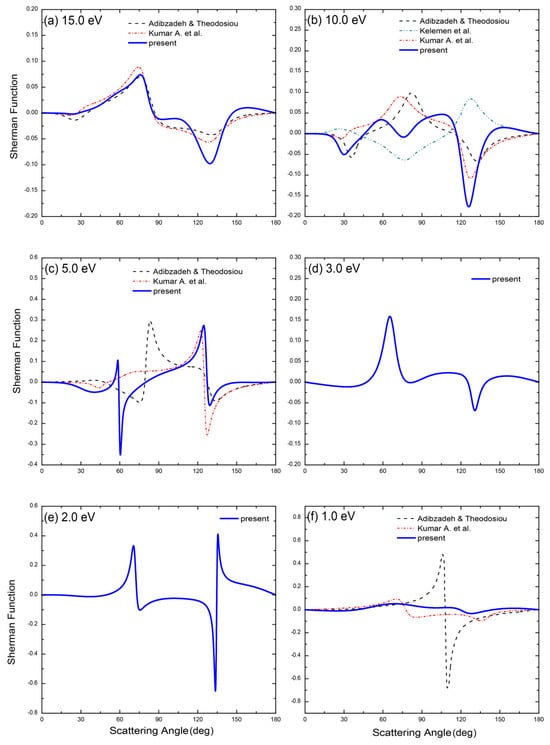
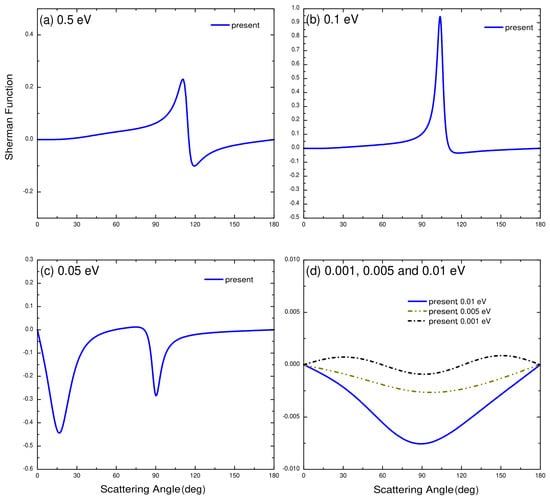
Total, momentum-transfer, and differential cross sections, together with spin-polarization (Sherman) functions, are reported for elastic scattering of low-energy electrons from neutral strontium atoms over the energy range 0.001–15 eV. The calculations are performed within a fully relativistic Dirac framework for the continuum states. The target structure is described using multi-configuration Dirac–Hartree–Fock wavefunctions obtained with the GRASP2018 package, while continuum orbitals are generated using the recently developed GRASPC extension. Long-range target polarization effects are incorporated using a dipole model potential, and exchange interactions are treated explicitly for the large and small components of the continuum wavefunctions. Particular attention is given to the ultralow-energy regime, where reliable cross section data for Sr remain limited. The calculated total cross section exhibits a broad maximum near 1 eV, while the momentum-transfer cross section shows a shallow minimum near 0.05–0.06 eV. The differential cross sections are in good agreement with earlier static-exchange-plus-polarization calculations over much of the 1–5 eV range, whereas at lower energies, visible differences appear, especially at forward angles where the results are most sensitive to the polarization interaction. In the ultralow-energy region, the present differential cross sections remain smooth and show no indication of additional low-lying shape resonances within the adopted model. The calculated Sherman functions follow the general trends of earlier theoretical studies at higher energies and decrease rapidly in the sub-eV range. Overall, the present results provide a consistent relativistic dataset for elastic e–Sr scattering at low energies, with emphasis on the near-threshold region. Full article
Show Figures

Figure 1

24 pages, 3803 KB  
Article
A Sustainable Approach to Personalized Practical Learning Based on Formal Models and AI
by Volodymyr Kazymyr, Anatolijs Zabasta, Andrii Khyzhniak, Lukasz Scislo and Nadezhda Kunicina
Electronics 2026, 15(11), 2364; https://doi.org/10.3390/electronics15112364 (registering DOI) - 31 May 2026
Abstract
This article presents a sustainable, system-level approach to personalized practical learning in digital education environments based on tightly integrating formal models of practical tasks and artificial intelligence technologies. The authors resolve the limitations of current methods in e-learning personalization—such as lack of scalability, [...] Read more.
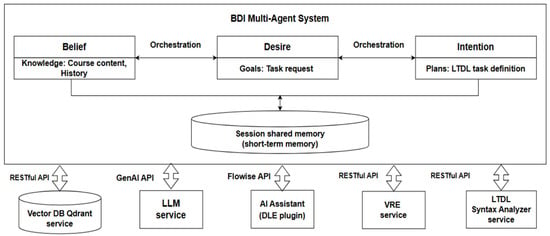
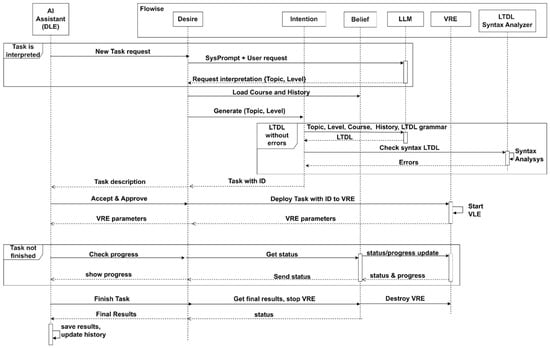
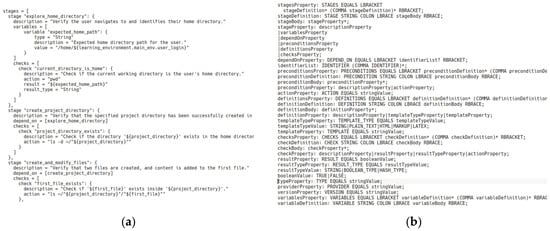
This article presents a sustainable, system-level approach to personalized practical learning in digital education environments based on tightly integrating formal models of practical tasks and artificial intelligence technologies. The authors resolve the limitations of current methods in e-learning personalization—such as lack of scalability, insufficient adaptability, and unreliable automation—by introducing an improved application which uses Belief–Desire–Intention (BDI) multi-agent system with adaptive orchestration and domain-specific language of formal practical task specification in the framework of an AI assistant, based on service-oriented architecture (SOA). The proposed approach provides automation for the entire lifecycle of practical tasks, encompassing generation, parameterization, and deployment of a virtual run-time environment and result verification for correctness, reproducibility, and academic integrity. Experimental tests demonstrate that combining a large language model (LLM) with dynamic verification significantly outperforms traditional purely generative approaches in terms of reliability, scalability, and reduction in instructor workload, as well as contributing to more effective task performance by students in practice-oriented learning scenarios. The study concludes that the synergistic integration of formal control mechanisms and AI-driven adaptivity offers a robust foundation for building sustainable smart environments for digital learning ecosystems. Full article
(This article belongs to the Special Issue IoT-Enabled Smart Devices and Systems in Smart Environments)
Show Figures

Figure 1

46 pages, 14062 KB  
Article
Unilateral Adrenalectomy, and the Stable Pentadecapeptide BPC 157 as Therapy in Rats—A Cytoprotection Approach
by Ivan Maria Smoday, Vlasta Vukovic, Katarina Oroz, Hrvoje Vranes, Luka Kalogjera, Ozren Gamulin, Josipa Vlainic, Marija Milavic, Suncana Sikiric, Nora Nikolac Gabaj, Domagoj Marijancevic, Antun Koprivanac, Laura Tomic, Sanja Strbe, Ivan Barisic, Lidija Beketic Oreskovic, Mario Kordic, Ante Tvrdeic, Sven Seiwerth, Predrag Sikiric, Alenka Boban Blagaic and Anita Skrticadd Show full author list remove Hide full author list
Pharmaceuticals 2026, 19(6), 873; https://doi.org/10.3390/ph19060873 (registering DOI) - 30 May 2026
Abstract
Background. This rat study reveals a new point: the considerable impact of unilateral adrenalectomy, severe vascular and multiorgan failure, occlusion/occlusion-like syndrome, and the stable gastric pentadecapeptide BPC 157 therapy. Based on the recent Fourier transform infrared (FTIR) spectroscopy vascular disturbance studies, particularly those [...] Read more.
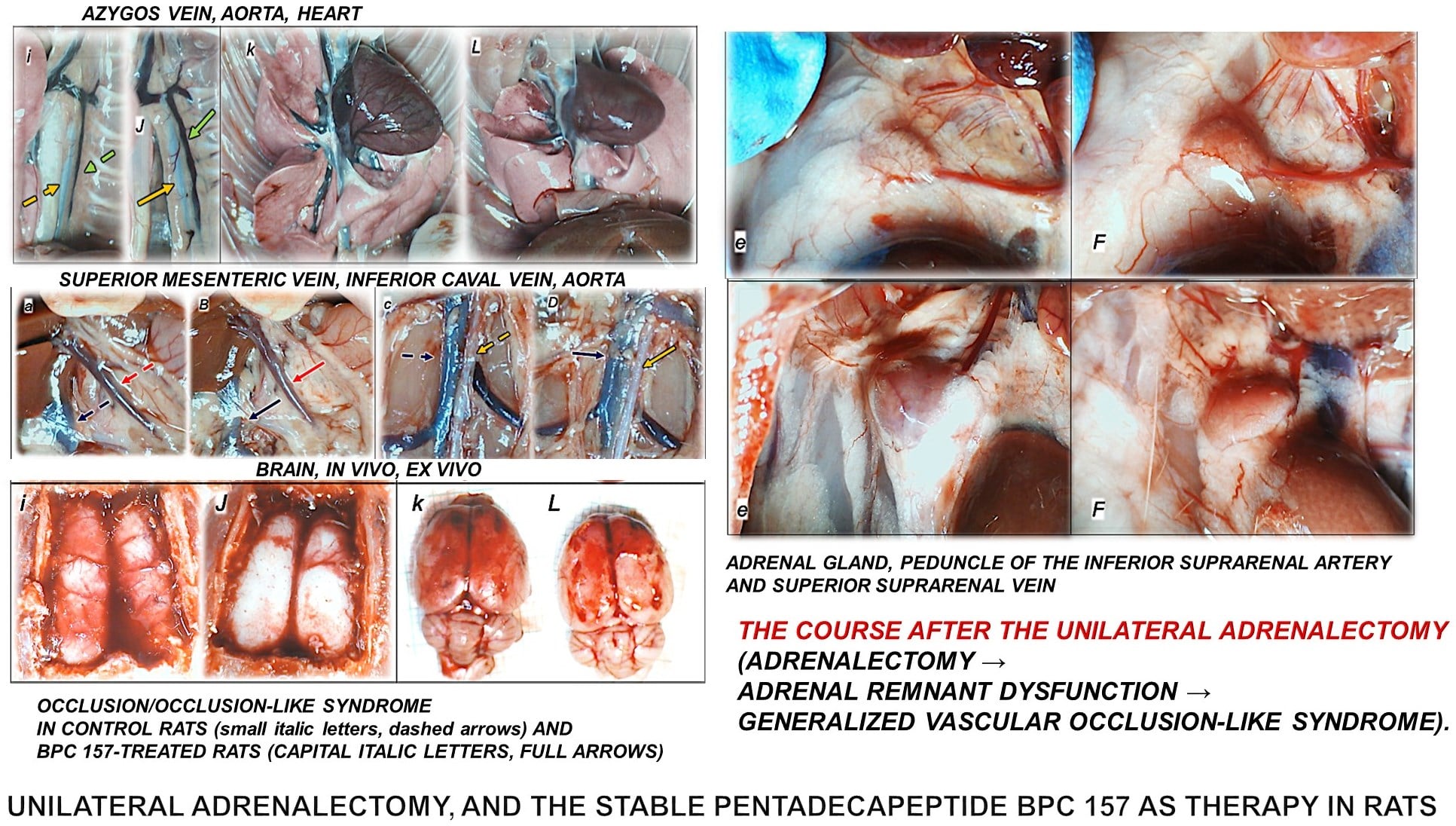
Background. This rat study reveals a new point: the considerable impact of unilateral adrenalectomy, severe vascular and multiorgan failure, occlusion/occlusion-like syndrome, and the stable gastric pentadecapeptide BPC 157 therapy. Based on the recent Fourier transform infrared (FTIR) spectroscopy vascular disturbance studies, particularly those after unilateral adrenalectomy in rats, the noted cytoprotective vascular recovery effect of the BPC 157 therapy may be useful. Methods. In rats, unilateral adrenalectomy (at 15 min, 5 h, 24 h) leads to integrated gross and morphological changes, vascular alterations, oxidative stress parameters, molecular markers and occlusion/occlusion-like syndrome and BPC 157 as useful therapy (/kg ig) (10 µg, 10 ng). Results. Peripherally and centrally, counteraction includes the lesions (adrenal, brain, heart, lung, liver, kidney, gastrointestinal tract), organ hemorrhage, and thrombosis. Attenuated/eliminated were arrhythmias, intracranial (superior sagittal sinus), portal, caval hypertension, and aortic hypotension. Significant resolution occurred via activation of collateral pathways, the azygos vein (direct blood flow delivery), and the recovered peduncle of the inferior suprarenal artery and superior suprarenal vein. Virchow’s triad circumstances were reversed. Occlusion/occlusion-like syndrome was counteracted as a whole. Also, BPC 157 counteracted adrenal lesions (lipid depletion, congestion). There were higher cortisol values, but still very low, and a shift toward the left of the adrenal compensatory weight increase. For the indicative conclusion along with previous studies, mechanistically, BPC 157 therapy exhibits the NO-system modulation/oxidative stress balance, increases NO-level, counteracts oxidative stress (malondialdehyde (MDA)), upregulates NOS1–3, and VEGF-A expression. Conclusions. These effects of BPC 157 therapy and its easy applicability deserve further consideration. Full article
(This article belongs to the Section Biopharmaceuticals)
Show Figures

Graphical abstract

13 pages, 2089 KB  
Article
Ectomycorrhizal Symbiosis as a Bio-Enhancement Strategy for Transplantation of Somatic Embryo-Derived Pinus elliottii
by Zhen-Xing Tian, Xin Ke, Xin-Yi Ji, Xi-Yuan Chen and Li-Hua Zhu
Plants 2026, 15(11), 1701; https://doi.org/10.3390/plants15111701 (registering DOI) - 30 May 2026
Abstract
Somatic embryo-derived plantlets of pines often fail to survive acclimatization, which limits commercial micropropagation. Conventional hardening methods do not correct the physiological weaknesses of in vitro plantlets, especially the lack of beneficial microbes. Here we developed a practical protocol for resistant Pinus elliottii [...] Read more.
Somatic embryo-derived plantlets of pines often fail to survive acclimatization, which limits commercial micropropagation. Conventional hardening methods do not correct the physiological weaknesses of in vitro plantlets, especially the lack of beneficial microbes. Here we developed a practical protocol for resistant Pinus elliottii. First, we used an optimized maturation protocol (three sequential ABA pre-treatments) and glucose for germination. Substrate screening showed that a peat:vermiculite:perlite mixture (3:1:1) gave the highest survival (98.9%). Then, before transplantation, we introduced a key bio-enhancement step: in vitro inoculation with the ectomycorrhizal fungus Pisolithus orientalis cfcc7668. This treatment achieved a mycorrhization rate of 97.7% and transformed root morphology from thin, sparsely branched roots to a coralloid, dichotomously branched system with a well-developed Hartig net. As a result, mycorrhizal plantlets had 100% transplant survival at 30 days and remained above 94% over 360 days, whereas non-inoculated controls dropped to 95.6% at 30 days and further declined to about 73% after three months. Pre-establishing ectomycorrhizal symbiosis effectively restores a key root function missing in in vitro plantlets. Our integrated procedure provides a practical method for clonal propagation of conifers. Full article
(This article belongs to the Special Issue Plant Tissue Culture and Plant Regeneration—2nd Edition)
17 pages, 1060 KB  
Article
Infectious Keratitis: A Retrospective Analysis of a Tertiary Care Center
by Jana Schaetzel, Taos Batal, Marcus Walckling and Thomas A. Fuchsluger
J. Clin. Med. 2026, 15(11), 4249; https://doi.org/10.3390/jcm15114249 (registering DOI) - 30 May 2026
Abstract
Background/Objectives: Infectious keratitis is a vision-threatening disease. Its prevalence and specific pathogens vary by geographic location. This study characterizes risk profiles, clinical manifestations, and treatment outcomes for various pathogens in the Rostock area. Results: The study included 65 patients (38 viral, 14 bacterial, [...] Read more.
Background/Objectives: Infectious keratitis is a vision-threatening disease. Its prevalence and specific pathogens vary by geographic location. This study characterizes risk profiles, clinical manifestations, and treatment outcomes for various pathogens in the Rostock area. Results: The study included 65 patients (38 viral, 14 bacterial, seven fungal, six parasitic) with a minimum follow-up of three months. The cohort had a mean age of 59 ± 19 years, with 49% female and 51% male participants. All groups showed significant improvement in visual acuity (viral −0.3 logMAR, p = 0.011; parasitic −0.8 logMAR, p = 0.043; fungal −0.9 logMAR, p = 0.018; Wilcoxon). Only the bacterial group did not reach statistical significance (−0.3 logMAR, p = 0.169; Wilcoxon). Final visual acuity did not differ significantly between medical and surgical treatments. Conclusions: No treatment modality (medical vs. surgical) showed superiority regarding visual outcome across pathogen groups. Early diagnosis and prompt therapy initiation are essential to improve visual prognosis and reduce complications. Full article
(This article belongs to the Special Issue Current Concepts and Updates in Eye Diseases)
29 pages, 22578 KB  
Article
Mask-Guided Feature Routing and Adaptive Context Modeling for Wide-FoV UAV Object Detection in IoT Remote Sensing
by Lingfan Wu, Yachun Feng, Hong Zhang and Yawei Li
Remote Sens. 2026, 18(11), 1753; https://doi.org/10.3390/rs18111753 (registering DOI) - 30 May 2026
Abstract
Object detection in wide-field-of-view (wide-FoV) unmanned aerial vehicle (UAV) imagery for Internet of Things (IoT) remote sensing applications requires accurate recognition of tiny objects under severe background redundancy and extreme scale variation. As the field of view expands, conventional dense detectors tend to [...] Read more.
Object detection in wide-field-of-view (wide-FoV) unmanned aerial vehicle (UAV) imagery for Internet of Things (IoT) remote sensing applications requires accurate recognition of tiny objects under severe background redundancy and extreme scale variation. As the field of view expands, conventional dense detectors tend to waste substantial computation on non-informative regions, while feature downsampling and static receptive fields often cause the dilution of foreground information and scale confusion. To address these issues, we propose MFRC-Det, a unified framework built upon two complementary principles: mask-guided feature routing and adaptive context modeling. Specifically, a Superpixel-Masking Generator (SP-Masker) is introduced to estimate an image-space soft foreground prior by comparing Simple Linear Iterative Clustering (SLIC) superpixel histograms with a peripheral background reference, propagating the resulting scores on a superpixel adjacency graph, and projecting the refined region-level scores back to a pixel-level routing mask. Guided by these priors, a Greedy-Cutter (G-Cutter) converts dense feature maps into compact, foreground-focused patches without repeated backbone evaluation on cropped image regions, thereby reducing redundant background computation while preserving local structural coherence. On top of the retained regions, an Adaptive Receptive-field Selection Network (ARSNet) aggregates multi-scale contextual responses from several learnable receptive-field candidate branches. ARSNet predicts spatial selection weights conditioned on the input features, allowing each location to emphasize a suitable receptive-field response for object representation. Experimental results on VisDrone-DET and UAVDT demonstrate that MFRC-Det achieves competitive detection accuracy with favorable computational efficiency. Specifically, MFRC-Det obtains 36.1% AP, 60.4% AP50, and 38.5 FPS on VisDrone-DET and 21.3% AP, 36.8% AP50, and 37.4 FPS on UAVDT. These results validate the effectiveness of mask-guided feature routing and adaptive context modeling for wide-FoV UAV object detection and suggest their potential value for computation-efficient aerial perception in IoT remote sensing applications. Full article
40 pages, 1798 KB  
Article
Serological and Molecular Epidemiology of Hepatitis B, C, and D Viruses in Northwest Russia: A Population-Based Cross-Sectional Study
by Anna Y. Popova, Yulia V. Ostankova, Alesia Y. Olkhovskaya, Olga A. Petrova, Alexandr N. Shchemelev, Elena N. Serikova, Svetlana A. Egorova, Diana E. Reingardt, Irina V. Drozd, Ojuna B. Zhimbaeva, Ekaterina M. Danilova, Angelica M. Milichkina, Elena B. Ezhlova, Albina A. Melnikova, Natalia S. Bashketova, Lidiya V. Buts, Edward S. Ramsay and Areg A. Totolian
Viruses 2026, 18(6), 632; https://doi.org/10.3390/v18060632 (registering DOI) - 30 May 2026
Abstract
The hepatitis B (HBV), C (HCV), and D (HDV) viruses remain a major public health burden. Occult HBV infection (OBI) represents a hidden reservoir with clinical and epidemiological significance, yet its prevalence in Northwest Russia is unknown. We aimed to comprehensively assess the [...] Read more.
The hepatitis B (HBV), C (HCV), and D (HDV) viruses remain a major public health burden. Occult HBV infection (OBI) represents a hidden reservoir with clinical and epidemiological significance, yet its prevalence in Northwest Russia is unknown. We aimed to comprehensively assess the serological and molecular epidemiology of HBV, HCV, and HDV in St. Petersburg and the Leningrad region. Methods. In this cross-sectional study, 6773 apparently healthy volunteers were enrolled. Plasma samples were tested for hepatitis B surface antigen (HBsAg), antibodies to HBV core antigen (anti-HBc), antibodies to HBsAg (anti-HBs), antibodies to HCV (anti-HCV), and antibodies to HDV (anti-HDV) by ELISA. All anti-HCV- and anti-HDV-positive samples were tested for HCV RNA and HDV RNA by real-time PCR. All samples were tested for HBV DNA using a highly sensitive in-house nested real-time PCR assay (detection limit: 5 IU/mL). All “HBV DNA-positive, HBsAg-negative” cases confirmed by two independent extractions were classified as OBI. Vaccination status, self-reported history, and iatrogenic interventions were recorded. Results. Overall seroprevalence values were: HBsAg 1.7%; anti-HBc 11.3%; anti-HBs 43.0%; anti-HCV 1.9%; and anti-HDV 0.6%. Anti-HBc increased sharply with age (3.1% in children to 26.4% in the elderly, p < 0.0001), while anti-HBs declined (69.9% to 29.8%, p < 0.0001). HBV DNA was detected in 118 participants (1.7%). Of these, only 73 individuals (1.1%) were HBsAg-positive, while the remaining 45 participants (0.7%) had undetectable HBsAg, meeting the criteria for OBI. OBI was detected across all age groups, including children. Serological profiling of OBI cases revealed that 57.8% lacked both anti-HBc and anti-HBs, 35.6% had isolated anti-HBs, 2.2% had isolated anti-HBc, and 4.4% had both antibodies. HCV RNA was detected in 15.0% of anti-HCV-positive individuals (all adults). No HDV RNA was detected. Self-reported history underestimated true infection rates: 1.4% of those denying HBV infection were HBsAg-positive and 10.6% were anti-HBc-positive. Among those denying HCV infection, 1.4% were anti-HCV-positive. Vaccination coverage was 70.8%, declining from 90.9% in children to 39.0% in the elderly (p < 0.0001). Among vaccinated individuals, 48.0% lacked protective anti-HBs (<10.0 mIU/mL). Conclusions. This comprehensive serological and molecular study in Northwest Russia is the first to combine population-level serology with molecular detection of HBV, HCV, and HDV, including OBI in this region, and reveals that OBI accounts for a substantial proportion (38%) of all active HBV infections and is strongly associated with a history of iatrogenic interventions. The presence of OBI across all age groups, including children, shows that HBsAg screening alone substantially underestimates the true HBV burden. High rates of unrecognized infection and waning vaccine-induced immunity, highlight critical gaps in current surveillance. These findings provide an evidence-based rationale for integrating molecular testing into screening algorithms and for considering booster vaccination strategies to achieve viral hepatitis elimination goals. Full article
(This article belongs to the Section Human Virology and Viral Diseases)
20 pages, 4171 KB  
Article
Urban Filter vs. Natural Refuge: Divergent Diptera Community Assembly Mechanisms—Evidence from Beijing, China
by Boyu Fang, Zihao Zhang, Yuwei Ding, Jiaxuan Cheng, Jun Yang, Jingyu Zhai, Xiaole Chen, Ayman Khamis Elsayed, Makoto Tokuda, Ding Yang, Yunhui Liu, Rudolf Meier, Qinggang Wang and Xuankun Li
Biology 2026, 15(11), 865; https://doi.org/10.3390/biology15110865 (registering DOI) - 30 May 2026
Abstract
Urbanization can act as a powerful ecological filter, restructuring biodiversity through species loss, replacement, and altered resource pathways. While urban green spaces (UGS) are recognized as potential biodiversity refuges, the effectiveness and mechanisms for conserving insect diversity across the urban-to-natural gradient remain poorly [...] Read more.
Urbanization can act as a powerful ecological filter, restructuring biodiversity through species loss, replacement, and altered resource pathways. While urban green spaces (UGS) are recognized as potential biodiversity refuges, the effectiveness and mechanisms for conserving insect diversity across the urban-to-natural gradient remain poorly understood. Here, we combine full-season Malaise trapping (April–November) with MinION-based DNA barcoding to test two predictions about how urbanization reshapes Diptera communities across five sites in Haidian District, Beijing, ranging from residential areas and urban parks to a nearby shallow mountain reserve (BWM). Based on 5528 barcoded individuals, we identified 686 putative species from 39 families. As predicted, β-diversity between urban and mountain sites was overwhelmingly driven by species turnover rather than nestedness, demonstrating that cities do not simply receive subsets of the surrounding fauna but actively reassemble communities. This filtering effect was, however, trophic-guild specific. Detritivores showed the highest replacement, consistent with a shift from natural to anthropogenic resource subsidies, while predators/parasitoids exhibited significant nested loss, aligning with their hypothesized sensitivity at higher trophic levels. Vegetation structure further clarified these patterns: vegetation density, not plant species richness, was the primary bottom-up driver for herbivore and predator/parasitoid diversity, whereas detritivores were decoupled from living plant biomass. These findings demonstrate that urban and near-natural habitats maintain distinct species pools via guild-specific assembly pathways, highlighting the need for guild-specific conservation strategies for urban biodiversity conservation. Extending beyond compositional analysis, we propose a temporal-abundance framework, classifying species by persistence and abundance, as a diagnostic tool for assessing ecological integrity and guiding conservation in urbanizing landscapes. Full article
(This article belongs to the Section Conservation Biology and Biodiversity)
21 pages, 5167 KB  
Article
Urban Spider Assemblages in a Neotropical City: Diversity, Functional Composition, and Introduced Species in Public Parks of Chetumal, Mexico
by Juan M. Noh Gomez, Cesar R. Lucio-Palacio, Salima Machkour-M’Rabet, Luc Legal and Yann Henaut
Diversity 2026, 18(6), 327; https://doi.org/10.3390/d18060327 (registering DOI) - 30 May 2026
Abstract
Urban parks in rapidly expanding tropical cities function as novel ecosystems where habitat filtering, human-mediated dispersal, and management practices can shape arthropod assemblages. Spiders are useful indicators of these processes because they combine high taxonomic diversity, functional heterogeneity, and sensitivity to microhabitat structure. [...] Read more.
Urban parks in rapidly expanding tropical cities function as novel ecosystems where habitat filtering, human-mediated dispersal, and management practices can shape arthropod assemblages. Spiders are useful indicators of these processes because they combine high taxonomic diversity, functional heterogeneity, and sensitivity to microhabitat structure. Here, we evaluated whether public urban parks in Chetumal, Mexico, sustain diverse spider assemblages while also showing signals of urban biotic mixing, functional filtering, and detectability biases in citizen-science records. We sampled 20 parks using two daytime techniques, look-up and look-down searching, and compared the results with citizen science observations. In total, we collected 4870 spiders belonging to 27 families, 100 genera, and 167 species. The richest families were Salticidae, Araneidae, and Theridiidae, whereas abundance was mainly driven by Tetragnathidae, Lycosidae, and Oecobiidae, indicating a highly uneven community structure. Inventory completeness was high according to rarefaction and coverage analyses. Nine introduced species were detected, representing about 18% of all individuals, which suggests urban mixing. Only one medically important species, Loxosceles yucatana, was recorded, and it was rare. Spider communities included all major hunting guild strategies, especially orb-web weavers and ground hunters, highlighting the ecological value of urban parks as biodiversity reservoirs in a rapidly urbanizing Neotropical region. Full article
(This article belongs to the Special Issue Diversity, Evolution, and Systematics of Chelicerates)
26 pages, 1014 KB  
Article
Metabolic Dysregulation, Inflammation, and Median Nerve Dysfunction in Patients with Type 2 Diabetes Mellitus with Carpal Tunnel Syndrome
by Adina Stoian, Simona Cernea, Claudia Bănescu, Mircea Stoian, Andrei Manea, Florina Gliga, Dumitru Golban, Andrei Stîngaciu and Rodica Bălașa
Int. J. Mol. Sci. 2026, 27(11), 4995; https://doi.org/10.3390/ijms27114995 (registering DOI) - 30 May 2026
Abstract
Carpal tunnel syndrome (CTS) is the most common compressive mononeuropathy. In patients with type 2 diabetes mellitus (T2DM), chronic hyperglycemia, microangiopathy, and systemic inflammation increase the vulnerability of peripheral nerves to compression. This study aimed to assess the relationship between CTS severity and [...] Read more.
Carpal tunnel syndrome (CTS) is the most common compressive mononeuropathy. In patients with type 2 diabetes mellitus (T2DM), chronic hyperglycemia, microangiopathy, and systemic inflammation increase the vulnerability of peripheral nerves to compression. This study aimed to assess the relationship between CTS severity and clinical, metabolic, inflammatory, and electrophysiological parameters in patients with T2DM. A cross-sectional study was conducted from June 2023 to June 2024, involving patients diagnosed with T2DM. Electrophysiological assessment of the upper and lower limbs was performed using a four-channel electromyography apparatus. Clinical and anthropometric data and laboratory parameters were obtained, as well as the results of nerve conduction studies (NCS). One hundred and twenty-three patients with T2DM were included in the study. The prevalence of moderate-to-severe forms of CTS was 43.9%, and bilateral involvement was present in 21.95% of patients. Patients with moderate-to-severe CTS had significantly higher hemoglobin A1c (HbA1c) (p = 0.004), glycemia (p < 0.001), and Triglyceride–Glucose Index (p = 0.018) compared with those without CTS/with mild forms. The number of monocytes was significantly higher in the group with moderate-to-severe forms (p = 0.012), suggesting a chronic inflammatory state. In the logistic regression analysis, hemoglobin HbA1c emerged as an independent predictor of CTS severity, with each 1% increase associated with approximately a 60% higher risk of moderate/severe CTS. NCS analysis showed significant correlations between median nerve parameters and those of the lower-limb peripheral nerves, particularly the tibial and sural nerves, suggesting an association with generalized diabetic peripheral neuropathy. Professional activity was significantly associated with moderate-to-severe CTS (OR = 3.5). CTS is a common complication in patients with T2DM and is associated with worse glycemic control, insulin resistance, systemic inflammation, and peripheral neuropathic damage. Full article
(This article belongs to the Special Issue Molecular Mechanism of Diabetes and Its Complications)
29 pages, 18203 KB  
Article
Three-Stage Optimization Algorithm for Sustainable Tourism Route Planning with Point-of-Interest Recommendation
by Saronsad Sokantika, Payakorn Saksuriya, Siva Shankar Ramasamy and Aniwat Phaphuangwittayakul
Appl. Syst. Innov. 2026, 9(6), 117; https://doi.org/10.3390/asi9060117 (registering DOI) - 30 May 2026
Abstract
Temples are tourist attractions that represent the history and culture of Thailand, especially in Chiang Mai province—a city with a rich history that has become a prominent destination attracting visitors from around the world. Many temples remain undiscovered yet are ready for tourists [...] Read more.
Temples are tourist attractions that represent the history and culture of Thailand, especially in Chiang Mai province—a city with a rich history that has become a prominent destination attracting visitors from around the world. Many temples remain undiscovered yet are ready for tourists to visit; however, due to unfamiliarity, tourists tend to visit only the well-known temples, as other visitors do, missing great opportunities to engage with new cultural heritage tourism experiences. To address this issue, we propose a Hybrid Three-Stage Route Planning Recommendation (HTS-RPR), a novel method for tourist route planning that delivers recommended routes based on tourists’ preferred constraints. This model contains three-stage route recommendations providing an optimal single-day route with mandatory and recommended points of interest (POIs) through a metaheuristic integrating Mixed Integer Programming (MIP), heuristic-based POI recommendation filtering, and Genetic Algorithm route optimization with Bayesian reward and peak-time awareness, ensuring that users can effectively travel cultural routes with high popularity and satisfaction while avoiding attractions during periods of high traffic. To validate the efficacy of the proposed model, experiments with three baseline methods were conducted. The results demonstrate that HTS-RPR achieves the best fitness score in 55 out of 60 scenarios and the best reward in 54 out of 60 scenarios, with a median fitness score 28.34% and 103.67% higher than the Genetic Algorithm and Multi-Start Simulated Annealing baselines, respectively, and a median total reward exceeding all three baselines by up to 40.74%. Although HTS-RPR’s median execution time is approximately 2.6 times that of the Genetic Algorithm, it remains 84.5% faster than the Multi-Start Simulated Annealing baseline, offering a favorable trade-off between solution quality and computational cost. Moreover, the framework’s pluggable reward function enables destination managers to configure recommendation priorities, including the promotion of undiscovered tourist attractions, while the peak-time-aware optimization mitigates congestion at specific POIs. Full article
(This article belongs to the Section Applied Mathematics)
39 pages, 6220 KB  
Review
Bioactive Anti-Inflammatory Compounds and Therapeutic Strategies for Promoting Resolution
by Dipa K. Israni, Mansi Shah, Heena Chauhan, Mumuxa Rathod, Bhupendra G. Prajapati, Supachoke Mangmool, Sudarshan Singh and Chuda Chittasupho
Pharmaceutics 2026, 18(6), 687; https://doi.org/10.3390/pharmaceutics18060687 (registering DOI) - 30 May 2026
Abstract
Inflammation plays a crucial role in defending the body against harmful stimuli and maintaining physiological balance; however, when it becomes chronic, it contributes to the pathogenesis of several long-term diseases, including autoimmune conditions, cardiovascular and neurodegenerative disorders, and various cancers. Although conventional anti-inflammatory [...] Read more.
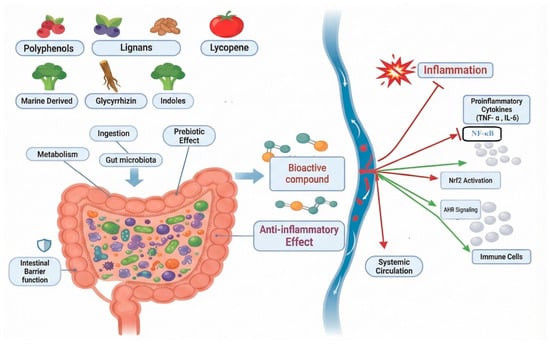
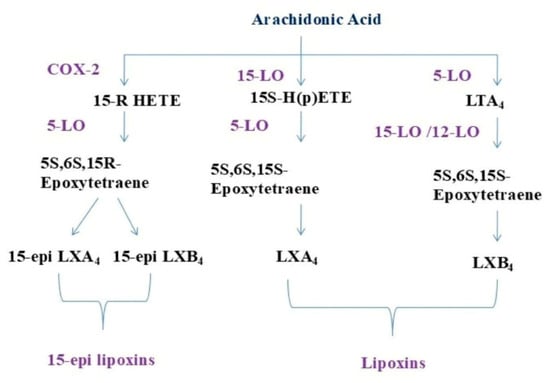
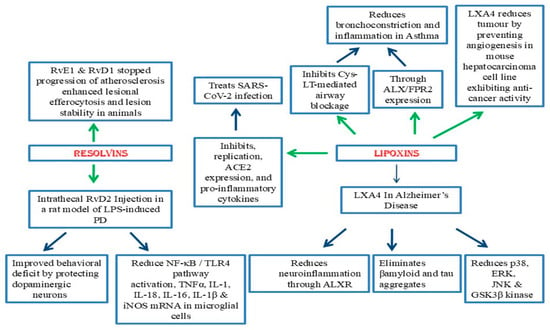
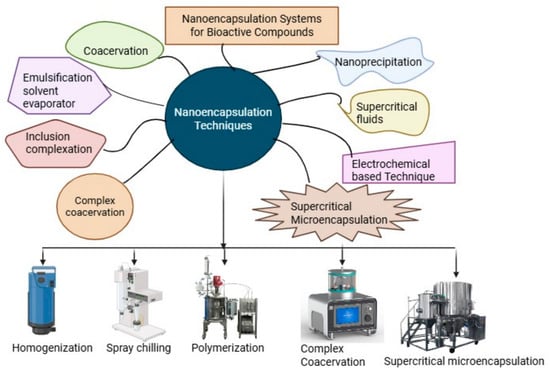
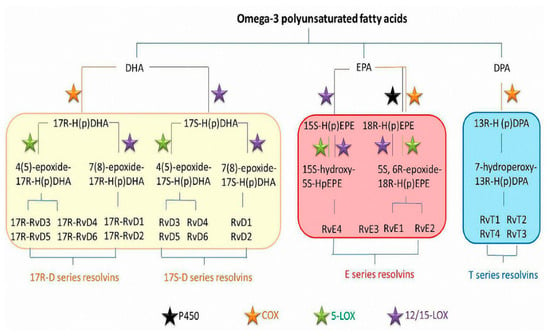
Inflammation plays a crucial role in defending the body against harmful stimuli and maintaining physiological balance; however, when it becomes chronic, it contributes to the pathogenesis of several long-term diseases, including autoimmune conditions, cardiovascular and neurodegenerative disorders, and various cancers. Although conventional anti-inflammatory drugs provide symptomatic relief, their long-term use is often associated with adverse side effects. This limitation has shifted scientific attention toward naturally occurring bioactive molecules with potent, safer anti-inflammatory activity. Dietary incorporation of phytopharmaceuticals, such as flavonoids, polyphenols, alkaloids, terpenoids, and fatty acids, has been shown to regulate immune and oxidative mechanisms and to modulate key inflammatory signaling cascades, including the NF-κB, mitogen-activated protein kinase (MAPK), and JAK/STAT pathways. These agents also influence cytokine secretion, NLRP3 inflammasome activation, and antioxidant defense mechanisms involving the Nrf2/HO-1 axis. The current review emphasizes the relevance of major natural plant products in therapy, like quercetin and rutin, resveratrol, glycyrrhizin, lycopene, and indole-3-carbinol. Moreover, recent progress in anti-inflammatory research has focused on novel resolution-based strategies that extend beyond inflammation and oxidative stress suppression. In addition, the review discusses innovations including nanoformulation-assisted targeted delivery, specialized pro-resolving lipid mediators such as resolvins and protectins, and microbiota-oriented therapeutic approaches. Additionally, the review highlights the integration of personalized medicine supported by multi-omics technologies to enhance treatment precision and clinical outcomes. By synthesizing findings from preclinical studies and clinical investigations, this work emphasizes the synergistic therapeutic potential of bioactive compounds from natural sources and resolution-enhancing techniques in restoring immune homeostasis and effectively mitigating chronic inflammation. Full article
(This article belongs to the Special Issue Natural Compounds in Drug Delivery Systems)
Show Figures

Figure 1

Open Access Journals

Browse by Indexing Browse by Subject Selected Journals
Back to TopTop