3.1. Phase Constitution and Microstructure of the Laser-Clad Coatings
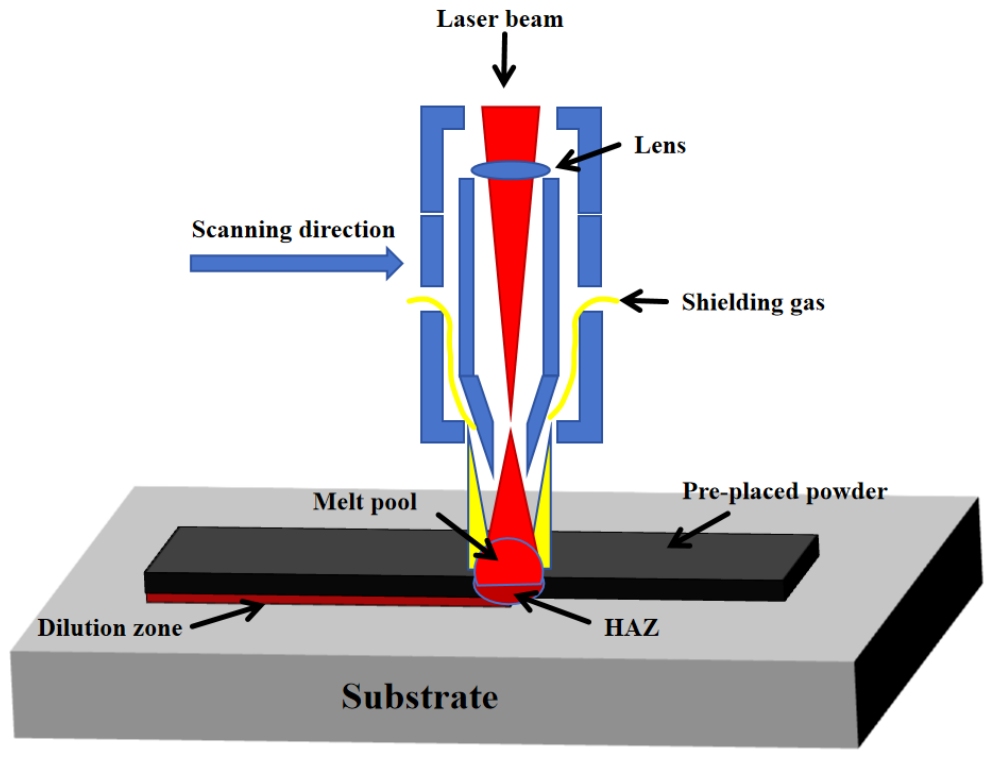
The phase constitution of the laser-clad coatings was determined by X-ray diffraction (XRD). During laser cladding with the pre-placed powder method, the powder layer on the substrate is rapidly heated by the high-energy laser beam, forming a molten pool that includes melted powder and a thin surface layer of the substrate. In the pool, Nb, Ni, and C from the powder and Ti from the substrate react to form new compounds.
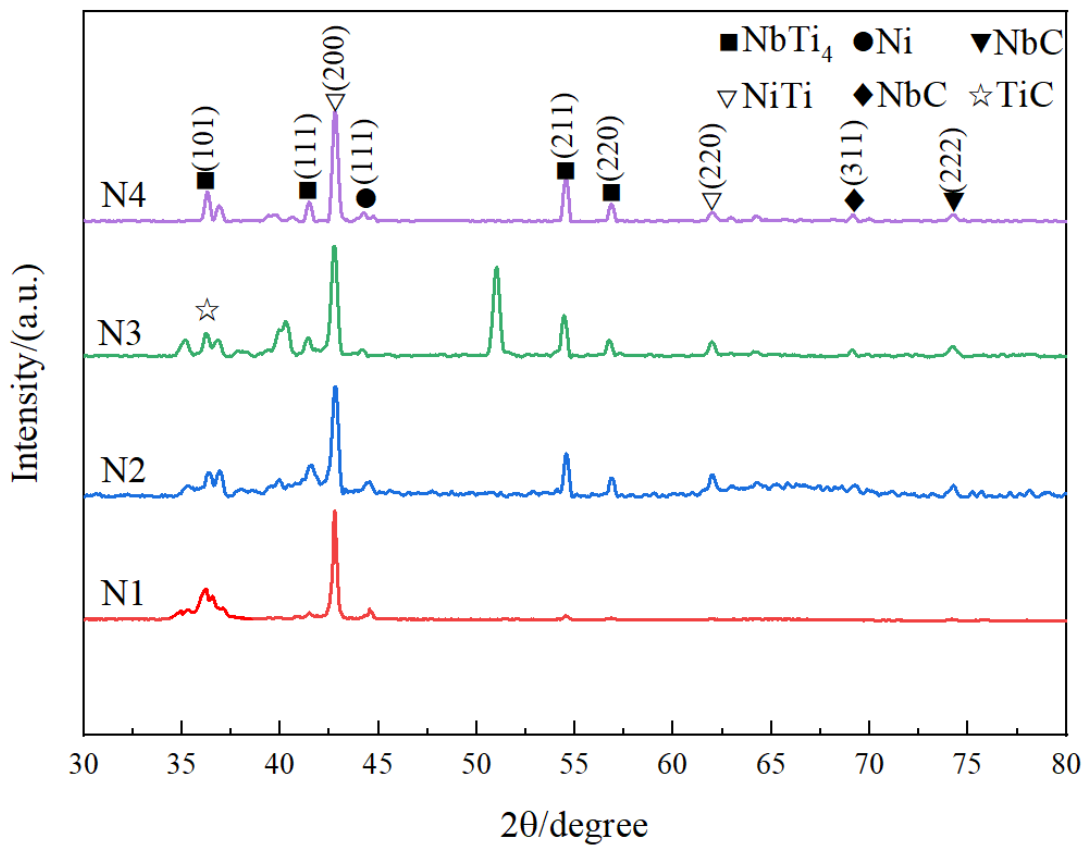
Figure 2 presents the XRD patterns. The primary variables are the mass fraction of Nb and Ni; Nb increases gradually from N1 to N4, while Ni decreases correspondingly. The patterns show the coatings are primarily composed of NbTi
4, NiTi, and TiC. Additionally, in the N4 sample, a very weak characteristic diffraction peak of Ni is observed at approximately 44°, and extremely weak signals corresponding to trace amounts of NbC are detected at approximately 70° and 75°. With increasing Nb content, NbTi
4 diffraction peaks become more prominent. Even in high-Nb N4, the Ni content (54 wt%) is sufficient to form NiTi, so distinct NiTi peaks are observed in all groups. Because the titanium alloy substrate provides ample Ti, it first reacts with C to form TiC, and the remaining Ti then combines with Nb and Ni to generate NbTi
4 and NiTi.
From the perspective of Gibbs free energy of mixing (ΔGmix), the reaction Ti + C = TiC exhibits a substantially lower ΔGmix than both Nb + 4Ti = NbTi
4 and Ni + Ti = NiTi [
22,
23]. This indicates that TiC possesses the highest thermodynamic stability and the strongest driving force for spontaneous formation in the high-temperature melt pool. Consequently, Ti dissolved from the substrate preferentially combines with C to form highly stable TiC hard phases; the remaining Ti then reacts with the available Ni and Nb to form NbTi
4 and NiTi intermetallics, consistent with the XRD results.
XRD data were imported into Jade 9.0 software for qualitative phase analysis, and the crystallite size was calculated using the Scherrer formula [
24]:
where
D is the crystallite size,
k is the shape factor (constant),
λ is the wavelength of Cu Kα
1 radiation,
β is the full width at half maximum of the diffraction peak, and
θ is the Bragg angle.
As shown in
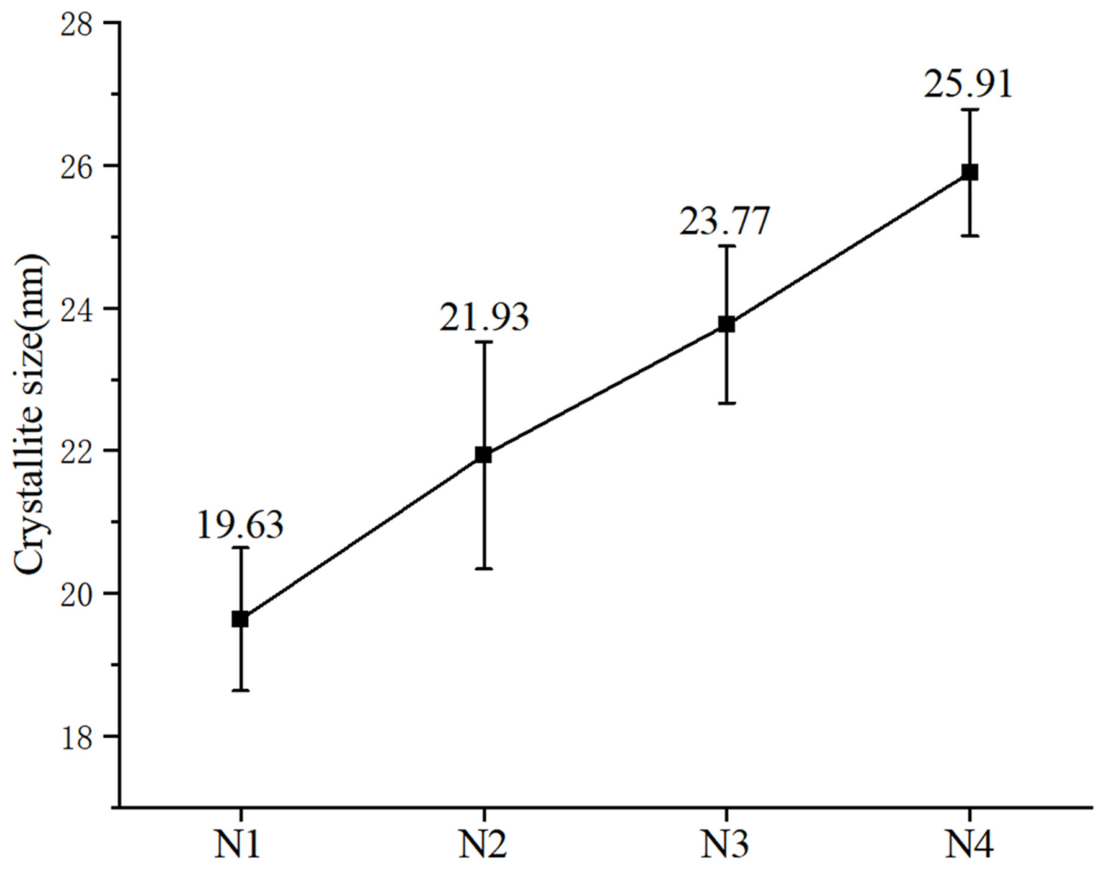
Figure 3, the crystallite size increases from 19.63 nm at 10 wt% Nb to 25.91 nm at 40 wt% Nb, an absolute increase of 62.8 nm (31.99%). In conjunction with the XRD analysis, the phase constitution evolves from NiTi-dominant in N1 to a coexistence of NbTi
4 and NiTi in N4, accompanied by an increase in the number and complexity of diffraction peaks [
25]. This grain coarsening is closely related to the phase evolution. Although unmelted Nb particles and NbTi
4 can act as heterogeneous nucleation sites and pin grain boundaries, excessive Nb aggravates solute segregation at grain boundaries, disrupts boundary continuity, and weakens the pinning effect, thereby facilitating grain coalescence and growth. Moreover, the coexistence of multiple phases (NbTi
4 and NiTi) diversifies the crystallographic orientations and intensifies competitive growth, allowing larger grains to consume smaller ones. Additionally, Nb has a large atomic radius and low solid solubility; at high concentrations, it enriches at grain boundaries and generates internal stresses. Under the rapid cooling conditions of laser cladding, grains tend to coarsen to relieve these stresses. The combined effect of these three factors significantly increases the crystallite size.
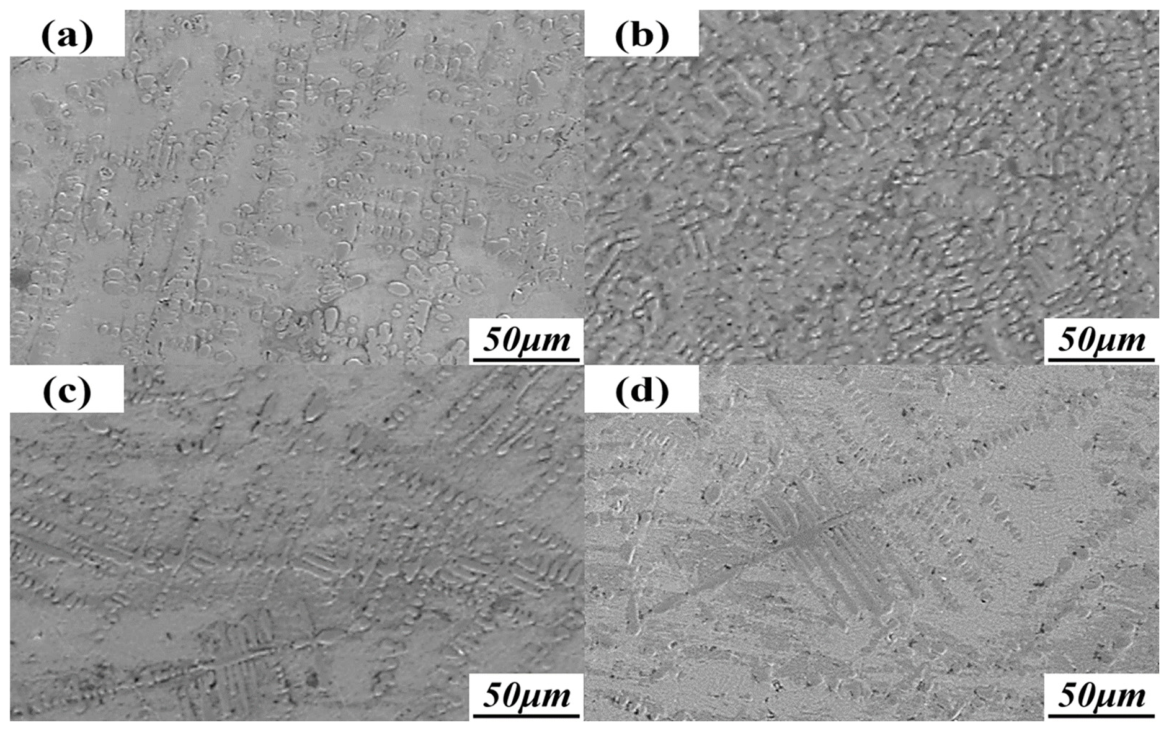
SEM images (
Figure 4) show that all four coatings exhibit typical rapid-solidification microstructures consisting of dendrite-like features and interdendritic lamellar or network-like structures. The protruding columnar or tree-like morphologies are regarded as dendrite-associated solidification structures, while the flat lamellar or interconnected regions are interpreted as eutectic-like interdendritic structures. Combined with XRD analysis, these solidification morphologies are mainly associated with the NiTi and NbTi
4 phases. During laser cladding, the molten pool experiences rapid heating and cooling under a high temperature gradient (G) and high solidification rate (R), which promotes constitutional supercooling at the solid–liquid interface. Under these nonequilibrium solidification conditions, primary phases tend to nucleate and grow preferentially along specific directions, forming dendrite-like morphologies [
26,
27]. Meanwhile, the remaining liquid phase becomes progressively enriched in solute elements within the interdendritic regions. As solidification proceeds, the solute-enriched residual liquid may locally develop eutectic-like solidification characteristics, resulting in the formation of lamellar or network-like interdendritic structures during the final stage of solidification. Therefore, the observed lamellar and network morphologies are interpreted as eutectic-like solidification structures associated with nonequilibrium rapid solidification behavior, rather than equilibrium eutectic structures strictly defined by conventional phase diagrams [
28].
As the Nb mass fraction increases and the Ni fraction decreases, the microstructure evolves systematically. In N1 (10 wt% Nb), NiTi is the dominant phase, and the coating mainly exhibits relatively coarse dendrite-like structures with only a small amount of interdendritic lamellar structure. In N2 (20 wt% Nb), NbTi4 starts to precipitate and coexists with NiTi, forming a dense and uniform dendritic structure. In N3 (30 wt% Nb), the dendrite-like morphology becomes more pronounced with clearer growth orientation, accompanied by lamellar interdendritic structures with narrower spacing, indicating enhanced nonequilibrium solidification characteristics. In N4 (40 wt% Nb), primary NbTi4 dendrite-like structures become dominant, while the interdendritic regions are filled with well-developed lamellar structures. Overall, the microstructure evolves from a NiTi-dominated solidification structure to a microstructure dominated by primary NbTi4 dendrite-like structures and interdendritic lamellar structures with increasing Nb content, demonstrating the significant influence of Nb on solidification behavior and microstructural evolution.
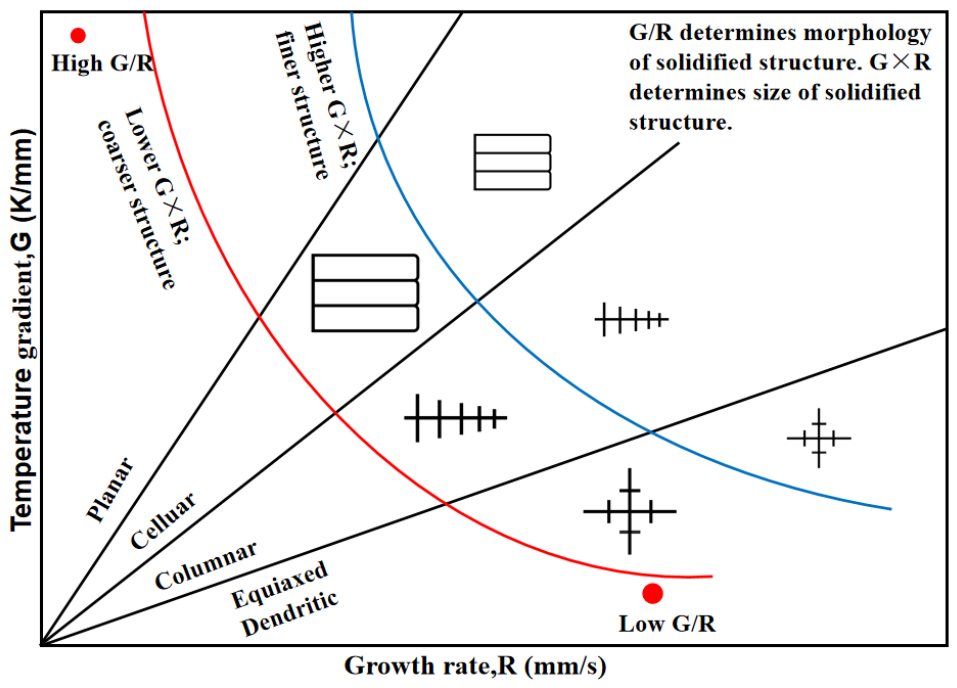
By combining
Figure 5 with the SEM and XRD results, it can be seen that under the rapid cooling of laser cladding, all four samples lie in the dendritic region of the G–R diagram with low G/R, exhibiting the typical dendritic-plus-eutectic structure. For the low-Nb N1 sample, the solute concentration and constitutional supercooling are relatively low, corresponding to a higher G/R ratio in the dendritic region; the latent heat released by primary NiTi is small, and G × R reaches its maximum. The results increase the nucleation rate and limit dendrite growth, producing the finest, somewhat columnar dendrites with strong growth directionality. As Nb increases in N2 and N3, the higher solute content enhances constitutional supercooling, causing a continuous decrease in G/R. Meanwhile, the abundant precipitation of NbTi
4 releases more latent heat, gradually reducing G × R, slowing the cooling rate, and weakening the nucleation ability. Secondary and tertiary dendrite arms thus develop more fully, the morphology changes from columnar to well-developed dendritic, and the dendrite size becomes noticeably coarser. In the high-Nb N4 sample, constitutional supercooling reaches its maximum and G/R its minimum; the extensive NbTi
4 precipitation releases even more latent heat, further lowering G × R and the overall cooling rate. Additionally, excessive Nb weakens grain-boundary pinning and causes stress accumulation at grain boundaries, driving further grain coarsening to relieve stress. The strong, widespread constitutional supercooling suppresses the preferred growth direction, and the dendrites tend toward equiaxed morphology. The slow cooling also allows continuous grain growth, ultimately producing the coarsest dendrites among the four groups.
In summary, Nb content not only alters the phase constitution but also influences the coupling between G/R and G × R by modifying the solute concentration, latent heat release, grain-boundary pinning, and stress-relief-driven grain coarsening. With increasing Nb, the continuous decrease in G/R promotes a transition from columnar to equiaxed dendritic morphology, and the steady reduction in G × R lowers the cooling capacity, leading to a progressive coarsening of the dendrites [
29].
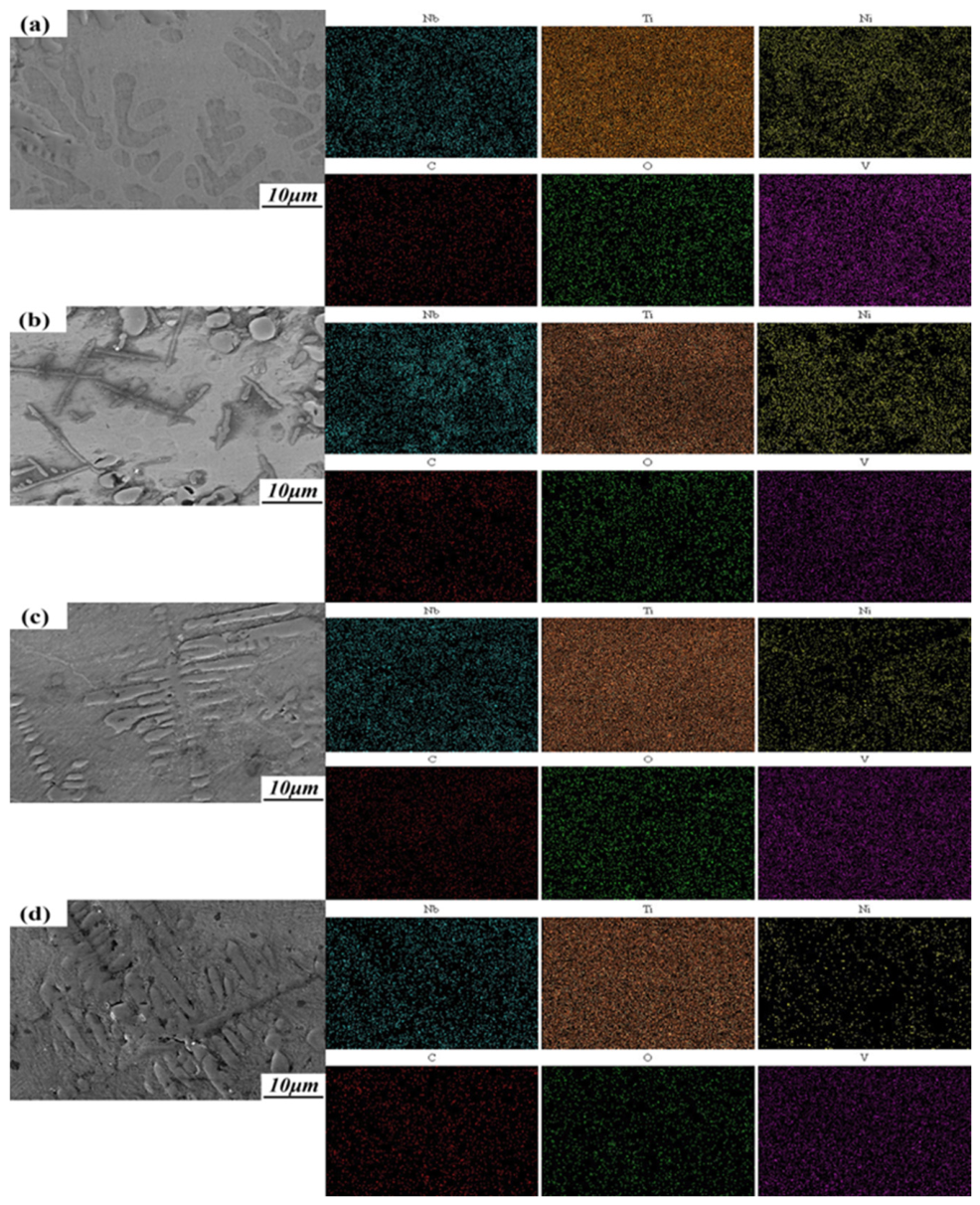
To further evaluate the effect of Nb content on the microstructure, EDS elemental mapping was used to analyze the distribution of major elements. Combined with SEM observations and XRD results, the elemental maps in
Figure 6 provide additional information on the microstructural evolution of the coatings. In N1 (10 wt% Nb), Ti and Ni are relatively uniformly distributed over large areas, indicating a predominantly Ti-Ni matrix structure. Nb is distributed at a relatively low level within the coating, while several fine dispersed features are observed in the mapped regions, which is consistent with the XRD results. In N2 (20 wt% Nb), Ni begins to exhibit localized enrichment in the dendritic regions, while the Nb signal intensity increases and partially overlaps with the Ti-and Ni-rich areas, indicating the development of dendritic segregation during solidification. In N3 (30 wt% Nb), Ti and Ni exhibit an alternating lamellar distribution, while the Nb signal further strengthens and overlaps with the Ti-rich lamellar regions. The mapping results indicate the formation of a more pronounced lamellar eutectic structure, which is consistent with the SEM observations and XRD phase analysis. In N4 (40 wt% Nb), Ti and Nb exhibit strong enrichment in the dendritic regions, corresponding to the formation of primary NbTi
4 dendrites. Ni is mainly distributed within the interdendritic regions associated with the lamellar eutectic structure, resulting in a clear dendrite-interdendrite separation characteristic. Overall, from N1 to N4, the elemental distribution evolves from “uniform solid solution” to “dendritic enrichment,” then “alternating lamellae,” and finally “dendrite-interdendrite separation”. The microstructure correspondingly evolves from NiTi dendrite-dominant to primary NbTi
4 dendrite-dominant, clearly revealing the regulatory role of Nb content.
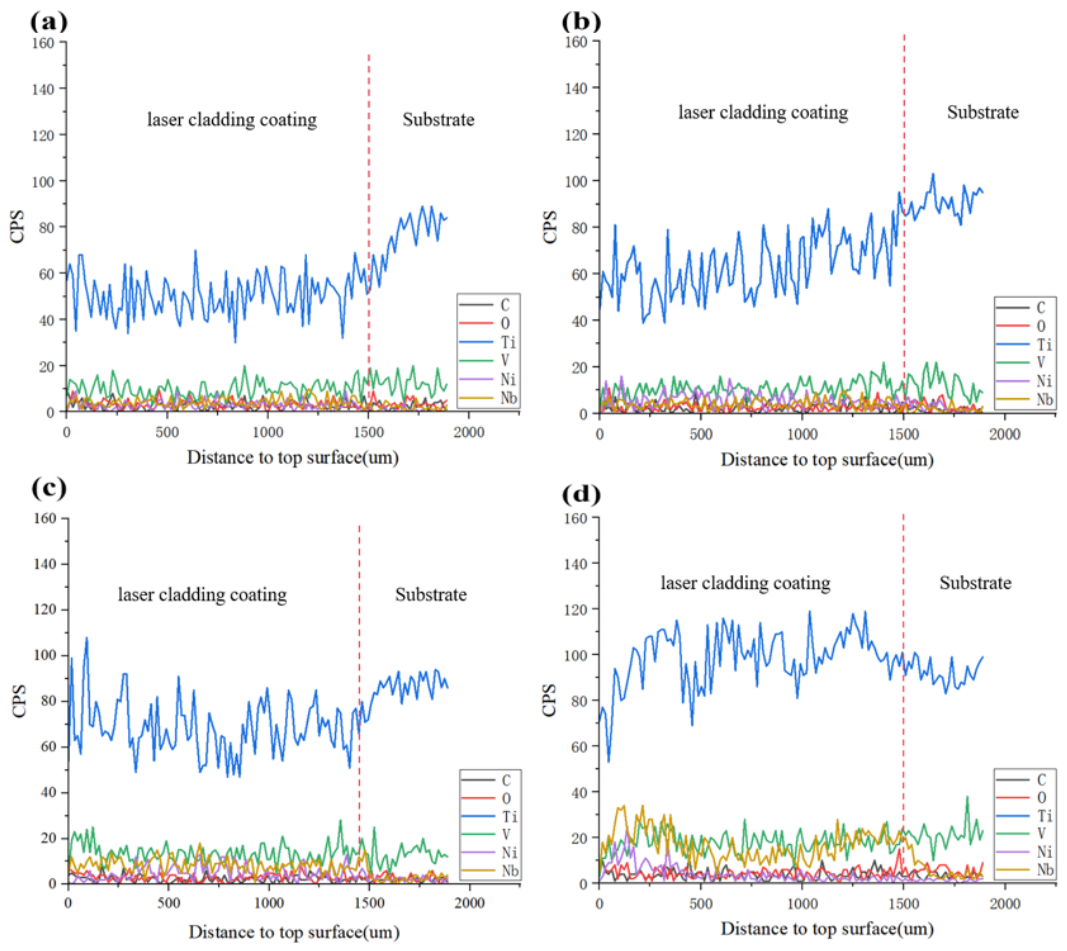
As the Nb mass fraction increases from N1 to N4, the Nb signal intensity in the line scans gradually increases. Its distribution changes from a uniform, low-concentration state in N1 to pronounced peak-and-valley variations in N4. This indicates a transition from uniform solid solution to localized segregation and enrichment, and finally to primary NbTi4 dendrite precipitation.
For Ti, the signal intensity gradually increases, and its fluctuation amplitude grows from N1 to N4. The phase evolution from NiTi-dominant to a NbTi
4/NiTi mixture raises the demand for Ti, enhancing Ti dilution from the substrate. Additionally, Nb’s much higher melting point increases the overall melting point and viscosity of the mixed powder, requiring a higher molten pool temperature. This increases the melted depth of the substrate and further boosts Ti concentration in the coating, explaining the intensified Ti signal. The extensive precipitation of primary NbTi
4 dendrites causes Ti enrichment in dendrites and depletion in interdendritic regions, aggravating segregation. The increased melt viscosity weakens convection and homogenization, preventing the elimination of compositional inhomogeneity during solidification. Consequently, the fluctuation amplitude in the Ti line scan curves continuously increases with Nb content [
30].
To quantify the degree of Ti distribution fluctuation observed in
Figure 7, the concept of two-dimensional arithmetic mean roughness (
Ra) was adapted. The EDS line scan signal intensity was used as an evaluation metric to quantify the deviation of the Ti distribution. The calculation formula is [
31]:
where Ra represents the deviation degree of Ti distribution, N is the total number of sampling points, Zi is the Ti signal intensity at the i-th point, and is the average Ti intensity over the entire line scan.
The calculated Ra values for N1 to N4 are 7.69, 10.65, 12.84, and 14.01, respectively, showing a steady upward trend. This is consistent with the observed fluctuations in Ti line scan curves and further confirms that Ti distribution inhomogeneity and compositional segregation significantly intensify with increasing Nb content.
The Ni concentration decreases continuously as its addition is reduced. Carbon is uniformly distributed throughout the coatings at a concentration close to the designed ratio, with no obvious segregation. Vanadium and oxygen originate from the substrate; V is dissolved from the substrate, and O is mainly present near the surface with very low internal content, indicating good oxidation control during the cladding process.
3.2. Coating Surface Microstructure and Roughness
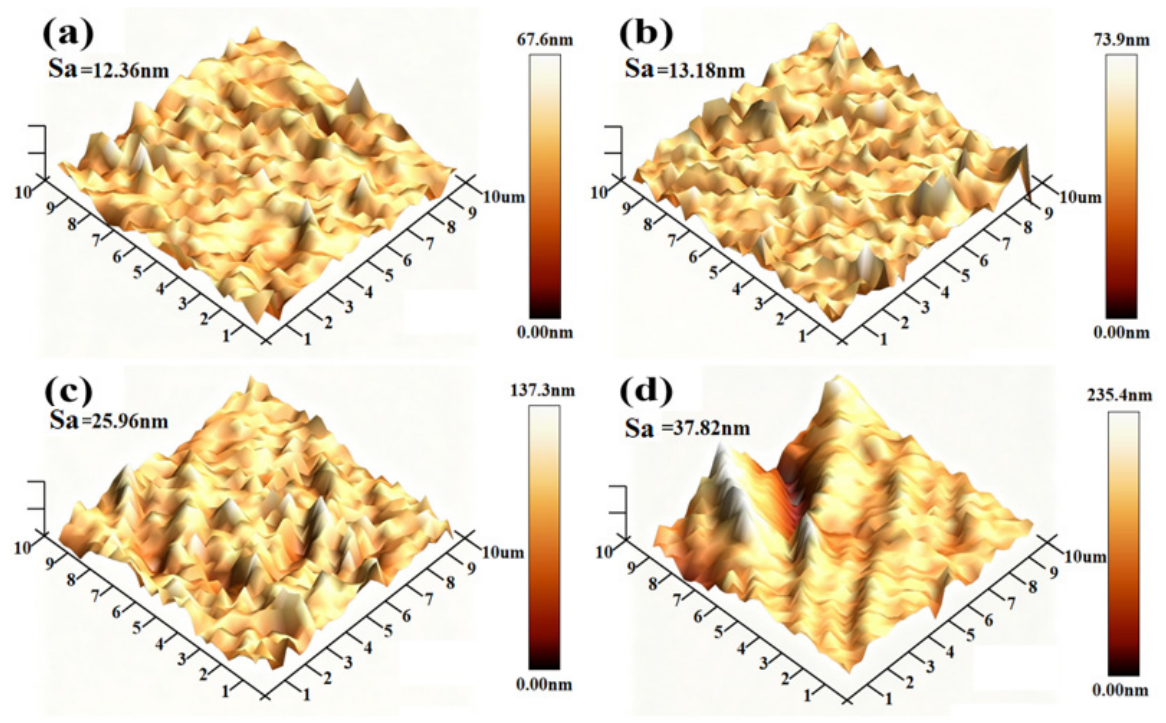
AFM results (
Figure 8) show that the surface micro-relief progressively intensifies from N1 to N4. The three-dimensional arithmetic mean roughness (Sa) increases from 12.36 nm (N1) to 37.82 nm (N4). This trend shows a strong positive correlation with the Ti distribution deviation (Ra) values derived from EDS line scans (7.69 to 14.01) [
32].
This synchronous evolution is closely associated with the enhanced nonequilibrium solidification behavior and microstructural heterogeneity induced by Nb addition. With increasing Nb content, the coating microstructure gradually evolves from a relatively uniform NiTi-dominated structure to a microstructure characterized by pronounced NbTi
4 dendrite-like structures and interdendritic lamellar regions [
33]. Meanwhile, the increased Nb content may increase the melt viscosity and weaken convective homogenization within the molten pool, thereby facilitating the retention of compositional segregation developed during rapid solidification. Rapid solidification further aggravates compositional fluctuations and microstructural inhomogeneity within the coating.
These microscale compositional and phase fluctuations lead to local differences in solidification behavior, thermal contraction, and crystal growth kinetics. In addition, the coexistence of NbTi4 and NiTi phases with different lattice parameters and thermal expansion characteristics increases interfacial mismatch within surface microregions. This internal microscale heterogeneity manifests as intensified Ti signal fluctuations in EDS line scans and is further reflected on the coating surface as increasingly pronounced nanoscale surface undulations. This corresponds well with the AFM observations of intensified surface undulations and continuously increasing roughness.
Together, the AFM and EDS line scan results indicate that increasing Nb content enhances elemental segregation, nonequilibrium solidification characteristics, and microstructural heterogeneity during laser cladding. As the Nb content increases, the preferential precipitation of high-melting-point NbTi
4 phases promotes directional dendrite-like growth and compositional segregation during rapid solidification. This process generates compositional gradients between dendritic and interdendritic regions, thereby facilitating the continuous diffusion of Ti from the titanium alloy substrate into the molten pool and intensifying Ti dilution behavior [
34]. Furthermore, the increased melt viscosity weakens convective homogenization within the molten pool, further promoting the retention of elemental segregation.
Consequently, the transition from a relatively uniform solid-solution structure to a NbTi4-dominated microstructure progressively intensifies nanoscale surface fluctuations, ultimately leading to the systematic increase in surface roughness.
3.3. Residual Stress
Based on the DIC technique established in previous studies for monitoring strain evolution, substrate deformation, and thermally induced stress behavior during laser cladding, the residual stress distribution in the present coatings was analyzed using the same method [
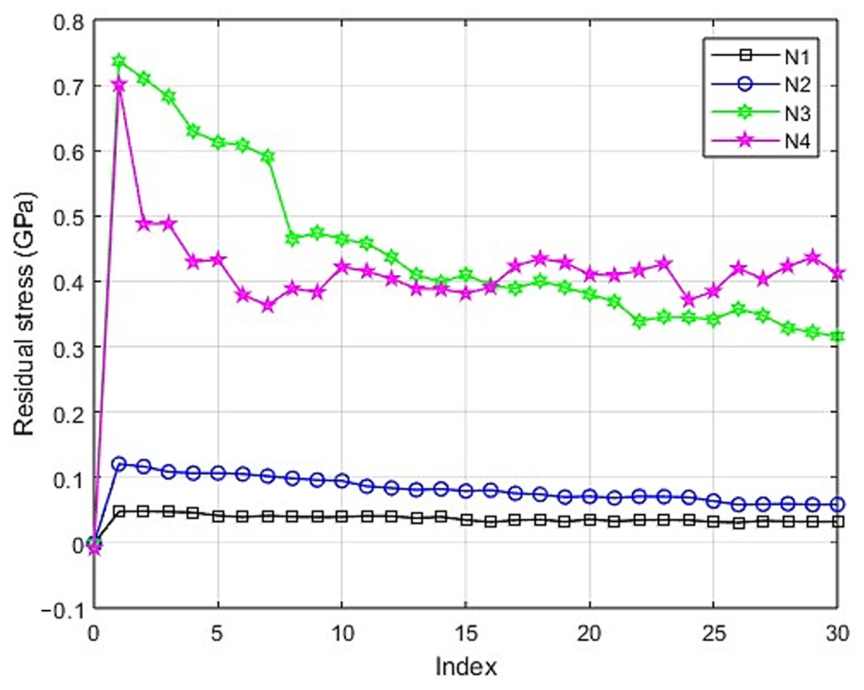
35]. The stress profiles (
Figure 9) for all groups show a rapid initial increase followed by stabilization. This results from the intense thermo-mechanical history of the material after laser cladding, where internal stress rapidly generates and then progressively equilibrates. In the initial stage, thermal expansion mismatch, phase transformation volume changes, and plastic deformation superimpose to generate extremely high internal stress, manifesting as a sharp peak. Subsequently, as the material cools, micro-mechanisms such as dislocation slip and grain-boundary migration preferentially relieve stress in high-stress areas. Decreasing temperature gradients and increasing microstructural uniformity cause stress to decay rapidly [
36,
37]. Finally, the remaining stress, primarily from microstructural inhomogeneity and interfacial constraints, cannot be further relieved and enters a steady state.
The residual stress values follow the order N1 (0.04 GPa) < N2 (0.06 GPa) < N3 (0.31 GPa) < N4 (0.41 GPa). The steady increase correlates well with the rising surface roughness. Higher surface roughness creates micro-notches that cause significant stress concentration, amplifying local stresses. The reduced effective contact area at asperity peaks also readily generates high local compressive or shear stresses, further promoting internal stress accumulation [
38]. In addition, with increasing Nb content, the coating microstructure gradually evolved from a relatively uniform NiTi-dominated structure to a microstructure characterized by pronounced NbTi
4 dendrite-like structures and interdendritic lamellar regions. The formation of high-melting-point NbTi
4 phases and the enhanced elemental segregation during rapid solidification intensified the thermal strain mismatch and local stress concentration within the coating. Particularly in the N3 and N4 coatings, the transition from a relatively uniform NiTi-dominated structure to a NbTi
4-dominated microstructure consisting of dendrite-like and interdendritic lamellar structures significantly intensified microstructural heterogeneity and interfacial stress accumulation.
Moreover, the high temperature gradient and rapid cooling inherent to laser cladding promoted constitutional supercooling and directional dendritic growth, which restricted stress relaxation during solidification and cooling, thereby contributing to the continuous increase in residual stress. Furthermore, based on SEM, XRD, and grain size analyses, the N1 coating, dominated by fine-grained NiTi, has abundant grain boundaries that act as effective channels for stress relaxation, alleviating thermal and transformation stresses. As Nb content increases, the phase constitution becomes a composite structure of NbTi
4 and NiTi with distinct lattice constants and thermal expansion coefficients. This generates strong interfacial stresses during solidification, shrinkage, and phase transformation. Meanwhile, grain coarsening reduces grain-boundary density and the number of stress-relaxation channels [
39].
In summary, the combined effects of stress concentration induced by increased surface roughness, NbTi4 dendrite-like structure formation, elemental segregation during rapid solidification, multi-phase interfacial stress generation, and weakened grain-boundary stress-relaxation capability cause the residual stress in the coatings to continuously increase with Nb content.
3.6. Wear Performance
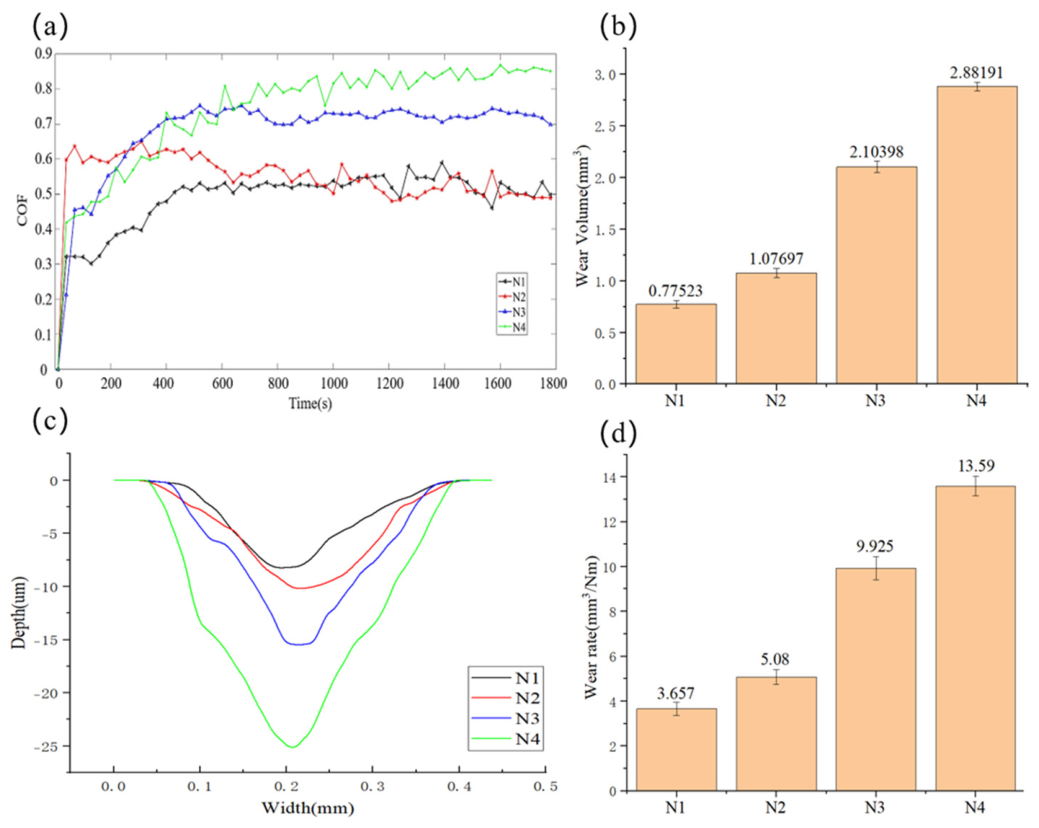
As shown in
Figure 12, the steady-state average friction coefficient increases from 0.4897 (N1) to 0.8428 (N4), a 41.9% increase. The wear volume and wear rate both increase by 271.6%, and the maximum wear depth increases from 8 μm to 25 μm. This deterioration in wear resistance is fundamentally a combined outcome of Nb-content-regulated changes in phase constitution, hardness, and residual stress.
From the perspective of load-bearing capacity and hardness, the content of the relatively tough NiTi phase decreases with increasing Nb. Although the hard NbTi
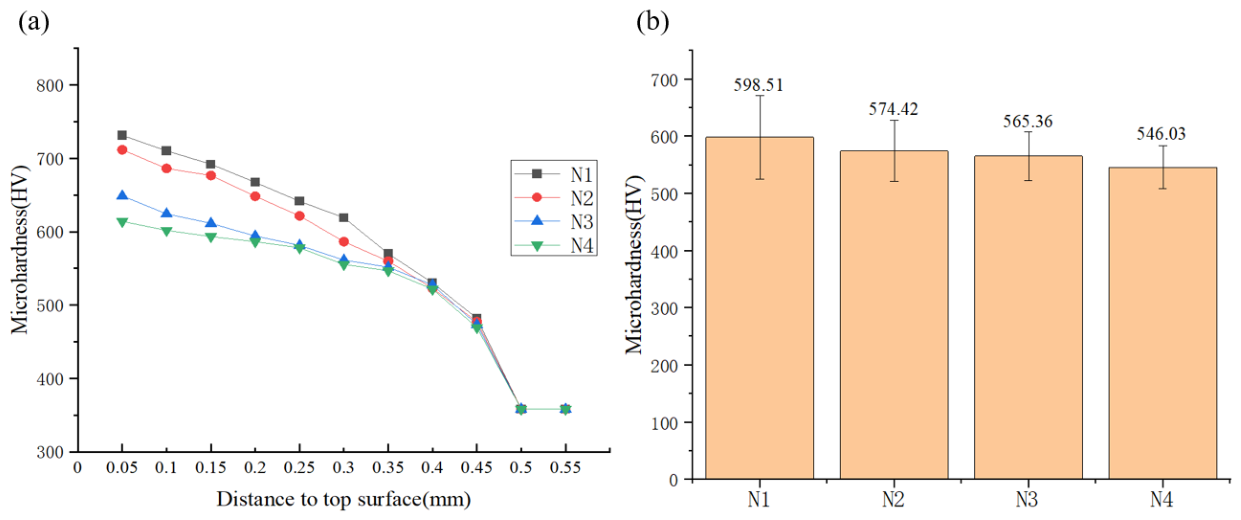
4 phase forms and coexists with NiTi, its strengthening effect fails to compensate for the softening caused by substantial grain coarsening, leading to an overall decrease in hardness [
45]. Lower hardness directly weakens the coating’s resistance to plastic deformation, making it more susceptible to micro-cutting under frictional contact stress. This constitutes the primary cause of the increased wear rate.
In addition to hardness, surface integrity and stress state play key roles in accelerating. AFM results show that the N4 surface is much rougher than the N1 surface. During wear, surface asperities significantly reduce the real contact area, causing asperity tips to undergo extremely high local contact stress, which accelerates crack initiation and material spallation [
46]. This stress concentration can easily exceed the material’s yield strength, causing asperity fracture or spallation into wear debris, rapidly increasing the friction coefficient [
47].
Concurrently, residual stress measurements reveal a high residual tensile stress in N4. This stress state not only lowers the material’s threshold for crack initiation but also superimposes with the frictional shear stress. When micro-crack nuclei form due to asperity fracture or hard-phase breakage, the high residual tensile stress significantly accelerates crack propagation and coalescence, exacerbating delamination of the surface material.
In summary, the continuous decline in the coating’s wear resistance is a combined result of decreasing hardness, increasing surface roughness, and accumulating residual tensile stress.
The wear volume was calculated using the following formula [
48]:
where
V is the wear volume, r is the radius of the friction ball, l is the wear scar length, and h is the wear depth.
The wear rate was calculated as:
where
M is the wear rate,
V is the wear volume,
S is the total sliding distance, and
L is the applied load on the friction ball.
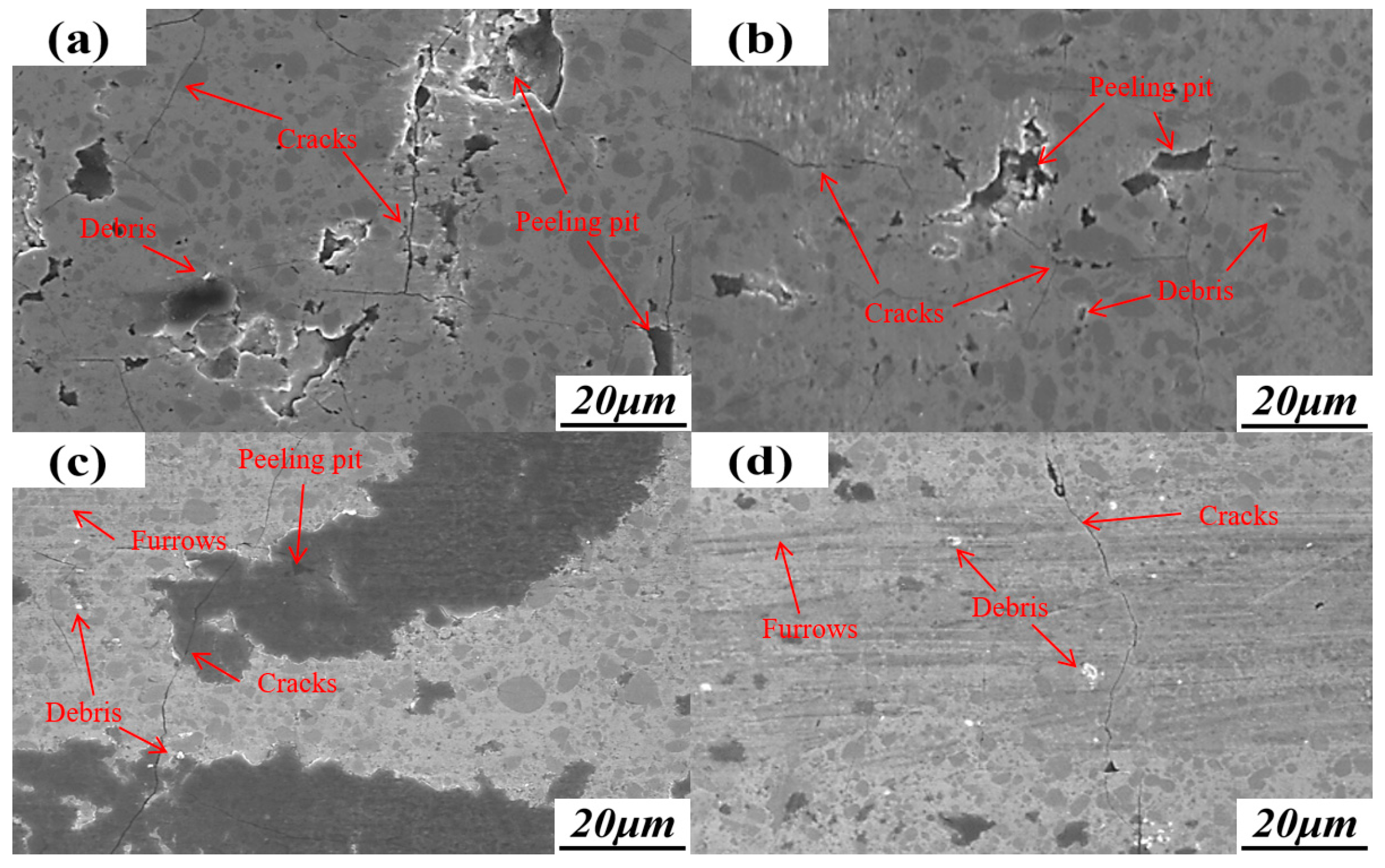
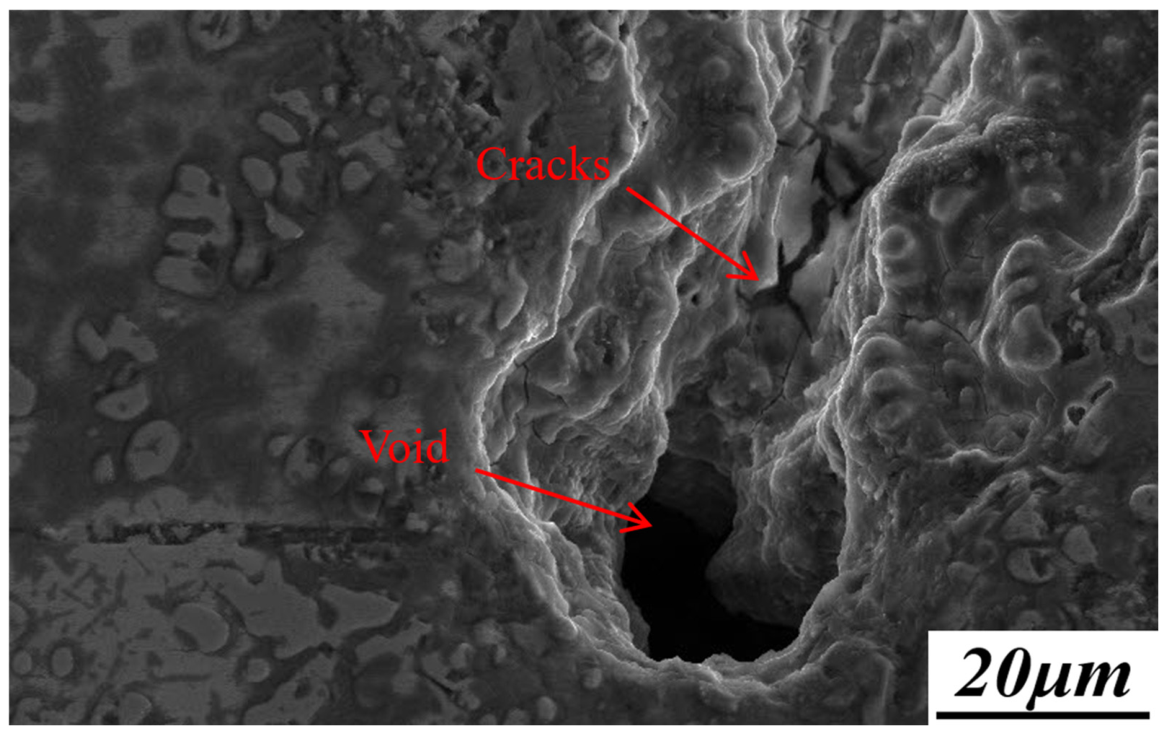
Figure 13 shows the SEM wear morphologies of the coatings.Combined analysis of the wear morphologies with phase constitution, microhardness, residual stress, and AFM results reveals distinct wear mechanisms. N1 and N2 (low Nb) show milder wear with fewer cracks and spallation pits, and shallow, well-defined grooves. N3 and N4 (high Nb) display numerous cracks and spallation craters, indicating a significantly aggravated wear severity and a fundamental shift in the wear mechanism.
At low Nb content, the coating is composed mainly of tough NiTi phase with a fine-grained, dense structure, providing significant grain-boundary strengthening, high hardness, and strong load-bearing capacity, effectively resisting abrasive grooving and fatigue cracking. As Nb content increases, despite the formation of the hard NbTi4 phase, the softening effect from grain coarsening dominates, reducing overall hardness and deformation resistance. This provides structural conditions conducive to fatigue crack initiation and propagation.
The AFM results also show that surface roughness increases from N1 to N4, directly affecting stress distribution during wear. The smoother N1 surface provides more uniform contact, a larger bearing area, and lower local compressive and shear stress at asperity tips, effectively suppressing micro-crack initiation and improving fatigue life. In contrast, the rougher N4 surface, with deeper micro-notches, significantly reduces the effective contact area at asperity tips, generating high local stress that becomes a preferential site for fatigue crack nucleation. The high residual tensile stress in N4 further degrades the material’s fatigue strength. Under reciprocating friction, the high local stress at asperity tips, superimposed with the residual tensile stress, promotes preferential crack initiation at hard-phase/matrix interfaces and rapid crack propagation, ultimately leading to material spallation and the formation of numerous cracks and craters.
Under the combined influence of these factors, the wear mechanism transforms from mild plastic deformation and plowing to a composite mechanism dominated by fatigue and abrasive wear.
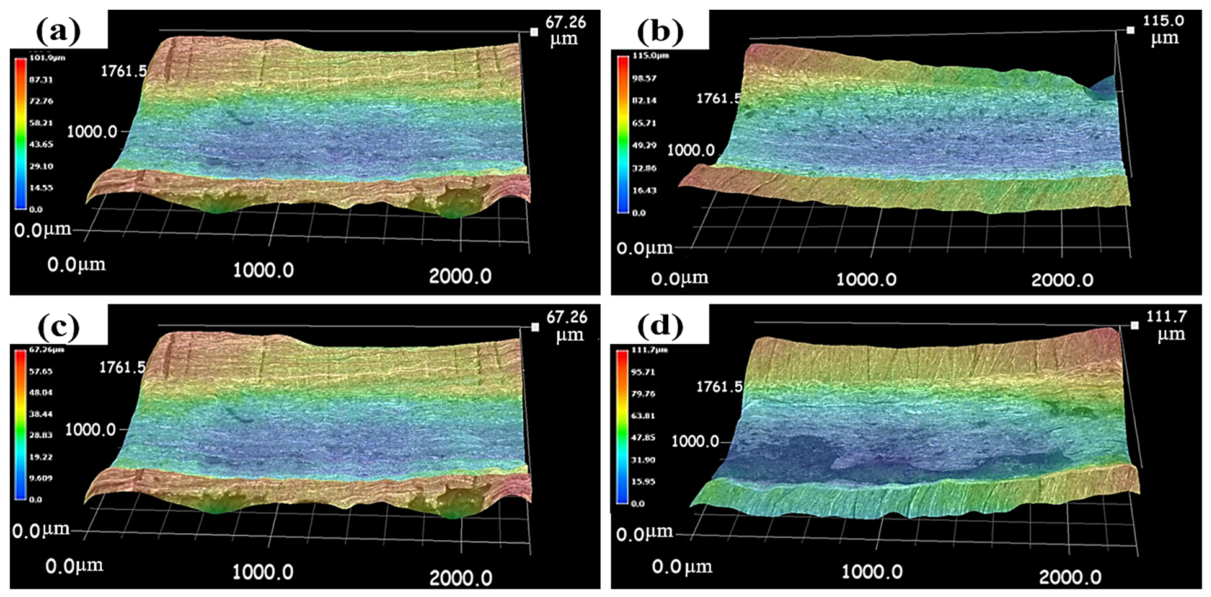
The three-dimensional wear topographies and profiles (
Figure 14) are highly consistent; the maximum wear depth increases stepwise from 8 µm (N1) to 10 µm, 15 µm, and 25 µm (N4). SEM observations confirm that the N1 surface is smooth with only mild grooves and minor cracks, indicating mild plastic deformation and plowing. N4 exhibits extensive spallation craters, micro-cracks, and wear debris, reflecting severe fatigue and abrasive wear. The difference in wear resistance is the comprehensive result of multiple factors caused by Nb content increase, including phase evolution, microstructural coarsening, mechanical property degradation, increased surface roughness, and residual stress accumulation.
In the low-Nb N1 coating, the tough NiTi phase with fine, dense grains provides strong grain-boundary strengthening and high hardness, effectively resisting abrasive plowing and fatigue crack propagation. As Nb content rises, the structure transitions to a mixture of NbTi
4 and NiTi, resulting in increased microstructural heterogeneity and local brittleness. Although the hard NbTi
4 phase appears, grain coarsening and numerous imperfect multi-phase interfaces with local stress concentrations weaken the synergistic load-bearing capacity, reducing overall hardness and deformation resistance, thus setting the stage for material delamination [
49].
Meanwhile, AFM results confirm a roughness increase from N1 to N4. Under frictional load, this reduces the effective contact area at asperities and intensifies local compressive and shear stresses, providing preferential nucleation sites for fatigue cracks. Residual stress measurements also show a gradual increase in residual tensile stress from N1 to N4, reaching 0.41 GPa in N4. This further amplifies local stress levels, accelerates crack initiation and propagation, and ultimately causes large-area spallation in the N4 sample [
50].
In summary, increasing Nb content degrades the load-bearing capacity of the coating by altering the phase constitution, grain size, and microstructural uniformity. Simultaneously, it increases surface roughness and residual tensile stress, intensifying stress concentration during friction. This transforms the wear mechanism from mild plastic deformation and plowing to a combination of fatigue and abrasive wear, ultimately resulting in a stepwise decline in wear resistance.