



28 pages, 1381 KB  
Article
BC-ERPG Reinforcement Learning Safety-Constrained Unit Combination Dispatch Based on Spatial-Temporal Attention Graph Convolutional Networks
by Miaoyu Wang, Xingyu Liang, Liguo Weng, Tengyue Guo and Zhibo Sun
Energies 2026, 19(11), 2662; https://doi.org/10.3390/en19112662 (registering DOI) - 31 May 2026
Abstract
In power systems, the combined approach of security-constrained unit commitment (SCUC) and economic dispatch (ED) to achieve security-constrained unit commitment and dispatch (SCUCD) is crucial for enhancing the safety, stability, and economic efficiency of power system operations. Traditional methods based on mathematical programming [...] Read more.
In power systems, the combined approach of security-constrained unit commitment (SCUC) and economic dispatch (ED) to achieve security-constrained unit commitment and dispatch (SCUCD) is crucial for enhancing the safety, stability, and economic efficiency of power system operations. Traditional methods based on mathematical programming techniques and evolutionary algorithms often fail to ensure solution quality. Mixed-Integer Programming (MIP) methods, such as Branch-and-Bound (B&B) and solvers like Gurobi and CPLEX, may not converge to an optimal solution within a specified time due to the large scale of the SCUCD problem. Deep learning models that predict unit start-up or dispatch plans cannot consider the satisfaction of problem constraints during decision-making. Reinforcement learning-based methods face the dilemma of exploration and exploitation, often struggling to converge quickly. To address these challenges, we propose an end-to-end model called a Spatial-Temporal Attention Graph Convolutional Network (STAGCN), constructed based on power grid topology. This model aims to deeply capture the spatial-temporal dependencies between bus loads and unit dispatch in the power grid. The BC-ERPG algorithm is used for hierarchical training, ensuring rapid convergence and compliance with various system operation and safety constraints. This approach offers a novel and effective method for solving the SCUCD problem. The proposed method was validated on the IEEE 30-BUS and IEEE 118-BUS datasets, demonstrating competitive performance across the evaluated metrics and effective constraint satisfaction under the tested benchmark systems. As the problem scale increased, our method achieved a speedup of approximately 38.5× compared with Gurobi on the IEEE 118-BUS system, while maintaining comparable performance on the IEEE 30-BUS system, highlighting its effectiveness and computational advantage in the tested cases. This method provides a novel tool for addressing SCUCD problems and offers significant insights for further research in this domain. Full article
(This article belongs to the Special Issue Operation, Control, and Planning of New Power Systems)
21 pages, 2093 KB  
Article
The Longitudinal Interplay Between Loneliness and Depressive Symptoms During Late Childhood: Cross-Lagged Panel Network Analyses
by Paweł Grygiel, Sylwia Opozda-Suder and Roman Dolata
Eur. J. Investig. Health Psychol. Educ. 2026, 16(6), 78; https://doi.org/10.3390/ejihpe16060078 (registering DOI) - 31 May 2026
Abstract
Background: Loneliness and depression are interrelated constructs that significantly impact adolescents’ mental health. Understanding their interplay, particularly at the symptom level, is critical for developing effective interventions. Objective: To examine longitudinal relationships between loneliness and depressive symptoms during late childhood, aiming to identify [...] Read more.
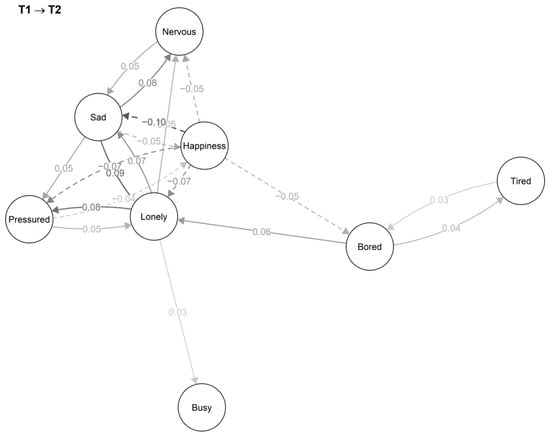
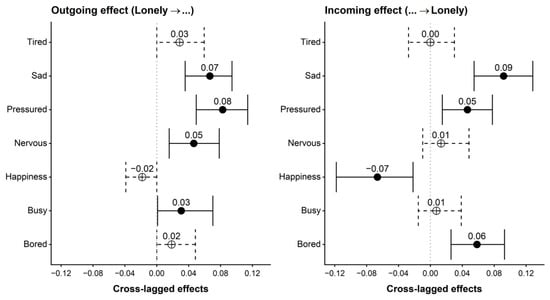
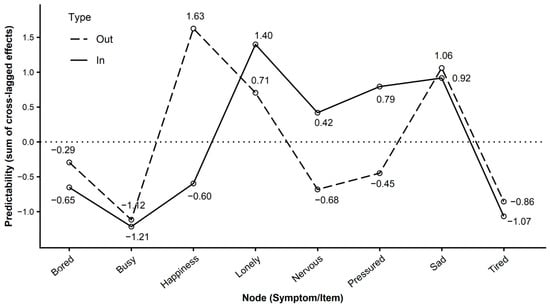
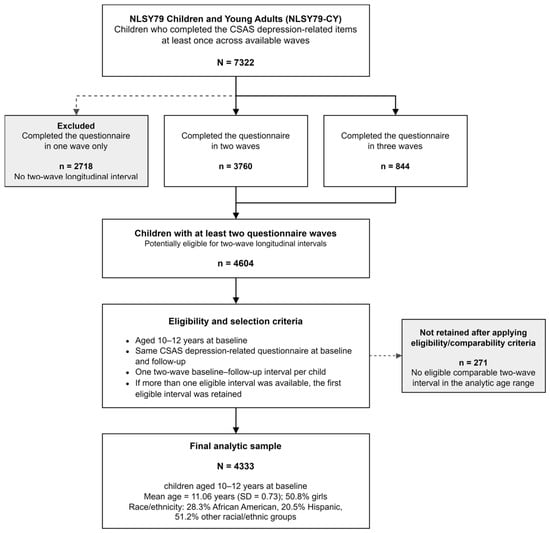
Background: Loneliness and depression are interrelated constructs that significantly impact adolescents’ mental health. Understanding their interplay, particularly at the symptom level, is critical for developing effective interventions. Objective: To examine longitudinal relationships between loneliness and depressive symptoms during late childhood, aiming to identify symptom-level interactions and directional effects. Participants and Setting: A total of 4333 children (Mage = 11.06, SD = 0.73; 50.8% girls) from the NLSY79 Children and Young Adults survey participated, with data collected over two years. Methods: A cross-lagged panel network (CLPN) model was employed to analyze symptom-level associations between loneliness and depressive symptoms. This approach combines network analysis and cross-lagged panel modeling, allowing for the estimation of both autoregressive effects (stability of symptoms over time) and cross-lagged effects (directional relationships between symptoms across time points). Results: The longitudinal network suggests the following: (1) a reciprocal link between loneliness and both sadness and parental pressure; (2) a forward effect of loneliness on anxiety and being busy; (3) the loneliness-reducing effect of prior happiness and loneliness-increasing effect of boredom. Conclusions: The findings highlight the complex interplay between loneliness and depressive symptoms, emphasizing reciprocal and unidirectional effects at the symptom level. These insights underscore the need for targeted, symptom-focused interventions to address loneliness and its impact on adolescent mental health. Full article
Show Figures

Figure 1

26 pages, 9363 KB  
Article
A Training-Free Selective-Processing Workflow for In Situ Marine Particle Fields Using Parallel Phase-Shifting Digital Holography
by Xinran Liu and Haoran Meng
J. Mar. Sci. Eng. 2026, 14(11), 1030; https://doi.org/10.3390/jmse14111030 (registering DOI) - 31 May 2026
Abstract
In situ marine particle-field observation by parallel phase-shifting digital holography (PPSDH) produces long image sequences under real deployment conditions, but exhaustive full-frame reconstruction and segmentation are computationally expensive when many frames are low contrast and particle-like targets occupy sparse regions. This paper presents [...] Read more.
In situ marine particle-field observation by parallel phase-shifting digital holography (PPSDH) produces long image sequences under real deployment conditions, but exhaustive full-frame reconstruction and segmentation are computationally expensive when many frames are low contrast and particle-like targets occupy sparse regions. This paper presents a training-free two-stage selective-processing workflow for a 9521-frame coastal South China Sea PPSDH campaign. Stage 1 uses an amplitude-derived contrast metric as a campaign-specific pruning rule to form a retained-frame pool, and Stage 2 combines coarse reconstruction, candidate filtering, valid-field gating, and ROI merging for ROI-restricted reconstruction and segmentation. Stage 1 retained 6970 frames, corresponding to 73.2% of the full sequence. On a balanced 120-frame benchmark, Stage 2 achieved a spatial-support reduction ratio of 49.9% ± 12.0%, and the complete workflow provided a 5.66-fold end-to-end speedup relative to a matched full-frame baseline. The efficiency gain was accompanied by a measurable fidelity cost, with a baseline-matched correspondence rate of 0.612 and a count-based yield gap of 0.287, mainly associated with small or weak targets within the selected ROI support. These results show that the proposed workflow can support computation-aware review of real marine PPSDH particle fields by efficiently prioritizing informative frames and particle-like regions for downstream visual assessment. Full article
(This article belongs to the Section Marine Biology)
15 pages, 3628 KB  
Article
Muon Tomography of Subsurface Structures in the Nagórzyce Cave System
by Tadeusz Wibig, Kacper Dorszewski, Michał Karbowiak and Łukasz Radecki
Appl. Sci. 2026, 16(11), 5467; https://doi.org/10.3390/app16115467 (registering DOI) - 31 May 2026
Abstract
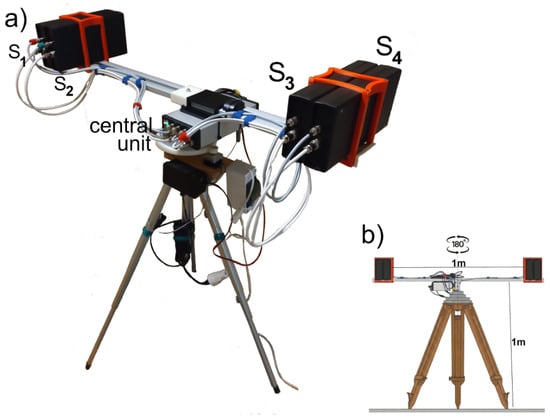
This paper presents an application of cosmic-ray muon tomography for investigating subsurface structures in the Nagórzyce Cave system in Poland. Long-term measurements of a near-horizontal muon flux were carried out using four low-cost CREDO-Maze scintillation detectors. The attenuation of muons passing through the [...] Read more.
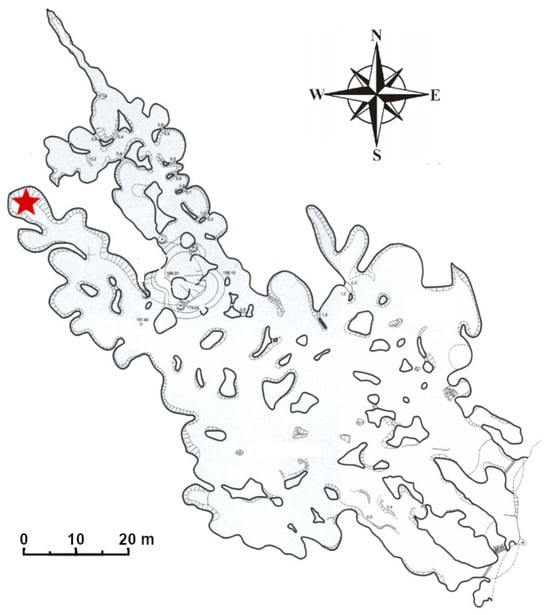
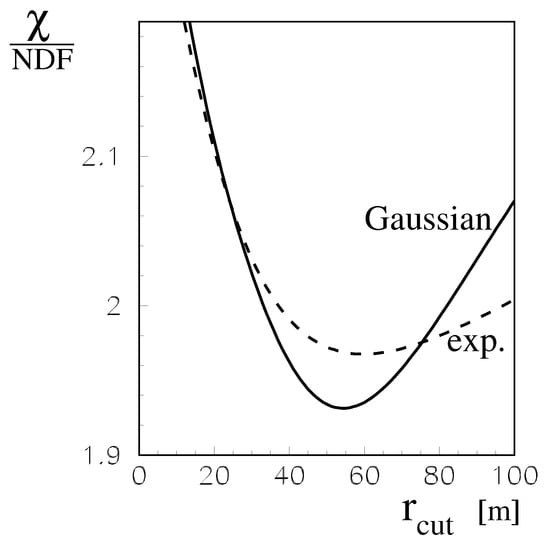
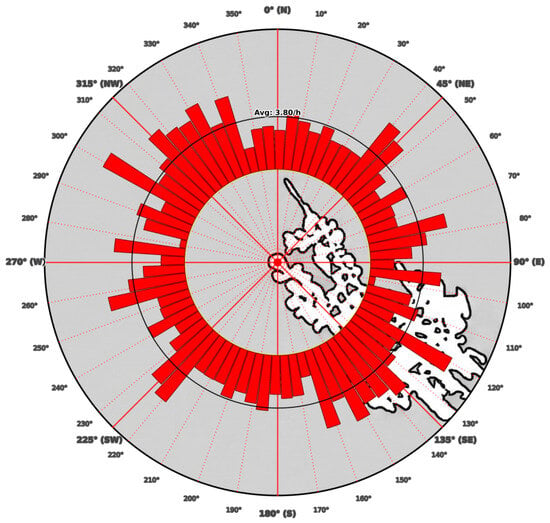
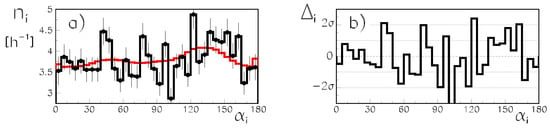
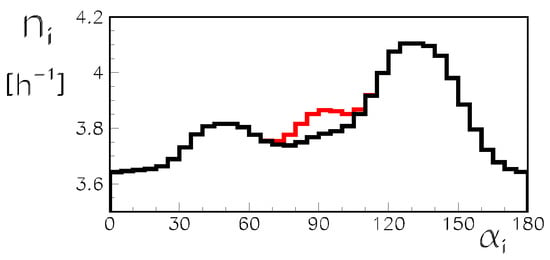
This paper presents an application of cosmic-ray muon tomography for investigating subsurface structures in the Nagórzyce Cave system in Poland. Long-term measurements of a near-horizontal muon flux were carried out using four low-cost CREDO-Maze scintillation detectors. The attenuation of muons passing through the rock mass was analyzed to determine density variations and identify potential underground voids. Residual analysis revealed statistically significant deviations from the expected muon flux, reaching amplitudes of up to ∼2σ in certain directions. While these anomalies are partly consistent with known local decreases in the effective integrated density, they may also indicate the presence of undocumented voids or structural heterogeneities within the cave system. Calculations demonstrate that the proposed detection system exhibits sufficient sensitivity to resolve subsurface voids of realistic spatial dimensions within the investigated medium. The study highlights the potential of modular, low-cost muon detectors for non-invasive geological imaging, particularly in shallow underground environments. Full article
(This article belongs to the Section Applied Physics General)
Show Figures

Figure 1

22 pages, 7374 KB  
Article
Cosine Similarity Distillation Vision Mixture-of-Experts for Intelligent Housing-Dimensional Urban Physical Examinations
by Kun Zhao, Helei Ren, Wenbin He, Yuhong Zhao, Jinming Jiang, Wanxiang Yao, Weijun Gao and Qichao Ban
Sensors 2026, 26(11), 3473; https://doi.org/10.3390/s26113473 (registering DOI) - 31 May 2026
Abstract
Intelligent housing-dimensional urban physical examination requires evaluating complex visual scenes in aging communities. Existing methods and datasets are insufficient for these heterogeneous tasks and severe class imbalances. To address this, we introduce the Housing-dimensiOnal visUal inSpection [...] Read more.
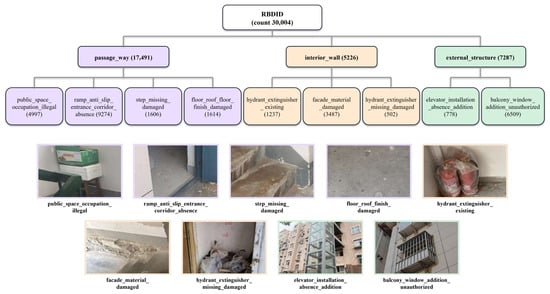
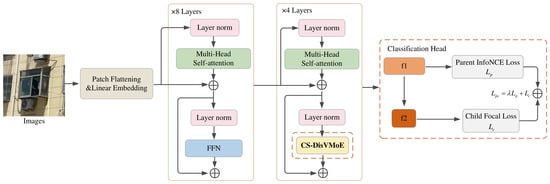
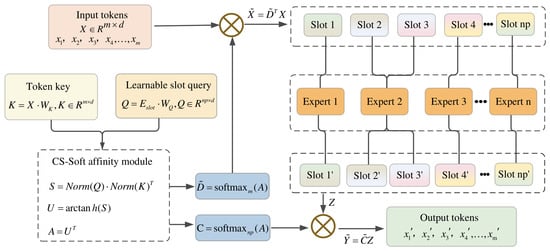
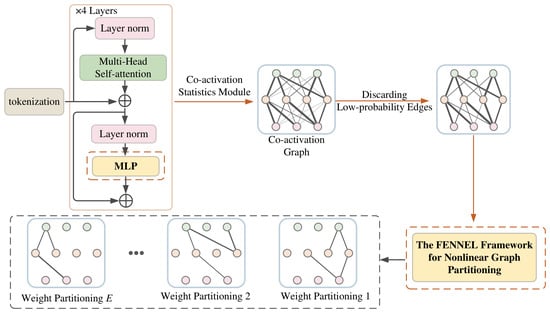
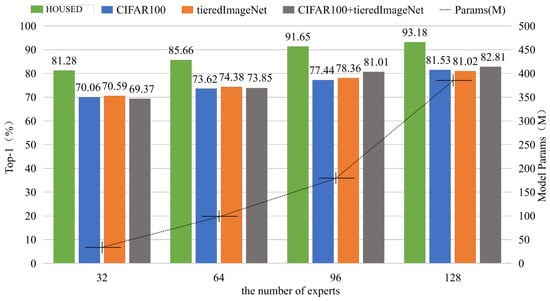
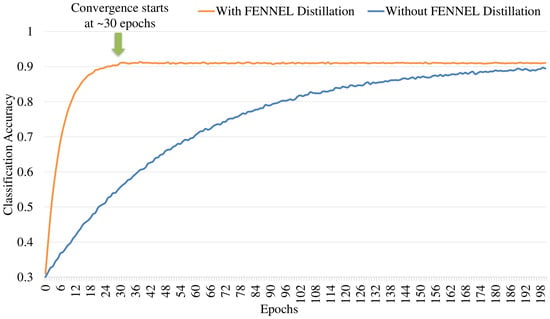
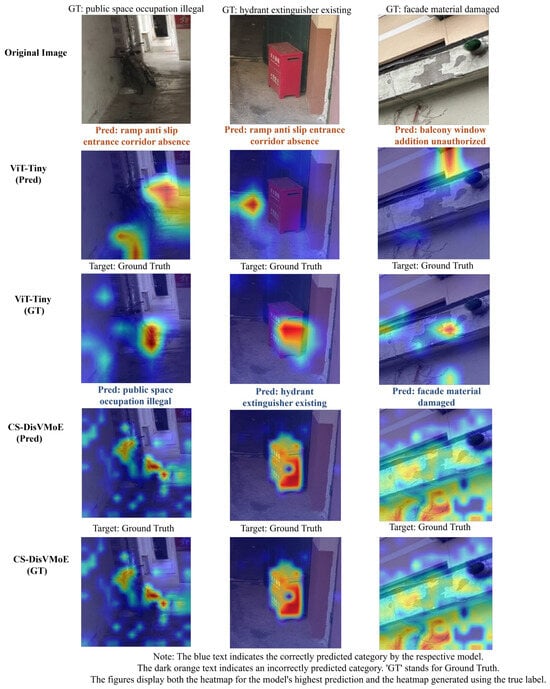
Intelligent housing-dimensional urban physical examination requires evaluating complex visual scenes in aging communities. Existing methods and datasets are insufficient for these heterogeneous tasks and severe class imbalances. To address this, we introduce the Housing-dimensiOnal visUal inSpection imagE Dataset (HOUSED) with a hierarchical labeling scheme, and propose a hierarchical Vision Mixture of Experts (VMoE) framework. At its core, the proposed CS-DisVMoE module utilizes a CS-Soft routing mechanism to capture spatial feature correlations, optimizing expert assignment and reducing inference overhead. Additionally, a FENNEL-based non-linear graph partitioning mechanism converts pre-trained dense weights into semantically coherent expert initializations, accelerating convergence while preserving localized visual clustering. To address the hierarchical labels, we design a composite loss function: a Supervised Contrastive Loss acts as a parent-category soft constraint to accelerate convergence, while Focal Loss mitigates data imbalance and handles fine-grained subcategory classification via hard sample mining. Across evaluated datasets, the full proposed framework improves accuracy by an average of 4.3% over the ViT-Tiny baseline and 1.81% over the best-performing VMoE baseline. Furthermore, it achieves these improvements with lower computational costs. Further tests on mixed public vision datasets verify its generalizability and competitive performance for complex-scene applications. Full article
(This article belongs to the Special Issue Advanced Pattern Recognition: Intelligent Sensing and Imaging)
Show Figures

Figure 1

21 pages, 11984 KB  
Article
UAV RGB Imagery and Lightweight Deep Learning Map Semi-Mangrove Shrubs on Jeju Island
by Khurshedjon Farkhodov, Jaebeom Kim, Bora Lee and Minkyu Moon
Remote Sens. 2026, 18(11), 1754; https://doi.org/10.3390/rs18111754 (registering DOI) - 31 May 2026
Abstract
Semi-mangrove shrubs are important indicators of change in temperate–subtropical coastal ecotones and provide conservation-relevant habitats in shoreline transition zones. On Jeju Island, South Korea, the distribution of two key semi-mangrove species (Hibiscus hamabo and Paliurus ramosissimus) remains incompletely documented despite their [...] Read more.
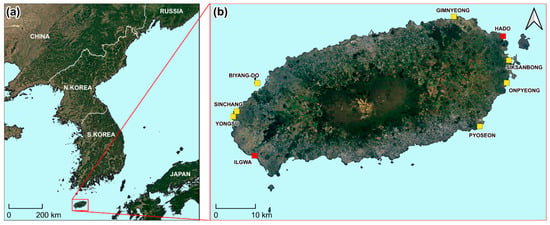
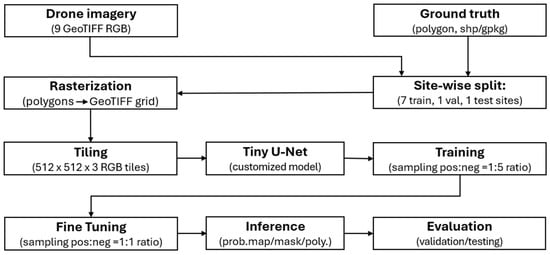
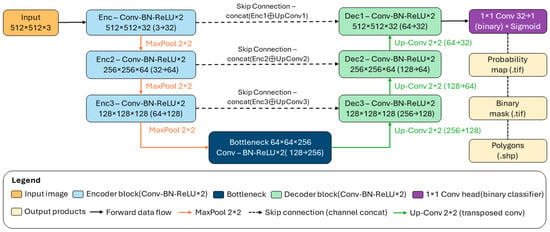
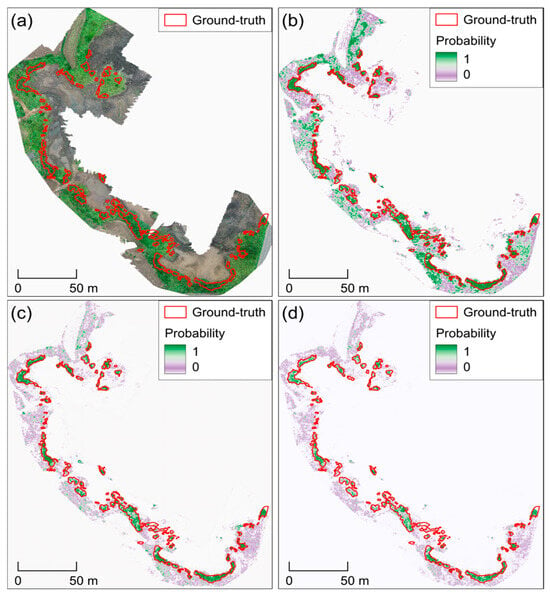
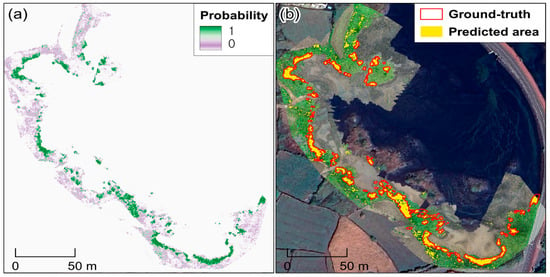
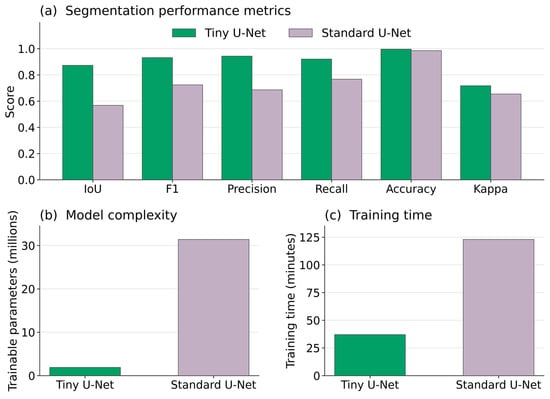
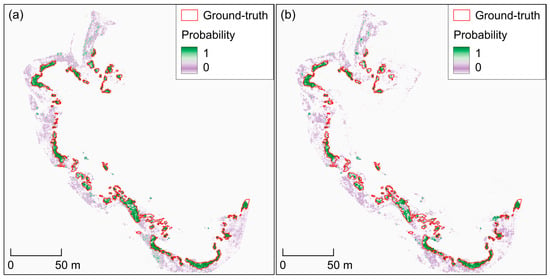
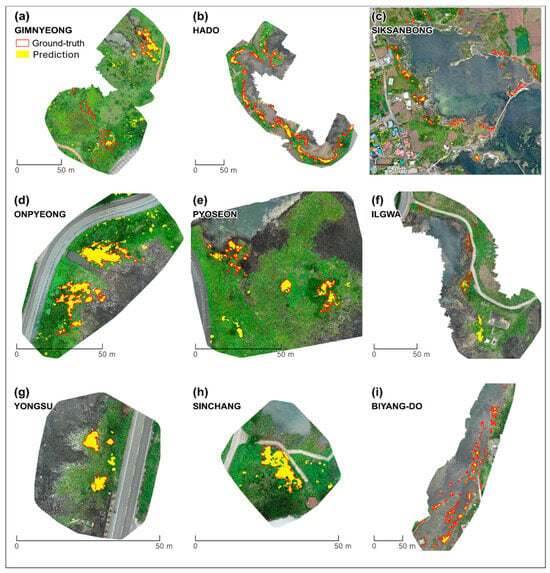
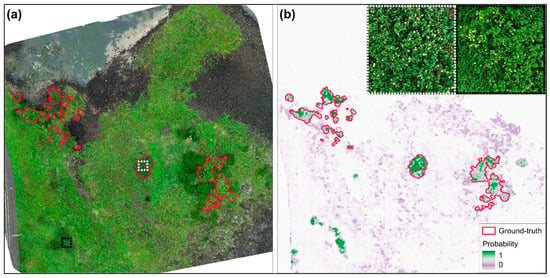
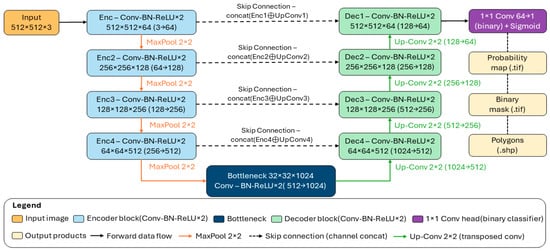
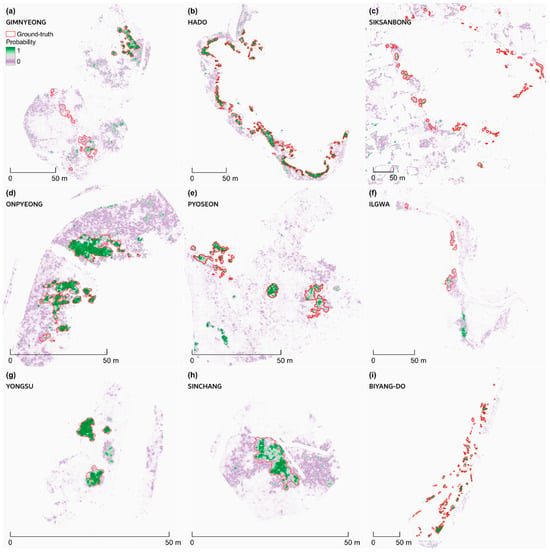
Semi-mangrove shrubs are important indicators of change in temperate–subtropical coastal ecotones and provide conservation-relevant habitats in shoreline transition zones. On Jeju Island, South Korea, the distribution of two key semi-mangrove species (Hibiscus hamabo and Paliurus ramosissimus) remains incompletely documented despite their monitoring value. Because these shrubs occur as narrow, fragmented patches that are difficult to delineate in satellite imagery, they may be omitted from coarse-resolution inventories. Here, we produced high-resolution semi-mangrove maps from 1 cm UAV RGB orthomosaics using a lightweight Tiny U-Net semantic segmentation model trained on field-confirmed, expert-digitized polygons from nine coastal sites. Model performance was evaluated using a site-wise training, validation, and test split. The final model achieved a pooled semi-mangrove IoU of 0.677, balanced accuracy of 0.921, precision of 0.771, recall of 0.848, and a false-positive rate of 0.007, despite the low semi-mangrove prevalence of 2.59%. On the independent test site, Tiny U-Net also outperformed standard U-Net with fewer parameters and shorter training time (IoU = 0.873 vs. 0.568; 1.9 M vs. 31.4 M parameters; 37 vs. 123 min). Probability outputs also highlighted high-confidence candidate patches outside of the labeled polygons, supporting targeted field verification and iterative inventory refinement. This UAV–deep learning workflow provides a practical baseline for fine-scale habitat assessment and repeat monitoring of vegetation dynamics along Jeju’s temperate–subtropical coast. Full article

Show Figures

Figure 1

31 pages, 1390 KB  
Article
Effects of High-Velocity Elbow Manipulation on Forearm Muscle Electromyographic Recovery in Karting Drivers: A Randomized Within-Participant Sham-Controlled Trial
by Rafał Studnicki, Aleksander Zarembski, Julia Wasilewska and Bartosz Trąbka
J. Clin. Med. 2026, 15(11), 4267; https://doi.org/10.3390/jcm15114267 (registering DOI) - 31 May 2026
Abstract
Objectives: Karting imposes high neuromuscular demands on the forearm during dynamic steering, gripping and braking. This study examined whether a single high-velocity, low-amplitude (HVLA) manipulation of the elbow acutely modified surface EMG_RMS amplitude and EMG median frequency responses during standardized isometric forearm [...] Read more.
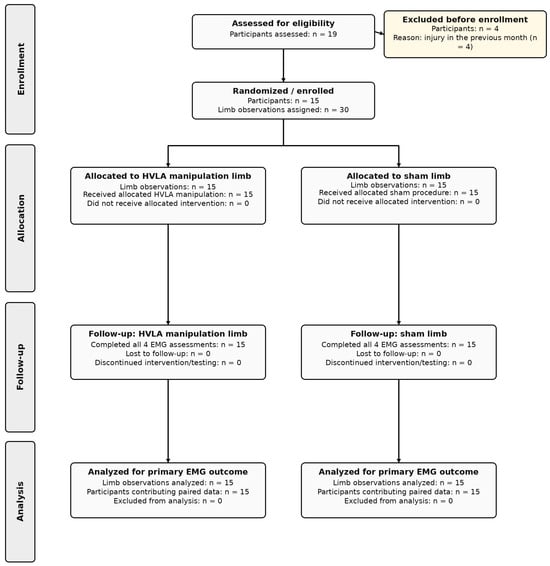
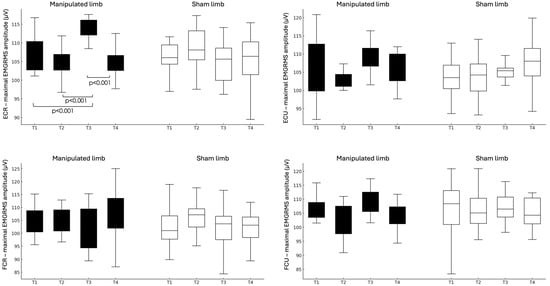
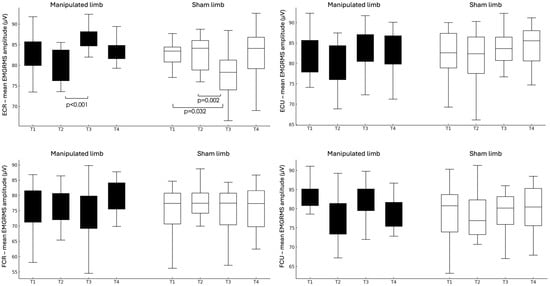
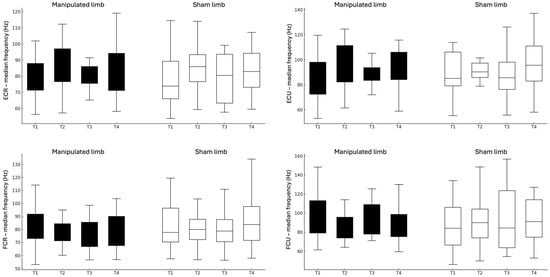
Objectives: Karting imposes high neuromuscular demands on the forearm during dynamic steering, gripping and braking. This study examined whether a single high-velocity, low-amplitude (HVLA) manipulation of the elbow acutely modified surface EMG_RMS amplitude and EMG median frequency responses during standardized isometric forearm testing after simulated karting load, rather than EMG activity during dynamic driving itself. Methods: In this randomized, sham-controlled, within-subject trial, 15 drivers completed a single-session within-participant protocol in which one upper limb was randomly allocated to receive elbow HVLA manipulation (manipulated limb) and the contralateral limb received a standardized sham procedure (sham limb) involving therapist contact and low-grade oscillatory movement without end-range pre-tension or thrust. Drivers completed two 8 min simulated races separated by the allocated manual procedure. Surface electromyography (EMG) from four forearm muscles was collected outside the karting task during standardized laboratory-based isometric forearm contractions at baseline, after race 1, post-intervention, and after race 2. EMG was not recorded during real-time steering, braking, vibration exposure or competitive driving. The extensor carpi radialis (ECR) was specified as the principal muscle of interest because the HVLA technique pre-tensioned the common extensor origin and radial wrist extensors. The primary outcome was ECR mean EMG_RMS amplitude, expressed in µV, across the four measurement time points; the primary statistical test was the condition × time interaction. ECR maximal EMG_RMS amplitude and ECR median frequency were treated as secondary outcomes, whereas ECU, FCR, and FCU outcomes were treated as exploratory anatomical specificity outcomes. Mixed-model ANOVAs compared maximal and mean EMG amplitudes and median frequency between manipulated and sham limbs, treating limb condition and time as repeated within-participant factors. Results: For the primary outcome, ECR mean EMG_RMS amplitude showed a main effect of condition (p = 0.023) and a condition × time interaction (p < 0.001). As a secondary amplitude outcome, ECR maximal EMG_RMS amplitude showed a main effect of time (p = 0.009) and a condition × time interaction (p < 0.001), with higher post-manipulation values in the manipulated limb. No consistent limb-condition effects were found for the other muscles, and EMG median frequency showed only modest time-related changes (p = 0.031) without between-condition differences. Conclusions: A single-elbow manipulation produced short-lived, muscle-specific increases in ECR activation after simulated racing, whereas broader neuromuscular changes were not evident. These findings indicate only transient modulation of ECR surface EMG amplitude in a small sample of screened karting drivers and do not demonstrate improved recovery, neuromuscular efficiency, sport performance, or injury prevention. Because EMG was assessed during standardized isometric contractions rather than during dynamic steering, braking, vibration exposure or competitive racing, the findings should not be interpreted as direct evidence of altered neuromuscular behaviour during actual kart driving. Larger studies including force, performance, clinical, fatigue-specific and dynamic driving EMG outcomes are required. Full article
Show Figures

Figure 1

27 pages, 774 KB  
Article
Bilevel Optimal Capacity Configuration of Energy Storage in a Park-Level Photovoltaic-Storage-Charging System Considering Grid-Export Constraints
by Lile Wu, Jiong Wang, Zutian Cheng, Yan Ren, Yan Zhai, Minghao Zhao, Wenle Wang and Junbo Lu
Energies 2026, 19(11), 2660; https://doi.org/10.3390/en19112660 (registering DOI) - 31 May 2026
Abstract
Under the goals of carbon peaking and carbon neutrality and the development of zero-carbon parks, the continuous expansion of distributed photovoltaic (PV) installations has made grid-export constraints increasingly prominent. To investigate their influence on energy storage configuration and system operation, this paper incorporates [...] Read more.
Under the goals of carbon peaking and carbon neutrality and the development of zero-carbon parks, the continuous expansion of distributed photovoltaic (PV) installations has made grid-export constraints increasingly prominent. To investigate their influence on energy storage configuration and system operation, this paper incorporates the grid-export ratio constraint into the planning and scheduling process of a park-level PV-storage-charging system. A bilevel optimization model is established, in which the upper level minimizes the annual total cost (ATC), while the lower level minimizes the annual operating cost (AOC), considering time-of-use electricity prices, PV curtailment penalty, power shortage penalty, and battery degradation cost. The model is solved by a genetic algorithm (GA) and CPLEX. The results show that, for the studied industrial park, the 20% grid-export ratio is an important case-specific turning point under the given PV capacity, load level, electricity price, storage cost, and grid-connection conditions. Compared with the scheme without energy storage, the scheme with energy storage achieves lower PV curtailment and better economic performance. Sensitivity analyses further show that the PV curtailment penalty coefficient, energy storage investment cost, and PV installed capacity affect the optimal storage configuration and system economics. This study can provide a reference for energy storage planning and operation optimization of park-level PV-storage-charging systems under grid-export constraints. Full article
26 pages, 2114 KB  
Article
Hypoxia/Reoxygenation-Induced Mitochondrial Reverse Electron Transfer: A Targetable Mechanism to Enhance Radiosensitivity in Non-Small Cell Lung Cancer
by Cuilan Hu, Zheng Shi, Yanyu Bao, Nannan He, Xiongxiong Liu, Dan Xu, Qiang Li, Xingting Bao and Chao Sun
Antioxidants 2026, 15(6), 697; https://doi.org/10.3390/antiox15060697 (registering DOI) - 31 May 2026
Abstract
Hypoxia-induced radioresistance remains a major obstacle in non-small cell lung cancer (NSCLC) radiotherapy. This study investigates whether artificially activating mitochondrial reverse electron transfer (RET) can enhance radiosensitivity in NSCLC by triggering oxidative stress. An in vitro hypoxia/reoxygenation (H/R) model was established in A549 [...] Read more.
Hypoxia-induced radioresistance remains a major obstacle in non-small cell lung cancer (NSCLC) radiotherapy. This study investigates whether artificially activating mitochondrial reverse electron transfer (RET) can enhance radiosensitivity in NSCLC by triggering oxidative stress. An in vitro hypoxia/reoxygenation (H/R) model was established in A549 cells to assess reactive oxygen species (ROS) levels, mitochondrial function, and metabolic alterations using fluorescence probes, flow cytometry, confocal microscopy, and targeted metabolomics. Mitochondrial complex inhibitors and dimethyl succinate (DM-S) were employed to validate the RET mechanism, and radiosensitivity was evaluated through clonogenic survival, apoptosis assays, and γ-H2AX staining. In vivo, A549 tumor-bearing mice received high oxygen (95% O2) combined with DM-S and localized irradiation (4 Gy); tumor growth, histopathology, and immunohistochemistry were examined. H/R triggered substantial mitochondrial ROS production via complex I-mediated RET, dependent on a high mitochondrial membrane potential and electron transport chain imbalance, with succinate accumulation serving as a key metabolic switch. Exogenous DM-S exacerbated H/R-induced oxidative damage, DNA fragmentation (8-OHdG elevation, mtDNA integrity loss), and mitochondrial network disruption. H/R combined with DM-S significantly enhanced in vitro radiosensitivity, reducing clonogenic survival and increasing apoptosis to 53.4% ± 1.9% versus 10.3% ± 1.2% with irradiation alone. In vivo, the combination therapy markedly suppressed tumor growth, induced apoptosis and oxidative lipid damage (4-HNE), alleviated hypoxia (reduced HIF-1α), and showed no overt toxicity. These findings demonstrate that activating mitochondrial RET effectively enhances radiosensitivity in NSCLC. Succinate metabolism is a critical therapeutic target, and combining high oxygen with a succinate analog represents a promising radiosensitization strategy for hypoxic tumors. Full article
32 pages, 7227 KB  
Article
Patrilineal Genetic Ancestry of Moroccan Jews
by Raquel Levy-Toledano, Wim Penninx, Michael Waas, Goran Runfeldt, Michael Sager, Paul Maier and Adam Brown
Genealogy 2026, 10(2), 66; https://doi.org/10.3390/genealogy10020066 (registering DOI) - 31 May 2026
Abstract
This Y-chromosome study of Moroccan Jews, the largest conducted to date, analyzes the patrilineal origins of 288 men of genealogically verified Moroccan Jewish descent through the Avotaynu DNA Project, identifying 111 distinct founder lineages. The long-standing hypothesis of large-scale Berber Judaization has not [...] Read more.
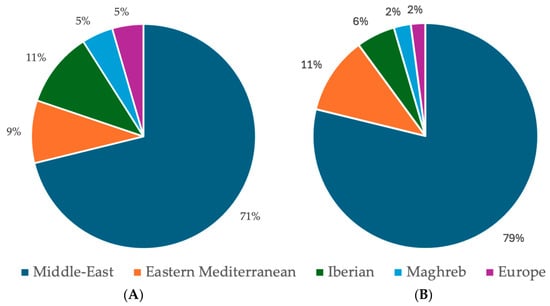
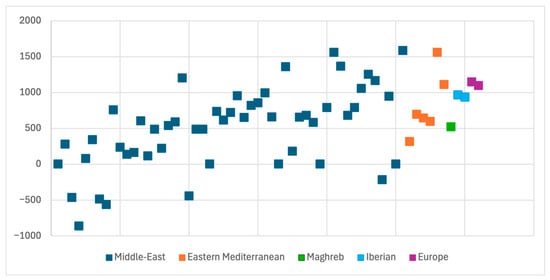
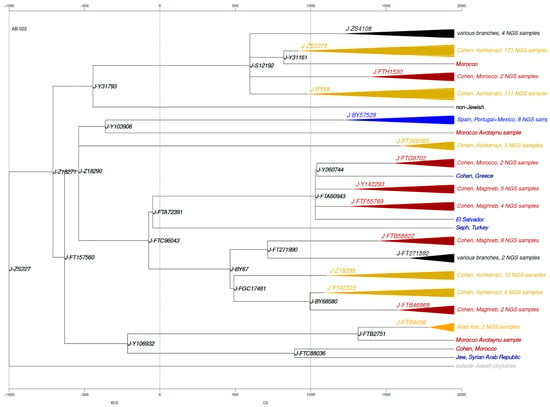
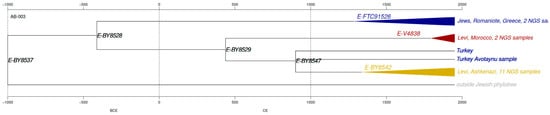
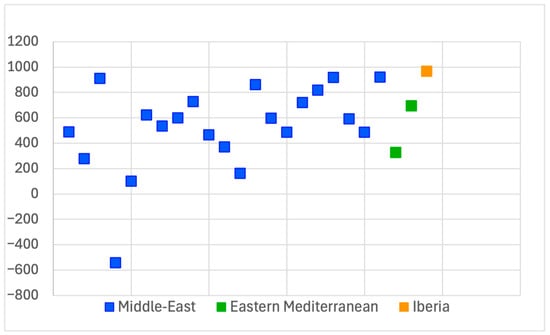
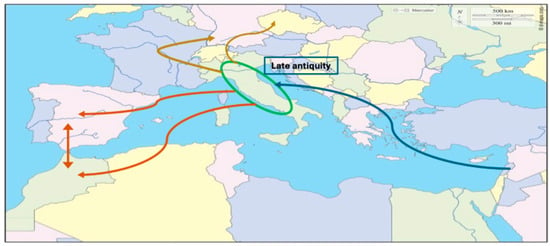
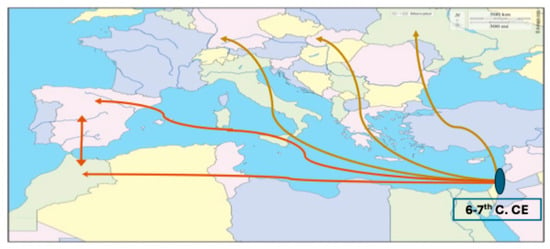
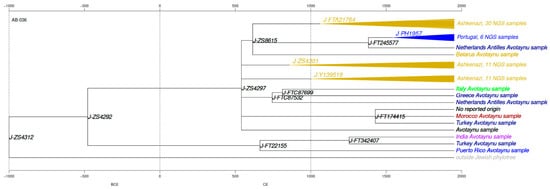
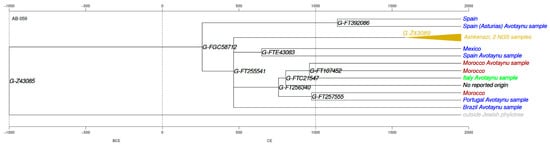
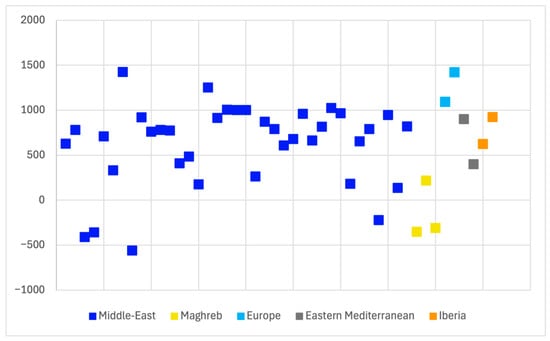
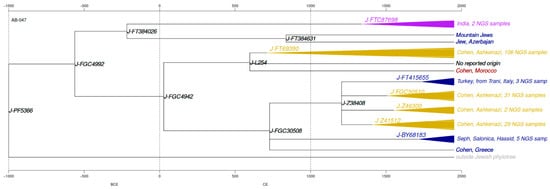
This Y-chromosome study of Moroccan Jews, the largest conducted to date, analyzes the patrilineal origins of 288 men of genealogically verified Moroccan Jewish descent through the Avotaynu DNA Project, identifying 111 distinct founder lineages. The long-standing hypothesis of large-scale Berber Judaization has not previously been tested at full Y-chromosome resolution; our findings provide the first systematic evidence against it. Approximately 71% of founder lineages and 80% of individuals trace to haplogroups common in the Middle East. Only 4.5% of founder lineages are of autochthonous North African origin. Iberian-origin lineages account for 11% of Moroccan Jewish founder lineages reflecting sustained demographic and cultural exchange between Morocco and the Iberian Peninsula over many centuries. Split dates between Moroccan and Ashkenazi or Sephardic subclades cluster between the 5th and 8th centuries CE, suggesting that the ancestral lineages of contemporary Moroccan Jews were already present across the Mediterranean basin during late Antiquity and the early medieval period. Analysis of 190 distinct Moroccan Jewish surname roots identifies 29 polygenic and 30 monogenic surnames, and demonstrates that the linguistic origin of a surname, including surnames of Maghrebi morphology, does not necessarily reflect its bearer’s Y-chromosome ancestry. Unlike Ashkenazi Jews, Moroccan Jews show no evidence of a founder effect or genetic bottleneck, and display a remarkable patrilineal diversity. Among the individual lineages documented here are the first paleogenetic link between a contemporary Moroccan Jewish patriline and a victim of the 1348 Tàrrega pogrom, an Iberian/Ashkenazi split traceable to tenth-century al-Andalus, and an unexpected connection between a predominantly Moroccan Jewish lineage and the Saint Thomas Syrian Christian community of Kerala. Moroccan Jewish patrilineal heritage is overwhelmingly Middle Eastern in origin and has been preserved with remarkable continuity across two millennia of diaspora, persecution, and migration. Full article
Show Figures

Figure 1

43 pages, 3710 KB  
Article
Cross-Center Vision–Language Transformer for Robust Mammography-Based Breast Cancer Diagnosis
by Anas W. Abulfaraj
Bioengineering 2026, 13(6), 653; https://doi.org/10.3390/bioengineering13060653 (registering DOI) - 31 May 2026
Abstract
While promising results have been demonstrated for deep learning-based breast cancer diagnosis using mammography, problems persist in approaches that rely primarily on visual information. These problems include inadequate performance across diverse clinical centers, various imaging protocols, scanner types, and patient distributions. Here, we [...] Read more.
While promising results have been demonstrated for deep learning-based breast cancer diagnosis using mammography, problems persist in approaches that rely primarily on visual information. These problems include inadequate performance across diverse clinical centers, various imaging protocols, scanner types, and patient distributions. Here, we introduce Cross-Center Vision–Language Transformer (CC-VLT), a framework that integrates mammograms and clinical text to enable more robust, guided diagnosis. The framework incorporates a vision transformer for mammograms, a text transformer for salient clinical descriptors, bi-directional cross-modal attention for semantics, and a cross-center feature regularization approach to address the challenge of inter-institutional domain shifts. The framework is tested on a leave-one-center-out basis across several public mammography datasets and significantly outperforms strong baseline models in both intra- and cross-center evaluations. Our framework achieved an accuracy of 90.7% with an intra-center ROC–AUC of 0.951 and cross-center ROC–AUC results of 0.912, 0.927, and 0.934 on the CBIS-DDSM, INbreast, and VinDr-Mammo datasets, respectively. Reliability of the malignancy probability predictions improved, as evidenced by a diminished Expected Calibration Error and Brier Score. Our framework, by designing an effective integrated vision–language interaction model and implementing a cross-center feature regularization approach, sets a benchmark for robust breast cancer diagnosis across diverse clinical environments. Full article
31 pages, 1815 KB  
Article
Evaluation of Control Methodologies for an MR Damper Prosthetic Leg with Auxiliary Active Torque
by Afrouz Hajimoradi, Hossein Vatandoost, Masoud Roudneshin and Ramin Sedaghati
Actuators 2026, 15(6), 302; https://doi.org/10.3390/act15060302 (registering DOI) - 31 May 2026
Abstract
Magnetorheological (MR) dampers enable semi-active control in prosthetic knees by providing rapidly adjustable resistance with low mechanical complexity. This paper evaluates three torque level control methodologies for a transfemoral prosthetic leg incorporating an MR damper: a model-based feedforward strategy, an adaptive inverse-dynamics controller, [...] Read more.
Magnetorheological (MR) dampers enable semi-active control in prosthetic knees by providing rapidly adjustable resistance with low mechanical complexity. This paper evaluates three torque level control methodologies for a transfemoral prosthetic leg incorporating an MR damper: a model-based feedforward strategy, an adaptive inverse-dynamics controller, and a robust inverse-dynamics controller. A Lagrange-based planar leg model with explicit force-to-torque mapping is formulated, and a reference knee trajectory is estimated from measurable gait variables using a cubic polynomial model whose order is selected through least-squares RMSE analysis. Each controller is assessed using knee-angle tracking accuracy and control effort to capture the practical trade-off between motion quality and energy demand. Results demonstrated that the adaptive inverse-dynamics controller has the smallest tracking error but requires the highest effort, whereas the robust inverse-dynamics approach realizes approximately the same tracking performance with reduced effort, thereby suggesting the best accuracy–effort compromise in the present work. Results, likewise, examined actuator feasibility by considering the MR damper as the primary dissipative element and the DC motor as a supplemental active actuator required when damping alone cannot satisfy the commanded knee torque. Full article
22 pages, 46072 KB  
Article
Characterization of PR-Cre Activity in the Testis and Its Application Reveals BRG1 Is Dispensable in Adult Leydig Cells
by Hongbiao Shi, Yilin Du, Yu Liang, Ai Liu, Congzhe Hou, Xi Li, Jiangxia Li, Wenjie Sun, Yecheng Jin and Qiji Liu
Biomolecules 2026, 16(6), 816; https://doi.org/10.3390/biom16060816 (registering DOI) - 31 May 2026
Abstract
Leydig cells play a crucial role in male development, fertility, and overall health through hormone production. Brahma-related gene 1 (BRG1), the catalytic subunit of the mammalian SWI/SNF complex, is a key regulator of chromatin accessibility and governs the development and function of diverse [...] Read more.
Leydig cells play a crucial role in male development, fertility, and overall health through hormone production. Brahma-related gene 1 (BRG1), the catalytic subunit of the mammalian SWI/SNF complex, is a key regulator of chromatin accessibility and governs the development and function of diverse tissues. However, its role in Leydig cells remains unclear. In this study, we first characterized the expression pattern of PR-Cre in the testes, as this Cre mouse line has been widely used for gene targeting in the female reproductive system, but its activity in the testis has never been systematically reported. We found that PR-Cre drives recombination in multiple testicular cell types, including stem/progenitor adult Leydig cells (ALCs), peritubular myoid cells, and elongated spermatids. Using PR-Cre to conditionally delete BRG1 in ALCs, we observed no detectable abnormalities in ALC development, spermatogenesis, or male fertility. Similar results were obtained using the Cyp17a1-iCre mouse line and AAV8-iCre viral delivery for BRG1 deletion. Collectively, this work demonstrates that BRG1 is dispensable for ALC development and function, while providing a comprehensive characterization of PR-Cre as a valuable new tool for male reproductive research. Full article
(This article belongs to the Special Issue Cellular and Molecular Mechanisms of Spermatogenesis, 2nd Edition)
12 pages, 713 KB  
Article
Laser-Assisted Self-Monitoring of Blood Glucose: Analytical Performance, Clinical Accuracy, and Usability of the HandyRay-Glu System
by Minsup Lim, JunMin Lee, Ji A Seo and Sun-Young Ko
Diagnostics 2026, 16(11), 1700; https://doi.org/10.3390/diagnostics16111700 (registering DOI) - 31 May 2026
Abstract
Background/Objectives: Diabetes mellitus is a major global health burden, and inadequate glycemic control increases the risk of microvascular and macrovascular complications. Self-monitoring of blood glucose (SMBG) is essential for diabetes management, but conventional finger-prick sampling may reduce adherence due to pain and [...] Read more.
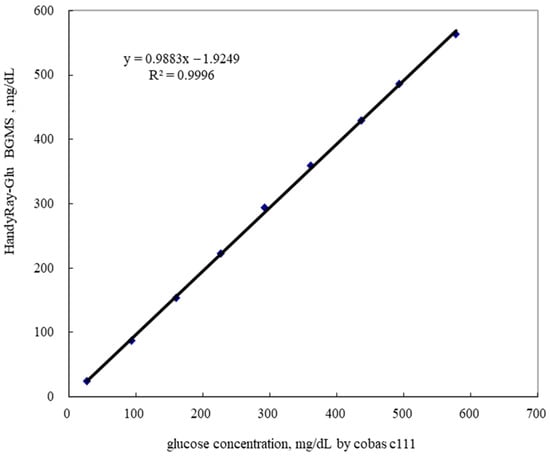
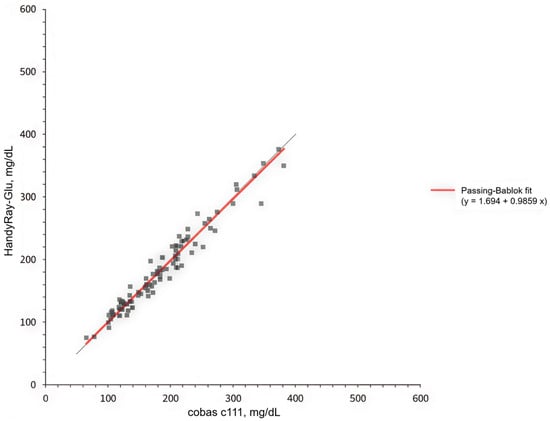
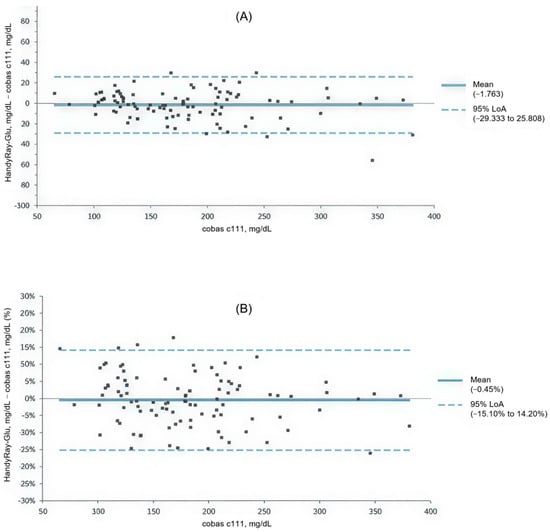
Background/Objectives: Diabetes mellitus is a major global health burden, and inadequate glycemic control increases the risk of microvascular and macrovascular complications. Self-monitoring of blood glucose (SMBG) is essential for diabetes management, but conventional finger-prick sampling may reduce adherence due to pain and repeated skin injury. This study evaluated the analytical performance, clinical accuracy, and usability of a novel laser-assisted blood glucose monitoring system, HandyRay-Glu. Methods: A prospective clinical evaluation study was conducted in accordance with ISO 15197:2013. Capillary blood glucose values obtained using the HandyRay-Glu system were compared with reference measurements generated by the cobas c111 analyzer. Analytical performance was assessed by evaluating repeatability, linearity, hematocrit effect, and interference. Clinical performance was assessed according to ISO 15197:2013 system accuracy criteria, and method comparison was performed using Passing–Bablok regression and Bland–Altman analyses. Usability was evaluated using a structured participant questionnaire. Results: A total of 100 adult participants with diabetes mellitus were included. Overall, 97.8% of results met the ISO 15197:2013 accuracy criteria. Passing–Bablok regression showed strong agreement between HandyRay-Glu and the reference method (y = 1.694 + 0.9859x, r = 0.992). Bland–Altman analysis demonstrated a mean bias of −1.763 mg/dL, with 95% limits of agreement ranging from −29.333 to 25.808 mg/dL. Analytical evaluations showed acceptable repeatability, linearity across the tested measurement range, and no clinically significant interference. More than 97% of participants reported satisfaction with device usability. Conclusions: The HandyRay-Glu system met the performance requirements of ISO 15197:2013 and demonstrated high analytical accuracy, acceptable agreement with the reference method, and favorable usability. Laser-assisted blood sampling combined with electrochemical glucose measurement may offer a potential alternative to conventional SMBG systems, and its possible role in improving patient acceptance of regular monitoring warrants further investigation. Full article
(This article belongs to the Section Point-of-Care Diagnostics and Devices)
Show Figures

Figure 1

21 pages, 11205 KB  
Review
Research Advances in MicroRNA-Mediated Regulation of Bamboo Organ Development
by Wenjing Yao, Qin Tan, Hongyue Gu, Rui Zhou, Yulong Ding and Shuyan Lin
Plants 2026, 15(11), 1705; https://doi.org/10.3390/plants15111705 (registering DOI) - 31 May 2026
Abstract
MicroRNAs (miRNAs) are key regulators of gene expression at the post-transcriptional level, playing multiple roles in plant growth and development, signal transduction, environmental stress response, and secondary metabolite formation. The biological functions of miRNAs are relatively conserved in plants, yet certain miRNAs display [...] Read more.
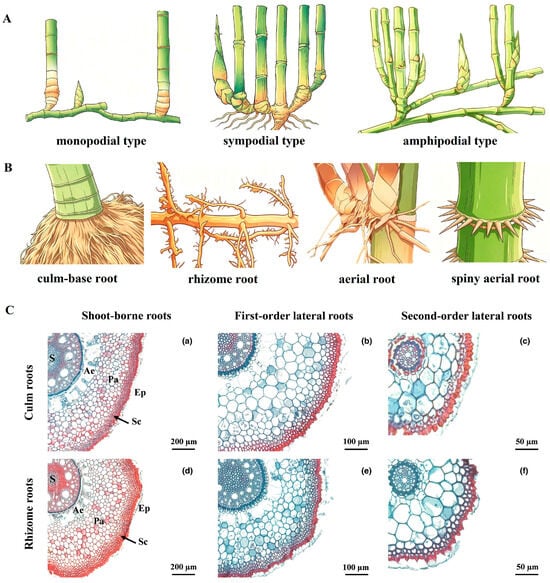
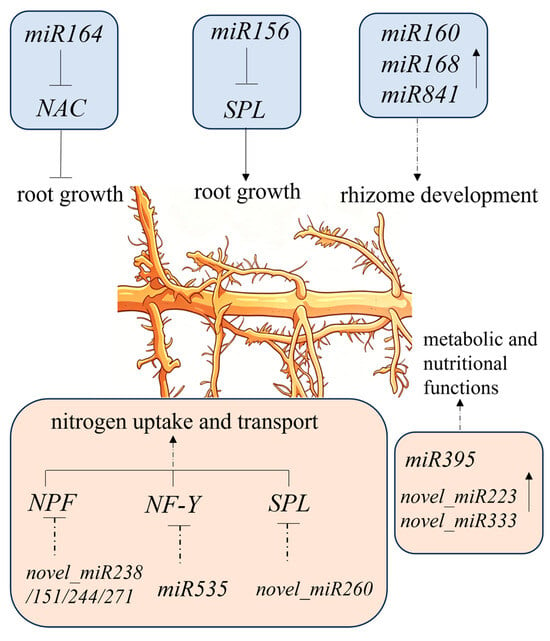
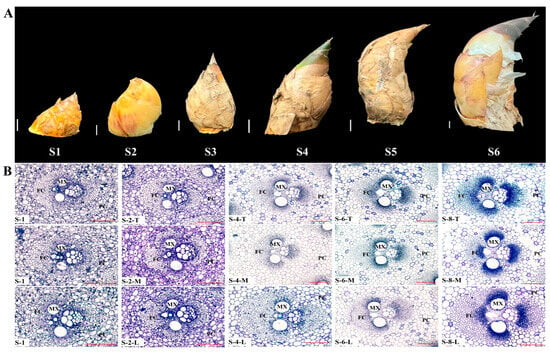
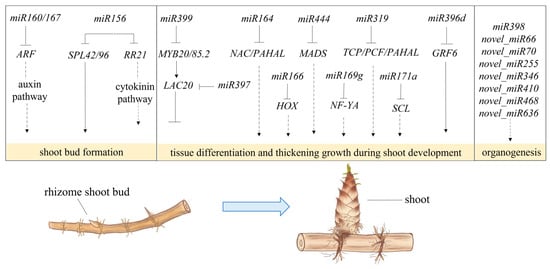
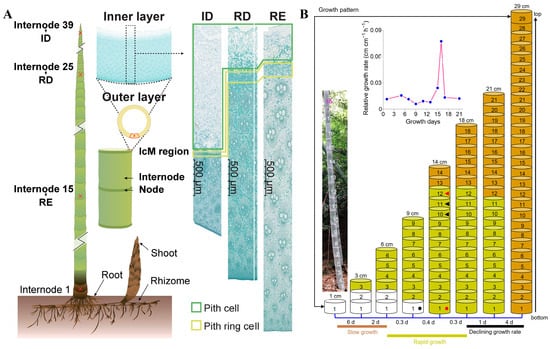
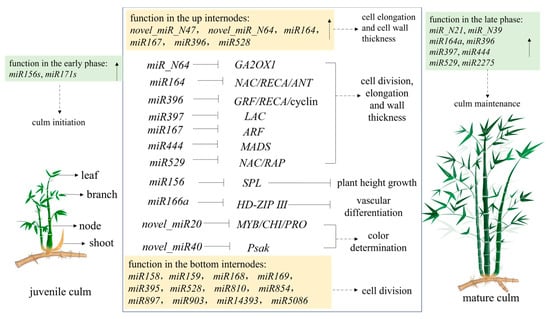
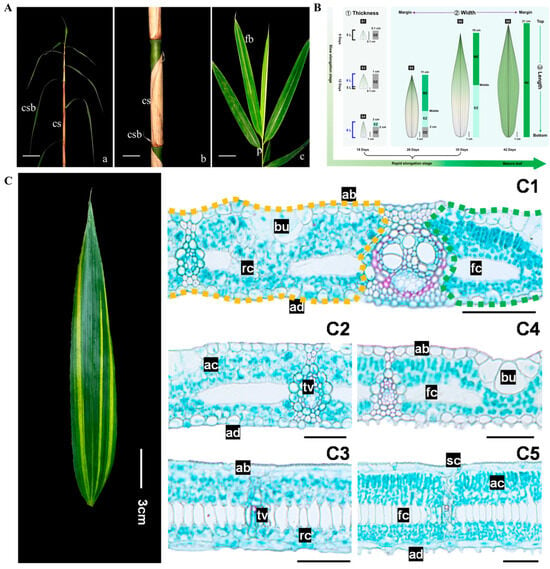
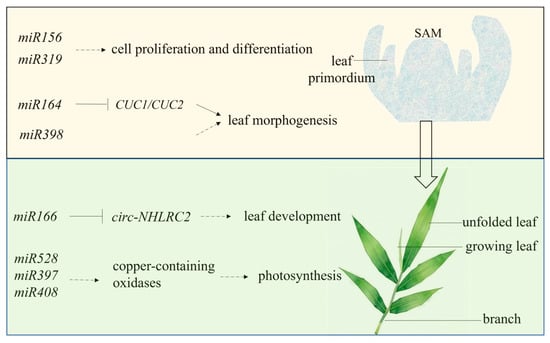
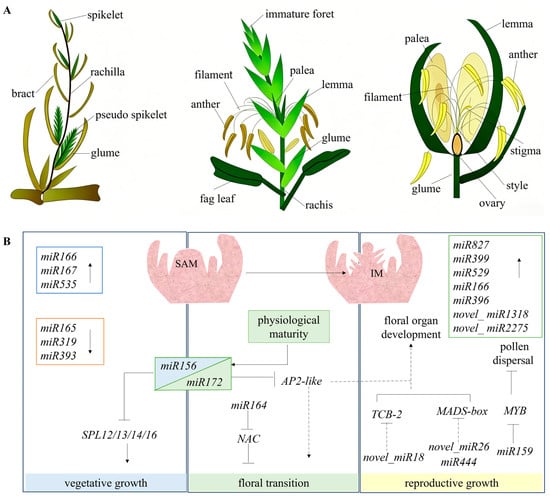
MicroRNAs (miRNAs) are key regulators of gene expression at the post-transcriptional level, playing multiple roles in plant growth and development, signal transduction, environmental stress response, and secondary metabolite formation. The biological functions of miRNAs are relatively conserved in plants, yet certain miRNAs display regulatory functions and mechanisms that are species-specific. Increasing evidence underscores the significance of miRNA-transcription factor (TF) molecular modules in plant organ development. Compared to other Poaceae plants such as Oryza sativa, bamboo (Poaceae: Bambusoideae) exhibits a greater diversity of developmental patterns in organ development throughout its life cycle. However, current research on miRNA-mediated bamboo organ development remains relatively scattered, and the mechanisms of action of key miRNA-TF modules are still poorly understood in bamboo plants. In the review, we outlined the unique biological characteristics of root, shoot, culm, leaf, and flower in bamboo plants and synthesized the research progress on miRNA-mediated regulation of bamboo organ development. Prominently, we focused on the potential regulatory functions of miRNA-TF modules in shaping developmental characteristics of bamboo organs. Last but not least, we summarized the current research limitations in this field and proposed future directions and strategic approaches to facilitate further in-depth exploration. This review not only deepens our understanding of the unique developmental characteristics of bamboo organs but also clarifies the research framework of miRNA-TF modules governing these processes, thereby providing theoretical references for innovative breeding and genetic improvement of bamboo plants. Full article
(This article belongs to the Section Plant Development and Morphogenesis)
Show Figures

Figure 1

13 pages, 6196 KB  
Article
Enhanced Pressureless Sinter-Bonding of Ag Nanoparticle Paste Through In Situ Ag Complex Reduction
by Changsu Park and Jong-Hyun Lee
Metals 2026, 16(6), 604; https://doi.org/10.3390/met16060604 (registering DOI) - 31 May 2026
Abstract
The high-temperature operating requirements and the issues in the packaging process of wide-bandgap power semiconductors have positioned pressureless sinter-bonding using Ag nanoparticle paste as the most promising die-attach technology. However, under pressureless conditions, where externally applied pressure-driven particle rearrangement is absent, achieving sufficient [...] Read more.
The high-temperature operating requirements and the issues in the packaging process of wide-bandgap power semiconductors have positioned pressureless sinter-bonding using Ag nanoparticle paste as the most promising die-attach technology. However, under pressureless conditions, where externally applied pressure-driven particle rearrangement is absent, achieving sufficient densification and suppressing residual porosity during short-duration annealing at 250 °C remain significant challenges for conventional single-composition Ag pastes. In this study, a hybrid filler paste composed of Ag nanoparticles and a Ag complex solution was developed to implement an active mass supply strategy, in which additional Ag atoms were directly introduced into interparticle voids through in situ reduction during sinter-bonding. Mono-dispersed Ag nanoparticles with a mean diameter of 75.26 nm were synthesized via H2O2-mediated wet-chemical reduction, and the Ag complex solution was prepared using a Ag salt–complexing agent–formic acid system dispersed in an ethylene glycol medium. TG-DTA analysis of the hybrid paste revealed four sequential thermal stages, consisting of solvent evaporation, Ag ion reduction, organic decomposition, and interparticle sintering, accompanied by approximately 16 wt% out-gassing. Based on these results, a three-step temperature profile was designed to initiate sintering after complete out-gassing. When chip/paste/substrate assemblies, pre-dried at 50 °C for 90 s and pre-compressed at 5 MPa for 60 s, were subjected to the three-step profile with a peak temperature of 250 °C, the in situ reduced Ag effectively bridged adjacent nanoparticles and filled fine interparticle voids, leading to pronounced densification of the bond line. As a result, the hybrid paste achieved an average shear strength of 19.1 MPa, exceeding the minimum requirement for sinter-bonding applications. These findings demonstrate that the proposed hybrid filler approach provides an effective pathway for enhancing pressureless Ag sinter-bonding performance. Full article
23 pages, 450 KB  
Article
Incretin-Based Drugs for Obesity: Common and Drug-Specific Reporting Patterns of Adverse Drug Reactions—A Comparative Disproportionality Analysis Using EudraVigilance Reports Integrating SmPC Data
by Ioana Rada Popa Ilie, Steliana Ghibu, Anca Butuca, Carmen Maximiliana Dobrea, Adina Frum, Calin Homorodean, Adriana Aurelia Chis and Claudiu Morgovan
Pharmaceuticals 2026, 19(6), 876; https://doi.org/10.3390/ph19060876 (registering DOI) - 31 May 2026
Abstract
Background: With the increasing widespread use of GLP-1 RA and dual GIP/GLP-1 RAs in the treatment of obesity, their safety profile remains a concern for healthcare professionals (HPs). Objective: This study aimed to characterize and evaluate safety data from the EudraVigilance (EV) database [...] Read more.
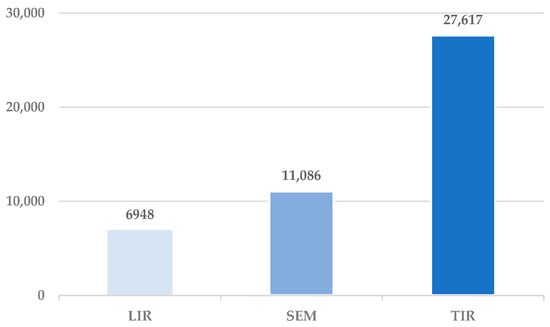
Background: With the increasing widespread use of GLP-1 RA and dual GIP/GLP-1 RAs in the treatment of obesity, their safety profile remains a concern for healthcare professionals (HPs). Objective: This study aimed to characterize and evaluate safety data from the EudraVigilance (EV) database for semaglutide (SEM), liraglutide (LIR), and tirzepatide (TIR). Methods: A hierarchical pharmacovigilance approach was applied, integrating SOC- and PT-level analyses with SmPC-based evaluation and both frequentist (ROR, 95% CI) and Bayesian (IC025) disproportionality methods. Within each molecule, reporter type–stratified analyses were performed, while across all molecules, disproportionality analyses were conducted separately in HP reports and in the full database to identify reporting patterns and potential safety signals, including those not described in the SmPCs. Results: Some ADRs, listed in the SmPC of only one or two of the three GLP1-RAs were also reported in the EV database for the other agents whose SmPCs do not specify these ADRs including optic ischemic neuropathy (TIR: 0.28% and LIR: 0.17%), alopecia (LIR: 0.81%), headache (TIR: 2.51%), intestinal obstruction (TIR: 1.55%), angioedema (LIR: 0.19%), hypersensitivity (SEM: 0.58% and LIR: 0.73%), etc. Pancreatitis, in particular, showed a significant but low-magnitude signal, being more frequently reported by HPs compared with non-HPs across all three GLP1-RAs. Additionally, statistically significant signals (IC025 > 0) were observed in both the HPs and full datasets. For example, for SEM vs. TIR, signals were identified for optic ischemic neuropathy (0.17; 0.13), gallbladder disorder (0.09; 0.11), and dysesthesia (0.42; 0.43), respectively. For TIR vs. SEM, signals were observed for injection site erythema (0.05; 0.11), injection site pruritus (0.01; 0.11), and injection site reaction (0.02; 0.08). Conclusions: These findings suggest potential safety signals beyond current SmPC information, emphasizing the need for continuous pharmacovigilance and cautious interpretation of reporting biases. Full article
Show Figures

Figure 1

20 pages, 352 KB  
Article
Social Determinants of Loneliness in Brazilian Men Who Have Sex with Men
by Felipe Alckmin-Carvalho, Iara Teixeira, Constança Proença, Nayara Martins, Guilherme Wendt, Martim Santos and Henrique Pereira
Soc. Sci. 2026, 15(6), 360; https://doi.org/10.3390/socsci15060360 (registering DOI) - 31 May 2026
Abstract
Loneliness has emerged as a significant public health concern among vulnerable populations, particularly gay, bisexual, and other men who have sex with men (MSM), and is shaped by sociodemographic and sociocultural factors. This observational, cross-sectional study aimed to estimate the prevalence of loneliness [...] Read more.
Loneliness has emerged as a significant public health concern among vulnerable populations, particularly gay, bisexual, and other men who have sex with men (MSM), and is shaped by sociodemographic and sociocultural factors. This observational, cross-sectional study aimed to estimate the prevalence of loneliness and examine its associations with sociodemographic and sociocultural factors among Brazilian MSM. A total of 1196 participants (mean age = 39.96 years, SD = 12.41) completed measures of loneliness (UCLA Loneliness Scale), sociodemographic characteristics, economic vulnerability, social and community capital, religiosity, and clinical–behavioral factors. More than half of the participants (52.7%) reported moderate or high levels of loneliness. A hierarchical multiple linear regression model was estimated and explained 23% of the variance in loneliness. Greater economic vulnerability and problematic substance use were linked to higher loneliness, whereas being in a romantic relationship, reporting a stronger sense of community belonging, and having social networks composed predominantly of LGBTQIA+ peers were linked to lower loneliness. The absence of formal religion was independently linked to higher loneliness, and HIV serostatus was not significantly related to loneliness after adjustment. These findings highlight the relevance of loneliness in this population and inform interventions targeting material vulnerability and community-based social support. Full article
(This article belongs to the Special Issue Identity and Well-Being of LGBTQIA + People and Communities)
29 pages, 7090 KB  
Article
Evaluation of Potentially Toxic Elements in Roadside Agricultural Soils Using Pollution Indices and Remediation Potential of Manure and Attapulgite in Wheat Cultivation
by Apostolia Argiri, Aikaterini Molla, Miltiadis Tziouvalekas and Christina Emmanouil
Toxics 2026, 14(6), 483; https://doi.org/10.3390/toxics14060483 (registering DOI) - 31 May 2026
Abstract
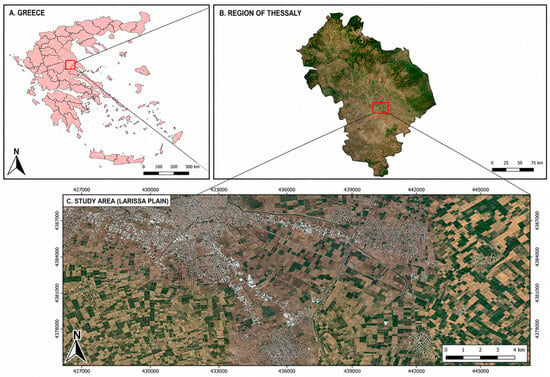
Soil near urban areas may be burdened with numerous environmental pollutants including potentially toxic elements (PTEs). In this context, samples near the highway infrastructure in Larissa, Central Greece were examined for pseudo-total concentrations of Cr, Cu, Zn, Pb and Ni, and enrichment, ecological [...] Read more.
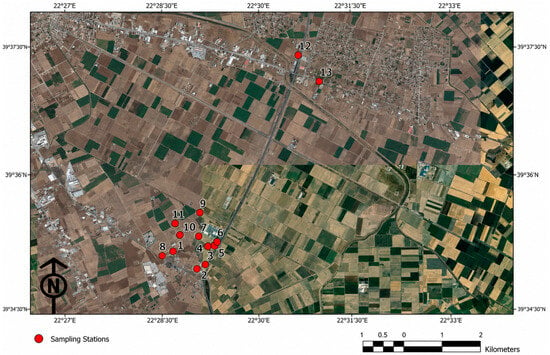
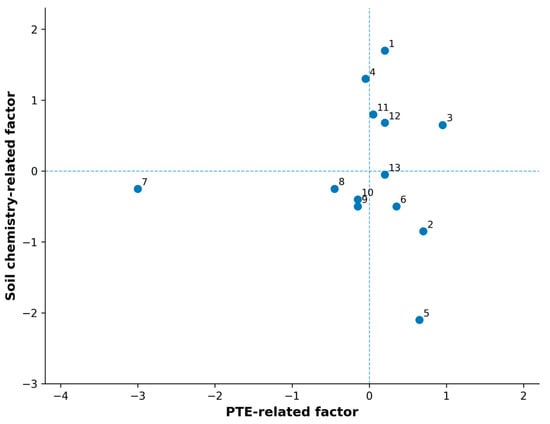
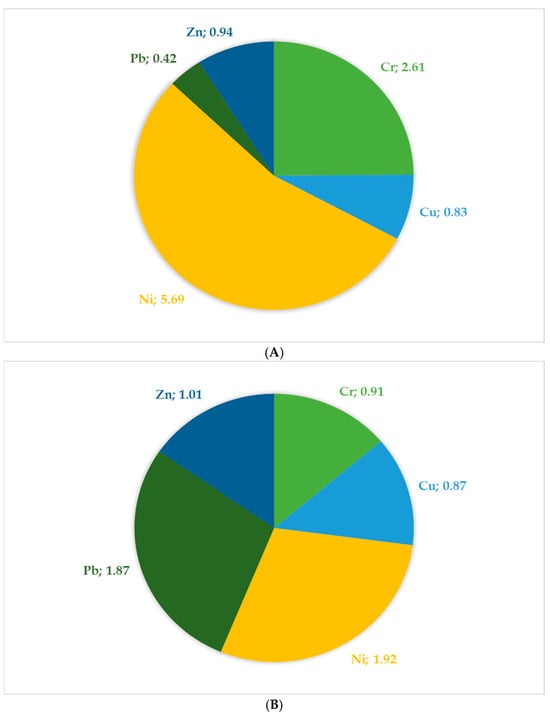
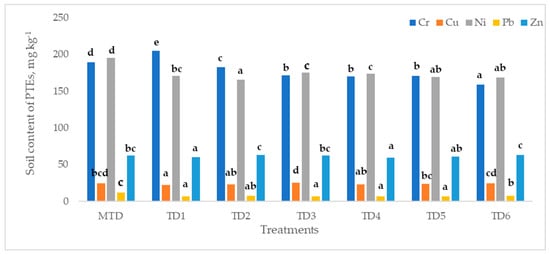
Soil near urban areas may be burdened with numerous environmental pollutants including potentially toxic elements (PTEs). In this context, samples near the highway infrastructure in Larissa, Central Greece were examined for pseudo-total concentrations of Cr, Cu, Zn, Pb and Ni, and enrichment, ecological risk and human risk indices were calculated. Co-variation structure between PTEs and key soil properties was assessed through Principal Component Analysis (PCA). Screening for the pollution status of this area would quantify the possible risk, and therefore whether our subsequent rehabilitation trials would be of use. In this context, the most polluted sample was chosen to undergo a variety of remediation alternatives in a pot experiment, incorporating wheat and manure–attapulgite mixtures. Results showed enrichment of soil mainly with Ni, a low probability (9%) of risk exceedance for children for non-carcinogenic health effects and strong associations between the PTEs, indicating common sources. The greenhouse experiments showed that the application of manure–attapulgite reduced PTE concentrations in soil and wheat plant, with the greatest decrease observed for Pb, Cr and Ni. BCF values indicated strong accumulation of Ni (BCF > 1), while Cr and Cu showed limited uptake. Coefficient of contamination level (CCL) values (<1) for Cr and Cu confirmed reduced plant uptake, whereas Ni, Pb and Zn remained above 1. Taken together, the research shows that the fields chosen here are subjected to significant PTE input from lithogenic and anthropogenic sources, which may even become dangerous for sensitive sub-populations. Experimental cultivation of wheat shows that the combined amendments effectively reduced metal bioavailability and soil-to-plant transfer. Full article
Show Figures

Figure 1

14 pages, 35225 KB  
Case Report
Rare Implantation Sites of Ectopic Pregnancy: A Case Series of Ovarian and Hepatic Pregnancy and Review of Diagnostic Challenges
by Stefan Ivanovic, Ljubomir Srbinovic, Milica Ivanovic, Dragana Maglic, Nenad Kokošar and Rastko Maglic
Clin. Pract. 2026, 16(6), 107; https://doi.org/10.3390/clinpract16060107 (registering DOI) - 31 May 2026
Abstract
Background: Ectopic pregnancy remains a significant cause of maternal morbidity in early pregnancy. While most ectopic pregnancies happen within the fallopian tube, implantation may rarely occur in atypical locations such as the ovary or abdominal cavity. These rare forms often present with nonspecific [...] Read more.
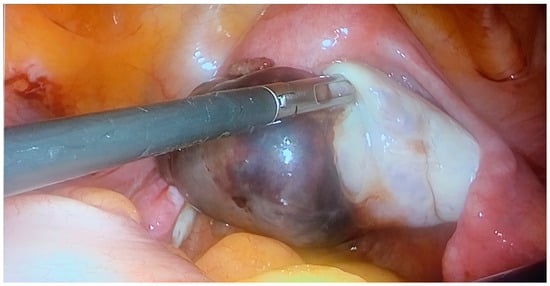
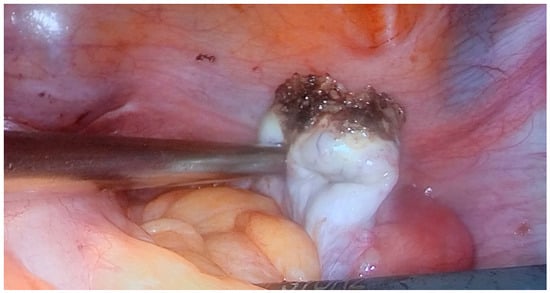
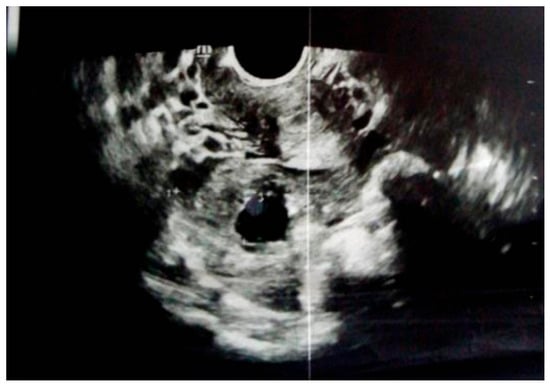
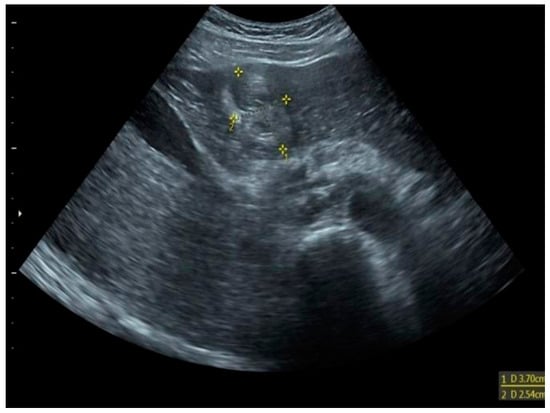
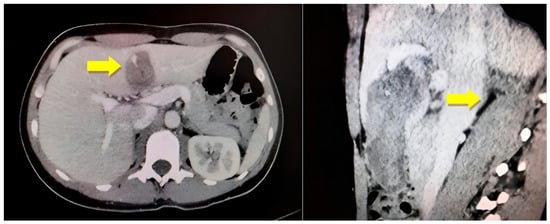
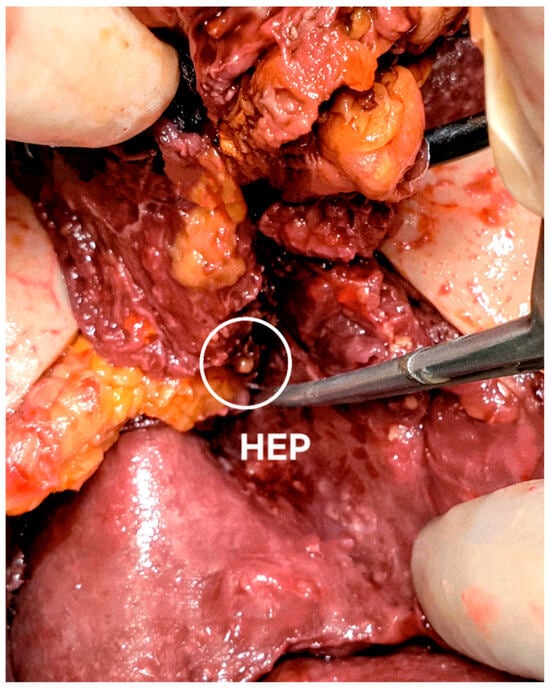
Background: Ectopic pregnancy remains a significant cause of maternal morbidity in early pregnancy. While most ectopic pregnancies happen within the fallopian tube, implantation may rarely occur in atypical locations such as the ovary or abdominal cavity. These rare forms often present with nonspecific clinical findings and may represent a considerable diagnostic challenge. Methods: We report a case series of three rare ectopic pregnancies managed at a tertiary referral center. Two cases involved ovarian pregnancy, and one case represented an exceptionally rare hepatic ectopic pregnancy. Clinical presentation, diagnostic pathway, surgical management, and outcomes were analyzed and compared with available literature. Results: In the first two cases, ovarian pregnancy was confirmed intraoperatively and treated surgically, with ovarian preservation in one patient and adnexectomy in the other due to active bleeding. The third case had an unusual course: initial surgery was performed for hemoperitoneum caused by a ruptured corpus luteum cyst, while persistent β-hCG elevation later led to identification of hepatic ectopic pregnancy, confirmed by imaging and surgery. All patients recovered favorably, with complete β-hCG negativization. Conclusions: Rare ectopic implantation sites may mimic acute abdominal conditions and remain difficult to diagnose preoperatively. High clinical suspicion, serial β-hCG monitoring, and appropriate imaging are essential. Surgical management remains central, particularly in life-threatening bleeding. Standard algorithms for tubal ectopic pregnancy may not be fully applicable and should be adapted to the clinical context. Full article
(This article belongs to the Section Reproductive Medicine and Women’s Health)
Show Figures

Figure 1

15 pages, 3203 KB  
Article
Evolutionary Screening of Lacticaseibacillus rhamnosus MP108 for Freeze–Thaw Tolerance
by Lina Pan, Jiaqi Wang, Wei Li, Cailing Chen, Yuguang Wang, Ruixia Gu, Hengxian Qu and Hongbo Zhou
Microorganisms 2026, 14(6), 1240; https://doi.org/10.3390/microorganisms14061240 (registering DOI) - 31 May 2026
Abstract
Freeze-drying is the most commonly used method for preserving probiotics. The freeze tolerance of probiotics has a significant impact on both their survival rate and the expression of their functional properties. To enhance the freeze tolerance of probiotics, this study established an adaptive [...] Read more.
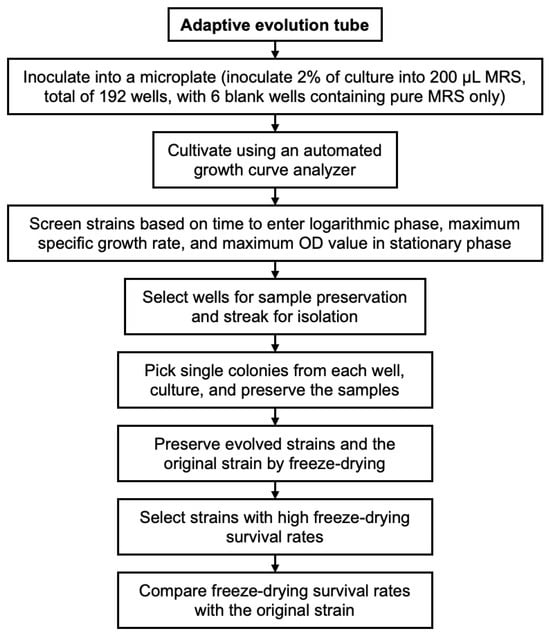
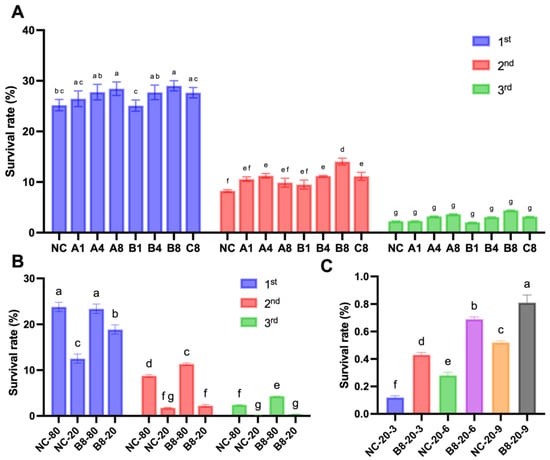
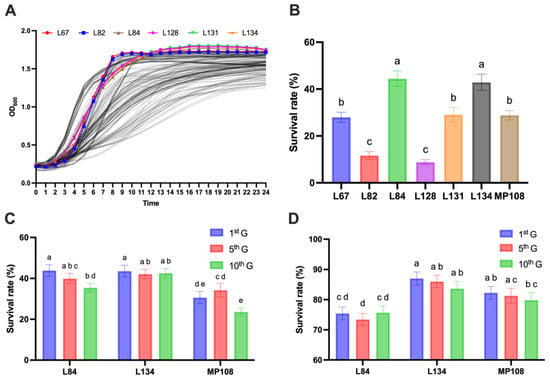
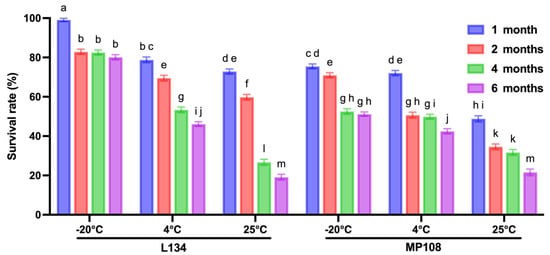
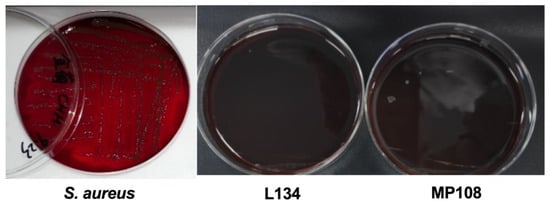
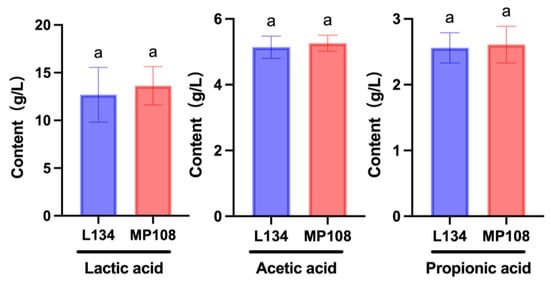
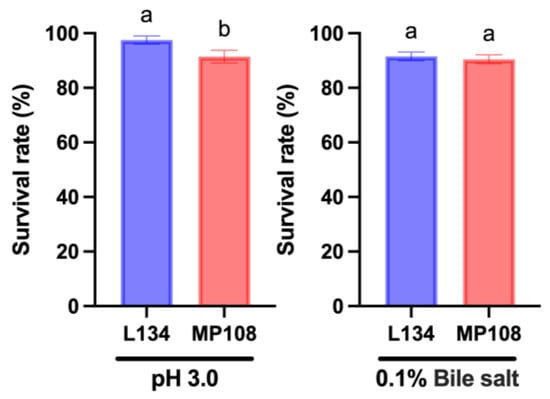
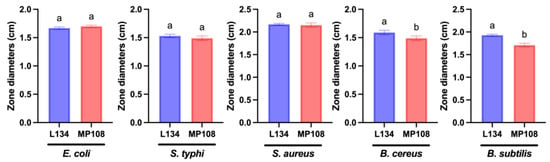
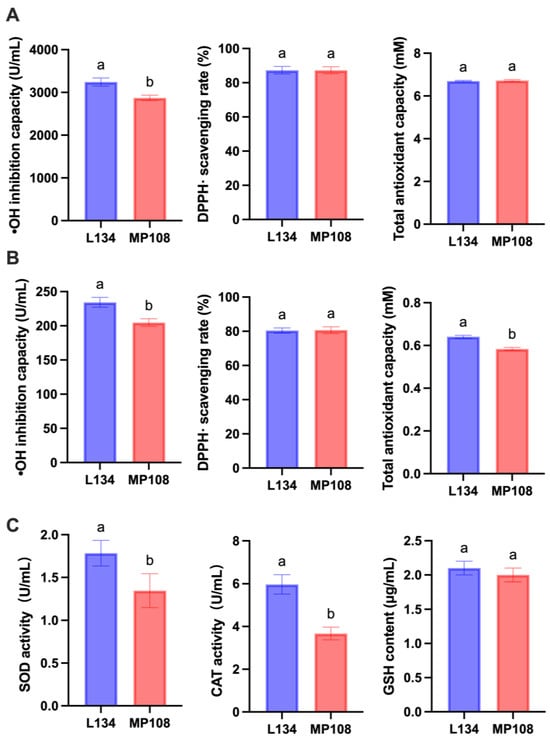
Freeze-drying is the most commonly used method for preserving probiotics. The freeze tolerance of probiotics has a significant impact on both their survival rate and the expression of their functional properties. To enhance the freeze tolerance of probiotics, this study established an adaptive evolution protocol combining cold stress with repeated freeze–thaw cycles to screen for freeze–thaw-tolerant evolved strains of Lacticaseibacillus rhamnosus MP108. The safety, metabolic, and functional characteristics of these strains were then evaluated. The results showed that the combination of the 8 h cold stress treatment at 4 °C and nine cycles of freezing and thawing at −20 °C effectively enhanced the strain’s freeze tolerance, and the evolved strain L134 was successfully screened through adaptive evolution. Its freeze-dried survival rate and storage survival rate after 6 months of storage were both significantly higher than those of the parental strain (p < 0.05). Furthermore, it exhibited good passage stability. At the same time, the safety and acid-producing characteristics of L134 did not show significant changes compared to the parental strain. Furthermore, its tolerance to simulated gastric fluid, antibacterial activity, and antioxidant capacity were significantly enhanced (p < 0.05). In particular, compared to MP108, L134 exhibited significantly increased hydroxyl radical scavenging capacity as well as higher activities of the antioxidant enzymes SOD and CAT (p < 0.05); the improvement in its freeze tolerance may be related to this enhanced antioxidant capacity. Full article
(This article belongs to the Section Microbial Biotechnology)
Show Figures

Figure 1

32 pages, 75346 KB  
Article
A Flux-Guided Shape-Refinement Framework for Freeform Shells Toward Improved Directional Compatibility Under Gravity Loading
by Abtin Baghdadi and Harald Kloft
Appl. Mech. 2026, 7(2), 47; https://doi.org/10.3390/applmech7020047 (registering DOI) - 31 May 2026
Abstract
This study presents a discrete–continuous flux-guided shape-refinement framework for freeform shell geometries under self-weight. The method evaluates the directional relation between a prescribed support-directed transmission field and the shell surface normal, identifies locally underperforming regions, applies top-down geometric updates, and reconstructs a continuous [...] Read more.
This study presents a discrete–continuous flux-guided shape-refinement framework for freeform shell geometries under self-weight. The method evaluates the directional relation between a prescribed support-directed transmission field and the shell surface normal, identifies locally underperforming regions, applies top-down geometric updates, and reconstructs a continuous surface at each step. It is intended as a transparent intermediate stage between intuitive freeform design and high-fidelity structural verification. The framework is demonstrated on nine shell cases with different geometries, support conditions, height ranges, and surface irregularities. Across all the cases, the results show reduced normal-component misalignment and increased tangential alignment relative to the prescribed transmission field. A representative finite-element comparison provides case-specific supporting evidence that under a linear-elastic gravity-load model the refined geometry can reduce deformation and stress levels over large surface regions; however, it does not prove general structural optimality or fully membrane-dominated behavior. Geometric roughness remains a key limitation requiring explicit regularization in future work. The approach is positioned as a lightweight geometric pre-optimization tool for conceptual shell design, rather than as a substitute for equilibrium-based form-finding or detailed structural optimization. Full article
69 pages, 6482 KB  
Review
Solid-State Battery Technology for Next-Generation Electric Vehicles
by Boucar Diouf
Energies 2026, 19(11), 2659; https://doi.org/10.3390/en19112659 (registering DOI) - 31 May 2026
Abstract
Solid-state batteries (SSBs) are emerging as a transformative alternative to conventional lithium-ion batteries (LIBs) for next-generation electric vehicles (EVs) by replacing flammable liquid electrolytes with solid-state materials. Compared with current LIB systems delivering approximately 160–300 Wh/kg at the pack level, SSBs are projected [...] Read more.
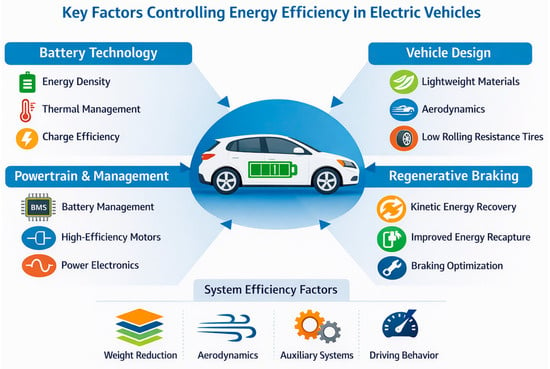
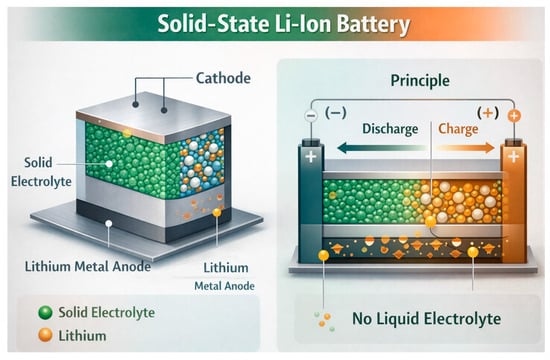
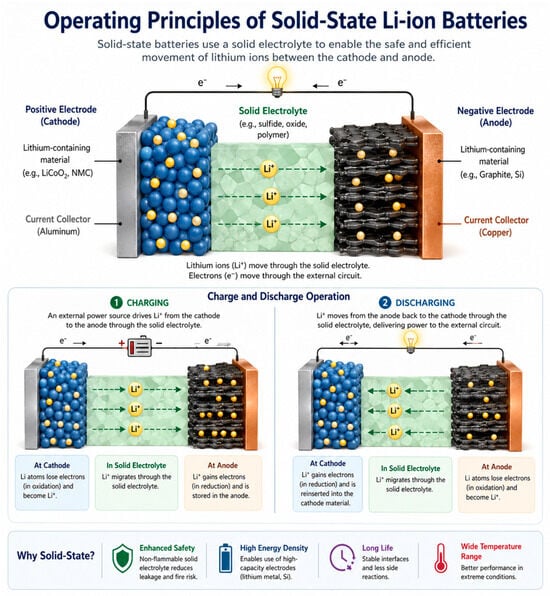
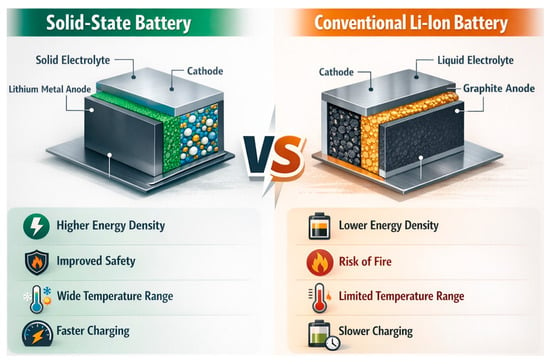
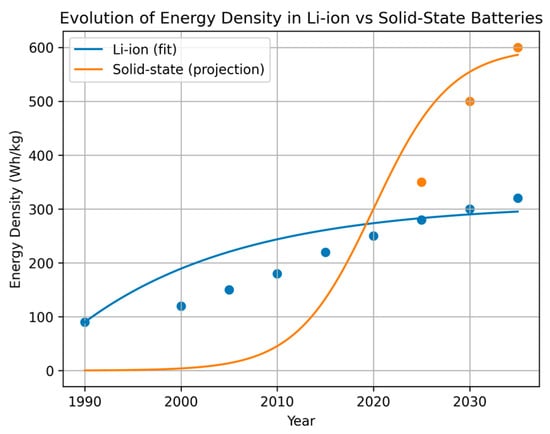
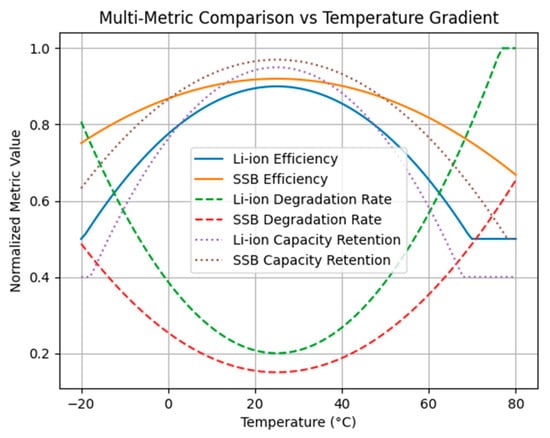
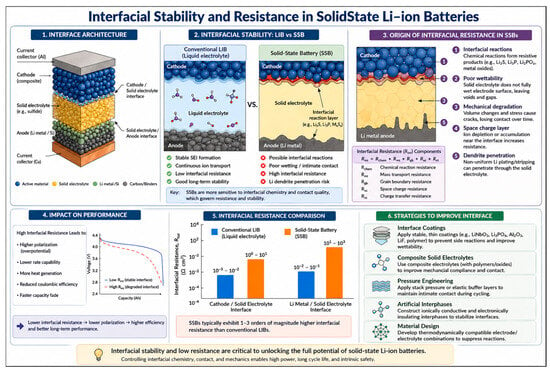
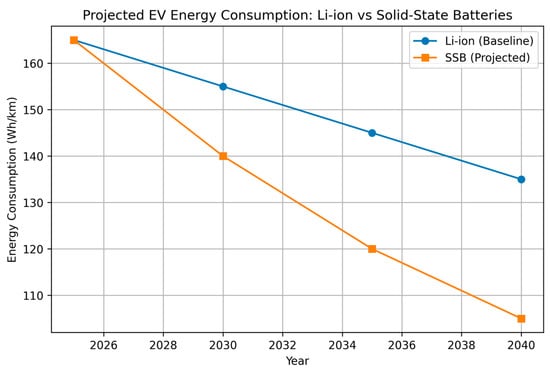
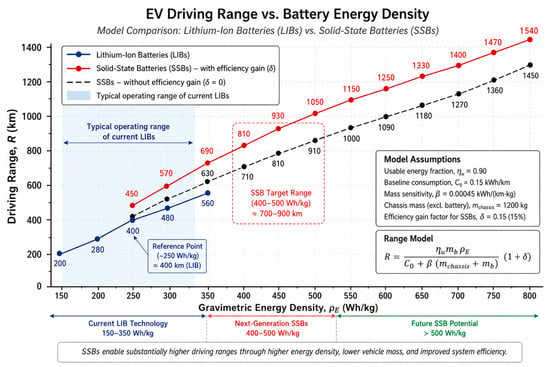
Solid-state batteries (SSBs) are emerging as a transformative alternative to conventional lithium-ion batteries (LIBs) for next-generation electric vehicles (EVs) by replacing flammable liquid electrolytes with solid-state materials. Compared with current LIB systems delivering approximately 160–300 Wh/kg at the pack level, SSBs are projected to achieve 400–800 Wh/kg, enabling improvements in driving range of nearly 50–100% while simultaneously reducing battery pack mass by 10–30%. These improvements directly enhance vehicle-level energy efficiency by lowering energy consumption from typical values of 150–180 Wh/km in present EVs to projected levels of 110–140 Wh/km in optimized SSB-based architectures. Furthermore, reduced internal resistance and improved electrochemical stability can increase round-trip efficiency from approximately 85–95% in conventional LIBs to values approaching 95–98% under optimized solid-state configurations. The enhanced thermal stability of solid electrolytes significantly reduces the need for active cooling systems, decreasing parasitic thermal-management energy consumption from 10–30% of total vehicle energy demand to below 5–15% in advanced SSB systems. Fast-charging capability is also substantially improved, with projected charging times decreasing from 20–40 min to approximately 10–15 min for 10–80% state-of-charge operation, while maintaining improved safety and reduced risk of thermal runaway. In addition, SSBs demonstrate projected cycle lifetimes exceeding 3000–5000 cycles, compared with 1000–2000 cycles for conventional LIBs, thereby lowering battery replacement frequency and lifecycle energy losses. This paper examines the electrochemical fundamentals, thermal behavior, charging/discharging efficiency, and vehicle-level implications of SSB technology for EV applications. Comparative analyses demonstrate that replacing LIBs with SSBs can increase EV driving range from approximately 400 km to 700–800+ km under equivalent battery mass conditions, while also improving coulombic efficiency beyond 99.5% and reducing self-discharge rates to below 1–2% per month. Current industrial case studies from Toyota, Factorial Energy, Mercedes-Benz, CATL, BYD, QuantumScape, and Samsung SDI further confirm accelerating commercialization pathways toward 2027–2030. Overall, the study demonstrates that SSBs are not merely incremental battery improvements but represent a system-level efficiency technology capable of simultaneously enhancing energy density, reducing thermal and electrical losses, extending vehicle range, accelerating charging, and improving long-term sustainability. Despite persistent challenges related to manufacturing scalability, interfacial resistance, and cost, SSBs are positioned to become a critical enabler of highly efficient, long-range, and safer electric mobility systems beyond 2030. Full article
Show Figures

Figure 1

27 pages, 2398 KB  
Article
Pop-Up Cards—A Context for Interdisciplinarity Between Visual Arts and Mathematics
by Lina Brunheira, Cristina Loureiro, José Pedro Regatão, Joana Conceição, Cristina Morais and Helena Gil Guerreiro
Educ. Sci. 2026, 16(6), 869; https://doi.org/10.3390/educsci16060869 (registering DOI) - 31 May 2026
Abstract
This study is based on an interdisciplinary teaching experience in two 2nd-grade classes, integrating Visual Arts and Mathematics through the use of Pop-Up cards. It aimed to identify how these activities foster disciplinary and interdisciplinary learning, the aspects of the teacher’s role most [...] Read more.
This study is based on an interdisciplinary teaching experience in two 2nd-grade classes, integrating Visual Arts and Mathematics through the use of Pop-Up cards. It aimed to identify how these activities foster disciplinary and interdisciplinary learning, the aspects of the teacher’s role most relevant to enhancing students’ learning, and the types of professional knowledge required. The research methodology follows the four phases of the didactic engineering approach, with data collected comprising photographs, audio/video recordings, and classroom observations. The analysis of students’ learning employs a framework that emerged from the data and was articulated with the literature. Regarding the teachers’ role and knowledge, these dimensions were identified through teachers’ actions in selected classroom episodes. The results show that Pop-Up cards promote rich learning experiences in Visual Arts and Mathematics, enabling students to understand a new artistic composition combined with construction techniques. The experience promoted spatial reasoning by relating three-dimensional shapes to two-dimensional elements of the composition and the identification of geometric figures and metric relationships. Regarding the teachers’ role and knowledge, interdisciplinary pedagogical content knowledge proved essential for guiding the process, which should include the fundamental practices of Creation, Analysis, and Enjoyment, and supporting both artistic and mathematical learning. Full article
(This article belongs to the Special Issue Bridging Mathematics and the Arts: Interdisciplinary Approaches)
24 pages, 890 KB  
Review
Mechanisms Linking Recurrent Bacterial Urinary Tract Infections to Chronic Kidney Disease Progression
by Mariana-Emilia Caragea, Daniel Cosmin Caragea, Mohamed-Zakaria Assani, Isabela Siloși, Mihail Virgil Boldeanu, Lucrețiu Radu, Lidia Boldeanu and Cristin Constantin Vere
Int. J. Mol. Sci. 2026, 27(11), 4999; https://doi.org/10.3390/ijms27114999 (registering DOI) - 31 May 2026
Abstract
Urinary tract infections (UTIs) are among the most common bacterial infections worldwide and are traditionally considered acute and self-limited conditions. However, growing evidence suggests that recurrent or persistent UTIs may contribute to chronic kidney disease (CKD) progression through complex interactions between uropathogens and [...] Read more.
Urinary tract infections (UTIs) are among the most common bacterial infections worldwide and are traditionally considered acute and self-limited conditions. However, growing evidence suggests that recurrent or persistent UTIs may contribute to chronic kidney disease (CKD) progression through complex interactions between uropathogens and host responses. This review examines the pathophysiological links of UTIs caused by uropathogenic Escherichia coli, Klebsiella spp., and Enterococcus spp. and the development of chronic renal injury. Pathogen-specific persistence mechanisms, including intracellular survival, biofilm formation, and chronic colonization, may promote sustained inflammation, oxidative stress, and maladaptive repair responses. These processes are associated with tubular injury and progressive fibrotic remodeling. In addition, host-related factors such as diabetes, immune dysfunction, and antimicrobial resistance may further influence disease progression. Emerging biomarkers of inflammation, tubular injury, and fibrosis may improve early detection and risk stratification in patients with recurrent or complicated UTIs. Collectively, these findings support the concept that recurrent UTIs may represent potential contributors to CKD progression in susceptible individuals and highlight the importance of early recognition, pathogen-oriented management, and improved diagnostic strategies. Full article
(This article belongs to the Special Issue Molecular Diagnosis and Prevention of Infectious Diseases)
31 pages, 2179 KB  
Article
Hybrid Intelligent Detection Approach for Android Malware Using Gradient-Boosting Tree Ensembles and Correlation–Differential Evolution Feature Selection
by Waleed Ali
Information 2026, 17(6), 534; https://doi.org/10.3390/info17060534 (registering DOI) - 31 May 2026
Abstract
The rapid rise in Android applications has fueled a significant surge in the creation and distribution of malicious apps by cybercriminals. Numerous tools and applications are utilized to detect Android malware apps. However, they cannot effectively detect the latest or zero-day Android malware [...] Read more.
The rapid rise in Android applications has fueled a significant surge in the creation and distribution of malicious apps by cybercriminals. Numerous tools and applications are utilized to detect Android malware apps. However, they cannot effectively detect the latest or zero-day Android malware apps because these tools rely on conventional signature-based approaches. Therefore, more advanced intelligent techniques are investigated to overcome the inherent limitations of the traditional signature-based detection techniques. Nevertheless, the use of intelligent machine learning techniques with a large number of features is resource-intensive and time-consuming in resource-constrained mobile environments. This paper proposes a novel hybrid intelligent approach for Android malware detection that integrates a two-stage Correlation–Differential Evolution-based feature selection (Corr-DE) with gradient-boosting tree ensembles, including LightGBM and XGBoost. In the first stage, a correlation-based filter is employed to reduce feature redundancy by selecting the top 30% of most relevant static and dynamic features. In the second stage, Differential Evolution is utilized to identify an optimal subset of discriminative features, thereby enhancing detection performance. Accordingly, LightGBM and XGBoost are trained effectively using the optimal features and then employed to maximize the detection performance of Android malware apps. The experimental results demonstrate that both LightGBM and XGBoost with Corr-DE feature selection achieved high levels of Android malware detection, with overall accuracy of 95.78% and 95.51%, respectively, while the LightGBM and XGBoost with Corr-DE contributed to reducing the feature space substantially by 83% (reducing the feature space from 420 to 72 features). Full article

Open Access Journals

Browse by Indexing Browse by Subject Selected Journals
Back to TopTop