All articles published by MDPI are made immediately available worldwide under an open access license. No special
permission is required to reuse all or part of the article published by MDPI, including figures and tables. For
articles published under an open access Creative Common CC BY license, any part of the article may be reused without
permission provided that the original article is clearly cited. For more information, please refer to
https://www.mdpi.com/openaccess.
Feature papers represent the most advanced research with significant potential for high impact in the field. A Feature
Paper should be a substantial original Article that involves several techniques or approaches, provides an outlook for
future research directions and describes possible research applications.
Feature papers are submitted upon individual invitation or recommendation by the scientific editors and must receive
positive feedback from the reviewers.
Editor’s Choice articles are based on recommendations by the scientific editors of MDPI journals from around the world.
Editors select a small number of articles recently published in the journal that they believe will be particularly
interesting to readers, or important in the respective research area. The aim is to provide a snapshot of some of the
most exciting work published in the various research areas of the journal.
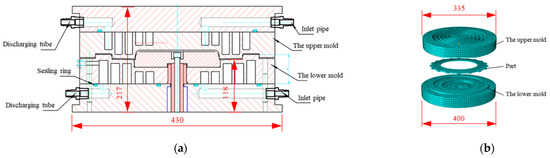
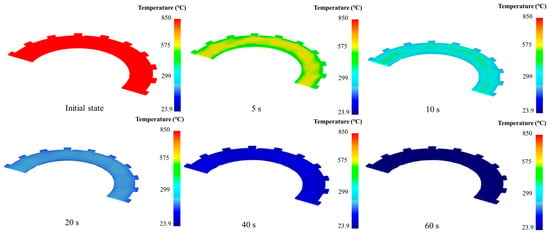
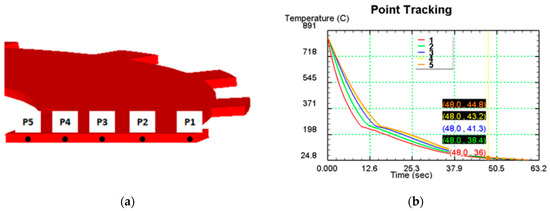
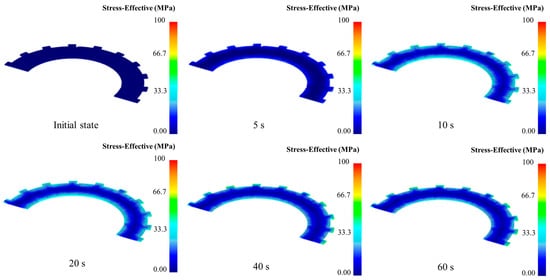
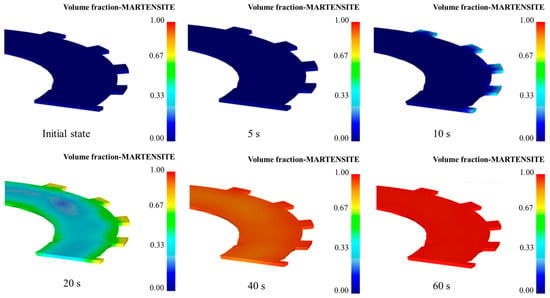
To address uneven surface hardness distribution in 65Mn external tooth friction plates after furnace quenching and disc mold tempering, we adopted an integrated quenching and forming process, using an internal-circulation mold. By simultaneously implementing pressure forming and quenching within the internal-circulation mold, the
[...] Read more.
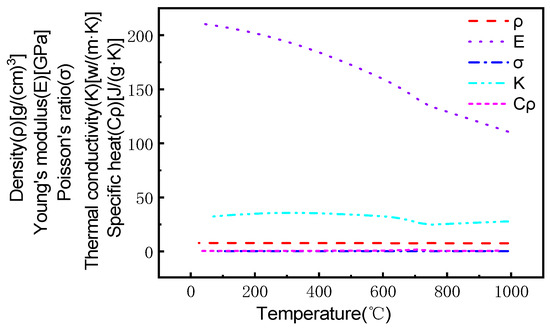
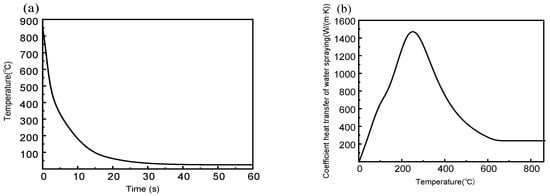
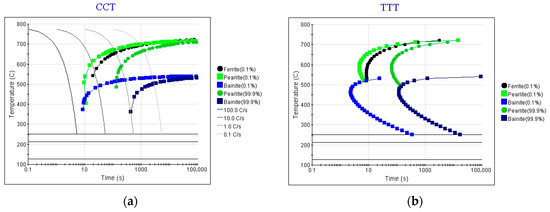
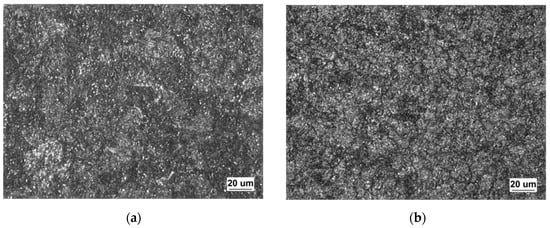
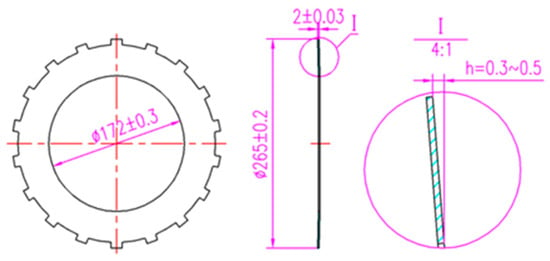
To address uneven surface hardness distribution in 65Mn external tooth friction plates after furnace quenching and disc mold tempering, we adopted an integrated quenching and forming process, using an internal-circulation mold. By simultaneously implementing pressure forming and quenching within the internal-circulation mold, the hardness uniformity of the friction plate during forming was improved, effectively suppressing warping deformation. A multi-field coupled model of the friction plate quenching in the internal-circulation mold was established to simulate the dynamic evolution of the temperature field, the microstructural transformation, and the stress field, thus obtaining the complete heat treatment response of the martensitic transformation. The experimentally observed microstructure agreed well with the simulation results. Data analysis showed that after quenching in the internal-circulation mold, the surface hardness difference of a single friction plate was reduced from 3 HRC to 0.9 HRC, and the end face runout decreased from 0.1–0.15 mm to no more than 0.06 mm, significantly improving the product’s dimensional accuracy and performance consistency.
Full article
Fever of unknown origin (FUO) remains a persistent diagnostic challenge in clinical medicine despite significant advances in laboratory testing and imaging techniques. The definition of FUO has evolved since the original criteria proposed in 1961 and currently refers to persistent fever exceeding approximately
[...] Read more.
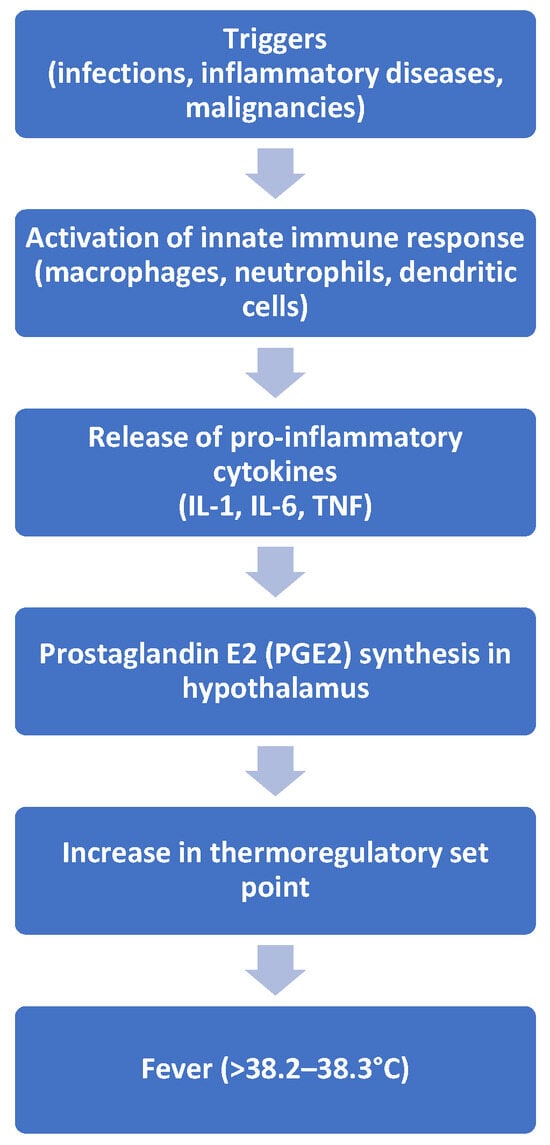
Fever of unknown origin (FUO) remains a persistent diagnostic challenge in clinical medicine despite significant advances in laboratory testing and imaging techniques. The definition of FUO has evolved since the original criteria proposed in 1961 and currently refers to persistent fever exceeding approximately 38.2–38.3 °C without a definitive diagnosis after an adequate diagnostic evaluation. Gastrointestinal diseases represent an important but often underrecognized group of conditions associated with FUO. The aim of this review is to synthesize current evidence on the gastroenterological causes of FUO, with particular emphasis on pathophysiological mechanisms, diagnostic strategies, and therapeutic management. The analysis highlights the role of inflammatory, infectious, and neoplastic gastrointestinal disorders in the etiology of prolonged fever. Key mechanisms involve systemic inflammatory responses mediated by cytokines such as interleukin-1, interleukin-6, and tumor necrosis factor, as well as immune processes associated with the gut-associated lymphoid tissue (GALT) and interactions between intestinal microbiota and host immunity. Among the most frequently reported gastroenterological causes of FUO are inflammatory bowel diseases, intra-abdominal infections and abscesses, hepatobiliary disorders, pancreatitis, and gastrointestinal malignancies. Diagnostic evaluation requires a stepwise approach integrating laboratory testing, microbiological studies, imaging modalities, and endoscopic procedures, with advanced techniques such as computed tomography and fluorodeoxyglucose positron emission tomography improving detection of occult inflammatory or neoplastic processes. Therapeutic management is primarily guided by the identification of the underlying cause, while empirical treatment should be carefully considered to avoid masking diagnostic clues. A better understanding of the gastrointestinal mechanisms underlying FUO and the development of more efficient diagnostic algorithms may improve clinical outcomes and reduce the number of undiagnosed cases.
Full article
Essential oils (EOs) are widely investigated as multifunctional agents for cosmetic applications due to antimicrobial and antioxidant properties; however, their efficacy and safety depend on chemical composition and microbiological selectivity. This study characterized ten commercially available EOs (basil, lavender, melissa, mint, oregano, rosemary,
[...] Read more.
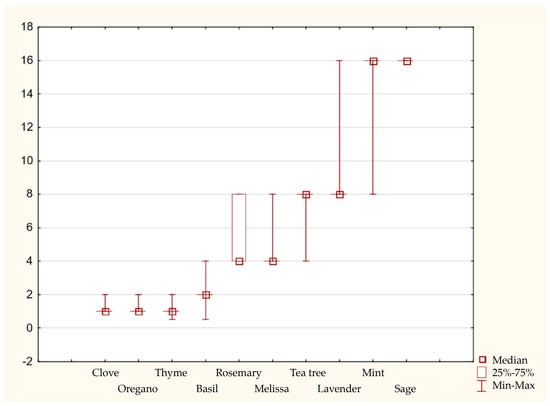
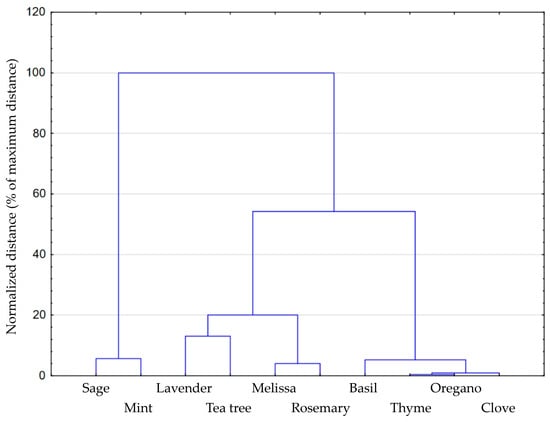
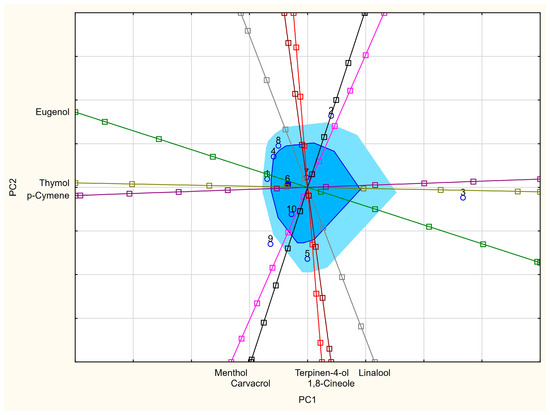
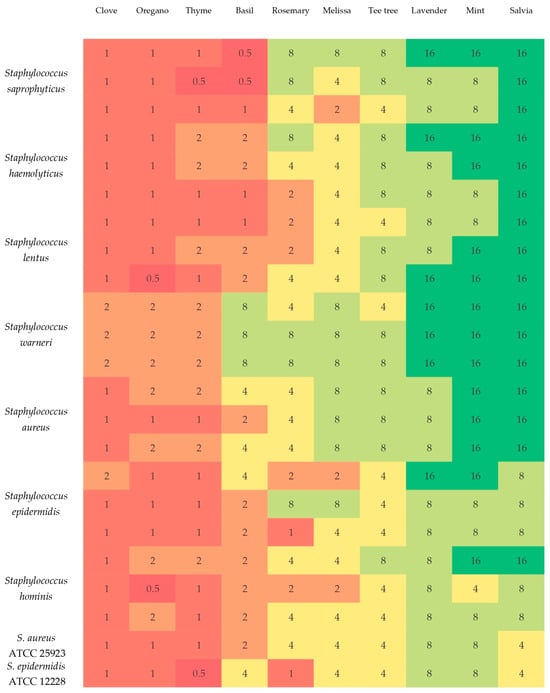
Essential oils (EOs) are widely investigated as multifunctional agents for cosmetic applications due to antimicrobial and antioxidant properties; however, their efficacy and safety depend on chemical composition and microbiological selectivity. This study characterized ten commercially available EOs (basil, lavender, melissa, mint, oregano, rosemary, sage, thyme, clove, tea tree) and evaluated their antistaphylococcal and antioxidant activities. Chemical composition was analyzed using GC-MS and ATR-FTIR spectroscopy, while antistaphylococcal activity was assessed against Staphylococcus spp. isolated from skin microbiota using the microbroth dilution method. Antioxidant capacity was determined by the DPPH assay. Multivariate statistical analyses were applied to explore chemical composition–activity relationships. The EOs showed distinct chemical profiles dominated by phenolic compounds (eugenol, carvacrol, thymol), oxygenated monoterpenes (linalool, menthol, 1,8-cineole), and terpenoids. Clove, oregano, and thyme EOs exhibited the strongest antistaphylococcal activity (MIC 0.5–2 mg/mL) and highest antioxidant capacity (>80%), whereas lavender, mint, and sage EOs showed weak effects. All EOs demonstrated bactericidal activity with consistent susceptibility patterns among Staphylococcus spp. PCA and FTIR confirmed an association between phenolic content and bioactivity. In conclusion, antimicrobial efficacy is primarily driven by phenolic composition, supporting targeted cosmetic use while acknowledging possible effects on skin Staphylococcus spp. populations.
Full article
Christian ethics are often associated with dichotomies such as right versus wrong, good versus evil, and moral versus immoral. How do young Black people with diverse sexual identities who also embrace Christianity understand such ethics? What constitutes Christian ethics for people who live
[...] Read more.
Christian ethics are often associated with dichotomies such as right versus wrong, good versus evil, and moral versus immoral. How do young Black people with diverse sexual identities who also embrace Christianity understand such ethics? What constitutes Christian ethics for people who live on the margins and are often vilified for their racial and sexual identities? This mixed-methodological study considers these questions for a group of 76 young Black members of the LGBTQIA community aged 18–30 years old. The study is also designed to theorize and apply the concept of everyday sacredness as an ethos to illuminate the religious and spiritual experiences of Black sexual minorities. Three themes emerge that focus on ethical expectations. The initial theme reflects common questions about historic and present-day unethical practices in certain Black churches linked to homophobia and heterosexism found in current studies. The second, more spiritually focused theme, presents agape love as an ethical response to all God’s creation. The final practically focused theme emphasizes holistic health as an ethical response to health inequities in the Black LGBTQIA community.
Full article
Alzheimer’s disease (AD) results in progressive neural degeneration that causes cognitive and non-cognitive symptoms (NCSs). While cognitive symptoms commonly prompt a formal diagnosis, NCSs also contribute significantly to disability, caregiver burden, and overall disease progression. NCSs are rooted in both physiological and psychological
[...] Read more.
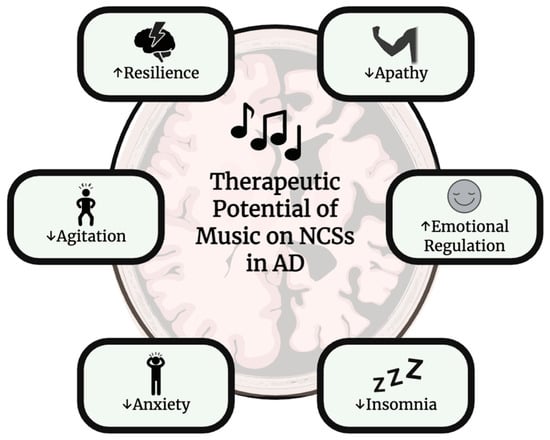
Alzheimer’s disease (AD) results in progressive neural degeneration that causes cognitive and non-cognitive symptoms (NCSs). While cognitive symptoms commonly prompt a formal diagnosis, NCSs also contribute significantly to disability, caregiver burden, and overall disease progression. NCSs are rooted in both physiological and psychological consequences of AD, resulting in apathy/motivation loss, emotional dysregulation, anxiety, depression, agitation, and sleep disturbances. Despite progresses in pharmaceutical management of NCSs, variable efficacy, unwanted side effects, and lack of symptom-wide effectiveness often limit therapeutic practicality for people with AD, suggesting a need for the identification of practical adjunctive treatments. Mechanistic evidence of using music interventions as complementary treatment to manage cognitive symptoms in AD has been established, but the potential benefits for NCSs are less clear. Music interventions have the potential to adaptatively alter mechanisms underlying NCSs that span both physiological and psychological domains of symptomology. Physiologically, music has been shown to alter autonomic activity, neurotransmitter release in various brain regions, and mediate hormonal regulation. Psychologically, music interventions have been shown to enhance mechanisms related to motivation, emotional regulation, and resilience to mental stress. Behavioral and neuroimaging evidence further supports this and suggests that the mechanisms of music-induced benefits may aid in counteracting NCSs in people with AD. While the neuromechanistic rationale for music-induced benefits towards NCSs in AD is promising, findings are largely fragmented, leaving therapeutic application difficult. Accordingly, the purpose of this review is to integrate current mechanistic evidence and clinical findings for a rationale and framework for the therapeutic application of music interventions to combat NCSs in AD. Overall, evidence largely supports the use of music as an adjunctive, feasible, and non-invasive therapeutic tool to improve various aspects of NCSs in AD. The translation of mechanistic findings to therapeutic utility are further highlighted. Limitations, challenges, and future directions necessary to fully realize music benefits on NCSs in AD are also discussed with a goal of therapeutic translation.
Full article
Electricity purchase price variation can influence the economic feasibility of residential distributed generation, particularly in regulated markets where grid electricity prices and export compensation conditions affect investment decisions. This study evaluates the impact of flat electricity purchase price scenarios on the techno-economic viability
[...] Read more.
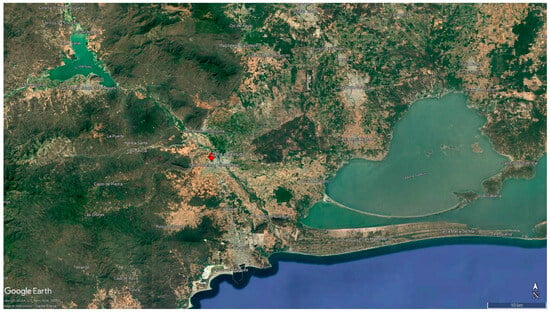
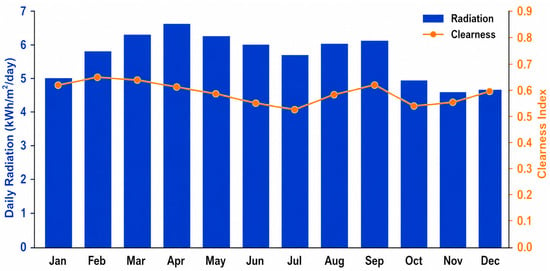
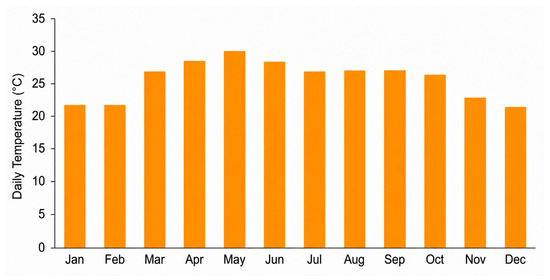
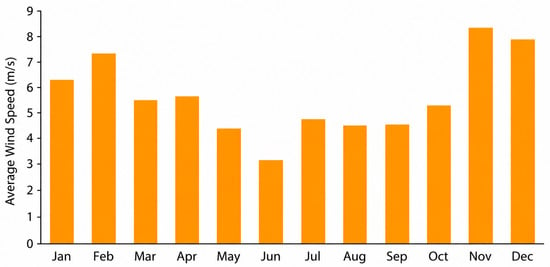
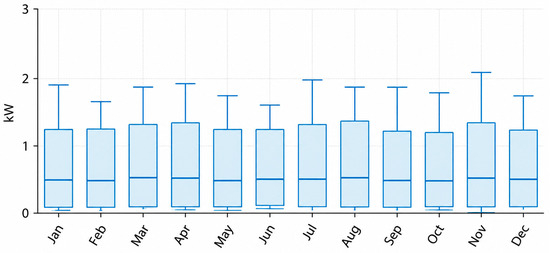
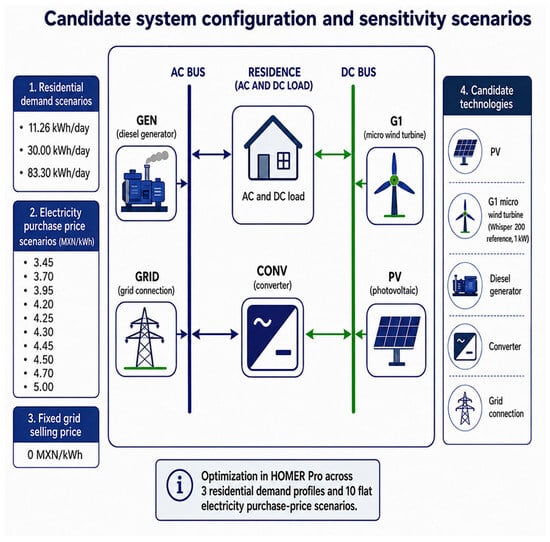
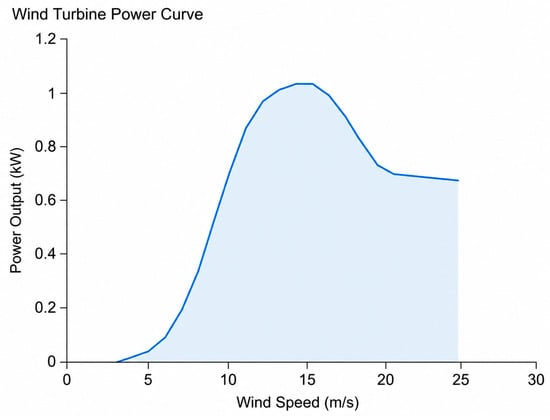
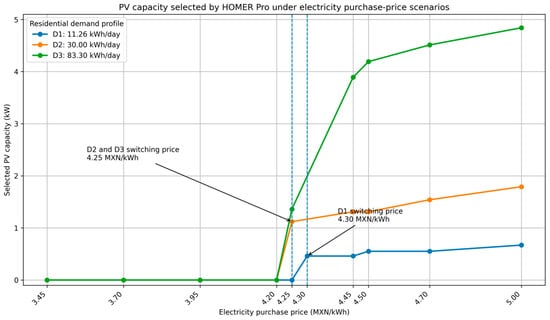
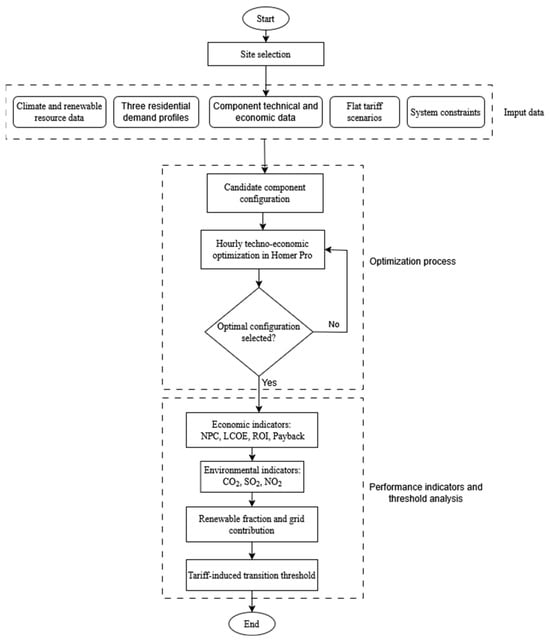
Electricity purchase price variation can influence the economic feasibility of residential distributed generation, particularly in regulated markets where grid electricity prices and export compensation conditions affect investment decisions. This study evaluates the impact of flat electricity purchase price scenarios on the techno-economic viability of residential grid-connected energy systems in Santo Domingo Tehuantepec, Oaxaca, Mexico, using HOMER Pro. The analysis considers PV, wind generation, diesel generation, converter, and grid connection as candidate components, while evaluating three residential demand profiles of 11.26, 30.00, and 83.30 kWh/day and 10 electricity purchase price scenarios ranging from 3.45 to 5.00 MXN/kWh. The objective is to identify the electricity purchase price values at which the optimal architecture changes from conventional grid-only supply to PV/converter/grid adoption under the evaluated case study assumptions. The results show that grid-only supply remains the least-cost option from 3.45 to 4.20 MXN/kWh for all demand profiles. At 4.25 MXN/kWh, HOMER Pro selects PV/converter/grid configurations for the medium- and high-demand profiles, while the low-demand profile remains grid-only. At 4.30 MXN/kWh, PV/converter/grid also becomes optimal for the low-demand profile. At 5.00 MXN/kWh, ROI reaches 11.0% for the three residential demand profiles, while payback decreases to 6.5 years for the low- and medium-demand profiles and 6.4 years for the high-demand profile. The wind turbine and diesel generator were not selected in the optimal configurations, despite being included as candidate technologies. These findings provide a practical case study indicator of the electricity purchase price levels at which residential PV-grid adoption becomes economically competitive under flat purchase price scenarios and zero export compensation.
Full article
The sustainable development of all economic sectors, including transport, requires decarbonization approaches that reduce greenhouse-gas emissions while preserving operational viability. This article develops a segment-based preliminary multi-criteria framework for evaluating the rational applicability of decarbonization technologies to commercial fishing vessels and demonstrates it
[...] Read more.
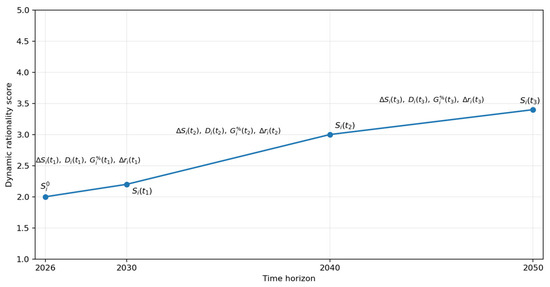
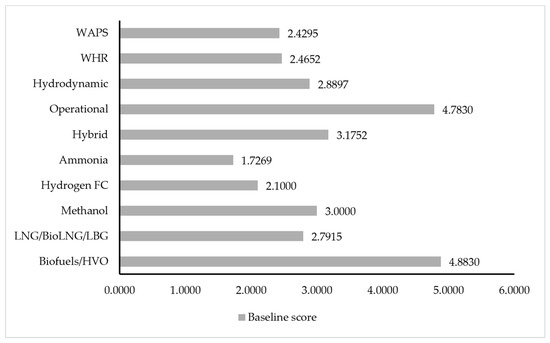
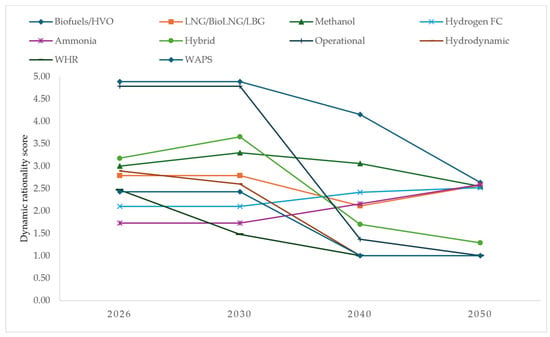
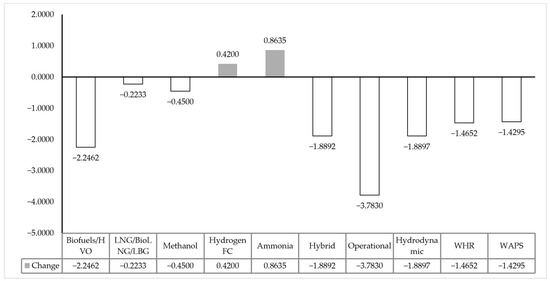
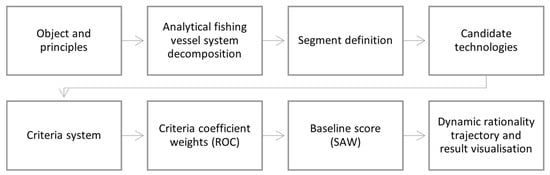
The sustainable development of all economic sectors, including transport, requires decarbonization approaches that reduce greenhouse-gas emissions while preserving operational viability. This article develops a segment-based preliminary multi-criteria framework for evaluating the rational applicability of decarbonization technologies to commercial fishing vessels and demonstrates it for existing medium-to-large trawlers. The central premise is that decarbonization technologies cannot be ranked universally for the whole fishing fleet because vessel type, fishing gear, operating cycle, autonomy, onboard energy demand, and port dependence strongly affect practical applicability. Ten alternatives are assessed: sustainable drop-in biofuels/biodiesel/HVO (Hydrotreated Vegetable Oil), LNG/BioLNG/LBG, methanol, hydrogen fuel cells, ammonia, hybrid systems, operational measures, hull-form or hydrodynamic modifications, waste heat recovery and wind-assisted propulsion. Seven benefit-type criteria are combined using trawler-specific Rank-Order Centroid weights, Simple Additive Weighting, and a dynamic rationality extension for 2026, 2030, 2040, and 2050. The 2026 baseline results place operational measures and sustainable drop-in biofuel/HVO pathways in the leading practical group, while hydrogen and ammonia remain weak because of storage, safety, infrastructure, cost, and integration constraints. By 2050, a mixed long-term group emerges where HVO, LNG/BioLNG/LBG, methanol, ammonia, and hydrogen are all relevant, with no single dominant alternative. The framework supports early-stage screening before vessel-specific LCA, LCCA, CFD, safety assessment, and retrofit or newbuild design. Although this methodological approach was demonstrated for existing medium-to-large trawlers, the authors believe that it can be adapted for retrofit cases, other fishing vessel segments, and other types of seagoing vessels.
Full article
We propose an interactive approach to teaching Coulomb’s law and electrostatics in general, rooted in two complementary pedagogical methodologies: hyper-constructivism (H-C) and neo-realism. Unlike standard constructivism, our hyper-constructivist approach treats students’ prior ideas—even if incomplete or inconsistent—as essential “submerged logs” that teachers may
[...] Read more.
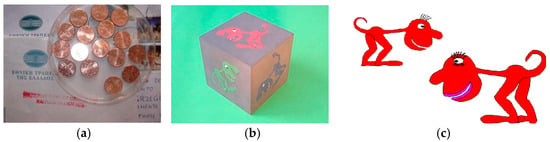
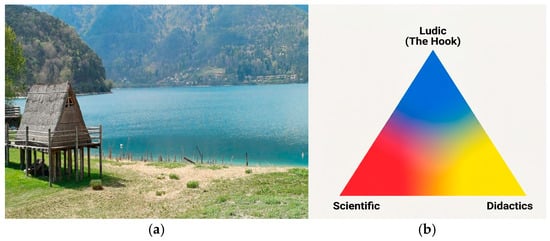
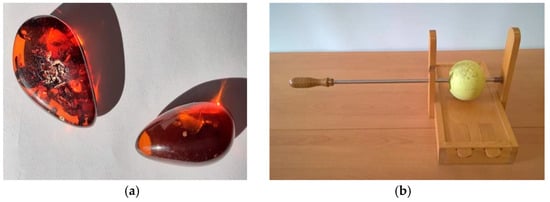
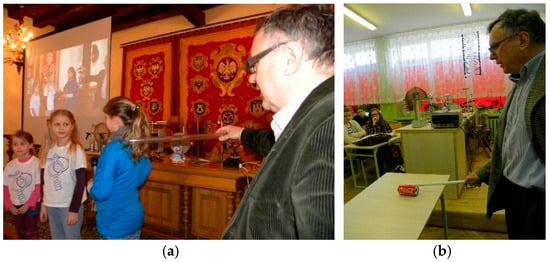
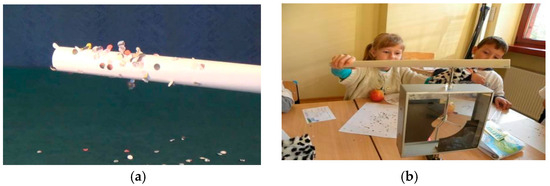
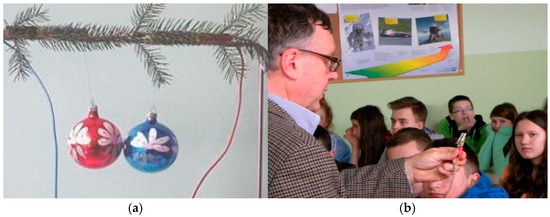
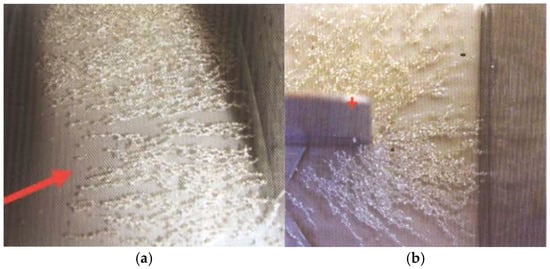
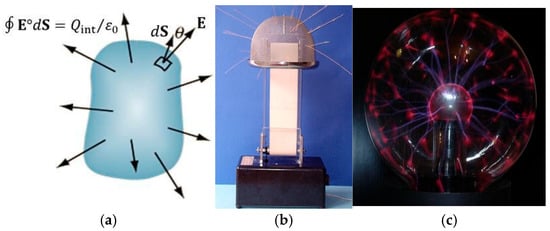
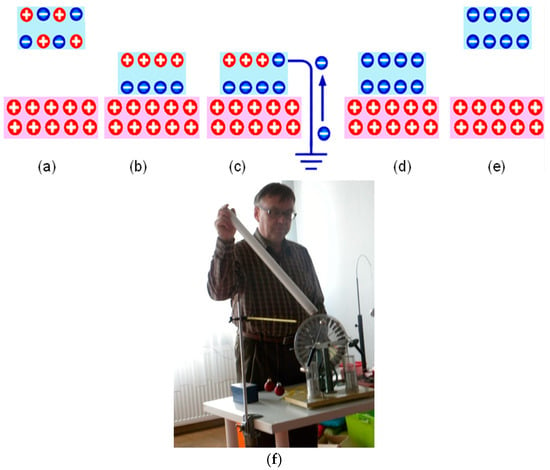
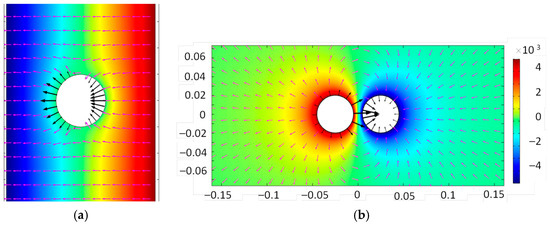
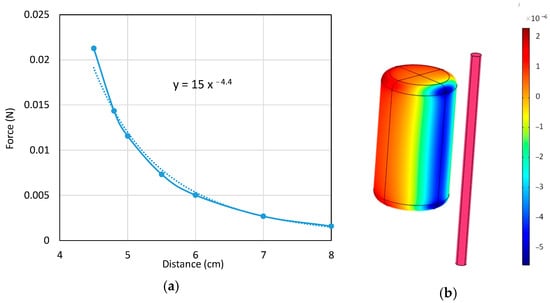
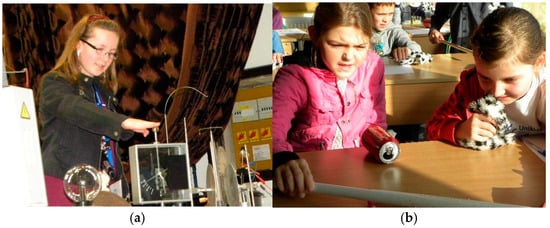
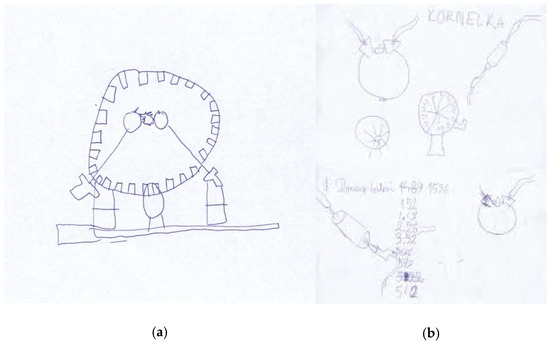
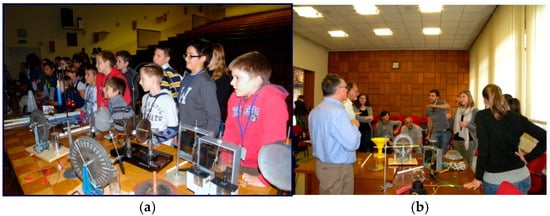
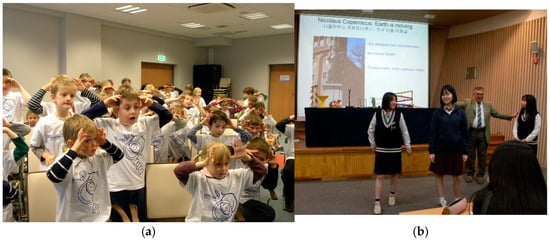
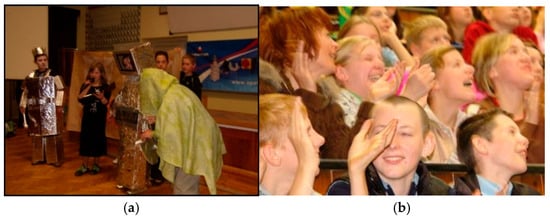
We propose an interactive approach to teaching Coulomb’s law and electrostatics in general, rooted in two complementary pedagogical methodologies: hyper-constructivism (H-C) and neo-realism. Unlike standard constructivism, our hyper-constructivist approach treats students’ prior ideas—even if incomplete or inconsistent—as essential “submerged logs” that teachers may use to guide students across the cognitive lake, toward the correct understanding. We implement a triadic model of cognitive didactics, balancing amusement (the ludic “hook”), formal teaching, and deepening scientific inquiry. Here, we present a hyper-constructivist path on electrostatics—Coulomb’s and Gauss’s laws. Through a sequential path of experiments involving plastic rods, “trained” aluminum cans, Volta’s electrophorus, and “Christmas” ornaments, we demonstrate how students can spontaneously formulate problems and bridge the gap between intuitive observations and complex effects of electrical polarization, going beyond the scholastic Coulomb’s law, via numerical modeling. The proposed interactive approach is rooted in phenomena-based learning and leverages discrepant events—surprising physical phenomena that challenge prior intuitions—as “ludic hooks” to trigger spontaneous inquiry and conceptual reconstruction. The main goal of our strategies is to trigger and develop young students’ interest in physics, which in many European countries is low. This method not only facilitates the acquisition of physical laws but also fosters “intellectual inquisitiveness” and social competencies, proving that well-rooted knowledge emerges from a synthesis of tangible experience and advanced scientific modeling. Our contribution constitutes a complex pedagogical proposal, iteratively developed and implemented in diverse didactical environments over several years. This paper presents a pedagogical proposal developed and refined through more than twenty years of educational practice. For teachers interested in implementing hyper-constructivist instruction, we provide a detailed teaching pathway on electrostatics, with didactical explanations and pedagogical notes.
Full article
This study investigates the fatigue behaviour of sandwich composite materials under three-point bending. A stiffness reduction approach was adopted to model the damage evolution as a function of fatigue cycles. However, existing studies often rely on extensive experimental campaigns or focus on isolated
[...] Read more.
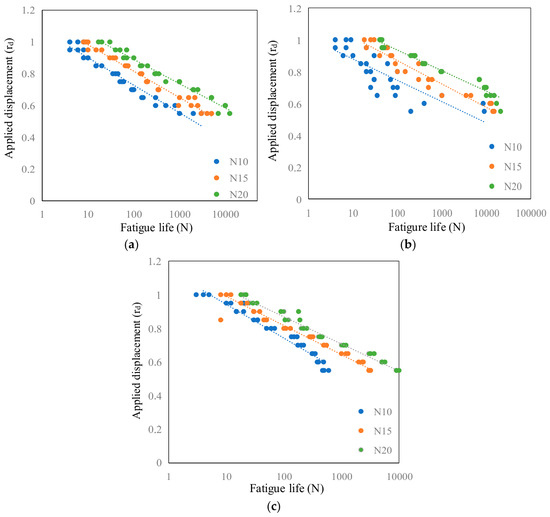
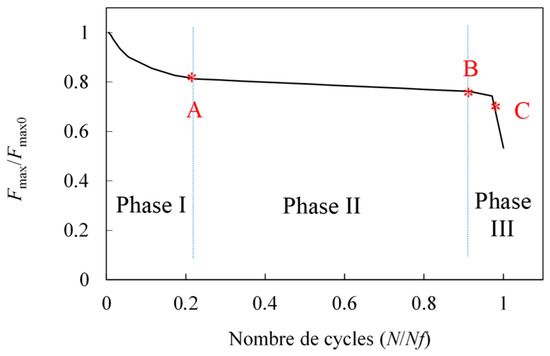
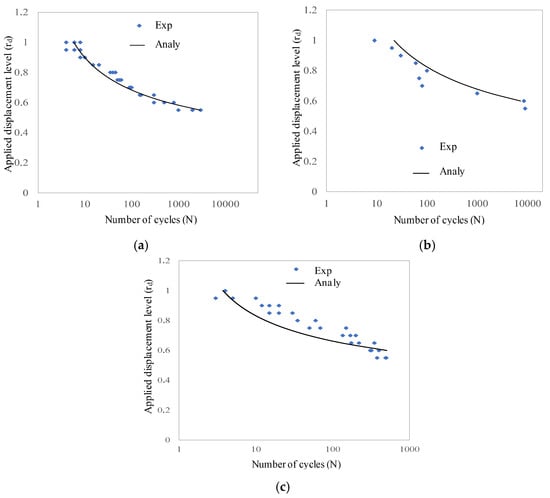
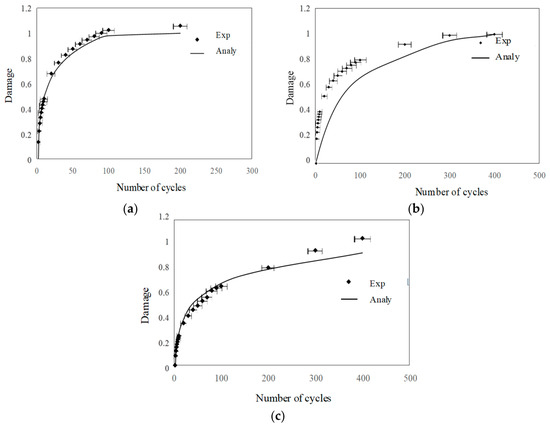
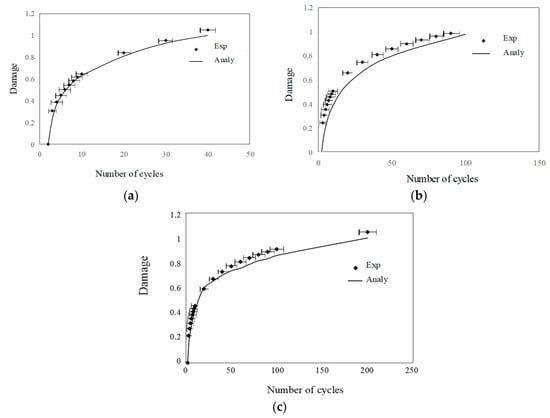
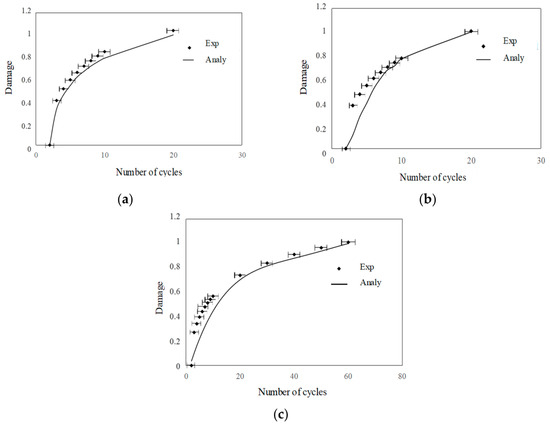
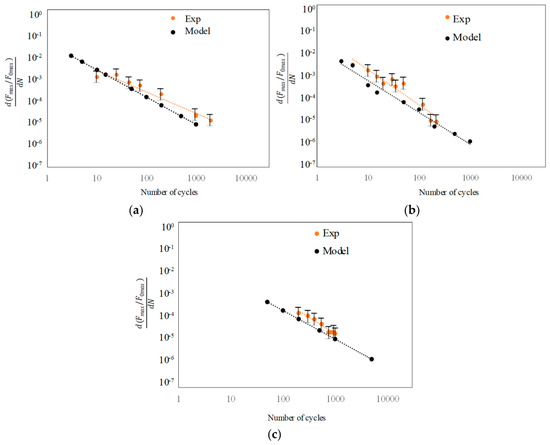
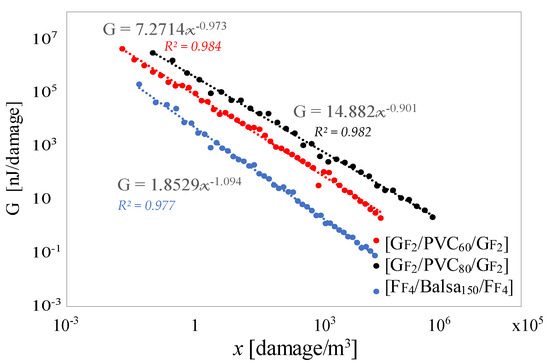
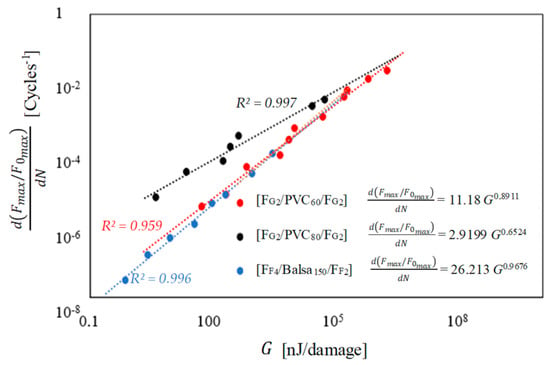
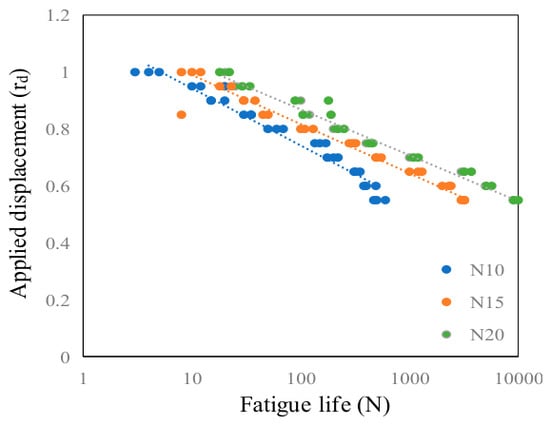
This study investigates the fatigue behaviour of sandwich composite materials under three-point bending. A stiffness reduction approach was adopted to model the damage evolution as a function of fatigue cycles. However, existing studies often rely on extensive experimental campaigns or focus on isolated damage indicators, without providing a unified and efficient framework for predicting fatigue life under displacement-controlled bending. Empirical functions, fitted to experimental data, allowed the prediction of fatigue life while minimizing the need for extensive testing. Wöhler curves were constructed to compare experimental results with analytical predictions. Damage accumulation models were developed to describe stiffness degradation and damage kinetics. These models were experimentally validated and applied to simulate load evolution, fatigue life, energy release rate, and damage progression in sandwich composites. A good agreement was achieved between experimental data and model predictions, confirming the reliability of the proposed approach.
Full article
Perfluorooctane sulfonate (PFOS) and perfluorooctanoic acid (PFOA) are persistent pollutants resistant to conventional treatment processes and pose significant environmental risks. The aim of this study was to comparatively evaluate the metatranscriptomic responses of activated sludge bacterial communities to PFOS and PFOA exposure at
[...] Read more.
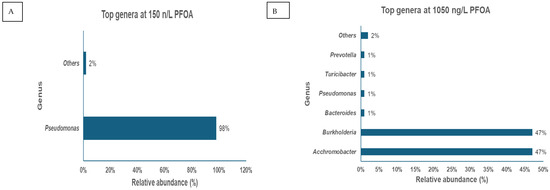
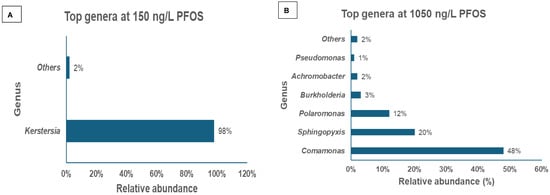
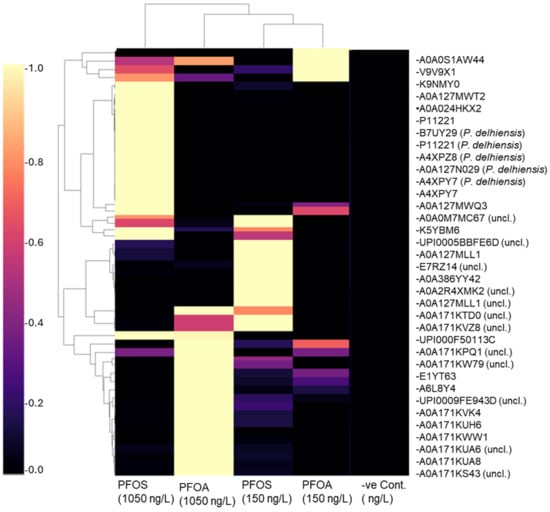
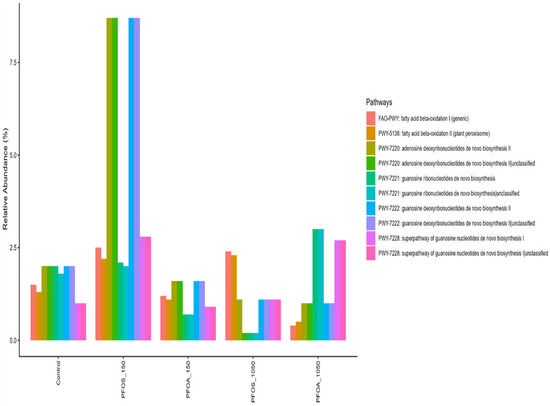
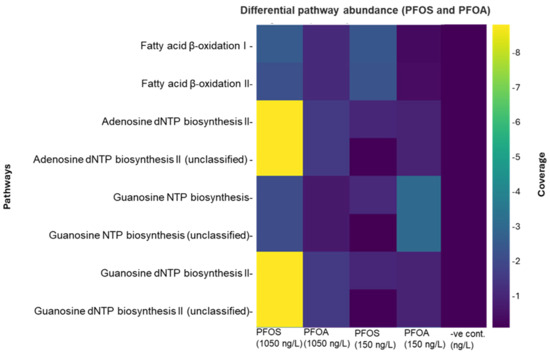
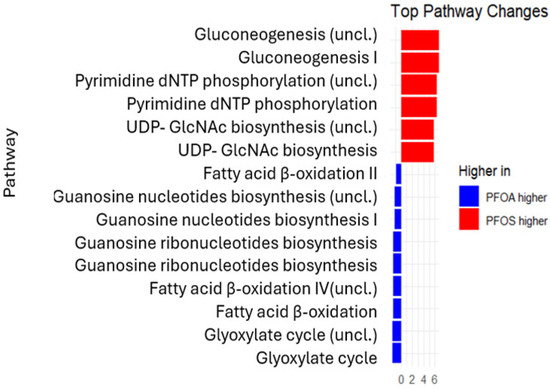
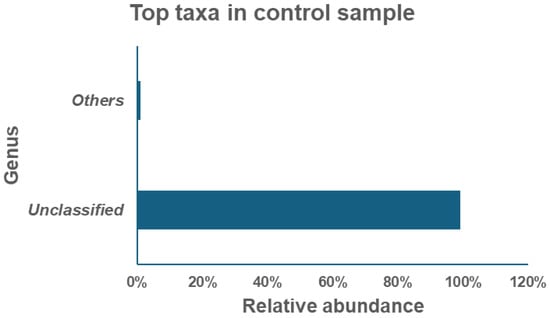
Perfluorooctane sulfonate (PFOS) and perfluorooctanoic acid (PFOA) are persistent pollutants resistant to conventional treatment processes and pose significant environmental risks. The aim of this study was to comparatively evaluate the metatranscriptomic responses of activated sludge bacterial communities to PFOS and PFOA exposure at environmentally relevant (150 ng/L) and elevated (1050 ng/L) concentrations. Activated sludge from the Zeekoegat Wastewater Treatment Plant (Pretoria, South Africa) was used under aerobic conditions for 45 days. Taxonomic profiling revealed a Proteobacteria-dominated community with distinct pollutant-specific shifts. Under PFOA exposure, Pseudomonas dominated at low concentration, while Achromobacter and Burkholderia increased at higher levels. Under PFOS exposure, Kerstersia dominated at low concentration, whereas Comamonas, Sphingopyxis, and Polaromonas were enriched at higher concentration. Functional analysis revealed increased abundance of stress-response and metabolic pathways, including ABC transporters, chaperonins (GroEL), and β-oxidation. Overall, the results indicate a dose-dependent microbial adaptation, with pollutant type driving functional responses. These findings highlight pollutant-specific microbial responses and adaptation under PFAS exposure in activated sludge systems. These findings highlight pollutant-specific microbial strategies and the potential of activated sludge microbiomes in PFAS transformation processes.
Full article
Ancient olives are considered a major resource of gene pool, adapted across ages to ever changing environments. The ancient ‘Mehras’ olive is the only cultivar inscribed on the UNESCO Representative List of the Intangible Cultural Heritage Of Humanity as recognized for its longevity
[...] Read more.
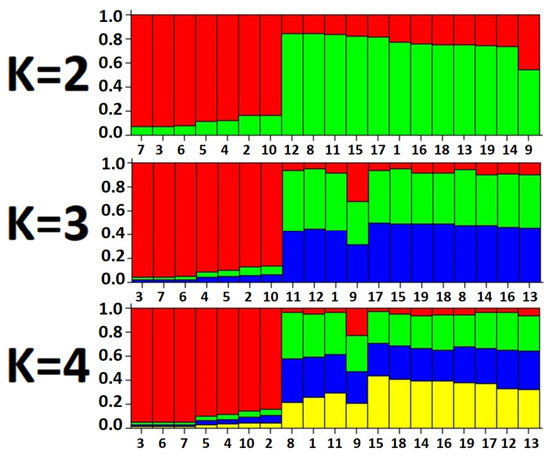
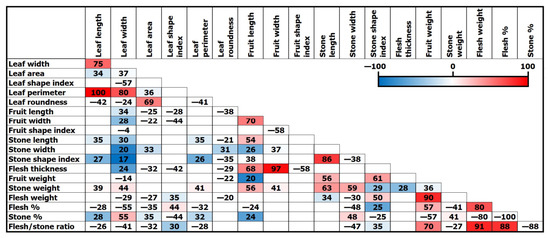
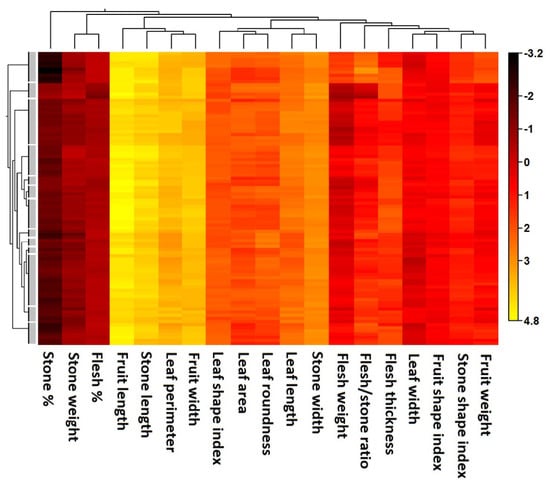
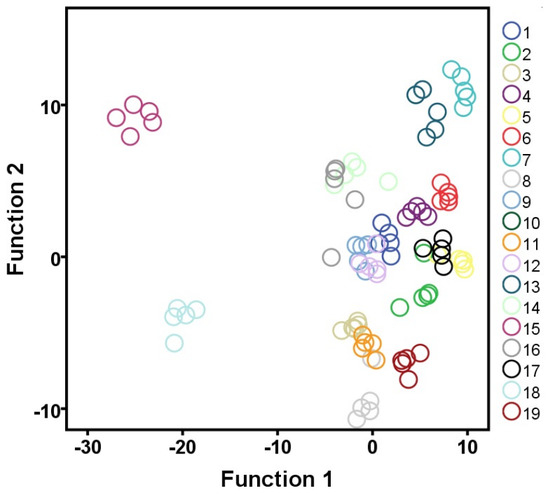
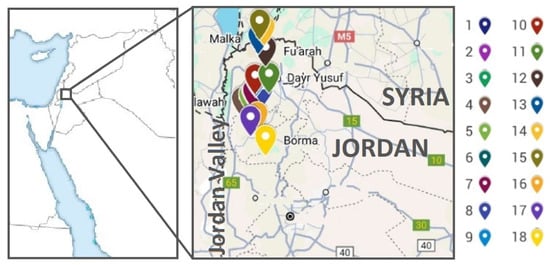
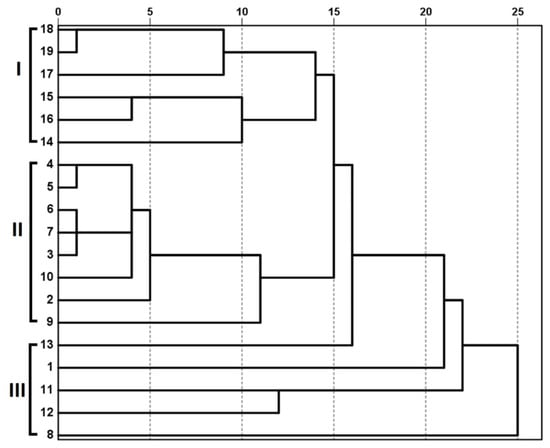
Ancient olives are considered a major resource of gene pool, adapted across ages to ever changing environments. The ancient ‘Mehras’ olive is the only cultivar inscribed on the UNESCO Representative List of the Intangible Cultural Heritage Of Humanity as recognized for its longevity and historical significance. However, detailed genetic and phenotypic analyses are still missing. Nineteen ‘Mehras’ accessions were collected from northern Jordan and subjected to inter-simple sequence repeat (ISSR) marker analysis and to a set of phenotypic parameters (leaf, fruit, and stone). ISSR analysis revealed similarity values ranging between 0.53 and 1.00, indicating moderate to high genetic diversity. Bayesian clustering and dendrogram analyses identified two major genetic clusters with limited admixture, indicating extended clonal propagation in addition to the transport of planting material. Phenotypic parameters revealed tangible variation among accessions, with major influence of fruit and stone traits followed by leaf traits. Strong correlations were observed between key traits, including fruit width and flesh thickness, while an inverse relationship was observed between flesh and stone percentages. Multivariate analysis further revealed clear separation among investigated accessions. The Mantel test showed a moderate correlation between genetic and phenotypic distances. Spatial analysis suggested weak geographic structuring of diversity, indicating exchange of plant material. ‘Mehras’ olive harbors structured genetic and phenotypic diversity influenced mainly by adaptation and traditional cultivation practices. These findings provide a foundation for conservation, breeding, and sustainable utilization of this ancient and culturally significant cultivar.
Full article
Polygonatum cyrtonema is a medicinally and edible perennial herb, yet functional studies in this species are constrained by limited knowledge of regeneration-associated developmental regulators. Here, we performed a genome-wide characterization of the WUSCHEL-related homeobox (WOX) gene family in P. cyrtonema. Eleven PcWOX [...] Read more.
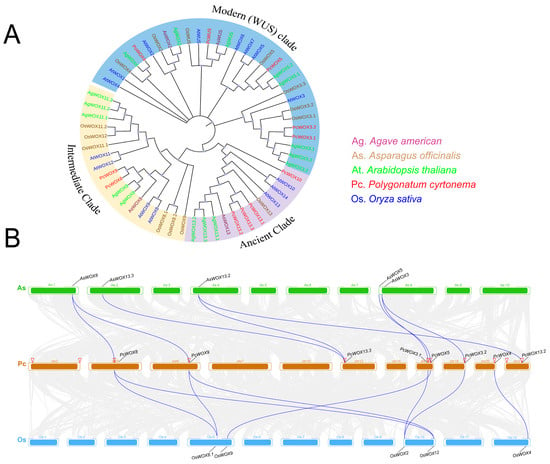
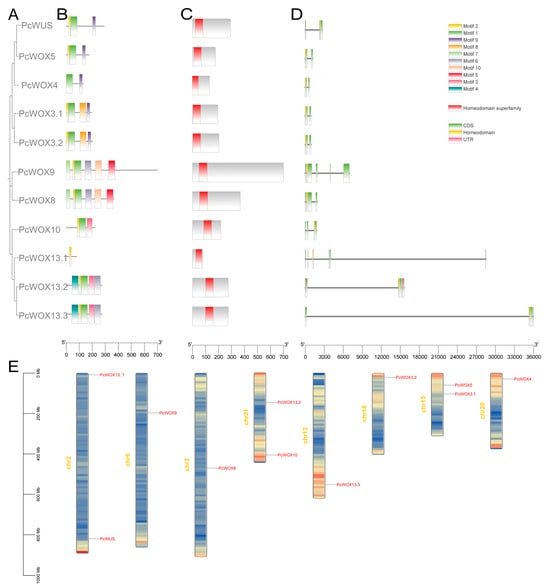
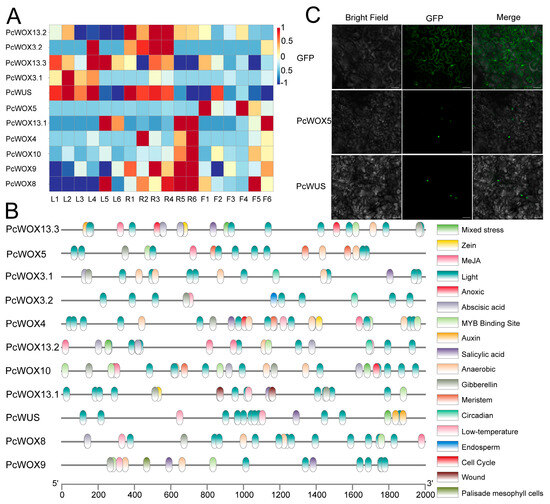
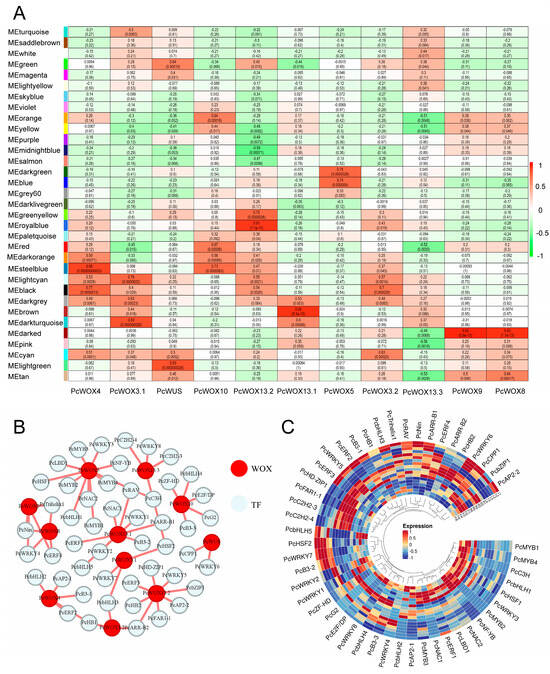
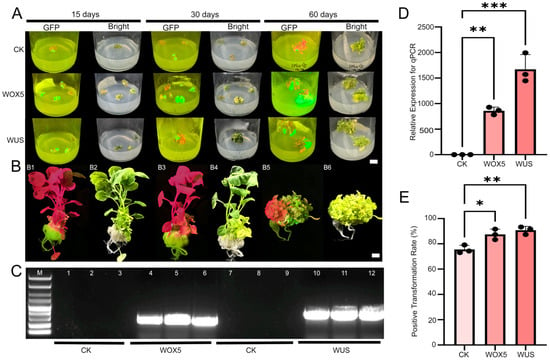
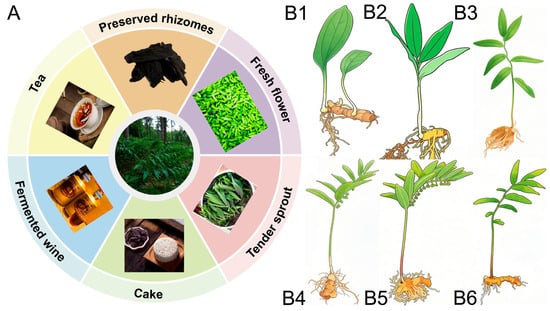
Polygonatum cyrtonema is a medicinally and edible perennial herb, yet functional studies in this species are constrained by limited knowledge of regeneration-associated developmental regulators. Here, we performed a genome-wide characterization of the WUSCHEL-related homeobox (WOX) gene family in P. cyrtonema. Eleven PcWOX genes were identified and classified into the ancient, intermediate, and modern/WUS clades. Comparative phylogenetic, syntenic, structural, and chromosomal analyses indicated that the PcWOX family retains a conserved evolutionary framework but also exhibits clear lineage-specific diversification. Tissue- and stage-specific expression profiling, promoter cis-element analysis, and subcellular localization further supported functional differentiation among PcWOX members, particularly between PcWOX5 and PcWUS. Weighted gene co-expression network analysis identified 33 co-expression modules, including six key modules strongly associated with PcWOX abundance patterns, and prioritized 49 candidate transcription factors (TFs) to construct PcWOX-centered regulatory networks. These TFs showed marked tissue- and stage-dependent heterogeneity. Heterologous assays in Nicotiana benthamiana showed that both PcWUS and PcWOX5 enhanced regeneration competence but produced distinct developmental outputs. These findings support PcWUS and PcWOX5 as promising candidate morphogenic regulators and provide a useful framework for future mechanistic studies, homologous validation, and regeneration improvement in P. cyrtonema.
Full article
Sudden unexpected death in infancy (SUDI) remains a major challenge in pediatric pathology and forensic medicine. Despite advances in diagnostic techniques, many cases are still classified as unexplained and labeled as sudden infant death syndrome (SIDS). Increasing evidence suggests that a proportion of
[...] Read more.
Sudden unexpected death in infancy (SUDI) remains a major challenge in pediatric pathology and forensic medicine. Despite advances in diagnostic techniques, many cases are still classified as unexplained and labeled as sudden infant death syndrome (SIDS). Increasing evidence suggests that a proportion of these deaths may be due to “hidden” causes not detectable through routine post-mortem examination. A narrative review of the literature (2000–2026) was conducted using PubMed and Scopus, focusing on under-recognized causes of SUDI and their diagnostic implications. Relevant studies were selected and organized into major pathological and forensic categories. Hidden causes of SUDI include a wide spectrum of conditions. Cardiac disorders—such as myocarditis, cardiomyopathies, and inherited arrhythmogenic syndromes—are frequently implicated and may require molecular autopsy for detection. Infectious diseases, often presenting with minimal or nonspecific findings, represent another important category, particularly viral and bacterial infections. Inborn errors of metabolism, especially fatty acid oxidation defects, may lead to sudden death in the absence of specific autopsy findings, highlighting the role of biochemical analyses. Neuropathological abnormalities involving brainstem regulatory systems may contribute to impaired autonomic control. Environmental, toxicological, and medico-legal factors—including unsafe sleep conditions, toxic exposures, and inflicted injury—must also be considered. SUDI is a multifactorial entity in which many unexplained deaths may be attributable to identifiable but overlooked conditions. A standardized, multidisciplinary approach integrating autopsy, ancillary investigations, and molecular diagnostics is essential to improve diagnostic accuracy and support prevention strategies.
Full article
This paper investigates an RIS-assisted mobile edge computing (MEC) system without reliable direct links between users and base stations (BSs). Users offload tasks to BSs through reconfigurable intelligent surface (RIS)-reflected links, where offloading decisions, service prices, and RIS-assisted transmission quality are tightly coupled.
[...] Read more.
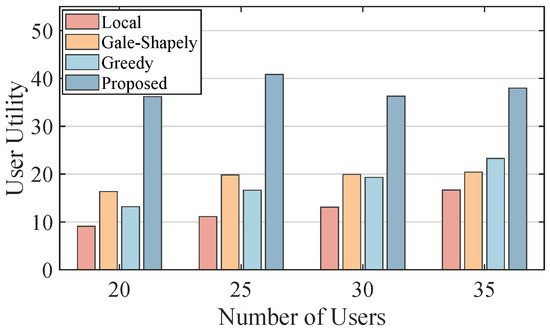
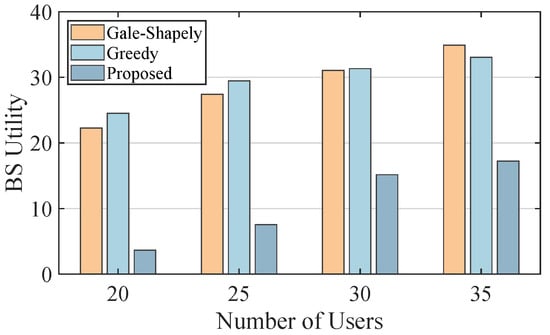
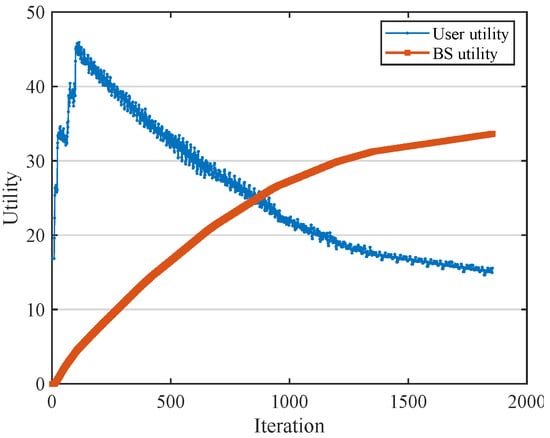
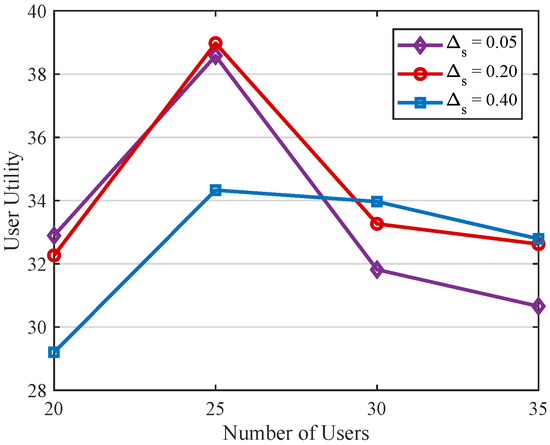
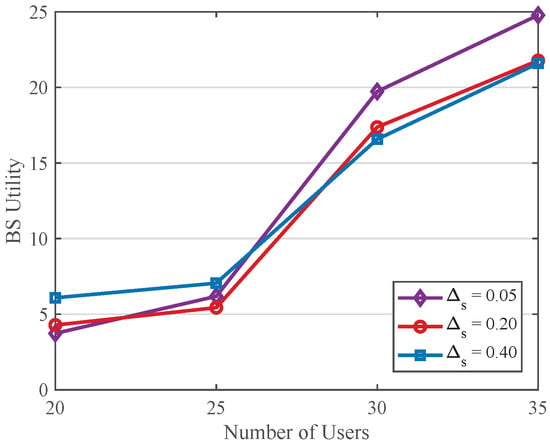
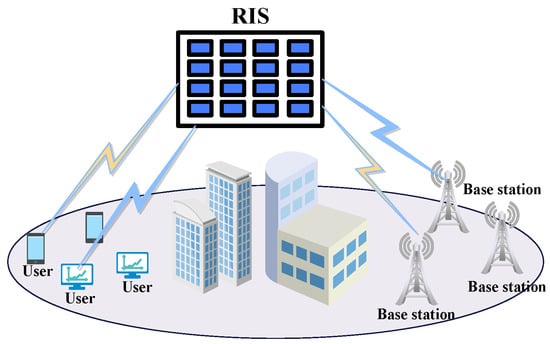
This paper investigates an RIS-assisted mobile edge computing (MEC) system without reliable direct links between users and base stations (BSs). Users offload tasks to BSs through reconfigurable intelligent surface (RIS)-reflected links, where offloading decisions, service prices, and RIS-assisted transmission quality are tightly coupled. We formulate a joint design problem that considers task latency, transmission energy consumption, service pricing, BS computing constraints, and RIS phase-shift constraints. The RIS phase shifts are first optimized to improve the effective cascaded channel gain. Then, a distributed price-negotiation-based offloading mechanism is developed to coordinate user association and service pricing under channel-dependent utilities. Analysis and simulations show that the proposed algorithm converges within a finite number of iterations and achieves a balanced tradeoff between user utility and BS revenue.
Full article
by
Madina B. Baurzhan, Alexandr E. Gulyayev, Karlygash S. Absattarova, Sayagul A. Kairgeldina, Kuat Abzaliyev, Akmaral Izbassarova, Marzhan Lepessova and Karashash Absatarova
Diseases2026, 14(6), 201; https://doi.org/10.3390/diseases14060201 (registering DOI) - 4 Jun 2026
Idiopathic pulmonary fibrosis (IPF) is a chronic, progressive interstitial lung disease characterized by irreversible extracellular matrix deposition and high mortality, with aging representing its strongest risk factor. Increasing evidence suggests that cellular senescence is not merely a consequence of tissue injury but a
[...] Read more.
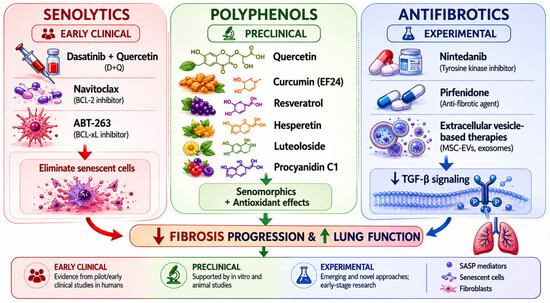
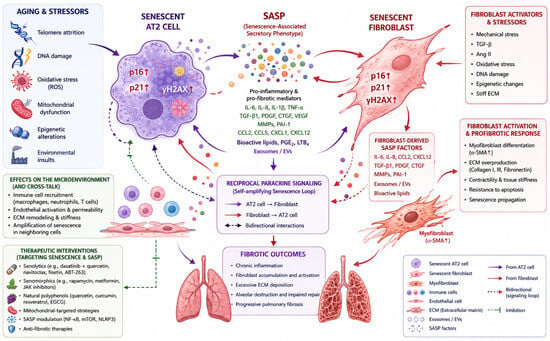
Idiopathic pulmonary fibrosis (IPF) is a chronic, progressive interstitial lung disease characterized by irreversible extracellular matrix deposition and high mortality, with aging representing its strongest risk factor. Increasing evidence suggests that cellular senescence is not merely a consequence of tissue injury but a central driver of disease progression. Senescent alveolar epithelial cells and fibroblasts contribute to impaired tissue repair and persistent fibrotic remodeling through the acquisition of a senescence-associated secretory phenotype (SASP), which promotes chronic inflammation and amplifies profibrotic signaling. This review provides a comprehensive synthesis of current evidence on the role of cellular senescence in IPF, focusing on key molecular mechanisms, including telomere attrition, mitochondrial dysfunction, oxidative stress, DNA damage response activation, and dysregulated transforming growth factor-β (TGF-β) signaling. A structured literature search was conducted using the PubMed, Scopus, and Web of Science databases to identify mechanistic, translational, and clinical studies related to cellular senescence in IPF. Relevant studies were selected based on conceptual relevance and scientific quality, and findings were qualitatively synthesized within a narrative-review framework. These interconnected pathways form self-reinforcing feedback loops that stabilize the senescent phenotype and sustain fibroblast activation. In addition, we critically evaluate emerging therapeutic strategies targeting senescence, including senolytic and senomorphic approaches, highlighting their potential to modify fundamental disease mechanisms rather than solely attenuating fibrotic progression. Preclinical and early clinical studies suggest that selective targeting of senescent cells may represent a promising avenue for intervention, although challenges related to specificity, safety, and biomarker development remain. Overall, this review positions cellular senescence as a central mechanistic link between aging and fibrosis and underscores its relevance as a translational target in IPF.
Full article
The regulatory framework in the United Kingdom plays a vital role in promoting investor trust and transparency by mandating that enterprises disclose their social and environmental impacts. This makes the UK an appropriate setting for this study. This research examined how sustainable finance
[...] Read more.
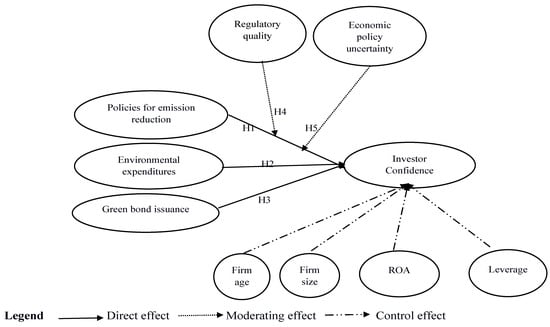
The regulatory framework in the United Kingdom plays a vital role in promoting investor trust and transparency by mandating that enterprises disclose their social and environmental impacts. This makes the UK an appropriate setting for this study. This research examined how sustainable finance influences investor trust in the London Stock Exchange. The study employed purposive sampling along with specified inclusion and exclusion criteria to assess 17 years of data (2007–2023) from 334 non-financial institutions obtained from Thomson Reuters Eikon DataStream. To mitigate cross-sectional dependence and endogeneity concerns in the data, several estimation methods were used, including the Common Correlated Effects Mean Group (CCEMG), fixed effects with Driscoll-Kraay standard errors, and the Generalized Method of Moments (GMM). The findings revealed that corporate emission reduction policies, environmental expenditures, and green bond issuances had a positive and significant impact on investor trust. Additionally, the moderating effect of regulatory quality on emission reduction policies further enhanced investor trust. Based on these findings, companies are encouraged to strengthen their environmental practices by implementing robust emission reduction policies, increasing environmental investments, and issuing green bonds to support sustainable projects. These efforts should be clearly communicated to investors to highlight the company’s commitment to sustainability and corporate responsibility.
Full article
This article investigates food poverty in South Tyrol, a generally affluent region, to understand how socio-economic changes—particularly the COVID-19 pandemic—have reshaped patterns of vulnerability within local food systems and challenged social sustainability. Using a qualitative approach, the study draws on interviews with institutional
[...] Read more.
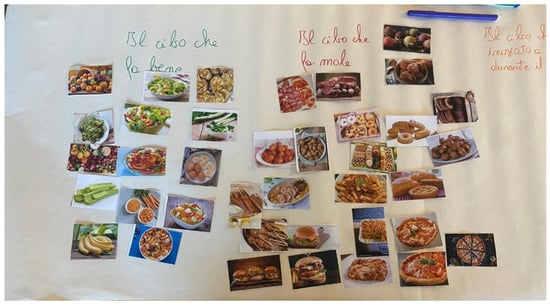
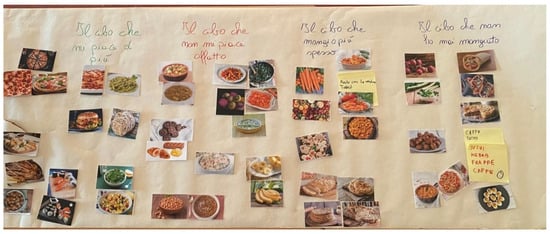
This article investigates food poverty in South Tyrol, a generally affluent region, to understand how socio-economic changes—particularly the COVID-19 pandemic—have reshaped patterns of vulnerability within local food systems and challenged social sustainability. Using a qualitative approach, the study draws on interviews with institutional and third-sector actors, adults involved in local food networks, and focus groups to capture diverse perspectives on access to food. The findings reveal a coexistence of overall economic prosperity with hidden forms of food insecurity and unequal access to healthy and sustainable food. Although official statistics report relatively low levels of childhood overweight and obesity, certain groups—including elderly individuals, migrant families, and low-income households—face increasing challenges due to rising living costs and constrained access to nutritious food. The pandemic functioned as a temporary stressor that exposed pre-existing fragilities while also encouraging adaptive responses within local welfare systems. In particular, alternative food networks such as solidarity purchasing groups and emerging food cooperatives play a complementary role by promoting food autonomy, social support, and dignity-based assistance. These initiatives highlight forms of need not always captured by traditional welfare mechanisms. The study concludes that addressing food poverty in high-income contexts requires integrated, place-based strategies that combine social inclusion, nutritional education, intersectoral governance, and community-driven food practices.
Full article
by
Josefina Ortiz-Arreola, Pedro Avila-Pérez, José Luis García-Rivas, Carlos Eduardo Barrera-Díaz, Sonia Martínez-Gallegos, Gabriela Roa-Morales and Ernesto de la Cruz-Reyes
Water-quality monitoring is critical for maintaining the symbiotic balance and productivity of aquaponic systems. This study presents the design, implementation, and evaluation of a remote, real-time monitoring system based on the Internet of Things (IoT) paradigm. The system continuously monitors the key parameters
[...] Read more.
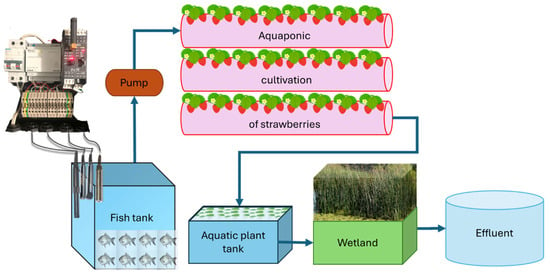
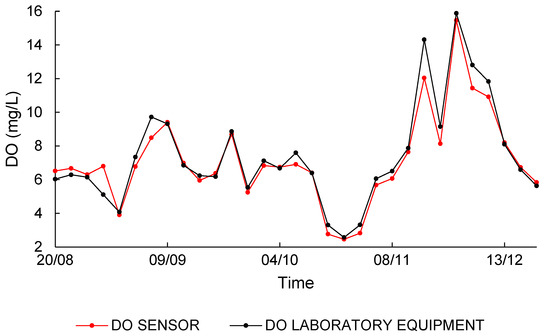
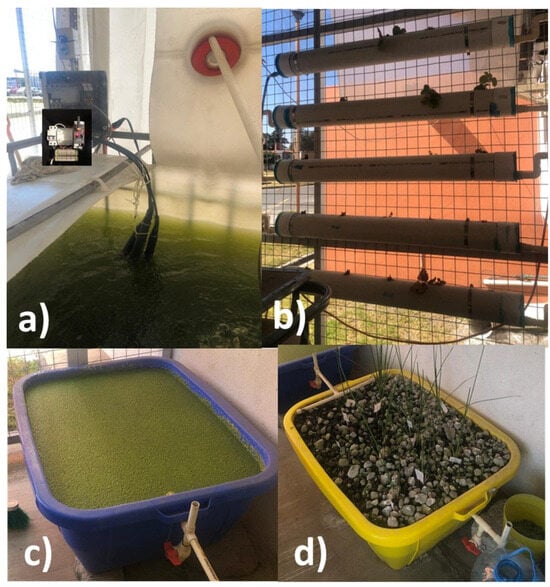
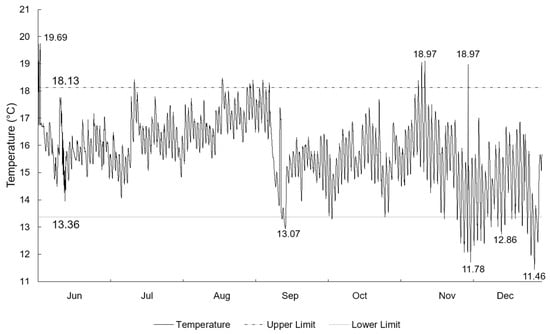
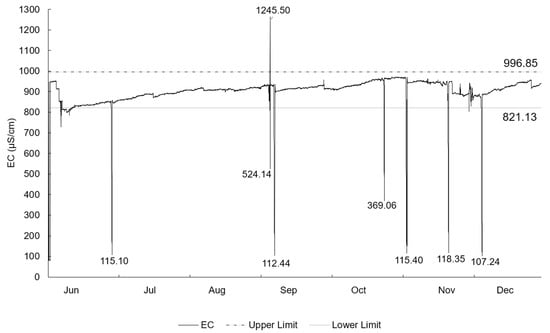
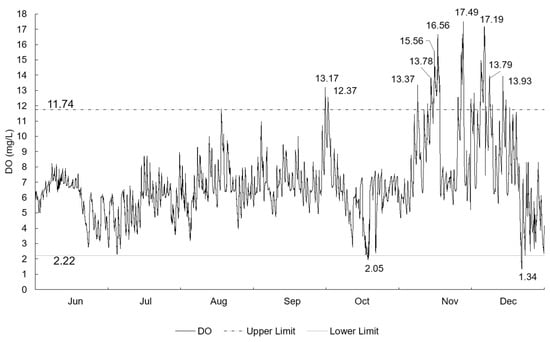
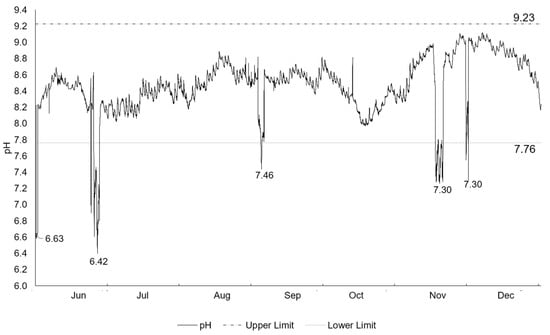
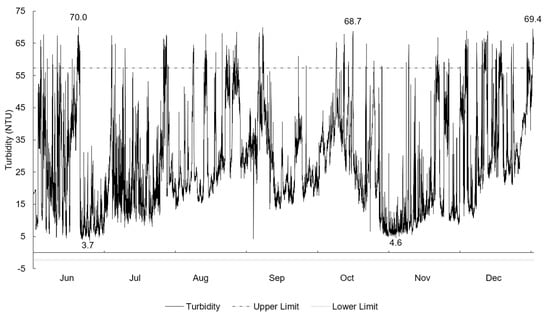
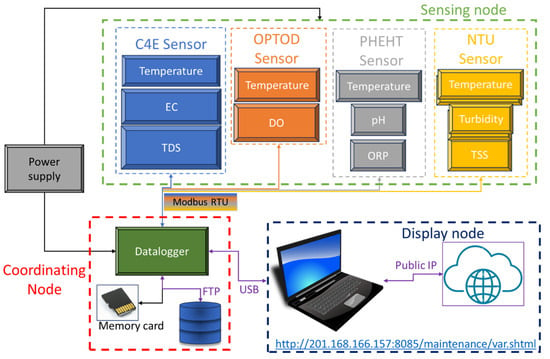
Water-quality monitoring is critical for maintaining the symbiotic balance and productivity of aquaponic systems. This study presents the design, implementation, and evaluation of a remote, real-time monitoring system based on the Internet of Things (IoT) paradigm. The system continuously monitors the key parameters of temperature, pH, electrical conductivity, total dissolved solids, salinity, dissolved oxygen, turbidity, and total suspended solids. Utilizing a modular architecture, the platform provides real-time visualization, cloud-based data management, and automated alerts via SMS and e-mail to notify operators of deviations from established tolerance ranges. The system was experimentally validated over a six-month period in a pilot-scale aquaponics system cultivating common carp (Cyprinus carpio). Statistical analysis demonstrated a 97% data acquisition reliability rate. Furthermore, no statistically significant differences (p > 0.05) were observed between the sensor-based measurements and reference laboratory analyses, confirming the system’s high accuracy. This versatile and cost-effective tool enables data-driven decision-making, facilitates timely interventions to reduce production losses, and ensures the long-term environmental stability of integrated aquaculture systems.
Full article
Maintaining the pro- and antioxidative balance during pregnancy is crucial. Oxidative stress (OS) can complicate pregnancy and disrupt maternal–foetal communication, which is partly mediated by extracellular vesicles (EVs). This study investigated how OS affects EV secretion by bovine caruncular epithelial cells isolated from
[...] Read more.
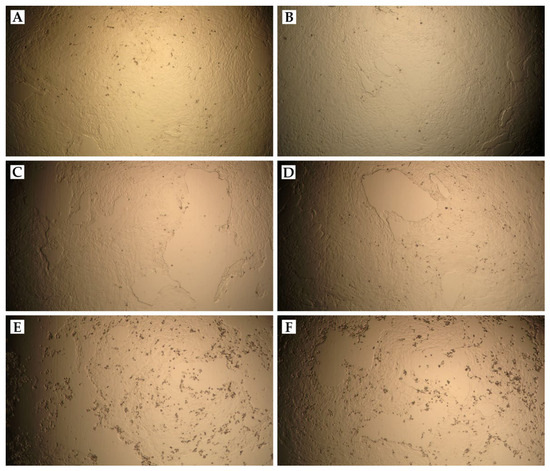
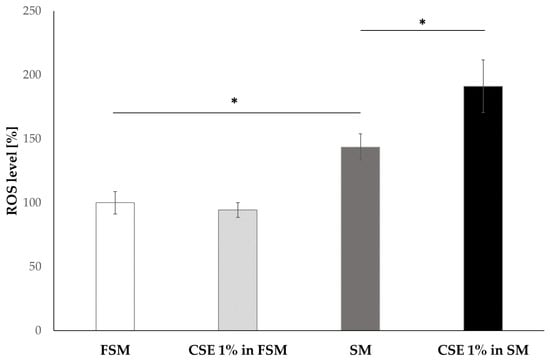
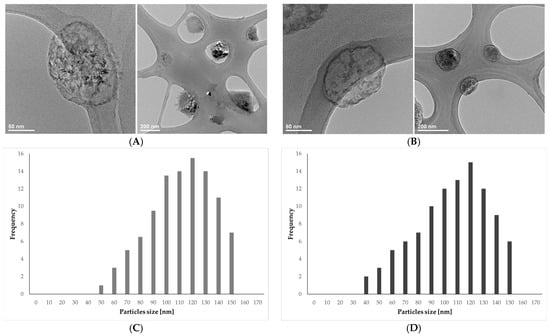
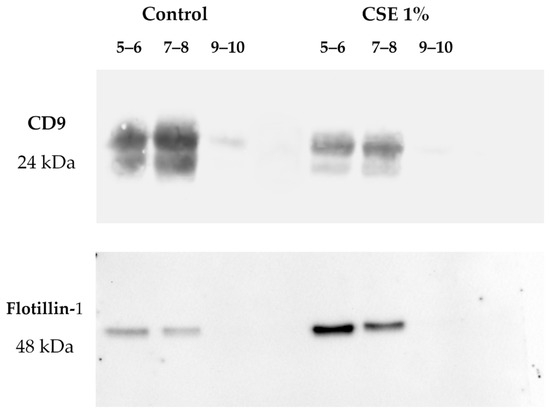
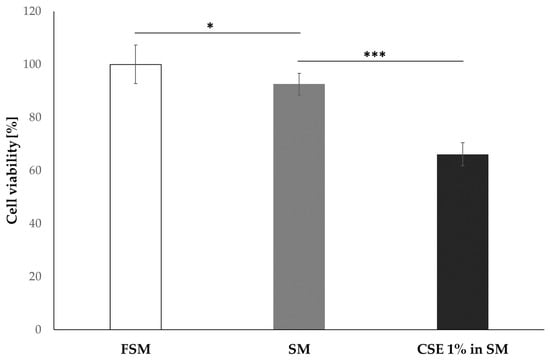
Maintaining the pro- and antioxidative balance during pregnancy is crucial. Oxidative stress (OS) can complicate pregnancy and disrupt maternal–foetal communication, which is partly mediated by extracellular vesicles (EVs). This study investigated how OS affects EV secretion by bovine caruncular epithelial cells isolated from the established bovine placenta (4th month of gestation). To induce OS, cells were treated for 48 h with 1% cigarette smoke extract (CSE), known to increase reactive oxygen species (ROS) levels, while controls remained untreated. EVs were isolated via ultracentrifugation (UC) and size-exclusion chromatography (SEC) and characterized using Tunable Resistive Pulse Sensing (TRPS) technology, transmission electron microscopy (TEM), and Western blotting (WB). WB confirmed small-EV enrichment in fractions 5–8 of SEC by detecting CD9 and flotillin-1 markers. TRPS analysis demonstrated that OS increased EV concentration. In fractions 5–6, CSE treatment increased EV concentration from 1.79 × 10⁹ (mode diameter 127 nm) to 3.12 × 10⁹ particles/mL (122 nm). In fractions 7–8 of SEC, concentration rose from 4.48 × 10¹⁰ (84 nm) to 7.53 × 10¹⁰ particles/mL (80 nm). These data indicate that OS increases EV secretion by bovine maternal epithelial cells, providing a basis for future studies on the potential role of stress-induced EVs in foetal–maternal communication.
Full article
Lung cancer is still one of the major contributors to cancer-related mortality. Treatment effectiveness depends directly on early diagnosis and accurate prediction of disease progression. This study focuses on the application of classical machine learning algorithms —including Logistic Regression, Support Vector Machine, Random
[...] Read more.
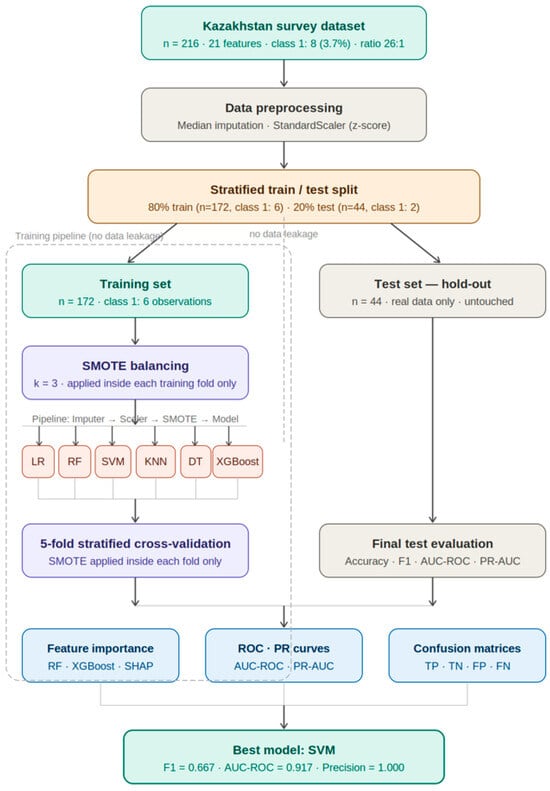
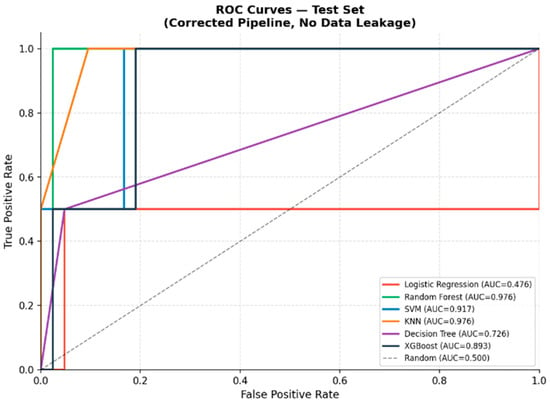
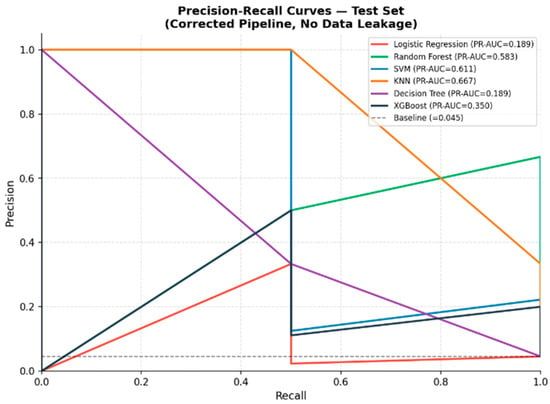
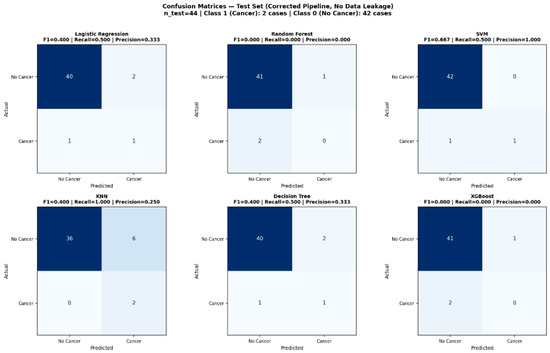
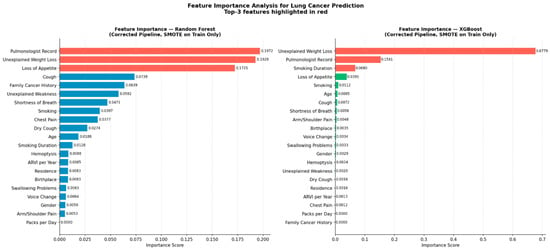
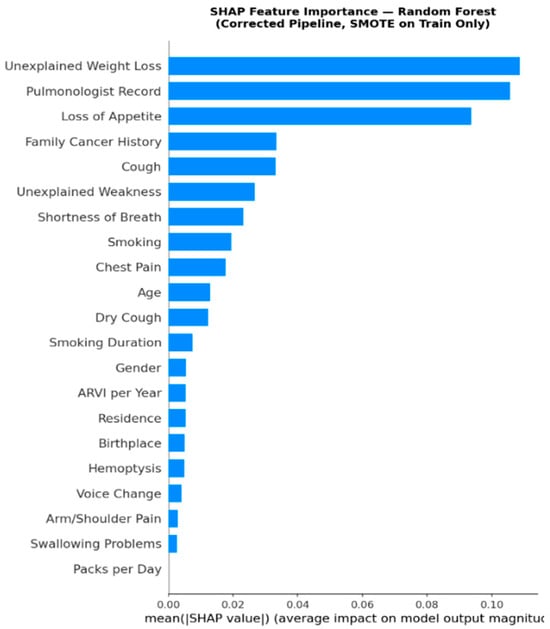
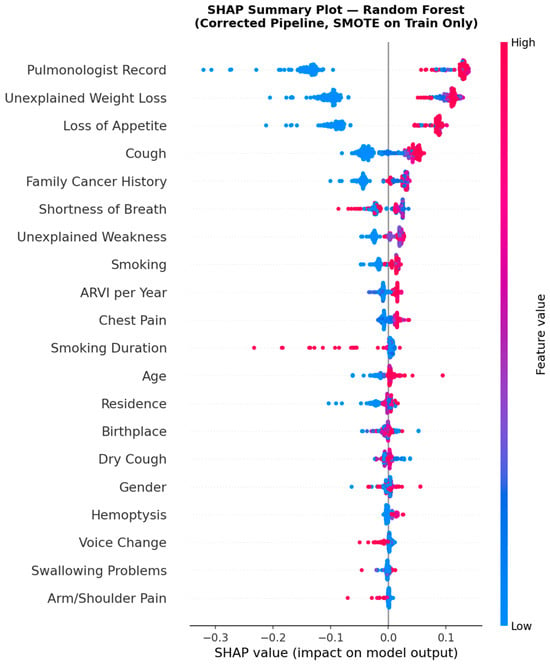
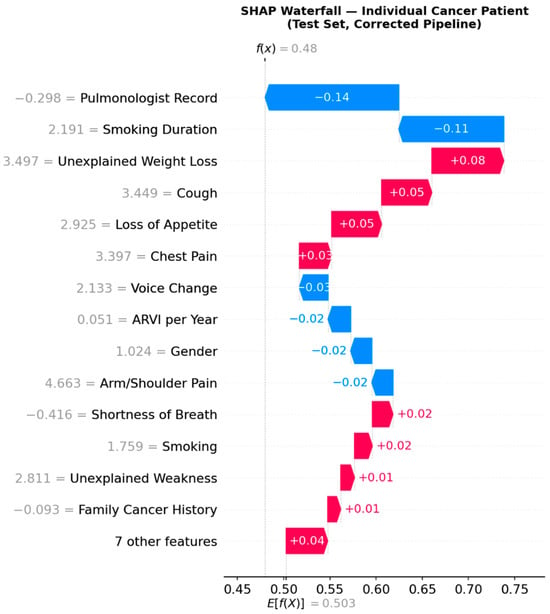
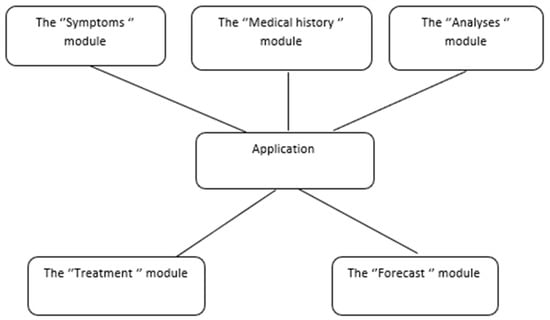
Lung cancer is still one of the major contributors to cancer-related mortality. Treatment effectiveness depends directly on early diagnosis and accurate prediction of disease progression. This study focuses on the application of classical machine learning algorithms —including Logistic Regression, Support Vector Machine, Random Forest, and XGBoost —for questionnaire-based lung cancer risk assessment. A comparative study of six machine learning algorithms used to predict lung cancer based on survey data was conducted. According to the ROC-AUC metric, Random Forest model achieved the best result. In terms of F1-score and precision for the positive class, the support vector machine (SVM) demonstrated the highest efficiency. However, gradient boosting provided the most balanced results across key clinical metrics. SHAP (SHapley Additive exPlanations) analysis identified three preliminary predictors potentially associated with lung cancer risk in this sample: seeing a pulmonologist, unexplained weight loss, and loss of appetite. These preliminary results are consistent with clinical observations and suggest the potential interpretability of ensemble machine learning approaches in medical diagnostics, though confirmation on larger datasets is required. Overall, the preliminary results suggest the potential of using machine learning methods for lung cancer screening based on questionnaire data, particularly with an expanded training sample. Potential applications of early lung cancer diagnosis are discussed. Further research in this area will be conducted in conjunction with image recognition of computed tomography scans.
Full article
SiOx anodes are highly promising for next-generation lithium-ion batteries due to their superior theoretical capacity. However, issues such as drastic volume expansion and low initial Coulombic efficiency (ICE) impede their practical use. While macroporous architectures can mitigate these challenges, traditional fabrication often
[...] Read more.
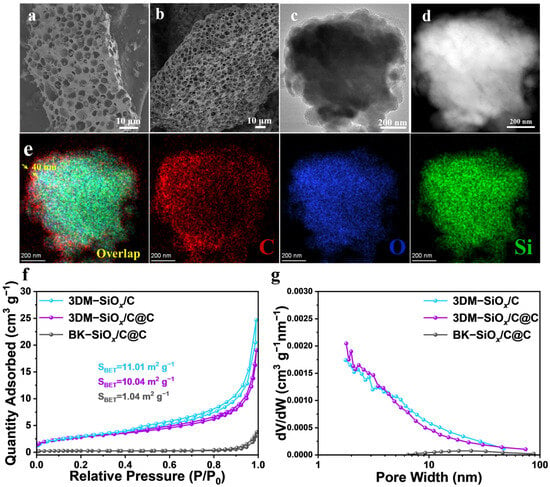
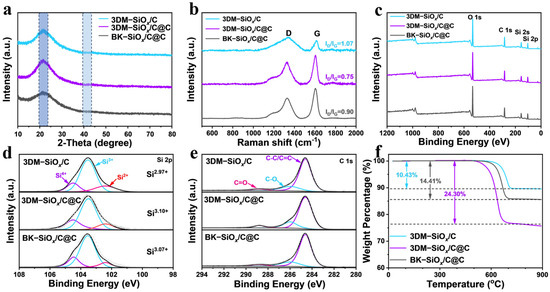
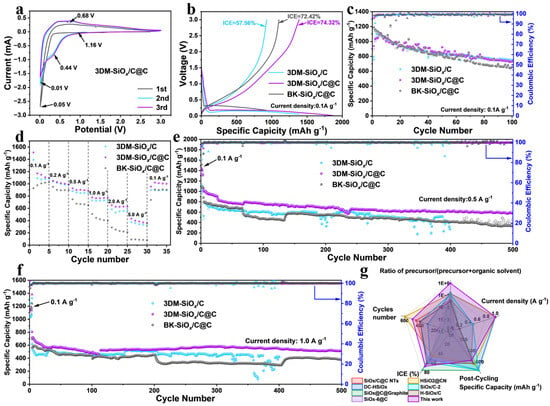
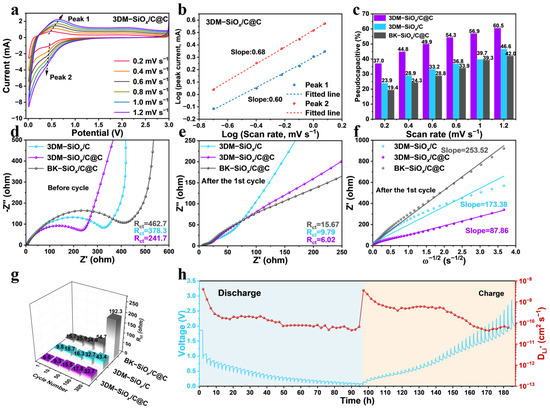
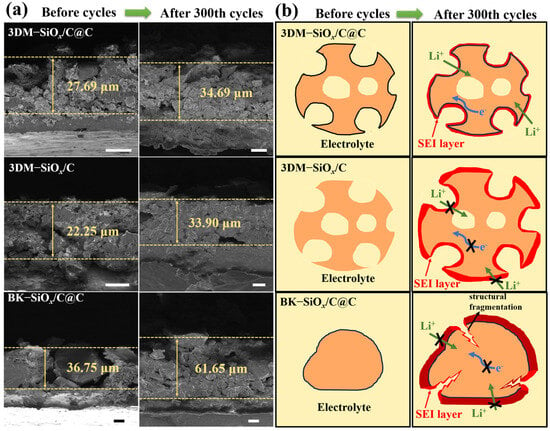
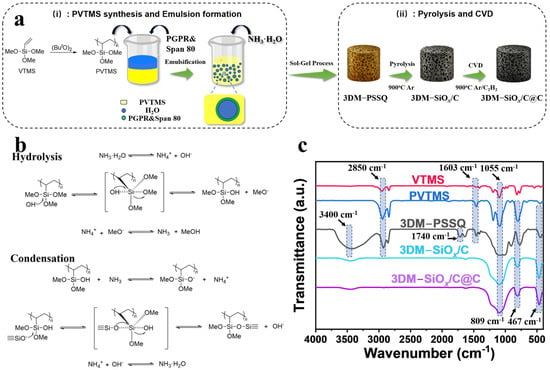
SiOx anodes are highly promising for next-generation lithium-ion batteries due to their superior theoretical capacity. However, issues such as drastic volume expansion and low initial Coulombic efficiency (ICE) impede their practical use. While macroporous architectures can mitigate these challenges, traditional fabrication often depends on tedious hard templating methods and significant organic solvent consumption. In this work, we report a sustainable, emulsion-self-templated and organic solvent-free strategy to synthesize a carbon-coated 3D macroporous SiOx/C composite (3DM-SiOx/C@C). Our approach uniquely integrates radical polymerization with a water-in-oil emulsion and sol–gel process, followed by chemical vapor deposition (CVD). The 3D macroporous framework is generated via in-situ emulsion droplets acting as self-templates, effectively eliminating the need for external sacrificial templates and toxic etchants. Notably, this organic solvent-free process achieves an exceptional precursor to (precursor + organic solvent) mass ratio of 1.0, contrasting sharply with conventional methods (0.0044–0.17). The resulting hierarchical structure, characterized by interconnected macropores and a uniform carbon coating, significantly enhances structural integrity and electronic conductivity. Electrochemical evaluations reveal that 3DM-SiOx/C@C exhibits an improved ICE of 74.32% and long-term cycling stability even at a high current density of 1.0 A g−1 compared to non-porous and uncoated counterparts. This integrated synthesis offers a green and scalable pathway for developing high-performance silicon-based anodes for large-scale energy storage.
Full article
Background and Clinical Significance: Chronic subdural hematomas (cSDHs) present characteristic imaging findings, making the diagnosis straightforward. In rare cases, arachnoid cysts (ACs) may be associated with their formation. There is still no consensus regarding their treatment; Case Presentation: A young adult male
[...] Read more.
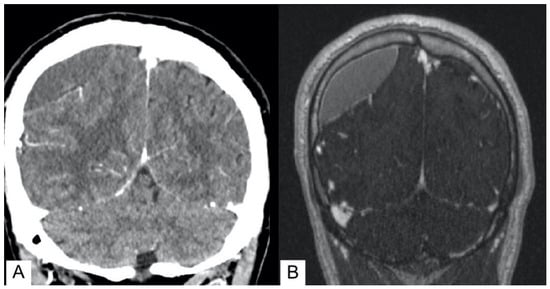
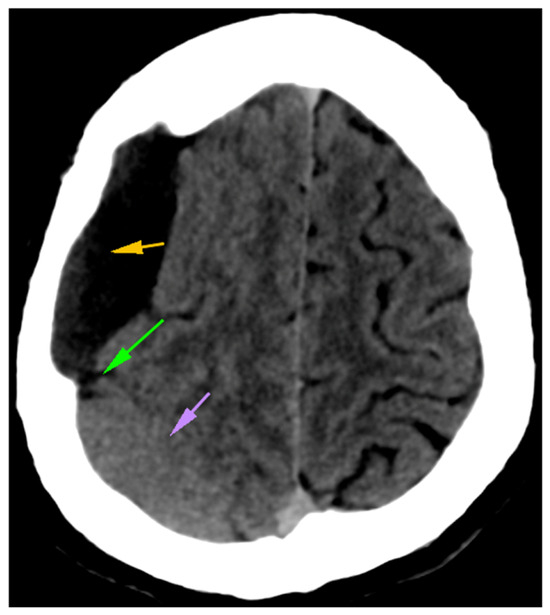
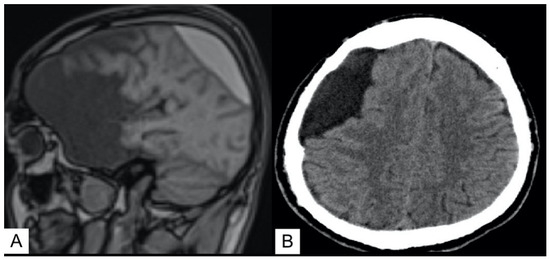
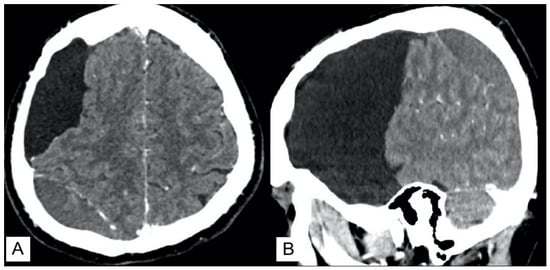
Background and Clinical Significance: Chronic subdural hematomas (cSDHs) present characteristic imaging findings, making the diagnosis straightforward. In rare cases, arachnoid cysts (ACs) may be associated with their formation. There is still no consensus regarding their treatment; Case Presentation: A young adult male presented with occipital headache. Neurological examination was normal. Laboratory investigations were within physiological limits. A CT scan revealed the presence of a Galassi Grade III temporo-parietal AC accompanied by a parietal epidural hematoma (EDH) on the right side. His medical history was significant for treated hypertension. There was no use of anticoagulants, antiplatelets, or history of trauma. Vascular pathology was excluded by MRA/MRV. He was discharged for home care and was readmitted 10 days later after a repeat CT scan. A brief cognitive assessment with the Mini-Mental State Examination (MMSE) revealed mild cognitive impairment. A burr-hole evacuation was performed, and a drainage catheter was left in place for 24 h. Intraoperative findings were consistent with a chronic subdural hematoma. The patient was discharged with complete resolution of symptoms. A follow-up CT scan performed one month postoperatively confirmed the favorable result. Cognitive functions were normal on follow-up; Conclusions: A SDH may mimic the characteristics of an EDH in the presence of an AC. The most common symptom is cephalalgia. Neurocognitive impairment may occur secondary to elevated intracranial pressure. A burr-hole hematoma evacuation may be sufficient. Further treatment should be considered only in the case of complications associated with ACs.
Full article
In this study, we present an integrated surrogate-assisted multi-objective optimization for an energy management system, ensuring physical feasibility with real system constraints. The hybrid framework incorporates knee-guided selective physical replay and a stochastic survival strategy to maintain both convergence and diversity of the
[...] Read more.
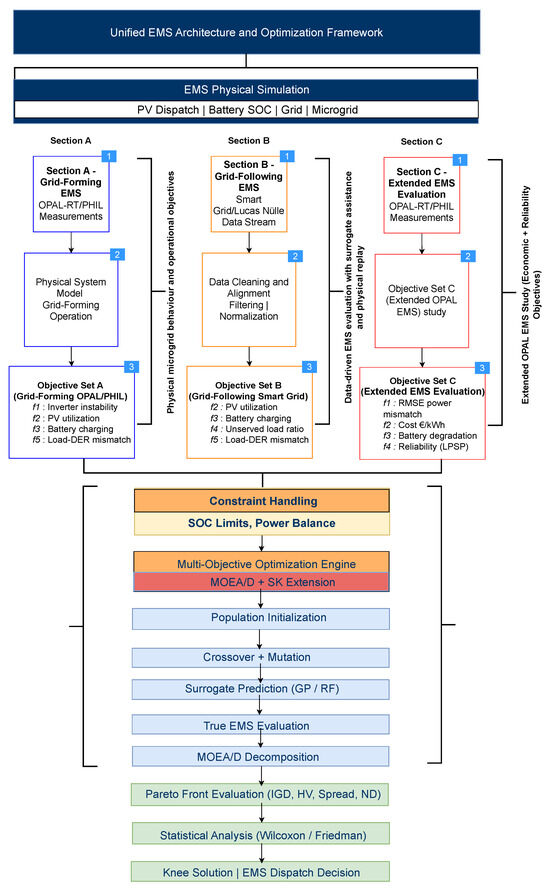
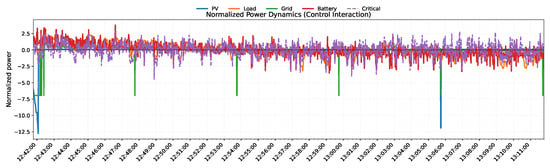
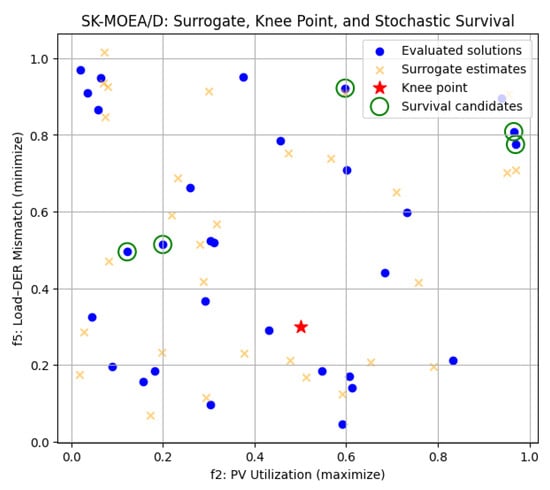
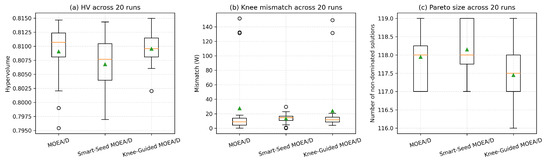
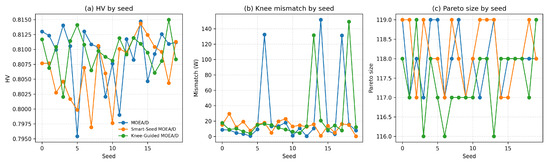
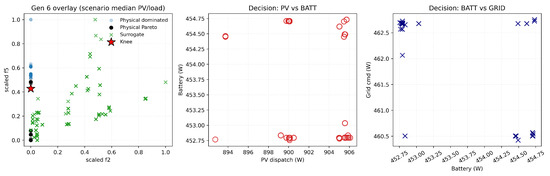
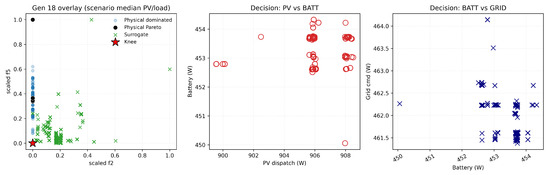
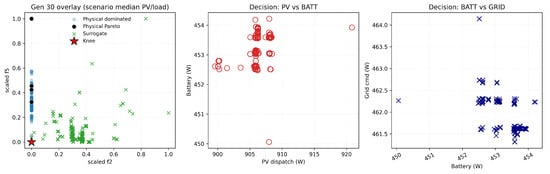
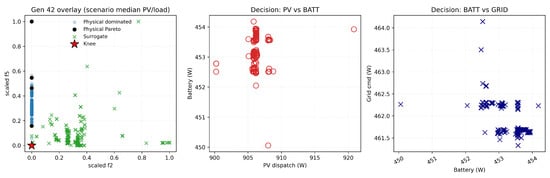
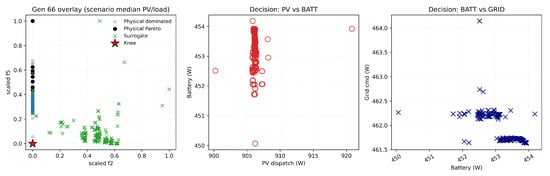
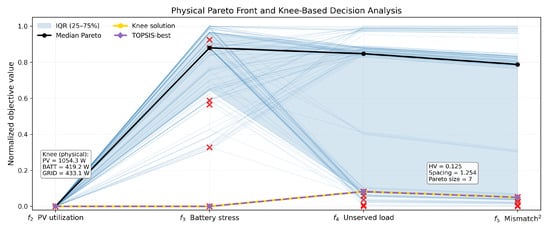
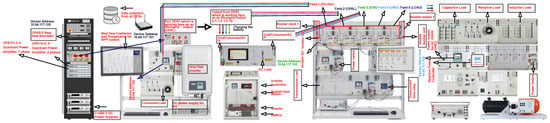
In this study, we present an integrated surrogate-assisted multi-objective optimization for an energy management system, ensuring physical feasibility with real system constraints. The hybrid framework incorporates knee-guided selective physical replay and a stochastic survival strategy to maintain both convergence and diversity of the search process. The method is used to evaluate grid-forming and grid-following modes using the OPAL-RT and Lucas-Nülle platforms in three different stages to address the technical and economic performance, and the reliability of the system. The proposed method reduces 116 generated surrogate candidates to 7 physically feasible non-dominated solutions based on physical replay. In the direct evaluation stage without replay, the system achieves high renewable utilization ( ≈ ), reliable load coverage (>99%), and minimal supply–demand mismatch (≈1 W), supported by controlled battery usage. In the extended EMS evaluation, the proposed method reduces the number of true evaluations from approximately 54,600 to 16,895 (≈69% reduction) while maintaining stable performance. Despite the reduction in the number of evaluations, the method preserves stable convergence behavior and a consistent Pareto spread (≈0.0124). Statistical tests, such as Wilcoxon () and Friedman (), show a significant difference and consistent performance across runs. This demonstrates the framework’s ability to provide a compact, decision-relevant set of feasible operating solutions under real system constraints and its practical applicability to real-world EMS decision making.
Full article
Cisplatin-induced acute kidney injury (AKI) poses a significant clinical challenge lacking specific therapeutic drugs. Arundina graminifolia, a traditional Dai medicine, exhibits notable renoprotective effects; however, its in vivo pharmacodynamic material basis and molecular mechanisms remain unclear. This study aimed to explore its
[...] Read more.
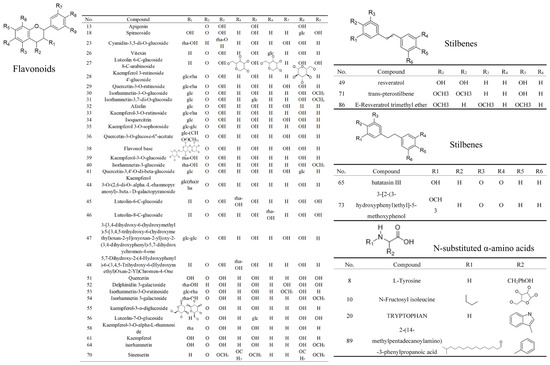
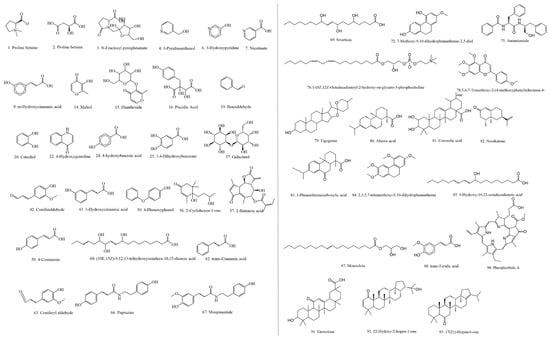
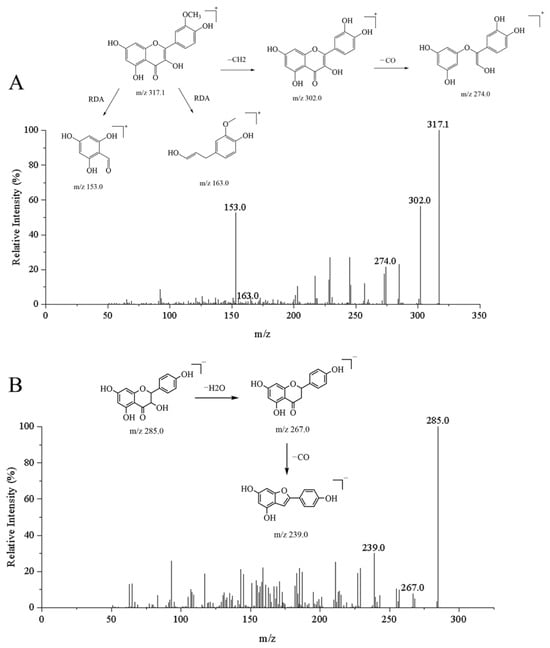
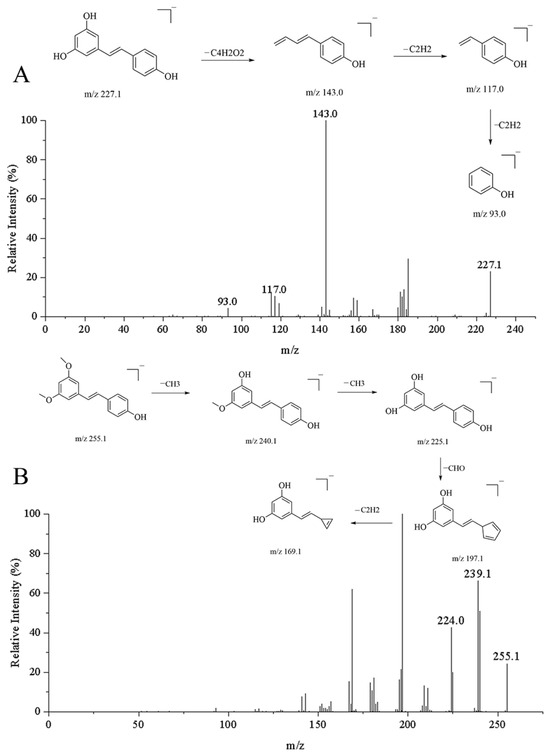
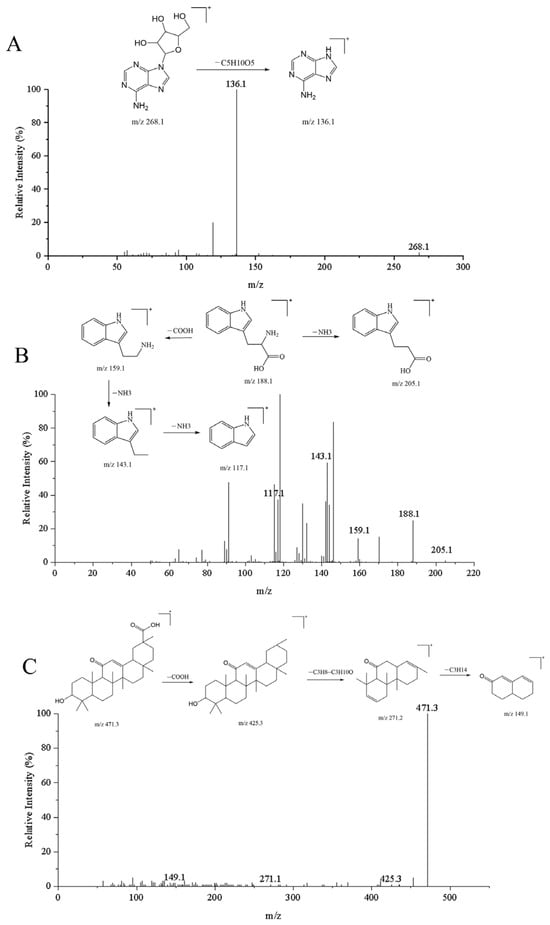
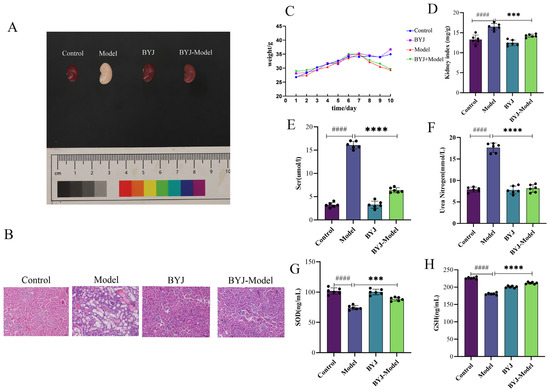
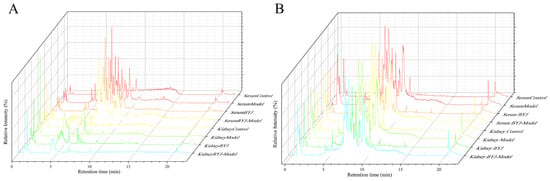
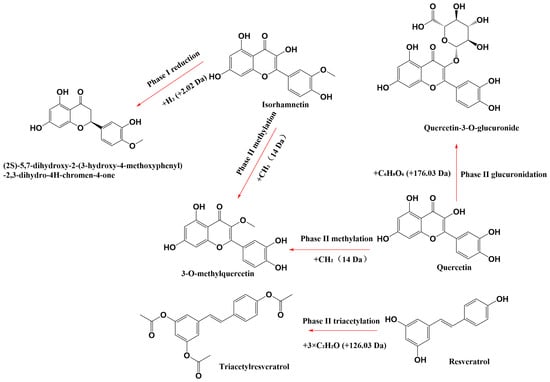
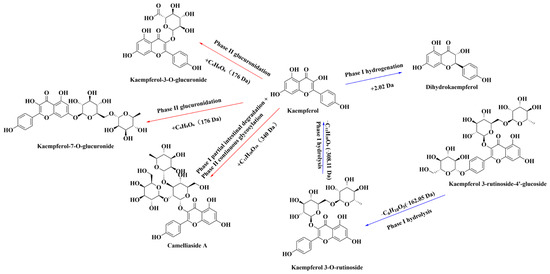
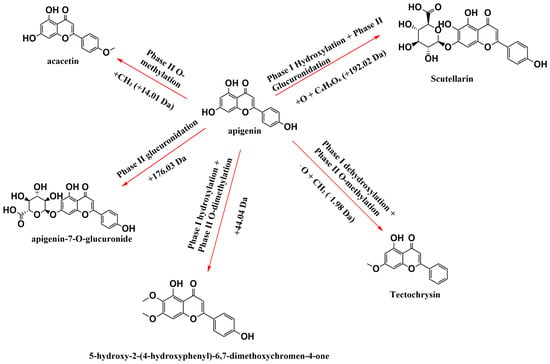
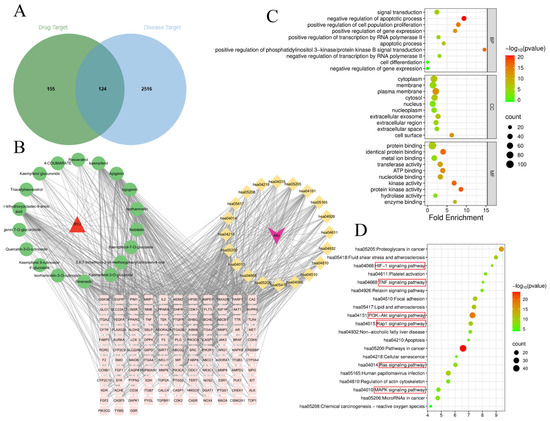
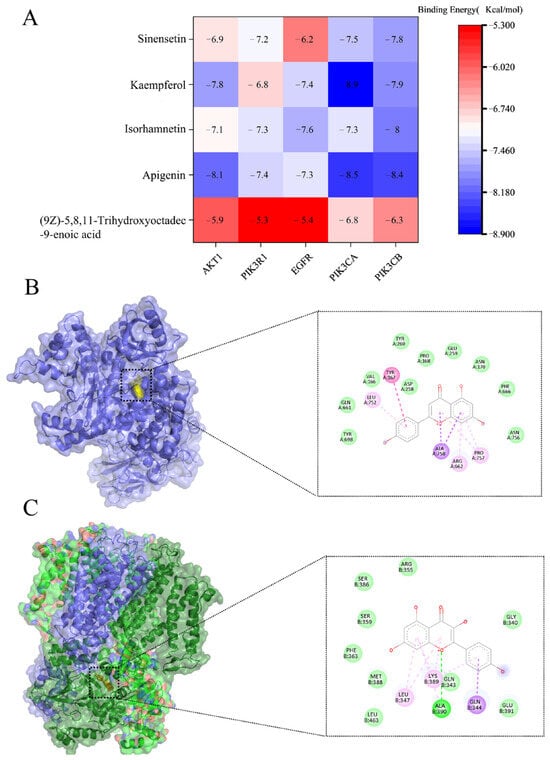
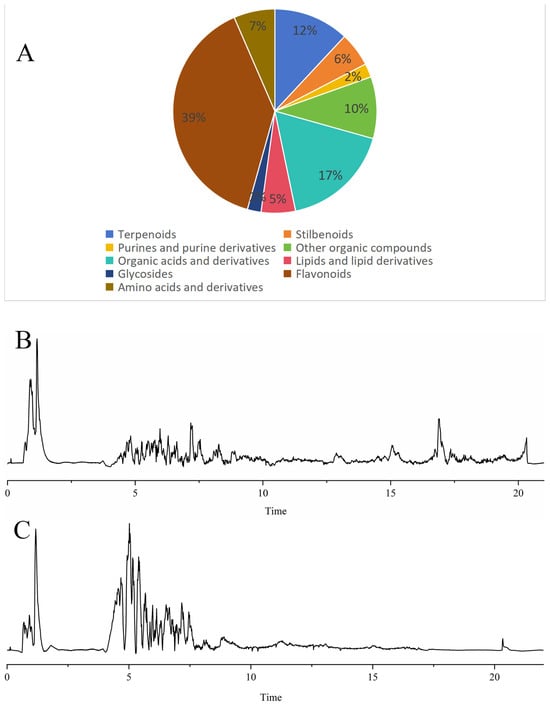
Cisplatin-induced acute kidney injury (AKI) poses a significant clinical challenge lacking specific therapeutic drugs. Arundina graminifolia, a traditional Dai medicine, exhibits notable renoprotective effects; however, its in vivo pharmacodynamic material basis and molecular mechanisms remain unclear. This study aimed to explore its mechanisms against AKI from the perspective of authentic kidney-migrating components. A cisplatin-induced mouse AKI model was established to evaluate the renoprotective effects of the A. graminifolia extract (BYJ) via biochemical markers and histopathology. UPLC-Q-TOF-MS/MS was employed to comparatively analyze the blood and kidney-migrating components between normal and AKI mice. Network pharmacology and molecular docking were subsequently applied to predict and validate the core signaling pathways based on the specific components detected in the injured kidneys. Results showed that BYJ administration significantly ameliorated renal dysfunction, restored antioxidant capacity, and alleviated tubular necrosis. MS analysis identified 93 chemical components in vitro. In vivo tracking revealed a “pathological targeted recruitment” characteristic: only 6 prototype components entered normal kidneys, whereas 16 prototypes penetrated the AKI kidneys, highly enriched in lipophilic flavonoid aglycones such as kaempferol and apigenin. Network pharmacology predicted that these targeted components could potentially interact with 124 key targets (including AKT1, PIK3CA, and EGFR) to putatively exert anti-apoptotic and anti-inflammatory effects via the PI3K-Akt, TNF, and MAPK pathways. Molecular docking confirmed excellent binding affinities between these aglycones and core target proteins (e.g., kaempferol with PIK3CA at −8.9 kcal/mol). Based on actual in vivo distribution, this study reveals the specific accumulation of polyhydroxy flavonoid aglycones in injured kidneys, providing a reliable scientific basis for defining the pharmacodynamic substances of A. graminifolia.
Full article
Rod ends are critical structural components primarily designed to sustain axial loads in mechanical and aeronautical assemblies. However, operational conditions may involve transverse loading, which induces significant bending stresses concentrated in the threaded shank region. This research presents an experimental investigation aimed at
[...] Read more.
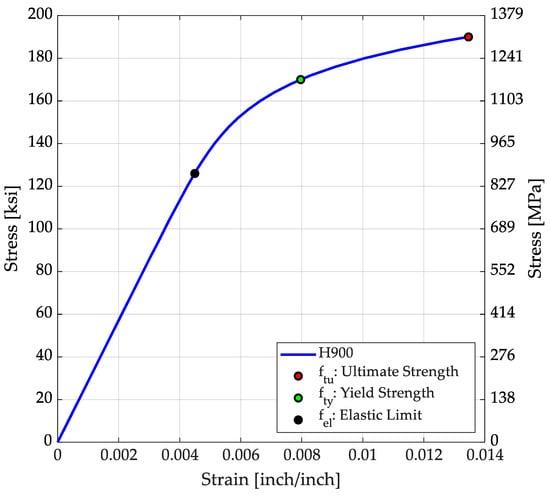
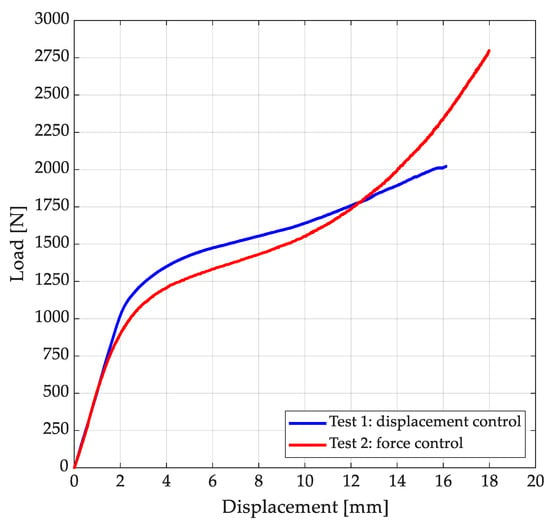
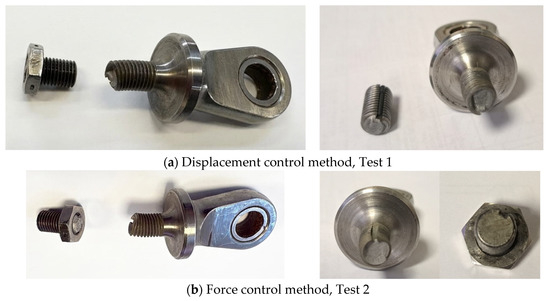
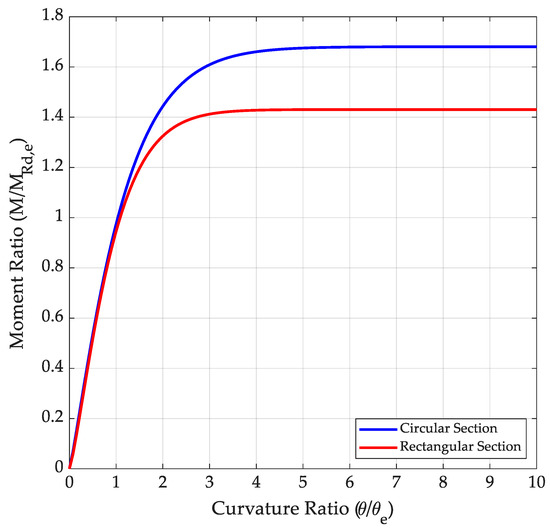
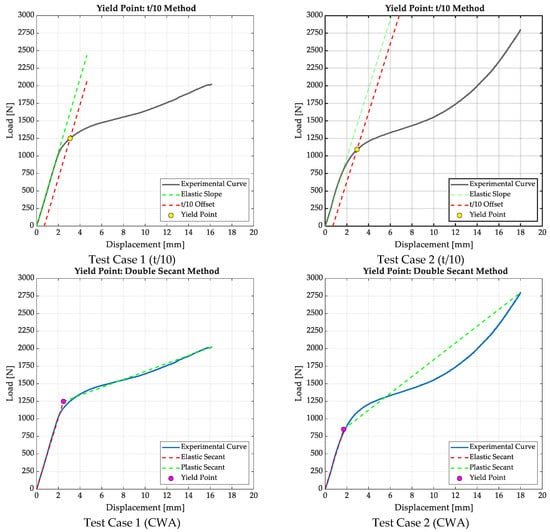
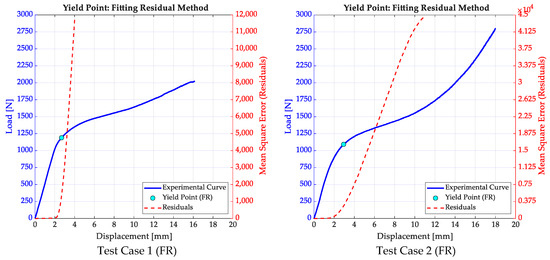
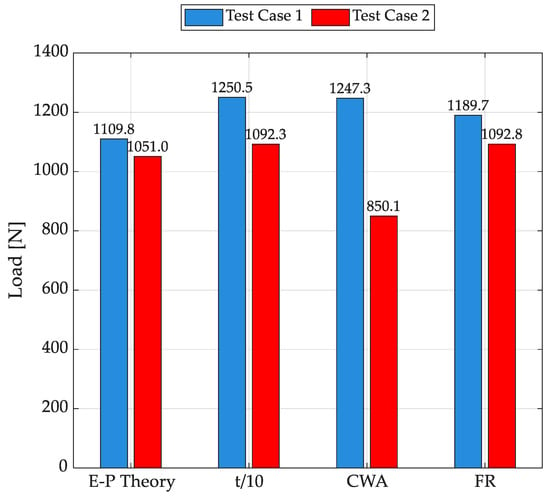
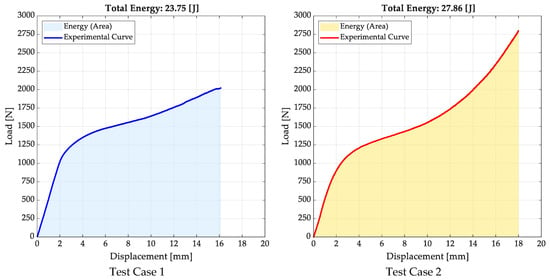
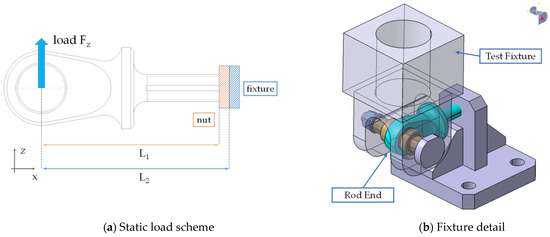
Rod ends are critical structural components primarily designed to sustain axial loads in mechanical and aeronautical assemblies. However, operational conditions may involve transverse loading, which induces significant bending stresses concentrated in the threaded shank region. This research presents an experimental investigation aimed at characterizing the elastoplastic bending behavior of the threaded portion of rod ends subjected to such off-axis loads. Specimens manufactured from precipitation-hardened stainless steel 17-4 PH were tested under both displacement and force control strategies. Each specimen was subjected to incremental loading until failure to determine the elastic limit, yield point, ultimate bending strength and fracture mode. The experimental results enabled a preliminary assessment of the static resistance of the threaded region; furthermore, a comparison with analytical formulations and empirical estimation methods available in the literature revealed promising agreement. These findings highlight the importance of accounting for non-axial loading in the design of threaded joints for critical applications. This study establishes a baseline for broader experimental campaigns aimed at validating these results and exploring fatigue behavior under cyclic transverse loads.
Full article
Background/Objective: Phoenixin (PNX), a recently identified neuropeptide, has been shown to regulate the hypothalamic–pituitary–gonadal axis and play a role in folliculogenesis and oocyte maturation. However, its clinical relevance in ovarian reserve remains unclear. This study aimed to evaluate the association between serum PNX-14
[...] Read more.
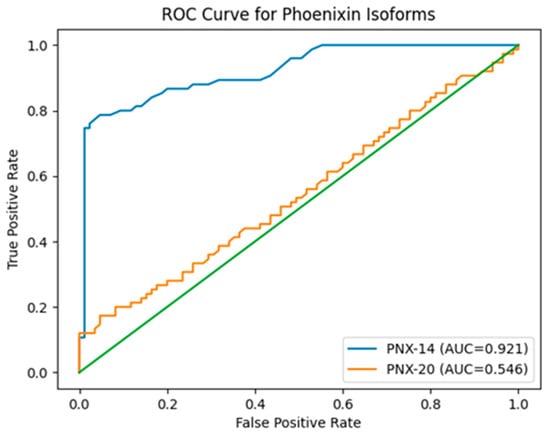
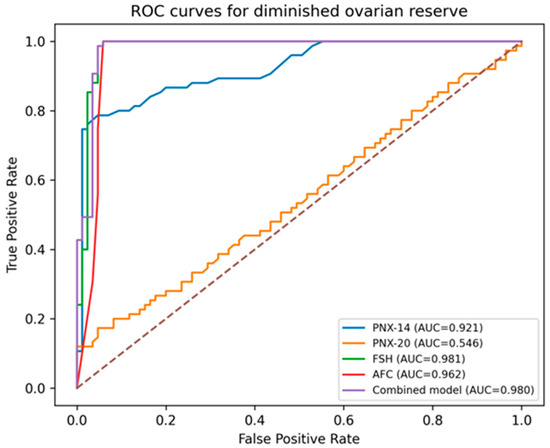
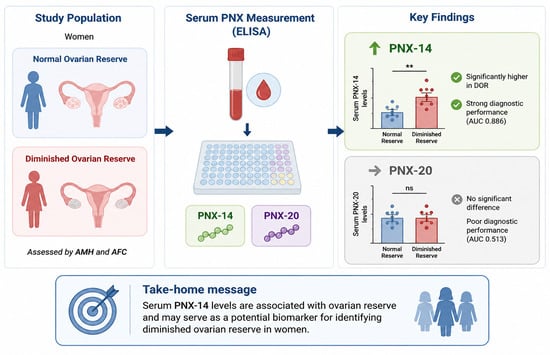
Background/Objective: Phoenixin (PNX), a recently identified neuropeptide, has been shown to regulate the hypothalamic–pituitary–gonadal axis and play a role in folliculogenesis and oocyte maturation. However, its clinical relevance in ovarian reserve remains unclear. This study aimed to evaluate the association between serum PNX-14 and PNX-20 levels and ovarian reserve and to determine whether these peptides provide additional information regarding ovarian reserve status in women with diminished ovarian reserve (DOR). Methods: This prospective case–control study included 160 women of reproductive age. Participants were categorized according to anti-Müllerian hormone (AMH) levels and antral follicle count (AFC). Serum PNX-14 and PNX-20 levels were measured using ELISA. Statistical analyses included group comparisons, Spearman correlation, receiver operating characteristic (ROC) analysis, and logistic regression. Results: PNX-14 levels differed significantly across AMH-defined groups (p < 0.001), with higher levels observed in women with DOR. In contrast, PNX-20 levels showed no significant differences (p = 0.305). PNX-14 demonstrated excellent diagnostic performance for identifying DOR (AUC = 0.921), with a sensitivity of 78.7% and a specificity of 95.3% at a cut-off value of 183 pg/mL. A significant negative correlation was found between AMH and PNX-14 (r = −0.639, p < 0.001), whereas PNX-20 showed no significant correlation. In logistic regression analysis, PNX-14 was significantly associated with DOR in unadjusted and partially adjusted models; however, this association was attenuated after adjustment for AFC. Conclusions: PNX-14 is significantly associated with ovarian reserve status and may provide complementary information regarding DOR when interpreted alongside established ovarian reserve markers. In contrast, PNX-20 does not appear to have clinical utility in this context.
Full article






 Sustainability
 Applied Sciences
 IJMS
IJMS
 JCM
JCM
 Sensors
 Energies
 Electronics
 Materials
 Buildings
 Foods
Foods
 Mathematics
 Molecules
 Remote Sensing
 Cancers
 Processes
 Nutrients
 Diagnostics
 Plants
 Healthcare
 Animals
 Polymers
 Water
Water
 Biomedicines
 Agriculture
 Microorganisms
 Medicina
 Cells
Cells
 JMSE
JMSE
 Land
Land
 Behavioral Sciences
 Life
Life
 Agronomy
 Symmetry
 Education Sciences
 Pharmaceuticals
 Biology
 Biomolecules
 IJERPH
 Children
 Horticulturae
 Antioxidants
 Nanomaterials
 Pharmaceutics
 Bioengineering
 Coatings
 Micromachines
 Systems
 Machines
 Religions
 Genes
Genes
 Entropy
 Forests
 Metals
 CIMB
CIMB
 Insects
 Minerals
 Brain Sciences
 Pathogens
 Viruses
 Information
 Antibiotics
 Atmosphere
 Veterinary Sciences
 Catalysts
 Photonics