


Advancing Open Science
A global leader in open access publishing, supporting research
communities and accelerating scientific discovery
 
50 pages, 3170 KB  
Article
A Human-in-the-Loop Decision Framework for Sustainable and Resilient Livestock Systems Under Intermittent Connectivity
by Nikolaos Sifakis, Simone Sarti, Alexandros Chachalis, Dimitrios Cholidis, Michael C. Batistatos, Michail-Alexandros Kourtis, Maria Aryblia and Georgios Arampatzis
Sustainability 2026, 18(17), 8858; https://doi.org/10.3390/su18178858 (registering DOI) - 28 Aug 2026
Abstract
Extensive small-ruminant grazing sustains food production on the Mediterranean land with few alternative uses, yet supervision is intermittent and welfare oversight weak. Digital monitoring is expected to close that gap, but detection alone does not produce intervention. In remote rangelands the link is [...] Read more.
Extensive small-ruminant grazing sustains food production on the Mediterranean land with few alternative uses, yet supervision is intermittent and welfare oversight weak. Digital monitoring is expected to close that gap, but detection alone does not produce intervention. In remote rangelands the link is unreliable, so an inference may reach the farmer late, degraded or not at all, and an alert arriving after the animal has moved is not a weaker alert but a different decision. This study develops a human-in-the-loop decision framework in which the delivery state of the link becomes a decision variable rather than a transport detail, coupling technology, farmer behaviour and governance. Constructed through design science research and structured analysis of an EU-funded project’s specifications and evaluation plans, it comprises a seven-layer architecture, a decision-episode schema, a connectivity-aware alert lifecycle, a decision-provenance matrix, and an evidence-maturity classification constraining what may be claimed. Five decision classes from a Cretan sheep and goat pilot instantiate it. After applying it, specification inconsistencies invisible to component-level review surfaced, among which is an alert payload lacking the coordinates, confidence and severity that its own indicators require. The framework is an instantiated specification, not a validated intervention: no detection, delivery, acknowledgement, usability or sustainability outcome is measured. Full article
24 pages, 4275 KB  
Article
Distributionally Robust Optimization Configuration of Microgrid Hybrid Energy Storage Based on Reliability
by Zhenlan Dou, Chunyan Zhang, Xichao Zhou, Rui Wang and Chuanliang Xiao
Processes 2026, 14(17), 2771; https://doi.org/10.3390/pr14172771 - 28 Aug 2026
Abstract
To improve the reliability of microgrid operation and the capability for off-grid autonomous operation, this study proposes a robust reliability-based optimal configuration method for microgrid hybrid energy storage systems. Firstly, the operational characteristics of the hydrogen energy storage system are analyzed, and combined [...] Read more.
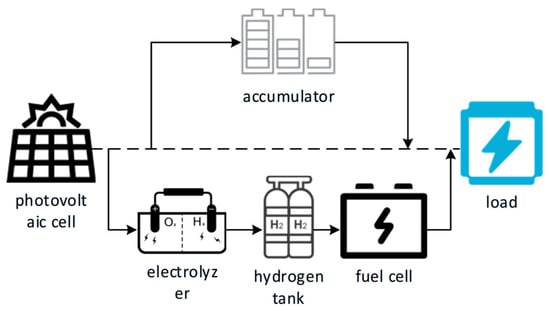
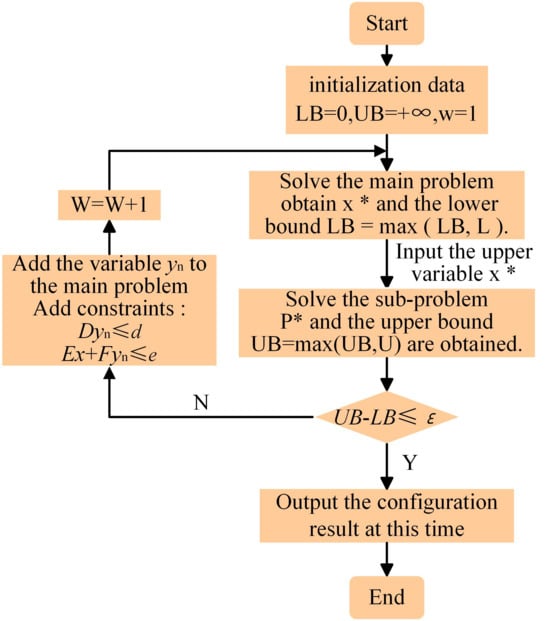
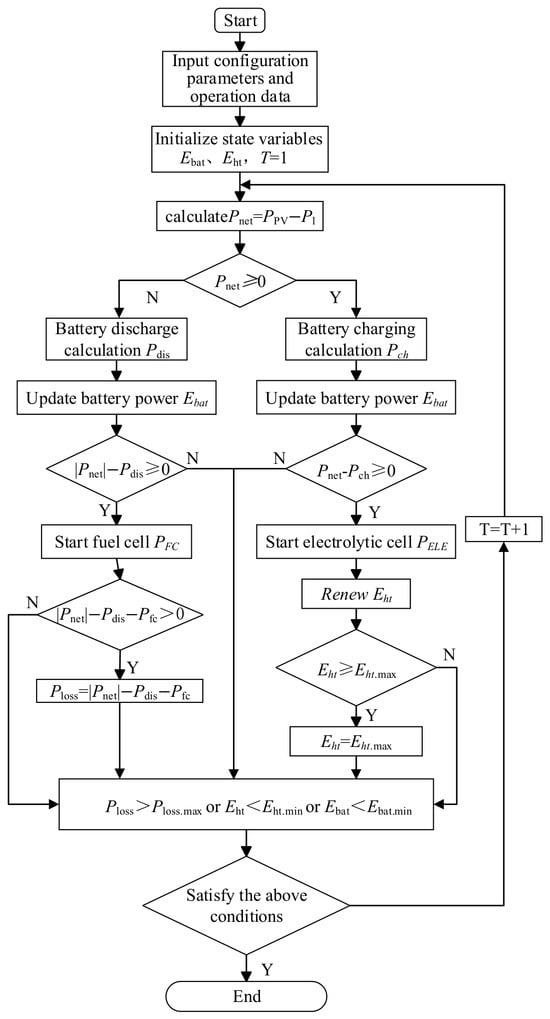
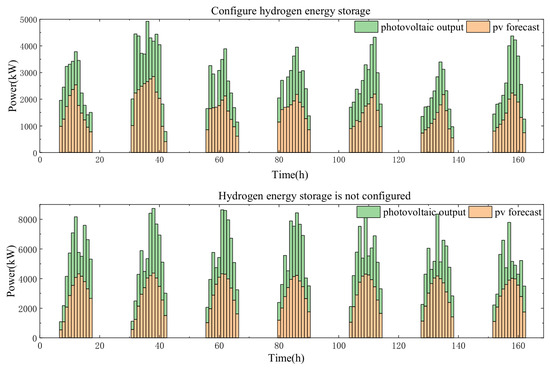
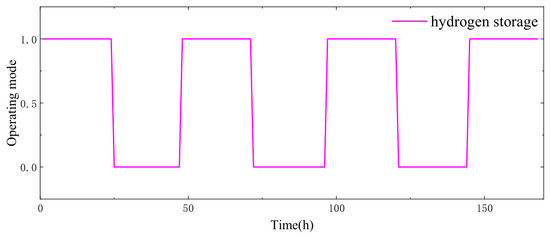
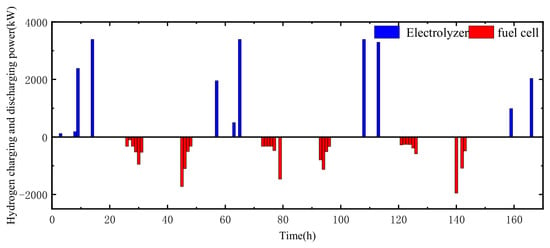
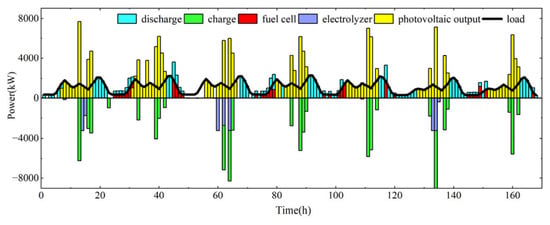
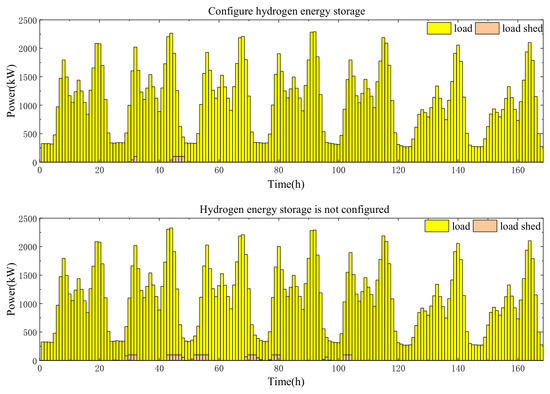
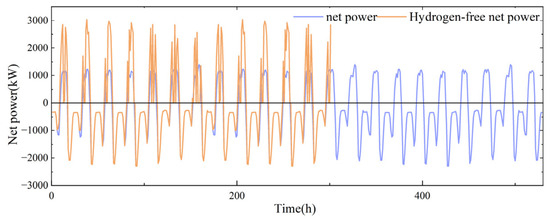
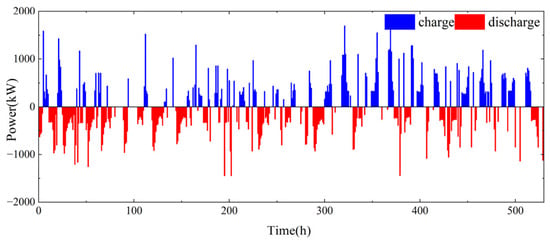
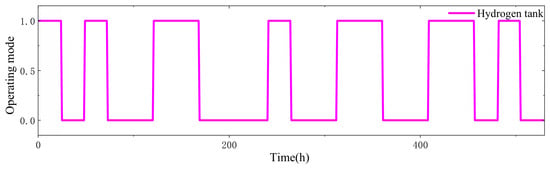
To improve the reliability of microgrid operation and the capability for off-grid autonomous operation, this study proposes a robust reliability-based optimal configuration method for microgrid hybrid energy storage systems. Firstly, the operational characteristics of the hydrogen energy storage system are analyzed, and combined with the cooperative mechanism of the hydrogen energy storage and distributed power supply systems, the operation architecture of the microgrid electro-hydrogen coupling system is constructed. Secondly, according to the electro-hydrogen coupling characteristics and adjustment capability, a two-stage distributionally robust optimization configuration model of electro-hydrogen hybrid energy storage is constructed. In the first stage, the minimum investment and operation cost of the microgrid is the optimization goal. The optimal configuration model for the equipment capacity in the microgrid is constructed, and the distributed photovoltaic, wind turbine, battery, hydrogen storage tank, hydrogen fuel cell and electrolytic cell in the microgrid are fixed. In the second stage, according to the results of the capacity optimization configuration in the first stage, the operation reliability of the microgrid is taken as the optimization objective; 168 h is set as the operation cycle, and the extreme operation scenario for the new energy output from the microgrid is assumed to provide the capacity optimization boundary for the upper layer. Finally, the model is solved by the constraint generation algorithm and analyzed by an actual microgrid in a given area. The quantitative results demonstrate the validity of the proposed method: compared to systems without hydrogen energy storage, the duration of the continuous islanded operation is increased from approximately 302 h to 529 h (an improvement of approximately 75.2%), and the load-shedding duration is reduced from approximately 35 h to 7 h (an approximately 80% reduction). Full article
(This article belongs to the Special Issue Energy Systems Improvement, Conversion and Low-Carbon Development)
Show Figures

Figure 1

16 pages, 353 KB  
Article
Cross-Cultural Adaptation and Preliminary Psychometric Evaluation of the Malay Orthodontic Patient Satisfaction Questionnaire and Patient Satisfaction Following Fixed Orthodontic Treatment in Malaysia
by Al Imran Shahrul, Yap Jia Qi, Shawn Tan Jun Xue, Rohaya Megat Abdul Wahab and Alizae Marny Fadzlin Syed Mohamed
Healthcare 2026, 14(17), 2752; https://doi.org/10.3390/healthcare14172752 - 28 Aug 2026
Abstract
Background: Orthodontic treatment is a long-term intervention in which patient satisfaction is an important outcome alongside clinical measures. This study aimed to translate and culturally adapt the Orthodontic Patient Satisfaction Questionnaire (OPSQ) into Malay (M-OPSQ), evaluate its content validity, face validity, internal consistency [...] Read more.
Background: Orthodontic treatment is a long-term intervention in which patient satisfaction is an important outcome alongside clinical measures. This study aimed to translate and culturally adapt the Orthodontic Patient Satisfaction Questionnaire (OPSQ) into Malay (M-OPSQ), evaluate its content validity, face validity, internal consistency and structural validity, and assess satisfaction following fixed appliance treatment. Methods: Content validity was evaluated by eight orthodontists using the Content Validity Index and Content Validity Ratio. Translation involved forward translation, cognitive debriefing, back translation and review by the original questionnaire developer. Face validity was assessed among 34 participants. Preliminary psychometric evaluation involved 159 adults recruited using convenience and snowball sampling. Internal consistency was assessed using Cronbach’s alpha, while structural validity was evaluated using exploratory and confirmatory factor analyses. Exploratory group comparisons were analysed using non-parametric tests. Results: Content and face validity assessments resulted in a final 31-item M-OPSQ. Participants had a mean age of 27.11 ± 8.02 years, and 72.3% were female. The mean total score was 159.18 ± 20.33, with excellent internal consistency (α = 0.954; 95% confidence interval (CI) 0.942–0.963). Exploratory factor analysis supported a three-factor structure. The three-factor confirmatory model showed better relative fit than the unidimensional model, although most fit indices remained outside acceptable thresholds. Exploratory analyses identified differences across treatment provider and setting groups. Conclusions: The M-OPSQ demonstrated acceptable content and face validity and excellent internal consistency among Malaysian adults who had completed fixed appliance orthodontic treatment. Independent confirmation of the proposed factor structure, together with further assessment of construct validity and test–retest reliability, is required. Full article
29 pages, 509 KB  
Review
Machine Learning in Smart Manufacturing: Challenges and Solutions
by Omar Adalat, Nereida Polovina and Savas Konur
Appl. Sci. 2026, 16(17), 8599; https://doi.org/10.3390/app16178599 (registering DOI) - 28 Aug 2026
Abstract
In this paper, we consider the intertwined challenges that arise for process optimisation within smart manufacturing, reviewing fundamental aspects including concept drift in relation to the dynamic nature of manufacturing, the prevalence of heterogeneous data streams, integration of prior domain knowledge, and trustworthiness [...] Read more.
In this paper, we consider the intertwined challenges that arise for process optimisation within smart manufacturing, reviewing fundamental aspects including concept drift in relation to the dynamic nature of manufacturing, the prevalence of heterogeneous data streams, integration of prior domain knowledge, and trustworthiness and transparency of machine learning models. We investigate the real-world nature of these challenges and the proposed solutions in the literature for each of the aforementioned challenges. Whilst other surveys exist for optimisation in the field of smart manufacturing, there is a lack of a comprehensive review addressing the underlying conceptual issues associated with the deployment and adoption of machine learning in smart manufacturing. Full article
(This article belongs to the Special Issue Advances in AI and Multiphysics Modelling)
15 pages, 508 KB  
Article
Chronic Venous Disease and In-Hospital Venous Thromboembolism in Critically Ill Patients: A Retrospective Cohort Study of the MIMIC-IV Database
by Alperen Kutay Yıldırım and Mesher Ensarioğlu
J. Clin. Med. 2026, 15(17), 6695; https://doi.org/10.3390/jcm15176695 (registering DOI) - 28 Aug 2026
Abstract
Background: Chronic venous disease (CVD), and varicose veins in particular, has been reported as a risk factor for venous thromboembolism (VTE) in ambulatory and surgical populations, but its independent contribution to VTE risk in critically ill patients has not been studied. Methods: A [...] Read more.
Background: Chronic venous disease (CVD), and varicose veins in particular, has been reported as a risk factor for venous thromboembolism (VTE) in ambulatory and surgical populations, but its independent contribution to VTE risk in critically ill patients has not been studied. Methods: A retrospective cohort study was performed using the Medical Information Mart for Intensive Care-IV (MIMIC-IV) database, version 3.1. Adult patients with an intensive care unit (ICU) admission and length of stay ≥48 h were eligible. CVD, spanning Clinical-Etiological-Anatomical-Pathophysiological (CEAP) classes C2–C6, was ascertained from ICD-9 and ICD-10 codes using a cross-admission look-back. The primary outcome was in-hospital VTE. Multivariable logistic regression was performed with adjustment for age, sex, severity scores, comorbidities, and ICU treatments; additional analysis was performed with propensity score matching (1:3 nearest-neighbor) and multiple imputation for missing body mass index (BMI). Results: Of 28,741 eligible patients, 544 (1.9%) had documented CVD. Crude VTE incidence was 7.0% in CVD patients vs. 6.2% in those without CVD (unadjusted OR 1.14, 95% CI 0.82–1.59; adjusted OR 1.10, 95% CI 0.77–1.52, p = 0.571). After multiple imputation for BMI, the adjusted association attenuated to 1.03 (0.74–1.45, p = 0.849). Propensity score matching produced consistent results (OR 1.24, 0.84–1.84). In an exploratory severity analysis, crude VTE rates were 6.2% without CVD, 6.4% with uncomplicated CVD, and 16.7% with complicated CVD; the complicated stratum comprised only 30 patients with 5 events (aOR 2.90, 95% CI 1.09–7.08, p = 0.032), and the test for trend was not significant (p = 0.31). CVD patients received less pharmacological prophylaxis than non-CVD patients (61.2% vs. 66.0%, p = 0.023). Conclusions: Chronic venous disease was not independently associated with in-hospital VTE in this critically ill cohort, and the modest crude association attenuated further after accounting for BMI. An exploratory analysis suggested a higher risk in complicated CVD, but the stratum was too small and the trend test too weak to support a severity gradient; this requires confirmation in cohorts with prospective CEAP classification. CVD patients received less thromboprophylaxis than patients without CVD (61.2% vs. 66.0%, p = 0.023), although this difference did not persist after adjustment (aOR 0.88, 95% CI 0.74–1.06, p = 0.172). Full article
(This article belongs to the Section Intensive Care)
19 pages, 3797 KB  
Article
Structural Features of DNA in TATA-Containing and TATA-Less Core Promoters of RNA Polymerase II Differ
by Ekaterina A. Savina, Olga D. Soldatenkova, Anastasia A. Anashkina and Irina A. Il’icheva
Int. J. Mol. Sci. 2026, 27(17), 7735; https://doi.org/10.3390/ijms27177735 (registering DOI) - 28 Aug 2026
Abstract
Nucleotide motifs in the core promoters of eukaryotic protein-coding genes transcribed by RNA polymerase II (Pol II) play an important role in the transcription process. We analyzed the role of an octanucleotide located in the TATA box position. Depending on whether this octanucleotide [...] Read more.
Nucleotide motifs in the core promoters of eukaryotic protein-coding genes transcribed by RNA polymerase II (Pol II) play an important role in the transcription process. We analyzed the role of an octanucleotide located in the TATA box position. Depending on whether this octanucleotide can form a complex with the TATA-binding protein (TBP), the promoter is classified as either TATA-containing or TATA-less. We analyzed the differences in the primary and spatial structures, as well as their dynamics, in TATA-containing and TATA-less promoters of mammals and plants. We divided the complete promoter sets of six organisms (H. sapiens, M. musculus, C. familiaris, A. thaliana, Z. mays, and H. vulgare) from the EPDnew database into TATA-containing and TATA-less fractions. The sizes of the TATA-containing promoter fractions are significantly smaller than those of the TATA-less fractions in all studied organisms, except in A. thaliana, where the sizes of both fractions are approximately equal. We characterized promoter architecture using variation profiles of various base-pair step parameters, minor-groove width, and the conformational dynamics of native DNA. The architectures of TATA-containing and TATA-less promoters differ significantly. The possible mechanistic influence of DNA structural features on the formation of the pre-initiation complex (PIC) in both types of promoters is discussed. Full article
27 pages, 13017 KB  
Article
Comprehensive Analysis of Cuproptosis-Related Genes According to Cancer Stage and Their Prognostic Value in Cervical Cancer
by Jing He, Yueyan Sun, Zhonghua Yang, Duo Xu, Pengxia Zhang and Jiaqi Xia
Int. J. Mol. Sci. 2026, 27(17), 7730; https://doi.org/10.3390/ijms27177730 (registering DOI) - 28 Aug 2026
Abstract
Cuproptosis is a novel form of metabolism-associated cell death. Cervical cancer (CC) exhibits elevated serum copper levels and mitochondrial metabolic reprogramming, making cuproptosis-related genes (CRGs) potentially critical for prognosis prediction and therapeutic targeting. However, studies on CRGs in CC remain limited. This study [...] Read more.
Cuproptosis is a novel form of metabolism-associated cell death. Cervical cancer (CC) exhibits elevated serum copper levels and mitochondrial metabolic reprogramming, making cuproptosis-related genes (CRGs) potentially critical for prognosis prediction and therapeutic targeting. However, studies on CRGs in CC remain limited. This study aimed to construct prognostic and cancer staging models for CC using machine learning (ML) algorithms. Gene expression profiles of patients with CC were obtained from the TCGA and GEO databases. Five ML algorithms were employed to identify significant factors, including random forest (RF), support vector machine (SVM), Gaussian mixture model (GMM), Bayesian, and StepCox. A prognostic model was subsequently constructed using LASSO–Cox regression based on the selected genes. Concurrently, a cancer staging model was built using ML algorithms incorporating three distinct gene categories. Finally, qRT-PCR and Western blotting were conducted to validate the expression of signature genes at both the tissue and cellular levels. Additionally, CTD-based screening and in vitro functional assays were performed to evaluate the effects of DDP on CC cells. Through integrated bioinformatics and ML approaches, a prognostic model comprising nine CRGs was successfully established (GMM = 0.72). The derived risk score served as an independent prognostic indicator for CC (p < 0.001, 95% CI: 3.681 [1.785–7.591]). Calibration curves confirmed that the nomogram accurately predicted overall survival (OS) at 1, 3, and 5 years. Additionally, a cancer staging model was effectively constructed using the GMM algorithm (AUC = 0.74). DDP dose-dependently inhibited CC proliferation/migration and down-regulated CRG expression. In this study, we developed two different models—a cuproptosis-related prognostic model and a cancer staging model—that highlight promising biomarkers for predicting patient prognosis and cancer progression in patients with CC. Full article
21 pages, 1214 KB  
Article
An Efficient Regeneration and Transient Transformation System for the Desert Halophyte Halostachys caspica
by Shufang Tan, Hongxia Li, Kun Yi, Chunyanzi Zhan, Adili Tulaerbieke and Yan Wang
Plants 2026, 15(17), 2645; https://doi.org/10.3390/plants15172645 - 28 Aug 2026
Abstract
Halostachys caspica is a salt-tolerant shrub widely distributed on saline-alkali soils in Xinjiang, but research on its salt-tolerance mechanisms has been limited by the lack of reliable regeneration and transformation protocols. We optimized seed germination on 1/2 MS medium with 45 g/L sucrose, [...] Read more.
Halostachys caspica is a salt-tolerant shrub widely distributed on saline-alkali soils in Xinjiang, but research on its salt-tolerance mechanisms has been limited by the lack of reliable regeneration and transformation protocols. We optimized seed germination on 1/2 MS medium with 45 g/L sucrose, significantly raising rates from 8.7% to 70.3% and providing adequate explant material. For regeneration, we developed two complementary protocols: a conventional route using seedling-derived assimilation branches, with optimal adventitious bud induction on medium containing 100 mM NaCl and 1 mg/L 6-BA, followed by transfer to proliferation medium (100 mM NaCl, 0.8 mg/L 6-BA, 0.5 mg/L IBA) that resulted in simultaneous proliferation, elongation, and rooting; and an accelerated protocol using regenerated plantlet assimilation branches, which produced complete plantlets within 35 days on medium with 1 mg/L IBA and 100 mM NaCl, establishing an effective rapid propagation system. Using these explants, we optimized Agrobacterium-mediated transformation parameters, achieving over 90% transient transformation efficiency. Together, this regeneration and transformation platform will facilitate functional dissection of stress-responsive genes and regulatory networks, while the rapid propagation protocol provides reliable planting material and may serve as a reference for other woody plants and halophytes lacking established regeneration systems. Full article
35 pages, 5481 KB  
Article
Genotoxic and Physiological Responses to Repeated Exposure to Low-Concentration Silver Nanoparticles in Vicia faba Through Root and Foliar Uptake Pathways
by Paulina Abrica-González, Norberto Alarcón-Herrera, Sandra Gómez-Arroyo, Saúl Flores-Maya, José Abraham Balderas-López and Edgar A. Estrella-Parra
Int. J. Mol. Sci. 2026, 27(17), 7733; https://doi.org/10.3390/ijms27177733 (registering DOI) - 28 Aug 2026
Abstract
Silver nanoparticles (AgNPs) are among the most widely used engineered nanomaterials, increasing the likelihood of repeated plant exposure through soil, water, and atmospheric deposition. However, the biological consequences of repeated exposure through different uptake pathways remain insufficiently understood. This study characterized citrate-reduced AgNPs [...] Read more.
Silver nanoparticles (AgNPs) are among the most widely used engineered nanomaterials, increasing the likelihood of repeated plant exposure through soil, water, and atmospheric deposition. However, the biological consequences of repeated exposure through different uptake pathways remain insufficiently understood. This study characterized citrate-reduced AgNPs and evaluated their genotoxic and physiological effects in Vicia faba following repeated root and foliar exposure. Physicochemical characterization included SEM, energy-dispersive X-Ray spectroscopy, dynamic light scattering, zeta potential analysis, and UV–Visible spectroscopy. Cytogenetic damage was assessed using the mitotic index, micronucleus test, chromosomal and nuclear abnormalities, and alkaline comet assay, while chlorophyll content and stem growth were determined as physiological endpoints. The synthesized AgNPs were predominantly spherical, exhibited colloidal stability, and produced greater biological effects than bulk silver. Repeated exposure reduced cell proliferation and increased micronuclei, chromosomal aberrations, nuclear buds, binucleated cells, and DNA damage in both roots and leaves. Root tissues consistently showed greater DNA damage following AgNP exposure, while AgNPs also caused greater reductions in chlorophyll content and plant growth than bulk silver. These findings demonstrate that repeated AgNP exposure induces tissue-specific and persistent biological responses, emphasizing the importance of incorporating repeated-exposure scenarios and multiple uptake pathways into environmental risk assessments of engineered nanomaterials. Full article
22 pages, 24802 KB  
Article
A Geospatial Decision-Support Framework for Deployment of Low-Power Radar Networks for U-Space Surveillance and EMF Constraints
by Fausta Mattei, Vincenzo Donato, Claudia Conte, Giancarlo Rufino and Domenico Accardo
Aerospace 2026, 13(9), 779; https://doi.org/10.3390/aerospace13090779 (registering DOI) - 28 Aug 2026
Abstract
This work addresses the problem of planning low-power ground radar networks for surveillance in urban airspace for Advanced Air Mobility, with a focus on complex contexts such as ports, intermodal hubs, energy plants, and airport perimeters. The proposed approach introduces a continuous, deployment-oriented [...] Read more.
This work addresses the problem of planning low-power ground radar networks for surveillance in urban airspace for Advanced Air Mobility, with a focus on complex contexts such as ports, intermodal hubs, energy plants, and airport perimeters. The proposed approach introduces a continuous, deployment-oriented surrogate sensing model, used to compute a normalized detection score for non-cooperative Unmanned Aerial Vehicles within the surveillance area. The methodology integrates operational and environmental constraints using polygons that represent eligible installation areas and priority interest zones to ensure that sensor placement reflects both siting feasibility and the relative value of monitored areas. The framework also includes a first-order electromagnetic exposure-screening layer to support early-stage visualization and comparison across scenarios. Regulatory limits are not enforced in the current optimization. The development includes an interactive geospatial interface, which supports the definition of realistic scenarios and the selection of candidate radar deployment configurations consistent with user-defined siting constraints and exposure-screening assumptions. Full article
(This article belongs to the Section Aeronautics)
32 pages, 4724 KB  
Review
Mitochondrial Distress Signals at the Heart–Liver Interface: Molecular Links Between MASLD and Heart Failure
by Xing Yang, Kun Cheng, Chen Chen, Yuxin Zhang and Dao Wen Wang
Int. J. Mol. Sci. 2026, 27(17), 7734; https://doi.org/10.3390/ijms27177734 (registering DOI) - 28 Aug 2026
Abstract
Metabolic dysfunction-associated steatotic liver disease (MASLD) and heart failure (HF) frequently coexist within a shared cardiometabolic environment, yet their mitochondrial abnormalities are stage- and phenotype-dependent rather than uniform. In MASLD, mitochondrial adaptation evolves from increased oxidative metabolism in early steatosis toward impaired respiratory [...] Read more.
Metabolic dysfunction-associated steatotic liver disease (MASLD) and heart failure (HF) frequently coexist within a shared cardiometabolic environment, yet their mitochondrial abnormalities are stage- and phenotype-dependent rather than uniform. In MASLD, mitochondrial adaptation evolves from increased oxidative metabolism in early steatosis toward impaired respiratory flexibility, oxidative stress, and defective quality control with disease progression, whereas the failing myocardium develops reduced energetic reserve and altered substrate utilization. These organ-specific disturbances can modify mitochondria-linked metabolites, mitochondrial damage-associated molecular patterns, stress-responsive endocrine mediators, and extracellular vesicle-associated mitochondrial cargo. However, similar mitochondrial abnormalities or circulating signals in the liver and heart do not by themselves establish direct inter-organ communication. This review distinguishes shared systemic drivers and organ-intrinsic mitochondrial stress from source-resolved cardio-hepatic signaling, highlighting hepatic ketogenesis, fibroblast growth factor 21 (FGF21), mitochondrial DNA (mtDNA)-dependent inflammatory pathways, and extracellular vesicle-mediated cargo transfer as mechanistically distinct examples with different levels of evidence. We further discuss biomarker limitations, HF-related hemodynamic liver injury, and therapeutic strategies ranging from established cardiometabolic unloading to emerging mitochondria-centered interventions. A stage-, phenotype-, and source-resolved framework may improve interpretation of mitochondrial signals and guide future mechanistic and translational studies in the MASLD–HF overlap. Full article
(This article belongs to the Section Molecular Endocrinology and Metabolism)
15 pages, 2225 KB  
Article
Integrated Analysis of Human Hemorrhagic Fever with Renal Syndrome Cases and Rodent Hantavirus Surveillance in Zhejiang Province, China, 2025
by Rong Zhang, Qian-Hui Zheng, Haizhen Zhou, Fang Xu, Yi-Sheng Sun, Ji-Min Sun, Li-Qun Fang and Li-Ping Wang
Viruses 2026, 18(9), 945; https://doi.org/10.3390/v18090945 (registering DOI) - 28 Aug 2026
Abstract
Hemorrhagic fever with renal syndrome (HFRS), caused by Seoul orthohantavirus (SEOV) and Hantaan orthohantavirus (HTNV), remains a neglected rodent-borne zoonosis with persistent residual spillover risk in low-incidence regions of China. This study assessed human HFRS occurrence and small-mammal hantavirus surveillance signals in small-mammal [...] Read more.
Hemorrhagic fever with renal syndrome (HFRS), caused by Seoul orthohantavirus (SEOV) and Hantaan orthohantavirus (HTNV), remains a neglected rodent-borne zoonosis with persistent residual spillover risk in low-incidence regions of China. This study assessed human HFRS occurrence and small-mammal hantavirus surveillance signals in small-mammal hosts across Zhejiang Province, China, in 2025. Reported human cases were obtained from the National Notifiable Disease Surveillance System, and animal host surveillance was conducted at five designated monitoring sites. A total of 107 HFRS cases were reported, occurring year-round with peaks in June and December and showing spatial heterogeneity, presenting a predominance of males, adults aged ≥40 years, and farmers. Animal host surveillance captured 617 small mammals (566 rodents and 51 shrews) from 15,457 valid trap-nights, with Apodemus agrarius (30.31%) and Rattus norvegicus (29.98%) as the dominant species. Sixteen animals were positive for hantavirus RNA and/or antibody, including 12 for hantavirus RNA and 6 antibody-positive animals; two were positive for both markers. Positive animals were detected in multiple species, including Niviventer confucianus, R. norvegicus, Rattus losea, A. agrarius, Suncus murinus, and Rattus tanezumi. Human incidence, small-mammal density, host species composition, and hantavirus-positive rates were not fully concordant across surveillance sites. Our findings reveal sustained cryptic orthohantavirus circulation in low-endemic Zhejiang, highlighting that integrated human-reservoir One Health surveillance is indispensable for precise spillover risk prediction and targeted zoonotic disease intervention. Full article
(This article belongs to the Section Human Virology and Viral Diseases)
21 pages, 4905 KB  
Article
Photovoltaic Effect in the MnZn1−xCrxSb Weyl Semimetals
by Sergey Aplesnin, Oksana. Romanova, Maxim Sitnikov, Anton Kharkov, Oleg Nikitinsky, Natalia Cheremnykh, Lubov Udod, Alexander Shabanov, Grigory Rymski, Olga Minchukova and Abdelbaki Hichem
Materials 2026, 19(17), 3670; https://doi.org/10.3390/ma19173670 (registering DOI) - 28 Aug 2026
Abstract
The photovoltaic effect in the MnZn1−xCrxSb Weyl semimetals was studied in a wide spectral range. A correlation in the temperature behavior of the magnetization, photo-voltage, and photocurrent has been found and a sharp increase in the photocurrent below 140 K has been established. [...] Read more.
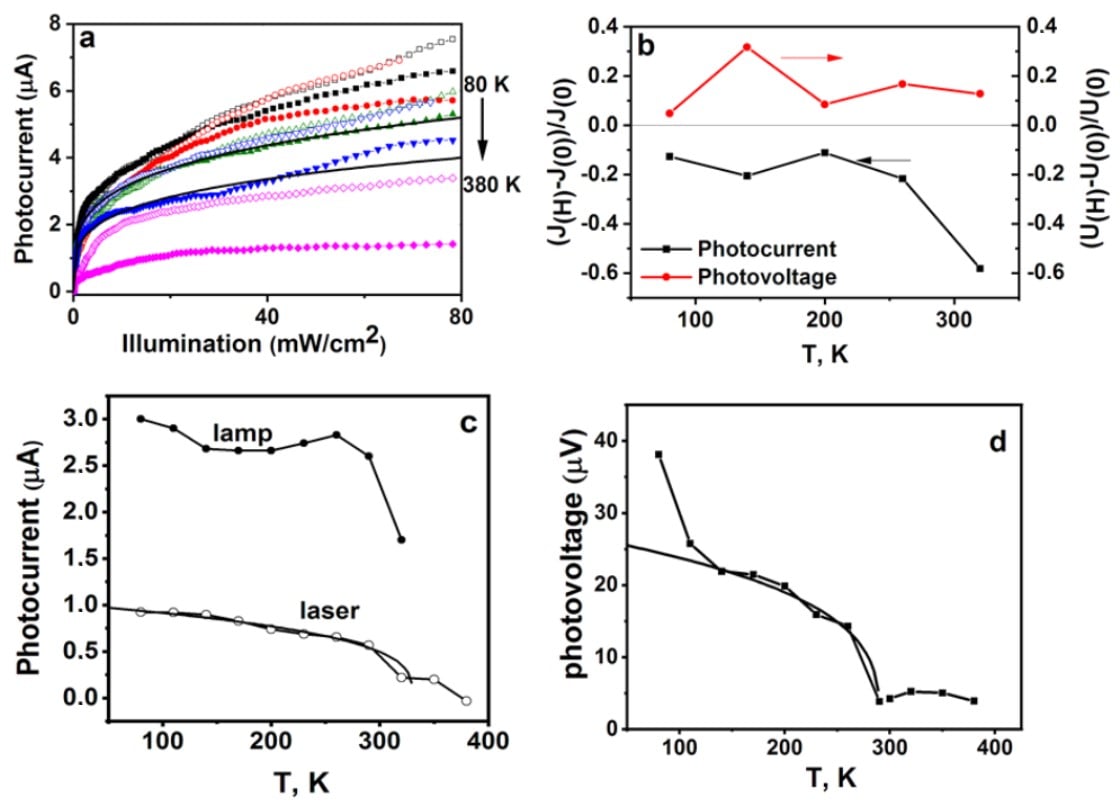
The photovoltaic effect in the MnZn1−xCrxSb Weyl semimetals was studied in a wide spectral range. A correlation in the temperature behavior of the magnetization, photo-voltage, and photocurrent has been found and a sharp increase in the photocurrent below 140 K has been established. Increasing by 50% of the generation of photocurrent is accompanied grows of the Curie temperature by 3%. It is shown that, under the same sample illuminance, the photocurrent and photovoltage attain their maximum values under illumination with an incandescent lamp, rather than with a laser with a wavelength of 830 nm or a led lamp. The photocurrent and photovoltage are increased nonlinearly with increasing power of incident light and the maximum sensitivity is detected in the mid-IR range, increasing from 1.5 mA/W to 20 mA/W with the chromium doping concentration. As the chromium content in the MnZn1−xCrxSb semimetals grows, the drop in resistance changes to a rise under illumination. The possibility of magnetic field control of the photocurrent, photovoltage, and photoresistance with a maximum value at room temperature is demonstrated. Full article
(This article belongs to the Special Issue Advances in Magnetic Materials and Applications)
Show Figures

Graphical abstract

25 pages, 2203 KB  
Article
Evolution of the Magmatic System at Mt. Guntur (West Java): Implications for Geothermal Heat and Volcanic Risk
by Muhammad Andriansyah Gurusinga, Indranova Suhendro, Gabriela Nogo Retnaningtyas Bunga Naen, Wildan Nur Hamzah and Takeshi Hasegawa
Minerals 2026, 16(9), 890; https://doi.org/10.3390/min16090890 (registering DOI) - 28 Aug 2026
Abstract
Mt. Guntur (West Java, Indonesia) has remained in surface repose since its last significant eruption in 1847 CE. Nevertheless, persistent volcano-tectonic seismicity and seismic tomographic anomalies indicate the possible presence of an active, melt-bearing magmatic system beneath the volcano. This study examines whole-rock [...] Read more.
Mt. Guntur (West Java, Indonesia) has remained in surface repose since its last significant eruption in 1847 CE. Nevertheless, persistent volcano-tectonic seismicity and seismic tomographic anomalies indicate the possible presence of an active, melt-bearing magmatic system beneath the volcano. This study examines whole-rock geochemistry, high-resolution mineral chemistry, quantitative textural analysis (Crystal Size Distribution; CSD), and geothermobarometry of the youngest eruptive products to reconstruct the subvolcanic architecture. The results delineate a vertically extensive transcrustal plumbing system, consisting of a shallow, crystal-rich reservoir (1.0–3.0 kbar; approximately 3.5–11 km) and a deeper staging zone (approximately 3.0–3.5 kbar; 11–13 km, assuming an average crustal density of 2.7 g/cm3). This configuration spatially corresponds with seismic Low Velocity Zones (LVZs) and high-attenuation anomalies identified at 5–8 km depth in previous geophysical studies. Textural and micro-analytical data demonstrate a marked shift in magmatic dynamics over time. The mature GL-18 unit (>50 vol% crystallinity) records prolonged, closed-system fractional crystallization within a stable reservoir. It represents differentiated magma confined within a rigid crystal framework. In contrast, the younger basaltic units (GL-17, GL-11, GL-10) exhibit evidence of active disruption driven by successive mafic recharge events. These recharges largely replaced the resident interstitial melt, as indicated by primitive mineral compositions and distinct textural features that reflect pulsed thermal perturbations. The historical 1847 CE GL-17 eruption reached its final pre-eruptive equilibration at shallow depths (less than 1.5 kbar; approximately 1110–1125 °C), where the primitive magma was thermally buffered by cooler, partially crystallized portions of the resident reservoir. These findings classify Mt. Guntur as a system with Potentially Active Magmatic Storage (PAMS). Although persistent magmatic heat sustains regional geothermal fields, ongoing recharge dynamics suggest a continued potential for future volcanic unrest. As petrology alone cannot predict eruptions, a multidisciplinary monitoring framework that integrates continuous geophysical, deformation, and gas observations is necessary to mitigate risks in the Garut Basin. Full article
35 pages, 24765 KB  
Article
Geometry-Dependent Tensile Load Capacity and Fracture Characteristics of Steel Wire Ropes: A Finite Element Parametric Study
by Jing Xiao, Qiqi Li, Lin Hu, Shaowei Wu, Weixiong Lin and Chengbo Gu
Materials 2026, 19(17), 3671; https://doi.org/10.3390/ma19173671 (registering DOI) - 28 Aug 2026
Abstract
Steel wire ropes (SWRs) are exceptional load-bearing elements. However, conventional designs often treat them as passive structures, lacking strategies to actively program their ultimate load-bearing capacity and failure behaviors. To address this gap, this study systematically investigates the tunable load capacity and fracture [...] Read more.
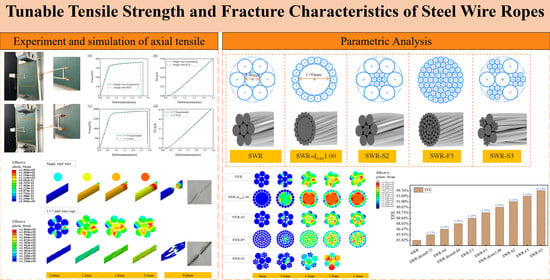
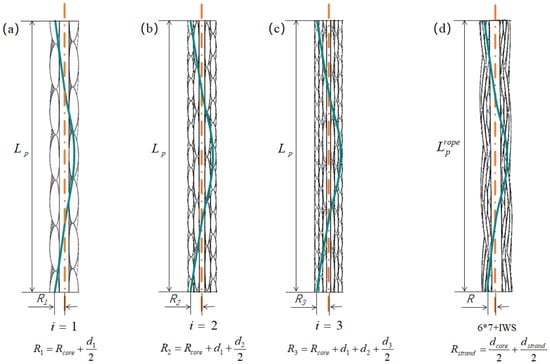
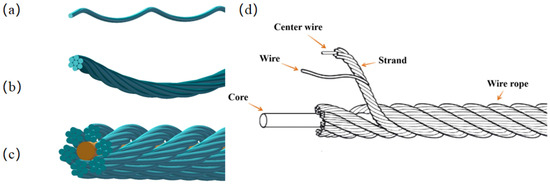
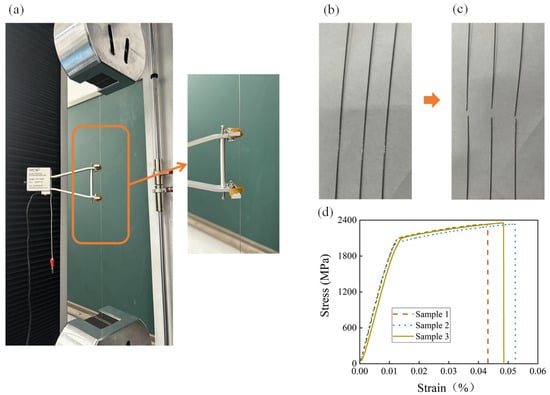
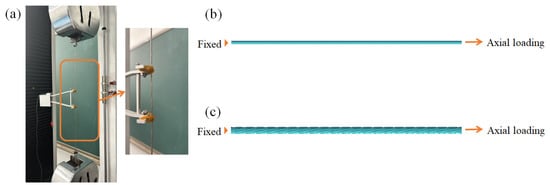
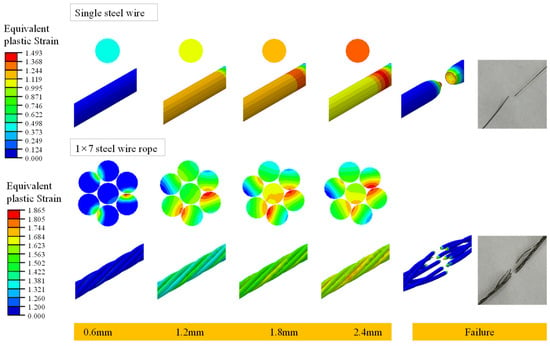
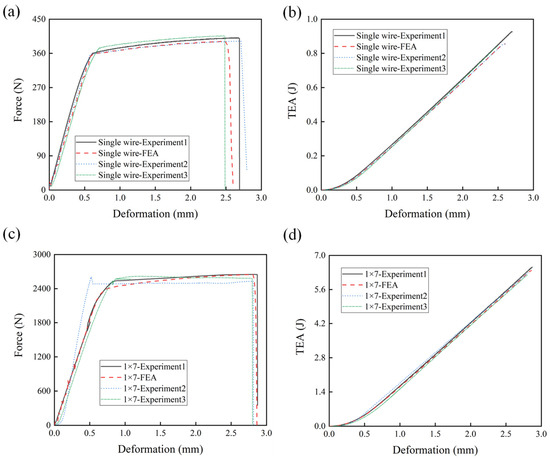
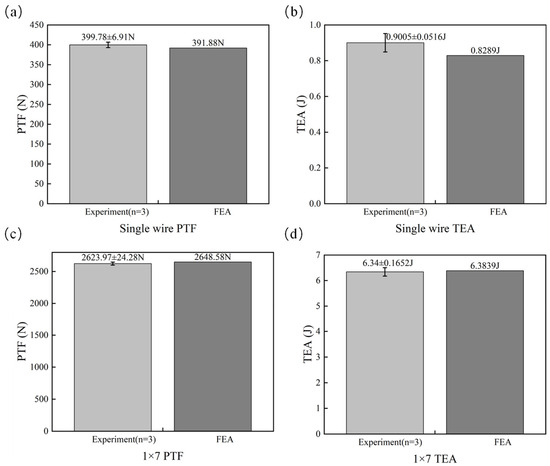
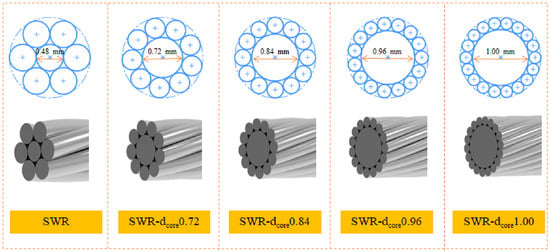
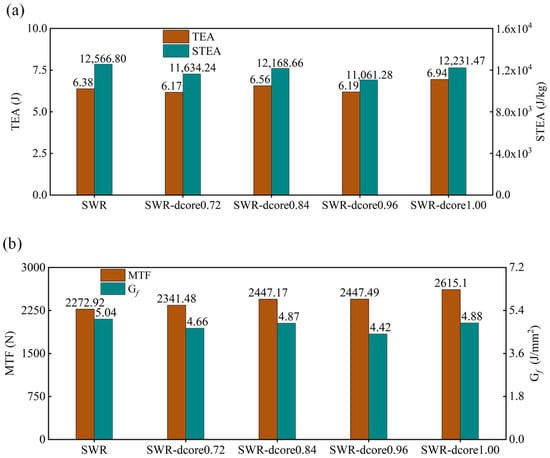
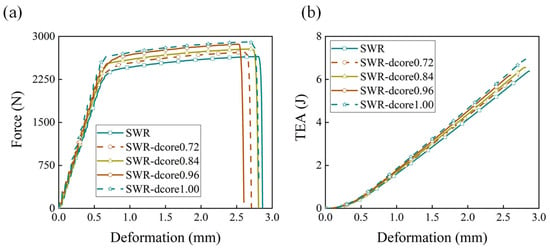
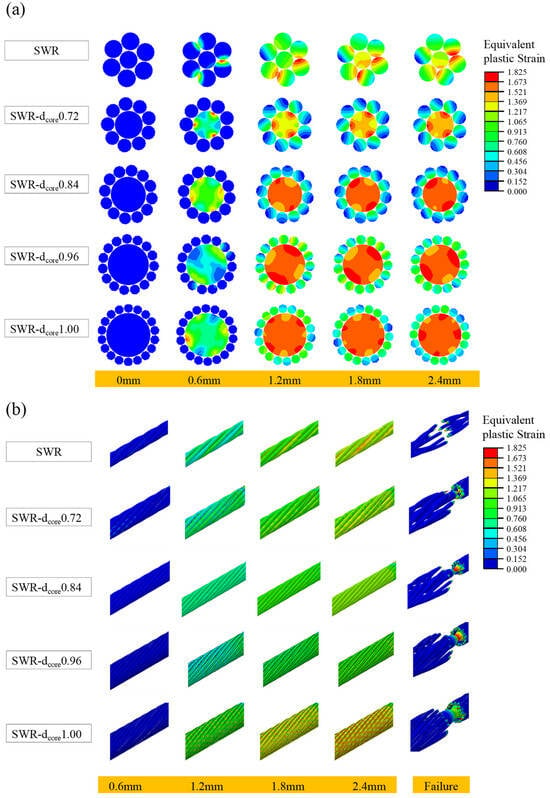
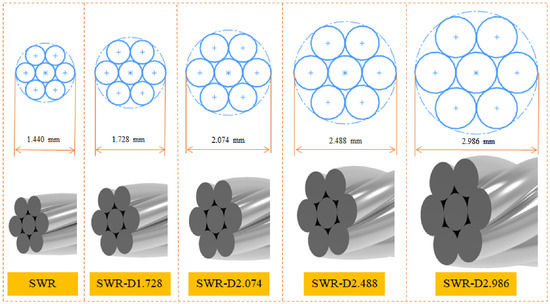
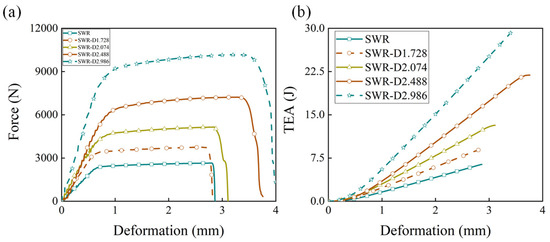
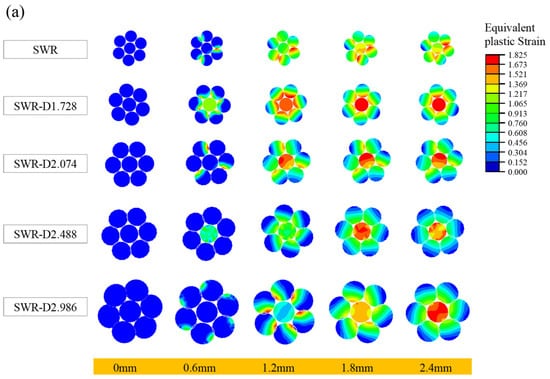
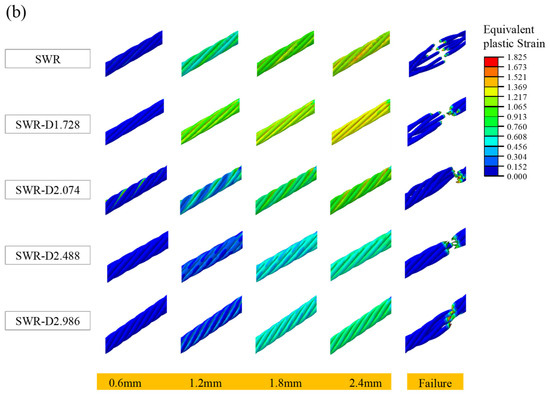
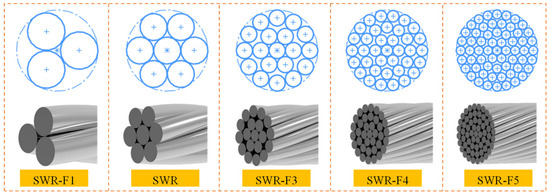
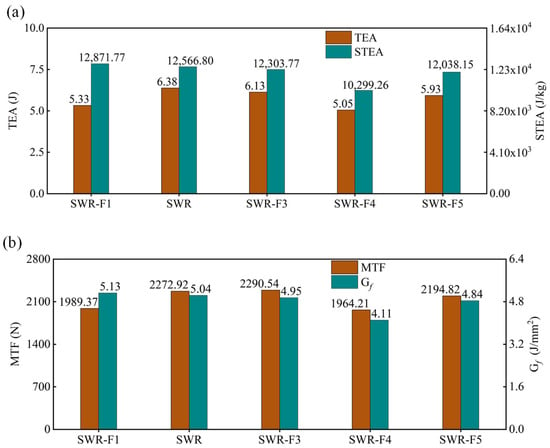
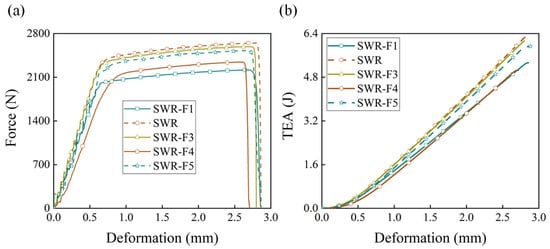
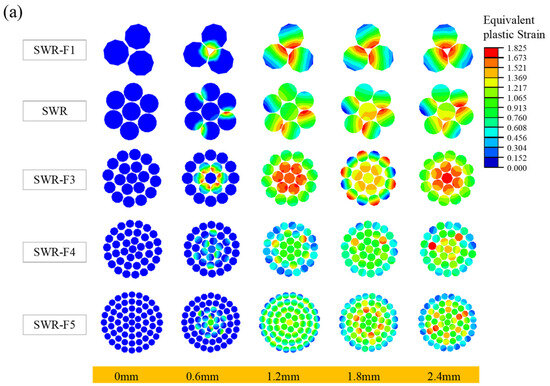
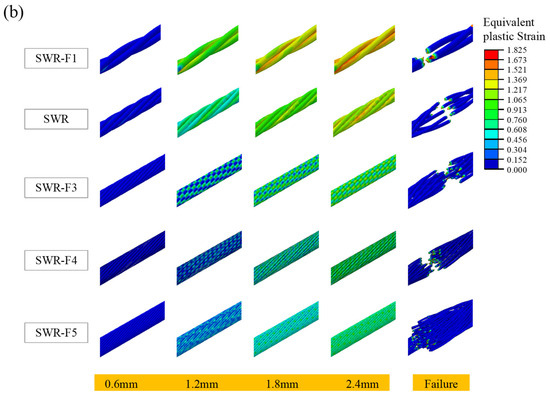
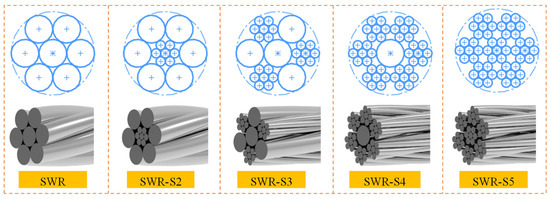
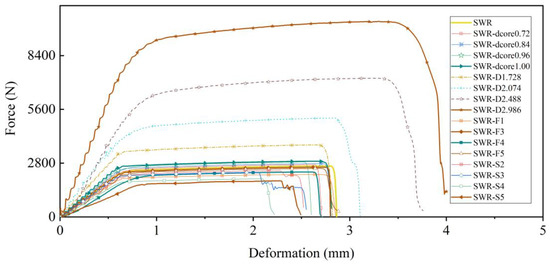
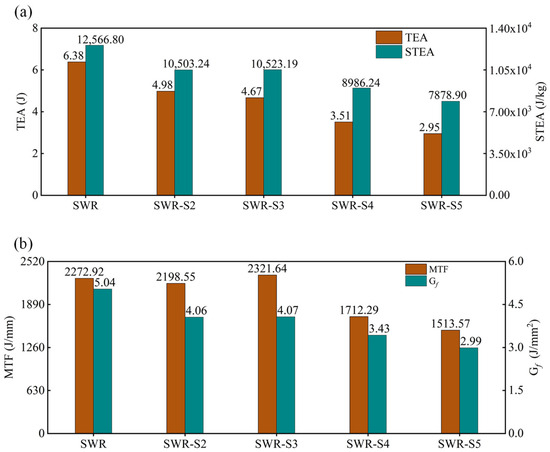
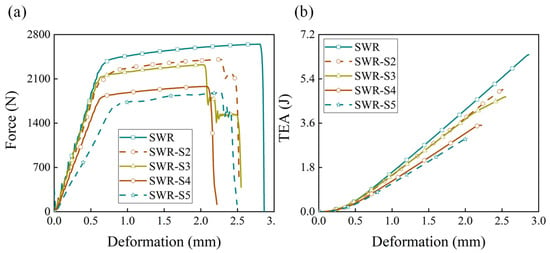
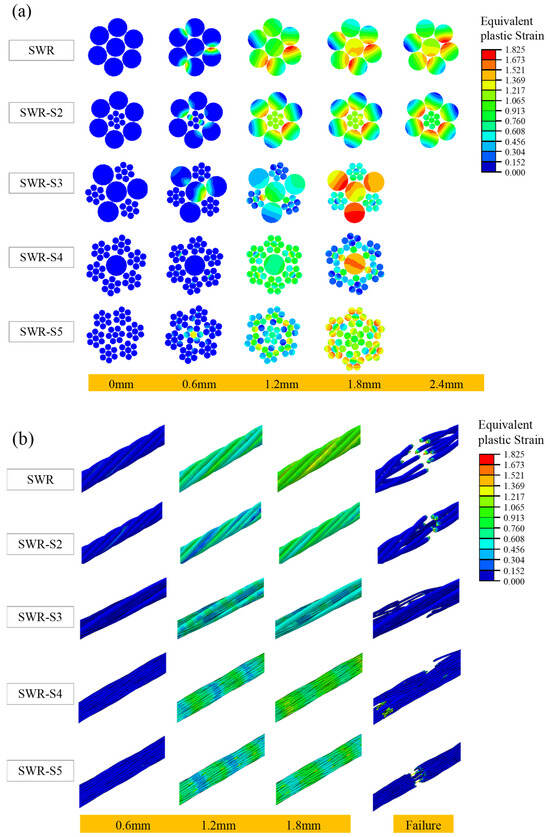
Steel wire ropes (SWRs) are exceptional load-bearing elements. However, conventional designs often treat them as passive structures, lacking strategies to actively program their ultimate load-bearing capacity and failure behaviors. To address this gap, this study systematically investigates the tunable load capacity and fracture characteristics of SWRs by developing a simplified power-law hardening elastoplastic constitutive model and a finite element framework integrated with a ductile-damage criterion. Following material parameter calibration via single-wire tests and independent experimental validation of the baseline model using 1 × 7 strand tensile tests, comprehensive numerical parametric studies were conducted to evaluate the simulation-based influence of core diameter (dcore), overall rope diameter (D), layer count (F), and strand configuration (S) on mechanical responses. The numerical results reveal that these geometric parameters act as effective tuning knobs that govern internal stress transfer pathways and ultimate load-bearing capacity. Specifically, simulations predict that increasing the dcore to 1.00 mm elevates the peak tensile force by 9.6% while maintaining a 90.07% tensile force efficiency (TFE, defined as the ratio of mean to peak tensile force). Furthermore, implementing a hybrid multi-strand architecture (SWR-S3) achieves an optimized TFE of 99.76%. These structural modifications facilitate internal strain synchronization, which effectively buffers localized stress peaks and dictates the progressive fracture sequence. Ultimately, this study demonstrates the potential of complementing traditional material enhancement strategies with active geometric parametrization. Rather than offering immediate industrial design rules, it provides a conceptual theoretical framework for exploring custom-tailored tensile strength profiles and predictable failure behaviors. However, because these advanced structural configurations are evaluated using idealized quasi-static finite element models, further experimental validation addressing real-world manufacturing constraints, residual stresses, and dynamic loading is required before practical engineering deployment. Full article
(This article belongs to the Section Metals and Alloys)
Show Figures

Graphical abstract

13 pages, 14751 KB  
Article
Joint Optimization of Scanning Strategy and Initialization for Accelerated Lensless Coded Ptychography
by Pengcheng Yan, Lingzhi Jiang, Yufei Liu, Cong Zhang, Yangchen Cai, Tianjun Wang, Kai Zhu, Bindi Xu, Xian Zuo, Shaowei Jiang and Liming Yang
Photonics 2026, 13(9), 828; https://doi.org/10.3390/photonics13090828 (registering DOI) - 28 Aug 2026
Abstract
Lensless coded ptychography (CP) acquires multiple intensity measurements by translating either the object or the coded sensor, and reconstructs high-resolution, large field-of-view images via iterative phase retrieval. However, conventional CP suffers from slow reconstruction due to two limitations. First, periodic uniform scanning requires [...] Read more.
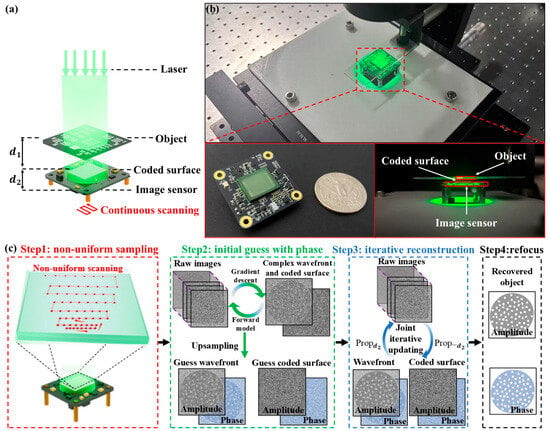
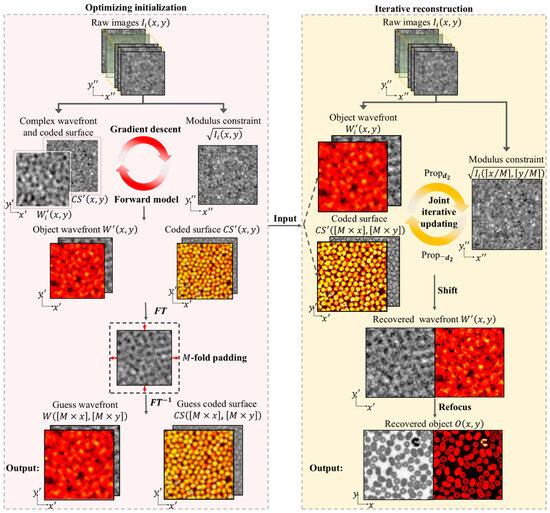
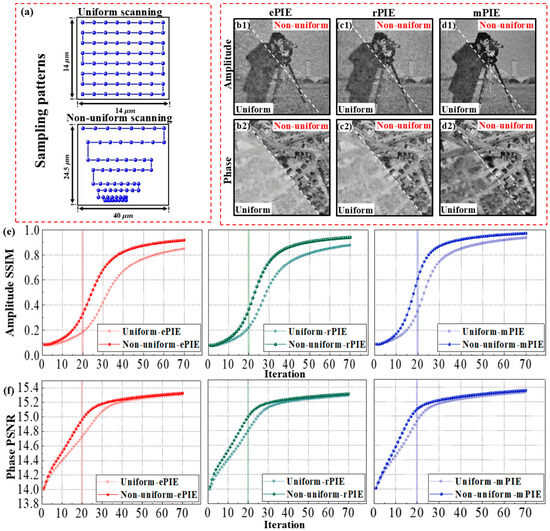
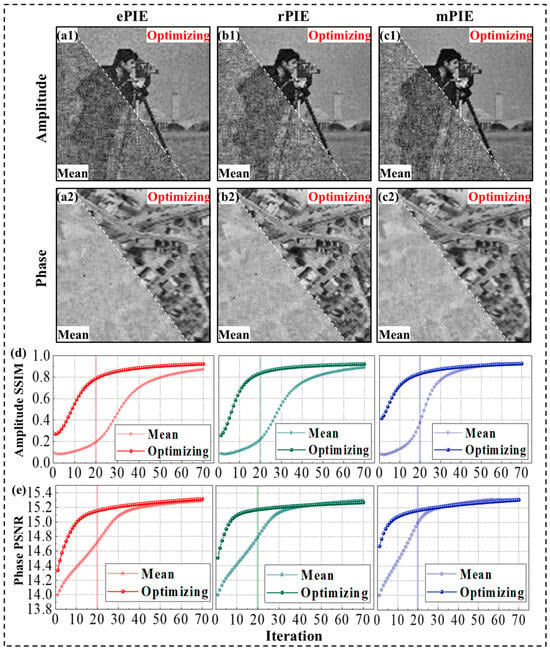
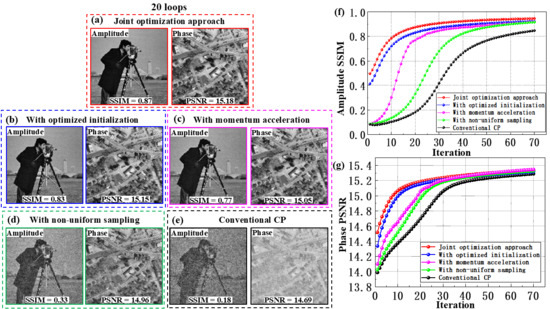
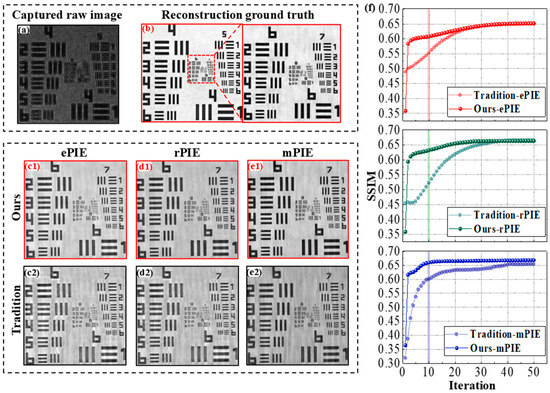
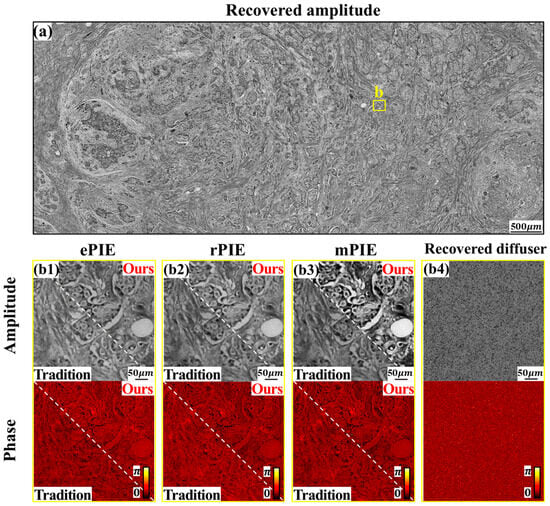
Lensless coded ptychography (CP) acquires multiple intensity measurements by translating either the object or the coded sensor, and reconstructs high-resolution, large field-of-view images via iterative phase retrieval. However, conventional CP suffers from slow reconstruction due to two limitations. First, periodic uniform scanning requires dense measurements to maintain sufficient measurement diversity, resulting in a large number of raw measurements and a high computational burden for iterative phase retrieval. Second, random initialization leads to slow convergence and increases the risk of stagnation in local minima. To address these limitations, we propose a joint optimization of the sampling strategy and initialization for accelerated reconstruction. Specifically, a continuous non-uniform scanning strategy preserves measurement diversity while reducing the number of required measurements. In addition, a low-resolution regularized ptychographic iterative engine (rPIE)-based initialization provides a more accurate starting point and accelerates the convergence of iterative phase retrieval. Both simulations and experiments demonstrate that the proposed approach achieves approximately three-fold faster convergence while maintaining high reconstruction fidelity. The proposed approach offers an effective solution for high-throughput imaging applications, including digital pathology and label-free quantitative phase imaging. Full article
(This article belongs to the Special Issue Computational Methods for Advanced Optical Imaging)
Show Figures

Figure 1

32 pages, 451 KB  
Article
Strong Edge-Based Roman Domination in Fuzzy Graphs
by Juan C. Valenzuela-Tripodoro, Pedro García-Vázquez and Martín Cera López
Symmetry 2026, 18(9), 1452; https://doi.org/10.3390/sym18091452 - 28 Aug 2026
Abstract
This work is related to the extension of the well-known problem of Roman domination in graph theory to fuzzy graphs. A variety of approaches have been used to explore the concept of domination in fuzzy graphs. This study uses the concept of strong [...] Read more.
This work is related to the extension of the well-known problem of Roman domination in graph theory to fuzzy graphs. A variety of approaches have been used to explore the concept of domination in fuzzy graphs. This study uses the concept of strong domination, considering the weights of the strong edges. We introduce the strong-neighbors Roman domination number of a fuzzy graph and establish some correlations with the Roman domination in graphs. The strong-neighbors Roman domination number is determined for specific fuzzy graphs, including complete and complete bipartite fuzzy graphs. Furthermore, several general bounds are given. In addition, we characterize the fuzzy graphs that reach the extreme values with particular attention to fuzzy strong cycles and paths. Full article
(This article belongs to the Section B: Mathematics)
23 pages, 1358 KB  
Article
Short-Term Silymarin Supplementation After Kidney Transplantation Is Associated with Reduced Early Albuminuria: A Prospective Cohort Study
by Matej Vnučák, Karol Graňák, Patrícia Kleinová, Tímea Jusková, Andrej Kollár, Katarína Ševčíková and Ivana Dedinská
J. Clin. Med. 2026, 15(17), 6694; https://doi.org/10.3390/jcm15176694 (registering DOI) - 28 Aug 2026
Abstract
Background: Early post-transplant albuminuria is associated with adverse graft and cardiovascular outcomes and may reflect ischemia–reperfusion injury-induced damage to the glomerular filtration barrier. However, evidence for safe adjunctive interventions targeting these early pathophysiological processes remains limited. Methods: In this single-center prospective cohort study [...] Read more.
Background: Early post-transplant albuminuria is associated with adverse graft and cardiovascular outcomes and may reflect ischemia–reperfusion injury-induced damage to the glomerular filtration barrier. However, evidence for safe adjunctive interventions targeting these early pathophysiological processes remains limited. Methods: In this single-center prospective cohort study with historical controls, adult kidney transplant recipients transplanted between January 2020 and September 2022 served as controls, while consecutive recipients transplanted from October 2022 onward received adjunctive silymarin (900 mg/day for 30 days) in addition to standard immunosuppression. The principal renal outcome was UACR assessed during the first 3 months post-transplant. A ≥25% reduction in UACR between Months 1 and 3 was additionally evaluated as an exploratory responder outcome. Secondary outcomes included estimated glomerular filtration rate (eGFR), lipid profile parameters, tacrolimus exposure, and safety. Results: A total of 136 patients (78 silymarin-treated and 58 controls) were included. UACR was consistently lower in the silymarin group at months 1–3. In multivariable analysis, silymarin treatment was independently associated with lower UACR at month 3. In an exploratory responder analysis, a ≥25% reduction in UACR between Months 1 and 3 occurred more frequently in silymarin-treated patients (OR 3.28, 95% CI 1.38–7.79; p = 0.007). eGFR trajectories were similar between groups. No consistent independent effects on lipid parameters were observed after adjustment. Tacrolimus exposure and adverse event rates were comparable between groups. Conclusions: Short-term silymarin exposure initiated early after kidney transplantation was associated with lower UACR during the first three post-transplant months. These findings support a potential targeted effect on early glomerular injury and suggest that silymarin may represent a safe adjunctive strategy to modulate early post-transplant risk. Full article
(This article belongs to the Section Nephrology & Urology)
32 pages, 3480 KB  
Article
Explainable Domain-Adaptive CNN–Transformer for Bidirectional Cross-Domain Bearing Fault Diagnosis
by Muhammad Javed, Suhang Ding, Hongxia Yan, Lei Ma and Teerath Kumar
Electronics 2026, 15(17), 3896; https://doi.org/10.3390/electronics15173896 (registering DOI) - 28 Aug 2026
Abstract
Industry 5.0 requires resilient, adaptive, and trustworthy manufacturing systems capable of maintaining reliable diagnostic performance across heterogeneous industrial environments. However, data-driven fault diagnosis models often experience substantial performance degradation when transferred across machines, operating conditions, and data acquisition platforms because of domain distribution [...] Read more.
Industry 5.0 requires resilient, adaptive, and trustworthy manufacturing systems capable of maintaining reliable diagnostic performance across heterogeneous industrial environments. However, data-driven fault diagnosis models often experience substantial performance degradation when transferred across machines, operating conditions, and data acquisition platforms because of domain distribution shifts. This study proposes an explainable domain-adaptive CNN–Transformer framework for unsupervised bidirectional cross-domain bearing fault diagnosis using the Case Western Reserve University (CWRU) and Paderborn University (PU) datasets. The framework integrates one-dimensional convolutional layers for extracting local high-frequency vibration patterns, Transformer encoders for modelling long-range temporal dependencies, and Maximum Mean Discrepancy (MMD)-based feature-distribution alignment for learning transferable domain-invariant representations. Under the Unsupervised Domain Adaptation (UDA) protocol, the source domain supplies labelled samples for classification learning, whereas the target domain contributes unlabelled features only for MMD-based alignment; target labels are withheld from training and model selection and are used only for final evaluation. Conventional 1D-CNN and bidirectional long short-term memory baselines achieve over 90% accuracy in-domain but fall to 82.14% and 79.88%, respectively, for CWRU→PU, corresponding to domain-drop magnitudes of 12.07 and 12.99 percentage points. The proposed framework achieves 98.63% and 96.82% in-domain accuracy on CWRU and PU, respectively, and 92.46% for CWRU→PU and 94.18% for PU→CWRU, with domain-drop magnitudes of 6.17 and 2.64 percentage points. Ablation results confirm the complementary contributions of convolutional feature extraction, Transformer-based temporal modelling, and domain alignment. Furthermore, attention, saliency, and feature-importance analyses show that the model focuses on fault-relevant vibration regions and informative diagnostic characteristics, including kurtosis, root-mean-square (RMS), and crest factor, improving prediction transparency. These findings support accurate, transferable, and interpretable vibration-based condition monitoring across heterogeneous bearing datasets. Full article
20 pages, 9294 KB  
Article
Novel Insights into Metagenomic-Assembled Genomes from Layer Chicken Housing Environment
by Awais Ghaffar and Mohamed Faizal Abdul-Careem
Int. J. Mol. Sci. 2026, 27(17), 7732; https://doi.org/10.3390/ijms27177732 (registering DOI) - 28 Aug 2026
Abstract
Culture-independent techniques are playing a major role in exploring unique and novel microbial communities from complex ecosystems, leading to an outstanding impact on our basic understanding of the tree of life. Microbial communities are not extensively studied in layer chicken housing environments, particularly [...] Read more.
Culture-independent techniques are playing a major role in exploring unique and novel microbial communities from complex ecosystems, leading to an outstanding impact on our basic understanding of the tree of life. Microbial communities are not extensively studied in layer chicken housing environments, particularly from the point of view of taxa carrying antimicrobial resistance genes, virulence genes and their functional potential. This study aimed to extract metagenomic-assembled genomes (MAGs) from the Illumina short-reads shotgun metagenomics sequenced data that originated from an Alberta poultry barn environment and then to study host tracking of antimicrobial resistance genes (ARGs) and the roles of genes involved in functions related to ammonia production, short-chain fatty acid (SCFA)-related pathways, sulfur metabolism, methane emission, stress and disinfectant-related pathways. A total of 251 high-quality MAGs were extracted, including 249 bacterial and two archaeal genomes from sequencing data of 30 metagenomic sequencing samples comprising 15 air and 15 manure samples collected from 15-layer farms. Interestingly 22 bacterial MAGs were not classified to species levels using GTDB-based classification. ARGs were mainly harbored by the genera Staphylococcus, Alistepes, Romboutsia, and Enterococcus. Bacteroides is a main taxon carrying ARGs in air samples. Ammonia production-related genes were mainly tracked in Staphylococcus, Ruminococcus and Corynebacterium genera. The assimilatory sulfate reduction genes responsible for sulfur metabolism and hydrogenase-related genes responsible for hydrogen cycling were traced from Staphylococcus originated from both air and manure. The current study provides characterizations of MAGs from a poultry housing environment by linking microbial taxa with virulence, resistance, and metabolic functions. The findings emphasize the role of microbiota in shaping gas emissions and AMR, with implications for poultry health and worker’s safety and the ultimate aim of sustainable poultry production. Full article
(This article belongs to the Special Issue Antibiotic Resistance: Recent Developments and Future Prospects)
24 pages, 2760 KB  
Article
Omentin-1 Modulates Porcine Endometrial Steroidogenesis and Tissue Remodelling During Early Pregnancy and the Oestrous Cycle
by Oguzhan Koker, Grzegorz Kopij, Marlena Gudelska, Katarzyna Kisielewska, Kamil Dobrzyn, Ewa Zaobidna, Anna Nynca, Tadeusz Kaminski, Nina Smolinska and Marta Kiezun
Int. J. Mol. Sci. 2026, 27(17), 7731; https://doi.org/10.3390/ijms27177731 (registering DOI) - 28 Aug 2026
Abstract
In pigs, the establishment of pregnancy depends on tightly coordinated molecular interactions between the conceptus and the maternal endometrium during the peri-implantation period. Adipokines, peptide hormones produced by adipose tissue, function as endocrine mediators linking metabolic status with uterine function. Omentin-1, a hormone [...] Read more.
In pigs, the establishment of pregnancy depends on tightly coordinated molecular interactions between the conceptus and the maternal endometrium during the peri-implantation period. Adipokines, peptide hormones produced by adipose tissue, function as endocrine mediators linking metabolic status with uterine function. Omentin-1, a hormone belonging to the adipokines group, is hypothesized to play a potential role in regulating female reproductive functions through its influence on uterine functions. Therefore, this study investigated the effects of omentin-1 on endometrial progesterone and oestradiol secretion using radioimmunoassay, on the abundance of key steroidogenic proteins and Akt phosphorylation using Western blot, and on endometrial cell proliferation and apoptosis using flow cytometry. Results showed that its actions are characterised by promotion of progesterone-dominant conditions, selective modulation of steroidogenic pathways, activation of Akt signalling, and cell-type-specific regulation of proliferation and apoptosis. This combination of effects positions omentin-1 as a previously unrecognised regulator of endometrial adaptation and suggests that adipokines may represent an important mechanistic link between metabolic status and reproductive success. Full article
(This article belongs to the Section Molecular Endocrinology and Metabolism)
8 pages, 1169 KB  
Editorial
Editorial: Cell Physiology and Stress Adaptation of Crops
by Wei Jiang and Haitao Liu
Plants 2026, 15(17), 2644; https://doi.org/10.3390/plants15172644 - 28 Aug 2026
Abstract
Climate change has introduced various global-food-security-related challenges in recent years [...] Full article
(This article belongs to the Special Issue Cell Physiology and Stress Adaptation of Crops)
23 pages, 4182 KB  
Article
Ecological Thresholds for Groundwater Depth and Ecological Risk Early Warning in the Western Songnen Plain, China
by Wei Zhang, Tiejun Song, Xiaosi Su and Weihong Dong
Water 2026, 18(17), 2130; https://doi.org/10.3390/w18172130 - 28 Aug 2026
Abstract
Groundwater plays a key role in maintaining groundwater-dependent ecosystem stability. However, existing ecological thresholds for groundwater depth mainly focus on fractional vegetation coverage (FVC), with insufficient consideration of soil salinity, limiting the accuracy of ecological risk assessments. Focusing on the Songnen Plain, we [...] Read more.
Groundwater plays a key role in maintaining groundwater-dependent ecosystem stability. However, existing ecological thresholds for groundwater depth mainly focus on fractional vegetation coverage (FVC), with insufficient consideration of soil salinity, limiting the accuracy of ecological risk assessments. Focusing on the Songnen Plain, we determined more accurate ecological thresholds and established a groundwater depth-based ecological risk classification standard using groundwater depth, FVC, and soil salinity data from 2001, 2010, 2019, and 2024. A combined Kalman filter and Long Short-Term Memory (LSTM) neural network model was used to predict groundwater depth changes in 2030 based on current conditions and assess ecological risks. Results indicated that both models showed good performance (R2 = 0.95 and 0.79, respectively). From 2001 to 2024, groundwater depth increased, with increasing FVC and decreasing saline soil area. Groundwater depth exhibited significant threshold effects on vegetation growth and soil salinization, with 4.0–6.5 m identified as the optimal range for vegetation growth, while soil salinity accumulated when groundwater depth was <5.5 m. The proposed ecological risk classification revealed significant spatial pattern changes of ecological risk from 2001 to 2030, with medium warning dominating in 2030. The study provides valuable insights for groundwater management, ecological risk early warning, and ecological conservation. Full article
(This article belongs to the Special Issue Groundwater Environment Evolution and Early Risk-Warning)
24 pages, 5928 KB  
Article
Ultra-Low Temperature Cryopreservation of Sperm from a New Type of Hybrid Bream
by Wei Zeng, Xinxing Zheng, Yating Zhu, Jiao Wang, Minglin Dong, Can Yang, Yuqin Shu, Conghui Yang and Yi Zhou
Int. J. Mol. Sci. 2026, 27(17), 7726; https://doi.org/10.3390/ijms27177726 (registering DOI) - 28 Aug 2026
Abstract
Sperm cryopreservation is crucial for artificial propagation and the long-term preservation of valuable germplasm resources. This study aimed to establish an effective ultra-low temperature sperm cryopreservation protocol for Hefang bream (HFB), a novel hybrid bream variety developed through distant hybridization between blunt snout [...] Read more.
Sperm cryopreservation is crucial for artificial propagation and the long-term preservation of valuable germplasm resources. This study aimed to establish an effective ultra-low temperature sperm cryopreservation protocol for Hefang bream (HFB), a novel hybrid bream variety developed through distant hybridization between blunt snout bream (Megalobrama amblycephala) and topmouth culter (Culter alburnus) followed by two rounds of backcrossing. Different combinations of extenders and cryoprotectants were evaluated based on post-thaw sperm motility and motion parameters to identify the optimal cryoprotective formulation for HFB sperm, with untreated fresh sperm as the control. Fresh sperm exhibited a total motility (MOT) of 98.87 ± 1.40%, curvilinear velocity (VCL) of 118.87 ± 5.38 μm/s, straight-line velocity (VSL) of 86.18 ± 5.67 μm/s, and average path velocity (VAP) of 107.48 ± 4.23 μm/s. The optimal formulation consisted of D15 extender (composed of 8 g/L NaCl, 0.5 g/L KCl and 15 g/L glucose) supplemented with 10% dimethyl sulfoxide (DMSO). Using a fresh sperm-to-cryoprotective medium ratio of 1:5 and a stepwise cooling procedure, post-thaw MOT, VCL, VSL, and VAP were 43.77 ± 13.85%, 37.54 ± 3.06 μm/s, 29.82 ± 1.98 μm/s, and 31.99 ± 2.14 μm/s, respectively. Further analyses revealed that the plasma membrane integrity (PMI), DNA integrity (DI) and mitochondrial activity (MA) of cryopreserved sperm were 43.40 ± 2.01%, 57.10 ± 4.79%, and 42.00 ± 1.65%, respectively, all of which were significantly lower than those of fresh sperm (p < 0.05). Ultrastructural analyses using scanning electron microscopy (SEM) and transmission electron microscopy (TEM) demonstrated that cryopreserved spermatozoa exhibited structural abnormalities, including plasma membrane disruption, flagellar fragmentation, and mitochondrial damage. Artificial insemination experiments showed that the fertilization and hatching rates of the cryopreserved sperm group were 55.10 ± 3.30% and 81.50 ± 3.29%, respectively, indicating that the established protocol could effectively support artificial reproduction in HFB. Furthermore, proteomic analysis was performed to investigate cryopreservation-induced molecular damage, identifying 7 cryopreservation-associated leakage proteins that were mainly enriched in pathways related to energy metabolism, cytoskeletal organization, and oxidative stress response. This study establishes an effective sperm cryopreservation protocol for HFB and provides insights into the cellular and molecular mechanisms underlying cryopreservation-induced sperm damage, offering a valuable reference for the development of sperm cryopreservation technologies in other economically important fish species. Full article
(This article belongs to the Special Issue Animal Reproductive Biology and Genetic Breeding)
25 pages, 13979 KB  
Article
Process Evaluation of Staged Self-Diverting Acidizing and Cationic Polymer Sand Stabilization in Unconsolidated Sandstone
by Yixin Pan, Shijun Chen, Siqi Zheng, Li Liao, Qi Jiang and Dan Gao
Processes 2026, 14(17), 2770; https://doi.org/10.3390/pr14172770 - 28 Aug 2026
Abstract
Unconsolidated sandstone gas reservoirs often suffer from near-wellbore plugging, permeability contrast, and sand production after acid stimulation. This study evaluates a staged chemical process that couples limited cationic polymer sand stabilization with reaction-induced self-diverting acidizing, instead of direct premixing or simultaneous co-injection of [...] Read more.
Unconsolidated sandstone gas reservoirs often suffer from near-wellbore plugging, permeability contrast, and sand production after acid stimulation. This study evaluates a staged chemical process that couples limited cationic polymer sand stabilization with reaction-induced self-diverting acidizing, instead of direct premixing or simultaneous co-injection of acid and sand control fluids. Residual acid viscosity tests, core flooding experiments, dynamic sand production tests, scanning electron microscopy/energy-dispersive spectroscopy, and low-field nuclear magnetic resonance measurements were used to investigate viscosity building, diversion, permeability retention, and pore structure evolution. The 5 wt% EAB self-diverting acid exhibited the strongest reaction-induced viscosity-building behavior, reaching a residual acid viscosity of 134 mPa·s. The selected HCl + HF acid system produced a clear temporary-plugging response during core flooding, and the optimized 0.2 wt% cationic polyacrylamide stabilizer increased the critical sand production flow rate to 1.8 mL·min−1 while maintaining acceptable permeability recovery. Microscopic evidence indicates improved pore connectivity without large-scale skeletal collapse. A comprehensive synergy index showed that medium-permeability cores (300–500 mD) achieved the best balance among acid diversion, sand stabilization, and permeability retention. The proposed process provides a laboratory-scale foundation for coupled stimulation and sand control design. Full article
(This article belongs to the Section Chemical Processes and Systems)
15 pages, 2248 KB  
Article
Sub-Lethal Cryoablation Promotes Systemic Antitumor Immunity
by Anastasia Malek, Lidia Zabegina, Alexander Garanin, Tatiana Sharonova, Asel Kudaibergenova, Vladimir Evtushenko and George Prokhorov
Immuno 2026, 6(3), 56; https://doi.org/10.3390/immuno6030056 (registering DOI) - 28 Aug 2026
Abstract
Although cryoablation of tumor tissue is known to induce systemic antitumor immune responses, the underlying mechanisms remain poorly understood, and therapeutic efficacy is often unpredictable. During cryoablation, the cryoprobe creates a temperature gradient, resulting in a central zone of lethal tissue destruction and [...] Read more.
Although cryoablation of tumor tissue is known to induce systemic antitumor immune responses, the underlying mechanisms remain poorly understood, and therapeutic efficacy is often unpredictable. During cryoablation, the cryoprobe creates a temperature gradient, resulting in a central zone of lethal tissue destruction and a periphery characterized by sub-lethal injury. In this peripheral zone, cells undergo programmed cell death triggered by thermal shock and ischemia. A widely cited, yet debated, hypothesis suggests that these apoptotic events in the tumor periphery may suppress the antitumor immune response. The purpose of this study was to experimentally test this hypothesis. We utilized the murine breast cancer cell line (4T1-Luc) and a panel of human cell lines (MCF-7, BT-20, BT-474, MDA-MB-231, MDA-MB-453, HBL-100). Following validation via flow cytometry using Annexin V-AF488, Rhodamine 123, TMRE, PI, and 7-AAD, we established −7 °C and −80 °C as temperature conditions that predominantly induce apoptosis and necrosis, respectively. These conditions were used to prepare cryo-treated 4T1-Luc cells for the vaccination of syngeneic mice. Ten days post-immunization, the efficacy of the treatment was evaluated in subcutaneous solid tumor and lung metastasis models by monitoring tumor growth, quantifying tumor-specific antibodies, performing histological analysis of tumor and lung tissues, and quantifying lung metastases via PCR and luciferase assays. Contrary to the initial hypothesis, our findings demonstrate that tumor cells undergoing sub-lethal cryoablation do not acquire immunosuppressive characteristics. Instead, they promote systemic antitumor immunity. Although antitumor immunity induced by apoptotic and necrotic tumor cells was comparable in a subcutaneous tumor model, vaccination with necrotic tumor cells proved more effective than vaccination with apoptotic cells in controlling lung metastasis formation. Full article

Open Access Journals

Browse by Indexing Browse by Subject Selected Journals
Back to TopTop