


Journal Menu
► ▼ Journal Menu-
- Horticulturae Home
- Aims & Scope
- Editorial Board
- Reviewer Board
- Topical Advisory Panel
- Early Career Editorial Board
- Instructions for Authors
- Special Issues
- Topics
- Sections & Collections
- Article Processing Charge
- Indexing & Archiving
- Editor’s Choice Articles
- Most Cited & Viewed
- Journal Statistics
- Journal History
- Journal Awards
- Society Collaborations
- Conferences
- Editorial Office
Journal Browser
► ▼ Journal BrowserNeed Help?
Announcements
14 August 2023
MDPI’s 2022 Travel Awards in Biology and Life Sciences—Winners Announced

We are proud to recognize the winners of MDPI’s 2022 Travel Awards in biology and life sciences for their outstanding presentations.
MDPI journals regularly offer travel awards to encourage junior scientists to present their latest research at academic conferences in specific fields, which helps to increase their influence.
The winners mentioned below were carefully selected by the journal editors based on an outline of their research and the work to be presented at an academic conference.
We would like to warmly congratulate the winners of the 2022 Travel Awards and wish them the greatest success in their future research endeavors. MDPI will continue to enhance communication among scientists.
- Liloia Donato, University of Turin, Italy
- Roberta Bettoni, University of Milano Bicocca, Italy
- Vanessa Silva, University of Trás-os-Montes and Alto Douro, Portugal
- Carlo Matera, University of Milan, Italy
- Elisabetta Coppi, University of Florence, Italy
- Ilaria Tonazzini, Nanoscience Institute—National Research Council (CNR) @ NEST in Pisa, Italy
- Pere Catala, University Eye Clinic Maastricht, Maastricht University Medical Center, the Netherlands
- Angela Blasimann, University of Antwerp, Belgium
- Angelo Sabag, Western Sydney University, Australia
About MDPI Awards:
In order to reward the academic community, especially young researchers and enhance communication among scientists, MDPI journals regularly offer various awards to researchers in specific fields. These awards, serving as a source of inspiration and recognition, help raise the influence of talented individuals who have been credited with outstanding achievements and are making a significant contribution to the advancement of their fields.
To explore more MDPI awards, please click here.
14 August 2023
MDPI’s 2022 Outstanding Reviewer Awards in Biology and Life Sciences—Winners Announced

In order to acknowledge our reviewers, who demonstrate diligence, professionalism, and timeliness when generously dedicating their time to reviewing manuscripts, MDPI journals regularly offer outstanding reviewer awards to scholars who participate in the peer review process.
We are proud to recognize the winners for the year 2022 in biology and life sciences for their outstanding contributions, among extensive competition, by presenting them with an Outstanding Reviewer Award.
We would like to take this opportunity to congratulate all of the winners on their achievements. MDPI will continue to provide support and recognition to the academic community.
- Ewa Ropelewska, The National Institute of Horticultural Research, Poland
- Marek Rašovský, Slovak University of Agriculture in Nitra, Slovakia
- Prakash Jha, Kansas State University, USA
- Vasileios Greveniotis, Institute of Industrial and Forage Crops, Greece
- Alberto Collareta, University of Pisa, Italy
- Francisco Curate, University of Coimbra, Portugal
- Gianpiero Greco, University of Study of Bari, Italy
- Luca Poli, University of Study of Bari, Italy
- Shaohua Chen, South China Agricultural University, China
- Chong Chen, Yamaguchi University Graduate School of Medicine, Japan
- Marco Sapienza, University of Catania, Italy
- Sabina Barrios-Fernández, University of Extremadura, Spain
- Corrado Battisti, Torre Flavia LTER (Long Term Ecological Research) Station, Italy
- Daniel Stec, Institute of Systematics and Evolution of Animals of the Polish Academy of Sciences, Poland
- Emilia Grzędzicka, Institute of Systematics and Evolution of Animals of the Polish Academy of Sciences, Poland
- Igor Zelnik, University of Ljubljana, Slovenia
- Eva S. Liu, 1Harvard Medical School, USA 2Brigham and Women’s Hospital, USA
- Aleksandra Szydlowska, Warsaw University of Life Sciences (WULS), Poland
- Mohamed Ali Abdel-Rahman, Al-Azhar University, Egypt
- Andrew G. Jeffs, University of Auckland, New Zealand
- Mohamed Samy-Kamal, Universitat d'Alacant, Spain
- Baskaran Stephen Inbaraj, Fu Jen Catholic University, Taiwan
- Marzena Włodarczyk-Stasiak, University of Life Sciences in Lublin, Poland
- Minaxi Sharma, Haute Ecole Provinciale de Hainaut-Condorcet, Belgium
- Viviani Ruffo de Oliveira, Federal University of Rio Grande do Sul (UFRGS), Brazil
- Federico Manuel Giorgi, University of Bologna, Italy
- Jan Bocianowski, Poznań University of Life Sciences, Poland
- Magdalena Mroczek, Center for Cardiovascular Genetics and Gene Diagnostics, Switzerland
- Keigi Fujiwara, University of Texas MD Anderson Cancer Center, USA
- Tomasz W. Kaminski, University of Pittsburgh, USA
- Takujiro Homma, Yamagata University, Japan
- William Bryan Terzaghi, Wilkes University, United States
- Zong-jie Cui, Beijing Normal University, China
- Abraão Almeida Santos, University of Florida, USA
- Agata Kaczmarek, Polish Academy of Sciences, Poland
- Miguel A. García-Martínez, Universidad Veracruzana, Mexico
- Andrei S. Rodin, Diabetes and Metabolism Research Institute, USA
- Kazuhiko Kotani, Jichi Medical University, Japan
- Jianing Mi, King Abdullah University of Science and Technology, Saudi Arabia
- Nguyen Phuoc Long, Inje University College of Medicine, Republic of Korea
- Xian Luo, University of Alberta, Canada
- Guillaume Fiches, Ohio State University, USA
- Jianxuan Wu, Gilead Sciences, USA
- Tomasz M. Karpiński, Poznań University of Medical Sciences, Poland
- Alicia Ayerdi Gotor, Institut Polytechnique UniLaSalle, France
- Andrea Mastinu, University of Brescia, Italy
- Edyta Paczos-Grzeda, University of Life Sciences in Lublin, Poland
- Narayan Bhusal, Seoul National University, Republic of Korea
- Mohsen Hesami, University of Guelph, Canada
- Christian Müller, University of Greifswald, Germany
- Margarita Fernández-Tejedor, IRTA, Spain
- Christian Napoli, “Sapienza” University of Rome, Italy
- Federico Marchesi, University of Parma, Italy
- Roger E. Thomas, University of Calgary, Canada
- Fun-In Wang, National Taiwan University, Taiwan
- Valeria Grieco, University of Milan, Italy
About MDPI Awards:
In order to reward the academic community, especially young researchers and enhance communication among scientists, MDPI journals regularly offer various awards to researchers in specific fields. These awards, serving as a source of inspiration and recognition, help raise the influence of talented individuals who have been credited with outstanding achievements and are making a significant contribution to the advancement of their fields.
To explore more MDPI awards, please click here.
14 August 2023
MDPI’s 2022 Best PhD Thesis Awards in Biology and Life Sciences—Winners Announced

MDPI’s Best PhD Thesis Awards are presented to recognize the young scholars who are judged to have completed the most outstanding PhD thesis in their field of research and to encourage them to continue their outstanding work and further contributions to their field.
We would like to warmly congratulate the winners of the 2022 Best PhD Thesis Awards and wish them success in their future research endeavors. MDPI will continue to enhance communication among scientists.
- “CYP2D in the Brain Alters Response to Drugs and Neurotoxins”
by Marlaina R. Stocco, University of California, USA - “Neural Encoding of Prior Experience in Sensorimotor Behavior”
by Nicolas Meirhaeghe, Institut de Neurosciences de la Timone, France
- “Perinatal Stem Cell: Epigenetic, Biological and Differentiative Characteristics”
by Giulia Gaggi, University "G.D'Annunzio" of Chieti-Pescara, Italy
- “Uncovering the Genetic Variation Involved in Asthma Exacerbations through Multiple Genomic Approaches”
by Esther Herrera Luis, Universidad de La Laguna, Spain
- “Development of Novel Tools for Monitoring Antimicrobial Resistance in Complex Microbial Communities and Their Application to Improving Our Stewardship of Antimicrobials in Livestock”
by Ashenafi Feyisa Beyi, Iowa State University, United States
About MDPI Awards:
In order to reward the academic community, especially young researchers and enhance communication among scientists, MDPI journals regularly offer various awards to researchers in specific fields. These awards, serving as a source of inspiration and recognition, help raise the of talented individuals who have been credited with outstanding achievements and are making a significant contribution to the advancement of their fields.
To explore more MDPI awards, please click here.
14 August 2023
MDPI’s Best Paper Awards in Biology and Life Sciences—Winners Announced in 2022

The purpose of our Best Paper Awards is to promote and recognize the most impactful contributions published within MDPI journals.
The editors of each journal carefully selected reviews and research papers through a rigorous judging process based on criteria such as scientific merit, overall impact, and the quality of presentation.
We are honored to present the winners for the year 2022 in biology and life sciences, who were selected amongst extensive competition, and congratulate the authors for their outstanding scientific publications. MDPI will continue to provide support and recognition to the academic community.
- “From Smart Farming towards Agriculture 5.0: A Review on Crop Data Management”
by Verónica Saiz-Rubio and Francisco Rovira-Más
Agronomy 2020, 10(2), 207; https://doi.org/10.3390/agronomy10020207
- “Comparison of Biochemical, Anatomical, Morphological, and Physiological Responses to Salinity Stress in Wheat and Barley Genotypes Deferring in Salinity Tolerance”
by Muhammad Zeeshan, Meiqin Lu, Shafaque Sehar, Paul Holford and Feibo Wu
Agronomy 2020, 10(1), 127; https://doi.org/10.3390/agronomy10010127
- “The Use of a Plant-Based Biostimulant Improves Plant Performances and Fruit Quality in Tomato Plants Grown at Elevated Temperatures”
by Silvana Francesca Carmen Arena, Bruno Hay Mele, Carlo Schettini, Patrizia Ambrosino, Amalia Barone and Maria Manuela Rigano
Agronomy 2020, 10(3), https://doi.org/10.3390/agronomy10030363
- “The Management of Agricultural Waste Biomass in the Framework of Circular Economy and Bioeconomy: An Opportunity for Greenhouse Agriculture in Southeast Spain”
by Mónica Duque-Acevedo, Luis J. Belmonte-Ureña, José A. Plaza-Úbeda and Francisco Camacho-Ferre
Agronomy 2020, 10(4), 489; https://doi.org/10.3390/agronomy10040489
- “Apoptotic Bodies: Particular Extracellular Vesicles Involved in Intercellular Communication”
by Michela Battistelli and Elisabetta Falcieri
Biology 2020, 9(1), 21; https://doi.org/10.3390/biology9010021
- “Vegetation and Environmental Changes on Non-Reclaimed Spoil Heaps in Southern Poland”
by Oimahmad Rahmonov, Robert Krzysztofik, Dorota Środek and Justyna Smolarek-Lach
Biology 2020, 9(7), 164; https://doi.org/10.3390/biology9070164
- “Formyl Peptide Receptor 1 Signaling in Acute Inflammation and Neural Differentiation Induced by Traumatic Brain Injury”
by Roberta Fusco, Enrico Gugliandolo, Rosalba Siracusa, Maria Scuto, Marika Cordaro, Ramona D’Amico, Maurizio Evangelista, Angelo Peli, Alessio Filippo Peritore, Daniela Impellizzeri et al.
Biology 2020, 9(9), 238; https://doi.org/10.3390/biology9090238
- “Cholesterol and Alzheimer’s Disease Risk: A Meta-Meta-Analysis”
by Olalla Sáiz-Vazquez, Alicia Puente-Martínez, Silvia Ubillos-Landa, Joaquín Pacheco-Bonrostro and Javier Santabárbara
Brain Sci. 2020, 10(6), 386; https://doi.org/10.3390/brainsci10060386
- “Psychosocial and Behavioral Impact of COVID-19 in Autism Spectrum Disorder: An Online Parent Survey”
by Marco Colizzi, Elena Sironi, Federico Antonini, Marco Luigi Ciceri, Chiara Bovo and Leonardo Zoccante
Brain Sci. 2020, 10(6), 341; https://doi.org/10.3390/brainsci10060341
- “More Than a Functional Group: Diversity within the Legume–Rhizobia Mutualism and Its Relationship with Ecosystem Function”
by Benton N. Taylor, Ellen L. Simms and Kimberly J. Komatsu
Diversity 2020, 12(2), 50; https://doi.org/10.3390/d12020050
- “A Common Approach to the Conservation of Threatened Island Vascular Plants: First Results in the Mediterranean Basin”
by Giuseppe Fenu, Gianluigi Bacchetta, Charalambos S. Christodoulou, Donatella Cogoni, Christini Fournaraki, Giusso del Galdo Gian Pietro, Panagiota Gotsiou, Angelos Kyratzis, Carole Piazza, Magdalena Vicens et al.
Diversity 2020, 12(4), 157; https://doi.org/10.3390/d12040157
- “Plant Diversity Patterns and Conservation Implications under Climate-Change Scenarios in the Mediterranean: The Case of Crete (Aegean, Greece)”
by Konstantinos Kougioumoutzis, Ioannis P. Kokkoris, Maria Panitsa, Panayiotis Trigas, Arne Strid and Panayotis Dimopoulos
Diversity 2020, 12(7), 270; https://doi.org/10.3390/d12070270
- “Conserving the Diversity of Ecological Interactions: The Role of Two Threatened Macaw Species as Legitimate Dispersers of ‘Megafaunal’ Fruits”
by José L. Tella, Fernando Hiraldo, Erica Pacífico, José A. Díaz-Luque, Francisco V. Dénes, Fernanda M. Fontoura, Neiva Guedes and Guillermo Blanco
Diversity 2020, 12(2), 45; https://doi.org/10.3390/d12020045
- “Genomics in Bacterial Taxonomy: Impact on the Genus Pseudomonas”
by Jorge Lalucat, Magdalena Mulet, Margarita Gomila and Elena García-Valdés
Genes 2020, 11(2), 139; https://doi.org/10.3390/genes11020139
- “Histone Deacetylases (HDACs): Evolution, Specificity, Role in Transcriptional Complexes, and Pharmacological Actionability”
by Giorgio Milazzo, Daniele Mercatelli, Giulia Di Muzio, Luca Triboli, Piergiuseppe De Rosa, Giovanni Perini and Federico M. Giorgi
Genes 2020, 11(5), 556; https://doi.org/10.3390/genes11050556
- “COVID-19 and Genetic Variants of Protein Involved in the SARS-CoV-2 Entry into the Host Cells”
by Andrea Latini, Emanuele Agolini, Antonio Novelli, Paola Borgiani, Rosalinda Giannini, Paolo Gravina, Andrea Smarrazzo, Mario Dauri, Massimo Andreoni, Paola Rogliani et al.
Genes 2020, 11(9), 1010; https://doi.org/10.3390/genes11091010
- “Clustered DNA Double-Strand Breaks: Biological Effects and Relevance to Cancer Radiotherapy”
by Jac A. Nickoloff, Neelam Sharma and Lynn Taylor
Genes 2020, 11(1), 99; https://doi.org/10.3390/genes11010099
- “Inhibition of Angiotensin-Converting Enzyme Ameliorates Renal Fibrosis by Mitigating DPP-4 Level and Restoring Antifibrotic MicroRNAs”
by Swayam Prakash Srivastava, Julie E. Goodwin, Keizo Kanasaki and Daisuke Koya
Genes 2020, 11(2), 211; https://doi.org/10.3390/genes11020211
- “Regulation of Ergosterol Biosynthesis in Saccharomyces cerevisiae”
by Tania Jordá and Sergi Puig
Genes 2020, 11(7), 795; https://doi.org/10.3390/genes11070795
- “Laccase Properties, Physiological Functions, and Evolution”
by Grzegorz Janusz, Anna Pawlik, Urszula Świderska-Burek, Jolanta Polak, Justyna Sulej, Anna Jarosz-Wilkołazka and Andrzej Paszczyński
Int. J. Mol. Sci. 2020, 21(3), 966; https://doi.org/10.3390/ijms21030966
- “Lysosomal Exocytosis, Exosome Release and Secretory Autophagy: The Autophagic- and Endo-Lysosomal Systems Go Extracellular”
by Sandra Buratta, Brunella Tancini, Krizia Sagini, Federica Delo, Elisabetta Chiaradia, Lorena Urbanelli and Carla Emiliani
Int. J. Mol. Sci. 2020, 21(7), 2576; https://doi.org/10.3390/ijms21072576
- “Recent Advances in Lipopolysaccharide Recognition Systems”
by Lalita Mazgaeen and Prajwal Gurung
Int. J. Mol. Sci. 2020, 21(2), 379; https://doi.org/10.3390/ijms21020379
- “Redox Interactions of Vitamin C and Iron: Inhibition of the Pro-Oxidant Activity by Deferiprone”
by Viktor A. Timoshnikov, Tatyana V. Kobzeva, Nikolay E. Polyakov and George J. Kontoghiorghes
Int. J. Mol. Sci. 2020, 21(11), 3967; https://doi.org/10.3390/ijms21113967
- “Modulation of Pro-Oxidant and Pro-Inflammatory Activities of M1 Macrophages by the Natural Dipeptide Carnosine”
by Claudia G. Fresta, Annamaria Fidilio, Giacomo Lazzarino, Nicolò Musso, Margherita Grasso, Sara Merlo, Angela M. Amorini, Claudio Bucolo, Barbara Tavazzi, Giuseppe Lazzarino et al.
Int. J. Mol. Sci. 2020, 21(3), 776; https://doi.org/10.3390/ijms21030776
- “SAAMBE-3D: Predicting Effect of Mutations on Protein–Protein Interactions”
by Swagata Pahari, Gen Li, Adithya Krishna Murthy, Siqi Liang, Robert Fragoza, Haiyuan Yu and Emil Alexov
Int. J. Mol. Sci. 2020, 21(7), 2563; https://doi.org/10.3390/ijms21072563
- “Diversity and Global Distribution of Viruses of the Western Honey Bee, Apis mellifera”
by Alexis Beaurepaire, Niels Piot, Vincent Doublet, Karina Antunez, Ewan Campbell, Panuwan Chantawannakul, Nor Chejanovsky, Anna Gajda, Matthew Heerman and Delphine Panziera
Insects 2020, 11(4), 239; https://doi.org/10.3390/insects11040239
- “Soil Health and Arthropods: From Complex System to Worthwhile Investigation”
by Cristina Menta and Sara Remelli
Insects 2020, 11(1), 54; https://doi.org/10.3390/insects11010054
- “Influence of Temperature on Age-Stage, Two-Sex Life Tables for a Minnesota-Acclimated Population of the Brown Marmorated Stink Bug (Halyomorpha halys)”
by Byju N. Govindan and William D. Hutchison
Insects 2020, 11(2), 108; https://doi.org/10.3390/insects11020108
- “Characterization of Resistance in Gram-Negative Urinary Isolates Using Existing and Novel Indicators of Clinical Relevance: A 10-Year Data Analysis”
by Márió Gajdács, Zoltán Bátori, Marianna Ábrók, Andrea Lázár and Katalin Burián
Life 2020, 10(2), 16; https://doi.org/10.3390/life10020016
- “Neuroprotection or Neurotoxicity of Illicit Drugs on Parkinson’s Disease”
by Carla Ferreira, Catarina Almeida, Sandra Tenreiro and Alexandre Quintas
Life 2020, 10(6), 86; https://doi.org/10.3390/life10060086
- “Carbonic Anhydrase Inhibitors Targeting Metabolism and Tumor Microenvironment”
by Andrea Angeli, Fabrizio Carta, Alessio Nocentini, Jean-Yves Winum, Raivis Zalubovskis, Atilla Akdemir, Valentina Onnis, Wagdy M. Eldehna, Clemente Capasso, Giuseppina De Simone et al.
Metabolites 2020, 10(10), 412; https://doi.org/10.3390/metabo10100412
- “MetaboAnalystR 3.0: Toward an Optimized Workflow for Global Metabolomics”
by Zhiqiang Pang, Jasmine Chong, Shuzhao Li and Jianguo Xia
Metabolites 2020, 10(5), 186; https://doi.org/10.3390/metabo10050186
- “Tryptophan Metabolism, Inflammation, and Oxidative Stress in Patients with Neurovascular Disease”
by Martin Hajsl, Alzbeta Hlavackova, Karolina Broulikova, Martin Sramek, Martin Maly, Jan E. Dyr and Jiri Suttnar
Metabolites 2020, 10(5), 208; https://doi.org/10.3390/metabo10050208
- “Production and Purification of Artificial Circular RNA Sponges for Application in Molecular Biology and Medicine”
by Janina Breuer and Oliver Rossbach
Methods Protoc. 2020, 3(2), 42; https://doi.org/10.3390/mps3020042
- “Effectiveness of Chemical Compounds Used against African Swine Fever Virus in Commercial Available Disinfectants”
by Małgorzata Juszkiewicz, Marek Walczak, Natalia Mazur-Panasiuk and Grzegorz Woźniakowski
Pathogens 2020, 9(11), 878; https://doi.org/10.3390/pathogens9110878
- “Betanodavirus and VER Disease: A 30-year Research Review”
by Isabel Bandín and Sandra Souto
Pathogens 2020, 9(2), 106; https://doi.org/10.3390/pathogens9020106
- “The Bradyzoite: A Key Developmental Stage for the Persistence and Pathogenesis of Toxoplasmosis”
by Aude Cerutti, Nicolas Blanchard and Sébastien Besteiro
Pathogens 2020, 9(3), 234; https://doi.org/10.3390/pathogens9030234
- “Understanding Flavivirus Capsid Protein Functions: The Tip of the Iceberg”
by Stephanea Sotcheff and Andrew Routh
Pathogens 2020, 9(1), 42; https://doi.org/10.3390/pathogens9010042
- “Photosynthetic Metabolism under Stressful Growth Conditions as a Bases for Crop Breeding and Yield Improvement”
by Fermín Morales, María Ancín, Dorra Fakhet, Jon González-Torralba, Angie L. Gámez, Amaia Seminario, David Soba, Sinda Ben Mariem, Miguel Garriga and Iker Aranjuelo
Plants 2020, 9(1), 88; https://doi.org/10.3390/plants9010088
- “Plant Roots Release Small Extracellular Vesicles with Antifungal Activity”
by Monica De Palma, Alfredo Ambrosone, Antonietta Leone, Pasquale Del Gaudio, Michelina Ruocco, Lilla Turiák, Ramesh Bokka, Immacolata Fiume, Marina Tucci and Gabriella Pocsfalvi
Plants 2020, 9(12), 1777; https://doi.org/10.3390/plants9121777
- “Feeding Behavior and Virus-transmission Ability of Insect Vectors Exposed to Systemic Insecticides”
by Elisa Garzo, Aránzazu Moreno, María Plaza and Alberto Fereres
Plants 2020, 9(7), 895; https://doi.org/10.3390/plants9070895
- “Transcriptome Analyses and Antioxidant Activity Profiling Reveal the Role of a Lignin-Derived Biostimulant Seed Treatment in Enhancing Heat Stress Tolerance in Soybean”
by Cristina Campobenedetto, Giuseppe Mannino, Chiara Agliassa, Alberto Acquadro, Valeria Contartese, Christian Garabello and Cinzia Margherita Bertea
Plants 2020, 9(10), 1308; https://doi.org/10.3390/plants9101308
- “Aflatoxin Biosynthesis and Genetic Regulation: A Review”
by Isaura Caceres, Anthony Al Khoury, Rhoda El Khoury, Sophie Lorber, Isabelle P. Oswald, André El Khoury, Ali Atoui, Olivier Puel and Jean-Denis Bailly
Toxins 2020, 12(3), 150; https://doi.org/10.3390/toxins12030150
- “Diet Breadth Mediates the Prey Specificity of Venom Potency in Snakes”
by Keith Lyons, Michel M. Dugon and Kevin Healy
Toxins 2020, 12(2), 74; https://doi.org/10.3390/toxins12020074
- “Rapid Quantification of SARS-CoV-2-Neutralizing Antibodies Using Propagation-Defective Vesicular Stomatitis Virus Pseudotypes”
by Ferdinand Zettl, Toni Luise Meister, Tanja Vollmer, Bastian Fischer, Jörg Steinmann, Adalbert Krawczyk, Philip V’kovski, Daniel Todt, Eike Steinmann, Stephanie Pfaender et al.
Vaccines 2020, 8(3), 386; https://doi.org/10.3390/vaccines8030386
- “Influences on Attitudes Regarding Potential COVID-19 Vaccination in the United States”
by Kendall Pogue, Jamie L. Jensen, Carter K. Stancil, Daniel G. Ferguson, Savannah J. Hughes, Emily J. Mello, Ryan Burgess, Bradford K. Berges, Abraham Quaye and Brian D. Poole
Vaccines 2020, 8(4), 582; https://doi.org/10.3390/vaccines8040582
- “Recent Progress on the Versatility of Virus-Like Particles”
by Ciying Qian, Xinlin Liu, Qin Xu, Zhiping Wang, Jie Chen, Tingting Li, Qingbing Zheng, Hai Yu, Ying Gu, Shaowei Li et al.
Vaccines 2020, 8(1), 139; https://doi.org/10.3390/vaccines8010139
- “COVID-19: Mechanisms of Vaccination and Immunity”
by Daniel E. Speiser and Martin F. Bachmann
Vaccines 2020, 8(3), 404; https://doi.org/10.3390/vaccines8030404
- “Manure as a Potential Hotspot for Antibiotic Resistance Dissemination by Horizontal Gene Transfer Events”
by Tiago Lima, Sara Domingues and Gabriela Jorge Da Silva
Vet. Sci. 2020, 7(3), 110; https://doi.org/10.3390/vetsci7030110
- “Seasonality of Nosema ceranae Infections and Their Relationship with Honey Bee Populations, Food Stores, and Survivorship in a North American Region”
by Berna Emsen, Alvaro De la Mora, Brian Lacey, Les Eccles, Paul G. Kelly, Carlos A. Medina-Flores, Tatiana Petukhova, Nuria Morfin and Ernesto Guzman-Novoa
Vet. Sci. 2020, 7(3), 131; https://doi.org/10.3390/vetsci7030131
About MDPI Awards:
In order to reward the academic community, especially young researchers and enhance communication among scientists, MDPI journals regularly offer various awards to researchers in specific fields. These awards, serving as a source of inspiration and recognition, help raise the influence of talented individuals who have been credited with outstanding achievements and are making a significant contribution to the advancement of their fields.
To explore more MDPI awards, please click here.
27 July 2023
MDPI Insights: The CEO's Letter #2 - Open Peer-Review and IJERPH

Welcome to the MDPI Insights: The CEO's Letter.
In these monthly letters, I will showcase two key aspects of our work at MDPI: our commitment to empowering researchers and our determination to facilitating open scientific exchange.
Opening Thoughts

Open Peer Review Reports
Continuing the topic of openness from my inaugural monthly CEO letter, in these Opening Thoughts, I highlight the growth and importance of open peer-review reports at MDPI. Open peer reports align with the principles of open science, making the publishing process more transparent and facilitating rigorous peer review.
MDPI journals operate an open peer-review option by default, allowing authors to publish review reports and author responses (often referred to as open reports) together with the published paper. Publishing the reviewer reports and author responses together with the article provides greater transparency and trust for readers, as this allows them to track the editorial decision-making process. Open peer-review also encourages reviewers and editors to provide high-quality comments, as these will be made public if the article is accepted for publication.
Start and Growth of Open Peer Review at MDPI
The MDPI journal Life was a pioneer in offering this opportunity to its authors in 2014. The first MDPI article with peer-review reports openly published was a review by the Nobel Laureate Werner Arber, in which the review reports were published as supplementary material. By 2018, open peer-review was available across all MDPI journals. As such, MDPI authors have embraced the open peer-review model, providing a steady increase in the number of MDPI articles. As of 2023, approximately one-third (34.0%) of MDPI articles were published with open review reports.
As at July 2023, the percentage of MDPI articles published with open peer review has increased to 36.2% of the total papers published in 2023 so far, indicating ongoing growth in adoption.
Open peer review continues to play a critical role in the assessment of the peer-review process in Life. For further insights, please see the recent editorial by Dr. Pabulo Henrique Rampelotto, the former Editor-in-Chief of Life, who spearheaded the implementation of the open peer-review process.
Benefits of Open Peer Review
The benefits of open peer review include increased transparency, trust and constructive feedback. To promote open communication further and increase the robustness of the peer-review process, we encourage reviewers to sign their reports so that their name appears on the review report (this process is referred to as open identity). The default option is for reviewers to remain anonymous; however, by signing the reports, reviewers receive direct credit for their contribution to the peer-review process and show their commitment towards open science.
As the leading open access publisher, MDPI remains committed to promoting open peer-review and encourages authors to choose this approach. Our goal is to provide a rigorous and transparent peer-review process that benefits the scientific community, and we believe that open peer-review is a vital step in fostering openness and collaboration in scientific communication.
Impactful Research
MDPI Papers Cited in the News – IJERPH edition
Every month, our corporate marketing team compiles data from Altmetrics to create a list of MDPI papers that have been cited in the news. This list continues to grow as renowned news outlets regularly reference research published by MDPI in their articles.
During 2022, a total of 111,965 MDPI research papers were mentioned in prominent news outlets such as National Geographic, The Washington Post, Forbes, The Guardian, the BBC, CNN, Time, and Harvard Business Review.
Highly Cited Journal Publications
IJERPH, known for publishing impactful research, received the most news mentions among all MDPI journals in 2022, based on Altmetrics data:
- International Journal of Environmental Research and Public Health: 3509 mentions
- Nutrients: 2698 mentions
- International Journal of Molecular Sciences: 1701 mentions
- Journal of Clinical Medicine: 1131 mentions
- Viruses: 1111 mentions
These numbers show the recognition and impact of the articles published in IJERPH. For a more detailed view of the journal’s most cited and viewed papers, you can visit here. In total, IJERPH has garnered over 28,000 mentions in prominent news outlets, and as at July 2023, an impressive count of over 17,000 papers cited 10 times or more. These figures highlight the impactful contribution of IJERPH publications to the scientific community.
Example of Recent Mentions
During May and June 2023, a noteworthy selection of articles from IJERPH was cited in news articles, including:
The Washington Post: “Bringing nature inside can improve your health. Here’s how to do it.”
IJERPH paper: “Physiological Benefits of Viewing Nature: A Systematic Review of Indoor Experiments”
Harvard Business Review: “How to Take Better Breaks at Work, According to Research”
IJERPH paper: “Canine-Assisted Therapy Improves Well-Being in Nurses”
National Geographic: “Lyme disease is spreading fast—but a vaccine may be on the way”
IJERPH paper: “Range Expansion of Tick Disease Vectors in North America: Implications for Spread of Tick-Borne Disease”
Inside MDPI

MDPI Develops an Artificial Intelligence Tool to Enhance the Peer-Review Process
At MDPI, we believe that rigorous peer-review is the corner-stone of high-quality academic publishing. We are grateful to the scholars who generously dedicate their time to peer-review articles submitted to MDPI journals. Their contributions are invaluable to the advancement of science.
Peer-review is a critical part of the publication process, ensuring that MDPI upholds the highest quality standards for the papers we publish. Every manuscript submitted to our journals undergoes a comprehensive peer-review process conducted by subject-matter experts.
To further enhance our peer-review process, our Data Analytics team has developed an Artificial Intelligence (AI) tool designed to support the selection of reviewers. This proprietary tool utilizes Natural Language Processing (NLP), a specially designed AI language model, to extract information from the title and abstract of submitted papers. It then searches our database for similar manuscripts and suggests potential reviewers based on this analysis. Integrated with MDPI's submission system (SuSy), the AI tool cross-references the suggested candidates with our reviewer database to verify their invitation status and availability.
The goal of this tool is to provide better targeted peer-review invitations, reducing the number of emails sent for each paper and increasing the efficiency of our editorial staff.
In the near future, our Data Analytics team plans to deploy similar AI projects to improve other critical aspects of our services, offering an enhanced experience to our authors and readers.
Click here to learn about MDPI’s review process, including procedures, responsibilities, and benefits.
Read more:
Coming Together for Science
The Future of IJERPH

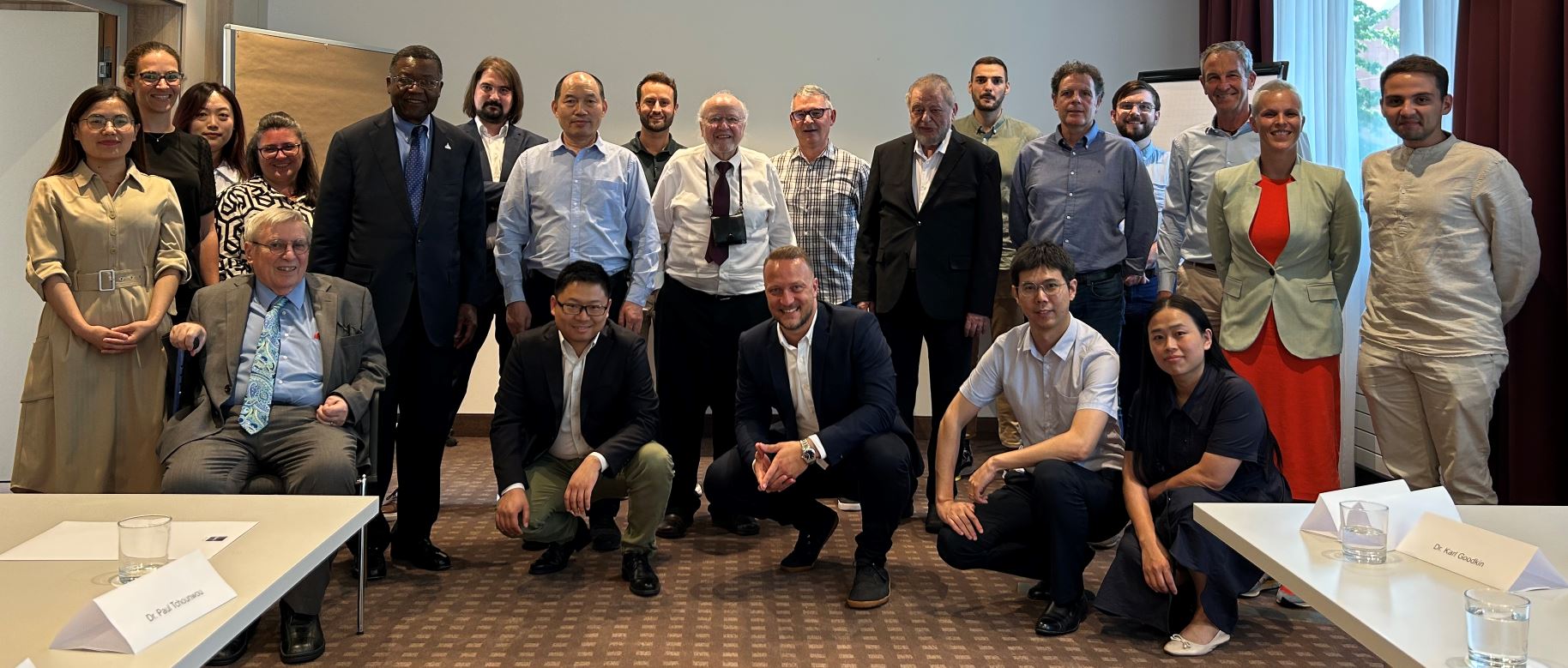
On 5 July 2023, Prof. Dr. Paul B. Tchounwou, the founding Editor-in-Chief of IJERPH, along with five Section Editors in Chief (Prof. Dr. Germán Vicente-Rodríguez, Prof. Dr. Karl Goodkin, Prof. Dr. William A. Toscano, Prof. Dr. Jimmy T. Efird, and Prof. Dr. William Douglas Evans), gathered in Basel to discuss the future of the journal. The meeting provided an opportunity to address the recent decision by The Web of Science to delist IJERPH due to the journal failing the Content Relevance criterion, and propose best strategies that will ensure high scientific rigor as well as a clear scope and aim of IJERPH, going forward.
While the delisting is disappointing for IJERPH, as well as for our authors, academic editors, and the entire scientific community supporting our journal, we see it as an opportunity to reflect and prepare for the future direction of the journal.
Since its launch in 2004, IJERPH’s vision and mission have evolved to be more complete and comprehensive in engaging scientific communities. In light of this, we will refresh the journal’s aims and scope, ensuring they align with the organic expansion of IJERPH. Additionally, we will restructure the journal sections into broader categories, encouraging collaborative research and transdisciplinary approaches for authors. This is designed to foster collaboration and knowledge exchange among diverse fields, contributing to a holistic understanding of health promotion and disease prevention. We are confident that these next steps will enhance the scientific strength and societal impact of our journal.
Journal Achievements
In addition to the productive discussions, we took the time to celebrate some of the remarkable achievements of IJERPH, which I highlight below:
- Founded by Prof. Dr. Paul B. Tchounwou in 2004
- Indexed in PubMed in 2008
- Received its first Impact Factor in 2012
- Published its 5000th paper in 2017
- Over 60,000 papers published as at June 30, 2023
- 131,628,173 paper views in 2018–2022
- Over 28,000 mentions in prominent news outlets
- 17,000 papers cited 10 times or more as at June 30, 2023
- No.1 journal in the 2022 Google Scholar Metrics in the category of Public Health
- Awarded several editions of Young Investigator Awards, Travel Awards, and Outstanding Reviewer Awards since 2018.
These achievements showcase the journal’s significant contributions to the field and its impact on global health. We are proud of the exceptional work accomplished by the IJERPH team and look forward to building upon this success in the years to come.
Closing Thoughts
MDPI’s Impact in Spain
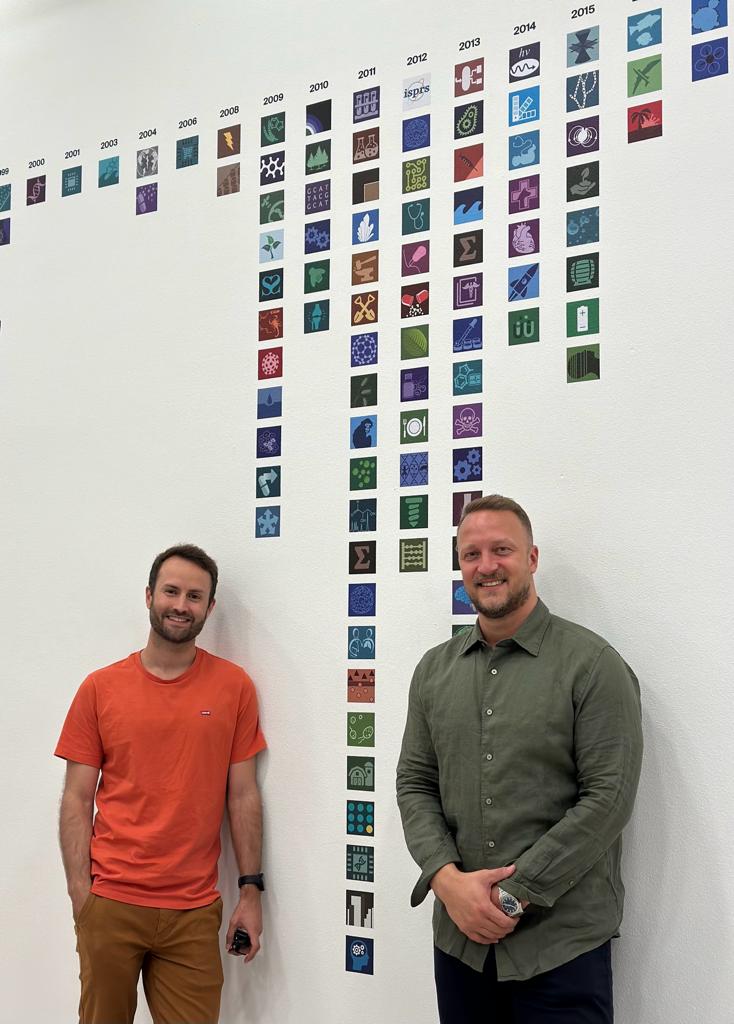
During the past month, I had the opportunity to visit our new office building in Barcelona, where I met with our local colleagues to discuss the ways we serve the scholarly community, particularly in Spain. The multi-functional office plays a vital role in supporting various business needs, including editorial, design, conference management, data analytics, journal relationship management, publishing partnerships, and collaborations with societies.
Spain holds a significant position in MDPI’s global market, ranking as the fourth-largest contributor to the total number of papers published by MDPI as at July 2023, ranking next to Italy, the USA, and China, with Germany completing the top five.
The Numbers
Out of the 1,680,000 total MDPI articles published as at 25 July, almost 80,000 articles are contributed by Spanish authors, representing nearly 40,000 unique authors affiliated with Spanish institutions. Remarkably, over 6,300 of these authors hold editorial board member (EBM) positions within MDPI journals, with 30 of them serving as Editors-in-Chief (EiCs).
Our commitment to working with institutions is very evident in Spain, where we have successfully established over 40 Institutional Open Access Programs (IOAP) with esteemed institutions such as the University of Barcelona, the Autonomous University of Barcelona, Pompeu Fabra University, the University of Navarre, and Complutense University of Madrid.
Over the past five years, we have successfully organized eight in-person conferences in Barcelona, attracting over 1,150 registrations, with two forthcoming events scheduled for 2024. Barcelona's excellent connectivity to international airports makes it easily accessible to participants from around the world. Its welcoming atmosphere provides us with the perfect environment for knowledge-sharing, networking, and contributing to the local economy.
Our growth and presence in Spain are a true testament to the incredible service we provide to the scholarly community and the relationships we foster through responsive and collaborative communication. We look forward to continuing to support Spanish scholars, providing them a valuable and trusted experience with MDPI, the leader in open access publishing.
Testimonials
I close this letter as I did in the first edition, by sharing testimonials from our stakeholders. Here are a few IJERPH testimonials from a Spanish guest editor and an author:
Guest Editor
“I want to thank the kindness, attention and professionalism of the MDPI team throughout the editorial process of the Special Issue. I believe that it is a very professional and quality editorial process.”
- Professor Víctor Arufe-Giráldez, University of A Coruña
Special Issue in International Journal of Environmental Research and Public Health: Physical Activity in Childhood and Adolescence
Special Issue in International Journal of Environmental Research and Public Health: Physical Education: Present and Future
__
Author
“I want to thank the rigor of the revisions made to the manuscripts to improve their quality, the support to the authors for the editor assignment system they have and the follow-up they carry out, for the speed in answering and in carrying out the entire process of the revision, and for doing all this at an affordable price.”
- Dr. María Paz García-Caro, University of Granada
Article in International Journal of Environmental Research and Public Health: Factors Associated with Suicide Attempts and Suicides in the General Population of Andalusia (Spain)
Chief Executive Officer
MDPI AG
20 July 2023
Meet Us at the 2023 National Plant Biology Congress, 2–6 August 2023, Lanzhou, China

MDPI will be attending the 2023 National Plant Biology Congress as an exhibitor. This meeting will be held in Lanzhou, China, from 2 to 6 August 2023.
The conference is jointly organized by the Chinese Society of Genetics, Chinese Society of Cell Biology, China Crop Society, Chinese Society of Botany, and Chinese Society of Plant Physiology and Molecular Biology. The conference is scheduled to be held in Lanzhou, Gansu, China. Domestic experts, scholars, and outstanding young scientists who have made outstanding achievements in related fields of plant biology will be invited to give academic reports. The conference aims to promote exchanges and cooperation among plant scientists, promote the transformation and application of plant scientific research achievements in agricultural production practice, and help the revitalization of the seed industry.
The following MDPI journals will be represented:
- Plants;
- IJMS;
- Agriculture;
- Agronomy;
- Horticulturae;
- Cells;
- Physiologia;
- Metabolites;
- Antioxidants;
- Taxonomy;
- Epigenomes;
- Genes;
- Diversity;
- Data.
If you are attending this conference, please feel free to start a conversation with us. Our delegates look forward to meeting you in person and answering any questions you may have. For more information about the conference and our booth, please visit the following link: http://www.ncpb.net/home/index/index.html.
19 July 2023
Meet Us at the 12th International Congress of Plant Pathology, 20–25 August 2023, Lyon, France

MDPI will attend the 12th International Congress of Plant Pathology. This event will be held from 20 to 25 August 2023 in Lyon, France, and is hosted by the International Society for Plant Pathology.
Plant pathologists and plant health researchers from around the world will meet to discuss their latest research as well as the current and future issues facing plant health experts. The host, the French Phytopathological Society, has set an exciting and challenging theme for the congress: “One Health for all plants, crops and trees”. This topic promises to provide a broad platform for talks, posters, and discussions that consider the integral nature of plant health with human, animal, and environmental health. In addition to an excellent program of keynote talks, concurrent sessions, poster presentations, and networking opportunities, there will be a number of satellite events before the meeting dates to provide opportunities for deeper discussions on a number of topics.
The following MDPI journals will be represented:
- Agriculture (leading);
- Plants;
- Horticulturae;
- Viruses;
- IJMS;
- Life;
- Seeds;
- Crops;
- Forests;
- JoF.
If you plan on attending this conference, please feel free to stop by our booth and start a conversation with us. Our delegates look forward to meeting you in person and answering any questions that you may have. For more information about the conference, please visit https://www.icpp2023.org/.
11 July 2023
MDPI’s Newly Launched Journals in June 2023
With the first issue released in June 2023, five new MDPI journals disseminating multi-disciplinary science are due to launch, which will cover the subjects of medicine & pharmacology, biology and physical sciences.
The newly launched journals will be overseen by professional Editorial Board Members and Editors to ensure an accurate and rapid publication, rigorous peer review and broad visibility.
Please feel free to browse and discover more about the new journals below.
| Journal | Founding Editor-in-Chief | Journal topics (selected) |
 |
Prof. Dr. Jun Ma, Peking University, China| Editorial | view inaugural issue | growth and development; diet and nutrients; school health promotion policies and practices; child health and care; adolescent health and wellbeing | view journal scope | submit an article |
 |
Prof. Dr. Bernd Rehm, Griffith University, Australia | Editorial | view inaugural issue | DNA and gene synthesis; synthetic transcription factors; protein engineering; viral engineering; metabolic engineering | view journal scope | submit an article |
 |
Prof. Dr. Varsha Gandhi, University of Texas MD Anderson Cancer Center, USA | Editorial | view inaugural issue | lymphatics; cancers associated with lymphocytes and lymphoblasts; lymphatic tissues; lymphoma; lymphoid leukemia | view journal scope | submit an article |
 |
Dr. Bradley Turner, University of Melbourne, Australia | Editorial | view inaugural issue | multiple sclerosis; amyotrophic lateral sclerosis; primary lateral sclerosis; atherosclerosis; systemic sclerosis | view journal scope | submit an article |
 |
Prof. Dr. Clemens Burda, Case Western Reserve University, USA | Editorial | view inaugural issue | Gamma ray, X-ray, and UV–Vis spectroscopies; NIR/mid-infrared/Raman spectroscopy; microwave and THz spectroscopy; high-resolution gas-phase atomic, molecular, and cluster spectroscopy; MS, NMR, and EPR spectroscopy | view journal scope | submit an article |
We wish to thank everyone who has supported the development of open access publishing. You are welcome to submit an application to the New Journal Committee (newjournal-committee@mdpi.com) if you would like to create more new journals.
3 July 2023
Horticulturae Receives an Increased Impact Factor of 3.1

We are pleased to share that Horticulturae (ISSN: 2311-7524) was awarded an increased Impact Factor of 3.1 in the 2022 Journal Citation Reports™ released by Clarivate in June 2023. Horticulturae ranks in Q1 (6 among 36 titles) in the “Horticulturae” category.
For more statistics, please visit https://www.mdpi.com/journal/horticulturae/stats.
The support and dedication of all journal editors, reviewers, authors, and readers are essential to our excellent performance. Thank you to everyone who has contributed to and supported our journal.
3 July 2023
MDPI Insights: The CEO's Letter #1 - Open Access and Impactful Research
Welcome to the MDPI Insights: The CEO's Letter.
In these monthly letters, I will showcase two key aspects of our work at MDPI: our commitment to empowering researchers and our determination to facilitating open scientific exchange.
Opening Thoughts
The Future is Open, and MDPI is Leading the Way
I strongly believe in a future that embraces openness, where open source, open information, and open access (OA) take center stage. This belief that led me to join MDPI in 2020, and I am honored to have recently been appointed as Chief Executive Officer (CEO). In this capacity, and operating in close liaison with Dr. Lin and MDPI’s senior management, I shall work to build on Dr. Lin’s achievements of the past quarter-century. In this role, I will focus on communication initiatives to promote MDPI's remarkable work and continue to build our company as a trusted leader in OA publishing. For over two decades, MDPI has been at the forefront of reshaping the academic publishing landscape, with OA surpassing subscription-based publishing in 2020. This trajectory is deeply rooted in our history and reflects our unwavering commitment and vision for an open future.
1 Million Published Articles
2023 began with a remarkable achievement for MDPI, as we became the first OA publisher to reach the milestone of 1 million published articles. This represents 2.7 million unique authors who have trusted us with their work, or about a third of all researchers worldwide. As the world's most cited OA publisher, we are proud in sharing these significant milestones.
Our mission remains unchanged: to make science open and accessible to all. We understand the importance of knowledge access, empowering researchers to stay at the forefront of a rapidly changing world. Our diverse range of journals covers a wide spectrum of disciplines, offering cutting-edge insights, trusted tools, and crucial knowledge to address global challenges.
Liberating Science
As the world’s leading OA publisher, MDPI is actively liberating science. We are committed to eliminating the frustrations researchers and the general public face when accessing information, ensuring it is not locked behind paywalls. We firmly believe that everyone has a right to information, and our commitment to open access publishing drives our work.
In this inaugural edition of Insights: The CEO's Letter, I draw inspiration from the upcoming 20th anniversary of the Berlin Declaration on Open Access. Its stated mission reminds us that true impact is achieved when knowledge is widely and readily available to society:
"Our mission of disseminating knowledge is only half complete if the information is not made widely and readily available to society”
Impactful Research

MDPI Publishes Impactful Research: Recognized by Leading Indexing Databases
MDPI journals are indexed in every single top database in the world.
As of June 2023, we have 214 journals indexed within Web of Science, 223 indexed within Scopus, 87 indexed within PubMed and PMC, and 17 indexed within MEDLINE, and these numbers increase every month. We constantly strive to expand the coverage of our journals within leading multi-disciplinary and scope-specific databases, resulting in an incredibly broad range of journals that are indexed within a variety of databases. MDPI has active relationships with approximately 65 well-known databases around the world, and we continue to expand our portfolio every year so that your work can be found, cited, and referenced with ease.
Continued Growth of MDPI Journals
The 2022 Scopus and Web of Science journal citation metrics were officially released in June, and I am pleased to report that 31 MDPI journals received their first CiteScore, taking the total number of journals with a CiteScore to 216. The number of MDPI journals receiving an Impact Factor (IF) also continues to grow with 111 receiving their first, by being covered in the ESCI, bringing our total number of journals with an IF to 208 of which 41 journals received an IF above 4.0. Looking at 2022 CiteScores in the Scopus database, 80% of MDPI journals have a score that ranks them in Q1 or Q2 in at least one subject category.
Publishing impactful science would not be possible without all of our authors, editors and reviewers. Thank you for your contribution and continued support! Together we share the latest scientific insights faster and ensure that your work is accessible to all.
Read more
Inside MDPI

Preprints.org: Clarivate adds the Preprint Citation Index to the Web of Science
At MDPI, we are dedicated to driving the advancement of science. Through our initiative, Preprints.org, researchers can publish their work and gain valuable feedback from the broader research community, ensuring rapid progress in their respective fields. This is particularly crucial during times of health and climate challenges, where timely dissemination of findings is essential.
Increased Visibility for Preprints
I am pleased to share that Clarivate recognizes the significance of preprints and has taken a crucial step to enhance their visibility. Clarivate has added the Preprint Citation Index to the Web of Science, encompassing preprints published not only on Preprints.org but also on other reputable repositories.
Looking ahead, the future of preprints appears promising, bolstered by the recent indexing announcement from the Web of Science. As a result, preprints will receive increased visibility, serving as a valuable resource for staying informed about the latest research developments.
Read more
What are Preprints?
The Pros and Cons of Preprints
Preprints and COVID-19
Preprints—The Future of Open Access Publishing?
Coming Together for Science
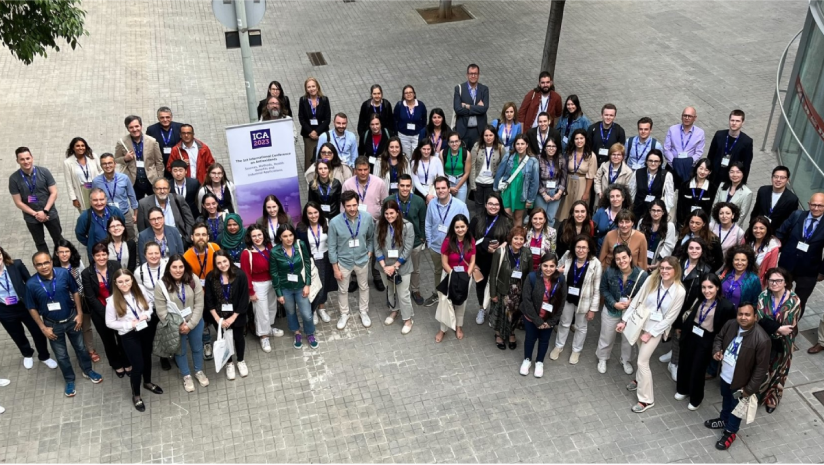
The First International Conference on Antioxidants: Sources, Methods, Health Benefits and Industrial Applications
In this edition of ‘Coming Together for Science,’ I am pleased to highlight the First International Conference on Antioxidants organized by our conference team in the beautiful city of Barcelona, Spain. The conference attracted over 130 attendees, who engaged in 42 talks, and 89 poster presentations spread across several sessions.
Working Together
Under the leadership of Prof. Dr. Alessandra Napolitano (Department of Chemical Sciences, University of Naples ‘Federico II’, Naples, Italy) and Prof. Dr. Rosa M. Lamuela Raventos (Department of Nutrition, Food Sciences and Gastronomy, University of Barcelona, Spain) as chairs, and supported by the committee members, 10 invited keynote speakers, poster presenters, and all the attendees, this dedicated group of academics came together to discuss the natural sources, methodologies, health benefits, and industrial applications of antioxidants.
Especially noteworthy is the positive feedback received from attendees, with 94% rating the overall organization of the conference as good or excellent. I particularly love the picture above, capturing the gathering of some of the participants. You can browse through more photos in the event gallery located here.
Managing Events With Sciforum
If you are considering hosting your own academic event, I highly recommend checking out Sciforum, MDPI's event management platform. Sciforum simplifies the entire process, making it easy to host your own event by allowing you to focus on what really matters: Science!
Read more
Closing Thoughts
 Stefan Tochev, Dr. Shu-Kun Lin, Dr. Eric O. Freed, Peter Roth, Wynne Wang, Allison Yang
Viruses and Editorial Quality: Acknowledging the Dedication of our Viruses Journal Team
During a June meeting with Dr. Eric O. Freed, the founding and current Editor-in-Chief of our journal Viruses, I was reminded of the exceptional dedication of our editorial board. Meeting with Eric is a pleasure, as he has a strong commitment and clear vision for the journal. Over the course of two days, we gained a deep understanding of the journal’s expectations and focus on strategic growth, editorial board representation, and engagement.
I am pleased to share that Viruses holds a CiteScore of 7.1 (an increase of 7.57% versus the 2021 metric) and an Impact Factor of 4.7. You can view the journal statistics here. Viruses publishes highly cited papers, and is indexed in renowned databases such as Scopus, SCIE (Web of Science), PubMed, and others, and maintains affiliations with prestigious societies. Moreover, the Viruses team has recently announced an exciting upcoming event titled ‘Viruses 2024 – A World of Viruses,’ scheduled to take place in Barcelona, Spain, from 14–16 February 2024.
Testimonials
If you notice my enthusiasm regarding our editorial service, it’s because the surveys and testimonials we receive speak volumes about the experiences of our authors, reviewers, and guest editors who collaborate with MDPI. The purpose of these letters is to highlight the exceptional work that we do and the experiences we create for the scholars – thus, let me end with this testimonial from an author:
“It was a great pleasure to publish in Viruses Special Issue [Emerging Viruses in Aquaculture]. The submission process was easy. Guest editors were very helpful and provided all the guidance and support as needed. The handling of the manuscript by the Editorial Team was very fast, efficient, and professional. The reviewer’s comments were insightful, and the publication processes were remarkably rapid.”
– Ms. Magdalena Stachnik, Państwowy Instytut Weterynaryjny | PIWet
Article in Viruses: Emerging Viral Pathogens in Sturgeon Aquaculture in Poland: Focus on Herpesviruses and Mimivirus Detection
Chief Executive Officer
MDPI AG
