



Journal Menu
► ▼ Journal Menu-
- Agronomy Home
- Aims & Scope
- Editorial Board
- Reviewer Board
- Topical Advisory Panel
- Instructions for Authors
- Special Issues
- Topics
- Sections & Collections
- Article Processing Charge
- Indexing & Archiving
- Editor’s Choice Articles
- Most Cited & Viewed
- Journal Statistics
- Journal History
- Journal Awards
- Society Collaborations
- Conferences
- Editorial Office
Journal Browser
► ▼ Journal BrowserNeed Help?
Announcements
25 May 2026
Agronomy | Top Viewed Papers Published in 2025
We are pleased to invite you to explore our most influential and widely read research by delving into the top-viewed papers published in 2025 in Agronomy (ISSN: 2073-4395). This curated selection represents cutting-edge themes and urgent questions shaping modern agronomy. For more top viewed papers, please visit: https://www.mdpi.com/journal/agronomy/most_cited.
- “Humic Substances: Bridging Ecology and Agriculture for a Greener Future”
by Angela Maffia, Mariateresa Oliva, Federica Marra, Carmelo Mallamaci, Serenella Nardi and Adele Muscolo
Agronomy 2025, 15(2), 410; https://doi.org/10.3390/agronomy15020410
Available online: https://www.mdpi.com/2073-4395/15/2/410 - “Microplastics in Soil–Plant Systems: Current Knowledge, Research Gaps, and Future Directions for Agricultural Sustainability”
by Zhangling Chen, Laura J. Carter, Steven A. Banwart and Paul Kay
Agronomy 2025, 15(7), 1519; https://doi.org/10.3390/agronomy15071519
Available online: https://www.mdpi.com/2073-4395/15/7/1519 - “Utilizing Different Crop Rotation Systems for Agricultural and Environmental Sustainability: A Review”
by Zainulabdeen Kh. Al-Musawi, Viktória Vona and István Mihály Kulmány
Agronomy 2025, 15(8), 1966; https://doi.org/10.3390/agronomy15081966
Available online: https://www.mdpi.com/2073-4395/15/8/1966 - “The Role of Ligninolytic Enzymes in Sustainable Agriculture: Applications and Challenges”
by Agnieszka Gałązka, Urszula Jankiewicz and Sławomir Orzechowski
Agronomy 2025, 15(2), 451; https://doi.org/10.3390/agronomy15020451
Available online: https://www.mdpi.com/2073-4395/15/2/451 - “Agronomy and Environmental Sustainability of the Four Major Global Vegetable Oil Crops: Oil Palm, Soybean, Rapeseed, and Sunflower”
by Denis J. Murphy
Agronomy 2025, 15(6), 1465; https://doi.org/10.3390/agronomy15061465
Available online: https://www.mdpi.com/2073-4395/15/6/1465 - “Microbially Enhanced Biofertilizers: Technologies, Mechanisms of Action, and Agricultural Applications”
by Sylwia Figiel, Piotr Rusek, Urszula Ryszko and Marzena Sylwia Brodowska
Agronomy 2025, 15(5), 1191; https://doi.org/10.3390/agronomy15051191
Available online: https://www.mdpi.com/2073-4395/15/5/1191 - “Review—Seed Treatment: Importance, Application, Impact, and Opportunities for Increasing Sustainability”
by Simona Paulikienė, Domas Benesevičius, Kristina Benesevičienė and Tomas Ūksas
Agronomy 2025, 15(7), 1689; https://doi.org/10.3390/agronomy15071689
Available online: https://www.mdpi.com/2073-4395/15/7/1689 - “Turning Waste Wool into a Circular Resource: A Review of Eco-Innovative Applications in Agriculture”
by Francesca Camilli, Marco Focacci, Aldo Dal Prà, Sara Bortolu, Francesca Ugolini, Enrico Vagnoni and Pierpaolo Duce
Agronomy 2025, 15(2), 446; https://doi.org/10.3390/agronomy15020446
Available online: https://www.mdpi.com/2073-4395/15/2/446 - “Somaclonal Variation and Clonal Fidelity in Commercial Micropropagation: Challenges and Perspectives”
by Sweety Majumder, Abir U. Igamberdiev and Samir C. Debnath
Agronomy 2025, 15(6), 1489; https://doi.org/10.3390/agronomy15061489
Available online: https://www.mdpi.com/2073-4395/15/6/1489 - “Soil Moisture Sensing Technologies: Principles, Applications, and Challenges in Agriculture”
by Danilo Loconsole, Michele Elia, Giulia Conversa, Barbara De Lucia, Giuseppe Cristiano and Antonio Elia
Agronomy 2025, 15(12), 2788; https://doi.org/10.3390/agronomy15122788
Available online: https://www.mdpi.com/2073-4395/15/12/2788 - “Unveiling the Multifaceted Roles of Root Exudates: Chemical Interactions, Allelopathy, and Agricultural Applications”
by Alice Zambelli, Fabio Francesco Nocito and Fabrizio Araniti
Agronomy 2025, 15(4), 845; https://doi.org/10.3390/agronomy15040845
Available online: https://www.mdpi.com/2073-4395/15/4/845 - “Climate, Soil, and Microbes: Interactions Shaping Organic Matter Decomposition in Croplands”
by Muhammad Tahir Khan, Skaidrė Supronienė, Renata Žvirdauskienė and Jūratė Aleinikovienė
Agronomy 2025, 15(8), 1928; https://doi.org/10.3390/agronomy15081928
Available online: https://www.mdpi.com/2073-4395/15/8/1928 - “Digital Tools and Decision Support Systems in Agroecology: Benefits, Challenges, and Practical Implementations”
by Dimitra Petraki, Ioannis Gazoulis, Metaxia Kokkini, Marios Danaskos, Panagiotis Kanatas, Andreas Rekkas and Ilias Travlos
Agronomy 2025, 15(1), 236; https://doi.org/10.3390/agronomy15010236
Available online: https://www.mdpi.com/2073-4395/15/1/236 - “Molecular Mechanisms Underlying Root Nodule Formation and Activity”
by Katarzyna Nuc and Przemysław Olejnik
Agronomy 2025, 15(7), 1552; https://doi.org/10.3390/agronomy15071552
Available online: https://www.mdpi.com/2073-4395/15/7/1552 - “Maize Row Spacing and Seeding Rate Informed by Space-per-Plant Geometry”
by Reagan Noland, Michasia Dowdy and Glendon Harris
Agronomy 2025, 15(2), 374; https://doi.org/10.3390/agronomy15020374
Available online: https://www.mdpi.com/2073-4395/15/2/374
25 May 2026
Meet Us at the 13th International Conference on Mycorrhizas, 12–17 July 2026, Cairns, Australia

Conference: 13th International Conference on Mycorrhizas
Date: 12–17 July 2026
Location: Cairns, Australia
From 12 to 17 July 2026, MDPI will be attending the 13th International Conference on Mycorrhizas as an exhibitor, welcoming researchers from diverse backgrounds to visit and share their latest ideas.
The International Mycorrhiza Society, the umbrella society of the biennial International Conference on Mycorrhiza (ICOM), is dedicated to advancing education, research and development in the field of mycorrhizal symbiosis. Our work is of international significance; our conference attracts delegates from across the globe, with members from over 40 countries and an attendance of 450 to 600 people from academia, government and industry.
We look forward to welcoming you to Cairns for an unforgettable experience at the 13th International Conference on Mycorrhizas!
The following MDPI journals will be represented:
- JoF;
- Plants;
- Microorganisms;
- Agronomy;
- Nitrogen;
- Applied Microbiology;
- Crops;
- Horticulturae;
- IJPB;
- JGBG;
- Life;
- Bacteria;
- Agriculture.
22 May 2026
Meet Us at the 23rd World Congress of Soil Science, 7–12 June 2026, Nanjing, China
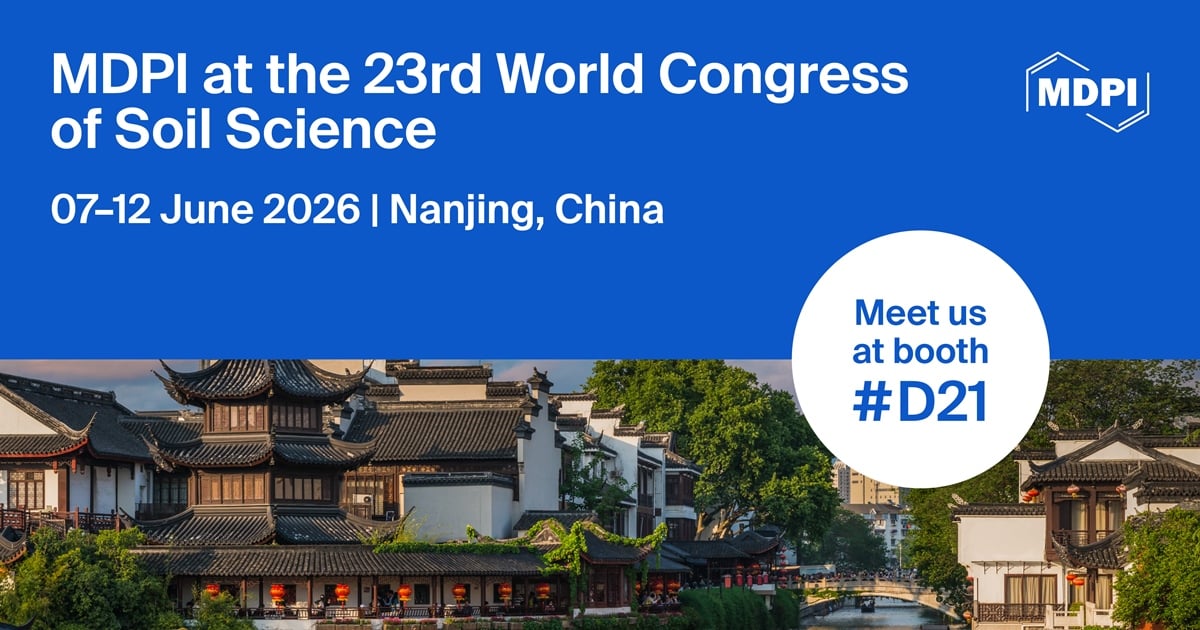
Conference: The 23rd World Congress of Soil Science
Date: 7–12 June 2026
Location: Nanjing, China
MDPI will be attending the 23rd World Congress of Soil Science as an exhibitor, and we are welcoming researchers from different backgrounds to visit and share their latest ideas.
The 23rd World Congress of Soil Science brings together leading researchers, practitioners, and policymakers from around the world to exchange the latest advances in soil science. The congress focuses on promoting sustainable soil management and addressing key global challenges such as soil health, climate change, land degradation, and ecosystem resilience. It provides a dynamic platform for scientific discussion, knowledge sharing, and interdisciplinary collaboration across all areas of soil research.
The following MDPI journals will be represented:
If you are planning to attend this conference, please do not hesitate to contact us. Our delegates look forward to meeting you in person and answering any questions that you may have. For more information about the conference, please visit the following website: https://www.23wcss.org.cn.
21 May 2026
International Day for Biological Diversity —“Acting Locally for Global Impact”, 22 May 2026
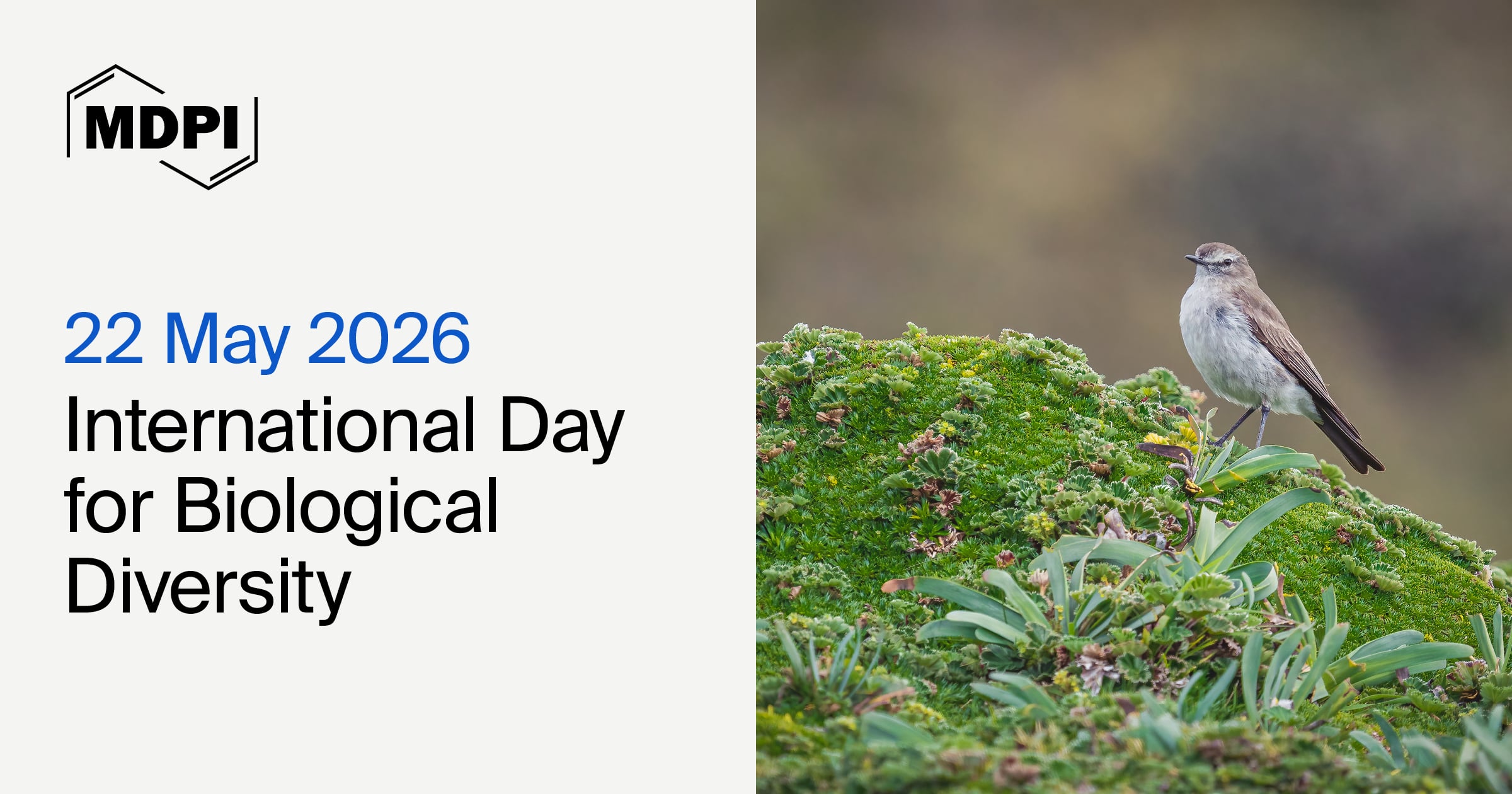
The International Day for Biological Diversity, a global observance dedicated to raising awareness about the importance of biodiversity, is celebrated on 22 May. The theme of the 2026 International Day for Biological Diversity is “Acting Locally for Global Impact”. Biodiversity is critical to life—healthy ecosystems provide food, clean water, climate regulation, and disease control, supporting all forms of existence on Earth. Local actions such as restoring habitats, protecting endangered species, and promoting sustainable agriculture collectively generate global benefits for nature and people. However, rapid biodiversity loss continues to undermine these vital contributions, with profound impacts on human well-being and planetary stability. Echoing the mission of protecting biodiversity for a resilient future, established MDPI journals in the Biology&Life Sciences subject serve as platforms for scientific communication, fostering collaboration and innovation in biodiversity conservation to tackle the global nature crisis.

|
|
|
|
|
|
|
|
|
|
|
|
|
|
|
|
|
|
|

















Invited speakers:
|
|
|
|
|
Prof. Dr. Edward L. Braun, Department of Biology, University of Florida, USA |
Dr. Isabel L. Maurício, Global Health and Tropical Medicine, Universidade NOVA de Lisboa, Portugal |
Dr. Vittorio Capozzi, Institute of Sciences of Food Production, Italian National Research Council, Italy |


Register for this webinar for free here!

“Distribution Patterns and Habitat Preferences of Five Globally Threatened and Endemic Montane Orthoptera (Parnassiana and Oropodisma)”
by Apostolis Stefanidis, Konstantinos Kougioumoutzis, Konstantina Zografou, Georgios Fotiadis, Luc Willemse, Olga Tzortzakaki and Vassiliki Kati
Ecologies 2025, 6(1), 5; https://doi.org/10.3390/ecologies6010005
“Spatial Cumulative Assessment of Impact Risk-Implementing Ecosystem-Based Management for Enhanced Sustainability and Biodiversity in the Black Sea”
by Elena Bisinicu, Valeria Abaza, Laura Boicenco, Filimon Adrian, George-Emanuel Harcota, Oana Marin, Andra Oros, Elena Pantea, Alina Spinu, Florin Timofte et al.
Sustainability 2024, 16(11), 4449; https://doi.org/10.3390/su16114449
“Using Citizen Science to Document Biodiversity on a University Campus: A Year-Long Case Study”
by Peter M. Baker, Brendon Samuels and Timothy J. A. Hain
Conservation 2024, 4(3), 533-546; https://doi.org/10.3390/conservation4030032
“Illegal Activities for Survival: Understanding the Influence of Household Livelihood Security on Biodiversity Conservation in Tanzania”
by Gasto Jerome Lyakurwa, Edwin Sabuhoro and Mercy Chepkemoi Chepkwony
Conservation 2024, 4(3), 339-356; https://doi.org/10.3390/conservation4030022
“Algal Biodiversity of Nine Megaliths in South-East Bulgaria”
by Maya Stoyneva-Gärtner, Miroslav Androv, Blagoy Uzunov, Kristian Ivanov and Georg Gärtner
Life 2024, 14(8), 948; https://doi.org/10.3390/life14080948
“Shifts in Microbial Community Structure and Co-occurrence Network along a Wide Soil Salinity Gradient”
by Yan Li, Juan Wang, Eryang Li, Xiaodong Yang and Jianjun Yang
Microorganisms 2024, 12(7), 1268; https://doi.org/10.3390/microorganisms12071268
“Exploring mtDNA Databases to Evaluate the Population Structure and Genetic Diversity of Tursiops truncatus in the Atlantic Ocean: Implications for the Conservation of a Small, Offshore Populatio”
by Gasto Jerome Lyakurwa, Edwin Sabuhoro and Mercy Chepkemoi Chepkwony
Ecologies 2024, 5(2), 170-187; https://doi.org/10.3390/ecologies5020011
“Arbuscular Mycorrhizal Fungi and Rhizobium Improve Nutrient Uptake and Microbial Diversity Relative to Dryland Site-Specific Soil Conditions”
by Rosalie B. Calderon and Sadikshya R. Dangi
Microorganisms 2024, 12(4), 667; https://doi.org/10.3390/microorganisms12040667
“Diversity of Parasitoid Wasps and Comparison of Sampling Strategies in Rice Fields Using Metabarcoding”
by Liyang Wang, Hongxuan Wu, Wei He, Guihong Lai, Junxi Li, Siling Liu and Qiang Zhou
Insects 2024, 15(4), 228; https://doi.org/10.3390/insects15040228
“Weed Species’ Diversity and Composition as Shaped by the Interaction of Management, Site, and Soil Variables in Olive Groves of Southern Greece”
by Petros Vahamidis, Demosthenis Chachalis, Antigoni Akrivou, Evangelos Karanasios, Maria Ganopoulou, Apostolia Argiri, Athanasia Mandoulaki, Evangelos Hatzigiannakis, Georgios Arampatzis, Andreas Panagopoulos et al.
Agronomy 2024, 14(3), 640; https://doi.org/10.3390/agronomy14030640
“Opportunities for Biodiversity Conservation via Urban Ecosystem Regeneration”
by Gad Perry and Robert D. Cox
Diversity 2024, 16(3), 131; https://doi.org/10.3390/d16030131
“Global Subterranean Biodiversity: A Unique Pattern”
by Louis Deharveng, Anne Bedos, Tanja Pipan and David C. Culver
Diversity 2024, 16(3), 157; https://doi.org/10.3390/d16030157
“Odonata Assemblages in Urban Semi-Natural Wetlands”
by Marina Vilenica, Andreja Brigić, Ana Štih Koren, Toni Koren, Mirela Sertić Perić, Bruno Schmidt, Tomislava Bužan and Sanja Gottstein
Insects 2024, 15(3), 207; https://doi.org/10.3390/insects15030207
“The Influence of Sugar Beet Cultivation Technologies on the Intensity and Species Biodiversity of Weeds”
by Barbora Kotlánová, Pavel Hledík, Stanislav Hudec, Petra Martínez Barroso, Magdalena Daria Vaverková, Martin Jiroušek and Jan Winkler
Agronomy 2024, 14(2), 390; https://doi.org/10.3390/agronomy14020390

|
“Diversity and Phylogeny of Fungi” |
“Effect of Biological Invasion on Aquatic Ecosystem” |
|
|
|
|
“Microbial Diversity in Different Environments” |
“Diversity, Adaptation, and Biogeography of Gastropods” |
|
|
|
|
“Island Ecosystems as Natural Laboratories: Biodiversity, Threats, and Conservation Opportunities” |
“Changing Coral Reef Biodiversity and Function in the Anthropocene” |
|
|
|


 |
 |
 |
 |

21 May 2026
Agronomy | Special Issue Reprints Published in 2025
We are delighted to share with you nine reprints of Special Issues published in 2025 in Agronomy (ISSN: 2073-4395). They were selected by the Agronomy Editorial Office, each with 10 or more articles published. You can read more reprints of the Special Issues published by Agronomy.
 |
1. “Advances in Crop Molecular Breeding and Genetics” Guest Editors: Zhiyong Li, Chaolei Liu and Jiezheng Ying ISBN 978-3-7258-2910-1 (Hardback) ISBN 978-3-7258-2909-5 (PDF) https://doi.org/10.3390/books978-3-7258-2909-5 Available online: https://www.mdpi.com/books/reprint/10478-advances-in-crop-molecular-breeding-and-genetics |
 |
2. “Conservation Agricultural Practices for Improving Crop Production and Quality” Guest Editors: Mariola Staniak, Ewa Szpunar-Krok and Małgorzata Szostek ISBN 978-3-7258-3646-8 (Hardback) ISBN 978-3-7258-3645-1 (PDF) https://doi.org/10.3390/books978-3-7258-3645-1 Available online: https://www.mdpi.com/books/reprint/10710-conservation-agricultural-practices-for-improving-crop-production-and-quality |
 |
3. “Plant Tissue Culture and Plant Somatic Embryogenesis” Guest Editors: Justyna Lema-Rumińska, Danuta Kulpa and Alina Trejgell ISBN 978-3-7258-3682-6 (Hardback) ISBN 978-3-7258-3681-9 (PDF) https://doi.org/10.3390/books978-3-7258-3681-9 Available online: https://www.mdpi.com/books/reprint/10784-plant-tissue-culture-and-plant-somatic-embryogenesis |
 |
4. “Current Research on Hyperspectral and Multispectral Imaging and Their Applications in Precision Agriculture II” Guest Editors: Jinling Zhao and Chuanjian Wang ISBN 978-3-7258-3017-6 (Hardback) ISBN 978-3-7258-3018-3 (PDF) https://doi.org/10.3390/books978-3-7258-3018-3 Available online: https://www.mdpi.com/books/reprint/10879-current-research-on-hyperspectral-and-multispectral-imaging-and-their-applications-in-precision |
 |
5. “Flowering and Flower Development in Plants” Guest Editors: Jinzhi Zhang and Avi Sadka ISBN 978-3-7258-3801-1 (Hardback) ISBN 978-3-7258-3802-8 (PDF) https://doi.org/10.3390/books978-3-7258-3802-8 Available online: https://www.mdpi.com/books/reprint/10997-flowering-and-flower-development-in-plants |
 |
6. “It Runs in the Family The Importance of the Lamiaceae Family Species” Guest Editor: Antonios Chrysargyris ISBN 978-3-7258-4433-3 (Hardback) ISBN 978-3-7258-4434-0 (PDF) https://doi.org/10.3390/books978-3-7258-4434-0 Available online: https://www.mdpi.com/books/reprint/11078-it-runs-in-the-family |
 |
7. “Biological Pest Control in Agroecosystems” Guest Editor: Dirceu Pratissoli ISBN 978-3-7258-4580-4 (Hardback) ISBN 978-3-7258-4579-8 (PDF) https://doi.org/10.3390/books978-3-7258-4579-8 Available online: https://www.mdpi.com/books/reprint/11248-biological-pest-control-in-agroecosystems |
 |
8. “Climate Change and Agriculture” Guest Editors: Jinlong Dong, Junjie Lin, Yang Yang, Zhongxiu Sun and Nazim Gruda ISBN 978-3-7258-5253-6 (Hardback) ISBN 978-3-7258-5254-3 (PDF) https://doi.org/10.3390/books978-3-7258-5254-3 Available online: https://www.mdpi.com/books/reprint/11550-climate-change-and-agriculture |
 |
9. “Recent Advances in Legume Crop Protection” Guest Editors: Kai Li, Yu Gao and Zhaofeng Huang ISBN 978-3-7258-5443-1 (Hardback) ISBN 978-3-7258-5444-8 (PDF) https://doi.org/10.3390/books978-3-7258-5444-8 Available online: https://www.mdpi.com/books/reprint/11677-recent-advances-in-legume-crop-protection |
21 May 2026
Meet Us at the 61st Croatian and 21st International Symposium on Agriculture, 31 May–5 June 2026, Brač, Croatia
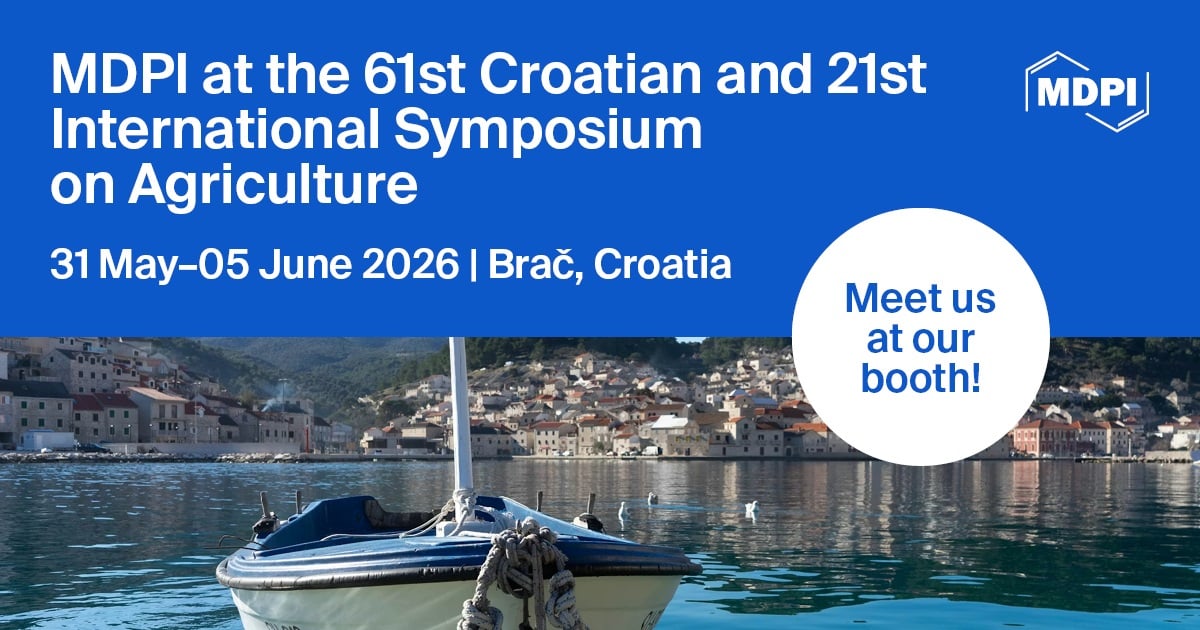
MDPI will be attending the 61st Croatian and 21st International Symposium on Agriculture in Brač, Croatia, which will take place from 31 May to 5 June 2026. This event is organized by the Faculty of Agrobiotechnical Sciences Osijek, Josip Juraj Strossmayer, University of Osijek, and the Faculty of Agriculture, University of Zagreb, in collaboration with numerous esteemed partners. The conference aims to showcase groundbreaking scientific, professional, and educational contributions from both Croatian and international experts, facilitating their effective translation into agricultural practice. It also seeks to strengthen collaboration among scientists from various universities, research institutes, university alliances, and industry specialists—including producers from Croatia, Europe, and around the world—all united by a shared commitment to advancing science and agricultural innovation. If you are attending the conference, please visit our booth; our delegates look forward to meeting you in person and answering any questions you may have.
The following open access journals will be represented at the conference:
- Agriculture (leading);
- Crops (leading);
- Agronomy;
- Agrochemicals;
- Foods;
- AgriEngineering;
- Life;
- Horticulturae;
- Grasses;
- Poultry;
- Plants.
15 May 2026
Meet Us at the 32nd Intentional Horticultural Congress (IHC2026), 23–28 August 2026, Kyoto, Japan

Conference: The 32nd Intentional Horticultural Congress
Organization: The Japanese Society for Horticultural Science
Date: 23–28 August 2026
Place: The Kyoto International Conference Center (ICC Kyoto) in Kyoto, Japan
Compared to other agricultural and plant science fields, horticultural science is the field of science that focuses on a great diversity of plants from domesticated plants (crop plants) to wild plants. Furthermore, horticulture covers a wide range of fields from social sciences to medical sciences. It also covers a wide range of professions in the horticultural industry, including scientists, growers, distributors, and marketers.
The theme of IHC2026 is “Exploring the Diversity of Horticulture”, which seeks to highlight the diversity of horticulture and share its applications to contribute to the richness of future human life.
Please come explore with us the integrated science of horticulture, combining social science, natural science, the best in basic agricultural practices, the latest technological advances in robotics, genetics, and applications. From small household operations for local farmer’s markets, to large-scale integrated supply chain management and logistics for global production, the IHC2026 will present the latest horticultural findings, practices, and future directions.
The following MDPI journals will be represented:
- Plants;
- Horticulturae;
- Agronomy;
- Agriculture;
- Life;
- International Journal of Plant Biology (IJPB);
- Seeds.
If you are attending this conference, please feel free to visit our booth. Our delegates look forward to meeting you in person and answering any questions that you may have.
12 May 2026
International Day of Plant Health—“Plant Biosecurity for Food Security”, 12 May 2026
Observed annually on 12 May, the International Day of Plant Health is a United Nations initiative that calls global attention to the critical role of healthy plants and the urgent need to protect them from pests and diseases. The theme for 2026, “Plant Biosecurity for Food Security”, positions plant biosecurity as the first line of defense for the world’s food systems.
As a committed academic partner in plant protection, crop science, microbiology, and sustainable agriculture, MDPI leverages its open‑access publishing platform to disseminate cutting‑edge research. On the International Day of Plant Health 2026, MDPI journals in in the Biology & Life Sciences actively supports cross‑disciplinary dialogue and knowledge exchange on plant health, crop biosecurity, and food systems by showcasing relevant articles, Special Issues, and journals. Our goal is to help strengthen phytosanitary capacities across countries and regions, thereby building a solid barrier for the security and stability of global food supply chains.

|

“Plant Hormone Regulation of Competitive Growth: Implications for Agriculture and Inclusive Fitness”
by Jasmina Kurepa and Jan A. Smalle
Appl. Biosci. 2026, 5(2), 24; https://doi.org/10.3390/applbiosci5020024
“Genomic and Phylogenetic Evidence for a Novel Emaravirus Infecting Cacao (Theobroma cacao L.) in Amazonas, Peru”
by Angel F. Huaman-Pilco, Nicola Fiore, Oscar P. Hurtado-Gonzales, Larissa Carvalho Costa, Xiaojun Hu, Manuel Oliva-Cruz, Jorge R. Díaz-Valderrama and Alan Zamorano
Int. J. Plant Biol. 2025, 16(4), 142; https://doi.org/10.3390/ijpb16040142
“Linking Soil Microbial Functional Profiles to Fungal Disease Resistance in Winter Barley Under Different Fertilisation Regimes”
by Mariana Petkova, Petar Chavdarov and Stefan Shilev
Plants 2025, 14(20), 3199; https://doi.org/10.3390/plants14203199
“Antioxidant Defense Systems in Plants: Mechanisms, Regulation, and Biotechnological Strategies for Enhanced Oxidative Stress Tolerance”
by Faustina Barbara Cannea and Alessandra Padiglia
Life 2025, 15(8), 1293; https://doi.org/10.3390/life15081293
“Deciphering Cowpea Resistance to Potyvirus: Assessment of eIF4E Gene Mutations and Their Impact on the eIF4E-VPg Protein Interaction”
by Fernanda Alves de Andrade, Madson Allan de Luna-Aragão, José Diogo Cavalcanti Ferreira, Fernanda Freitas Souza, Ana Carolina da Rocha Oliveira, Antônio Félix da Costa, Francisco José Lima Aragão, Carlos André dos Santos-Silva, Ana Maria Benko-Iseppon and Valesca Pandolfi
Viruses 2025, 17(8), 1050; https://doi.org/10.3390/v17081050
“Unlocking Plant Resilience: Metabolomic Insights into Abiotic Stress Tolerance in Crops”
by Agata Głuchowska, Bartłomiej Zieniuk and Magdalena Pawełkowicz
Metabolites 2025, 15(6), 384; https://doi.org/10.3390/metabo15060384
“Microbially Enhanced Biofertilizers: Technologies, Mechanisms of Action, and Agricultural Applications”
by Sylwia Figiel, Piotr Rusek, Urszula Ryszko and Marzena Sylwia Brodowska
Agronomy 2025, 15(5), 1191; https://doi.org/10.3390/agronomy15051191
“Effective Strategies for Managing Wheat Diseases: Mapping Academic Literature Utilizing VOSviewer and Insights from Our 15 Years of Research”
by Ioannis Vagelas
Agrochemicals 2025, 4(1), 4; https://doi.org/10.3390/agrochemicals4010004
“Humic Substances: Bridging Ecology and Agriculture for a Greener Future”
by Angela Maffia, Mariateresa Oliva, Federica Marra, Carmelo Mallamaci, Serenella Nardi and Adele Muscolo
Agronomy 2025, 15(2), 410; https://doi.org/10.3390/agronomy15020410
“Plant Biostimulants to Enhance Abiotic Stress Resilience in Crops”
by Luciana Di Sario, Patricia Boeri, José Tomás Matus and Gastón A. Pizzio
Int. J. Mol. Sci. 2025, 26(3), 1129; https://doi.org/10.3390/ijms26031129
“ROS, an Important Plant Growth Regulator in Root Growth and Development: Functional Genes and Mechanism”
by Jialin Su, Yumei Liu, Fengqing Han, Fuxin Gao, Fangyi Gan, Ke Huang and Zhansheng Li
Biology 2024, 13(12), 1033; https://doi.org/10.3390/biology13121033
“Exploring the Origins of Hexaploid Wheats: Typification of Archaeological Triticum vulgare var. antiquorum and Description of Modern Triticum sphaerococcum subsp. antiquorum (Poaceae: Triticeae)”
by Diego Rivera, Pedro Pablo Ferrer-Gallego, Concepción Obón, Francisco Alcaraz, Emilio Laguna and Nikolay P. Goncharov
Taxonomy 2024, 4(4), 780-794; https://doi.org/10.3390/taxonomy4040042
“Cadmium Stress Signaling Pathways in Plants: Molecular Responses and Mechanisms”
by Valentina Vitelli, Agnese Giamborino, Andrea Bertolini, Alessandro Saba and Andrea Andreucci
Curr. Issues Mol. Biol. 2024, 46(6), 6052-6068; https://doi.org/10.3390/cimb46060361

|
“Plant Health in the Context of Fungal and Other Microbial Threats: Systematics, Pathogenesis and Integrated Management” |
“Fungal Diseases of Cereals” |
 |
 |
|
“Plant Life: Integrating Multi-Omic Approaches from Molecules to Environment” |
“Plant Stress Resilience: Unveiling Mechanisms and Mitigation Strategies” |
 |
 |
|
“Biological Control: Insect-Plant Interactions for Sustainable Pest Management” |
“Monitoring, Management and Ecotoxicological Implications of Plant Fungal Disease Control” |
 |
 |

 |
The 3rd International Online Conference on Agriculture
Click here to read the full list of papers. |

 |
 |
 |
 |
9 May 2026
Meet Us at the Insects to Feed the World (IFW 2026), 9–12 June 2026, Torino, Italy
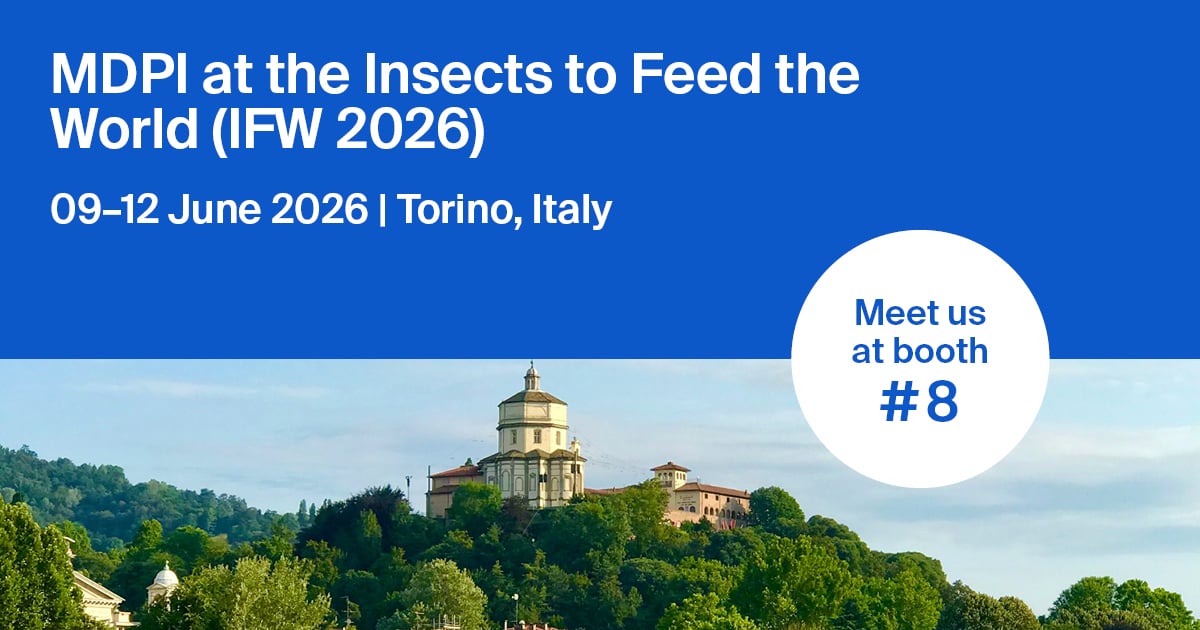
Conference: Insects to Feed the World
Date: 9–12 June 2026
Location: Torino, Italy
Booth: #8
IFW is the premier academic and industry conference of the insect farming industry for both insect as food and insect as feed.
The first “Insects to Feed the World” (IFW) conference took place in 2014 in the Netherlands and was hosted by Wageningen University & Research (WUR) and The Food and Agriculture Organization (FAO) of the United Nations. Ten years after the first successful edition, IFW has become a leading global event in the insect farming sector, bringing together academics and industry professionals from around the world—a perfect combination to foster a culture of continuous development in this growing field and to enhance knowledge sharing in a stimulating scientific environment.
Topics:
- Insect genetics, physiology, and health and welfare;
- Insect production, engineering, and processing;
- Insects in waste management and sustainability;
- Insects in food/feed systems and nutrition;
- Society, perception, and cultural dimensions;
- Global perspectives and applications;
- Impact and applications of insect-derived products.
The following MDPI journals will be represented at the conference:
If you are planning to attend the above conference, please feel free to stop by our booth. Our delegates look forward to meeting you in person to answer any questions that you may have.
For more information about the conference, please visit the following website: https://www.ifw2026.org/.

8 May 2026
Agronomy Webinar | Strategies for Effective Integrated Pest Management in Staple Crop Production, 14 May 2026

Message from the webinar Chair:
I welcome you to attend this webinar organized by Agronomy, which is entitled “Strategies for Effective Integrated Pest Management in Staple Crop Production”.
The increasing demand for staple crops to feed a world population, expected to reach nearly 10 billion in 2050, requires sustainable pest control strategies that not only achieve high crop yields but also preserve the environment and the whole beneficial entomofauna in the production agroecosystem. Overreliance on chemical insecticides has raised serious concerns regarding their negative side effects. Thus, integrated pest management (IPM) is the best way to protect yield through integrating different pest control tools, based on plant resistance (including Bt cultivars); adopting economic thresholds (ETs); pest-monitoring procedures; and using selective insecticides, biological control, botanical insecticides, RNAi, and CRISPR-based control strategies, among other sustainable alternatives for managing arthropods population into agroecosystems. Therefore, innovative research on integrated pest management in different staple crops is urgently needed. Consequently, Agronomy is promoting this webinar to discuss the most recent innovations in arthropod control to sustainably manage outbreaks in those agroecosystems (staple crops), shifting research from the laboratory to application in the field to make food production more efficient and sustainable.
Date: 14 May 2026
Time: 12:00 p.m. CDT | 1:00 p.m. EDT | 7:00 p.m. CEST
Register now for free.

Program:
|
Speaker/Presentation |
Time in CDT |
Time in CEST |
|
Klaudia Kasprowicz (Agronomy Deputy Managing Editor) Journal Introduction & Overview of Submission Process |
12:00–12:05 |
19:00–19:05 |
|
Dr. Adeney De Freitas Bueno Chair Introduction & Relevant Special Issue Introduction |
12:05–12:15 |
19:05–19:15 |
|
Dr. Weidson Plauter Sutil Sustainable Integrated Pest Management in Soybean and Maize: Advances and Challenges in the use of Egg Parasitoids in Brazil |
12:15–12:40 |
19:15–19:40 |
|
Dr. Yelitza Coromoto Colmenarez Advancing Sustainable Production Through Integrated Pest Management: Enablers and Constraints in Latin America |
12:40–13:05 |
19:40–20:05 |
|
Q&A Session |
13:05–13:15 |
20:05–20:15 |
|
Dr. Adeney De Freitas Bueno Closing of Webinar |
13:15–13:20 |
20:15–20:20 |
After registering, you will receive a confirmation email with information on how to join the webinar. Registrations with academic institutional email addresses will be prioritized.
Unable to attend? Feel free to register anyway; the session will be recorded, and we will let you know when the recording is available for viewing.
Webinar Chair and Speakers:
- Dr. Adeney De Freitas Bueno (Chair), Empresa Brasileira de Pesquisa Agropecuária—Embrapa Soja, Londrina, Brazil;
- Dr. Weidson Plauter Sutil, Universidade Federal do Paraná—UFPR, Curitiba, Brazil;
- Dr. Yelitza Coromoto Colmenarez, CABI-UNESP-FEPAF, Rua José Barbosa de Barros, Brazil.
Call for Papers:
“Strategies for Effective Integrated Pest Management in Staple Crop Production”
Edited by Dr. Adeney De Freitas Bueno (Guest Editor) and Dr. Weidson Plauter Sutil (Guest Editor Assistant)
Submission deadline: 31 August 2026
For more information about this webinar, please visit the following website: https://sciforum.net/event/Agronomy-11?subscribe.
If you have any questions about this event, please contact agronomy@mdpi.com.
Agronomy Webinar Secretariat
