Skip to Content

Advancing Open Science

A global leader in open access publishing, supporting research communities and accelerating scientific discovery

  • 7.5 billion
    Article Views
  • 4.5 million
    Total Authors
  • 97%
    Web of Science Coverage

News & Announcements

Journals

Most Recent Articles

    • Article
    • Open Access

    Pyrifenox is a pyridine fungicide belonging to the pyridine subgroup of demethylation inhibitor (DMI) fungicides (FRAC group 3), and the resistance risk of the Fusarium graminearum species complex (FGSC) to this fungicide remains poorly understood. In this study, 122 FGSC isolates were collected from five provinces across China during 2024–2025. The baseline sensitivity was characterized using a mycelial growth assay, yielding a mean EC50 value of 3.300 ± 0.227 mg/L. Four phenotypically resistant variants were generated via fungicide adaptation combined with UV mutagenesis, with resistance factors ranging from 5.53 to 450.26, covering low, moderate, and high resistance phenotypes. After ten serial transfers on fungicide-free medium, the resistance of these variants decreased significantly. These variants also exhibited reduced sporulation and pathogenicity compared with their parental isolates. However, because these assays were performed on tenth-generation variants that had already lost most of their resistance, these changes cannot be directly attributed to resistance. Cross-resistance assays revealed positive cross-resistance only with tebuconazole, whereas no cross-resistance was found with prothioconazole, pyraclostrobin, and three other fungicides. Target gene sequencing identified no mutations in CYP51A, CYP51B, or CYP51C, implying non-target-site resistance. Overall, the FGSC presents a low resistance risk to pyrifenox. However, species identity within the FGSC was not resolved in this study, and this conclusion should be interpreted with caution. This study established, to our knowledge, the first sensitivity baseline for pyrifenox against the FGSC in China, providing fundamental data for rational field application to control Fusarium head blight.

    Agriculture

    16 October 2026

    • Article
    • Open Access

    Background/Objectives: Sodium–glucose cotransporter 2 (SGLT2) inhibitors are established in the treatment of chronic kidney disease (CKD), but evidence in CKD caused by glomerular disease is limited, and patients on intensified immunosuppression have been excluded from the randomised trials. We examined the effect of dapagliflozin on proteinuria and kidney function over two years in such a population. Methods: In this single-centre retrospective cohort study, we compared 147 patients treated with dapagliflozin 10 mg daily between 2021 and 2025 with 170 historical controls followed between 2014 and 2021; most had biopsy-proven glomerular diseases. Proteinuria and estimated glomerular filtration rate (eGFR) were assessed at months 0, 12 and 24, and comparisons used analysis of covariance adjusted for baseline. Subgroups on intensified immunosuppression at entry were prespecified. Results: Proteinuria fell by 51.9% under dapagliflozin and by 22.2% in the historical cohort; the adjusted geometric mean ratio (GMR) was 0.684 (95% CI 0.534–0.878; p = 0.003). During the second year, eGFR declined more slowly with dapagliflozin (a difference of 4.61 mL/min/1.73 m2 per year; 95% CI 1.82–7.41; p = 0.001), although eGFR at month 24 did not differ significantly after adjustment for baseline (p = 0.15). An eGFR below 15 mL/min/1.73 m2 was reached by 0.7% of treated patients and by 11.8% of controls. Among patients on intensified immunosuppression, proteinuria fell by 67.5% when dapagliflozin was added, compared with 4.6% on the same treatment alone (adjusted GMR 0.371; 95% CI 0.234–0.586; p < 0.001). Conclusions: Dapagliflozin was associated with a progressive antiproteinuric effect, most marked in patients on intensified immunosuppression, and with a slower decline in kidney function during the second year. Because this study was observational, the true effects are likely to be smaller than those observed.

    Biomedicines

    16 October 2026

    • Article
    • Open Access

    Africa is experiencing erosion of mourning traditions across the continent, and this is a metaphysical and ethnographical phenomenon worth documenting. This study investigated the traditional mourning and funeral practices among three different tribes, namely the Nyakyusa of the Southern Highlands of Tanzania and the Jita and Kerewe of the Mara Region and Ukerewe Islands, to document them and discuss the implications of the erosion. All three ethnic groups belong to the Bantu group of African tribes and therefore bear some similarities in cultural values. Among all three ethnic groups, death, burial and mourning for dead relatives occupied an important place, which included observing certain customs and rituals. These included observance of several days of mourning, cessation of work and reflections on the meaning of life and death, including the fate of the deceased in the afterlife and the responsibilities of the bereaved. This study employed grounded theory because the researchers could not establish the existence of sufficient written sources to support the inquiry and act as a basis for investigation. The researchers used grounded theory, which meant no predetermined hypotheses or theories were employed. Instead, this study investigated the lived experiences of the persons being studied and analysed the data gathered in that manner. This study established that mourning and funeral rituals, which provided both a moment for reflection and mutual support in the groups studied, have been eroded over the years and extensively influenced by economic pressures and declining empathy. This study concludes that this situation highlights the need to recover the traditional positive values in mourning in the communities.

    Genealogy

    16 October 2026

    • Article
    • Open Access

    The physical and mechanical performance of mortars incorporating waste marble powder (WMP) depends on powder characteristics and mixture design, whereas conditioning energy influences environmental impact. This study examined 0, 5, 10, and 15% cement replacement with Ecuadorian WMP at a water-to-binder ratio of 0.50 and a binder-to-fine-aggregate ratio of 1:2.1. WMP was characterized by scanning electron microscopy, image analysis, X-ray fluorescence, and X-ray diffraction. Mortar properties were evaluated at 28 days alongside a partial cradle-to-gate assessment. Number-based D50 and D90 were 3.145 and 8.097 µm. In the tested batches, 15% WMP reduced mean water absorption by immersion and open porosity by 33.6% and 30.1%, respectively. Mean compressive strength ranged from 3.66 to 6.38 MPa, but high within-batch variability at 5% and 10% replacement and one batch per formulation prevented establishment of a reproducible strength effect. Laboratory-scale conditioning increased global warming potential by 4.08–12.25% relative to the control. The 15% formulation warrants further investigation for non-structural rendering and plastering, subject to independent batches and additional performance and durability testing.

    Buildings

    16 October 2026

    • Article
    • Open Access

    Higher education in health professions often faces a pedagogical disconnect between theoretical basic science instruction and the development of clinical empathy, social responsibility, and interprofessional competencies. To address this gap, this study evaluated a campus-based living laboratory model integrating service-learning and therapeutic horticulture into preclinical health curricula to foster active knowledge construction and inclusive community engagement. A single-cohort, post-intervention pilot evaluation within a qualitative-driven, convergent mixed-methods action-research pilot study was implemented with pharmacy students (N = 19) collaborating alongside physiotherapy peers and local organizations supporting individuals with cerebral palsy and psychological functional diversity (ASPACE and Inclusión Activa). Academic evaluation data showed that 89.5% of participating pharmacy students (n = 17/19) achieved high-performance marks (≥7.0/10.0) in Pharmacognosy assessment components addressing plant identification and secondary metabolite biosynthesis. Qualitative triangulation identified six core themes: applied learning, interdisciplinary collaboration, teamwork, social engagement, instructor impact, and overcoming fear. Interprofessional activities were co-designed with physiotherapy peers, while pharmacy students reported enhanced adaptive communication and clinical translation abilities. Embedding inclusive living laboratories within health curricula may offer a scalable approach that warrants further multi-cohort and multi-institutional evaluation to connect abstract scientific theory with human-centered healthcare practice.

    Int. Med. Educ.

    16 October 2026

    • Article
    • Open Access

    The gut microbiome may contribute to multiple sclerosis (MS) pathophysiology, but its relationship with disease phenotype and progression remains unclear. To characterize taxonomic and functional gut microbiome differences between relapsing–remitting MS (RRMS) and secondary progressive MS (SPMS) and their associations with neurological disability and circulating biomarkers. This cross-sectional study included 89 participants (30 healthy controls, 29 RRMS, and 30 SPMS). Shotgun metagenomic sequencing was used to assess microbial diversity, taxonomic profiles, and predefined short-chain fatty acid (SCFA)-related pathways, integrated with disability measures and serum GFAP, NfL, and S100B. SPMS participants were substantially older than those with RRMS (median 49.0 vs. 31.0 years), prompting age-adjusted analyses and an age-overlap sensitivity analysis. Alpha diversity and overall microbial community composition were similar across groups. SPMS showed greater interindividual microbial community dispersion than RRMS in the full cohort, with a similar direction and magnitude but attenuated statistical significance in the age-overlap sensitivity analysis. Exploratory taxonomic signals were not confirmed by FDR-controlled analyses. No robust phenotype-specific differences in predicted SCFA-related pathways or associations of taxonomic or functional features with disability or circulating biomarkers were identified. Greater microbial community dispersion in SPMS was observed in the full cohort, but this finding was attenuated in the age-overlap sensitivity analysis and should be considered preliminary. Overall, these findings do not support a distinct SPMS-associated gut microbiome signature, although potential phenotype-related differences cannot be excluded.

    Int. J. Mol. Sci.

    16 October 2026

    • Article
    • Open Access

    Background/Objectives: Squamous cell carcinoma antigen 2 (SCCA2; SERPINB4) is an IL-4/IL-13-inducible epithelial serpin that can inhibit human mast-cell chymase, providing a potential link to mast-cell-mediated inflammation. To our knowledge, SCCA2 has not previously been studied in chronic urticaria; we hypothesized that circulating SCCA2 would differ among chronic spontaneous urticaria (CSU), chronic inducible urticaria (CIndU), and healthy controls. Methods: This prospective, single-center observational study included 36 patients with CSU, 35 with provocation-confirmed CIndU, and 45 healthy controls; atopic or allergic diseases were excluded in all groups. Baseline blood sampling was performed before treatment initiation. Serum SCCA2 was measured by ELISA. Because quantification below the lower limit of quantification (LLOQ, 0.16 ng/mL) was not validated, primary interpretation used assay-defined categories based on the limit of detection (LOD, 0.09 ng/mL) and LLOQ; continuous analyses were exploratory. Results: SCCA2 detectability was 22.2% in CSU, 62.9% in CIndU, and 68.9% in controls. Detectability was lower in CSU than in CIndU and controls (Holm-adjusted p = 0.0015 and p < 0.001), whereas CIndU and controls did not differ (p = 0.637). Among patients, below-LOD SCCA2 was associated with CSU (OR 5.92, 95% CI 2.09–16.81) and remained associated after adjustment for total IgE, eosinophil count, and CRP (aOR 4.73, 95% CI 1.59–14.08; p = 0.005). Conclusions: Serum SCCA2 showed a CSU-associated low-detectability pattern, whereas CIndU and controls did not differ significantly. Because most estimates were below the LLOQ, findings represent differences in assay-defined detectability rather than validated concentrations. Independent validation is required.

    Diagnostics

    16 October 2026

    • Article
    • Open Access

    Thermo-oxidative degradation during high-temperature processing remains a major challenge limiting the performance of thermoplastic polyurethanes (TPUs). This study evaluated vanillin (4-hydroxy-3-methoxybenzaldehyde), a bio-based phenolic compound, as a primary thermo-oxidative stabilizer acting as a free-radical scavenger. Bio-based TPU (bio-TPU) was synthesized via a two-step method using a commercial bio-based polyol, a bio-based chain extender, and a mixture of diisocyanates. During processing in an internal mixer, vanillin was incorporated into both bio-TPU and a commercial TPU at concentrations of 0.03, 0.165, and 0.3 wt%. Changes in chemical structure were assessed by Fourier-transform infrared spectroscopy (FTIR), thermal properties were evaluated by thermogravimetric analysis (TGA) and differential scanning calorimetry (DSC), including oxidation onset temperature (OOT) measurements, and dynamic mechanical analysis (DMA). Mechanical properties were assessed by tensile test and hardness. FTIR analysis revealed no significant structural changes after vanillin addition. However, changes in thermal properties were observed, including an increase in the OOT for materials containing the highest vanillin content. TGA results also showed a generally improved thermal stability at higher vanillin concentrations, approaching reference-material values at the highest concentration in the commercial TPU. A slight decrease in mechanical properties was observed. These findings demonstrate a pronounced stabilizing effect of 0.3 wt% vanillin on both bio-TPU and commercial TPU, providing new insights into the potential reuse and further recycling of TPU materials stabilized with bio-based additives.

    Polymers

    16 October 2026

Partnerships

Special Issues

Topics

Highly Accessed Articles

  • Article
  • Open Access

I argue that the emerging sciences of synthetic morphology and diverse intelligence suggest non-physicalist models of mind and show how they can be empirically investigated. Whence the anatomical, physiological, molecular-biological, and behavioral properties of engineered new beings that have never before existed, and do not have a history of selection? Understanding, predicting, and guiding new forms of life and mind requires characterizing a structured latent space of patterns. Developmental, synthetic, and behavioral biology should take seriously, and exploit, the kinds of non-physicalist ideas that are already a staple of Platonist mathematics. I propose the following hypotheses. (1) Patterns in this space span a highly variable degree of agency, comprising a spectrum ranging from static truths studied by mathematicians to active ones studied by behavioral scientists (i.e., some patterns on the same spectrum as mathematical truths are kinds of minds). (2) The relationship between mind and body is the same as the relationship between causally instructive mathematical facts and physics. (3) Living beings have no monopoly on the “free lunches” provided by the ingression of these patterns into the physical world. While traditional computationalist views of living and cognitive systems are insufficient, my framework erases artificial distinctions between organisms and machines, framing all physical constructs (natural or engineered) as being, to various degrees, in-formed by patterns from the latent space. I sketch a research program, already begun, inspired by these ideas. Such frameworks, while contradicting long-held assumptions of both mechanists and organicists, could have many implications for evolutionary biology, regenerative medicine, AI, and the ethics of synthbiosis with the forthcoming immense diversity of morally important beings.

Philosophies

9 September 2026

74,203 Views
Bodies and minds self-assemble from single cells as a process of alignment and autopoiesis. (A) Most complex biological forms begin as one cell—a fertilized oocyte, commonly thought to be well-described by the laws of physics and chemistry. (B) A gradual, slow process of developmental morphogenesis results in the final form of the organism, which may have complex structure and a mind which may not believe it is a “machine”. Our transformation from a chemical soup into an active embodied mind is continuous but heterogeneous: (C) while we commonly think of ourselves as a unified intelligence with a “centralized” brain, the fact is that even the pineal gland, of which there is only one in the brain, is made of cells (C′) and those cells in turn are made of myriad other active components (C″)—we are a collective intelligence at all scales. (D) The creation of an “individual” out of an excitable medium such as an embryonic blastoderm with hundreds of thousands of cells is a dynamic process that is not hardwired: scratches made in that blastoderm would result in independent self-organization in each island, resulting in multiple embryos forming. This reveals the potentiality for some non-pre-determined number of minds to arise out of the same substrate. Images in (A,B,D) courtesy of Jeremy Guay of Peregrine Creative, used previously in [29]. Image (B) used with permission from [30]. Image in (C′) courtesy of Jose Calvo, Science Photo Library. Image in (C″) courtesy of Evan Ingersoll and Gaël McGill. Image (D) used with permission from [31].
  • Review
  • Open Access

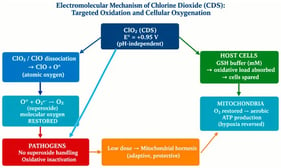
Background: Chlorine dioxide (ClO2), formulated as an aqueous solution (CDS), has been proposed as a therapeutic agent, yet its classification among oxidizing compounds is frequently confounded with chemically distinct species—sodium chlorite (NaClO2) and sodium hypochlorite (NaOCl). Objective: This study aimed to synthesize the physicochemical, mechanistic and cellular basis of ClO2 action and to delineate the distinctions between ClO2 and related oxidants, with explicit separation of established data from hypothesized data. Methods: The methodology includes a narrative synthesis of electrochemical data, primary toxicological and clinical literature (PubMed) and the redox-biology literature on low-dose oxidant signaling. Results: ClO2 is a neutral free radical that acts via one-electron transfer (E°′ = +0.95 V vs. SHE for the half-reaction ClO2 + e− → ClO2−, essentially pH-independent over pH 4–8, pH-independent) without chlorination. Its antimicrobial action is attributable to oxidation of thiol-dependent enzymes and membrane constituents and to the inhibition of bacterial respiratory metabolism; host-cell sparing is consistent with differential glutathione-dependent buffering. Controlled human ingestion studies at low concentrations report a favorable short-term safety profile; conversely, the principal metabolite (chlorite) is associated with documented developmental toxicity in animals and regulatory caution by EPA/WHO. Low-dose ClO2 exposure is hypothesized—but not yet directly demonstrated—to elicit dose-dependent adaptive redox responses and redox-regulatory modulation. Conclusions: The one-electron, non-chlorinating chemistry of ClO2 provides a coherent mechanistic framework. The translation of this framework into clinical application requires prospective trials and direct mechanistic measurement, ideally conducted by independent investigators. The following mechanisms are hypothesized and have not yet been directly demonstrated in vivo: modulation of oxidative phosphorylation, mitochondrial oxygenation, and associated redox-regulatory signaling. Reported antimicrobial efficacy typically occurs in the low-ppm range (0.1–5 ppm), whereas adverse effects on mammalian cells in the reviewed literature are reported at concentrations at least one order of magnitude higher; direct head-to-head cytotoxicity comparisons remain scarce and are identified as a priority for future work. This differential thiol buffering—in particular, the higher glutathione content of many mammalian cells relative to many pathogens—has been proposed as a contributing basis for host-cell sparing; direct quantitative confirmation in vivo is not yet available. Bacterial species possess their own thiol-based defense systems (e.g., mycothiol in actinomycetes, bacillithiol in Firmicutes), and the interplay between ClO2 and these systems requires further investigation.

Biophysica

21 September 2026

11,581 Views
Mechanistic overview. ClO2 acts via one-electron oxidation of microbial targets (thiol oxidation, envelope and nucleic acid damage, respiratory inhibition); host cells are spared through glutathione-dependent redox buffering. The proposed low-dose hormetic response is a hypothesis requiring direct experimental confirmation, as discussed in Section 4.2.
  • Article
  • Open Access

Nanoconfinement-Enhanced CO2 Retention in Fenamate-Loaded Silica Aerogels

  • Konstantin Belov,
  • Maria Ikim and
  • Ilya Khodov
  • + 6 authors

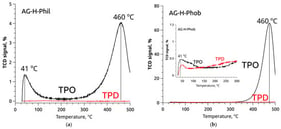
The interaction between carbon dioxide and molecularly confined pharmaceutical compounds can result in CO2 retention that exceeds that achieved through conventional physical adsorption. This study investigates CO2 retention following sorption in hydrophilic and hydrophobic silica aerogels containing the fenamates mefenamic acid and flufenamic acid. The Thermal stability of the retained CO2 was characterized using temperature-programmed oxidation and temperature-programmed desorption measurements. Concurrently, single-point nitrogen adsorption measurements monitored relative changes in the apparent accessible surface area of the porous matrix. Untreated silica aerogels did not exhibit a significant CO2 desorption peak at elevated temperatures. In contrast, all composites containing fenamates exhibited an additional high-temperature desorption step beginning at approximately 225 °C, indicating enhanced CO2 retention after sorption once the external CO2 layer was removed. This characteristic persisted following preliminary thermal treatment, suggesting it is not solely attributable to residual volatile substances. Surface-area measurements indicated minimal changes in the original aerogels after the CO2 cycle, whereas composites with flufenamic acid demonstrated more pronounced alterations. Considering previous nuclear magnetic resonance, spectroscopic, and computational studies, these findings suggest a combined effect of nanoconfinement, surface-dependent interfacial phenomena, and specific interactions involving the fenamate-containing phase. Reversible chemical interactions may contribute to the observed retention, although the current measurements do not allow for quantitative separation of their effects from those of physical confinement.

Molecules

14 September 2026

12,305 Views
TPO (black) and TPD (red) curves for AG-H-Phil (a) and AG-H-Phob (b) recorded over the temperature range from 30 °C to 500 °C.
  • Article
  • Open Access

Digital Facial Approximation of Jebel Irhoud Composite Skull (~315,000 BP)

  • Cicero Moraes,
  • Elena Varotto and
  • Johari Yap Abdullah
  • + 3 authors

The archeological site of Jebel Irhoud, Morocco, houses the oldest fossils attributed to Homo sapiens, dated to approximately 315,000 years before present (BP). This study presents a forensic facial approximation based on data from a three-dimensional composite skull derived from Layer 7 of the site, with structural predominance of the Irhoud 1 fossil. The methodology employed open-source software tools, combining anatomical projections and the constrained anatomical deformation technique. Endocast segmentation yielded a volume of 1364 mL, a result fully compatible with measurements and segmentations obtained in previous studies directly from the fossil, while also aligning with the variation observed in modern populations. Two sets of images were produced: an objective approximation in grayscale, focused on osteological correspondence, and a colored artistic version featuring skin pigmentation and facial hair for scientific communication. The results reinforce the feasibility and reproducibility of open-access methodologies applied to paleoanthropology, offering an anatomically coherent representation of this Middle Pleistocene hominin.

Heritage

13 September 2026

10,812 Views
(A) Photogrammetry performed from video (credit: Philipp Gunz, MPI EVA Leipzig, License: CC-BY-SA 2.0). (B) One of the scale adjustments based on images of the findings. (C) Adjustment of the virtual donor to the endocranial structure (credit: Philipp Gunz, MPI EVA Leipzig, License: CC-BY-SA 2.0). (D) Segmentation of the endocranium from the anatomical deformation of the virtual donor. References available in [3].

Our Products

Professional networking platform that connects researchers, academics, and scientific professionals, enabling them to showcase their publications, track citations, and collaborate with peers across disciplines worldwide.

Discover

Scientific literature tracking and analysis tool for researchers and institutions. Providing insights on publication trends, citations, and collaborative opportunities.

Discover

Open access book publishing platform for comprehensive scientific works. Offering wide distribution of monographs, edited volumes, and reference works.

Discover

Early sharing of research papers before peer review. Enabling rapid dissemination of findings and community feedback on preliminary work.

Discover

Editor's Choice Articles

  • Article
  • Open Access

This study investigates the compound surface modification of 7075 aluminum alloy through the High-Speed Cutting-Solid Projectile Embedded Water Jet (HSC-SPEWJ) method. The research employed SEM, XRD, TEM, and HRTEM techniques to assess how process parameters such as jet pressure, nozzle distance, and nozzle traverse speed influence surface properties, including surface quality, roughness, microhardness, residual stress, and microstructural evolution in the alloy. The results indicate that the surface of the alloy treated with the SPEWJ process primarily exhibits features such as “craters,” microcracks, and micropores, with the lowest surface roughness recorded at 0.6214 μm. The modification leads to the formation of a plastic deformation layer with depths varying between 28 and 78 μm, with the maximum depth of 78 μm achieved at a jet pressure of 15 MPa. This treatment results in an 8.8% increase in the maximum microhardness when compared to the untreated sample. The greatest work-hardened layer observed extended to a depth of 100 μm. Furthermore, the surface residual compressive stress reached −210.37 MPa, with the stress field extending to 356 μm below the surface. The HSC-SPEWJ treatment also facilitated the formation of high-density dislocations and grain refinement in the alloy, while the size of the Precipitate-Free Zone (PFZ) was reduced by 5 to 10 nm relative to the untreated sample.

Coatings

29 September 2026

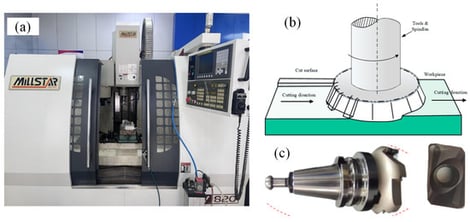
(a) Machining Setup; (b) Schematic Diagram of Machining Process; (c) Cutting Tool.
  • Review
  • Open Access

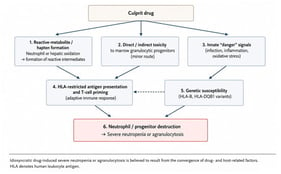
Idiosyncratic drug-induced severe neutropenia and agranulocytosis are rare but potentially life-threatening adverse drug reactions. They cause profound neutrophil depletion after exposure to non-cytotoxic medications. Advances in supportive care have substantially reduced mortality. Long-term management nevertheless remains challenging. Clinicians must decide whether a structurally or pharmacologically related drug can be prescribed safely (cross-reactivity). They must also decide whether the culprit drug can ever be reintroduced (rechallenge). Current evidence supports an immune-mediated pathogenesis. It involves reactive drug metabolites, hapten formation, human leukocyte antigen (HLA)-restricted antigen presentation, and T-cell activation. The strength of evidence for cross-reactivity varies considerably across drug classes. Clinically meaningful cross-reactivity is well established for antithyroid thionamides. Evidence for beta-lactam antibiotics and thienopyridine antiplatelet agents remains limited, resting largely on case reports and pharmacovigilance data. For most other medications, evidence is insufficient to support generalized class-wide avoidance. Evidence supporting drug rechallenge is similarly heterogeneous. The most robust data concern clozapine. Carefully selected patients with previous neutropenia—but generally not agranulocytosis—may successfully undergo rechallenge under intensive hematologic monitoring, often with granulocyte colony-stimulating factor (G-CSF) support. Outside this setting, deliberate rechallenge is rarely justified. It should be reserved for exceptional clinical circumstances when no effective therapeutic alternative exists. This review summarizes current mechanistic insights. It evaluates the available evidence for cross-reactivity and rechallenge across major drug classes, discusses the emerging role of pharmacogenomics, and proposes a practical framework to guide individualized clinical decision-making. Permanent discontinuation of the culprit drug remains the standard approach. Advances in immunology, pharmacogenomics, and international pharmacovigilance registries are progressively enabling more personalized risk assessment.

Hemato

28 September 2026

Schematic summary of the principal mechanisms proposed in idiosyncratic drug-induced severe neutropenia and agranulocytosis, integrating reactive-metabolite/hapten formation, innate danger signals, HLA-restricted antigen presentation, genetic susceptibility, and a minor contribution from direct marrow-progenitor toxicity.
  • Systematic Review
  • Open Access

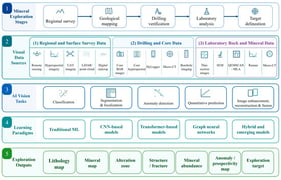
Artificial intelligence (AI) is increasingly applied to image-based and image-formatted geoscientific evidence across mineral exploration, from regional and surface surveys to drilling/core analysis and laboratory characterization. However, the literature remains distributed across different research communities, making it difficult to compare how visual evidence, AI tasks, methodological choices, and geological outputs relate across exploration contexts. This systematic mapping review searched the Web of Science Core Collection, Scopus, and IEEE Xplore for English-language journal articles published between 2016 and 2026. Of 397 identified records, 91 studies were retained after deduplication, screening, and full-text assessment. The studies were mapped across exploration contexts, visual-data domains, AI visual tasks, methodological paradigms, and geological outputs. Regional and surface survey data dominate the evidence base, while drilling/core and laboratory imaging remain less represented. Classification is the most frequent visual task, and CNN-based models remain the dominant methodological paradigm, with hybrid and emerging architectures forming the next major group. The evidence does not indicate a single architecture that is uniformly suitable across mineral-exploration settings; model choice depends on input structure, required geological output, labeled-data availability, and spatial scale. Multisource integration can combine complementary evidence, but differences in spatial support, annotation, sensing conditions, and validation design continue to limit direct comparison and cross-region generalization. Future progress requires more traceable public resources, geographically independent validation, and more systematic integration of complementary geological evidence.

Minerals

25 September 2026

Conceptual overview of exploration contexts, visual data sources, AI vision tasks, learning paradigms, and geological outputs covered in this review.
  • Article
  • Open Access

Effect of the Network Structure of Serpentine on Pyrite Flotation

  • Yanhong Wang,
  • Rongjiao Li and
  • Shiqi Liu
  • + 1 author

In the process of sulfide ore beneficiation, layered silicate minerals, such as serpentine, tend to degrade the flotation effect. In order to fully understand the influence and mechanism of serpentine on pyrite flotation, an artificial mixed ore of pyrite–serpentine–quartz was used in this paper. The results showed that as the serpentine content increased, the recovery of pyrite decreased, along with the decrease in the flotation rate constant. The decrease in the flotation rate constant and concentrate grade was associated with possible slime coating and increased gangue transport to the concentrate at lower serpentine contents (≤30 wt.%). Mg distribution further confirmed that a considerable proportion of serpentine was reported to the concentrate. With the addition of serpentine, the pulp transitioned into a non-Newtonian fluid, accompanied by an increase in yield stress. The increases in pulp viscosity and structural resistance were associated with the network structure of serpentine. The development of E-F and E-E network structures was associated with higher apparent viscosity and yield stress, thereby contributing to the deterioration in flotation kinetics. This study provides a guideline for controlling the flotation process containing serpentine minerals.

Minerals

25 September 2026

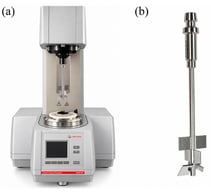
Rheological measurement setup: (a) MCR 102 rheometer; (b) paddle rotor used for rheological measurements.