Skip to Content

Advancing Open Science

A global leader in open access publishing, supporting research communities and accelerating scientific discovery

  • 7.5 billion
    Article Views
  • 4.5 million
    Total Authors
  • 97%
    Web of Science Coverage

News & Announcements

Journals

Most Recent Articles

    • Article
    • Open Access

    Civil Air Patrol (CAP) imagery, often the first post-disaster observation, is designed for 2D interpretation rather than multi-temporal volumetric measurement. We build post-storm digital surface and terrain models from uncontrolled CAP imagery with structure-from-motion in western North Carolina’s open Swannanoa Valley and forested Hickory Nut Gorge. Surfaces are co-registered to pre-event LiDAR using roads as pseudo ground control, corrected for terrain-correlated bias, and thresholded with a spatially variable, calibrated Level of Detection. Before bias correction, bare-earth surfaces match withheld post-event LiDAR on stable terrain to 0.68 and 0.82 m normalized median absolute deviation. Volumes are 2017-to-2024 change, lower bounds in coverage, and conditional on the bias model, residual screen, and detection window. Corrected valley surfaces record 125,000 m3 of erosion and 123,000 m3 of deposition, and a sampled image check dates about 13% of that change to the sortie. Under the same limit, the uncorrected surface reports five times the deposition, and the alternative bias model gives gross terms 3.6 to 4.2 times larger. The gorge at Chimney Rock recorded 76,000 m3 of erosion and 84,000 m3 of positive change, just under half dating to the sortie, including land deposition partly cleared before the post-event LiDAR flew. CAP-derived surfaces can capture transient storage that later surveys cannot.

    Remote Sens.

    1 November 2026

    • Article
    • Open Access

    Serum Metabolic Alterations in Children with Type 1 Diabetes Mellitus: Exploratory Targeted Metabolomics

    • Emilia Samborowska,
    • Marta Wysocka-Mincewicz and
    • Agnieszka Paziewska
    • + 9 authors

    Background: Type 1 diabetes mellitus (T1DM) is an increasingly common chronic disease caused by autoimmune damage to pancreatic beta cells. Metabolomic profiling may provide insights into metabolic disturbances associated with T1DM and identify candidate biomarkers. Methods: The study included 29 children with T1DM and 11 controls. Targeted serum metabolomic profiling was performed using the AbsoluteIDQ® p180 kit based on liquid chromatography–mass spectrometry. Differential metabolites were identified using statistical analysis with false discovery rate correction. Receiver operating characteristic (ROC) analysis was applied to evaluate the discriminatory performance of selected metabolites. Results: Significant metabolic alterations were observed in children with T1DM, particularly in glycerophospholipids, acylcarnitines, and selected amino acids. Among glycerophospholipids, 23 metabolites were significantly decreased, whereas one metabolite was increased in the T1DM group. Four acylcarnitines differed significantly between groups, with higher concentrations of octadecenoylcarnitine (C18:1), acetylcarnitine, and malonylcarnitine and/or hydroxybutyrylcarnitine [C3-DC (C4-OH)], and reduced free carnitine. In addition, three amino acids (alanine, arginine, and proline) were significantly decreased, while taurine was increased in T1DM patients. ROC analysis showed high apparent discriminatory performance for C18:1 (AUC = 0.925) and diacyl phosphatidylcholine (PC aa) C42:5 (AUC = 0.922) in this exploratory dataset. These AUC values were obtained from the same dataset used for metabolite discovery and therefore represent apparent in-sample discriminatory performance rather than an externally validated diagnostic performance. Correlation analysis showed that higher HbA1c levels were associated with lower concentrations of several amino acids and lipids; BMI z-score and disease duration were associated mainly with phosphatidylcholines and amino acids. However, none of these correlation-based associations remained significant after FDR correction and should therefore be considered hypothesis-generating. Exploratory multivariable analyses suggested associations of HbA1c, BMI z-score, and disease duration with selected metabolites; however, given the limited sample size and multiple model testing, these findings should be considered hypothesis-generating. Conclusions: Targeted metabolomic profiling revealed significant disturbances in lipid and amino acid metabolism in children with T1DM. In particular, increased C18:1 and decreased PC aa C42:5 may represent candidate metabolic features for distinguishing T1DM patients from non-diabetic individuals. Due to the exploratory study and limited sample size, our results should be interpreted with caution, and further studies in larger, independent cohorts are required to validate these findings.

    Metabolites

    1 November 2026

    • Article
    • Open Access

    Alkaline lacustrine environments, due to their unique coupling mechanism of sedimentation, diagenesis, and hydrocarbon generation, have a significant influence on the generation and migration efficiencies of shale oil. However, the microscopic mechanism by which alkaline fluids regulate the primary migration of hydrocarbons remains unclear. Taking the shale of the Lucaogou Formation in the Junggar Basin as an example, this study integrates extraction experiments, total organic carbon (TOC) determination, gas chromatography–mass spectrometry (GC-MS) analysis, and molecular dynamics simulation to reveal the influence of saline–alkaline solutions on the total amount of hydrocarbons expelled from shale, as well as to systematically investigate the controlling mechanism of saline–alkaline media on the selective expulsion of hydrocarbon molecules from shale. The results show that compared with pure water extraction, shale TOC decreased by 6.78% and 15.00% after salt and alkali extraction, respectively, indicating that salt and alkali can promote hydrocarbon expulsion. The nC20−/nC20+ values of n-alkanes extracted from pure water, salt, and alkali were 0.42, 2.34, and 2.30, respectively, indicating that salt alkali has different effects on the excretion of large- and small-molecule alkanes, with small-molecule alkanes being more sensitive. Molecular simulation further confirms that weakly adsorbed nC15 molecules are more prone to desorption after adding alkali, while nC23 adsorption is almost unaffected, indicating that alkali can promote hydrocarbon expulsion by affecting hydrocarbon adsorption. This mechanism provides a new theoretical explanation for the oil expulsion efficiency of high-quality source rocks and the enrichment patterns of shale oil in alkaline lacustrine environments, and it has important guiding significance for the selection of shale oil exploration targets and the optimization of fracturing methods.

    Processes

    1 November 2026

    • Case Report
    • Open Access

    Background: Personalized medicine is a new milestone in surgical disciplines. Orthopedic surgery is no exception. Opportunities and solutions to previously unsolvable problems have become possible thanks to the advent of customized implants. Therefore, it is incredibly important to accumulate and share long-term experience in using these implants, without fear of revealing and admitting mistakes or pointing out ways to prevent and solve them. Clinical case: The presented clinical case demonstrated stable implant fixation for 10 years. This clinical case describes the stages of developing an understanding of the use and effectiveness of 3D-printed implants in orthopedic surgery. Key errors and inaccuracies in the management of the patient that led to complications were analyzed, and solutions were proposed and successfully implemented. Conclusions: Custom 3D-printed implants are an effective and promising method for reconstructing massive acetabular defects. The authors believe that their experience will serve as a good example for orthopedic surgeons in choosing the right solutions for the management of patients with massive bone defects.

    Surgeries

    1 November 2026

    • Article
    • Open Access

    This paper presents the Sloth–Vine Optimization Algorithm (SVOA), a dual-population method combining elite-guided differential search, vine exploration, opposition trials, and conditional role exchange. The SVOA implementation is evaluated on 12 CEC2022 functions at dimensions 10 and 20, using 30 prescribed seeds and counted function–evaluation budgets. Its average mean fitness ranks are 1.333 and 2.083, respectively; at dimension 20, the overall rank is tied with ABC. Its strongest consistent relative performance occurs on the three hybrid functions, while some competing methods perform better elsewhere. Engineering experiments distinguish a path-planning application variant from the unchanged core used for heterogeneous unmanned surface vehicle (USV) allocation. On one fixed obstacle map, the path variant obtains 30/30 feasible simplified paths at 3000 evaluations per run, with a mean pre-simplification fitness value of 225.31. For 43 tasks and 11 USVs, the unchanged core obtains feasible allocations in 5/30 runs at 250,500 evaluations, with a best feasible makespan of 11.5 h. The other 25 failures remain in the statistics. Ten-seed paired penalty tests preserve path feasibility on this map but show limited USV success across all settings. These results support problem-dependent performance, without establishing universal superiority or reliable feasible USV allocation.

    Biomimetics

    1 November 2026

    • Article
    • Open Access

    Shipboard gateways send many sensor channels to shore subscribers with different needs over narrow, intermittent links, yet how Message Queuing Telemetry Transport (MQTT) topic structure, broker placement, Quality of Service (QoS), publishing rate, and outage recovery should be combined has not been evaluated on real shipboard data. Traces from five liquefied natural gas carriers were replayed through four topic structures on a mock broker, on amqtt, Mosquitto, and EMQX, across two hosts, and over emulated satellite-like links, with repeated runs. Per-sensor topics cost fewer bytes per useful sample than vessel batches for subscribers needing under 44–48 % of the channels, and an analytical model predicts this break-even from the channel inventory within 0.8 %. Latency tails arose whenever the offered message rate exceeded the broker delivery rate and vanished at matched rates for every QoS level. Brokers differed in queuing or discarding under overload, so latency should be reported with the delivery ratio. Onboard bridge filtering cut forwarded bytes to 6–35 % and, on a 512 kbit/s link, 95th-percentile latency from 12 s to 0.9 s. Event-first recovery delivered events fastest only below a capacity-bounded token rate. The results give researchers a predictive cost model and operators computable gateway settings.

    J. Mar. Sci. Eng.

    1 November 2026

    • Review
    • Open Access

    A Review of Fugitive Methane Emissions Detection Technologies for LNG Operations

    • Nicholas N. A. Ling,
    • Mauricio Di Lorenzo and
    • Bruce W. E. Norris
    • + 5 authors

    Liquefied natural gas (LNG) is increasingly central to global energy strategy, positioned as a lower-emission transition fuel. That positioning assumes fugitive methane emissions across the LNG supply chain are well-characterised, yet direct measurement campaigns at LNG facilities have found operator-reported inventories capturing only 59–83% of actual emissions—a gap that legacy emission factors derived from upstream U.S. oil and gas facilities are poorly equipped to resolve. As measurement-based accountability replaces estimation factors in voluntary frameworks and emerging regulation, the question is which technologies are fit for purpose. This review provides a comprehensive, cross-scale assessment of methane-sensing technologies—from component-level leak detection through to satellite surveillance—evaluated against the physical and operational realities of LNG facilities. Trade-offs in sensitivity, spatial and temporal resolution, environmental dependence, and regulatory readiness are assessed to determine where each performs reliably and where it falls short. While technology is mature at the component level, validation data specific to LNG environments is scarce across all scales, and no single platform provides a complete solution. The most consequential gaps are methodological: the absence of standardised validation protocols, inadequate regulatory harmonisation, and a persistent lag between instrument capability and accepted practice. Six recommendations are proposed: standardised field validation protocols, hybrid monitoring frameworks, regulatory pathways that accommodate emerging technologies, measurement infrastructure in LNG-intensive regions, data transparency with top-down/bottom-up reconciliation, and improved monitoring coverage for intermittent and difficult-to-access fugitive emissions. Together, these define a roadmap for closing the gap between current practice and the accountability that credible LNG reporting demands.

    Gases

    1 November 2026

    • Article
    • Open Access

    Phishing detectors trained on public benchmarks score highly in-domain yet miss scams aimed at university users. We audit TF-IDF, MiniLM and RoBERTa detectors with 5146 scams published by five U.S. universities, 594 scams posted since 2023, 2684 legitimate university announcements and mailing-list messages, and 17,880 labelled job advertisements. In one benchmark, message year separates phishing from legitimate mail; in both, donor-identifying terms, 2% of the vocabulary, carry 14–16% of the legitimacy weight. Trained on that benchmark, TF-IDF and RoBERTa detect scams containing academic vocabulary about 15 percentage points less often. Thresholds set for a 5% false-positive rate on benchmark mail flag between 1.0% and 87.8% of legitimate job advertisements. Calibrated instead on job advertisements grouped by company, TF-IDF flags 2.1% of university announcements but 65.3% of short legitimate financial messages, and appended legitimate-looking words cut its recall from 0.828 to 0.123. Bounding legitimacy evidence yields closed-form certificates for whitespace-delimited appends, prepends and interior insertions. A budget-split ensemble certifies 0.259 recall against appends or prepends of any length at 0.706 clean recall, whereas adversarially trained TF-IDF falls to 0.078 under a 40-token white-box append. Monotone components, however, flag many long formal letters.

    Information

    1 November 2026

Partnerships

Special Issues

Topics

Highly Accessed Articles

  • Article
  • Open Access

I argue that the emerging sciences of synthetic morphology and diverse intelligence suggest non-physicalist models of mind and show how they can be empirically investigated. Whence the anatomical, physiological, molecular-biological, and behavioral properties of engineered new beings that have never before existed, and do not have a history of selection? Understanding, predicting, and guiding new forms of life and mind requires characterizing a structured latent space of patterns. Developmental, synthetic, and behavioral biology should take seriously, and exploit, the kinds of non-physicalist ideas that are already a staple of Platonist mathematics. I propose the following hypotheses. (1) Patterns in this space span a highly variable degree of agency, comprising a spectrum ranging from static truths studied by mathematicians to active ones studied by behavioral scientists (i.e., some patterns on the same spectrum as mathematical truths are kinds of minds). (2) The relationship between mind and body is the same as the relationship between causally instructive mathematical facts and physics. (3) Living beings have no monopoly on the “free lunches” provided by the ingression of these patterns into the physical world. While traditional computationalist views of living and cognitive systems are insufficient, my framework erases artificial distinctions between organisms and machines, framing all physical constructs (natural or engineered) as being, to various degrees, in-formed by patterns from the latent space. I sketch a research program, already begun, inspired by these ideas. Such frameworks, while contradicting long-held assumptions of both mechanists and organicists, could have many implications for evolutionary biology, regenerative medicine, AI, and the ethics of synthbiosis with the forthcoming immense diversity of morally important beings.

Philosophies

9 September 2026

79,030 Views
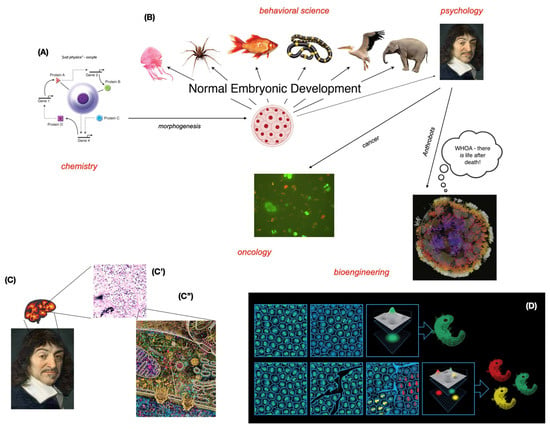
Bodies and minds self-assemble from single cells as a process of alignment and autopoiesis. (A) Most complex biological forms begin as one cell—a fertilized oocyte, commonly thought to be well-described by the laws of physics and chemistry. (B) A gradual, slow process of developmental morphogenesis results in the final form of the organism, which may have complex structure and a mind which may not believe it is a “machine”. Our transformation from a chemical soup into an active embodied mind is continuous but heterogeneous: (C) while we commonly think of ourselves as a unified intelligence with a “centralized” brain, the fact is that even the pineal gland, of which there is only one in the brain, is made of cells (C′) and those cells in turn are made of myriad other active components (C″)—we are a collective intelligence at all scales. (D) The creation of an “individual” out of an excitable medium such as an embryonic blastoderm with hundreds of thousands of cells is a dynamic process that is not hardwired: scratches made in that blastoderm would result in independent self-organization in each island, resulting in multiple embryos forming. This reveals the potentiality for some non-pre-determined number of minds to arise out of the same substrate. Images in (A,B,D) courtesy of Jeremy Guay of Peregrine Creative, used previously in [29]. Image (B) used with permission from [30]. Image in (C′) courtesy of Jose Calvo, Science Photo Library. Image in (C″) courtesy of Evan Ingersoll and Gaël McGill. Image (D) used with permission from [31].
  • Review
  • Open Access

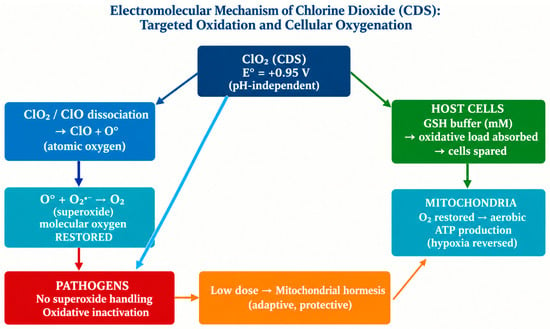
Background: Chlorine dioxide (ClO2), formulated as an aqueous solution (CDS), has been proposed as a therapeutic agent, yet its classification among oxidizing compounds is frequently confounded with chemically distinct species—sodium chlorite (NaClO2) and sodium hypochlorite (NaOCl). Objective: This study aimed to synthesize the physicochemical, mechanistic and cellular basis of ClO2 action and to delineate the distinctions between ClO2 and related oxidants, with explicit separation of established data from hypothesized data. Methods: The methodology includes a narrative synthesis of electrochemical data, primary toxicological and clinical literature (PubMed) and the redox-biology literature on low-dose oxidant signaling. Results: ClO2 is a neutral free radical that acts via one-electron transfer (E°′ = +0.95 V vs. SHE for the half-reaction ClO2 + e− → ClO2−, essentially pH-independent over pH 4–8, pH-independent) without chlorination. Its antimicrobial action is attributable to oxidation of thiol-dependent enzymes and membrane constituents and to the inhibition of bacterial respiratory metabolism; host-cell sparing is consistent with differential glutathione-dependent buffering. Controlled human ingestion studies at low concentrations report a favorable short-term safety profile; conversely, the principal metabolite (chlorite) is associated with documented developmental toxicity in animals and regulatory caution by EPA/WHO. Low-dose ClO2 exposure is hypothesized—but not yet directly demonstrated—to elicit dose-dependent adaptive redox responses and redox-regulatory modulation. Conclusions: The one-electron, non-chlorinating chemistry of ClO2 provides a coherent mechanistic framework. The translation of this framework into clinical application requires prospective trials and direct mechanistic measurement, ideally conducted by independent investigators. The following mechanisms are hypothesized and have not yet been directly demonstrated in vivo: modulation of oxidative phosphorylation, mitochondrial oxygenation, and associated redox-regulatory signaling. Reported antimicrobial efficacy typically occurs in the low-ppm range (0.1–5 ppm), whereas adverse effects on mammalian cells in the reviewed literature are reported at concentrations at least one order of magnitude higher; direct head-to-head cytotoxicity comparisons remain scarce and are identified as a priority for future work. This differential thiol buffering—in particular, the higher glutathione content of many mammalian cells relative to many pathogens—has been proposed as a contributing basis for host-cell sparing; direct quantitative confirmation in vivo is not yet available. Bacterial species possess their own thiol-based defense systems (e.g., mycothiol in actinomycetes, bacillithiol in Firmicutes), and the interplay between ClO2 and these systems requires further investigation.

Biophysica

21 September 2026

14,074 Views
Mechanistic overview. ClO2 acts via one-electron oxidation of microbial targets (thiol oxidation, envelope and nucleic acid damage, respiratory inhibition); host cells are spared through glutathione-dependent redox buffering. The proposed low-dose hormetic response is a hypothesis requiring direct experimental confirmation, as discussed in Section 4.2.
  • Review
  • Open Access

Coffee is one of the most widely consumed beverages worldwide and a major dietary source of bioactive compounds, including caffeine, chlorogenic acids (CGAs), trigonelline, non-digestible polysaccharides, and roasting-derived melanoidins. Habitual coffee consumption has been associated with a lower risk of type 2 diabetes (T2D) and more favorable liver-related outcomes, whereas evidence regarding obesity and metabolic dysfunction-associated steatotic liver disease (MASLD) remains heterogeneous. These associations may reflect interactions among coffee constituents, the gut microbiota, and host metabolic phenotypes rather than the effects of individual compounds alone. In this focused narrative review, we integrate evidence on the gastrointestinal fate, microbial transformation, and systemic availability of major coffee constituents, with particular emphasis on short-chain fatty acids, CGA-derived phenolic acids, and microbiota-dependent bile acid metabolism. We examine how these pathways may influence intestinal barrier integrity, mucosal immunity, enteroendocrine signaling, and gut–liver communication then consider their potential relevance to the regulation of energy, glucose, and lipid metabolism. We evaluate the relevance of these pathways to obesity, T2D, and MASLD, as well as major sources of inter-individual variability, including host genetics, baseline microbiota, metabolic phenotypes, background diet, and coffee composition, processing, brewing, filtration, dose, and beverage additives. Finally, we discuss physiologically relevant exposure levels, candidate biomarkers of individual responses, and risk–benefit considerations. Although mechanistic and preclinical evidence is accumulating, human studies directly demonstrating that coffee-induced microbiota changes mediate beneficial metabolic outcomes remain limited. Future randomized and mechanistic studies should integrate chemically characterized coffee exposures with longitudinal microbiome, metabolomic, physiological, and clinically relevant outcome measurements.

Metabolites

16 September 2026

10,364 Views
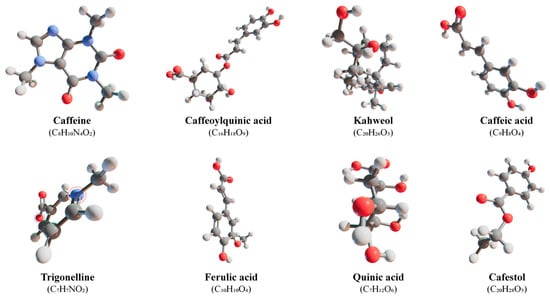
Representative molecular structures of selected coffee constituents. The structures shown represent the selected bioactive and matrix-associated constituents of coffee, including caffeine, chlorogenic-acid-related compounds, trigonelline, diterpenes, and roasting-derived compounds.
  • Review
  • Open Access

Neglected tropical diseases (NTDs) caused by Leishmania and Schistosoma species continue to impose a significant health burden in endemic regions, largely due to limited therapeutic options, drug resistance, and incomplete understanding of parasite biology at the molecular level. A major restriction in the development of targeted interventions is the structural inaccessibility of parasite membrane-associated proteins, which are central to host invasion, nutrient transport, immune evasion, and survival. Recent advances in cryogenic electron microscopy (cryo-EM) have expanded the structural biology toolkit available for studying difficult parasite proteins, particularly large and membrane-associated macromolecular assemblies. However, experimentally resolved cryo-EM structures remain limited for many of the Leishmania and Schistosoma targets relevant to therapeutic and vaccine development. This review therefore distinguishes experimentally determined structures from partial structural information and computational models and examines how potential cryo-EM approaches may address unresolved structural questions. We discuss current structural knowledge of selected parasite targets, approaches for recombinant expression and membrane-protein stabilization, membrane-mimetic systems for structural characterization, and computational methods that complement experimental structural biology. We further examine how experimentally supported structural information, complemented by computational predictions where appropriate, could contribute to structure-guided drug discovery, vaccine design, and targeted nanomedicine. At present, however, the direct translation of parasite structural information into rational nanotherapeutic design remains limited. Key gaps include the scarcity of experimentally resolved parasite membrane protein structures, challenges in their expression and structural characterization, and limited integration of structural biology with nanoparticle engineering. Resolving these gaps may improve the prospects for structure-informed therapeutic and nanomedicine applications against leishmaniasis, schistosomiasis, and other NTDs.

Curr. Issues Mol. Biol.

30 September 2026

8,065 Views
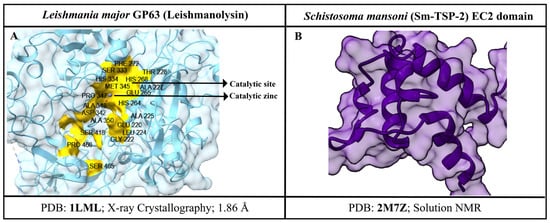
Molecular representation of experimentally characterized structural regions of selected Leishmania and Schistosoma targets (extracted from the PDB database and visualized with ChimeraX software). (A) X-ray crystal structure of Leishmania major leishmanolysin (GP63; PDB 1LML), showing the experimentally determined protein architecture and catalytic zinc-containing region. (B) Solution NMR structure of the extracellular EC2 domain of Schistosoma mansoni Sm-TSP-2 (PDB 2M7Z). The Sm-TSP-2 structure represents an 81-residue extracellular domain and does not resolve the complete four-pass membrane protein or its organization within the native tegument. The structures illustrate the different levels and experimental methods of structural evidence available for these parasite targets.

Our Products

Professional networking platform that connects researchers, academics, and scientific professionals, enabling them to showcase their publications, track citations, and collaborate with peers across disciplines worldwide.

Discover

Scientific literature tracking and analysis tool for researchers and institutions. Providing insights on publication trends, citations, and collaborative opportunities.

Discover

Open access book publishing platform for comprehensive scientific works. Offering wide distribution of monographs, edited volumes, and reference works.

Discover

Early sharing of research papers before peer review. Enabling rapid dissemination of findings and community feedback on preliminary work.

Discover

Editor's Choice Articles

  • Article
  • Open Access

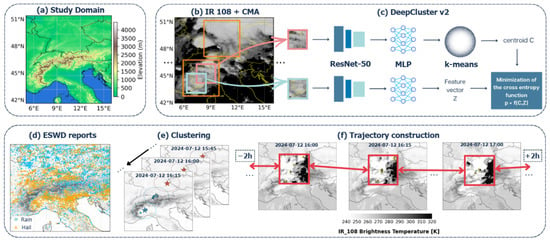
Extreme precipitation and hail events over complex terrain are strongly dependent on the multiscale evolution of convective systems, yet their development remains challenging to observe and model. In this study, we apply a self-supervised learning (SSL) framework to Meteosat infrared 10.8 μm imagery over the Alpine region to derive physically meaningful representations of convective cloud organization across the full daily cycle. The learned representation organizes convective cloud scenes into three primary regimes: early convection (EC), deep convection (DC), and overcast anvil systems (OA), each exhibiting distinct cloud-top properties, spatial structures, and day–night distributions consistent with established convective development stages. Within the developed SSL framework, reported extreme precipitation and hail events are preferentially associated with these regimes, occupying the upper tail of cloud-top height, optical thickness, and cloud coverage distributions within the latent space. This indicates that extremes correspond to rare, intense realizations of continuous convective variability. Two dominant pathways of cloud structure evolution are identified: a rapid EC→DC transition and a persistent DC mode. The former is characterized by fast cloud growth and intensification, while the latter corresponds to mature convective systems with sustained cloud properties. Overall, the results demonstrate that infrared-based SSL representations capture physically consistent convective stages and their transitions, providing a novel observational framework for characterizing extreme convective events and supporting the evaluation of convection-resolving numerical weather prediction models.

Remote Sens.

23 October 2026

(a) Elevation map of the Alpine study domain. Training dataset: (b) Example of the random cropping procedure over the Alpine domain. Two randomly positioned 100 × 100 pixel crops (orange frame) are extracted at each timestep from the IR 10.8 μm channel. Black pixels correspond to a BT of 320 K (see colorbar in panel f) and represent clear-sky pixels masked using the cloud mask. In each crop, we extract a random pair of image views (pink and light-blue frames). (c) DeepCluster-v2 architecture used for the SSL model trained using the two views. Test dataset: (d) Collection of extreme precipitation and hail reports from the ESWD. (e) Aggregation of reports into 15-min intervals and spatial clustering (stars denote cluster centers). (f) Reconstruction of ESWD-based trajectories by linking cluster centers across consecutive timestamps, interpolating missing timestamps within 1 h, and extending trajectories by ±2 h beyond the observation period. Satellite crops (100 × 100 pixels) are then extracted at each cluster center.
  • Article
  • Open Access

Uniform deposition of nanoparticle suspensions over large-area substrates remains challenging because coating formation is strongly influenced by suspension properties and spraying conditions. Therefore, this study employed computational fluid dynamics (CFD) to simulate the air-assisted spray deposition of nano-Al2O3 suspensions, with method validation. The effects of nanoparticle volume fraction, feed rate, and air pressure on deposition morphology and coating thickness distribution were investigated. Increasing the nanoparticle volume fraction from 1% to 4% improved thickness uniformity, reducing the normalized root-mean-square error and coefficient of variation (CV) to 5.52% and 38.90%, respectively, while a further increase to 5% provided no additional improvement. Increasing the feed rate from 1 g/s to 5 g/s increased the mean coating thickness from 3.09 μm to 10.97 μm and the effective coverage area from 2.5 × 104 mm2 to 4 × 104 mm2, but intensified local thickness accumulation. Increasing the air pressure from 0.1 MPa to 0.3 MPa enhanced droplet dispersion, increasing the effective coverage area from 2.45 × 104 mm2 to 3.57 × 104 mm2 while decreasing the mean coating thickness from 10.25 μm to 6.99 μm. These findings provide a reference for process selection in large-area nanoparticle suspension deposition.

Coatings

15 October 2026

  • Article
  • Open Access

The recovery of waste heat from post-combustion gases is often limited by sulfuric acid condensation, which promotes severe low-temperature corrosion. Hydrophobic and superhydrophobic coatings promote dropwise condensation rather than filmwise mode, potentially reducing the residence time of the condensed liquid on the surface. However, the dynamics of sulfuric acid dropwise condensation on such surfaces remain poorly understood. To address this gap, an individual-based model is developed to simulate the evolution of the condensing droplet population. Each droplet is tracked from nucleation to shear-driven sliding, accounting for growth by direct condensation and coalescence with other droplets. The heat and mass transfer model, used to evaluate the condensation rate of sulfuric acid for each droplet, includes latent heat transfer at the liquid–vapor interface and convection in the surrounding gas phase. Given its low mole fraction, all the sulfur trioxide is assumed to react with water to form sulfuric acid. Assuming that the wall temperature is below the acid dew point but above the water dew point, the composition of the condensed H2SO4-H2O solution is determined from vapor–liquid equilibrium (VLE). The numerical model is validated against experimental data from the literature. The results show that, compared with hydrophilic surfaces, superhydrophobic surfaces substantially reduce the wet fraction of solid substrate and the residence time of condensed droplets, suggesting a lower risk of low-temperature corrosion.

Coatings

9 October 2026

  • Review
  • Open Access

Technology-mediated sexual behaviours, including cybersex and technosex, are becoming increasingly prevalent as digital technologies, virtual reality, artificial intelligence, and interactive devices continue to develop. Although these behaviours may offer numerous benefits, such as facilitating sexual exploration, supporting individuals with disabilities, and enabling long-distance intimacy, they may also contribute to problematic patterns of use in some individuals. This review synthesises current knowledge on the psychological and neurobiological mechanisms underlying cybersex and technosexual behaviour. The article discusses conceptual and definitional issues, epidemiological data, and theoretical frameworks, including the Triple A model and the “quasi-necrophilia” framework, to explain the characteristics and motivations behind technology-mediated sexual activities. Furthermore, it summarises psychological factors associated with both adaptive and maladaptive use, emphasising the role of emotion regulation, personality traits, neurodevelopmental conditions, mental health, and sexual motivations. The review also presents current evidence on the neurobiology of cybersex and technosex, highlighting the involvement of dopaminergic reward pathways and similarities to other reward-related behaviours. Finally, available approaches to the treatment of problematic technology-mediated sexual behaviour are discussed, including pharmacotherapy, as well as psychoeducation and psychotherapy, with particular attention to the importance of addressing underlying psychological conditions. The article argues that cybersex and technosex should not be inherently pathologised—instead, they should be understood within a biopsychosocial framework that distinguishes between healthy sexual expression and clinically significant impairment.

Brain Sci.

9 October 2026