


Abstract
Cistus creticus, a perennial shrub native to the Mediterranean region, has attracted considerable scientific attention due to its rich phytochemical profile and associated health-promoting properties. This review provides a comprehensive analysis of the antioxidant activity of C. creticus, examining the various extraction methods that influence the bioavailability and efficacy of its active compounds. The plant’s antioxidant properties are primarily attributed to its high content of flavonoids, phenolic acids, and other bioactive constituents, which play a key role in mitigating oxidative stress and reducing the risk of chronic diseases. The review further discusses the effectiveness of different extraction techniques—mainly maceration and ultrasound-assisted extraction—in maximizing the yield and potency of antioxidants from the plant. By synthesizing current research findings, this review aims to highlight the therapeutic potential of C. creticus and provide a basis for future studies on its application in nutraceuticals and functional foods.
1. Introduction
1.1. Cistus Species Bioactivities
The Cistus genus represents an evergreen perennial shrub belonging to the family Cistaceae, which is a rich source of bioactive compounds with significant medicinal and industrial applications. Approximately 20 native species are found in the Mediterranean region; these plants have long been employed in folk medicine and are increasingly being explored for their potential in modern pharmacology and industry [1]. These plants are adapted to sunny and rocky environments. The primary compounds of interest include terpenoids, phenylpropanoids, flavonoids, and essential oils, all of which exhibit a broad range of biological activities. These compounds have been studied for their antioxidant, antimicrobial, anti-inflammatory, and anticancer properties, among others, rendering them valuable across the pharmaceutical, nutraceutical, and cosmetic sectors [2].
Cistus species, such as C. ladanifer and C. salviifolius, are well recognized for their potent antioxidant and antimicrobial activities, which are primarily attributed to their high content of polyphenols and flavonoids. These compounds are capable of combating oxidative stress and inhibiting the growth of various pathogens, including bacteria and fungi [3,4,5]. Beyond their antioxidant capacity, extracts from Cistus species have demonstrated significant anti-inflammatory and analgesic effects. In particular, C. salviifolius and C. laurifolius have shown potential in reducing inflammation and pain, suggesting possible benefits in the management of conditions such as arthritis and other inflammatory disorders [6,7]. Several studies have also highlighted the anticancer potential of Cistus extracts. Compounds isolated from C. albidus and C. laurifolius have yielded promising results against cancer cell lines, including those derived from prostate cancer and leukemia, pointing to their potential as complementary agents in oncology [6,8]. Furthermore, labdanum resin from C. ladanifer has been investigated for its neuroprotective and antidiabetic activities. Its capacity to inhibit key enzymes such as acetylcholinesterase and α-glucosidase indicates potential applicability in the management of neurodegenerative diseases and diabetes [9].
1.2. Industrial Applications of Cistus Species
In the food industry, the antioxidant properties of Cistus extracts make them well suited for application as natural preservatives. By inhibiting lipid peroxidation, they can contribute to the extension of the shelf life of food products [3]. Additionally, C. ladanifer is being explored as a potential feedstock for biorefineries, owing to its high content of lignin and polysaccharides. Specifically, the resinous exudate formed from the later Cistus species is called ladanum, labdanum, or ladan. It is obtained from a number of different species of Cistus. As a fixative that stabilizes and prolongs the lifetime of volatile scent components, this aromatic resin has been greatly valued since antiquity and is frequently employed in perfumery. These components can be converted into value-added biobased products, thereby contributing to more sustainable industrial practices [10].
While the potential applications of Cistus compounds are considerable, it is important to account for questions of safety and efficacy in practical use. Some studies have reported potential side effects, and further research is needed to fully elucidate the pharmacokinetics and toxicology of these bioactive compounds. The variability in chemical composition across different Cistus species and extraction methods further underscores the need for standardized protocols to ensure consistent quality and effectiveness [5,9,11]. The unique properties of Cistus species, including C. creticus, continue to attract research interest; however, the development of effective extraction techniques to harness key bioactive compounds remains imperative [12]. Such advancement not only enhances compound yields but also supports sustainable practices in phytochemical research. This review advocates for the integration of environmentally friendly extraction methods to ensure the sustainable utilization of C. creticus while maximizing the recovery of its bioactive compounds.
1.3. Cistus creticus L.: A Promising Source of Bioactive Compounds
C. creticus is a medicinal plant with a long history of use in traditional medicine, particularly across the Mediterranean region. It can be found as “rockrose” in the literature, but such it should not be confused with other Cistacae species such as C. incanus, helianthemum, or tuberaria. The plant is well recognized for its diverse pharmacological properties, encompassing antimicrobial, anti-inflammatory, and antioxidant activities [13]. These properties are largely attributed to its rich phytochemical composition, which includes flavonoids, terpenoids, and a range of other bioactive compounds. Some of these constituents are potent antioxidants, known for their health benefits, primarily owing to their capacity to neutralize free radicals and reduce oxidative stress. These compounds frequently interact with one another and with other nutrients, giving rise to synergistic effects that amplify their overall biological activity [14]. A comprehensive list of phytochemical composition regarding different parts of C. creticus plant is shown in Table 1.
Table 1.
Phytochemical composition of different plant parts of Cistus creticus L.
1.3.1. Polyphenolic Composition
The C. creticus plant is rich in polyphenolic compounds, which account for its significant antioxidant activity. Aqueous and hydroethanolic extracts have been extensively studied for their chemical composition and biological activities, revealing a diverse array of bioactive constituents (vide infra). The specific composition and concentration of these compounds vary depending on geographical origin and the extraction method employed [29]. The primary antioxidants in C. creticus are ellagitannins and flavonol glycosides. The flavonol glycoside fraction is dominated by myricetin and quercetin derivatives, which are abundant in the plant extracts and confer significant radical scavenging activity [15]. C. creticus is also rich in a wide range of phenolic acids and their derivatives, including quercetin, gallic acid, ferulic acid, p-coumaric acid, caffeic acid, chlorogenic acid, and rutin. Quinic acid derivatives, such as feruloylquinic and galloylquinic acid, have likewise been identified. These compounds are well established for their strong antioxidant activities, having been shown to effectively scavenge free radicals and reduce oxidative stress [30]. These findings are important because phenolic acids are recognized for their capacity to neutralize reactive oxygen species, chelate transition metals and modulate oxidative-stress-related pathways. The higher abundance of several hydroxycinnamic acids in the leaves reinforces the nutritional and pharmacological importance of this organ. Moreover, the presence of shikimic acid is noteworthy, since this compound is a key plant metabolite with antimicrobial and antiviral relevance and is also known as a precursor in the synthesis of antiviral agents. Angelov et al. [25] therefore provide useful evidence that the phenolic acid profile of C. creticus is not only chemically diverse but also organ-dependent.
1.3.2. Terpenic Composition
C. creticus is a rich source of terpenoids, with a notable structural diversity encompassing monoterpenes, sesquiterpenes, and diterpenes, with the latter being particularly abundant. Among the monoterpenes, myrcene and limonene are the most abundant in C. creticus subsp. eriocephalus from Corsica and Sardinia, while thymol and carvacrol have been identified in C. creticus pollen as representative oxygenated monoterpenes. Sesquiterpenes such β-caryophyllene, α-humulene, and germacrene D are present in C. creticus, along with monoterpenes and labdane-type diterpenes like cistadiol and cistadienic acid. The claims of antibacterial and anti-inflammatory effects of the plant, as well as its fragrance profile, are highly influenced by these compounds [4,21,22,26,31].
1.4. Biological Activities of C. creticus
Hydroethanolic extracts of C. creticus have been shown to possess strong anti-inflammatory properties, with demonstrated efficacy in attenuating inflammation-related responses [32]. The plant is equally recognized as a potent antioxidant source: its extracts exhibit high radical scavenging activity, a property primarily attributed to their content of phenolic compounds and flavonoids, which act to neutralize free radicals and reduce systemic oxidative stress [28,33]. The anti-inflammatory and antioxidant activities of C. creticus are mechanistically correlated with polyphenolic compounds that simultaneously suppress pro-inflammatory signaling cascades and counteract the oxidative environment that sustains chronic inflammation, suggesting that the two activities are not merely additive but mutually reinforcing [34].
To that end, C. creticus exhibits significant antimicrobial activity against a broad spectrum of pathogens, encompassing both Gram-positive and Gram-negative bacteria. In particular, the chloroform extract has demonstrated strong inhibitory effects against Bacillus cereus and Pseudomonas aeruginosa [28]. The diversity of pathogens against which C. creticus is active underscores the broad-spectrum nature of its antimicrobial potential, which is consistent with the multitarget pharmacological profile expected of polyphenol-rich plant extracts.
1.5. Antioxidant Capacity of C. creticus
Polyphenols and antioxidants play a crucial role in modulating cellular mechanisms to prevent oxidative stress and inflammation; two key contributors to the pathogenesis of chronic diseases [35]. These compounds, found abundantly in fruits, vegetables, and certain oils, interact with cellular pathways to maintain redox homeostasis and regulate inflammatory responses. Their capacity to influence signaling pathways and gene expression is central to their protective effects against oxidative damage and inflammation [36].
The antioxidant activity of C. creticus is well evidenced by its high radical scavenging capacity, with IC50 values comparable to standard antioxidants such as ascorbic acid, making it a promising natural alternative for use in food preservation and health supplements [30]. Beyond its antioxidant properties, the plant also exhibits antimicrobial and anticancer activities; compounds such as hesperidin and luteolin-7-O-glucoside have been identified as contributors to these multifaceted health benefits [16]. In practical food science applications, C. creticus extract has been shown to extend the shelf life and improve the quality of ready-to-eat beef cocktail sausages by reducing both lipid oxidation and microbial spoilage, highlighting its potential as a natural preservative in the food industry [30].
While C. creticus shows considerable promise as a source of natural antioxidants, its efficacy is influenced by extraction method and geographical origin. Different solvents and techniques affect both the yield and the potency of the extracted antioxidants, emphasizing the need to optimize these processes in order to maximize the plant’s health-promoting potential. Furthermore, while the biological activities of the plant’s extracts are well documented, the potential for interactions with conventional medicines and possible adverse effects remain areas requiring further investigation [28].
The organ-specific distribution of antioxidant compounds has practical implications for the use of C. creticus in antioxidant applications. Leaves showed the highest abundance of many primary and secondary metabolites, including essential amino acids, sugars, organic acids, flavonoids, and several phenolic acids [37]. This chemical richness supports their use as the preferred raw material for antioxidant-rich extracts, functional food ingredients or nutraceutical formulations. By contrast, flowers appear to be particularly relevant for preparations targeting specific ellagitannins, such as punicalin, punicalagin and cistusin [25].
2. Extraction Methods for Bioactive Compounds: From Conventional to Green Technologies
A wide range of techniques has been explored for the extraction of bioactive compounds (particularly polyphenols and flavonoids) from plants of the Cistus genus. These methods span from traditional, solvent-based approaches to more sophisticated, environmentally oriented alternatives, and the choice of method can significantly influence both the yield and the chemical profile of the resulting extracts [38].
2.1. Conventional and Solvent-Based Methods
Among conventional techniques, maceration is one of the most widely employed. In this method, plant material is immersed in a solvent for an extended period, allowing bioactive compounds to diffuse passively into the liquid phase, which is subsequently separated for analysis and application [39]. The method is effective in extracting a broad spectrum of bioactive compounds and is particularly sensitive to solvent selection; ethanol and methanol have been shown to improve the extraction efficiency of phenolic compounds from C. creticus, while water remains an effective medium for polyphenol recovery, especially given its compatibility with polar constituents [40]. The choice of solvent and its polarity therefore play a decisive role in determining both yield and bioactivity, underscoring the importance of optimized protocols in phytochemical research [41].
Soxhlet extraction is another classical technique documented for polyphenol recovery from Cistus species. This continuous extraction method uses a heated solvent that is repeatedly cycled through the plant material, allowing for efficient and reproducible extraction of target compounds [42,43].
Decoction (in which plant material is boiled in water for a defined period) has been traditionally employed in the preparation of herbal remedies from Cistus plants and remains a point of reference in comparative extraction studies [44].
Single-solvent extraction using one solvent or a binary mixture represents the most straightforward approach. Solvents commonly employed include water, ethanol, methanol, and hydroethanolic mixtures (typically 50–60% v/v ethanol in water), each yielding distinct polyphenolic profiles depending on the polarity of the target compounds [45].
A more refined approach is successive solvent extraction, in which a series of solvents of increasing polarity is applied sequentially, enabling the selective recovery of a wider range of phytochemical classes. A commonly reported sequence involves hexane, followed by ethyl acetate, acetone, ethanol, and finally water, each fraction enriching different chemical families [17]. This approach has been shown to substantially increase polyphenol yields compared to single-solvent methods, and its application to C. creticus leaves has confirmed its superior performance in terms of both total polyphenol content and antioxidant activity [46].
2.2. Green Extraction Methods
Alongside conventional approaches, a number of advanced and environmentally oriented extraction techniques have been explored for recovering bioactive compounds from C. creticus, with the dual aim of improving efficiency and reducing the environmental footprint of the process. Advancements in this area (particularly through the use of deep eutectic solvents and pulsed electric fields) have demonstrated the potential to significantly enhance both the yield and the bioactivity of polyphenolic extracts [31].
Pulsed Electric Field (PEF) extraction is a non-thermal technique in which high-voltage electric pulses are applied to plant tissue, causing electroporation of cell membranes and thereby facilitating the release of intracellular compounds into the surrounding solvent [47]. This method is regarded as environmentally friendly and can be effectively combined with other solvents, including deep eutectic solvents, as a pre-treatment step to further enhance extraction efficiency [48].
Ultrasound-assisted extraction (UAE) employs acoustic cavitation to disrupt plant cell walls, accelerating solvent penetration and solute release [49]. It is recognized as an energy-efficient non-conventional alternative to traditional extraction methods and has been investigated in the context of Cistus polyphenol recovery [50].
Microwave-assisted extraction (MAE) uses targeted microwave energy to heat the solvent and plant matrix simultaneously, reducing extraction time while maintaining or improving compound yields [51]. Like UAE, it is classified as a non-conventional technique suited to polyphenol extraction from plant materials [52].
Pressurized liquid extraction (PLE), also known as accelerated solvent extraction (ASE), operates by applying solvents at elevated temperatures and pressures, which increases solubility and mass transfer of target compounds [53]. This technique has been applied in the analysis of phenolic compounds in Cistus herbal teas and related matrices [17,54].
Deep Eutectic Solvents (DES) represent a particularly promising class of green solvents, formed by combining hydrogen bond acceptors and donors in defined molar ratios [55]. In the context of C. creticus, DES formulations based on glycerol combined with choline chloride (2:1 molar ratio), trisodium citrate, or sodium butyrate—as well as a lactic acid/glycine mixture—have been evaluated for polyphenol extraction. The glycerol:choline chloride system in particular demonstrated increased extraction yields compared to conventional solvents, while being characterized by low toxicity and biodegradability (vide infra) [56].
Collectively, these studies illustrate that the field of C. creticus extraction has progressed considerably beyond classical solvent-based methods. The comparison of conventional and advanced techniques consistently highlights the added value of green approaches in terms of both yield and sustainability, reinforcing the case for their broader adoption in phytochemical research.
2.3. Objectives of This Review
Cistus creticus is a plant with well-documented therapeutic properties, attributable primarily to its rich content of polyphenols and other bioactive compounds. Given the pharmacological relevance of these compounds, the extraction of polyphenols from C. creticus has attracted significant scientific interest, with particular emphasis on maximizing extraction efficiency and preserving the integrity of bioactive constituents. Among the approaches investigated, solvent-based techniques have been widely employed to optimize yields and enhance antioxidant properties. Notably, the application of successive extraction using solvents of increasing polarity has proven effective in substantially improving polyphenol recovery, allowing for higher concentrations of beneficial compounds in the resulting extracts [17,31]. A critical factor in this context is the appropriate selection of solvents, as polarity directly influences both extraction yield and the antioxidant activity of the obtained fractions. Understanding these relationships is essential for developing reliable and reproducible methodologies in phytochemical research and for designing extraction protocols that balance yield with bioactivity.
This narrative review synthesizes current knowledge on C. creticus L. extracts across four interconnected areas: extraction techniques, phytochemical composition, biological activities, and food applications. Areas warranting further investigation include the synergistic effects of combined extraction strategies, the scalability of innovative techniques, and the potential of emerging approaches to further enhance extraction efficiency and bioactivity. Ultimately, the advancement of these methodologies is expected to support the development of more effective, sustainable, and commercially viable natural products derived from C. creticus. Figure 1 presents a graphical overview of the conceptual structure of this review, connecting extraction techniques, polyphenolic composition, biological activities, and food applications.
Figure 1.
Conceptual overview of extraction methods, polyphenolic classes, biological activities, and food applications of Cistus creticus extracts.
3. Methodology
3.1. Literature Strategy
Original research articles on Cistus creticus L. extraction, phytochemical characterization, biological activities, and food applications were retrieved through a systematic search in the Scopus database. To ensure inclusion of the most recent and relevant studies, the search was conducted in July 2026 and covered the period from January 2022 to July 2026. The following Boolean query was applied in Scopus advanced search:
(TITLE-ABS-KEY (“Cistus creticus”) AND TITLE-ABS-KEY (polyphenol OR flavonoid OR phenolic OR antioxidant) AND TITLE-ABS-KEY (extract* OR “green extraction” OR solvent* OR DES OR “deep eutectic” OR PEF OR “pulsed electric” OR ultrasound OR microwave)) AND PUBYEAR > 2021 AND PUBYEAR < 2027 AND (LIMIT-TO (DOCTYPE, “ar”)) AND (LIMIT-TO (LANGUAGE, “English”)).
The search terms were selected to capture studies focusing specifically on C. creticus, its polyphenolic and flavonoid composition, antioxidant activity, and conventional or green extraction methods. Wildcards (*) were used to include all morphological variations of key terms (e.g., extract/extracts, polyphenol/polyphenols). To ensure the inclusion of original experimental data, the search was restricted to research articles (DOCTYPE “ar”), while reviews, conference papers, book chapters, editorials, and short communications were automatically excluded. Only studies published in English were considered.
3.2. Screening Procedure and Study Selection
All authors participated in the literature screening process. Records were first screened by title and abstract, and all potentially relevant records were then evaluated in full text by at least two authors independently. We found 29 records in all throughout our search. No further records were found by alternative means, such as the manual screening of reference lists. After the duplicates were removed (n = 0), the titles and abstracts of all 29 records were used for screening purposes. Articles were eligible for inclusion if they fulfilled the following criteria. To start with, they solely dealt with the specific species (i.e., C. creticus L.) as their main subject and presented novel experimental data regarding extraction techniques, phytochemical profiling, antioxidant activity, biological activities or food applications. We categorized these studies as phytochemical profiling (n = 12), biological activities (n = 9), and food applications (n = 3) of C. creticus extracts.
For this review, five papers were not considered. In particular, there were two articles that were not pertinent to the bioactive compounds of the plant but rather to the green synthesis of metal nanoparticles. One of these dealt with hypoglycaemic effects in food supplements, with no data for extraction techniques, and the other to metal corrosion inhibition, which was not relevant to this study. The last one was an ethno-botanical study with no experimental data. Consequently, these articles were deemed unrelated to the goals of this study and were subsequently excluded. For clarity, the literature screening and study selection process is summarized in Figure 2. The full texts of the potentially eligible articles were thoroughly examined by the authors against the predefined eligibility criteria until consensus was reached. No study was excluded solely on the basis of one author’s judgment. The full texts of the remaining 24 articles were obtained and carefully evaluated for eligibility. All 24 articles fulfilled the inclusion criteria and were therefore included in the review.
Figure 2.
Flow diagram of the literature screening and study selection process.
4. Phytochemical Profiling and Bioactivities of C. creticus Extracts
The study of Chiliou et al. [57] described the oil recovery of a C. creticus green extraction procedure using hydrodistillation, Soxhlet extraction, and supercritical fluid extraction with CO2. The authors examined several critical extraction parameters through two-level factorial design, including extraction pressure (110–250 bar), solvent flow rate (1–3 kg/h), and extraction temperature (40–60 °C). The authors declared that an increase in the temperature significantly increased the yield. Indeed, the most effective design point yielded 8.58% and involved extraction at 250 bar and a flow rate of 3 kg/h at 60 °C. In addition, a mass balance model derived from Lack’s plug flow model was able to successfully correlate the experimental data on the kinetics of SFE. Furthermore, heavier compounds, including a high concentration of linoleic acid, were extracted from SFE extracts obtained under intermediate conditions when compared to the essential oil produced by hydrodistillation. In conclusion, the SFE process was improved in terms of yield (9.53%), antioxidant activity (IC50 = 95.4 mg extract/mL), and total phenolic content (23.2 mg GAE/g extract) by including a modest amount of co-solvent (5% w/w ethanol). The maximum yield (28.5%) and high antioxidant activity (IC50 = 3.2 mg extract/mL) were seen with conventional ethanol extraction; however, due to SFE’s shorter extraction duration, it has the potential to become a viable alternative. Carvacrol is a phenolic monoterpene with antioxidant, anti-inflammatory, antimicrobial, and other useful properties [24]. Hexadecanoic acid and linoleic acid were identified as the primary components of the hydrodistillation (HD) extract. Using ethanol in Soxhlet extraction produced the greatest yield (28.5%), followed by SFE under high heat and pressure (8.58%), and finally, hexane extraction (4.6%) was the least effective.
The aim of the study from Kucharska-Guzik et al. [58] involved the study of C. creticus L. powders, which were made by spray drying (SD) or freeze drying (FD), with maltodextrin or inulin as carriers in 5% w/w concentration. The authors extracted the plant using a solid-to-liquid ratio of 1:25 and water as the solvent at 100 °C. Important compounds with bioactivities were identified, including punicalagin isomers and their galloyl esters, flavonoids (myricetin-3-galactoside, myricetin-3-rhamnoside, quercetin-3-galactoside, and tiliroside). The total phenolic content (TPC) was measured with a liquid chromatographic method, and powders made using the two drying methods varied statistically non-significantly (p > 0.05) between 73.2 and 78.5 mg per gram of dry material (DM) regardless of drying method or carriers. However, inulin was found to be the most preferable in terms of antioxidant capacity in both reducing potential (5.12 g gallic acid equivalents, GAE/100 g of DM using FD method), 42.36 mmol Trolox/100 g DM in ABTS+● scavenging, and 29.3 mmol Trolox/100 g DM in FRAP antioxidant assays. Findings showed that inulin-derived C. creticus L. powders are rich in bioactive chemicals and may have health advantages comparable to maltodextrin. Regarding technological considerations, inulin was found to be just as effective as maltodextrin as a carrier in plant-based powder formulations, taking into account production-process characteristics including water activity and moisture content.
In order to improve the extraction of polyphenols and volatile compounds from C. creticus leaves, Palaiogiannis et al. [31]. investigated the use of deep eutectic solvents (DESs) and pulsed electric fields (PEFs). The TPC was measured at 108.2 mg GAE/g dw using water extraction for 3 h at 50 °C. However, when a 60% v/v hydroethanolic mixture was used, the TPC increased by 47%, reaching ~159 mg GAE/g dw. In addition, four DES systems were tested for their performance (i.e., DES-1, 15:1 glycerol:trisodium citrate; DES-2 involved 2:1 glycerol: choline chloride; DES-3, which consisted of 5:1 lactic acid:glycine; and DES-4, which included 6:1 glycerol:sodium butyrate. DES-4 extract had a TPC that was on par with the hydroethanolic combination, whereas the DES-1, DES-3, and DES-2 extracts had a TPC that was 11–19% greater than the hydroethanolic control. DES-1 and DES-2 paired with PEF demonstrated 12% and 14% increases, respectively, compared to their non-PEF counterparts, while PEF pretreatment further improved extraction efficiency; the TPC of the water extract increased by 16%. According to HPLC-DAD analysis, the concentration of all nine detected polyphenols was higher in the DES-2/PEF combination than in water or DES-2 without PEF; myricetin rhamnoside reached 2.26 mg/g, and the overall polyphenol yield reached 5.79 mg/g. The addition of PEF treatment increased the number of detected volatile chemicals from 38 to 41, thus enriching the volatile profile. These results indicated that a sustainable and efficient alternative to traditional extraction methods could be achieved by combining green solvents, especially DES-2, with new technology like PEF. This combination greatly increased the yield and chemical diversity of bioactive compounds extracted from C. creticus.
The same authors conducted a comprehensive study [17] where they thoroughly examined two methods for extracting polyphenols and flavonoids from C. creticus leaves; successive extraction using n-hexane, ethyl acetate, acetone, ethanol, and water (i.e., solvents in increasing polarity) and single-solvent extraction using ethanol, water, or a mixture of 50% v/v ethanol:water. The measured TPC of 96.51 mg GAE/g (50% hydroethanolic system), 89.01 mg GAE/g (ethanol), and 84.80 mg GAE/g (water) highlighted the impact of solvent polarity. A similar pattern was observed in total flavonoid content (TFC) and measured quercetin equivalents (QEs). Indeed, water (9.92 mg quercetin equivalents, QE/g) and the hydroethanolic mixture (10.24 mg QE/g) had similar yields, whereas ethanol showed the greatest TFC at 20.03 mg QE/g. Regarding successive extraction, the ethanolic fraction showed the highest TPC in the successive extraction process (95.33 mg GAE/g). The acetone fraction had the highest TFC (28.03 mg QE/g), yielding approximately three-fold increase compared to that of ethyl acetate (9.5 mg QE/g). This extraction method outperformed others using a single solvent in recovering a wider variety of polyphenolic compounds, as evidenced by a cumulative TPC of 278.3 mg GAE/g across all five fractions. The results from antioxidant activity assays (DPPH•, FRAP) showed that the ethanolic fraction from successive extraction had the strongest radical scavenging activity compared to the synthetic antioxidant BHT (IC50 = 363 μg/mL), as did the 50% ethanol:water single extract (IC50 = 341.18 μg/mL). The acetone fraction, which has a lower TPC, exhibited impressive antioxidant activity (IC50 = 486.04 μg/mL), which is probably because it contains a high concentration of flavonoids. Among the nine polyphenolic compounds detected by HPLC-DAD, myricetin rhamnoside was the most abundant, with a concentration of 19.63 mg/g in the acetone fraction. The acetone extract outperformed all other solvents, with a total identified polyphenol yield of 30.96 mg/g. In addition to maximizing the total recovery of bioactive chemicals, these data showed that successive extraction with solvents of increasing polarity allowed the selective enrichment of certain polyphenol classes, providing a complete and efficient strategy for valorizing C. creticus leaves for use as a functional food and nutraceutical.
The phenolic composition and biological activity of C. creticus leaf extracts were studied by Aouiffat et al. [16] in relation seasonal variation. The leaf extracts were obtained from the Aflou region in Algeria in four different seasons (i.e., June, September, December, and March). The authors obtained crude extracts by mixing powdered, dried leaves from each season with 20% v/v aqueous methanol in a 1:10 solid-to-liquid ratio for five days in the dark at room temperature. The months of June, September, March, and December had the highest extraction yields, with 32.95%, 28.65%, 19.60%, and 15.57% percentages, respectively. In March, TPC was measured as 113.42 mg GAE/g extract, while in September it was 108.14 mg GAE/g. The authors also measured 5.10 mg QE/g of TFC in December. After conducting DPPH, ABTS, and molybdate assays to determine antioxidant activity, it was found that the December sample had the highest DPPH radical scavenging (IC50 = 86.92 µg/mL), ABTS scavenging (IC50 = 127.44 µg/mL), and molybdenum reduction (EC50 = 108.62 µg/mL) of the three samples used. Concentrations of the major phenolic compounds, as determined by LC-MS/MS analysis, significantly (p < 0.05) varied with the seasons. In June, gallic acid was at its highest (25.35 ng/mg), in March, catechin was at its peak (19.65 ng/mg), and in September (13.75 ng/mg) and March (15.65 ng/mg), caffeic acid phenethyl ester (CAPE) was abundant. In terms of antiproliferative activity, the March extract was most effective against A549 lung cancer cells (IC50 = 11.9 µg/mL), whereas the June extract showed the highest potency against T47D breast cancer cells (IC50 = 11.9 µg/mL). In terms of phenolic profile, antioxidant capacity, and anticancer potential, these results show that C. creticus extracts varied greatly with the seasons, with the most therapeutically promising samples coming from spring (March) and autumn (September). This study concluded that spring and autumn-harvested C. creticus leaves contain abundant bioactive phenolic compounds that have strong antioxidant and anticancer effects, providing solid scientific evidence for their potential use as natural medicines.
The chemical profile as well as antioxidant and anticancer activities of C. creticus leaf extracts that had been successively fractionated (petroleum ether, chloroform, ethyl acetate, n-butanol, water) were examined in a related study from the same research team [18]. The polarity-dependent distribution of phenolic chemicals was uncovered by LC-MS/MS analysis, a finding also supported by [17]. In the seasonal study, extracts from March and September showed IC50 values as low as 11.9 µg/mL against T47D and A549 cancer cell lines, which is in line with the strong antiproliferative effects observed in the chloroform, ethyl acetate, and n-butanol fractions. The butanol and ethyl acetate fractions showed the strongest antioxidant activity. Supporting prior in silico results, molecular docking and dynamics simulations revealed stable contacts between important drugs and therapeutic targets like mTOR, EGFR, and HER2. With their excellent pharmacokinetic characteristics and lack of known toxicity, these data validate that the intermediate-polarity fractions of C. creticus leaves are potential sources of bioactive compounds with antioxidant and anticancer uses.
The comparison of C. creticus bioactivities with other Cistus species/subspecies was the subject of Matejić et al. [19]. The authors examined two subspecies of C. creticus (subsp. creticus and subsp. eriocephalus) from their aerial parts and found that the ethanol and ethyl acetate extracts had antioxidant, antimicrobial, and cytotoxic properties. After subjecting dry, powdered plant material to each solvent for 24 h in a 1:10 ratio through ultrasound-assisted extraction (UAE), the remaining compounds were evaporated under reduced pressure. The plant material was macerated with 70% v/v aqueous ethanol and ethyl acetate (EtOAc) as part of the extraction technique. The 23 phytochemicals were identified and quantified using ultra-high-performance liquid chromatography–mass spectrometry (UHPLC-MS). Of these, gallocatechin was found to be the most abundant in the ethanolic extracts (1235.99 mg/kg in E4 (subsp. creticus from Thasos in 70% EtOH), 953.93 mg/kg in E2 (subsp. creticus, from Skopelos in 70% EtOH), 397.80 mg/kg in E1 (subsp. creticus from Crete in 70% EtOH)), while the main compounds in the EtOAc extracts were isorhamnetin (81.25–152.10 mg/kg) or gallic acid (159.13 mg/kg in E5, subsp. creticus from Crete in EtOAc). The TPC varied between 11.70 mg GAE/g dw (E6, subspp. creticus from Skopelos in EtOAc) and 276.72 mg GAE/g dw (E3, subsp. eriocephalus from Strumica in 70% EtOH). Conversely, the TFC varied between 62.69 mg QE/g dw (E8, subsp. creticus from Thasos in EtOAc) and 192.42 mg QE/g dw (E7, eriocephalus from Strumica in EtOAc), with 70% ethanol extracts typically displaying higher levels. The DPPH, ABTS, and β-carotene bleaching assays were used to measure antioxidant activity. The IC50 values for DPPH were 0.12–1.89 mg/mL, for ABTS+● 0.15–2.17 mg/mL, and for β-carotene bleaching 0.30–5.04 mg/mL. The ethanol extracts were consistently more active and on par with the synthetic standards, which included BHA, α-tocopherol, and ascorbic acid antioxidants. The antimicrobial testing showed encouraging results against twelve bacterial and one yeast strain. The most sensitive strains were Streptococcus pyogenes in Minimum Inhibitory Concentration assay (MIC 0.10–10.00 mg/mL) and Staphylococcus aureus (MIC 0.15–5.00 mg/mL). The MTT assay showed selective cytotoxicity against melanoma cells (Hs294T) compared to normal fetal lung fibroblasts (MRC-5). The selectivity indices (SIC) for the ethanol extracts E1 and E3 (SIC > 6) and the ethyl acetate extract E5 (SIC = 3.20) were greater than three. This research lends evidence to the idea that C. creticus could be a rich source of bioactive chemicals for use in pharmaceuticals and nutraceuticals by demonstrating the substantial impact of subspecies, geographical origin, and solvent type on the phenolic profile and bioactivity.
A similar study was conducted by Nur Onal et al. [20]. The authors compared several Cistus species with hydroethanolic extracts from five species found in Turkey (i.e., C. creticus, C. laurifolius, C. monspeliensis, C. parviflorus, and C. salvifolius). The authors examined their polyphenolic profiles, antioxidant capacities, and antimicrobial, anti-biofilm, and cytotoxic activities. Results showed that the extraction ranged from 20.33% (C. parviflorus) to 29.41% (C. laurifolius) when air-dried and powdered leaves were macerated with 80% ethanol (1:25 solid-to-liquid ratio, 3 × 250 mL) in an ultrasonic bath for 2 h each. Filtration, evaporation under reduced pressure at 40 °C, and lyophilization were the following steps. A total of six flavonoids were identified and quantified using HPLC-DAD. The most abundant of these, quercetin-3-O-rutinoside, was found in C. creticus at 50 ppm, followed by C. monspeliensis at 17.18 ppm, and C. laurifolius at 17.25 ppm. Lutein was detected in all species, with C. parviflorus at 15.21 ppm, the highest concentration. After C. creticus (65.06 ppm), C. monspeliensis (32.75 ppm), C. laurifolius (29.63 ppm), C. parviflorus (27.18 ppm), and C. salvifolius (7.97 ppm), the total flavonoid content was as follows; C. creticus had the highest voltammetric antioxidant capacity (K = 0.4764), followed by C. parviflorus (0.452), and C. laurifolius (0.0068), the species with the lowest. The measured MICs for fungi ranged from 32 to 128 µg/mL and for bacteria from 64 to 512 µg/mL, according to antimicrobial testing. The most potent antibacterial effect was observed against B. subtilis, with a MIC of 64 µg/mL against C. monspeliensis. C. monspeliensis and C. laurifolius were able to inhibit biofilm production in three strains of Candida, two strains of Gram-positive bacteria, and one strain of Gram-negative bacteria, demonstrating anti-biofilm activity in the extracts as a whole. The cytotoxicity tests showed that the extract from C. creticus was most effective against SH-SY5Y neuroblastoma cells (IC50 = 7.89 µg/mL), MCF-7 breast adenocarcinoma cells (IC50 = 14.04 µg/mL), and PC-3 prostate cells (IC50 = 34.04 µg/mL). These results provide credence to the idea that C. creticus could be a useful medicinal herb due to its abundance of bioactive flavonoids, which have antibacterial, cytotoxic, and antioxidant effects.
The main antimicrobial component in Cistus creticus subsp. creticus resin and leaves was determined in a study conducted by Skorić et al. [23] using a bioactivity-guided approach. The authors compared plants grown in a greenhouse (GH) with those grown in a laboratory (IV). An ultrasonic bath was used to extract dichloromethane (DCM) from powdered plant material for 15 min; the mixture was then centrifuged, filtered, and dried by evaporation for chemical characterization. The presence of 33 compounds, mostly labdane-type diterpenes, was discovered through GC-MS and GC-FID analysis of DCM extracts. The most abundant of these compounds, labda-7,13-dien-15-ol (14.40–20.41%) and its acetate form (5.50–20.73%), were found in both IV and GH leaves. In resin, labda-7,13-dien-15-ol (20.41%) and ent-3Π-acetoxy-13-epi-manoyl oxide (12.50%) were prominent. GH leaves contained 35,147.16 ng/mg of gallocatechin catechin, IV leaves 6648.88 ng/mg, and resin 14,732.73 ng/mg; myricetin rhamnoside was abundant, with concentrations of 958.82 ng/mg in GH, 104.33 ng/mg in IV, and 243.78 ng/mg in resin, according to UHPLC-MS/MS analysis of 20 phenolic compounds. A combination of histochemical staining and chemical analysis of trichome exudates has proven that the accumulation of terpenoids and phenolics primarily occurs in long-stalked capitate trichomes. The resin components were separated using bioautographic assays on TLC plates. The results showed a clear inhibition zone of growth against Bacillus cereus and Escherichia coli, which corresponded to a compound with Rf = 0.45. This compound was isolated using preparative TLC, yielding 2.38 mg, and had its structure characterized by a nuclear magnetic resonance (NMR) apparatus as ent-3β-acetoxy-13-epi-manoyl oxide. This compound showed strong activity against all tested bacteria in the antibacterial testing. The MIC values were 0.005–0.04 mg/mL and the MBC values were 0.01–0.08 mg/mL. It was most effective against B. cereus and E. coli, with MIC values of 0.01 and 0.02 mg/mL, respectively. The resin extract showed much more potent action, with MICs ranging from 0.0025 to 0.02 mg/mL, indicating that many chemicals were working in tandem. These results show that in vitro cultivation is a viable option for creating bioactive specialized metabolites and identify ent-3β-acetoxy-13-epi-manoyl oxide as the main antibacterial agent in Cistus resin.
In their recent study, Tel-Çayan et al. [59] identified chemical components in bee pollen from several species, including C. creticus, Helianthus annuus, Papaver somniferum, and Salix sp., as well as in water extracts and fractions derived from methanol extracts of these plants. Each pollen sample weighing ~1000 g was freeze-dried and ground before being macerated with 2 L of methanol at room temperature (n = 3–5), with a 24 h interval between each maceration. The final step in extracting the methanol was filtration and solvent removal under vacuum at 40 °C. After soaking the residue in 80 °C water for 24 h, the excess water was evaporated using freeze-drying to obtain the water extract. By using liquid-liquid extraction, the methanol extract was separated into several fractions: n-hexane, dichloromethane, ethyl acetate, n-butanol, and water. All 29 chemical substances examined by HPLC-DAD analysis contained kaempferol, with concentrations ranging from 0.4 to 331.6 µg/g. The pollen of C. creticus contained abundant amounts of luteolin, rosmarinic acid, myricetin, quercetin, and rutin in the ethyl acetate fraction (CEA: ~695 µg/g) and butanol fraction (CB: ~203 µg/g), and the dichloromethane fraction (CD) had high concentrations of luteolin, quercetin, and trans-aconitic acid. In comparison to the other fractions, the ethyl acetate (CEA: 3213.3 µg/g) and butanol (CB: 3037.3 µg/g) fractions had a substantially higher total phenolic content. Using principal component analysis and hierarchical cluster analysis, chemometric analysis showed that all pollens’ EtOAc fractions clustered together in the nonpolar fractions, and that the butanol fractions clustered separately in the polar fractions, suggesting that the distribution of compounds depends on the polarity of the solvent. These results provide credence to the idea that bee pollen from C. creticus, especially the ethyl acetate and butanol fractions, could have medicinal and nutritional uses due to its abundance of bioactive flavonoids and phenolic acids.
Touami and Marir [60] used a novel method to increase the yield and bioactivity of polyphenolic compounds from Stems of Ephedra alata subsp. alenda (Stapf) Trab. and leaves of C. creticus L. by combining UAE, artificial neural networks (ANNs), and multi-objective optimization. The authors used varying ethanol/water ratios (0%, 40%, 80%), time intervals (30, 45, 60 min), and temperature intervals (40–60 °C). At first, a central composite design (CCD) with twenty experimental runs was used to model the relationships between the four responses, total tannin content (TTC), total flavonoid content (TFC), total flavonol content (TFolC), and total phenolic content (TPC), as well as the extraction variables. The ANN models showed remarkable predictive power; for E. alata, the R2 value was 0.9962 and for C. creticus, it was 0.9977 (based on 10 neurons in the hidden layer and an MSE of 0.0206). The best extraction conditions for C. creticus were determined by a multi-objective optimization process that combined genetic algorithms (gamultiobj) with Grey Relational Analysis. These conditions were 60 °C, 5.5% v/v ethanol concentration, and 60 min of extraction. The results were 5.48 mg GAE/g DE (TPC), 16.46 mg QE/g DE (TFC), 5.36 mg RE/g DE (TFolC), and 6.99 mg CE/g DE (TTC). The model’s accuracy was validated through experiments with low percentage errors (0.86–2.77%). In the DPPH● assay, the optimized extracts of C. creticus showed the lowest IC50 values of 146.74 μg/mL, indicating significantly enhanced antioxidant activity. Additionally, this optimized extract showed superior ABTS+● radical scavenging activity compared to the non-optimized extracts (p < 0.01). These findings show that ANNs integrated with multi-objective optimization is an effective and dependable technique for maximizing the simultaneous recovery of various bioactive chemicals with enhanced antioxidant effects from medicinal plants.
An exhaustive metabolome and metallome study of C. creticus L. leaves, stems, and flowers was carried out by Angelov et al. [25] to map the distribution of bioactive compounds and essential elements. The extraction process involved the employment of a typical two-phase (methanol-chloroform) method on 20 mg of freeze-dried, powdered material from each organ. The aqueous phase was then studied using UHPLC-MS, while the derivatized extracts were examined using GC-MS. Among the 99 metabolites found using this combined method, the majority were found in the leaves. Among these, essential amino acids, sugars, and organic acids were the most abundant, while myricitrin, myricetin-3-O-glucoside, and myricetin-3-O-pentoside were the most abundant secondary metabolites. These metabolites are recognized for their strong antioxidant, anti-inflammatory, and antidiabetic effects. The ellagitannins, including cistusin, punicalin, and chlorogenic acid, were most abundant in the flowers, but the asterbatanoside was most abundant in the stems. Leaves had the highest concentrations of potassium (four times that of bananas), magnesium (more than twice that of bananas), and manganese (more than three times that of berry crops), according to the metallomic analysis done by ICP-MS following microwave digestion of 0.25 g samples; flowers, on the other hand, contained the most zinc. The quantitative results showed that the metallomic and metabolomic profiles of C. creticus are very organ-specific, with the leaves showing the most promise for nutritional and pharmacologically rich extracts and functional food uses, as well as the most promising source overall. Table 2 shows the employed extraction techniques and the key findings for C. creticus extracts.
Table 2.
Extraction techniques and bioactivities of C. creticus extracts.
C. creticus, native to the Mediterranean region, is rich in antioxidant compounds, highlighting its broad spectrum of potential health benefits. The principal antioxidant constituents identified in its extracts are ellagitannins, notably punicalagin and punicalagin gallate (present as two isomers each), and flavonol glycosides, in particular myricetin and quercetin derivatives. Among the ellagitannins, punicalagin and punicalagin gallate are the most abundant in C. creticus extracts and are well established for their ability to neutralize free radicals and reduce oxidative stress [15]. It is nonetheless important to acknowledge that the chemical composition of C. creticus can vary considerably across different geographical populations and environmental conditions, and this variability directly affects the overall antioxidant capacity and biological activity of the extracts. Standardization of plant material and extraction conditions is therefore a prerequisite for consistent and reliable application of these compounds [15].
The antioxidant potential of C. creticus is highly correlated to its high phenolic content, with aqueous extracts consistently demonstrating high radical scavenging activity across multiple assays. Beyond antioxidant activity, aqueous extracts of C. creticus, which are particularly rich in myricetin and quercetin glycosides, have demonstrated antimicrobial activity against a range of bacteria and fungi [28,32]. Hydroethanolic extracts have shown strong anti-inflammatory effects, likely mediated by flavonol glycosides, including inhibition of biofilm formation and reduction of nitrite levels [6,32].
5. Evaluation of the Biological Activities of C. creticus Extracts
The seeds of nine wild oleaginous plants, including C. creticus L., were studied by Ait Bouzid et al. [27]. The seeds were analyzed for their chemical composition, fatty acid profile, nutritional indices, and antioxidant activity. The plants were taken from the argan grove of Taroudant, Morocco. The researchers crushed ~20 g of each plant and air-dried seed powder that was used for oil extraction. The seeds were Soxhlet-extracted with n-hexane for 6 h; then, the solvent was removed in vacuo. The proximate composition of C. creticus seeds showed that they included 6.61% moisture, 4.74% ash, 8.54% oil, 18.76% protein, 61.33% carbohydrates, and 378.26 kcal/100 g energy. The unsaturated fatty acid content of 74.93% was achieved by the fatty acid profile of C. creticus seed oil, which was mostly composed of linoleic acid (38.05%), oleic acid (22.19%), palmitic acid (19.23%), α-linolenic acid (14.66%), and stearic acid (4.43%). The oil nutritional indices of oil was measured as ratios of poly-, mono-, and unsaturated fatty acids, such as 1.14 PUFA/SFA, 3.04 UFA/SFA, 0.27 atherogenicity index (AI), 0.31 thrombogenicity index (TI), and 8.23 calculated oxidizability value (COXV). C. creticus seeds had moderate amounts of magnesium (3174.85 mg/kg) and zinc (59.35 mg/kg) but much higher levels of potassium (10,634.49 mg/kg), phosphorus (5154.77 mg/kg), and calcium (3494.05 mg/kg), according to mineral profiling. A 24 h maceration with 70% methanol yielded a methanolic extract of C. creticus seeds with 14.45 mg GAE/g DW of TPC, 1.94 mg QE/g DW of TFC, and 1.17 mg CE/g DW of condensed tannins. The extract also showed moderate antioxidant activities, with ABTS+● measuring 2.69 mg TE/g DW, DPPH at 33.16% inhibition, and FRAP at 4.98 mmol TE/g DW. It can be deduced that additional research would be beneficial to thoroughly assess the commercial feasibility and safety of C. creticus seeds, but these preliminary results suggested that they may be a valuable source of unsaturated fatty acids, minerals, and phenolic compounds, which could have nutritional and health-promoting uses.
Bouakkaz et al. [61] studied sixteen extracts from four plants, one of which was C. creticus L., which was gathered in Algeria. The purpose of the study was to determine the phytochemical composition, uric acid dissolving power, and xanthine oxidase inhibitory activity. The authors used three solvents with increasing polarity (i.e., n-hexane, acetone, and methanol) to extract finely ground aerial parts of C. creticus. After that, they employed ultrasonic-assisted aqueous extraction to remove the remaining plant material (3:50 solid-to-liquid ratio with water for 60 min at 50 °C). Among all the extracts, the acetone extract of C. creticus had the highest TPC (258.05 mg GAE/g dry residue), a remarkably high TFC (61.13 mg QE/g dry residue), and a high tannin content (20.72 mg CE/g dry residue). The majority of the 19 phenolic compounds were phenolic acids and flavonoids, according to the UHPLC-MS/MS study. In comparison to all other tested extracts, the acetone extract of C. creticus had the strongest inhibitory effect on xanthine oxidase (13.48 µg allopurinol equivalent/mg dry residue). On the other hand, the aqueous Soxhlet extract had the greatest ability to dissolve uric acid (979.72 mg uric acid/L), which was significantly higher than the positive control (distilled water, 58.36 mg/L). The acetone extract had a greater rate of hemolysis (63.42%), in contrast to the aqueous Soxhlet and aqueous C. creticus extracts, which showed negligible hemolytic activity against human red blood cells (0% and 4.79% hemolysis, respectively), suggesting little cytotoxicity. Total phenolic content and xanthine oxidase inhibition were positively correlated (r = 0.661, p = 0.005), while calcium content and uric acid dissolution were positively correlated (r = 0.765, p = 0.001), according to Pearson correlation analysis. Due to their low toxicity and high uric acid solubility, the aqueous extracts of C. creticus showed the most promise as an anti-gout treatment, according to principal component analysis. The results of this study call for additional research into the potential of extracts from C. creticus, especially the water-soluble parts, as a natural remedy for hyperuricemia and gout.
Can Ağca et al. [62] collected C. creticus L. from Çanakkale, Turkey, and measured TPC and TFC, as well as the antimicrobial, antibiofilm, and antiobesity properties of ethanolic and water-based extracts. The extraction process involved subjecting a small quantity (~10 g) of air-dried and powdered plant material to an ultrasonic bath (35 kHz for 60 min). Subsequently, both ethanol and water extracts were allowed to dry in vacuo. The ethanol extract had an extraction yield of 8.10%, while the water extract had a yield of 12.90%. The authors observed peak values in TPC at 134.28 mg GAE/g (ethanol) and 96.18 mg GAE/g (water). On the other hand, TFC was measured at 33.19 mg QE/g (water) and 22.83 mg QE/g (ethanol). With MIC values ranging from 625 to 5000 µg/mL, the ethanol extract showed antimicrobial activity against most of the tested strains, except for Candida albicans and Klebsiella quasipneumoniae. The lowest MIC values of 625 µg/mL were recorded against Bacillus subtilis, Bacillus licheniformis, and Bacillus amyloliquefaciens. It is worth mentioning that none of the tested strains were susceptible to the antibacterial effects of the water extract. Staphylococcus aureus ATCC 25923, Pseudomonas aeruginosa ATCC 27853, and Escherichia coli ATCC 25922 were all significantly inhibited in biofilm formation by the ethanol extract. Additionally, MRSA ATCC 43300 and S. aureus ATCC 25923 were also successfully targeted. Aqueous extract at 20 µg/mL reduced lipid accumulation by 16.78%, and ethanol extract at 50 µg/mL reduced it by 32.10% in an antiobesity assay using 3T3-L1 adipocytes. The IC50 values for cell viability were 940.3 µg/mL and 339.2 µg/mL, respectively. No significant DNA damage was seen in the treated cells during the genotoxicity assessment that used agarose gel electrophoresis and DNA fragmentation. These results showed that the ethanol extract of C. creticus has antimicrobial, antibiofilm, and moderate antiobesity properties, which are promising and should be further studied for possible medicinal uses.
In a similar study from Guelifet et al. [63], the authors examined ethanolic extracts from C. creticus leaves collected in the El Kef Lakhdar area of Algeria and studied how the phytochemical composition and biological activities were affected by seasonal variation. After each season, leaf material was dried and powdered and was mixed with an ethanol-water mixture (8:2, v/v) in a 3:100 solid-to-liquid ratio overnight at room temperature while continuously stirring. Filtration and concentration were then carried out in vacuo. The measured TPC was in descending order: spring (662.92 GAE/mg), autumn (607.92 μg GAE/mg), summer (596.89 μg GAE/mg), and winter (569.46 μg GAE/mg). On the other hand, TFC peaked in summer (271.33 μg QE/mg), followed by autumn (250.22 μg QE/mg), spring (242.00 μg QE/mg), and winter (168.77 μg QE/mg). The results of the antioxidant activity tests revealed that the spring extract was more effective at scavenging ABTS+● radicals (IC50 = 1.80 μg/mL), surpassing butylated hydroxyanisole (BHA, IC50 = 1.91 μg/mL). On the other hand, the summer extract boasted the highest levels of DPPH● scavenging (IC50 = 6.72 μg/mL) and ferric reducing power (A0.5 = 1.65 μg/mL). The antiradical actions against superoxide and nitric oxide were most strongly shown by the autumn extract (IC50 = 24.84 μg/mL and 5.43 μg/mL, respectively). The summer extract outperformed the standard acarbose and thiourea in enzyme inhibition assays, with the former showing the strongest α-amylase inhibitory activity (IC50 = 302.61 μg/mL) and the latter showing the most effective urease inhibition (IC50 = 14.41 μg/mL). In the BSA denaturation assay, the winter extract had the strongest anti-inflammatory activity in vitro (IC50 = 512.97 μg/mL). In contrast, the spring extract showed strong anti-inflammatory effects in vivo in the carrageenan-induced paw edema model, reducing edema by 69.49% at 500 mg/kg (equivalent to 72.97%) and exhibiting notable analgesic activity, with 71.59% protection at 500 mg/kg (slightly more than paracetamol at 70.43%). Although no effect was noted against Candida albicans or Gram-negative bacteria, antimicrobial tests did show that the spring extract had an effect against Gram-positive bacteria (Staphylococcus aureus and Bacillus subtilis), with inhibition zones as large as 18 mm at 80 mg/mL. The sun protection factor (SPF) value was 35.45, which was the highest of the seasonal extracts, for the spring extract in particular. The spring extract was found to be safe in acute toxicity testing, with an LD50 value greater than 2000 mg/kg. Findings show that C. creticus phytochemical profile and biological activities are highly dependent on seasonal variation; for example, the best time to harvest the plant is in the spring or summer, when its antioxidant, enzyme-inhibitory, anti-inflammatory, and photoprotective capabilities are at their peak.
Hydroalcoholic extracts from three species of Cistus (i.e., C. creticus, C. salvifolius, and C. laurifolius) were compared in a study by Guzelmeric et al. [6] to determine their phytochemical profiles and antioxidant, anti-inflammatory, analgesic, and anticancer effects. The extraction process involved combining dried, powdered flowering aerial parts from each species with aqueous ethanol (8:2, v/v) in a 1:10 solid-to-liquid ratio. This was conducted in an ultrasonic bath for 15 min, followed by filtration and evaporation under reduced pressure. The results revealed that C. creticus had an extraction yield of 9%, C. laurifolius of 11.8%, and C. salvifolius of 12.5%. Species differentiation was achieved through high-performance thin-layer chromatography (HPTLC) fingerprinting, while seven marker compounds were quantified using a newly developed and validated HPLC method. These compounds included rutin, hyperoside, isoquercitrin, astragalin, quercitrin, tiliroside, and quercetin. In terms of hyperoside content, C. salvifolius had the highest at 3.057 mg/g. C. creticus had the highest levels of tiliroside at 2.419 mg/g and quercitrin at 1.586 mg/g. C. laurifolius had the highest levels of quercetin at 1.240 mg/g. With 268.17 mg GAE/g and 37.92 mg QE/g, respectively, C. salvifolius had the highest TPC and TFC. C. creticus followed with 220.54 mg GAE/g and 27.72 mg QE/g, and C. laurifolius had 114.93 mg GAE/g and 21.23 mg QE/g, respectively. When it comes to antioxidant capacity, C. salvifolius had the highest antioxidant activity in DPPH (442.86), FRAP (316.07), and CUPRAC (Cupric-Reducing Antioxidant Capacity, 841.71 mg TE/g). C. creticus and C. laurifolius had the second and third highest antioxidant activities, with 330.48, 266.80, and 661.47 mg TE/g and 125.83, 148.06, and 265.77 mg TE/g, respectively. All species reduced IL-6 levels concentration-dependently, but C. creticus had the most noticeable impact, while C. laurifolius had the strongest anti-inflammatory action in LPS-activated RAW 264.7 macrophages, reducing nitrite levels by 82.12% at a concentration of 0.5 mg/mL. C. laurifolius showed the greatest reduction of PGE2 release in terms of analgesic activity. C. creticus exhibited concentration-dependent anticancer action in the MTT cytotoxicity assay in human pancreatic cancer cells (MIA PaCa-2), with a greater impact on cancer cells compared to healthy human dermal fibroblasts (HDF) at 1 mg/mL. The results revealed that C. creticus have powerful antioxidant, anti-inflammatory, and anticancer properties, which are comparable to other Cistus species; thus, it could be used as a substitute in dietary supplements and in medicinal applications.
Kardasi et al. [64] studied 54 extracts from 17 ethnopharmacologically significant Balkan medicinal plants, including C. creticus ssp. creticus, to determine their antioxidant, anti-inflammatory, and skin-enzyme-inhibitory effects. The authors employed three cycles of ultrasonic-assisted extraction for 30 min each at room temperature, concentration under reduced pressure, and lyophilization. The solvents used were a 50% hydromethanolic mixture, dichloromethane, or methanol and were mixed with dried, powdered plant material in a 1:10 solid-to-liquid ratio. C. creticus methanolic extract had a modest amount of total flavonoids (18.5 mg QE/g dw) and a high amount of total phenolics (169.8 mg GAE/g dw). The methanolic extract exhibited 94.3% inhibition at 200 μg/mL in the DPPH● radical scavenging assay, whereas the methanolic extract demonstrated 93.7% inhibition. The methanolic extract of C. creticus stood out among all the studied extracts for its considerable tyrosinase inhibitory activity (94.2% at 300 μg/mL), surpassing the literature values (63% at the same dose). Additionally, it showed excellent collagenase inhibition (86.8% at 100 μg/mL). With an IC50 value of 264.0 μg/mL and 30.0% free Fe2+ at 200 μg/mL, the methanolic extract of C. creticus demonstrated moderate activity in the iron chelation experiment. In terms of cyclooxygenase (COX) inhibition, the methanolic extract of C. creticus showed evidence of non-selective inhibition, with substantial inhibitory activity against both COX-1 (94.6% at 100 μg/mL) and COX-2 (84.3% at 100 μg/mL). The methanolic extract of C. creticus showed substantial in vitro inhibitory effects of COX and LOX (lipoxygenase), which was consistent with its significant anti-inflammatory activity in the in vivo carrageenan-induced paw edema model, where it reduced paw edema by 31% compared to the control group (p < 0.05). C. creticus stands out among the screened plants due to its strong inhibitory effects on tyrosinase and collagenase. The obtained findings suggested that it could be used in cosmetic and pharmaceutical products to treat skin conditions related to inflammation, hyperpigmentation, and oxidative stress.
Ozbekle et al. [65] tested the efficacy of C. creticus extracts against PANC-1, MIA PaCa-2, and AsPC-1 pancreatic cancer cell lines. The plants were cultivated in hydroponic cultures with varying salinity levels (0, 30, or 60 mM NaCl). The authors extracted finely ground, dried plant material with 70% ethanol or water in a 1:6 solid-to-liquid ratio. The mixture was then shaken at room temperature for 1 h, filtered, and dried in vacuo, followed by 24 h of oven drying. Under 30 mM and 60 mM NaCl, respectively, shoot dry weight decreased by 18% and 27%, and root dry weight decreased by about 43%, as compared to the control, indicating that salinity stress had a major impact on plant growth. Despite no discernible change in phenolic content or antioxidant capacity (as determined by ABTS+●) following salinity treatment, the total phenolic content was noticeably higher in the ethanol extracts compared to the water extracts. Across all three pancreatic cancer cell lines, ethanol extracts showed more cytotoxic effects than water extracts in cell viability studies. The 500 μg/mL measure was the concentration that inhibited cell viability the most, lowering it by 60–80% compared to the control. The ethanol extract that was treated with 60 mM NaCl at a concentration of 500 μg/mL was chosen for additional mechanistic investigations because it stimulated autophagy (higher LC3A/B expression) and apoptosis (higher PARP levels) in PANC-1 and MIA PaCa-2 cells, whereas AsPC-1 cells seemed to go through necroptosis (higher MLKL and RIP levels). Moreover, there was a dose-dependent reduction in intracellular reactive oxygen species (ROS) levels and mitochondrial membrane potential by the ethanol extracts. The results show that C. creticus extracts, especially those made with ethanol, have antioxidant and anticancer effects on pancreatic cancer cells that target the mitochondria. The therapeutic efficacy was ultimately moderately affected by salinity stress, which changes the profiles of secondary metabolites.
In a study conducted by Bousdouni et al. [66], 22 healthy adults (mean age 27.4 years, mean BMI 25.2 kg/m2) were categorized in a randomized, double-blind, placebo-controlled crossover trial to determine the acute effects of a yogurt-based meal enriched with Lacticaseibacillus rhamnosus OLXAL-1 (9.48 log CFU/g; 3 × 10⁹ CFU per serving) and/or 250 mg of lyophilized Cistus creticus aqueous extract on postprandial lipemia, glycemia, and antioxidant status. The subjects were 22 adults, 59% of whom were women. Previous research has demonstrated that the extract from C. creticus contains various phenolic compounds, including myricitrin, gallocatechin, quercitrin, prodelphinidin B, myricetin 3-arabinoside, catechin, and quercetin 3-O-glucoside. The preparation process involved freeze-drying the plant material at 0.1 mbar and 25 °C for 48 h, grinding, and then undergoing aqueous ultrasound-assisted extraction (200 W, 30 °C, 1 h), filtration, rotary evaporation, and lyophilization. Biomarkers of inflammation, lipemia, glycemia, and antioxidant status were assessed in blood samples taken at baseline and 30, 90, and 180 min after the meal. At 1.5 h postprandially, there was a significant increase of 0.24 mmol/L in plasma total antioxidant capacity (TAC) compared to the placebo (p = 0.04), and this effect was time-dependent (p = 0.025), thanks to the combination intervention of probiotic and C. creticus extract. There was a statistically significant difference (p = 0.03) in the incremental area under the curve for TAC between the two groups, with the intervention groups showing higher values than the placebo group. Nevertheless, for postprandial glucose, insulin, total cholesterol, triglycerides, uric acid, C-reactive protein, trimethylamine-N-oxide, and other indicators of oxidative stress, no noteworthy group or group × time interaction effects were found. Based on these findings, it seems that the combination of probiotics and C. creticus extract had a small but noticeable effect on plasma antioxidant capacity. However, the study’s short duration and the participants’ already healthy metabolism likely limited the overall metabolic impact. This suggests that longer-term interventions might be needed to see more noticeable effects.
Research conducted by Eliopoulos et al. [67] examined the efficacy of non-polar extracts of Primula veris subspecies veris against influenza virus, as well as the synergistic effects of these extracts with those of C. creticus subspecies creticus and Echinacea purpurea. After 30 min of ultrasonic extraction with ethanol/water (1:1, v/v), the authors yielded 25.8% w/w of C. creticus extract. The specific extract also showed strong virus-inactivating characteristics in virucidal tests. Combining the extracts of C. creticus (50 μg/mL) with P. veris (supercritical CO2 + 13% EtOH) and E. purpurea (EtOH/H2O-Xad7-derived) enhanced the protective effects of the prophylactic and therapeutic protocols against H1N1-induced cell lysis. Each of the three combinations, administered at 25 or 50 μg/mL, reduced progeny virus production by more than 85%, suggesting a powerful antiviral effect due to their synergy. When tested independently, the extract from C. creticus was as effective as, or even more effective than, the other plant extracts; when combined with extracts from P. veris or E. purpurea, it consistently provided better protection against virus-induced cytolysis. In support of its long-standing usage in traditional Mediterranean medicine for flu-like symptoms, these results demonstrate that hydroethanolic extract of C. creticus has strong anti-influenza characteristics and could be an important part of multi-herbal formulations to treat respiratory viral infections. An overview of the examined studies regarding the biological activities of C. creticus extracts are shown in Table 3.
Table 3.
Biological activities of C. creticus extracts.
C. creticus exhibits antimicrobial and antibiofilm properties, with activity demonstrated against bacterial strains and inhibition of biofilm formation, a property relevant to the prevention of bacterial colonization and persistent infections [28,62]. It was observed that leaves were particularly rich in myricetin derivatives, including myricitrin and myricetin glycosides, which have been associated with antioxidant and antidiabetic effects. These findings suggest that leaf-based extracts may be especially suitable for future studies targeting oxidative stress, metabolic disorders and inflammatory conditions [25]. Flowers, on the other hand, were richer in certain ellagitannins and related secondary metabolites, including cistusin, punicalin and chlorogenic acid. The different chemical profiles of leaves and flowers therefore indicate that distinct organs of C. creticus may support different therapeutic directions.
Despite these encouraging findings, it is essential to recognize that most available data derive from in vitro studies. Clinical trials in human populations are necessary to confirm efficacy, establish safe dosages, and evaluate potential interactions with conventional medications. Standardization of extraction methods and quality control of supplements will also be critical to ensure consistent therapeutic outcomes. Across all these therapeutic domains, it is important to acknowledge that variability in extract composition (arising from differences in extraction method, solvent choice, and plant origin) can meaningfully influence efficacy and safety profiles. Further research to standardize extraction processes and elucidate the mechanisms underlying each therapeutic effect is therefore essential.
6. Applications of C. creticus Extracts in Food Industry
Bousdouni et al. [68] used a cellular antioxidant activity (CAA) assay in Caco-2 cells and biochemical assays (FRAP and TPC) to assess the antioxidant activity of lyophilized C. creticus extract in yoghurt as a functional fortifier. After lyophilizing the plant material (leaves and stems) at 0.1 mbar and 25 °C for 48 h, it was ground into a fine powder. The powder was then extracted with water (1:10 solid-to-liquid ratio) in an ultrasonic bath (200 W, 30 °C, 1 h), filtered, and once again lyophilized to obtain the final dry extract. Before and after in vitro gastrointestinal digestion, three different concentrations of the extract (50, 250, and 500 mg) were tested, both as free extracts and when mixed with 2% fat cow yogurt. The extract contained twenty phenolic compounds, the majority of which were myricitrin, gallocatechin, quercitrin, and a number of prodelphinidins and tiliroside isomers, as determined by UHPLC–MS analysis with quadrupole time-of-flight (QToF) analyzer. From 50.0 mmol Fe2+/L and 199.5 mg GAE/g for CCE1 to 471.1 mmol Fe2+/L and 1446.2 mg GAE/g for CCE3, there was a considerable increase in TPC and FRAP prior to digestion, which were both affected by concentration. Permeable fraction (D-P, <6 kDa) values were lower than non-permeable fraction (D-R, 6–8 kDa) values after in vitro digestion, and both FRAP and TPC values were significantly reduced (p < 0.05) across all concentrations. Also, in the samples that had yogurt added to them, the permeable fractions (CCY1-D-P to CCY3-D-P) had FRAP values of 4.5–27.9 mmol Fe2+/L and TPC values ranging from 16.9 to 48.5 mg GAE/g. In contrast, the non-permeable fractions had greater TPC values, with CCY3-D-R reaching 368.5 mg GAE/g. In the CAA assay, it was found that the activity of both the extract and the fortified yogurt was dependent on concentration (p < 0.05). The extract showed the greatest activity at 25 mg/mL, while the yogurt (CCY2) showed the highest activity at 250 mg. According to the study, the highest TPC and significant cellular antioxidant activity were observed at a 250 mg concentration (CCY2), making it an ideal ingredient for yogurt fortification. This finding lends credence to the idea that the lyophilized extract of C. creticus could be used to create antioxidant-enriched dairy products.
A similar study that involved the incorporation of C. creticus extract in yoghurt was conducted by Palaiogiannis et al. [69]. The authors optimized the aqueous extraction of bioactive compounds from C. creticus leaves using response surface methodology and evaluated the potential of the optimal extract as a functional fortifier in yogurt desserts. For the extraction, freeze-dried and powdered leaves were extracted with water under continuous stirring at various liquid-to-solid ratios (1:20–1:50), temperatures (20–80 °C), and duration (30–150 min). The optimal conditions, determined by a Box–Behnken design with 15 experimental runs, were a liquid-to-solid ratio of 1:48, temperature of 76 °C, and extraction duration of 41 min, yielding TPC of 157.17 mg GAE/g dw, TFC of 2.38 mg QE/g dw, a FRAP value of 1258.52 μmol AAE/g dw, and a DPPH radical scavenging activity (AAR) of 933.67 μmol AAE/g dw. HPLC-DAD analysis identified nine polyphenolic compounds in the optimal extract, with myricetin rhamnoside being the most abundant (16.36 mg/g), followed by the quercetin rhamnoside derivative (5.47 mg/g) and 1_myricetin glucoside derivative (3.27 mg/g). The optimal extract was then incorporated into yogurt desserts at concentrations of 0.01%, 0.05%, and 0.1% w/v, with the 0.1% w/v concentration identified as the most suitable based on sensory evaluation and antioxidant activity. Yogurt fortified with 0.1% extract showed significantly higher TPC (31.28 mg GAE/100 g), TFC (0.47 mg QE/100 g), FRAP (211.36 μmol AAE/100 g), and DPPH (161.36 μmol AAE/100 g) compared to the control and lower concentrations (p < 0.05). The 0.1% fortified yogurt also exhibited improved physicochemical properties, including reduced syneresis (67.86% vs. 90.58% for control at day 21), increased water-holding capacity (78.9% vs. 65.2% for control at day 21), and slower lactose degradation and pH reduction during 21 days of storage. Principal component analysis confirmed the correlation between higher extract concentration and enhanced antioxidant activity and physicochemical properties. These findings demonstrated that optimized aqueous extraction of C. creticus leaves could yield a potent antioxidant extract suitable for yogurt fortification, with the 0.1% w/v concentration providing significant improvements in both nutritional quality and physicochemical stability.
By comparing the effects on lipid oxidation, physicochemical properties, and shelf life against a control treatment containing 0.02% ascorbic acid and 0.05% sodium ascorbate, Pamuk et al. [30] evaluated the potential of C. creticus aqueous extract as a natural antioxidant alternative in ready-to-eat beef cocktail sausages. The extract from was made by a pilot-scale extractor at 100 °C for 4 h with water as the solvent. After that, it was filtered, evaporated to a concentration of 20–25% in vacuo, and finally, it was spray-dried at 200 °C. In terms of phenolic compounds, HPLC analysis revealed that 4.19 mg/L of quercetin, 1.37 mg/L of gallic acid, 1.01 mg/L of rutin trihydrate, and 0.464 mg/L of caffeic acid were the most prevalent. The extract revealed a high level of TPC (162.3 mg GAE/g DW) and TFC (31.2 mg QUE/g DW), significant antioxidant power against ferric ions (FRAP = 1823.33 mM Fe2+/g), and robust DPPH● scavenging activity (IC50 = 7.85 μg/mL). A control group that received ascorbic acid and sodium ascorbate was one of four treatments used to make cocktail sausages. The other three groups received varying quantities of C. creticus extract (0.05%, 0.07%, and 0.1% w/w). Reducing lipid oxidation, increasing microbiological shelf life by one week (reaching spoilage level at week 4 vs. week 3 for control), and maintaining higher water-holding capacity and more stable pH during 11 weeks of refrigerated storage were the best preservation effects observed with the 0.1% C. creticus treatment (CC3). The thiobarbituric acid reactive species (TBARS) values were 15.58% lower than the control at week 7. The CC3 treatment showed improved color stability as well, with the lowest values for total color difference (ΔE) during storage. These results show that the aqueous extract of C. creticus, especially at a concentration of 0.1%, is a good natural substitute for artificial antioxidants in keeping meat products fresh for longer and maintaining their quality. Table 4 shows the critical details for the food applications of C. creticus extract.
Table 4.
Food applications of C. creticus extracts.
C. creticus extracts have attracted considerable interest for their applications in food and nutritional supplements, owing primarily to their rich phenolic content and potent antioxidant properties. These extracts are used in diverse ways to improve food quality, extend shelf life, and deliver health benefits when incorporated into dietary formulations. The polyphenolic compounds present in C. creticus (including quercetin and gallic acid) confer a high antioxidant capacity that makes the plant’s extracts effective in reducing lipid oxidation in food products, thereby extending their shelf life. The plant’s extracts also exhibit antimicrobial properties that help control spoilage microorganisms, as evidenced by a reduction in psychrophilic bacterial counts observed in sausage preparations [30]. Finally, the antioxidant properties of C. creticus extracts have found practical application in food science; their incorporation into ready-to-eat beef cocktail sausages has been shown to reduce lipid oxidation and extend shelf life, demonstrating their feasibility as natural preservatives [30].
Practically, C. creticus extracts have been successfully incorporated into yogurt desserts, enhancing antioxidant capacity and improving physicochemical characteristics; the optimal fortification concentration was determined to be 0.1% w/v [17]. In meat products such as cocktail sausages, the extract has been applied as a natural antioxidant to extend shelf life and reduce lipid oxidation relative to conventional preservatives [30]. It is important to note that the concentration of bioactive compounds in C. creticus may vary considerably due to geographical and environmental factors, as well as intraspecific variation. Related species such as C. salviifolius and C. laurifolius also present promising bioactive profiles and may serve as alternative sources for functional food ingredients [6,15].
The nutritional findings are especially relevant for the development of C. creticus-based functional foods. Compared with stems and flowers, leaves showed a stronger combination of primary metabolites, antioxidant secondary metabolites and essential minerals. This makes them a particularly promising raw material for formulations designed to combine antioxidant activity with nutritional support. The high levels of potassium, magnesium and manganese reported in leaves further support their potential value in food-related applications [25].
Beyond food preservation and food supplementation, C. creticus extracts have been recognized for their anti-inflammatory and antimicrobial properties, mediated by bioactive compounds such as myricetin and quercetin glycosides [32]. While these applications are promising, it is important to recognize that the efficacy of C. creticus extracts may vary depending on the extraction method employed and the specific formulation in which they are used. Further research is needed to determine optimal conditions for their application, evaluate their long-term effects, and establish standardized protocols that ensure consistency and safety.
However, the study also indicates that functional food development should be based on carefully standardized plant material. Since flowers, leaves and stems differ substantially in their metabolite and mineral profiles, the use of undefined or mixed plant parts could result in inconsistent nutritional and antioxidant properties. For this reason, any functional food application involving C. creticus should specify the organ used, the extraction or processing method and the chemical markers selected for quality control.
7. Limitations of the Current Literature
Despite the growing scientific interest in C. creticus, the existing literature presents several important limitations that constrain the interpretation and generalization of the current findings. First, the majority of available studies rely on in vitro assays, which, although useful for mechanistic insights, do not adequately reflect the complexity of biological responses in vivo; consequently, the clinical relevance, bioavailability, and safety of C. creticus extracts remain largely unverified. Second, there is substantial heterogeneity in extraction protocols, solvent systems, plant organ selection, and analytical methodologies, making cross-study comparisons difficult and often preventing meaningful meta-analytical synthesis. This variability is further compounded by environmental and geographical influences on phytochemical composition, which are rarely controlled or reported in detail. Third, many studies focus on total phenolic content or broad antioxidant assays, without sufficiently characterizing individual compounds or linking them to specific biological effects. Finally, the absence of standardized extract preparations, long-term toxicity assessments, and well-designed human trials highlights a critical gap between preliminary experimental evidence and potential nutraceutical or therapeutic applications. Addressing these limitations is essential for establishing robust, reproducible, and clinically relevant knowledge of C. creticus.
8. Conclusions and Future Perspectives
C. creticus represents a valuable Mediterranean plant species with considerable potential as a natural source of biologically active compounds. The available evidence reviewed in this work indicates that its leaves, flowers, stems, and other aerial parts contain a broad range of phytochemicals, including polyphenols, flavonoids, ellagitannins, phenolic acids, and terpenoid constituents. Among these compounds, ellagitannins such as punicalagin and related derivatives, together with flavonoids including myricetin and quercetin derivatives, appear to contribute substantially to the antioxidant properties of the species. This phytochemical richness supports the growing scientific interest in C. creticus as a potential ingredient for nutraceuticals, functional foods, cosmetic products, natural preservatives, and, in the longer term, therapeutic formulations.
The antioxidant activity reported for C. creticus is one of its most consistently documented biological properties. Extracts prepared from different plant organs have demonstrated the capacity to scavenge free radicals and reduce oxidative processes in a variety of experimental systems. Such activity is particularly relevant because oxidative stress is associated with the development and progression of several chronic conditions. In addition to antioxidant effects, the reviewed studies suggest that C. creticus may possess complementary antimicrobial and anti-inflammatory properties. These activities reinforce the potential multifunctional value of the plant, especially in the development of natural products intended to support health and prevent oxidative deterioration in food, pharmaceutical, or cosmetic applications.
However, the biological activity of C. creticus cannot be considered independent of its chemical variability. The phytochemical profile and the measured bioactivity are strongly influenced by the plant part selected, geographical origin, environmental conditions, harvesting period, cultivation practices, storage conditions, and extraction procedure. Leaves appear particularly suitable for obtaining broad antioxidant-rich extracts, whereas flowers may provide higher concentrations of selected ellagitannins and other specialized metabolites. Therefore, the selection of plant material should be guided by the intended final application. A standardized extract intended for food preservation may require different characteristics from one developed for a nutraceutical or cosmetic product.
It should be mentioned that not all bioactive components of C. creticus can be recovered by a single extraction method. The selectivity of a solvent is determined by its polarity; polar solvents are effective in recovering flavonoids and phenolic compounds, but non-polar solvents are necessary for the recovery of lipophilic metabolites like terpenoids. In order to fully restore the plant’s bioactive profile, it is essential to use sequential or combination extraction methods. Nevertheless, the growing emphasis on sustainability and safety has encouraged interest in alternative approaches, including deep eutectic solvents, pulsed electric fields, and other green extraction technologies. These methods may improve the recovery of valuable phytochemicals while reducing the use of hazardous organic solvents, extraction time, and energy consumption. Their wider adoption could support the development of more environmentally responsible production systems for C. creticus-based products. This evidence was supported given that the majority of the employed methodologies was done through ultrasonication bath.
Despite the promising findings, the current evidence base remains insufficient for definitive health claims or clinical use. Much of the available research is based on phytochemical characterization, in vitro antioxidant assays, and preliminary in vivo studies. These approaches are essential for identifying bioactive constituents and exploring mechanisms of action, but they do not fully establish efficacy, safety, bioavailability, or therapeutic relevance in humans. Future research should therefore focus on the standardization of plant material and extraction protocols, detailed toxicological evaluation, pharmacokinetic studies, stability assessment, and well-designed clinical trials. Such studies are necessary to clarify dose–response relationships, potential interactions, long-term safety, and the real health benefits of C. creticus preparations.
Overall, C. creticus should be regarded as a highly promising but still underexploited botanical resource. Its rich chemical composition and reported antioxidant, antimicrobial, and anti-inflammatory activities justify further scientific and technological investigation. With improved standardization, sustainable extraction strategies, and rigorous clinical validation, this Mediterranean species could become an important source of high-value natural compounds for food, cosmetic, nutraceutical, and pharmaceutical applications.
Author Contributions
Conceptualization, D.P., V.A. and S.I.L.; methodology, D.P., V.A. and S.I.L.; software, D.K. and V.A.; validation, D.P., D.K., V.A., M.M. and E.B.; formal analysis, D.K. and V.A.; investigation, D.P. and V.A.; resources, S.I.L.; data curation, D.K., M.M., E.B., V.A. and S.I.L.; writing—original draft preparation, D.P., D.K. and M.M.; writing—review and editing, D.P., D.K., V.A., M.M., E.B. and S.I.L.; visualization, D.K. and V.A.; supervision, S.I.L.; project administration, S.I.L. All authors have read and agreed to the published version of the manuscript.
Funding
This research received no external funding.
Institutional Review Board Statement
Not applicable.
Informed Consent Statement
Not applicable.
Data Availability Statement
No new data were created or analyzed in this study. Data sharing is not applicable to this article.
Conflicts of Interest
The authors declare no conflicts of interest.
Abbreviations
The following abbreviations are used in this manuscript:
| AI | Atherogenicity Index |
| ANNs | Artificial Neural Networks |
| ASE | Accelerated Solvent Extraction |
| BHA | Butylated Hydroxyanisole |
| BMI | Body Mass Index |
| CAA | Cellular Antioxidant Activity |
| CCD | Central Composite Design |
| COX | Cyclooxygenase |
| COXV | Calculated Oxidizability Value |
| CUPRAC | Cupric Reducing Antioxidant Capacity |
| DAD | Diode Array Detector |
| DCM | Dichloromethane |
| DES | Deep Eutectic Solvents |
| DM | Dried Material |
| EtOAc | Ethyl Acetate |
| EtOH | Ethanol |
| FD | Freeze-Drying |
| FRAP | Ferric-Reducing Antioxidant Power |
| GAE | Gallic Acid Equivalent |
| GC–MS | Gas Chromatography–Mass Spectrometry |
| HD | Hydrodistillation |
| HDF | Human Dermal Fibroblasts |
| HIV | Human Immunodeficiency Virus |
| HPTLC | High-Performance Thin-Layer Chromatography |
| IC50 | Half Maximal Inhibitory Concentration |
| ICP–MS | Inductively Coupled Plasma–Mass Spectrometry |
| MAE | Microwave-Assisted Extraction |
| MAPK | Mitogen-Activated Protein Kinase |
| MIA PaCa-2 | Human Pancreatic Cancer Cells |
| MIC | Minimum Inhibitory Concentration |
| NMR | Nuclear Magnetic Resonance |
| PEF | Pulsed Electric Fields |
| PLE | Pressurized Liquid Extraction |
| QE | Quercetin Equivalents |
| QToF | Quadrupole Time-of-Flight |
| ROS | Reactive Oxygen Species |
| SD | Spray-Drying |
| SIC | Selectivity Indices |
| TAC | Total Antioxidant Capacity |
| TBARS | Thiobarbituric Acid Reactive Species |
| TFC | Total Flavonoid Content |
| TFolC | Total Flavonol Content |
| TI | Thrombogenicity Index |
| TPC | Total Phenolic Content |
| TTC | Total Tannin Content |
| UAE | Ultrasound-Assisted Extraction |
| UFA | Unsaturated Fatty Acid |
| UHPLC-MS | Ultra-High-Performance Liquid Chromatography–Mass Spectrometry |
References
- Kielar, P.; Kobylińska, Z.; Biesiadecki, M.; Mołoń, M.; Galiniak, S. Biology, Antioxidant Activity, and Therapeutic Potential of Cistus sp.—A Comprehensive Review. Int. J. Mol. Sci. 2025, 26, 6400. [Google Scholar] [CrossRef] [Scilit] [PubMed]
- Ait Lahcen, S.; El Hattabi, L.; Benkaddour, R.; Chahboun, N.; Ghanmi, M.; Satrani, B.; Tabyaoui, M.; Zarrouk, A. Chemical composition, antioxidant, antimicrobial and antifungal activity of Moroccan Cistus creticus leaves. Chem. Data Collect. 2020, 26, 100346. [Google Scholar] [CrossRef] [Scilit]
- Amensour, M.; Sendra, E.; Pérez-Alvarez, J.A.; Skali-Senhaji, N.; Abrini, J.; Fernández-López, J. Antioxidant Activity and Chemical Content of Methanol and Ethanol Extracts from Leaves of Rockrose (Cistus ladaniferus). Plant Foods Hum. Nutr. 2010, 65, 170–178. [Google Scholar] [CrossRef] [Scilit] [PubMed]
- Papaefthimiou, D.; Papanikolaou, A.; Falara, V.; Givanoudi, S.; Kostas, S.; Kanellis, A.K. Genus Cistus: A model for exploring labdane-type diterpenes’ biosynthesis and a natural source of high value products with biological, aromatic, and pharmacological properties. Front. Chem. 2014, 2, 35. [Google Scholar] [CrossRef] [Scilit] [PubMed]
- Tomou, E.-M.; Lytra, K.; Rallis, S.; Tzakos, A.G.; Skaltsa, H. An updated review of genus Cistus L. since 2014: Traditional uses, phytochemistry, and pharmacological properties. Phytochem. Rev. 2022, 21, 2049–2087. [Google Scholar] [CrossRef] [Scilit]
- Guzelmeric, E.; Reis, R.; Sen, N.B.; Celik, C.; Özhan, Y.; Petrikaite, V.; Sipahi, H.; Aydın, A.; Yesilada, E. Insights into the Anti-inflammatory, Analgesic, and Anticancer Potentials of the Standardized Extracts from Three Cistus L. Species. J. Herb. Med. 2023, 41, 100724. [Google Scholar] [CrossRef] [Scilit]
- Yagi, S.; Zengin, G.; Selvi, S.; Ak, G.; Cziáky, Z.; Jekő, J.; Rodrigues, M.J.; Custodio, L.; Venanzoni, R.; Flores, G.A.; et al. A multidirectional study on chemical fingerprints and biological activities of three Cistus extracts (C. creticus, C. laurifolius, and C. salviifolius) with ethnomedicinal uses. Turk. J. Bot. 2024, 48, 321–337. [Google Scholar] [CrossRef] [Scilit]
- Raus de Baviera, D.; Ruiz-Canales, A.; Barrajón-Catalán, E. Cistus albidus L.—Review of a Traditional Mediterranean Medicinal Plant with Pharmacological Potential. Plants 2023, 12, 2988. [Google Scholar] [CrossRef] [Scilit] [PubMed]
- Frazão, D.F.; Martins-Gomes, C.; Díaz, T.S.; Delgado, F.; Gonçalves, J.C.; Silva, A.M. Labdanum Resin from Cistus ladanifer L. as a Source of Compounds with Anti-Diabetic, Neuroprotective and Anti-Proliferative Activity. Molecules 2024, 29, 2222. [Google Scholar] [CrossRef] [Scilit] [PubMed]
- Alves-Ferreira, J.; Miranda, I.; Duarte, L.C.; Roseiro, L.B.; Lourenço, A.; Quilhó, T.; Cardoso, S.; Fernandes, M.C.; Carvalheiro, F.; Pereira, H. Cistus ladanifer as a source of chemicals: Structural and chemical characterization. Biomass Convers. Biorefin. 2020, 10, 325–337. [Google Scholar] [CrossRef] [Scilit]
- Barrajón-Catalán, E.; Fernández-Arroyo, S.; Roldán, C.; Guillén, E.; Saura, D.; Segura-Carretero, A.; Micol, V. A systematic study of the polyphenolic composition of aqueous extracts deriving from several Cistus genus species: Evolutionary relationship. Phytochem. Anal. 2011, 22, 303–312. [Google Scholar] [CrossRef] [Scilit] [PubMed]
- El Hachlafi, N.; Kandsi, F.; Elbouzidi, A.; Lafdil, F.Z.; Nouioura, G.; Abdallah, E.M.; Abdnim, R.; Bnouham, M.; Al-Mijalli, S.H.; Naceiri Mrabti, H.; et al. Extraction of Bioactive Compound-Rich Essential Oil from Cistus ladanifer L. by Microwave-Assisted Hydrodistillation: GC-MS Characterization, In Vitro Pharmacological Activities, and Molecular Docking. Separations 2024, 11, 199. [Google Scholar] [CrossRef] [Scilit]
- Ganos, C.G.; Demetzos, K.; Graikou, K.; Chinou, I. Cretan Pink Rock-Rose (Cistus creticus): A Review of Its Botany, Phytochemistry, Pharmacological Properties, and Future Perspectives. In Natural Products; Springer: Berlin/Heidelberg, Germany, 2025; pp. 1–28. ISBN 978-3-642-36202-6. [Google Scholar]
- Pham-Huy, L.A.; He, H.; Pham-Huy, C. Free Radicals, Antioxidants in Disease and Health. Int. J. Biomed. Sci. 2008, 4, 89–96. [Google Scholar] [PubMed]
- Lukas, B.; Bragagna, L.; Starzyk, K.; Labedz, K.; Stolze, K.; Novak, J. Polyphenol Diversity and Antioxidant Activity of European Cistus creticus L. (Cistaceae) Compared to Six Further, Partly Sympatric Cistus Species. Plants 2021, 10, 615. [Google Scholar] [CrossRef] [Scilit] [PubMed]
- Aouiffat, Y.; Bakchiche, B.; Benaceur, F.; Bekhit, M.M.; Salem, M.M.; Ibrahim, M.A.; Moujane, S.; Bouymajane, A.; Kadi, I.; Berrabah, F.; et al. Seasonal variation in the phenolic compounds of Algerian Cistus creticus leaf extracts: An in silico and in vitro study. Sci. Rep. 2025, 15, 33887. [Google Scholar] [CrossRef] [Scilit] [PubMed]
- Palaiogiannis, D.; Chatzimitakos, T.; Athanasiadis, V.; Bozinou, E.; Makris, D.P.; Lalas, S.I. Successive Solvent Extraction of Polyphenols and Flavonoids from Cistus creticus L. Leaves. Oxygen 2023, 3, 274–286. [Google Scholar] [CrossRef] [Scilit]
- Aouiffat, Y.; Benaceur, F.; Bakchiche, B.; Kadi, I.; Berrabah, F.; Gouzi, H.; Bardaweel, S.K.; Shakya, A.K.; Mohamed, A.S.; Ghareeb, M.A. Chemical Profiling, Antioxidant, and Antiproliferative Activities of Algerian Cistus creticus L. Leaf Extracts: Evidence from In Vitro and In Silico Studies. Curr. Top. Med. Chem. 2025, 25, 1882–1904. [Google Scholar] [CrossRef] [Scilit] [PubMed]
- Matejić, J.S.; Jovanović, M.S.; Dragićević, A.V.; Žarković, L.D.; Spasović, S.; Nikolić, B.J.; Gašić, U.M.; Stojanović-Radić, Z.Z.; Zlatković, B.K.; Džamić, A.M. Chemical characterization, antioxidant, antimicrobial and cytotoxic potential of Cistus creticus subsp. creticus and C. creticus subsp. eriocephalus (Cistaceae) extracts. Plant Biosyst. 2026, 160, 184. [Google Scholar] [CrossRef] [Scilit]
- Nur Onal, F.; Ozturk, I.; Aydin Kose, F.; Der, G.; Kilinc, E.; Baykan, S. Comparative Evaluation of Polyphenol Contents and Biological Activities of Five Cistus L. Species Native to Turkey. Chem. Biodivers. 2023, 20, e202200915. [Google Scholar] [CrossRef] [Scilit] [PubMed]
- Anastasaki, T.; Demetzos, C.; Perdetzoglou, D.; Gazouli, M.; Loukis, A.; Harvala, C. Analysis of Labdane-Type Diterpenes from Cistus creticus (subsp. creticus and subsp. eriocephalus), by GC and GC-MS1. Planta Medica 1999, 65, 735–739. [Google Scholar] [CrossRef] [Scilit] [PubMed]
- Maggi, F.; Lucarini, D.; Papa, F.; Peron, G.; Dall’Acqua, S. Phytochemical analysis of the labdanum-poor Cistus creticus subsp. eriocephalus (Viv.) Greuter et Burdet growing in central Italy. Biochem. Syst. Ecol. 2016, 66, 50–57. [Google Scholar] [CrossRef] [Scilit]
- Skorić, M.; Ćirić, A.; Budimir, S.; Janošević, D.; Anđelković, B.; Todosijević, M.; Todorović, S.; Soković, M.; Glamočlija, J.; Tešević, V.; et al. Bioactivity-guided identification and isolation of a major antimicrobial compound in Cistus creticus subsp. creticus leaves and resin “ladano”. Ind. Crops Prod. 2022, 184, 114992. [Google Scholar] [CrossRef] [Scilit]
- Mączka, W.; Twardawska, M.; Grabarczyk, M.; Wińska, K. Carvacrol—A Natural Phenolic Compound with Antimicrobial Properties. Antibiotics 2023, 12, 824. [Google Scholar] [CrossRef] [Scilit] [PubMed]
- Angelov, M.E.; Ivanova, V.D.; Wittenberg, M.F.; Stoyanov, P.S.; Mladenov, R.D.; Mladenova, T.R.; Gyuzeleva, D.P.; Radoukova, T.I.; Todorov, K.T.; Gechev, T.S. Comparative metabolome and metallomic analyses of three organs from Cistus creticus. Planta 2026, 263, 115. [Google Scholar] [CrossRef] [Scilit] [PubMed]
- Frazão, D.F.; Raimundo, J.R.; Domingues, J.L.; Quintela-Sabarís, C.; Gonçalves, J.C.; Delgado, F. Cistus ladanifer (Cistaceae): A natural resource in Mediterranean-type ecosystems. Planta 2018, 247, 289–300. [Google Scholar] [CrossRef] [Scilit] [PubMed]
- Ait Bouzid, H.; Ahansal, C.; Ait Nouisse, A.; Asdadi, A.; Faye, M.; Drame, A.; Majourhat, K.; Bouyahya, A.; Taarji, N.; Caprioli, G.; et al. Wild oleaginous plants from the argan grove of Taroudant: Chemical composition, fatty acid profile, nutritional indicators, and antioxidant activity. S. Afr. J. Bot. 2025, 187, 324–336. [Google Scholar] [CrossRef] [Scilit]
- Carev, I.; Maravić, A.; Ilić, N.; Čikeš Čulić, V.; Politeo, O.; Zorić, Z.; Radan, M. UPLC-MS/MS Phytochemical Analysis of Two Croatian Cistus Species and Their Biological Activity. Life 2020, 10, 112. [Google Scholar] [CrossRef] [Scilit] [PubMed]
- Zalegh, I.; Akssira, M.; Bourhia, M.; Mellouki, F.; Rhallabi, N.; Salamatullah, A.M.; Alkaltham, M.S.; Khalil Alyahya, H.; Mhand, R.A. A Review on Cistus sp.: Phytochemical and Antimicrobial Activities. Plants 2021, 10, 1214. [Google Scholar] [CrossRef] [Scilit] [PubMed]
- Pamuk, A.; Gedikoğlu, A.; Sökmen, M. Use of a natural antioxidant, Cistus creticus extract, on lipid oxidation and shelf life of ready-to-eat beef cocktail sausages. J. Food Process. Preserv. 2022, 46, e16913. [Google Scholar] [CrossRef] [Scilit]
- Palaiogiannis, D.; Athanasiadis, V.; Bozinou, E.; Chatzimitakos, T.; Makris, D.P.; Lalas, S.I. Extraction of Polyphenolic and Volatile Compounds from Cistus creticus Using Deep Eutectic Solvents and Pulsed Electric Fields. Compounds 2022, 2, 311–320. [Google Scholar] [CrossRef] [Scilit]
- Mocan, A.; Fernandes, Â.; Calhelha, R.C.; Gavrilaş, L.; Ferreira, I.C.F.R.; Ivanov, M.; Sokovic, M.; Barros, L.; Babotă, M. Bioactive Compounds and Functional Properties of Herbal Preparations of Cystus creticus L. Collected from Rhodes Island. Front. Nutr. 2022, 9, 881210. [Google Scholar] [CrossRef] [Scilit] [PubMed]
- Viapiana, A.; Konopacka, A.; Waleron, K.; Wesolowski, M. Cistus incanus L. commercial products as a good source of polyphenols in human diet. Ind. Crops Prod. 2017, 107, 297–304. [Google Scholar] [CrossRef] [Scilit]
- Yahfoufi, N.; Alsadi, N.; Jambi, M.; Matar, C. The Immunomodulatory and Anti-Inflammatory Role of Polyphenols. Nutrients 2018, 10, 1618. [Google Scholar] [CrossRef] [Scilit] [PubMed]
- Rudrapal, M.; Khairnar, S.J.; Khan, J.; Dukhyil, A.B.; Ansari, M.A.; Alomary, M.N.; Alshabrmi, F.M.; Palai, S.; Deb, P.K.; Devi, R. Dietary Polyphenols and Their Role in Oxidative Stress-Induced Human Diseases: Insights Into Protective Effects, Antioxidant Potentials and Mechanism(s) of Action. Front. Pharmacol. 2022, 13, 806470. [Google Scholar] [CrossRef] [Scilit] [PubMed]
- Hussain, T.; Tan, B.; Yin, Y.; Blachier, F.; Tossou, M.C.B.; Rahu, N. Oxidative Stress and Inflammation: What Polyphenols Can Do for Us? Oxid. Med. Cell. Longev. 2016, 2016, 7432797. [Google Scholar] [CrossRef] [Scilit] [PubMed]
- Gedikoğlu, A.; Öztürk, H.İ.; Aytaç, E. The Effect of Different Solvents on Chemical Composition, Antioxidant Activity, and Antimicrobial Potential of Turkish Cistus creticus Extracts. Gıda 2023, 48, 728–740. [Google Scholar] [CrossRef] [Scilit]
- Mungwari, C.P.; King’ondu, C.K.; Sigauke, P.; Obadele, B.A. Conventional and modern techniques for bioactive compounds recovery from plants: Review. Sci. Afr. 2025, 27, e02509. [Google Scholar] [CrossRef] [Scilit]
- Travis, C.R.; McMaster, J.; Rivas, F. Advances in Natural Product Extraction: Established and Emerging Technologies. Molecules 2026, 31, 1136. [Google Scholar] [CrossRef] [Scilit] [PubMed]
- Ojong, C.; Besong, S.A.; Aryee, A.N.A. Solvent-Based Extraction Recovers Phytochemicals from Medicinal Plants Demonstrating Anticancer and Chemopreventive Potential: A Review. Molecules 2026, 31, 1202. [Google Scholar] [CrossRef] [Scilit] [PubMed]
- Lee, J.-E.; Jayakody, J.T.M.; Kim, J.-I.; Jeong, J.-W.; Choi, K.-M.; Kim, T.-S.; Seo, C.; Azimi, I.; Hyun, J.; Ryu, B. The Influence of Solvent Choice on the Extraction of Bioactive Compounds from Asteraceae: A Comparative Review. Foods 2024, 13, 3151. [Google Scholar] [CrossRef] [Scilit] [PubMed]
- Alara, O.R.; Abdurahman, N.H.; Ukaegbu, C.I. Extraction of phenolic compounds: A review. Curr. Res. Food Sci. 2021, 4, 200–214. [Google Scholar] [CrossRef] [Scilit] [PubMed]
- Brglez Mojzer, E.; Knez Hrnčič, M.; Škerget, M.; Knez, Ž.; Bren, U. Polyphenols: Extraction Methods, Antioxidative Action, Bioavailability and Anticarcinogenic Effects. Molecules 2016, 21, 901. [Google Scholar] [CrossRef] [Scilit] [PubMed]
- Fotsing, Y.S.F.; Kezetas, J.J.B.; Batiha, G.E.-S.; Ali, I.; Nd-jakou, B.L. Extraction of Bioactive Compounds from Medicinal Plants and Herbs. In Natural Medicinal Plants; IntechOpen: London, UK, 2021; ISBN 978-1-83969-276-5. [Google Scholar]
- Zhang, Q.-W.; Lin, L.-G.; Ye, W.-C. Techniques for extraction and isolation of natural products: A comprehensive review. Chin. Med. 2018, 13, 20. [Google Scholar] [CrossRef] [Scilit] [PubMed]
- Palos-Hernández, A.; González-Paramás, A.M.; Santos-Buelga, C. Latest Advances in Green Extraction of Polyphenols from Plants, Foods and Food By-Products. Molecules 2025, 30, 55. [Google Scholar] [CrossRef] [Scilit] [PubMed]
- Athanasiadis, V.; Chatzimitakos, T.; Kotsou, K.; Kalompatsios, D.; Bozinou, E.; Lalas, S.I. Polyphenol Extraction from Food (by) Products by Pulsed Electric Field: A Review. Int. J. Mol. Sci. 2023, 24, 15914. [Google Scholar] [CrossRef] [Scilit] [PubMed]
- Chatzimitakos, T.; Athanasiadis, V.; Kalompatsios, D.; Mantiniotou, M.; Bozinou, E.; Lalas, S.I. Pulsed Electric Field Applications for the Extraction of Bioactive Compounds from Food Waste and By-Products: A Critical Review. Biomass 2023, 3, 367–401. [Google Scholar] [CrossRef] [Scilit]
- Mushtaq, M.; Amin, Q.A.; Wani, T.A.; Hussain, S.Z.; Bhat, T.A.; Parveen, S.; Chaudhary, A.A.; A.M.Ali, M.; Qadri, T.; Amin, I. Cavitation-driven extraction: How ultrasound-induced acoustic cavitation maximizes bioactive compound recovery from S. costus roots. Ultrason. Sonochem. 2025, 122, 107643. [Google Scholar] [CrossRef] [Scilit] [PubMed]
- Kalompatsios, D.; Athanasiadis, V.; Mantiniotou, M.; Lalas, S.I. Optimization of Ultrasonication Probe-Assisted Extraction Parameters for Bioactive Compounds from Opuntia macrorhiza Using Taguchi Design and Assessment of Antioxidant Properties. Appl. Sci. 2024, 14, 10460. [Google Scholar] [CrossRef] [Scilit]
- López-Salazar, H.; Camacho-Díaz, B.H.; Ocampo, M.L.A.; Jiménez-Aparicio, A.R. Microwave-assisted extraction of functional compounds from plants: A Review. BioResources 2023, 18, 6614–6638. [Google Scholar] [CrossRef] [Scilit]
- Sosa Ferrera, Z.; Padrón Sanz, C.; Mahugo Santana, C.; Santana Rodríguez, J.J. The use of micellar systems in the extraction and pre-concentration of organic pollutants in environmental samples. TrAC Trends Anal. Chem. 2004, 23, 469–479. [Google Scholar] [CrossRef] [Scilit]
- Athanasiadis, V.; Mantiniotou, M.; Kalompatsios, D.; Makrygiannis, I.; Alibade, A.; Lalas, S.I. Evaluation of Antioxidant Properties of Residual Hemp Leaves Following Optimized Pressurized Liquid Extraction. AgriEngineering 2025, 7, 1. [Google Scholar] [CrossRef] [Scilit]
- Riehle, P.; Rusche, N.; Saake, B.; Rohn, S. Influence of the Leaf Content and Herbal Particle Size on the Presence and Extractability of Quantitated Phenolic Compounds in Cistus incanus Herbal Teas. J. Agric. Food Chem. 2014, 62, 10978–10988. [Google Scholar] [CrossRef] [Scilit] [PubMed]
- Tripathi, A.K.; Suthar, K.J. Advances in the extraction of polyphenols using natural deep eutectic solvents: A comprehensive review. Chem. Pap. 2025, 79, 3563–3585. [Google Scholar] [CrossRef] [Scilit]
- Kalompatsios, D.; Palaiogiannis, D.; Makris, D.P. Optimized Production of a Hesperidin-Enriched Extract with Enhanced Antioxidant Activity from Waste Orange Peels Using a Glycerol/Sodium Butyrate Deep Eutectic Solvent. Horticulturae 2024, 10, 208. [Google Scholar] [CrossRef] [Scilit]
- Chiliou, M.; Louli, V.; Magoulas, K. Recovery of Bioactive Extracts from Cistus creticus Using Supercritical CO2. Separations 2026, 13, 79. [Google Scholar] [CrossRef] [Scilit]
- Kucharska-Guzik, A.; Guzik, Ł.; Charzyńska, A.; Michalska-Ciechanowska, A. Influence of Freeze Drying and Spray Drying on the Physical and Chemical Properties of Powders from Cistus creticus L. Extract. Foods 2025, 14, 849. [Google Scholar] [CrossRef] [Scilit] [PubMed]
- Tel-Çayan, G.; Çayan, F.; Deveci, E.; Karataş, Ş.; Duru, M.E. Characterization of chemical compounds of fractions from four different bee pollens with chemometric classification. Eur. Food Res. Technol. 2025, 251, 667–683. [Google Scholar] [CrossRef] [Scilit]
- Touami, Y.; Marir, R. Harnessing the power of artificial neural networks methodology and multi-objective optimization for enhanced yield and bioactivity of plants polyphenolic compounds. J. Appl. Res. Med. Aromat. Plants 2024, 41, 100551. [Google Scholar] [CrossRef] [Scilit]
- Bouakkaz, H.; Djeridane, A.; Mahfoudi, R.; Yilmaz, M.A.; Cakir, O.; Tarhan, A.; Lassakeur, Z.; Yousfi, M. Xanthine Oxidase Inhibitory Activity and Uric Acid Dissolution Power of Some Plant Extracts: In Vitro Therapeutical Approach for Gout Treatment. Rev. Bras. Farmacogn. 2024, 34, 1340–1352. [Google Scholar] [CrossRef] [Scilit]
- Can Agca, A.; Altay, D.; Karaca, B.; Ozdas, S.; Canatar, İ. Cistus creticus L.: Antiobesity, Antimicrobial and antibiofilm Properties. Ank. Univ. Eczaci. Fak. Derg. 2025, 49, 119–132. [Google Scholar] [CrossRef] [Scilit]
- Guelifet, K.; Benmohamed, M.; Kherraz, K.; Khattabi, L.; Sawicka, B.; Atoki, A.V.; Ferhat, A.; Harchaoui, L.; Ferhat, M.A.; Zahnit, W.; et al. Impact of Seasonal Variation on Antioxidant, Enzyme Inhibitory, and Anti-Inflammatory Potentials of Cistus creticus Leaf Extracts. ChemistryOpen 2025, 14, e202500362. [Google Scholar] [CrossRef] [Scilit] [PubMed]
- Kardasi, Z.; Dina, E.; Dajić-Stevanović, Z.; Ourailoglou, D.; Aligiannis, N.; Kourounakis, A.P. Exploring the Antioxidant, Anti-Inflammatory and Skin-Enzyme Inhibitory Activities of Balkan Ethnomedicinal Herbs Through In Vitro and In Vivo Screening. Molecules 2026, 31, 1524. [Google Scholar] [CrossRef] [Scilit] [PubMed]
- Ozbekle, B.; Arikan, Y.; Arisan, E.D.; Kutman, B.Y. Extracts of Cistus creticus cultivated at different salinity levels exhibit promising therapeutic potential for pancreatic cancer cell lines. Phytomed. Plus 2024, 4, 100551. [Google Scholar] [CrossRef] [Scilit]
- Bousdouni, P.; Kandyliari, A.; Papagianni, O.; Potsaki, P.; Almpounioti, K.; Voutsa, A.; Tsiagias, E.; Filippou, P.; Bountziouka, V.; Kapsokefalou, M.; et al. Acute Impact of Lacticaseibacillus rhamnosus OLXAL-1 and Cistus creticus Extract on Postprandial Lipemia, Glycemia and Antioxidant Status of Healthy Adults: A Randomized, Crossover, Placebo-Controlled Clinical Trial. Appl. Sci. 2026, 16, 3926. [Google Scholar] [CrossRef] [Scilit]
- Eliopoulos, A.G.; Angelis, A.; Liakakou, A.; Skaltsounis, L.A. In Vitro Anti-Influenza Virus Activity of Non-Polar Primula veris subsp. veris Extract. Pharmaceuticals 2022, 15, 1513. [Google Scholar] [CrossRef] [Scilit] [PubMed]
- Bousdouni, P.; Dalaka, E.; Kandyliari, A.; Gkalpinos, V.; Parisis, N.; Tzakos, A.G.; Theodorou, G.; Kapsokefalou, M.; Koutelidakis, A.E. Assessment of the Antioxidant Activity of Lyophilized Cistus creticus Extract as a Functional Fortifier in Yogurt: A Cellular and Non-Cellular Evaluation. Oxygen 2025, 5, 17. [Google Scholar] [CrossRef] [Scilit]
- Palaiogiannis, D.; Athanasiadis, V.; Chatzimitakos, T.; Mantiniotou, M.; Bozinou, E.; Makris, D.P.; Lalas, S.I. Extraction of Bioactive Compounds from Cistus creticus Leaves and Their Use in the Preparation of Yogurt Desserts. Oxygen 2024, 4, 90–107. [Google Scholar] [CrossRef] [Scilit]
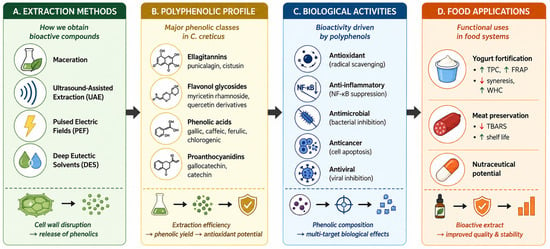
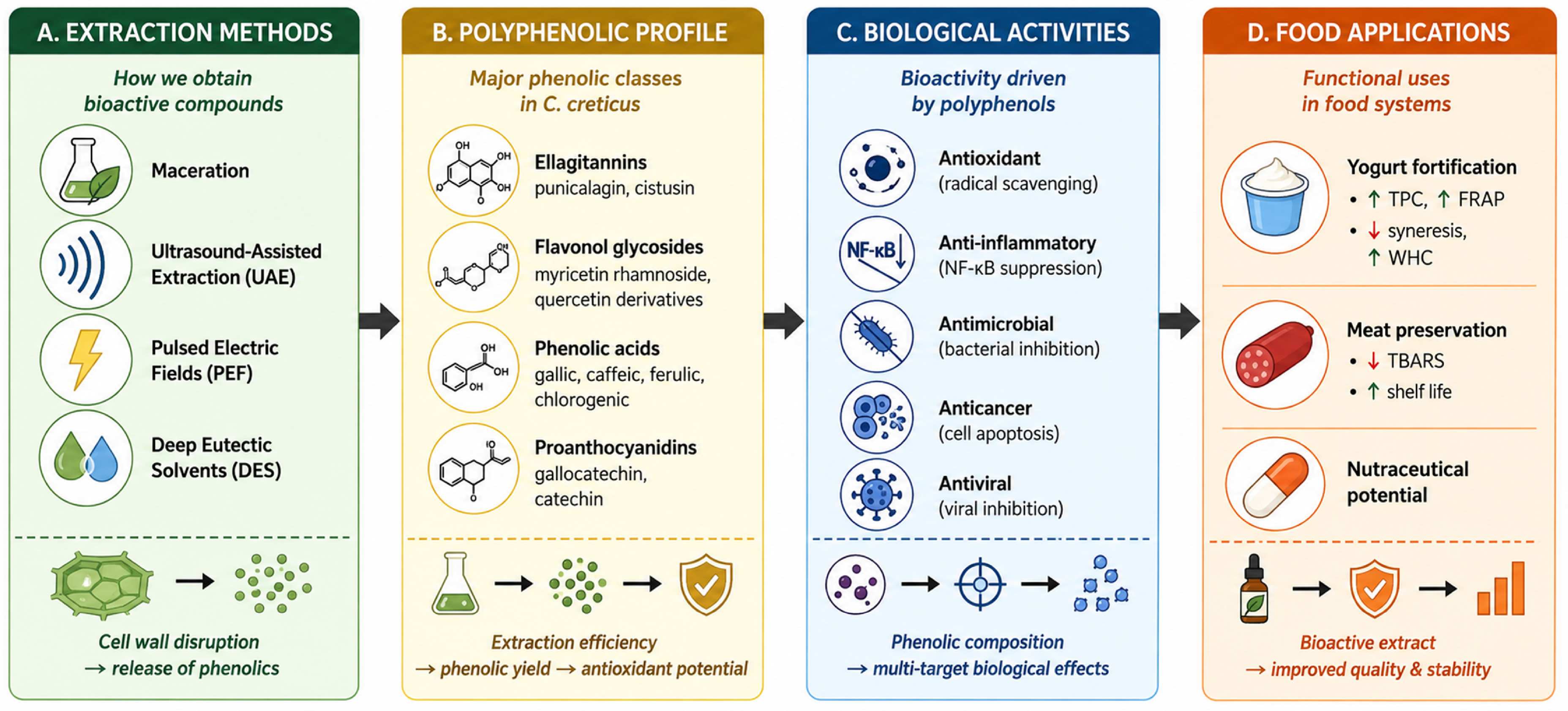
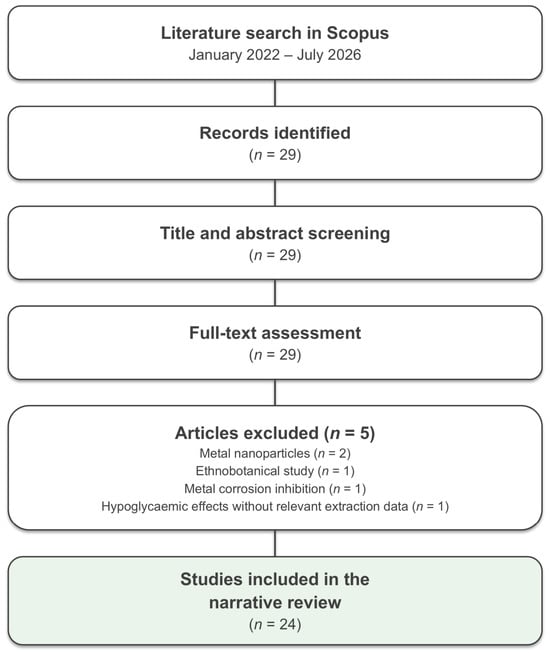
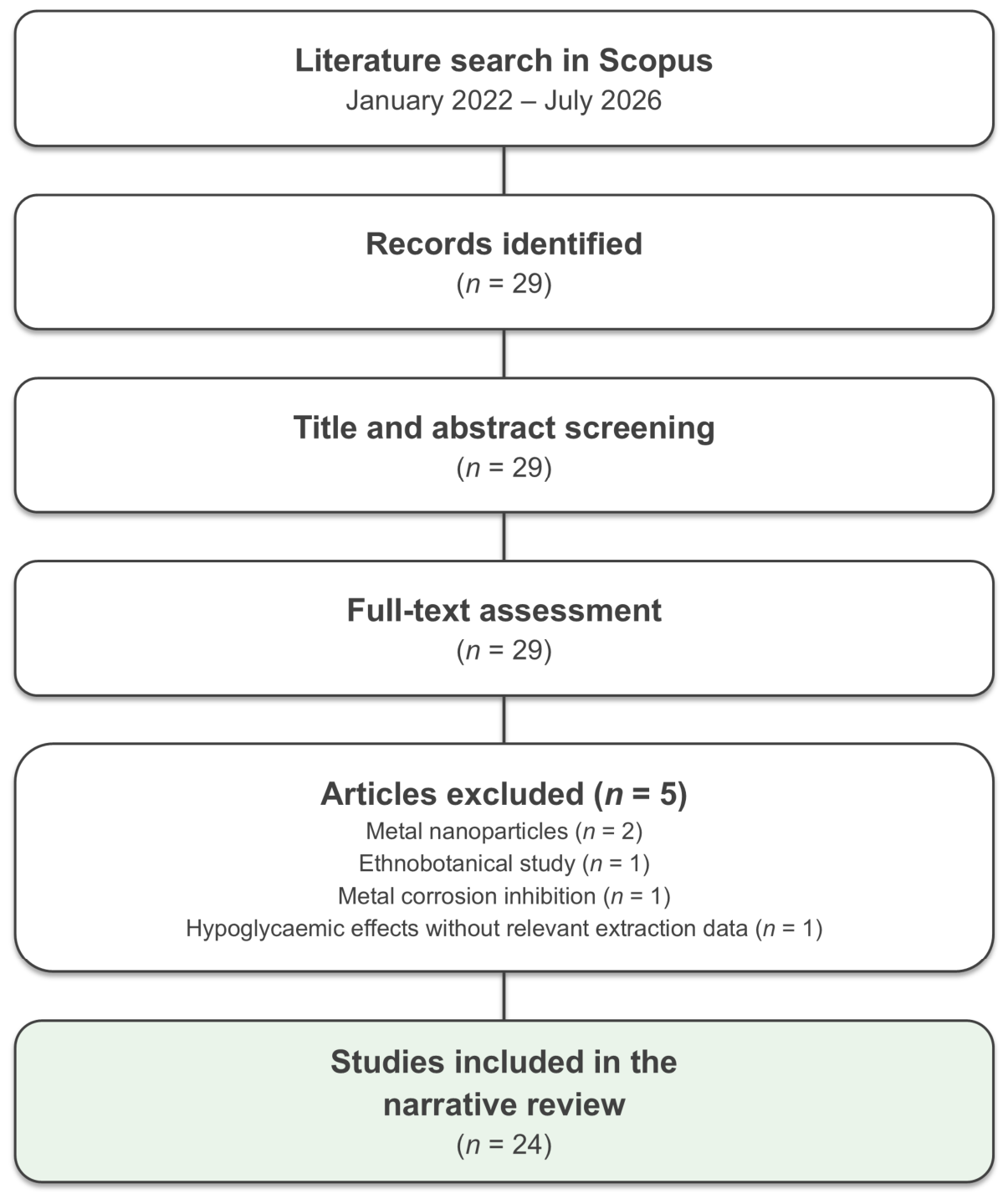

Disclaimer/Publisher’s Note: The statements, opinions and data contained in all publications are solely those of the individual author(s) and contributor(s) and not of MDPI and/or the editor(s). MDPI and/or the editor(s) disclaim responsibility for any injury to people or property resulting from any ideas, methods, instructions or products referred to in the content. |
© 2026 by the authors. Licensee MDPI, Basel, Switzerland. This article is an open access article distributed under the terms and conditions of the Creative Commons Attribution (CC BY) license.