Journal Description
Sustainability
Sustainability
is an international, peer-reviewed, open-access journal on environmental, cultural, economic, and social sustainability of human beings, published semimonthly online by MDPI. The Canadian Urban Transit Research & Innovation Consortium (CUTRIC), International Council for Research and Innovation in Building and Construction (CIB) and Urban Land Institute (ULI) are affiliated with Sustainability and their members receive discounts on the article processing charges.
- Open Access— free for readers, with article processing charges (APC) paid by authors or their institutions.
- High Visibility: indexed within Scopus, SCIE and SSCI (Web of Science), GEOBASE, GeoRef, Inspec, RePEc, CAPlus / SciFinder, and other databases.
- Journal Rank: JCR - Q2 (Environmental Studies) / CiteScore - Q1 (Geography, Planning and Development)
- Rapid Publication: manuscripts are peer-reviewed and a first decision is provided to authors approximately 17.9 days after submission; acceptance to publication is undertaken in 3.6 days (median values for papers published in this journal in the second half of 2025).
- Recognition of Reviewers: reviewers who provide timely, thorough peer-review reports receive vouchers entitling them to a discount on the APC of their next publication in any MDPI journal, in appreciation of the work done.
- Testimonials: See what our editors and authors say about Sustainability.
- Companion journals for Sustainability include: World, Sustainable Chemistry, Conservation, Future Transportation, Architecture, Standards, Merits, Bioresources and Bioproducts, Accounting and Auditing and Environmental Remediation.
- Journal Cluster of Environmental Science: Sustainability, Land, Clean Technologies, Environments, Nitrogen, Recycling, Urban Science, Safety, Air, Waste and Aerobiology.
Impact Factor:
3.3 (2024);
5-Year Impact Factor:
3.6 (2024)
Latest Articles
Bio-Based Self-Assembly and Hydrophobic Modification for Simultaneously Enhancing Flame Retardancy and Water Resistance of Wood
Sustainability 2026, 18(1), 520; https://doi.org/10.3390/su18010520 (registering DOI) - 4 Jan 2026
Abstract
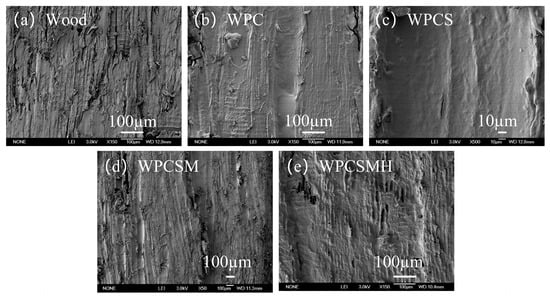
As an important renewable building material, wood’s flammability significantly limits its application range. This study addresses the environmental pollution issues associated with traditional flame retardants by developing an eco-friendly flame retardant system based on natural biomaterials. Utilizing layer-by-layer self-assembly techniques, sodium phytate, chitosan,
[...] Read more.
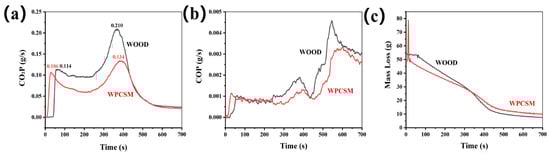
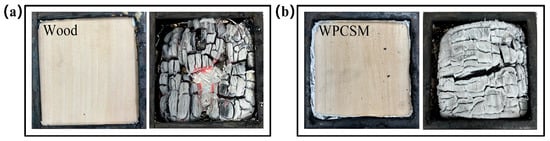
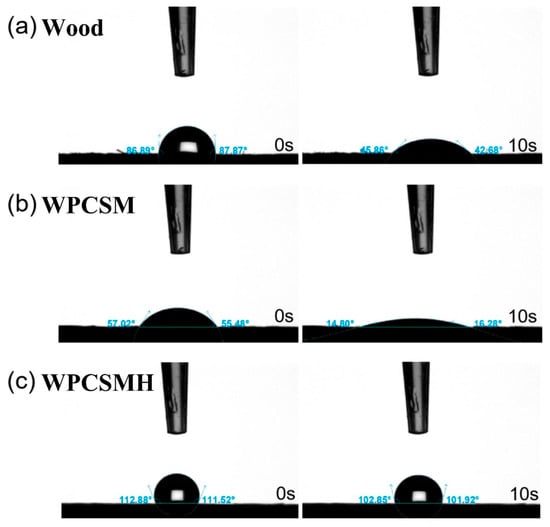
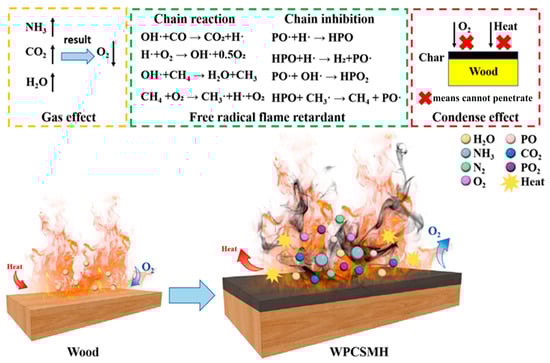
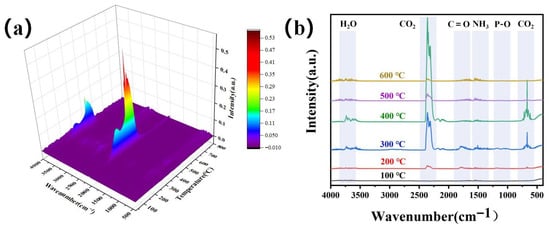
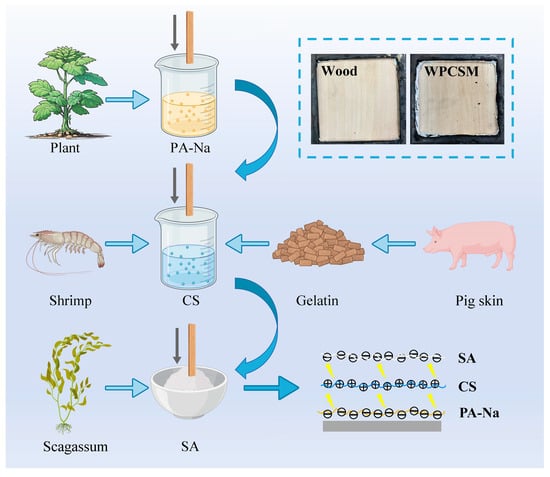
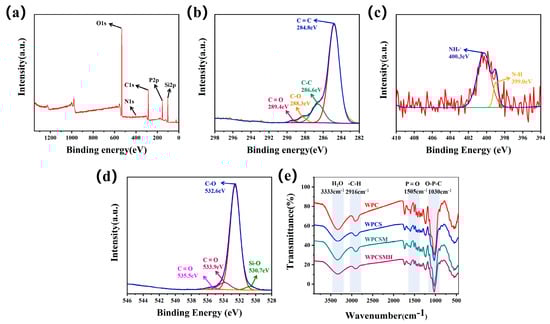
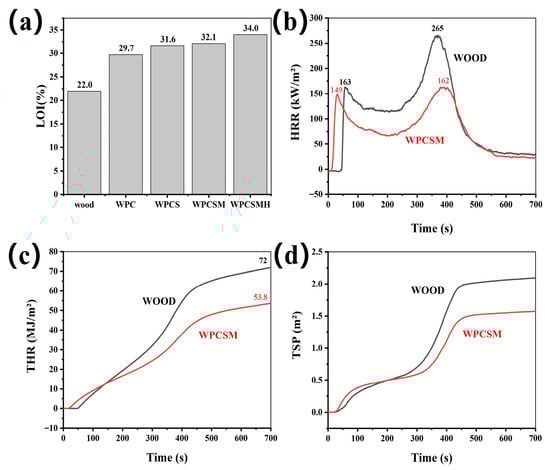
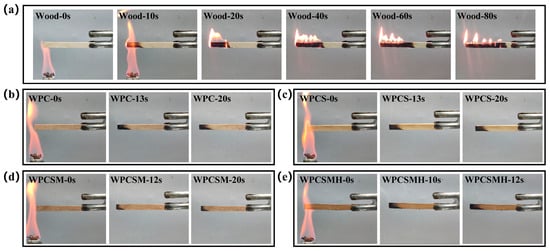
As an important renewable building material, wood’s flammability significantly limits its application range. This study addresses the environmental pollution issues associated with traditional flame retardants by developing an eco-friendly flame retardant system based on natural biomaterials. Utilizing layer-by-layer self-assembly techniques, sodium phytate, chitosan, sodium alginate, and sodium methyl silicate were sequentially deposited onto the wood surface to construct a multifunctional composite coating. A multifunctional composite coating was constructed on wood surfaces through layer-by-layer self-assembly technology, involving successive deposition of phytic acid sodium, chitosan, sodium alginate, and methyl silicate sodium. Characterization results indicated that the optimized sample WPCSMH achieved a limiting oxygen index of 34.0%, representing a 12% increase compared to untreated wood. Cone calorimetry tests revealed that its peak heat release rate and total heat release were reduced by 57.1% and 25.3%, respectively. Additionally, contact angle measurements confirmed its excellent hydrophobic properties, with an initial contact angle of 111°. Mechanistic analysis reveals that this system significantly enhances flame retardant performance through a synergistic interaction of three mechanisms: gas phase flame retardancy, condensed phase flame retardancy, and free radical scavenging. This research provides a sustainable and innovative pathway for developing environmentally friendly, multifunctional wood-based composites.
Full article
(This article belongs to the Special Issue The Synthesis of Low-Carbon New Materials and Their Application in Green Design)
►
Show Figures
Open AccessArticle
A Study on the Impact of Artificial Intelligence on Urban Green Total Factor Efficiency from the Perspective of Spatial Spillover and Threshold Effects
by
Xujing Dai, Cuixia Qiao and Ji Wang
Sustainability 2026, 18(1), 519; https://doi.org/10.3390/su18010519 (registering DOI) - 4 Jan 2026
Abstract
►▼
Show Figures
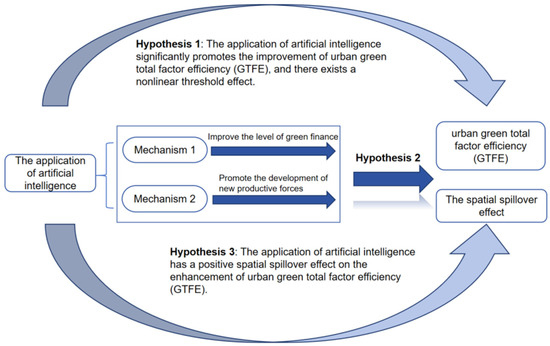
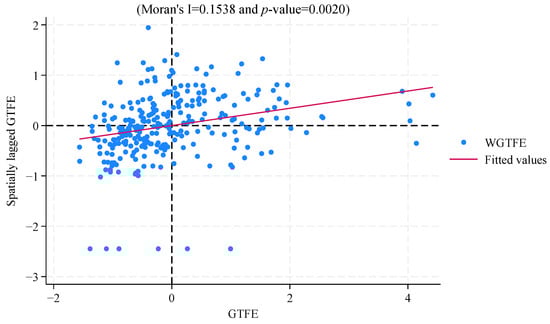
In recent years, the rapid advancement of artificial intelligence (AI) technology has exerted profound implications for urban green total factor efficiency (GTFE). Drawing on panel data of 279 Chinese cities from 2012 to 2021, this study empirically examines the impact of AI on
[...] Read more.
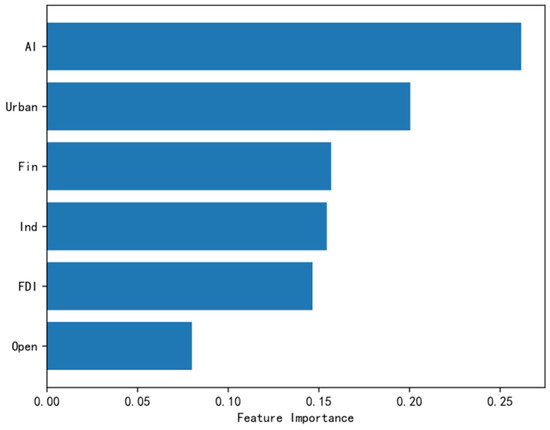
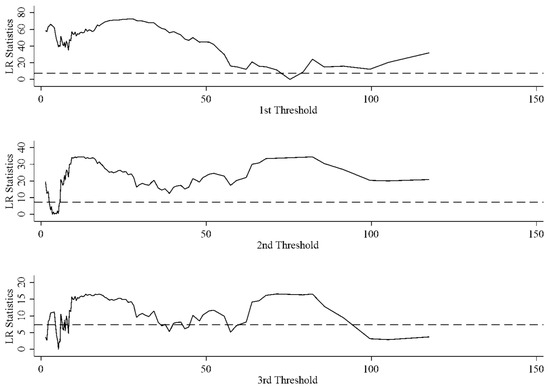
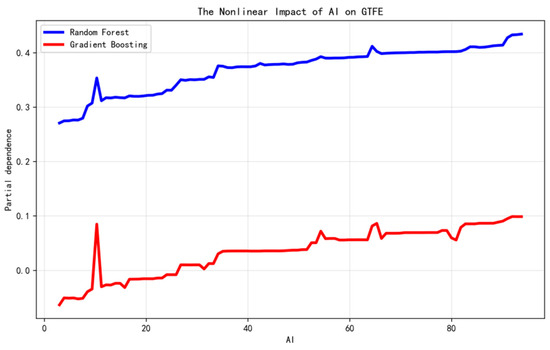
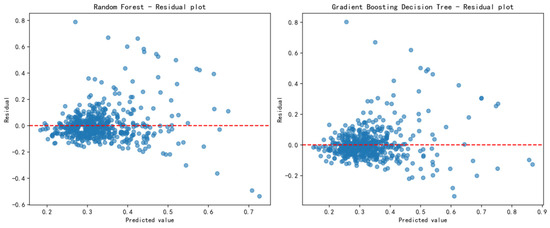
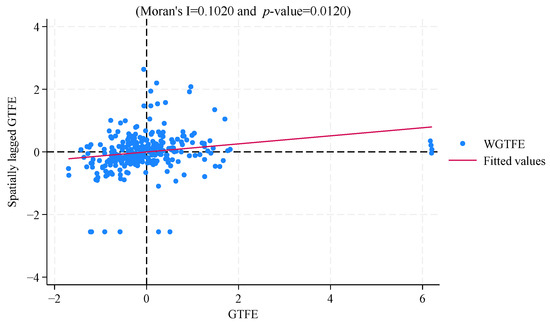
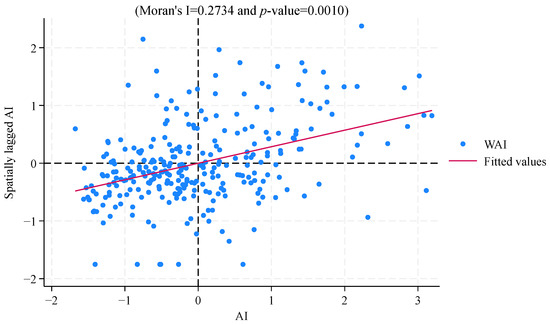
In recent years, the rapid advancement of artificial intelligence (AI) technology has exerted profound implications for urban green total factor efficiency (GTFE). Drawing on panel data of 279 Chinese cities from 2012 to 2021, this study empirically examines the impact of AI on urban GTFE from multi-dimensional perspectives including green finance and new-quality productive forces. The key findings are as follows: ➀ AI significantly enhances urban GTFE with a nonlinear threshold effect, and this conclusion remains robust after multiple robustness tests incorporating machine learning models and econometric approaches. ➁ Heterogeneity analysis reveals that AI exerts significantly heterogeneous effects across different regional locations, city sizes, urban hierarchies, and between transportation hubs/non-hubs and old industrial bases/non-bases. While an overall positive correlation is observed, the positive effect of AI is not statistically significant in western China, mega-cities, large cities, and central cities; conversely, an insignificant negative effect is detected in central-eastern China and old industrial bases. ➂ Mechanism tests demonstrate that AI facilitates GTFE improvement through channels such as upgrading green finance development and advancing new-quality productive forces. ➃ Spatial spillover effect analysis indicates that AI generates a positive spatial spillover effect on the GTFE of local cities. Based on these findings, targeted policy recommendations are proposed to promote urban GTFE enhancement and achieve sustainable development.
Full article

Figure 1
Open AccessArticle
“I Am Less Stressed, More Productive”: A Mixed-Methods Analysis of Stress-Management Interventions and Their Impact on Employee Well-Being and Performance at Saudi Universities
by
Ikram Abbes and Farouk Amari
Sustainability 2026, 18(1), 518; https://doi.org/10.3390/su18010518 (registering DOI) - 4 Jan 2026
Abstract
This study investigates workplace stress-management practices and their relationships with employees’ well-being and productivity in accordance with Tayma University College’s goals in Saudi Vision 2030. Although stress-relief programs have been studied in detail in Western cultural environments, efficacy in the context of Saudi
[...] Read more.
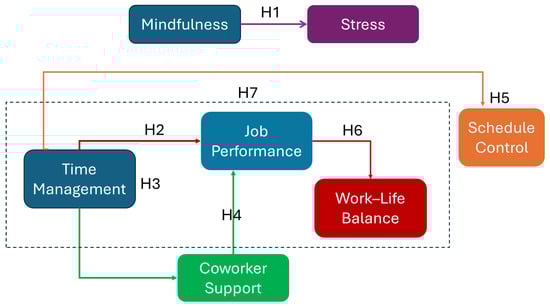
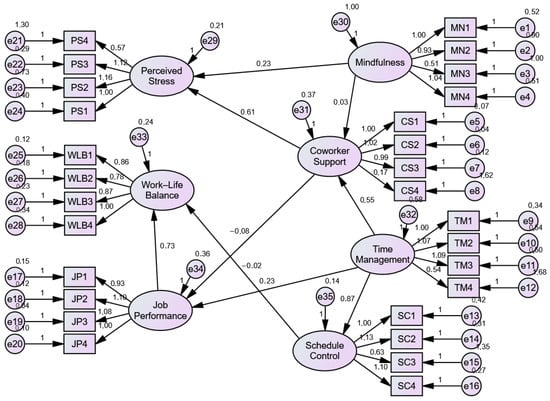
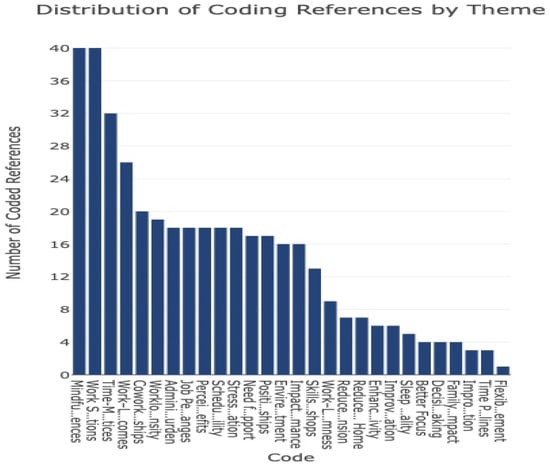
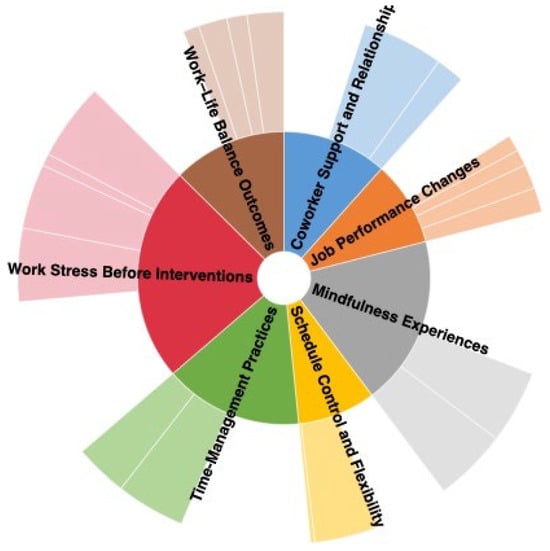
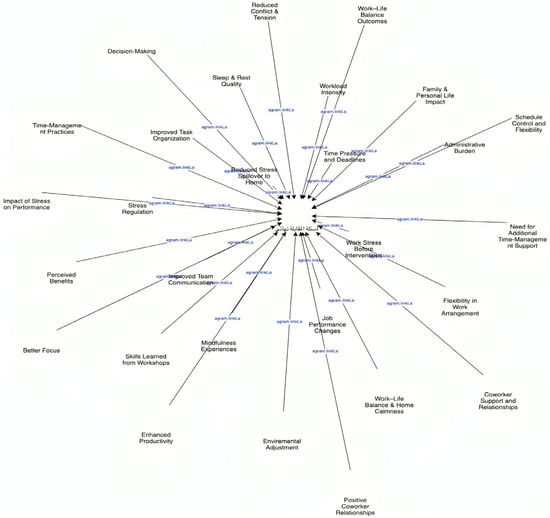
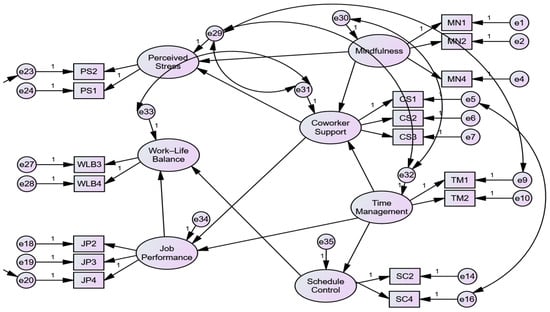
This study investigates workplace stress-management practices and their relationships with employees’ well-being and productivity in accordance with Tayma University College’s goals in Saudi Vision 2030. Although stress-relief programs have been studied in detail in Western cultural environments, efficacy in the context of Saudi higher education institutions has proven to be limited, particularly as employee reactions are shaped by cultural, organizational, and institutional factors. This paper aims to explore the relationships between various other indicators, namely, mindfulness, time management, scheduling autonomy, and coworker support, and stress, job performance, and work–life balance. A convergent mixed-methods design was utilized, based on survey responses from 104 academic and administrative employees and semi-structured interviews with 20 respondents. The presentation of data demonstrated that time management was most consistently and significantly effective using SEM. In conclusion, time management was positively and significantly associated with increased schedule control, coworker support, and job performance, resulting in a more balanced work–life experience. Mindfulness had no significant or meaningful influence on perceived stress levels, while the influence of coworker support was more variable, and job performance experienced greater variation. Qualitative results confirmed this trend, as evidenced by the fact that time-management-oriented activities were incorporated into the daily routine, while mindfulness-related exercises were not well integrated with the cultural norms and work requirements. Within the university context of Saudi Arabia and with reference to the Job Demands–Resources (JDs–Rs) framework and the Transactional Model of Stress and Coping, the study also reveals that situational influences constitute a significant contribution to the development and use of stress-relief resources. Ultimately, the findings highlight the value of culturally relevant stress-management practices to facilitate the well-being, performance, and stability of employees with the backdrop of Saudi Vision 2030.
Full article
(This article belongs to the Section Sustainable Management)
►▼
Show Figures

Figure 1

Open AccessArticle
A Novel Geophysical Approach for 2D/3D Fresh-Saline Water Assessment Toward Sustainable Groundwater Monitoring
by
Fei Yang, Muhammad Hasan and Yanjun Shang
Sustainability 2026, 18(1), 517; https://doi.org/10.3390/su18010517 (registering DOI) - 4 Jan 2026
Abstract
Saline water intrusion poses a major threat to groundwater security in arid and semi-arid regions, reducing freshwater availability and challenging sustainable water resource management. Accurate delineation of the fresh-saline water interface is therefore essential; however, conventional hydrochemical and laboratory-based assessments remain costly, invasive,
[...] Read more.
Saline water intrusion poses a major threat to groundwater security in arid and semi-arid regions, reducing freshwater availability and challenging sustainable water resource management. Accurate delineation of the fresh-saline water interface is therefore essential; however, conventional hydrochemical and laboratory-based assessments remain costly, invasive, and spatially limited. Resistivity methods have long been used to infer subsurface salinity, as low resistivity typically reflects clay-rich saline water and higher resistivity reflects freshwater-bearing sand or gravel. Yet, resistivity values for similar lithologies frequently overlap, causing ambiguity in distinguishing fresh and saline aquifers. To overcome this limitation, Dar–Zarrouk (D–Z) parameters are often applied to enhance hydrogeophysical discrimination, but previous studies have relied exclusively on one-dimensional (1D) D–Z derivations using vertical electrical sounding (VES), which cannot resolve the lateral complexity of alluvial aquifers. This study presents the first application of electrical resistivity tomography (ERT) to derive two- and three-dimensional D–Z parameters for detailed mapping of the fresh-saline water interface in the alluvial aquifers of Punjab, Pakistan. ERT provides non-invasive, continuous, and high-resolution subsurface imaging, enabling volumetric assessment of aquifer electrical properties and salinity structure. The resulting 2D/3D models reveal the geometry, depth, and spatial continuity of salinity transitions with far greater clarity than VES-based or purely hydrochemical methods. Physicochemical analyses from boreholes along the ERT profiles independently verify the geophysical interpretations. The findings demonstrate that ERT-derived 2D/3D D–Z modeling offers a cost-effective, scalable, and significantly more accurate framework for assessing fresh-saline water boundaries. This approach provides a transformative pathway for sustainable groundwater monitoring, improved well siting, and long-term aquifer protection in salinity-stressed alluvial regions.
Full article
(This article belongs to the Special Issue Sustainable Modelling Approaches for Groundwater and Hydrogeologic Systems)
Open AccessArticle
Configuration Paths of Enterprise Digital Innovation Driven by Digital Technology Affordance: A Dynamic QCA Analysis Based on the TOE Framework
by
Zhe Zhang, Haiqing Hu and Fangnan Liu
Sustainability 2026, 18(1), 516; https://doi.org/10.3390/su18010516 (registering DOI) - 4 Jan 2026
Abstract
Amid the expansive evolution of the digital economy and the emergence of enhanced productivity paradigms, exploring the ways in which digital technology affordance propels corporate digital innovation via multifaceted cooperative routes is essential for reconfiguring industrial ecosystems, securing digital market advantages, and promoting
[...] Read more.
Amid the expansive evolution of the digital economy and the emergence of enhanced productivity paradigms, exploring the ways in which digital technology affordance propels corporate digital innovation via multifaceted cooperative routes is essential for reconfiguring industrial ecosystems, securing digital market advantages, and promoting superior advancement. This investigation employs the TOE model, merging fuzzy-set qualitative comparative analysis (fsQCA) with regression analysis. Using data from 2206 listed manufacturing companies from the A-share exchanges (2010–2023), it identifies multiple antecedent configuration pathways of digital technology affordance and examines their differential impacts on enterprise digital innovation. Key findings include the following: (1) no solitary factor serves as an obligatory prerequisite for high-quality digital technology affordance. (2) Four configuration pathways were identified: technology-organization-environment tripartite-propelled, technology-organization collaborative-propelled, technology-environment collaborative-propelled, and organization-environment collaborative-propelled variants. (3) The influence of digital technology affordance on digital innovation shows conditional dependence. Under the ternary-driven “technology-organization-environment” or synergy-driven “technology-organization” configurations, and absent conflicting enterprise goals, digital technology affordance promotes digital product innovation. Supported by collaborative configurations of technological investment, digital infrastructure, highly educated talent, institutional measures, and public service efficiency, it fosters digital process innovation. However, isolated technological investment, employees’ educational attainment, and institutional measures inhibit business model innovation. Other configurations lack significant impacts on digital business model innovation. This study elucidates the generation mechanism of digital technology affordance using configuration theory, offering empirical insights for managers to enhance digital innovation and drive high-quality economic development. The study enhances the theoretical depth by exploring technological foundations of digital technologies and addressing generalizability through framework adaptations for global contexts.
Full article
(This article belongs to the Special Issue AI-Driven Entrepreneurship and Sustainable Business Innovation)
Open AccessReview
A Comprehensive Review of Human-Robot Collaborative Manufacturing Systems: Technologies, Applications, and Future Trends
by
Qixiang Cai, Jinmin Han, Xiao Zhou, Shuaijie Zhao, Lunyou Li, Huangmin Liu, Chenhao Xu, Jingtao Chen, Changchun Liu and Haihua Zhu
Sustainability 2026, 18(1), 515; https://doi.org/10.3390/su18010515 (registering DOI) - 4 Jan 2026
Abstract
Amid the dual-driven trends of Industry 5.0 and smart manufacturing integration, as well as the global imperative for manufacturing sustainability to address resource constraints, carbon neutrality goals, and circular economy demands, human–robot collaborative (HRC) manufacturing has emerged as a core direction for reshaping
[...] Read more.
Amid the dual-driven trends of Industry 5.0 and smart manufacturing integration, as well as the global imperative for manufacturing sustainability to address resource constraints, carbon neutrality goals, and circular economy demands, human–robot collaborative (HRC) manufacturing has emerged as a core direction for reshaping manufacturing production modes while aligning with sustainable development principles. This paper comprehensively reviews HRC manufacturing systems, summarizing their technical framework, practical applications, and development trends with a focus on the synergistic realization of operational efficiency and sustainability. Addressing the rigidity of traditional automated lines, inefficiency of manual production, and the unsustainable drawbacks of high energy consumption and resource waste in conventional manufacturing, HRC integrates humans’ flexible decision-making and environmental adaptability with robots’ high-precision and continuous operation, not only improving production efficiency, quality, and safety but also optimizing resource allocation, reducing energy consumption, and minimizing production waste to bolster manufacturing sustainability. Its core technologies include task allocation, multimodal perception, augmented interaction (AR/VR/MR), digital twin-driven integration, adaptive motion control, and real-time decision-making, all of which can be tailored to support sustainable production scenarios such as energy-efficient process scheduling and circular material utilization. These technologies have been applied in automotive, aeronautical, astronautical, and shipping industries, boosting high-end equipment manufacturing innovation while advancing the sector’s sustainability performance. Finally, challenges and future directions of HRC are discussed, emphasizing its pivotal role in driving manufacturing toward a balanced development of efficiency, intelligence, flexibility, and sustainability.
Full article
(This article belongs to the Special Issue Sustainable Manufacturing Systems in the Context of Industry 4.0)
Open AccessSystematic Review
A Systematic Review of the Practical Applications of Synthetic Aperture Radar (SAR) for Bridge Structural Monitoring
by
Homer Armando Buelvas Moya, Minh Q. Tran, Sergio Pereira, José C. Matos and Son N. Dang
Sustainability 2026, 18(1), 514; https://doi.org/10.3390/su18010514 (registering DOI) - 4 Jan 2026
Abstract
Within the field of the structural monitoring of bridges, numerous technologies and methodologies have been developed. Among these, methods based on synthetic aperture radar (SAR) which utilise satellite data from missions such as Sentinel-1 (European Space Agency-ESA) and COSMO-SkyMed (Agenzia Spaziale Italiana—ASI) to
[...] Read more.
Within the field of the structural monitoring of bridges, numerous technologies and methodologies have been developed. Among these, methods based on synthetic aperture radar (SAR) which utilise satellite data from missions such as Sentinel-1 (European Space Agency-ESA) and COSMO-SkyMed (Agenzia Spaziale Italiana—ASI) to capture displacements, temperature-related changes, and other geophysical measurements have gained increasing attention. However, SAR has yet to establish its value and potential fully; its broader adoption hinges on consistently demonstrating its robustness through recurrent applications, well-defined use cases, and effective strategies to address its inherent limitations. This study presents a systematic literature review (SLR) conducted in accordance with key stages of the Preferred Reporting Items for Systematic Reviews and Meta-Analyses (PRISMA) 2020 framework. An initial corpus of 1218 peer-reviewed articles was screened, and a final set of 25 studies was selected for in-depth analysis based on citation impact, keyword recurrence, and thematic relevance from the last five years. The review critically examines SAR-based techniques—including Differential Interferometric SAR (DInSAR), multi-temporal InSAR (MT-InSAR), and Persistent Scatterer Interferometry (PSI), as well as approaches to integrating SAR data with ground-based measurements and complementary digital models. Emphasis is placed on real-world case studies and persistent technical challenges, such as atmospheric artefacts, Line-of-Sight (LOS) geometry constraints, phase noise, ambiguities in displacement interpretation, and the translation of radar-derived deformations into actionable structural insights. The findings underscore SAR’s significant contribution to the structural health monitoring (SHM) of bridges, consistently delivering millimetre-level displacement accuracy and enabling engineering-relevant interpretations. While standalone SAR-based techniques offer wide-area monitoring capabilities, their full potential is realised only when integrated with complementary procedures such as thermal modelling, multi-sensor validation, and structural knowledge. Finally, this document highlights the persistent technical constraints of InSAR in bridge monitoring—including measurement ambiguities, SAR image acquisition limitations, and a lack of standardised, automated workflows—that continue to impede operational adoption but also point toward opportunities for methodological improvement.
Full article
(This article belongs to the Special Issue Sustainable Practices in Bridge Construction)
Open AccessArticle
Application of Vis–NIR Spectroscopy and Machine Learning for Assessing Soil Organic Carbon in the Sierra Nevada de Santa Marta, Colombia
by
Marlon Jose Yacomelo Hernández, William Ipanaqué Alama, Andrea C. Montenegro, Oscar de Jesús Córdoba, Darío Castañeda Sanchez, Cesar Vargas García, Elias Flórez Cordero, Jim Castillo Quezada, Carlos Pacherres Herrera, Luis Fernando Prado-Castillo and Oscar Casas Leuro
Sustainability 2026, 18(1), 513; https://doi.org/10.3390/su18010513 (registering DOI) - 4 Jan 2026
Abstract
►▼
Show Figures
Soil organic carbon (SOC) is an essential indicator of soil fertility, health, and carbon sequestration capacity. Its proper management improves soil structure, productivity, and resilience to climate change, making rapid and reliable SOC assessment essential for sustainable agriculture. Visible and near-infrared (Vis–NIR) spectroscopy
[...] Read more.
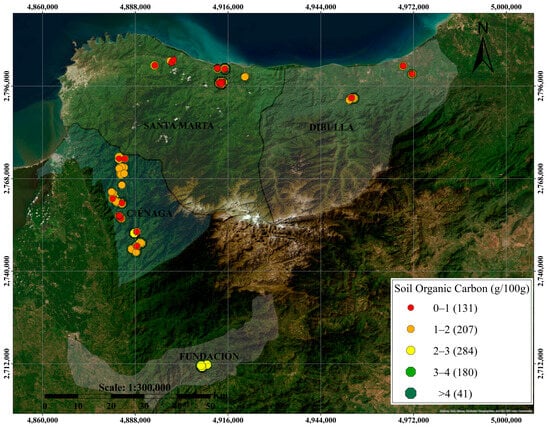
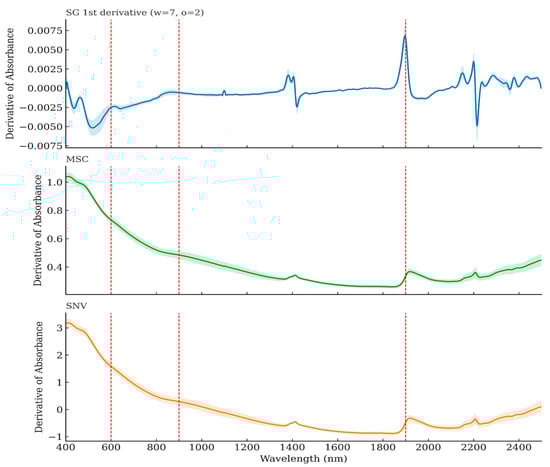
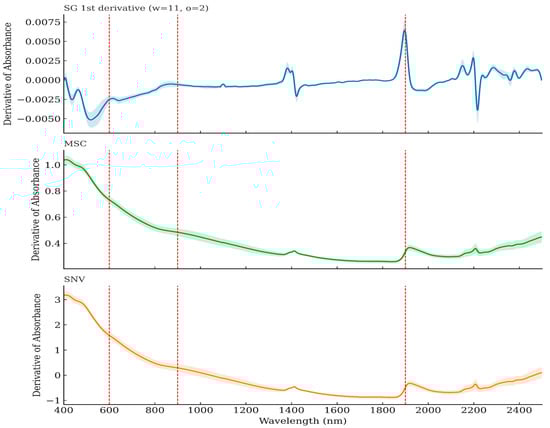
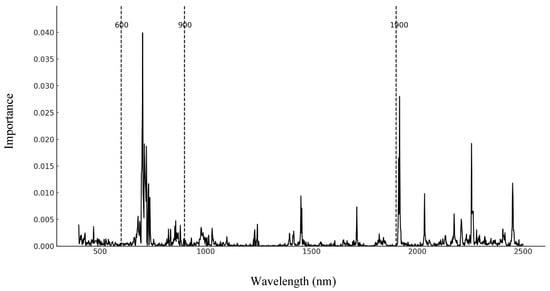
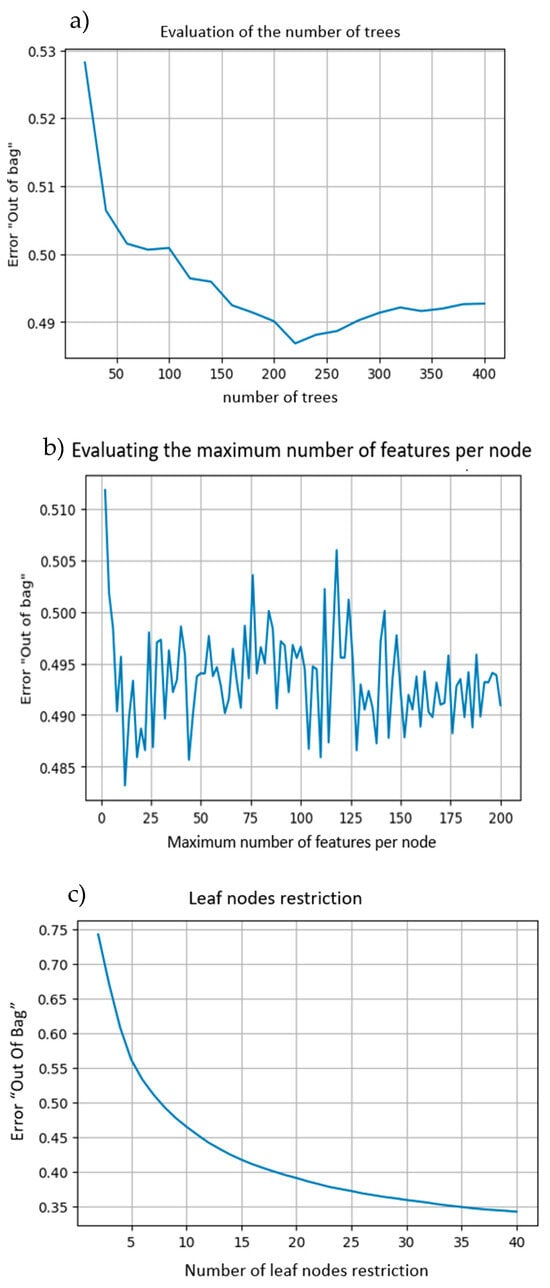
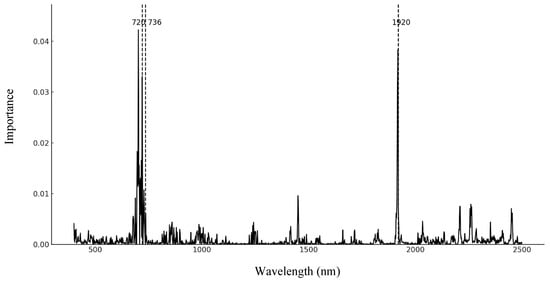
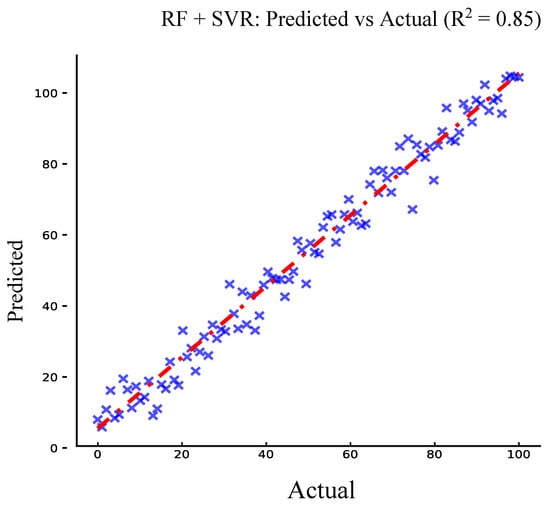
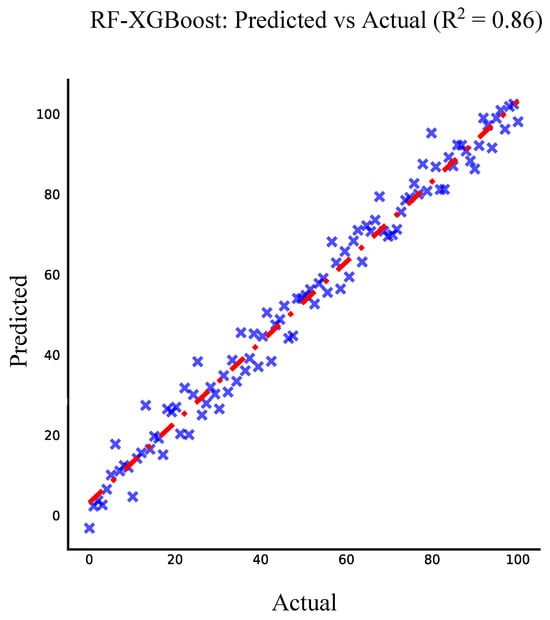
Soil organic carbon (SOC) is an essential indicator of soil fertility, health, and carbon sequestration capacity. Its proper management improves soil structure, productivity, and resilience to climate change, making rapid and reliable SOC assessment essential for sustainable agriculture. Visible and near-infrared (Vis–NIR) spectroscopy offers a non-destructive and cost-effective alternative to conventional laboratory analyses, allowing for the simultaneous estimation of multiple soil properties from a single spectrum. This study aimed to predict SOC content using machine learning techniques applied to Vis–NIR spectra of 860 soil samples collected in the Sierra Nevada de Santa Marta, Colombia. The spectra (400–2500 nm) were acquired using a NIR spectrophotometer, and the soil organic carbon (SOC) content was quantified using a wet oxidation method that employs dichromate in an acidic medium. A hybrid modeling framework combining Random Forest (RF) with support vector regression (SVR) and XGBoost was implemented. Spectral pretreatments (Savitzky–Golay first derivative, MSC, and SNV) were compared, and spectral bands were selected every 10 nm. The 30 most relevant wavelengths were identified using RF importance analysis. Data were divided into training (80%) and test (20%) subsets using stratified random sampling, and five-fold cross-validation was applied for parameter optimization and overfitting control. The RF–XGBoost (R2 = 0.86) and RF–SVR (R2 = 0.85) models outperformed the individual RF and SVR models (R2 < 0.7). The proposed hybrid approach, optimized through features, and advanced spectral preprocessing demonstrate a robust and scalable framework for rapid prediction of SOC and sustainable soil monitoring.
Full article

Figure 1
Open AccessReview
Comparing Metal Additive Manufacturing with Conventional Manufacturing Technologies: Is Metal Additive Manufacturing More Sustainable?
by
Javier Villafranca, Fernando Veiga, Miguel Angel Martin, Virginia Uralde and Pedro Villanueva
Sustainability 2026, 18(1), 512; https://doi.org/10.3390/su18010512 (registering DOI) - 4 Jan 2026
Abstract
CO2 emissions continue to rise, along with the associated environmental risks. In response, the United Nations has been promoting the adoption of sustainable practices among businesses worldwide. In parallel, an innovative technology known as additive manufacturing (AM) has emerged over the past
[...] Read more.
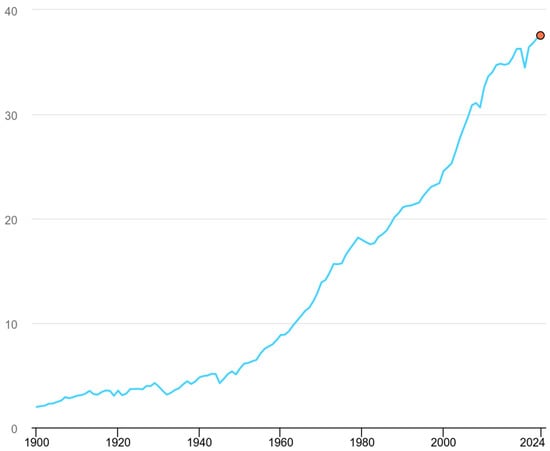
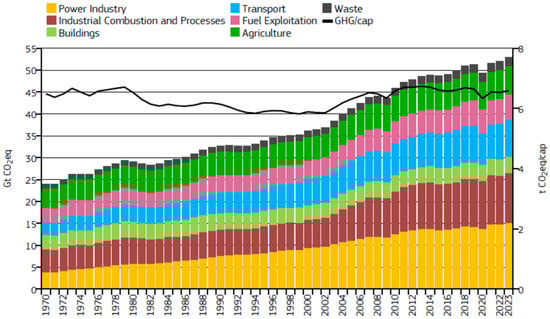
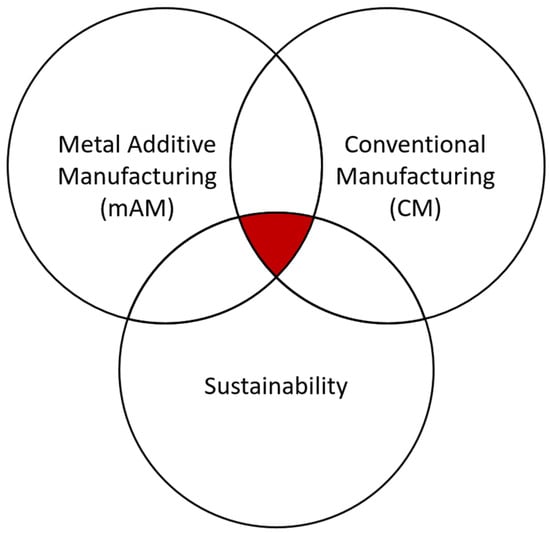
CO2 emissions continue to rise, along with the associated environmental risks. In response, the United Nations has been promoting the adoption of sustainable practices among businesses worldwide. In parallel, an innovative technology known as additive manufacturing (AM) has emerged over the past four decades. This technology has the potential to be more sustainable than conventional manufacturing (CM) technologies. When metals are used as the material, the process is referred to as metal additive manufacturing (mAM). AM technologies have seven process categories, which include metal mAM processes, most notably powder bed fusion (PBF), directed energy deposition (DED), binder jetting (BJT), material extrusion of metal-filled feedstock, and sheet lamination. Among these, PBF and DED are by far the most widely applied metal AM technologies in both industrial practice and academic research. The use of mAM is increasing; however, is it truly more sustainable than CM? Motivated by this question, a systematic literature review (SLR) was conducted to compare the sustainability impacts of mAM and CM across the three dimensions of sustainability: environmental, economic, and social. The evidence shows mixed sustainability outcomes, which are synthesized later in the conclusions. The sustainability comparison is influenced by factors like part redesign with topological optimization (TO), the material and energy mix used, geometric complexity, production volume per batch, and the boundaries adopted. Economic viability remains critical; companies are unlikely to adopt mAM if it proves more expensive than CM as this could threaten its competitiveness. Social impacts are the least studied dimension, and it is difficult to anticipate the changes that might occur because of such a transition.
Full article
(This article belongs to the Special Issue Low-Carbon and Eco-Friendly Construction Materials: Solutions for Sustainable Building and Resource Efficiency)
►▼
Show Figures

Figure 1

Open AccessEditorial
Educational Technology and E-Learning as Pillars for Sustainable Education
by
Salvador Otón-Tortosa, Abdelhamid Tayebi, Sergio Luján-Mora and Ricardo Mendoza-González
Sustainability 2026, 18(1), 511; https://doi.org/10.3390/su18010511 (registering DOI) - 4 Jan 2026
Abstract
The rapid advancements in Educational Technology (EdTech) and e-learning necessitate a critical focus on the principles of sustainability to ensure compliance with and the achievement of Sustainable Development Goal 4 (SDG 4), quality and lifelong education, conceived by the United Nations (UN) [...]
[...] Read more.
The rapid advancements in Educational Technology (EdTech) and e-learning necessitate a critical focus on the principles of sustainability to ensure compliance with and the achievement of Sustainable Development Goal 4 (SDG 4), quality and lifelong education, conceived by the United Nations (UN) [...]
Full article
(This article belongs to the Special Issue Sustainable E-Learning and Educational Technology)
Open AccessArticle
Ecotechnologies Versus Conventional Networks: A Socioeconomic Analysis for Water Management in Rural Communities
by
Blanca Yessica Sevilla Angulo, Daniel Tagle-Zamora, Alex Caldera-Ortega, Jesús Mora Rodríguez and Xitlali Delgado Galván
Sustainability 2026, 18(1), 510; https://doi.org/10.3390/su18010510 (registering DOI) - 4 Jan 2026
Abstract
Arid and semi-arid regions of Mexico, such as the Bajío of Guanajuato, face a huge challenge in water resource management. The municipality of León, located in the State of Guanajuato, persistently lacks access to water resources despite having high coverage in urban areas
[...] Read more.
Arid and semi-arid regions of Mexico, such as the Bajío of Guanajuato, face a huge challenge in water resource management. The municipality of León, located in the State of Guanajuato, persistently lacks access to water resources despite having high coverage in urban areas by the León Water Utility System (SAPAL, the abbreviation in Spanish of “Sistema de Agua Potable y Alcantarillado de León”), particularly in peri-urban and rural areas. In this context, this study compares water distribution network expansion with rainwater harvesting (RWH) systems in four rural communities of León. A cost–benefit analysis (CBA) with a 20-year horizon and a 10% social discount rate (SDR) was applied. Results indicate that network expansion is financially unfeasible, whereas RWH emerges as a technically and economically viable alternative, providing household savings and strengthening community resilience.
Full article
Open AccessArticle
Biodegradation of Hydrophobic Coatings Based on Natural Wax and Its Mixtures
by
Beata Kończak, Elżbieta Uszok, Małgorzata Białowąs, Marta Wiesner-Sękala, Paweł Zawartka, Marcel Klus and Lubomir Klus
Sustainability 2026, 18(1), 509; https://doi.org/10.3390/su18010509 (registering DOI) - 4 Jan 2026
Abstract
Coatings are often applied in the materials industry to impart hydrophobic properties to the produced materials. Commonly used coatings contain plastics as well as perfluorinated compounds, which pose challenges for environmental sustainability due to their persistence and end-of-life impacts. Coatings based on natural
[...] Read more.
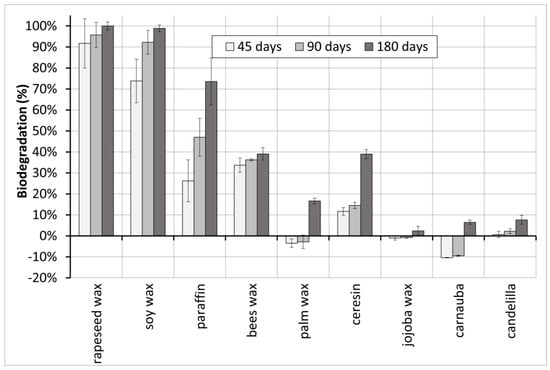
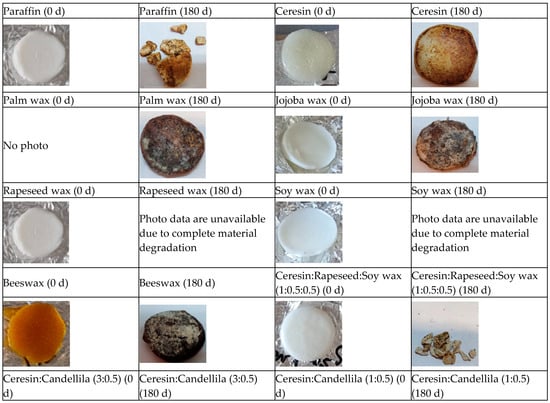
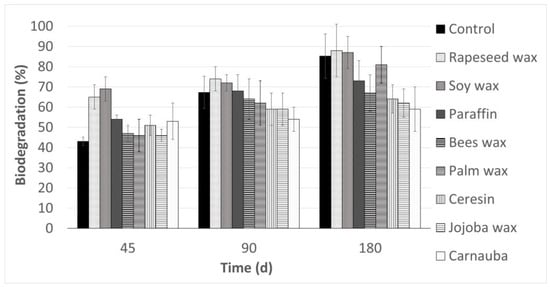
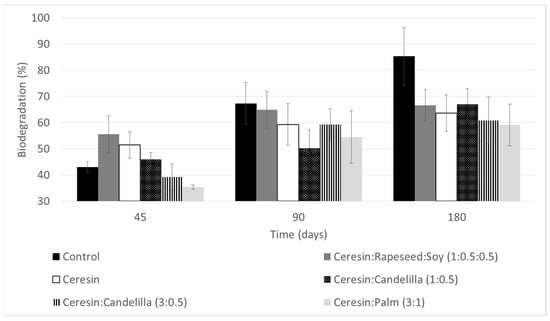
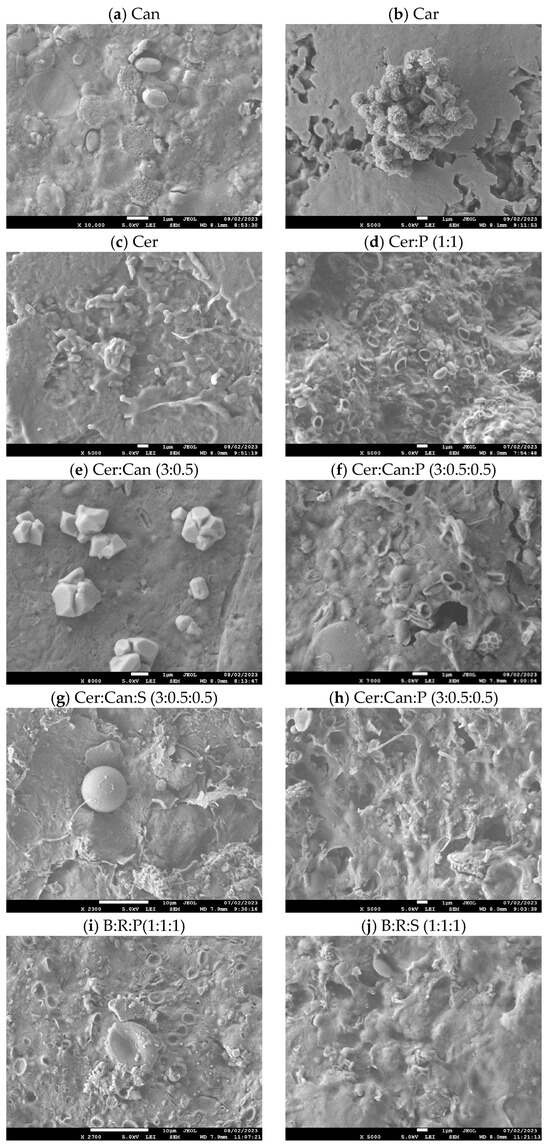
Coatings are often applied in the materials industry to impart hydrophobic properties to the produced materials. Commonly used coatings contain plastics as well as perfluorinated compounds, which pose challenges for environmental sustainability due to their persistence and end-of-life impacts. Coatings based on natural wax, such as rapeseed, soy, palm or beeswax, constitute a key bio-based and more sustainable alternative. These waxes exhibit high hydrophobicity while also being biodegradable, offering opportunities to replace fossil-derived coatings within circular-economy material systems. Wax coating constitutes a protective layer that undergoes biodegradation after a certain amount of time. This paper presents the results of studies concerning the development of a wax coating characterized by a coarse microstructure that increases water resistance, and an appropriate susceptibility to biodegradation. It was revealed that all the analysed coatings were susceptible to biodegradation, although their rates varied markedly depending on wax type and form. The biodegradation of palm wax in bulk form and as a thick layer was 17% and 80%, respectively, after 180 days. Palm wax exhibited a pronounced ability to bind inorganic and organic matter deposits, which reduced the degradation rate. When applied as a thin coating, palm wax did not form such a barrier. Palm wax significantly influences coating durability because its surface undergoes morphic changes induced by bio-surfactants secreted by microorganisms. These changes the adhesion of organic and inorganic matter particles, and the layer thus established limits the diffusion of oxygen, enzymes and microorganisms to the wax coating. The tests demonstrated that the addition of palm wax to wax mixtures allows the degradation rate to be controlled, and that its inhibitory effect is strongly dependent on the geometry of the material.
Full article
(This article belongs to the Section Waste and Recycling)
►▼
Show Figures

Figure 1
Open AccessArticle
Service Marketing Mix and MOOC Enrollment in Thailand: Exploring Brand Image as a Mediator
by
Narubodee Wathanakom, Nhatphaphat Juicharoen, Aphiradee Saranrom, Phantipa Amornrit and Phisit Nadprasert
Sustainability 2026, 18(1), 508; https://doi.org/10.3390/su18010508 (registering DOI) - 4 Jan 2026
Abstract
This research develops and verifies a structural model of enrollment intention for Thai MOOC, the national learning platform, based on empirical data from a survey of 475 learners. Partial least squares structural equation modeling (PLS-SEM) was used to analyze the data, and the
[...] Read more.
This research develops and verifies a structural model of enrollment intention for Thai MOOC, the national learning platform, based on empirical data from a survey of 475 learners. Partial least squares structural equation modeling (PLS-SEM) was used to analyze the data, and the results indicated a strong model with high predictive capability. Among the seven dimensions of the service marketing mix, product, promotion, process and place had a significantly positive association with brand image perception. In contrast, perceived value, people, and physical evidence had no significant relation. Brand image perception was established as a mediator, representing the channel through which the significant marketing mix factors associated with the intention to enroll in Thai MOOC. These findings suggest that to induce enrollment, government-backed MOOCs should focus on content quality and platform accessibility ahead of conventional service aspects, while utilizing promotion to establish a strong brand image.
Full article
Open AccessSystematic Review
A Review of Drones in Smart Agriculture: Issues, Models, Trends, and Challenges
by
Javier Gamboa-Cruzado, Jhon Estrada-Gutierrez, Cesar Bustos-Romero, Cristina Alzamora Rivero, Jorge Nolasco Valenzuela, Carlos Andrés Tavera Romero, Juan Gamarra-Moreno and Flavio Amayo-Gamboa
Sustainability 2026, 18(1), 507; https://doi.org/10.3390/su18010507 (registering DOI) - 4 Jan 2026
Abstract
This systematic literature review examines the rapid growth of research on the use of drones applied to smart agriculture, a key field for the digital and sustainable transformation of the agricultural sector. The study aimed to synthesize the current state of knowledge regarding
[...] Read more.
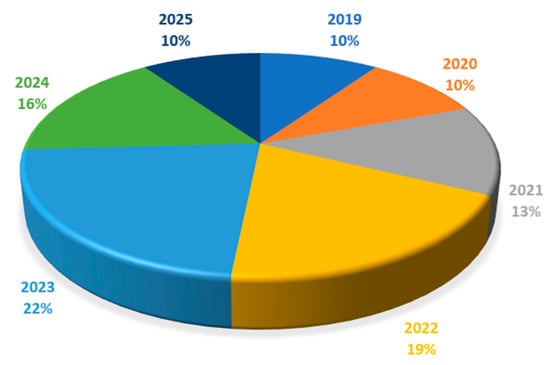
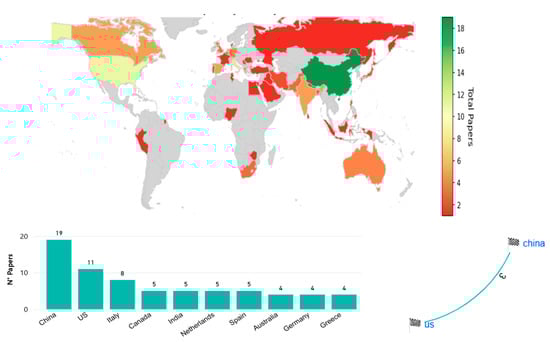
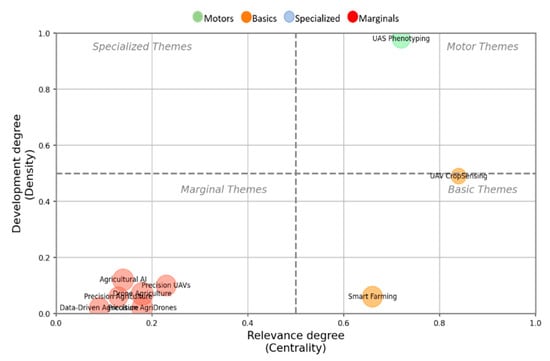
This systematic literature review examines the rapid growth of research on the use of drones applied to smart agriculture, a key field for the digital and sustainable transformation of the agricultural sector. The study aimed to synthesize the current state of knowledge regarding the application of drones in smart agriculture by applying the Kitchenham protocol (SLR), complemented with Petersen’s systematic mapping (SMS). A search was conducted in high-impact academic databases (Scopus, IEEE Xplore, Taylor & Francis Online, Google Scholar, and ProQuest), covering the period 2019–2025 (July). After applying the inclusion, exclusion, and quality criteria, 73 relevant studies were analyzed. The results reveal that 90% of the publications appear in Q1 journals, with China and the United States leading scientific production. The thematic analysis identified “UAS Phenotyping” as the main driving theme in the literature, while “precision agriculture,” “machine learning,” and “remote sensing” were the most recurrent and highly interconnected keywords. An exponential increase in publications was observed between 2022 and 2024. The review confirms the consolidation of drones as a central tool in digital agriculture, with significant advances in yield estimation, pest detection, and 3D modeling, although challenges remain in standardization, model generalization, and technological equity. It is recommended to promote open access repositories and interdisciplinary studies that integrate socioeconomic and environmental dimensions to strengthen the sustainable adoption of drone technologies in agriculture.
Full article
(This article belongs to the Special Issue Remote Sensing for Sustainable Environmental Ecology)
►▼
Show Figures

Figure 1
Open AccessArticle
KnoChain: Knowledge-Aware Recommendation for Alleviating Cold Start in Sustainable Procurement
by
Peijia Li, Yue Ma, Kunqi Hou and Shipeng Li
Sustainability 2026, 18(1), 506; https://doi.org/10.3390/su18010506 (registering DOI) - 4 Jan 2026
Abstract
When new purchasers or products are added in the supply chain management system, the recommendation system will face severe challenges of data sparsity and cold start. A knowledge graph that can enrich the representations of both procurement managers and products offers a promising
[...] Read more.
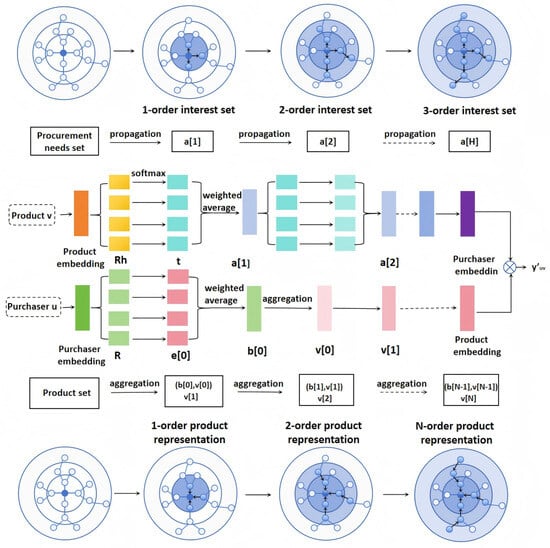
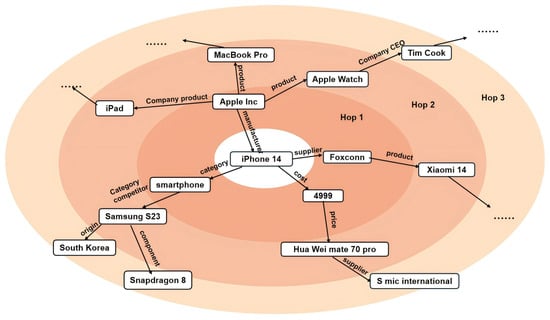
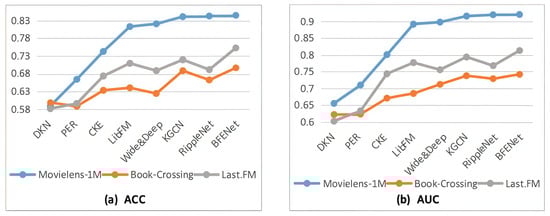
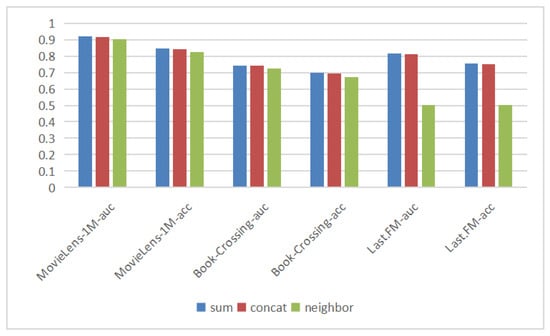
When new purchasers or products are added in the supply chain management system, the recommendation system will face severe challenges of data sparsity and cold start. A knowledge graph that can enrich the representations of both procurement managers and products offers a promising pathway to mitigate the challenges. This paper proposes a knowledge-aware recommendation network for supply chain management, called KnoChain. The proposed model refines purchaser representations through outward propagation along knowledge graph links and enhances product representations via inward aggregation of multi-hop neighbourhood information. This dual approach enables the simultaneous discovery of purchasers’ latent preferences and products’ underlying characteristics, facilitating precise and personalised recommendations. Extensive experiments on three real-world datasets demonstrate that the proposed method consistently outperforms several state-of-the-art baselines, achieving average AUC improvements of 9.36%, 5.91%, and 8.81%, and average accuracy gains of 8.56%, 6.27%, and 8.67% on the movie, book, and music datasets, respectively. These results underscore the model’s potential to enhance recommendation robustness in supply chain management. The KnoChain framework proposed in this article combines purchaser-aware attention with knowledge graphs to improve the accuracy of purchaser SKU matching. The method can help enhance supply chain resilience and reduce returns caused by over-ordering, inventory backlog, and incorrect procurement. In addition, the model provides interpretable recommendation paths based on the knowledge graph, which improves trust and auditability for procurement personnel and helps balance environmental and operational costs.
Full article
(This article belongs to the Special Issue Digital Transformation in Sustainable Supply Chain and Service Operations)
►▼
Show Figures

Figure 1
Open AccessArticle
Towards Sustainable Tourism Design: What Drives Tourist Loyalty? A Structural Equation Modeling Approach to a Tourist Experience Evaluation Scale
by
Cristian Rusu, Nicolás Matus, Virginica Rusu, Camila Muñoz and Ayaka Ito
Sustainability 2026, 18(1), 505; https://doi.org/10.3390/su18010505 (registering DOI) - 4 Jan 2026
Abstract
This study specifies and validates a three-layer Structural Equation Model (SEM) that accounts for how tourists’ evaluations of destination attributes translate into loyalty; the model is based on UN Tourism’s sustainability pillars. Guided by service-science and Customer Experience (CX) logics, and adopting a
[...] Read more.
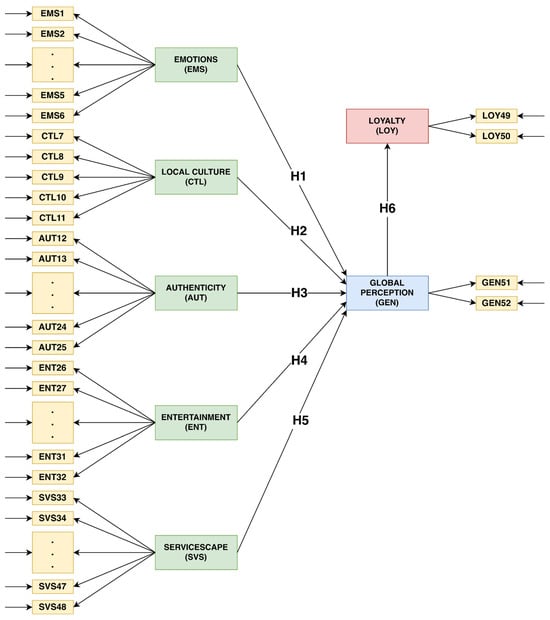
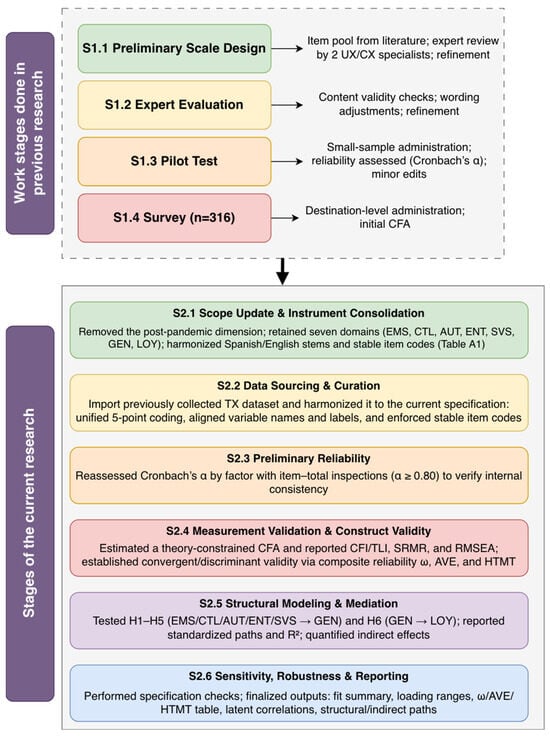
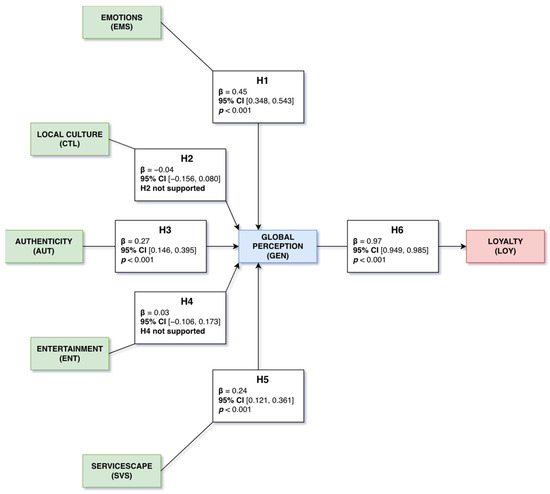
This study specifies and validates a three-layer Structural Equation Model (SEM) that accounts for how tourists’ evaluations of destination attributes translate into loyalty; the model is based on UN Tourism’s sustainability pillars. Guided by service-science and Customer Experience (CX) logics, and adopting a Tourist Experience (TX) framework that treats Tourist Experience as a domain-specific case of CX, we define five first-order antecedents—Emotions (EMS), Local Culture (CTL), Authenticity (AUT), Entertainment (ENT), and Servicescape (SVS)—that load onto a higher-order appraisal, Global Perception (GEN), which in turn drives Destination Loyalty (LOY). Using ordinal indicators and a robust diagonally weighted least squares estimator (WLSMV), the model exhibits a good global fit (CFI/TLI = 0.970/0.968; SRMR = 0.049; RMSEA = 0.073 [90% CI = 0.070–0.076]). Standardized effects indicate that GEN is primarily explained by Emotions (β = 0.445, p < 0.001), Authenticity (β = 0.271, p < 0.001), and Servicescape (β = 0.241, p < 0.001), whereas CTL and ENT are not significant when competing with these other predictors. GEN strongly predicts LOY (β = 0.967, p < 0.001), mediating sizable indirect effects from EMS, AUT, and SVS to LOY. The findings corroborate a parsimonious mediational chain in which affective, meaning-related, and infrastructural inputs cohere into a single global appraisal that is proximal to loyalty. Our study provides a decision-focused blueprint for designing emotion-rich, authenticity-protecting, and well-orchestrated servicescapes to enhance GEN and, consequently, LOY; it adheres to established SEM reporting standards and articulates a holistic transactional conceptualization grounded in recent tourism literature. Improvements in GEN reflect not only better experiences but also designs consistent with long-run destination sustainability.
Full article
(This article belongs to the Special Issue Sustainable Tourism Marketing: Towards Transparent Communication to Empower Informed Decisions)
►▼
Show Figures

Figure 1
Open AccessArticle
Managing Innovation for a Sustainable Transport System: A Comparative Study of the EU and Ukraine
by
Ilona Jacyna-Gołda, Nataliia Gavkalova and Mariusz Salwin
Sustainability 2026, 18(1), 504; https://doi.org/10.3390/su18010504 (registering DOI) - 4 Jan 2026
Abstract
This paper is dedicated to analysing sustainability and digitalisation in the transport systems of the European Union (EU) and Ukraine, with a particular focus on three representative subsectors: freight rail, urban public transport and last-mile postal logistics. It explores how technological innovation, operational
[...] Read more.
This paper is dedicated to analysing sustainability and digitalisation in the transport systems of the European Union (EU) and Ukraine, with a particular focus on three representative subsectors: freight rail, urban public transport and last-mile postal logistics. It explores how technological innovation, operational efficiency and environmental responsibility interact within these sectors under distinct institutional and economic conditions: mature, market-based systems in the EU and resilience-driven systems in wartime Ukraine. This study applies a comparative, descriptive–analytical methodology using secondary data drawn from corporate sustainability reports, official statistics and sectoral databases for 2022. Quantitative KPls were complemented with a qualitative assessment of digitalisation maturity to ensure cross-country comparability. Through a comparative analysis of KPIs, such as freight volumes, emissions intensity, revenue efficiency and digital maturity, this study identifies structural and policy gaps that hinder progress toward sustainable mobility. This study develops a multi-dimensional framework combining operational, financial, environmental and digital indicators. In this paper, digital integration refers to the degree to which transport operators embed digital tools such as tracking, data management and automation into their core processes, while environmental efficiency denotes the ability to deliver transport services with minimal resource consumption and carbon emissions per operational unit. Institutional resilience is understood here as the capacity of transport organisations and governing institutions to maintain functionality, adapt and recover under crisis or systemic stress, which is particularly relevant for Ukraine’s wartime context. The findings demonstrate that while EU operators lead in transparency, digital integration and environmental performance, Ukrainian actors exhibit rapid adaptive innovation and significant potential for technological leapfrogging during reconstruction. This paper concludes that the EU must overcome regulatory inertia and infrastructure fatigue, while Ukraine should institutionalise resilience and transparency.
Full article
(This article belongs to the Section Sustainable Transportation)
Open AccessArticle
From Feature Selection to Forecasting: A Two-Stage Hybrid Framework for Food Price Prediction Using Economic Indicators in Türkiye
by
Uğur Tahsin Şenel, Nursal Arıcı, Müslüme Narin and Hüseyin Polat
Sustainability 2026, 18(1), 503; https://doi.org/10.3390/su18010503 (registering DOI) - 4 Jan 2026
Abstract
This study develops a comprehensive two-stage hybrid framework to forecast food prices in Türkiye, addressing inflation prediction challenges in volatile emerging markets where sample sizes are limited. In the first stage, systematic relationship analyses—comprising correlation, ARDL, cointegration, and Granger causality tests—identified ten key
[...] Read more.
This study develops a comprehensive two-stage hybrid framework to forecast food prices in Türkiye, addressing inflation prediction challenges in volatile emerging markets where sample sizes are limited. In the first stage, systematic relationship analyses—comprising correlation, ARDL, cointegration, and Granger causality tests—identified ten key macroeconomic predictors from Central Bank datasets. In the second stage, we evaluated diverse predictive models, including XGBoost, Gradient Boosting, Ridge, LSTM, and SVR, using rice prices as a pilot case. A critical methodological contribution is the empirical comparison of feature engineering strategies; results demonstrate that traditional “smoothing” techniques dilute volatility signals, whereas the “Log-Return Transformation Strategy” strategy significantly improves accuracy. XGBoost emerged as the champion model, achieving a remarkable R2 of 0.932 (MAE: 1.68 TL) on the test set. To strictly validate this performance against small-sample limitations, a Recursive Walk-Forward Validation was conducted, confirming the model’s robustness with a strong R2 of 0.870 over a 31-month rolling simulation. Furthermore, Robust Rolling SHAP analysis identified Insurance and Transportation costs as primary drivers, evidencing a strong cost-push mechanism and inflation inertia. These findings integrate econometric rigor with machine learning transparency, offering resilient early warning tools for sustainable inflation management.
Full article
(This article belongs to the Special Issue Economic and Environmental Concerns Regarding Agri-Food Products Within the Context of Sustainability)
Open AccessArticle
A Two-Stage Network DEA-Based Carbon Emission Rights Allocation in the Yangtze River Delta: Incorporating Inter-City CO2 Spillover Effects
by
Minmin Teng, Jiani Chen, Chuanfeng Han, Lingpeng Meng and Pihui Liu
Sustainability 2026, 18(1), 502; https://doi.org/10.3390/su18010502 (registering DOI) - 4 Jan 2026
Abstract
This study proposes a novel framework for allocating CO2 emission rights within the Yangtze River Delta (YRD) urban agglomeration, tackling the inter-city CO2 transmission dynamics frequently neglected in conventional allocation models. Current emission allocation methods fail to capture the spatial spillover
[...] Read more.
This study proposes a novel framework for allocating CO2 emission rights within the Yangtze River Delta (YRD) urban agglomeration, tackling the inter-city CO2 transmission dynamics frequently neglected in conventional allocation models. Current emission allocation methods fail to capture the spatial spillover effects of CO2 emissions driven by atmospheric transport, resulting in potential inequities. Leveraging the WRF model to simulate carbon emissions across 27 cities, we develop a two-stage network Data Envelopment Analysis (DEA) model that integrates both emission generation and governance capacities. Our findings highlight significant inter-city CO2 transmission, with the wind direction and speed playing a pivotal role in emissions spread. In contrast to traditional models, our approach considers the regional interdependence of emissions, enhancing both fairness and efficiency in the allocation process. The results indicate that cities with stronger governance systems, including green technology investments and effective air quality management, are rewarded with higher carbon allowances. Moreover, our model demonstrates that policies prioritizing environmental governance over raw emission levels can foster long-term sustainability. This work provides a comprehensive methodology for achieving a balanced allocation of emission rights that integrates economic growth, environmental management, and equity considerations within complex urban agglomerations.
Full article
(This article belongs to the Section Air, Climate Change and Sustainability)
Open AccessArticle
Idea vs. Reality: Perspectives and Barriers to the Development of Community-Supported Agriculture in Poland
by
Magdalena Raftowicz and Mirosław Struś
Sustainability 2026, 18(1), 501; https://doi.org/10.3390/su18010501 (registering DOI) - 4 Jan 2026
Abstract
The study examines the theoretical and practical dimensions of Community-Supported Agriculture (CSA). Its objective is to assess whether social capital theory explains food producers’ engagement in CSA and whether this is reflected in practice. The research is based on a critical review of
[...] Read more.
The study examines the theoretical and practical dimensions of Community-Supported Agriculture (CSA). Its objective is to assess whether social capital theory explains food producers’ engagement in CSA and whether this is reflected in practice. The research is based on a critical review of the relevant literature and on empirical investigations conducted in Poland among CSA producers using the CAWI method in 2024. The findings indicate that social capital theory plays a fundamental role in explaining the mechanisms underpinning CSA, with significant implications for the development of local food systems and for policies supporting small farms. This suggests the need for stronger institutional support aimed at enhancing trust and cooperation between food producers and consumers. Unfortunately, due to the low level of social capital in Poland, the CSA model remains only a niche complement to traditional forms of agriculture, functioning primarily as an alternative for a narrow group of socially and environmentally conscious consumers and small clusters of producers.
Full article
(This article belongs to the Special Issue Rural Economy and Sustainable Community Development)
Journal Menu
► ▼ Journal Menu-
- Sustainability Home
- Aims & Scope
- Editorial Board
- Reviewer Board
- Topical Advisory Panel
- Instructions for Authors
- Special Issues
- Topics
- Sections & Collections
- Article Processing Charge
- Indexing & Archiving
- Editor’s Choice Articles
- Most Cited & Viewed
- Journal Statistics
- Journal History
- Journal Awards
- Society Collaborations
- Conferences
- Editorial Office
Journal Browser
► ▼ Journal BrowserHighly Accessed Articles
Latest Books
E-Mail Alert
News
Topics
Topic in
Buildings, Energies, Smart Cities, Sustainability
Recent Studies on Climate-Neutral Districts and Cities
Topic Editors: Xingxing Zhang, Rosaria VolpeDeadline: 20 January 2026
Topic in
Atmosphere, Coasts, Land, Sustainability, Water
Contemporary Waterfronts, What, Why and How?
Topic Editors: Maria José Andrade Marques, Francesca Dal Cin, João Pedro CostaDeadline: 28 February 2026
Topic in
Buildings, CivilEng, Climate, Construction Materials, Energies, Sustainability, Architecture
Advances in Building Sector for Achieving Net Zero Emission by 2050
Topic Editors: Md Morshed Alam, Iqbal Hossain, Jiaolan ZhuDeadline: 20 March 2026
Topic in
Agriculture, Agronomy, Horticulturae, Plants, Foods, Water, Sustainability, Seeds
Innovative Strategies for Enhancing Plant Tolerance to Abiotic and Biotic Stresses and Ensuring Food Safety in Changing Climates
Topic Editors: José Ramón Acosta-Motos, Sara Álvarez, María del Rosario Álvarez Morales, María José Clemente-Moreno, María del Rosario Conesa-Saura, Juan de Dios Franco-Navarro, María José Gómez-Bellot, Isabel M. Martínez Alcalá, Victor Meseguer SánchezDeadline: 30 March 2026
Conferences
Special Issues
Special Issue in
Sustainability
Environmental Economics in Sustainable Social Policy Development
Guest Editors: Yuping Shang, Xin Zhao, Xihui Haviour ChenDeadline: 5 January 2026
Special Issue in
Sustainability
Advanced Technologies and Collaborative Approaches for Sustainable Engineering and Industrial Systems
Guest Editors: Leonilde Varela, Zilda De Castro Silveira, Leonel PatrícioDeadline: 5 January 2026
Special Issue in
Sustainability
Green Building: CO2 Emissions in the Construction Industry
Guest Editors: Jindao Chen, Hongping Yuan, Qian ShiDeadline: 5 January 2026
Special Issue in
Sustainability
Sustainable Development and the Value of Ecosystems in Promoting Disaster Resilience and Recovery
Guest Editor: David NickersonDeadline: 7 January 2026
Topical Collections
Topical Collection in
Sustainability
Waste Utilization and Resource Recovery
Collection Editors: Chunjiang An, Xiujuan Chen
Topical Collection in
Sustainability
Sustainable Development of Rural Areas and Agriculture
Collection Editor: Piotr Prus
Topical Collection in
Sustainability
Reviews, Advances and Applications in Environmental Sustainability
Collection Editors: Jose Navarro Pedreño, António Dinis Ferreira, Peter Goethals, Eun-Sung Chung, Vincenzo Torretta
Topical Collection in
Sustainability
Sustainability on Production and Industrial Management
Collection Editor: Malgorzata Jasiulewicz-Kaczmarek