You are currently viewing a new version of our website. To view the old version click .

Accounting and Auditing

Accounting and Auditing is an international, peer-reviewed, open access journal on accounting, auditing and corporate social responsibility published quarterly online by MDPI.

All Articles (12)

Redefining Development Through Logistics Performance and ESG Metrics

  • Panagiotis Karountzos,
  • Damianos P. Sakas and
  • Dimitrios K. Nasiopoulos
  • + 1 author
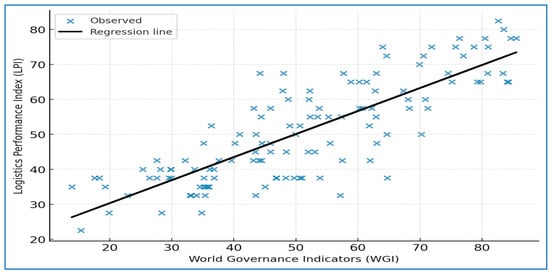
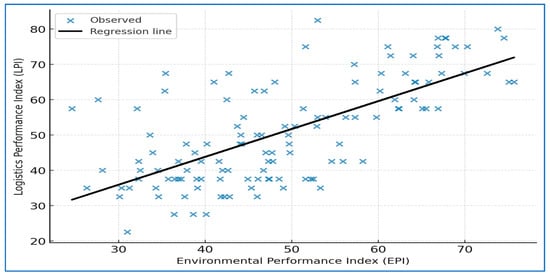
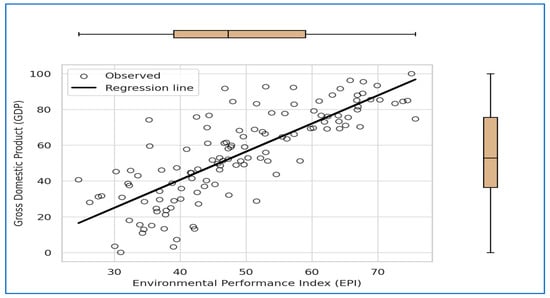
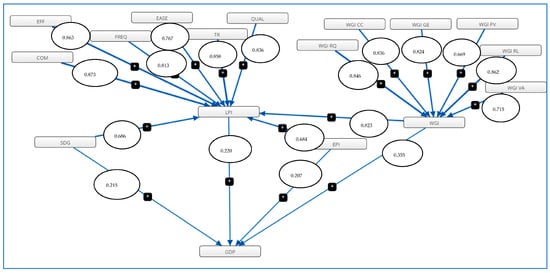
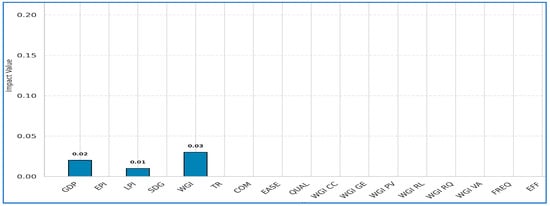
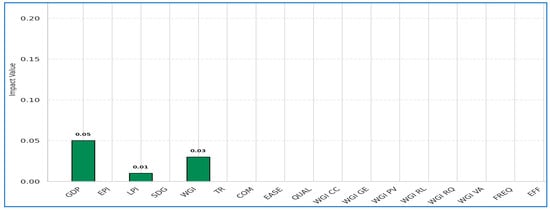
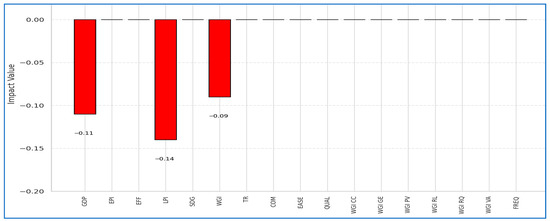
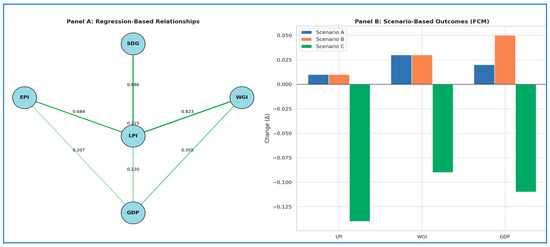
This study investigates the systemic interrelations between logistics performance, environmental performance, sustainable development progress, and institutional governance. While the existing literature often examines these dimensions separately, this research conceptualizes them as co-determined drivers of national development. Using data from 123 countries, the analysis integrates four composite indices—Logistics Performance Index (LPI), Environmental Performance Index (EPI), Sustainable Development Goals Index (SDG), and Worldwide Governance Indicators (WGI)—alongside GDP per capita. Methodologically, this study applies multiple linear regressions and correlation analyses to assess the associations among these variables and employs Fuzzy Cognitive Mapping (FCM) to simulate scenario-based systemic interactions. Results show that all ESG indicators are positively and significantly associated with LPI, with WGI exerting the strongest effect. In turn, LPI, EPI, SDG, and WGI jointly explain 81.7% of the variance in GDP per capita, confirming their integrated role in shaping economic performance. FCM simulations further reveal that both environmental and institutional improvements generate reinforcing effects on logistics capacity and GDP outcomes. This study’s originality lies in its multiple-method approach and its synthesis of ESG and logistics performance metrics into a unified explanatory framework. It contributes to development studies by highlighting the structural embeddedness of logistics within broader institutional and sustainability ecosystems. Its policy implication lies in suggesting that integrated reforms—combining infrastructure, regulatory quality, and environmental stewardship—are essential for enhancing long-term national competitiveness and resilience.

13 November 2025

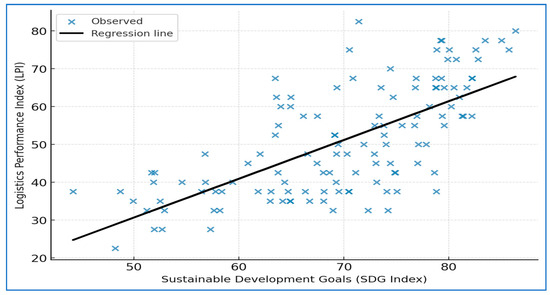
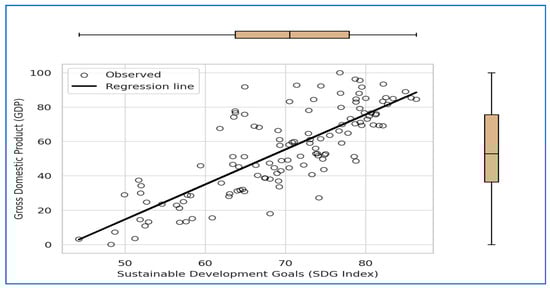
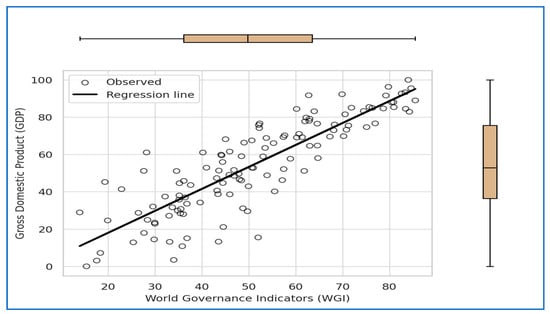
Regression line between LPI and EPI. Source: own construction.

Explanatory Factors of Materiality Disclosure in the Non-Financial Reporting of European Listed Companies

  • Miguel Gomes,
  • Fábio Albuquerque and
  • Maria Albertina Barreiro Rodrigues

This study analyses disclosures on materiality in non-financial information (NFI) reporting by examining their likely explanatory factors, including entities’ financial or structural characteristics, governance features, and contextual factors, grounded in a set of relevant theories. Based on archival research and content analysis, this study uses consolidated NFI reports from 2021 of entities listed in the main Euronext indices. The descriptive analysis reveals that while 71% of companies present a materiality matrix, only about half (50%) meet all eight criteria of materiality disclosure, with double materiality being addressed by just 16%. The regression results show that the level of materiality disclosure is significantly and positively associated only with the size of the board of directors, whereas other expected relationships, such as those with firm size, profitability, or debt, were not statistically significant, challenging traditional assumptions from stakeholders, agency, and positive accounting theories. These findings suggest that governance structures may play a more decisive role in transparency regarding materiality than the entities’ financial or structural characteristics. This research contributes to both the academic literature and practice by identifying explanatory factors and empirical patterns in materiality disclosure in NFI reporting, which may be relevant for standard-setting bodies, regulators, auditors, and stakeholders.
1 December 2025

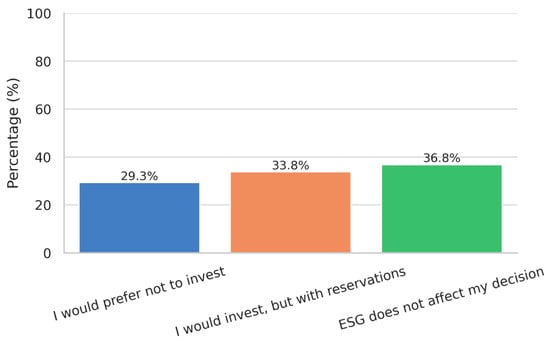
This research examines investing decisions when the company under consideration has an auditor with other clients who have had financial statement restatements and regulatory enforcement actions. Another issue addressed is whether investors’ tolerance for ambiguity affects these investing decisions. Participants were given a questionnaire involving an investment decision and were asked to provide risk assessments and investment amounts. They were assigned to one of two treatment groups, each of which described the same hypothetical company scenario except for its audit firm’s associations with other clients. One group was informed that the company’s auditor has had other clients who have recently had financial statement restatements and regulatory enforcement actions. The other group was informed that the company’s auditor has not recently had any clients who have had financial statement restatements or regulatory enforcement actions. Participants’ tolerance for ambiguity was measured with a commonly used metric. Results indicate that knowledge about an audit firm’s associations with other clients did not significantly impact either investors’ risk assessments (5.76 vs. 6.17 on a scale from 1 to 10) or investment amounts ($4917 vs. $4227). This research also did not find evidence that participants’ tolerance for ambiguity influences risk assessments (6.20 vs. 5.72 on a scale from 1 to 10) or investment amounts ($4857 vs. $4309).

2 October 2025

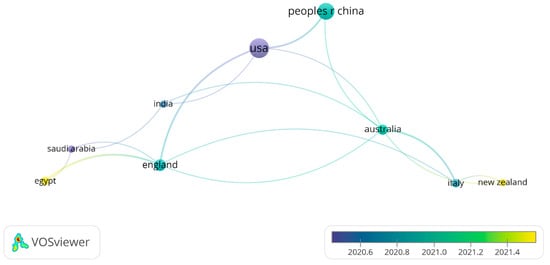
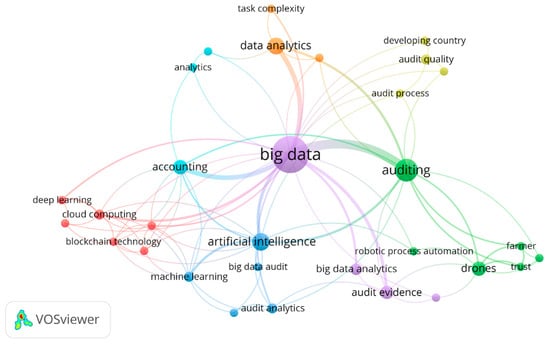
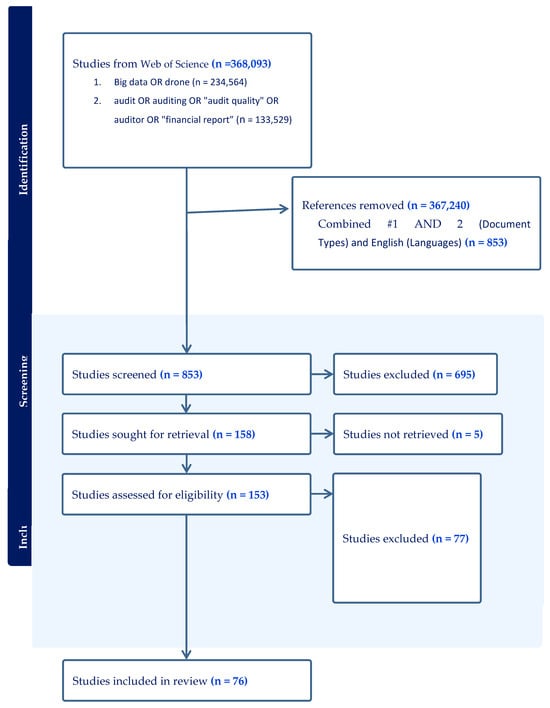
This study investigates the influence of drone technology on the quality of Saudi financial reports through the integration of Artificial Intelligence (AI) and big data. The study’s mixed-method approach is based on a bibliometric analysis of previous studies, along with documentary and content analysis. The results show that external auditors benefit from using drones when inspections are integrated with AI and big data technology. Moreover, this integration can reduce costs for audit firms and shorten the duration of audit engagements, resulting in more efficient and effective auditing. Seven clusters were identified, with ‘big data’ being the highest-frequency term. This study does not consider potential cybersecurity threats that could impact data integrity and decrease financial transparency. Furthermore, environmental issues in Saudi Arabia, such as sandstorms, could compromise the effectiveness of drone-based auditing. However, this study contributes to the ESG literature by demonstrating how integrated audit technology transforms traditional sustainability reporting into continuous, AI-enhanced verification processes. These processes improve financial report quality while supporting Saudi Arabia’s Green Initiative and its goal of achieving net-zero carbon emissions by 2060. The adoption of AI and big data technologies in auditing represents a shift toward more automated and intelligent audit practices. These changes provide practical insights for government authorities, such as the Saudi Capital Market Authority (CMA), and may result in higher-quality financial reports and increased investor confidence.

26 September 2025

News & Conferences

Issues

Open for Submission

Editor's Choice

Get Alerted

Add your email address to receive forthcoming issues of this journal.

XFacebookLinkedIn
Account. Audit. - ISSN 3042-6618