Journal Description
Bioresources and Bioproducts
is an international, peer-reviewed, scholarly, open access journal on topics related to bioresources and bioproducts, published quarterly online by MDPI.
- Open Access— free for readers, with article processing charges (APC) paid by authors or their institutions.
- Rapid Publication: first decisions in 19 days; acceptance to publication in 8 days (median values for MDPI journals in the second half of 2025).
- Recognition of Reviewers: APC discount vouchers, optional signed peer review, and reviewer names published annually in the journal.
- Bioresources and Bioproducts is a companion journal of Energies and Sustainability.
- Journal Cluster of Energy and Fuels: Energies, Batteries, Hydrogen, Biomass, Electricity, Wind, Fuels, Gases, Solar, ESA, Bioresources and Bioproducts and Methane.
Latest Articles
Stewards of Sustainability: Children as Co-Researchers in Transdisciplinary Circular Economy Research
Bioresour. Bioprod. 2026, 2(2), 6; https://doi.org/10.3390/bioresourbioprod2020006 - 14 Apr 2026
Abstract
►
Show Figures
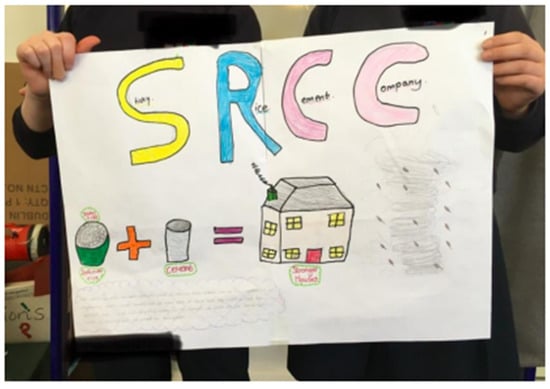
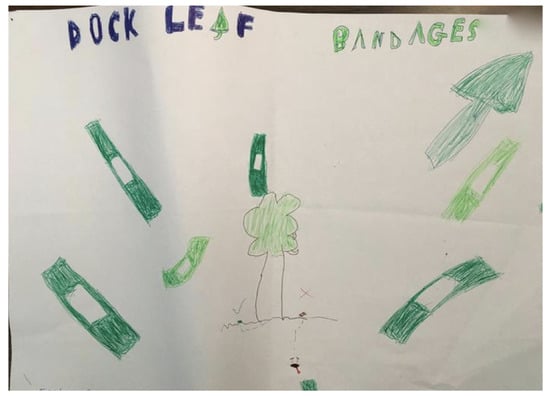
Children are largely absent from circular economy and bioeconomy research, limiting opportunities for early development of systems thinking, sustainability competencies, and inclusive knowledge production. This paper presents a qualitative case study of the Horizon 2020 AgroCycle project (2016–2019), examining how primary school children
[...] Read more.
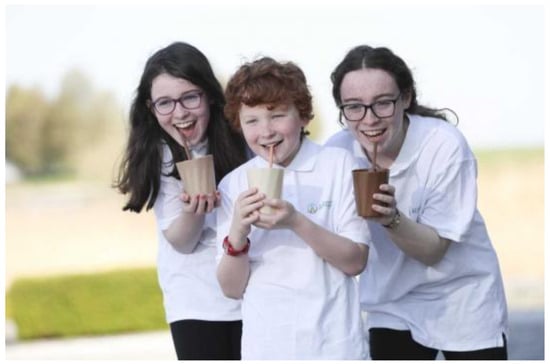
Children are largely absent from circular economy and bioeconomy research, limiting opportunities for early development of systems thinking, sustainability competencies, and inclusive knowledge production. This paper presents a qualitative case study of the Horizon 2020 AgroCycle project (2016–2019), examining how primary school children were engaged as co-researchers through a transdisciplinary, participatory model. Analysis draws on project deliverables, educational resources, workshop records, internal reports, and dissemination materials. The study shows how children and adult co-researchers explored waste valorisation, bioresource transformation, and biobased material innovation in Irish schools. Valorisation in the context of the bioeconomy is the process of converting residues from farming, food, forestry and marine sources into high-value products such as biofertilisers, biofuels and biochemicals. It situates AgroCycle within European sustainability policy, highlighting its influence on subsequent initiatives, including Horizon Europe BioBeo and BiOrbic, Research Ireland’s Centre for Bioeconomy. By combining qualitative case study methodology with reflective practitioner analysis, the paper demonstrates how child-centred, transdisciplinary research can enhance sustainability education, support SDG-aligned competencies, and promote inclusive approaches to circular economy and bioeconomy transitions.
Full article
Open AccessArticle
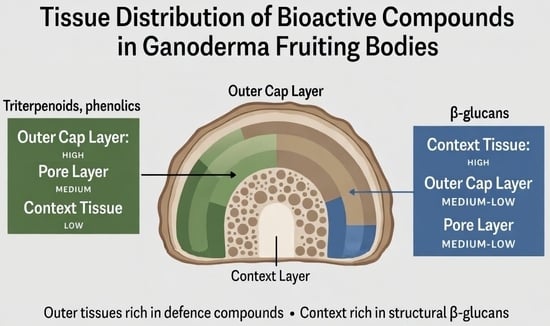
Tissue Distribution of Triterpenoids, β-Glucans, Phenolics, and Antioxidant Activity in Ganoderma Fruiting Bodies
by
Aline De Oliveira Campos and Peter James Strong
Bioresour. Bioprod. 2026, 2(2), 5; https://doi.org/10.3390/bioresourbioprod2020005 - 31 Mar 2026
Abstract
►▼
Show Figures
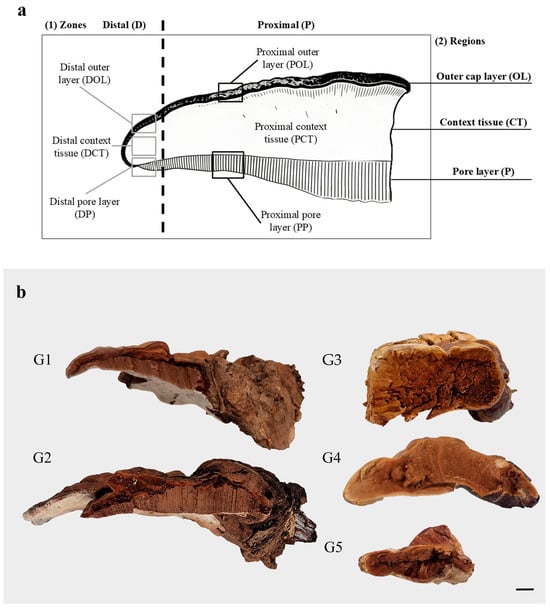
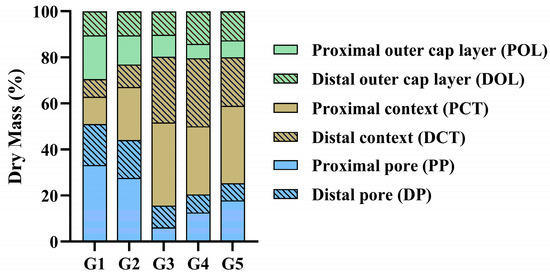
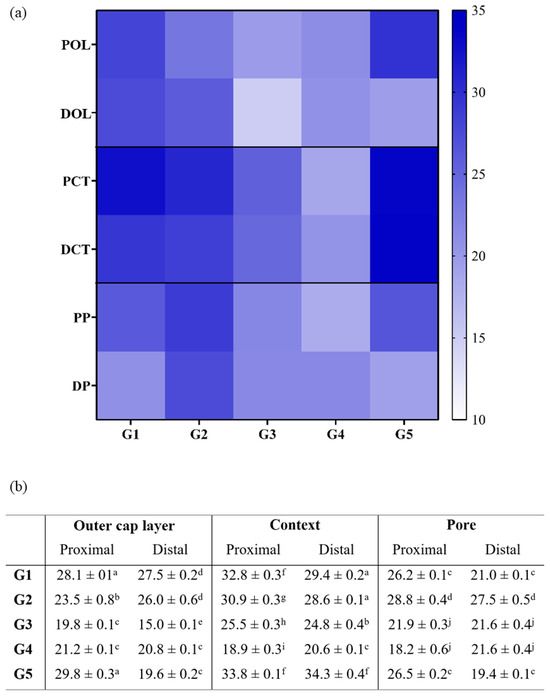
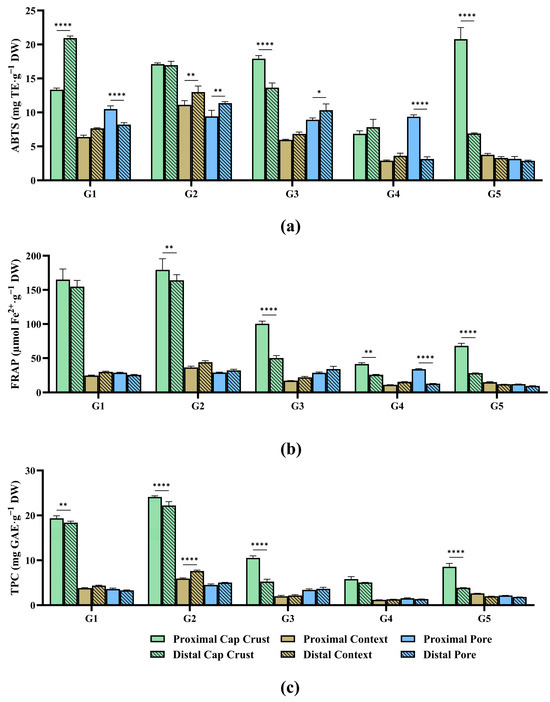
Ganoderma mushrooms produce bioactive metabolites with therapeutic potential, yet their tissue-level distribution is not well characterized. This study quantified triterpenoids, β-glucans, and phenolics across six anatomical sections of fruiting bodies from five wild Ganoderma species. Twenty-six triterpenoids were identified. Laccate species showed thicker
[...] Read more.
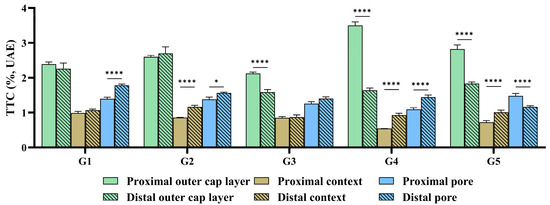
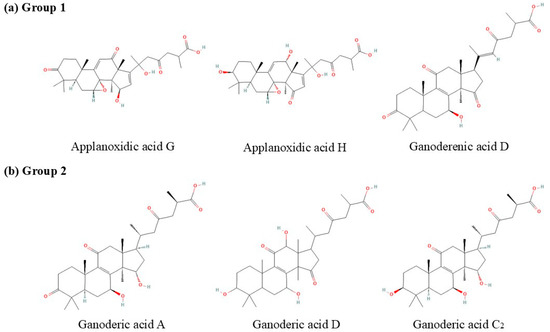
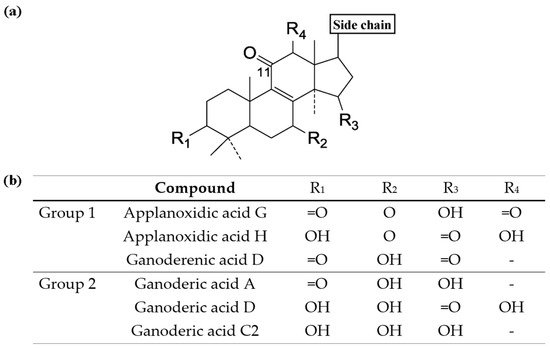
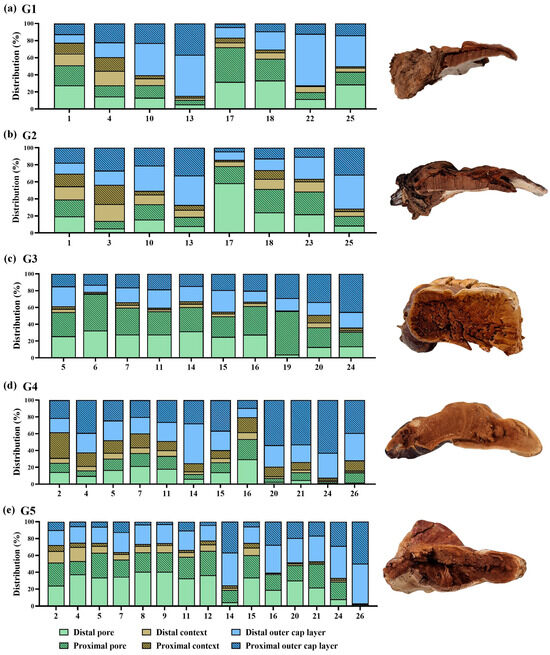
Ganoderma mushrooms produce bioactive metabolites with therapeutic potential, yet their tissue-level distribution is not well characterized. This study quantified triterpenoids, β-glucans, and phenolics across six anatomical sections of fruiting bodies from five wild Ganoderma species. Twenty-six triterpenoids were identified. Laccate species showed thicker context tissue enriched in ganoderic and lucidenic acids, resembling the chemotype of G. lucidum. Matte species displayed greater triterpenoid diversity, including elfvingic, applanoxidic, and ganoderenic analogues. Maximum contents reached 3.5% triterpenoids, 34.3% β-glucans, 20.8 mg TE·g−1 (ABTS), 175.2 µmol Fe2+·g−1 (FRAP), and 23.5 mg GAE·g−1 phenolics. Triterpenoids and phenolics were highest in outer cap tissues, while β-glucans predominated in context layers. These patterns reflect functional tissue roles and developmental variation. The tissue distribution of metabolites in wild Ganoderma presented here identifies surface tissues as a major source of triterpenoids and phenolics, and internal tissues as a source of β-glucans. These traits represent selection targets for extraction and selective breeding to produce strains with thicker context tissue and higher triterpenoid and β-glucan yields.
Full article

Graphical abstract
Open AccessArticle
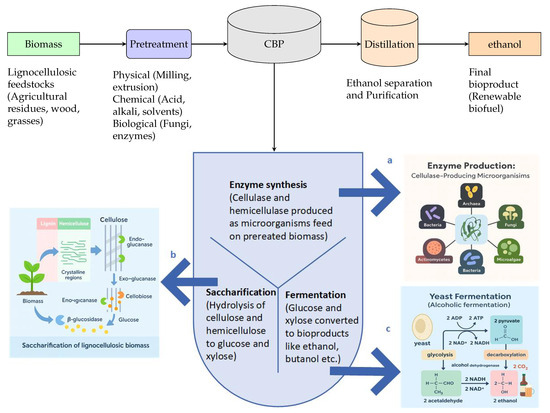
Consolidated Bioprocessing of Lignocellulosic Biomass: A Review of Experimental Advances and Modeling Approaches
by
Mark Korang Yeboah and Dirk Söffker
Bioresour. Bioprod. 2026, 2(1), 4; https://doi.org/10.3390/bioresourbioprod2010004 - 5 Mar 2026
Abstract
►▼
Show Figures
Growing global energy demand and concerns over climate change and fossil fuel depletion have increased interest in sustainable bioproducts such as ethanol. Unlike first-generation (1G) ethanol derived from food crops (e.g., corn), second-generation (2G) ethanol is produced from lignocellulosic biomass, an abundant non-food
[...] Read more.
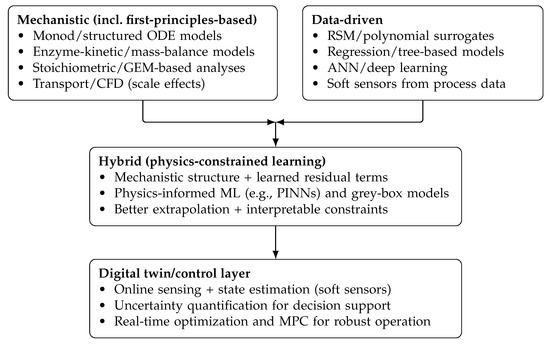
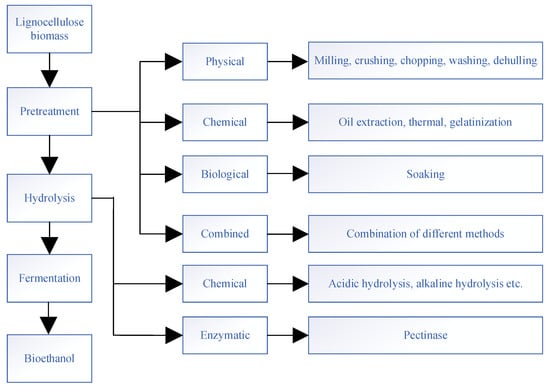
Growing global energy demand and concerns over climate change and fossil fuel depletion have increased interest in sustainable bioproducts such as ethanol. Unlike first-generation (1G) ethanol derived from food crops (e.g., corn), second-generation (2G) ethanol is produced from lignocellulosic biomass, an abundant non-food resource that addresses key sustainability concerns. Consolidated bioprocessing (CBP) integrates enzyme production, hydrolysis, and fermentation into a single step, using either microbial consortia or engineered microorganisms, thereby simplifying the process and potentially reducing costs compared with separate hydrolysis and fermentation (SHF) and simultaneous saccharification and fermentation (SSF). However, CBP systems are complex due to dynamic interactions among microbial communities, metabolic pathways, and process conditions. Addressing this complexity requires modeling approaches that capture nonlinear relationships and support robust process optimization. Machine learning (ML)-based models offer data-driven tools to represent complex bioprocess dynamics, improve predictive accuracy, and optimize bioproduct formation, thereby supporting progress toward commercial viability. Although CBP can be applied to a range of bioproducts, this review primarily focuses on lignocellulosic ethanol and closely related biofuels. The review provides a comprehensive overview of key CBP processes, the current state of CBP modeling, major limitations, and the emerging role of ML in addressing modeling challenges. It summarizes recent modeling techniques for CBP, including polynomial models and response surface methodologies, and discusses regression and neural network approaches in detail. Both first-principles and data-driven modeling strategies are considered, highlighting advances that can improve the scalability and efficiency of CBP for bioproduction. Overall, this review offers perspectives on modeling-enabled pathways for utilizing low-cost lignocellulosic biomass in sustainable bioprocessing.
Full article

Figure 1
Open AccessReview
Bioinspired Improvement of Lignocellulosic Bio-Based Materials Against Fire and Fungi—A Comprehensive Review
by
Jovale Vincent Tongco and Armando G. McDonald
Bioresour. Bioprod. 2026, 2(1), 3; https://doi.org/10.3390/bioresourbioprod2010003 - 16 Jan 2026
Cited by 1
Abstract
►▼
Show Figures
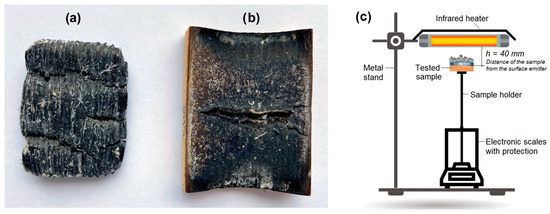
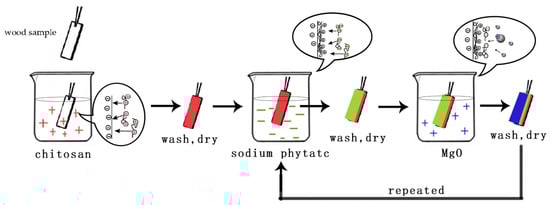
Lignocellulosic bio-based materials, such as wood, biocomposites, and natural fibers, exhibit desirable structural properties. This comprehensive review emphasizes the foundational and latest advancements in bioinspired improvement strategies, such as direct mineralization, biomineralization, lignocellulosic nanomaterials, protein-based treatments, and metal-chelating processes. Significant focus was placed
[...] Read more.
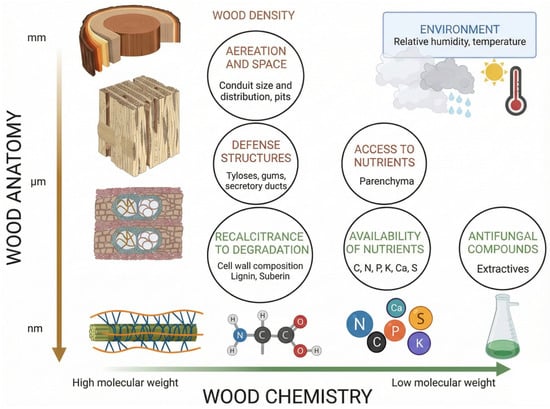
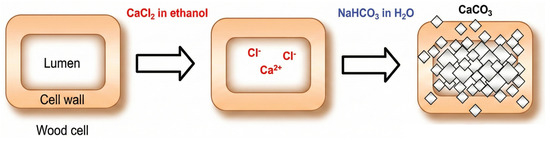
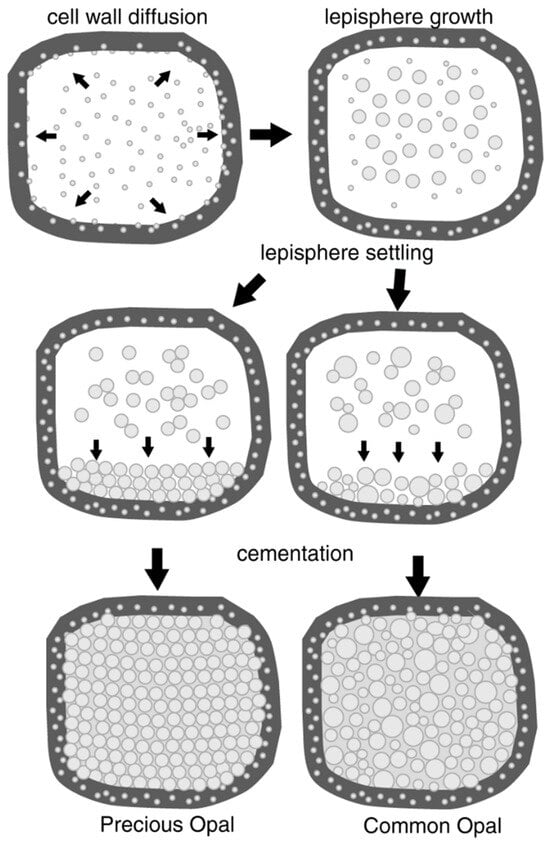
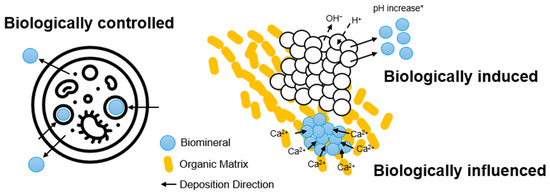
Lignocellulosic bio-based materials, such as wood, biocomposites, and natural fibers, exhibit desirable structural properties. This comprehensive review emphasizes the foundational and latest advancements in bioinspired improvement strategies, such as direct mineralization, biomineralization, lignocellulosic nanomaterials, protein-based treatments, and metal-chelating processes. Significant focus was placed on biomimetics, emulating natural protective mechanisms, with discussions on relevant topics including hierarchical mineral deposition, free-radical formation and quenching, and selective metal ion binding, and relating them to lignocellulosic bio-based material property improvements, particularly against fire and fungi. This review evaluates the effectiveness of different bioinspired processes: mineralized and biomineralized composites improve thermal stability, nanocellulose and lignin nanoparticles provide physical, thermal, and chemical barriers, proteins offer biochemical inhibition and mineral templating, and chelators interfere with fungal oxidative pathways while simultaneously improving fire retardancy through selective binding with metal ions. Synergistic approaches integrating various mechanisms could potentially lead to long-lasting and multifunctional protection. This review also highlights the research gaps, challenges, and potential for future applications.
Full article

Figure 1
Open AccessSystematic Review
A Circular Bioeconomy Framework for Biodegradable Waste: Strategies and Opportunities
by
Salomeh Chegini, Abdul Razak Mohamed Sikkander, Mehran Masoudi, Homeira Ekhtari, Elham Mojaver and Hirad Jafari
Bioresour. Bioprod. 2026, 2(1), 2; https://doi.org/10.3390/bioresourbioprod2010002 - 9 Jan 2026
Abstract
►▼
Show Figures
Biodegradable waste is commonly treated as a problem to be managed, but it can be a valuable resource when considered within a circular bioeconomy perspective. This article develops a practical and systems-based frame work for integrating biodegradable waste, ranging from municipal food scraps
[...] Read more.
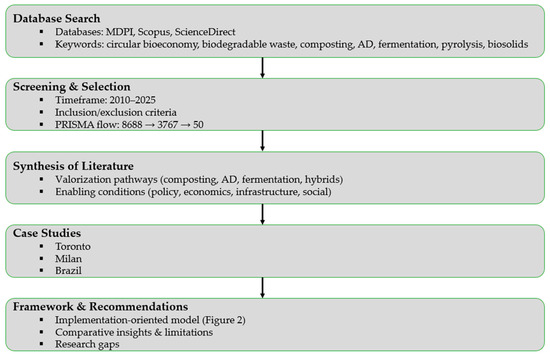
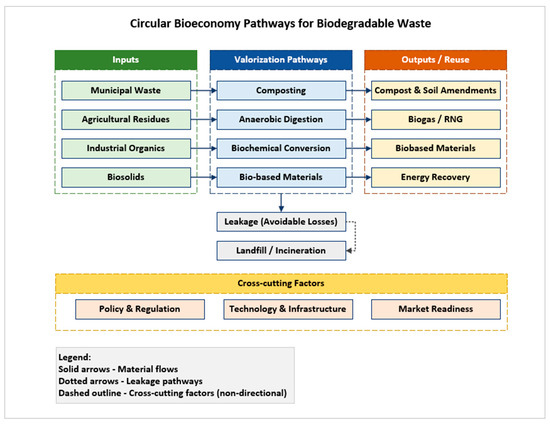
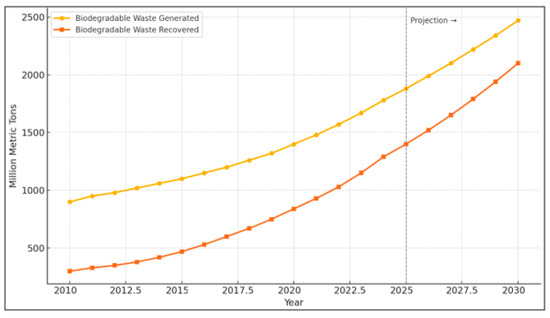
Biodegradable waste is commonly treated as a problem to be managed, but it can be a valuable resource when considered within a circular bioeconomy perspective. This article develops a practical and systems-based frame work for integrating biodegradable waste, ranging from municipal food scraps to wastewater biosolids, into valuable resources. It explores real-world strategies for transforming waste into value-added products, including composting, anaerobic digestion, biochemical conversion, and the creation of bio-based materials. The review also highlights key drivers and barriers, including technical, regulatory, and social factors, which shape the feasibility and impact of circular solutions. A visual model illustrates the full cycle, from identifying waste streams to reintegrating recovered resources. The paper also highlights case studies from Toronto, Milan and Brazil as examples of successful implementation. Overall, this paper emphasizes a pragmatic yet regenerative shift toward organic resource recovery aligned with sustainability and decarbonization goals.
Full article

Figure 1
Open AccessArticle
Assessing Sugarcane Bagasse Biomethanation After a Pretreatment with Proteus mirabilis KC94
by
Kgodiso J. Rabapane, Charles Rashama and Tonderayi S. Matambo
Bioresour. Bioprod. 2026, 2(1), 1; https://doi.org/10.3390/bioresourbioprod2010001 - 27 Dec 2025
Abstract
►▼
Show Figures
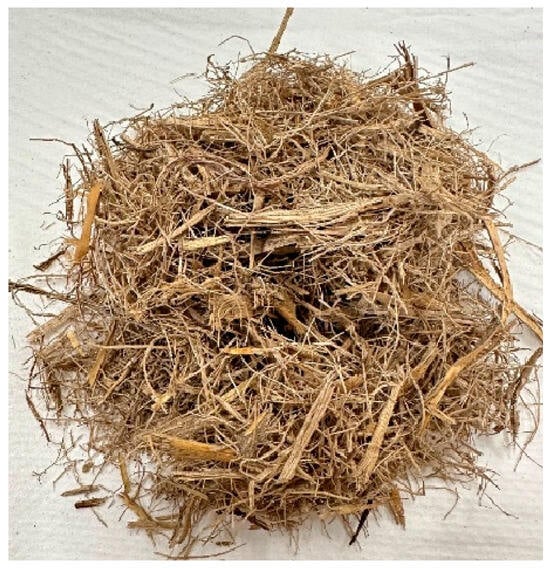
Sugarcane bagasse (SCB) is a lignocellulosic byproduct with low biodegradability, limiting its potential for biological processes such as biogas production. The objective of this study was to evaluate whether a short-term biological pretreatment with the cellulolytic bacterium Proteus mirabilis KC94 could enhance SCB
[...] Read more.
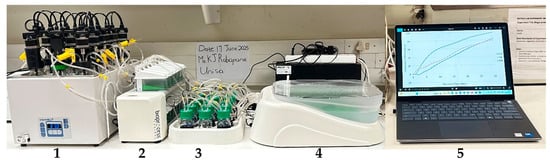
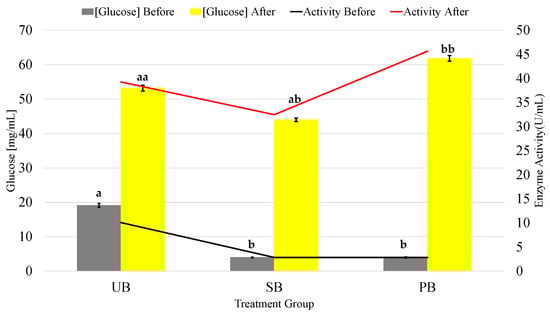
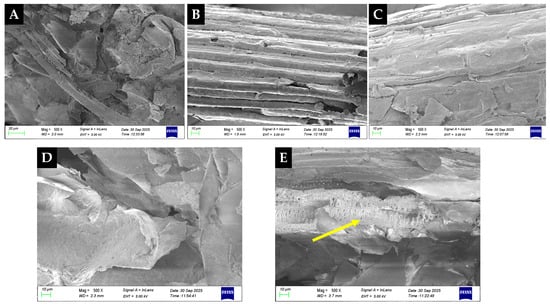
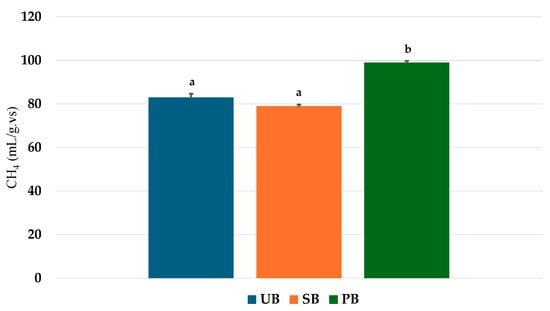
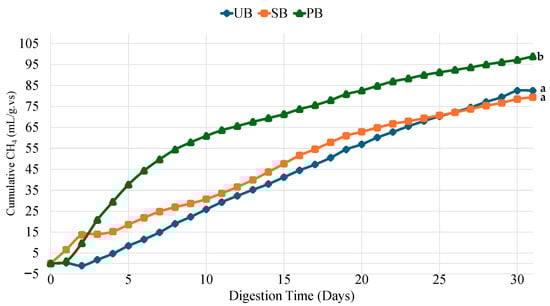
Sugarcane bagasse (SCB) is a lignocellulosic byproduct with low biodegradability, limiting its potential for biological processes such as biogas production. The objective of this study was to evaluate whether a short-term biological pretreatment with the cellulolytic bacterium Proteus mirabilis KC94 could enhance SCB hydrolysis, improve nutrient balance, and increase biomethane potential (BMP). Three treatments were compared: untreated bagasse (UB), sterilized bagasse (SB), and KC94-pretreated bagasse (PB). Glucose release was highest in PB (61.83 ± 0.8 mg/mL), indicating enhanced cellulose degradation in PB relative to UB (53.19 ± 0.9 mg/mL) and SB (44.00 ± 0.5 mg/mL). Elemental analysis revealed a more balanced nutrient profile in PB, characterized by optimal carbon and nitrogen levels, and reduced sulfur content, indicating microbial assimilation and potential biological desulfurization. Scanning electron microscopy revealed pronounced structural disruption, increased porosity, and fiber delamination in PB, confirming the efficacy of KC94-mediated lignocellulosic pretreatment. BMP assays conducted over a 31-day incubation period revealed that PB produced the highest cumulative methane yield (99 ± 0.7 mL CH4/g VS), representing 19% and 25% increases over UB and SB, respectively. PB biomethanation was also faster compared to the other two substrates. These findings demonstrate the novelty of a 5-day bacterial pretreatment strategy, which significantly improves lignocellulosic hydrolysis and methane yield. Specifically, P. mirabilis KC94 pretreatment increased glucose release by 16–40% and cumulative methane yield by 19–25% compared to untreated and sterilized controls. This cost-effective and environmentally friendly approach highlights the potential of P. mirabilis KC94 to valorize sugarcane bagasse, advancing sustainable energy recovery and circular bioeconomy practices.
Full article

Figure 1

Open AccessArticle
Eucalyptus nitens Wood of Spanish Origin as Timber Bioproduct: Fiber Saturation Point and Dimensional Variations
by
Óscar González-Prieto, David Casais Goimil and Luis Ortiz Torres
Bioresour. Bioprod. 2025, 1(2), 9; https://doi.org/10.3390/bioresourbioprod1020009 - 18 Dec 2025
Abstract
►▼
Show Figures
Wood is a primary bioproduct widely utilized as timber in construction and carpentry. Characterization of its properties, particularly moisture response, is essential for industrial performance. The Fiber Saturation Point (FSP) influences the dimensional stability and efficiency of industrial processes such as drying. This
[...] Read more.
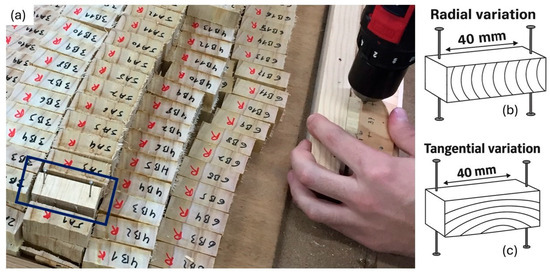
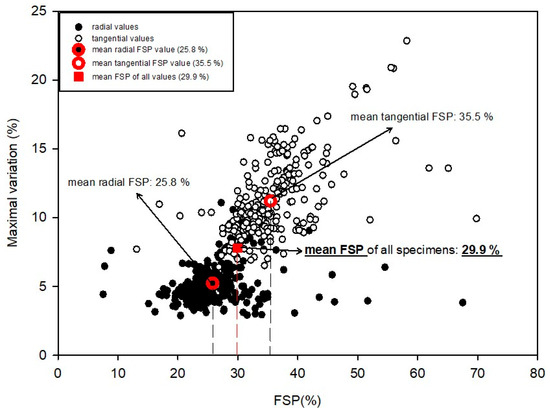
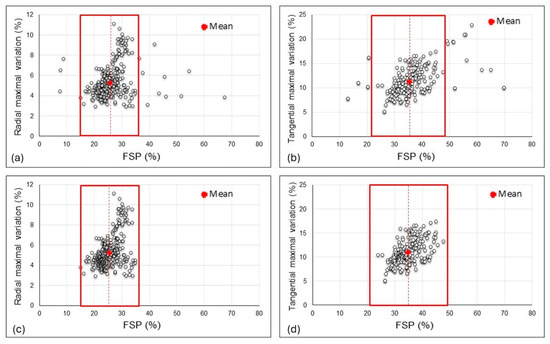
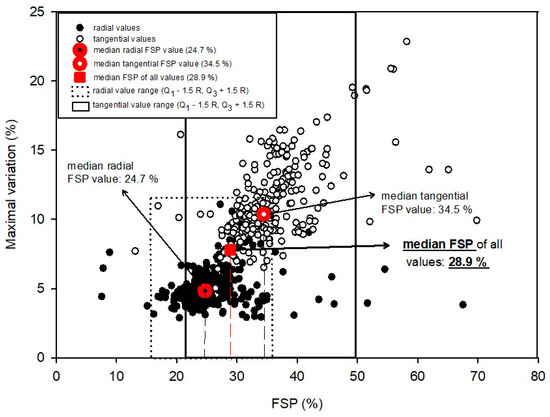
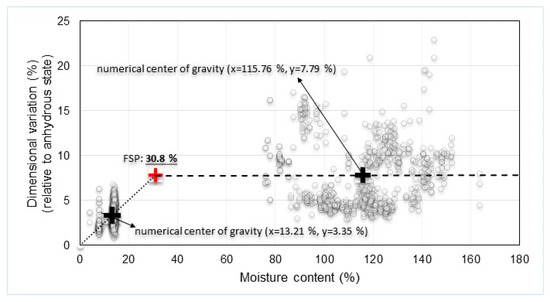
Wood is a primary bioproduct widely utilized as timber in construction and carpentry. Characterization of its properties, particularly moisture response, is essential for industrial performance. The Fiber Saturation Point (FSP) influences the dimensional stability and efficiency of industrial processes such as drying. This study determines the maximum dimensional variation and the FSP of Eucalyptus nitens solid wood from plantations in Northwestern Spain, studying 354 specimens of 20 × 20 × 50 mm. Mean and median values were calculated considering and omitting outliers. Additionally, a graphical FSP value was obtained by applying the statistical theory of the center of gravity, defined as the intersection of lines derived from the two-dimensional data distribution. For maximum dimensional variation, the analysis yielded mean values of 5.2% [±1.53] and 11.2% [±2.84] and medians of 4.8% and 10.4%, in radial and tangential directions, respectively. The mean FSP was 29.9% [±7.95], the median 28.9%, and the graphical estimate 30.8%. Establishing the FSP defines the critical moisture threshold at which significant changes in physical and mechanical properties, as well as dimensional alterations, occur in this bioresource, particularly for its use as a bioproduct in carpentry and construction or for industrial wood drying.
Full article

Figure 1

Open AccessArticle
Identification and Characterization of the Delta-12 Fatty Acid Desaturase from Euglena gracilis
by
Raj Kumar Thapa, Bijaya Kumar Uprety, R. J. Neil Emery and Scott C. Farrow
Bioresour. Bioprod. 2025, 1(2), 8; https://doi.org/10.3390/bioresourbioprod1020008 - 10 Nov 2025
Abstract
►▼
Show Figures
Fatty acid desaturase 12 (FAD12) is a key enzyme in fatty acid biosynthesis, responsible for converting oleic acid to linoleic acid through desaturase activity. Euglena gracilis (Euglena) is an emerging platform for the industrial production of various metabolites, including lipids. However, a comprehensive
[...] Read more.
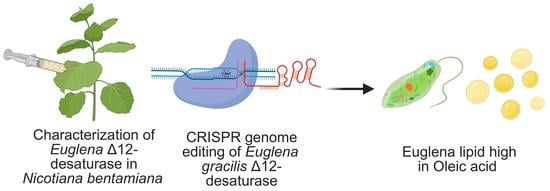
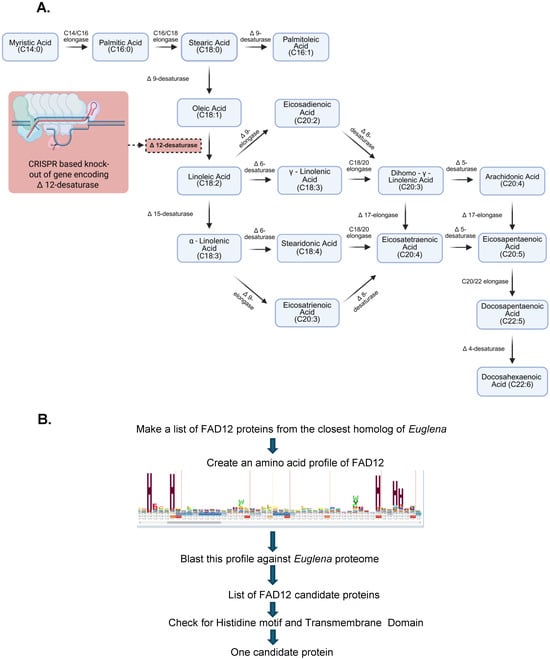
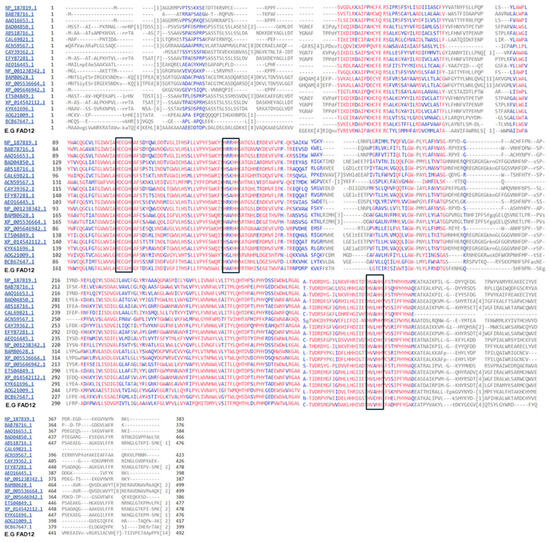
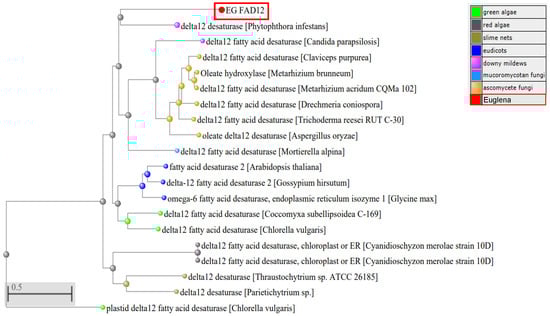
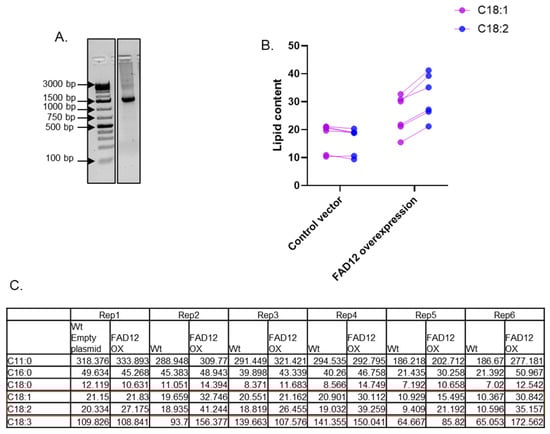
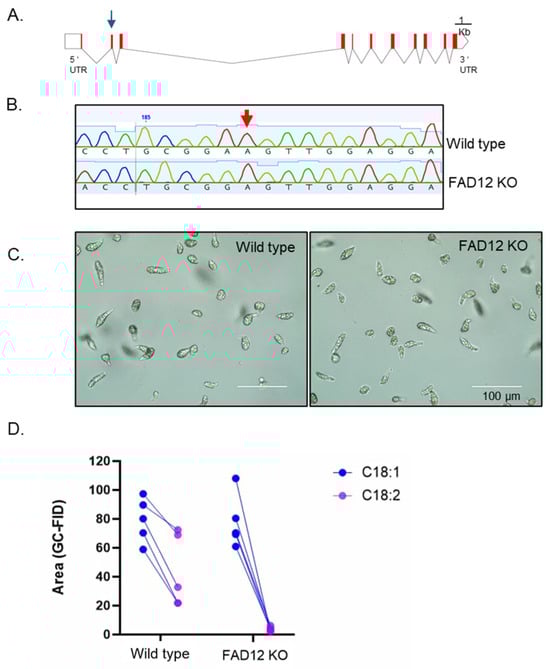
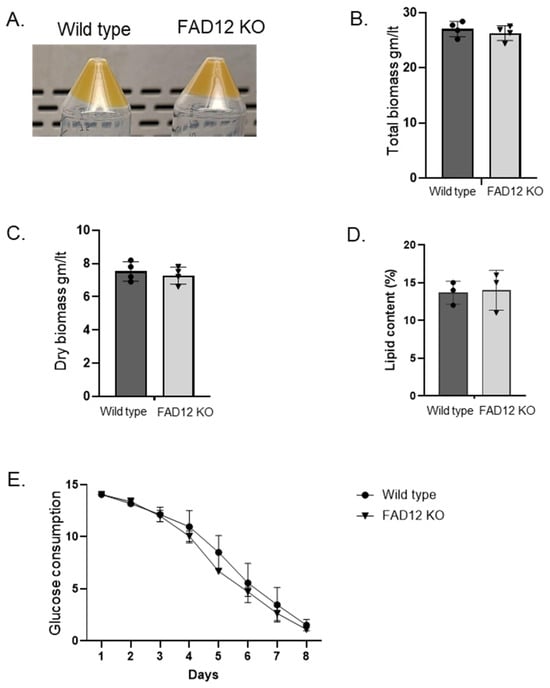
Fatty acid desaturase 12 (FAD12) is a key enzyme in fatty acid biosynthesis, responsible for converting oleic acid to linoleic acid through desaturase activity. Euglena gracilis (Euglena) is an emerging platform for the industrial production of various metabolites, including lipids. However, a comprehensive understanding of Euglena’s fatty acid biosynthesis pathways remains incomplete, posing a significant barrier to the commercialization of Euglena bioproducts. To address this gap, we employed a bioinformatics approach to identify a Euglena gracilis FAD12 (Eg FAD12). We analyzed the evolutionary relationship of Eg FAD12 with its homologs from other organisms and revealed that the three canonical histidine box motifs are conserved among FAD12s. To characterize EgFAD12, we cloned it into the pEAQ-hyperstrans vector and overexpressed it in Nicotiana benthamiana to take advantage of its endogenous fatty acid pool, which could act as a substrate. The heterologous expression of FAD12 in N. benthamiana led to an increased linoleic acid content, demonstrating the suspected desaturase activity. To further confirm the function of Eg FAD12, we performed CRISPR-Cas9-mediated knockout of Eg FAD12 in Euglena, which resulted in a drastic reduction in linoleic acid (C18:2) without compromising biomass yield or lipid content. This work advances our understanding of fatty acid biosynthesis in Euglena and will aid in its adoption as a platform for producing customized lipids.
Full article

Graphical abstract
Open AccessArticle
Strategies for Increasing Methane Removal in Methanotroph Stirred-Tank Reactors for the Production of Ectoine
by
Jaden Storrer, Tansley M. Mazurkiewicz, Bodee Hancock and Ronald C. Sims
Bioresour. Bioprod. 2025, 1(2), 7; https://doi.org/10.3390/bioresourbioprod1020007 - 1 Nov 2025
Abstract
►▼
Show Figures
Methane is a potent greenhouse gas that requires its emissions to be mitigated. A significant source for methane emissions is in the form of the biogas that is produced from anaerobic digestion in wastewater reclamation and landfill facilities. Biogas has a high valorization
[...] Read more.
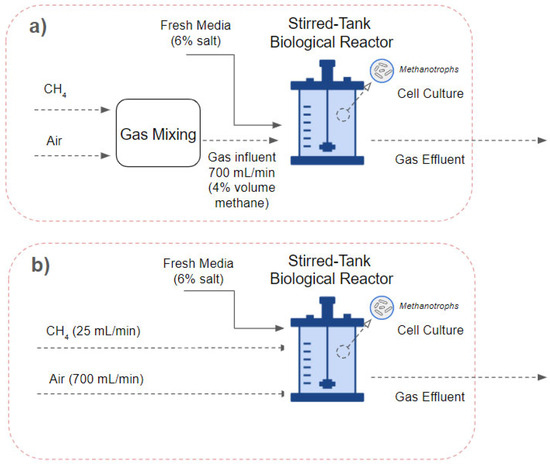
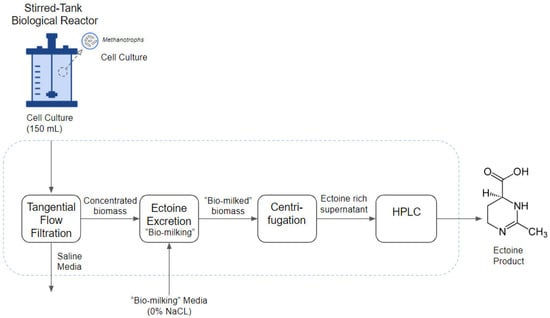
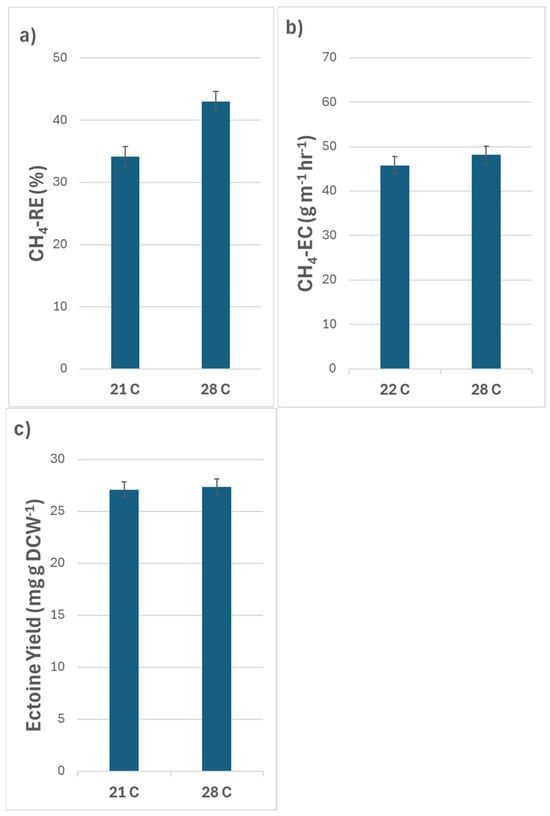
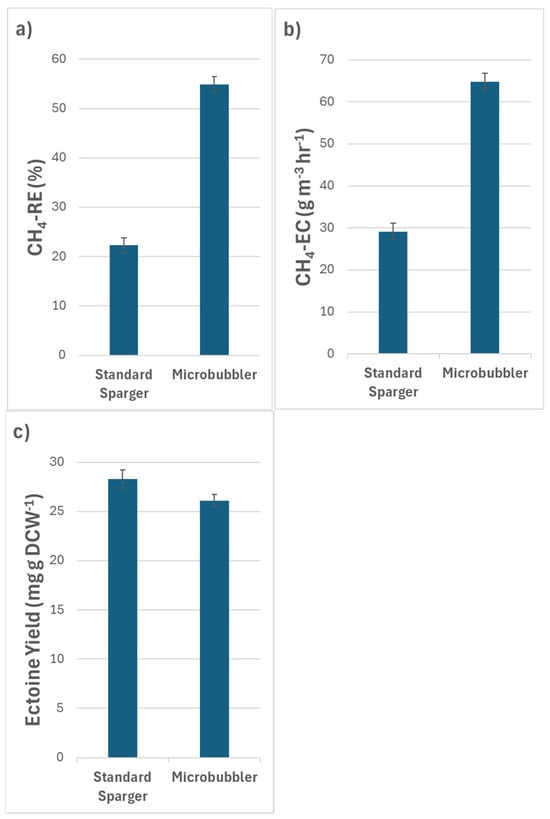
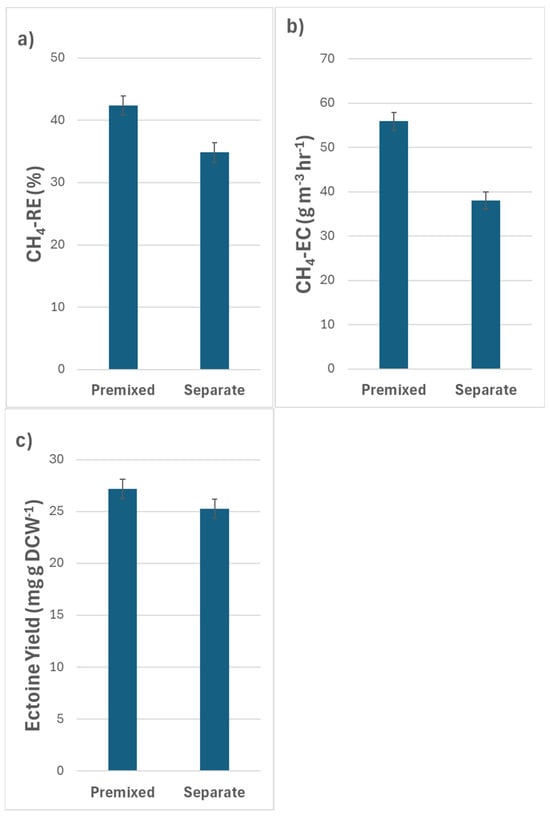
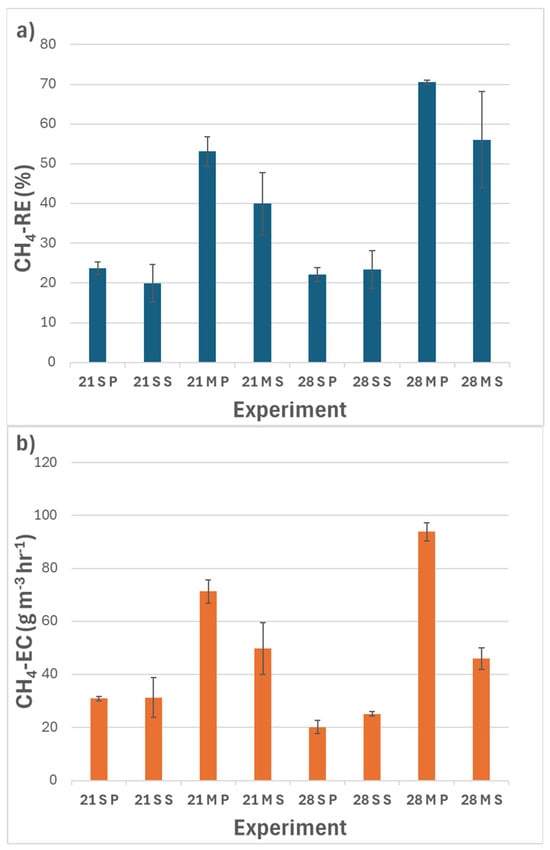
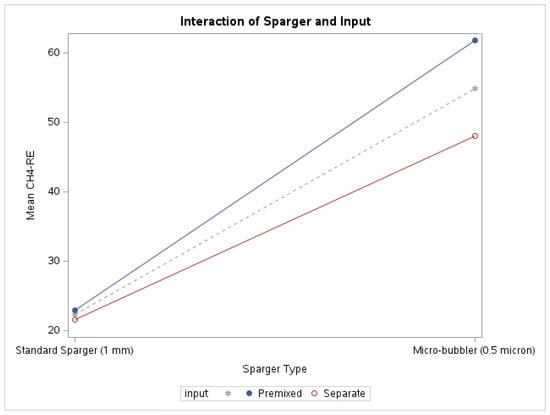
Methane is a potent greenhouse gas that requires its emissions to be mitigated. A significant source for methane emissions is in the form of the biogas that is produced from anaerobic digestion in wastewater reclamation and landfill facilities. Biogas has a high valorization potential in the form of its bioconversion into ectoines, an active ingredient in skin care products, by halotolerant alkaliphilic methanotrophs. Cultures of Methylotuvimicrobium alcaliphilum 20Z were grown in bench scale stirred-tank reactors to determine factors to improve methane uptake and removal. Tangential flow filtration was also implemented for a bio-milking method to recover ectoine from culture media. Methane uptake and reactor productivity increased, with a temperature of 28 °C compared with 21 °C. Decreasing the methane gas bubble diameter by decreasing the sparger pore size from 1 mm to 0.5 µm significantly improved methane removal and reactor productivity by increasing mass transfer. Premixing methane and air before sparging into the reactor saw a higher removal of methane, while sparging methane and air separately created an increase in reactor productivity. Maximum methane removal efficiency was observed to be 70.56% ± 0.54 which translated to a CH4-EC of 93.82 ± 3.36 g CH4 m−3 h−1. Maximum ectoine yields was observed to be 0.579 mg ectoine L−1 h−1.
Full article

Figure 1

Open AccessCommunication
Influence of Pyrolysis Temperature on Critical Variables Related to Charcoal Spontaneous Combustion
by
Tayná Rebonato Oliveira, Álison Moreira da Silva, Gabriela Fontes Mayrinck Cupertino, Fabíola Martins Delatorre, Gabriela Aguiar Amorim, Marina Passos de Souza, José Otávio Brito and Ananias Francisco Dias Júnior
Bioresour. Bioprod. 2025, 1(2), 6; https://doi.org/10.3390/bioresourbioprod1020006 - 8 Oct 2025
Abstract
►▼
Show Figures
Spontaneous combustion of charcoal is still not fully understood, generating uncertainties among producers, regulatory agencies, and the scientific community. This study evaluated the influence of final pyrolysis temperature (350, 450, 550, and 650 °C) on the properties of Eucalyptus spp. charcoal and its
[...] Read more.
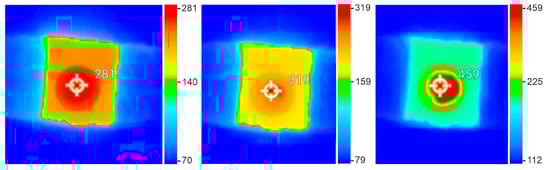
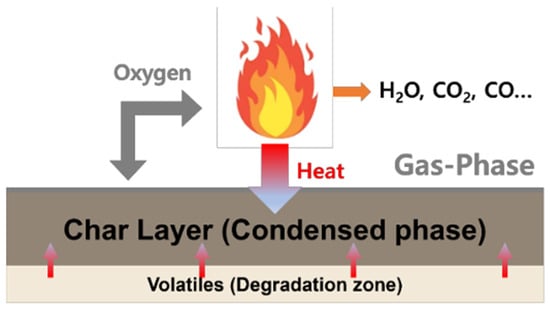
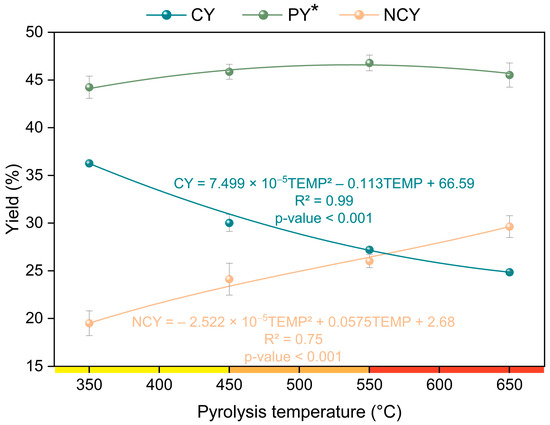
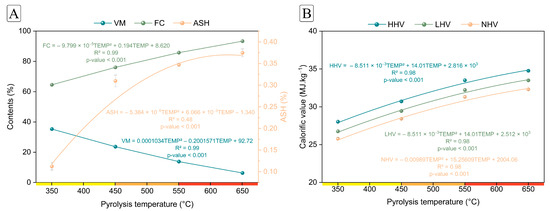
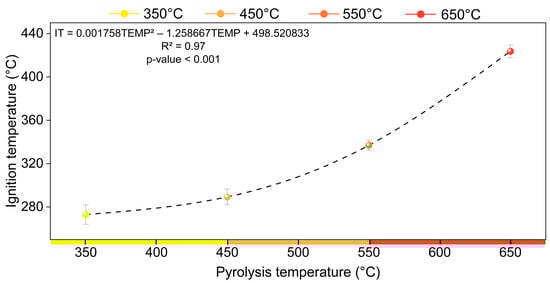
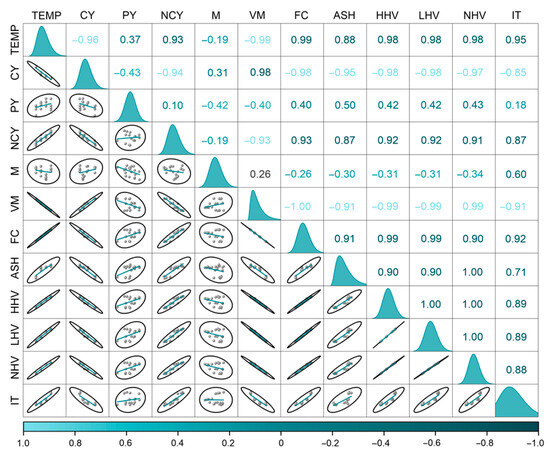
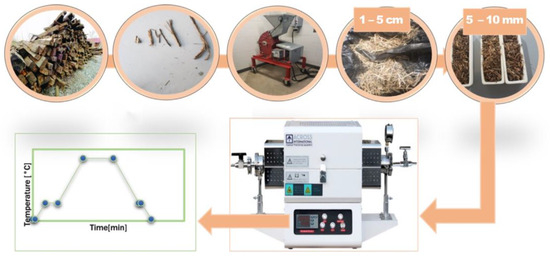
Spontaneous combustion of charcoal is still not fully understood, generating uncertainties among producers, regulatory agencies, and the scientific community. This study evaluated the influence of final pyrolysis temperature (350, 450, 550, and 650 °C) on the properties of Eucalyptus spp. charcoal and its relation to ignition behavior. Gravimetric yield, proximate composition, calorific value, and ignition temperature were determined. Charcoal yield decreased by 31% between 350 °C and 650 °C. Fixed carbon content increased from ~65% to ~93%, accompanied by a reduction in volatile matter (~35% to ~6%) and a corresponding rise in calorific value. Step-heating experiments, conducted in a furnace with infrared camera monitoring, showed that ignition temperature increased from ~273 °C in charcoal produced at 350 °C to ~424 °C in charcoal produced at 650 °C. Strong correlations indicated that higher fixed carbon and lower volatile matter contents are directly associated with higher ignition temperatures. These results demonstrate that increasing the final pyrolysis temperature improves both the thermal stability and the energy quality of charcoal, although at the expense of gravimetric yield. Since the methodology was based on forced heating rather than spontaneous combustion under near-ambient conditions, complementary tests are required to evaluate spontaneous combustion propensity. Overall, the findings provide practical insights to balance yield, quality, and safety while reinforcing the importance of standardized assessment protocols to ensure safer storage and transport of charcoal.
Full article

Figure 1
Open AccessArticle
Transforming Spent Railroad Ties into High-Value Biochar: A Sustainable Solution for Phosphorus and Nitrate Removal in Water Treatment
by
Shariat Mobasser, Tosin O. Olanrewaju, Chad T. Jafvert, Cliff Johnston and Abigail S. Engelberth
Bioresour. Bioprod. 2025, 1(1), 5; https://doi.org/10.3390/bioresourbioprod1010005 - 23 Sep 2025
Cited by 1
Abstract
►▼
Show Figures
The growing challenge of managing end-of-life creosote-treated railroad ties, along with the increasing demand for effective water treatment solutions, has highlighted the potential of converting railroad tie biomass into functional biochar through pyrolysis. Pyrolysis temperatures ranging from 250 °C to 700 °C were
[...] Read more.
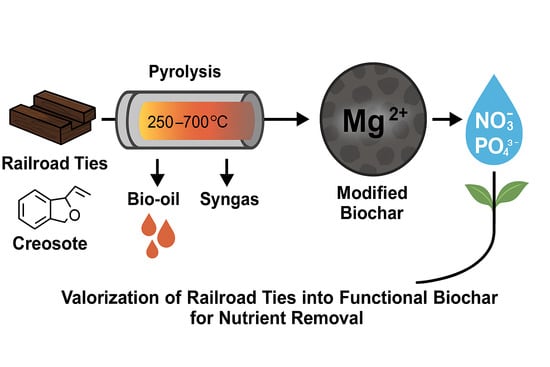
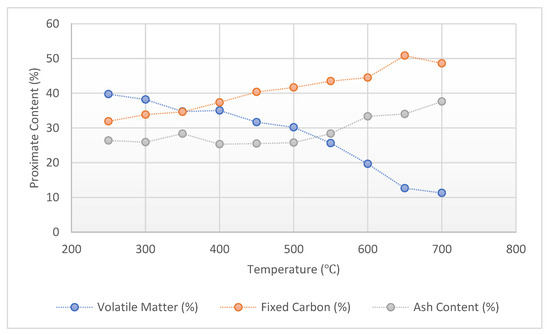
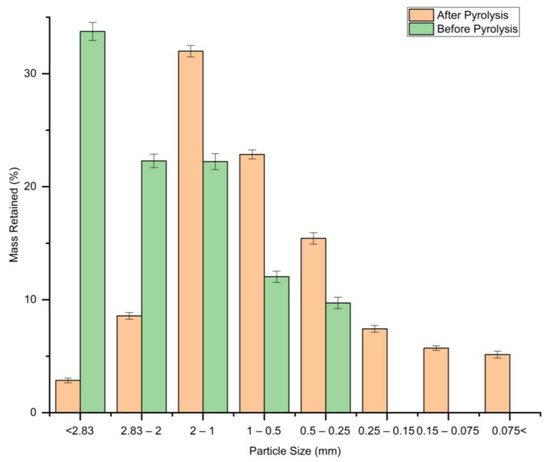
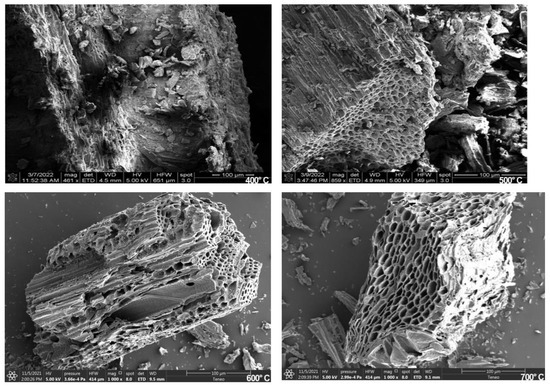
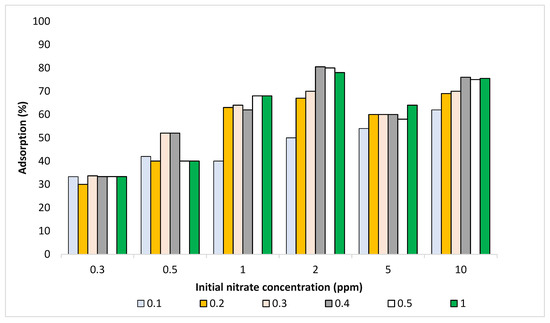
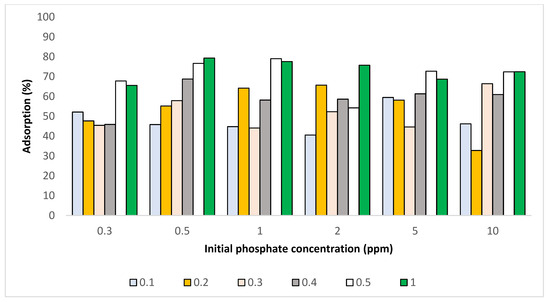
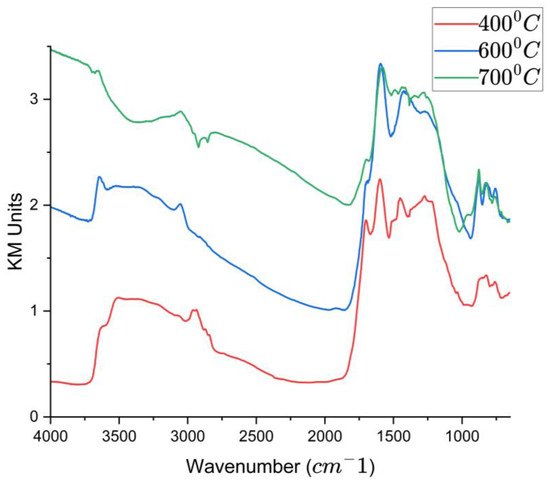
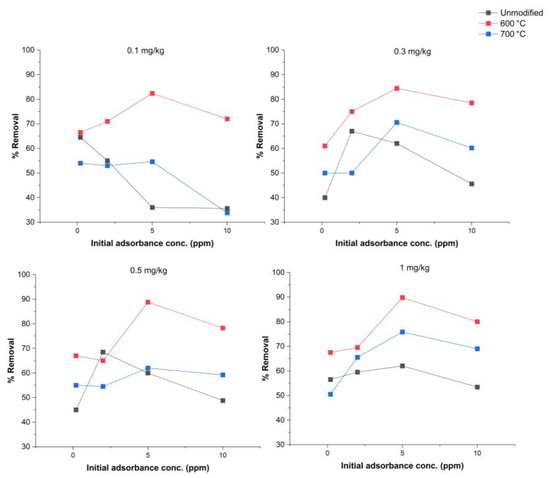
The growing challenge of managing end-of-life creosote-treated railroad ties, along with the increasing demand for effective water treatment solutions, has highlighted the potential of converting railroad tie biomass into functional biochar through pyrolysis. Pyrolysis temperatures ranging from 250 °C to 700 °C were evaluated to determine their influence on biochar yield, physicochemical properties, and adsorption performance for nitrate and phosphate. The findings revealed that increasing pyrolysis temperature enhanced biochar surface area and porosity, reaching 454.9 m2/g at 700 °C. Elemental analyses showed maximum carbonization at 550 °C, with carbon content peaking at 80%, reflecting the development of more stable aromatic structures. SEM and FTIR analyses confirmed these structural changes, including the emergence of extensive pore networks and aromatic frameworks. Biochar produced at 600 °C demonstrated high nitrate (80%) and phosphate (79%) removal efficiencies, following Freundlich isotherm models. Magnesium-modified biochar further improved nitrate adsorption, reaching 90% removal at 5 ppm. Importantly, polycyclic aromatic hydrocarbons in the biochar decreased significantly at higher temperatures, ensuring environmental safety. This work demonstrates the dual environmental benefits of converting hazardous railroad tie waste into value-added biochar for nutrient removal in water treatment applications, offering a sustainable and scalable solution for circular waste management.
Full article

Graphical abstract
Open AccessArticle
Analysis of Modifications to an Outdoor Field-Scale Rotating Algal Biofilm Reactor with a Focus on Biomass Productivity and Power Usage
by
Davis R. Haag, Phillip E. Heck and Ronald C. Sims
Bioresour. Bioprod. 2025, 1(1), 4; https://doi.org/10.3390/bioresourbioprod1010004 - 19 Sep 2025
Cited by 1
Abstract
►▼
Show Figures
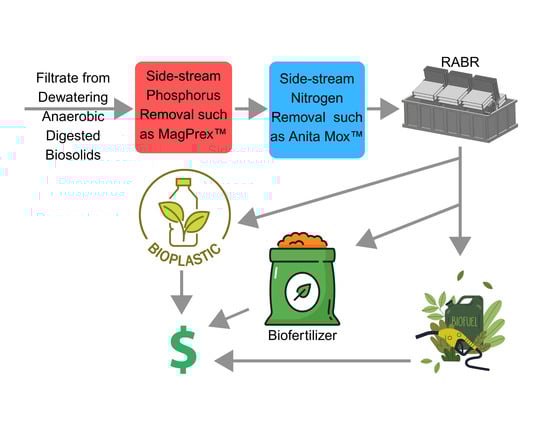
Filtrate from dewatering anaerobically digested biosolids is a side-stream of wastewater treatment that contains high concentrations of nitrogen and phosphorus compounds that can serve as nutrients for cultivating microalgae biomass as biofilms for bioproduct production at Water Resource Recovery Facilities (WRRFs). One system
[...] Read more.
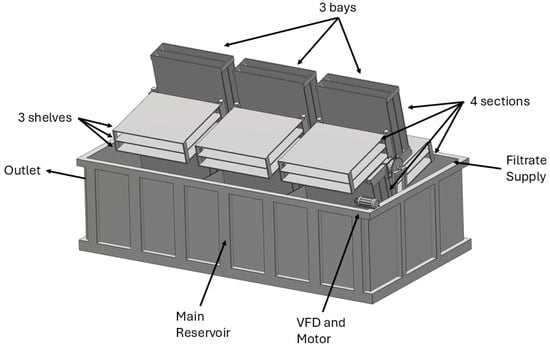
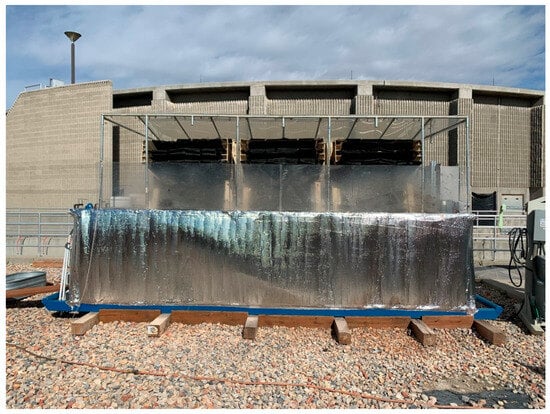
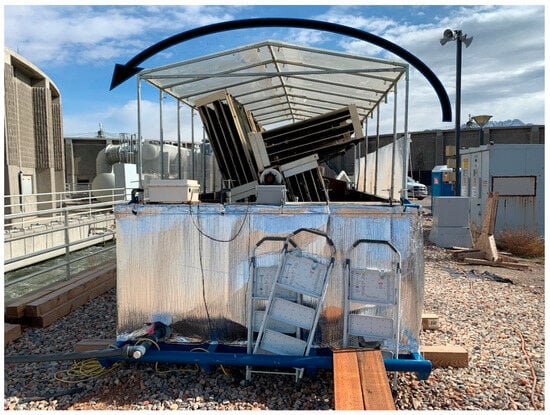
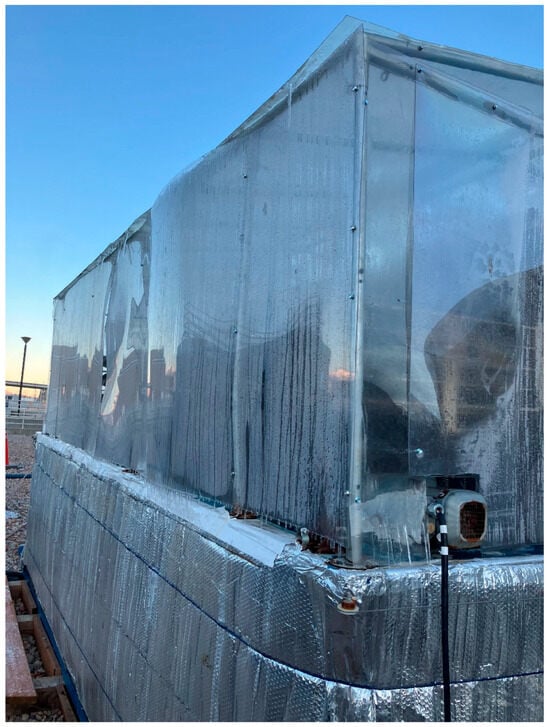
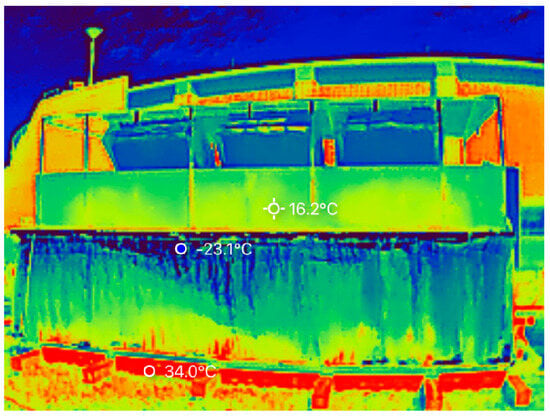
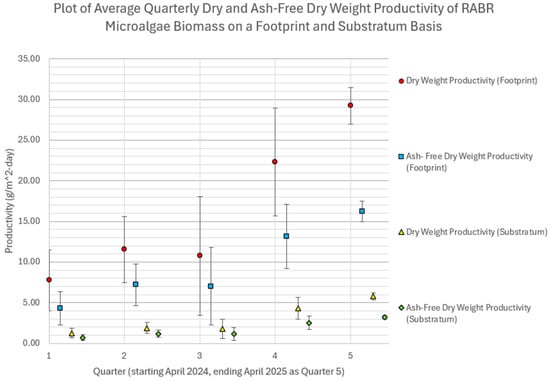
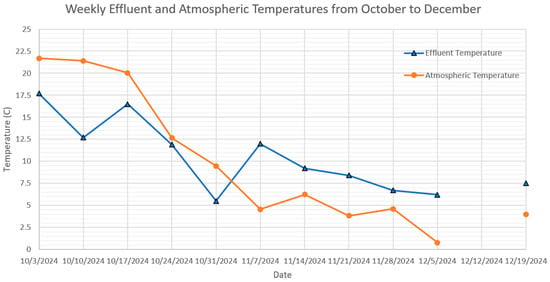
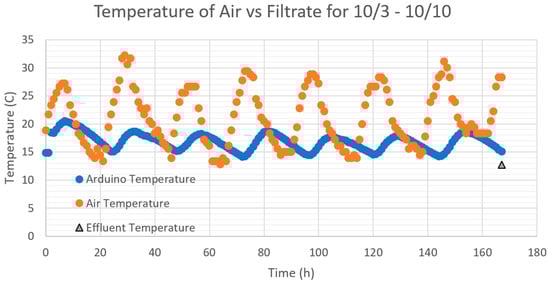
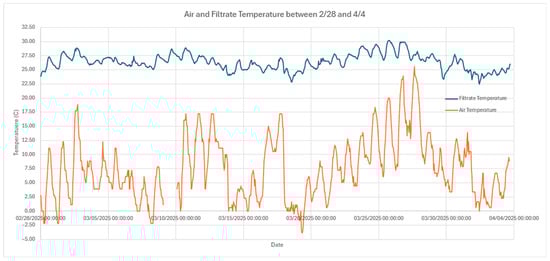
Filtrate from dewatering anaerobically digested biosolids is a side-stream of wastewater treatment that contains high concentrations of nitrogen and phosphorus compounds that can serve as nutrients for cultivating microalgae biomass as biofilms for bioproduct production at Water Resource Recovery Facilities (WRRFs). One system used to cultivate attached microalgae biofilms is the rotating algal biofilm reactor (RABR). A pilot RABR with 72 m2 growth surface area, 11.5 m2 footprint area, and a liquid volume of 11,500 L was operated in an outdoor environment at the largest WRRF in Utah, U.S.A, the Central Valley Water Reclamation Facility (CVWRF). The configuration of the RABR was altered from the previous configuration with regard to temperature and duty cycle with the goal to maximize biomass productivity. Results included an increase in dry biomass productivity on a footprint basis from 8.8 g/m2/day to 26.8 g/m2/day (205%) while power requirements changed from 28.3 W to 91 W. The increase in biomass productivity has direct benefits for bioproducts including bioplastic, biofertilizer, and the extraction of lipids for conversion to biofuels.
Full article

Graphical abstract
Open AccessReview
The Potential of Bioethanol from Agricultural Crop Residues: A Case Study of Algeria
by
Monirul Islam Miskat, Aditta Chowdhury, Sadiq M. Sait and Rabiul Islam
Bioresour. Bioprod. 2025, 1(1), 3; https://doi.org/10.3390/bioresourbioprod1010003 - 19 Sep 2025
Abstract
►▼
Show Figures
Due to the ever-increasing energy demand, Algeria’s sustainable energy crisis is a significant problem. Plant and crop residues can be a solution to this problem if they are used for bioethanol production, a viable alternative to fossil fuels. This study explores the potential
[...] Read more.
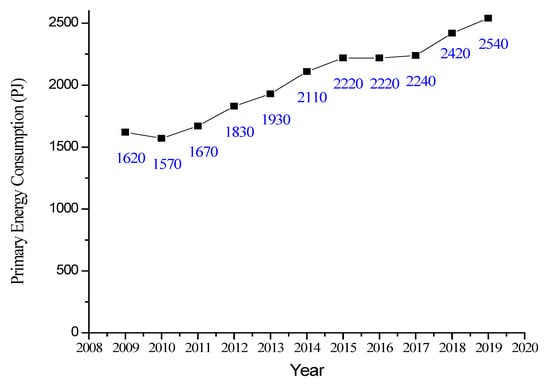
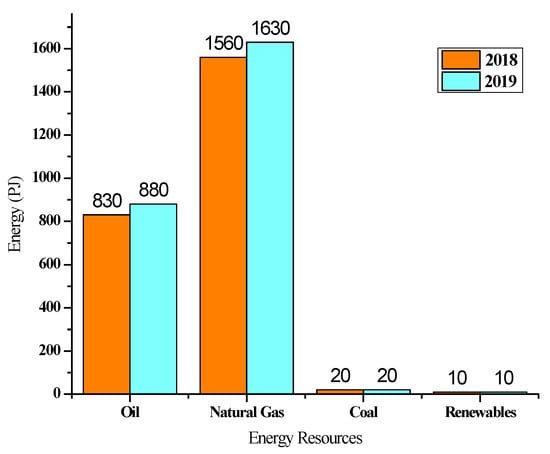
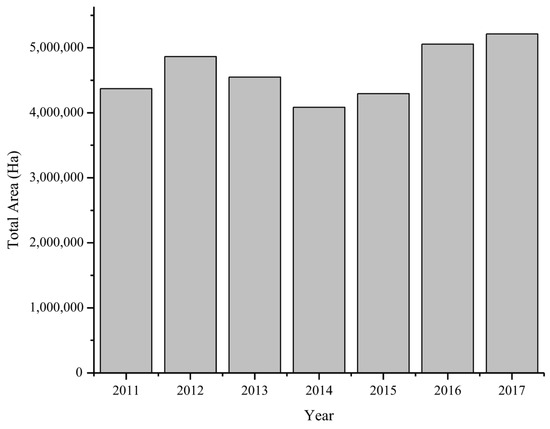
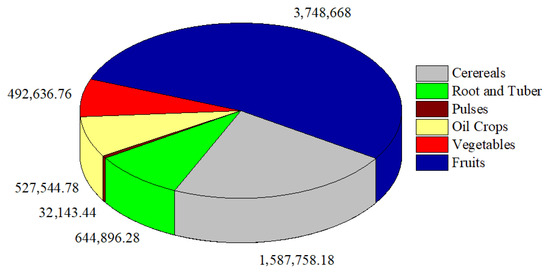
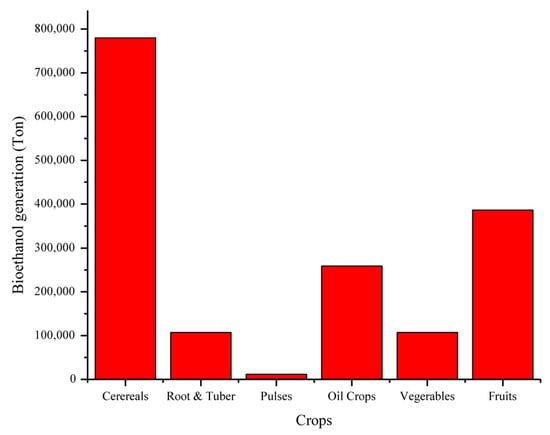
Due to the ever-increasing energy demand, Algeria’s sustainable energy crisis is a significant problem. Plant and crop residues can be a solution to this problem if they are used for bioethanol production, a viable alternative to fossil fuels. This study explores the potential of existing agricultural crop residues to overcome the sustainable energy crisis in Algeria. Agricultural residues such as cereals, roots and tubers, pulses, oil crops, vegetables, and fruits have great potential to solve the problem. The agricultural residues that are normally wasted can be utilized to produce bioethanol, which provides sustainable energy and also help to obtain a clean environment. It has been found that 1.65 million tons of bioethanol can be produced from Algeria’s available residues, which is equivalent to 44.10 petajoule of energy. Cereal and fruit residues contribute to most bioethanol generation, about 47.22% and 23.38%, respectively. In addition, bioethanol generated from residue can be used in Algeria’s transportation sector. Considering Algeria’s current energy condition, gasoline blended with ethanol such as E10 and E5 can be used in Algerian vehicles since no modification of vehicles is needed for utilizing these fuels. Research indicates that lignocellulosic biomass sources in Algeria, such as Alfa, olive pomace, and cereal straw, could provide up to 0.67 million tons of oil equivalent (Mtoe), representing approximately 4.37% of the energy consumption of the transport sector in Algeria. Algeria has the potential to produce up to 73.5 Mtoe and 57.9 Mtoe of renewable energy utilizing the energy crops. This study will also encourage relevant policymakers to develop sustainable energy policies that will enhance the renewable energy share in Algerian energy dynamics.
Full article

Figure 1

Open AccessReview
Heavy Metals in Bioenergy Crop Production, Biomass Quality, and Biorefinery: Global Impacts and Sustainable Management Strategies
by
Amir Sadeghpour, Moein Javid, Sowmya Koduru, Sirwan Babaei and Eric C. Brevik
Bioresour. Bioprod. 2025, 1(1), 2; https://doi.org/10.3390/bioresourbioprod1010002 - 18 Sep 2025
Cited by 1
Abstract
►▼
Show Figures
Heavy metals (HMs) including cadmium (Cd), lead (Pb), arsenic (As), zinc (Zn), copper (Cu), chromium (Cr), and nickel (Ni) pose significant challenges to bioenergy crop production due to their persistence, toxicity, and bioaccumulation in soils and plants. This study not only summarizes the
[...] Read more.
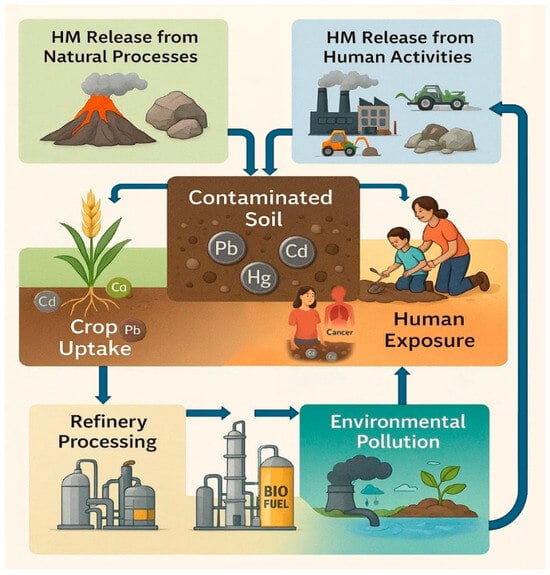
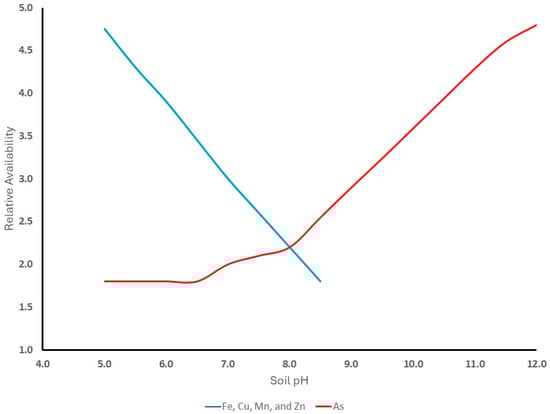
Heavy metals (HMs) including cadmium (Cd), lead (Pb), arsenic (As), zinc (Zn), copper (Cu), chromium (Cr), and nickel (Ni) pose significant challenges to bioenergy crop production due to their persistence, toxicity, and bioaccumulation in soils and plants. This study not only summarizes the mechanisms of HM absorption, translocation, and accumulation in bioenergy crops, but also critically assesses their impact on crop development, biomass quality, and biorefinery processes. Heavy metals disrupt key physiological processes and modify lignocellulosic composition, which is important for biofuel and biogas production. Global soil contamination from sources like industrial emissions, mining, and agricultural activities exacerbates these problems, posing a threat to both energy security and environmental sustainability. Sustainable management strategies, including phytoremediation, microbial bioremediation, soil amendments, and genetic engineering, are explored to mitigate HM effects while enhancing crop resilience. This review emphasizes the importance of integrating techniques to balance bioenergy production with environmental and human health and safety, including the use of HM-tolerant crop varieties, enhanced biorefinery processes, and robust policy frameworks. Future research should focus on developing scalable remediation technologies and interdisciplinary solutions that align with the United Nations’ Sustainable Development Goals and meet global bioenergy needs.
Full article

Figure 1
Open AccessEditorial
Bioresources and Bioproducts: A New Open Access Journal
by
Ronald C. Sims
Bioresour. Bioprod. 2025, 1(1), 1; https://doi.org/10.3390/bioresourbioprod1010001 - 18 Sep 2025
Abstract
Greetings to the bioresource and bioproducts community! I will serve as the Editor-in-Chief to collaborate with you as we promote the aims and scope of this new MDPI journal [...]
Full article
Highly Accessed Articles
Latest Books
E-Mail Alert
News
Topics
Conferences
Special Issues
Special Issue in
Bioresources and Bioproducts
Valorization of By-Products from Biological and Chemical Processes in Waste and Wastewater Treatment
Guest Editors: Isabella Pecorini, Francesco PasciuccoDeadline: 31 December 2026