



Next Issue
Volume 8, January
Previous Issue
Volume 7, September


Sci, Volume 7, Issue 4 (December 2025) – 54 articles
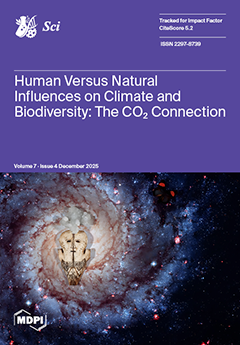
Cover Story (view full-size image): Potential causes of climate change and mass extinctions include human influences and natural forces originating from the Earth, Sun and galaxy. This review article summarizes growing evidence that natural forces govern both, but the ongoing Sixth Mass Extinction is caused in large part by human-sourced emissions of carbon dioxide that acidify the ocean and kill phytoplankton that produce most of our oxygen. The only solution is to decarbonize the global economy starting immediately. Artwork by Dr. Claudia Helade, “What We Are Looking For,” 31” × 31” photograph and mixed media featuring an antique human figurine superimposed on Hubble Photograph M74-NGC 628 of spiral galaxy M-74 (from the artist with permission). View this paper
  • Issues are regarded as officially published after their release is announced to the table of contents alert mailing list.
  • You may sign up for e-mail alerts to receive table of contents of newly released issues.
  • PDF is the official format for papers published in both, html and pdf forms. To view the papers in pdf format, click on the "PDF Full-text" link, and use the free Adobe Reader to open them.
Order results
Result details
Section
Select all
Export citation of selected articles as:
23 pages, 693 KB  
Article
Implementation of a Low-Cost Digital Transformation Model for Small- and Medium-Sized Industrial Enterprises in the Context of Industry 4.0
by Leonel Patrício and Leonilde Varela
Sci 2025, 7(4), 187; https://doi.org/10.3390/sci7040187 - 18 Dec 2025
Viewed by 104
Abstract
This study examines the adoption of a low-cost model to support digital transformation in small- and medium-sized industrial enterprises (SMEs) within the context of Industry 4.0. In light of the need to increase operational efficiency while simultaneously reducing expenditure, it becomes a priority [...] Read more.
This study examines the adoption of a low-cost model to support digital transformation in small- and medium-sized industrial enterprises (SMEs) within the context of Industry 4.0. In light of the need to increase operational efficiency while simultaneously reducing expenditure, it becomes a priority to employ innovative and cost-effective solutions. To evaluate this impact, the research applies the PICO (Population, Intervention, Comparison, Outcome) methodology, systematically assessing how the proposed model influences digital transformation and operational efficiency. Drawing on a case study, the findings demonstrate that implementing the low-cost model leads to significant cost reductions, gains in operational efficiency, and an acceleration of digital transformation in industrial organizations. The results indicate that the approach not only optimizes internal processes but also contributes to lowering the organization’s overall costs. The conclusions confirm the hypotheses, showing that the model achieves a balance between technological advancement and economic efficiency. The study provides relevant insights into the potential of technologies to simultaneously drive operational efficiency and digital transformation within the framework of Industry 4.0, offering an innovative pathway for companies seeking to digitalize while controlling costs. This research strengthens the existing body of knowledge on the synergy between digital transformation, cost efficiency, and operational performance in industrial settings. Full article
(This article belongs to the Section Computer Sciences, Mathematics and AI)
Show Figures

Figure 1

11 pages, 3379 KB  
Review
The Historical Role of Wormwood and Absinthe in Infectious Diseases: A Narrative Review and Future Perspectives
by Anna Rosaria Di Fronzo, Andrea Misin, Verena Zerbato, Emanuele Armocida, Lorenzo Donghi, Stefano Di Bella, Ginevra Morgante, Francesco Petruzzellis, Dan Alexandru Toc and Omar Simonetti
Sci 2025, 7(4), 186; https://doi.org/10.3390/sci7040186 - 15 Dec 2025
Viewed by 398
Abstract
Plants have been used in medicine for centuries to treat various diseases, with alcohol and ethanol being known as universal solvents for the extraction of medicinal plant substances. This article sheds light on Artemisia absinthium (wormwood) and absinthe usage in the history of [...] Read more.
Plants have been used in medicine for centuries to treat various diseases, with alcohol and ethanol being known as universal solvents for the extraction of medicinal plant substances. This article sheds light on Artemisia absinthium (wormwood) and absinthe usage in the history of medicine. The invention of absinthe in Switzerland in 1797 made it an integral part of everyday life and the harmful effects of the massive consumption of this product were labelled absinthism. The medicinal properties of wormwood and absinthe are explored from the earliest records of the use of wormwood from the Ebers Papyrus (copies of which date back to 1550 BC) to the military consumption of absinthe during the French invasion of Algiers in 1830. As widely accepted, A. absinthium has both anthelmintic and antiprotozoal properties. In addition, modern medicine has demonstrated antibacterial, antifungal and antibiofilm properties of the plant extracts. In order to fully utilise the therapeutic potential of A. absinthium, advances in pharmaceutical technology are essential. One promising solution could lie in nanotechnological delivery systems. In our opinion absinthe is another impressive example of how tonics containing various herbal substances were used in the history of medicine to manage infections before their efficacy was later proven in vitro and in vivo. Full article
(This article belongs to the Section Biology Research and Life Sciences)
Show Figures

Figure 1

15 pages, 929 KB  
Review
Brazilian Public Policies for the Prevention and Control of Iron Deficiency Anemia: A Scoping Review
by Érika Leite Ferraz Libório, Nemoel Araújo, Karine de Cássia Freitas, Valter Aragão do Nascimento, Priscila Aiko Hiane, Rosângela dos Santos Ferreira, Aline Carla Inada and Rita de Cássia Avellaneda Guimarães
Sci 2025, 7(4), 185; https://doi.org/10.3390/sci7040185 - 13 Dec 2025
Viewed by 361
Abstract
Iron deficiency anemia remains a major public health concern in Brazil, particularly among children, pregnant women, and women of childbearing age. This scoping review aimed to map the trend line of public policies on iron supplementation and food fortification implemented between 1977 and [...] Read more.
Iron deficiency anemia remains a major public health concern in Brazil, particularly among children, pregnant women, and women of childbearing age. This scoping review aimed to map the trend line of public policies on iron supplementation and food fortification implemented between 1977 and 2025. The review followed PRISMA-ScR guidelines and the Joanna Briggs Institute methodology, and included searches in PubMed/MEDLINE, Scopus, Web of Science, Embase, Google Scholar, and official government documents. Three main strategies were identified: iron supplementation, mandatory food fortification, and nutrition education. Key milestones included the National Iron Supplementation Program, the 2002 ANVISA Resolution (RDC No. 344/2002) mandating wheat and corn flour fortification, and the launch of the NutriSUS program in 2014. Despite important normative and programmatic advances, persistent critical issues remain, including low adherence, inadequate monitoring, data discontinuity, and bureaucratic barriers. Strengthening intergovernmental coordination, improving information systems, and adopting more bioavailable iron compounds are essential to increase the effectiveness of public policies aimed at preventing and controlling iron deficiency anemia in Brazil. Full article
Show Figures

Figure 1

36 pages, 1178 KB  
Article
Fuel Substitution in Cement Production: A Comparative Life Cycle Assessment of Refuse-Derived Fuel and Coal
by Oluwafemi Ezekiel Ige and Musasa Kabeya
Sci 2025, 7(4), 184; https://doi.org/10.3390/sci7040184 - 12 Dec 2025
Viewed by 241
Abstract
Cement production in Africa remains carbon-intensive, primarily due to the use of coal-based thermal energy. This study conducts a comparative cradle-to-gate life cycle assessment (LCA) of cement production using 100% coal (Scenario A) against partial substitution with refuse-derived fuel (RDF) at a 20% [...] Read more.
Cement production in Africa remains carbon-intensive, primarily due to the use of coal-based thermal energy. This study conducts a comparative cradle-to-gate life cycle assessment (LCA) of cement production using 100% coal (Scenario A) against partial substitution with refuse-derived fuel (RDF) at a 20% thermal input rate (Scenario B), with case studies in South Africa and Ethiopia. The LCA, modeled in SimaPro 9.2.0.1 with Ecoinvent v3.7.1 and regional data, evaluates midpoint environmental impacts across the following five stages: raw materials, clinker production, electricity, fuel use, and transportation. The results show that Scenario B reduces the global warming potential (GWP) by 3.3–4.2% per kg of cement, with minimal increases in other impact categories. When avoided landfill methane is accounted for, GWP reduction improves to 6.7%. Fossil resource depletion drops by 10%, and toxicity and particulate emissions show marginal improvements. Economic analysis under South Africa’s 2025 carbon policy reveals a modest net cost increase of $2–3 per ton of cement and an abatement cost of $64–87 per ton of CO2. The study provides new insights by harmonizing LCA models across national contexts, linking emissions reductions to economic instruments, and quantifying the co-benefits of RDF for waste management. The results support RDF co-processing as a scalable mitigation strategy for the African cement sector, recommending substitution rates of 15–30%, policy alignment, and enhancement of the RDF supply chain to maximize impact. Full article
Show Figures

Figure 1

23 pages, 5056 KB  
Article
Identifying Features of LLM-Resistant Exam Questions: Insights from Artificial Intelligence (AI)–Student Performance Comparisons
by Asen Stoyanov and Anely Nedelcheva
Sci 2025, 7(4), 183; https://doi.org/10.3390/sci7040183 - 12 Dec 2025
Viewed by 223
Abstract
Large language models (LLMs) are rapidly being explored as tools to support learning and assessment in health science education, yet their performance across discipline-specific evaluations remains underexamined. This study evaluated the accuracy of two prominent LLMs on university-level pharmacognosy examinations and compared their [...] Read more.
Large language models (LLMs) are rapidly being explored as tools to support learning and assessment in health science education, yet their performance across discipline-specific evaluations remains underexamined. This study evaluated the accuracy of two prominent LLMs on university-level pharmacognosy examinations and compared their performance to that of pharmacy students. Authentic exam papers comprising a range of question formats and content categories were administered to ChatGPT and DeepSeek using a structured prompting approach. Student data were anonymized and LLM responses were graded using the same marking criteria applied to student cohorts, and a Monte Carlo simulation was conducted to determine whether observed performance differences were statistically meaningful. Facility Index (FI) values were calculated to contextualize item difficulty and identify where LLM performance aligned or diverged from student outcomes. The models demonstrated variable accuracy across question types, with a stronger performance in recall-based and definition-style items and comparatively weaker outputs for applied or interpretive questions. Simulated comparisons showed that LLM performance did not uniformly exceed or fall below that of students, indicating dimension-specific strengths and constraints. These findings suggest that while LLM-resistant examination design is contingent on question structure and content, further research should refine their integration into pharmacy education. Full article
Show Figures

Figure 1

29 pages, 416 KB  
Article
Quantum Abduction: A New Paradigm for Reasoning Under Uncertainty
by Remo Pareschi
Sci 2025, 7(4), 182; https://doi.org/10.3390/sci7040182 - 11 Dec 2025
Viewed by 232
Abstract
Abductive reasoning—the search for plausible explanations—has long been central to human inquiry, from forensics to medicine and scientific discovery. Yet formal approaches in AI have largely reduced abduction to eliminative search: hypotheses are treated as mutually exclusive, evaluated against consistency constraints or probability [...] Read more.
Abductive reasoning—the search for plausible explanations—has long been central to human inquiry, from forensics to medicine and scientific discovery. Yet formal approaches in AI have largely reduced abduction to eliminative search: hypotheses are treated as mutually exclusive, evaluated against consistency constraints or probability updates, and pruned until a single “best” explanation remains. This reductionist framing fails on two critical fronts. First, it overlooks how human reasoners naturally sustain multiple explanatory lines in suspension, navigate contradictions, and generate novel syntheses. Second, when applied to complex investigations in legal or scientific domains, it forces destructive competition between hypotheses that later prove compatible or even synergistic, as demonstrated by historical cases in physics, astronomy, and geology. This paper introduces quantum abduction, a non-classical paradigm that models hypotheses in superposition, allowing them to interfere constructively or destructively, and collapses only when coherence with evidence is reached. Grounded in quantum cognition and implemented with modern NLP embeddings and generative AI, the framework supports dynamic synthesis rather than premature elimination. For immediate decisions, it models expert cognitive processes; for extended investigations, it transforms competition into “co-opetition” where competing hypotheses strengthen each other. Case studies span historical mysteries (Ludwig II of Bavaria, the “Monster of Florence”), literary demonstrations (Murder on the Orient Express), medical diagnosis, and scientific theory change. Across these domains, quantum abduction proves more faithful to the constructive and multifaceted nature of human reasoning, while offering a pathway toward expressive and transparent AI reasoning systems. Full article
(This article belongs to the Section Computer Sciences, Mathematics and AI)
Show Figures

Figure 1

25 pages, 1922 KB  
Article
Techno-Economic Assessment and FP2O Technical–Economic Resilience Study of Peruvian Starch-Based Magnetized Hydrogels at Large Scale
by Anibal Alviz-Meza, María Verónica Carranza-Oropeza and Ángel Darío González-Delgado
Sci 2025, 7(4), 181; https://doi.org/10.3390/sci7040181 - 5 Dec 2025
Viewed by 250
Abstract
We conducted a techno-economic feasibility study and assessed the FP2O resilience of an industrial plant producing magnetized hydrogels from Peruvian Amarilla Reyna potato starch. The process includes alkaline pretreatment, grafting with acrylic acid, crosslinking with N, N′-methylenebisacrylamide, and in situ magnetization [...] Read more.
We conducted a techno-economic feasibility study and assessed the FP2O resilience of an industrial plant producing magnetized hydrogels from Peruvian Amarilla Reyna potato starch. The process includes alkaline pretreatment, grafting with acrylic acid, crosslinking with N, N′-methylenebisacrylamide, and in situ magnetization via Fe3O4 coprecipitation. A total of 12 techno-economic and three financial indicators were analyzed. At the base scale, the total capital investment was 49.78 MMUSD, with raw materials accounting for 92.4% of costs. The economic analysis indicates a payback period of 2.13 years, an IRR of 34.52%, and an NPV of 25.38 MMUSD. The break-even point is at 4760.84 USD/t, with 32.15% capacity utilization, demonstrating operational flexibility to handle demand variations or planned shutdowns. Compared to published techno-economic assessments of lignin- and chitosan-based hydrogels, which involve total capital investments of 236–1248 MMUSD and payback periods in the 6–30-year range, this scheme requires less capital investment and a payback period three to ten times shorter, underscoring its economic competitiveness on an industrial scale. Full article
(This article belongs to the Section Computer Sciences, Mathematics and AI)
Show Figures

Figure 1

25 pages, 1201 KB  
Article
Evaluation of Essential and Potentially Toxic Elements in Kalanchoe laetivirens Leaves, Tea, and Juice: Intake Estimates and Human Health Risk Assessment
by Giselle Angelica Moreira de Siqueira, Leonardo Cordeiro Novais, Marta Aratuza Pereira Ancel, Marcelo Sampaio Ocampos, Regiane Santana da Conceição Ferreira Cabanha, Amanda Lucy Farias de Oliveira, Marco Aurélio Vinhosa Bastos Junior, Elaine Silva de Pádua Melo, Rita de Cássia Avellaneda Guimarães, Daniela Granja Arakaki and Valter Aragão do Nascimento
Sci 2025, 7(4), 180; https://doi.org/10.3390/sci7040180 - 5 Dec 2025
Viewed by 374
Abstract
Kalanchoe laetivirens is widely consumed as a medicinal plant in rural and urban communities, traditionally used in folk medicine for treating inflammatory conditions and cancer. However, little is known about its elemental composition and the potential health risks associated with different preparation methods. [...] Read more.
Kalanchoe laetivirens is widely consumed as a medicinal plant in rural and urban communities, traditionally used in folk medicine for treating inflammatory conditions and cancer. However, little is known about its elemental composition and the potential health risks associated with different preparation methods. This study aimed to evaluate concentrations of Al, As, Ba, Co, Cu, Fe, Mg, Mn, Mo, Na, Ni, P, Pb, Se, V, and Zn in raw leaves, tea infusions, and aqueous extracts, and to assess associated health risks. Elemental analysis revealed significant differences among preparations, with raw leaves presenting the highest concentrations, tea showing intermediate values, and aqueous extracts the lowest. For example, potassium (K) reached 15,399.31 ± 131.55 mg/kg in leaves and 12,249.97 ± 240.17 mg/L in tea, while arsenic (As) and lead (Pb) were also detected at concerning levels, with As at 5.98 ± 1.64 mg/L and Pb at 3.82 ± 0.179 mg/L in tea. Risk assessment was performed using the Chronic Daily Intake (CDI), Hazard Quotients (HQs), Hazard Index (HI), and Incremental Lifetime Cancer Risk (ILCR), considering different exposure frequencies. Results indicated phosphorus (P) as the dominant contributor to non-carcinogenic risk, with HI values exceeding safety thresholds in all scenarios, while arsenic was the primary carcinogenic element, with ILCR values up to 10−3 in tea. These findings highlight the influence of preparation methods on exposure levels and reinforce the need for continuous monitoring and regulatory guidelines to ensure the safe medicinal use of K. laetivirens. Full article
Show Figures

Figure 1

36 pages, 2061 KB  
Systematic Review
A Review of Artificial Intelligence (AI)-Driven Smart and Sustainable Drug Delivery Systems: A Dual-Framework Roadmap for the Next Pharmaceutical Paradigm
by Jirapornchai Suksaeree
Sci 2025, 7(4), 179; https://doi.org/10.3390/sci7040179 - 3 Dec 2025
Viewed by 1056
Abstract
Artificial intelligence (AI) is transforming pharmaceutical science by shifting drug delivery research from empirical experimentation toward predictive, data-driven innovation. This review critically examines the integration of AI across formulation design, smart drug delivery systems (DDSs), and sustainable pharmaceutics, emphasizing its role in accelerating [...] Read more.
Artificial intelligence (AI) is transforming pharmaceutical science by shifting drug delivery research from empirical experimentation toward predictive, data-driven innovation. This review critically examines the integration of AI across formulation design, smart drug delivery systems (DDSs), and sustainable pharmaceutics, emphasizing its role in accelerating development, enhancing personalization, and promoting environmental responsibility. AI techniques—including machine learning, deep learning, Bayesian optimization, reinforcement learning, and digital twins—enable precise prediction of critical quality attributes, generative discovery of excipients, and closed-loop optimization with minimal experimental input. These tools have demonstrated particular value in polymeric and nano-based systems through their ability to model complex behaviors and to design stimuli-responsive DDS capable of real-time therapeutic adaptation. Furthermore, AI facilitates the transition toward green pharmaceutics by supporting biodegradable material selection, energy-efficient process design, and life-cycle optimization, thereby aligning drug delivery strategies with global sustainability goals. However, challenges persist, including limited data availability, lack of model interpretability, regulatory uncertainty, and the high computational cost of AI systems. Addressing these limitations requires the implementation of FAIR data principles, physics-informed modeling, and ethically grounded regulatory frameworks. Overall, AI serves not as a replacement for human expertise but as a transformative enabler, redefining DDS as intelligent, adaptive, and sustainable platforms for future pharmaceutical development. Compared with previous reviews that have considered AI-based formulation design, smart DDS, and green pharmaceutics separately, this article integrates these strands and proposes a dual-framework roadmap that situates current AI-enabled DDS within a structured life-cycle perspective and highlights key translational gaps. Full article
Show Figures

Figure 1

15 pages, 4190 KB  
Article
The Effect of Preliminary Mixing Methods on the Properties of PA6 Composites with Molybdenum Disulphide
by Dmitry Zavrazhin, Tatiana Dyachkova, Artem Obukhov, Mikhail Krasnyanskiy, Elena Burakova, Denis Dedov and Anastasia Chuprikova
Sci 2025, 7(4), 178; https://doi.org/10.3390/sci7040178 - 3 Dec 2025
Viewed by 220
Abstract
This study is motivated by the severe tribological regime of PA6 composites in VR platforms operating under dry or boundary lubrication, where alternating shear during foot rotation, localised contact pressures, and third-body abrasion concurrently challenge wear resistance and retention of strength. This paper [...] Read more.
This study is motivated by the severe tribological regime of PA6 composites in VR platforms operating under dry or boundary lubrication, where alternating shear during foot rotation, localised contact pressures, and third-body abrasion concurrently challenge wear resistance and retention of strength. This paper presents the results of research into the properties of composites based on polyamide PA6 and molybdenum disulphide, obtained by combining the components through high-intensity mechanochemical activation in a planetary mill and classical mixing in a turbulence mixer. We demonstrate that varying the energy of the premixing stage (mechanochemical activation versus low-energy premixing) serves as an effective means of interfacial engineering in PA6/MoS2 composites, enabling simultaneous enhancement of mechanical and tribological properties at low filler contents. Analysis of experimental composite samples using Fourier-transform infrared spectroscopy (FTIR) indicates the interaction between MoS2 and oxygen-containing groups of polyamide while maintaining its overall chemical composition. According to the TG-DSC curves, modification of polyamide leads to an increase in the melting temperature by 2 °C, while mechanical activation ensures stronger interaction between the matrix and the filler. Compared to pure PA6, the tensile strength of composites increases by 10–20% for mechanoactivated materials and by 5–10% for materials obtained by conventional methods. The mechanical activation effect is observed even at minimal amounts (0.25 and 0.5%) of MoS2 in composites. The toughness of all composites, regardless of the mixing method, increases by 5–7% compared to pure polyamide. All composites show a 10–20% reduction in the coefficient of friction on steel. Simultaneously, the water absorption of composites becomes 5–20% higher than that of the original material, which indicates a change in structure and an increase in porosity. The obtained composite materials are planned to be used for manufacturing platforms for the movement of virtual reality (VR) operators. Full article
Show Figures

Figure 1

17 pages, 612 KB  
Article
Fur Farming: EU Citizens’ Stance
by Fernando Mata, Nuno Baptista, Meirielly Jesus and Joana Santos
Sci 2025, 7(4), 177; https://doi.org/10.3390/sci7040177 - 2 Dec 2025
Viewed by 474
Abstract
Despite its economic profitability, fur farming in Europe, responsible for half of global production, faces a growing ethical backlash. Animal welfare concerns, particularly regarding mink, foxes, and raccoon dogs kept in restrictive cages, have intensified due to advocacy, scientific reviews, and COVID-19 outbreaks. [...] Read more.
Despite its economic profitability, fur farming in Europe, responsible for half of global production, faces a growing ethical backlash. Animal welfare concerns, particularly regarding mink, foxes, and raccoon dogs kept in restrictive cages, have intensified due to advocacy, scientific reviews, and COVID-19 outbreaks. In response, several EU nations have implemented bans or stricter regulations. However, limited research exists on EU public opinion. This study analyses data from Eurobarometer 533 (March 2023), surveying 26,368 citizens across 27 EU countries, to assess attitudes toward fur farming. Respondents selected from three policy preferences: a full ban, EU-wide regulation, or acceptance of current practices. Multinomial logistic regression and chi-square tests revealed significant socio-demographic and ideological influences. Older individuals were more supportive of current practices (p = 0.001), while higher education levels correlated with support for a ban or stricter regulation (p = 0.003). Income positively influenced support for regulation (p = 0.002), and women (p = 0.008), urban residents (p = 0.001), and those with regular animal contact (p = 0.007) were more likely to support reform. Right-leaning respondents (p = 0.012) and residents of countries without fur farming bans (p < 0.001) were less supportive. These findings suggest that values, demographics, and national legislation significantly shape public opinion. Aligning policy with evolving societal values requires integrated legislative reform, public engagement, and equitable transition strategies to ensure meaningful and sustainable improvements in animal welfare across the EU. Full article
Show Figures

Figure 1

22 pages, 27746 KB  
Article
Metal Nanoparticles for Modifying Graphene Aerogels: A Molecular Dynamics Study
by Elizaveta Rozhnova, Pavel Zakharov and Julia Baimova
Sci 2025, 7(4), 176; https://doi.org/10.3390/sci7040176 - 2 Dec 2025
Viewed by 331
Abstract
Honeycomb graphene aerogels offer a combination of graphene wall qualities, such as mechanical strength and binding, and the unique, engineered architecture of honeycombs. The honeycomb structure opens new opportunities for property modification, such as reinforcement with metal nanoparticles, which can increase strength and [...] Read more.
Honeycomb graphene aerogels offer a combination of graphene wall qualities, such as mechanical strength and binding, and the unique, engineered architecture of honeycombs. The honeycomb structure opens new opportunities for property modification, such as reinforcement with metal nanoparticles, which can increase strength and electrochemical performance. This study uses molecular dynamics simulations to examine the reinforcement of graphene honeycomb aerogels containing 2.7% and 5.8% randomly distributed Ni or Al nanoparticles. Metal nanoparticles considerably increase the resistance to compression: stress increase occurred for aerogels with Al nanoparticles at a density of 1.3 g/cm3, while for aerogels and filled with Ni, stress increase occurred at 2.0 g/cm3. The strengthening mechanism is volume repulsion when Al NPs repel the graphene cell walls, while Ni nanoparticles easily spread along the cell walls and provide less compression resistance, analogous to pure graphene aerogels. The tensile properties remained unaffected by the presence of either nanoparticle type since the same deformation mechanism (cell collapse) occurred for all aerogels. The maximal ultimate tensile strength achieved was 160 GPa. Temperatures ranging from 300 to 3000 K slightly affected the strength of all aerogels. Full article
(This article belongs to the Special Issue Advanced 1D, 2D and 3D Nanomaterials)
Show Figures

Figure 1

21 pages, 3387 KB  
Article
Development of an Autonomous and Interactive Robot Guide for Industrial Museum Environments Using IoT and AI Technologies
by Andrés Arteaga-Vargas, David Velásquez, Juan Pablo Giraldo-Pérez and Daniel Sanin-Villa
Sci 2025, 7(4), 175; https://doi.org/10.3390/sci7040175 - 1 Dec 2025
Viewed by 504
Abstract
This paper presents the design of an autonomous robot guide for a museum-like environment in a motorcycle assembly plant. The system integrates Industry 4.0 technologies such as artificial vision, indoor positioning, generative artificial intelligence, and cloud connectivity to enhance the visitor experience. The [...] Read more.
This paper presents the design of an autonomous robot guide for a museum-like environment in a motorcycle assembly plant. The system integrates Industry 4.0 technologies such as artificial vision, indoor positioning, generative artificial intelligence, and cloud connectivity to enhance the visitor experience. The development follows the Design Inclusive Research (DIR) methodology and the VDI 2206 standard to ensure a structured scientific and engineering process. A key innovation is the integration of mmWave sensors alongside LiDAR and RGB-D cameras, enabling reliable human detection and improved navigation safety in reflective indoor environments, as well as the deployment of an open-source large language model for natural, on-device interaction with visitors. The current results include the complete mechanical, electronic, and software architecture; simulation validation; and a preliminary implementation in the real museum environment, where the system demonstrated consistent autonomous navigation, stable performance, and effective user interaction. Full article
(This article belongs to the Section Computer Sciences, Mathematics and AI)
Show Figures

Figure 1

19 pages, 8190 KB  
Article
Processing and Characterization of AlN–SiC Composites Obtained by Spark Plasma Sintering
by Tatiana N. Smetyukhova, Levko Arbanas, Anton D. Sokolov, Viktoria E. Bazarova, Yuri Pristinskiy, Anton Smirnov and Nestor Washington Solis Pinargote
Sci 2025, 7(4), 174; https://doi.org/10.3390/sci7040174 - 1 Dec 2025
Viewed by 273
Abstract
In this paper, the dependence of the microstructure and properties on Spark Plasma Sintering modes of an AlN-35 β-SiC (wt.%) composite is investigated. It was found that the use of a heating rate of 100 °C/min during the sintering process of the AlN-35 [...] Read more.
In this paper, the dependence of the microstructure and properties on Spark Plasma Sintering modes of an AlN-35 β-SiC (wt.%) composite is investigated. It was found that the use of a heating rate of 100 °C/min during the sintering process of the AlN-35 β-SiC (wt.%) composite leads to the formation of a solid solution (AlN)x–(SiC)x−1 at 1900 °C during 5 min, and under a pressure of 50 MPa. It was observed that, at a heating rate of 50 °C/min and a pressure of 25 MPa, yttrium oxide used as a sintering additive impedes the diffusion of SiC into AlN. This impedes the formation of a solid solution (AlN)x–(SiC)x−1 and helps preserve SiC grains, which act as the main absorbing phase in the obtained composites. It is shown that the use of sintering additives and SPS technology allows obtaining samples with a density of 3.26 g/cm3, which coincides with the theoretical value of the composite. The dielectric characteristics and absorbing properties of sintered materials are determined in the frequency bands from 5.6 to 26 GHz. It has been discovered that the reflection, transmission, and absorption coefficients can be regulated depending on the thickness of the sample. In addition, it is shown that composites containing solid solutions and silicon carbide grains in their structures have the best absorbing properties. On the other hand, the material containing only solid solutions is a promising material that can be used as microwave filters. Full article
Show Figures

Figure 1

19 pages, 2107 KB  
Article
Analytical Study of Microstructural Effects on the Degradation of Elastic Properties in Cement Paste
by Jing Xue and Jianfu Shao
Sci 2025, 7(4), 173; https://doi.org/10.3390/sci7040173 - 1 Dec 2025
Viewed by 221
Abstract
This study presents an analytical and multiscale investigation of the degradation of elastic properties in ordinary Portland cement (OPC) paste subjected to calcium leaching. Eight representative microstructures and three homogenization schemes (Mori–Tanaka, Hashin–Shtrikman, and Voigt) were evaluated to determine the most suitable configuration [...] Read more.
This study presents an analytical and multiscale investigation of the degradation of elastic properties in ordinary Portland cement (OPC) paste subjected to calcium leaching. Eight representative microstructures and three homogenization schemes (Mori–Tanaka, Hashin–Shtrikman, and Voigt) were evaluated to determine the most suitable configuration for predicting stiffness evolution. Model validation against benchmark experimental data at 14 and 56 days demonstrated good agreement, with prediction errors within 10%. Simulation results reveal that progressive decalcification leads to significant reductions in both bulk and shear moduli, with the calcium hydroxide (CH) phase being the most sensitive, followed by low-density (LD) and high-density (HD) calcium silicate hydrate (CSH). The overall stiffness loss increases with the water-to-cement ratio (w/c), exceeding 90% at w/c=0.5 under complete decalcification. A sensitivity analysis further shows that the rate of modulus degradation decreases with increasing w/c, reflecting a mechanical normalization effect rather than improved chemical stability. These findings highlight the dominant role of calcium preservation in maintaining mechanical integrity and provide a robust theoretical framework for predicting the chemo-mechanical degradation and long-term durability of cement-based materials in aggressive environments. Full article
Show Figures

Figure 1

18 pages, 1975 KB  
Article
Stochastic Techno-Economic Assessment of TSC Sizing in Distribution Networks
by Oscar Danilo Montoya, Carlos Andrés Torres-Pinzón and Juan Manuel Sánchez-Céspedes
Sci 2025, 7(4), 172; https://doi.org/10.3390/sci7040172 - 1 Dec 2025
Viewed by 240
Abstract
This paper introduces a novel stochastic optimization framework for the optimal sizing of thyristor-switched capacitors (TSCs) in medium-voltage distribution networks. Unlike conventional deterministic approaches, the proposed model explicitly incorporates load demand variability through multiple probabilistic scenarios, thereby enhancing the robustness and reliability of [...] Read more.
This paper introduces a novel stochastic optimization framework for the optimal sizing of thyristor-switched capacitors (TSCs) in medium-voltage distribution networks. Unlike conventional deterministic approaches, the proposed model explicitly incorporates load demand variability through multiple probabilistic scenarios, thereby enhancing the robustness and reliability of reactive power compensation. The methodology employs advanced nonlinear programming techniques, i.e., the IPOPT solver within a scenario-based framework, in order to determine the TSC sizes that minimize the expected total system costs, including those associated with energy losses and investments. According to extensive simulations on a standard 33-bus distribution system, our stochastic approach yields cost savings of approximately 12.3–12.4% while significantly improving voltage stability and operational efficiency under various load conditions. Assessments regarding voltage profile performance and average processing times, as well as a comparative analysis considering deterministic results, were also conducted in order to validate the effectiveness and computational efficiency of the approach. This study underscores the importance of probabilistic modeling for a smarter, more resilient grid operation, laying a solid foundation for integrating adaptive reactive power devices to support sustainable and reliable power distribution in evolving smart grid environments. Full article
(This article belongs to the Section Computer Sciences, Mathematics and AI)
Show Figures

Figure 1

22 pages, 1477 KB  
Review
Pesticides in the Environment: Benefits, Harms, and Detection Methods
by Francis Xavier D. Verdadero, Alfred Z. Agarap, Czarina Nicole E. Macatingrao, Isagani A. Ordonez, Jr., Lady Edlenill J. Tavu, David Pires and Mark Angelo O. Balendres
Sci 2025, 7(4), 171; https://doi.org/10.3390/sci7040171 - 21 Nov 2025
Cited by 1 | Viewed by 2293
Abstract
Pesticides play a critical role in food production by enhancing crop yields and protecting against pests and pathogens, such as insects, bacteria, fungi, and weeds. However, their extensive use raises significant environmental concerns. The paper reviews and describes the reported adverse effects of [...] Read more.
Pesticides play a critical role in food production by enhancing crop yields and protecting against pests and pathogens, such as insects, bacteria, fungi, and weeds. However, their extensive use raises significant environmental concerns. The paper reviews and describes the reported adverse effects of pesticides on terrestrial and marine life to raise awareness of the ecological impact of pesticide use across life niches. The adverse effects on soil microorganisms, arthropods, reptiles, and amphibians highlight the extensive ecological disruption caused by these chemicals. Understanding the mechanisms of pesticide toxicity and their impact on various organisms is crucial for developing effective bioremediation techniques and on-field management practices. By implementing these strategies and enhancing environmental biomonitoring, countries can mitigate the harmful effects of pesticides, ultimately protecting biodiversity and ensuring the health of their ecosystems. Full article
(This article belongs to the Section Biology Research and Life Sciences)
Show Figures

Figure 1

16 pages, 1822 KB  
Article
Kinetic and Thermodynamic Study of Methylene Blue Adsorption onto Activated Carbon Obtained from the Peel of musa paradisiaca
by William Vallejo, Carlos Diaz-Uribe, Freider Duran, Diana P. Vargas-Delgadillo and Oveimar Barbosa
Sci 2025, 7(4), 170; https://doi.org/10.3390/sci7040170 - 20 Nov 2025
Viewed by 681
Abstract
In this work, we fabricated activated carbon using the peel of musa paradisiaca (banana) as the carbonaceous material source. The activated carbon was obtained after applied a carbonization process under nitrogen atmosphere at 723.15 K. The activated carbon was chemically modified using three [...] Read more.
In this work, we fabricated activated carbon using the peel of musa paradisiaca (banana) as the carbonaceous material source. The activated carbon was obtained after applied a carbonization process under nitrogen atmosphere at 723.15 K. The activated carbon was chemically modified using three chemical agents (citric acid, tartaric acid, and EDTA). The surface properties of the materials were characterized by nitrogen sorptometry at 77 K. Furthermore, we determined the zero-load point of all materials. The kinetic and isothermal behavior of the materials to remove methylene blue from aqueous solution was studied. The thermodynamic parameters of the process for all materials were determined by applying the van’t Hoff equation. Results showed that after chemical activation, there was an increase in the content of oxygenated groups onto activated carbon. Furthermore, the BET surface area of activated carbon was reduced from 808 to 724 m2 g−1. The volume of micropores was smaller after chemical activation and the volume of mesopores was greater. The zero-load point of materials was in a range between 4.96 and 5.60. Kinetic and isothermal results showed that after chemical modification, the removal capacity increased from 30.2 for activated carbon to 52.6 mg g−1 for activated carbon modified with EDTA. Finally, the thermodynamic parameters showed that methylene blue adsorption using all materials was an endothermic and spontaneous process; the ΔG° value of activated carbon was −4.35 kJ/mol, and the ΔG° value of activated carbon modified with EDTA was −6.28 kJ/mol. Full article
(This article belongs to the Section Chemistry Science)
Show Figures

Figure 1

27 pages, 12473 KB  
Article
Enzymes Degrading Fungal Cell Wall Components vs. Those Exhibiting Lactonase Activity as Participants of Antifungals
by Maksim Domnin, Aysel Aslanli, Olga Senko, Nikolay Stepanov and Elena Efremenko
Sci 2025, 7(4), 169; https://doi.org/10.3390/sci7040169 - 17 Nov 2025
Viewed by 495
Abstract
Recently, we found that combining various antimicrobial polypeptides (AMPs) with enzymes exhibiting lactonase activity results in an antifungal agent with significantly enhanced stability and antimicrobial action efficiency. In this context, this study aims to investigate the catalytic and antifungal activity and physical-chemical properties [...] Read more.
Recently, we found that combining various antimicrobial polypeptides (AMPs) with enzymes exhibiting lactonase activity results in an antifungal agent with significantly enhanced stability and antimicrobial action efficiency. In this context, this study aims to investigate the catalytic and antifungal activity and physical-chemical properties of antifungal enzyme combinations hydrolyzing fungal cell wall components with various AMPs, comparing them with enzymes exhibiting lactonase activity (capable of hydrolyzing lactones by ring opening). Additionally, combinations of enzymes targeting the fungal cell wall and/or hydrolyzing fungal lactone-containing Quorum-sensing molecules with polyamino acids (PAAs) supplemented with fungicides (PAAF) were studied for comparison with AMP-containing combinations. Interaction models for these antifungal enzyme combinations were simulated in silico using the molecular docking method. The most promising variants, which were predicted to possess high catalytic activity, were selected, and their catalytic and physical-chemical characteristics were further evaluated in vitro. The antifungal activity of the selected combinations of enzymes with AMPs or PAAF was assessed against a number of fungi, leading to the identification of several combinations as potential candidates for inclusion in antifungals. Unexpectedly, antifungal enzyme combinations with lactonase activity were, in most cases, more effective than those with fungal-cell-wall-degrading enzymes. Full article
(This article belongs to the Special Issue Feature Papers—Multidisciplinary Sciences 2025)
Show Figures

Graphical abstract

17 pages, 408 KB  
Review
Occupational Therapy at the Crossroads of Genomics and Bioethics: A Review of Conceptual Pathways and Future Directions
by Georgia Koufioti, Pinelopi Vlotinou, Panagiotis Pantazakos, Anna Tsiakiri, Foteini Christidi and Georgia Tsakni
Sci 2025, 7(4), 168; https://doi.org/10.3390/sci7040168 - 14 Nov 2025
Viewed by 421
Abstract
The rapid development of genomic science beyond its molecular roots to impact many aspects of clinical and rehabilitative practice presents an epistemic challenge and a pressing ethical obligation in its use in occupational therapy. By reviewing interdisciplinary literature at the intersections of genomics, [...] Read more.
The rapid development of genomic science beyond its molecular roots to impact many aspects of clinical and rehabilitative practice presents an epistemic challenge and a pressing ethical obligation in its use in occupational therapy. By reviewing interdisciplinary literature at the intersections of genomics, bioethics, and occupational therapy, this review article seeks to unpack the ways genomic knowledge influences the understandings of health, participation, and justice within the profession. Using critical bioethical theory and socio-technical frameworks, the review discusses the movement from reductionist genetic frameworks to relational and systems-based approaches to health that consider epigenetic, environmental, and social determinants. Key themes that emerged include the promise of new understandings of personalized rehabilitation, the potential to exacerbate existing inequities, and effects on professional autonomy and ethical responsibility. The article does not advocate for or against the inclusion of genomic science in occupational therapy, but instead, advocates for reflexive, justice-oriented ethics of genomics, and concludes with a discussion of a translational bioethical framework to help support its responsible use in occupational therapy practice and policy. Full article
Show Figures

Figure 1

17 pages, 1294 KB  
Article
Phytochemical Profile and In Vitro–In Silico Antibacterial Activity of Melia azedarach Leaf and Twig Extracts Obtained Using Solvents of Different Polarities
by Irmanida Batubara, Yanico Hadi Prayogo, Stéphane Dumarcay, Christine Gerardin, Philippe Gerardin, Wayan Darmawan, Ika Resmeiliana, Maria Celeste Ruiz, Auliya Ilmiawati, Harlinda Kuspradini and Mohamad Rafi
Sci 2025, 7(4), 167; https://doi.org/10.3390/sci7040167 - 13 Nov 2025
Viewed by 499
Abstract
Melia azedarach L. (Meliaceae) exhibits potential as a source of bioactive antibacterial compounds. In this study, the effect of solvent polarity on ultrasound-assisted extraction of M. azedarach leaves and twigs was evaluated in relation to their phytochemical composition and antibacterial activity against both [...] Read more.
Melia azedarach L. (Meliaceae) exhibits potential as a source of bioactive antibacterial compounds. In this study, the effect of solvent polarity on ultrasound-assisted extraction of M. azedarach leaves and twigs was evaluated in relation to their phytochemical composition and antibacterial activity against both non-resistant and multidrug-resistant bacteria. The results showed that solvent polarity significantly affected the extraction yield, with methanol and water producing yields above 10%. The methanol extracts of twigs and leaves exhibited the strongest antibacterial activity, showing greater potency against Escherichia coli than Bacillus subtilis. Consistent with these findings, the methanol extracts inhibited the growth of multidrug-resistant enteropathogenic E. coli K1-1, resulting in inhibition zone diameters of 10.93 mm (leaf) and 7.73 mm (twig). Furthermore, the methanol extract contained the highest levels of phenolic, flavonoid, and hydroxyl-rich compounds, which were associated with its antibacterial properties. In silico analysis further revealed that isofucosterol, meliasenin, and melianone exhibited strong predicted binding affinities to key antibacterial proteins, particularly those involved in multidrug-resistant bacterial mechanisms. Full article
(This article belongs to the Section Biology Research and Life Sciences)
Show Figures

Figure 1

15 pages, 1008 KB  
Article
Chitosan Nanoparticles Enhance Yield and Bioactive Compounds in Melon Fruits
by Pablo Preciado-Rangel, Edgar R. Marín-Gómez, Hortensia Ortega-Ortiz, Luis Guillermo Hernández-Montiel, Fidel Núñez-Ramírez, Juan José Reyes-Pérez and Juan Antonio Torres-Rodriguez
Sci 2025, 7(4), 166; https://doi.org/10.3390/sci7040166 - 7 Nov 2025
Viewed by 667
Abstract
Chitosan nanoparticles (CSNPs), a product of nanotechnology, have emerged as promising biostimulants with significant applications in sustainable agriculture for enhancing crop yield and quality. In this study, the effects of foliar-applied CSNPs on yield and bioactive compounds in melon (Cucumis melo L.) [...] Read more.
Chitosan nanoparticles (CSNPs), a product of nanotechnology, have emerged as promising biostimulants with significant applications in sustainable agriculture for enhancing crop yield and quality. In this study, the effects of foliar-applied CSNPs on yield and bioactive compounds in melon (Cucumis melo L.) fruits were evaluated. Five increasing concentrations of CSNPs (0, 0.2, 0.4, 0.6, and 0.8 mg mL−1) were foliarly applied. The foliar spraying of CSNPs exerted positive effects on fruit productivity and nutraceutical attributes. The most significant yield and commercial quality were achieved with the 0.4 mg mL−1 dose. In contrast, the 0.8 mg mL−1 dose was most effective in enhancing optimal postharvest characteristics, including fruit firmness and reduced weight loss, as well as stimulating the accumulation of bioactive compounds (such as flavonoids and vitamin C) and antioxidant capacity. In the case of phenols, the highest total phenolic content was observed at concentrations of 0.6 and 0.8 mg mL−1. Therefore, the foliar application of CSNPs constitutes a versatile and sustainable strategy, allowing for the tailoring of application doses to either maximize yield or enhance the functional and postharvest quality of melon fruits. Full article
Show Figures

Figure 1

31 pages, 635 KB  
Article
Joint Feeder Routing and Conductor Sizing in Rural Unbalanced Three-Phase Distribution Networks: An Exact Optimization Approach
by Brandon Cortés-Caicedo, Oscar Danilo Montoya, Luis Fernando Grisales-Noreña, Santiago Bustamante-Mesa and Carlos Andrés Torres-Pinzón
Sci 2025, 7(4), 165; https://doi.org/10.3390/sci7040165 - 7 Nov 2025
Viewed by 480
Abstract
This paper addresses the simultaneous feeder routing and conductor sizing problem in unbalanced three-phase distribution systems, formulated as a nonconvex mixed-integer nonlinear program (MINLP) that minimizes the equivalent annualized expansion cost—combining investment and loss costs—under voltage, ampacity, and radiality constraints. The model captures [...] Read more.
This paper addresses the simultaneous feeder routing and conductor sizing problem in unbalanced three-phase distribution systems, formulated as a nonconvex mixed-integer nonlinear program (MINLP) that minimizes the equivalent annualized expansion cost—combining investment and loss costs—under voltage, ampacity, and radiality constraints. The model captures nonconvex voltage–current–power couplings, Δ/Y load asymmetries, and discrete conductor selections, creating a large combinatorial design space that challenges heuristic methods. An exact MINLP formulation in complex variables is implemented in Julia/JuMP and solved with the Basic Open-source Nonlinear Mixed Integer programming (BONMIN) solver, which integrates branch-and-bound for discrete variables and interior-point methods for nonlinear subproblems. The main contributions are: (i) a rigorous, reproducible formulation that jointly optimizes routing and conductor sizing; (ii) a transparent, replicable implementation; and (iii) a benchmark against minimum spanning tree (MST)-based and metaheuristic approaches, clarifying the trade-off between computational time and global optimality. Tests on 10- and 30-node rural feeders show that, although metaheuristics converge faster, they often yield suboptimal solutions. The proposed MINLP achieves globally optimal, technically feasible results, reducing annualized cost by 14.6% versus MST and 2.1% versus metaheuristics in the 10-node system, and by 17.2% and 2.5%, respectively, in the 30-node system. These results highlight the advantages of exact optimization for rural network planning, providing reproducible and verifiable decisions in investment-intensive scenarios. Full article
(This article belongs to the Section Computer Sciences, Mathematics and AI)
Show Figures

Figure 1

21 pages, 454 KB  
Article
Essential and Toxic Elements in Cereal-Based Complementary Foods for Children: Concentrations, Intake Estimates, and Health Risk Assessment
by Ana Claudia Rocha Gerônimo, Elaine Silva de Pádua Melo, Regiane Santana da Conceição Ferreira Cabanha, Marta Aratuza Pereira Ancel and Valter Aragão do Nascimento
Sci 2025, 7(4), 164; https://doi.org/10.3390/sci7040164 - 6 Nov 2025
Viewed by 567
Abstract
Cereal-based complementary foods are widely consumed by children, yet limited data exist on their elemental composition and potential health risks. This study quantified As, Cd, Co, Cr, Cu, Fe, K, Mn, Mg, Mo, Ni, P, Pb, Se, Si, V, and Zn in eight [...] Read more.
Cereal-based complementary foods are widely consumed by children, yet limited data exist on their elemental composition and potential health risks. This study quantified As, Cd, Co, Cr, Cu, Fe, K, Mn, Mg, Mo, Ni, P, Pb, Se, Si, V, and Zn in eight commercial cereal-based products collected in Campo Grande, Brazil, using inductively coupled plasma optical emission spectrometry (ICP OES). Arsenic, cadmium, cobalt, and chromium were consistently below the detection limit. Phosphorus and potassium were the predominant elements across brands, followed by Fe, Mg, and Zn, with significant inter-brand variability (Kruskal–Wallis, p < 0.05). Lead was detected in Brands 1–5 (0.11–0.41 mg/kg), but it was below the limit of detection (LOD = 0.003 mg/L) in the other samples. Estimated daily intake (DI) values at 30 g/day and 90 g/day showed that Fe, Zn, Mn, and Se frequently met or exceeded dietary reference intakes for children aged 1–3 years, while Cu, Ni, and P remained below tolerable levels. Comparison with tolerable upper intake levels and ATSDR minimal risk levels indicated that higher consumption (90 g/day) could result in excess intake of Mn, Zn, and Se, with Pb contributing to cumulative hazard indices above the safety threshold (HI > 1). These findings emphasize the dual role of cereal-based foods as important nutrient sources and potential contributors to excessive trace element exposure in young children. Full article
Show Figures

Figure 1

16 pages, 2500 KB  
Article
Wind and Seasonal Variabilities of Concentrations of Oxides of Nitrogen, Measured at Giordan Lighthouse Geosciences Observatory, Gozo (Maltese Archipelago)
by Martin Saliba and Alfred Micallef
Sci 2025, 7(4), 163; https://doi.org/10.3390/sci7040163 - 6 Nov 2025
Viewed by 311
Abstract
Concentrations of oxides of nitrogen (NOx), as the sum total of nitric oxide (NO) and nitrogen dioxide (NO2), the individual parts, i.e., NO and NO2, (NOx = NO + NO2), and wind speed and [...] Read more.
Concentrations of oxides of nitrogen (NOx), as the sum total of nitric oxide (NO) and nitrogen dioxide (NO2), the individual parts, i.e., NO and NO2, (NOx = NO + NO2), and wind speed and direction measurements were gathered over a thirteen-year period (2011–2023) at the Giordan Lighthouse Geosciences Observatory, located on the Island of Gozo, forming part of the Maltese Archipelago (Central Mediterranean). The atmospheric concentration measurements were recorded with a Thermo Scientific Model 42i NOx analyser, which employs the chemiluminescence technique to detect atmospheric traces of NOx concentrations. In this case study, an investigation was conducted to understand the wind and seasonal variabilities of the measured concentrations. The highest NOx concentrations occurred when the prevailing wind originated from the SE, while a broad minimum was observed when the wind blew from the S–W sector. The maxima were primarily associated with land-based sources, predominantly vehicular emissions on the main island, i.e., Malta. The amplitudes for NO, NO2, and NOx in relation to wind direction were 63%, 125%, and 121%, respectively. Significant variabilities were observed during the autumn season. Regarding wind speed, the NOx concentrations reached their peak during high-wind-speed events, which are associated with transboundary pollution. A secondary broad maximum was observed for wind forces between 2 and 4, while the lowest concentrations were recorded at wind force 9. The NOx concentrations exhibited a seasonal maximum in spring and a minimum in winter, which contrasts with the findings from the Monte Cimone station in Italy. The seasonal amplitudes for NO, NO2, and NOx were 46%, 15%, and 17%, respectively. It is evident that NO concentrations exhibited a greater seasonal variability, whereas NO2 concentrations demonstrated significant variability in relation to wind direction. Full article
(This article belongs to the Section Environmental and Earth Science)
Show Figures

Figure 1

16 pages, 428 KB  
Review
Understanding Fatigue: A Psychological Framework for Health and Performance
by Andrew M. Lane, Dominic Micklewright and Carla Meijen
Sci 2025, 7(4), 162; https://doi.org/10.3390/sci7040162 - 6 Nov 2025
Viewed by 2135
Abstract
Fatigue is a multidimensional phenomenon with profound implications for performance, health, and wellbeing. Its complexity means that no single discipline can adequately explain its causes or management, highlighting the need for integrative approaches. This article introduces the F.L.A.M.E.S. framework, a psychological model that [...] Read more.
Fatigue is a multidimensional phenomenon with profound implications for performance, health, and wellbeing. Its complexity means that no single discipline can adequately explain its causes or management, highlighting the need for integrative approaches. This article introduces the F.L.A.M.E.S. framework, a psychological model that integrates self-report, physiological, emotional, and contextual perspectives on fatigue. The framework combines validated assessment tools with evidence-based management strategies including goal setting, motivational self-talk, attentional control, and emotion regulation and embeds these within proactive, reactive, and preventative approaches. Applications are illustrated through case studies in sport, healthcare, and education, showing how the model can be co-constructed with practitioners to ensure ecological validity and uptake. By linking mechanisms to management and scaling solutions across domains, the F.L.A.M.E.S. framework provides a roadmap for enhancing performance, resilience, and sustainable wellbeing. Full article
Show Figures

Figure 1

19 pages, 1923 KB  
Article
Improvement and Maturation of Liquid Biofertilizers in Series-Connected Biodigesters: Comparative Analysis of Guinea Pig Manure and Vermicompost Leachate
by Juan Pablo Gómez-Montoya, Yoisdel Castillo-Alvarez, Luis Felipe Ortiz-Dongo, Richard Solórzano, Alisson Dahian Patiño-Agudelo, Mario Luna-delRisco and Carlos E. Arrieta-Gonzalez
Sci 2025, 7(4), 161; https://doi.org/10.3390/sci7040161 - 5 Nov 2025
Viewed by 522
Abstract
The recovery of livestock waste through multistage anaerobic digestion represents a key strategy for producing high-efficiency liquid biofertilizers within circular economy frameworks. This study compared two underexplored substrates—guinea pig manure and vermicompost leachate (VL)—processed in series biodigesters to evaluate their nutrient composition and [...] Read more.
The recovery of livestock waste through multistage anaerobic digestion represents a key strategy for producing high-efficiency liquid biofertilizers within circular economy frameworks. This study compared two underexplored substrates—guinea pig manure and vermicompost leachate (VL)—processed in series biodigesters to evaluate their nutrient composition and agronomic performance. The guinea pig manure biol exhibited higher macronutrient concentrations (N = 1.09–3.74 g L−1; P = 0.06–0.64 g L−1; K = 1.85–3.20 g L−1) and electrical conductivity (14.1–26.5 mS cm−1), while VL presented a more balanced nutrient profile (N = 0.65–0.71 g L−1; P = 0.04–0.09 g L−1; K = 2.46–3.76 g L−1) and slightly lower salinity (15.0–17.2 mS cm−1). Micronutrient levels (Fe, Mn, Zn, B) exceeded the reference thresholds established by EU Regulation 2019/1009 for liquid fertilizers, suggesting the need for dilution prior to field application. In maize field trials, VL diluted 1:7 increased above-ground biomass by 28%, and guinea pig biol diluted 1:10 achieved a 22% increase compared to the control, confirming their biostimulant potential. However, the high sodium content (848–1024 mg L−1) may limit application on saline or poorly drained soils, requiring adaptive agronomic management. These findings demonstrate that multistage anaerobic digestion effectively transforms unconventional organic waste into nutrient-rich biofertilizers, expanding the scientific foundation for alternative substrates and reinforcing their potential to enhance Andean smallholder agriculture, nutrient recycling, and food security within a sustainability-oriented bioeconomy. Full article
(This article belongs to the Section Environmental and Earth Science)
Show Figures

Figure 1

26 pages, 731 KB  
Article
Investigation and Health Risk Assessment of Potentially Toxic Elements in Hair-Dye Products Sold in Brazil and Paraguay
by Gelson Martins da Silva, Marta Aratuza Pereira Ancel, Regiane Santana da Conceição Ferreira Cabanha, Amanda Lucy Farias de Oliveira, Ana Carla Pinheiro Lima, Andréia Cristina Lopes Corrêa, Marcelo Luiz Brandão Vilela, Diego Azevedo Zoccal Garcia, Omar Dias Lacerda, Elaine Silva de Padua Melo, Ademir da Silva Alves Junior and Valter Aragão do Nascimento
Sci 2025, 7(4), 160; https://doi.org/10.3390/sci7040160 - 5 Nov 2025
Viewed by 2157
Abstract
Hair dyes are widely used cosmetic products that can contain trace metals and metalloids, posing potential health risks through dermal exposure. This study aimed to assess and compare the concentrations of selected metals and metalloids in six brands of commercial hair dyes sold [...] Read more.
Hair dyes are widely used cosmetic products that can contain trace metals and metalloids, posing potential health risks through dermal exposure. This study aimed to assess and compare the concentrations of selected metals and metalloids in six brands of commercial hair dyes sold in Brazil and Paraguay and to evaluate their average daily dermal exposure doses, hazard quotients, hazard indices, and carcinogenic risk. Concentrations of Cr, Cd, Co, Cu, Fe, Mn, Mo, Ni, As, Al, Pb, Ba, Ag, and Zn in hair dye were quantified by standardized analytical methods. The Paraguayan brand showed the highest levels for several elements, including As (4.17 mg/kg), Al (130.276 mg/kg), and Fe (30.033 mg/kg). Estimated dermal exposure doses reached up to 3.35 × 10⁻⁶ mg/kg/day for arsenic, 1.68 × 10⁻³ mg/kg/day for aluminum, and 8.59 × 10⁻⁸ mg/kg/day for chromium. Although all hazard indices remained below 1, suggesting low non-carcinogenic risk, the calculated carcinogenic risk for arsenic in the Paraguayan product was 1.23 × 10⁻⁵, entering the medium-risk range. These findings highlight relevant differences in raw material control and potential cumulative health risks, especially for frequent users. Continuous quality control, harmonized regulatory standards, clear labeling, and further biomonitoring studies are strongly recommended to minimize long-term exposure to toxic elements in hair dye formulations and to ensure safer consumer products. Full article
Show Figures

Figure 1

17 pages, 2953 KB  
Article
Personalized Prediction of the Time to Loss of Response to Azacytidine in MDS Patients
by Sotirios Vantarakis, Dimitris Koparanis, Theodoros Spyropoulos, Konstantinos Liapis, Ioannis Kotsianidis and Theodoros Moysiadis
Sci 2025, 7(4), 159; https://doi.org/10.3390/sci7040159 - 3 Nov 2025
Viewed by 524
Abstract
Azacytidine is the only approved treatment for patients with higher-risk myelodysplastic syndromes (MDS); yet less than half of the patients will achieve a response, whereas the duration of response is highly heterogeneous and there are no predictors for response duration. The aim of [...] Read more.
Azacytidine is the only approved treatment for patients with higher-risk myelodysplastic syndromes (MDS); yet less than half of the patients will achieve a response, whereas the duration of response is highly heterogeneous and there are no predictors for response duration. The aim of this study is to estimate the patient’s time to loss of response (LoR) to azacytidine based on clinical measurements during treatment. To this end, a personalized prediction framework is proposed that estimates the LoR of a new patient using a patient similarity-based approach. Namely, the new patient’s clinical data—represented as a multivariate time series—are compared to a reference set of patients. The comparison uses distance metrics that quantify how similar two patients’ time series are, assuming patients with similar trajectories tend to have similar LoR. Then, the LoR of the new patient is predicted by averaging the outcomes of the most similar reference patients. The pipeline includes a data normalization strategy that centers each feature on its baseline value and scales it to highlight relative changes and distance metrics to quantify similarity. Both real-world and simulated data were utilized to evaluate the proposed methodology, employing the leave-one-out validation and the Mean Absolute Percentage Error (MAPE) to assess accuracy. The estimated MAPE was found to be 30.52% and 11.82% in the real-world and simulated dataset, respectively. The best and most robust predictions were achieved using the Euclidean distance metric and setting the number of most similar patients around three to five. This study proposes a personalized predictive approach for the LoR to azacitidine in the MDS clinical setting, demonstrating potential for a serviceable prediction of LoR and forming the foundation for further research. Full article
Show Figures

Figure 1

16 pages, 2894 KB  
Article
Assessment of a Mass and Energy-Integrated Gas Oil Hydrocracking Process via Water–Energy–Product Technical Indicators
by Sofía García-Maza, Segundo Rojas-Flores and Ángel Darío González-Delgado
Sci 2025, 7(4), 158; https://doi.org/10.3390/sci7040158 - 3 Nov 2025
Viewed by 533
Abstract
The increasing demand for industrial resource optimization has driven the creation of integrated methodologies for the technical assessment of complex operations such as gas oil hydrocracking. This study examines the technical performance of a mass and energy-integrated gas oil hydrocracking process using the [...] Read more.
The increasing demand for industrial resource optimization has driven the creation of integrated methodologies for the technical assessment of complex operations such as gas oil hydrocracking. This study examines the technical performance of a mass and energy-integrated gas oil hydrocracking process using the Extended Water–Energy–Product (E-WEP) methodology, which enables the quantification of 12 key indicators related to water, energy, and raw material usage. The research addresses the challenge of high demineralized water consumption in conventional hydrocracking processes. The findings show a production yield of 95.77% and a recycled hydrogen reuse rate of 67.99%, expressed as the Index of Reused Unconverted Material (IRUM). In terms of water use, fresh water demand decreased to 26.99 m3/h and wastewater discharge to 21 m3/h, although 77.79% of the total water processed is released as effluent, corresponding to the Wastewater Production Ratio (WPR). From the energy standpoint, total energy consumption increased to 2966.57 MMBTU/h, primarily due to the use of additional electrical equipment for mass integration. The Total Cost of Energy (TCE) reached 3,563,840.10 USD/day, with electricity (1630.82 kWh/t) as the dominant source, negatively influencing the process’s economic efficiency. Despite this energy drawback, the evaluated configuration achieves the most sustainable water use compared to conventional and integrated PVC production schemes, underscoring the importance of adopting holistic evaluations that jointly address technical efficiency, environmental impact, and economic feasibility. Full article
Show Figures

Figure 1

17 pages, 4025 KB  
Article
Isolation and Characterization of a Novel Bacteriophage KpCCP1, Targeting Multidrug-Resistant (MDR) Klebsiella Strains
by Boris Parra, Maximiliano Matus-Köhler, Fabiola Cerda-Leal, Elkin Y. Suárez-Villota, Matias I. Hepp, Andrés Opazo-Capurro and Gerardo González-Rocha
Sci 2025, 7(4), 157; https://doi.org/10.3390/sci7040157 - 2 Nov 2025
Viewed by 701
Abstract
Antimicrobial resistance (AMR) is a major public health threat that urgently requires alternative strategies to address this challenge. Klebsiella spp. are among the most important clinical pathogens and a leading cause of opportunistic nosocomial infections, with high morbidity and mortality associated with strains [...] Read more.
Antimicrobial resistance (AMR) is a major public health threat that urgently requires alternative strategies to address this challenge. Klebsiella spp. are among the most important clinical pathogens and a leading cause of opportunistic nosocomial infections, with high morbidity and mortality associated with strains resistant to last-line antimicrobials such as carbapenems. Bacteriophages are considered a promising therapeutic option for treating infections caused by Klebsiella strains. Hence, the aim of this work was to isolate and characterize a phage capable of infecting carbapenem-resistant Klebsiella strains. The phage KpCCP1 was isolated using the double layer agar method (DLA), from the influent of a wastewater treatment plant, which was characterized through phenotypic and genomic analyses. Morphological characteristics were determined using TEM, and its host range was evaluated against a collection of 133 Klebsiella strains. Its whole genome was sequenced using the Illumina NovaSeq X Plus platform and then assembled and annotated. VICTOR was used for phylogenetic analysis of the isolated phage, and VIRIDIC to compare its genome with those of its closest relatives. KpCCP1 is a tailed dsDNA lytic phage with a genome size of 177,276 bp and a GC content of 41.82%. It encodes 292 ORFs, including two tRNA genes. Phage KpCCP1 is a member of the Slopekvirus genus in the Straboviridae family. It is capable of infecting 22 carbapenem-resistant Klebsiella strains, including K. pneumoniae and K. michiganensis. Notably, it does not contain virulence or antibiotic resistance genes and harbors putative anti-CRISPR genes, therefore representing a promising candidate for phage therapy against clinically critical Klebsiella strains. Full article
Show Figures

Figure 1

14 pages, 431 KB  
Article
Sustainable Extraction of Flavonoids from Citrus Waste: A Fast and Simple Approach with UHPLC-PDA ESI-MS Characterization
by Julia Morales, Alejandro Medina and Almudena Bermejo
Sci 2025, 7(4), 156; https://doi.org/10.3390/sci7040156 - 2 Nov 2025
Viewed by 741
Abstract
Citrus fruit processing, mainly for fresh juice production in the food industry, generates significant amounts of residues and by-products enriched with bioactive components. Peels are the primary waste fraction of citrus fruits, along with discarded pulp and seeds. This study aimed to identify [...] Read more.
Citrus fruit processing, mainly for fresh juice production in the food industry, generates significant amounts of residues and by-products enriched with bioactive components. Peels are the primary waste fraction of citrus fruits, along with discarded pulp and seeds. This study aimed to identify the most fast and sustainable extraction process for flavonoids on a laboratory scale by varying the solvent and extraction methodology, and comparing the yields in order to evaluate their influence on total and individual flavonoid content. A chromatographic analysis was also performed using ultrahigh-performance liquid chromatography (UHPLC) with a 10 min run time. Our focus was on selecting the most user-friendly and cost-effective methodology. Ultrasound- and microwave-assisted extraction equipment were used with green solvents (water and ethanol) and compared for their efficiency in recovering flavonoid compounds from a mixture of peel and pulp. For this study, two widely cultivated Mediterranean citrus varieties were selected: ‘Marsh’ seedless grapefruits (Citrus paradisi Macf.) and ‘Comun’ mandarins (C. deliciosa Ten.). Lab-scale extraction results showed that ultrasound-assisted extraction with a simple ultrasonic bath, using an ethanol–water mixture provided the highest total flavonoid recovery and improved the extraction of key flavanones such as hesperidin, narirutin, and naringin. All ethanol–water mixtures tested (1:1, 7:3, and 3:7) yielded higher flavonoid levels in grapefruit (approximately 2500 mg/100 g DW) and mandarin (approximately 1200 mg/100 g DW) wastes compared with water or ethanol alone. This method offers a scalable and green strategy for valorizing citrus residues. Full article
Show Figures

Figure 1

35 pages, 1857 KB  
Review
Antioxidant Activity and Oxidative Stability of Flaxseed and Its Processed Products: A Review
by Yuliya Frolova, Roman Sobolev and Alla Kochetkova
Sci 2025, 7(4), 155; https://doi.org/10.3390/sci7040155 - 2 Nov 2025
Cited by 1 | Viewed by 1676
Abstract
Flaxseed (Linum usitatissimum) is one of the most important crops worldwide due to its nutritional and functional properties. Given the diversity of flax and its processed products, this review aimed to systematize and analyze data on their antioxidant properties, oxidative stability, [...] Read more.
Flaxseed (Linum usitatissimum) is one of the most important crops worldwide due to its nutritional and functional properties. Given the diversity of flax and its processed products, this review aimed to systematize and analyze data on their antioxidant properties, oxidative stability, and content of biologically active substances. The literature search was conducted using the following databases: Scopus and The Lens. This review examines the approaches to studying the antioxidant properties, oxidative stability, and content of biologically active substances of flax and its processed products, which are used in the food industry, highlighting the advantages and limitations of the methods employed. For the analysis of AOA and OS in flaxseeds and their processing products, the most common approach is the in vitro model. For AOA assessment, non-standardized methods such as DPPH, FRAP, and ABTS•+ are most frequently used, while standard methods for determining OS (PV, AV, p-AnV, CDs, CTs, TBARSs, OSI) are employed. However, these parameters are integral and cannot fully explain the underlying processes. In our opinion, the most promising directions for further research are the standardization of methods for analyzing the antioxidant activity (AOA) of flaxseed and its processing products. Furthermore, expanding the methodological framework will lead to a better understanding of the mechanisms of oxidative processes and how to inhibit them. An expanded set of AOA assessment methods will allow researchers not only to study the action of antioxidants but also to predict it. This is particularly relevant since the same antioxidant can exhibit both antioxidant and pro-oxidant effects. Full article
(This article belongs to the Section Chemistry Science)
Show Figures

Figure 1

19 pages, 51053 KB  
Article
Geometric Optimization of Savonius Vertical-Axis Wind Turbines Using Full Factorial Design and Response Surface Methodology
by Laura Velásquez, Juan Rengifo, Andrés Saldarriaga, Ainhoa Rubio-Clemente and Edwin Chica
Sci 2025, 7(4), 154; https://doi.org/10.3390/sci7040154 - 2 Nov 2025
Viewed by 693
Abstract
This study presents the geometric optimization of a Savonius-type VAWT with multi-element blade profiles using a full factorial design integrated with RSM. Two crucial geometric parameters, the blade twist angle (γ) and the aspect ratio (AR), were systematically [...] Read more.
This study presents the geometric optimization of a Savonius-type VAWT with multi-element blade profiles using a full factorial design integrated with RSM. Two crucial geometric parameters, the blade twist angle (γ) and the aspect ratio (AR), were systematically varied to assess their influence on the power coefficient (Cp). Experimental measurements were performed in a controlled wind tunnel environment, and a second-order regression equation was used to model the resulting data. The optimization approach identified the combination of γ and AR that maximized Cp. The optimal configuration was achieved with a γ of 30° and an AR of 2.0, for which the experimentally measured power coefficient (Cp) reached a value of 0.2326. The results confirm that lower twist angles and higher aspect ratios enhance aerodynamic efficiency, reduce manufacturing complexity, and improve structural reliability. These findings highlight the potential of Savonius turbines as competitive solutions for small-scale energy harvesting in low-wind-speed environments. Moreover, the identified optimal configuration provides a basis for future work that focuses on scaling the design, integrating power transmission and electrical generation components, and validating performance under real operating conditions. Full article
Show Figures

Figure 1

11 pages, 757 KB  
Article
Quality Assessment of Cooked Ham from Medium-Heavy Pigs Fed with Antioxidant Blend
by Raffaella Rossi, Carlo Corino, Sabrina Ratti, Edda Mainardi and Francesco Vizzarri
Sci 2025, 7(4), 153; https://doi.org/10.3390/sci7040153 - 1 Nov 2025
Viewed by 460
Abstract
The aim of the study was to evaluate the effect of pig dietary supplementation with an antioxidant mixture (150 mg of Vitamin E and 15 mg of verbascoside from Verbenaceae extract) for 38 days before slaughter on the quality parameters of cooked ham. [...] Read more.
The aim of the study was to evaluate the effect of pig dietary supplementation with an antioxidant mixture (150 mg of Vitamin E and 15 mg of verbascoside from Verbenaceae extract) for 38 days before slaughter on the quality parameters of cooked ham. A total of 150 pigs were divided into two experimental groups: one receiving a control diet (C) and one a diet with the antioxidant blend (AO). Twenty pigs per treatment were randomly selected and slaughtered at about 135 kg of live weight. The results showed that cooked ham colour indexes and tenderness were not influenced (p > 0.05) by dietary treatment. The nutritional and sensory parameters were unaltered (p > 0.05) by the antioxidant supplementation. Dietary treatment positively influenced the oxidative stability (p < 0.05) of cooked ham from pigs fed the AO diet compared to the control diet. The present study suggests that dietary supplementation with an antioxidant blend for a short period (38 days) is able to improve the oxidative stability of cooked ham without impacting its chemical and sensory characteristics. Full article
(This article belongs to the Section Biology Research and Life Sciences)
Show Figures

Figure 1

81 pages, 13223 KB  
Review
Human Versus Natural Influences on Climate and Biodiversity: The Carbon Dioxide Connection
by W. Jackson Davis
Sci 2025, 7(4), 152; https://doi.org/10.3390/sci7040152 - 1 Nov 2025
Viewed by 2642
Abstract
Human-sourced emissions of carbon dioxide (CO2) into the Earth’s atmosphere have been implicated in contemporary global warming, based mainly on computer modeling. Growing empirical evidence reviewed here supports the alternative hypothesis that global climate change is governed primarily by a natural [...] Read more.
Human-sourced emissions of carbon dioxide (CO2) into the Earth’s atmosphere have been implicated in contemporary global warming, based mainly on computer modeling. Growing empirical evidence reviewed here supports the alternative hypothesis that global climate change is governed primarily by a natural climate cycle, the Antarctic Oscillation. This powerful pressure-wind-temperature cycle is energized in the Southern Ocean and teleconnects worldwide to cause global multidecadal warm periods like the present, each followed historically by a multidecadal cold period, which now appears imminent. The Antarctic Oscillation is modulated on a thousand-year schedule to create longer climate cycles, including the Medieval Warm Period and Little Ice Age, which are coupled with the rise and fall, respectively, of human civilizations. Future projection of these ancient climate rhythms enables long-term empirical climate forecasting. Although human-sourced CO2 emissions play little role in climate change, they pose an existential threat to global biodiversity. Past mass extinctions were caused by natural CO2 surges that acidified the ocean, killed oxygen-producing plankton, and induced global suffocation. Current human-sourced CO2 emissions are comparable in volume but hundreds of thousands of times faster. Diverse evidence suggests that the consequent ocean acidification is destroying contemporary marine phytoplankton, corals, and calcifying algae. The resulting global oxygen deprivation could smother higher life forms, including people, by 2100 unless net human-induced CO2 emissions into the atmosphere are ended urgently. Full article
Show Figures

Figure 1

12 pages, 443 KB  
Article
Relationship Between Ankle Mobility, Elastic Strength, and Rate of Force Development in the Two Karate Disciplines: Kata and Kumite
by Giuseppe Giardullo, Giuseppe Di Lascio, Rosario Ceruso, Vincenzo Manzi and Gaetano Raiola
Sci 2025, 7(4), 151; https://doi.org/10.3390/sci7040151 - 29 Oct 2025
Viewed by 838
Abstract
Karate is divided into two disciplines, Kata (forms) and Kumite (sparring), both of which are strongly influenced by the function of the tibiotarsal joint. However, the performance model differences between the two have not yet been thoroughly explored. The aim of this study [...] Read more.
Karate is divided into two disciplines, Kata (forms) and Kumite (sparring), both of which are strongly influenced by the function of the tibiotarsal joint. However, the performance model differences between the two have not yet been thoroughly explored. The aim of this study is to evaluate the differences in ankle range of motion between Kata and Kumite, investigating the correlations between joint mobility, elastic strength, and Rate of Force Development (RFD). The sample consisted of 36 athletes, of male sex, evenly split between the two disciplines, who underwent a specific training protocol for three months. Three tests were administered: Weight Bearing Lunge, Counter Movement Jump, and Squat Jump. Data were analysed using Pearson’s correlation. In the Kata group, a moderate negative correlation emerged between ankle ROM and elastic strength (R = −0.521), and between ankle ROM and RFD (R = −0.570). In the Kumite group, the correlations were weakly negative: R = −0.261 for elastic strength and R = −0.257 for RFD. Greater ankle mobility, typical of Kata, appears to be associated with lower explosive capabilities, whereas more limited mobility in Kumite correlates with higher reactive strength and a faster rate of force development. Full article
Show Figures

Figure 1

19 pages, 6370 KB  
Article
Enhanced Dielectric Properties of In + Ta Co-Doped TiO2 Ceramics Synthesized via a Green Egg White Route: Low-Temperature Sintering and Microstructural Insights
by Unchista Wongpratat, Nutthakritta Phromviyo, Jurimart Wongsricha, Sirion Srilarueang, Narong Chanlek, Atchara Khamkongkaeo and Prasit Thongbai
Sci 2025, 7(4), 150; https://doi.org/10.3390/sci7040150 - 27 Oct 2025
Viewed by 559
Abstract
Giant dielectric oxides are attractive for next-generation capacitors and related applications, but their practical use is limited by high loss tangent (tanδ), strong temperature dependence of dielectric permittivity (ε′), and the need for energy-intensive high-temperature sintering. To address these challenges, this study focuses [...] Read more.
Giant dielectric oxides are attractive for next-generation capacitors and related applications, but their practical use is limited by high loss tangent (tanδ), strong temperature dependence of dielectric permittivity (ε′), and the need for energy-intensive high-temperature sintering. To address these challenges, this study focuses on the development of (In0.5Ta0.5)xTi1−xO2 (ITTO, x = 0.02–0.06) ceramics via a green egg-white solution route, targeting high dielectric performance at reduced processing temperatures. The as-calcined powders exhibited the anatase TiO2 phase with particle sizes of ~20–50 nm. These powders promoted densification at a sintering temperature of 1300 °C, significantly lower than those of conventional co-doped TiO2 systems. The resulting ceramics exhibited refined grains, high relative density, and homogeneous dopant incorporation, as confirmed by XRD, SEM/TEM, EDS mapping, and XPS. Complementary density functional theory calculations were performed to examine the stability of In3+/Ta5+ defect clusters and their role in electron-pinned defect dipoles (EPDDs). The optimized ceramic (x = 0.06, 1300 °C) achieved a high ε′ of 6.78 × 10³, a low tanδ of 0.038, and excellent thermal stability with Δε′ < 3.9% from 30 to 200 °C. These results demonstrate that the giant dielectric response originates primarily from EPDDs associated with Ti3+ species and oxygen vacancies, in agreement with both experimental and theoretical evidence. These findings emphasize the potential of eco-friendly synthesis routes combined with rational defect engineering to deliver high-performance dielectric ceramics with reliable thermal stability at reduced sintering temperatures. Full article
Show Figures

Figure 1

11 pages, 241 KB  
Review
Assisted Reproduction in Greece in the Context of Medical Tourism: A Review of Legal, Medical, Economic, and Social Dimensions
by Christos Christoforidis and Sofia D. Anastasiadou
Sci 2025, 7(4), 149; https://doi.org/10.3390/sci7040149 - 22 Oct 2025
Viewed by 1873
Abstract
Assisted reproduction is a rapidly expanding pillar of medical tourism. Greece combines a liberal legal framework, internationally accredited clinics, and comparatively competitive costs, attracting cross-border patients seeking ART services. Following the 2022 amendment (Law 4958/2022) which amends the original law n.3305/2005, treatment is [...] Read more.
Assisted reproduction is a rapidly expanding pillar of medical tourism. Greece combines a liberal legal framework, internationally accredited clinics, and comparatively competitive costs, attracting cross-border patients seeking ART services. Following the 2022 amendment (Law 4958/2022) which amends the original law n.3305/2005, treatment is permitted up to age 54 under specific authorization, while court-approved surrogacy, anonymous gamete donation, and the adoption of decision-support technologies (e.g., AI-assisted embryo assessment, PGT-A) underpin the sector’s growth. This review synthesizes legal, medical, economic, and social dimensions, drawing on Q1 literature and official datasets (WHO, OECD, ESHRE/ICMART), and compares Greece with Spain, the USA, the Czech Republic, and Ukraine. Quantitative indicators include age-stratified success rates and indicative treatment costs. We discuss benefits and risks for patients and the health system, highlighting policy options for sustainable, ethically robust reproductive tourism in Greece. Full article
(This article belongs to the Special Issue One Health)
30 pages, 920 KB  
Review
Applications and Challenges of Retrieval-Augmented Generation (RAG) in Maternal Health: A Multi-Axial Review of the State of the Art in Biomedical QA with LLMs
by Adriana Noguera, Andrés L. Mogollón-Benavides, Manuel D. Niño-Mojica, Santiago Rua, Daniel Sanin-Villa and Juan C. Tejada
Sci 2025, 7(4), 148; https://doi.org/10.3390/sci7040148 - 16 Oct 2025
Viewed by 932
Abstract
The emergence of large language models (LLMs) has redefined the potential of artificial intelligence in clinical domains. In this context, retrieval-augmented generation (RAG) systems provide a promising approach to enhance traceability, timeliness, and accuracy in tasks such as biomedical question answering (QA). This [...] Read more.
The emergence of large language models (LLMs) has redefined the potential of artificial intelligence in clinical domains. In this context, retrieval-augmented generation (RAG) systems provide a promising approach to enhance traceability, timeliness, and accuracy in tasks such as biomedical question answering (QA). This article presents a narrative and thematic review of the evolution of these technologies in maternal health, structured across five axes: technical foundations of RAG, advancements in biomedical LLMs, conversational agents in healthcare, clinical validation frameworks, and specific applications in obstetric telehealth. Through a systematic search in scientific databases covering the period from 2022 to 2025, 148 relevant studies were identified. Notable developments include architectures such as BiomedRAG and MedGraphRAG, which integrate semantic retrieval with controlled generation, achieving up to 18% improvement in accuracy compared to pure generative models. The review also highlights domain-specific models like PMC-LLaMA and Med-PaLM 2, while addressing persistent challenges in bias mitigation, hallucination reduction, and clinical validation. In the maternal care context, the review outlines applications in prenatal monitoring, the automatic generation of clinically validated QA pairs, and low-resource deployment using techniques such as QLoRA. The article concludes with a proposed research agenda emphasizing federated evaluation, participatory co-design with patients and healthcare professionals, and the ethical design of adaptable systems for diverse clinical settings. Full article
Show Figures

Figure 1

23 pages, 460 KB  
Article
Coordinated Active–Reactive Power Scheduling of Battery Energy Storage in AC Microgrids for Reducing Energy Losses and Carbon Emissions
by Daniel Sanin-Villa, Luis Fernando Grisales-Noreña and Oscar Danilo Montoya
Sci 2025, 7(4), 147; https://doi.org/10.3390/sci7040147 - 11 Oct 2025
Cited by 1 | Viewed by 862
Abstract
This paper presents an optimization-based scheduling strategy for battery energy storage systems (BESS) in alternating current microgrids, considering both grid-connected and islanded operation. The study addresses two independent objectives: minimizing energy losses in the distribution network and reducing carbon dioxide emissions from dispatchable [...] Read more.
This paper presents an optimization-based scheduling strategy for battery energy storage systems (BESS) in alternating current microgrids, considering both grid-connected and islanded operation. The study addresses two independent objectives: minimizing energy losses in the distribution network and reducing carbon dioxide emissions from dispatchable power sources. The problem is formulated using a full AC power flow model that simultaneously manages active and reactive power flows in BESS located in the microgrid, while enforcing detailed operational constraints for network components, generation units, and storage systems. To solve it, a parallel implementation of the Particle Swarm Optimization (PPSO) algorithm is applied. The PPSO is integrated into the objective functions and evaluated through a 24-h scheduling horizon, incorporating a strict penalty scheme to guarantee compliance with technical and operational limits. The proposed method generates coordinated charging and discharging plans for multiple BESS units, ensuring voltage stability, current limits, and optimal reactive power support in both operating modes. Tests are conducted on a 33-node benchmark microgrid that represents the power demand and generation from Medellín, Colombia. This is compared with two methodologies reported in the literature: Parallel Crow Search and Parallel JAYA optimizer. The results demonstrate that the strategy produces robust schedules across objectives, identifies the most critical network elements for monitoring, and maintains safe operation without compromising performance. This framework offers a practical and adaptable tool for microgrid energy management, capable of aligning technical reliability with environmental goals in diverse operational scenarios. Full article
Show Figures

Figure 1

14 pages, 3890 KB  
Article
Competition and Environmental Stress Impacts on Trophic Performance of Three Sympatric Insectivorous Lizard Species in Eastern Spain
by Robby M. Drechsler and Juan S. Monrós
Sci 2025, 7(4), 146; https://doi.org/10.3390/sci7040146 - 11 Oct 2025
Viewed by 468
Abstract
Trophic ecology is an important aspect to consider when studying interactions between species, especially in ecologically similar species. We studied the trophic ecology of three sympatric insectivorous lizards in a dune system in the Eastern Iberian Peninsula: Acanthodactylus erythrurus, Psammodromus algirus and [...] Read more.
Trophic ecology is an important aspect to consider when studying interactions between species, especially in ecologically similar species. We studied the trophic ecology of three sympatric insectivorous lizards in a dune system in the Eastern Iberian Peninsula: Acanthodactylus erythrurus, Psammodromus algirus and Psammodromus edwardsianus. We obtained a total of 485 faecal samples and found 18 different prey groups. The trophic niche breath analysis showed that A. erythrurus was the most specialised species of the three. We also considered two different habitat types and, interestingly, both Psammodromus species had wider trophic niches in the more extreme habitat type where arthropod diversity is expected to be lower. Trophic niche overlaps were especially low between P. algirus and A. erythrurus, indicating resource partitioning, and higher between both Psammodromus species in the suboptimal habitat type. Our results lead to the conclusion that environmental stress could favour trophic generalism (increased trophic niche breadth). This is a very interesting result, especially in the context of climate change and habitat alteration. Full article
Show Figures

Figure 1

13 pages, 214 KB  
Article
The Child-Focused Injury Risk Screening Tool (ChildFIRST) Demonstrates Greater Reliability When Using a Dichotomous Scale vs. a Seven-Point Likert Scale, and Is Preferred by Raters
by Nicolas Vaillancourt, John Alexander Jimenez-Garcia and Richard DeMont
Sci 2025, 7(4), 145; https://doi.org/10.3390/sci7040145 - 9 Oct 2025
Viewed by 489
Abstract
The Child-Focused Injury Risk Screening Tool (ChildFIRST) assesses movement competence in children and currently uses a dichotomous scoring scale, which, while simple and practical, may lack the precision needed for nuanced movement skill analysis. This study compared the inter- and intra-rater reliability of [...] Read more.
The Child-Focused Injury Risk Screening Tool (ChildFIRST) assesses movement competence in children and currently uses a dichotomous scoring scale, which, while simple and practical, may lack the precision needed for nuanced movement skill analysis. This study compared the inter- and intra-rater reliability of the ChildFIRST when scored using a dichotomous scale versus a seven-point Likert scale. Fourteen trained raters evaluated video recordings of eight children performing ten standardized movement tasks using both scales across two sessions. Reliability was assessed using intraclass correlation coefficients (ICCs). The dichotomous scale demonstrated moderate to excellent inter-rater reliability (ICC = 0.50–1.00) and good to excellent intra-rater reliability (ICC = 0.75–1.00). The seven-point scale showed similar inter-rater reliability but generally lower intra-rater reliability (ICC = 0.50–1.00). In addition, raters preferred the dichotomous scale in terms of practicality (91.6%), feasibility (75%), and overall usability (66.6%). These findings suggest that while both scales provide comparable inter-rater agreement, the dichotomous format offers greater consistency across repeated ratings and is more favorably received by users. The dichotomous scoring system is therefore recommended for continued use in field-based screening and future applications of the ChildFIRST. Full article
12 pages, 695 KB  
Review
Toxicity of Recreational Drugs and Medications During Lactation: A Systematic Review
by Rosario Barranco, Simone Grassi, Alexandra Dimitrova, Isabella Caristo, Andrea Costantino, Fabio Vaiano, Vilma Pinchi and Francesco Ventura
Sci 2025, 7(4), 144; https://doi.org/10.3390/sci7040144 - 8 Oct 2025
Viewed by 1951
Abstract
Breastfeeding is recommended because of its benefits for the woman and the newborn, but during lactation, pre-existing or lactation-related health conditions that require medication can expose the minor to the risk of acute or chronic intoxication. While drug safety during pregnancy is a [...] Read more.
Breastfeeding is recommended because of its benefits for the woman and the newborn, but during lactation, pre-existing or lactation-related health conditions that require medication can expose the minor to the risk of acute or chronic intoxication. While drug safety during pregnancy is a well-discussed topic, there is scarce evidence about the safety of common licit and illicit substances during breastfeeding. Hence, we performed a systematic review on the toxicity of licit and illicit substances during lactation. Applying PRISMA criteria for systematic reviews, we found 26 eligible papers published in the last ten years. Our review showed that human milk should be considered a specific (and dynamic) matrix for toxicological analysis, and relatively little is known about the actual levels of common substances in this matrix. Current recommendations on drug safety are mainly based on a benefit–risk ratio based on the little available information. Experimental research in this field should be promoted, which is also because of the relatively high frequency of sudden infant deaths that is currently unexplained. Full article
Show Figures

Figure 1

19 pages, 360 KB  
Article
Optimal Planning and Dynamic Operation of Thyristor-Switched Capacitors in Distribution Networks Using the Atan-Sinc Optimization Algorithm with IPOPT Refinement
by Oscar Danilo Montoya, Luis Fernando Grisales-Noreña and Rubén Iván Bolaños
Sci 2025, 7(4), 143; https://doi.org/10.3390/sci7040143 - 7 Oct 2025
Viewed by 588
Abstract
This paper proposes an innovative hybrid optimization framework for the optimal installation and operation of thyristor-switched capacitors (TSCs) within medium-voltage distribution networks, targeting both energy losses reduction and cost efficiency. The core of the approach combines the exploratory capabilities of the atan-sinc optimization [...] Read more.
This paper proposes an innovative hybrid optimization framework for the optimal installation and operation of thyristor-switched capacitors (TSCs) within medium-voltage distribution networks, targeting both energy losses reduction and cost efficiency. The core of the approach combines the exploratory capabilities of the atan-sinc optimization algorithm (ASOA), a recent metaheuristic inspired by mathematical functions, with the local refinement power of the IPOPT solver within a master–slave architecture. This integrated method addresses the inherent complexity of a multi-objective, mixed-integer nonlinear programming problem that seeks to balance conflicting goals: minimizing annual system losses and investment costs. Extensive testing on IEEE 33- and 69-bus systems under fixed and dynamic reactive power injection scenarios demonstrates that our framework consistently delivers superior solutions when compared to traditional and state-of-the-art algorithms. Notably, the variable operation case yields energy savings of up to 12%, translating into annual monetary gains exceeding USD 1000 in comparison with the fixed support scenario.The solutions produce well-distributed Pareto fronts that illustrate valuable trade-offs, allowing system planners to make informed decisions. The findings confirm that the proposed strategy constitutes a scalable, and robust tool for reactive power planning, supporting the deployment of smarter and more resilient distribution systems. Full article
(This article belongs to the Section Computer Sciences, Mathematics and AI)
Show Figures

Figure 1

13 pages, 296 KB  
Article
Effects of Integrating Football eSports into an Ecological–Dynamic Approach on the Development of Linear Speed in Young Soccer Players
by Rosario Ceruso, Tiziana D’Isanto, Italo Sannicandro, Antonio Tessitore and Francesca D’Elia
Sci 2025, 7(4), 142; https://doi.org/10.3390/sci7040142 - 3 Oct 2025
Viewed by 759
Abstract
Football-themed eSports, combining entertainment and learning elements, are booming, offering benefits in terms of cognitive and motor skill development. Despite this, with the increasing use of eSports and their impact on cognitive and motor skills, there is still a paucity of empirical studies [...] Read more.
Football-themed eSports, combining entertainment and learning elements, are booming, offering benefits in terms of cognitive and motor skill development. Despite this, with the increasing use of eSports and their impact on cognitive and motor skills, there is still a paucity of empirical studies that systematically explore how cognitive stimulation from eSports can translate into psychomotor performance on the field, particularly with regard to linear speed. The aim of this study was to investigate the effects of an ecological–dynamic training protocol, integrated with football eSports, on the development of linear sprint speed in young soccer players. Thirty-two male youth football players (age range: 12–16 years) participated in the study. Participants were divided into an experimental group, which followed a combined ecological–dynamic training protocol including football eSports, and a control group, which performed standard training sessions. Pre- and post-intervention assessments of 30 m sprint performance were conducted using electronic timing gates. Statistical analysis using repeated-measures ANOVA indicated a marked improvement in 30 m sprint performance within the experimental group, decreasing from 4.908 s to 4.651 s. A significant time × group interaction was observed (F = 74.076, p < 0.001). Moreover, a robust main effect of time emerged (F = 141.12, p < 0.001), confirming consistent gains in linear sprint speed. Post hoc comparisons revealed significant differences across all assessment points (p < 0.001). The findings suggest that embedding football eSports into an ecologically grounded training framework may enhance the development of linear speed in young soccer players. This integrated approach shows potential as an innovative tool for performance enhancement, although further investigations are needed to confirm long-term efficacy and generalizability to other sporting populations. Full article
Show Figures

Figure 1

17 pages, 314 KB  
Article
Cost Reduction in Power Systems via Transmission Line Switching Using Heuristic Search
by Juan Camilo Vera-Zambrano, Mario Andres Álvarez-Arévalo, Oscar Danilo Montoya, Juan Manuel Sánchez-Céspedes and Diego Armando Giral-Ramírez
Sci 2025, 7(4), 141; https://doi.org/10.3390/sci7040141 - 3 Oct 2025
Viewed by 629
Abstract
Electrical grids are currently facing new demands due to increased power consumption, growing interconnections, and limitations regarding transmission capacity. These factors introduce considerable challenges for the dispatch and operation of large-scale power systems, often resulting in congestion, energy losses, and high operating costs. [...] Read more.
Electrical grids are currently facing new demands due to increased power consumption, growing interconnections, and limitations regarding transmission capacity. These factors introduce considerable challenges for the dispatch and operation of large-scale power systems, often resulting in congestion, energy losses, and high operating costs. To address these issues, this study presents a transmission line switching strategy, which is formulated as an optimal power flow problem with binary variables and solved via mixed-integer nonlinear programming. The proposed methodology was tested using MATLAB’s MATPOWER toolbox version 8.1, focusing on power systems with five and 3374 nodes. The results demonstrate that operating costs can be reduced by redistributing power generation while observing the system’s reliability constraints. In particular, disconnecting line 6 in the 5-bus system yielded a 13.61% cost reduction, and removing line 1116 in the 3374-bus system yielded cost savings of 0.0729%. These findings underscore the potential of transmission line switching in enhancing the operational efficiency and sustainability of large-scale power systems. Full article
(This article belongs to the Section Computer Sciences, Mathematics and AI)
Show Figures

Figure 1

16 pages, 1620 KB  
Article
Analysis of Marginal Expansion in Existing Pressurised Water Installations: Analytical Formulation and Practical Application
by Alfonso Arrieta-Pastrana, Oscar E. Coronado-Hernández and Manuel Saba
Sci 2025, 7(4), 140; https://doi.org/10.3390/sci7040140 - 2 Oct 2025
Viewed by 479
Abstract
Water supply networks in both developed and developing major cities worldwide were constructed many years ago. Currently, these systems face numerous challenges, including population growth, climate change, emerging technologies, and the policies implemented by local governments. Such factors can impact the design life [...] Read more.
Water supply networks in both developed and developing major cities worldwide were constructed many years ago. Currently, these systems face numerous challenges, including population growth, climate change, emerging technologies, and the policies implemented by local governments. Such factors can impact the design life of water infrastructure, leading to service pressure deficiencies. Consequently, water infrastructure must be reinforced to ensure an adequate and reliable service. This research presents the development of an analytical formulation for hydraulic installations with a pumping station, enabling the calculation of requirements for a new parallel pipeline within an existing water system without altering the current pipe resistance class. To implement the proposed solution, it is essential to maintain the initial pump head by adjusting the impeller size. A construction cost assessment is also undertaken to identify the most cost-effective reinforcement strategy, acknowledging that pipe costs vary significantly with diameter and material, and are proportional to the square of the diameter. The proposed methodology is applied to a 30 km pipeline with a 10% increase in demand, showing that a new parallel pipe of the same diameter as the existing hydraulic installation must be installed to minimise construction costs. A multi-parametric analysis was conducted employing machine learning presets with 309 dataset points. Full article
Show Figures

Figure 1

12 pages, 645 KB  
Article
Solubility Modeling of Sabah Green Robusta Coffee (Coffea canephora) Bean Oil Extracted Using Supercritical Carbon Dioxide
by Sarah Aisyah Khurun Hizar, Hasmadi Mamat, Wolyna Pindi, Norliza Julmohammad, Siti Faridah Mohd Amin, Mohd Azrie Awang, Jumardi Roslan, Muhammad Abbas Ahmad Zaini, Nicky Rahmana Putra, Abdul Aziz Jaziri, Norzalizan Ishak and Ahmad Hazim Abdul Aziz
Sci 2025, 7(4), 139; https://doi.org/10.3390/sci7040139 - 2 Oct 2025
Viewed by 847
Abstract
This study investigates the solubility correlation of oil extracted from Sabah green Robusta coffee (Coffea canephora) beans through supercritical carbon dioxide (SC-CO2) extraction. Sabah, recognized as the largest coffee-producing region in Malaysia, serves as a significant source of Robusta [...] Read more.
This study investigates the solubility correlation of oil extracted from Sabah green Robusta coffee (Coffea canephora) beans through supercritical carbon dioxide (SC-CO2) extraction. Sabah, recognized as the largest coffee-producing region in Malaysia, serves as a significant source of Robusta beans for this research. The solubility of coffee bean oil was evaluated under varying pressures (10–30 MPa) and temperatures (40–80 °C). The maximum solubility, 2.681 mg/g CO2, was recorded at 30 MPa and 40 °C, whereas the lowest solubility, approximately 0.440 mg/g CO2, occurred at 20 MPa and 80 °C. A clear inverse relationship between solubility and temperature was observed, with solubility decreasing as temperature increased to 80 °C. Conversely, elevated pressure, particularly at 30 MPa, enhanced solubility due to the increased density and solvent power of SC-CO2. Experimental data exhibited strong agreement with Chrastil’s equation, yielding a relatively low percentage error of 3.37%, compared with 14.57% for the del Valle-Aguilera model. These findings demonstrate the reliability of Chrastil’s model in predicting the solubility of Sabah green coffee bean oil in SC-CO2. Overall, the research highlights the potential of SC-CO2 extraction as a sustainable, solvent-free approach for obtaining high-quality coffee oil extracts, with promising applications in the food industry and possible extension to the recovery of other bioactive compounds in food processing. Full article
Show Figures

Figure 1

17 pages, 3363 KB  
Article
Social-LLM: Modeling User Behavior at Scale Using Language Models and Social Network Data
by Julie Jiang and Emilio Ferrara
Sci 2025, 7(4), 138; https://doi.org/10.3390/sci7040138 - 2 Oct 2025
Viewed by 2071
Abstract
The proliferation of social network data has unlocked unprecedented opportunities for extensive, data-driven exploration of human behavior. The structural intricacies of social networks offer insights into various computational social science issues, particularly concerning social influence and information diffusion. However, modeling large-scale social network [...] Read more.
The proliferation of social network data has unlocked unprecedented opportunities for extensive, data-driven exploration of human behavior. The structural intricacies of social networks offer insights into various computational social science issues, particularly concerning social influence and information diffusion. However, modeling large-scale social network data comes with computational challenges. Though large language models make it easier than ever to model textual content, any advanced network representation method struggles with scalability and efficient deployment to out-of-sample users. In response, we introduce a novel approach tailored for modeling social network data in user-detection tasks. This innovative method integrates localized social network interactions with the capabilities of large language models. Operating under the premise of social network homophily, which posits that socially connected users share similarities, our approach is designed with scalability and inductive capabilities in mind, avoiding the need for full-graph training. We conduct a thorough evaluation of our method across seven real-world social network datasets, spanning a diverse range of topics and detection tasks, showcasing its applicability to advance research in computational social science. Full article
(This article belongs to the Topic Social Computing and Social Network Analysis)
Show Figures

Figure 1

15 pages, 885 KB  
Review
Physiological State Monitoring in Advanced Soldiers: Precision Health Strategies for Modern Military Operations
by David Sipos, Kata Vészi, Bence Bogár, Dániel Pető, Gábor Füredi, József Betlehem and Attila András Pandur
Sci 2025, 7(4), 137; https://doi.org/10.3390/sci7040137 - 2 Oct 2025
Viewed by 1362
Abstract
Modern military operations place significant physiological and cognitive demands on soldiers, necessitating innovative strategies to monitor and optimize health and performance. This narrative review examines the role of continuous physiological state monitoring and precision health strategies to enhance soldier resilience and operational readiness. [...] Read more.
Modern military operations place significant physiological and cognitive demands on soldiers, necessitating innovative strategies to monitor and optimize health and performance. This narrative review examines the role of continuous physiological state monitoring and precision health strategies to enhance soldier resilience and operational readiness. Advanced wearable biosensors were analyzed for their ability to measure vital physiological parameters—such as heart-rate variability, core temperature, hydration status, and biochemical markers—in real-time operational scenarios. Emerging technological solutions, including AI-driven analytics and edge computing, facilitate rapid data interpretation and predictive health assessments. Results indicate that real-time physiological feedback significantly enhances early detection and prevention of conditions like exertional heat illness and musculoskeletal injuries, reducing medical attrition and improving combat effectiveness. However, ethical challenges related to data privacy, informed consent, and secure data management highlight the necessity for robust governance frameworks and stringent security protocols. Personalized training regimens and rehabilitation programs informed by monitoring data demonstrate potential for substantial performance optimization and sustained force readiness. In conclusion, integrating precision health strategies into military operations offers clear advantages in soldier health and operational effectiveness, contingent upon careful management of ethical considerations and data security. Full article
Show Figures

Figure 1

26 pages, 1829 KB  
Article
Sine-Fitting Residual Root Mean Square, Mean, and Variance in the Presence of Phase Noise or Jitter
by Francisco Alegria
Sci 2025, 7(4), 136; https://doi.org/10.3390/sci7040136 - 1 Oct 2025
Viewed by 410
Abstract
Fitting a sinusoidal model to a set of data points is a common practice in engineering, where one wants to estimate some quantities of interest by carrying out a sequence of measurements on a physical phenomenon. Analytical expressions are derived for the statistics [...] Read more.
Fitting a sinusoidal model to a set of data points is a common practice in engineering, where one wants to estimate some quantities of interest by carrying out a sequence of measurements on a physical phenomenon. Analytical expressions are derived for the statistics of the root mean square value of the residuals from the least-squares sine-fitting procedure, when the data points are affected by phase noise or sampling jitter. The two analytical expressions derived, for the mean and for the variance, are numerically validated using a Monte Carlo-type procedure with simulated data for varying amounts of noise present, a varying number of data points, and varying signal amplitude. It will be shown that there is an excellent agreement between the numerical values obtained and those given by the analytical expressions proposed. These can be of use to engineers who need to compute confidence intervals for their estimations or who need to choose the number of signal data points that should be acquired in a given application. Full article
Show Figures

Figure 1

30 pages, 10467 KB  
Article
Ultrasound-Assisted Production of Virgin Olive Oil: Effects on Bioactive Compounds, Oxidative Stability, and Antioxidant Capacity
by Katarina Filipan, Klara Kraljić, Mirella Žanetić, Maja Jukić Špika, Zoran Herceg, Tomislava Vukušić Pavičić, Višnja Stulić, Mia Ivanov, Marko Obranović, Ivana Hojka, Mia Tokić, Dubravka Škevin and Sandra Balbino
Sci 2025, 7(4), 135; https://doi.org/10.3390/sci7040135 - 1 Oct 2025
Viewed by 920
Abstract
This study investigated the effects of ultrasonic treatment of olive paste prior to malaxation on oil yield (Y), enzyme activity and virgin olive oil (VOO) quality in four Croatian olive varieties: Istarska Bjelica, Rosulja, Oblica and Levantinka. The oils were extracted using the [...] Read more.
This study investigated the effects of ultrasonic treatment of olive paste prior to malaxation on oil yield (Y), enzyme activity and virgin olive oil (VOO) quality in four Croatian olive varieties: Istarska Bjelica, Rosulja, Oblica and Levantinka. The oils were extracted using the Abencor system according to a central composite experiment design, with treatment durations of 3–17 min and power levels of 256–640 W. The parameters analyzed included Y, oxidative stability index (OSI), antioxidant capacity (AC), phenolic and α-tocopherol content, volatile compounds, fatty acid profile, and the activity of lipoxygenase, β-glucosidase, polyphenol oxidase, and peroxidase. Olive variety was the most influential factor in all variables. The response surface methodology showed that ultrasonic treatment at low-to-medium intensity improved several quality attributes. For example, Y increased by 4% in Oblica, phenolic content increased by up to 17% in Istarska Bjelica, and OSI and AC increased by 13–15% in Istarska Bjelica and Levantinka. In contrast, longer treatment and higher ultrasound power had a negative effect. No significant differences were found in other parameters examined. Overall, the application of ultrasound led to measurable, though moderate, improvements in Y and VOO quality, with results strongly dependent on olive variety and treatment conditions. These results underline the need for further optimization tailored to each variety. Full article
(This article belongs to the Section Biology Research and Life Sciences)
Show Figures

Figure 1

17 pages, 2637 KB  
Article
Effects of a Ready-to-Drink Hydrolyzed Collagen from Sea Bass Skin on Skin Health: A 30-Day Clinical Trial
by Suttiwan Wunnoo, Chanawee Jakkawanpitak, Rajeev Shankar Rajagopal and Thanaporn Amnuaikit
Sci 2025, 7(4), 134; https://doi.org/10.3390/sci7040134 - 1 Oct 2025
Cited by 1 | Viewed by 5598
Abstract
Food waste from fish processing contributes significantly to environmental pollution, and fish skin is often discarded despite being a rich collagen source. This study evaluated the efficacy and consumer satisfaction of a ready-to-drink collagen supplement made from hydrolyzed collagen derived from seabass skin. [...] Read more.
Food waste from fish processing contributes significantly to environmental pollution, and fish skin is often discarded despite being a rich collagen source. This study evaluated the efficacy and consumer satisfaction of a ready-to-drink collagen supplement made from hydrolyzed collagen derived from seabass skin. The compositional analysis of this study revealed α-amino groups, hydroxyproline, and amino acids essential for skin elasticity, hydration, and tissue repair. A 30-day clinical trial was conducted in 36 Thai volunteers who were aged between 20 to 70 years, and their skin condition was assessed using a facial skin analyzer and a moisture analyzer on days 0, 15, and 30. Participants also completed self-perception and sensory satisfaction questionnaires. The results showed improved skin moisture, reduced pore size, and smoother skin texture. Participants reported high satisfaction, especially regarding increased moisture and skin smoothness. Sensory score evaluation showed favorable scores for color and taste; however, odor was the least preferred attribute with the lowest score. Notably, no adverse effects were reported throughout this study. The findings suggest that fish skin-derived collagen supplements can enhance skin appearance while offering a sustainable approach that converts fish by-products into functional skincare solutions aligned with global sustainability goals. Full article
Show Figures

Figure 1

Previous Issue
Next Issue
Back to TopTop
