



Journal Menu
► ▼ Journal Menu-
- Biomolecules Home
- Aims & Scope
- Editorial Board
- Reviewer Board
- Topical Advisory Panel
- Early Career Editorial Board
- Instructions for Authors
- Special Issues
- Topics
- Sections & Collections
- Article Processing Charge
- Indexing & Archiving
- Editor’s Choice Articles
- Most Cited & Viewed
- Journal Statistics
- Journal History
- Journal Awards
- Conferences
- Editorial Office
Journal Browser
► ▼ Journal BrowserNeed Help?
Announcements
3 September 2024
MDPI INSIGHTS: The CEO's Letter #15 - CHORUS, Best Paper Award, August Events

Welcome to the MDPI Insights: The CEO's Letter.
In these monthly letters, I will showcase two key aspects of our work at MDPI: our commitment to empowering researchers and our determination to facilitating open scientific exchange.
Opening Thoughts

I am pleased to share that MDPI is now an Affiliate Member of CHORUS, a not-for-profit organization dedicated to ensuring public access to articles reporting on U.S. government-funded research. This partnership highlights our long-standing commitment to advancing Open Access (OA) publishing and meeting funders’ open research requirements.
Read the full announcement here.
With the White House Office of Science and Technology Policy (OSTP) 2022 memorandum calling for immediate public access to all federally funded research by 2026, this partnership positions MDPI to further support academic institutions in adhering to national mandates while providing authors with fully compliant (CC-BY) OA journals.
The CHORUS platform went live in July 2014 and includes NASA, the U.S. Department of Energy, the U.S. Department of Defense, the U.S. Geological Survey, and the National Science Foundation.
“This partnership positions MDPI to further support academic institutions in adhering to national mandates”
Joining CHORUS perfectly aligns our mission as the leading OA publisher, which is to drive transparency and innovation in scholarly publishing, with that of CHORUS itself, which is to advance Open Access research. It will also support MDPI publications from organizations such as NASA, with 1,200 research papers published by NASA-affiliated authors as at 31 August 2024.
Impactful Research
MDPI’s Best Paper Awards—Award-Winning Papers in 2023 Announced
MDPI is committed to supporting and recognizing the academic community and is proud to announce the recipients of the 2023 Best Paper Awards, which recognize high-quality papers of significant scientific merit and impact. Each year, the editors of our journals carefully select papers that showcase outstanding scientific achievement.
This year, 115 Best Paper Awards were presented, chosen from 346 exceptional papers in a highly competitive selection process. Congratulations to the authors for their remarkable contributions!
To learn more about all the awardees and their research projects, visit the following pages:
- Biology and Life Sciences
- Business and Economics
- Chemistry and Materials Sciences
- Computer Sciences and Mathematics
- Engineering
- Environmental and Earth Sciences
- Medicine and Pharmacology
- Public Health and Healthcare
- Social Sciences, Arts and Humanities
- Physical Sciences
About MDPI Awards
MDPI regularly offers various awards to recognize researchers, particularly young scientists, and to promote communication within the scientific community. These awards exist to inspire and acknowledge talented scientists who have made significant contributions to advancing their fields.
To find out more MDPI awards, please click here.
“Our awards exist to inspire and acknowledge talented scientists”
Inside MDPI
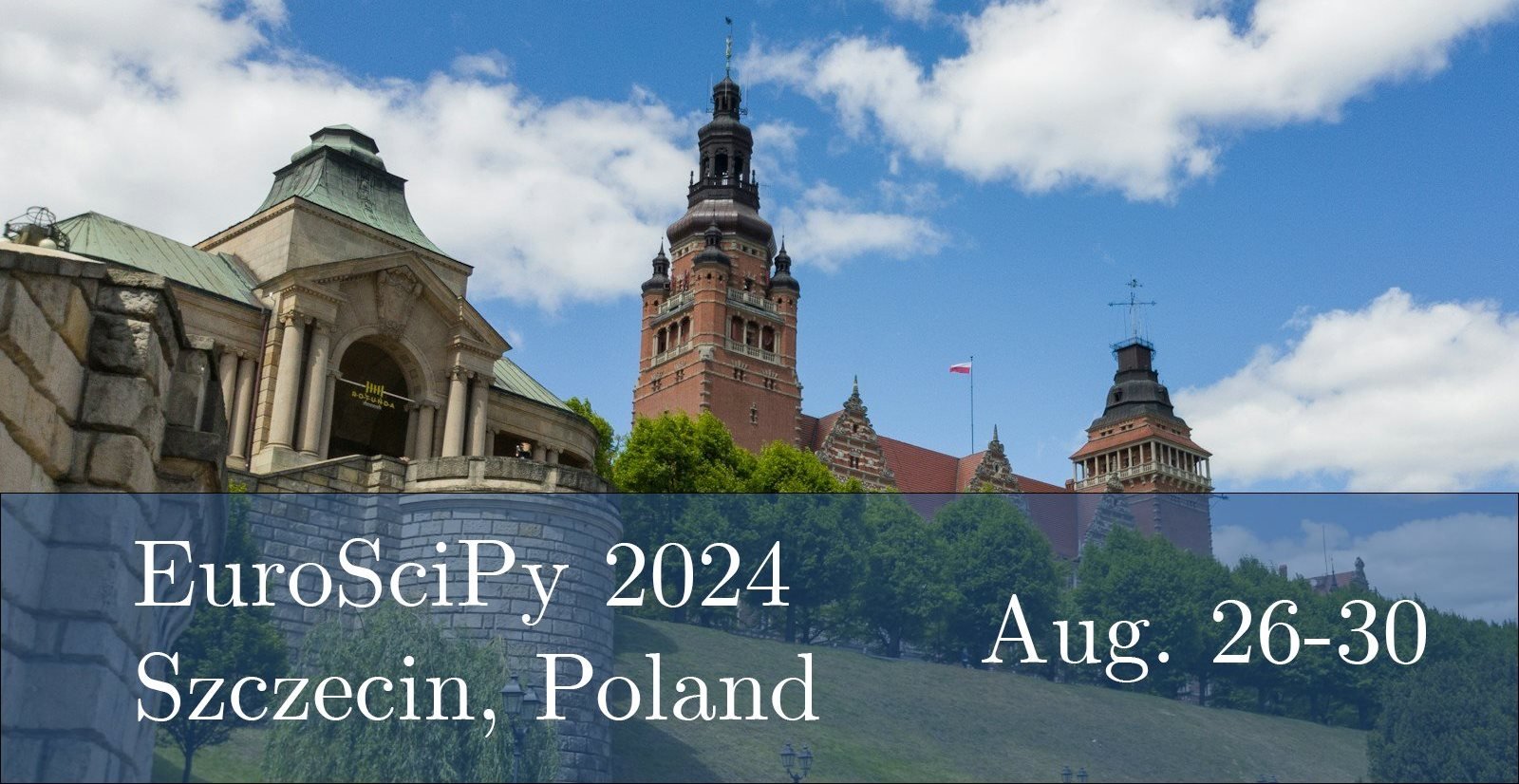
MDPI AI Team Presented at EuroSciPy 2024 in Poland
As part of the CEO Letter, I hold dear this ‘Inside MDPI’ section, where I have an opportunity to highlight various projects, teams and updates within our organization. As such, I’m happy to showcase the following presentations from members of MDPI’s Artificial Intelligence (AI) team, which were recently presented at the EuroSciPy 2024 (16th European Conference on Python in Science). This conference took place in Szczecin, Poland from 26–30 August.
“This event was a great opportunity to reinforce our commitment to innovation and excellence in publishing”
MDPI colleagues Frank Sauerburger (AI Tech Leader) and Daniele Raimondi (Senior Data Scientist) both presented at the conference. Frank discussed MDPI’s AI infrastructure, while Daniele showcased a new methodological approach we have been developing to track the journey of rejected academic manuscripts. This approach combines AI, data science and analytics to improve the identification of manuscripts and authors, enhancing our understanding of publishing dynamics.
This event was a great opportunity to reinforce our commitment to innovation and excellence in publishing. It also allowed us to contribute to the academic discussion on integrating AI and data science into scholarly communication.
From data analysis in Jupyter Notebooks to production applications: AI infrastructure at reasonable scale – Frank Sauerburger
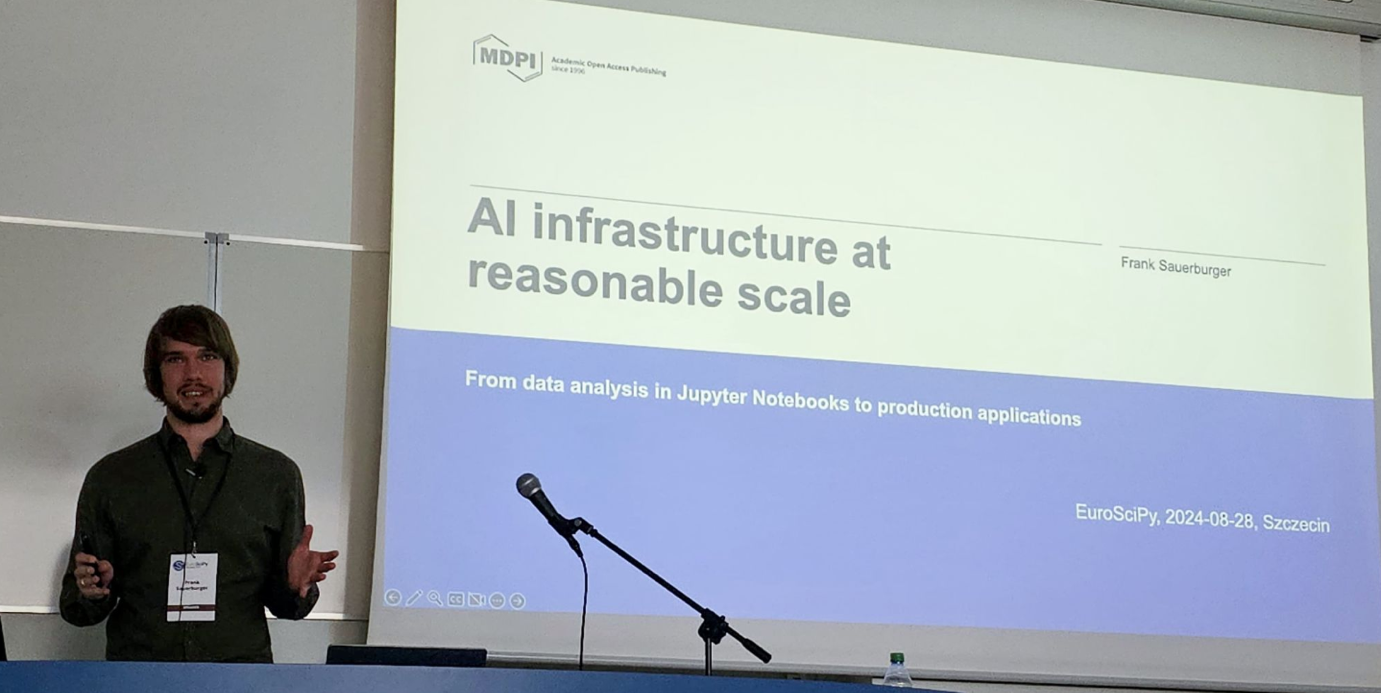
Frank’s presentation on MDPI’s AI infrastructure provided a chance to showcase the advanced technological frameworks that power our operations. Given the technical and academic focus of EuroSciPy, this talk demonstrated how MDPI’s AI capabilities are not only cutting-edge but also central to driving efficiency and innovation in scholarly publishing. Engaging with the EuroSciPy community helps position MDPI as a leader in applying AI within the publishing industry, fostering potential collaborations and attracting interest from top researchers.
A Qdrant and Specter2 framework for tracking resubmissions of rejected manuscripts in academia – Daniele Raimondi
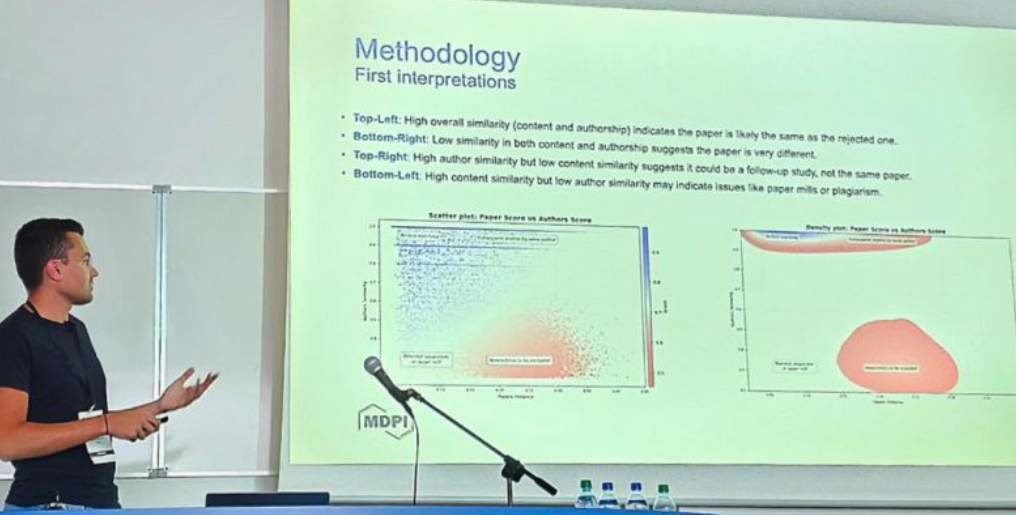
Daniele’s talk on the novel methodological approach that combines AI, Data Science, and Analytics was crucial in highlighting how MDPI is advancing the precision and effectiveness of manuscript and author identification. This approach is pivotal in enhancing our understanding of publishing dynamics and ensuring the quality and integrity of the academic content we manage. By presenting at EuroSciPy, we had the opportunity to engage with an audience deeply involved in scientific computing, gaining feedback and insights that could further refine our methodologies.
Thank you, Frank and Daniele, for representing MDPI so well!
I will share more about MDPI’s AI team and projects in upcoming CEO Letters, as we have a well-rounded AI and Data Team working on an exciting suite of AI products for MDPI and the scholarly community at large.
Coming Together for Science
The 1st International Conference on AI Sensors & The 10th International Symposium on Sensor Science
I am pleased to share the success of our MDPI conference The 1st International Conference on Artificial Intelligence (AI) Sensors and the 10th International Symposium on Sensor Science in Singapore this past 1–4 August.
With nearly 400 attendees, the event brought together researchers and industry experts from China, Singapore, Japan, Korea, Taiwan, India and other countries to share their findings on the latest developments in sensors, sensing technology, artificial intelligence for sensing applications and AI-enhanced sensing systems.
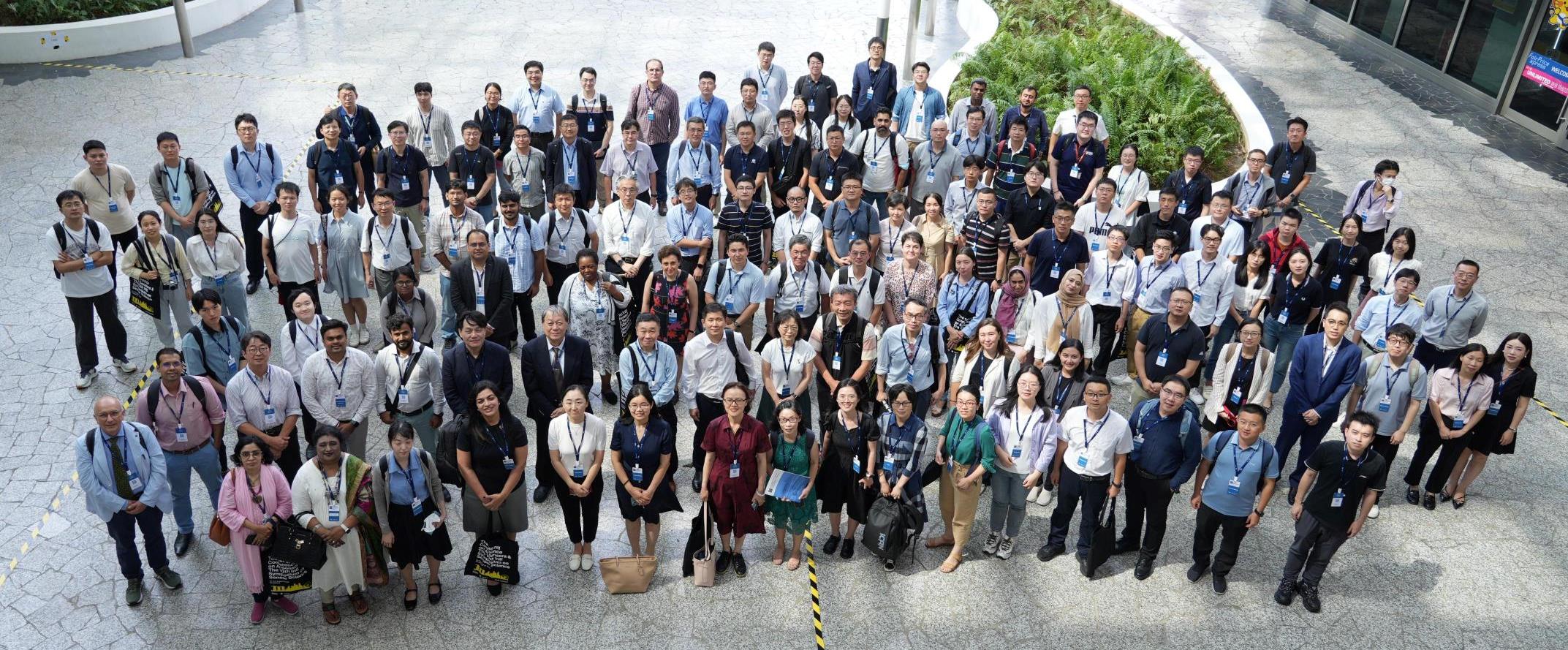
We accepted a total of 355 abstracts, featuring 772 authors from 28 countries. Over the course of the four-day event, 66 posters were displayed and 296 talks were delivered, including 4 plenary talks, 46 keynote speeches, 122 invited talks, and 124 selected oral presentations. View the event gallery here.
I am pleased to announce the winners of the four awards, including Best Presentation and Best Poster, recognizing the contributions of our participants during the conference.
Looking ahead, the 2nd International Conference on AI Sensors and Transducers is scheduled to take place from 29 July to 5 August, 2025, in Bangkok, Thailand.
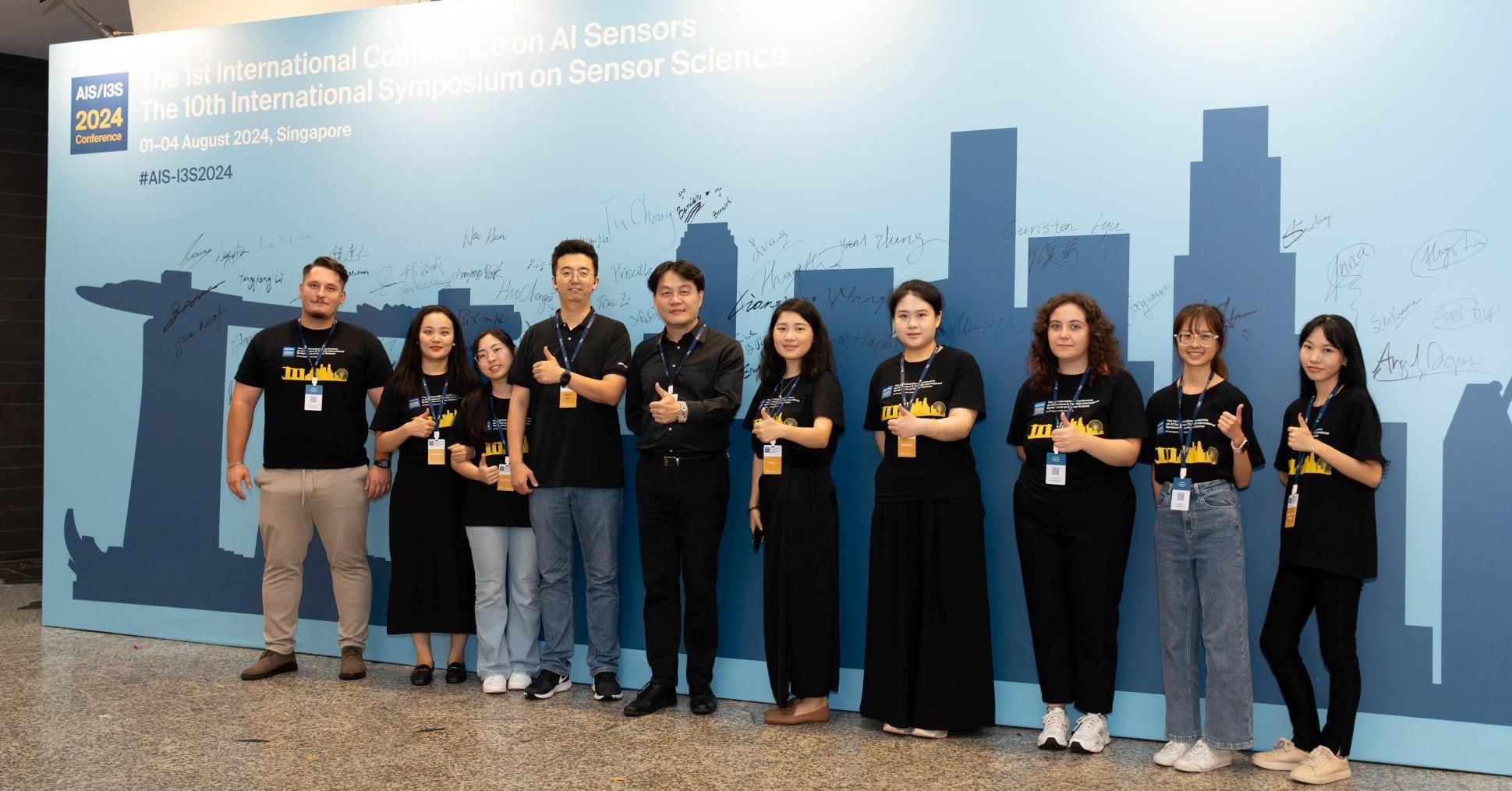
Thank you to our Conference team, including Ionut Spatar, Teodora Nicoleta Cremene, Ang Kai Lin, Benjamin Tay, Leong Jin Yue Esther, Wong Jolin, Judith Wu, Alethea Liu and Flora Li, who were involved in making this event a success. A big thank-you also goes to our local MDPI colleagues for their support: Yu Nwe Soe, Hen Chu Yang, Kwah Zhi En Watcharapong, Zephan Yang, Daphne Neo, Huimin Cheng, Nathan Li and Ting Yin.
Upcoming In-Person Event
25–27 September, 2024
The 5th International Conference on Materials: Advances in Material Innovation
Location: Basel, Switzerland
ICM 2024 will unite experts to share insights on recent advancements in Materials Characterization, Processing and Manufacturing.

7–9 October, 2024
Non-coding RNA World 2024: Exploring Mechanisms, Designing Medicines
Location: Basel, Switzerland
ncRNA 2024 will explore the latest advances in the field, covering topics from basic biology to medical and technological applications.
Find more upcoming MDPI events here.
Closing Thoughts
The 2nd Sustainable Publishing Forum
In 2022, the International Association of Scientific, Technical and Medical Publishers (STM) outlined three goals to reflect the academic community’s shared aspirations: promoting Open Science, maintaining research integrity and fulfilling social responsibility. Open Science has evolved from the Open Access movement of the early 2000s to become a preferred model in academic publishing. Publishers and academic journals play a crucial role in ensuring research integrity, with efforts to prevent misconduct markedly on the increase now.
As the world faces sustainability challenges, the academic publishing industry is increasingly committed to contributing the achievement of the United Nations Sustainable Development Goals (SDGs). Many publishers are implementing strategies to support these objectives, including ours, which you can view here.
The 2nd MDPI Sustainable Publishing Forum provided a platform for global editors and publishers to discuss these themes, aiming to strengthen collaboration and advance the contributions that scientific publishing can make to academia and society.
“Open Science has evolved to become a preferred model in academic publishing”
The 2nd Sustainable Publishing Forum
We hosted MDPI’s 2nd Sustainable Publishing Forum in Beijing, China, on 15–16 August, attracting nearly 120 attendees from local and international publishers, university presses, scientific and technical journal associations, libraries and the Chinese Academy of Sciences. The event focused on promoting Open Science, maintaining research integrity, and fulfilling social responsibility.
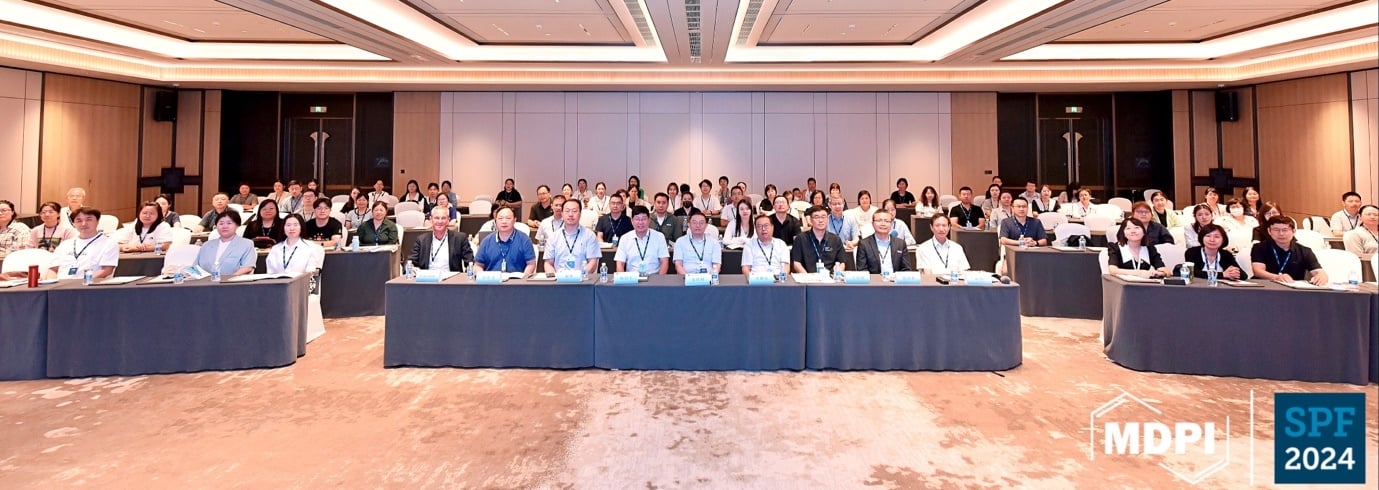
This was an excellent opportunity for us to share more with conference attendees about the approach of our research integrity team. Our Head of Publishing, Peter Roth, also participated, speaking on how to identify and avoid predatory publishers and about the principles that underpin ethical academic publishing.
I extend my thanks to all of our conference speakers, including Hylke Koers (STM Solutions), who presented on STM Trends 2028 and shared insights on the STM Integrity Hub, of which MDPI is a member.
Chief Executive Officer
MDPI AG
19 August 2024
MDPI’s 2023 Young Investigator Awards—Winners Announced

MDPI’s Young Investigator Awards recognize promising early career scientists, acknowledge their contributions, and foster collaboration within the scientific community. We are proud to announce the recipients for 2023, who were carefully selected by the journals’ esteemed Award Evaluation Committee.
We extend our heartfelt congratulations to the 79 winners of MDPI’s 2023 Young Investigator Awards for their excellent contributions in their research field. We look forward to seeing these rising stars continue to contribute to the advancement of science.
MDPI will continue to support and recognize the academic community. To explore details about the awardees by field, please visit the individual pages listed below:
Congratulations to all the winners for their exceptional contributions and dedication to advancing scientific research.
About MDPI Awards:
To support the academic community, particularly young researchers, and to enhance communication among scientists, MDPI journals regularly offer various awards to researchers in specific fields. These awards, serving as a source of inspiration and recognition, help to elevate the profiles of talented individuals who have made outstanding achievements and are making significant contributions to advancements in their respective fields.
To find out more about MDPI awards, please click here.
16 August 2024
Biomolecules | Highly Cited Papers in 2022–2023 in the Section “Biological and Bio-Materials”

As all of the articles published in our journal Biomolecules (ISSN: 2218-273X) are open access, you have free and unlimited access to the full texts. We welcome you to read our most highly cited papers published in 2022 and 2023, which are listed below:
1. “Development of Biodegradable Polymeric Stents for the Treatment of Cardiovascular Diseases”
by Yihong Shen, Xiao Yu, Jie Cui, Fan Yu, Mingyue Liu, Yujie Chen, Jinglei Wu, Binbin Sun and Xiumei Mo
Biomolecules 2022, 12(9), 1245; https://doi.org/10.3390/biom12091245
Full text available online: https://www.mdpi.com/2218-273X/12/9/1245
2. “Advances in the Application of Electrospun Drug-Loaded Nanofibers in the Treatment of Oral Ulcers”
by Yangqi Zhou, Menglong Wang, Chao Yan, Hui Liu and Deng-Guang Yu
Biomolecules 2022, 12(9), 1254; https://doi.org/10.3390/biom12091254
Full text available online: https://www.mdpi.com/2218-273X/12/9/1254
3. ”Design of Biocompatible Chitosan/Polyaniline/Laponite Hydrogel with Photothermal Conversion Capability”
by Liying Zhang, Gao He, Yang Yu, Yu Zhang, Xiang Li and Shige Wang
Biomolecules 2022, 12(8), 1089; https://doi.org/10.3390/biom12081089
Full text available online: https://www.mdpi.com/2218-273X/12/8/1089
4. ”A Review on Electrospun Poly(amino acid) Nanofibers and Their Applications of Hemostasis and Wound Healing”
by Yuexin Ji, Wenliang Song, Lin Xu, Deng-Guang Yu and Sim Wan Annie Bligh
Biomolecules 2022, 12(6), 794; https://doi.org/10.3390/biom12060794
Full text available online: https://www.mdpi.com/2218-273X/12/6/794
5. ”Silk Fibroin Biomaterials and Their Beneficial Role in Skin Wound Healing”
by Łukasz Mazurek, Mateusz Szudzik, Mateusz Rybka and Marek Konop
Biomolecules 2022, 12(12), 1852; https://doi.org/10.3390/biom12121852
Full text available online: https://www.mdpi.com/2218-273X/12/12/1852
6. ”Recent Developments in Biopolymer-Based Hydrogels for Tissue Engineering Applications”
by Rikako Hama, Anudari Ulziibayar, James W. Reinhardt, Tatsuya Watanabe, John Kelly and Toshiharu Shinoka
Biomolecules 2023, 13(2), 280; https://doi.org/10.3390/biom13020280
Full text available online: https://www.mdpi.com/2218-273X/13/2/280
7. ”Electrospun Zein/Polyoxyethylene Core-Sheath Ultrathin Fibers and Their Antibacterial Food Packaging Applications”
by Wenlai Jiang, Ping Zhao, Wenliang Song, Menglong Wang and Deng-Guang Yu
Biomolecules 2022, 12(8), 1110; https://doi.org/10.3390/biom12081110
Full text available online: https://www.mdpi.com/2218-273X/12/8/1110
8. ”Advances in the Preparation of Nanofiber Dressings by Electrospinning for Promoting Diabetic Wound Healing”
by Yukang Liu, Chaofei Li, Zhangbin Feng, Biao Han, Deng-Guang Yu and Ke Wang
Biomolecules 2022, 12(12), 1727; https://doi.org/10.3390/biom12121727
Full text available online: https://www.mdpi.com/2218-273X/12/12/1727
9. ”Recent Progress of Electrospun Herbal Medicine Nanofibers”
by Hang Liu, Yubin Bai, Chang Huang, Ying Wang, Yuexin Ji, Yutong Du, Lin Xu, Deng-Guang Yu and Sim Wan Annie Bligh
Biomolecules 2023, 13(1), 184; https://doi.org/10.3390/biom13010184
Full text available online: https://www.mdpi.com/2218-273X/13/1/184
by Fariborz Sharifianjazi, Samad Khaksar, Amirhossein Esmaeilkhanian, Leila Bazli, Sara Eskandarinezhad, Peyman Salahshour, Farnaz Sadeghi, Sadegh Rostamnia and Seyed Mohammad Vahdat
Biomolecules 2022, 12(2), 155; https://doi.org/10.3390/biom12020155
Full text available online: https://www.mdpi.com/2218-273X/12/2/155
16 August 2024
Biomolecules | Highly Cited Papers in 2022–2023 in the Section “Biological Factors”

As all of the articles published in our journal Biomolecules (ISSN: 2218-273X) are open access, you have free and unlimited access to the full texts. We welcome you to read our most highly cited papers published in 2022 and 2023, which are listed below:
1. “The Degradation of Hyaluronan in the Skin”
by Petra Žádníková, Romana Šínová, Vojtěch Pavlík, Matěj Šimek, Barbora Šafránková, Martina Hermannová, Kristina Nešporová and Vladimír Velebný
Biomolecules 2022, 12(2), 251; https://doi.org/10.3390/biom12020251
Full text available online: https://www.mdpi.com/2218-273X/12/2/251
2. “Role of EPA in Inflammation: Mechanisms, Effects, and Clinical Relevance”
by Rosalia Crupi and Salvatore Cuzzocrea
Biomolecules 2022, 12(2), 242; https://doi.org/10.3390/biom12020242
Full text available online: https://www.mdpi.com/2218-273X/12/2/242
3. “The Effect of Electrical Stimulation on Nerve Regeneration Following Peripheral Nerve Injury”
by Luke Juckett, Tiam Mana Saffari, Benjamin Ormseth, Jenna-Lynn Senger and Amy M. Moore
Biomolecules 2022, 12(12), 1856; https://doi.org/10.3390/biom12121856
Full text available online: https://www.mdpi.com/2218-273X/12/12/1856
4. “Homocysteine, Vitamins B6 and Folic Acid in Experimental Models of Myocardial Infarction and Heart Failure—How Strong Is That Link?”
by Zorislava Bajic, Tanja Sobot, Ranko Skrbic, Milos P. Stojiljkovic, Nenad Ponorac, Amela Matavulj and Dragan M. Djuric
Biomolecules 2022, 12(4), 536; https://doi.org/10.3390/biom12040536
Full text available online: https://www.mdpi.com/2218-273X/12/4/536
5. “Advanced Strategies for Therapeutic Targeting of Wild-Type and Mutant p53 in Cancer”
by Shengliang Zhang, Lindsey Carlsen, Liz Hernandez Borrero, Attila A. Seyhan, Xiaobing Tian and Wafik S. El-Deiry
Biomolecules 2022, 12(4), 548; https://doi.org/10.3390/biom12040548
Full text available online: https://www.mdpi.com/2218-273X/12/4/548
6. “Louis Pasteur: Between Myth and Reality”
by Jean-Marc Cavaillon and Sandra Legout
Biomolecules 2022, 12(4), 596; https://doi.org/10.3390/biom12040596
Full text available online: https://www.mdpi.com/2218-273X/12/4/596
7. “Delayed Onset Muscle Soreness and Critical Neural Microdamage-Derived Neuroinflammation”
by Balázs Sonkodi
Biomolecules 2022, 12(9), 1207; https://doi.org/10.3390/biom12091207
Full text available online: https://www.mdpi.com/2218-273X/12/9/1207
8. “The Challenges and Prospects of p53-Based Therapies in Ovarian Cancer”
by Bryce Wallis, Katherine Redd Bowman, Phong Lu and Carol S. Lim
Biomolecules 2023, 13(1), 159; https://doi.org/10.3390/biom13010159
Full text available online: https://www.mdpi.com/2218-273X/13/1/159
9. “Cross-Talk between p53 and Wnt Signaling in Cancer”
by Qiyun Xiao, Johannes Werner, Nachiyappan Venkatachalam, Kim E. Boonekamp, Matthias P. Ebert and Tianzuo Zhan
Biomolecules 2022, 12(3), 453; https://doi.org/10.3390/biom12030453
Full text available online: https://www.mdpi.com/2218-273X/12/3/453
by Omar Zayed, Omar A. Hewedy, Ali Abdelmoteleb, Mohammed, Mohamed S. Youssef, Ahmed F. Roumia, Danelle Seymour and Ze-Chun Yuan
Biomolecules 2023, 13(10), 1443; https://doi.org/10.3390/biom13101443
Full text available online: https://www.mdpi.com/2218-273X/13/10/1443
16 August 2024
Biomolecules | Highly Cited Papers in 2022–2023 in the Section “Cellular Biochemistry”

As all of the articles published in our journal Biomolecules (ISSN: 2218-273X) are open access, you have free and unlimited access to the full texts. We welcome you to read our most highly cited papers published in 2022 and 2023, which are listed below:
1. “Advanced Glycation End Products and Diabetes Mellitus: Mechanisms and Perspectives”
by Mariyam Khalid, Georg Petroianu and Abdu Adem
Biomolecules 2022, 12(4), 542; https://doi.org/10.3390/biom12040542
Full text available online: https://www.mdpi.com/2218-273X/12/4/542
2. “Metallothionein and Cadmium Toxicology—Historical Review and Commentary”
by Monica Nordberg and Gunnar F. Nordberg
Biomolecules 2022, 12(3), 360; https://doi.org/10.3390/biom12030360
Full text available online: https://www.mdpi.com/2218-273X/12/3/360
3. “Adenosine-Metabolizing Enzymes, Adenosine Kinase and Adenosine Deaminase, in Cancer”
by Galina Zhulai, Eugenia Oleinik, Mikhail Shibaev and Kirill Ignatev
Biomolecules 2022, 12(3), 418; https://doi.org/10.3390/biom12030418
Full text available online: https://www.mdpi.com/2218-273X/12/3/418
4. “Current and Novel Therapeutic Approaches for Treatment of Neovascular Age-Related Macular Degeneration”
by Reem H. ElSheikh, Muhammad Z. Chauhan and Ahmed B. Sallam
Biomolecules 2022, 12(11), 1629; https://doi.org/10.3390/biom12111629
Full text available online: https://www.mdpi.com/2218-273X/12/11/1629
5. “Bcl-2 Family Members and the Mitochondrial Import Machineries: The Roads to Death”
by Lisenn Lalier, François Vallette François Vallette and Stéphen Manon
Biomolecules 2022, 12(2), 162; https://doi.org/10.3390/biom12020162
Full text available online: https://www.mdpi.com/2218-273X/12/2/162
6. “The Disordered Dehydrin and Its Role in Plant Protection: A Biochemical Perspective”
by Margaret A. Smith and Steffen P. Graether
Biomolecules 2022, 12(2), 294; https://doi.org/10.3390/biom12020294
Full text available online: https://www.mdpi.com/2218-273X/12/2/294
7. “Co-Stimulatory Receptor Signaling in CAR-T Cells”
by Mackenzie M. Honikel and Scott H. Olejniczak
Biomolecules 2022, 12(9), 1303; https://doi.org/10.3390/biom12091303
Full text available online: https://www.mdpi.com/2218-273X/12/9/1303
8. “Galactosemia: Biochemistry, Molecular Genetics, Newborn Screening, and Treatment”
by Mariangela Succoio, Rosa Sacchettini, Alessandro Rossi, Giancarlo Parenti and Margherita Ruoppolo
Biomolecules 2022, 12(7), 968; https://doi.org/10.3390/biom12070968
Full text available online: https://www.mdpi.com/2218-273X/12/7/968
9. “Molecular Recognition of Proteins through Quantitative Force Maps at Single Molecule Level”
by Carlos Marcuello, Rocío de Miguel and Anabel Lostao
Biomolecules 2022, 12(4), 594; https://doi.org/10.3390/biom12040594
Full text available online: https://www.mdpi.com/2218-273X/12/4/594
10. “Cellular Senescence in Intervertebral Disc Aging and Degeneration: Molecular Mechanisms and Potential Therapeutic Opportunities”
by Prashanta Silwal, Allison M. Nguyen-Thai, Haneef Ahamed Mohammad, Yanshan Wang, Paul D. Robbins, Joon Y. Lee and Nam V. Vo
Biomolecules 2023, 13(4), 686; https://doi.org/10.3390/biom13040686
Full text available online: https://www.mdpi.com/2218-273X/13/4/686
15 August 2024
Biomolecules | Highly Cited Papers in 2022–2023 in the Section “Bioinformatics and Systems Biology”

As all of the articles published in our journal Biomolecules (ISSN: 2218-273X) are open access, you have free and unlimited access to the full text. We welcome you to read our most highly cited papers published in 2022 and 2023, which are listed below:
1. “Boosting the Full Potential of PyMOL with Structural Biology Plugins”
by Serena Rosignoli and Alessandro Paiardini
Biomolecules 2022, 12(12), 1764; https://doi.org/10.3390/biom12121764
Full text available online: https://www.mdpi.com/2218-273X/12/12/1764
2. “Calcium Overload and Mitochondrial Metabolism”
by Lauren L. Walkon, Jasiel O. Strubbe-Rivera and Jason N. Bazil
Biomolecules 2022, 12(12), 1891; https://doi.org/10.3390/biom12121891
Full text available online: https://www.mdpi.com/2218-273X/12/12/1891
3. “Benchmarking the Accuracy of AlphaFold 2 in Loop Structure Prediction”
by Amy O. Stevens and Yi He
Biomolecules 2022, 12(7), 985; https://doi.org/10.3390/biom12070985
Full text available online: https://www.mdpi.com/2218-273X/12/7/985
4. “Protein Data Bank: A Comprehensive Review of 3D Structure Holdings and Worldwide Utilization by Researchers, Educators, and Students”
by Stephen K. Burley, Helen M. Berman, Jose M. Duarte, Zukang Feng, Justin W. Flatt, Brian P. Hudson, Robert Lowe, Ezra Peisach, Dennis W. Piehl, Yana Rose et al.
Biomolecules 2022, 12(10), 1425; https://doi.org/10.3390/biom12101425
Full text available online: https://www.mdpi.com/2218-273X/12/10/1425
5. “Predicting miRNA-Disease Association Based on Neural Inductive Matrix Completion with Graph Autoencoders and Self-Attention Mechanism”
by Chen Jin, Zhuangwei Shi, Ken Lin and Han Zhang
Biomolecules 2022, 12(1), 64; https://doi.org/10.3390/biom12010064
Full text available online: https://www.mdpi.com/2218-273X/12/1/64
6. “ECMpy, a Simplified Workflow for Constructing Enzymatic Constrained Metabolic Network Model”
by Zhitao Mao, Xin Zhao, Xue Yang, Peiji Zhang, Jiawei Du, Qianqian Yuan and Hongwu Ma
Biomolecules 2022, 12(1), 65; https://doi.org/10.3390/biom12010065
Full text available online: https://www.mdpi.com/2218-273X/12/1/65
7. “The Epigenetic Dimension of Protein Structure Is an Intrinsic Weakness of the AlphaFold Program”
by Fodil Azzaz, Nouara Yahi, Henri Chahinianand Jacques Fantini
Biomolecules 2022, 12(10), 1527; https://doi.org/10.3390/biom12101527
Full text available online: https://www.mdpi.com/2218-273X/12/10/1527
8. “The Metabolomic Approach for the Screening of Endometrial Cancer: Validation from a Large Cohort of Women Scheduled for Gynecological Surgery”
by Jacopo Troisi, Antonio Mollo, Martina Lombardi, Giovanni Scala, Sean M. Richards, Steven J. K. Symes, Antonio Travaglino, Daniele Neola, Umberto de Laurentiis, Luigi Insabato et al.
Biomolecules 2022, 12(9), 1229; https://doi.org/10.3390/biom12091229
Full text available online: https://www.mdpi.com/2218-273X/12/9/1229
9. “Saquinavir: From HIV to COVID-19 and Cancer Treatment”
by Mariana Pereira and Nuno Vale
Biomolecules 2022, 12(7), 944; https://doi.org/10.3390/biom12070944
Full text available online: https://www.mdpi.com/2218-273X/12/7/944
10. “Bioinformatics Prediction and Experimental Validation Identify a Novel Cuproptosis-Related Gene Signature in Human Synovial Inflammation during Osteoarthritis Progression”
by Wenjuan Wang, Ziyi Chen and Yinghui Hua
Biomolecules 2023, 13(1), 127; https://doi.org/10.3390/biom13010127
Full text available online: https://www.mdpi.com/2218-273X/13/1/127
12 August 2024
Prof. Dr. Benoit Coulombe Appointed Section Editor-in-Chief of Section “Biomacromolecules: Proteins” in Biomolecules

We are pleased to announce that Prof. Dr. Benoit Coulombe has been appointed Section Editor-in-Chief of the Section “Biomacromolecules: Proteins” in Biomolecules (ISSN: 2218-273X).
The Section “Biomacromolecules: Proteins” is at the interface between chemistry, biology, and molecular medicine. The Section has a strong focus on the structure and function of proteins, as well as their molecular mechanisms and biological and medical impacts. Basic research, in vitro and in vivo investigations, and pre-clinical studies are welcome.
Prof. Dr. Benoit Coulombe is a full research professor in the Department of Biochemistry and Molecular Medicine, Université de Montréal, Canada. His lab, located at the Institut de Recherches Cliniques de Montréal (IRCM), is developing state-of-the-art methods for high-sensitivity profiling of the human proteome at single-cell resolutions. More specifically, they aim to understand the folding and assembly of protein complexes by the HSP90/PAQosome chaperone machinery, as well as its dysregulation in various diseases.
The following is a short Q&A with Prof. Dr. Benoit Coulombe, who shared his vision for the journal with us, as well as his views on the research area and open access publishing:
1. What appealed to you about the journal that made you want to become its Section Editor-in-Chief?
Two things: (1) the highly rigorous and rapid review process, and (2) the open access approach.
2. What is your vision for this Section?
Proteins are the main functional actors of the cell, and their dysfunctions cause diseases. This makes this Section particularly important.
3. What does the future of this field of research look like?
This field is constantly expanding. Most significant are the new technology developments dealing with proteomics and structural modeling (AlphaFold).
4. Do you have any suggestions for young researchers in this field?
The pursuit of innovation is key for humanity.
5. What do you think of the development of open access publishing in the publishing field?
The development of OA is going in the right direction and journals like Biomolecules are important to push in this direction
We warmly welcome Prof. Dr. Benoit Coulombe as Section Editor-in-Chief for “Biomacromolecules: Proteins”, and we look forward to him leading Biomolecules to achieve many more milestones.
8 August 2024
Meet Us at the Biomolecular Horizons 2024 Congress (BMH 2024), 22–26 September 2024, Melbourne, Australia

MDPI will attend the Biomolecular Horizons 2024 Congress, held from 22 to 26 September 2024 in Melbourne, Australia. This important forum will bring together three prestigious congresses, each with a strong history of attracting the bioscience and biotechnology communities to discuss and examine the latest developments and research:
- 26th Congress of the International Union of Biochemistry and Molecular Biology (IUBMB);
- 17th Congress of the Federation of Asian & Oceanian Biochemists & Molecular Biologists (FAOBMB);
- 22nd ComBio Conference (ComBio).
The overarching theme of the Biomolecular Horizons 2024 (BMH2024) Congress is “Discover, Create, Innovate”, which will be examined across the following key themes:
- Cell, Developmental and Stem Cell Biology;
- Biotechnology and Synthetic Biology;
- Microbial World;
- Cell Signalling and Metabolism;
- Genomics, Gene Regulation and Epigenetics;
- Bioinformatics, Computational Biology and Omics;
- Structural Biology and Biophysics;
- Molecular Basis of Disease;
- Molecular Physiology;
- Education.
The following MDPI journals will be represented:
- International Journal of Molecular Sciences;
- Biomolecules;
- Applied Biosciences;
- BioMedInformatics;
- Biomedicines;
- Cells;
- Applied Microbiology;
- BioTech;
- Biologics;
- Current Issues in Molecular Biology;
- Epigenomes;
- Genes;
- Journal of Developmental Biology;
- Journal of Molecular Pathology;
- Methods and Protocols;
- Muscles;
- Organoids;
- Signals;
- SynBio;
- Cardiogenetics.
If you are planning to attend the above conference, please feel free to stop by our booth. Our delegates look forward to meeting you in person to answer any questions that you may have. For more information about the conference, please visit the following link: https://www.bmh2024.com/.
7 August 2024
MDPI Insights: The CEO's Letter #14 - New Headquarters, Marketing, Poland
Welcome to the MDPI Insights: The CEO's Letter.
In these monthly letters, I will showcase two key aspects of our work at MDPI: our commitment to empowering researchers and our determination to facilitating open scientific exchange.
Opening Thoughts
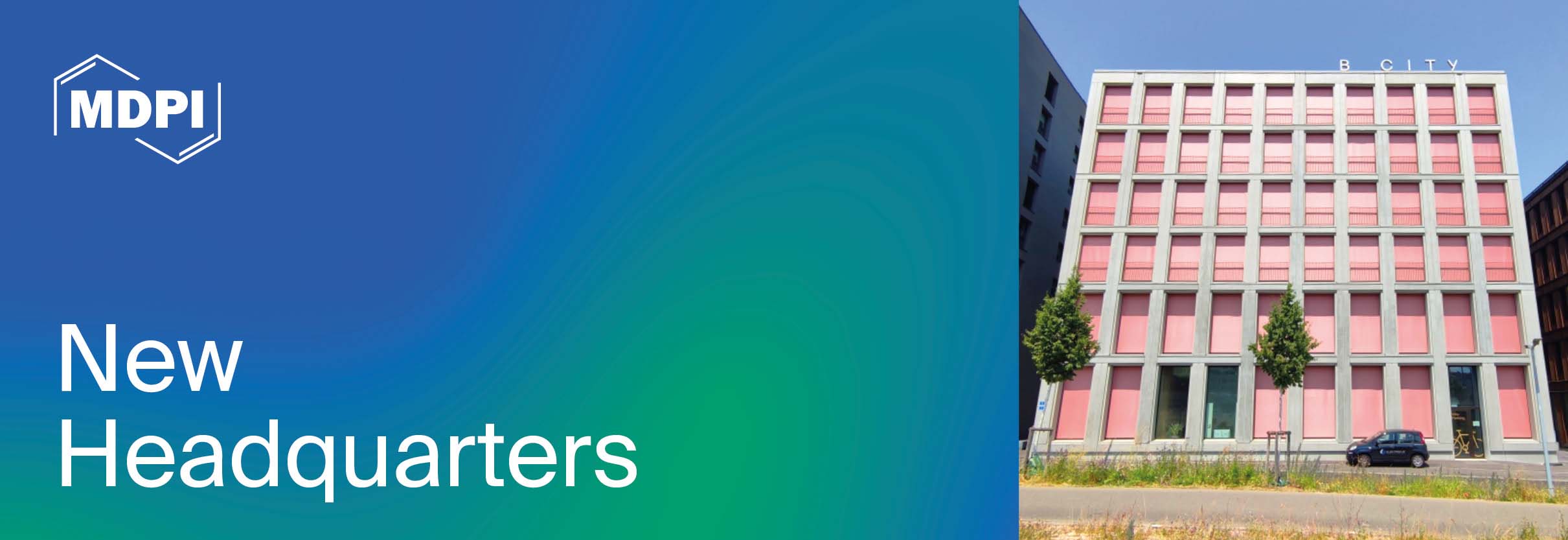
MDPI Moves to New Headquarters in Basel, Switzerland

I am excited to share that MDPI has moved to a new state-of-the-art office space in Basel, Switzerland. This move consolidates our operations by bringing together our two previously separated Basel offices into one central location.
We are always growing our talent pool and encourage you to view our Careers Page for the positions available in Basel and across our offices.
New Address: Grosspeteranlage 5, CH-4052 Basel, Switzerland
Effective Date: 1 July 2024
This new chapter in our company’s journey is designed to continue our mission of positioning MDPI as a leader in Open Access (OA) publishing, highlighting our commitment to making scholarly research accessible to everyone.

Boasting modern amenities, improved meeting and event spaces designed to support our growing needs, the new location provides a more collaborative and efficient working environment for our employees. The location offers convenient accessibility to public transportation and is situated near the Basel SBB railway station, with a variety of nearby services and amenities.
In fact, I can see the trains right outside of my window as I write these lines!
This move marks an exciting milestone in MDPI’s development, and I am confident that the new headquarters will serve as an inspiring and productive space for everyone. We also very much look forward to welcoming visitors here. You can read more about MDPI's history here.
“This new chapter continues our mission of positioning MDPI as a leader in OA publishing”
For Those New to MDPI
A pioneer in scholarly, Open Access publishing, MDPI has supported academic communities since 1996. MDPI is leading the transition to Open Science by making a greater proportion of the research conducted worldwide free and accessible to everyone. To date, over 3.5 million researchers have entrusted MDPI with publishing their scientific discoveries. MDPI’s editorial process is bolstered by a network of dedicated reviewers, a team of 6,000 professional, well-trained staff members, and an in-house article submission platform designed to ensure efficient processes within its 440 fully Open Access titles. MDPI supports more than 800 academic institutions worldwide, helping them adhere to national mandates while facilitating authors’ publication in fully compliant (CC BY) Open Access journals.
Impactful Research
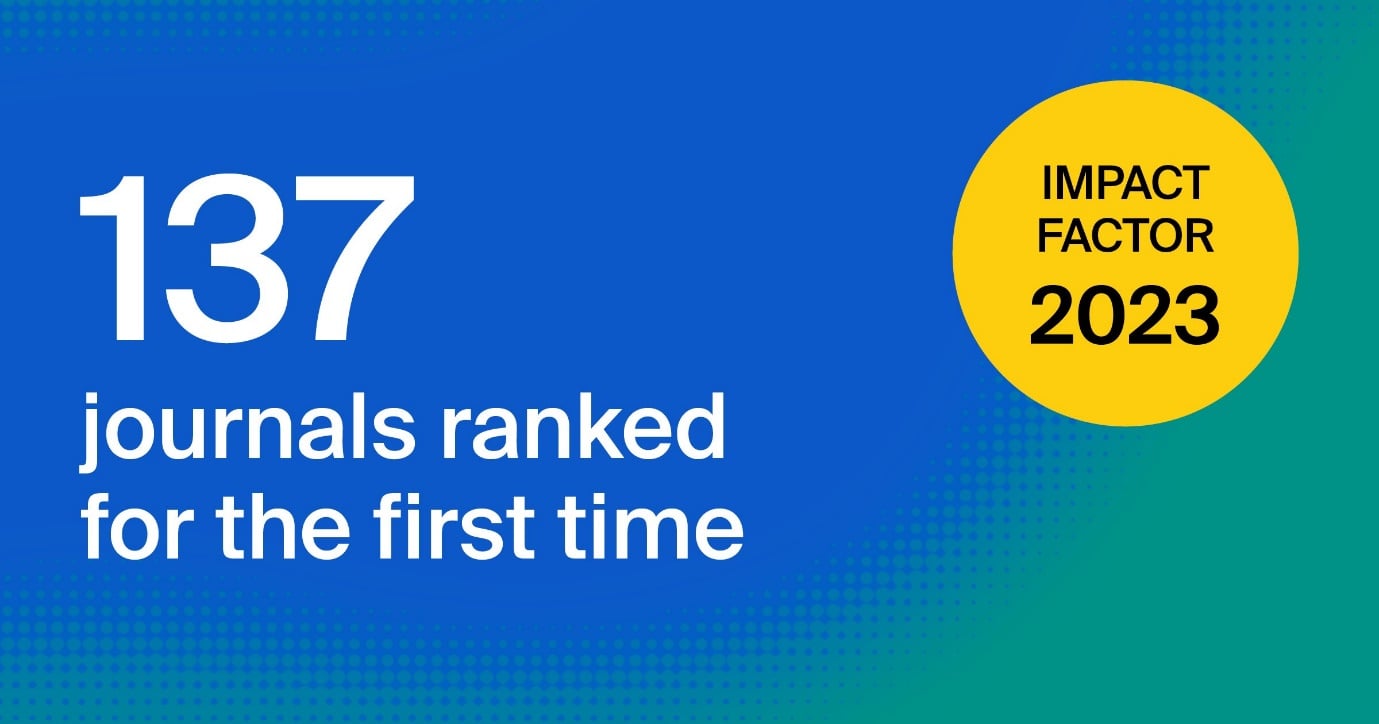
New and Emerging MDPI Journals Making an Immediate Impact
Unpacking some of the Impact Factor updates from the June CEO Letter, I wanted to dive a little deeper into the 137 MDPI journals which received Impact Factor for the first time.
Academic authors highly value efficient publishing processes, robust editorial support, and the opportunity to publish in high-impact journals. We are proud that our newly launched journals typically achieve coverage in the Emerging Sources Citation Index (ESCI) of the Web of Science within just a few years, with a median time of only three years from release to inclusion.
As part of our commitment to advancing academic research and providing high-quality OA publishing, we actively seek new research areas to expand our portfolio of journals. We have a proven track record of successfully establishing new journals.
Our dedicated teams excel in fostering dynamic editorial boards and working closely with Editors-in-Chief (EiC) to define the precise scope and focus of each new journal. Our expertise extends to collaborating with indexing services, ensuring that our journals comply with best practices and are indexed promptly in all relevant databases.
Emerging Titles Ranked for the First Time
Our commitment to excellence is reflected in the annual impact metrics released this past June. The latest edition of the Journal Citation Reports (JCR) showcases the integration of journals from the ESCI in the new unified category rankings, providing a simplified and more complete view of all journals within each subject category, including newly established titles.
Out of 137 new and developing MDPI journals ranked in the 2024 release, 79 are in the top half (Q1 or Q2) of their categories. Here is a breakdown of the number of MDPI’s ESCI-indexed journals by quartile in the JCR:
| Quartile | No. of journals |
| Q1 | 17 (12.4%) |
| Q2 | 62 (45.3%) |
| Q3 | 43 (31.4%) |
| Q4 | 15 (10.9%) |
| Not ranked (humanities-related journals) | 2 |
These rankings highlight our success in rapidly establishing high-impact new journals. Among those that made it directly into the top 25% of their category are the International Journal of Neonatal Screening, Journal of Xenobiotics, Polysaccharides, Smart Cities, and thirteen other journals.
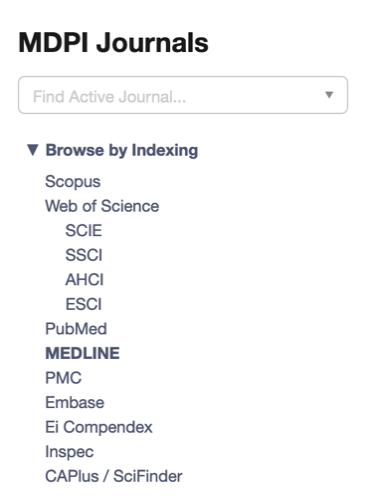
You can browse MDPI journals by Indexing. Simply visit our Journals page and select from the list of Indexing bodies in the top left-hand corner.
Inside MDPI

MDPI Corporate Marketing Strategy and Team Meeting 2024
In July, I hosted the annual Corporate Marketing strategy and team-building activity with 15 of our team members.
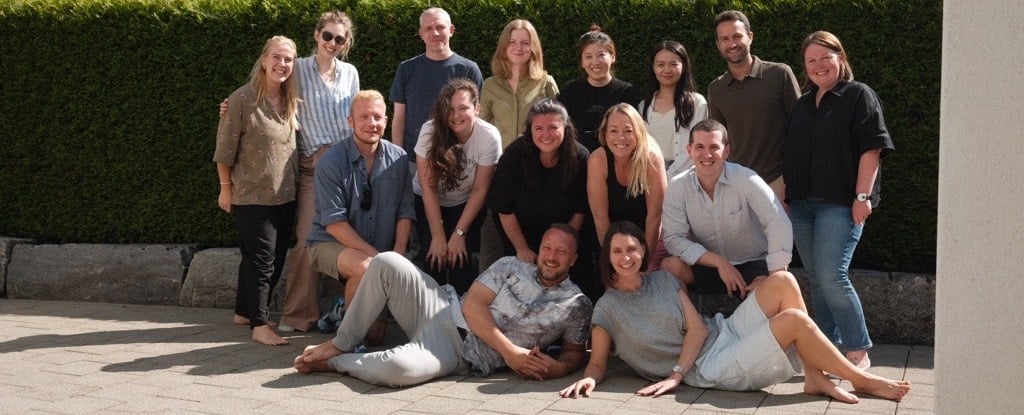
The aim was to align the Corporate Marketing strategy with MDPI's goal of becoming the world's most trusted OA publisher. While we provide a high-level publishing experience for our authors, as seen from our surveys, we need to keep building on our transparent and open communication to foster trust within the scholarly community and continue enhancing our reputation.
The Corporate Marketing team plays an important role as the mouthpiece for all our major activities within MDPI, especially those that model what it means to be a trusted partner. The purpose of the strategy meeting was to develop a feeling of trust in one another and an understanding of how to inspire trust in the stakeholders with whom we interact.
“We need to keep building on our transparent and open communication to foster trust within the scholarly community”

We conducted a set of activities to facilitate that sense of mutual trust and trustworthiness. Examples of some activities we worked on during this strategy-building event include:
- Exploring what trust means
- ‘Letter to self’
- ‘The brand I most trust’
- Most Trusted Academic Publisher
- ‘The brand I would like MDPI to become’
- ‘The 2029 MDPI Annual Report’
- Voice of Customer and Share of Voice – survey/data update on MDPI Brand Experience and Brand Perception
- Integrate Trust-Based Objective into Marketing Plan
- ‘Becoming the MDPI experience’
- ‘Trusting the next steps’
While two days is not enough to finalize a marketing strategy, it is sufficient to get everyone who attended into the mindset of the direction in which we are working. From here, we will develop a program with next steps on main projects, update communications, and collaborate with team leads to incorporate this approach into our work going forward.
As a marketing team, we can communicate our messages, but trust has to be built at every touchpoint in the stakeholder journey. Just talking about it isn’t enough. We need to be about it. That’s a role each of us plays, from editorial to IT, from marketing to HR. We must build trust from the inside out. It starts with each manager and resonates out via every team member.
As a company, our goal is to give all stakeholders with whom we interact – whether internal or external – the experience of working with an organization it can trust.
Coming Together for Science
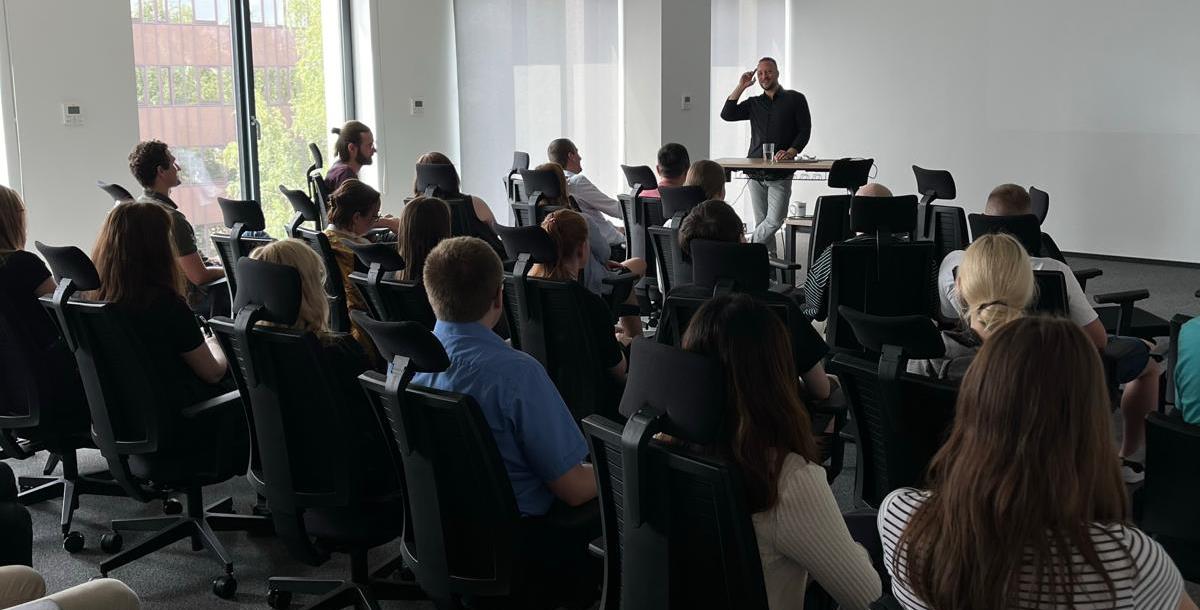
MDPI in Poland: Krakow Office
In July, I had the pleasure of visiting our Krakow office, following my recent trip to Warsaw to meet with the Polish Ministry of Science and Higher Education.
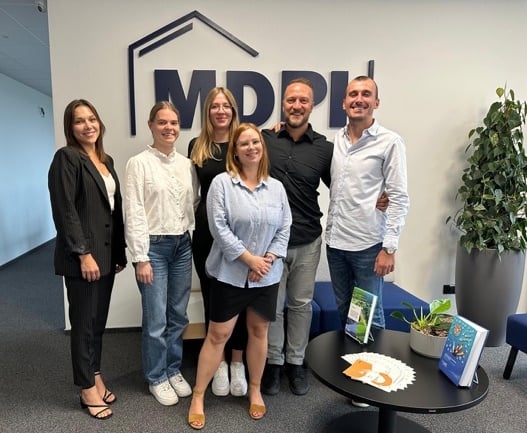
During these visits, I prioritized meeting with our Office Manager, Editorial Director, Group Leads, and members from various teams, including editorial, production, marketing, and journal relationship specialists, to understand their roles and current challenges. Instead of a formal presentation, I opted for an open discussion, sharing updates from headquarters to engage with colleagues in a more personal way.
Our Krakow office has many things to be proud of, including a large number of PhD colleagues (over a third of its staff holds a PhD degree). Krakow provides an opportunity for expanding beyond the 100 colleagues we currently have, by adding new hires in departments including editorial, production and marketing, among others.
About our Krakow office
- Opened in 2020
- 99 staff members as at 1 August 2024
- Main Departments include Editorial, Production, English Department, JRS, PR
Our Krakow office participates in international conferences, conducts author trainings and scholar visits, and engages in local market outreach. The office is also a member of the Polish Chamber of Commerce for High Technology (IZTECH) and is working on expanding its local engagement.
Krakow is the second-largest city in Poland, with a population of about 800,000. It also has a large student population of around 128,000, with seven universities. This means that roughly one in every eight residents is a student.
Poland and MDPI
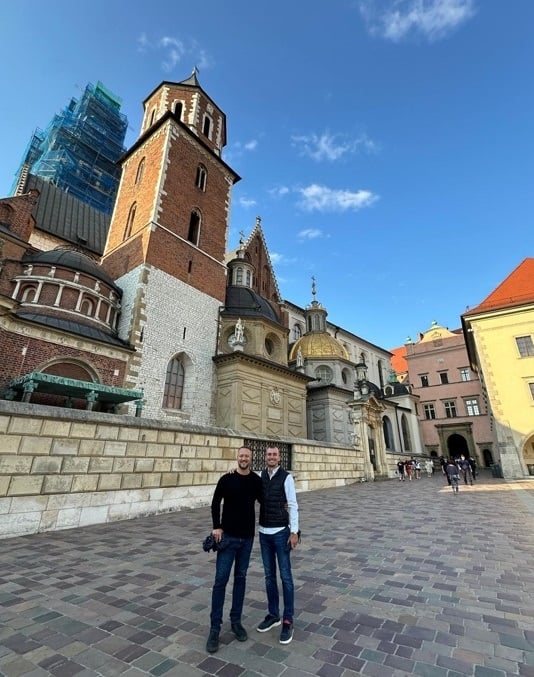
Poland is a crucial market for MDPI. From 2020 to June 2024, Poland ranked 7th in submissions and 5th in publications for MDPI research articles. As at 31 July 2024, Poland ranks 7th in total MDPI publications, with approximately 70,000 research papers.
Between 2020 and June 2024, 61,500 authors from Poland published with MDPI. As at 30 June 2024, there are 1,205 active Editorial Board Members (EBMs) from Poland, with 661 EBMs (55% of the total) having an H-index over 25.
We also have four Editors-in-Chief (EiC) from Poland leading our journals: Coatings, Venereology, Advances in Respiratory Medicine, and Limnological Review, along with six Section EiC.
In 2023, we received approximately 21,000 submissions from Polish-affiliated authors, of which 12,032 were published.
“Poland is a crucial market for MDPI”
Meeting with Ministry of Education
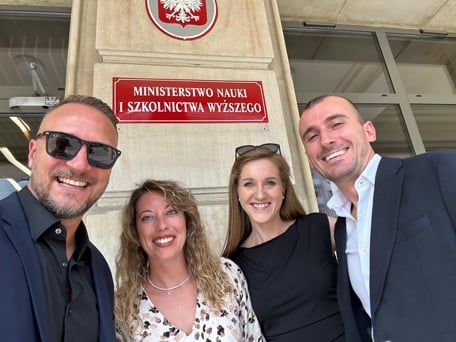
On 22 July, we visited Warsaw to meet with the Polish Ministry of Science and Higher Education.
We were pleased to learn that they are strong supporters of the OA publishing model and value MDPI’s approach to the peer-review process, including our high ethical standards for quality control.
In 2023 Polish authors predominantly published their papers in OA, with MDPI holding the largest market share in OA publications within the country.
Our commitment to collaborating with Polish institutions is evident through our 33 Institutional Open Access Program (IOAP) agreements with prestigious institutions such as the University of Warsaw, the University of Wroclaw, the Jagiellonian University, and Gdańsk University of Technology. Through IOAP discounts, a healthy waiver rate, and our peer-review voucher system, we provide the Polish scholarly community with significant savings in OA publishing. The Minister greatly appreciated these efforts and our commitment to offsetting some of the APC costs.
We discussed industry concerns about the threat of papermills and presented the preventive measures MDPI has in place to mitigate this risk and uphold high ethical standards. We informed them of our commitment to combating papermills, including our involvement with United2Act and the STM Research Integrity Hub, as well as our efforts to expand our research integrity team and explore proactive measures.
Closing Thoughts

MDPI Thought Leadership Op-ed on Open Access is Now Live on Politico
I am pleased to share that our thought leadership Op-ed piece on Open Access (OA) is now live on Politico. This is a nice push for continued influence and support of OA among policymakers and industry leaders.
Why Politico?
Politico's reputation as a highly credible and influential news platform makes it an important venue to reach key opinion leaders (KOL) from academia, policymakers, and thought leaders from many industries. This visibility helps promote the OA philosophy.
Open Access: A Moral Imperative for Progress
In this piece, I discuss the necessity of making scientific research freely available to all. I argue that publicly funded research should be publicly accessible, highlighting how OA democratizes scientific knowledge, accelerates research availability, and fosters collaboration.
“Open Access is a fundamental right for all citizens”
Democratizing scientific communication
The impulse to democratize scientific communication is nothing new. OA may seem like a recent innovation, but its principles have historical roots traceable to Europe in the 15th century. Just as the printing revolution accelerated the dissemination of new ideas, OA publishing unlocks new scientific insights that would otherwise only be accessible to a few.
Benefits for scholars: amplifying impact through Open Access
Authors publishing in an OA journal can expect more citations of their work, increasing its potential impact. Research findings that are freely available are more likely to be cited than those hidden behind a paywall. Freedom of access greatly increases the potential audience for each paper, fostering a sense of community among researchers worldwide. Heightened visibility can attract prospective collaborators and employers for young scientists. At MDPI, we believe that all these factors can only accelerate the advance of science. Additionally, authors retain copyright in their work instead of signing it away, permitting broader dissemination under Creative Commons licenses and increasing its capacity for impact.
The moral imperative
OA is not just a matter of scientific policy; it is a fundamental right for all citizens and a prerequisite for a brighter, more informed future. Publicly funded research should be a top priority, and I am pleased to see policy moving in this direction. Our capacity to generate transformative scientific insights has to be democratized. The question today is no longer whether we can afford to embrace OA; rather, it is whether we can afford not to.
Chief Executive Officer
MDPI AG
2 August 2024
MDPI Romania Author Training Sessions in May
In May, MDPI Romania held three author training sessions – one endorsing an external event and two stand-alone sessions.
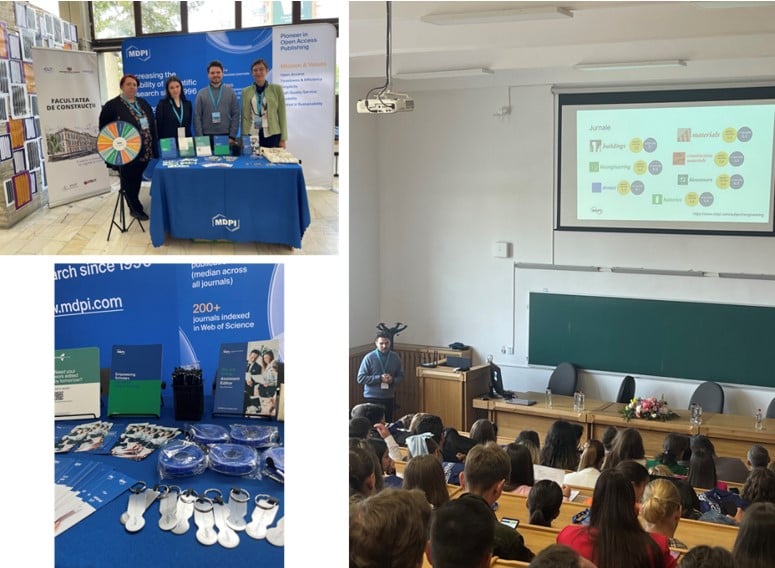
The National Session of Scientific Student Communications took place at Technical University Cluj on 17 and 18 May 2024. MDPI Romania sponsored this event and contributed an author training session on the production of research papers and case study analyses. JRS Norbert Kiss gave a presentation called The World of Open Access to explain different open access publishing models and the benefits of open access publishing. His presentation highlighted the impact of open access publishing on scientific progress and innovation.
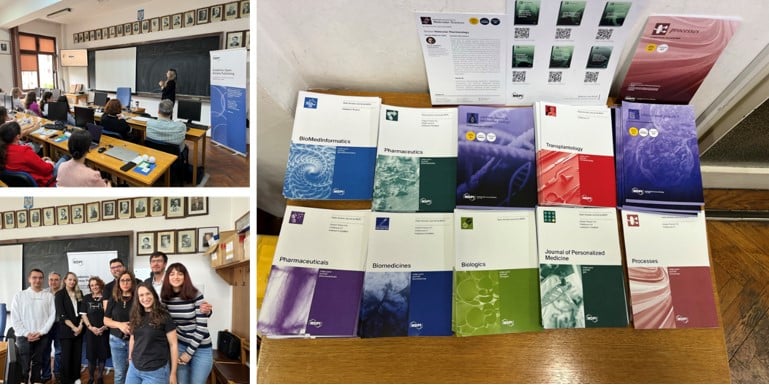
On 29 May 2024, MDPI Romania hosted an author training session for Ph.D. students, early career researchers, and professors at the Carol Davila University of Medicine and Pharmacy. In collaboration with Prof. Andreea Arsene, JRS Ioana Paunescu prepared two presentations: The Steps of the Publishing Process and Elaboration of a Peer Review Report. In her first presentation, she delved into MDPI’s history and mission, MDPI’s editorial process, and MDPI journals of various scopes that are accepting submissions. Her second presentation outlined the types of peer review, the contents of a peer review report by an MDPI reviewer, and the responsibilities of an MDPI reviewer.
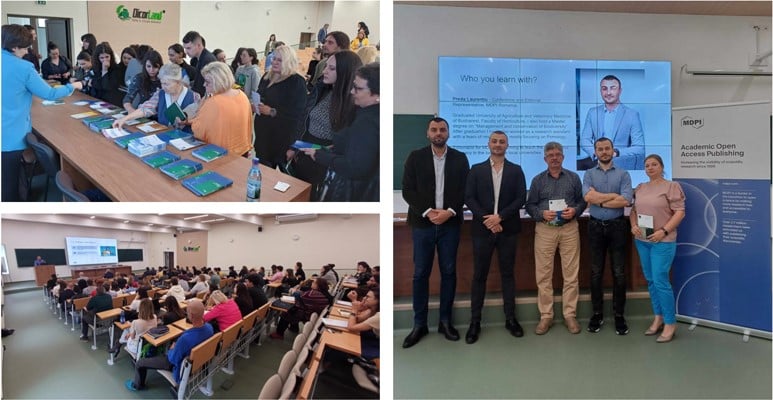
MDPI Romania also hosted an author training session at the Iasi University of Life Sciences on 29 May 2024. JRSs Laurentiu Preda and Cosmin Artan gave four presentations: Efficient Writing of an ISI-Indexed Scientific Article, Benefits of Publishing in the Open Access Model, Various Methods of Open Access Publishing, and MDPI Guide for the Article Review Process. The first three presentations offered guidance on how to improve academic writing, the fourth focused on how to write peer review reports. A highly interactive discussion followed the presentations, during which the JRSs provided extensive answers to attendees’ questions.
MDPI is grateful for all the attendees, speakers, and organizers involved in these events. Through their enthusiasm and dedication, these events were great successes.
