



Next Issue
Volume 16, January
Previous Issue
Volume 15, November


J. Pers. Med., Volume 15, Issue 12 (December 2025) – 68 articles
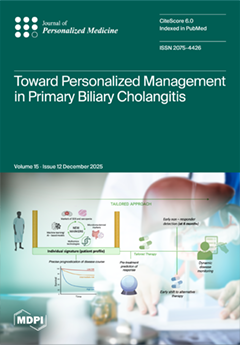
Cover Story (view full-size image): Primary biliary cholangitis (PBC) is a paradigmatic autoimmune cholestatic liver disease marked by striking interindividual heterogeneity in clinical course, therapeutic response, and long-term outcomes. As precision medicine reshapes hepatology, the management of PBC is undergoing a profound transformation, moving beyond uniform algorithms toward patient-tailored strategies. This review integrates advances in pathogenesis, non-invasive diagnostics, prognostic modeling, and emerging therapeutics, highlighting how molecular profiling, dynamic risk stratification, and targeted treatments are redefining care. By critically appraising current challenges and future perspectives, this work outlines a precision-driven framework aimed at optimizing outcomes, improving quality of life, and personalizing decision-making across the disease continuum. View this paper
  • Issues are regarded as officially published after their release is announced to the table of contents alert mailing list.
  • You may sign up for e-mail alerts to receive table of contents of newly released issues.
  • PDF is the official format for papers published in both, html and pdf forms. To view the papers in pdf format, click on the "PDF Full-text" link, and use the free Adobe Reader to open them.
Order results
Result details
Section
Select all
Export citation of selected articles as:
25 pages, 2418 KB  
Article
Effect of Rehabilitation Program for Muscle Strength, Balance, and Gait Retraining with Visual Feedback in Older Women with and Without Knee Osteoarthritis: Clinical Trial
by Tatiane Silva de Souza, Daniel Borges Pereira, Rodrigo Jugue Hagihara, Carolina Tayama Fuzinato and Ana Paula Ribeiro
J. Pers. Med. 2025, 15(12), 631; https://doi.org/10.3390/jpm15120631 - 18 Dec 2025
Viewed by 442
Abstract
Background: Therapeutic exercises have gained great prominence due to the benefits shown in the treatment of knee osteoarthritis (OA). However, to date, there is no evidence on the effects of an exercise program combined with balance and gait training with visual feedback. Objective: [...] Read more.
Background: Therapeutic exercises have gained great prominence due to the benefits shown in the treatment of knee osteoarthritis (OA). However, to date, there is no evidence on the effects of an exercise program combined with balance and gait training with visual feedback. Objective: To evaluate the therapeutic effect of an intervention program combining lower-limb muscle strengthening, balance training, and gait exercises with visual feedback on the chronic pain, functional, and biomechanical aspects of older women with and without OA knee. Methods: Clinical trials study with stratified allocation based on disease status (two-arm, triple-blind—assessor, interventionist, and data manager, parallel-group). In total, 40 older women were recruited: 20 in the OA knee group (OAG, n = 20) and 20 in the control group (CG, n = 20). The intervention included a muscular resistance training program in the lower limbs, and reactive and proactive balance and gait training associated with visual feedback. Both groups received the same intervention. The primary outcomes were pain measured by the Visual Analogue Scale and the questionnaires Western Ontario and McMaster Universities Osteoarthritis Index and Lequesne Algofunctional Index. The secondary outcomes were the six-minute walk test, the Falls Risk Awareness Questionnaire, the Timed Up and Go Test, plantar load distribution during gait, and patients’ acceptability. Results: The intervention was effective in improving pain and increasing functionality in older women with OA knee, as measured pre- and post-intervention, compared to the control, with a moderate to high effect size. Body balance increased in older women with OA, as indicated by perceptions of fall risk and walk-test pre- and post-intervention. During gait, a reduction in plantar load (midfoot and rearfoot areas) was observed pre- and post-intervention in OAG compared to the CG. Both groups showed excellent acceptability, suitability, and feasibility of the intervention program. Conclusions: The intervention protocol was effective over 2 consecutive months in reducing pain and increasing knee functionality, balance, walking distance, and perception of falls in older women with OA of the knee compared with women without the condition. During gait, when visual feedback was combined with the intervention protocol, it promoted a better distribution of plantar load over the midfoot and the medial and lateral rearfoot regions in older women with knee OA. Clinical Trial: ReBEC (RBR-5w67pz4). Ethics Committee approval (number: 4.091.004). Full article
(This article belongs to the Section Personalized Therapy in Clinical Medicine)
Show Figures

Figure 1

3 pages, 150 KB  
Editorial
How to Undertake Personalized Assessments and Administer Cures for Pain
by Barbara Rocca
J. Pers. Med. 2025, 15(12), 630; https://doi.org/10.3390/jpm15120630 - 18 Dec 2025
Viewed by 182
Abstract
Pain is a multidimensional and highly individualized experience shaped by biological, psychological, and social determinants [...] Full article
(This article belongs to the Special Issue How to Undertake Personalized Assessments and Cures for Pain)
23 pages, 907 KB  
Article
Age-Related Differences in Optical Coherence Tomography and Optical Coherence Tomography Angiography Parameters Between Healthy Children and Adults: A Comparative Analysis in a Caucasian Population
by Claudia Lommatzsch, Antoine Capucci, Swaantje Grisanti, Carsten Heinz and Kai Rothaus
J. Pers. Med. 2025, 15(12), 629; https://doi.org/10.3390/jpm15120629 - 17 Dec 2025
Viewed by 259
Abstract
Purpose: Current pediatric ophthalmology practice relies on adult reference values for optical coherence tomography (OCT) and optical coherence tomography angiography (OCT-A) interpretation due to limited age-appropriate normative data, potentially leading to diagnostic misclassification. Methods: We conducted a prospective, cross-sectional study comparing [...] Read more.
Purpose: Current pediatric ophthalmology practice relies on adult reference values for optical coherence tomography (OCT) and optical coherence tomography angiography (OCT-A) interpretation due to limited age-appropriate normative data, potentially leading to diagnostic misclassification. Methods: We conducted a prospective, cross-sectional study comparing OCT and OCT-A parameters between 37 healthy Caucasian children (1–17 years) and 28 adults (19–65 years) using identical Zeiss CIRRUS protocols. Parameters included peripapillary retinal nerve fiber layer (RNFL), macular thickness, ganglion cell-inner plexiform layer (GCIPL), optic nerve head (ONH) perfusion, and macular vascular density. Results: Children exhibited significantly thinner parafoveal macular thickness compared to adults (251.67 ± 21.32 vs. 270.36 ± 17.02 μm; p < 0.001) while RNFL thickness remained comparable. OCT-A demonstrated higher ONH perfusion in children across multiple sectors (p < 0.001). Within the pediatric cohort, younger children (1–9 years) showed higher macular vessel and perfusion density than older children (10–17 years). All pediatric scans achieved excellent image quality with no exclusions. Conclusions: Clinically significant age-related differences in retinal structure and vasculature necessitate pediatric-specific reference ranges. The demonstrated technical feasibility supports routine OCT/OCT-A implementation in pediatric practice with age-appropriate interpretation guidelines. Full article
(This article belongs to the Special Issue Personalized Medicine in Retinal Diseases)
Show Figures

Figure 1

3 pages, 330 KB  
Correction
Correction: Hansen et al. Two-Year Results of 0.01% Atropine Eye Drops and 0.1% Loading Dose for Myopia Progression Reduction in Danish Children: A Placebo-Controlled, Randomized Clinical Trial. J. Pers. Med. 2024, 14, 175
by Niklas Cyril Hansen, Anders Hvid-Hansen, Flemming Møller, Toke Bek, Dorte Ancher Larsen, Nina Jacobsen and Line Kessel
J. Pers. Med. 2025, 15(12), 628; https://doi.org/10.3390/jpm15120628 - 17 Dec 2025
Viewed by 194
Abstract
In the original publication [...] Full article
Show Figures

Figure 1

5 pages, 255 KB  
Correction
Correction: Degni et al. Safety of Primary Tracheoesophageal Puncture in Patients Submitted to Enlarged Total Laryngectomy with Pectoralis Major Reconstruction. J. Pers. Med. 2025, 15, 435
by Emilia Degni, Sebastiana Lai, Carlo Camillo Ciccarelli, Gamze Yesilli Puzella, Claudia Crescio, Paolo Tropiano, Valeria Fois, Claudio Parrilla, Jacopo Galli and Francesco Bussu
J. Pers. Med. 2025, 15(12), 627; https://doi.org/10.3390/jpm15120627 - 15 Dec 2025
Viewed by 143
Abstract
In the original publication [...] Full article
(This article belongs to the Section Personalized Therapy in Clinical Medicine)
Show Figures

Figure 3

12 pages, 401 KB  
Article
Association of oXiris® Therapy with Lower Vasopressor Requirements and Modulation of Hemodynamic, Inflammatory, and Perfusion Markers in Septic Shock: A Retrospective Cohort Study
by Nazrin Bakhshaliyeva, Fernando Ramasco Rueda, Ana Estiragués Barreiro and Miguel Ángel Olmos Alonso
J. Pers. Med. 2025, 15(12), 626; https://doi.org/10.3390/jpm15120626 - 14 Dec 2025
Viewed by 370
Abstract
Background: Septic shock remains a critical challenge with high mortality, particularly in refractory cases requiring high doses of vasopressors. Hemoadsorption with the oXiris® membrane, capable of simultaneously removing endotoxins, cytokines, and damage-associated molecular patterns (DAMPs), represents a personalized therapeutic strategy targeting [...] Read more.
Background: Septic shock remains a critical challenge with high mortality, particularly in refractory cases requiring high doses of vasopressors. Hemoadsorption with the oXiris® membrane, capable of simultaneously removing endotoxins, cytokines, and damage-associated molecular patterns (DAMPs), represents a personalized therapeutic strategy targeting the underlying pathophysiology. However, clinical evidence on its impact remains limited and lacks consensus. This study aims to analyze the effects of oXiris® therapy on hemodynamic, inflammatory, and perfusion parameters in a real-world cohort of patients with septic shock. Methods: We conducted a retrospective cohort study in a surgical Intensive Care Unit (ICU) at a tertiary hospital, including 45 adult patients with septic shock treated with continuous renal replacement therapy using the oXiris® membrane for at least 48 h. The institutional protocol involved filter changes at least every 24 h during the first 48 h of therapy. Hemodynamic variables, vasopressor doses, and biochemical markers were collected at baseline (T0), 24 h (T1), and 48 h (T2). The primary objective was to describe the evolution of these parameters. Secondary objectives included analysis of 30-day mortality and identification of prognostic factors. Results: The cohort consisted of 45 patients (80.0% male, median age 71 years), with a predominance of abdominal infectious focus (71.1%). A significant reduction in median norepinephrine requirements was observed from T0 to T2 (p < 0.00001), along with a significant increase in mean arterial pressure (MAP) (p < 0.00001). Key markers of perfusion and inflammation also improved, with a significant decrease in arterial lactate (p < 0.00001) and procalcitonin (p = 0.00082) at 48 h. No significant changes were observed in the Sequential Organ Failure Assessment (SOFA) score. The observed mortality rate in the ICU was 31.1%, lower than the median predicted mortality by Simplified Acute Physiology Score II (SAPS II) (37%). Baseline Charlson Comorbidity Index (CCI), creatinine, arterial lactate, and SOFA score were independent predictors of mortality. Conclusions: In this cohort of septic shock patients, therapy with oXiris®, applied with a frequent filter exchange protocol, was associated with a significant reduction in vasopressor requirements and an improvement in key hemodynamic, perfusion, and inflammatory markers. The observed ICU mortality was lower than predicted by severity scores. These findings support the role of oXiris® as a personalized adjuvant therapy in specific septic shock phenotypes and underscore the need for prospective randomized trials to confirm these benefits. Full article
(This article belongs to the Special Issue Emergency and Critical Care in the Context of Personalized Medicine)
Show Figures

Figure 1

14 pages, 325 KB  
Study Protocol
Empowering Healthy Lifestyle Behavior Through Personalized Intervention Portfolios Using a Healthy Lifestyle Recommender System to Prevent and Control Obesity in Young Adults: Pilot Study Protocol from the HealthyW8 Project
by Silvia García, Marina Ródenas-Munar, Torsten Bohn, Astrid Kemperman, Daniela Rodrigues, Suzan Evers, Elsa Lamy, María Pérez-Jiménez, Sarah Forberger, Maria Giovanna Onorati, Andrea Devecchi, Tiziana De Magistris, Jihan Halimi, Yoanna Ivanova, Boyko Doychinov, Cristina Bouzas and Josep A. Tur
J. Pers. Med. 2025, 15(12), 625; https://doi.org/10.3390/jpm15120625 - 13 Dec 2025
Viewed by 398
Abstract
Background: Rising obesity rates among young adults increase long-term health risks, especially cardiometabolic conditions such as type 2 diabetes mellitus. Digital interventions can offer scalable solutions to promote and support healthy behaviors by integrating personalized diet, physical activity promotion, and behavioral support. Objective: [...] Read more.
Background: Rising obesity rates among young adults increase long-term health risks, especially cardiometabolic conditions such as type 2 diabetes mellitus. Digital interventions can offer scalable solutions to promote and support healthy behaviors by integrating personalized diet, physical activity promotion, and behavioral support. Objective: To assess the feasibility, user friendliness, adherence, and satisfaction of the Healthy Lifestyle Recommender System (HLRS). Secondary outcomes will include measures of metabolic health and obesity. Methods: A 3-month, single-arm pilot study conducted across European countries, including Bulgaria, Germany, Italy, Netherlands, Portugal, and Spain, enrolling 351 young adults (18–25 years old, BMI 18.5–29.9 kg/m2). The intervention includes a mobile app for meal planning (Nutrida v.1), gamified physical activity encouragement (GameBus), and real-time monitoring via a wearable smartwatch device. Primary outcomes are adherence and engagement, measured through app usage and participant feedback; secondary outcomes include anthropometry, physical activity, dietary patterns, psychological well-being, and selected biomarkers of metabolic health. Expected Outcomes: Improved engagement is expected to enhance lifestyle behaviors, supporting weight management and overall well-being. Findings will guide future large-scale interventions. Conclusions: This study will contribute to minimizing the impact of obesity in Europe. Full article
(This article belongs to the Section Personalized Preventive Medicine)
Show Figures

Figure 1

13 pages, 393 KB  
Review
A Critical Overview of the Validity of the Current Concept of Bipolar Disorder
by Diego J. Martino, Alejandro G. Szmulewicz and Boris Birmaher
J. Pers. Med. 2025, 15(12), 624; https://doi.org/10.3390/jpm15120624 - 12 Dec 2025
Viewed by 605
Abstract
Objectives: The main aim was to evaluate the origin and empirical support of the current diagnostic criteria for (hypo)manic and depressive episodes in BD focusing on their nosological (i.e., is it a real entity?) and diagnostic validity (i.e., how well do the [...] Read more.
Objectives: The main aim was to evaluate the origin and empirical support of the current diagnostic criteria for (hypo)manic and depressive episodes in BD focusing on their nosological (i.e., is it a real entity?) and diagnostic validity (i.e., how well do the criteria for the category portray the entity?). Methods: A narrative review of relevant textbooks/reports and articles published in peer-reviewed English-language journals (from the online databases PubMed and PsycInfo), covering the period 1900–2024 and using the terms “validity” OR “diagnosis” AND “manic-depressive”; “mania”; “hypomania”; “depression”; and “melancholia” was performed. Results: Mania appears to be a valid construct in nosological terms, although its validity in the diagnostic domain requires further research. There are scant and controversial empirical data on the nosological validity of separating hypomania from mania as different episodes. The current concept of bipolar depression combines different forms of episodes (melancholic and non-melancholic, with or without psychosis, recurrent or not) without conclusive evidence that all of them are necessarily part of the illness (i.e., limited nosological validity). Conclusions: The validity of the current definition of BD is limited and should be the focus of future research. A valid definition of BD would improve our ability to understand the pathophysiological basis of the illness and contribute to more tailored therapeutic approaches. Full article
(This article belongs to the Special Issue Advancements in Psychiatry: Exploring New Horizons in Mental Health)
Show Figures

Figure 1

25 pages, 5059 KB  
Article
The CanCURE Survey: Gender-Based Differences in HIV Cure Research Priorities
by Jessica Lu, Branka Vulesevic, Shari Margolese, Renee Masching, Wangari Tharao, Claudette Cardinal, Tanguy Hedrich, Chris Mallais, Karine Dubé, Eric Cohen, Nicolas Chomont and Cecilia T. Costiniuk
J. Pers. Med. 2025, 15(12), 623; https://doi.org/10.3390/jpm15120623 - 11 Dec 2025
Viewed by 250
Abstract
Background: The Canadian HIV Cure Enterprise (CanCURE) is a pan-Canadian research collaboratory, investigating approaches for achieving sustainable HIV remission. In preparation for the next research cycle, CanCURE researchers and the Community Advisory Board (CAB) co-designed a web-based survey to identify HIV research [...] Read more.
Background: The Canadian HIV Cure Enterprise (CanCURE) is a pan-Canadian research collaboratory, investigating approaches for achieving sustainable HIV remission. In preparation for the next research cycle, CanCURE researchers and the Community Advisory Board (CAB) co-designed a web-based survey to identify HIV research priorities from the perspective of people with HIV (PWH) in Canada. The current study examined gender-based differences in these priorities. Methods: From August to December 2024, we recruited PWH across Canada through community organizations and community members. We collected data using REDCap electronic data capture tools hosted at The Research Institute of the McGill University Health Centre. The survey included 36 demographic questions, 16 questions related to general knowledge about HIV and HIV cure-related concepts, and 21 questions ranking research priorities. Knowledge questions were multiple choice, while priorities could be ranked on a scale. We summarized participant characteristics via descriptive statistics, and the research priorities were further stratified according to gender. Results: Of 109 participants, 48.6% self-identified as men, 46.8% as women, and 4.6% as two-spirit, non-binary, agender, or other. The median age was 53 years old. Approximately one-third of participants had lived with HIV for ≤14 years, one-third for 15–24 years, and one-third for ≥25 years. Overall, the median knowledge score of respondents was 79%. Among the 78 participants with prior HIV research experience, three times as many men (61.1%) as women (19.0%) participated in interventional studies involving medication or medical procedures. Men ranked preventing HIV transmission to partners as a priority, studying where the virus hides as the second, and avoiding high comorbidity risks as the third. In contrast, women ranked not having to take pills daily as a priority and avoiding higher risks for comorbidities as the second priority. Both genders equally valued expanding community involvement in HIV cure research. However, men focused more on integrating social and behavioural research, while women emphasized the need for diverse ethnic representation in research. Conclusions: Although both men and women share some common priorities regarding HIV cure research, there are notable gender differences in their specific concerns. Furthermore, a significant gender gap in participation in interventional studies, essential for advancing HIV cure research, highlights the importance of aligning research priorities with concerns of both genders. Full article
(This article belongs to the Section Personalized Therapy in Clinical Medicine)
Show Figures

Figure 1

13 pages, 829 KB  
Review
Biopsy-Driven Synovial Pathophenotyping in RA: A New Approach to Personalized Treatment
by Sheyda Ketabchi, Edda Russo, Maurizio Benucci, Maria Infantino, Mariangela Manfredi, Emanuele Antonio Maria Cassarà, Francesca Li Gobbi, Alessandro Mannoni and Riccardo Terenzi
J. Pers. Med. 2025, 15(12), 622; https://doi.org/10.3390/jpm15120622 - 11 Dec 2025
Viewed by 475
Abstract
The diagnosis and treatment of rheumatoid arthritis (RA) have been constantly evolving for decades, pointing towards early diagnostic and therapeutic interventions. Synovial biopsy has emerged as a pivotal tool in precision medicine, transitioning from a research procedure to a clinically feasible approach. Modern [...] Read more.
The diagnosis and treatment of rheumatoid arthritis (RA) have been constantly evolving for decades, pointing towards early diagnostic and therapeutic interventions. Synovial biopsy has emerged as a pivotal tool in precision medicine, transitioning from a research procedure to a clinically feasible approach. Modern ultrasound-guided techniques allow safe, reproducible access to inflamed joints, enabling direct analysis of the synovial tissue, which reveals biological heterogeneity undetectable in peripheral blood. Histological scoring, including the Krenn synovitis score, discriminates inflammatory from non-inflammatory pathology, supporting targeted escalation of immunosuppressive therapy. Molecular and histological profiling has defined distinct synovial pathotypes—lympho-myeloid, diffuse-myeloid, and fibroid/pauci-immune—with reproducible associations to therapeutic responsiveness. Moreover, biopsy-driven trials, such as R4RA and STRAP, demonstrate that pathotype-guided strategies can predict outcomes: diffuse-myeloid synovitis responds to IL-6 receptor blockade, lympho-myeloid synovitis to B cell depletion, and fibroid synovitis exhibits multidrug resistance. In difficult-to-treat RA, synovial biopsy differentiates inflammatory from non-inflammatory drivers of persistent symptoms, providing a rational basis for therapy selection. Ongoing biomarker-driven initiatives, including PRECISion and 3TR Precis-The-RA, aim to embed biopsy findings into clinical decision-making. In this review, it is underscored that the integration of histology, molecular profiling, and clinical context positions synovial biopsy as a patient-centered precision approach, guiding individualized therapy and bridging RA stratification with clinical practice. Full article
(This article belongs to the Section Personalized Therapy in Clinical Medicine)
Show Figures

Graphical abstract

10 pages, 533 KB  
Article
Patient Awareness and Acceptance of Pharmacogenomics Services: A Survey of Attitudes Toward PGx Implementation and Pharmacist-Led Care
by Kendall Billman, Mayeesha Ahmed Feldman and Josiah D. Allen
J. Pers. Med. 2025, 15(12), 621; https://doi.org/10.3390/jpm15120621 - 11 Dec 2025
Viewed by 287
Abstract
Background/Objectives: Patient interest in pharmacogenomics (PGx) is growing, yet literacy remains low. This study aims to evaluate patient perspectives on pharmacist-led PGx services, assessing community perceptions of PGx pharmacists, their perceived role in care, literacy levels, and willingness to pay for services. [...] Read more.
Background/Objectives: Patient interest in pharmacogenomics (PGx) is growing, yet literacy remains low. This study aims to evaluate patient perspectives on pharmacist-led PGx services, assessing community perceptions of PGx pharmacists, their perceived role in care, literacy levels, and willingness to pay for services. Methods: A brief survey was distributed via social media to participants in southern Ohio, northern Kentucky, and southeastern Indiana. This survey included the Minnesota Assessment of Pharmacogenomic Literacy (MAPL), Likert-style questions to assess preferences, and willingness to pay questions with open fields. Upon completion, 152 responses were received. After data cleaning, 82 responses were analyzed. Results: While 66% of participants preferred their primary care provider to order testing, 45% preferred a PGx pharmacist over their primary care provider to explain their results and medication implications. Conclusions: After being educated on the role of a PGx pharmacist, respondents preferred a PGx pharmacist to explain their PGx testing results and any medication implications. Full article
(This article belongs to the Special Issue New Trends and Challenges in Pharmacogenomics Research)
Show Figures

Figure 1

17 pages, 2526 KB  
Article
Intravenous Lidocaine Modulates the Perioperative Hepatic Inflammatory Response: Implications for Personalized Medicine in Thoracic Surgery
by Ana Isabel Galve, Ignacio Garutti, Elena Vara, Guillermo González, Gabriel Cusati, Lisa Rancan, Luis Huerta, Javier Casanova and Carlos Simón
J. Pers. Med. 2025, 15(12), 620; https://doi.org/10.3390/jpm15120620 - 11 Dec 2025
Viewed by 339
Abstract
Purpose: Lung resection surgery (LRS) induces a strong local and systemic inflammatory response that may extend to peripheral organs, including the liver. This study aimed to evaluate the potential effect of intravenous lidocaine on hepatic inflammatory and apoptotic responses during lung resection [...] Read more.
Purpose: Lung resection surgery (LRS) induces a strong local and systemic inflammatory response that may extend to peripheral organs, including the liver. This study aimed to evaluate the potential effect of intravenous lidocaine on hepatic inflammatory and apoptotic responses during lung resection surgery with one-lung ventilation (OLV) in an experimental porcine model. Methods: Eighteen mini pigs were randomly assigned to three groups: lidocaine (LIDO), control (CON), and sham (SHAM). Animals underwent left caudal lobectomy. The LIDO group received a continuous intravenous infusion of lidocaine (1.5 mg/kg/h) during surgery. The CON group received the same volume of saline, and the SHAM group underwent thoracotomy without lobectomy or OLV. Different samples were collected at baseline, during surgery, and 24 h postoperatively to assess inflammatory cytokines and apoptosis-related proteins. Liver biopsy was taken 24 h after de surgery. Results: One-lung ventilation and lung resection surgery increased the expression of proinflammatory markers in the liver biopsy and enhanced apoptotic protein expression and iNOS production. Lidocaine administration attenuated these effects, showing lower levels of inflammatory mediators, a better balance between iNOS and eNOS, and reduced apoptotic activity compared with controls. Conclusions: Our findings suggest that intravenous lidocaine may serve as a personalized perioperative strategy to attenuate systemic inflammatory and apoptotic responses, contributing to improved hepatic protection during thoracic surgery. Full article
(This article belongs to the Special Issue New Insights into Personalized Medicine for Anesthesia and Pain)
Show Figures

Figure 1

19 pages, 1052 KB  
Review
Gene Therapy for Inherited Retinal Disease: Current Strategies, Personalized Medicine, and Future Implications—A Comprehensive Review
by Fahad R. Butt, Thanansayan Dhivagaran, Boaz Li, Mark Ashamalla, Brendan K. Tao, Michael Balas, Austin Pereira, Peng Yan and Parnian Arjmand
J. Pers. Med. 2025, 15(12), 619; https://doi.org/10.3390/jpm15120619 - 11 Dec 2025
Viewed by 1238
Abstract
Gene therapy represents a transformative frontier in ophthalmology, offering the potential to address inherited and acquired retinal diseases at their genetic origin rather than through symptomatic management. By introducing exogenous genetic material to restore or modulate gene expression, gene therapy aims to preserve [...] Read more.
Gene therapy represents a transformative frontier in ophthalmology, offering the potential to address inherited and acquired retinal diseases at their genetic origin rather than through symptomatic management. By introducing exogenous genetic material to restore or modulate gene expression, gene therapy aims to preserve or even restore vision in patients with mutations that disrupt normal retinal function. The eye’s small, compartmentalized structure, relative immune privilege, and direct accessibility through subretinal or intravitreal routes make it an ideal target for localized delivery with minimal systemic exposure. The approval of voretigene neparvovec-rzyl for RPE65-mediated retinal dystrophy marked a pivotal milestone, establishing proof of concept for durable and safe gene replacement therapy. Looking ahead, continued refinements in vector design, CRISPR-based editing strategies, and delivery platforms are expected to expand the therapeutic reach of gene therapy beyond monogenic disorders. With multiple early-phase clinical trials underway for inherited and acquired retinal diseases, the coming decade is poised to bring broader applicability, improved durability, and more accessible gene-based treatments across the spectrum of retinal pathology. Full article
(This article belongs to the Special Issue Diagnostics and Therapeutics in Ophthalmology—2nd Edition)
Show Figures

Figure 1

14 pages, 870 KB  
Article
Readmissions to a Surgical Intensive Care Unit: Incidence and Risk Stratification for Personalized Patient Care
by Silvia Ramos, Rafael Ramos Fernández, Raul Sevilla, Eneko Cabezuelo, Alberto Calvo, Raquel Vela, Claudia Menendez, Sergio Garcia Ramos, Javier Hortal Iglesias, Ignacio Garutti and Patricia Piñeiro
J. Pers. Med. 2025, 15(12), 618; https://doi.org/10.3390/jpm15120618 - 11 Dec 2025
Viewed by 382
Abstract
Background/Objectives: Unplanned readmission to the surgical intensive care unit (UR-SICU) is a serious adverse event linked to higher morbidity, prolonged stay, and increased mortality. Most evidence derives from mixed ICUs, limiting applicability to surgical cohorts. We aimed to identify risk factors for [...] Read more.
Background/Objectives: Unplanned readmission to the surgical intensive care unit (UR-SICU) is a serious adverse event linked to higher morbidity, prolonged stay, and increased mortality. Most evidence derives from mixed ICUs, limiting applicability to surgical cohorts. We aimed to identify risk factors for UR-SICU and assess their impact on outcomes. Methods: We performed a retrospective cohort study of adults admitted to a 20-bed SICU in a tertiary hospital between June 2021 and December 2022 after non-cardiac surgery (elective, urgent, trauma, or liver transplantation). Patients dying during the first SICU stay or transferred to another ICU were excluded. Demographics, comorbidities, severity scores, treatments, and complications were recorded. Logistic regression identified predictors. Kaplan–Meier curves analyzed survival. Results: Among 1361 patients, 82 (6.4%) required UR-SICU. Half were surgical (mainly hemorrhage and sepsis), while respiratory and infectious complications predominated among medical readmissions. Independent predictors for UR-SICU were age (OR 1.03/year; p = 0.002), active malignancy (OR 1.79; p = 0.012), and delirium during the first SICU stay (OR 1.86; p = 0.030). UR-SICU patients had longer hospital stays [46 vs. 13 days; p < 0.001] and higher hospital mortality (27.1% vs. 1.48%; OR 24.68; p < 0.001). Mortality remained higher at 6 months (33.3% vs. 7.1%) and 1 year (42.3% vs. 11.1%). Conclusions: UR-SICU occurred in 6.4% of patients and was independently associated with age, malignancy, and delirium. Readmission was strongly linked to prolonged hospitalization and increased short- and long-term mortality. Early recognition of high-risk patients and targeted, personalized preventive strategies may help reduce avoidable readmissions. Full article
(This article belongs to the Special Issue Personalized Medicine in Anesthesia and Intensive Care)
Show Figures

Figure 1

19 pages, 2085 KB  
Article
Personalized Robotic-Assisted Total Knee Arthroplasty with Anatomo-Functional Implant Positioning for Varus Knees: A Minimum Follow-Up of 5 Years
by Zakee Azmi, Aymen Alqazzaz, Cécile Batailler and Sébastien Parratte
J. Pers. Med. 2025, 15(12), 617; https://doi.org/10.3390/jpm15120617 - 10 Dec 2025
Viewed by 337
Abstract
Background/Objectives: Some personalized alignment (PA) concepts have been described with symmetrical gaps in extension and flexion. However, laxity in native knees was significantly greater laterally than medially with respect to both extension and flexion. We hypothesized that a personalized alignment can restore [...] Read more.
Background/Objectives: Some personalized alignment (PA) concepts have been described with symmetrical gaps in extension and flexion. However, laxity in native knees was significantly greater laterally than medially with respect to both extension and flexion. We hypothesized that a personalized alignment can restore the native knee alignment, keep a satisfying patellar tracking, and obtain physiological ligament balancing, that is, a symmetric gap in extension and an asymmetric gap in flexion. We aimed to assess: (1) the postoperative alignment of TKA and postoperative patellar tracking (primary outcome); (2) the ligament balancing at the end of the surgery; and (3) clinical outcomes and complication rates. Methods: In this single-center, retrospective case series, we evaluated 45 patients in a consecutive series who underwent robotic-assisted primary TKA using PA between January and September 2020 with a minimum follow-up of 5 years. Complication was defined as grade ≥3 according to the Clavien-Dindo classification. Data assessed were: TKA alignment and implant positioning on postoperative radiographs, patellar tracking on the merchant view, and ligament balancing in extension and flexion upon completion of surgery. Results: Mean follow-up was 62.1 ± 2.5 months. The postoperative mean HKA angle was 177.4° ± 2.2. The medial distal femoral angle was restored (91.1° ± 1.5 postoperatively versus 91.3° ± 2). A total of four TKAs had a patellar tilt superior to 5° (8.9%). No significant difference was found in the medial gap laxity—both in extension and in flexion—and the lateral gap laxity in extension. The lateral gap laxity in flexion was significantly higher than extension or medial gap laxity (+2.9 mm). One patient was readmitted for delayed wound healing. Average improvements in Knee Society knee and function scores were 55.86 and 51.84 points, respectively. Conclusions: This personalized alignment technique using anatomo-functional implant positioning allowed restoration of native knee alignment with a “safe zone” (3° varus/valgus) for the tibial implant, maintained satisfying patellar tracking, and restituted the asymmetrical gap laxity in flexion with a higher laxity in the lateral compartment. Being the longest system-specific study to date, the results are encouraging at 5 years with no major complications. However, longer follow-up will be required to confirm the use of this technique. Full article
(This article belongs to the Special Issue Cutting-Edge Innovations in Hip and Knee Joint Replacement)
Show Figures

Figure 1

24 pages, 1773 KB  
Review
Personalizing Antidepressant Therapy: Integrating Pharmacogenomics, Therapeutic Drug Monitoring, and Digital Tools for Improved Depression Outcomes
by Mikhail Parshenkov, Sergey Zyryanov, Galina Rodionova, Anna Dyakonova, Petr Shegay, Andrei Kaprin and Grigory Demyashkin
J. Pers. Med. 2025, 15(12), 616; https://doi.org/10.3390/jpm15120616 - 10 Dec 2025
Viewed by 683
Abstract
Background: Major Depressive Disorder (MDD) is a leading global health concern, yet its pharmacological management is hampered by a «trial-and-error» approach, with a significant proportion of patients failing to achieve remission with initial therapy. This challenge stems from the disorder’s marked biological [...] Read more.
Background: Major Depressive Disorder (MDD) is a leading global health concern, yet its pharmacological management is hampered by a «trial-and-error» approach, with a significant proportion of patients failing to achieve remission with initial therapy. This challenge stems from the disorder’s marked biological heterogeneity, which is poorly captured by current broad diagnostic categories. This literature review synthesizes the latest evidence across three complementary fields poised to revolutionize MDD treatment: pharmacogenetics testing (PGT), therapeutic drug monitoring (TDM), and artificial intelligence (AI). We hypothesize that integrating all three facilitates the transition from empirical prescribing to model-informed precision dosing (MIPD), enabling prediction of optimal antidepressant selection and dosage before the first dose is administered. The convergence of these technologies, supported by an interdisciplinary framework, has the potential to enhance current treatment strategies and contribute to more individualized psychiatric care. Conclusions: Antidepressant therapy for MDD may be further optimized through the combined use of TDM, PGT, and digital tools. However, the development of this field requires ongoing research and interdisciplinary work. Full article
(This article belongs to the Section Pharmacogenetics)
Show Figures

Figure 1

13 pages, 270 KB  
Article
Asthma-Associated COPD Etiotype: Clinical Features and Inflammatory Patterns in Biological Samples
by Camyla Fernandez de Farias, José Baddini-Martinez, Ana Luisa Godoy Fernandes, Maria Marta Amorim, Michel Dracoulakis, Maria Amélia Santos, Lilian Ballini Caetano and Fernando Sergio Leitão Filho
J. Pers. Med. 2025, 15(12), 615; https://doi.org/10.3390/jpm15120615 - 10 Dec 2025
Viewed by 282
Abstract
Background: The Global Initiative for Chronic Obstructive Lung Disease (GOLD) recognizes asthma as a potential causal pathway for chronic obstructive pulmonary disease, referred to as the COPD-A etiotype. However, the clinical and inflammatory characteristics of this phenotype remain poorly defined. Objectives: [...] Read more.
Background: The Global Initiative for Chronic Obstructive Lung Disease (GOLD) recognizes asthma as a potential causal pathway for chronic obstructive pulmonary disease, referred to as the COPD-A etiotype. However, the clinical and inflammatory characteristics of this phenotype remain poorly defined. Objectives: This study aimed to characterize clinical traits and cytokine profiles in stable asthmatics exhibiting persistent airflow limitation compatible with COPD-A. Methods: In this cross-sectional study, 94 stable asthmatic patients (71.3% female; age = 54.0 ± 15.6 years) without relevant smoking or environmental exposures were evaluated. COPD-A was defined by a post-bronchodilator FEV1/FVC ratio < 0.70. Asthma control (ACQ, ACT), quality of life (AQLQ), and lung function were assessed. Levels of IL-5, IL-8, IL-13, IL-17A, IL-17F, IL-25, IL-33, and TNF were quantified in nasal lavage, induced sputum, and blood samples. Results: Among the participants, 42 (44.7%) fulfilled COPD-A criteria. Compared with non-COPD-A subjects, those with COPD-A were older (60.5 vs. 48.7 years; p < 0.001) and had longer disease duration (39.8 vs. 30.1 years; p < 0.001), lower post-bronchodilator FEV1% predicted (68.1 vs. 87.1%; p < 0.001), and poorer asthma control (ACQ = 1.00 vs. 0.64; p = 0.003). Cytokine levels were comparable between groups except for higher IL-8 concentrations in induced sputum of COPD-A subjects (7.66 vs. 2.51 pg/mL; p = 0.024). Sputum IL-8 ≥ 3.096 pg/mL independently predicted COPD-A (aOR = 12.82; p = 0.023). Conclusions: Over 40% of non-smoking asthmatics exhibited persistent airflow limitation consistent with COPD-A. Elevated sputum IL-8 levels may be a potential biomarker of this etiotype. Full article
Show Figures

Graphical abstract

19 pages, 376 KB  
Review
Enhancing Traumatic Stress Recovery Through Nonattachment Principles: A Scoping Review
by Lindsay Tremblay, William Van Gordon and James Elander
J. Pers. Med. 2025, 15(12), 614; https://doi.org/10.3390/jpm15120614 - 9 Dec 2025
Viewed by 495
Abstract
Background: Nonattachment is an important component of Mindfulness-Based Interventions (MBIs), including its application within post-traumatic stress (PTS) contexts. However, within trauma contexts, there is limited understanding of the role and effectiveness of MBIs that integrate nonattachment. Objective: This study aimed to [...] Read more.
Background: Nonattachment is an important component of Mindfulness-Based Interventions (MBIs), including its application within post-traumatic stress (PTS) contexts. However, within trauma contexts, there is limited understanding of the role and effectiveness of MBIs that integrate nonattachment. Objective: This study aimed to identify and evaluate evidence regarding the effectiveness of MBIs with nonattachment elements used with PTS populations. Methods: This review followed the PRISMA scoping guideline framework with searches conducted using Science Direct, PsycINFO, PubMed, and Google Scholar for peer-reviewed studies of MBIs with nonattachment principles or practices, and outcome measures related to PTS. The final search was conducted in January 2024, with no date restrictions for eligible studies. Results: Fourteen studies met the inclusion criteria including 7 randomized controlled trials, 4 cohort studies, and 1 quasi-experimental, 1 cross-sectional, and 1 qualitative study. Individual study samples ranged from 9 to 209 participants (n = 913). All studies showed promising results for interventions integrating nonattachment applied to PTS populations, with the MBI outperforming control conditions in 6 of 7 RCTs, and all cohort studies showing significant improvements. Improvements included reductions in PTSD assessment scores, stress and anxiety, negative self-concept, disturbances in relationships, expressive suppression and rumination, and experiential avoidance, as well as increased acceptance and compassion. Various quality issues were identified such as a lack of or poorly defined randomization, blinding procedures, controls for confounding variables, and small sample sizes. MBIs integrating nonattachment that target physiological stabilization, coupled with participant input into intervention decisions, appear most promising. Conclusions: MBIs that incorporate nonattachment elements may offer meaningful support for individuals experiencing PTS, particularly by fostering more flexible and less self-fixated ways of relating to thoughts and emotions. Full article
(This article belongs to the Special Issue Advancements in Psychiatry: Exploring New Horizons in Mental Health)
Show Figures

Graphical abstract

16 pages, 249 KB  
Systematic Review
Reconstructive Surgery of the Female Genital, Urethral, and Anal Tract: A Multidisciplinary Review and Future Perspectives
by Vivian Del Sorbo, Paola Pentangelo, Paolo Verrazzo, Ritapia Papa and Carmine Alfano
J. Pers. Med. 2025, 15(12), 613; https://doi.org/10.3390/jpm15120613 - 8 Dec 2025
Viewed by 466
Abstract
Background: Pelvic floor dysfunctions, congenital anomalies, and acquired defects of the female genital, urethral, and anal tract represent complex conditions requiring multidisciplinary management. This review synthesizes current evidence and aims to evaluate reconstructive surgical techniques, prosthetic use, and cosmetic approaches with a [...] Read more.
Background: Pelvic floor dysfunctions, congenital anomalies, and acquired defects of the female genital, urethral, and anal tract represent complex conditions requiring multidisciplinary management. This review synthesizes current evidence and aims to evaluate reconstructive surgical techniques, prosthetic use, and cosmetic approaches with a focus on functional and aesthetic outcomes. Methods: A structured literature search of PubMed, Embase, and the Cochrane Library was performed for the period from January 2000 to May 2025 (last search: 31 May 2025). Eligible studies included randomized controlled trials, prospective or retrospective clinical studies, and case series in English or Italian, enrolling women aged ≥18 years with a minimum follow-up of 6 months. Primary outcomes were anatomical restoration, continence, sexual function, and quality of life; secondary outcomes included patient satisfaction, wound complications, donor-site morbidity, and recurrence. Recent high-quality studies published after 2018 were prioritized to ensure an updated and evidence-based synthesis. Results: Out of 532 records, 94 full texts were assessed and 41 studies met the eligibility criteria, comprising a total of 1862 women. Flap-based reconstruction (gluteus maximus, VRAM, gracilis, ALT) remained the cornerstone for large or irradiated defects, while prosthetic meshes improved anatomical outcomes but raised concerns of erosion and chronic pain, leading to a shift toward autologous tissue. Cosmetic gynecology procedures (labiaplasty, vaginoplasty, perineoplasty) showed high patient satisfaction, although the evidence was limited and heterogeneous. Across studies, improvements were observed in continence, sexual function, quality of life, and self-image when reconstructive and aesthetic principles were integrated. Conclusions: Reconstructive and cosmetic pelvic surgery significantly impacts functional recovery and psychological well-being. Standardized outcome reporting, prospective multicenter trials, and the integration of plastic surgery, physiotherapy, and psychological support are needed to optimize patient-centered care. The findings highlight the growing role of personalized surgical planning, with reconstructive decisions increasingly guided by patient-specific anatomy, functional goals, and validated patient-reported outcome measures. Full article
(This article belongs to the Section Personalized Therapy in Clinical Medicine)
16 pages, 881 KB  
Article
Stress and Internalizing Problems in Adolescents: A Dynamic Longitudinal Analysis
by Filipa Ćavar Mišković, Maja Ribar, Daniela Šupe Domić, Petra Dumanić and Goran Milas
J. Pers. Med. 2025, 15(12), 612; https://doi.org/10.3390/jpm15120612 - 8 Dec 2025
Cited by 1 | Viewed by 549
Abstract
Background/Objectives: Internalizing problems commonly increase during adolescence, yet the precise nature of their reciprocal relationship with stress remains unclear. The present study aimed to clarify the directionality of this association by disentangling stable dispositional influences from dynamic, within-person processes. Specifically, we examined whether [...] Read more.
Background/Objectives: Internalizing problems commonly increase during adolescence, yet the precise nature of their reciprocal relationship with stress remains unclear. The present study aimed to clarify the directionality of this association by disentangling stable dispositional influences from dynamic, within-person processes. Specifically, we examined whether stress and internalizing symptoms exhibit bidirectional effects over time or are primarily shaped by enduring individual differences. Methods: A large, representative sample of 1618 secondary school students (671 males, 947 females; M = 16.3 years) completed measures of subjective stress, emotional problems, and peer problems across three time points spaced six months apart. Data were analyzed using the Random Intercept Cross-Lagged Panel Model (RI-CLPM), which separates stable between-person variance from within-person fluctuations. Model fit was assessed using established criteria (CFI, TLI, RMSEA). Results: Subjective stress and emotional problems were strongly associated, whereas the relationship between stress and peer problems was weaker. In both domains, associations were largely explained by stable, trait-like individual differences. All cross-lagged effects at the within-person level were non-significant, indicating no dynamic, time-ordered influence between constructs. These findings provide no empirical support for the stress sensitization or stress generation hypotheses but are consistent with diathesis–stress models emphasizing enduring dispositional vulnerability. Conclusions: The results suggest that the link between stress and internalizing symptoms during adolescence primarily reflects stable personality-based factors, such as neuroticism or emotional instability, rather than reciprocal causal processes. Preventive interventions should target emotional regulation and resilience to mitigate the impact of dispositional vulnerabilities on adolescent mental health. Full article
Show Figures

Figure 1

18 pages, 759 KB  
Systematic Review
Three-Dimensional Printing in Hand Surgery: What Is New? A Systematic Review
by Said Dababneh, Nadine Dababneh, Omar El Sewify, Jack Legler, Xiya Ma, Chung Ming Chan, Alain Danino and Johnny I. Efanov
J. Pers. Med. 2025, 15(12), 611; https://doi.org/10.3390/jpm15120611 - 8 Dec 2025
Viewed by 525
Abstract
Aim: Preoperative planning and in-office patient education are essential elements of clinical management in patients afflicted with hand injuries. Three-dimensional (3D) printing aims to tackle these challenges by converting feedstock material into solid replicas. The purpose of this study was to review the [...] Read more.
Aim: Preoperative planning and in-office patient education are essential elements of clinical management in patients afflicted with hand injuries. Three-dimensional (3D) printing aims to tackle these challenges by converting feedstock material into solid replicas. The purpose of this study was to review the clinical uses for 3D printing in hand surgery to identify approaches for delivering more personalized treatment strategies. Method: A systematic review was completed following PRISMA guidelines using Medline, Embase, and CINAHL databases, identifying studies published between 2013 and January 2025. A two-stage screening process, involving title, abstract, and full text reviews, was performed independently by two reviewers. Eligible studies included those involving patients with hand or wrist injuries (up to the distal radius) where 3D printing was utilized for diagnosis, surgical intervention, or rehabilitation. Results: The review included 751 patients (mean age: 38 years, range: 5–81 years) across 58 studies. The distal radius was the most commonly studied anatomical region (47%, N = 27), followed by the scaphoid (19%, N = 11). Key applications of 3D printing included preoperative planning (19%, N = 11), patient education (5%, N = 3), medical training (7%, N = 4), intra-operative assistance (38%, N = 22), splinting and casting (19%, N = 11), and prothesis and functional reconstruction (12%, N = 7). Conclusions: Despite its early stage of adoption in hand surgery, 3D printing has shown advantages, especially in enabling more personalized treatment strategies by improving intra-operative assistance, preoperative planning, and patient education. Further research is required to determine whether it positively affects postoperative outcomes, to calculate the cost–benefit ratio, and to compare its usage against standards of care. Full article
Show Figures

Figure 1

11 pages, 3093 KB  
Review
Artificial Intelligence and 3D Reconstruction in Complex Hepato-Pancreato-Biliary (HPB) Surgery: A Comprehensive Review of the Literature
by Andreas Panagakis, Ioannis Katsaros, Maria Sotiropoulou, Adam Mylonakis, Markos Despotidis, Aristeidis Sourgiadakis, Panagiotis Sakarellos, Stylianos Kapiris, Chrysovalantis Vergadis, Dimitrios Schizas, Evangelos Felekouras and Michail Vailas
J. Pers. Med. 2025, 15(12), 610; https://doi.org/10.3390/jpm15120610 - 8 Dec 2025
Viewed by 384
Abstract
Background: The management of complex hepato-pancreato-biliary (HPB) pathologies demands exceptional surgical precision. Traditional two-dimensional imaging has limitations in depicting intricate anatomical relationships, potentially complicating preoperative planning. This review explores the synergistic application of three-dimensional (3D) reconstruction and artificial intelligence (AI) to support surgical [...] Read more.
Background: The management of complex hepato-pancreato-biliary (HPB) pathologies demands exceptional surgical precision. Traditional two-dimensional imaging has limitations in depicting intricate anatomical relationships, potentially complicating preoperative planning. This review explores the synergistic application of three-dimensional (3D) reconstruction and artificial intelligence (AI) to support surgical decision-making in complex HPB cases. Methods: This narrative review synthesized the existing literature on the applications, benefits, limitations, and implementation challenges of 3D reconstruction and AI technologies in HPB surgery. Results: The literature suggests that 3D reconstruction provides patient-specific, interactive models that significantly improve surgeons’ understanding of tumor resectability and vascular anatomy, contributing to reduced operative time and blood loss. Building upon this, AI algorithms can automate image segmentation for 3D modeling, enhance diagnostic accuracy, and offer predictive analytics for postoperative complications, such as liver failure. By analyzing large datasets, AI can identify subtle risk factors to guide clinical decision-making. Conclusions: The convergence of 3D visualization and AI-driven analytics is contributing to an emerging paradigm shift in HPB surgery. This combination may foster a more personalized, precise, and data-informed surgical approach, particularly in anatomically complex or high-risk cases. However, current evidence is heterogeneous and largely observational, underscoring the need for prospective multicenter validation before routine implementation. Full article
Show Figures

Figure 1

10 pages, 340 KB  
Article
Gestational Diabetes Mellitus and Postpartum Depressive Symptoms in Women with Low and Late Fertility
by Vincenzo Zanardo, Gianluca Straface, Francesca Volpe, Agnese Suppiej and Tiziana Battistin
J. Pers. Med. 2025, 15(12), 609; https://doi.org/10.3390/jpm15120609 - 8 Dec 2025
Viewed by 256
Abstract
Background: Dysregulation of the hypothalamic–pituitary–adrenal axis is implicated in both gestational diabetes mellitus (GDM) and mood disorders, suggesting a shared pathophysiology. However, the impact of GDM on maternal depressive symptoms, particularly among women with “low and late” fertility, remains poorly characterized. Methods [...] Read more.
Background: Dysregulation of the hypothalamic–pituitary–adrenal axis is implicated in both gestational diabetes mellitus (GDM) and mood disorders, suggesting a shared pathophysiology. However, the impact of GDM on maternal depressive symptoms, particularly among women with “low and late” fertility, remains poorly characterized. Methods: We compared the risk of postpartum depressive symptoms, assessed on the second postpartum day using the Edinburgh Postnatal Depression Scale (EPDS), with a cut-off score ≥ 12, and the Anhedonia, Anxiety, and Depression subscales, between Northeast Italian women with GDM and control participants with normal oral glucose tolerance tests (OGTT), classified as having “low and late fertility”. Results: Among the 2560 women included in the analysis, 231 (9.02%) had GDM. Compared with controls with normal OGTT, women with GDM were older (36.0 vs. 33.0 years, p < 0.001) and had higher pre-pregnancy BMI (23.4 vs. 21.6 kg/m2, p < 0.001), but lower gestational weight gain (GWG) (11.0 vs. 13.0 kg, p < 0.001), with no difference in parity [2.00 vs. 1.00, p = 0.5. In addition, GDM was not associated with increased postpartum depressive symptoms (15% EPDS scores ≥12 in both groups, p > 0.9) or with Anhedonia, Anxiety, or Depression subscale scores (p = 0.7). Conclusions: Advanced maternal age and reduced parity, hallmarks of women postponing childbearing, do not appear to confer an increased risk of early postpartum mood comorbidities in the context of GDM. Promoting healthy physical and mental well-being among women in this demographic category requires integrated strategies encompassing nutrition, healthcare, and education. Full article
(This article belongs to the Special Issue Gestational Diabetes: Challenges and Cutting-Edge Research)
Show Figures

Graphical abstract

13 pages, 1262 KB  
Article
Measuring Nasal Airway Resistance to Personalize Surgery for Nasal Obstruction in OSA Patients
by Giuseppe Lunardi, Francesco Giombi, Gian Marco Pace, Michele Cerasuolo, Giuseppe Spriano and Luca Malvezzi
J. Pers. Med. 2025, 15(12), 608; https://doi.org/10.3390/jpm15120608 - 8 Dec 2025
Viewed by 372
Abstract
Objective: This study aimed to measure nasal airway resistance (NAR) in obstructive sleep apnea (OSA) patients with nasal obstruction using active anterior rhinomanometry (AAR) and to evaluate whether NAR can predict the indication to include septoplasty as an additional procedure alongside drug-induced sleep [...] Read more.
Objective: This study aimed to measure nasal airway resistance (NAR) in obstructive sleep apnea (OSA) patients with nasal obstruction using active anterior rhinomanometry (AAR) and to evaluate whether NAR can predict the indication to include septoplasty as an additional procedure alongside drug-induced sleep endoscopy (DISE) and inferior turbinoplasty. Methods: We performed a retrospective observational study in OSA patients with nasal obstruction. According to nasal endoscopy and CT findings, patients were planned for either DISE with inferior turbinoplasty alone or DISE with inferior turbinoplasty and septoplasty. All patients underwent preoperative AAR, carried out under baseline and post-decongestion conditions. To test the ability of NAR to predict septoplasty indication, receiver operating characteristic (ROC) curves were generated for baseline and post-decongestion values. Logistic regression combined inspiratory/expiratory and unilateral/total NAR. The Area Under the Curve (AUC) was used to evaluate diagnostic accuracy, and optimal cut-offs were identified using Youden’s index (J). Results: Forty-eight patients were included. Baseline NAR showed low accuracy (median AUC: 0.540 unilateral, 0.562 total) and no valid cut-offs were identified (median J: 0.213 unilateral, 0.233 total). Post-decongestion NAR performed better (median AUC: 0.649 unilateral, 0.738 total). Inspiratory and expiratory unilateral values merged with binary regression improved prediction (AUC 0.677 and 0.709). The highest accuracy was achieved when all rhinomanometric parameters were integrated into one logistic model (AUC = 0.947). Conclusions: Preoperative AAR may help refine nasal surgical planning during DISE in OSAS patients, supporting a personalized approach and potentially reducing the need for staged nasal procedures. Full article
(This article belongs to the Special Issue United Airway Disease: Current Perspectives)
Show Figures

Figure 1

23 pages, 365 KB  
Review
Application of Treatment Response Biomarkers from Major Depression to Perinatal Depression
by Wan Kwok, Melissa Wagner-Schuman, Tory Eisenlohr-Moul and Brandon Hage
J. Pers. Med. 2025, 15(12), 607; https://doi.org/10.3390/jpm15120607 - 6 Dec 2025
Viewed by 594
Abstract
Background/Objectives: Perinatal depression poses significant risks to maternal and fetal health, yet biomarkers for treatment response in the field remain limited. Given the overlap in symptoms with major depressive disorder (MDD) and the comparatively more vast MDD literature, identifying promising MDD biomarkers [...] Read more.
Background/Objectives: Perinatal depression poses significant risks to maternal and fetal health, yet biomarkers for treatment response in the field remain limited. Given the overlap in symptoms with major depressive disorder (MDD) and the comparatively more vast MDD literature, identifying promising MDD biomarkers for treatment response and examining corresponding perinatal depression biomarkers can reveal translational opportunities. Methods: PUBMED searches were conducted for individual biomarkers and MDD and perinatal depression, as well as with treatment response to antidepressant pharmacological treatment and neuromodulation treatments. When available, evidence from meta-analyses and systematic reviews were preferentially summarized. Review: This narrative review presents the current evidence on MDD and perinatal depression treatment response biomarkers, including brain-derived neurotrophic factor (BDNF), S100 calcium-binding protein B (S100B), electroencephalography, event-related potentials, metabolomics, hypothalamic–pituitary–adrenal axis hormones, neuroimaging markers, inflammatory markers, and neuroactive steroids. Conclusions: Biomarker research in MDD yields insights on promising biomarkers for treatment response, including BDNF, S100B, theta band density and cordance, inflammatory markers IL-8, CRP, and TNF- α, and neuroactive steroids. Full article
14 pages, 458 KB  
Systematic Review
Immunotherapy and IVF Outcomes in Unexplained Recurrent Pregnancy Loss: A Systematic Review with Implications for Personalized Reproductive Medicine
by Giosuè Giordano Incognito, Carla Ettore, Marco D’Asta, Ferdinando Antonio Gulino, Roberta Foti, Roberto Tozzi, Orazio De Tommasi, Pierluigi Chieppa, Stefano Di Michele and Giuseppe Ettore
J. Pers. Med. 2025, 15(12), 606; https://doi.org/10.3390/jpm15120606 - 6 Dec 2025
Viewed by 383
Abstract
Background/Objectives: Recurrent pregnancy loss (RPL) is one of the most challenging conditions in reproductive medicine, particularly when no identifiable cause can be determined after diagnostic evaluation. Although the role of immunological dysregulation has been hypothesized, the implementation of immunotherapies in clinical practice is [...] Read more.
Background/Objectives: Recurrent pregnancy loss (RPL) is one of the most challenging conditions in reproductive medicine, particularly when no identifiable cause can be determined after diagnostic evaluation. Although the role of immunological dysregulation has been hypothesized, the implementation of immunotherapies in clinical practice is controversial due to inconsistent findings and methodological heterogeneity across studies. This systematic review aims to provide an overview of the main characteristics of existing research on the role of immunological interventions in relation to In Vitro Fertilization (IVF) outcomes in women with RPL. Given the marked inter-individual variability in immunological mechanisms among affected women, evaluating these treatments may help identify future directions for personalized reproductive medicine. Methods: A comprehensive bibliographic search was systematically conducted from inception to October 2025 across databases, including Medline, Embase, Scopus, the Cochrane Database of Systematic Reviews, and ClinicalTrials.gov. Studies were included if they evaluated the efficacy of immunological treatments in women with unexplained RPL, comparing IVF outcomes between case and control groups. Results: Six cohort studies were included, four retrospective and two prospective. The immunological treatments investigated were granulocyte colony-stimulating factor (G-CSF), intravenous intralipid (with or without prednisolone), and lymphocyte immunization therapy (LIT). Despite some promising results, particularly for G-CSF and LIT, the studies were limited by small sample sizes, heterogeneous diagnostic criteria for RPL, and inconsistent treatment protocols. Furthermore, not all IVF outcomes, such as implantation and biochemical pregnancy rates, were reported. Conclusions: Current evidence is insufficient to support the use of immunotherapy in clinical practice for improving IVF outcomes in women with unexplained RPL. The variability in study design, patient selection, and immunotherapy regimens hinders the ability to draw firm conclusions. Well-designed randomized controlled trials with standardized definitions and outcome measures are needed to determine whether and for whom immunological treatments may offer clinical benefit. Full article
(This article belongs to the Special Issue Personalized Medicine in Reproductive Medicine)
Show Figures

Figure 1

17 pages, 1001 KB  
Systematic Review
The Role of Artificial Intelligence in Imaging-Based Diagnosis of Retinal Dystrophy and Evaluation of Gene Therapy Efficacy
by Weronika Chuchmacz, Barbara Bobowska, Alicja Forma, Eliasz Dzierżyński, Damian Puźniak, Barbara Teresińska, Jacek Baj and Joanna Dolar-Szczasny
J. Pers. Med. 2025, 15(12), 605; https://doi.org/10.3390/jpm15120605 - 5 Dec 2025
Viewed by 336
Abstract
Introduction: Inherited retinal dystrophies (IRDs) are genetically determined conditions leading to progressive vision loss. Developments in gene therapy are creating new treatment options for IRD, but require precise imaging diagnosis and monitoring. According to recent studies, artificial intelligence, especially deep neural networks, could [...] Read more.
Introduction: Inherited retinal dystrophies (IRDs) are genetically determined conditions leading to progressive vision loss. Developments in gene therapy are creating new treatment options for IRD, but require precise imaging diagnosis and monitoring. According to recent studies, artificial intelligence, especially deep neural networks, could become an important tool for analyzing imaging data. Material and Methods: A systematic literature review was conducted in accordance with PRISMA guidelines, using PubMed, Scopus, and Web of Science databases to identify publications from 2015 to 2025 on the application of artificial intelligence in diagnosing inherited retinal dystrophies and monitoring the effects of gene therapy. The included articles passed a two-stage selection process and met the methodological quality criteria. Results: Among all the included studies it can be noticed that the use of artificial intelligence in diagnostics and therapy of IRDs is rather effective. The most common method was deep learning with its subtype convolutional neural networks (CNNs). However, there is still a place for improvement due to various limitations occurring in the studies. Conclusions: The review points to the growing potential of AI models in optimizing the diagnostic and therapeutic pathway in IRDs, while noting current limitations such as low data availability, the need for clinical validation, and the interpretability of the models. AI may play a key role in personalized ophthalmic medicine in the near future, supporting both clinical decisions and interventional study design. Full article
Show Figures

Figure 1

14 pages, 1754 KB  
Article
Computational Modeling of Uncertainty and Volatility Beliefs in Escape-Avoidance Learning: Comparing Individuals with and Without Suicidal Ideation
by Miguel Blacutt, Caitlin M. O’Loughlin and Brooke A. Ammerman
J. Pers. Med. 2025, 15(12), 604; https://doi.org/10.3390/jpm15120604 - 5 Dec 2025
Viewed by 375
Abstract
Background/Objectives: Computational studies using drift diffusion models on go/no-go escape tasks consistently show that individuals with suicidal ideation (SI) preferentially engage in active escape from negative emotional states. This study extends these findings by examining how individuals with SI update beliefs about [...] Read more.
Background/Objectives: Computational studies using drift diffusion models on go/no-go escape tasks consistently show that individuals with suicidal ideation (SI) preferentially engage in active escape from negative emotional states. This study extends these findings by examining how individuals with SI update beliefs about action–outcome contingencies and uncertainty when trying to escape an aversive state. Methods: Undergraduate students with (n = 58) and without (n = 62) a lifetime history of SI made active (go) or passive (no-go) choices in response to stimuli to escape or avoid an unpleasant state in a laboratory-based negative reinforcement task. A Hierarchical Gaussian Filter (HGF) was used to estimate trial-by-trial trajectories of contingency and volatility beliefs, along with their uncertainties, prediction errors (precision-weighted), and dynamic learning rates, as well as fixed parameters at the person level. Bayesian mixed-effects models were used to examine the relationship between trial number, SI history, trial type, and all two-way interactions on HGF parameters. Results: We did not find an effect of SI history, trial type, or their interactions on perceived volatility of reward contingencies. At the trial level, however, participants with a history of SI developed progressively stronger contingency beliefs while simultaneously perceiving the environment as increasingly stable compared to those without SI experiences. Despite this rigidity, they maintained higher uncertainty during escape trials. Participants with an SI history had higher dynamic learning rates during escape trials compared to those without SI experiences. Conclusions: Individuals with an SI history showed a combination of cognitive inflexibility and hyper-reactivity to prediction errors in escape-related contexts. This combination may help explain difficulties in adapting to changing environments and in regulating responses to stress, both of which are relevant for suicide risk. Full article
(This article belongs to the Special Issue Computational Behavioral Modeling in Precision Psychiatry)
Show Figures

Figure 1

22 pages, 3352 KB  
Article
Hemodynamic Impact of the Aberrant Subclavian Artery: A CFD Investigation
by Edoardo Ugolini, Giorgio La Civita, Marco Ferraresi, Moad Alaidroos, Alessandro Carlo Luigi Molinari, Maria Katsarou, Giovanni Rossi and Emanuele Ghedini
J. Pers. Med. 2025, 15(12), 603; https://doi.org/10.3390/jpm15120603 - 5 Dec 2025
Viewed by 364
Abstract
Background/Objectives: The aberrant subclavian artery (ASA) represents the most common congenital anomaly of the aortic arch, and is frequently associated with a Kommerell diverticulum, an aneurysmal dilation at the anomalous vessel origin. This condition carries a significant risk of rupture and dissection, [...] Read more.
Background/Objectives: The aberrant subclavian artery (ASA) represents the most common congenital anomaly of the aortic arch, and is frequently associated with a Kommerell diverticulum, an aneurysmal dilation at the anomalous vessel origin. This condition carries a significant risk of rupture and dissection, and growing evidence indicates that local hemodynamic alterations may contribute to its development and progression. Computational Fluid Dynamics (CFD) provides a valuable non-invasive modality to assess biomechanical stresses and elucidate the pathophysiological mechanisms underlying these vascular abnormalities. Methods: In this study, twelve thoracic CT angiography scans were analyzed: six from patients with ASA and six from individuals with normal aortic anatomy. CFD simulations were performed using OpenFOAM, with standardized boundary conditions applied across all cases to isolate the influence of anatomical differences in flow behavior. Four key hemodynamic metrics were evaluated—Wall Shear Stress (WSS), Oscillatory Shear Index (OSI), Drag Forces (DF), and Turbulent Viscosity Ratio (TVR). The aortic arch was subdivided into Ishimaru zones 0–3, with an adapted definition accounting for ASA anatomy. For each region, time- and space-averaged quantities were computed to characterize mean values and oscillatory behavior. Conclusions: The findings demonstrate that patients with ASA exhibit markedly altered hemodynamics in zones 1–3 compared to controls, with consistently elevated WSS, OSI, DF, and TVR. The most pronounced abnormalities occurred in zones 2–3 near the origin of the aberrant vessel, where disturbed flow patterns and off-axis mechanical forces were observed. These features may promote chronic wall stress, endothelial dysfunction, and localized aneurysmal degeneration. Notably, two patients (M1 and M6) displayed particularly elevated drag forces and TVR in the distal arch, correlating with the presence of a distal aneurysm and right-sided arch configuration, respectively. Overall, this work supports the hypothesis that aberrant hemodynamics contribute to Kommerell diverticulum formation and progression, and highlights the CFD’s feasibility for clarifying disease mechanisms, characterizing flow patterns, and informing endovascular planning by identifying hemodynamically favorable landing zones. Full article
Show Figures

Figure 1

14 pages, 913 KB  
Review
Management Strategies for Failed Pilon Fractures: A Personalized Approach to Revision Reconstruction
by Lauren Luther, Richard S. Moore III, Sriranjani Darbha, Bethany Gallagher and Daniel J. Stinner
J. Pers. Med. 2025, 15(12), 602; https://doi.org/10.3390/jpm15120602 - 5 Dec 2025
Cited by 1 | Viewed by 392
Abstract
Despite advances in staged protocols and fixation techniques, treatment of pilon fractures remains a significant challenge in orthopedic trauma, with up to 21% of patients requiring revision surgery. Management of a pilon fracture that has failed initial treatment involves navigating a myriad of [...] Read more.
Despite advances in staged protocols and fixation techniques, treatment of pilon fractures remains a significant challenge in orthopedic trauma, with up to 21% of patients requiring revision surgery. Management of a pilon fracture that has failed initial treatment involves navigating a myriad of complicating variables, including infection, bone loss, malalignment, and nonunion. Although no single surgical approach can be aptly applied to the broad range of pathology and severity spanned by these patients, this narrative review provides a systematic framework for developing a revision pilon reconstruction plan. We present a protocol for pre-operative assessment and review current techniques for infection eradication, bone defect management, deformity correction, and joint-preserving versus joint-sparing surgery. These fundamental strategies form the foundation of a successful salvage plan and can be personalized to address specific fracture morphology, host factors, and goals of care. Full article
(This article belongs to the Special Issue Orthopedic Diseases: Advances in Limb Reconstruction)
Show Figures

Figure 1

Previous Issue
Next Issue
Back to TopTop
