


-
Contextual Regulation of the Kynurenine Pathway and Its Relevance for Personalized Psychiatry -
Biomarkers in Colorectal Cancer: Clinically Relevant Diagnostic and Prognostic Molecular Features, and the Future of Precision Medicine -
Advances in Non-CPAP Management of Obstructive Sleep Apnea: Spotlight on Pharmacological Therapies
Journal Description
Journal of Personalized Medicine
is an international, peer-reviewed, open access journal on personalized medicine, published monthly online by MDPI. The Inter-American Society for Minimally Invasive Spine Surgery (SICCMI), Korean Society of Brain Neuromodulation Therapy (KBNT), American Board of Precision Medicine (ABOPM) and Brazilian Society of Personalized Medicine (SBMP) are affiliated with JPM and their members receive a discount on article processing charges.
- Open Access— free for readers, with article processing charges (APC) paid by authors or their institutions.
- High Visibility: indexed within Scopus, PubMed, PMC, Embase, and other databases.
- Journal Rank: CiteScore - Q1 (Medicine (miscellaneous))
- Rapid Publication: manuscripts are peer-reviewed and a first decision is provided to authors approximately 25 days after submission; acceptance to publication is undertaken in 5.8 days (median values for papers published in this journal in the second half of 2025).
- Recognition of Reviewers: reviewers who provide timely, thorough peer-review reports receive vouchers entitling them to a discount on the APC of their next publication in any MDPI journal, in appreciation of the work done.
Latest Articles
Coronary Microvascular Dysfunction and Lipid Molecules: Pathophysiological Mechanisms, Clinical Assessment, and Therapeutic Implications
J. Pers. Med. 2026, 16(5), 254; https://doi.org/10.3390/jpm16050254 - 6 May 2026
Abstract
Coronary microvascular dysfunction (CMD) has emerged as a crucial contributor to cardiovascular morbidity and mortality, particularly in patients with ischemia and non-obstructive coronary arteries (INOCA). The condition arises from a complex interplay of structural and functional abnormalities within the small coronary vessels, driven
[...] Read more.
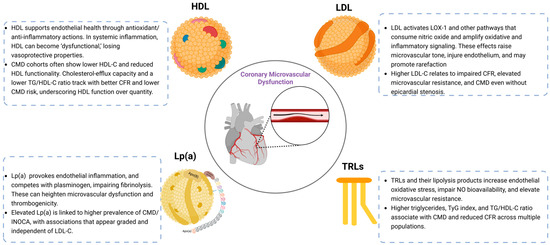
Coronary microvascular dysfunction (CMD) has emerged as a crucial contributor to cardiovascular morbidity and mortality, particularly in patients with ischemia and non-obstructive coronary arteries (INOCA). The condition arises from a complex interplay of structural and functional abnormalities within the small coronary vessels, driven by underlying molecular mechanisms including endothelial nitric oxide synthase (eNOS) uncoupling, oxidative stress, and chronic inflammation. Lipid metabolism plays a central role in this pathology, especially in the setting of elevated low-density lipoprotein cholesterol (LDL-C). Furthermore, the protective capacity of high-density lipoprotein (HDL) is increasingly understood to depend on its functionality rather than absolute levels, as it can become dysfunctional and pro-inflammatory in pathological states. Emerging evidence has identified lipoprotein(a) [Lp(a)] and triglyceride-rich lipoproteins as significant, independent contributors to microvascular injury. Comprehensive clinical assessment of microvascular dysfunction therefore requires integration of advanced lipid profiling, including apolipoprotein B (ApoB), [Lp(a)], and the triglyceride-glucose (TyG) index with invasive and non-invasive measures of coronary flow reserve to more precisely stratify risk. In this narrative review, we synthesize current observational, mechanistic, and early interventional data linking diverse lipid phenotypes to coronary microvascular dysfunction. We propose a concept of lipid-driven CMD endotypes, such as ApoB-/particle overload, dysfunctional HDL, Lp(a)-mediated risk, and metabolic/TyG-high states, and map these to a practical, mechanism-informed management framework. While intensive LDL-C lowering with high-intensity statins and combination therapy remains guideline-directed care for high-risk patients, evidence for dedicated microvascular benefit from newer lipid and cardiometabolic agents is still largely hypothesis-generating. A personalized approach that aligns lipid phenotyping, CMD endotyping, and existing guideline-based therapies may help refine risk assessment and inform future trials.
Full article
(This article belongs to the Special Issue Review Special Issue: Recent Advances in Personalized Medicine)
►
Show Figures
Open AccessArticle
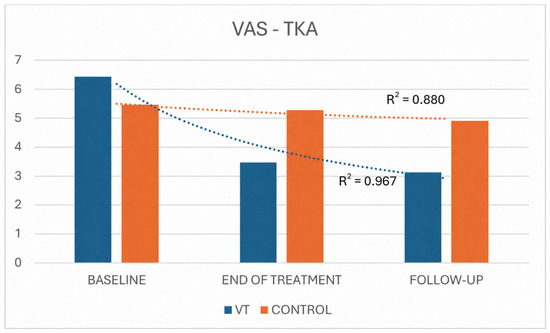
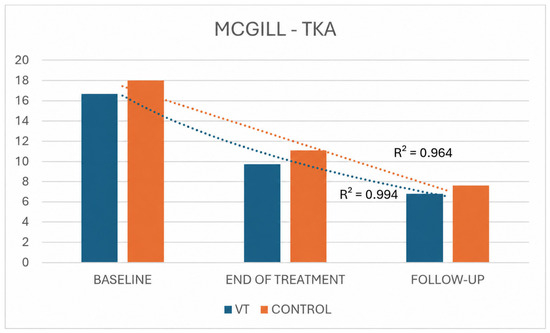
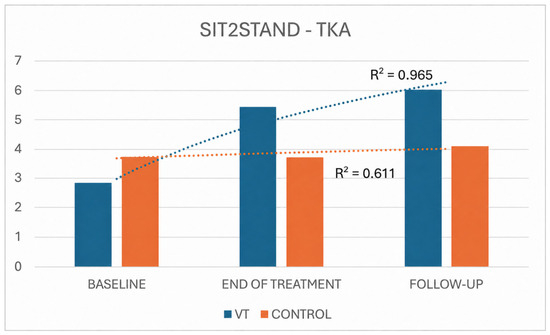
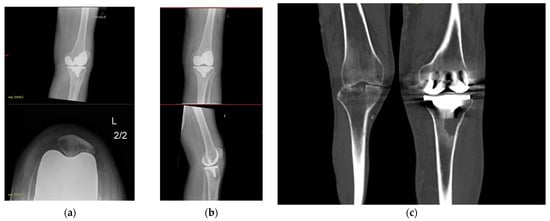
Effects of Mechano-Sonic Vibration Therapy on Muscle Strength, Pain, and Joint Function in Elderly Patients Undergoing Total Knee and Hip Arthroplasty: A Retrospective, Case-Control Study
by
Raoul Saggini, Domiziano Tarantino, Claudia Barbato, Raffaello Pellegrino, Francesco Pegreffi and Rosa Grazia Bellomo
J. Pers. Med. 2026, 16(5), 253; https://doi.org/10.3390/jpm16050253 - 6 May 2026
Abstract
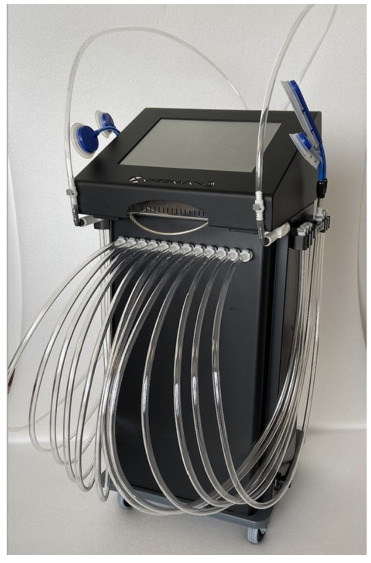
Background: Early recovery after total hip (THA) and total knee arthroplasty (TKA) is often limited by pain and impaired antigravity function. Mechano-acoustic vibration therapy (VT) may enhance neuromuscular activation and analgesia, but evidence in arthroplasty is scarce. Methods: A total of 380 patients
[...] Read more.
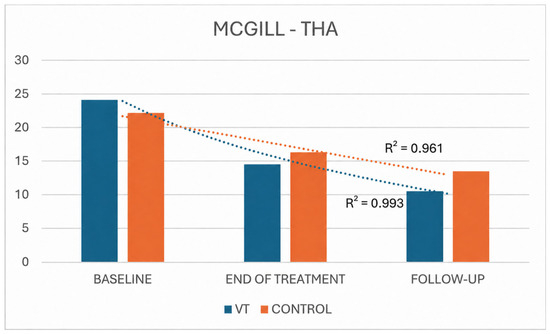
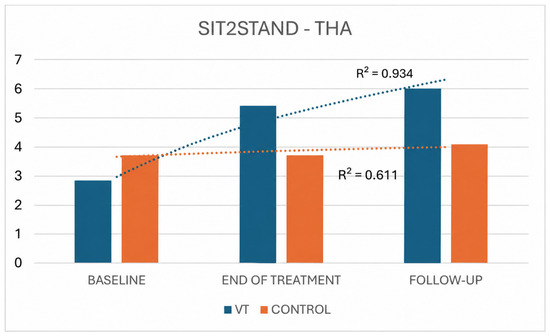
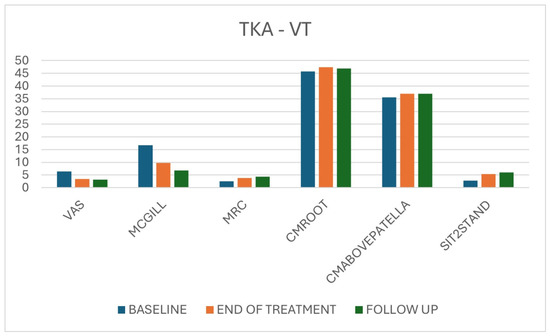
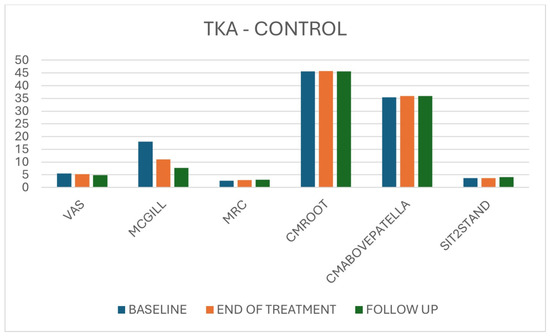
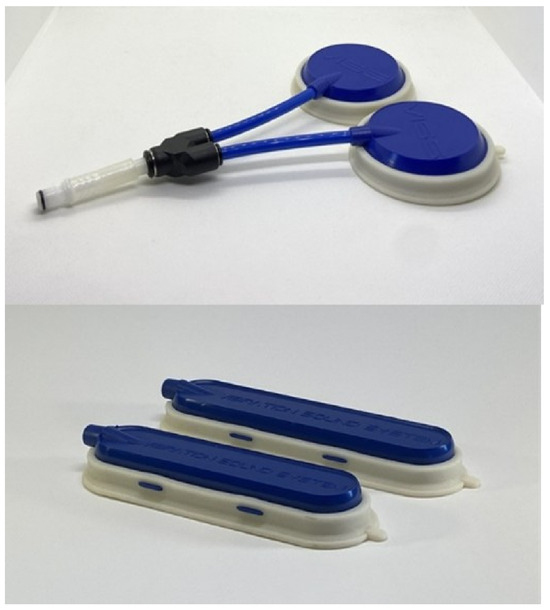
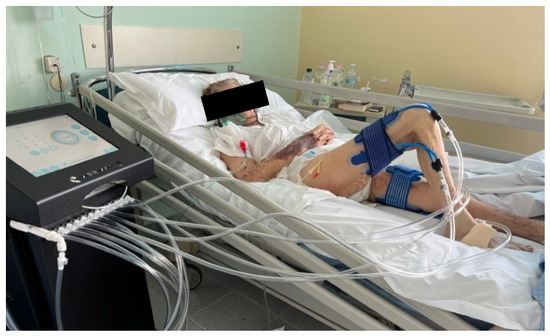
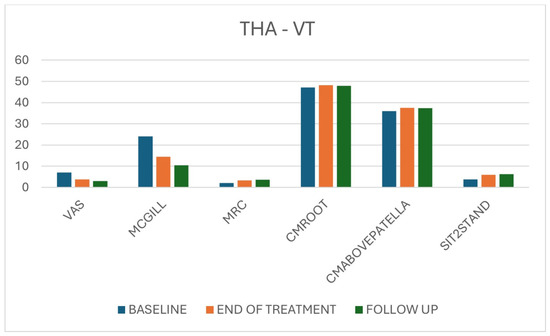
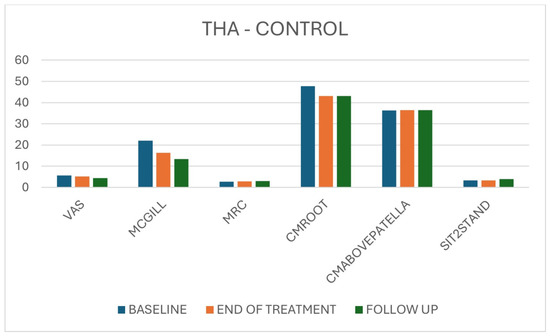
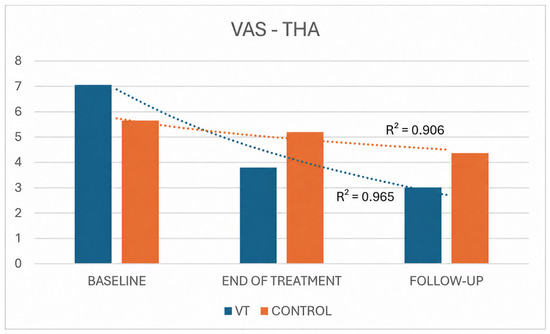
Background: Early recovery after total hip (THA) and total knee arthroplasty (TKA) is often limited by pain and impaired antigravity function. Mechano-acoustic vibration therapy (VT) may enhance neuromuscular activation and analgesia, but evidence in arthroplasty is scarce. Methods: A total of 380 patients aged ≥65 years were retrospectively identified within 3 ± 1 days after primary unilateral total hip arthroplasty (THA) or total knee arthroplasty (TKA). All patients underwent standard inpatient physiotherapy; in the VT group, mechano-acoustic vibration therapy (ViSS®, 30 min/day for 5 days at 200–300 Hz) was added as an adjunct treatment, whereas the control group received standard physiotherapy alone. Pain (VAS, McGill), muscle strength (MRC), thigh circumferences, and 10 s Sit-to-Stand were assessed at baseline (T0), end of treatment (T1), and 3-day follow-up (T2). Results: VT produced large, early and sustained improvements in both cohorts. In THA patients, VAS decreased from 7.1 ± 1.1 to 3.8 ± 0.6 at T1 and 3.0 ± 0.7 at T2 and Sit-to-Stand repetitions increased from 3.7 ± 1.9 to 6.3 ± 1.7 at T2, with significant gains in strength and circumferences. TKA VT patients showed similar patterns. Control groups reported smaller pain reductions and no clinically relevant changes in the reported outcomes. Conclusions: integrating a short cycle of mechano-acoustic VT into early inpatient rehabilitation after THA or TKA significantly enhances pain relief and restoration of antigravity function compared with standard physiotherapy alone. VT represents a promising adjunct to conventional rehabilitation strategies and may contribute to optimizing postoperative recovery pathways in major joint replacement.
Full article
(This article belongs to the Special Issue Precision Orthopedics: Evolving Shoulder, Hip, and Knee Surgery Through Intelligent Technology and Personalized Clinical Care)
►▼
Show Figures

Figure 1

Open AccessArticle
Central Sensitization in Spondyloarthritis: Implications for Personalized Medicine
by
Linda Carli, Federico Fattorini, Marco Di Battista, Lorenzo Esti, Cosimo Cigolini, Marta Mosca and Andrea Delle Sedie
J. Pers. Med. 2026, 16(5), 252; https://doi.org/10.3390/jpm16050252 - 5 May 2026
Abstract
Background: Central sensitization (CS) has been held responsible for both persistent pain and high disease activity scores in Spondyloarthritis (SpA). The Central Sensitization Inventory (CSI) is a questionnaire used to determine CS frequency: a score of at least 40 is associated with
[...] Read more.
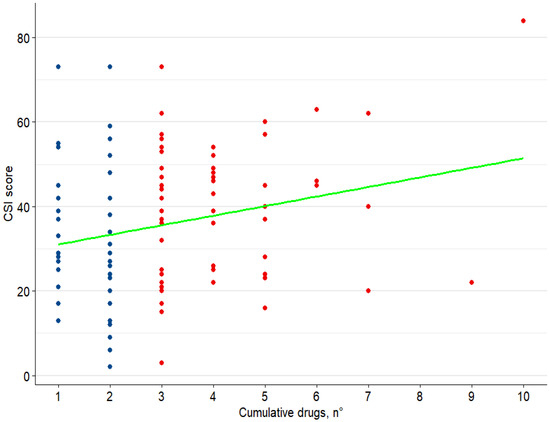
Background: Central sensitization (CS) has been held responsible for both persistent pain and high disease activity scores in Spondyloarthritis (SpA). The Central Sensitization Inventory (CSI) is a questionnaire used to determine CS frequency: a score of at least 40 is associated with a high likelihood of CS. Objectives: To investigate the prevalence of CS in our cohort and its association with clinical characteristics of patients and their quality of life. Methods: Adult patients with a diagnosis of Psoriatic Arthritis (PsA) or Axial Spondyloarthritis (AxSpA) who were also classifiable according to ClASsification criteria for Psoriatic Arthritis (CASPAR) and Assessment of SpondyloArthritis international Society (ASAS) criteria respectively, and regularly followed at the SpA outpatient clinic of our Unit were consecutively enrolled from April to November 2023. Their epidemiologic, clinical and clinimetric data were collected, as well as patient-reported outcome measures (PROMs) [CSI, Health Assessment Questionnaire (HAQ), FACIT-Fatigue (FACIT-F), SHORT-FORM 36 (SF-36), and Hospital Anxiety and Depression Scale (HADS)]. Considering the definition of “difficult-to-treat” rheumatoid arthritis, we defined as “multi-failure” those patients who were treated with more than two biologic disease-modifying anti-rheumatic drugs (bDMARDs) with different mechanisms of action. Intergroup comparisons were assessed by using Chi-square, t-test and ANOVA. p-values < 0.05 were considered significant. Results: A total of 100 patients were enrolled, 46 male (46.0%) and 54 female (54.0%), with a mean age of 59.4 ± 9.8 years and a mean disease duration of 14.8 ± 10.1 years; 79 patients (79%) had a diagnosis of PsA and 21 (21%) of AS. Forty-two patients (42.0%) had a CSI score ≥ 40. Significant correlations were found between a CSI score ≥ 40 and female sex (p = 0.004), the occurrence of enthesitis (p = 0.05), DAPSA-CRP (p = 0.02) and ASDAS scores (p = 0.03), a multi-failure condition (p = 0.01), fibromyalgia (FM) (p = 0.004), thyroid disease (p = 0.016) and obesity (p = 0.047). Regarding PROMs, significant correlations were found between CSI and values of HADS (both anxiety and depression), FACIT-F, HAQ and all the domains of SF-36 (p-value < 0.0001). Conclusions: Our data confirmed that more than 40% of SpA patients had CSI values ≥ 40 and underlined how CS could widely impair their disease burden. A routinary evaluation of CS and a multifactorial biopsychosocial perspective in the diagnosis and management of chronic pain in patients with SpA could help rheumatologists in improving their quality of care.
Full article
(This article belongs to the Section Personalized Preventive Medicine)
►▼
Show Figures

Figure 1
Open AccessArticle
Postoperative Septic Shock After Esophagectomy for Esophageal Cancer: Risk Factors and Impact on Short- and Long-Term Survival
by
Patricia Piñeiro, Francisco Sánchez, Alberto Calvo, María Tudela, Silvia Ramos, Sergio García, Pilar Benito, Isabel Solchaga, Raquel Vela, Claudia Menéndez, Eneko Cabezuelo and Ignacio Garutti
J. Pers. Med. 2026, 16(5), 251; https://doi.org/10.3390/jpm16050251 - 4 May 2026
Abstract
Background: Esophagectomy is associated with substantial postoperative morbidity, with infectious complications remaining a leading cause of mortality. Septic shock represents the most severe infectious complication; however, data on its perioperative predictors and long-term impact after esophagectomy are limited. Methods: We conducted
[...] Read more.
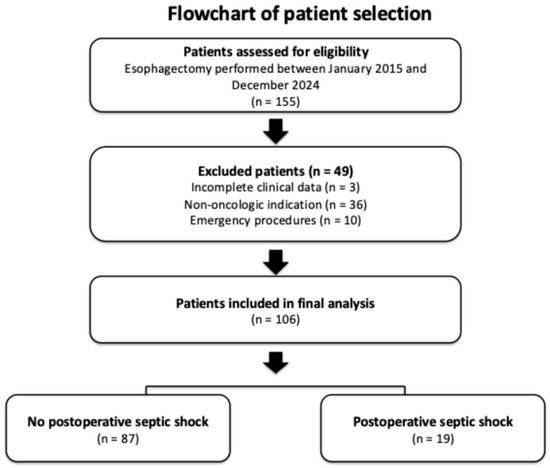
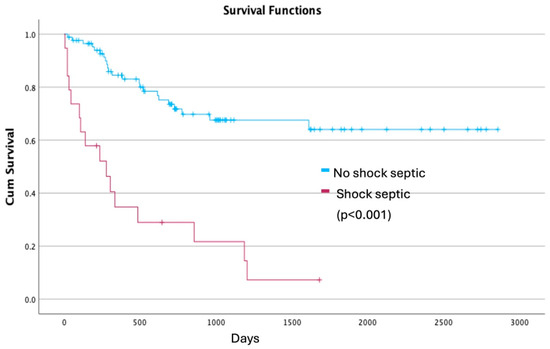
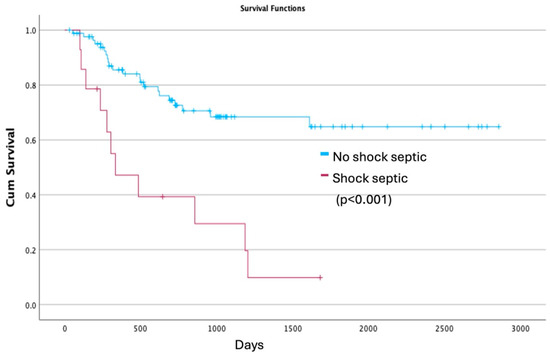
Background: Esophagectomy is associated with substantial postoperative morbidity, with infectious complications remaining a leading cause of mortality. Septic shock represents the most severe infectious complication; however, data on its perioperative predictors and long-term impact after esophagectomy are limited. Methods: We conducted a retrospective observational study including consecutive adult patients who underwent esophagectomy with curative intent for esophageal cancer between January 2015 and December 2024 at a tertiary referral center. Postoperative septic shock was defined according to Sepsis-3 criteria. Demographic, clinical, surgical, laboratory, and oncological variables were analyzed. Independent risk factors for septic shock were identified using multivariate logistic regression. Overall survival was assessed using Kaplan–Meier analysis. Results: Among 106 patients, 19 (17.9%) developed postoperative septic shock. These patients had a lower body mass index, reduced preoperative and postoperative albumin levels, and a higher incidence of advanced lymph node involvement. Septic shock was strongly associated with severe postoperative complications, including anastomotic leakage, hemorrhagic shock, acute respiratory distress syndrome, acute kidney failure, and increased rates of PICU readmission. In multivariate analysis, lower albumin levels at PICU admission (OR 0.54; 95% CI 0.29–0.99) and advanced nodal stage (OR 4.98; 95% CI 1.36–18.3) were independently associated with the development of septic shock. Patients who developed septic shock had significantly higher in-hospital mortality (31.6% vs. 1.1%, p < 0.001) and markedly reduced long-term survival, even among those discharged alive. Conclusions: Postoperative septic shock after esophagectomy is a devastating complication with a profound negative impact on both short- and long-term survival. Hypoalbuminemia and advanced lymph node involvement are independent predictors of septic shock. These findings support the integration of simple clinical and laboratory markers into personalized perioperative risk stratification models, enabling individualized management strategies to reduce severe postoperative complications.
Full article
(This article belongs to the Section Personalized Medical Care)
►▼
Show Figures

Figure 1
Open AccessEditorial
Personalized Approaches to Spine Surgery: Innovations and Future Directions
by
Kai-Uwe Lewandrowski
J. Pers. Med. 2026, 16(5), 249; https://doi.org/10.3390/jpm16050249 - 4 May 2026
Abstract
Personalized spine care is increasingly understood as more than the use of custom implants, robotics, navigation, or advanced imaging alone [...]
Full article
(This article belongs to the Special Issue Personalized Approaches to Spine Surgery: Innovations and Future Directions)
Open AccessArticle
Comparison of Three International Definitions for Overweight and Obesity in a Population of Adolescents in Greece
by
Eleni M. Domouzoglou, Evangelia E. Ntzani, Michail I. Papafaklis, Anastasios Serbis, Ekaterini Siomou, Flora Bacopoulou and Assimina Galli-Tsinopoulou
J. Pers. Med. 2026, 16(5), 250; https://doi.org/10.3390/jpm16050250 - 3 May 2026
Abstract
Background: Early diagnosis of obesity in adolescents is crucial for the prevention of severe health consequences. Different criteria for the diagnosis of obesity may lead to variations in prevalence. We aimed to compare the three most widely used international definitions (by WHO, IOTF
[...] Read more.
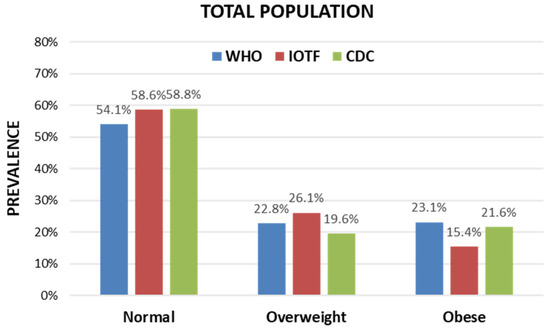
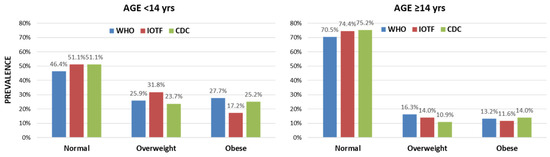
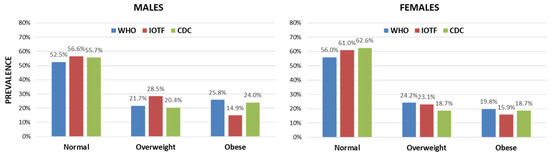
Background: Early diagnosis of obesity in adolescents is crucial for the prevention of severe health consequences. Different criteria for the diagnosis of obesity may lead to variations in prevalence. We aimed to compare the three most widely used international definitions (by WHO, IOTF and CDC) for overweight/obesity in adolescents in Northwestern Greece. Methods: A total of 403 adolescents aged 10–17 years were included. Agreement metrics and assessment of marginal heterogeneity and asymmetry were used for the comparison of the definitions. Results: In the total population, high agreement was observed among all definitions (Krippendorff’s alpha: 0.931, 95% CI 0.913–0.949). However, there was significant marginal heterogeneity (p < 0.001) and asymmetry (p < 0.001) for each pairwise comparison. WHO definition consistently yielded higher prevalence of obesity (WHO: 23.1%, IOTF: 15.4%, CDC: 21.6%). There were no significant differences in agreement (p = 0.247 for the comparison) between males and females, with more prominent marginal heterogeneity and asymmetry in males. Agreement among definitions was numerically lower in young adolescents aged < 14 years versus older ones (alpha: 0.919 vs. 0.953, p = 0.082), and systematic bias (p < 0.001) and asymmetry (p < 0.001) were present only in young adolescents without any significant difference in older ones. Conclusions: Although agreement was very high among definitions, they are not interchangeable, yielding different prevalence rates, particularly in young adolescents. IOTF criteria resulted in a reduced diagnosis of obesity and could lead to undertreatment; in contrast, WHO and CDC criteria may lead to overdiagnosis in our population. Caution is required when interpreting international criteria for overweight/obesity in various populations.
Full article
(This article belongs to the Special Issue Personalized Medicine of Obesity and Metabolic Disorders)
►▼
Show Figures

Figure 1
Open AccessCase Report
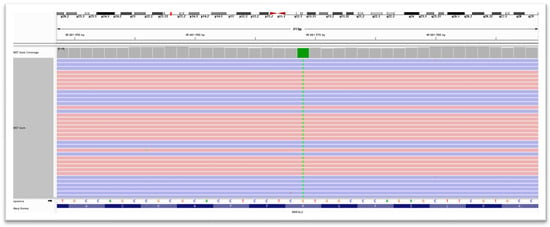
Promises and Pitfalls of Whole Exome Sequencing in Therapy-Resistant Chronic Thrombocytopenia in Childhood: A Case Report
by
Eszter Györke, Gábor Benyó, Kristóf Balázs Árvai, Csaba Bödör, László Kereskai, Hajnalka Ábrahám, Barbara Réger, Bálint Egyed and Gábor Ottóffy
J. Pers. Med. 2026, 16(5), 248; https://doi.org/10.3390/jpm16050248 - 2 May 2026
Abstract
Background: The etiological diagnosis of chronic thrombocytopenia in children remains challenging and is often established by exclusion. In this article, we present the case of a patient in whom we used whole-exome sequencing (WES) to help identify the underlying cause and determine the
[...] Read more.
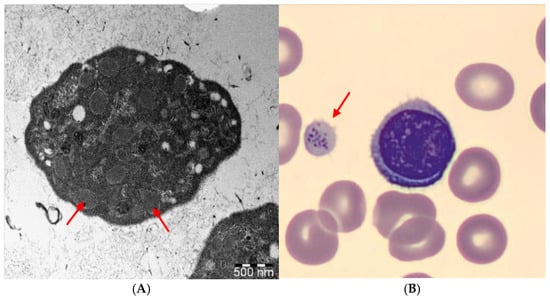
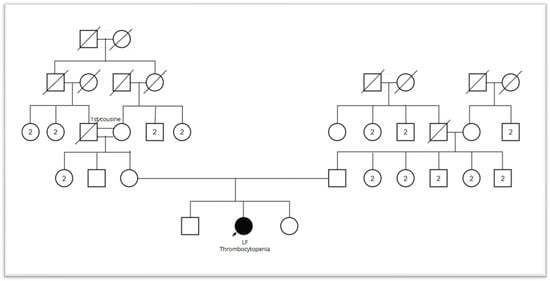
Background: The etiological diagnosis of chronic thrombocytopenia in children remains challenging and is often established by exclusion. In this article, we present the case of a patient in whom we used whole-exome sequencing (WES) to help identify the underlying cause and determine the appropriate treatment. Methods: Whole-exome sequencing was performed to clarify the genetic background of the disease. Based on the results, transmission electron microscopy (TEM) was also carried out to confirm or exclude the pathogenic role of the identified NBEAL2 gene variant and to assess the presence of gray platelet syndrome. Results: In this patient, despite the presence of the NBEAL2 gene variant, neither gray platelet syndrome nor a pathogenic role of the variant could be confirmed. However, the genetic findings identified by WES led to numerous additional investigations, causing a considerable burden on both the patient and the family. Conclusions: Our case highlights that WES testing, which is emerging in pediatric hematology practice, offers not only diagnostic advantages but also pitfalls. Whole-exome sequencing has recently emerged as a new diagnostic tool and has been available nationwide in pediatric hematology-oncology care in Hungary for just over two years. While personalized treatment strategies for benign hematologic diseases increasingly rely on high-throughput genetic testing, the clinical application of WES requires a cautious, critical evaluation of results. Despite the method’s promise, the heterogeneity of the findings underscores the need to interpret WES results carefully and to place them in a clinical context in every case.
Full article
(This article belongs to the Special Issue Genetic Counseling and Genome Sequencing in Pediatrics)
►▼
Show Figures

Figure 1

Open AccessEditorial
Personalized Medicine in Otolaryngology: Reflections on a Multidisciplinary Special Issue
by
Mehdi Abouzari
J. Pers. Med. 2026, 16(5), 247; https://doi.org/10.3390/jpm16050247 - 1 May 2026
Abstract
The practice of medicine has long aspired to treat the individual rather than the disease, yet it has only been in recent decades that the scientific and technological tools required to fulfill this aspiration have begun to mature [...]
Full article
(This article belongs to the Special Issue Personalized Medicine for Otolaryngology (ENT))
Open AccessReview
The Bright and Dark Sides of Nitric Oxide in Neurodegenerative Diseases
by
Lucia Buccarello, Costanza Montagna, Sabina Di Matteo, Renata Mangione, Giuseppe Carota, Jay Sibbitts, Romana Jarosova, Susan M. Lunte, Giacomo Lazzarino and Giuseppe Caruso
J. Pers. Med. 2026, 16(5), 246; https://doi.org/10.3390/jpm16050246 - 1 May 2026
Abstract
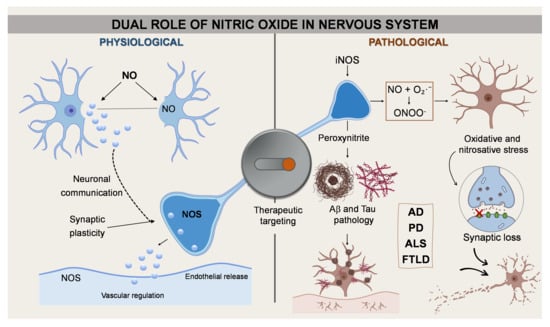
Nitric oxide (NO) plays an important role in neuronal communication, synaptic plasticity and vascular regulation. Due to its important function in neuronal homeostasis, NO imbalance is associated with neurodegeneration. Specifically, in Alzheimer’s disease (AD), amyotrophic lateral sclerosis (ALS), Parkinson’s disease (PD) and frontotemporal
[...] Read more.
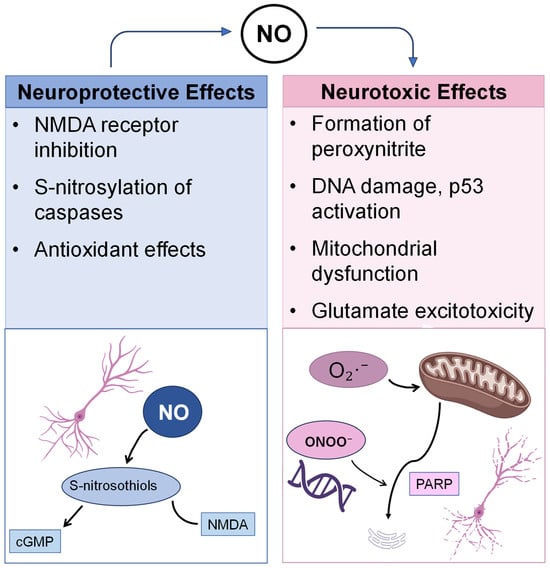
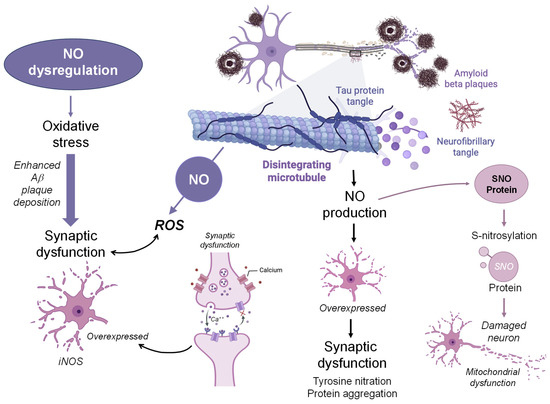
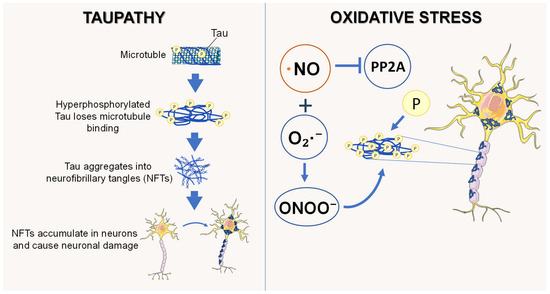
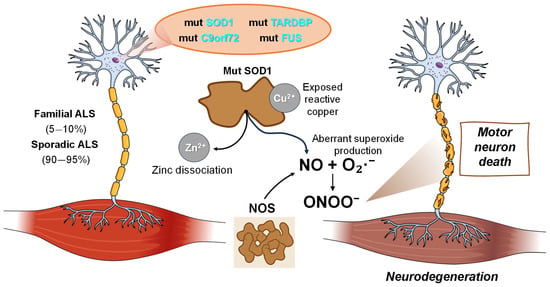
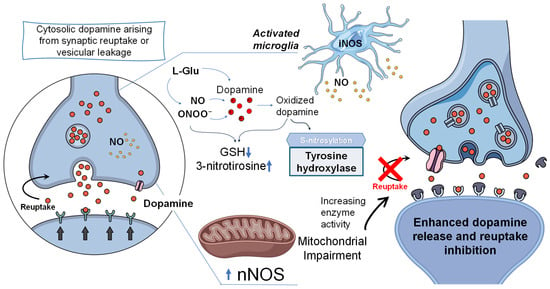
Nitric oxide (NO) plays an important role in neuronal communication, synaptic plasticity and vascular regulation. Due to its important function in neuronal homeostasis, NO imbalance is associated with neurodegeneration. Specifically, in Alzheimer’s disease (AD), amyotrophic lateral sclerosis (ALS), Parkinson’s disease (PD) and frontotemporal lobar degeneration (FTLD), an excessive amount of NO, mostly produced by inducible NO synthase (iNOS), reacts with superoxide to form peroxynitrite, driving oxidative/nitrosative stress, mitochondrial dysfunction, and aberrant protein modifications. In AD, NO dysregulation promotes amyloid-β (Aβ) accumulation, tau hyperphosphorylation and synaptic loss, creating a self-perpetuating cycle of neuronal damage. NO’s dual role, protective at physiological levels but harmful if overproduced, underscores the therapeutic potential of antioxidant compounds that restore the balance of NO/NOS (especially iNOS) while preserving physiological functions. However, despite the emerging role of antioxidant-based therapeutic approaches, clinical translation is limited by the complexity of NO signaling and the absence of safe, specific NOS inhibitors. By targeting the molecular switch from protective to toxic, NO activity may offer new personalized treatment avenues for neurodegenerative diseases.
Full article
(This article belongs to the Special Issue Advancing Personalized Medicine: Targeting Oxidative Stress in Neurodegenerative Diseases)
►▼
Show Figures

Graphical abstract
Open AccessArticle
Association of Plasma IL-6 with Indoor Radon Exposure in Children with Non-Allergic Asthma
by
Saleh Alsulami, Youn Soo Jung, Kari Nadeau, Perdita Permaul, Longxiang Li, Petros Koutrakis, Jonathan M. Gaffin, Wanda Phipatanakul and Tina M. Banzon
J. Pers. Med. 2026, 16(5), 245; https://doi.org/10.3390/jpm16050245 - 30 Apr 2026
Abstract
Background/Objectives: Radon exposure has recently been associated with asthma morbidity, including increased airway inflammation and school absenteeism in children, though limited data on underlying biological mechanisms exist. Interleukin-6 (IL-6), a pleiotropic cytokine implicated in both Type 2-low airway inflammation and radon-related lung carcinogenesis,
[...] Read more.
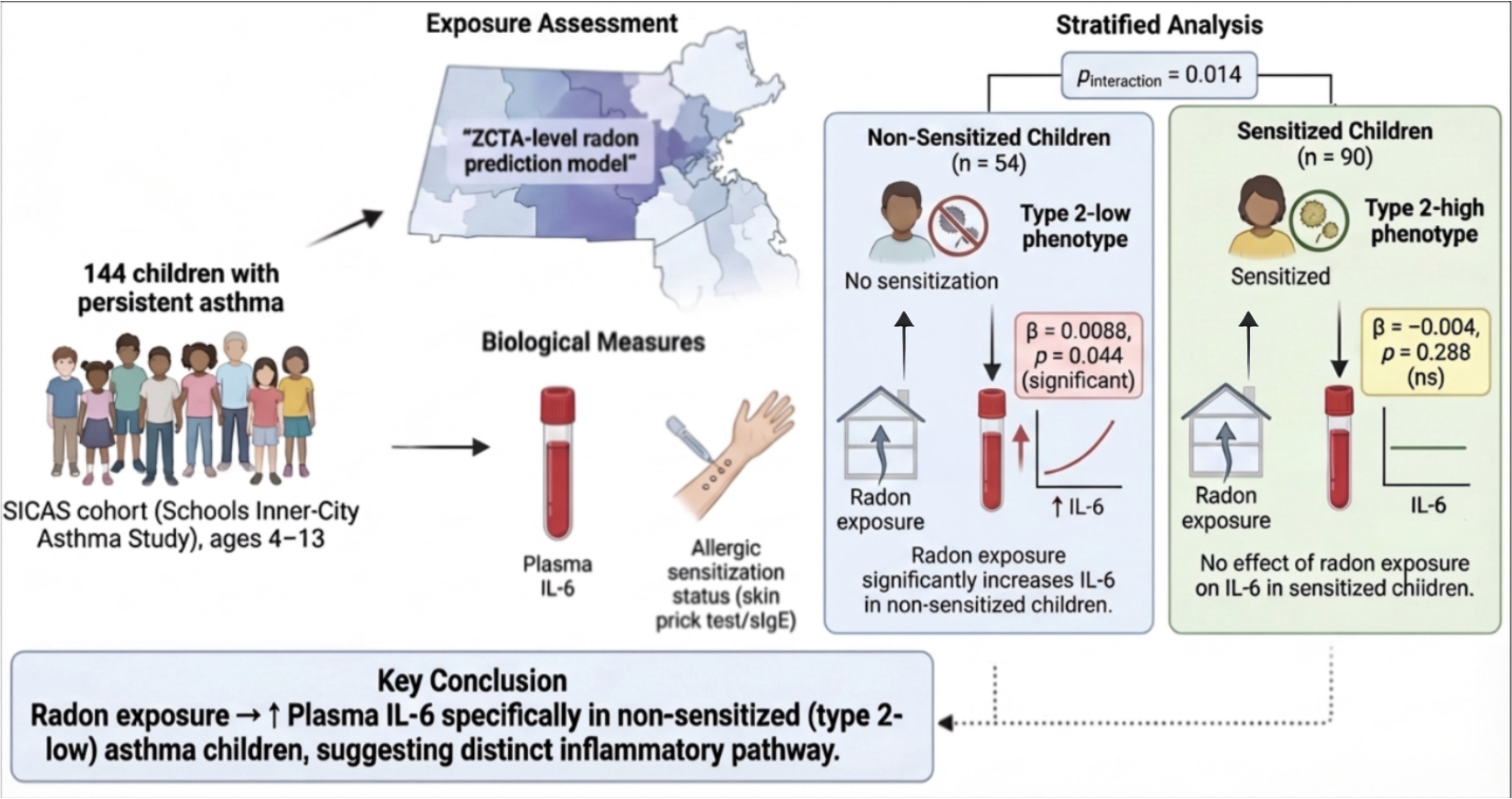
Background/Objectives: Radon exposure has recently been associated with asthma morbidity, including increased airway inflammation and school absenteeism in children, though limited data on underlying biological mechanisms exist. Interleukin-6 (IL-6), a pleiotropic cytokine implicated in both Type 2-low airway inflammation and radon-related lung carcinogenesis, may represent a key mechanistic link between radon exposure and asthma morbidity. We aimed to evaluate the association between indoor radon exposure and plasma IL-6 levels in children with asthma and whether this relationship differs by allergic sensitization status. Methods: We analyzed baseline data from the School Inner-City Asthma Study, a prospective cohort of children aged 4–13 years with persistent asthma. Monthly indoor radon concentrations at each participant’s residential ZIP Code Tabulation Area were estimated using a validated spatiotemporal prediction model. Plasma IL-6 was measured from baseline blood samples. Multivariable linear mixed-effects models with random intercepts for school were used to assess the association between radon exposure and IL-6, adjusting for demographic, clinical, and socioeconomic covariates. Effect modification by allergic sensitization was evaluated using an interaction term. Results: Among 144 participants, 62.5% were allergen-sensitized. The median home radon concentration was 46.6 Bq/m3 (range 30.7–99.9), and the mean plasma IL-6 was 0.22 pg/mL (SD 0.41). A significant interaction was observed between radon exposure and allergic sensitization status (β-interaction = –0.012; p = 0.014), indicating differential effects by phenotype. Among non-sensitized children, higher radon exposure was associated with increased IL-6 levels (β = 0.0088; p = 0.044), corresponding to a 0.32 pg/mL rise in IL-6 per 37 Bq/m3 increase in radon. No significant association was observed among sensitized children. Conclusions: Indoor radon exposure is associated with higher plasma IL-6 levels in non-sensitized children with asthma, suggesting a potential IL-6–mediated pathway linking radon exposure to asthma morbidity in the Type 2-low phenotype. These findings highlight heterogeneity in environmental asthma responses and support further investigation into radon mitigation as a modifiable factor to improve asthma outcomes. IL-6 may serve as a biomarker to identify children most susceptible to radon-related airway inflammation, guiding personalized mitigation strategies and targeted interventions to improve asthma outcomes. Future studies should incorporate direct home radon measurements, comprehensive endotyping panels, and longitudinal biomarker sampling to validate these findings and elucidate whether IL-6 trans-signaling pathways mediate radon-induced airway injury in non-allergic asthma.
Full article
(This article belongs to the Special Issue Mechanisms of Airway Inflammation in Asthma)
►▼
Show Figures

Graphical abstract
Open AccessArticle
Development and Evaluation of a Radiomics-Based 3D Volumetric and Densitometric Tomographic Scoring System for Chronic Rhinosinusitis with Nasal Polyposis: A Comparative Analysis
by
Simonetta Masieri, Elona Begvarfaj, Pasquale Frisina, Carlo Cavaliere, Antonella Loperfido, Francesca Lombardi, Marcella Bugani and Daniela Messineo
J. Pers. Med. 2026, 16(5), 244; https://doi.org/10.3390/jpm16050244 - 30 Apr 2026
Abstract
Background/Objectives: The therapeutic effectiveness of chronic rhinosinusitis with nasal polyposis (CRSwNP) depends on an accurate diagnosis that identifies disease characteristics, evaluates sinus patency, and detects paranasal sinus obliteration. This study aims to assess a novel artificial intelligence (AI) system integrated with radiomic
[...] Read more.
Background/Objectives: The therapeutic effectiveness of chronic rhinosinusitis with nasal polyposis (CRSwNP) depends on an accurate diagnosis that identifies disease characteristics, evaluates sinus patency, and detects paranasal sinus obliteration. This study aims to assess a novel artificial intelligence (AI) system integrated with radiomic analysis for the radiological evaluation of CRSwNP, developing a reliable and predictive clinical-radiological scoring system. Methods: This study retrospectively evaluates CT scans of patients with CRSwNP. Image analysis was performed using Radiomica LifeX (Local Image Features Extraction) version 7.5. The extracted densitometric volumes were compared to the Lund-Mackay Score (LMS) to develop a novel scoring system (P-ABCD score) and assess its radiomic predictive capability. Results: Twenty patients with CRSwNP undergoing Dupilumab therapy participated in this study. The P-ABCD score, derived from sinus CT imaging data, served as a valuable objective measure of clinical improvement following CRSwNP treatment. Conclusions: Advanced radiomic imaging techniques of the sinus cavity provide precise volumetric data combined with texture analysis. These techniques offer high sensitivity by accurately quantifying the true extent of inflammatory involvement in the paranasal sinuses, enabling effective disease stratification.
Full article
(This article belongs to the Section Omics/Informatics)
Open AccessSystematic Review
Clinical Value of Fluorescent Lymphography with Indocyanine Green During Robotic Surgery for Gastric Cancer in Guided Lymph Node Dissection: A Systematic Review and Meta-Analysis
by
Dimitra V. Peristeri, Dimitrios N. Raptis, Ioannis Mantzoros, Dimitrios Schizas, Alexandros-Georgios I. Asimakopoulos, Eirini Papadopoulou, Georgios D. Lianos, Thomas Papaziogas and Vasileios Papaziogas
J. Pers. Med. 2026, 16(5), 243; https://doi.org/10.3390/jpm16050243 - 30 Apr 2026
Abstract
Introduction: Robotic gastrectomy is increasingly used in the surgical management of gastric cancer. Indocyanine green (ICG) near-infrared fluorescence imaging has emerged as a technique that enables real-time visualization of lymphatic drainage pathways, potentially facilitating more precise and individualized lymph node dissection. However,
[...] Read more.
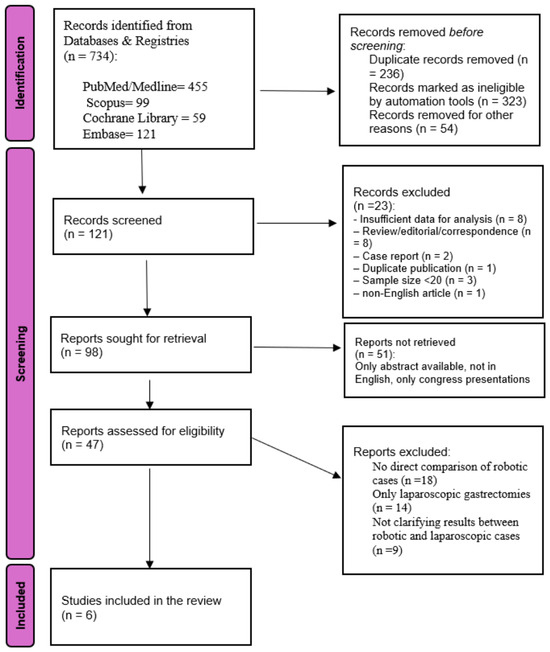
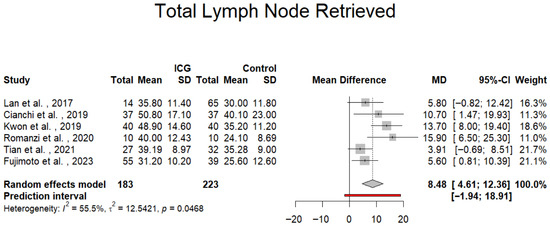
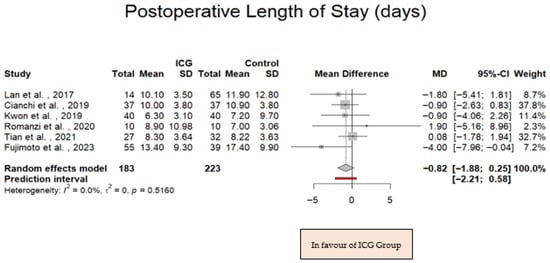
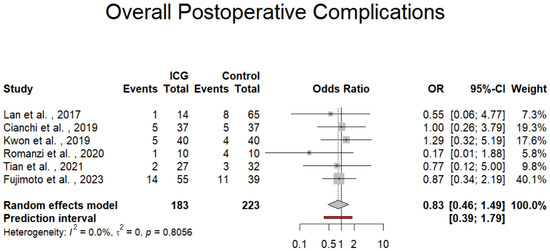
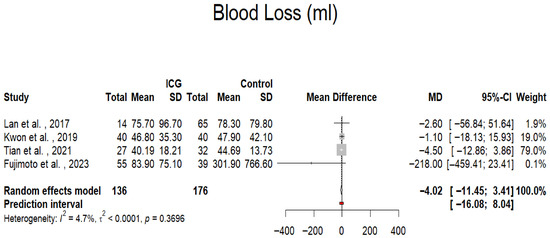
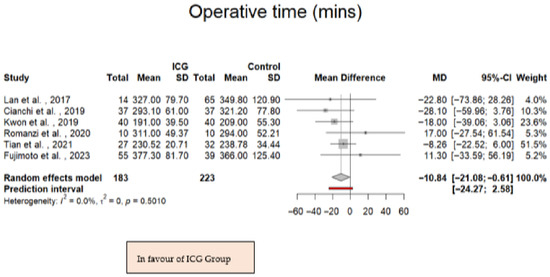
Introduction: Robotic gastrectomy is increasingly used in the surgical management of gastric cancer. Indocyanine green (ICG) near-infrared fluorescence imaging has emerged as a technique that enables real-time visualization of lymphatic drainage pathways, potentially facilitating more precise and individualized lymph node dissection. However, the clinical value of ICG-guided fluorescent lymphography during robotic gastrectomy remains incompletely established. Methods: A systematic review and meta-analysis were conducted in accordance with PRISMA guidelines. PubMed, Embase, Scopus, and the Cochrane Library were searched from database inception to 31 January 2026 for comparative studies evaluating ICG-guided fluorescent lymphography versus standard robotic gastrectomy for gastric cancer. Statistical analyses were performed using R (version 4.4.2) and the meta package. Results: Six studies, including 406 patients, met the inclusion criteria. Use of ICG was associated with a higher number of retrieved lymph nodes (mean difference [MD] 8.48; 95% CI 4.61–12.36; p = 0.001; I2 = 55.5%). Operative time was modestly shorter in the ICG group (MD −10.84 min; 95% CI −21.08 to −0.61; p = 0.038). There were no significant differences in intraoperative blood loss (MD −4.02 mL; p = 0.289), length of hospital stay (MD −0.82 days; p = 0.131), or postoperative complications (odds ratio 0.83; 95% CI 0.46–1.49; p = 0.534). Conclusions: ICG-guided fluorescence imaging during robotic gastrectomy is associated with increased lymph node retrieval and a small reduction in operative time without evidence of increased perioperative morbidity. Larger prospective studies are required to confirm these findings and to evaluate long-term oncologic outcomes.
Full article
(This article belongs to the Special Issue Personalized Management of Abdominal Surgery and Complications)
►▼
Show Figures

Figure 1

Open AccessArticle
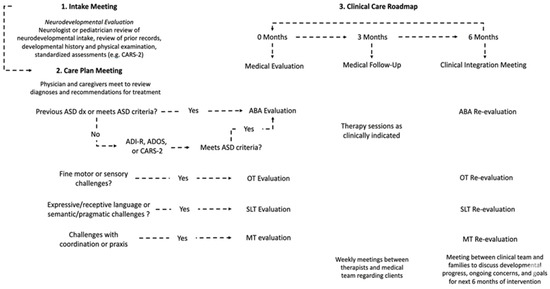
Adaptive Behavior Change in Autism: Outcomes from a Comprehensive, Interdisciplinary Clinical Care Cohort
by
Kelly Olvany, Annie Aitken, Elysa J. Marco, Neil Hattangadi and Kevin A. Shapiro
J. Pers. Med. 2026, 16(5), 242; https://doi.org/10.3390/jpm16050242 - 30 Apr 2026
Abstract
Purpose: The purpose of this study was to examine the effects of a medically centered, interdisciplinary treatment model on adaptive behavior in children with Autism Spectrum Disorder (ASD). The Cortica model involves a comprehensive program including behavioral and developmental therapies, overseen by a
[...] Read more.
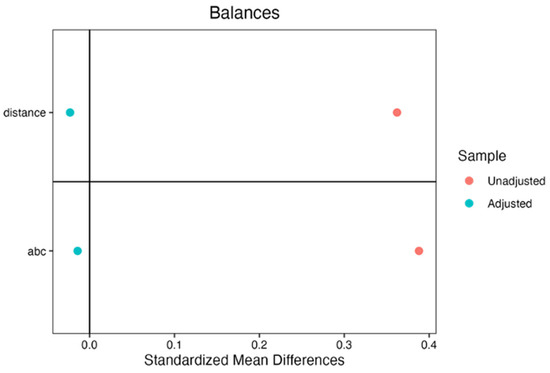
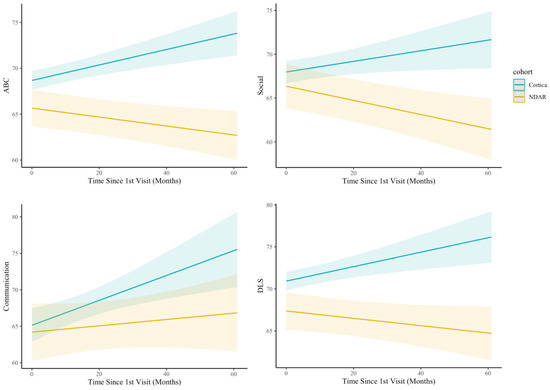
Purpose: The purpose of this study was to examine the effects of a medically centered, interdisciplinary treatment model on adaptive behavior in children with Autism Spectrum Disorder (ASD). The Cortica model involves a comprehensive program including behavioral and developmental therapies, overseen by a neurodevelopmental physician. Here, we investigated how adaptive behaviors change over time during care at Cortica. Methods: We analyzed changes in the Vineland Adaptive Behavior Scales over the course of Cortica care compared to a community sample comprising longitudinal data from the National Database for Autism Research (NDAR). Results: Using propensity score weights to match cohorts based on baseline functioning, multilevel growth curve models showed significant Cohort × Time interactions for the Adaptive Behavior Composite (ABC) score and all subscale scores, indicating increased growth in adaptive behavior skills for children in the Cortica cohort relative to NDAR. Conclusions: Results of this study highlight the importance of using adaptive behaviors as a primary outcome in clinical research studies and suggest that a personalized, multidisciplinary approach to intervention can result in improved adaptive behavior skills over time.
Full article
(This article belongs to the Special Issue Mental Health: Clinical Advances in Personalized Medicine)
►▼
Show Figures

Figure 1
Open AccessReview
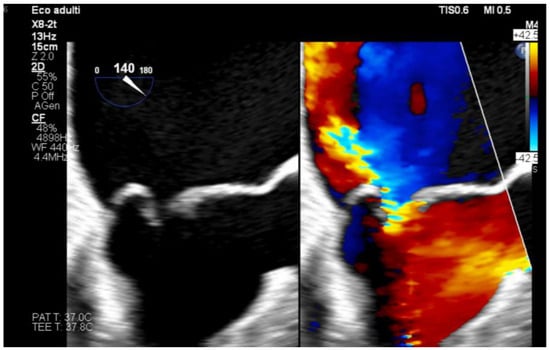
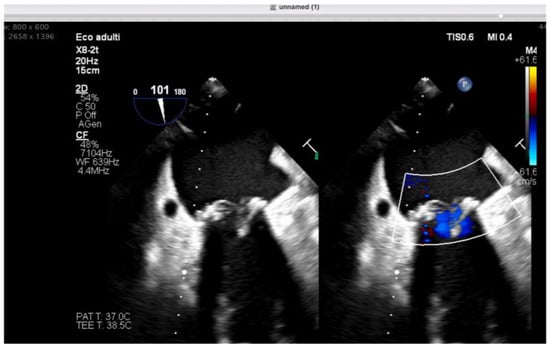
Anesthetic Management of Eosinophilic Granulomatosis with Polyangiitis: A Narrative Review with an Illustrative Case in Cardiac Surgery
by
Debora Emanuela Torre and Carmelo Pirri
J. Pers. Med. 2026, 16(5), 241; https://doi.org/10.3390/jpm16050241 - 30 Apr 2026
Abstract
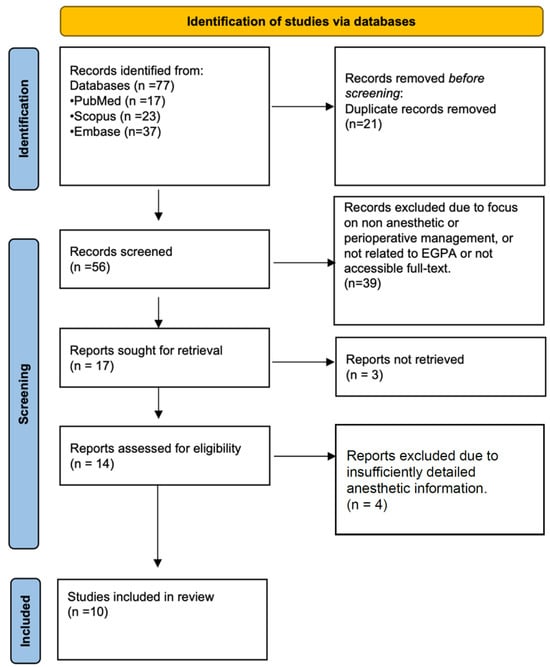
Background: Eosinophilic granulomatosis with polyangiitis (EGPA), formerly Churg–Strauss syndrome, is a rare necrotizing vasculitis characterized by asthma, eosinophilia, and systemic granulomatosis vasculitis. Perioperative risk is primarily driven by airway hyperreactivity, potential cardiac disease, chronic immunosuppressive therapy, and reported alterations in plasma cholinesterase
[...] Read more.
Background: Eosinophilic granulomatosis with polyangiitis (EGPA), formerly Churg–Strauss syndrome, is a rare necrotizing vasculitis characterized by asthma, eosinophilia, and systemic granulomatosis vasculitis. Perioperative risk is primarily driven by airway hyperreactivity, potential cardiac disease, chronic immunosuppressive therapy, and reported alterations in plasma cholinesterase activity. Evidence specifically addressing anesthetic management remains scarce and largely limited to case-based reports. Methods: A focused narrative review was conducted by searching MEDLINE (via PubMed), Scopus, and Embase from inception to January 2026 for publications reporting perioperative anesthetic management in patients with EGPA/Churg–Strauss syndrome. Case reports and case-based descriptions providing explicit anesthetic details were qualitatively synthesized. Results: Available evidence consists predominantly of isolated case reports across heterogeneous surgical settings, including ENT, abdominal, orthopedic, ambulatory, pediatric, and rare cardiac procedures. Recurring perioperative principles include optimization of bronchial disease and continuation of inhaled therapy; minimization of airway stimulation and avoidance of histamine-releasing drugs; selection of induction agents preserving hemodynamic stability in the presence of myocardial involvement; preference for non-depolarizing neuromuscular blockade with quantitative monitoring (and consideration for sugammadex when appropriate); individualized corticosteroid management and multimodal, opioid-sparing analgesia, often supported by regional techniques. Conclusions: In the absence of dedicated perioperative guidelines, anesthetic care for EGPA should be individualized based on clinical phenotype and organ involvement. A structured approach targeting airway protection, cardiovascular stability, safe neuromuscular management, and opioid-sparing analgesia may represent a pragmatic risk-mitigation framework. These considerations are illustrated by an institutional experience in mitral valve surgery.
Full article
(This article belongs to the Special Issue Personalized Cardiothoracic Surgery: Treatment and Management)
►▼
Show Figures

Figure 1

Open AccessReview
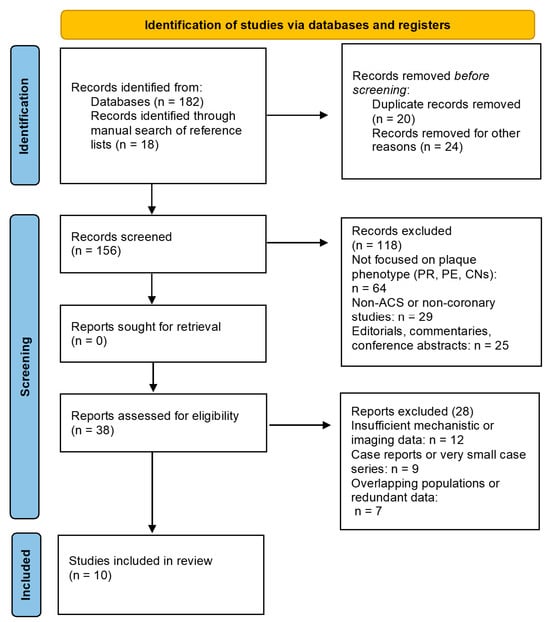
A Clinician-Oriented Approach to Plaque Pathology in ACS: Implications for Personalized Cardiovascular Medicine—A Comprehensive Review
by
Barbara Pala, Mariagrazia Piscione, Francesco Cribari, Paola Gualtieri, Marco Alfonso Perrone and Laura Di Renzo
J. Pers. Med. 2026, 16(5), 240; https://doi.org/10.3390/jpm16050240 - 30 Apr 2026
Abstract
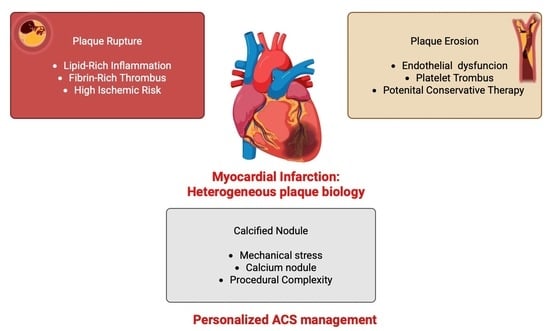
Growing evidence indicates that myocardial infarction (MI) is the clinical manifestation of heterogeneous plaque substrates with distinct molecular, cellular, and biomechanical mechanisms. Acute coronary thrombosis (ACT) most commonly arises from plaque rupture (PR), plaque erosion (PE), and calcified nodules (CNs), each associated with
[...] Read more.
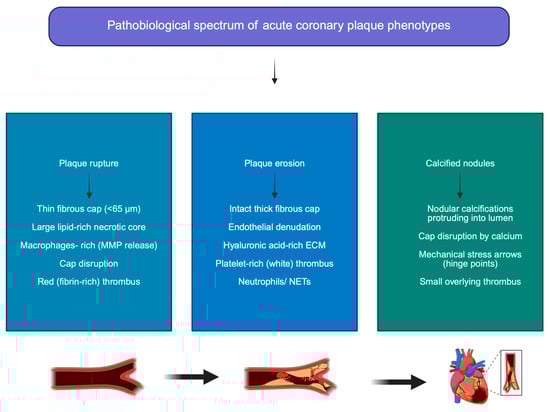
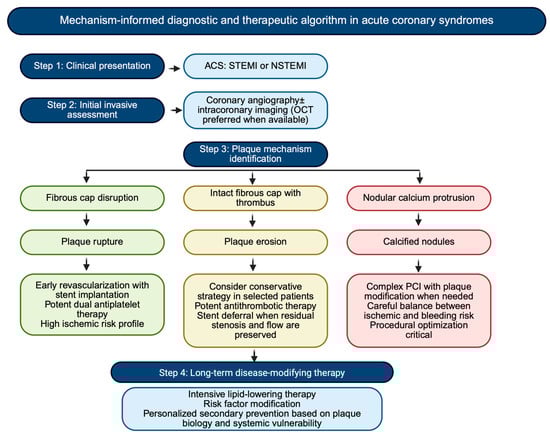
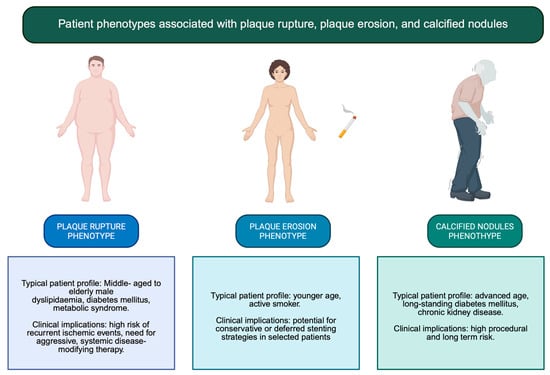
Growing evidence indicates that myocardial infarction (MI) is the clinical manifestation of heterogeneous plaque substrates with distinct molecular, cellular, and biomechanical mechanisms. Acute coronary thrombosis (ACT) most commonly arises from plaque rupture (PR), plaque erosion (PE), and calcified nodules (CNs), each associated with different inflammatory profiles, thrombus composition, clinical presentation, and prognosis. This comprehensive review provides a clinician-oriented synthesis of the pathophysiological mechanisms underlying these three principal plaque phenotypes and discusses their implications for the contemporary management of acute coronary syndromes (ACS). We examine the molecular and cellular determinants of plaque instability and highlight how systemic factors such as plaque burden, impaired healing responses, and myocardial jeopardy modulate clinical risk. The role of intracoronary and non-invasive imaging is discussed primarily as a tool to elucidate plaque biology with direct clinical relevance rather than merely as a procedural guide. Building on these insights, we propose a conceptual framework for integrating plaque biology into clinical decision-making across the acute phase, secondary prevention, and long-term follow-up. In particular, recognizing the biological heterogeneity of plaque substrates may support more personalized therapeutic strategies, enabling clinicians to tailor pharmacological and interventional approaches according to the underlying plaque phenotype and patient-specific risk profile. Finally, we briefly address emerging perspectives, including the potential role of artificial intelligence (AI) in refining plaque characterization, risk stratification, and precision cardiovascular prevention. Overall, recognition of PR, PE, and CNs as biologically distinct entities supports a shift toward mechanism-informed and personalized management of MI, aligning advances in plaque biology with the principles of precision cardiovascular medicine.
Full article
(This article belongs to the Special Issue Personalized Prevention and Treatment of Cardiovascular Diseases)
►▼
Show Figures

Graphical abstract
Open AccessArticle
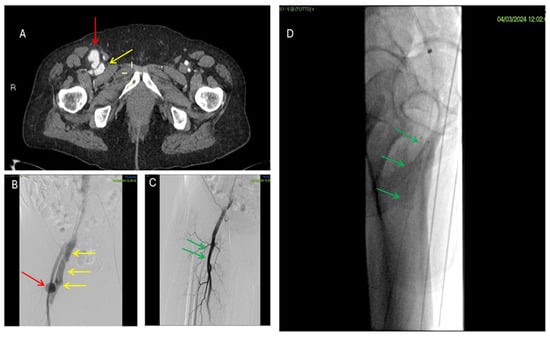
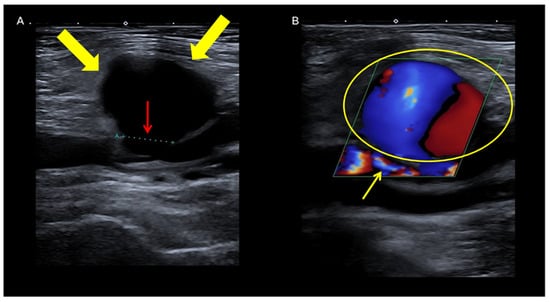
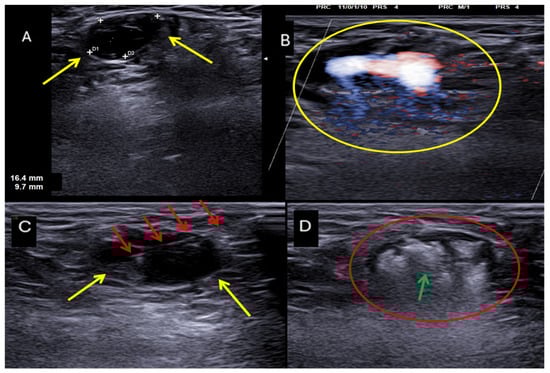
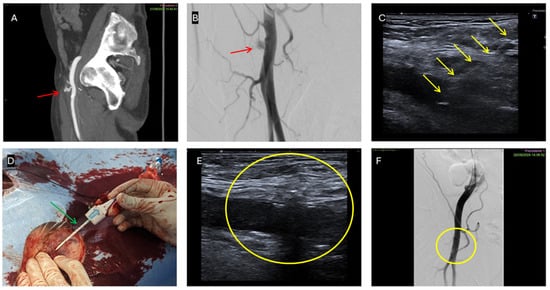
Personalized Interventional Management of Femoral Pseudoaneurysms of Iatrogenic and Traumatic Origin: Technical Aspects, Clinical Outcomes, and Risk-Adapted Treatment Selection
by
Antonio Borzelli, Francesco Giurazza, Luigi Basile, Fabio Corvino, Felice D’Antuono, Francesco Pane, Milena Coppola, Alessandro Punzi, Gianluca Cangiano, Antonio Corvino and Raffaella Niola
J. Pers. Med. 2026, 16(5), 239; https://doi.org/10.3390/jpm16050239 - 30 Apr 2026
Abstract
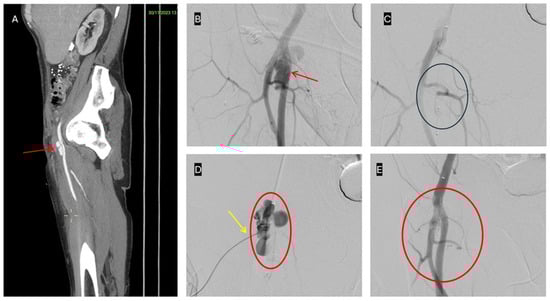
Background: Femoral pseudoaneurysms are clinically heterogeneous, with substantial variability in anatomical features and patient-related bleeding risk. Standard treatment algorithms may be inadequate, particularly in patients receiving anticoagulation or presenting with altered coagulation profiles. A personalized, risk-adapted interventional strategy may optimize outcomes while
[...] Read more.
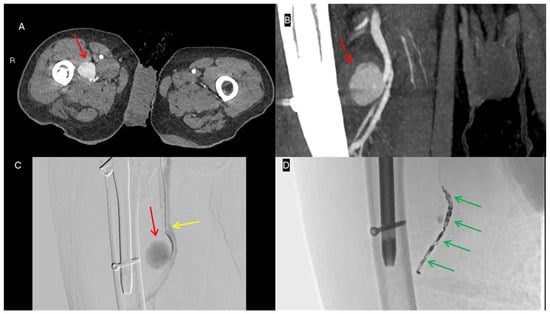
Background: Femoral pseudoaneurysms are clinically heterogeneous, with substantial variability in anatomical features and patient-related bleeding risk. Standard treatment algorithms may be inadequate, particularly in patients receiving anticoagulation or presenting with altered coagulation profiles. A personalized, risk-adapted interventional strategy may optimize outcomes while preserving procedural safety. This study compares ultrasound-guided compression with endovascular and percutaneous therapies and evaluates the safety of minimally invasive approaches across different risk profiles to support individualized management. Methods: This single-center retrospective cohort study included 65 consecutive patients treated for femoral pseudoaneurysms between January 2019 and May 2025. Treatment modalities comprised ultrasound-guided compression, endovascular embolization (coils, covered stents, NBCA–Lipiodol), percutaneous glue injection, and hybrid approaches. Primary endpoints were technical and clinical success. Safety was assessed using pre- and post-procedural INR, platelet count, and hemoglobin levels. High-risk status was defined as ongoing anticoagulation or antiplatelet therapy, INR > 1.5, or platelet count <50 × 109/L. Results: Endovascular and percutaneous approaches achieved significantly higher technical (100% vs. 68.5%, p = 0.006) and clinical success rates (100% vs. 77.8%, p = 0.009) compared with ultrasound-guided compression. In minimally invasive cohorts, INR and platelet counts remained stable after treatment, while hemoglobin showed an expected post-procedural decrease (p < 0.001). High-risk patients demonstrated technical success rates comparable to standard-risk patients, with no significant differences in laboratory trends. Favorable outcomes were observed across different embolic materials. Conclusions: Endovascular and percutaneous therapies provide superior effectiveness compared with ultrasound-guided compression while maintaining a reassuring safety profile, even in patients at increased bleeding risk. These findings support a personalized, patient-tailored interventional approach based on individual anatomical and clinical characteristics.
Full article
(This article belongs to the Special Issue Emerging Trends in Diagnostic and Interventional Radiology: Towards Personalized Medicine)
►▼
Show Figures

Figure 1
Open AccessArticle
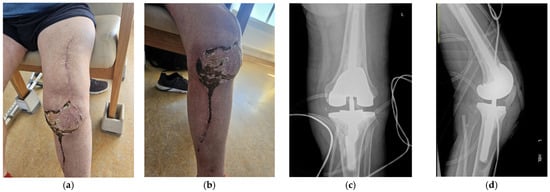
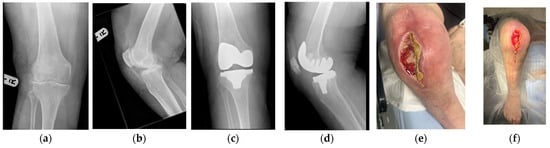
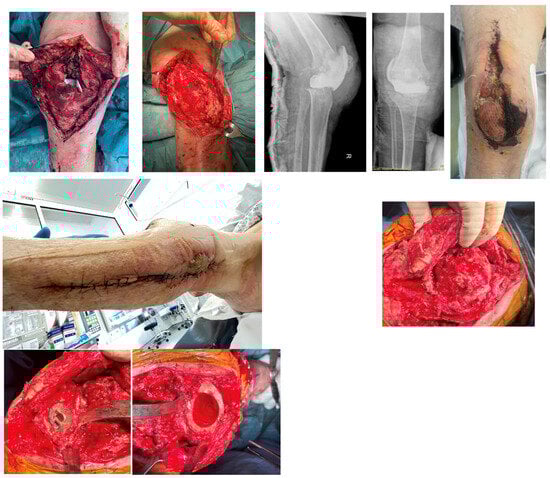
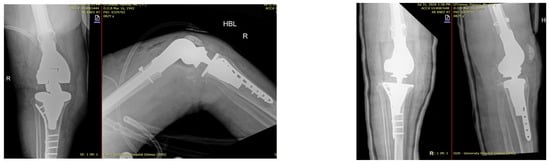
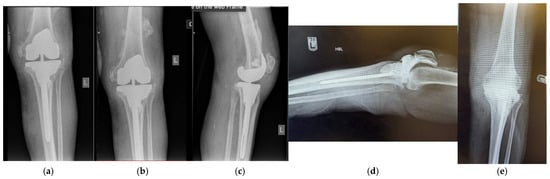
Management of Complex Peri-Prosthetic Joint Infection Following Total Knee Arthroplasty with Soft Tissue Defects: Case Series and Multidisciplinary Approach
by
Katelynn Murray Whelan, Gerard Anthony Sheridan, Kenneth Joyce, Alan Hussey, Jason S. Hoellwarth and Justina Baltrunaite
J. Pers. Med. 2026, 16(5), 238; https://doi.org/10.3390/jpm16050238 - 30 Apr 2026
Abstract
Background: Peri-prosthetic joint infection (PJI) following total knee arthroplasty complicated by soft tissue compromise presents a major reconstructive challenge. Successful management requires the eradication of infection while restoring durable soft tissue coverage and limb function. This study reports the outcomes of a patient-specific,
[...] Read more.
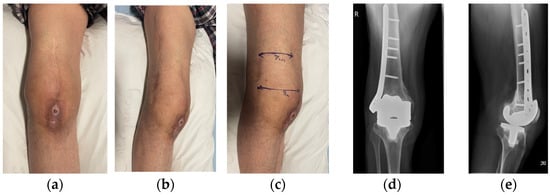
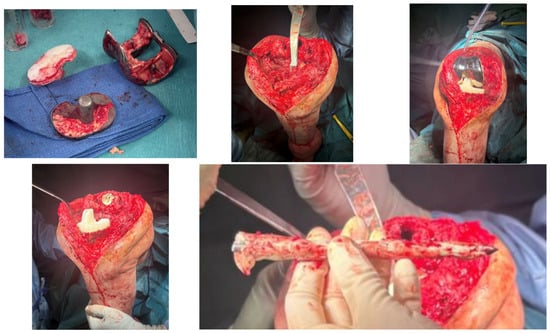
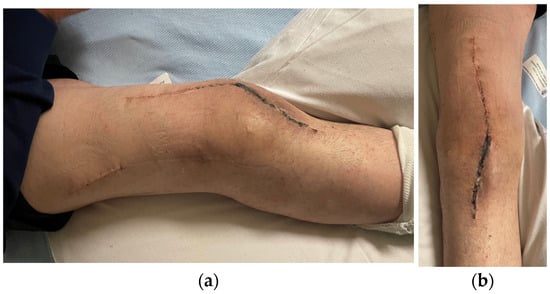
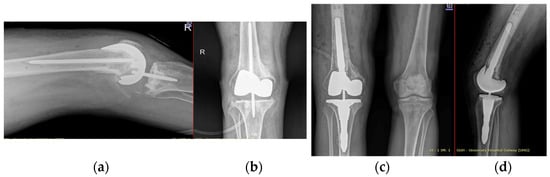
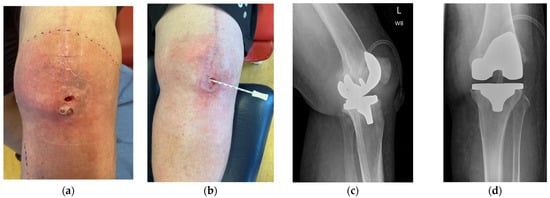
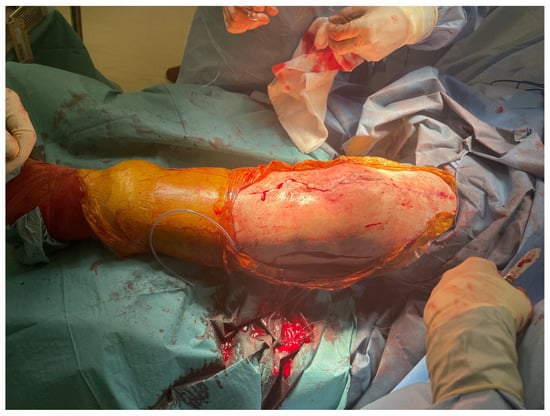
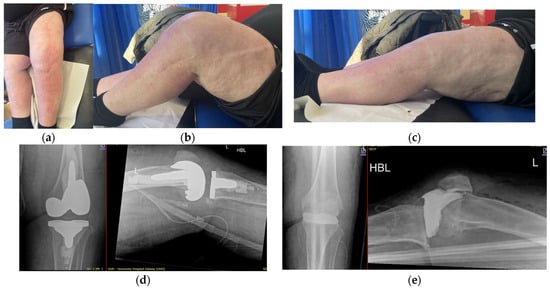
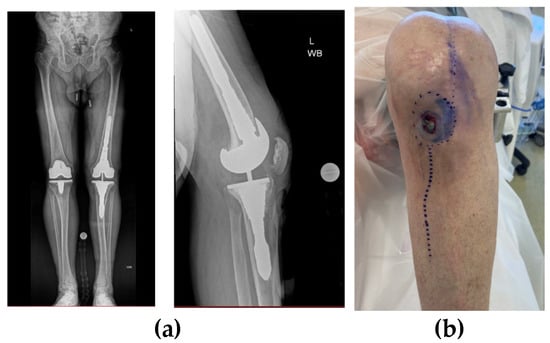
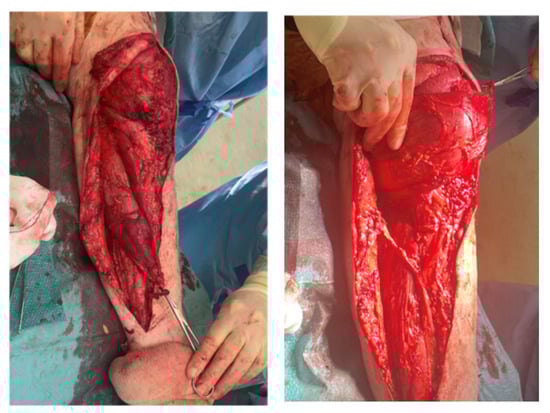
Background: Peri-prosthetic joint infection (PJI) following total knee arthroplasty complicated by soft tissue compromise presents a major reconstructive challenge. Successful management requires the eradication of infection while restoring durable soft tissue coverage and limb function. This study reports the outcomes of a patient-specific, multidisciplinary orthoplastic approach to complex knee PJI. Methods: We retrospectively reviewed five patients with complex infected knee arthroplasty and associated soft tissue compromise managed at our institution between 2021 and 2025 by a single orthopaedic surgeon and two plastic reconstructive surgeons. All cases required personalized management, including the use of custom spacers, patient-specific orthopaedic reconstruction, and individualized soft tissue reconstruction techniques. Data collected included patient demographics, infection characteristics, reconstructive techniques, and functional outcomes. Results: All patients achieved durable soft tissue coverage and infection eradication at final follow-up. Of the five patients, one underwent primary closure of a persistent sinus, one required a local axial bi-pedicled flap for sinus control and soft tissue closure, two were managed with medial gastrocnemius flaps, and one complex case with an associated bone defect required a custom-designed spacer to achieve stability and dead-space management. Conclusions: In this retrospective case series, we aim to demonstrate that complex knee PJI with associated soft tissue defects may be successfully managed with an individualized, multidisciplinary strategy. We aim to demonstrate the feasibility of such an approach in a tertiary referral centre and to highlight the importance of customisation in achieving infection control and limb preservation.
Full article
(This article belongs to the Special Issue Orthopedic Diseases: Advances in Limb Reconstruction)
►▼
Show Figures

Figure 1
Open AccessArticle
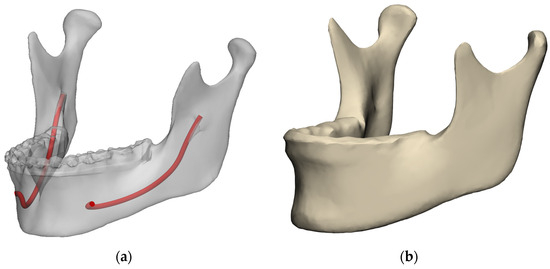
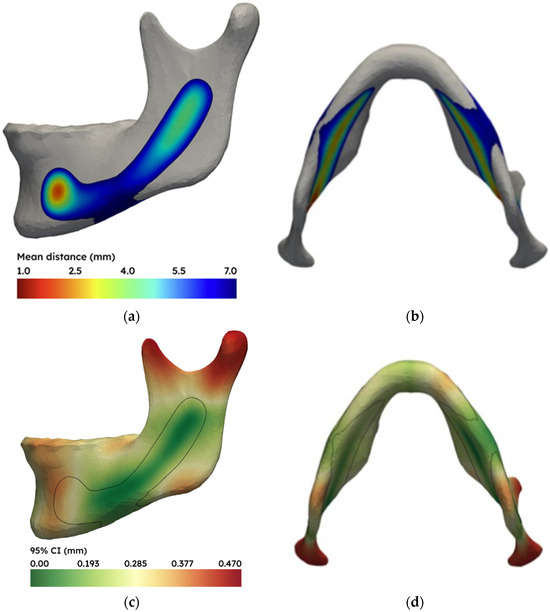
Population-Based 3D Mapping of Inferior Alveolar Nerve Clearance in Bilateral Sagittal Split Osteotomy
by
Haye H. Glas, Tom L. Zwijnenberg, Johan Jansma and Rutger H. Schepers
J. Pers. Med. 2026, 16(5), 237; https://doi.org/10.3390/jpm16050237 - 30 Apr 2026
Abstract
Background/Objectives: Inferior alveolar nerve injury is a common complication of Bilateral Sagittal Split Osteotomy. Preoperative three-dimensional tracing of the mandibular nerve canal using Cone-beam CT may help reduce this risk. We reconstructed the nerve course in 428 consecutively planned BSSO cases and
[...] Read more.
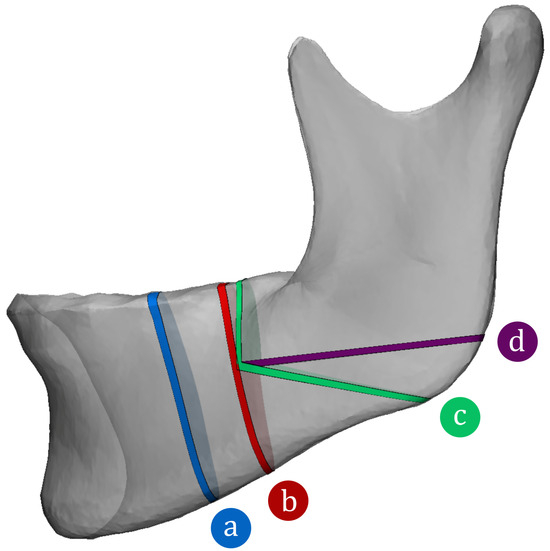
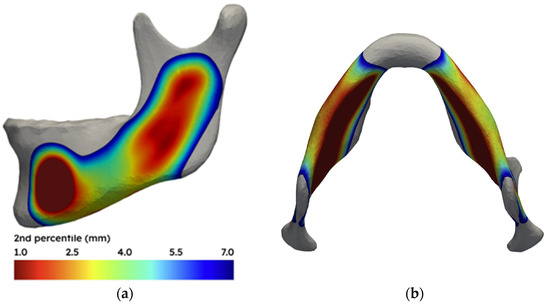
Background/Objectives: Inferior alveolar nerve injury is a common complication of Bilateral Sagittal Split Osteotomy. Preoperative three-dimensional tracing of the mandibular nerve canal using Cone-beam CT may help reduce this risk. We reconstructed the nerve course in 428 consecutively planned BSSO cases and developed a statistical model that quantifies population-level canal position to guide safe, evidence-based osteotomy planning. Methods: Traceable mandibular nerve canal CBCTs from 440 BSSO candidates (2023–2025) were retained. The mandibles and 2.5 mm diameter canals were segmented in Mimics and fused with intraoral scans. Next, the meshes were aligned non-rigidly to a template. A k-nearest-neighbour analysis mapped the outer mandibular surface to canal distances of all the patients on the template mandible model. Results: After excluding 12 scans because the nerve could not be traced, 428 mandibles were studied. The canal’s position varied, with regions near the vertical ramus and premolar regions frequently showing fewer than 3 mm of buccal bone covering the mandibular nerve. In contrast, a preferred safe zone was identified in the second molar region, where more than 97.8% of patients had greater than 5 mm of buccal bone clearance. A population-based colour map was generated to visualise the risk areas and confidence intervals for outer cortex-to-canal distances. Conclusions: This study provides the first high-resolution, population-based 3D map of nerve clearance in BSSO patients. Routine use of CBCT with patient-specific nerve tracing is recommended to reduce the risk of nerve injury.
Full article
(This article belongs to the Section Personalized Medical Care)
►▼
Show Figures

Figure 1
Open AccessArticle
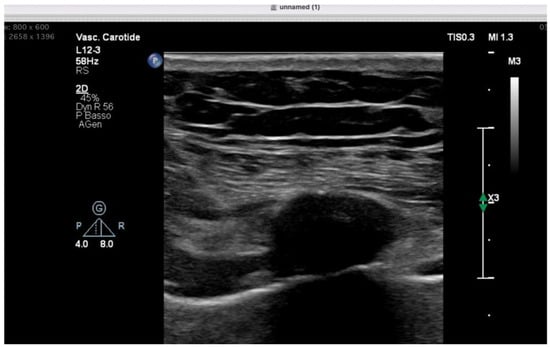
MicroRNA Expression and Carotid Plaque Vulnerability: An Exploratory Tissue-Based Study
by
Lucia Scurto, Ottavia Borghese, Giovanni Tinelli, Guido Rindi, Roberto Pola and Yamume Tshomba
J. Pers. Med. 2026, 16(5), 236; https://doi.org/10.3390/jpm16050236 - 28 Apr 2026
Abstract
Background: Reliable preoperative identification of carotid plaque instability remains challenging. Although duplex ultrasound allows early detection of carotid stenosis, it does not consistently predict plaque biological behavior. MicroRNAs (miRNAs) are small non-coding RNAs that regulate gene expression and have been implicated in atherosclerotic
[...] Read more.
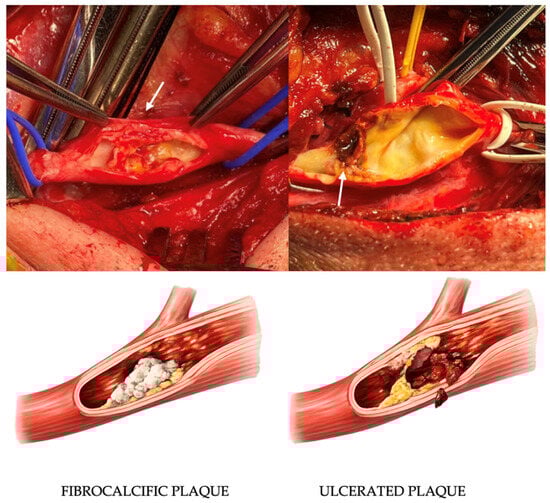
Background: Reliable preoperative identification of carotid plaque instability remains challenging. Although duplex ultrasound allows early detection of carotid stenosis, it does not consistently predict plaque biological behavior. MicroRNAs (miRNAs) are small non-coding RNAs that regulate gene expression and have been implicated in atherosclerotic progression and plaque destabilization. The tissue-level expression of miRNAs in carotid plaques and their relationship with histological vulnerability remain incompletely defined. Methods: This exploratory, pilot, hypothesis-generating study included patients undergoing carotid endarterectomy for asymptomatic high-grade carotid stenosis (>75% NASCET). Plaque vulnerability was assessed using a multiparametric approach combining preoperative duplex ultrasound features (including Gray Scale Median, GSM), intraoperative macroscopic evaluation, and a validated histological scoring system; only plaques with concordant classification across all three modalities were retained for molecular analysis. Total RNA including small RNA was extracted from plaque tissue and miRNA expression was measured by qRT-PCR on a panel of 47 candidate miRNAs. Data were analyzed descriptively. Results: Twenty-eight patients were initially enrolled; after application of strict vulnerability criteria, five plaques (three unstable, two stable) were selected for miRNA profiling. Among the 47 miRNAs assayed, miR-122 and miR-197 showed a consistent descriptive trend toward higher expression in plaques classified as unstable; these plaques also displayed histological features of vulnerability (lipid-rich necrotic cores and inflammatory infiltrates). Given the extremely limited sample size, no inferential statistical comparisons or multiple-testing corrections were performed. Conclusions: In this small, tissue-based exploratory analysis, miR-122 and miR-197 were more highly expressed in plaques with histological features of instability. Due to the small sample size, the effect estimates are unstable, and the findings should be used solely to inform the design and power calculations of future studies. We outline the need of a clear, pragmatic validation pathway based on replication in independent, larger cohorts with standardized tissue handling and blinded assessment and parallel evaluation of circulating miRNA levels to assess noninvasive biomarker potential. Indeed, these findings are preliminary and strictly hypothesis-generating; validation in larger, prospectively collected cohorts and integration with circulating biomarkers and imaging data are required before clinical application.
Full article
(This article belongs to the Section Disease Biomarkers)
►▼
Show Figures

Figure 1
Open AccessCase Report
CBCT-Guided Iliosacral Screw Osteosynthesis in a Pregnant Woman: A Case Report and Literature Review
by
Bastien Chalamet, Jean-Baptiste Pialat, Anthony Viste, Didier Defez, Pierre-Adrien Bolze and Nicolas Stacoffe
J. Pers. Med. 2026, 16(5), 235; https://doi.org/10.3390/jpm16050235 - 28 Apr 2026
Abstract
Objectives: Management of unstable pelvic fractures during pregnancy presents a major therapeutic challenge, requiring careful multidisciplinary evaluation to balance maternal benefits and fetal radiation risks. Methods: We report the case of a 32-year-old patient who presented with a pelvic fracture due
[...] Read more.
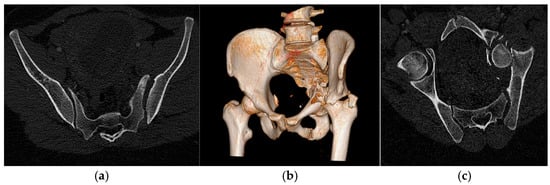
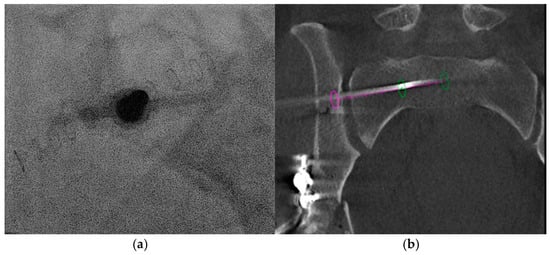
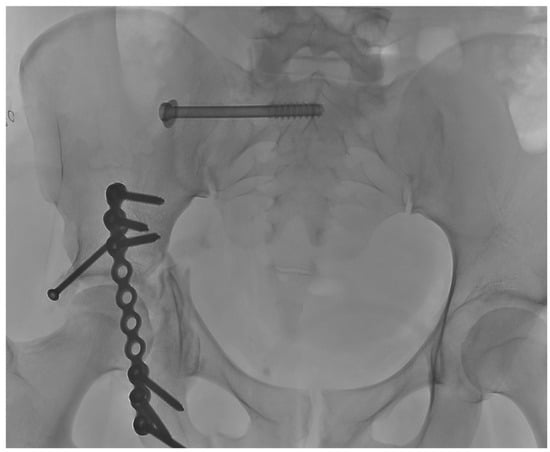
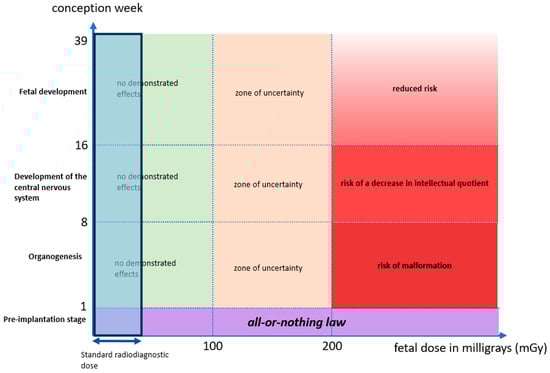
Objectives: Management of unstable pelvic fractures during pregnancy presents a major therapeutic challenge, requiring careful multidisciplinary evaluation to balance maternal benefits and fetal radiation risks. Methods: We report the case of a 32-year-old patient who presented with a pelvic fracture due to a road traffic accident at three months of pregnancy. A left sacroiliac osteosynthesis was performed to treat a left sacroiliac diastasis with pelvic osteosynthesis using a trans-iliosacral approach under cone-beam CT (CBCT) guidance using a very-low-dose protocol. Radiation parameters and fetal dose estimates were calculated in advance in collaboration with a medical physicist. Tight beam collimation, a reduced field of view, and minimization of fluoroscopic checks were applied to keep fetal exposure as low as reasonably achievable. This article aims to demonstrate the feasibility of managing a complex pelvic fracture using interventional radiology and to review the literature on management options and gestational age-dependent fetal risks. Results: The estimated cumulative fetal dose from initial imaging, open surgery, and CBCT-guided osteosynthesis remained below 70 mGy using a pregnant phantom (Duke Organ Dose–Dosewatch–General Electric system), which is below thresholds associated with deterministic effects. The procedure achieved optimal screw positioning with less than 40 s of fluoroscopy. Maternal postoperative recovery was favorable, and follow-up revealed normal fetal development. Conclusions: This case demonstrates that CBCT-guided percutaneous iliosacral screw fixation can be safely performed during pregnancy with meticulous planning, dose-reduction strategies, and multidisciplinary collaboration, maintaining fetal radiation exposure below accepted safety thresholds.
Full article
(This article belongs to the Special Issue Exploring Interventional Radiology: New Advances and Prospects)
►▼
Show Figures

Figure 1
Journal Menu
► ▼ Journal Menu-
- JPM Home
- Aims & Scope
- Editorial Board
- Reviewer Board
- Topical Advisory Panel
- Instructions for Authors
- Special Issues
- Topics
- Sections & Collections
- Article Processing Charge
- Indexing & Archiving
- Editor’s Choice Articles
- Most Cited & Viewed
- Journal Statistics
- Journal History
- Journal Awards
- Society Collaborations
- Conferences
- Editorial Office
Journal Browser
► ▼ Journal BrowserHighly Accessed Articles
Latest Books
E-Mail Alert
News
Topics
Topic in
Healthcare, JCM, JPM, Oral
Advances in Dental Health, 2nd Edition
Topic Editors: Sabina Saccomanno, Gianni GallusiDeadline: 25 July 2026
Topic in
JPM, Mathematics, Applied Sciences, Stats, Healthcare
Application of Biostatistics in Medical Sciences and Global Health
Topic Editors: Bogdan Oancea, Adrian Pană, Cǎtǎlina Liliana AndreiDeadline: 31 October 2026
Topic in
Cancers, Diagnostics, Diseases, IJMS, JPM
Advances in Genetics and Precision Medicine in Human Diseases: 2nd Edition
Topic Editors: Shun-Fa Yang, Shih-Chi SuDeadline: 14 November 2026
Topic in
JCM, JPM, Medicina, Healthcare
New Advances in Physical Therapy and Occupational Therapy, 2nd Edition
Topic Editors: Hye-Rim Suh, Suk-Chan Hahm, Hwi-Young Cho, Ki-Hun ChoDeadline: 15 December 2026
Conferences
Special Issues
Special Issue in
JPM
Advances in Precision Medicine for Gastrointestinal Cancers
Guest Editor: Yasuo ImaiDeadline: 10 May 2026
Special Issue in
JPM
Neuroinflammation and Multiple Sclerosis: Pathogenesis to Personalized Therapy
Guest Editor: Alenka Horvat LedinekDeadline: 10 May 2026
Special Issue in
JPM
Current Trends in Cataract Surgery
Guest Editors: Romina Fasciani, Paola SassoDeadline: 15 May 2026
Special Issue in
JPM
Bioethics in Personalized Medicine and Precision Medicine
Guest Editors: Michael Igoumenidis, Venetia VelonakiDeadline: 15 May 2026