



Journal Menu
► ▼ Journal Menu-
- Technologies Home
- Aims & Scope
- Editorial Board
- Reviewer Board
- Topical Advisory Panel
- Instructions for Authors
- Special Issues
- Topics
- Sections & Collections
- Article Processing Charge
- Indexing & Archiving
- Editor’s Choice Articles
- Most Cited & Viewed
- Journal Statistics
- Journal History
- Journal Awards
- Conferences
- Editorial Office
Journal Browser
► ▼ Journal BrowserNeed Help?
Announcements
5 November 2024
MDPI INSIGHTS: The CEO's Letter #17 - OA Week, Basel Open Day, Beijing Graphene Forum

Welcome to the MDPI Insights: The CEO's Letter.
In these monthly letters, I will showcase two key aspects of our work at MDPI: our commitment to empowering researchers and our determination to facilitating open scientific exchange.
Opening Thoughts

Open Access Week: Forging the Future of Open Access through Global Reach and Collaboration
From 21 to 27 October, we celebrated International Open Access Week (OAW), highlighting the importance of making research accessible to everyone. This campaign reinforced our commitment to advancing open access (OA) and showcased how we are helping research communities worldwide adopt OA as their standard.
“OA publishing is now a cornerstone of global research”
Throughout the week, we featured MDPI’s efforts to support quality open research through blog posts on topics such as how Research Integrity Promotes OA Practices, our Preprints.org platform, and supporting societies with different OA models. These initiatives capture our commitment to making research more inclusive and accessible to all.
OA publishing is now a cornerstone of global research, with more researchers choosing OA over traditional paywalled models, and embracing new, community-driven models.
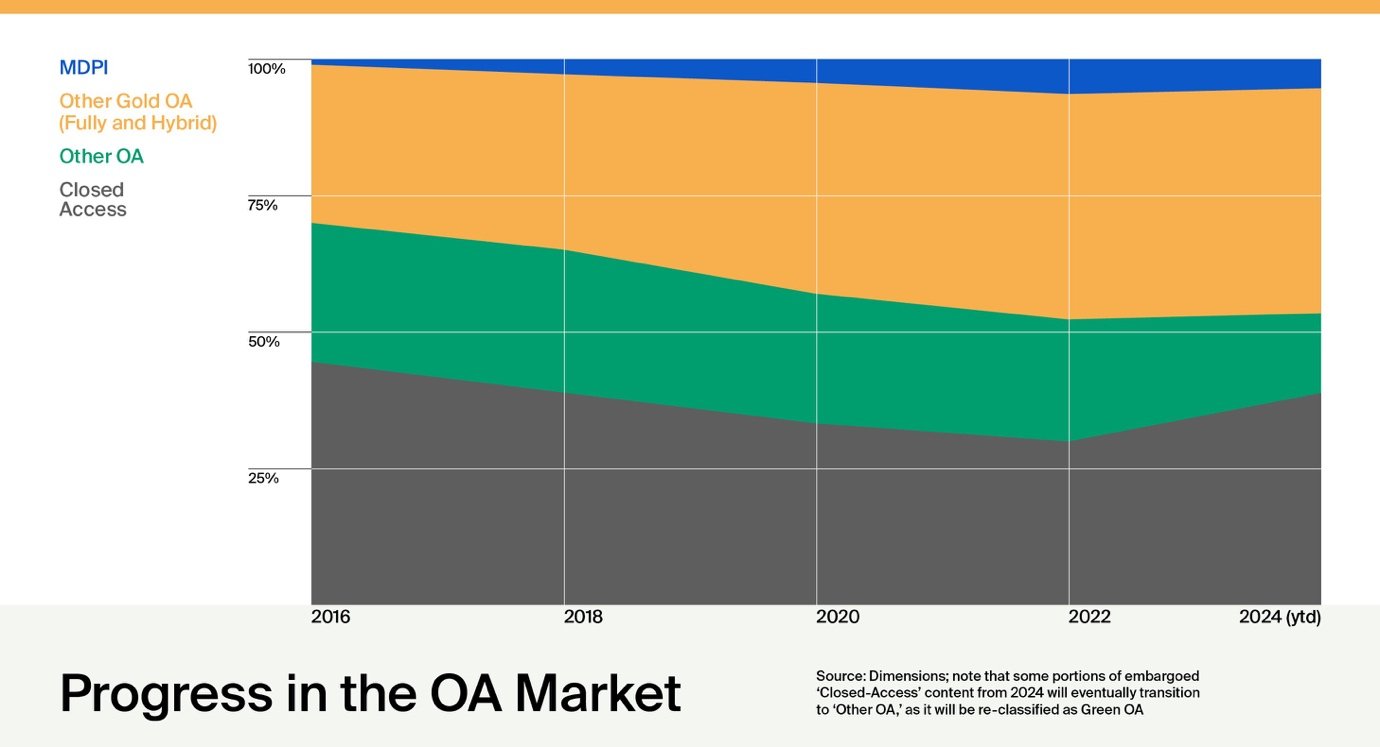
Benefits of Open Access and Open Research
- Accelerated Discoveries: OA speeds up scientific progress by allowing immediate access to findings, enabling researchers to build on each other’s work faster.
- Community-Led Innovation: Open research empowers communities to manage their own platforms, creating collaboration and shared knowledge.
- Increased Visibility: OA broadens the reach of your research, leading to greater recognition, collaboration, and impact.
- Cross-Disciplinary Connections: By removing financial and geographical barriers, OA unites diverse fields, sparking innovation across disciplines.

MDPI Singapore Celebrates Open Access Week
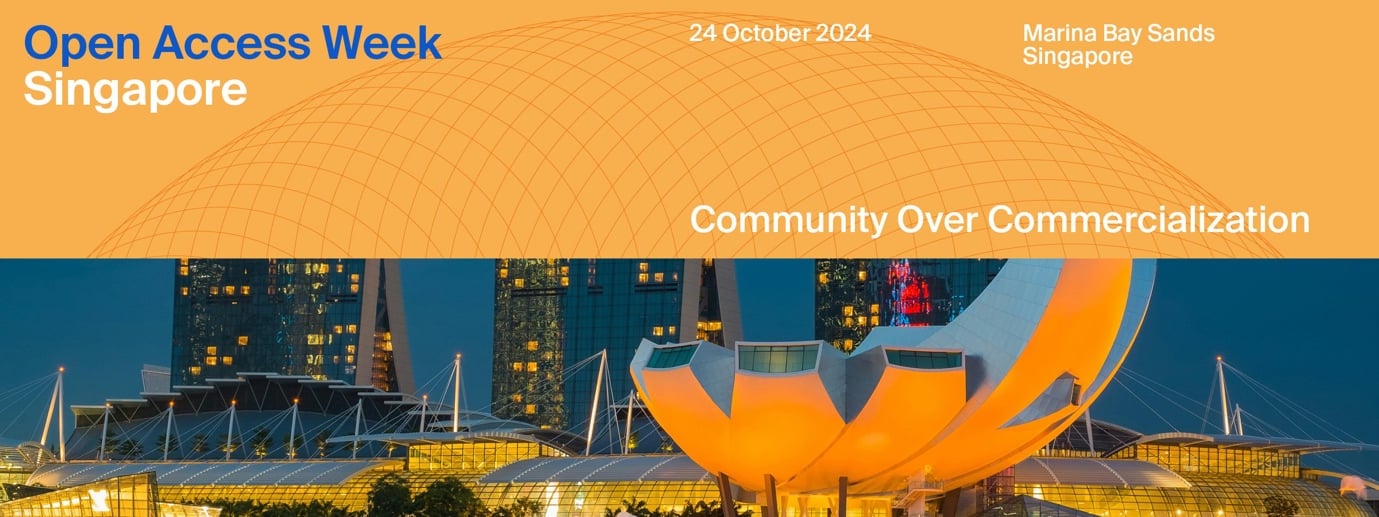
MDPI Singapore also hosted its first-ever OAW event at the Marina Bay Sands Convention Centre, bringing together academics, researchers, and students to discuss the future of open scholarship. Conversations focused on the potential of new publishing models, alternative funding strategies, and the importance of communicating research to wider audiences.
As OA evolves, MDPI remains a committed partner in advancing open science and creating a transparent, inclusive research environment. For a full recap of the week’s highlights and resources, visit our campaign page.

Impactful Research

MDPI Connection to Nobel-Winning Protein Research
David Baker, an American biochemist, and Demis Hassabis and John M. Jumper, two scientists from Google DeepMind, have been awarded the 2024 Nobel Prize in Chemistry for their groundbreaking advancements in better understanding the structure of proteins, the molecular engines of life’s processes.
One half of the prize was awarded to Professor David Baker from the University of Washington for his development of revolutionary protein design software enabling the creation of novel proteins for vaccines, nanomaterials, and sensors. Prof. Baker co-authored a 2016 paper in MDPI’s Toxins journal on protein-based therapeutics.
Meanwhile, DeepMind’s Demis Hassabis and John M. Jumper received recognition for AlphaFold, the AI model that predicts protein structures from amino acid sequences, fulfilling a long-held scientific dream.
“We congratulate this year’s Nobel laureates for their groundbreaking contributions to the study of life”
Nobel Prize Laureates Entrust MDPI with Their Research
As at October 2024, 45 Nobel laureates had contributed to more than 115 articles across
35 MDPI journals. The privilege of hosting the research of such contributors, who significantly influence the open access movement, resonates deeply with our editorial teams.
We are proud to list the names of Pierre Agostini, Hiroshi Amano, Werner Arber, Aaron Ciechanover, Robert H. Grubbs, Oliver Hart, Gerard ‘t Hooft, Michael Houghton, Harald zur Hausen, Katalin Karikó, Jean-Marie Lehn, Gérard Mourou, Ferid Murad, Shuji Nakamura, William Nordhaus, Kostya S. Novoselov, Giorgio Parisi, Charles M. Rice, Alvin E. Roth, Donna Strickland, K. Barry Sharpless, George F. Smoot, Anne L’Huillier, Drew Weissman, Kurt Wüthrich, Ada Yonath, Tomas Lindahl, Thomas C. Südhof, Stanley B. Prusiner, Roger Kornberg, Robert F. Engle, Richard J. Roberts, Ōmura Satoshi, Kenneth J. Arrow, John B. Goodenough, Jennifer Doudna, Hamilton Othanel Smith, Eric R. Kandel, Carlo Rubbia, Bernard Feringa, Barry J. Marshall, Anthony J. Leggett, Andrew Victor Schally, and David Baker.
Notable MRNA Published in Cells
On 7 October 2024, the 2024 Nobel Prize in Physiology or Medicine was jointly awarded to Victor Ambros and Gary Ruvkun for the discovery of microRNA and its role in post-transcriptional gene regulation.
MicroRNAs are proving to be fundamentally important for how organisms develop and function. Some interesting papers about microRNA research are published in the MDPI journal Cells. I invite you browse through the notable papers related to microRNA research in Cells.
Inside MDPI
Basel Open Day
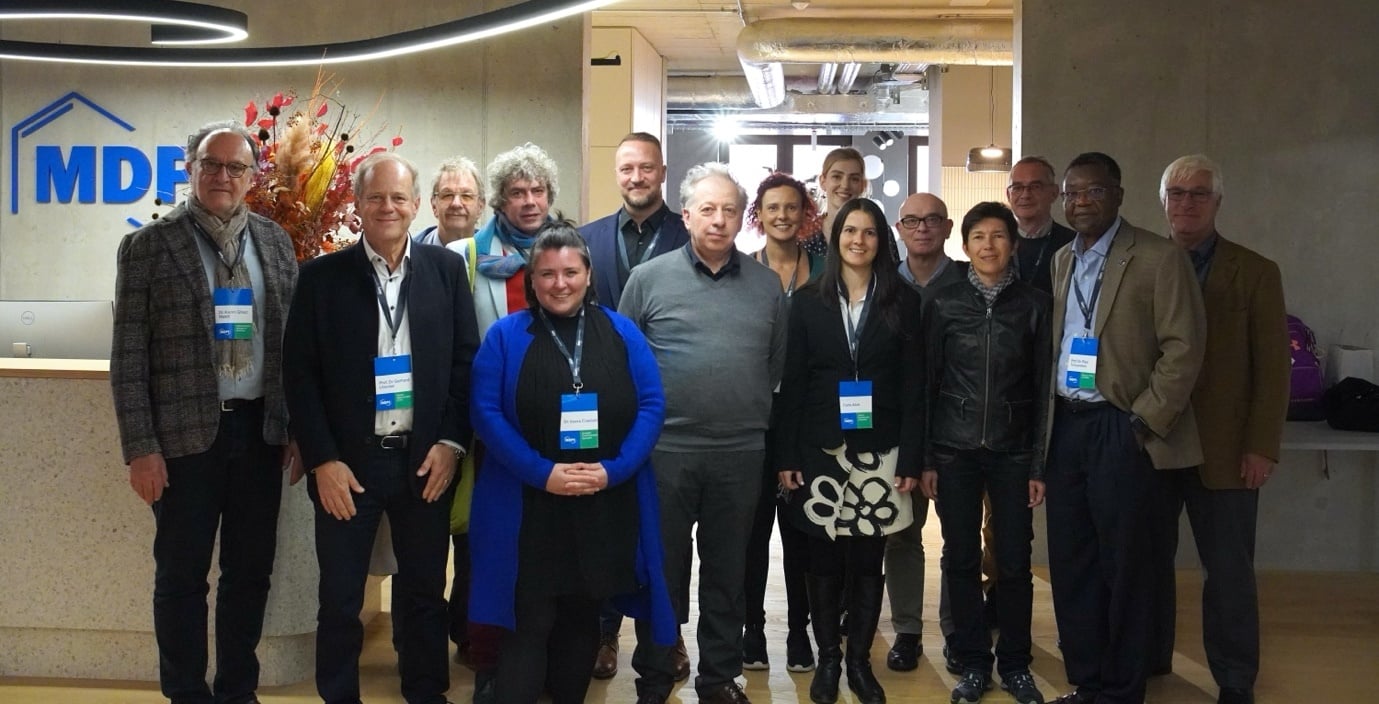
On 21 October, we held the Basel Open Day at our headquarters, welcoming a group of journal Editors-in-Chief (EiC) and Editorial Board Members (EBMs) for a full-day workshop. The event featured presentations and discussions on MDPI’s latest editorial updates, data integrity policies, society collaborations, and local market insights.
The following MDPI journals were represented during the visit: Physics, Journal of Personalized Medicine (JPM), Sci, Remote Sensing, Animals, Cells, Buildings, Histories, Sensors, and International Journal of Environmental Research and Public Health (IJERPH).
This was a great opportunity to showcase our new office space while gathering feedback from leading journal stakeholders. To get everyone on the same page, we took 60 minutes for round-table introductions, which helped set a collaborative tone and ground us in MDPI’s mission of disseminating open science.
“This was a great opportunity to gather feedback from leading journal stakeholders”
The general feedback from the day highlighted positive developments around our editorial and ethics policies, as well as areas for improvement, including flexibility regarding reviewer deadlines. There was a genuine appreciation and push for our ongoing efforts to share more about MDPI, including company updates and promoting high-quality research through our blog, announcements, and social media channels, which we have been growing and expanding.
Our Basel Open Day was a positive experience, bringing together key journal stakeholders and gathering insights to guide MDPI’s continued engagement with the academic community. We look forward to hosting future events of this kind and welcoming more scholars to our headquarters in Basel, Switzerland.
Coming Together for Science

ncRNA 2024 Conference in Basel
I am pleased to share that we held Non-coding RNA World 2024: Exploring Mechanisms, Designing Medicines (ICM 2024) in Basel, Switzerland this past 7–9 October.
The three-day event attracted just over 100 attendees, including two Chairs, 10 invited speakers and two keynotes from Prof. Mauro Giacca and Prof. Ling-Ling Chen. Of the presentations on site, there were 35 posters and 44 oral presentations.
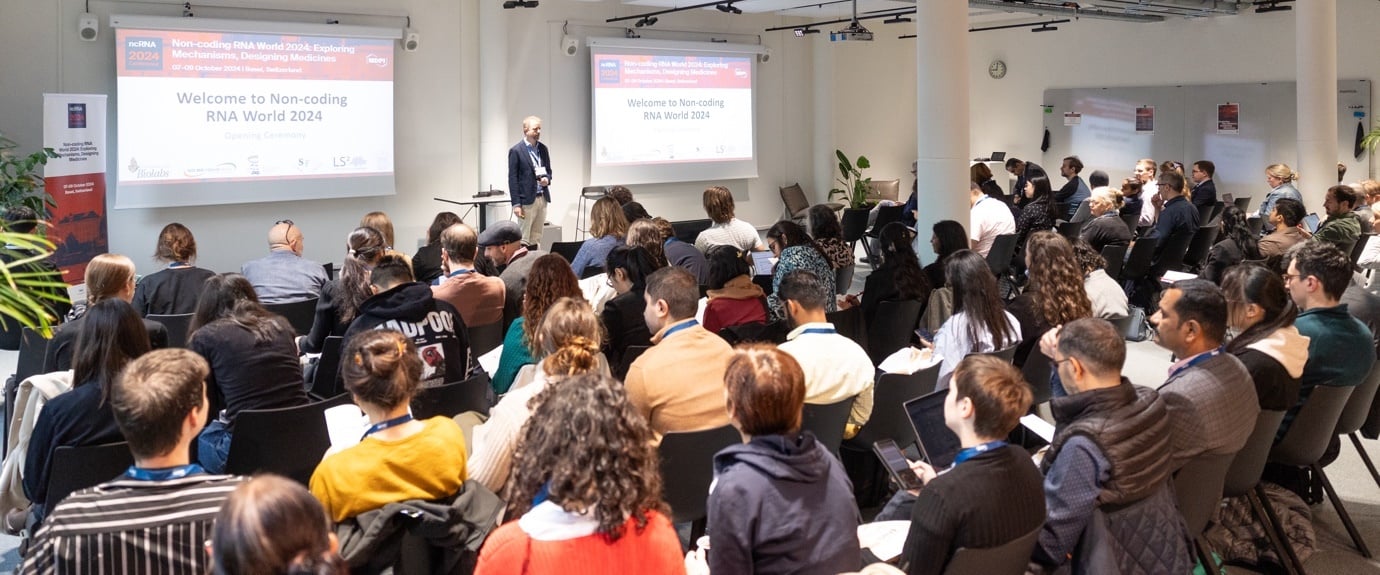
The overall feedback was positive, with people enjoying the intimate event and the unique activities offered, including a guided tour around Basel’s Old Town (a must-see for anyone visiting the city) and a memorable conference dinner.

It was cool to see the winners of the 2024 Nobel Prize in Physiology or Medicine announced during the conference days. This was exciting for attendees, as the winners discovered a new class of RNA molecules (miRNAs). As one invited speaker put it, “It's exciting to be among fellows when something that important for the field is announced.”
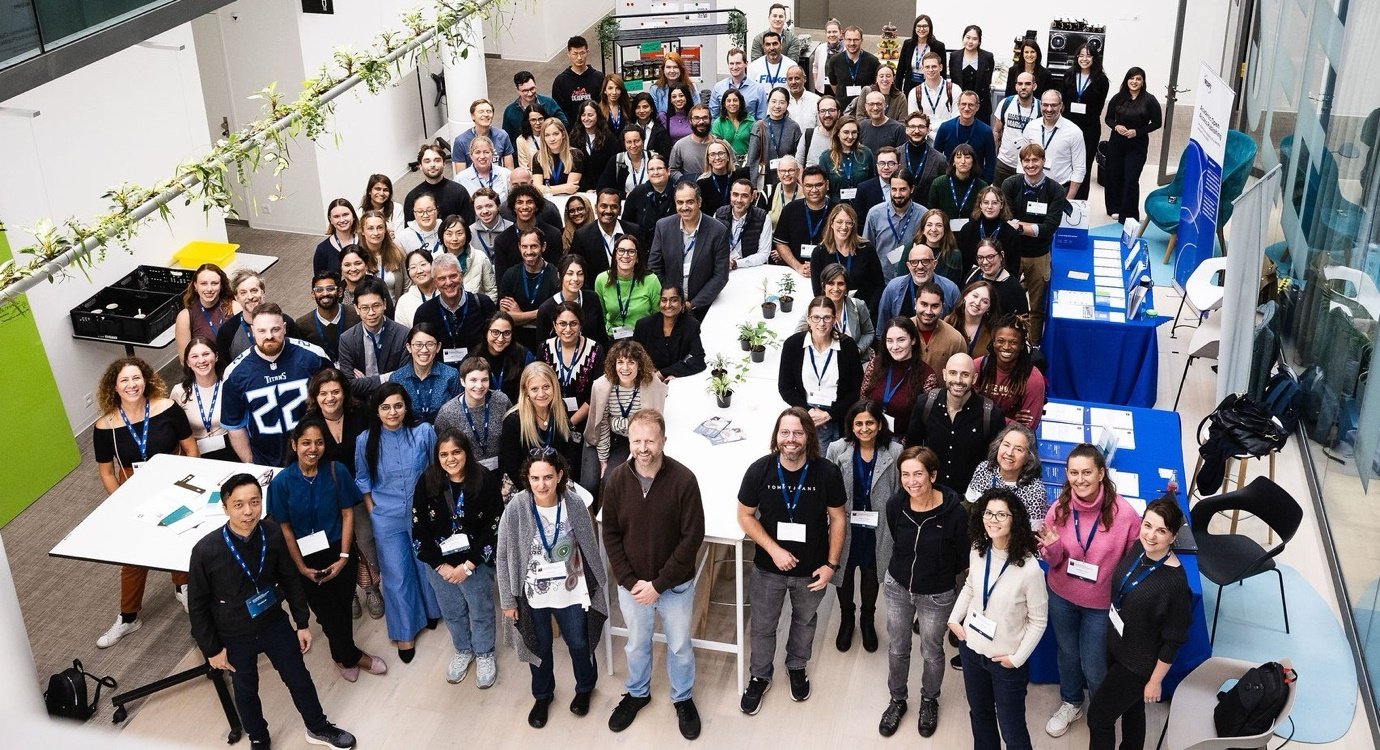
“It's exciting to be among fellows when something that important for the field is announced”
Every attendee receives a conference survey, and I’m always pleased to see a high percentage of ‘Very Satisfied’ responses when asked about ‘treatment from conference personnel’. Kudos to our conference team for meeting our attendees’ needs. These events are a great opportunity for us to reach new audiences, as 92% of the respondents had never been to an MDPI conference, so I am thrilled to see us connecting with a new demographic of your researchers in the RNA field.
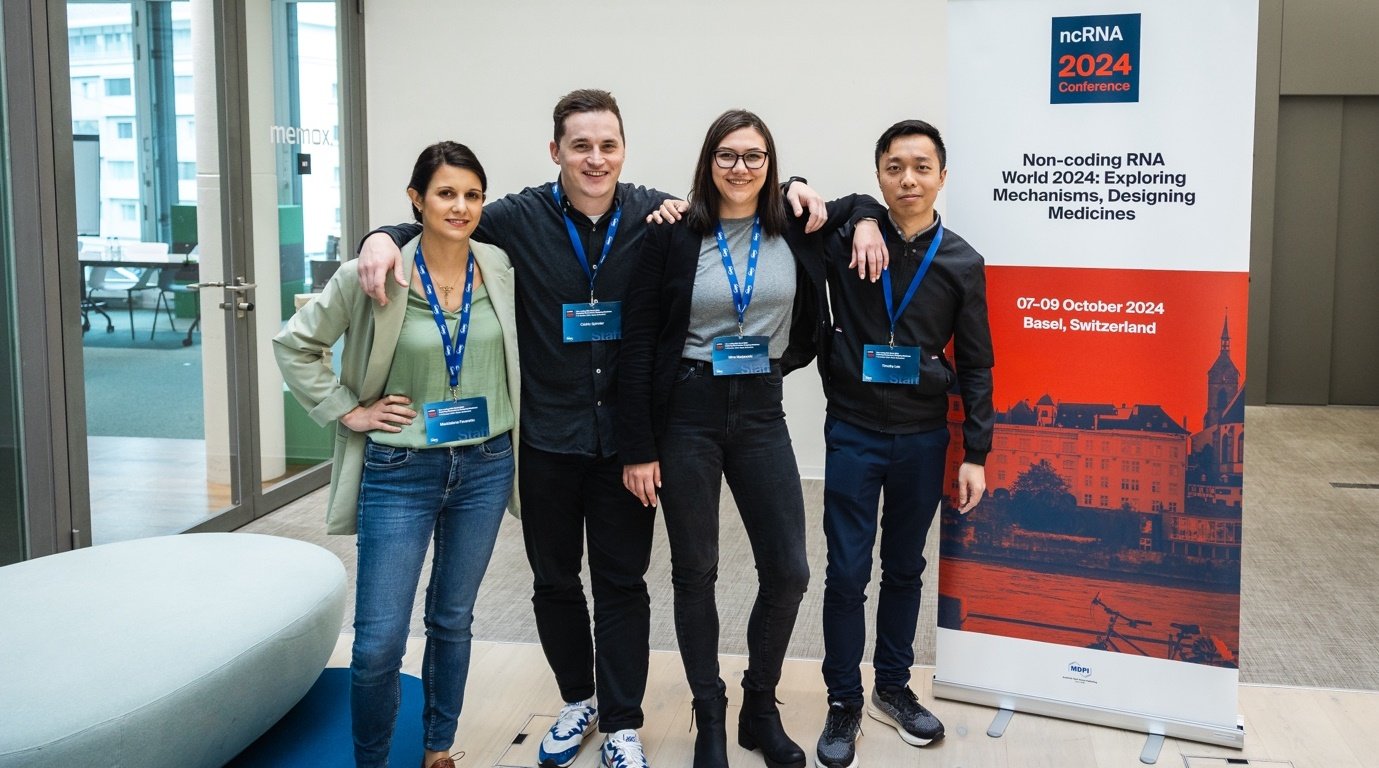
A special thank-you to our partnering societies The Epigenetics Society, The French Society of Genetics, LS2 / USGEB (Union of Swiss Societies for Experimental Biology), and The RNA Biology Group, as well as to our sponsors New England Biolabs and Arraystar for their support of the ncRNA 2024 conference. I am also pleased to report that we presented two awards, including the Best Presentation Award and two Best Poster Award, recognizing the contributions of our participants.
Upcoming In-Person Event
27–29 November 2024
Pharmaceuticals 2024 – Recent Advances in Pharmaceutical Sciences Towards a Healthy Life
Location: Barcelona, Spain
The discovery of new molecules, their properties, and actions to enhance human health and quality of life.
Find more upcoming MDPI events here.
Closing Thoughts
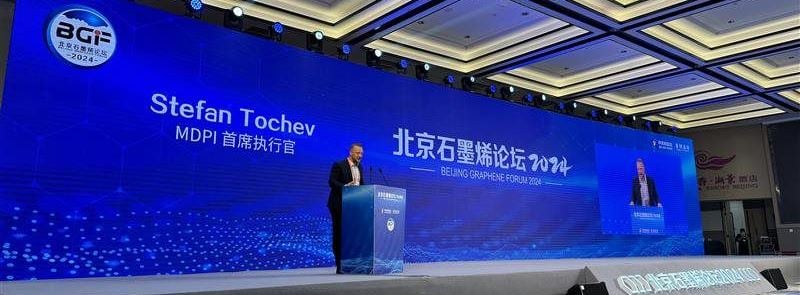
Beijing Graphene Forum 2024
I am pleased to share that we had a successful time at the Beijing Graphene Forum 2024, which drew around 1,000 attendees, including Konstantin Novoselov (2015 Nobel Prize in Physics) and other high-profile scholars in materials science and chemistry. It was a great opportunity to present MDPI on the big stage, with university presidents from institutions such as Peking University also in attendance.
I had the honour of awarding Prof. Zhongfan Liu, Chairman of the Chemical Science Committee, with a medal and presenting certificates to the members of the Chemical Science Committee; this is an important initiative to help expand MDPI’s journals and influence in China. These are highly respected scholars, and we enjoyed connecting with them over lunch as well.
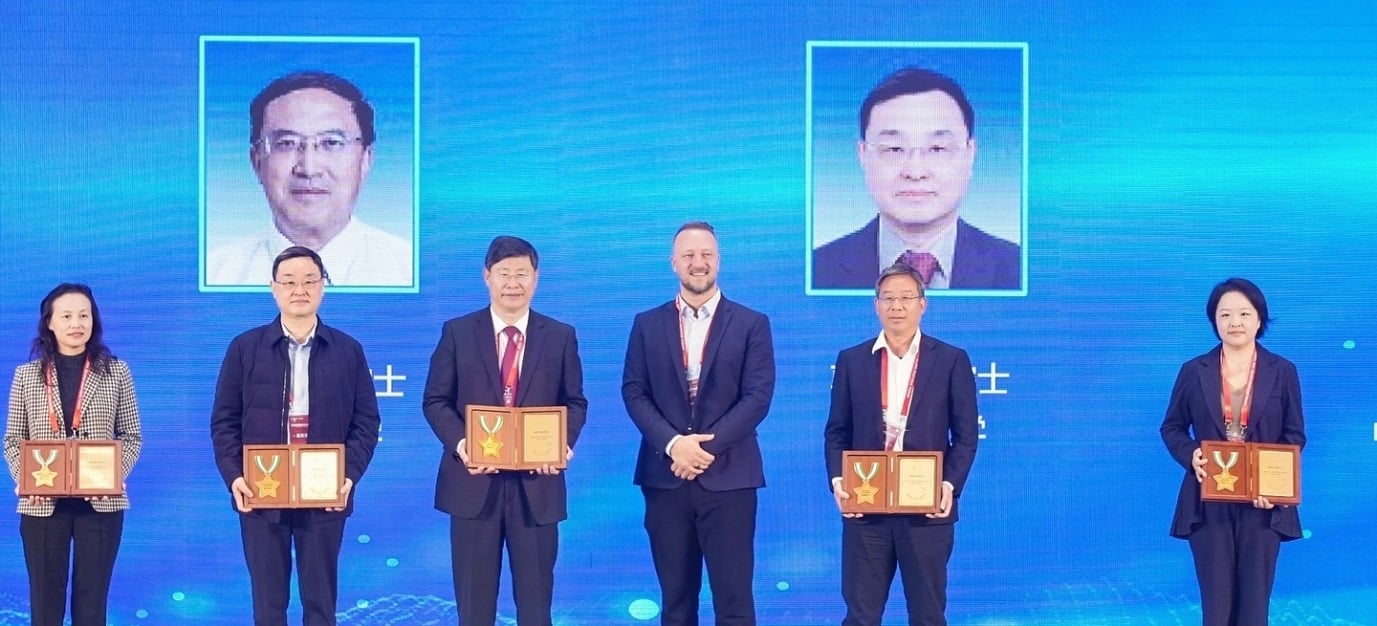
“This is an important initiative to help expand MDPI’s journals and influence in China”
I also had the chance to speak about MDPI and open access, giving a five-minute speech during the opening ceremony and a 20-minute presentation at the close. MDPI hosted a sub-forum where both academic scholars and MDPI members shared insights, and we engaged with attendees at our MDPI booth.
This was a great opportunity to spotlight MDPI as the main publishing partner for the event, and I was proud to represent us on stage. We also met with scholars to discuss topics such as their publishing needs and institutional policies, open access, impact journals, and IOAP.
Chief Executive Officer
MDPI AG
16 October 2024
MDPI's Newly Launched Journals in September 2024
Five new journals covering a diverse range of subjects launched their inaugural issue in September 2024. Like other journals in MDPI’s portfolio, these journals are dedicated to sharing the latest research through open access, reflecting our commitment to making knowledge accessible to all.
We extend our sincere gratitude to the Editorial Board Members for their dedication to the launch and development of our new journals. Each journal will ensure its high-quality output via excellent editorial and rigorous peer-review processes so that the published articles achieve significant impact and broad visibility.
We invite you to explore and learn more about these new journals below.
| Journal | Founding Editor-in-Chief | Journal Topics (Selected) |
 |
Prof. Dr. Nejat Düzgüneş, University of the Pacific, USA | Editorial | view inaugural issue | biological therapy and stem-cell therapy; drug therapy; chemotherapy; radiation and other nonsurgical therapeutic strategies | view journal scope | submit an article |
 |
Prof. Dr. Magda Tsolaki, Greek Federation of Alzheimer’s Disease, Greece; Aristotle University of Thessaloniki, Greece | Editorial | view inaugural issue | surgical/procedural complications; complications; perioperative adverse events; postoperative adverse events | view journal scope | submit an article |
 |
Prof. Dr. Steven R. Fassnacht, Colorado State University, USA; Cooperative Institute for Research in the Atmosphere, USA | Editorial | view inaugural issue | ice as a mineral; atmospheric ice; sea ice; freshwater ice; ice sheets; ice caps and ice shelves | view journal scope | submit an article |
 |
Dr. Francisco Epelde, Hospital Universitari Parc Tauli, Spain; University Autonoma of Barcelona, Spain | Editorial | view inaugural issue | hospital management; hospital facilities; hospital services; hospital risk management; health law | view journal scope | submit an article |
 |
Prof. Dr. Nicola Ferri, University of Padova, Italy | Editorial | view inaugural issue | lipids in cells and whole organisms; lipid structure and function; lipid products and processes; dietary lipids and nutrition | view journal scope | submit an article |
We wish to thank everyone who has supported the development of open access publishing. You are welcome to send an application here or contact the New Journal Committee (newjournal-committee@mdpi.com) if you would like to create more new journals.
16 October 2024
Technologies | 2023 Issue Cover Collection
1. “Evaluation of a Remote-Controlled Drone System for Bedridden Patients Using Their Eyes Based on Clinical Experiment”
by Yoshihiro Kai, Yuuki Seki, Riku Suzuki, Atsunori Kogawa, Ryuichi Tanioka, Kyoko Osaka, Yueren Zhao and Tetsuya Tanioka
Technologies 2023, 11(1), 15; https://doi.org/10.3390/technologies11010015
Available online: https://www.mdpi.com/2227-7080/11/1/15

As Japan’s population increasingly ages, the number of bedridden patients who need long-term care is also rising. However, it is difficult for these patients to travel to distant places. Therefore, in order to enhance their quality of life (QOL), we developed a remote-controlled drone system that only uses the movement of their eyes. This paper presents clinical experimental results that verify the effectiveness of this drone system for bedridden patients. The participants of this study included bedridden patients and patients with relatively high levels of independence in their activities of daily living (ADL). The experimental results show the efficacy of operating the drone in a distant place with only the eyes, seeing the scenery of the distant place with a camera installed on the drone, and communicating with local people.
2. “Image-Based Quantification of Color and Its Machine Vision and Offline Applications”
by Woo Sik Yoo, Kitaek Kang, Jung Gon Kim and Yeongsik Yoo
Technologies 2023, 11(2), 49; https://doi.org/10.3390/technologies11020049
Available online: https://www.mdpi.com/2227-7080/11/2/49

Both the human eye and a digital camera sense both light intensity and color. We use visual information for various purposes, including seeing things, keeping our physical balance, and making judgments based on one's situational experiences. It naturally becomes subjective and uncertain. The quantification of color from digital images, including prints and static/dynamic digital data, is necessary to reduce uncertainty and subjectivity for quantified data-driven judgments and control applications in various fields. This study shows reliable, image-based quantification of color using specially developed image processing and analysis software. This image-based quantification software (PicMan) is useful for a wide range of applications in art, fashion, medical science, and many other fields.
3. “Utilization of Artificial Neural Networks for Precise Electrical Load Prediction”
by Christos Pavlatos, Evangelos Makris, Georgios Fotis, Vasiliki Vita and Valeri Mladenov
Technologies 2023, 11(3), 70; https://doi.org/10.3390/technologies11030070
Available online: https://www.mdpi.com/2227-7080/11/3/70

Accurate prediction of electrical loads is crucial for efficient power system operation and market management. Various forecasting platforms have been proposed to address this challenge, including the use of recurrent neural networks trained on hourly or daily load inputs. This paper presents a framework that employs an RNN model to forecast future electrical loads and provides comparative analysis with other state-of-the-art architectures trained in different variations. Extensive testing on a dataset including Greece's electricity load values per hour demonstrates the framework's ability to capture underlying patterns and achieve high predictive accuracy. Notably, the proposed RNN outperforms more complex neural networks, indicating its effectiveness in capturing data patterns or trends.
4. “Challenges of Using the L-Band and S-Band for Direct-to-Cellular Satellite 5G-6G NTN Systems”
by Alexander Pastukh, Valery Tikhvinskiy, Svetlana Dymkova and Oleg Varlamov
Technologies 2023, 11(4), 110; https://doi.org/10.3390/technologies11040110
Available online: https://www.mdpi.com/2227-7080/11/4/110

The integration of satellite technology with cellular mobile networks has evolved as an essential pursuit in achieving global wireless access. The rise of LTE and 5G users prioritizing seamless coverage, especially in remote areas, has propelled the development of direct-to-cellular 5G satellite NTN. This study explores the challenges and feasibility of integrating 5G–6G satellite networks within existing terrestrial and satellite frequency bands. Two approaches are examined: spectrum convergence within terrestrial bands and the utilization of dedicated NTN frequencies. Through detailed interference analysis, this study sheds light on the compatibility hurdles that stakeholders must address to harness the potential of n255 and n256 bands for future 5G-6G satellite technologies.
5. “Multi-Scale CNN: An Explainable AI-Integrated Unique Deep Learning Framework for Lung-Affected Disease Classification”
by Ovi Sarkar, Md. Robiul Islam, Md. Khalid Syfullah, Md. Tohidul Islam, Md. Faysal Ahamed, Mominul Ahsan and Julfikar Haider
Technologies 2023, 11(5), 134; https://doi.org/10.3390/technologies11050134
Available online: https://www.mdpi.com/2227-7080/11/5/134

A new deep neural model called MS-CNN has been developed, and this model has achieved state-of-the-art accuracy (96.05%) in classifying six lung diseases from chest X-ray images. MS-CNN is evaluated on a dataset of 6650 chest X-ray images, outperforms previously reported models and could help in improving early diagnosis and treatment for patients with various lung diseases. The research also showed that MS-CNN can explain its predictions using techniques such as SHAP and Grad-CAM, which could help clinicians in better understanding how the model is making its decisions. The findings of this study suggest that MS-CNN has the potential to revolutionize the diagnosis of lung diseases. The model could be made available to clinicians in the near future, and it could have a significant impact on the lives of patients with lung diseases.
6. “Neonatal Hypoxic-Ischemic Encephalopathy Grading from Multi-Channel EEG Time-Series Data Using a Fully Convolutional Neural Network”
by Shuwen Yu, William P. Marnane, Geraldine B. Boylan and Gordon Lightbody
Technologies 2023, 11(6), 151; https://doi.org/10.3390/technologies11060151
Available online: https://www.mdpi.com/2227-7080/11/6/151

A deep learning classifier was developed for grading the degree of brain injury in hypoxic-ischemic encephalopathy (HIE) for full-term neonates. This utilized a fully convolutional architecture, trained to classify the brain injury grade based on a window of multichannel EEG. There was minimal pre-processing, and no need for the design of hand-crafted features; this demonstrated the ability of the deep architecture to extract features from the raw EEG time series. This classifier was tested in mismatched conditions on a large clinical dataset and provides state-of-the-art performance. Real-time grading of brain injury will facilitate clinical decision making in the treatment of HIE, including decisions regarding the initiation of cooling therapy.
15 October 2024
Technologies | Top 20 Cited Papers in 2023
1. “A Review of Deep Transfer Learning and Recent Advancements”
by Mohammadreza Iman, Hamid Reza Arabnia and Khaled Rasheed
Technologies 2023, 11(2), 40; https://doi.org/10.3390/technologies11020040
Available online: https://www.mdpi.com/2227-7080/11/2/40
2. “How to Bell the Cat? A Theoretical Review of Generative Artificial Intelligence towards Digital Disruption in All Walks of Life”
by Subhra Mondal, Subhankar Das and Vasiliki G. Vrana
Technologies 2023, 11(2), 44; https://doi.org/10.3390/technologies11020044
Available online: https://www.mdpi.com/2227-7080/11/2/44
3. “Developments and Applications of Artificial Intelligence in Music Education”
by Xiaofei Yu, Ning Ma, Lei Zheng, Licheng Wang and Kai Wang
Technologies 2023, 11(2), 42; https://doi.org/10.3390/technologies11020042
Available online: https://www.mdpi.com/2227-7080/11/2/42
4. “Challenges of Using the L-Band and S-Band for Direct-to-Cellular Satellite 5G-6G NTN Systems”
by Alexander Pastukh, Valery Tikhvinskiy, Svetlana Dymkova and Oleg Varlamov
Technologies 2023, 11(4), 110; https://doi.org/10.3390/technologies11040110
Available online: https://www.mdpi.com/2227-7080/11/4/110
5. “Utilization of Artificial Neural Networks for Precise Electrical Load Prediction”
by Christos Pavlatos, Evangelos Makris, Georgios Fotis, Vasiliki Vita and Valeri Mladenov
Technologies 2023, 11(3), 70; https://doi.org/10.3390/technologies11030070
Available online: https://www.mdpi.com/2227-7080/11/3/70
6. “An Efficient Hybrid CNN Classification Model for Tomato Crop Disease”
by Maria Vasiliki Sanida, Theodora Sanida, Argyrios Sideris and Minas Dasygenis
Technologies 2023, 11(1), 10; https://doi.org/10.3390/technologies11010010
Available online: https://www.mdpi.com/2227-7080/11/1/10
7. “A Survey of Advancements in Real-Time Sign Language Translators: Integration with IoT Technology”
by Maria Papatsimouli, Panos Sarigiannidis and George F. Fragulis
Technologies 2023, 11(4), 83; https://doi.org/10.3390/technologies11040083
Available online: https://www.mdpi.com/2227-7080/11/4/83
8. “PHB/PEG Nanofiber Mat Obtained by Electrospinning and Their Performances”
by Nguyen Hong Thanh, Roman Olekhnovich, Vera Sitnikova, Arina Kremleva, Petr Snetkov and Mayya Uspenskaya
Technologies 2023, 11(2), 48; https://doi.org/10.3390/technologies11020048
Available online: https://www.mdpi.com/2227-7080/11/2/48
9. “Matching Assistive Technology, Telerehabilitation, and Virtual Reality to Promote Cognitive Rehabilitation and Communication Skills in Neurological Populations: A Perspective Proposal”
by Fabrizio Stasolla, Antonella Lopez, Khalida Akbar, Leonarda Anna Vinci and Maria Cusano
Technologies 2023, 11(2), 43; https://doi.org/10.3390/technologies11020043
Available online: https://www.mdpi.com/2227-7080/11/2/43
10. “Advancements in Doping Strategies for Enhanced Photocatalysts and Adsorbents in Environmental Remediation”
by Pramita Sen, Praneel Bhattacharya, Gargi Mukherjee, Jumasri Ganguly, Berochan Marik, Devyani Thapliyal, Sarojini Verma, George D. Verros, Manvendra Singh Chauhan and Raj Kumar Arya
Technologies 2023, 11(5), 144; https://doi.org/10.3390/technologies11050144
Available online: https://www.mdpi.com/2227-7080/11/5/144
11. “Examination of Polymer Blends by AFM Phase Images”
by Enrico Werner, Uwe Güth, Bennet Brockhagen, Christoph Döpke and Andrea Ehrmann
Technologies 2023, 11(2), 56; https://doi.org/10.3390/technologies11020056
Available online: https://www.mdpi.com/2227-7080/11/2/56
12. “Recent Advances in Si-Compatible Nanostructured Photodetectors”
by Rahaf Douhan, Kirill Lozovoy, Andrey Kokhanenko, Hazem Deeb, Vladimir Dirko and Kristina Khomyakova
Technologies 2023, 11(1), 17; https://doi.org/10.3390/technologies11010017
Available online: https://www.mdpi.com/2227-7080/11/1/17
13. “Recent Technological Progress of Fiber-Optical Sensors for Bio-Mechatronics Applications”
by Mohomad Aqeel Abdhul Rahuman, Nipun Shantha Kahatapitiya, Viraj Niroshan Amarakoon, Udaya Wijenayake, Bhagya Nathali Silva, Mansik Jeon, Jeehyun Kim, Naresh Kumar Ravichandran, and Ruchire Eranga Wijesinghe
Technologies 2023, 11(6), 157; https://doi.org/10.3390/technologies11060157
Available online: https://www.mdpi.com/2227-7080/11/6/157
14. “Modernizing the Legacy Healthcare System to Decentralize Platform Using Blockchain Technology”
by Abdulaziz Aljaloud and Abdul Razzaq
Technologies 2023, 11(4), 84; https://doi.org/10.3390/technologies11040084
Available online: https://www.mdpi.com/2227-7080/11/4/84
15. “Optimizing EMG Classification through Metaheuristic Algorithms”
by Marcos Aviles, Juvenal Rodríguez-Reséndiz and Danjela Ibrahimi
Technologies 2023, 11(4), 87; https://doi.org/10.3390/technologies11040087
Available online: https://www.mdpi.com/2227-7080/11/4/87
16. “Synthesis of Quadband mm-Wave Microstrip Antenna Using Genetic Algorithm for Wireless Application”
by Arebu Dejen, Jeevani Jayasinghe, Murad Ridwan and Jaume Anguera
Technologies 2023, 11(1), 14; https://doi.org/10.3390/technologies11010014
Available online: https://www.mdpi.com/2227-7080/11/1/14
17. “A Layer-Wise Coupled Thermo-Elastic Shell Model for Three-Dimensional Stress Analysis of Functionally Graded Material Structures”
by Salvatore Brischetto, Domenico Cesare and Roberto Torre
Technologies 2023, 11(2), 35; https://doi.org/10.3390/technologies11020035
Available online: https://www.mdpi.com/2227-7080/11/2/35
18. “An Advanced Decision Tree-Based Deep Neural Network in Nonlinear Data Classification”
by Mohammad Arifuzzaman, Md. Rakibul Hasan, Tasnia Jahan Toma, Samia Binta Hassan and Anup Kumar Paul
Technologies 2023, 11(1), 24; https://doi.org/10.3390/technologies11010024
Available online: https://www.mdpi.com/2227-7080/11/1/24
19. “Hyperparameter Optimization and Combined Data Sampling Techniques in Machine Learning for Customer Churn Prediction: A Comparative Analysis”
by Mehdi Imani and Hamid Reza Arabnia
Technologies 2023, 11(6), 167; https://doi.org/10.3390/technologies11060167
Available online: https://www.mdpi.com/2227-7080/11/6/167
20. “A Gas Leakage Detection Device Based on the Technology of TinyML”
by Vasileios Tsoukas, Anargyros Gkogkidis, Eleni Boumpa, Stefanos Papafotikas and Athanasios Kakarountas
Technologies 2023, 11(2), 45; https://doi.org/10.3390/technologies11020045
Available online: https://www.mdpi.com/2227-7080/11/2/45
9 October 2024
Meet Us at the ISPRS Technical Commission IV Symposium 2024, 22–25 October 2024, Fremantle, Perth, Australia

Conference: ISPRS Technical Commission IV Symposium 2024
Date: 22–25 October 2024
Location: Fremantle, Perth, Australia
MDPI will attend the ISPRS Technical Commission IV Symposium 2024 which will be held from 22 to 25 October 2024 in Perth, Australia. The ISPRS Technical Commission IV Symposium 2024 is jointly organized by UPINLBS2024, the Geospatial Council of Australia (GCA), and FOSS4G Perth. The ISPRS Technical Commission IV Symposium provides a forum where researchers and practitioners can come together and share their work and ideas, discuss opportunities and challenges, exchange developments or software tools and discuss future directions. The symposium is also a great place for networking and establishing links between academia, governments and business, and young and emerging professionals in the geospatial sciences.
The following MDPI journals will be represented:
- IJGI;
- Remote Sensing;
- Atmosphere;
- Geographies;
- Data;
- Drones;
- Applied Sciences;
- Technologies;
- Sensors;
- Geomatics;
- Earth.
If you plan on attending this conference, please feel free to stop by our booth and start a conversation with us. Our delegates look forward to meeting you in person and answering any questions that you may have. For more information about the conference, please visit https://www.isprs.org/tc4-symposium2024/index.html.
9 October 2024
Meet Us at the 7th International Conference on Active Materials and Soft Mechatronics (AMSM 2024), 28–29 October 2024, Incheon, South Korea

Conference: The 7th International Conference on Active Materials and Soft Mechatronics (AMSM 2024)
Date: 28–29 October 2024
Location: Incheon, South Korea
MDPI will be attending the 7th International Conference on Active Materials and Soft Mechatronics (AMSM 2024) as an exhibitor which will be held from 28 to 29 October 2024, and we welcome researchers from different backgrounds to visit and share their latest ideas with us.
The conference is organized by The Korean Society for Composite Materials. The theme of AMSM 2024 is “Toward a Smart and Sustainable Future!”. This conference will bring together around 500 scientists and students to share research advances covering a wide range of scientific topics. The topics include, but are not limited to: sustainable energy technologies: state-of-the-art energy storage and conversion, emulating human interaction: advanced soft sensors and actuators, soft robotics and AI, and extreme and active materials.
The following MDPI journals will be represented:
- Actuators;
- Applied Sciences;
- Biomimetics;
- Machines;
- Micromachines;
- Technologies.
If you are planning to attend this conference, please do not hesitate to start an online conversation with us. Our delegates look forward to meeting you in person at booth #1 and answering any questions that you may have. For more information about the conference, please visit the following website: https://www.amsm2024.org/main/ci_welcome.htm.
4 October 2024
MDPI Webinar | The Science Behind the Prize: 2024 Nobel Physics Roundtable, 8 October 2024

MDPI warmly invites you to participate in our upcoming forum The Science Behind the Prize: 2024 Nobel Physics Roundtable, a celebration of the groundbreaking research shaping the future of physics.
Title: The Science Behind the Prize: 2024 Nobel Physics Roundtable
Date: 8 October 2024
Time: 11:00 a.m.–12:10 p.m. (CEST)
More information available here: https://sciforum.net/event/NPR2024
Coinciding with the announcement of the 2024 Nobel Prize in Physics, this forum underscores the importance of recognizing outstanding achievements that push the boundaries of human knowledge and understanding. It is a valuable opportunity to exchange ideas on the advancements driving scientific progress and to inspire the next generation of gifted physicists.
General topics of discussion for this event will include the following:
- Breakthrough research shaping the future of physics;
- Reflecting on past Nobel-Prize-winning work and its legacy;
- The key trends driving innovation in physics today;
- Exploring the societal and scientific contributions of physics research.
This is a free webinar. After registration, you will receive a confirmation email containing information on how to join the webinar. Registrations with academic institutional email addresses will be prioritized.
Unable to attend? Register anyway and we will let you know when the recording is available for viewing.
Register for free:

Program:
| Agenda | Speaker | Time in CEST |
| Opening Remarks by Host | Host | 11:00–11:05 a.m. |
| Expert Commentary: Breakthroughs and Future Impacts in Physics |
Invited Speakers | 11:05–11:45 a.m. |
| Announcement of Prize Winners | Host | 11:45–11:50 a.m. |
| Reflective Discussion: What the Nobel Prize Means for Science and Society |
Invited Speakers | 11:50 a.m.–12:10 p.m. |
| Closing Remarks | Host | 12:10–12:15 p.m. |
4 October 2024
MDPI INSIGHTS: The CEO's Letter #16 - UNGA79 Science Summit, OASPA, Peer Review Week
Welcome to the MDPI Insights: The CEO's Letter.
In these monthly letters, I will showcase two key aspects of our work at MDPI: our commitment to empowering researchers and our determination to facilitating open scientific exchange.
Opening Thoughts

MDPI Joins the Science Summit at UNGA79 (23–27 September 2024, New York)
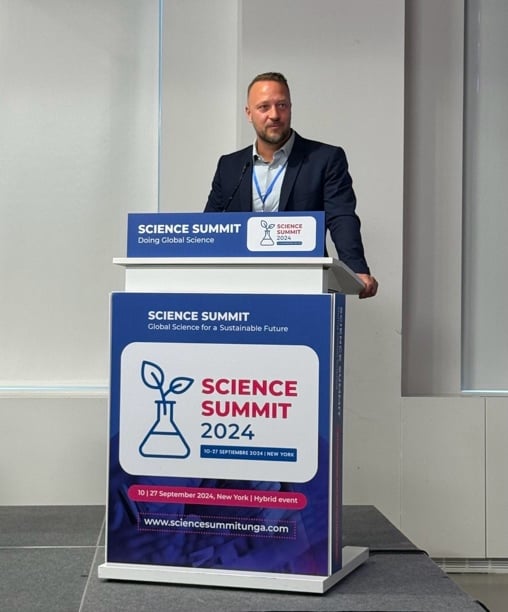
On Friday 27 September, I had the privilege of giving the opening talk at the “Youth at the Science Summit” panel during the Science Summit conference, held in New York at the 79th session of the United Nations General Assembly (UNGA). Together, we discussed the future of science, publishing, innovation, and sustainable development.
It was a great opportunity to learn from our young leaders, whose voices must be included in the conversation as science shapes the future of artificial intelligence, climate mitigation, healthcare, technology, and more. This was also a powerful reminder of how essential global collaboration is in solving the major challenges we face. I left inspired by the dedication of these young researchers to making the world a better place!
Today’s youth are not just the leaders of tomorrow – they are already leading the change today.
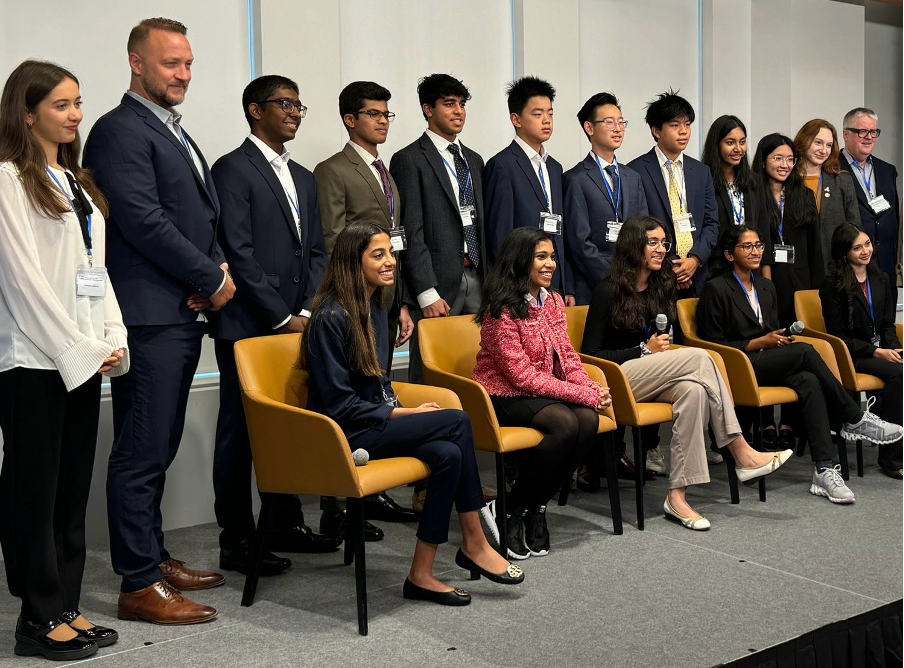
Stefan Tochev (second from left) at the UNGA Science Summit 2024: “A great opportunity to learn from our young leaders.”
MDPI Supports the Future Generation of Scientists
This aligns with MDPI’s mission to support the next generation of scientists and early-career researchers by recognizing their achievements through our various MDPI awards, including the Young Investigator Awards, Best PhD Thesis Awards, Travel Awards, and more.
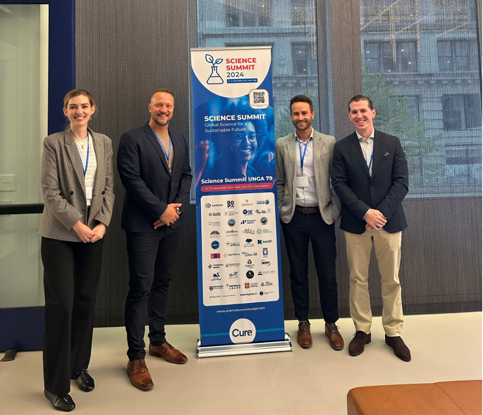
Our presence at this global event showed our commitment to advancing Open Science as a key driver for sustainable development. As a leading Open Access (OA) publisher, MDPI’s role at the summit was to emphasize the critical importance of democratizing scientific knowledge, making it accessible to all, and promoting global collaboration.
Through OA publishing, we aim to address pressing global challenges such as climate change, public health, and inequality, in line with the United Nations Sustainable Development Goals (SDGs).
“We aim to address pressing global challenges”
MDPI and the SDGs
In 2020, the SDG Publishers Compact was launched to accelerate implementation of the SDGs by promoting content that informs, develops, and inspires action. MDPI joined this initiative in 2021 and subsequently launched the MDPI SDG Hub in 2022, offering free access to recent research within the scope of each of the 17 SDGs.
During the summit, we highlighted the connection between Open Science and the SDG Publishers Compact, supporting the core objective to “Leave No One Behind” (LNOB). The transformative promise of the SDGs relies heavily on the Open Access model, which serves as a fundamental enabler of Open Science. We advocate for the wider adoption of Open Science practices in order to achieve the SDGs by 2030.
Impactful Research
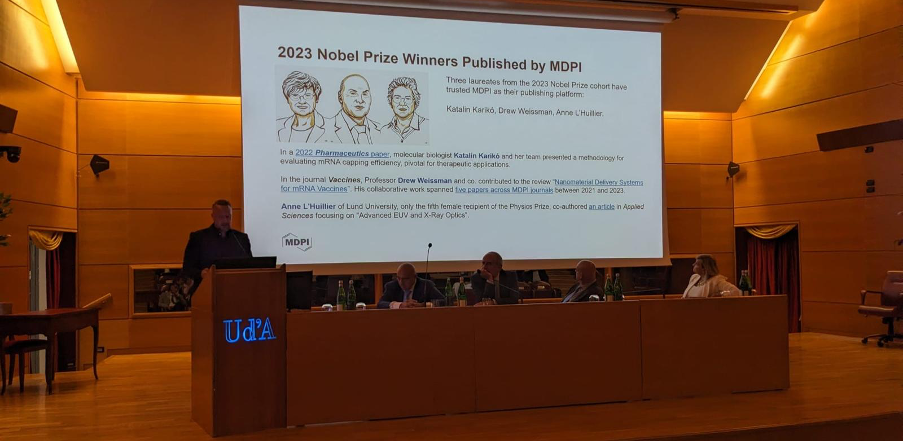
Presenting at the 1st International Conference of Environmental Medicine
In September, MDPI and our journals IJERPH and Diseases sponsored and participated in the 1st International Conference of Environmental Medicine: Environmental Threats to Human Health: From Genetics to Epigenetics, held in Chieti, Italy.
The conference was organized in collaboration with various societies, including the Italian Society of Environmental Medicine (SIMA), one of more than 160 societies partnering MDPI journals.
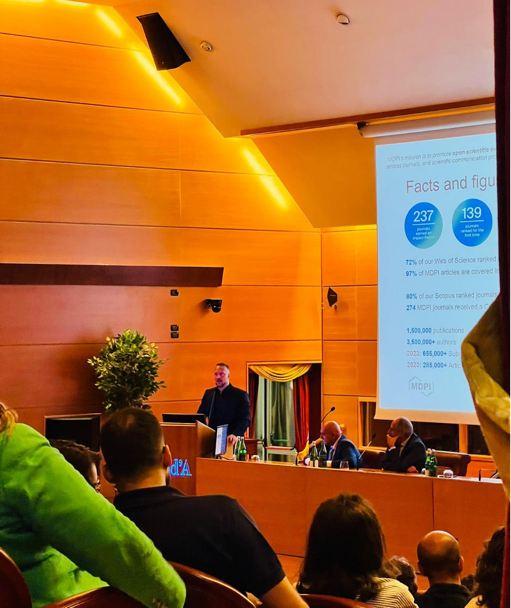
The conference brought together influential figures from the Italian scholarly community, such as Antonio Felice Uricchio (President of the National Agency for University Research Assessment [ANVUR]), Alessandro Miani (President of SIMA), and Liborio Stuppia (Director of ‘Gabriele d’Annunzio’ University of Chieti-Pescara), among others.
MDPI was the sole publishing sponsor of the conference, at which I had the opportunity to present on behalf of the company. I provided an overview of MDPI, covering key facts and figures, the peer-review process, our strong collaboration with the Italian market, and insights into Nobel Prize winners who have published with MDPI, ahead of Sir Richard Roberts’ Nobel lecture.
“As at September 2024, 44 Nobel laureates have contributed to over 115 articles across 35 MDPI journals”

The keynote speaker at the event was Sir Richard Roberts, Nobel Laureate and 1993 Nobel Prize winner in Medicine, recognized for his discovery of split genes.
Nobel Laureates’ Contributions to MDPI
As at September 2024, 44 Nobel laureates have contributed to over 115 articles across 35 MDPI journals. I’ll share more details on this in the October newsletter.
Hosting such prominent figures in their respective fields, who play a significant role in advancing the OA movement, of which we are leaders in, resonates deeply with our editorial teams.
Sponsoring and supporting academic conferences is something we do on a large scale, and it continues to grow. Attending and speaking about MDPI shows our commitment by taking the time to connect with the scholarly community in person.
MDPI’s Presence in Italy
Italy ranks third globally in total MDPI publications, with nearly 130,000 contributions. We collaborate with about 12,000 Editorial Board Members in Italy, over 6,100 of whom have an H-index of more than 25.
We have 83 Editors-in-Chief and 209 Section Editors-in-Chief from Italy. We also support 20 Italian universities through our Institutional Open Access Program (IOAP) agreements with major institutions such as Sapienza University of Rome, the University of Milan, and the University of Pisa, among others.
Inside MDPI

Celebrating Peer Review Week, 23–27 September 2024
As we conclude another productive month at MDPI, I am pleased to highlight our participation in this year’s Peer Review Week (PRW), which took place from 23–27 September 2024. This global, community-driven celebration underscores the vital importance of peer review in maintaining the integrity and reliability of academic work. PRW provide a platform for institutions, publishers, and scholars to come together and reflect on the processes that uphold the quality of scholarly communication.
“We remain committed to enhancing the peer review process”
The theme for PRW 2024 was ‘Innovation and Technology in Peer Review.’ At MDPI, we were proud to contribute through various online and in-person events, including webinars from Europe, Asia-Pacific, and a roundtable discussion on innovation and technology in peer review. These events offer an opportunity to explore new tools and technologies that are shaping the future of peer review, particularly the integration of AI. As a company, we remain committed to enhancing the peer review process with innovative solutions while preserving the essential human expertise that makes it effective.
Peer Review Innovation and Technology at MDPI
Our efforts to improve peer review extend beyond the activities of this week. We also released a blog article discussing New Tools for Advancing Research Integrity and Peer Review, where we highlight two tools that MDPI has developed to support research integrity: Eureka – Reviewer Recommender and Online Proofreader. We are continually refining SuSy, our in-house submission system, to provide a seamless experience for authors and reviewers alike.
Listening to MDPI’s Authors and Reviewers
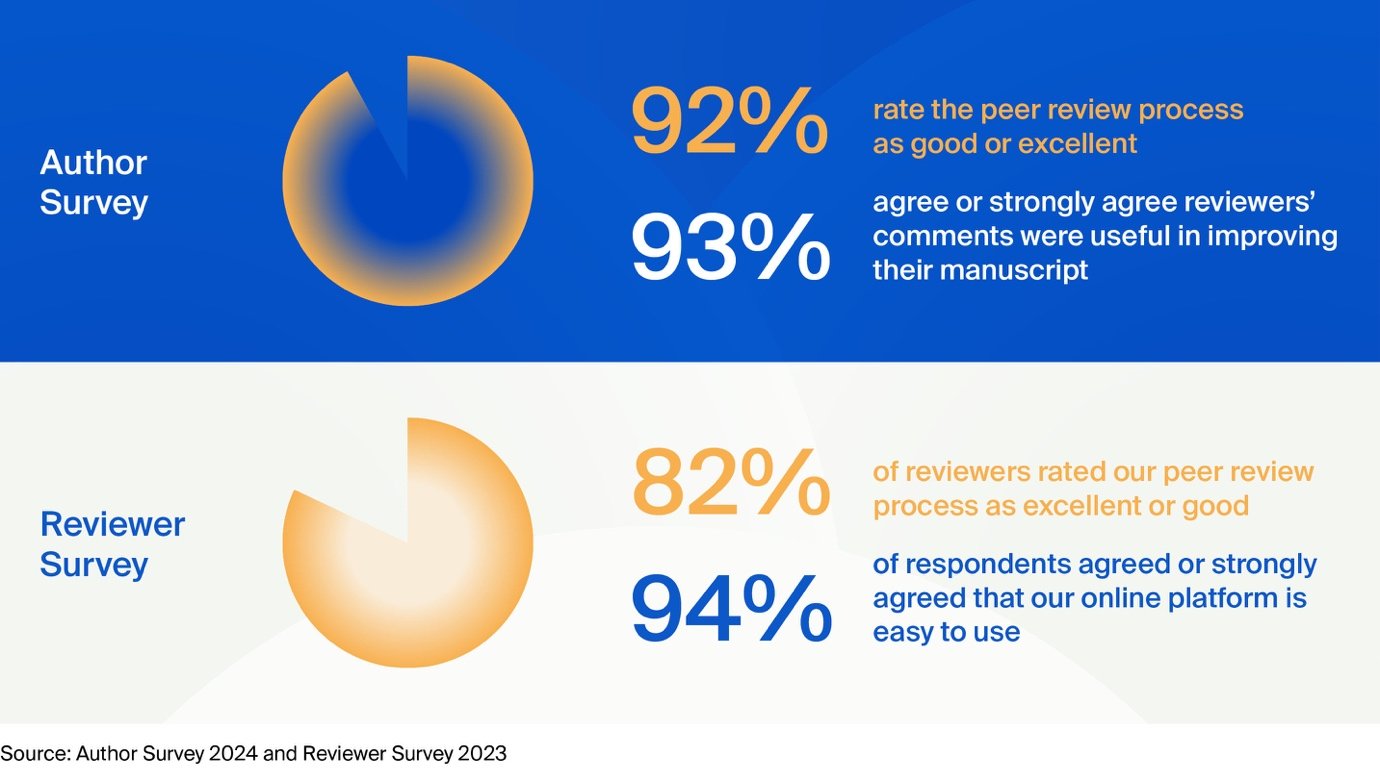
We highly value the time of our reviewers, and so do the authors who contribute to our journals. Our editorial process is bolstered by a network of dedicated reviewers, a team of over 6,000 diligent, well-trained staff members, and an in-house article submission platform designed to ensure efficient processes.
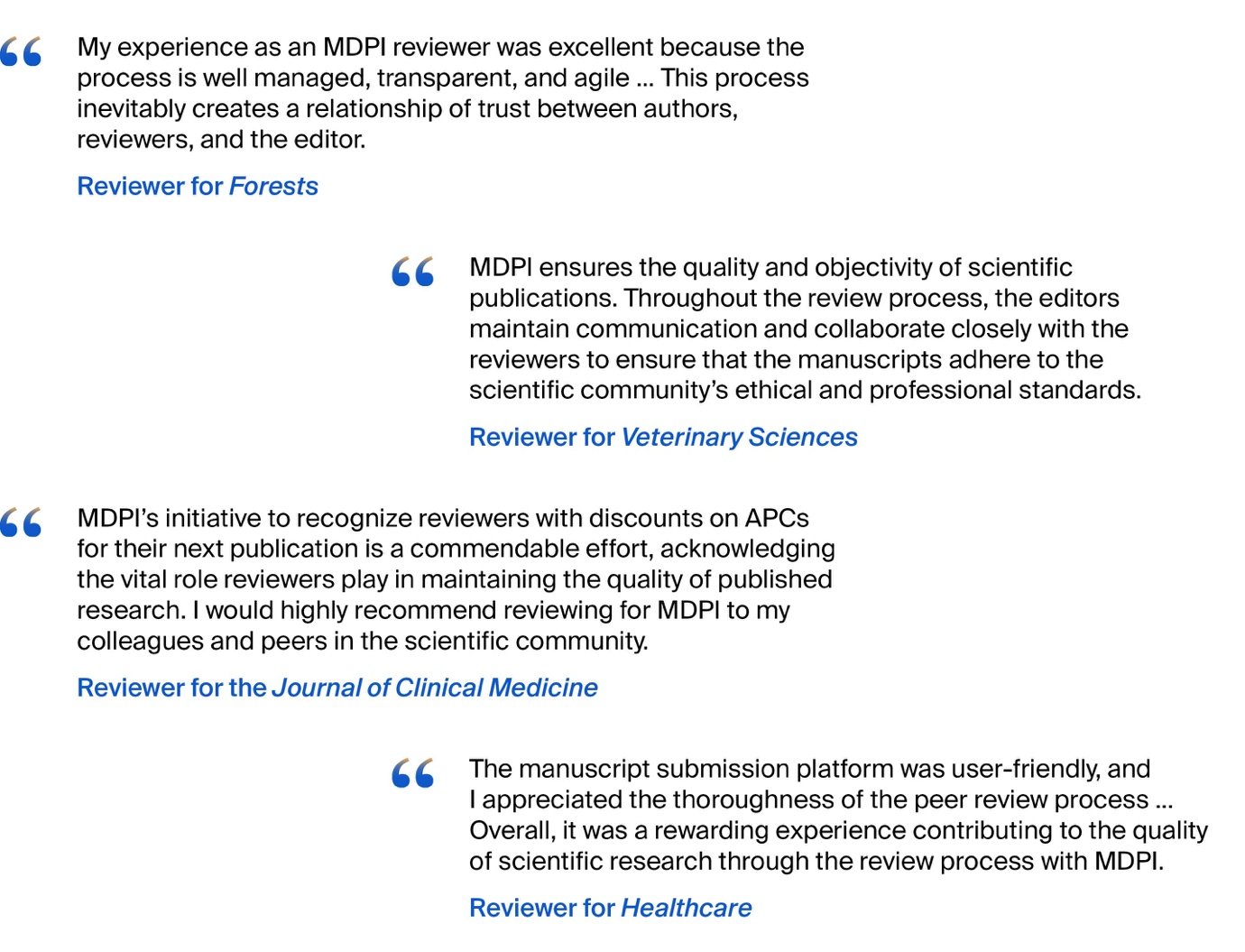
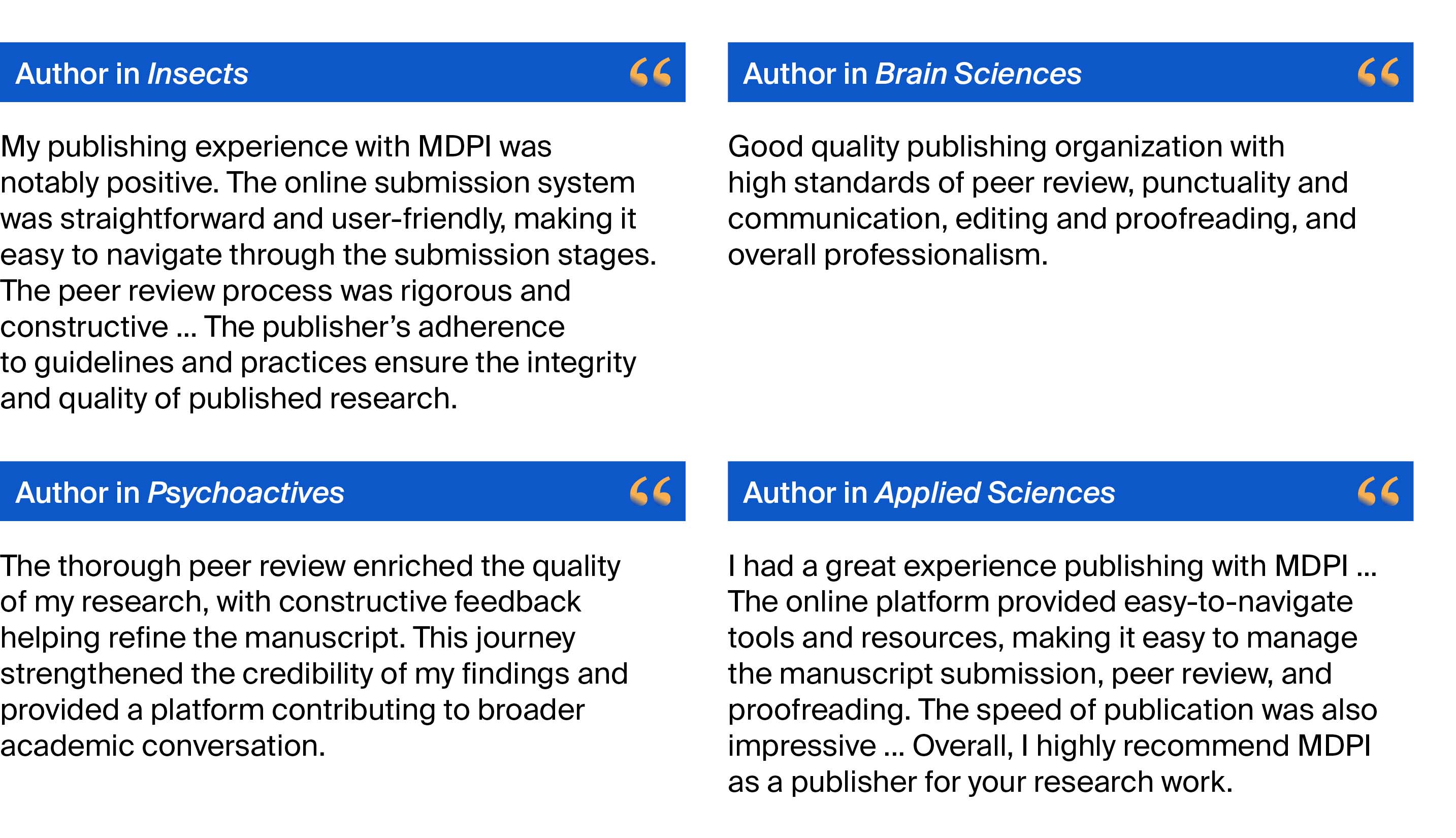
We make it a point to continually improve the experiences of both our authors and our reviewers throughout the entire editorial process, from submission to publication. This is why we regularly ask for feedback by conducting surveys. Here is what some of our respondents recently had to say about working with MDPI:
Coming Together for Science
ICM 2024 – Advances in Material Innovation
I am pleased to share that we held The 5th International Conference on Materials: Advances in Material Innovation (ICM 2024) in Basel, Switzerland this past 25–27 September.
This intimate event brought together leading scientists, researchers, and industry experts to exchange insights on recent advancements in materials characterization, processing, and manufacturing. Key focus areas included nanotechnology in material sciences and engineering, optical, electrical, and magnetic materials, soft, biological, and biomaterials, fibres, membranes, thin films, sensing materials, as well as materials and devices for energy and solar fuels. In addition, discussions featured the integration of AI and machine learning in materials research.
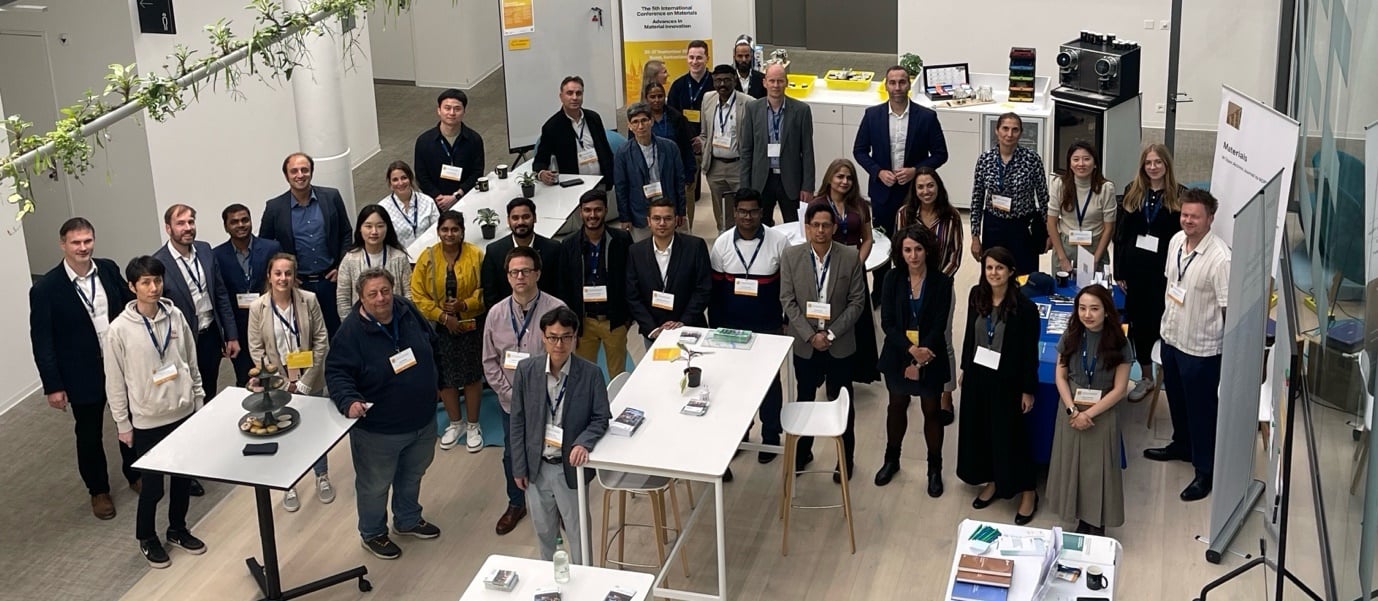
We received 90 abstract submissions. Over the course of the three-day event, 18 posters were displayed, and 34 talks were delivered, including three plenary speeches, seven invited talks, and 24 selected oral presentations.
A special thank-you to our partnering societies The Polish Membrane Society and The North American Thermal Analysis Society, as well as our sponsor, Nanomegas, for their support of the ICM conference. I am also pleased to share that we presented three awards, including the Best Presentation Award and two Best Poster Awards, recognizing the outstanding contributions of our participants.
Upcoming In-Person Event
7–9 October 2024
Non-coding RNA World 2024: Exploring Mechanisms, Designing Medicines
Location: Basel, Switzerland
ncRNA 2024 will explore the latest advances in the field, covering topics from basic biology to medical and technological applications.
Find more upcoming MDPI events here.
Closing Thoughts
Reflections from OASPA 2024 Conference in Lisbon (16–18 September)
Amidst my September travels, I also had pleasure of attending the OASPA 2024 Conference in Lisbon from 16–18 September. It’s the first in-person Open Access Scholarly Publishing Association (OASPA) event in five years, and being in the sunny city of Lisbon made it even better! MDPI has long been a member of OASPA, and attending this conference gave us an opportunity to connect with other key members of the organization to see the latest developments in the OA movement.
“I believe that publishers have a lot to offer in terms of data and insights”
Main Themes from OASPA 2024
The main themes covered were equity and inclusivity, diamond OA, AI and openness, OA books, research integrity, and how OA can address broader societal challenges such as climate change. While it was great to see the latest developments in these areas, it was also clear that certain voices were missing, particularly those of major publishers. Although it’s not easy to incorporate every perspective, I believe that publishers, including MDPI, have a lot to offer in terms of data and insights. During the membership meeting, a few of us raised the point that large-scale publisher input could add value to these discussions.
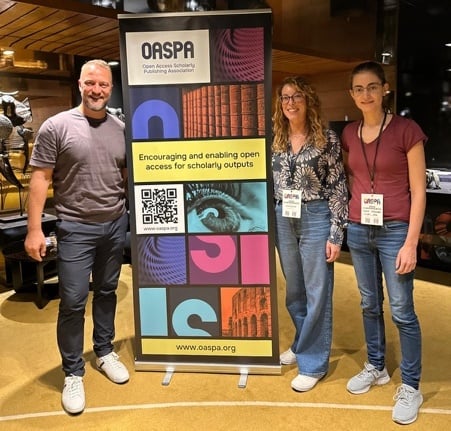
It’s important to participate in industry conferences such as OASPA in order to be part of the discussions and remain at the forefront of the OA movement.
It’s an opportunity to build meaningful relationships with organizations that share our commitment to OA.
While sponsorship is one way to show our support, it’s clear that being part of the conversation through participating in the OASPA groups and committee is what really makes a difference.
It took the last 20 years for more than 50% of the world's research to be published via open access. This provides a sobering reminder that flipping the remaining 50% will be a big challenge.
An important takeaway for me was that there is no "one-size-fits-all" solution for OA challenges: different regions and different stakeholders need different forms of support, whether it is infrastructure, funding, education, or policy, for example. I also enjoyed Rebecca Ross' presentation on how OA can drive action on climate. A few panellists shared the need for transparency in the peer-review process, advocating for open review reports, which is something we have been offering since 2014.
Speaking of openness, we are excited to celebrate Open Access Week 2024 with the scholarly community from 21–27 October. I look forward to sharing a recap of our activities in the next newsletter.
Chief Executive Officer
MDPI AG
30 September 2024
Meet Us at the Asia Communications and Photonics Conference (ACP), 2–5 November 2024, Beijing, China

MDPI will be attending the Asia Communications and Photonics Conference (ACP) held in Beijing from 2 to 5 November 2024. It is one of the largest conferences in the Asia-Pacific region on optical communication, photonics, and relevant technologies, which has been held annually since 2001.
State Key Lab of Information Photonics and Optical Communications (IPOC) was founded by Prof. Peida Ye in 1965. In 2011, the lab became the State Key Lab. In 2024, ACP and IPOC will be jointly held. IPOC has been held five times, and four of which were held jointly with ACP in 2013, 2015, 2020, and 2022, respectively.
The following MDPI journals will be represented at the conference:
- Photonics;
- Optics;
- Technologies;
- QuBS;
- Electronics;
- Applied Sciences;
- Telecom;
- Sensors;
- BDCC;
- Network.
If you are planning to attend the conference, please visit our booth. Our delegates look forward to meeting you in person and answering any questions that you may have. For more information about the conference, please visit the following website: https://www.acpconf.com.
29 September 2024
MDPI New Journal Proposal—Invitation to Shape the Future of Open Science Together

As a leader in open access publishing, MDPI is eager to explore new collaboration opportunities, including the launch of new journals and the transfer of existing ones. At present, MDPI publishes over 400 journals, more than 160 of which have established partnerships with academic organizations. Additionally, we publish 19 association journals.
In order to enhance exchange and cooperation with scientific researchers and share the results of open science, MDPI invites experts and scholars from various fields to submit proposals for new journal collaboration opportunities. If your proposal is approved, you could take on the role of Editor-in-Chief, Deputy Editor-in-Chief, or Editorial Board Member of the journal. This position allows you to manage the manuscript review process alongside our editorial department, participate in calls for papers, strengthen your network with scholars in the field, expand scientific research cooperation, enhance your personal and academic influence internationally, and play a leading role in academia.
Once the new journal is online, MDPI will provide a variety of promotional channels to market the journal internationally.
MDPI will offer various promotional channels to enhance its visibility and promote it internationally.
How can you determine the theme of a new journal?
- Assess research hotspots/academic frontiers;
- Assess pioneers in the field/key research directions of universities;
- Determine whether MDPI has already established a journal in the field.
You can browse MDPI’s existing journals at the following link: https://www.mdpi.com/about/journals.
Advantages of collaborating with MDPI:
- MDPI is a global leader in open-access publishing with extensive academic resources.
- MDPI offers a professional publishing team that provides comprehensive support throughout the publishing process.
- MDPI’s diverse promotional platforms and channels help journals quickly increase their international visibility and influence.
We invite you to submit new journal proposal here, and contribute to academic development! In addition, if your institution (university, institute, college, national key laboratory, society, etc.) intends to establish a journal, you can also submit a draft to MDPI on its behalf.
