Journal Description
Sustainability
Sustainability
is an international, peer-reviewed, open-access journal on environmental, cultural, economic, and social sustainability of human beings, published semimonthly online by MDPI. The Canadian Urban Transit Research & Innovation Consortium (CUTRIC), International Council for Research and Innovation in Building and Construction (CIB) and Urban Land Institute (ULI) are affiliated with Sustainability and their members receive discounts on the article processing charges.
- Open Access— free for readers, with article processing charges (APC) paid by authors or their institutions.
- High Visibility: indexed within Scopus, SCIE and SSCI (Web of Science), GEOBASE, GeoRef, Inspec, RePEc, CAPlus / SciFinder, and other databases.
- Journal Rank: JCR - Q2 (Environmental Studies) / CiteScore - Q1 (Geography, Planning and Development)
- Rapid Publication: manuscripts are peer-reviewed and a first decision is provided to authors approximately 16.9 days after submission; acceptance to publication is undertaken in 3.8 days (median values for papers published in this journal in the first half of 2026).
- Recognition of Reviewers: reviewers who provide timely, thorough peer-review reports receive vouchers entitling them to a discount on the APC of their next publication in any MDPI journal, in appreciation of the work done.
- Testimonials: See what our editors and authors say about Sustainability.
- Companion journals for Sustainability include: World, Sustainable Chemistry, Conservation, Future Transportation, Architecture, Standards, Merits, Bioresources and Bioproducts, Accounting and Auditing, Environmental Remediation, Green, Advances in Carbon Neutrality and Sustainable Environmental Management.
- Journal Cluster of Environmental Science: Sustainability, Land, Clean Technologies, Environments, Nitrogen, Recycling, Urban Science, Safety, Air, Waste, Aerobiology, Toxics, Pollutants, The Journal of Xenobiotics, Journal of Parks, Green and Environmental Remediation.
Impact Factor:
4.1 (2025);
5-Year Impact Factor:
4.2 (2025)
Latest Articles
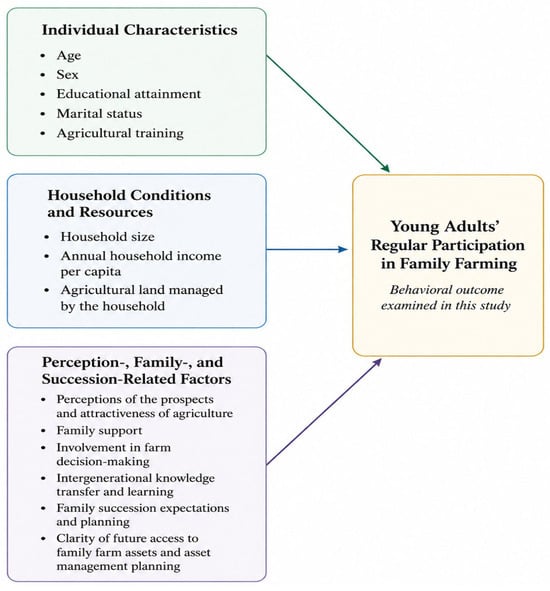
Young Adults’ Participation in Family Farming: Associated Factors and Implications for the Sustainability of Family Farms in Jambi, Indonesia
Sustainability 2026, 18(17), 8882; https://doi.org/10.3390/su18178882 (registering DOI) - 30 Aug 2026
Abstract
The social and economic sustainability of family farms depends partly on generational renewal and younger household members’ participation in farm operations and management. This study examines individual, household, and family governance- and succession-related factors associated with young adults’ participation in family farming. A
[...] Read more.
The social and economic sustainability of family farms depends partly on generational renewal and younger household members’ participation in farm operations and management. This study examines individual, household, and family governance- and succession-related factors associated with young adults’ participation in family farming. A cross-sectional survey of 329 individuals aged 19–39 years from farming households in six villages in Jambi Province, Indonesia, was conducted through face-to-face interviews and analyzed using binary logistic regression. Overall, 46.2% of respondents regularly participated in at least one operational farm activity. Participation was positively associated with being male (AOR = 2.366, p = 0.027), agricultural training (AOR = 3.212, p = 0.002), agricultural land managed by the household (AOR = 1.266, p = 0.008), family support (AOR = 2.125, p = 0.001), involvement in farm decision-making (AOR = 2.931, p < 0.001), and family succession expectations and planning (AOR = 2.393, p < 0.001). Higher educational attainment was negatively associated with participation, including senior secondary education (AOR = 0.296, p = 0.011) and tertiary education (AOR = 0.124, p < 0.001), as were household size (AOR = 0.390, p < 0.001) and household income per capita (AOR = 0.941, p = 0.029). The findings suggest that regular participation is more closely associated with access to productive resources, family support, and meaningful operational and managerial roles than with favorable attitudes or anticipated future access to farm assets. Supporting generational renewal in family farming should therefore emphasize opportunities for younger household members to use productive resources, participate in decision-making, and progressively assume meaningful farm responsibilities.
Full article
(This article belongs to the Section Sustainable Agriculture)
►
Show Figures
Open AccessArticle
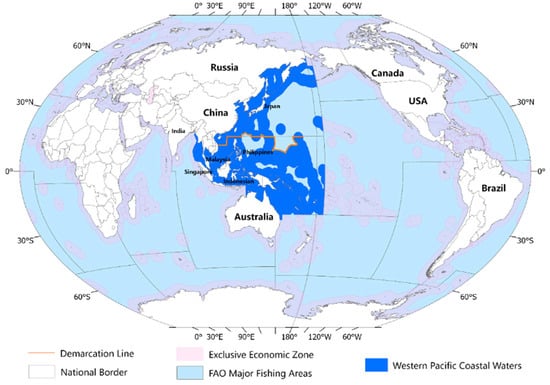
Uneven Fisheries Observability Across the Western Pacific: Implications of Nighttime Light–AIS Integration for Sustainable Fisheries Monitoring
by
Lei Chen, Chun Wang, Guangyuan Liu, Zhenxiang Ling, Zheng Cao, Qifei Zhang, Zhifeng Wu, Zhicheng Yang and Zihao Zheng
Sustainability 2026, 18(17), 8881; https://doi.org/10.3390/su18178881 (registering DOI) - 30 Aug 2026
Abstract
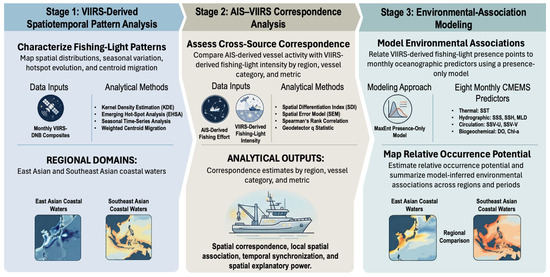
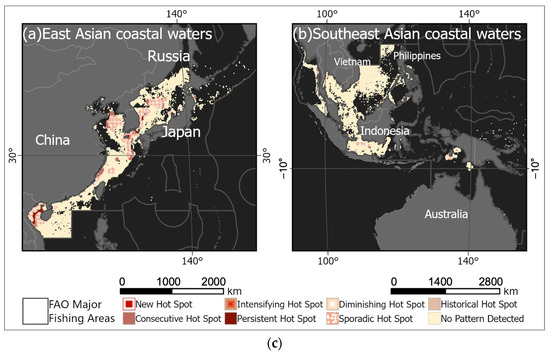
Background: Public AIS data may represent light-attracted fisheries unevenly across coastal regions, whereas VIIRS–DNB provides a complementary optical observation of bright offshore activity. Aims: We develop a regional framework to compare VIIRS-derived fishing-light patterns with AIS-derived vessel activity and to compare
[...] Read more.
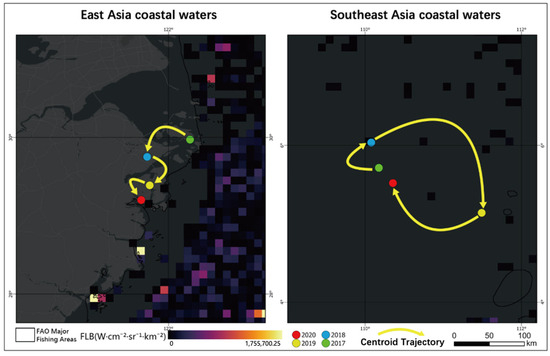
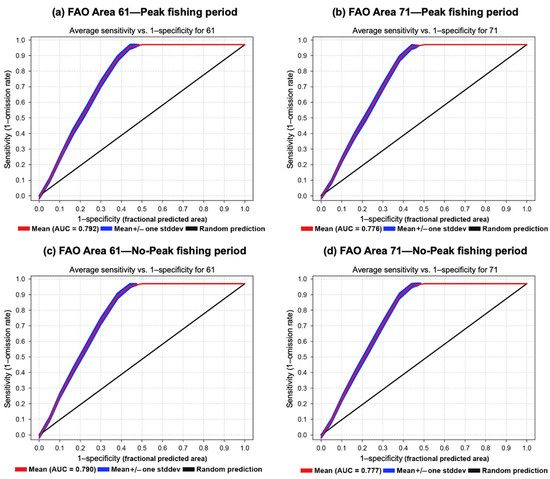
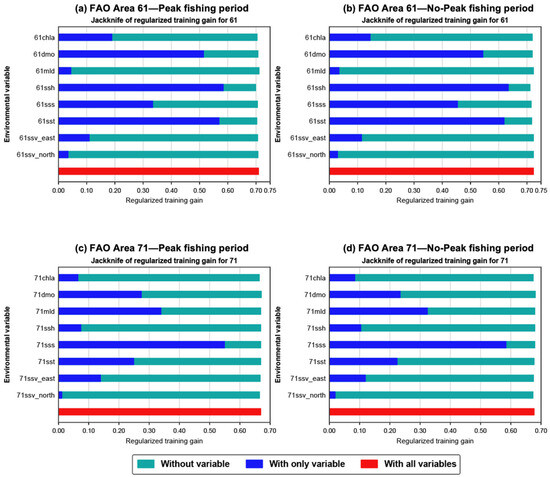
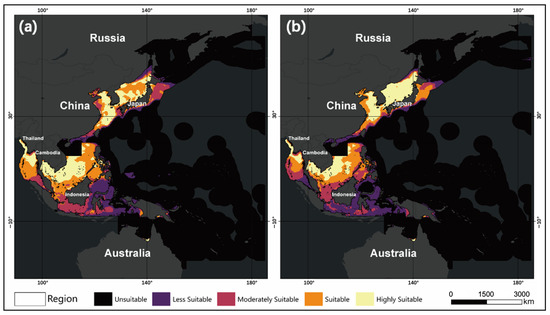
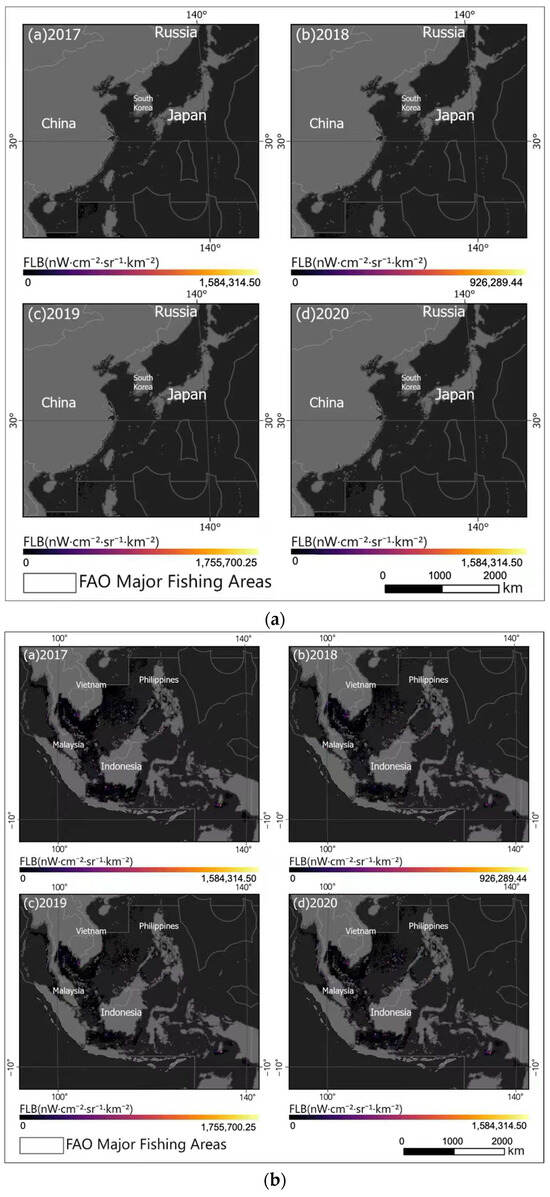
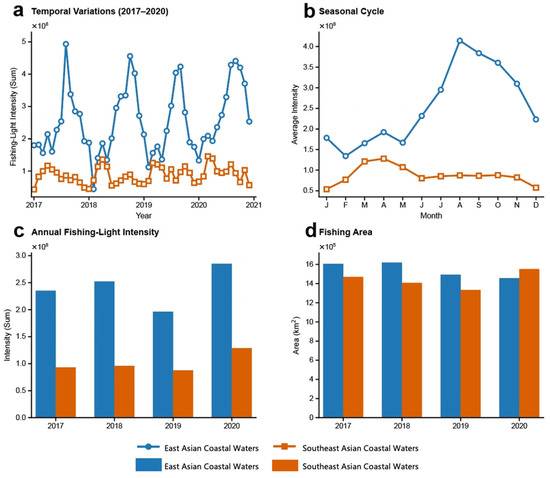
Background: Public AIS data may represent light-attracted fisheries unevenly across coastal regions, whereas VIIRS–DNB provides a complementary optical observation of bright offshore activity. Aims: We develop a regional framework to compare VIIRS-derived fishing-light patterns with AIS-derived vessel activity and to compare model-inferred environmental associations between East Asian and Southeast Asian coastal waters. Methods: Monthly VIIRS–DNB composites, GFW AIS-derived fishing effort and gear categories, and monthly CMEMS sea-surface temperature (SST), sea-surface height (SSH), sea-surface salinity (SSS), surface-current velocities, dissolved oxygen (DO), mixed-layer depth (MLD), and chlorophyll-a (Chl-a) were harmonized for 2017–2020. VIIRS detections were screened for coastal and fixed-light contamination, and spatial density, temporal correlation, spatial-error model (SEM), Geodetector, and MaxEnt analyses were applied. Results: East Asia showed more continuous high-intensity fishing-light belts with summer–autumn peaks, whereas Southeast Asia showed more fragmented activity with a stronger spring peak. In Southeast Asia, squid-jigging activity had the closest spatial correspondence among AIS categories and strong temporal synchronization with fishing-light intensity (Spearman’s = 0.890, p < 0.001), but its spatial explanatory power remained limited (q = 7.8%, p < 0.001). Within the selected predictor set, SST had the highest model-derived contribution in East Asia, whereas SSS had the highest model-derived contribution in Southeast Asia; these results represent model-inferred environmental associations rather than causal effects. Conclusions and recommendations: Regional contrasts describe VIIRS-derived fishing-light patterns, whereas differences in AIS correspondence indicate potential observation gaps but may also reflect fleet composition, vessel-light intensity, and genuine differences in fishing activity. We recommend combining optical and tracking observations and reporting uncertainty from AIS coverage, VIIRS detection limits, spatial sampling, and environmental-model assumptions.
Full article
(This article belongs to the Special Issue Ocean Sustainability: Fisheries Science and Its Sustainable Management)
►▼
Show Figures

Figure 1

Open AccessArticle
Multiplatform Communication for Ecuador’s Sustainable Development: Curricular Redesign, Community Engagement and Partnerships in Higher Education
by
Abel Suing and Kruzkaya Ordóñez
Sustainability 2026, 18(17), 8880; https://doi.org/10.3390/su18178880 (registering DOI) - 30 Aug 2026
Abstract
Sustainable higher education calls for programmes that bring together pedagogical innovation, territorial relevance and global partnerships. This article examines the curricular design of the Multiplatform Communication degree at Universidad Técnica Particular de Loja (UTPL), Ecuador, presenting it as a sustainable initiative geared towards
[...] Read more.
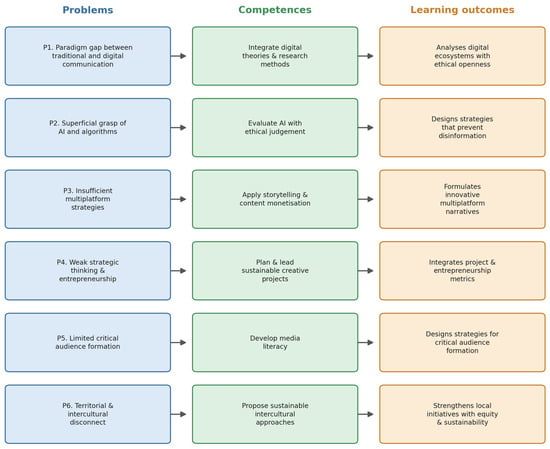
Sustainable higher education calls for programmes that bring together pedagogical innovation, territorial relevance and global partnerships. This article examines the curricular design of the Multiplatform Communication degree at Universidad Técnica Particular de Loja (UTPL), Ecuador, presenting it as a sustainable initiative geared towards local and intercultural communities and aligned with both national development planning and international standards. The study is based on the Constitution of the Republic of Ecuador, the National Development Plan and the Organic Code on the Social Economy of Knowledge. The methodology is both quantitative and qualitative, employing a literature review, content analysis, surveys and interviews. The findings highlight the demand from employers and students for curricular skills focused on intercultural communication, the promotion of cultural heritage, media literacy and the production of sustainable content through international partnerships with production companies, live-streaming platforms and academic mobility programmes. The projected curricular design, it is concluded, amounts to a case of academic leadership oriented towards sustainability, with relevance for university governance in contexts facing territorial challenges.
Full article
(This article belongs to the Special Issue Sustainable Higher Education: Innovative Teaching and Learning, and Leadership for Creating Impacts on Local Society and Globally)
►▼
Show Figures

Figure 1
Open AccessArticle
Workplaces Outside the Organisation: Types of Work and Preferences in the Opinion of Generation Z Employees
by
Janusz Rymaniak, Vida Davidaviciene, Dorota Strózik, Katarzyna Wojciechowska and Katarzyna Zawada-Pęgiel
Sustainability 2026, 18(17), 8879; https://doi.org/10.3390/su18178879 (registering DOI) - 30 Aug 2026
Abstract
The increasing decentralisation of work has expanded the range of locations in which employees can perform their tasks, making workplace location an increasingly important contextual dimension of work design. This study examines preferences for different workplace arrangements among Generation Z respondents and investigates
[...] Read more.
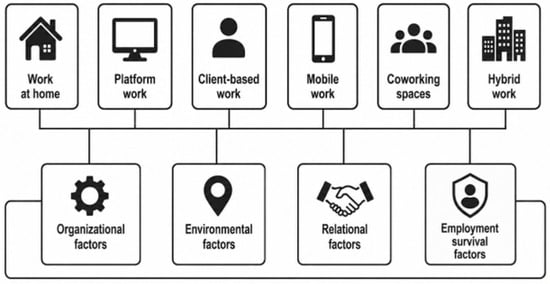
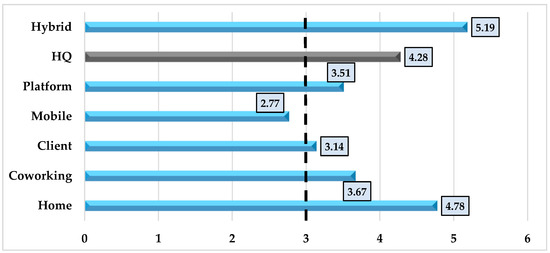
The increasing decentralisation of work has expanded the range of locations in which employees can perform their tasks, making workplace location an increasingly important contextual dimension of work design. This study examines preferences for different workplace arrangements among Generation Z respondents and investigates the organisational, spatial, relational/status, and job-survival characteristics associated with these preferences. Data were collected from 731 respondents in Poland using a researcher-developed questionnaire. Seven workplace arrangements were evaluated, including onsite work at the organisation’s premises and six arrangements involving work outside or across the boundaries of the traditional organisational workplace: working from home, coworking, work at the client’s location, mobile work, platform work, and hybrid work. Descriptive statistics and Pearson correlations were complemented by six multiple linear regression models. Statistical inference was strengthened using HC3 heteroskedasticity-robust standard errors and Benjamini–Hochberg false discovery rate correction. Hybrid work received the highest preference rating, followed by working from home, whereas mobile work and work at the client’s location were evaluated less favourably. The regression models showed that different workplace arrangements were associated with different configurations of workplace characteristics. The strongest explanatory performance was obtained for working from home (R2 = 0.353; adjusted R2 = 0.318). For hybrid work, employment security emerged as the strongest robust association (β = 0.185) and remained significant after correction for multiple testing. Overall, the findings indicate that preferences for decentralised work cannot be reduced to a general preference for spatial flexibility. Instead, the observed pattern can be interpreted in terms of structured flexibility, combining some discretion over workplace location with organisational stability, autonomy, access to information, coordination, and social connectedness. Workplace location is therefore proposed as a contextual dimension for comparing configurations of established work-design characteristics rather than as a new independent work-design construct. Because the study is cross-sectional and sustainability outcomes were not directly measured, causal and sustainability interpretations should be made cautiously.
Full article
(This article belongs to the Special Issue Sustainable Digital Transformation: Pathways to Resilient Enterprises, Regions, and Nations)
►▼
Show Figures

Figure 1

Open AccessArticle
Enhancing Urban Flood Resilience Through Emergency Shelter Assessment: A Coupled InfoWorks ICM–NetLogo Simulation and Spatial Evaluation Framework
by
He Zhang, Peng Dai and Yu Kong
Sustainability 2026, 18(17), 8878; https://doi.org/10.3390/su18178878 (registering DOI) - 30 Aug 2026
Abstract
With increasing extreme rainfall, assessing whether emergency shelters remain accessible and functional during flood-constrained evacuation is essential for enhancing urban flood resilience. However, flood simulation, evacuation behavior, shelter suitability, and spatial accessibility are often examined separately, leaving the relationship between shelter reception performance
[...] Read more.
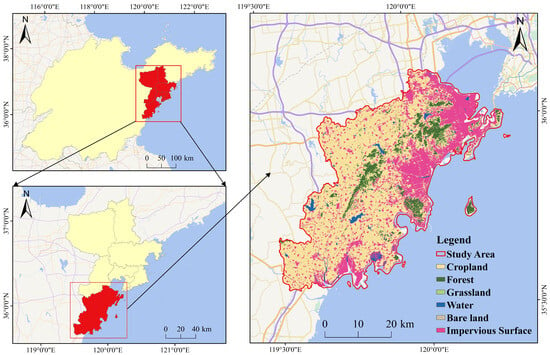
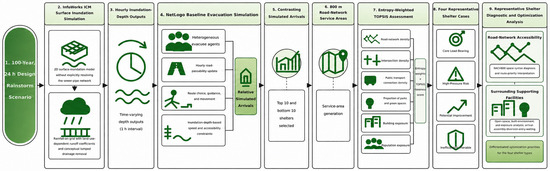
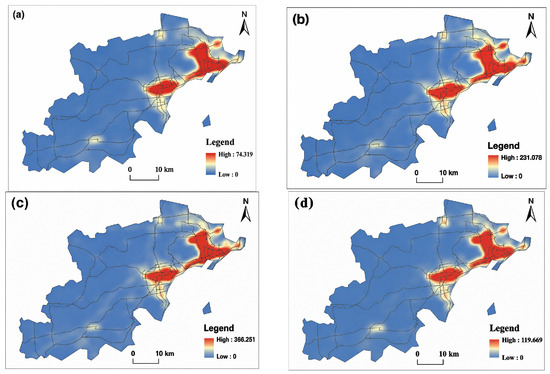
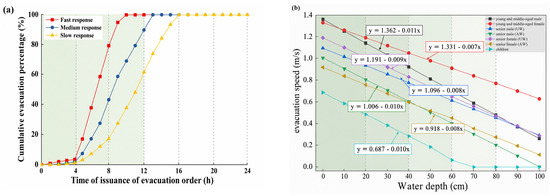
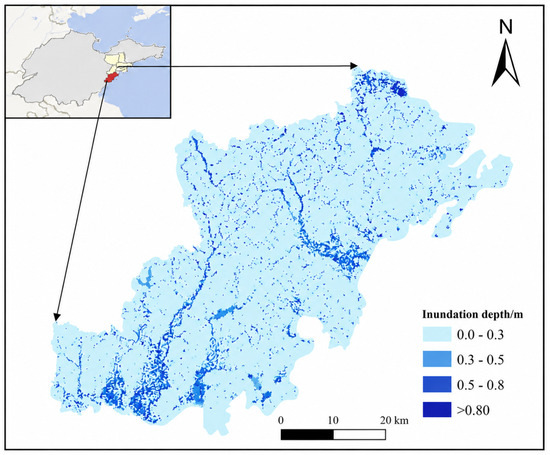
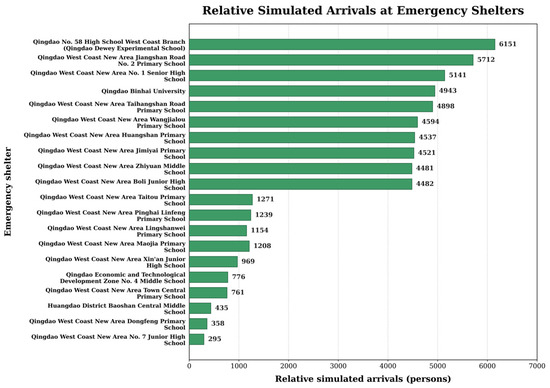
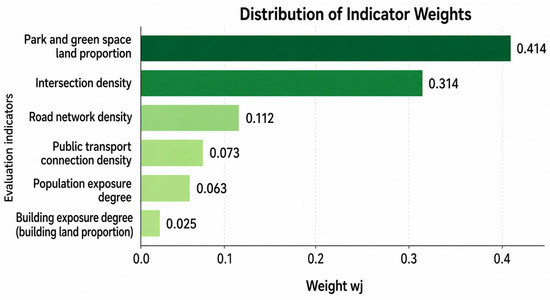
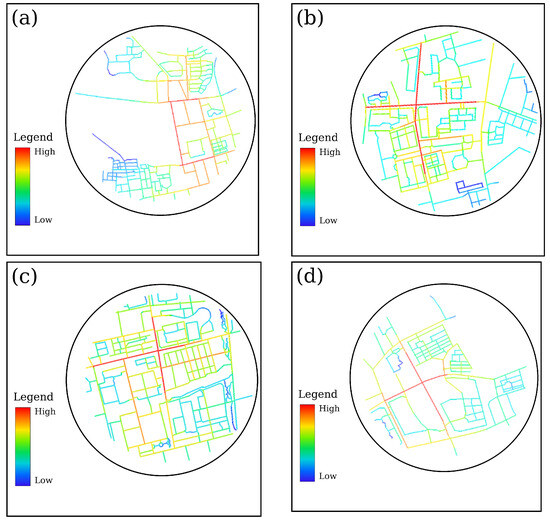
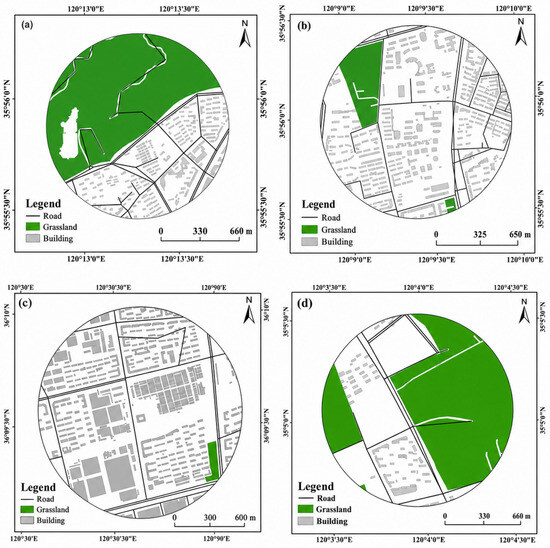
With increasing extreme rainfall, assessing whether emergency shelters remain accessible and functional during flood-constrained evacuation is essential for enhancing urban flood resilience. However, flood simulation, evacuation behavior, shelter suitability, and spatial accessibility are often examined separately, leaving the relationship between shelter reception performance and pre-disaster spatial support insufficiently clarified. This study evaluates emergency-shelter evacuation-support capacity in the Qingdao West Coast New Area under a 100-year, 24 h design rainstorm scenario. InfoWorks ICM was used to simulate two-dimensional surface inundation without explicitly resolving the sewer-pipe network, and hourly inundation depths were coupled with NetLogo to model evacuee movement, road passability, and shelter reception performance. An entropy-weighted TOPSIS model was applied within the 800 m road-network service areas of 20 shelters, comprising the 10 highest- and 10 lowest-arrival shelters. Results show that widespread shallow inundation coexisted with localized deep-water accumulation, and shelter reception performance varied substantially. Higher simulated arrivals did not necessarily indicate stronger evacuation-support capacity. Within the selected sample, parks and green spaces and intersection density received relatively higher weights. Four representative shelter cases were identified—core load-bearing, high-pressure risk, potential improvement, and inefficient vulnerable—providing a process-based basis for emergency shelter assessment and urban flood resilience enhancement.
Full article
(This article belongs to the Special Issue Advanced Research on Flood Hazards, Risk Assessment and Socio-Economic Resilience)
►▼
Show Figures

Figure 1
Open AccessArticle
Does Smart City Development Foster Residents’ Social Capital? Quasi-Experimental Evidence from China
by
Wei Gao, Xinyue Wang and Xiaoxiao Chen
Sustainability 2026, 18(17), 8877; https://doi.org/10.3390/su18178877 (registering DOI) - 30 Aug 2026
Abstract
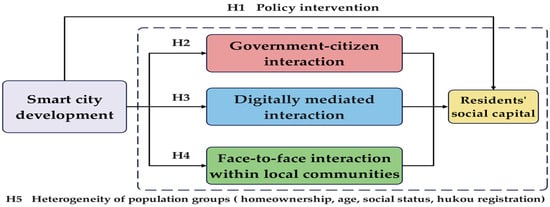
Smart city development has become a central strategy for promoting urban transformation, yet limited evidence exists on its broader social consequences. This study investigates the effects of smart city development on residents’ social capital by exploiting China’s Smart City Pilot Policy as a
[...] Read more.
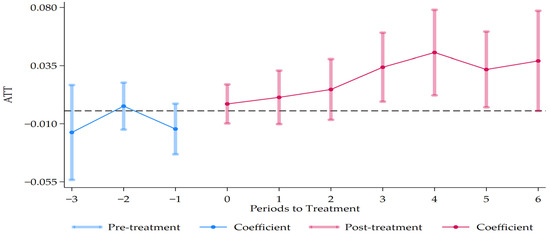
Smart city development has become a central strategy for promoting urban transformation, yet limited evidence exists on its broader social consequences. This study investigates the effects of smart city development on residents’ social capital by exploiting China’s Smart City Pilot Policy as a quasi-natural experiment. Drawing on nine waves of the China General Social Survey from 2010 to 2023, it employs a staggered difference-in-differences approach and finds the following: (a) Smart city development significantly enhances residents’ social capital, although the effect emerges only gradually following policy implementation; (b) this effect operates through three interactional channels: government–citizen interaction, digitally mediated interaction, and neighborhood interaction; (c) the policy effects differ significantly across age groups. These findings suggest that improvements in residents’ social capital do not arise automatically from technological advancement alone, but depend on how smart city development reshapes interactions among governments, citizens, and communities. Overall, this study provides empirical evidence to inform the design and evaluation of smart city development from a more people-centered perspective, with greater attention to residents’ social capital as an important indicator of its broader social outcomes.
Full article
(This article belongs to the Section Sustainable Urban and Rural Development)
►▼
Show Figures

Figure 1
Open AccessArticle
Research on the Impact of New-Generation Artificial Intelligence on Innovation Quality of Manufacturing Enterprises: An Empirical Analysis Based on Double Machine Learning
by
Bingnan Guo and Mengyu Li
Sustainability 2026, 18(17), 8876; https://doi.org/10.3390/su18178876 (registering DOI) - 30 Aug 2026
Abstract
Driven by the strategies of high-quality development and manufacturing transformation and upgrading, China’s economy is gradually shifting to an innovation-driven growth model. Empowering firms to lift innovation quality through new-generation artificial intelligence has become a core priority for industrial development and policy support.
[...] Read more.
Driven by the strategies of high-quality development and manufacturing transformation and upgrading, China’s economy is gradually shifting to an innovation-driven growth model. Empowering firms to lift innovation quality through new-generation artificial intelligence has become a core priority for industrial development and policy support. This paper adopts unbalanced panel data of A-share listed manufacturing firms from 2012 to 2023 and employs the Double Machine Learning model to systematically investigate the impact and transmission mechanisms of new-generation artificial intelligence on manufacturing firms’ innovation quality. The results reveal that new-generation artificial intelligence can significantly boost manufacturing firms’ innovation quality, and this core conclusion remains valid after a series of robustness tests. Mechanism verification confirms that new-generation artificial intelligence promotes the upgrading of firms’ human capital structure, deepens firms’ digital transformation, and raises firms’ R&D investment intensity. These three channels work synergistically to indirectly empower the upgrading of firms’ innovation quality. Heterogeneity analysis verifies that the innovation quality improvement effect of new-generation artificial intelligence exhibits prominent stratified differences across regions, industrial sectors, and environmental regulatory scenarios. Specifically, the empowerment effect of new-generation artificial intelligence (GAI) is significantly stronger for samples from environmental pilot cities, Southern Coastal, Eastern Coastal, and Northern Coastal regions, as well as high-tech manufacturing firms. In contrast, its positive driving effect is weak or insignificant for samples in the middle reaches of the Yellow River and Northwest China, along with non-high-tech industries. This paper improves the theoretical analytical framework for artificial intelligence empowering micro-firm innovation and enriches relevant research on digital technologies and corporate innovation. It provides a theoretical basis and practical implications for China’s manufacturing sector to break through innovation bottlenecks via intelligent technologies and achieve comprehensive high-quality innovative development across the manufacturing industry.
Full article
(This article belongs to the Topic AI for Sustainable Development: Innovations, Challenges, and Real-World Applications)
Open AccessArticle
Female Labor-Force Participation, Education Expenditure, Renewable Energy, and CO2 Emissions in the Former BRICS-5: A Panel ARDL Analysis
by
Eissa A. A. Abodia and Ayşem İyikal Çelebi
Sustainability 2026, 18(17), 8875; https://doi.org/10.3390/su18178875 (registering DOI) - 30 Aug 2026
Abstract
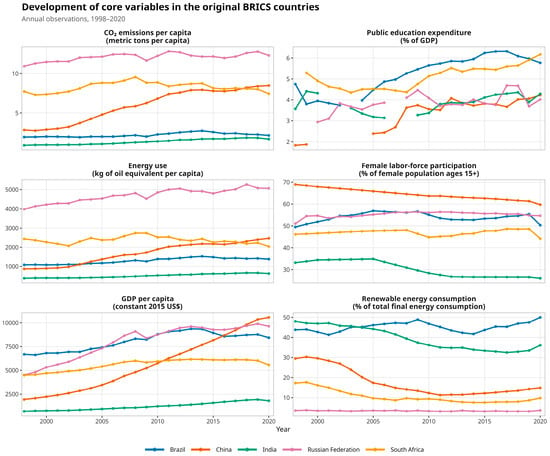
This study examines the long- and short-run relationships between energy use, renewable energy, education expenditure, female labor-force participation, economic development, and carbon dioxide (CO2) emissions in the former BRICS economies—Brazil, Russia, India, China, and South Africa (BRICS-5)—over the period 1998–2020. A
[...] Read more.
This study examines the long- and short-run relationships between energy use, renewable energy, education expenditure, female labor-force participation, economic development, and carbon dioxide (CO2) emissions in the former BRICS economies—Brazil, Russia, India, China, and South Africa (BRICS-5)—over the period 1998–2020. A panel autoregressive distributed lag (ARDL) framework and error-correction specification are employed, complemented by alternative estimators and robustness analyses to account for cross-country heterogeneity and common shocks. The results indicate significant error-correcting behavior at the panel level, although adjustment dynamics and long-run relationships vary considerably across countries and estimators. In the baseline long-run estimates, energy use is positively associated with CO2 emissions, whereas use of renewable energy and female labor-force participation are negatively associated with emissions. However, the positive energy-use association is estimator-sensitive and is not reproduced by the mean group and pooled mean group estimates. In contrast, education expenditure and GDP per capita do not exhibit statistically robust long-run associations with emissions. Comparisons across dynamic fixed effects, mean group, and pooled mean group approaches, together with specifications addressing common cross-sectional shocks, further demonstrate the importance of allowing for heterogeneity within the BRICS-5 group. Additional analysis provides no robust evidence supporting a common Environmental Kuznets Curve relationship. Overall, the findings suggest that energy structure and broader socioeconomic participation are relevant to emissions dynamics, but these relationships should not be interpreted as uniform across BRICS-5 economies. The results highlight the need for country-sensitive rather than homogeneous sustainability strategies.
Full article
(This article belongs to the Section Energy Sustainability)
►▼
Show Figures

Figure 1

Open AccessArticle
Spatiotemporal Dynamics and Driving Mechanisms of Cropland Ecosystem Health in the Black Soil Region of Northeast China
by
Yuxin Yang, Guoqiang Yu, Xin Wang and Jiping Liu
Sustainability 2026, 18(17), 8874; https://doi.org/10.3390/su18178874 (registering DOI) - 30 Aug 2026
Abstract
►▼
Show Figures
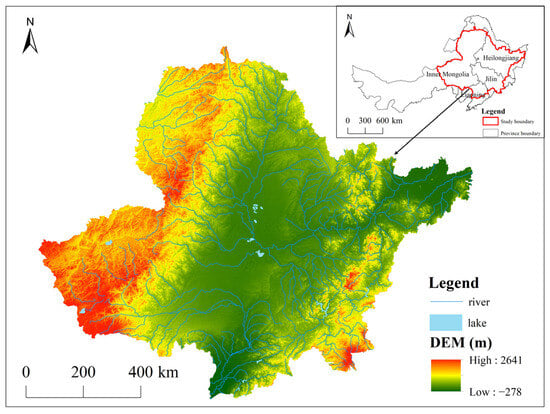
Understanding the spatiotemporal dynamics and driving mechanisms of cultivated land ecosystem health in the Northeast black soil region is essential for sustainable land management, regional ecological security, and national food security. This study selected 2002, 2012, and 2022 as representative years. Based on
[...] Read more.
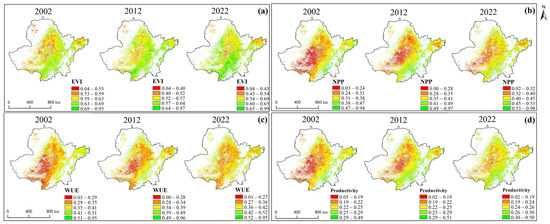
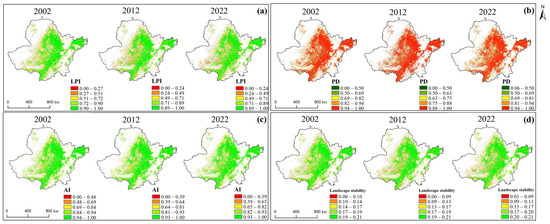
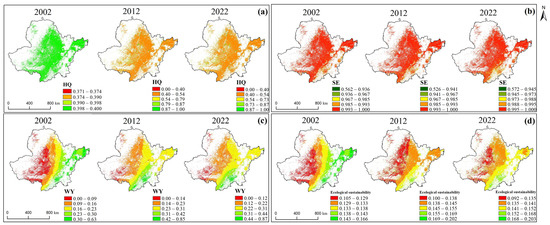
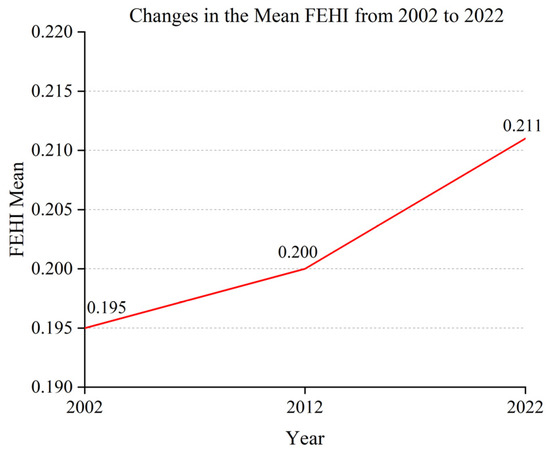
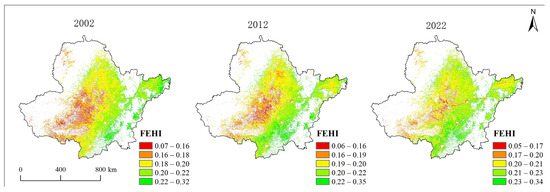
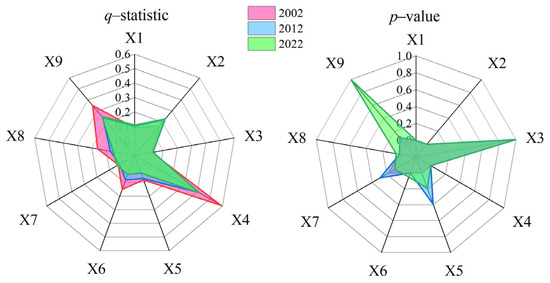
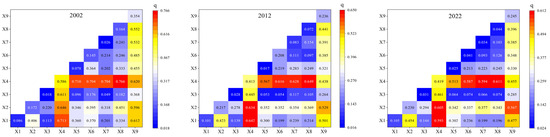
Understanding the spatiotemporal dynamics and driving mechanisms of cultivated land ecosystem health in the Northeast black soil region is essential for sustainable land management, regional ecological security, and national food security. This study selected 2002, 2012, and 2022 as representative years. Based on CLCD land use data and related natural and socio-economic datasets, an evaluation framework was established incorporating comprehensive productivity, landscape stability, and ecological sustainability. The cultivated land ecosystem health index (FEHI) was calculated using an integrated evaluation framework combining the InVEST model and weighted evaluation method, and the spatial differentiation characteristics and driving mechanisms were investigated using the GeoDetector model. The results showed that (1) among the three study years, cultivated land comprehensive productivity generally increased, whereas landscape stability declined and ecological sustainability remained at a relatively low level with signs of degradation; (2) the FEHI exhibited a fluctuating upward pattern, with the mean value increasing from 0.195 to 0.211. Low-health areas decreased, while high-health areas expanded, suggesting an enhancement in the comprehensive health level of cultivated land ecosystems. (3) GeoDetector analysis revealed that precipitation and elevation were the dominant factors influencing spatial differentiation. The interactions between precipitation and slope, as well as precipitation and nighttime light intensity, showed strong explanatory power, although the explanatory power of dominant factors varied among different years. These findings provide scientific support for ecological protection, black soil conservation, and sustainable cultivated land management in the Northeast black soil region.
Full article

Figure 1
Open AccessArticle
Climatic Drivers and Hierarchical Constraints on the Suitable Habitat of Elm Sparse Grassland in China
by
Ran Wei, Xiao Wang, Guanghua Xu and Guoqing Li
Sustainability 2026, 18(17), 8873; https://doi.org/10.3390/su18178873 (registering DOI) - 30 Aug 2026
Abstract
►▼
Show Figures
Elm sparse grassland, dominated by Ulmus pumila, serves as a critical ecological barrier in Northern China, yet the specific climatic mechanisms governing its distribution remain poorly quantified, hindering effective restoration. This study employed the Maximum Entropy (MaxEnt) model to disentangle the primary
[...] Read more.
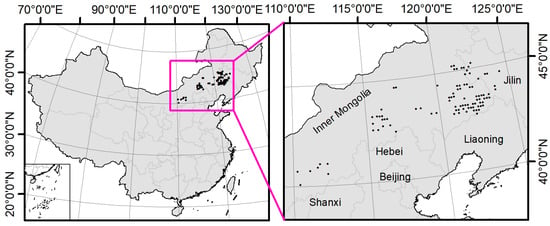
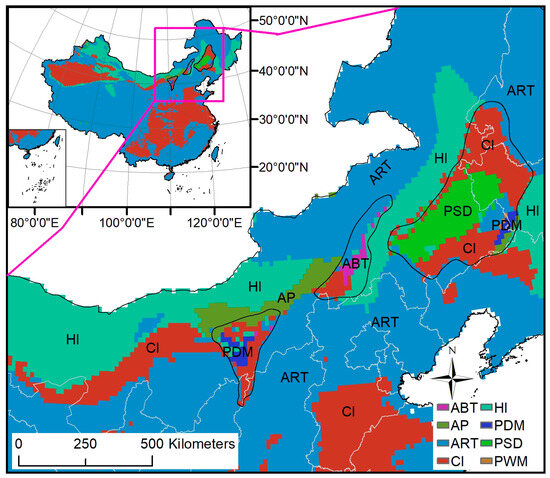
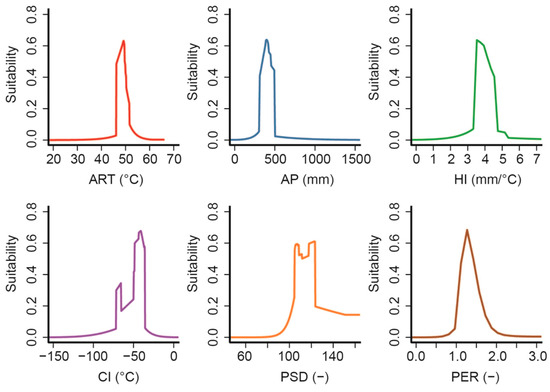
Elm sparse grassland, dominated by Ulmus pumila, serves as a critical ecological barrier in Northern China, yet the specific climatic mechanisms governing its distribution remain poorly quantified, hindering effective restoration. This study employed the Maximum Entropy (MaxEnt) model to disentangle the primary drivers of this ecosystem, specifically addressing whether its distribution is governed by moisture limitation or a stricter thermal regime. Analyzing 94 occurrence records and 13 climatic variables, the model achieved high predictive accuracy (AUC = 0.92) and identified the annual temperature range (ART) as the predominant determinant of macro-distribution (30.1% contribution), surpassing moisture variables such as annual precipitation (19.3%). The results demonstrate that the vegetation is strictly confined to a continental climate envelope with an ART of 46.2~50.7 °C and a coldness index of −70.1~−36.1 °C, while optimal precipitation (313~497 mm) acts as a secondary filter maintaining the open-woodland structure. These findings establish a hierarchical filtering model where a strict thermal regime acts as the primary “gatekeeper” setting absolute geographical boundaries, while moisture availability determines habitat quality within those limits. Consequently, this study advocates for a paradigm shift in ecological engineering—such as the Three-North Shelterbelt Program—from moisture-centric approaches to “climate-smart” restoration that prioritizes specific thermal constraints. Adhering to these precise climatic envelopes is essential to prevent maladaptation and ensure the long-term sustainability of restoration efforts amidst global climate change.
Full article

Figure 1
Open AccessArticle
Sustainability in Women’s Cooperatives: A Qualitative Study from a Stakeholder Theory Perspective
by
Ipek Kazancoglu, Derya Ilic, Sema Aydin and Hasan Ali Kaplan
Sustainability 2026, 18(17), 8872; https://doi.org/10.3390/su18178872 (registering DOI) - 29 Aug 2026
Abstract
Growing global challenges have made it imperative to evaluate economic activities not only in terms of economic growth but also from the perspectives of environmental and social well-being. Within this context, Women’s Production and Business Cooperatives have emerged as critical collective initiatives that
[...] Read more.
Growing global challenges have made it imperative to evaluate economic activities not only in terms of economic growth but also from the perspectives of environmental and social well-being. Within this context, Women’s Production and Business Cooperatives have emerged as critical collective initiatives that support local development. In this study, “Women’s Production and Business Cooperatives” refer to cooperatives established and predominantly managed by women to collectively engage in the production and commercialization of goods and services, generate income and employment opportunities for their members, and promote women’s economic and social empowerment. Hereafter, these organizations are referred to as “women’s cooperatives.” However, studies that comprehensively examine the sustainability practices of women’s cooperatives through the framework of Elkington’s Triple Bottom Line (economic, social, and environmental sustainability) remain limited. From the perspective of Stakeholder Theory, cooperatives are regarded as organizations that extend beyond the pursuit of economic profit by creating value for both internal and external stakeholders, including women, local communities, the environment, consumers, and public institutions. Accordingly, this study aims to provide an in-depth examination of the sustainability practices adopted by women’s cooperatives within these three dimensions, as well as to identify the challenges they encounter. This study adopted a qualitative research design, utilizing in-depth interviews with seven presidents and managers representing women’s cooperatives. The findings suggest that zero-waste practices, the adoption of circular economy principles, and the transition toward green agriculture constitute the primary sustainability initiatives, whereas high technology and packaging costs, together with insufficient institutional collaboration, represent the major challenges to the environmental sustainability. Within the economic sustainability dimension, the findings indicate that the participating cooperatives have increasingly shifted toward industrial production standards, value-added by-products, and business-to-business (B2B) marketing strategies. Nevertheless, rising input and logistics costs, together with unfair competition, continue to pose significant challenges. As relates to social sustainability, the findings highlight intergenerational transmission of cultural heritage, psychosocial recovery, efforts to challenge social prejudice, inter-cooperative solidarity, and the allocation of resources for social benefit, including scholarship support. Overall, the findings reveal that these cooperatives make meaningful contributions to multidimensional sustainability and stakeholder well-being, thereby providing valuable empirical insights into the sustainability literature.
Full article
(This article belongs to the Section Economic and Business Aspects of Sustainability)
Open AccessArticle
Assessing Urban Sustainability Across Income-Diverse Neighbourhoods in Riyadh: A Comparative Multi-Dimensional Framework
by
Rasha A. Moussa and Amira Elbortokaly
Sustainability 2026, 18(17), 8871; https://doi.org/10.3390/su18178871 (registering DOI) - 29 Aug 2026
Abstract
Urban sustainability is a critical objective for rapidly growing cities in the Gulf region, particularly in balancing environmental protection, social equity, economic development, and effective governance. Riyadh has undergone extensive urban expansion, producing diverse neighbourhoods ranging from high-income, modern master-planned communities to older
[...] Read more.
Urban sustainability is a critical objective for rapidly growing cities in the Gulf region, particularly in balancing environmental protection, social equity, economic development, and effective governance. Riyadh has undergone extensive urban expansion, producing diverse neighbourhoods ranging from high-income, modern master-planned communities to older and denser middle to low-income areas. These socio-spatial shifts prompt questions about whether sustainability performance differs across neighbourhoods with different resident income profiles and whether wealthier neighbourhoods necessarily exhibit higher sustainability performance. This study investigates the relationship between resident income level and urban sustainability in Riyadh by comparing the sustainability profiles of high-income and middle-income neighbourhoods using a multidimensional framework. Quantitative indicators derived from international sustainability assessment models were applied to the Riyadh context. The methodology integrated expert-based weighting, neighbourhood-level indicator assessment, and Sustainability Index calculations to evaluate performance. The findings show that the high-income neighbourhood achieved a higher overall Sustainability Index, mainly due to stronger environmental and social quality. However, the middle-income neighbourhood demonstrated notable sustainability potential through economic resilience, civic engagement, and community participation. The study concludes that differences in neighbourhood sustainability profiles are associated not only with resident income level, but also with urban form, behaviour, governance, and resource-use characteristics.
Full article
(This article belongs to the Section Sustainable Urban and Rural Development)
Open AccessArticle
Sustainable Urban Preservation and Resilience in China and Spain: A Comparative Study of Cuigezhuang (Beijing) and El Perchel (Málaga)
by
Yang Su and Jose-Manuel Almodovar-Melendo
Sustainability 2026, 18(17), 8870; https://doi.org/10.3390/su18178870 (registering DOI) - 29 Aug 2026
Abstract
Urban regeneration has become a central focus in global urban studies, increasingly linked to the dual imperatives of sustainability and urban resilience. According to Christopher Alexander’s theories of living structure and pattern language, traditional built environments emerge through progressive adaptation rather than top-down
[...] Read more.
Urban regeneration has become a central focus in global urban studies, increasingly linked to the dual imperatives of sustainability and urban resilience. According to Christopher Alexander’s theories of living structure and pattern language, traditional built environments emerge through progressive adaptation rather than top-down design. Moreover, historic urban fabrics evolve through continuous refinement of spatial solutions that simultaneously respond to environmental, functional, and social needs. Therefore, this study situates urban regeneration within a theoretical framework that recognizes traditional settlements as complex adaptive systems rather than static heritage. Chinese urban villages (Chengzhongcun) and Spanish Suelo Urbano no Consolidado (SUNC, Unconsolidated Urban Land) areas represent two contrasting forms of urban socio-spatial systems engulfed by urban expansion, both characterized by dense, historically rooted morphologies and incomplete infrastructure. As Chinese urban villages shift from a demolition–reconstruction model toward more sustainable regeneration approaches, this study compares Beijing’s Cuigezhuang and Málaga’s El Perchel through spatial analysis and stakeholder surveys. Alexander would argue that the demolition–reconstruction model disrupts the evolutionary processes that generate coherent urban fabrics. The research evaluates how differing planning systems foster or constrain sustainable development and social-spatial resilience in regeneration processes. Urban resilience is explicitly defined here as the capacity of urban communities and spatial structures to adapt to change, withstand pressures, and maintain social cohesion, accessibility, and local identity, while ecological and economic resilience are not measured in this study. Findings demonstrate that Spain’s incremental, participatory approach—anchored in Planes Especiales de Reforma Interior (PERI, special plans for inner urban renewal) and land readjustment (equitable distribution of costs and benefits) mechanisms—significantly outperforms China’s state-led demolition-based model in supporting long-term sustainability, heritage integrity, community cohesion, and spatial continuity. Spain’s legally embedded participation and in situ rehabilitation strategies offer transferable lessons for China’s evolving sustainable and resilience-oriented regeneration paradigm.
Full article
(This article belongs to the Special Issue Environmental Protection and Sustainable Ecological Engineering Volume II)
Open AccessArticle
Data-Driven Decision Support for Sustainable Engineering Change Management Using Prescriptive Process Mining
by
Galyna Chornous, Silvia Beloeva, Nataliya Venelinova, Maryna Horna and Viktoriia Tomashchuk
Sustainability 2026, 18(17), 8869; https://doi.org/10.3390/su18178869 (registering DOI) - 29 Aug 2026
Abstract
The digital transformation of manufacturing enterprises necessitates more efficient engineering change management through data-driven decision support and process optimization. Although process mining has advanced considerably in recent years, most existing studies focus on descriptive or predictive process analysis, while prescriptive optimization integrated with
[...] Read more.
The digital transformation of manufacturing enterprises necessitates more efficient engineering change management through data-driven decision support and process optimization. Although process mining has advanced considerably in recent years, most existing studies focus on descriptive or predictive process analysis, while prescriptive optimization integrated with sustainability considerations remains insufficiently explored. This study aims to develop and evaluate a prescriptive optimization model for Engineering Change Management based on process mining methods and Environmental, Social, and Governance considerations. The proposed model combines rule-based case routing, resource profiling, and risk-oriented alerts and is evaluated using a real-world event log from a manufacturing and engineering company. The methodological framework integrates process discovery using the Inductive Miner algorithm, conformance checking, performance and bottleneck analysis, deterministic rule-based case classification, resource profiling, and prescriptive analytics. The proposed model was evaluated through retrospective validation on a test dataset using both parametric and non-parametric statistical methods. The retrospective analysis estimated a 36.8% reduction in average active case processing time, from 6.31 to 3.98 h, while maintaining the modeled satisfaction level (p < 0.001). These results represent model-based estimates rather than effects observed after prospective implementation. The proposed approach extends existing process mining applications by combining prescriptive analytics with sustainability-oriented process governance. It provides a basis for integration into Product Lifecycle Management, Enterprise Resource Planning, and Engineering Change Management systems as a decision-support module, with the potential to improve operational efficiency and support sustainable manufacturing practices.
Full article
(This article belongs to the Special Issue Digital Solutions for Sustainable Economic Development)
Open AccessArticle
Energy Literacy and Billing Transparency in Electricity Markets During the Energy Transition: Evidence from a Single-Supplier Survey in Upper Silesia, Poland
by
Marzena Czarnecka, Krzysztof Zamasz, Marcin Marszałek, Michał Domagała and Aleksandra Lubicz-Posochowska
Sustainability 2026, 18(17), 8868; https://doi.org/10.3390/su18178868 (registering DOI) - 29 Aug 2026
Abstract
►▼
Show Figures
Energy-transition policy increasingly asks households and small firms to behave as informed players in liberalised electricity markets. How far they can actually play that part, however, depends on two things at once: how energy-literate they are, and how clearly their bills speak to
[...] Read more.
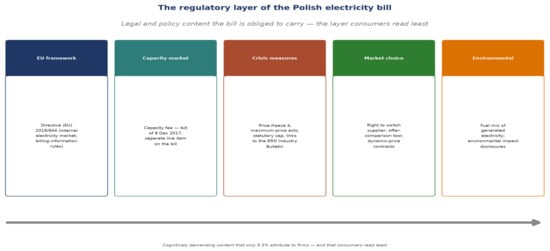
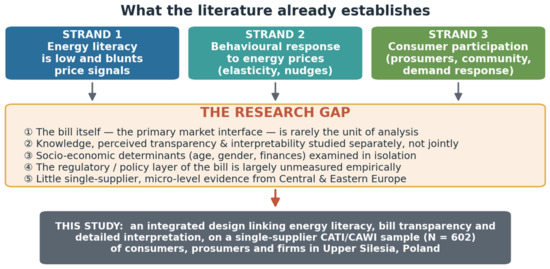
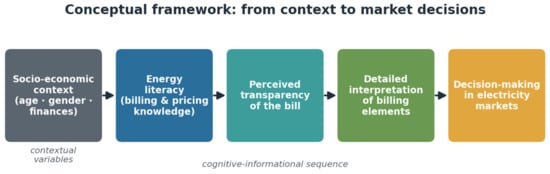
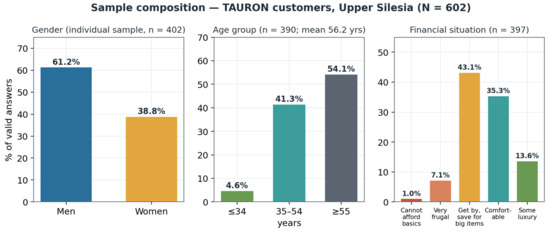
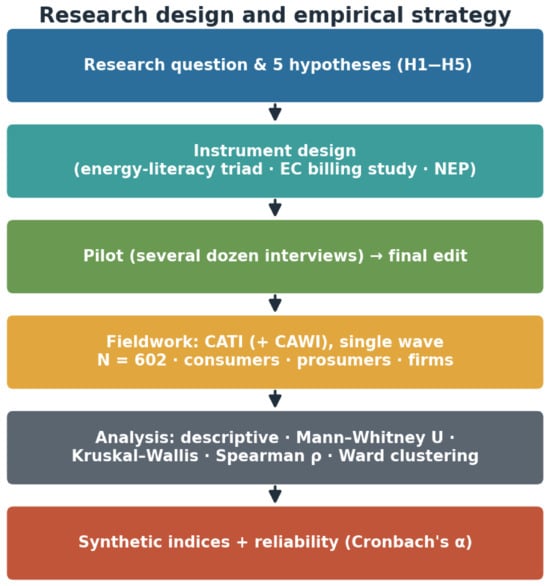
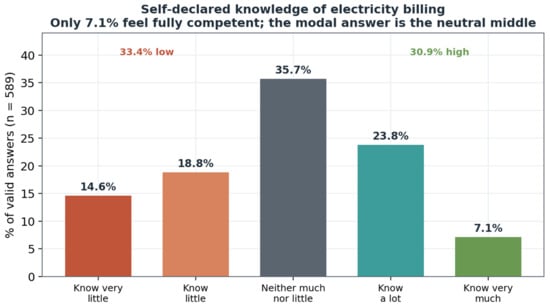
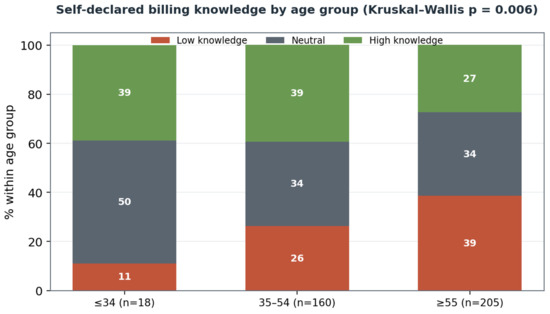
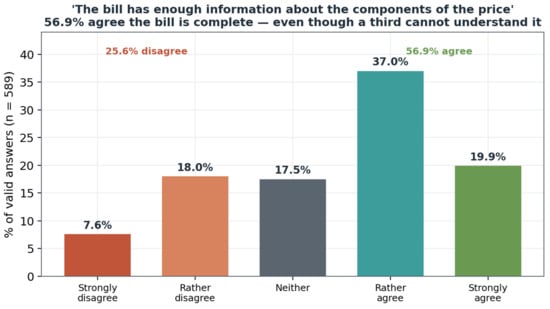
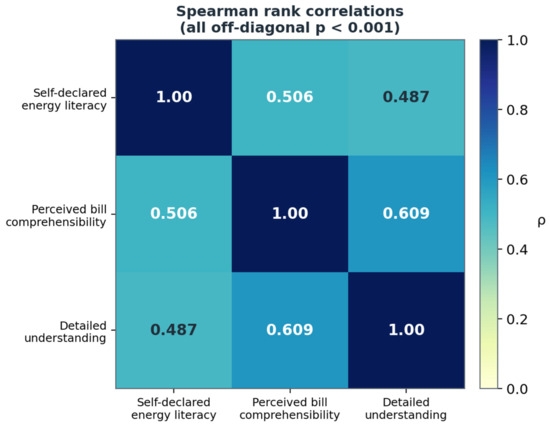
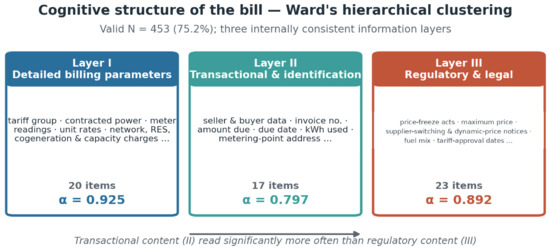
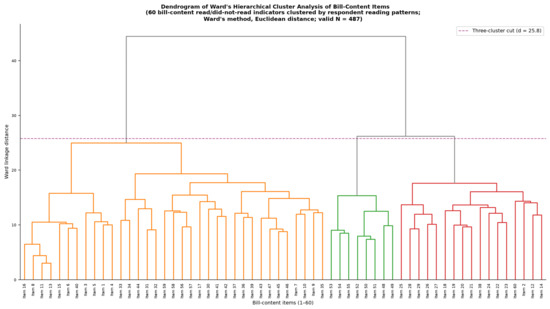
Energy-transition policy increasingly asks households and small firms to behave as informed players in liberalised electricity markets. How far they can actually play that part, however, depends on two things at once: how energy-literate they are, and how clearly their bills speak to them. Although both strands are separately well researched, they are rarely measured jointly, on the same respondents, and at the level of the bill itself—the document through which almost every consumer actually meets the market. Working from a case study of Polish electricity customers, we examine how self-assessed knowledge of billing relates to perceived bill comprehensibility and to the detailed understanding of individual invoice elements. The evidence comes from a mixed-mode CATI/CAWI survey of 602 respondents—individual consumers, prosumers and micro/small enterprises—all served by a single major supplier in the Upper Silesia region. Because the achieved sample is dominated by older respondents of one supplier, the study is framed throughout as an exploratory, regional investigation. Three findings stand out. First, self-assessed energy literacy, perceived bill comprehensibility and the detailed understanding of individual invoice elements are positively interrelated (Spearman’s ρ between 0.49 and 0.61, p < 0.001), indicating that consumer competence and information design are complementary correlates of comprehension. Second, declared knowledge and understanding are socially patterned: they run higher among respondents aged 35–54 and those in a better financial position and lower among older and financially vulnerable customers, while a third of respondents find their current bill hard to understand. Third, Ward’s cluster analysis distinguishes three internally consistent layers of billing information—detailed billing parameters, transactional and payment content, and regulatory and legal content—of which the regulatory and legal layer is read least often. Because the data come from one supplier in one region, the findings are indicative rather than nationally representative and should be generalised only with care. The paper’s contribution is to measure energy literacy, perceived transparency and detailed bill comprehension jointly on the same respondents and to document—for a Central European retail market undergoing rapid price change—that the regulatory layer of the bill is precisely the layer consumers read least. For policy, the findings support piloting simpler bill structures, communication aimed at vulnerable groups, and energy education that equips consumers to take part in the market as the transition unfolds; given the sample, these implications are advanced as directions to be tested rather than as validated prescriptions.
Full article

Figure 1
Open AccessArticle
Human-Centered Smart Safety Sustainability Index (HS3I): A Novel Framework for Evaluating Human Safety in Intelligent Automated Vehicles
by
Ghada A. Elgamal, Rasha Elazab and Adham Mohamed Abdelkader
Sustainability 2026, 18(17), 8867; https://doi.org/10.3390/su18178867 (registering DOI) - 29 Aug 2026
Abstract
The deployment of intelligent automated vehicles (AVs) introduces in-cabin hazards that have received limited systematic attention: entrapment, crushing, and pinch-point injuries produced by powered mechanisms such as folding electric seats. Children, elderly occupants, and disabled persons are disproportionately exposed, yet no composite, human-centered
[...] Read more.
The deployment of intelligent automated vehicles (AVs) introduces in-cabin hazards that have received limited systematic attention: entrapment, crushing, and pinch-point injuries produced by powered mechanisms such as folding electric seats. Children, elderly occupants, and disabled persons are disproportionately exposed, yet no composite, human-centered metric exists to evaluate the protective performance of these mechanisms holistically. This paper introduces the Human-Centered Smart Safety Sustainability Index (HS3I), a five-dimensional framework integrating Human–Machine Interaction Quality, Proactive and Predictive Safety Performance, Perceived Psychological Safety, Operational Reliability and Risk Mitigation, and Social Equity and Accessibility in Safety. A Vulnerable Human Factor (VHF) parameter enables adaptive threshold scaling. A four-sensor fusion architecture embedded in a five-layer decision stack was evaluated through MATLABR2026a simulation of a child-occupant entrapment scenario, augmented by Monte Carlo sensitivity examination (27,000 runs) and biomechanical benchmarking. The final HS3I score is 0.898 (95% confidence interval [0.873, 0.923] from 27,000 Monte Carlo simulation runs).
Full article
(This article belongs to the Section Sustainable Products and Services)
Open AccessArticle
Lifecycle Governance of Low-Impact Development Infrastructure: A Comparative Analysis of Korean Policy and Technical Guidance
by
Jonghoon Kim, Sooyoung Moon and Daehee Jang
Sustainability 2026, 18(17), 8866; https://doi.org/10.3390/su18178866 (registering DOI) - 29 Aug 2026
Abstract
Low-impact development (LID) and nonpoint-source pollution reduction facilities are increasingly expected to function as long-term components of urban infrastructure rather than as isolated environmental features. Their sustainability depends not only on technical design but also on institutional review, construction assurance, operation and maintenance,
[...] Read more.
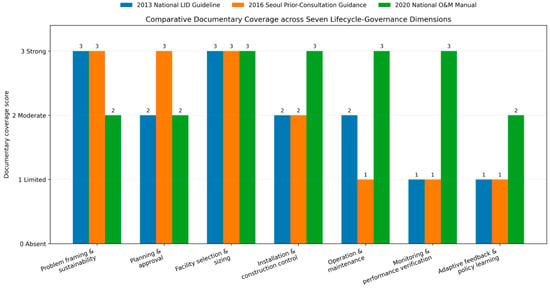
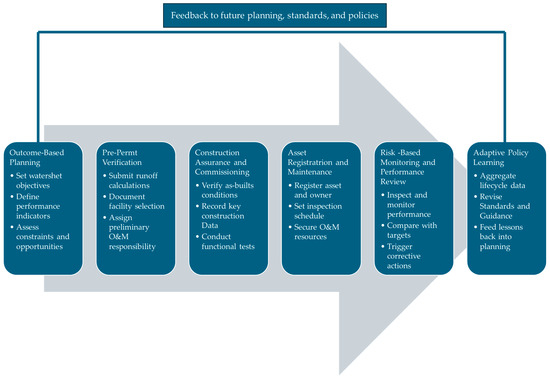
Low-impact development (LID) and nonpoint-source pollution reduction facilities are increasingly expected to function as long-term components of urban infrastructure rather than as isolated environmental features. Their sustainability depends not only on technical design but also on institutional review, construction assurance, operation and maintenance, performance verification, information continuity, and adaptive policy learning. This study comparatively examines the content and structure of three major South Korean guidance documents issued in 2013, 2016, and 2020: the national LID Technology-Element Guideline, Seoul’s Guidance for the LID Prior-Consultation System, and the national Manual for the Installation and Management/Operation of Nonpoint-Source Pollution Reduction Facilities. A directed qualitative content analysis was conducted using seven literature-informed lifecycle-governance dimensions covering problem framing, planning and approval, facility selection and sizing, installation and construction control, operation and maintenance, monitoring and performance verification, and adaptive feedback. Documentary provisions were assessed using a four-level ordinal scale ranging from absent to strong coverage. The analysis indicates a functional expansion of governance provisions across the three documents, from LID principles and technology selection to pre-permit review, quantitative runoff-management requirements, installation guidance, operation and maintenance, monitoring, and performance testing. However, the documents collectively show discontinuities between approval and construction verification, construction and long-term operation, maintenance and compliance, monitoring and policy learning, and lifecycle information management. In response, this study proposes a six-stage lifecycle-governance framework linking planning, pre-permit verification, construction commissioning, asset registration, risk-based maintenance and monitoring, and adaptive policy learning. The framework is presented as an analytical and normative synthesis rather than an empirically validated governance model. Because the study is limited to documentary analysis, the findings do not demonstrate actual implementation effectiveness, regulatory compliance, maintenance quality, or environmental performance and should be validated through future empirical and comparative research.
Full article
(This article belongs to the Special Issue Sustainable Rural Development and Agricultural Policy)
►▼
Show Figures

Figure 1
Open AccessReview
Acting for Sustainability: Mapping Individual Competencies Across Life Domains
by
Bruno Anicet Bittencourt, Bruno Luis Avila Freischlag, Gabriel Sperandio Milan and Jason Ware
Sustainability 2026, 18(17), 8865; https://doi.org/10.3390/su18178865 (registering DOI) - 29 Aug 2026
Abstract
Facing interlinked environmental, social, and economic crises, advancing sustainability requires more than institutional reforms; it demands transforming individual mindsets, behaviors, and competencies. This study positions the individual as a central change agent and proposes an integrative model beyond traditional scoping review boundaries. It
[...] Read more.
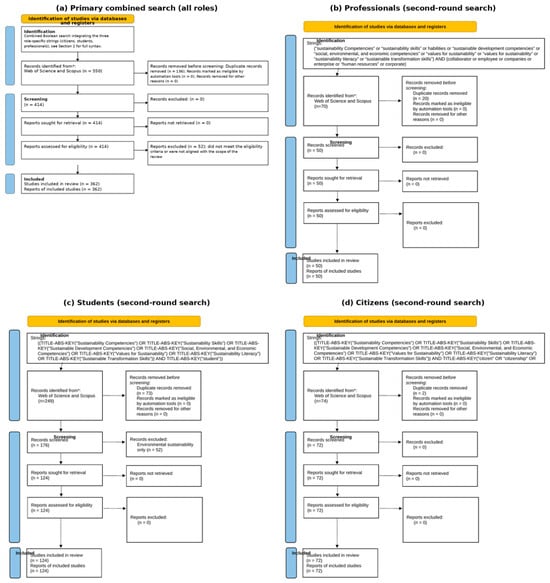
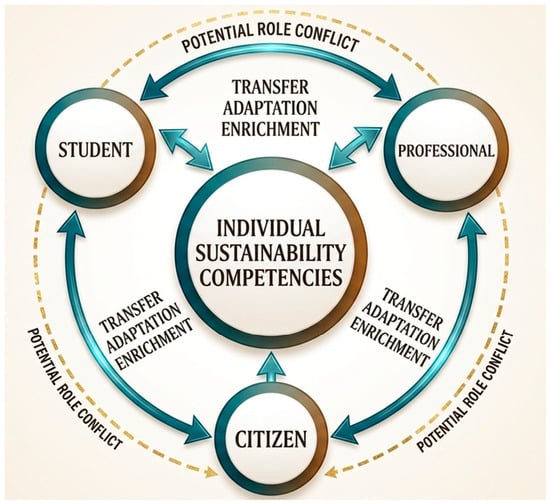
Facing interlinked environmental, social, and economic crises, advancing sustainability requires more than institutional reforms; it demands transforming individual mindsets, behaviors, and competencies. This study positions the individual as a central change agent and proposes an integrative model beyond traditional scoping review boundaries. It maps sustainability competencies across three interconnected domains: civic, educational, and professional engagement. Based on a comprehensive scoping review, the study identifies how these competencies are conceptualized and applied within distinct institutional contexts. By bridging fragmented disciplinary perspectives, the model uncovers shared patterns and role-specific nuances, emphasizing contextual adaptability and systemic thinking. Theoretically, the article contributes to developing a unified understanding of individual agency for sustainability. Socially, it highlights the urgency of empowering individuals, as citizens, students, or professionals, to take informed, responsible action in pursuing the Sustainable Development Goals (SDGs). The findings offer insights for educators, policymakers, and organizations seeking to cultivate sustainability-oriented competencies across society.
Full article
(This article belongs to the Section Development Goals towards Sustainability)
►▼
Show Figures

Figure 1
Open AccessReview
Smart City Technologies and Health Equity: A Review of Urban Health Outcomes and Sustainable Development (2019–2026)
by
Mehdi Rezaei, Seungok An, Ehsan Heidarzadeh and Ladan Rokni
Sustainability 2026, 18(17), 8864; https://doi.org/10.3390/su18178864 (registering DOI) - 29 Aug 2026
Abstract
This review examines how smart city technologies have influenced health equity in urban settings between 2019 and 2026, guided by a dual-lens framework that assesses both equity-related outcomes and the systemic factors enabling or constraining their realization. As cities increasingly turn to digital
[...] Read more.
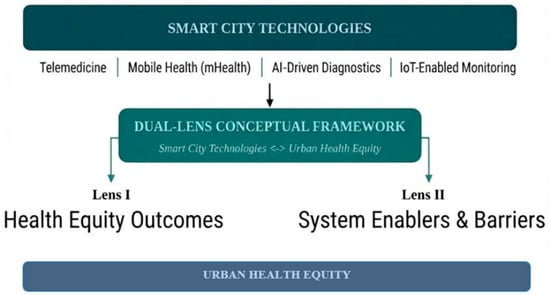
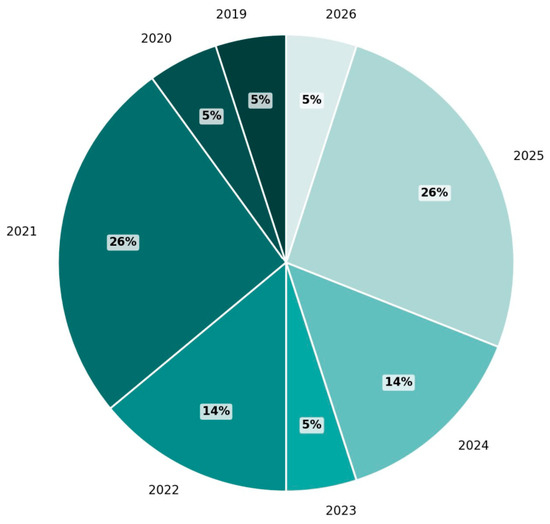
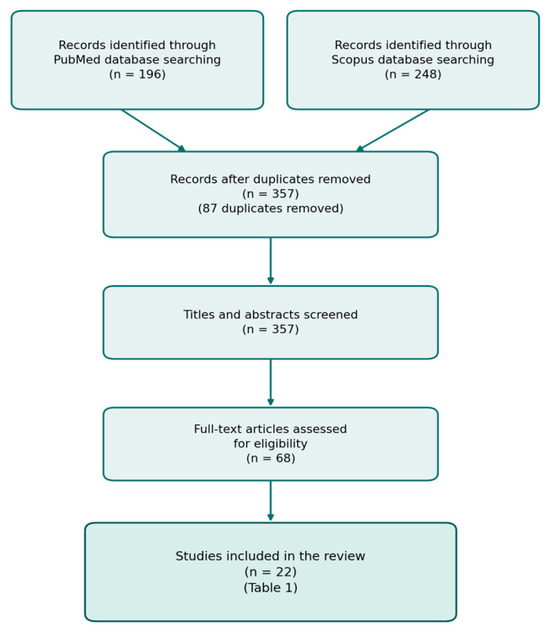
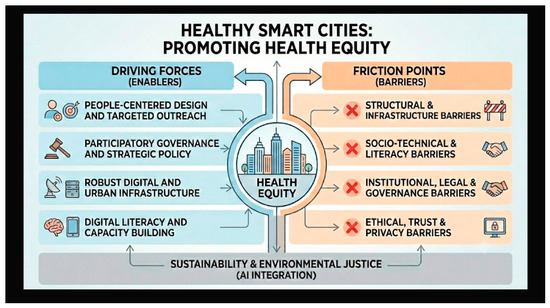
This review examines how smart city technologies have influenced health equity in urban settings between 2019 and 2026, guided by a dual-lens framework that assesses both equity-related outcomes and the systemic factors enabling or constraining their realization. As cities increasingly turn to digital tools to strengthen healthcare delivery, it remains unclear whether these interventions narrow or widen existing health disparities. Drawing on interdisciplinary literature spanning public health, urban informatics, and digital governance, this synthesis finds that smart health initiatives have improved healthcare access for some underserved populations, but their overall effect on health equity remains modest, inconsistent, and highly dependent on local context. Persistent structural obstacles, including digital divides, socio-economic inequality, and fragmented governance, continue to limit equitable implementation, while institutional barriers emerge as the most widespread challenge. Conversely, people-centered design, participatory governance, inclusive digital infrastructure, and equity-sensitive policy frameworks stand out as critical enablers of more just outcomes. The review further identifies an underexplored link between environmental sustainability and smart city technology, showing that AI-driven tools addressing emissions and urban environmental quality can indirectly support more equitable health systems. Overall, the findings underscore that technological innovation alone is insufficient; realizing the equity potential of smart cities requires deliberate integration of social justice, environmental sustainability, and collaborative governance into digital health strategy and practice.
Full article
(This article belongs to the Special Issue Measuring What Matters: Outcomes of Smart-City Innovation for Sustainability)
►▼
Show Figures

Figure 1
Open AccessReview
Adaptation at the Extremes: Halophytes and Metallophytes as Ecological Models and Biotechnological Resources
by
Alina Wiszniewska and Ewa Muszyńska
Sustainability 2026, 18(17), 8863; https://doi.org/10.3390/su18178863 (registering DOI) - 29 Aug 2026
Abstract
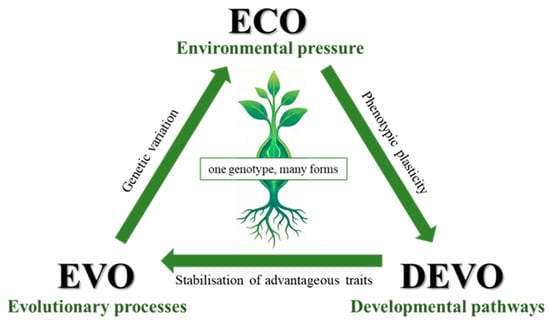
Salinisation and metal contamination are among the leading causes of arable land loss worldwide, yet halophytes and metallophytes—the plants best adapted to these conditions—remain a considerably underexploited biotechnological resource. Using an eco-evo-devo perspective, in which environmental pressure, developmental plasticity and evolutionary outcome interact
[...] Read more.
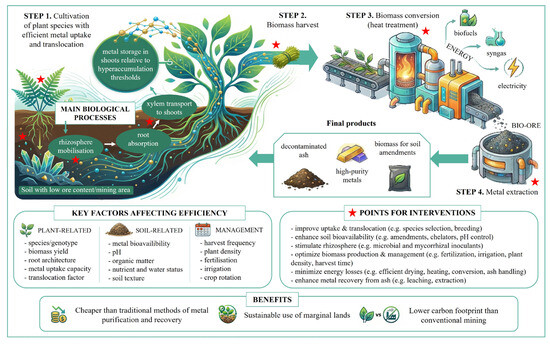
Salinisation and metal contamination are among the leading causes of arable land loss worldwide, yet halophytes and metallophytes—the plants best adapted to these conditions—remain a considerably underexploited biotechnological resource. Using an eco-evo-devo perspective, in which environmental pressure, developmental plasticity and evolutionary outcome interact to shape adaptive traits, we examine evidence that salinity and metal tolerance arose independently and repeatedly across distant angiosperm lineages, converging on comparable structural and physiological solutions: succulence, anatomical transport barriers, root exudation, osmoprotection, and ion compartmentalisation. This convergence distinguishes stress-tolerance mechanisms that are general from those that are stressor-specific, informing efforts to transfer these traits into other extremophytes and conventional crops. In turn, we assess the ecological roles of halophytes and metallophytes in their natural habitats before evaluating their biotechnological applications, which range from halophyte-derived genes and promoters for crop improvement to halophyte biomass for bioenergy, biomaterials and remediation of saline, polluted soils and wastewaters, while metallophytes underpin phytoremediation, phytomining, and biomonitoring of metal-contaminated sites. Notwithstanding this progress, wider exploitation remains limited by the scarcity of crop-relevant gene-editing platforms for halophytes, low biomass yield in metal-hyperaccumulating species, and inconsistent phytochemical standardisation across growing conditions, as well as by three unresolved gaps: the lack of methods to partition host and microbiome contributions to tolerance, uncertainty over whether mechanisms shared between the two groups are convergent or evolutionarily conserved, and the undetermined contribution of epigenetic inheritance to stress adaptation. Translating this evolutionary and physiological knowledge into stress-adapted cultivars, optimised extraction systems, and field-ready phytoremediation and phytomining programmes is central to addressing land degradation, food security, and sustainable resource recovery.
Full article
(This article belongs to the Special Issue Extremophilic Plants and Microorganisms in Environmental Sustainability)
►▼
Show Figures

Figure 1
Journal Menu
► ▼ Journal Menu-
- Sustainability Home
- Aims & Scope
- Editorial Board
- Reviewer Board
- Topical Advisory Panel
- Early Career Editorial Board
- Instructions for Authors
- Special Issues
- Topics
- Sections & Collections
- Article Processing Charge
- Indexing & Archiving
- Editor’s Choice Articles
- Most Cited & Viewed
- Journal Statistics
- Journal History
- Journal Awards
- Society Collaborations
- Conferences
- Editorial Office
Journal Browser
► ▼ Journal BrowserHighly Accessed Articles
Latest Books
E-Mail Alert
News
Topics
Topic in
Applied Sciences, Clean Technol., Energies, Membranes, Polymers, Sustainability, Water
New Advances in Membrane Technology and Its Contribution to Sustainability
Topic Editors: Patricia Luis Alconero, Bart Van der BruggenDeadline: 12 September 2026
Topic in
Coasts, Energies, JMSE, Sustainability, Future Transportation
Maritime Transportation in the Blue Economy and Green Shipping Technology
Topic Editors: Chungkuk Jin, Junghwan Choi, Won-Ju Lee, Hokeun KangDeadline: 15 September 2026
Topic in
Energies, Materials, Processes, Sustainability, ChemEngineering, Chemistry
Chemical and Biochemical Processes for Energy Sources, 2nd Edition
Topic Editors: Venko N. Beschkov, Konstantin PetrovDeadline: 30 September 2026
Topic in
Agriculture, Agronomy, Crops, Land, Plants, Sustainability
Irrigation and Fertilization Management for Sustainable Agricultural Production
Topic Editors: Shihong Yang, Zewei Jiang, Ivan Francisco Garcia TejeroDeadline: 15 October 2026
Conferences
Special Issues
Special Issue in
Sustainability
Monitoring and Control of Air Pollution for Sustainability
Guest Editors: Pedro José Pérez-Martínez, Regina Maura De MirandaDeadline: 30 August 2026
Special Issue in
Sustainability
Sustainable Construction Management and Building Information Modelling Implementation
Guest Editors: Behzad Abbasnejad, Sahar Soltani, Alireza AhankoobDeadline: 31 August 2026
Special Issue in
Sustainability
Industry 4.0 Technologies for Sustainable Manufacturing and Supply Chain Operations: 2nd Edition
Guest Editors: Filippo Marciano, Giuseppe Tomasoni, Paola CoccaDeadline: 31 August 2026
Special Issue in
Sustainability
Between Bits and Biodiversity: The AI Dilemma in the Era of Sustainability
Guest Editors: Micaela Moreira Pinho, Fernando Moreira, Fátima LealDeadline: 31 August 2026
Topical Collections
Topical Collection in
Sustainability
Sustainable Urban Mobility Project
Collection Editors: Kenji Doi, Alexis M. Fillone
Topical Collection in
Sustainability
Mine Hazards Identification, Prevention and Control
Collection Editors: Xiangguo Kong, Dexing Li, Xiaoran Wang
Topical Collection in
Sustainability
Synergies in Food System Transformation: Integrating Technology, Policy, and Human Behavior
Collection Editors: Evridiki Kaba, Iliana Tsampoula
Topical Collection in
Sustainability
Sustainable Transport Economics, Behaviour and Policy
Collection Editors: Richard Tay, Long T. Truong, Samuel Chng