


Abstract
Salinisation and metal contamination are among the leading causes of arable land loss worldwide, yet halophytes and metallophytes—the plants best adapted to these conditions—remain a considerably underexploited biotechnological resource. Using an eco-evo-devo perspective, in which environmental pressure, developmental plasticity and evolutionary outcome interact to shape adaptive traits, we examine evidence that salinity and metal tolerance arose independently and repeatedly across distant angiosperm lineages, converging on comparable structural and physiological solutions: succulence, anatomical transport barriers, root exudation, osmoprotection, and ion compartmentalisation. This convergence distinguishes stress-tolerance mechanisms that are general from those that are stressor-specific, informing efforts to transfer these traits into other extremophytes and conventional crops. In turn, we assess the ecological roles of halophytes and metallophytes in their natural habitats before evaluating their biotechnological applications, which range from halophyte-derived genes and promoters for crop improvement to halophyte biomass for bioenergy, biomaterials and remediation of saline, polluted soils and wastewaters, while metallophytes underpin phytoremediation, phytomining, and biomonitoring of metal-contaminated sites. Notwithstanding this progress, wider exploitation remains limited by the scarcity of crop-relevant gene-editing platforms for halophytes, low biomass yield in metal-hyperaccumulating species, and inconsistent phytochemical standardisation across growing conditions, as well as by three unresolved gaps: the lack of methods to partition host and microbiome contributions to tolerance, uncertainty over whether mechanisms shared between the two groups are convergent or evolutionarily conserved, and the undetermined contribution of epigenetic inheritance to stress adaptation. Translating this evolutionary and physiological knowledge into stress-adapted cultivars, optimised extraction systems, and field-ready phytoremediation and phytomining programmes is central to addressing land degradation, food security, and sustainable resource recovery.
1. Introduction
Extreme environments occur worldwide, ranging from sites contaminated with organic and inorganic pollutants to deserts, hot springs, salt flats, polar regions, and acid or alkaline lakes [1]. Only extremophiles—organisms adapted to conditions that would be lethal or growth-limiting for most species—persist and reproduce under these constraints [2]. The term was introduced by MacElroy in 1974 [3] and has since been extended from its original focus on microorganisms to encompass multicellular life, including plants [4]. Extremophilic plants, also known as extremophytes, have evolved a remarkably diverse array of adaptations to abiotic stress factors, such as drought, temperature fluctuations, and ionic or pH imbalances. By tolerating conditions that exclude most other plant species, extremophytes reveal which physiological and developmental mechanisms, usually invisible in stress-sensitive taxa, are sufficient for survival at extreme limits [5]. These mechanisms differ across extremophyte groups: thermophytes, cryophytes, xerophytes, flood-tolerant species, halophytes, acidophytes, alkalophytes, and metallophytes each cope with a distinct combination of thermal, hydric, ionic, or toxic constraints. An overview of the major extremophyte habitats, their brief characterisation, and the corresponding plant functional groups is presented in Table 1.
Table 1.
Environmental stress gradients and associated extremophyte groups.
Climate change and expanding anthropogenic pressures are limiting the range of conditions under which conventional crops and ecosystems remain viable. Understanding how extremophytes tolerate conditions that exclude most other organisms is therefore an increasingly practical concern [9,10,11]. Halophytes and metallophytes offer a direct link between characterised tolerance mechanisms and applied biotechnology, and form the focus of this review. We first situate them within the broader diversity of extremophyte groups through an eco-evo-devo perspective, examining how environmental pressure (eco), evolutionary outcome (evo) and developmental plasticity (devo) interact to produce their adaptive traits; outline the resulting knowledge gaps in extremophyte research more broadly; and explain why halophytes and metallophytes in particular are well suited to serve as models for this research [Section 2]. Both groups encounter an analogous ecological challenge—a substrate that is simultaneously toxic, osmotically demanding and nutrient-poor—but differ in the evolutionary route to tolerance. Salt tolerance has evolved independently at least 59 times at the family level and occurs in 117 angiosperm families and 34 orders [12,13], whereas metal hyperaccumulation is phylogenetically clustered for most elements, with Cd and Pb as exceptions [14]. A comparative analysis of both groups thus permits testing whether convergent physiological and developmental traits evolve irrespective of phylogenetic origin, or whether the primary stressor determines the evolutionary lability of tolerance within a lineage. An evolutionary association between salinity and metal tolerance has been postulated on the basis of their shared osmotic and oxidative components and the co-occurrence of halophytes and hyperaccumulators within families, but has not been tested directly [12]. Both halophytes and metallophytes are also well suited to eco-evo-devo analysis, since all three components are experimentally accessible: these plants occupy edaphically defined habitats (eco), exhibit plasticity in growth form, anatomy and ion allocation (devo), and comprise metallicolous/non-metallicolous and tidal/inland population pairs that can be grown under uniform conditions to distinguish phenotypic plasticity from genetic differentiation (evo) [15].
Section 3 and Section 4 introduce halophytes and metallophytes, respectively, in their natural habitats before discussing their biotechnological applications: characterised stress-tolerance genes and gene promoters of halophytes support crop improvement, while their biomass and remediation capacity are exploited for bioenergy, biomaterials, and the treatment of saline and polluted soils and wastewaters [Section 3]. Metallophytes, in turn, act as ecosystem engineers that transform barren, metal-contaminated substrates into functional soils, and underpin phytoremediation, phytomining, and biomonitoring of contaminated sites [Section 4]. Together, these chapters trace halophyte and metallophyte tolerance from its evolutionary origins to its practical application in agriculture and environmental biotechnology. Throughout, we examine which tolerance mechanisms are shared by both groups irrespective of the primary stressor, which remain stressor- or lineage-specific, and which of the resulting biotechnological applications are sufficiently advanced for field-scale utilisation.
2. Overview of Extremophytes
2.1. Extremophyte Adaptations from an Innovative ‘Eco-Evo-Devo’ Perspective
Plant responses to different stress conditions are among the most frequently studied phenomena. Nevertheless, considerably less is known about how environmental pressure, developmental plan, and genetic variation interact to determine phenotypic plasticity and long-term evolutionary dynamics from the individual to the population level [16]. Ecological evolutionary developmental biology (‘eco-evo-devo’) addresses this gap by treating the environment as playing a dual role [17]: the environment (eco) acts both as a selective force and as an active agent that generates novel phenotypes, shaping genotypic variation and evolutionary routes (evo), while developmental processes (devo) mediate between them [18]. In the standard theory of evolution, adaptation is attributed primarily to genome modification through mutation, while the ‘eco-evo-devo’ approach assumes that novel phenotypes are initially induced by fluctuating environmental conditions and, if these conditions persist, subsequently undergo genetic accommodation [19]. This is then manifested in phenotypic plasticity, defined as the capacity of a single genotype to produce different phenotypes across environments [20]. The relationships across these three biological levels, as conceptualised by the ‘eco-evo-devo’ approach, are illustrated in Figure 1.
Figure 1.
The conceptual diagram depicting the eco-evo-devo interactions: environmental stresses (ECO) induce developmental responses (DEVO) that produce phenotypic variations; these variations are subject to selection, shaping evolutionary trajectories (EVO); the causal sequence therefore runs eco → devo → evo, whereas the name of the field follows the convention of evolutionary developmental biology.
Since ‘eco-evo-devo’ treats developmental programmes as shaped by environmental inputs and organism–environment feedbacks [17], this approach offers a natural framework for interpreting extremophyte adaptations. Notwithstanding, it remains largely unapplied to extremophytes, despite extensive ecological and physiological studies on these plants [2,21,22,23,24]. This section therefore applies the eco-evo-devo approach across extremophyte groups, combining ecological, developmental and evolutionary evidence that has so far been examined separately for individual stress types [Figure 1], [Table 2].
Extremophytes integrate resilience to stressful conditions with high plasticity, adjusting development and functioning to persist in heterogeneous and fluctuating extreme habitats [25,26]. Over time, environmentally induced phenotypic responses that are developmentally advantageous may become selected and stabilised in subsequent generations, determining long-term evolutionary potential [27]. This is illustrated by Saslis-Lagoudakis et al. [12], who showed that in halophytes, salt-responsive gene regulatory networks integrate environmental stimuli with development to produce convergent tolerance phenotypes across more than 117 angiosperm families and 34 orders. This pattern is consistent with the ‘eco-evo-devo’ prediction that unrelated taxa exposed to comparable stressors undertake similar developmental and evolutionary solutions [28]. The same ‘eco-devo-evo’ connection was demonstrated by Grewell et al. [29] in four Pacific-coast populations of Spartina densiflora, where 15 of 21 measured leaf and growth traits showed plastic responses to salinity gradient, while population factor additionally shaped the degree of plasticity in nine of these traits. As growing conditions were constant across populations and the observed divergence was attributed to the populations themselves, this study allowed measuring developmental plasticity (devo) and population differentiation (evo) under a shared environmental treatment (eco) [29] [Table 2]. A comparable pattern of habitat-linked trait variation was reported for populations of the halophytic grass Aeluropus lagopoides from five saline flats [30]. Populations from the most saline site showed reduced shoot growth alongside the highest root-to-shoot ratio and root biomass, while populations from the least saline site showed the opposite pattern, reflecting either plasticity, local adaptation, or both [30].
Considering metallophytes, a directly comparable eco-devo link was demonstrated experimentally in the Zn hyperaccumulator Arabidopsis kamchatica subsp. Kawasakiana [31]. Field surveys showed that in plots with higher Zn content in soil, plant leaves were larger and with a higher density of trichomes. A subsequent cultivation experiment confirmed that raising Zn supply significantly increased the whole-leaf trichome number in three of the four accessions tested, whereas equivalent Cd treatment produced no comparable effect. This plastic increase in trichome number was a manifestation of plant developmental response towards increased capacity for metal sequestration [31]. A similar convergence between developmental structure and evolved metal tolerance is documented across multiple independent metalliferous sites in Armeria maritima [32], [Table 2]. Cultivation of seeds collected from four populations (two metalliferous, two non-metalliferous) confirmed that the shorter generative shoots and reduced involucral bracts characteristic of metalliferous plants persist in the F1 generation grown under identical conditions, indicating that these traits are genetically fixed. Notably, genetic and methylation analyses showed that the two geographically distant metalliferous populations (Bolesław, Poland, and Plombières, Belgium) are genetically distinct, yet exhibit a similar DNA methylation pattern. Therefore, Abratowska et al. [33] suggested that epigenetic regulation in this species may be a repeatable, convergent response to metalliferous conditions. Metal-linked developmental change was also reported in the seeds of the metallophyte Atriplex lentiformis [34], as seeds from a metalliferous site accumulated 2.3-fold more Zn than seeds from an uncontaminated site. Additionally, the majority of metallicolous seeds concentrated Zn in the shoot apical meristem and in the root tip, while this developmental feature was absent from non-metallicolous seeds. However, transplant experiments are necessary to distinguish whether the observed allocation pattern is a heritable trait or a plastic response to the metal-rich environment [34].
A reuse of the existing gene pool from the ‘eco-evo-devo’ perspective is well demonstrated in xerophytes. As an example of the desert shrub Gymnocarpos przewalskii shows, genes underlying drought tolerance are not newly evolved at each arid site but are re-recruited from a shared xerophytic gene pool during independent local-adaptation events [35] [Table 2]. In turn, genetic accommodation of an environmentally induced trait is directly demonstrated in thermophytes. The geothermal lineage of Agrostis stolonifera, phylogenetically isolated from non-thermal populations, retains significantly shorter stolons than nonthermal plants even when grown together in uniform experimental conditions, suggesting that a plastic response to chronic soil heating has become partially fixed [36] [Table 2].
Table 2.
‘Eco-evo-devo’ strategies in plant responses to extreme environments.
2.2. Knowledge Gaps in Extremophyte Research
Despite increasing progress in extremophyte research, there is a lack of comparative experiments between phylogenetically distant lineages inhabiting the same ecological niches. Most experiments analyse responses of single species representing one particular group of extremophytes, seldom treating them as a continuous range of extreme adaptation [5,22]. When such studies occur, the results on the tested extremophyte are compared with those of the model Arabidopsis thaliana, without reference to coexisting taxa from the same extreme conditions [22,48,49]. Although direct comparisons with Arabidopsis facilitate the identification of general regulatory and genetic mechanisms underlying stress reactions, such an approach does not allow for distinction between convergent evolutionary solutions and lineage-specific adaptations in extremophytes. On the other hand, there is a lack of robust comparative studies among extremophytes representing diverse, contrasting harsh environments. The emerging research on this inter-habitat scale would broaden our knowledge in the field of ‘universal’ tolerance mechanisms versus eco-specific adaptations.
Most research papers present stress assays that describe the effects of a single factor, even though natural habitats are much more complex and stressors do not occur in isolation, so their combined effects cannot be easily predicted [50]. Multi-stress affects plant functioning either simultaneously or sequentially, initiating an adaptive response that encompasses complex metabolic alterations [2,49]. As an example, pre-treatment of tomato plants with salinity can alleviate the negative effects of subsequently occurring low temperatures by the activation of overlapping signal transduction pathways [51]. On the contrary, in A. thaliana, flooding followed by drought and drought combined with high temperature produce effects on plant morphology and physiology that are generally additive relative to the corresponding individual stresses [52]. Stress combinations are usually highly species- and genotype-specific, so conclusion transfer from one taxon to another is not obvious, as exemplified in broadleaf evergreen woody plant species under simultaneous drought and heat stress [53]. Yet these outcomes are largely limited to mesophytic models, whereas extremophytes represent evolutionary consequences of long-term exposure to harsh conditions [2]. Identifying cross-talk mechanisms and recognising key regulators involved in coping with extremes could help breed stress-tolerant crops ready for a changing climate. Nevertheless, it is still unclear to what extent extremophyte properties can be transferred to other plants to increase their stress tolerance [54].
Recent findings uncovering the role of microorganisms in alleviating various stresses in plants have yielded numerous comprehensive reviews [55,56,57,58,59,60]. From this perspective, plant fitness under unfavourable conditions may be modulated and often improved by interactions with its microbiome [55]. The plant host and its associated bacteria, archaea, and fungi can therefore be regarded as a single functional unit—a holobiont or metaorganism—with properties that arise from their interaction rather than from the host genome alone [61]. When host and microbiome genomes are considered jointly as the unit under selection, the concept is called the “hologenome”. It can be applied to halophytes, whose rhizosphere and endophytic bacteria are known to modulate salt tolerance [62], and to metallophytes, whose microbial partners can alter metal bioavailability and uptake at the root surface [63]. Given the significance of microbiomes to holobiont stress responses, it is highly probable that they also jointly contribute to the environmental adaptation of extremophytes. Classically, extremophyte resilience has been attributed almost exclusively to their own genetics, leading to specific structural and metabolic modifications [9]. This novel approach implies that extremophyte survival is the result of microbiome-mediated extremotolerance [55]. Since associated microorganisms can respond more quickly to changing external conditions than their host plants, which additionally have longer generation times and smaller population sizes than their microbiome symbionts, this gives plant populations time to select for rarer, endogenous mutations [62,64]. Notwithstanding this interplay between host and microbial response times, extremophyte adaptation is rarely evaluated from a holobiont perspective, for two compounding reasons. First, the boundary between a plant’s own constitutive stress responses and the protective contribution of its microbiome is difficult to draw precisely [65]. Second, no mathematical or experimental method yet exists to partition a plant’s overall stress phenotype into host and symbiont contributions [66].
Although tolerance traits such as ROS detoxification and osmolyte accumulation are functionally well characterised, their evolutionary origin and prevalence across extremophytic lineages remain difficult to establish with current genomic methods [67]. It is still an open question whether similar solutions within particular extremophyte groups result from convergent evolution (different origins, common mechanisms) or from the activation of the same evolutionarily conserved signalling pathways. For instance, vacuolar ion sequestration, discussed later in this review, is achieved in halophytes and metallophytes through distinct sets of transporters [68,69,70], with no shared transporter family between the two groups. Whether this reflects independent recruitment of unrelated genes for the same function, or deeper regulatory convergence not yet uncovered at the sequence level, remains untested. In addition to genetic elements, epigenetic mechanisms, including DNA methylation and histone modifications, enable plants to respond effectively to environmental fluctuations [71]. When dynamic alterations in chromatin status are transmitted from stress-exposed parents to offspring, they constitute a source of phenotypic variation independent of DNA sequence, which is referred to as stress memory [54]. In the evolutionary context, such alterations occur much faster than classical genetic mutations and thus can both directly influence organismal fitness and the rate of natural selection in extremophytes [72]. This adds to the knowledge gaps identified above: the relative contribution of epigenetic inheritance versus genetic variation to stress adaptation in extremophytic plants remains undetermined.
2.3. Why May Halophytes and Metallophytes Serve as Key Models?
As outlined in the Introduction, the contrasting phylogenetic patterns of salt tolerance and metal hyperaccumulation make halophytes and metallophytes a suitable pair for comparative analysis.
Halophytes tolerate high soil salinity through ion homeostasis, osmotic adjustment, and tissue-level compartmentalisation. Their primary response involves activation of the SOS (Salt Overly Sensitive) hypersensitivity pathway, which is a key mechanism maintaining proper ion concentrations in cellular compartments [73]. Metallophytes tolerate metal-rich substrates through comparably regulated pathways for metal uptake, sequestration, and detoxification. The main classes of membrane metal transporters include, among others, ATPases, zinc- and iron-regulating transporters from the ZIP (ZRT/IRT-like protein) family, and NRAMP (natural-resistance-associated macrophage protein), CDF (Cation Diffusion Facilitator) and CAX (cation/H+ exchanger) proteins [68], which take part in metal uptake and compartmentalization, whereas chelators (phytochelatins, metallothioneins and glutathione) are the main components of the detoxification system [69]. Despite differences in the nature of the primary stressors and primary mechanisms of stress response, both halophytes and metallophytes encounter difficulties arising from ionic imbalance, oxidative stress, and the metabolic cost of tolerance [10,74]. As natural populations of both groups occur along continuous gradients—salinity gradients for halophytes, metal-contamination gradients for metallophytes—they allow researchers to identify the threshold at which tolerance is insufficient, and to separate trait variation caused by plasticity from variation derived from genetic adaptation, offering insights into microevolutionary processes [15]. Both groups also encounter naturally co-occurring multiple stressors, as demonstrated in halophyte Sueada salsa grown in coastal wetlands [75], and complex analyses of metallicolous flora responses to temperature extremes [76]. This multifactorial exposure gives both groups broader cross-tolerance than many other extremophytes, whose adaptations tend to be specific to a single stressor [74,77]. For example, xero-halophyte Haloxylon salicornicum can survive prolonged drought and then recover without pronounced growth retardation [78], whereas metallophyte Gomphrena claussenii developed tolerance to Cd, despite having evolved primarily under Zn-mining pressure [79]. The shared and overlapping signalling and metabolic pathways underlying this cross-tolerance remain only partly characterised, though work in crop species offers some mechanistic insight. In tomato, pretreatment with soil salinity was shown to prime the photoprotective apparatus so that plants subsequently exposed to drought sustained less damage to photosystems than non-pretreated plants [80].
These traits also carry the direct applied value that this review addresses. Halophytes are used in saline agriculture and in restoring saline soils, as discussed in detail in Section 3, while metallophytes are used for phytoremediation, phytomining, and biomonitoring of metal-contaminated sites, as presented in Section 4. Both chapters critically examine these biotechnological applications, weighing their demonstrated potential against the constraints that currently limit their translation from research findings to field-scale practice.
3. Halophytes: Ecology and Applications
3.1. Halophytes in Natural Ecosystems
Halophytes used to be simply defined as plant species adapted to saline conditions [13]. The minimal salinity that a halophyte should be capable of thriving in and completing its life cycle was established at 300 mM NaCl, then corrected to 200 mM NaCl [81]. Such species are called ‘euhalophytes’ [82]. The percentage of vascular plants expressing such adaptations hardly amounts to 0.5%, although salt-tolerant species occur in 37 of 65 orders of angiosperms [83]. Some families of angiosperms have significant numbers of halophytic species, including Amaranthaceae, Poaceae, Fabaceae, Asteraceae, Tamaricaceae and Cyperaceae (eHALOPH database https://ehaloph.uc.pt/, accessed on 12 February 2026). In most of these families the proportion of euhalophytes does not exceed a few percent of the total species number [82]. Rhizophoraceae, Zosteraceae and Cymodoceaceae are interesting exceptions, as the percentage of euhalophytes ranges there from 15 to over 90% [82]. Numerous climatic oscillations during angiosperm evolution repeatedly opened new saline habitats to colonisation, and salt tolerance (halophily) evolved independently over 50 times across the resulting lineages [12,13]. Today vascular halophytes inhabit both coastal (tidal) environments, like salt marshes, mangroves, tidal flats, or saline coastal dunes, and inland (non-tidal) ones: margins of salt lakes, saline and alkaline flats, or salt steppes and deserts [81,84]. Among inland saline areas, there are also those of anthropogenic origin, populated by the same species as in the coastal zones [85]. While halophytes from tidal and non-tidal environments share tolerance to salinity and similar adaptive traits, their ecosystem functions diverge significantly due to differences in hydrological and geological features of the habitats [86].
Coastal halophytes contribute to shoreline stability, nutrient cycling and carbon sequestration. Dense halophyte vegetation disperses energy of sea waves, while belowground organs (roots and rhizomes) reduce erosion and stabilise dunes. Halophytes also retain an excess of N and P, counteracting eutrophication of coastal waters [87,88], while associated microorganisms efficiently perform nitrification, denitrification and sulphate reduction, regulating nitrogen availability and influencing greenhouse gas fluxes [89,90,91]. The particular role of coastal halophytes is also attributed to so-called blue carbon sequestration. It is associated with high primary productivity and biomass allocation in belowground organs, whose decomposition is slow due to anoxic conditions [87,88,92]. Worldwide salt marshes, mangroves, and seagrass meadows store disproportionally high amounts of carbon per unit area compared to terrestrial forests [93,94,95]. However, there is still a significant knowledge gap concerning blue carbon sequestration in coastal ecosystems of cold seas, particularly in the Arctic [96]. Representative species of European, African and North American coastal zones are well characterised and include Spartina maritima (low marsh pioneer halophyte) and Juncus maritimus (representative of mid-high marsh halophytes), Halimione portulacoides, Sarcocornia perennis and S. fructicosa, Salicornia tegetaria, and Zostera capensis [88,97,98]. In Asian coastal zones, pronounced roles are played by Triglochin maritimum, Limonium tetragonum, and Salicornia brachiata, representatives of the Suaeda genus (S. maritima, S. vermiculata and S. japonica) and Halosarcia indica [92,99]. Australian coastal halophytes are represented by Tecticornia arbuscula, Atriplex cinerea, and various species of the Suaeda and Sarcocornia genera [100], whereas in South America mangrove species predominate, such as Laguncularia racemosa, Avicennia germinans and Rhizophora mucronata with associated halophytes from Conocarpus, Sesuvium, Batis and Atriplex genera [101].
Dense vegetation cover of inland halophytes reduces wind erosion and dust emissions from saline soils, while root systems improve soil aggregation, which is particularly important in arid and semi-arid regions [102]. As inland saline soils are usually poor in nutrients, N and P uptake and retention are facilitated by halotolerant plants improving soil fertility, with the important role of associated microflora [103]. The role of inland halophytes in carbon sequestration is limited, as biomass decomposition occurs rather quickly owing to improved soil aeration, making the carbon stock less stable than in the coastal areas [104]. Additionally, carbon is mainly stored in aboveground biomass. However, the inland halophytes may prevent land degradation by stabilising saline and sodic soils and reducing desertification [105]. Moreover, as they are capable of efficient ion uptake, they may clean up the soil from salts, trace metals and nutrient excess, being useful in phytodesalination [106,107] and metal phytoextraction [108,109,110], in both salinized agricultural lands and industrial areas.
Large amounts of accumulated biomass and favourable nutritional characteristics make inland halophytes a significant source of fodder for livestock in saline lands [111,112]. For instance, organs of species from the Atriplex genus contain up to 20% of proteins and 60% of dietary fibre (cellulose) [111]. In turn, low protein content in some halophytes, mostly grasses, may be ameliorated by agronomic practices and proper N fertilisation [113]. An increasing number of halophytes, such as Mesembryanthemum crystallinum (ice plant), Mesembryanthemum nodiflorum, Salsola komarovii (land seaweed), Suaeda maritima, Enchylaena tomentosa (ruby saltbush), and various Atriplex species, are studied for their prospective utilisation in saline agriculture [113,114,115]. Recent estimations show that overall productivity and potential for carbon storage in saline agroecosystems are comparable to natural saline habitats, and thus may provide essential ecosystem services at a comparable level [116]. Inland halophytes may also serve as a source for bioenergy production. Abideen et al. [117] described seven oilseed halophytes—Salicornia fruticosa, Cressa cretica, Arthrocnemum macrostachyum, Alhagi maurorum, Halogeton glomeratus, Kosteletzkya virginica, and Atriplex rosea—as promising biodiesel candidates owing to the properties of seed fatty acids.
Floristic composition of salt marshes is linked with the occurrence of halobiont beetle species [118] and attracts specialised bacterial strains, mostly endophytes [62], indicating that inland halophytes support biodiversity in the ecosystems. Diversity of bird communities is also elevated in structurally complex natural saline wetlands [119].
3.2. Biotechnological Applications
Biotechnological applications of halophytes are most often focused on characterisation of the genes associated with ion transport and compartmentalization, osmotic adjustment and redox homeostasis, because these processes can be used to improve salinity tolerance in crop plants [70,120]. Recent studies revealed that also other gene classes, i.e., transcription factors and regulators of cellular signalling, genes conditioning efficient salt excretion in specialised epidermal structures, and stress-inducible promoters, may be useful for controlled transgene expression in model and crop species. Halophytes are also sources of bioactive metabolites and provide biomass for bioenergy and biomaterials, and controlled cultivation and in vitro systems may improve both the yield of particular compounds and the standardisation of the procedures [121,122]. Moreover, owing to their stress tolerance mechanisms, halophytes are useful in environmental biotechnology [102]. These fields of halophyte utilisation are discussed below, with emphasis on novel findings.
3.2.1. Halophytes as a Source of Genes Involved in Cellular Responses to Salinity
Mechanisms contributing to salinity tolerance differ in their significance for halophytism, which is relevant for selecting targets for transgenesis. A core set of processes is shared by euhalophytes irrespective of phylogenetic position: Na+ exclusion at the root surface and extrusion through the Salt Overly Sensitive (SOS) pathway, vacuolar compartmentalisation and maintenance of a favourable ion contents and ratios owing to the activity of Na+ and K+ transporters, tonoplast Na+/H+ antiporters, vacuolar proton pumps and K+ channels [73,123,124], osmotic adjustment through compatible solutes, and antioxidant activity neutralising oxidative impairments [125,126,127]. The most frequently studied halophyte-derived transgenes encoding proteins involved in salt tolerance belong to this set of mechanisms, and therefore protocols involving them are also the most advanced in relation to field utilisation. These classical groups of halophyte-derived genes have been extensively summarised previously [70,128,129]; thus, here we present less-explored gene categories.
A large group comprises genes encoding regulators of gene expression, including transcription factors, transcriptional coactivators and nucleic-acid-binding proteins [Table 3]. Some of them, like Stress-Associated Proteins (SAP), are ubiquitous in living organisms, while others are plant-specific, like those representing NAC and GRAS gene families or Ethylene Responsive Factors (ERFs). These genes are known to control plant stress-related and developmental responses, so their halophytic orthologs may facilitate biotechnological improvements towards salinity tolerance [130]. Numerous halophyte species have been exploited as a source of the transgenes regulating gene expression, but a particularly broad gene pool is available from Atriplex canescens and Tamarix hispida [Table 3].
Table 3.
Novel halophyte-derived genes facilitating salinity tolerance in model and crop species. Level of evidence: LOF-donor—loss of function in the donor halophyte (VIGS = transient knockdown via virus-induced gene silencing); GOF-donor—gain of function–overexpression in the donor halophyte; GOF-crop—gain of function–overexpression in a crop species; GOF-model—gain of function–overexpression in a model species; Heterologous—expression in yeast and/or transcript analysis only. OE—overexpressed; ↑ increase; ↓ decrease; ↕ modified; ↔ unchanged.
Recent studies have characterised halophyte genes encoding aquaporins and transporters outside the classical SOS/NHX system, such as Na+ and K+ transporters, Cl−/H+ antiporters, chloride channels and nitrate transporters. These genes may be crucial for maintaining unique ion homeostasis under saline conditions in halophytes, particularly for managing chloride excess by its compartmentalization. Apart from Cl− transportation, CLC channels function in nitrate accumulation in the vacuole [154]. The experiments also revealed that salt tolerance can be enhanced by overexpression of halophytic transmembrane nitrate transporters [155]. Several such genes have been identified in Halogeton glomeratus for Na+/K+ transporters, various Suaeda species for chlorine channels, and Atriplex canescens for aquaporins [Table 3]. However, the A. canescens AcNIP5;1 gene, encoding nodulin-like intrinsic protein, was found to induce a salt-sensitive phenotype when overexpressed in A. thaliana [Table 3].
Proteins involved in cellular signalling have also emerged as potential transgenes. These are mostly various kinases, like calcineurin B-like proteins or cell wall-associated kinases of receptor-like activity [Table 3]. Studies show that the overexpression of such kinase-encoding transgenes, cloned from halophytes Sesuvium portulacastrum, Paspalum vaginatum and Nitraria tangutorum, stimulates the salt stress defence system in A. thaliana [145,146,147].
Novel transgenes from Zoysia matrella have also been characterised as elevating salinity tolerance in A. thaliana. These include the ZmGnTL gene from the glucosaminyltransferase superfamily, encoding an enzyme involved in glycan synthesis [152], and the ZmSIDP1 gene belonging to the DUF (Domain of unknown function) protein family [151].
Genome editing can also be used for functional validation of halophyte genes, although direct CRISPR/Cas applications in these species remain limited. In Limonium bicolor, CRISPR/Cas-mediated disruption of genes involved in salt gland development and salt secretion, including LbHLH, LbTTG1 and Lb1G07934, impaired salinity tolerance, providing evidence for the genetic control of structural adaptations in salt-secreting halophytes [157,158,159]. A CRISPR/Cas system was also developed for the halophytic wild cereal relative Hordeum marinum, confirming the role of the SOS1 gene in salt tolerance and Na+ accumulation [160]. However, broader use of genome editing in halophytes is limited by two bottlenecks: low efficiency of stable transformation and the scarcity of complete reference genomes. In the ice plant M. crystallinum, transient transformation rates of up to 85–100% have been achieved in seedlings, but stable whole-plant transformation is not yet established [161]. In the case of Limonium bicolor, a hairy-root protocol was elaborated prior to CRISPR/Cas9 editing [159]. Only few halophytes have a complete, chromosome-level genome assembly, with Eutrema salsugineum being the most widely used reference [162]. More recent chromosome-level assemblies exist for Reaumuria soongarica [163] and two Haloxylon species: H. ammodendron and H. persicum [164]. Nonetheless, the majority of the species listed in Table 3 have been studied only at the level of individual cloned transgenes, without whole-genome context.
It is important to note that experimental evidence supporting individual mechanisms of halophytism and salt tolerance may differ substantially in its level, from loss-of-function studies in the donor species to correlative observations in the field conditions. The first, loss-of-function experiments performed in the donor halophyte, is exemplified by the above-mentioned gene editing in Limonium bicolor, where CRISPR/Cas-mediated disruption of particular genes impaired salt gland development and salinity tolerance [157,158], and in Hordeum marinum, where editing confirmed the contribution of SOS1 to Na+ accumulation [160]. Gain-of-function evidence obtained in crop species, as presented in Table 3 for ThST5 in cotton [131] and ZmSIDP1 in rice [151], should be regarded as being of intermediate robustness. Data in Table 3 indicate the level of evidence available for each transgene, since this varies substantially across studies. Most of the genes have been characterised only through overexpression in the model species A. thaliana or N. tabacum, or through heterologous expression in yeast [Table 3]. Since these assays are usually restricted to germination or seedling survival under short-term NaCl treatment, and yield under field salinity is seldom reported, they demonstrate that a given gene is sufficient to improve tolerance, but not necessarily essential for halophytism.
3.2.2. Genes Associated with Specialised Salt-Adaptation Structures and Halophyte-Derived Promoters
Structural and anatomical adaptations of halophytes constitute a group of traits that are particularly lineage-specific, and reflect the developmental pathway of resolving the same ionic constraint in various taxa. Salt glands are present in over 86% of halophytic Plumbaginaceae, 60% of Tamaricaceae and 100% of Frankeniaceae, and, in a modified form, in selected Amaranthaceae and Poaceae [165]. Excretory epidermal bladder cells occur predominantly in Aizoaceae and Amaranthaceae and in a stalk-less variant in Mesembryanthemaceae [165]. Photosynthetic stem succulence is abundant in Salicornioideae, whereas leaf succulence prevails in Aizoaceae and Amaranthaceae [166]. These traits enhance salt tolerance considerably but are neither universal among halophytes nor transferable to crops directly as single genes or promoters. However, they are useful for identifying tissue-specific components of the salt-stress response. In Limonium bicolor, salt gland development and secretion were associated with ion transporters and proton pumps such as HKT, SOS1, NHX1 and plasma membrane H+-ATPase (PMA), as well as with vesicle transport genes and MYB and bHLH transcription factors [157,158,167,168,169]. Studies of bladder cells in Chenopodium quinoa and Mesembryanthemum crystallinum showed their role in Na+ and Cl− sequestration and K+ retention, and identified cell-specific activity of membrane transporters and ion channels associated with rapid cell expansion [170,171]. Similar mechanisms, related to distribution and activity of aquaporins, were described for development of stem succulence in Suaeda salsa [172,173].
Halophytes are also sources of both salt-responsive genes and their regulatory sequences [129,174]. In genetic transformation, promoter selection determines the expression level of introduced transgenes and regulates their activity during plant development and under stress [175]. Although constitutive promoters are widely used in plant biotechnology, continuous expression of genes involved in multiple stress responses may generate metabolic costs and negatively affect plant performance under non-stress conditions [174,175]. Stress-inducible promoters isolated from halophyte genes may enable stress-dependent or tissue-specific expression of transgenes, as shown for the AlSAP promoter from Aeluropus littoralis, the AlHKT2;1 promoter from Aeluropus lagopoides, and the SbGSTU and SbNHX1 promoters from Salicornia brachiata [176,177,178,179,180]. Halophyte-derived promoters can be combined with protein-coding genes to control the timing and tissue-specificity of stress-response expression.
Several studies have examined promoters isolated from monocot halophytes. For instance, the 744 bp HbHAK2 promoter (proHbHAK2) from Hordeum brevisubulatum regulated HbHAK2 expression in salt-treated A. thaliana and Brachypodium distachyon and modified root system architecture by stimulating lateral branching and root hair development [181]. Ben Saad et al. [176,177] showed that the AlSAP promoter from the halophyte Aeluropus littoralis is tissue- and organ-specific and responds to abiotic stresses in rice and tobacco. More recently, promoters of the high-affinity potassium transporter gene AlHKT2;1 from Aeluropus lagopoides and the abscisic stress-ripening gene SaAsr1 from Spartina alterniflora were isolated and characterised [174,180], and several stress-inducible cis-regulatory elements were identified in their sequences. In dicot halophytes, promoters of the glutathione S-transferase gene SbGSTU and the Na+/K+ antiporter gene SbNHX1 were isolated from Salicornia brachiata [178,179]. These regulatory sequences showed organ- and tissue-specific activity and responded to salinity and osmotic stress. However, their activity may differ between plant species and experimental systems.
3.2.3. Halophytes as a Source of Bioactive Metabolites
As stress-adapted plants, halophytes accumulate numerous compounds: compatible solutes involved in osmoprotection, phenolic acids and flavonoids supporting antioxidant defence, and carotenoids, chlorophylls, and fatty acids assuring membrane stabilisation and photoprotection [182,183,184,185,186,187]. These compounds have applications as bioactive components in the food, pharmacy and cosmetic industries [122]. The synthesis and accumulation of various bioactive compounds may be additionally stimulated by salinity, drought, strong irradiation, or other external stressors [188,189,190,191,192]. However, their practical value depends on precise phytochemical characterisation and standardisation of plant material, because metabolite profiles are strongly species-, habitat-, developmental stage- and stress-dependent [193,194].
Apart from broadly distributed stress-related metabolites, some botanical families may synthesise and accumulate more specific groups of bioactive compounds, including glucosinolates and their biologically active degradation products, isothiocyanates, in Brassicaceae, or betalains characteristic for selected Amaranthaceae and other Caryophyllales taxa [195,196,197]. Brassicaceae halophytes are widely studied in relation to plant defence and health-related properties [197,198]. Relevant species include Cakile maritima, Crambe maritima, Thellungiella salsuginea, Diplotaxis tenuifolia and Lepidium latifolium. These edible or medicinal coastal and salt-tolerant Brassicaceae accumulate glucosinolates, phenolic compounds, vitamin C, seed oils or sterols [199,200,201,202,203,204,205,206].
Amaranthaceae, including genera such as Salicornia, Suaeda, Atriplex and Chenopodium, are among the most important nutraceutically relevant halophytes [207]. Their biotechnological value is associated mainly with nutritionally valuable and often mineral-rich edible biomass, particularly in Salicornia and Atriplex species [186,208,209], the accumulation of phenolic acids and flavonoids with antioxidant potential [210,211], and, in selected taxa, the synthesis of betalain pigments. Betacyanin accumulation is well documented in the true halophyte Suaeda salsa, where it has been related to salinity and oxidative signalling [196,212]. Coloured grains of the salt-tolerant crop Chenopodium quinoa provide another example of betalain accumulation in Amaranthaceae [211,213].
In aromatic and terpenoid-rich halophytes, such as Crithmum maritimum, Tamarix species and selected mangrove taxa, terpenoids and essential oils occur together with phenolic compounds, flavonoids and tannins, which determine their potential pharmaceutical and cosmetic applications [214,215,216].
To increase the yield and standardisation of halophyte metabolites, in vitro culture systems, including callus and cell suspension cultures, hairy roots and bioreactor-based cultivation, may be used for controlled production of metabolite-rich biomass and stimulation of secondary metabolism [217,218]. In halophytes, NaCl may also act as a stress elicitor and modify the accumulation of various metabolites, although the effect depends on species, genotype, dose and culture system [194,219,220]. Optimised bioreactor systems allow biomass and bioactive compound production to be scaled up [221,222], particularly when metabolite yield is controlled by elicitation or stress exposure [223]. This approach is less developed in halophytes than in commonly used medicinal plants, but its possible application is supported by yeast extract-enhanced growth and metabolite production in Limonium algarvense callus cultures [224] and temporary immersion cultivation of Mertensia maritima, in which Plantform bioreactors strongly increased explant biomass and the response to NaCl depended on subspecies and culture system [225].
3.2.4. Halophytes in Environmental Biotechnology and Rehabilitation of Degraded Saline Areas
Application of halophytes in environmental biotechnology is based on their introduction to contaminated sites for direct contaminant removal or stabilisation, usually under saline conditions. This is particularly important in soils, sediments and wastewaters where salinity occurs together with heavy metals, metalloids, excessive concentration of nutrients or industrial pollutants, because combined stress often limits the use of conventional glycophytic phytoremediators [226,227,228]. The biotechnological use of halophytes can be improved by appropriate species selection, optimisation of substrate and water conditions, the use of amendments or eliciting factors, construction of engineered wetland systems and co-cultivation with stress-adapted microorganisms [74,226,229,230].
Among these factors, species selection should be adjusted to the intended remediation process. Plants used for metal phytoextraction should combine tolerance to salinity and toxic metal ions with sufficient biomass production and contaminant translocation and accumulation in aboveground organs. The same requirement applies to phytodesalination, in which Na+ and Cl− are removed from saline substrates. In contrast, species retaining contaminants mainly in roots or rhizosphere compartments are more suitable for phytostabilisation. To date, studies of halophyte-based metal removal or stabilisation have focused mainly on a relatively narrow group of genera, including Atriplex, Salicornia, Sarcocornia, Suaeda, Sesuvium and Tamarix [231,232,233,234,235,236]. Some of these taxa, Sesuvium, Salicornia, Suaeda and Atriplex, have been additionally applied for phytodesalination [237,238,239]. Salt-marsh grasses and wetland halophytes such as Spartina and Juncus have also shown potential for phytoremediation [240,241]. More recently, less commonly studied halophytes have also been evaluated for this purpose. Kochia scoparia was proposed for phytoextraction from saline soils with low Cd contamination because Cd accumulated preferentially in shoots, while NaCl modified glutathione and oxalate levels and changed Cd chemical forms in the rhizosphere [242]. The wetland species Rumex hydrolapathum combines high biomass production, tolerance to flooding and seawater-level salinity, and accumulation of Cd, Ni, Pb and other ions mainly in older or senescent leaves. These traits may be useful in flooded soils, wastewater treatment and constructed wetlands [243]. High phytodesalination capacity has also been reported for Ipomoea aquatica [244] and Fimbristylis ferruginea [245].
In saline contaminated soils, NaCl affects metal solubility, uptake and translocation and should therefore be considered both as a stress factor and as a variable that modifies remediation efficiency [246]. In Atriplex halimus, Cd and Pb uptake depended on salinity [229], whereas in Kochia scoparia NaCl altered Cd chemical fractions in the rhizosphere [247]. However, the effect requires optimisation because salinity may improve remediation efficiency in some halophytes but reduce it in others. The outcome depends on whether the salt-tolerance threshold of a given species is exceeded. Below this threshold, salinity can enhance growth and metal uptake, as in Atriplex nummularia, where moderate soil salinity supported both plant growth and remediation efficiency, by increasing dry biomass, Cd accumulation in aerial parts and Cd translocation [248]. Beyond this threshold, the physiological cost of salinity surpasses a gain in metal availability, as in Carpobrotus rossii, where remediation efficiency declined once salinity exceeded the species’ tolerance limit, and only lower NaCl concentrations increased Cd removal [249]. Effects of salinity on remediation should therefore be evaluated as threshold-dependent rather than uniformly beneficial or harmful.
Various technological practices, like soil liming and supplementation with organic matter, mineral amendments or micronutrients, can be applied to improve plant growth and to manipulate contaminant mobility, leading to its reduced or enhanced uptake, depending on the remediation objective. For example, liming combined with Sarcocornia fruticosa promoted plant development and metal retention in roots in polluted salt-marsh soils, supporting phytostabilisation [233]. Selenium-assisted treatment improved nitrate removal by Portulaca oleracea and Salicornia europaea, although nitrate accumulation prevented the use of the remaining biomass as forage [250].
Halophytes can be used in engineered water-treatment systems, mainly constructed wetlands and aquaculture-effluent biofilters, where they remove salts, excessive nutrients or pollutants while maintaining vegetation cover and stabilising substrates [251,252]. Experimental examples include Atriplex halimus, Juncus acutus and Sarcocornia perennis in vertical-flow wetlands treating domestic wastewater [238], Sarcocornia fruticosa in the final treatment of high-salinity tannery wastewater [253], Salicornia persica and Salicornia neei in mariculture and aquaculture effluent treatment [254,255], and Aster tripolium, Bolboschoenus maritimus and Spartina anglica in saline microcosms used for nitrogen and phosphorus removal [251]. In turn, in a controlled bioreactor system, Schoenoplectus tabernaemontani and Spartina pectinata contributed to the reduction of greenhouse effluent conductivity more effectively than gravel reactors, whereas S. tabernaemontani and Distichlis spicata accumulated relatively high amounts of Na+ and Cl− in their biomass. However, the limited decrease in effluent salinity and the need for its further treatment before irrigation reuse indicated that the process of passive desalination requires optimisation in relation to species selection [256].
Halophyte–microorganism partnerships offer a further way to improve phytoremediation, as associated bacteria, endophytes and fungi facilitate root development, nutrient acquisition, photosynthetic performance and stress tolerance in plants, and modify contaminant bioavailability, immobilisation or translocation in the rhizosphere [257,258]. In Salicornia ramosissima, inoculation with heavy-metal-resistant plant-growth-promoting bacteria improved plant performance and increased phytoremediation capacity in polluted estuarine sediments, mainly by increasing biomass and total metal accumulation [259]. More recent work showed that in the case of this species, plant-growth-promoting rhizobacteria (PGPR) inoculation under combined Cu and salinity stress increased plant growth and physiological performance and promoted Cu accumulation in roots, supporting Cu phytostabilisation combined with Na phytoextraction [260]. In Suaeda salsa, inoculation with a phosphate-solubilizing E. coli strain increased Cd phytoextraction by changing the rhizosphere microbiota and enriching bacterial taxa involved in plant growth promotion and Cd mobilisation [261]. In turn, root endophytic bacteria of Tamarix smyrnensis improved plant tolerance to Sb-contaminated saline soil, indicating possible use of endophyte-assisted phytostabilisation in heavily contaminated substrates [262]. Recent studies more often combine metal-resistant microorganisms with manipulation of native rhizosphere communities rather than relying only on single-strain inoculation [Table 4].
Table 4.
Recent examples of halophyte-associated microorganisms applied to improve environmental remediation under saline or co-contaminated conditions.
3.2.5. Halophytes as Biomaterials and Sources for Renewable Energy Production
On saline marginal lands, halophytes may be cultivated as a source of biomass for bioenergy and biomaterials [117,121,271]. Their usefulness for such applications depends on significant biomass yield, seed or lignocellulosic composition, salt and ash content, and suitability for conversion methods such as oil extraction, fermentation, anaerobic digestion, fractionation or pretreatment [252,272,273].
The most extensively studied examples include oilseed and lignocellulosic halophytes. Salicornia bigelovii has been evaluated as an oilseed crop for biodiesel production, and recent analyses confirmed high seed oil content and biodiesel properties consistent with European and US fuel quality standards [274]. Kosteletzkya pentacarpos was tested as a dual-purpose feedstock because its seed oil could be converted into biodiesel, while the remaining stem biomass is a source for ethanol production [275]. Lignocellulosic biomass of Atriplex crassifolia was also suitable for the combined production of biohydrogen and biomethane in a two-stage anaerobic fermentation process [272]. In Salicornia dolichostachya and S. ramosissima, biomass pre-processing increased biomethane yield and enabled recovery of cellulose-, hemicellulose- and lignin-rich fractions for biorefinery applications [276,277]. Also, residues of Salicornia neei were characterised as sources of biopolymers: cellulose, lignin and other cell-wall compounds [278].
High salt and mineral content limits halophyte biomass for some conversion pathways, field yields remain inconsistent, and most species are still undomesticated, so processing methods need to be elaborated rather than adopted directly from conventional crops [252,277]. Therefore, integrating cultivation on salt-affected land or saline water with wastewater reuse, phytoremediation, and sequential recovery of multiple bio-based products from the same biomass is likely to maximise the environmental benefit of halophyte bioprocessing [111,121,276,277].
3.2.6. Eco-Evo-Devo Perspective for Halophytes
The mechanisms and applications discussed above illustrate the same eco-evo-devo interplay introduced in Section 2 [Figure 1]. Salinity gradients and the resulting lineage-specific structural adaptations represent the ecological component (eco). This dependence is also manifested in biomass-based applications, since bioactive metabolite content, biomass yield and mineral composition of halophyte feedstock vary with the salinity and stress exposure. Developmental plasticity (devo), evident for instance in the formation of salt glands, bladder cells and succulent tissue, has a molecular counterpart in stress-inducible promoters, which allow introduced transgenes to be expressed conditionally. The same plasticity determines the stress-elicited accumulation of various bioactive metabolites, and is exploited directly in halophyte cell and bioreactor cultures. The transfer of salinity-related genes, such as those from SOS1, NHX and HKT families, along with transcription factors and other regulators, between distantly related halophyte donors and crops reflects the evolutionary component (evo). It can be extended to the halophyte–microbiome associations exploited in phytoremediation, where tolerance traits often depend on established host–microorganism partnership.
4. Metallophytes: Ecology and Applications
4.1. Metallophytes as Natural Architects of Metalliferous Soils
Elevated concentrations of heavy metals in soils originate from both (i) natural sources, such as paedogenic processes of soil parent material weathering or volcanism, and (ii) anthropogenic activities, including mining and smelting operations, road traffic, industrial emissions, and agricultural practices [279,280,281,282]. These inputs create extreme edaphic environments that impose strong filtering on plant communities, eliminating sensitive taxa and favouring metallophyte-specialised plant species with efficient mechanisms for maintaining homeostasis of toxic ions [283]. From an eco-evo-devo perspective, metalliferous soils therefore represent selective conditions, in which metal exposure shapes colonisation patterns and drives the evolution of metal tolerance and accumulation traits in plants. At the ecological level, the type and distribution of metal contamination influence which species and populations can survive. At the evolutionary level, repeated exposure leads to heritable changes related to metal exclusion, tolerance or accumulation. At the developmental level, these responses are expressed through coordinated regulation of root uptake, translocation, and intracellular sequestration and detoxification. The link between environmental history and evolved phenotype is well illustrated by recent comparative studies of metallicolous and non-metallicolous populations of Arabidopsis halleri, which differ in metal accumulation, ion homeostasis, transcriptomic profiles and cell-wall composition [284]. Similarly, functional studies of Pteris species have connected the evolutionary changes in ACR3-family transporters with arsenic hyperaccumulation and provided an example of how lineage-specific modifications can contribute to specialised metal-related traits [285].
The evolution of metal tolerance in angiosperms shows differences both within a taxonomic group and even among populations of the same species [283]. Depending on the metal sources in the environment and the duration of evolutionary processes, metallophytes exhibit varying degrees of edaphic specialisation, which allows them to be classified into two groups. The obligate (absolute) metallophytes have evolved over long-term evolution on soils with a natural background of metals [286,287] at trace levels, defined as concentrations below 1 000 mg kg−1 [288]. These are often local endemics with a narrow ecological amplitude that cannot survive outside polluted areas, even within the same phytogeographical area, since primary metalliferous sites are generally small and geographically isolated from one another [289]. As an example, Armeria maritima subsp. halleri, Viola lutea subsp. calaminaria or Viola guestphalica can be mentioned [32,289,290]. Other metallophytes, called facultative metallophytes (pseudometallophytes), such as Alyssum montanum, Noccaea caerulescens or Viola tricolor [21,291,292], occur in both metal-enriched and metal-free soils. Despite their relatively short contact with metals, these organisms exhibit numerous adaptive features and form specific ecotypes or subspecies of common species selected from nearby populations of sensitive plants [286]. However, the rate of selection in anthropogenic habitats varies from several to several dozen years and runs faster the higher metal concentration in the soil [283]. This evolutionary dualism makes obligate metallophytes unique sources of biodiversity, and the destruction of even a single metalliferous site may mean the irreversible loss of an entire valuable taxon. In turn, the plasticity of facultative species positions them as dynamic pioneers colonising newly created anthropogenic niches inaccessible to other organisms. Additionally, metallophyte communities contribute to the heritage value of a given region, documenting the history of mining and metallurgical activities in anthropogenic areas [286]. Thus, these plant taxa should be prioritised in conservation programmes, as they are key components of ecosystems with exceptionally high biological diversity as well as ecological and cognitive values.
Metalliferous soils constitute complex, multi-element geochemical environments rather than single-metal systems, so in terms of mineral composition, they can be classified as serpentine (ultramafic), calamine, and rare seleniferous, copper- or cobalt-containing soils [287]. The first ones are rich mainly in high concentrations of Ni, Cr, and Co, along with a high content of iron (Fe) [293], whereas calamine soils are characterised by Zn, Pb, and Cd [10]. Then, seleniferous soils contain high concentrations of selenium (Se), sometimes with admixture of arsenic (As), Cd, Zn, and Cu [294], while the soil accumulation of Cu or Co is also associated with Zn, Pb, Cd and Co, or Cu and Ni, respectively [287]. Beyond the toxicity of the metallic elements themselves, metalliferous soils are characterised by several specific and harsh physico-chemical constraints that together create a multifactorial stress regime for plants. These substrates are typically deficient in essential macronutrients, such as nitrogen (N), phosphorus (P), and potassium (K), as well as imbalances in other elements, e.g., calcium (Ca) and manganese (Mg) [281,287,293]. Due to the soil’s low water retention capacity and increased surface runoff, particularly on human-made areas, metalliferous substrates are rapidly drying and eroding [10]. In turn, very low levels of organic matter further weaken the soil’s potential to immobilise toxic ions, while the most commonly appearing low pH additionally increases their mobility and bioavailability [281]. A characteristic feature of metalliferous soils is also their spatial heterogeneity with varied physico-chemical properties, particularly metal content and forms [295].
In harsh metal-contaminated areas, metallophytes act as ecosystem engineers that expand species distributions across environmental gradients and enable biological succession in previously aphytotic conditions [296]. The vegetation cover on bare metalliferous terrains reduces evaporation and water loss, while well-developed root systems of pioneer plants stabilise substrates, preventing wind and water erosion and the dispersion of toxic dust into neighbouring ecosystems [297]. Additionally, metallophytes affect metal bioavailability through local pH changes and the release of various root-secreted compounds, altering the soil environment to create more favourable conditions for other plant growth and development [298]. However, their secretions may differ in their capacity to increase metal solubility, depending on the metallophyte life strategy and plant species [299]. Many studies suggested that root exudates are involved in metal acquisition and accumulation in hyperaccumulators, i.e., plants that can absorb and store extraordinarily large amounts of metals in their shoots [286]. In Cd-hyperaccumulator Sedum alfredii root exudate, tartaric acid enhanced ion mobilisation and translocation [299], whereas secreted pterosins in As-hyperaccumulator Pteris vittata promoted As bioavailability through rhizospheric plant–microbe synergistic effects [300]. On the contrary, the root exudates of the best-known Zn/Cd-hyperaccumulator Noccaea caerulescens did not affect toxic ion mobilisation [301]. It shows that secretion of root exudates may lead to the selective immobilisation of metallic elements and simultaneously mobilise micronutrients, such as phosphorus and iron [301]. Such a strategy can be observed particularly in metal excluders, which store metals mainly in underground organs, while root-secreted compounds, such as low-molecular-weight organic acids, block the access of heavy metals to their tissues, immobilising metallic ions as non-toxic complexes in the soil [298].
Metallophytes may also initiate the transformation of barren substrates into functional soils by acting as primary precursors of organic matter in abandoned metal-contaminated areas. Through seasonal leaf fall and rhizodeposition, as well as the slow decomposition of these inputs by microorganisms, metallophytes enrich the soil with humus, which in turn improves its sorption properties and nutrient-binding capacity. However, the rate of plant residue mineralisation depends on the chemical composition of plants, which determines substrate availability and shapes the structure and activity of microbial communities [302]. During the initial stage of organic matter decomposition, soil microorganisms preferentially decompose available carbon compounds (sugars and other simple soluble metabolites), and then they shift towards the degradation of more complex fractions, such as hemicellulose, cellulose, and lignin (components of cell walls) [303]. At the time, the metal-free plant residues decompose much faster and more extensively than metal-rich ones, suggesting that the incorporation of metallic ions into plant cell walls makes them more resistant to biodegradation, as shown for the obligate metallophyte Arabidopsis halleri [304]. It could indicate that the decomposition and transformation of organic matter may occur more slowly in metal-enriched soils than in non-contaminated ones, since toxic ions released from plant tissues can harm microbial communities secondarily. Contrary, a 25-month study of Scheid et al. [305] contradicts this thesis and highlights that decomposition of alder (Alnus glutinosa) and poplar (Populus tremula) leaf litter on metal-polluted sites can proceed without disruption, since the resulting organic matter strongly binds metallic ions, which reduces their bioavailability and toxicity to all organisms. Similarly, rosemary leaf drop (Salvia rosmarinus) on metal-contaminated soils decreases the mobility of Cu, Mn, and Pb, but also promotes carbon sequestration and stimulates microbial activity [306]. This example, together with other studies, highlights that organic matter formation serves an important ecological function by increasing soil sorption capacity and stabilising microbial niches, which, in turn, determines the direction of primary succession [302]. Importantly, in heavily polluted areas, plants often cannot survive without the support of specific native rhizospheric bacteria and fungi, acting as ‘biostimulants’ that enable them to settle in unfavourable metalliferous soils thanks to nitrogen fixation, phosphate solubilization, and stress reduction [63,307]. Such a synergistic relationship between plants and microorganisms is crucial for restoring metalliferous soils and making the environment self-regenerative.
4.2. Metal Tolerance Traits and Their Biotechnological Applications
Advances in the basic sciences, e.g., molecular biology and stress physiology, have expanded the perception of metallophytes from ecological specialists of metalliferous habitats to valuable biological resources with high applied potential. Metal tolerance strategies can be broadly distinguished into evolutionarily conserved processes shared across multiple metals, irrespective of exclusion or accumulation pathways, and metal-specific mechanisms that reflect the distinct chemical properties and intracellular handling of individual elements. At the conserved level, metal tolerance depends on maintaining low cytosolic concentrations of potentially toxic ions through a combination of rhizosphere processes that regulate metal bioavailability, ion binding to cell wall components like pectins or hemicelluloses, intracellular chelation by phytochelatins, metallothioneins and glutathione, and subsequent vacuolar sequestration mediated by transporter families including heavy-metal ATPases (HMAs), metal tolerance proteins (MTPs) and cation/proton exchangers (CAXs) [68,301,308,309]. Conserved mechanisms also include regulation of xylem loading and root-to-shoot translocation. In the model hyperaccumulator Arabidopsis halleri, this process is primarily driven by the high constitutive expression of the HMA4 gene, which is essential for both Zn hyperaccumulation and tolerance to Zn and Cd. Its elevated expression in root vascular tissues promotes Zn efflux into the xylem and contributes to the exceptionally high rates of its translocation to above-ground parts; notably, transfer of A. halleri HMA4 to non-hyperaccumulating A. thaliana recapitulated Zn partitioning into xylem vessels and the constitutive upregulation of Zn-deficiency response genes characteristic of Zn hyperaccumulators [310]. This extreme physiological trait resulted from an evolutionary combination of tandem gene triplication (yielding three functional copies: AhHMA4-1, -2, and -3) and cis-regulatory modifications in their promoters [310,311]. Nevertheless, all three copies (AhHMA4-1, -2, and -3) exhibit significant functional differentiation. Specifically, copies 2 and 3 are more highly expressed and confer greater Zn tolerance and accumulation than copy 1, while copy 3 uniquely provides enhanced cadmium tolerance [311]. The above-mentioned processes are complemented by robust ROS-detoxification systems, which prevent metal-induced oxidative damage [23,26]. For example, recent physiological work on the pseudometallophyte Alyssum montanum showed that Zn, Pb and Cd exposure induced accumulation of phenolic compounds with high antioxidant properties in its metal-tolerant ecotype, whereas the reaction of non-metal-tolerant specimens was not related to ROS scavenging [21]. Several further strategies are element-specific. Ni tolerance and hyperaccumulation in Alyssum and Odontarrhena are associated with ligand-mediated metal transport and sequestration, although the relative contribution of individual ligands varies among species. In Alyssum lesbiacum, elevated root levels of histidine promote Ni release into the xylem [312], while in A. serpyllifolium ssp. lusitanicum Ni occurs in xylem sap in complexes with citrate and other carboxylic acids [313]. In turn, Zn and Cd mechanisms in Noccaea caerulescens involve ZIP-family transporters for Zn/Cd uptake and HMA4 for root-to-shoot translocation and xylem loading [314,315]. Moreover, arsenate (As) enters via phosphate transporters and is stored following reduction to arsenite in Pteris vittata, whereas selenium (Se) uptake in Stanleya pinnata is closely linked to sulphur assimilation and detoxified by methylation [285,316,317].
The strength of evidence supporting the mentioned mechanisms, however, is unevenly distributed across metallophyte taxa. The strongest mechanistic evidence comes from a small number of model species, particularly Noccaea caerulescens and Arabidopsis halleri, where genetic approaches (e.g., QTL analyses and targeted knockdown) have directly implicated individual transporters in metal tolerance and hyperaccumulation [310,311,314]. Functional genetic evidence is also emerging for Pteris vittata, where comparative genomic and transcriptomic analyses combined with heterologous expression and functional assays have implicated ACR3-family transporters in arsenic translocation and sequestration [285]. By contrast, heterologous expression and physiological research provide rather intermediate functional support, whereas comparative transcriptomics and surveys contrasting metallicolous and non-metallicolous populations remain correlative and do not, by themselves, establish causality. Consequently, the mechanistic evidence base remains taxonomically narrow: although more than 720 hyperaccumulating taxa are recognised, detailed functional studies are concentrated in a relatively small number of species, leaving the extent to which these mechanisms generalise across metallophytes largely unresolved.
Importantly, tolerance and hyperaccumulation are genetically separable traits: a species may exhibit high metal tolerance without the ability to accumulate metals, as demonstrated in the excluder Silene vulgaris [10]. A similar distinction occurs at the intraspecific level, where constitutive mechanisms shared across a species may coexist with population-specific adaptations that have evolved in metallicolous populations under selection in metal-enriched soils [286,318]. Understanding both the conserved functional framework and the specific adaptations is therefore essential for translating naturally evolved metallophyte traits into technological applications, which encompass plant-based remediation strategies to metal recovery and improving crop resistance to environmental stress and soil degradation.
4.2.1. Metallophytes as Tools for Phytoremediation of Contaminated Soils
The global metal mining and processing industry has generated enormous quantities of waste, as only a small portion of the ore is valuable. Consequently, up to 99% of the processed ore ends up as tailings, whose worldwide production was estimated at approximately 223 billion metric tons between 1771 and 2019, while current mine waste production is growing at the rate of 5–14 billion tonnes per year [319]. Those tailing heaps, which disfigure the surroundings by creating bare, vegetation-free uplands, are largely contaminated with heavy metals, elevated concentrations of which threaten all living organisms [320]. Although visually unappealing, such areas constitute a reservoir of valuable metals that can be recovered and reused. In this context, metallophytes provide a nature-based solution that supports economic benefits. One of the most important applications of this unique group of plants is phytoremediation, an ecologically friendly alternative to conventional methods for removing toxic elements from the environment with the use of plants and associated microorganisms [321]. Phytoremediation encompasses a variety of techniques, each differing in the mechanisms of plant–pollutant–substrate interactions, and therefore different metallophytes could be implemented for specific techniques [322]. Recently, particular attention has been paid to native metallophytes found across various geographical regions, representing local vegetation that originates from secondary succession and is not introduced artificially during the reclamation process, because these plants have evolved to cope with both contaminants and prevailing environmental conditions [297,323]. Such an approach to phytoremediation technology using native species enables it to function as a nature-based remediation strategy integrated into broader reclamation and ecological restoration programmes [10,324].
Metallophytes are the best-studied and most often employed for phytostabilisation and phytoextraction, depending on their specialised ecological life strategies [325,326,327]. Through ion immobilisation within the rhizosphere, metal-excluders, such as Silene vulgaris, Dactylis glomerata, and Trifolium repens, which retain most of the metals in their roots, may be beneficial for phytostabilisation [10,321]. This method aims to minimise metal bioavailability and mobility, preventing the spread of pollutants into groundwater and their wind dispersion [297]. Plants used in phytostabilisation should be characterised by a high root bioconcentration factor (BCF) and a very low translocation factor (TF), so that metals, even if the plant is eaten by herbivores, do not get into the higher trophic levels [323]. Phytostabilisation helps develop persistent vegetation cover on contaminated terrain, which may facilitate the integration of mining areas with their surrounding landscape and reduce the aesthetic and environmental impact of abandoned post-industrial waste heaps [328]. Unlike metal excluders, hyperaccumulators, such as those of the genera Alyssum or Noccaea, can absorb and store extraordinarily large amounts of metals in their shoots and thus could be useful for substrate cleaning during the phytoextraction process [329,330]. Since phytoextraction is oriented toward metal recovery, plants with short life cycles, rapid growth, and high BCF and TF values are desirable [328]. Another important feature that makes this method efficient is the high plant biomass, which varies widely among hyperaccumulators. As an example, the well-known Zn/Cd-hyperaccumulator Noccaea caerulescens typically produces only 2–5 t ha−1 of shoot dry matter, while the biomass of fast-growing Ni hyperaccumulators like Alyssum bertolonii and Berkheya coddii exceeds 9 and 22 t ha−1, respectively [331]. The obtained biomass is then harvested to remove toxins from the substratum and treated as a hazardous waste [328]. The understanding of hyperaccumulation mechanisms has enabled the development of strategies to increase the success of phytoextraction through targeted genetic engineering of metal transport and sequestration pathways [332], optimisation of plant–soil–microbe associations to modify metal absorption and enhance plant tolerance [333], as well as the application of various amendments to improve ion bioavailability [334].
Recent research indicates that the effectiveness of phytoremediation not only depends on proper plant selection, which should represent local well-adapted populations, often provided with a beneficial rhizosphere microbiome deliberately recruited by the plants [320,333]. Experiments by Szwalec and Mundała [323] suggest that post-industrial waste heaps undergo secondary differentiation, resulting from biogeochemical processes that vary across their parts, thereby determining the availability of metals to plants and modifying their bioaccumulation potential. Thus, effective metal stabilisation or extraction is governed by significant interactions between the holobiome and plant-specific locations on the waste heap, indicating the need to precisely adjust vegetation selection to topographic conditions in reclamation processes of post-industrial areas.
Despite many advantages, the practical implementation of phytoremediation still remains limited by several factors. They include low metal bioavailability, resulting in a relatively slow rate of ion removal from the soil, dependence on plant productivity and growth (e.g., biomass accession, abundance and depth of root system), and the need to manage metal-rich biomass after harvesting [324,335]. Phytostabilisation does not remove metals from the contaminated substrate and therefore requires long-term monitoring to ensure that immobilised elements are stable. In turn, the efficiency of phytoextraction may vary substantially with soil properties, climatic conditions and the duration of the remediation cycle [331]. Consequently, phytoremediation approaches, particularly those using small-sized metallophytes, differ in their technological readiness. Phytostabilisation with locally adapted metal-tolerant plants has been demonstrated in the field for mine-waste reclamation [10,323]. On the contrary, phytoextraction has succeeded in laboratory and glasshouse trials, but limited attempts have been made at a field scale [335].
4.2.2. Bio-Mining and Circular Bioeconomy Opportunities
Innovative phytoremediation is an actively designed biological system that integrates plants, microorganisms, soil processes and digital tools. Metallophytes are no longer considered solely natural metal accumulators, but are increasingly seen as components of biotechnological platforms for resource recovery. A subset of phytoextraction is phytomining (often referred to as biomining or agromining), which aims to recover economically valuable elements by planting a hyperaccumulator crop over low-grade ore, metalliferous soil, or opencast mine waste [336,337]. This technology relies on repeated cultivation and harvesting cycles during which metallophytes accumulate target metals in their above-ground biomass [338]. Then, the metal-bearing biomass becomes a secondary raw material for energy production and metal recovery. Figure 2 presents a conceptual framework that integrates the phytoextraction process with subsequent metal recovery stages, highlighting key process-related determinants and opportunities for technological improvements that could increase overall phytomining efficiency.
Figure 2.
Workflow in phytomining systems, from metal mobilisation and uptake by hyperaccumulating plants through the subsequent stages of metal recovery (1–4) to the generation of high-quality bio-ores, bioenergy and other by-products. The main biological processes underlying metal absorption and accumulation, key factors affecting phytomining efficiency, and technological intervention points for process optimisation are indicated. Note on figure preparation: The figure was developed based on information extracted from three peer-reviewed publications [319,337,339] and generated as an infographic using Google NotebookLM (Standard/free version; web-based version, accessed in February 2026). Then, the initial figure was critically reviewed and manually edited. Textual content was modified and supplemented, and the visual composition was revised to ensure scientific accuracy and consistency. The final figure was prepared using Microsoft PowerPoint 2021 MSO (Microsoft Office Professional Plus 2021), Version 2304 (Build 16.0.16327.20262).
To better exploit the accumulation potential of plants and increase the economic value of the entire phytomining system, harvested biomass is subjected to advanced thermal conversion processes (heat treatment), which not only drastically reduce its volume but also transform its organic structure into useful energy carriers. In the combustion process, biomass is used to generate thermal energy, which can be converted into electricity [340]. Pyrolysis (anaerobic decomposition) at an elevated temperature produces biofuels—biochar, bio-oil and pyrolysis gases with high calorific value. Another route is gasification, which generates syngas: a mixture of hydrogen and carbon monoxide, a valuable energy or chemical resource (see more details in recent review articles: [319,337,339]). The resulting solid products of these processes (ash or biochar) act as a high-quality bio-ore with concentrated metals, which are then extracted using standard hydrometallurgical processes [341]. The most commonly targeted metal in phytomining is nickel (Ni), largely due to the availability of efficient hyperaccumulating plant species capable of extracting it from metalliferous soils. It was found that Berkheya coddii accumulates more than 36,000 mg Ni kg−1 in shoots when growing in natural conditions and up to 76,000 mg kg−1 in pot experiments [342], while many representatives of the Alyssum genus accumulate at least 30,000 mg Ni kg−1 dry leaf weight [343]. However, only about 720 species from 52 families and 130 genera have been classified until now as hyperaccumulators, most of which hyperaccumulate Ni (523 species), Cu (53), Co (42), Mn (42), Se (41), and Zn (20), and only several species accumulate more than one element [344]. For this, phytomining often incorporates non-hyperaccumulating plants with high biomass production and rapid growth rate to remove metals from the growing medium with the help of chemical or microbial agents that enhance metal bioavailability, uptake, and translocation to shoots [334,345]. This process, called assisted or induced phytoremediation, has been evaluated under both controlled and field conditions [346,347,348], and may become an important strategy in future applications, particularly where natural hyperaccumulation alone is insufficient to achieve environmental or economic benefits. On the other hand, there are concerns about the persistence of the synthetic chelators and their long-term toxicity to soil and groundwater when metal–chelate complexes are leached beyond the root zone [349]. Nevertheless, the development of biodegradable chelating agents and controlled application strategies may improve its future applicability [348,349].
Table 5 summarises the potential economic income from chosen metals gathered through plants with an extraordinary ability to achieve their accumulation in shoots, based on the plant accumulation potential, its biomass yields, and the current prices of the metals [https://www.dailymetalprice.com/, accessed on 13 February 2026]. However, it should be noted that such data are simplified, as the metal accumulation ability depends strongly on plant species, population, or even individuals within the same population [350,351]. Additionally, the average metal recovery is determined by biomass increment and plant growth rate, enabling the repetition of cultivation cycles [346]. Then, growing conditions, particularly metal availability in the substratum and treatment with different amendments, regulate the phytoextraction efficiency [347]. Finally, it should also be noted that many experiments still remain limited to greenhouse or laboratory conditions and have yet to demonstrate consistent performance at a technological scale.
Table 5.
The estimated revenue from metals recovered by phytomining with the use of chosen hyperaccumulators, or induced phytoextraction in the case of metals for which natural hyperaccumulators are not yet described.
As presented in Table 5, the potential economic value of phytoextraction depends on the type of metal extracted, its market price, metal yield per unit area, and plant biomass production. However, the estimates presented in the table should be interpreted as idealised, best-case scenarios rather than predictions of actual profitability, as they assume the highest reported metal accumulation achievable in one cultivation cycle, a theoretical plant density, and complete recovery of the target metal. The highest potential revenue is obtained from precious metals, where high metal prices significantly offset the low yield of recovered elements. Nevertheless, such estimates are highly sensitive to fluctuations in metal market prices and therefore should not be regarded as fixed economic returns. In other cases, phytoextraction seems more important as an environmental remediation method than as a technology that generates considerable financial benefits, especially when costs of cultivation and biomass processing outweigh economic returns [338]. The expenditures may include land preparation, planting material, fertilisation, irrigation, harvesting and biomass handling, followed by drying, thermochemical conversion, downstream metal recovery and residue management [358,359]. These factors were not incorporated into the simplified benefit calculations presented in Table 5. On the other hand, the high efficiency of this process results from high metal concentrations in above-ground organs and high biomass production at the same time, as observed for Berkheya coddii and Ni. However, many hyperaccumulator species do not meet this requirement, and despite their exceptional ability to accumulate metals, they typically produce relatively low biomass [352,355]. Consequently, high tissue metal concentrations should not be equated directly with high metal recovery or economic profitability. Nevertheless, hyperaccumulators still remain valuable biological models for studies on metal tolerance and accumulation traits, which can then be incorporated into non-metal-accumulating species with high biomass production to improve phytomining technology [350]. In the case of beneficial metals, like Zn, Ni, Cu, and Se, hyperaccumulators can also be used for the production of element-enriched biomass with potential values as organic fertilisers or feed supplements, which are a key factor in offsetting operating costs and increasing the overall profitability of environmental remediation technologies [338].
Furthermore, when processed for metal recovery, the bio-ores offer a sustainable alternative to traditional mineral ores. They are characterised by low density and a lack of sulphur, which means that their processing requires significantly less energy and chemicals. It allows the production not only of pure metals but also of specialised industrial compounds [Figure 2], such as ammonium nickel sulphate hexahydrate, ready for direct use in the chemical industry [360]. Then, metals recovered from plants can be used to synthesise metal oxide nanoparticles (MONPs), which have applications in pharmaceuticals and electronics, as in the case of ZnONP prepared from the Zn-hyperaccumulator Sedum alfredii [361]. In turn, the decontaminated ash, rich in phosphorus, potassium and calcium, can return to the environment as fertiliser for a new round of hyperaccumulator crops, which restores the nutrients taken up by the plants to the soil [338]. Additionally, the composted biomass remaining after the entire phytomining process can be used as a soil amendment to improve its quality and water retention, as well as to increase the diversity and abundance of microorganisms, which help in preparing the substratum for more demanding plants [362]. Finally, according to Khan et al. [363], the biomass can also be converted into useful products, such as essential oils, perfumes, biochar, activated carbon, and paper pulp, through various heat-treatment techniques.
In summary, plant-based metal extraction integrates ecological restoration with the recovery of strategic metals from low-ore-content soils, in places where its traditional exploitation is unprofitable [364,365]. Additionally, phytomining restores soil structure by increasing its fertility and stimulating microbiological activity [362]. It is also estimated that cultivated plants sequester about 1.72 kg CO2 per kg of their biomass, thanks to which phytomining allows for a drastic reduction in the carbon footprint compared to conventional mines [366]. Finally, this technology strives to use the entire plant and almost every by-product of their processing that may return to the environment as fuel, industrial raw material or fertiliser supporting the next growth cycle [Figure 2] [338,340].
4.2.3. Eco-Evo-Devo Perspective for Metallophytes
The findings discussed in this chapter can be interpreted through the same eco-evo-devo approach presented in Section 2 [Figure 1]. The heterogeneous, multi-element and nutrient-poor character of metalliferous soils represents the ecological component (eco), and this heterogeneity persists at the scale of individual remediation sites: post-industrial waste heaps undergo secondary biogeochemical differentiation that determines local metal availability and bioaccumulation potential. The plastic increase in trichome density or changes in growth habit illustrate the developmental component at the level of the individual plant (devo). At the technological level, the devo approach appears in the choice between excluders, suited to phytostabilisation, and hyperaccumulators, suited to phytoextraction and phytomining. The evolutionary component (evo) is expressed in the convergent methylation patterns of geographically isolated populations, but predominantly in the distinction between obligate metallophytes, shaped by long-term evolution on naturally metalliferous soils, and facultative metallophytes, selected within a few decades on anthropogenic sites. This has direct implications for phytomining, where the genera currently exploited for metal belong to lineages in which hyperaccumulation is phylogenetically clustered.
5. Closing the Gap: Synthesis and Future Research Priorities
As extremophytes, halophytes and metallophytes offer a natural pair of case studies in convergent stress adaptation. Both groups evolved tolerance to their respective primary stressors, salinity and metal excess, independently and repeatedly across distant angiosperm lineages [12,67,83], and both combine this primary tolerance with resistance to the secondary stresses—ionic imbalance, osmotic stress, oxidative damage, and nutrient scarcity—that accompany saline and metalliferous substrates [10,74]. In light of the eco-evo-devo approach discussed here, shared phenotypic plasticity in halophytes and metallophytes explains why comparable functional and structural traits—succulence, anatomical transport barriers, synthesis of root exudates, osmoprotection, and ion compartmentalization and exclusion—develop independently in unrelated families exposed to different stressors [19,27]. This convergence allows stress mechanisms that are general to be distinguished from those that are stressor-specific [68], knowledge that may facilitate the biotechnological improvement of halophytes and metallophytes themselves, as well as of other extremophytes and conventional crop species. A summary of the mechanisms discussed throughout this review is presented in Table 6, which indicates whether particular mechanisms constitute a solution shared by both halophytes and metallophytes, an adaptation restricted to one of them, or a feature in which these extremophytes differ substantially.
Table 6.
Comparison of adaptive mechanisms in halophytes and metallophytes discussed in this review.
Biotechnological utilisation of halophytes and metallophytes is gaining significance, and the list of prospective applications is expanding. In halophytes, genetic engineering has moved considerably beyond the classical SOS/NHX response pathway towards transcription factors, aquaporins, chloride channels and cell-wall kinases that, when overexpressed in heterologous systems, enhance salinity tolerance. However, available studies describe transformation conducted mainly on model species rather than on commercially significant crops, and gene editing protocols have only recently become available for a handful of halophyte species [157,160]. To exploit biotechnological methods more efficiently for introducing salinity tolerance into crops, future efforts should focus on extending CRISPR/Cas platforms to additional halophyte models and on linking stress-inducible halophyte promoters with the corresponding effector genes, an approach that may minimise the metabolic costs continuous transgene expression imposes under non-stress conditions [174,175]. Across all fields of halophyte utilisation, progress in species domestication is essential and is expected to accelerate, overcoming existing drawbacks in the widespread exploitation of halophytes as sources of nutritional and bioactive compounds, as well as for bioenergy and biomaterial production. Underutilization of halophyte biomass results primarily from the lack of consistent standardisation of phytochemicals, which vary between populations and growing conditions [193,194], and from variable, unpredictable field yields [252,277].
For metallophytes, the main constraint on wider application is the low biomass accretion typical of numerous hyperaccumulating species, such as Noccaea caerulescens or N. praecox [352,355]. As phytoremediation is the primary field of metallophyte exploitation, the most desirable species—those combining high biomass with efficient metal accumulation—remain uncommon. Progress could be achieved by introgressing hyperaccumulation traits into higher-yielding metallophyte relatives through conventional breeding or biotechnological manipulation, which requires botanical and taxonomic identification of the widest possible pool of relatives, particularly among crops already bred for agronomic traits. In parallel, the conservation status of metallophyte populations deserves attention: numerous taxa, particularly obligate metallophytes, are endemics confined to isolated metalliferous areas, constituting a unique reservoir of gene pools and evolved stress adaptations [289,290]. Establishing reclamation and biomining programmes on the basis of local metallophyte germplasm could contribute to both land restoration and the protection of metallicolous flora [286,367].
As halophytes and metallophytes share the capacity to remediate polluted soil and water, techniques of assisted phytoremediation are continually refined to maximise both the phytoremediation effect—contaminant removal or stabilisation—and plant physiological performance, resulting in the highest attainable biomass yield. The application of plant-beneficial microbial consortia is particularly efficient in achieving these aims. Metal-tolerant bacterial strains isolated from contaminated substrates, endophytes isolated from extremophyte tissues, symbiotic fungi, and complex microbial inoculants all ameliorate extremophyte growth and enhance clean-up properties, with the best results obtained by combining tolerant strains with the natural rhizosphere microbiota of halophytes and metallophytes [270,333].
Salinisation and metal contamination are among the leading causes of arable land loss worldwide [9,10,11], and the convergent traits of halophytes and metallophytes reviewed here—cross-tolerance to combined stressors, the capacity to stabilise and remediate soils, the ability to purify aquatic systems, and the potential for economically profitable exploitation in biomining and bioenergy production—address future challenges: land degradation, food security, resource recovery and sustainable biomaterial supply through comparable physiological mechanisms. Translating this knowledge into practice remains the central aim: significant progress in the utilisation of these extremophytes, and their inclusion in conventional agriculture, requires converting the existing knowledge into stress-adapted cultivars, optimised systems for biocompound extraction, inoculant formulations for assisted phytoremediation, and production systems for phytomining and biomaterials. Future studies should also answer the fundamental, mechanistic gaps identified in Section 2, in contrast to the largely applied directions already addressed. These areas include particularly (1) partitioning host and microbiome contributions to tolerance, since no method yet exists to separate constitutive stress response of the host plant from that of its microbiome; (2) verification of whether the mechanisms shared between halophytes and metallophytes arise through convergent evolution or through activation of the same conserved pathways; and (3) quantifying the relative contribution of epigenetic inheritance to stress adaptation, since such changes accumulate faster than genetic mutations and may therefore influence plant fitness and the rate of selection earlier than genetic variation.
Author Contributions
Conceptualization, A.W. and E.M.; methodology, A.W. and E.M.; writing—original draft preparation, A.W. and E.M.; writing—review and editing, A.W. and E.M.; supervision, A.W. and E.M.; funding acquisition, A.W. All authors have read and agreed to the published version of the manuscript.
Funding
This research received no external funding.
Institutional Review Board Statement
Not applicable.
Informed Consent Statement
Not applicable.
Data Availability Statement
No new data were created or analyzed in this study. Data sharing is not applicable to this article. This review is based on previously published studies, all of which are cited in the reference list.
Acknowledgments
The authors acknowledge that the APC was waived by the journal in connection with the invitation from the Guest Editor of the Special Issue. During the preparation of this manuscript/study, the author(s) used an infographic using Google NotebookLM (Standard/free version; web-based version, accessed in February 2026) for the purposes of Figure 2 preparation. The final figure was prepared using Microsoft PowerPoint 2021 MSO (Microsoft Office Professional Plus 2021), Version 2304 (Build 16.0.16327.20262). The authors have reviewed and edited the output and take full responsibility for the content of this publication.
Conflicts of Interest
The authors declare no conflicts of interest.
References
- Amina, M.; Lotfi, G. An Overview of Extremophile: Microbial Diversity, Adaptive Strategies, and Potential Applications. Microbiol. Biotechnol. Lett. 2024, 52, 233–254. [Google Scholar] [CrossRef] [Scilit]
- Gajardo, H.A.; Morales, M.; Larama, G.; Luengo-Escobar, A.; López, D.; Machado, M.; Nunes-Nesi, A.; Reyes-Díaz, M.; Planchais, S.; Savouré, A.; et al. Physiological, Transcriptomic and Metabolomic Insights of Three Extremophyte Woody Species Living in the Multi-Stress Environment of the Atacama Desert. Planta 2024, 260, 55. [Google Scholar] [CrossRef] [Scilit] [PubMed]
- Angelakis, G.N.; Psarologaki, C.; Pirintsos, S.; Kotzabasis, K. Extremophiles and Extremophilic Behaviour—New Insights and Perspectives. Life 2024, 14, 1425. [Google Scholar] [CrossRef] [Scilit] [PubMed]
- Eshel, G.; Shaked, R.; Kazachkova, Y.; Khan, A.; Eppel, A.; Cisneros, A.; Acuna, T.; Gutterman, Y.; Tel-Zur, N.; Rachmilevitch, S.; et al. Anastatica hierochuntica, an Arabidopsis Desert Relative, Is Tolerant to Multiple Abiotic Stresses and Exhibits Species-Specific and Common Stress Tolerance Strategies with Its Halophytic Relative, Eutrema (Thellungiella) salsugineum. Front. Plant Sci. 2017, 7, 229613. [Google Scholar] [CrossRef] [Scilit] [PubMed]
- Tran, K.N.; Pantha, P.; Wang, G.; Kumar, N.; Wijesinghege, C.; Oh, D.H.; Wimalagunasekara, S.; Duppen, N.; Li, H.; Hong, H.; et al. Balancing Growth amidst Salt Stress—Lifestyle Perspectives from the Extremophyte Model Schrenkiella parvula. Plant J. 2023, 116, 921–941. [Google Scholar] [CrossRef] [Scilit] [PubMed]
- Monro, A.; Wei, Y.G.; Chen, C.J. Three New Species of Pilea (Urticaceae) from Limestone Karst in China. PhytoKeys 2012, 19, 51–66. [Google Scholar] [CrossRef] [Scilit] [PubMed]
- Ren, H.; Wang, F.; Ye, W.; Zhang, Q.; Han, T.; Huang, Y.; Chu, G.; Hui, D.; Guo, Q. Bryophyte Diversity Is Related to Vascular Plant Diversity and Microhabitat under Disturbance in Karst Caves. Ecol. Indic. 2021, 120, 106947. [Google Scholar] [CrossRef] [Scilit]
- Lambio, I.A.F.; Alviola, M.S.; Lucañas, C.C.; Barrion-Dupo, A.L.A.; Duran, C.F.D.; Cammayo, M.F.K.M.; Taray, K.J.; Eusebio, O.L.; Lit, I.L. First Cavernicolous Record of the Holoparasitic Balanophora abbreviata Blume (Balanophoraceae), from Tayabas, Quezon, Philippines. J. Asia-Pac. Biodivers. 2024, 17, 208–213. [Google Scholar] [CrossRef] [Scilit]
- Orzoł, A.; Głowacka, K.; Pätsch, R.; Piernik, A.; Gallegos-Cerda, S.D.; Cárdenas-Pérez, S. The Local Environment Influences Salt Tolerance Differently in Four Salicornia europaea L. Inland Populations. Sci. Rep. 2025, 15, 13128. [Google Scholar] [CrossRef] [Scilit] [PubMed]
- Hanus-Fajerska, E.; Ciarkowska, K.; Muszyńska, E. Long-Term Field Study on Stabilization of Contaminated Wastes by Growing Clonally Reproduced Silene vulgaris Calamine Ecotype. Plant Soil 2019, 439, 431–445. [Google Scholar] [CrossRef] [Scilit]
- Sibanda, T.; Selvarajan, R.; Reinhold-Hurek, B. Enhancing Crop Resilience to Drought and Salinity: The Potential Role of Extremophiles in Mitigating Food Insecurity in Sub-Saharan Africa. J. Crop Health 2025, 77, 17. [Google Scholar] [CrossRef] [Scilit]
- Saslis-Lagoudakis, C.; Moray, C.; Bromham, L. Evolution of Salt Tolerance in Angiosperms: A Phylogenetic Approach. In Plant Ecology and Evolution in Harsh Environments; Rayakaruna, N., Boyd, R.S., Harris, T.B., Eds.; Nova Science Publishers: Hauppauge, NY, USA, 2014; pp. 77–95. [Google Scholar]
- Cheeseman, J.M. The Evolution of Halophytes, Glycophytes and Crops, and Its Implications for Food Security under Saline Conditions. New Phytol. 2015, 206, 557–570. [Google Scholar] [CrossRef] [Scilit] [PubMed]
- Xu, W.; Xiang, P.; Liu, X.; Ma, L.Q. Closely-Related Species of Hyperaccumulating Plants and Their Ability in Accumulation of As, Cd, Cu, Mn, Ni, Pb and Zn. Chemosphere 2020, 251, 126334. [Google Scholar] [CrossRef] [Scilit] [PubMed]
- Preite, V.; Sailer, C.; Syllwasschy, L.; Bray, S.; Ahmadi, H.; Krämer, U.; Yant, L. Convergent Evolution in Arabidopsis halleri and Arabidopsis arenosa on Calamine Metalliferous Soils. Philos. Trans. R. Soc. B Biol. Sci. 2019, 374, 20180243. [Google Scholar] [CrossRef] [Scilit] [PubMed]
- Sultan, S.E. Eco-Evo-Devo. In Evolutionary Developmental Biology; Springer: Cham, Switzerland, 2017; pp. 1–13. [Google Scholar] [CrossRef] [Scilit]
- Gilbert, S.F.; Bosch, T.C.G.; Ledón-Rettig, C. Eco-Evo-Devo: Developmental Symbiosis and Developmental Plasticity as Evolutionary Agents. Nat. Rev. Genet. 2015, 16, 611–622. [Google Scholar] [CrossRef] [Scilit] [PubMed]
- Ng, E.T.H.; Kinjo, A.R. Plasticity-Led Evolution as an Intrinsic Property of Developmental Gene Regulatory Networks. Sci. Rep. 2023, 13, 19830. [Google Scholar] [CrossRef] [Scilit] [PubMed]
- Sultan, S.E. Plant Developmental Responses to the Environment: Eco-Devo Insights. Curr. Opin. Plant Biol. 2010, 13, 96–101. [Google Scholar] [CrossRef] [Scilit] [PubMed]
- Pigliucci, M. Phenotypic Plasticity: Beyond Nature and Nurture; Johns Hopkins University Press: Baltimore, MD, USA, 2001. [Google Scholar]
- Muszyńska, E.; Tokarz, K.M.; Dziurka, M.; Labudda, M.; Dziurka, K.; Tokarz, B. Photosynthetic Apparatus Efficiency, Phenolic Acid Profiling and Pattern of Chosen Phytohormones in Pseudometallophyte Alyssum montanum. Sci. Rep. 2021, 11, 4135. [Google Scholar] [CrossRef] [Scilit] [PubMed]
- Eshel, G.; Duppen, N.; Wang, G.; Oh, D.H.; Kazachkova, Y.; Herzyk, P.; Amtmann, A.; Gordon, M.; Chalifa-Caspi, V.; Oscar, M.A.; et al. Positive Selection and Heat-Response Transcriptomes Reveal Adaptive Features of the Brassicaceae Desert Model, Anastatica hierochuntica. New Phytol. 2022, 236, 1006–1026. [Google Scholar] [CrossRef] [Scilit] [PubMed]
- Wiszniewska, A.; Labudda, M.; Muszyńska, E. Response to Cadmium in Silene vulgaris Ecotypes Is Distinctly Affected by Priming-Induced Changes in Oxidation Status of Macromolecules. Int. J. Mol. Sci. 2023, 24, 16075. [Google Scholar] [CrossRef] [Scilit] [PubMed]
- Marik, D.; Sadhukhan, A. Unearthing the Hidden Organ: Vital Role of the Root in Drought Tolerance of Plants. Plant Mol. Biol. 2025, 115, 119. [Google Scholar] [CrossRef] [Scilit] [PubMed]
- Li, Z.; Zhang, Y.; Li, W.; Irwin, A.J.; Finkel, Z.V. Common Environmental Stress Responses in a Model Marine Diatom. New Phytol. 2023, 240, 272–284. [Google Scholar] [CrossRef] [Scilit] [PubMed]
- Denjalli, I.; Knieper, M.; Uthoff, J.; Vogelsang, L.; Kumar, V.; Seidel, T.; Dietz, K.J. The Centrality of Redox Regulation and Sensing of Reactive Oxygen Species in Abiotic and Biotic Stress Acclimatization. J. Exp. Bot. 2024, 75, 4494–4511. [Google Scholar] [CrossRef] [Scilit] [PubMed]
- West-Eberhard, M. Developmental Plasticity and Evolution; Oxford University Press: New York, NY, USA, 2003. [Google Scholar]
- Uller, T.; Moczek, A.P.; Watson, R.A.; Brakefield, P.M.; Laland, K.N. Developmental Bias and Evolution: A Regulatory Network Perspective. Genetics 2018, 209, 949–966. [Google Scholar] [CrossRef] [Scilit] [PubMed]
- Grewell, B.J.; Castillo, J.M.; Skaer Thomason, M.J.; Drenovsky, R.E. Phenotypic Plasticity and Population Differentiation in Response to Salinity in the Invasive Cordgrass Spartina densiflora. Biol. Invasions 2016, 18, 2175–2187. [Google Scholar] [CrossRef] [Scilit]
- Assaeed, A.M.; Dar, B.A.; Al-Doss, A.A.; Al-Rowaily, S.L.; Malik, J.A.; Abd-ElGawad, A.M. Phenotypic Plasticity Strategy of Aeluropus lagopoides Grass in Response to Heterogenous Saline Habitats. Biology 2023, 12, 553. [Google Scholar] [CrossRef] [Scilit] [PubMed]
- Yanagizaki, Y.; Harada, E.; Numata, H.; Yoshiyama, K. Phenotypic Plasticity in the Number of Leaf Trichomes of Arabidopsis kamchatica Subsp. kawasakiana under Heavy Metal Stress. Plant Ecol. 2025, 226, 199–210. [Google Scholar] [CrossRef] [Scilit]
- Wierzbicka, M.; Abratowska, A.; Bemowska-Kałabun, O.; Panufnik-Mędrzycka, D.; Wąsowicz, P.; Wróbel, M.; Trzybiński, D.; Woźniak, K.; Wierzbicka, M.; Abratowska, A.; et al. Micro-Evolutionary Processes in Armeria maritima at Metalliferous Sites. Int. J. Mol. Sci. 2023, 24, 4650. [Google Scholar] [CrossRef] [Scilit] [PubMed]
- Abratowska, A.; Wasowicz, P.; Bednarek, P.T.; Telka, J.; Wierzbicka, M. Morphological and Genetic Distinctiveness of Metallicolous and Non-Metallicolous Populations of Armeria maritima s.l. (Plumbaginaceae) in Poland. Plant Biol. 2012, 14, 586–595. [Google Scholar] [CrossRef] [Scilit] [PubMed]
- Murawska-Wlodarczyk, K.; van der Ent, A.; Wlodarczyk, T.; Słomka, A.; Paterson, D.J.; Brueckner, D.; Przybyłowicz, W.J.; Mesjasz-Przybyłowicz, J.; Ryan, C.C.; Maier, R.M.; et al. Habitat-Specific Allocations of Elements in Atriplex lentiformis Seeds Indicate Adaptation to Metal Toxicity. J. Exp. Bot. 2024, 75, 5076–5090. [Google Scholar] [CrossRef] [Scilit] [PubMed]
- Fu, R.; Zhu, Y.; Liu, Y.; Yang, Z.; Lu, R.; Qiu, Y.; Lascoux, M.; Li, P.; Chen, J. Shared Xerophytic Genes and Their Re-Use in Local Adaptation to Aridity in the Desert Plant Gymnocarpos przewalskii. Mol. Ecol. 2024, 33, e17380. [Google Scholar] [CrossRef] [Scilit] [PubMed]
- Nuppenau, J.N.; Höglund, E.; Minadakis, N.; Kainulainen, K.; Humphreys, A.M. Phylogeography of Icelandic Agrostis (Poaceae) Reveals a New Geothermal Lineage. Int. J. Plant Sci. 2023, 184, 413–428. [Google Scholar] [CrossRef] [Scilit]
- Nuppenau, J.N.; Ehrlén, J.; Humphreys, A.M. Increased Heat Tolerance of Geothermal Plants at the Cost of Reduced Performance under Cooler Conditions. BMC Ecol. Evol. 2025, 25, 81. [Google Scholar] [CrossRef] [Scilit] [PubMed]
- Pippucci, A.; Lorenzi, R.; Spanò, C.; Sorce, C. Stress-Induced Changes to the Flora in a Geothermal Field in Central Italy. Acta Physiol. Plant. 2015, 37, 198. [Google Scholar] [CrossRef] [Scilit]
- Birkeland, S.; Gustafsson, A.L.S.; Brysting, A.K.; Brochmann, C.; Nowak, M.D.; Purugganan, M. Multiple Genetic Trajectories to Extreme Abiotic Stress Adaptation in Arctic Brassicaceae. Mol. Biol. Evol. 2020, 37, 2052–2068. [Google Scholar] [CrossRef] [Scilit] [PubMed]
- Shi, Y.; Yan, X.; Zhao, P.; Yin, H.; Zhao, X.; Xiao, H.; Li, X.; Chen, G.; Ma, X.F. Transcriptomic Analysis of a Tertiary Relict Plant, Extreme Xerophyte Reaumuria Soongorica to Identify Genes Related to Drought Adaptation. PLoS ONE 2013, 8, e63993. [Google Scholar] [CrossRef] [Scilit] [PubMed]
- Zhang, X.; Bao, W.; Xie, L.; Yang, Y.; Wu, Y.; Li, F. Distinctive Drought Adaptive Strategies of Fine Roots in Xerophytic Species in Response to Stony Soils. Plant Physiol. Biochem. 2025, 222, 109709. [Google Scholar] [CrossRef] [Scilit] [PubMed]
- Donnelly, K.; Cavers, S.; Cottrell, J.E.; Ennos, R.A. Cryptic Genetic Variation and Adaptation to Waterlogging in Caledonian Scots Pine, Pinus sylvestris L. Ecol. Evol. 2018, 8, 8665–8675. [Google Scholar] [CrossRef] [Scilit] [PubMed]
- Iqbal, J.; Amanullah, S.; Li, C.; Qin, X.; Yu, P.; Chen, X.; Qiu, D. From Perception to Adaptation: A Comparative Study of Plant Regulatory Networks in Response to Heat and Waterlogging Stress. Plants 2026, 15, 328. [Google Scholar] [CrossRef] [Scilit] [PubMed]
- Steffen, S.; Ball, P.; Mucina, L.; Kadereit, G. Phylogeny, Biogeography and Ecological Diversification of Sarcocornia (Salicornioideae, Amaranthaceae). Ann. Bot. 2015, 115, 353–368. [Google Scholar] [CrossRef] [Scilit] [PubMed]
- Göransson, P.; Andersson, S.; Falkengren-Grerup, U. Genetic Adaptation to Soil Acidification: Experimental Evidence from Four Grass Species. Evol. Ecol. 2009, 23, 963–978. [Google Scholar] [CrossRef] [Scilit]
- Lu, Y.W.; Miao, X.L.; Song, Q.Y.; Peng, S.M.; Duan, B.L. Morphological and Ecophysiological Plasticity in Dioecious Plant Populus tomentosa under Drought and Alkaline Stresses. Photosynthetica 2018, 56, 1353–1364. [Google Scholar] [CrossRef] [Scilit]
- Sagervanshi, A.; Geilfus, C.M.; Kaiser, H.; Mühling, K.H. Alkali Salt Stress Causes Fast Leaf Apoplastic Alkalinization Together with Shifts in Ion and Metabolite Composition and Transcription of Key Genes during the Early Adaptive Response of Vicia faba L. Plant Sci. 2022, 319, 111253. [Google Scholar] [CrossRef] [Scilit] [PubMed]
- Inan, G.; Zhang, Q.; Li, P.; Wang, Z.; Cao, Z.; Zhang, H.; Zhang, C.; Quist, T.M.; Goodwin, S.M.; Zhu, J.; et al. Salt Cress. A Halophyte and Cryophyte Arabidopsis Relative Model System and Its Applicability to Molecular Genetic Analyses of Growth and Development of Extremophiles. Plant Physiol. 2004, 135, 1718–1737. [Google Scholar] [CrossRef] [Scilit] [PubMed]
- Shamustakimova, A.O.; Leonova, G.; Taranov, V.V.; de Boer, A.H.; Babakov, A.V. Cold Stress Increases Salt Tolerance of the Extremophytes Eutrema salsugineum (Thellungiella salsuginea) and Eutrema (Thellungiella) botschantzevii. J. Plant Physiol. 2017, 208, 128–138. [Google Scholar] [CrossRef] [Scilit] [PubMed]
- Pandey, P.; Ramegowda, V.; Senthil-Kumar, M. Shared and Unique Responses of Plants to Multiple Individual Stresses and Stress Combinations: Physiological and Molecular Mechanisms. Front. Plant Sci. 2015, 6, 153997. [Google Scholar] [CrossRef] [Scilit] [PubMed]
- Yang, X.; Zou, F.; Zhang, Y.; Shi, J.; Qi, M.; Liu, Y.; Li, T. NaCl Pretreatment Enhances the Low Temperature Tolerance of Tomato Through Photosynthetic Acclimation. Front. Plant Sci. 2022, 13, 891697. [Google Scholar] [CrossRef] [Scilit] [PubMed]
- Jiang, Z.; Verhoeven, A.; Li, Y.; Geertsma, R.; Sasidharan, R.; Van Zanten, M. Deciphering Acclimation to Sublethal Combined and Sequential Abiotic Stresses in Arabidopsis thaliana. Plant Physiol. 2026, 200, 581. [Google Scholar] [CrossRef] [Scilit] [PubMed]
- Marchin, R.M.; Backes, D.; Ossola, A.; Leishman, M.R.; Tjoelker, M.G.; Ellsworth, D.S. Extreme Heat Increases Stomatal Conductance and Drought-Induced Mortality Risk in Vulnerable Plant Species. Glob. Change Biol. 2022, 28, 1133–1146. [Google Scholar] [CrossRef] [Scilit] [PubMed]
- Jiang, Z.; van Zanten, M.; Sasidharan, R. Mechanisms of Plant Acclimation to Multiple Abiotic Stresses. Commun. Biol. 2025, 8, 655. [Google Scholar] [CrossRef] [Scilit] [PubMed]
- Vandenkoornhuyse, P.; Quaiser, A.; Duhamel, M.; Le Van, A.; Dufresne, A. The Importance of the Microbiome of the Plant Holobiont. New Phytol. 2015, 206, 1196–1206. [Google Scholar] [CrossRef] [Scilit] [PubMed]
- Munir, N.; Hanif, M.; Abideen, Z.; Sohail, M.; El-Keblawy, A.; Radicetti, E.; Mancinelli, R.; Haider, G. Mechanisms and Strategies of Plant Microbiome Interactions to Mitigate Abiotic Stresses. Agronomy 2022, 12, 2069. [Google Scholar] [CrossRef] [Scilit]
- Irfan, M.; Aslam, H.; Maqsood, A.; Tazeen, S.K.; Mahmood, F.; Shahid, M. Changes in Plant Microbiome in Response to Abiotic Stress. Microorg. Sustain. 2023, 37, 99–119. [Google Scholar] [CrossRef] [Scilit]
- Singh, A.; Mazahar, S.; Chapadgaonkar, S.S.; Giri, P.; Shourie, A. Phyto-Microbiome to Mitigate Abiotic Stress in Crop Plants. Front. Microbiol. 2023, 14, 1210890. [Google Scholar] [CrossRef] [Scilit] [PubMed]
- Ullah, F.; Ali, S.; Siraj, M.; Akhtar, M.S.; Zaman, W. Plant Microbiomes Alleviate Abiotic Stress-Associated Damage in Crops and Enhance Climate-Resilient Agriculture. Plants 2025, 14, 1890. [Google Scholar] [CrossRef] [Scilit] [PubMed]
- Zeng, Q.; Hu, H.W.; Ge, A.H.; Xiong, C.; Zhai, C.C.; Duan, G.L.; Han, L.L.; Huang, S.Y.; Zhang, L.M. Plant–Microbiome Interactions and Their Impacts on Plant Adaptation to Climate Change. J. Integr. Plant Biol. 2025, 67, 826–844. [Google Scholar] [CrossRef] [Scilit] [PubMed]
- Margulis, L. Symbiogenesis and Symbionticism. In Symbiosis as a Source of Evolutionary Innovation: Speciation and Morphogenesis; Margulis, L., Fester, R., Eds.; MIT Press: Cambridge, MA, USA, 1991; pp. 1–14. [Google Scholar]
- Pajuelo, E.; Romano-Rodríguez, E.; Mateos-Naranjo, E.; Flores-Duarte, N.J.; Rodríguez-Llorente, I.D.; Redondo-Gómez, S. Halophytes as Holobionts: Disentangling the Contribution of Plant Genotype and Environmental Factors to the Associated Microbiome of Hydro- and Xerohalophytes. Curr. Res. Microb. Sci. 2025, 9, 100511. [Google Scholar] [CrossRef] [Scilit] [PubMed]
- Kushwaha, P.; Neilson, J.W.; Maier, R.M.; Babst-Kostecka, A. Soil Microbial Community and Abiotic Soil Properties Influence Zn and Cd Hyperaccumulation Differently in Arabidopsis halleri. Sci. Total Environ. 2022, 803, 150006. [Google Scholar] [CrossRef] [Scilit] [PubMed]
- Petersen, C.; Hamerich, I.K.; Adair, K.L.; Griem-Krey, H.; Torres Oliva, M.; Hoeppner, M.P.; Bohannan, B.J.M.; Schulenburg, H. Host and Microbiome Jointly Contribute to Environmental Adaptation. ISME J. 2023, 17, 1953–1965. [Google Scholar] [CrossRef] [Scilit] [PubMed]
- Trivedi, P.; Leach, J.E.; Tringe, S.G.; Sa, T.; Singh, B.K. Plant–Microbiome Interactions: From Community Assembly to Plant Health. Nat. Rev. Microbiol. 2020, 18, 607–621. [Google Scholar] [CrossRef] [Scilit] [PubMed]
- Liu, S.; Wu, J.; Cheng, Z.; Wang, H.; Jin, Z.; Zhang, X.; Zhang, D.; Xie, J. Microbe-Mediated Stress Resistance in Plants: The Roles Played by Core and Stress-Specific Microbiota. Microbiome 2025, 13, 111. [Google Scholar] [CrossRef] [Scilit] [PubMed]
- Xu, S.; Wang, J.; Guo, Z.; He, Z.; Shi, S. Genomic Convergence in the Adaptation to Extreme Environments. Plant Commun. 2020, 1, 100117. [Google Scholar] [CrossRef] [Scilit] [PubMed]
- Skuza, L.; Szućko-Kociuba, I.; Filip, E.; Bożek, I. Natural Molecular Mechanisms of Plant Hyperaccumulation and Hypertolerance towards Heavy Metals. Int. J. Mol. Sci. 2022, 23, 9335. [Google Scholar] [CrossRef] [Scilit] [PubMed]
- Corso, M.; García De La Torre, V.S. Biomolecular Approaches to Understanding Metal Tolerance and Hyperaccumulation in Plants. Metallomics 2020, 12, 840–859. [Google Scholar] [CrossRef] [Scilit] [PubMed]
- Rahman, M.M.; Mostofa, M.G.; Keya, S.S.; Siddiqui, M.N.; Ansary, M.M.U.; Das, A.K.; Rahman, M.A.; Tran, L.S.-P.; Rahman, M.M.; Mostofa, M.G.; et al. Adaptive Mechanisms of Halophytes and Their Potential in Improving Salinity Tolerance in Plants. Int. J. Mol. Sci. 2021, 22, 10733. [Google Scholar] [CrossRef] [Scilit] [PubMed]
- Miryeganeh, M. Plants’ Epigenetic Mechanisms and Abiotic Stress. Genes 2021, 12, 1106. [Google Scholar] [CrossRef] [Scilit] [PubMed]
- Sharma, M.; Kumar, P.; Verma, V.; Sharma, R.; Bhargava, B.; Irfan, M. Understanding Plant Stress Memory Response for Abiotic Stress Resilience: Molecular Insights and Prospects. Plant Physiol. Biochem. 2022, 179, 10–24. [Google Scholar] [CrossRef] [Scilit] [PubMed]
- Ruiz-González, M.X.; Vélez-Mejía, A.; Vicente, O. Coevolutionary Patterns in SOS1 and NHX1: Insights into Plant Ion Homeostasis Proteins. Int. J. Mol. Sci. 2025, 26, 9276. [Google Scholar] [CrossRef] [Scilit] [PubMed]
- Caparrós, P.G.; Ozturk, M.; Gul, A.; Batool, T.S.; Pirasteh-Anosheh, H.; Unal, B.T.; Altay, V.; Toderich, K.N. Halophytes Have Potential as Heavy Metal Phytoremediators: A Comprehensive Review. Environ. Exp. Bot. 2022, 193, 104666. [Google Scholar] [CrossRef] [Scilit]
- Jia, J.; Huang, C.; Bai, J.; Zhang, G.; Zhao, Q.; Wen, X. Effects of Drought and Salt Stresses on Growth Characteristics of Euhalophyte Suaeda salsa in Coastal Wetlands. Phys. Chem. Earth Parts A/B/C 2018, 103, 68–74. [Google Scholar] [CrossRef] [Scilit]
- Delerue, F.; Randé, H.; Nemer, D.; Laperche, V.; Sappin-Didier, V.; Cormont, L.; Gresse, J.; Michalet, R. An Extreme Drought and Heatwave Event Led to Collapse of Facilitation by Metallophyte Species in Metalliferous Ecosystems. Plant Soil 2025, 523, 41–60. [Google Scholar] [CrossRef] [Scilit]
- Jordine, A.; Retzlaff, J.; Gens, L.; Ehrt, B.; Fürtauer, L.; van Dongen, J.T. Introducing the Halophyte Salicornia europaea to Investigate Combined Impact of Salt and Tidal Submergence Conditions. Funct. Plant Biol. 2024, 51, FP23228. [Google Scholar] [CrossRef] [Scilit] [PubMed]
- Panda, A.; Rangani, J.; Parida, A.K. Unraveling Salt Responsive Metabolites and Metabolic Pathways Using Non-Targeted Metabolomics Approach and Elucidation of Salt Tolerance Mechanisms in the Xero-Halophyte Haloxylon salicornicum. Plant Physiol. Biochem. 2021, 158, 284–296. [Google Scholar] [CrossRef] [Scilit] [PubMed]
- Carvalho, M.T.V.; Amaral, D.C.; Guilherme, L.R.G.; Aarts, M.G.M. Gomphrena Claussenii, the First South-American Metallophyte Species with Indicator-like Zn and Cd Accumulation and Extreme Metal Tolerance. Front. Plant Sci. 2013, 4, 48539. [Google Scholar] [CrossRef] [Scilit] [PubMed][Green Version]
- Yang, X.; Li, Y.; Chen, H.; Huang, J.; Zhang, Y.; Qi, M.; Liu, Y.; Li, T. Photosynthetic Response Mechanism of Soil Salinity-Induced Cross-Tolerance to Subsequent Drought Stress in Tomato Plants. Plants 2020, 9, 363. [Google Scholar] [CrossRef] [Scilit] [PubMed]
- Flowers, T.J.; Colmer, T.D. Salinity Tolerance in Halophytes. New Phytol. 2008, 179, 945–963. [Google Scholar] [CrossRef] [Scilit] [PubMed]
- Santos, J.; Al-Azzawi, M.; Aronson, J.; Flowers, T.J. EHALOPH a Database of Salt-Tolerant Plants: Helping Put Halophytes to Work. Plant Cell Physiol. 2016, 57, e10. [Google Scholar] [CrossRef] [Scilit] [PubMed]
- Flowers, T.J.; Galal, H.K.; Bromham, L. Evolution of Halophytes: Multiple Origins of Salt Tolerance in Land Plants. Funct. Plant Biol. 2010, 37, 604–612. [Google Scholar] [CrossRef] [Scilit]
- Dítě, Z.; Šuvada, R.; Tóth, T.; Dítě, D. Diversity Drivers of Inland Saline Vegetation—What Unites Them and Divides Them? Ecol. Evol. 2025, 15, e71249. [Google Scholar] [CrossRef] [Scilit] [PubMed]
- Prinz, K.; Weising, K.; Hensen, I. Genetic Structure of Coastal and Inland Populations of the Annual Halophyte Suaeda maritima (L.) Dumort. in Central Europe, Inferred from Amplified Fragment Length Polymorphism Markers. Plant Biol. 2009, 11, 812–820. [Google Scholar] [CrossRef] [Scilit] [PubMed]
- Hobohm, C.; Schaminée, J.; van Rooijen, N. Coastal Habitats, Shallow Seas and Inland Saline Steppes: Ecology, Distribution, Threats and Challenges. In Perspectives for Biodiversity and Ecosystems; Springer: Cham, Switzerland, 2021; pp. 279–310. [Google Scholar] [CrossRef] [Scilit]
- Sousa, A.I.; Santos, D.B.; da Silva, E.F.; Sousa, L.P.; Cleary, D.F.R.; Soares, A.M.V.M.; Lillebø, A.I. ‘Blue Carbon’ and Nutrient Stocks of Salt Marshes at a Temperate Coastal Lagoon (Ria de Aveiro, Portugal). Sci. Rep. 2017, 7, 41225. [Google Scholar] [CrossRef] [Scilit] [PubMed]
- Duarte, B.; Carreiras, J.; Caçador, I.; Duarte, B.; Carreiras, J.; Caçador, I. Climate Change Impacts on Salt Marsh Blue Carbon, Nitrogen and Phosphorous Stocks and Ecosystem Services. Appl. Sci. 2021, 11, 1969. [Google Scholar] [CrossRef] [Scilit]
- Cui, J.; Chen, X.; Nie, M.; Fang, S.; Tang, B.; Quan, Z.; Li, B.; Fang, C. Effects of Spartina alterniflora Invasion on the Abundance, Diversity, and Community Structure of Sulfate Reducing Bacteria along a Successional Gradient of Coastal Salt Marshes in China. Wetlands 2017, 37, 221–232. [Google Scholar] [CrossRef] [Scilit]
- Mason, O.U.; Chanton, P.; Knobbe, L.N.; Zaugg, J.; Mortazavi, B. New Insights into the Influence of Plant and Microbial Diversity on Denitrification Rates in a Salt Marsh. Wetlands 2021, 41, 33. [Google Scholar] [CrossRef] [Scilit]
- Sun, Z.; Dong, D.; Song, X.; Wei, Y.; Li, Y.; Dai, H.; Liu, C.; Zhang, M.; Li, M. Halophytes Regulate Microbial Synergy to Enhance N Removal and Mitigate Greenhouse Gas in Low C/N Mariculture Wastewater: Revealed by Isotopic & Metagenomics. Water Res. 2026, 290, 125154. [Google Scholar] [CrossRef] [Scilit] [PubMed]
- Park, S.I.; Hwang, Y.S.; Um, J.S. Estimating Blue Carbon Accumulated in a Halophyte Community Using UAV Imagery: A Case Study of the Southern Coastal Wetlands in South Korea. J. Coast. Conserv. 2021, 25, 38. [Google Scholar] [CrossRef] [Scilit]
- de los Santos, C.B.; Egea, L.G.; Martins, M.; Santos, R.; Masqué, P.; Peralta, G.; Brun, F.G.; Jiménez-Ramos, R. Sedimentary Organic Carbon and Nitrogen Sequestration Across a Vertical Gradient on a Temperate Wetland Seascape Including Salt Marshes, Seagrass Meadows and Rhizophytic Macroalgae Beds. Ecosystems 2023, 26, 826–842. [Google Scholar] [CrossRef] [Scilit]
- Doolan, G.; Hynes, S. Ecosystem Service Valuation of Blue Carbon Habitats: A Review for Saltmarshes and Seagrasses. J. Ocean Coast. Econ. 2023, 10, 2. [Google Scholar] [CrossRef] [Scilit]
- Zheng, Y.; Lu, W.; Wang, H. Biodiversity-Centered Blue Carbon Management in Vegetated Coastal Wetlands: A Review of Conservation, Restoration, Monitoring, and Climate Adaptation Across Mangroves, Seagrass Beds, and Salt Marshes. Diversity 2026, 18, 388. [Google Scholar] [CrossRef] [Scilit]
- Bagdasarov, I.E.; Bobrik, A.A.; Kazhukalo, G.A.; Oreshnikova, N.V.; Krasilnikov, P.V. Stocks of “Blue Carbon” in Soils of Coastal Ecosystems of High-Latitude Seas of the Northern Hemisphere. Eurasian Soil Sci. 2025, 58, 170. [Google Scholar] [CrossRef] [Scilit]
- Kauffman, J.B.; Giovanonni, L.; Kelly, J.; Dunstan, N.; Borde, A.; Diefenderfer, H.; Cornu, C.; Janousek, C.; Apple, J.; Brophy, L. Total Ecosystem Carbon Stocks at the Marine-Terrestrial Interface: Blue Carbon of the Pacific Northwest Coast, United States. Glob. Change Biol. 2020, 26, 5679–5692. [Google Scholar] [CrossRef] [Scilit] [PubMed]
- Human, L.R.D.; Els, J.; Wasserman, J.; Adams, J.B. Blue Carbon and Nutrient Stocks in Salt Marsh and Seagrass from an Urban African Estuary. Sci. Total Environ. 2022, 842, 156955. [Google Scholar] [CrossRef] [Scilit] [PubMed]
- Perera, N.; Lokupitiya, E.; Halwatura, D.; Udagedara, S. Quantification of Blue Carbon in Tropical Salt Marshes and Their Role in Climate Change Mitigation. Sci. Total Environ. 2022, 820, 153313. [Google Scholar] [CrossRef] [Scilit] [PubMed]
- Gulliver, A.; Carnell, P.E.; Trevathan-Tackett, S.M.; Duarte de Paula Costa, M.; Masqué, P.; Macreadie, P.I. Estimating the Potential Blue Carbon Gains from Tidal Marsh Rehabilitation: A Case Study from South Eastern Australia. Front. Mar. Sci. 2020, 7, 541443. [Google Scholar] [CrossRef] [Scilit]
- Medina, E. Physiological Ecology of Psammophytic and Halophytic Plant Species from Coastal Plains in Northern South America. In Sabkha Ecosystems; Springer: Cham, Switzerland, 2016; pp. 29–56. [Google Scholar] [CrossRef] [Scilit]
- Navarro-Torre, S.; Garcia-Caparrós, P.; Nogales, A.; Abreu, M.M.; Santos, E.; Cortinhas, A.L.; Caperta, A.D. Sustainable Agricultural Management of Saline Soils in Arid and Semi-Arid Mediterranean Regions through Halophytes, Microbial and Soil-Based Technologies. Environ. Exp. Bot. 2023, 212, 105397. [Google Scholar] [CrossRef] [Scilit]
- Qiu, L.; Kong, W.; Zhu, H.; Zhang, Q.; Banerjee, S.; Ishii, S.; Sadowsky, M.J.; Gao, J.; Feng, C.; Wang, J.; et al. Halophytes Increase Rhizosphere Microbial Diversity, Network Complexity and Function in Inland Saline Ecosystem. Sci. Total Environ. 2022, 831, 154944. [Google Scholar] [CrossRef] [Scilit] [PubMed]
- Shi, W.; Zhao, X.; Zhao, C.; Zhang, X.; Wang, E. Relationship between Plant Diversity and Soil Organic Carbon Density in Inland Salt Marsh Wetlands of Sugan Lake. J. Soils Sediments 2026, 26, 35. [Google Scholar] [CrossRef] [Scilit]
- Toderich, K.; Matsuo, N.; Khujanazarov, T.; Shomurodov, K.; Yamanaka, N. Halophytes of the Aralkum Saline Desert and Adjacent Drylands; IMAISYUPPAN: Tottori, Japan, 2024. [Google Scholar]
- Joshi, A.; Rajput, V.D.; Verma, K.K.; Minkina, T.; Ghazaryan, K.; Arora, J. Potential of Suaeda nudiflora and Suaeda fruticosa to Adapt to High Salinity Conditions. Horticulturae 2023, 9, 74. [Google Scholar] [CrossRef] [Scilit]
- Kalboussi, N.; Ben Hamed, K.; Elfil, H. Harnessing Halophytes to Mitigate the Environmental Impact of Membrane Desalination Brine. J. Environ. Manag. 2025, 387, 125780. [Google Scholar] [CrossRef] [Scilit] [PubMed]
- Mann, E.; Rutter, A.; Zeeb, B. Evaluating the Efficacy of Atriplex Spp. in the Phytoextraction of Road Salt (NaCl) from Contaminated Soil. Environ. Pollut. 2020, 265, 114963. [Google Scholar] [CrossRef] [Scilit] [PubMed]
- Cunha, J.C.; dos Santos Freire, M.B.G.; Ruiz, H.A.; Silva, J.D.G. Phytoextraction Potential of Atriplex nummularia Plants under Nitrogen and Phosphate Fertilization. Commun. Soil Sci. Plant Anal. 2017, 48, 20–36. [Google Scholar] [CrossRef] [Scilit]
- Ghafouri, L.; Daryabeigi-Zand, A.; Mohammadi, M. Phytoextraction Potential of Halophyte Plants under Industrial Multi-Metal Contaminated Sites. Acta Ecol. Sin. 2022, 42, 49–56. [Google Scholar] [CrossRef] [Scilit]
- Hasnain, M.; Abideen, Z.; Ali, F.; Hasanuzzaman, M.; El-Keblawy, A. Potential of Halophytes as Sustainable Fodder Production by Using Saline Resources: A Review of Current Knowledge and Future Directions. Plants 2023, 12, 2150. [Google Scholar] [CrossRef] [Scilit] [PubMed]
- Abd El-Hack, M.E.; Samak, D.H.; Noreldin, A.E.; Arif, M.; Yaqoob, H.S.; Swelum, A.A. Towards Saving Freshwater: Halophytes as Unconventional Feedstuffs in Livestock Feed: A Review. Environ. Sci. Pollut. Res. 2018, 25, 14397–14406. [Google Scholar] [CrossRef] [Scilit] [PubMed]
- Farzana, T.; Guo, Q.; Rahman, M.S.; Rose, T.J.; Barkla, B. Salinity and Nitrogen Source Affect Productivity and Nutritional Value of Edible Halophytes. PLoS ONE 2023, 18, e0288547. [Google Scholar] [CrossRef] [Scilit] [PubMed]
- Castañeda-Loaiza, V.; Oliveira, M.; Santos, T.; Schüler, L.; Lima, A.R.; Gama, F.; Salazar, M.; Neng, N.R.; Nogueira, J.M.F.; Varela, J.; et al. Wild vs. Cultivated Halophytes: Nutritional and Functional Differences. Food Chem. 2020, 333, 127536. [Google Scholar] [CrossRef] [Scilit] [PubMed]
- Srivarathan, S.; Olarte Mantilla, S.M.; Phan, A.D.T.; Wright, O.R.L.; Sultanbawa, Y.; Netzel, M.E. Assessing the Potential of Australian Indigenous Edible Halophytes as Salt Substitutes: From Wild to Plate. J. Food Sci. 2024, 89, 2991–3005. [Google Scholar] [CrossRef] [Scilit] [PubMed]
- Duarte, B.; Caçador, I. Iberian Halophytes as Agroecological Solutions for Degraded Lands and Biosaline Agriculture. Sustainability 2021, 13, 1005. [Google Scholar] [CrossRef] [Scilit]
- Abideen, Z.; Qasim, M.; Rizvi, R.F.; Gul, B.; Ansari, R.; Khan, M.A. Oilseed Halophytes: A Potential Source of Biodiesel Using Saline Degraded Lands. Biofuels 2015, 6, 241–248. [Google Scholar] [CrossRef] [Scilit]
- Zanella, L.; Scarton, F. Ecological Characterisation of Dredge Islands for the Conservation of Salt-Marsh Beetle Fauna. The Lagoon of Venice (Italy): A Case Study. Wetl. Ecol. Manag. 2017, 25, 421–441. [Google Scholar] [CrossRef] [Scilit]
- Brandolin, P.G.; Blendinger, P.G.; Cantero, J.J. From Relict Saline Wetlands to New Ecosystems: Changes in Bird Assemblages. Ardeola 2016, 63, 329–348. [Google Scholar] [CrossRef] [Scilit]
- Joshi, R.; Mangu, V.R.; Bedre, R.; Sanchez, L.; Pilcher, W.; Zandkarimi, H.; Baisakh, N. Salt Adaptation Mechanisms of Halophytes: Improvement of Salt Tolerance in Crop Plants. In Elucidation of Abiotic Stress Signaling in Plants: Functional Genomics Perspectives; Springer: New York, NY, USA, 2015; Volume 2, pp. 243–279. [Google Scholar]
- Debez, A.; Belghith, I.; Friesen, J.; Montzka, C.; Elleuche, S. Facing the Challenge of Sustainable Bioenergy Production: Could Halophytes Be Part of the Solution? J. Biol. Eng. 2017, 11, 27. [Google Scholar] [CrossRef] [Scilit] [PubMed]
- Koźmińska, A.; Wiszniewska, A.; Al Hassan, M.; Kocot, D.; El-Shereif, A.; Ben Saad, R.; Ben Hsouna, A. Nutritional and Bioactive Potential of Halophytes for Food and Pharmaceutical Applications. Sustainability 2026, 18, 2511. [Google Scholar] [CrossRef] [Scilit]
- Zhu, L.; Li, M.; Huo, J.; Lian, Z.; Liu, Y.; Lu, L.; Lu, Y.; Hao, Z.; Shi, J.; Cheng, T.; et al. Overexpression of NtSOS2 From Halophyte Plant N. Tangutorum Enhances Tolerance to Salt Stress in Arabidopsis. Front. Plant Sci. 2021, 12, 716855. [Google Scholar] [CrossRef] [Scilit] [PubMed]
- Ben-Romdhane, W.; Ben-Saad, R.; Meynard, D.; Zouari, N.; Mahjoub, A.; Fki, L.; Guiderdoni, E.; Al-Doss, A.; Hassairi, A. Overexpression of AlTMP2 Gene from the Halophyte Grass Aeluropus littoralis in Transgenic Tobacco Enhances Tolerance to Different Abiotic Stresses by Improving Membrane Stability and Deregulating Some Stress-Related Genes. Protoplasma 2018, 255, 1161–1177. [Google Scholar] [CrossRef] [Scilit] [PubMed]
- Singh, N.; Mishra, A.; Jha, B. Over-Expression of the Peroxisomal Ascorbate Peroxidase (SbpAPX) Gene Cloned from Halophyte Salicornia brachiata Confers Salt and Drought Stress Tolerance in Transgenic Tobacco. Mar. Biotechnol. 2014, 16, 321–332. [Google Scholar] [CrossRef] [Scilit] [PubMed]
- Chaturvedi, A.K.; Patel, M.K.; Mishra, A.; Tiwari, V.; Jha, B. The SbMT-2 Gene from a Halophyte Confers Abiotic Stress Tolerance and Modulates ROS Scavenging in Transgenic Tobacco. PLoS ONE 2014, 9, e111379. [Google Scholar] [CrossRef] [Scilit] [PubMed]
- Patil, S.S.; Nadaf, A.B.; Pable, A.A.; Ahmed, S.M.; Barvkar, V.T. Heterologous Overexpression of Pandanus Odorifer Asparagine Synthetase 1 (PoASN1) Confers Enhanced Salinity Tolerance in Escherichia coli and Rice. Physiol. Plant. 2025, 177, e70200. [Google Scholar] [CrossRef] [Scilit] [PubMed]
- Ozfidan-Konakci, C.; Uzilday, B.; Ozgur, R.; Yildiztugay, E.; Sekmen, A.H.; Turkan, I. Halophytes as a Source of Salt Tolerance Genes and Mechanisms: A Case Study for the Salt Lake Area, Turkey. Funct. Plant Biol. 2016, 43, 575–589. [Google Scholar] [CrossRef] [Scilit] [PubMed]
- Mishra, A.; Tanna, B. Halophytes: Potential Resources for Salt Stress Tolerance Genes and Promoters. Front. Plant Sci. 2017, 8, 252363. [Google Scholar] [CrossRef] [Scilit] [PubMed]
- Ben Saad, R.; Ben Romdhane, W.; Čmiková, N.; Baazaoui, N.; Bouteraa, M.T.; Ben Akacha, B.; Chouaibi, Y.; Maisto, M.; Ben Hsouna, A.; Garzoli, S.; et al. Research Progress on Plant Stress-Associated Protein (SAP) Family: Master Regulators to Deal with Environmental Stresses. BioEssays 2024, 46, e2400097. [Google Scholar] [CrossRef] [Scilit] [PubMed]
- Nazish, T.; Javaid, A.; Ali, M.; Zhu, Y.; Li, J.; Zhang, H.; Wu, J.; Xiang, C.; Wu, S.; Alfatih, A. Thellungiella halophila ST5 Improves Salt Tolerance in Cotton. J. Cotton Res. 2022, 5, 7. [Google Scholar] [CrossRef] [Scilit]
- Zhang, X.; Tan, B.; Cheng, Z.; Zhu, D.; Jiang, T.; Chen, S. Overexpression of McHB7 Transcription Factor from Mesembryanthemum crystallinum Improves Plant Salt Tolerance. Int. J. Mol. Sci. 2022, 23, 7879. [Google Scholar] [CrossRef] [Scilit] [PubMed]
- Mijiti, M.; Wang, Y.; Wang, L.; Habuding, X. Tamarix hispida NAC Transcription Factor ThNAC4 Confers Salt and Drought Stress Tolerance to Transgenic Tamarix and Arabidopsis. Plants 2022, 11, 2647. [Google Scholar] [CrossRef] [Scilit] [PubMed]
- Zhang, S.; Li, X.; Fan, S.; Zhou, L.; Wang, Y. Overexpression of HcSCL13, a Halostachys caspica GRAS Transcription Factor, Enhances Plant Growth and Salt Stress Tolerance in Transgenic Arabidopsis. Plant Physiol. Biochem. 2020, 151, 243–254. [Google Scholar] [CrossRef] [Scilit] [PubMed]
- Li, J.; Yu, G.; Sun, X.; Zhang, X.; Liu, J.; Pan, H. AcEBP1, an ErbB3-Binding Protein (EBP1) from Halophyte Atriplex canescens, Negatively Regulates Cell Growth and Stress Responses in Arabidopsis. Plant Sci. 2016, 248, 64–74. [Google Scholar] [CrossRef] [Scilit] [PubMed]
- Qiu, J.R.; Huang, Z.; Xiang, X.Y.; Xu, W.X.; Wang, J.T.; Chen, J.; Song, L.; Xiao, Y.; Li, X.; Ma, J.; et al. MfbHLH38, a Myrothamnus flabellifolia BHLH Transcription Factor, Confers Tolerance to Drought and Salinity Stresses in Arabidopsis. BMC Plant Biol. 2020, 20, 542. [Google Scholar] [CrossRef] [Scilit] [PubMed]
- Zhang, L.; Wang, Y.; Zhang, Q.; Jiang, Y.; Zhang, H.; Li, R. Overexpression of HbMBF1a, Encoding Multiprotein Bridging Factor 1 from the Halophyte Hordeum brevisubulatum, Confers Salinity Tolerance and ABA Insensitivity to Transgenic Arabidopsis thaliana. Plant Mol. Biol. 2020, 102, 1–17. [Google Scholar] [CrossRef] [Scilit] [PubMed]
- Sun, X.; Yu, G.; Li, J.; Liu, J.; Wang, X.; Zhu, G.; Zhang, X.; Pan, H. AcERF2, an Ethylene-Responsive Factor of Atriplex canescens, Positively Modulates Osmotic and Disease Resistance in Arabidopsis thaliana. Plant Sci. 2018, 274, 32–43. [Google Scholar] [CrossRef] [Scilit] [PubMed]
- Ben Saad, R.; Farhat-Khemekhem, A.; Ben Halima, N.; Ben Hamed, K.; Brini, F.; Saibi, W. The LmSAP Gene Isolated from the Halotolerant Lobularia Maritima Improves Salt and Ionic Tolerance in Transgenic Tobacco Lines. Funct. Plant Biol. 2018, 45, 378–391. [Google Scholar] [CrossRef] [Scilit] [PubMed]
- Liu, Z.; Lei, X.; Wang, P.; Wang, Y.; Lv, J.; Li, X.; Gao, C. Overexpression of ThSAP30BP from Tamarix hispida Improves Salt Tolerance. Plant Physiol. Biochem. 2020, 146, 124–132. [Google Scholar] [CrossRef] [Scilit] [PubMed]
- Patel, J.; Khatri, K.; Khandwal, D.; Gupta, N.K.; Choudhary, B.; Hapani, D.; Koshiya, J.; Syed, S.N.; Phillips, D.W.; Jones, H.D.; et al. Modulation of Physio-Biochemical and Photosynthesis Parameters by Overexpressing SbPIP2 Gene Improved Abiotic Stress Tolerance of Transgenic Tobacco. Physiol. Plant. 2024, 176, e14384. [Google Scholar] [CrossRef] [Scilit] [PubMed]
- Li, J.; Yu, G.; Sun, X.; Liu, Y.; Liu, J.; Zhang, X.; Jia, C.; Pan, H. AcPIP2, a Plasma Membrane Intrinsic Protein from Halophyte Atriplex canescens, Enhances Plant Growth Rate and Abiotic Stress Tolerance When Overexpressed in Arabidopsis thaliana. Plant Cell Rep. 2015, 34, 1401–1415. [Google Scholar] [CrossRef] [Scilit] [PubMed]
- Yu, G.; Li, J.; Sun, X.; Zhang, X.; Liu, J.; Pan, H. Overexpression of AcNIP5;1, a Novel Nodulin-Like Intrinsic Protein from Halophyte Atriplex canescens, Enhances Sensitivity to Salinity and Improves Drought Tolerance in Arabidopsis. Plant Mol. Biol. Rep. 2015, 33, 1864–1875. [Google Scholar] [CrossRef] [Scilit]
- Lu, L.; Chen, X.; Wang, P.; Lu, Y.; Zhang, J.; Yang, X.; Cheng, T.; Shi, J.; Chen, J. CIPK11: A Calcineurin B-like Protein-Interacting Protein Kinase from Nitraria tangutorum, Confers Tolerance to Salt and Drought in Arabidopsis. BMC Plant Biol. 2021, 21, 123. [Google Scholar] [CrossRef] [Scilit] [PubMed]
- Liu, R.; Huang, S.; Huang, A.; Chen, M.; Luo, Y.; Guo, Z.; Lu, S. Overexpression of CdtCIPK21 from Triploid Bermudagrass Reduces Salt and Drought Tolerance but Increases Chilling Tolerance in Transgenic Rice. J. Plant Physiol. 2023, 286, 154006. [Google Scholar] [CrossRef] [Scilit] [PubMed]
- Li, Y.; Hu, Y.; Liu, W.; Xia, H.; Liu, Y.; Sun, Z.; Zhou, Y. Heterologous Expression of Sesuvium portulacastrum SpCIPK2 Confers Salt Tolerance in Transgenic Arabidopsis thaliana. Physiol. Plant. 2024, 176, e14654. [Google Scholar] [CrossRef] [Scilit] [PubMed]
- Zhang, Z.; Ma, W.; Wang, H.; Ren, Z.; Liu, Y.; He, K.; Zhang, F.; Ye, W.; Huo, W.; Li, W.; et al. Characterization of the Wall-Associated Kinase (WAK) Gene Family in Gossypium Barbadense Reveals the Positive Role of GbWAK5 in Salt Tolerance. Plant Cell Rep. 2025, 44, 18. [Google Scholar] [CrossRef] [Scilit] [PubMed]
- Li, Y.; Yang, Q.; Huang, H.; Guo, Y.; Sun, Q.; Guo, Z.; Shi, H. Overexpression of PvWAK3 from Seashore Paspalum Increases Salt Tolerance in Transgenic Arabidopsis via Maintenance of Ion and ROS Homeostasis. Plant Physiol. Biochem. 2024, 207, 108337. [Google Scholar] [CrossRef] [Scilit] [PubMed]
- Huang, Z.; Yao, L.; Li, B.; Ma, X.; Si, E.; Yang, K.; Zhang, H.; Meng, Y.; Wang, J.; Wang, H. HgS2, a Novel Salt-Responsive Gene from the Halophyte Halogeton Glomeratus, Confers Salt Tolerance in Transgenic Arabidopsis. Physiol. Plant. 2024, 176, e14356. [Google Scholar] [CrossRef] [Scilit] [PubMed]
- Huang, Z.; Li, P.; Yao, L.; Li, B.; Ma, X.; Si, E.; Yang, K.; Zhang, H.; Meng, Y.; Wang, J.; et al. The Halophyte-Derived Salt-Responsive Gene HgS3 Enhances Salinity Tolerance in Arabidopsis. Plant Soil 2025, 519, 167–189. [Google Scholar] [CrossRef] [Scilit]
- Li, X.; Chen, Y.; Wang, H.; Xu, J.; Zhang, L.; Liu, J.; Li, J. ZmSIDP1, a DUF1644 Gene from the Halophyte Zoysia Matrella, Positively Regulates Salt Tolerance in Rice. Plant Physiol. Biochem. 2025, 220, 109505. [Google Scholar] [CrossRef] [Scilit] [PubMed]
- Zheng, Y.; Zong, J.; Liu, J.; Wang, R.; Chen, J.; Guo, H.; Kong, W.; Liu, J.; Chen, Y. Mining for Salt-Tolerant Genes from Halophyte Zoysia Matrella Using FOX System and Functional Analysis of ZmGnTL. Front. Plant Sci. 2022, 13, 1063436. [Google Scholar] [CrossRef] [Scilit] [PubMed]
- Nedelyaeva, O.I.; Popova, L.G.; Volkov, V.S.; Balnokin, Y.V. Molecular Cloning and Characterization of SaCLCd, SaCLCf, and SaCLCg, Novel Proteins of the Chloride Channel Family (CLC) from the Halophyte Suaeda altissima (L.) Pall. Plants 2022, 11, 409. [Google Scholar] [CrossRef] [Scilit] [PubMed]
- Li, C.; Zhao, R.; Liu, R.; Zhang, R.; Yang, X.; Shi, C.; Wang, L.; Song, J. The Function of Salt Responsive Promoter of Suaeda salsa SsCLCb Explains Why the Species Can Accumulate Large Amount of Nitrate from Saline Soils. Mar. Pollut. Bull. 2025, 220, 118406. [Google Scholar] [CrossRef] [Scilit] [PubMed]
- Xiong, Y.; Wang, S.; Cui, C.; Wu, X.; Zhu, J. Suaeda salsa NRT1.1 Is Involved in the Regulation of Tolerance to Salt Stress in Transgenic Arabidopsis. Int. J. Mol. Sci. 2023, 24, 12761. [Google Scholar] [CrossRef] [Scilit] [PubMed]
- Zhang, L.; Hao, J.; Bao, M.; Hasi, A.; Niu, Y. Cloning and Characterization of a Ca(2+)/H(+) Exchanger from the Halophyte Salicornia europaea L. Plant Physiol. Biochem. 2015, 96, 321–328. [Google Scholar] [CrossRef] [Scilit] [PubMed]
- Yuan, F.; Wang, X.; Zhao, B.; Xu, X.; Shi, M.; Leng, B.; Dong, X.; Lu, C.; Feng, Z.; Guo, J.; et al. The Genome of the Recretohalophyte Limonium bicolor Provides Insights into Salt Gland Development and Salinity Adaptation during Terrestrial Evolution. Mol. Plant 2022, 15, 1024–1044. [Google Scholar] [CrossRef] [Scilit] [PubMed]
- Wang, X.; Wang, B.; Yuan, F. Genome-Wide Identification of BHLH Transcription Factors and Functional Analysis in Salt Gland Development of the Recretohalophyte Sea Lavender (Limonium bicolor). Hortic. Res. 2024, 11, uhae036. [Google Scholar] [CrossRef] [Scilit] [PubMed]
- Li, Q.; Liu, S.; He, X.; Li, H.; Lyu, S.; Fan, Y. Agrobacterium Rhizogenes-Mediated Genetic Transformation and Establishment of CRISPR/Cas9 Genome-Editing Technology in Limonium bicolor. Agronomy 2023, 13, 2244. [Google Scholar] [CrossRef] [Scilit]
- Kuang, L.; Shen, Q.; Chen, L.; Ye, L.; Yan, T.; Chen, Z.H.; Waugh, R.; Li, Q.; Huang, L.; Cai, S.; et al. The Genome and Gene Editing System of Sea Barleygrass Provide a Novel Platform for Cereal Domestication and Stress Tolerance Studies. Plant Commun. 2022, 3, 100333. [Google Scholar] [CrossRef] [Scilit] [PubMed]
- Hwang, H.H.; Wang, C.H.; Chen, H.H.; Ho, J.F.; Chi, S.F.; Huang, F.C.; Yen, H.E. Effective Agrobacterium-Mediated Transformation Protocols for Callus and Roots of Halophyte Ice Plant (Mesembryanthemum crystallinum). Bot. Stud. 2019, 60, 1. [Google Scholar] [CrossRef] [Scilit] [PubMed]
- Yang, R.; Jarvis, D.E.; Chen, H.; Beilstein, M.A.; Grimwood, J.; Jenkins, J.; Shu, S.Q.; Prochnik, S.; Xin, M.; Ma, C.; et al. The Reference Genome of the Halophytic Plant Eutrema salsugineum. Front. Plant Sci. 2013, 4, 45219. [Google Scholar] [CrossRef] [Scilit] [PubMed]
- Song, M.; Gong, W.; Tian, Y.; Meng, Y.; Huo, T.; Liu, Y.; Zhang, Y.; Dang, Z. Chromosome-Level Genome Assembly and Annotation of Xerophyte Secretohalophyte Reaumuria soongarica. Sci. Data 2024, 11, 812. [Google Scholar] [CrossRef] [Scilit] [PubMed]
- Yang, F.; Gao, D.; Wang, Y.; Ding, X.; Lv, G. Chromosomal-Level Genome Assembly of Two Dominant Desert Shrub Species in Haloxylon (Amaranthaceae). Sci. Data 2025, 13, 195. [Google Scholar] [CrossRef] [Scilit] [PubMed]
- Caperta, A.D.; Róis, A.S.; Teixeira, G.; Garcia-Caparros, P.; Flowers, T.J. Secretory Structures in Plants: Lessons from the Plumbaginaceae on Their Origin, Evolution and Roles in Stress Tolerance. Plant Cell Environ. 2020, 43, 2912–2931. [Google Scholar] [CrossRef] [Scilit] [PubMed]
- Liu, R.; Wang, T.; Li, Q.; Wang, L.; Song, J. The Role of Tissue Succulence in Plant Salt Tolerance: An Overview. Plant Growth Regul. 2024, 103, 283–292. [Google Scholar] [CrossRef] [Scilit]
- Han, G.; Qiao, Z.; Li, Y.; Yang, Z.; Zhang, Z.; Zhang, Y.; Guo, J.; Liu, L.; Wang, C.; Wang, B. LbMYB48 Positively Regulates Salt Gland Development of Limonium bicolor and Salt Tolerance of Plants. Front. Plant Sci. 2022, 13, 1039984. [Google Scholar] [CrossRef] [Scilit] [PubMed]
- Yuan, F.; Lyu, M.J.A.; Leng, B.Y.; Zhu, X.G.; Wang, B.S. The Transcriptome of NaCl-Treated Limonium bicolor Leaves Reveals the Genes Controlling Salt Secretion of Salt Gland. Plant Mol. Biol. 2016, 91, 241–256. [Google Scholar] [CrossRef] [Scilit] [PubMed]
- Li, J.; Yuan, F.; Liu, Y.; Zhang, M.; Liu, Y.; Zhao, Y.; Wang, B.; Chen, M. Exogenous Melatonin Enhances Salt Secretion from Salt Glands by Upregulating the Expression of Ion Transporter and Vesicle Transport Genes in Limonium bicolor. BMC Plant Biol. 2020, 20, 493. [Google Scholar] [CrossRef] [Scilit] [PubMed]
- Barkla, B.J.; Vera-Estrella, R.; Raymond, C. Single-Cell-Type Quantitative Proteomic and Ionomic Analysis of Epidermal Bladder Cells from the Halophyte Model Plant Mesembryanthemum crystallinum to Identify Salt-Responsive Proteins. BMC Plant Biol. 2016, 16, 110. [Google Scholar] [CrossRef] [Scilit] [PubMed]
- Kiani-Pouya, A.; Roessner, U.; Jayasinghe, N.S.; Lutz, A.; Rupasinghe, T.; Bazihizina, N.; Bohm, J.; Alharbi, S.; Hedrich, R.; Shabala, S. Epidermal Bladder Cells Confer Salinity Stress Tolerance in the Halophyte Quinoa and Atriplex Species. Plant Cell Environ. 2017, 40, 1900–1915. [Google Scholar] [CrossRef] [Scilit] [PubMed]
- Qi, C.H.; Chen, M.; Song, J.; Wang, B.S. Increase in Aquaporin Activity Is Involved in Leaf Succulence of the Euhalophyte Suaeda salsa, under Salinity. Plant Sci. 2009, 176, 200–205. [Google Scholar] [CrossRef] [Scilit]
- Guo, S.M.; Tan, Y.; Chu, H.J.; Sun, M.X.; Xing, J.C. Transcriptome Sequencing Revealed Molecular Mechanisms Underlying Tolerance of Suaeda salsa to Saline Stress. PLoS ONE 2019, 14, e0219979. [Google Scholar] [CrossRef] [Scilit] [PubMed]
- Sengupta, S.; Pehlivan, N.; Mangu, V.; Rajasekaran, K.; Baisakh, N. Characterization of a Stress-Enhanced Promoter from the Grass Halophyte, Spartina alterniflora L. Biology 2022, 11, 1828. [Google Scholar] [CrossRef] [Scilit] [PubMed]
- Hou, J.; Jiang, P.; Qi, S.; Zhang, K.; He, Q.; Xu, C.; Ding, Z.; Zhang, K.; Li, K. Isolation and Functional Validation of Salinity and Osmotic Stress Inducible Promoter from the Maize Type-II H+-Pyrophosphatase Gene by Deletion Analysis in Transgenic Tobacco Plants. PLoS ONE 2016, 11, e0154041. [Google Scholar] [CrossRef] [Scilit] [PubMed]
- Ben-Saad, R.; Meynard, D.; Ben-Romdhane, W.; Mieulet, D.; Verdeil, J.L.; Al-Doss, A.; Guiderdoni, E.; Hassairi, A. The Promoter of the AlSAP Gene from the Halophyte Grass Aeluropus littoralis Directs a Stress-Inducible Expression Pattern in Transgenic Rice Plants. Plant Cell Rep. 2015, 34, 1791–1806. [Google Scholar] [CrossRef] [Scilit] [PubMed]
- Saad, R.B.; Romdhan, W.B.; Zouari, N.; Azaza, J.; Mieulet, D.; Verdeil, J.L.; Guiderdoni, E.; Hassairi, A. Promoter of the AlSAP Gene from the Halophyte Grass Aeluropus littoralis Directs Developmental-Regulated, Stress-Inducible, and Organ-Specific Gene Expression in Transgenic Tobacco. Transgenic Res. 2011, 20, 1003–1018. [Google Scholar] [CrossRef] [Scilit] [PubMed]
- Tiwari, V.; Patel, M.K.; Chaturvedi, A.K.; Mishra, A.; Jha, B. Functional Characterization of the Tau Class Glutathione-S-Transferases Gene (SbGSTU) Promoter of Salicornia brachiata under Salinity and Osmotic Stress. PLoS ONE 2016, 11, e0148494. [Google Scholar] [CrossRef] [Scilit] [PubMed]
- Tiwari, V.; Patel, M.K.; Chaturvedi, A.K.; Mishra, A.; Jha, B. Cloning and Functional Characterization of the Na+/H+ Antiporter (NHX1) Gene Promoter from an Extreme Halophyte Salicornia brachiata. Gene 2019, 683, 233–242. [Google Scholar] [CrossRef] [Scilit] [PubMed]
- Dave, A.; Sanadhya, P.; Joshi, P.S.; Agarwal, P.; Agarwal, P.K. Molecular Cloning and Characterization of High-Affinity Potassium Transporter (AlHKT2;1) Gene Promoter from Halophyte Aeluropus lagopoides. Int. J. Biol. Macromol. 2021, 181, 1254–1264. [Google Scholar] [CrossRef] [Scilit] [PubMed]
- Zhang, H.; Tian, X.; Yu, W.; Wang, Y.; Du, Q.; Li, R. The Specific HbHAK2 Promoter from Halophytic Hordeum brevisubulatum Regulates Root Development under Salt Stress. Agric. Commun. 2024, 2, 100050. [Google Scholar] [CrossRef] [Scilit]
- Nasir, F.; Batarseh, M.; Abdel-Ghani, A.H.; Jiries, A. Free Amino Acids Content in Some Halophytes under Salinity Stress in Arid Environment, Jordan. Clean 2010, 38, 592–600. [Google Scholar] [CrossRef] [Scilit]
- de Melo, H.F.; de Souza, E.R.; Cunha, J.C. Fluorescence of Chlorophyll a and Photosynthetic Pigments in Atriplex nummularia under Abiotic Stresses. Rev. Bras. Eng. Agric. Ambient. 2017, 21, 232–237. [Google Scholar] [CrossRef] [Scilit]
- Pérez-gálvez, A.; Viera, I.; Roca, M. Carotenoids and Chlorophylls as Antioxidants. Antioxidants 2020, 9, 505. [Google Scholar] [CrossRef] [Scilit] [PubMed]
- Maciel, E.; Domingues, P.; Domingues, M.R.M.; Calado, R.; Lillebø, A. Halophyte Plants from Sustainable Marine Aquaponics Are a Valuable Source of Omega-3 Polar Lipids. Food Chem. 2020, 320, 126560. [Google Scholar] [CrossRef] [Scilit] [PubMed]
- Lopes, M.; Sanches-Silva, A.; Castilho, M.; Cavaleiro, C.; Ramos, F. Halophytes as Source of Bioactive Phenolic Compounds and Their Potential Applications. Crit. Rev. Food Sci. Nutr. 2023, 63, 1078–1101. [Google Scholar] [CrossRef] [Scilit] [PubMed]
- Mzoughi, Z.; Majdoub, H. Pectic Polysaccharides from Edible Halophytes: Insight on Extraction Processes, Structural Characterizations and Immunomodulatory Potentials. Int. J. Biol. Macromol. 2021, 173, 554–579. [Google Scholar] [CrossRef] [Scilit] [PubMed]
- Ksouri, R.; Ksouri, W.M.; Jallali, I.; Debez, A.; Magné, C.; Hiroko, I.; Abdelly, C. Medicinal Halophytes: Potent Source of Health Promoting Biomolecules with Medical, Nutraceutical and Food Applications. Crit. Rev. Biotechnol. 2012, 32, 289–326. [Google Scholar] [CrossRef] [Scilit] [PubMed]
- Aquino, R.S.; Grativol, C.; Mourão, P.A.S. Rising from the Sea: Correlations between Sulfated Polysaccharides and Salinity in Plants. PLoS ONE 2011, 6, e18862. [Google Scholar] [CrossRef] [Scilit] [PubMed]
- Duarte, B.; Matos, A.R.; Marques, J.C.; Caçador, I. Leaf Fatty Acid Remodeling in the Salt-Excreting Halophytic Grass Spartina Patens along a Salinity Gradient. Plant Physiol. Biochem. 2018, 124, 112–116. [Google Scholar] [CrossRef] [Scilit] [PubMed]
- Duarte, B.; Cabrita, M.T.; Gameiro, C.; Matos, A.R.; Godinho, R.; Marques, J.C.; Caçador, I. Disentangling the Photochemical Salinity Tolerance in Aster Tripolium L.: Connecting Biophysical Traits with Changes in Fatty Acid Composition. Plant Biol. 2017, 19, 239–248. [Google Scholar] [CrossRef] [Scilit] [PubMed]
- Ramakrishna, A.; Ravishankar, G.A. Influence of Abiotic Stress Signals on Secondary Metabolites in Plants. Plant Signal. Behav. 2011, 6, 1720–1731. [Google Scholar] [CrossRef] [Scilit] [PubMed]
- Giordano, R.; Saii, Z.; Fredsgaard, M.; Hulkko, L.S.S.; Poulsen, T.B.G.; Thomsen, M.E.; Henneberg, N.; Zucolotto, S.M.; Arendt-Nielsen, L.; Papenbrock, J.; et al. Pharmacological Insights into Halophyte Bioactive Extract Action on Anti-Inflammatory, Pain Relief and Antibiotics-Type Mechanisms. Molecules 2021, 26, 3140. [Google Scholar] [CrossRef] [Scilit] [PubMed]
- Atzori, G.; Garcia Caparros, P.; Castagna, A.; Custódio, L.; Lazazzara, V.; Madsen, C.K.; Menicucci, F.; Rodrigues, M.J.; Solymosi, K.; Acosta Motos, J.R. Salt-Induced Nutritional and Metabolic Shifts in Halophytes: Implications for Food Security. J. Sci. Food Agric. 2025. Online ahead of print. [Google Scholar] [CrossRef] [Scilit] [PubMed]
- Vogt, T.; Ibdah, M.; Schmidt, J.; Wray, V.; Nimtz, M.; Strack, D. Light-Induced Betacyanin and Flavonol Accumulation in Bladder Cells of Mesembryanthemum crystallinum. Phytochemistry 1999, 52, 583–592. [Google Scholar] [CrossRef] [Scilit] [PubMed]
- Li, Y.; Cui, L.; Yao, X.; Ding, X.; Pan, X.; Zhang, M.; Li, W.; Kang, X. Trade-off between Leaf Chlorophyll and Betacyanins in Suaeda salsa in the Liaohe Estuary Wetland in Northeast China. J. Plant Ecol. 2018, 11, 569–575. [Google Scholar] [CrossRef] [Scilit]
- Costa-Pérez, A.; Núñez-Gómez, V.; Baenas, N.; Di Pede, G.; Achour, M.; Manach, C.; Mena, P.; Del Rio, D.; García-Viguera, C.; Moreno, D.A.; et al. Systematic Review on the Metabolic Interest of Glucosinolates and Their Bioactive Derivatives for Human Health. Nutrients 2023, 15, 1424. [Google Scholar] [CrossRef] [Scilit] [PubMed]
- Baldelli, S.; Lombardo, M.; D’Amato, A.; Karav, S.; Tripodi, G.; Aiello, G.; Baldelli, S.; Lombardo, M.; D’Amato, A.; Karav, S.; et al. Glucosinolates in Human Health: Metabolic Pathways, Bioavailability, and Potential in Chronic Disease Prevention. Foods 2025, 14, 912. [Google Scholar] [CrossRef] [Scilit] [PubMed]
- Conversa, G.; Botticella, L.; Lazzizera, C.; Bonasia, A.; Elia, A. Ecophysiological and Nutritional Characterisation of Two Morphotypes of Cakile maritima Subsp. maritima Scop. from Puglia Region, Southern Italy. Front. Plant Sci. 2024, 15, 1397852. [Google Scholar] [CrossRef] [Scilit] [PubMed]
- De Vos, A.C.; Broekman, R.; Groot, M.P.; Rozema, J. Ecophysiological Response of Crambe maritima to Airborne and Soil-Borne Salinity. Ann. Bot. 2010, 105, 925–937. [Google Scholar] [CrossRef] [Scilit] [PubMed]
- Di Gioia, F.; Avato, P.; Serio, F.; Argentieri, M.P. Glucosinolate Profile of Eruca sativa, Diplotaxis tenuifolia and Diplotaxis Erucoides Grown in Soil and Soilless Systems. J. Food Compos. Anal. 2018, 69, 197–204. [Google Scholar] [CrossRef] [Scilit]
- Boestfleisch, C.; Hornbacher, J.; Rumlow, A.; Papenbrock, J. Salinity Influences Single Glucosinolate Content in the Halophyte Lepidium latifolium. In Sulfur Metabolism in Higher Plants—Fundamental, Environmental and Agricultural Aspects; Springer: Cham, Switzerland, 2017; pp. 103–114. [Google Scholar] [CrossRef] [Scilit]
- Quinsac, A.; Charrier, A.; Ribaillier, D.; Péron, J.-Y. Glucosinolates in Etiolated Sprouts of Sea-kale (Crambe maritima L). J. Sci. Food Agric. 1994, 65, 201–207. [Google Scholar] [CrossRef] [Scilit]
- Radwan, H.M.; Shams, K.A.; Tawfik, W.A.; Soliman, A.M. Investigation of the Glucosinolates and Lipids Constituents of Cakile maritima (Scope) Growing in Egypt and Their Biological Activity. Res. J. Med. Med. Sci. 2008, 3, 182–187. [Google Scholar]
- Bell, L.; Lignou, S.; Wagstaff, C. High Glucosinolate Content in Rocket Leaves (Diplotaxis tenuifolia and Eruca sativa) after Multiple Harvests Is Associated with Increased Bitterness, Pungency, and Reduced Consumer Liking. Foods 2020, 9, 1799. [Google Scholar] [CrossRef] [Scilit] [PubMed]
- Mir, R.; Mircea, D.M.; Ruiz-González, M.X.; Brocal-Rubio, P.; Boscaiu, M.; Vicente, O. Cakile maritima: A Halophyte Model to Study Salt Tolerance Mechanisms and Potential Useful Crop for Sustainable Saline Agriculture in the Context of Climate Change. Plants 2024, 13, 2880. [Google Scholar] [CrossRef] [Scilit] [PubMed]
- Todorović, M.; Zlatić, N.; Bojović, B.; Kanjevac, M. Biological Properties of Selected Amaranthaceae Halophytic Species: A Review. Braz. J. Pharm. Sci. 2022, 58, 1–26. [Google Scholar] [CrossRef] [Scilit]
- Patel, S. Salicornia: Evaluating the Halophytic Extremophile as a Food and a Pharmaceutical Candidate. 3 Biotech 2016, 6, 104. [Google Scholar] [CrossRef] [Scilit] [PubMed]
- Sun, Y.; Netzel, M.E.; Sivakumar, D.; Sultanbawa, Y. Climate-Smart Halophyte: The Role of Atriplex in Future Food Security. Trends Food Sci. Technol. 2025, 156, 104869. [Google Scholar] [CrossRef] [Scilit]
- Limongelli, F.; Crupi, P.; Clodoveo, M.L.; Corbo, F.; Muraglia, M. Overview of the Polyphenols in Salicornia: From Recovery to Health-Promoting Effect. Molecules 2022, 27, 7954. [Google Scholar] [CrossRef] [Scilit] [PubMed]
- Abderrahim, F.; Huanatico, E.; Segura, R.; Arribas, S.; Gonzalez, M.C.; Condezo-Hoyos, L. Physical Features, Phenolic Compounds, Betalains and Total Antioxidant Capacity of Coloured Quinoa Seeds (Chenopodium quinoa Willd.) from Peruvian Altiplano. Food Chem. 2015, 183, 83–90. [Google Scholar] [CrossRef] [Scilit] [PubMed]
- Wang, C.Q.; Chen, M.; Wang, B.S. Betacyanin Accumulation in the Leaves of C3 Halophyte Suaeda salsa L. Is Induced by Watering Roots with H2O2. Plant Sci. 2007, 172, 1–7. [Google Scholar] [CrossRef] [Scilit]
- Escribano, J.; Cabanes, J.; Jiménez-Atiénzar, M.; Ibañez-Tremolada, M.; Gómez-Pando, L.R.; García-Carmona, F.; Gandía-Herrero, F. Characterization of Betalains, Saponins and Antioxidant Power in Differently Colored Quinoa (Chenopodium quinoa) Varieties. Food Chem. 2017, 234, 285–294. [Google Scholar] [CrossRef] [Scilit] [PubMed]
- Bibi, S.N.; Fawzi, M.M.; Gokhan, Z.; Rajesh, J.; Nadeem, N.; Rengasamy Kannan, R.R.; Albuquerque, R.D.D.G.; Pandian, S.K. Ethnopharmacology, Phytochemistry, and Global Distribution of Mangroves―A Comprehensive Review. Mar. Drugs 2019, 17, 231. [Google Scholar] [CrossRef] [Scilit] [PubMed]
- Dzhoglova, V.; Ivanova, S.; Shishmanova-Doseva, M.; Saracheva, K. Crithmum maritimum L.: Phytochemical Profile, Biological Activities, and Therapeutic Potential. Molecules 2025, 30, 2832. [Google Scholar] [CrossRef] [Scilit] [PubMed]
- Li, F.; Xie, W.; Ding, X.; Xu, K.; Fu, X. Phytochemical and Pharmacological Properties of the Genus Tamarix: A Comprehensive Review. Arch. Pharmacal Res. 2024, 47, 410–441. [Google Scholar] [CrossRef] [Scilit] [PubMed]
- Ozyigit, I.I.; Dogan, I.; Hocaoglu-Ozyigit, A.; Yalcin, B.; Erdogan, A.; Yalcin, I.E.; Cabi, E.; Kaya, Y. Production of Secondary Metabolites Using Tissue Culture-Based Biotechnological Applications. Front. Plant Sci. 2023, 14, 1132555. [Google Scholar] [CrossRef] [Scilit] [PubMed]
- Custódio, L.; Charles, G.; Magné, C.; Barba-Espín, G.; Piqueras, A.; Hernández, J.A.; Ben Hamed, K.; Castañeda-Loaiza, V.; Fernandes, E.; Rodrigues, M.J. Application of In Vitro Plant Tissue Culture Techniques to Halophyte Species: A Review. Plants 2023, 12, 126. [Google Scholar] [CrossRef] [Scilit] [PubMed]
- Xiong, Y.; Liang, H.; Yan, H.; Guo, B.; Niu, M.; Chen, S.; Jian, S.; Ren, H.; Zhang, X.; Li, Y.; et al. NaCl-Induced Stress: Physiological Responses of Six Halophyte Species in in Vitro and in Vivo Culture. Plant Cell Tissue Organ Cult. 2019, 139, 531–546. [Google Scholar] [CrossRef] [Scilit]
- Banaszczyk, L.; Purmale-Trasūne, L.; Ievinsh, G. Tissue Culture for Conservation of Coastal Plant Species in the Baltic Sea Region: A Review of Protocols, Opportunities, and Challenges. Conservation 2025, 5, 80. [Google Scholar] [CrossRef] [Scilit]
- Murthy, H.N.; Joseph, K.S.; Paek, K.Y.; Park, S.Y. Bioreactor Systems for Micropropagation of Plants: Present Scenario and Future Prospects. Front. Plant Sci. 2023, 14, 1159588. [Google Scholar] [CrossRef] [Scilit] [PubMed]
- Bello-Bello, J.J.; Mancilla-Álvarez, E.; Spinoso-Castillo, J.L. Scaling-up Procedures and Factors for Mass Micropropagation Using Temporary Immersion Systems. Vitr. Cell. Dev. Biol.—Plant 2025, 61, 321–332. [Google Scholar] [CrossRef] [Scilit]
- De Carlo, A.; Tarraf, W.; Lambardi, M.; Benelli, C.; Carlo, D.; Tarraf, A.; Lambardi, W.; Benelli, M.; Temporary, C. Temporary Immersion System for Production of Biomass and Bioactive Compounds from Medicinal Plants. Agronomy 2021, 11, 2414. [Google Scholar] [CrossRef] [Scilit]
- Lescano, L.; Cziáky, Z.; Custódio, L.; Rodrigues, M.J. Yeast Extract Elicitation Enhances Growth and Metabolite Production in Limonium Algarvense Callus Cultures. Plant Cell Tissue Organ Cult. 2025, 160, 45. [Google Scholar] [CrossRef] [Scilit]
- Purmale, L.; Osvalde, A.; Karlsons, A.; Ievinsh, G. Comparison of Two Subspecies of a Halophytic Multi-Use Plant Mertensia Maritima in Vitro and Ex Vitro: Propagation, Salinity Tolerance and Mineral Nutrition. Environ. Exp. Biol. 2024, 22, 29–40. [Google Scholar] [CrossRef] [Scilit]
- Liang, L.; Liu, W.; Sun, Y.; Huo, X.; Li, S.; Zhou, Q. Phytoremediation of Heavy Metal Contaminated Saline Soils Using Halophytes: Current Progress and Future Perspectives. Environ. Rev. 2017, 25, 269–281. [Google Scholar] [CrossRef] [Scilit]
- dos Santos, M.A.; Freire, M.B.G.S.; Freire, F.J.; da Rocha, A.T.; de Lucena, P.G.; Ladislau, C.M.P.; de Melo, H.F. Reclamation of Saline Soil under Association between Atriplex nummularia L. and Glycophytes Plants. Agriculture 2022, 12, 1124. [Google Scholar] [CrossRef] [Scilit]
- Rakhmankulova, Z.; Toderich, K.; Akashi, K.; Shuyskaya, E. Distinguished Features of Adaptive Strategies of Halophytes and Glycophytes with Different Types of Photosynthesis in Response to Climatic Stressors. Plants 2026, 15, 1014. [Google Scholar] [CrossRef] [Scilit] [PubMed]
- Manousaki, E.; Kalogerakis, N. Halophytes Present New Opportunities in Phytoremediation of Heavy Metals and Saline Soils. Ind. Eng. Chem. Res. 2011, 50, 656–660. [Google Scholar] [CrossRef] [Scilit]
- Turcios, A.E.; Miglio, R.; Vela, R.; Sánchez, G.; Bergier, T.; Włodyka-Bergier, A.; Cifuentes, J.I.; Pignataro, G.; Avellan, T.; Papenbrock, J. From Natural Habitats to Successful Application—Role of Halophytes in the Treatment of Saline Wastewater in Constructed Wetlands with a Focus on Latin America. Environ. Exp. Bot. 2021, 190, 104583. [Google Scholar] [CrossRef] [Scilit]
- Orrego, F.; Ortíz-Calderón, C.; Lutts, S.; Ginocchio, R. Effect of Single and Combined Cu, NaCl and Water Stresses on Three Atriplex Species with Phytostabilization Potential. S. Afr. J. Bot. 2020, 131, 161–168. [Google Scholar] [CrossRef] [Scilit]
- Khalilzadeh, R.; Pirzad, A.; Sepehr, E.; Khan, S.; Anwar, S. The Salicornia europaea Potential for Phytoremediation of Heavy Metals in the Soils under Different Times of Wastewater Irrigation in Northwestern Iran. Environ. Sci. Pollut. Res. 2021, 28, 47605–47618. [Google Scholar] [CrossRef] [Scilit] [PubMed]
- González-Alcaraz, M.N.; Conesa, H.M.; Álvarez-Rogel, J. Phytomanagement of Strongly Acidic, Saline Eutrophic Wetlands Polluted by Mine Wastes: The Influence of Liming and Sarcocornia fruticosa on Metals Mobility. Chemosphere 2013, 90, 2512–2519. [Google Scholar] [CrossRef] [Scilit] [PubMed]
- Shang, C.; Wang, L.; Tian, C.; Song, J. Heavy Metal Tolerance and Potential for Remediation of Heavy Metal-Contaminated Saline Soils for the Euhalophyte Suaeda salsa. Plant Signal. Behav. 2020, 15, 1805902. [Google Scholar] [CrossRef] [Scilit] [PubMed]
- Feng, J.; Lin, Y.; Yang, Y.; Shen, Q.; Huang, J.; Wang, S.; Zhu, X.; Li, Z. Tolerance and Bioaccumulation of Combined Copper, Zinc, and Cadmium in Sesuvium portulacastrum. Mar. Pollut. Bull. 2018, 131, 416–421. [Google Scholar] [CrossRef] [Scilit] [PubMed]
- Joshi, A.; Kanthaliya, B.; Rajput, V.; Minkina, T.; Arora, J. Assessment of Phytoremediation Capacity of Three Halophytes: Suaeda Monoica, Tamarix Indica and Cressa Critica. Biol. Futur. 2020, 71, 301–312. [Google Scholar] [CrossRef] [Scilit] [PubMed]
- Rabhi, M.; Ferchichi, S.; Jouini, J.; Hamrouni, M.H.; Koyro, H.W.; Ranieri, A.; Abdelly, C.; Smaoui, A. Phytodesalination of a Salt-Affected Soil with the Halophyte Sesuvium portulacastrum L. to Arrange in Advance the Requirements for the Successful Growth of a Glycophytic Crop. Bioresour. Technol. 2010, 101, 6822–6828. [Google Scholar] [CrossRef] [Scilit] [PubMed]
- Fountoulakis, M.S.; Sabathianakis, G.; Kritsotakis, I.; Kabourakis, E.M.; Manios, T. Halophytes as Vertical-Flow Constructed Wetland Vegetation for Domestic Wastewater Treatment. Sci. Total Environ. 2017, 583, 432–439. [Google Scholar] [CrossRef] [Scilit] [PubMed]
- Ahmadi, F.; Mohammadkhani, N.; Servati, M. Halophytes Play Important Role in Phytoremediation of Salt-Affected Soils in the Bed of Urmia Lake, Iran. Sci. Rep. 2022, 12, 12223. [Google Scholar] [CrossRef] [Scilit] [PubMed]
- Figueira, E.; Freitas, R.; Pereira, E.; Duarte, A. Mercury Uptake and Allocation in Juncus Maritimus: Implications for Phytoremediation and Restoration of a Mercury Contaminated Salt Marsh. J. Environ. Monit. 2012, 14, 2181–2188. [Google Scholar] [CrossRef] [Scilit] [PubMed]
- Idaszkin, Y.L.; Lancelotti, J.L.; Pollicelli, M.P.; Marcovecchio, J.E.; Bouza, P.J. Comparison of Phytoremediation Potential Capacity of Spartina densiflora and Sarcocornia perennis for Metal Polluted Soils. Mar. Pollut. Bull. 2017, 118, 297–306. [Google Scholar] [CrossRef] [Scilit] [PubMed]
- Shi, R.; Liang, L.; Liu, W.; Zeb, A.K. Ochia Scoparia L., a Newfound Candidate Halophyte, for Phytoremediation of Cadmium-Contaminated Saline Soils. Environ. Sci. Pollut. Res. 2022, 29, 44759–44768. [Google Scholar] [CrossRef] [Scilit] [PubMed]
- Ieviņa, S.; Karlsons, A.; Osvalde, A.; Andersone-Ozola, U.; Ievinsh, G. Coastal Wetland Species Rumex Hydrolapathum: Tolerance against Flooding, Salinity, and Heavy Metals for Its Potential Use in Phytoremediation and Environmental Restoration Technologies. Life 2023, 13, 1604. [Google Scholar] [CrossRef] [Scilit] [PubMed]
- Islam, M.S.; Hosen, M.M.L.; Uddin, M.N. Phytodesalination of Saline Water Using Ipomoea Aquatica, Alternanthera Philoxeroides and Ludwigia Adscendens. Int. J. Environ. Sci. Technol. 2019, 16, 965–972. [Google Scholar] [CrossRef] [Scilit]
- Manasathien, J.; Khanema, P. Assessment of Salt Tolerance in Phytodesalination Candidates: Two Varieties of Fimbristylis—F. Ferruginea and F. Tenuicula. J. Environ. Qual. 2024, 53, 274–286. [Google Scholar] [CrossRef] [Scilit] [PubMed]
- Wiszniewska, A.; Koźmińska, A.; Hanus-Fajerska, E.; Dziurka, M.; Dziurka, K. Insight into Mechanisms of Multiple Stresses Tolerance in a Halophyte Aster Tripolium Subjected to Salinity and Heavy Metal Stress. Ecotoxicol. Environ. Saf. 2019, 180, 12–22. [Google Scholar] [CrossRef] [Scilit] [PubMed]
- Ge, Y.; Chen, Y.; Li, C.; Zhao, J.; Wei, M.; Li, X.; Yang, S.; Mi, Y. Effect of Sodium Nitroprusside Treatment on Shikimate and Phenylpropanoid Pathways of Apple Fruit. Food Chem. 2019, 290, 263–269. [Google Scholar] [CrossRef] [Scilit] [PubMed]
- Araújo, C.A.F.; Paulino, M.K.S.S.; da Costa, D.H.G.; da Silva, A.R.; Leal, L.Y.d.C.; Nunes, J.A.; Bezerra, F.S.; Berto, S.D.d.C.; Gonçalves, W.J.F.; do Nascimento, C.W.A.; et al. Soil Salinity Improves the Capacity of Atriplex nummularia Lindl. to Phytoextract Cadmium. J. Hazard. Mater. 2025, 491, 137955. [Google Scholar] [CrossRef] [Scilit] [PubMed]
- Miranzadeh, M.B.; Bashardoust, P.; Atoof, F.; Rezvani Ghalhari, M.; Mostafaeii, G.; Rabbani, D.; Alimohammadi, M.; Rahmani, H.; Ghadami, F. Effect of Salinity on the Potential Cadmium Phytoremediation from the Polluted Soil by Carpobrotus Rossii. Heliyon 2023, 9, e13858. [Google Scholar] [CrossRef] [Scilit] [PubMed]
- Mohammadzadeh, P.; Hajiboland, R. Phytoremediation of Nitrate Contamination Using Two Halophytic Species, Portulaca Oleracea and Salicornia europaea. Environ. Sci. Pollut. Res. 2022, 29, 46127–46144. [Google Scholar] [CrossRef] [Scilit] [PubMed]
- De Lange, H.J.; Paulissen, M.P.C.P. Efficiency of Three Halophyte Species in Removing Nutrients from Saline Water: A Pilot Study. Wetl. Ecol. Manag. 2016, 24, 587–596. [Google Scholar] [CrossRef] [Scilit]
- Turcios, A.E.; Cayenne, A.; Uellendahl, H.; Papenbrock, J. Halophyte Plants and Their Residues as Feedstock for Biogas Production—Chances and Challenges. Appl. Sci. 2021, 11, 2746. [Google Scholar] [CrossRef] [Scilit]
- Calheiros, C.S.C.; Quitério, P.V.B.; Silva, G.; Crispim, L.F.C.; Brix, H.; Moura, S.C.; Castro, P.M.L. Use of Constructed Wetland Systems with Arundo and Sarcocornia for Polishing High Salinity Tannery Wastewater. J. Environ. Manag. 2012, 95, 66–71. [Google Scholar] [CrossRef] [Scilit] [PubMed]
- Shpigel, M.; Ben-Ezra, D.; Shauli, L.; Sagi, M.; Ventura, Y.; Samocha, T.; Lee, J.J. Constructed Wetland with Salicornia as a Biofilter for Mariculture Effluents. Aquaculture 2013, 412–413, 52–63. [Google Scholar] [CrossRef] [Scilit]
- Diaz, M.R.; Araneda, J.; Osses, A.; Orellana, J.; Gallardo, J.A. Efficiency of Salicornia Neei to Treat Aquaculture Effluent from a Hypersaline and Artificial Wetland. Agriculture 2020, 10, 621. [Google Scholar] [CrossRef] [Scilit]
- Pouladi, S.F.; Anderson, B.C.; Wootton, B.; Rozema, L. Evaluation of Phytodesalination Potential of Vegetated Bioreactors Treating Greenhouse Effluent. Water 2016, 8, 233. [Google Scholar] [CrossRef] [Scilit]
- Shelke, D.B.; Chambhare, M.R.; Sonawane, H.B.; Islam, N.F.; Patowary, R.; Das, M.R.; Mohanta, Y.K.; Patowary, K.; Joshi, S.J.; Narayan, M.; et al. Synergistic Approaches in Halophyte-Microbe Interactions: Mitigating Soil Salinity and Industrial Contaminants for Sustainable Agriculture. Discov. Life 2025, 55, 11. [Google Scholar] [CrossRef] [Scilit]
- Bonaventure, P.; Guentas, L.; Burtet-Sarramegna, V.; Amir, H. Potential of Halophytes-Associated Microbes for the Phytoremediation of Metal-Polluted Saline Soils. Appl. Sci. 2023, 13, 4228. [Google Scholar] [CrossRef] [Scilit]
- Mesa-Marín, J.; Pérez-Romero, J.A.; Redondo-Gómez, S.; Pajuelo, E.; Rodríguez-Llorente, I.D.; Mateos-Naranjo, E. Impact of Plant Growth Promoting Bacteria on Salicornia ramosissima Ecophysiology and Heavy Metal Phytoremediation Capacity in Estuarine Soils. Front. Microbiol. 2020, 11, 553018. [Google Scholar] [CrossRef] [Scilit] [PubMed]
- Mesa-Marín, J.; Redondo-Gómez, S.; Rodríguez-Llorente, I.D.; Pajuelo, E.; Mateos-Naranjo, E. Effect of Combined Copper, Salt and Plant Growth Promoting Rhizobacteria Inoculation on the Growth, Photosynthesis and Ion Accumulation in the Halophyte Salicornia ramosissima: A Phytoremediation Perspective. Chemosphere 2026, 398, 144883. [Google Scholar] [CrossRef] [Scilit] [PubMed]
- He, T.; Xu, Z.M.; Wang, J.F.; Zhang, K.; Wang, F.P.; Li, W.L.; Tian, P.; Li, Q.S. Inoculation of Escherichia coli Enriched the Key Functional Bacteria That Intensified Cadmium Accumulation by Halophyte Suaeda salsa in Saline Soils. J. Hazard. Mater. 2023, 458, 131922. [Google Scholar] [CrossRef] [Scilit] [PubMed]
- Seridou, P.; Fyntrilakis, K.; Kyritsi, S.; Syranidou, E.; Kalogerakis, N. Effect of Endophytic Bacteria on the Phytoremediation Potential of Halophyte Tamarix Smyrnensis for Sb-Contaminated Soils. Int. J. Phytoremediat. 2024, 26, 964–974. [Google Scholar] [CrossRef] [Scilit] [PubMed]
- Supel, P.; Kaszycki, P.; Olatunji, S.; Faruga, A.; Miszalski, Z. Biostimulation of Mesembryanthemum crystallinum L. (The Common Ice Plant) by Plant Growth-Promoting Rhizobacteria: Implication for Cadmium Phytoremediation. Sustainability 2025, 17, 8073. [Google Scholar] [CrossRef] [Scilit]
- Colette, M.; Guentas, L.; Della Patrona, L.; Ansquer, D.; Callac, N. Suaeda Australis and Its Associated Rhizosphere Microbiota: A Comparison of the Nutrient Removal Potential between Different Shrimp Farm Sediments in New Caledonia. Front. Microbiol. 2023, 14, 1260585. [Google Scholar] [CrossRef] [Scilit] [PubMed]
- Wang, X.; Sun, R.; Tian, Y.; Guo, K.; Sun, H.; Liu, X.; Chu, H.; Liu, B. Long-Term Phytoremediation of Coastal Saline Soil Reveals Plant Species-Specific Patterns of Microbial Community Recruitment. mSystems 2020, 5, e00741-19. [Google Scholar] [CrossRef] [Scilit] [PubMed]
- Shiriaev, A.; Scartazza, A.; Di Baccio, D.; Franchi, E.; Pietrini, I.; Fusini, D.; Bastianoni, A.; Rosellini, I.; Petruzzelli, G.; Pedron, F.; et al. Endophyte-Assisted Phytoremediation by the Halophyte Halocnemum strobilaceum Coping with Extreme Salinity and Hydrocarbon Pollution. Environments 2026, 13, 175. [Google Scholar] [CrossRef] [Scilit]
- Tai, X.; Yang, R.; Li, J.; Li, A.; Chen, W.; Ding, J. Endophytic Bacteria in Halogeton Glomeratus from Mining Areas Are Mainly Sphingomonas pseudosanguinis, with a Cyanobacteria Moving from Roots to Leaves to Avoid Heavy Metals. Rhizosphere 2024, 32, 100993. [Google Scholar] [CrossRef] [Scilit]
- Khanlarian, M.; Roshanfar, M.; Rashchi, F.; Motesharezadeh, B. Phyto-Extraction of Zinc, Lead, Nickel, and Cadmium from Zinc Leach Residue by a Halophyte: Salicornia europaea. Ecol. Eng. 2020, 148, 105797. [Google Scholar] [CrossRef] [Scilit]
- Lugo, M.A.; Negritto, M.A.; Crespo, E.M.; Iriarte, H.J.; Núñez, S.; Espinosa, L.F.; Pagano, M.C. Arbuscular Mycorrhizal Fungi as a Salt Bioaccumulation Mechanism for the Establishment of a Neotropical Halophytic Fern in Saline Soils. Microorganisms 2024, 12, 2587. [Google Scholar] [CrossRef] [Scilit] [PubMed]
- Ma, Y.; Zheng, C.; Bezemer, T.M.; Liu, X.; Ma, H.; Zhu, F. Fungal-Mediated Soil Legacies of Halophytes Enhance Plant Salt Resilience. Eur. J. Soil Biol. 2026, 129, 103826. [Google Scholar] [CrossRef] [Scilit]
- Sharma, R.; Wungrampha, S.; Singh, V.; Pareek, A.; Sharma, M.K. Halophytes as Bioenergy Crops. Front. Plant Sci. 2016, 7, 198908. [Google Scholar] [CrossRef] [Scilit] [PubMed]
- Nawaz, A.; Qadoos, K.; Haq, I.U.; Feng, Y.; Mukhtar, H.; Huang, R.; Jiang, K. Effect of Pretreatment Strategies on Halophyte Atriplex crassifolia to Improve Saccharification Using Thermostable Cellulases. Front. Bioeng. Biotechnol. 2023, 11, 1135424. [Google Scholar] [CrossRef] [Scilit] [PubMed]
- Iaccarino, A.; Gautam, R.; Sarathy, S.M. Bio-Oil and Biochar Production from Halophyte Biomass: Effects of Pre-Treatment and Temperature on Salicornia bigelovii Pyrolysis. Sustain. Energy Fuels 2021, 5, 2234–2248. [Google Scholar] [CrossRef] [Scilit]
- AlYammahi, J.; Chelaifa, H.; Hasan, A.; Darwish, A.S.; Lemaoui, T.; Hernandez, H.H.; Galvan, A.R. Salicornia Seed Oil: A High-Yielding and Sustainable Halophytic Feedstock for Biodiesel and Energy in Underutilized Hypersaline Coastal Deserts. Energy Convers. Manag. 2024, 318, 118914. [Google Scholar] [CrossRef] [Scilit]
- Moser, B.R.; Dien, B.S.; Seliskar, D.M.; Gallagher, J.L. Seashore Mallow (Kosteletzkya pentacarpos) as a Salt-Tolerant Feedstock for Production of Biodiesel and Ethanol. Renew. Energy 2013, 50, 833–839. [Google Scholar] [CrossRef] [Scilit]
- Monção, M.; Wretborn, T.; Rova, U.; Matsakas, L.; Christakopoulos, P. Salicornia dolichostachya Organosolv Fractionation: Towards Establishing a Halophyte Biorefinery. RSC Adv. 2022, 12, 28599–28607. [Google Scholar] [CrossRef] [Scilit] [PubMed]
- Cayenne, A.; Monção, M.; Matsakas, L.; Rova, U.; Christakopoulos, P.; Thomsen, M.H.; Uellendahl, H. Enhancing the Methane Yield of Salicornia Spp. via Organosolv Fractionation as Part of a Halophyte Biorefinery Concept. Energies 2024, 17, 1074. [Google Scholar] [CrossRef] [Scilit]
- Villarreal, M.R.; Navarro, D.A.; Ponce, N.M.A.; Rojas, A.M.; Stortz, C.A. Perennial Halophyte Salicornia Neei Lag.: Cell Wall Composition and Functional Properties of Its Biopolymers. Food Chem. 2021, 350, 128659. [Google Scholar] [CrossRef] [Scilit] [PubMed]
- Li, C.; Zhou, K.; Qin, W.; Tian, C.; Qi, M.; Yan, X.; Han, W. A Review on Heavy Metals Contamination in Soil: Effects, Sources, and Remediation Techniques. Soil Sediment Contam. Int. J. 2019, 28, 380–394. [Google Scholar] [CrossRef] [Scilit]
- Xu, W.; Jin, Y.; Zeng, G. Introduction of Heavy Metals Contamination in the Water and Soil: A Review on Source, Toxicity and Remediation Methods. Green Chem. Lett. Rev. 2024, 17, 2404235. [Google Scholar] [CrossRef] [Scilit]
- Umeobi, E.C.; Ducey, T.F.; Johnson, M.G.; Ippolito, J.A. Soil Health Alterations via Compost Additions to Natural and Remediated Heavy Metal-Contaminated Mineland Soils. Environ. Sci. Pollut. Res. 2025, 32, 14968–14979. [Google Scholar] [CrossRef] [Scilit] [PubMed]
- Zgłobicki, W.; Telecka, M.; Hałas, P.; Bis, M. Impact of Traffic and Other Sources on Heavy Metal Pollution of Urban Soils (Lublin, Poland). Environ. Nanotechnol. Monit. Manag. 2025, 23, 101058. [Google Scholar] [CrossRef] [Scilit]
- Ernst, W.H.O. Evolution of Metal Tolerance in Higher Plants. For. Snow Landsc. Res. 2006, 80, 251–274. [Google Scholar]
- Corso, M.; An, X.; Jones, C.Y.; Gonzalez-Doblas, V.; Schvartzman, M.S.; Malkowski, E.; Willats, W.G.T.; Hanikenne, M.; Verbruggen, N. Adaptation of Arabidopsis halleri to Extreme Metal Pollution through Limited Metal Accumulation Involves Changes in Cell Wall Composition and Metal Homeostasis. New Phytol. 2021, 230, 669–682. [Google Scholar] [CrossRef] [Scilit] [PubMed]
- Sun, D.; Zhang, X.; Tian, W.; Bi, Y.; Cai, F.M.; Qiu, T.; Hu, C.; Liu, C.; Feng, H.; Tang, Y.; et al. Homologous Gene Reveals ACR3 Expansion as a Key Driver of Arsenic Hyperaccumulation in Plants. Environ. Sci. Technol. 2025, 59, 27786–27799. [Google Scholar] [CrossRef] [Scilit] [PubMed]
- Baker, A.J.M.; Ernst, W.H.O.; van der Ent, A.; Malaisse, F.; Ginocchio, R. Metallophytes: The Unique Biologicalresource, Its Ecology and Conservationalstatus in Europe, Central Africa AndLatin America. In Ecology of Industrial Pollution; Batty, L.C., Hallberg, K.B., Eds.; Cambridge University Press: Cambridge, UK, 2010; pp. 7–40. [Google Scholar]
- Wójcik, M.; Dresler, S.; Tukiendorf, A. Physiological Mechanisms of Adaptation of Dianthus carthusianorum L. to Growth on a Zn-Pb Waste Deposit—The Case of Chronic Multi-Metal and Acute Zn Stress. Plant Soil 2015, 390, 237–250. [Google Scholar] [CrossRef] [Scilit]
- Madhav, S.; Mishra, R.; Kumari, A.; Srivastav, A.L.; Ahamad, A.; Singh, P.; Ahmed, S.; Mishra, P.K.; Sillanpää, M. A Review on Sources Identification of Heavy Metals in Soil and Remediation Measures by Phytoremediation-Induced Methods. Int. J. Environ. Sci. Technol. 2023, 21, 1099–1120. [Google Scholar] [CrossRef] [Scilit]
- Godefroid, S.; Van de Vyver, A. Seed Germination Ecology of Viola calaminaria, an Endangered Metallophyte with a Narrow Distribution. Plant Species Biol. 2020, 35, 89–96. [Google Scholar] [CrossRef] [Scilit]
- Bizoux, J.P.; Cristofoli, S.; Piqueray, J.; Mahy, G. Conservation of an Endemic Metallophyte Species: Effect of Population History and Vegetative Density on the Reproductive Success of Viola calaminaria. J. Nat. Conserv. 2011, 19, 72–78. [Google Scholar] [CrossRef] [Scilit]
- Pilarska, M.; Niewiadomska, E.; Sychta, K.; Słomka, A. Differences in the Functioning of Photosynthetic Electron Transport between Metallicolous and Non-Metallicolous Populations of the Pseudometallophyte Viola Tricolor. J. Plant Physiol. 2020, 250, 153185. [Google Scholar] [CrossRef] [Scilit] [PubMed]
- Yung, L.; Blaudez, D.; Maurice, N.; Azou-Barré, A.; Sirguey, C. Dark Septate Endophytes Isolated from Non-Hyperaccumulator Plants Can Increase Phytoextraction of Cd and Zn by the Hyperaccumulator Noccaea caerulescens. Environ. Sci. Pollut. Res. 2021, 28, 16544–16557. [Google Scholar] [CrossRef] [Scilit] [PubMed]
- Hatanaka, T.; Ogura, T.; Matsuyama, S.; Hobara, S. Variation in Soil Chemical Properties in Relation to Vegetation Characteristics in a Serpentine Area of Hokkaido, Japan. Geoderma Reg. 2022, 31, e00589. [Google Scholar] [CrossRef] [Scilit]
- Yang, J.; Li, K.; Gao, J.; Wang, Z.; Gong, J.; Hu, S.; Zhang, Q.; Duan, Z.; Li, Y. Integrated Assessment and Agricultural Planning in Selenium-Rich Hilly Soils: A Case Study on Land Use, Heavy Metal Contamination, and Nutrient Element Distribution. Land 2024, 13, 1798. [Google Scholar] [CrossRef] [Scilit]
- Yin, Y.; Wang, X.; Hu, Y.; Li, F.; Cheng, H. Soil Bacterial Community Structure in the Habitats with Different Levels of Heavy Metal Pollution at an Abandoned Polymetallic Mine. J. Hazard. Mater. 2023, 442, 130063. [Google Scholar] [CrossRef] [Scilit] [PubMed]
- Crain, C.M.; Bertness, M. Ecosystem Engineering across Environmental Gradients: Implications for Conservation and Management|BioScience|Oxford Academic. Bioscience 2006, 56, 211–218. [Google Scholar] [CrossRef] [Scilit]
- Azizi, M.; Faz, A.; Zornoza, R.; Martinez-Martinez, S.; Acosta, J.A. Phytoremediation Potential of Native Plant Species in Mine Soils Polluted by Metal(Loid)s and Rare Earth Elements. Plants 2023, 12, 1219. [Google Scholar] [CrossRef] [Scilit] [PubMed]
- Chen, Y.T.; Wang, Y.; Yeh, K.C. Role of Root Exudates in Metal Acquisition and Tolerance. Curr. Opin. Plant Biol. 2017, 39, 66–72. [Google Scholar] [CrossRef] [Scilit] [PubMed]
- Tao, Q.; Zhao, J.; Li, J.; Liu, Y.; Luo, J.; Yuan, S.; Li, B.; Li, Q.; Xu, Q.; Yu, X.; et al. Unique Root Exudate Tartaric Acid Enhanced Cadmium Mobilization and Uptake in Cd-Hyperaccumulator Sedum alfredii. J. Hazard. Mater. 2020, 383, 121177. [Google Scholar] [CrossRef] [Scilit] [PubMed]
- Yang, C.; Han, N.; Inoue, C.; Yang, Y.L.; Nojiri, H.; Ho, Y.N.; Chien, M.F. Rhizospheric Plant-Microbe Synergistic Interactions Achieve Efficient Arsenic Phytoextraction by Pteris Vittata. J. Hazard. Mater. 2022, 434, 128870. [Google Scholar] [CrossRef] [Scilit] [PubMed]
- Zhao, F.J.; Hamon, R.E.; McLaughlin, M.J. Root Exudates of the Hyperaccumulator Thlaspi caerulescens Do Not Enhance Metal Mobilization. New Phytol. 2001, 151, 613–620. [Google Scholar] [CrossRef] [Scilit] [PubMed]
- Stefanowicz, A.M.; Kapusta, P.; Zubek, S.; Stanek, M.; Woch, M.W. Soil Organic Matter Prevails over Heavy Metal Pollution and Vegetation as a Factor Shaping Soil Microbial Communities at Historical Zn–Pb Mining Sites. Chemosphere 2020, 240, 124922. [Google Scholar] [CrossRef] [Scilit] [PubMed]
- Zhang, C.; de Pasquale, S.; Hartman, K.; Stanley, C.E.; Berendsen, R.L.; van der Heijden, M.G.A. The Microbial Contribution to Litter Decomposition and Plant Growth. Environ. Microbiol. Rep. 2024, 16, e13205. [Google Scholar] [CrossRef] [Scilit] [PubMed]
- Boucher, U.; Balabane, M.; Lamy, I.; Cambier, P. Decomposition in Soil Microcosms of Leaves of the Metallophyte Arabidopsis halleri: Effect of Leaf-Associated Heavy Metals on Biodegradation. Environ. Pollut. 2005, 135, 187–194. [Google Scholar] [CrossRef] [Scilit] [PubMed]
- Scheid, S.; Günthardt-Goerg, M.S.; Schulin, R.; Nowack, B. Accumulation and Solubility of Metals during Leaf Litter Decomposition in Non-Polluted and Polluted Soil. Eur. J. Soil Sci. 2009, 60, 613–621. [Google Scholar] [CrossRef] [Scilit]
- Fernández-Guerrero, A.; Bernal, M.P.; Bernal-Molina, P.; Clemente, R. Decomposition Dynamics of Plant Litter from Salvia rosmarinus Grown in a Contaminated Soil and the Potential Release of Toxic Elements. Plant Soil 2026, 524, 341–355. [Google Scholar] [CrossRef] [Scilit]
- Oubohssaine, M.; Sbabou, L.; Aurag, J. Native Heavy Metal-Tolerant Plant Growth Promoting Rhizobacteria Improves Sulla spinosissima (L.) Growth in Post-Mining Contaminated Soils. Microorganisms 2022, 10, 838. [Google Scholar] [CrossRef] [Scilit] [PubMed]
- An, X.; Totozafy, J.C.; Peaucelle, A.; Jones, C.Y.; Willats, W.G.T.; Höfte, H.; Corso, M.; Verbruggen, N. Contrasting Cd Accumulation of Arabidopsis halleri Populations: A Role for (1→4)-β-Galactan in Pectin. J. Hazard. Mater. 2023, 445, 130581. [Google Scholar] [CrossRef] [Scilit] [PubMed]
- Li, Z.; Liu, M.; Liao, Y.; Wang, J.; Zu, Y. Importance of CAX and HMA Transporters in the Distribution of Cd in Arabis Alpina. Environ. Sci. Pollut. Res. 2025, 32, 5521–5532. [Google Scholar] [CrossRef] [Scilit] [PubMed]
- Hanikenne, M.; Talke, I.N.; Haydon, M.J.; Lanz, C.; Nolte, A.; Motte, P.; Kroymann, J.; Weigel, D.; Krämer, U. Evolution of Metal Hyperaccumulation Required Cis-Regulatory Changes and Triplication of HMA4. Nature 2008, 453, 391–395. [Google Scholar] [CrossRef] [Scilit] [PubMed]
- Nouet, C.; Charlier, J.B.; Carnol, M.; Bosman, B.; Farnir, F.; Motte, P.; Hanikenne, M. Functional Analysis of the Three HMA4 Copies of the Metal Hyperaccumulator Arabidopsis halleri. J. Exp. Bot. 2015, 66, 5783–5795. [Google Scholar] [CrossRef] [Scilit] [PubMed]
- Kerkeb, L.; Krämer, U. The Role of Free Histidine in Xylem Loading of Nickel in Alyssum lesbiacum and Brassica juncea. Plant Physiol. 2003, 131, 716–724. [Google Scholar] [CrossRef] [Scilit] [PubMed]
- Alves, S.; Nabais, C.; Simões Gonçalves, M.d.L.; Correia dos Santos, M.M. Nickel Speciation in the Xylem Sap of the Hyperaccumulator Alyssum serpyllifolium ssp. lusitanicum Growing on Serpentine Soils of Northeast Portugal. J. Plant Physiol. 2011, 168, 1715–1722. [Google Scholar] [CrossRef] [Scilit] [PubMed]
- Ó Lochlainn, S.; Bowen, H.C.; Fray, R.G.; Hammond, J.P.; King, G.J.; White, P.J.; Graham, N.S.; Broadley, M.R. Tandem Quadruplication of HMA4 in the Zinc (Zn) and Cadmium (Cd) Hyperaccumulator Noccaea caerulescens. PLoS ONE 2011, 6, e17814. [Google Scholar] [CrossRef] [Scilit] [PubMed]
- Lin, Y.F.; Hassan, Z.; Talukdar, S.; Schat, H.; Aarts, M.G.M. Expression of the ZNT1 Zinc Transporter from the Metal Hyperaccumulator Noccaea caerulescens Confers Enhanced Zinc and Cadmium Tolerance and Accumulation to Arabidopsis thaliana. PLoS ONE 2016, 11, e0149750. [Google Scholar] [CrossRef] [Scilit] [PubMed]
- Lei, M.; Wan, X.M.; Huang, Z.C.; Chen, T.B.; Li, X.W.; Liu, Y.R. First Evidence on Different Transportation Modes of Arsenic and Phosphorus in Arsenic Hyperaccumulator Pteris Vittata. Environ. Pollut. 2012, 161, 1–7. [Google Scholar] [CrossRef] [Scilit] [PubMed]
- Schiavon, M.; Pilon, M.; Malagoli, M.; Pilon-Smits, E.A.H. Exploring the Importance of Sulfate Transporters and ATP Sulphurylases for Selenium Hyperaccumulation—A Comparison of Stanleys Pinnata and Brassica Juncea (Brassicaceae). Front. Plant Sci. 2015, 6, 2. [Google Scholar] [CrossRef] [Scilit] [PubMed]
- Pollard, A.J.; McCartha, G.L.; Quintela-Sabarís, C.; Flynn, T.A.; Sobczyk, M.K.; Smith, J.A.C. Intraspecific Variation in Nickel Tolerance and Hyperaccumulation among Serpentine and Limestone Populations of Odontarrhena serpyllifolia (Brassicaceae: Alysseae) from the Iberian Peninsula. Plants 2021, 10, 800. [Google Scholar] [CrossRef] [Scilit] [PubMed]
- Akinbile, B.J.; Mbohwa, C. Incorporating Hyperaccumulating Plants in Phytomining, Remediation and Resource Recovery: Recent Trends in the African Region—A Review. RSC Sustain. 2025, 3, 1652–1671. [Google Scholar] [CrossRef] [Scilit]
- Lu, X.; Liu, Y.; Zeng, G.; Sun, C. The Role of Plant-Specific Rhizosphere Bacterial Biomarkers in Enhancing Soil Nutrient Cycling in Pb–Zn Waste Slag. Plant Soil 2025, 513, 2769–2787. [Google Scholar] [CrossRef] [Scilit]
- Matanzas, N.; Afif, E.; Díaz, T.E.; Gallego, J.L.R. Screening of Pioneer Metallophyte Plant Species with Phytoremediation Potential at a Severely Contaminated Hg and as Mining Site. Environments 2021, 8, 63. [Google Scholar] [CrossRef] [Scilit]
- Tamma, A.A.; Lejcuś, K.; Fiałkiewicz, W.; Marczak, D. Advancing Phytoremediation: A Review of Soil Amendments for Heavy Metal Contamination Management. Sustainability 2025, 17, 5688. [Google Scholar] [CrossRef] [Scilit]
- Szwalec, A.; Mundała, P. The Suitability of Selected Naturally Growing Plant Species for the Phytostabilization of Heavy Metals at Different Locations on the Slopes of a Zinc Smelting Waste Landfill: The Second Case Study. Sustainability 2025, 17, 4692. [Google Scholar] [CrossRef] [Scilit]
- Szarek-Łukaszewska, G. Buckler Mustard (Biscutella laevigata L.) an Extraordinary Plant on Ordinary Mine Heaps Near Olkusz; W. Szafer Institute of Botany, Polish Academy of Sciences: Kraków, Poland, 2020; p. 325. [Google Scholar]
- Nadgórska-Socha, A.; Kandziora-Ciupa, M.; Ciepał, R. Element Accumulation, Distribution, and Phytoremediation Potential in Selected Metallophytes Growing in a Contaminated Area. Environ. Monit. Assess. 2015, 187, 441. [Google Scholar] [CrossRef] [Scilit] [PubMed]
- Midhat, L.; Ouazzani, N.; Aziz, F.; Esshaimi, M.; Hejjaj, A.; Mandi, L. Screening of New Native Metallophytes from Copper Abandoned Mining Site: Promising Tool for Phytoremediation. Land Degrad. Dev. 2023, 34, 3700–3711. [Google Scholar] [CrossRef] [Scilit]
- Asare, M.O.; Pellegrini, E.; Száková, J.; Najmanová, J.; Tlustoš, P.; Contin, M. Abilities of Herbaceous Plant Species to Phytoextract Cd, Pb, and Zn from Arable Soils after Poly-Metallic Mining and Smelting. Environ. Sci. Pollut. Res. 2025, 32, 8834–8849. [Google Scholar] [CrossRef] [Scilit] [PubMed]
- Boi, M.E.; Fois, M.; Podda, L.; Porceddu, M.; Bacchetta, G. Using Mediterranean Native Plants for the Phytoremediation of Mining Sites: An Overview of the Past and Present, and Perspectives for the Future. Plants 2023, 12, 3823. [Google Scholar] [CrossRef] [Scilit] [PubMed]
- Salinitro, M.; Montanari, S.; Simoni, A.; Ciavatta, C.; Tassoni, A. Phytoextraction of Arsenic, Nickel, Selenium and Zinc from Sewage Sludge: From Laboratory to Pilot Scale. Plant Soil 2022, 481, 195–212. [Google Scholar] [CrossRef] [Scilit]
- Konakci, N.; Kislioglu, M.S.; Sasmaz, A. Ni, Cr and Co Phytoremediations by Alyssum Murale Grown in the Serpentine Soils Around Guleman Cr Deposits, Elazig Turkey. Bull. Environ. Contam. Toxicol. 2023, 110, 97. [Google Scholar] [CrossRef] [Scilit] [PubMed]
- McGrath, S.P.; Zhao, F.J. Phytoextraction of Metals and Metalloids from Contaminated Soils. Curr. Opin. Biotechnol. 2003, 14, 277–282. [Google Scholar] [CrossRef] [Scilit] [PubMed]
- Koźmińska, A.; Wiszniewska, A.; Hanus-Fajerska, E.; Muszyńska, E. Recent Strategies of Increasing Metal Tolerance and Phytoremediation Potential Using Genetic Transformation of Plants. Plant Biotechnol. Rep. 2018, 12, 1–14. [Google Scholar] [CrossRef] [Scilit] [PubMed]
- Siebielec, S.; Siebielec, G.; Sugier, P.; Woźniak, M.; Grządziel, J.; Gałązka, A.; Stuczyński, T. Activity and Diversity of Microorganisms in Root Zone of Plant Species Spontaneously Inhabiting Smelter Waste Piles. Molecules 2020, 25, 5638. [Google Scholar] [CrossRef] [Scilit] [PubMed]
- Durand, A.; Jafeu, L.; Leglize, P.; Benizri, E. Assisting Nickel Agromining Using Sustainable Amendments. Ecol. Res. 2024, 39, 563–587. [Google Scholar] [CrossRef] [Scilit]
- Corzo Remigio, A.; Chaney, R.L.; Baker, A.J.M.; Edraki, M.; Erskine, P.D.; Echevarria, G.; van der Ent, A. Phytoextraction of High Value Elements and Contaminants from Mining and Mineral Wastes: Opportunities and Limitations. Plant Soil 2020, 449, 11–37. [Google Scholar] [CrossRef] [Scilit]
- Dhiman, S.; Singh, A.D.; Kour, J.; Bhardwaj, T.; Tikoria, R.; Kumar, D.; Sharma, R.; Ohri, P.; Bhardwaj, R. Phytomining: An Innovative Technique for Sustainable Recovery of Valuable Metals/Metalloids from Agro-Industrial and Mining Wastes. In Sustainable Clean Energy Production Using Waste Biomass; Springer: Singapore, 2024; pp. 101–127. [Google Scholar] [CrossRef] [Scilit]
- Rabbani, M.; Taqi Rabbani, M.; Muthoni, F.; Sun, Y.; Vahidi, E. Advancing Phytomining: Harnessing Plant Potential for Sustainable Rare Earth Element Extraction. Bioresour. Technol. 2024, 401, 130751. [Google Scholar] [CrossRef] [Scilit] [PubMed]
- Chaney, R.L.; Angle, J.S.; Broadhurst, C.L.; Peters, C.A.; Tappero, R.V.; Sparks, D.L. Improved Understanding of Hyperaccumulation Yields Commercial Phytoextraction and Phytomining Technologies. J. Environ. Qual. 2007, 36, 1429–1443. [Google Scholar] [CrossRef] [Scilit] [PubMed]
- Tan, H.W.; Pang, Y.L.; Lim, S.; Chong, W.C. A State-of-the-Art of Phytoremediation Approach for Sustainable Management of Heavy Metals Recovery. Environ. Technol. Innov. 2023, 30, 103043. [Google Scholar] [CrossRef] [Scilit]
- Wu, X.; Wei, Z.; Liu, J.; Chen, Z.; Evrendilek, F.; Huang, W. Oxy-Fuel and Air Combustion Performances and Gas-to-Ash Products of Aboveground and Belowground Biomass of Sedum alfredii Hance. Chem. Eng. J. 2021, 422, 130312. [Google Scholar] [CrossRef] [Scilit]
- Xie, C.; Xiao, Y.; He, C.; Liu, W.S.; Tang, Y.T.; Wang, S.; van der Ent, A.; Morel, J.L.; Simonnot, M.O.; Qiu, R.L. Selective Recovery of Rare Earth Elements and Value-Added Chemicals from the Dicranopteris Linearis Bio-Ore Produced by Agromining Using Green Fractionation. J. Hazard. Mater. 2023, 443, 130253. [Google Scholar] [CrossRef] [Scilit] [PubMed]
- Rue, M.; Paul, A.L.D.; Echevarria, G.; Van Der Ent, A.; Simonnot, M.O.; Morel, J.L. Uptake, Translocation and Accumulation of Nickel and Cobalt in Berkheya Coddii, a ‘Metal Crop’ from South Africa. Metallomics 2020, 12, 1278–1289. [Google Scholar] [CrossRef] [Scilit] [PubMed]
- Broadhurst, C.L.; Chaney, R.L. Growth and Metal Accumulation of an Alyssum Murale Nickel Hyperaccumulator Ecotype Co-Cropped with Alyssum montanum and Perennial Ryegrass in Serpentine Soil. Front. Plant Sci. 2016, 7, 183062. [Google Scholar] [CrossRef] [Scilit] [PubMed]
- Muszyńska, E.; Labudda, M. Dual Role of Metallic Trace Elements in Stress Biology—From Negative to Beneficial Impact on Plants. Int. J. Mol. Sci. 2019, 20, 3117. [Google Scholar] [CrossRef] [Scilit] [PubMed]
- Pruteanu, A.; Nițu, M.; Vlăduț, V.; Matache, M.; Voicea, I.; Iuliana, G.; Vanghele, N.; Nenciu, F.; Cujbescu, D.; Badea, D.O. Induced Phytoextraction of Heavy Metals from Soils Using Brassica Juncea and EDTA: An Efficient Approach to the Remedy of Zinc, Copper and Lead. Environments 2026, 13, 23. [Google Scholar] [CrossRef] [Scilit]
- Anderson, C.; Moreno, F.; Meech, J. A Field Demonstration of Gold Phytoextraction Technology. Miner. Eng. 2005, 18, 385–392. [Google Scholar] [CrossRef] [Scilit]
- Farid, M.; Ali, S.; Zubair, M.; Saeed, R.; Rizwan, M.; Sallah-Ud-Din, R.; Azam, A.; Ashraf, R.; Ashraf, W. Glutamic Acid Assisted Phyto-Management of Silver-Contaminated Soils through Sunflower; Physiological and Biochemical Response. Environ. Sci. Pollut. Res. 2018, 25, 25390–25400. [Google Scholar] [CrossRef] [Scilit] [PubMed]
- Attinti, R.; Barrett, K.R.; Datta, R.; Sarkar, D. Ethylenediaminedisuccinic Acid (EDDS) Enhances Phytoextraction of Lead by Vetiver Grass from Contaminated Residential Soils in a Panel Study in the Field. Environ. Pollut. 2017, 225, 524–533. [Google Scholar] [CrossRef] [Scilit] [PubMed]
- Harmon, S.M. Biodegradable Chelate-Assisted Phytoextraction of Metals from Soils and Sediments. Curr. Opin. Green Sustain. Chem. 2022, 37, 100677. [Google Scholar] [CrossRef] [Scilit]
- Kozhevnikova, A.D.; Kartashov, A.V.; Seregin, I.V. Effects of Zinc on Metallicolous and Non-Metallicolous Populations of Noccaea caerulescens. Plants 2025, 14, 1975. [Google Scholar] [CrossRef] [Scilit] [PubMed]
- Reeves, R.D.; Schwartz, C.; Morel, J.L.; Edmondson, J. Distribution and Metal-Accumulating Behavior of Thlaspi caerulescens and Associated Metallophytes in France. Int. J. Phytoremediat. 2001, 3, 145–172. [Google Scholar] [CrossRef] [Scilit]
- Van Der Ent, A.; Malaisse, F.; Erskine, P.D.; Mesjasz-Przybyłowicz, J.; Przybyłowicz, W.J.; Barnabas, A.D.; Sośnicka, M.; Harris, H.H. Abnormal Concentrations of Cu–Co in Haumaniastrum katangense, Haumaniastrum robertii and Aeolanthus biformifolius: Contamination or Hyperaccumulation? Metallomics 2019, 11, 586–596. [Google Scholar] [CrossRef] [Scilit] [PubMed]
- Kikis, C.; Thalassinos, G.; Antoniadis, V. Soil Phytomining: Recent Developments—A Review. Soil Syst. 2024, 8, 8. [Google Scholar] [CrossRef] [Scilit]
- Vogel-Mikuš, K.; Drobne, D.; Regvar, M. Zn, Cd and Pb Accumulation and Arbuscular Mycorrhizal Colonisation of Pennycress Thlaspi praecox Wulf. (Brassicaceae) from the Vicinity of a Lead Mine and Smelter in Slovenia. Environ. Pollut. 2005, 133, 233–242. [Google Scholar] [CrossRef] [Scilit] [PubMed]
- Vogel-Mikuš, K.; Pongrac, P.; Kump, P.; Nečemer, M.; Regvar, M. Colonisation of a Zn, Cd and Pb Hyperaccumulator Thlaspi Praecox Wulfen with Indigenous Arbuscular Mycorrhizal Fungal Mixture Induces Changes in Heavy Metal and Nutrient Uptake. Environ. Pollut. 2006, 139, 362–371. [Google Scholar] [CrossRef] [Scilit] [PubMed]
- Hajzler, M.; Klimesova, J.; Streda, T.; Vejrazka, K.; Marecek, V.; Cholastova, T. Root System Production and Aboveground Biomass Production of Chosen Cover Crops. World Acad. Sci. Eng. Technol. 2012, 69, 713–718. [Google Scholar]
- Kinska, K.; Kowalska, J. Comparison of Platinum, Rhodium, and Palladium by Sinapis Alba and Their on Phytochelatin Synthesis in Plant Tissues. Pol. J. Environ. Stud. 2019, 28, 1735–1740. [Google Scholar] [CrossRef] [Scilit] [PubMed]
- Kidd, P.S.; Bani, A.; Benizri, E.; Gonnelli, C.; Hazotte, C.; Kisser, J.; Konstantinou, M.; Kuppens, T.; Kyrkas, D.; Laubie, B.; et al. Developing Sustainable Agromining Systems in Agricultural Ultramafic Soils for Nickel Recovery. Front. Environ. Sci. 2018, 6, 369383. [Google Scholar] [CrossRef] [Scilit]
- Rylott, E.L.; van der Ent, A. Harnessing Hyperaccumulator Plants to Recover Technology-Critical Metals: Where Are We At? New Phytol. 2025, 246, 859–866. [Google Scholar] [CrossRef] [Scilit] [PubMed]
- Zhang, X.; Laubie, B.; Houzelot, V.; Plasari, E.; Echevarria, G.; Simonnot, M.O. Increasing Purity of Ammonium Nickel Sulfate Hexahydrate and Production Sustainability in a Nickel Phytomining Process. Chem. Eng. Res. Des. 2016, 106, 26–32. [Google Scholar] [CrossRef] [Scilit]
- Wang, D.; Liu, H.; Ma, Y.; Qu, J.; Guan, J.; Lu, N.; Lu, Y.; Yuan, X. Recycling of Hyper-Accumulator: Synthesis of ZnO Nanoparticles and Photocatalytic Degradation for Dichlorophenol. J. Alloys Compd. 2016, 680, 500–505. [Google Scholar] [CrossRef] [Scilit]
- Song, U.; Park, H. Importance of Biomass Management Acts and Policies after Phytoremediation. J. Ecol. Environ. 2017, 41, 13. [Google Scholar] [CrossRef] [Scilit]
- Khan, A.H.A.; Kiyani, A.; Santiago-Herrera, M.; Ibáñez, J.; Yousaf, S.; Iqbal, M.; Martel-Martín, S.; Barros, R. Sustainability of Phytoremediation: Post-Harvest Stratagems and Economic Opportunities for the Produced Metals Contaminated Biomass. J. Environ. Manag. 2023, 326, 116700. [Google Scholar] [CrossRef] [Scilit] [PubMed]
- Van Der Ent, A.; Baker, A.J.M.; Reeves, R.D.; Chaney, R.L.; Anderson, C.W.N.; Meech, J.A.; Erskine, P.D.; Simonnot, M.O.; Vaughan, J.; Morel, J.L.; et al. Agromining: Farming for Metals in the Future? Environ. Sci. Technol. 2015, 49, 4773–4780. [Google Scholar] [CrossRef] [Scilit] [PubMed]
- Lin, L.D.; Ho, J.R.; Yang, B.Y.; Ko, C.H.; Chang, F.C. Life Cycle Assessment of Heavy Metal Contaminated Sites: Phytoremediation and Soil Excavation. Int. J. Phytoremediat. 2022, 24, 334–341. [Google Scholar] [CrossRef] [Scilit] [PubMed]
- Huang, C.L.; Xie, C.D.; Rylott, E.L.; van der Ent, A.; Liu, W.S.; Morel, J.L.; Baker, A.J.M.; Wang, P.; Tang, Y.T.; Qiu, R.L. Phytomining of Rare Earth Elements from Soils Using Plants. Commun. Earth Environ. 2026, 7, 402. [Google Scholar] [CrossRef] [Scilit]
- Rostański, A.; Szarek-Łukaszewska, G.; Jędrzejczyk-Korycińska, M. The Buckler Mustard (Biscutella laevigata L.)–Species Description. In Buckler Mustard (Biscutella laevigata L.) an Extraordinary Plant on Ordinary Mine Heaps Near Olkusz; Szarek-Łukaszewska, G., Ed.; W. Szafer Institute of Botany, Polish Academy of Sciences: Kraków, Poland, 2020; pp. 79–93. [Google Scholar]
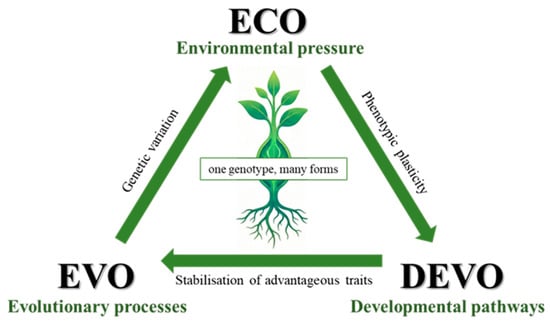
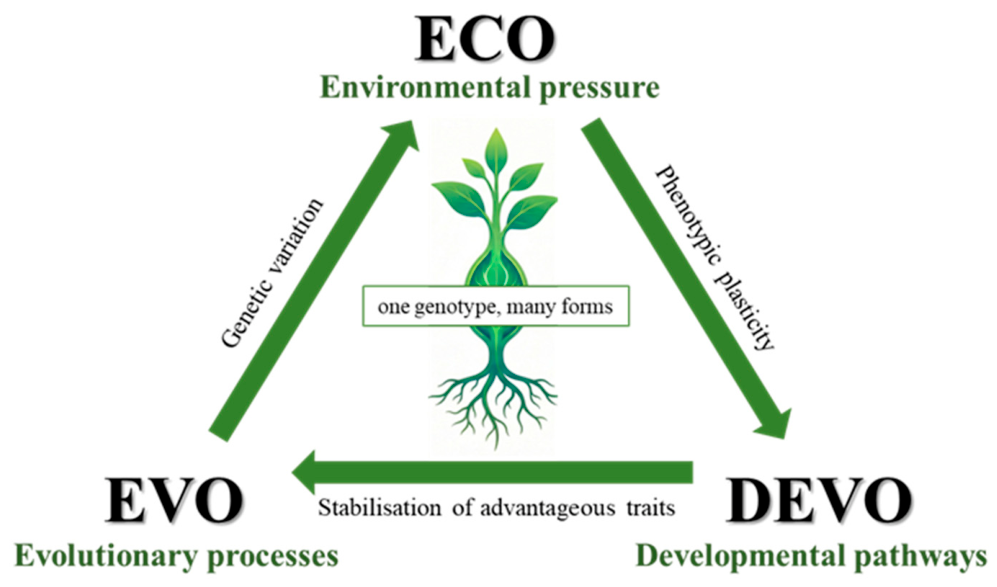
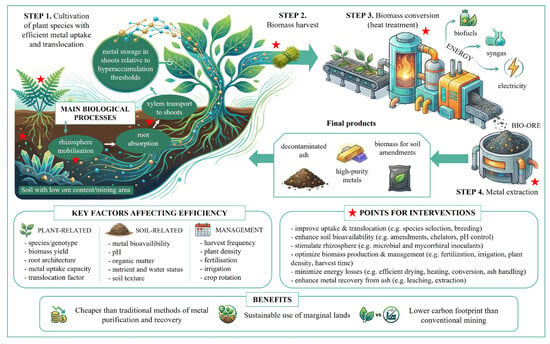
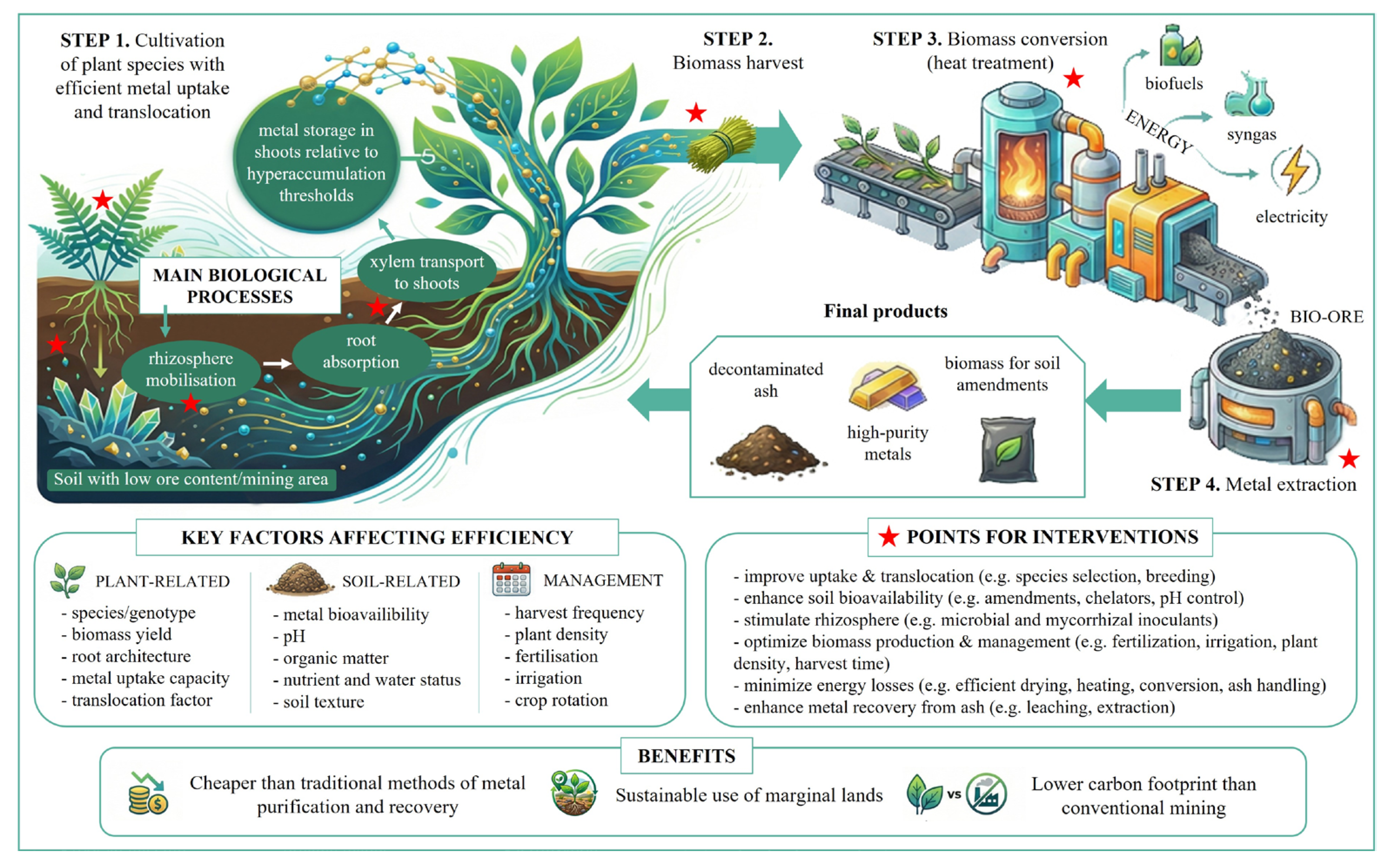

Disclaimer/Publisher’s Note: The statements, opinions and data contained in all publications are solely those of the individual author(s) and contributor(s) and not of MDPI and/or the editor(s). MDPI and/or the editor(s) disclaim responsibility for any injury to people or property resulting from any ideas, methods, instructions or products referred to in the content. |
© 2026 by the authors. Licensee MDPI, Basel, Switzerland. This article is an open access article distributed under the terms and conditions of the Creative Commons Attribution (CC BY) license.