

Journal Description
Sustainability
Sustainability
is an international, peer-reviewed, open-access journal on environmental, cultural, economic, and social sustainability of human beings, published semimonthly online by MDPI. The Canadian Urban Transit Research & Innovation Consortium (CUTRIC), International Council for Research and Innovation in Building and Construction (CIB) and Urban Land Institute (ULI) are affiliated with Sustainability and their members receive discounts on the article processing charges.
- Open Access— free for readers, with article processing charges (APC) paid by authors or their institutions.
- High Visibility: indexed within Scopus, SCIE and SSCI (Web of Science), GEOBASE, GeoRef, Inspec, RePEc, CAPlus / SciFinder, and other databases.
- Journal Rank: JCR - Q2 (Environmental Studies) / CiteScore - Q1 (Geography, Planning and Development)
- Rapid Publication: manuscripts are peer-reviewed and a first decision is provided to authors approximately 16.9 days after submission; acceptance to publication is undertaken in 3.8 days (median values for papers published in this journal in the first half of 2026).
- Recognition of Reviewers: reviewers who provide timely, thorough peer-review reports receive vouchers entitling them to a discount on the APC of their next publication in any MDPI journal, in appreciation of the work done.
- Testimonials: See what our editors and authors say about Sustainability.
- Companion journals for Sustainability include: World, Sustainable Chemistry, Conservation, Future Transportation, Architecture, Standards, Merits, Bioresources and Bioproducts, Accounting and Auditing, Environmental Remediation, Green and Advances in Carbon Neutrality.
- Journal Cluster of Environmental Science: Sustainability, Land, Clean Technologies, Environments, Nitrogen, Recycling, Urban Science, Safety, Air, Waste, Aerobiology, Toxics, Pollutants, The Journal of Xenobiotics, Journal of Parks, Green and Environmental Remediation.
Impact Factor:
4.1 (2025);
5-Year Impact Factor:
4.2 (2025)
Latest Articles
A Multi-Method Framework for Assessing Visual Complexity in Historic Street Façades Through Fractal Analysis, User Perception, AHP, and TOPSIS
Sustainability 2026, 18(16), 8189; https://doi.org/10.3390/su18168189 (registering DOI) - 10 Aug 2026
Abstract
►
Show Figures
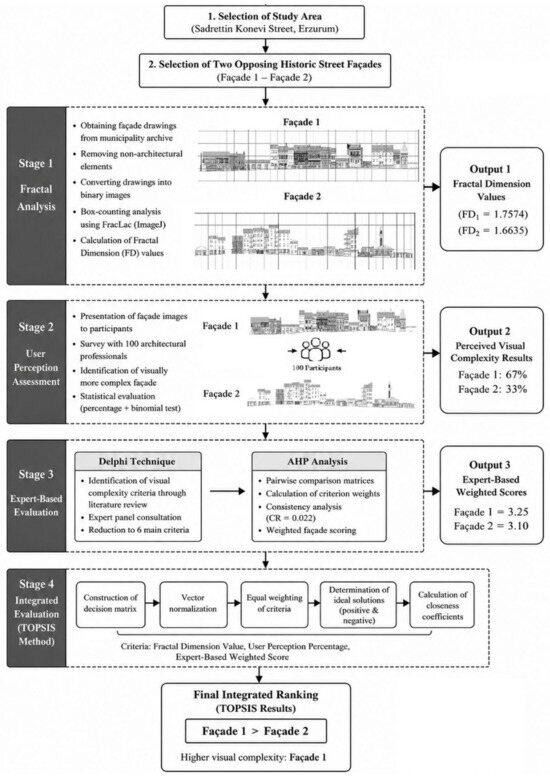
This study investigates the visual complexity of two opposing historic street façades on Sadrettin Konevi Street in Erzurum using an integrated framework that combines fractal analysis, user perception, expert evaluation, and TOPSIS-based decision-making. Fractal analysis was first performed using the box-counting method to
[...] Read more.
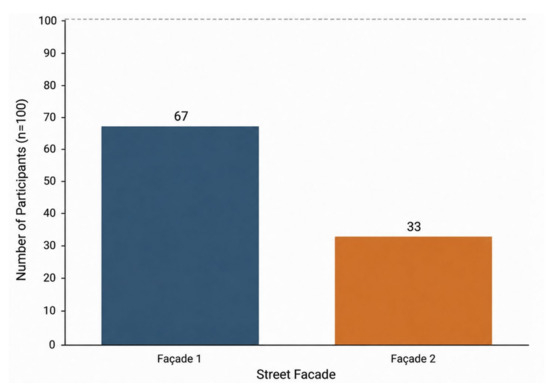
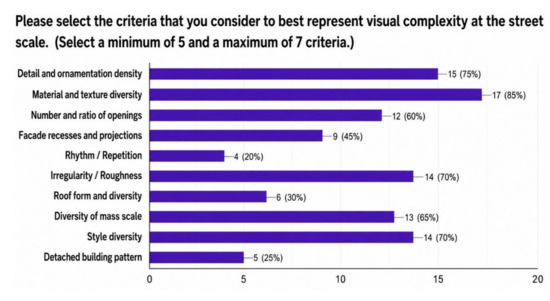
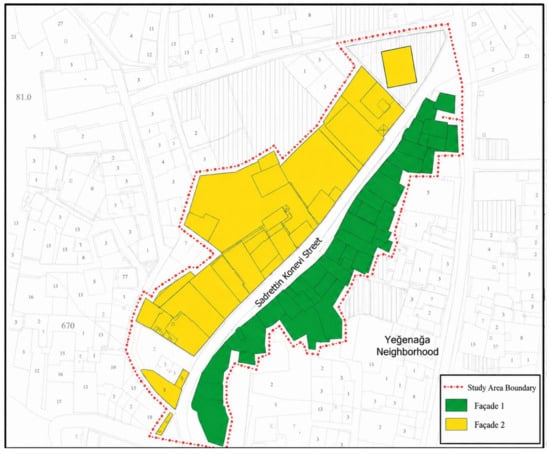
This study investigates the visual complexity of two opposing historic street façades on Sadrettin Konevi Street in Erzurum using an integrated framework that combines fractal analysis, user perception, expert evaluation, and TOPSIS-based decision-making. Fractal analysis was first performed using the box-counting method to calculate the façade fractal dimension (FD) values. In the second stage, perceived visual complexity was evaluated through a survey involving 100 architects and architecture-related professionals. In the third stage, visual complexity criteria identified from the literature were refined using the Delphi technique, reducing them to six key street-scale criteria. These criteria were then weighted using the Analytic Hierarchy Process (AHP) based on expert pairwise comparisons, and expert-based evaluation scores of the street façades were calculated accordingly. Finally, TOPSIS was used to integrate findings from fractal analysis, user perception, and expert evaluation into a unified comparative framework. The results demonstrated strong agreement among the three assessment approaches. The façade with the higher fractal dimension (FD) value (1.7574) was also perceived as more visually complex by most participants (67%) and achieved the highest expert-based weighted score. Rather than providing a universally validated model, the proposed framework is intended as a proof-of-concept that illustrates how computational, perceptual, and expert-based approaches can be integrated to assess visual complexity. Because the framework was demonstrated using only two opposing historic street façades, the findings should be interpreted as preliminary and case-specific rather than universally generalizable.
Full article
Open AccessArticle
Native Iron-Rich Quince-Derived Biochar for Sustainable Sulfamethoxazole Removal from Wastewater
by
Antón Puga, Ana Rita Alves, Sónia A. Figueiredo, M. Ángeles Sanromán, Marta Pazos and Cristina Delerue-Matos
Sustainability 2026, 18(16), 8188; https://doi.org/10.3390/su18168188 - 10 Aug 2026
Abstract
In this study, quince-derived biochar was employed as a sustainable and multifunctional material for the removal of organic pollutants through different treatment alternatives depending on the pH (natural or modified), including adsorption and electro-Fenton degradation processes. The biochar, obtained by pyrolysis (500 °C,
[...] Read more.
In this study, quince-derived biochar was employed as a sustainable and multifunctional material for the removal of organic pollutants through different treatment alternatives depending on the pH (natural or modified), including adsorption and electro-Fenton degradation processes. The biochar, obtained by pyrolysis (500 °C, 14 h) of quince (Cydonia oblonga) biomass, exhibited a high intrinsic iron content (1296 mg/kg), which contributed to its electroactive properties and catalytic potential. Batch experiments demonstrated highly efficient adsorption of the target pollutant, the antibiotic sulfamethoxazole, achieving a maximum retention capacity of 35.51 mg/g. Regarding the degradation pathway, the electrochemical treatment achieved significant degradation rates under mild operating conditions, reaching total removal in less than 90 min. Both treatment options, under their respective optimal conditions, were subsequently evaluated using tertiary wastewater from a wastewater treatment plant, achieving good removal efficiencies exceeding 60% within 120 min. Finally, the treated effluent under optimal conditions was subjected to an ecotoxicity assay using the microalga Raphidocelis subcapitata, confirming the effectiveness of the treatment and the absence of harmful effects on this key microorganism in the aquatic food chain. These findings highlight the potential of iron-rich quince biochar as a low-cost and environmentally friendly material for various water treatment applications. Moreover, the results provide a promising approach for valorizing agricultural waste with inherent metallic content in heterogeneous electro-Fenton.
Full article
Open AccessReview
Trans Fatty Acid Isomers: Health, Technological, and Regulatory Perspectives for Sustainable Fat Reformulation
by
Małgorzata Katarzyna Kowalska, José Luis Guil-Guerrero, Łukasz Bednarczyk, Piotr Jan Lubojański, Sara Małgorzata Orłowska, Joanna Elżbieta Lubojańska and Weronika Hudecka
Sustainability 2026, 18(16), 8187; https://doi.org/10.3390/su18168187 - 10 Aug 2026
Abstract
For decades, industrial trans fatty acids (iTFAs) have remained a critical focus of the scientific community, the food industry, and regulatory authorities because of their well-established role in the development of cardiovascular diseases, metabolic disorders, and chronic systemic inflammation. Rather than providing a
[...] Read more.
For decades, industrial trans fatty acids (iTFAs) have remained a critical focus of the scientific community, the food industry, and regulatory authorities because of their well-established role in the development of cardiovascular diseases, metabolic disorders, and chronic systemic inflammation. Rather than providing a descriptive overview, this review critically synthesizes current evidence on the elimination of industrial TFAs by integrating health, technological, regulatory, and sustainability perspectives into a comprehensive interdisciplinary analysis. The review outlines the biochemical characteristics and dietary sources of trans fatty acid isomers, highlighting the continuing scientific debate regarding the differential health effects of industrially produced and naturally occurring ruminant-derived TFAs. It also examines the evolution of scientific evidence that led to major regulatory actions by international organizations, including the World Health Organization (WHO) and the European Commission, resulting in legally binding restrictions that have substantially reduced industrial TFA intake and improved public health. Particular emphasis is placed on the critical assessment of current fat reformulation strategies, considering not only their technological functionality but also their nutritional quality, long-term metabolic implications, and contribution to sustainable food systems. Full hydrogenation, fractionation, chemical and enzymatic interesterification, and oleogelation are comparatively evaluated with respect to their advantages, limitations, and potential technological, nutritional, and environmental trade-offs. In addition, lipid microencapsulation is discussed as an emerging strategy for protecting oxidation-sensitive polyunsaturated fatty acids (PUFAs), thereby facilitating their incorporation into functional foods while maintaining nutritional quality. Unlike previous reviews that primarily focus on health outcomes or individual processing technologies, this review systematically integrates the sustainability dimensions of alternative fat modification approaches, including resource efficiency, energy consumption, clean label product development, and circular economy principles. Furthermore, it identifies current knowledge gaps related to the long-term metabolic safety, industrial scalability, and environmental performance of emerging lipid technologies. By combining these complementary perspectives, the review provides a comprehensive interdisciplinary synthesis that supports evidence-based fat reformulation and offers practical guidance for researchers, food manufacturers, and policy makers seeking to develop safer, nutritionally improved, technologically functional, and environmentally sustainable lipid systems.
Full article
Open AccessArticle
Interprovincial Carbon Emission Efficiency Association Network of Wastewater Treatment Facilities in China: Structural Characteristics and Driving Mechanisms
by
Ying Guo, Yong Zha and Xinglin Gao
Sustainability 2026, 18(16), 8186; https://doi.org/10.3390/su18168186 - 10 Aug 2026
Abstract
Improving the low-carbon operational performance of wastewater treatment facilities (WWTFs) is important for coordinated pollution reduction and carbon mitigation in China. The interprovincial carbon emission efficiency (CEE) of WWTFs reflects both the low-carbon performance of regional wastewater governance systems and cross-regional linkages shaped
[...] Read more.
Improving the low-carbon operational performance of wastewater treatment facilities (WWTFs) is important for coordinated pollution reduction and carbon mitigation in China. The interprovincial carbon emission efficiency (CEE) of WWTFs reflects both the low-carbon performance of regional wastewater governance systems and cross-regional linkages shaped by technology diffusion, governance experience, and spatial adjacency. Using operational data from WWTFs in 30 provincial-level regions of China from 2010 to 2023, this study first measures provincial CEE with a super-efficiency slack-based measure (SBM) model incorporating undesirable outputs. It then integrates a modified gravity model, social network analysis, and the quadratic assignment procedure (QAP) to examine the evolution, structure, and formation mechanisms of the association network. The results show that the CEE of provincial WWTFs remained below the efficiency frontier overall, with periodic fluctuations and persistent structural differences. The model-inferred association network first contracted and then expanded, showing dense connections in eastern and central China and sparse connections in the northwest. Its node structure evolved from a dispersed multicore pattern to hub-centered concentration and then back toward a multicore configuration, while inter-block linkages showed a hierarchical transmission structure involving core spillovers, absorptive transmission, and peripheral reception. The QAP results indicate that interprovincial adjacency is the most stable correlate of network formation, whereas differences in technological innovation and capacity utilization show only stage-specific associations. These findings suggest that the CEE of WWTFs is not only a local performance outcome, but also a relational outcome shaped by regional linkages and structural positions. Therefore, low-carbon governance of WWTFs should move beyond single-region efficiency improvement and place greater emphasis on cross-regional collaboration, role-specific policy design, and leadership by core regions.
Full article
Open AccessArticle
Virtual Agglomeration and Urban Innovation in China: Evidence from Digital Networks
by
Mingque Ye, Haoran Yan, Junyu Yang and Jiayi Han
Sustainability 2026, 18(16), 8185; https://doi.org/10.3390/su18168185 - 10 Aug 2026
Abstract
Digital technologies are reshaping the spatial organization of economic activities, expanding cities’ access to external innovation resources across geographical boundaries, and creating new pathways for sustainable urban development. Using panel data for 279 prefecture-level cities in China from 2011 to 2022, this study
[...] Read more.
Digital technologies are reshaping the spatial organization of economic activities, expanding cities’ access to external innovation resources across geographical boundaries, and creating new pathways for sustainable urban development. Using panel data for 279 prefecture-level cities in China from 2011 to 2022, this study constructs an urban digital network based on the cross-city organizational linkages of listed digital firms and their subsidiaries and measures virtual agglomeration by combining network linkages with urban digital foundations. The results show that virtual agglomeration significantly promotes urban innovation, and this finding remains robust to instrumental-variable estimation, alternative measures, and lagged specifications. Virtual agglomeration also strengthens the ability of latecomer cities to translate innovation gaps into subsequent growth. Both local digital foundations and external digital linkages contribute to this effect, while knowledge-related variety serves as an important transmission channel. The positive relationship is more pronounced in resource-based, third-tier, non-urban-agglomeration, and western cities. Further analysis shows that virtual agglomeration significantly promotes urban green innovation, indicating that its innovation effect extends to environmentally oriented technological development. Overall, virtual agglomeration improves access to innovation resources, supports innovation catch-up in less-developed cities, and, by promoting green technological innovation, offers a digital-network-based pathway toward more coordinated and sustainable urban development.
Full article
(This article belongs to the Section Economic and Business Aspects of Sustainability)
Open AccessArticle
Burnt and Unburnt Ceramic Waste Powder with Magnetized Water for Durable and Sustainable Concrete
by
Seleem S. E. Ahmad, Mahmoud Soliman, Yasmine Elmenshawy and Mohamed A. R. Elmahdy
Sustainability 2026, 18(16), 8184; https://doi.org/10.3390/su18168184 - 10 Aug 2026
Abstract
The combined use of ceramic waste powder (CWP) as a supplementary cementitious material and magnetized water (MW) as mixing water represents a promising strategy for producing sustainable concrete with reduced cement consumption while maintaining mechanical performance and durability. However, the synergistic effects of
[...] Read more.
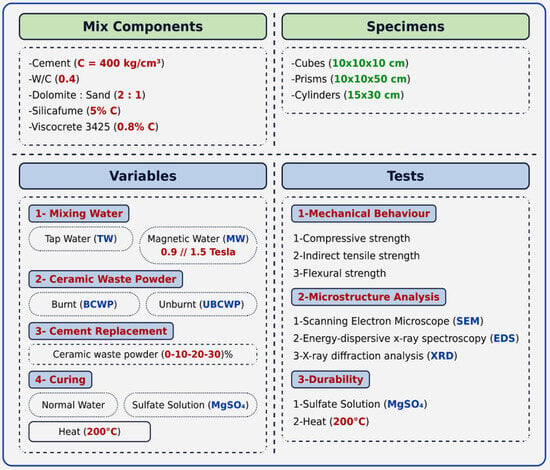
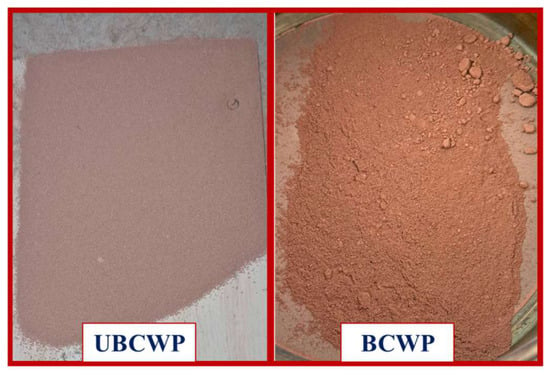
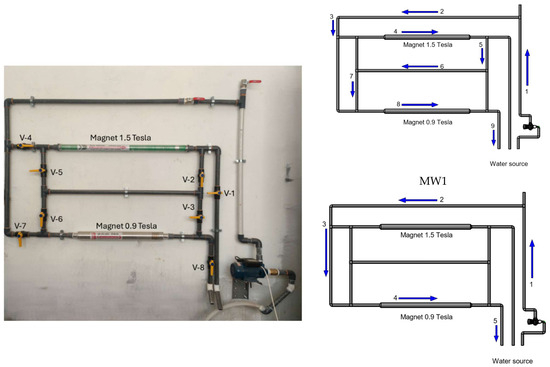
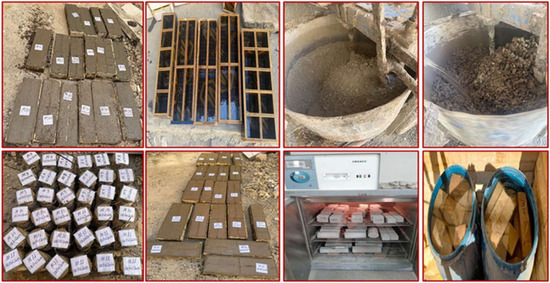
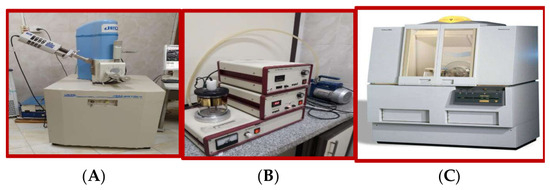
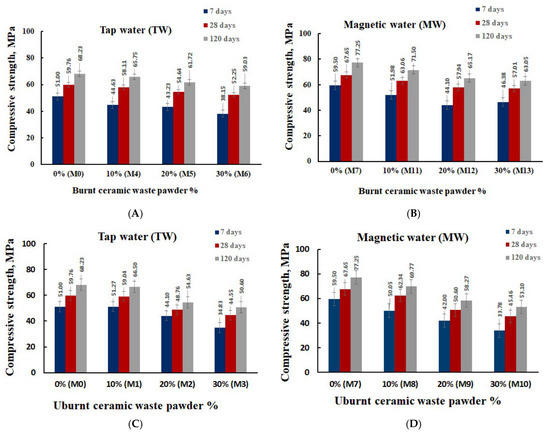
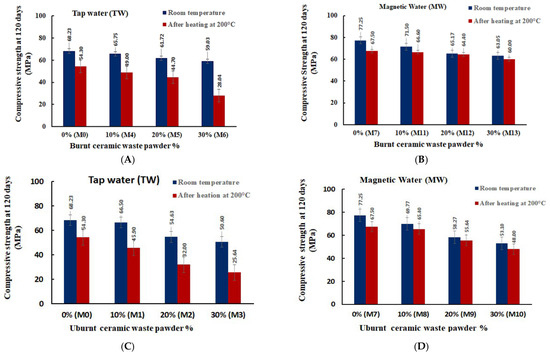
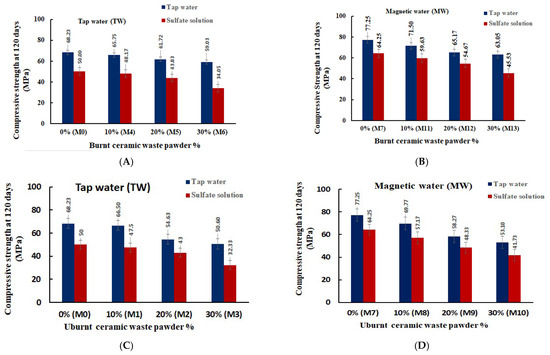
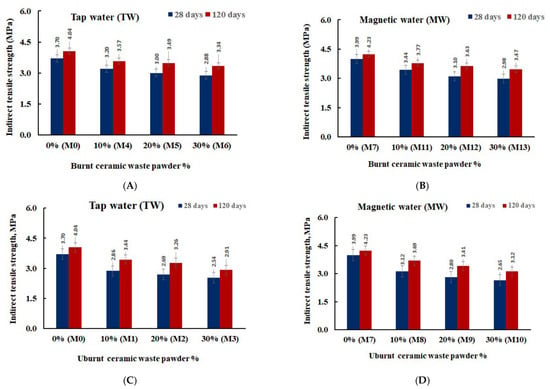
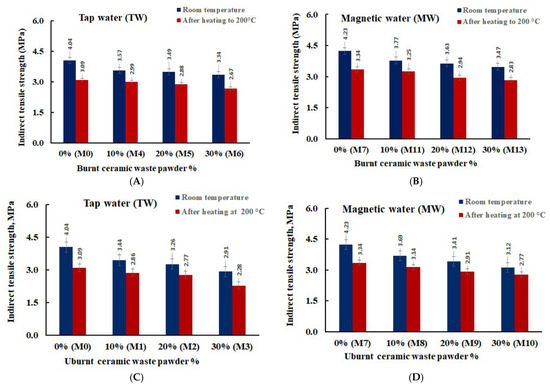
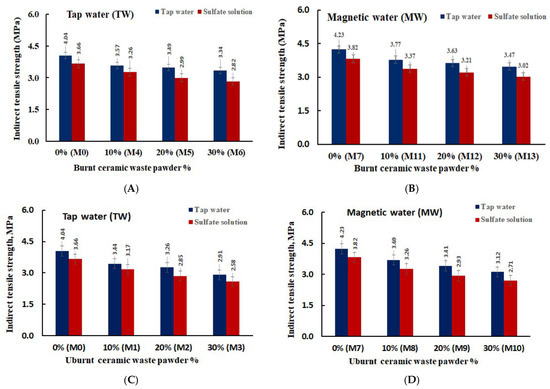
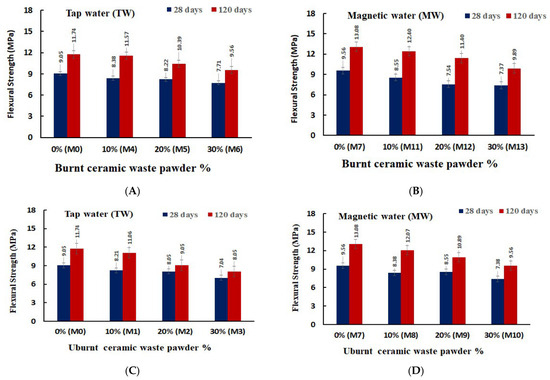
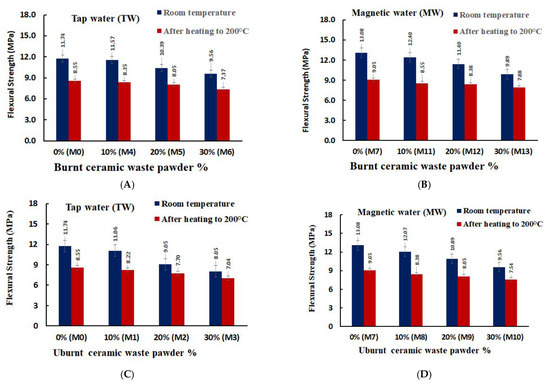
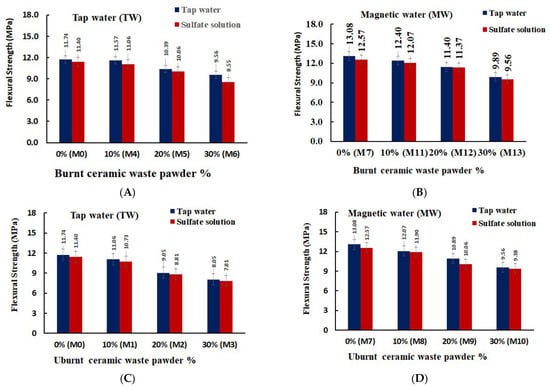
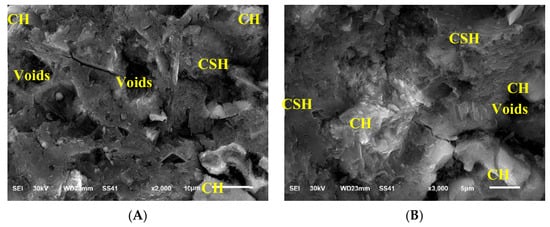
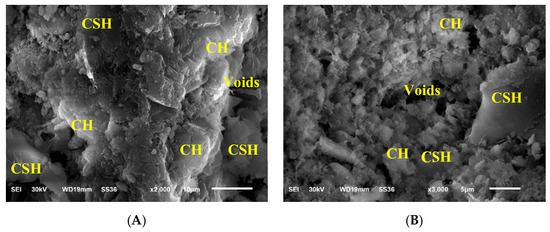
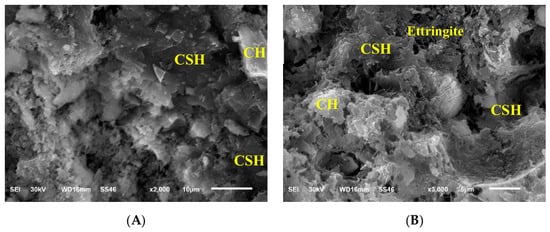
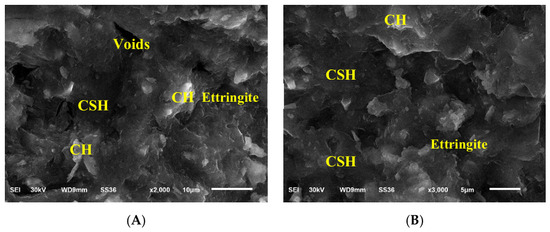
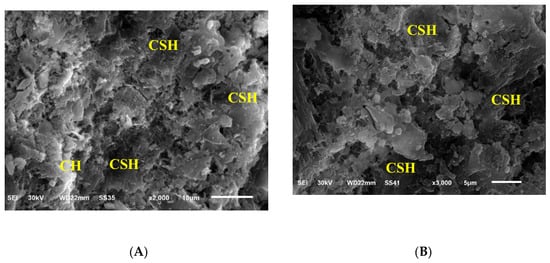
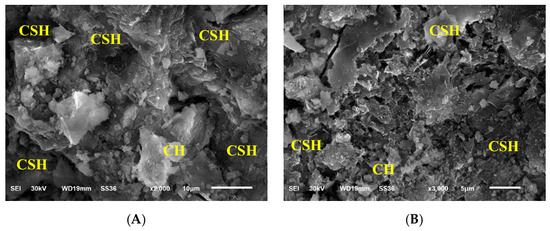
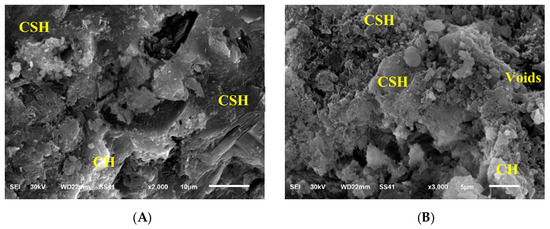
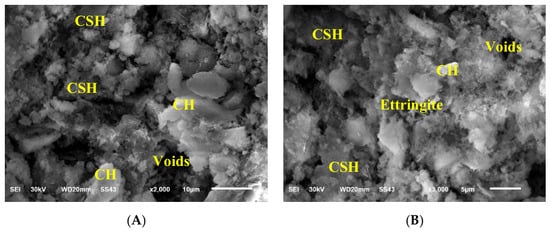
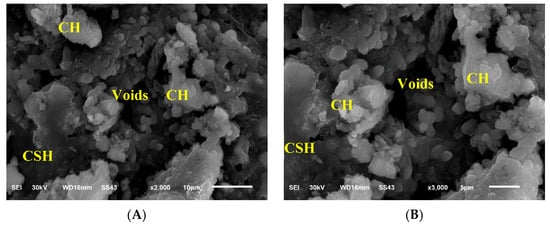
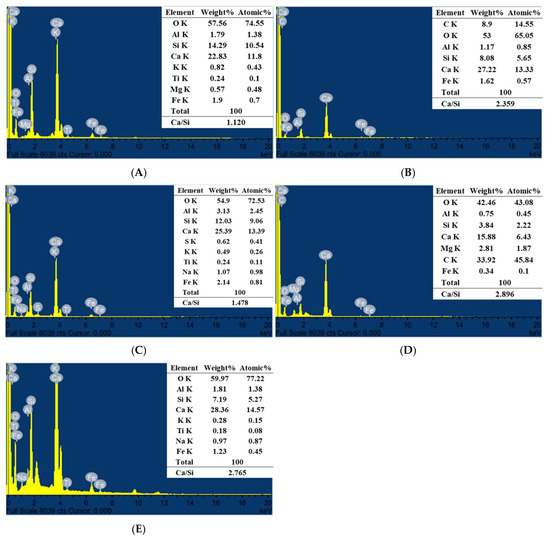
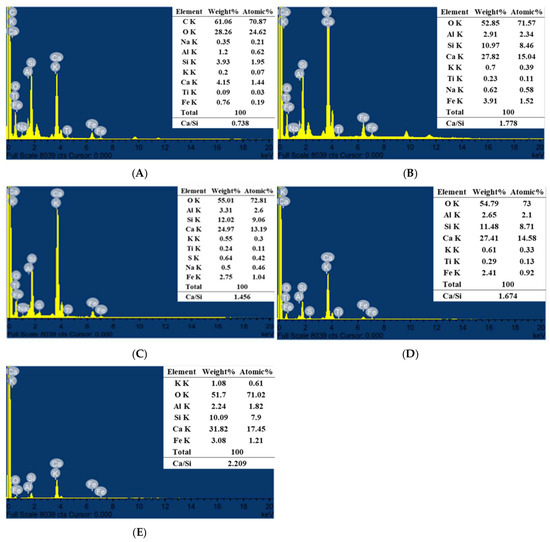
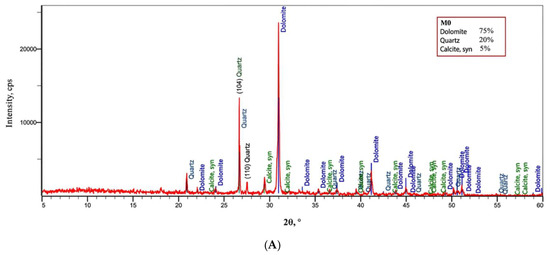
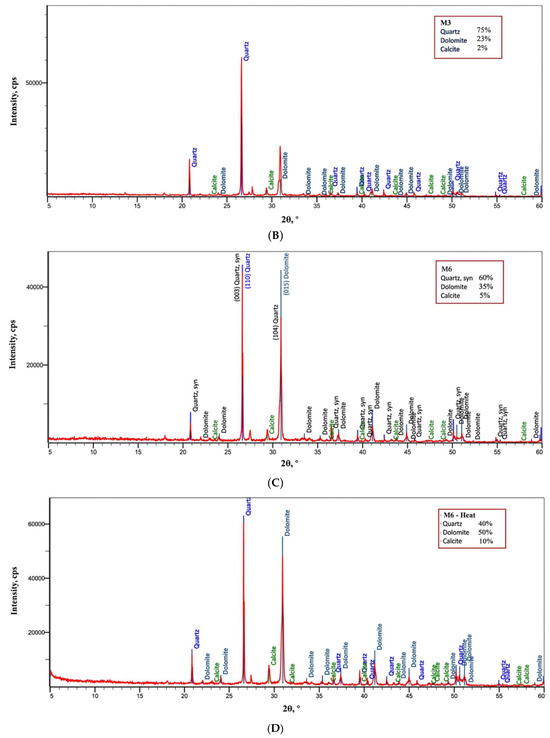
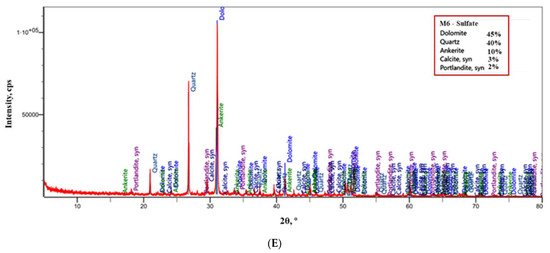
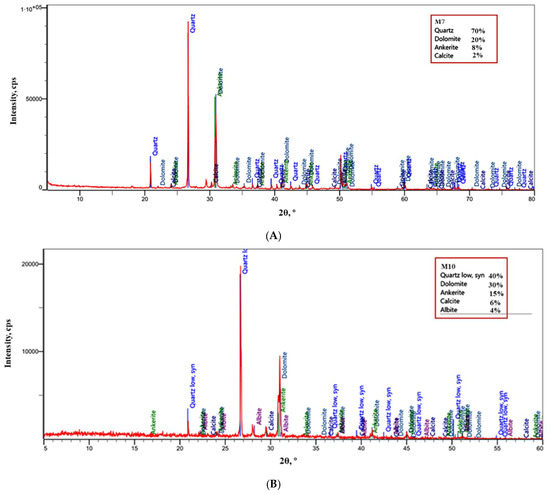
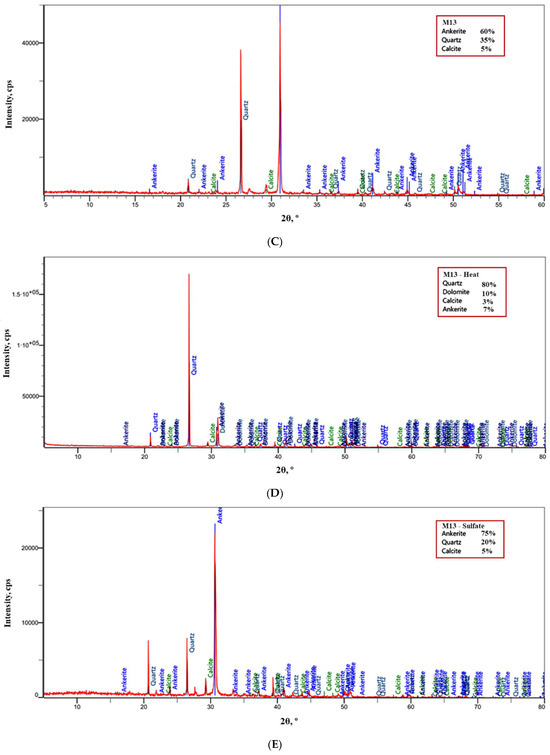
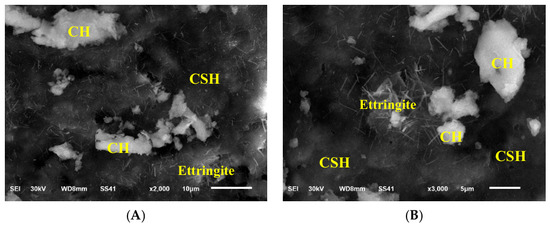
The combined use of ceramic waste powder (CWP) as a supplementary cementitious material and magnetized water (MW) as mixing water represents a promising strategy for producing sustainable concrete with reduced cement consumption while maintaining mechanical performance and durability. However, the synergistic effects of burnt ceramic waste powder (BCWP) and unburnt ceramic waste powder (UBCWP) combined with MW, particularly under aggressive environmental conditions, remain insufficiently investigated. This study evaluates the influence of BCWP and UBCWP, used as partial replacements for ordinary Portland cement (OPC) at replacement levels of 10%, 20%, and 30% by weight, together with conventional tap water (TW) and MW produced using a dual-field magnetic device (0.9 T and 1.5 T). A total of fourteen concrete mixtures were investigated through compressive strength tests at 7, 28, and 120 days; indirect tensile and flexural strength tests at 28 and 120 days; sulfate resistance after 120 days of MgSO4 immersion; residual strength after thermal exposure at 200 °C; and microstructural characterization using scanning electron microscopy (SEM), energy-dispersive X-ray spectroscopy (EDS), and X-ray diffraction (XRD). The results indicate that increasing the CWP replacement level progressively reduced the mechanical properties of concrete; however, MW consistently mitigated these reductions by promoting cement hydration and producing a denser cementitious matrix. The mixture containing 20% BCWP with MW achieved a 120-day compressive strength comparable to that of the TW control, demonstrating that cement consumption can be reduced without compromising structural performance. Furthermore, MW mixtures exhibited significantly improved durability, with compressive strength losses of only 16–28% after sulfate attack compared with up to 42% for TW mixtures, and 1–13% after thermal exposure compared with up to 53% for TW mixtures. SEM and XRD analyses confirmed the development of denser microstructures with enhanced C–S–H gel formation in MW–CWP concretes. Overall, the findings demonstrate that the synergistic combination of ceramic waste powder and magnetized water provides an effective strategy for producing sustainable concrete with enhanced long-term mechanical performance, improved durability under aggressive environmental conditions, and reduced environmental impact.
Full article
(This article belongs to the Special Issue Sustainable Infrastructure Engineering: Intelligent Construction, Structural Health Monitoring and Sustainable Materials)
►▼
Show Figures

Figure 1
Open AccessArticle
GenAI-Based Carbon Footprint Feedback as a Decision Context: A Two-Layer Extended TPB Model for Renewable Energy Product Adoption
by
Tuğba Yeğin
Sustainability 2026, 18(16), 8183; https://doi.org/10.3390/su18168183 - 10 Aug 2026
Abstract
Carbon footprint information can be a powerful environmental label for encouraging sustainable consumption. However, static environmental labels can be difficult for consumers to interpret during online purchasing decisions. This study examines whether generative artificial intelligence (GenAI)-based carbon footprint feedback (AI-CFB), which transforms static
[...] Read more.
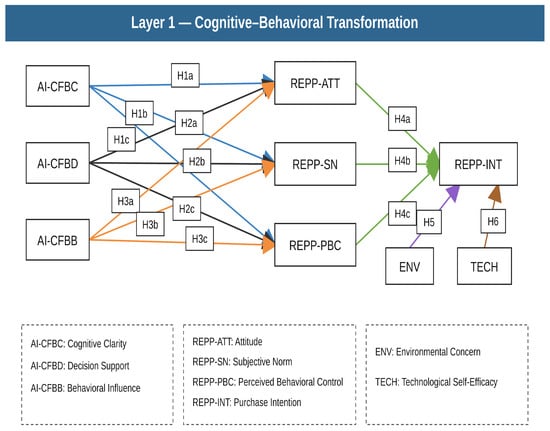
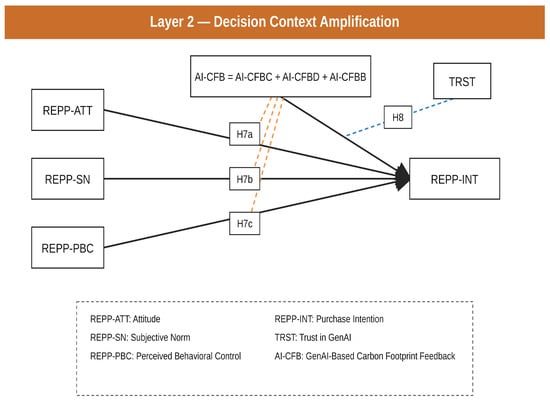
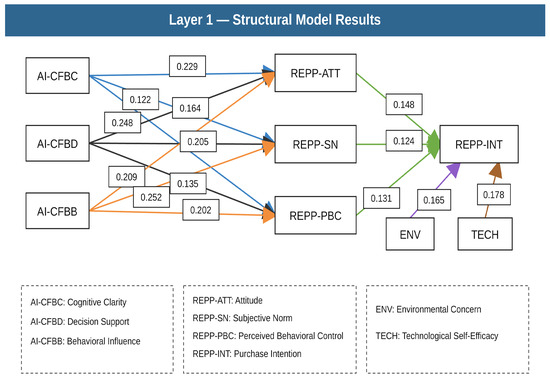
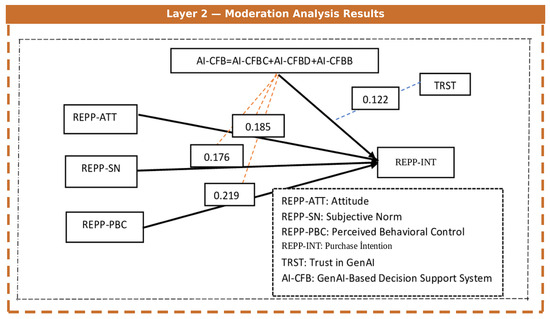
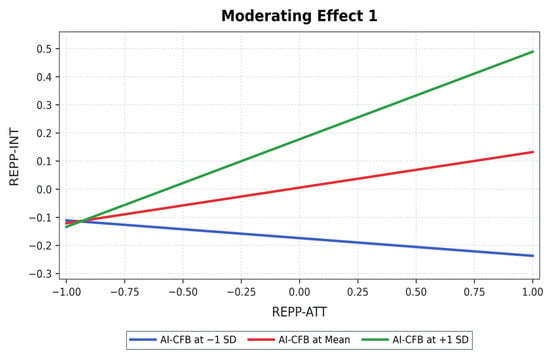
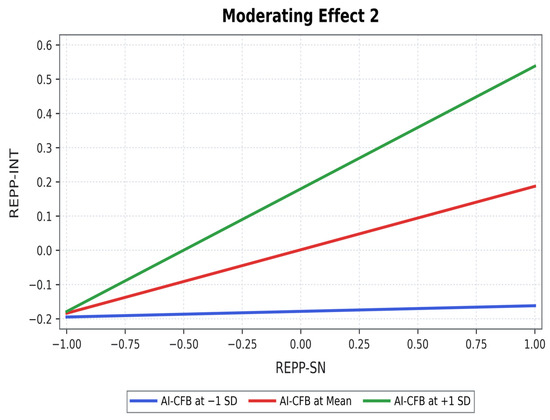
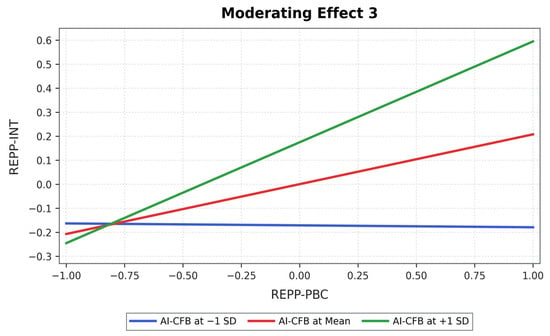
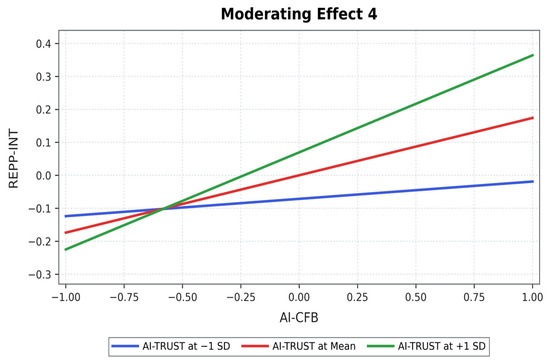
Carbon footprint information can be a powerful environmental label for encouraging sustainable consumption. However, static environmental labels can be difficult for consumers to interpret during online purchasing decisions. This study examines whether generative artificial intelligence (GenAI)-based carbon footprint feedback (AI-CFB), which transforms static carbon footprint information into decision-relevant feedback, can support consumers’ evaluations and purchase intentions regarding renewable energy-powered products (REPPs). In this context, data from 841 participants in Türkiye were analyzed using PLS-SEM within a two-layer extended TPB model. Results from the first layer confirm AI-CFB as an antecedent of TPB dimensions, which, in turn, are associated with purchase intention toward renewable energy-powered products, with environmental concern and technological self-efficacy serving as motivating factors. The second layer reveals that AI-CFB functions as a decision-support mechanism, while consumer trust strengthens the relationship between AI-CFB and REPP purchase intention. This study contributes a validated AI-TPB model that explains how GenAI-based carbon footprint information is associated with consumer evaluations and moderates the relationships with purchase intention, extending the sustainable consumption literature by integrating GenAI-based systems in e-commerce. The findings offer practical recommendations for policymakers, e-commerce platforms, and carbon footprint experts to encourage low-carbon consumption and reduce CO2 emissions in Türkiye, while providing a foundation for future research at the intersection of sustainable consumption and AI-assisted decision-making.
Full article
(This article belongs to the Special Issue Fostering Sustainability: Business Innovation and Consumer Choices)
►▼
Show Figures

Figure 1
Open AccessArticle
Recurrent Overlap Between Tourism Suitability and Ecological Sensitivity in the Yellow River Basin
by
Bingling Luo, Junyuan Zhao, Wanzhen Fu and Jingzi Guo
Sustainability 2026, 18(16), 8182; https://doi.org/10.3390/su18168182 - 10 Aug 2026
Abstract
Large river basins require spatial evidence showing where tourism-support conditions and ecological constraints coincide. Using the Yellow River Basin, we built a reproducible workflow that combines Google Earth Engine preprocessing with local spatial analysis to map tourism development suitability (TDSI), ecological sensitivity (ESI),
[...] Read more.
Large river basins require spatial evidence showing where tourism-support conditions and ecological constraints coincide. Using the Yellow River Basin, we built a reproducible workflow that combines Google Earth Engine preprocessing with local spatial analysis to map tourism development suitability (TDSI), ecological sensitivity (ESI), and conflict intensity on a 1 km equal-area grid in 2013, 2018, and 2023. Annual hotspot shares remained near one-fifth of valid cells, and 153,958 cells (19.80%) entered the hotspot set in at least two benchmark years. Spatially matched reference checks were mixed: official tourism cells showed a positive high-suitability contrast against 50 km block-matched cells (0.778 versus 0.563; empirical ), whereas OSM POIs, the named-attraction subset, and GBIF cells showed no clear geography-adjusted enrichment. Aggregation from 1 km to 2 km preserved broad structure, but weighting and ecological-constraint choices changed local membership materially. The full XGBoost–SHAP model identified precipitation variability, land-surface thermal change, protected-area proximity, relief, and road-network intensity as leading internal correlates; a strict two-covariate model achieved AUC = 0.680 and F1 = 0.538, limiting external mechanism claims. The products support uncertainty-aware regional screening. Site-specific approval and long-term persistence claims require finer regulatory, field, and temporal evidence.
Full article
Open AccessArticle
The Impact of Multiple Policy Mixes on Urban Green Innovation: Evidence from China
by
Xiaobao Peng, Kaiji Wang, Guangyao Duan and Yutong Men
Sustainability 2026, 18(16), 8181; https://doi.org/10.3390/su18168181 - 10 Aug 2026
Abstract
In the context of an increasingly tense relationship between environmental and economic goals, green innovation is of crucial importance for the global green transformation. However, its dual external effects often render a single policy tool ineffective, which makes the implementation of a policy
[...] Read more.
In the context of an increasingly tense relationship between environmental and economic goals, green innovation is of crucial importance for the global green transformation. However, its dual external effects often render a single policy tool ineffective, which makes the implementation of a policy mix necessary. In this study, according to a three-dimensional policy mix framework, four pilot policies in the fields of environment, innovation, and finance were selected and combined in pairs. Panel data from 276 Chinese cities (from 2006 to 2021) were used to compare the differences in the effects of different types of policy mixes on green innovation using the difference-in-differences method and to verify the mediating effects of green finance and university–industry collaboration. The synergy test results show that the cross-domain mix with the differentiation of tool types and the compatibility of mechanisms is the best. The policy effects were more evident in cities outside the Yangtze River Economic Belt and in non-central cities. These findings provide theoretical and practical insights for designing an effective policy mix to promote green transformation.
Full article
(This article belongs to the Section Sustainable Management)
Open AccessReview
Concentrated Solar Power in India: Resource Potential, Economic Assessment, and a Comparative Study of Growth Pathways
by
Rohit Singh and Ramadas Narayanan
Sustainability 2026, 18(16), 8180; https://doi.org/10.3390/su18168180 - 10 Aug 2026
Abstract
Concentrated Solar Power (CSP) is a strategic clean-energy technology for India, combining high-efficiency electricity generation with thermal storage to enable power supply beyond daylight hours. This review maps CSP potential across India by analysing solar resource distribution, the suitability of different CSP technologies
[...] Read more.
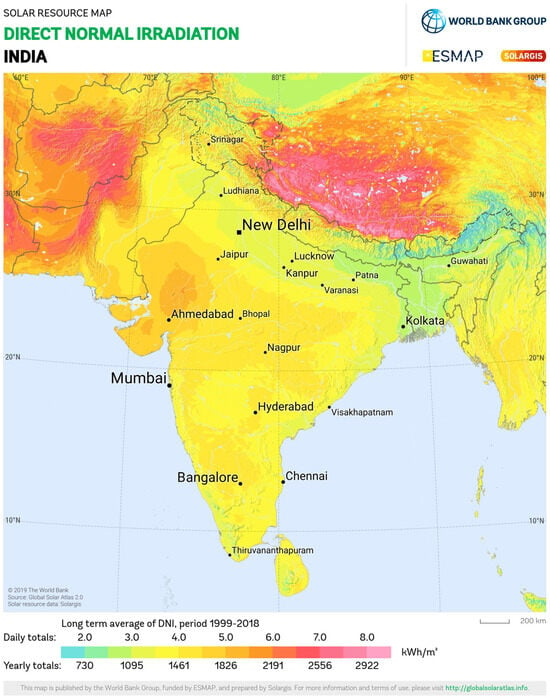
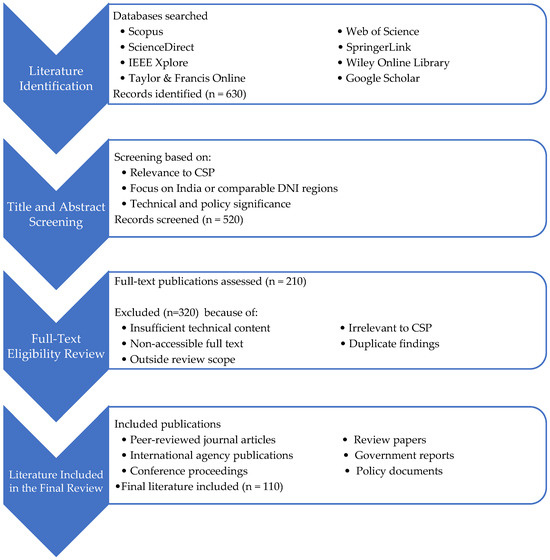
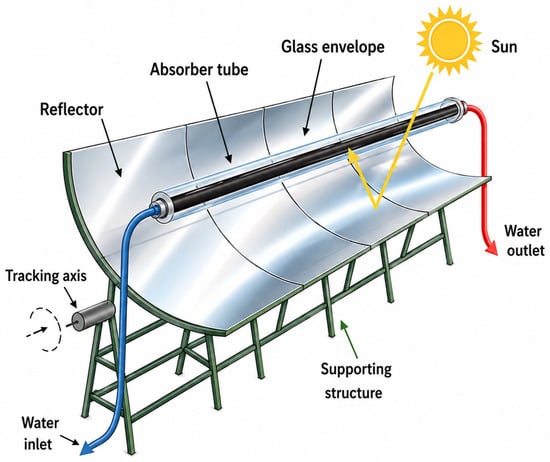
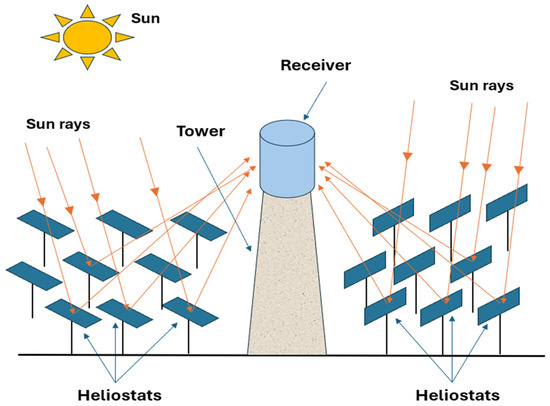
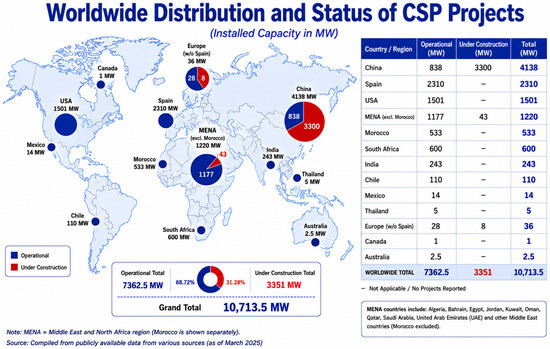
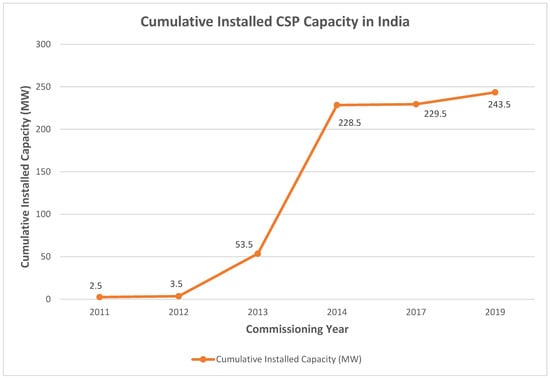
Concentrated Solar Power (CSP) is a strategic clean-energy technology for India, combining high-efficiency electricity generation with thermal storage to enable power supply beyond daylight hours. This review maps CSP potential across India by analysing solar resource distribution, the suitability of different CSP technologies (e.g., parabolic troughs and solar towers), and economic feasibility under current cost and policy conditions. It evaluates recent developments in deployment, technology maturity and financing mechanisms, while identifying key barriers such as land availability, grid integration and investment risk. In addition, the study identifies research gaps related to large-scale deployment, cost-reduction strategies, and long-term performance under Indian climatic conditions, and outlines future research directions and policy pathways to accelerate CSP adoption in India. By drawing on recent data and trends, the paper offers insight into how CSP can complement the ongoing expansion of renewable electricity and contribute to India’s goal of achieving 500 GW of non-fossil installed capacity by 2030 and net-zero by 2070. The analysis aims to support researchers, policymakers and industry stakeholders in making informed decisions to scale CSP deployment.
Full article
(This article belongs to the Special Issue Energy Economics, Energy Transition and Environmental Sustainability)
►▼
Show Figures

Figure 1
Open AccessArticle
The Green Area Ratio: Nature-Based Solutions Regulation in Washington DC
by
Melissa Keeley, Andrea Herrera Krug, Nils Berglund, Connor Wolosewicz and Ali Sorrels
Sustainability 2026, 18(16), 8179; https://doi.org/10.3390/su18168179 - 10 Aug 2026
Abstract
Nature-Based Solutions (NBS) have emerged as a key strategy to address complex and intensifying urban sustainability challenges, yet empirical assessments of regulatory frameworks that operationalize these strategies remain limited. This study addresses that gap through an empirical evaluation of the Green Area Ratio
[...] Read more.
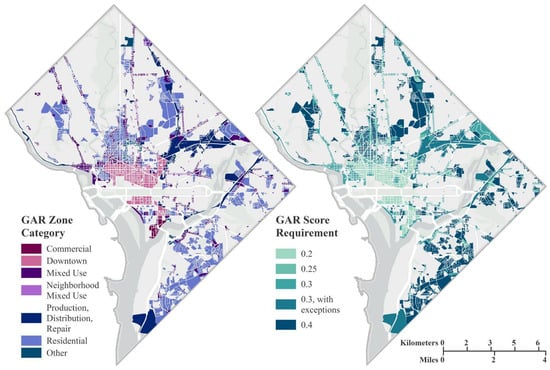
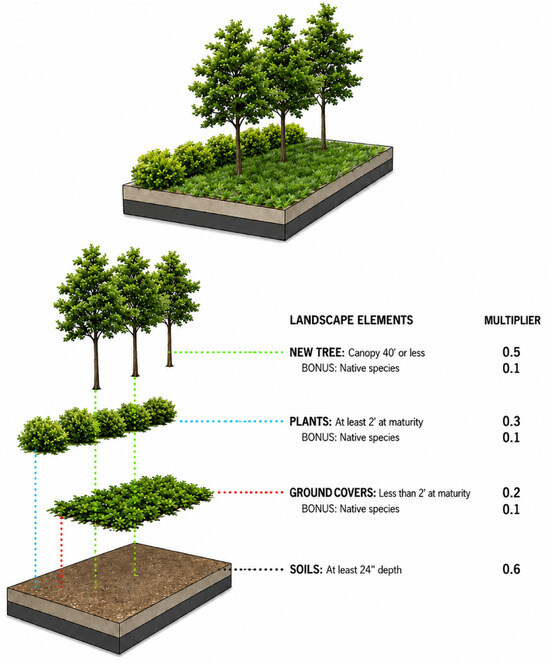
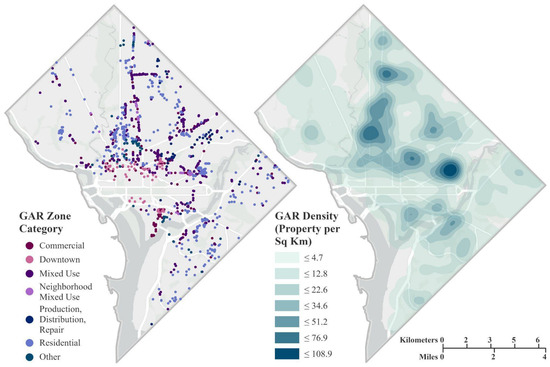
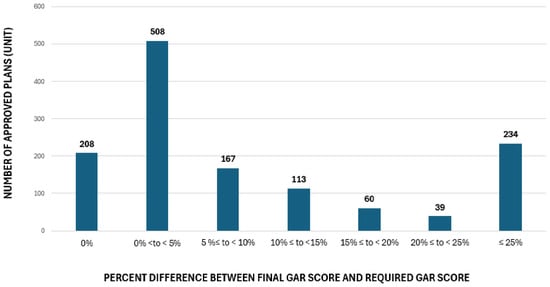
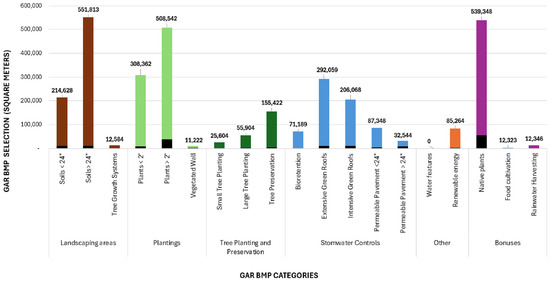
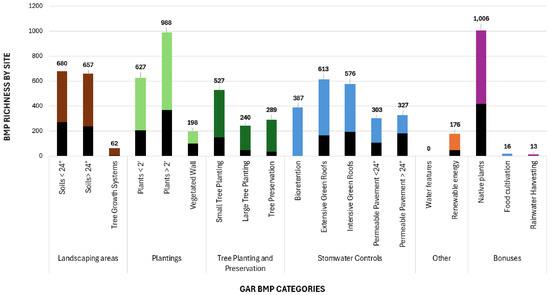
Nature-Based Solutions (NBS) have emerged as a key strategy to address complex and intensifying urban sustainability challenges, yet empirical assessments of regulatory frameworks that operationalize these strategies remain limited. This study addresses that gap through an empirical evaluation of the Green Area Ratio (GAR), a hybrid performance-based zoning regulation for sustainable landscapes in Washington, DC, using more than a decade of regulatory implementation data. Regulatory plan approval records from 1329 private properties subject to GAR between 2015 and 2025 were analyzed to examine trends in landscaping Best Management Practice (BMP) selection, relationships with parcel characteristics, and interactions with stormwater management requirements. Over this period, approximately 184 ha of multifunctional NBS were approved through GAR plans primarily consisting of landscaping areas, plantings, and tree planting and preservation, often combined through BMP stacking and amplified by a native plant bonus. BMP selection varied significantly according to zoning district, lot area, and GAR Score Requirement. Importantly, GAR requirements influenced BMP selection differently than stormwater requirements. The findings suggest that simplicity, flexibility, and adaptability of the GAR make the regulation a versatile policy instrument for DC and a useful model for cities seeking to expand NBS through performance-based zoning regulation.
Full article
(This article belongs to the Special Issue Green Landscape and Ecosystem Services for a Sustainable Urban System)
►▼
Show Figures

Figure 1
Open AccessArticle
The Perceived Contribution of Online Learning Environments to Sustainable Development Goals (SDGs) in Higher Education: A Field Study Using PLS-SEM
by
Fawzia Omer Alubthane and Abrar Almalki
Sustainability 2026, 18(16), 8178; https://doi.org/10.3390/su18168178 - 10 Aug 2026
Abstract
Higher education institutions face a dual imperative: expanding access while reducing their environmental and operational footprint. Grounded in Triple Bottom Line theory and the Sustainable Development Goal (SDG) interlinkages framework, this study examines faculty and postgraduate students’ perceived associations between online learning—across environmental,
[...] Read more.
Higher education institutions face a dual imperative: expanding access while reducing their environmental and operational footprint. Grounded in Triple Bottom Line theory and the Sustainable Development Goal (SDG) interlinkages framework, this study examines faculty and postgraduate students’ perceived associations between online learning—across environmental, economic, educational, and health dimensions—and five SDGs (SDG3, SDG4, SDG8, SDG12, and SDG13), and how these perceived dimensions interrelate to form a coherent structural model. Data were collected from 306 faculty members and postgraduate students via a five-point Likert-scale questionnaire and analyzed using Partial Least Squares Structural Equation Modeling (PLS-SEM). All nine direct and four specific indirect path relationships were statistically significant at p < 0.001. Perceived economic rationalization exerted the strongest direct path coefficient on perceived responsible consumption (β = 0.648) and the strongest specific indirect effect on perceived climate action (β = 0.371), while perceived health and well-being served as the central pathway statistically linking perceived online learning benefits to perceived quality education and decent work outcomes (β = 0.557 and 0.608, respectively). The structural model statistically accounted for 42–54% of the variance in these perceived SDG-related outcomes. These findings suggest that online learning may be perceived by faculty and postgraduate students as an integrated structural lever—rather than a source of isolated benefits—for advancing interconnected dimensions of the 2030 Agenda in higher education; objective verification of these perceived associations (e.g., using institutional records or environmental metrics) remains an important direction for future research. Theoretical and practical implications for university leaders and policymakers are discussed.
Full article
(This article belongs to the Section Sustainable Education and Approaches)
Open AccessArticle
Evaluating Open Government Data as a Tool for Planning and Sustainability in U.S. Cities: Portals, Policies, and Plans
by
Gulnara N. Nabiyeva and Stephen M. Wheeler
Sustainability 2026, 18(16), 8177; https://doi.org/10.3390/su18168177 - 10 Aug 2026
Abstract
Open Government Data (OGD) has the potential to support urban planning by increasing transparency, improving evidence-based decision-making, enhancing public participation, and monitoring progress toward sustainability goals. Despite this potential, the extent to which OGD supports planning and sustainability in practice remains unclear. This
[...] Read more.
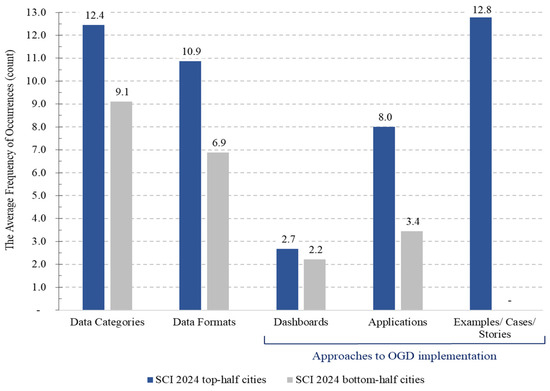
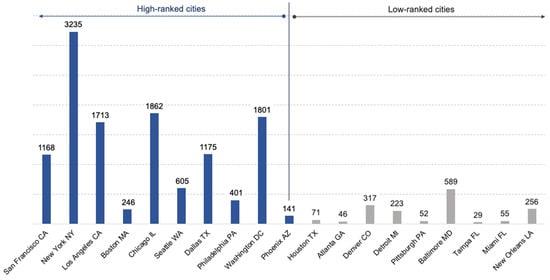
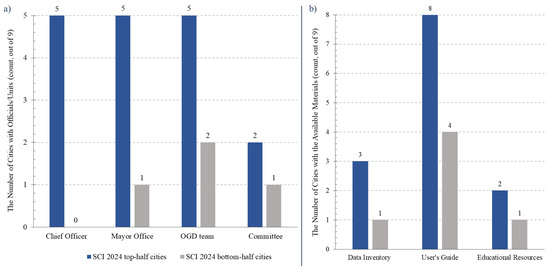
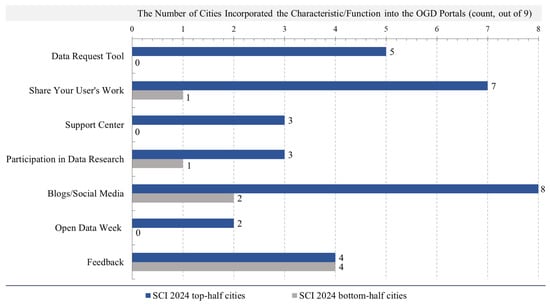
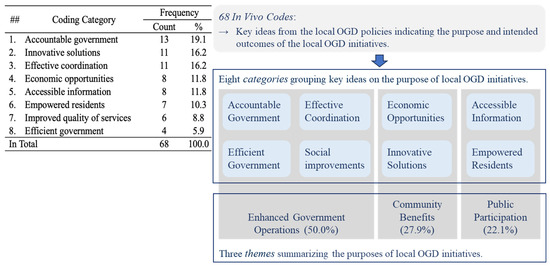
Open Government Data (OGD) has the potential to support urban planning by increasing transparency, improving evidence-based decision-making, enhancing public participation, and monitoring progress toward sustainability goals. Despite this potential, the extent to which OGD supports planning and sustainability in practice remains unclear. This study evaluates the user-friendliness of OGD portals in 19 U.S. cities using four criteria identified in the literature: breadth of portal content, structure of governance, user-friendly support, and equitable user access. It also examines how cities incorporate OGD into OGD policies, general plans, and sustainability/climate action plans. This study was designed as an exploratory comparative case study of OGD practices, and the methods included portal assessment using four criteria, content analysis of OGD policies and plans, and semi-structured interviews with OGD and planning experts. The findings indicate that most OGD portals function primarily as data repositories, rather than as planning support tools, and vary considerably in portal content, governance, and user support, affecting their usefulness for planning and sustainability efforts. OGD policies are often absent or underdeveloped and typically emphasize transparency rather than planning applications or public engagement. Only nine cities identified a role for OGD in at least one planning-related document. Interviewees identified low public awareness, limited user capacity, and insufficient integration of data into decision-making as key barriers. The findings identify practical strategies that cities can adopt to better integrate OGD into urban planning and sustainability, including proactive identification of datasets and indicators that will be of interest to various stakeholders, improved stakeholder engagement, data standardization, use of graphics to highlight policy-relevant data trends, improved OGD management, and closer alignment between OGD initiatives and action-oriented planning processes.
Full article
(This article belongs to the Section Sustainable Urban and Rural Development)
►▼
Show Figures

Figure 1
Open AccessArticle
Redistributed, Not Reduced: The Role of International Trade in Global Food Supply Sustainability
by
Clement Boucher, Gregory N. Sixt and Kenneth M. Strzepek
Sustainability 2026, 18(16), 8176; https://doi.org/10.3390/su18168176 - 10 Aug 2026
Abstract
Global food systems must balance productivity with environmental sustainability amid climate change, geopolitical shocks, and unevenly distributed natural resources. This study introduces the Food Supply Sustainability Index (FSSI), a transparent, composite measure of the sustainability of a nation’s food production including international trade,
[...] Read more.
Global food systems must balance productivity with environmental sustainability amid climate change, geopolitical shocks, and unevenly distributed natural resources. This study introduces the Food Supply Sustainability Index (FSSI), a transparent, composite measure of the sustainability of a nation’s food production including international trade, and future climate-driven trade dynamics, with a distance-to-target method. Using FAO and IFPRI data, the FSSI categorises countries into five sustainability classes across three pillars: carbon footprint, soil degradation, and water stress. The results show high-income countries produce food less sustainably, while low-income countries do so more sustainably yet are more vulnerable to climate change and trade disruptions. The FSSI therefore recognises that trade redistributes rather than removes environmental risk, creating a more evenly distributed yet persistent global vulnerability to shocks. Under future climate scenarios, the index identifies that sustainability worsens in poorer regions, especially Sub-Saharan Africa, exposing countries to food insecurity. By combining multiple environmental dimensions into a single metric, the FSSI enables countries to benchmark sustainability performance and identify priority areas for intervention. The FSSI supports policies such as aligning imports with sustainability criteria, diversifying suppliers toward lower-impact origins, and supporting sustainable intensification in low-income settings. The FSSI provides a replicable, policy-relevant tool to assess, compare, and communicate global food system sustainability.
Full article
(This article belongs to the Section Sustainable Food)
Open AccessArticle
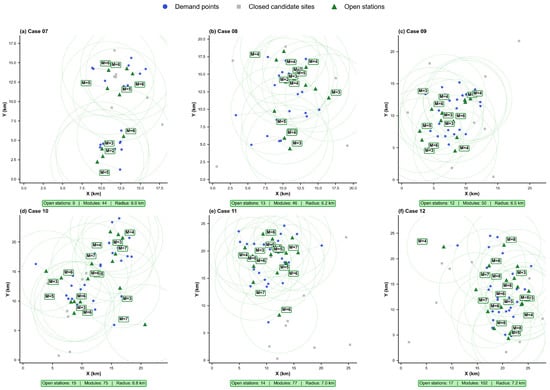
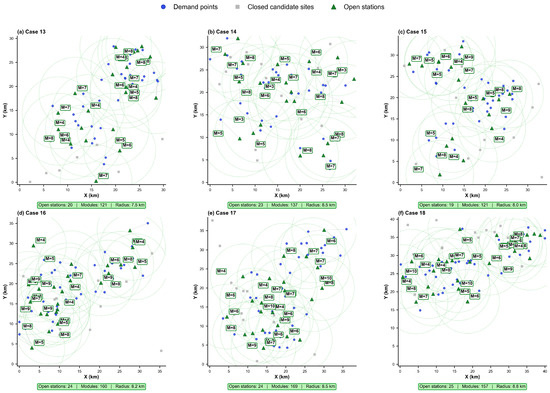
A Study on the Optimization of Site Selection and Capacity Allocation for New Energy Vehicle Swapping Stations in Urban Areas
by
Linwei Hong, Jian Chu and Wenkang Zhang
Sustainability 2026, 18(16), 8175; https://doi.org/10.3390/su18168175 - 10 Aug 2026
Abstract
Urban battery swapping station (BSS) planning is difficult because site opening, service-module allocation, user assignment, battery degradation pressure, travel burden, and congestion are tightly coupled. A plan that minimizes investment alone may create long queues, whereas a plan that only reduces waiting can
[...] Read more.
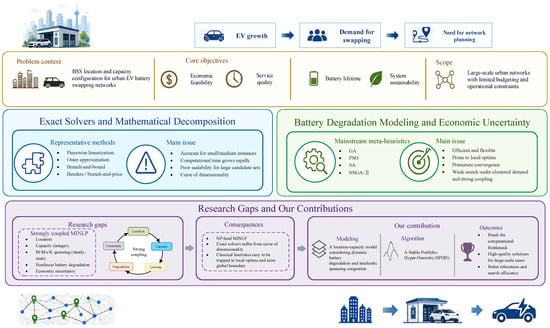
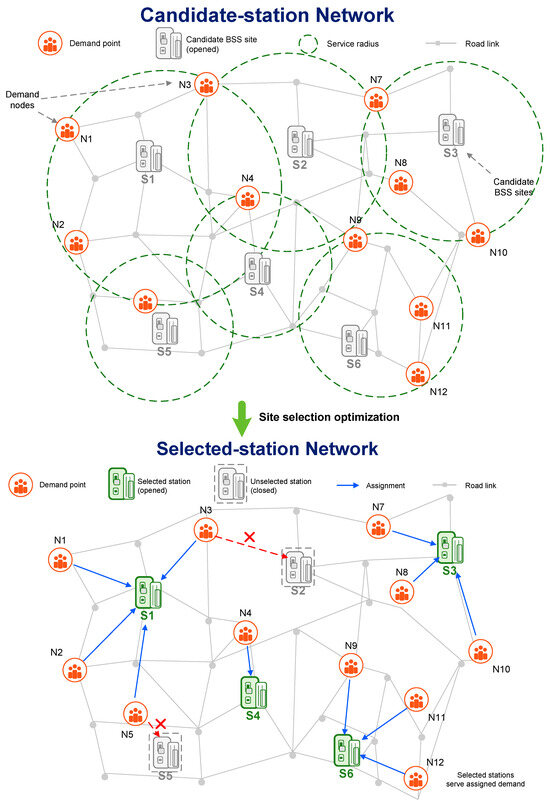
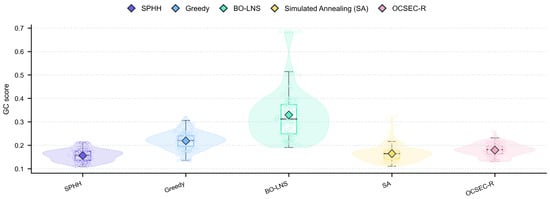
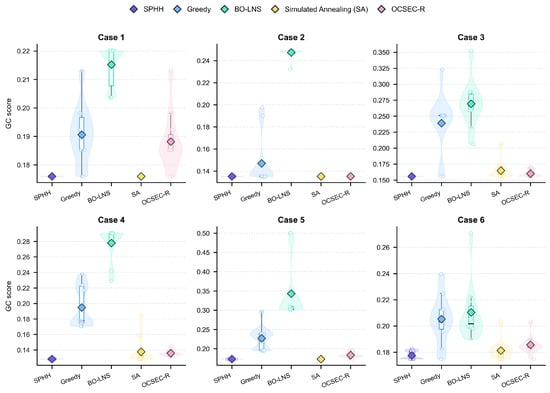
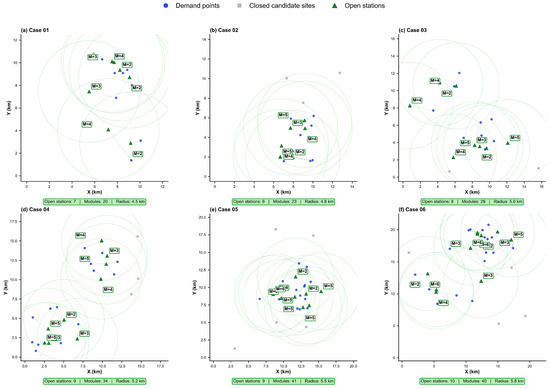
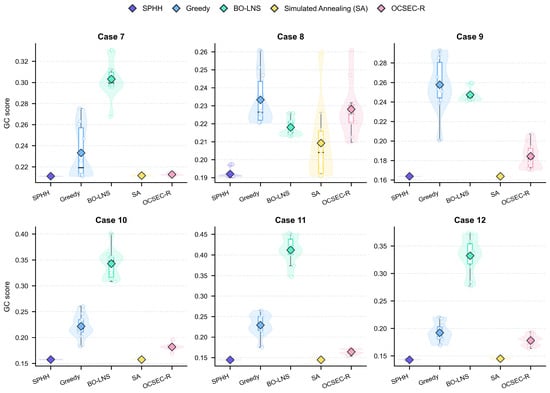
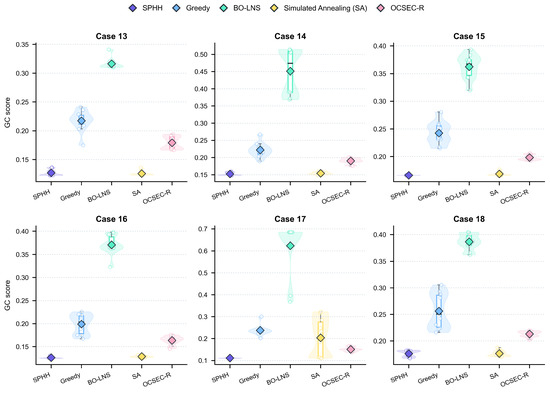
Urban battery swapping station (BSS) planning is difficult because site opening, service-module allocation, user assignment, battery degradation pressure, travel burden, and congestion are tightly coupled. A plan that minimizes investment alone may create long queues, whereas a plan that only reduces waiting can overbuild costly and underused capacity. This study formulates the urban BSS siting–sizing problem as an operation-aware mixed-integer nonlinear model and evaluates feasible plans with payoff-table global-criterion normalization. To search this rugged planning space, we propose a Stable Portfolio Hyper-Heuristic (SPHH) that combines Greedy construction, BO-guided large-neighborhood search, simulated annealing, and optimized annealing with reheating, followed by feasible-incumbent preservation and non-worsening post-processing. The formal campaign contains 18 synthetic cases, 10 independent repeats, and five algorithms, yielding 900 optimization records. Across the 18 cases, SPHH produced the lowest mean GC score and reduced the mean GC value on average relative to the baseline algorithms. Nonparametric Friedman and Holm-adjusted Wilcoxon tests confirmed statistically significant differences among methods, although the advantage over the strongest baseline was not universal. These results indicate that SPHH is most useful as an offline planning selector that improves recommendation stability when additional computation is acceptable, rather than as a universally faster optimizer.
Full article
(This article belongs to the Section Energy Sustainability)
►▼
Show Figures

Figure 1
Open AccessArticle
Design and Optimal Sizing of a Photovoltaic/Wind/Diesel/Battery Nanogrid Using Different Multi-Objective Enhanced Algorithms: Application to a Residential Off-Grid Site in Algeria
by
Mohamed Lamine Benaissa, Abdelkader Beladel, Abdellah Kouzou, José Rodríguez and Mohamed Abdelrahem
Sustainability 2026, 18(16), 8174; https://doi.org/10.3390/su18168174 - 10 Aug 2026
Abstract
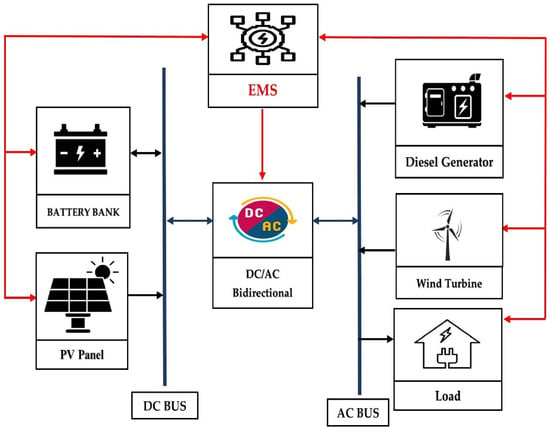
This study considers the multi-objective optimization of a standalone hybrid nanogrid system (HNGS) providing electricity power to a residential load in an off-grid area of Djelfa Province, Algeria. The focus of this study is to obtain the optimum design of a standalone hybrid
[...] Read more.
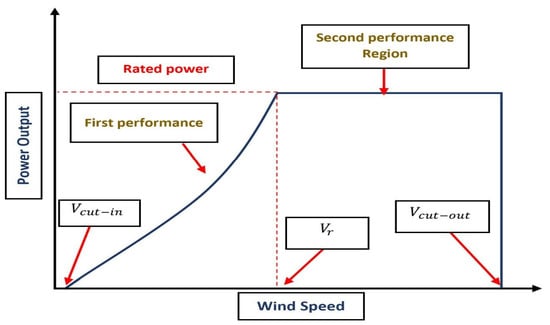
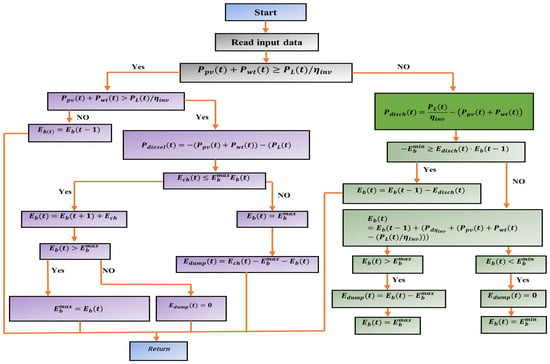
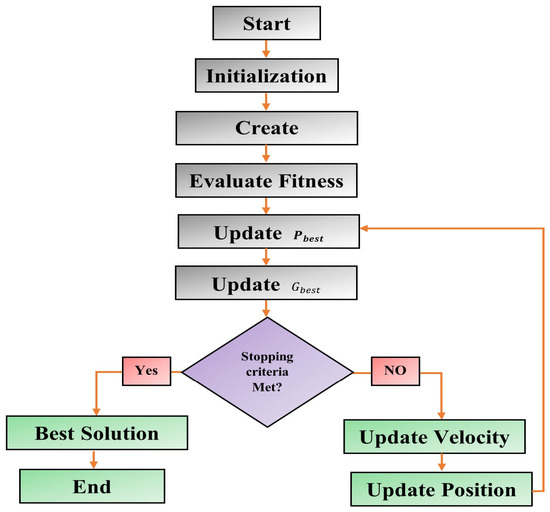
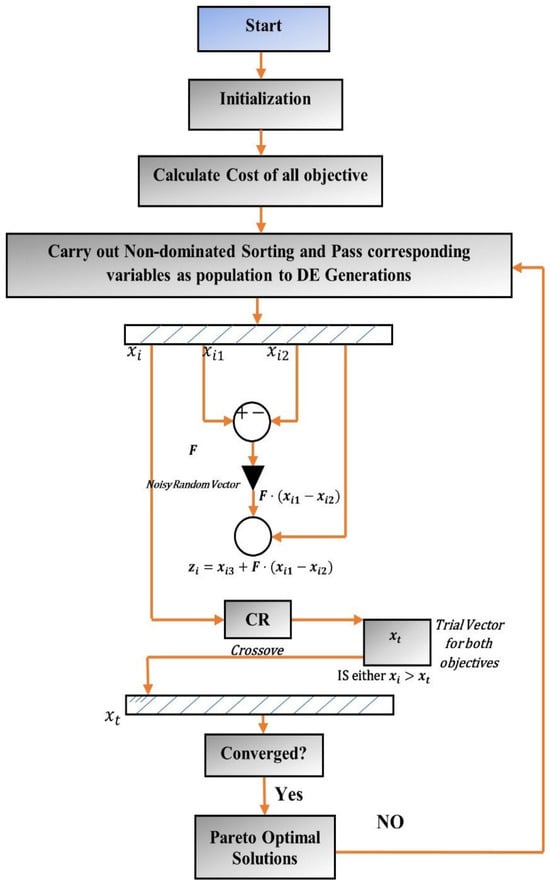
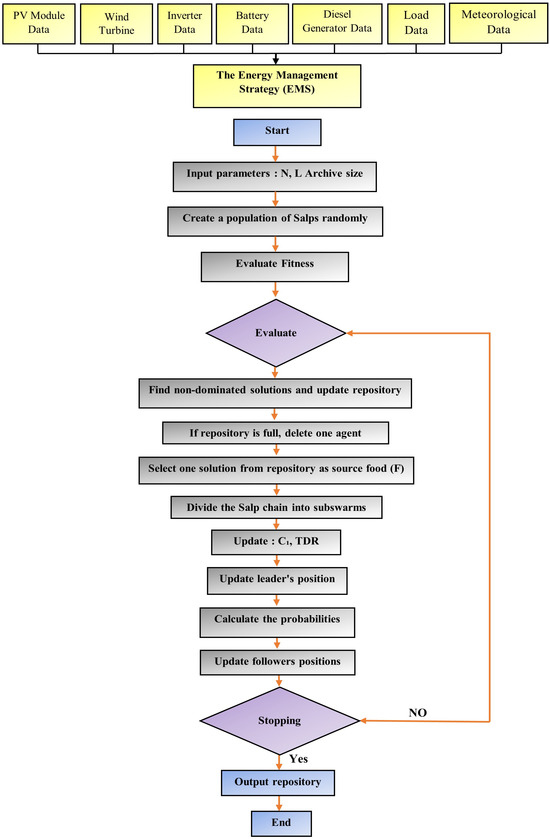
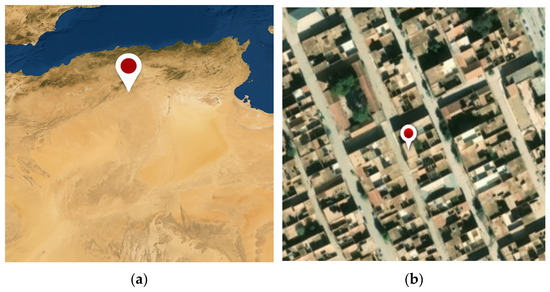
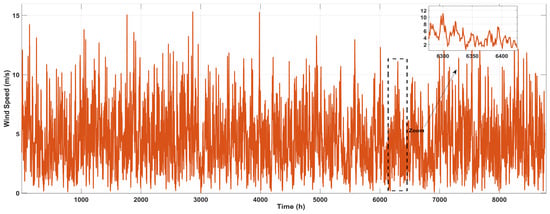
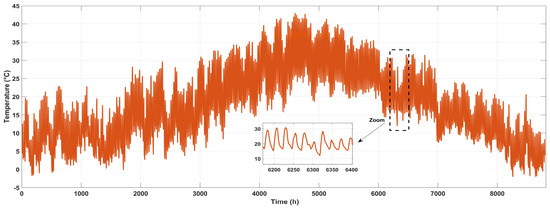
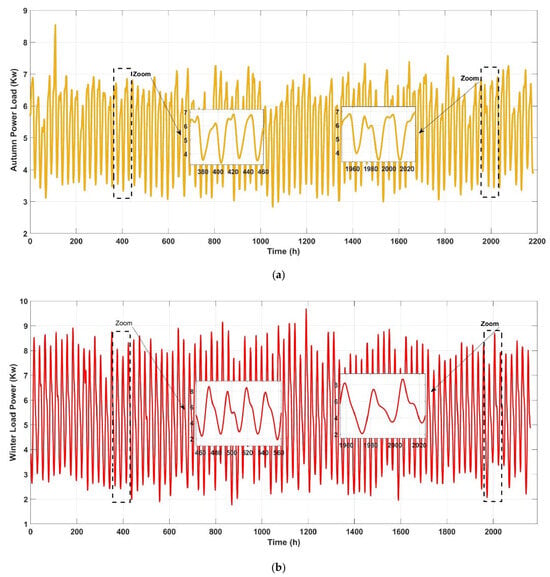
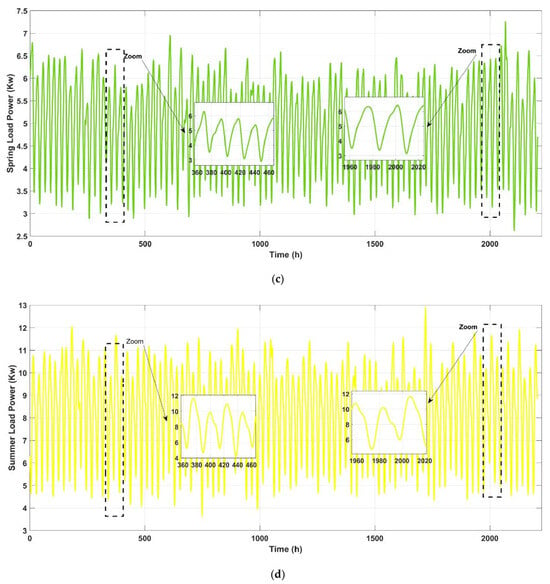
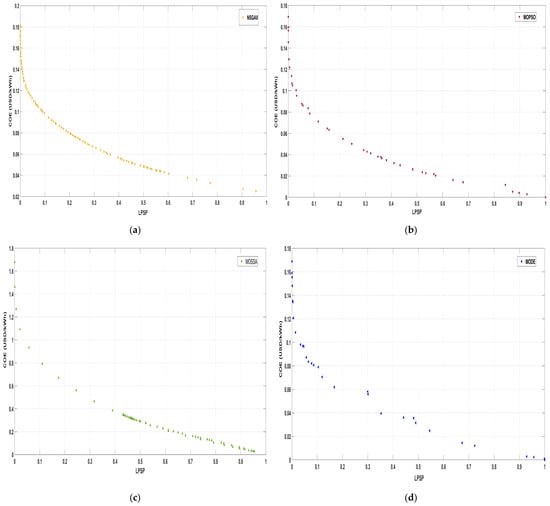
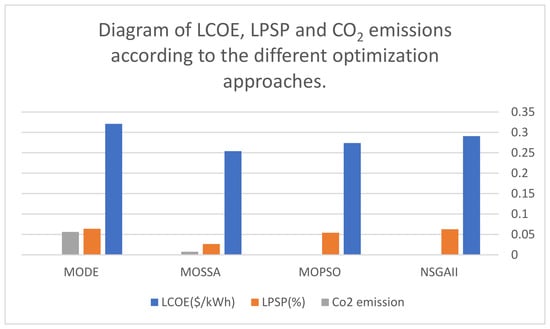
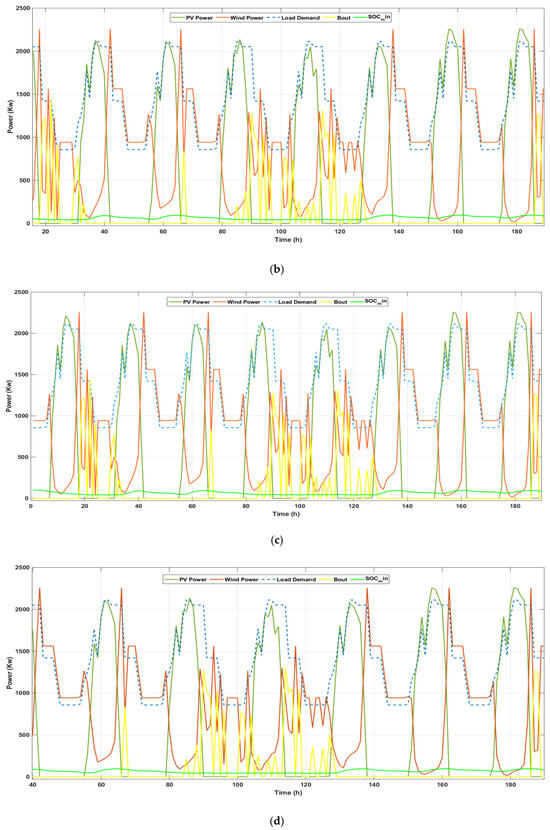
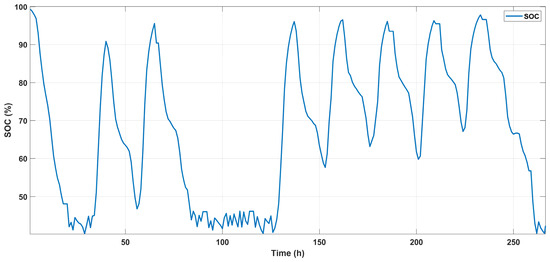
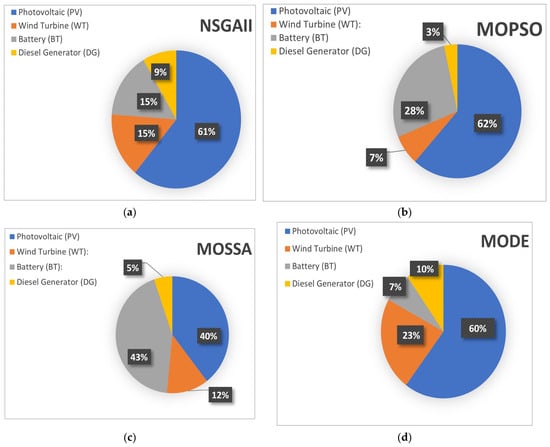
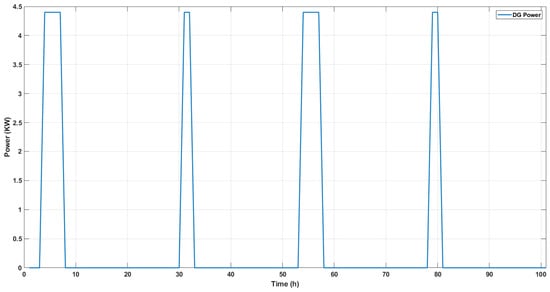
This study considers the multi-objective optimization of a standalone hybrid nanogrid system (HNGS) providing electricity power to a residential load in an off-grid area of Djelfa Province, Algeria. The focus of this study is to obtain the optimum design of a standalone hybrid nanogrid system consisting of photovoltaic (PV) panels, wind turbines (WTs), battery storage (BT), diesel generators (DGs), and power converters to satisfy the energy demand of residential consumers in Djelfa Province, Algeria. In this context, four multi-objective optimization algorithms (MOPs), NSGA-II, MOPSO, MOSSA, and MODE, are used to solve the optimal sizing problem of the proposed system. The formulated multi-objective optimization problem takes into account multiple performance criteria such as cost of energy (COE), loss of power supply probability (LPSP), renewable energy penetration, and diesel generator usage reduction, balancing economic, reliability, and sustainability aspects. The optimization process optimizes critical design parameters, including the size of the PV system, the number of wind turbines, and the size of the battery storage system, for a realistic operating scenario. The optimization algorithms are combined with an energy management strategy (EMS) that helps to coordinate the power flow distribution between various parts of the system to achieve optimum system performance. The effectiveness of each of the proposed approaches is analyzed based on the obtained results, where it was found that the MODE algorithm provides the best compromise solution, with a COE of 0.167 USD/kWh and an LPSP of 6.372%, and the lowest carbon dioxide emissions of 205.1 kg/year compared to MOPSO, NSGA-II, and MOSSA. Moreover, the results obtained from this process will provide a set of feasible design solutions, which will allow decision-makers to choose the most suitable design solution based on technical and economic specifications.
Full article
(This article belongs to the Section Energy Sustainability)
►▼
Show Figures

Figure 1
Open AccessArticle
Species-Specific Photosynthetic Inhibition and Lipid Remodeling in Freshwater Microalgae Exposed to Pb(II) Stress
by
Khawaja Muhammad Imran Bashir, Sana Mansoor, Hyeon-Jun Lee, Shah Abid Ali, Man-Gi Cho and Jae-Suk Choi
Sustainability 2026, 18(16), 8173; https://doi.org/10.3390/su18168173 - 10 Aug 2026
Abstract
Lead (Pb) is a persistent environmental contaminant that poses a significant risk to aquatic primary producers by disrupting photosynthesis, cellular metabolism, and physiological homeostasis. This study investigated the physiological and biochemical responses of two freshwater green microalgae, Mucidosphaerium pulchellum and Micractinium pusillum,
[...] Read more.
Lead (Pb) is a persistent environmental contaminant that poses a significant risk to aquatic primary producers by disrupting photosynthesis, cellular metabolism, and physiological homeostasis. This study investigated the physiological and biochemical responses of two freshwater green microalgae, Mucidosphaerium pulchellum and Micractinium pusillum, exposed to Pb(II) concentrations ranging from 0 to 30 mg L−1. Species-specific responses were evaluated through growth kinetics, chlorophyll fluorescence, lipid accumulation, and fatty acid profiling to elucidate mechanisms underlying Pb stress tolerance. Pb(II) exposure resulted in concentration-dependent inhibition of growth and photosynthetic activity in both species, with marked reductions in quantum yield and increases in photosynthetic inhibition at the highest exposure concentration (30 m L−1), reaching approximately 95% in M. pulchellum and 93% in M. pusillum. Lipid metabolism exhibited distinct species-specific responses: M. pulchellum showed a progressive decline in total lipid content, whereas M. pusillum exhibited enhanced lipid accumulation under moderate Pb exposure followed by depletion under severe stress. Fatty acid analysis revealed significant membrane lipid remodeling, characterized primarily by reductions in polyunsaturated fatty acids, particularly α-linolenic acid (C18:3), with stronger alterations observed in M. pulchellum. These findings demonstrate that Pb toxicity involves interconnected effects on photosynthetic efficiency, carbon allocation, and membrane lipid composition, with species-specific differences in physiological resilience. The combined application of chlorophyll fluorescence and lipid-related biomarkers provides a sensitive approach for assessing heavy-metal stress responses and improving understanding of Pb tolerance mechanisms in freshwater microalgae. These findings provide a physiological basis for the development of sustainable biomonitoring approaches for freshwater ecosystems.
Full article
Open AccessArticle
A Fuzzy–AHP-Based Occupational Health and Safety Risk Assessment Framework for Tunisia’s Chemical Industry
by
Ibrahim Fourati, Ismail Haloui and Yang Li
Sustainability 2026, 18(16), 8172; https://doi.org/10.3390/su18168172 - 10 Aug 2026
Abstract
Occupational Health and Safety (OHS) risk management is an ongoing challenge in resource-scarce chemical industries, especially in developing nations like Tunisia. The current research recommends a hybrid socio-techno-environmental model based on Fuzzy Logic and the Analytic Hierarchy Process (AHP) for occupational health and
[...] Read more.
Occupational Health and Safety (OHS) risk management is an ongoing challenge in resource-scarce chemical industries, especially in developing nations like Tunisia. The current research recommends a hybrid socio-techno-environmental model based on Fuzzy Logic and the Analytic Hierarchy Process (AHP) for occupational health and safety risk assessment and prioritization of occupational health and safety (OHS) risks. The model, based on a backup of expert judgment from pre-specified questionnaires and real data of Tunisian chemical industries, quantifies the risk factors based on criticality and probability of occurrence. Fuzzy–AHP not only evaluates qualitative estimates but also provides a systematic framework for evaluating and prioritizing occupational health and safety risks. Findings are consistent with the fact that socio-organizational factors such as occupational safety culture and compliance among workers play a pivotal role in determining total levels of risk, and in certain cases dominate over technical considerations alone. In offering a scalable and context-sensitive solution, this research has an additional contribution with a decision-support framework that assists organizations in evaluating and prioritizing occupational health and safety risks under uncertain conditions. Its use for policy makers and business interests that seek to maximise OHS performance in given constraints, and its use in actual implementation and compatibility with sustainability and worker health goals, speaks to its utility.
Full article
Open AccessArticle
Seeking Stability Amid Uncertainty: The Impact of Climate Policy Uncertainty on Corporate Innovation Resilience
by
Zhengjie Chun, Yuchi Wu, Pan Pan and Yu Qiu
Sustainability 2026, 18(16), 8171; https://doi.org/10.3390/su18168171 - 10 Aug 2026
Abstract
►▼
Show Figures
As the global sustainability agenda and carbon neutrality goals continue to advance, climate policy has become an important governance instrument for promoting firms’ green and low-carbon transformation. Adjustments in policy timing, regulatory intensity, and enforcement arrangements may create uncertainty for firms’ long-term technological
[...] Read more.
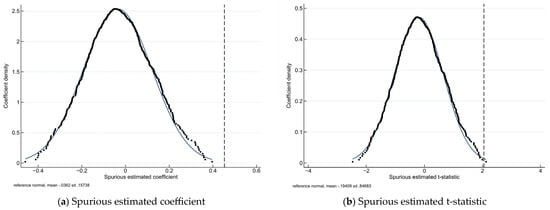
As the global sustainability agenda and carbon neutrality goals continue to advance, climate policy has become an important governance instrument for promoting firms’ green and low-carbon transformation. Adjustments in policy timing, regulatory intensity, and enforcement arrangements may create uncertainty for firms’ long-term technological investment and their capacity to sustain this transformation. Accordingly, this study focuses on corporate innovation resilience and examines firms’ ability to maintain, adjust, and recover innovation activities amid climate policy fluctuations. Using Shanghai and Shenzhen A-share-listed firms from 2010 to 2023, this study matches firm-level data with prefecture-level climate policy uncertainty indicators based on firms’ registered locations and empirically examines the impact of climate policy uncertainty on corporate innovation resilience. The results show that climate policy uncertainty is positively associated with corporate innovation resilience. This finding remains robust after changing fixed-effect specifications, adjusting the clustering level of standard errors, excluding special-year observations, and conducting instrumental variable, entropy balancing, and placebo tests. Mechanism tests provide evidence consistent with the channels of corporate sustainable transformation, external attention pressure, and managerial sustainable governance capability. Heterogeneity analysis further shows that this positive association is more pronounced in regions with stronger environmental regulation and among firms receiving higher government environmental subsidies. At the industry level, the effect is mainly observed among heavy-polluting firms and non-high-tech firms. These results indicate that the association is stronger where sustainable transition pressure or policy support is greater. This study extends the firm-level consequences of climate policy uncertainty from innovation quantity and green innovation to the adaptive capacity of corporate innovation systems and provides evidence on how firms sustain innovation while long-term low-carbon transition goals are implemented under fluctuating climate policies.
Full article

Figure 1

Open AccessArticle
Correlations Between Soil Multifractal Features and Erodibility in Utility-Scale Photovoltaic Plants in a Desert Steppe
by
Baoer Hao, Zhongkai Tai and Xin Tong
Sustainability 2026, 18(16), 8170; https://doi.org/10.3390/su18168170 - 10 Aug 2026
Abstract
►▼
Show Figures
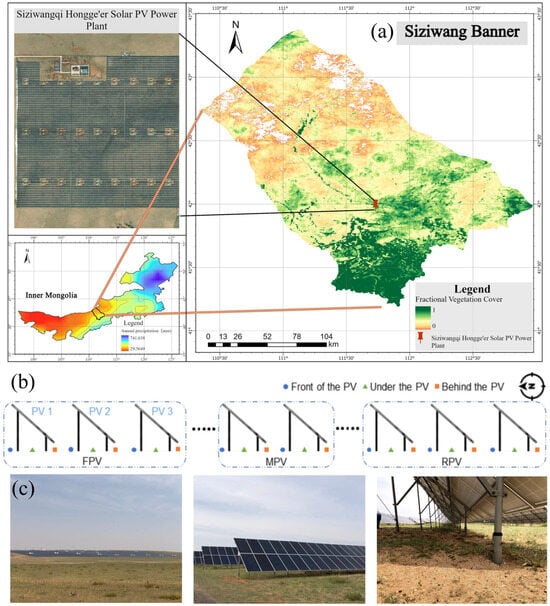
Assessing the impacts of large-scale photovoltaic plants on soil properties is critical for sustainable land management in arid regions. This study examined a 50 MWp utility-scale PV facility in Siziwangqi, Inner Mongolia, northern China, a cold semi-arid desert steppe where renewable-energy development overlaps
[...] Read more.
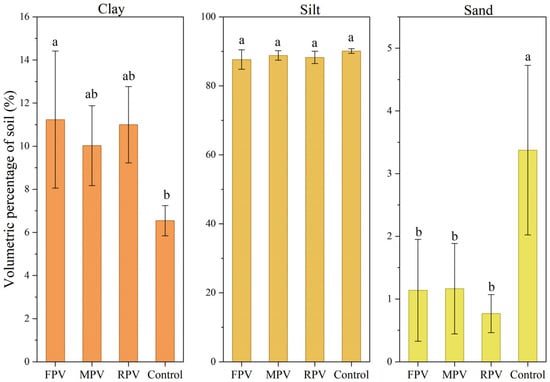
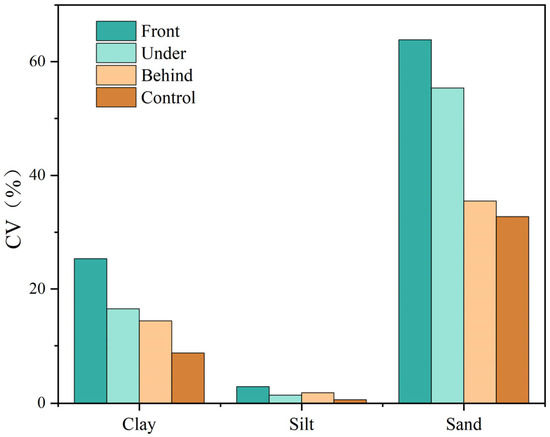
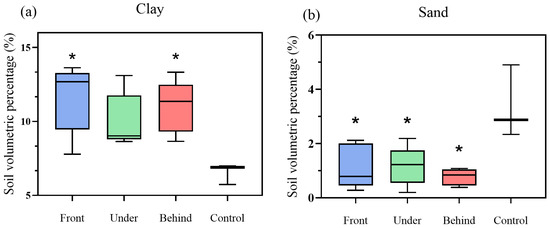
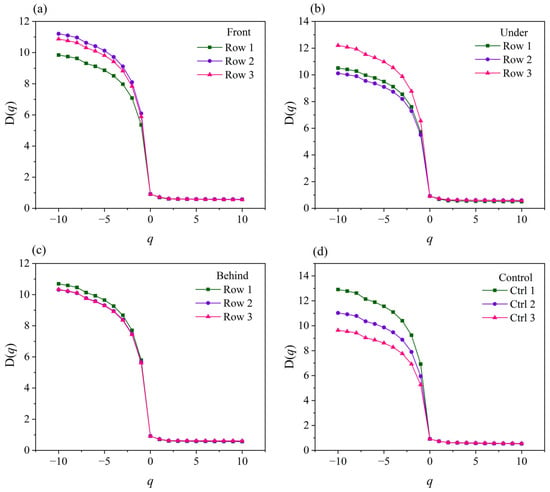
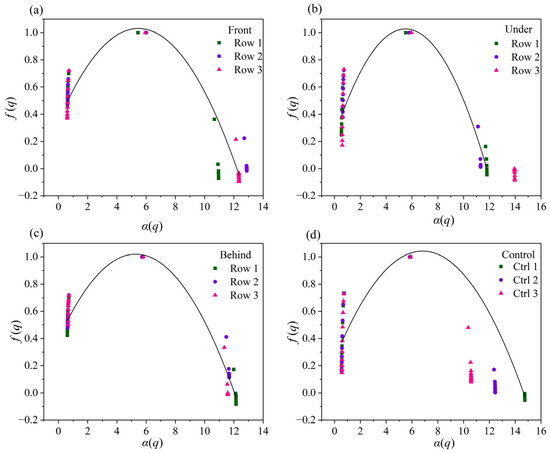
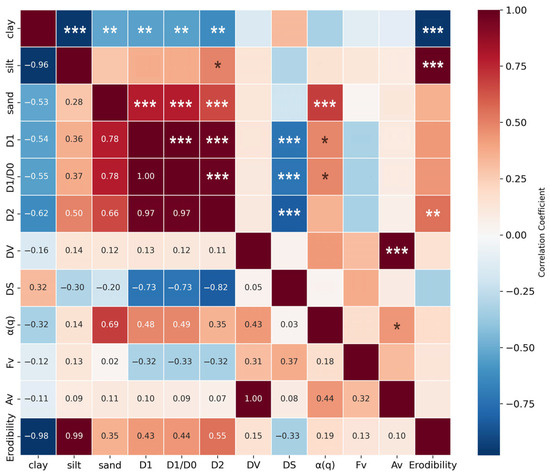
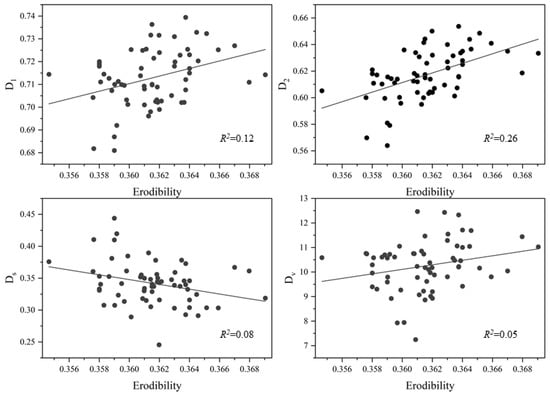
Assessing the impacts of large-scale photovoltaic plants on soil properties is critical for sustainable land management in arid regions. This study examined a 50 MWp utility-scale PV facility in Siziwangqi, Inner Mongolia, northern China, a cold semi-arid desert steppe where renewable-energy development overlaps with fragile wind-eroded ecosystems. A spatially resolved sampling design contrasted soils at key micro-positions relative to the panels, namely Front, Under, and Behind, with adjacent natural Controls. By integrating laser diffraction analysis, multifractal modeling, and the EPIC erodibility equation, we evaluated soil particle-size probability redistribution and EPIC-estimated intrinsic erodibility. Compared with the silt-dominated surface soil of the natural steppe, soils within the photovoltaic plant exhibited fine-particle retention and lower information and correlation dimensions (D1 and D2), indicating stronger local clustering and a less even particle-size probability distribution. The EPIC-estimated erodibility factor decreased from 0.452 in the Control to approximately 0.361 in the PV micro-locations. These associations should be interpreted as texture- and SOC-based model estimates rather than direct measurements of wind erosion. Overall, multifractal parameters provide complementary proxy descriptors for detecting PV-induced particle sorting and potential changes in intrinsic soil erodibility, underscoring the need for field validation and adaptive management in dryland PV landscapes. These findings provide physical soil evidence for evaluating the environmental sustainability of dryland PV development and for supporting adaptive land management in solar farms.
Full article

Figure 1
Journal Menu
► ▼ Journal Menu-
- Sustainability Home
- Aims & Scope
- Editorial Board
- Reviewer Board
- Topical Advisory Panel
- Early Career Editorial Board
- Instructions for Authors
- Special Issues
- Topics
- Sections & Collections
- Article Processing Charge
- Indexing & Archiving
- Editor’s Choice Articles
- Most Cited & Viewed
- Journal Statistics
- Journal History
- Journal Awards
- Society Collaborations
- Conferences
- Editorial Office
Journal Browser
► ▼ Journal BrowserHighly Accessed Articles
Latest Books
E-Mail Alert
News
Topics
Topic in
Buildings, CivilEng, Infrastructures, Safety, Sustainability, Systems
Construction Project Management and Infrastructure Sustainability
Topic Editors: Tarek Zayed, Mohamed Hussein, Sherif Abdelkhalek, Eslam Saleh, Abdul Hannan QureshiDeadline: 20 August 2026
Topic in
Applied Sciences, Clean Technol., Energies, Membranes, Polymers, Sustainability, Water
New Advances in Membrane Technology and Its Contribution to Sustainability
Topic Editors: Patricia Luis Alconero, Bart Van der BruggenDeadline: 12 September 2026
Topic in
Coasts, Energies, JMSE, Sustainability, Future Transportation
Maritime Transportation in the Blue Economy and Green Shipping Technology
Topic Editors: Chungkuk Jin, Junghwan Choi, Won-Ju Lee, Hokeun KangDeadline: 15 September 2026
Topic in
Energies, Materials, Processes, Sustainability, ChemEngineering, Chemistry
Chemical and Biochemical Processes for Energy Sources, 2nd Edition
Topic Editors: Venko N. Beschkov, Konstantin PetrovDeadline: 30 September 2026
Conferences
Special Issues
Special Issue in
Sustainability
Sustainable Logistics Management: Research Focus on Port and Maritime Transportation
Guest Editor: Vitor CaldeirinhaDeadline: 11 August 2026
Special Issue in
Sustainability
Sustainable Material for Green Development of Transportation Infrastructure
Guest Editors: Laura Moretti, Giulia Del SerroneDeadline: 14 August 2026
Special Issue in
Sustainability
Healthy Indoor Environments: Air Quality in Sustainable Public and Healthcare Buildings
Guest Editor: Agnieszka TruszDeadline: 14 August 2026
Special Issue in
Sustainability
The Innovative Design of Service-Oriented Public Transport: Towards Sustainable Mobility and Travel Habits
Guest Editors: Hing Yan Tong, Simon Yuen, Guilhermina TorraoDeadline: 15 August 2026
Topical Collections
Topical Collection in
Sustainability
Sustainable Urban Mobility Project
Collection Editors: Kenji Doi, Alexis M. Fillone
Topical Collection in
Sustainability
Mine Hazards Identification, Prevention and Control
Collection Editors: Xiangguo Kong, Dexing Li, Xiaoran Wang
Topical Collection in
Sustainability
Synergies in Food System Transformation: Integrating Technology, Policy, and Human Behavior
Collection Editors: Evridiki Kaba, Iliana Tsampoula
Topical Collection in
Sustainability
Sustainable Transport Economics, Behaviour and Policy
Collection Editors: Richard Tay, Long T. Truong, Samuel Chng