Journal Description
Sustainability
Sustainability
is an international, peer-reviewed, open-access journal on environmental, cultural, economic, and social sustainability of human beings, published semimonthly online by MDPI. The Canadian Urban Transit Research & Innovation Consortium (CUTRIC), International Council for Research and Innovation in Building and Construction (CIB) and Urban Land Institute (ULI) are affiliated with Sustainability and their members receive discounts on the article processing charges.
- Open Access— free for readers, with article processing charges (APC) paid by authors or their institutions.
- High Visibility: indexed within Scopus, SCIE and SSCI (Web of Science), GEOBASE, GeoRef, Inspec, RePEc, CAPlus / SciFinder, and other databases.
- Journal Rank: JCR - Q2 (Environmental Studies) / CiteScore - Q1 (Geography, Planning and Development)
- Rapid Publication: manuscripts are peer-reviewed and a first decision is provided to authors approximately 16.9 days after submission; acceptance to publication is undertaken in 3.8 days (median values for papers published in this journal in the first half of 2026).
- Recognition of Reviewers: reviewers who provide timely, thorough peer-review reports receive vouchers entitling them to a discount on the APC of their next publication in any MDPI journal, in appreciation of the work done.
- Testimonials: See what our editors and authors say about Sustainability.
- Companion journals for Sustainability include: World, Sustainable Chemistry, Conservation, Future Transportation, Architecture, Standards, Merits, Bioresources and Bioproducts, Accounting and Auditing, Environmental Remediation, Green and Advances in Carbon Neutrality.
- Journal Cluster of Environmental Science: Sustainability, Land, Clean Technologies, Environments, Nitrogen, Recycling, Urban Science, Safety, Air, Waste, Aerobiology, Toxics, Pollutants, The Journal of Xenobiotics, Journal of Parks, Green and Environmental Remediation.
Impact Factor:
4.1 (2025);
5-Year Impact Factor:
4.2 (2025)
Latest Articles
Delineating Urban Growth Boundary Using Remote Sensing and Cellular Automata–Neural Network (CA-ANN) Model: A Case Study of Dhaka City, Bangladesh
Sustainability 2026, 18(16), 8434; https://doi.org/10.3390/su18168434 - 17 Aug 2026
Abstract
Rapid and unplanned urbanization in Dhaka is reshaping land use, intensifying peripheral expansion, and increasing pressure on urban and ecological resources. Understanding these growth dynamics is essential for effective urban growth boundary delineation and sustainable planning, yet integrated assessments of historical and future
[...] Read more.
Rapid and unplanned urbanization in Dhaka is reshaping land use, intensifying peripheral expansion, and increasing pressure on urban and ecological resources. Understanding these growth dynamics is essential for effective urban growth boundary delineation and sustainable planning, yet integrated assessments of historical and future urban growth remain limited. The current study evaluates spatiotemporal urban expansion from 2010 to 2025, delineates the urban growth boundary using a morphological framework, and simulates future growth for 2030 through a coupled cellular automaton-neural network model. Multi-temporal Landsat imagery (2010, 2015, 2020, and 2025) was classified in Google Earth Engine using supervised Maximum Likelihood Classification. Urban growth patterns were quantified using the urban expansion intensity index (UEII), annual urban expansion rate (AUER), and landscape expansion index (LEI). The urban largest continuous patch index (ULCPI) approach was applied to extract functional urban boundaries. Model performance was validated using the Chi-square (χ2) goodness-of-fit test. Results show a substantial increase in built-up land from 115.85 km2 to 171.42 km2 between 2010 and 2025, accompanied by a decline of approximately 60 km2 in urban green spaces. LEI results demonstrate a transition from compact infilling growth (2010–2015) to dominant edge and outlying expansion (2015–2020), indicating progressive peri-urbanization. The urban largest continuous patch (ULCP) nearly doubled from 78.58 km2 to 152.13 km2 over the same period, accentuating rapid spatial consolidation. The 2030 projection anticipates continued corridor-oriented expansion, particularly toward the northern and eastern peripheries, with predictive agreement from the CA–ANN model (χ2 = 0.03 < 7.8). The study identifies a clear transition from monocentric compactness to polycentric expansion, emphasizing the necessity for enforceable growth containment, transit-oriented development, and ecologically responsive planning strategies to ensure long-term urban sustainability.
Full article
Open AccessArticle
CoFFormer: A Collaborative Frequency-Domain-Enhanced Network for Sustainable Wind Power Forecasting Under Non-Stationary Conditions
by
Yuanyuan Liu, Zhiguo Xiao, Yujing Guo, Junli Liu, Xinyao Cao, Yanqi Shao, Yangfan Zhou and Ke Wang
Sustainability 2026, 18(16), 8433; https://doi.org/10.3390/su18168433 - 17 Aug 2026
Abstract
Accurate wind power forecasting is essential for renewable-energy accommodation, low-carbon dispatch, and the sustainable operation of modern power systems. However, wind power series exhibit pronounced non-stationarity, strong volatility, and multi-scale evolution, making long-term trends and short-term disturbances difficult to characterize jointly. In addition,
[...] Read more.
Accurate wind power forecasting is essential for renewable-energy accommodation, low-carbon dispatch, and the sustainable operation of modern power systems. However, wind power series exhibit pronounced non-stationarity, strong volatility, and multi-scale evolution, making long-term trends and short-term disturbances difficult to characterize jointly. In addition, multi-step forecasting errors tend to accumulate with increasing horizons, degrading model accuracy and stability. To address these issues, this study proposes CoFFormer, a collaborative frequency-domain-enhanced network for non-stationary wind power forecasting. The model reduces input modeling complexity, strengthens collaborative representation of heterogeneous temporal information, and suppresses output-stage error accumulation. Specifically, embedded series decomposition mitigates coupling interference between trend and fluctuation components. Differentiated temporal modeling and dynamic gating then adaptively coordinate the contributions of different feature representations, while frequency-domain residual compensation enhances the recovery of periodic structures and local oscillations. Experiments on ETTh2, wind_speed, WindPower, and Location2 demonstrate strong competitiveness across forecasting horizons. CoFFormer achieves MSE/MAE values of 0.0957/0.2238 and 0.1508/0.2889 on ETTh2 for 12- and 24-step forecasting, and 0.0617/0.1490 and 0.3838/0.3948 on WindPower for 3- and 24-step forecasting, outperforming most baselines. Ablation studies confirm the effectiveness and synergy of each component, providing an effective solution for high-accuracy multi-step forecasting of complex non-stationary wind power series.
Full article
(This article belongs to the Special Issue Intelligent Control and Robotic Systems for Sustainable Development)
Open AccessArticle
Geo-Environmental Insights for Sustainable Development: Assessing the Most Southern Part of the Red Sea Coast, Saudi Arabia
by
Abdullah M. Alanazi
Sustainability 2026, 18(16), 8432; https://doi.org/10.3390/su18168432 - 17 Aug 2026
Abstract
The southern Red Sea coastal zone of Jizan Province in Saudi Arabia is increasingly exposed to seismic hazards, soil erosion, flash flooding, and tectonically shaped landscape instability, raising challenges for sustainable development. This paper integrates high-resolution 12.5 m ALOS PALSAR digital elevation model
[...] Read more.
The southern Red Sea coastal zone of Jizan Province in Saudi Arabia is increasingly exposed to seismic hazards, soil erosion, flash flooding, and tectonically shaped landscape instability, raising challenges for sustainable development. This paper integrates high-resolution 12.5 m ALOS PALSAR digital elevation model data, morphometric analyses, geomorphic interpretations, and the Revised Universal Soil Loss Equation (RUSLE) model to assess soil erosion vulnerability and relative tectonic activity along 24 sub-basins. A total of 22 morphometric parameters were investigated, analyzed, and integrated into a weighted compound ranking key for prioritizing erosion-prone sub-basins. Geomorphic interpretation was assessed using the hypsometric integral, valley-floor width-to-height ratio, and basin shape, which were processed in the Relative Tectonic Activity (RTA) model. The results recognize sub-basins 8, 7, 22, 18, 23, 13, 3, and 9 as the highest-priority zones for soil conservation, while hypsometric integral values (0.04–0.48) reveal mature landscapes with geomorphic reactivation. High spatial correlation among morphometric prioritization, RTA interpretation, and the RUSLE model reveals that drainage characteristics, relief, lithology, and tectonic signatures indicate a significant spatial association with the soil erosion framework. The proposed model presents a reliable baseline key for sub-basin prioritization and climate-resilient mega-structure planning in data-poor settings, directly supporting SDG 9 and SDG 13.
Full article
(This article belongs to the Special Issue Geospatial Analysis for Sustainable Environmental Management)
Open AccessArticle
Green Mergers and Acquisitions, and Corporate Green Innovation: Innovation Types, Timing, and the Moderating Role of Carbon Information Disclosure
by
Jie Meng, Yuanyuan Wang and Shuyi Hu
Sustainability 2026, 18(16), 8431; https://doi.org/10.3390/su18168431 - 17 Aug 2026
Abstract
Green mergers and acquisitions (M&A) may enable firms to acquire external environmental technologies, assets, and organizational capabilities. However, whether green M&A is associated with subsequent green innovation, how this association evolves across innovation types and time horizons, and whether prior carbon information disclosure
[...] Read more.
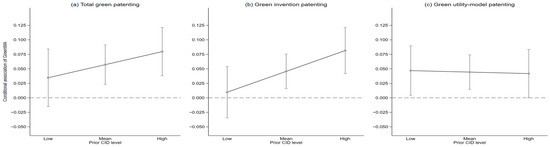
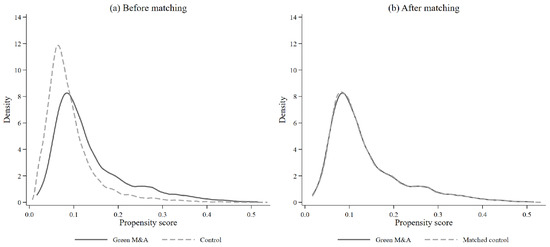
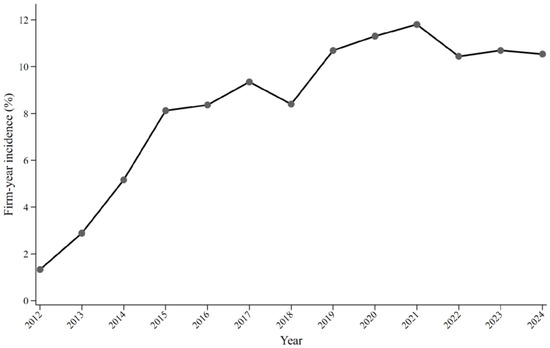
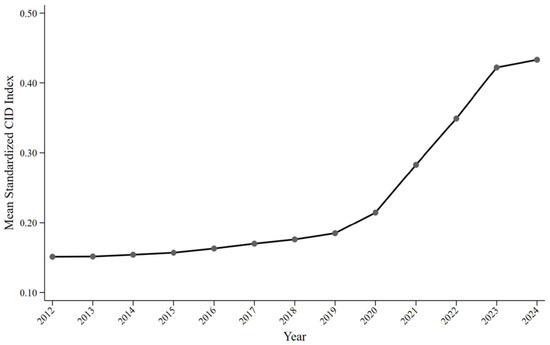
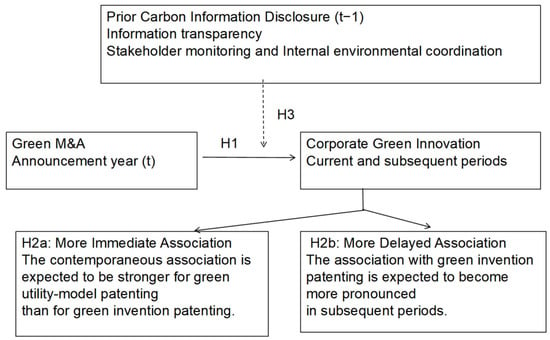
Green mergers and acquisitions (M&A) may enable firms to acquire external environmental technologies, assets, and organizational capabilities. However, whether green M&A is associated with subsequent green innovation, how this association evolves across innovation types and time horizons, and whether prior carbon information disclosure conditions this process remain unclear. Using 40,923 firm year observations of Chinese A-share-listed firms from 2012 to 2024, this study combines licensed green M&A data from Zhixing Data Analytics, green patent data from CNRDS, and carbon disclosure, financial, and corporate governance data from CSMAR. The baseline treatment identifies firm years in which at least one green M&A transaction first announced during the year was subsequently recorded as completed. The analysis employs firm and year fixed-effects models, common-sample distributed-lag specifications, formal cross-type coefficient comparisons, forward-outcome tests, propensity score matching, entropy balancing, and alternative measures and specifications. Green M&A is positively associated with total green patenting. The baseline coefficient of 0.045 implies an approximately 4.65% increase in one plus the number of total green patent applications. The contemporaneous association is stronger for green utility model patenting than for green invention patenting, whereas the association with invention patenting becomes more evident in subsequent periods. Prior carbon information disclosure positively moderates the association between green M&A and one-year-ahead invention patenting (β = 0.220, p = 0.018), while the corresponding moderation estimates for total and utility model patenting are not statistically significant. The findings are supported by observable selection adjustments and several alternative measurements and specifications, although fixed-effects PPML estimates using the original patent counts are not statistically significant. This study provides an integrated framework for understanding how innovation timing and prior information governance shape the green M&A dilemma. The results suggest that regulators and investors should assess green acquisitions using credible pre-acquisition carbon disclosure and post-acquisition innovation trajectories rather than relying on environmental transaction labels alone.
Full article
(This article belongs to the Section Economic and Business Aspects of Sustainability)
►▼
Show Figures

Figure 1
Open AccessArticle
Ecological and Geochemical Assessment of Soil Conditions in the Mountain River Basins of the Eastern Caucasus (Russia, Azerbaijan)
by
Ekaterina Kashirina, Roman Gorbunov, Ibragim Kerimov, Tatiana Gorbunova, Polina Drygval, Aleksandra Nikiforova, Nastasia Lineva, Vladimir Tabunshchik, Anna Drygval, Andrey Kelip, Cam Nhung Pham, Nikolai Bratanov, Nikita Chikanov, Valeria Ulanova, Valeria Sek, Zulfira Gagaeva, Maria Kiselyova and Ekaterina Zueva
Sustainability 2026, 18(16), 8430; https://doi.org/10.3390/su18168430 - 17 Aug 2026
Abstract
The concentrations of 18 chemical elements were determined in the upper soil horizons within the landscapes of river basins in the Eastern Caucasus, using the Ulluchay, Sulak, Sunzha, Samur, Shuraozen (Russia), Karachay, and Atachay (Azerbaijan) rivers as case studies. This research aims to
[...] Read more.
The concentrations of 18 chemical elements were determined in the upper soil horizons within the landscapes of river basins in the Eastern Caucasus, using the Ulluchay, Sulak, Sunzha, Samur, Shuraozen (Russia), Karachay, and Atachay (Azerbaijan) rivers as case studies. This research aims to provide an ecological and geochemical assessment of soil conditions in the mountain river basins of the Eastern Caucasus. The ecological status of the soils is largely governed by elevated concentrations of such elements as Zn, Ni, Cu, Mo, As, and Cr, which exhibit both accumulation tendencies and potential toxicity. Environmentally unfavorable areas were identified through an integrated scoring assessment that incorporates the values of four ecological and geochemical indices: the modified contamination factor (mCf), the Pollution Load Index (PLI), the Potential Ecological Risk Index (PERI), and the total contamination index (Zc). According to each index, more than half of the study area is classified as uncontaminated. Low PLI values were recorded for 54% of the sampling sites, and low mCf values for 63%. Based on PERI and Zc, 82% of the sampling sites are categorized as uncontaminated. The integral scoring assessment enabled the delineation of more than a dozen environmentally unfavorable areas, with the highest concentrations observed in the Atachay and Karachay basins, spatially extensive in the Sunzha basin. The formation of environmentally unfavorable zones in terms of soil contamination is primarily driven by natural factors, including lithological conditions, climatic features, complex topography, and the directions of waterborne and mechanical migration. Anthropogenic factors contribute to a lesser extent to the development of high-contamination zones and exert only localized influences near major settlements. The results can be applied to mitigate public health risks and to promote sustainable development of mountain river basins. Targeted measures are proposed for the sustainable management of contaminated areas, including restrictions on agricultural activities and the use of drinking water sources.
Full article
(This article belongs to the Special Issue Ecology, Environment, and Watershed Management)
Open AccessArticle
Risk-Based Decision Framework for Sustainable Monitoring and Remediation Prioritization of Potentially Toxic Elements in Arid Agricultural Soils
by
Abdelbaset S. El-Sorogy, Talal Alharbi, Naji Rikan and Khaled Al-Kahtany
Sustainability 2026, 18(16), 8429; https://doi.org/10.3390/su18168429 - 17 Aug 2026
Abstract
Agricultural soils in arid regions require assessment approaches that separate local element enrichment from actual ecological and human health relevance. Here, a site-prioritization framework is applied to potentially toxic elements (PTEs) in agricultural soils from Onaizah, central Saudi Arabia. The approach combines contamination
[...] Read more.
Agricultural soils in arid regions require assessment approaches that separate local element enrichment from actual ecological and human health relevance. Here, a site-prioritization framework is applied to potentially toxic elements (PTEs) in agricultural soils from Onaizah, central Saudi Arabia. The approach combines contamination indices, ecological-risk screening, deterministic health-risk estimates, Monte Carlo resampling, and relative ranking of management priorities. A total of 33 surface-soil samples collected from cultivated farms were examined for As, Co, Cr, Cu, Mn, Ni, Pb, V, and Zn. The measured concentration ranges (mg/kg) were 1–5 (As), 1–12 (Co), 10–53 (Cr), 4–38 (Cu), 107–541 (Mn), 6–54 (Ni), 2–23 (Pb), 8–47 (V), and 11–168 (Zn). Based on their mean concentrations, the investigated elements decreased in the following sequence: Mn > Zn > Cr > Ni > V > Cu > Pb > Co > As. The PN values ranged from 0.127 to 1.339, indicating 27 safe sites, 2 warning-line sites, and 4 slightly polluted sites, mainly controlled by localized Zn enrichment and, in one case, Pb. In contrast, mCd values of 0.099–0.676 indicated nil to very low contamination, while RI values of 2.743–15.701 confirmed low ecological risk across all samples. Non-carcinogenic risk was generally below the threshold of concern, with HI values of 0.204–1.018 for children and 0.024–0.119 for adults. Only one site showed a marginal child HI exceedance, emphasizing localized rather than widespread health concern. Children showed approximately 8.6-fold higher non-carcinogenic risk than adults, with Mn, Cr, As, and V as the main contributors. The total LCR values for As, Cr, and Pb ranged from 7.79 × 10⁻⁶ to 4.07 × 10⁻⁵ for children and from 3.48 × 10⁻⁶ to 1.82 × 10⁻⁵ for adults, within the commonly tolerable range of 1 × 10⁻⁶ to 1 × 10⁻⁴. Chromium was the dominant contributor to LCR. Monte Carlo resampling supported the deterministic risk classification, with only a 3.1% probability of child HI exceeding 1 and no simulated exceedance of the LCR threshold for either children or adults. From the standpoint of sustainable soil management, site 7 should undergo further health-risk assessment, while sites 30 and 33 require source verification and periodic monitoring before any remediation action is considered.
Full article
(This article belongs to the Special Issue Sustainable Risk Assessment and Remediation of Soil Pollution)
Open AccessArticle
Fuzzy Robust Multi-Objective Model for Sustainable and Resilient Supply Chain Network Design Under Disruption Risks and Demand Uncertainty
by
Kimia Yazdani, Hamidreza Kia, Mehdi Feyzli, Mohammad Khalilzadeh, Selman Karagoz and Seyed-Aliakbar Hosseinzadeh
Sustainability 2026, 18(16), 8428; https://doi.org/10.3390/su18168428 - 17 Aug 2026
Abstract
In today’s volatile global environment, designing sustainable and resilient supply chain networks is essential for balancing economic efficiency, environmental responsibility, and social equity. This study presents a multi-objective mathematical model for sustainable supply chain network design under facility disruption risks and demand uncertainty.
[...] Read more.
In today’s volatile global environment, designing sustainable and resilient supply chain networks is essential for balancing economic efficiency, environmental responsibility, and social equity. This study presents a multi-objective mathematical model for sustainable supply chain network design under facility disruption risks and demand uncertainty. A fuzzy robust optimization approach, incorporating triangular fuzzy numbers, is employed to handle uncertain demand while balancing model optimality and feasibility. The proposed network includes production centers, disruption-prone retailers, and customers, addressing both strategic retailer selection and tactical product allocation. The model optimizes three core sustainability objectives: minimizing total operational costs, reducing carbon emissions, and mitigating product shortages. Small-scale instances (five test problems) are validated using the exact ε-constraint method, while larger-scale problems are solved using three multi-objective metaheuristic algorithms: NSGA-II, MOPSO, and MOEA/D. A comparative analysis based on standard performance metrics and supported by Analysis of Variance (ANOVA) indicates that while MOEA/D offers superior computational speed, MOPSO and NSGA-II exhibit higher solution quality and diversity, with MOPSO demonstrating an overall well-balanced performance. Furthermore, comprehensive sensitivity analyses highlight the model’s responsiveness to disruption probabilities, warehouse capacities, product perishability rates, and demand fluctuations. The results demonstrate that the proposed approach effectively reduces costs and shortages while maintaining environmental targets, providing decision-makers with a practical and scalable framework for resilient supply chain design under real-world uncertainties.
Full article
Open AccessArticle
Sustainable Management of Air-Conditioning Systems Condensate Water Recovery
by
Rosa M. Woo-García, Edith Osorio-de-la-Rosa, Mirna Valdez-Hernández, Felipe Caballero-Briones, Adrián Sánchez-Vidal, Raúl Juárez-Aguirre, Carlos A. Cerón-Álvarez and Francisco López-Huerta
Sustainability 2026, 18(16), 8427; https://doi.org/10.3390/su18168427 - 17 Aug 2026
Abstract
The global water crisis represents one of humanity’s most pressing challenges, with over 2 billion people lacking access to safely managed drinking water. This study presents the implementation and evaluation of an innovative air-conditioning condensate recovery system at Building F of the Faculty
[...] Read more.
The global water crisis represents one of humanity’s most pressing challenges, with over 2 billion people lacking access to safely managed drinking water. This study presents the implementation and evaluation of an innovative air-conditioning condensate recovery system at Building F of the Faculty of Electrical and Electronic Engineering (FIEE), Universidad Veracruzana, Mexico. The system integrates twenty-six 24,000 BTU air-conditioning units across twelve classrooms and two laboratories, recovering approximately 520 L of condensate water daily. An initial physicochemical characterization of the recovered condensate was conducted through pH, electrical conductivity (EC), and total dissolved solids (TDS) measurements. In addition, the dried residue obtained after evaporation of the condensate was examined using semi-quantitative X-ray fluorescence (XRF) analysis. The XRF results describe the relative elemental composition of the dried residue and must not be interpreted as aqueous concentrations or as evidence of compliance with water-quality standards. The recovery system includes a nominal 0.5 µm polypropylene sediment cartridge, activated-carbon filtration, and a Crystolite® treatment medium. Because paired measurements before and after treatment were not performed, the removal efficiencies of these components were not determined. The recovered water is subsequently stored and processed in a dual-tank configuration: a primary 3300 L storage system and a secondary 200 L tank used to prepare fertilizer-amended condensate for ornamental-plant irrigation. A fully water-soluble monopotassium phosphate fertilizer (MKP, 0 (–52–34) was incorporated at a gravimetric proportion of 1:10 (1 g MKP per 10 g recovered condensate water).
Full article
(This article belongs to the Section Sustainable Water Management)
Open AccessArticle
A Parametric Life Cycle Inventory Framework and Decision-Support Tool for Power Module Recycling
by
Jiadong Liu and Jean-Christophe Crebier
Sustainability 2026, 18(16), 8426; https://doi.org/10.3390/su18168426 - 17 Aug 2026
Abstract
Power modules (PMs) from waste electrical and electronic equipment (WEEE) represent an underexploited source of strategic secondary raw materials. However, due to their high level of integration and heterogeneity, PMs remain difficult to recycle, resulting in low recovery rates for several materials. This
[...] Read more.
Power modules (PMs) from waste electrical and electronic equipment (WEEE) represent an underexploited source of strategic secondary raw materials. However, due to their high level of integration and heterogeneity, PMs remain difficult to recycle, resulting in low recovery rates for several materials. This study analyzes the material composition of different PM types to identify key challenges and opportunities related to their end-of-life management. A step-by-step comprehensive parametric inventory model of PM recycling is developed from data collection, literature review and a corresponding dataset from the Ecoinvent database. Parametric inventory models are used to carry out environmental impact assessment of PM recycling according to material selection and different recycling process options. The models are made simple to use for PM designers such that it can be useful to guide and support design decision-making to maximize material recovery rates and minimize recycling-related environmental impacts. Implemented during the design phase, the models support the development of more sustainable PMs. Models are also made simple for recycling practitioners to access important data regarding PM material compositions.
Full article
(This article belongs to the Section Environmental Sustainability and Applications)
Open AccessArticle
Integrated Durability Performance of Sustainable Geopolymer Concrete Incorporating Recycled Concrete Aggregates
by
Ashraf Osama, Metwally A. Abd Elaty, Mohamed H. Taman, El Said A. Maaty, Mariam F. Ghazy and Ahmed M. Taha
Sustainability 2026, 18(16), 8425; https://doi.org/10.3390/su18168425 - 17 Aug 2026
Abstract
Growing environmental concerns associated with Portland cement production, along with the continuous accumulation of construction and demolition waste, have intensified the need for sustainable construction materials and effective recycling strategies. This study experimentally investigates the performance of fly ash-based geopolymer concrete (GPC) incorporating
[...] Read more.
Growing environmental concerns associated with Portland cement production, along with the continuous accumulation of construction and demolition waste, have intensified the need for sustainable construction materials and effective recycling strategies. This study experimentally investigates the performance of fly ash-based geopolymer concrete (GPC) incorporating recycled concrete aggregate (RCA) as a partial replacement for natural coarse aggregate, compared to conventional ordinary Portland cement concrete (OPC), with a particular focus on integrated durability performance. Ten mixtures were prepared, including five GPC and five OPC mixes with RCA replacement levels of 0–100% by volume. Mechanical properties were evaluated through compressive, splitting tensile, and flexural strength tests, while durability performance was assessed using water permeability, chloride penetration, acid resistance, elevated temperature exposure up to 1000 °C, and accelerated corrosion tests, supported by SEM–EDX analysis. Results show that GPC outperforms OPC across all replacement levels. Optimal performance was achieved at 20–40% RCA, while at 60% RCA a slight reduction in strength was observed; however, the values remained relatively high, particularly for GPC mixtures, indicating stable performance. A significant reduction occurred only at full replacement. GPC also exhibited lower permeability, enhanced corrosion resistance, improved thermal stability, and better resistance to acid attack. This study provides strong evidence that GPC can effectively compensate for the inherent limitations of RCA, offering a durable and eco-efficient alternative for structural and infrastructure applications.
Full article
(This article belongs to the Special Issue Sustainable Advancements in Construction Materials)
Open AccessArticle
Economic Performance and Employment in the Czech Forestry Sector: Evidence from 2009 to 2024
by
Ivan Strachoň, Petra Hlaváčková, Iveta Hajdúchová, David Březina and Jitka Fialová
Sustainability 2026, 18(16), 8424; https://doi.org/10.3390/su18168424 - 17 Aug 2026
Abstract
This study examines the relationships between gross value added (GVA), employment, timber harvest, and labour productivity in the Czech forestry sector from 2009 to 2024. Annual data obtained from the Czech Statistical Office, Eurostat, UNECE, and Reports on the State of Forests and
[...] Read more.
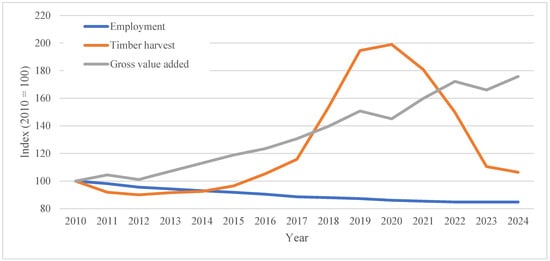
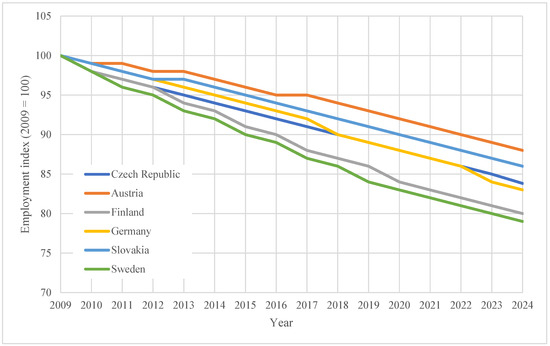
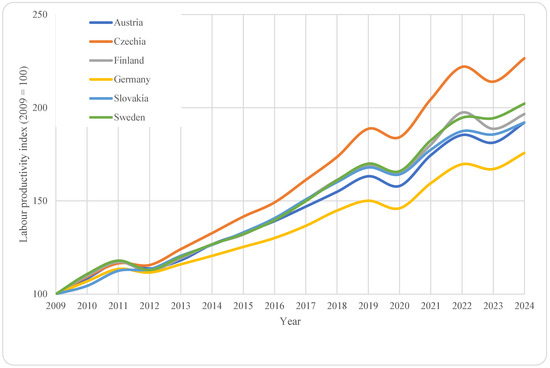
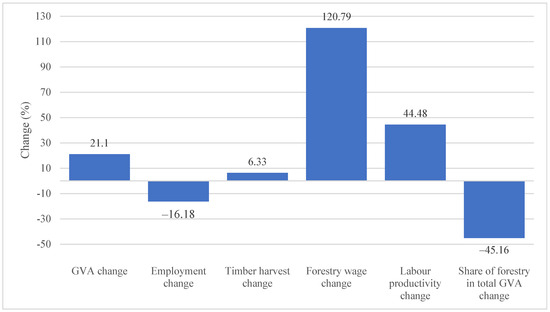
This study examines the relationships between gross value added (GVA), employment, timber harvest, and labour productivity in the Czech forestry sector from 2009 to 2024. Annual data obtained from the Czech Statistical Office, Eurostat, UNECE, and Reports on the State of Forests and Forestry in the Czech Republic were analysed using descriptive statistics, Pearson correlation analysis, and simple linear regression. The results revealed a statistically significant negative relationship between GVA and timber harvest volume (r = −0.820; p < 0.001), showing that the increase in timber harvesting during the bark beetle outbreak coincided with declining economic performance due to market oversupply and falling timber prices. In contrast, the relationship between GVA and employment was negative but statistically insignificant (r = −0.406; p > 0.05). Labour productivity increased by 44.5% during the analysed period; however, no statistically significant long-term linear trend was identified. The findings suggest that Czech forestry is undergoing technological transformation associated with increasing capital intensity and rising labour productivity, while remaining vulnerable to large-scale disturbance events and market instability. The study contributes to the forest economics literature by showing that disturbance-driven increases in harvesting intensity may reduce economic performance under conditions of timber market oversupply.
Full article
(This article belongs to the Special Issue Advancing Sustainable Forest Management: Economic Values and Conservation Strategies)
►▼
Show Figures

Figure 1
Open AccessArticle
Does the Artificial Intelligence Pilot Zone Policy Enhance Manufacturing Firm Resilience? Evidence from Chinese Listed Manufacturing Firms
by
Angang Gao, Hongjie Lu and Bo Qin
Sustainability 2026, 18(16), 8423; https://doi.org/10.3390/su18168423 - 17 Aug 2026
Abstract
The Artificial Intelligence Pilot Zone Policy is an important strategic initiative for building artificial intelligence (AI) innovation hubs. It provides new opportunities to enhance manufacturing firm resilience and promote the sustainable development of the manufacturing sector. The creation of the National New-Generation Artificial
[...] Read more.
The Artificial Intelligence Pilot Zone Policy is an important strategic initiative for building artificial intelligence (AI) innovation hubs. It provides new opportunities to enhance manufacturing firm resilience and promote the sustainable development of the manufacturing sector. The creation of the National New-Generation Artificial Intelligence Innovation and Development Pilot Zones (AI Pilot Zones) is viewed in this study as a quasi-natural experiment. Using data from Chinese A-share-listed manufacturing firms from 2015 to 2023, we employ a staggered DID model to evaluate the impact of the policy on manufacturing firm resilience. We find that the AI Pilot Zone policy increases manufacturing firm resilience by an average of 0.0282 units. The analysis of potential mechanisms shows that the policy significantly promotes digital talent agglomeration, stimulates urban innovation vitality, and improves firm-level supply chain efficiency. These findings are consistent with the theoretical expectations and provide supportive evidence that these factors may constitute potential mechanisms associated with the policy’s effect on manufacturing firm resilience. The heterogeneity analysis reveals a pronounced “weakness-compensating” effect. At the regional level, the resilience-enhancing effect is stronger for manufacturing firms located in areas with relatively weak digital infrastructure. At the industry level, the effect is more pronounced among firms in low-technology manufacturing industries. At the firm level, the effect is stronger for firms with lower levels of human capital, weaker innovation capacity, and lagging digital transformation. Overall, this study provides micro-level evidence on the resilience effects of the AI Pilot Zone policy and offers policy implications for integrating AI more effectively with the real economy.
Full article
Open AccessArticle
A Dual-Pathway Framework Linking Green Training and Employees’ Pro-Environmental Behavior: Evidence from a Chinese Energy Company
by
Xiaotian Liu, Ziying Li, Mei Xie and Marino Bonaiuto
Sustainability 2026, 18(16), 8422; https://doi.org/10.3390/su18168422 - 17 Aug 2026
Abstract
The increasing emphasis on sustainability in the energy sector has highlighted the importance of understanding the factors that promote employees’ pro-environmental behavior (PEB). Although green training (GT) is widely regarded as an effective organizational practice for encouraging PEB, the psychological mechanisms underlying this
[...] Read more.
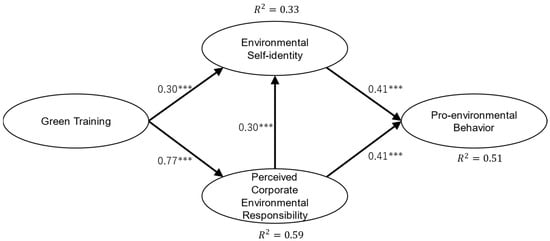
The increasing emphasis on sustainability in the energy sector has highlighted the importance of understanding the factors that promote employees’ pro-environmental behavior (PEB). Although green training (GT) is widely regarded as an effective organizational practice for encouraging PEB, the psychological mechanisms underlying this relationship remain insufficiently understood. Drawing on Social Learning Theory, this study proposes a dual-pathway framework through which GT is associated with employees’ PEB via perceived corporate environmental responsibility (CER) and environmental self-identity (ESI). Using purposively sampled, cross-sectional survey data from 1028 employees of a large Chinese energy company, the proposed framework was tested through structural equation modeling and bootstrap mediation analysis. The results indicate that perceived CER alone does not independently mediate the relationship between GT and PEB. However, perceived CER plays an important role by serving as a bridge through which employees internalize organizational environmental values into their ESI. Furthermore, ESI emerged as an independent and robust mediator, highlighting the central role of the identity-based pathway. This study contributes context-specific evidence from a large Chinese energy company, providing a deeper understanding of the psychological mechanisms linking GT and PEB and offering practical implications for organizations seeking to foster sustainability-oriented behaviors among employees.
Full article
(This article belongs to the Section Sustainable Management)
►▼
Show Figures

Figure 1
Open AccessArticle
Revenue–Expenditure Consistency and the Sustainability of Public Finances in the Euro-Area Periphery: Evidence from Five Southern European Economies, 1999–2023
by
Evangelos Siokas, Vasiliki Kremastioti, Annika Chondropoulou and Nikolaos T. Giannakopoulos
Sustainability 2026, 18(16), 8421; https://doi.org/10.3390/su18168421 - 17 Aug 2026
Abstract
►▼
Show Figures
How the two sides of the government budget are causally linked bears directly on the design of fiscal consolidation. This paper examines the relationship between government revenue and expenditure in five Southern European economies over 1999–2023, applying three causality procedures, cointegration analysis and
[...] Read more.
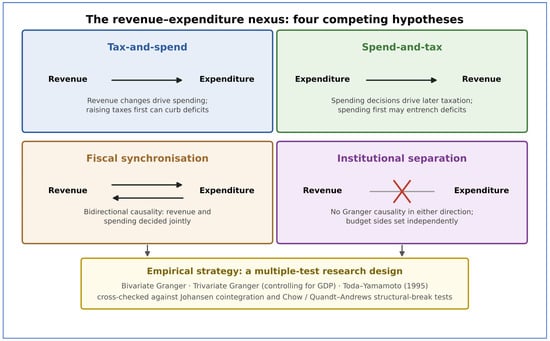
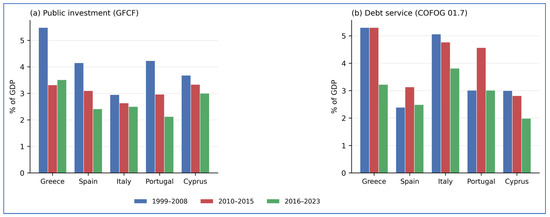
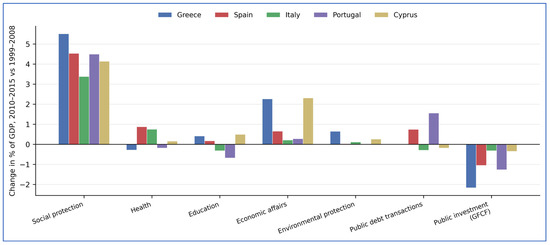
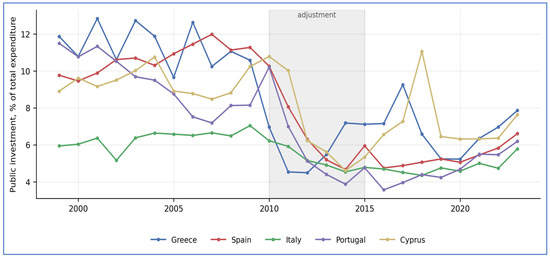
How the two sides of the government budget are causally linked bears directly on the design of fiscal consolidation. This paper examines the relationship between government revenue and expenditure in five Southern European economies over 1999–2023, applying three causality procedures, cointegration analysis and structural-break tests to identical quarterly data. The central finding is that the causal classifications are not robust: three of the five economies are classified differently depending on the procedure used, Portugal differently under each, and expressing both aggregates as shares of GDP alters the results again. Conclusions drawn from any single test are therefore unreliable. What does survive changes in specification is the direction of adjustment: revenue closes budgetary imbalances in Italy, and expenditure closes them in Spain, Portugal and Cyprus. Analysis of expenditure by function shows that consolidation did not reduce the size of these budgets but recomposed them, with public investment falling by between nine and forty per cent and not recovering. Fiscal rules should accordingly match the instrument to the adjusting side and protect capital expenditure explicitly.
Full article
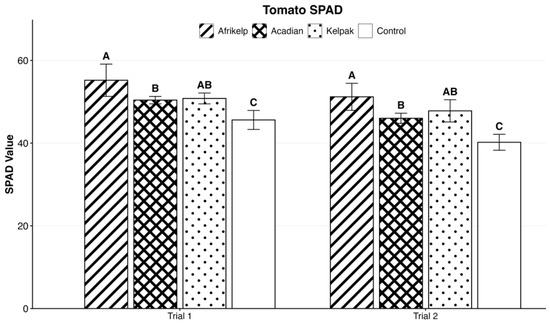
Figure 1
Open AccessArticle
Evaluating the Effects of Three Seaweed Extracts on the Growth and Yield of Three Crops
by
Amjad Ahmad, Theodore Radovich, Hue Nguyen, Shawn Meaney, Guadalupe Rodriguez and Yiyuan Zhang
Sustainability 2026, 18(16), 8420; https://doi.org/10.3390/su18168420 - 17 Aug 2026
Abstract
Since arable-land availability is limited worldwide, research on other sustainable practices to improve crop productivity is needed. Seaweed extracts are known for their crop growth- and yield-promoting properties and as a sustainable solution. The application of three seaweed extract brands (Acadian, Afrikelp, and
[...] Read more.
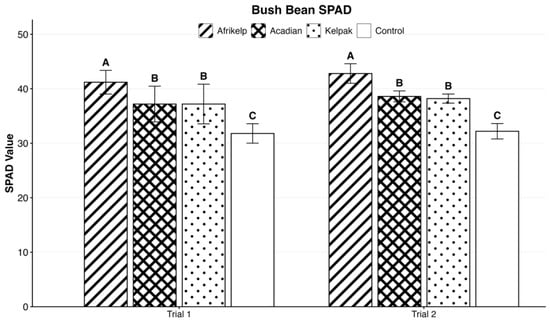
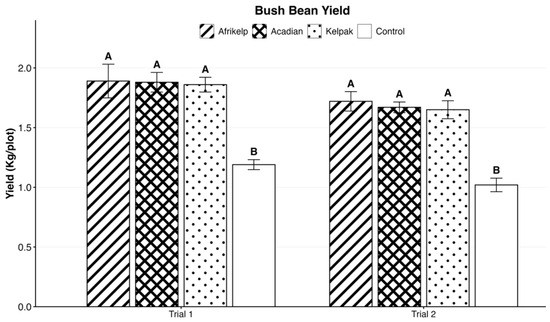
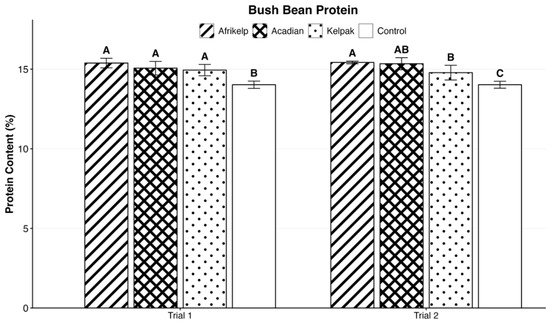
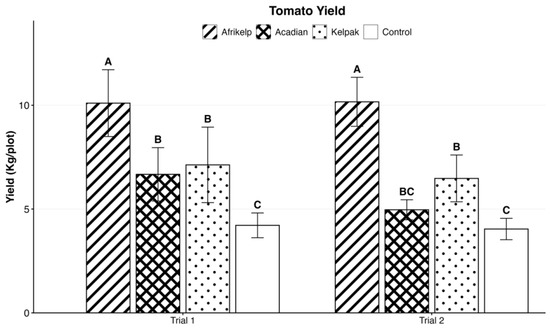
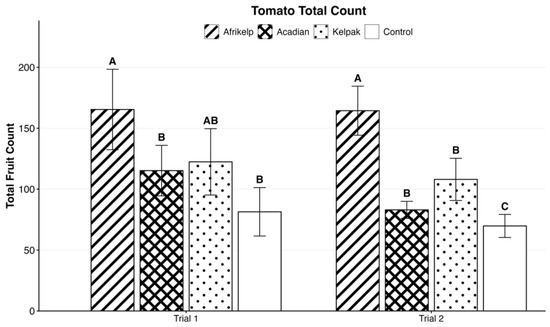
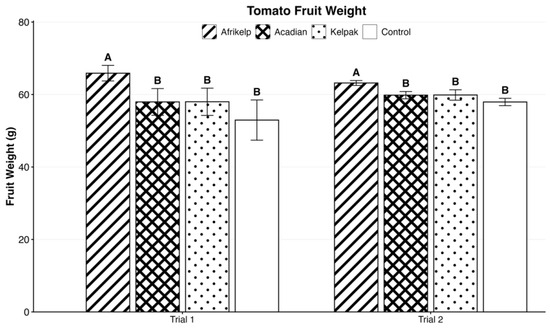
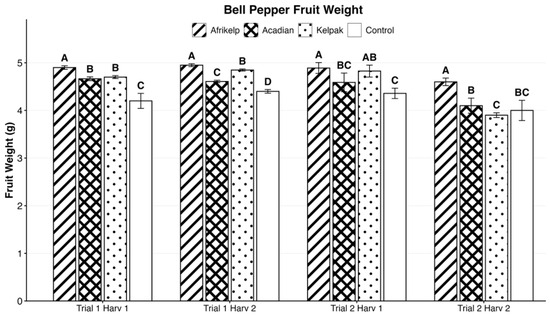
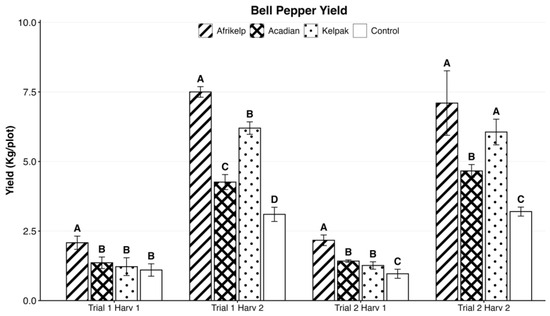
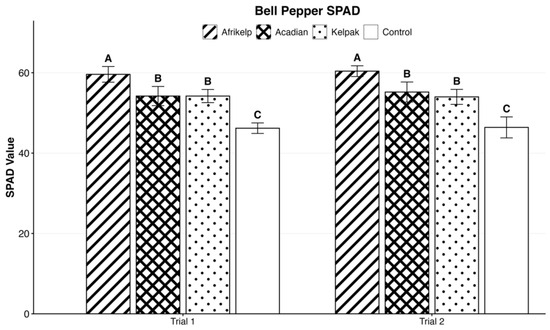
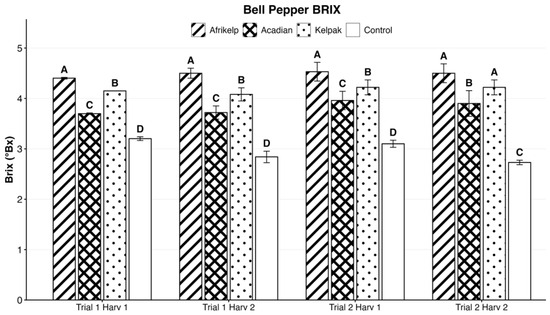
Since arable-land availability is limited worldwide, research on other sustainable practices to improve crop productivity is needed. Seaweed extracts are known for their crop growth- and yield-promoting properties and as a sustainable solution. The application of three seaweed extract brands (Acadian, Afrikelp, and Kelpak) was tested on three crops under field (common bean) and screen-house (bell pepper and tomato) conditions for two consecutive seasons/crops. The study was conducted as an RCBD with five blocks using a drip irrigation system. The three seaweed extracts + water-only (control) treatments were randomly distributed in each block. The extracts were applied to the foliage five times in each growing season at a 1:75 extract/water dilution rate and all crops received N-P-K fertilizer based on the recommended rates for each crop. Analysis of variance and Tukey’s mean separation were conducted on the collected data. All three extracts significantly outperformed the control across all crops and seasons. For bush bean, seaweed treatments significantly increased SPAD, yield, and protein content, with the treatment order Afrikelp > Acadian ≥ Kelpak > Control. For tomato, significant improvements were observed in SPAD, yield, and fruit weight, with yield increases driven primarily by fruit count and average; the treatment order was Afrikelp > Kelpak ≥ Acadian > Control. For bell pepper, SPAD, yield, and BRIX were significantly increased, with the treatment order Afrikelp > Kelpak > Acadian > Control. Overall, Afrikelp consistently produced the highest responses across all crops, achieving up to 48.8, 60.3, and 58.6% yield increases for bush bean, tomato, and bell pepper, respectively. The results showed that seaweed extract can serve as a sustainable amendment for crop improvement.
Full article
(This article belongs to the Special Issue Agriculture, Land and Farm Management—2nd Edition)
►▼
Show Figures

Figure 1
Open AccessArticle
Spatial Distribution Characteristics and Associated Factors of Officially Listed Intangible Cultural Heritage in the Ganjiang River–Poyang Lake Basin
by
Shiwen Lai, Yihuan Tian and Xinyang Li
Sustainability 2026, 18(16), 8419; https://doi.org/10.3390/su18168419 - 17 Aug 2026
Abstract
The Ganjiang River–Poyang Lake Basin is a typical river–lake composite water-system region and a major concentration area of intangible cultural heritage (ICH) in Jiangxi Province. However, officially listed ICH does not simply represent the natural distribution of cultural practices but reflects the combined
[...] Read more.
The Ganjiang River–Poyang Lake Basin is a typical river–lake composite water-system region and a major concentration area of intangible cultural heritage (ICH) in Jiangxi Province. However, officially listed ICH does not simply represent the natural distribution of cultural practices but reflects the combined effects of historical accumulation, environmental contexts, and institutional recognition. Based on 616 national- and provincial-level ICH items, this study employs the nearest neighbor index, kernel density analysis, Lorenz curve, standard deviational ellipse, and Geodetector to examine spatial patterns and associated factors. The results reveal significant spatial clustering (NNI = 0.31, Z = −39.16), characterized by riverine concentration, lakeside distribution, and polycentric development. Traditional craftsmanship and folk customs cluster around Poyang Lake, while traditional drama, folk literature, and quyi extend along the Ganjiang River. Distance to major water systems (q = 0.821), policy support (q = 0.813), and inheritors (q = 0.806) show the highest explanatory power. The findings reveal a spatial process of lake-area accumulation, river-channel diffusion, and nodal support.
Full article
(This article belongs to the Special Issue Protecting Natural and Cultural Heritage: Sustainable Tourism Development)
Open AccessArticle
The Decarbonization Potential of a New Short-Sea Ro-Pax Corridor in the Baltic Sea: Methodology and a Case Study of the Gdynia–Liepāja Connection
by
Aleksandra Wawrzyńska and Maciej Szulist
Sustainability 2026, 18(16), 8418; https://doi.org/10.3390/su18168418 - 17 Aug 2026
Abstract
Maritime transport entered the EU Emissions Trading System (EU ETS) in 2024, turning a route’s carbon performance into an economic variable. Existing studies examine this on established routes; the case for a new (greenfield) short-sea corridor under the post-2024 regime remains unaddressed, particularly
[...] Read more.
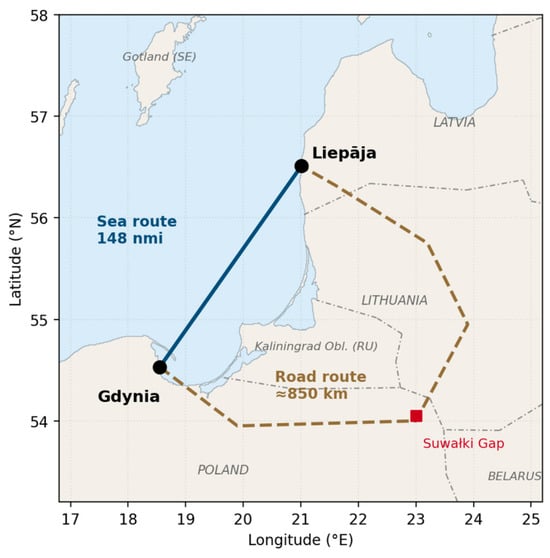
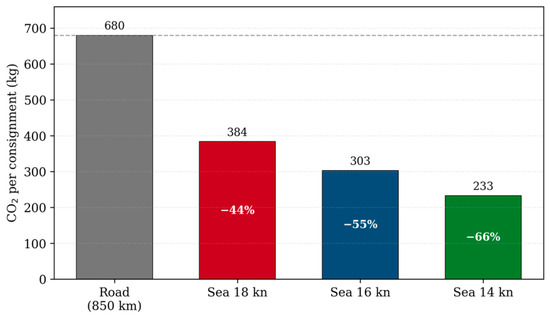
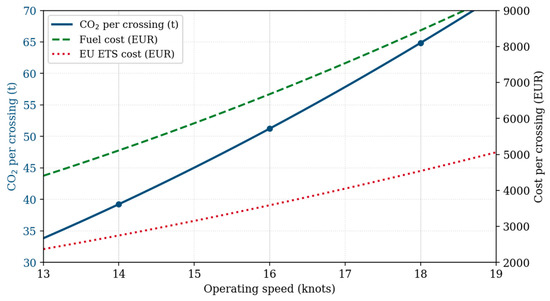
Maritime transport entered the EU Emissions Trading System (EU ETS) in 2024, turning a route’s carbon performance into an economic variable. Existing studies examine this on established routes; the case for a new (greenfield) short-sea corridor under the post-2024 regime remains unaddressed, particularly in the under-served south-eastern Baltic. This study proposes a transparent, transferable methodology linking multi-criteria route selection, a lane-metre demand model, a speed-dependent fuel-consumption model and a consignment-level modal-shift carbon balance, applied to a prospective Gdynia–Liepāja Ro-Pax connection (148 nautical miles). At high deck utilization, each freight unit shifted from the 850 km road alternative avoids roughly 300–380 kg of CO2 (a 44–55% reduction), because a short-sea leg replaces a long road haul rather than because the ferry is cleaner per tonne-kilometre. The benefit is conditional: the corridor is climate-beneficial only above a break-even freight-deck occupancy of about 45% at design speed, falling to about 34% under slow steaming. Across the demand scenarios (about 17,900–35,900 units per year), it avoids on the order of 10,000–13,400 t of CO2 annually under high demand, while under low demand the annual balance ranges from a small net increase at design speed to a modest saving under slow steaming. The corridor relieves the congested Suwałki Gap and aligns with smart-port enablers, providing a replicable decision tool for operators and port authorities.
Full article
(This article belongs to the Special Issue Smart and Sustainable Infrastructure for Decarbonized Transport Systems)
►▼
Show Figures

Figure 1
Open AccessArticle
A Comprehensive Assessment Framework for the Sustainable Ecological Carrying Capacity of Chinese Cities Based on Time-Series Uncertainty and Interval-Valued Fermatean Fuzzy Sets
by
Hanwen Zhang, Hongda Liu and Jijian Zhang
Sustainability 2026, 18(16), 8417; https://doi.org/10.3390/su18168417 - 17 Aug 2026
Abstract
The assessment of sustainable ecological carrying capacity (SECC) serves as a crucial scientific foundation for supporting high-quality urbanization, advancing ecological civilization, and achieving the strategic goals of the “Dual Carbon” initiative. However, existing assessment methods largely rely on subjective expert scoring, making them
[...] Read more.
The assessment of sustainable ecological carrying capacity (SECC) serves as a crucial scientific foundation for supporting high-quality urbanization, advancing ecological civilization, and achieving the strategic goals of the “Dual Carbon” initiative. However, existing assessment methods largely rely on subjective expert scoring, making them difficult to apply at the large-scale urban level; simultaneously, traditional fuzzy assessment frameworks lack effective mechanisms for representing uncertainty when dealing with objective panel data. This paper proposes a temporal-uncertainty-driven interval-valued Fermatean fuzzy set (TU-IVFFS) theoretical framework and integrates it with an improved decision-making trial and evaluation laboratory (DEMATEL), the method based on the removal effects of criteria (MEREC), and the measurement of alternatives and ranking according to compromise solution (MARCOS) approach to construct an integrated urban ecological carrying capacity assessment framework: TU-IVFF-DEMATEL-MEREC-MARCOS. Using panel data from 2021 to 2024 for 690 major Chinese cities (at the county-level-city level and above) as the sample, the analysis found that Beijing, Guangzhou, Shenzhen, Nanjing, and Chongqing ranked in the top five for SECC, while some small cities in the northeast and northwest ranked lower. Sensitivity analysis showed that the city rankings remained stable across the entire range of weight combination coefficients λ ∈ [0,1], verifying the robustness of the proposed framework. This study provides a methodological breakthrough for the reproducible and generalizable assessment of urban ecological carrying capacity in large-scale samples.
Full article
(This article belongs to the Section Social Ecology and Sustainability)
Open AccessArticle
Integrated Nutrient Criteria for Controlling Eutrophication and the Proliferation of Harmful Phytoplankton in the Black Sea Based on Scenario Analysis
by
Svetla Miladinova, Elisa Garcia-Gorriz, Diego Macias-Moy, Adolf Stips, Nuno Ferreira-Cordeiro, Ove Parn, Olaf Duteil, Luca Polimene, Chiara Piroddi, Natalia Serpetti and Ana Azevedo
Sustainability 2026, 18(16), 8416; https://doi.org/10.3390/su18168416 - 17 Aug 2026
Abstract
The ecological status of the two nautical mile (2 nm) coastal waters of Bulgaria (BG) and Romania (RO) is evaluated in terms of eutrophication, focusing on various environmental and chemical indicators related to nutrient enrichment and its effects. Applying the Blue2 Modelling Framework
[...] Read more.
The ecological status of the two nautical mile (2 nm) coastal waters of Bulgaria (BG) and Romania (RO) is evaluated in terms of eutrophication, focusing on various environmental and chemical indicators related to nutrient enrichment and its effects. Applying the Blue2 Modelling Framework (Blue2MF) Black Sea model, we simulate diverse combinations of nitrogen (N) and phosphorus (P) reduction. By integrating atmospheric and marine conditions, hydrology and environmental dynamics, the model provides a comprehensive framework for analysing the impact of external pressures on the marine environment and can be used to set regional sustainability goals. Each scenario is assessed with respect to environmental impact, such as enhanced water quality and potential alterations in phytoplankton communities. Furthermore, we establish integrated nutrient criteria for eutrophication control, concentrating on the management of both N and P inputs while maintaining the current ratio between them. The model results indicate that a 20% reduction in both N and P from European Union (EU) rivers would result in about a 24% decrease in N within the BG and RO 2 nm coastal waters, whilst sustaining the N:P ratio across various spatial scales—from river inputs to coastal and offshore zones. This approach is valuable for assessing the potential impacts of different nutrient reduction strategies, aiding the effective management of marine ecosystems to address eutrophication challenges.
Full article
Open AccessArticle
Exploring Sustainability-Oriented Reasoning Through SDG-Oriented Argumentative Writing: Evidence from a Teacher Education
by
Lung-An Shen and Tsai-Feng Cheng
Sustainability 2026, 18(16), 8415; https://doi.org/10.3390/su18168415 - 17 Aug 2026
Abstract
Higher education institutions are increasingly expected to contribute to achieving the United Nations Sustainable Development Goals (SDGs) by equipping students with the competencies needed to address complex sustainability challenges. Among these competencies, critical thinking, perspective-taking, evidence-based reasoning, and informed decision-making are considered essential
[...] Read more.
Higher education institutions are increasingly expected to contribute to achieving the United Nations Sustainable Development Goals (SDGs) by equipping students with the competencies needed to address complex sustainability challenges. Among these competencies, critical thinking, perspective-taking, evidence-based reasoning, and informed decision-making are considered essential for education for sustainable development. However, limited research has examined how SDG-oriented instructional approaches can foster sustainability-oriented reasoning through argumentative engagement within teacher education. This study investigated the implementation of an SDG-oriented argumentative writing course designed for pre-service teachers. Using a scholarship of teaching and learning approach, this study examined participants’ learning readiness, argumentative performance, and perceived learning outcomes. Data were collected from 16 pre-service teachers through learning readiness questionnaires, argumentative writing tasks, Toulmin-based text analysis, self-assessment questionnaires, and reflective feedback. Descriptive statistics indicated a moderate-to-high level of learning readiness before instruction (M = 4.38) and highly positive perceived learning outcomes after the course (M = 4.61). Qualitative findings further indicated that SDG-related issues provided meaningful contexts for engaging pre-service teachers in critical reflection, perspective integration, and sustainability-oriented reasoning. Participants’ written work showed evidence of structured argumentation, particularly in claim construction and reason development, whereas evidence integration and rebuttal construction remained challenging higher-order dimensions of sustainability-oriented reasoning. Self-assessment data further revealed increased awareness of issue analysis, argumentation strategies, and the social relevance of sustainability-related topics. This study contributes to the growing literature on sustainability in higher education by illustrating how SDG-oriented argumentative writing may support sustainability-oriented reasoning within a teacher education course. The findings provide context-specific insights into how argumentative engagement can encourage evidence-based reasoning, perspective integration, and reflective judgment when addressing sustainability-related issues. Implications are discussed for curriculum innovation, education for sustainable development, and the design of instructional scaffolds that support sustainability-oriented reasoning in teacher education.
Full article
(This article belongs to the Special Issue A New Paradigm in Teacher Education: Sustainability in Teacher Training)
Journal Menu
► ▼ Journal Menu-
- Sustainability Home
- Aims & Scope
- Editorial Board
- Reviewer Board
- Topical Advisory Panel
- Early Career Editorial Board
- Instructions for Authors
- Special Issues
- Topics
- Sections & Collections
- Article Processing Charge
- Indexing & Archiving
- Editor’s Choice Articles
- Most Cited & Viewed
- Journal Statistics
- Journal History
- Journal Awards
- Society Collaborations
- Conferences
- Editorial Office
Journal Browser
► ▼ Journal BrowserHighly Accessed Articles
Latest Books
E-Mail Alert
News
Topics
Topic in
Applied Sciences, Clean Technol., Energies, Membranes, Polymers, Sustainability, Water
New Advances in Membrane Technology and Its Contribution to Sustainability
Topic Editors: Patricia Luis Alconero, Bart Van der BruggenDeadline: 12 September 2026
Topic in
Coasts, Energies, JMSE, Sustainability, Future Transportation
Maritime Transportation in the Blue Economy and Green Shipping Technology
Topic Editors: Chungkuk Jin, Junghwan Choi, Won-Ju Lee, Hokeun KangDeadline: 15 September 2026
Topic in
Energies, Materials, Processes, Sustainability, ChemEngineering, Chemistry
Chemical and Biochemical Processes for Energy Sources, 2nd Edition
Topic Editors: Venko N. Beschkov, Konstantin PetrovDeadline: 30 September 2026
Topic in
Agriculture, Agronomy, Crops, Land, Plants, Sustainability
Irrigation and Fertilization Management for Sustainable Agricultural Production
Topic Editors: Shihong Yang, Zewei Jiang, Ivan Francisco Garcia TejeroDeadline: 15 October 2026
Conferences
Special Issues
Special Issue in
Sustainability
Green Shipping and Operational Strategies of Clean Energy
Guest Editors: Zunhua Zhang, Qian Xiong, Dongsheng DongDeadline: 17 August 2026
Special Issue in
Sustainability
Advances in Sustainable Conservation of Architectural and Cultural Heritage
Guest Editors: Jorge Feijoo Conde, Iván Garrido GonzálezDeadline: 18 August 2026
Special Issue in
Sustainability
Advances in Sustainable Energy Planning and Thermal Energy Storage
Guest Editors: Tadas Zdankus, Juozas VaiciunasDeadline: 19 August 2026
Special Issue in
Sustainability
Renewable Energy Applications and Energy Sustainability in Coastal Areas
Guest Editor: Dimitrios N. KorresDeadline: 19 August 2026
Topical Collections
Topical Collection in
Sustainability
Sustainable Urban Mobility Project
Collection Editors: Kenji Doi, Alexis M. Fillone
Topical Collection in
Sustainability
Mine Hazards Identification, Prevention and Control
Collection Editors: Xiangguo Kong, Dexing Li, Xiaoran Wang
Topical Collection in
Sustainability
Synergies in Food System Transformation: Integrating Technology, Policy, and Human Behavior
Collection Editors: Evridiki Kaba, Iliana Tsampoula
Topical Collection in
Sustainability
Sustainable Transport Economics, Behaviour and Policy
Collection Editors: Richard Tay, Long T. Truong, Samuel Chng