Journal Description
Sustainability
Sustainability
is an international, peer-reviewed, open-access journal on environmental, cultural, economic, and social sustainability of human beings, published semimonthly online by MDPI. The Canadian Urban Transit Research & Innovation Consortium (CUTRIC), International Council for Research and Innovation in Building and Construction (CIB) and Urban Land Institute (ULI) are affiliated with Sustainability and their members receive discounts on the article processing charges.
- Open Access— free for readers, with article processing charges (APC) paid by authors or their institutions.
- High Visibility: indexed within Scopus, SCIE and SSCI (Web of Science), GEOBASE, GeoRef, Inspec, RePEc, CAPlus / SciFinder, and other databases.
- Journal Rank: JCR - Q2 (Environmental Studies) / CiteScore - Q1 (Geography, Planning and Development)
- Rapid Publication: manuscripts are peer-reviewed and a first decision is provided to authors approximately 17.9 days after submission; acceptance to publication is undertaken in 3.6 days (median values for papers published in this journal in the second half of 2025).
- Recognition of Reviewers: reviewers who provide timely, thorough peer-review reports receive vouchers entitling them to a discount on the APC of their next publication in any MDPI journal, in appreciation of the work done.
- Testimonials: See what our editors and authors say about Sustainability.
- Companion journals for Sustainability include: World, Sustainable Chemistry, Conservation, Future Transportation, Architecture, Standards, Merits, Bioresources and Bioproducts, Accounting and Auditing, Environmental Remediation and Green.
- Journal Cluster of Environmental Science: Sustainability, Land, Clean Technologies, Environments, Nitrogen, Recycling, Urban Science, Safety, Air, Waste, Aerobiology and Toxics.
Impact Factor:
3.3 (2024);
5-Year Impact Factor:
3.6 (2024)
Latest Articles
Hydrogen Electrode Potentials as a Descriptor of Catalyst Reactivity for Sustainable Redox Chemistry: A Tutorial Review
Sustainability 2026, 18(11), 5791; https://doi.org/10.3390/su18115791 (registering DOI) - 5 Jun 2026
Abstract
Redox catalysts play a critical role in advancing sustainability by enabling cleaner, more efficient chemical transformations. The redox potential of a catalyst determines the reaction direction thermodynamically, as electrons are transferred from the substrate through the catalyst to the product. The accurate assessment
[...] Read more.
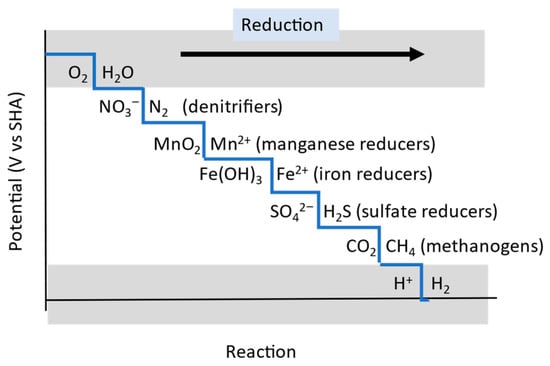
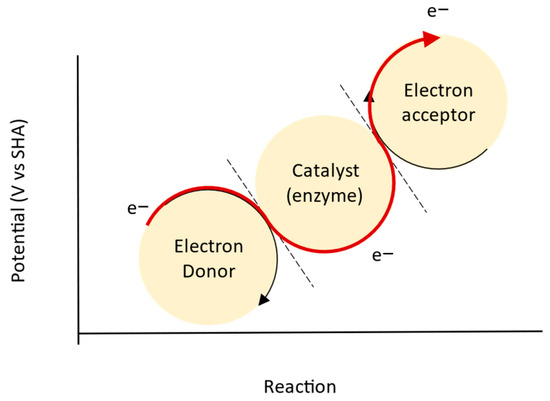
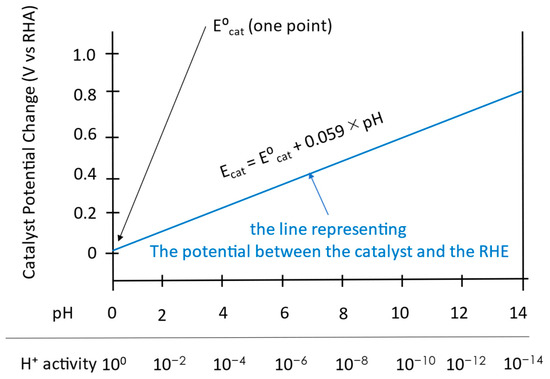
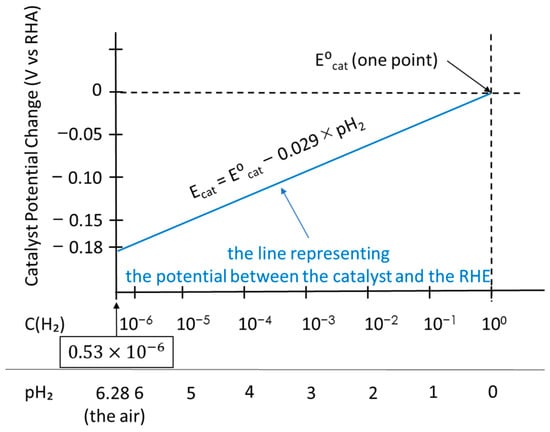
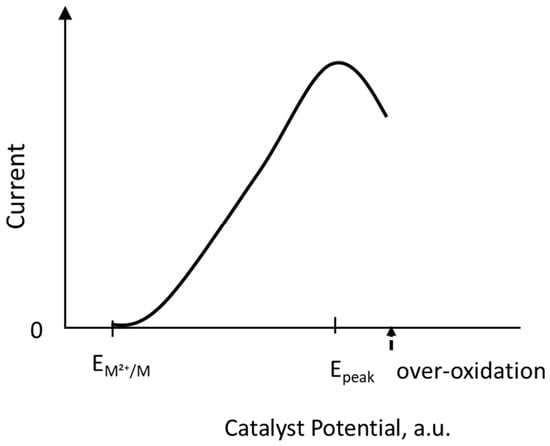
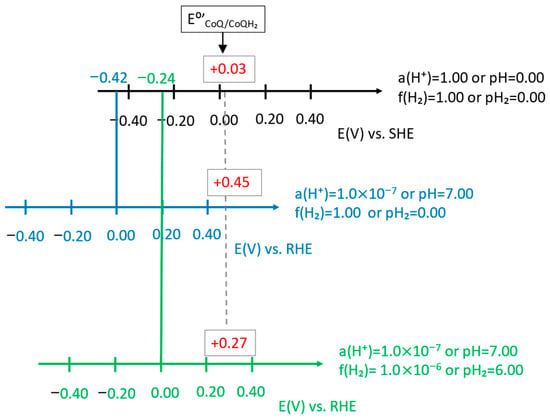
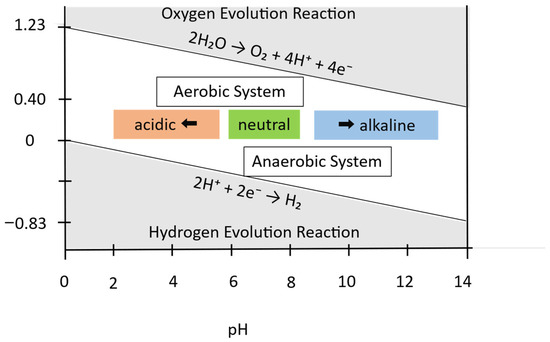
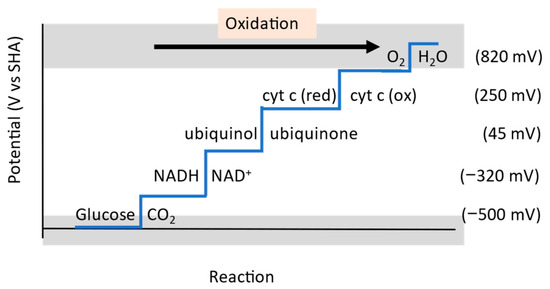
Redox catalysts play a critical role in advancing sustainability by enabling cleaner, more efficient chemical transformations. The redox potential of a catalyst determines the reaction direction thermodynamically, as electrons are transferred from the substrate through the catalyst to the product. The accurate assessment of redox catalyst potential by in situ methods is fundamental for developing effective strategies to optimize the redox reactivity of these materials. Typically, the catalyst potential measured in situ is relative to the reference electrode in the same solution. The standard potential of the catalyst, or metal center, is commonly reported relative to the standard hydrogen electrode (SHE). In electrochemical measurements, the potential recorded in situ versus a reference electrode is converted to scale by adding the known potential of that reference electrode relative to the SHE. The potential measured with the reversible hydrogen electrode (RHE), one of the reference electrodes, depends on the fugacity of hydrogen (H2), the activity of hydrogen ions (pH) and the temperature. In this review, RHE is introduced as a descriptor of the redox catalyst activity for sustainable redox chemistry.
Full article
(This article belongs to the Section Sustainable Water Management)
►
Show Figures
Open AccessArticle
Valorization of Tungsten Mining Waste and Clay Residues in the Production of Technical Ceramic Materials for Sustainable Construction and Architectural Rehabilitation
by
Jorge Alberto Duran-Suarez, Maria Paz Saez-Perez, Alberto Martinez-Ramirez and Laura Crespo-López
Sustainability 2026, 18(11), 5790; https://doi.org/10.3390/su18115790 (registering DOI) - 5 Jun 2026
Abstract
Mining and industrial activities generate large volumes of waste, up to 99% of the extracted material, forming a major global residue source. In this context, the valorization of mining sludge for sustainable construction materials gains relevance. This study examines the fabrication of ceramic
[...] Read more.
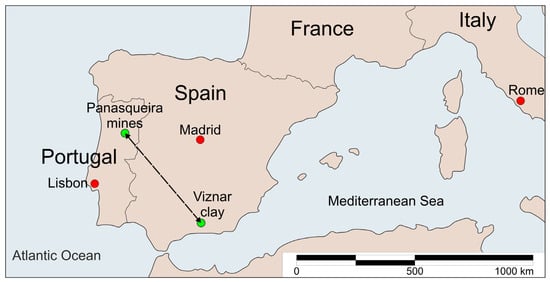
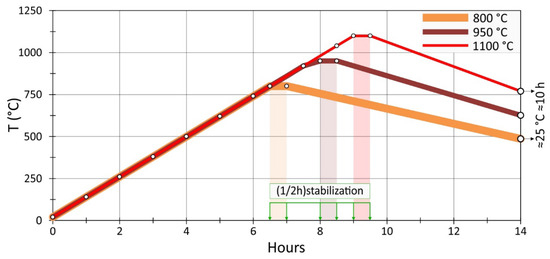
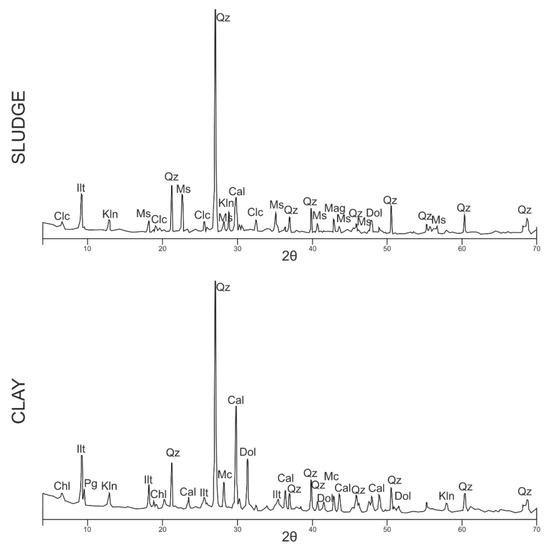
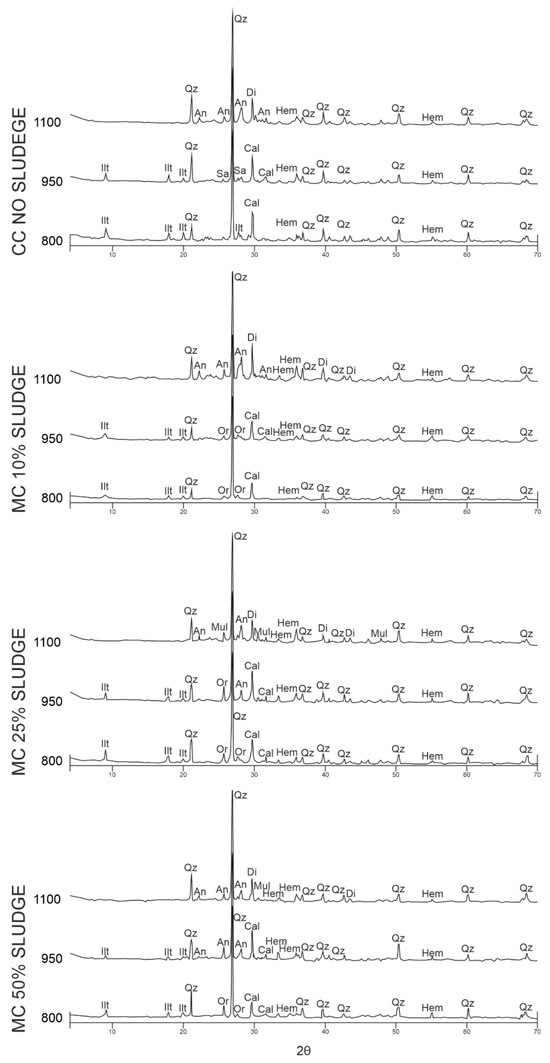
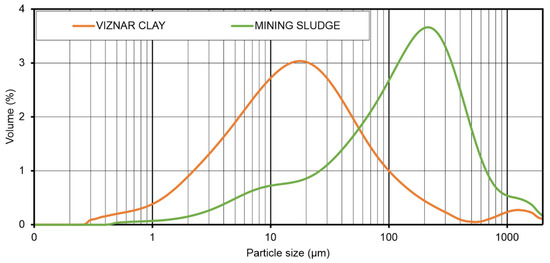
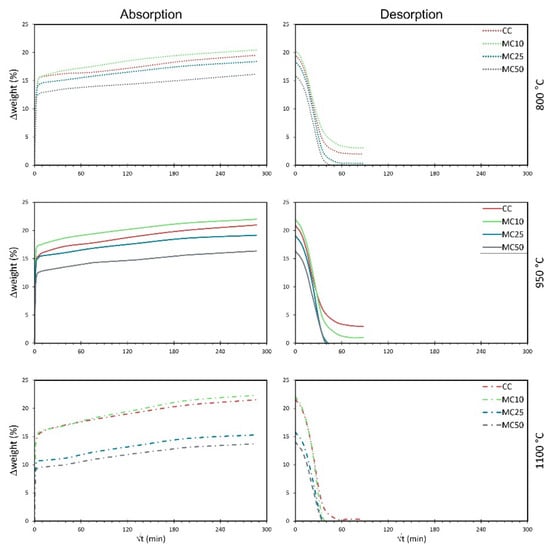
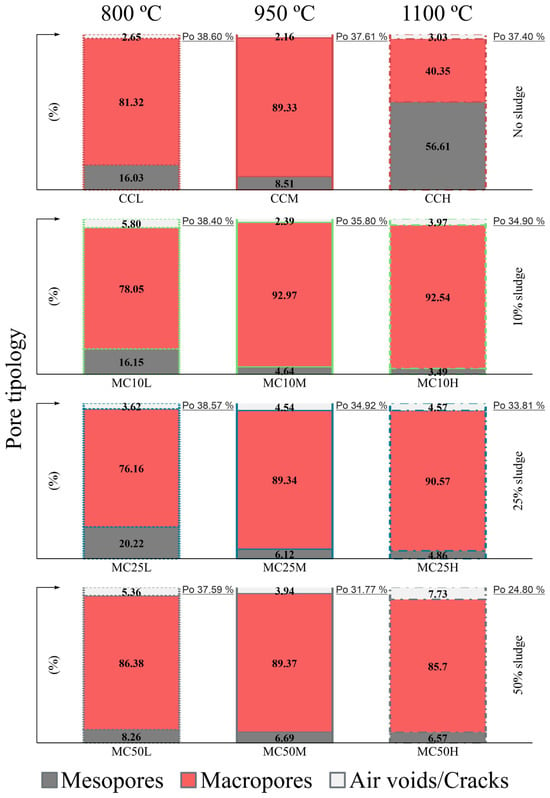
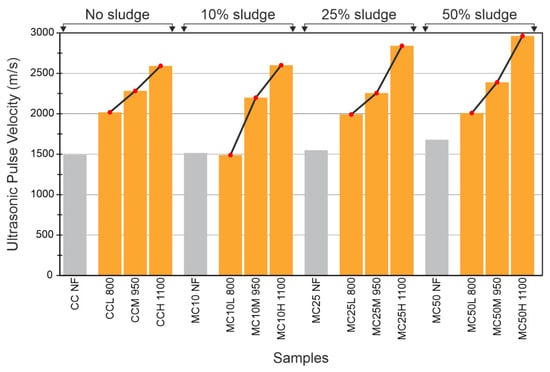
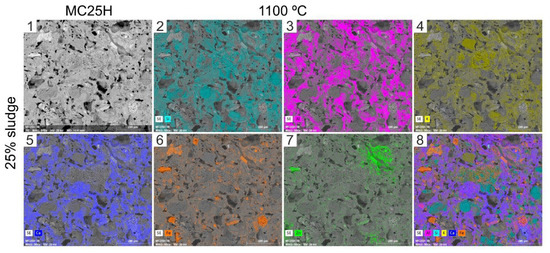
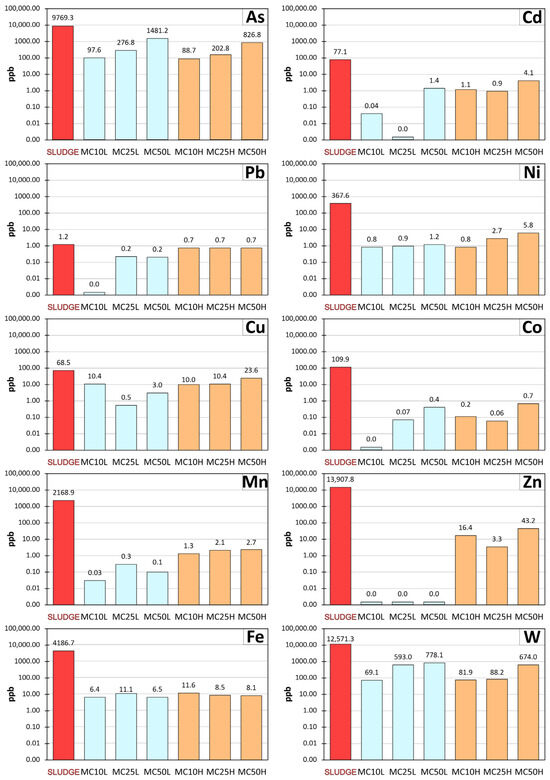
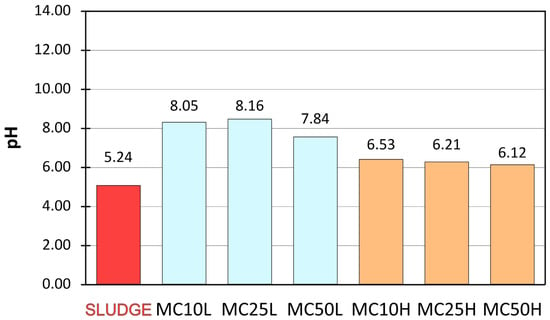
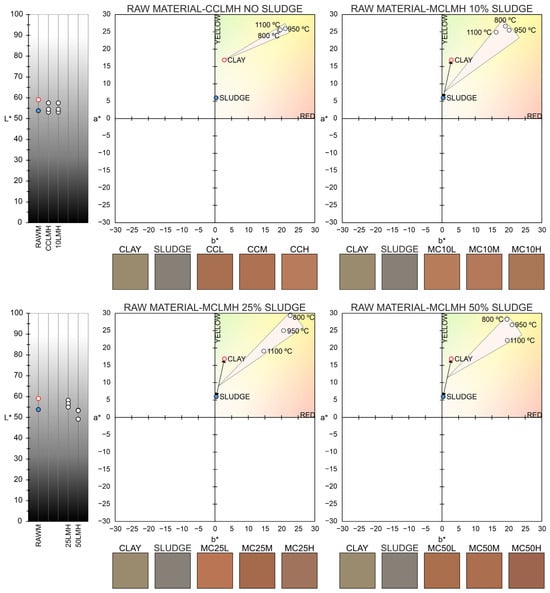
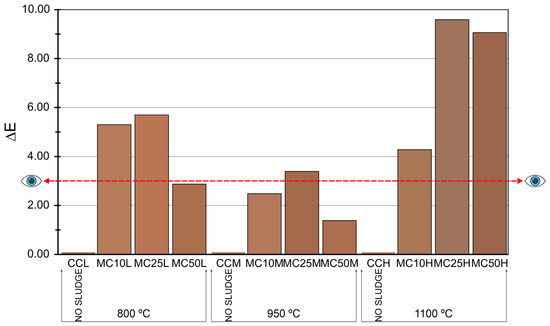
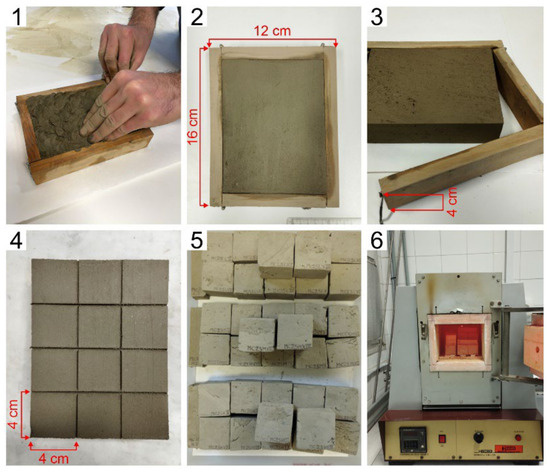
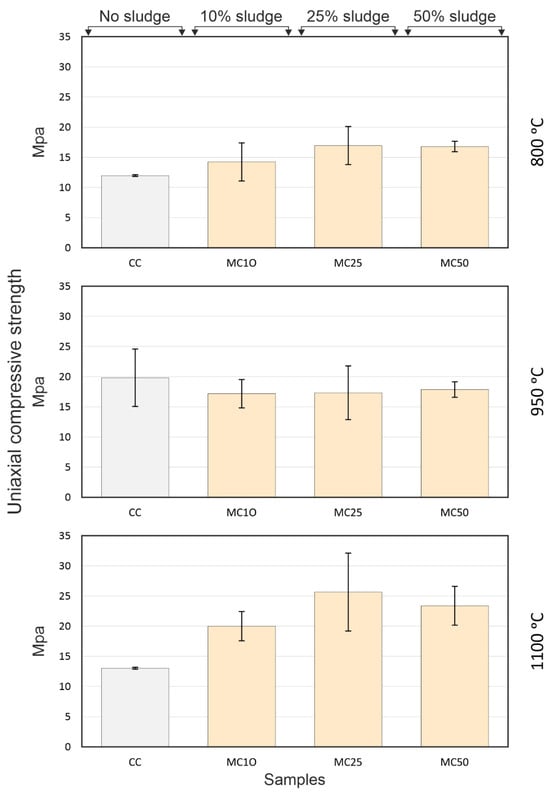
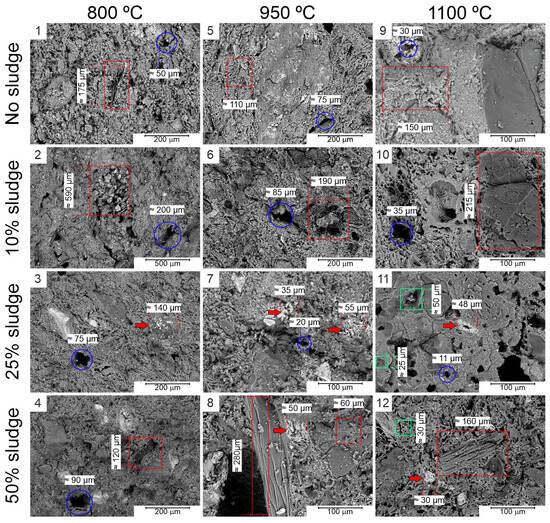
Mining and industrial activities generate large volumes of waste, up to 99% of the extracted material, forming a major global residue source. In this context, the valorization of mining sludge for sustainable construction materials gains relevance. This study examines the fabrication of ceramic bricks incorporating mining sludge from the Panasqueira mine, evaluating sludge incorporation levels and sintering temperatures to optimize resource use and reduce environmental impacts. Bricks were produced by blending residual clays from Víznar (Granada, Spain) with Panasqueira sludge at substitution rates of 10, 25 and 50%, and fired at 800, 950 and 1100 °C. Granulometry was determined for the Víznar clay and mining sludge, while bulk density was measured for the fired bricks. The raw materials were analyzed by XRF and XRD, whereas the ceramic samples were characterized by water absorption, porosimetry, ultrasound pulse velocity, compressive strength testing, ESEM, leaching and colorimetry, to assess their chemical, physical and mechanical behaviour. Both clays and sludge are rich in SiO2 and Al2O3, suitable for ceramic processing, while fluxing oxides promote vitrification and densification. Incorporating 25 and 50% sludge reduces porosity, increases ultrasonic velocity and improves mechanical strength, achieving optimal performance at 1100 °C. Moreover, firing immobilizes toxic metals and allows controlled colour development, confirming their technical performance and suggesting their potential suitability from an environmental perspective. Their microstructure and stability depend on sludge content and firing temperature, essential factors for sustainable construction and architectural rehabilitation.
Full article
(This article belongs to the Special Issue Sustainable Building: Renewable and Green Energy Efficiency)
►▼
Show Figures

Figure 1

Open AccessArticle
Heavy Metal Pollution and Ecological Risk Assessment of Rice Fields on the Northwest Bank of the Lower Yangtze River in HeXian County
by
Zhenyu Chen, Cancan Wu, Jiahao Li, Zhiwen Huang, Qing Li and Canhao Zhang
Sustainability 2026, 18(11), 5789; https://doi.org/10.3390/su18115789 (registering DOI) - 5 Jun 2026
Abstract
►▼
Show Figures
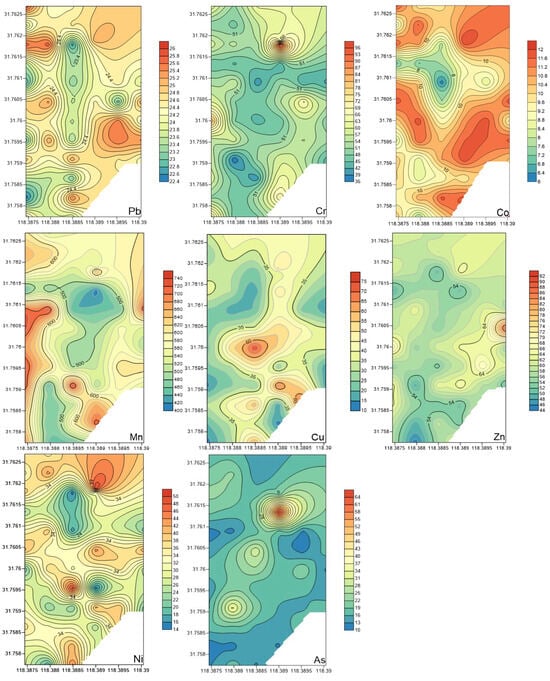
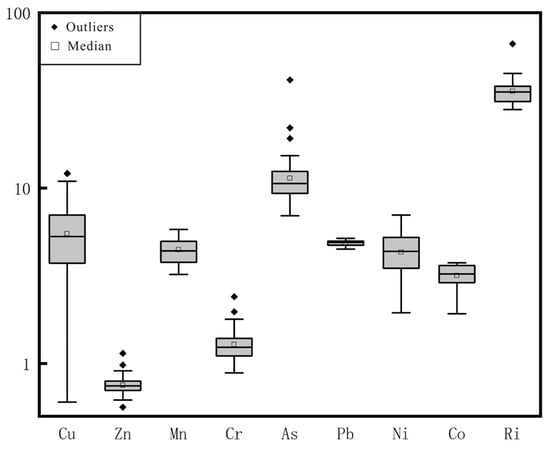
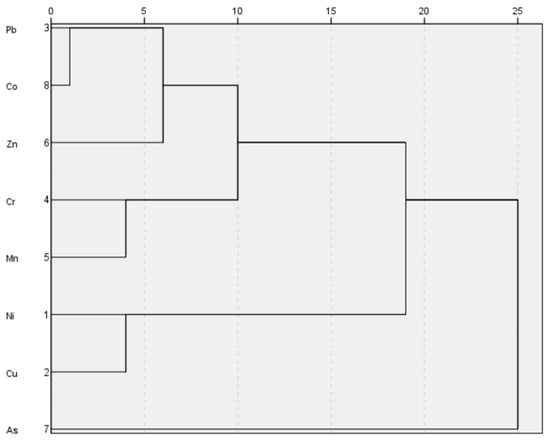
To investigate the contamination status, sources, spatial distribution, and health risks of heavy metals in paddy soils of Hexian County, 63 surface soil samples were analyzed for eight metals. Multiple pollution indices and multivariate statistical methods were applied to evaluate contamination levels and
[...] Read more.
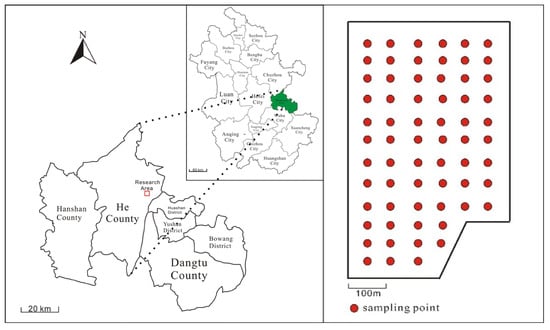
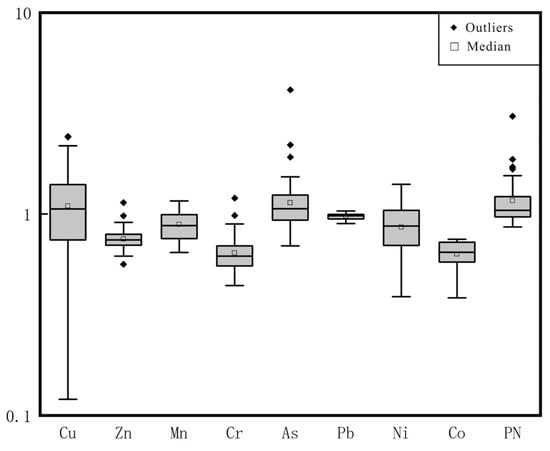
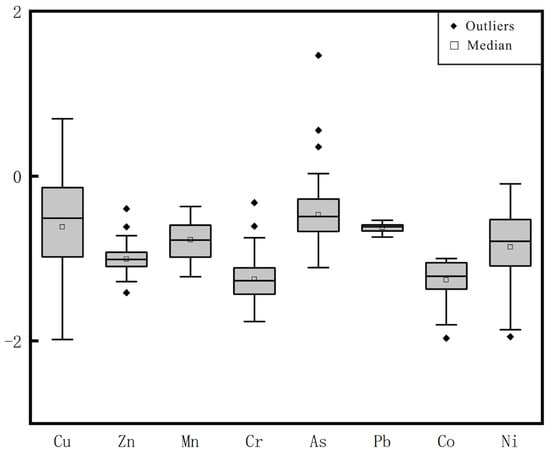
To investigate the contamination status, sources, spatial distribution, and health risks of heavy metals in paddy soils of Hexian County, 63 surface soil samples were analyzed for eight metals. Multiple pollution indices and multivariate statistical methods were applied to evaluate contamination levels and identify potential sources. Source apportionment was conducted using principal component analysis (PCA) combined with correlation analysis and spatial distribution characteristics. Results showed variable concentrations of heavy metals, with arsenic, copper, and lead exhibiting relatively higher single-factor pollution indices. The Nemerow pollution index (PN) ranged from 0.86 to 3.05 (mean = 1.16), indicating overall slight to moderate pollution, with localized areas showing higher pollution levels. The potential ecological risk index (RI) ranged from 28.06 to 66.45 (mean = 35.66), which was well below the threshold of 150, indicating a low ecological risk. Health risk assessment indicated negligible non-carcinogenic risks for both children and adults. Although carcinogenic risks remained within acceptable limits, children exhibited higher susceptibility, suggesting potential long-term concerns. Overall, these findings provide scientific evidence for targeted pollution control and risk-based agricultural management in Hexian County, and offer practical implications for mitigating heavy metal contamination and protecting agricultural sustainability in regions along the lower Yangtze River.
Full article

Figure 1
Open AccessArticle
From Toxicity to Sustainability: Burnout, Psychological Safety and Attrition in the Construction Industry
by
Murendeni Liphadzi, Francis Kwesi Bondinuba and Kofi Owusu Adjei
Sustainability 2026, 18(11), 5788; https://doi.org/10.3390/su18115788 (registering DOI) - 5 Jun 2026
Abstract
This study investigates the relationship between toxic workplace culture and voluntary employee turnover, undermining workforce sustainability in Ghana’s construction industry. While some previous research has found a relationship between a toxic working environment and employee withdrawal habits, few studies have investigated the psychological
[...] Read more.
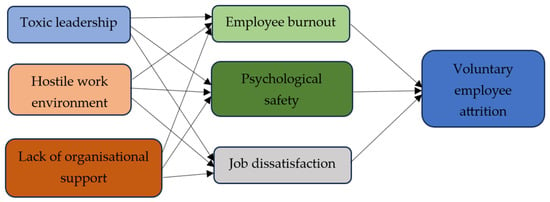
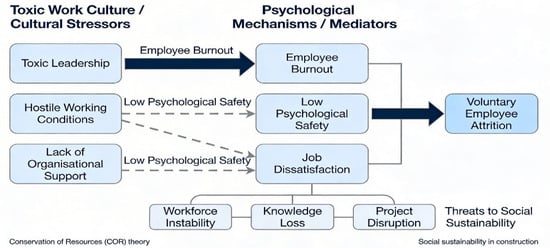
This study investigates the relationship between toxic workplace culture and voluntary employee turnover, undermining workforce sustainability in Ghana’s construction industry. While some previous research has found a relationship between a toxic working environment and employee withdrawal habits, few studies have investigated the psychological processes between the toxic work culture and employee turnover in Global South construction companies. Based on the theories of Conservation of Resources and Social Exchange, this research examines the possible mediating factors between the toxic work culture and employee turnover: employee burnout, psychological safety, and job dissatisfaction. Structured questionnaires were used to design a quantitative cross-sectional survey, which was administered to 174 construction workers in Ghana. The data were analysed using mediation regression models based on Ordinary Least Squares (OLS). The findings show that a hostile work environment and a lack of organisational support were the two highest dimensions of work culture assessed as negatively impacting employee burnout, psychological safety, and attrition intentions. Employee burnout was the only significant predictor for voluntary employee attrition (β = 0.3628, p < 0.001), and psychological safety had a significant protective effect (β = −0.1785, p = 0.016). Mediation accounted for 67.4% of the variance in attrition outcomes. This paper shows how a negative organisational climate can undermine the stability of human resources, psychological well-being, and the social dimension of sustainability in construction companies. The results indicate that organisational support, leadership accountability and psychologically safe working environments are important for increasing employee retention and long-term organisational resilience.
Full article
(This article belongs to the Special Issue Construction Management and Sustainable Development)
►▼
Show Figures

Figure 1

Open AccessArticle
Smart Dashboard for Sustainable Management of Electrical Energy in a Rankine–Hirn Power Station
by
Kossai Fakir, Chouaib Ennawaoui and Mahmoud El Mouden
Sustainability 2026, 18(11), 5787; https://doi.org/10.3390/su18115787 (registering DOI) - 5 Jun 2026
Abstract
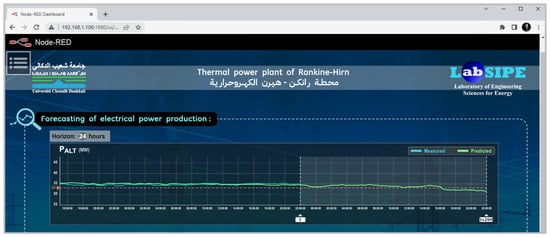
This paper highlights the eco-efficiency of a sustainable digital solution to support decision-making in resolving the problem of sudden production drops and associated energy waste in industrial power plants, especially those operating with a steam turbomachine. The solution involves a multi-interface digital dashboard
[...] Read more.
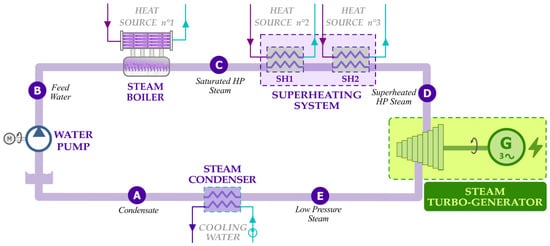
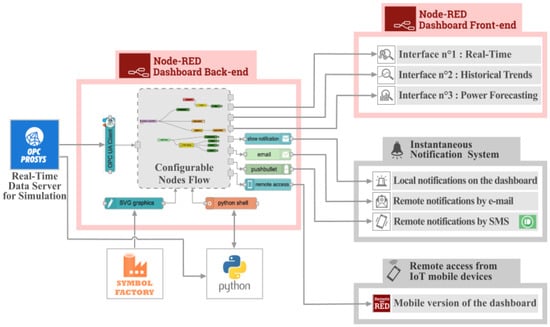
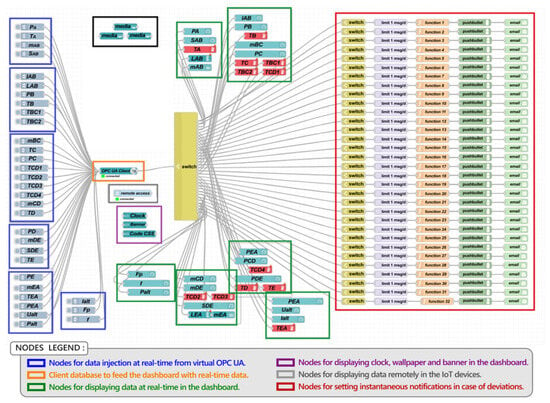
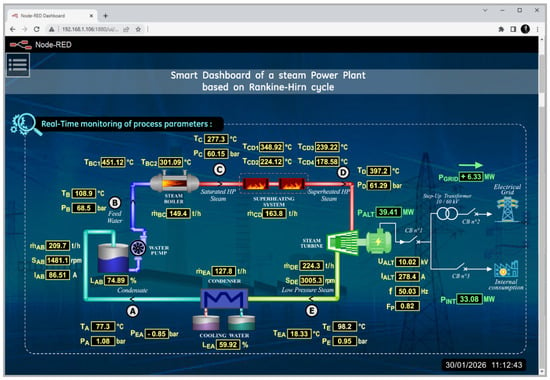
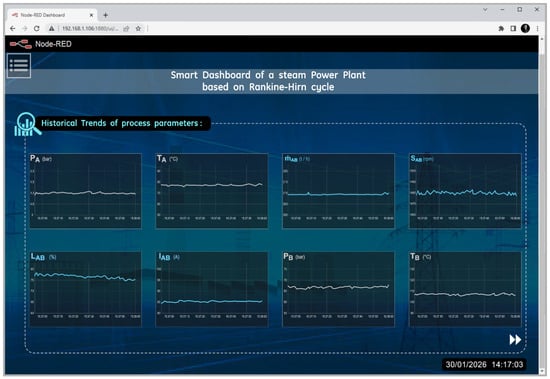
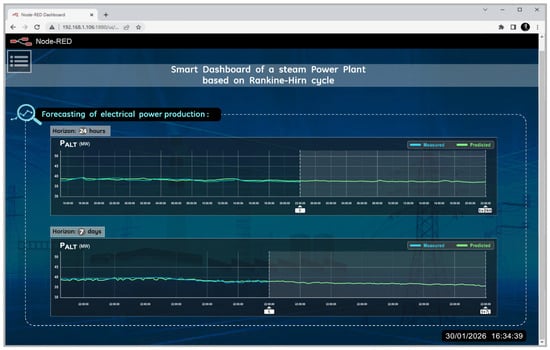
This paper highlights the eco-efficiency of a sustainable digital solution to support decision-making in resolving the problem of sudden production drops and associated energy waste in industrial power plants, especially those operating with a steam turbomachine. The solution involves a multi-interface digital dashboard that generates insightful visual reports and gives proactive alerting to the decision-makers about potential underperformances to ensure resource optimization. For the studied use case, it involves the development of three interfaces of the dashboard, so as to perform the sustainable monitoring of a thermoelectric power plant based on the Rankine–Hirn cycle as follows: the first interface is about real-time monitoring of thirty-two key physical parameters equipped with a notification system. The second interface displays the historical trends of all the plant variables, in order to help in detecting incipient abnormal deviations before they impact environmental efficiency. Lastly, the third platform covers a predictive model using the XGBoost algorithmic method to forecast the future behavior of the electrical power as the target variable of the power plant. The XGBoost method was selected after a comparative assessment which also included the algorithms of Random Forest Regressor (RFR) and Gated Recurrent Unit (GRU). As a final step, this solution was later tested in a simulation environment built under the “Node-Red” platform, through an industrial decision scenario. The concrete findings validate the framework’s sustainability metrics, demonstrating the ability of the solution to help in preserving, for each production cycle of two years, up to 7.6 GWh of electrical energy that would otherwise be wasted, which translates into a potential cost-saving exceeding 633,247.9 USD, as well as an ecological impact by preventing the emission of 4628 tons of CO2.
Full article
(This article belongs to the Special Issue Sustainable Intelligent Manufacturing Systems in Industry 4.0 and 5.0)
►▼
Show Figures

Figure 1

Open AccessArticle
Digital Technology and Energy System Resilience: Transmission Mechanisms and Threshold Effects—Evidence from China’s Provincial Panel Data
by
Qi Wang and Yanqiu Chen
Sustainability 2026, 18(11), 5786; https://doi.org/10.3390/su18115786 (registering DOI) - 5 Jun 2026
Abstract
►▼
Show Figures
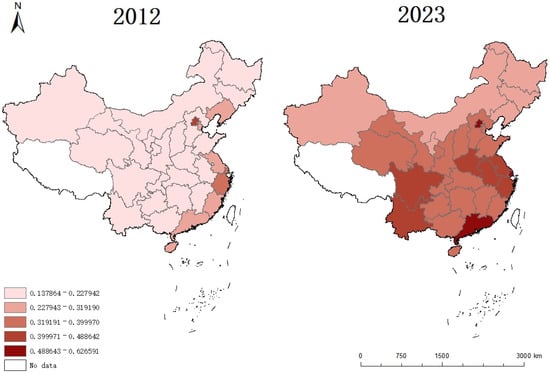
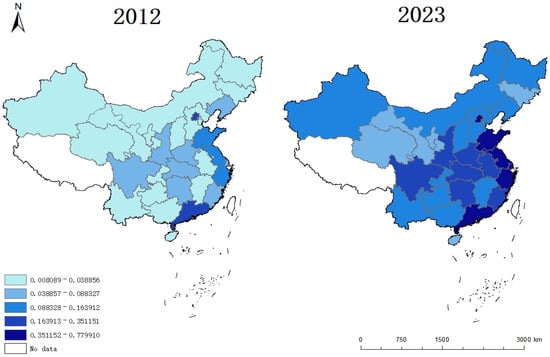
Energy system resilience is essential for maintaining energy security and system stability under growing global uncertainty. Based on panel data for 30 Chinese provinces over the period 2012–2023, this paper investigates the relationship between digital technology and energy system resilience. Digital technology and
[...] Read more.
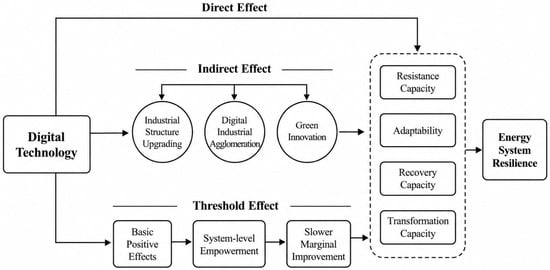
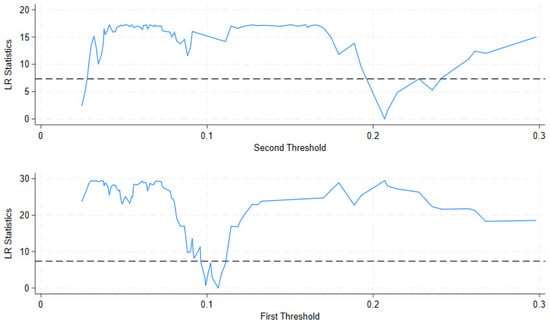
Energy system resilience is essential for maintaining energy security and system stability under growing global uncertainty. Based on panel data for 30 Chinese provinces over the period 2012–2023, this paper investigates the relationship between digital technology and energy system resilience. Digital technology and energy system resilience are measured with entropy-weighted composite indices, and the empirical tests are conducted using a two-way fixed-effects model, mediation-effect models, and a panel threshold model. The results show that digital technology significantly improves energy system resilience, and this finding remains stable after endogeneity treatment and several robustness checks. The mechanism analysis further shows that industrial structure upgrading, digital industrial agglomeration, and green innovation serve as important channels linking digital technology to energy system resilience. The threshold results further show that the effect of digital technology is stage-dependent. Digital technology has a positive effect in all three stages, with the strongest effect occurring in the medium digital development stage, followed by slower marginal improvement in the high digital development stage. The heterogeneity results show that the effect is more pronounced in provinces with high resource dependence and in the central and western regions. By contrast, the eastern region presents a weaker marginal effect, while the northeastern region faces stronger constraints in transforming digital technology into resilience improvement. These findings suggest that digital technology is an important driver of energy system resilience and can support a more stable and sustainable energy transition, although its effect varies across development stages and regional conditions.
Full article

Figure 1
Open AccessReview
AI-Driven Digital Twins in Sustainable Manufacturing: A Critical Review
by
Francis T. Omigbodun
Sustainability 2026, 18(11), 5785; https://doi.org/10.3390/su18115785 (registering DOI) - 5 Jun 2026
Abstract
Manufacturing systems are undergoing a fundamental transition as efficiency-driven optimisation paradigms prove increasingly inadequate for meeting net-zero, resource-efficiency, and resilience objectives. Digital twins have emerged as a central enabler of this transition, offering continuously coupled physical–digital representations capable of real-time monitoring, prediction, and
[...] Read more.
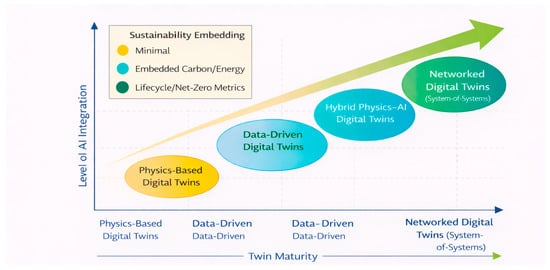
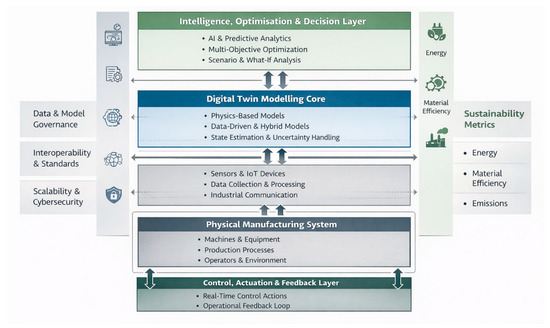
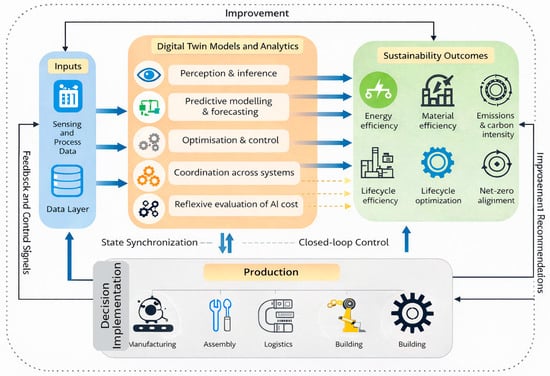
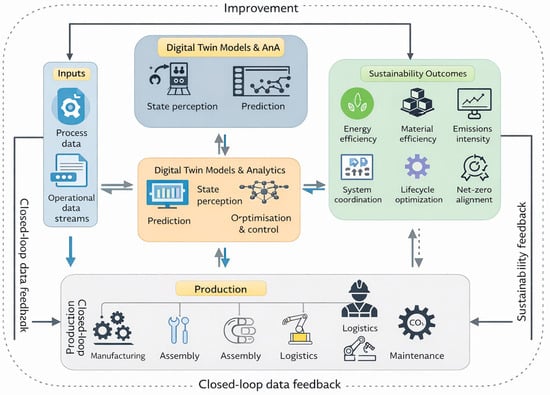
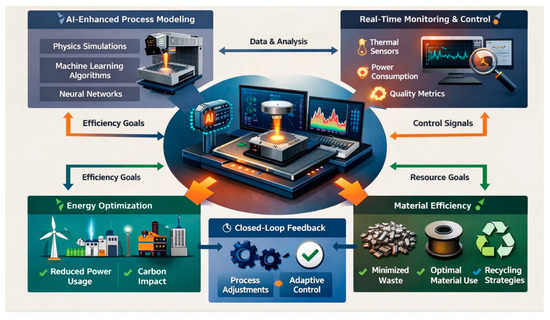
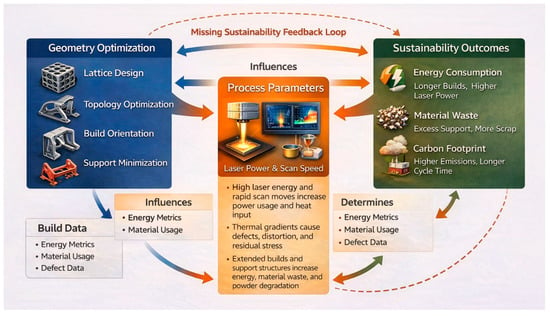
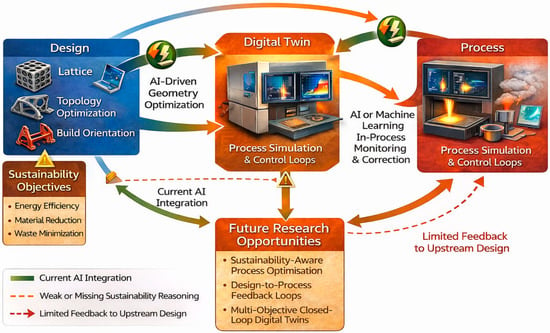
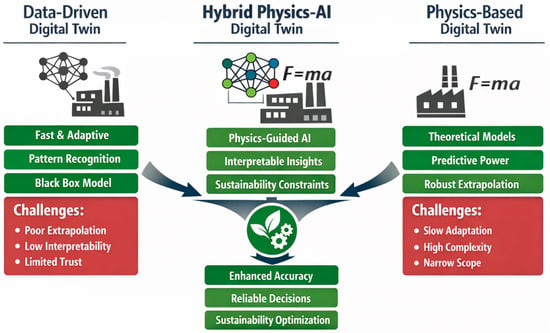
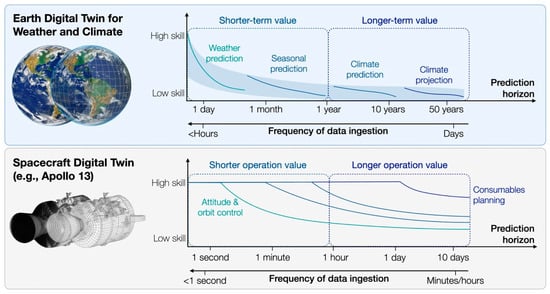
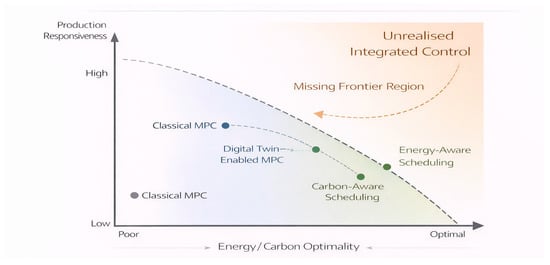
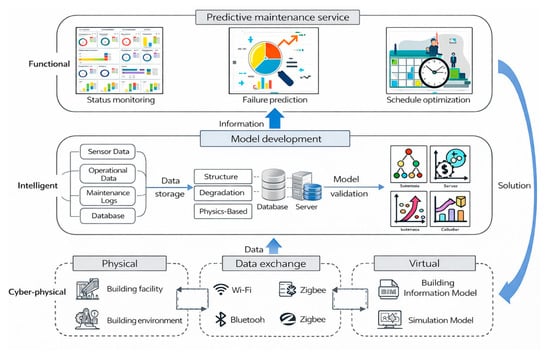
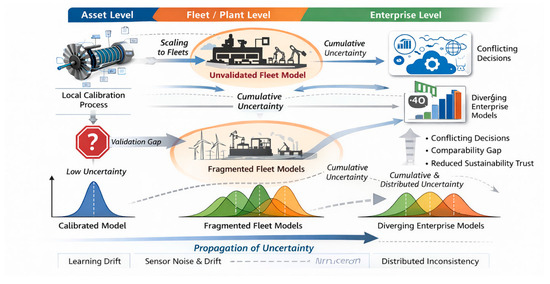
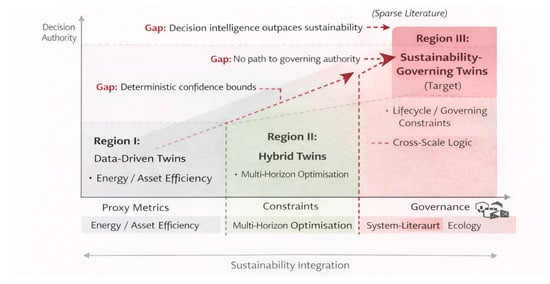
Manufacturing systems are undergoing a fundamental transition as efficiency-driven optimisation paradigms prove increasingly inadequate for meeting net-zero, resource-efficiency, and resilience objectives. Digital twins have emerged as a central enabler of this transition, offering continuously coupled physical–digital representations capable of real-time monitoring, prediction, and control. Recent advances in artificial intelligence have accelerated this evolution, transforming digital twins from static simulation artefacts into adaptive, learning-enabled systems embedded within cyber–physical manufacturing environments. However, this shift has also exposed critical challenges related to trust, interpretability, scalability, and sustainability alignment. This review provides a critical synthesis of AI-enabled digital twin research with a specific focus on manufacturing and additive manufacturing systems. It examines the progression from physics-based and data-driven twins toward hybrid AI–physics architectures that balance predictive performance with physical consistency and explainability. Beyond technical performance, the review reframes digital twins as decision-making infrastructures whose value depends on how effectively they integrate energy consumption, material efficiency, carbon intensity, and lifecycle impacts into optimisation and control logic. Particular attention is given to real-time optimisation, predictive maintenance, and intelligent asset management, highlighting persistent gaps in uncertainty propagation, cross-scale coordination, and sustainability-aware governance. The review further identifies structural barriers to large-scale industrial adoption, including data interoperability fragmentation, platform lock-in, organisational resistance, and regulatory ambiguity surrounding AI-driven decisions. Synthesising insights across domains, it argues that many current digital twin implementations remain technically sophisticated yet strategically conservative, reinforcing throughput-centred objectives rather than enabling systemic decarbonisation and circularity. The paper concludes by outlining future research directions and policy-relevant opportunities, emphasising the need for digital twins that reason across timescales, objectives, and lifecycle boundaries. By aligning manufacturing intelligence with measurable sustainability outcomes, AI-enabled digital twins can move from incremental efficiency gains toward transformative impact in net-zero and circular manufacturing systems.
Full article
(This article belongs to the Special Issue Advancing Sustainable Additive Manufacturing: Innovations in Technology and Environmental Impact Metrics)
►▼
Show Figures

Figure 1

Open AccessArticle
Active and Passive Optimization of the Indoor Thermal Environment of Rural Dwellings in Hohhot Under Clean Heating in Severe Cold Regions
by
Zihan Ji, Yang Bai and Guoqiang Xu
Sustainability 2026, 18(11), 5784; https://doi.org/10.3390/su18115784 (registering DOI) - 5 Jun 2026
Abstract
In the severely cold regions of northern China, large-scale clean heating retrofits in rural areas face critical problems, including substandard indoor thermal environments, excessive energy consumption, and prohibitive operating costs. To address these challenges, this study focuses on rural residences in Hohhot as
[...] Read more.
In the severely cold regions of northern China, large-scale clean heating retrofits in rural areas face critical problems, including substandard indoor thermal environments, excessive energy consumption, and prohibitive operating costs. To address these challenges, this study focuses on rural residences in Hohhot as the research subject. Field measurements were conducted throughout the heating season in a typical rural house in Hohhot, a representative city with severe cold weather, to collect indoor/outdoor thermal parameters and real-time operational data of an air-source heat pump (ASHP). A dynamic simulation platform was established using TRNSYS 18. The optimization scheme integrates passive envelope retrofitting (ground insulation improvement and energy-efficient windows) with the active optimized control of the ASHP system. Indoor thermal comfort was evaluated using the Predicted Mean Vote (PMV) index. The results show that the ASHP exhibits excellent heating effectiveness and economic viability, making it the preferred technology for rural residences in Hohhot and similar regions. After implementing the active–passive scheme, the proportion of time with comfortable indoor conditions in rural houses surges from 34.1% to 84.1%, while during the severe cold period, this proportion increases from 16.97% to 61%. The indoor thermal comfort index shifts from its previous state to the baseline comfort range of −1.0 to 0. The total heating energy consumption decreased from 18,646 kWh to 15,861 kWh, and the seasonal operating cost dropped from 3207 to 2579.3 RMB, achieving an overall reduction of 19.6% in both energy and costs. The proposed active–passive synergistic optimization scheme simultaneously improves the indoor thermal environment and reduces heating energy consumption, overcoming the limitations of single-measure retrofits. This study fills the research gap on the quantitative evaluation of active–passive synergy for rural clean heating in severely cold regions, providing a theoretical basis and technical support for clean heating retrofits in Hohhot and Inner Mongolia, facilitating low-carbon and efficient rural clean heating in northern China.
Full article
Open AccessArticle
Sustainable and Reliable Operation of EV Charging Infrastructure: A Lightweight Prototype-Driven Contrastive Learning Framework for Fault Diagnosis Under Class-Imbalanced Conditions
by
Zhengyu Lei, Baowen Xing, Jingrui Liu, Yuxin Yang, Tianyuan Miao and Yingjie Lu
Sustainability 2026, 18(11), 5783; https://doi.org/10.3390/su18115783 (registering DOI) - 5 Jun 2026
Abstract
With the rapid growth of transportation electrification and smart energy systems, the reliable operation of electric vehicle (EV) charging infrastructure has become an important issue for sustainable transport, since charging faults may interrupt service and shorten equipment lifetime. However, practical charging environments are
[...] Read more.
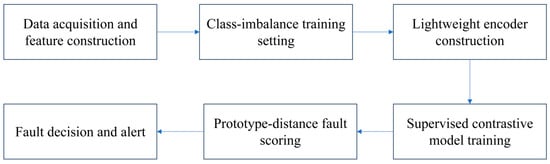
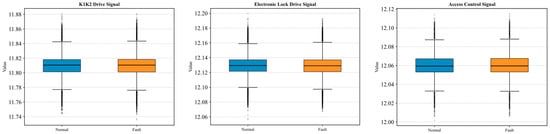
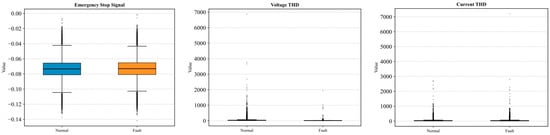
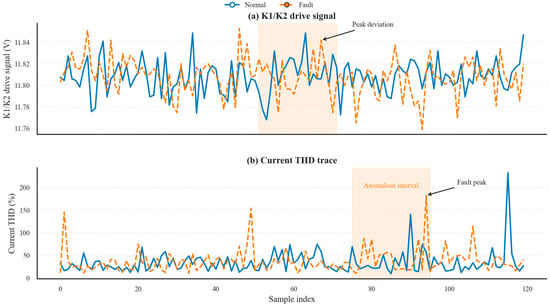
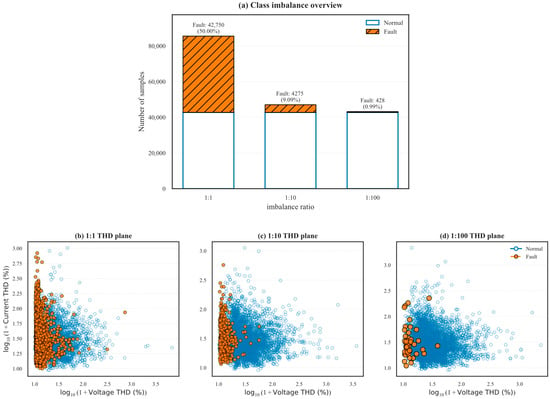
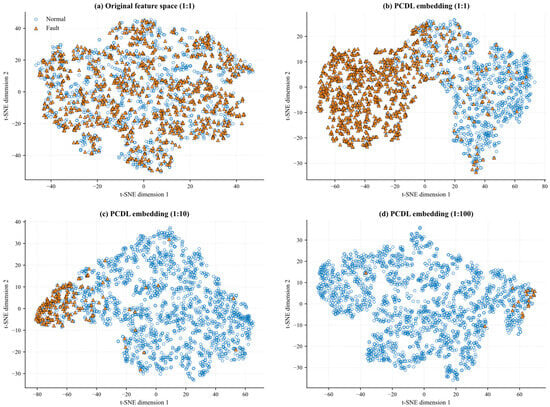
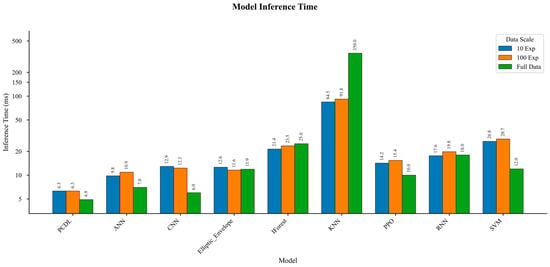
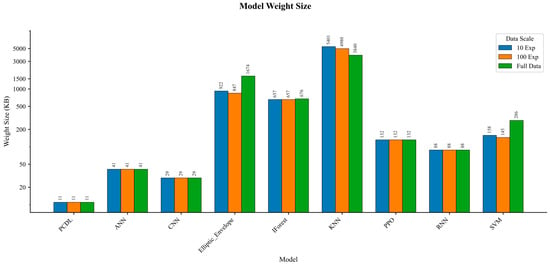
With the rapid growth of transportation electrification and smart energy systems, the reliable operation of electric vehicle (EV) charging infrastructure has become an important issue for sustainable transport, since charging faults may interrupt service and shorten equipment lifetime. However, practical charging environments are often characterized by heterogeneous operating conditions and severely imbalanced fault distributions, which limit the effectiveness of conventional fault diagnosis methods. To address these challenges, this study proposes a lightweight Proto-Contrastive Discriminative Learning (PCDL) framework for intelligent fault diagnosis in EV charging systems. The proposed method combines supervised contrastive learning with a prototype-distance discrimination mechanism to improve the identification of rare abnormal states under long-tailed data conditions. Heterogeneous charging features, including discrete control signals and continuous total harmonic distortion (THD) indicators, are projected into a discriminative embedding space, while anomaly detection is performed according to the relative distances between samples and class prototypes. Experimental results on a publicly available EV charging-pile monitoring dataset, containing 122,144 samples with four discrete control/safety features and two THD-based power-quality features, demonstrate that the proposed framework maintains stable detection performance under imbalance ratios of 1:1, 1:10, and 1:100. Under the most challenging 1:100 condition, the proposed method achieves an F1-score of 84.21%, representing a 29.08% improvement over the strongest baseline method. In addition, the framework requires only approximately 11 KB of memory and maintains CPU inference latency below 6.3 ms, demonstrating strong potential for real-time deployment on resource-constrained edge devices. These results suggest that the proposed framework can provide a lightweight diagnostic tool for practical charging stations and support safer and more reliable EV charging operation.
Full article
(This article belongs to the Section Energy Sustainability)
►▼
Show Figures

Figure 1
Open AccessArticle
Research on the Development Strategy of Green Technological Innovation in Mining Enterprises Under Environmental Regulation: A Multi–Actor Behavior Perspective
by
Xiaofan Li, Long Zhang, Yixin Ren and Zelin Liu
Sustainability 2026, 18(11), 5782; https://doi.org/10.3390/su18115782 (registering DOI) - 5 Jun 2026
Abstract
With the intensification of environmental challenges, promoting green technological innovation in mining enterprises has become essential for achieving sustainable and high–quality development in resource–based industries. Based on evolutionary game theory, this study develops a tripartite model involving government, mining enterprises, and consumers, integrating
[...] Read more.
With the intensification of environmental challenges, promoting green technological innovation in mining enterprises has become essential for achieving sustainable and high–quality development in resource–based industries. Based on evolutionary game theory, this study develops a tripartite model involving government, mining enterprises, and consumers, integrating reward–and–punishment mechanisms, enterprises’ dependence on policy support, and consumers’ green preferences and supervisory behavior. The analysis explores the strategic evolution of different actors under varying regulatory and regional conditions. The results show that strict environmental regulation accelerates coordinated strategy convergence when enterprise innovation incentives and green demand are insufficient, whereas a market–driven green–innovation equilibrium can emerge under relatively weak regulation when innovation returns and consumer green responses are sufficiently strong. The findings identify differentiated governance pathways under alternative combinations of regulatory pressure, enterprise incentives, policy support, and consumer response, providing conditional implications for the sustainable transformation of mining enterprises.
Full article
(This article belongs to the Special Issue Digital Innovation and Intelligent Optimization for Sustainable and Resilient Systems)
Open AccessSystematic Review
Territorial Brand in Cross-Border Tourism: A Systematic Literature Review (2000–2025)
by
Douglas André Roesler, Giovana Goretti Feijó Almeida and Paulo Almeida
Sustainability 2026, 18(11), 5781; https://doi.org/10.3390/su18115781 (registering DOI) - 5 Jun 2026
Abstract
►▼
Show Figures
Contemporary tourism has firmly established itself as a strategic driver of socioeconomic development, particularly in peripheral regions such as cross-border territories. Thus, the aims are to systematically analyze the scientific literature on cross-border tourism in order to examine how dimensions associated with territorial
[...] Read more.
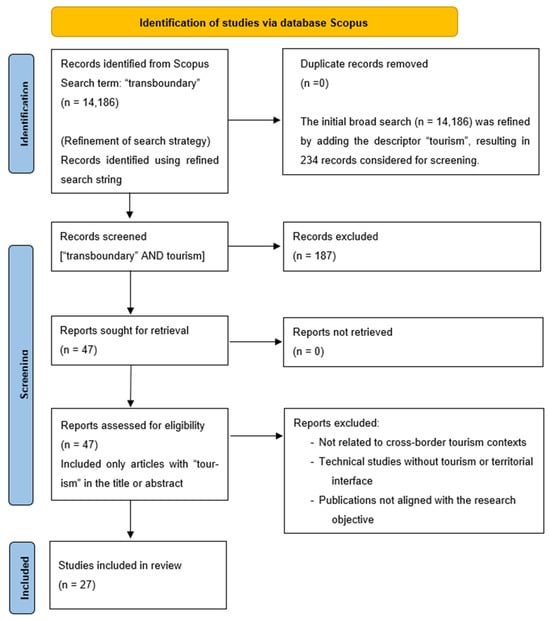
Contemporary tourism has firmly established itself as a strategic driver of socioeconomic development, particularly in peripheral regions such as cross-border territories. Thus, the aims are to systematically analyze the scientific literature on cross-border tourism in order to examine how dimensions associated with territorial brand emerge within this field. The research was conducted through a Systematic Literature Review, following the PRISMA protocol, associated with content analysis, from which a set of categories emerged a posteriori. This review identifies recurring dimensions and promising conceptual overlaps, suggesting that the territorial brand may be a useful framework for interpreting the dynamics of cross-border tourism. It is concluded that cross-border tourism and territorial branding are more than isolated fields; rather, they constitute interdependent dimensions that mutually reinforce one another. This study contributes to the theory of border tourism by demonstrating how territorial brand operates as one of the structuring elements in the integration, competitiveness, and sustainability of cross-border destinations, highlighting patterns that remain underexplored in the literature.
Full article

Figure 1
Open AccessReview
The Role of Livestock in Circular Agriculture and Waste Valorisation
by
Fernando Mata, Meirielly Jesus and Joana Santos
Sustainability 2026, 18(11), 5780; https://doi.org/10.3390/su18115780 (registering DOI) - 5 Jun 2026
Abstract
Circular agriculture has emerged as a promising framework for addressing the inefficiencies and environmental pressures associated with conventional food production systems. Within this context, livestock systems can play a transformative role by enabling waste valorisation, enhancing nutrient recycling, and improving overall resource-use efficiency.
[...] Read more.
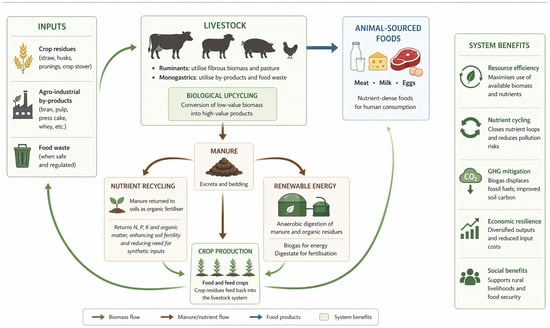
Circular agriculture has emerged as a promising framework for addressing the inefficiencies and environmental pressures associated with conventional food production systems. Within this context, livestock systems can play a transformative role by enabling waste valorisation, enhancing nutrient recycling, and improving overall resource-use efficiency. This review critically examines the multifunctional role of livestock in circular agriculture, with a particular focus on their capacity to convert non-human-edible biomass, such as crop residues, agro-industrial by-products, and food waste, into high-value animal-sourced foods. Drawing on the recent literature, the analysis explores how livestock systems can be reconfigured to utilise non-human-edible biomass, including crop residues, agro-industrial by-products, and food waste, thereby reducing competition between feed and food while enhancing sustainability outcomes. The findings highlight that livestock can function as biological upcycles, converting low-value materials into high-quality animal products, while also contributing to closed nutrient loops through manure management and integration with crop production. Additional benefits include the generation of renewable energy through anaerobic digestion and improved economic resilience through diversified outputs. However, the extent of these benefits depends on system design, management practices, and regional context. Despite their potential, circular livestock systems face challenges related to greenhouse gas emissions, regulatory constraints, economic feasibility, and knowledge gaps. These challenges highlight the need for a systems-based evaluation that accounts for environmental, economic, and social dimensions. The study concludes that livestock can contribute meaningfully to sustainable food system transitions when aligned with circular principles, but their role must be critically assessed to avoid burden-shifting and unintended environmental impacts.
Full article
(This article belongs to the Section Sustainable Food)
►▼
Show Figures

Figure 1
Open AccessArticle
The Perception of Climate Change Threats on Intention to Use AI for Sustainable Agriculture Among Thai Farmers
by
Surangkana Wayuparb and Supaporn Kiattisin
Sustainability 2026, 18(11), 5779; https://doi.org/10.3390/su18115779 (registering DOI) - 5 Jun 2026
Abstract
Climate change is significantly impacting sustainable agriculture and poses a threat that is likely to motivate farmers to adapt by applying AI technology to reduce risks, costs, expenses, and the impact on greenhouse gas emissions. In other contexts related to climate change, it
[...] Read more.
Climate change is significantly impacting sustainable agriculture and poses a threat that is likely to motivate farmers to adapt by applying AI technology to reduce risks, costs, expenses, and the impact on greenhouse gas emissions. In other contexts related to climate change, it is important to assess whether perceived climate threats and perceived vulnerability to climate change influence farmers’ intention to use artificial intelligence and whether farmers believe AI is an effective method for addressing climate change, as well as their confidence in its effectiveness. This research examines whether the ability to learn about AI independently affects the intention to use AI, aligning with Protection Motivation Theory. It further evaluates whether perceived ease of use of AI influences perceived usefulness, considering the core factors of perceived ease of use and perceived usefulness based on the Technology Acceptance Model as influencing the intention to use AI. Furthermore, it investigates whether PEOU (Perceived ease of use) and PU (Perceived usefulness) affect attitude (a key factor in the Theory of Planned Behavior) and subjective norm (another core factor in TPB (Theory of Planned Behavior)) influencing farmers’ behavioral adaptation to AI use. Therefore, exploring farmers’ behavioral intention to use AI integrates three theories: PMT (Protection Mo-tivation Theory), TPB, and TAM (Technology Acceptance Model), presenting them as a conceptual model to examine the motivating factors influencing behavioral change. This research surveyed 471 farmers in Thailand using data analyzed from PLS-SEM (Partial Least Squares Structural Equation Mod-eling). The findings revealed that only eight hypotheses (AI self-efficacy, PEOU, PU, ATT (Attitude), and SN (Social Norm)) significantly influenced the intention to use AI, while three hypotheses (PS (Perceived severity), PV (Perceived vulnerability), and RE (Response efficacy)) did not. This will be useful for planning or strategizing AI adoption among farmers, focusing on reducing problems and obstacles from insignificant factors to achieve sustainable agriculture and minimize the impact that may lead to inequality from AI use, or the AI divide, in the future.
Full article
(This article belongs to the Section Sustainable Agriculture)
Open AccessArticle
Dynamic Clustering of Operating Points for Online Equivalent Modeling of Interconnected Power Grids with Renewable Energy
by
Jiaxi Kang, Cihang Wei and Wenhu Tang
Sustainability 2026, 18(11), 5778; https://doi.org/10.3390/su18115778 (registering DOI) - 5 Jun 2026
Abstract
As renewable energy sources become increasingly integrated into interconnected power networks, system operating points (OPs) undergo frequent and unpredictable shifts. However, conventional delays in updating equivalent model parameters during these OP transitions often compromise modeling accuracy. To address this challenge, this study proposes
[...] Read more.
As renewable energy sources become increasingly integrated into interconnected power networks, system operating points (OPs) undergo frequent and unpredictable shifts. However, conventional delays in updating equivalent model parameters during these OP transitions often compromise modeling accuracy. To address this challenge, this study proposes an online dynamic OP clustering method for interconnected grids featuring wind and photovoltaic generation. First, an equivalent model for renewable-integrated interconnected grids is established. Subsequently, a dynamic OP clustering strategy is developed; this strategy combines an offline construction phase utilizing joint probability distributions and data clustering with an online update mechanism that dynamically adjusts cluster boundaries via membership calculations. This approach enables real-time clustering, effectively minimizing equivalence errors and adapting swiftly to ongoing network variations. Simulation results based on the China–Mongolia interconnected power grid demonstrate that the proposed method significantly outperforms traditional static approaches in both equivalence accuracy and computational adaptability. By delivering precise, real-time network equivalents, this approach provides robust support for practical grid operations, including online security assessment, optimal power dispatching, and transient stability analysis, thereby contributing to the long-term stability and sustainability of modern power systems.
Full article
(This article belongs to the Special Issue Intelligent Control, Smart Grid Optimization and Sustainable Energy Management)
Open AccessArticle
Development of Deep Learning-Based Technique for Predicting Inflow Rate of Rainwater Pumping Stations
by
Young-Ho Seo, Junehyeong Park, Guyeong Choi, Byung-Sik Kim and Jang Hyun Sung
Sustainability 2026, 18(11), 5777; https://doi.org/10.3390/su18115777 (registering DOI) - 5 Jun 2026
Abstract
►▼
Show Figures
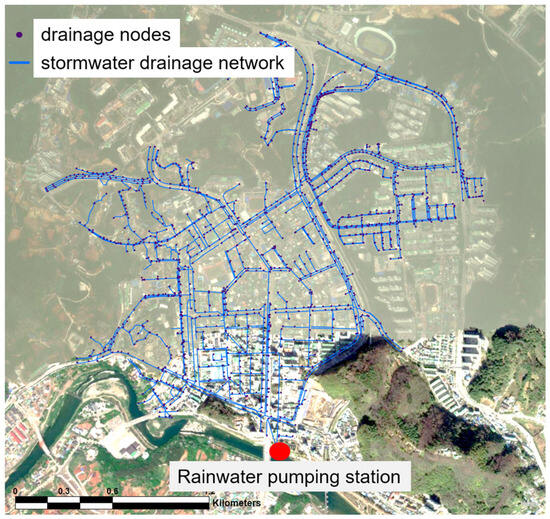
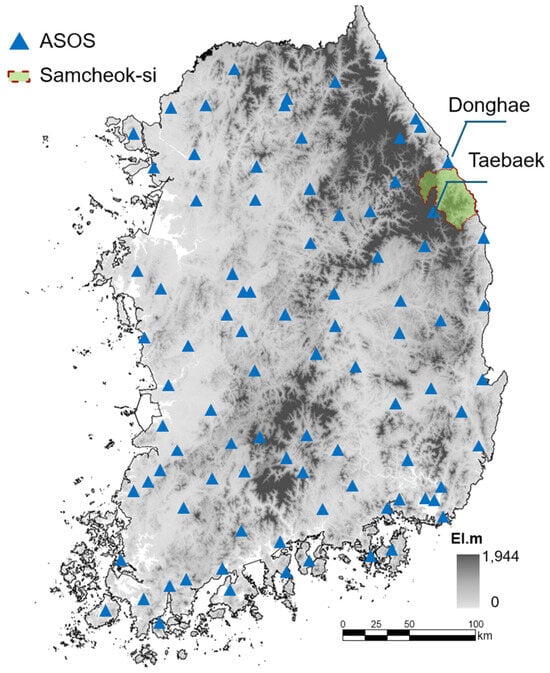
Efficient operation of rainwater pumping stations is essential for mitigating urban flooding under climate change. This study focuses on the Samcheok Osipcheon watershed, located in Gangwon-do, South Korea, and proposes a deep learning-based inflow prediction framework for the Samcheok-si drainage system using SWMM-simulated
[...] Read more.
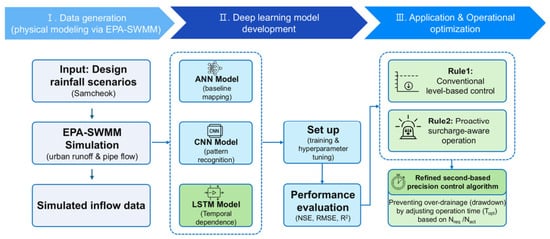
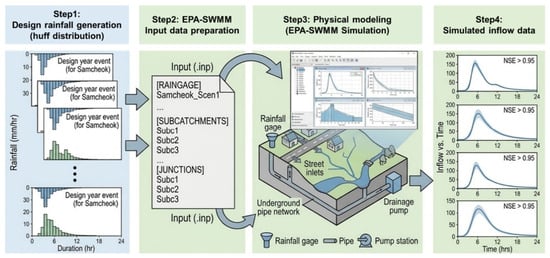
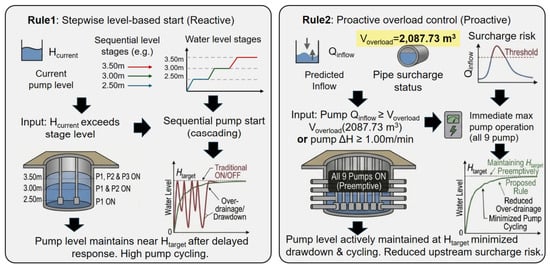
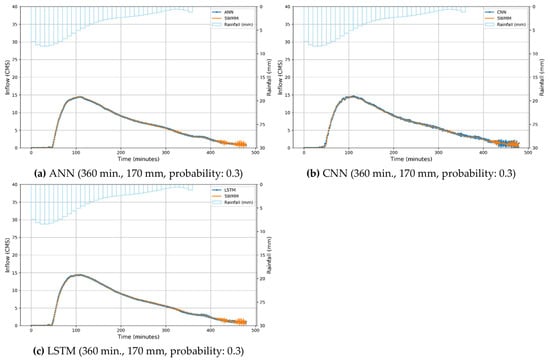
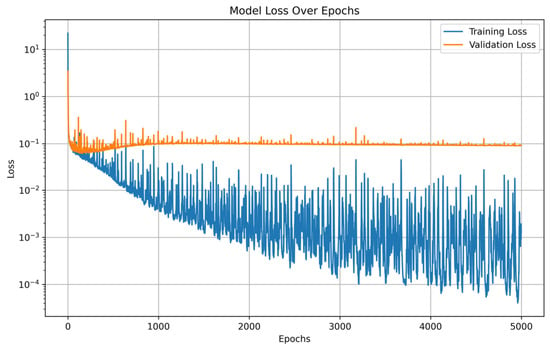
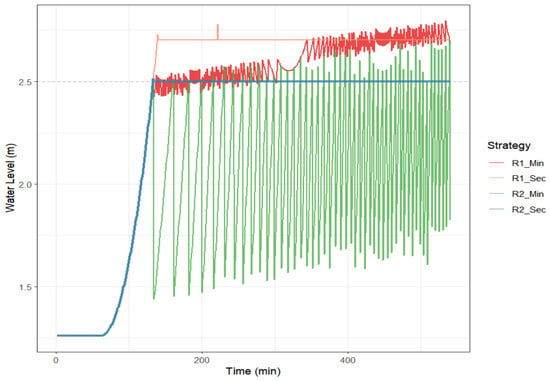
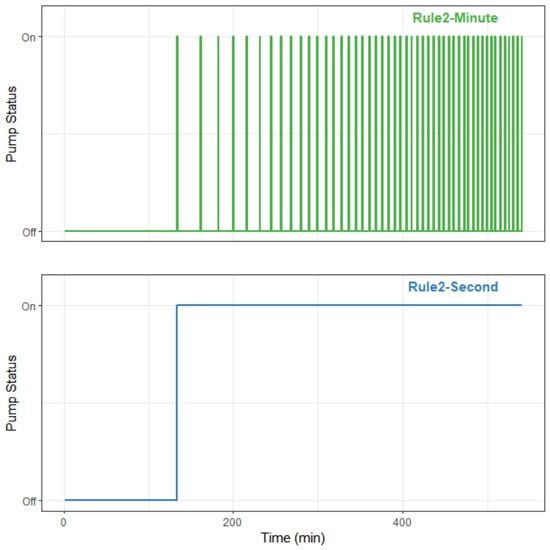
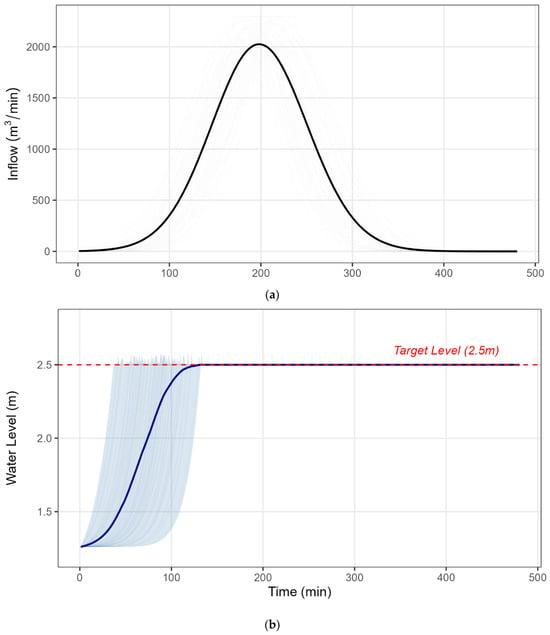
Efficient operation of rainwater pumping stations is essential for mitigating urban flooding under climate change. This study focuses on the Samcheok Osipcheon watershed, located in Gangwon-do, South Korea, and proposes a deep learning-based inflow prediction framework for the Samcheok-si drainage system using SWMM-simulated datasets. A total of 900 rainfall scenarios were generated and used to train three models: ANN, CNN, and LSTM. All models reproduced inflow hydrographs with high accuracy, but the CNN model showed overfitting with oscillations in the recession limb. The LSTM model demonstrated the best performance, achieving an NSE of 0.97 and a PPE of 3.45%. Based on the predicted inflow, two pump operation strategies were evaluated. The proactive operation considering upstream surcharge conditions, combined with second-level control, reduced peak water levels from 2.585 m to 2.439 m (approximately 5.6%) compared to the conventional operation. In addition, second-level pump operation reduced excessive discharge and stabilized detention basin water levels. The results indicate that the proposed framework can support real-time pump operation, enhance the resilience and sustainability of urban drainage systems, and contribute to sustainable urban flood mitigation.
Full article

Figure 1
Open AccessArticle
Energy Consumption, Economic Growth, and Climate Change Dynamics in Southeast European Countries
by
Klodian Muço, Emiljan Karma and Luca Nguyen
Sustainability 2026, 18(11), 5776; https://doi.org/10.3390/su18115776 (registering DOI) - 5 Jun 2026
Abstract
This paper explores the evolving relationship between energy consumption, economic activity, and carbon emissions in Southeast European countries over the period 2000–2024. Using a dynamic panel framework, the analysis focuses primarily on short-run interactions, given the lack of evidence for a stable long-term
[...] Read more.
This paper explores the evolving relationship between energy consumption, economic activity, and carbon emissions in Southeast European countries over the period 2000–2024. Using a dynamic panel framework, the analysis focuses primarily on short-run interactions, given the lack of evidence for a stable long-term equilibrium. The findings reveal that changes in energy consumption remain the main driver of fluctuations in CO2 emissions, confirming the carbon-intensive nature of energy use across the region. In contrast, economic growth and industrial production do not show a statistically significant direct effect on emissions in the short term. Renewable energy plays a mitigating role, although its impact becomes more visible only when cross-country interdependencies are taken into account. This suggests that regional factors, such as shared policies and energy market shocks, shape environmental outcomes. Overall, the results indicate that emissions are influenced more by immediate changes in energy use than by persistent dynamics, highlighting the ongoing challenge of reducing environmental pressure without fundamentally transforming the energy structure.
Full article
(This article belongs to the Section Energy Sustainability)
Open AccessArticle
Secondary School Teachers and Sustainability Education: A Comparative Assessment of Knowledge, Attitudes and Behavior
by
Efstathios Loupas, Aristotelis Martinis, Katerina Kabassi, Georgios Karris, George Zafeiropoulos and Maria Katsanou
Sustainability 2026, 18(11), 5775; https://doi.org/10.3390/su18115775 (registering DOI) - 5 Jun 2026
Abstract
Environmental Education (E.E.) and Education for Sustainable Development (E.S.D.) play a crucial role in fostering environmentally responsible citizens and supporting the achievement of sustainability goals. This study aims to investigate primary school teachers’ knowledge, attitudes, and perceptions regarding E.E./E.S.D., as well as the
[...] Read more.
Environmental Education (E.E.) and Education for Sustainable Development (E.S.D.) play a crucial role in fostering environmentally responsible citizens and supporting the achievement of sustainability goals. This study aims to investigate primary school teachers’ knowledge, attitudes, and perceptions regarding E.E./E.S.D., as well as the factors influencing their implementation in the educational process. A quantitative research design was employed using a structured questionnaire distributed to a sample of 500 teachers across Greece. Data were analyzed using descriptive statistics, content analysis, exploratory factor analysis, reliability testing, correlation analysis, and multiple regression analysis with the use of SPSS software. The results indicate that teachers generally demonstrate positive attitudes toward E.E./E.S.D. and recognize its importance in promoting environmental awareness, behavioral change, and students’ social development. Content analysis revealed that key environmental concerns identified by participants include pollution, climate change, and waste management, while E.E./E.S.D. is mainly associated with environmental practices and awareness. Factor analysis identified five core dimensions shaping teachers’ attitudes: (i) perceived value and impact, (ii) social and personal development outcomes, (iii) pedagogical design and evaluation understanding, (iv) institutional and structural barriers, and (v) practical implementation challenges. Significant correlations were found among these factors, particularly between perceived value and pedagogical understanding, as well as between institutional barriers and implementation challenges. Regression analysis showed that demographic and experiential variables have a modest but significant effect on perceived challenges, with age and participation in E.E./E.S.D. programs negatively associated with difficulties, while years of involvement increased awareness of implementation constraints. Overall, the findings highlight that although teachers possess a satisfactory level of awareness and positive attitudes toward E.E./E.S.D., limited training, insufficient institutional support, and structural barriers hinder effective implementation. The study underscores the need for enhanced training opportunities, stronger policy support, and systematic integration of E.E./E.S.D. into school curricula to promote sustainable education practices.
Full article
Open AccessArticle
Testing Social Norms and Financial Incentives to Increase Reusable Cups Consumption in a Real-World Café
by
Yonatan Meir and Guy Hochman
Sustainability 2026, 18(11), 5774; https://doi.org/10.3390/su18115774 (registering DOI) - 5 Jun 2026
Abstract
Behavioral interventions are widely used to promote sustainable consumption, but their effectiveness under high-friction real-world conditions remains uncertain, especially when multiple tools are combined. We report a quasi-experimental natural field study conducted in a busy urban café in Tel Aviv, Israel, examining the
[...] Read more.
Behavioral interventions are widely used to promote sustainable consumption, but their effectiveness under high-friction real-world conditions remains uncertain, especially when multiple tools are combined. We report a quasi-experimental natural field study conducted in a busy urban café in Tel Aviv, Israel, examining the isolated and combined effects of a localized identity-based social-norm cue and a small financial incentive on reusable cup adoption. Across four consecutive weeks and 9414 hot-beverage transactions, a baseline week was followed by a norm condition, a 1 NIS discount condition, and a combined condition. Reusable cup use increased from 3.33% at baseline to 3.59% in the norm week, 4.19% in the incentive week, and 3.72% in the combined week, but none of these changes reached statistical significance. The financial incentive produced the largest descriptive increase, whereas the combined intervention did not outperform the incentive alone. Across the intervention period, reusable cup use exceeded the number expected under the baseline rate by approximately 35 purchases. These bounded null findings suggest that low-cost behavioral tools may yield only modest gains in convenience-driven consumption settings and that combining policy tools does not necessarily generate additive effects. The study contributes ecologically grounded evidence on the boundary conditions of sustainable behavior change and highlights the importance of testing behavioral policies under realistic implementation constraints.
Full article
(This article belongs to the Section Psychology of Sustainability and Sustainable Development)
Open AccessArticle
Toward Sustainable Creativity-Oriented Instruction: Prospective Teachers’ DT/CT Dynamics Across Critique–Design–Microteaching
by
Sung-Jae Moon
Sustainability 2026, 18(11), 5773; https://doi.org/10.3390/su18115773 (registering DOI) - 5 Jun 2026
Abstract
Mathematical creativity is positioned as a key competency for sustainable development, yet its classroom enactment often remains episodic and teacher-dependent. This qualitative study examines how prospective teachers conceptualize and organize the dynamics between divergent thinking (DT) and convergent thinking (CT)—analyzed through continuity, complementarity,
[...] Read more.
Mathematical creativity is positioned as a key competency for sustainable development, yet its classroom enactment often remains episodic and teacher-dependent. This qualitative study examines how prospective teachers conceptualize and organize the dynamics between divergent thinking (DT) and convergent thinking (CT)—analyzed through continuity, complementarity, and interaction—across a semester-long course involving textbook critique, task design, and microteaching. Twenty-seven prospective teachers critiqued textbooks, transformed tasks, and enacted microteaching lessons on five middle-school topics. Data included recordings, lesson plans, transformed tasks, and reflection journals. During textbook critique, participants diagnosed an authoritative CT bias and emphasized inquiry/DT, but rarely articulated how DT should transition into CT for justification and generalization. In task design, inquiry and content goals were listed in parallel, yielding a role split between teacher and students and weak complementarity. In enactment, added CT prompts remained largely teacher-directed; DT episodes were more multi-authority, whereas CT episodes concentrated authority in the teacher, producing monotonous continuity and unrealized complementarity. Findings suggest teacher education should explicitly scaffold goal-bridging routines, DT–CT transition prompts, and mechanisms for distributing authority—contributing to ESD aims by enabling creativity-oriented instruction to operate continuously rather than episodically in everyday mathematics classrooms.
Full article
(This article belongs to the Collection Sustainable Development of Teaching Methods and Education System)
Open AccessArticle
Sustainable Energy Performance Optimization of Occupancy Sensor Placement in Smart Lighting Systems for University Classrooms
by
Luis Tipán and Juan Igllón
Sustainability 2026, 18(11), 5772; https://doi.org/10.3390/su18115772 (registering DOI) - 5 Jun 2026
Abstract
This study proposes a reproducible methodology for optimizing occupancy sensor placement and assessing the sustainable energy performance of smart lighting systems in university classrooms. The research was conducted in Block H of the South Campus of the Universidad Politécnica Salesiana, Quito, using one
[...] Read more.
This study proposes a reproducible methodology for optimizing occupancy sensor placement and assessing the sustainable energy performance of smart lighting systems in university classrooms. The research was conducted in Block H of the South Campus of the Universidad Politécnica Salesiana, Quito, using one representative classroom for detailed geometric analysis and extending the optimization to eight classrooms with different dimensions, areas, and installed lighting configurations. The proposed framework integrates Voronoi-based spatial analysis, genetic algorithm optimization, and dynamic occupancy-based lighting control simulation as a retrofit-oriented strategy for existing educational buildings. For the representative classroom, the optimized sensor position was located near the geometric center of the room and achieved an estimated spatial coverage of 94.7% under the adopted sampling-based geometric model and an effective detection radius of 6 m. The multi-classroom analysis showed that the required number of sensors depends on classroom geometry and the adopted sensing radius; at R = 6 m, most classrooms satisfied the 90% coverage criterion with one sensor, while the largest classroom required two sensors. Based on occupancy schedules and automatic control rules, the dynamic simulation showed reductions in lighting operating time of 48% and 52% for 10 h and 12 h daily scenarios, respectively. These reductions were translated into lower daily and monthly energy consumption across different lighting configurations. The results indicate that optimized occupancy-based control can support sustainability-oriented energy management in university buildings by reducing unnecessary electricity use while preserving the existing lighting infrastructure. However, the results are limited to occupancy-based control and do not include daylight harvesting, photometric validation, or a complete economic payback assessment.
Full article
(This article belongs to the Special Issue Smart Grid and Sustainable Energy Systems)
Journal Menu
► ▼ Journal Menu-
- Sustainability Home
- Aims & Scope
- Editorial Board
- Reviewer Board
- Topical Advisory Panel
- Early Career Editorial Board
- Instructions for Authors
- Special Issues
- Topics
- Sections & Collections
- Article Processing Charge
- Indexing & Archiving
- Editor’s Choice Articles
- Most Cited & Viewed
- Journal Statistics
- Journal History
- Journal Awards
- Society Collaborations
- Conferences
- Editorial Office
Journal Browser
► ▼ Journal BrowserHighly Accessed Articles
Latest Books
E-Mail Alert
News
Topics
Topic in
ChemEngineering, Chemistry, Energies, Processes, Sustainability, Technologies
Advances in Green Energy and Energy Derivatives
Topic Editors: Muhammad Sajid, Nisar Ali, Muhammad Farooq, Mairui ZhangDeadline: 20 June 2026
Topic in
Batteries, Energies, Processes, Sustainability
Advanced Battery Thermal Management Solution for Electric Vehicles, 2nd Edition
Topic Editors: Hamidreza Behi, Masud Behnia, Danial KarimiDeadline: 30 June 2026
Topic in
Businesses, Economies, Humanities, Land, Sustainability, Tourism and Hospitality, Urban Science
Human–Environmental Relations: Ecotourism and Sustainability
Topic Editors: Tamara Gajić, Minja Bolesnikov, Aleksandar ErcegDeadline: 15 July 2026
Topic in
Buildings, CivilEng, Energies, Sustainability
Energy Systems in Buildings and Occupant Comfort
Topic Editors: Eusébio Z. E. Conceição, Hazim B. AwbiDeadline: 31 July 2026
Conferences
Special Issues
Special Issue in
Sustainability
Advances in Green and Sustainable Construction Materials
Guest Editors: Mingrui Du, Xupei Yao, Yuan GaoDeadline: 5 June 2026
Special Issue in
Sustainability
Sustainability in Food Security, Food Safety, and the Agri-Food Supply Chain
Guest Editor: Balan SundarakaniDeadline: 5 June 2026
Special Issue in
Sustainability
Promoting Energy Transition: Harnessing Solar Energy and Geothermal Resources
Guest Editors: Yaran Wang, Yan JiangDeadline: 5 June 2026
Special Issue in
Sustainability
Sustainable Soil Management and Crop Production Research: 2nd Edition
Guest Editors: Ioannis Roussis, Ioanna KakaboukiDeadline: 9 June 2026
Topical Collections
Topical Collection in
Sustainability
Sustainable Household Behaviors: Consumption and Mobility
Collection Editor: José Alberto Molina
Topical Collection in
Sustainability
Local Development Initiatives and Sustainable Employment Policies
Collection Editors: Juan Carlos Rodríguez Cohard, Antonio Vázquez Barquero
Topical Collection in
Sustainability
Land Degradation Evaluation, Alleviation, and Restoration in Watersheds
Collection Editor: Yung-Chieh Wang
Topical Collection in
Sustainability
Waste Utilization and Resource Recovery
Collection Editors: Chunjiang An, Xiujuan Chen