
Journal Description
Sustainability
Sustainability
is an international, peer-reviewed, open-access journal on environmental, cultural, economic, and social sustainability of human beings, published semimonthly online by MDPI. The Canadian Urban Transit Research & Innovation Consortium (CUTRIC), International Council for Research and Innovation in Building and Construction (CIB) and Urban Land Institute (ULI) are affiliated with Sustainability and their members receive discounts on the article processing charges.
- Open Access— free for readers, with article processing charges (APC) paid by authors or their institutions.
- High Visibility: indexed within Scopus, SCIE and SSCI (Web of Science), GEOBASE, GeoRef, Inspec, RePEc, CAPlus / SciFinder, and other databases.
- Journal Rank: JCR - Q2 (Environmental Studies) / CiteScore - Q1 (Geography, Planning and Development)
- Rapid Publication: manuscripts are peer-reviewed and a first decision is provided to authors approximately 19.3 days after submission; acceptance to publication is undertaken in 3.4 days (median values for papers published in this journal in the first half of 2025).
- Recognition of Reviewers: reviewers who provide timely, thorough peer-review reports receive vouchers entitling them to a discount on the APC of their next publication in any MDPI journal, in appreciation of the work done.
- Testimonials: See what our editors and authors say about Sustainability.
- Companion journals for Sustainability include: World, Sustainable Chemistry, Conservation, Future Transportation, Architecture, Standards, Merits, Bioresources and Bioproducts and Accounting and Auditing.
Impact Factor:
3.3 (2024);
5-Year Impact Factor:
3.6 (2024)
Latest Articles
Analysis of the Nonlinear Impact of Climate Policy Uncertainty on Total Factor Carbon Productivity in Chinese Cities
Sustainability 2025, 17(24), 11069; https://doi.org/10.3390/su172411069 (registering DOI) - 10 Dec 2025
Abstract
With the frequent introduction of climate policies in China, the uncertainty surrounding these policies has gradually increased. However, the relationship between climate policy uncertainty and total factor carbon productivity remains unclear. To address this gap, the total factor carbon productivity of 277 Chinese
[...] Read more.
With the frequent introduction of climate policies in China, the uncertainty surrounding these policies has gradually increased. However, the relationship between climate policy uncertainty and total factor carbon productivity remains unclear. To address this gap, the total factor carbon productivity of 277 Chinese cities from 2007 to 2022 is assessed using the EBM-GML model. Subsequently, a panel smooth transition model is employed to investigate the nonlinear relationship between climate policy uncertainty and total factor carbon productivity, incorporating economic growth, energy consumption structure, green finance, green innovation, and extreme climate as transition variables. Empirical analysis reveals that the impact of climate policy uncertainty on total factor carbon productivity is not uniformly positive or negative. When influenced by the five transition variables, higher levels of economic growth, the development of green finance, and advancements in green technology can shift the impact of climate policy uncertainty on total factor carbon productivity into a positive direction. Conversely, a higher reliance on coal consumption and frequent extreme weather events impede this positive influence. The heterogeneity analysis confirms significant regional and resource endowment heterogeneity in the observed nonlinear effects among cities. Furthermore, in most regions, the values of the transition variables do not exceed the threshold. Notably, under the influence of economic growth and green technology innovation, the potential for an increase in the impact coefficient of climate policy uncertainty on carbon productivity is substantial. Therefore, it is imperative to further enhance economic growth and green technology innovation. Additionally, specific climate policy targets must be established to address energy consumption structure and extreme weather, thereby improving carbon productivity.
Full article
Open AccessArticle
Leadership and Collective Action in Promoting Eco-Friendly Farming: A Case Study of Wufeng District, Taichung City, Taiwan
by
Yin-An Chen and Ai-Ching Yen
Sustainability 2025, 17(24), 11068; https://doi.org/10.3390/su172411068 (registering DOI) - 10 Dec 2025
Abstract
►▼
Show Figures
Eco-friendly farming, which minimizes chemical inputs, is critical for environmental sustainability but often exceeds the capacity of individual farmers, requiring collective action. This study examines how leadership facilitates collective adoption of eco-friendly practices in rural contexts, focusing on the Wufeng District Farmers’ Association
[...] Read more.
Eco-friendly farming, which minimizes chemical inputs, is critical for environmental sustainability but often exceeds the capacity of individual farmers, requiring collective action. This study examines how leadership facilitates collective adoption of eco-friendly practices in rural contexts, focusing on the Wufeng District Farmers’ Association in central Taiwan. Based on field observations and semi-structured interviews, the research identifies three key drivers: leaders’ shared vision and incentive mechanisms, technical support from the Taiwan Agricultural Research Institute, and effective mobilization by production and marketing group leaders. Leaders functioned as managers and intermediaries, fostering cooperation, managing uncertainty, and encouraging innovation. Consequently, eco-friendly farmland expanded, and value-added products, such as rice-based wine, were developed. The findings highlight that adaptive and entrepreneurial leadership, combining transformational inspiration with transactional accountability, is essential to sustaining collective action and advancing long-term rural sustainability.
Full article

Figure 1
Open AccessArticle
Do Artificial Intelligence Investments, Financial Development, and Energy Security Risks Promote Renewable Energy Transition? Evidence from the United States
by
Chao He, Yulin Tu, Xing Li and Wanci Dai
Sustainability 2025, 17(24), 11067; https://doi.org/10.3390/su172411067 (registering DOI) - 10 Dec 2025
Abstract
Despite intensified global efforts to accelerate the renewable energy (RE) transition, the influence of artificial intelligence (AI) and energy security risk (ESR) on RE adoption remains underexplored in the United States. This study examines the nonlinear and time-varying effects of AI, ESR, financial
[...] Read more.
Despite intensified global efforts to accelerate the renewable energy (RE) transition, the influence of artificial intelligence (AI) and energy security risk (ESR) on RE adoption remains underexplored in the United States. This study examines the nonlinear and time-varying effects of AI, ESR, financial development (FD), and economic growth (GDP) on RE consumption from 1990Q1 to 2020Q4. Annual data were converted to quarterly frequency using the quadratic match sum method, and the Wavelet Cross Quantile Regression (WCQR) technique was employed to capture dynamic relationships across quantiles and time scales. The results show that AI and FD consistently stimulate RE adoption, while ESR shifts from a negative short-term influence to a positive long-term effect. Similarly, GDP initially reduces RE consumption but becomes supportive over longer horizons. This study offers new contributions by providing the first empirical evidence on the role of AI in shaping the U.S. renewable energy transition and by jointly examining technological, financial development, and energy security determinants within a unified framework. Policy implications suggest prioritizing investment in AI-based grid and storage systems, expanding green financing tools to lower capital barriers, and adopting long-term energy security strategies to sustain progress toward a low-carbon energy system.
Full article
(This article belongs to the Special Issue Energy and Environment: Policy, Economics and Modeling)
►▼
Show Figures

Figure 1
Open AccessArticle
Typology of Teaching Profiles: A Model for Improving the Quality of University Education in the Context of Sustainable Development Goal 4
by
Carlos López-Hernández, Elizabeth Martínez-Orozco and Manuel Soto-Pérez
Sustainability 2025, 17(24), 11066; https://doi.org/10.3390/su172411066 (registering DOI) - 10 Dec 2025
Abstract
Developing tools to assess university lecturers on the quality of their teaching practice is a priority for achieving Sustainable Development Goal (SDG) 4. The aim of this research is therefore to propose a typology of teaching profiles and analyse the factors that influence
[...] Read more.
Developing tools to assess university lecturers on the quality of their teaching practice is a priority for achieving Sustainable Development Goal (SDG) 4. The aim of this research is therefore to propose a typology of teaching profiles and analyse the factors that influence each of them, with a view to proposing a model for identifying lecturers who need support. Based on 10,938 observations made between August 2021 and June 2025, a heuristic method was used to classify all observations into six quadrants according to student academic performance and student evaluations of their teachers. Based on the classification of all observations into six quadrants, called teacher profiles, logistic regressions were performed in Gretl software version 2024c to identify which characteristics inherent to the teacher, the educational context, and the curricular stage explain the classification of the teacher into a particular profile. The results indicate that full-time teachers and those with higher academic qualifications tend to obtain higher scores on the SET, while online or hybrid modalities are associated with lower scores on the SET. In addition, the six teaching profiles obtained an accuracy of over 80% in the logit models, highlighting significant effects of age, modality, and curricular level (p < 0.05) on the probability of belonging to each quadrant. It is concluded that factors related to curricular advancement, the educational context, and those inherent to the teacher can explain the proposed typology. This typology could serve as a management tool to identify teachers who need specific support to move towards profiles that are ideal for the university institution. Among the main limitations of this study are the heuristic methodology and the fact that the data were obtained from a single educational institution.
Full article
Open AccessArticle
Extending the Theory of Technology: A Tripartite Framework for Blockchain Technology and Sustainable Innovation
by
Feng Zhang, Qian Shi and Mohammed Taha Alqershy
Sustainability 2025, 17(24), 11065; https://doi.org/10.3390/su172411065 (registering DOI) - 10 Dec 2025
Abstract
Despite the recognition of Blockchain Technology’s disruptive potential, there is ongoing debate about its ontological and axiomatic foundations. This study develops a theoretical framework to explain the underline structural principles of blockchain technology through the lens of Arthur’s theory of technology, and the
[...] Read more.
Despite the recognition of Blockchain Technology’s disruptive potential, there is ongoing debate about its ontological and axiomatic foundations. This study develops a theoretical framework to explain the underline structural principles of blockchain technology through the lens of Arthur’s theory of technology, and the framework is developed through adopting Narrative Literature Review. By integrating conceptual analysis with a structural examination of Ethereum, this study reveals that blockchain technology is not a single invention but a composite technological system developed through recursive interactions among sub-technologies. The proposed framework identifies three interrelated structural patterns—the Combinatorial Pattern of Components elucidating blockchain technology’s structural ontology, the Capturing Pattern of Algorithms revealing the operational source of its innovation, and the Recursive Pattern of Technologies characterizing its inner logical structure of components—that together explain blockchain technology’s generative and evolving nature. The study extends Arthur’s theory by clarifying the “technology within technology” dynamic that underlies blockchain technology innovation. The Ethereum case confirms the framework’s applicability and generalizability, showing that blockchain systems, despite their diversity, share a consistent structural logic. Beyond its theoretical contribution, the framework offers practical guidance for sustainable technological innovation. It provides analytical support for designing blockchain-based applications’ architectures that enhance transparency, efficiency, and adaptability, contributing to the sustainable evolution of digital technologies.
Full article
(This article belongs to the Section Sustainable Engineering and Science)
Open AccessArticle
How to Optimize Data Sharing in Logistics Enterprises: Analysis of Collaborative Governance Model Based on Evolutionary Game Theory
by
Tongxin Pei, Xu Lian and Wensheng Wang
Sustainability 2025, 17(24), 11064; https://doi.org/10.3390/su172411064 (registering DOI) - 10 Dec 2025
Abstract
Data, as a key production factor in modern logistics systems, plays a crucial role in enhancing industry efficiency and promoting supply chain coordination. To address challenges in data sharing among logistics enterprises—such as conflicts of interest, unequal risk allocation, and insufficient security governance—this
[...] Read more.
Data, as a key production factor in modern logistics systems, plays a crucial role in enhancing industry efficiency and promoting supply chain coordination. To address challenges in data sharing among logistics enterprises—such as conflicts of interest, unequal risk allocation, and insufficient security governance—this study develops a tripartite evolutionary game model involving logistics enterprises, data partners, and supervisory institutions. The payoff matrix incorporates prospect theory to account for risk attitudes, loss–gain perceptions, and subjective judgments. Stable equilibrium points are derived using the Jacobian matrix, and numerical simulations examine strategic evolution under varying parameters. Results indicate that increased returns for data partners reduce their motivation to provide truthful data, while higher enterprise profits suppress logistics enterprises’ willingness to share. Compensation levels have limited impact, whereas excessively high supervision subsidies weaken participation and oversight across all parties. Stronger penalties and higher-level enforcement significantly promote compliance and positive system evolution. Enterprise investment positively correlates with data-sharing behavior, and risk preferences of all parties accelerate convergence to stable equilibria. Conversely, excessively low risk preference in supervisory institutions may lead to an unstable “sharing–false data–non-regulation” pattern. These findings provide theoretical support and policy guidance for designing a dynamic governance mechanism that balances incentives, constraints, and collaboration, thereby facilitating secure and effective logistics data sharing and informing the development of the data factor market.
Full article
(This article belongs to the Special Issue Advances in Sustainable Supply Chain Management and Logistics)
Open AccessArticle
Financial Openness and Corporate Resilience: Evidence from China
by
Xin Pan, Jun Han and Yubin Wu
Sustainability 2025, 17(24), 11063; https://doi.org/10.3390/su172411063 (registering DOI) - 10 Dec 2025
Abstract
We investigate the effect of financial openness on corporate resilience. Corporate resilience metrics refer to the processes through which firms respond to crises, encompassing the capabilities developed during adaptation, absorption, innovation, recovery, and development. Using dynamic difference-in-differences (DID) models and panel data on
[...] Read more.
We investigate the effect of financial openness on corporate resilience. Corporate resilience metrics refer to the processes through which firms respond to crises, encompassing the capabilities developed during adaptation, absorption, innovation, recovery, and development. Using dynamic difference-in-differences (DID) models and panel data on Chinese A-share listed firms from 2009 to 2022, we found that firms included in the Shanghai-Hong Kong and Shenzhen-Hong Kong Stock Connect (SSHK) lists exhibited higher levels of corporate resilience after the openness. Introducing foreign ownership and improving the quality of information disclosure are two plausible pathways through which financial openness can promote corporate resilience. At the same time, the degree of industry competition and level of external financing dependence moderate the results. Importantly, corporate resilience moderates the positive long-term effect of financial openness on firms’ total factor productivity (TFP). These findings highlight that fostering corporate resilience is not merely an outcome but a critical condition for translating financial integration into sustainable productivity gains, enlightening resilience-oriented policymaking in emerging markets undergoing reform.
Full article
(This article belongs to the Section Economic and Business Aspects of Sustainability)
Open AccessArticle
Office Spaces in a Cool Temperate Climate: Impact of Architectural Solutions on Daylight Quality in Interiors, in the Context of User Well-Being and Circadian Rhythm
by
Magdalena Grzegorzewska-Gryglewicz and Andrzej Kaczmarek
Sustainability 2025, 17(24), 11062; https://doi.org/10.3390/su172411062 (registering DOI) - 10 Dec 2025
Abstract
Interior space quality in certified office buildings is key in supporting the health and well-being of occupants. Daylight, which regulates the human circadian rhythm and affects physiological processes and productivity, is crucial. This study’s objective was to determine how a building’s architecture and
[...] Read more.
Interior space quality in certified office buildings is key in supporting the health and well-being of occupants. Daylight, which regulates the human circadian rhythm and affects physiological processes and productivity, is crucial. This study’s objective was to determine how a building’s architecture and selected elements of its interior such as partitions and finishing material parameters affect sunlight distribution in workspaces and its biological effectiveness, as measured using Equivalent Melanopic Lux (EML). The environment’s impact on the non-visual potential of a space was also assessed (in relation to the M/P ratio). To achieve these objectives, we used a 3D model of an office building floor to simulate natural lighting in various configurations, for a cool temperate climate using Solemma’s ALFA 2025 software. This research was conducted using simulations only, with no in situ measurements. The study assessed melanopic light intensity for specific zones and workstation groups. The impact of ceiling colors and the five colors given to partitions of different heights located between desks was also determined. The study evaluated the relationship between photopic and melanopic intensity and found that, as the height of the partitions increased, especially with cloudy skies, the importance of these planes’ colors increased. Blues had a positive effect on the space’s non-visual potential, while oranges showed significant decreases in EML relative to lux, by up to 25%. This research underscores the importance of light’s non-visual impact and the consideration of these aspects at every design stage, especially interior design, to provide a comfortable work environment and its long-term benefits. We also proposed natural light exposition optimization strategies that can support proper circadian rhythm.
Full article
(This article belongs to the Special Issue Sustainable Lighting: Design for Human Wellbeing and Technological Development)
Open AccessArticle
Integrating Skycourts into Multi-Story Buildings for Enhancing Environmental Performance: A Case Study of a Residential Building in a Hot-Humid Climate
by
Naglaa A. Megahed, Rasha A. Ali, Merhan M. Shahda and Asmaa M. Hassan
Sustainability 2025, 17(24), 11061; https://doi.org/10.3390/su172411061 (registering DOI) - 10 Dec 2025
Abstract
Energy used in residential buildings accounts for more than 22% of total global energy consumption. Therefore, energy efficiency has become a crucial factor in design and planning processes. A courtyard can be considered one of the most important passive design strategies that contribute
[...] Read more.
Energy used in residential buildings accounts for more than 22% of total global energy consumption. Therefore, energy efficiency has become a crucial factor in design and planning processes. A courtyard can be considered one of the most important passive design strategies that contribute to reducing energy consumption. However, due to the spread of multi-story buildings all over the world, this significant strategy has been ignored, hence the emergence of the skycourt. Limited studies have investigated the influence of morphological indicators of skycourts on energy consumption and carbon emissions regarding a hot–humid climate, which presents a research gap. Thus, this research examines the effect of skycourts in reducing energy consumption through an applied study using the Design Builder simulation program for multi-story residential buildings in a hot–humid climate such as Port Said city. The results indicate that skycourt spaces contribute significantly to reducing air temperature by up to 3 °C in the hottest summers and contribute to reducing energy consumption by rates ranging between 8 and 10% annually and reducing carbon emissions. This reflects the role of the skycourt as one of the most important passive design strategies in the current era that can contribute to saving energy consumption in the building sector. Finally, a matrix is conducted to help select the appropriate replacement for the skycourt of multi-story residential buildings in hot–humid climates, which reflects the novelty of the research. The proposed investigations and matrix can contribute to providing well-being, sustainable communities, and overcoming climate change effects, hence reflecting sustainability and the Sustainable Development Goals (SDGs), especially goals three, eleven, and thirteen.
Full article
(This article belongs to the Special Issue Advanced Energy Systems and Technologies for Building Energy Efficiency to Achieve Sustainability)
►▼
Show Figures

Figure 1
Open AccessArticle
What Motivates Young People to Act Green: A Comparison of High School Students, University Students, and Young Workers in a Developing Country
by
Thu Anh Mai and Takaaki Kato
Sustainability 2025, 17(24), 11060; https://doi.org/10.3390/su172411060 (registering DOI) - 10 Dec 2025
Abstract
Young people in developing countries play a pivotal role in advancing sustainable practices; however, little is known about whether the psychological determinants behind their pro-environmental behaviors (PEBs) differ across developmental stages This study integrates the Theory of Planned Behavior (TPB) and Protection Motivation
[...] Read more.
Young people in developing countries play a pivotal role in advancing sustainable practices; however, little is known about whether the psychological determinants behind their pro-environmental behaviors (PEBs) differ across developmental stages This study integrates the Theory of Planned Behavior (TPB) and Protection Motivation Theory (PMT) with environmental information exposure to explain young people’s PEBs and to examine their developmental heterogeneity, an aspect often overlooked in prior research. Using survey data from young people in Hue City, Vietnam (n = 995), we applied multigroup structural equation modeling to compare high school students, university students, and young workers. The integrated model explains 43.1% of the variance in PEBs. Intention is positively predicted by self-efficacy, subjective norm, attitude, and perceived vulnerability, and negatively predicted by reward and cost orientation. PEBs are directly predicted by intention, self-efficacy, and environmental information exposure. Subgroup contrasts reveal that response cost is negligible for high school students but a strong deterrent for older groups; self-efficacy directly predicts behavior only among university students and young workers; and environmental information exposure directly predicts behavior only among high school students. The findings underscore the importance of recognizing developmental heterogeneity among young people and suggest tailoring interventions to developmental stages, particularly in climate-vulnerable developing and emerging Asian contexts.
Full article
Open AccessArticle
Neuroplasticity Literacy and Sustainable Learning at Work: Development and Validation of a Psychometric Scale
by
Cahit Çağlın
Sustainability 2025, 17(24), 11059; https://doi.org/10.3390/su172411059 (registering DOI) - 10 Dec 2025
Abstract
►▼
Show Figures
This study develops and psychometrically validates the Neuroplasticity Literacy in Working Life Scale (NLWLS), designed to evaluate employees’ engagement in enrichment activities and deliberate cognitive renewal practices. Based on a theoretical framework, neuroplasticity literacy is conceptualized through two behavioral dimensions: Enrichment Behaviors (EB)
[...] Read more.
This study develops and psychometrically validates the Neuroplasticity Literacy in Working Life Scale (NLWLS), designed to evaluate employees’ engagement in enrichment activities and deliberate cognitive renewal practices. Based on a theoretical framework, neuroplasticity literacy is conceptualized through two behavioral dimensions: Enrichment Behaviors (EB) and Deliberate Cognitive Renewal (DCR). The scale was developed via a two-stage process involving expert evaluation, pilot testing, exploratory factor analysis, and confirmatory factor analysis using robust maximum likelihood estimation. Findings from two independent samples (n = 120; n = 164) consistently support the two-factor structure, demonstrating high internal consistency, strong convergent and discriminant validity, and satisfactory model fit indices. The NLWLS offers a methodologically rigorous instrument for measuring neuroplasticity-related behaviors at work, contributing to understanding employees’ cognitive renewal capacity, learning agility, and sustainable learning outcomes. These results support the integration of neuroscience-based behavioral indicators into organizational learning research and provide a theoretical–practical foundation for future studies.
Full article

Figure 1
Open AccessArticle
Hermetia illucens L. Frass in Promoting Soil Fertility in Farming Systems
by
Regina Menino, Catarina Esteves, Paula Fareleira, Raquel Mano, Joana Antunes, Iryna Rehan, Daniel Murta and Olga Moreira
Sustainability 2025, 17(24), 11058; https://doi.org/10.3390/su172411058 (registering DOI) - 10 Dec 2025
Abstract
Following a pot trial with annual ryegrass (Lollium multiflorum Lam. (Pooideae: Poaceae)), where the effect of chemical fertilization was compared with organic fertilization with Black Soldier Fly larvae frass (BSFF), obtained by bio-digestion of cattle production effluents, and with mixed fertilization
[...] Read more.
Following a pot trial with annual ryegrass (Lollium multiflorum Lam. (Pooideae: Poaceae)), where the effect of chemical fertilization was compared with organic fertilization with Black Soldier Fly larvae frass (BSFF), obtained by bio-digestion of cattle production effluents, and with mixed fertilization in proportions of 25%, 50%, and 75% of BSFF, the effect on crop production and soil fertility was tested in three soils of different textures, namely, sandy soil (Gleyic podzol), calcareous soil (Haplic calcisol), and clay soil (Haplic fluvisol). On top of the previous experimental device, a second year of testing was carried out with sowing of the same crop, but without any fertilizer input in all the residual soils for the different further modalities. With regard to the second sowing cycle production, the results are supportive of the expectation that fertilization with BSFF has a superior capacity for soil fertility resilience (assessed in terms of the ability to maintain or even increase soil production in the following year, in the absence of any fertilizer application) in all the soils tested in this experiment, with a significantly greater difference in the treatment corresponding to fertilization with only BSFF compared to the exclusively chemical treatment, in all the soils tested. Furthermore, BSFF, preferably as a mixed fertilizer (in a proportion until 75%), is shown to be a promising alternative for Gleyic podzol in the production of ryegrass as in the resilience and promotion of soil productivity. As far as more fertile soils are concerned (as in the case of Haplic calcisol and Haplic fluvisol), BSFF has not proved promising in terms of immediate crop production.
Full article
(This article belongs to the Special Issue Sustainable Crop Production: The Interaction on Soil Microorganisms and Soil Health in Arable Land)
►▼
Show Figures

Figure 1
Open AccessSystematic Review
Social Media and Environmental Communication in China: A Systematic Review of Present Status, Trends, and Future Challenges
by
Kangni Song and Mumtaz Aini Alivi
Sustainability 2025, 17(24), 11057; https://doi.org/10.3390/su172411057 (registering DOI) - 10 Dec 2025
Abstract
This study systematically reviewed 38 peer-reviewed articles (2020–2024) on social media and environmental communication in China following the PRISMA 2020 guidelines. It identified dominant research patterns across themes, theories, methods, and platforms. The field is heavily shaped by behavioral models (e.g., TPB, NAT)
[...] Read more.
This study systematically reviewed 38 peer-reviewed articles (2020–2024) on social media and environmental communication in China following the PRISMA 2020 guidelines. It identified dominant research patterns across themes, theories, methods, and platforms. The field is heavily shaped by behavioral models (e.g., TPB, NAT) and survey-based designs, while institutional dynamics, platform governance, and cross-platform processes remain underexamined. Weibo and WeChat dominate as research sites, whereas short-video platforms like TikTok and Bilibili are emerging but undertheorized. Cross-level frameworks are frequently reduced to individual-level predictors, and social media are often treated as neutral delivery tools. The review highlights the need for multi-level approaches linking individual cognition, media architectures, and governance contexts to better capture how environmental publics form and operate in China’s platformed ecology. This study contributes to the realization of the Sustainable Development Goals by revealing how social media infrastructures mediate environmental awareness, engagement, and systemic change.
Full article
(This article belongs to the Special Issue A Quantitative Analysis and Interdisciplinary Approach to the Sustainable Development Goals)
►▼
Show Figures

Figure 1
Open AccessArticle
An Examination of EIA Frameworks in Laos and China: Distinct Enforcement Strategies and Issues in Public Engagement
by
Manchang Wu, Ounmixay Vixay, Sunil Kumar Saroha and Home Ngern Vanhsai
Sustainability 2025, 17(24), 11056; https://doi.org/10.3390/su172411056 - 10 Dec 2025
Abstract
This research conducts a comparative analysis of the Environmental Impact Assessment’s (EIA’s) legal frameworks in Laos and China, utilising a qualitative methodological approach rooted in comparative law. This research systematically examines primary legal documents, case studies from the hydropower and mining sectors, and
[...] Read more.
This research conducts a comparative analysis of the Environmental Impact Assessment’s (EIA’s) legal frameworks in Laos and China, utilising a qualitative methodological approach rooted in comparative law. This research systematically examines primary legal documents, case studies from the hydropower and mining sectors, and recent government data to evaluate the two systems based on three core criteria: the robustness of the legal structure, the effectiveness of enforcement mechanisms, and the depth of public participation. The analysis indicates that although both countries require Environmental Impact Assessments (EIAs), China’s framework is more structured and efficient, as demonstrated by its clearer legal hierarchy, strict penalties for non-compliance, and established public disclosure procedures. In contrast, Laos’s framework, although established, is marked by its early stage of development, evident in fragmented legislation, limited enforcement due to capacity constraints, and reduced public engagement. The study contributes by providing a direct bilateral comparison and empirically demonstrating how institutional divergences account for disparities in environmental outcomes and foreign investment. Recommendations are provided to improve transparency, enforcement capabilities, and substantive public engagement in both nations. This research is based on comparative legal theory and institutional analysis to transcend a mere descriptive narrative. It utilises a qualitative comparative methodology that combines doctrinal research of legal texts with practical case studies from the hydropower and mining industries. This method enables us to systematically investigate how differing institutional capacity, enforcement mechanisms, and governance models between an emerging and a developed system account for variations in EIA outcomes. The study questions are formulated to evaluate theoretical claims regarding the influence of legal frameworks and administrative authority on the attainment of good environmental governance, providing a transferable analytical model for analogous developing environments.
Full article
(This article belongs to the Special Issue Advances and Applications in Sustainable Built Environments: Energy Systems, Technologies and Building Design)
►▼
Show Figures

Figure 1
Open AccessArticle
The Cooling Effects of Greening Strategies Within High-Density Urban Built-Up Areas in Coastal Slope Terrain
by
Ying Zhang, Xulan Li, Shiyu Liu, Zhike Liu and Yanhua Li
Sustainability 2025, 17(24), 11054; https://doi.org/10.3390/su172411054 - 10 Dec 2025
Abstract
The intensification of urban heat islands in high-density coastal slope areas poses significant challenges to sustainable development. From the perspective of sustainable urban design, this study investigates adaptive greening strategies to mitigate thermal stress, aiming to elucidate the key microclimate mechanisms under the
[...] Read more.
The intensification of urban heat islands in high-density coastal slope areas poses significant challenges to sustainable development. From the perspective of sustainable urban design, this study investigates adaptive greening strategies to mitigate thermal stress, aiming to elucidate the key microclimate mechanisms under the combined influence of sea breezes and complex terrain to develop sustainable solutions that synergistically improve the thermal environment and energy efficiency. Combining field measurements with ENVI-met numerical simulations, this research systematically evaluates the thermal impacts of various greening strategies, including current conditions, lawns, shrubs, and tree configurations with different canopy coverages and leaf area indexes. During summer afternoon heat episodes, the highest temperatures within the building-dense sites were recorded in unshaded open areas, reaching 31.6 °C with a UTCI of 43.95 °C. While green shading provided some cooling, the contribution of natural ventilation was more significant (shrubs and lawns reduced temperatures by 0.23 °C and 0.15 °C on average, respectively, whereas various tree planting schemes yielded minimal reductions of only 0.012–0.015 °C). Consequently, this study proposes a climate-adaptive sustainable design paradigm: in areas aligned with the prevailing sea breeze, lower tree coverage should be maintained to create ventilation corridors that maximize passive cooling through natural wind resources; conversely, in densely built areas with continuous urban interfaces, higher tree coverage is essential to enhance shading and reduce solar radiant heat loads.
Full article
(This article belongs to the Topic Climate, Health and Cities: Building Aspects for a Resilient Future)
►▼
Show Figures

Figure 1
Open AccessArticle
A Methodological Approach to Identifying Unsafe Intersections for Micromobility Users: A Case Study of Vilnius
by
Vytautas Grigonis and Jonas Plačiakis
Sustainability 2025, 17(24), 11053; https://doi.org/10.3390/su172411053 (registering DOI) - 10 Dec 2025
Abstract
Cities are increasingly integrating micromobility, which heightens the need for robust analytical methods to identify high-risk intersections. This study presents a three-stage methodological approach that combines six years of accident data, spatial hotspot analysis, and calibrated floating-car traffic data to estimate exposure and
[...] Read more.
Cities are increasingly integrating micromobility, which heightens the need for robust analytical methods to identify high-risk intersections. This study presents a three-stage methodological approach that combines six years of accident data, spatial hotspot analysis, and calibrated floating-car traffic data to estimate exposure and calculate intersection crash rates in Central Vilnius. Testing the proposed approach identified eight high-risk intersections, with intersection crash rates (ICR) ranging from 0.044 to 0.151, indicating substantial differences in exposure-adjusted risk across the network. The validation of floating-car data (FCD) produced a determination coefficient (R2) of 0.87, confirming reliable exposure estimates where traditional traffic counts are not available. One selected intersection was analyzed in greater depth using drone-based observations and conflict assessment, leading to two redesign alternatives. Both reduced conflicts, though the signalized option eliminated uncontrolled conflict points and offered the strongest expected safety improvement. The suggested methodological approach demonstrates how integrating accident data, exposure estimation, and behavioral analysis can support evidence-based scalable interventions to improve micromobility safety. Despite certain limitations, it enables the rapid identification of problematic intersections, provides site-specific safety diagnosis, and facilitates the development of data-driven design improvements to enhance the safety of micromobility users. As the world strives to shift towards greater sustainability, the concept of micromobility, defined as the use of lightweight, short-distance modes of transport, has gained growing attention among users and policymakers.
Full article
(This article belongs to the Special Issue Recent Advances and Innovations in Urban Road Safety)
►▼
Show Figures

Figure 1
Open AccessArticle
Success Factors of IT Project Management in a Country Developing an Innovative and Sustainable Economy—The Case of Kazakhstan
by
Salima Agaisina and Andrzej Paliński
Sustainability 2025, 17(24), 11052; https://doi.org/10.3390/su172411052 (registering DOI) - 10 Dec 2025
Abstract
This study investigates the key success factors of IT project management in an emerging, innovation-oriented economy using evidence from Kazakhstan. Drawing on expert interviews and an anonymous enterprise survey, we rank 59 processes across the project life cycle and test three hypotheses concerning
[...] Read more.
This study investigates the key success factors of IT project management in an emerging, innovation-oriented economy using evidence from Kazakhstan. Drawing on expert interviews and an anonymous enterprise survey, we rank 59 processes across the project life cycle and test three hypotheses concerning the roles of human factors and professional governance. The results confirm broad alignment with success factors commonly reported in mature economies yet reveal a distinctive pattern at earlier maturity stages: team composition, communication, and collaboration have a stronger impact on project success than formal controlling and detailed financial governance. We also identify a substantial gap between the declared importance of success factors and their actual implementation—particularly in integration-stage budgeting, acceptance testing and quality assurance, and lessons-learned practices—highlighting how limited practical experience constrains the adoption of governance routines. The findings refine contingency perspectives on project success by positioning key success factors along a development trajectory in which people-centric capabilities serve as prerequisites for the subsequent effectiveness of “hard” project-management methods. The study advances understanding of the role of IT project management in countries at an early stage of developing an innovation-driven economy.
Full article
(This article belongs to the Section Economic and Business Aspects of Sustainability)
►▼
Show Figures

Figure 1
Open AccessArticle
From Practice to Professional Growth: Embedding Sustainability in Faculty Development Through the CoDesignS Framework
by
Norita Ahmad and Mohammed Ibahrine
Sustainability 2025, 17(24), 11051; https://doi.org/10.3390/su172411051 - 10 Dec 2025
Abstract
Integrating sustainability principles into higher education curricula is a global imperative, yet it poses significant challenges for faculty development, particularly across diverse disciplinary and cultural contexts. This paper explores how the process of embedding sustainability into university courses acts as a catalyst for
[...] Read more.
Integrating sustainability principles into higher education curricula is a global imperative, yet it poses significant challenges for faculty development, particularly across diverse disciplinary and cultural contexts. This paper explores how the process of embedding sustainability into university courses acts as a catalyst for educator transformation, influencing faculty identity, pedagogical method, and professional agency. Drawing on a qualitative multiple case study conducted at two international universities in the United Arab Emirates and Qatar, this study analyzes teaching artefacts, course materials, and reflective journals from courses spanning information systems, business analytics, digital marketing, and media and communication. The CoDesignS Framework served as both a design and analytical scaffold to align teaching practices with key sustainability competencies and transformative pedagogies. Findings demonstrate that sustainability integration encourages not only deeper student engagement but also meaningful professional growth for educators, shifting their roles from content experts to co-designers of learning. This paper contributes a practitioner-led, contextually grounded model for embedding Education for Sustainable Development (ESD) and argues that empowering faculty through flexible, reflective frameworks such as CoDesignS may be more effective than top-down compliance approaches in driving institutional change.
Full article
(This article belongs to the Section Sustainable Education and Approaches)
►▼
Show Figures

Figure 1
Open AccessArticle
From Awareness to Action: Using Immersive Augmented Reality to Promote Sustainable Food Practices
by
Peng-Wei Hsaio, Ling-Qi Kong and Ying Ti
Sustainability 2025, 17(24), 11050; https://doi.org/10.3390/su172411050 - 10 Dec 2025
Abstract
Food waste is a global issue, and Macau is no exception. Throughout this study, it was found that most local bakeries in Macau employed promotional strategies to reduce surplus bread waste; however, a significant amount of unsold bread was still discarded. Meanwhile, as
[...] Read more.
Food waste is a global issue, and Macau is no exception. Throughout this study, it was found that most local bakeries in Macau employed promotional strategies to reduce surplus bread waste; however, a significant amount of unsold bread was still discarded. Meanwhile, as consumer behavior shifts toward environmental consciousness, technologies such as augmented reality (AR) are reshaping market dynamics. Many apps now incorporate the Sustainable Development Goals (SDGs) to raise consumer awareness. Within this context, this study recorded unsold bread types in real-time for four bakeries in Macau and integrated this information into an app system featuring interactive AR scanning technology to engage users and facilitate operations. Applying the Technology Acceptance Model (TAM), this study surveyed 163 local participants in Macau. Users expressed interest in immersive AR experiences that incorporated entertainment elements, allowing them to quickly search for and purchase surplus bread products, thereby reducing bread waste. However, excessive entertainment features were found to distract users from their purchasing goals, causing operational difficulties. Therefore, integrating AR into a well-structured shopping information system with streamlined operations would be more effective than adding excessive entertainment features. Future enhancements could include the addition of a comment section to facilitate discussion of the role of various virtual interactive systems in explaining surplus food concepts through experience. Emphasis should be placed on integrating sustainable practices into emerging technologies to increase users’ environmental awareness and achieve the Sustainable Development Goals.
Full article
(This article belongs to the Special Issue Sustainable Food Marketing, Consumer Behavior and Lifestyles—2nd Edition)
►▼
Show Figures

Figure 1
Open AccessArticle
Multi-Dimensional Comparison and Sustainable Spatial Optimization of Ecosystem Services Supply–Demand Matching Between Urban and Rural Areas: A Case Study of Zhengzhou City
by
Yuxia Zhang, Qindong Fan, Baoguo Liu, Guojie Wei, Shaowei Zhang and Jian Hu
Sustainability 2025, 17(24), 11049; https://doi.org/10.3390/su172411049 - 10 Dec 2025
Abstract
►▼
Show Figures
Systematically assessing the supply–demand disparities of urban–rural ecosystem services (ES) is a key pathway to optimizing resource allocation, promoting urban–rural integration and advancing regional sustainable development. Taking Zhengzhou City as a case study, this research evaluates and compares urban–rural differences across four dimensions:
[...] Read more.
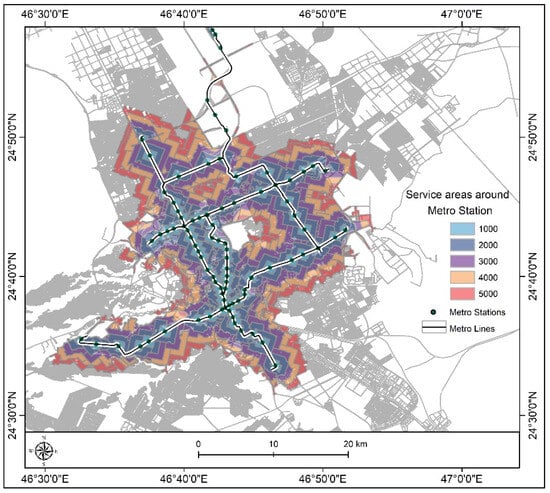
Systematically assessing the supply–demand disparities of urban–rural ecosystem services (ES) is a key pathway to optimizing resource allocation, promoting urban–rural integration and advancing regional sustainable development. Taking Zhengzhou City as a case study, this research evaluates and compares urban–rural differences across four dimensions: potential supply, actual supply, real human needs (RHN), and effective supply. Furthermore, focusing on actual supply, the study integrates a geographical detector and Bayesian belief network to identify key driving factors, delineate optimal optimization zones, and propose differentiated management strategies. The results show that: (1) Urban RHN accounts for 69.70% of the total in Zhengzhou, with a spatial pattern of “higher in the east and core, lower in the west and periphery”, and the internal heterogeneity is significantly greater than that of rural areas. (2) Potential supply is “higher in rural areas and in the west”, whereas actual supply is concentrated in central urban districts, reflecting a net service flow from rural to urban areas. (3) High-level effective supply areas cover 37.28% of urban regions, about 18 percentage points higher than rural regions. Rural deficits are primarily caused by low conversion efficiency of supply rather than insufficient potential. (4) Optimal urban optimization zones are mainly distributed in peripheral urban streets, while rural zones are concentrated in eastern townships. Through multidimensional supply–demand comparison and spatial optimization, this study provides a scientific basis for the coordinated enhancement of urban–rural ES, differentiated governance and regional sustainable development.
Full article

Figure 1
Journal Menu
► ▼ Journal Menu-
- Sustainability Home
- Aims & Scope
- Editorial Board
- Reviewer Board
- Topical Advisory Panel
- Instructions for Authors
- Special Issues
- Topics
- Sections & Collections
- Article Processing Charge
- Indexing & Archiving
- Editor’s Choice Articles
- Most Cited & Viewed
- Journal Statistics
- Journal History
- Journal Awards
- Society Collaborations
- Conferences
- Editorial Office
Journal Browser
► ▼ Journal BrowserHighly Accessed Articles
Latest Books
E-Mail Alert
News
Topics
Topic in
Buildings, CivilEng, Energies, Sustainability
Energy Systems in Buildings and Occupant Comfort
Topic Editors: Eusébio Z. E. Conceição, Hazim B. AwbiDeadline: 20 December 2025
Topic in
Education Sciences, Future Internet, Information, Sustainability
Advances in Online and Distance Learning
Topic Editors: Neil Gordon, Han ReichgeltDeadline: 31 December 2025
Topic in
Geosciences, Land, Remote Sensing, Sustainability
Disaster and Environment Monitoring Based on Multisource Remote Sensing Images
Topic Editors: Bing Guo, Yuefeng Lu, Yingqiang Song, Rui Zhang, Huihui ZhaoDeadline: 1 January 2026
Topic in
Buildings, Energies, Smart Cities, Sustainability
Recent Studies on Climate-Neutral Districts and Cities
Topic Editors: Xingxing Zhang, Rosaria VolpeDeadline: 20 January 2026
Conferences
Special Issues
Special Issue in
Sustainability
Carbon Cycling in the Terrestrial Environment and Environmental Sustainability
Guest Editor: Tsung-chow SuDeadline: 10 December 2025
Special Issue in
Sustainability
The Future of Bridge Engineering: Sustainable Infrastructure and Structural Stability
Guest Editor: Chuang CuiDeadline: 10 December 2025
Special Issue in
Sustainability
Removal of Heavy Metals Contamination to Enhance the Sustainable Environment
Guest Editors: Meng Wang, Shanshan LiDeadline: 10 December 2025
Special Issue in
Sustainability
Transportation Electrification and Vehicle-to-Everything (V2X) Technologies
Guest Editors: Yingdong He, Bin ZouDeadline: 11 December 2025
Topical Collections
Topical Collection in
Sustainability
Life Cycle Assessment of Modern Mobility (Technologies) – Managing the Turnaround
Collection Editor: Eckard Helmers
Topical Collection in
Sustainability
Advances in Biomass Waste Valorization
Collection Editors: Petronela Nechita, Rodica-Mihaela Dinicǎ, Bianca Furdui
Topical Collection in
Sustainability
The Impact of Digitalization on the Quality of Life
Collection Editor: Yury Klochkov
Topical Collection in
Sustainability
Marketing and Sustainability
Collection Editor: Colin Michael Hall