How to Optimize Data Sharing in Logistics Enterprises: Analysis of Collaborative Governance Model Based on Evolutionary Game Theory


Abstract
1. Introduction
2. Literature Review
2.1. Data Sharing
2.2. Evolutionary Game Theory and Prospect Theory
3. Multi-Agent Game Analysis of the Collaborative Supervision Model
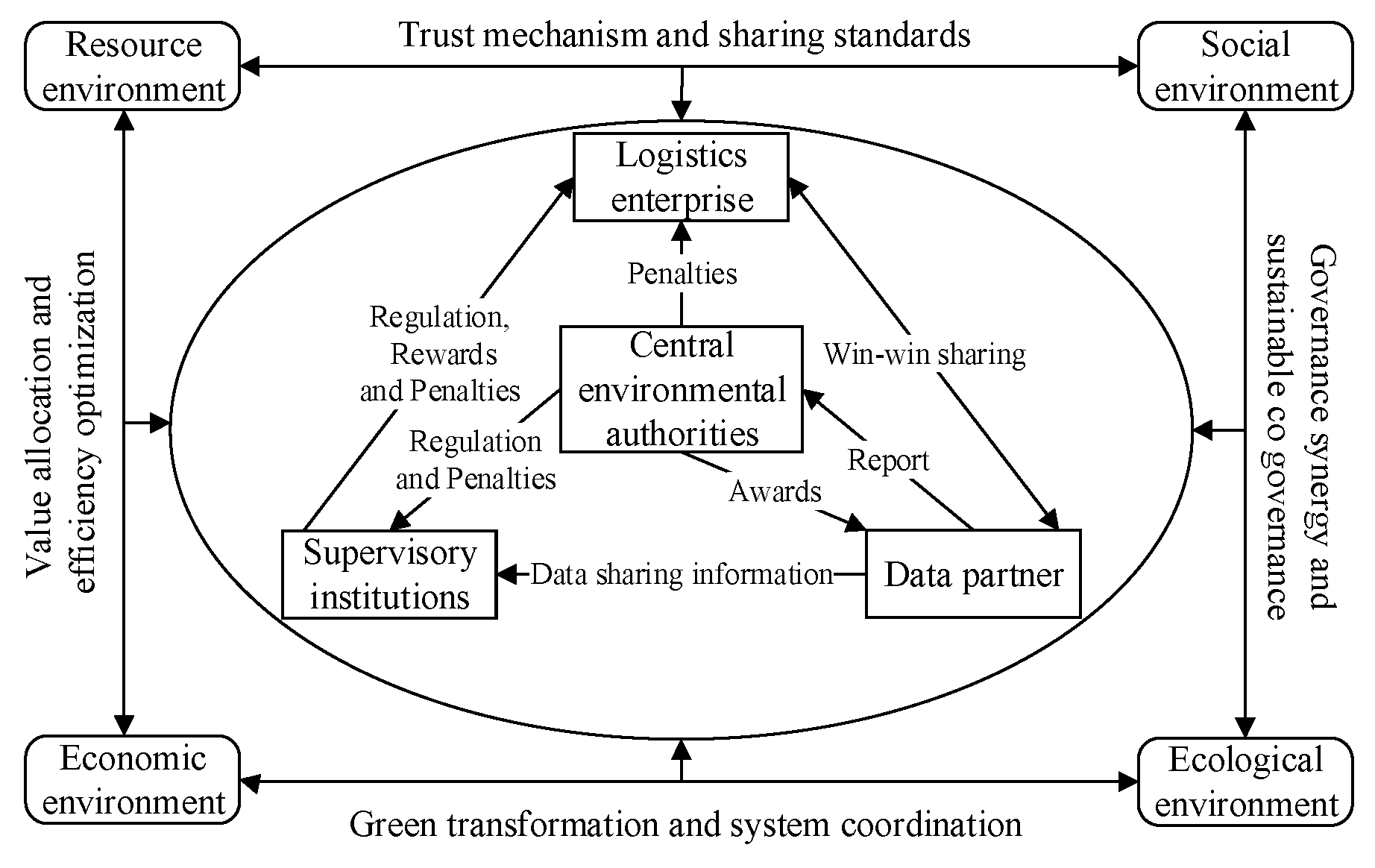
3.1. Game Model Framework
3.2. Game Model Assumption and Design
3.3. Game Model Solution
4. Evolutionary Stability Analysis
4.1. Single-Agent Stability Analysis
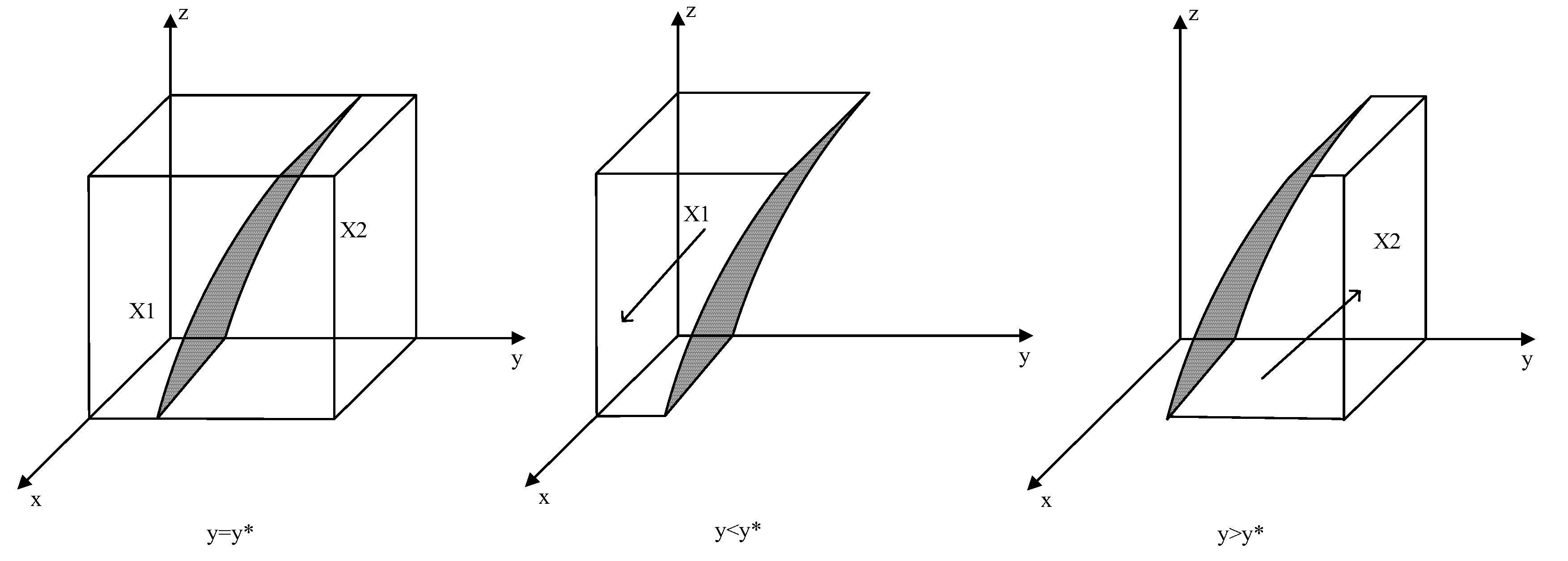
4.1.1. Evolutionarily Stable Strategy Analysis of Logistics Enterprises
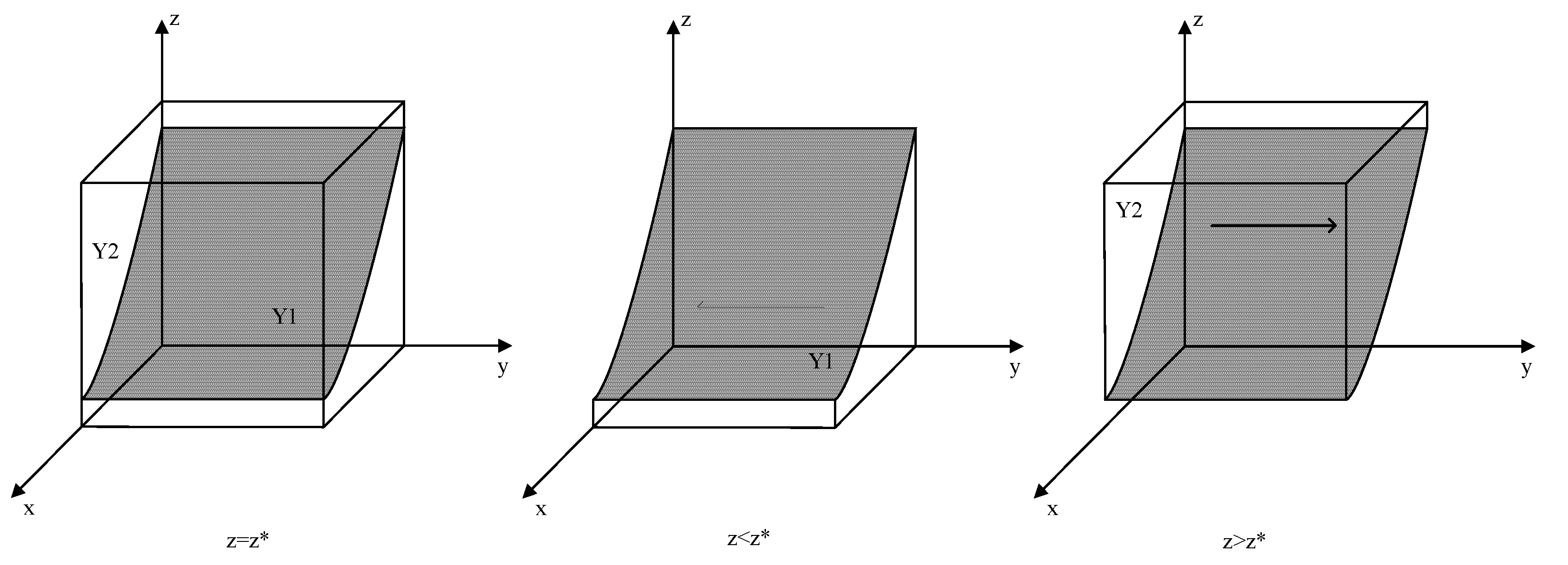
4.1.2. Evolutionarily Stable Strategy Analysis of Data Partners
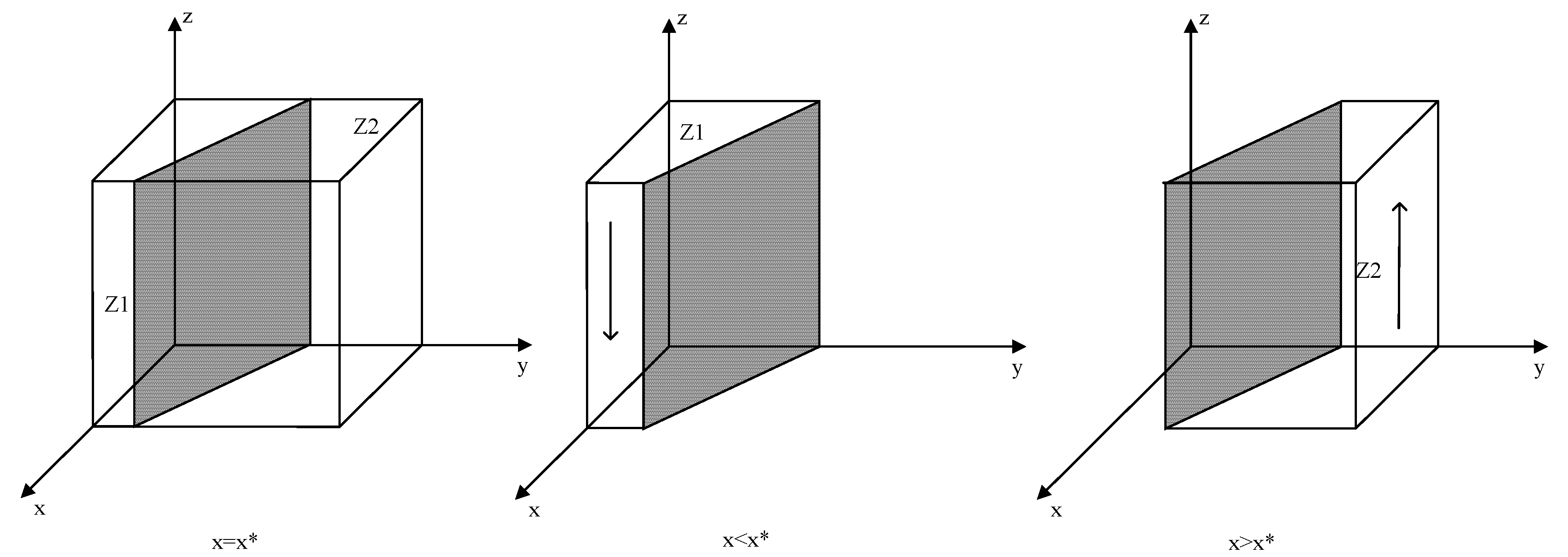
4.1.3. Evolutionarily Stable Strategy Analysis of Supervisory Institutions
4.2. System Stability Analysis
5. Numerical Simulation and Discussion
5.1. Parameters Setting
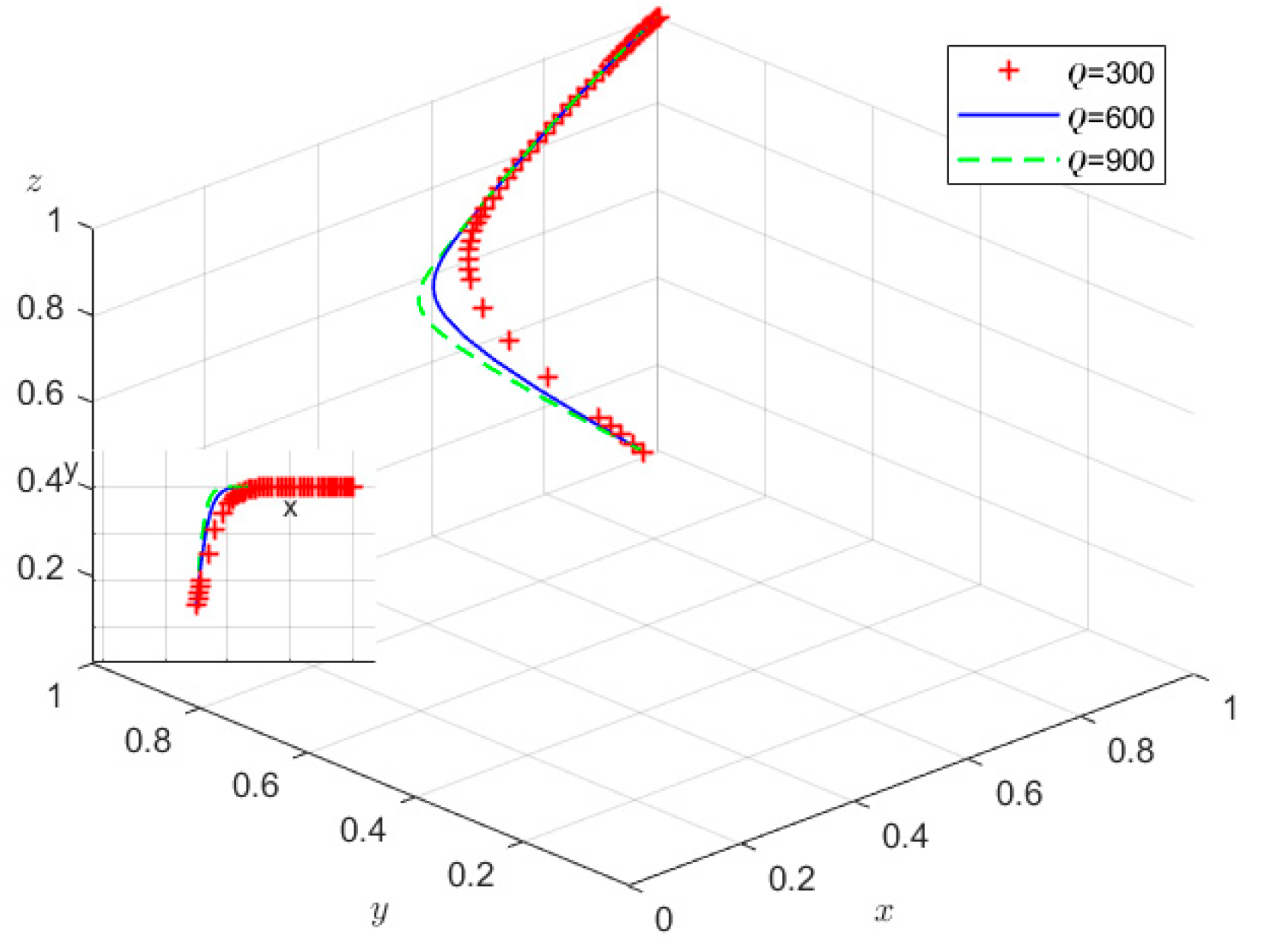
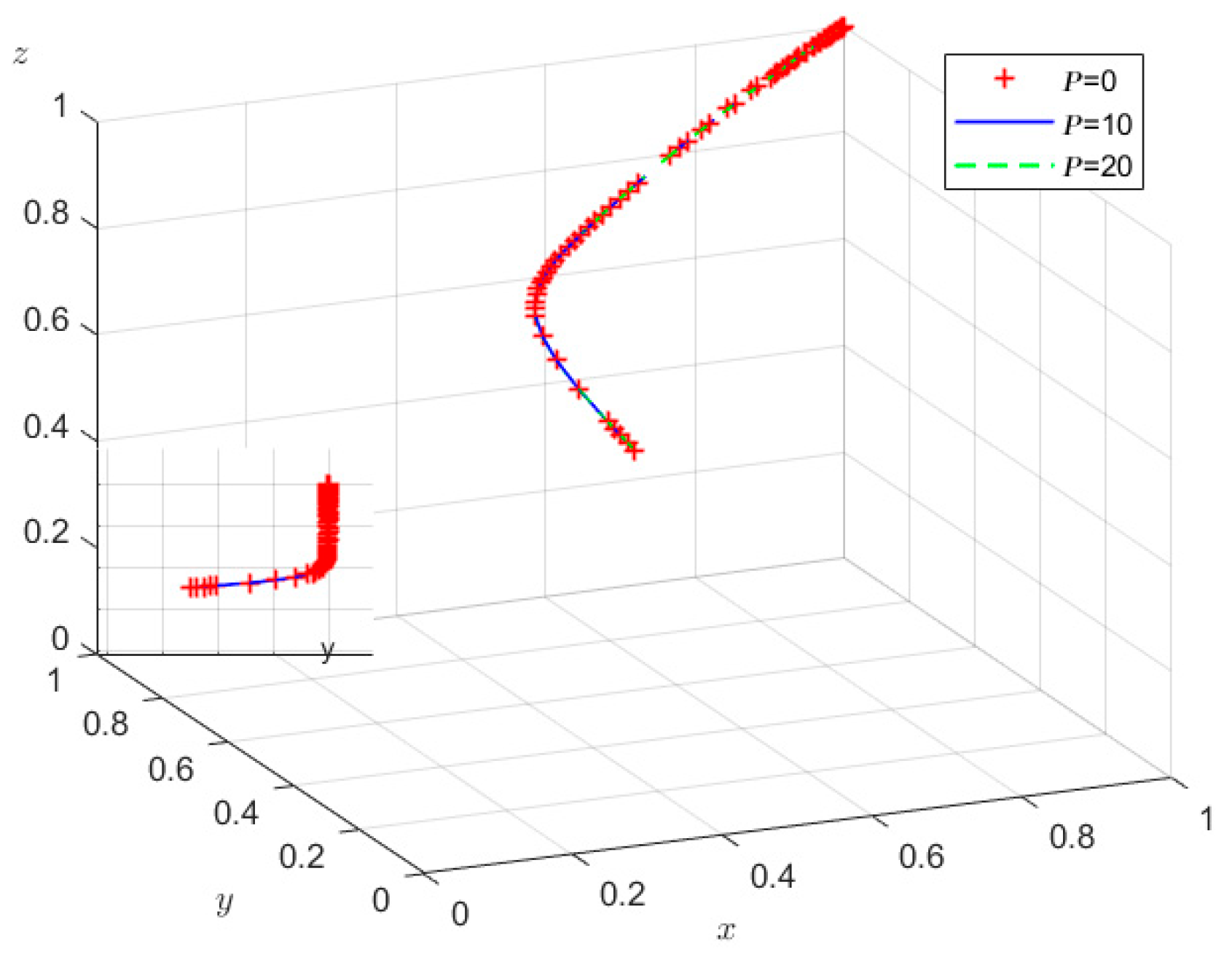
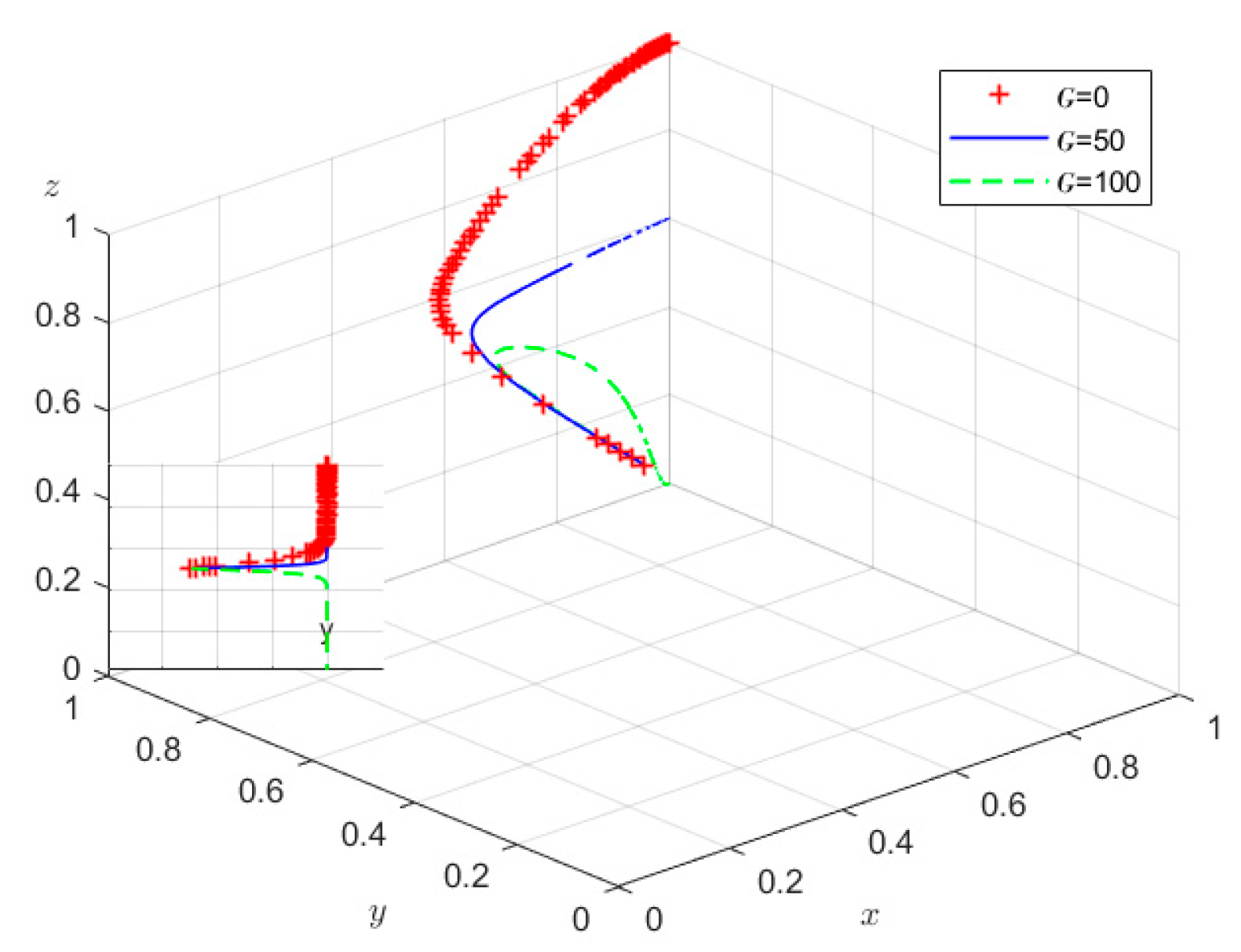
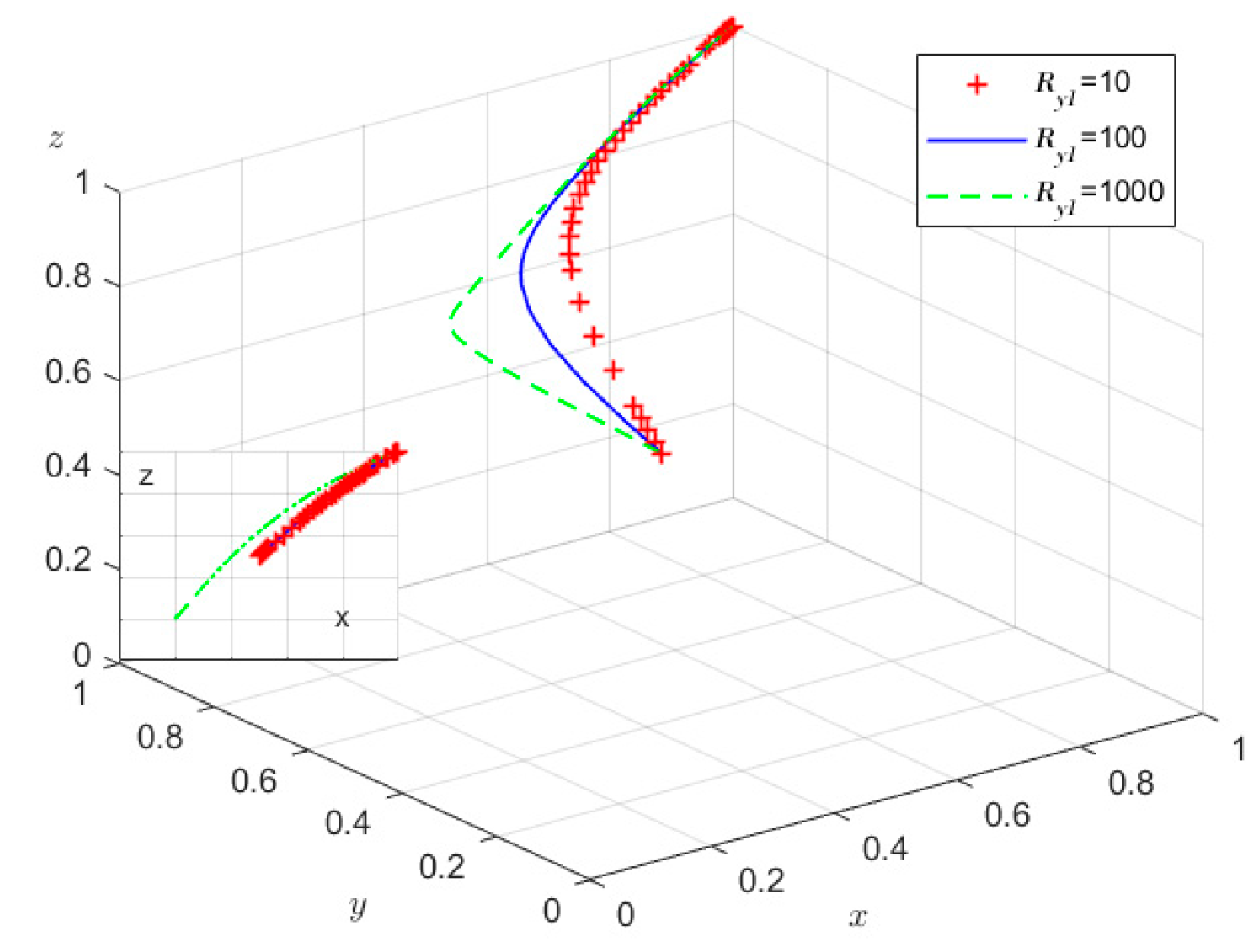
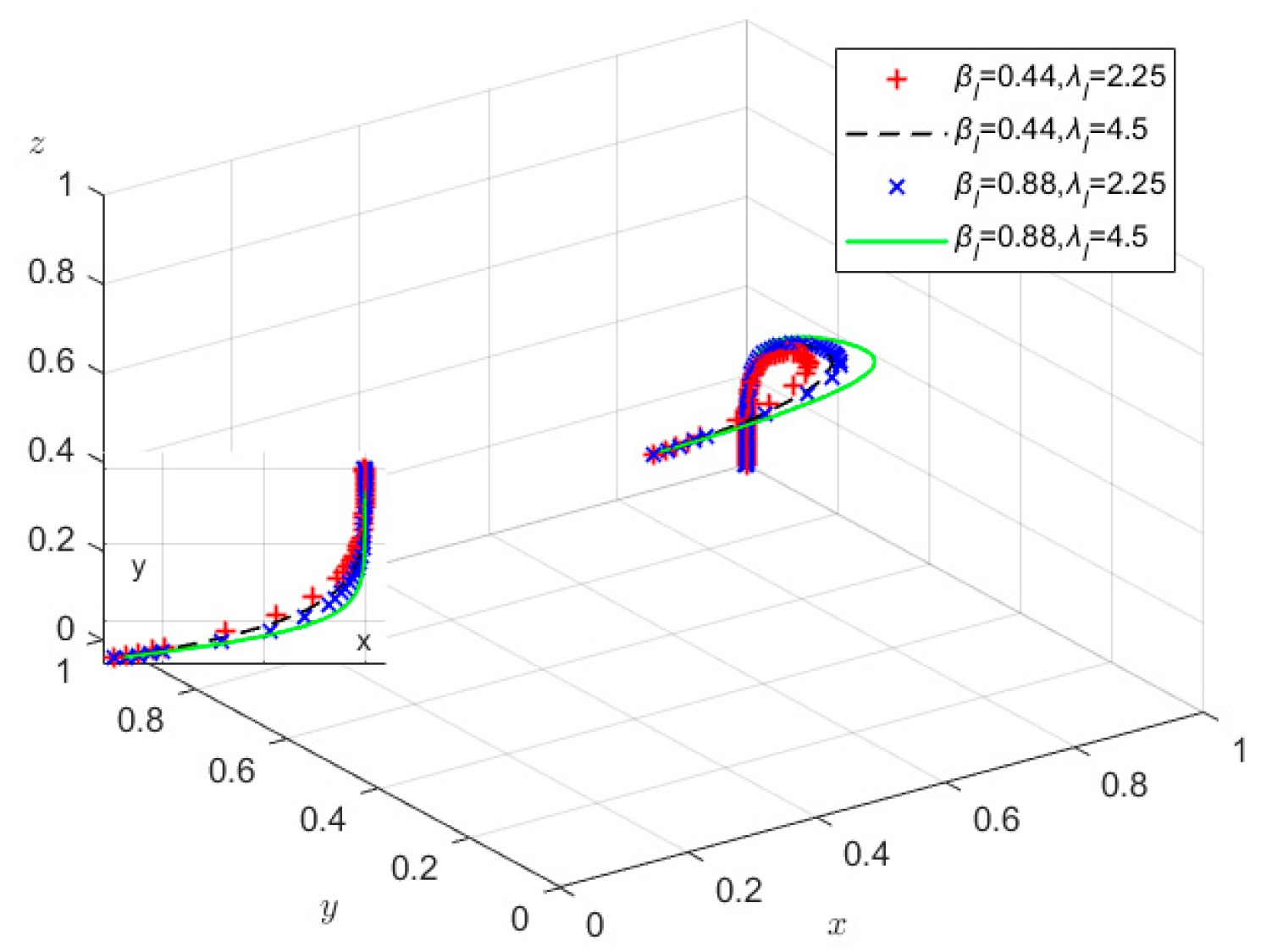
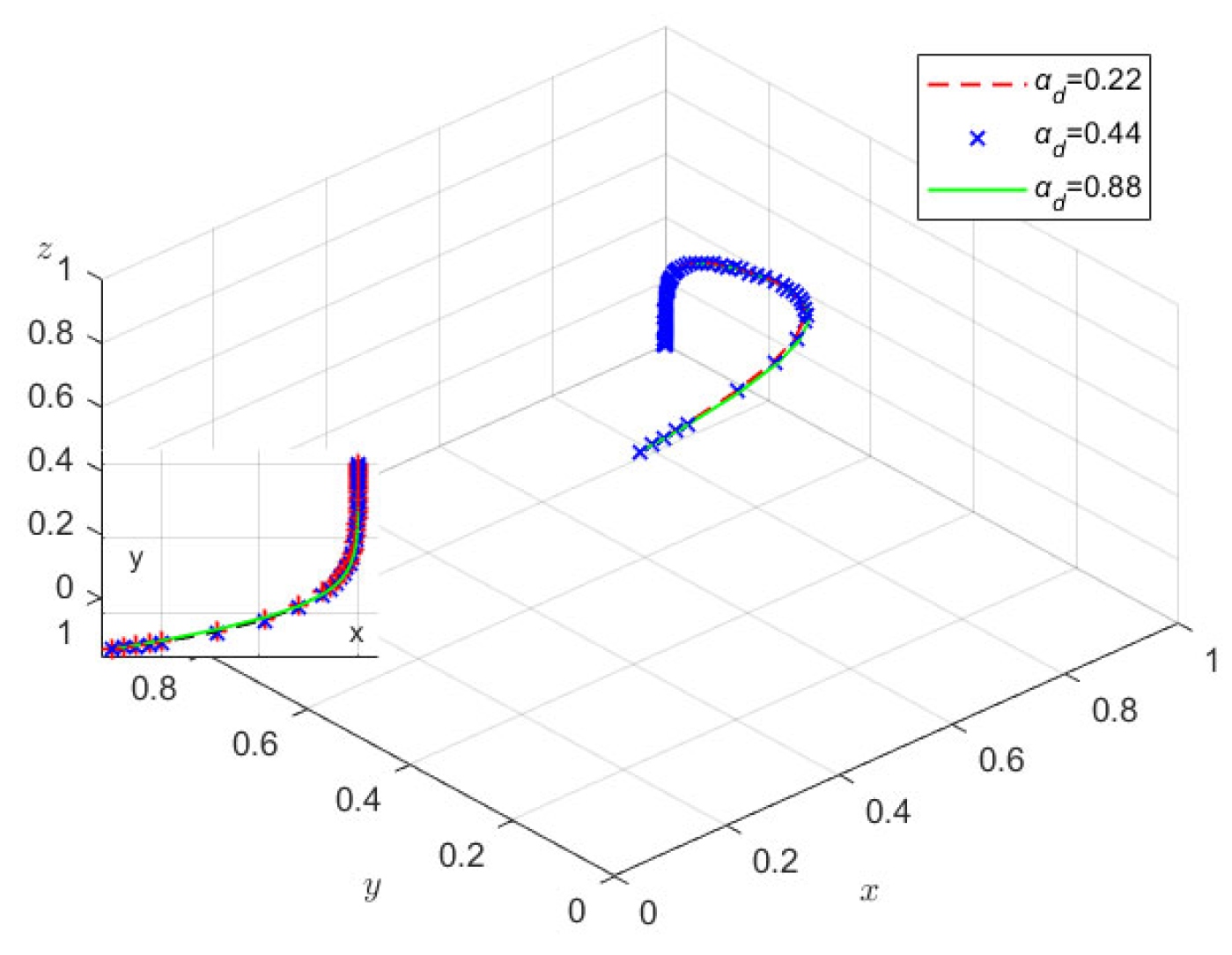
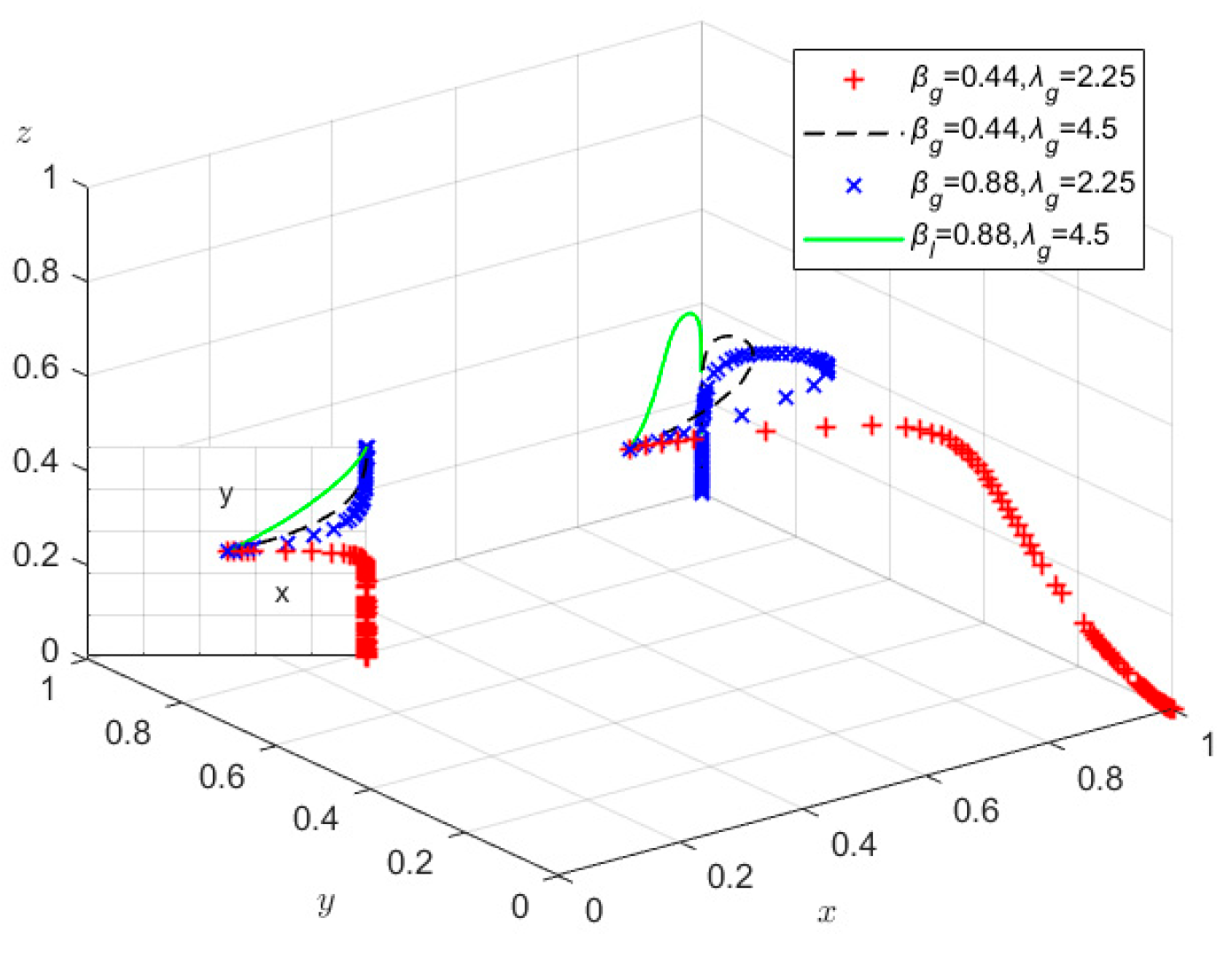
5.2. Game Factors Simulation and Discussion
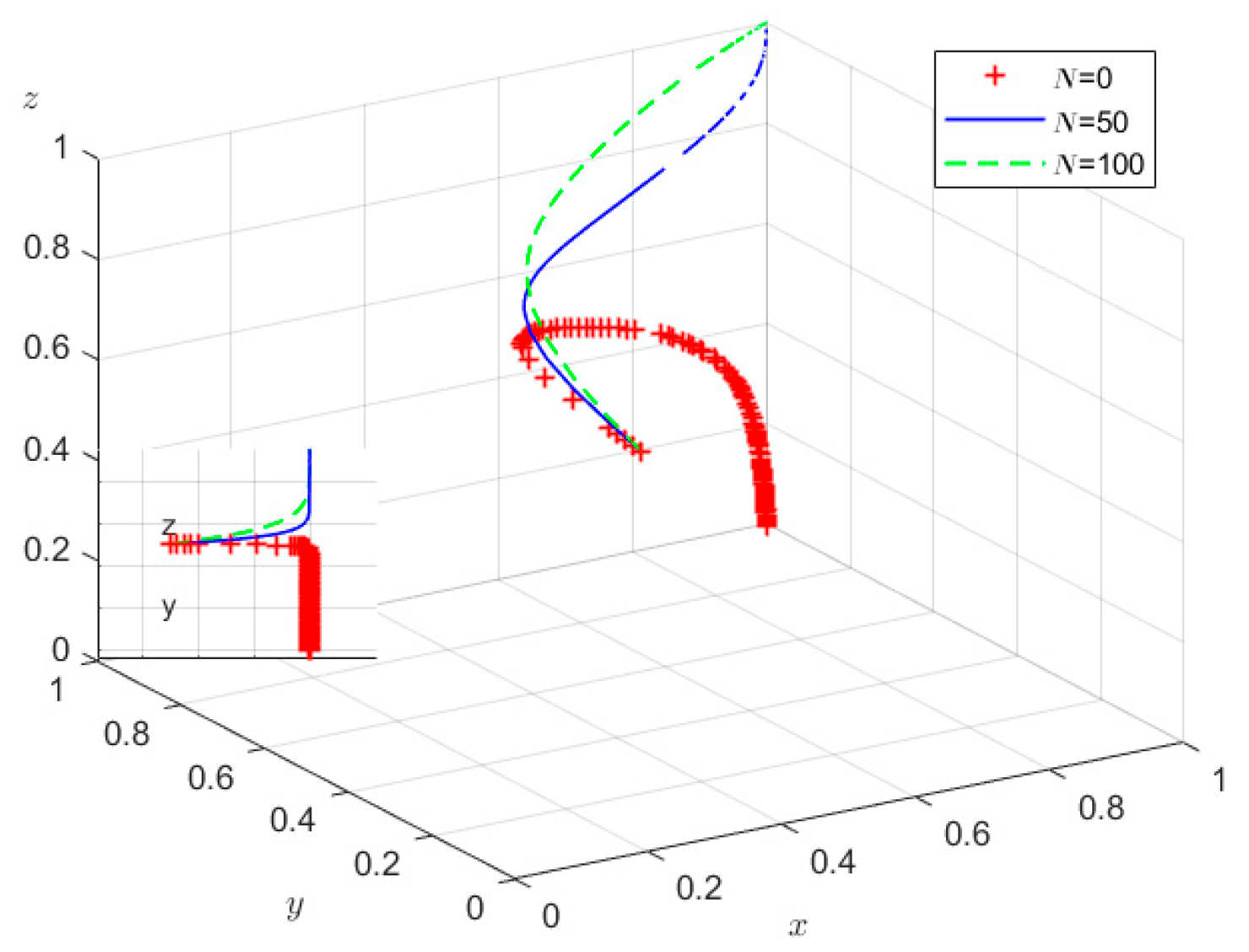
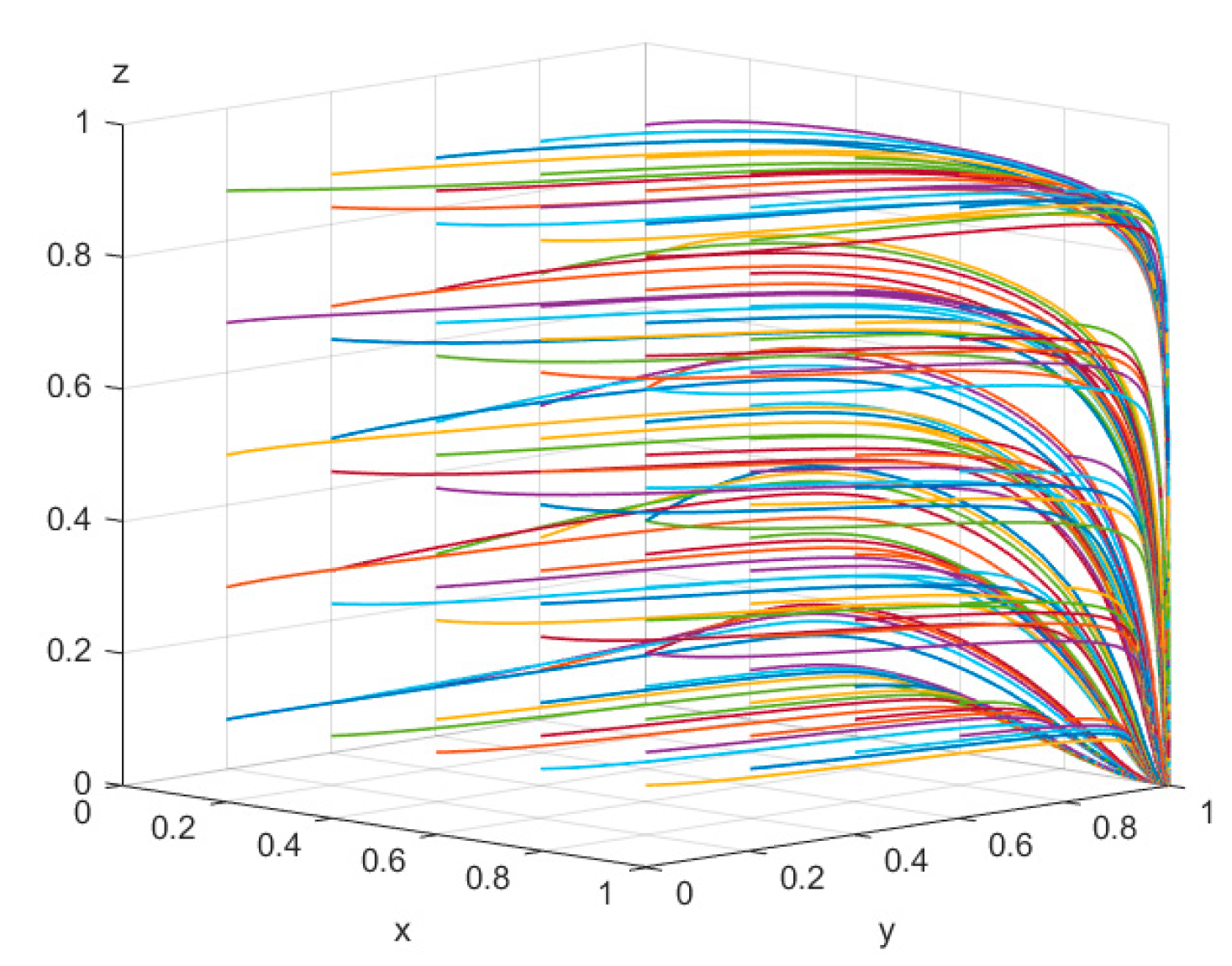
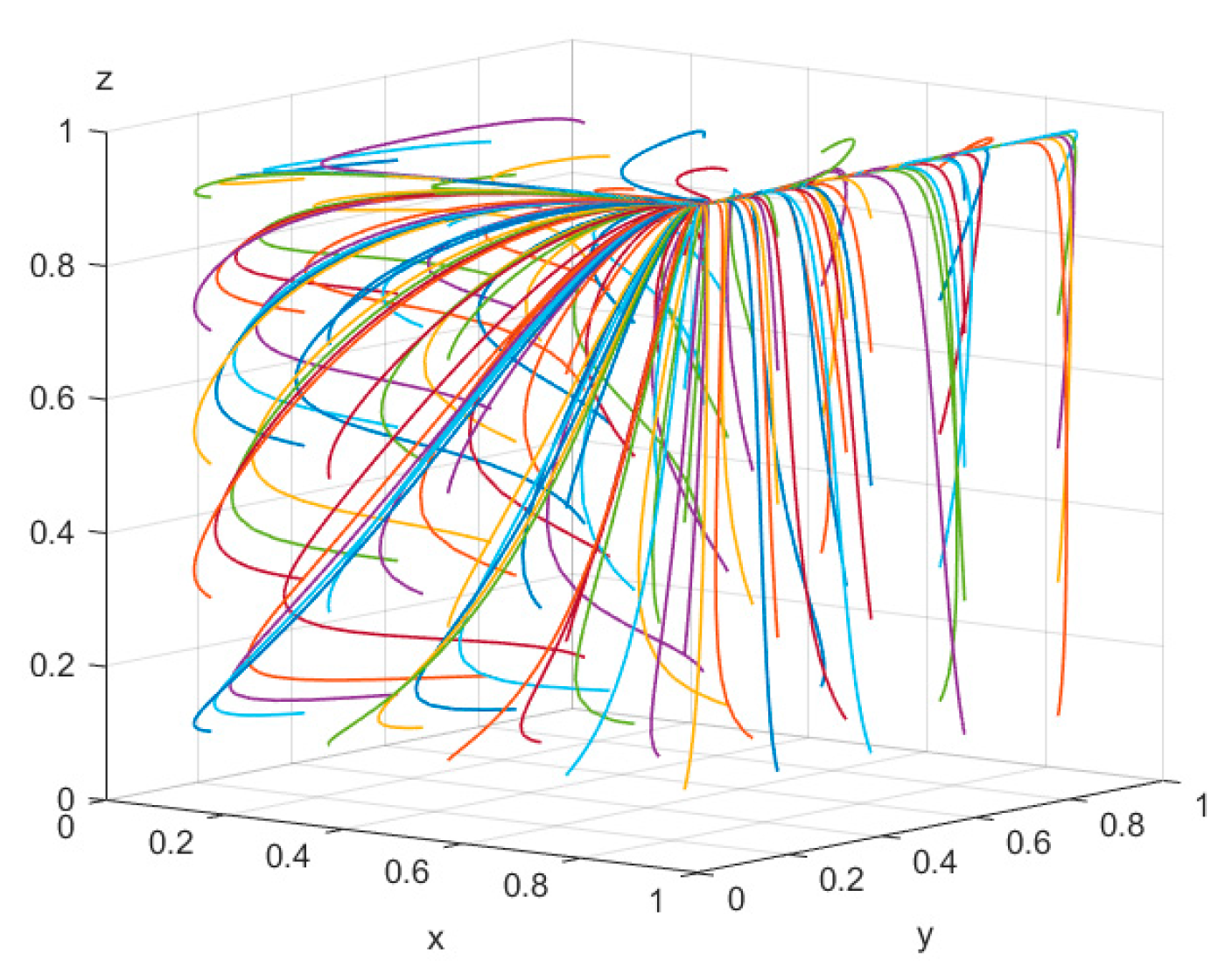
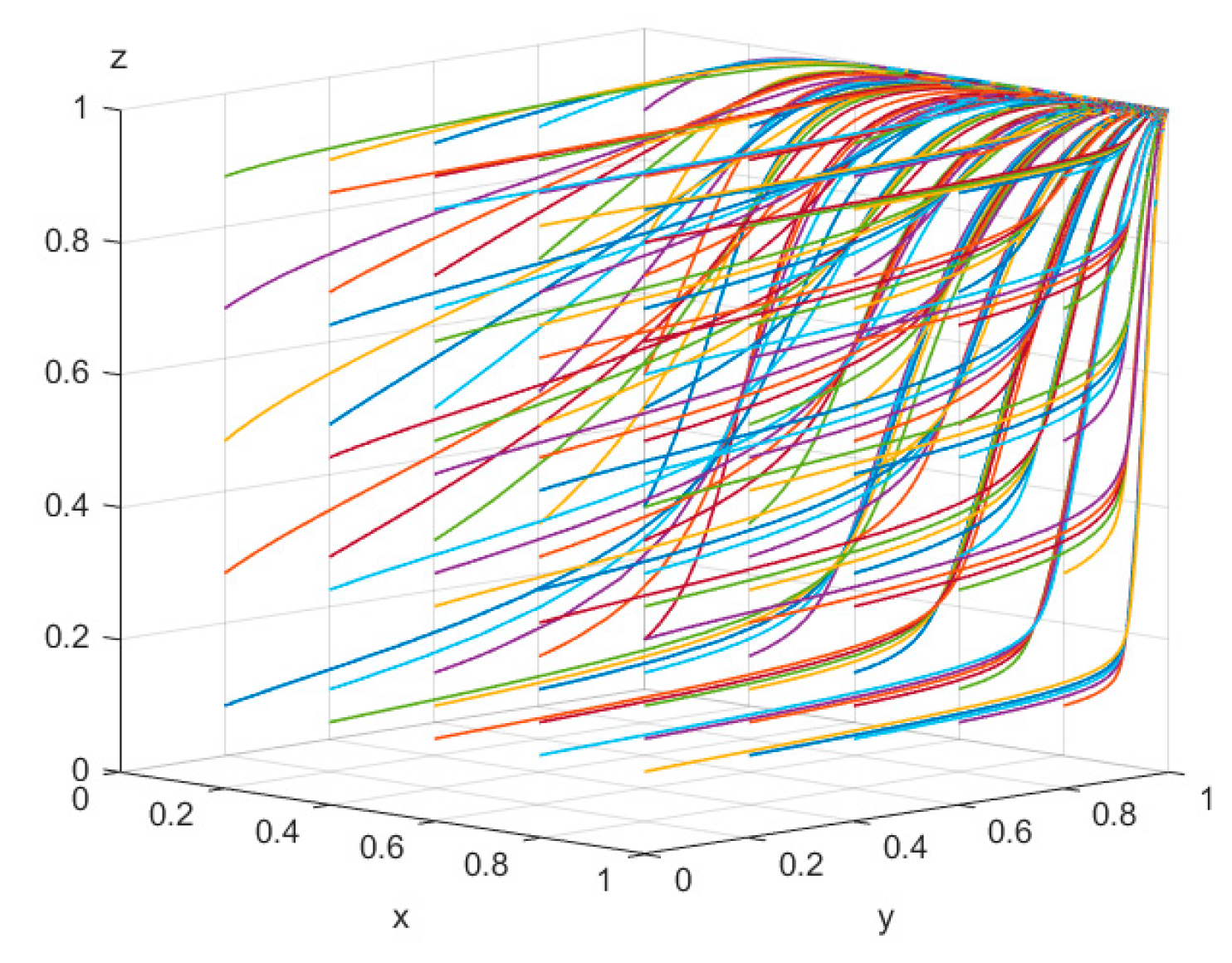
5.3. Game System Simulation and Discussion
6. Conclusions and Implication
6.1. Conclusions
6.2. Implication
- Logistics Enterprises: strengthen incentive mechanisms and data security governance
- 2.
- Data Partners: enhance data authenticity and compliance awareness
- 3.
- Supervisory institutions: optimize phased supervision and collaborative governance
6.3. Deficiency and Future Prospect
Author Contributions
Funding
Institutional Review Board Statement
Informed Consent Statement
Data Availability Statement
Acknowledgments
Conflicts of Interest
References
- Du, Z.; Hu, C. Construction of data standards and development of the digital economy. Macroecon. Manag. 2022, 9, 31–39. [Google Scholar] [CrossRef]
- Zhang, Z.; Zhang, L. The Impact of digital economy on the green development efficiency of the logistics industry—A Case from China based on the mediation mechanism and threshold effect. PROMET–Traffic Transp. 2025, 37, 773–794. [Google Scholar] [CrossRef] [Scilit]
- Chen, D. The Influence of general data protection regulation on International Service Trade Rules. China Bus. Mark. 2021, 35, 93–102. [Google Scholar] [CrossRef]
- Jiao, H.; Li, Y.; Li, X.; Zhang, R.; Cheng, L. Data sharing in construction projects: Status, bottlenecks and breakthroughs. Sci. Technol. Manag. Res. 2023, 43, 221–226. [Google Scholar] [CrossRef]
- Li, C.; Jiang, H.; Li, D. Data sharing, fairness concerns and evolutionary game of zero-supply cooperation. Soft Sci. 2021, 35, 130–137. [Google Scholar] [CrossRef]
- Ackermann, K.A.; Burkhalter, L.; Mildenberger, T.; Frey, M.; Bearth, A. Willingness to share data: Contextual determinants of consumers’ decisions to share private data with companies. J. Consum. Behav. 2022, 21, 375–386. [Google Scholar] [CrossRef] [Scilit]
- Sheng, Z.; Shao, J.; Xu, R. Differential game study on platform owner and participant enterprises’ data sharing behavior. Mod. Inf. 2023, 43, 83–95. [Google Scholar] [CrossRef]
- Tran-Dang, H.; Kim, J.W.; Lee, J.M.; Kim, D.S. Shaping the future of logistics: Data-driven technology approaches and strategic management. IETE Tech. Rev. 2025, 42, 44–79. [Google Scholar] [CrossRef] [Scilit]
- Zou, T.; Qian, R.; Mao, J. Indexing and query technology for steel logistic data. J. East China Norm. 2022, 5, 195–207. [Google Scholar]
- Xing, Q.; Xu, G.; Wang, Y. Open government data and the cost of debt. Int. Rev. Financ. Anal. 2024, 95, 103384. [Google Scholar] [CrossRef] [Scilit]
- Supreme People’s Court; China Securities Regulatory Commission. Notice on Strengthening Credit Information Sharing and Judicial Assistance Mechanism. Available online: https://www.faxin.cn/lib/zyfl/ZylfSimple.aspx?gid=A235121 (accessed on 10 October 2025).
- Li, X. Optimization of logistics flow management through big data analytics for sustainable development and environmental cycles. Soft Comput. 2024, 28, 2701–2717. [Google Scholar] [CrossRef] [Scilit]
- Chen, Y.; Zhao, Q. Data altruism: Public-interest-based data sharing mechanism under global governance. Libr. Forum 2023, 43, 71–80. [Google Scholar]
- Legitimate Interest. Available online: https://www.gdpreu.org/the-regulation/key-concepts/legitimate-interest/ (accessed on 10 September 2025).
- Huang, X. How to promote data sharing among enterprises based on dynamic evolutionary game analysis. Technol. Anal. Strateg. Manag. 2024, 37, 2125–2144. [Google Scholar] [CrossRef] [Scilit]
- Balancing Security and Public Interest: The GDPR and the Public Sector. Available online: https://commission.europa.eu/law/law-topic/data-protection_en (accessed on 10 October 2025).
- General Data Protection Regulation (GDPR, Regulation (EU) 2016/679). Available online: https://eur-lex.europa.eu/eli/reg/2016/679/oj (accessed on 26 November 2025).
- EU Data Act (Regulation (EU) 2023/2854). Available online: https://www.consilium.europa.eu/en/press/press-releases/2023/11/27/data-act-council-adopts-new-law-on-fair-access-to-and-use-of-data/ (accessed on 26 November 2025).
- Johnson, P.; Scassa, T. Who owns the map? Data sovereignty and government spatial data collection, use, and dissemination. Trans. GIS 2023, 27, 275–289. [Google Scholar] [CrossRef] [Scilit]
- Hrouga, M.; Sbihi, A. Logistics 4.0 for supply chain performance: Perspectives from a retailing case study. Bus. Process Manag. J. 2023, 29, 1892–1919. [Google Scholar] [CrossRef] [Scilit]
- Zhang, L.; Mao, J.; An, Y.; Zhang, T.; Ma, J.; Feng, C.; Zhou, X. A systematic review of blockchain technology for government information sharing. CMC-Comput. Mater. Contin. 2023, 74, 1161–1181. [Google Scholar] [CrossRef] [Scilit]
- Li, S.; Yang, Q.; Zhang, Y.; Liu, J. Multi-agent evolutionary game analysis of the coal mine on-site regulatory mode. Resour. Policy 2022, 77, 102723. [Google Scholar] [CrossRef] [Scilit]
- Qiu, Z.; Wu, R.; Wang, T. Evolutionary game research on green transformation in agriculture under prospect theory. Bus. Res. 2025, 4, 30–40. [Google Scholar] [CrossRef]
- Shen, J.; Gao, X.; He, W.; Sun, F.; Zhang, Z.; Kong, Y.; Wan, Z.; Zhang, X.; Li, Z.; Wang, J.; et al. Prospect theory in an evolutionary game: Construction of watershed ecological compensation system in Taihu Lake Basin. J. Clean. Prod. 2021, 291, 125929. [Google Scholar] [CrossRef] [Scilit]
- Xu, L.; Di, Z.; Chen, J. Evolutionary game of inland shipping pollution control under government co-supervision. Mar. Pollut. Bull. 2021, 171, 112730. [Google Scholar] [CrossRef] [Scilit]
- Yu, N.; Lu, M. Analysis of the Dynamic Evolution Game of Government, Enterprise and the Public to Control Industrial Pollution. Sustainability 2024, 16, 2760. [Google Scholar] [CrossRef] [Scilit]
- Diao, S.; Kuang, H.; Meng, B.; Shi, B. Evolutionary game analysis of LSSC service quality control strategy based on prospect theory. China Manag. Sci. 2021, 29, 33–45. [Google Scholar] [CrossRef]
- Ma, G.; Wu, Y. Evolutionary game analysis of safety supervision in infrastructure engineering based on prospect theory. Pract. Math. Knowl. 2020, 50, 40–55. [Google Scholar]
- Friedman, D. Evolutionary Games in Economics. Econometrica 1991, 59, 637–666. [Google Scholar] [CrossRef] [Scilit]
- Jazairy, A.; Persson, E.; Brho, M.; von Haartman, R.; Hilletofth, P. Drones in last-mile delivery: A systematic literature review from a logistics management perspective. Int. J. Logist. Manag. 2023, 36, 1–62. [Google Scholar] [CrossRef] [Scilit]
- Kahneman, D.; Tversky, A. Prospect theory: An analysis of decision under risk. Econometrica 1979, 47, 263–291. [Google Scholar] [CrossRef] [Scilit]
- Tversky, A.; Kahneman, D. Advances in prospect theory: Cumulative representation of uncertainty. J. Risk Uncertain. 1992, 5, 297–323. [Google Scholar] [CrossRef] [Scilit]



| Logistics Enterprises | |||||
|---|---|---|---|---|---|
| Shared Data | |||||
| Data partners | Provide high quality data | Provide low quality data | Providehigh quality data | Provide low quality data | |
| Supervisory institution | Supervise | ||||
| Not supervise | |||||
| Equilibrium Point | Characteristic Value and Symbol Judgment | Stability | ||
|---|---|---|---|---|
| Unstable point | ||||
| Unstable point | ||||
| Unstable point | ||||
| Unstable point | ||||
| Possible for ESS | ||||
| Possible for ESS | ||||
| Possible for ESS | ||||
| Possible for ESS | ||||
| Array | A | B | C |
|---|---|---|---|
| 2 | 2 | 2 | |
| 1 | 1 | 1 | |
| 40 | 40 | 40 | |
| 20 | 20 | 20 | |
| 100 | 10 | 100 | |
| 85 | 115 | 85 | |
| 50 | 50 | 50 | |
| 25 | 25 | 25 | |
| 20 | 20 | 20 | |
| 10 | 10 | 10 | |
| 600 | 100 | 600 | |
| 10 | 0 | 10 | |
| 10 | 10 | 10 | |
| 0.4 | 0.4 | 0.4 | |
| 0.3 | 0.3 | 0.3 | |
| 20 | 20 | 50 | |
| 100 | 0 | 50 | |
| 0.88 | 0.44 | 0.88 | |
| 0.88 | 0.44 | 0.88 | |
| 2.25 | 1.25 | 2.25 |
Disclaimer/Publisher’s Note: The statements, opinions and data contained in all publications are solely those of the individual author(s) and contributor(s) and not of MDPI and/or the editor(s). MDPI and/or the editor(s) disclaim responsibility for any injury to people or property resulting from any ideas, methods, instructions or products referred to in the content. |
© 2025 by the authors. Licensee MDPI, Basel, Switzerland. This article is an open access article distributed under the terms and conditions of the Creative Commons Attribution (CC BY) license (https://creativecommons.org/licenses/by/4.0/).
Share and Cite
Pei, T.; Lian, X.; Wang, W. How to Optimize Data Sharing in Logistics Enterprises: Analysis of Collaborative Governance Model Based on Evolutionary Game Theory. Sustainability 2025, 17, 11064. https://doi.org/10.3390/su172411064
Pei T, Lian X, Wang W. How to Optimize Data Sharing in Logistics Enterprises: Analysis of Collaborative Governance Model Based on Evolutionary Game Theory. Sustainability. 2025; 17(24):11064. https://doi.org/10.3390/su172411064
Chicago/Turabian StylePei, Tongxin, Xu Lian, and Wensheng Wang. 2025. "How to Optimize Data Sharing in Logistics Enterprises: Analysis of Collaborative Governance Model Based on Evolutionary Game Theory" Sustainability 17, no. 24: 11064. https://doi.org/10.3390/su172411064
APA StylePei, T., Lian, X., & Wang, W. (2025). How to Optimize Data Sharing in Logistics Enterprises: Analysis of Collaborative Governance Model Based on Evolutionary Game Theory. Sustainability, 17(24), 11064. https://doi.org/10.3390/su172411064