1. Introduction
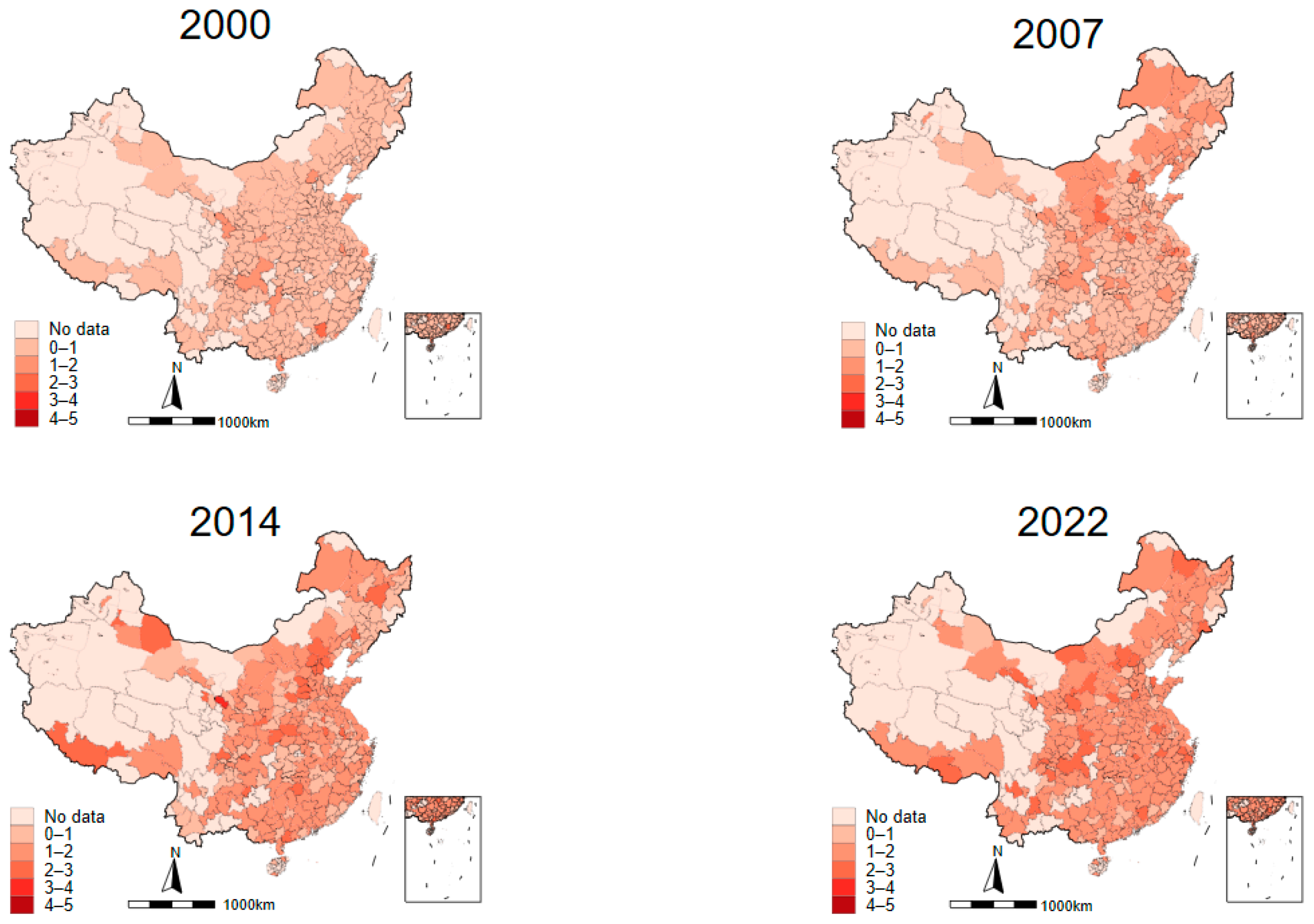
China’s remarkable economic growth has attracted global attention, but has also led to excessive carbon emissions. Currently, China’s green and low-carbon development faces significant imbalances. To address the challenge of balancing economic development and environmental protection, the Chinese government has continuously introduced and adjusted climate-related policies across different development stages, and the dynamic evolution of these policies inevitably generates climate policy uncertainty (CPU). Particularly in recent years, with the strengthening of climate governance efforts, the impact of CPU has become increasingly significant, and its spatial-temporal distribution characteristics are shown in
Figure 1.
Figure 1 shows that CPU levels in Chinese cities generally exhibit an upward trend during the study period, while there are certain regional differences in spatial distribution.
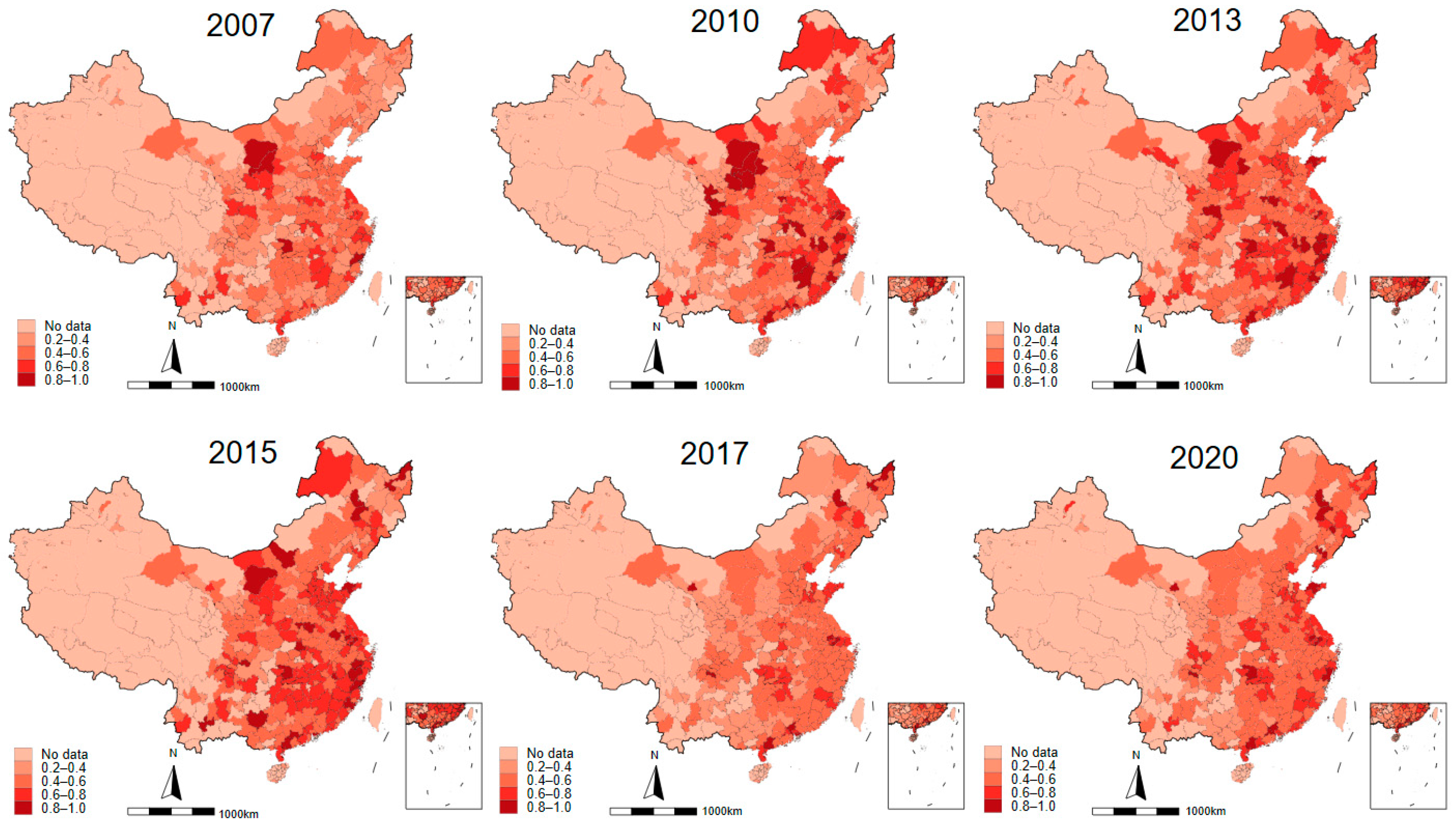
In this context, how to accurately assess urban low-carbon development performance becomes a key issue. Total Factor Carbon Productivity (TFCP), defined as the maximum economic output achievable per unit of carbon emissions under given input constraints [
1], is a comprehensive indicator for measuring the degree of decoupling between economic growth and carbon emissions, providing an effective measurement tool for assessing urban low-carbon development. Therefore, understanding how CPU affects TFCP in Chinese cities is of great significance for advancing China’s “dual carbon” goals.
From a theoretical perspective, the impact mechanism of CPU on TFCP is complex and exhibits a dual nature. Based on real options theory, policy uncertainty generates “waiting value”, causing firms to delay irreversible green investment decisions [
2], thereby suppressing TFCP improvement. Meanwhile, according to growth options theory, moderate policy uncertainty increases the option value of green technology investment, prompting firms to advance their green transformation layout to obtain the option value of future growth opportunities, avoiding the loss of competitive advantages after policy tightening and creating a “policy forcing” effect [
3,
4].
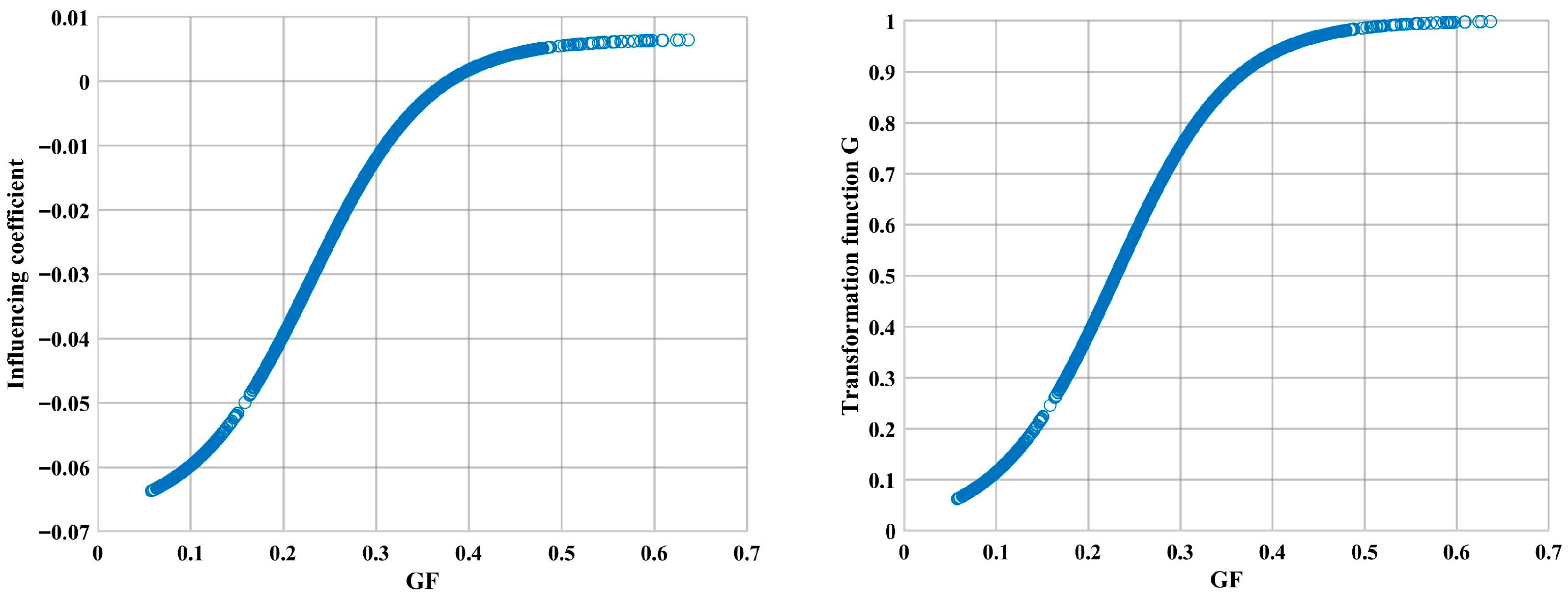
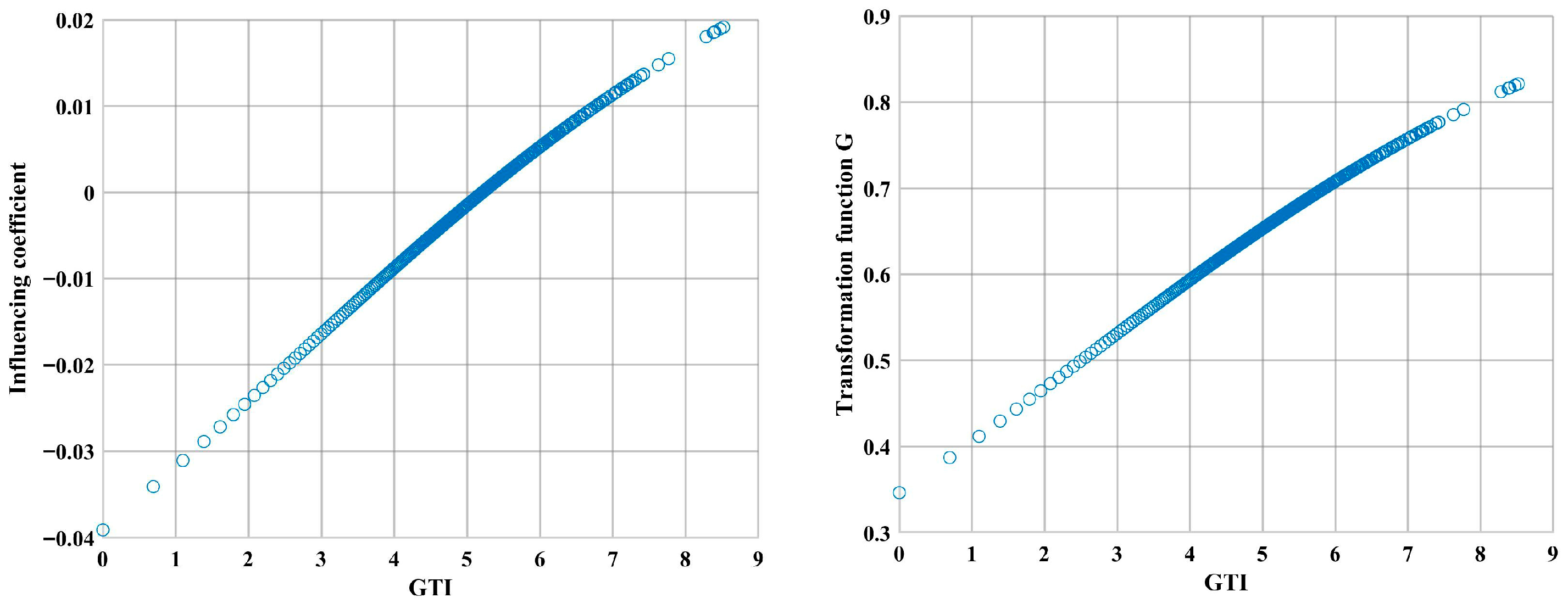
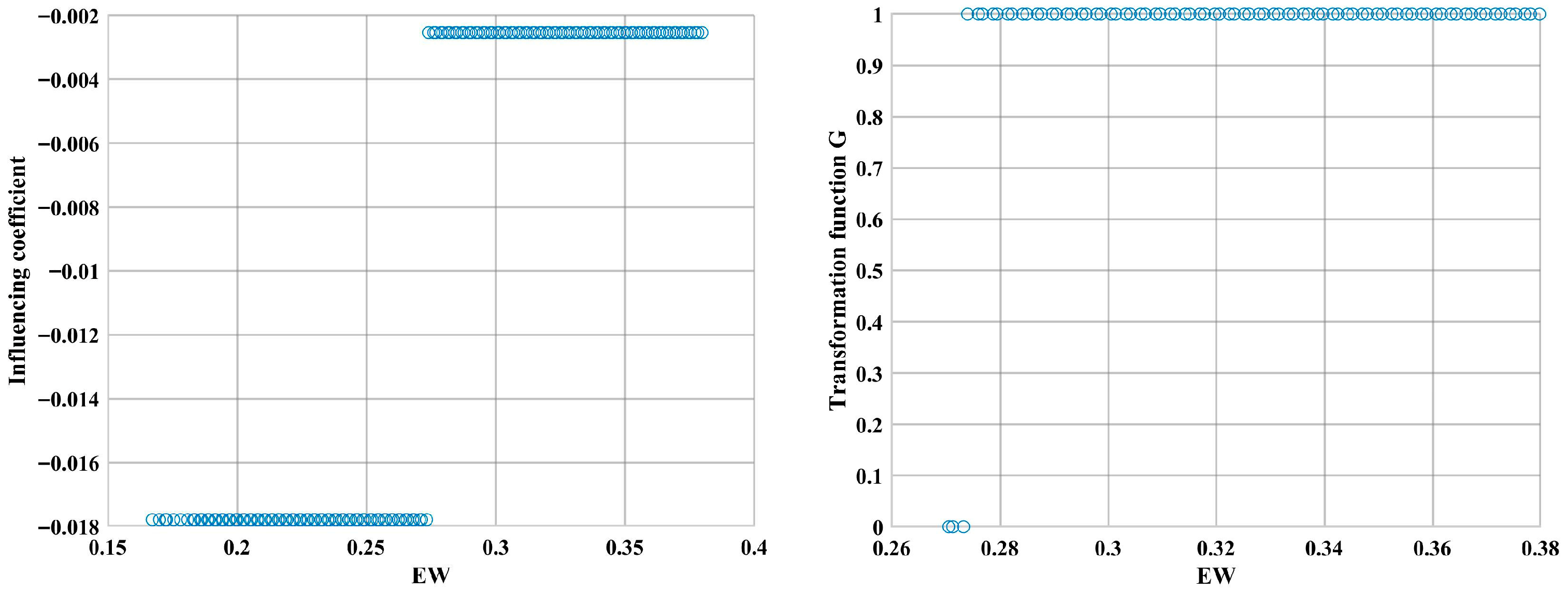
However, the impact of CPU on TFCP may vary significantly across different urban development conditions. Under different levels of economic growth, energy consumption structure, green finance development, green technology innovation capacity, and extreme climate event frequency, the direction and intensity of the impact of CPU on TFCP may undergo structural changes. This suggests that there may be a significant nonlinear relationship between CPU and TFCP, meaning that when these key development conditions cross specific thresholds, the CPU-TFCP relationship may shift from one operating pattern to another. Therefore, identifying these key threshold conditions is of great importance for understanding the complexity of the CPU-TFCP relationship.
Existing research on CPU mainly focuses on three aspects: First, regarding the impact of CPU on firm micro-behavior, related research finds that the impact of CPU on firm behavior exhibits heterogeneity: regarding negative effects, CPU reduces firm total factor productivity [
5] and hinders green technology innovation [
6]; regarding positive effects, research based on growth options theory finds that CPU can incentivize Chinese A-share listed companies to conduct green technology innovation [
7]. Second, studies on the impact of CPU on macroeconomic variables. Existing literature explores the linear impacts of CPU on macroeconomic indicators such as carbon emissions [
8], green total factor productivity [
9], and carbon trading prices [
10]. Third, CPU measurement and prediction research, mainly focusing on applications of CPU as a prediction indicator for energy and financial market prices [
11,
12,
13].
Although existing research provides rich perspectives for understanding the economic impacts of CPU, several research gaps remain: First, existing research is mostly based on linear modeling frameworks, assuming that the marginal impact of CPU on dependent variables remains constant, failing to adequately consider the structural changes in the impact effects of CPU that may occur with changes in other conditions. However, given the complexity of the CPU mechanism, its impact on comprehensive indicators such as TFCP may exhibit threshold effects or regime-switching characteristics, which existing linear frameworks can hardly capture accurately. Second, research levels mainly focus on the national macro level or firm micro level, with insufficient attention to cities as the important policy implementation agents and carriers of low-carbon transformation. Finally, there is a lack of multi-dimensional systematic empirical testing of the specific transmission mechanisms through which CPU affects TFCP, with existing research mostly focusing on single mechanism pathways.
This study aims to fill the above research gaps by employing the Panel Smooth Transition Regression (PSTR) model to explore the nonlinear relationship between CPU and TFCP. The choice of the PSTR model is based on the following considerations. Compared to traditional threshold regression models, the PSTR model offers two distinct advantages. First, traditional threshold models assume that parameters undergo discrete jumps at threshold points—that is, coefficients shift instantaneously from one value to another when the transition variable crosses the threshold. This assumption is often too extreme in economic reality, as changes in economic growth, energy consumption structure, and other transition variables are typically gradual processes rather than abrupt shifts. The PSTR model addresses this limitation by introducing a smooth transition function that allows parameters to shift continuously between regimes, better capturing the gradual adjustment patterns observed in economic variables. Second, the PSTR model quantifies the speed of regime transition through the smoothness parameter: a larger value indicates a more abrupt transition, while a smaller value suggests a more gradual shift. This information is valuable for understanding the dynamic characteristics of regime switching, yet traditional threshold models cannot provide it [
14]. This paper employs panel data covering 277 Chinese prefecture-level cities from 2007 to 2022, uses the EBM-GML model to measure cities’ TFCP, and systematically analyzes the transmission mechanisms through which CPU affects TFCP from five dimensions: economic growth, energy consumption structure, green finance, green technology innovation, and extreme climate events.
The main contributions of this study are reflected in the following three aspects:
First, in terms of methodological contribution, this study is the first to apply the PSTR model to examine the nonlinear relationship between CPU and TFCP. Traditional threshold models assume that parameters undergo discrete jumps at threshold points, whereas economic agents typically adjust their behavior gradually. The PSTR model, by employing a smooth transition function, allows parameters to shift continuously between regimes, thus better conforming to economic reality.
Second, in terms of mechanism analysis, the contribution of this study lies not in discovering new mechanism variables but in transforming and deepening the analytical perspective. Existing studies predominantly employ subsample regressions or interaction term approaches to examine the moderating effects of factors such as economic growth, energy structure, and green finance [
15,
16]. These methods implicitly assume that moderating effects are linear and continuous, making them incapable of identifying potential “critical points” or “turning points”. The innovation of this study lies in elevating these factors from conventional “moderating variables” to “transition variables” within the PSTR framework, systematically testing whether the impact of CPU on TFCP exhibits regime-switching points—that is, whether the effect of CPU reverses direction when these conditions cross specific thresholds. This shift in perspective enables us to address a key question: under what conditions does the CPU effect undergo a qualitative change? Furthermore, it allows us to quantify the precise threshold value for each condition, thereby addressing the limitation of existing research in identifying critical points of regime transition.
Third, in terms of policy contribution, the city-level empirical analysis not only identifies the key threshold points where CPU affects TFCP but also characterizes the current features of Chinese cities across various transmission mechanism dimensions, providing scientific evidence for cities at different development stages to formulate differentiated climate policies.
The structure of this paper is organized as follows:
Section 2 provides a review of the relevant literature.
Section 3 describes the theoretical foundation of the research methods employed.
Section 4 presents a detailed explanation of the variables and data used in the study.
Section 5 discusses the findings and offers an interpretation of the results.
Section 6 concludes the paper and proposes potential policy recommendations.
6. Conclusions and Policy Implications
Within the framework of the “dual carbon goals”, it is crucial to assess how increasing uncertainty, represented by CPU, affects TFCP. The study utilized the EBM-GML model to assess the TFCP of 277 cities in China from 2007 to 2022. By employing the PSTR model, we investigated the nonlinear effects of CPU on TFCP by selecting real GDP per capita, energy consumption structure, green finance, green technology innovation, and extreme climate events as transition variables. Additionally, the research examined the threshold effects to determine the boundaries of CPU influence on TFCP. We addressed endogeneity concerns through instrumental variable estimation and conducted multiple robustness checks. Heterogeneity analyses across three geographic regions (Eastern, Central, and Western China) and by resource endowment (resource-based versus non-resource-based cities) revealed substantial variation in how CPU affects TFCP across regions and by resource endowment.
Main Findings:
- (1)
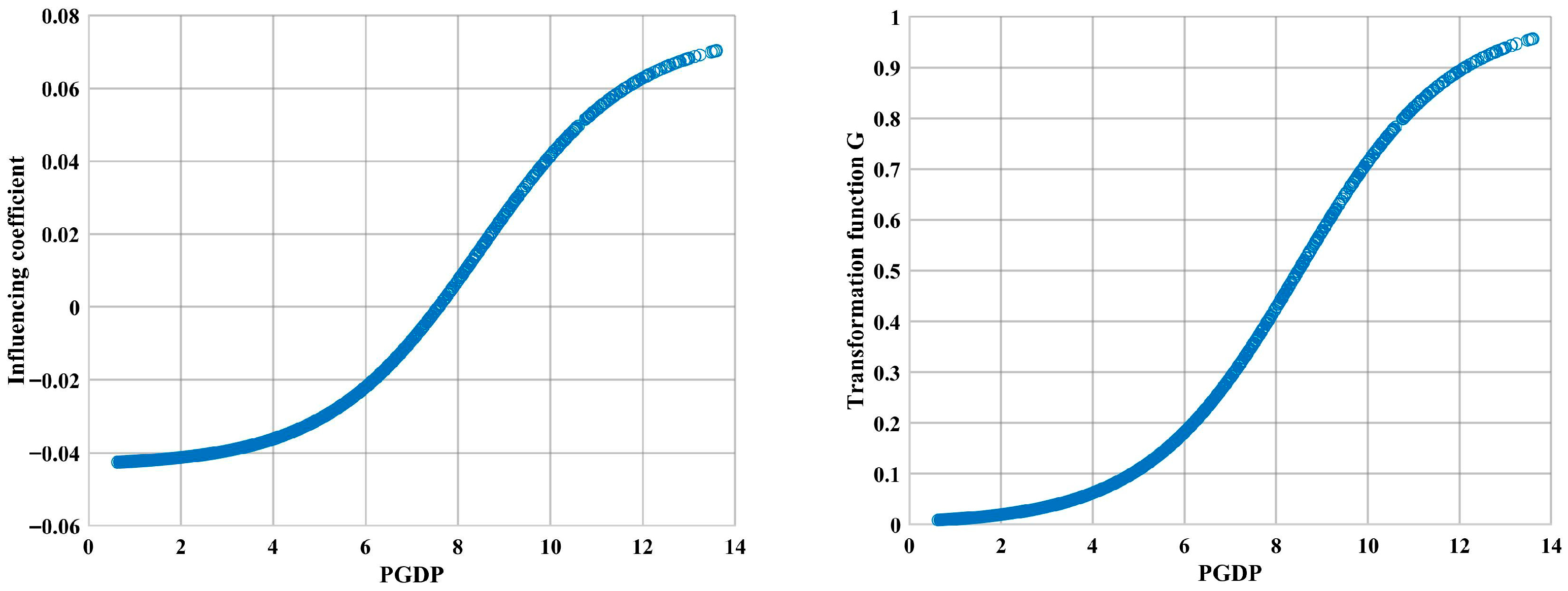
Nonlinear effect of economic growth (threshold: RMB 84,826): High levels of economic growth can offset the negative impact of CPU. However, only 15% of cities exceed this threshold.
- (2)
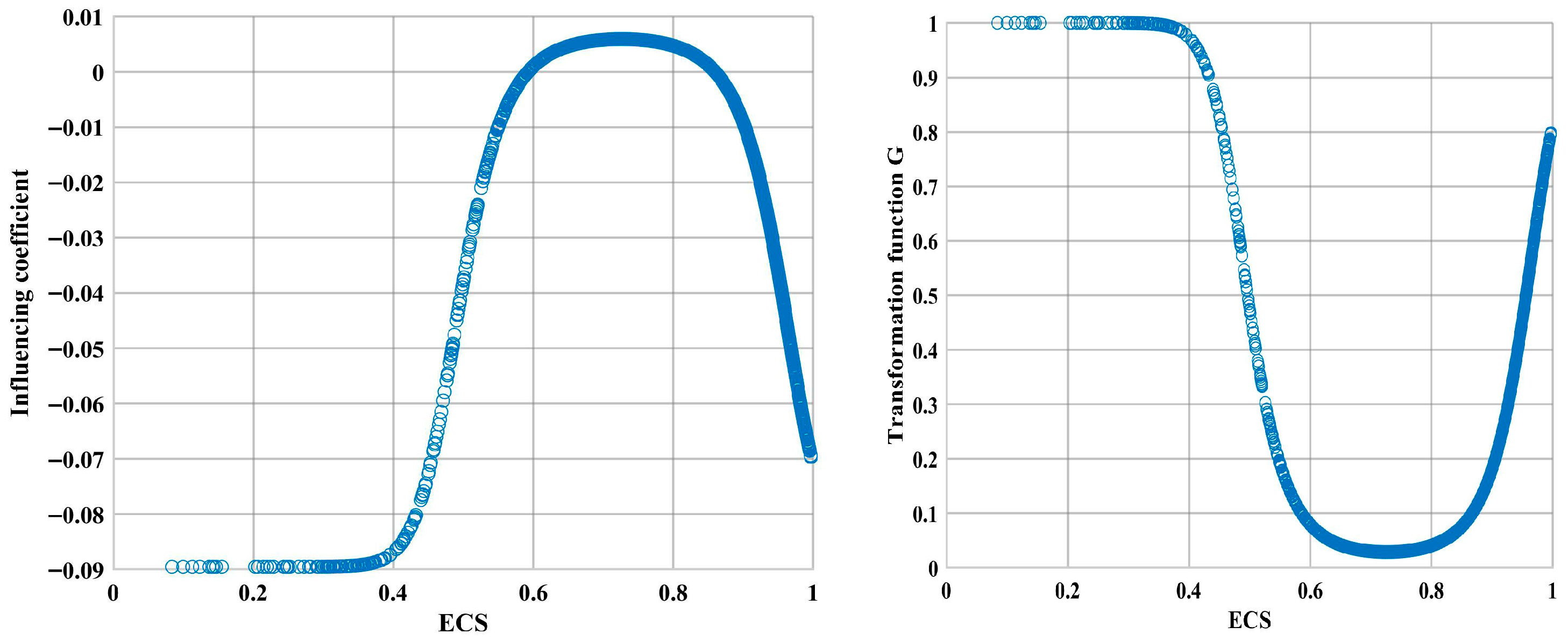
Nonlinear effect of the energy consumption structure (thresholds: 0.4966 and 0.9557): When the share of coal consumption is moderate (0.4966–0.9557), the effect of CPU turns positive; yet nearly 8% of cities rely excessively on coal (>0.9557), rendering them unable to effectively cope with policy transition risks.
- (3)
Nonlinear effect of green finance (threshold: 0.2296): High levels of green finance can effectively guide cities to invest in green projects. Currently, 91% of cities exceed this threshold and therefore possess a relatively solid foundation.
- (4)
Nonlinear effect of green technological innovation (threshold: 2.504): High-quality innovation can transform CPU into productivity gains, but only 30% of cities exceed this threshold, indicating a generally insufficient level of high-quality green innovation.
- (5)
Nonlinear effect of extreme climate events (threshold: 0.2735): Regardless of the frequency of extreme weather events, CPU consistently generates negative impacts; however, the negative effect is relatively milder in cities with more frequent extreme events.
- (6)
Significant regional heterogeneity: Eastern cities require higher levels of economic growth to convert CPU into low-carbon momentum; the underdevelopment of green finance in central regions weakens policy effectiveness; and western regions demand a higher level of green technological innovation.
- (7)
Crucial role of resource endowment: Resource-based cities require higher thresholds for economic development, energy structure, and green finance to achieve positive effects, with particularly prominent path dependence.
Corresponding policy recommendations are as follows: First, deepen gradient-based climate policies tailored to different levels of economic development. For low-GDP cities (85%), it is necessary to further clarify medium- and long-term climate goals, reduce the frequency of policy adjustments, and promote low-carbon transition gradually while maintaining a reasonable rate of economic growth. For high-GDP cities (15%), climate policy standards should be raised in advance, with greater responsibility assumed in carbon quota allocation, and mechanisms for technology transfer and green investment should be established to support the transition of low-GDP cities.
Second, promote targeted transition pathways based on energy structure characteristics. For cities with moderate coal dependence (84%), clean energy substitution should be deepened and a phased coal-consumption control mechanism should be improved. For cities with high coal dependence (8%), policy expectations need to be further stabilized, the scale of special funds such as coal-substitution programs should be expanded, and the principle of “building the new before phasing out the old” should be consistently upheld to promote low-carbon transition.
Third, consolidate the advantages of green finance while addressing weak links. For cities with low levels of green finance (13%), efforts should be accelerated to establish pilot zones for green financial reform and innovation, and the scope of fiscal interest subsidies and risk-compensation mechanisms for green credit should be expanded. For cities with high levels of green finance (87%), the scale of green finance should continue to increase, carbon-finance products should be innovated, and paired-assistance mechanisms should be improved.
Fourth, substantially enhance high-quality green technological innovation capacity. For cities with low levels of innovation (66%), fiscal investment in science and technology should be significantly increased, with priority support for green invention patents, strengthened development of national-level research platforms, and increased recruitment of high-end talent. For cities with high levels of innovation (34%), efforts should focus on deepening breakthroughs in frontier green technologies and establishing sound platforms for technology transfer and patent-sharing mechanisms.
Fifth, strengthen differentiated response capacity to extreme climate risks. For cities with a low frequency of extreme weather events (72%), policy expectations should be further stabilized, investment in disaster-prevention infrastructure should be enhanced, early-warning and emergency-response systems should be improved, and the scale of climate-adaptation funds should be expanded. For cities with a high frequency of extreme weather events (28%), climate-adaptation capacity should be continuously consolidated, and climate-risk stress-testing mechanisms should be further developed.
Sixth, optimize the policy framework for region-specific measures based on regional heterogeneity. The eastern region should continue to consolidate its innovation-driven advantages and promote the development of central and western regions through technological spillovers and regional coordination mechanisms. The central region needs to deepen green finance reform, improve capital allocation efficiency, and reduce the negative impact of policy uncertainty on market participants. The western region should receive more substantial fiscal and technological support and benefit from more flexible policy constraints to compensate for its weak technological base and limited transition capacity.
Seventh, accelerate structural transformation and institutional breakthroughs in resource-based cities. Support for industrial transformation should be increased, and a mix of fiscal, tax, and financial policies should be used to weaken the path-locking effect of resource dependence. Phased and differentiated strategies for adjusting the energy structure should be continuously implemented, promoting coal substitution steadily while ensuring energy security. A dedicated green-finance mechanism for resource-based cities should be improved, with risk-sharing arrangements used to lower firms’ transition costs and enhance the financial system’s ability to support green transformation.