


Abstract
Despite the recognition of Blockchain Technology’s disruptive potential, there is ongoing debate about its ontological and axiomatic foundations. This study develops a theoretical framework to explain the underline structural principles of blockchain technology through the lens of Arthur’s theory of technology, and the framework is developed through adopting Narrative Literature Review. By integrating conceptual analysis with a structural examination of Ethereum, this study reveals that blockchain technology is not a single invention but a composite technological system developed through recursive interactions among sub-technologies. The proposed framework identifies three interrelated structural patterns—the Combinatorial Pattern of Components elucidating blockchain technology’s structural ontology, the Capturing Pattern of Algorithms revealing the operational source of its innovation, and the Recursive Pattern of Technologies characterizing its inner logical structure of components—that together explain blockchain technology’s generative and evolving nature. The study extends Arthur’s theory by clarifying the “technology within technology” dynamic that underlies blockchain technology innovation. The Ethereum case confirms the framework’s applicability and generalizability, showing that blockchain systems, despite their diversity, share a consistent structural logic. Beyond its theoretical contribution, the framework offers practical guidance for sustainable technological innovation. It provides analytical support for designing blockchain-based applications’ architectures that enhance transparency, efficiency, and adaptability, contributing to the sustainable evolution of digital technologies.
1. Introduction
In 2008, Nakamoto introduced a groundbreaking peer-to-peer electronic cash system designed to mitigate the double-spending problem [1]. This system amalgamates several discrete technologies into a cohesive framework, ensuring security through a consensus mechanism where honest nodes must control more computational power than potential adversaries. This architecture marked the inception of blockchain technology (BT), a foundational innovation that has since attracted extensive attention from both academia and industry as one of the most transformative information technologies of the 21st century.
Beyond its initial application in cryptocurrency, BT has evolved into a general-purpose infrastructure enabling decentralized coordination, data transparency and trust formation across domains such as supply chains, finance, energy systems, and governance [2]. These features have positioned BT as a potential catalyst of sustainable digital transformation, offering pathways to enhance transparency, reduce institutional inefficiencies, and support inclusive participation in digital ecosystems. Yet, paradoxically, BT also raises sustainability challenges—ranging from high energy consumption to governance fragmentation and technological rigidity—that threaten its long-term viability [3]. Understanding how BT can evolve in a sustainable manner therefore requires a deeper examination of its underlying technological logic.
Existing research has extensively examined the adoption, diffusion, and application-level impacts of BT [2,4]. However, less attention has been given to its ontological structure and generative mechanisms—the foundational aspects that determine how BTs emerge, combine, and evolve over time. Without such theoretical understanding, efforts to design or regulate BT risk being reactive rather than anticipatory, addressing symptoms rather than causes. This represents a critical research gap in both the blockchain literature and the broader discourse on sustainable technological innovation.
To address this gap, this study develops a conceptual framework for understanding the underlying nature of BT and guiding its sustainable evolution. Drawing upon Arthur’s general theory of technology [5] and integrating insights from extant blockchain research. The framework conceptualizes BT as a composite technological system composed of recursively interacting sub-technologies. The analysis identifies three interrelated structural patterns: the Combinatorial Pattern of Component, the Capturing Pattern of Algorithms, and the Recursive Pattern of Technologies, which together explain BT’s generative, adaptive, and evolutionary dynamics.
Accordingly, the study aims to develop a conceptual framework that explains the structural ontology and evolutionary logic of BT, thereby providing theoretical and practical guidance for its sustainable innovation and system design. Based on the research aims, this study focus on three research Questions: (1) What are the underlying structural principles that define BT as a technological system? (2) How do these structural patterns enable or constrain the sustainable evolution of BT? and (3) How can the proposed framework inform the design of blockchain-based architectures that promote transparency, efficiency, and adaptability in digital ecosystems?
By addressing these questions, this study contributes to the theoretical understanding of BT’s inner logic and extends Arthur’s model by clarifying the “technology-within-technology” dynamic that underpins technological innovation. Practically, the framework provides analytical support for designing blockchain architectures that align with the principles of sustainable technological innovation, reinforcing the long-term stability and adaptability of digital infrastructures.
2. Literature Review
The conceptual and structural complexity of BT has stimulated diverse research streams seeking to define its nature, architecture, and mechanisms of innovation. The literature on BT spans multiple dimensions. Foundational studies define and contextualize BT (e.g., [1,6]) and its core principles, while others examine its applications and adoption barriers [7,8,9], as well as socio-technical implications [2,4,10,11]. This study organizes this review into three perspectives:
- (1)
- Technological and architectural analyses, which conceptualize BT as a distributed ledger integrating cryptography, consensus, and networking protocols;
- (2)
- Ontological and evolutionary perspectives, which attempt to explore the BT’s essential characteristics, definitional boundaries, and dynamic development; and
- (3)
- Sustainable innovation research, which examines how BT diffuses, scales, and evolves as a socio-technical phenomenon in advancing environmental and social sustainability.
While these strands have generated valuable insights, they remain fragmented—focusing either on discrete technical functions or on socio-economic consequences—without integrating the structural logic that underlies BT’s generativity, adaptability, and sustainability. The following subsections review each perspective to identify the theoretical gap this paper aims to address.
2.1. Technological and Architectural Perspectives on Blockchain Technology
2.1.1. Technological Perspectives
The technological conception of BT remains contested due to definitional ambiguity. The early literature commonly conceptualized BT from three vantage points.
First, some scholars equate BT directly with Bitcoin, treating Nakamoto’s system as the prototypical blockchain architecture [1]. His design integrated cryptographic hashes, digital signatures, distributed ledgers, and public-key encryption into a peer-to-peer environment, solving the double-spending problem and underpinning Bitcoin’s success. This view is reflected in works that define BT simply as a technological solution derived from Bitcoin [4,11,12,13]. However, such definitions risk narrowing BT’s scope, potentially overlooking its fundamental features. In contrast, some scholars even define BT as the technology system underlying Bitcoin and similar derivatives. For example, BT is also considered part of the Industry 4.0 suite of technologies, alongside big data, additive manufacturing, industrial cyber–physical systems, and cloud computing [14]. Such definition enlarges the scope of BT, and makes it more ambiguous.
Second, BT is often treated synonymously with Distributed Ledger Technology (DLT)—a decentralized data structure that ensures transactional integrity without centralized authority. for example, Dinh et al. [15] framed BT as a data-processing system, emphasizing its core components: distributed storage, consensus mechanism, and smart-contract logic. Similarly, Bashir [16] further define it as distributed data networks where each node maintains a copy of the ledger, ensuring transactions are immutable. BT is recognized as the most prominent DLT [17,18]. Specifically, BT is regarded as an open form of DLT where all nodes hold a copy of the ledger, ensuring immutability and trust without intermediaries [3,4,17]. Although widely accepted, this conflation may oversimplify blockchain’s layered architecture and operational mechanisms [18]. In Bitcoin’s case, consensus is achieved by the longest chain rule, which evidences both computational effort and historical truth [17].
Third, a broader definitional approach synthesizes core blockchain attributes beyond Bitcoin, recognizing features such as tamper resistance, distributed consensus, and cryptographic security [6,19]. Variations of BT can be developed by altering the consensus mechanism, e.g., from Bitcoin’s proof of work to alternatives like Practical Byzantine Fault Tolerance (PBFT) [20], Ripple’s consensus algorithm [21], or the Tangaroa variant of Raft [22], and Sieve in Hyperledger Fabric [23]. This perspective suggests that BT comprises a family of technologies grounded in shared principles but diverse in implementation.
Conceptual confusion further stems from the interchangeable use of “blockchain”, “blockchain technology” and “Blockchains”. While blockchain and blockchains refer to the immutable chain of records, blockchain technology denotes the broader infrastructure encompassing consensus protocols, networking layers, and smart contract systems [4,24]. Therefore, equating the three concepts can lead to an oversimplified understanding of blockchain technology.
2.1.2. Architectural Perspectives
Subsequent architectural research systematized these components into layered models. From an architectural standpoint, architectural research systematized these components of BT into layered model-standardized layers and design patterns. For example, Newell et al. [25] proposed a generalized layered model—comprising data, network, consensus, and application layers—that harmonizes blockchain variants. Similarly, Alzhrani et al. [26] identified 12 architectural patterns spanning structure, interaction, and security dimensions, providing practical templates for system design. These studies provide substantial descriptive and design-oriented understanding. They clarify how BT integrate multiple technologies—cryptography, distributed networking, and economic incentive systems—into cohesive infrastructures [27].
However, this body of work remains largely descriptive and static. It often neglects how blockchain components evolve through dynamic interaction and recursive recombination—key mechanisms in long-term innovation. Few architectural studies theorize BT as a self-evolving technological system, as envisioned by Arthur [5], where technologies recursively build upon each other. Consequently, while current models clarify how BT works, they seldom explain how it changes, adapts, or sustains itself over time. This leaves an analytical gap in understanding BT’s evolutionary trajectories and structural logic for sustainable innovation.
2.2. Ontological and Evolutionary Perspectives
From the perspectives of ontology and evolutionary research, scholars attempt to gain a deeper understanding of the essence, structure, and evolutionary mechanisms of BT.
From an ontological standpoint, system architecture studies elucidate BT’s layered composition. Specifically, complementing the engineering lens, ontological and evolutionary studies seek to conceptualize what BT is and how it evolves as a socio-technical construct. For example, De Kruijff and Weigand [28] introduced one of the earliest blockchain ontologies, distinguishing data-logical, info-logical, and essential layers to clarify the technology’s conceptual structure. Similar studies include Besancon and Da Silva et al. [29] and Kim and Laskowski [30]. On the other hand, scholars viewed the BT as a Narrative Technology; for example, Coeckelbergh and Reijers [31] interpreted BT as a “narrative technology”, adopting Ricoeur’s narrative theory [32], and explores how BT constructs social contexts, empowers trust mechanisms, and influences governance models through structural changes in BT.
From evolutionary standpoint, scholars have proposed conceptual models positioning BT as a trust machine, a decentralized institutional infrastructure, or a distributed governance mechanism [27,33]. These frameworks provide valuable descriptive insights. A systematic literature review, such as Butijn and Tamburri et al. [33], conducted a systematic multi-vocal review, highlighting the lack of unified theoretical foundations to explain BT’s generative mechanisms and long-term development.
These works underscore that BT cannot be reduced to a single invention; it is a composite technological system whose novelty arises from the interaction of cryptographic, algorithmic, and economic sub-technologies. Yet, even this ontological and evolutionary scholarship remains partial: firstly, ontological scholarships seldom address how such structures evolve through technological recombination and abstraction. Secondly, evolutionary scholarships often lack a structural explanation of how BT’s components—cryptographic algorithms, consensus mechanisms, and protocol layers—combine and recursively interact to generate new technological forms. Third, most frameworks are descriptive rather than explanatory, focusing on what BT is rather than why and how it evolves.
In particular, they neglect the recursive “technology-within-technology” dynamic [5] that could explain BT’s capacity for continual recombination and innovation. Consequently, the axiomatic foundations—the structural and generative principles that sustain BT’s evolution—remain under-theorized, leaving open the question of how BT’s architecture supports or limits its sustainability as a technological paradigm.
2.3. Sustainable Innovation and Blockchain: Gaps and Opportunities
More recently, scholars have examined BT through the lens of sustainable technological innovation, assessing its contributions and limitations in achieving environmental, social, and governance (ESG) goals. For example, some systematic reviews, for example, Joshi and Tewari et al. [34], and Thanasi-Boçe and Hoxha [35], demonstrate that BT can enhance governance transparency, accountability, and traceability in supply chains, critical enablers of sustainable supply chains, renewable-energy trading, and responsible finance, thereby potentially supporting sustainable consumption and production patterns. Other studies, for example, Sahoo and Kumar et al. [36], and Mulligan and Morsfield et al. [37], show that decentralized record-keeping reduces information asymmetry, supports circular-economy practices, and promotes trust in cross-border transactions.
However, the sustainability discourse also highlights that BT’s contribution to sustainability is ambiguous and contingent, while BT enables greener governance. Its high energy consumption, scalability limitations, and ecosystem-governance issues impose substantial constraints [38]. Thus, the literature recognizes BT’s potential for sustainability but struggles to articulate the mechanistic link between BT’s structural properties and sustainable outcomes.
From the perspective of sustainable innovation, three inter-related thematic opportunities emerge from the literature.
Firstly, Combinatorial innovation and resource efficiency as discussed in Section 2.1. BT’s modular architecture allows component reuse and recombination, which could enable incremental, resource-efficient innovation. Yet little theory explains how such modularity translates into sustainability benefits.
Secondly, algorithmic capture and operational sustainability, algorithms, like Proof-of-Stake, exemplify how protocol design can reduce energy intensity. Still, studies seldom generalize this into a theoretical principle connecting algorithmic logic with sustainable innovation.
Third, recursivity and adaptive evolution, the ability of blockchain ecosystems to layer technologies suggests self-evolutionary potential, but no integrated model explains how such recursive development aligns with long-term sustainability.
Collectively, these findings highlight a pressing research gap: blockchain scholarship lacks a unified framework that connects its technological ontology (what it is) and evolutionary dynamics (how it changes) with sustainable innovation outcomes (why it matters).
Addressing this requires a theory capable of explaining how technologies evolve through recombination, algorithmic capture, and recursive structuring—the precise mechanisms that Arthur’s general theory of technology elucidates.
Accordingly, this study employs Arthur’s framework to bridge the structural/ontological and evolutionary dimensions of BT in the context of sustainable innovation and develops a tripartite conceptual model that not only explains BT’s inner logic as identified in Section 2.1 and Section 2.2 but also provides guidance toward sustainable technological design and evolution. The following section elaborates this theoretical framework in detail.
3. Methodology
To explore the intrinsic structural characteristics of BT and construct a conceptual framework that captures its generative and evolutionary patterns, this study adopted a narrative literature review (NLR) approach. Narrative reviews are suitable for integrating diverse, heterogeneous literature and for developing theory in emergent fields, where definitions and conceptual boundaries are still under debate [39]. Compared with systematic reviews, which emphasize re-producibility and meta-analysis of predefined categories, NLR enables contextual interpretation, theoretical reflection, and inductive theme development [40]. Figure 1 depicts the methodological flow of the NLR, comprising five sequential stages from the literature search to theme development: (1) the literature search—keyword-based retrieval across academic databases and the gray literature; (2) abstract screening—preliminary filtering to exclude irrelevant or purely application-focused studies; (3) full-text review—in-depth assessment against inclusion criteria; (4) open coding—inductive coding and conceptual categorization following Mayring’s qualitative content analysis; and (5) theme development—synthesis along three thematic dimensions to build the conceptual framework.
Figure 1.
Methodological flow for the NLR.
This method was particularly appropriate given the relative immaturity and fragmentation of blockchain research across disciplines such as computer science, economics, organizational studies, and public policy. A systematic review would require sharply bounded search terms and well-established conceptual consensus—conditions not currently present in BT scholarship.
3.1. Search Strategy and Inclusion/Exclusion Criteria
This study included sources published between 2008 and 2025 using the following academic databases: Web of Science, Scopus, EBSCO Business Source Premier, and ScienceDirect. This search was first executed on 12 September 2024 and last updated on 25 October 2025. The search terms combined “blockchain technology” or “blockchain” with variations such as “architecture”, “ontology”, “evolution”, “sustainability”, and “framework”. In addition to peer-reviewed journal articles, this study included the gray literature (e.g., technical reports, white papers, and institutional working papers) to capture emerging perspectives not yet reflected in formal publications.
To ensure conceptual relevance and focus, this study applied the following inclusion criteria:
- (1)
- Publications that explicitly analyze blockchain technology from a structural, architectural, ontological, or innovation-theoretical perspective;
- (2)
- Sources published between 2008 (year of Bitcoin’s white paper) and 2025;
- (3)
- Sources in English.
The exclusion criteria were:
- (1)
- Articles focused exclusively on cryptocurrencies, trading, or speculative markets without reference to underlying technology;
- (2)
- Purely application-driven case studies lacking conceptual or architectural discussion;
- (3)
- Non-scholarly opinion pieces and marketing content.
An initial pool of 396 documents was identified. After abstract screening and full-text evaluation, 135 sources were selected for final review. All included documents were cataloged in a Zotero database for reference tracking and coding.
3.2. Thematic Synthesis and Analytical Procedure
To structure and interpret these literatures, this study applied qualitative content analysis following Mayring’s principles [41]. Texts were coded iteratively using an open coding scheme to identify recurrent conceptual categories, including the following:
- (1)
- Definitions and typologies of BT;
- (2)
- Component-based architectural structures;
- (3)
- Principles of technological evolution and recombination;
- (4)
- Theoretical approaches to sustainability and system design.
These categories were then grouped into three emergent thematic axes: (1) technological and architectural perspectives, (2) ontological and evolutionary perspectives, and (3) Blockchain technology and sustainable innovation. The themes guided the synthesis of the literature and the development of our tripartite conceptual framework.
Unlike systematic reviews that follow fixed aggregation, our inductive narrative approach allowed for cross-comparison of disciplines, resolution of conceptual ambiguities, and constructive theory development, as recommended in narrative review methodologies [42].
3.3. Limitations and Mitigation Strategies
This study has two main limitations of our methodology. First, the non-systematic nature of narrative reviews limits reproducibility and may introduce selection bias. To address this, this study followed a structured and transparent protocol for source selection and applied explicit inclusion/exclusion criteria to enhance methodological rigor.
Second, subjectivity in theme interpretation may affect the objectivity of results. This study mitigated this by triangulating perspectives from diverse disciplinary sources and iteratively refining our coding framework. Moreover, the conceptual framework produced here is intended to be theoretically generative rather than exhaustively representative, which aligns with the aims of exploratory theory-building reviews in emerging fields [40,41].
4. Conceptualizing Blockchain Technology
Following Arthur’ theory, a technology is a means to fulfill a purpose by capturing phenomena into principles and organizing them into component assemblies that can be recursively reused and extended [5] (pp. 29–44). In this sense, this study uses blockchain technology to denote a technological system that encodes decentralized verification, verifiable state transitions, and incentive alignment into executable rules, such as signatures, hashing, consensus, and combines them into an operative architecture including a distributed ledger, a consensus module, and a currency/incentive subsystem. For clarity, “blockchain technology” refers to the system; “blockchain” refers to its core data structure and derived platforms. The subsections below adopt Arthur’s three analytical lenses—singular, plural, and general technology—to situate definitions and to link them to the structural (Section 5.1), algorithmic (Section 5.2), and recursive (Section 5.3) patterns developed later.
4.1. Singular Blockchain Technology
A singular blockchain technology is a specific implementation that realizes the above principles for a defined purpose. For example, Bitcoin is a canonical instance; it operationalizes decentralized agreement and scarcity by chaining proof-of-work-secured blocks, authenticated by digital signatures and hashed linkages, to solve double spending in open networks [1,5,24,43]. In this light, Bitcoin can be described as a singular blockchain technology; it constitutes a non-material, multipurpose method that generates a continuous chain of hash-based proof-of-work to tackle the issue of double-spending.
Other implementations instantiate the same core principles with different modules and governance settings. For example, Ethereum seeks to build a generalized platform for all transaction-based state machine concepts [44], offering a blockchain-based platform that has proven its value through various projects, including Bitcoin itself [44]. Projects like Ethereum [45], Hyperledger Fabric [23], Oasis Network, Secret Network, Phala Network, Integritee, Ternoa, NuCypher, and Lit Protocol [46] each represent a singular blockchain technology, embodying specific blockchain implementations [47]. Although the core technology behind Bitcoin has evolved, the fundamental aspect of providing an effectively unlimited inter-transaction storage capability has remained consistent [24,44]. This evolution can be seen as part of the broader blockchain paradigm. This study therefore treats Bitcoin, Ethereum, and other similar systems as discrete singular blockchain technologies that differ in modules and policies while sharing the same captured principles.
4.2. Plural Blockchain Technology
In Arthur’s plural perspective, plural blockchain technology denotes the family of related singular blockchain technologies and practices that instantiate common captured principles through different component choices and governance arrangements [5] (pp. 29–31).
Across platforms, singular implementations, such as Bitcoin, Ethereum, Hyperledger/Fabric, assemble a shared set of core assemblies—an append-only transaction ledger, a consensus procedure, and a rule-based incentive or governance layer—while varying their algorithms and interfaces to meet distinct design goals [43,48]. This diversity reflects modular substitution (e.g., PoW vs. BFT/PoS), permissioning models (open vs. permissioned), and domain-specific standards (e.g., decentralized identity foundations and related specifications), yielding a reproducible toolkit of modules and practices that can be compared, combined, and audited across contexts [24,49]. Despite architectural variation, these systems remain anchored in the same underlying principles identified by Arthur’s theory—capturing phenomena into programmable rules and composing them into operative architectures—hence their cross-platform intelligibility and reuse [5,43].
In summary, the plural view treats “blockchain technology” as an umbrella for a heterogeneous yet principled set of designs—historically catalyzed by Bitcoin and extended by subsequent systems and standards—providing a coherent basis for systematic comparison and recombination in research and practice [24,48,49].
4.3. General Blockchain Technology
In Arthur’s “technology-general” sense, general blockchain technology denotes the abstract technological form that transcends any single implementation. Beyond referring to “Blockchain Technology” in its singular or plural forms, it also embodies a third meaning, encompassing all devices and engineering practices collectively termed ‘general blockchain technology’. When considering blockchain technology in discussions about the interplay between technology and the economy [5] (pp. 29–31), it is approached in this general sense. This broader perspective adds significant value to research examining the evolution of the economy and the transformative impact of technology on economic processes, highlighting the relevance of this discussion.
Although various entities use “blockchain technology” to describe systems that share some similarities with Bitcoin and its ledger, this study opts to use the definition of plural technology to delve into the essence of blockchain technology. This approach is firmly rooted in Arthur’s [5] (pp. 25–26) definition of technology as plural. Moreover, blockchain technology will be treated as a phenomenon for study, discussed from the standpoint of plural technology for several key reasons:
- Collection of Individual Technologies: From a plural perspective, blockchain technology represents an aggregation of individual singular blockchain technologies. Analyzing these individual technologies aids in understanding the nature of plural blockchain technology.
- Shared Logic: The common logic that underpins individual blockchain technologies constitutes the essence of plural blockchain technology, making it a fruitful area for further exploration and for fostering innovation in blockchain technology.
Accordingly, this study employs the general lens to ground the theoretical claims about blockchain’s structural logic, while using the plural lens for empirical comparison and the singular lens when referring to particular platforms; this study explicitly name specific systems, such as Bitcoin and Ethereum, only when discussing singular technologies.
4.4. Evolving from Singular to General Blockchain Technology
Viewed through Arthur’s lens, the evolution of BT proceeds from singular implementations to a plural family and, ultimately, to a general technological form; this can be described both statically and dynamically [5] (pp. 29–44). Static nested levels of description and dynamic indicated a pathway over time.
In the static view, a singular system, Bitcoin or Ethereum, is a concrete instantiation that encodes captured principles—decentralized verification, verifiable state transitions, incentive alignment—into algorithms and an operative architecture [1,24]. The plural level aggregates such instantiations into a comparative set of modules and practices, for example, PoW vs. BFT/PoS consensus; open vs. permissioned governance, enabling recombination across contexts [43]. The general level abstracts the shared capture–combination–recursion logic that explains cross-domain portability and ecosystem formation (cf. Section 5.1, Section 5.2 and Section 5.3). In the dynamic view (Figure 2), early singular systems validate feasibility (e.g., Bitcoin’s solution to double spending via proof-of-work and chained hash commitments) [1,24]; diversification follows as subsequent systems vary components and interfaces (e.g., Ethereum’s transition toward PoS; Fabric’s permissioned design); and diffusion consolidates reusable primitives, standards, and applications. This trajectory aligns with Shneider’s scientific stages—concept formation, development, diffusion, and eventual stabilization/decay—and with Iansiti and Lakhani’s application quadrants, including Single Use, Localization, Substitution and Transformation, which together illuminate how technical maturation co-evolves with organizational adoption and market design [43,50]. This dynamic view is crucial for understanding the interrelationships among the definitions of blockchain technology, as depicted in Figure 2.
Figure 2.
Evolution of blockchain technology.
Taken together, the static hierarchy clarifies what evolves from instances to a form, while the dynamic pathway clarifies how it evolves from validation through diversification to diffusion, providing a coherent basis for the framework that follows.
Accordingly, this study analyzes Bitcoin as an initial singular validator, traces the emergence of a plural toolkit through modular substitution and standardization, and theorizes the general form that sustains continued recombination—an approach that integrates the structural (Section 5.1), algorithmic (Section 5.2), and recursive (Section 5.3) patterns and positions the subsequent analysis within an economy–technology co-evolution perspective [1,5,24,43,50].
5. A Conceptual Framework for the Nature of Blockchain Technology
This section develops a conceptual framework which exploits BT as a composite technological system evolving through three structural dynamics. Drawing on Arthur’s general theory of technology [5], according to which technology is built by combining existing technologies (combinatorial evolution), each component is itself a technology, and technologies exploit phenomena to serve human purposes. By adapting Arthur’s insights to BT, this study proposes that BT evolve and sustain through three intertwined patterns: (i) the Combinatorial Pattern of Components, (ii) the Capturing Pattern of Algorithms, and (iii) the Recursive Pattern of Technologies. Together, these patterns explain how the structural ontology, operational and evolutionary logic of BT enable its generative and sustainable innovation.
This study utilized Bitcoin as a case study to clarify its operational mechanisms based on Arthur’s theory of Technology [5], and to establish a conceptual framework that captures the essence of BT. This approach is justified by two key factors: Firstly, Bitcoin has served as an exemplary proof-of-concept, demonstrating the effectiveness of the technical solution, while its core project provides a highly adaptable codebase [17,24]. Secondly, subsequent individual blockchain technologies have evolved through substantial modifications based on the fundamental blockchain framework established by Bitcoin [2].
5.1. Combinatorial Pattern of Components
Following Arthur’s [5] theory of technology as a combinatorial process, this section examines BT as a composite and modular technological system. Rather than being a single invention, BT is constructed through the novel integration of pre-existing components—each with distinct historical origins and functionalities. Specifically, it integrates long-standing components into a specific, intricate structure [24,51,52], and it forms a unified solution [43]. Bitcoin is used as a representative case to illustrate how foundational technologies, when orchestrated in a specific configuration, giving rise to a new technological architecture with emergent properties. This section synthesizes and classifies the main and supporting components of BT, highlighting how their hierarchical combination constitutes its structural ontology.
5.1.1. Assemblage of Foundational Technologies
BT embodies what Arthur describes as “technologies composed of other technologies” [5]. Its foundational components—including distributed ledgers, consensus mechanisms, cryptographic primitives, and peer-to-peer networks—were independently developed over several decades [52,53], and later assembled into a coherent architecture by Nakamoto [1]. As Narayanan and Clark [24] note, the Bitcoin protocol, as a digital currency system, did not invent these components, but recombined them based on a novel principle to solve the double-spending problem. Notably, Nakamoto [1] himself acknowledged the influence of earlier work in addressing the double-spending problem.
A core element of BT is the distributed digital ledger, defined as an append-only, tamper-evident record of transactions maintained across a network of nodes [6]. The value of the ledger derives from its immutability and the ability to produce verifiable cryptographic summaries of its state [24,48,54]. To maintain consensus over this shared state, BT (e.g., Bitcoin) deploy consensus algorithms such as Proof-of-Work (PoW) [55], which prevents unilateral manipulation by requiring computational effort. Other systems, such as Ethereum, use alternative consensus mechanisms like Proof-of-Stake or PBFT to achieve the same purpose [54,56].
P2P networks provide the communication infrastructure for distributing and synchronizing the ledger among mutual untrusted nodes in the blockchain network. Originating in the 1970s [43], P2P protocols enable decentralized coordination without central authority [19]. In a BT system, the P2P network connects nodes, allowing them to broadcast and validate transactions. For example, through this network, nodes in a Bitcoin system append validated transactions to the blockchain, creating an immutable and distributed record of ownership [1]. And thus, this decentralized architecture, facilitated by the P2P, is a cornerstone of BT, ensuring transparency and system-wide synchronization [19]. In essence, the P2P network provides the environment within which BT can operate, allowing for trustless and distributed interactions among participants [24]. Thus, P2P network, while integral to BT, is best understood as a foundational infrastructure rather than a core component of the blockchain system itself.
Complementing the ledger and P2P networking infrastructure are cryptographic subcomponents, such as public-key encryption, hashing algorithms, digital signatures, and Merkle trees [1,24,48]. These primitives, although not unique to BT, are essential for ensuring data integrity, secure identity management, and efficient verification of transactions. For example, Merkle trees enable the compact representation and verification of large datasets in block headers [24,57]. BT is not simply the sum of its parts, but rather a complex system characterized by the unique interplay of these underlying components. As Ruoti et al. [48] observed, this novel architecture, exemplified by Bitcoin and Ethereum, demonstrates the power of combining existing technologies in unforeseen ways to achieve unprecedented outcomes.
In sum, the preceding analysis demonstrates that BT is not a singular invention but rather an emergent phenomenon arising from the novel combination of existing technologies. This integration of pre-existing components results in a complex system with unique characteristics, including stability, immutability, and transparency [56]. Such combination of other several technologies aligns with the concept of “architectural innovation” [58], where value is derived from the novel recombination of existing technologies in unexpected ways [59]. Thus, BT represents a new architecture built upon a foundation of established technologies, creating a novel technology system with emergent properties that transcend the sum of its individual parts.
5.1.2. Hierarchical Structuring of Main and Sub-Assemblies
Following Arthur’s notion of modular assembly, BT can be conceptualized as a hierarchical system consisting of main and subcomponents. This study identifies three main assemblies: (1) distributed ledger technology (DLT), (2) consensus mechanisms, and (3) digital currency [56]. DLT, exemplified by Bitcoin’s utilization of a global data structure borrowed from Bayer and Haber et al. [60] and Haber and Stornetta’s seminal work in [61,62], serves as the foundation for recording and maintaining an immutable record of all transactions [63]. Consensus mechanisms, such as Proof-of-Work in Bitcoin, are crucial for achieving agreement among network participants regarding the validity of transactions, ensuring the integrity of the ledger, and facilitating decentralized governance [48]. Furthermore, many blockchain systems incorporate digital currencies as incentives, rewarding participants for contributing to the network’s security and maintenance. In Bitcoin, mining rewards and the consensus mechanism are distributed via digital tokens, creating an internal incentive structure that aligns economic behavior with system stability [1,6]. While Bitcoin utilizes a specific digital currency, other blockchain platforms may employ alternative incentive mechanisms and token models.
These primary layers are operationalized through a set of supporting sub-assemblies, including public-key cryptography, digital signatures, hashing algorithms, and Merkle trees, etc. They were developed independently over time and are integrated into the blockchain architecture to facilitate its core functionalities [24,52]. For example, in a Bitcoin system, the Merkle tree plays a crucial role in efficiently organizing and verifying transactions within blocks by hashing individual transactions and grouping them together [24]. This process relies on hashing algorithms, which serve as fundamental cryptographic tools within the blockchain ecosystem.
Furthermore, a set of sub-assemblies that support functions of main assemblies may integrate other sub-assemblies. For example, the main assembly DLT integrated three sub-assemblies: blockchain, Merkle tree, and hash function, and the three sub-assemblies incorporate other sub-sub-assemblies for their own function; Merkle tree needs block and hash function to organize big transactions [24]. Thus, main assemblies, sub-assemblies, and even other supporting sub-sub-assemblies form a hierarchical structure, which highlights the interconnectedness of components within the blockchain system, where each sub-assembly contributes to the overall functionality and security of the network.
This multi-layered architecture reflects what Henderson and Clark [58] define as “architectural innovation”: the recombination of existing components into a novel system that transforms their interrelationships. BT exemplifies this, not only in Bitcoin but also in subsequent platforms like Ethereum, by integrating known technologies into an adaptive and trust-minimized infrastructure.
In summary, BT represents a hierarchical and modular system composed of interacting technological assemblies. The core modules—DLT, consensus mechanism, and digital currency—are embedded within a broader structure of interoperable subcomponents. Their combination illustrates Arthur’s view that technologies evolve through recursive composition and supports the argument that BT’s novelty lies not in its individual parts, but in how they are assembled into a system capable of decentralized coordination, transparency, and tamper-resistance.
5.1.3. Modularization of Blockchain Technology
Building on the previous analysis of hierarchical assemblies, this subsection explores how BT exemplifies Arthur’s [5] theory of modular technological systems. In this framework, modules are semi-independent functional units that can be recombined, reused, or substituted within larger systems. Blockchain’s architecture reflects this logic: its main assemblies (e.g., distributed ledger, consensus mechanisms, digital currency) are supported by sub-modules (e.g., hashing algorithms, Merkle trees, digital signatures, etc.), each developed independently yet integrated to serve coherent system-level goals.
This modularity enables technological flexibility and evolutionary recombination. For example, Bitcoin repurposed cryptographic primitives such as public-key encryption developed by Chaum to ensure blockchain’s security and privacy [64,65]. Similarly, Bitcoin effectively repurposed proof-of-work to construct a decentralized consensus system and prevent fraudulent transactions [6], which was developed earlier by Dwork and Naor [66] on mitigating spam and denial-of-service attacks in P2P networks. For example, the concept of a distributed ledger, a foundational element of Bitcoin, has a rich history in computer science. Building upon the pioneering work of Bayer, Haber and Stornetta [60,61,66] on document timestamping, Bitcoin adapted distributed ledger technology to create a secure and immutable record of transactions [63]. This modular approach, where individual technologies serve as building blocks for more complex systems, is evident in the development of Bitcoin. For example, Ethereum’s architecture introduces interchangeable modules, such as account-based data models and virtual machines, expanding functionality while preserving structural coherence. Bitcoin effectively leverages these established cryptographic primitives to enable secure and anonymous transactions within the network [56]. In essence, both Bitcoin and Ethereum demonstrate the power of modularity in technological innovation, effectively integrating and re-purposing existing technologies to create a novel and transformative system.
Importantly, blockchain modules are not merely static components, but recursive units that may encapsulate further sub-assemblies. For example, the Merkle tree is itself a modular data structure built from hashing functions, while digital currencies rely on cryptographic and economic sub-components to operate securely within the consensus process [24,56,62]. This nesting supports Arthur’s notion of “technology within technology,” where subsystems recursively contribute to higher-level functions.
The modular structure also fosters interdisciplinary integration. Recognizing BT as a modular system, comprising interconnected components, allows for a more nuanced understanding of its interactions with other technologies. In domains such as architecture, engineering, and construction (AEC), BT has been studied in combination with Building Information Modeling (BIM), the Internet of Things (IoT), and digital twins [67,68,69,70]. These integrations demonstrate great potential benefits because blockchain’s core modules can be extended or interfaced without redesigning the entire system. However, most such applications remain at the conceptual or experimental stage, underscoring the need for empirical validation, further empirical research is crucial to validate these theoretical predictions and assess the real-world reliability and effectiveness of such integrated systems within the AECOM sector or other fields.
In sum, BT’s modularity is not only a technical feature but a generative principle that underpins its adaptability, extensibility, and system resilience. As Arthur [5] emphasizes, modular systems evolve by assembling and reassembling functional parts. Blockchain’s capacity to integrate and adapt modules—both internally (across cryptographic and network layers) and externally (across industry applications)—confirms its status as a composite, evolvable technology with structural and systemic coherence. Thus, this study proposes that BT can be conceptualized as an independent technical module comprising a network of interconnected sub-modules. This modular structure enables the fulfillment of specific functionalities and facilitates the establishment of trust among participants within the BT ecosystem.
5.2. Capturing Pattern of Algorithms
Arthur [5] argues that all technologies arise by capturing and operationalizing underlying phenomena through principles. While natural or social phenomena (e.g., gravity, combustion, social trust) exist independently, they become technologically meaningful only when abstracted into reproducible principles [71]. These principles, which explain the mechanisms of a phenomenon, form the foundation for technological innovation [5]. BT exemplifies this process. Though not directly tied to a singular physical phenomenon, it captures algorithmic principles—such as distributed consensus, digital scarcity, and verifiable state transitions—and translates them into a working technological architecture [24]. This section explores the nature of these captured principles, their expression in blockchain systems, and how algorithmic abstraction underpins BT’s core functionalities.
5.2.1. Algorithm, Principle and Phenomenon
While technologies like the steam engine are clearly derived from observable physical phenomena (e.g., pressure, heat), BT operates on a more abstract plane. This does not negate the underlying principle that governs their function. According to Arthur [5], even social phenomena, such as the trust that underlies monetary systems, can form the basis of technological capture if they are expressible through operational principles. Bitcoin, for example, does not invent new phenomena but captures the principle of decentralized verification through cryptographic algorithms.
The term “algorithm” bridges two conceptual levels. At a cognitive level, it reflects a human propensity for procedural problem-solving—what MacCormick [72] calls an inherent mode of thinking. In a broader sense, it can refer to a general problem-solving approach observed in human behavior [72,73]. This perspective emphasizes the inherent human tendency to develop and utilize step-by-step procedures to address challenges, a fundamental aspect of humanity. Thus, algorithms refer to a phenomenon that can be observed in human life. At a technical level, especially within computer science, an algorithm is a finite, deterministic set of instructions designed to solve a specific problem efficiently for computer [73]. It emphasizes the algorithmic nature of problem-solving, regardless of the specific programming language used. Moreover, algorithm has the same meaning as principle [72]. Algorithms, as fundamental principles of computation, underpin a wide range of technological advancements. From digital signatures and data compression to sophisticated artificial intelligence systems, such as neural networks, algorithms play a critical role in modern technology. Understanding the interplay between these two perspectives—the broader human tendency towards algorithmic thinking and the more specific definition within computer science—is crucial for comprehending the role of algorithms in information technology from the perspective of Arthur’s Theory of technology, especially comprehending the source of BT. These two interpretations intersect in BT, where algorithmic design reflects both social reasoning (e.g., “who can be trusted to verify?”) and computational logic (e.g., digital signatures, hashing).
Blockchain’s core components—including public-key cryptography, hashing algorithms, and digital signature schemes—are not novel inventions but reappropriated algorithmic modules. Their integration within blockchain represents what Arthur calls the “programming of a principle” [5] (p. 47). BT thus captures the phenomenon of trustless coordination and encodes it into an operational architecture. Euclid’s algorithm may have solved numerical relationships; specifically, this ancient algorithm exemplifies how a fundamental principle is applied to solve a specific computational problem. While Euclid’s algorithm can be executed manually, its core principle can also be translated into computer code, demonstrating the versatility of algorithmic concepts. BT solves social coordination without central authority. It leverages a combination of cryptographic algorithms, including public-key encryption and hashing, to achieve its core functionalities. This transition—from principle to programmed system—anchors the capturing pattern of algorithms in BT. BT creates structures by “programming” a fixed set of principles in many different ways, which provides a solid foundation for a deep understanding of BT’s potential value and helps people combine BT with application scenarios and propose solutions.
5.2.2. Principle as Operational Core in Blockchain Systems
A defining feature of BT is that, despite its diverse implementations, all blockchain systems are organized around a unifying operational principle. As Arthur [5] posits, technologies emerge by capturing underlying phenomena and translating them into reproducible functions via core principles.
Bitcoin provides the clearest early demonstration of this principle. Functioning as a monetary system, it is grounded not in a physical phenomenon but in a behavioral phenomenon: “we trust a medium has value as long as we believe that others trust it has value and that this trust will continue in the future” [5] (pp. 53–54). This system operates on the principle that any scarce object can serve as a medium of exchange, embodying a behavioral rather than a physical phenomenon. Arthur [5] (pp. 47–71) argues that money itself constitutes a technology based on this principle. Bitcoin operationalizes it by designing an electronic currency represented as a chain of digital signatures—each is verifiable, appendable, and resistant to tampering—within a distributed ledger maintained by a peer-to-peer network [1]. Consequently, digital currency also serves as a medium of exchange, meets these technological criteria, based on the principle that any scarce resource can act as an intermediary for transactions. Figure 3 provides a step-by-step illustration of this principle, demonstrating Bitcoin’s operational mechanics and showing how various components, like hashing, digital signatures, and consensus protocols, integrate to form a chain of transactions. Launched in 2009, Bitcoin was the first practical instantiation of this model and gained early traction despite addressing only one use-case—digital money [4,43]. This implementation not only validated Nakamoto’s operational principles but also demonstrated that Bitcoin could create a scarce resource, exchangeable among untrusted nodes over the internet.
Figure 3.
From phenomenon, principle to algorithm that the Bitcoin system used (taking Bitcoin as an example).
While Bitcoin encoded a specific version of this principle using Proof-of-Work (PoW), subsequent platforms modified the architecture to extend blockchain’s applicability while retaining its core logic. For example, Ethereum replaced PoW with Ethash to improve latency [44], while Hyperledger Fabric introduced the Sieve consensus protocol for permissioned settings [74]. Ripple [21] and Juno [22] implemented BFT-style algorithms to better suit low-latency financial applications. These adaptations illustrate Arthur’s notion that while principles remain stable, their technological expressions can vary depending on operational context. Scholars like Lumineau et al. [2] and Miraz and Ali [75] have proposed more general formulations of blockchain principles, including consensus as a broader class of agreement algorithms beyond PoW.
Beyond consensus mechanism substitution, newer blockchain platforms have expanded the operational principle to enable programmable coordination. Smart contracts, autonomous scripts embedded in blockchain networks, represent one such extension. As Ream et al. [76] and Zheng et al. [77] show, smart contracts automate condition-triggered transactions, eliminating the need for intermediaries. Their integration with the Internet of Things (IoT) creates powerful systems for distributed control in energy, logistics, and governance [78]. The fusion of smart contracts with BT has led to the development of new BT variants. Christidis and Devetsikiotis [19] further suggest that these capabilities lay the foundation for decentralized autonomous organizations (DAOs), where code-enforced rules enable self-governing institutions. These blockchain-based entities thereby illustrate the potential for self-governing systems within blockchain ecosystems.
In summary, despite the architectural differences among blockchain systems, all variations capture the same foundational principle: enabling verifiable agreement among untrusted parties through a shared and immutable ledger. Whether instantiated through PoW, BFT, or smart contracts, blockchain systems encode this principle into a technological form. This principle not only defines BT’s origin but also its adaptability and generalizability—qualities that explain its relevance to domains beyond cryptocurrency, including sustainable infrastructure, decentralized governance, and digital trust ecosystems.
5.2.3. Core Modules and Their Algorithmic Basis
Blockchain technologies differ in application and architecture, yet they share a consistent foundation based on three interdependent core components: distributed ledger technology (DLT), consensus mechanisms, and digital currency [1,17,56,75,79,80]. Like BT capturing a general algorithmic principle as shown Figure 3, these modules capture distinct algorithmic principles and form the architectural basis for most blockchain platforms, including Bitcoin, Ethereum, and Hyperledger. While the P2P network serves as a foundational infrastructure that facilitates system communication and data propagation [16,79], it is not treated here as a core focus, given its maturity and well-established function [5,81]. This section focuses on the three primary modules, each of which reflects a unique operational principle and offers a basis for understanding blockchain as a programmable system.
Distributed Ledger Technology (DLT) captures the principle of immutable, decentralized recordkeeping through a cryptographically linked data structure. Bitcoin’s ledger, for example, operates as a globally shared data structure maintained collaboratively by untrusted nodes [24]. It incorporates both a General Ledger for Transactions (GLT) and a General Ledger for Reports (GLR) [80,82]. The system’s architecture draws from Haber and Stornetta’s [52] original proposal, where each block records transaction data and links to the previous block through a cryptographic hash, forming an immutable chain [52]. Each transaction includes digital signatures for authentication, ensuring verifiability. This illustrates that Bitcoin’s foundational component, the distributed ledger, is built upon a specific algorithm. Ethereum and other blockchain systems build on this foundation, implementing variant data structures while maintaining the same principle of append-only transparency [44]. This architecture reflects Arthur’s view of technology as the application of principles through algorithmically structured systems.
Consensus Mechanism ensures agreement among distributed nodes on the order and validity of transactions. In Bitcoin, Proof of Work (PoW) is used to achieve consensus by solving cryptographic puzzles—a computational approach to decentralized timestamping and trust establishment [1,17]. PoW addresses the Byzantine Generals Problem, as outlined by Lamport et al. [83], by requiring that participants demonstrate computational effort to propose blocks. The hallmarks of a robust consensus algorithm include convenience, security, and efficiency. Other platforms adopt different consensus algorithms to improve efficiency and fault tolerance. Beyond PoW, alternative mechanisms include Proof of Stake (PoS), Practical Byzantine Fault Tolerance (PBFT), and Delegated Proof of Stake (DPOS), each adopted by different blockchain variants [17]. For example, Proof of Stake (PoS) reduces energy consumption by selecting validators based on token ownership, as seen in Blackcoin [84]. Hyperledger Fabric implements Practical Byzantine Fault Tolerance (PBFT) to tolerate up to one-third of malicious nodes [85,86], while Ripple’s protocol introduces the Unique Node List model for collective trust [21]. Hyperledger Fabric uses PBFT to handle up to one-third malicious replicas [85,86], while Ripple’s consensus algorithm operates via collectively trusted subnetworks [21]. Despite these differences, all consensus mechanisms embody the same principle: secure, decentralized agreement without reliance on centralized authority [3,52,56].
Digital Currency, an incentive structure, based on minting rules and transaction fees [1], operationalize behavioral principles. It serves dual roles as incentive mechanisms and programmable economic units within blockchain systems. In Bitcoin, for example, miners receive newly minted coins and transaction fees as compensation for contributing to the consensus process and network maintenance [1,24]. This financial incentive system ensures miners adhere to the protocol. Minting follows algorithmic rules—such as block reward halving every four years—while transaction fees are determined by network demand. In contrast, other blockchain technologies, such as Ethereum, explore alternative methods for digital currency creation, often emphasizing transaction fees over minting new coins, showcasing the diversity in blockchain implementations.
Importantly, tokenization expands blockchain’s applicability to sustainability-linked contexts by enabling blockchain to represent both native and asset-based digital assets. Native tokens (e.g., Bitcoin, Ether) are generated internally, governed by system-level algorithms [1,44]. Asset-backed tokens representing renewable energy credits, carbon offsets, or land rights can encode incentive-compatible mechanisms into shared infrastructure [17,87,88], allowing for algorithmic governance of real-world assets. These programmable representations further illustrate the versatility and generalizability of blockchain’s algorithmic core.
Summarized together, DLT, consensus mechanisms, and digital currencies form a triadic structure central to blockchain’s functionality. Each module reflects an algorithmic principle, serving both structural and operational roles. Understanding these core components illuminates how BT embodies Arthur’s theory of programmable principles, and how its architecture enables recursive and sustainable innovation across sectors.
5.2.4. Programming as Technological Instantiation
In Arthur’s view, technologies are built by programming principles into operable modules; in BT, this means encoding abstract phenomena—agreement, scarcity, and verifiability—into concrete sub-technologies that jointly realize system functions [5]. For example, in Bitcoin, the distributed ledger is implemented as a block-structured data system in which transactions are authenticated by digital signatures and organized via hash-linked pointers; the Merkle tree aggregates transaction hashes so that a block header can commit to the entire set efficiently [1,24]. Figure 3 illustrates the structure of a block, which operates as an algorithm to digitize transactions, storing pertinent information. When many transactions occur, this tree—not a linear list—supports compact verification and near-simultaneous timestamping within a block, improving throughput and auditability [24]. The integration of distributed ledger technology with Merkle trees, hashes, and blocks, all driven by specific algorithms, enhances the efficiency and effectiveness of the data structure. This efficiency underscores the robustness of BT, supporting confidence in its functionality. This is programming in Arthur’s sense: principles (immutability, provenance) are rendered operational by algorithms (hashing, signing) and data structures (blocks, Merkle trees).
The same logic extends to the other core modules. Consensus mechanisms (e.g., Proof-of-Work in Bitcoin) program the principle of decentralized agreement by requiring demonstrable effort and probabilistic leader selection; their sub-components—hash functions and signature checks—enforce validity at each step [1]. Similarly, other blockchain systems, like Ethereum, employ different consensus algorithms, also algorithmically developed. Digital currency programs the principle of incentive alignment through rule-based minting and transaction-fee schedules, directing participant behavior toward network security and liveness [1,24]. Across platforms, alternative consensus families (e.g., BFT-style protocols) or token rules instantiate the same underlying principles through different algorithmic designs, without altering the principle itself—precisely the variability Arthur anticipates in technological instantiation [5].
In summary, as illustrated in Figure 3, blockchain assembles these algorithmic units into a recursive system capable of executing agreement, finality, and data integrity under decentralized conditions. Whether applied to money, supply chains, or energy grids, BT programs coordination and verification into infrastructure. In essence, blockchain exemplifies Arthur’s definition of technology: a means to fulfill a human purpose by capturing phenomena through algorithmic principles. It achieves this by programming algorithmic principles into layered modules, yielding a system that is both generalizable and adaptable. This generativity explains why blockchain’s design principles extend beyond Bitcoin, offering structural blueprints for sustainable and autonomous digital infrastructures.
5.3. Recursive Pattern of Technologies
In addition to its modular structure and algorithmic principles, BT exemplifies what Arthur [5] describes as the recursive nature of technology: the ability of technologies to incorporate other technologies and serve as components in future systems. This recursive logic manifests not only in the way blockchain integrates cryptographic primitives and distributed infrastructure but also in how entire blockchain systems become platform technologies that enable new generations of applications, protocols, and infrastructures. This section elaborates on how BT evolves through technological recursion, forming the third structural pillar of the proposed conceptual framework.
BT’s complex architecture integrates diverse technological elements into a nested hierarchy, providing a clear logic for inter-component relations. This recursive organization—“technology within technology,” in Arthur’s terms—extends down to fundamental parts (e.g., hashes and digital signatures) and up to higher-level assemblies (e.g., blocks, ledgers, consensus, incentives), with each layer delivering a specific function while conforming to the same organizing principle [5] (pp. 37–43). The resulting hierarchy fosters predictability and efficiency because repeated use of common sub-components and interfaces reduces design complexity and supports composability across implementations [1,24].
While Arthur (2009) [5] identifies recursion as a general property of technology, he gives limited attention to why innovators structure components recursively in software-intensive systems [4]. To illuminate the mechanism, McLuhan’s media theory offers a complementary lens: technologies act as media, and “the content of any medium is another medium” [89] (pp. 7–10). In BT, the distributed ledger functions as the medium; its content is blocks; the content of blocks is Merkle trees; and the content of trees is digitally signed transactions (e.g., in Bitcoin) [1,24]. This media-within-media relation explains how representational layers and interfaces propagate assurances (integrity, verifiability) upward, making recursive organization not merely descriptive but necessary for constructing ledgers that record consensus-based transactions. The following analysis examines this pattern using Bitcoin as an illustrative case of blockchain technology [1,24].
5.3.1. Blockchain as a Recursive Technological Platform
In Arthur’s account, technologies evolve by nesting technologies within technologies; BT exemplifies this recursive logic by assembling modules that themselves encapsulate sub-modules organized around core principles [5]. Building on Section 5.1, BT’s main assemblies—DLT, consensus mechanisms, and digital currency—are each implemented through sub-assemblies such as Merkle trees, hashing, digital signatures, and transaction validation pipelines [1,24,61,62]. At the apex of this hierarchical structure sits BT as a reliable, integrated module, developed based on specific algorithmic principles to fulfill particular objectives.
This “stacking” is not merely additive: higher-level modules specify the purposes and interfaces that coordinate lower-level routines (e.g., block formation constrains transaction encoding; consensus constrains block finality), while lower-level capabilities (e.g., hashing strength, signature schemes) bound higher-level security and performance [1,24]. The precise technical modules within different blockchain systems can differ. For example, the Bitcoin system uses proof-of-work as its consensus algorithm and integrates transaction data directly as a form of digital currency reward. Conversely, Ethereum employs Ether as its digital currency. Each main assembly can be regarded as an independent technology module designed to execute specific functions. To enhance the effectiveness of these tasks, each assembly integrates various sub-assemblies. For example, Haber and Stornetta [61,62] introduced modifications to the original blockchain framework, incorporating elements like blocks, hashes, and Merkle trees which are borrowed by Bitcoin. The result is a self-similar structure in which principles are repeatedly programmed into components at different layers (cf. Section 5.2).
Thus, BT’s architecture is recursive by construction: it composes operable sub-technologies into higher-order modules whose behavior, in turn, depends on the coordinated operation of those sub-technologies [5]. Similarly, other blockchain platforms, such as Ethereum and Hyperledger, can also be viewed as integrated technology modules with comparable recursive arrangements, each positioned at the top of their technological hierarchies.
5.3.2. Recursive Structuring in Blockchain Technology
Recursion in BT is expressed through a hierarchical, interface-driven stack that links system purposes to implementational details. At the top level, a blockchain platform, such as Bitcoin, Ethereum, Hyperledger, serves as an integrated “engine” designed to achieve verifiable coordination under decentralization [1,2]. At the intermediate level, three principal assemblies operationalize this goal: (1) DLT specifies append-only data commitments using hash-linked blocks and Merkle trees [24,52,61,62]; (2) consensus specifies agreement procedures among untrusted nodes (e.g., PoW, PBFT, PoS) [1,17,19,85,86]; and (3) digital currency specifies incentive rules (minting schedules, fees) that align behavior with protocol correctness [1,24]. For example, Bitcoin comprises three main assemblies: distributed ledger technology (DLT), digital currency, and Proof-of-Work, forming a coherent system for creating a distributed blockchain that records transactions with consensus among nodes [1]. Each assembly can be viewed as an autonomous technology module, leading to a logical structure of “technology within technology.” At the base level, elemental units such as SHA-256 hashing and ECDSA signatures provide the minimal algorithms that no longer decompose into further technologies within this context [24]. This integration also reflects an inherent ‘technology within technology’ pattern, where each level’s components are orchestrated around algorithmic principles to offer specific capabilities. Interfaces, such as block format, validation rules, and message exchange, ensure that each level can be upgraded or substituted with minimal disruption, consistent with the modular analysis in Section 5.1.
This recursive pattern persists across different hierarchical levels until reaching the most basic technology units. Figure 4 also illustrates the combinatorial and algorithmic capture patterns of BT, highlighting how each component forms an internal logical structure of “technology within technology” down to the smallest unit.
Figure 4.
The recursive integration of foundational technologies in Bitcoin. The schematic illustrates the layered architecture of Bitcoin, demonstrating how it synthetically assembled prior inventions into a novel system. Key components and their scholarly origins include: Distributed Ledger Technology (DLT) [60,61,62]; Digital Currency [64,65,90]; Consensus Mechanism (Proof-of-Work) [66,91,92,93,94]; Digital Signature Schemes [95,96]; Cryptographic Hash Functions [97,98]; Merkle Trees [62,99,100]; Block (Blocks) [62]; and Public/Private Key Cryptography [64,65]. The structure operates on a Peer-to-Peer Network foundation.
In short, recursion is realized as a layered hierarchy with clear interfaces: purposes at higher levels “program” lower-level operations, while lower-level capabilities delimit feasible designs at the top.
5.3.3. Recursive Innovation and Sustainable Evolution
The recursive nature of BT contributes to its sustainability as a technological ecosystem. As technologies evolve, those with recursive structures tend to exhibit greater adaptability and lower marginal cost of innovation. Once a robust base layer is established, new use cases can be developed atop it without redesigning the underlying infrastructure. This recursive extensibility enables BT to evolve incrementally rather than disruptively, conserving technical and social capital. For example, smart contracts (Section 5.2) illustrate how on-chain logic becomes a reusable technological unit that subsequent applications can compose into higher-order systems, such as automated registries, programmable markets [19,77,78]. Tokenization generalizes this further: native and asset-based tokens provide standardized abstractions for digital value, enabling governance and exchange over a shared infrastructure [1,17,44]. In sustainability-linked settings, the same reusable primitives support verifiable land registries and property rights [17,87,88], renewable-energy credits and carbon offsets that embed incentive compatibility into transfer rules [17,87,88], and cross-industry integrations, such as BIM/IoT/digital twins in AECO, that leverage auditability and provenance without rebuilding the data or consensus layers [67,68,69,70]. These examples demonstrate that new problem domains can be addressed by rearranging existing modules while preserving the principle of decentralized verification articulated in Section 5.2.
Recursion therefore underwrites BT’s generalizability: once core modules exist, sustainable and domain-specific solutions emerge by recombining those modules rather than inventing entirely new infrastructures. Moreover, the recursive reuse of modular standards fosters interoperability across domains, accelerating convergence toward sustainable digital ecosystems. Rather than competing architectures, blockchain’s recursive structure encourages co-evolution and adaptation within a shared design space.
5.3.4. Theoretical and Practical Implications
Recognizing BT as a recursive system yields testable implications for evolvability, governance, and evaluation. First, evolvability: systems with recursive modularity should exhibit lower marginal cost of innovation because upgrades can target specific layers while maintaining stable interfaces [5,17,19]. Second, governance: because higher-level purposes “program” lower-level operations, protocol governance should specify interface contracts and upgrade paths that preserve safety/integrity guarantees across layers [1,2,19]. Third, evidence: the framework predicts that adoption in sustainability contexts will correlate with the availability of reusable primitives’ credible mappings from those primitives to real-world assets or processes [17,67,68,69,70,87,88]. These implications are consistent with the combinatorial (Section 5.1) and capturing (Section 5.2) patterns: recursion is the mechanism that propagates principles through layers and across applications.
Overall, the recursive pattern clarifies how BT becomes: by repeatedly programming principles into modules, composing those modules across layers, and governing their interfaces, BT supports cumulative, sustainable innovation consistent with Arthur’s theory of technological evolution [5].
5.4. A Conceptual Framework of Blockchain Technology
Based on the preceding analysis and discussion of blockchain technology’s structural patterns, we can formulate a conceptual framework that elucidates its nature. Figure 5 provides a detailed depiction of this framework, which is grounded in Arthur’s [5] theory of technology supplemented by an exhaustive review of the existing literature on blockchain technology.
Figure 5.
A conceptual framework for the pattern of BT.
The conceptual framework identifies three fundamental dimensions of internal patterns within blockchain technology: the Combinatorial Pattern of Components, the Capturing Pattern of Algorithms, and the Recursive Pattern of Technologies. Figure 6 shows the sustainable relationship among three patterns of blockchain technology.
Figure 6.
Sustainable relationships among three patterns of blockchain technology.
In line with Arthur’s account of technological evolution, the three patterns form a directed, feedback-coupled sequence in which Algorithmic principles are first captured, then composed, and finally recursively extended. Specifically, the Capturing Pattern of Algorithms abstracts independent phenomena—such as decentralized agreement, digital scarcity, and verifiable state transitions—into reproducible algorithmic principles and executable rules (e.g., digital signatures, hashing, consensus logic), thereby defining what is implementable in BT. These algorithmic principles are then materialized through the Combinatorial Pattern of Components, which assembles them into interoperable modules and system architecture (e.g., distributed ledger, consensus mechanism, incentive/asset layer) governed by interfaces and invariants that constrain security and performance.
On this foundation, the Recursive Pattern of Technologies enables layering, reuse, and evolution: base-layer modules are recombined into higher-level protocols and applications, which in turn generate new requirements and problem framings that feed back to both capturing (prompting fresh algorithmic instantiations, like PoW → BFT/PoS) and combinatorial design (motivating new interfaces and standards). Thus, as represented in the figure’s arrows—Capturing → Recursive → Combinatorial, with feedback from Comniatorial to the first two—the three patterns jointly constitute an evolutionary loop that explains how BT preserves core principles while sustaining architectural diversification and domain generalization, which is fully consistent with Arthur’s view of “technology within technology”.
5.4.1. Dimension 1: Combinatorial Pattern of Components
The ‘Combinatorial Pattern of Components’ highlights the pivotal approach of blockchain technology innovation, referred to as ‘combinatorial innovation’ [90]. Blockchain technology is a model of efficiency, achieved by the strategic selection and integration of various technical modules. As illustrated in Figure 3, this technology demonstrates three key characteristics during its assembly. It adeptly combines existing, mature technologies to create a distributed digital ledger among unknown nodes [80], which sequentially records transaction agreed upon by each node, thus forming the well-known blockchain. During this integration, technologies are categorized into two types: main and auxiliary integration technologies. Notably, auxiliary technologies can further incorporate other technologies. To meet its objectives, blockchain technology integrates three core components: distributed ledger technology, consensus algorithms, and digital currency, each serving distinct roles to collectively achieve the technology’s goals. To support these primary functions, main integration technologies must also incorporate additional auxiliary technologies, a process that continues until reaching the smallest technology unit. Throughout this integration, each technology module within the blockchain technology operates independently, providing specific functional support, thereby maintaining the modular nature of blockchain technology.
5.4.2. Dimension 2: Capturing Pattern of Algorithms
The ‘Capturing Pattern of Phenomena’ significantly elucidates the origin of innovations within blockchain technology. According to Arthur’s [5] theory of technology, innovations stem from capturing phenomena, a process from which blockchain technology is no exception. However, to harness phenomena for technological use, scientific research is needed to discern their underlying principles. Section 5.2.1 explores the complex relationship between phenomena, algorithms, and principles to illuminate this aspect of blockchain technology, highlighting how both blockchain technology and its integrated technologies have evolved from specific principles.
As depicted in Figure 3 and outlined in Section 5.2, this pattern manifests through three core features. Firstly, blockchain technology integrates multiple technologies around a central principle, creating a distinctive technological ecosystem. Bitcoin, for example, as an electronic currency, capitalizes on the trust phenomenon akin to traditional monetary systems, where value is attributed to a medium based on collective belief in its future value [5] (p. 54). The principle here is that “any category of scarce objects can serve as a medium for exchange” [4]. To apply this in a distributed network, this principle is further translated into specific algorithms, as shown in Figure 3.
Secondly, blockchain technology integrates other technologies around a core principle, each grounded in specific algorithmic principles, as discussed in Section 5.2. Building on these characteristics, it further applies a core algorithmic principle to implement and program additional algorithmic principles, ultimately creating a ‘medium for exchange’ in the form of a distributed blockchain. Additionally, blockchain technology ensures that transactions recorded on the blockchain, which are validated by nodes not previously acquainted, possess attributes of immutability, anonymity, and decentralization. These qualities assure the transactions’ trustworthiness, likening them to reliable scarce resources.
5.4.3. Dimension 3: Recursive Pattern of Technologies
The ‘Recursive Pattern of Technology’ illustrates how BT integrates various technologies in recursive manner. As discussed previously, blockchain technology embodies three main assemblies, showcasing the “technology within technology” feature [5] (pp. 28–44). Each of these assemblies, like distributed ledger technology, further integrates components such as Block, Merkle tree, and Hash, which can also be regarded as independent technology modules. Thus, distributed ledger technology exemplifies the “technology within technology” characteristic, a trait mirrored by other sub-assemblies. Similarly, examining components like the Merkle tree, which integrates Hash and Transactions, reveals the same pattern. This recursive structure permeates the blockchain technology system, from the overarching blockchain technology down to the main assemblies, sub-assemblies, and elemental parts. This pattern exhibits two significant characteristics: a hierarchical structure and the concept of “technology within technology.” The hierarchical structure positions blockchain technology as the highest-level technology, with its three main assemblies as secondary technologies. Technologies at higher levels direct those at lower levels, ensuring that blockchain technology provides specific practical functionalities.
Functionality highlights the specific tasks blockchain technology can execute. As discussed, one of its primary practical functionalities is distributed accounting. In a distributed network, it records transaction on which consensus has been achieved among unfamiliar nodes. This consensus, a crucial aspect, fosters trust in the reliable information stored on the blockchain, thereby establishing mutual trust relationships among the nodes [47,91].
As illustrated in Figure 3 and Figure 4, blockchain technology distinguishes itself not through revolutionary advancements in any single component but through the integration of long-standing concepts from various previously unconnected fields. Narayanan and Clark [24] highlighted that Bitcoin’s innovation is complex, requiring the reconciliation of diverse terminologies, assumptions, and beyond; yet, it stands as a crucial model for technological innovation. This conceptual framework not only deconstructs the complexities of blockchain technology but also provides a lens through which to understand it, serving as a guide for future developments in the field.
6. Discussion and Implications for the Conceptual Framework
The conceptual framework of BT—articulated as the Combinatorial Pattern of Components, the Capturing Pattern of Algorithms, and the Recursive Pattern of Technologies—was derived by deconstructing Bitcoin and examined against Ethereum. This section (a) explicates how each pattern maps onto Arthur’s theory of technology, (b) indicates where the framework extends or refines that theory for software systems, and (c) draws practical implications for design and policy. Through these detailed discussions, this study aims to underscore the significance of this conceptual framework within the realm of BT.
6.1. Conceptual Evidence for Theory of Technology
Consistent with Arthur’s account of technology as the capture of phenomena into principles, their composition into operative architectures, and the nesting of “technology within technology” [5] (pp. 28–66), this study shows that blockchain systems manifest three corresponding structural patterns: the Capturing Pattern of Algorithms, the Combinatorial Pattern of Components, and the Recursive Pattern of Technologies (as shown in Figure 5 and Figure 6). In Bitcoin, independently developed elements including cryptographic primitives, chained-hash data structures, and consensus algorithm, etc., are combined into a purpose-built system [1,24]; social and informational phenomena such as decentralized verification and digital scarcity are captured as programmable rules; and sub-technologies (e.g., hashes, Merkle trees, and blocks) recur within higher-level assemblies (e.g., distributed ledger, consensus Mechanism and Digital currency) and at the system level. Taken together, these mappings provide direct software-domain evidence for Arthur’s combination–capture–recursion logic.
This study significantly contributes to the validation of Arthur’s theory of technology and extends Arthur’s theory to software-intensive systems. Arthur’s exemplars primarily concern “hard” technologies such as car engines, biotechnology, and electrical devices; whether the same invariants hold for software architectures is left largely implicit [5] because its complexity of software’s internal structure can be daunting for those outside the field. Blockchain technology addresses this gap, offering a fresh perspective. Importantly, this study initially explores the interconnections among phenomena, principles, and algorithms. Building on this, it demonstrates that blockchain technology, as a software construct, is indeed founded on phenomena. By explicating the chain phenomenon → principle → algorithm → module → architecture and by deconstructing Bitcoin’s internal structure, this study demonstrates that blockchain technology, as software, also originates in phenomena and is organized through the same theoretical moves [1,24]. The framework thereby broadens the evidential base of the theory of technology to information infrastructures and clarifies how socio-organizational effects (e.g., trustless coordination) become programmable principles and then composable modules.
The conceptual framework of blockchain technology effectively addresses the limitations of Arthur’s theory of technology by refining the account of hierarchical emergence. While Arthur posits recursion of “technology within technology”, he does not explain why hierarchies form or how they propagate across layers. This study—drawing on the ledger → bloc → Merkle tree → transaction nesting and, where relevant, on McLuhan’s media theory [89] (pp. 7–10)—offers a mechanism: recursive structure arises when principles are instantiated as interoperable representations that constrain and enable higher-level compositions. This mechanism is elaborated in the recursive analysis (see Section 5.3) and helps to specify hierarchical emergence in software systems more explicitly than in Arthur’s original illustrations.
In summary, by showing that BT’s three observed patterns correspond to Arthur’s theoretical triad, extending the theory to software architectures, and specifying a mechanism for hierarchical emergence, this study both corroborates and refines the theory of technology and translates it into concrete design, governance, and sustainability guidance.
6.2. Ethereum’s Substantiation in Accordance with Three Patterns
Ethereum, as an individual blockchain technology, serves as a constructive replication that both preserves and varies the Bitcoin design, thereby demonstrating how blockchain’s three structural patterns—Capturing, Combinatorial, and Recursive—generalize across blockchain platforms and align with Arthur’s theory of technology as captured principles composed into architectures and nested across levels [5].
6.2.1. Overview of Ethereum
Evolving from Bitcoin, Ethereum is a global peer-to-peer network governed by the Ethereum protocol, which specifies reaching consensus, transaction validation, and execution of smart contracts—self-executing programs that enact rule-bound actions when conditions are met [45]. Its central aim is to provide a Turing-complete environment for decentralized applications (dApps) [45,92]. In Arthur’s terms, Ethereum retains Bitcoin’s captured principles (decentralized agreement, verifiable state transition) while recombining components—most notably a general-purpose virtual machine and contract layer—into a distinct operative architecture (combinatorial pattern). As with Bitcoin, no central authority is required for transacting or maintaining state, enabling trust-minimized interaction across untrusted participants. Thus, neither Ethereum nor Bitcoin requires traditional financial intermediaries like banks or payment providers for transactions.
In terms of structure, Ethereum’s blockchain closely resembles Bitcoin’s, sharing a foundational internal architecture based on similar algorithmic principles. However, Ethereum introduces distinct elements such as a memory-hard hash function, uncle incentivization, and an expanded use of Merkle trees, facilitating the operation of “light clients” [92]. Despite these differences, Ethereum and Bitcoin do not diverge fundamentally; Ethereum extends Bitcoin’s original innovations while incorporating notable modifications.
6.2.2. Core Algorithmic Principle
Bitcoin demonstrates that a digitally scarce resource can function as a medium of exchange in an open network secured by researching consensus as depicted in Figure 3 [1]. Building on this, Ethereum’s core protocol integrates a Turing-complete virtual machine, account-based state, and consensus mechanism to provide a platform for users to establishes a blockchain (e.g., a digitally scarce resource), and it has strong security and decentralization features, enabling from transfer of value to arbitrary stateful computation [45,92]. In Ethereum, transactions are signed messages from externally owned accounts that specify a destination, an amount of Ether, and optional data (e.g., function calls), thereby programming verifiable state transitions at the protocol level [45]. Thus, Ethereum’s blockchain acts as a distributed database where transactions, including Ether balances and contract code, are shared and updated across a network of computers. It hosts “contracts,” which are essentially computer programs residing on the blockchain that execute upon receiving a transaction from a user [45]. In Arthur’s vocabulary, Ethereum expands the principle set (what is captured) and composes additional sub-technologies (execution engine, state model) to realize a broader purpose while preserving the original logic of decentralized verification.
6.2.3. Distributed Ledger and Data Structures
In contrast to Bitcoin, Ethereum employs the distributed ledger with distinct data structures. Like Bitcoin, Ethereum employs a distributed ledger operated by mutually untrusted nodes, but it reorganizes internal data structures because of different transaction recording needs. Ethereum employs memory-hard hashing in early designs, “uncle” incentivization, and the extended use of Merkle-style trees to manage the increased complexity and volume of data, and support light clients and authenticated state access [92,93]. This decentralized structure is pivotal to ensuring security and integrity, underscoring Ethereum’s reliability [94]. Ethereum represents global state as a set of accounts, including externally owned accounts, managed by private keys, and contract accounts, governed by their code, each with nonce, the current Ether balance, the contract code (if applicable), and storage for data [45,92].
In contrast to Bitcoin, Ethereum blocks commit to both a transaction list and the post-state, reflecting a different component assembly suited to general computation. Additionally, block number and difficulty are recorded, distinguishing Ethereum’s blockchain further [45]. This configuration, which records Ether balances and contract code, provides a unique protocol with trade-offs that are advantageous for a broad spectrum of decentralized applications, particularly in terms of development speed, security for niche applications, and efficient interoperability. Thus, Ethereum utilizes the same foundational distributed ledger technology but with a distinct internal structure. These differences exemplify the same combinatorial, capturing, and recursive pattern: modules and interfaces are re-arranged without abandoning the captured principles of verifiable, append-only commitment.
6.2.4. Consensus Mechanism and Sustainability
Consensus mechanism and sustainability (principled substitution). Bitcoin’s proof-of-work (PoW) provided an open, Sybil-resistant consensus at significant energy cost [1,44,45]. Ethereum originally adopted PoW but transitioned to proof-of-stake (PoS) with the significant ‘Merge’ upgrade on 15 September 2022 because it bases a node’s influence on its currency holdings rather than computational resources, offering a potentially more energy-efficient approach [45,95]. This transition reduced network energy consumption dramatically and lowered the carbon footprint while preserving core security and scalability [92,94,95,96]. In Arthur’s terms, this is a module-level substitution within the same captured principle of decentralized agreement: the phenomenon and its principle remain invariant; the algorithmic instantiation and architectural trade-offs change. This illustrates how the framework clarifies where variation is safe (modules/algorithms) and what must remain stable (principles/invariants), and this also shows that captured principles are separable from any one algorithm and can be re-instantiated under different ecological and performance constraints.
Thus, Ethereum functions as a constructive replication of the framework: same captured principles, recombined components, preserved recursion—supporting portability of the theory across platforms and use-cases, including low-carbon operation.
6.2.5. Digital Currency and Incentives
Ether (ETH) is Ethereum’s native asset used to price computation costs and pay transaction fees, and under PoS to secure the network via staking [44,45,92]. Unlike Bitcoin, Ether can be exchanged for other tokens on the Ethereum platform. Functionally, ETH is both an incentive mechanism and a resource meter for computation in the EVM, aligning participant behavior with protocol rules. For example, Ether maintains a decentralized and transparent nature, with its supply not controlled by any trusted third party but issued strictly according to the protocol to those who stake and thereby secure the network. In addition, Ether is a pivotal sub-technology within the Ethereum ecosystem, instrumental in realizing the vision of a versatile blockchain platform as outlined by its founder, Buterin [92]. Thus, this integration of Ether transforms Ethereum into more than just a payment network; it becomes a marketplace for financial services, social networks, games, and various other applications.
Compared with Bitcoin’s coin issuance for mining, Ethereum’s use of ETH emphasizes programmable incentives for a computation platform, evidencing another combinatorial variation that leaves the underlying captured principles intact.
Based on the preceding discussion, Ethereum integrates several sub-technologies that differ from those in Bitcoin, yet they maintain their fundamental attributes to serve enhanced objectives like increased security and lower energy consumption [97]. These objectives pertain to Ethereum’s emphasis on smart contracts and decentralized applications, which contrast with Bitcoin’s primary focus. Ethereum also embodies the conceptual patterns shown in Figure 4 and Figure 5, indicating that it shares a similar internal structure with Bitcoin and other blockchain technologies.
In sum, Ethereum’s evolution shows that it illustrates its adherence to three internal patterns: the Combinatorial Pattern of Components, the Capturing Pattern of Algorithmic Phenomena, and the Recursive Pattern of Technology, thereby underscoring its potential for future development. Specifically, it illustrates that blockchain’s captured principles are stable, while component choices are malleable—a pattern entirely consistent with Arthur’s theory—thereby validating the proposed framework’s explanatory power across platforms and illuminating how software systems can extend and operationalize Arthur’s capture–combination–recursion logic in practice.
6.3. General Implication for Blockchain Technology Innovation
6.3.1. Conceptual Framework’s Guiding Function in Advancing BT Innovation
According to Arthur’s theory, technologies arise by capturing phenomena into principles, combining modules into operative architectures, and nesting “technology within technology” recursively [5] (pp. 47–71), the conceptual framework (Figure 5 and Figure 6) provides a deductive basis for understanding and directing blockchain technology innovation across platforms such as Ethereum and Hyperledger, while retaining the substantive points of the original text. Thus, it provides valuable knowledge and guidance for implementing blockchain innovations from the following three aspects.
First, the framework clarifies where innovation occurs. In line with the Combinatorial Pattern, developers can substitute or add modules (e.g., privacy-enhancing components) without violating the captured principles of decentralized verification and verifiable state transitions [46]. Ethereum illustrates this path by recombining an execution environment (EVM), an account-based state model, and token/contract standards on top of Bitcoin’s earlier insights, thereby enabling a broader marketplace of applications [45,92].
Second, the framework distinguishes Architectural Innovation from module swaps; architectural innovation refers to reconfiguring the linkages among existing components in technology system [58]. Ethereum’s transition from PoW to PoS on 15 September 2022 is a paradigmatic architectural change that preserves the principle of decentralized agreement while altering the protocol’s energy and scalability trade-offs [95,96].
Third, consistent with the Recursive Pattern, new applications frequently emerge by layering blockchain with other technologies (e.g., BIM, IoT), producing higher-level systems whose properties reflect and constrain lower-level modules: proofs-of-concept in connected healthcare and distributed access control demonstrate this layered composition and its security/governance benefits [98,99].
Finally, the literature on integrating BT with other information technologies [100,101] supports the claim that innovation paths often proceed inductively from problem to prototype; the framework adds the missing deductive scaffold by specifying invariants (captured principles; recursive coherence) and permissible degrees of freedom (modules; inter-module architecture).
Technological innovation is a compelling field, where various technology modules are combined to create new technologies and achieve novel objectives [5] (pp. 47–71). Blockchain technology innovation, in particular, offers substantial potential by integrating blockchain with existing technology modules to develop new applications and systems. This integration process, which involves creating new applications by merging BT with other technologies in specific contexts, represents a fascinating area of study. These new applications will conform to the three-dimensional pattern outlined in the conceptual framework: the Combinatorial Pattern of Components, the Capturing Pattern of Algorithmic Phenomena, and the Recursive Pattern of Technologies, as depicted in Figure 5 and Figure 6.
6.3.2. Two Strategy for BT Innovation
There are at least two strategies for initiating blockchain technology innovations that can be identified:
First, Combinatorial innovation. Blockchain can function as either a primary module or an auxiliary module within a larger system. As in the original text, integrating privacy-enhancing technologies strengthens core functions without altering principles) [46]; likewise, Ethereum’s expansion—from PoW plus coins to a general-purpose virtual machine and token/contract layer—demonstrates recombination that creates new singular technologies while preserving the same captured logic (see Section 5.1.2) [45,92].
Second, Architectural innovation. Beyond substituting components, architectural redesign rearranges the linkages among core assemblies. As noted, Ethereum’s substitution of PoW with PoS exemplifies a structural change that materially reduces energy cost while maintaining consensus assurances, aligning innovation with system-level goals and external constraints [58,95,96].
Whether combinatorial or architectural, successful innovations remain faithful to the captured principles and recursive organization that define BT’s technological form. Consequently, diverse singular systems—Bitcoin, Ethereum, and others—can be analyzed as coherent variations within the same general form (Figure 5 and Figure 6), which both explains their kinship and supports principled recombination in new domains.
6.3.3. Practice-Oriented Implications
This conceptual framework has significant practice-oriented implications for BT developers, policymakers, and sustainability strategists. The clarified linkage to Arthur’s theory yields actionable guidance.
First, developers can use the framework as a checklist of invariants and choices, specifically, to make the captured phenomenon explicit (e.g., provenance, coordination); to select or substitute modules with consensus algorithm, data structures, or privacy layers, consistent with that principle; and to verify recursive fit—from cryptographic subroutines to application-level guarantees—so that changes at one layer, replacing PoW with a BFT/PoS family, preserve end-to-end properties [45,95,96]. This reduces design risk and improves auditability for complex, multi-technology stacks [90,98,100,101].
Second, for policymakers and standard-setters, it supports technology-neutral requirements, framed at the principle level, including verifiable integrity, auditable consensus, or accountable provenance, while allowing algorithmic diversity. The framework’s separation of invariants (capture; recursion) from implementations (modules; architecture) supports technology-neutral rules that adapt to innovation without sacrificing public-interest guarantees [4,98,99], thereby aligning regulatory goals with architectural evolvability [5].
Third, for sustainability strategists (low-carbon by design), it separates ends from means: objectives such as reduced energy or transparent credit/provenance can be met by selecting lower-footprint instantiations, e.g., PoS or permissioned BFT for consortium traceability, and by documenting recursive dependencies so environmental and governance assurances remain auditable across layers [95,96,98,99].
7. Conclusions and Future Research
This study aims to construct a theoretical framework for explaining the fundamental principles of blockchain technology. Using Ethereum as a validation case; it analyzes the structural logic and technological mechanisms that define blockchain systems. Through a comprehensive synthesis of relevant theories and the literature, the research identifies the underlying structural characteristics of blockchain technology, providing a theoretical foundation for understanding its patterns of evolution and innovation.
The findings indicate that blockchain technology is not a single invention but a multilayered system composed of pre-existing technologies. Within the proposed framework, blockchain technology’s internal structure can be interpreted as a dynamic system characterized by three interrelated dimensions: the combinatorial pattern of components, the capturing pattern of algorithms, and the recursive pattern of technologies. This framework enhances the explanatory power of Arthur’s theory by clarifying the “technology within technology” dynamic, offering a systematic analytical lens for future theoretical research on blockchain.
The case analysis of Ethereum verifies the applicability and universality of the proposed framework. Ethereum exhibits the same internal structural logic observed in Bitcoin, reflecting the coexistence and interaction of the three structural patterns. This consistency confirms that blockchain technologies, while diverse in application, share a common structural foundation that aligns with general principles of technological evolution.
The theoretical framework developed in this study provides not only an academic contribution but also practical guidance for sustainable innovation and industrial application of blockchain technology. It can be used to assess and design blockchain technology systems aligned with sustainability objectives, offering theoretical support for developers, policymakers, and industry practitioners. By revealing the generative and recursive logic of blockchain technology, this study contributes to promoting more sustainable and innovative technological ecosystems.
In summary, this research establishes a theoretical basis for understanding the internal logic of blockchain technology and sets a foundation for continued innovation and cross-sector application. Future studies may further extend this framework to other emerging blockchain systems or composite technological contexts, advancing both the theoretical depth and the sustainable development of BT.
Author Contributions
Conceptualization, F.Z. and Q.S.; methodology, F.Z.; software, M.T.A.; validation, F.Z., Q.S. and M.T.A.; formal analysis, F.Z.; investigation, F.Z.; resources, Q.S.; data curation, M.T.A.; writing—original draft preparation, F.Z.; writing—review and editing, F.Z. visualization, F.Z.; supervision, Q.S. and M.T.A.; project administration, Q.S.; funding acquisition, Q.S. All authors have read and agreed to the published version of the manuscript.
Funding
This work was supported by the National Natural Science Foundation of China [Grant Nos: 72072131, T2261129476].
Institutional Review Board Statement
Not applicable.
Informed Consent Statement
Not applicable.
Data Availability Statement
The original data presented in the study are openly available in FigShare at https://figshare.com/account/articles/30720440.
Conflicts of Interest
The authors declare no conflicts of interest.
Abbreviations
The following abbreviations are used in this manuscript:
| BT | Blockchain Technology |
| PoW | Proof of Work |
| DLT | Distributed Ledger Technology |
| PoS | Proof of Stake |
| NLR | narrative literature review |
| PBFT | Practical Byzantine Fault Tolerance |
| P2P | Peer to Peer |
References
- Nakamoto, S. Bitcoin: A Peer-to-Peer Electronic Cash System. Available online: https://papers.ssrn.com/sol3/papers.cfm?abstract_id=3440802 (accessed on 12 October 2025).
- Lumineau, F.; Wang, W.; Schilke, O. Blockchain governance—A new way of organizing collaborations? Organ. Sci. 2021, 32, 500–521. [Google Scholar] [CrossRef] [Scilit]
- Underwood, S. Blockchain beyond bitcoin. Commun. ACM 2016, 59, 15–17. [Google Scholar] [CrossRef] [Scilit]
- Mačiulienė, M.; Skaržauskienė, A. Conceptualizing blockchain-based value co-creation: A service science perspective. Syst. Res. Behav. Sci. 2021, 38, 330–341. [Google Scholar] [CrossRef] [Scilit]
- Arthur, W.B. The Nature of Technology: What It Is and How It Evolves; Simon and Schuster: New York, NY, USA, 2009. [Google Scholar]
- Beck, R. Beyond bitcoin: The rise of blockchain world. IEEE Comput. 2018, 51, 54–58. [Google Scholar] [CrossRef] [Scilit]
- Yadav, V.S.; Singh, A.; Raut, R.D.; Govindarajan, U.H. Blockchain technology adoption barriers in the Indian agricultural supply chain: An integrated approach. Resour. Conserv. Recycl. 2020, 161, 104877. [Google Scholar] [CrossRef] [Scilit]
- Vafadarnikjoo, A.; Ahmadi, H.B.; Liou, J.J.H.; Botelho, T.; Chalvatzis, K. Analyzing blockchain adoption barriers in manufacturing supply chains by the neutrosophic analytic hierarchy process. Ann. Oper. Res. 2023, 327, 129–156. [Google Scholar] [CrossRef] [Scilit]
- Komulainen, R.; Nätti, S. Barriers to blockchain adoption: Empirical observations from securities services value network. J. Bus. Res. 2023, 159, 113714. [Google Scholar] [CrossRef] [Scilit]
- Murray, A.; Kuban, S.; Josefy, M.; Anderson, J. Contracting in the smart era: The implications of blockchain and decentralized autonomous organizations for contracting and corporate governance. Acad. Manag. Perspect. 2021, 35, 622–641. [Google Scholar] [CrossRef] [Scilit]
- Chen, X.; Cheng, Q.; Luo, T. The economic value of blockchain applications: Early evidence from asset-backed securities. Manag. Sci. 2024, 70, 439–463. [Google Scholar] [CrossRef] [Scilit]
- Capece, G.; Levialdi Ghiron, N.; Pasquale, F. Blockchain technology: Redefining trust for digital certificates. Sustainability 2020, 12, 8952. [Google Scholar] [CrossRef] [Scilit]
- Davidson, S.; De Filippi, P.; Potts, J. Economics of Blockchain. Available online: https://papers.ssrn.com/sol3/papers.cfm?abstract_id=2744751 (accessed on 12 October 2025).
- Fernandez-Carames, T.M.; Fraga-Lamas, P. A review on the application of blockchain to the next generation of cybersecure industry 4.0 smart factories. IEEE Access 2019, 7, 45201–45218. [Google Scholar] [CrossRef] [Scilit]
- Dinh, T.T.A.; Liu, R.; Zhang, M.; Chen, G.; Ooi, B.C.; Wang, J. Untangling blockchain: A data processing view of blockchain systems. IEEE Trans. Knowl. Data Eng. 2018, 30, 1366–1385. [Google Scholar] [CrossRef] [Scilit]
- Bashir, I. Mastering Blockchain; Packt Publishing Ltd.: Birmingham, UK, 2017. [Google Scholar]
- Antal, C.; Cioara, T.; Anghel, I.; Antal, M.; Salomie, I. Distributed ledger technology review and decentralized applications development guidelines. Futur. Internet 2021, 13, 62. [Google Scholar] [CrossRef] [Scilit]
- Vadgama, N.; Tasca, P. An analysis of blockchain adoption in supply chains between 2010 and 2020. Front. Blockchain 2021, 4, 610476. [Google Scholar] [CrossRef] [Scilit]
- Christidis, K.; Devetsikiotis, M. Blockchains and smart contracts for the internet of things. IEEE Access 2016, 4, 2292–2303. [Google Scholar] [CrossRef] [Scilit]
- Castro, M.; Liskov, B. Practical byzantine fault tolerance and proactive recovery. ACM Trans. Comput. Syst. 2002, 20, 398–461. [Google Scholar] [CrossRef] [Scilit]
- Schwartz, D.; Youngs, N.; Britto, A. The ripple protocol consensus algorithm. Ripple Labs Inc White Pap. 2014, 5, 151. [Google Scholar]
- Ongaro, D.; Ousterhout, J. In search of an understandable consensus algorithm. In Proceedings of the 2014 USENIX Annual Technical Conference (USENIX ATC 14), Philadelphia, PA, USA, 19–20 June 2014; pp. 305–319. [Google Scholar]
- Androulaki, E.; Barger, A.; Bortnikov, V.; Cachin, C.; Christidis, K.; De Caro, A.; Enyeart, D.; Ferris, C.; Laventman, G.; Manevich, Y.; et al. Hyperledger fabric: A distributed operating system for permissioned blockchains. In Proceedings of the Thirteenth EuroSys Conference, Porto, Portugal, 23–26 April 2018; Association for Computing Machinery: New York, NY, USA, 2018; pp. 1–15. [Google Scholar]
- Narayanan, A.; Clark, J. Bitcoin’s academic pedigree. Commun. ACM 2017, 60, 36–45. [Google Scholar] [CrossRef] [Scilit]
- Newell, J.; Mamun, Q.; Islam, M.Z. A generalised logical layered architecture for blockchain technology. arXiv 2021, arXiv:2110.09615. [Google Scholar] [CrossRef] [Scilit]
- Alzhrani, F.; Saeedi, K.; Zhao, L. Architectural patterns for blockchain systems and application design. Appl. Sci. 2023, 13, 11533. [Google Scholar] [CrossRef] [Scilit]
- Tabatabaei, M.H.; Vitenberg, R.; Veeraragavan, N.R. Understanding blockchain: Definitions, architecture, design, and system comparison. Comput. Sci. Rev. 2023, 50, 100575. [Google Scholar] [CrossRef] [Scilit]
- De Kruijff, J.; Weigand, H. Towards a Blockchain Ontology. Available online: https://www.semanticscholar.org/paper/Towards-a-Blockchain-Ontology-Kruijff-Weigand/0782c5badb4f407ee0964d07eda9f74a92de3298 (accessed on 12 October 2025).
- Besancon, L.; Da Silva, C.F.; Ghodous, P.; Gelas, J.-P. A blockchain ontology for DApps development. IEEE Access 2022, 10, 49905–49933. [Google Scholar] [CrossRef] [Scilit]
- Kim, H.M.; Laskowski, M. Toward an ontology-driven blockchain design for supply-chain provenance. Intell. Syst. Account. Financ. Manag. 2018, 25, 18–27. [Google Scholar] [CrossRef] [Scilit]
- Coeckelbergh, M.; Reijers, W. Narrative technologies: A philosophical investigation of the narrative capacities of technologies by using Ricoeur’s narrative theory. Hum. Stud. 2016, 39, 325–346. [Google Scholar] [CrossRef] [Scilit]
- Ricoeur, P. Narrative time. Crit. Inq. 1980, 7, 169–190. [Google Scholar] [CrossRef] [Scilit]
- Butijn, B.J.; Tamburri, D.A.; Heuvel, W.J. Blockchains: A systematic multivocal literature review. ACM Comput. Surv. 2020, 53, 1–37. [Google Scholar] [CrossRef] [Scilit]
- Joshi, P.; Tewari, V.; Kumar, S.; Singh, A. Blockchain technology for sustainable development: A systematic literature review. J. Glob. Oper. Strat. Sourc. 2023, 16, 683–717. [Google Scholar] [CrossRef] [Scilit]
- Thanasi-Boçe, M.; Hoxha, J. Blockchain for Sustainable Development: A Systematic Review. Sustainability 2025, 17, 4848. [Google Scholar] [CrossRef] [Scilit]
- Sahoo, S.; Kumar, S.; Sivarajah, U.; Lim, W.M.; Westland, J.C.; Kumar, A. Blockchain for sustainable supply chain management: Trends and ways forward. Electron. Commer. Res. 2024, 24, 1563–1618. [Google Scholar] [CrossRef] [Scilit]
- Mulligan, C.; Morsfield, S.; Cheikosman, E. Blockchain for sustainability: A systematic literature review for policy impact. Telecommun. Policy 2024, 48, 102676. [Google Scholar] [CrossRef] [Scilit]
- Alshahrani, H.; Islam, N.; Syed, D.; Sulaiman, A.; Al Reshan, M.S.; Rajab, K.; Shaikh, A.; Shuja-Uddin, J.; Soomro, A. Sustainability in blockchain: A systematic literature review on scalability and power consumption issues. Energies 2023, 16, 1510. [Google Scholar] [CrossRef] [Scilit]
- Baumeister, R.F.; Leary, M.R. Writing narrative literature reviews. Rev. Gen. Psychol. 1997, 1, 311–320. [Google Scholar] [CrossRef]
- Ferrari, R. Writing narrative style literature reviews. Med. Writ. 2015, 24, 230–235. [Google Scholar] [CrossRef] [Scilit]
- Mayring, P. Qualitative Content Analysis: Theoretical Foundation, Basic Procedures and Software Solution. 2014. Available online: https://nbn-resolving.org/urn:nbn:de:0168-ssoar-395173 (accessed on 25 October 2025).
- Juntunen, M.; Lehenkari, M. A narrative literature review process for an academic business research thesis. Stud. High. Educ. 2021, 46, 330–342. [Google Scholar] [CrossRef] [Scilit]
- Iansiti, M.; Lakhani, K.R. The truth about blockchain. Harv. Bus. Rev. 2017, 95, 118–127. [Google Scholar]
- Wood, G. Ethereum: A Secure Decentralised Generalised Transaction Ledger. Available online: https://cryptodeep.ru/doc/paper.pdf (accessed on 25 October 2025).
- Mattila, J. The Blockchain Phenomenon–the Disruptive Potential of Distributed Consensus Architectures ETLA Working Papers. Available online: http://pub.etla.fi/ETLA-Working-Papers-38.pdf (accessed on 25 October 2025).
- Buterin, V. Ethereum white paper. GitHub Repos. 2013, 1, 5–7. [Google Scholar]
- Berkeley, J. The Trust machine-The technology behind bitcoin could transform how the economy works. Econ. 2015, 10, 31. [Google Scholar]
- Ruoti, S.; Kaiser, B.; Yerukhimovich, A.; Clark, J.; Cunningham, R. Blockchain technology: What is it good for? Commun. ACM 2019, 63, 46–53. [Google Scholar] [CrossRef] [Scilit]
- Avellaneda, O.; Bachmann, A.; Barbir, A.; Brenan, J.; Dingle, P.; Duffy, K.H.; Maler, E.; Reed, D.; Sporny, M. Decentralized identity: Where did it come from and where is it going? IEEE Commun. Stand. Mag. 2019, 3, 10–13. [Google Scholar] [CrossRef] [Scilit]
- Shneider, A.M. Four stages of a scientific discipline; four types of scientist. Trends Biochem. Sci. 2009, 34, 217–223. [Google Scholar] [CrossRef] [Scilit] [PubMed]
- Maupin, J.A. Blockchains and the G20: Building an Inclusive, Transparent and Accountable Digital Economy; Centre for International Governace Innovation: Waterloo, ON, Canada, 2017. [Google Scholar]
- Hughes, A.; Park, A.; Kietzmann, J.; Archer-Brown, C. Beyond Bitcoin: What blockchain and distributed ledger technologies mean for firms. Bus. Horiz. 2019, 62, 273–281. [Google Scholar] [CrossRef] [Scilit]
- Zhao, J.L.; Fan, S.; Yan, J. Overview of business innovations and research opportunities in blockchain and introduction to the special issue. Financ. Innov. 2016, 2, 28. [Google Scholar] [CrossRef] [Scilit]
- Zheng, Z.; Xie, S.; Dai, H.; Chen, X.; Wang, H. An overview of blockchain technology: Architecture, consensus, and future trends. In Proceedings of the 2017 IEEE International Congress on Big Data (BigData Congress), Honolulu, HI, USA, 25–30 June 2017; pp. 557–564. [Google Scholar]
- Mail, C.J. Pricing via processing. In Proceedings of the Advances in Cryptology—CRYPTO’92: 12th Annual International Cryptology Conference, Santa Barbara, CA, USA, 16–20 August 1992; Springer: Berlin/Heidelberg, Germany, 1993; Volume 740, p. 139. [Google Scholar]
- Waldo, J. A hitchhiker’s guide to the blockchain universe. Commun. ACM 2019, 62, 38–42. [Google Scholar] [CrossRef] [Scilit]
- Krishnan, A. Blockchain empowers social resistance and terrorism through decentralized autonomous organizations. J. Strateg. Secur. 2020, 13, 41–58. [Google Scholar] [CrossRef] [Scilit]
- Henderson, R.M.; Clark, K.B. Architectural innovation: The reconfiguration of existing product technologies and the failure of established firms. Adm. Sci. Q. 1990, 35, 9–30. [Google Scholar] [CrossRef] [Scilit]
- Hsieh, Y.-Y.; Vergne, J.-P.; Anderson, P.; Lakhani, K.; Reitzig, M. Bitcoin and the rise of decentralized autonomous organizations. J. Organ. Des. 2018, 7, 14. [Google Scholar] [CrossRef] [Scilit]
- Bayer, D.; Haber, S.; Stornetta, W.S. Improving the efficiency and reliability of digital time-stam. In Sequences II; Capocelli, R., De Santis, A., Vaccaro, U., Eds.; Springer: New York, NY, USA, 1993; pp. 329–334. [Google Scholar]
- Haber, S.; Stornetta, W.S. How to time-stamp a digital document. In Proceedings of the Conference on the Theory and Application of Cryptography, Aarhus (Århus), Denmark, 21–24 May 1990; Springer: Berlin/Heidelberg, Germany, 1990; pp. 437–455. [Google Scholar]
- Haber, S.; Stornetta, W.S. Secure names for bit-strings. In Proceedings of the 4th ACM Conference on and Communications Security, Zurich, Switzerland, 1–4 April 1997; ACM: New York, NY, USA; pp. 28–35. [Google Scholar]
- Lake, P.; Crowther, P. Concise Guide to Databases; Springer: London, UK, 2013. [Google Scholar]
- Chaum, D.L. Untraceable electronic mail, return addresses, and digital pseudonyms. Commun. ACM 1981, 24, 84–90. [Google Scholar] [CrossRef] [Scilit]
- Chaum, D. Security without identification: Transaction systems to make big brother obsolete. Commun. ACM 1985, 28, 1030–1044. [Google Scholar] [CrossRef] [Scilit]
- Dwork, C.; Naor, M. Pricing via processing or combatting junk mail. In Proceedings of the 12th Annual International Cryptology Conference on Advances in Cryptology, Santa Barbara, CA, USA, 16 August 1992; Brickell, E.F., Ed.; Springer-Verlag: Berlin/Heidelberg, Germany, 1992; pp. 139–147. [Google Scholar]
- Elghaish, F.; Hosseini, M.R.; Matarneh, S.; Talebi, S.; Wu, S.; Martek, I.; Poshdar, M.; Ghodrati, N. Blockchain and the ‘Internet of Things’ for the construction industry: Research trends and opportunities. Autom. Constr. 2021, 132, 103942. [Google Scholar] [CrossRef] [Scilit]
- Xu, Y.; Chong, H.Y.; Chi, M. Blockchain in the AECO industry: Current status, key topics, and future research agenda. Autom. Constr. 2022, 134, 104101. [Google Scholar] [CrossRef] [Scilit]
- Li, J.; Kassem, M. Applications of distributed ledger technology (DLT) and Blockchain-enabled smart contracts in construction. Autom. Constr. 2021, 132, 103955. [Google Scholar] [CrossRef] [Scilit]
- Ciotta, V.; Mariniello, G.; Asprone, D.; Botta, A.; Manfredi, G. Integration of blockchains and smart contracts into construction information flows: Proof-of-concept. Autom. Constr. 2021, 132, 103925. [Google Scholar] [CrossRef] [Scilit]
- Schubert, J. Dictionary of Effects and Phenomena in Physics: Descriptions, Applications, Tables; Wiley-Vch Gesellsch.Mbh: Weinheim, Germany, 1987. [Google Scholar]
- MacCormick, J. Nine Algorithms that Changed the Future: The Ingenious Ideas that Drive Today’s Computers; Princeton University Press: Princeton, NJ, USA, 2013. [Google Scholar]
- Sedgewick, R.; Wayne, K. Algorithms, 4th ed.; Addison-Wesley Professional: Hoboken, NJ, USA, 2011; pp. 3–7. [Google Scholar]
- Cachin, C.; Schubert, S.; Vukolić, M. Non-determinism in byzantine fault-tolerant replication. arXiv 2016, arXiv:1603.07351. [Google Scholar]
- Miraz, M.H.; Ali, M. Applications of blockchain technology beyond cryptocurrency. arXiv 2018, arXiv:1801.03528. [Google Scholar] [CrossRef] [Scilit]
- Ream, J.; Chu, Y.; Schatsky, D.S. Upgrading Blockchains: Smart Contract Use Cases in Industry; Deloitte University Press: London, UK, 2016; pp. 1–11. [Google Scholar]
- Zheng, Z.; Xie, S.; Dai, H.-N.; Chen, W.; Chen, X.; Weng, J.; Imran, M. An overview on smart contracts: Challenges, advances and platforms. Future Gener. Comput. Syst. 2020, 105, 475–491. [Google Scholar] [CrossRef] [Scilit]
- Bogner, A.; Chanson, M.; Meeuw, A. A decentralised sharing app running a smart contract on the ethereum blockchain. In Proceedings of the 6th International Conference on the Internet of Things, Stuttgart, Germany, 7–9 November 2016; Association for Computing Machinery: New York, NY, USA, 2016; pp. 177–178. [Google Scholar]
- Donet Donet, J.A.; Pérez-Sola, C.; Herrera-Joancomartí, J. The bitcoin P2P network. In Proceedings of the International Conference on Financial Cryptography and Data Security, Christ Church, Barbados, 7 March 2014; Böhme, R., Brenner, M., Moore, T., Smith, M., Eds.; Springer: Berlin/Heidelberg, Germany, 2014; pp. 87–102. [Google Scholar]
- Perdana, A.; Robb, A.; Balachandran, V.; Rohde, F. Distributed ledger technology: Its evolutionary path and the road ahead. Inf. Manag. 2021, 58, 103316. [Google Scholar] [CrossRef] [Scilit]
- Biryukov, A.; Khovratovich, D.; Pustogarov, I. Deanonymisation of clients in Bitcoin P2P network. In Proceedings of the 2014 ACM SIGSAC Conference on Computer and Communications Security, Scottsdale, AZ, USA, 3–7 November 2014; Association for Computing Machinery: New York, NY, USA, 2014; pp. 15–29. [Google Scholar]
- Boyle, T. GLT and GLR: Component Architecture for General Ledgers. GL Dialtone. Available online: https://linas.org/mirrors/www.gldialtone.com/2001.07.14/GLT-GLR.htm (accessed on 17 January 2024).
- Lamport, L.; Shostak, R.; Pease, M. The Byzantine generals problem. In Concurrency: The Works of Leslie Lamport; Malkhi, D., Ed.; Association for Computing Machinery: New York, NY, USA, 2019; pp. 203–226. [Google Scholar]
- Vasin, P. Blackcoin’s Proof-of-Stake Protocol V2. Available online: https://blackcoin.co/blackcoin-pos-protocol-v2-whitepaper.pdf (accessed on 25 October 2025).
- Dhillon, V.; Metcalf, D.; Hooper, M. The hyperledger project. In Blockchain Enabled Applications; Dhillon, V., Metcalf, D., Hooper, M., Eds.; Apress: Berkeley, CA, USA, 2017; pp. 139–149. [Google Scholar]
- Aggarwal, S.; Kumar, N. Hyperledger. In Advances in Computers; Aggarwal, S., Kumar, N., Raj, P., Eds.; Elsevier: Cambridge, MA, USA, 2021; Volume 121, pp. 323–343. [Google Scholar]
- Zeilinger, M. Digital art as ‘monetised graphics’: Enforcing intellectual property on the blockchain. Philos. Technol. 2018, 31, 15–41. [Google Scholar] [CrossRef] [Scilit]
- Gürkaynak, G.; Yılmaz, I.; Yeşilaltay, B.; Bengi, B. Intellectual property law and practice in the blockchain realm. Comput. Law Secur. Rev. 2018, 34, 847–862. [Google Scholar] [CrossRef] [Scilit]
- McLuhan, M. Understanding Media: The Extensions of Man; MIT press: Cambridge, MA, USA, 1994. [Google Scholar]
- Rivest, R.L.; Shamir, A. PayWord and MicroMint: Two Simple Micropayment Schemes. In International Workshop on Security Protocols; Springer: Berlin/Heidelberg, Germany, 1996; pp. 69–87. [Google Scholar]
- Just, M. Some Timestamping Protocol Failures. In Proceedings of the Network and Distributed System Security Symposium, San Diego, CA, USA, 1998. Available online: https://www.ndss-symposium.org/wp-content/uploads/2017/09/Some-Timestamping-Protocol-Failures.pdf (accessed on 25 October 2025).
- Jakobsson, M.; Juels, A. Proofs of Work and Bread Pudding Protocols. In Secure Information Networks; Springer: Boston, MA, USA, 1999; pp. 258–272. [Google Scholar]
- Back, A. Hashcash—A Denial of Service Counter-Measure. Available online: http://www.hashcash.org/papers/hashcash.pdf (accessed on 25 October 2025).
- Douceur, J.R. The Sybil Attack. In International Workshop on Peer-to-Peer Systems; Springer: Berlin/Heidelberg, Germany, 2002; pp. 251–260. [Google Scholar]
- Diffie, W.; Hellman, M.E. Multiuser Cryptographic Techniques. In Proceedings of the AFIPS National Computer Conference, New York, NY, USA, 7–10 June 1976; pp. 109–112. [Google Scholar]
- Nist, C. The Digital Signature Standard. Commun. ACM 1992, 35, 36–40. [Google Scholar] [CrossRef] [Scilit]
- Maurer, W.D.; Lewis, T.G. Hash table methods. ACM Comput. Surv. 1975, 7, 5–19. [Google Scholar] [CrossRef] [Scilit]
- Larson, P.A. Dynamic hash tables. Commun. ACM 1988, 31, 446–457. [Google Scholar] [CrossRef] [Scilit]
- Merkle, R.C. Protocols for Public Key Cryptosystems. In Proceedings of the 1980 IEEE Symposium on Security and Privacy, Oakland, CA, USA, 14–16 April 1980; pp. 122–133. [Google Scholar]
- Massias, H.; Avila, X.S.; Quisquater, J.J. Design of a Secure Timestamping Service with Minimal Trust Requirements. In Proceedings of the 20th Symposium on Information Theory in the Benelux, Haasrode, Belgium, 27–28 May 1999; pp. 178–183. [Google Scholar]
- Beck, R.; Avital, M.; Rossi, M.; Thatcher, J.B. Blockchain technology in business and information systems research. Bus. Inf. Syst. Eng. 2017, 59, 381–384. [Google Scholar] [CrossRef] [Scilit]
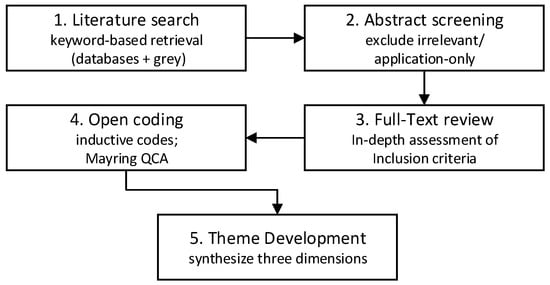
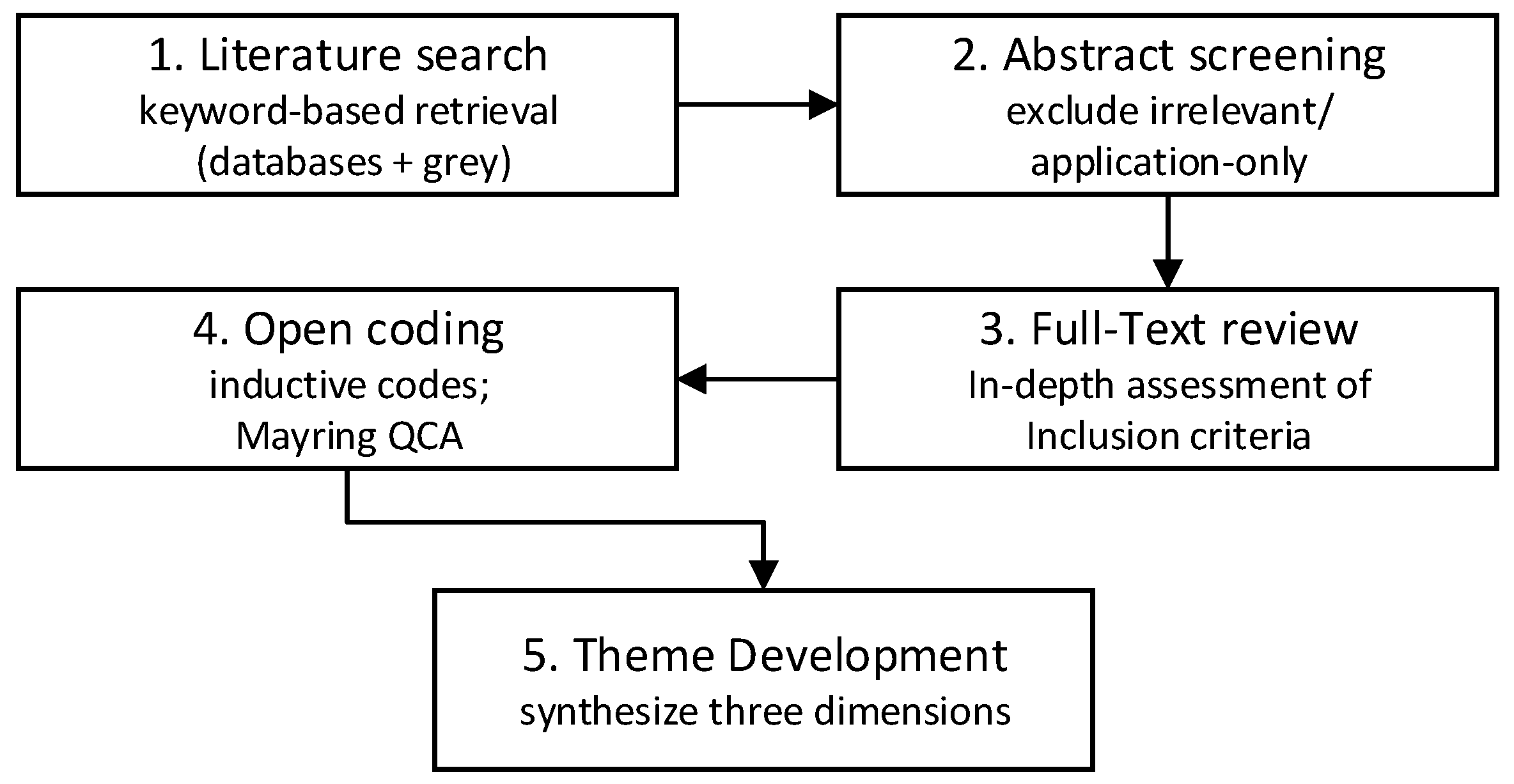


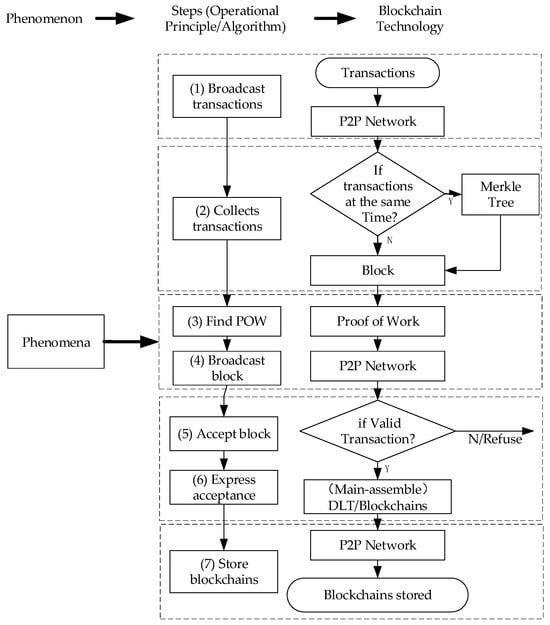
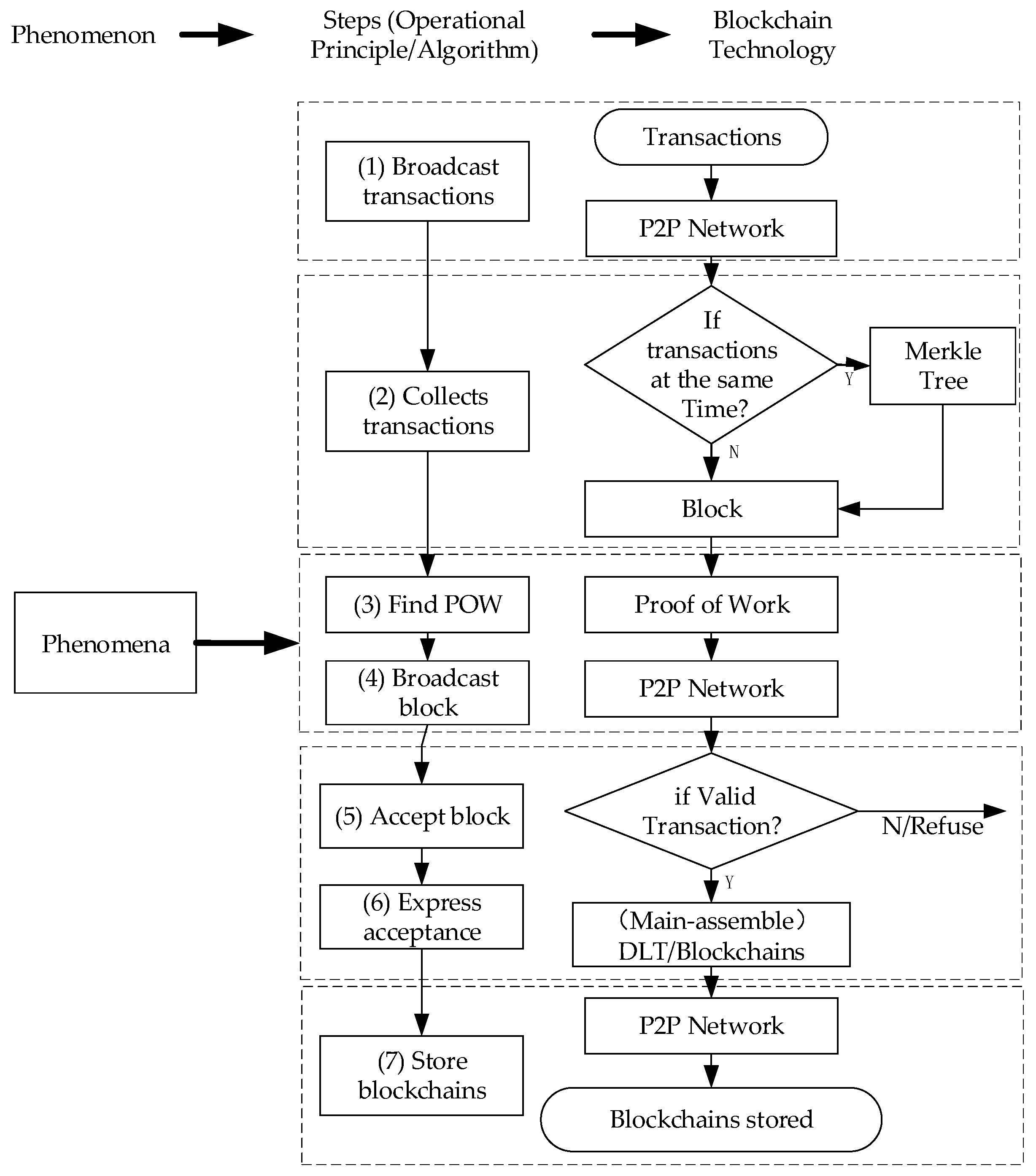
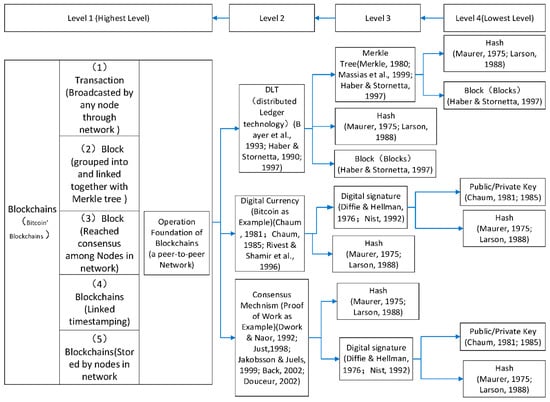
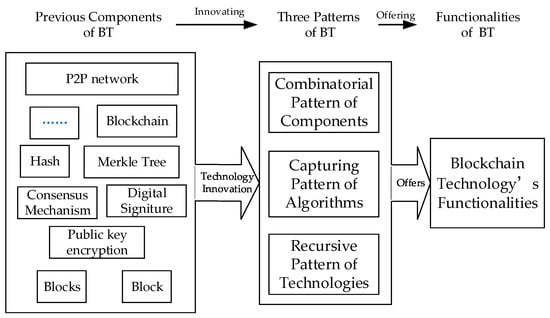

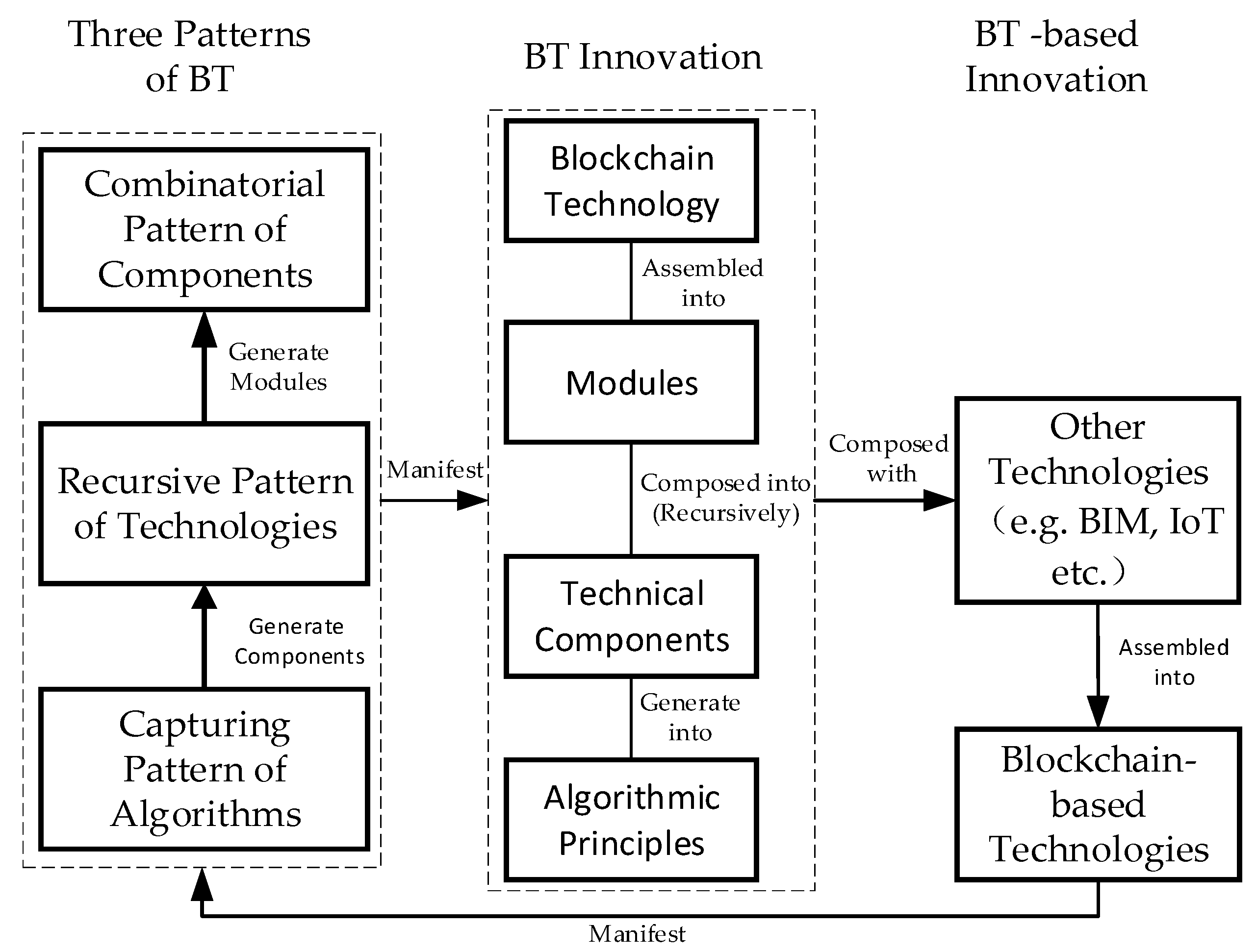
Disclaimer/Publisher’s Note: The statements, opinions and data contained in all publications are solely those of the individual author(s) and contributor(s) and not of MDPI and/or the editor(s). MDPI and/or the editor(s) disclaim responsibility for any injury to people or property resulting from any ideas, methods, instructions or products referred to in the content. |
© 2025 by the authors. Licensee MDPI, Basel, Switzerland. This article is an open access article distributed under the terms and conditions of the Creative Commons Attribution (CC BY) license (https://creativecommons.org/licenses/by/4.0/).