Article

Integrating Skycourts into Multi-Story Buildings for Enhancing Environmental Performance: A Case Study of a Residential Building in a Hot-Humid Climate


Department of Architectural Engineering and Urban Planning, Faculty of Engineering, Port Said University, Port Said 42526, Egypt
*
Author to whom correspondence should be addressed.
Sustainability 2025, 17(24), 11061; https://doi.org/10.3390/su172411061
Submission received: 24 October 2025 / Revised: 22 November 2025 / Accepted: 1 December 2025 / Published: 10 December 2025

Abstract

Energy used in residential buildings accounts for more than 22% of total global energy consumption. Therefore, energy efficiency has become a crucial factor in design and planning processes. A courtyard can be considered one of the most important passive design strategies that contribute to reducing energy consumption. However, due to the spread of multi-story buildings all over the world, this significant strategy has been ignored, hence the emergence of the skycourt. Limited studies have investigated the influence of morphological indicators of skycourts on energy consumption and carbon emissions regarding a hot–humid climate, which presents a research gap. Thus, this research examines the effect of skycourts in reducing energy consumption through an applied study using the Design Builder simulation program for multi-story residential buildings in a hot–humid climate such as Port Said city. The results indicate that skycourt spaces contribute significantly to reducing air temperature by up to 3 °C in the hottest summers and contribute to reducing energy consumption by rates ranging between 8 and 10% annually and reducing carbon emissions. This reflects the role of the skycourt as one of the most important passive design strategies in the current era that can contribute to saving energy consumption in the building sector. Finally, a matrix is conducted to help select the appropriate replacement for the skycourt of multi-story residential buildings in hot–humid climates, which reflects the novelty of the research. The proposed investigations and matrix can contribute to providing well-being, sustainable communities, and overcoming climate change effects, hence reflecting sustainability and the Sustainable Development Goals (SDGs), especially goals three, eleven, and thirteen.

1. Introduction

Buildings consume a high percentage of energy, about 30–40% of total consumption; residential buildings alone contribute 22% of this consumption [1]. Regarding carbon emissions, residential buildings are responsible for emitting 27% of the total carbon emissions around the world [2,3]. Nowadays, there is an increasing awareness of excessive energy use and its impact on the environment, resulting from gas and carbon emissions, in addition to the high cost resulting from energy consumption. Various studies indicated that the design of buildings has a significant impact on raising such consumption levels, thus architects and engineers can contribute to providing a comfortable indoor environment for the occupants to reduce energy consumption via several strategies [4]. Passive design can be considered one of the most effective strategies that have been addressed by various researchers and is preferred by many architects in their designs [5]. Passive design has gained this attention due to its effective role in providing a comfortable indoor environment by consuming a limited amount of energy [6,7,8].
The courtyard can be considered one of the most important passive design strategies that has spread for a long time throughout the world [9,10,11]. However, multi-story buildings have now multiplied all over the world due to the growth in the construction industry and economic development, as well as to address the scarcity of green areas and lessen construction loads [12,13]. Such buildings made a substantial contribution to the rise in building energy demand. In order to accommodate multi-story buildings, the designers looked for alternatives to the courtyard that would still serve the same purpose on the building’s vertical level [12,13,14,15,16,17].
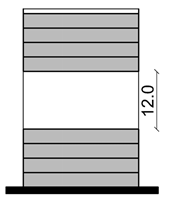
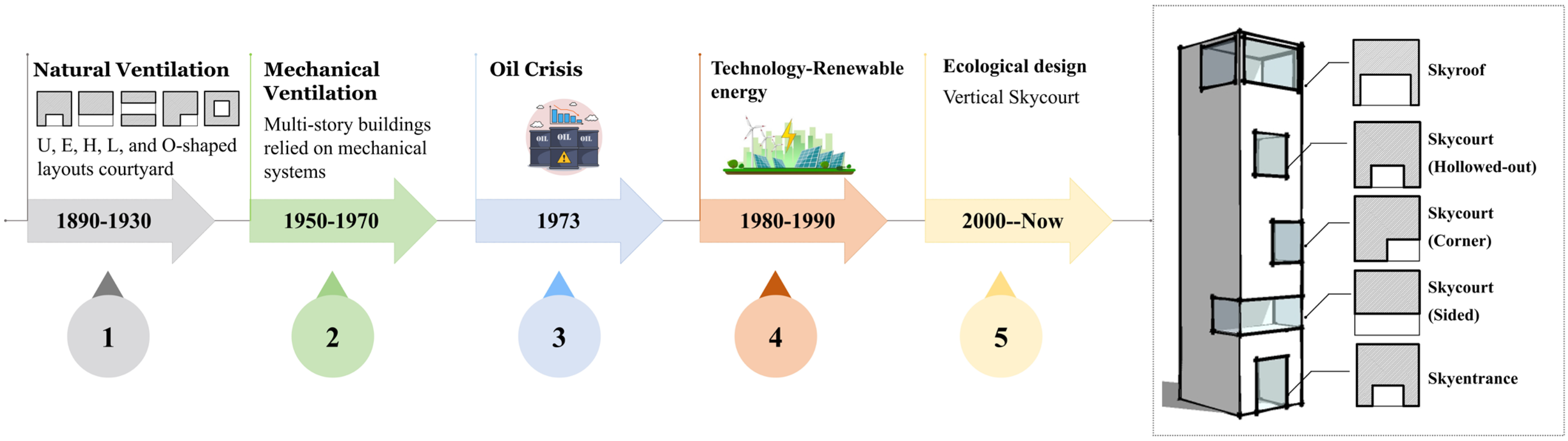
The concept of skycourts began with the adaptation of conventional low-rise architectural features like courtyards and atriums [18], as shown in Figure 1. It was included in multi-story buildings between 1890 and the 1930s to enhance natural ventilation and lighting [19]. Then, between 1950 and 1970, there was a decrease in the use of heavenly skycourts in high-rise structures that relied on mechanical systems [20,21]. But between 1980 and 1990, the oil crisis of 1973 was a crucial factor in the development of novel energy-saving mechanisms, such as wing walls, double skin façades, and solar panels [22]. One of these environmental features, the skycourt, was reintroduced in 2000 to improve natural ventilation, facilitate occupant interaction, promote daylighting, and prevent undesired solar gain in multi-story buildings [23,24].
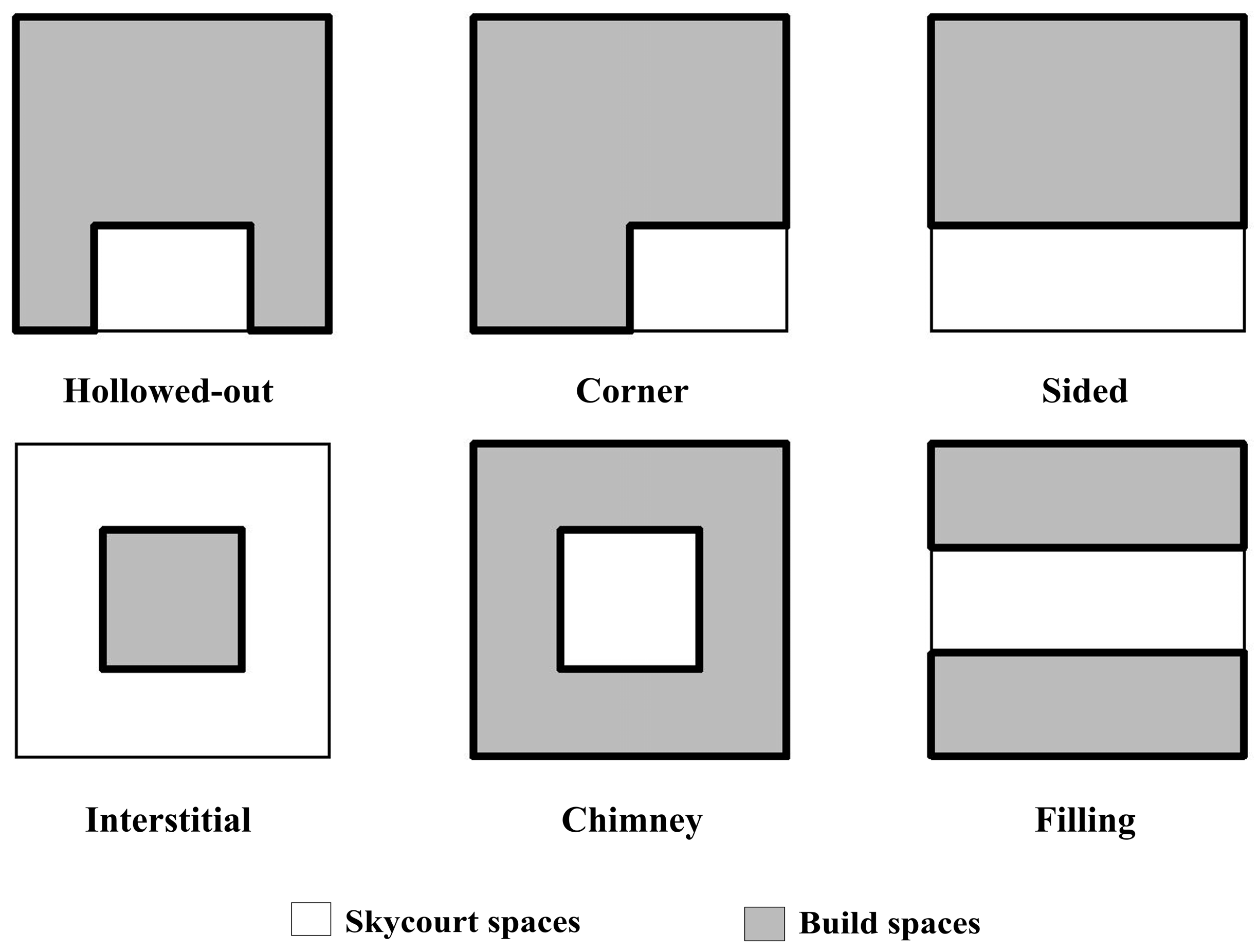
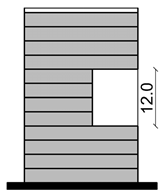
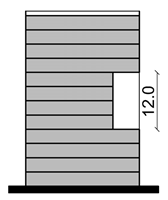
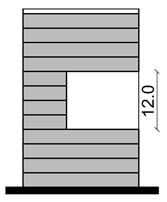
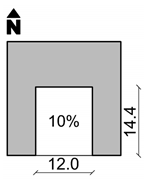
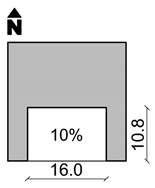
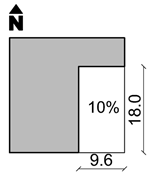
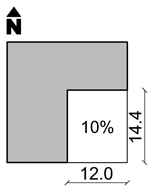
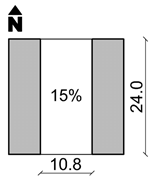
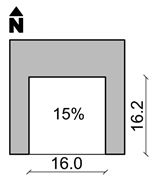
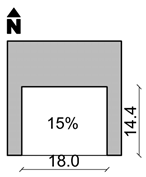
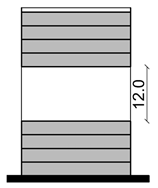
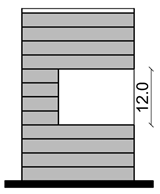
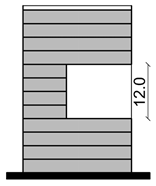
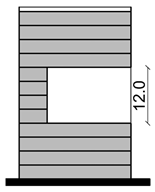
Therefore, the term “skycourt” is appropriate, and it can be considered a development of the courtyard, but on the vertical level of the building [25]. In addition to its role in lowering carbon emissions, the skycourt plays a significant role in multi-story buildings from an environmental, economic, and social standpoint. This helps reduce energy consumption, which has become a global demand in the construction industry [16,20]. The skycourt has many configurations that vary depending on where it is in the building. It can be placed at the bottom of a building, which is known as the skyentrance, it can be between the middle floors, which is known as the skycourt, or at the top of the building, which is known as the skyroof [21]. As for the horizontal layout of the courtyard, its type varies according to the number of edges connected to the building and the external environment. They can be classified into six models: (1) hollowed-out, (2) corner, (3) sided, (4) interstitial, (5) chimney, and (6) filling [26] (Figure 2). Many studies have indicated that the most common configurations are hollowed-out, corner, and sided [20].
Limited studies have developed experimental studies and numerical models related to the study of the skycourt and its role in raising the environmental performance of buildings and its role in saving energy, as summarized in Table 1. Such studies focused on the role of skycourts in enhancing natural ventilation in multi-story buildings during different conditions and situations. However, there are various implications and investigations that have not yet been covered regarding skycourts, highlighting the research gap. Thus, this study aims to bridge this gap and investigates its environmental performance, via various forms, as a passive strategy, regarding energy consumption and quality of indoor spaces, besides carbon emissions in multi-story residential buildings in the hot–humid climate of Port Said city, Egypt.
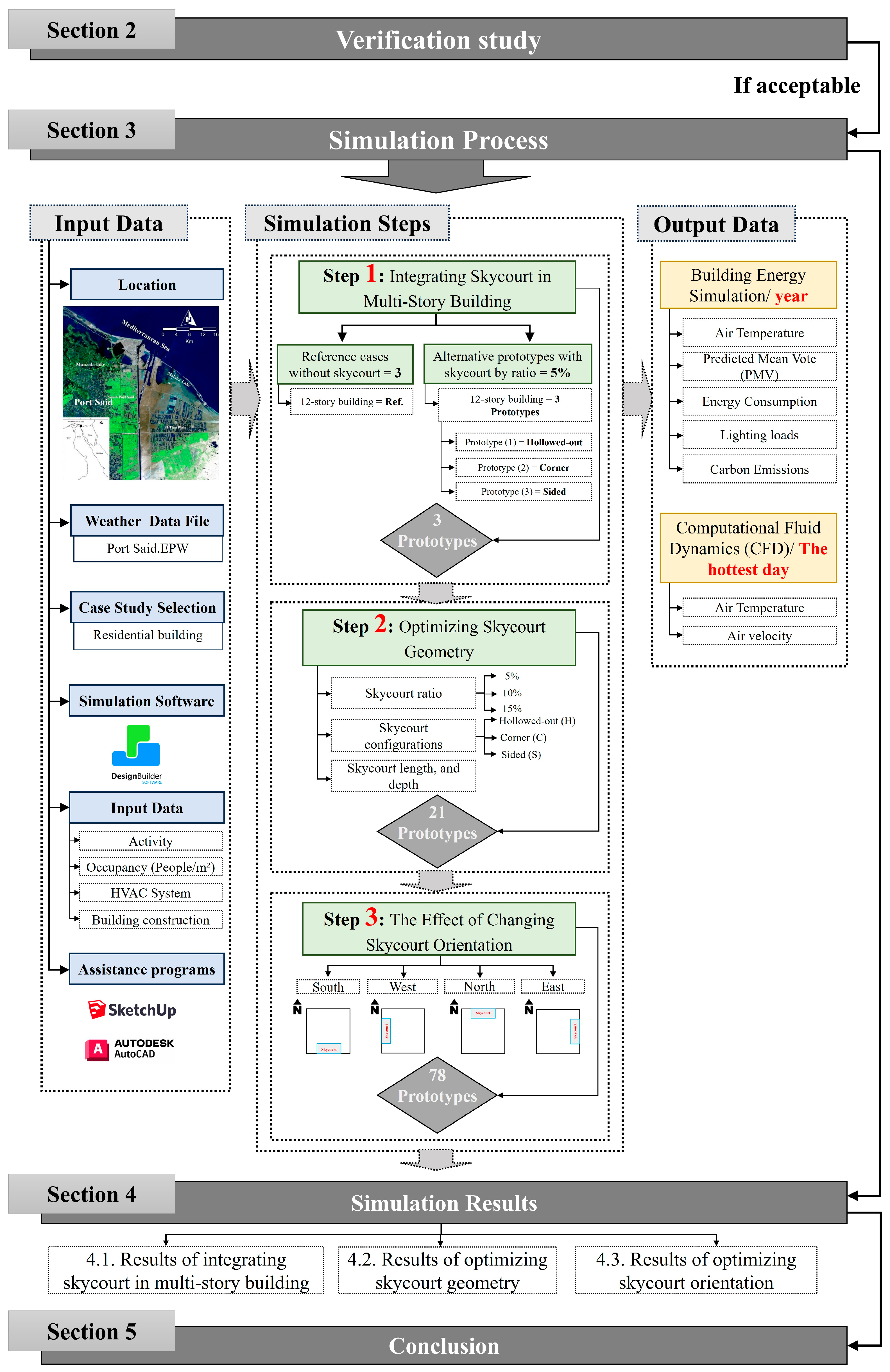
Consequently, this paper is organized with the second section focusing on verifying the application of the applied study using a Design Builder program. The third section includes the simulation process by selecting the case study, designing alternative prototypes, and determining simulation settings. In the fourth and fifth sections, the results and discussion are presented based on the energy results and contour maps from the wind, and finally, the conclusions are discussed in the sixth section (Figure 3).

2. Verification Study

Based on Table 1, we find that the first and second research studies are related to the research topic, but the first work is related only to the study of skygardens and the effect of vegetation on raising skycourt performance. The second study’s output represents the outputs that our research aims to achieve. Therefore, the study by S. Alnusairat and P. Jones [31] has been selected for use in the verification process due to its closeness to our research objectives and the closeness of our skycourt models to the subject of their research. The authors selected Design Builder v7.0.2.006 software as a whole-building performance analysis software used by architects, engineers, and energy consultants to model and optimize the energy efficiency, comfort, and environmental performance of buildings. Design Builder software can provide analysis of energy consumption, CFD, and carbon emissions.

2.1. Verification Reference Case

Computational fluid dynamics (CFD) using WinAir (version 4) was utilized in the chosen reference case. The CFD simulation yields precise data on air temperature, air velocity, and air concentration [31]. WinAir (version 4)’s input data, which includes indoor surface temperatures, heat gain, heat loss, and inbound and outgoing air flow rates, is produced from pre-calculated numbers using the HTB2 model. The outcomes of the simulation run using the Design Builder software will be contrasted with the outcomes of this reference example. The comparison is performed in terms of velocity m/s and air temperature °C.

2.2. Numerical Model

The study used Gatwick statistics for London weather data, which were imported from the EnergyPlus weather format, and created a model for a London office building. The greatest summer outdoor air temperature (28.3 °C on 28 June at 2:00 p.m.) and the lowest winter outdoor temperature (−5.0 °C on 7 December at 9:00 a.m.) were used for CFD simulations. The number of occupants determines the minimum ventilation rate required to ensure acceptable air quality. The primary numerical settings and assumptions of the simulation procedure used in this study by the Design Builder program are displayed in Table 2.
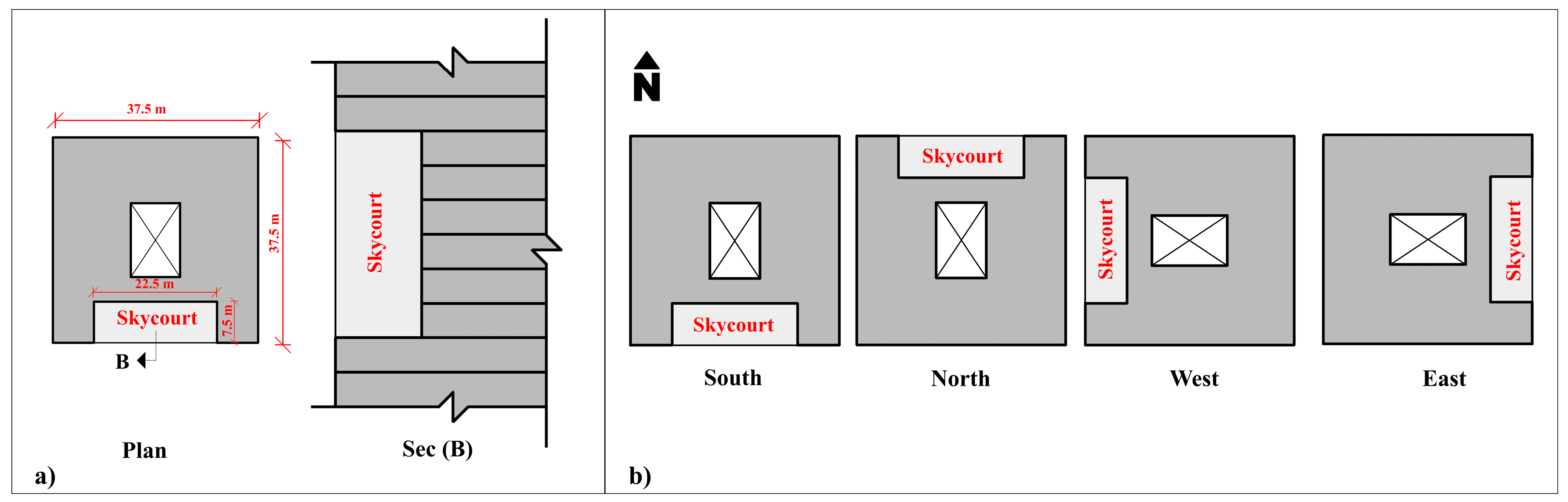
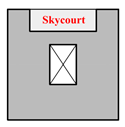
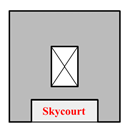
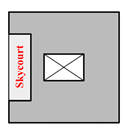
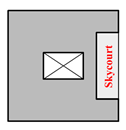
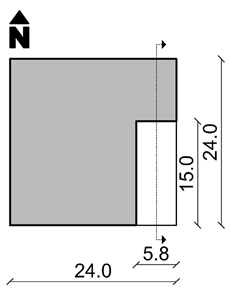
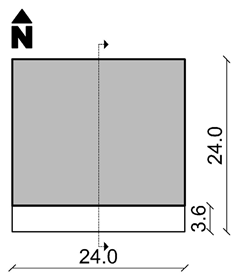
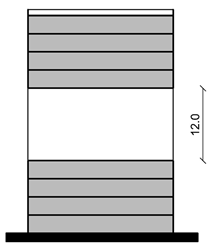
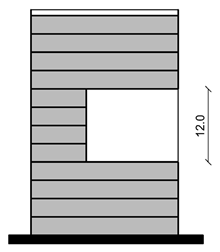
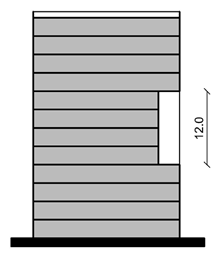
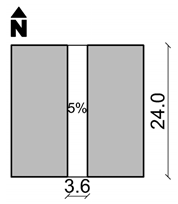
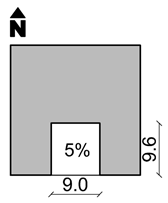
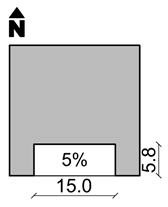
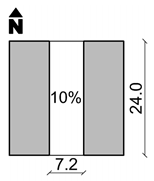
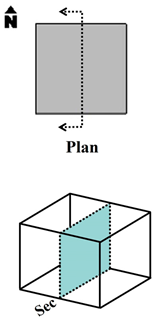
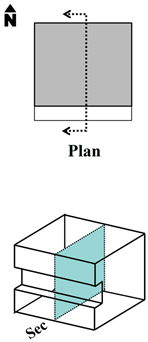
The study was conducted on several case models, some of which were chosen to conduct the verification process. Figure 4a shows the plan and the section of the model that was simulated and compared to the results of the research. The plan is a square form containing the central duct and a hollowed-out skycourt. Figure 4b shows the plan of the models in all orientations that were simulated.

2.3. Verification Results Analysis

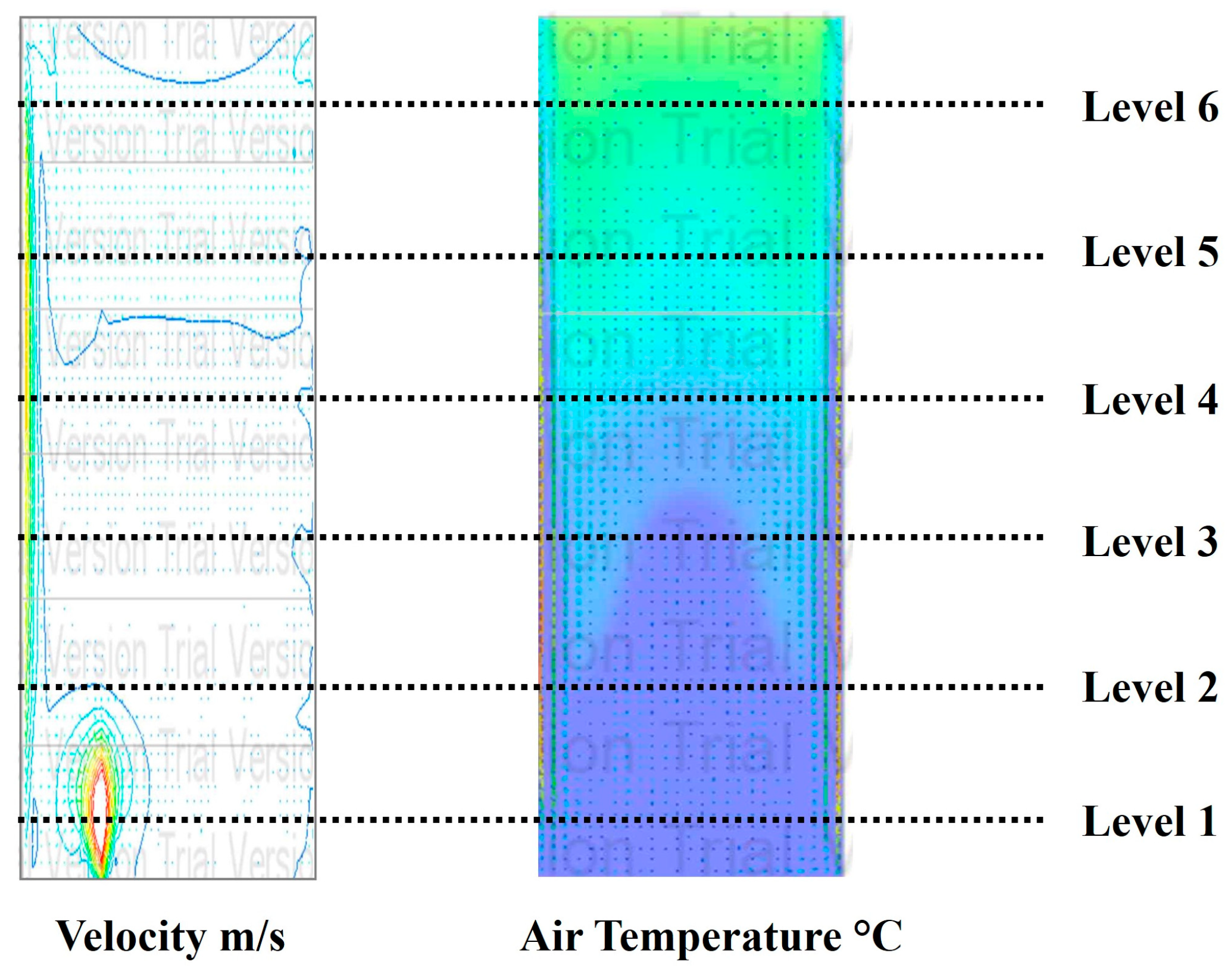
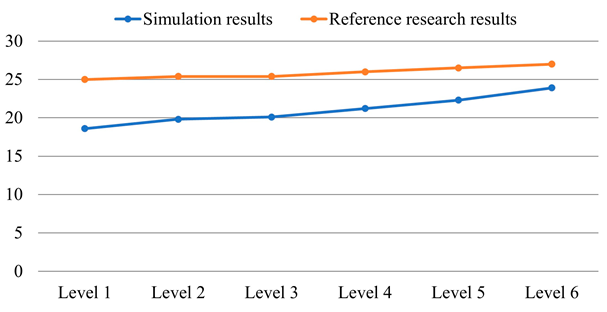
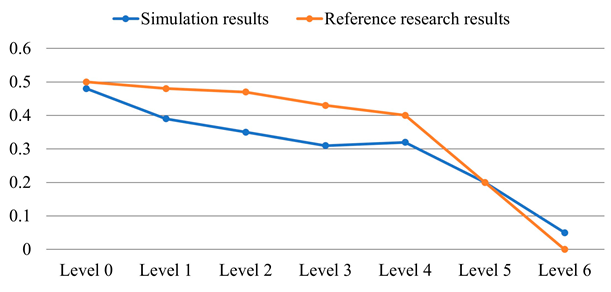
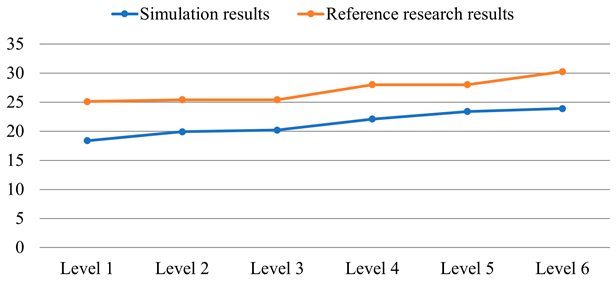
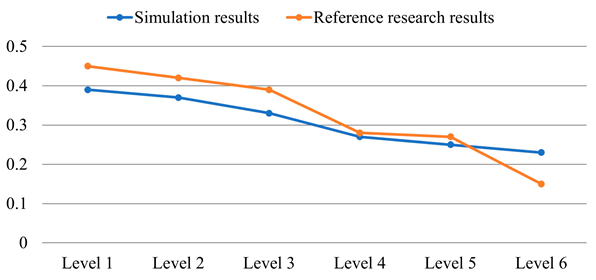
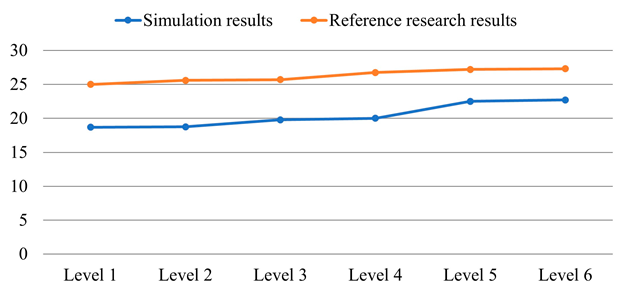
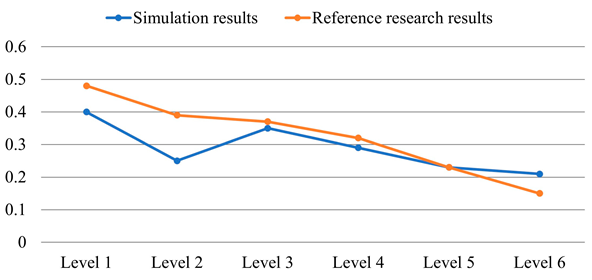
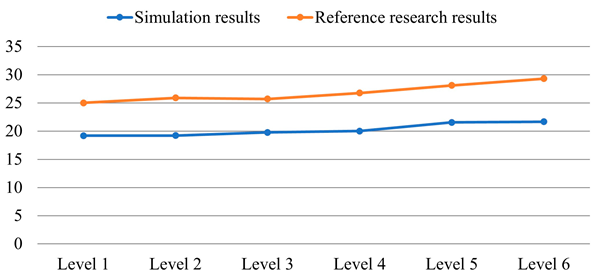
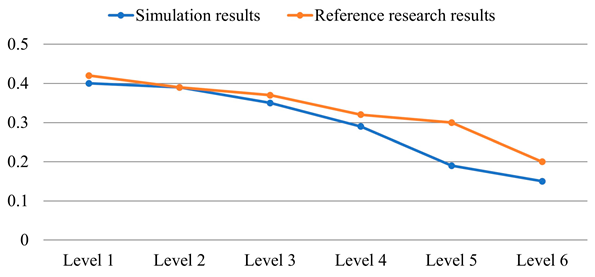
To compare the simulation results by the Design Builder software with the results of the reference case, a section of the contour images of the air temperature and velocity at the occupancy level for each floor was captured. The skycourt space consists of 6 floors, so the results are shown in terms of levels, with one level for each floor, as shown in Figure 5. The values were calculated at all specified levels for the simulation results and the reference case results, and the average deviation between them was calculated.
Table 3 shows the simulation results by the Design Builder software and the results of the reference case for the highest summer outdoor air temperature (28.3 °C on 28 June at 2:00 p.m.). The results have been presented using a curve showing the air temperature and velocity in each sector. In general, a strong agreement can be observed between the simulation values and the reference case values. However, as observed, the results are more consistent in the lower five floors. The results were limited to the first four floors, between 3.6 and 4.9%. On the fifth and sixth floors, the deviation rate increased to between 5.1 and 5.6%. Therefore, alternative prototypes will be applied in the applied study for heights of skycourts not exceeding four floors.

3. Simulation Process

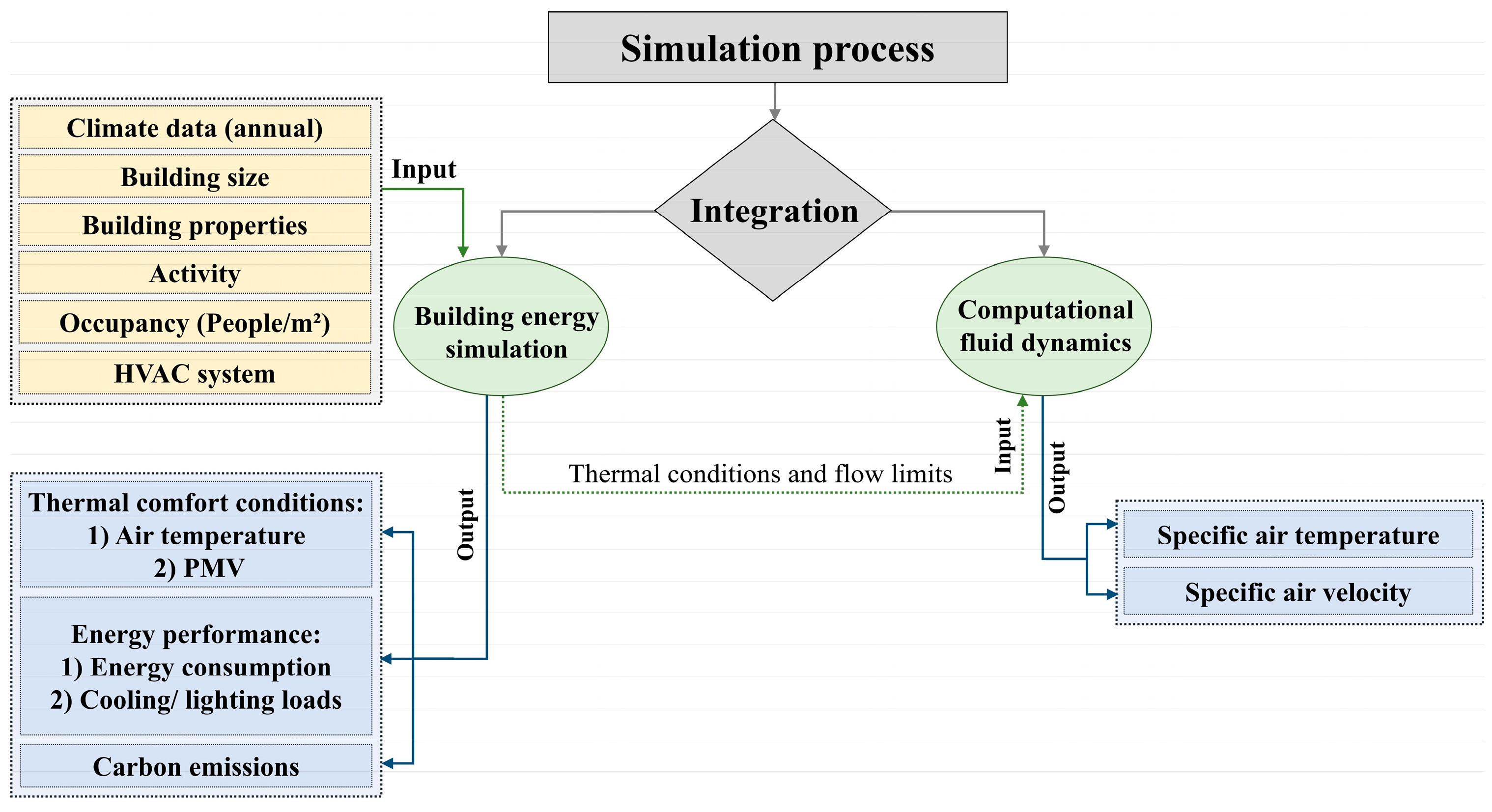
The simulation process in this research is based on Design Builder, which integrates building energy simulation and computational fluid dynamics (CFD), as shown in Figure 6. Building energy simulation helps provide thermal and energy analysis of the whole building and Heating, Ventilation, and Air Conditioning (HVAC) systems, such as average air temperature, humidity, heating and cooling loads, energy consumption, and natural ventilation. Such simulations can be obtained hourly throughout the year [34]. The simulation CFD process provides indoor air properties, such as air pressure, air velocity, air flows, temperature distribution, and pollutant concentrations. However, it requires a long calculation time; thus, this study selected a specific day and hour of the simulation, as recommended by [35]. CFD requires thermal conditions and flow limits that can be obtained from building energy simulations. Therefore, integrating building energy simulation and CFD together can produce complementary information about energy consumption and indoor thermal conditions [25,36].

3.1. Case Study: Residential Building in Port Said

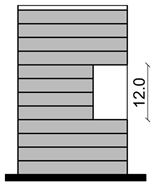
Multi-story residential buildings are chosen due to their wide distribution as one of the most energy-consuming sectors [37]. Referring to the Unified Egyptian Code for Residential Building Requirements and looking at the residential buildings affiliated with government housing in Port Said, it has been found that most of the multi-story residential buildings contain four apartments per floor, ranging in size from 70 m2 to 110 m2 in addition to services, and the height does not exceed 12 stories [38]. Therefore, a 12-story building was chosen, with each floor containing four connected apartments, and the largest permitted area was chosen, which is 110 m2.

3.2. Study Area Climate

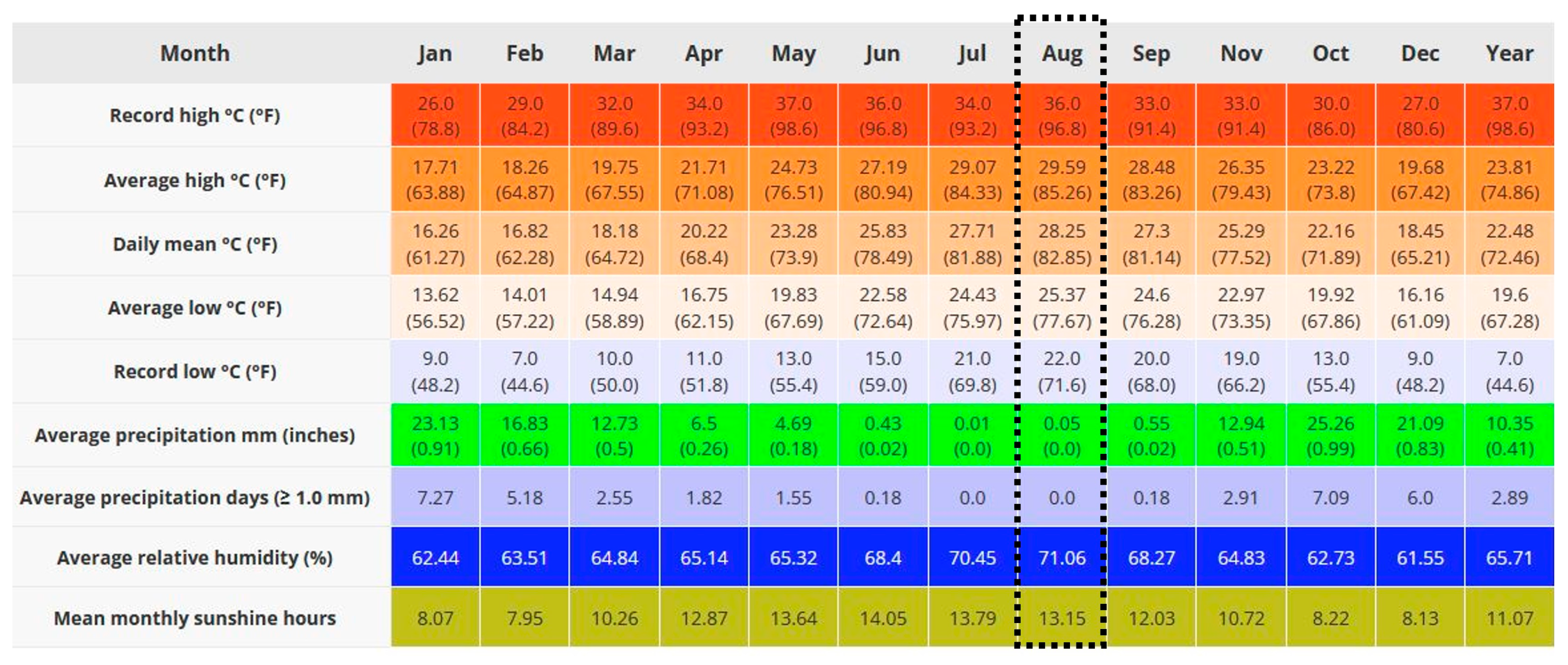
Port Said City was chosen as the simulation environment. Port Said 31°15′45″ N 32°18′ 22″ E is a city located in northeastern Egypt. As shown in Figure 7, Port Said’s climate is classified as a hot and humid climate; the winters are very moderate, and the temperature never drops below freezing, while the summers are long, hot, and sunny [39]. The prevailing winds come from the northwest and affect the temperature even though they carry the moisture of the sea [40,41]. August is the highest temperature month throughout the year, so the CFD simulation will be conducted during one of its days [42].

3.3. Proposed Building Prototypes

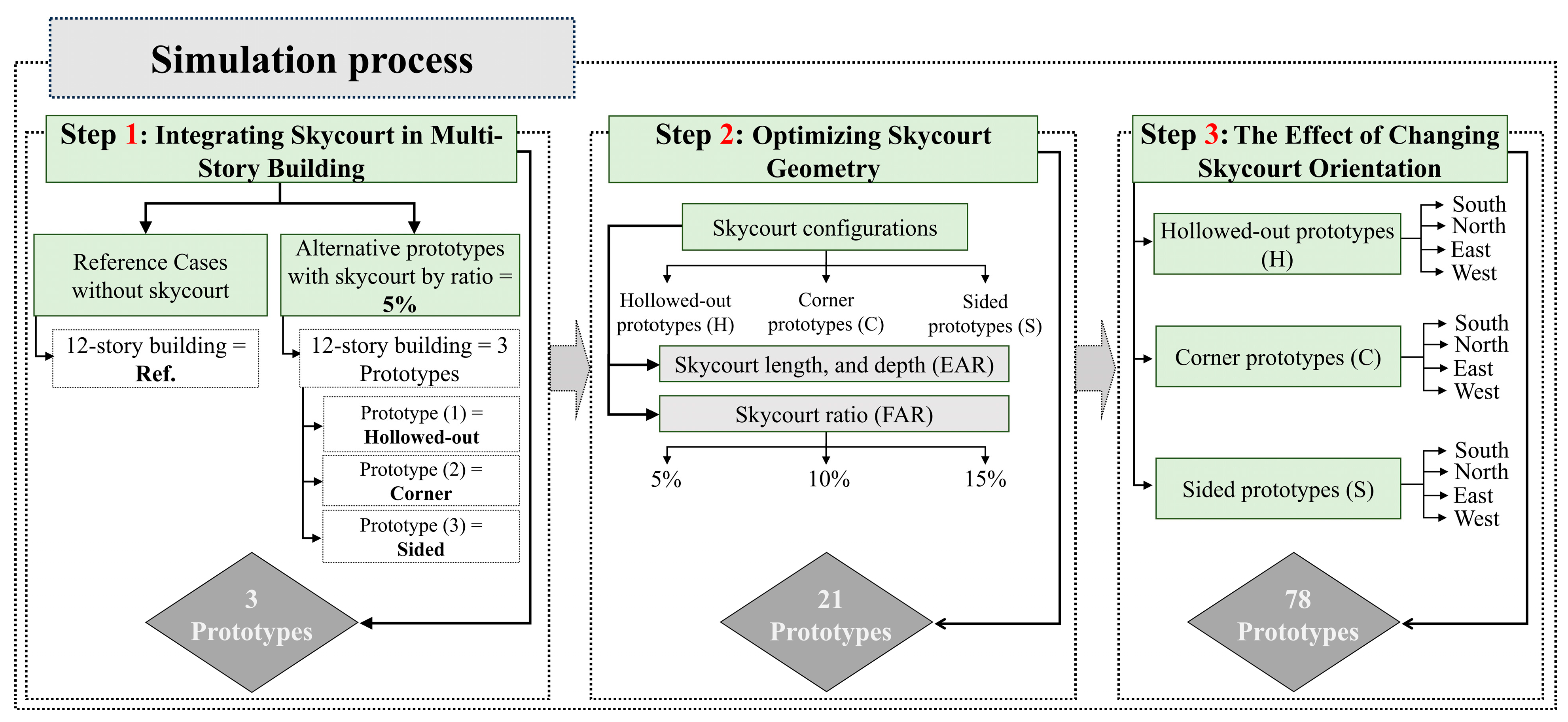
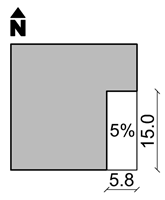
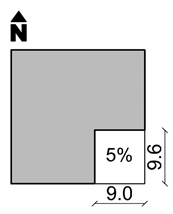
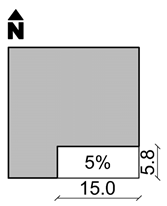
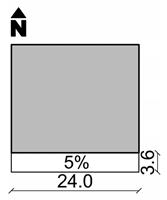
This research aims to investigate the environmental performance of the skycourts of multi-story buildings, via three steps as shown in Figure 8. In the first step, the effect of integrating skycourts into multi-story buildings is examined. In the second and third steps, this study focused on specific morphological indicators for skycourts. By referring to the design indicators related to the courtyard study, the indicators Elevation Area Ratio (EAR), Floor Area Ratio (FAR), and orientation are chosen. The EAR indicator encompasses the relation between skycourt width and skycourt length. The FAR indicator is a tool used in urban planning to regulate development density by comparing a building’s total floor area to the size of its lot, as indicated in Equation (2) [45].
E A R = W L
where W is the skycourt width and L is the skycourt length.
F A R = S k y c o u r t   v o l u m e B u i l d i n g   v o l u m e

3.3.1. Step One: Integrating a Skycourt in a Multi-Story Building

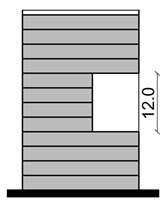
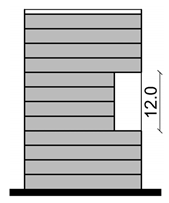
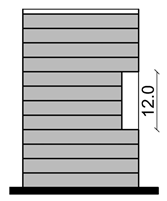
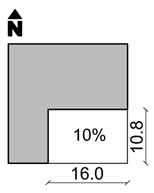
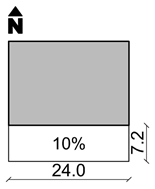
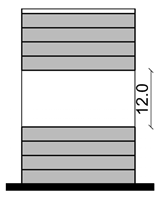
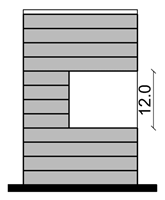
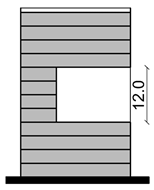
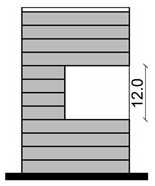
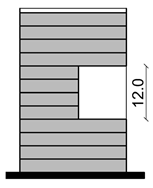
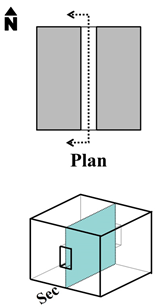
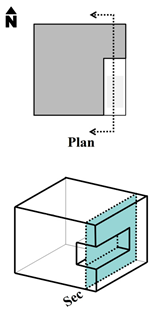
This step was conducted to study the impact of integrating a skycourt into a multi-story residential building with 12 stories, with a 5% skycourt ratio. This step of the investigation was conducted in two phases. The first phase dealt with a reference case for building without a skycourt, and the second phase included designing alternative prototypes that included hollowed-out skycourt Prototype (1), corner skycourt Prototype (2), and sided skycourt Prototype (3) (Table 4).

3.3.2. Step Two: Optimizing Skycourt Geometry

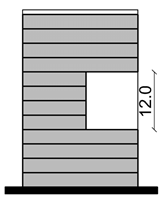
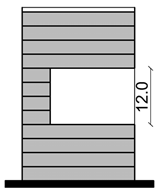
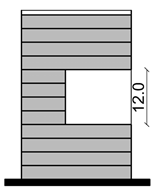
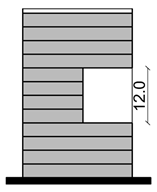
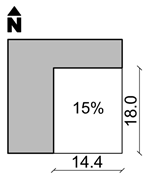
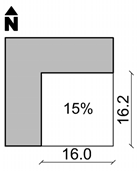
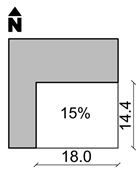
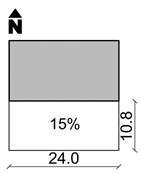
In the previous step, the effect of integrating skycourts in multi-story buildings was examined by choosing one alternative for each prototype: hollowed-out, corner, and side. At this step, the effect of the chosen indicators—EAR and FAR—on the performance of the skycourt will be studied. Regarding EAR, three alternatives are examined if the width is greater than, approximately equal to, or less than the length; three of them were simulated in the previous step. As for FAR, three different ratios of the skycourt were examined: 5%, which was simulated in the previous step, 10%, and 15%. The authors have selected these ratios based on the common cases of multi-story buildings. The total number of alternative prototypes in this step is 21: 9 for hollowed-out skycourt, 9 for corner skycourt, and 3 for sided skycourt (Table 5). Alternative prototypes are coded to make it easier to read the results: hollowed-out skycourt (H1, H2, H3, … H9), corner skycourt (C1, C2, C3, … C9), and sided skycourt (S1, S2, S3). All models here are facing south at the beginning of the simulation process, with all directions being simulated in the next step.

3.3.3. Step Three: Optimizing Skycourt Orientation

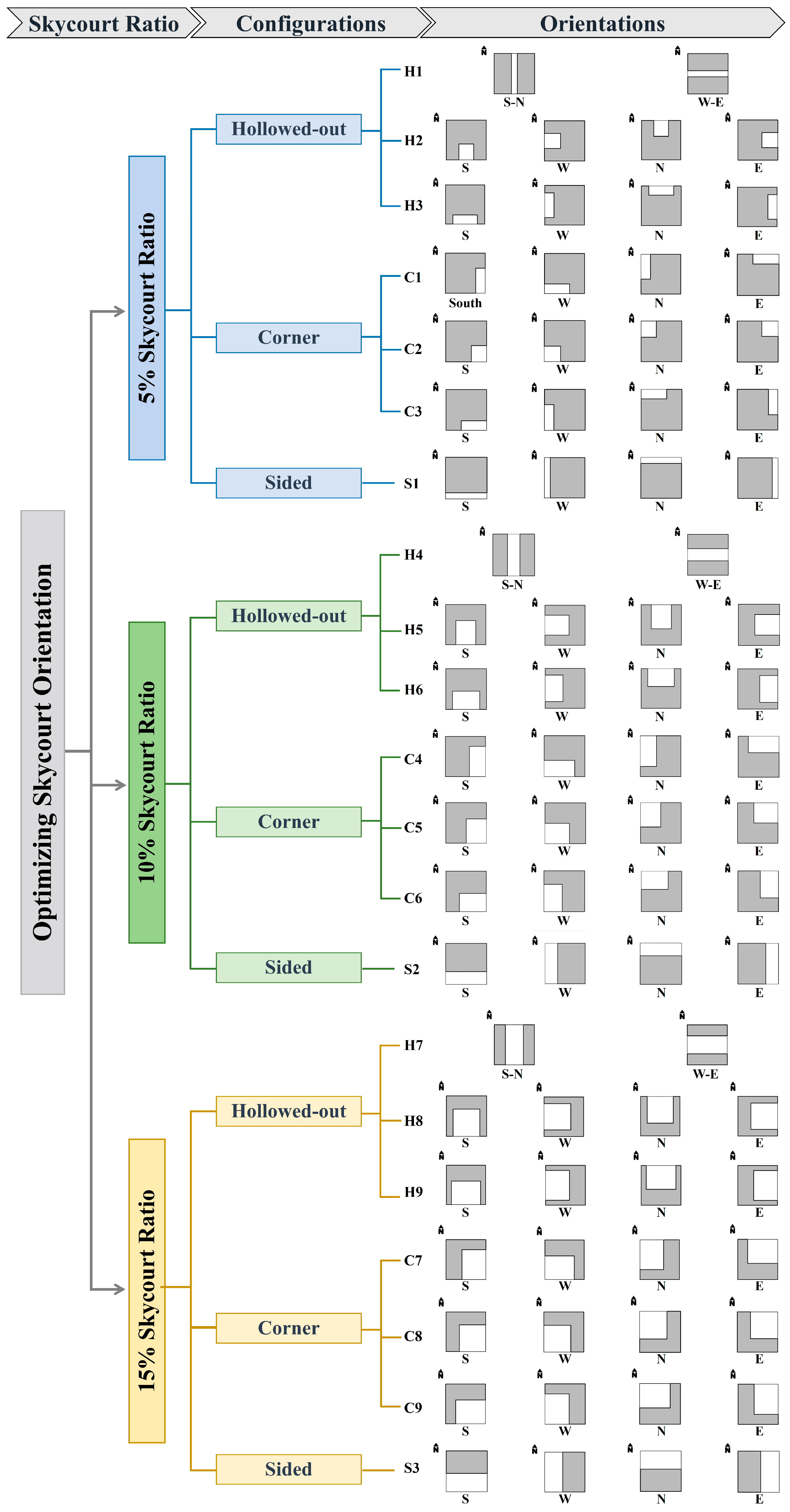
In this step, all orientations—south, north, east, and west—were tested to study the effect of changing the orientation of the skycourt on total energy consumption. Figure 9 shows the orientation change methodology across all design alternatives for the three configurations.

3.4. Computational Settings

The input data required for the simulation process using the Design Builder software includes inputs related to buildings’ characteristics, such as location, activity, occupancy, etc., and building construction, as shown in Table 6.
CFD simulation was performed by considering climate data for the summer peak hour in Port Said. Since August is the hottest summer month in Port Said, one of the hottest days during the hottest week of August—from 13 to 19 August 2022—was chosen, and thus 12 p.m. on 15 August 2022 was selected.

4. Analysis of Results

To investigate the effect of skycourt spaces on improving the environmental performance of multi-story buildings, the results were divided into several stages. The first stage compares the results of the first three alternatives in the case where the skycourt ratio is 5% oriented to the south, with the reference case without a skycourt. The second step compares all alternatives resulting from changing the EAR and FAR indicators, and the third step is a comparison between all directions for all alternatives.

Results of Integrating a Skycourt in a Multi-Story Building

In the first stage, the analysis of simulation results was based on two approaches: building energy simulation results and CFD results. Building energy simulation results include air temperature, Predicted Mean Vote (PMV), total annual energy demand for heating, cooling loads, lighting loads, and total carbon emissions per year. CFD results include a gradient of temperature and velocity inside the building at 12 p.m. on 15 August.
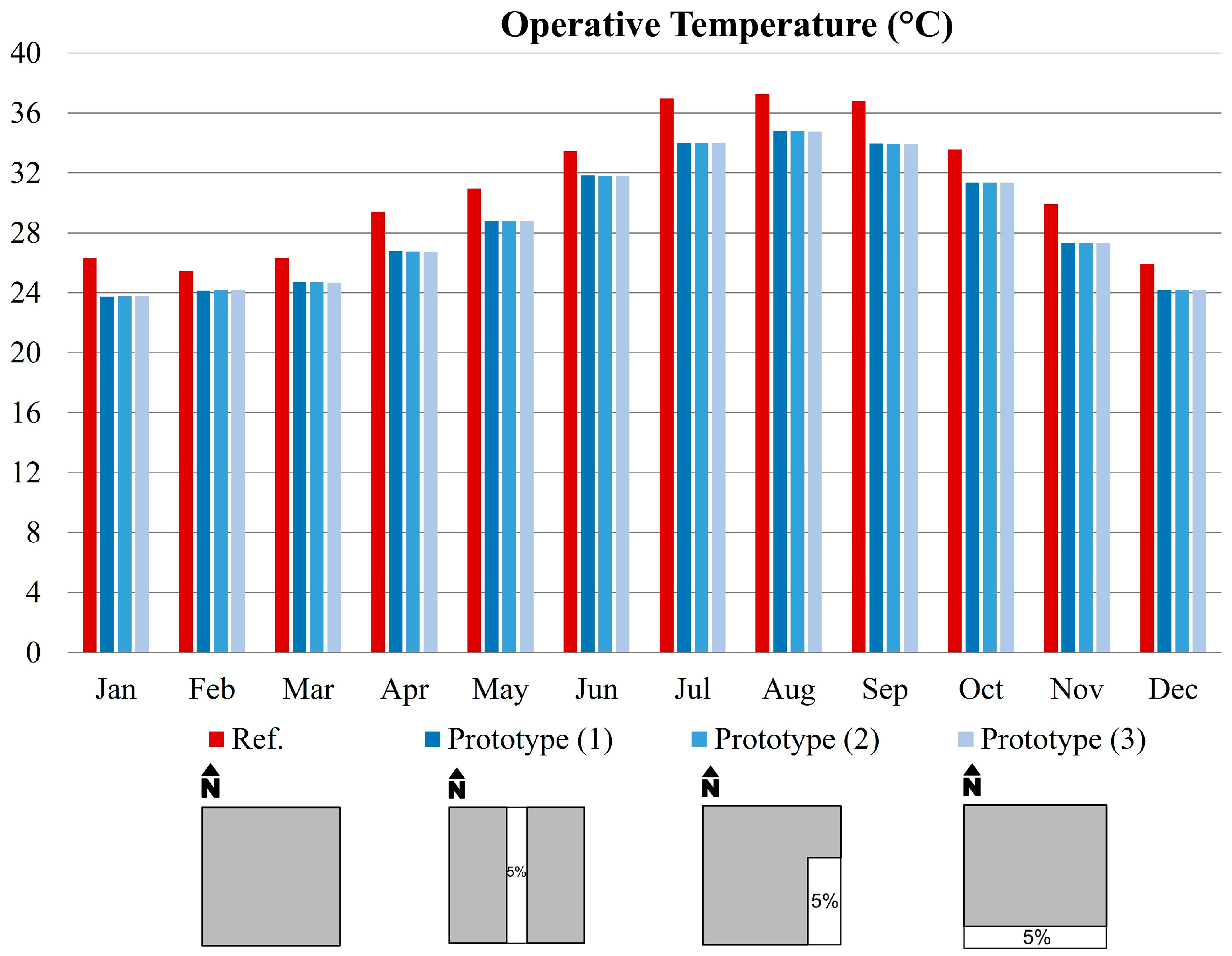
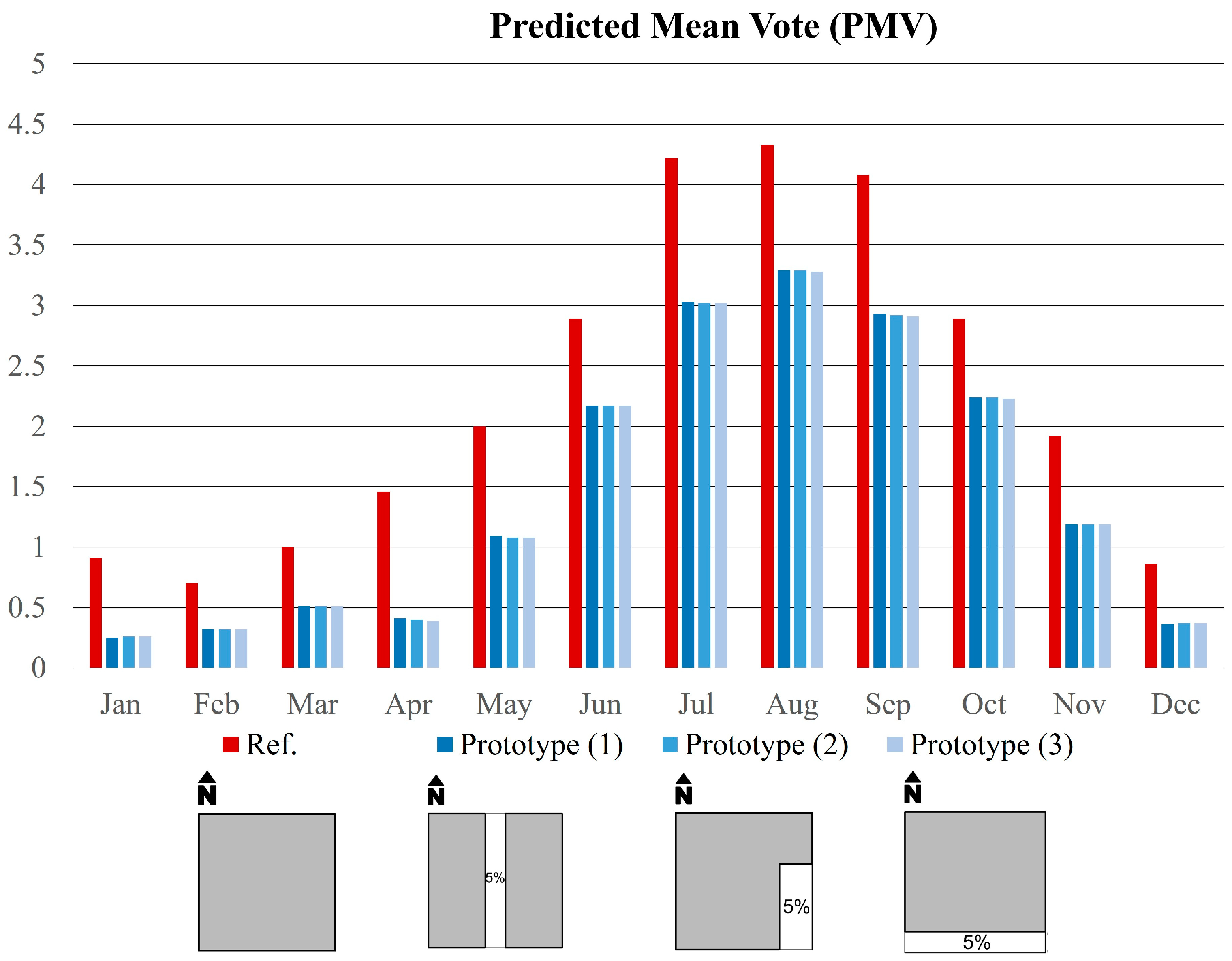
Figure 10 shows the difference in operative temperature for the reference case and each type’s first three design alternatives. The temperature dropped by a range of 2 °C to 3 °C in some summer months. The differences in temperature between the reference case and the three alternatives shows that in the summer months, the temperature decreased in July by 2.95 °C, 2.97 °C, and 2.97 °C for the first, second, and third alternatives, respectively. The temperature dropped in August by 2.45 °C, 2.46 °C, and 2.48 °C in the first, second, and third alternatives, respectively. The results highlight the positive effects of skycourts regarding environmental performance and temperature reduction, due to the ability of skycourts to enhance natural ventilation, which helps reduce temperatures. It is also noted that the differences between the effects of the three models are not large but are merely decimal numbers. This result is consistent with the results of previous research that indicated the effects of skycourts in reducing summer temperatures. In addition, Figure 11 shows the results of the PMV, and the results show a significant change in PMV values in the alternative prototypes from the reference case. The alternative prototypes contributed to the values of PMV reaching acceptable values, which did not exceed the value of 3—which indicates heat is felt—except in August only. The temperature change that occurred in the previous result contributed to PMV values reaching the point where the occupants of the spaces do not feel the heat in the summer.
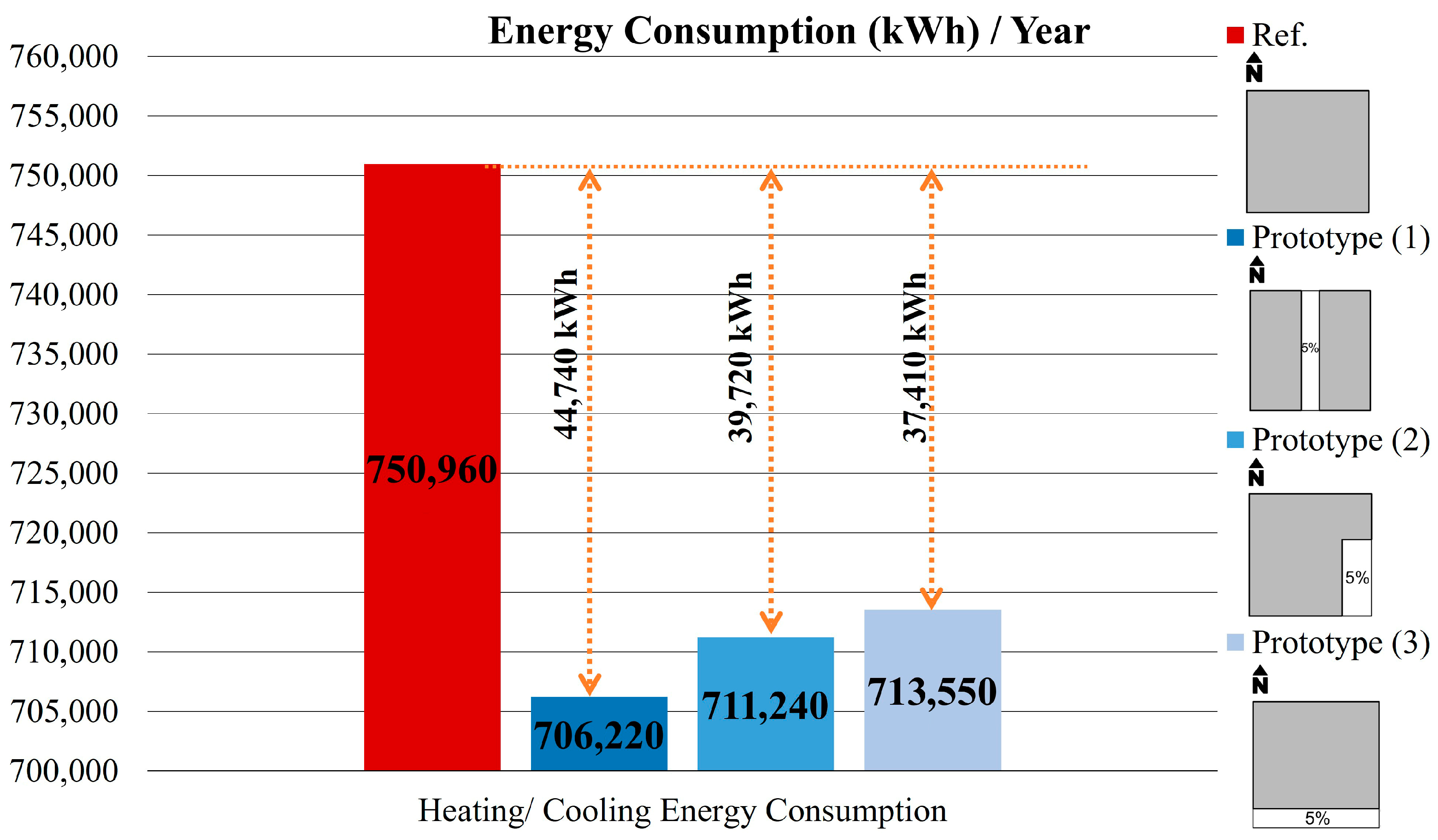
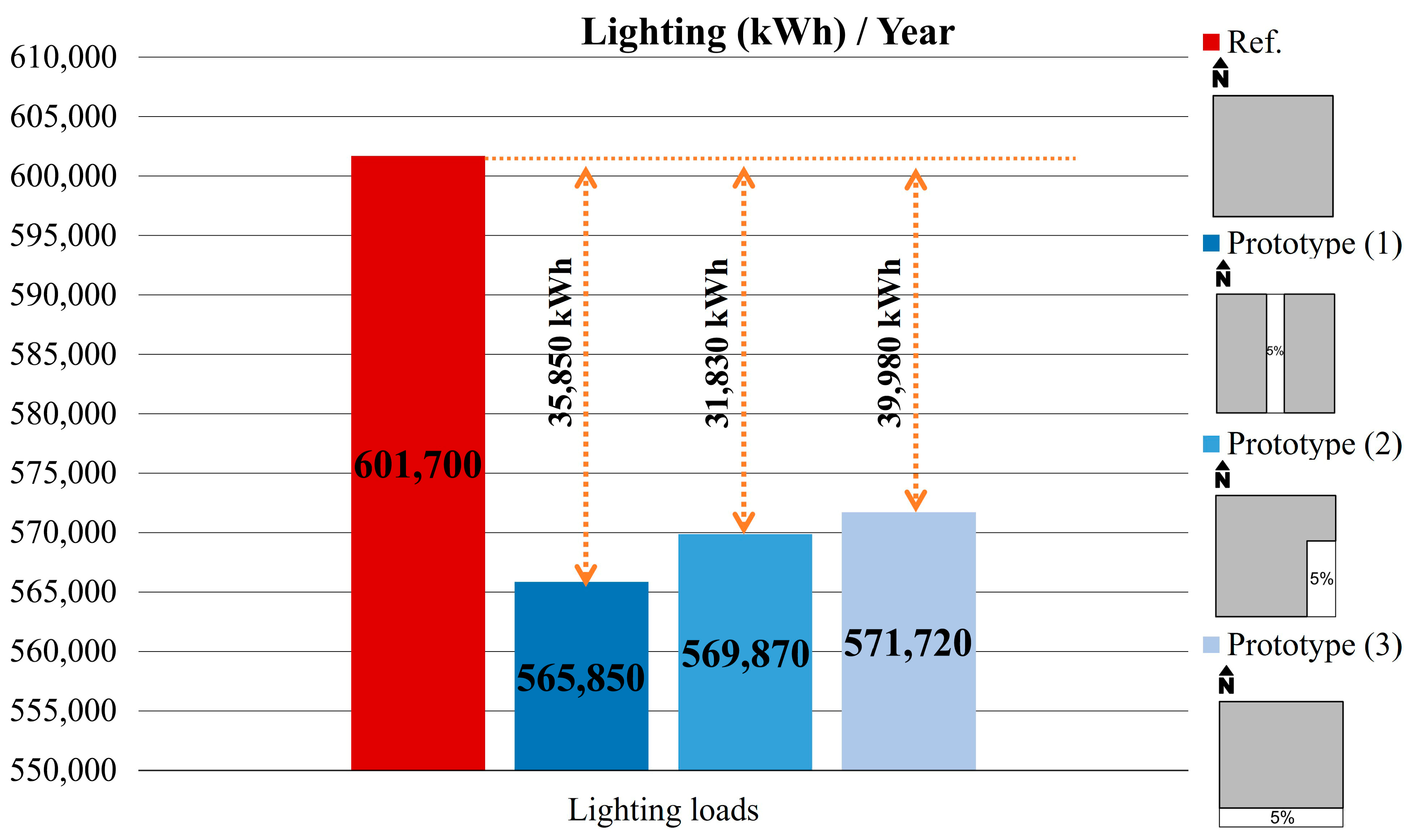
The comparison of energy performance showed that the total annual energy demand for heating and cooling purposes in the building with hollowed-out, corner, and sided skycourts is lower by 44,740 kWh, 39,720 kWh, and 47,410 kWh, respectively, compared to the reference case (Figure 12). Such an amount of energy saved annually contributes greatly to reducing the problem of energy shortages. This reduction in consumption of combined cooling and heating loads is due to providing natural ventilation and reducing temperatures in the summer months. It is worth mentioning that the skycourt is oriented to the south, so the skycourt spaces help in providing self-shading for those facades and protect them from direct sunlight. The lighting loads in the 12-story building for the three alternative prototypes (hollowed-out, corner, and sided skycourt) were reduced by 26,880 kWh, 23,870 kWh, and 22,480 kWh, respectively, compared to the reference case without the skycourt (Figure 13). It is clear from the figure that there has been a significant decrease in lighting loads in all alternative prototypes, and this undoubtedly contributes to reducing energy consumption, which helps in achieving the research objectives.
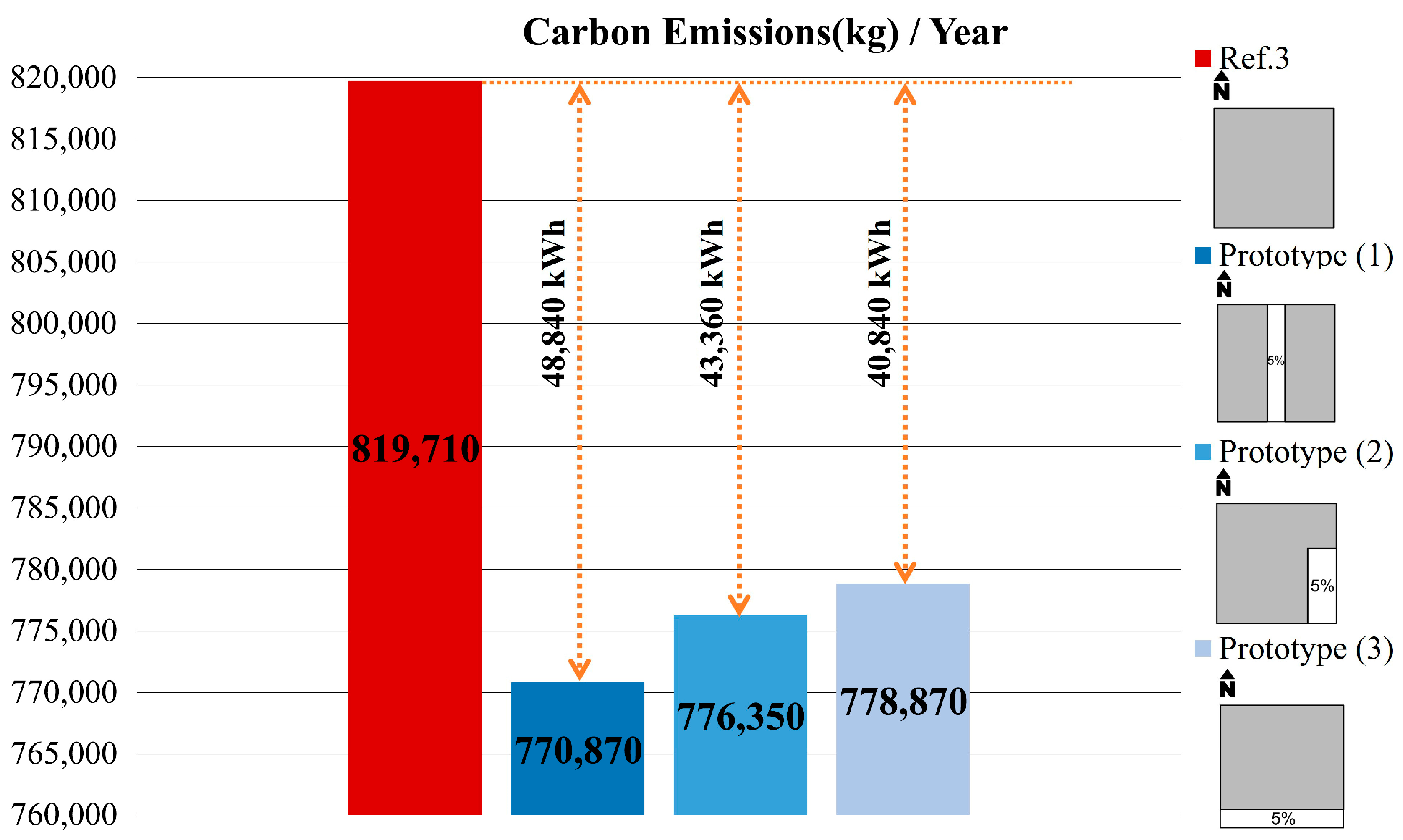
Regarding carbon emissions, the design of the alternative prototypes significantly reduced carbon emissions, as shown in Figure 14. It is mentioned that owing to the major role of skycourt spaces in reducing loads and reducing energy consumption, carbon emissions are reduced, as are greenhouse gases, and hence the use of mechanical and electrical devices and environmental pollution also decreases. The hollowed-out skycourt is the top alternative that contributed to reducing carbon emissions, followed by the corner skycourt, then the sided skycourt.

5. Discussion, Limitations, Practical Implications, and Future Work

5.1. Optimizing Skycourt Geometry

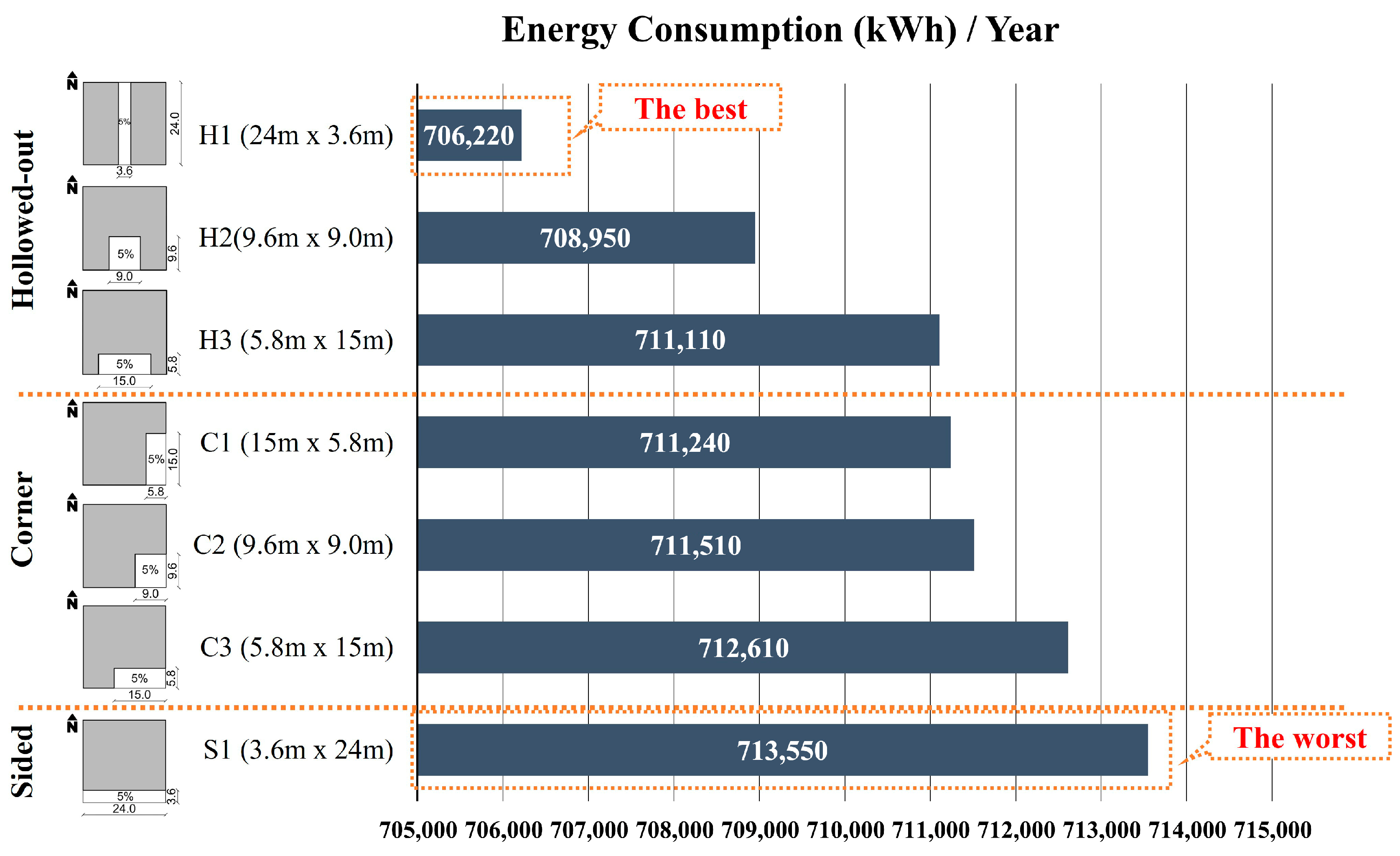
The performance of the skycourt as a passive design strategy is linked to various morphological indicators of the skycourt, like EAR and FAR. Figure 15 shows that the energy consumption in the alternative prototypes differed according to the dimensions of the skycourt. As the depth increases and the width of the skycourt decreases, the energy consumption decreases. The first alternative (H1) can be considered the best design alternative as it reduced energy consumption by 7330 kWh/year compared to the last alternative.
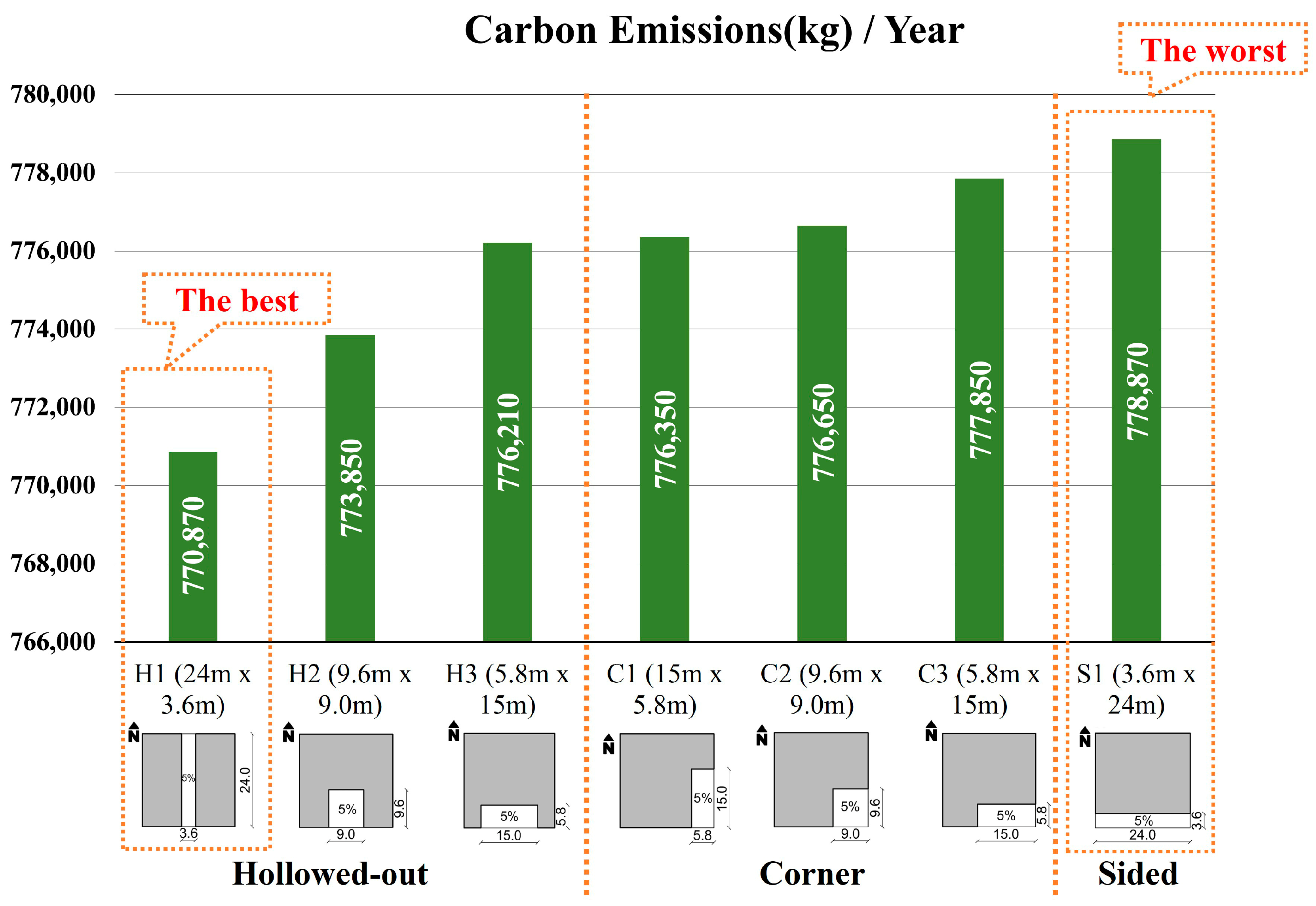
Figure 16 shows the effect of the change in the dimensions of the skycourt on the amount of carbon emissions between the first alternative (H1) and the last alternative (S1), with the difference between the two reaching 8000 kg/year. Thus, the results agree at all heights that the best alternative is a hollowed-out skycourt and the least effective is the sided one.
In conclusion to this step, positive correlations were found between EAR and reduced energy consumption and carbon emissions in buildings. Therefore, this part recommends that for the south orientation and the 5% skycourt ratio, a skycourt is recommended with a small length and a large depth, while avoiding the sided skycourt here because orienting it to the southern facade with a facade width exposes the facade to more sunlight than the other alternatives. Additionally, all alternative prototypes from (H1) to (S1) have an effective role in reducing energy consumption and carbon emissions, in general, compared to the reference case (Ref.).
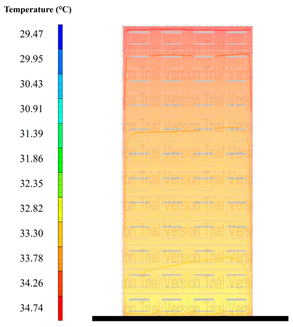
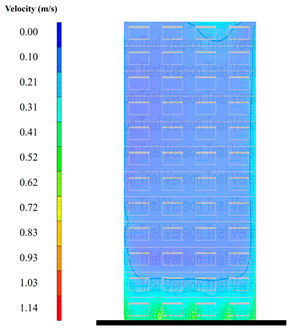
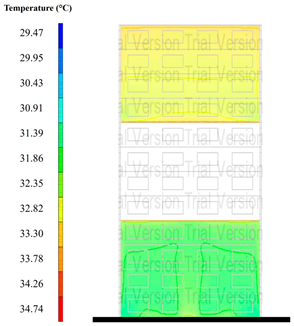
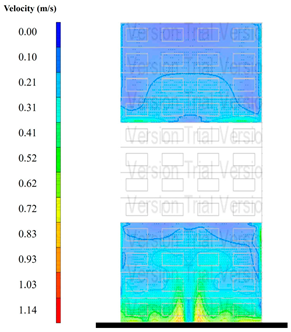
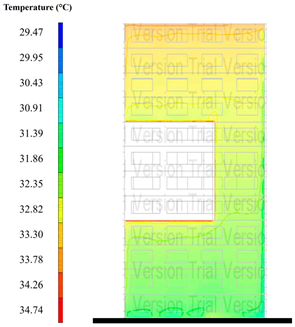
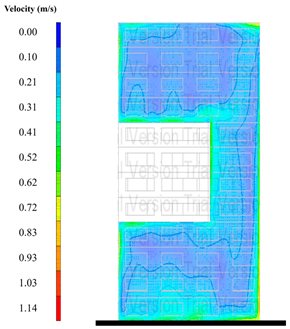
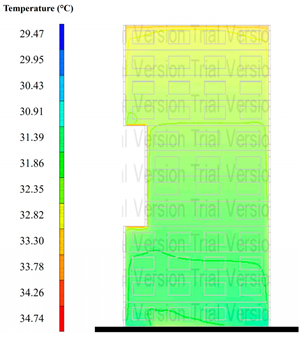
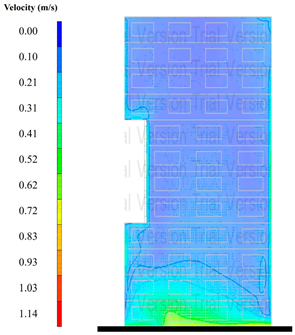
Furthermore, Table 7 shows the CFD gradient of temperature and velocity inside the building for the reference case and the three alternative prototypes. The results show the effect of skylight spaces in reducing temperatures inside the spaces. It also helped increase air velocity in internal spaces, especially in contact with the skycourt. The temperature varies from 34.26 °C to 32.82 °C in the reference case to approximately 32.82 °C to 31.39 °C in the three alternative prototypes. While the wind speed varied from 0.21 m/s to 0.52 m/s in some corners surrounding the skycourt and the lower corners of the building, due to the presence of the skycourt in the south, and there is no wind in this direction. However, it is noted that in the outer borders and in areas in contact with the skycourt, the wind speed increased within those walls due to their contact with external air movement. This is certainly because the skycourt enhances the movement of air inside it, and so this increases the air movement, which benefits the spaces in contact with those walls.

5.2. Optimizing Skycourt Dimensions

The performance of skycourts as a passive design strategy can be linked to its dimensions, length, and depth, based on energy consumption and carbon emissions. Figure 15 shows that the energy consumption in the alternative prototypes differed according to the dimensions of the skycourt. As the depth increases and the width of the skycourt decreases, energy consumption decreases. The first alternative (H1) is the best design alternative that helped reduce energy consumption by 7330 kWh/year over the last alternative.
Regarding carbon emissions, Figure 16 shows the effect of the change in the dimensions of the skycourt on the amount of carbon emissions between the first alternative (H1) and the last alternative (S1), the difference between which reached 8000 kg/year. Thus, the results agree at all heights that the best alternative is a hollowed-out skycourt and the least effective is the sided one.
In conclusion, positive correlations can be found between EAR and reduced energy consumption and carbon emissions in buildings. Therefore, this part recommends that for the southern orientation and the 5% skycourt ratio, a skycourt with a small length and a large depth is recommended, and the side skycourt should be avoided, owing to the orientation of the southern facade with sun exposure, compared to the other alternatives.
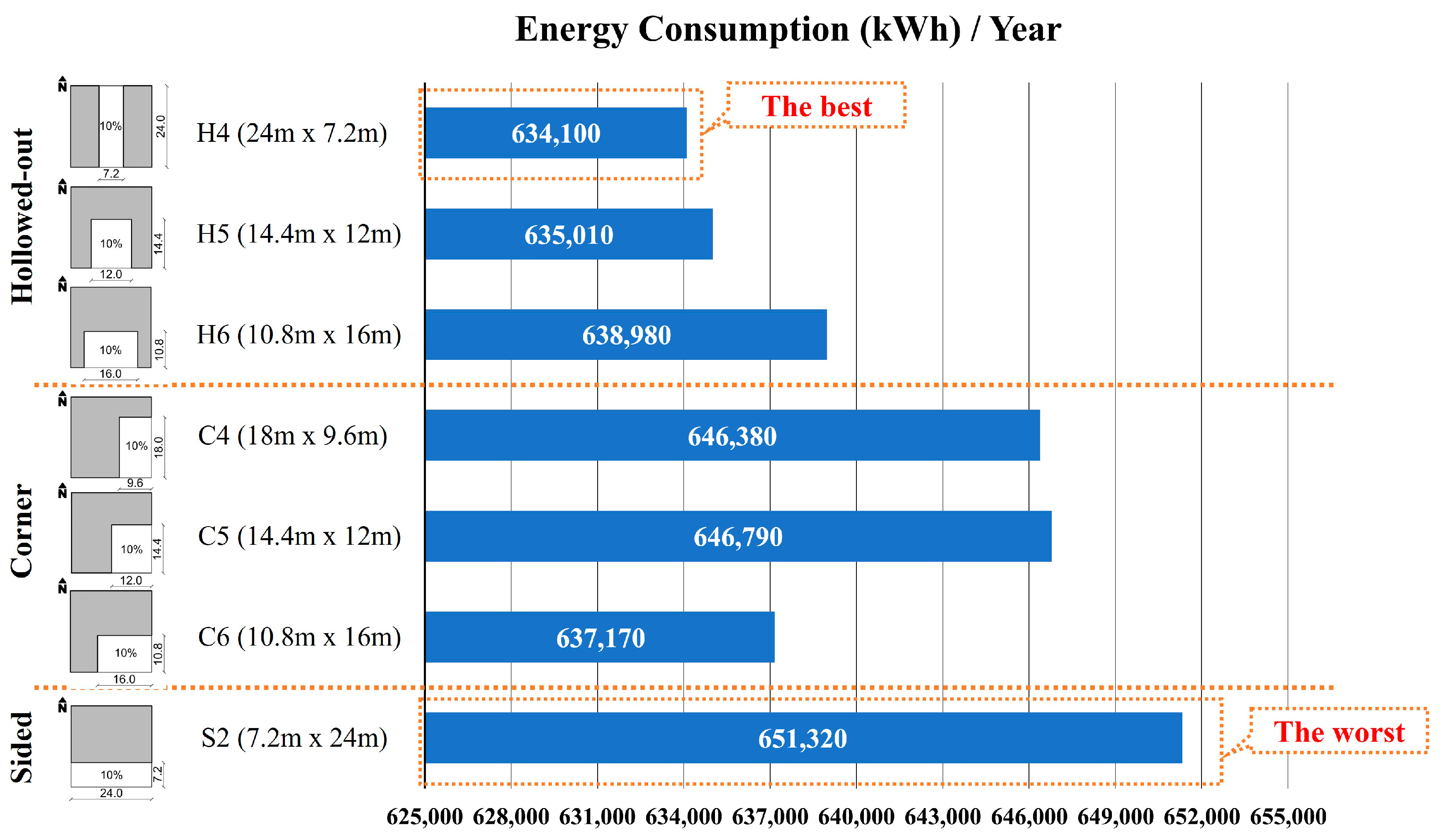
The effect of the skycourt FAR is examined in this step. Three different ratios are investigated as follows: 5%, 10%, and 15% of the total building volume. The 5% ratio was examined in the previous alternatives from (H1) to (S1), and in this step, the other two percentages, 10% and 15%, will be examined regarding energy consumption and carbon emissions. Figure 17 shows the energy consumption of alternative prototypes at a rate of 10% for the skycourt. It was noted here that the first alternative (H4), which is the hollowed-out skycourt, contributed significantly to reducing energy consumption. For this percentage, it was found that the alternative that has the least effect in reducing energy consumption is the side skycourt (S2).
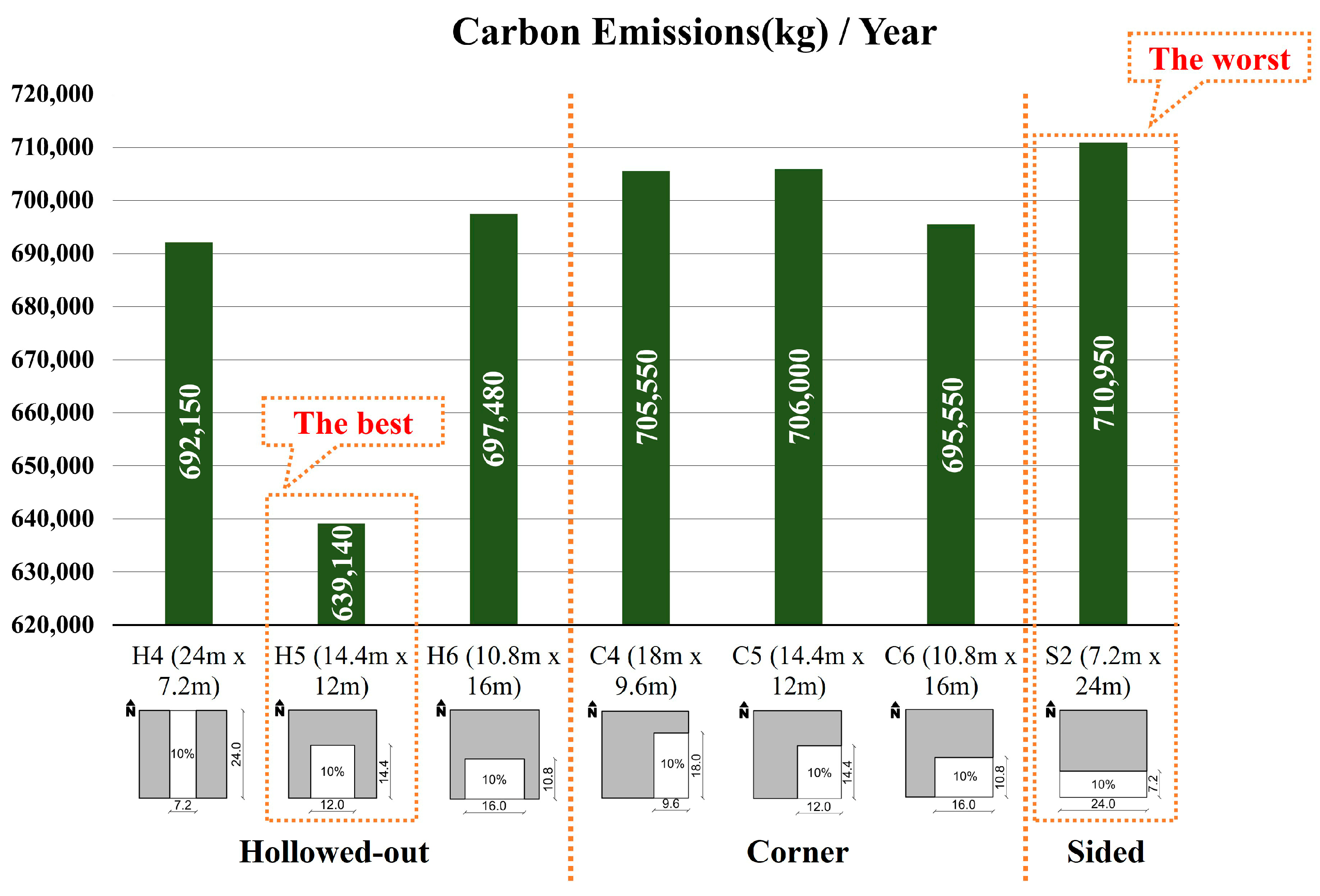
Figure 18 shows the effect of the change in the ratio of the skycourt on the amount of carbon emissions at a rate of 10% in the skycourt. It was noted in previous results that the result of carbon emissions is often linked to the result of energy consumption. However, here it is shown that the second alternative in the hollowed-out skycourt (H5) is the alternative that has the best effect in reducing carbon emissions. But for energy consumption results, the least effective alternative in reducing carbon emissions is the sided skycourt.
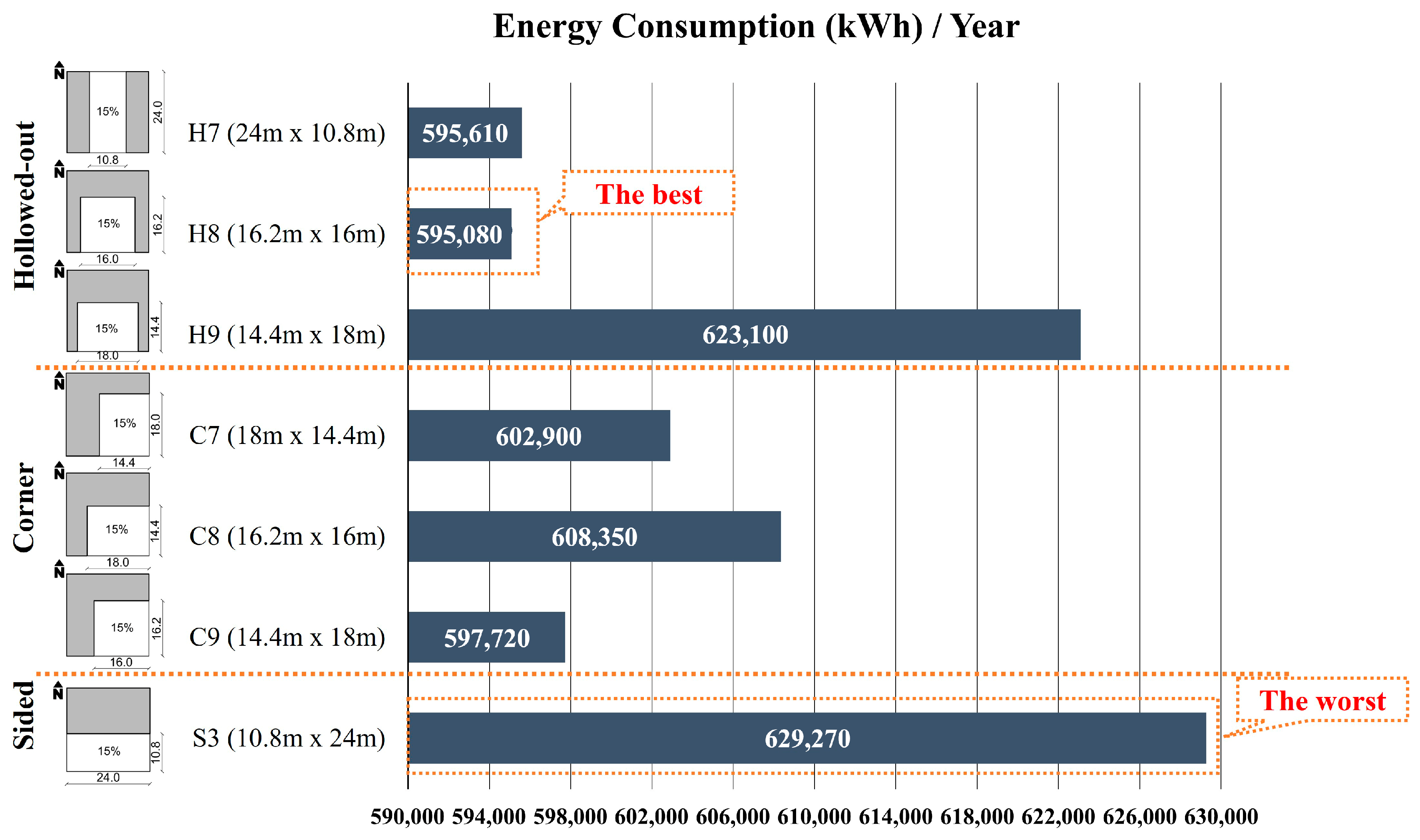
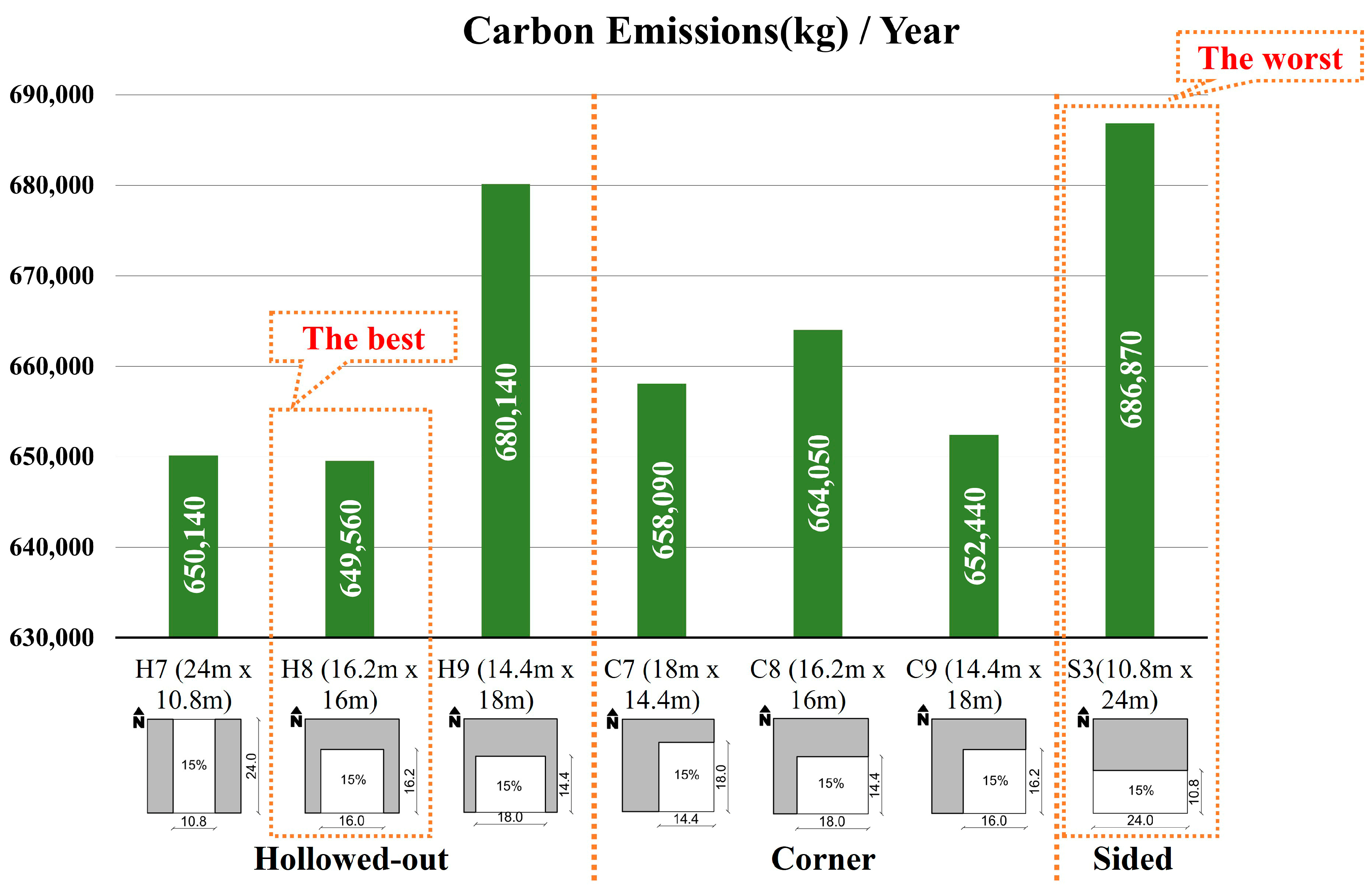
Moreover, Figure 19 shows energy consumption at a rate of 15% in the skycourt. The second alternative (H8) contributed the most to reducing energy consumption. However, Figure 20 shows the effect of the change in the ratio of the skycourt on the amount of carbon emissions of the 12-story building alternatives at a rate of 15% in the skycourt.

5.3. Optimizing Skycourt Orientation

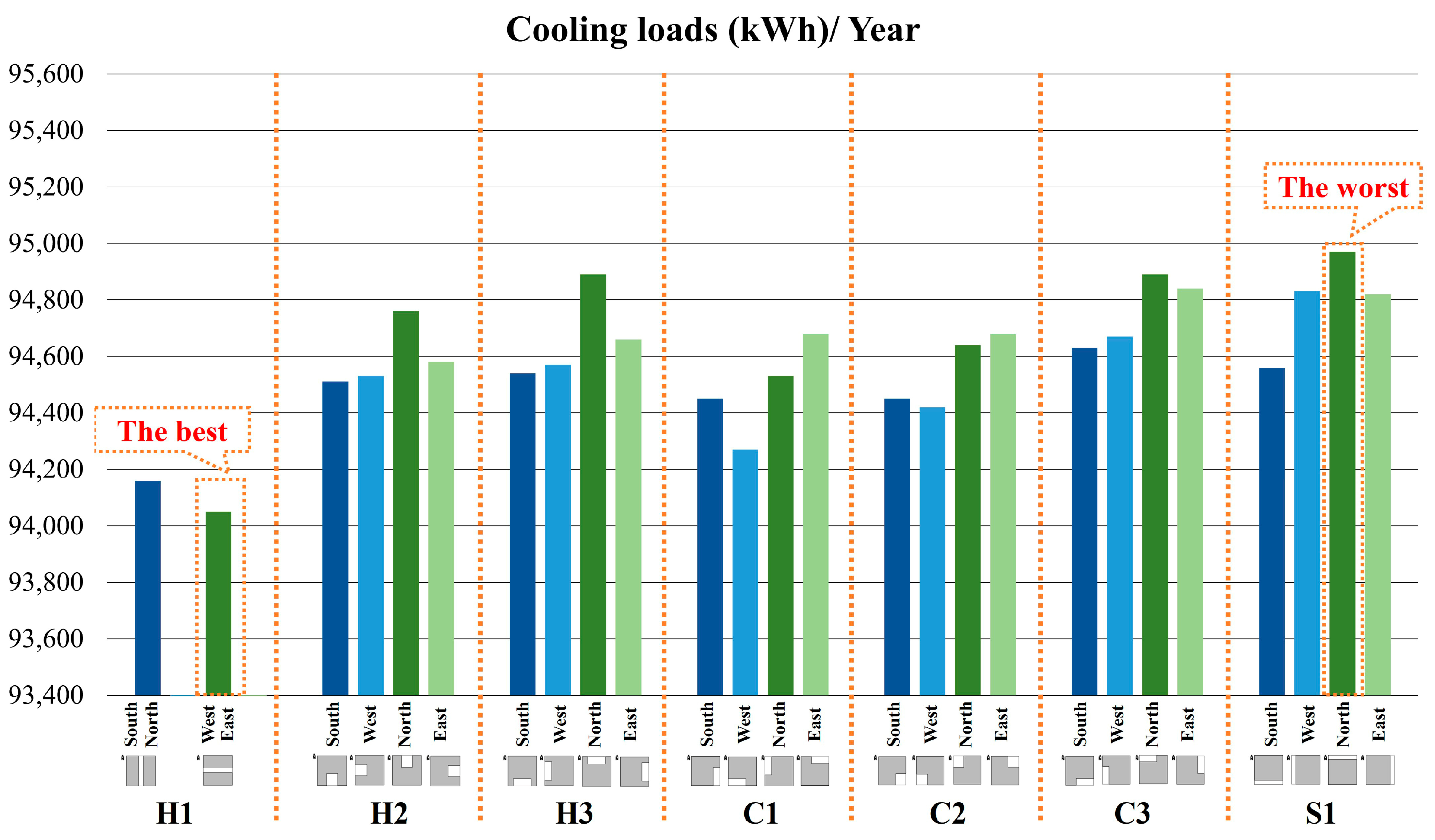
This section presents an analysis of results for all previous alternative prototypes in the four orientations—north, south, east, and west—which were shown previously (Figure 9). The results in this section are based only on annual cooling loads. In this context, Figure 21 shows the results of annual cooling loads in residential alternatives with the skycourt ratio of 5% in the four orientations (south–west—north–east), respectively. It is noted that the presence of a skycourt in a southern and western orientation contributed to reducing cooling loads at a higher rate than when in the north and east orientations in most of the alternatives. In the hollowed-out skycourt extending to the end, if it extends from east to west, it is better than orienting it from north to south, owing to the greater amount of shade that can reduce cooling loads. In the second and third alternatives to the hollowed-out skycourt, orienting the skycourt to the south and west contributed to reducing the cooling loads due to exposure facades to the sun over time. Orienting the skycourt to the south and west helps reduce the solar gain of the building as a whole and increases shading. The west orientation of the corner skycourt, meaning that the largest side is in the south, contributed to reducing the cooling loads in the first and third alternatives because the direction of the favorable winds in Port Said is from the northwest, and this orientation of the skycourt helps in enhancing natural ventilation in the building. As for the sided skycourt, orienting it to the south had the best effect in reducing cooling loads, then orienting it to the west and east, then orienting it to the north.
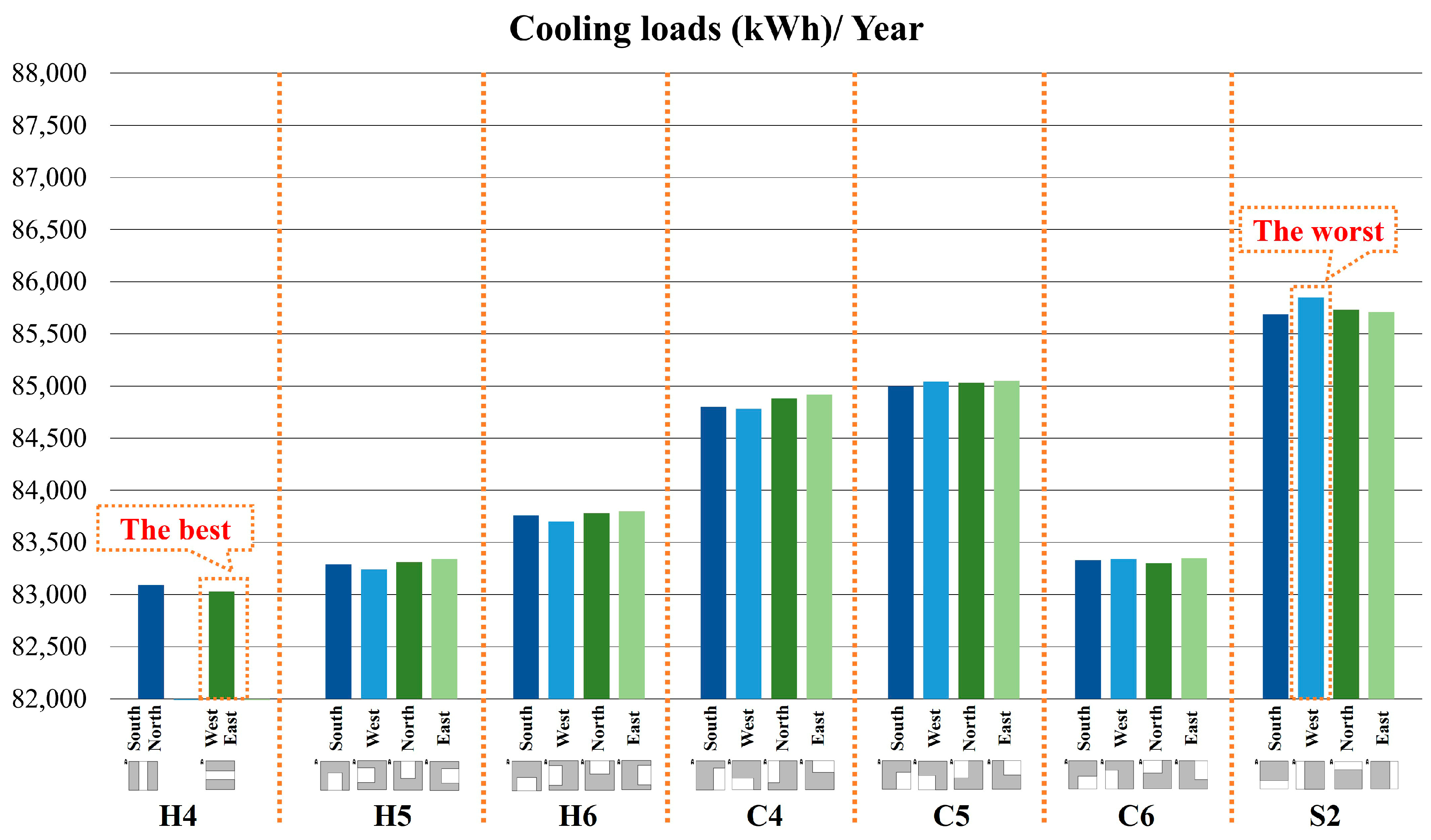
Regarding the skycourt ratio of 10%, Figure 22 shows the results of annual cooling loads in alternative prototypes regarding the four orientations (south–west–north–east), respectively. Orienting the first alternative in a hollowed-out skycourt from east to west (H4) has a greater effect than orienting it from north to south in reducing cooling loads, as is the case in the previous ratio. Orienting the hollowed-out skycourt in the second and third alternatives to the west has the greatest effect in reducing cooling loads, followed by the south orientation. While in the corner skycourt, almost all orientations had a similar effect in reducing cooling loads. It is observed here in the sided skycourt that orienting it to the south and east contributed to reducing cooling loads to a greater extent than directing it to the north and west. The sided skycourt (S2) orienting to the west is the alternative that contributes the least to reducing cooling loads compared to the rest of the alternative prototypes.
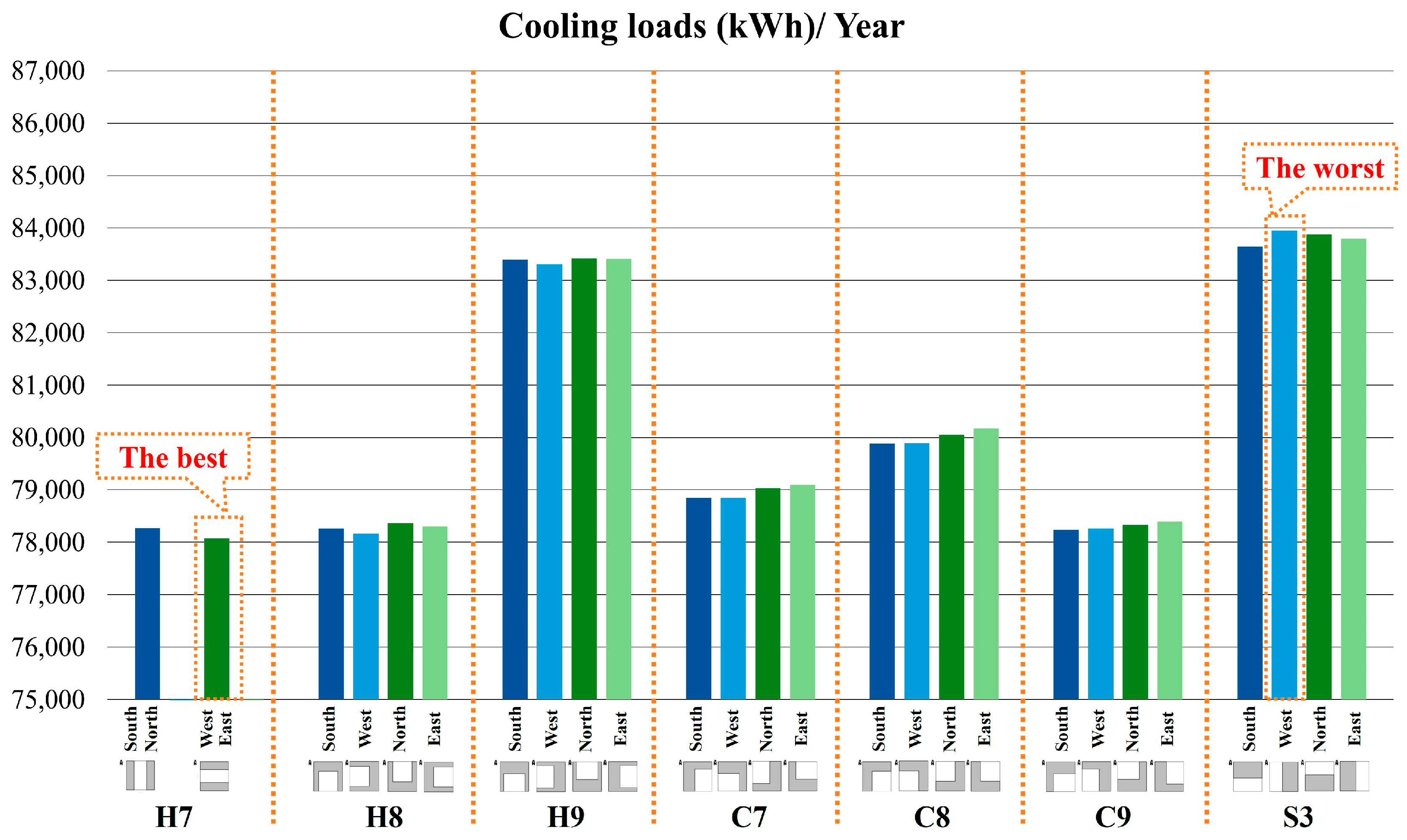
Regarding the skycourt ratio of 15%, Figure 23 shows the results of annual cooling loads in alternative prototypes regarding the four orientations (south–west–north–east), respectively. In most of the alternative prototypes, the south and west orientation of the skycourt contributed to reducing cooling loads. In the first alternative, directing the skycourt from east to west (H7) also had the best effect in reducing cooling loads. In the second and third alternatives of the hollowed-out skycourt, orienting the skycourt towards the west achieves the best effect in reducing cooling loads owing to the prevailing wind direction, in addition to providing shade in this facade because of the presence of the skycourt. In the corner skycourt, this is also observed due to wind direction and reduced solar gain. In the side skycourt, its best orientation was also to direct it to the south, followed by its directing to the east, then to the north, and the last orientation was to direct it to the west. According to the results of this step, the southern orientation of the skycourt is proposed to ensure the maximum provision of cooling loads for most ratios of skycourts in many types of skycourts. However, in the following steps, the best orientation for each design alternative will be determined. West orientation was not the optimal choice in the sided skycourt for all ratios.

5.4. Proposed Matrix

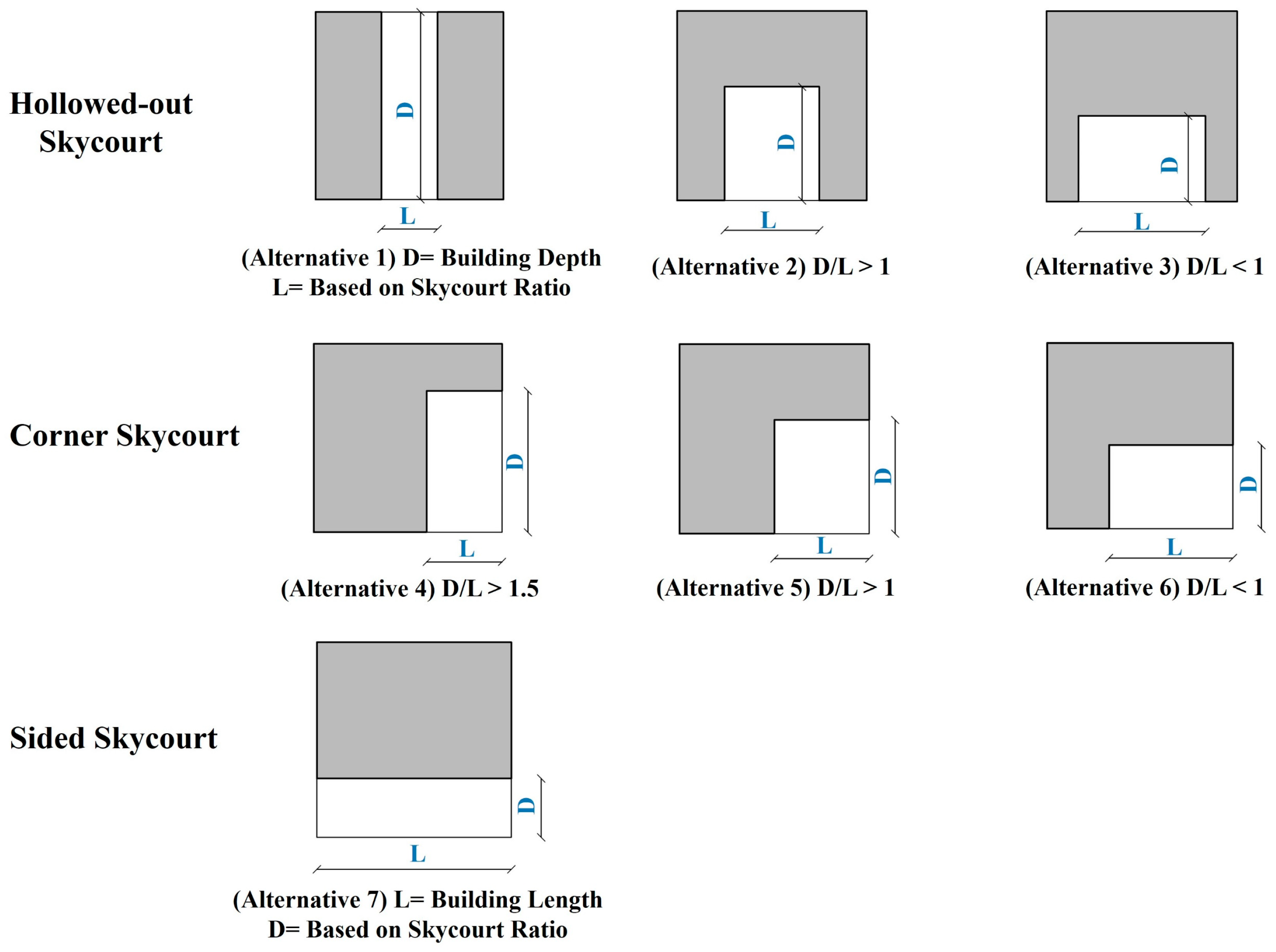
In general, all the alternatives indicated the influence of skycourts in reducing energy consumption and carbon emissions compared to the reference cases without skycourts. However, each alternative has requirements in determining the proportion, dimensions, and appropriate orientation for them, and this will become clear in the following plan, which is to design a matrix of skycourt spaces for twelve-story residential buildings in a hot–humid climate: Port Said. The alternative prototypes varied via the following factors: dimensions, orientation, configuration, and ratio of the skycourt. Thus, this research presents a matrix that associates such factors. Color grades are given for each alternative, with dark gray representing the best alternatives in this case, medium gray representing the medium-impact alternatives, and light gray representing the last alternatives to be chosen. This step is merely giving priority to the better alternatives. Figure 24 shows the keys to the alternatives used in the matrix. Table 8 represents the matrix of design guidelines for skycourt spaces for a 12-story building with the skycourt ratio as a given. Table 9 represents the matrix of design guidelines for skycourt spaces for a 12-story building, with the skycourt orientation as a given. In addition, Table 10 represents the matrix of design guidelines for skycourt spaces for a 12-story building, with skycourt configuration as a given.

5.5. Limitations, Practical Implications, and Future Work

Here, limited microclimate conditions were used to study the effects of skycourt configurations. Furthermore, only a few particular configurations were selected; other configurations might be created based on the actual microclimate conditions, local character, urban context, and building design. These results represent a major step in creating skycourt designs that support well-being, sustainable communities, and mitigate the consequences of climate change, despite the small sample size that may not apply to all contexts.
These findings can provide several implications regarding not only building design, but also the urban and built environment. In addition, such findings can be used to help improve natural ventilation, health, and well-being. Improving the design of skycourts can provide social community and vibrancy, especially during any pandemic. Additionally, this can provide social, psychological, economic, and quality-of-life benefits by promoting societal sustainability. It is advised that urban planners, architects, specialists, legislators, and business and public administrators take these consequences into account while developing policies and guidelines to encourage reducing energy use, carbon emissions, and SDGs.
Further research will extend the investigation into the effect of other design indicators related to skycourts in terms of environmental performance. In addition, future studies should examine the impact of incorporating vegetation on improving the role of skycourts in promoting natural ventilation and reducing carbon emissions. Moreover, there is no doubt that other configurations of skycourts that have not been addressed in the research also have an effect, so more future studies on those configurations need to be conducted.

5.6. Main Findings and Contributions to Sustainability

This study investigates the influence of skycourt geometry, dimensions, morphological indicators, and orientation on the environmental performance of a 12-story residential building in the hot–humid climate of Port Said. Results show that the configuration and proportions of the skycourt strongly influence energy consumption, carbon emissions, indoor temperature, and natural ventilation.
Regarding skycourt geometry, energy performance is linked to morphological indicators such as EAR and FAR. In addition, increasing the skycourt depth while decreasing its width reduces energy consumption. The hollowed-out skycourt (H1) showed the best performance, reducing energy use by 7330 kWh/year compared with the least effective alternative (S1). Carbon emissions also decreased significantly, up to 8000 kg/year difference between H1 and S1. CFD simulations indicate that skycourts reduce indoor temperatures (from 34.26 to 32.82 °C to 32.82–31.39 °C) and enhance air velocity due to improved ventilation.
On the other hand, the skycourt dimensions provide positive correlations in terms of both energy use and carbon emissions. A skycourt with a small length and large depth is recommended for the south orientation with a 5% skycourt ratio. The sided skycourt performs worst in all cases due to extensive sun exposure on the southern façade. Concerning the skycourt ratios (FAR: 5%, 10%, 15%), the results were determined as follows: For the 5% skycourt ratio, H1 is best and S1 is weakest; for the 10% ratio, H4 (hollowed-out) achieves the greatest energy reduction; and the sided skycourt (S2) showed the worst performance. In addition, for the 15% ratio, H8 (second hollowed-out alternative) shows the highest performance. With regard to orientation, south and west orientations consistently reduce cooling loads more effectively due to shading and prevailing NW winds. Hollowed-out skylights achieve best performance when oriented east–west, as this increases shading. Corner skycourts benefit most from west orientation due to wind enhancement. Sided skycourt performs best when oriented south, and worst when oriented west. Overall, southern orientation is generally recommended for most skycourt types and ratios.
In general, the findings support improvements in energy efficiency, carbon reduction, natural ventilation, and occupant well-being, offering practical implications for architects, planners, and sustainability policymakers. Thus, the proposed investigations and matrix can contribute to providing well-being, sustainable communities, and overcoming climate change effects, hence reflecting sustainability and SDGs, especially goals three, eleven, and thirteen.

6. Conclusions

This paper highlighted the effect of skycourt spaces on increasing the environmental performance of multi-story buildings by conducting a simulation process using the Design Builder program, including energy consumption, carbon emissions, and CFD analysis. The main findings can be concluded as follows:
  • The verification results of the Design Builder simulation indicated a high correlation between reference research results and simulation results for air temperature and velocity. The average deviation rate ranged from 3.6 to 4.9%, which provides the ability to use the model of Design Builder simulation software as a tool to evaluate the environmental and functional role of skycourt spaces for the building.
  • The results of the simulation process demonstrated the effect of skycourt spaces, especially the hollowed-out skycourt, in reducing air temperature by up to 3 °C during the hottest summers and reducing energy consumption by rates ranging between 8 and 10% annually in most alternative prototypes and reducing carbon emissions by ratios of up to 10% annually.
  • Optimizing morphological indicators of skycourt usage, like EAR and FAR, indicated that the prototype of the hollowed-out skycourt also retained the best performance in most of the alternatives, followed by the second alternative in the hollowed-out skycourt. Also, the sided skycourt cannot be considered the best alternative in most cases, owing to the resulting high energy consumption. These results indicate a direct relationship between both indicators, EAR and FAR, and the increased environmental performance of the skycourt.
  • For the skycourt orientation, it was found that the southern and western orientations had the best effect in increasing the performance of the skycourt. Orienting the skycourt to the south helps in providing a greater amount of shade and reducing solar gain. In addition, orienting the skycourt to the west helps in taking advantage of the favorable winds inside the spaces.
Finally, our investigation into the role of skycourts as a passive design strategy is ongoing, and this study can be considered an initial study in order to bridge the research gap. In addition, the current results are promising, and further studies can be conducted to validate this study with a larger sample on a larger scale. In addition, promising applications of passive strategies will be important for policymakers to encourage stakeholders to exploit building form to raise the environmental performance of buildings, especially multi-story buildings, and reduce energy consumption and carbon emissions, which contribute to preserving the sustainable built environment. It is worth mentioning that the proposed investigations and matrix can contribute to providing well-being, sustainable communities, and overcoming climate change effects, hence reflecting sustainability and SDGs, especially goals three, eleven, and thirteen.

Author Contributions

Conceptualization, N.A.M., R.A.A., M.M.S. and A.M.H.; methodology, N.A.M., R.A.A. and M.M.S.; software, R.A.A.; validation, R.A.A.; formal analysis, N.A.M., R.A.A. and M.M.S.; investigation, N.A.M., R.A.A., M.M.S. and A.M.H.; resources, N.A.M., R.A.A., M.M.S. and A.M.H.; data curation, R.A.A. and M.M.S.; writing—original draft preparation, R.A.A. and M.M.S.; writing—review and editing, N.A.M., R.A.A., M.M.S. and A.M.H.; visualization, N.A.M., R.A.A., M.M.S. and A.M.H.; supervision, N.A.M., M.M.S. and A.M.H. All authors have read and agreed to the published version of the manuscript.

Funding

This research received no external funding.

Institutional Review Board Statement

Not applicable.

Informed Consent Statement

Not applicable.

Data Availability Statement

The original contributions presented in this study are included in the article. Further inquiries can be directed to the corresponding author.

Conflicts of Interest

The authors declare no conflict of interest.

References

  1. Tolba, L.; Mokadem, A.; Badawy, N.; Shahda, M. A Retrofitting Framework for Improving Curtain Wall Performance by the Integration of Adaptive Technologies. J. Build. Eng. 2023, 80, 107979. [Google Scholar] [CrossRef]
  2. Nejat, P.; Jomehzadeh, F.; Taheri, M.M.; Gohari, M.; Majid, M.Z.A. A Global Review of Energy Consumption, CO2 Emissions and Policy in the Residential Sector (with an Overview of the Top Ten CO2 Emitting Countries). Renew. Sustain. Energy Rev. 2015, 43, 843–862. [Google Scholar] [CrossRef]
  3. Zhang, K.; Garg, A.; Mei, G.; Jiang, M.; Wang, H.; Huang, S.; Gan, L. Thermal Performance and Energy Consumption Analysis of Eight Types of Extensive Green Roofs in Subtropical Monsoon Climate. Build. Environ. 2022, 216, 108982. [Google Scholar] [CrossRef]
  4. Li, W.; Zhou, Z.; Wang, C.; Han, Y. Impact of Outdoor Microclimate on the Performance of High-Rise Multi-Family Dwellings in Cold Areas and Optimization of Building Passive Design. Build. Environ. 2024, 248, 111038. [Google Scholar] [CrossRef]
  5. Qu, K.; Zhang, H.; Zhou, X.; Zhao, L.; Sun, B. Comparison Analysis on Simplification Methods of Building Performance Optimization for Passive Building Design. Build. Environ. 2022, 216, 108990. [Google Scholar] [CrossRef]
  6. Hassan, A.M. UMC-Based Models: An Integrating UMC Performance Analysis and Numerical Methods. Renew. Sustain. Energy Rev. 2023, 181, 113307. [Google Scholar] [CrossRef]
  7. Omrany, H.; Marsono, A.K. Optimization of Building Energy Performance through Passive Design Strategies. Br. J. Appl. Sci. Technol. 2016, 13, 1–16. [Google Scholar] [CrossRef]
  8. Gamal, A.; Eleinen, O.; Eltarabily, S.; Elgheznawy, D. Enhancing Urban Resilience in Hot Humid Climates: A Conceptual Framework for Exploring the Environmental Performance of Vertical Greening Systems (VGS). Front. Archit. Res. 2023, 12, 1260–1284. [Google Scholar] [CrossRef]
  9. Tabadkani, A.; Aghasizadeh, S.; Banihashemi, S.; Hajirasouli, A. Courtyard Design Impact on Indoor Thermal Comfort and Utility Costs for Residential Households: Comparative Analysis and Deep-Learning Predictive Model. Front. Archit. Res. 2022, 11, 963–980. [Google Scholar] [CrossRef]
  10. Tabesh, T.; Sertyesilisik, B. An Investigation into Energy Performance with the Integrated Usage of a Courtyard and Atrium. Buildings 2016, 6, 21. [Google Scholar] [CrossRef]
  11. Elgheznawy, D.; Eltarabily, S. The Impact of Sun Sail-Shading Strategy on the Thermal Comfort in School Courtyards. Build. Environ. 2021, 202, 108046. [Google Scholar] [CrossRef]
  12. Omrani, S.; Garcia-Hansen, V.; Capra, B.; Drogemuller, R. Natural Ventilation in Multi-Storey Buildings: Design Process and Review of Evaluation Tools. Build. Environ. 2017, 116, 182–194. [Google Scholar] [CrossRef]
  13. Al-Masri, N.; Abu-Hijleh, B. Courtyard Housing in Midrise Buildings: An Environmental Assessment in Hot-Arid Climate. Renew. Sustain. Energy Rev. 2012, 16, 1892–1898. [Google Scholar] [CrossRef]
  14. Li, M.; Jin, Y.; Guo, J. Dynamic Characteristics and Adaptive Design Methods of Enclosed Courtyard: A Case Study of a Single-Story Courtyard Dwelling in China. Build. Environ. 2022, 223, 109445. [Google Scholar] [CrossRef]
  15. Bagneid, A. The Creation of a Courtyard Microclimate Thermal Model for the Analysis of Courtyard Houses. Ph.D. Thesis, Texas A & M University, College Station, TX, USA, 2010. [Google Scholar]
  16. Pomeroy, J. Skycourts as Transitional Space: Using Space Syntax as a Predictive Theory. In Proceedings of the Congress Proceedings, Tall and Green: Typology for a Sustainable Urban Future, Chicago, IL, USA, 3–5 March 2008. [Google Scholar]
  17. Kennedy, R.; Buys, L.; Miller, E. Residents’ Experiences of Privacy and Comfort in Multi-Storey Apartment Dwellings in Subtropical Brisbane. Sustainability 2015, 7, 7741–7761. [Google Scholar] [CrossRef]
  18. Alnusairat, S.; Jones, P.; Hou, S. Skycourt as a Ventilated Buffer Zone in Office Buildings: Assessing Energy Performance and Thermal Comfort. In Proceedings of the Design to Thrive, PLEA 2017 Conference, Edinburgh, UK, 2–5 July 2017; pp. 4901–4908. [Google Scholar]
  19. Sev, A.; Aslan, G. Natural Ventilation for the Sustainable Tall Office Buildings of the Future. Int. J. Archit. Environ. Eng. 2014, 8, 897–909. [Google Scholar]
  20. Alnusairat, S.; Jones, P. The Influence of Skycourt as Part of Combined Ventilation Strategy in High-Rise Office Buildings. In Proceedings of the European Conference on Sustainability, Energy & Environment 2017, Brighton, UK, 7–9 July 2017; The International Academic Forum: Edinburgh, UK, 2017. [Google Scholar]
  21. Li, Y.; Du, H.; Sezer, C. Sky Gardens, Public Spaces and Urban Sustainability in Dense Cities: Shenzhen, Hong Kong and Singapore. Sustainability 2022, 14, 9824. [Google Scholar] [CrossRef]
  22. Oldfield, P.; Trabucco, D.; Wood, A. Five Energy Generations of Tall Buildings: An Historical Analysis of Energy Consumption in High-Rise Buildings. J. Archit. 2009, 14, 591–613. [Google Scholar] [CrossRef]
  23. Yeang, K. The Green Skycraper–The Basis for Designing Sustainable Intensive Buildings; Prestel: Munich, Germany, 1999. [Google Scholar]
  24. Fezi, B.A. Health Engaged Architecture in the Context of COVID-19. J. Green Build. 2020, 15, 185–212. [Google Scholar] [CrossRef]
  25. Alnusairat, S. Approaches to Skycourt Design and Performance in High-Rise Office Buildings in a Temperate Climate. Ph.D. Thesis, Cardiff University, Cardiff, UK, 2018. [Google Scholar]
  26. Pomeroy, J. The Sky Court: A Viable Alternative Civic Space for the 21St Century? CTBUH J. 2007, 14–19. [Google Scholar]
  27. Rabbat, N. The Courtyard House: From Cultural Reference to Universal Relevance; Routledge: London, UK, 2017; ISBN 1351545388. [Google Scholar]
  28. Pomeroy, J. The Skycourt and Skygarden: Greening the Urban Habitat; Routledge: London, UK, 2013; ISBN 9781315881645. [Google Scholar]
  29. Mohammadi, M.; Tien, P.W.; Calautit, J.K. Numerical Evaluation of the Use of Vegetation as a Shelterbelt for Enhancing the Wind and Thermal Comfort in Peripheral and Lateral-Type Skygardens in Highrise Buildings. Build. Simul. 2023, 16, 243–261. [Google Scholar] [CrossRef]
  30. Meng, F.-Q.; He, B.-J.; Zhu, J.; Zhao, D.-X.; Darko, A.; Zhao, Z.-Q. Sensitivity Analysis of Wind Pressure Coefficients on CAARC Standard Tall Buildings in CFD Simulations. J. Build. Eng. 2018, 16, 146–158. [Google Scholar] [CrossRef]
  31. Alnusairat, S.; Jones, P. Ventilated Skycourts to Enhance Energy Savings in High-Rise Office Buildings. Archit. Sci. Rev. 2020, 63, 175–193. [Google Scholar] [CrossRef]
  32. Tien, P.W.; Calautit, J.K. Numerical Analysis of the Wind and Thermal Comfort in Courtyards “Skycourts” in High Rise Buildings. J. Build. Eng. 2019, 24, 100735. [Google Scholar] [CrossRef]
  33. Dagnew, A.K.; Bitsuamalk, G.T.; Merrick, R. Computational Evaluation of Wind Pressures on Tall Buildings. In Proceedings of the 11th Americas Conference on Wind Engineering, San Juan, PR, USA, 22–26 June 2009. [Google Scholar]
  34. Zhai, Z.; Chen, Q. Solution Characters of Iterative Coupling between Energy Simulation and CFD Programs. Energy Build. 2003, 35, 493–505. [Google Scholar] [CrossRef]
  35. Barbason, M.; Reiter, S. Coupling Building Energy Simulation and Computational Fluid Dynamics: Application to a Two-Storey House in a Temperate Climate. Build. Environ. 2014, 75, 30–39. [Google Scholar] [CrossRef]
  36. Cropper, P.; Yang, T.; Cook, M.; Fiala, D.; Yousaf, R. Coupling a Model of Human Thermoregulation with Computational Fluid Dynamics for Predicting Human-Environment Interaction. J. Build. Perform. Simul. 2010, 3, 233–243. [Google Scholar] [CrossRef]
  37. Shahda, M.; Megahed, N. Post-Pandemic Architecture: A Critical Review of the Expected Feasibility of Skyscraper-Integrated Vertical Farming (SIVF). Archit. Eng. Des. Manag. 2022, 19, 283–304. [Google Scholar] [CrossRef]
  38. El Asawy, M.; Ahmed, E.B. Environmental Assessment of the Egyptian Building Law Environmental Impact Study of the Residential Building’s Law in Egypt. J. Urban Res. 2022, 45, 74–93. [Google Scholar] [CrossRef]
  39. Ismail, R.; Megahed, N.; Eltarabily, S. Numerical Investigation of the Indoor Thermal Behaviour Based on PCMs in a Hot Climate. Archit. Sci. Rev. 2022, 65, 196–216. [Google Scholar] [CrossRef]
  40. El Samaty, H.S.; Waseef, A.A.E.; Badawy, N.M. The Effects of City Morphology on Airborne Transmission of COVID-19. Case Study: Port Said City, Egypt. Urban Clim. 2023, 50, 101577. [Google Scholar] [CrossRef]
  41. El-Kady, R.Y.; El-Rayes, A.E.; Sultan, Y.M.; Aziz, A.M. Mapping of Soil Geochemistry in Port Said Governorate, Egypt Utilizing GIS and Remote Sensing Techniques. Imperial J. Interdiscip. Res. 2017, 3, 1261–1270. [Google Scholar]
  42. Hassan, M.; Omran, E.-S. Modelling of Land-Use Changes and Their Effects by Climate Change at the Southern Region of Port Said Governorate, Egypt. Model. Earth Syst. Environ. 2017, 3, 13. [Google Scholar] [CrossRef]
  43. meteoblue. Climate Port Said. Available online: https://www.meteoblue.com/en/weather/historyclimate/climatemodelled/port-said_egypt_358619 (accessed on 20 November 2018).
  44. Wikepedia Port Said. Available online: https://en.wikipedia.org/wiki/Port_Said (accessed on 29 July 2024).
  45. Elzeni, M.; Elmokadem, A.; Badawy, N. Classification of Urban Morphology Indicators towards Urban Generation. Port-Said Eng. Res. J. 2021, 26, 43–56. [Google Scholar] [CrossRef]
Figure 1. The evolution of skycourts in multi-story buildings. Source: the authors based on [18,19,23,24].
Sustainability 17 11061 g001
Figure 2. Plan of the common spatial configurations of skycourts within the multi-story building. Source: the authors based on [16,25,27,28].
Sustainability 17 11061 g002
Figure 3. Structure sequence of the research. Source: the authors.
Sustainability 17 11061 g003
Figure 4. (a) Plan and section of the simulation case study. Source: Adapted by the researcher from (b) plans of the simulation case study in all orientations that were simulated. Source: the authors.
Sustainability 17 11061 g004
Figure 5. Levels of comparison of simulation results by the Design Builder software with the reference case. Source: the authors.
Sustainability 17 11061 g005
Figure 6. Integration of building energy simulation and computational fluid dynamics. Source: the authors.
Sustainability 17 11061 g006
Figure 7. Port Said climate. Source: Adapted by the authors from [43,44].
Sustainability 17 11061 g007
Figure 8. Simulation process steps for the applied study. Source: the authors.
Sustainability 17 11061 g008
Figure 9. Schematic diagrams of various orientations for alternative prototypes. Source: the authors.
Sustainability 17 11061 g009
Figure 10. Operative temperature comparison between the reference case and prototypes (1–3). Source: the authors.
Sustainability 17 11061 g010
Figure 11. PMV comparison between the reference case and prototypes (1–3). Source: the authors.
Sustainability 17 11061 g011
Figure 12. Energy consumption comparison between the reference case and prototypes (1–3). Source: the authors.
Sustainability 17 11061 g012
Figure 13. Lighting loads comparison between the reference case and prototypes (1–3). Source: the authors.
Sustainability 17 11061 g013
Figure 14. Carbon emissions comparison between the reference case and prototypes (1–3). Source: the authors.
Sustainability 17 11061 g014
Figure 15. Annual energy consumption comparison for skycourt alternative prototypes in a 12-story building (EAR). Source: the authors.
Sustainability 17 11061 g015
Figure 16. Annual carbon emissions comparison for Skycourt alternative prototypes in a 12-story building (EAR). Source: the authors.
Sustainability 17 11061 g016
Figure 17. Annual energy consumption comparison for skycourt alternative prototypes in a 12-story building: FAR (10%). Source: the authors.
Sustainability 17 11061 g017
Figure 18. Annual carbon emissions comparison for skycourt alternative prototypes in a 12-story building: FAR (10%). Source: the authors.
Sustainability 17 11061 g018
Figure 19. Annual energy consumption comparison for skycourt alternative prototypes in a 12-story building: FAR (15%). Source: the authors.
Sustainability 17 11061 g019
Figure 20. Annual carbon emissions comparison for skycourt alternative prototypes in a 12-story building: FAR (15%). Source: the authors.
Sustainability 17 11061 g020
Figure 21. Annual cooling load for skycourt alternative prototypes in a 12-story building: skycourt ratio (5%). Source: the authors.
Sustainability 17 11061 g021
Figure 22. Annual cooling load for skycourt alternative prototypes in a 12-story building: skycourt ratio (10%). Source: the authors.
Sustainability 17 11061 g022
Figure 23. Annual cooling load for skycourt alternative prototypes in a 12-story building: skycourt ratio (15%). Source: the authors.
Sustainability 17 11061 g023
Figure 24. The alternatives used in the matrix. Source: the authors.
Sustainability 17 11061 g024
Table 1. Review simulation methodologies of previous skycourt research. Source: the authors.
Ref.MethodToolValidation MethodValidated with Ref.ClimateOutput
[29]SimulationANSYS® FLUENT 18.1 softwareWind tunnel[30] ــــــــــــــ Velocity and temperature.
[31]SimulationHTB2 and WinAir(version 4) software ــــــــــــــ ــــــــــــــ TemperateEnergy consumption, temperature, and velocity.
[32]SimulationANSYS Fluent 18Experimental and numerical data[33]Warm-humidPressure and velocity.
[18]SimulationHTB2 and WinAir(version 4) software ــــــــــــــ ــــــــــــــ TemperateHeating and cooling demand, temperature, and velocity.
Table 2. Simulation settings for model building. Source: the authors, based on [31].
Internal Heat GainBuilding FabricVentilation Setting
Occupancy (People/m2)0.083Glazing (U-value)1.5 W/m2 CInfiltration rate3.5 m3/(m2 h) at 50 Pa
Window-to-wall ratio70%Air supply rate10 L/s per person
People12 W/m2External wall (U-value)0.18 W/m2 CHeating set point18 °C
Equipment15 W/m2Internal wall (U-value)0.22 W/m2 CCooling set point25 °C
Lighting12 W/m2Floor/ceiling (U-value)0.20 W/m2 COperating time08:00 a.m.–02:00 p.m.
Table 3. Verification results in terms of air temperature °C and velocity m/s on the highest summer outdoor air temperature (28.3 °C on 28 June at 2:00 p.m.). Source: the authors.
OutputAir Temperature °CVelocity m/s
Sustainability 17 11061 i001
North
Sustainability 17 11061 i002Sustainability 17 11061 i003
Deviation rate1.11%0.45%
Sustainability 17 11061 i004
South
Sustainability 17 11061 i005Sustainability 17 11061 i006
Deviation rate1.095%0.43%
Sustainability 17 11061 i007
West
Sustainability 17 11061 i008Sustainability 17 11061 i009
Deviation rate1.23%0.52%
Sustainability 17 11061 i010
East
Sustainability 17 11061 i011Sustainability 17 11061 i012
Deviation rate1.16%0.35%
Table 4. Alternative prototypes for integrating skycourts in multi-story buildings. Source: the authors.
Prototype (1) Hollowed-OutPrototype (2) CornerPrototype (3) SidedSkycourt AreaSkycourt Volume
PlanSustainability 17 11061 i013Sustainability 17 11061 i014Sustainability 17 11061 i01586.4 m2345.6 m3
SecSustainability 17 11061 i016Sustainability 17 11061 i017Sustainability 17 11061 i018
Table 5. Schematic diagrams of alternative prototypes for optimizing skycourt geometry. Source: the authors.
The Skycourt Is 5% of the Building Volume in the South Façade of the 12-Story Building.
Hollowed-OutCornerSided
H1H2H3C1C2C3S1
PlanSustainability 17 11061 i019Sustainability 17 11061 i020Sustainability 17 11061 i021Sustainability 17 11061 i022Sustainability 17 11061 i023Sustainability 17 11061 i024Sustainability 17 11061 i025
SecSustainability 17 11061 i026Sustainability 17 11061 i027Sustainability 17 11061 i028Sustainability 17 11061 i029Sustainability 17 11061 i030Sustainability 17 11061 i031Sustainability 17 11061 i032
EAR6.71.070.392.61.070.390.15
FAR5%
The Skycourt is 10% of the Building Volume in the South Façade of the 12-Story Building.
Hollowed-OutCornerSided
H4H5H6C4C5C6S2
PlanSustainability 17 11061 i033Sustainability 17 11061 i034Sustainability 17 11061 i035Sustainability 17 11061 i036Sustainability 17 11061 i037Sustainability 17 11061 i038Sustainability 17 11061 i039
SecSustainability 17 11061 i040Sustainability 17 11061 i041Sustainability 17 11061 i042Sustainability 17 11061 i043Sustainability 17 11061 i044Sustainability 17 11061 i045Sustainability 17 11061 i046
EAR3.31.20.71.91.20.70.3
FAR10%
The Skycourt is 15% of the Building Volume in the South Façade of the 12-Story Building.
Hollowed-OutCornerSided
H7H8H9C7C8C9S3
PlanSustainability 17 11061 i047Sustainability 17 11061 i048Sustainability 17 11061 i049Sustainability 17 11061 i050Sustainability 17 11061 i051Sustainability 17 11061 i052Sustainability 17 11061 i053
SecSustainability 17 11061 i054Sustainability 17 11061 i055Sustainability 17 11061 i056Sustainability 17 11061 i057Sustainability 17 11061 i058Sustainability 17 11061 i059Sustainability 17 11061 i060
EAR2.21.010.81.251.010.80.45
FAR15%
Table 6. Building construction specifications and systems characteristics. Source: the authors.
Building Characteristics
LocationPort Said, EgyptActivityResidential
Occupancy (People/m2)0.06Window (30% glazed)Sgl Clr 6 mm
LightingT8 (25 mm diam) FluorescentHVAC SystemNatural ventilation
Building Construction
Ground floor
(U-value = 0.8 W/m2 K)
0.02 m ceramic tiles
0.08 sand/mortar/Plaster
0.02 m membrane
0.10 m light-reinforced concrete
0.15 m base-course stone
External walls
(U-value = 0.9 W/m2 K)
0.02 m plaster with paint
0.25 m concrete block
0.02 m plaster with paint (light)
Internal wall
(U-value = 1.21 W/m2 K)
0.02 m thick plaster (light)
0.12 m thick concrete blocks
0.02 m thick plaster (light)
Roof (U-value = 0.74 W/m2 K)0.02 m cement tiles
0.02 m cement mortar
0.06 m of sand for roof leveling
0.04 m MW Stone Wool
0.02 m Bitumen, pure
0.15 m reinforced concrete
0.02 m plaster with paint (light)
Ceilings
(U-value = 0.85 W/m2 K)
0.02 m ceramic tiles
0.08 mortar/Plaster
0.10 m reinforced concrete
0.02 m plaster with paint (light)
Table 7. CFD simulation at the hottest hour in summer: comparison between reference case without skycourt (Ref.) and building with a hollowed-out skycourt (Prototype 1), a corner skycourt (Prototype 2), and a sided skycourt (Prototype 3). Source: the authors.
Temperature (°C)Velocity (m/s)Figures
Ref.Sustainability 17 11061 i061Sustainability 17 11061 i062Sustainability 17 11061 i063
Prototype 1Sustainability 17 11061 i064Sustainability 17 11061 i065Sustainability 17 11061 i066
Prototype 2Sustainability 17 11061 i067Sustainability 17 11061 i068Sustainability 17 11061 i069
Prototype 3Sustainability 17 11061 i070Sustainability 17 11061 i071Sustainability 17 11061 i072
Table 8. Design matrix for skycourt spaces for a 12-story building in the hot–humid climate of Port Said, based on skycourt ratio. Source: the authors.
No.of. FloorsSkycourt RatioHollowed-Out SkycourtCorner SkycourtSided Skycourt
Alternative 1Alternative 2Alternative 3Alternative 4Alternative 5Alternative 6Alternative 7
S-NW-ESWNESWNESWNESWNESWNESWNE
12-story building5%
10%
15%
Sustainability 17 11061 i073The optimal alternative Sustainability 17 11061 i074The middle alternativeSustainability 17 11061 i075The last alternative
Table 9. Design matrix for skycourt spaces for a 12-story building in the hot–humid climate of Port Said, based on skycourt orientation. Source: the authors.
No.of. FloorsOrientation5%10%15%
Alternative 1Alternative 2Alternative 3Alternative 4Alternative 5Alternative 6Alternative 7Alternative 1Alternative 2Alternative 3Alternative 4Alternative 5Alternative 6Alternative 7Alternative 1Alternative 2Alternative 3Alternative 4Alternative 5Alternative 6Alternative 7
12-story buildingS
W
N
E
Sustainability 17 11061 i073The optimal alternativeSustainability 17 11061 i074The middle alternativeSustainability 17 11061 i075The last alternative
Table 10. Design matrix for skycourt spaces for a 12-story building in the hot–humid climate of Port Said, based on skycourt configuration. Source: the authors.
No.of. FloorsSkycourt ConfigurationPrototype5%10%15%
SWNESWNESWNE
12-story buildingHollowed-out SkycourtAlternative 1
Alternative 2
Alternative 3
Corner SkycourtAlternative 4
Alternative 5
Alternative 6
Sided SkycourtAlternative 7
Sustainability 17 11061 i073The optimal alternativeSustainability 17 11061 i074The middle alternativeSustainability 17 11061 i075The last alternative
Disclaimer/Publisher’s Note: The statements, opinions and data contained in all publications are solely those of the individual author(s) and contributor(s) and not of MDPI and/or the editor(s). MDPI and/or the editor(s) disclaim responsibility for any injury to people or property resulting from any ideas, methods, instructions or products referred to in the content.