Journal Description
Sustainability
Sustainability
is an international, peer-reviewed, open-access journal on environmental, cultural, economic, and social sustainability of human beings, published semimonthly online by MDPI. The Canadian Urban Transit Research & Innovation Consortium (CUTRIC), International Council for Research and Innovation in Building and Construction (CIB) and Urban Land Institute (ULI) are affiliated with Sustainability and their members receive discounts on the article processing charges.
- Open Access— free for readers, with article processing charges (APC) paid by authors or their institutions.
- High Visibility: indexed within Scopus, SCIE and SSCI (Web of Science), GEOBASE, GeoRef, Inspec, RePEc, CAPlus / SciFinder, and other databases.
- Journal Rank: JCR - Q2 (Environmental Studies) / CiteScore - Q1 (Geography, Planning and Development)
- Rapid Publication: manuscripts are peer-reviewed and a first decision is provided to authors approximately 16.9 days after submission; acceptance to publication is undertaken in 3.8 days (median values for papers published in this journal in the first half of 2026).
- Recognition of Reviewers: reviewers who provide timely, thorough peer-review reports receive vouchers entitling them to a discount on the APC of their next publication in any MDPI journal, in appreciation of the work done.
- Testimonials: See what our editors and authors say about Sustainability.
- Companion journals for Sustainability include: World, Sustainable Chemistry, Conservation, Future Transportation, Architecture, Standards, Merits, Bioresources and Bioproducts, Accounting and Auditing, Environmental Remediation, Green and Advances in Carbon Neutrality.
- Journal Cluster of Environmental Science: Sustainability, Land, Clean Technologies, Environments, Nitrogen, Recycling, Urban Science, Safety, Air, Waste, Aerobiology and Toxics.
Impact Factor:
4.1 (2025);
5-Year Impact Factor:
4.2 (2025)
Latest Articles
Streatery Interface Design for Healthy and Inclusive Streets: A Scenario-Based Experimental Study of Perceived Spatial Publicness and Emotional Restoration
Sustainability 2026, 18(13), 6927; https://doi.org/10.3390/su18136927 (registering DOI) - 7 Jul 2026
Abstract
Although streateries, defined here as outdoor commercial extensions of dining, café, or retail activities into street-edge pedestrian spaces, can enliven urban streets, their commercial use of public pedestrian space may raise concerns about openness, shareability, and inclusion. This study examines how different streatery
[...] Read more.
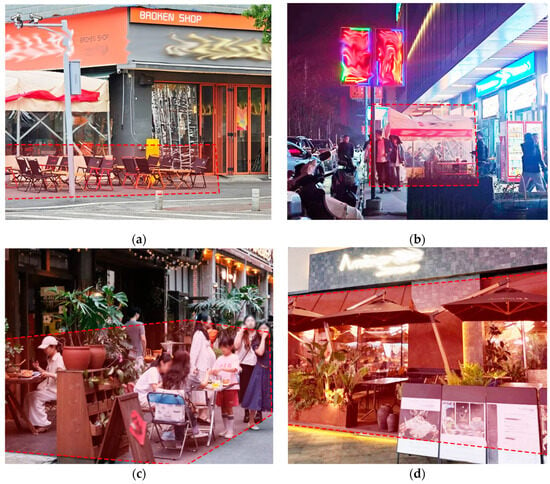
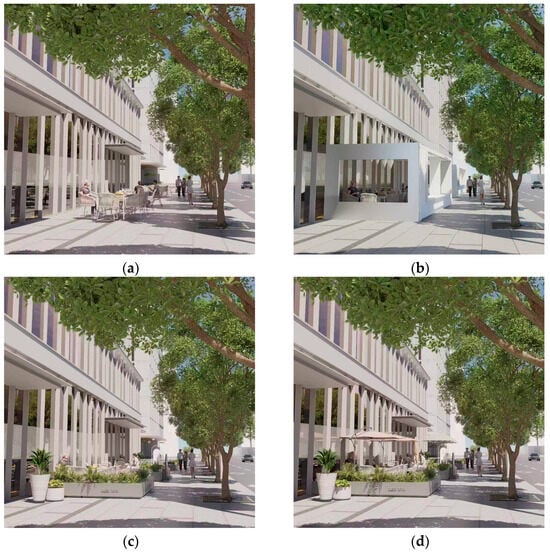
Although streateries, defined here as outdoor commercial extensions of dining, café, or retail activities into street-edge pedestrian spaces, can enliven urban streets, their commercial use of public pedestrian space may raise concerns about openness, shareability, and inclusion. This study examines how different streatery interface designs affect pedestrians’ perceived spatial publicness and emotional restoration, and whether perceived spatial publicness mediates this relationship. Drawing on publicness studies and Restorative Environment Theory, a scenario-based between-subjects experiment was conducted using four standardized visual stimuli: boundaryless open, fully enclosed, flexible permeable, and hybrid covered interfaces. Based on 420 valid questionnaires, Welch’s ANOVA, Games–Howell post hoc tests, independent-sample t-tests, and PROCESS mediation analysis were performed. The results show that prior streatery consumption experience significantly increased perceived spatial publicness but did not significantly affect emotional restoration. Interface type had significant effects on both outcomes, following a non-monotonic pattern: hybrid covered and flexible permeable interfaces performed best, the fully enclosed interface performed worst, and the boundaryless open interface was not necessarily optimal. Perceived spatial publicness partially mediated the relationship between interface type and emotional restoration, indicating one psychological pathway through which interface design shapes restorative experience. These findings suggest a possible perceptual-level emotional compensation pathway, in which perceived spatial publicness serves as one tested route linking streatery interface design with emotional restoration in southern Chinese commercial street contexts. The study offers context-specific evidence for public-experience-oriented streatery design in southern Chinese commercial streets.
Full article
(This article belongs to the Special Issue Sustainable Urban Design and Resilient Communities)
►
Show Figures
Open AccessArticle
From Experimentation to Sustainability Transformation: Developing a Tool to Better Anticipate Upscaling of Urban Innovation Experiments
by
Marc Dijk, Francesca Cellina, Nicola da Schio, Thomas Höflehner and Mario Diethart
Sustainability 2026, 18(13), 6926; https://doi.org/10.3390/su18136926 (registering DOI) - 7 Jul 2026
Abstract
Urban experiments are increasingly embraced for their potential to transform incumbent socio-technical systems by offering multifaceted, ‘high-quality’ learning. The early literature on sustainability transitions painted an optimistic picture of the impact of experiments, prescribing their role in managing transitions. More recently, scholars have
[...] Read more.
Urban experiments are increasingly embraced for their potential to transform incumbent socio-technical systems by offering multifaceted, ‘high-quality’ learning. The early literature on sustainability transitions painted an optimistic picture of the impact of experiments, prescribing their role in managing transitions. More recently, scholars have elaborated on the different purposes and functions of experiments; however, they generally stress that, as of yet, there is scarce evidence for their effectiveness concerning transformation in practice. This paper develops a tool for more effective follow-ups after an experiment in practice, by anticipating contextual constraints on upscaling innovations. The tool has been developed through a design science research method by first doing action research on sustainable mobility innovations in four European cities and subsequently testing the prototype of the tool in five other places. Our findings suggest that this new tool improves conditions for wider implementation of the innovation being experimented with, and associated transformation. This is one key starting point for increasing the impact of experiments and accelerating urban sustainability transformation.
Full article
(This article belongs to the Special Issue Sustainable Urban Green Transport and Mobility: Lessons from Practice)
Open AccessArticle
AI Use Quality and Sustainable Educational Equity: Evidence on the Socioeconomic Gap in Deep Learning Approach Among Chinese High School Students
by
Ziqi Zhang and Fuhai An
Sustainability 2026, 18(13), 6925; https://doi.org/10.3390/su18136925 (registering DOI) - 7 Jul 2026
Abstract
Sustainable educational equity, the principle behind United Nations Sustainable Development Goal 4, calls for ensuring that disadvantaged students benefit from emerging educational technologies rather than being pushed further behind. As AI learning tools become routine in secondary schools, whether they reduce or widen
[...] Read more.
Sustainable educational equity, the principle behind United Nations Sustainable Development Goal 4, calls for ensuring that disadvantaged students benefit from emerging educational technologies rather than being pushed further behind. As AI learning tools become routine in secondary schools, whether they reduce or widen socioeconomic gaps in learning has become a pressing question for sustainable educational policy. Building on digital divide theory and the resource substitution hypothesis, we tested whether family socioeconomic status (SES) moderates the link between students’ AI use quality and deep learning approach—specifically, whether high-quality AI use is more strongly associated with deep learning approach for students from lower-SES backgrounds. Data came from 548 students at three public high schools in Hangzhou, China. AI use quality was operationalized as a three-part construct (seeking, evaluating, applying). Deep learning approach was measured with the deep approach subscale of the R-SPQ-2F. We tested moderation with hierarchical regression and probed the interaction with simple slopes. Two results stood out. First, both SES and AI use quality positively predicted deep learning approach. Family SES moderated the association between AI use quality and deep learning approach: the link between AI use quality and deep learning approach was stronger for low-SES students than for their higher-SES peers, and when AI use quality was high, the deep learning gap across SES levels was correspondingly narrower. The data support the equalizer hypothesis: high-quality AI use can narrow the SES-related gap in deep learning approach and serve as a lever for sustainable educational equity. Schools that want AI to advance equity should treat AI literacy as an instructional priority across subjects, not as something students are expected to figure out on their own.
Full article
Open AccessArticle
Assessing the Investment Attractiveness of Metallurgical Enterprises to Improve the Efficiency of Their Sustainable Investment Activities
by
Tatyana Semenova, Ivan Volkov, Alexey Novikov, Juan Yair Martínez Santoyo, Dmitrii Gloukhov and Elena Stepuk
Sustainability 2026, 18(13), 6924; https://doi.org/10.3390/su18136924 (registering DOI) - 7 Jul 2026
Abstract
►▼
Show Figures
The objective of this study is to develop a methodological approach to the integral assessment of the investment attractiveness of metallurgical enterprises to improve the efficiency of investment activities and the implementation of projects and ensure sustainable development. The metallurgy industry faces the
[...] Read more.
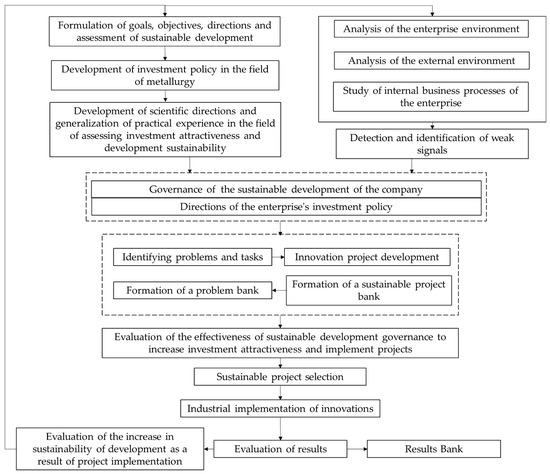
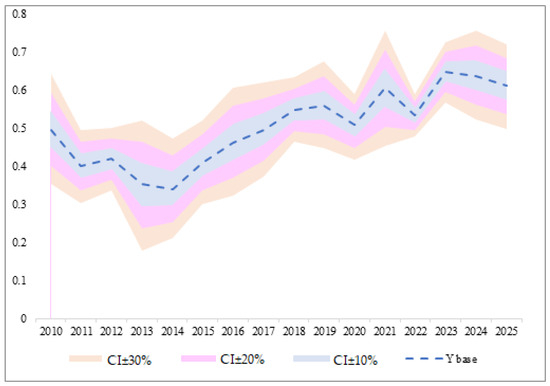
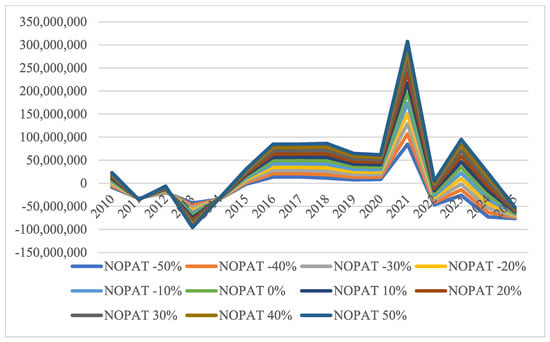
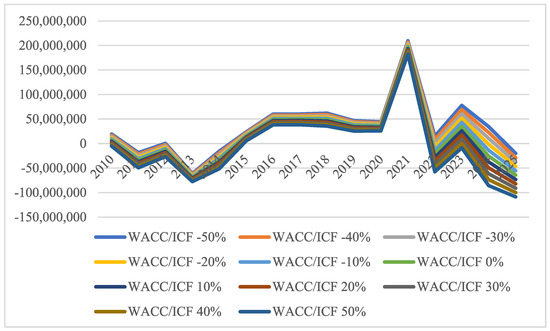
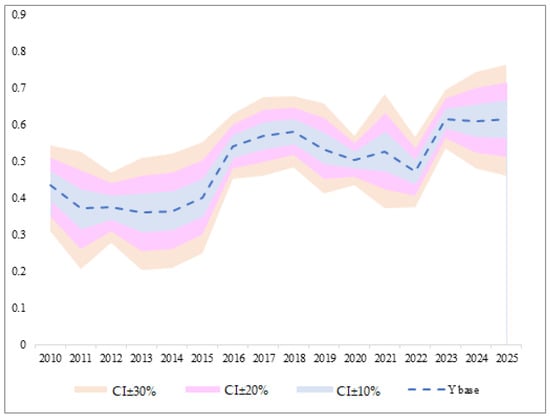
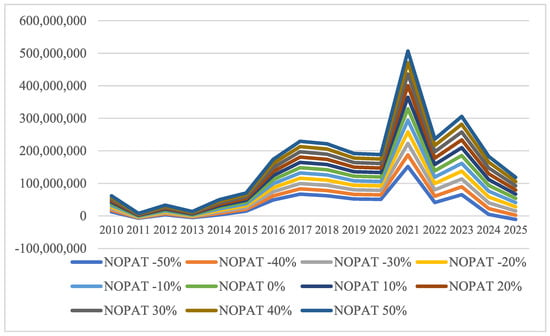
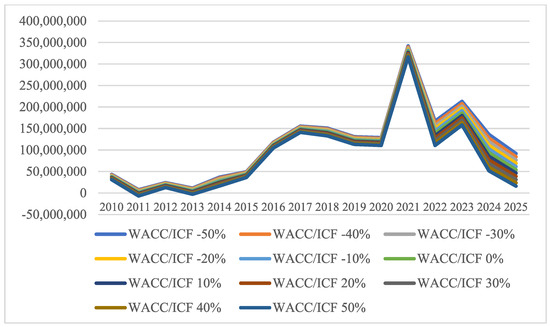
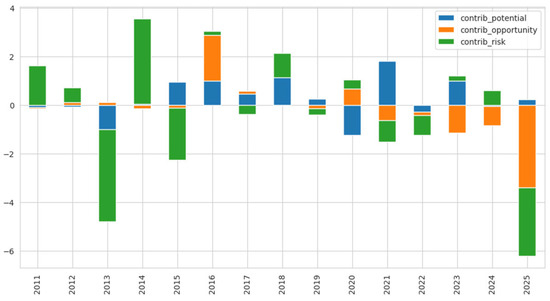
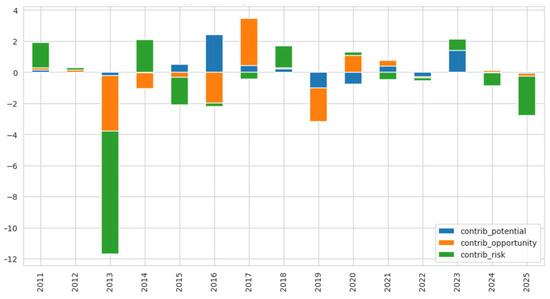
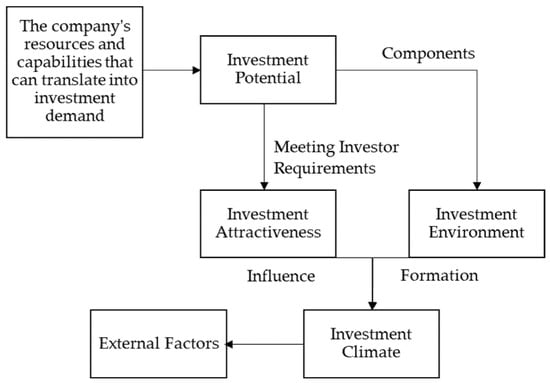
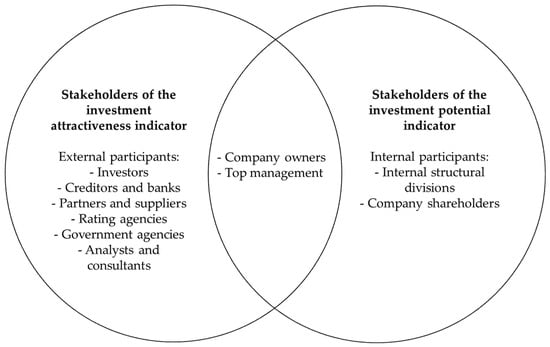
The objective of this study is to develop a methodological approach to the integral assessment of the investment attractiveness of metallurgical enterprises to improve the efficiency of investment activities and the implementation of projects and ensure sustainable development. The metallurgy industry faces the challenge of balancing efficiency goals and sustainable objectives (ESG) and risks. Our approach takes into account the relationship between investment potential, realized opportunities, and the level of risk. Based on a systematic analysis of theoretical approaches, an integral investment attractiveness index is proposed that aggregates investment potential (consisting of seven sub-potentials), an assessment of the results of project implementation, and an aggregated risk index. Assessing investment attractiveness is important for ensuring the sustainable implementation of effective projects and determining their priority. A panel dataset was constructed using data from two metallurgy companies. The relationship between investment attractiveness and classical indicators (ROIC, EVA, MVA, Tobin’s Q, and P/BV) is examined through panel regression with fixed effects, cross-correlation analysis of the temporal structure of relationships, a CUSUM test for model stability, and decomposition of investment attractiveness changes. Decomposition of investment attractiveness changes makes it possible to quantify the contribution of potential, opportunities, and risk to the dynamics of investment attractiveness across various periods, including crisis and post-crisis ones describing the specifics of the metallurgic industry. The presented methodology is relevant for increasing the efficiency of project implementation within the framework of an integral company policy and contributes to the acceleration of industrial implementation of sustainable projects in the metallurgy sector.
Full article

Figure 1
Open AccessArticle
Integrating Smart Port System and Blue Economy Principles for the Sustainable Maritime Development of an Island Region in Indonesia: A Bayesian Network Approach
by
Akhmad Fauzi, Kastana Sapanli, Gatot Yulianto and Tomi Ramadona
Sustainability 2026, 18(13), 6923; https://doi.org/10.3390/su18136923 (registering DOI) - 7 Jul 2026
Abstract
The global maritime sector is undergoing rapid transformation, creating an urgent need to align digital port technologies with a sustainable development framework. However, existing research on smart ports and the blue economy is fragmented and predominantly driven by deterministic approaches that overlook systemic
[...] Read more.
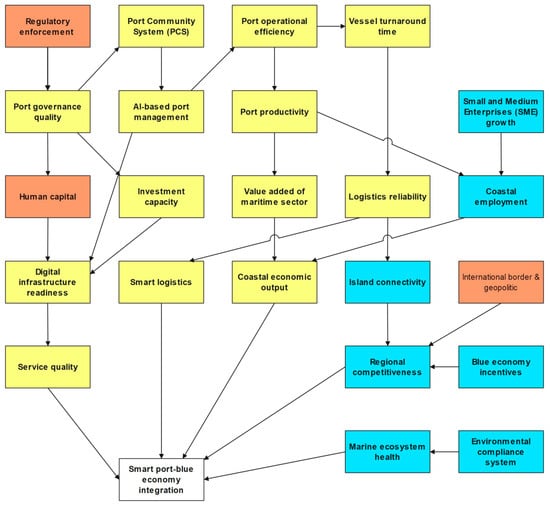
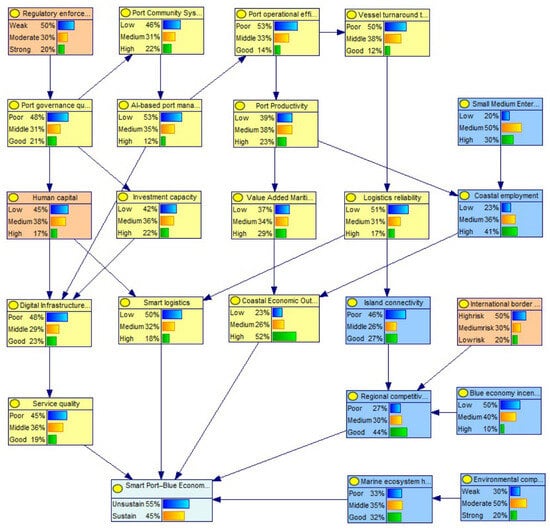
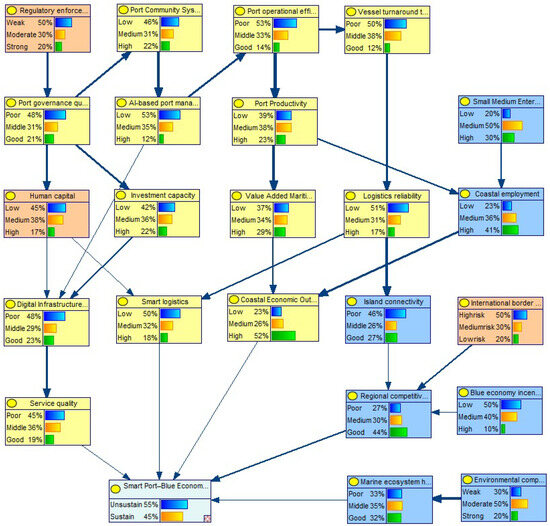
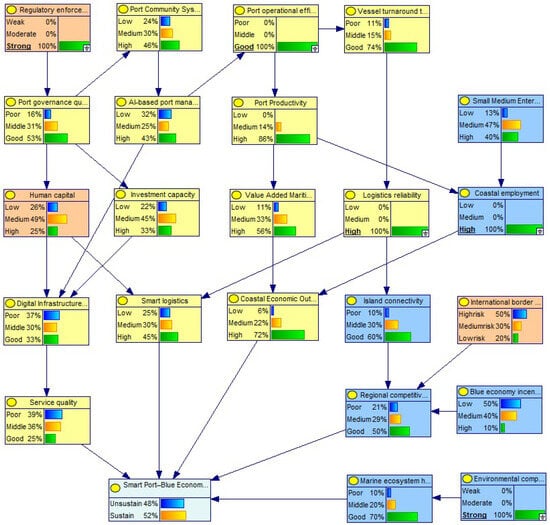
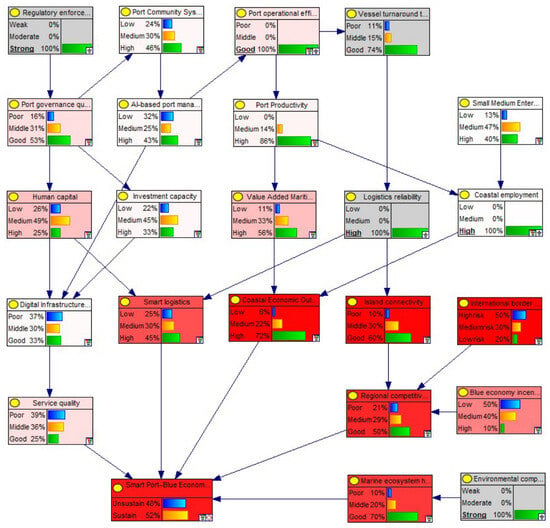
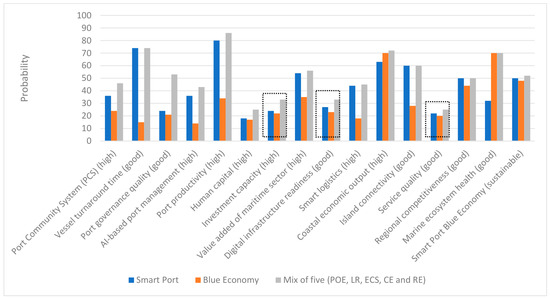
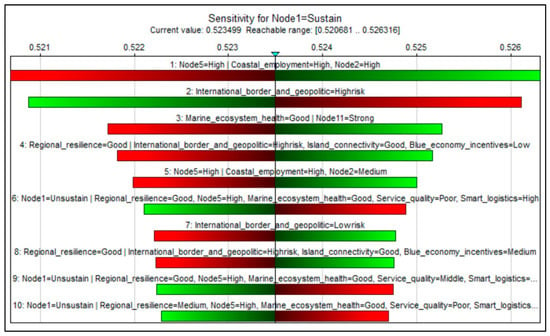
The global maritime sector is undergoing rapid transformation, creating an urgent need to align digital port technologies with a sustainable development framework. However, existing research on smart ports and the blue economy is fragmented and predominantly driven by deterministic approaches that overlook systemic complexity and uncertainty. This study develops a smart port system model grounded in blue economy principles, using a Bayesian network to analyze causal relationships among operational, environmental, and governance variables under uncertainty. The model incorporates key factors including port operational efficiency, logistics reliability, environmental compliance systems, coastal employment, and regulatory enforcement. The findings indicate that operational and logistical factors are the primary drivers of the system, while environmental and socioeconomic variables strongly shape sustainability outcomes. Scenario analysis shows that coordinated interventions targeting these key variables generate the greatest improvements in Smart Port–Blue Economy integration. Sensitivity analysis further identifies coastal economic output, regional competitiveness, and marine ecosystem health as the most responsive outcome variables. The research offers lessons for policymakers to enhance port management by integrating logistics and technological considerations with blue economy principles to design adaptive and resilient policies, particularly in island regions.
Full article
(This article belongs to the Special Issue Sustainable Logistics Management: Research Focus on Port and Maritime Transportation)
►▼
Show Figures

Figure 1
Open AccessArticle
Regime-Dependent Financial Inclusion, Energy Intensity, and Trade Openness in Saudi Arabia: An ARDL–Structural Break Analysis of CO2 Emissions and the Sustainable Development Goals
by
Amira Houaneb, Aarif Mohammad Khan, Mohammad Junaid Alam, Dorra Talbi, Fatima Thamer Al-Otaibi and Amal Oyun Saud Alhuthayli
Sustainability 2026, 18(13), 6922; https://doi.org/10.3390/su18136922 (registering DOI) - 7 Jul 2026
Abstract
Background: Whether financial deepening and trade integration support or hinder environmental sustainability in hydrocarbon-dependent economies remains contested. Methods: This study examines the relationships among financial inclusion, energy intensity, trade openness, and CO2 emissions per capita in Saudi Arabia for 1980–2020. The empirical
[...] Read more.
Background: Whether financial deepening and trade integration support or hinder environmental sustainability in hydrocarbon-dependent economies remains contested. Methods: This study examines the relationships among financial inclusion, energy intensity, trade openness, and CO2 emissions per capita in Saudi Arabia for 1980–2020. The empirical strategy combines ARDL bounds testing, FMOLS, DOLS, CCR robustness, Toda–Yamamoto causality, and a battery of structural-break tests comprising Zivot–Andrews unit-root tests, Bai–Perron sup-F tests, and Chow tests. To address the mechanical correlation between carbon productivity and GDP, the per capita emissions specification (LNCP) is used as the primary outcome; carbon productivity (LNES) is reported for robustness. The small-sample sub-period results are stress-tested using ridge regression, residual-bootstrap confidence intervals, a GDP-augmented (scale-control) specification, and a break-date sensitivity analysis. Results: Cointegration is established. The Chow test identifies a significant break in the cointegrating relationship at 2001 (F = 7.36, p < 0.001 for LNCP), supported by the Zivot–Andrews endogenous-break dates for the financial-inclusion series (2000) and trade-openness series (2005), and by the Bai–Perron sup-F test (sup-F = 26.37 at 1990, exceeding the 1% Andrews critical value). Sub-sample re-estimation around 2001 shows that energy intensity, urbanisation, and trade openness are robust drivers of per capita emissions only after the break, while financial inclusion is statistically insignificant in both regimes once the GDP–carbon-productivity mechanical relationship is removed. Conclusions: The Saudi finance–environment relationship is structurally unstable, and policy assessments based on full-sample averages can be misleading. The evidence is best read as describing regime-dependent, conditional long-run associations rather than as identifying structural causal effects. By exposing the interactions, synergies, and trade-offs among financial deepening (SDG 8), energy efficiency (SDG 7), sustainable consumption and production (SDG 12), and climate action (SDG 13), the study shows how this descriptive quantitative evidence can inform—rather than directly identify—an instrument-level policy discussion. The findings are consistent with a Vision 2030 mix that prioritises energy efficiency and green-finance reform, with implications for SDG Targets 7.3, 8.10, 12.2, and 13.2 across oil-exporting economies.
Full article
(This article belongs to the Special Issue Innovating for the SDGs: Scientific and Technological Pathways to Sustainable Development)
Open AccessArticle
Supplier Selection Framework in Circular Supply Chains: Combining BWM, AHP Ratings, and Risk Analysis
by
Claudemir Leif Tramarico, Antonella Petrillo and Valério Antonio Pamplona Salomon
Sustainability 2026, 18(13), 6921; https://doi.org/10.3390/su18136921 (registering DOI) - 7 Jul 2026
Abstract
Selecting suppliers for circular supply chains is an important requirement, demanding evaluation frameworks that capture reuse, reverse flows, and waste minimization beyond traditional metrics. This paper introduces a structured model designed to assess suppliers against specific circularity-oriented criteria. The Best-Worst Method (BWM) derives
[...] Read more.
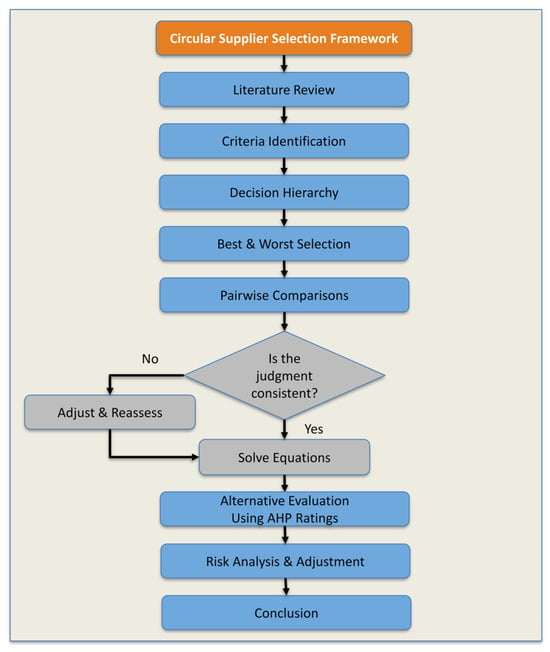
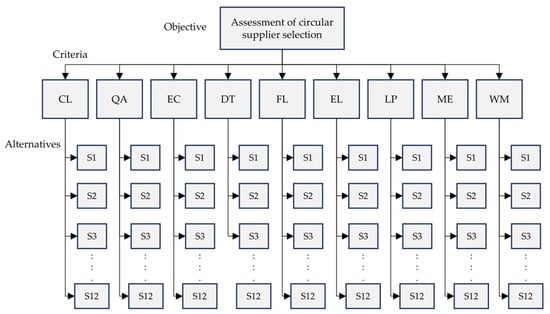
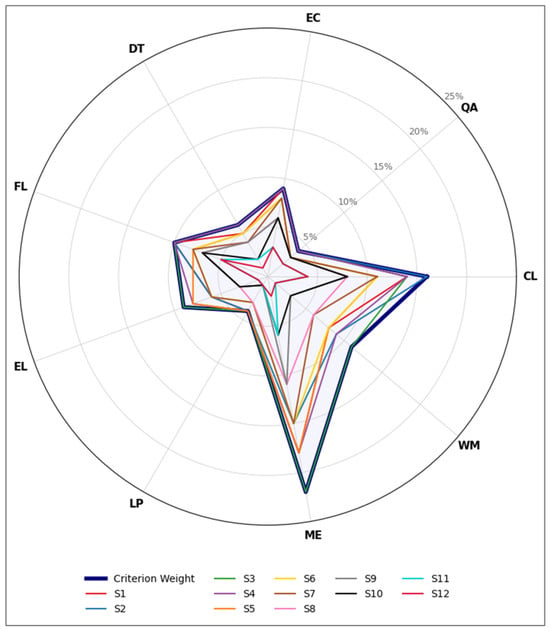
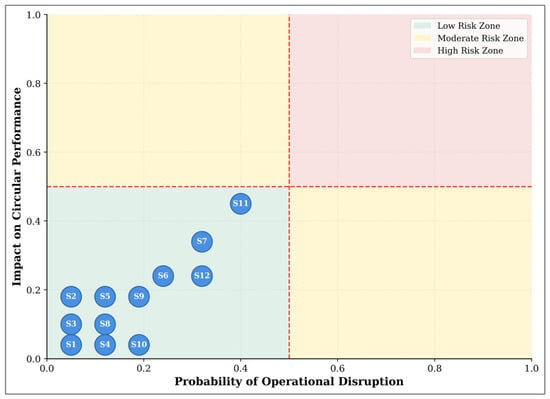
Selecting suppliers for circular supply chains is an important requirement, demanding evaluation frameworks that capture reuse, reverse flows, and waste minimization beyond traditional metrics. This paper introduces a structured model designed to assess suppliers against specific circularity-oriented criteria. The Best-Worst Method (BWM) derives criteria weights, the Analytic Hierarchy Process (AHP) ratings evaluate alternatives, and a risk assessment stage consolidates the final ranking. The primary insights of this research include: (i) the development of a structured supplier evaluation model that encompasses dimensions like closed-loop integration, end-of-life management, material efficiency, and waste management into a multi-criteria perspective; (ii) applying BWM to derive consistent criteria weights, clarifying how circular performance attributes shape supplier prioritization; (iii) applying AHP ratings and risk assessment to consolidate the evaluation into a final ranking of alternatives; and (iv) demonstrating the operational feasibility and applicability of the framework through a real-world case analysis, providing empirical evidence for assessing circular supplier performance in industrial environments.
Full article
(This article belongs to the Special Issue Sustainable Operations and Green Supply Chain)
►▼
Show Figures

Figure 1
Open AccessArticle
Spatial and Temporal Patterns of Environmental Noise in Two Colombian Urban Typologies: A Comparative SoundPLAN-Based Study Between a Metropolitan City (Soledad) and a Mining-Industrial City (Montelíbano)
by
Samuel Pinto Argel, Mauricio Rosso Pinto and Humberto Tavera Quiróz
Sustainability 2026, 18(13), 6920; https://doi.org/10.3390/su18136920 (registering DOI) - 7 Jul 2026
Abstract
This study compares the spatial and temporal dynamics of environmental noise in two Colombian municipalities with contrasting urban typologies: Soledad (Atlántico, >600,000 inhabitants; traffic and airport dominated) and Montelíbano (Córdoba, ~86,647 inhabitants; ferronickel mining and heavy transport dominated). A two-tier methodology integrated field
[...] Read more.
This study compares the spatial and temporal dynamics of environmental noise in two Colombian municipalities with contrasting urban typologies: Soledad (Atlántico, >600,000 inhabitants; traffic and airport dominated) and Montelíbano (Córdoba, ~86,647 inhabitants; ferronickel mining and heavy transport dominated). A two-tier methodology integrated field monitoring under Resolution 627 of 2006 at 80 points (Soledad) and 30 points (Montelíbano), with calibrated SoundPLAN 6.0 dispersion models implementing ISO 9613-2 propagation. The central finding is that urban typology produces fundamentally different acoustic fingerprints: Soledad exhibits a strong day–night gradient (working-day mean LAeq diurnal = 73.2 dB(A), nocturnal = 68.1 dB(A); mean ΔLAeq = −5.1 dB(A)), while Montelíbano displays a near-flat profile (diurnal = 67.1 dB(A), nocturnal = 67.0 dB(A); ΔLAeq = −0.1 dB(A)), reflecting continuous mining-industrial operations. Non-compliance rates reach 83.8% (Soledad day), 96.2% (Soledad night), 60.0% (Montelíbano day) and 100% (Montelíbano night). Model validation meets international ISO 9613-2 benchmarks for Montelíbano (75% of residuals within ±5 dB(A); mean residuals −2.72/−2.92 dB(A) diurnal/nocturnal); Soledad shows higher scatter (mean residuals +5.78/+1.43 dB(A)), consistent with the greater acoustic heterogeneity of a large metropolitan environment. These results demonstrate that typology-differentiated noise management policies are needed for effective implementation of Colombia’s Anti-Noise Law (Law 2450 of 2025).
Full article
(This article belongs to the Special Issue Sustainable Air Quality Management and Monitoring)
Open AccessArticle
From Facility Provision to Process Embeddedness: Micro-Renewal Strategies for Informal Street Rest Spaces for Food Delivery Riders
by
Chenxi Song, Li Zhu, Haoyu Deng, Quhan Chen, Siyu Zhang and Xiangxiang Chen
Sustainability 2026, 18(13), 6919; https://doi.org/10.3390/su18136919 (registering DOI) - 7 Jul 2026
Abstract
Food delivery riders face a structural shortage of informal street rest spaces in urban public environments, yet existing facilities often fail to match their highly mobile labor processes. Taking the Hexi University Town commercial district in Changsha as a case study, this research
[...] Read more.
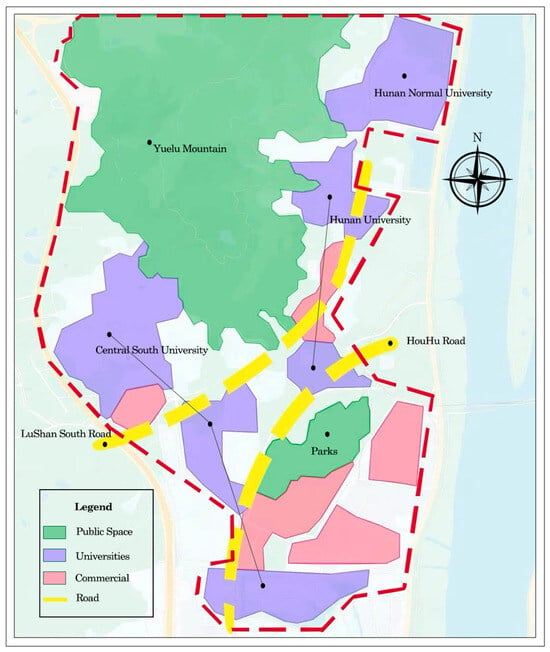
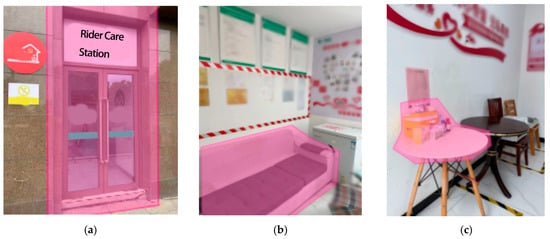
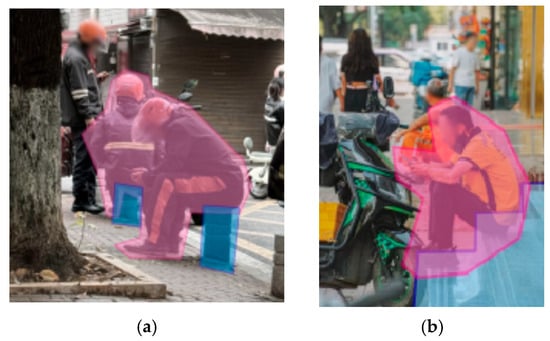
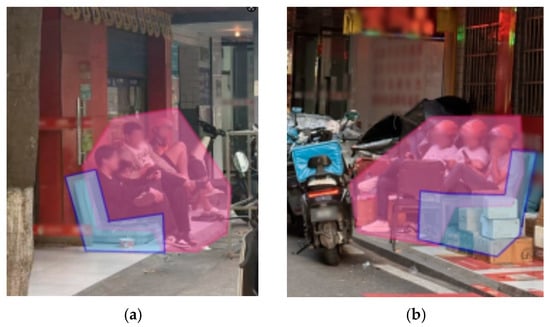
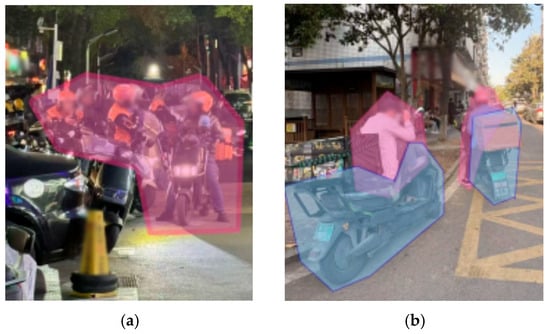
Food delivery riders face a structural shortage of informal street rest spaces in urban public environments, yet existing facilities often fail to match their highly mobile labor processes. Taking the Hexi University Town commercial district in Changsha as a case study, this research examines how rest-space conditions are associated with riders’ occupational dignity and work environment satisfaction. Based on 365 valid questionnaires, field observations, and informal interviews, structural equation modeling, bootstrap mediation analysis, and grouped regression analysis were conducted within a spatial justice framework. The results show that spatial justice perceptions are associated with satisfaction through differentiated pathways. Spatial embeddedness is associated with work environment satisfaction, while facility suitability operates partly through occupational dignity and has the highest mediation proportion. Procedural justice is insignificant in formal spaces but has a strong effect in informal spaces, revealing a mismatch between institutional provision and practical accessibility. The findings indicate that riders’ rest-space dilemma stems not only from insufficient facilities but also from the disembedding of spatial rights from mobile labor processes. This study extends spatial justice research from resource distribution to labor-process embeddedness and proposes micro-renewal strategies that shift from facility provision to process embeddedness, offering implications for inclusive public-space planning, sustainable urban design, and urban governance.
Full article
(This article belongs to the Special Issue Sustainable Urban Design and Resilient Communities)
►▼
Show Figures

Figure 1

Open AccessArticle
Adaptive Resilience in Shrinking Regions: Emerging Firm-Level Patterns of Authentic Leadership and Endogenous Renewal in a Resource-Constrained Legacy Organization
by
Soichiro Furuki and Norihiro Nishimura
Sustainability 2026, 18(13), 6918; https://doi.org/10.3390/su18136918 (registering DOI) - 7 Jul 2026
Abstract
►▼
Show Figures
Since the late 1970s, regional areas in Japan have experienced prolonged contraction driven by population decline, aging, and industrial shrinkage. Prior research has shown that some localities exhibit adaptive resilience under these conditions, yet the firm-level processes underlying such resilience remain insufficiently understood.
[...] Read more.
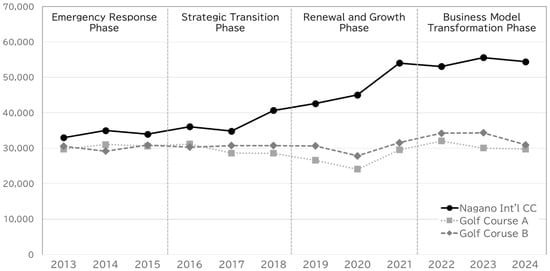
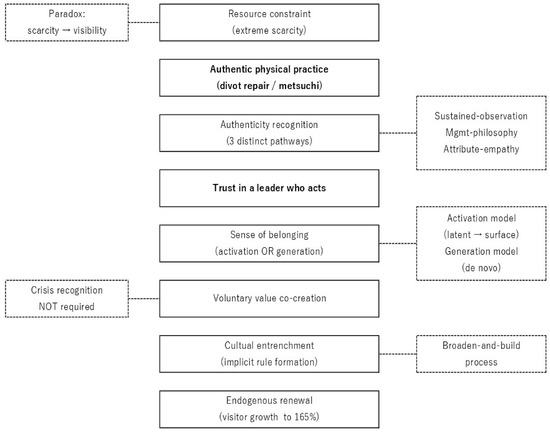
Since the late 1970s, regional areas in Japan have experienced prolonged contraction driven by population decline, aging, and industrial shrinkage. Prior research has shown that some localities exhibit adaptive resilience under these conditions, yet the firm-level processes underlying such resilience remain insufficiently understood. This study examines Nagano International Country Club (NICC), a regionally central growth-era firm in Nagano Prefecture that increased its visitor numbers to 165% of the 2013 level despite severe financial constraints and flat performance among nearby competitors. Using semi-structured member interviews (n = 3), employee surveys (n = 5), and a reflexively governed autoethnographic analysis, the study explores how stakeholders perceived NICC’s recovery trajectory. Under extreme resource scarcity, the manager repeatedly engaged in a low-cost, labor-intensive practice of personally repairing divots. Participants interpreted this sustained practice as an authentic expression of leadership that appeared to foster trust, activate or generate a sense of belonging, and encourage voluntary participation in course maintenance. These processes were perceived as contributing to spontaneous value co-creation that emerged without crisis framing or financial incentives. The study offers a context-specific interpretation of how endogenous, trust-based value co-creation may be experienced within a resource-constrained legacy firm and suggests that early contours of adaptive resilience observed at the regional level may also manifest at the firm level.
Full article

Figure 1
Open AccessReview
Advances in Resilience Assessment and Adaptive Strategies for Watershed Non-Point Source Pollution Systems Under Climate Change
by
Bao-Ling Liu, Chun-Xue Yang, Shao-Peng Yu, Chuan-Qi Shi and Jian-Lin Rong
Sustainability 2026, 18(13), 6917; https://doi.org/10.3390/su18136917 (registering DOI) - 7 Jul 2026
Abstract
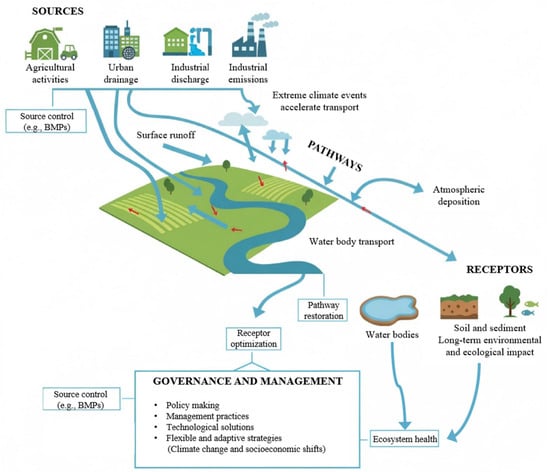
The changing climate raises the level of hydroclimatic non-stationarity and export of pollutants at the event scale in agricultural, mixed-land-use, and urbanizing watersheds. In this review, there is an emphasis on nitrogen, phosphorus, and sediment; however, selective references are made to pesticides, pathogens,
[...] Read more.
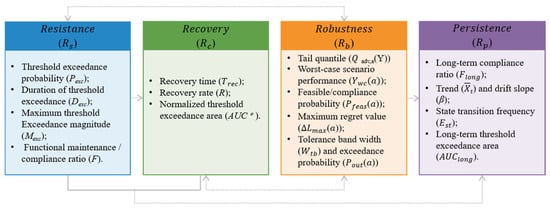
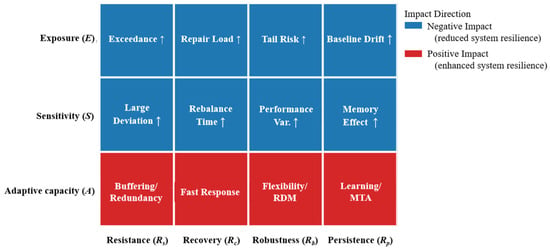
The changing climate raises the level of hydroclimatic non-stationarity and export of pollutants at the event scale in agricultural, mixed-land-use, and urbanizing watersheds. In this review, there is an emphasis on nitrogen, phosphorus, and sediment; however, selective references are made to pesticides, pathogens, microplastics, and wet-weather mixed-source processes when characteristics similar to event-driven transport, threshold exceedance, and adaptive control are identified. Drawing on a structured literature search of studies published from 2000 to December 2025, this narrative review synthesizes evidence from 138 selected references on how extreme rainfall, drought–rewetting, warming, and freeze–thaw processes alter source activation, hydrological connectivity, biogeochemical processing, and receiving-water hazards. Our resilience assessment is based on resistance, recovery, robustness, and persistence, which we interpret using exposure, sensitivity, and adaptive capacity. It is shown that standard average-load and fixed-baseline measurements may not detect short pollution pulses, cross-scenario failure, and long-term drift; operational measurement must thus involve event thresholds, recovery trajectories, tail-risk measures, and propagation of uncertainty. Extrapolation, interpretability, data demand, and applicability for data-sparse basins are used to compare process-based, data-driven, and hybrid models. Adaptation options are associated with measurable triggers as part of a monitoring–trigger–action cycle with location-specific instructions for monsoon-agricultural, cold-region, semi-arid and urban systems. The novel aspect of this framework is the integration of mechanism-based evidence, quantitative resilience indicators, model uncertainty, and adaptive governance into one decision-focused workflow. This sustainability-oriented framework advances long-term watershed management by linking water-quality protection and resilient development.
Full article
(This article belongs to the Special Issue Advancing Climate Risk Management: Strategies for Sustainability and Adaptation)
►▼
Show Figures

Figure 1

Open AccessArticle
Time Series Decomposition-Based Prediction Model for Sustainable Reservoir Operation and Flood Risk Management in Backwater Reaches
by
Shihan Pan, Qiong Wu, Hanzhi Wang, Shu Chen and Li Zhang
Sustainability 2026, 18(13), 6916; https://doi.org/10.3390/su18136916 (registering DOI) - 7 Jul 2026
Abstract
►▼
Show Figures
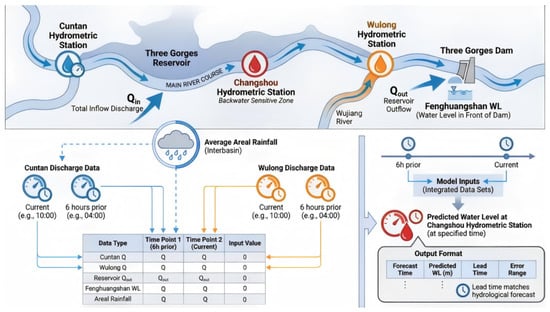
Water level prediction for the backwater reaches of large reservoirs is a critical step for many tasks of reservoir operation and flood control, directly affecting the sustainability of water–energy–ecosystem balance. The problem is very challenging due to arbitrarily complicated hydrodynamic mechanisms and various
[...] Read more.
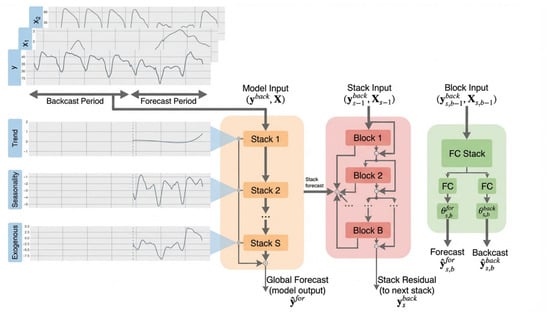
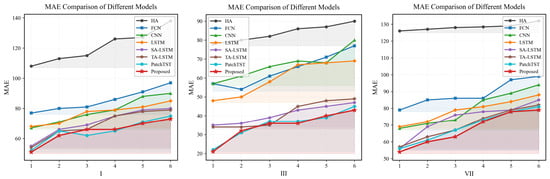
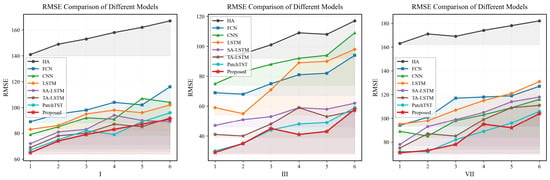
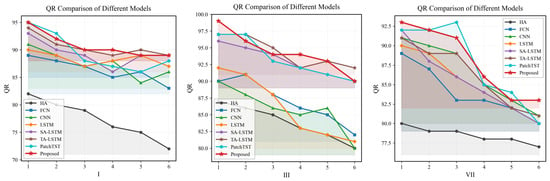
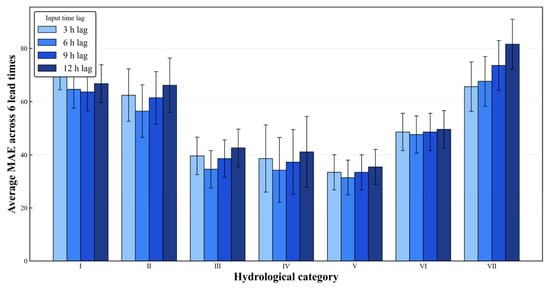
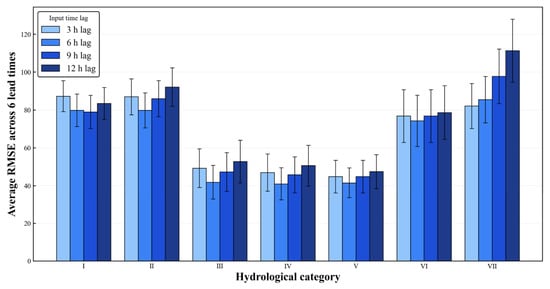
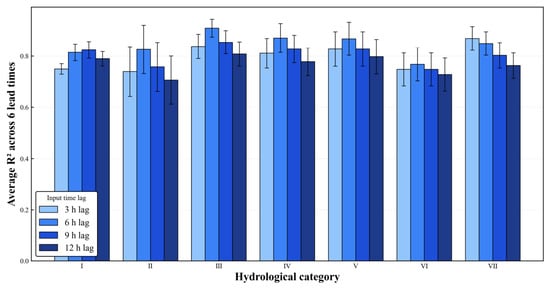
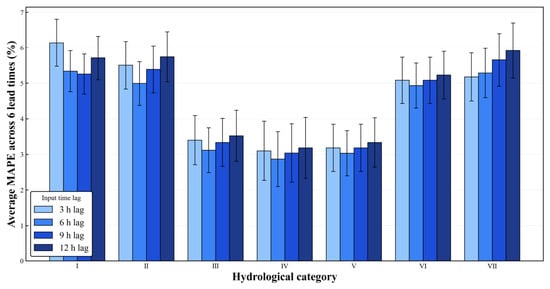
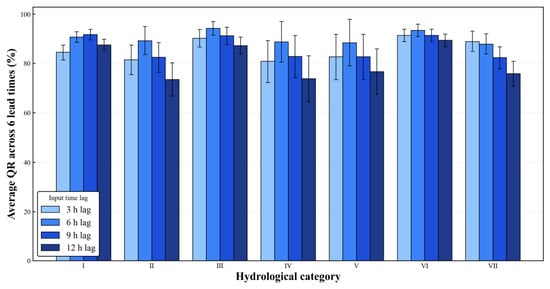
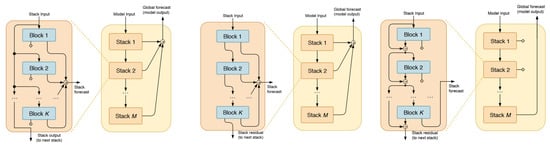
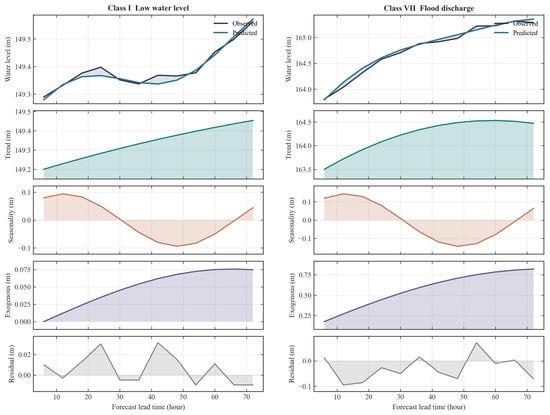
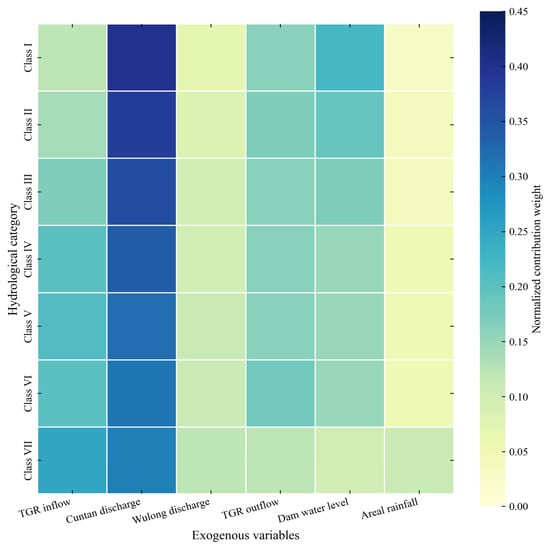
Water level prediction for the backwater reaches of large reservoirs is a critical step for many tasks of reservoir operation and flood control, directly affecting the sustainability of water–energy–ecosystem balance. The problem is very challenging due to arbitrarily complicated hydrodynamic mechanisms and various types of influencing factors. This paper proposes a method based on time series decomposition for feature extraction from data samples by a novel neural architecture. To accurately quantify the complex hydraulic conditions of large reservoirs, we investigate a type of neural basis expansion to incorporate exogenous variables (e.g., reservoir regulation and storage, upstream confluence, and flow travel time). Unlike the traditional LSTM-based methods, our method is free from recurrent architecture. It can exploit backward and forward residual links as a backbone to ensure the validity and structural distribution of the information during the model training. Extensive experiments on real data of the Three Gorges Reservoir are implemented to evaluate the performance of the proposed method. The results show that the proposed method shows state-of-the-art performance on all evaluation metrics and can provide reliable technical support for the refined and sustainable operation of large reservoirs.
Full article

Figure 1
Open AccessArticle
What Drives Sustainable Business Models? A Hierarchy of Pathways for SMEs
by
Aiman Noor, Chuanmin Mi and Hasan Farid
Sustainability 2026, 18(13), 6915; https://doi.org/10.3390/su18136915 (registering DOI) - 7 Jul 2026
Abstract
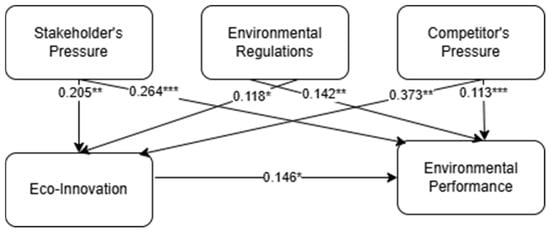
Institutional theory assumes that coercive, normative, and mimetic pressures operate as parallel forces driving organizational isomorphism. This study tests this assumption by exploring the impact of pressures on eco-innovation and environmental performance in manufacturing SMEs. A two-wave, time-lagged survey of 271 manufacturing SMEs
[...] Read more.
Institutional theory assumes that coercive, normative, and mimetic pressures operate as parallel forces driving organizational isomorphism. This study tests this assumption by exploring the impact of pressures on eco-innovation and environmental performance in manufacturing SMEs. A two-wave, time-lagged survey of 271 manufacturing SMEs in China was analyzed using structural equation modeling (SEM) using IBM SPSS Statistics 27 and AMOS 21.0. The findings demonstrate a significant impact of institutional forces. Specifically, mimetic pressure (competitive pressure) most strongly influences eco-innovation, while normative pressure (stakeholder pressure) most strongly influences environmental performance. Coercive pressure (environmental regulations) is relatively weak. This research advances institutional theory by measuring the mediation magnitudes, revealing that these pressures affect both direct and innovation-mediated pathways. Mimetic pressure is most dependent on eco-innovation for performance (32.5% mediated), while normative pressure mostly uses direct channels (10% mediated). The fsQCA results complement these findings by providing interchangeable pathways to achieve Environmental Performance. By considering all pressures together, this study establishes a hierarchy of influence where competition stimulates eco-innovation, and stakeholders stimulate performance. This study provides evidence that these pressures are not substitutes because they affect different degrees of reliance on eco-innovation. This study shows that, under fragmented enforcement, non-regulatory pressures may be more significant than regulatory ones.
Full article
(This article belongs to the Topic Advancing the Circular Transition: Digitalization and Material Innovation for a Sustainable Built Environment)
►▼
Show Figures

Figure 1
Open AccessArticle
Assessing the Performance of a Rural Water Supply System: Case Study of Matatani Village, Vhembe District Municipality, South Africa
by
Elelwani Tshivhase, Shudufhadzo Godlive Mukwevho, Tuwani Petrus Malima and Rachel Makungo
Sustainability 2026, 18(13), 6914; https://doi.org/10.3390/su18136914 (registering DOI) - 7 Jul 2026
Abstract
This study assessed the performance of a rural water supply system. Performance assessment of water supply systems is important to ensure the long-term sustainability of water services. The study addressed a critical gap in assessing performance while accounting for water disruptions and their
[...] Read more.
This study assessed the performance of a rural water supply system. Performance assessment of water supply systems is important to ensure the long-term sustainability of water services. The study addressed a critical gap in assessing performance while accounting for water disruptions and their effects on water quality in nonlinear rural water supply systems. This is critical, especially in rural areas where reliable access to water is limited. A questionnaire survey was conducted to collect data on the reliability and accessibility of the water supply system. Questionnaire responses were analysed using the Statistical Package for Social Sciences version 25. Spearman’s rank correlation was used to determine the relationship between the socio-economic variables and the performance indicators. and the variables. Turbidity, electrical conductivity (EC), total dissolved solids (TDS), and pH were measured in the field. Escherichia coli (E. coli) and total coliforms were analysed using the membrane filtration method. A paired two-tailed t-test was used to determine if there is a significant difference in water quality between the dry and wet seasons. Key performance indicators on reliability and accessibility were assessed by comparing benchmarks. Most households receive an inadequate quantity of water, with 84.3% using less than the recommended basic need of 1500 L per week. Travel distances to the source exceeded the recommended benchmark of 100 m. The majority of respondents (81.4%) reported frequent water supply disruptions, indicating poor reliability of the source. EC and pH were within the South African National Standards (SANS) 241 guideline for drinking water. TDS, turbidity, and microbial parameters failed to meet safe drinking water standards, except for E. coli during the dry season. There was no significant difference in the water quality between the dry and wet seasons. The water supply system demonstrated poor performance. Measures such as implementing low-cost filtration systems to reduce turbidity, raising community awareness about water safety, and decentralising maintenance activities to improve system sustainability due to financial constraints. These interventions will reduce physical burdens and increase effective water usage.
Full article
(This article belongs to the Section Sustainable Water Management)
Open AccessArticle
Impact of Landscape Composition and Configuration on Urban Heat Island Intensity in Zhengzhou Urban Area: Based on Nonlinear Response Patterns and Region-Specific Thresholds
by
Guojie Wei, Shuhui Wang and Qindong Fan
Sustainability 2026, 18(13), 6913; https://doi.org/10.3390/su18136913 (registering DOI) - 7 Jul 2026
Abstract
Rapid urbanization has significantly altered urban landscape composition and configuration, making it a key driver exacerbating the urban heat island (UHI) effect. As a rapidly expanding inland city in Central China, Zhengzhou is highly sensitive to changes in landscape composition and spatial configuration.
[...] Read more.
Rapid urbanization has significantly altered urban landscape composition and configuration, making it a key driver exacerbating the urban heat island (UHI) effect. As a rapidly expanding inland city in Central China, Zhengzhou is highly sensitive to changes in landscape composition and spatial configuration. Therefore, clarifying the nonlinear relationship between landscape patterns and the urban thermal environment is of great significance for sustainable urban planning and thermal environment regulation. Taking the main urban area of Zhengzhou as the study area, this paper retrieves land surface temperature (LST) using the radiative transfer equation method based on Landsat 8 remote sensing images from August 2015 to August 2024, and constructs the surface urban heat island intensity (SUHII) index. By integrating multi-dimensional landscape pattern indices, the XGBoost machine learning model, and the SHAP interpretability method, this study systematically analyzes the nonlinear response mechanisms of landscape composition and configuration to SUHII, key regulatory thresholds, and their changes between 2015 and 2024. The results show that: (1) The SUHII in Zhengzhou was substantially higher in 2024 than in 2015. The area proportions of strong and extremely strong heat islands were higher in 2024 (26.16% and 2.34%) than in 2015 (2.22% and 0.12%), and the thermal environment differed between 2015 and 2024, shifting from a localized patch pattern to a more continuously expanding pattern. (2) Landscape area-related indices are the key factors. The areas of green space and water bodies, along with the landscape diversity index, show significant negative correlations, while built-up area and aggregation index show significant positive correlations. (3) SHAP feature importance indicates that water body area is the primary cooling factor, whereas built-up area is the primary warming factor, jointly dominating the spatial pattern of the thermal environment in Zhengzhou. (4) Landscape composition and configuration exhibit significant nonlinear responses to SUHII with region-specific thresholds, and these thresholds were higher/lower in 2024 than in 2015, suggesting a possible association with urban expansion. Specifically, stable cooling effects occurred when the water body area exceeded 3.5 km2 in 2015, with the threshold rising to 4.2 km2 in 2024. The warming threshold for built-up area decreased from 18.8 km2 to 8.5 km2, suggesting a higher sensitivity of the thermal environment to built-up area expansion in 2024 compared to 2015, characterized by a regulation pattern of “dominant scale effect and weakened configuration effect”. This study identifies thresholds specific to Zhengzhou’s main urban area at two time points (2015 and 2024), providing quantitative support and scientific basis for blue–green space optimization, precise heat island mitigation, and territorial spatial planning in Zhengzhou. These findings are based on a comparison of two time points (2015 and 2024) and do not directly capture continuous temporal dynamics.
Full article
Open AccessArticle
Mapping Strategic Innovation Capacity and Sustainable Development in the European Union: Evidence from Grey Clustering
by
Corina Ioanăș, Bianca-Raluca Cibu, Paul Diaconu, Florinel-Marian Sgărdea and Camelia Delcea
Sustainability 2026, 18(13), 6912; https://doi.org/10.3390/su18136912 (registering DOI) - 7 Jul 2026
Abstract
►▼
Show Figures
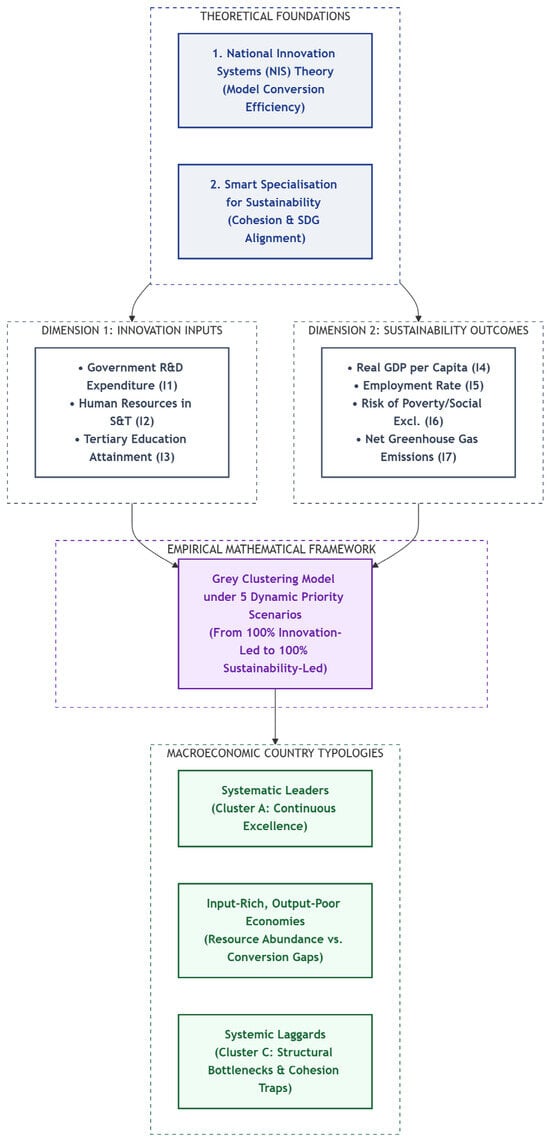
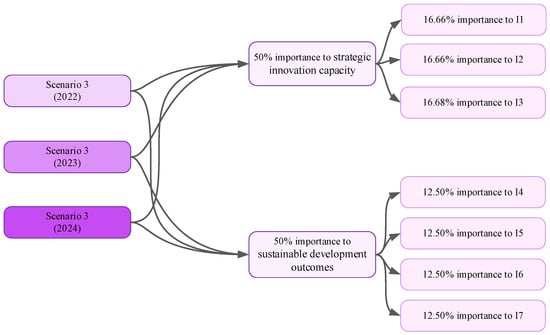
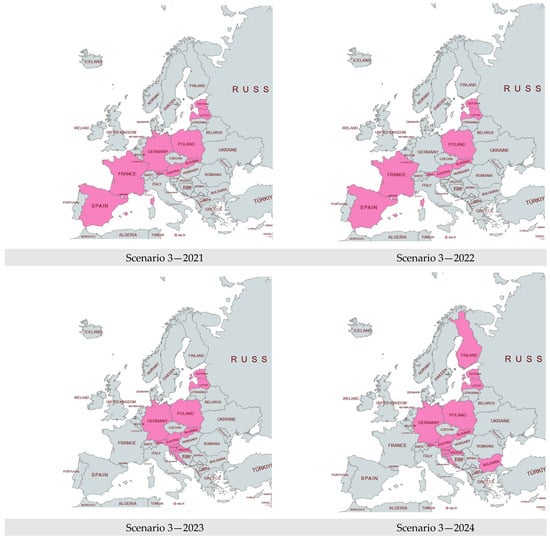
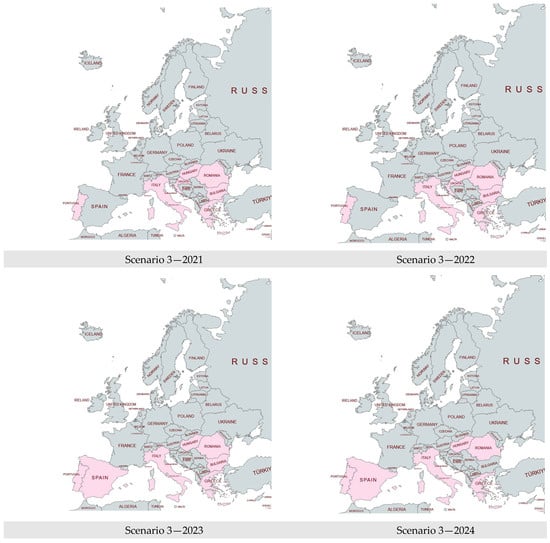
This paper evaluates the extent to which European Union member states show alignment between strategic innovation capacity and sustainable development outcomes. To achieve this objective, indicators were collected from Eurostat for two dimensions: strategic capacity for innovation (public expenditure on research and development,
[...] Read more.
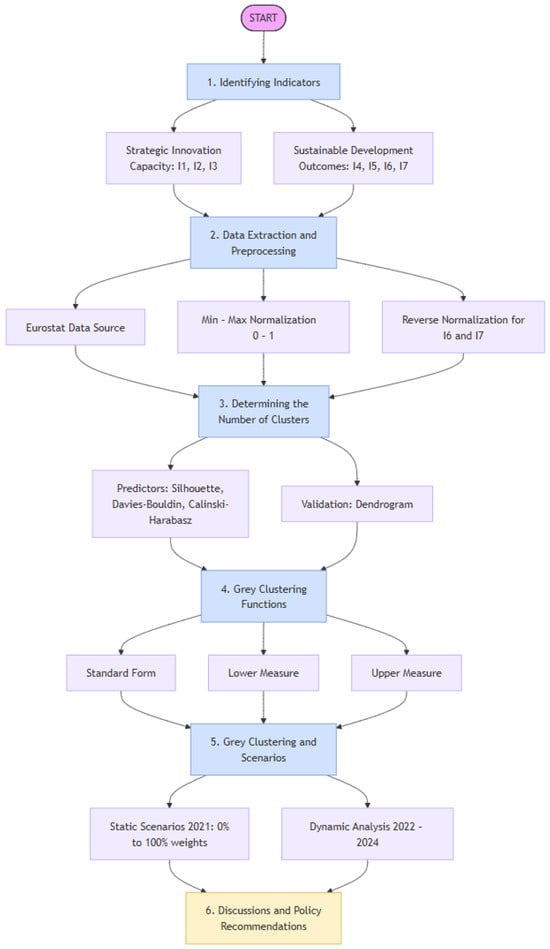
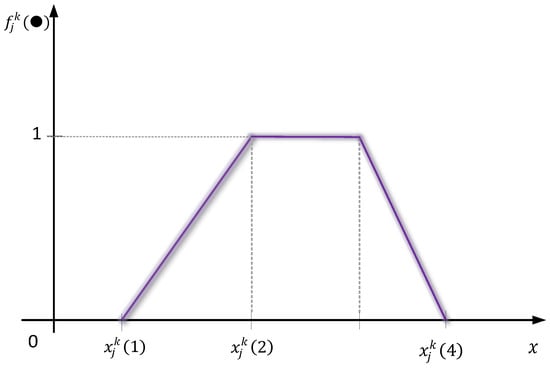
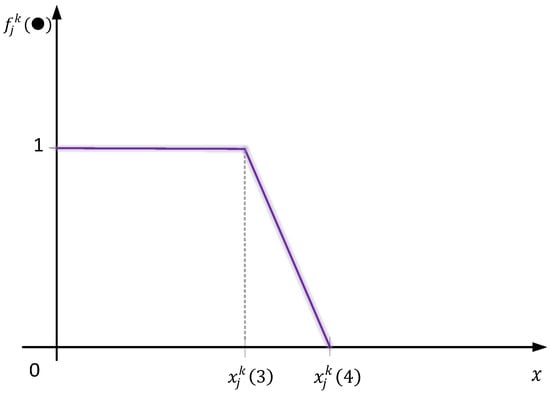
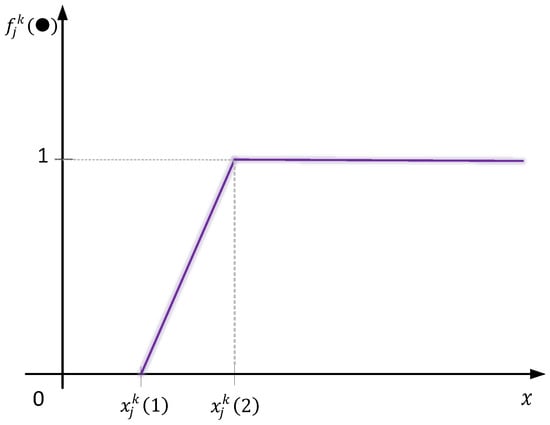
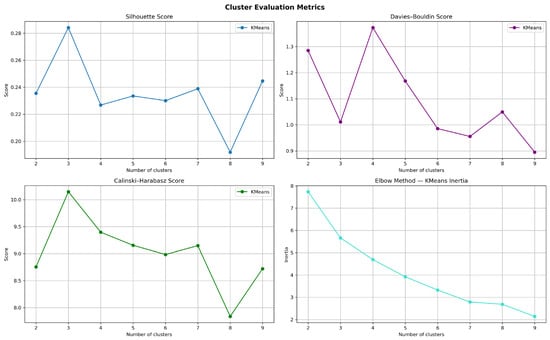
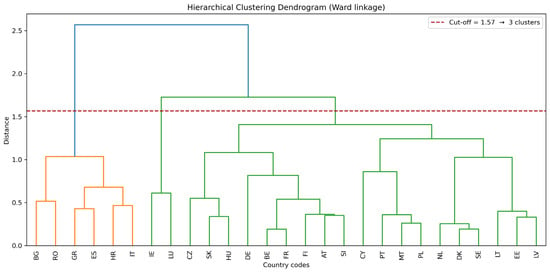
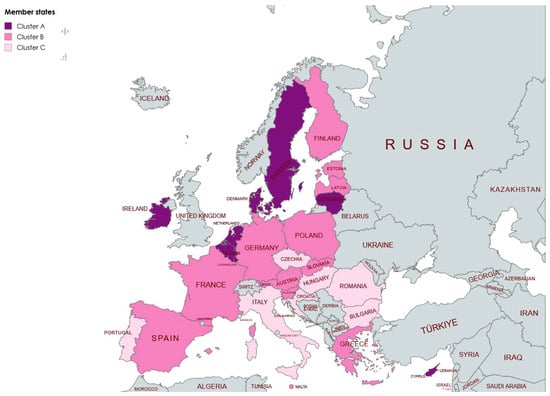
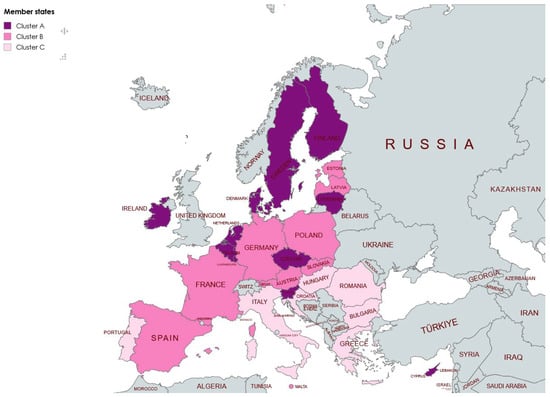
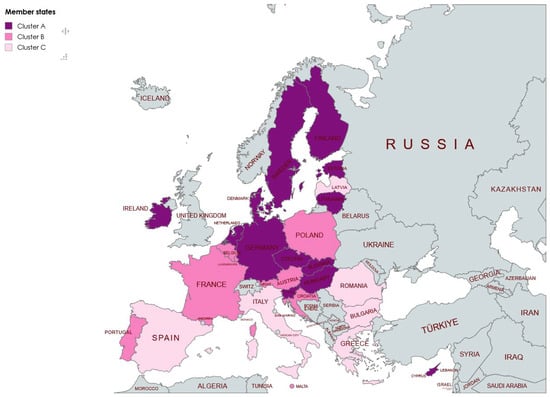
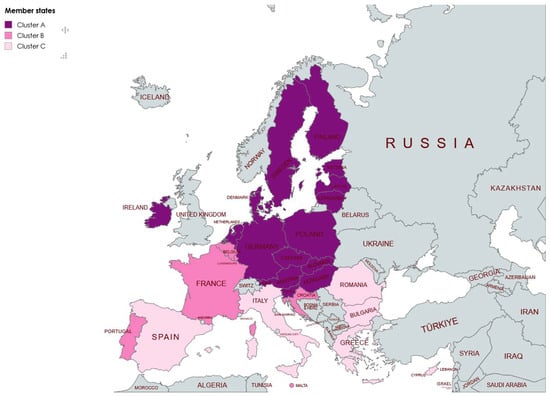
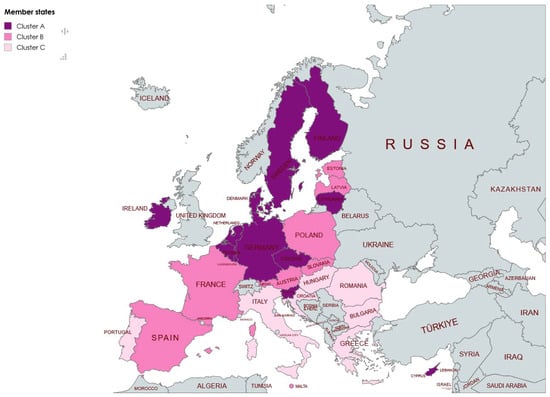
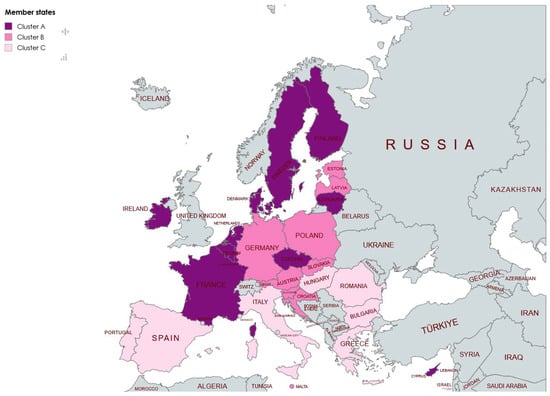
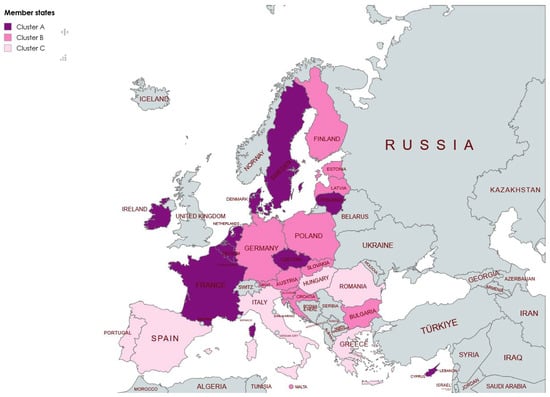
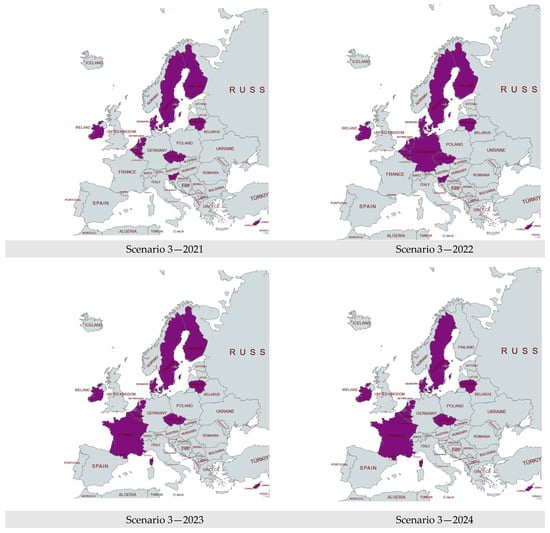
This paper evaluates the extent to which European Union member states show alignment between strategic innovation capacity and sustainable development outcomes. To achieve this objective, indicators were collected from Eurostat for two dimensions: strategic capacity for innovation (public expenditure on research and development, human resources in science and technology, and the higher education graduation rate) and sustainable development outcomes (real GDP per capita, employment rate, risk of poverty or social exclusion, and greenhouse gas emissions). Going beyond traditional literature, we develop an analysis based on grey clustering using multiple scenarios to illustrate the complex, non-linear relationships and structural bottlenecks in member states. The stability of the classifications was further examined through threshold sensitivity testing across all scenarios and through 200,000 weight-perturbation simulations for an illustrative boundary case. The results reveal distinct performance typologies: a resilient group of “systemic leaders” (including Denmark, Sweden, and the Netherlands) demonstrating consistent excellence across all applied prioritization scenarios, and a stagnant core facing structural challenges regarding both innovation and sustainability (such as Romania and Hungary). The dynamic analysis covering 2021–2024 suggests that strong innovation-capacity indicators are not necessarily associated with equally strong sustainability-outcome indicators, while certain economies in Central and Eastern Europe show positive convergence trends. Supported by stability simulations conducted across multiple scenarios, the study highlights significant alignment gaps between innovation-capacity indicators and sustainability-outcome indicators across the European Union and offers public policy recommendations to stimulate sustainable cohesion and technology adoption.
Full article

Figure 1
Open AccessArticle
Integrated Assessment of Energy Recovery Strategies and Sustainable Management for Municipal Solid Waste
by
Raül Emili Sanchis-Gonzàlez and Francesc Hernández-Sancho
Sustainability 2026, 18(13), 6911; https://doi.org/10.3390/su18136911 (registering DOI) - 7 Jul 2026
Abstract
High-value components in the organic fraction of both municipal and industrial waste are still underused. In fact, there are two components in organic matter with high energy and emission value: carbohydrates (up to 46%) and fats (3.9–25%). The technological potential of using an
[...] Read more.
High-value components in the organic fraction of both municipal and industrial waste are still underused. In fact, there are two components in organic matter with high energy and emission value: carbohydrates (up to 46%) and fats (3.9–25%). The technological potential of using an integrated sequential biorefinery route, including lipid extraction for HVO/SAF, carbohydrate fermentation for bioethanol, and pyrolysis for renewable hydrogen generation, is not fully exploited. The objective of this work is to propose an approach based on a systematic six-step engineering methodology to determine the feasibility of its recovery. This integrated strategy achieves an attractive economic performance, with payback periods between 1.97 and 3.00 years, significantly outperforming traditional waste-to-energy models such as anaerobic digestion or composting. While current green hydrogen production costs range from USD 4.28 to USD 6.86, our model positions urban waste as a competitive feedstock for energy transition, achieving a selling price of 4.84 EUR/kg at midpoint values. For the remaining organic matter, a definitive thermal barrier for the 100% removal of microplastics is proposed, to prevent them from reaching agricultural soils. At the same time, efficient waste characterization, aligned with the European RED III directive, will allow the identification of high-value products and the application of the best available techniques for their extraction and use.
Full article
(This article belongs to the Section Waste and Recycling)
Open AccessArticle
Green Industrial Zones and Ports: A 100% Renewable Energy Transition Model
by
Mario Mihetec, Maja Pokrovac, Zvonimir Šoša, Goran Stunjek and Goran Krajačić
Sustainability 2026, 18(13), 6910; https://doi.org/10.3390/su18136910 (registering DOI) - 7 Jul 2026
Abstract
Energy industrial zones can act as a transformative model for industrial decarbonization by integrating renewable energy infrastructure directly with industrial production. By combining energy industrial zones with the energy community framework and peer-to-peer (P2P) energy trading, this study proposes a pathway toward 100%
[...] Read more.
Energy industrial zones can act as a transformative model for industrial decarbonization by integrating renewable energy infrastructure directly with industrial production. By combining energy industrial zones with the energy community framework and peer-to-peer (P2P) energy trading, this study proposes a pathway toward 100% renewable energy sources. The model was tested using a techno-economic assessment applied to the Bravar-Jasenice case study in Croatia featuring 12 MW of solar PV, 10 MW of wind power, and a 9.3 MW biogas cogeneration plant. This integrated approach can achieve 80–90% energy self-sufficiency and reduce electricity expenditures for participating enterprises by approximately 15%. Furthermore, the system facilitates an annual reduction of roughly 20,000 tonnes of CO2 emissions, thus directly supporting European Green Deal objectives. The study also highlights the potential for industrial symbiosis, including green hydrogen production, data centre integration, and waste heat recovery. Ultimately, the proposed framework provides a robust strategy for enhancing industrial competitiveness and ensuring energy security through localized, sustainable energy management.
Full article
(This article belongs to the Section Energy Sustainability)
Open AccessArticle
Circularity Without Redistribution? North–South Inequality in Recycled Aluminum Value Chains
by
Javier Arévalo-Royo, Óscar Martín-Llorente, Eduardo Martínez-Cámara, Francisco-Javier Flor-Montalvo and Julio Blanco-Fernández
Sustainability 2026, 18(13), 6909; https://doi.org/10.3390/su18136909 (registering DOI) - 7 Jul 2026
Abstract
The transition towards sustainable aluminum manufacturing is commonly assessed through recycling rates, energy savings, and resource efficiency, but its distributive effects across global value chains remain insufficiently examined. This study evaluates whether recycled aluminum value chains contribute to both circularity and north–south redistribution,
[...] Read more.
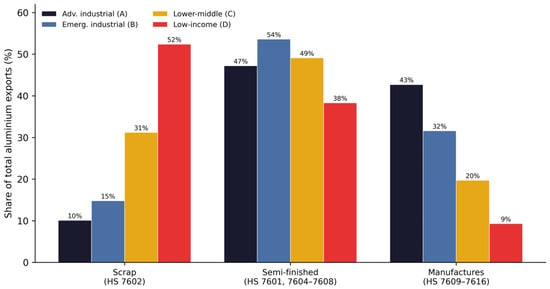
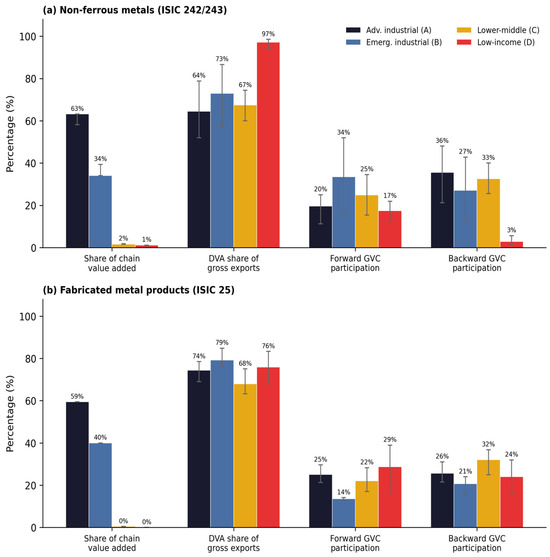
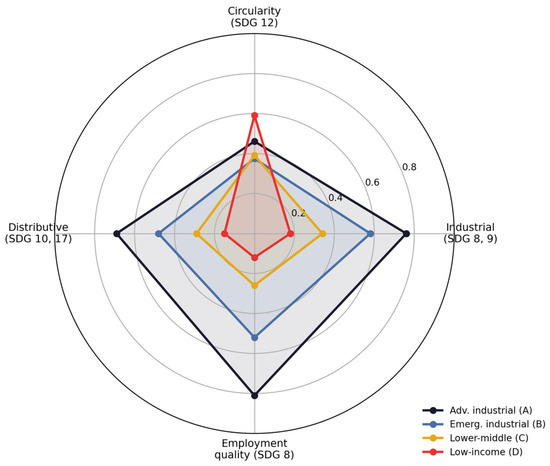
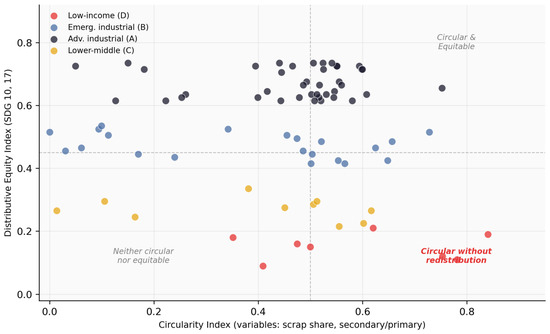
The transition towards sustainable aluminum manufacturing is commonly assessed through recycling rates, energy savings, and resource efficiency, but its distributive effects across global value chains remain insufficiently examined. This study evaluates whether recycled aluminum value chains contribute to both circularity and north–south redistribution, or whether they reproduce unequal patterns of value capture, industrial upgrading, employment quality, and trade dependency. The analysis combines UN Comtrade trade data for HS 7601–7616, OECD ICIO 2025 value added indicators, ILOSTAT labor statistics, and UN SDG data for the 2018–2020 three-year average. Eighty economies are classified into four groups: advanced industrial economies, emerging industrial economies, lower-middle-income economies, and low-income economies. A composite indicator linked to SDGs 8, 9, 10, and 12, with SDG 17 incorporated only as a trade dependency context, is constructed from normalized industrial, circular material flow, distributive, and job-quality variables. The results show a clear north–south hierarchy: advanced economies concentrate a larger share of exports in aluminum manufactures, while low-income economies remain more dependent on scrap flows. Group A captures most chain value added, whereas Groups C and D retain only marginal shares. Labor productivity falls sharply from advanced to low-income economies, while working poverty increases substantially. By contrast, circularity scores vary less strongly across groups, suggesting that participation in circular material flows does not necessarily imply equitable industrial upgrading. This study shows that circularity in recycled aluminum value chains does not automatically generate redistribution and provides a replicable framework for distinguishing material circularity from distributive justice.
Full article
(This article belongs to the Section Development Goals towards Sustainability)
►▼
Show Figures

Figure 1
Open AccessReview
AI-Powered Digital Twins for Building Energy Management: Modeling Frameworks, Validation and Uncertainty Quantification, Smart Grid Integration, and Deployment Roadmap
by
Łukasz Łach
Sustainability 2026, 18(13), 6908; https://doi.org/10.3390/su18136908 (registering DOI) - 7 Jul 2026
Abstract
The global buildings and construction sector remains a dominant contributor to anthropogenic climate change, and deep decarbonization has positioned digital twin technology as a transformative pathway for intelligent building energy management. Despite considerable research momentum, the field lacks a coherent synthesis mapping AI
[...] Read more.
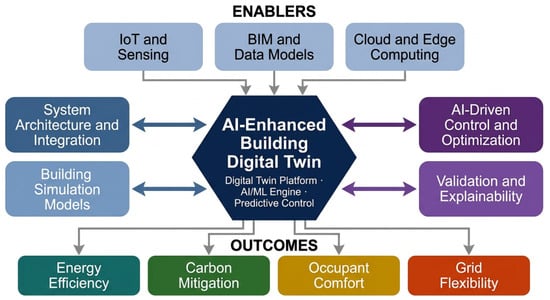
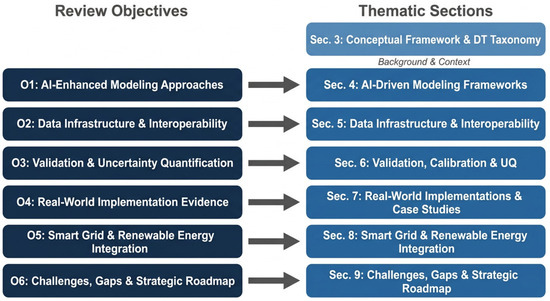
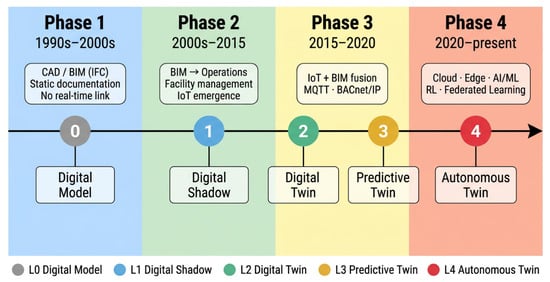
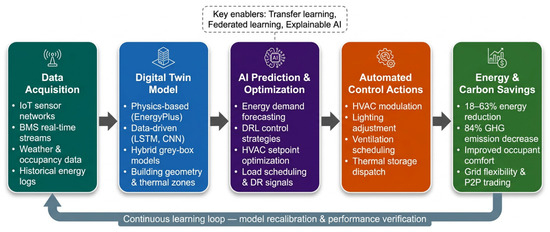
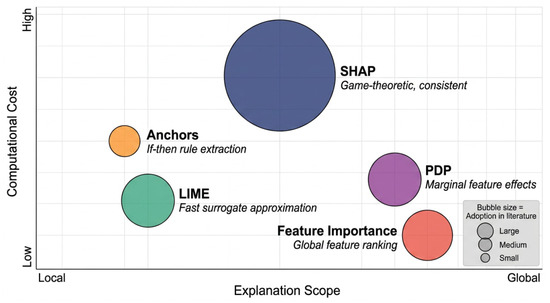
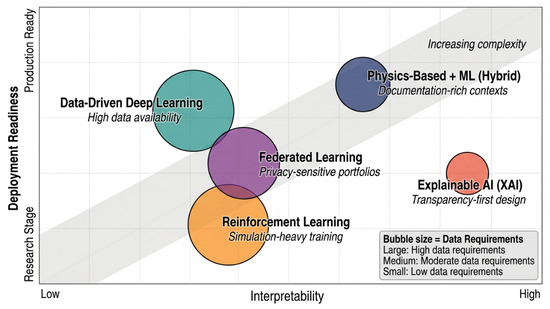
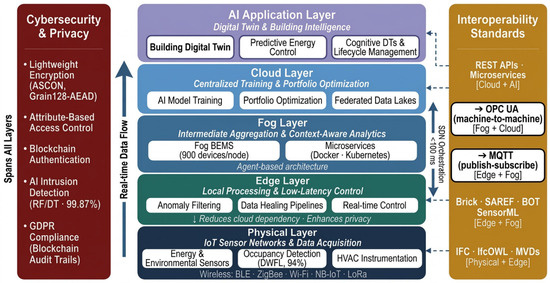
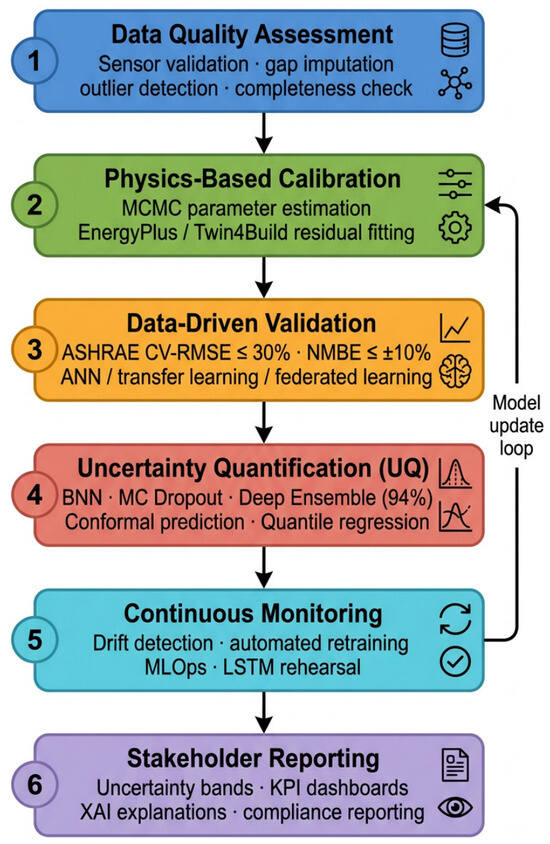
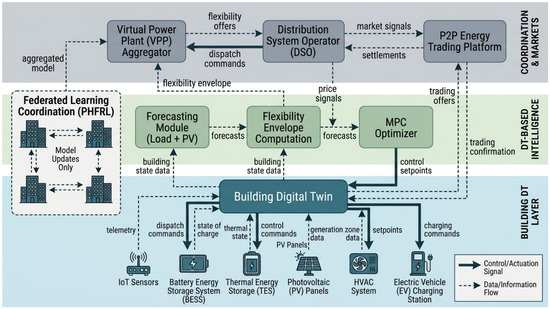
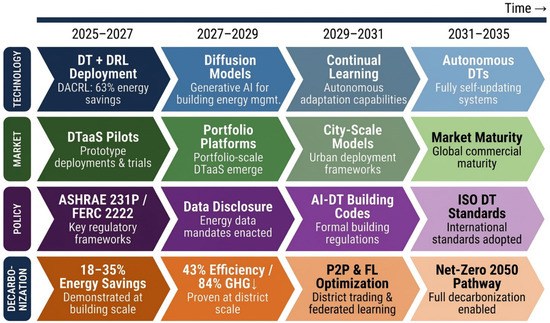
The global buildings and construction sector remains a dominant contributor to anthropogenic climate change, and deep decarbonization has positioned digital twin technology as a transformative pathway for intelligent building energy management. Despite considerable research momentum, the field lacks a coherent synthesis mapping AI capabilities onto the full digital twin lifecycle—from sensor-driven calibration through real-world deployment to district-scale operation. This review addresses this gap through six objectives: analyzing AI-enhanced modeling approaches for building digital twins; examining data infrastructure and interoperability requirements; evaluating validation, calibration, and uncertainty quantification practices; synthesizing real-world implementation evidence across diverse building typologies; assessing integration with renewable energy systems and smart grids; and identifying challenges, research gaps, and a strategic deployment roadmap. Physics-based, data-driven, and hybrid modeling strategies occupy distinct and complementary roles. Physics-informed surrogate models preserve thermodynamic interpretability while reducing computational overhead; deep learning architectures—including recurrent networks and reinforcement learning agents—deliver adaptive control; and federated learning frameworks enable privacy-preserving optimization across distributed building portfolios. Rigorous multi-metric validation aligned with established calibration standards proves essential for trustworthy deployment, while Bayesian and ensemble-based uncertainty quantification methods emerge as indispensable components of operationally credible digital twins. Evidence from real-world deployments in residential, commercial, healthcare, and industrial facilities confirms that AI-powered digital twins consistently deliver substantial energy savings and measurable improvements in occupant comfort. Scaling to district and urban levels introduces challenges in data governance, computational architecture, and multi-stakeholder coordination, yet federated digital twin frameworks are beginning to demonstrate viable pathways. The paper concludes with a decade-long strategic roadmap spanning technological maturation, market development, regulatory alignment, and decarbonization impact—positioning AI-enhanced digital twins not as incremental optimization tools, but as the foundational infrastructure for the coordinated transformation of the global building stock.
Full article
(This article belongs to the Special Issue Advancing Energy-Efficient Buildings for Net-Zero Carbon Emission Goals)
►▼
Show Figures

Figure 1
Journal Menu
► ▼ Journal Menu-
- Sustainability Home
- Aims & Scope
- Editorial Board
- Reviewer Board
- Topical Advisory Panel
- Early Career Editorial Board
- Instructions for Authors
- Special Issues
- Topics
- Sections & Collections
- Article Processing Charge
- Indexing & Archiving
- Editor’s Choice Articles
- Most Cited & Viewed
- Journal Statistics
- Journal History
- Journal Awards
- Society Collaborations
- Conferences
- Editorial Office
Journal Browser
► ▼ Journal BrowserHighly Accessed Articles
Latest Books
E-Mail Alert
News
Topics
Topic in
Businesses, Economies, Humanities, Land, Sustainability, Tourism and Hospitality, Urban Science
Human–Environmental Relations: Ecotourism and Sustainability
Topic Editors: Tamara Gajić, Minja Bolesnikov, Aleksandar ErcegDeadline: 15 July 2026
Topic in
Buildings, CivilEng, Energies, Sustainability
Energy Systems in Buildings and Occupant Comfort
Topic Editors: Eusébio Z. E. Conceição, Hazim B. AwbiDeadline: 31 July 2026
Topic in
Buildings, CivilEng, Infrastructures, Safety, Sustainability, Systems
Construction Project Management and Infrastructure Sustainability
Topic Editors: Tarek Zayed, Mohamed Hussein, Sherif Abdelkhalek, Eslam Saleh, Abdul Hannan QureshiDeadline: 20 August 2026
Topic in
Applied Sciences, Clean Technol., Energies, Membranes, Polymers, Sustainability, Water
New Advances in Membrane Technology and Its Contribution to Sustainability
Topic Editors: Patricia Luis Alconero, Bart Van der BruggenDeadline: 12 September 2026
Conferences
16 July 2026
Sustainability Webinar | Unlocking the Sustainable Future: New Routes for Bio-Energy, Decarbonization and Environmental Innovation, 16 July 2026

Special Issues
Special Issue in
Sustainability
Smart Ergo-Design: Innovating Sustainability through Smart Ergonomics and Design
Guest Editors: Egon Ostrosi, Jean-Bernard Bluntzer, Morad MahdjoubDeadline: 10 July 2026
Special Issue in
Sustainability
Rural–Urban Integration and Revitalization: A Sustainability Perspective
Guest Editor: Miriam GrantDeadline: 10 July 2026
Special Issue in
Sustainability
The Governance of the Low-Carbon Transition for Sustainable Development
Guest Editor: Yujie HuDeadline: 10 July 2026
Special Issue in
Sustainability
Intelligent Transport System and Sustainable Traffic Management
Guest Editors: Jinlei Zhang, Wei MaDeadline: 10 July 2026
Topical Collections
Topical Collection in
Sustainability
Policies for Sustainable Agricultural Productivity and Efficiency
Collection Editor: Boon Lee
Topical Collection in
Sustainability
Sustainability and Engineering Design
Collection Editors: Hassan Abdalla, Arya Assadi Langroudi
Topical Collection in
Sustainability
Sustainable Conservation of Urban and Cultural Heritage
Collection Editors: Zhiqing Zhao, Qinglian Wang, Bocheng Zhang
Topical Collection in
Sustainability
Air Pollution Control and Sustainable Development
Collection Editors: Weixin Yang, Guanghui Yuan, Yunpeng Yang