


Abstract
This study assessed the performance of a rural water supply system. Performance assessment of water supply systems is important to ensure the long-term sustainability of water services. The study addressed a critical gap in assessing performance while accounting for water disruptions and their effects on water quality in nonlinear rural water supply systems. This is critical, especially in rural areas where reliable access to water is limited. A questionnaire survey was conducted to collect data on the reliability and accessibility of the water supply system. Questionnaire responses were analysed using the Statistical Package for Social Sciences version 25. Spearman’s rank correlation was used to determine the relationship between the socio-economic variables and the performance indicators. and the variables. Turbidity, electrical conductivity (EC), total dissolved solids (TDS), and pH were measured in the field. Escherichia coli (E. coli) and total coliforms were analysed using the membrane filtration method. A paired two-tailed t-test was used to determine if there is a significant difference in water quality between the dry and wet seasons. Key performance indicators on reliability and accessibility were assessed by comparing benchmarks. Most households receive an inadequate quantity of water, with 84.3% using less than the recommended basic need of 1500 L per week. Travel distances to the source exceeded the recommended benchmark of 100 m. The majority of respondents (81.4%) reported frequent water supply disruptions, indicating poor reliability of the source. EC and pH were within the South African National Standards (SANS) 241 guideline for drinking water. TDS, turbidity, and microbial parameters failed to meet safe drinking water standards, except for E. coli during the dry season. There was no significant difference in the water quality between the dry and wet seasons. The water supply system demonstrated poor performance. Measures such as implementing low-cost filtration systems to reduce turbidity, raising community awareness about water safety, and decentralising maintenance activities to improve system sustainability due to financial constraints. These interventions will reduce physical burdens and increase effective water usage.
1. Introduction
Projected increases in global water demand, depletion of freshwater resources, and escalating pollution are expected to intensify water scarcity by 2050 [1]. This will further strain existing water supply systems, particularly in semi-arid and developing regions where water demand already exceeds water supply. In many rural communities, limited infrastructure and high vulnerability to operational disruptions result in water supply systems failing to provide reliable potable water. Operational disruptions may result in opportunities for contaminant intrusion, leading to the presence of microbial contaminants [2]. Performance assessment of water supply systems is therefore critical to identify challenges, suggest solutions, and ensure the long-term sustainability of water services [3].
Numerous studies have applied performance indicators to assess water supply systems [3,4,5,6,7,8], but evaluation frameworks often prioritise urban infrastructure while neglecting rural areas. Despite the importance of assessing water supply system performance, existing evaluation frameworks remain inadequate for effectively evaluating system performance, particularly in rural, inaccessible, and neglected communities in developing countries [9]. As a result, there is a gap in rural-specific assessments of crucial factors, such as the reliability and accessibility of water supply systems, particularly in communities with underdeveloped infrastructure [10]. Vhembe District Municipality in the Limpopo Province, South Africa, is an example of a rural area where this gap is particularly evident, as the latest performance assessment was conducted over 17 years ago [11]. The absence of robust data collection and reporting mechanisms in rural areas makes regular assessment and evaluation challenging. In addition, current performance indicators do not adequately account for water disruptions and their effects on water quality in nonlinear rural water supply systems. Consequently, assessing water supply performance in rural settings requires an integrated approach that considers reliability and its implications for water quality.
The current study is focused on assessing the reliability and accessibility performance indicators of a rural water supply system, using Matatani as a case study. This study follows an integrated approach that considers accessibility and reliability and its implications for water quality, thereby providing critical insights into the operational deficiencies of rural water infrastructure in developing countries. Therefore, the study serves as a baseline for research in remote rural areas. The findings will provide evidence-based recommendations to improve water supply services and enhance the resilience of rural water systems. The findings of the study contribute to broader efforts aimed at strengthening rural water security, therefore supporting the United Nations Sustainable Development Goals (SDGs), including SDG 1 (No Poverty), SDG 2 (Zero Hunger), SDG 3 (Good Health and Well-Being), and SDG 6 (Clean Water and Sanitation). At the regional level, it aligns with the African Union’s Agenda 2063, specifically Goal 1, which promotes a high standard of living, quality of life, and well-being for all citizens, and Goal 3, which focuses on achieving a healthy and well-nourished population [12]. At the local level, the study supports the objectives of South Africa’s National Development Plan [13], which aims to ensure that all people have access to clean and potable water. A well-functioning water supply system not only enhances the quality of life for residents but also supports essential activities such as agriculture, education, and overall public health [14].
2. Materials and Methods
2.1. Study Area
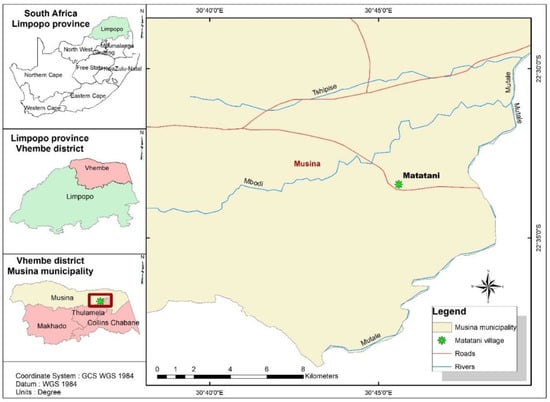
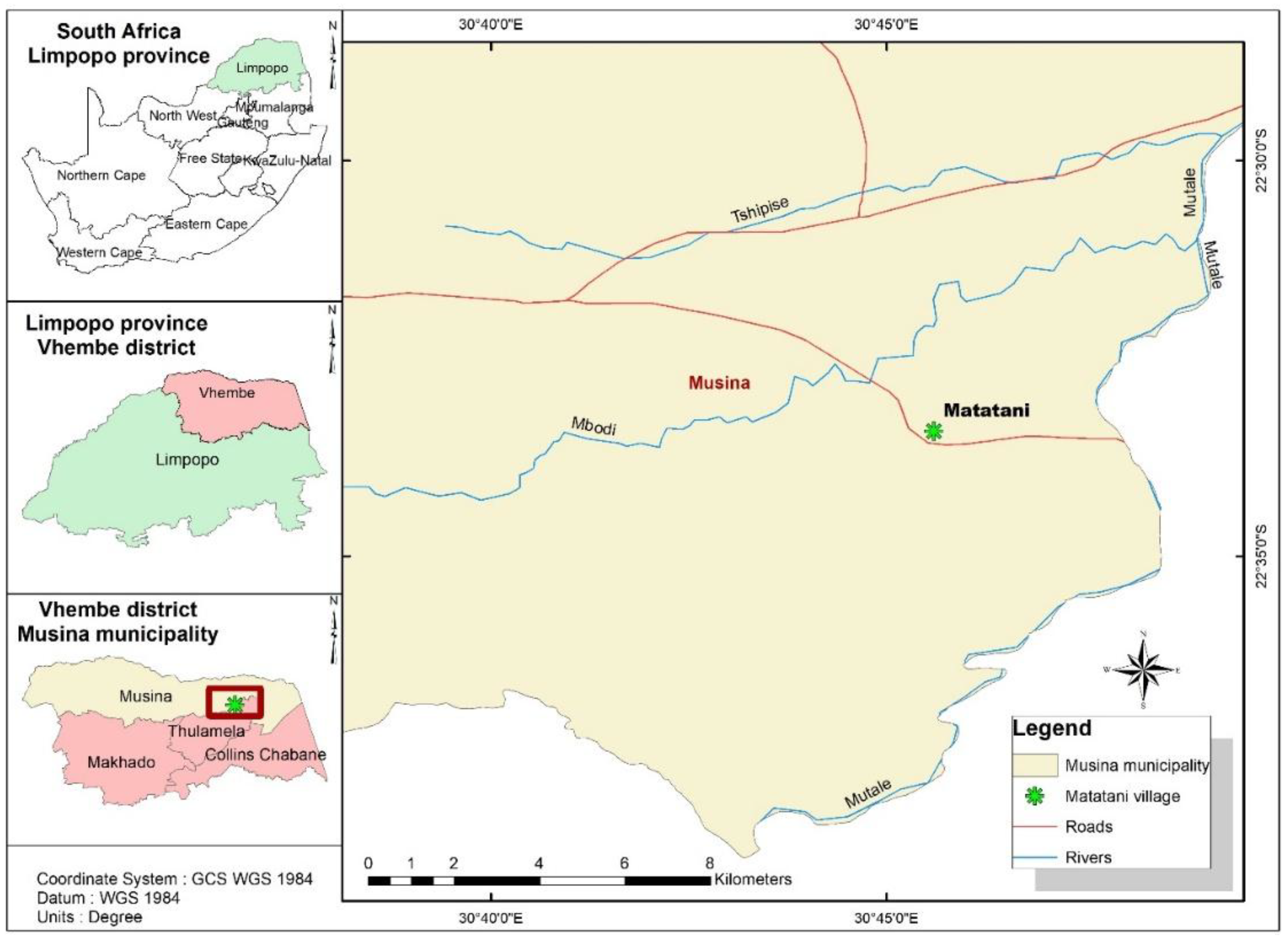
The case study area is Matatani Village, located in Limpopo Province within the Vhembe District Municipality under the jurisdiction of the Musina Local Municipality. Matatani Village is a typical example of a rural community in semi-arid and developing regions that experience chronic water stress, infrastructure limitations, and intermittent water supply. As such, it provides a representative case for assessing the performance of rural water supply systems under conditions of infrastructural and environmental stress. The village is situated near the Mutale River and lies at latitude 22°33′54.16” S and longitude 30°45′39.16” E (Figure 1). Vhembe District is one of the drought-stricken municipalities in South Africa. The north-eastern part of the district has a dry climate and is predominantly semi-arid with frequent droughts [15]. The area experiences annual rainfall of approximately 500 mm per annum, out of which about 87.1% falls between October and March. Maximum temperatures are experienced in January and minimum temperatures occur on average in July [15]. Residents of Matatani Village obtain water from a handpump borehole, the Mutale River, springs, and occasional municipal supply from the Nwanedi Water Scheme for domestic use and cattle watering.
Figure 1.
Map of the study area.
The water supply system in Matatani Village has components that include a water source (communal borehole), a distribution mechanism (hand pump), and households [16]. It, however, lacks other components of a water supply system, including a treatment facility, a water supply network, and a storage reservoir. It is, therefore, an underdeveloped water supply system. These systems are common in remote rural areas of developing countries, as indicated in studies such as [17,18,19]. Though these water supply systems lack several components, it is crucial to assess their performance to identify major gaps, thereby assisting with generating solutions and motivating their further development.
2.2. Sampling and Data Collection
2.2.1. Questionnaire Survey and Field Observations
Purposive sampling was employed to gather data on the reliability and accessibility of groundwater in Matatani Village from all 70 household heads. This included information on access to basic water requirements and the sustainability of the water source. The questionnaire survey targeted household heads as the inclusion criterion. The questionnaire (Supplementary Material S1) was structured into 2 sections focusing on interview details, reliability, and accessibility of the water supply source. This ensured the acquisition of comprehensive information and the generation of well-validated conclusions for assessing the performance of the water supply system. Household heads were targeted for the survey because they are generally responsible for household decision-making and management of domestic resources, including water use and collection. Field observations were also conducted at Matatani Village to gather information on the water supply source and its status. The distance from the households to the main water source was measured in Google Earth Pro. Global positioning system (GPS) points taken in the field were used to validate Google Earth measurements. However, these points were taken only for the nearest and furthest households and the borehole location.
2.2.2. Environmental Data Collection
Groundwater samples were collected once per month for 6 months (December 2023 to May 2024) from the main water source in Matatani Village. This covered 3 months of the wet season (December 2023 to February 2024) and 3 months of the dry season (March 2024 to May 2024) to assess seasonal variations in water quality. Physical water quality parameters measured in situ include turbidity, electrical conductivity (EC), total dissolved solids (TDS), and pH. The microbiological parameters analysed were Escherichia coliform (E. coli) and total coliforms. One water sample was collected per month over a period of six months, resulting in a total of six samples for microbiological analysis. At each sampling point, a 500 mL sterilized bottle was used to collect water for microbial analysis. To ensure accuracy and prevent contamination, sterilised sampled bottles were stored in a cooler bag kept at 4–10 °C during transportation. The samples were analysed within 6 h of collection.
2.3. Selection of Performance Indicators and Benchmarks
For this study, performance assessment was focused on the communal borehole water system, which is the main source of water supply, as indicated by the traditional leaders of Matatani Village. This was essential to establish whether the communal borehole can be considered a sustainable source of water supply in Matatani Village. The system comprises 1 borehole equipped with a hand pump from which the residents collect water. The key performance indicators used to assess the water supply system in this study are reliability and accessibility. Still [20] indicated that the most important indicators used for water supply performance are water quality, reliability, and source sustainability. Following the framework of Still [20], this study integrated water quality and source sustainability as a critical sub-indicator of reliability, allowing for a multidimensional assessment of water supply system performance. Accessibility is included to account for factors particularly relevant in rural areas, such as access to basic water requirements and a reasonable distance from households to the water source. Accordingly, the sub-indicators for accessibility include access to basic water requirements and a reasonable distance from the households to the water source. The sub-indicators for reliability include the sustainability of the water source (the consistency of water availability from the source over time) and the quality of the water from the source.
Household water usage was calculated based on questionnaire survey responses regarding the quantity of water collected and used per household. The distance between households and their main water sources was estimated using Google Earth. Accessibility indicators were compared with the basic water requirement standards and reasonable distance benchmarks presented in Table 1 to assess whether households had adequate water access. The frequency of water supply disruptions was determined from household questionnaire responses, indicating how often interruptions in water availability occurred. The quality of water from the source was compared to the guidelines for domestic water use. Reliability indicators were compared with the water use regulations and water quality guidelines for domestic water use. The benchmarks used in the study are in Table 1.
Table 1.
Criteria for assessing performance indicators.
2.4. Data Analysis
Physical parameters, except for turbidity, were measured in the field using the Extech EC500 Pocket Meter, Extech Instruments, United States of America (USA), which was self-calibrated to ensure accuracy. Turbidity was measured in the field using the Extech TB400 Turbidity Meter, Extech Instruments, USA, which was calibrated prior to use to guarantee precise results. Microbiological parameters were analysed using the membrane filtration method. The Petri dishes containing the samples were incubated for 20 h at 35 °C. After incubation, the colonies that had grown were identified and counted manually. To ensure quality control, all the analyses were conducted in triplicate. Average values of the water quality parameters for each season were calculated. These were compared with SANS [24] and DWAF [23] guidelines for domestic water use. The key performance indicators on reliability and accessibility were assessed by comparing the benchmarks in Table 1. The statistically significant difference (p < 0.05) in water quality between the dry and rainy seasons was computed using a paired t-test for two sample means in Microsoft Excel Version 2604.
IBM Statistical Package for Social Sciences (SPSS) 25 was used to analyze questionnaire data to gain insights into the socio-economic factors influencing water access and reliability. The responses on the socio-economic profiles of the respondents were calculated as percentages. Spearman’s rank correlation (ρ) (Equation (1)) was used to determine the relationship between the socio-economic variables (gender, age category, marital status, household size, source of income, employment status, and highest educational level) and the sub-indicators of the accessibility (household weekly water usage, adequacy of water supply to meet the demand of household and distance to water source) and reliability (frequency of water supply disruptions from the main source of water and period for water supply disruptions) indicators. It is a non-parametric test that measures the strength and direction of the association between two ranked or ordinal variables [25].
where d is the difference between ranks for each pair, and n is the number of pairs. The strength of the correlation was determined using the criteria in Table 2.
Table 2.
Interpretation of Spearman’s rank correlation coefficients [26].
2.5. Ethical Considerations
Ethical certificate (ethical clearance no: FSEA/23/ES/09) (Supplementary Material S2) was obtained from the Faculty Research Ethics Committee at the University of Venda. Consent forms (Supplementary Material S3) were distributed and the rights of participants were thoroughly discussed. A letter of introduction was included which described the objective of the study, the fact that participation was voluntary, anonymous, and that participants were free to withdraw at any time without penalty. Prior to collecting data, approval from respondents was obtained through an informed consent form.
3. Results and Discussion
3.1. The Socio-Economic Profile of the Respondents in Matatani Village
The gender category shows that 48.6% of the respondents were male, 50% were female and 1.4% preferred not to say (Table 3). The age distribution shows that most of the residents (31.4%) were between 18–29 years, 24.3% were between 30–39 years, 20% were between 40–49 years, and 24.3% were 50 years and above. The age category shows a predominantly young population, with 31.4% of residents aged 18–29 years. The predominance of youth in the study area indicates the presence of a population with the potential to contribute to water supply and management actively and positively if provided with proper guidance and training. This will be beneficial to the current and future sustainability of the water supply in Matatani Village. The smallest group, representing 20% of the population, is 40–49 years, which may impact the types of water needs and management strategies due to their role as economically active household heads who are normally involved in family care and income-generating activities, resulting in higher domestic and water demand.
Table 3.
The socio-economic profile of the respondents.
Most of the residents (57.1%) are single, while 32.9% are married (Table 3). Most households (65.7%) consist of more than four people, indicating dominance of relatively large family sizes. Single-member households are the least common, representing only 2.9% of the population. Large household sizes and young to middle-aged populations drive water demand by increasing cumulative daily water requirements, intensifying pressure on the limited water supply. Due to constrained water supply, per capita water availability may fall below recommended thresholds for basic needs, thereby increasing the risk of water-related health problems WHO [27]. Table 3 shows that 68.6% of the population relies on grants, 11.4% on salaries and wages, and 4.3% each on pensions and other sources. A striking 75.7% are unemployed, with only 14.3% employed and 10% self-employed. Half of the population (50%) has secondary education, and 20% have completed matric (high school), while 8.6% have vocational or college education. Only 18.6% completed primary education, and 2.9% have no education.
The socio-economic profile of Matatani Village indicates a community with economic vulnerabilities, high unemployment, and a significant dependence on grants. The high unemployment status indicates economic hardships, which can limit the community’s ability to make financial contributions. This can affect the feasibility of cost recovery required for the operation and maintenance of water infrastructure and basic water treatment [28]. As a result, the system becomes externally dependent and operationally unsustainable, increasing the likelihood of prolonged breakdowns and service interruptions.
Table 4 shows that age has minimal influence on water access, usage, or supply conditions, with weak correlations across variables such as income (r = 0.200), water usage (r = 0.224), and distance (r = 0.213). This is also supported by Mapuka et al. [29], who reported that age had no significant effect on household water conservation practices, despite previous studies suggesting that age may influence water use behaviours. Similarly, household income had a moderate relationship with distance to the water source (r = 0.308) and a weak correlation with gender (r = 0.284), suggesting that water challenges are largely structural. Victor et al. [30] similarly found that greater distances from water infrastructure are associated with reduced access to improved household water sources, even when socioeconomic status is considered. Gender (r = 0.771–0.869), education level (r = 0.655–0.837), household size (r = 0.682–0.815), and source of income (r = 0.666–0.715) exhibit strong to very strong correlations with water supply disruption, daily water usage, and supply adequacy, highlighting their significant influence on water access and vulnerability. Household water usage is moderately correlated to distance (r = 0.264). Research shows that people with higher education levels tend to have higher water consumption rates [31]. Limited income sources, coupled with education levels centered at the secondary level, may influence both willingness and ability to engage in community-driven water management [32]. According to Ngarava et al. [33], unreliable or intermittent water supply can lead households to depend on alternative water sources that are more consistent, even if these sources provide poorer water quality. The distance to the water source plays a moderate role in shaping access and perceptions of adequacy, while socio-economic and structural factors remain the dominant drivers of water challenges.
Table 4.
Spearman correlations of socio-economic variables and sub-indicators of performance indicators.
3.2. Results on Accessibility Performance Indicator
According to traditional leaders and the local water committee, the borehole occasionally breaks down due to mechanical faults, preventing water extraction. This temporarily disrupts the entire community’s water supply and exacerbates water supply challenges in the area. The community’s reliance on a single water source, as identified in this study, exposes it to vulnerabilities. Frequent mechanical failures in the borehole may occur due to overuse, interrupting water supply and leaving households without reliable access.
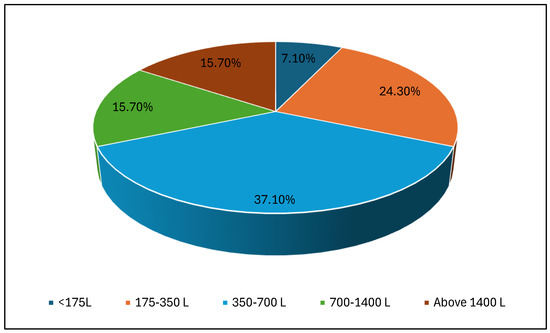
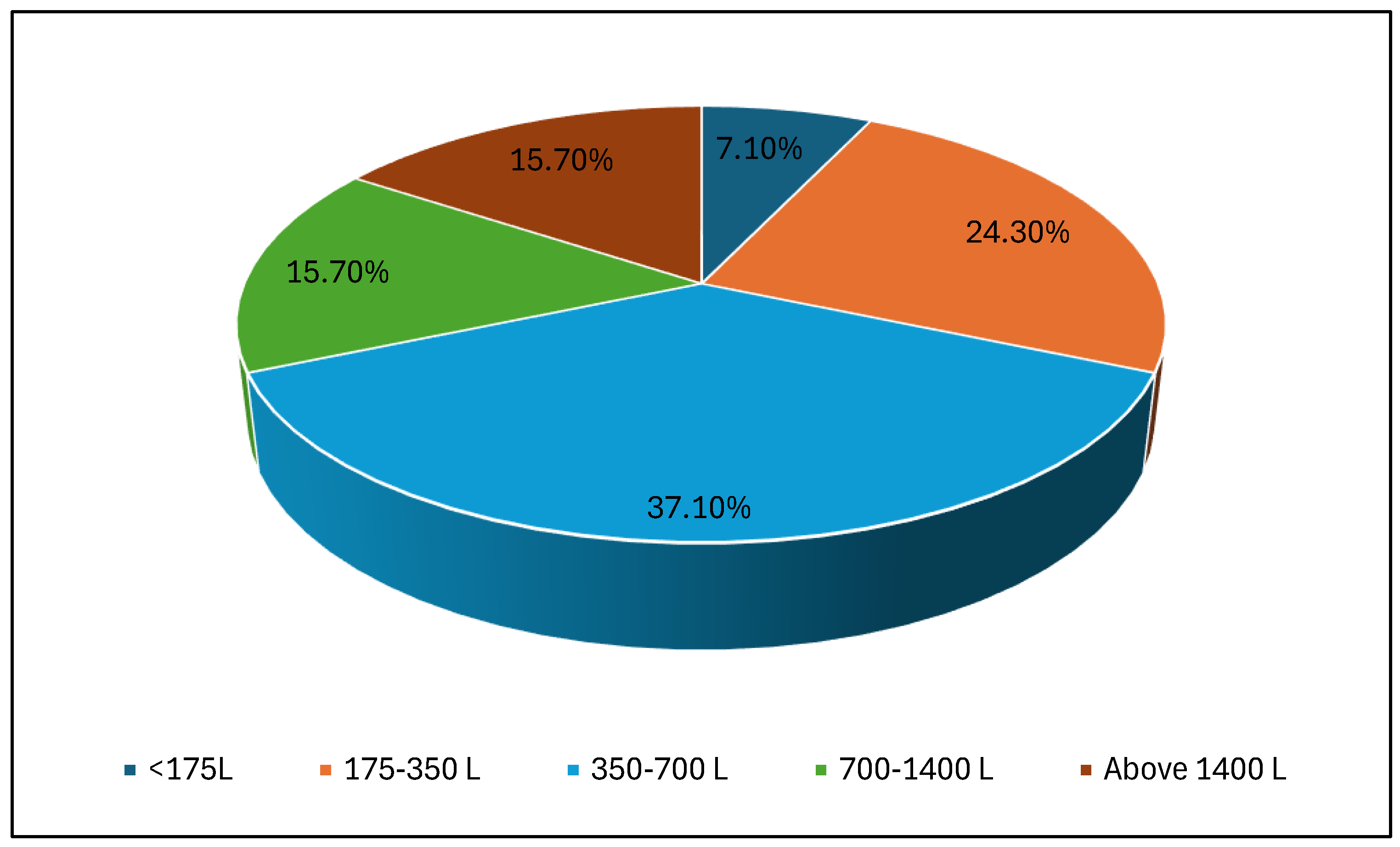
According to the DWS [21] guidelines, a minimum of 1500 L of potable water should be made available to each household per week. Figure 2 shows that most households (37.1%) use between 350–700 L per week, which is lower than the recommended 1500 L. A smaller proportion (24.3%) uses 175–350 L weekly, which also falls short of the guideline. Only 15.7% of households consume over 1400 L per week. The other 15.7% of households use 700–1400 L per week, and 7.1% of households use less than 175 L per week. The residents, therefore, receive inadequate water, as most use less than 1500 L per week, indicating a need for improved water access and supply. This indicates that households are operating under water scarcity conditions, where water use is limited primarily to drinking and cooking, with insufficient allocation for hygiene and sanitation. According to Tasi’u et al. [34], 62.9% of respondents in rural villages in Kano State, Northern Nigeria, reported that the water supply was insufficient. This finding highlights a common issue in many rural areas, where access to sufficient and reliable water is often limited.
Figure 2.
Household weekly water usage.
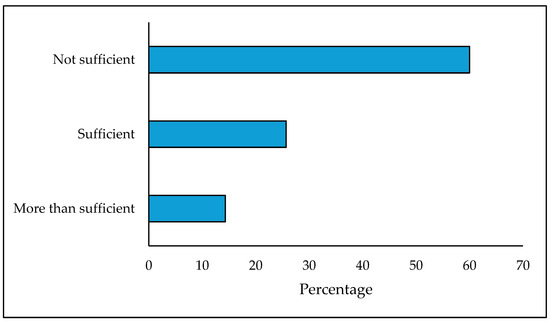
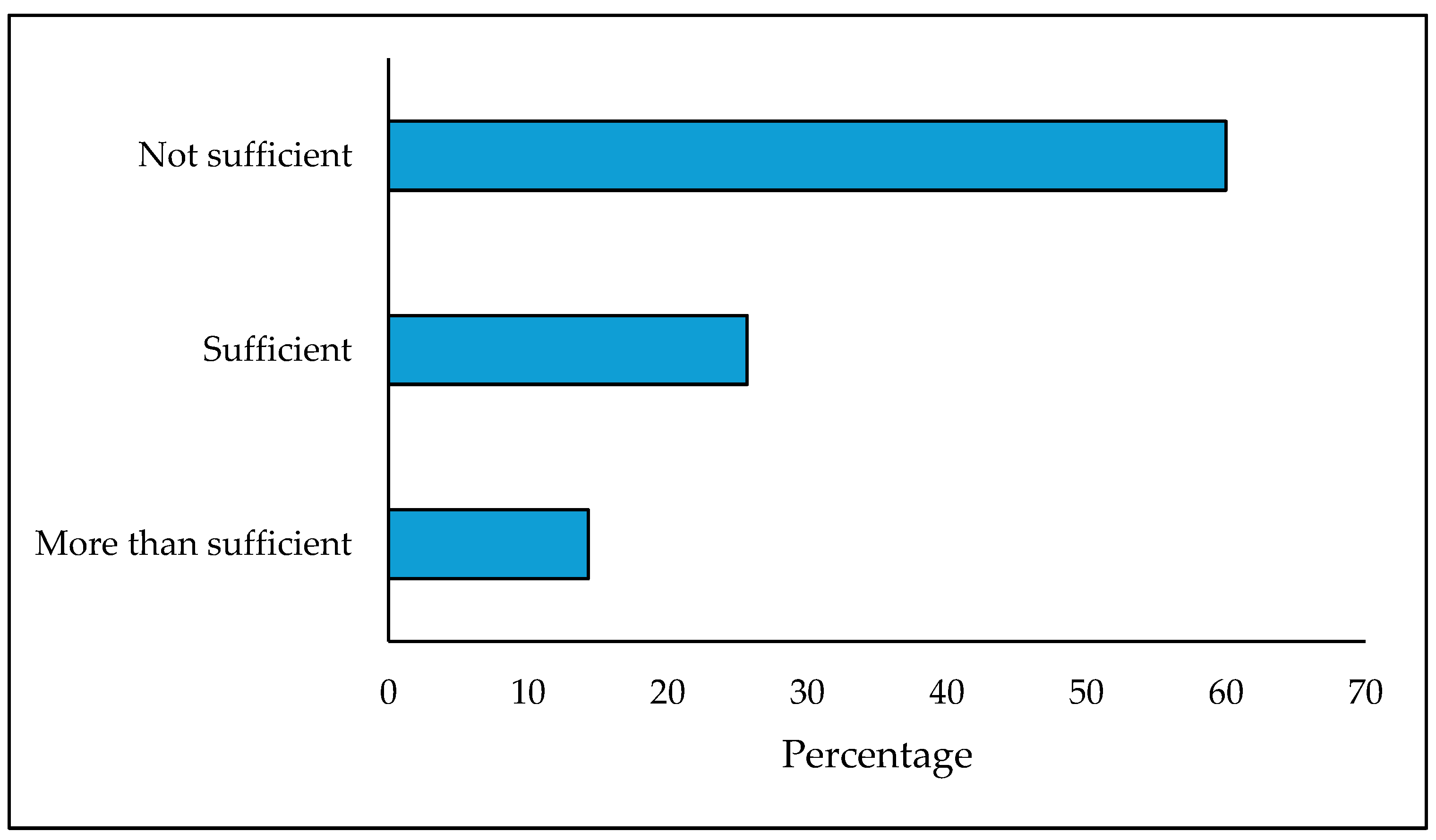
Figure 3 shows the distribution of responses regarding the adequacy of water supply for household use. Most households (60%) indicated that their water supply was not sufficient, indicating difficulties in accessing an adequate water supply. With 60% of households lacking sufficient water, there is a considerable shortfall in meeting basic water requirements and vulnerability within the water distribution system. The study by Mpongwana et al. [35] also revealed that rural communities in the Eastern Cape and Limpopo Provinces continue to grapple with inadequate water supply, largely due to a shortage of reliable sources of good-quality water and insufficient infrastructure to support access to potable water in resource-constrained rural settings. Many rural communities, including those in the Mankweng Cluster of Polokwane Municipality, experience insufficient access to safe drinking water due to inadequate and poorly functioning water supply systems that fail to meet community water demands [36].
Figure 3.
Adequacy of water supply to meet the demand of households.
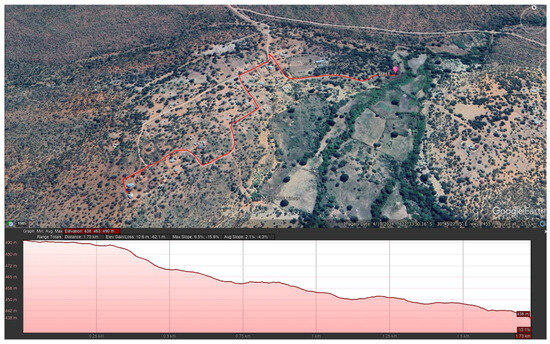
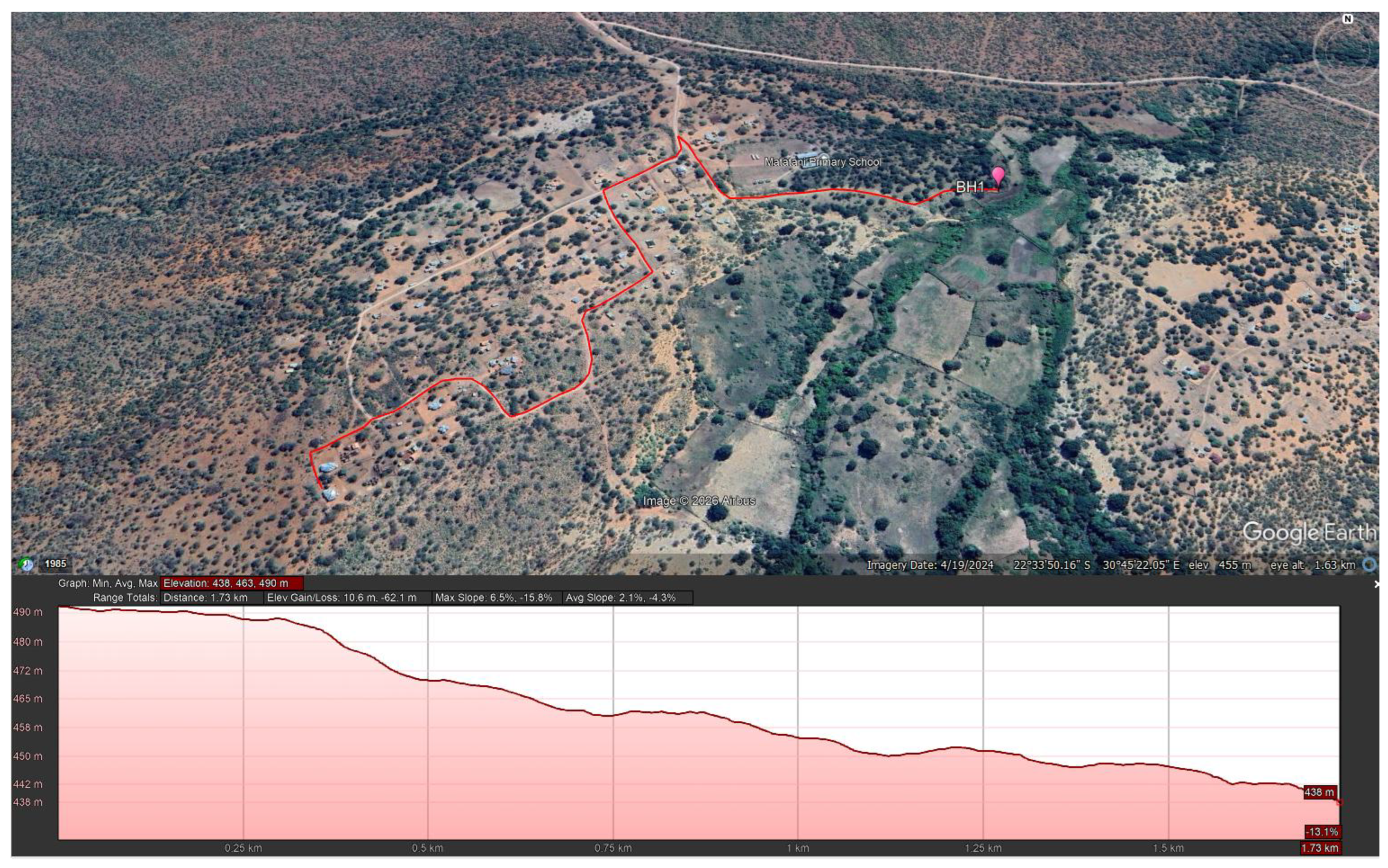
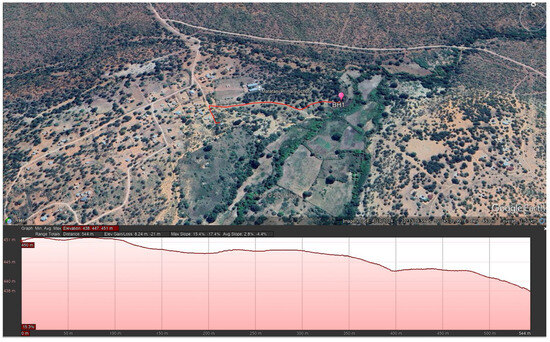
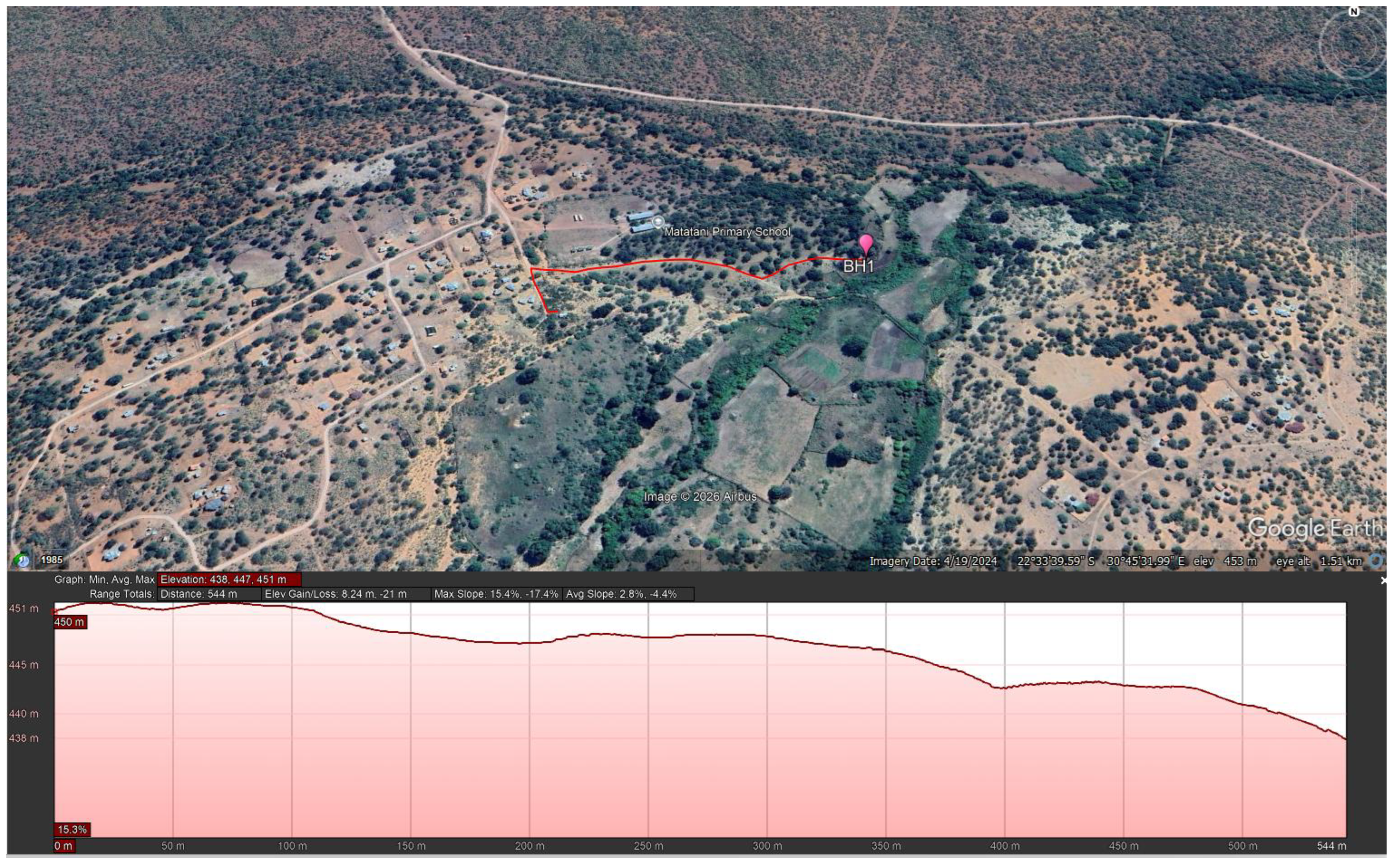
The residents of Matatani Village face challenges in accessing water from their preferred main water source, which is groundwater. The approximate direct distance from the farthest household (which is at an altitude of 490 m) to the borehole, as measured from Google Earth, is 1.73 km (Figure 4). The closest household (which is at an altitude of 451 m) is located 544 m from the borehole (Figure 5). The elevation profile indicates a topography that slopes towards the borehole location. This indicates that residents face the challenge of transporting water to their households as they have to travel uphill after collecting water from the borehole. Transporting approximately 350–700 L per week over a distance of 1.73 km represents significant physical effort. This level of effort constitutes a high distance penalty, which reduces time and energy available for productive economic activities and may negatively affect household well-being. When water collection exceeds approximately 1 km or 30 min per trip, per capita consumption typically declines to around 20 L/person/day, which is below the level required to sustain adequate hygiene and basic domestic needs WHO [27]. The per capita interpretation of the observed household consumption in this study suggests constrained water access conditions, indicating potential vulnerability to water scarcity and water poverty.
Figure 4.
Pathway (red line) from the farthest household to the borehole. The maroon line indicates the slope profile.
Figure 5.
Pathway (red line) from the closest household to the borehole. The maroon line indicates the slope profile.
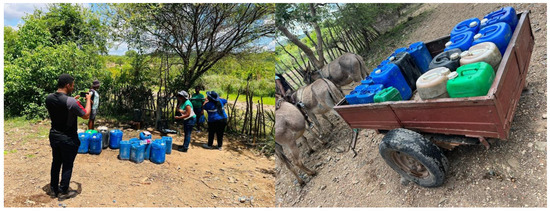
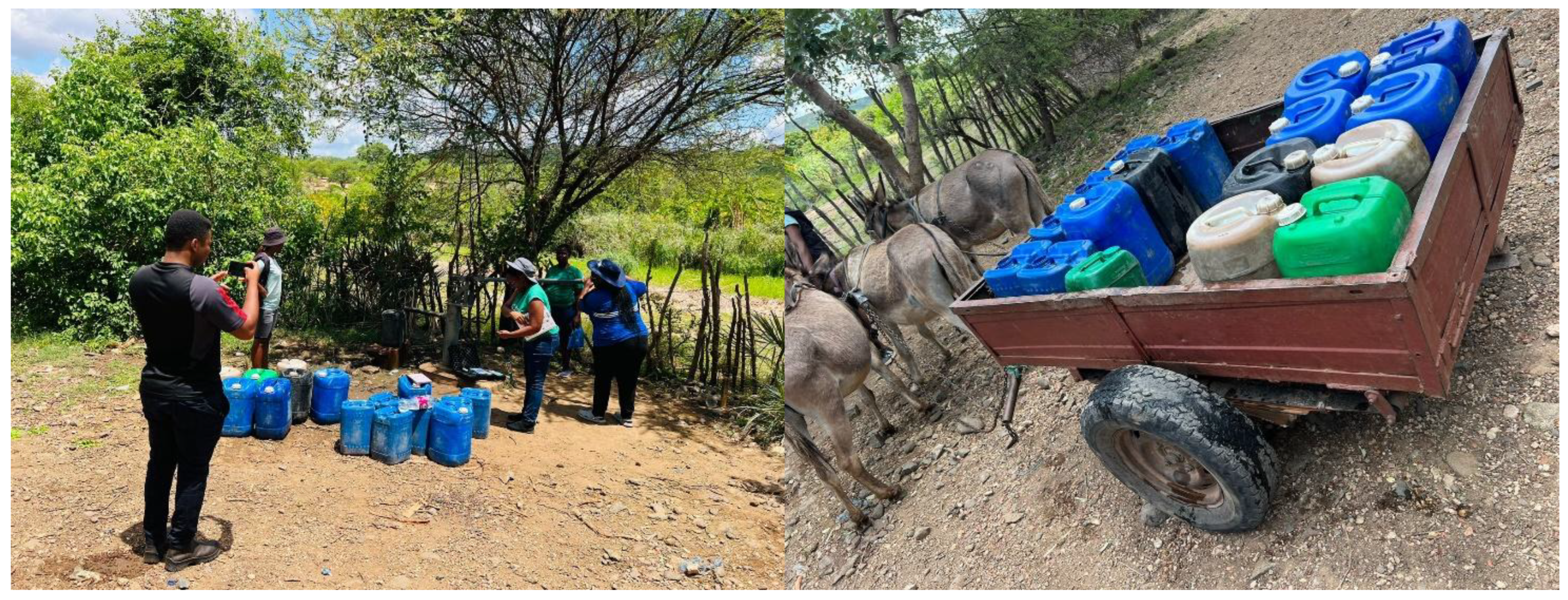
The use of carts driven by donkeys and containers for water collection from the borehole is a common practice in Matatani Village due to the distances households must travel to access water (Figure 6). This illustrates the daily struggle faced by community members. The reliance on such transportation methods reflects the coping strategies adopted by residents to manage limited water accessibility. For households without access to carts, wheelbarrows, or donkeys, water collection becomes even more physically demanding, as individuals must manually carry containers over long distances and uphill terrain. The process of collecting water is time-consuming and labor-intensive, often requiring multiple trips per day to collect sufficient water for domestic use. This situation can place a significant burden on vulnerable groups, such as women, children, and the elderly, who are often responsible for collecting water. The physical strain associated with carrying heavy water containers over long distances may lead to fatigue and other potential health-related problems.
Figure 6.
Carts and containers for the collection of water from the borehole.
Long walking distances may discourage residents from collecting sufficient quantities of water to meet personal hygiene and other sanitation-related needs. Majuru et al. [37] indicated that households may adopt coping strategies to manage limited water availability, such as adjusting their daily routines to times when water is accessible and reducing the amount of water used for various tasks. Additionally, the physical burden of carrying water over such distances could disproportionately affect vulnerable groups, such as the elderly or children. It therefore becomes a challenging task for them to transport water to their households. DWS [21] stipulated a reasonable walking distance of no more than 100 m from the farthest household from a communal standpipe. The residents travelled distances exceeding the standard guideline, which recommends a maximum walking distance of 100 m from the farthest household. This indicates that it is impossible to achieve the minimum level of water supply services in Matatani Village. Bazaanah and Mothapo [38] found that the majority (85%) of respondents in rural communities in Lepelle Nkumpi Local Municipality traveled over 4 km to fetch water. A key informant emphasised the burdens of water collection, particularly for women, who often endure long and dangerous walks home, sometimes at night, exposing themselves to risks such as snake bites, attacks, violence, and even sexual assault [38].
Research reveals that minimising the distance between households and water sources significantly decreases the incidence and spread of water-washed diseases, such as diarrhea and trachoma [39]. Improved access reduces the likelihood of contamination during transportation and enhances water availability for hygiene practices. Howard et al. [22] mentioned that when households travel more than 1 km or spend more than 30 min collecting water, the amount of water fetched declines to the point where only the bare minimum for drinking and cooking is collected. Such limitations compromise hygiene and overall health, highlighting the importance of closer water access to ensure adequate usage for all household needs.
3.3. Results on the Reliability Performance Indicator
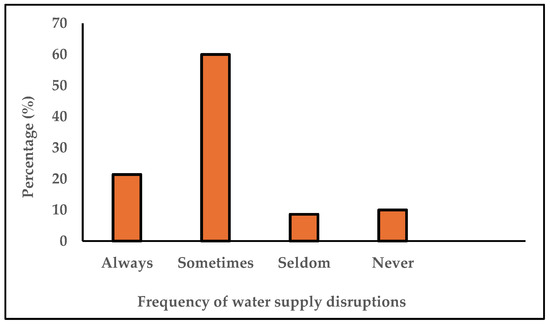
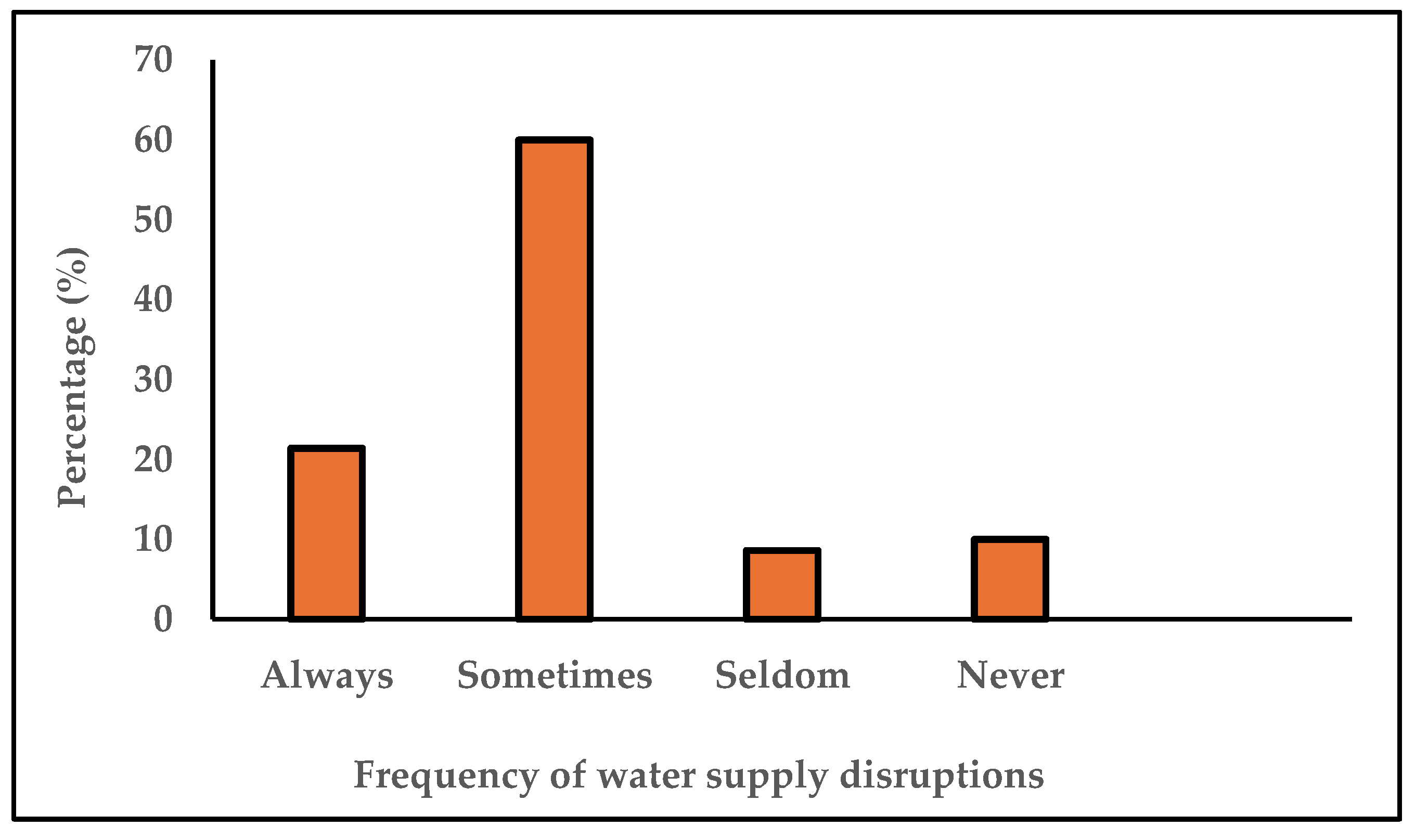
Figure 7 shows the frequency of water supply disruptions within a year from the main source of water. In this study, disruption is a period during which water cannot be abstracted from the borehole due to operational challenges, such as mechanical pump failures. The result revealed that disruptions are common, with a significant portion of the population experiencing them regularly. More than half of the respondents (60.0%) reported that they “sometimes” face water disruptions, while 21.4% indicated that they “always” experience disruptions. Together, these groups constitute 81.4% of the respondents, highlighting a recurring issue with water reliability. A high proportion of households experiencing frequent or occasional disruptions indicates the unreliability of the water supply system, suggesting that the infrastructure is operating beyond its design and maintenance capacity. This reflects a failure to meet reliability standards required for sustainable water supply systems. In contrast, only 8.6% reported that disruptions “seldom” occur, and a minimum of 10.0% reported that they “never” experience any disruptions, maybe because they rely on natural sources such as rivers and springs. The disruptions in water services negatively affect the performance of the water supply system. The results show a persistent issue in water supply consistency, affecting the majority of the village’s population.
Figure 7.
Frequency of water supply disruptions from the main source of water.
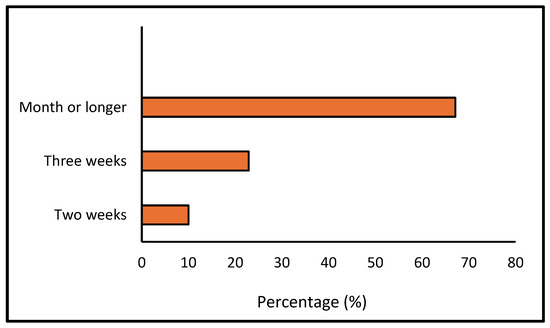
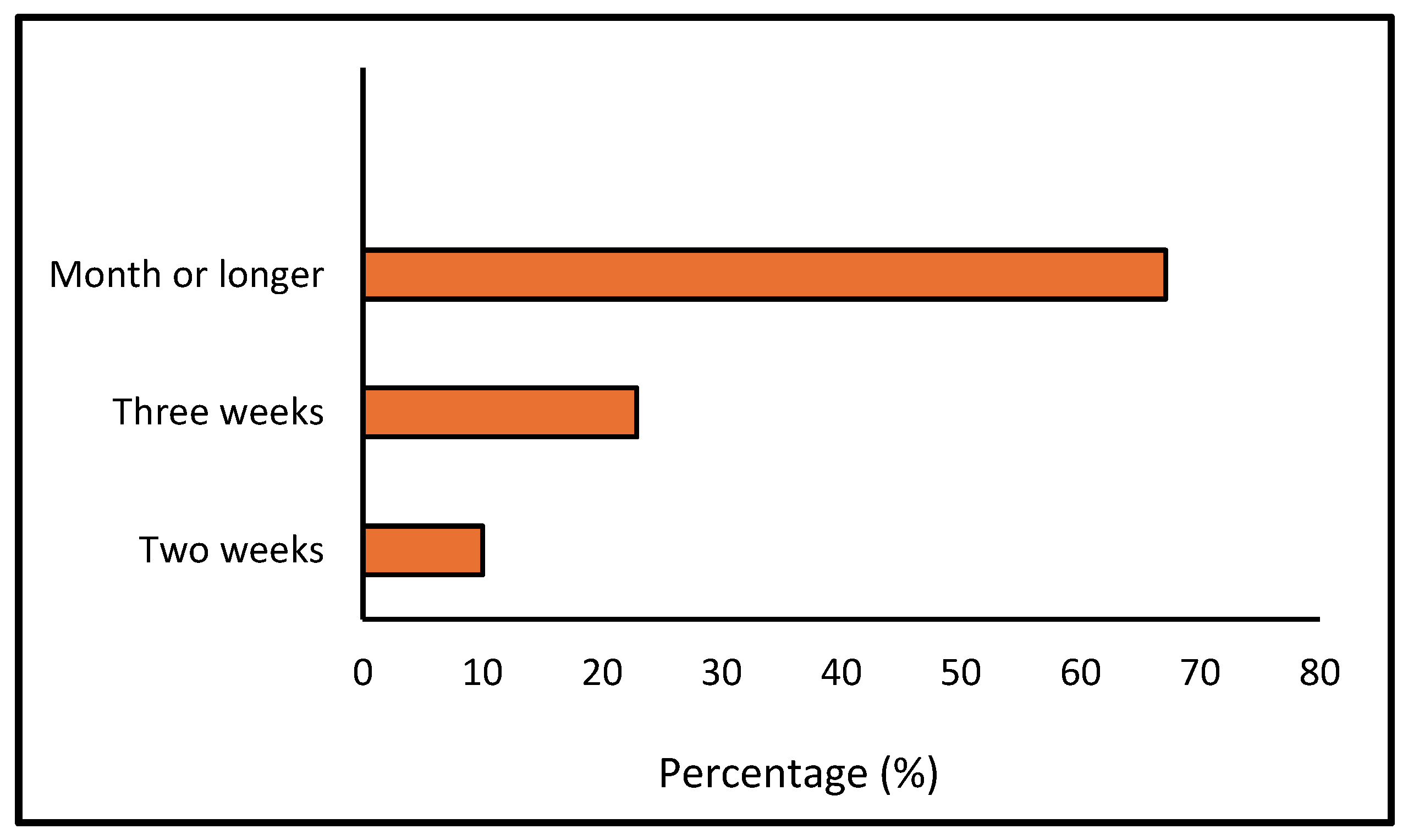
Among the households surveyed, 67.1% reported that water supply disruptions lasted a month or more, indicating a major reliability issue (Figure 8). Additionally, 22.9% experienced disruptions lasting 3 weeks, while only 10% had interruptions lasting 2 weeks. These results showed that most residents endure extended periods without water, significantly affecting daily activities and overall quality of life. Rural communities frequently depend on limited and unreliable water sources, resulting in frequent service interruptions and reliance on alternative, often unsafe, water sources [40]. Selelo et al. [41] revealed that 37.5% of respondents in Maun, Botswana, encountered disruptions lasting 5 to 10 days per month, and 35% faced interruptions exceeding 16 days. This indicates that Matatani Village is experiencing more severe and prolonged water supply disruptions as compared to those identified by Selelo et al. [41].
Figure 8.
Period for water supply disruptions.
The water quality results for borehole water are presented in Table 5. The average pH and EC values for the borehole water during both wet and dry seasons were within the acceptable limits. The average pH values indicate that water is suitable for consumption and other domestic uses without immediate risk of corrosiveness or alkalinity issues. The borehole water had average TDS values of 703 mg/L in the wet season and 579.33 mg/L in the dry season, exceeding the guideline. This indicates potential risks to water usability and health. Higher TDS values in water negatively affect both health and the environment, causing various human health issues such as gastrointestinal, cardiovascular, and skin problems [42]. Additionally, higher values of TDS lead to scaling in household appliances, reducing their efficiency [42]. High TDS levels in water have been found to harm animal health by impairing feed consumption, nutrient absorption, and utilization [43]. The turbidity value for borehole water exceeded the recommended guideline of 1 NTU set by SANS [24]. Turbidity levels of 45 NTU in the wet season and 43 NTU in the dry season exceed the recommended WHO [27] standard of 5 NTU, indicating poor water quality that requires conventional treatment processes rather than simple methods such as chlorination [44]. This highlights the need for improved treatment or alternative sources to ensure water safety and usability for households relying on untreated sources.
Table 5.
Water quality parameters of the borehole water.
The average E. coli counts (24.25 cfu/100 mL) for the wet season and total coliforms counts for wet (38.83 cfu/100 mL) and dry (96.33 cfu/100 mL) seasons (Table 5) exceeded the recommended guidelines for drinking water. This suggests that during the rainy season, there is contamination from runoff, while during the dry season, limited runoff and high temperatures in the borehole promote the growth of biofilms. The presence of E. coli indicates microbial contamination and poses significant health risks, such as waterborne diseases like diarrhea and cholera. It has been proven that high counts of faecal coliforms cause cases of acute diarrhea in rural areas [45]. The total coliform counts indicate microbial contamination throughout the seasons, with higher contamination during the dry season, posing a potential risk to public health. Most households consume borehole water without any form of treatment, which increases the potential risk of exposure to microbial contamination. Previous studies in South Africa, including those by [46,47,48], indicate that while some physicochemical parameters like pH often meet guideline limits, issues such as high turbidity, elevated total dissolved solids (TDS), and microbial contamination (total coliforms and E. coli) are common, reflecting persistent risks of unsafe groundwater quality similar to those observed in this study.
The results in Table 6 indicate no statistically significant differences (p > 0.05) in water quality between the dry and wet seasons. This suggests the absence of strong linear relationships between the water quality of the dry and wet seasons. Although the p-value for total coliforms (p = 0.060) was close to the significance threshold, they remain statistically non-significant, indicating only weak potential trends. This implies that the parameters may be influenced by independent environmental factors or complex, non-linear interactions. A study by García-Ávila et al. [49] showed that water quality parameters vary significantly across regions due to environmental factors.
Table 6.
Statistical significance of the water quality for the dry and wet seasons.
The performance assessment, as shown in Table 7, shows that the households in Matatani Village access less water than the benchmark of 1500 L per week, with only 15.7% using more than 1400 L. The distance to the water source, ranging from 536 m to 1.73 km, also exceeded the 100 m benchmark, indicating poor accessibility. Reliability is also low, as 81.4% of households reported frequent or occasional water disruptions, which does not meet the requirement of no interruptions longer than 48 h. The long distances travelled to the main source and repeated pump breakdowns limit actual access. While physical water quality parameters such as pH and TDS met the guidelines, high turbidity, TDS and microbial contaminants such as E. coli and total coliforms exceeded the recommended limits. This indicated poor water quality, which poses risks of waterborne diseases and other health-related problems. The results of this study, therefore, indicate poor performance of the Matatani Village water supply system. This, therefore, indicates that the system cannot ensure a sustainable water supply in the study area. Rietveld et al. [11] concluded that poor water supply system performance in Vhembe District Municipality is due to poorly constructed boreholes, limited storage, damaged standpipes, fuel payment disputes, and maintenance challenges. Similarly, in Chitungwiza, urban water services failed to meet benchmarks due to unreliable supply, poor water quality, inadequate maintenance, slow leak response, and lack of transparency [7]. This indicates that the poor performance of water supply systems is an issue affecting both rural and urban areas. Poor water supply system performance forces communities to rely on unprotected sources, increasing health risks from waterborne diseases [50]. It also negatively impacts socioeconomic conditions by limiting economic opportunities, increasing financial burdens, and disrupting agriculture, industries, and businesses, which reduces food security and income [51]. Vulnerable populations face serious health risks, and overall social and economic well-being is affected [11]. These challenges highlight the need to improve the water supply system in Matatani Village.
Table 7.
Performance assessment of Matatani water supply system.
4. Conclusions
The study revealed severe water and sanitation vulnerabilities, driven by long travel distances to the water source, inadequate access to water, frequent disruptions, and compromised water quality. This indicates the inadequacy of the water supply system in meeting basic household water needs. These challenges limit the effective functioning of the water supply system and negatively affect the daily lives of the community. Households are situated far away from the source, requiring residents to walk long and physically demanding routes. The elevation gradually slopes toward the borehole; the distance remains a barrier for many residents who rely on walking to collect water. These distances indicate that access to basic water needs is constrained, particularly for vulnerable groups such as the elderly, women, and children, who traditionally bear the responsibility of water collection. Frequent supply disruptions, limited access, and reliance on unsafe alternative sources, particularly during the dry season, define a state of water and sanitation vulnerability, with significant implications for public health and household resilience.
Water quality analysis showed additional reliability concerns due to poor quality. High turbidity, TDS and microbial counts pose serious health risks to the community. These contaminants increase the likelihood of waterborne diseases and challenge the safety of the available water sources. The study concluded that the water supply system in Matatani Village performed poorly in both accessibility and reliability indicators. These interacting factors reduce system performance, compromise public health, and undermine sustainability. The findings reflect broader challenges in the rural water supply system, where technical limitations, environmental conditions, and socioeconomic constraints interact to influence system outcomes. The study recommends temporary measures such as water delivery through water tanks, implementing low-cost filtration systems to reduce turbidity and community awareness on water safety for immediate intervention to sustain the livelihood of the community. It further recommends decentralising maintenance activities to improve system sustainability due to financial constraints associated with high unemployment. In addition, establishing additional water sources, treating borehole water, strengthening water infrastructure, improving borehole operation and maintenance, and conducting regular water quality monitoring are essential steps to ensure a reliable, safe, and accessible water supply for the community, thereby promoting the sustainability of the water supply. These interventions will also reduce physical burdens and increase effective water usage.
Supplementary Materials
The following supporting information can be downloaded at https://www.mdpi.com/article/10.3390/su18136914/s1. Supplementary Material S1: Questionnaire; Supplementary Material S2: Ethics Approval Certificate; Supplementary Material S3: Consent Form [52,53].
Author Contributions
Conceptualization, E.T.; Methodology, R.M., T.P.M., E.T. and S.G.M.; Software, E.T. and S.G.M.; Validation, R.M. and T.P.M.; Formal analysis, E.T.; Investigation, R.M., T.P.M., E.T. and S.G.M.; Writing—original draft preparation, E.T.; Writing—review and editing, R.M.; Visualization, E.T. and R.M.; Supervision, R.M. All authors have read and agreed to the published version of the manuscript.
Funding
This research was funded by a Water Research Commission (WRC) grant number C2023/2024-01311.
Institutional Review Board Statement
Ethical certificate (ethical clearance no: FSEA/23/ES/09) was obtained from the Faculty Research Ethics Committee at the University of Venda on July 2023.
Informed Consent Statement
Informed consent for participation was obtained from all subjects involved in the study.
Data Availability Statement
Data used for this study will be made available upon request from the authors.
Acknowledgments
The authors sincerely acknowledge the community of Matatani Village for their participation and valuable support during data collection. The authors also gratefully acknowledge the Water Research Commission (WRC) financial and technical support that made this study possible.
Conflicts of Interest
The authors declare no conflicts of interest.
Abbreviations
The following abbreviations are used in this manuscript:
| DWAF | Department of Water Affairs and Forestry |
| DWS | Department of Water and Sanitation |
| EC | Electrical conductivity |
| E. coli | Escherichia coli |
| GPS | Global Positioning System |
| NTU | Nephelometric Turbidity Unit |
| SANS | South African National Standards |
| SDGs | Sustainable Development Goals |
| SPSS | Statistical Package for Social Sciences |
| TDS | Total dissolved solids |
| WHO | World Health Organisation |
| WRC | Water Research Commission |
References
- Boretti, A.; Rosa, L. Reassessing the projections of the world water development report. npj Clean Water 2019, 2, 15. [Google Scholar] [CrossRef] [Scilit]
- Renwick, D.V.; Heinrich, A.; Weisman, R.; Arvanaghi, H.; Rotert, K. Potential public health impacts of deteriorating distribution system infrastructure. J. Am. Water Work. Assoc. 2019, 111, 42. [Google Scholar] [CrossRef] [Scilit]
- Naamani, A.A.; Sana, A. Operational and technical performance of a water distribution network in Oman. Water Supply 2021, 21, 4593–4607. [Google Scholar] [CrossRef] [Scilit]
- Yadav, S.; Singh, N.P.; Shah, K.A.; Gamit, J.H. Performance evaluation of water supply services in developing country: A case study of Ahmedabad city. KSCE J. Civ. Eng. 2014, 18, 1984–1990. [Google Scholar] [CrossRef] [Scilit]
- Ayale, R. Urban Water Supply System Performance Assessment (the Case of Holeta Town, Ethiopia). Ph.D. Thesis, Addis Ababa Science and Technology University, Addis Ababa, Ethiopia, 2018. [Google Scholar]
- Reweta, W.; Sampath, R. Performance evaluation of urban water supply in Tanzania: The case of Dar es Salaam city. Int. J. Water Resour. Dev. 2000, 16, 407–421. [Google Scholar] [CrossRef] [Scilit]
- Zvobgo, L. Performance evaluation of water supply services in Chitungwiza: How water supply services mirrors poor governance and lack of management. J. Local Gov. Res. Innov. 2020, 1, 1–11. [Google Scholar] [CrossRef] [Scilit]
- Tekile, A.; Legesse, Y.S. Overall performance evaluation of an urban water supply system: A case study of Debre Tabor Town in Ethiopia. J. Water Sanit. Hyg. Dev. 2023, 13, 250–264. [Google Scholar] [CrossRef] [Scilit]
- Mvongo, V.D.; Defo, C. Assessing water service performances in rural sub-Saharan Africa environment: The case studies of two councils of the southern and eastern regions of the Republic of Cameroon (Central Africa). J. Water Sanit. Hyg. Dev. 2021, 11, 37–50. [Google Scholar]
- Majuru, B.; Jagals, P.; Hunter, P.R. Assessing rural small community water supply in Limpopo, South Africa: Water service benchmarks and reliability. Sci. Total Environ. 2012, 435, 479–486. [Google Scholar] [CrossRef] [Scilit] [PubMed]
- Rietveld, L.; Haarhoff, J.; Jagals, P. A tool for technical assessment of rural water supply systems in South Africa. Phys. Chem. Earth 2009, 34, 43–49. [Google Scholar] [CrossRef] [Scilit]
- African Union Commission; African Union Development Agency—NEPAD. Second Continental Report on the Implementation of Agenda 2063; African Union Commission: Midrand, South Africa, 2022. [Google Scholar]
- National Planning Commission. National Development Plan Vision 2030; National Planning Commission: Pretoria, South Africa, 2013; p. 484. [Google Scholar]
- Abanyie, S.K.; Apea, O.B.; Abagale, S.A.; Amuah, E.E.Y.; Sunkari, E.D. Sources and factors influencing groundwater quality and associated health implications: A review. Emerg. Contam. 2023, 9, 100207. [Google Scholar] [CrossRef] [Scilit]
- Mutale Local Municipality. Integrated Development Plan 2016/17; Mutale Local Municipality: Mutale, South Africa, 2016; p. 228. [Google Scholar]
- Khangale, P. Exploring the Components of a Community-Driven Potable Water Supply System in a Drought-Prone Area of Musina Local Municipality. Master’s Thesis, University of Venda, Thohoyandou, South Africa, 2025; p. 83. [Google Scholar]
- Carter, R.C.; Ross, I. Beyond ’functionality’ of handpump-supplied rural water services in developing countries. Waterlines 2016, 35, 94–110. [Google Scholar] [CrossRef] [Scilit]
- Lapworth, D.; MacDonald, A.; Kebede, S.; Owor, M.; Chavula, G.; Fallas, H.; Wilson, P.; Ward, J.; Lark, M.; Okullo, J. Drinking water quality from rural handpump-boreholes in Africa. Environ. Res. Lett. 2020, 15, 064020. [Google Scholar] [CrossRef] [Scilit]
- Foster, T.; Furey, S.; Banks, B.; Willetts, J. Functionality of handpump water supplies: A review of data from sub-Saharan Africa and the Asia-Pacific region. Int. J. Water Resour. Dev. 2020, 36, 855–869. [Google Scholar]
- Still, D. Key Performance Indicators in Rural Water Supply: Performance Assessment of Distribution Network; Partners in Development, Inc.: Pietermaritzburg, South Africa, 2017. [Google Scholar]
- Department of Water and Sanitation. National norms and standards for domestic water and sanitation services. Government Gazette No. 41100, 8 September 2017.
- Howard, G.; Bartram, J.; Williams, A.; Overbo, A.; Geere, J.-A.; WHO. Domestic Water Quantity, Service Level and Health; World Health Organization: Geneva, Switzerland, 2020. [Google Scholar]
- DWAF. South African Water Quality Guidelines—Domestic Water Use; DWAF: Pretoria, South Africa, 1996; p. 175. [Google Scholar]
- SANS 241-1:2015; Drinking Water—Part 1: Microbiological, Physical, Aesthetic and Chemical Determinands. South African Bureau of Standards (SABS): Pretoria, South Africa, 2015.
- Mabizela, S. Navigating parametric and non-parametric statistical analyses: A practical guide in health sciences research. Wits J. Clin. Med. 2025, 7, 41–44. [Google Scholar] [CrossRef] [Scilit]
- Leclezio, L. Pilot Validation of the Tuberous Sclerosis Associated Neuropsychiatric Disorders (TAND) Checklist as a Screening Tool for Neuropsychiatric Manifestations. Master’s Thesis, University of Cape Town, Cape Town, South Africa, 2014. [Google Scholar]
- WHO, Guidelines for Drinking-Water Quality; World Health Organization: Geneva, Switzerland, 2011; p. 541.
- Peters, K. ‘Free Basic Water’ and Cost Recovery: Impact on Low-Income Households in Grabouw. Master’s Thesis, University of Cape Town, Cape Town, South Africa, 2005. [Google Scholar]
- Mapuka, F.N.; Nel, W.; Kalumba, A.M. Exploring household water conservation methods in rural South Africa: A case of the Mbhashe and Mnquma local municipalities. Sustain. Water Resour. Manag. 2024, 10, 145. [Google Scholar] [CrossRef] [Scilit]
- Victor, C.; Vega Ocasio, D.; Cumbe, Z.A.; Garn, J.V.; Hubbard, S.; Mangamela, M.; McGunegill, S.; Nalá, R.; Snyder, J.S.; Levy, K. Spatial heterogeneity of neighborhood-level water and sanitation access in informal urban settlements: A cross-sectional case study in Beira, Mozambique. PLoS Water 2022, 1, e0000022. [Google Scholar] [PubMed]
- Makki, A.A.; Stewart, R.A.; Beal, C.D.; Panuwatwanich, K. Novel bottom-up urban water demand forecasting model: Revealing the determinants, drivers and predictors of residential indoor end-use consumption. Resour. Conserv. Recycl. 2015, 95, 15–37. [Google Scholar]
- Biswas, A.K. Integrated water resources management: A reassessment: A water forum contribution. Water Int. 2004, 29, 248–256. [Google Scholar]
- Ngarava, S.; Zhou, L.; Monde, N. Gendered water insecurity: A structural equation approach for female headed households in South Africa. Water 2019, 11, 2491. [Google Scholar] [CrossRef] [Scilit]
- Tasi’u, Y.; Iguisi, O.; Mallam, I. Assessment of water supply situation in the rural areas of Kano State, Northern Nigeria. Glob. Adv. Res. J. Agric. Sci. 2016, 5, 2315–5094. [Google Scholar]
- Mpongwana, Z.; Shumba, K.; Bracking, S. Reflections on rural household water insecurity: Evidence from Goboti and Khubvi in the eastern Cape and Limpopo provinces, South Africa. Afr. J. Inter/Multidiscip. Stud. 2022, 4, 217–233. [Google Scholar] [CrossRef] [Scilit]
- Rasakanya, M. The Utilisation of Solar-Powered Boreholes for Groundwater Supply: Addressing Water Scarcity in the Polokwane Municipality, Mankweng Cluster. Afr. J. Gov. Dev. 2024, 13, 1–22. [Google Scholar] [CrossRef] [Scilit]
- Majuru, B.; Suhrcke, M.; Hunter, P.R. How do households respond to unreliable water supplies? A systematic review. Int. J. Environ. Res. Public Health 2016, 13, 1222. [Google Scholar] [CrossRef] [Scilit] [PubMed]
- Bazaanah, P.; Mothapo, R.A. Sustainability of drinking water and sanitation delivery systems in rural communities of the Lepelle Nkumpi Local Municipality, South Africa. Environ. Dev. Sustain. 2023, 1, 14223–14255. [Google Scholar] [CrossRef] [Scilit]
- Evans, B.; Bartram, J.; Hunter, P.; Williams, A.R.; Geere, J.-A.; Majuru, B.; Bates, L.; Fisher, M.; Overbo, A.; Schmidt, W. Public Health and Social Benefits of At-House Water Supplies; University of Leads: Leeds, UK, 2013; pp. 1–61. [Google Scholar]
- Mangesi, T.; Mngeni, A. Water processing and supply during the load shedding crisis in the OR Tambo District Municipality. Afr. J. Public Adm. Environ. Stud. AJOPAES 2025, 4, 179–198. [Google Scholar]
- Selelo, L.; Madigele, P.; Ntaka, P.; Moetedi, K. The effects of extended water supply disruptions on the operations of SMEs. South. Afr. Bus. Rev. 2017, 21, 480–500. [Google Scholar]
- Pushpalatha, N.; Sreeja, V.; Karthik, R.; Saravanan, G. Total dissolved solids and their removal techniques. Int. J. 2022, 2, 13–20. [Google Scholar] [CrossRef] [Scilit]
- Meyer, J.A.; Casey, N.H. Establishing risk assessment on water quality for livestock. Anim. Front. 2012, 2, 44–49. [Google Scholar] [CrossRef] [Scilit]
- Ali, S.K.; Abdou, M.M.; Emara, M.M.; Farag, R.S.; Mubarak, M.F. Eco-friendly solutions: A comprehensive review of natural coagulants for sustainable water treatment. Environ. Geochem. Health 2025, 47, 535. [Google Scholar] [CrossRef] [Scilit] [PubMed]
- Odiyo, J.; Makungo, R. Water quality problems and management in rural areas of Limpopo Province, South Africa. WIT Trans. Ecol. Environ. 2012, 164, 135–146. [Google Scholar] [CrossRef] [Scilit]
- García-Ávila, F.; Huanga-Huanga, E.; Méndez-Valladares, V.; Peñaloza-Zhispón, U.; Valdiviezo-Gonzales, L.; Sánchez-Cordero, E. Exploring groundwater quality through key parameters and management tools for its conservation and recovery. Environ. Sustain. Indic. 2025, 27, 100767. [Google Scholar] [CrossRef] [Scilit]
- Adetunji, M.A.; John-Nwagwu, H.O. Accessibility to Potable Water Supply and Satisfaction in Lokoja, Kogi State-Nigeria. Gov. Soc. Rev. 2022, 1, 104–123. [Google Scholar] [CrossRef] [Scilit]
- Palamuleni, L.; Akoth, M. Physico-chemical and microbial analysis of selected borehole water in Mahikeng, South Africa. Int. J. Environ. Res. Public Health 2015, 12, 8619–8630. [Google Scholar] [CrossRef] [Scilit] [PubMed]
- Maluleke, T.P.; Dube, S.; Sunkari, E.D.; Ambushe, A.A. Assessment of borehole water quality in Nwadzekudzeku village, Giyani, Limpopo Province, South Africa: Implication for potential human health risks. J. Trace Elem. Miner. 2025, 11, 100206. [Google Scholar]
- Maliehe, T.S.; Mavingo, N.; Selepe, T.N.; Masoko, P.; Mashao, F.M.; Nyamutswa, N. Determination of the Quality of Groundwater in Mankweng, Limpopo Province, South Africa, Using the Water Quality Index. Int. J. Environ. Res. Public Health 2024, 21, 1444. [Google Scholar] [CrossRef] [Scilit] [PubMed]
- Israilova, E.; Voronina, A.; Shatila, K. Impact of water scarcity on socio-economic development. E3S Web Conf. 2023, 458, 08027. [Google Scholar] [CrossRef] [Scilit]
- Department of Health. Ethics in Health Research: Principles, Structures and Processes. 2004. Available online: https://www.researchgate.net/publication/242773088_Ethics_in_Health_Research_Principles_Structures_and_Processes (accessed on 18 May 2026).
- Department of Health. South African Good Clinical Practice Guidelines. 2nd Ed. 2006. Available online: http://www.nhrec.org.za/?page_id=14 (accessed on 18 May 2026).

Disclaimer/Publisher’s Note: The statements, opinions and data contained in all publications are solely those of the individual author(s) and contributor(s) and not of MDPI and/or the editor(s). MDPI and/or the editor(s) disclaim responsibility for any injury to people or property resulting from any ideas, methods, instructions or products referred to in the content. |
© 2026 by the authors. Licensee MDPI, Basel, Switzerland. This article is an open access article distributed under the terms and conditions of the Creative Commons Attribution (CC BY) license.