


Abstract
High-value components in the organic fraction of both municipal and industrial waste are still underused. In fact, there are two components in organic matter with high energy and emission value: carbohydrates (up to 46%) and fats (3.9–25%). The technological potential of using an integrated sequential biorefinery route, including lipid extraction for HVO/SAF, carbohydrate fermentation for bioethanol, and pyrolysis for renewable hydrogen generation, is not fully exploited. The objective of this work is to propose an approach based on a systematic six-step engineering methodology to determine the feasibility of its recovery. This integrated strategy achieves an attractive economic performance, with payback periods between 1.97 and 3.00 years, significantly outperforming traditional waste-to-energy models such as anaerobic digestion or composting. While current green hydrogen production costs range from USD 4.28 to USD 6.86, our model positions urban waste as a competitive feedstock for energy transition, achieving a selling price of 4.84 EUR/kg at midpoint values. For the remaining organic matter, a definitive thermal barrier for the 100% removal of microplastics is proposed, to prevent them from reaching agricultural soils. At the same time, efficient waste characterization, aligned with the European RED III directive, will allow the identification of high-value products and the application of the best available techniques for their extraction and use.
1. Introduction
The growth of the world population and consumption habits bring with them an increase in the generation of municipal solid waste (MSW). It is estimated that, if strong measures are not taken, waste generation will grow from 2.010 million tons in 2016 to 3.400 million tons by 2.050, representing a 70% increase [1,2]. These measures can be based on two main actions: on the one hand, a change in consumption habits, and on the other, the transformation of waste into new resources through integrated urban biorefineries capable of producing bio-based products and renewable energy [3,4]. However, current consumption habits have a long history and a structural character. Changing habits usually requires much time and many actions in education, awareness campaigns, new regulations, and promotion of the circular economy, always with a medium- and long-term perspective. This needs a systematic transition in line with the European Green Deal and the REPowerEU Plan, transforming waste into a strategic feedstock to decouple economic growth from resource consumption [3,5].
Waste treatment has evolved in Europe over the years, from uncontrolled landfilling, to landfills with some control or incineration, to more sustainable but still inefficient alternatives such as composting or anaerobic digestion for biogas production. In all cases, the presence of microplastics (MP) is remarkable. Studies shown that MSW-derived compost can introduce between 26.9 and 417 kg of coarse microplastic per hectare into agricultural soils [6]. This accumulation triggers harmful biophysical effects, such us a 13.1% reduction in total soil nitrogen and a 23.8% decrease in water infiltration rates, directly compromising the soil fertility and the yields of the crops [7,8,9]. The difficulty of proper separation of plastics and organic matter makes this problem even bigger.
Recycling and reuse strategies have always focused on source separation, that is, the waste generator separating the main fractions, known as selective collection—in the case of Spain: paper and cardboard in the blue container, packaging in the yellow one, glass in the green one, and organic waste in the brown one.
Selective collection of municipal solid waste in 2022 was 5.17 million tons, representing only 22.4% of the total [10]. In addition, within this selective collection there is a high percentage of improper materials that make recycling and/or recovery more difficult. However, the objectives set by European directives for 2035 are ambitious. Directive (EU) 2018/851 [5,8] limits landfilling to 10% by 2035 and establishes selective collection of the organic fraction, while the RED III Directive sets stricter targets for renewable energy and high value bioproducts [8,9].
According to data from the European Commission [11], Spain will most likely not meet the 55% target for recovery and recycling of waste, being at 36.40% in 2020. In addition, the landfill rate stands at 52%, more than double the EU average [11].
On the other hand, the Russian invasion of Ukraine caused an energy crisis due to Europe’s dependence on Russian gas. According to the Biogas Roadmap of the Integrated National Energy and Climate Plan (PNIEC 2021–2030) [12], Spain plans to go from 2.74 TWh per year to 20 TWh in 2030. This will mean increasing the number of plants from 146 in 2021 [13] to 1065 in 2030. However, this level of deployment [11] would still be far from theoretical potential, as covering up to 45% of national gas demand would require more than 2000 plants [14].
These biogas plants are not intended for electricity generation, but for injecting methane into the grid after upgrading. It is important to note that biogas has about 40–75% methane content, and to inject it into the grid this percentage must be reach 90–96% purity according to quality standards [9]. While current green hydrogen products costs range from 3.72 EUR/kg to 6.56 EUR/kg depending on the renewable source, integrated urban refinement using thermal pyrolysis offer a strategic pathway to produce H2 at competitive rates [4,15].
With this regulatory framework and growth expectations for biogas plants, strict controls will be needed to prevent the use of non-waste materials for methanization. Because of the large number of plants, an oversupply of compost and digestate is also expected. This creates an environmental liability, as digestate application continues to disseminate microplastics into the food chain. Consequently, there is an urgent need to transition from linear waste treatment plants to more circular urban biorefineries that prioritize the recovery of lipids (up to 35%) and carbohydrates (up to 46.40%), using thermal stages as a definitive barrier for 100% microplastic removal [6,9].
2. Materials and Methods
Traditionally, the first use of the organic fraction of municipal solid waste (MSW) has been agricultural composting. In less-developed societies, this destination is the most important, representing 56% of waste, while in more developed countries, this value is 32% [1]. With greater development, the structure of waste also changes, increasing the presence of non-compostable elements.
- Mechanical–Biological Treatment Plants
The aim of mechanical–biological treatment plants is to separate the different fractions of MSW, such as plastics, metals, or glass, as well as the organic fraction, which is composted, achieving a reduction in weight and volume by about 40–50% [16]. Technically, MBT processes are designed to reduce the volume and pathogen content of organic matter isolated from municipal mixed waste before its application as a soil amendment or landfill cover [17]. During this process, the organic matter decomposes, emitting CO2 and generating water.
Unfortunately, this compost (often referred to as mixed waste organic output or MWOO) usually contains many improper elements, mainly macro- and microplastics, and cannot be used for agriculture [17]. Recent systematic studies on MSW facilities have detected concentrations of plastic impurities in the range of 10–30 particles per gram of dry compost, where microplastics (<5 mm) are often dominated by synthetic fibers [17]. At least these plants prevent direct disposal to landfills, since dumping is reduced and fermentation and leachates are avoided. However, they do not represent a solution that uses the real potential of the compounds included, specifically lipids (up to 30%) and carbohydrates (up to 46.40%).
In addition, the application of MSW-derived compost contaminated with microplastics triggers deleterious biophysical effects on agricultural soil. Empirical evidence shows that this accumulation can lead to a 13.1% reduction in total soil nitrogen and a 23.8% decrease in water infiltration rates, compromising soil fertility and crop yields [7]. Consequently, while MBT plants fulfill a stabilization role, they fail to recover the high-value precursors required for a circular bioeconomy, creating an environmental liability through the dissemination of plastic debris into the food chain.
- Biogas
The use of the organic fraction of MSW for biogas production via anaerobic digestion is a clear example of recovery and reintroduction of resources into the economic cycle. Anaerobic digestion produces a mixture of CO2 and methane, along with digestate that can be used as fertilizer [2,18].
In the early years, the first biogas plants were mainly designed for cogeneration. This means that the gas produced was burned in an engine that generated both heat, which was used inside the plant itself, and electricity, which was injected into the power grid. This model was profitable thanks to subsidies paid for every kWh produced. However, when the regulation changed and these subsidies were reduced, the business model stopped being viable. This is partly because current biogas energy production costs (~0.065 EUR/kWh) are now higher compared to the declining cost of solar (~0.046 EUR/kWh) and wind power [9]. Furthermore, traditional combined heat and power (CHP) suffer from high operational and maintenance costs (rating between 0.01 and 0.02 EUR/kWh) and limited lifespan of approximately 10 years due to the corrosive presence of pollutants like H2S and siloxanes [9].
After the crisis in the supply of Russian gas, biogas plants are being developed to inject gas into the grid. The methane from biogas production (generally from 40% to 75% [9]) is upgraded to reach a commercial natural gas purity between 90% and 96% according to international standard for grid injection [9] (above 98%). It is estimated that about 45% of the Spanish national natural gas demand can be covered by renewable sources.
This approach is better than biological treatment alone, as it produces two products that can be reintroduced into the productive process, where before only landfilling was minimized. However, the high-value components found in waste, such as lipids and carbohydrates, are still not fully used [18], and the problem of microplastics ending up in the digestate continues. Systematic monitoring in biogas facilities has detected between 2.290 and 7.200 microplastic particles per liter of digestate [19].
From a commercial point of view, while methane has clear demand and its price is determined on international markets, digestate, whose only use is as an agricultural fertilizer, has more difficulties in commercialization [20]. The large number of biogas plants will create a high supply that the market may not be able to absorb, which could compromise the continuity of these plants.
- Composting
The product that can go directly to composting can come from MSW, provided that its collection is selective. Here, regulations promoting selective collection of MSW, specifically door-to-door systems, are fundamental drivers to ensuring the quality and reducing the impurity rejection rates of the final product [21]. With this waste, high-quality compost is produced, but there is a medium/long-term problem: the large generation of digestates from biogas plants, which compete directly with compost and whose oversupply can make commercialization difficult [22]. At the same time, the difficulty of separating plastics from organic matter means that macro- and microplastics are still present in compost, finally reaching the soil.
- Uncontrolled Incineration
Although uncontrolled incineration of MSW is practically non-existent in Europe, it is very common in developing countries, where at least 33% of waste is not managed in an environmentally sound manner [1,2]. This practice has important negative effects on soil, water, and air, as well as on human health. Uncontrolled burning of solid waste is a significant contributor to climate change, with global waste treatment and disposal emissions estimated at 1.6 billion ton CO2 equivalent [1,23].
Because of incineration, the soil becomes contaminated with ashes and byproducts, including plastics and metals. Specifically, the open burning of plastic waste releases hazardous pollutants such as dioxins, furans, and polychlorinated biphenyls (PCBs) [24]. This process also disseminates toxic heavy metals—including lead (Pb), cadmium (Cd), mercury (Hg), and arsenic (As)—which reduce the soil fertility and facilitate the transfer of toxic compounds to the food chain. These contaminants can also filter into groundwater, causing long-term environmental degradation [24]. At the same time, volatile ashes are deposited on soil and, after rain, reach rivers, contaminating aquatic life, exacerbating respiratory and cardiovascular diseases in local populations [3].
- Controlled Incineration in Plants
Such contamination can be reduced by performing controlled incineration in a special facility. In this way, the emission of toxic compounds is avoided using bag filters or electromagnetic filters. From a technical point of view, modern municipal solid waste incineration plants must ensure that flue gases reach a temperature of at least 850 °C for 2 s to guarantee the proper breakdown of toxic organic substances [23]. Furthermore, advanced air pollution control systems, including wet scrubbers, are implemented to remove acid gases such as HCl and HF, as well as metal oxide nanoparticles [24]. However, proper regulations are needed to avoid possible emission risks.
Although this option was considered the best available technology in the 1980s and 1990s, it is not the most efficient today. In 2020, the European average for incineration was 27%, while 23% went to landfills and 48% to recycling and composting. In northern Europe, the incineration rate is between 30% and 60%, while in southern and eastern Europe, landfill use often exceeds 50% [11]. In 2019 alone, the EU-27 incinerated approximately 60 million tons of municipal waste [24].
This can be considered a “necessary evil” because incineration allowed northern European countries to reduce landfill use to insignificant levels, compared to Spain, where it is still above 50%. While incineration effectively reduces waste volume, it produces two main residues: bottom ashes (BA) and fly ashes (FA). Current scientific trends are shifting the view of these residues from waste to “urban mines,” as they contain significant critical raw materials and metals (such as copper, silver, and gold) that can be recovered through bioleaching and physical–mechanical separation [24]. Despite this recovery potential, the process remains energy-intensive, with MSWI treatment plants consuming an average of 3 to 15 kWh per ton of treated waste [24].
- Waste Export
The European Union exports around 32 million tons of waste, most of it ferrous metals and paper. About 40% goes to Turkey, followed by India, the United Kingdom, Switzerland, and Norway [25].
Most of this waste goes to countries where management systems often lack the technical rigor required for environmentally sound treatment, as approximately 33% of global waste is mismanaged [2]. For example, ferrous waste is exported to Turkey or India, (where the material recovery rates for metals are reportedly around 30–40%), while at the same time new ferrous metals are imported from those same countries [24]. On the other hand, some countries have more advanced technology to transform waste into new resources.
The current uses of the organic fraction of municipal solid waste (MSW) bring with them the increasing presence of microplastics in soil, air, and even the sea. While marine pollution was the initial focus of research, it is now estimated that soil ecosystems may store between 4 and 23 times more microplastic litter than oceanic basins. Their importance and potential negative effects are still not fully understood. However, there is clearly growing interest in this topic, as shown by the rising number of scientific publications. In 2009, only 52 works on microplastics were published worldwide, while in 2019, the number reached 1208 [26].
- Microplastics in Soil
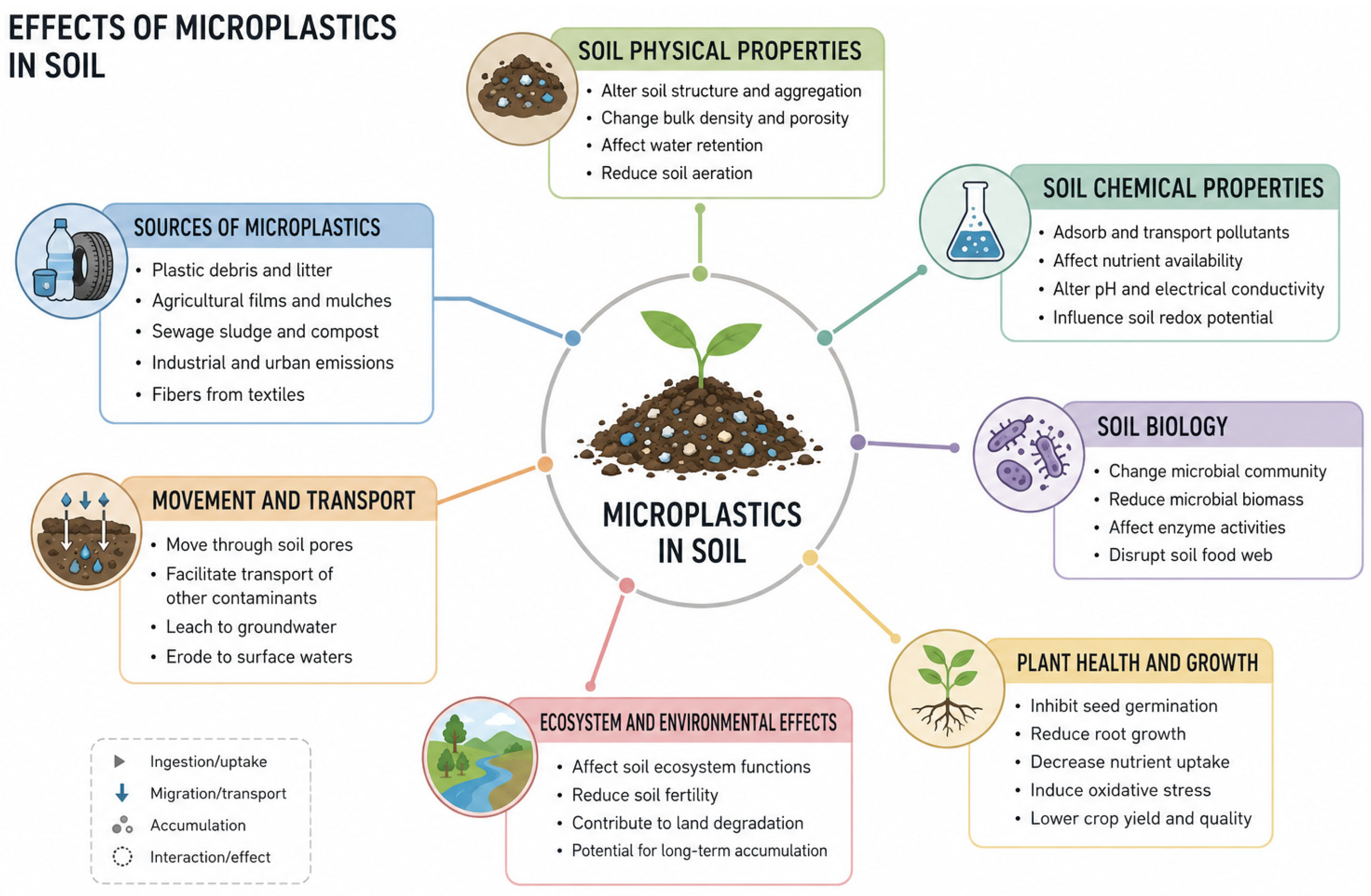
Figure 1 shows the origins of microplastics in soil, and their ways of spreading and effects within soil.
Figure 1.
Origins of microplastics in soil, and their ways of spreading and effects within soil.
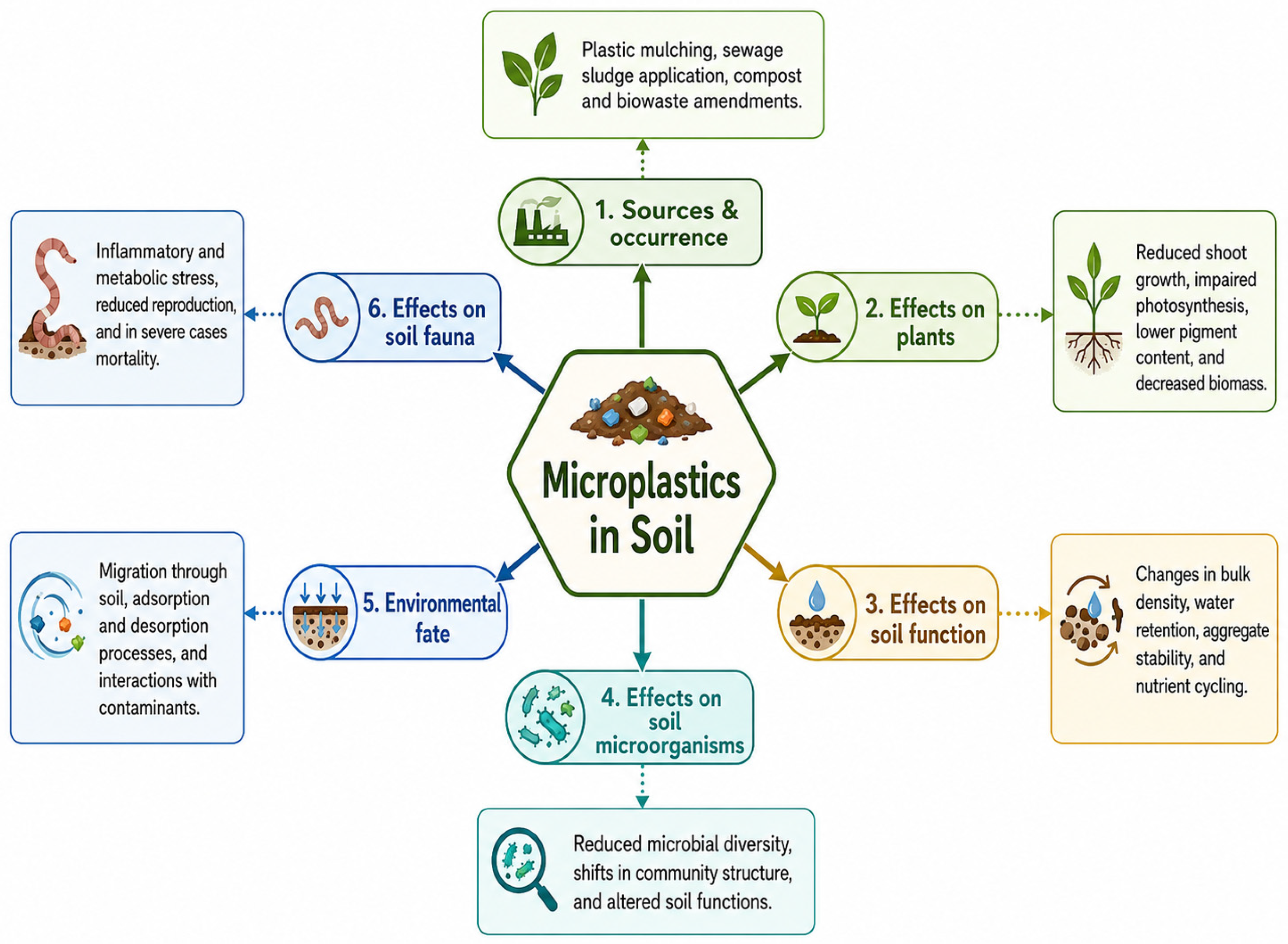
Figure 2 below also shows the effects of microplastics in soil.
Figure 2.
Effects of microplastics in soil.
To analyze the origin of microplastics in soil, we can identify different sources:
- Composting: The fertilizer produced from composting organic waste contains between 5 and 20 particles smaller than 5 mm per gram. Six polymers represent 94%, and in order of abundance they are: polyethylene, polystyrene, polyester, polypropylene, polyvinyl chloride, and acrylic polymers [21].
- Use and abuse of agricultural plastics, specifically, plastic mulch films, which can discharge hundreds of billions of particles into the soil tillage layer [27].
- Sludge from wastewater treatment plants used as soil amendment, which can release between 1000 and 4000 microplastics particles per kg of dry soil [27] in composting.
- Digestate from biogas production, which has been found to contain between 2290 and 7200 microplastic particles per liter, acting as a direct transporter into the environment [19].
- Treated wastewater that returns to rivers and is reused for crops and human consumption, with concentrations in treated effluents reaching up to 125,000 items per m3 [7].
Although the effect of microplastics on crop growth still needs more studies, there are empirical tests that show a negative impact on plant development and crop productivity [7]. According to these authors, the impacts in soil are linked to changes in its physical and chemical properties: 8% less organic matter, 13.1% reduction in total nitrogen, 17% less phosphorus, 6.7% less potassium, 5.4% reduction in porosity, 8.9% reduction in humidity, and 23.8% less surface water infiltration [7]. All these changes directly affect soil fertility and, as a result, crop yields.
Microplastics can also release chemical additives and solid plasticizers that may affect soil microorganisms. This type of pollution can act as a carrier or scaffold for colonization of specific microorganisms that affect soil microbiota and processes [17].
Soil composition and human activities also directly affect the migration of microplastics. Rain or irrigation water is the main reason for vertical migration through soil cracks and pores [27]. Microplastics can also move by external forces such as wind and remain suspended in the air. Earthworms also play a role in their migration, helping their entry into the food chain [27]. Due to their high hydrophobicity, microplastics can concentrate pollutants in the soil, such as fungicides, pesticides, and even heavy metals [27].
- Microplastics in Water
Microplastics in rivers, seas, and oceans go directly into the food chain, with obvious negative consequences for aquatic biota and human health [28]. Due to the high hydrophobicity and surface area, these particles act as vectors that adsorb and concentrate persistent organic pollutants and heavy metals from the water, facilitating their bioaccumulation across different trophic levels [28].
The best way to avoid this pollution is to act at the source, improving selective collection and recycling, and reducing landfill disposal. This source-based prevention is critical because, even though modern wastewater treatment plants can achieve removal efficiencies above 90%, they represent a major point source, discharging millions of microplastics particles daily into aquatic ecosystems due to the massive volumes of effluent treated [19].
3. Results
The results presented in this section evaluate the transition from linear waste management to integrated urban biorefineries. To ensure technical and economic robustness, this assessment follows a systematic six-step engineering methodology [9]:
- Definition of battery limits.
- Selection of a calculation basis.
- Massa balance and equipment design.
- Energy balance.
- Economic evaluation.
- Sensitivity analysis.
3.1. Alternative Energy Recovery Options
Depending on the composition of the organic fraction of municipal solid waste (OFMSW) (that is, the humidity, fat content, carbohydrates, and the rest) a different strategy can be developed. This strategy can be directed to the extraction of fats, the fermentation of carbohydrates, or both, and pyrolysis of the remaining waste. This approach ensures that the energy potential of the waste is maximized, obtaining enough power for the entire process while generating an energy surplus suitable for natural gas grid injection or direct commercial sale [9].
The result would be one or three by-products:
- ○
- Fats for biodiesel, HVO, or SAF HEFA.
- ○
- Crude ethanol for bioethanol (E85 or gasoline blends E5, E10), or SAF-type alcohol-to-jet.
- ○
- Energy/hydrogen in the form of synthesis gas rich in renewable hydrogen for thermal use or for sale as a renewable gas for the natural gas grid after appropriate upgrading [9].
- Composition of the organic fraction of MSW
The organic fraction of municipal solid waste (OFMSW) is characterized by high moisture and high biodegradability due to a large amount of food waste, kitchen waste, and leftovers [29]. However, its physical and chemical heterogeneity makes characterization difficult, as composition depends heavily on the generating source and the collection time [18,29]. Based on extensive literature reviews and characterization of source-segregated waste from multiple cities, the typical bromatological values of lipids, carbohydrates, and others in dry matter are as follows:
- ○
- Lipids → between 3.9% and 30% [18,29].
- ○
- Carbohydrates → between 7.4% and 67% depending on the specific waste stream (e.g., higher in bread and pasta residues) [18,29].
- ○
- Proteins → reported in ranges between 7.7% and 30% [18]. In addition, the humidity in the organic fraction (with plastics) has reported averages around 72.8 ± 7.6% [18]. The content of these compounds and the humidity will determine which path is best to optimize their extraction.
- Alcoholic fermentation of carbohydrates
If carbohydrate content is higher than 20% of the volatile solids (VS), it makes industrial economic sense to ferment this organic matter to obtain crude ethanol. This is particularly relevant for waste streams rich in “bread-pasta” fractions, which can represent up to 67% of VS [18]. From a biorefinery perspective, prioritizing fermentation for these fractions is strategically better than direct anaerobic digestion (AD), as it has been observed that high-carbohydrate wastes often yield lower methane production potentials compared to lipid-rich streams [3,18,29].
To maximize ethanol yields, the process requires an initial pretreatment stage, typically enzymatic hydrolysis at 50 °C, to break down complex organic compounds into fermentable sugars using cellulases [3,4]. The resulting hydrolysate is then subjected to a fermentation process at 30 °C. The final fermented broth is purified through a dual distillation system: a first column concentrates ethanol to approximately 51% (w/w), while a rectification column reaches the azeotropic point (95.3%). For use as high-grade biofuel, final dehydration using molecular sieves is required to reach a purity of 99% [3,4].
Ethanol is currently used as a biofuel additive in gasoline, with blends labeled at 10% or 85% (E10 or E85), which can be used in gasoline or flex-fuel vehicles according to the manufacturer’s specifications. At the same time, ethanol can be a precursor of aviation biofuel, known by the acronym SAF (Sustainable Aviation Fuel), through a chemical transformation process called alcohol-to-jet. This pathway is essential for meeting the decarbonization targets established in the REPowerEU Plan and the RED III Directive, positioning urban waste as a critical feedstock for energy transition.
- Lipid extraction
The extraction of lipids depends on industrial feasibility. First, the organic fraction plastics must have less than 1% humidity for fat extraction processes to be efficient [30]. For this reason, lipid extraction should take place after carbohydrate fermentation, since fermentation happens in aqueous media.
Industrial-scale lipid extraction is usually done with solvents, primarily n-hexane, and it is efficient only when the fat content is at least 15%. The extracted lipids can then be used as raw materials for biodiesel, HVO, or aviation biofuels.
It is important to note that demand for these lipids is very high, especially in Europe and the USA. In fact, in Europe, the Renewable Energy Directive III (RED III) sets ambitious goals for advanced biofuels, that is, those whose raw materials are in Annex IX of the directive [31]. In short, these are raw materials that do not compete in the food or feed market and do not use new land, meaning recovered lipids are reintegrated into the economic cycle [30].
- Biodiesel
Biodiesel is a chemical called fatty acid methyl ester (FAME). In a basic medium, a reaction called transesterification makes oil react with methanol to generate biodiesel plus glycerin [32]. This biodiesel can be blended up to 7% with mineral diesel while still being considered diesel, because it continues to comply with the EN590 fuel standard [33]. For higher blends, labeling is required, usually B15 or B30.
- Hydrotreated Vegetable Oil (HVO)
HVO is a biofuel made from lipids. It comes from petroleum industry technology, produced in hydrogenation reactors using heterogeneous catalysts [32]. To protect these catalysts, the oil must be very well refined, with phosphorus content below 3 ppm and metals below 10 ppm.
The oil obtained from waste is not very clean, so it must be strongly refined before making HVO. This involves degumming (to reduce phosphorus) and bleaching with activated clays (to capture metals).
The process consists of refined lipids plus a hydrogen stream, producing fully saturated fatty acids (paraffins, or HVO) and biopropane as a by-product.
- HEFA/SAF aviation biofuels
HEFA (Hydrotreated Esters and Fatty Acids) is the variant of HVO for aviation SAF. Starting from HVO, processes of isomerization, cracking, and fractioning are applied to obtain fuels compatible with aviation fuel standards DEF-STAN 91-091 [34] or ASTM D7566 [35].
The transition towards SAF is a strategic priority within the REPowerEU Plan and the EU Green Deal, as the decarbonization of the aviation sector is currently classified as a “hard-to-abate” industry. For long-haul commercial and military flights, electrification or hydrogen-powered propulsion are not yet technically feasible, making SAF the only viable alternative for large-scale implementation in the short and medium terms. By integrating urban biorefineries into this value chain, municipal waste-derived lipids are successfully reintegrated into the economic cycle as strategic feedstocks that comply with Annex IX of the RED III Directive, avoiding competition with food markets or the need for additional land use.
- Pyrolysis
The pyrolysis of OFMSW and plastics is an energy source that produces synthesis gas or pyrolytic liquids suitable for energy use.
From a technical perspective, pyrolysis is defined as the thermal decomposition of organic matter at temperatures ranging from 400 to 800 °C in the absolute absence of oxidizing agents [32]. The resulting biochar can be valorized as a high-capacity adsorbent, a soil improver, or a solid fuel with an energy content of approximately 30 GJ/ton [32].
Pyrolysis prevents macro- and microplastics from being released into soil and water, which happens with composting and biogas production. Therefore, waste treated this way no longer acts as a source of plastics pollution.
In conclusion, pyrolysis is established as the definitive thermal barrier that prevents the deposition and dissemination of macro- and microplastics (MPs) into the soil, air, and water. Unlike traditional biological treatments such as composting and anaerobic digestion, which act as primary carriers facilitating the entry of up to 36,800 particles/L (in digestate) or 30 particles/g (in compost) into the environment, the high-temperature reactor ensures the complete thermochemical breakdown of polymer chains [19,21]. By transforming these anthropogenic pollutants into energy bioproducts at the source, the pyrolytic route successfully breaks the cycle of “white pollution” and avoids long-term terrestrial degradation, such as the 13.1% reduction in total soil nitrogen and the 23.8% decrease in water infiltration rates associated with plastic accumulation [7].
- Pyrolytic gasification
Pyrolytic gasification is a type of pyrolysis in which waste is heated without oxygen [32]. Organic matter and plastics break down into synthesis gas, which can be burned for energy or used to generate electricity [32]. The resulting syngas represents a versatile energy vector that can be utilized for direct thermal applications or converted into electricity via high-efficiency engines or turbines.
The main advantage compared to traditional combustion is that it does not emit dioxins or furans [15], and therefore does not need expensive post-combustion treatments such as bag filters, electromagnetic filters, or high-temperature oxidizers to remove VOCs.
Typical composition of this synthesis gas is:
- Carbon monoxide (CO) → 15–25% [9].
- Hydrogen (H2): 40% → 70% [9].
- Carbon dioxide (CO2) → around 29.5% in unsegregated waste streams [15].
- Methane (CH4) and light hydrocarbons → minor fractions that provide the mixture with its significant calorific power [9].
The production of synthesis gas rich in renewable hydrogen via this route is recognized as a strategic priority for the energy transition. By utilizing municipal waste as a stable feedstock, the biorefinery produces a green fuel with a zero-carbon footprint, contributing significantly to the decarbonization of the energy grid and industrial sectors [9].
3.2. Economic Model
Based on the characterization of waste and the available technologies, it is possible to design an economic model to help in the selection of the best technology to maximize the value of the waste [9]. Starting from a typical characterization, we can build a table that includes operation costs (OPEX) together with the profit per ton processed [3,4]. The different processes are shown in an accumulative or cascading way, which allows for obtaining products with higher added value and growing benefits [3,4].
The reference for all models will be the quantity and characterization of the available waste (Table 1). This will serve to determine the size of the plant, define the processes to implement, and estimate investment needs [3].
Table 1.
Technical and economic assumptions for the biorefinery model.
- Raw material characterization
For the initial design of the model, only the organic fraction of MSW has been considered. From there, the inclusion of plastics is proposed. The reference composition is the following [18,38]:
Lipids → 15%
Carbohydrates → 25%
Rest of organic matter → 60%
Total humidity → 70%
- CAPEX orientation
Estimating investment costs is a complex engineering challenge, as they are highly dependent on the composition and availability of raw materials and the specific maturity of the conversion technologies [4,36]. As a general reference, CAPEX for this type of process would be in the following ranges, always depending on the amount of available waste and its characterization:
- ○
- Ethanol process → Investment between EUR 15 and 25 million, for a capacity of about 10,000 tons of ethanol per year. This is a relatively small plant, since the proposed process is only part of the broader concept of a biorefinery, where carbohydrate fermentation serves as a strategic stage for producing high-value platform chemicals or biofuels.
- ○
- Lipid extraction process → Raw material must have 10–30% fat for solvent extraction to be profitable [30]. A small-scale plant extracting 50 tons/day requires a CAPEX of approximately EUR 4 million, while large-scale industrial plants that reach 1000 tons/day can require investments up to EUR 15 million. This cost can change depending on the reactor configuration, and the use of specialized bio-based solvents [30].
- ○
- Pyrolysis and hydrogen generation process → The capital requirements for thermochemical conversion are significantly influenced by the syngas purification and hydrogen separation stages. The smallest plant would produce 85 tons of hydrogen/year, from 5000 tons of raw material. Investment is about EUR 3 million. Large plants producing 5000 tons of hydrogen/year (185,000 tons of raw material at 70% humidity) would need about EUR 50 million. These estimations are consistent with the high equipment costs associated with rotary kiln reactors and combustion chambers in MSW-to-energy facilities [15].
- ○
- Biogas process: Current plants range varies significantly based on energy output from 0.5 GWh/year to 200 GWh/year. CAPEX goes from EUR 600,000 for the smallest decentralized unit to EUR 35 million for the largest integrated facilities [9,23].
- Determination of optimal plant size
Based on information from the different processes, it is necessary to determine the size of each production unit according to the regional availability of raw material. Two models are proposed: one with biogas, and another with pyrolysis (H2 production), as the final process for the final processing of residual fractions.
The first step is to know the amount of waste generated and the potential raw material. In Spain, 23 million tons of household MSW were generated in 2022 [39]. Of this, 16.7% were plastics and 44% were organic [7,17,40]. This gives a potential of 60.7% of 23.7 million tons, that is, more than 14 million tons of annual feedstock suitable for integrated biorefinery operations.
3.2.1. Equations Applied
To ensure the transparency and reproducibility of the techno-economic assessment, the following fundamental equations were applied. The Total Investment Cost (TIC) was estimated using the Lang Method [9]:
where PECi represents the purchased equipment cost for each unit, and Lf is the Lang Factor, set at 4.09 for integrated solid- and liquid-processing biorefineries.
The net present value (NPV), evaluated over a 20-year project horizon, was determined as follows:
where FC Ft is the free cash flow in year t, and r is the discount rate, set at 10% for this study. The internal ratio of return (IIR) is the value of r that satisfies the condition NPV = 0
Finally, the break-even price BEP for renewable hydrogen and bioethanol was calculated by solving for the selling price that yields an NPV = 0 at the end of the project life [9].
- Model with biogas as final process
According to the minimum sizes of process units mentioned above, the following sequence can be represented: first fermentation to obtain ethanol, then fat extraction, and finally anaerobic digestion.
The ethanol unit is the primary limiting factor for plant sizing. To achieve a production of 10,000 tons/year, 20,000 tons of carbohydrates are needed, according to standard conversion efficiencies which correspond to 80,000 tons of dry matter [20]. With 70% humidity reference, this equals 266,000 tons of mixed organic–plastic waste.
After ethanol production, the next step is oil extraction from the remaining dry matter, obtaining about 15% fat [20]. The 48,000 tons of dry matter left would then go to anaerobic digestion to produce 75 GWh of biogas for natural gas grid injection or internal power [22,23,32]. The total CAPEX for this model is detailed in Table 2.
Table 2.
Description of model with biogas as final process.
This first model requires more plastic separation, since it generates 119,000 tons of digestate, which is difficult to sell, and continues adding macro and microplastics to the soil [19]. The presence of these particles, including polyethylene and polypropylene fragments, complicates the commercialization of the digestate as an agricultural amendment and risks the continuous deposition of “white pollution” into terrestrial ecosystems [20,41]. With 266,000 tons/year capacity, the investment would be about EUR 43.5 million.
- Model with pyrolysis as final process
In this case, the terminal process of anaerobic digestion is replaced with a process of pyrolytic gasification for renewable hydrogen generation. The first two steps are the same (ethanol and oil), ensuring that high-value components are recovered before the final thermochemical treatment of the residual organic and plastic fractions [3,4].
This model represents a significant advancement in both energy density and environmental safety. The remaining 48,000 tons of dry matter (after ethanol and lipid recovery) are processed in a high-temperature pyrolytic environment (400–800 °C in the absolute absence of oxygen), yielding approximately 2160 tons of renewable hydrogen per year [32]. Unlike methane produced via anaerobic digestion, renewable hydrogen is recognized as a strategic priority for achieving energy independence and deep decarbonization, offering green fuel with a zero-carbon footprint at the point of use. The Table 3 details the amount of CAPEX in this model.
Table 3.
Description of model with pyrolysis as final process.
These models are based on minimum plant capacities. The biorefinery concept could be improved by adding selective waste collection from bakeries, pastry shops, or fat-rich residues. The most disruptive advantage of this model is its role as the definitive thermal barrier for microplastics (MPs).
- OPEX and process performance
The operational expenditures (OPEX) and technical performance indicators for the integrated biorefinery are defined based on industrial benchmarks and process simulations of cumulative recovery stages. For this techno-economic assessment (TEA), the following input costs and yield parameters were established:
- ▪
- Input costs and operational parameters:
- OPEX for biogas → 0.05 EUR/kWh. This value represents a conservative estimate for operation and maintenance (O&M), accounting for the specific treatments required to manage pollutants such as H2S and siloxanes in gas engines [9].
- Waste at plant → 0 EUR/t. In accordance with integrated waste management models, municipal solid waste is considered a zero-cost substrate for the facility, as collection and primary disposal are treated as a public service [9,15].
- Ethanol production cost → 316.31 EUR/t. This value represents the midpoint of the industrial benchmark for urban residual valorization, which ranges between 0.14 and 0.19 USD/lb [4]. *For reference, the midpoint of 0.165 USD/lb. equates to 363.76 USD/t. which is at an exchange rate of 1.15 USD/EUR (316.31 EUR/t).
- Fat extraction cost → 270 EUR/t. This covers the energy and solvent requirements for lipid recovery from the pre-treated dry matter, aligned with total product costs for integrated oily waste structures [18].
- Pyrolysis transformation cost → 154.35 EUR/t of feedstock. This operational cost includes utilities, personnel, and wastewater management for the thermochemical conversion of the residual organic and plastic fractions [15].
- ▪
- Process yields and output prices:
- Ethanol yield → 134 kg/t. This yield is derived from a midpoint carbohydrate content of 26.9% (documented range 7.4–46.4%) and a standard 50% conversion efficiency [18,22].
- Fat yield → 170 kg/t of dry matter, based on average for fats, oils, and grease in MSW dry matter (17% midpoint of the 3.9–30% range) [18].
- Renewable hydrogen yield: 77 kg per ton of remaining dry matter. This value is based on the benchmark of 100 Mt per 1.3 Gt of biomass, representing a 7.69% mass yield. This corresponds to a synthesis gas with approximately 55% (v/v), the midpoint of the industrial range (40–70%) [9].
- Biogas for injection: 0.12 EUR/kWh, medium point per Guidehouse EBA report [42].
- Digestate: 0 EUR/t. Currently has some commercial value. We expect an oversupply situation, causing an supply shockthat will drive prices towards zero.
- Bioethanol selling price: 960.87 EUR/t. Derived from the midpoint of the documented market range (0.80–1.41 USD/kg), which results in 1105 USD/t and equates to 960.87 EUR/t at the applied exchange rate of 1.15 USD/EUR [3,4].
- Extracted fat: 1000 EUR/t. Its price represents a conservative industrial value for grease as a raw material, aligned with the market valuation of high-value bio-precursors derived from urban residuals (ranging between 0.75 and 1.00 USD/lb) [36].
- Process feasibility
The feasibility of these processes depends on the typical waste composition and the treatment scale. To ensure methodological robustness, this assessment uses the arithmetic midpoints of industrial and literature benchmarks. All calculations apply to an exchange rate of 1.15 USD/EUR and assume a processing capacity of 266,667 wet tons per year (80,000 tons of DM/year).
The percentage of lipid extraction is especially relevant for determining gross margin. Based on available information, it is possible to set a profitability threshold for each process, depending on the volume of waste and carbohydrate content.
SCENARIO I: Biogas Scenario (Bioethanol + Lipid Extraction + Anaerobic Digestion)
This scenario utilizes mature biological treatment. While economically efficient, its main drawback is environmental: the process does not destroy synthetic polymers, making the digestate a carrier for microplastics (up to 36,800 particles/L) back into agricultural soils. The biogas price is set at 0.12 EUR/kWh, reflecting premium renewable gas incentives reported by the European Biogas Association [42]. The profibality scenario of this model is detailed in Table 4.
Table 4.
Profitability for the biogas scenario (Estimated CAPEX EUR 43.50 million).
SCENARIO II: Pyrolysis-Integrated Scenario (The “Thermal Barrier” Model)
This model replaces terminal digestion with high-temperature pyrolysis (650 °C), establishing a definitive thermal barrier that destroys macro- and microplastics [24]. Although requiring a significantly higher initial investment (80 million CAPEX EUR), the production of renewable hydrogen, a high-demand vector for industrial decarbonization, materially increases the facility’s wealth generation.The opex analytics of this model is detaile in Table 5.
Table 5.
Annual profitability for the pyrolysis scenario (Estimated CAPEX: EUR 80 million).
The pyrolysis model with hydrogen generation has a higher CAPEX and lower investment return, but relies on hydrogen as a future product, and is the definitive barrier for non-disposal of micro- and macroplastics into the environment.
4. Discussion
Although current models of MSW management are reducing landfill disposal, they are still insufficient to meet circular economy targets [16]. The EU continues to send 38% of waste to landfills, and in Spain the percentage is even higher, 52% [11].
The proposed model improves composting performance, because in composting, CO2 is released without any energy recovery. It also reduces the presence of macro- and microplastics in soil MSW-derived organic outputs which, in Spain, have been found to contain between 10,000 and 30,000 microplastic particles per kg [21].
The model also improves the biogas process: on the one hand, all the energy in oils and fats is recovered instead of being consumed in anaerobic fermentation, and on the other hand, carbohydrates are transformed into ethanol, a product with higher added value than biogas.
At the same time, the new process acts as a definitive thermal barrier, as high-temperature processing (up to 800 °C) ensures the destruction of synthetic polymers [9].
In this model, three processes are used that provide more commercial and environmental value, generating the following products:
- ○
- Lipid extraction → for use in biodiesel, HVO, or SAF [30].
- ○
- Alcoholic fermentation → ethanol production [4].
- ○
- Pyrolysis → hydrogen, synthesis gas, and pyrolytic oil [4,32].
This is a more efficient approach, economically and environmentally, compared with current practices such as composting, bio-stabilization, and biogas. It allows the production of high-value compounds that are in strong demand in society. It also strongly reduces the input of microplastics into the environment and food chain, which is a growing and difficult problem. In addition to lipids and carbohydrates for classic biofuels (ethanol and biodiesel/HVO), the most disruptive part is hydrogen production from waste.
Any strategy for decarbonization of the economy must include hydrogen, as it is a clean alternative to fossil fuels in hard-to-decarbonize industries such as heavy industry (metallurgy), long-distance transport, and even aviation. Its combustion does not produce CO2, and when it comes from renewable sources, it reduces emissions significantly.
The Biogas Scenario (Scenario I) is robust, yielding an attractive payback period of 1.97 years, supported by a premium renewable gas price of 0.12 EUR/kWh [Table 4]. This pricing aligns with European Biogas Association (EBA) [42] benchmarks for renewable gas with guarantees of origin [9]. However, the Pyrolysis-Integrated Scenario (Scenario II) establishes itself as the superior wealth generator. Despite its higher CAPEX (EUR 80 million), it produces an annual gross margin of EUR 26.6 million—approximately EUR 4.5 million more per year than the biogas pathway [Table 4 and Table 5].
Although green hydrogen, produced from renewable electricity through electrolysis, is key for a decarbonized economy, its current production is expensive and has an important opportunity cost. This is because the renewable electricity used for hydrogen could also go directly to the grid or other more efficient uses.
The production of renewable hydrogen from waste is the most disruptive component. This model validates a 7.69% mass yield (77 kg per ton of dry matter), following established benchmarks for biomass-to-hydrogen conversion [32].
In this context, the development of alternative technologies, such as waste pyrolysis or use of industrial by-products, offers a cheaper and complementary way to accelerate decarbonization without stressing the renewable electricity system.
Crucially, the pyrolysis terminal stage acts as a definitive thermal barrier against microplastics. While anaerobic digestion generates a digestate that acts as a carrier for synthetic polymers into the environment (with reported levels up to 36,800 particles/L), high-temperature pyrolysis ensures the destruction of these polymers [19,21,29,41]. By implementing this thermal barrier, the facility closes environmental pathways for plastics before they reach agricultural soils, aligning with the most stringent circular economy and food security framework [43].
5. Conclusions
The circular economy gives solutions not only for reducing waste generation, but also for recovering materials historically discarded. Here, the concept of “landfill mining” makes sense: it is possible to access millions of tons buried in landfills over the last two centuries. Once extracted and treated, this waste can return to the productive system through energy recovery or even material reuse. This transforms environmental liabilities into useful resources and avoids the use of new products.
One of the most promising vectors is renewable hydrogen, which can be considered renewable or not depending on the legal framework, and not only on its organic origin. Depending on the evolving legal frameworks (such as RED III), hydrogen produced from municipal solid waste (MSW) or non-recyclable plastic fractions can be integrated into national decarbonization strategies. This opens the door to a new way of producing hydrogen from MSW, non-recyclable plastics, or even stabilized organic fractions, integrating historical waste management into decarbonization and energy transition strategies.
In this context, the concept of an integrated biorefinery concept goes far beyond a simple biogas plant. It is not only about producing methane from organic waste, but about applying an integral approach that extracts the maximum value from each waste stream. The goal is always to prioritize the products with higher added value: oils and fats for advanced biofuels (like HVO or SAF), carbohydrates transformed into ethanol, and non-recyclable residues used in pyrolysis to generate synthesis gas and hydrogen.
This integrated approach provides a decisive solution to the emerging global crisis of microplastics, where current biological treatments fall short. Empirical evidence reveals that MSW-derived compost and digestate act as primary carriers of “white pollution”, facilitating the entry of up to 30 plastic particles per gram [37] or 36,800 particles per liter into agricultural soils.
This contamination triggers harmful biophysical effects, such as a 13.1% reduction in total soil nitrogen and a 23.8% decrease in water infiltration rates, directly compromising food security and crop yields. By implementing high-temperature pyrolysis (650–800 °C), the biorefinery establishes a definitive thermal barrier that guarantees the 100% thermochemical breakdown of polymer chains. This disruptive capability is coupled with a superior economic performance, tripling the gross margin compared to traditional biogas plants, which demonstrates that the most environmentally urgent strategy is also the most profitable one.
Compared with simpler models such as composting or anaerobic digestion, which generate low-value products and with negative environmental effects like microplastics in soil, biorefineries are a more efficient, profitable, and market-oriented solution. Terminal stages like high-temperature pyrolysis establish a definitive thermal barrier that ensures the destruction of synthetic polymers. It is a logical evolution inside the circular economy, focused on full use of waste and the generation of strategic raw materials for the energy transition.
Author Contributions
Conceptualization, R.E.S.-G.; Methodology, R.E.S.-G.; Formal analysis, R.E.S.-G. and F.H.-S.; Writing—original draft, R.E.S.-G.; Writing—review and editing, F.H.-S. All authors have read and agreed to the published version of the manuscript.
Funding
This research received no external funding.
Institutional Review Board Statement
Not applicable.
Informed Consent Statement
Not applicable.
Data Availability Statement
Data is contained within the article.
Conflicts of Interest
The authors declare no conflicts of interest.
References
- Kaza, S.; Yao, L.C.; Bhada-Tata, P.; Van Woerden, F.; Levine, D. What a Waste 2.0: A Global Snapshot of Solid Waste Management to 2050; Urban Development; World Bank: Washington, DC, USA, 2018. [Google Scholar] [CrossRef] [Scilit]
- Khatiwada, D.; Golzar, F.; Mainali, B.; Devendran, A.A. Circularity in the Management of Municipal Solid Waste—A Systematic Review. Environ. Clim. Technol. 2021, 25, 491. [Google Scholar] [CrossRef] [Scilit]
- Jiao, H.; Ali, S.S.; Alsharbaty, M.H.M.; Elsamahy, T.; Abdelkarim, E.; Schagerl, M.; Al-Tohamy, R.; Sun, J. A critical review on plastic waste life cycle assessment and management: Challenges, research gaps, and future perspectives. Ecotoxicol. Environ. Saf. 2024, 271, 115942. [Google Scholar] [CrossRef] [Scilit] [PubMed]
- Pérez-Almada, D.; Galán-Martín, Á.; Contreras, M.d.M.; Romero-García, J.M.; Castro, E. Uncovering the Techno-Economic and Environmental Implications of a Multiproduct Biorefinery from Exhausted Olive Pomace. ACS Sustain. Chem. Eng. 2025, 13, 2732–2745. [Google Scholar] [CrossRef] [Scilit] [PubMed]
- Dincă, G.; Milan, A.; Andronic, M.L.; Pasztori, A.; Dincă, D. Does Circular Economy Contribute to Smart Cities’ Sustainable Development? Int. J. Environ. Res. Public Health 2022, 19, 7627. [Google Scholar] [CrossRef] [Scilit] [PubMed]
- Colombini, G.; Rumpel, C.; Houot, S.; Biron, P.; Dignac, M. A long-term field experiment confirms the necessity of improving biowaste sorting to decrease coarse microplastic inputs in compost amended soils. Environ. Pollut. 2022, 315, 120369. [Google Scholar] [CrossRef] [Scilit] [PubMed]
- Gao, H.; Liu, Q.; Yan, C.; Mancl, K.; Gong, D.; He, J.; Mei, X. Macro-and/or microplastics as an emerging threat effect crop growth and soil health. Resour. Conserv. Recycl. 2022, 186, 106549. [Google Scholar] [CrossRef] [Scilit]
- Directive (EU) 2018/2001 of the European Parliament and of the Council by Establishing a Minimum Threshold for Greenhouse Gas Emissions Savings of Recycled Carbon Fuels and by Specifying a Methodology for Assessing Greenhouse Gas Emissions Savings from Renewable Liquid and Gaseous Transport Fuels of Non-Biological Origin and from Recycled Carbon Fuels. 2023. Available online: https://eur-lex.europa.eu/legal-content/EN/TXT/PDF/?uri=CELEX:32018L2001 (accessed on 24 June 2026).
- Pérez Martinez, V. A Techno-Economic Assessment Methodology for the Production of Polyhydroxyalkanoates and Ectoine from Biogas in Waste Treatment Plants. Doctoral Dissertation, University of Valladolid, Valladolid, Spain, 2023. [Google Scholar]
- INE. Estadística Sobre Recogida y Tratamiento de Residuos. Año 2022; Instituto Nacional de Estadistica: Madrid, Spain, 2024. (In Spanish) [Google Scholar]
- CEWEP—The Confederation of European Waste-to-Energy Plants. Latest Eurostat Figures: Municipal Waste Treatment 2022. October 2024. Available online: https://www.cewep.eu/municipal-waste-treatment-2022/ (accessed on 24 June 2026).
- Ministerio para la Transición Ecológica y el Reto Demográfico. Hoja de Ruta del Biogás. 2022. Available online: https://www.miteco.gob.es/content/dam/miteco/es/energia/files-1/es-es/Novedades/Documents/00HR_Biogas_V6.pdf (accessed on 24 June 2026). (In Spanish)
- IDAE. Biogas. Instituto para la Diversificación y Ahorro de la Energia. Available online: https://www.idae.es/tecnologias/energias-renovables/uso-termico/biogas (accessed on 4 April 2026). (In Spanish)
- SEDIGAS. A Study of the Capacity for Biomethane Production in Spain, 2023. Asociación Española del Gas. Available online: https://biometano.sedigas.es/wp-content/uploads/2023/03/sedigas-report-potential-biomethane-2023.pdf (accessed on 24 June 2026).
- Chhabra, V.; Parashar, A.; Shastri, Y.; Bhattacharya, S. Techno-Economic and Life Cycle Assessment of Pyrolysis of Unsegregated Urban Municipal Solid Waste in India. Ind. Eng. Chem. Res. 2021, 60, 1473–1482. [Google Scholar] [CrossRef] [Scilit]
- Mayes-Ramírez, M.M.; Gálvez-Sánchez, F.J.; Ramos-Ridao, Á.F.; Molina-Moreno, V. Urban Waste: Visualizing the Academic Literature through Bibliometric Analysis and Systematic Review. Sustainability 2023, 15, 1846. [Google Scholar] [CrossRef] [Scilit]
- Judy, J.D.; Williams, M.; Gregg, A.; Oliver, D.; Kumar, A.; Kookana, R.; Kirby, J.K. Microplastics in municipal mixed-waste organic outputs induce minimal short to long-term toxicity in key terrestrial biota. Environ. Pollut. 2019, 252, 522–531. [Google Scholar] [CrossRef] [Scilit] [PubMed]
- Campuzano, R.; González-Martínez, S. Characteristics of the organic fraction of municipal solid waste and methane production: A review. Waste Manag. 2016, 54, 3–12. [Google Scholar] [CrossRef] [Scilit] [PubMed]
- Öling-Wärnå, V.; Åkerback, N.; Engblom, S. Digestate from Biowaste and Sewage Sludge as Carriers of Microplastic into the Environment: Case Study of a Thermophilic Biogas Plant in Ostrobothnia, Finland. Water Air Soil Pollut. 2023, 234, 432. [Google Scholar] [CrossRef] [Scilit]
- Srivastava, V.; Balakrishnan, M. Biorefinery approach for the management of fruit and vegetable waste generated in hotels: Study case in India. Biomass Convers. Biorefinery 2023, 13, 14821–14835. [Google Scholar] [CrossRef] [Scilit]
- Edo, C.; Fernández-Piñas, F.; Rosal, R. Microplastics identification and quantification in the composted Organic Fraction of Municipal Solid Waste. Sci. Total Environ. 2022, 813, 151902. [Google Scholar] [CrossRef] [Scilit] [PubMed]
- Ddiba, D.; Andersson, K.; Rosemarin, A.; Schulte-Herbrüggen, H.; Dickin, S. The circular economy potential of urban organic waste streams in low- and middle-income countries. Environ. Dev. Sustain. 2022, 24, 1116–1144. [Google Scholar] [CrossRef] [Scilit]
- Pablo Emilio, E.; Fernández-Rodríguez, E.; Carrasco-Hernández, R.; Coria-Páez, A.L.; Gutiérrez-Galicia, F. A comparison assessment of landfill waste incineration and methane capture in the central region of Mexico. Waste Manag. Res. 2022, 40, 1785–1793. [Google Scholar] [CrossRef] [Scilit] [PubMed]
- Tejaswini, M.S.S.R.; Pathak, P.; Gupta, D.K. Sustainable approach for valorization of solid wastes as a secondary resource through urban mining. J. Environ. Manag. 2022, 319, 115727. [Google Scholar] [CrossRef] [Scilit] [PubMed]
- Eurostat. What Are the Main Destinations of EU Export of Waste? Eurostat, 2022. Available online: https://ec.europa.eu/eurostat/web/products-eurostat-news/-/ddn-20220525-1 (accessed on 24 June 2026).
- Sorensen, R.M.; Jovanović, B. From nanoplastic to microplastic: A bibliometric analysis on the presence of plastic particles in the environment. Mar. Pollut. Bull. 2021, 163, 111926. [Google Scholar] [CrossRef] [Scilit] [PubMed]
- Ya, H.; Jiang, B.; Xing, Y.; Zhang, T.; Lv, M.; Wang, X. Recent advances on ecological effects of microplastics on soil environment. Sci. Total Environ. 2021, 798, 149338. [Google Scholar] [CrossRef] [Scilit] [PubMed]
- Xu, S.; Ma, J.; Ji, R.; Pan, K.; Miao, A. Microplastics in aquatic environments: Occurrence, accumulation, and biological effects. Sci. Total Environ. 2020, 703, 134699. [Google Scholar] [CrossRef] [Scilit] [PubMed]
- Alibardi, L.; Cossu, R. Composition variability of the organic fraction of municipal solid waste and effects on hydrogen and methane production potentials. Waste Manag. 2015, 36, 147–155. [Google Scholar] [CrossRef] [Scilit] [PubMed]
- Mazzara, E.; Tiwari, B.K. A review of defatting processes using sustainable solvents: Parallels between seed and fish oil sources. Sustain. Food Technol. 2026, 4, 2224–2236. [Google Scholar] [CrossRef] [Scilit]
- European Commission. Voluntary Schemes Under the Renewable Energy Directive. Available online: https://energy.ec.europa.eu/topics/renewable-energy/bioenergy/voluntary-schemes_en (accessed on 8 March 2026).
- Duan, Y.; Pandey, A.; Zhang, Z.; Awasthi, M.K.; Bhatia, S.K.; Taherzadeh, M.J. Organic solid waste biorefinery: Sustainable strategy for emerging circular bioeconomy in China. Ind. Crops Prod. 2020, 153, 112568. [Google Scholar] [CrossRef] [Scilit]
- EN 590; Automotive Fuels—Diesel—Requirements and Test Methods. CEN: Brussels, Belgium, 2025.
- DEF STAN 91-091; Turbine Fuel, Kerosene Type, Jet A-1; NATO Code: F-35; Joint Service Designation: AVTUR. UK Ministry of Defence: London, UK, 2024.
- ASTM D7566-26; Standard Specification for Aviation Turbine Fuel Containing Synthesized Hydrocarbons. ASTM International: West Conshohocken, PA, USA, 2026.
- Foret, B.; Chirdon, W.M.; Hernandez, R.; Lord, D.; Fortela, B.; Revellame, E.; Gang, D.; Hmida, J.B.; Holmes, W.E.; Zappi, M.E. A Techno-Economic Analysis of Integrating an Urban Biorefinery Process Within a Wastewater Treatment Plant to Produce Sustainable Wood Adhesives. Sustainability 2025, 17, 6679. [Google Scholar] [CrossRef] [Scilit]
- European Biogas Association. Gasification: A Sustainable Technology for Circular Economies—Scaling up to Reach Net-Zero by 2050; European Biogas Association: Brussels, Belgium, 2021; Available online: https://www.europeanbiogas.eu/publication/gasification-a-sustainable-technology-for-circular-economies (accessed on 24 June 2026).
- Hafid, H.S.; Omar, F.N.; Abdul Rahman, N.; Wakisaka, M. Innovative conversion of food waste into biofuel in integrated waste management system. Crit. Rev. Environ. Sci. Technol. 2022, 52, 3453–3492. [Google Scholar] [CrossRef] [Scilit]
- Medina-Montoya, L. El reto de la Gestión de Residuos en España: Un Breve Análisis de los datos de 2022. Residuos Profesional, 20 November 2024. Available online: https://www.residuosprofesional.com/gestion-de-residuos-en-espana-analisis-datos-2022/ (accessed on 24 June 2026). (In Spanish)
- Ministerio para la Transición Ecológica y el Reto Demográfico. Biorresiduos. Available online: https://www.miteco.gob.es/en/calidad-y-evaluacion-ambiental/temas/prevencion-y-gestion-residuos/flujos/biorresiduos.html (accessed on 4 April 2026). (In Spanish)
- Porterfield, K.K.; Hobson, S.A.; Neher, D.A.; Niles, M.T.; Roy, E.D. Microplastics in composts, digestates, and food wastes: A review. J. Environ. Qual. 2023, 52, 225. [Google Scholar] [CrossRef] [Scilit] [PubMed]
- Alberici, S.; Gräf, D.; Aurand, M. Beyond Energy—Monetizing Biomethane’s Whole-System Benefits. European Biogas Association, 2023. Available online: https://www.europeanbiogas.eu/wp-content/uploads/2023/02/20230213_Guidehouse_EBA_Report-1.pdf (accessed on 24 June 2026).
- Zantis, L.J.; Rombach, A.; Adamczyk, S.; Velmala, S.M.; Adamczyk, B.; Vijver, M.G.; Peijnenburg, W.; Bosker, T. Species-dependent responses of crop plants to polystyrene microplastics. Environ. Pollut. 2023, 335, 122243. [Google Scholar] [CrossRef] [Scilit] [PubMed]

Disclaimer/Publisher’s Note: The statements, opinions and data contained in all publications are solely those of the individual author(s) and contributor(s) and not of MDPI and/or the editor(s). MDPI and/or the editor(s) disclaim responsibility for any injury to people or property resulting from any ideas, methods, instructions or products referred to in the content. |
© 2026 by the authors. Licensee MDPI, Basel, Switzerland. This article is an open access article distributed under the terms and conditions of the Creative Commons Attribution (CC BY) license.