


Abstract
Food delivery riders face a structural shortage of informal street rest spaces in urban public environments, yet existing facilities often fail to match their highly mobile labor processes. Taking the Hexi University Town commercial district in Changsha as a case study, this research examines how rest-space conditions are associated with riders’ occupational dignity and work environment satisfaction. Based on 365 valid questionnaires, field observations, and informal interviews, structural equation modeling, bootstrap mediation analysis, and grouped regression analysis were conducted within a spatial justice framework. The results show that spatial justice perceptions are associated with satisfaction through differentiated pathways. Spatial embeddedness is associated with work environment satisfaction, while facility suitability operates partly through occupational dignity and has the highest mediation proportion. Procedural justice is insignificant in formal spaces but has a strong effect in informal spaces, revealing a mismatch between institutional provision and practical accessibility. The findings indicate that riders’ rest-space dilemma stems not only from insufficient facilities but also from the disembedding of spatial rights from mobile labor processes. This study extends spatial justice research from resource distribution to labor-process embeddedness and proposes micro-renewal strategies that shift from facility provision to process embeddedness, offering implications for inclusive public-space planning, sustainable urban design, and urban governance.
1. Introduction
In recent years, with the rapid development of the platform economy, instant service industries represented by food delivery have become an important support system for urban operation [1,2]. Food delivery riders, as the core labor group in this system, rely heavily on continuous movement and frequent short stops in urban space, while also completing delivery tasks under the dual constraints of time pressure and algorithmic dispatching [3,4,5]. This form of labor, characterized by spatial mobility and time sensitivity, makes riders a typical group of “mobile workers” [6]. However, in sharp contrast to riders’ strong dependence on urban space, the existing public-space system is mainly configured for settled residents and consumer groups and lacks an institutional response to mobile workers. This mismatch places riders in a structurally marginalized position in urban space [7,8,9]. From the perspective of urban accessibility, riders’ difficulty is not only a lack of physical access to space. It also reflects the neglect of “labor-process accessibility.” This refers to whether rest spaces can be embedded in dynamic delivery routes, rather than merely distributed as static geographical points. This issue is particularly prominent in urban districts with intensive food delivery consumption, mixed campus–commercial functions, and a high concentration of rider activity, making specific urban cases an important entry point for understanding spatial justice among mobile workers.
As a city in central China with active consumption and high platform delivery demand, Changsha has recently begun to respond to food delivery riders’ needs for rest and service support through urban governance measures. For example, the city has promoted “Rider Care Stations” (with approximately 1000 new sites planned in 2026), service stations attached to traffic-police posts (61 sites), and rider-friendly communities to improve riders’ rest conditions. However, the spatial layout of these formal facilities still struggles to embed itself in riders’ highly dynamic routes, and their actual accessibility and associations with work environment satisfaction remain to be tested [10]. Against this background, riders’ rest needs during delivery intervals are not effectively secured, and their physical and psychological recovery and everyday work experiences are significantly constrained [2]. This issue may become more prominent during hot seasons, when outdoor delivery workers face heat exposure while waiting, stopping, and recovering in street environments, further increasing their need for shaded and accessible rest spaces [11]. More subtly but equally importantly, frequent experiences of being expelled and marginalized in space may weaken riders’ occupational dignity—that is, their perceived social recognition of the value of their work and psychological identification with their occupation.
At present, studies on the well-being of gig-economy workers show divergent views. Some emphasize the flexibility and employment opportunities brought by platform labor [2], while others point out that unstable income, lack of social security, and intensified work may have negative effects on mental health and social status [12]. This tension is especially apparent among food delivery riders: they face not only high-intensity delivery pressure, but also multiple constraints such as time penalties, customer ratings, and spatial exclusion [6,13,14,15]. Frequent collective resistance further highlights the practical urgency of understanding riders’ working environments and the mechanisms shaping work environment satisfaction [16]. Although existing studies have examined work conditions, organizational support, and algorithmic governance [1,17,18], three gaps remain. First, the spatial dimension of the labor process has long been systematically overlooked [2,19]. Second, empirical research on the concrete spatial carriers that support social interaction is insufficient [20,21]. Third, the concept of “embeddedness” has been applied only to a limited extent in the context of gig labor [22,23]. Spatial justice theory provides an important analytical perspective, emphasizing fairness in the distribution of spatial resources, rights of use, and participation in governance among different social groups [24,25,26]. However, existing research has mostly remained at the macro-level and lacks detailed analysis of how everyday spatial use affects workers’ work environment satisfaction. In particular, riders’ everyday rest often depends on informal street spaces—such as steps, flowerbed edges, or areas around delivery lockers—yet there is still a lack of systematic empirical research on how these spaces affect riders’ psychological recovery and occupational dignity through their perceptions [27].
Based on this, this study takes the Hexi University Town commercial district in Changsha as the case area and uses structural equation modeling, Bootstrap mediation testing, and grouped regression analysis by rest-space type to systematically examine the pathways linking informal street rest spaces with food delivery riders’ work environment satisfaction and occupational dignity. The study contextualizes the distributive justice dimension of spatial justice and extends it into two sub-dimensions—spatial embeddedness and facility suitability—to address the particular spatial-rights condition in which “resource accessibility” does not equal “actual usability” for riders. By distinguishing direct and indirect effects and identifying differentiated pathways across space types, this study reveals a two-stage differentiation in the way spatial justice perceptions are associated with rider well-being. It shifts the analytical focus from “resource allocation” to “labor-process embeddedness” and provides empirical evidence for understanding spatial justice among mobile workers in the platform economy.
2. Literature Review
2.1. The Missing Spatial Dimension in Gig-Labor Research
The work experience of gig-economy workers has become a central issue in academic discussion. Existing studies have mainly focused on work conditions [17], organizational support [18], and algorithmic management [1], forming a persistent tension between “flexibility” and “negative effects” [2,12]. However, regardless of their stance, most of these studies remain at the level of “tasks and institutions” and pay insufficient attention to the concrete spatial environments on which labor processes depend [2,19,28]. This absence of the spatial dimension is not accidental; rather, it reflects a systematic neglect of the “spatiality of the labor process” in gig-economy research. Workers’ spatial practices are reduced to movement between route nodes, while spatially dependent behaviors such as stopping, waiting, and recovery are excluded from the analytical field [5,25,29,30]. As a result, how gig workers complete physical recovery through everyday interaction with urban space, maintain occupational identity and dignity through spatial use, and have their work experience shaped by spatial differences all remain insufficiently theorized and empirically tested [27,31,32].
This absence of the spatial dimension is particularly prominent in studies of food delivery riders. Riders’ work is highly time-sensitive and spatially mobile. Their delivery routes are dynamically dispatched by algorithms, and their rest time is compressed into fragmented intervals [3]. In this context, riders must constantly search for temporary stopping points in the city in order to recover physically. Yet a fundamental question has rarely been systematically discussed: where do riders actually rest? What spatial conditions make a place “stoppable”? What specific spatial contexts support riders’ social interaction [20]? In addition, embeddedness, as an important concept for explaining why individuals remain in particular environments, has not been sufficiently examined in the context of gig labor [22,23]. These gaps show that current understandings of riders’ work experience remain incomplete.
From an urban-studies perspective, this issue can be further understood as a mismatch in the structure of spatial provision. The shortage of rest spaces for riders manifests as inequality in three dimensions: quantity, quality, and rights. In terms of quantity, riders gather in high-density commercial areas, but dedicated rest facilities serving them are relatively scarce [2]. In terms of quality, existing facilities are often far from the core areas of delivery routes, and their opening hours and use rules are relatively rigid, making them difficult to adapt to riders’ fragmented work rhythms [1,6]. In terms of rights, urban public space is increasingly governed by consumption-oriented management logics, producing implicit exclusion of non-consuming users [7,9,10,33]. Riders’ stopping behavior is frequently restricted or even expelled, placing them in a spatial state of “passive mobility” [2]. Thus, riders’ rest-space dilemma stems not only from insufficient facility provision, but also from the structural neglect of spatial rights.
2.2. Spatial Justice and Informal Spaces
Spatial justice theory focuses on fairness in the distribution of spatial resources, rights of use, and participation in governance among different social groups [24,25,26]. In its classic formulation, spatial justice commonly includes three dimensions: distributive justice, procedural justice, and recognition justice [24,34]. Distributive justice concerns the allocation of public spatial resources. Procedural justice emphasizes the fairness and predictability of spatial rules and governance processes. Recognition justice focuses on whether different social groups are acknowledged as legitimate users of space [35].
Existing studies on spatial justice have mostly remained at the macro-level of inequality critique. Less attention has been paid to how spatial justice is experienced in everyday work environments, especially by highly mobile workers. For food delivery riders, who are characterized by high mobility and time sensitivity, distributive fairness cannot be evaluated only by whether rest facilities exist or where they are located. What matters more is whether these facilities can be reached and used within riders’ dynamic delivery routes and fragmented waiting intervals [9,10]. Therefore, in the rider context, distributive justice needs to be understood as both resource allocation and practical usability.
Based on this logic, this study distinguishes two sub-dimensions of distributive justice: spatial embeddedness and facility suitability. Spatial embeddedness refers to the degree to which rest spaces fit riders’ delivery routes, order nodes, and work rhythms. Facility suitability refers to the physical conditions and functional usability of the space itself, such as seating, shelter, and basic support facilities. This distinction helps explain why a formally provided facility may remain underused if it is disconnected from riders’ actual labor process.
The focus on informal street rest spaces is based on three considerations. First, in terms of actual use, riders often rely on informal spaces such as steps, flowerbed edges, shop entrances, and areas around delivery lockers during delivery intervals. Formal facilities, by contrast, may have low usage when they are located away from riders’ routes [2]. Second, in terms of policy response, current welfare provision tends to emphasize the construction of formal facilities, while paying less attention to the practical value of informal spaces. This may create a mismatch in which formally provided spaces exist but are not frequently used. Third, in theoretical terms, informal spaces occupy an institutional gray zone. They are often unplanned but repeatedly used, which makes them useful sites for observing the tension between spatial rights and everyday spatial practices [27,36].
Based on these considerations, the typological discussion of public space by Low and Iveson (2016) [27], and field observations in the study area, this study identifies four types of rest spaces used by riders in everyday work. Formal spaces refer to planned rest facilities, such as park benches and rider care stations. Informal spaces refer to places spontaneously occupied in practice, such as steps and flowerbed edges. Derivative spaces refer to rest spaces that emerge by attaching to delivery-related infrastructure or commercial settings, such as areas around delivery lockers or tables and chairs at shop entrances. Non-preferred temporary spaces refer to temporary stopping points without fixed nodes, such as riders sitting directly on their electric scooters while waiting for orders. This classification provides the basis for the subsequent group heterogeneity analysis.
The key characteristic of informal street rest spaces is that they are located at the edge of institutional norms. They can be flexibly embedded in riders’ labor processes, but their use often depends on tacit permission and situational tolerance. As a result, they may be restricted or withdrawn at any time [36]. By contrast, formal facilities have clearer institutional guarantees, but they may be difficult to use effectively when they are disconnected from riders’ delivery routes. This creates a spatial mismatch in which some facilities are formally “usable” but practically “inaccessible.” Therefore, riders’ rest-space dilemma should not be understood only as a shortage of facilities. It should also be understood as a mismatch between spatial provision, actual accessibility, rights of use, and social recognition.
2.3. Theoretical Framework and Hypotheses
Based on the above literature, this study develops a theoretical framework that links spatial justice perceptions, occupational dignity, and work environment satisfaction. The framework is narrowed to three core relationships: the association between perceived spatial justice and work environment satisfaction, the mediating role of occupational dignity, and the contextual differences produced by rest-space type. In the rider context, spatial justice can be translated into three practical questions: whether rest spaces are accessible and usable, whether riders are recognized as legitimate users of public space, and whether the rules governing spatial use are predictable and fair [3,4,5]. Accordingly, this study measures riders’ perceived spatial justice through four dimensions: spatial embeddedness, facility suitability, recognition justice, and procedural justice. Occupational dignity is introduced as a mediating mechanism, while primary rest-space type is used to examine contextual differences across formal, informal, derivative, and non-preferred temporary spaces.
For food delivery riders, the value of a rest space depends not only on its existence. More importantly, it depends on whether the space can be used without interrupting the delivery process. Previous studies on spatial justice and public space suggest that the fairness of spatial resources should be evaluated by both formal provision and practical usability for specific social groups [1,5]. Platform-based delivery work is organized around dynamic routes, order nodes, and short waiting intervals. Therefore, rest spaces embedded in these work rhythms are more likely to support short-term recovery without reducing work efficiency. In this sense, spatial embeddedness represents the practical realization of distributive justice for mobile workers. This logic also explains why riders may rely more on informal and derivative spaces than on formal facilities. Although these spaces are less formally planned, they are often closer to pick-up points and delivery routes [5,6]. Therefore, the following hypotheses are proposed:
H1.
Riders’ perceived spatial embeddedness of rest spaces is positively associated with work environment satisfaction.
H2.
Riders are more likely to depend on informal spaces and derivative spaces than on formal spaces.
Spatial justice also has a psychological dimension. Recognition-based theories of justice argue that injustice may occur when the identities, practices, or rights of certain social groups are not properly acknowledged [3,4,35]. For riders, stopping, waiting, and resting in urban space are not only physical behaviors. They are also spatial practices through which occupational identity is recognized or denied. When these behaviors are tolerated, supported, or recognized, riders are more likely to feel that their work is socially legitimate and valued. In contrast, exclusion from rest places or unstable rights of use may suggest that riders are only temporarily tolerated rather than fully recognized in urban space. Studies on workplace dignity also show that dignity is shaped by respect, autonomy, recognition, and the perceived value of one’s work [7,8,32]. These experiences may affect riders’ overall evaluation of their work environment. Therefore, the following hypothesis is proposed:
H3.
Occupational dignity mediates the relationship between spatial justice perceptions and riders’ work environment satisfaction.
Among the four dimensions of spatial justice, spatial embeddedness may have a more direct association with satisfaction than facility suitability. This is because it determines whether riders can actually use a rest space within their delivery routes. A comfortable facility may provide limited support if it requires a detour. By contrast, a modest but route-integrated space may better match riders’ fragmented work rhythms. Recognition justice may also be especially important. Riders often rest in spaces where their right to stay is uncertain. In such contexts, acceptance by merchants, pedestrians, and managers is more than a social experience. It is also a sign that riders are recognized as legitimate urban workers [3,5,7]. Therefore, the following hypotheses are proposed:
H4a.
Spatial embeddedness has a more direct and robust association with work environment satisfaction than facility suitability.
H4b.
Recognition justice is expected to have a particularly strong association with work environment satisfaction.
Rest-space type is introduced as a contextual moderator. Different types of spaces provide different combinations of accessibility, legitimacy, and stability. Public-space studies show that formal and informal spaces differ not only in physical form, but also in access rules, social tolerance, and perceived legitimacy [5,6]. Formal spaces usually have clearer institutional legitimacy, but they may be weakly connected to riders’ actual routes. Informal and derivative spaces are more closely embedded in everyday delivery practices. However, their use often depends on tacit permission and situational tolerance. Non-preferred temporary spaces are flexible, but they provide the weakest sense of dignity and stability. Therefore, the effects of spatial embeddedness, facility suitability, recognition justice, and procedural justice are expected to vary across space types. Based on this logic, the following hypotheses are proposed:
H5a.
The effect of spatial embeddedness on work environment satisfaction is more likely to appear in informal spaces, derivative spaces, and non-preferred temporary spaces.
H5b.
The effect of facility suitability on work environment satisfaction is stronger in informal spaces and derivative spaces than in formal spaces.
H5c.
The effect of recognition justice on work environment satisfaction is more likely to appear in spatial contexts with ambiguous boundaries and unstable rights.
H5d.
The effect of procedural justice on work environment satisfaction is significant in informal spaces and derivative spaces but not in formal spaces.
3. Methods
3.1. Questionnaire Design and Indicators
This study developed the survey instrument in three stages to ensure content validity and contextual sensitivity. First, a systematic literature review provided an analytical framework based on spatial justice theory and clarified four core dimensions: spatial embeddedness, facility suitability, recognition justice, and procedural justice. Second, semi-structured interviews were conducted with 25 food delivery riders in the Hexi University Town commercial district of Changsha to identify their real experiences in informal street rest spaces. Themes extracted from the interviews—such as “whether it is on the way,” “whether one will be driven away,” and “whether one is treated with dignity”—anchored abstract theoretical concepts in riders’ everyday work contexts and made the study closer to riders’ experiences and language.
Specifically, the translation from theoretical concepts to measurable indicators followed a theory-context-indicator logic. Spatial justice was first divided into distributive, recognition, and procedural dimensions. In the rider context, distributive justice was further operationalized as spatial embeddedness and facility suitability. This is because the fairness of rest-space provision depends not only on the existence of facilities. It also depends on whether they are route-embedded and practically usable. Recognition justice was measured through riders’ perceived acceptance and respect in space, while procedural justice was measured through rule clarity, rest autonomy, and participation opportunities. Occupational dignity was operationalized through riders’ perceptions of social recognition, professional identity recognition, and labor autonomy. This process ensured that the questionnaire indicators were both theoretically grounded and contextually meaningful.
The final questionnaire consisted of three sections:
- Demographic and Labor Characteristics: These included socioeconomic status (SES) variables such as age, education, and monthly income, as well as context-specific variables such as years of delivery experience, average daily working hours, and employment type (full-time platform rider/crowdsourced rider), in order to control for the effects of different labor modes on riders’ spatial use.
- Rider Rest-space Satisfaction Scale: This scale consisted of four core latent variables measured using a five-point Likert scale:
- Spatial Embeddedness: This dimension measured the coupling between rest spaces and delivery routes, including indicators such as route convenience, distance from merchants/pick-up points, and order concentration, reflecting the direct impact of space on riders’ labor efficiency.
- Facility Suitability: This dimension evaluated the physical conditions and comfort of rest spaces, including indicators such as seat comfort, sunshade/rain-shelter facilities, and all-weather usability, reflecting the basic support provided by infrastructure for riders’ rest experiences.
- Recognition Justice: This dimension measured the recognition and respect riders receive in space, including merchant acceptance, managerial tolerance, and peer recognition, reflecting the influence of social recognition on riders’ psychological experience.
- Procedural Justice: This dimension evaluated autonomy and rule fairness in rest and work arrangements, including the ability to decide rest locations independently, rule clarity, and opportunities to participate in decision-making, reflecting the role of the institutional environment in riders’ perceptions of rights.
- Occupational Dignity and Work Environment Satisfaction Scales: These measured the mediating variable and dependent variable, respectively.
- Occupational Dignity: This scale measured riders’ perceptions of the value of their occupation.
- Work Environment Satisfaction: This scale measured riders’ psychological evaluations of rest spaces and the overall work environment, reflecting subjective well-being and work experience.
All evaluation items in the survey instrument were quantified using a five-point Likert scale, converting respondents’ subjective perceptions into numerical data for statistical analysis. For each latent construct, respondents were asked to rate their agreement with specific indicators from 1 to 5. In this questionnaire, 1 = “strongly disagree,” and 5 = “strongly agree.” This standardized quantitative method provided a consistent data basis for subsequent structural equation modeling (SEM) and comparative analysis across users of different space types.
The complete variable system is detailed in Table 1, and the full questionnaire is provided in Supplementary File S1.
Table 1.
Variable List.
It should be noted that vehicle-parking safety was included in recognition justice rather than facility suitability because it reflects not only physical safety but also the extent to which riders’ temporary stopping and parking behaviors are tolerated by merchants, pedestrians, and managers. Therefore, this item indicates whether riders are recognized as legitimate users of urban public space.
Although both procedural justice and occupational dignity include autonomy-related indicators, they refer to different analytical levels. Procedural justice emphasizes whether spatial-use rules and rest arrangements are fair, predictable, and participatory, whereas occupational dignity emphasizes riders’ internalized perception of being respected, valued, and treated as legitimate workers in urban space.
3.2. Data Collection and Pretest
Before the formal survey, a pretest of the questionnaire was conducted, yielding 80 valid responses. The pretest was mainly used to examine the comprehensibility of the questionnaire, the appropriateness of item design, and the preliminary reliability of the scales. Analysis of pretest data and interview feedback found that some items caused interpretive ambiguity, especially conceptual questions related to spatial justice dimensions. Therefore, relevant items were semantically simplified and contextualized to better fit riders’ everyday experiences. At the same time, some repetitive or low-discrimination items were merged or deleted to improve the overall structural validity of the questionnaire. The pretest results showed that the Cronbach’s alpha coefficients of the main variables all reached acceptable levels (generally above 0.7), indicating good internal consistency. After revision, the final questionnaire was developed.
3.3. Sampling Method and Survey Administration
This study conducted the empirical survey in the Hexi University Town commercial district of Changsha. The area integrates universities, commerce, and catering services, has intensive food delivery demand and frequent rider activity, and includes diverse space types (such as informal spaces, derivative spaces, and formal rest facilities), making it an ideal context for the study.
To enhance contextual representativeness within the case-study area, this study combined stratified area sampling with random intercept interviews. The sampling strategy was designed to cover the main rider activity scenes and different rest-space types in the Hexi University Town commercial district, rather than to claim statistical representativeness of all food delivery riders. Specifically, the research team set up survey points in high-frequency rider stopping areas, such as catering clusters, areas around delivery lockers, commercial-street entrances, and street nodes, and randomly invited food delivery riders to complete the questionnaire. To avoid concentrating the sample in a single space type, the survey points covered different spatial scenes, thereby improving the coverage of riders’ everyday rest-space use within the selected study area. To reduce potential self-selection bias, the survey was mainly conducted when riders were already waiting for orders, taking short breaks, or staying near pick-up nodes, rather than when they were actively delivering orders. Researchers avoided interrupting riders who appeared to be in a hurry or under immediate delivery pressure. The survey points and time periods were also diversified to include lunch and dinner peaks as well as non-peak periods. Nevertheless, because participation was voluntary, riders who were under the strongest algorithmic or time pressure may have been less likely to complete the questionnaire. In parallel with questionnaire administration, the research team conducted field observations at high-frequency rider stopping and resting nodes, including catering clusters, delivery-locker areas, shop entrances, steps, flowerbed edges, roadside scooter-parking areas, and other temporary stopping spaces. The 25 rider interviews mentioned above were conducted at these field sites to understand riders’ preferred rest locations, reasons for using or avoiding formal rest facilities, and experiences of being accepted, tolerated, or excluded during rest. These field materials were used mainly to refine the questionnaire items, support the classification of rest-space types, and assist in interpreting the quantitative results.
During data collection, all surveys were conducted on site under the guidance of uniformly trained researchers, following the field researcher training manual provided in Supplementary File S2. The training included standardized questionnaire explanation, interview guidance methods, and data-recording requirements to ensure consistency and standardization in data collection. For respondents who had difficulty reading or were unwilling to use electronic devices, researchers recorded answers on paper questionnaires and then transcribed them into electronic format.
This study strictly complied with academic ethics. According to relevant national regulations, the study met the conditions for exemption from ethics approval. All participants provided informed consent after understanding the research objectives, and the informed consent form is provided in Supplementary File S3. Participant privacy was protected through anonymization, and the data were used only for academic purposes.
3.4. Data Screening and Quality Control
To ensure the validity of the sample data and the reliability of the analytical results, this study screened the original data after questionnaire collection according to three exclusion criteria:
- Invariant Response Pattern: Questionnaires in which respondents selected the same option for 10 or more consecutive items were removed, as such samples may indicate inattentive or random answering;
- Logical Inconsistency: Questionnaires with obvious logical conflicts were removed, for example, reporting an average daily working time of less than 2 h but more than 3 years of delivery work experience;
- Insufficient Completion Time: Questionnaires completed too quickly were removed. Based on the median completion time in the pretest (12 min), questionnaires completed in less than two-thirds of the median time (i.e., less than 8 min) were regarded as invalid.
A total of 400 questionnaires were collected. After screening according to the above criteria, 35 invalid questionnaires were removed, including 10 with invariant response patterns, 7 with logical inconsistencies, and 18 with insufficient completion time. Finally, 365 valid questionnaires were obtained, with an effective response rate of 91.25%.
3.5. Statistical Analysis and Model Specification
To improve methodological transparency, this study specified the statistical models before empirical testing. First, multiple linear regression was used to examine the effects of demographic characteristics, labor characteristics, rest-space type, spatial justice indicators, and occupational dignity indicators on work environment satisfaction. The basic model was specified as follows:
where denotes the work environment satisfaction of rider , and denotes the -th explanatory variable, including demographic characteristics, labor characteristics, primary rest-space type, spatial justice indicators, and occupational dignity indicators. is the intercept, is the regression coefficient, and is the error term.
Second, structural equation modeling (SEM) was used to test the hypothesized relationships among spatial justice perceptions, occupational dignity, and work environment satisfaction. The measurement model was expressed as follows:
where denotes the observed indicators of exogenous latent variables, denotes the exogenous latent variables, denotes the observed indicators of endogenous latent variables, and denotes the endogenous latent variables. and are factor-loading matrices, while and represent measurement errors.
The structural model was specified as follows:
where represents the relationships among endogenous latent variables, represents the effects of exogenous latent variables on endogenous latent variables, and is the structural error term. In this study, spatial embeddedness, facility suitability, recognition justice, and procedural justice were treated as exogenous latent variables. Occupational dignity was treated as the mediating variable, and work environment satisfaction was treated as the dependent variable.
Third, mediation effect analysis was used to examine whether occupational dignity mediated the relationship between spatial justice perceptions and work environment satisfaction. The mediation model was specified as follows:
where represents the spatial justice variable, represents occupational dignity, and represents work environment satisfaction. The coefficient represents the effect of spatial justice on occupational dignity, represents the effect of occupational dignity on work environment satisfaction, and represents the direct effect of spatial justice on work environment satisfaction after controlling for occupational dignity. The indirect effect was calculated as , and its significance was tested using Bootstrap confidence intervals.
Finally, grouped regression analysis was used to examine whether the effects of spatial justice dimensions differed across rest-space types. The model was specified as follows:
where denotes the primary rest-space type, including formal spaces, informal spaces, derivative spaces, and non-preferred temporary spaces. represents the work environment satisfaction of rider in group , represents the explanatory variables, and represents the group-specific regression coefficient. By comparing coefficients across groups, this model was used to identify heterogeneous effects of spatial justice dimensions in different spatial contexts.
All statistical analyses were conducted using IBM SPSS Statistics (Version 26.0; IBM Corp., Armonk, NY, USA) and IBM SPSS Amos (Version 26.0; IBM Corp., Armonk, NY, USA). The significance level was set at .
4. Overview of the Study Area
Hexi University Town is located in Yuelu District, Changsha, and brings together several universities, including Hunan University, Hunan Normal University, and Central South University, with more than 200,000 enrolled students. In addition to a dense concentration of campuses, the area contains numerous technology companies, office buildings, and industrial parks, attracting a large population of young office workers. Lushan South Road, Fubuhe Road, Tianma Road, and other catering-commercial strips are highly dense, gathering thousands of catering businesses and making the area a high-demand zone for food delivery. The location and spatial configuration of the study area are shown in Figure 1.
Figure 1.
Location and spatial configuration of the “University Sphere of Influence” in Changsha Hexi. The red solid line indicates the boundary of the study area.
From the perspective of spatial form and rider behavior, the area presents three typical characteristics:
- High Rider Density. During lunch and dinner peaks, a single street along Lushan South Road or Houhu Road may gather 30 to 50 riders waiting to pick up orders. Riders’ main stopping nodes include shop entrances, areas around delivery lockers, street-side steps, flowerbed edges, and building setback areas.
- Diverse Space Types. The area contains formally planned rest facilities (such as park benches and community stations), informal spaces spontaneously formed by riders (steps and flowerbed edges), derivative spaces generated around infrastructure such as delivery lockers (areas around delivery lockers and building setback spaces), and many non-preferred temporary spaces without fixed dependent nodes.
- Ambiguous Use Boundaries. Riders’ stopping behavior at shop entrances, community entrances, and in front of teaching buildings frequently faces uncertainty over whether it is permitted. For example, at the east gate of Tianma Apartment, security guards usually drive away riders who stop there, while the area beside the delivery lockers at the west gate is tacitly regarded as a waiting area for riders. Some merchants and property managers are exclusionary toward riders’ stopping behavior, whereas others are relatively tolerant.
4.1. Formal Spaces: Well-Equipped but Off-Route
Formal rest facilities represented by rider care stations have relatively complete physical conditions, including seats, drinking water, charging facilities, and air conditioning. However, their spatial layout is based on administrative convenience or commercial nodes rather than riders’ delivery routes. Field observations showed that most stations are located inside communities or along secondary roads away from main roads, requiring riders to make detours. In addition, registration, QR-code scanning, and other management rules attached to these stations further increase the cost of use (Figure 2).
Figure 2.
Formal rider rest facilities in the study area: (a) A well-equipped formal rest facility, located far from major delivery routes with an inconspicuous entrance. (b) Interior environment of a formal rider care station equipped with seating and service facilities. (c) Interior environment of a formal rider care station equipped with first-aid medical facilities. The shaded pink areas highlight the formal rider rest facilities.
4.2. Informal Spaces: Tacitly Allowed but “With Nothing There”
Steps and flowerbed edges at the entrances of catering businesses along Lushan South Road and Fubuhe Road are typical rest places that riders spontaneously form in everyday work. They are chosen according to practical logics such as “being on the way” and “having somewhere to sit,” and gradually form a shared-use consensus among riders. These spaces contain no rest facilities, only bare steps or flowerbed edges. Their core advantage is being “on the way”: they are located along necessary pick-up and delivery routes and do not require sacrificing delivery efficiency. However, they also face “rights uncertainty”: near schools, security guards may drive riders away, while in communities, stopping may be regarded as affecting traffic order. This uncertainty of “being driven away at any time” makes riders‘ rest experience full of unease (Figure 3).
Figure 3.
Informal street rest spaces spontaneously used by riders: (a) Roadside stone piers used as temporary resting spots. (b) Riders resting on informal street steps without dedicated facilities. In both panels, the pink overlay indicates the food delivery riders, and the blue highlighted areas indicate the resting spaces they use.
4.3. Derivative Spaces: Highly Embedded but “Uneasy to Use”
Outdoor seats placed at the entrances of catering businesses along Lushan South Road represent derivative spaces that riders “borrow” during delivery. These seats are originally set up for dine-in customers or customers waiting to pick up food, but because they are located along pick-up routes and can be used conveniently while riders wait for orders, they have gradually been incorporated into riders’ rest choices. Their advantage is that they provide basic sitting functions, and merchants often adopt a tacit attitude of “not actively inviting, but not explicitly expelling” riders. However, their disadvantages are equally obvious: these spaces are not designed exclusively for riders, and their use is highly subordinate. Once customers need the seats, riders must give them up; when merchants manage them strictly, riders may also be prohibited from using them. Such “borrowed” rest spaces remain in a marginal position of being “tolerated but not recognized.” (Figure 4).
Figure 4.
Derivative rest spaces borrowed by riders in the study area: (a) Outdoor seats at shop entrances borrowed by riders. (b) Riders using derivative spaces attached to catering storefronts. In both panels, the pink overlay indicates the food delivery riders, and the blue highlighted areas indicate the resting spaces they use.
4.4. Non-Preferred Temporary Spaces: Most Flexible but “Least Dignified”
When informal spaces are occupied during peak hours, many riders choose to “rest on their scooters”—that is, to sit directly on their electric scooters while waiting for orders. This behavior has no fixed node and is entirely situationally driven, reflecting riders’ passive choice of having “nowhere to go.” Riders pass the time on their scooters by using their phones or chatting with peers. In this state, they are highly likely to experience uncomfortable scrutiny from passersby and merchants (Figure 5).
Figure 5.
Non-preferred temporary resting spaces of food delivery riders in the study area: (a) Riders resting on electric scooters. (b) Riders waiting for orders in non-preferred temporary roadside spaces. In both panels, the pink overlay indicates the food delivery riders, and the blue highlighted areas indicate the resting spaces they use.
5. Data Analysis
5.1. Demographic Characteristics of Respondents
After strict screening, this study obtained 365 valid samples. As summarized in Table 2, the rider group was predominantly male (73.42%), mainly aged 31–40, mostly educated at the high school/vocational school or associate-degree level, with monthly incomes mainly in the range of CNY 5001–8000. Most had 1–3 years of work experience, full-time riders accounted for 49.32%, and average daily working hours were mainly concentrated in the 8–10 h range. Overall, the sample structure is highly consistent with existing descriptions of food delivery riders: male-dominated, composed mainly of young workers, highly mobile, and labor-intensive [1,2,3].
Table 2.
Frequency Analysis Results of Respondents.
In terms of the types of rest spaces on which riders mainly rely, the sample included 54 riders relying on formal spaces, 142 on informal spaces, 112 on derivative spaces, and 57 on non-preferred temporary spaces. Informal and derivative spaces together accounted for 254 respondents, or 69.59% of the total sample, which was clearly higher than the 14.79% relying on formal spaces. This result supports H2 by showing that riders relied more heavily on informal and derivative spaces than on formal spaces.
From the perspective of spatial justice theory, these demographic characteristics are important for understanding riders’ spatial-use behavior. High-intensity work makes the embeddedness of rest spaces particularly important, and the high reliance on informal and derivative spaces further indicates that riders’ choices of rest spaces are primarily shaped by delivery routes, order nodes, and immediate stopping needs, rather than merely by whether facilities are formal or complete.
5.2. Reliability and Validity Analysis
This study used confirmatory factor analysis (CFA) to test the reliability and validity of the scales. The reliability analysis showed that the Cronbach’s alpha coefficient of the total scale was 0.912, the Cronbach’s alpha coefficients of the dimensions ranged from 0.803 to 0.920, and the composite reliability (CR) values were all above 0.80, indicating excellent internal consistency.
In terms of validity, the KMO value was 0.902, indicating that the sample was highly suitable for factor analysis. Bartlett’s test of sphericity was significant (χ2 = 4366.726, df = 231, p < 0.001), suggesting that the correlations among the measurement items were sufficient for factor extraction. These results indicate that the questionnaire had acceptable construct validity and was suitable for subsequent empirical analysis (Table 3).
Table 3.
Validity Analysis Results.
5.3. Correlation Analysis
The Pearson correlation analysis showed that correlations between work environment satisfaction and riders’ individual and work-characteristic variables were generally weak, as shown in Table 4. Gender, education, monthly income, and daily working hours were not significantly correlated with satisfaction (|r| < 0.10). Age and years of food delivery work showed weak positive correlations (r = 0.119 and r = 0.118, p < 0.05), while employment type (full-time platform rider/crowdsourced rider) showed a weak negative correlation (r = −0.108, p < 0.05). Notably, monthly income was not significantly associated with satisfaction (r = 0.097, p > 0.05), suggesting that income level alone may have limited explanatory power for riders’ work environment satisfaction in this sample. This may be because the study focuses on satisfaction with rest spaces and the everyday work environment rather than overall income satisfaction; for riders, higher income may also be accompanied by longer working hours, greater order volume, and stronger time pressure.
Table 4.
Correlation Analysis between Study Variables and Work Environment Satisfaction.
By contrast, the variables of spatial justice dimensions showed much stronger associations with satisfaction. In the distributive justice dimension, order concentration (r = 0.411), route convenience (r = 0.350), and the practicality of informal rest spaces (r = 0.377) all showed moderate positive correlations (p < 0.01). This result initially supports H1, indicating a positive association between perceptions of informal street rest spaces and work environment satisfaction, and also provides indirect evidence for H2. It further suggests that whether a rest space is “on the way” appears to be more closely associated with riders’ satisfaction than whether it is “formal.” In the recognition justice dimension, managerial tolerance (r = 0.391), passerby attitude (r = 0.389), and merchant friendliness (r = 0.374) were also significant. In the procedural justice dimension, time autonomy (r = 0.375), labor autonomy (r = 0.370), and channel convenience (r = 0.339) all reached significance. Particularly notable were identity recognition (r = 0.437) and social recognition (r = 0.430), which had the highest correlations with satisfaction and approached the threshold of a strong correlation.
These results preliminarily indicate that riders’ work environment satisfaction is not mainly determined by demographic or economic characteristics, but is more closely associated with spatial justice perceptions, occupational dignity, and social recognition. In particular, the non-significant association between monthly income and work environment satisfaction suggests that income level alone has limited explanatory power for riders’ evaluations of their everyday working environment in this sample. Therefore, demographic and labor-characteristic variables were treated as background and control variables in the correlation and regression analyses, while the subsequent SEM focused on the theoretically hypothesized relationships among spatial justice perceptions, occupational dignity, and work environment satisfaction.
5.4. Linear Regression Analysis
To further test the effects of each variable on food delivery riders’ work environment satisfaction, this study used work environment satisfaction as the dependent variable and entered demographic and labor-characteristic variables, the most relied-upon rest-space type, and items related to spatial justice and occupational dignity into the linear regression model. The results showed that the overall model was significant, F(27,337) = 9.275, p < 0.001; R2 = 0.426; Adjusted R2 = 0.380, indicating that the model explained approximately 42.6% of the variance in work environment satisfaction. Collinearity diagnostics showed that all VIF values were below 5, and the Durbin–Watson (D-W) value was 2.007, indicating no serious multicollinearity or autocorrelation in the model. See Table 5 for details.
Table 5.
Regression Model of Work Environment Satisfaction.
Specifically, demographic and labor-characteristic variables did not have significant effects on work environment satisfaction, indicating that riders’ satisfaction was not mainly determined by individual background or basic labor characteristics. Among items related to spatial justice, “satisfaction with order concentration” was positively associated with work environment satisfaction (B = 0.155, β = 0.165, p < 0.01), suggesting that proximity to order-intensive areas is an important factor associated with riders’ satisfaction. Items related to facility suitability did not reach significance, suggesting that physical facility conditions alone are insufficient to directly improve riders’ work environment satisfaction.
In addition, “satisfaction with time autonomy” had a significant positive effect on work environment satisfaction (B = 0.129, β = 0.137, p < 0.05), indicating that the stronger riders’ perceived autonomy over rest time and work rhythm, the higher their satisfaction. In the occupational dignity dimension, “social recognition” (B = 0.109, β = 0.125, p < 0.05) and “identity recognition” (B = 0.125, β = 0.145, p < 0.05) both had significant positive effects on work environment satisfaction, indicating that riders’ satisfaction depends not only on spatial conditions but also on occupational value and social recognition.
Overall, the effect sizes of the significant variables, based on standardized coefficients, were ordered as follows: satisfaction with order concentration (β = 0.165) > satisfaction with identity recognition (β = 0.145) > satisfaction with time autonomy (β = 0.137) > satisfaction with social recognition (β = 0.125). This shows that riders’ work environment satisfaction is not formed by facility provision alone, but through the joint effects of spatial embeddedness, time autonomy, and occupational dignity.
5.5. Structural Equation Modeling (SEM) Analysis
To test the structural relationships among spatial justice perceptions, occupational dignity, and work environment satisfaction, this study used structural equation modeling for path analysis. Before estimating the SEM, demographic and labor-characteristic variables were examined in the preceding correlation analysis and multiple linear regression model as background and control variables. These analyses showed that most demographic and labor-characteristic variables had weak or non-significant associations with work environment satisfaction, whereas variables related to spatial justice and occupational dignity showed stronger and more consistent associations. Therefore, these background variables were not ignored, but were analyzed through the statistical procedures appropriate to their role in the research design.
The final SEM was specified as a theory-driven explanatory model rather than a prediction-oriented feature-selection model. Accordingly, it focused on the theoretically hypothesized relationships among spatial justice perceptions, occupational dignity, and work environment satisfaction. Spatial embeddedness, facility suitability, recognition justice, and procedural justice were specified as exogenous latent variables; occupational dignity was specified as the mediating latent variable; and work environment satisfaction was specified as the endogenous outcome variable. This specification maintains theoretical parsimony while making the treatment of demographic and labor-characteristic variables transparent.
The structural equation model suggested a key pattern: spatial justice was associated with riders’ work environment satisfaction through a dual mechanism in which direct effects coexisted with the mediating effect of occupational dignity. Specifically, spatial embeddedness was mainly associated with satisfaction through a direct path, whereas facility suitability, although not directly associated with satisfaction, operated through occupational dignity. This indicates that riders’ evaluations of rest spaces involve both efficiency-related judgments about whether spaces are route-embedded and convenient, and psychological judgments about whether riders are respected and recognized.
The model fit results showed that the overall model fit the data well. χ2/df = 1.674, which is below 3; GFI = 0.937, CFI = 0.973, NFI = 0.937, and NNFI = 0.967, all above 0.90; and RMSEA = 0.043 and SRMR = 0.034, both within acceptable ranges. The model explained R2 = 0.413 of occupational dignity and R2 = 0.610 of work environment satisfaction, indicating that spatial justice perceptions and occupational dignity can explain variations in riders’ work environment satisfaction well. The specific results are shown in Table 6.
Table 6.
Model Fit Indices of the Structural Equation Model.
The path results further support the above interpretation. Occupational dignity had a significant positive effect on work environment satisfaction (β = 0.316, p < 0.001), indicating that occupational dignity is an important psychological mechanism linking spatial justice perceptions and satisfaction; thus, H3 was supported. In terms of direct effects, spatial embeddedness had a significant effect on work environment satisfaction (β = 0.249, p = 0.001), and procedural justice (β = 0.216, p = 0.002) and recognition justice (β = 0.158, p = 0.025) also had significant positive effects. By contrast, the direct effect of facility suitability on work environment satisfaction was not significant (β = 0.111, p = 0.234). See Table 7 for details.
Table 7.
Summary of Model Regression Coefficients.
These results support H4a but do not support H4b. Spatial embeddedness showed a more direct and robust association with work environment satisfaction than facility suitability, which is consistent with H4a. However, H4b was not supported by the overall SEM results. Although recognition justice had a significant positive effect on work environment satisfaction (β = 0.158, p = 0.025), its standardized coefficient was lower than those of spatial embeddedness (β = 0.249, p = 0.001) and procedural justice (β = 0.216, p = 0.002). Therefore, recognition justice was important, but it was not stronger than the other spatial justice dimensions in the full-sample SEM model.
This result constitutes an important unexpected finding of the study: facility conditions do not directly translate into riders’ work environment satisfaction, but they significantly affect occupational dignity. The data show that facility suitability had a significant positive effect on occupational dignity (β = 0.248, p = 0.005), indicating that seats, sunshades, charging, drinking water, and other facilities are not merely physical conditions but also have symbolic meaning. They transmit the social signal that “the rider group is seen and valued.” Even more notably, procedural justice had the strongest effect on occupational dignity (β = 0.279, p < 0.001), higher than facility suitability, recognition justice (β = 0.164, p = 0.013), and spatial embeddedness (β = 0.160, p = 0.018). This suggests that riders’ sense of dignity comes not only from facility improvement, but also from whether they can autonomously arrange rest and whether clear and fair rules of spatial use exist.
Therefore, spatial embeddedness mainly addresses the question of “whether one can conveniently stop,” while facility suitability and procedural justice respond more to the question of “whether one can stop with respect.” The SEM results not only provide path-level support for the mediating mechanism of occupational dignity, but also further show that the governance of riders’ rest spaces cannot remain at the level of hardware provision alone. It must also pay attention to whether spaces are embedded in delivery routes, whether stopping rules are clear, and whether riders’ dignity is protected during rest.
5.6. Mediation Effect Analysis
The mediation analysis further shows that occupational dignity plays a significant psychological conversion role between spatial justice perceptions and work environment satisfaction, but this role does not completely replace the influence of spatial conditions themselves. In other words, riders’ satisfaction is affected both directly by spatial embeddedness, facility suitability, recognition justice, and procedural justice, and indirectly by these factors through occupational dignity.
The Bootstrap mediation test showed that all four mediation paths reached significance, and the 95% Bootstrap confidence intervals did not include 0. Specifically, the indirect effect of spatial embeddedness was 0.040, with a 95% BootCI of [0.007, 0.083]; the indirect effect of facility suitability was 0.061, with a 95% BootCI of [0.019, 0.118]; the indirect effect of recognition justice was 0.039, with a 95% BootCI of [0.010, 0.076]; and the indirect effect of procedural justice was 0.065, with a 95% BootCI of [0.029, 0.107]. Meanwhile, the effect of occupational dignity on work environment satisfaction was significant (B = 0.221, p < 0.001), further supporting H3. The complete mediation results for each dimension are shown in Table 8.
Table 8.
Bootstrap Mediation Effects of Occupational Dignity.
It is worth noting that the mediating effects differed substantially across dimensions. Procedural justice had the largest indirect effect (0.065), indicating that whether riders can autonomously arrange rest, whether rules are clear and fair, and whether explicit permission to stay exists are more likely to affect satisfaction through occupational dignity. Facility suitability had the highest mediation proportion, reaching 27.614%, higher than procedural justice (24.212%), recognition justice (20.041%), and spatial embeddedness (13.694%). This shows that the significance of seats, sunshades, charging, drinking water, and similar facilities lies not only in physical improvement, but also in their ability to activate riders’ occupational dignity through symbolic signals of being “seen” and “valued.”
By comparison, spatial embeddedness had the lowest mediation proportion, only 13.694%, while its direct effect was relatively more prominent. This indicates that spatial embeddedness mainly operates through a direct pathway: whether rest spaces are close to pick-up points, located in order-intensive areas, and do not affect order-taking efficiency directly influences riders’ work environment satisfaction and does not necessarily require psychological conversion through occupational dignity. Combined with the SEM results above, spatial embeddedness mainly responds to “whether one can conveniently stop,” whereas facility suitability, procedural justice, and recognition justice respond more to “whether one can stop with ease and dignity.”
In summary, the mediation analysis indicates that the governance of riders’ rest spaces cannot be reduced to a single issue of facility provision. Spatial embeddedness should prioritize route matching and immediate accessibility, while facility improvement, rule transparency, and social recognition should further enhance riders’ satisfaction by strengthening occupational dignity.
5.7. Grouped Regression Analysis by Rest-Space Type
To examine whether the effects of spatial justice dimensions differed across rest-space types, this study used riders’ primary rest-space type as the grouping variable and conducted grouped regression analysis. The grouping variable was coded as follows: 1.0 = formal space, 2.0 = informal space, 3.0 = derivative space, and 4.0 = non-preferred temporary spaces. The results indicate heterogeneous effects across different rest-space types. The results show that the effects of spatial justice dimensions on work environment satisfaction do not occur evenly, but are moderated by specific spatial contexts. Overall, formal spaces did not show a stable institutional advantage, especially in terms of spatial embeddedness and procedural justice, where their effects were weaker. Although informal spaces, derivative spaces, and non-preferred temporary spaces lack institutional guarantees, they have stronger contextual explanatory power because they are closer to riders’ delivery routes and everyday stopping logic. The specific results are shown in Table 9.
Table 9.
Results of the Grouped Regression Analysis by Rest-Space Type.
5.7.1. Spatial Embeddedness: The “Structural Disconnection” of Formal Spaces
The grouped regression results for spatial embeddedness first show that whether a rest space is embedded in delivery routes is a key condition affecting riders’ satisfaction. However, this effect mainly occurs in informal spaces, derivative spaces, and non-preferred temporary spaces, and is not significant in formal spaces. In other words, although formal spaces have planning legitimacy and facility attributes, if they deviate from riders’ pick-up, waiting, and delivery routes, their embeddedness advantages are difficult to translate into satisfaction.
Specifically, spatial embeddedness significantly and positively affected work environment satisfaction in informal spaces (B = 0.241), derivative spaces (B = 0.322), and non-preferred temporary spaces (B = 0.398), while it was not significant in formal spaces (B = 0.145, p > 0.05). This pattern is consistent with H5a, indicating that the effect of spatial embeddedness on work environment satisfaction is more likely to appear in informal spaces, derivative spaces, and non-preferred temporary spaces. Combined with field observations, riders commonly emphasize that “being on the way is more important than comfort,” suggesting that their rest-space choices first follow delivery efficiency and route continuity. The fundamental reason formal facilities are “well-regarded but underused” lies in the fact that they are often laid out according to administrative convenience or fixed service points rather than anchored in riders’ dynamic delivery routes.
5.7.2. Facility Suitability: The “Transformation of Facility Advantages” in Formal Spaces
The results for facility suitability present a finding that is not fully consistent with expectations: facility conditions did not show the strongest effect in informal spaces or derivative spaces; instead, the effect was highest in formal spaces. This indicates that the facility advantages of formal spaces are not without value. When riders actually enter and use formal spaces, seats, sunshades, drinking water, charging facilities, and similar facilities can still effectively improve their work environment satisfaction. The problem is that the facility advantages of formal spaces are often constrained by route disconnection and use costs, making them difficult to activate frequently.
The data show that facility suitability was significant in formal spaces (B = 0.472, p < 0.05) and informal spaces (B = 0.274, p < 0.05), but not significant in derivative spaces (B = 0.198, p > 0.05) or non-preferred temporary spaces (B = −0.047, p > 0.05). Thus, H5b was not supported. The non-significant effect of facility suitability in derivative spaces may be explained by the dependent and secondary nature of these spaces. Derivative spaces, such as seats at shop entrances or areas around delivery lockers, are not originally designed for riders’ rest. Although they may provide certain physical supports, riders’ use of them is often temporary, conditional, and subordinate to commercial or customer use. Therefore, the presence of seats or other facilities does not necessarily translate into a stable rest experience. In derivative spaces, satisfaction may depend less on facility conditions themselves and more on route embeddedness, tacit permission, and social recognition. This result also indicates that the problem with formal spaces is not the absence of facility advantages, but their limited route embeddedness and low practical accessibility.
5.7.3. Recognition Justice: The “Identity Negotiation” Effect in Non-Preferred Temporary Spaces
The grouped regression results for recognition justice show that riders who lack stable rest nodes rely more on social recognition to gain a sense of security and satisfaction. The most prominent finding is that recognition justice had the strongest effect in non-preferred temporary spaces. This means that when riders have no fixed rest place and can only stop temporarily according to circumstances, each stop may become an “identity negotiation”: they need to judge whether they will be driven away, whether they will be disliked, and whether they are regarded as legitimate users of the space.
Specifically, recognition justice was significant in informal spaces (B = 0.173, p < 0.05) and non-preferred temporary spaces (B = 0.426, p < 0.01), marginally significant in formal spaces (B = 0.239, p = 0.077), and not significant in derivative spaces (B = 0.130, p > 0.05). The effect was highest in non-preferred temporary spaces, indicating that for riders who “rest on their scooters” or “temporarily look for somewhere to stop,” whether they are accepted affects satisfaction more directly than facility conditions. This result supports the basic judgment of H5c: in spaces with ambiguous boundaries and unstable rights, recognition justice is more likely to become a key factor affecting satisfaction.
This finding further clarifies the unsupported H4b in the overall SEM model. Recognition justice was not the strongest predictor in the full sample, but it became particularly important among riders who relied on non-preferred temporary spaces. This suggests that the effect of recognition justice is context-dependent rather than universally stronger. In spatial contexts with ambiguous boundaries and unstable use rights, whether riders are recognized, tolerated, or excluded becomes a more salient factor shaping their work environment satisfaction.
5.7.4. Procedural Justice: The “Negative Freedom” Effect of Informal Spaces
Procedural justice presents one of the most important unexpected findings of this study: it is not significant in formal spaces but has the strongest effect in informal spaces. That is, more institutionalized formal spaces do not produce a stronger sense of procedural fairness. By contrast, informal spaces with fewer rules and greater reliance on tacit permission are more capable of improving riders’ work environment satisfaction. This result reveals the tension between “institutional completeness” and “psychological accessibility.”
The data show that procedural justice was significant in informal spaces (B = 0.398, p < 0.01), derivative spaces (B = 0.222, p < 0.05), and non-preferred temporary spaces (B = 0.325, p < 0.05), but not significant in formal spaces (B = 0.023, p > 0.05), which is consistent with H5d. Among them, the effect was strongest in informal spaces, indicating that procedural justice for riders does not necessarily come from explicit rules or formal management, but may instead come from lower-intensity but more effective spatial rules—namely, “default permission.” When riders can choose stopping locations independently, are not frequently interfered with, and can flexibly use areas around delivery lockers or shop edges, they can form a stronger sense of psychological security even when hardware conditions are limited. By contrast, registration, QR-code scanning, opening hours, and management rules in formal spaces may be perceived as additional use costs, thereby weakening their procedural-justice function.
In summary, the group heterogeneity analysis shows that space type not only affects which rest spaces riders use, but also changes how each dimension of spatial justice operates. Spatial embeddedness emphasizes whether a space is on the route; facility suitability emphasizes comfort; recognition justice emphasizes acceptance; and procedural justice emphasizes permission. Among them, the main problems of formal spaces are route disconnection and rule costs; the advantages of informal spaces lie in route embeddedness and default permission; and the core pain point of non-preferred temporary spaces is the lack of stable recognition. Therefore, the governance of riders’ rest spaces should not simply replace informal spaces with formal facilities. Instead, it should improve usability, predictability, and dignity at the actual spatial nodes used by riders through low-cost facility supplementation, confirmation of stopping rules, and social-recognition mechanisms.
6. Discussion
Taking the Hexi University Town commercial district in Changsha as a case study, this research uses structural equation modeling, Bootstrap mediation testing, and group regression analysis to identify the pathways through which rest-space conditions are associated with food delivery riders’ work environment satisfaction and occupational dignity. The discussion below focuses on the core findings.
6.1. Two Pathways: Embeddedness “Works Directly,” While Facilities “Speak Through Dignity”
One core finding of this study is that spatial embeddedness and facility suitability are associated with riders’ work environment satisfaction through different pathways. Spatial embeddedness shows a more direct association with satisfaction, indicating that route integration is central to riders’ everyday rest-space experience. By contrast, facility suitability is more closely linked to occupational dignity, suggesting that physical facilities are not only functional supports but also symbolic signals that riders’ rest needs are recognized. This distinction helps explain why facility provision alone is insufficient if it is not connected to riders’ actual work routes and perceived dignity. The non-significant association between monthly income and work environment satisfaction should be interpreted in relation to the specific dependent variable of this study. Work environment satisfaction mainly reflects riders’ evaluations of rest-space accessibility, spatial comfort, autonomy, recognition, and everyday working conditions, rather than overall job or income satisfaction. In addition, higher income may be accompanied by longer working hours, greater order volume, and stronger algorithmic time pressure, so it does not necessarily translate into a better perceived working environment.
This finding explains the deeper roots of the current policy dilemma. Changsha’s vigorous promotion of care-station construction essentially strengthens facility suitability, but rider usage remains extremely low. This does not mean that formal facilities are ineffective. Rather, the grouped regression results show that formal spaces can generate satisfaction when riders actually use them. The key limitation lies in their weak route embeddedness and low practical accessibility. The reason is that the satisfaction-enhancing effect of facility suitability depends more on the psychological conversion mechanism of occupational dignity, and the activation of occupational dignity presupposes that riders can “enter this space.” If rider care stations deviate from delivery routes, riders will not enter them at all. No matter how complete the facilities are, they cannot transmit the signal of being “seen”; the mediation chain breaks at the first step.
6.2. The Paradox of Procedural Justice: The Failure of Formal Rules and the Role of Default Permission
Group regression reveals a noteworthy paradox: procedural justice was not significant in formal spaces (B = 0.023), but had the strongest effect in informal spaces (B = 0.398). In other words, procedural justice in informal spaces does not manifest as explicit institutional arrangements, but rather as a low-intervention, predictable, and default-permission state of spatial use. Why does this occur? In formal spaces, the failure of procedural justice reflects the paradox of “too much management.” Rider care stations are accompanied by registration, QR-code scanning, opening hours, and other rules, which riders interpret as “being managed.” When procedure changes from “protection” into “constraint,” it shifts from a source of justice into a source of injustice. By contrast, in informal spaces, procedural justice operates in the form of “no one managing”—that is, “default permission” rather than “formal regulation.” The key is not “having rules,” but “not being prohibited.” This unconditional “right to exist without being questioned” is the psychological source of procedural justice in informal spaces.
This finding is consistent with Gehl’s research on the use of public space [36]. Gehl points out that highly vibrant public spaces often have fewer rules and more tacit permission. The contribution of this study is to extend this insight from general public space to the context of gig labor and to empirically test the positive effect of “default permission” on riders’ work environment satisfaction.
6.3. Social Recognition Matters Most for Riders with “No Fixed Rest-Space Preference”
The strongest effect of recognition justice in non-preferred temporary spaces (B = 0.426) reveals that the less riders have a fixed place to rest, the more they care about whether they are accepted. Non-preferred temporary spaces refer to space types in which riders have no fixed rest node and choose temporary stopping points according to the situation each time. In such spaces, riders are in a state of “looking everywhere for somewhere to rest,” and each stop is an “identity negotiation”—they are uncertain whether they are allowed to stay and how they will be viewed. Therefore, the psychological compensation effect of social recognition is especially urgent. One rider (P14) directly captured the core issue: “What I fear most is not being tired, but being looked down upon.”
This finding has important implications for policy design. Improving social recognition does not necessarily require costly construction; it can be achieved through simple social advocacy. For example, a “rider-friendly merchant” certification program could be launched, with participating merchants posting a sign that welcomes riders to stop briefly and provides drinking water or charging. Such a measure is low-cost but symbolically significant: it sends a clear social signal that “riders are not disruptors of spatial order, but contributors to urban operation.” The shift from “being driven away” to “being seen” does not require construction projects; it requires a change in social attitudes.
6.4. Micro-Renewal Strategies: From “Facility Provision” to “Process Embeddedness”
The above findings have important implications for revising the intervention logic of riders’ rest spaces. The multiple linear regression results show that “order concentration” (β = 0.165, p < 0.01), “identity recognition” (β = 0.145, p < 0.05), “time autonomy” (β = 0.137, p < 0.05), and “social recognition” (β = 0.125, p < 0.05) were significantly associated with riders’ work environment satisfaction, respectively pointing to route embeddedness, identity confirmation, stopping autonomy, and social recognition. Therefore, the governance of riders’ rest spaces should not remain at the level of facility improvement alone, but should adopt a layered micro-renewal approach across physical, institutional/management, and social/cultural scales to respond to riders’ needs for accessibility, predictability, environmental comfort, and dignity. The proposed strategies are positioned as micro-renewal measures rather than comprehensive urban redevelopment schemes. More structured interventions, such as street redesign, curbside-space reallocation, or platform–government–merchant co-managed service networks, may also improve riders’ rest conditions. However, these approaches usually require higher costs, longer implementation cycles, and multi-actor coordination. More importantly, if they are not embedded in riders’ actual delivery routes, they may reproduce the same spatial mismatch found in some formal facilities. Therefore, this study prioritizes low-cost, flexible, and route-embedded strategies as a feasible starting point, while recognizing that they can complement broader urban governance and platform-labor welfare systems.
The first level is “on-route improvement” at the physical scale, responding mainly to the question of whether riders can stop conveniently and recover comfortably. Because “order concentration” had the highest standardized regression coefficient among significant variables, micro-renewal should prioritize order-intensive nodes and riders’ actual delivery routes rather than relying solely on formal stations far from delivery routes. Specifically, high-frequency rider-use nodes such as areas around delivery lockers, shop-entrance steps, building setback spaces, and flowerbed edges can be selected. Low-cost measures can be used at these nodes. These include designating short-stay areas, installing foldable stools, adding sunshade/rain shelters, optimizing waiting areas around delivery lockers, and providing accessible drinking-water facilities. Such measures can embed rest functions into existing labor routes and allow riders to take short rests without detours or leaving the order-taking state. During hot seasons, these on-route improvements should also consider shading, ventilation, and heat-relief needs.
The second level is “tacit permission and authorization” at the institutional/management scale, responding mainly to the question of whether riders can stop with peace of mind. The significant effect of time autonomy shows that riders need not only physically accessible rest spaces, but also stable and clear expectations of use. Many informal rest spaces are already used by riders, but their stability often depends on the temporary attitudes of merchants, property managers, or management staff. Riders are therefore easily placed in an uncertain state of “not knowing whether they can stop” or “whether they will be driven away.” Accordingly, micro-renewal should, through negotiation among communities, merchants, property managers, platforms, and riders, transform vague “situational tolerance” into relatively clear “explicit authorization.” For example, under the premise of not affecting circulation and business order, riders may be allowed to stop briefly at specific times and in specific edge spaces, and simple signs such as “riders may stop briefly” or “rest is allowed if passage is not blocked” can clarify use rules, thereby reducing time anxiety and identity insecurity during rest.
The third level is “identity recognition” at the social/cultural scale, responding mainly to the question of whether riders can stop with dignity. The significant effects of “identity recognition” and “social recognition” show that riders’ rest-space dilemma is not only a lack of spatial resources, but also involves identity marginalization and insufficient social recognition. Therefore, micro-renewal should also use low-threshold symbolic design to transform riders from “temporary occupiers” into “recognized urban service workers.” For example, “rider-friendly merchant” signs, “rider rest point” wayfinding signs, “riders are welcome to stop briefly” messages, or visual signs in commercial public spaces acknowledging riders’ labor contributions could be promoted. These measures are low in cost but can release a clear social signal: riders are not disruptors of spatial order, but important participants in the everyday operation of the city.
In summary, micro-renewal should follow a progressive logic from physical embeddedness to institutional confirmation and identity recognition. These three levels correspond to spatial accessibility, stable stopping rights, and social respect, thereby translating the right to rest into riders’ actual labor processes.
7. Conclusions
This study took the Hexi University Town commercial district in Changsha as a case to examine the associations among informal street rest spaces, spatial justice perceptions, occupational dignity, and food delivery riders’ work environment satisfaction. The findings show that riders’ rest-space dilemma is not only related to insufficient facility provision, but also to a deeper mismatch between static urban service provision and highly mobile platform-based labor processes.
The empirical results indicate three main findings. First, spatial embeddedness is directly associated with work environment satisfaction, showing that route-integrated rest opportunities are central to riders’ everyday work experience. Second, facility suitability is more strongly linked to satisfaction through occupational dignity, suggesting that facilities also carry symbolic meanings of recognition and respect. Third, procedural justice plays a stronger role in informal spaces than in formal spaces, indicating that predictable and low-intervention permission may be more meaningful than complex formal rules in riders’ actual rest practices.
Theoretically, this study extends spatial justice research from the distribution of public resources to the everyday realization of spatial rights in mobile labor processes. For platform-based mobile workers, spatial fairness depends not only on whether facilities are provided, but also on whether they are accessible within real work routes, whether temporary stopping is tolerated or authorized, and whether workers are recognized as legitimate users of urban public space. This perspective helps explain why informal and derivative spaces, although lacking formal planning status, may become important support infrastructures for the everyday operation of platform labor.
Practically, the findings suggest that inclusive urban planning should move beyond the simple addition of formal facilities and pay closer attention to how urban space supports fragmented, route-dependent, and time-sensitive forms of work. Micro-renewal strategies should improve on-route accessibility, clarify permission for short-term stopping, enhance environmental comfort, and strengthen social recognition through low-cost interventions at the spatial nodes riders already use. In this sense, rider rest-space governance is not only a matter of facility supplementation, but also a process of embedding the right to rest into everyday urban governance, sustainable street design, and platform-labor welfare systems.
This study also has limitations. The sample mainly came from the Hexi University Town commercial district in Changsha, so the generalizability of the conclusions needs to be further verified in other urban districts. In addition, because the study is based on cross-sectional and perception-based data, the relationships identified here should be interpreted as associations and theoretically grounded pathways rather than definitive causal effects. The intercept-survey method may also have introduced some self-selection bias, as riders under stronger algorithmic or delivery pressure may have been less likely to participate. Accordingly, the findings should be interpreted as reflecting riders who were accessible within the selected case-study context, rather than as a complete representation of all food delivery riders operating under every level of algorithmic pressure. Moreover, some unmeasured contextual factors, such as broader spatial-use constraints, peer networks, and platform-specific policies, may also contribute to variations in riders’ work environment satisfaction.
Future research could combine multi-city comparisons, longitudinal tracking, GPS trajectory data, platform data, passive observation, social-network analysis, and in-depth interviews to further examine the mechanisms of rest-space use among mobile workers in different urban contexts. Space Syntax analysis could also be introduced to test whether riders’ preferred informal rest nodes overlap with street segments characterized by higher accessibility or potential flow [37]. Because this study did not collect GIS-based street-network data or precise geolocated trajectory records, Space Syntax analysis was not incorporated into the current empirical model; instead, it is proposed as a future methodological extension. Beyond methodological refinement, future studies could also extend the analytical framework to broader platform-labor groups, such as couriers, ride-hailing drivers, and crowdsourced delivery workers.
Supplementary Materials
The following supporting information can be downloaded at: https://www.mdpi.com/article/10.3390/su18136919/s1, File S1: Questionnaire; File S2: Field Researcher Training Manual; File S3: Informed Consent Form.
Author Contributions
Conceptualization, C.S. and L.Z.; Methodology, C.S. and H.D.; Validation, H.D.; Formal analysis, C.S. and Q.C.; Investigation, C.S., Q.C., S.Z. and X.C.; Writing—original draft preparation, C.S.; Writing—review and editing, L.Z. and H.D.; Visualization, C.S.; Supervision, L.Z. and H.D.; Project administration, L.Z. All authors have read and agreed to the published version of the manuscript.
Funding
This research was funded by the Major Program of the National Social Science Foundation of China, grant number 19ZDA191.
Institutional Review Board Statement
Ethical review and approval were waived for this study because the questionnaire survey was anonymous, posed no more than minimal risk to participants, and did not collect identifiable or sensitive personal information. The survey was conducted from November 2025 to January 2026. The waiver was based on Article 32 of the Measures for Ethics Review of Life Sciences and Medical Research Involving Humans issued by the National Health Commission of the People’s Republic of China on 18 February 2023. All participants provided informed consent before participation.
Informed Consent Statement
Informed consent was obtained from all subjects involved in the study.
Data Availability Statement
The original contributions presented in this study are included in the article and its Supplementary Materials. Further inquiries can be directed to the corresponding author.
Conflicts of Interest
The authors declare no conflicts of interest.
References
- Gandini, A. Labour process theory and the gig economy. Hum. Relat. 2019, 72, 1039–1056. [Google Scholar] [CrossRef] [Scilit]
- Wood, A.J.; Graham, M.; Lehdonvirta, V.; Hjorth, I. Good gig, bad gig: Autonomy and algorithmic control in the global gig economy. Work Employ. Soc. 2019, 33, 56–75. [Google Scholar] [CrossRef] [Scilit] [PubMed]
- Chen, J.Y.; Sun, P. Temporal arbitrage, fragmented rush, and opportunistic behaviors: The labor politics of time in the platform economy. New Media Soc. 2020, 22, 1561–1579. [Google Scholar] [CrossRef] [Scilit]
- Duggan, J.; Sherman, U.; Carbery, R.; McDonnell, A. Algorithmic Management and App-Work in the Gig Economy: A Research Agenda for Employment Relations and HRM. Hum. Resour. Manag. J. 2020, 30, 114–132. [Google Scholar] [CrossRef] [Scilit]
- Heiland, H. Controlling Space, Controlling Labour? Contested Space in Food Delivery Gig Work. New Technol. Work Employ. 2021, 36, 1–16. [Google Scholar] [CrossRef] [Scilit]
- Ravenelle, A.J. Hustle and Gig: Struggling and Surviving in the Sharing Economy; University of California Press: Oakland, CA, USA, 2019. [Google Scholar] [CrossRef] [Scilit]
- Low, S.M.; Smith, N. (Eds.) The Politics of Public Space; Routledge: New York, NY, USA, 2006. [Google Scholar] [CrossRef] [Scilit]
- LeGates, R.T.; Stout, F. (Eds.) The City Reader, 6th ed.; Routledge: London, UK; New York, NY, USA, 2015. [Google Scholar] [CrossRef] [Scilit]
- Vecchio, G.; Tiznado-Aitken, I.; Albornoz, C.; Tironi, M. Delivery Workers and the Interplay of Digital and Mobility (In)Justice. Digit. Geogr. Soc. 2022, 3, 100036. [Google Scholar] [CrossRef] [Scilit]
- Farhangi, M.; Rohracher, H.; Meurling, G. Governing the Infrastructural, Spatial, and Social Consequences of Urban Digital Food Delivery Platforms. Urban Plan. 2025, 10, 10623. [Google Scholar] [CrossRef] [Scilit]
- Rodrigues, C.M.L.; Cruz, L.A.G. Climate-related heat stress and psychological outcomes in self-employed delivery workers: Evidence from Brasília, Brazil. Int. J. Environ. Res. Public Health 2025, 22, 1666. [Google Scholar] [CrossRef] [Scilit] [PubMed]
- Berger, T.; Frey, C.B.; Levin, G.; Danda, S.R. Uber happy? Work and well-being in the “gig economy”. Econ. Policy 2019, 34, 429–477. [Google Scholar] [CrossRef] [Scilit]
- Sun, P. Your order, their labor: An exploration of algorithms and laboring on food delivery platforms in China. Chin. J. Commun. 2019, 12, 308–323. [Google Scholar] [CrossRef] [Scilit]
- Boniardi, L.; Campo, L.; Prudenzi, S.; Fasano, L.; Natale, P.; Consonni, D.; Carugno, M.; Pesatori, A.; Fustinoni, S. Occupational Safety and Health of Riders Working for Digital Food Delivery Platforms in the City of Milan, Italy. Med. Lav. 2024, 115, e2024035. [Google Scholar] [CrossRef] [Scilit] [PubMed]
- Dong, J.; Zhang, G.; Wu, L. Life against Algorithmic Management: A Study on Burnout and Its Influencing Factors among Food Delivery Riders. Front. Public Health 2025, 13, 1531541. [Google Scholar] [CrossRef] [Scilit] [PubMed]
- Tassinari, A.; Maccarrone, V. Riders on the storm: Workplace solidarity among gig economy couriers in Italy and the UK. Work Employ. Soc. 2020, 34, 35–54. [Google Scholar] [CrossRef] [Scilit]
- Ariza-Montes, A.; Hernández-Perlines, F.; Han, H.; Law, R. Human dimension of the hospitality industry: Working conditions and psychological well-being among European servers. J. Hosp. Tour. Manag. 2019, 41, 138–147. [Google Scholar] [CrossRef] [Scilit]
- Schweitzer, V.M.; Rivkin, W.; Gerpott, F.H. Community as an opportunity: How online social support seeking as a response to daily demands facilitates gig workers’ engagement and performance. Eur. J. Work Organ. Psychol. 2026, 1–21. [Google Scholar] [CrossRef] [Scilit]
- Humphrey, S.E.; Nahrgang, J.D.; Morgeson, F.P. Integrating motivational, social, and contextual work design features: A meta-analytic summary and theoretical extension of the work design literature. J. Appl. Psychol. 2007, 92, 1332–1356. [Google Scholar] [CrossRef] [Scilit] [PubMed]
- Horak, S.; Afiouni, F.; Bian, Y.; Ledeneva, A.; Muratbekova-Touron, M.; Fey, C.F. Informal networks: Dark sides, bright sides, and unexplored dimensions. Manag. Organ. Rev. 2020, 16, 511–542. [Google Scholar] [CrossRef] [Scilit]
- Peng, L.; Shui, S.; Li, Z.; Yang, J. Food Delivery Couriers and Their Interaction with Urban Public Space: A Case Study of a Typical “Takeaway Community” in the Wuhan Optics Valley Area. Sustainability 2022, 14, 6238. [Google Scholar] [CrossRef] [Scilit]
- Nielsen, K.; Nielsen, M.B.; Ogbonnaya, C.; Känsälä, M.; Saari, E.; Isaksson, K. Workplace resources to improve both employee well-being and performance: A systematic review and meta-analysis. Work Stress 2017, 31, 101–120. [Google Scholar] [CrossRef] [Scilit]
- Sirgy, M.J. Promoting quality-of-life and well-being research in hospitality and tourism. J. Travel Tour. Mark. 2019, 36, 1–13. [Google Scholar] [CrossRef] [Scilit]
- Soja, E.W. Seeking Spatial Justice; University of Minnesota Press: Minneapolis, MN, USA, 2010. [Google Scholar] [CrossRef] [Scilit]
- Lefebvre, H. The Production of Space; Nicholson-Smith, D., Translator; Blackwell: Oxford, UK; Cambridge, MA, USA, 1991. [Google Scholar]
- Harvey, D. The right to the city. New Left Rev. 2008, 53, 23–40. [Google Scholar] [CrossRef] [Scilit]
- Low, S.; Iveson, K. Propositions for more just urban public spaces. City 2016, 20, 10–31. [Google Scholar] [CrossRef] [Scilit]
- McDowell, L. Working Bodies: Interactive Service Employment and Workplace Identities; Wiley-Blackwell: Chichester, UK; Malden, MA, USA, 2009. [Google Scholar] [CrossRef] [Scilit]
- Massey, D. For Space; SAGE Publications: London, UK; Thousand Oaks, CA, USA, 2005. [Google Scholar]
- Gregson, N.; Rose, G. Taking Butler elsewhere: Performativities, spatialities and subjectivities. Environ. Plan. D Soc. Space 2000, 18, 433–452. [Google Scholar] [CrossRef] [Scilit]
- Cresswell, T. On the Move: Mobility in the Modern Western World; Routledge: New York, NY, USA, 2006. [Google Scholar] [CrossRef] [Scilit]
- Sennett, R. Building and Dwelling: Ethics for the City; Farrar, Straus and Giroux: New York, NY, USA, 2018. [Google Scholar]
- Mitchell, D. The Right to the City: Social Justice and the Fight for Public Space; Guilford Press: New York, NY, USA, 2003. [Google Scholar]
- Fainstein, S.S. The Just City; Cornell University Press: Ithaca, NY, USA, 2010. [Google Scholar] [CrossRef] [Scilit]
- Honneth, A. The Struggle for Recognition: The Moral Grammar of Social Conflicts; Polity Press: Cambridge, UK, 1995. [Google Scholar]
- Gehl, J. Life Between Buildings: Using Public Space; Koch, J., Translator; Island Press: Washington, DC, USA, 2011. [Google Scholar]
- Hillier, B. Space is the Machine: A Configurational Theory of Architecture; Space Syntax: London, UK, 2007. [Google Scholar]
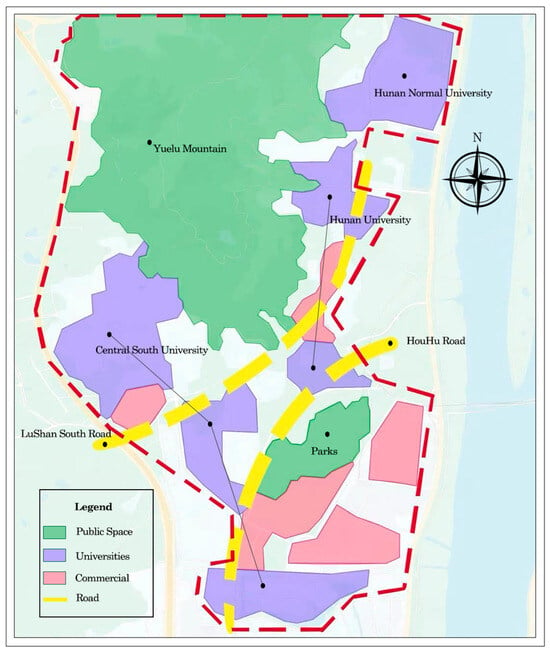
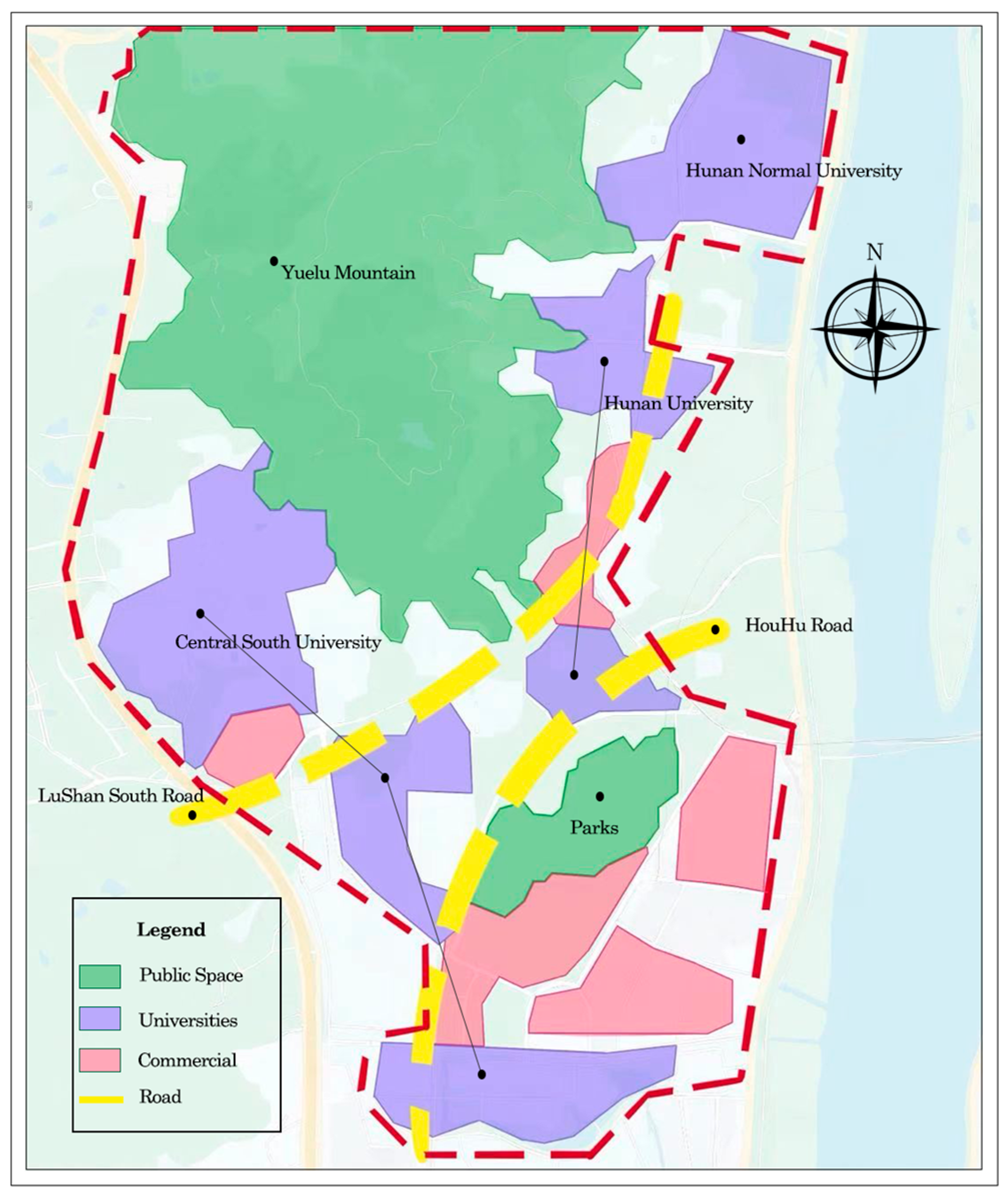
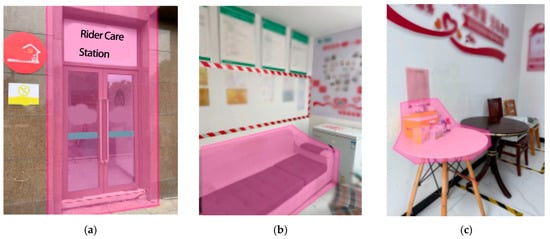
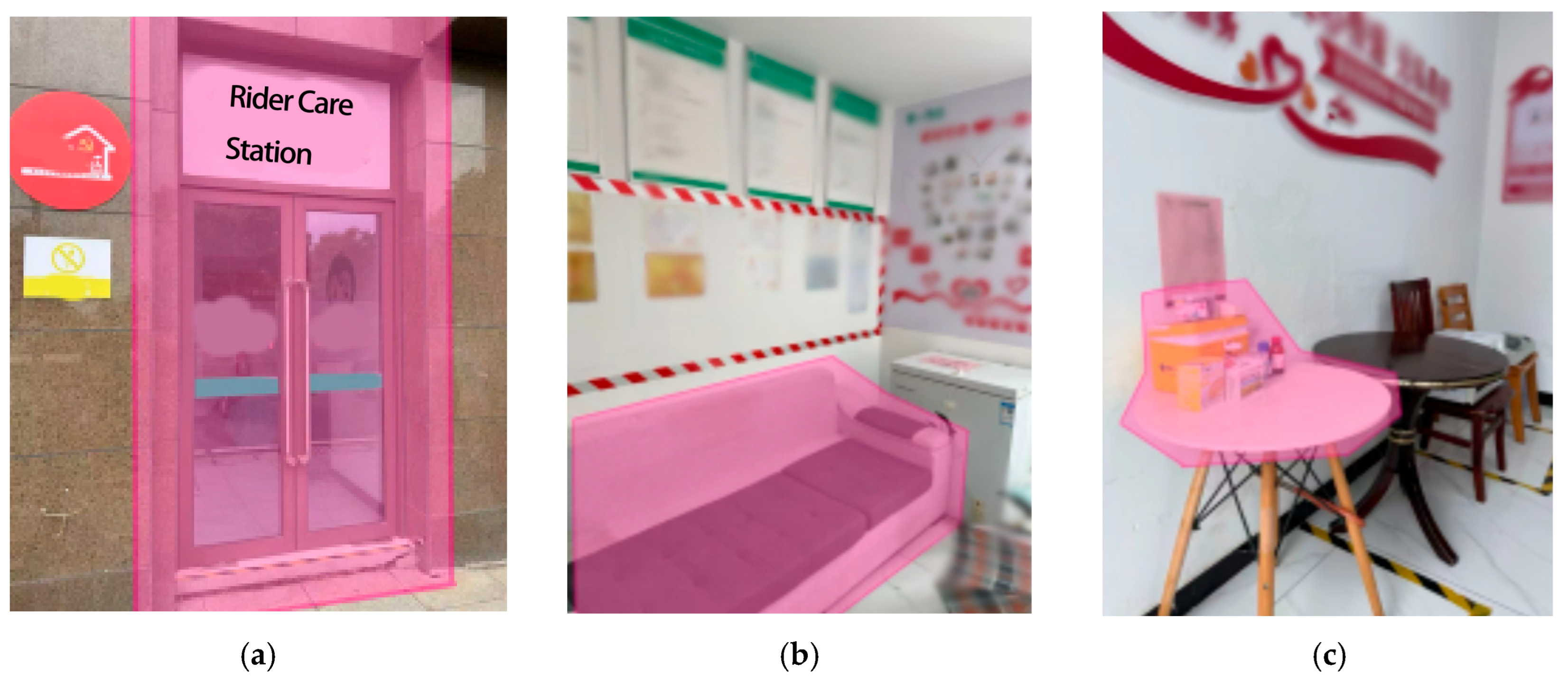
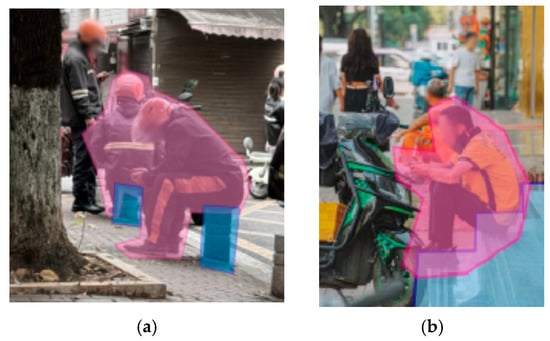
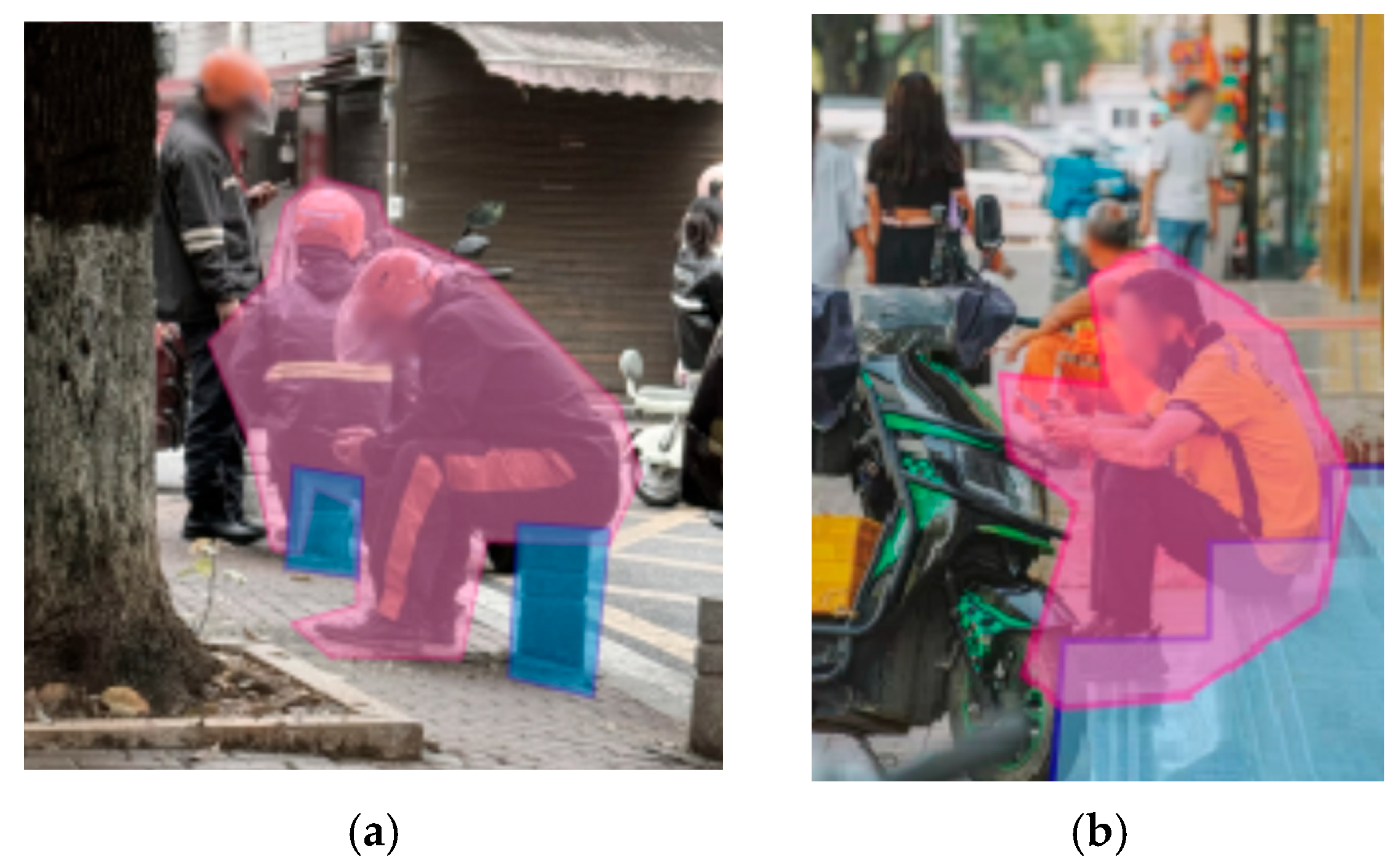
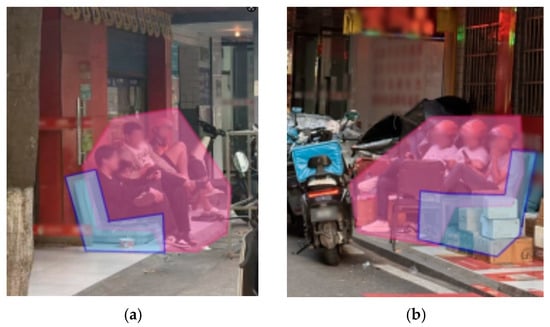
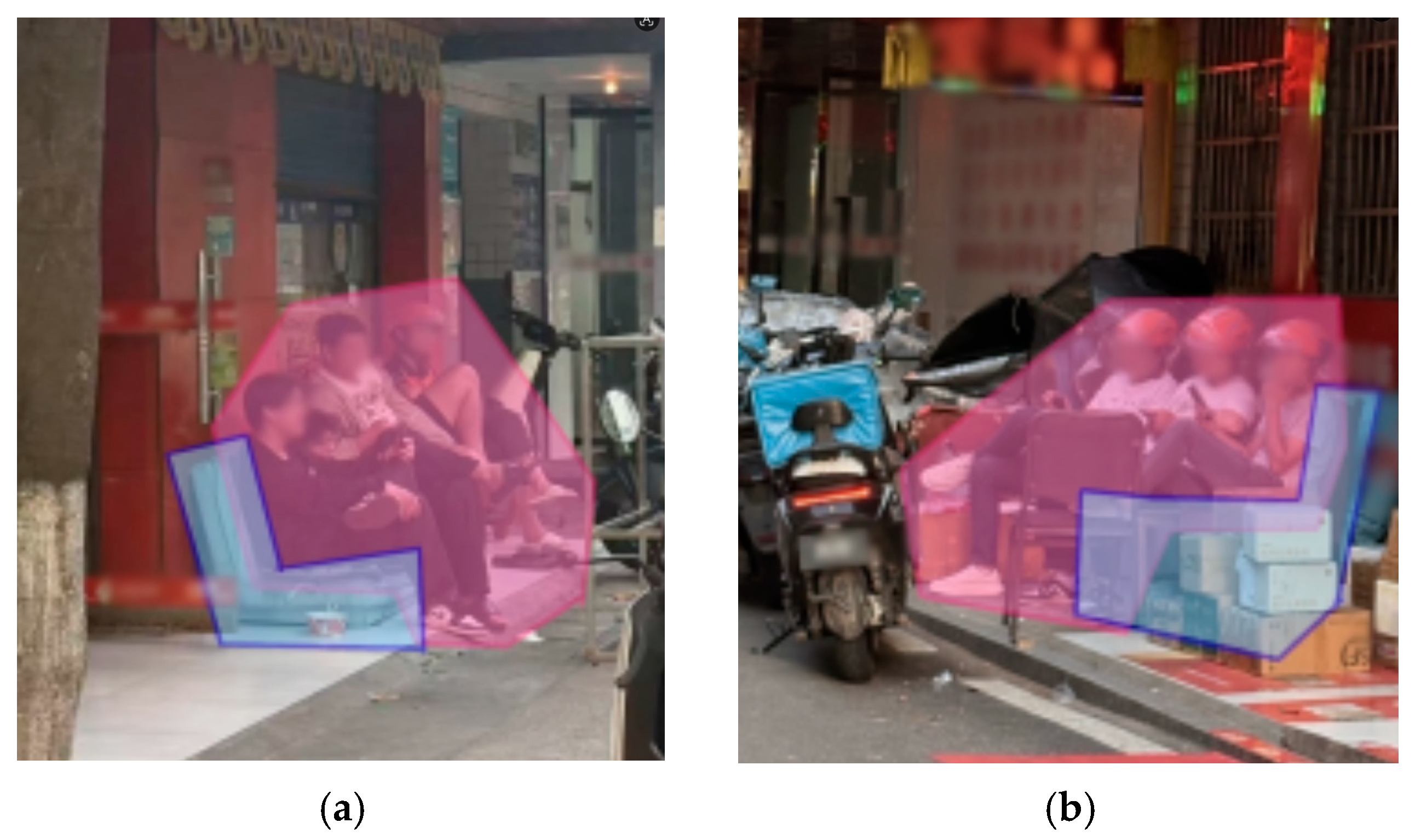
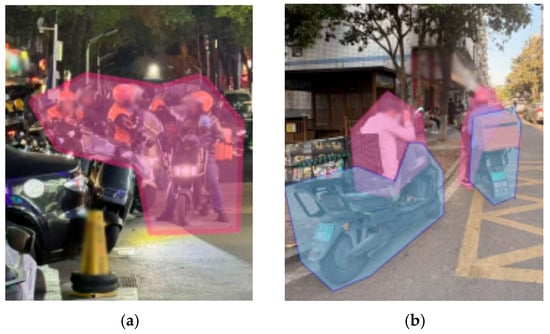
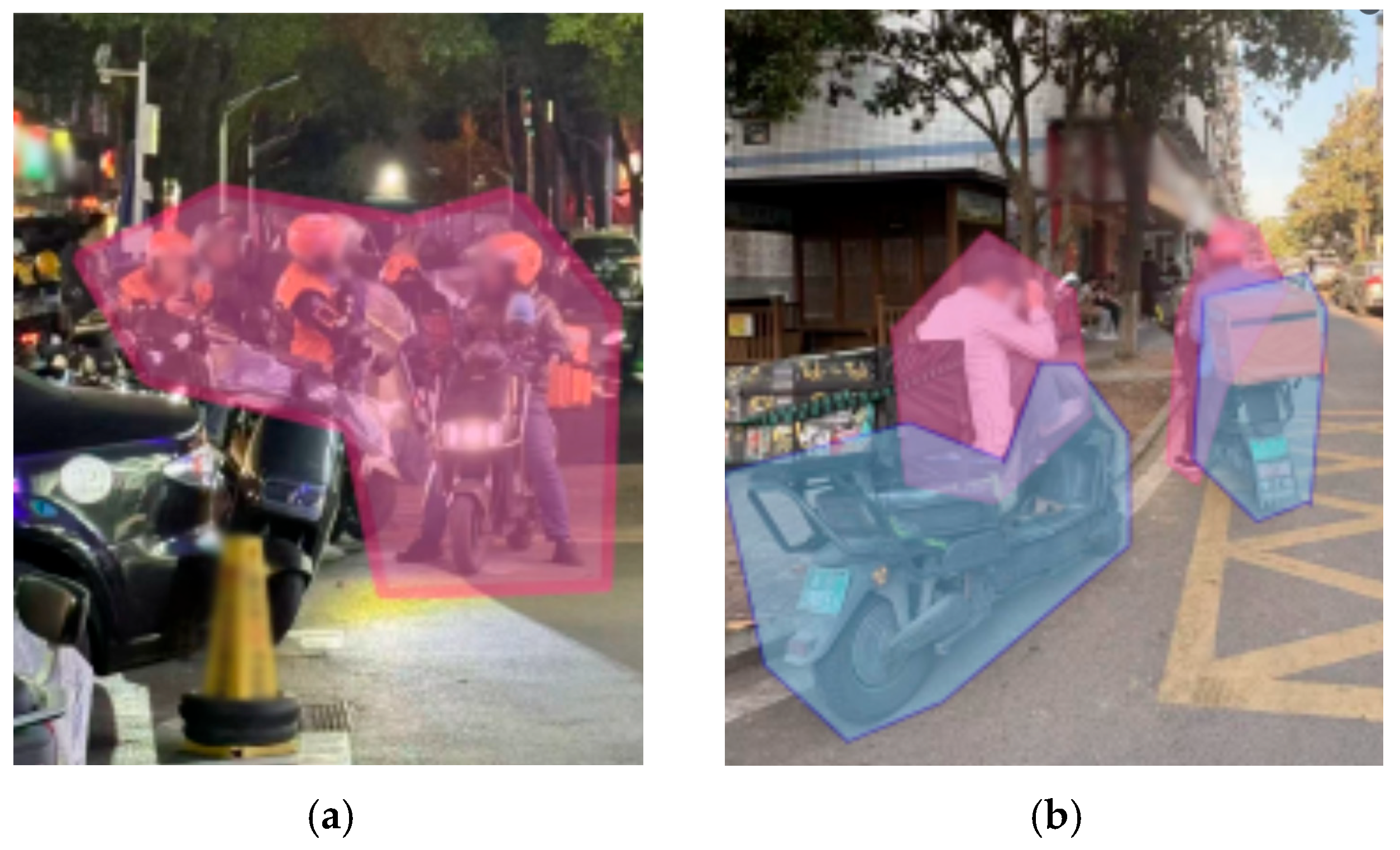

Disclaimer/Publisher’s Note: The statements, opinions and data contained in all publications are solely those of the individual author(s) and contributor(s) and not of MDPI and/or the editor(s). MDPI and/or the editor(s) disclaim responsibility for any injury to people or property resulting from any ideas, methods, instructions or products referred to in the content. |
© 2026 by the authors. Licensee MDPI, Basel, Switzerland. This article is an open access article distributed under the terms and conditions of the Creative Commons Attribution (CC BY) license.