Journal Description
Sustainability
Sustainability
is an international, peer-reviewed, open-access journal on environmental, cultural, economic, and social sustainability of human beings, published semimonthly online by MDPI. The Canadian Urban Transit Research & Innovation Consortium (CUTRIC), International Council for Research and Innovation in Building and Construction (CIB) and Urban Land Institute (ULI) are affiliated with Sustainability and their members receive discounts on the article processing charges.
- Open Access— free for readers, with article processing charges (APC) paid by authors or their institutions.
- High Visibility: indexed within Scopus, SCIE and SSCI (Web of Science), GEOBASE, GeoRef, Inspec, RePEc, CAPlus / SciFinder, and other databases.
- Journal Rank: JCR - Q2 (Environmental Studies) / CiteScore - Q1 (Geography, Planning and Development)
- Rapid Publication: manuscripts are peer-reviewed and a first decision is provided to authors approximately 17.9 days after submission; acceptance to publication is undertaken in 3.6 days (median values for papers published in this journal in the second half of 2025).
- Recognition of Reviewers: reviewers who provide timely, thorough peer-review reports receive vouchers entitling them to a discount on the APC of their next publication in any MDPI journal, in appreciation of the work done.
- Testimonials: See what our editors and authors say about Sustainability.
- Companion journals for Sustainability include: World, Sustainable Chemistry, Conservation, Future Transportation, Architecture, Standards, Merits, Bioresources and Bioproducts, Accounting and Auditing, Environmental Remediation and Green.
- Journal Cluster of Environmental Science: Sustainability, Land, Clean Technologies, Environments, Nitrogen, Recycling, Urban Science, Safety, Air, Waste, Aerobiology and Toxics.
Impact Factor:
3.3 (2024);
5-Year Impact Factor:
3.6 (2024)
Latest Articles
Characteristics of Smart City Discourse in South Korea: A Policy Mobility Perspective Using Semantic Network Analysis
Sustainability 2026, 18(12), 5809; https://doi.org/10.3390/su18125809 (registering DOI) - 7 Jun 2026
Abstract
This study examines how smart city discourse is structurally configured across different contexts from the perspective of policy mobility. To this end, three types of data were analyzed: South Korean policy reports, South Korean academic literature, and global academic literature. Based on these
[...] Read more.
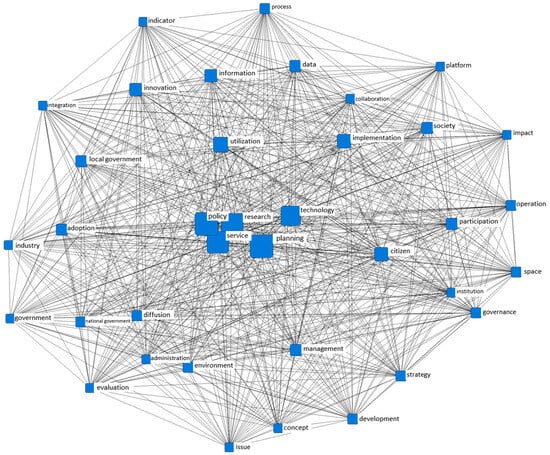
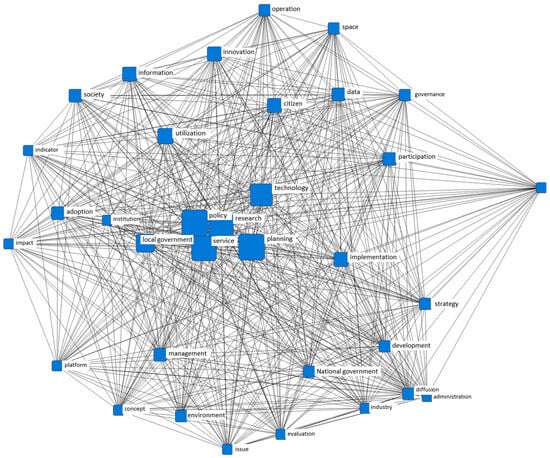
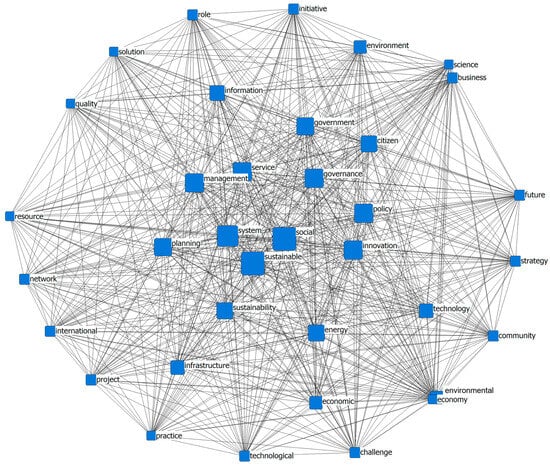
This study examines how smart city discourse is structurally configured across different contexts from the perspective of policy mobility. To this end, three types of data were analyzed: South Korean policy reports, South Korean academic literature, and global academic literature. Based on these sources, text datasets were constructed and analyzed using text mining-based semantic network analysis to identify key concepts and their relational structures. The results show that while similar keywords appear across datasets, differences are observed in the relative positions and relational patterns of key concepts. In South Korean policy reports, implementation- and operation-related concepts such as “service,” “information,” and “management” exhibit relatively higher centrality. In South Korean academic literature, “planning,” “policy,” “research,” and “technology” appear alongside governance- and actor-related concepts, indicating broader relational configurations. In global academic literature, concepts such as “sustainable,” “social,” “governance,” and “policy” show relatively similar levels of centrality, suggesting the coexistence of multiple dimensions within the discourse. These findings suggest that smart city discourse may be configured differently depending on institutional and discursive contexts, rather than converging into a single uniform structure. However, the observed differences should not be interpreted solely as reflecting national contextual differences, as variations in dataset composition may also have partially influenced the results. By conceptualizing the smart city as a structured policy discourse, this study contributes to understanding how policy-related concepts may be selectively emphasized and reconfigured across contexts. Methodologically, the study demonstrates the applicability of semantic network analysis for examining relational patterns within smart city discourse across different data types and contexts.
Full article
(This article belongs to the Section Sustainable Urban and Rural Development)
►
Show Figures
Open AccessArticle
Sustainable Agritourism Under the Shadow of Nostalgia: How Pro-Environmental Behavior and Motivation Influence Revisit and Recommendation Intentions
by
Alaa M. S. Azazz and Ibrahim A. Elshaer
Sustainability 2026, 18(12), 5808; https://doi.org/10.3390/su18125808 (registering DOI) - 7 Jun 2026
Abstract
►▼
Show Figures
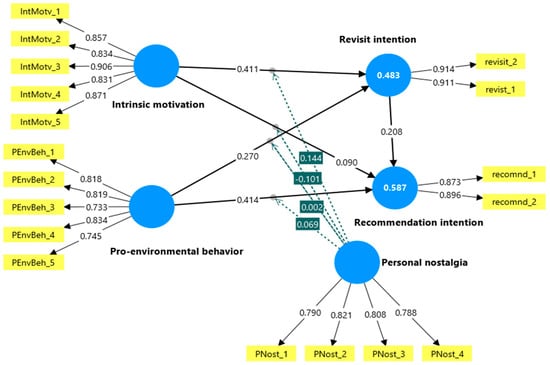
Sustainable agritourism has been raised as a vital ally for rural development, green preservation, and experiential tourism enrichment. However, guests’ behavioral intentions in the agritourism context are regularly shaped not only by sustainability concerns but also by nostalgic ties to rural life and
[...] Read more.
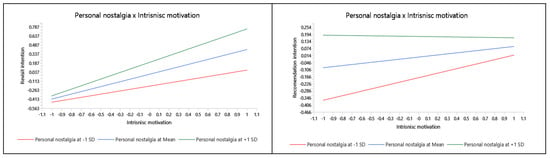
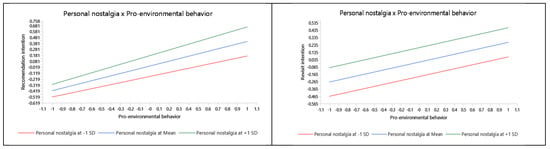
Sustainable agritourism has been raised as a vital ally for rural development, green preservation, and experiential tourism enrichment. However, guests’ behavioral intentions in the agritourism context are regularly shaped not only by sustainability concerns but also by nostalgic ties to rural life and traditional farming practices. This study explored how pro-environmental behavior (PEB) and intrinsic motivation can influence visitors’ revisit and recommendation intentions in agritourism settings, while testing the moderating effects of personal nostalgia. Based on Self-Determination Theory (SDT) and the PEB literature, this study assumes that visitors who are internally driven by learning, enjoyment, and personal achievement, as well as those who exhibit environmentally accountable orientations, are more likely to develop favorable revisit intentions toward agritourism places. Data was collected from 420 visitors to agritourism sites using a self-administered questionnaire and tested using PLS-SEM. The results revealed that both intrinsic motivation and PEB have significant positive impacts on revisit and recommendation intentions. Furthermore, personal nostalgia can intensify these relationships. The study can contribute to the sustainable tourism and agritourism literature by emphasizing the joint roles of internal motivation, PEB, and emotional bond in reshaping visitors’ revisit intention and positive word of mouth.
Full article

Figure 1
Open AccessArticle
The Role of Innovation Ecosystems on Sustainable Startup Development: An Empirical Study for the Baltic States and Spain
by
Daina Kleponė, Laima Okunevičiūtė Neverauskienė and Marina Bannikova
Sustainability 2026, 18(12), 5807; https://doi.org/10.3390/su18125807 (registering DOI) - 6 Jun 2026
Abstract
The promotion of rapidly scaling technology startups has become a major policy priority. Sustainable startups are increasingly viewed as potential contributors to resilient and environmentally responsible economies, as they may combine economic growth with environmental and social objectives. Based on entrepreneurial ecosystem theory,
[...] Read more.
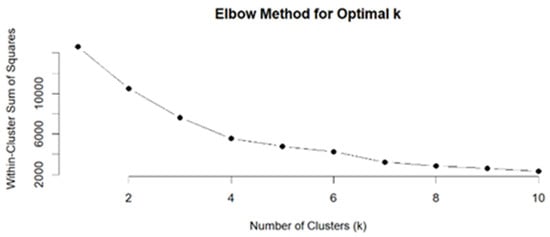
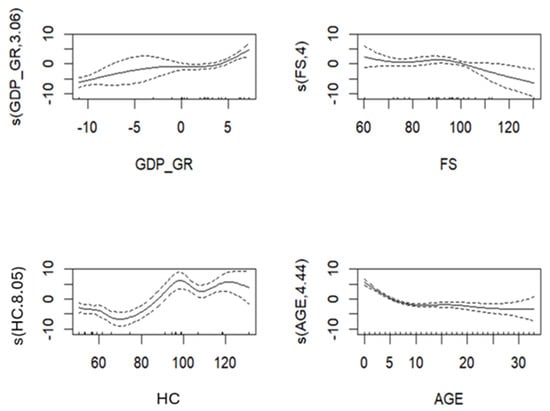
The promotion of rapidly scaling technology startups has become a major policy priority. Sustainable startups are increasingly viewed as potential contributors to resilient and environmentally responsible economies, as they may combine economic growth with environmental and social objectives. Based on entrepreneurial ecosystem theory, the resource-based view, and Schumpeterian creative destruction, this study identifies innovation ecosystem conditions associated with sustainable startup growth. Turnover growth is used as a proxy for the economic pillar of the Triple Bottom Line framework and as a measure of startup scaling capacity. K-means clustering is applied to identify distinct growth profiles. To analyse relationships between startup growth and innovation ecosystem variables, the study employs a multi-method semiparametric framework. The results show multifaceted associations between ecosystem factors and startup growth. Market access and human capital are positively associated with global business models and innovation, while sectoral relatedness and knowledge spillovers may show negative associations, potentially through stronger competition and higher talent acquisition costs. Venture capital is positively associated with startup growth, whereas public R&D investment and direct government funding show no consistent positive relationship. The study is limited by using financial growth as a proxy for economic sustainability and by focusing on four European innovation ecosystems.
Full article
(This article belongs to the Special Issue Enterprise Operation and Innovation Management Sustainability)
►▼
Show Figures

Figure 1
Open AccessArticle
Decarbonizing France: Asymmetric and State-Dependent Effects of Growth, Energy, Trade, and Innovation on CO2 Emissions
by
Ihsen Abid
Sustainability 2026, 18(12), 5806; https://doi.org/10.3390/su18125806 (registering DOI) - 6 Jun 2026
Abstract
This study examines the asymmetric and distribution-dependent effects of economic growth, renewable energy consumption, energy use, trade openness, and innovation on CO2 emissions in France over the period 1990–2024. It aims to understand how positive and negative shocks in key macroeconomic variables
[...] Read more.
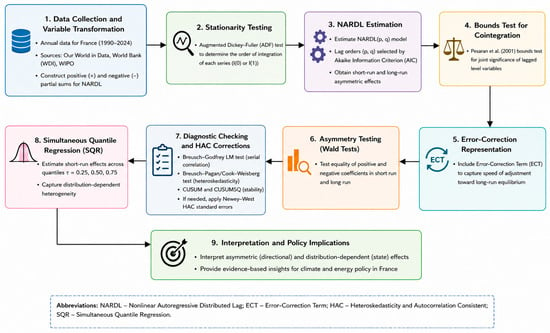
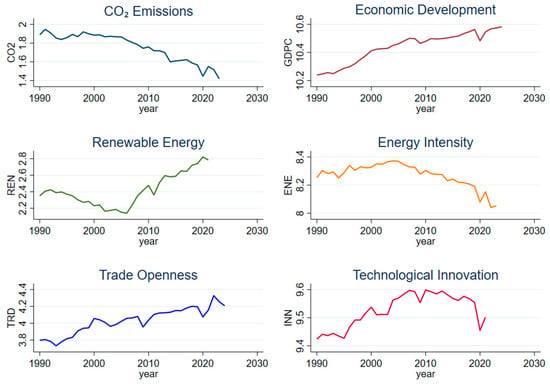
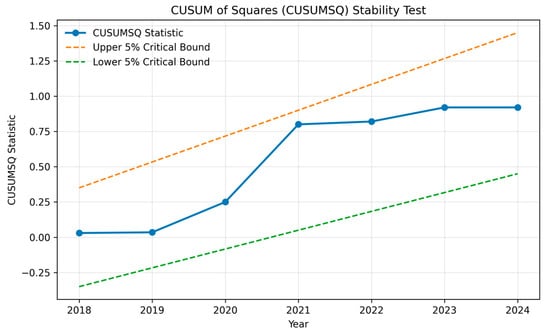
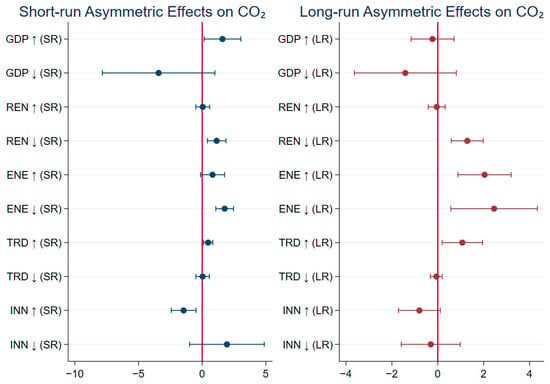
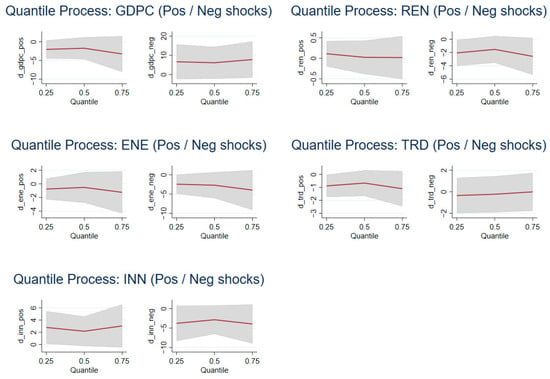
This study examines the asymmetric and distribution-dependent effects of economic growth, renewable energy consumption, energy use, trade openness, and innovation on CO2 emissions in France over the period 1990–2024. It aims to understand how positive and negative shocks in key macroeconomic variables shape emissions dynamics within a mature low-carbon economy and their implications for environmental sustainability and sustainable energy transition. The analysis employs a nonlinear autoregressive distributed lag (NARDL) model to capture short- and long-run asymmetries, combined with the bounds testing approach for cointegration and Newey–West corrections for robust inference. To account for distributional heterogeneity, simultaneous quantile regressions (Q25, Q50, Q75) are estimated. The results reveal significant nonlinearities and state-dependent effects. Reductions in renewable energy exert stronger upward pressures on emissions than the mitigating effects of increases, highlighting a loss-dominance asymmetry. Energy use and trade openness exhibit asymmetric and persistent emission-increasing effects, while innovation reduces emissions primarily in the short run and during high-emission regimes. Economic growth shows no significant long-run impact, suggesting partial decoupling. Overall, emissions responses vary across both time and conditional distribution. The findings indicate that climate policies in France should prioritize renewable energy stability, energy-system flexibility, and targeted innovation strategies to effectively manage asymmetric and state-dependent environmental dynamics. The study further demonstrates that achieving long-run sustainability objectives requires adaptive climate policies capable of addressing nonlinear and distribution-dependent emissions responses within France’s low-carbon economic structure.
Full article
(This article belongs to the Special Issue Energy Economics, Energy Transition and Environmental Sustainability)
►▼
Show Figures

Figure 1

Open AccessArticle
Regional Innovation-Driven Platforms and Entrepreneurial Confidence: Evidence from Technology-Based SMEs in China
by
Bin Tang, Zeming Cheng, Xiaoli Lin, Yunhui Ma, Xiaowen Li, Yaojiang Shi and Han Liu
Sustainability 2026, 18(12), 5805; https://doi.org/10.3390/su18125805 (registering DOI) - 6 Jun 2026
Abstract
This paper investigates the impact of a regional innovation-driven platform (Qinchuangyuan Innovation-driven Platform) on entrepreneurial confidence, particularly in technology-based small and medium-sized enterprises (TSMEs) during their start-up period. By analyzing data collected from 132 TSMEs, this study explores how regional innovation-driven
[...] Read more.
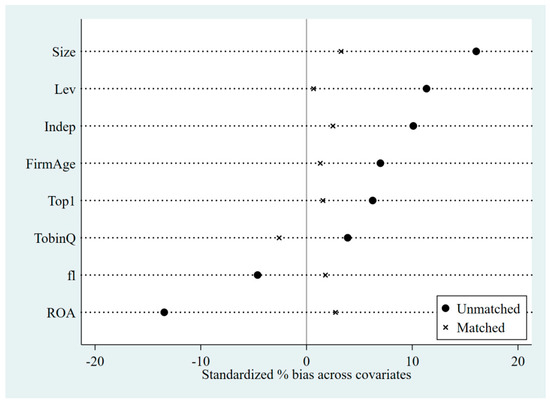
This paper investigates the impact of a regional innovation-driven platform (Qinchuangyuan Innovation-driven Platform) on entrepreneurial confidence, particularly in technology-based small and medium-sized enterprises (TSMEs) during their start-up period. By analyzing data collected from 132 TSMEs, this study explores how regional innovation-driven platforms influence entrepreneurial confidence. The main findings are as follows: First, the results of ordinary least squares (OLS) regression reveal that the innovation-driven platform significantly improves entrepreneurial confidence, and the results of propensity score matching (PSM) remain still positive. Second, we conduct instrumental variable (IV) estimation as supplementary robustness evidence for potential endogeneity concerns, using whether an enterprise participates in market expansion activities and whether an enterprise uses government support services as two instrumental variables. Third, the innovation-driven platform is mediated by entrepreneurial satisfaction with the business environment and entrepreneurial satisfaction with the government, thereby enhancing entrepreneurial confidence. This paper provides a new perspective for assessing business development through entrepreneurial confidence rather than traditional performance metrics and provides a valuable reference for the development and optimization of innovation-driven platforms in similar regional contexts, especially in supporting sustained entrepreneurial activity, technology transformation, and regional economic resilience.
Full article
(This article belongs to the Section Economic and Business Aspects of Sustainability)
Open AccessArticle
Institutional Innovation Policy and Enterprise ESG Performance: Theoretical Analysis and Empirical Evidence from China
by
Wenmin Meng, Wenjie Li, Peiru Xie, Jinsong Kuang and Xiaofei Liu
Sustainability 2026, 18(12), 5804; https://doi.org/10.3390/su18125804 (registering DOI) - 6 Jun 2026
Abstract
►▼
Show Figures
The tension between corporate growth and sustainability is a common governance dilemma faced by transitional economies in their green development. This study incorporates corporate ESG performance and its potential influencing factors into the analysis framework and constructs a theoretical model to capture the
[...] Read more.
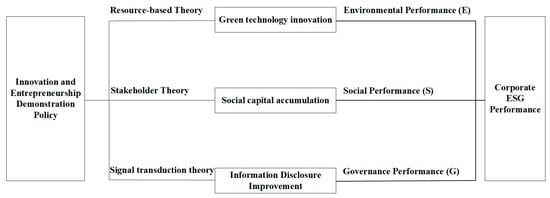
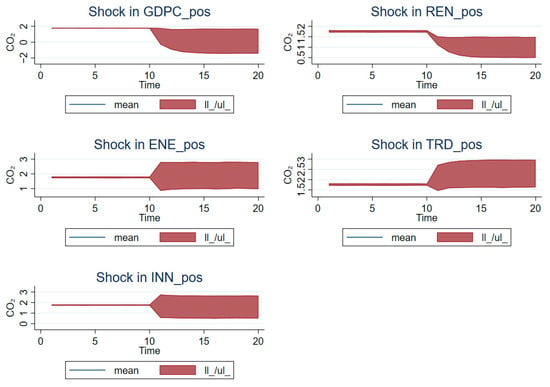
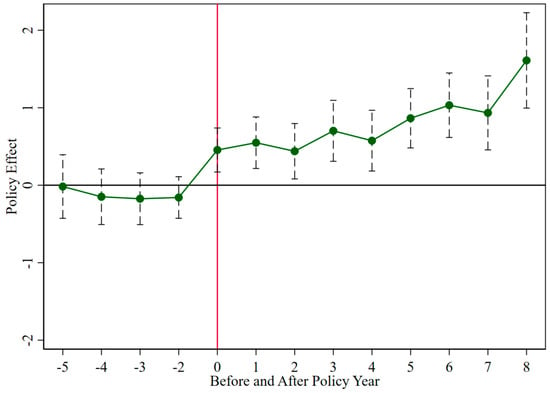
The tension between corporate growth and sustainability is a common governance dilemma faced by transitional economies in their green development. This study incorporates corporate ESG performance and its potential influencing factors into the analysis framework and constructs a theoretical model to capture the relationship between China’s National Demonstration Base policy for Mass Entrepreneurship and Innovation (MEI) and corporate ESG performance, based on the framework that integrates resource enablement, reputation accumulation and information governance. Leveraging the quasi-natural experiment provided by China’s National Demonstration Program for Mass Entrepreneurship and Innovation (MEI), this study systematically evaluates the impact of China’s demonstration policy on corporate ESG performance, drawing on data from A-share listed companies spanning 2010 to 2024. The study finds that the demonstration policy significantly improves enterprise ESG performance, which remains robust after a series of robustness tests. The mechanism test reveals that the policy promotes firms’ green technology innovation by lowering innovation costs, facilitates the accumulation of social reputational capital by incentivizing charitable donations, and compels improvements in information disclosure quality by strengthening market-oriented oversight. Heterogeneity analysis shows that the policy effects are more prominent among heavy polluting industries, large-scale enterprises and firms at the mature stage. Moreover, industry competition intensity and digital transformation have a positive moderating effect on the policy effects. This paper enriches the theoretical dialogue between institutional innovation policy and enterprise sustainable development, providing empirical evidence for the development of a collaborative ESG governance mechanism characterized by an active government and an efficient market.
Full article

Figure 1
Open AccessArticle
Identification of Landslides in the Hilly Areas of Eastern China Using High-Resolution GF-2 Images and Deep Learning Models
by
Xiangyu Cui, Shuo Zheng, Yanfei An, Weijia Cai and Jinlong Xu
Sustainability 2026, 18(12), 5803; https://doi.org/10.3390/su18125803 (registering DOI) - 6 Jun 2026
Abstract
Small, dispersed, and vegetated creeping landslides in hilly areas of eastern China hinder traditional remote sensing and detection. To address this, this study takes Yixian County (Anhui Province) as a representative area. Based on high-resolution GF-2 satellite images, three deep learning models embedded
[...] Read more.
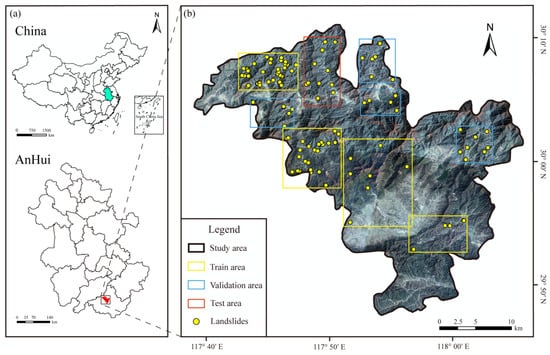
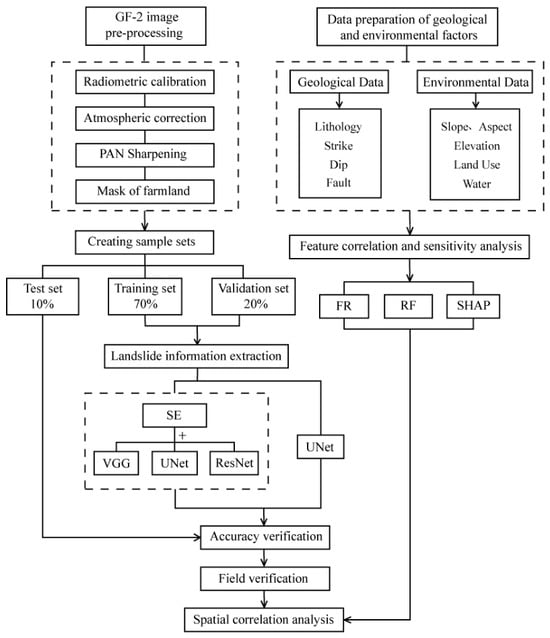
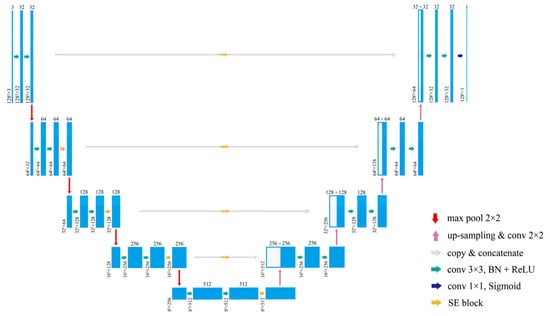
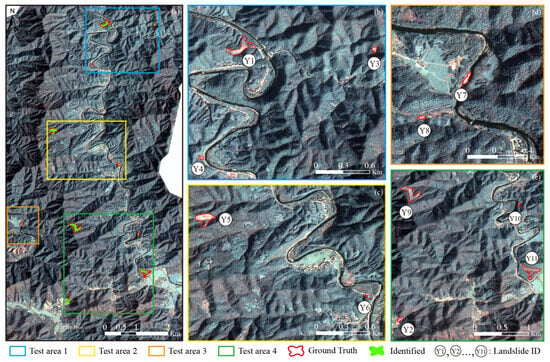
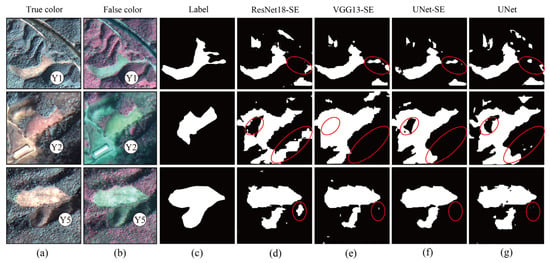
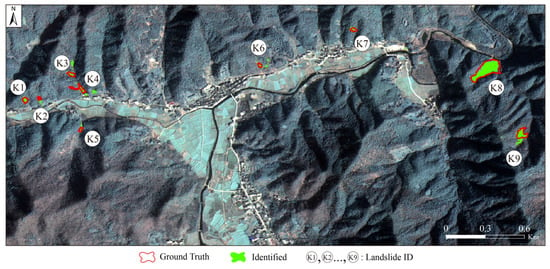
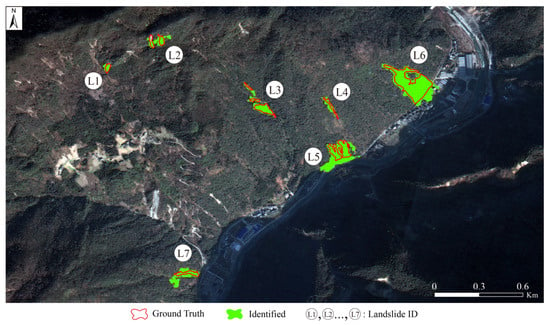
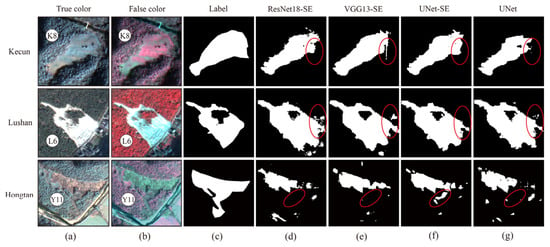
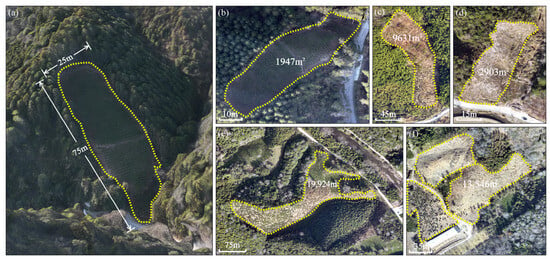
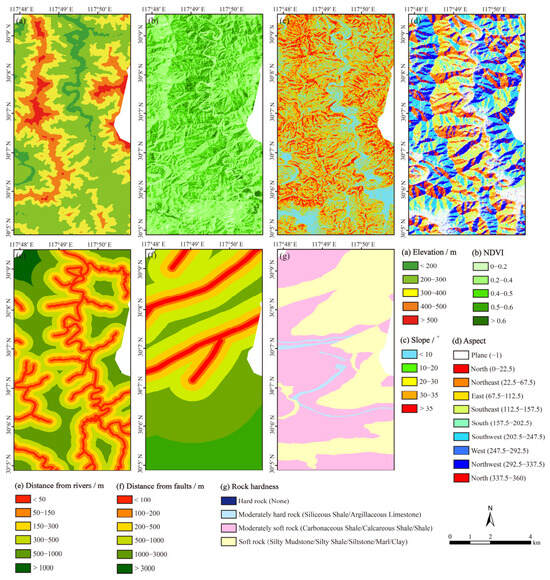
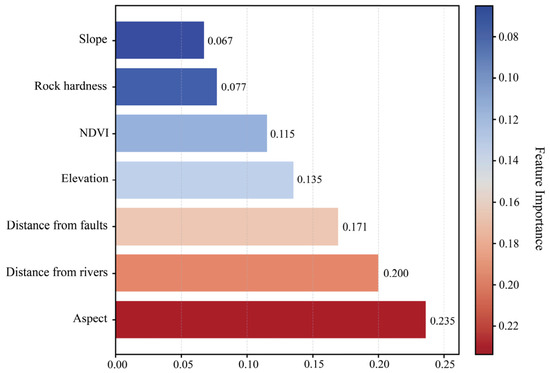
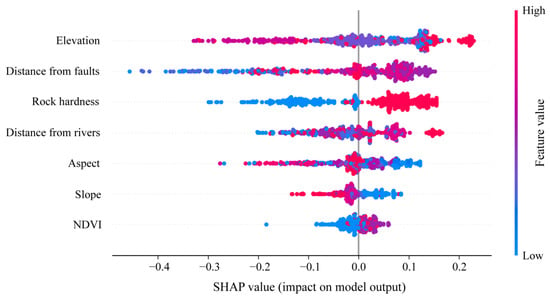
Small, dispersed, and vegetated creeping landslides in hilly areas of eastern China hinder traditional remote sensing and detection. To address this, this study takes Yixian County (Anhui Province) as a representative area. Based on high-resolution GF-2 satellite images, three deep learning models embedded with the Squeeze-and-Excitation (SE) attention mechanism (ResNet18-SE, VGG13-SE, UNet-SE) were developed and compared with the original UNet model. Combined with field investigation, landslide mapping and accuracy assessment were conducted to evaluate the feature extraction capabilities of four models. The results indicate that the UNet-SE model achieved optimal performance (Precision: 0.911, Recall: 0.685, F1-score: 0.782, Kappa: 0.730, IoU: 0.643). Its F1-score exceeds ResNet18-SE, VGG13-SE, and the original UNet by 8%, 3%, and 5%, respectively, proving superior regional adaptability and generalization performance. Additional verification on creeping landslides in Kecun Town (Yixian County) and post-earthquake landslides in Lushan County (Sichuan Province) further confirms the reliability of the UNet-SE model. Furthermore, Frequency Ratio (FR), Random Forest (RF), and SHapley Additive exPlanations (SHAP) were adopted to reveal the correlation between landslide occurrence and seven geological-environmental factors. Landslides are most susceptible to develop at elevations of 400–500 m, NDVI values of 0.4–0.5, slopes below 10°, east and northeast aspects, 300–500 m away from rivers, 500–1000 m away from faults, and areas covered by soft sedimentary lithology. Distance from faults, distance from rivers, and elevation are identified as the three favorable conditional factors. In conclusion, the proposed landslide detection framework can provide reliable spatial data and technical references for regional geological hazard prevention, ecological conservation and sustainable development in hilly areas.
Full article
(This article belongs to the Special Issue Sustainable Environmental Solutions Based on Advanced Geospatial Technologies)
►▼
Show Figures

Figure 1
Open AccessArticle
Aquavoltaics, Local Knowledge, and Just Energy Transitions: Governance Trade-Offs in Southern Taiwan
by
Chung-Ling Chen, Yu-Chen Wu and Eric Li-Hau Chen
Sustainability 2026, 18(12), 5802; https://doi.org/10.3390/su18125802 (registering DOI) - 6 Jun 2026
Abstract
Aquavoltaics, which integrates solar photovoltaic infrastructure with aquaculture production, has increasingly been promoted as a possible pathway for supporting low-carbon energy transition and multifunctional land use in coastal regions. In Taiwan, aquavoltaics has been framed as a policy approach that may contribute to
[...] Read more.
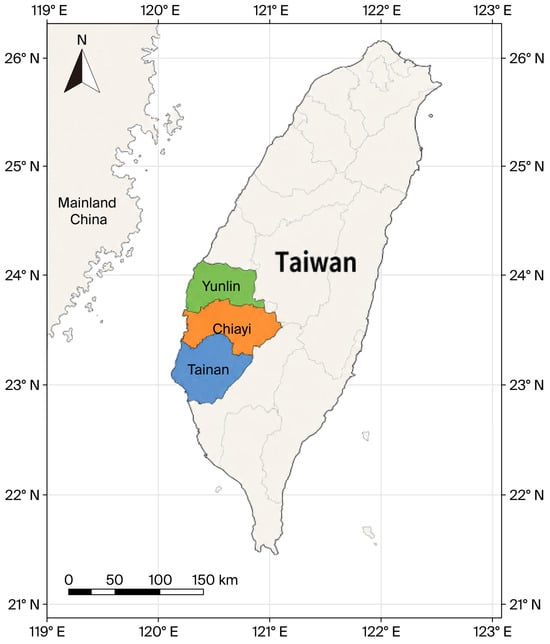
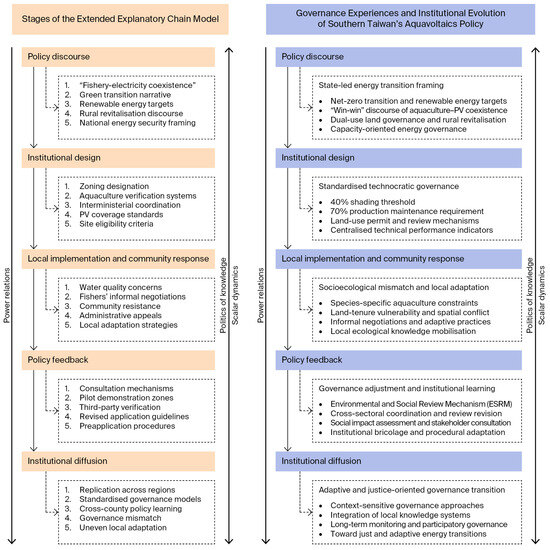
Aquavoltaics, which integrates solar photovoltaic infrastructure with aquaculture production, has increasingly been promoted as a possible pathway for supporting low-carbon energy transition and multifunctional land use in coastal regions. In Taiwan, aquavoltaics has been framed as a policy approach that may contribute to renewable energy development, aquaculture continuity, and rural revitalisation. However, its implementation has also raised governance concerns related to land use, environmental uncertainty, and local participation in coastal aquaculture communities. This study examines the governance trade-offs and institutional development of aquavoltaics policy in southern Taiwan through an analytical framework that combines political ecology and the extended explanatory chain model (EECM). Drawing on policy document analysis, field observations, administrative records, and in-depth interviews with 24 stakeholders, the study traces aquavoltaics governance across five interrelated stages: policy discourse, institutional design, local implementation and community response, policy feedback, and institutional diffusion. The findings indicate that Taiwan’s aquavoltaics governance has been shaped by tensions between centralised energy-policy objectives and diverse local aquaculture conditions. Technical requirements, including the 40% shading threshold and the 70% production maintenance requirement, provide administrative clarity but may not fully reflect species-specific practices, pond-management needs, or existing land-tenure arrangements. In the cases examined, aquavoltaics development was associated with changes in land-use relations, spatial competition, and concerns over environmental uncertainty and governance legitimacy. The study also suggests that local stakeholders were not only recipients of top–down policy implementation but also participated in governance adjustment through review procedures, administrative negotiation, adaptive practices, and the mobilisation of local ecological knowledge. By integrating political ecology with the EECM, this study offers a process-oriented perspective for examining aquavoltaics as a socioecological governance issue rather than only a technical energy arrangement. The findings suggest that future aquavoltaics governance may benefit from more context-sensitive assessment, clearer institutional coordination, and greater attention to local knowledge and long-term monitoring.
Full article
(This article belongs to the Special Issue Green Energy Markets and Sustainable Development: Opportunities and Challenges)
►▼
Show Figures

Figure 1

Open AccessArticle
Policy Misalignment and Systemic Barriers to Sustainable Aviation Fuel Deployment in Europe: An MLP-Informed Stakeholder Analysis
by
Mark Breen, Marina Efthymiou and James Carton
Sustainability 2026, 18(12), 5801; https://doi.org/10.3390/su18125801 (registering DOI) - 6 Jun 2026
Abstract
Aviation contributes approximately 2.4% of global CO2 emissions and 3.5% of total effective radiative forcing when non-CO2 effects are included, yet Sustainable Aviation Fuel (SAF) accounts for less than 0.5% of European jet fuel consumption. This paper investigates why the gap
[...] Read more.
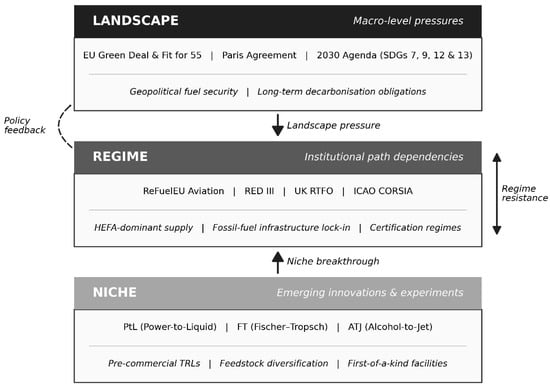
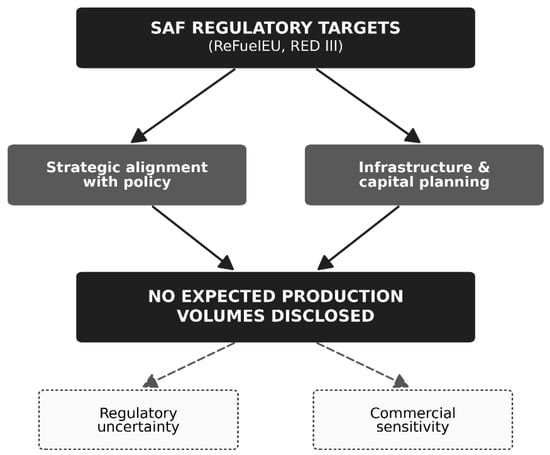
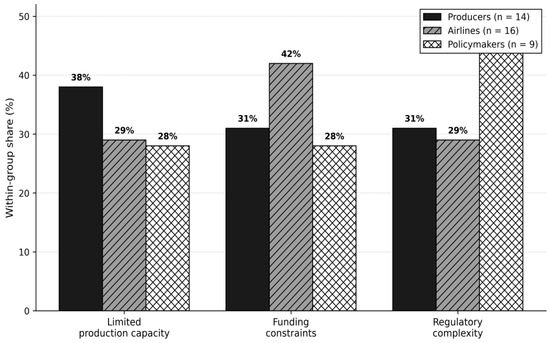
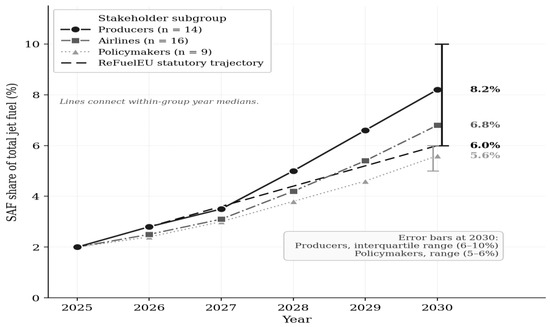
Aviation contributes approximately 2.4% of global CO2 emissions and 3.5% of total effective radiative forcing when non-CO2 effects are included, yet Sustainable Aviation Fuel (SAF) accounts for less than 0.5% of European jet fuel consumption. This paper investigates why the gap between policy ambition and deployment persists, asking (i) how misaligned instruments across ReFuelEU Aviation, RED III, CORSIA, and the UK RTFO impede high-integrity production pathways, and (ii) what convergence mechanisms can reduce fragmentation beyond Hydroprocessed Esters and Fatty Acids (HEFA)-dominated supply. Applying the Multi-Level Perspective framework, the study triangulates comparative policy analysis with a stakeholder survey (n = 45) across SAF producers, airlines, policymakers, and investors. Results identify regulatory fragmentation, capacity constraints, and funding barriers as near-equally weighted obstacles, while disaggregation reveals actor-specific priorities: policymakers emphasise regulatory complexity, airlines emphasise funding, and producers emphasise capacity. Most producers declined to disclose volume projections, interpreted here as strategic ambiguity under regulatory uncertainty. Three convergence mechanisms are proposed: harmonised carbon-intensity registries, standardised book-and-claim accounting, and joint feedstock certification protocols. The findings align aviation decarbonisation with SDGs 7, 9, 12, and 13. Without coherent policy architecture, SAF deployment risks entrenching low-ambition compliance pathways that undermine the EU’s contribution to the 2030 Agenda.
Full article
(This article belongs to the Section Sustainable Engineering and Science)
►▼
Show Figures

Figure 1

Open AccessArticle
Valuation of Pollination Ecosystem Services—Willingness to Pay Among Visitors to an Agricultural Fair in Hungary for the Protection of Bee Population
by
Aliz Feketéné Ferenczi, Andrea Bauerné Gáthy and Angéla Kovácsné Soltész
Sustainability 2026, 18(12), 5800; https://doi.org/10.3390/su18125800 (registering DOI) - 6 Jun 2026
Abstract
Protecting bee populations is essential to ensuring the sustainability of pollination as a unique ecosystem service. In this study, the authors used a questionnaire survey to examine how and to what extent visitors to an agricultural event in Hungary value bee pollination, as
[...] Read more.
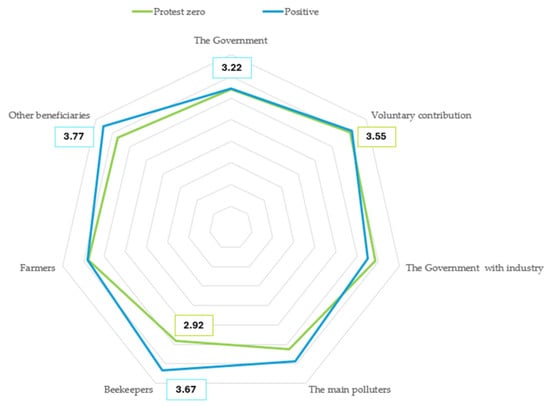
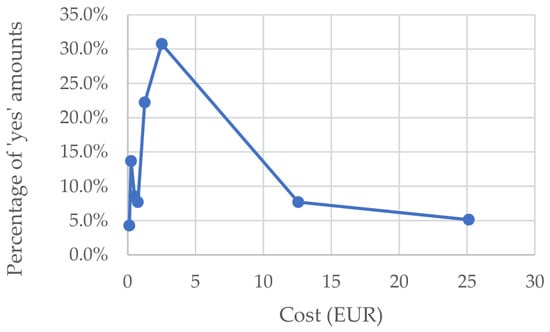
Protecting bee populations is essential to ensuring the sustainability of pollination as a unique ecosystem service. In this study, the authors used a questionnaire survey to examine how and to what extent visitors to an agricultural event in Hungary value bee pollination, as well as which factors influence decision-making in this regard. The authors treated willingness to pay as a binary outcome and used logistic regression to identify its determinants. All explanatory variables were categorical, including sociodemographic factors and consumer attitude variables. Robustness checks were conducted using bootstrap estimation and an alternative probit specification, both of which confirmed the results. Based on the results, respondents’ average willingness to pay is 3.45 EUR/household/month, which amounts to 41.40 EUR/year. This amount indicates public support for financing the protection of ecosystem services provided by bees and can be considered an estimate of such support. Among the explanatory variables, gender, household size, and attitudes toward the consumption of bee products were statistically significantly related to willingness to pay. At the same time, income and respondents’ awareness were only marginally significant. The authors have proposed measures to strengthen environmental responsibility among both consumers and producers, which would represent long-term progress in the preservation of ecosystem services.
Full article
(This article belongs to the Special Issue Evaluation of Landscape Ecology and Urban Ecosystems)
►▼
Show Figures

Figure 1

Open AccessArticle
Digital Innovation Capability and Innovation-Driven Compliance for Supply Chain Resilience: Evidence from Thailand’s Plastic Recycling Industry
by
Supannee Suanin, Jakkawat Laphet, Dultadej Sanvises, Duangrat Tandamrong, Sirinthip Ouansrimeang and Karun Kidrakarn
Sustainability 2026, 18(12), 5799; https://doi.org/10.3390/su18125799 (registering DOI) - 6 Jun 2026
Abstract
This study investigates how regulatory pressure and organizational capabilities influence innovation-enabled compliance and supply chain performance in Thailand’s plastic recycling sector. Drawing on institutional theory, the resource-based view, and dynamic capability perspectives, the study develops and empirically tests a conceptual model using partial
[...] Read more.
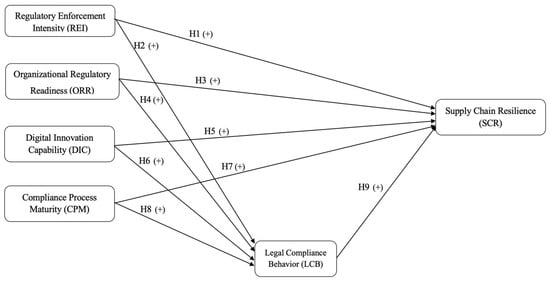
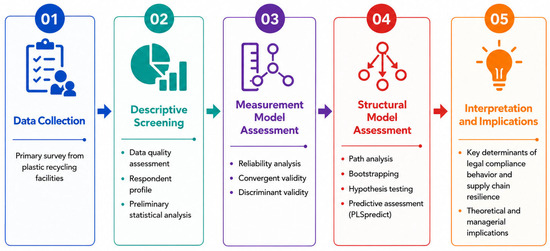
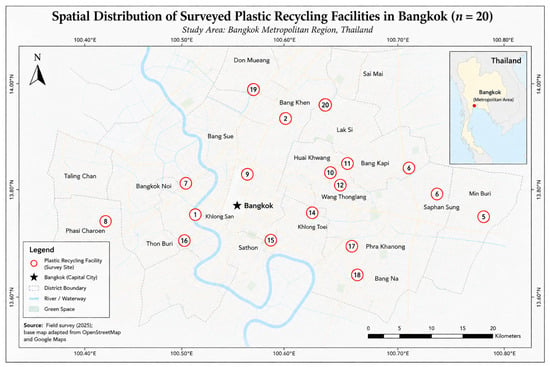
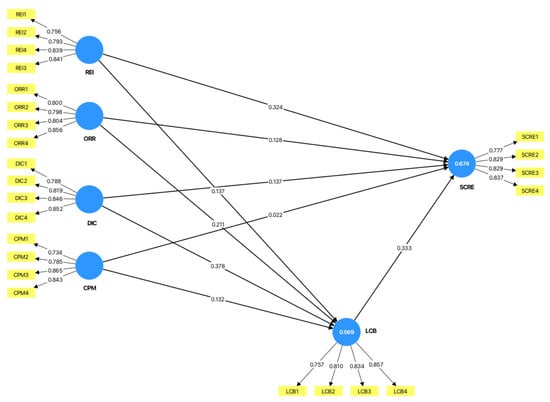
This study investigates how regulatory pressure and organizational capabilities influence innovation-enabled compliance and supply chain performance in Thailand’s plastic recycling sector. Drawing on institutional theory, the resource-based view, and dynamic capability perspectives, the study develops and empirically tests a conceptual model using partial least squares structural equation modeling (PLS-SEM). Data were collected from 300 respondents across 20 plastic recycling facilities in the Bangkok Metropolitan Region. The results show that Digital Innovation Capability (DIC) is the strongest predictor of legal compliance behavior (LCB), followed by Organizational Regulatory Readiness (ORR), Regulatory Enforcement Intensity (REI), and Compliance Process Maturity (CPM). In turn, LCB significantly enhances supply chain resilience (SCR). The findings further indicate that REI exerts both direct and indirect effects on SCR through LCB. Although REI demonstrates a significant direct effect on SCR, the indirect effect through LCB is comparatively weaker than that of Digital Innovation Capability (DIC). Nevertheless, the mediation effect remains supported based on bootstrapped confidence interval analysis. These findings suggest that regulatory pressure alone may encourage compliance at a formal level, but sustainable operational performance ultimately depends on the development of internal organizational and technological capabilities. Mediation analysis further confirms that LCB serves as a key mechanism linking organizational and technological capabilities to supply chain performance. Overall, the findings position compliance as an innovation-enabled and capability-driven mechanism that supports digital transformation, operational resilience, and sustainability within the circular economy.
Full article
(This article belongs to the Special Issue Digital Transformation of Supply Chain Innovation)
►▼
Show Figures

Figure 1
Open AccessArticle
Wagner’s Law and Developmental Public Finances
by
Laura Južnik Rotar
Sustainability 2026, 18(12), 5798; https://doi.org/10.3390/su18125798 (registering DOI) - 6 Jun 2026
Abstract
In the context of long-term fiscal sustainability challenges and a persistently uncertain geopolitical environment, the developmental role of public finances is gaining increasing prominence. A reallocation in the structure of government spending constitutes a key instrument for strengthening the developmental role of public
[...] Read more.
In the context of long-term fiscal sustainability challenges and a persistently uncertain geopolitical environment, the developmental role of public finances is gaining increasing prominence. A reallocation in the structure of government spending constitutes a key instrument for strengthening the developmental role of public finances and advancing the sustainable development goals. This study introduces a measurable indicator of the developmental role of public finances and examines the validity of Wagner’s law. Based on a sample of euro area countries, Granger causality panel vector error correction model estimates indicate there is a bidirectional causal relationship between general government expenditure and GDP per capita in the short-run, while the validity of Wagner’s law cannot be confirmed in the long-run. Productive government expenditure results suggest a weak indication of causality from productive government expenditure to GDP per capita. Effective fiscal policy should consider stabilisation needs, structural dynamics, and an appropriate institutional framework, while carefully managing the composition and sustainability of public spending and addressing developmental roles.
Full article
Open AccessArticle
Measuring the Airflow Characteristics in a Bourbon Warehouse
by
Steven J. Schafrik, Zachary E. Wedding, Michael W. Long, Nathan T. Kelley, Zach Agioutantis and Ben M. Diddle
Sustainability 2026, 18(12), 5797; https://doi.org/10.3390/su18125797 (registering DOI) - 6 Jun 2026
Abstract
►▼
Show Figures
In the bourbon industry, rickhouses store bourbon barrels undergoing the maturation process. Ambient conditions—including temperature, relative humidity, and overall air composition—play a critical role in the maturation process of bourbon within rickhouses. The presence of ethyl alcohol vapors is a byproduct of the
[...] Read more.
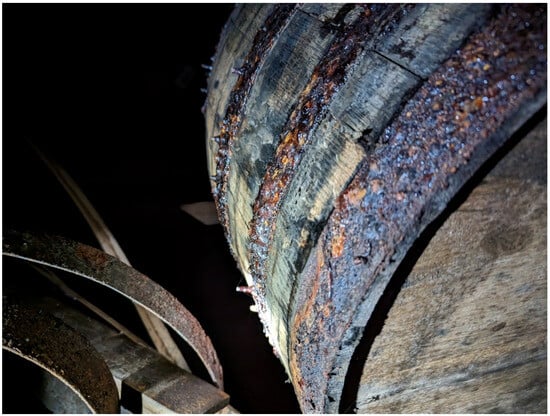
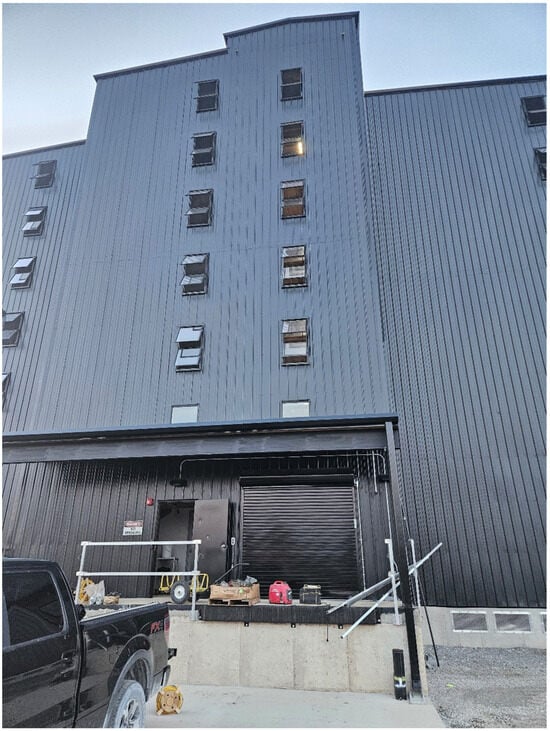
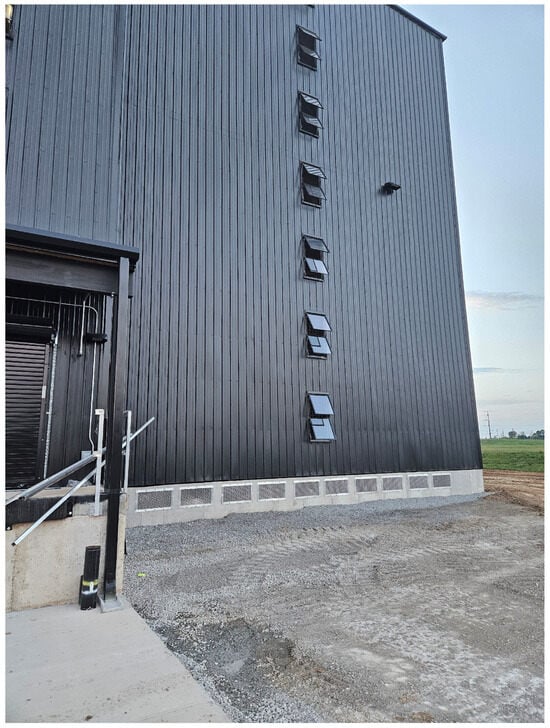
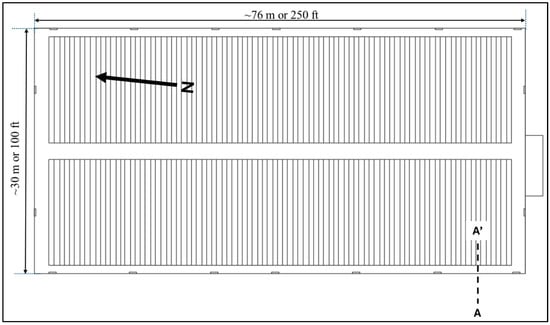
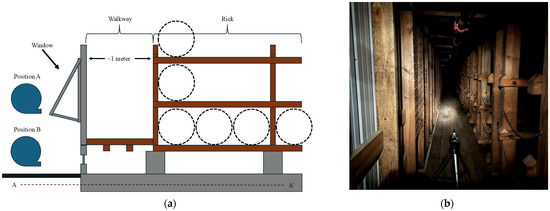
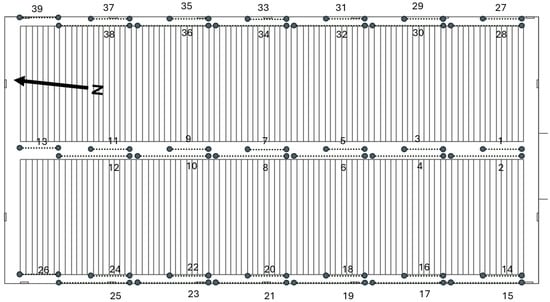
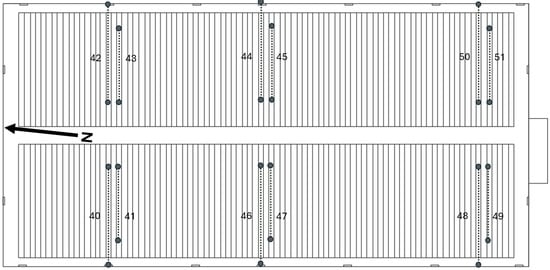
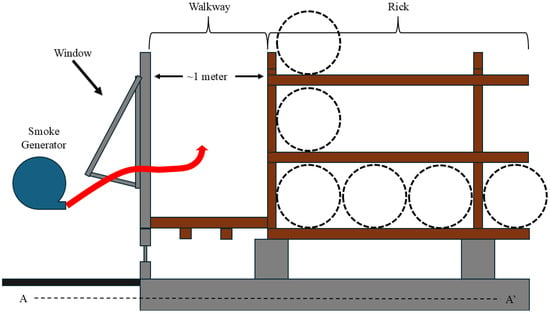
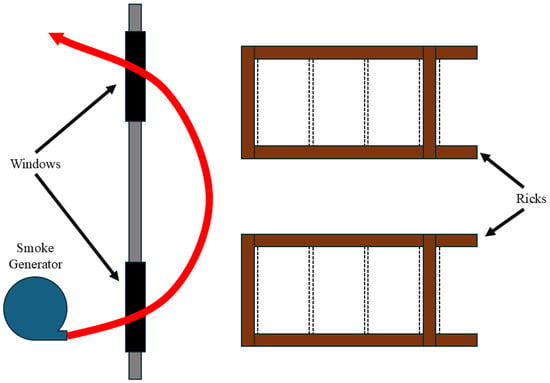
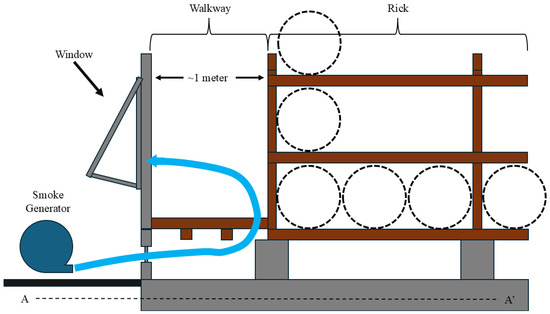
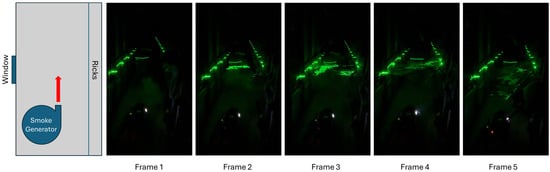
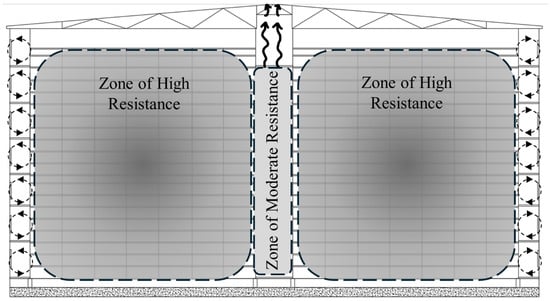
In the bourbon industry, rickhouses store bourbon barrels undergoing the maturation process. Ambient conditions—including temperature, relative humidity, and overall air composition—play a critical role in the maturation process of bourbon within rickhouses. The presence of ethyl alcohol vapors is a byproduct of the aging process and has been a long-standing issue within the industry. Exposure to ethanol vapor can hasten the corrosion of barrel hoops, potentially compromise the integrity of the barrels and lead to product loss. Newly constructed rick-houses have been designed to mitigate the vapors with natural ventilation from windows and air vents. This study shows that natural ventilation does not really allow air to move through the stacks, even in an empty rickhouse. The evaluation was performed using differential pressure measurements and smoke tracing to characterize extremely low-energy airflow. Differential pressure measurements and smoke tracing conducted on the first floor and crawl space of a newly constructed empty rickhouse indicated that while air enters the warehouse through windows and vents, it does not effectively penetrate the interior rick structures. Airflow is largely confined to the crawl space and walkways, with limited movement into the central rick areas, indicating that natural ventilation alone may be insufficient for comprehensive air circulation. The findings provide important insights into airflow behavior and its implications for the spirits industry, while contributing to a growing body of evidence suggesting that natural ventilation alone may be insufficient to adequately mitigate a known de-passivating agent, ethyl alcohol vapor, accumulation in current rickhouse designs. The results align with the United Nations Sustainable Development Goals of “Sustainable Cities and Communities” (SDG 11) and “Responsible Consumption and Production” (SDG 12). Improved understanding of airflow characteristics may support the development of better-ventilated rickhouses, enhancing sustainable production practices and reducing the impact of material and product losses on surrounding communities.
Full article

Figure 1
Open AccessArticle
Pavement Roughness as a Multiscale Spatial Process: Insight from Crowdsensed Data
by
Francesco Abbondati, Ferdinando Verardi, Antonio Setaro and Cristina Oreto
Sustainability 2026, 18(12), 5796; https://doi.org/10.3390/su18125796 (registering DOI) - 6 Jun 2026
Abstract
Magnitude alone fails to capture the full complexity of pavement roughness; its spatial distribution along a road is equally vital for effective maintenance planning. While traditional assessment has long relied on specialized survey vehicles, the rise of mobile crowdsensing now allows for massive
[...] Read more.
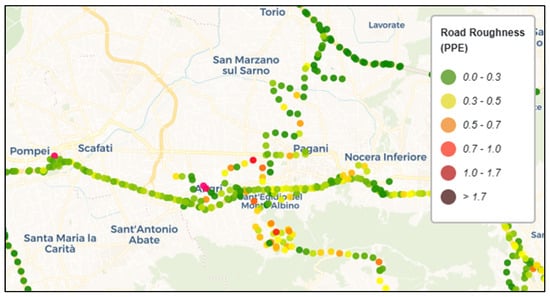
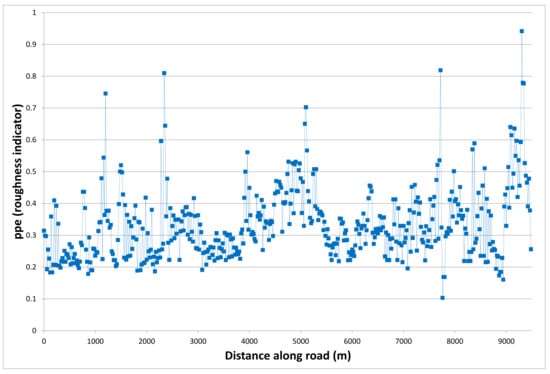
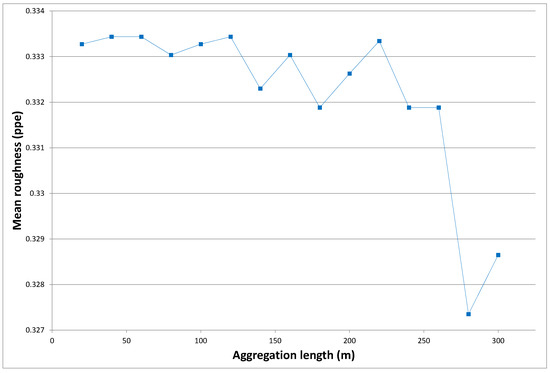
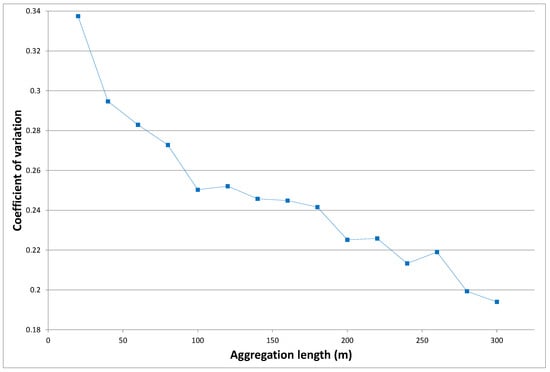
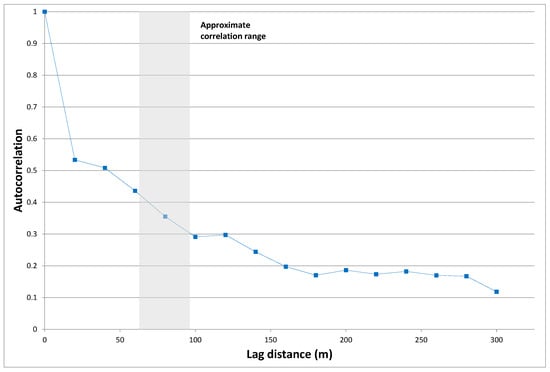
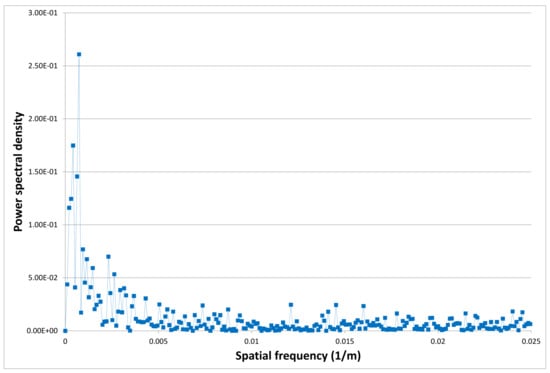
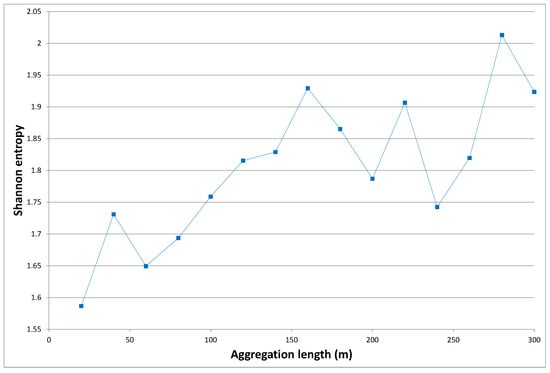
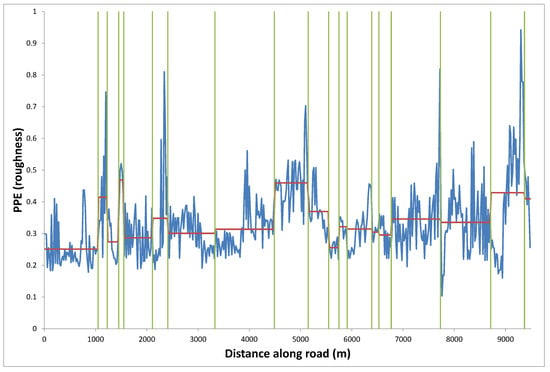
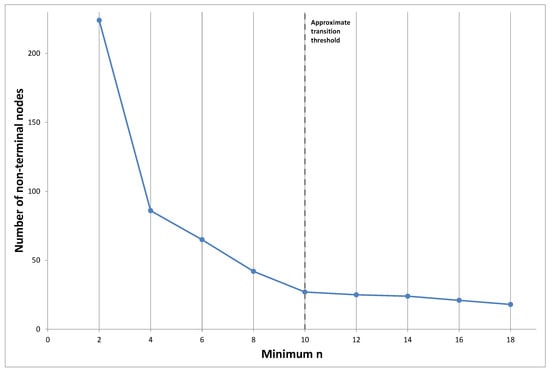
Magnitude alone fails to capture the full complexity of pavement roughness; its spatial distribution along a road is equally vital for effective maintenance planning. While traditional assessment has long relied on specialized survey vehicles, the rise of mobile crowdsensing now allows for massive data acquisition via smartphone sensors. This study investigates the spatial structure of pavement roughness using crowdsensed data from the SmartRoadSense platform. Roughness is quantified through the Power of Prediction Error (PPE) indicator derived from smartphone accelerometer signals. The dataset consists of 475 observations sampled at 20 m intervals over approximately 9.5 km of the A3/E45 motorway in southern Italy. A multi-scale spatial–statistical framework is adopted to analyse the roughness signal. The analysis includes the evaluation of scale-dependent statistical descriptors (mean and coefficient of variation), as well as spatial correlation, spectral, and entropy-based measures. The results indicate a short spatial correlation length (approximately 60–100 m) and the absence of a dominant spatial wavelength, suggesting that pavement roughness behaves as a localized multiscale process. A complementary segmentation analysis based on Classification and Regression Trees (CART) is performed to explore the spatial partitioning of the roughness signal. Our analysis indicates that segmentation complexity spikes once the minimum node size drops below roughly 10 observations. This trend points to the existence of localized irregularities that coarser scales simply overlook. Ultimately, these results suggest that mean roughness values alone are insufficient for describing pavement condition and that hybrid spatial–statistical approaches may support more scalable, data-driven, and spatially targeted pavement monitoring strategies for sustainable transportation infrastructure management.
Full article
(This article belongs to the Special Issue Sustainable Transportation and Infrastructure Management)
►▼
Show Figures

Figure 1

Open AccessArticle
From Rescue to Prevention: A Comprehensive Analysis Framework for Urban Fire Risks Based on the PSR Model and Environmental Criminology Theory
by
Yuning Feng, Chuyun Cheng, Zhengxiong Lei, Zehao Shen, Lun Wu, Cong Liao and Yuan Tian
Sustainability 2026, 18(12), 5795; https://doi.org/10.3390/su18125795 (registering DOI) - 6 Jun 2026
Abstract
Urban fire prevention is shifting from reactive response to proactive risk governance, yet current approaches often overlook risk-type heterogeneity, spatial dependencies, and underlying behavioral mechanisms, especially equitable risk distribution among vulnerable groups. To address this, this study integrates the Pressure–State–Response (PSR) model with
[...] Read more.
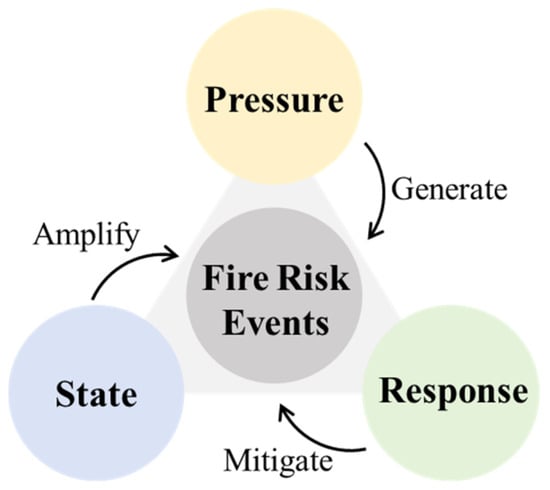
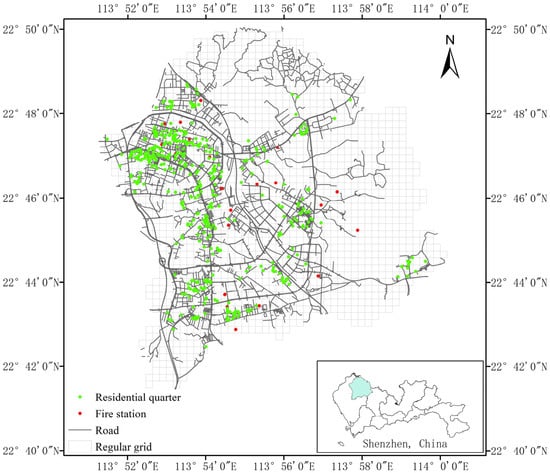
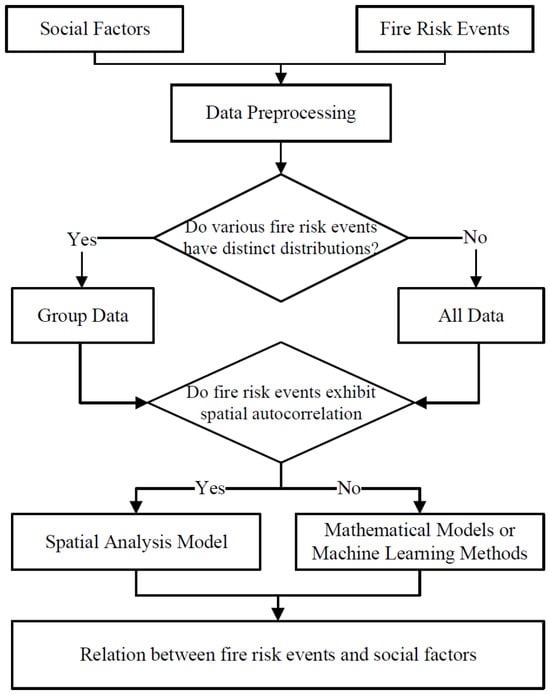
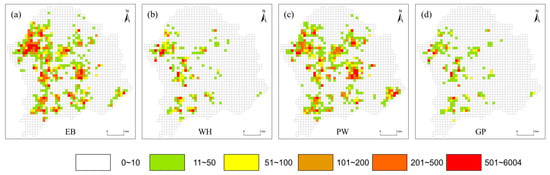
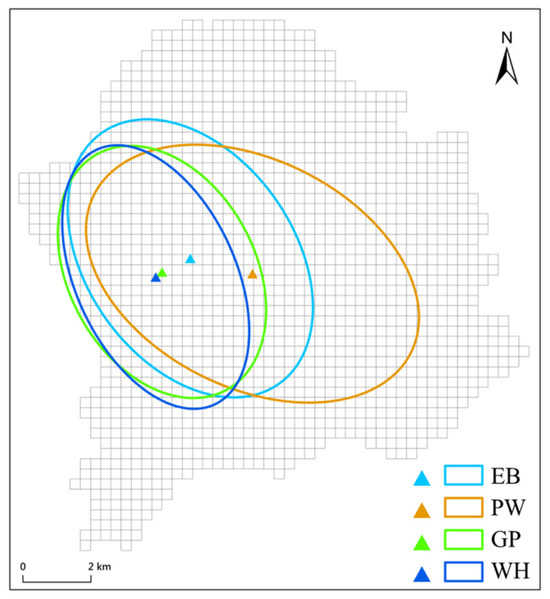
Urban fire prevention is shifting from reactive response to proactive risk governance, yet current approaches often overlook risk-type heterogeneity, spatial dependencies, and underlying behavioral mechanisms, especially equitable risk distribution among vulnerable groups. To address this, this study integrates the Pressure–State–Response (PSR) model with environmental criminology theories (Routine Activity Theory (RAT) and Crime Pattern Theory (CPT)) to couple macro social causal chains with micro behavioral–spatial mechanisms. Using data from the digital urban management system of Shenzhen’s Guangming District in 2019, four fire risk event types are examined: electric bike charging violations (EB), unauthorized power wiring (PW), water heater misuse (WH), and aging gas pipelines (GP). Spatial error models explain 82–89% of the variance across fire risk event types, and spatial 5-fold cross-validation shows minimal performance decline (ΔR2 = 0.03–0.08), confirming robust prediction without overfitting. Key findings include: (1) elderly proportion is significantly positively associated with WH and PW (coefficients = 2.64 and 3.06, p < 0.01); (2) restaurant density has a consistently positive association with all four risk types (coefficients = 0.24–0.60, p < 0.01); (3) functional diversity and connectivity exhibit dual patterns, showing negative associations with more visible, easily detectable violations (PW, GP) but positive relationships with relatively concealed behaviors (EB); (4) reported safety deficiencies display strong positive associations with all fire risk event types and can therefore serve as an effective early-warning indicator for broader fire risk. These results support risk-specific, equity-oriented prevention strategies that prioritize vulnerable groups and high-risk environments. The validated PSR–RAT/CPT framework provides a novel theoretical basis for targeted fire risk governance and advances safe, resilient, inclusive cities aligned with Sustainable Development Goal 11.
Full article
(This article belongs to the Special Issue Sustainable Urban Risk Management and Resilience Strategy)
►▼
Show Figures

Figure 1

Open AccessArticle
Considering Service Priority in Multimodal Transport Route Selection Under the Uncertainty of Carbon Trading Prices
by
Junhong Hu, Kaiyang Liu, Zhicheng Zhang, Zihe Wang and Renjie Luo
Sustainability 2026, 18(12), 5794; https://doi.org/10.3390/su18125794 (registering DOI) - 6 Jun 2026
Abstract
To investigate the impact of transfer node service priority on multimodal transport path selection under carbon trading price uncertainty, this study models carbon price fluctuations using a “carbon K-line” distribution and quantifies service priority via cargo time value, optimising node service processes for
[...] Read more.
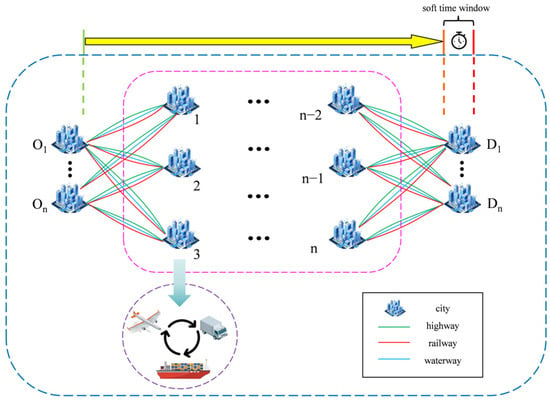
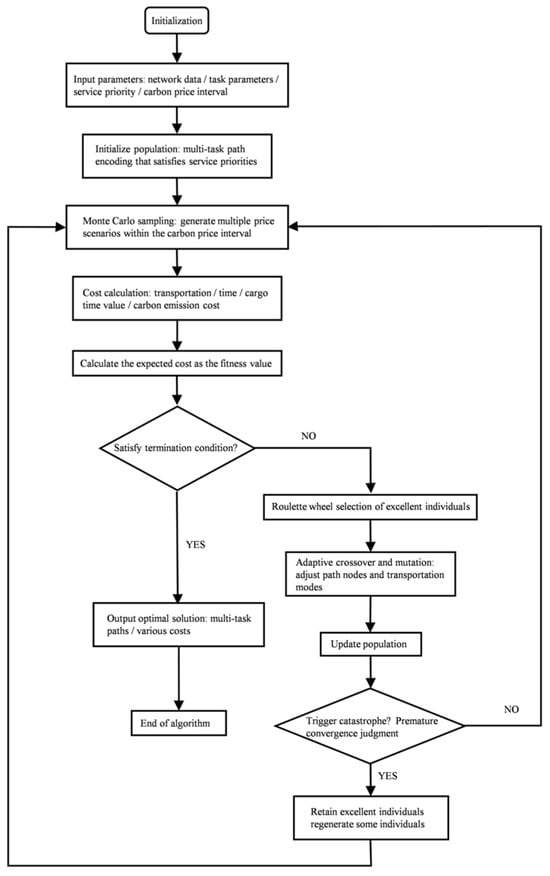
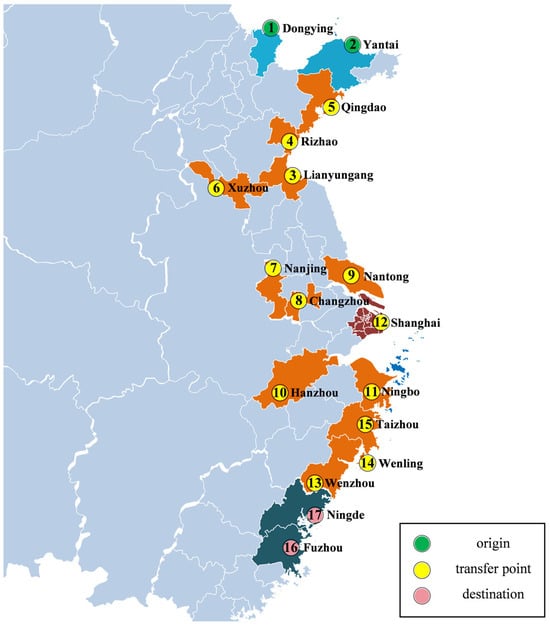
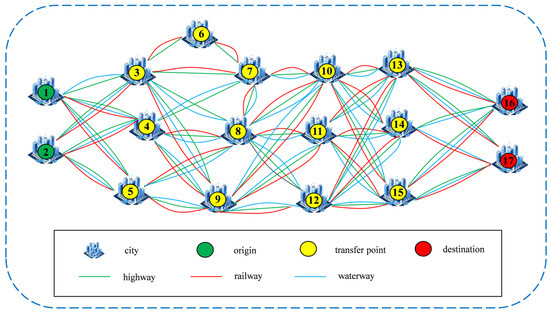
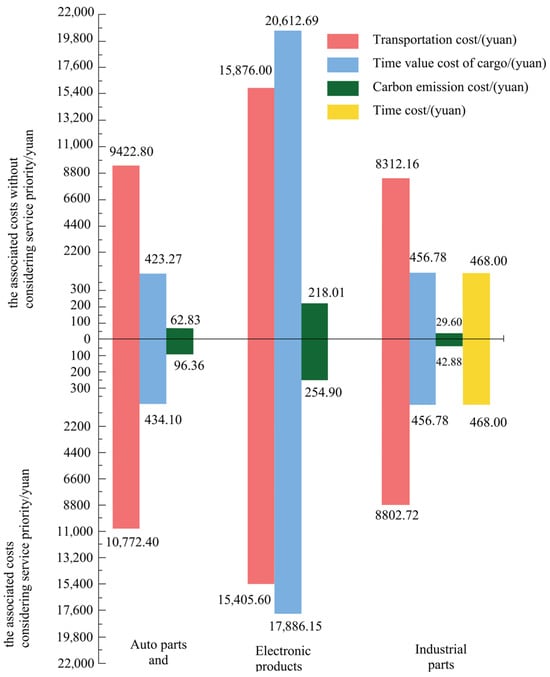
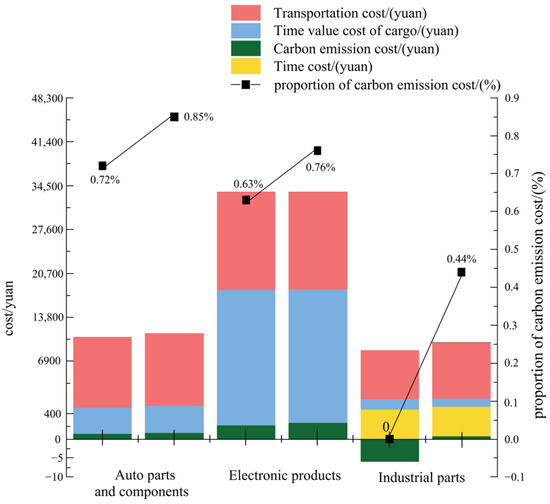
To investigate the impact of transfer node service priority on multimodal transport path selection under carbon trading price uncertainty, this study models carbon price fluctuations using a “carbon K-line” distribution and quantifies service priority via cargo time value, optimising node service processes for multi-task handling. An interval robust optimisation model is formulated to minimise total transport costs (including transport, time, cargo time value, and carbon emission costs), subject to constraints such as service priority, transfer capacity limits, and mixed time windows. The model is solved using a catastrophe-adaptive genetic algorithm with Monte Carlo sampling. Case studies of three transport tasks reveal that (1) incorporating service priority alters transport paths, reducing total cargo time value loss by 12.64% and decreasing comprehensive costs by 2.26%; (2) carbon price uncertainty increases rail transport distance share by 10.86% on average and raises carbon emission cost proportions by 0.23%, ultimately increasing comprehensive costs by 3.48%. These findings assist multimodal operators in holistically evaluating cargo types, shipper requirements, and carbon markets. By forecasting carbon prices and implementing service priority, stakeholders can select low-carbon intermodal paths that balance cost efficiency, service priority, and emission reduction, thereby supporting sustainable freight transport decision-making.
Full article
(This article belongs to the Section Sustainable Transportation)
►▼
Show Figures

Figure 1
Open AccessArticle
Screening Agricultural Residues as Sustainable Alternative Sorbents for the Active Removal of Methylene Blue
by
Isabel Pestana da Paixão Cansado, Pedro Francisco Geraldo, Inês Monginho Timóteo, Beatriz dos Santos Carilho, Sónia Coelho, Paulo Alexandre Mira Mourão, José Eduardo Felix dos Santos Castanheiro, Maria Teresa Folgôa Batista and Suhas
Sustainability 2026, 18(12), 5793; https://doi.org/10.3390/su18125793 (registering DOI) - 6 Jun 2026
Abstract
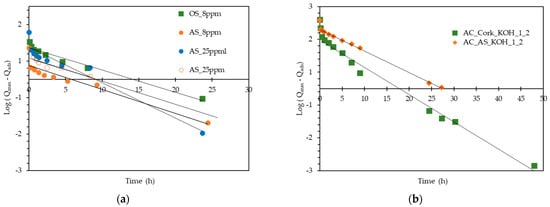
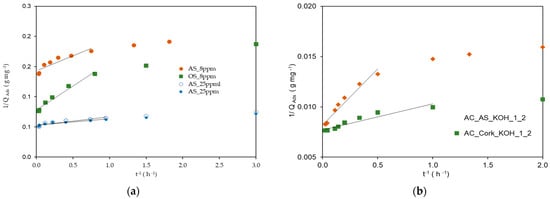
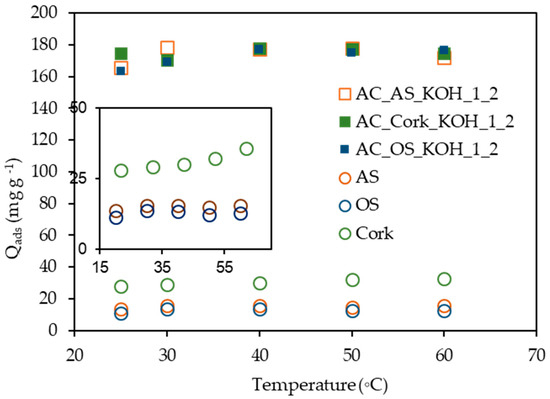
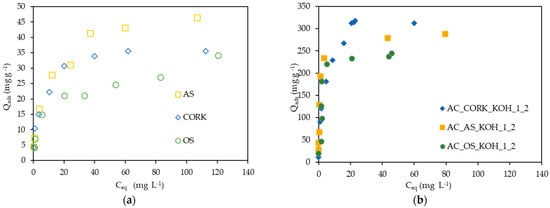
This study investigates the potential of several sustainable agricultural by-products—including olive stones, cork, and almond shells, which are locally available in Alentejo, Portugal—as low-cost adsorbents for the removal of methylene blue (MB) from synthetic wastewater. The biomass residues were evaluated both in their
[...] Read more.
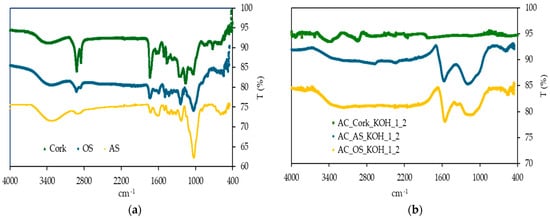
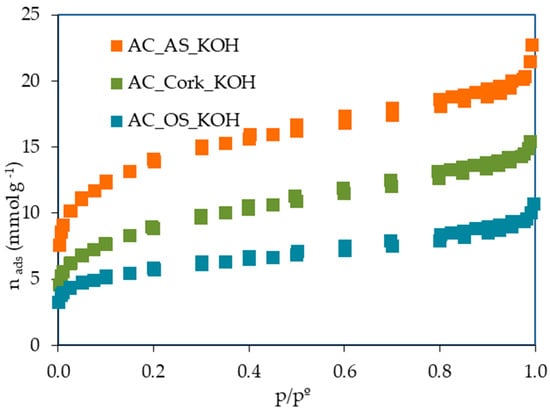
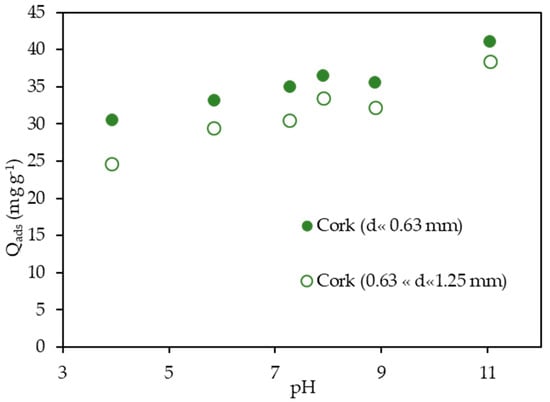
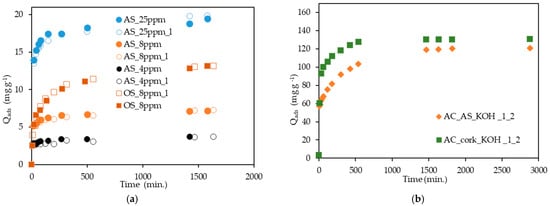
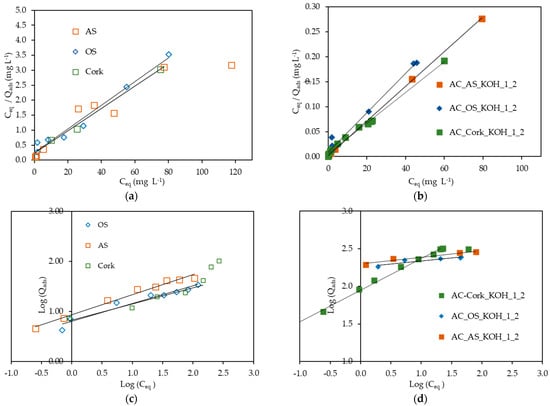
This study investigates the potential of several sustainable agricultural by-products—including olive stones, cork, and almond shells, which are locally available in Alentejo, Portugal—as low-cost adsorbents for the removal of methylene blue (MB) from synthetic wastewater. The biomass residues were evaluated both in their raw form and after conversion into activated carbons (ACs) through chemical activation with KOH at 973 K. The produced ACs exhibited well-developed surface areas (760–1103.5 m2 g−1) and porous structures (0.31–0.51 cm3 g−1). The adsorbents were characterised in terms of their chemical and textural properties. Raw biomass materials presented acidic surface groups, whereas the ACs presented neutral or basic groups. Batch adsorption experiments were conducted to assess the effects of adsorbent particle size, solution pH, initial MB concentration, stirring speed, contact time, and temperature on dye removal efficiency. Among all tested materials, the ACs achieved superior MB adsorption capacities, ranging from 244.2 to 317.6 mg g−1, compared to the untreated biomass adsorbents, which showed capacities between 34.1 and 46.4 mg g−1. The adsorption data were best described by the Langmuir isotherm model, while the kinetic data closely followed the pseudo-second-order (PSO) model. Thermodynamic analysis revealed that MB adsorption was spontaneous and endothermic; however, the relatively low enthalpy values indicated that physical interactions contributed significantly, particularly in the case of the raw biomass adsorbents. This suggests that the PSO model may also be applicable when physical adsorption is the dominant mechanism. This work demonstrates the novel use of cork, olive stone, and almond shell biomasses and their derived ACs as sustainable adsorbents, highlighting an integrated approach that simultaneously promotes efficient wastewater treatment, waste valorisation, and circular economy-driven socio-economic development.
Full article
(This article belongs to the Special Issue Circular Economy and Sustainability)
►▼
Show Figures

Figure 1

Open AccessArticle
Numerical Simulation of Rice Husk as an Alternative Fuel in a Precalciner
by
Lei Chen and Hongtao Kao
Sustainability 2026, 18(12), 5792; https://doi.org/10.3390/su18125792 (registering DOI) - 6 Jun 2026
Abstract
►▼
Show Figures
To tackle the issues of high energy consumption, substantial carbon emission intensity in the cement industry, as well as under-utilization of agricultural waste, this study took an 8000 t/d cement production line at a plant in Indonesia as the research object. Using a
[...] Read more.
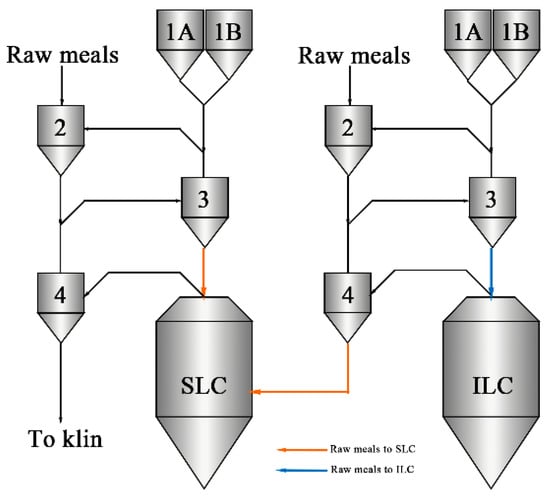
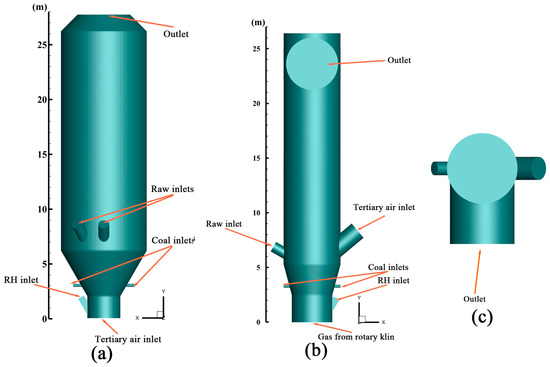
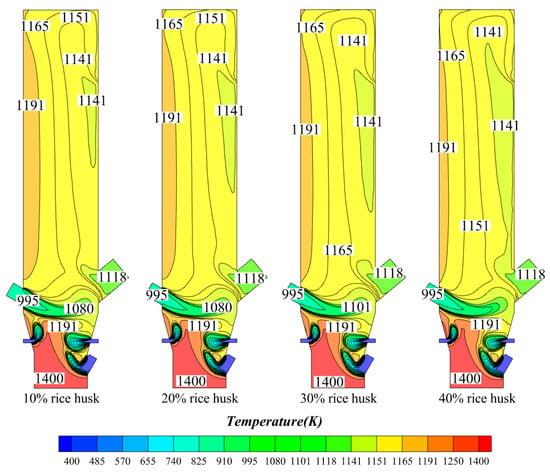
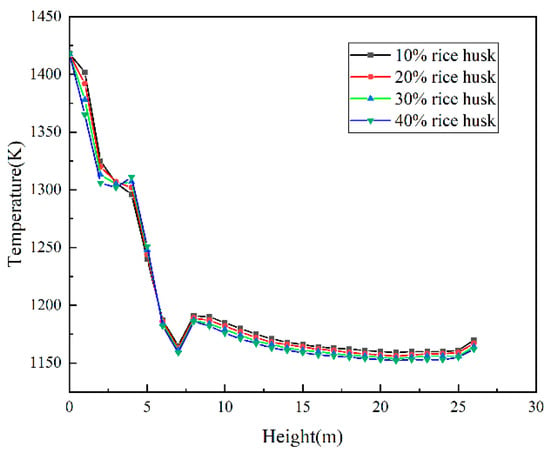
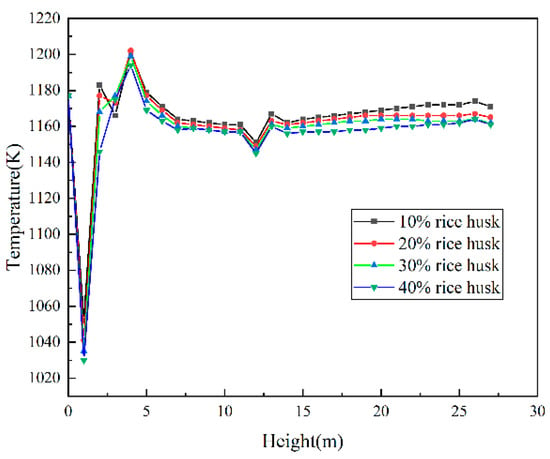
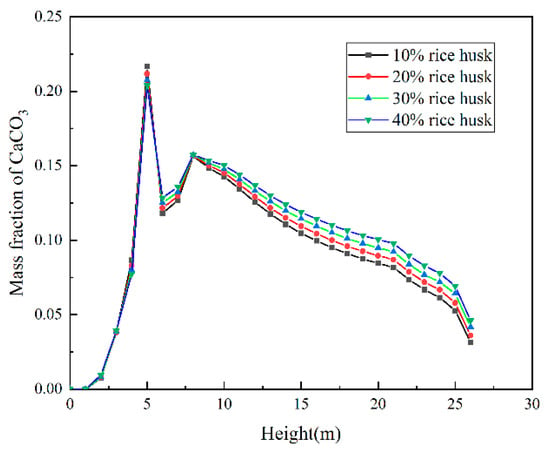
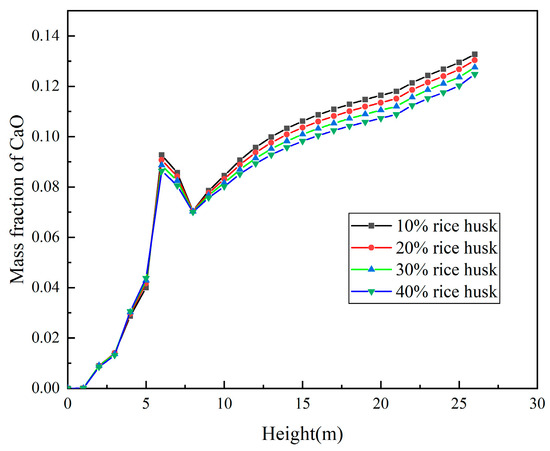
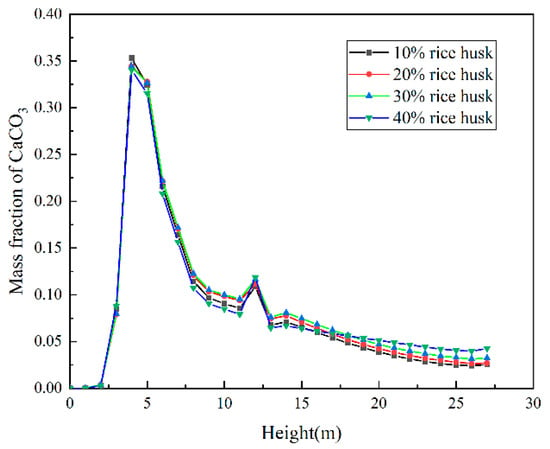
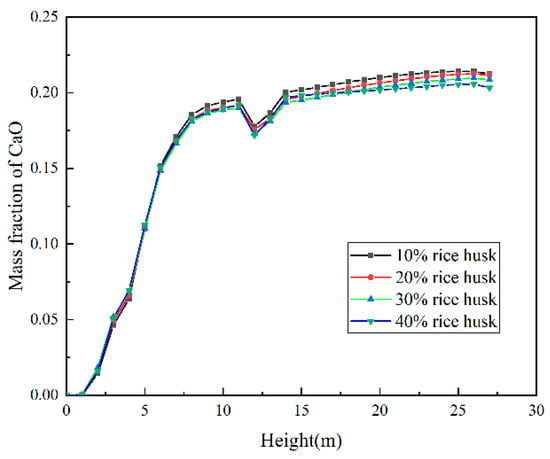
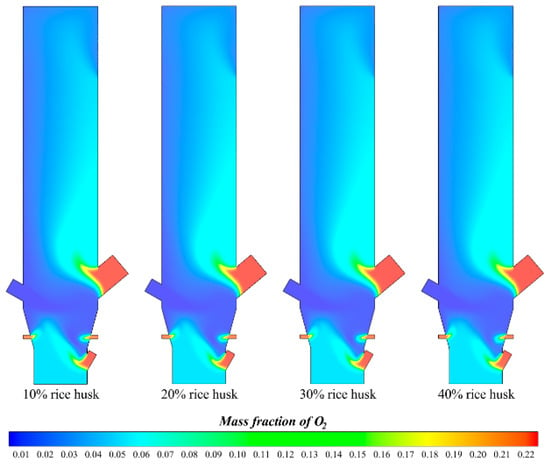
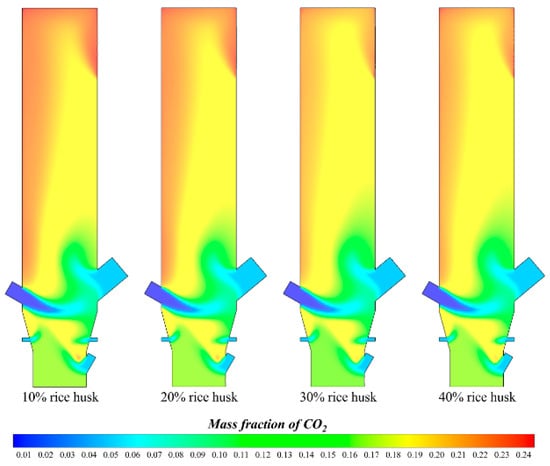
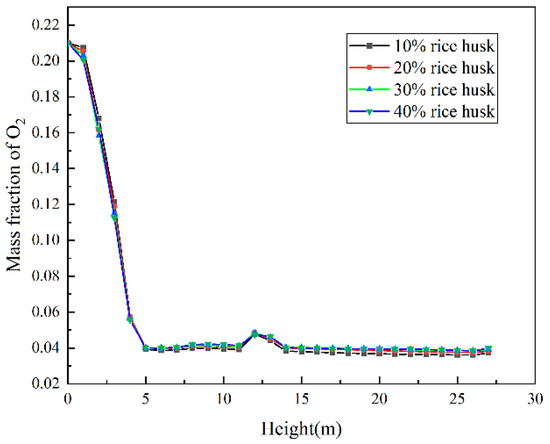
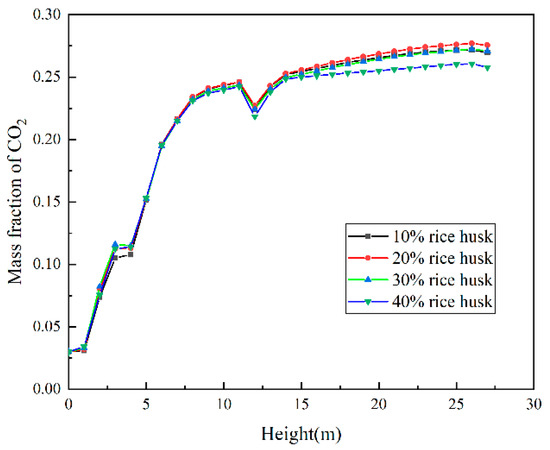
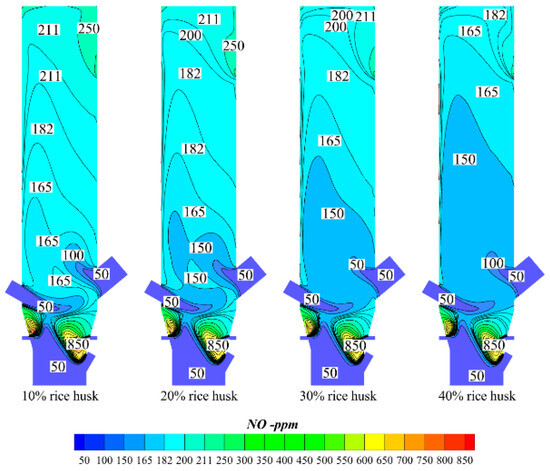
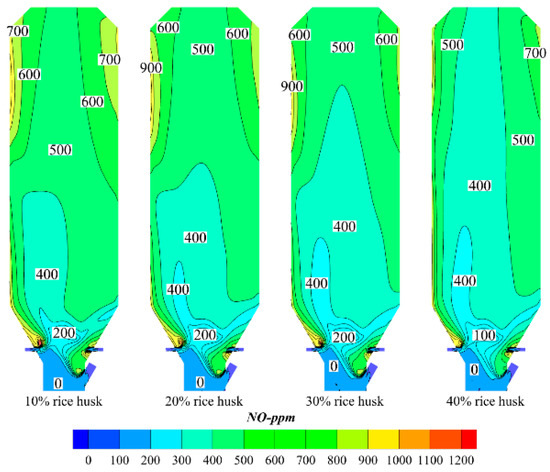
To tackle the issues of high energy consumption, substantial carbon emission intensity in the cement industry, as well as under-utilization of agricultural waste, this study took an 8000 t/d cement production line at a plant in Indonesia as the research object. Using a Computational Fluid Dynamics (CFD)-based numerical method, the co-firing of pulverized coal with rice husk was simulated in both In-Line Calciner (ILC) and Separate-Line Calciner (SLC) precalciners. Four rice husk replacement levels (10%, 20%, 30%, and 40%) were evaluated in terms of temperature distribution, species concentration, raw meal calcination, and pollutant formation. The results indicate that increasing the rice husk ratio reduces the high-temperature region, lowers the peak temperature, and decreases overall thermal levels. The decomposition rate of CaCO3 at the outlet of the ILC-type precalciner decreased from 81.11% to 75.32%, while that of the SLC-type precalciner fell from 93.27% to 88.50%. CO2 and NOX emissions were remarkably reduced, with the emission reduction effect positively correlated with the rice husk substitution ratio. Taking into account both decomposition rate requirements and emission reduction targets, it is recommended that the blending ratio of rice husk in ILC precalciners should be controlled at 10%, while for SLC precalciners, it can be increased to 40%. This provides a technical reference for low-carbon transformation and biomass resource utilization in the cement industry.
Full article

Figure 1
Open AccessReview
Hydrogen Electrode Potentials as a Descriptor of Catalyst Reactivity for Sustainable Redox Chemistry: A Tutorial Review
by
Teruo Kiyama
Sustainability 2026, 18(11), 5791; https://doi.org/10.3390/su18115791 (registering DOI) - 5 Jun 2026
Abstract
Redox catalysts play a critical role in advancing sustainability by enabling cleaner, more efficient chemical transformations. The redox potential of a catalyst determines the reaction direction thermodynamically, as electrons are transferred from the substrate through the catalyst to the product. The accurate assessment
[...] Read more.
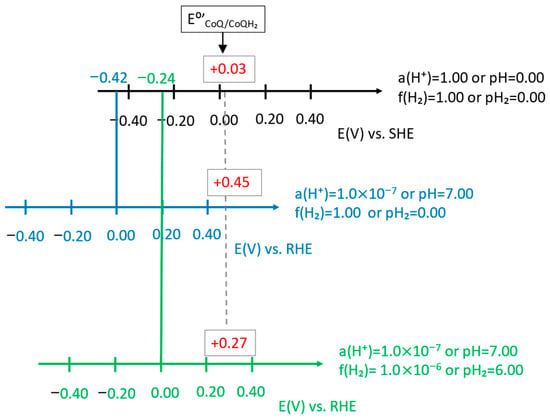
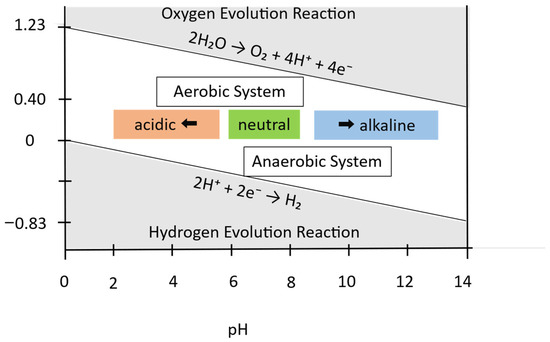
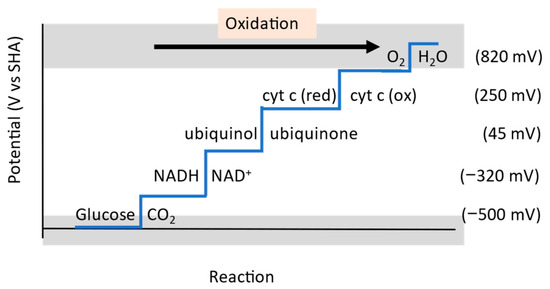
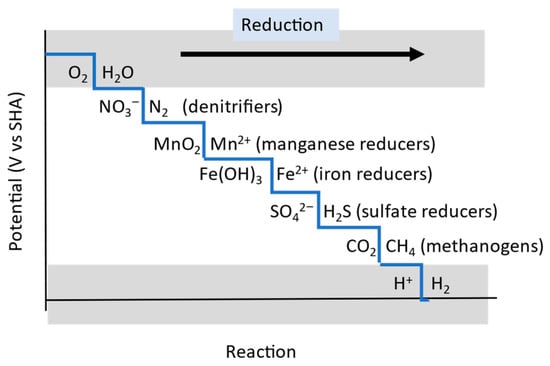
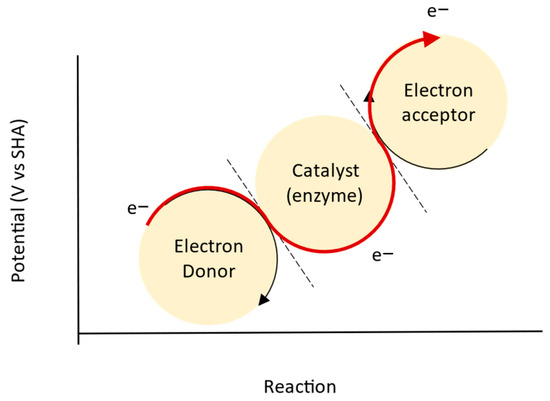
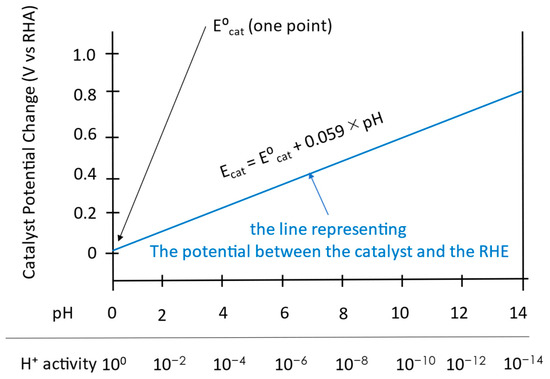
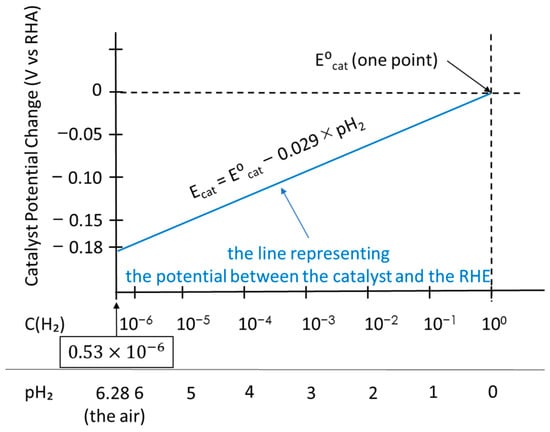
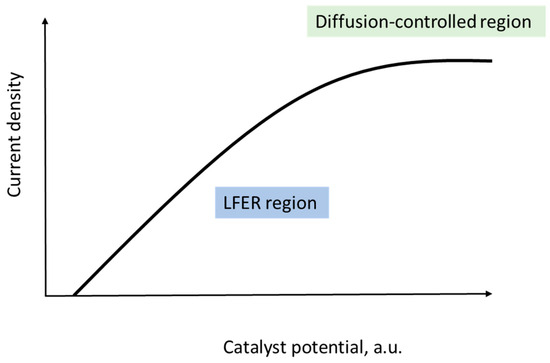
Redox catalysts play a critical role in advancing sustainability by enabling cleaner, more efficient chemical transformations. The redox potential of a catalyst determines the reaction direction thermodynamically, as electrons are transferred from the substrate through the catalyst to the product. The accurate assessment of redox catalyst potential by in situ methods is fundamental for developing effective strategies to optimize the redox reactivity of these materials. Typically, the catalyst potential measured in situ is relative to the reference electrode in the same solution. The standard potential of the catalyst, or metal center, is commonly reported relative to the standard hydrogen electrode (SHE). In electrochemical measurements, the potential recorded in situ versus a reference electrode is converted to scale by adding the known potential of that reference electrode relative to the SHE. The potential measured with the reversible hydrogen electrode (RHE), one of the reference electrodes, depends on the fugacity of hydrogen (H2), the activity of hydrogen ions (pH) and the temperature. In this review, RHE is introduced as a descriptor of the redox catalyst activity for sustainable redox chemistry.
Full article
(This article belongs to the Section Sustainable Water Management)
►▼
Show Figures

Figure 1
Open AccessArticle
Valorization of Tungsten Mining Waste and Clay Residues in the Production of Technical Ceramic Materials for Sustainable Construction and Architectural Rehabilitation
by
Jorge Alberto Duran-Suarez, Maria Paz Saez-Perez, Alberto Martinez-Ramirez and Laura Crespo-López
Sustainability 2026, 18(11), 5790; https://doi.org/10.3390/su18115790 (registering DOI) - 5 Jun 2026
Abstract
Mining and industrial activities generate large volumes of waste, up to 99% of the extracted material, forming a major global residue source. In this context, the valorization of mining sludge for sustainable construction materials gains relevance. This study examines the fabrication of ceramic
[...] Read more.
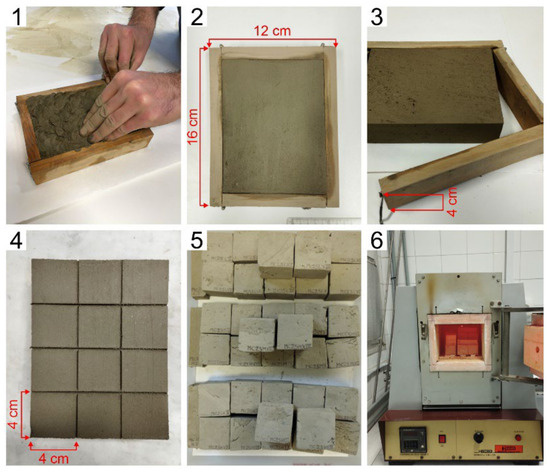
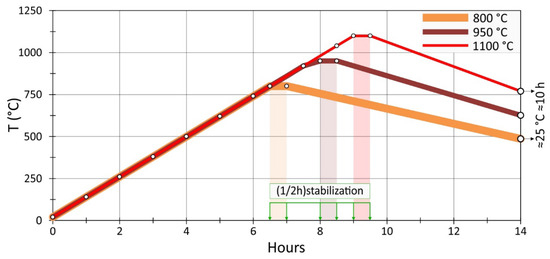
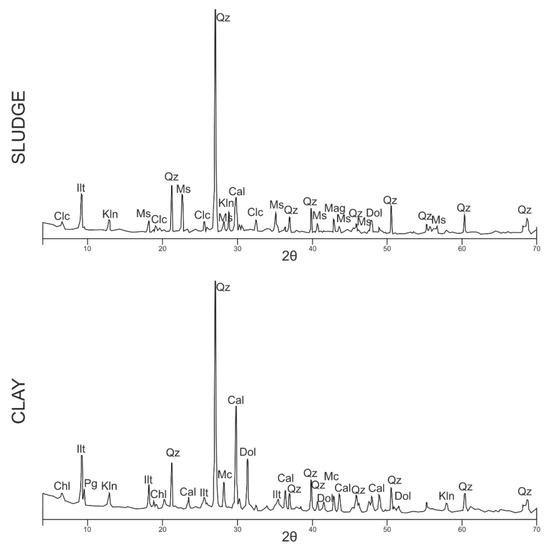
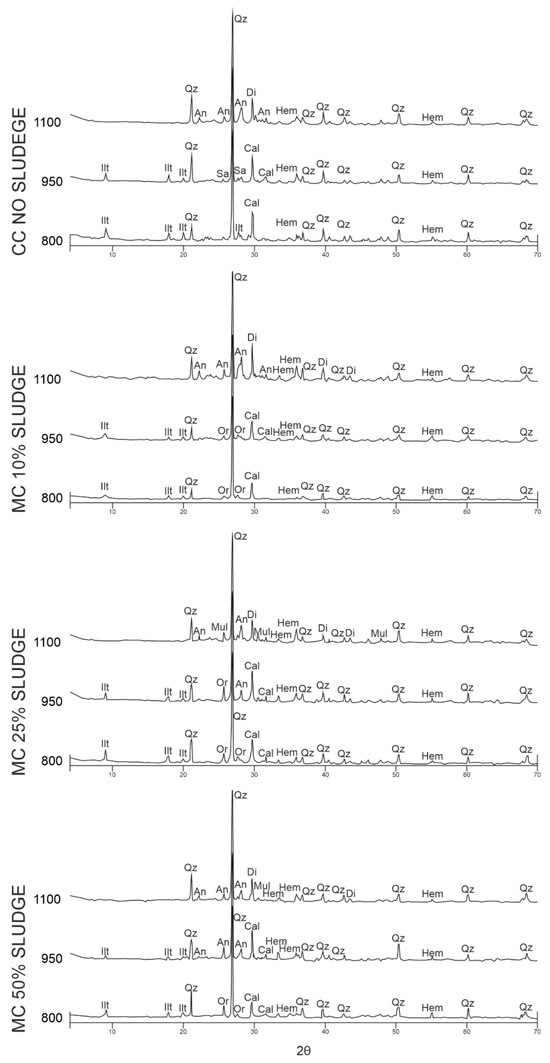
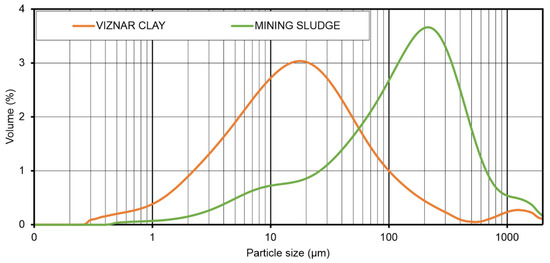
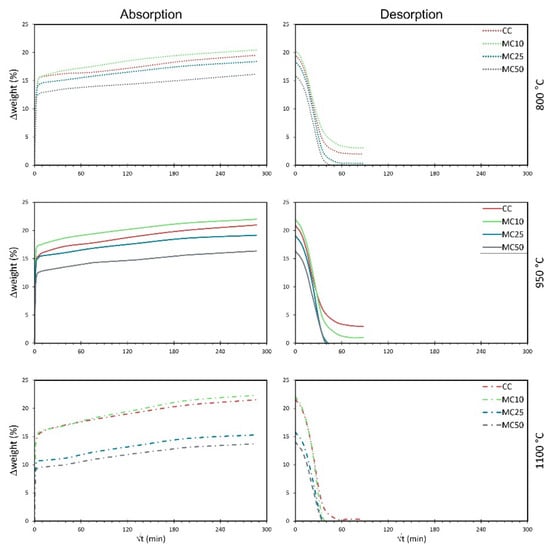
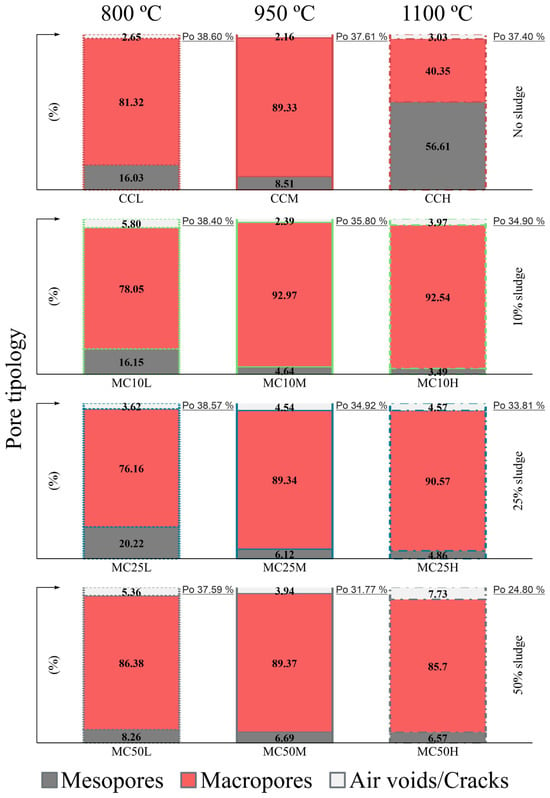
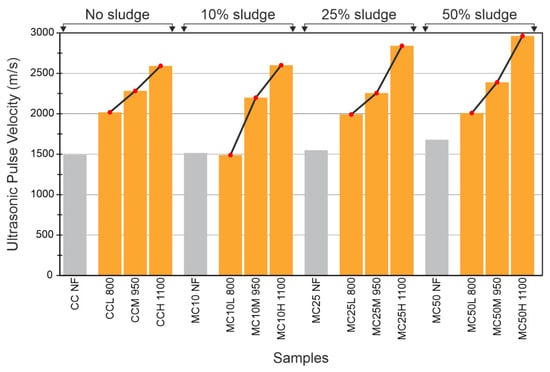
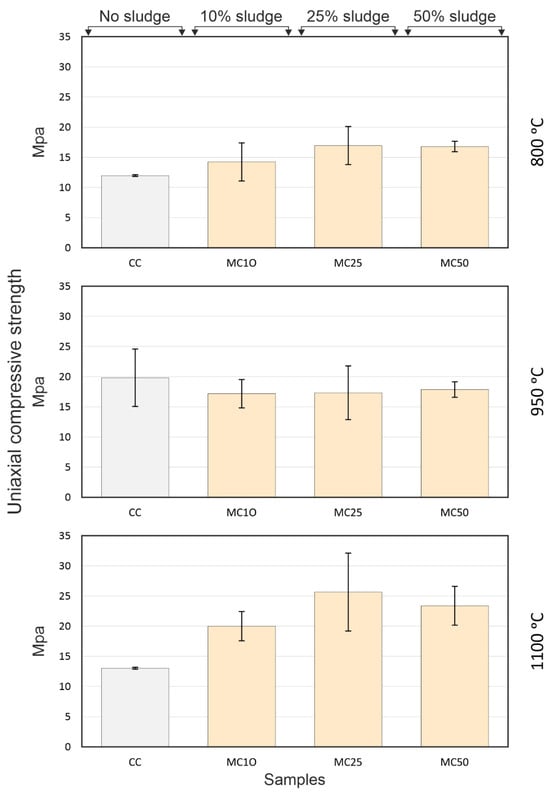
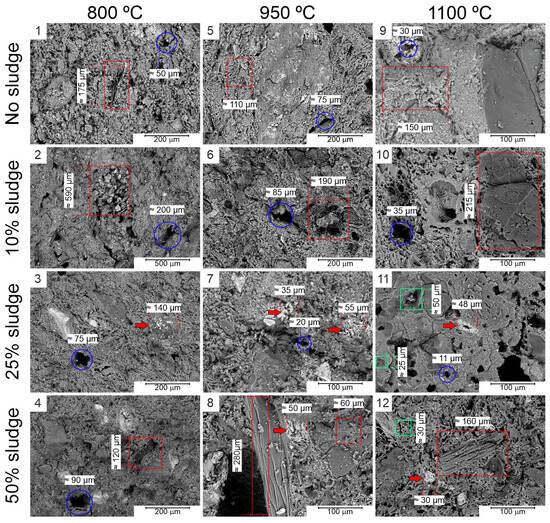
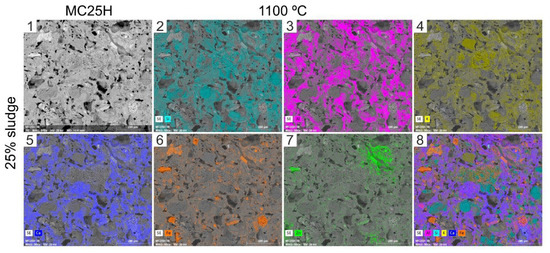
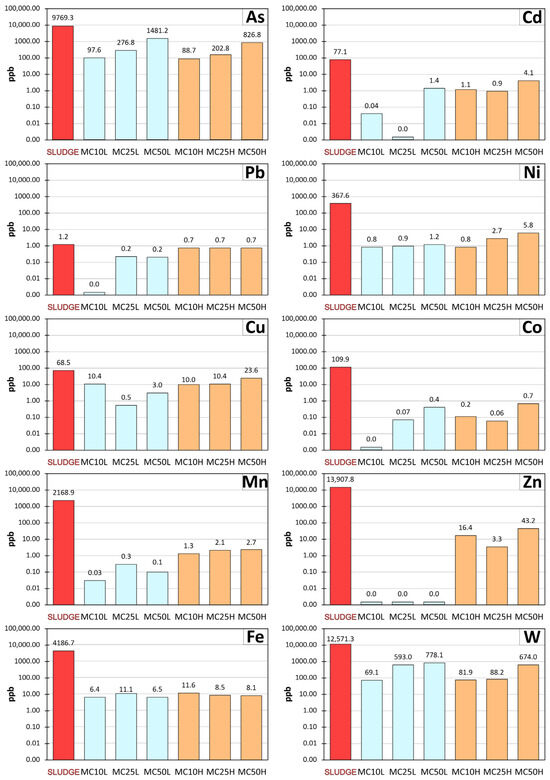
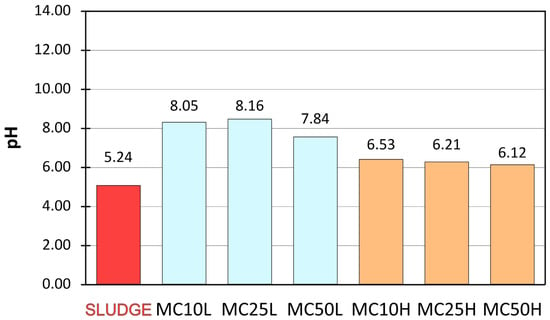
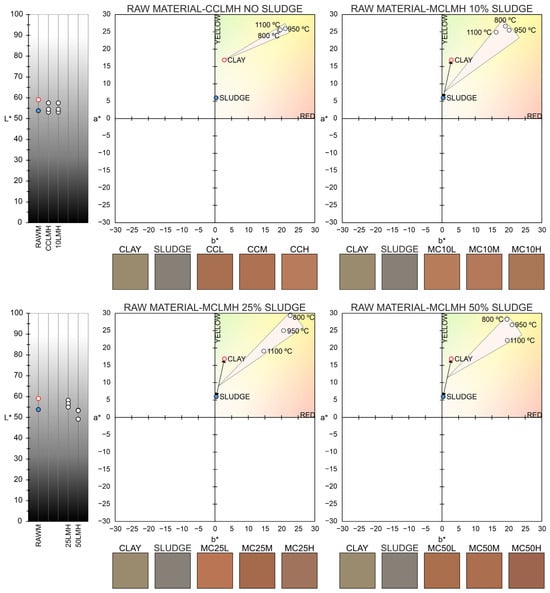
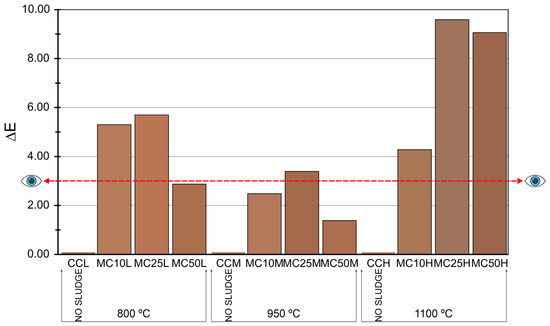
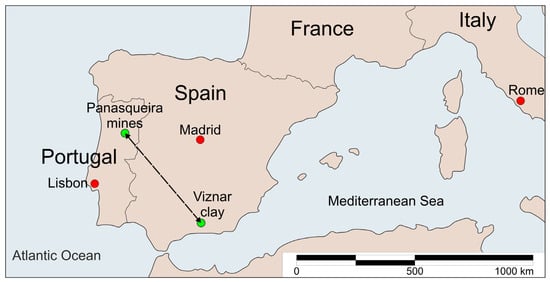
Mining and industrial activities generate large volumes of waste, up to 99% of the extracted material, forming a major global residue source. In this context, the valorization of mining sludge for sustainable construction materials gains relevance. This study examines the fabrication of ceramic bricks incorporating mining sludge from the Panasqueira mine, evaluating sludge incorporation levels and sintering temperatures to optimize resource use and reduce environmental impacts. Bricks were produced by blending residual clays from Víznar (Granada, Spain) with Panasqueira sludge at substitution rates of 10, 25 and 50%, and fired at 800, 950 and 1100 °C. Granulometry was determined for the Víznar clay and mining sludge, while bulk density was measured for the fired bricks. The raw materials were analyzed by XRF and XRD, whereas the ceramic samples were characterized by water absorption, porosimetry, ultrasound pulse velocity, compressive strength testing, ESEM, leaching and colorimetry, to assess their chemical, physical and mechanical behaviour. Both clays and sludge are rich in SiO2 and Al2O3, suitable for ceramic processing, while fluxing oxides promote vitrification and densification. Incorporating 25 and 50% sludge reduces porosity, increases ultrasonic velocity and improves mechanical strength, achieving optimal performance at 1100 °C. Moreover, firing immobilizes toxic metals and allows controlled colour development, confirming their technical performance and suggesting their potential suitability from an environmental perspective. Their microstructure and stability depend on sludge content and firing temperature, essential factors for sustainable construction and architectural rehabilitation.
Full article
(This article belongs to the Special Issue Sustainable Building: Renewable and Green Energy Efficiency)
►▼
Show Figures

Figure 1
Journal Menu
► ▼ Journal Menu-
- Sustainability Home
- Aims & Scope
- Editorial Board
- Reviewer Board
- Topical Advisory Panel
- Early Career Editorial Board
- Instructions for Authors
- Special Issues
- Topics
- Sections & Collections
- Article Processing Charge
- Indexing & Archiving
- Editor’s Choice Articles
- Most Cited & Viewed
- Journal Statistics
- Journal History
- Journal Awards
- Society Collaborations
- Conferences
- Editorial Office
Journal Browser
► ▼ Journal BrowserHighly Accessed Articles
Latest Books
E-Mail Alert
News
Topics
Topic in
ChemEngineering, Chemistry, Energies, Processes, Sustainability, Technologies
Advances in Green Energy and Energy Derivatives
Topic Editors: Muhammad Sajid, Nisar Ali, Muhammad Farooq, Mairui ZhangDeadline: 20 June 2026
Topic in
Batteries, Energies, Processes, Sustainability
Advanced Battery Thermal Management Solution for Electric Vehicles, 2nd Edition
Topic Editors: Hamidreza Behi, Masud Behnia, Danial KarimiDeadline: 30 June 2026
Topic in
Businesses, Economies, Humanities, Land, Sustainability, Tourism and Hospitality, Urban Science
Human–Environmental Relations: Ecotourism and Sustainability
Topic Editors: Tamara Gajić, Minja Bolesnikov, Aleksandar ErcegDeadline: 15 July 2026
Topic in
Buildings, CivilEng, Energies, Sustainability
Energy Systems in Buildings and Occupant Comfort
Topic Editors: Eusébio Z. E. Conceição, Hazim B. AwbiDeadline: 31 July 2026
Conferences
Special Issues
Special Issue in
Sustainability
Sustainable Soil Management and Crop Production Research: 2nd Edition
Guest Editors: Ioannis Roussis, Ioanna KakaboukiDeadline: 9 June 2026
Special Issue in
Sustainability
Production and Corrosion Protection Techniques for a Greener Future
Guest Editors: Ivan Stojanović, Zdenka KeranDeadline: 10 June 2026
Special Issue in
Sustainability
Activated Carbon Adsorption in Wastewater Treatment
Guest Editors: Marija Ercegović, Aleksandar KrstićDeadline: 10 June 2026
Special Issue in
Sustainability
Entrepreneurship, Innovation and Sustainability in Digital Ecosystems
Guest Editors: Silvia Avasilcai, Edgar WeipplDeadline: 10 June 2026
Topical Collections
Topical Collection in
Sustainability
Sustainable Household Behaviors: Consumption and Mobility
Collection Editor: José Alberto Molina
Topical Collection in
Sustainability
Local Development Initiatives and Sustainable Employment Policies
Collection Editors: Juan Carlos Rodríguez Cohard, Antonio Vázquez Barquero
Topical Collection in
Sustainability
Land Degradation Evaluation, Alleviation, and Restoration in Watersheds
Collection Editor: Yung-Chieh Wang
Topical Collection in
Sustainability
Waste Utilization and Resource Recovery
Collection Editors: Chunjiang An, Xiujuan Chen