1. Introduction
Cement manufacturing represents 12–15% of total industrial energy use and roughly 7% of worldwide CO
2 emissions, of which fuel combustion accounts for about 40% [
1,
2]. Additionally, cement production generates significant amounts of NO
X, SO
2 and particulate matter [
3], exacerbating air quality and ecological issues. Maintaining production capacity while reducing energy consumption and pollution emissions is paramount for the cement industry. Among the various strategies, the utilization of alternative fuels is widely regarded as one of the most promising technologies for coal conservation and emission reduction, significantly decreasing the reliance on fossil fuels and curbing greenhouse gas and pollutant emissions [
4,
5]. Among these alternative fuels, biomass stands out due to its renewability and carbon neutrality [
6]. Firstly, biomass is characterized by its low carbon, low nitrogen and low pollution properties [
7]. Secondly, it boasts a higher volatile content and a faster combustion rate [
8]. Rice husk, a primary by-product of rice processing, is produced in significant quantities in agricultural giants like China. Historically, these rice husks were often incinerated or landfilled, resulting in resource wastage and environmental pollution. If rice husk and pulverized coal can be co-combusted, it can not only decrease coal usage and carbon emissions but also enhance the resource utilization rate of agricultural waste [
9].
There has been extensive research and practical application in the cement industry regarding the use of rice husk as an alternative fuel. Yu et al. [
10] conducted combustion tests on rice husk, coal, and their mixed fuel using the non-isothermal thermogravimetric method. They found that the ignition temperature of the mixed fuel was notably lower than that of pure coal, with significantly improved combustion characteristics and a higher degree of burnout. Li et al. [
11] performed combustion experiments with sawdust, rice husk, corn straw and bituminous coal under simulated precalciner conditions, focusing on the analysis of NO
X generation and reduction characteristics. Ren et al. [
12] used a cement project in Southeast Asia as an example to introduce the application of rice husk as a substitute for raw coal in cement clinker calcination. The results indicated that reducing coal usage had a manageable impact on clinker burning and clinker quality, with notable decreases in SO
2 and NO
X emissions from the system. Liang et al. [
13] systematically analyzed the application effect of rice husk as a biomass alternative fuel in a 5000 t/d cement production line through industrial tests. They discovered that rice husk blend combustion is compatible with the thermal system of cement kilns. By replacing part of the pulverized coal, rice husk can effectively reduce carbon emissions from fossil fuels. Furthermore, rice husk blend combustion does not significantly negatively impact clinker performance, maintaining a stable mineral composition and ensuring that physical properties meet standards. Yang [
14] chose a new dry process cement kiln production line as the project carrier. By adopting the precalciner direct combustion scheme and using rice husk as a biomass alternative fuel, the clinker output remained unchanged, while the standard coal consumption for the clinker decreased by 19.8%. Cheng et al. [
15] proposed a low-temperature co-gasification technology for rice husk and waste tires. This technology reduced the silicon and sulfur content in the solid residue, minimized the risk of clinker crusting, and decreased NO
X emissions. El-Salamony et al. [
16] tested a mixture of rice husk and refuse-derived fuel (RDF) as a coal substitute in an actual production line. They found that incorporating this mixture could decrease coal consumption by 17% and effectively reduce power consumption by 13%.
The selection of rice husk as the biomass fuel in this study was based on a systematic evaluation of locally available agricultural and forestry residues against criteria relevant to cement precalciner operation: annual availability, lower heating value, volatile content, ash content and composition, alkali/silica ratio, grindability, and compatibility with existing kiln systems. Most existing research on coal and rice husk co-combustion is at the laboratory scale, yet cement precalciners are large-scale reactors with complex coupled reactions (fuel combustion and raw meal decomposition), making lab studies insufficient to guide real production, and co-firing studies in precalciners remain scarce. To address this gap, this work integrates actual production data from thermal calibration at an Indonesian cement plant with CFD numerical simulations and performs a direct comparative CFD analysis of rice husk co-firing in both ILC and SLC precalciner configurations under identical fuel and operating conditions. By systematically evaluating four blending ratios (10–40 wt%), the study correlates the resulting temperature field, species field, raw meal decomposition, and NOx emissions with the blending ratio, and derives precalciner-specific optimal blending recommendations that balance production constraints with emission reduction targets, thereby providing technical guidance for practical operations.
4. Simulation Results and Discussion
4.1. Influence on the Temperature Field
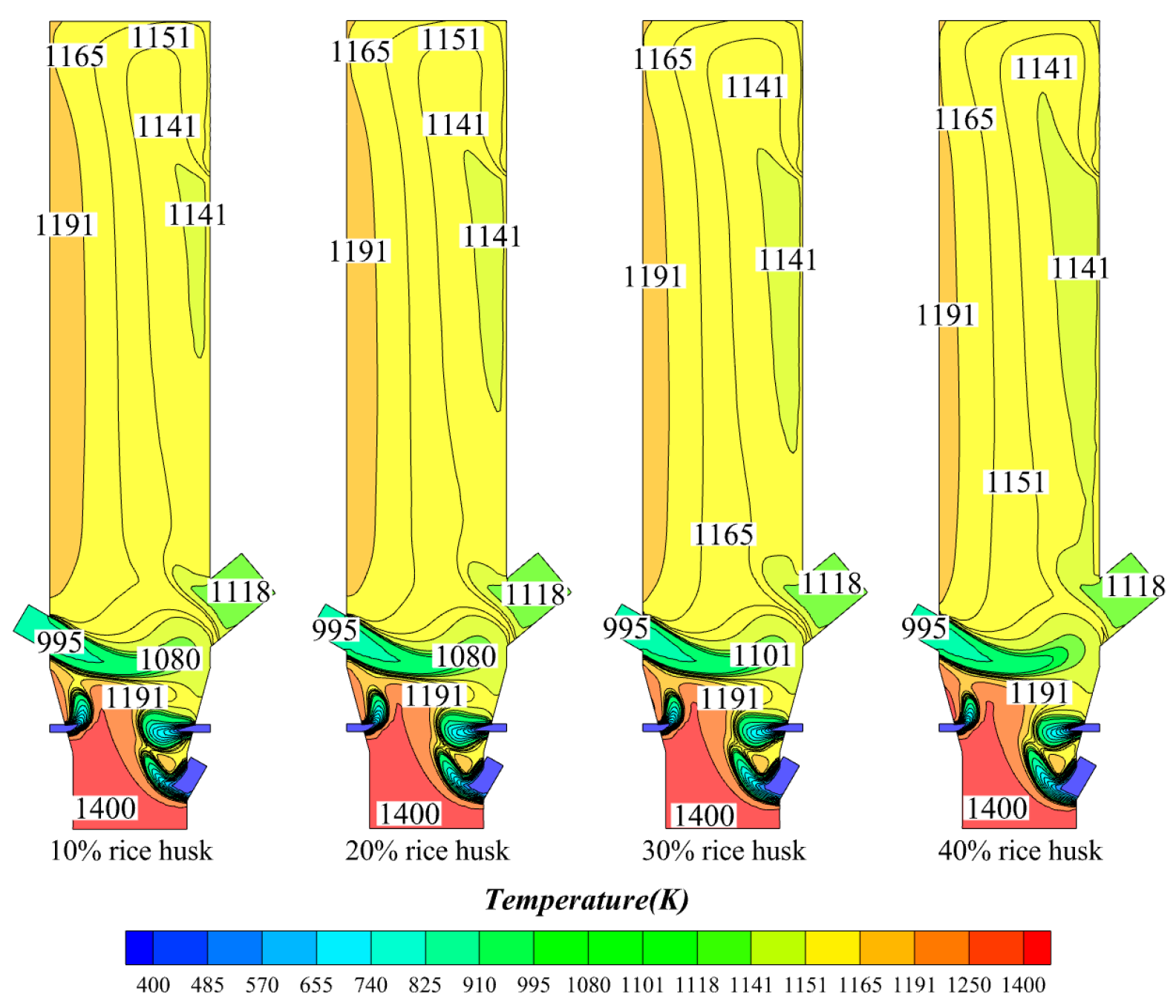
Figure 3 illustrates the temperature contour cloud map on the Z = 0 section within the ILC precalciner at varying rice husk blending ratios. High-temperature kiln tail flue gas enters the main combustion zone from the bottom. Upon entering the furnace, pulverized coal and rice husk swiftly release volatile matter, which reacts violently with fixed carbon, generating substantial heat and rapidly decomposing the raw material. Because of the precalciner’s internal structure, the high-temperature gas tends to distribute to the left, leading to higher temperatures on the left and lower temperatures on the right in the middle and upper sections of the furnace. As the rice husk blending ratio increases, the extent of the high-temperature zone noticeably shrinks.
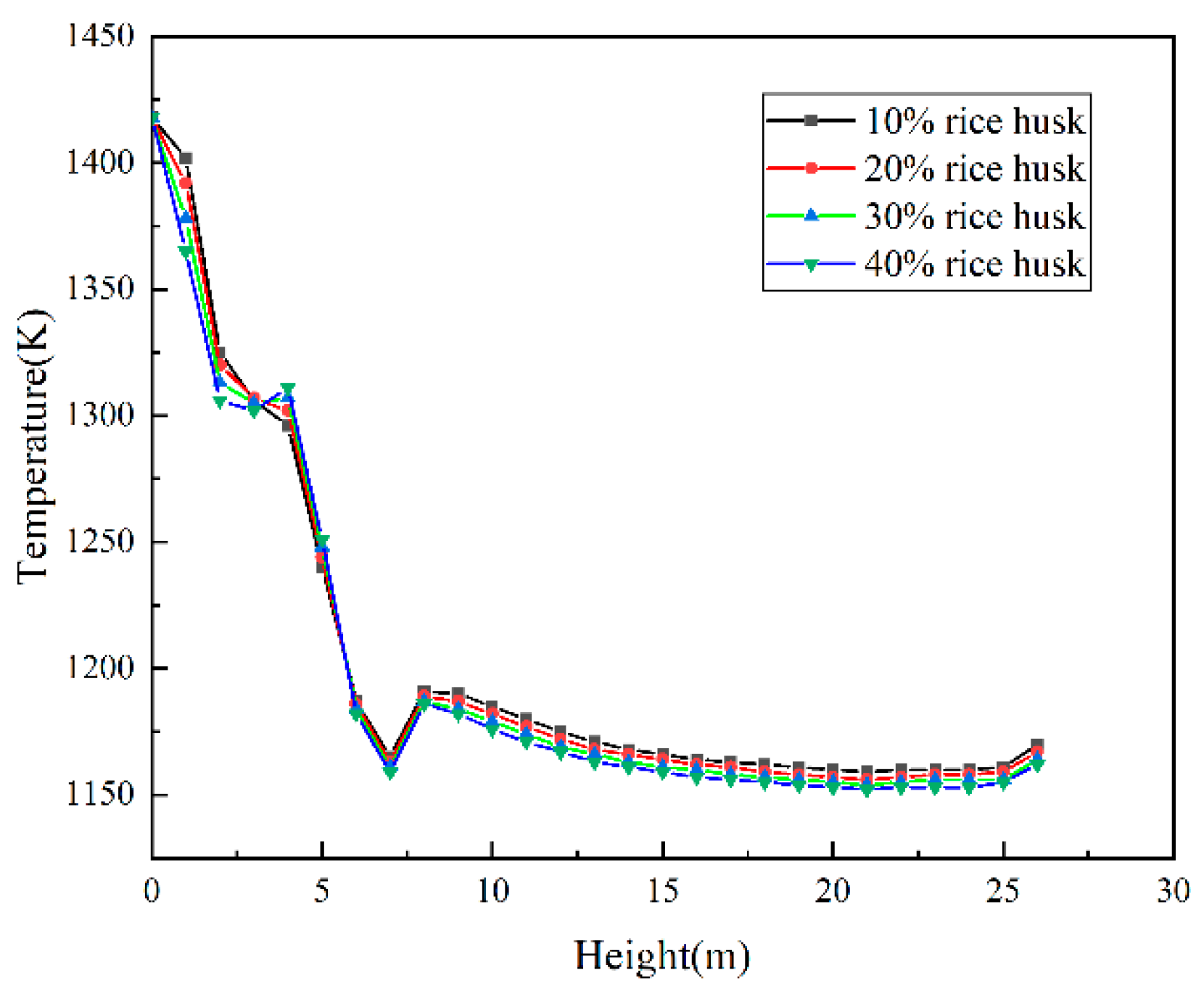
Figure 4 displays the average gas temperature at various heights within the ILC precalciner across different rice husk blending ratios. The graph demonstrates a consistent temperature trend within the furnace regardless of the rice husk blending ratio. With an increase in rice husk blending ratio, the overall precalciner temperature drops significantly due to the low calorific value of rice husk. Between heights of 5–8 m, the introduction of raw material and tertiary air causes a sharp decrease in the gas’s average temperature. Beyond a height of 8 m, the precalciner’s average gas temperature stabilizes gradually. Ultimately, the furnace top temperature rises as the powder is obstructed at the top, prompting further combustion of unburned coke.
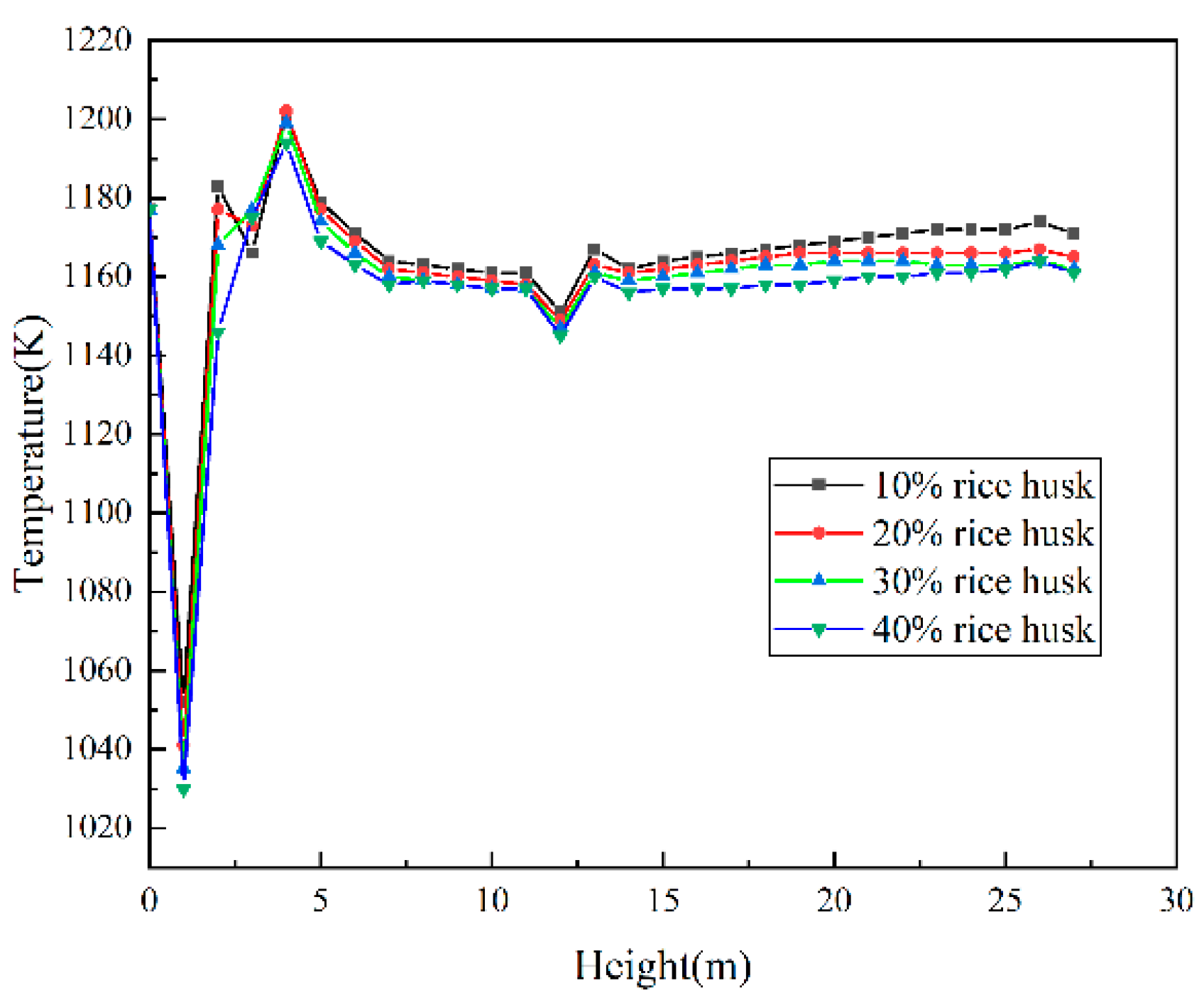
Figure 5 illustrates the average gas temperature along the SLC precalciner’s height under different rice husk blending ratios. The bottom of the precalciner serves as the inlet for tertiary air, with rice husk entering the main combustion zone alongside it and undergoing intense combustion. Simultaneously, raw material enters from the cone top, rapidly absorbs heat, and decomposes significantly, causing a sharp drop in the average gas temperature. Subsequently, as the volatile components of the fuel are depleted, the residual coke continues to burn and release heat, leading to a slight increase in furnace temperature with height.
When the rice husk blending ratios are 10%, 20%, 30%, and 40%, the average gas temperatures at the outlet of the ILC precalciner are 1154 K, 1152 K, 1150 K and 1149 K, respectively. For the SLC precalciner, the outlet temperatures are 1167 K, 1161 K, 1159 K and 1155 K, respectively. The observed reduction in peak temperature and shrinking of the high-temperature zone with increasing rice husk fraction can be attributed to two coupled effects. First, rice husk has a lower calorific value and a higher volatile content than pulverized coal, leading to a more distributed heat release and lower local flame temperatures. Second, the rapid devolatilization of rice husk consumes oxygen early in the main combustion zone, slightly delaying char burnout and spreading the heat release over a larger volume, which further suppresses peak temperatures. This temperature reduction directly lowers the CaCO3 decomposition rate because the endothermic calcination reaction is strongly temperature-dependent and, in the ILC precalciner with its shorter residence time, the effect is more pronounced.
4.2. Influence on Raw Material Decomposition
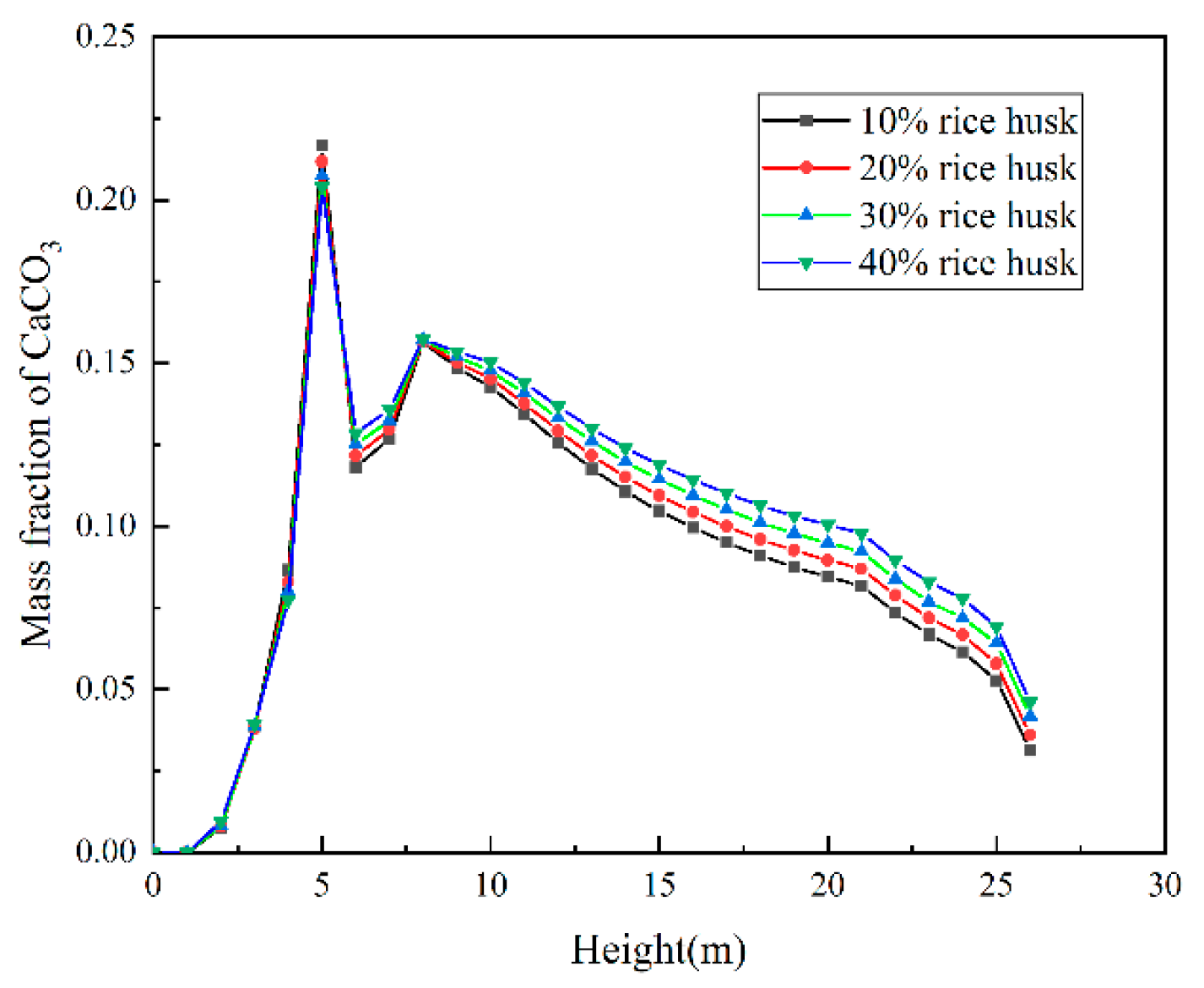
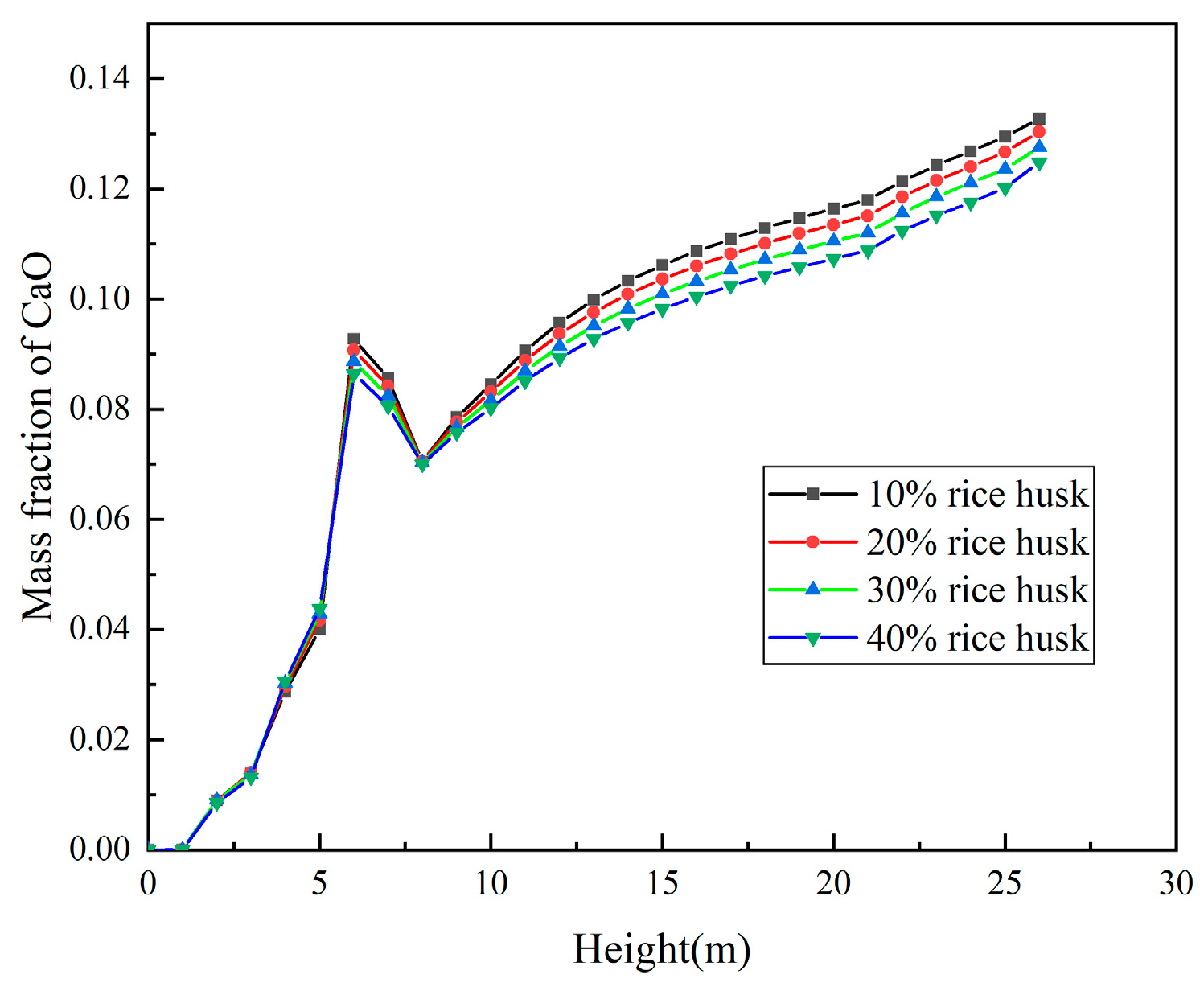
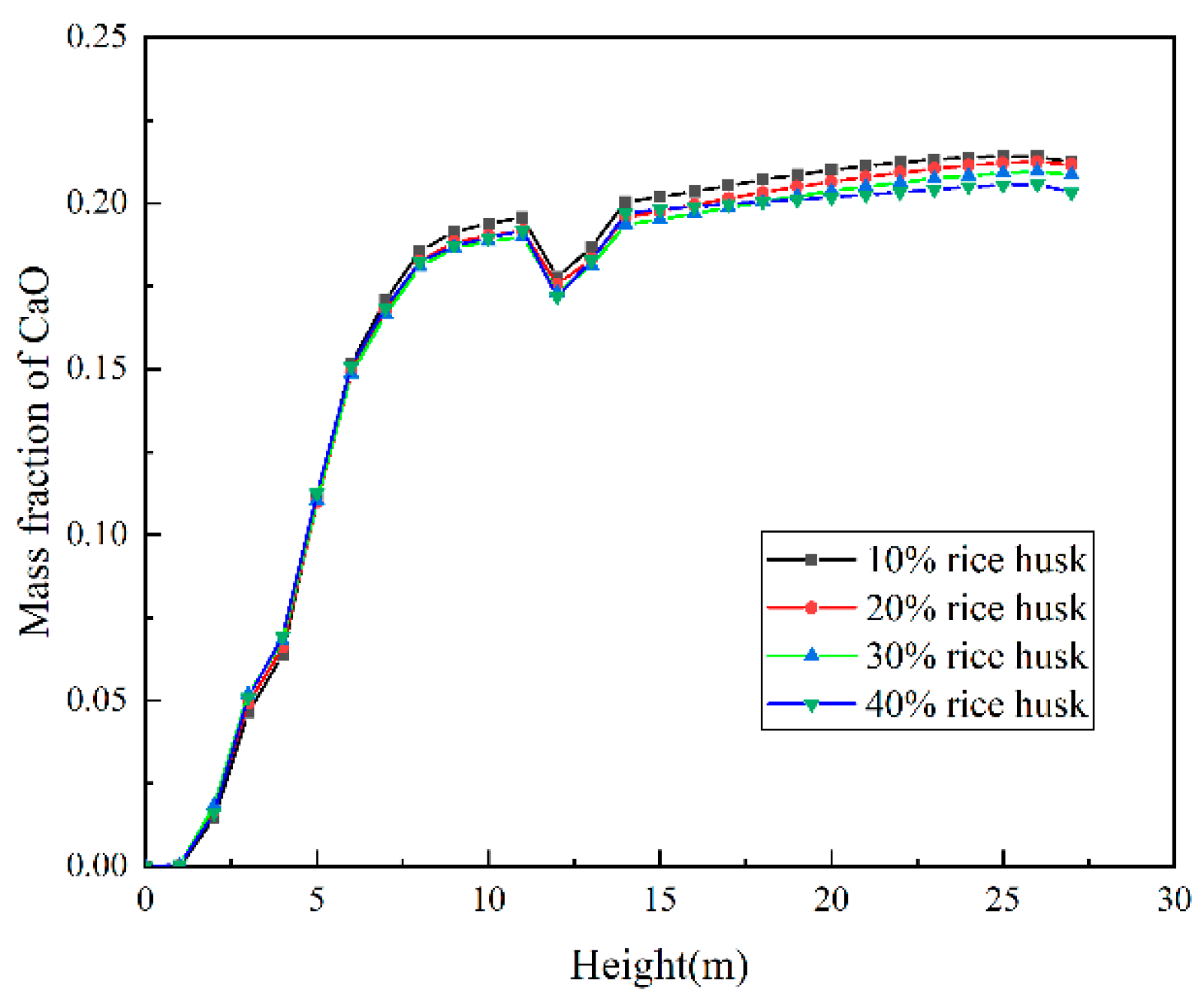
Figure 6 and
Figure 7 respectively depict the average mass fraction of CaCO
3 and CaO along the SLC precalciner’s height under different rice husk blending ratios. Raw material entering the main combustion zone causes a sharp rise in the CaCO
3 mass fraction at a 4–5 m height. Subsequently, the mass fraction of CaCO
3 drops sharply. This is attributed to intense heat exchange, which rapidly decomposes the raw material, generating a substantial amount of CaO and CO
2. Simultaneously, the influx of tertiary air induces a dilution effect, resulting in a decrease in the mass fraction of CaO. Following this, the mass fraction of CaCO
3 persistently decreases, while that of CaO persistently increases, indicating continuous decomposition of the raw material after its entry into the furnace. Furthermore, as the proportion of rice husk replacing pulverized coal increases, the overall mass fraction of CaCO
3 in the precalciner gradually rises.
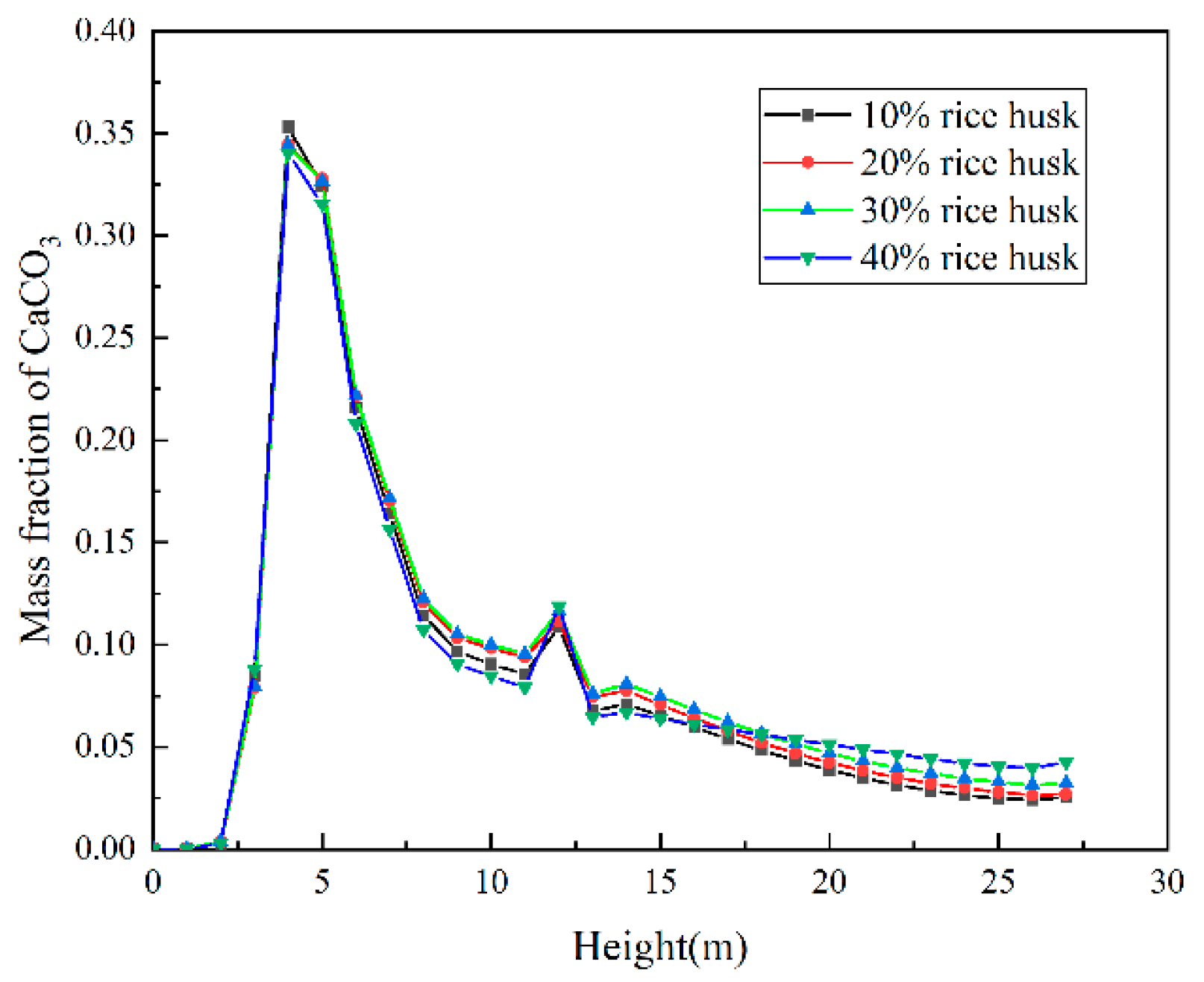
Figure 8 and
Figure 9 respectively illustrate the average mass fraction of CaCO
3 and CaO at varying heights in the SLC precalciner when blending different ratios of rice husk. Tertiary air carries a substantial amount of O
2 into the furnace from the bottom, triggering intense combustion of the fuel and releasing a large amount of heat. The raw material outside the raw material bundle undergoes rapid endothermic decomposition. At approximately 12 m, the mass fraction of CaCO
3 spikes due to raw material agglomeration without sufficient diffusion, concurrently causing a sudden decrease in the corresponding mass fraction of CaO.
In addition, as the proportion of rice husk replacing pulverized coal increases, the overall mass fraction of CaCO3 in both ILC and SLC precalciners gradually rises. Simultaneously, the overall mass fraction of CaO exhibits a gradual downward trend. The rising proportion of rice husk replacing pulverized coal leads to a gradual decrease in the overall temperature within the furnace, subsequently reducing the decomposition rate of the raw materials. The calculation results indicate that when the rice husk blending ratio is 10%, 20%, 30%, and 40%, the decomposition rates of CaCO3 at the outlet of the ILC precalciner are 81.11%, 79.25%, 77.36% and 75.32%, respectively. For the SLC precalciner, the corresponding rates are 93.27%, 92.98%, 91.58% and 88.50%. Considering that the decomposition rate of the raw materials at the outlet of the precalciner should be maintained between 85% and 95% in practical production, a rice husk replacement ratio of 10% or less is recommended for the ILC precalciner, while a ratio of 40% is suggested for the SLC precalciner.
The observed decrease in precalciner exit temperature and CaCO3 decomposition rate with increasing rice husk fraction has direct implications for downstream clinker quality and kiln stability. A precalciner exit with a decomposition rate below 85% increases the thermal load on the rotary kiln, potentially requiring a higher kiln burning zone temperature to complete calcination and form the required alite (C3S) phase. This additional thermal stress can accelerate brick wear and increase fuel consumption in the kiln, partially offsetting the substitution benefits. Moreover, the lower and more uniform precalciner temperatures may reduce the formation of reactive CaO with a high specific surface area, which could affect the subsequent combination with SiO2 and the development of early clinker strength. From an operational standpoint, the 40% rice husk case in the SLC precalciner still meets the decomposition target, but operators should monitor the kiln current and free lime content to ensure stable burning conditions. These considerations reinforce the need to view the recommended blending ratios not only from a decomposition and emission perspective but also considering the overall pyro-processing system balance.
4.3. Influence on Composition Fields
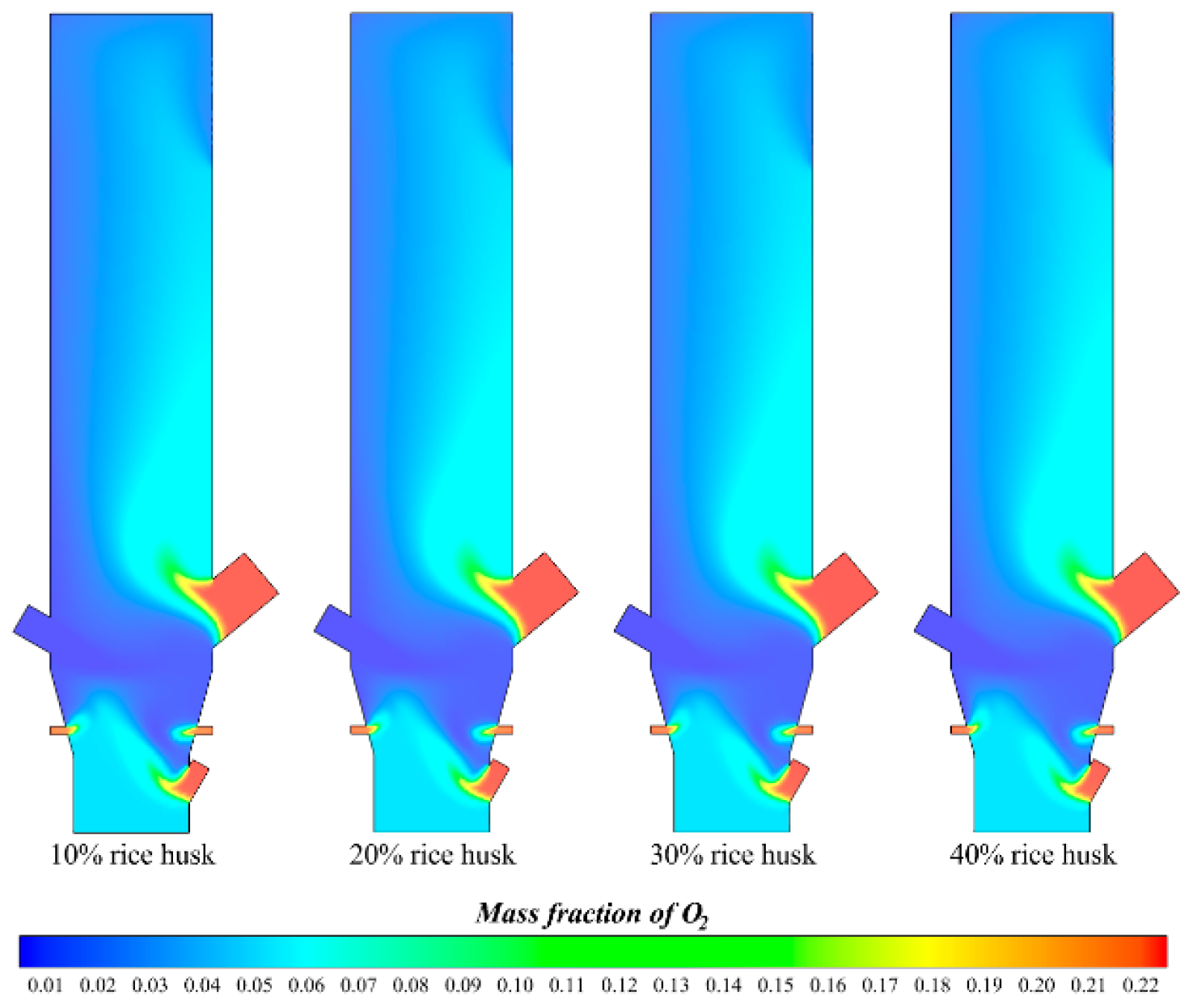
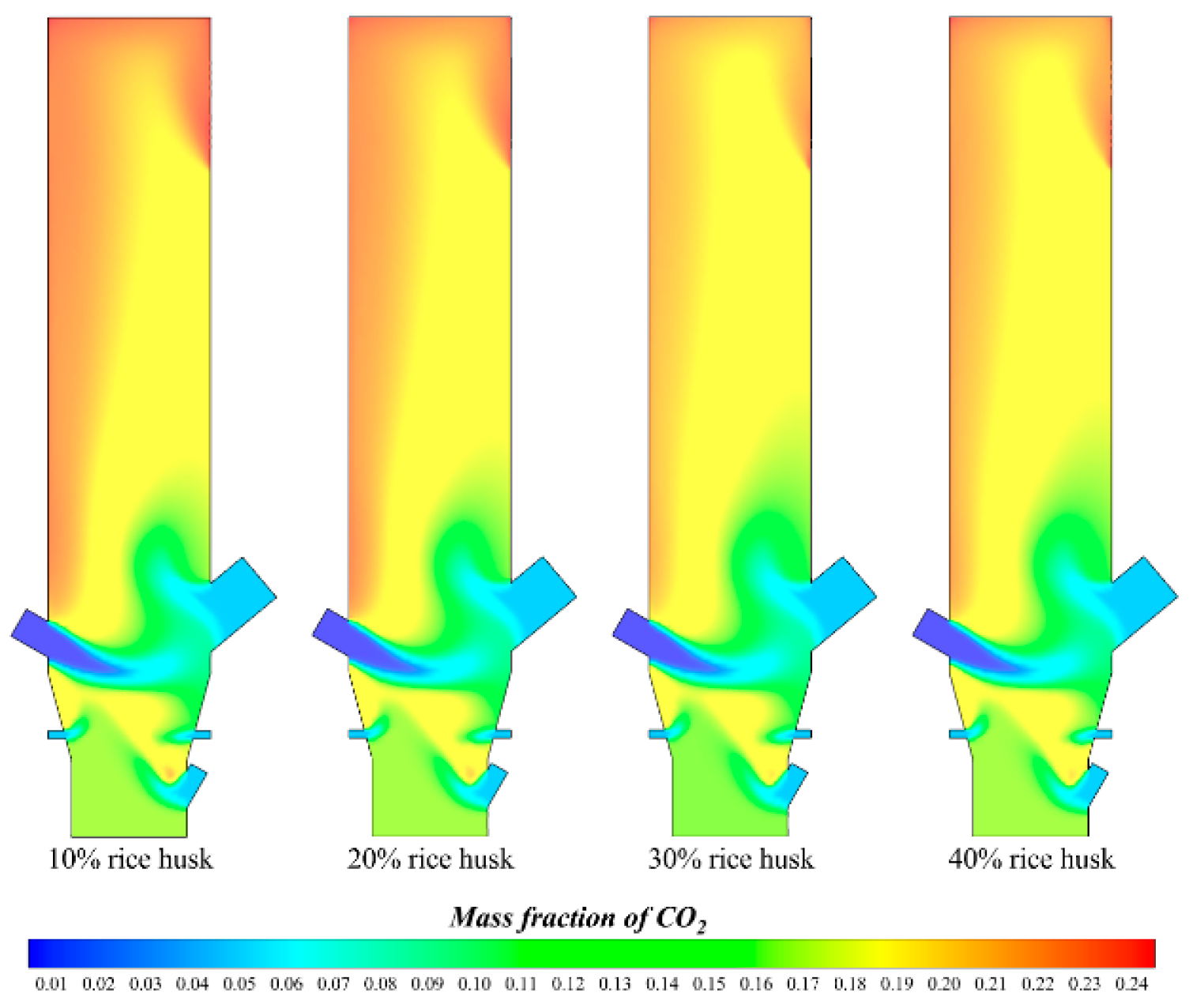
Figure 10 and
Figure 11 depict the distribution of O
2 and CO
2 on the Z = 0 section within the ILC precalciner. It is evident from
Figure 11 that the high-concentration area of O
2 is primarily located near the tertiary air inlet, with the O
2 concentration gradually decreasing as the height increases. In the main combustion zone, the intense combustion of a substantial amount of pulverized coal rapidly consumes O
2, leading to a swift decline in its concentration. Simultaneously, coal combustion and raw material decomposition release a considerable amount of CO
2, resulting in a high CO
2 concentration in this region, as illustrated in
Figure 12. As the height increases further, O
2 continues to slowly decrease due to the slow combustion of residual unburned coke in the pulverized coal, which continuously consumes O
2. Accompanied by the combustion of unburned coke and the ongoing decomposition of raw material, CO
2 is continuously generated, further enriching it in the upper region. Due to the biased distribution of high-temperature gas towards the left side of the furnace, the decomposition rate of the raw material on the left side is higher, leading to a higher CO
2 concentration.
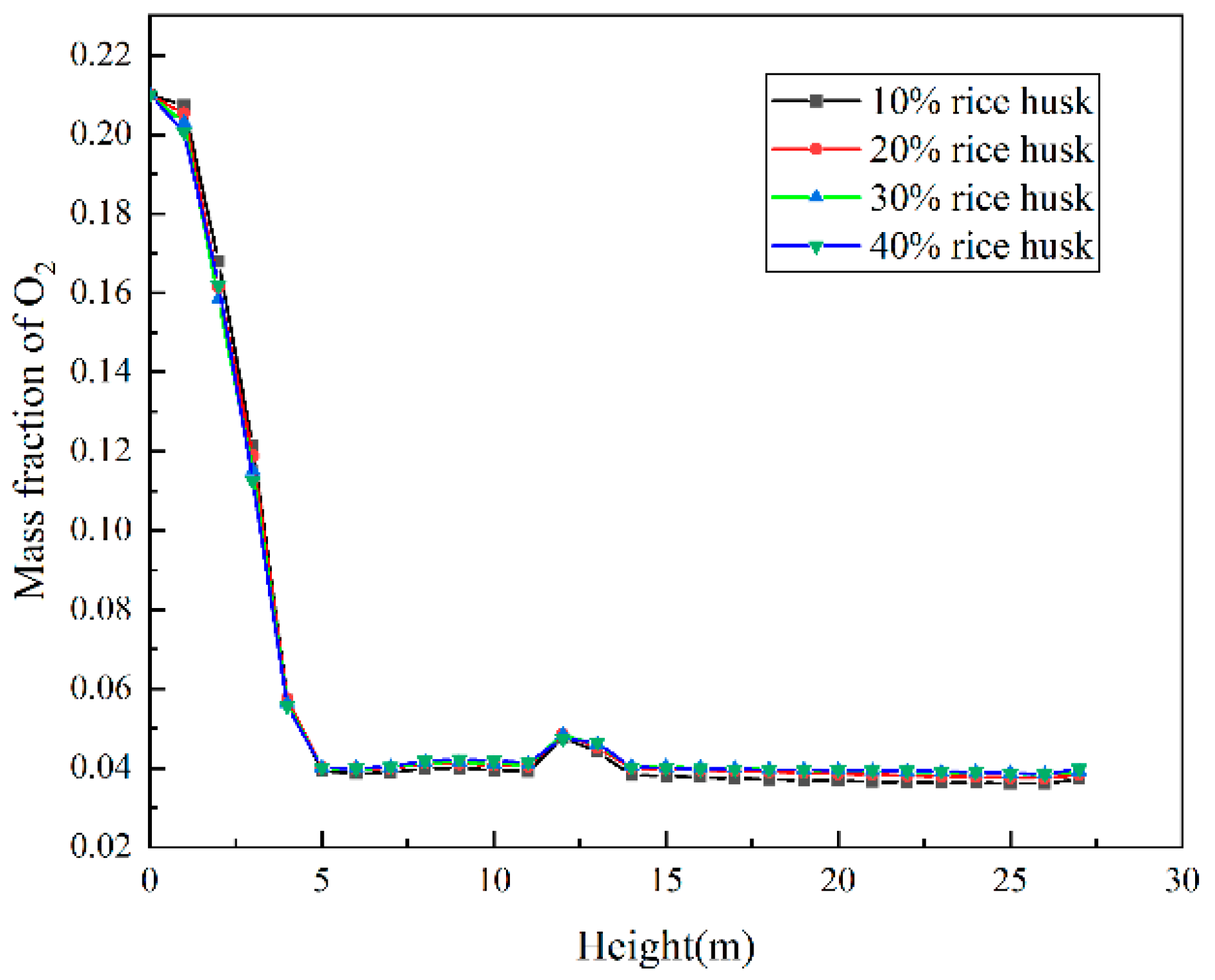
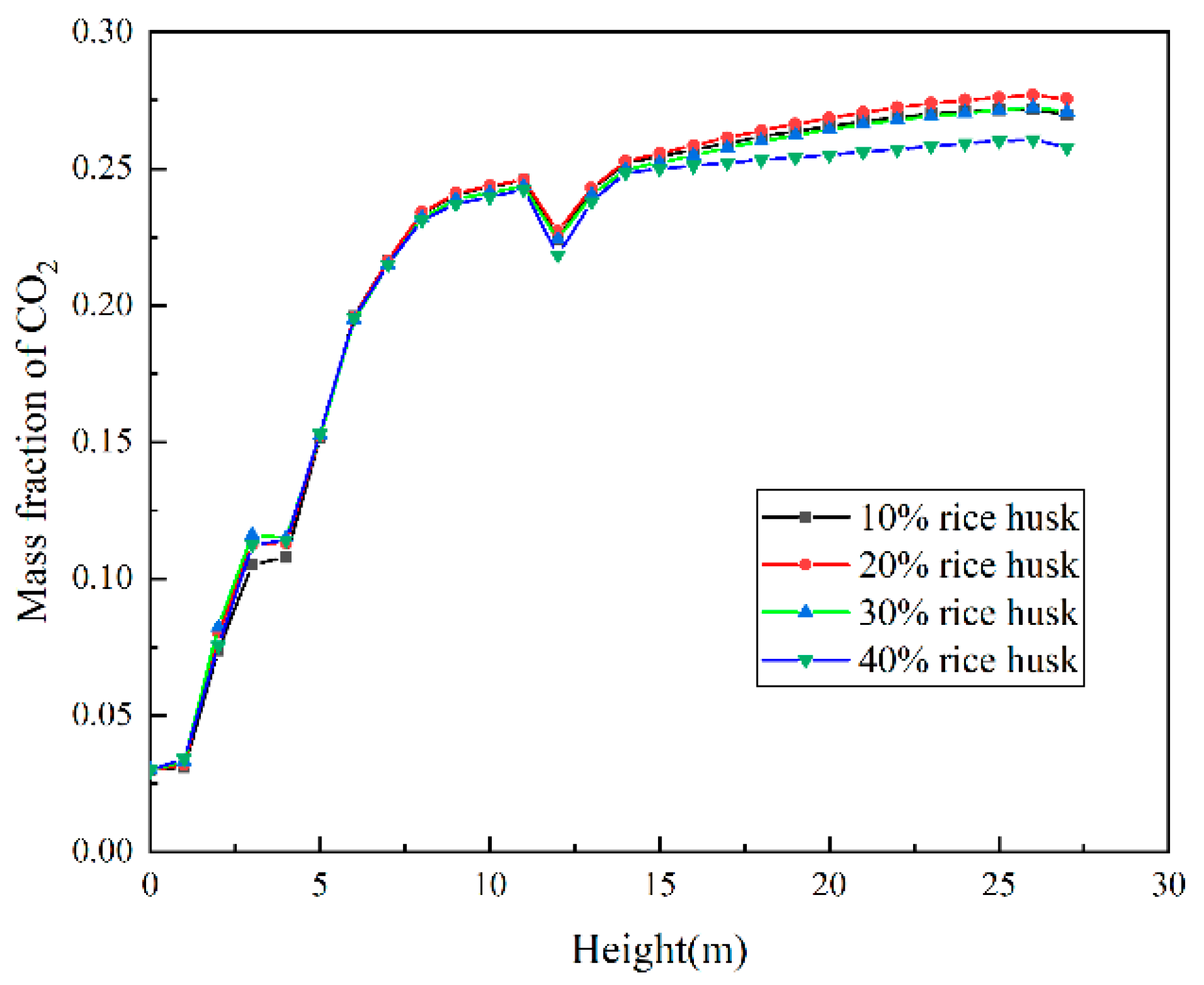
Figure 12 and
Figure 13 respectively present the average mass fraction of O
2 and CO
2 along the height of the SLC precalciner. These figures clearly demonstrate that as the proportion of rice husk replacing pulverized coal increases, the production of CO
2 significantly decreases. This phenomenon can be attributed to the fact that rice husk, compared to pulverized coal, has a higher oxygen content and lower carbon content, and thus requires less O
2 and releases less CO
2 during combustion. Additionally, the decreased rate of raw material decomposition also results in reduced CO
2 emissions.
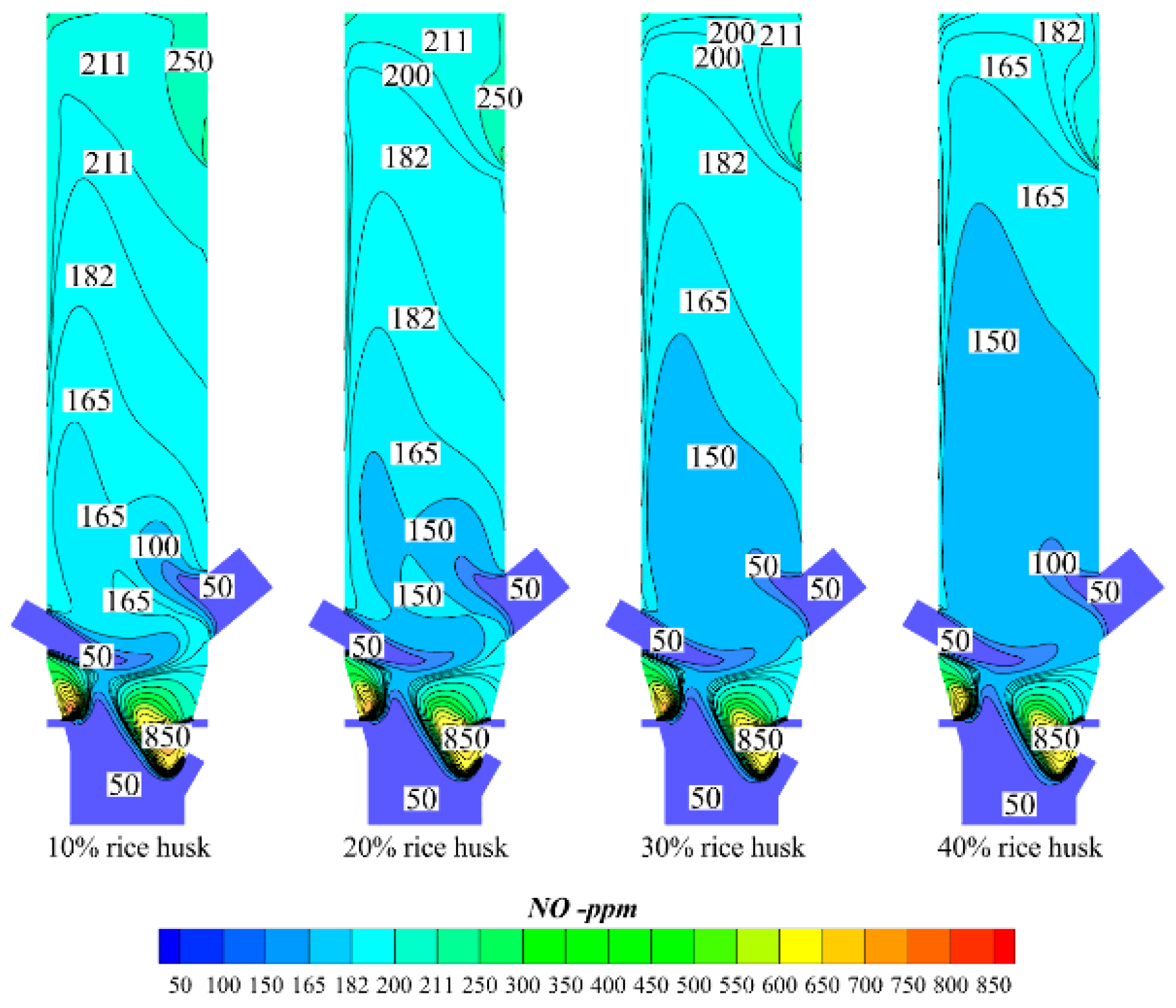
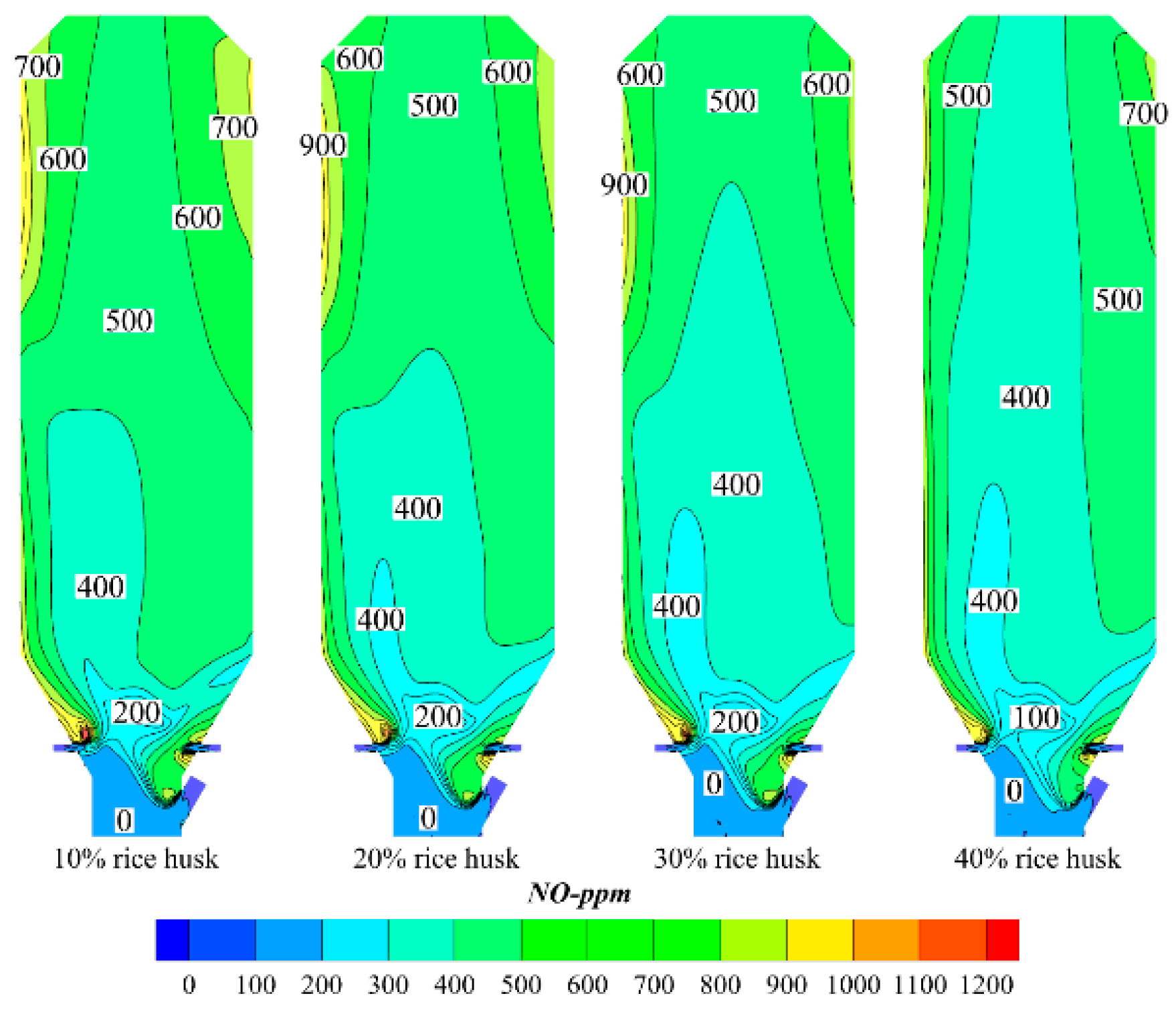
Figure 14 and
Figure 15 respectively depict the NO distribution on the Z = 0 section in the ILC and SLC precalciners under varying rice husk blending ratios. It is evident from the figures that the local high-concentration areas of NO are primarily situated near the fuel inlet. Within this region, intense combustion of fuel enriched with O
2 leads to the generation of a substantial amount of fuel-type NO
X and a smaller quantity of thermal-type NO
X, resulting in a high NO concentration. Above the main combustion zone, as the volatile matter and residual nitrogen in the fixed carbon continue to oxidize, the NO concentration steadily increases with height. Notably, as the proportion of rice husk replacing pulverized coal increases, the overall NO concentration in the precalciner gradually decreases. This phenomenon occurs because rice husk contains a lower nitrogen content compared to pulverized coal, thereby producing less fuel-type NO
X during combustion. Additionally, elevating the rice husk blending ratio significantly lowers the maximum temperature within the furnace, further reducing the generation of thermal-type NO
X.
In the SLC precalciner (optimal rice husk ratio: 40%), compared with the 10% blending ratio, the NOx emission is reduced by 16.0%, and the CO2 emission is reduced by 4.7% under the optimal 40% rice husk blending condition. For the ILC precalciner, the recommended blending ratio is limited to 10% to ensure an adequate decomposition rate. Compared with a 40% blending ratio, the NOx reduction potential can reach 21.7%.
5. Conclusions
This study, utilizing actual production data from a cement plant in Indonesia, investigated the mixed combustion of pulverized coal and rice husk in a precalciner, employing computational fluid dynamics methods.
5.1. Verified Findings
The blending proportion of rice husk significantly impacts the temperature distribution within the precalciner. As the rice husk blending ratio increases, the high-temperature zone shrinks, peak temperatures decline, and the overall furnace temperature gradually decreases. Specifically, the average gas temperature at the outlet of the ILC precalciner dropped from 1154 K to 1149 K, while that of the SLC precalciner decreased from 1167 K to 1155 K. The blending proportion of rice husk reduced the decomposition rate of the raw material in the precalciner.
5.2. Operational Recommendations
When the rice husk blending ratios were 10%, 20%, 30% and 40%, the CaCO3 decomposition rates at the outlet of the ILC precalciner were 81.11%, 79.25%, 77.36% and 75.32%, respectively; for the SLC precalciner, the rates were 93.27%, 92.98%, 91.58% and 88.50%, respectively. The blending proportion of rice husk reduced the emission of CO2 and NO gases, significantly narrowing the high-concentration areas of these gases and notably decreasing the local maximum concentration of NO. Furthermore, a higher substitution ratio led to a more pronounced emission reduction effect. Taking into account production demands and pollutant emission reduction, a 10% or less rice husk blending ratio was deemed more suitable for the ILC precalciner, while a 40% blending ratio was more appropriate for the SLC precalciner.
5.3. Model Limitations
The present study has several limitations that should be considered when interpreting the results. First, the CFD model employs several simplifications, which may affect the accuracy of local temperature and species predictions at high rice husk fractions. Second, the boundary conditions were derived from a single thermal calibration campaign at one cement plant; therefore, the quantitative optimal blending ratios are strictly applicable to similar precalciner geometries and operating conditions. Third, this work did not incorporate a comprehensive ash chemistry model, so slagging, fouling, and clinker quality impacts are only discussed qualitatively. Finally, an economic analysis of rice husk handling and potential grinding requirements was beyond the scope of this simulation study.
The qualitative trends of temperature reduction, lower decomposition, and emission reduction are expected to hold for other precalciner geometries when using high-volatile, low-nitrogen biomass fuels similar to rice husk. However, the exact optimal blending ratios are specific to the studied 8000 t/d line and its operating window. Plants with longer solid residence times or active temperature control may be able to accommodate slightly higher substitution rates. Practical implementation requires adjustments to fuel storage and transport, recalibration of fuel feeding and excess air, and close monitoring of clinker quality (particularly free lime and silica modulus) during the fuel transition.