

Need Help?
Announcements
29 September 2026
Tu Youyou Award—Final Call for Nominations
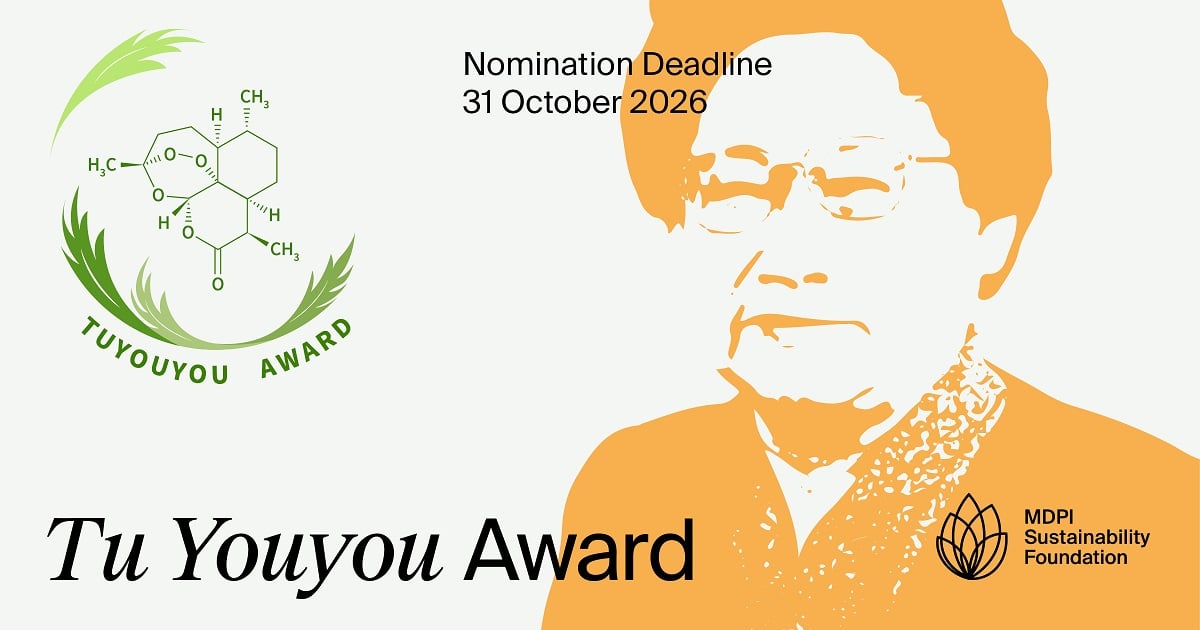
The nomination deadline for the Tu Youyou Award is approaching. Researchers are encouraged to submit nominations by 31 October 2026 (UTC-12).
The Tu Youyou Award recognizes outstanding researchers whose work has made significant contributions to natural products chemistry and medicinal chemistry, advancing scientific innovation and human health. It is named after Nobel laureate Tu Youyou, whose discovery of artemisinin has saved millions of lives.
The current award committee is chaired by Prof. Dr. William Gerwick, a Distinguished Professor at the University of California San Diego, USA, and a renowned expert in marine natural products chemistry and pharmacology. Under his leadership, the committee will evaluate nominations and recognize impactful research achievements in the related fields.
Prize:
- CHF 100,000
- A medal
- A certificate
The monetary prize will be shared equally should there be multiple recipients.
Who may be nominated?
- Scientists with outstanding achievements and contributions in the fields of natural products chemistry and medicinal chemistry.
Nominees must be individuals; team or group nominations are not permitted. Nominations are valid only for the current award cycle.
Who may submit a nomination?
- The director of the nominee’s host research institution or a recognized scientist within the field.
Self-nominations will not be considered.
Nomination materials:
- A biographical sketch
- A detailed description of the nominee’s contributions
- 5–10 representative academic publications
- A list of academic honors, awards, and funded projects
- A nomination letter signed by two nominators
How to submit?
Submit your nomination by 31 October 2026 via: https://tuyouyouprize.org/nomination/form.
For further information, please visit the Tu Youyou Award website. For any inquiries, please contact the Tu Youyou Award Team at tuyouyouaward@mdpi.com.
30 September 2026
2026 Nobel Prize—Where Breakthroughs Meet Open Sciences
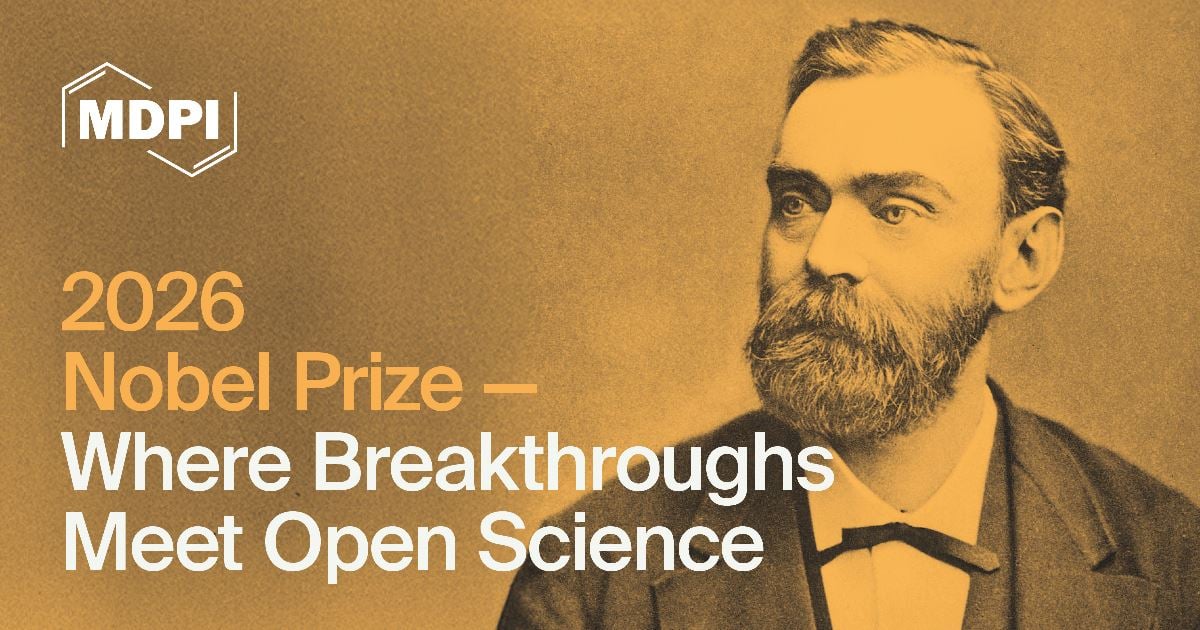
Each October, the Nobel Prizes turn the world’s attention toward the discoveries that have redrawn the boundaries of science. They are science’s most prestigious recognition, and increasingly its most interdisciplinary. Recent laureates have been honored for work spanning quantum dots, machine learning, and molecular medicine, fields that rarely stay within a single discipline’s borders for long.
Open access has a growing role in that story. To date, more than 40 Nobel laureates have published their research in MDPI journals—a body of work spanning genetics, physics, chemistry, and medicine. Publishing openly means a laureate’s findings reach not only fellow scientists, but the students, clinicians, policymakers, and curious readers who would otherwise meet that work only secondhand, if at all. Open access doesn’t just carry Nobel-level research, it amplifies the voice behind it, letting the discovery speak directly to everyone it stands to affect.
This is also where MDPI’s breadth becomes an advantage. With over 500 journals covering the full spectrum of scientific inquiry, our platform mirrors the reality of modern discovery—where breakthroughs increasingly emerge at the intersection of fields, not within the walls of one. It’s this structure that lets us support interdisciplinary work from first submission to global publication, connecting researchers across borders and disciplines alike.
As this year’s laureates are announced, we’ll continue spotlighting where Nobel Prize–winning research intersects with the work of our authors, editors, and reviewers—celebrating both the achievements being recognized and the open access model that helps ensure they reach the widest possible audience.
Explore selected works by Nobel laureates within the MDPI portfolio below, and join us in celebrating the global impact of their ideas.

Put your scientific intuition to the test and join MDPI’s 2026 Nobel Prize Prediction Challenge! As we honor three decades of open research, we invite you to cast your votes for the next trailblazing laureates in chemistry, physics, and physiology or medicine. Predict the pioneer minds shaping tomorrow’s scientific legacy for a chance to win 100 CHF voucher of MDPI Video Service.
Deadline: 4 October 2026 | 18:00 CEST
Winner announcement: 16 October 2026


Discover high-impact research driving tomorrow’s breakthroughs. Browse our open access selections in Chemistry & Materials Science, Medicine & Pharmacology, and Physical Sciences, featuring key studies aligned with this year’s top Nobel prize-contending topics.
|
|
|
|


Join our distinguished Editors-in-Chief and Section Editors-in-Chief for an exclusive live discussion on this year’s Nobel Prize announcements. Our expert panel will break down the winning breakthroughs, explore their global impact, and discuss the future trajectories of open science across Chemistry, Physics, and Medicine. Don’t miss this opportunity to engage with leading voices in research.
|
|
2026 Nobel Medicine & Pharmacology Roundtable
|
|
|
2026 Nobel Physics Roundtable
|
|
|
2026 Nobel Chemistry & Materials Roundtable
|
|
|
2026 Nobel Chemistry & Materials Roundtable Session #2
|


MDPI remains committed to ensuring that the breakthroughs of today—and tomorrow—are shared, debated, and built upon by the global research community. Explore science, join the conversation, and be part of the next chapter.
30 September 2026
Meet Us at the 27th IPOS World Congress, 9–12 November 2026, Barcelona, Spain

Conference: 27th IPOS World Congress
Organizer: International Psycho-Oncology Society
Date: 9–12 Nov 2026
Location: Barcelona, Spain
Booth: #1
A number of MDPI journals will be attending IPOS 2026 as an exhibitor. This meeting will be held in Barcelona, Spain, from 9 to 12 November 2026.
The theme of the congress is “Towards a Sustainable Psycho-Oncology: Of All and for All”. In the twenty-first century, there is no longer any doubt about the need to address the psychological aspects of cancer patients and their families, nor about the necessity of incorporating it in patient care throughout the entire cancer journey. It is time to make psycho-oncology a reality across the entire healthcare and social support network for people living with cancer all over the world.
The clinical course of oncology has become more complex, and with every new milestone, we encounter new psycho-social challenges. Undoubtedly, one of these challenges is being able to provide all patients with psychological support and to intervene in the design of all programmes and campaigns related to cancer. We aim to promote topics that help us debate and consider how to make this possible, since psycho-oncology is now recognised as a human right. Making it sustainable means intervening from public education campaigns, through screening and early diagnosis, to every vital moment for the patient, from the beginning of their journey to survivorship and to the end of life.
The following MDPI journals will be represented at the conference:
- Cancers;
- Current Oncology;
- Journal of Mind and Medical Sciences (JMMS);
- Digital Health and Innovation (DHI);
- Onco;
- Primary and Hospital Care;
- Psychiatry International;
- Women.
If you are planning to attend the above conference, please feel free to stop by our booth (#1). Our delegates look forward to meeting you in person to answer any questions that you may have.
For more information about the conference, please visit the following website: https://ipos2026.com/.
30 September 2026
MDPI INSIGHTS: The CEO’s Letter #39 - Peer Review Week, Chief Publishing Officer, Tu Youyou Award, OASPA & AI

Welcome to the MDPI Insights: The CEO's Letter.
In these monthly letters, I will showcase two key aspects of our work at MDPI: our commitment to empowering researchers and our determination to facilitating open scientific exchange.
Opening Thoughts

Recognizing the People Behind Peer Review
September marked Peer Review Week 2026, this year focused on “Peer Review Capacity: Volume, Speed, and Quality.” The theme reflects a challenge across scholarly publishing: research output and submissions continue to grow, while the time and expertise researchers can dedicate to reviewing are finite.
At MDPI, more than 200,000 reviewers contribute their expertise each year. Their work is fundamental to maintaining the quality and integrity of the research we publish, and Peer Review Week gave us an opportunity not only to thank them, but also to reflect on how we can better support their contribution.

This year, we highlighted three commitments that guide our approach: protecting reviewers’ time and judgment, ensuring high-quality and efficient processes, and recognizing and rewarding reviewers for their contribution. We also shared results from our 2026 Voice of the Community surveys. Among 1,627 reviewer respondents, 86% rated their experience with MDPI as “Good” or “Excellent,” 88% said manuscripts matched their expertise, and 92% found our reviewer instructions clear and helpful. From the author perspective, 95% of 16,795 respondents agreed that reviewers’ comments helped improve their manuscripts.

Recognition is an important part of this relationship too. Through our Top 1000 Reviewers program, 743 scholars accepted awards this year, with a combined CHF 526,500 returned directly to the reviewer community through cash awards and APC vouchers. During Peer Review Week, we also created opportunities for reviewers to share their own experiences through webinars, including The Reviewer’s Perspective: Navigating Volume, Speed, and Quality in Peer Review and our UK Reviewer Club.

Peer review ultimately depends on people choosing to give their time and expertise to the work of other researchers. As publishing continues to evolve, including through new technologies and increasing research volumes, we should not lose sight of that human contribution. Thank you to all the reviewers who work with MDPI, and to our colleagues who support them every day.
Read more about Peer Review Week 2026 here.
Inside MDPI

Welcoming Dr. Constanze Schelhorn as MDPI’s Chief Publishing Officer
This month, we announced the appointment of Dr. Constanze Schelhorn as MDPI’s Chief Publishing Officer (CPO). The appointment marks an important step for MDPI and the latest chapter in a journey within the organization that now spans a decade.

Stefan Tochev (CEO, MDPI) with Constanze at STM, Frankfurt, Germany, October 2025.
Constanze joined MDPI in June 2016 and has taken on several different responsibilities across editorial, indexing, and publishing over the years.
Since 2023, she has held leadership roles as Head of Indexing and later Head of Publishing, before taking on the role of Chief Publishing Officer.
I’ve had the opportunity to work with Constanze over many of those years and to see her take on increasingly important responsibilities.
What I’ve always appreciated is the growth mindset and expertise she brings to her work, together with a commitment to quality.
She understands how MDPI works and how the publishing environment is evolving to meet the expectations of the academic communities we serve.
Looking Ahead
Publishing has changed considerably over the past decade, and that change is only accelerating. Research integrity, artificial intelligence, editorial standards, indexing requirements, new publishing models, and changing expectations from researchers and institutions are just some of the areas we are navigating.

Stefan Tochev (CEO, MDPI) with Constanze and Prof. Dr. Manoj Gupta, Editor-in-Chief of MDPI journal Technologies, in Singapore, January 2025.
MDPI has changed considerably too. As we celebrate our 30th anniversary this year, our journal portfolio now includes more than 540 titles, and the scale of our work brings greater opportunities and responsibilities.
Continuing to develop our publishing practices and ensuring that we respond to changes in academic publishing will remain important priorities for us.
Constanze’s experience across several areas of MDPI puts her in a position to help us do that.
As CPO, she will help provide strategic direction across our publishing functions while working with colleagues throughout the organization. She will also represent MDPI with external stakeholders, including industry organizations and indexing partners, ensuring that we remain engaged in the conversations shaping the future of publishing.
“Please join me in congratulating Constanze on her appointment”
Growing Together
There is another aspect of this appointment that I think is worth recognizing about MDPI. I appreciate seeing people develop alongside the organization. Constanze’s journey from joining MDPI in 2016 to becoming our Chief Publishing Officer ten years later is a good example of what can happen when experience, knowledge, and responsibility build over time.
Our 30th anniversary naturally gives us an opportunity to look back at how far MDPI has come. But it should also make us think about the people who will shape where we go next. I’m pleased that Constanze will be one of those people.
Please join me in congratulating Constanze on her appointment as we look forward to continuing to work with her in this new role and seeing what we can accomplish together.

P.S. A fun fact about Constanze: she loves climbing. So, if she’s visiting your city and you’re wondering how to make her feel at home, point her towards the nearest climbing gym.
Here’s a photo from a climbing session during our visit to the Singapore office in January 2025.
Impactful Research

A Decade of the Tu Youyou Award: Celebrating Scientific Excellence
Few examples demonstrate the potential impact of scientific research as clearly as Professor Tu Youyou's discovery of artemisinin. Her team’s work contributed to the development of artemisinin-based combination therapies for malaria, which the World Health Organization (WHO) recommends as the main treatment for P. falciparum malaria.
Behind that achievement is also a remarkable scientific journey: drawing on knowledge from traditional Chinese medicine, Professor Tu and her team investigated hundreds of extracts before identifying artemisinin and helping transform the treatment of malaria.
This legacy is at the heart of the Tu Youyou Award, established by MDPI in 2016 to recognize outstanding achievements in natural products chemistry and medicinal chemistry.
“Professor Tu Youyou's scientific journey is an extraordinary example”
Ten Years of the Tu Youyou Award
This year marks a decade since the award was established. Over that time, six scholars have been recognized as Tu Youyou laureates for their contributions to research and innovation.
The connection between MDPI and Professor Tu Youyou’s work goes back even further. In 2009, MDPI Founder and President, Dr. Shu-Kun Lin, launched a Special Issue in MDPI journal Molecules commemorating Professor Tu’s 80th birthday, several years before the establishment of the award.
Below is a photo of Professor Tu Youyou with MDPI Founder and President Dr. Shu-Kun Lin during an MDPI visit to congratulate Professor Tu on receiving the 2015 Nobel Prize in Physiology or Medicine.

The 2026 Tu Youyou Award continues this tradition, awarding CHF 100,000, together with a medal and certificate, to recognize the achievements in natural products chemistry and medicinal chemistry.
Scientific Excellence and Impact
Professor Dr. William Gerwick, Chair of the 2026 Tu Youyou Award Committee, recently reflected on what distinguishes the award: “This award is truly special in that it recognizes scientific excellence as well as impact.”
I think this combination is important. Research advances our understanding, but its influence can extend much further: inspiring new discoveries, informing new treatments, addressing societal challenges, and ultimately improving people’s lives.
Professor Tu Youyou's scientific journey is an extraordinary example. Her work combined rigorous scientific investigation with a problem of enormous human importance, ultimately contributing to treatments that have transformed the fight against malaria.
Recognizing researchers who continue this tradition allows us to celebrate both scientific achievement and the broader contribution research can make to society.
Nominations Open Until 31 October
Nominations for the 2026 Tu Youyou Award are now open to scientists with outstanding achievements and contributions in natural products chemistry and medicinal chemistry. Nominations may be submitted by directors of nominees’ host research institutions or scientists within the field. Self-nominations are not accepted.
The nomination deadline is 31 October 2026, with the announcement of the winner planned for March 2027.
Learn More
Coming Together for Science

OASPA 2026: Conversations Shaping the Future of Open Access
From 21–23 September, I attended the 2026 Conference of the Open Access Scholarly Publishing Association (OASPA) in Zagreb, Croatia.
MDPI has been a Platinum Sponsor of the OASPA conference for several years, supporting an event that brings together the open access (OA) community to discuss some of the opportunities and challenges shaping publishing. This year, MDPI also sponsored the conference reception at the City Museum of Zagreb.

The program covered topics from sustainable publishing and research assessment to open infrastructure, new models for OA agreements, and, of course, the growing influence of artificial intelligence (AI). For me, though, the value of conferences like OASPA goes beyond the program. It’s about hearing different perspectives from across publishing, reconnecting with familiar faces, building new relationships, and having conversations that sometimes lead somewhere unexpected.

Stefan Tochev (CEO, MDPI) at the OASPA conference in Zagreb, Croatia.
Open Access in the Age of AI
One discussion I particularly enjoyed was the opening-day panel, “Does open access still matter in a Gen AI world?” As AI continues to become an interface through which people discover and interact with research, making knowledge openly available remains important. But questions around trust, provenance, governance, and responsibility are becoming more difficult to separate from the OA conversation.
Who is responsible for ensuring that AI-generated or AI-mediated information can be trusted? What responsibilities sit with publishers, researchers, institutions, infrastructure providers, and AI companies? And, perhaps most importantly, how do we work together rather than trying to address these challenges in isolation?
There are no simple answers, but hearing these discussions highlighted the fact that many of us across publishing are working with similar questions. Creating spaces where we can explore them together is valuable.
“Who is responsible for ensuring that AI-generated or AI-mediated information can be trusted?”
Conversations That Lead Somewhere
The conference also reminded me of the value of simply meeting people. I had a great conversation with César Pallares from Consortia Colombia about the publishing ecosystem in Colombia and the possibility of exploring a consortium agreement with MDPI in Colombia. César was very open to continuing the conversation, and I’ve already connected this opportunity with colleagues from our Institutional Open Access Program (IOAP) team.
I also caught up with Yvonne Campfens, Executive Director of OA Switchboard, who has recently taken on the role of Director for the Academic Publishing in Europe (APE) conference. We look forward to continuing to support APE as part of MDPI’s broader commitment to academic and publishing-industry events.

And, of course, it was good to connect with familiar faces from previous OASPA conferences and meet new ones. These conversations happen over coffee, between sessions, at receptions, or sometimes while walking through a city. Not every conversation needs to result in a project or partnership. Sometimes the value is simply understanding another perspective, sharing what we’re working on, or beginning a relationship that develops over time.
Thank you to the OASPA team, speakers, moderators, participants, and fellow sponsors for creating that space in Zagreb. I’m pleased that MDPI could once again support the conference and, more importantly, be part of the conversations taking place there. I look forward to seeing where some of them lead.
Closing Thoughts

AI Is Making Science More Accessible. How Do We Keep It Trustworthy?
Artificial Intelligence (AI) is changing how people find, understand, and interact with scientific research.
For decades, one of the biggest barriers to engaging with scientific research was access. Open Access (OA) has helped change that, with around 61% of global journal articles, reviews, and conference papers published in 2025 now openly accessible. AI is now beginning to lower another barrier: understanding. Researchers can quickly navigate large volumes of literature, patients can ask for complex medical research to be explained in plain language, and policymakers can more easily explore findings outside their own areas of expertise.

But easier access and understanding don’t automatically make scientific information easier to trust.
This is the topic explored by our Scientific Communications Lead, Dr. Giulia Stefenelli, in her recent article for Research Information, Scientific literacy must keep pace with artificial intelligence.
A recent study cited in the article found that when GPT-4o was tested without external retrieval and asked to cite recent scientific literature, it fabricated citations in 78–90% of cases. By contrast, OpenScholar, a specialized AI system that retrieves information from millions of OA papers, achieved citation accuracy comparable to human experts.
One line about the gap between AI content generation and verification particularly stood out to me: “Generation is becoming cheap, but verification is not.” While AI can reproduce the appearance of credible scientific information, verifying the underlying data, references, methods, and conclusions still requires time, expertise, and access to the evidence.
“The important question is whether the underlying research can be trusted”
Detection Is Not Verification
Giulia’s distinction between AI detection and research verification is particularly relevant to scholarly publishing. A manuscript can contain AI-assisted language and report sound research. Equally, something written entirely by a person can contain fabricated data, inappropriate methods, or unsupported conclusions. The important question isn’t only “Was AI used?” but whether the underlying research can be trusted.
For publishers, this makes strong editorial processes, expert peer review, research integrity checks, transparency, and human accountability increasingly important.
A Shared Responsibility
Giulia argues that publishers cannot address this challenge alone. Researchers, institutions, publishers, technology providers, and readers all have a role to play in how scientific information is created, evaluated, communicated, and understood.
As AI continues to develop, our understanding of scientific literacy must develop alongside it. Making knowledge accessible and helping people understand it are important. The next question is: how do we make it easier for people to examine where information comes from and decide how much confidence it deserves?
You can read the full article on Research Information. It is a great example of the expertise within MDPI contributing to conversations about the future of scientific publishing and communications. Technology can help us address some of these challenges, but ultimately people must remain accountable for the decisions that shape the scientific record.
Chief Executive Officer
MDPI AG
29 September 2026
Nobel Prize in Physiology or Medicine—Where Breakthroughs Meet Open Sciences

Since 1901, the Nobel Prizes have celebrated the moments when human curiosity breaks new ground — achievements that so often start small: an unexpected result, a question nobody else thought to ask, an idea pursued long before its value was clear. More than a tribute to individual achievement, the Nobel Prize honors the patience and imagination that quietly rewrite what we know, and expand what's possible for generations to come.

Join us for an upcoming webinar as our experts revisit the groundbreaking research of past laureates in physiology or medicine and examine the trends currently shaping the field. This session will offer a deeper understanding of how past breakthroughs continue to influence the direction of modern research.

Keynote Speakers:
 |
 |
 |
 |
| Dr. Andre van Zundert Section Editor-in-Chief of Healthcare The University of Queensland, Australia |
Prof. Dr. Süleyman Ergün Editor-in-Chief of Organoids University of Würzburg, Würzburg, Germany |
Prof. Dr. Jens Coorssen Editor-in-Chief of Proteomes Institute for Globally Distributed Open Research and Education (IGDORE), Canada |
Prof. Dr. Patricia Schofield Section Editor-in-Chief of Geriatrics University of Plymouth, UK |

“Research Progress on Downstream Mechanisms of Glucose Metabolic Reprogramming and Its Role in the Occurrence and Progression of Type 2 Diabetes Mellitus”
by Chan Wu, Maoying Wei, Aijing Li, Qingyi Zhu, Jingyi Guo, Anning Sun, Xin Gu, Yincheng Li and Yanbing Gong
Biomedicines 2026, 14(7), 1427; https://doi.org/10.3390/biomedicines14071427
“Metformin as an Innate Immune Modulator: Metabolic and Epigenetic Reprogramming of Innate Immune Cells and Therapeutic Implications”
by Yunfeng Shi and Sheng Xia
Curr. Issues Mol. Biol. 2026, 48(6), 642; https://doi.org/10.3390/cimb48060642
“Glucagon‑like Peptide‑1 Receptor Agonists in Rheumatoid Arthritis: A Scoping Review of Metabolic, Anti‑Inflammatory, and Cardioprotective Effects”
by Simona Buonanno, Carla Gaggiano, Caterina Baldi, Luca Cantarini, Bruno Frediani and Stefano Gentileschi
J. Pers. Med. 2026, 16(6), 284; https://doi.org/10.3390/jpm16060284
“Metabolism and Metabolic Reprogramming in Laryngeal Squamous Cell Carcinoma”
by Barbara Verro, Roberta Oliveri, Giovanni Pratelli, Marianna Lauricella, Diana Di Liberto, Anna De Blasio, Daniela Carlisi and Carmelo Saraniti
Biomedicines 2026, 14(5), 959; https://doi.org/10.3390/biomedicines14050959
“Microbiota–Gut–Brain Axis Disruption, Neuroinflammation, and Potential Antioxidant‑Based Treatments in Metabolic Diseases”
by Jazmín Carro‑Rodríguez, Gabriela Ibáñez‑Cervantes, Noemí Cárdenas‑Rodríguez, Iván Ignacio‑Mejía, Exsal Manuel Albores‑Méndez, Blanca Rosalba Pardo‑Pacheco, Verónica Fernández‑Sánchez, Ana María Balboa‑Verduzco, Cecilia Adame, Eleazar Lara‑Padilla et al.
Antioxidants 2026, 15(4), 522; https://doi.org/10.3390/antiox15040522
“Integrating Untargeted Metabolomics and Transcriptomics in Mice with Pulmonary Tuberculosis to Reveal Changes in Linoleic Acid and Its Metabolism in Lung Monocyte‑Derived Macrophages”
by Yuxia Sha, Xiaoman Zhao, Hongying Zhu, Ye Li, Meilin Shao, Shenggang Ding and Haoquan Zhou
Pathogens 2026, 15(3), 254; https://doi.org/10.3390/pathogens15030254
“Integrated Multi‑Omics Analysis Reveals Dysregulated Lipid Metabolism as a Novel Mechanism in Androgenetic Alopecia”
by Xiao‑Shuang Yang, Liyang Duan, Yu‑Jie Miao, Zhongfa Lu and Ru Dai
Biomedicines 2026, 14(1), 160; https://doi.org/10.3390/biomedicines14010160
“Insulin Resistance in Bipolar Disorder: A Real‑World Cross‑Sectional Study”
by Andrea Aguglia, Matteo Meinero, Valentina Aprile, Tommaso Cerisola, Giuditta Mazzarello, Angelo Oggianu, Alessandra Costanza, Mario Amore, Andrea Amerio and Gianluca Serafini
J. Pers. Med. 2026, 16(1), 47; https://doi.org/10.3390/jpm16010047
Special Issues:
| “Bone Metabolism and Skeletal Health in Diabetes” Guest Editor: Dr. Shivani Srivastava Deadline for manuscript submissions: 20 January 2027 |
“New Insights into Lipid Metabolism in Health and Disease” Guest Editor: Dr. Arleta Drozd Deadline for manuscript submissions: 28 February 2027 |
 |
 |

“Modeling Context‑Dependent Tumor Metabolism in 3D Systems: Implications for Functional Precision Oncology”
by Maria Virginia Giolito, Olivier Feron and Cyril Corbet
Organoids 2026, 5(3), 22; https://doi.org/10.3390/organoids5030022
“Genetic Interruption of PD‑1/PD‑L1 as an Alternative Means for Immune Checkpoint Blockade in Cancer: A Review”
by Dan Li, Jiao Lu, Qianru Li, Huan Deng and Songwei Tan
Pharmaceutics 2026, 18(6), 752; https://doi.org/10.3390/pharmaceutics18060752
“Treatment‑Related Myelodysplastic Syndrome and Acute Myeloid Leukemia Associated with CAR T‑Cell Therapies: A Real‑World FAERS Pharmacovigilance Study”
by Connor Frey
Lymphatics 2026, 4(2), 21; https://doi.org/10.3390/lymphatics4020021
“Hidden Targets in Cancer Immunotherapy: The Potential of “Dark Matter” Neoantigens”
by Francois Xavier Rwandamuriye, Alec J. Redwood, Jenette Creaney and Bruce W. S. Robinson
Vaccines 2026, 14(1), 104; https://doi.org/10.3390/vaccines14010104
“Emerging Cell‑Based Therapies for Systemic Sclerosis: From Stem Cells to CAR‑T Cells”
by Vitaly Chasov, Sabir Mukhametshin, Elvina Gilyazova, Damir Davletshin, Mariya Tikhomirova, Iuliia Topchu, Aygul Valiullina, Marcella Prete and Emil Bulatov
Curr. Issues Mol. Biol. 2026, 48(1), 76; https://doi.org/10.3390/cimb48010076
“Microbial Modulation: Unraveling the Influence of Gut Microbiota on Macrophage Polarization in Tumor Microenvironments”
by Jonathan Trejo, Hayes Koegeboehn, Farah Faizuddin, Ryan Logan, Michel Toutoungy, Aadil Sheikh, Tamer E. Fandy, Sergio Saucedo, Victor M. Vasquez, Jr., Thien Nguyen et al.
Cells 2026, 15(2), 136; https://doi.org/10.3390/cells15020136
“Adipose Stromal Cell‑Derived Cancer‑Associated Fibroblasts Promote Pancreatic Adenocarcinoma Progression Through SFRP4 Signaling”
by Joseph Rupert, Lingyi Cai, Alexes C. Daquinag, Dimitris Anastassiou and Mikhail G. Kolonin
Cancers 2026, 18(2), 233; https://doi.org/10.3390/cancers18020233
“BTK Inhibition in Hematology: From CLL/SLL to Emerging Applications Across B‑Cell and Immune Disorders”
by Andrea Duminuco, Paola De Luca, Gaia Stanzione, Laura Anastasia Caruso, Giulio Lavenia, Salvatore Scarso, Bruno Garibaldi, Fanny Erika Palumbo, Calogero Vetro and Giuseppe Alberto Palumbo
Biomolecules 2026, 16(1), 123; https://doi.org/10.3390/biom16010123
Special Issues:
| “Cancer Immunotherapy: Molecular Research and Application” Guest Editors: Dr. Joaquin Marco-Brualla and Prof. Dr. Alberto Anel Deadline for manuscript submissions: 15 December 2026 |
“Mechanisms and Innovations in Natural Killer Cell-Based Immunotherapy” Guest Editor: Dr. Dipnarine Maharaj Deadline for manuscript submissions: 28 February 2027 |
 |
 |

“Sulbactam–Durlobactam for Carbapenem-Resistant Acinetobacter baumannii–calcoaceticus Complex”
by Francesco Nappi
Pathogens 2026, 15(4), 449; https://doi.org/10.3390/pathogens15040449
“Reduced Left Ventricular Ejection Fraction as a Marker of Vulnerability to Healthcare-Associated Infections in Coronary Care Unit Patients: A Single-Centre Cohort Study”
by Daniela-Mirela Vîrtosu, Angela Dragomir, Simina Crișan, Silvia Luca, Oana Pătru, Ruxandra-Maria Băghină, Mihai-Andrei Lazăr, Alina-Ramona Cozlac, Stela Iurciuc and Constantin-Tudor Luca
J. Clin. Med. 2026, 15(5), 1789; https://doi.org/10.3390/jcm15051789
“Dissecting Cell Death Pathways in Influenza A virus Infection: Comparative Insights from Human Models”
by Ngoc Mai Khoi Nguyen, Alison C. West, Rebecca L. Ambrose and Michelle D. Tate
Viruses 2026, 18(2), 246; https://doi.org/10.3390/v18020246
“Effect of Hantavirus Infection on the Rodent Lung Microbiome: Specific Regulatory Roles of Host Species and Virus Types”
by Yaru Xiong, Zhihui Dai, Fangling He, Rongjiao Liu, Juan Wang, Zhifei Zhan, Huayun Jia, Shengbao Chen and Liang Cai
Microorganisms 2026, 14(1), 244; https://doi.org/10.3390/microorganisms14010244
“Vaccination Against Respiratory Infections in Adults with Cancer: A Concise Guide for Clinicians”
by Kay Choong See
Vaccines 2026, 14(1), 105; https://doi.org/10.3390/vaccines14010105
“Pathogen Evasion of Humoral Innate Immunity: Coping with C-Reactive Protein and Serum Amyloid A”
by Weichen Gong, Xuefei Cheng, Julio Villena and Haruki Kitazawa
Int. J. Mol. Sci. 2026, 27(2), 1072; https://doi.org/10.3390/ijms27021072
“Antioxidant and Anti-Inflammatory Activities of Probiotic Strains”
by Olga Adriana Caliman-Sturdza, Josiana A. Vaz, Ancuta Veronica Lupaescu, Andrei Lobiuc, Codruta Bran and Roxana Elena Gheorghita
Int. J. Mol. Sci. 2026, 27(2), 1079; https://doi.org/10.3390/ijms27021079
“Reinfection-Driven Accumulation of SARS-CoV-2 Antibodies: A 36-Month Longitudinal Study in Austrian Blood Donors”
by Orkan Kartal, Alexandra Domnica Hoeggerl, Wanda Lauth, Lisa Weidner, Natalie Badstuber, Christoph Grabmer, Christof Jungbauer, Verena Nunhofer, Heidrun Neureiter, Nina Held et al.
Diagnostics 2026, 16(2), 195; https://doi.org/10.3390/diagnostics16020195
Special Issue:
| “Diagnosis, Immunopathogenesis and Control of Bacterial Infections—2nd Edition” Guest Editor: Prof. Dr. Neil Foster Submission Deadline: 20 December 2026 |
 |

“Targeting Neutrophil Extracellular Traps in Neuroinflammation: A Therapeutic Perspective on Neurodegenerative Diseases”
by Iolanda Masalskiene Costa, Alexandre Kanashiro, Giovanna Siqueira Favi Barros, Ana Julia Monteiro, Caio Santos Bonilha, Giovane Galdino and Flavio Protasio Veras
Brain Sci. 2026, 16(8), 792; https://doi.org/10.3390/brainsci16080792
“Therapeutic Advances in Major NBIA Disorders: Current Strategies and Translational Challenges”
by Floriana Cascone, Gemma Gasparini, Valeria Tiranti and Ivano Di Meo
Neurol. Int. 2026, 18(7), 133; https://doi.org/10.3390/neurolint18070133
“Targeting PD-1/PD-L1-MAPK1 Signaling by a Novel Synergistic Combination of Rivastigmine and Epigallocatechin in Alzheimer’s Disease: An Integrated In Silico Approach”
by Bhaswati Das and Marakanam Srinivasan Umashankar
Sci. Pharm. 2026, 94(3), 57; https://doi.org/10.3390/scipharm94030057
“Epstein–Barr Virus and Multiple Sclerosis: A Narrative Review on Prevention and the Concept of an Infection-Driven Disease”
by Lou Marie Salomé Schleicher, Dorotea Zivalj, Hadid Joseph Farzad Diamee, Jan Finderle, Antea Krsek and Lara Baticic
Biomedicines 2026, 14(5), 962; https://doi.org/10.3390/biomedicines14050962
“Contextual Regulation of the Kynurenine Pathway and Its Relevance for Personalized Psychiatry”
by Stephen Murata, Gregory Oxenkrug and Angelos Halaris
J. Pers. Med. 2026, 16(2), 118; https://doi.org/10.3390/jpm16020118
“Dysregulation of Immune Mediators and Synaptic Plasticity in Central Nervous System Disorders”
by Paola Imbriani, Clara D’Ambra, Roberta De Mori, Marta Ionta, Alessandro Renna and Paola Bonsi
Cells 2026, 15(2), 201; https://doi.org/10.3390/cells15020201
“Oral Dysbiosis and Neuroinflammation: Implications for Alzheimer’s, Parkinson’s and Mood Disorders”
by Laura Carolina Zavala-Medina, Joan Sebastian Salas-Leiva, Carlos Esteban Villegas-Mercado, Juan Antonio Arreguín-Cano, Uriel Soto-Barreras, Sandra Aidé Santana-Delgado, Ana Delia Larrinua-Pacheco, María Fernanda García-Vega and Mercedes Bermúdez
Microorganisms 2026, 14(1), 143; https://doi.org/10.3390/microorganisms14010143
Special Issues:
| “Inflammation at the Nexus of Neurodegeneration: Cellular Mechanisms, Biomarkers and Therapeutic Targets” Guest Editor: Dr. Kirstan A. Vessey Deadline for manuscript submissions: 15 December 2026 |
“Advances in Neuropharmacology and Brain Injury Therapeutics” Guest Editors: Dr. Bruce X.W. Wong and Dr. Kaelyn Tan Deadline for manuscript submissions: 25 March 2027 |
 |
 |
29 September 2026
Childhood Cancer Awareness Month

As part of our continued efforts to support impactful cancer research and foster scientific dialogue, MDPI is spotlighting pediatric cancer, a diverse group of malignancies affecting children and adolescents aged 0–19 years. Each year, an estimated 400,000 children and adolescents worldwide develop cancer. The most common types include leukemias, brain tumours, and solid tumours such as neuroblastoma.
Despite significant advances in diagnosis and treatment, childhood cancer continues to present substantial challenges, particularly in ensuring timely diagnosis and equitable access to effective care. In high-income countries, where comprehensive cancer services are generally accessible, more than 80% of children with cancer are cured, while in many low- and middle-income countries (LMICs), cure rates remain below 30%. Lower survival rates are associated with delayed or inaccurate diagnosis, limited access to treatment and medicines, treatment abandonment, and avoidable relapse. Although childhood cancer generally cannot be prevented or detected through screening, prompt and accurate diagnosis, followed by appropriate treatment, can substantially improve outcomes. Improving access to essential medicines, diagnostic technologies, supportive care, and treatment remains critical for reducing global disparities in childhood cancer outcomes.
By bringing together cutting-edge research and creating various focused Special Issues, MDPI journals continue to facilitate knowledge exchange and highlight emerging advances in the field of pediatric oncology. These efforts play an important role in advancing innovation, improving early detection and therapeutic strategies, and ultimately enhancing outcomes for patients worldwide.

|
|
|
|
|
|
|
|







|
Invited Speakers |
||||
|
|
|
|
|
|
|
Dr. Ewa Krawczyk, |
Prof. Dr. Atif Ali Ahmed, |
Dr. Rasika Samarasinghe, |
Dr. Jeremy Hengst, |
Prof. Francesco Signorelli, |


Register for this webinar for free here!

“Integrating DNA Methylation Profiling into Pediatric Brain Tumor Diagnostics: Insights from Four Cases”
by Liat Oren, Yael Fisher and Oz Mordechai
Onco 2026, 6(1), 17; https://doi.org/10.3390/onco6010017
“Trefoil Factor 1 (TFF1) in Retinoblastoma: A Biomarker, Mediator, or Therapeutic Target?”
by Aman Verma, Mohak Kapoor, Tanish Soni, Sima Das, Anil Tiwari, and Sudhir Verma
Targets 2026, 4(1), 7; https://doi.org/10.3390/targets4010007
“Artificial Intelligence and Precision Pharmacotherapy in Pediatrics: A New Paradigm in Therapeutic Decision-Making”
by Gianluca Mondillo, Alessandra Perrotta, Mariapia Masino, Simone Colosimo, Vittoria Frattolillo and Fabio Giovanni Abbate
Therapeutics 2026, 3(1), 6; https://doi.org/10.3390/therapeutics3010006
“An Environmental Scan of Services for Adolescents and Young Adults Diagnosed with Cancer Across Canadian Pediatric and Adult Tertiary Care Centres”
by Nicole Rutkowski, Sara Beattie, Fiona Schulte, Chantale Thurston, April Boychuk, Marie de Guzman Wilding, Chana Korenblum and Perri R. Tutelman
Curr. Oncol. 2026, 33(2), 68; https://doi.org/10.3390/curroncol33020068
“Tumor Microenvironment: Current Understanding and Therapeutic Implications in Adult and Pediatric Cancers”
by Satyendra Batra, Prashant Prabhakar, Debabrata Mohapatra, Noreen Grace George, Neha Goel, Bhavika Rishi, Aroonima Misra and Amitabh Singh
Onco 2026, 6(1), 2; https://doi.org/10.3390/onco6010002
“Bevacizumab in Pediatric Neuro-Oncology”
by Jacob Silverman, Sayanthen Sathyakumar, Hallie Coltin, Sebastien Perreault, Nada Jabado, Eric Bouffet and Samuele Renzi
Curr. Oncol. 2025, 32(10), 573; https://doi.org/10.3390/curroncol32100573
“Newer Insights on the Occurrence of Sarcopenia in Pediatric Patients with Cancer: A Systematic Review of the Past 5 Years of Literature”
by Georgios Kiosis, Despoina Ioannou, Kanellos Skourtsidis, Vasilis Fouskas, Konstantinos Stergiou, Dimitrios Kavvadas, Theodora Papamitsou, Sofia Karachrysafi and Maria Kourti
Cancers 2025, 17(19), 3188; https://doi.org/10.3390/cancers17193188
“Supervised Physical Activity Interventions in Children and Adolescents with Cancer Undergoing Treatment—A Systematic Review”
by Nadja Battanta, Krystyna Lange, Sabine V. Kesting, Daniela Marx-Berger, Philip Heesen, Hannah Ober, Aron Onerup, Saskia M. F. Pluijm, Eva Scheler, Emma J. Verwaaijen et al.
Curr. Oncol. 2025, 32(4), 234; https://doi.org/10.3390/curroncol32040234
“An Interprofessional Approach to Developing Family Psychosocial Support Programs in a Pediatric Oncology Healthcare Setting”
by Erin Turner, Erica H. Sirrine, Valerie McLaughlin Crabtree, D. Andrew Elliott, Ashley Carr, Paula Elsener and Kendra R. Parris
Cancers 2025, 17(8), 1342; https://doi.org/10.3390/cancers17081342
“Pre- and Postnatal Exposures to Residential Pesticides and Survival of Childhood Acute Lymphoblastic Leukemia”
by Seema Desai, Libby M. Morimoto, Alice Y. Kang, Mark D. Miller, Joseph L. Wiemels, Lena E. Winestone and Catherine Metayer
Cancers 2025, 17(6), 978; https://doi.org/10.3390/cancers17060978
“Family-Level Impact of Germline Genetic Testing in Childhood Cancer: A Multi Family Member Interview Analysis”
by Sophie Van Hoyweghen, Kathleen B. M. Claes, Robin de Putter, Claire E. Wakefield, Marie Van Poucke, Marieke Van Schoors, Sabine Hellemans and Lesley Verhofstadt
Cancers 2025, 17(3), 517; https://doi.org/10.3390/cancers17030517
“Adaptation, Feasibility, and Acceptability of a Health Insurance Literacy Intervention for Caregivers of Pediatric Cancer Patients (CHAT-C)”
by Amy Chevrier, Perla L. Vaca Lopez, Katie Rogers, Monique Stefanou, Karely M. van Thiel Berghuijs, Douglas Fair, Elyse R. Park, Anne C. Kirchhoff and Echo L. Warner
Cancers 2025, 32(2), 69; https://doi.org/10.3390/curroncol32020069

|
“Advances in Surgical Treatment of Children with Bone Tumors” |
“Recent Advances in Epidemiology of Childhood Cancer” |
|
|
|
|
“Biologic Advancements in Childhood and Adolescent Cancers: From Disease Mechanisms to Precision Therapies” |
“Long-Term Health Outcomes and Quality of Life in Survivors of Childhood Cancer” |
|
|
|


|
|
|


18 September 2026
MDPI World Cancer Day 2026 Webinar Series | September—Childhood Cancer Awareness Month, 25 September 2026

To commemorate World Cancer Day 2026, MDPI is pleased to introduce the “World Cancer Day 2026 Webinar Series”. Reflecting the global theme “United by Unique”, this series highlights how every story, discovery, and voice contributes to strengthening the global fight against cancer.
In our September session, we welcome leading voices in childhood cancer research to share impactful insights, raise awareness, and highlight recent advances in prevention, diagnosis, and treatment.
Through this series, we will empower the global community with knowledge, inspire collaboration, and support ongoing efforts to address cancer worldwide. Together, we honor every patient’s journey, recognize every researcher’s contribution, and reinforce the power of collective action in the fight against cancer.
Date: 25 September 2026
Time: 5:00 p.m. CEST | 11:00 a.m. EDT
Webinar ID: 848 0343 1918
Webinar Secretariat: webinar@mdpi.com
Website: https://sciforum.net/event/WCD2026-5
Register now for free!

| Speaker/Presentation | Time (CEST) | Time (EDT) |
| MDPI Host Cancers Introduction |
5:00–5:05 p.m. | 11:00–11:05 a.m. |
| Dr. Ewa Krawczyk Conditional Cell Reprogramming in Neuroblastoma Research |
5:05–5:25 p.m. | 11:05–11:25 a.m. |
| Q&A Session | 5:25–5:30 p.m. | 11:25–11:30 a.m. |
| Prof. Dr. Atif Ali Ahmed MicroRNA in Pediatric Cancer: Tumor Profiling Beyond the DNA |
5:30–5:50 p.m. | 11:30–11:50 a.m. |
| Q&A Session | 5:50–5:55 p.m. | 11:50–11:55 a.m. |
| Dr. Rasika Samarasinghe Decoding the Epigenetic Landscape of High-Grade Childhood Brain Cancers |
5:55–6:15 p.m. | 11:55–12:15 p.m. |
| Q&A Session | 6:15–6:20 p.m. | 12:15–12:20 p.m. |
| Dr. Jeremy Hengst Beyond DFMO: New Strategies for Treatment of High-Risk Neuroblastoma |
6:20–6:40 p.m. | 12:20–12:40 p.m. |
| Q&A Session | 6:40–6:45 p.m. | 12:40–12:45 p.m. |
| Prof. Francesco Signorelli Diffuse Midline Gliomas: Lessons Learnt |
6:45–7:05 p.m. | 12:45–1:05 p.m. |
| Q&A Session | 7:05–7:10 p.m. | 1:05–1:10 p.m. |
| MDPI Host Closing of Webinar |
7:10–7:15 p.m. | 1:10–1:15 p.m. |
After registering, you will receive a confirmation email outlining how to join this webinar. Registrations with academic institutional email addresses will be prioritized.
Unable to attend? Register anyway, and we will let you know when the recording is available to watch.
Webinar Speakers:
- Dr. Ewa Krawczyk, Department of Pathology, Georgetown University Medical Center, USA;
- Prof. Dr. Atif Ali Ahmed, University of Washington and Seattle Children's Hospital, USA;
- Dr. Rasika Samarasinghe, Faculty of Health, School of Medicine, Deakin University, Australia;
- Dr. Jeremy Hengst, Department of Pediatrics, Penn State College of Medicine, USA;
- Prof. Francesco Signorelli, Department of Neurosurgery, University of Bari Aldo Moro, Italy.
1 September 2026
MDPI INSIGHTS: The CEO’s Letter #38 - 2 Million Published Articles, Outstanding Reviewers, Michele Parrinello Award, AIS 2026 & WSF-12
Welcome to the MDPI Insights: The CEO's Letter.
In these monthly letters, I will showcase two key aspects of our work at MDPI: our commitment to empowering researchers and our determination to facilitating open scientific exchange.
Opening Thoughts

MDPI Reaches 2 million Published Articles
This month, MDPI reached an important milestone: the publication of our two-millionth article.
It is a number that would have been difficult to imagine in 1996, when MDPI’s first journal, Molecules, published its first volume of 74 papers. It took 25 years to reach our first million published articles in December 2022, and less than four years to reach the second million in August 2026.
From 74 Papers to Two Million Articles
The milestone also comes during our 30th anniversary year, providing another opportunity to reflect on how both MDPI and Open Access publishing have developed over the past three decades. Today, more than half of the world’s published research is Open Access, while MDPI has grown into a portfolio of journals supported by more than 70,000 Editorial Board Members. In 2025 alone, articles published in MDPI journals received 1.9 billion views and downloads.
While two million is an impressive number, what matters most is what sits behind it. Every article represents research conducted and shared by authors, editorial decisions made by academic editors, expertise contributed by reviewers, and the work of colleagues across MDPI supporting the publication and dissemination of research.
Many of the stories in this month’s CEO Letter reflect these communities. We recognize the contributions of the more than 209,000 reviewers who supported MDPI journals in 2025, celebrate scientific excellence through the inaugural Michele Parrinello Award, and look at how communities continue to develop through AIS 2026 and the 12th World Sustainability Forum.
“In 2025 alone, articles published in MDPI journals received 1.9 billion views and downloads”
Publishing at Scale, with Purpose
Reaching two million articles is an important milestone in MDPI’s history, but it is also a reminder of the responsibility that comes with publishing at this scale. As we look ahead, our focus remains on quality, research integrity, strong editorial standards, and providing researchers with reliable and efficient ways to share their work openly with the world.
Thank you to our authors, editors, reviewers, institutional partners, and colleagues around the world who have contributed to this journey.
Impactful Research

Recognizing Scientific Excellence: The Michele Parrinello Award
Supporting researchers means more than publishing and disseminating scientific work. It also means recognizing the researchers, editors, reviewers, and scholars whose contributions advance their fields.
I’m pleased to highlight the inaugural Michele Parrinello Award, which has been awarded to Prof. Ursula Röthlisberger of the École Polytechnique Fédérale de Lausanne (EPFL), Switzerland. Prof. Röthlisberger was recognized for her contributions to computational chemistry and molecular simulation, particularly her pioneering work in ab initio molecular dynamics and quantum mechanical/molecular mechanical (QM/MM) multiscale simulation methods.
Prof. Röthlisberger leads the Laboratory of Computational Chemistry and Biochemistry at EPFL, developing computational approaches to understand complex chemical, biological, and materials systems at the atomic level. Her work also extends to next-generation photovoltaic materials, demonstrating the interdisciplinary reach of computational science.
The Michele Parrinello Award was established in 2025 to honor Prof. Michele Parrinello's pioneering contributions to atomistic simulation and computational science. Presented biennially, it recognizes senior researchers who have made significant contributions across physics, chemistry, and materials science. The recipient receives a EUR 50,000 prize, commemorative medal, and certificate.
Awarding Scientific Excellence
The selection was overseen by an international Award Committee, chaired by Prof. Dr. Xin-Gao Gong of Fudan University and a group of researchers from institutions in China, Italy, the UK, and the USA. Nominations were evaluated based on rigor, integrity, and academic excellence. In announcing the winner, Prof. Gong highlighted the impact of Prof. Röthlisberger’s research across multiple scientific disciplines, alongside her contributions to education and leadership within the international research community.
Recognizing Contributions Across the Research Community
The Michele Parrinello Award is part of MDPI’s broader commitment to recognizing excellence across different disciplines, contributions, and career stages.
Our journal awards include:
- Best Paper Awards – recognizing outstanding published research
- Young Investigator Awards – supporting exceptional early-career researchers
- Best PhD Thesis Awards – recognizing promising emerging scholars
- Outstanding Reviewer Awards – acknowledging the essential contribution of peer reviewers
- Travel Awards – helping early-career researchers participate in international conferences
- Editor of Distinction Awards – recognizing exceptional contributions from Editorial Board Members.
Alongside these journal awards, MDPI supports flagship initiatives including the Tu Youyou Award, the World Sustainability Award, the Emerging Sustainability Leader Award, and now the Michele Parrinello Award.
Learn More:
Inside MDPI

Recognizing the People Behind Peer Review: MDPI’s 2025 Outstanding Reviewer Awards
Behind every published article is a network of people contributing their expertise to the scholarly record. Among them, reviewers play an essential role, providing independent assessment, feedback, and subject expertise that help editors make informed decisions and authors build on their research.
In 2025, more than 209,000 individuals contributed their expertise as reviewers for MDPI journals. This represents an enormous contribution of time and knowledge from researchers around the world, occurring often alongside their own research, teaching, and professional responsibilities.
I’m pleased to share the recipients of MDPI’s 2025 Outstanding Reviewer Awards, recognizing reviewers who have shown great dedication, expertise, and responsiveness throughout the peer-review process.
Outstanding Reviewers
As at July 2026, 181 MDPI journals have presented Outstanding Reviewer Awards to 412 recipients, highlighting their work across disciplines ranging from biology, chemistry, engineering, and medicine to environmental sciences, public health, and the social sciences. To learn more about the list of outstanding reviewers, please visit the following pages:
- Biology and Life Sciences;
- Business and Economics;
- Chemistry and Materials Science;
- Computer Science and Mathematics;
- Engineering;
- Environmental and Earth Sciences;
- Medicine and Pharmacology;
- Physical Sciences;
- Public Health and Healthcare;
- Social Sciences, Arts and Humanities.
While these awards highlight a select group of outstanding contributors, they also create an opportunity to acknowledge our entire reviewer community. Peer review depends on researchers sharing their knowledge and experience with others. Their feedback can improve manuscripts, support editors in making informed decisions, and contribute to maintaining the quality and integrity of the scientific record.
“Reviewers play an essential role, providing independent assessment, feedback, and subject expertise”
Supporting the Academic Community
The Outstanding Reviewer Awards are part of MDPI’s awards program, through which our journals recognize contributions across the academic community, including those from researchers, early-career scholars, reviewers, and Editorial Board Members.
Bringing these contributions to the forefront is important because much of the work that supports scholarly publishing happens behind the scenes. The time, expertise, and critical feedback provided by reviewers are essential to a rigorous and constructive peer-review process.
As MDPI celebrates its 30th anniversary, I would like to thank the more than 209,000 reviewers who contributed to our journals in 2025 and to congratulate the 412 Outstanding Reviewer Award recipients recognized for going above and beyond in supporting their respective research communities.
Coming Together for Science

AIS 2026: Growing a Community Around AI and Sensor Research
One of the most rewarding aspects of our conference program is seeing scientific communities develop over time. A conference may begin by bringing together researchers around an emerging field, but with each edition it can create new relationships, collaborations, and opportunities for researchers to reconnect and exchange ideas.
The 3rd International Conference on AI Sensors and Transducers (AIS 2026) is a good example of this growth.

“What stands out is the community developing around AIS”
This year’s conference took place from 2 to 7 August in Jeju, South Korea, welcoming over 560 participants – an increase of 225 attendees compared with 2025 and 160 compared with the inaugural conference of 2024. Across the program, participants contributed 373 presentations and 109 poster displays, including four plenary presentations, 52 keynote speeches, 192 invited talks, and 125 oral presentations.
Building an International Research Community
Beyond the numbers, what stands out is the community developing around AIS. Many researchers have now participated in all three editions of the conference, with delegates already expressing their intention to return for AIS 2027. The program also brought together established researchers from across the field for discussions on AI sensors and emerging sensing technologies.
 |
 |
Building Engagement in South Korea
This year’s conference reflects our continued engagement with the research community in South Korea. AIS 2026 welcomed 150 participants from the Korean academic community and strengthened our cooperation with the Korean Sensors Society.

This is an important part of what our conferences can achieve. By bringing researchers together in person, we create opportunities to present the latest research and build relationships between scholars, institutions, societies, and at MDPI that can continue after an event concludes.
Looking Ahead
With this momentum, AIS 2027 is planned for 29 July to 3 August 2027 in Kunming, Yunnan, China, with the participation of an international group of Conference Chairs already confirmed from institutions in Europe, North America, and Asia-Pacific.
Three editions into AIS, the continued growth of this conference shows what is possible when we invest consistently in scientific communities. The objective is not simply to organize larger conferences each year but to create spaces where researchers return, new collaborations develop, and scientific communities become stronger.
Many thanks to the Conference Chairs, speakers, sponsors, supporting organizations, participants, and all MDPI colleagues who contributed to AIS 2026. Growing an international event takes years of relationship-building and considerable work behind the scenes, and this year’s conference reflects that collective effort.

Closing Thoughts

World Sustainability Forum 12: Coming Together for a More Sustainable Future
Sustainability challenges rarely sit within a single discipline, institution, or country. Addressing them requires researchers, policymakers, industry, and communities to exchange ideas and work across traditional boundaries.
This is one of the ideas behind the World Sustainability Forum (WSF), which has now reached its 12th edition.
 |
 |
From 21 to 24 August, the 12th World Sustainability Forum (WSF-12) took place in Hong Kong, bringing together more than 300 experts, scholars, policymakers, and industry representatives from over 100 universities and research institutions across 53 countries and regions. The Forum received 543 abstract submissions, showcasing international interest in sustainability research.
Connecting Research, Policy, and Industry
Across four days, the scientific program featured 230 onsite presentations, including plenary, keynote, invited and oral presentations, together with 53 poster presentations. The program also included a plenary panel discussion, Connecting Sustainability Solutions Across Sectors, presenting perspectives from academia, government, and industry.
 |
 |
This interdisciplinary exchange is particularly important in sustainability research. Challenges relating to our cities, environment, energy systems, economies, and societies are increasingly interconnected, and progress depends on creating opportunities for different disciplines and sectors to learn from one another.
WSF-12 also generated opportunities for industry participation. As a Strategic Partner, the China National Petroleum Corporation (CNPC) E-Light International Communication Brand contributed to industry engagement throughout the Forum.

MDPI Sustainability Foundation Awards
Another highlight of WSF-12 was the presentation of three MDPI Sustainability Foundation Awards, celebrating the 2025 and 2026 winners of the World Sustainability Award and the 2026 winner of the Emerging Sustainability Leader Award.
 |
 |
 |
Recognizing researchers and emerging leaders in their fields is an important part of supporting scientific communities. These awards are an opportunity to celebrate individual achievements and highlight research that contributes to a more sustainable future.
Looking Ahead to WSF-13
After twelve editions, WSF is a great example of how a scientific community can develop over time. This is also what we hope to achieve through MDPI’s broader conference program. Scientific meetings should be more than individual events: by investing consistently in research communities, we can create spaces where people return, new relationships develop, different perspectives meet, and collaboration continues beyond the conference itself.

The next chapter is already taking shape. The 13th World Sustainability Forum(WSF-13) will take place from 8 to 11 June 2027 in Nice, France. Chaired by Prof. Dr. Adel Ben Youssef and organized by MDPI and the journal Sustainability in collaboration with Université Côte d’Azur, WSF-13 will continue the Forum’s interdisciplinary approach across the natural sciences, engineering, and social sciences.
Thank You
Many thanks to the Conference Chairs, speakers, strategic partners, sponsors, supporting organizations, participants, and all MDPI colleagues who contributed to WSF-12. Events of this scale require considerable coordination and collaboration behind the scenes, and the continued growth of WSF reflects the collective efforts of the MDPI Conference Department and a global community committed to sustainability research, innovation, and collaboration.

Chief Executive Officer
MDPI AG
31 August 2026
Gynecological Cancer Awareness, August 2026

As part of our continued efforts to support impactful cancer research and foster scientific dialogue, MDPI is spotlighting gynecological cancer, a diverse group of malignancies affecting the female reproductive system, including the ovaries, uterus, cervix, and more. These cancers encompass a range of distinct diseases with varying biological characteristics, risk factors, and treatment approaches. Despite advances in screening, diagnosis, and therapy, gynecological cancers continue to present significant challenges in clinical management and patient care.
Gynecological cancers can affect individuals across different stages of life, with incidence and risk factors varying by cancer type. Cervical cancer, for example, is strongly associated with persistent infection with high-risk human papillomavirus (HPV), while endometrial cancer is more commonly diagnosed after menopause. Ovarian cancer remains particularly challenging due to its vague early symptoms and the lack of effective population-wide screening methods. According to the American Cancer Society, approximately 21,010 new cases of ovarian cancer, 13,490 new cases of cervical cancer, and 68,270 new cases of uterine cancer are expected to be diagnosed in the United States in 2026, highlighting the continued need for advances in prevention, early detection, and treatment.
By bringing together cutting-edge research and creating various focused Special Issues, MDPI journals aim to continue to facilitate knowledge exchange and highlight emerging advances in the field of gynecological oncology. These efforts play an important role in advancing innovation, improving early detection and therapeutic strategies, and ultimately enhancing outcomes for patients worldwide.

 |
 |
 |
 |


| Invited speakers: | ||||
 |
 |
 |
 |
 |
| Prof. Dr. Jalid Sehouli, Charité—Universitätsmedizin, Germany |
Dr. Barbara Guinn, University of Hull, UK |
Dr. Michelle R. Dawson, Brown University, USA |
Dr. Marion Curti, Mayo Clinic, USA |
Dr. Giuseppe Gullo, Ospedali Riuniti Villa Sofia—Cervello (AORC), Italy |
Register for this webinar for free here!

“Patient-Derived Microtumors: How Can We Continue to Personalize Treatment for Ovarian Cancer Patients?“
by Emily O’Brien, Dhruva Dave, Abbie Kleckley, Fibiana Oladipo, Christopher M. Mayer, Rebecca Henderson, Blanca Vasquez, Elizabeth Lucas, Jeffrey A. Thomas, Rony Thomas et al.
Targets 2026, 4(1), 2; https://doi.org/10.3390/targets4010002
“Targeted Biological Therapy and Germline Mutation Prevalence in Advanced Ovarian Cancer Patients“
by Anne-Marie Mosbæk Ellegaard, Tim Svenstrup Poulsen and Estrid Høgdall
Onco 2025, 5(4), 52; https://doi.org/10.3390/onco5040052
“Long-Term Outcomes of Co-Testing with 3-Type HPV mRNA (16/18/45) and Cytology in Women Under 40: A Real-World Cohort from Northern Norway (8–10 Years of Follow-Up)“
by Marie Bostrøm, Gunnar Skov Simonsen and Sveinung Wergeland Sørbye
Targets 2025, 3(4), 36; https://doi.org/10.3390/targets3040036
“Machine Learning Models for Predicting Gynecological Cancers: Advances, Challenges, and Future Directions“
by Pankaj Garg, Madhu Krishna, Prakash Kulkarni, David Horne, Ravi Salgia and Sharad S. Singhal
Cancers 2025, 17(17), 2799; https://doi.org/10.3390/cancers17172799
“The Role of Tissue Factor-Positive Microparticles in Gynecological Cancer-Associated Disseminated Intravascular Coagulation: Molecular Mechanisms and Clinical Implications“
by Muqaddas Qureshi, Muhammad Tanveer Alam and Ahsanullah Unar
Onco 2025, 5(3), 33; https://doi.org/10.3390/onco5030033
“Updated Guidelines for the Diagnosis and Treatment of Endometrial Carcinoma: The Polish Society of Gynecological Oncology (2025v)“
by Jacek J. Sznurkowski, Lubomir Bodnar, Anna Dańska-Bidzińska, Andrzej Marszałek, Pawel Blecharz, Anita Chudecka-Głaz, Dagmara Klasa-Mazurkiewicz, Artur Kowalik, Agnieszka Zołciak-Siwinska, Aleksandra Zielinska et al.
Curr. Oncol. 2025, 32(6), 340; https://doi.org/10.3390/curroncol32060340
“Evaluating the Cost-Effectiveness of Cervical Cancer Screening and Treatment in Western Romania“
by Ion Petre, Șerban Mircea Negru, Florina Buleu, Radu Dumitru Moleriu, Marina Adriana Mercioni, Izabella Petre, Anca Bordianu, Vladiana Turi, Luciana Marc, Daian Ionel Popa et al.
Curr. Oncol. 2025, 32(6), 336; https://doi.org/10.3390/curroncol32060336
“Targeting Pathways and Mechanisms in Gynecological Cancer with Antioxidant and Anti-Inflammatory Phytochemical Drugs“
by Sandhya Shukla, Arvind Kumar Shukla, Navin Ray, Adarsha Mahendra Upadhyay, Fowzul Islam Fahad, Sayan Deb Dutta, Arulkumar Nagappan and Raj Kumar Mongre
Onco 2025, 5(2), 24; https://doi.org/10.3390/onco5020024
“Artificial Intelligence in Gynecological Oncology from Diagnosis to Surgery“
by Stefano Restaino, Maria Rita De Giorgio, Giulia Pellecchia, Martina Arcieri, Francesca Maria Vasta, Camilla Fedele, Paolo Bonome, Giuseppe Vizzielli, Sandro Pignata and Gaia Giannone
Cancers 2025, 17(7), 1060; https://doi.org/10.3390/cancers17071060
“From Genes to Clinical Practice: Exploring the Genomic Underpinnings of Endometrial Cancer“
by Thulo Molefi, Lloyd Mabonga, Rodney Hull, Motshedisi Sebitloane and Zodwa Dlamini
Cancers 2025, 17(2), 320; https://doi.org/10.3390/cancers17020320

| “Gynecological Cancers: From Bench to Bedside“ Guest Editor: Prof. Dr. Francesco Cosentino Submission deadline: 30 October 2026 |
“2nd Edition: Action and Impact: Prevention and Screening Strategies Contributing to the Elimination of Cervical Cancer” Guest Editor: Dr. Samara Perez Submission deadline: 31 December 2026 |
 |
 |
| “Improving the Quality of Life in Patients with Gynecological Cancer“ Guest Editor: Dr. Vasilios Pergialiotis Submission deadline: 20 January 2027 |
“Global Strategies and Equity Challenges in Cervical Cancer Prevention and Elimination“ Guest Editor: Dr. Simon M. Manga Submission deadline: 15 February 2027 |
 |
 |
26 August 2026
MDPI World Cancer Day 2026 Webinar Series | August—Ovarian Cancer, 31 August 2026

To commemorate World Cancer Day 2026, MDPI is pleased to introduce the “World Cancer Day 2026 Webinar Series”. Reflecting the global theme “United by Unique”, this series highlights how every story, discovery, and voice contributes to strengthening the global fight against cancer.
In our August session, we welcome leading voices in ovarian cancer research to share impactful insights, raise awareness, and highlight recent advances in prevention, diagnosis, and treatment.
Through this series, we aim to empower the global community with knowledge, inspire collaboration, and support ongoing efforts to address cancer worldwide. Together, we honor every patient’s journey, recognize every researcher’s contribution, and reinforce the power of collective action in the fight against cancer.
Date: 31 August 2026
Time: 5:00 p.m. CEST | 11:00 a.m. EDT
Webinar ID: 865 6852 3905
Webinar Secretariat: webinar@mdpi.com
Website: https://sciforum.net/event/WCD2026-4
Register now for free!

Program:
|
Speaker/Presentation |
Time in CEST |
Time in EDT |
|
MDPI Host Cancers Introduction |
5:00–5:05 p.m. |
11:00–11:05 a.m. |
|
Prof. Dr. Jalid Sehouli New Aspects of Gynecology Oncology |
5:05–5:25 p.m. |
11:05–11:25 a.m. |
|
Q&A Session |
5:25–5:30 p.m. |
11:25–11:30 a.m. |
|
Dr. Barbara Guinn A Cell Line Model of Ovarian Cancer Highlights the Roles of SSX Variants in Early Disease |
5:30–5:50 p.m. |
11:30–11:50 a.m. |
|
Q&A Session |
5:50–5:55 p.m. |
11:50–11:55 a.m. |
|
Dr. Michelle R. Dawson From Metabolic Plasticity to Polyploidy: Adaptive Resistance in Ovarian Cancer |
5:55–6:15 p.m. |
11:55–12:15 p.m. |
|
Q&A Session |
6:15–6:20 p.m. |
12:15–12:20 pm |
|
Dr. Marion Curtis Cracking the Code: Identifying Immunogenic Targets in Ovarian Tumors |
6:20–6:40 p.m. |
12:20–12:40 p.m. |
|
Q&A Session |
6:40–6:45 p.m. |
12:40–12:45 p.m. |
|
Dr. Giuseppe Gullo Fertility Preservation in the Denatality Era |
6:45–7:05 p.m. |
12:45–1:05 p.m. |
|
Q&A Session |
7:05–7:10 p.m. |
1:05–1:10 p.m. |
|
MDPI Host Closing of Webinar |
7:10–7:15 p.m. |
1:10–1:15 p.m. |
After registering, you will receive a confirmation email outlining how to join this webinar. Registrations with academic institutional email addresses will be prioritized.
Unable to attend? Register anyway, and we will let you know when the recording is available to watch.
Webinar Speakers:
- Prof. Dr. Jalid Sehouli, Department of Gynecology, Charité – Universitätsmedizin Berlin, Germany;
- Dr. Barbara Guinn, Hull York Medical School, University of Hull, UK;
- Dr. Michelle R. Dawson, Department of Molecular Biology, Cell Biology, and Biochemistry, Brown University, USA;
- Dr. Marion Curtis, Department of Immunology, Mayo Clinic, USA;
- Dr. Giuseppe Gullo, Azienda Ospedaliera Ospedali Riuniti Villa Sofia – Cervello (AORC), University of Palermo, Italy.
Relevant Special Issues:
“Biomarkers for the Detection of Cancer and Monitoring Response to Treatment”
Guest Editor: Dr. Barbara Guinn
Deadline for manuscript submissions: 1 January 2027
“Fertility Preservation in Gynecological Cancer”
Guest Editors: Dr. Giuseppe Gullo and Dr. Luigi Della Corte
Deadline for manuscript submissions: 28 February 2027
