Skip Content
You are currently on the new version of our website. Access the old version .

Astronautics - A Journal of Space Engineering

Astronautics is an international, peer-reviewed, open access journal on space exploration and utilization published quarterly online by MDPI.

All Articles (6)

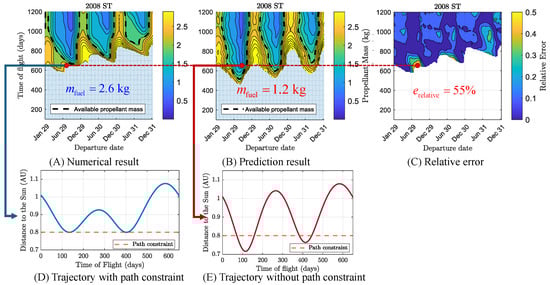
Optimal Control and Neural Porkchop Analysis for Low-Thrust Asteroid Rendezvous Mission

  • Zhong Zhang,
  • Niccolò Michelotti and
  • Francesco Topputo
  • + 2 authors

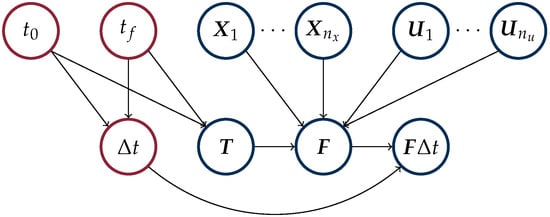
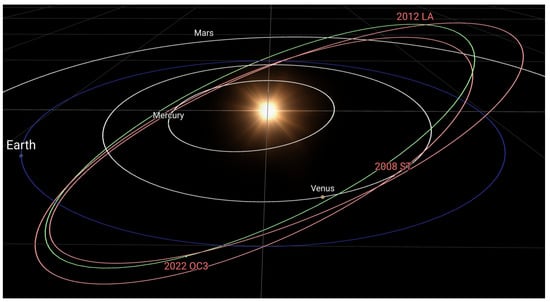
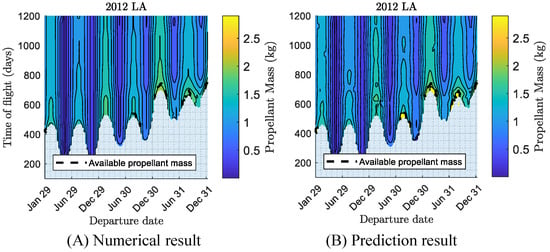
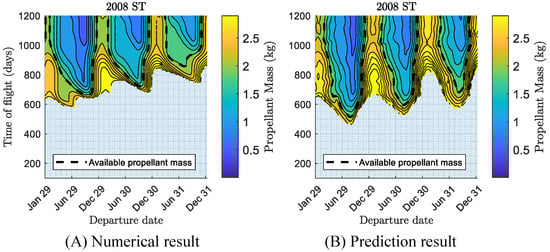
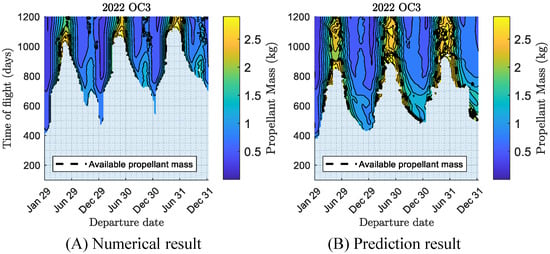
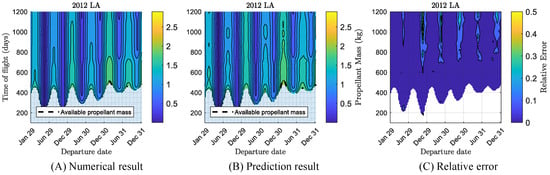
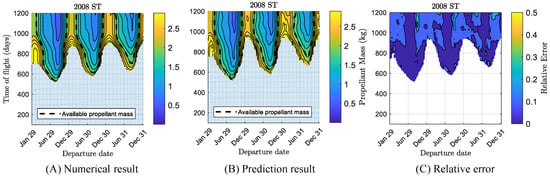
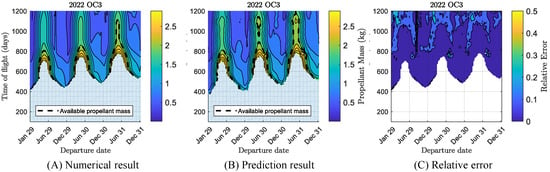
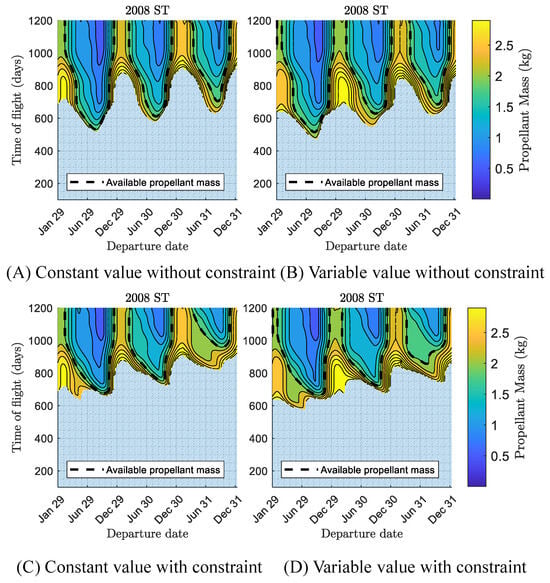
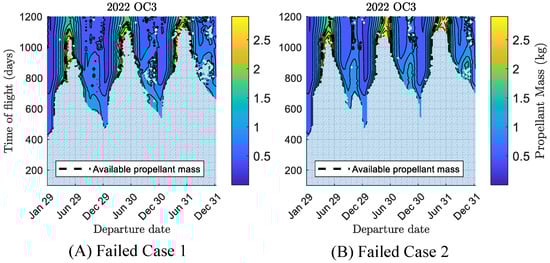
This paper presents a comparative study of the applicability and accuracy of optimal control methods and neural-network-based estimators in the context of porkchop plots for preliminary asteroid rendezvous mission design. The scenario considered involves a deep-space CubeSat equipped with a low-thrust engine, departing from Earth and rendezvousing with a near-Earth asteroid within a three-year launch window. A low-thrust trajectory optimization model is formulated, incorporating variable specific impulse, maximum thrust, and path constraints. The optimal control problem is efficiently solved using Sequential Convex Programming (SCP) combined with a solution continuation strategy. The neural network framework consists of two models: one predicts the minimum fuel consumption (Δv), while the other estimates the minimum flight time (Δt) which is used to assess transfer feasibility. Case results demonstrate that, in simplified scenarios without path constraints, the neural network approach achieves low relative errors across most of the design space and successfully captures the main structural features of the porkchop plots. In cases where the SCP-based continuation method fails due to the presence of multiple local optima, the neural network still provides smooth and globally consistent predictions, significantly improving the efficiency of early-stage asteroid candidate screening. However, the deformation of the feasible region caused by path constraints leads to noticeable discrepancies in certain boundary regions, thereby limiting the applicability of the network in detailed mission design phases. Overall, the integration of neural networks with porkchop plot analysis offers an effective decision-making tool for mission designers and planetary scientists, with significant potential for engineering applications.

3 February 2026

Variable 
  
    T
    max
  
 and 
  
    I
    sp
  
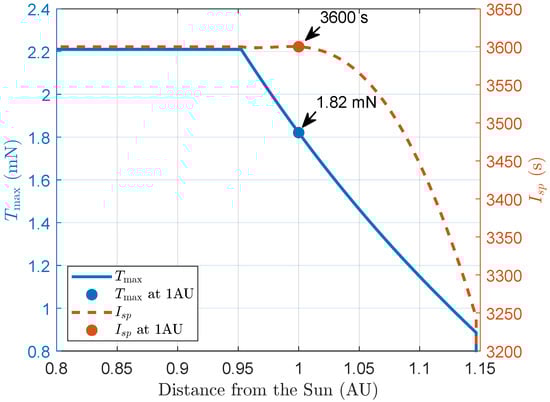
 curves with respect to the distance from the Sun.

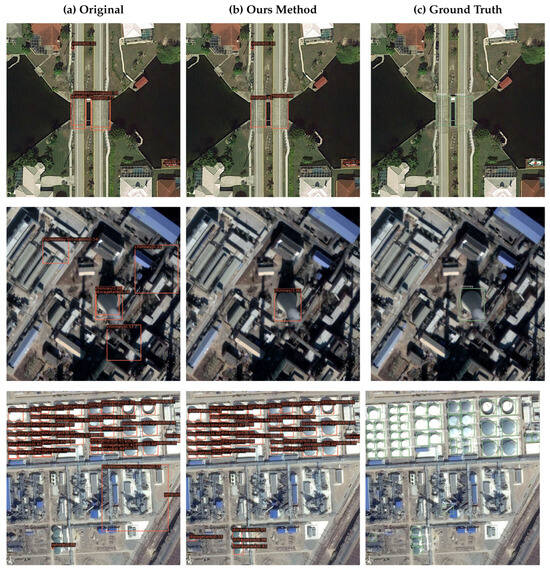
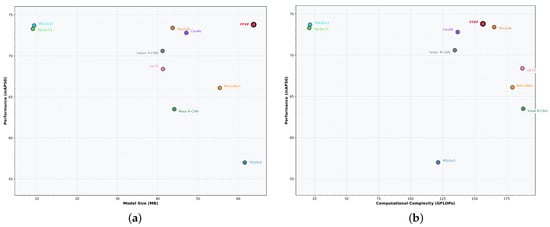
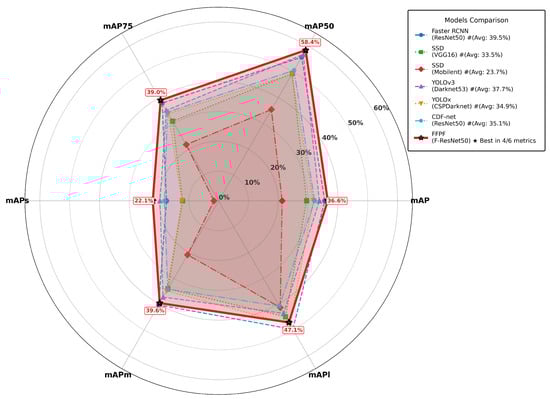
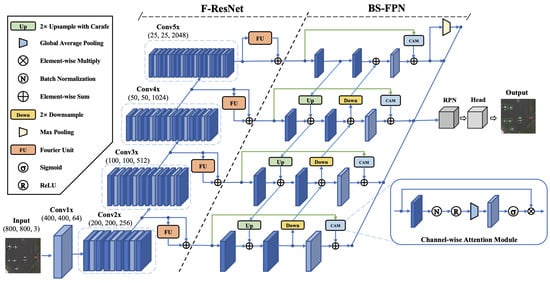
Remote sensing object detection is a critical task in Earth observation. Despite the remarkable progress made in general object detection, existing detectors struggle with remote sensing scenarios due to the prevalence of numerous small objects with limited discriminative cues. Cutting-edge studies have shown that incorporating contextual information effectively enhances the detection performance for small objects. Meanwhile, recent research has revealed that convolution in the frequency domain is capable of capturing long-range spatial dependencies with high efficiency. Inspired by this, we propose a Frequency-aware Feature Pyramid Framework (FFPF) for remote sensing object detection, which consists of a novel Frequency-aware ResNet (F-ResNet) and a Bilateral Spectral-aware Feature Pyramid Network (BS-FPN). Specifically, the F-ResNet is proposed to extract the spectral context information by plugging the frequency domain convolution into each stage of the backbone, thereby enriching features of small objects. In addition, the BS-FPN employs a bilateral sampling strategy and skipping connection to model the association of object features at different scales, enabling the contextual information extracted by the F-ResNet to be fully leveraged. Extensive experiments are conducted for object detection in the public remote sensing image dataset and natural image dataset. The experimental results demonstrate the excellent performance of the FFPF, achieving 73.8% mAP on the DIOR dataset without using any additional training tricks.

17 January 2026

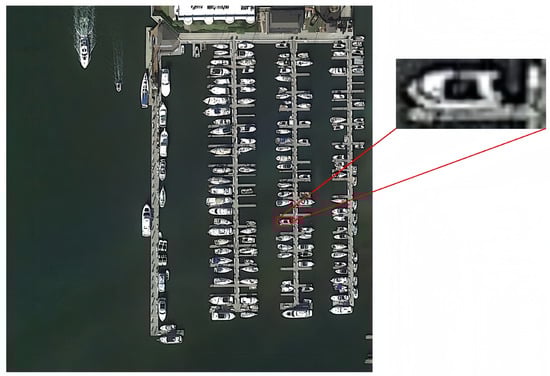
The context of the small object is necessary to recognize the boat in the image.

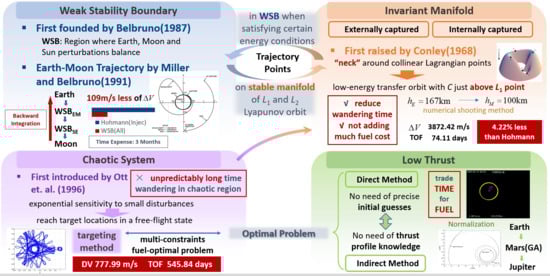
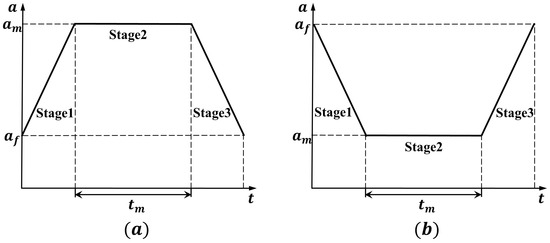
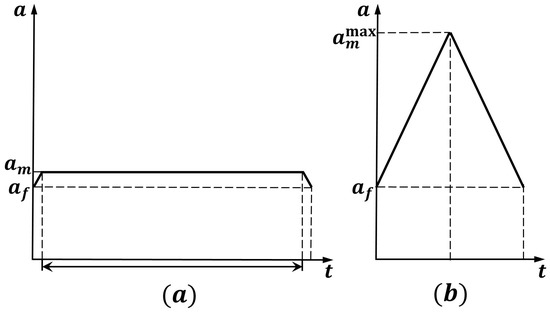
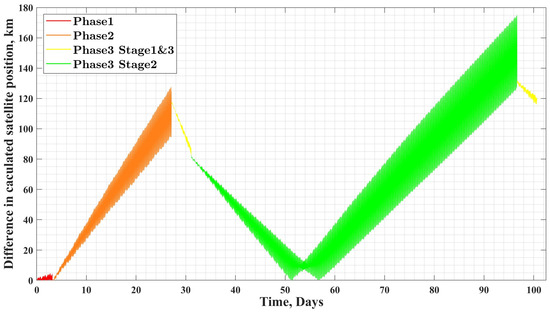
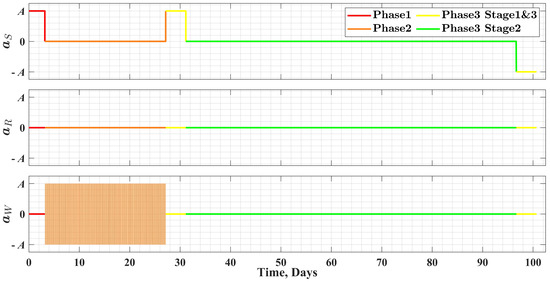
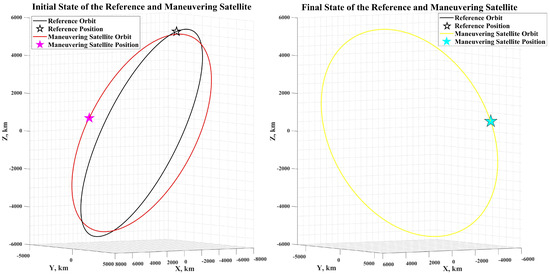
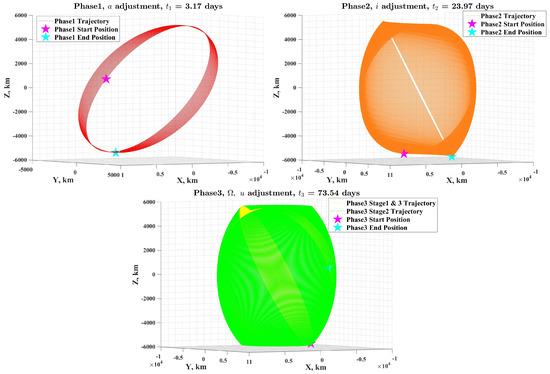
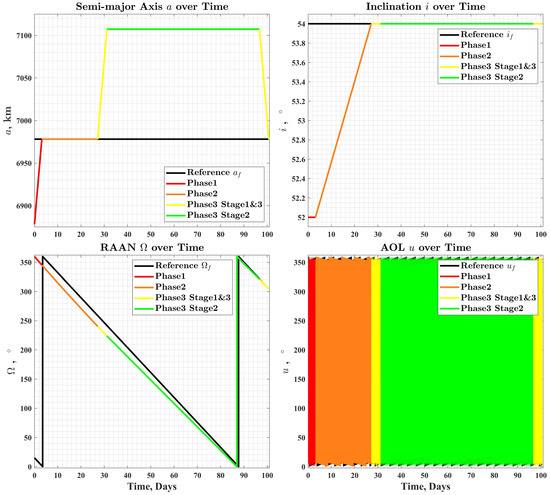
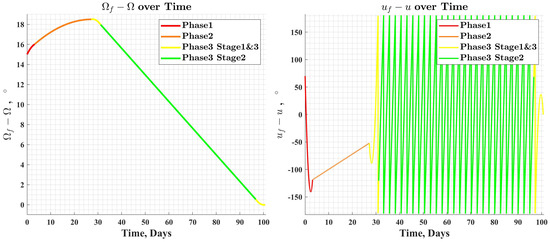
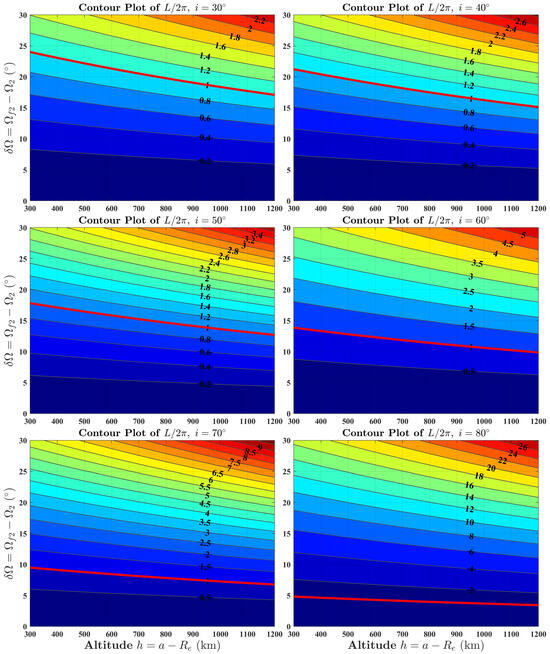
Low-thrust propulsion systems have become mainstream for Low Earth Orbit (LEO) satellites due to their superior propellant efficiency, yet conventional low-thrust transfer strategies suffer from high computational costs and failure to achieve full orbital element convergence. To address these drawbacks, this paper proposes a novel semi-analytical three-phase low-thrust transfer strategy that leverages J2 gravitational precession to realize convergence of all orbital elements for circular orbits. The core of the method lies in the design of two symmetric thrust arcs and an intermediate coasting period that utilizes J2 precession. By solving the resulting polynomial equation, the strategy achieves simultaneous controlled convergence of the Right Ascension of the Ascending Node (RAAN) and the argument of latitude (AOL). Simulation results demonstrate that the proposed method achieves significant fuel savings compared to direct transfer strategies, while simultaneously achieving superior computational speed. Extensive validation via 100,000 Monte Carlo simulations confirms the method’s scope of applicability, and the sufficient conditions for the existence of a solution are provided. It is further found that the proposed method is particularly well-suited for missions involving medium-to-high inclination orbits and large RAAN gaps, such as constellation deployment. In conclusion, this strategy provides a fuel-efficient and computationally fast solution for low-thrust transfer, establishing the basis for the operational management of future large-scale space systems equipped with low-thrust propulsion.

5 January 2026

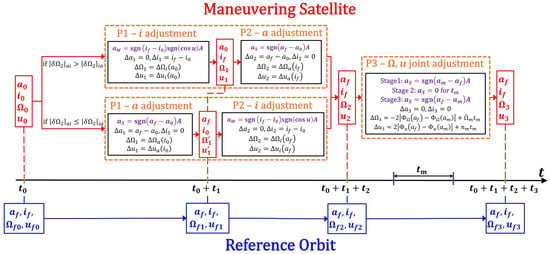
The diagram of the three-phase maneuvering strategy.
  • Communication
  • Open Access

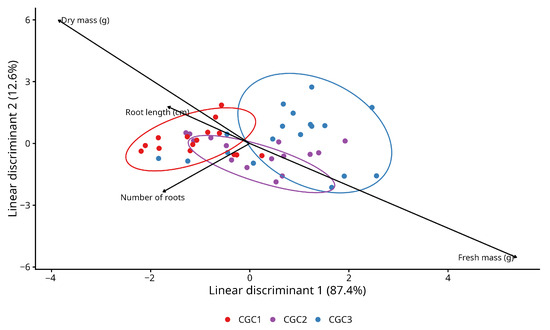
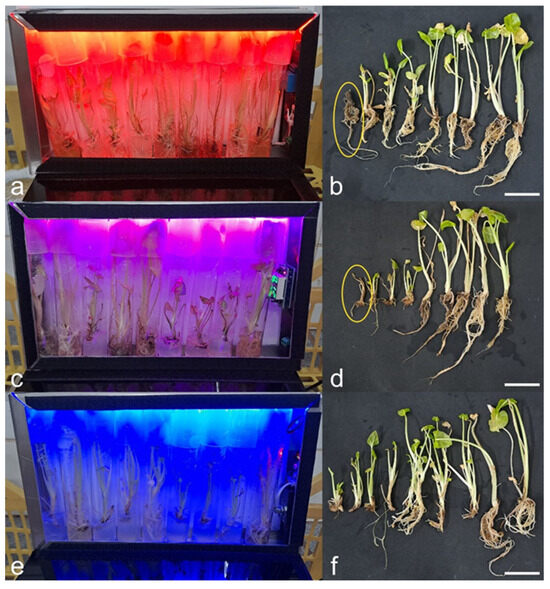
Plant species sensitive to desiccation or vegetatively propagation are difficult to store and transport in the germplasm for space travel. Applying plant tissue culture can help to create a Plant Germplasm Bank for this species. For this purpose, the Compact Growth Chamber (CGC) was created to store and transport in vitro explants, maintaining them for long periods in Slow-Grown Storage (SGS). Explants under SGS have reduced growth metabolism to complete space missions. This study aimed to evaluate the CGC efficacy in the long term of in vitro storage of explant of Taioba (Xanthosoma sagittifolium), a tropical species that vegetatively propagates and has high nutritional value. For this, three CGCs were connected, side by side, with different LED light spectra (CGC1: Red spectrum; CGC2: 50% Red + 50% Blue spectra-control; CGC3: Blue spectrum), each one containing nine test tubes with taioba explants (one per test tube), and LED lights intensity adjusted for 30 µmol m−2 s−1. The CGCs were maintained for 120 days in the darkroom, at 25 ± 2 °C temperature and 50–60% humidity, and, at the end, the growth and morphological parameters of taioba plantlets were evaluated. These results demonstrate that the explant storage in CGC3 showed lower root numbers and root lengths than in CGC1 and CGC2. In addition, the Blue spectrum in CGC3 reduced the root oxidation and browning, resulting in 100% live explants. This study provides that the CGC fulfilled its proposed function of transporting and storing the in vitro explants for space travel.
27 November 2025

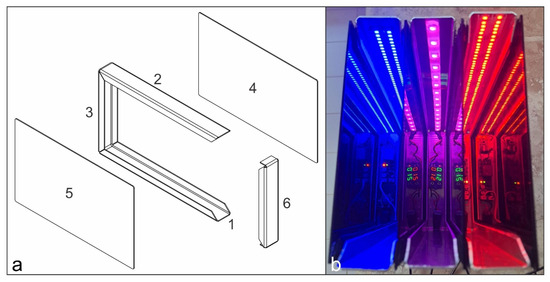
(a) Schematic drawing of the Compact Growth Chamber (CGC). (b) CGC3, CGC2, and CGC1 are connected side by side, respectively. CGC1: 100% Red; CGC2: 50% Blue + 50% Red; CGC3: 100% Blue. Figure 1a-1: side opening; Figure 1a-2: upper inner portion; Figure 1a-3: on the side; Figure 1a-4: back cover; Figure 1a-5: front cover; Figure 1a-6: side fitting portion.

News & Conferences

Issues

Open for Submission

Editor's Choice

Get Alerted

Add your email address to receive forthcoming issues of this journal.

XFacebookLinkedIn
Astronautics - ISSN 3042-7576