Journal Description
Journal of Gerontology and Geriatrics
(JGG) is an international, peer-reviewed, open access journal on aging, published quarterly online. It is the official journal of the Italian Society of Gerontology and Geriatrics (SIGG). Society members receive discounts on the article processing charges.
- Open Access— free for readers, with article processing charges (APC) paid by authors or their institutions.
- High Visibility: indexed within Scopus, ESCI (Web of Science), Embase, and other databases.
- Rapid Publication: first decisions in 19 days; acceptance to publication in 8 days (median values for MDPI journals in the second half of 2025).
- Recognition of Reviewers: APC discount vouchers, optional signed peer review, and reviewer names published annually in the journal.
Impact Factor:
0.5 (2024)
Latest Articles
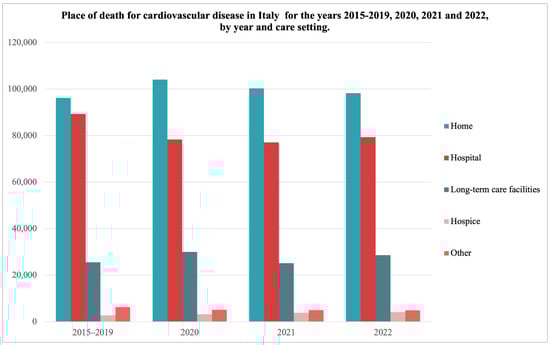
Mapping the Journey: Exploring End-of-Life Settings for Cardiovascular Patients in Italy
J. Gerontol. Geriatr. 2026, 74(2), 11; https://doi.org/10.3390/jgg74020011 - 7 Apr 2026
Abstract
►
Show Figures
Cardiovascular diseases (CVDs) are the leading cause of mortality in Italy. This study aims to describe the setting of death of patients dying from cardiovascular diseases in Italy and to explore potential changes during the COVID-19 pandemic (years 2020 and 2021) in comparison
[...] Read more.
Cardiovascular diseases (CVDs) are the leading cause of mortality in Italy. This study aims to describe the setting of death of patients dying from cardiovascular diseases in Italy and to explore potential changes during the COVID-19 pandemic (years 2020 and 2021) in comparison to the previous five years and the first post-pandemic year, 2022. Data from the Italian National Cause of Death Registry were analyzed to identify deaths due to cardiovascular diseases between 2015 and 2022. To evaluate potential changes associated with the COVID-19 pandemic, deaths occurring during the pandemic years (2020–2021) were compared with those recorded in the pre-pandemic period (2015–2019). The year 2022 was included as a post-pandemic descriptive reference year. A total of 221,653 deaths due to CVD occurred in 2022, compared with 217,523 in 2021, 227,350 in 2020, and a mean of 227,468 deaths per year during the five-year period of 2015–2019. Home was the primary setting of death, accounting for 44.3% of CVD deaths in 2022, compared with 46.1% in 2021, 45.8% in 2020, and 42.3% during 2015–2019. This was followed by hospitals, where 35.8% of CVD deaths occurred in 2022, slightly higher than the 35.4% in 2021 and 34.5% in 2020, but still below the 39.3% observed during 2015–2019. Long-term care facilities accounted for 12.9% of deaths in 2022, an increase from 11.5% in 2021, and broadly consistent with the 13.2% reported in 2020 and 11.2% in the previous five-year period. CVD deaths occurring in hospice facilities continued to rise modestly, from 1.2% during 2015–2019, to 1.4% in 2020, 1.8% in 2021, and 1.9% in 2022. Home is the main setting of death for patients with cardiovascular diseases, underscoring the need to implement support and palliative care and improve targeted interventions for home-based CVD patients to enhance quality of life and care at the end of life.
Full article
Open AccessArticle
Using the Short Physical Performance Battery for Frailty Screenings Among Community-Dwelling Older Adults: An ROC Analysis
by
Eman Ali, Kworweinski Lafontant, Jethro Raphael M. Suarez, Carla Stokes Leinbach, David H. Fukuda, Jeffrey R. Stout, Sergi Garcia-Retortillo, Janet Lopez, Rui Xie and Ladda Thiamwong
J. Gerontol. Geriatr. 2026, 74(2), 10; https://doi.org/10.3390/jgg74020010 - 31 Mar 2026
Abstract
►▼
Show Figures
Frailty is a highly prevalent and adverse syndrome among older adults, and there are many different assessments for screening both frailty (robust + pre-frail vs. frail) and frailty process (robust vs. pre-frail + frail). Previous studies have suggested that the Short Physical Performance
[...] Read more.
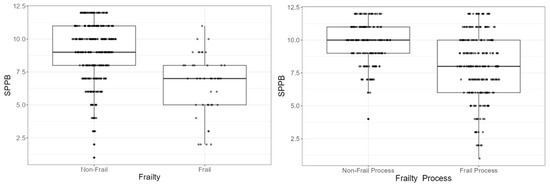
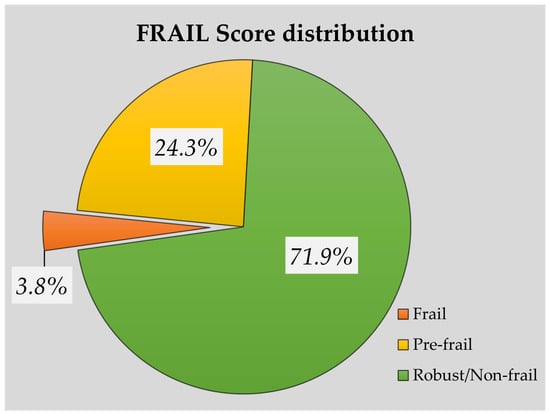
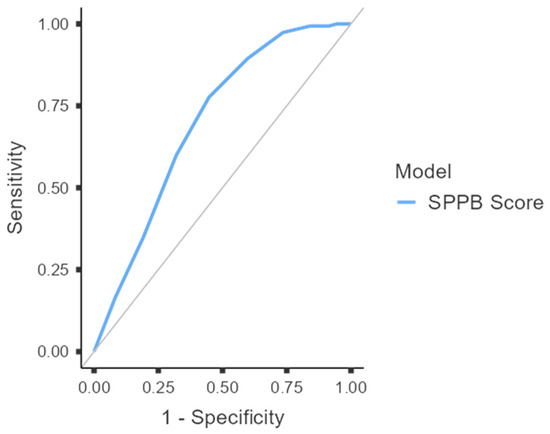
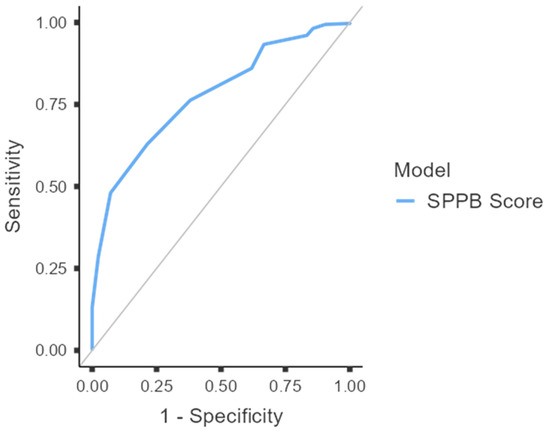
Frailty is a highly prevalent and adverse syndrome among older adults, and there are many different assessments for screening both frailty (robust + pre-frail vs. frail) and frailty process (robust vs. pre-frail + frail). Previous studies have suggested that the Short Physical Performance Battery (SPPB) can be used as a quick screening tool for frailty, demonstrating excellent agreement when compared to Fried’s phenotype as a criterion. However, to the best of our knowledge, no study has assessed the SPPB’s diagnostic accuracy using the FRAIL questionnaire as the criterion. In this cross-sectional study, we compared frailty (SPPB ≤ 8) and frailty process (SPPB ≤ 10) classifications for 371 community-dwelling older adults (≥60 yrs) by the SPPB to the FRAIL questionnaire using McNemar tables and a receiver operator characteristic analysis. The SPPB and the FRAIL questionnaire significantly differed in their appraisal of both frailty and frailty process (p < 0.001). For frailty, the SPPB scored a sensitivity of 62.9%, a specificity of 78.6%, and an area under the curve of 0.78. In addition, for the frailty process, the SPPB scored a sensitivity of 77.6%, a specificity of 55.3%, and an area under the curve of 0.70. The SPPB demonstrated limited diagnostic accuracy compared to the criterion FRAIL questionnaire. Our findings indicate that the SPPB should not be the sole method of assessing frailty among older adults. To address the complexity of frailty, clinicians should attempt to implement multiple assessments that combine biological, social, and functional aspects of frailty. Pre-registered on ClinicalTrials.gov (NCT05778604).
Full article

Figure 1
Open AccessCorrection
Correction: Aksu et al. Evaluation of the Relationship Between Lower Urinary Tract Symptoms and Fall Risks in Male Patients Over 65 Years Old. J. Gerontol. Geriatr. 2022, 70, 17–24
by
Saliha Buşra Aksu, Güzin Zeren Öztürk, Memet Taşkın Egici and Cüneyt Ardıç
J. Gerontol. Geriatr. 2026, 74(2), 9; https://doi.org/10.3390/jgg74020009 - 31 Mar 2026
Abstract
There was an error in the original publication [...]
Full article
Open AccessArticle
Community-Based Dementia Screening Initiative in Brunei: Final Results
by
Shyh Poh Teo, Jian Yu Lei, Min Banyar Han, Siti Munawwarah Tarif, Norhayati Kassim, Nurul Bazilah Ali and Asmah Husaini
J. Gerontol. Geriatr. 2026, 74(2), 8; https://doi.org/10.3390/jgg74020008 - 27 Mar 2026
Abstract
The objective was to expand community-based dementia screening across diverse settings in Brunei and evaluate the prevalence of risk factors, cognitive symptoms and factors associated with suspected cognitive impairment using the Mini-COG. Cross-sectional community screening was conducted across community and healthcare settings among
[...] Read more.
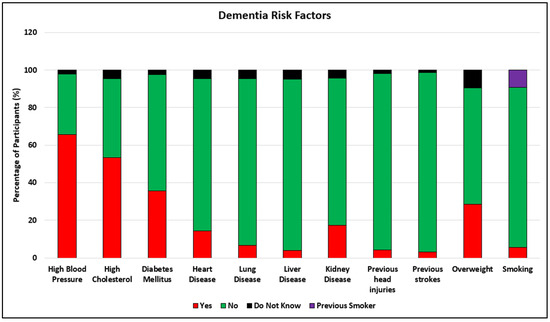
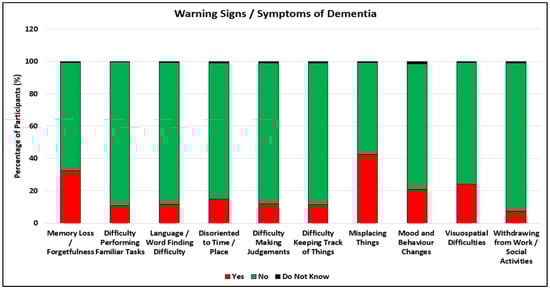
The objective was to expand community-based dementia screening across diverse settings in Brunei and evaluate the prevalence of risk factors, cognitive symptoms and factors associated with suspected cognitive impairment using the Mini-COG. Cross-sectional community screening was conducted across community and healthcare settings among adults aged 60 years and older, or aged 50 years and older with dementia risk factors. Participants completed a structured questionnaire on demographics, dementia risk factors and cognitive symptoms, followed by the Mini-COG. Multivariable logistic regression was used to examine factors associated with suspected cognitive impairment. A total of 1358 participants were included, with a median age of 60 years, and 63.5% were female. Two-thirds had hypertension, over half had hypercholesterolaemia and over one-third had diabetes mellitus. The most commonly reported symptoms were misplacing things (42.6%), forgetfulness (32.5%) and visuospatial difficulties (24.2%). Among those with symptoms, 14.5% reported worsening symptoms and 12.0% had impaired activities of daily living. From the Mini-COG, 14.4% had suspected cognitive impairment. Multivariable analysis revealed that older age (adjusted OR 1.06 per year, p < 0.001) and education level (adjusted OR 2.25 for primary versus tertiary, p = 0.007) were independently associated with Mini-COG impairment, while vascular risk factors showed no significant associations. Community-based dementia screening using a brief questionnaire and the Mini-COG was feasible across multiple settings in Brunei. There was a high prevalence of vascular risk factors and cognitive symptoms. Age and educational attainment were stronger predictors of abnormal Mini-COG results compared to vascular risk factors in this study. These findings support opportunistic screening in healthcare and community settings, and an emphasis on public education on dementia symptoms and risk reduction.
Full article
(This article belongs to the Section Cognitive Disorders)
►▼
Show Figures

Figure 1
Open AccessArticle
Trainability of Physical Function and Threshold Age for Decline in Frail Older Women: A 6-Year Community-Based Multicomponent Exercise Program
by
Tsukasa Motoyama and Mitsugi Motoyama
J. Gerontol. Geriatr. 2026, 74(1), 7; https://doi.org/10.3390/jgg74010007 - 21 Mar 2026
Abstract
►▼
Show Figures
Japan is a super-aged society where community group multicomponent exercise is widely implemented, yet the age at which a fixed, low-frequency exercise dose no longer offsets functional decline is unclear. We examined 6-year trainability and explored “zero-change” ages in frail older women. Twenty
[...] Read more.
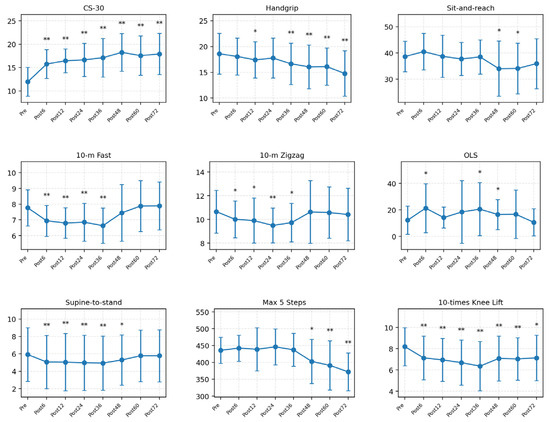
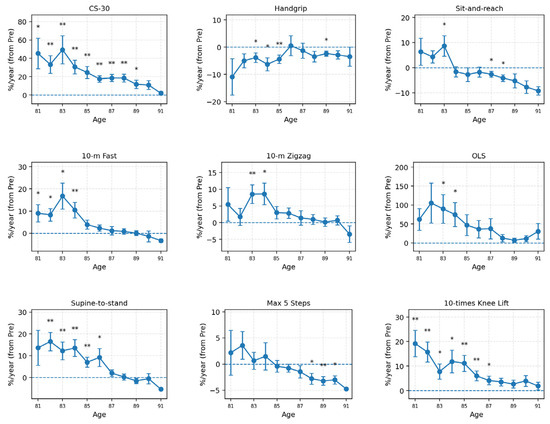
Japan is a super-aged society where community group multicomponent exercise is widely implemented, yet the age at which a fixed, low-frequency exercise dose no longer offsets functional decline is unclear. We examined 6-year trainability and explored “zero-change” ages in frail older women. Twenty community-dwelling frail women (80–86 years) participated in a once-weekly 90 min multicomponent exercise program for 6 years. Nine physical tests were assessed at baseline (Pre), 6 months, and annually. Overall time effects were tested using repeated-measures ANOVA and generalized estimating equations, with planned paired t-tests versus Pre. Age-specific annual percent changes (%/year) from Pre to each follow-up were annualized, grouped by age at follow-up (81–91 years), and tested against 0%/year. Separately, regression analyses related age to annual percent change across seven consecutive intervals to estimate “zero-change age” (predicted change = 0%). Time effects were significant for all nine measures (all p ≤ 0.032). Chair stand, 10 m fast/zigzag walk, supine-to-stand, maximal 5-step length, and 10-times knee lift generally improved in the early follow-up, whereas handgrip strength and sit-and-reach declined over time. In 6/9 tests, annual percent change diminished with advancing age; estimated zero-change ages ranged from ≈82 years (maximal 5-step length) to ≈88 years (chair stand and one-leg stance). Attendance remained high (≈90%). In this single-arm community program, several mobility-related functions improved or were maintained in frail women in their early 80s, whereas reduced trainability beyond the mid-80s may limit further protection. Threshold ages are exploratory statistical estimates; controlled trials are warranted.
Full article

Figure 1
Open AccessReview
An Update on the Role of Sirtuins in the Prevention of the Aging Process: A Narrative Review
by
Francesco Lucà, Luca Fioravanti, Silvia Scevola, Aldo Arpino, Marco Saler and Giovanni Nicoletti
J. Gerontol. Geriatr. 2026, 74(1), 6; https://doi.org/10.3390/jgg74010006 - 19 Mar 2026
Abstract
In the context of research aimed at identifying the causes of the progressive decline in cellular and tissue functions characteristic of aging, in recent decades, increasing attention has been devoted to the sirtuin family. Sirtuins are named after the Sir2 protein of Saccharomyces
[...] Read more.
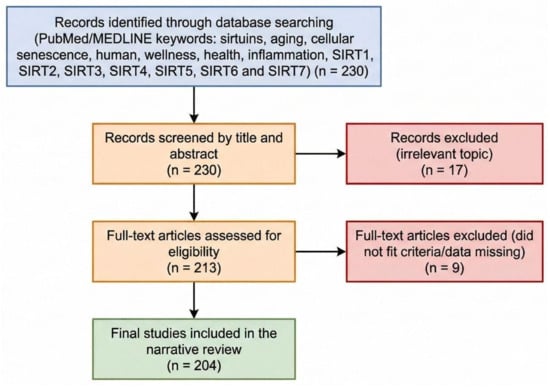
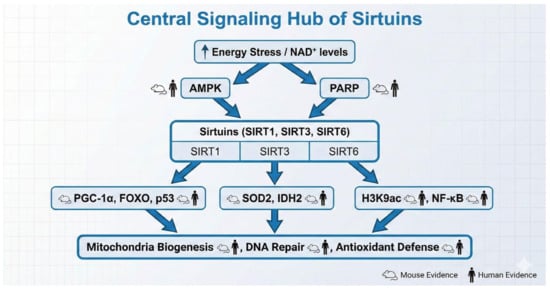
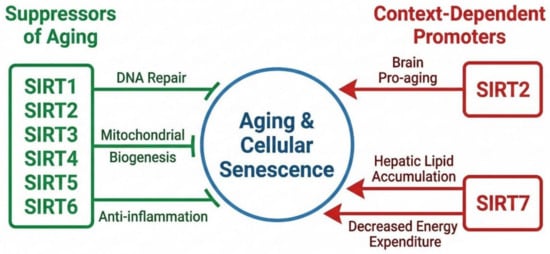
In the context of research aimed at identifying the causes of the progressive decline in cellular and tissue functions characteristic of aging, in recent decades, increasing attention has been devoted to the sirtuin family. Sirtuins are named after the Sir2 protein of Saccharomyces cerevisiae, a product of the SIR gene family, known as “silent information regulator 2”. Sirtuins are NAD+-dependent protein deacetylases and deacylases characterized by a conserved catalytic domain of approximately 275 amino acids. The removal of acetyl groups from acetyl-lysine residues on proteins is critical in regulating a wide range of biological functions, including gene silencing, genome stability, longevity, metabolism, and cellular physiology. In humans, the sirtuin family comprises seven isoforms (SIRT1–SIRT7), each with specific substrate preferences and primarily, but not exclusively, localized in the nucleus (SIRT1, SIRT6, and SIRT7), cytoplasm (SIRT2), and mitochondria (SIRT3, SIRT4, and SIRT5). Sirtuins may regulate numerous cellular processes associated with survival and longevity, including transcription and DNA repair, inflammation, glucose and lipid metabolism, oxidative stress, mitochondrial function, apoptosis, autophagy, and stress resistance. Sirtuins’ dependence on NAD+ allows them to function as cellular energy sensors, linking metabolic demands to selective lysine deacylation in various subcellular organelles. The aim of this review is to provide an update on this family of molecules, describing their molecular structures, physiological functions, roles in aging processes, and potential to be modulated to serve as a strategy for promoting healthy aging.
Full article
(This article belongs to the Section Translational Sciences)
►▼
Show Figures

Figure 1
Open AccessCase Report
Rehabilitation Outcomes and Caregiver Stress in Elderly Patient with End-Stage Parkinson’s Disease
by
Farah Bilqistiputri, Istingadah Desiana, Irma Ruslina Defi, Rachmat Zulkarnain Goesasi, Ellyana Sungkar and Aggi Pranata Gunanegara
J. Gerontol. Geriatr. 2026, 74(1), 5; https://doi.org/10.3390/jgg74010005 - 11 Mar 2026
Abstract
►▼
Show Figures
The objective was to evaluate the impact of a 3-month comprehensive rehabilitation program on functional outcomes and caregiver burden in a 73-year-old male with end-stage Parkinson’s disease (PD) following pallidotomy. Baseline evaluation included cardiorespiratory, digestive, and neuromusculoskeletal assessments, complemented by a multidomain geriatric
[...] Read more.
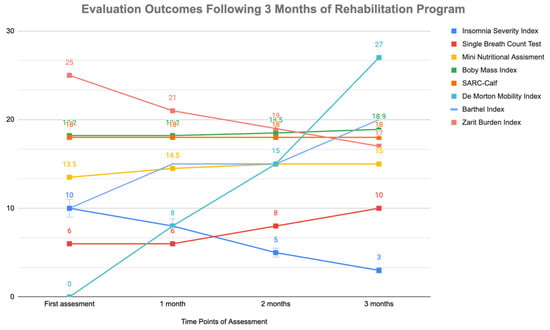
The objective was to evaluate the impact of a 3-month comprehensive rehabilitation program on functional outcomes and caregiver burden in a 73-year-old male with end-stage Parkinson’s disease (PD) following pallidotomy. Baseline evaluation included cardiorespiratory, digestive, and neuromusculoskeletal assessments, complemented by a multidomain geriatric assessment: activities of daily living (Barthel Index), cognition (MoCA), nutrition (MNA), mental health (GDS, UCLA Loneliness Scale), sarcopenia (AWGS criteria), frailty (Clinical Frailty Scale), fatigue (FSS), mobility (De Morton Mobility Index), fall risk (Morse Fall Scale), and caregiver burden (Zarit Burden Interview). The patient then underwent a structured 3-month rehabilitation program consisting of strengthening and flexibility training, cardiopulmonary endurance exercise, functional task practice, and psychological and nutritional counseling, with monthly evaluations. At baseline, the patient presented with generalized rigidity, fatigue, low cardiorespiratory endurance, total ADL dependence, malnutrition, sarcopenia, frailty, loneliness, and high caregiver burden, but intact cognition and mood. After rehabilitation, he achieved short distance walking, improved appetite and weight gain, and reduced scores in Zarit Burden, Fatigue Severity Scale, and MNA. Functional independence (Barthel Index) and respiratory capacity (single-breath count) improved, while frailty and sarcopenia remained stable without progression. In advanced PD, comprehensive rehabilitation can yield meaningful gains in mobility, nutrition, and functional independence while alleviating caregiver burden. Frailty and sarcopenia remain strongly associated with disease progression and highlight the need for sustained multidisciplinary care for both patients and caregivers.
Full article

Figure 1
Open AccessSystematic Review
A Review of Interaction Between Sleep Apnea and APOE e4 on the Risk of Dementia
by
Xiuhua Ding, Carol Watwood, Amit Patel, Krupa Hegde, Brooke Mahanna, Lindsey Escudero and Jean Neils-Strunjas
J. Gerontol. Geriatr. 2026, 74(1), 4; https://doi.org/10.3390/jgg74010004 - 2 Mar 2026
Abstract
►▼
Show Figures
Dementia has a significant impact on individuals, families, communities, and the economy. Alzheimer’s disease (AD) accounts for 60–80% of dementia cases. The APOE e4 allele is well known as the primary genetic risk factor for AD and dementia. Studies have also shown that
[...] Read more.
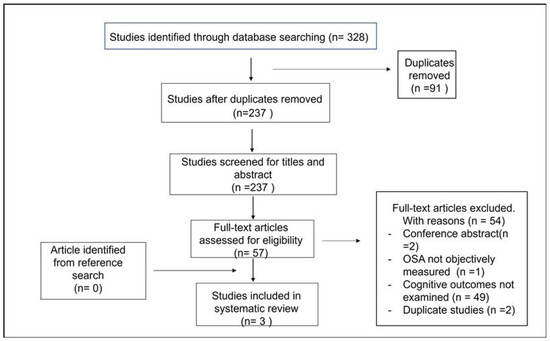
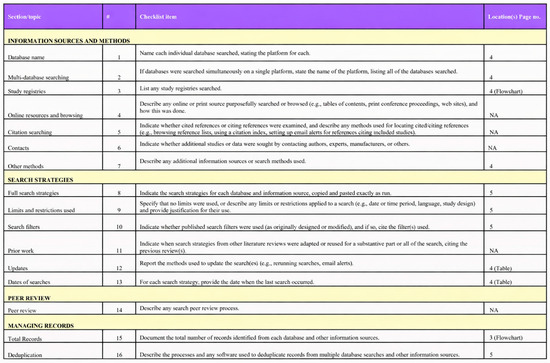
Dementia has a significant impact on individuals, families, communities, and the economy. Alzheimer’s disease (AD) accounts for 60–80% of dementia cases. The APOE e4 allele is well known as the primary genetic risk factor for AD and dementia. Studies have also shown that sleep apnea increases the risk of dementia. Some research further suggests a possible interaction between sleep apnea and the APOE in dementia development; however, this relationship remains unclear. The purpose of this study is to synthesize evidence from the existing literature and report findings on the relationship between APOE, sleep apnea, and dementia. A systematic search of multiple databases was conducted using selected keywords. Articles were screened and selected according to predefined inclusion criteria. Only original, peer-reviewed articles published between 2000 and 2021 in English were included. Data from the included studies were extracted and summarized descriptively, including information on population characteristics, study design, key findings, and other relevant variables. Of the 328 records identified, 3 studies met inclusion criteria and were included in the final analysis. Their findings suggest a potential interaction between sleep apnea and APOE that may influence dementia risk. This review highlights the need for further research to clarify the role of sleep apnea in the APOE pathway and its contribution to dementia.
Full article

Figure 1
Open AccessSystematic Review
Effect of Physical Exercise on Fluid Intelligence Among the Elderly with or Without Dementia: A Systematic Review of Randomized Control Trials
by
Somya Jha, Tabbashum Khatun, Muhammad Azharuddin, Chhavi Arora Sehgal, Sarah Parveen and Majumi M. Noohu
J. Gerontol. Geriatr. 2026, 74(1), 3; https://doi.org/10.3390/jgg74010003 - 25 Feb 2026
Abstract
►▼
Show Figures
This review examines the impact of physical exercises on fluid intelligence (FI) among elderly individuals with or without dementia. Fluid intelligence declines with age and worsens faster with dementia, and studies suggest that physical exercise, like aerobic and strength training, may improve fluid
[...] Read more.
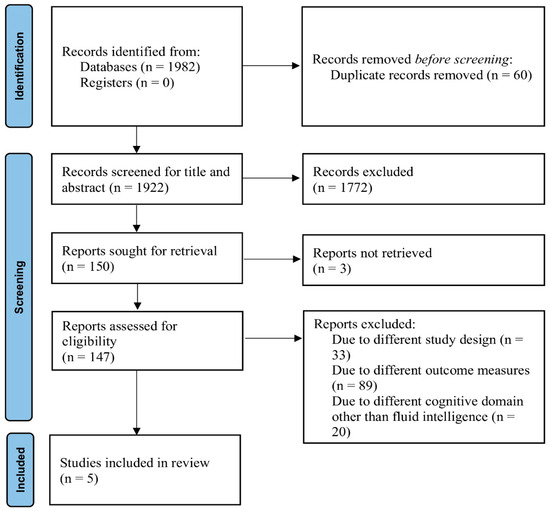
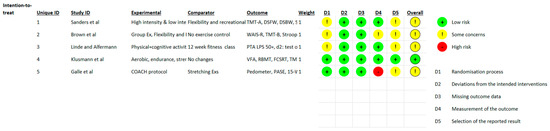
This review examines the impact of physical exercises on fluid intelligence (FI) among elderly individuals with or without dementia. Fluid intelligence declines with age and worsens faster with dementia, and studies suggest that physical exercise, like aerobic and strength training, may improve fluid intelligence by enhancing neurogenesis, promoting cerebral blood flow, and increasing brain plasticity. A comprehensive search was carried out for studies from inception to 31 May 2024 across databases, including PubMed, Scopus, Web of Science, and PEDro, using keywords related to “physical activity”, “physical exercise”, “fluid intelligence”, and “dementia”. The inclusion criteria focused on randomized control trials (RCTs) involving elderly participants with or without dementia, where fluid intelligence was measured using validated tools. The PEDro scale was used for the quality assessment of included studies. Risk of bias assessment was done using the Cochrane risk of bias tool version 2. Out of 1982 screened studies (PubMed: 104; Web of Science: 1676; Scopus: 195; PEDro: six), five RCTs involving 676 participants were included. Interventions lasted 4 to 24 weeks and included aerobic training, flexibility training, combined strength, and cognitive training, amongst others. It is seen that low- and high-intensity aerobic exercises improved FI, whereas another study reported that combined physical and mental activity significantly enhanced executive function and processing speed. Overall, all included studies demonstrated improvements in FI following exercise interventions. Physical exercises may support fluid intelligence in older adults, but current evidence is limited to a small number of trials. More robust studies are required.
Full article

Figure 1
Open AccessEditorial
Publisher’s Note: Continued Publication of the Journal of Gerontology and Geriatrics by MDPI
by
Maria Noguera
J. Gerontol. Geriatr. 2026, 74(1), 2; https://doi.org/10.3390/jgg74010002 - 30 Jan 2026
Abstract
The Journal of Gerontology and Geriatrics (JGG) (ISSN: 2499-6564) [...]
Full article
Open AccessEditorial
A New Chapter for the Journal of Gerontology and Geriatrics (JGG)
by
Gianluigi Vendemiale
J. Gerontol. Geriatr. 2026, 74(1), 1; https://doi.org/10.3390/jgg74010001 - 30 Jan 2026
Abstract
Dear colleagues, researchers, and members of the gerontological and geriatric community, [...]
Full article
Open AccessReview
Iron deficiency in the elderly. Evidences from different clinical settings and efficacy of iron supplementation on outcomes
by
Angela Sciacqua, Giuseppe Armentaro, Dario Leosco, Giovambattista Desideri, Andrea Ungar, Edoardo Locatelli, Stefano Volpato, Irene Zucchini, Marco Salvi, Marcello Maggio, Alba Malara and Rosanna Pullia
J. Gerontol. Geriatr. 2025, 73(4), 164-183; https://doi.org/10.36150/2499-6564-N932 - 15 Jan 2026
Abstract
►▼
Show Figures
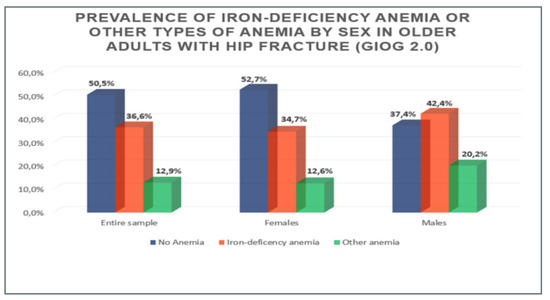
Iron deficiency (ID) is highly prevalent in older adults and remains frequently underdiagnosed despite its relevant prognostic impact. ID may be absolute or functional and is observed across multiple geriatric clinical settings, including heart failure, chronic kidney disease, malnutrition, fragility fractures and long-term
[...] Read more.
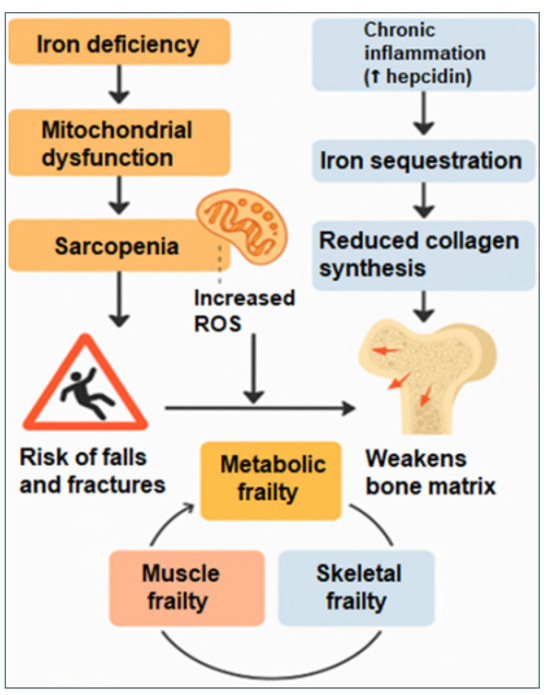
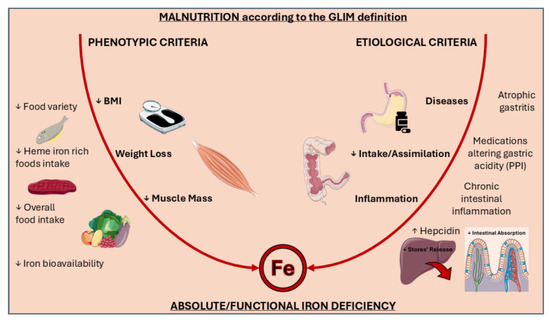
Iron deficiency (ID) is highly prevalent in older adults and remains frequently underdiagnosed despite its relevant prognostic impact. ID may be absolute or functional and is observed across multiple geriatric clinical settings, including heart failure, chronic kidney disease, malnutrition, fragility fractures and long-term care facilities. Beyond anaemia, ID contributes to impaired mitochondrial function, reduced exercise capacity, frailty, cognitive and functional decline, increased hospitalizations and mortality. In heart failure and CKD, ID – irrespective of haemoglobin – worsens clinical outcomes. Systematic assessment of iron status should be integrated into geriatric evaluation. Oral iron therapy is often limited by poor tolerance and hepcidin-mediated malabsorption, whereas intravenous formulations show greater efficacy in selected patients. Early identification and targeted correction of ID may improve symptoms, quality of life and functional recovery in elderly populations, although further large trials in very old and frail subjects are needed.
Full article

Figure 1
Open AccessReview
Effects of multicomponent exercises on muscle strength and balance in frail older: a systematic review and meta-analysis of randomized controlled trials
by
Diego Gama Linhares, Ana Beatriz Moreira de Carvalho Monteiro, Bruno Gama Linhares, Giullio Cesar Pereira Sallustiano Mallen da Silva, Luciano Lima dos Santos, Lilliany de Souza Cordeiro, Claudio Joaquim Borba-Pinheiro and Rodrigo Gomes de Souza Vale
J. Gerontol. Geriatr. 2025, 73(4), 153-163; https://doi.org/10.36150/2499-6564-N850 - 18 Dec 2025
Abstract
►▼
Show Figures
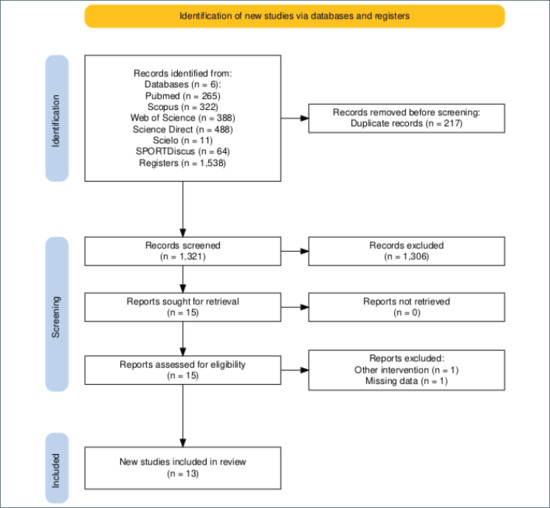
To analyze the effects of multicomponent exercises on muscle strength and balance in frail older individuals. This systematic review and meta-analysis followed the PRISMA criteria. The databases used were MEDLINE (via PubMed), SPORTDiscus, Web of Science, Science Direct, Scopus, and SciELO. Eligible RCTs
[...] Read more.
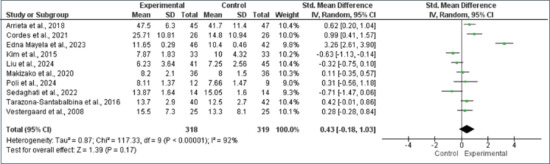
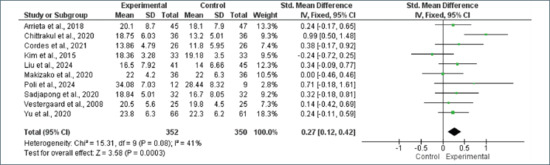
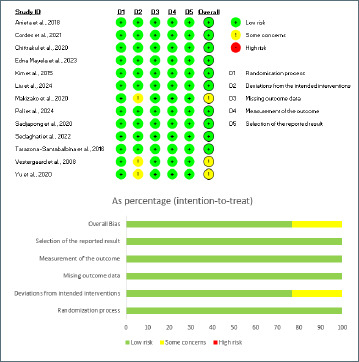
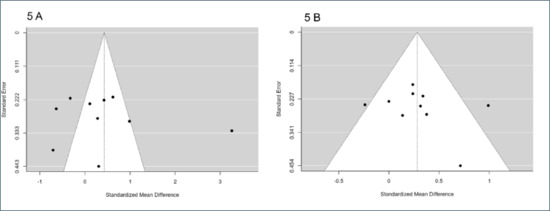
To analyze the effects of multicomponent exercises on muscle strength and balance in frail older individuals. This systematic review and meta-analysis followed the PRISMA criteria. The databases used were MEDLINE (via PubMed), SPORTDiscus, Web of Science, Science Direct, Scopus, and SciELO. Eligible RCTs in this study were evaluated using Rob 2, and TESTEX was used to assess the methodological quality of the studies and reports. RevMan was used to analyze the meta-analysis and the GRADE tool to assess the level of evidence. A total of 1538 publications were found and after using the selection criteria, 13 RCTs were included in this systematic review and meta-analysis. The assessment instruments used to assess balance were the Time Up Go, Dynamic Sitting Balance and Berg Balance Scale, and for muscle strength the handgrip test and knee flexion and extension strength. In the analysis of the balance variable, the estimated mean SMD was 0.43, [-0.18 to 1.03], p = 0.17, I2 = 92%. In the variable muscular strength, the estimated mean SMD was 0.27 [0.12 to 0.42], p = 0.0003, I2 = 41%. This meta-analysis found that multicomponent exercises improve muscular strength but do not improve balance in frail older individuals.
Full article

Figure 1
Open AccessArticle
Feasibility and preliminary effects of music-enhanced calisthenic exercise in healthy sedentary older adults: a randomized controlled pilot study
by
Feyza Altındal Karabulut and Nihal Büker
J. Gerontol. Geriatr. 2025, 73(4), 143-152; https://doi.org/10.36150/2499-6564-N880 - 18 Dec 2025
Abstract
►▼
Show Figures
Physical inactivity in older adults is associated with decreased mobility, functional decline, and reduced quality of life. Music may enhance exercise engagement and adherence. This pilot randomized controlled trial evaluated the feasibility of a music-enhanced calisthenic exercise program in residential care homes and
[...] Read more.
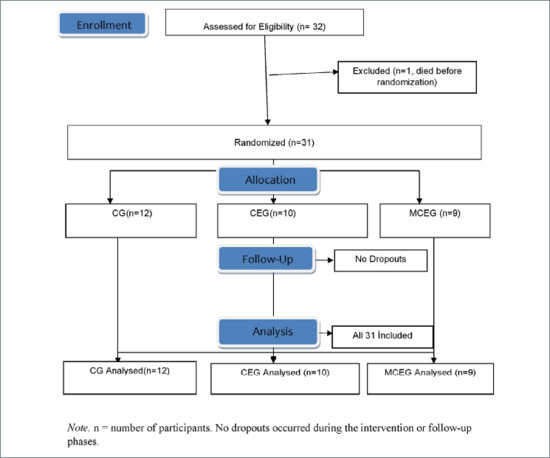
Physical inactivity in older adults is associated with decreased mobility, functional decline, and reduced quality of life. Music may enhance exercise engagement and adherence. This pilot randomized controlled trial evaluated the feasibility of a music-enhanced calisthenic exercise program in residential care homes and explored its preliminary effects on functional and psychosocial outcomes. Thirty-one healthy, sedentary older adults (mean age = 74.4 ± 5.9 years) were randomly assigned to a Calisthenic Exercise Group (CEG), a Music-Enhanced Calisthenic Exercise Group (MCEG), or a Control Group (CG). Intervention groups completed 16 supervised sessions over 8 weeks. The MCEG performed exercises with rhythmic music. Feasibility outcomes included recruitment, retention, adherence, and adverse events. Functional outcomes were assessed using the Timed Up and Go (TUG), 30-Second Sit-to-Stand test, and Joint Position Sense test; health-related quality of life was measured using the Nottingham Health Profile (NHP). Recruitment was 96.9%, retention 100%, and adherence 87.5%. No adverse events occurred. Both intervention groups improved significantly compared with the CG (p = 0.001), with larger effects in the MCEG, particularly in proprioception (p = 0.002, d = 1.46). TUG scores improved by 17% (p = 0.004, d = 0.26). Music-enhanced calisthenic exercise was feasible, safe, and well tolerated. Preliminary findings indicate benefits for physical function and health-related quality of life, supporting the need for larger trials. Trial Registration. ClinicalTrials.gov Identifier: NCT06973538 (retrospectively registered)
Full article

Figure 1
Open AccessArticle
Feeling healthy matters: comparing the moderating roles of multimorbidity and self-rated health in the link between loneliness and quality of life
by
Hui Foh Foong, Rahimah Ibrahim, Mohamad Fazdillah Bagat, Siti Farra Zillah Abdullah and Sook Yee Lim
J. Gerontol. Geriatr. 2025, 73(4), 129-142; https://doi.org/10.36150/2499-6564-N844 - 18 Dec 2025
Abstract
►▼
Show Figures
Loneliness is a significant psychosocial issue among middle-aged and older adults, negatively impacting quality of life (QoL). However, little is known about how different health measures – specifically objective (multimorbidity) and subjective (self-rated health, SRH) – moderate this association. This study investigates the
[...] Read more.
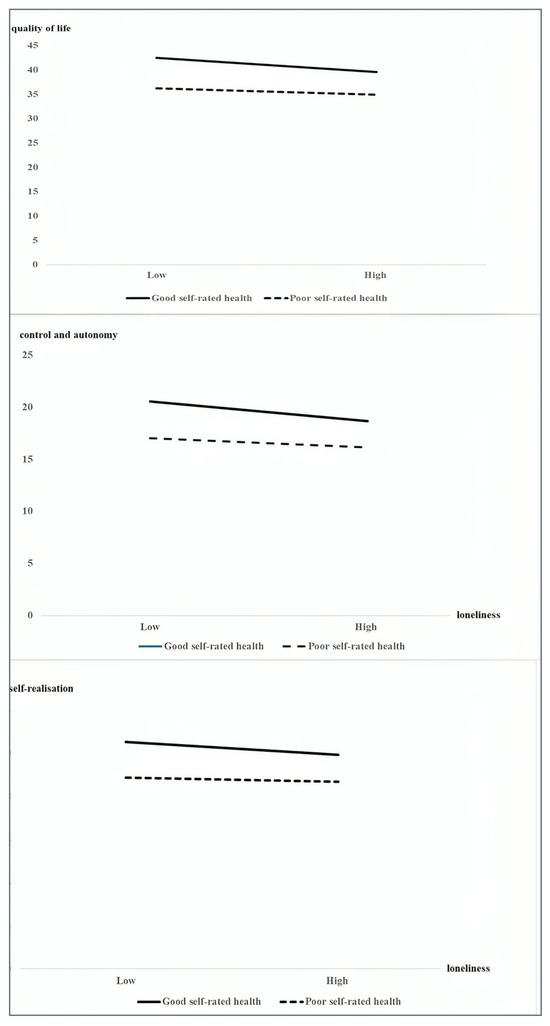
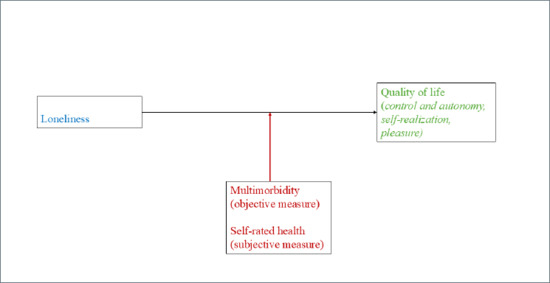
Loneliness is a significant psychosocial issue among middle-aged and older adults, negatively impacting quality of life (QoL). However, little is known about how different health measures – specifically objective (multimorbidity) and subjective (self-rated health, SRH) – moderate this association. This study investigates the moderating roles of multimorbidity and SRH in the loneliness-QoL relationship among community-dwelling middle-aged and older adults in Malaysia. This cross-sectional analysis used baseline data from the AGELESS study, involving 1,697 participants aged 55 and above. QoL was measured using the CASP-12 scale, covering control and autonomy, self-realization, and pleasure. Loneliness was assessed using the 3-item UCLA Loneliness Scale. Multimorbidity was defined as having two or more chronic conditions, while SRH was assessed via a single-item question and categorized as “good” or “poor”. Moderation effects were tested using Model 1 of the PROCESS Macro in SPSS (5,000 bootstraps), adjusting for demographics. Loneliness was significantly and negatively associated with total QoL and all three domains. Multimorbidity did not moderate this relationship but was independently linked to poorer QoL. In contrast, SRH significantly moderated the association between loneliness and total QoL, as well as the control and autonomy and self-realization domains. The negative effect of loneliness on QoL was stronger among those reporting “good” health. Contrary to our hypothesis, the negative effect of loneliness on QoL was stronger among those reporting “good” health. Sensitivity analyses using the ordinal SRH scale confirmed these results. Subjective health perception shapes how loneliness affects QoL. Middle-aged and older adults with better SRH may be more vulnerable, underscoring the need for person-centered interventions.
Full article

Figure 1
Open AccessCase Report
A rare case of oral myiasis in a severely frail older patient
by
Jayachandran Sadaksharam and Archana Muralidharan
J. Gerontol. Geriatr. 2025, 73(3), 125-128; https://doi.org/10.36150/2499-6564-N862 - 29 Sep 2025
Abstract
►▼
Show Figures
Myiasis, derived from the Greek “myia” (fly) and “iasis” (disease), refers to infestation by dipterous larvae. First coined by Hope in 1840 and later defined by Zumpt, myiasis involves larvae feeding on live or necrotic tissues. Oral myiasis, a rare condition first described
[...] Read more.
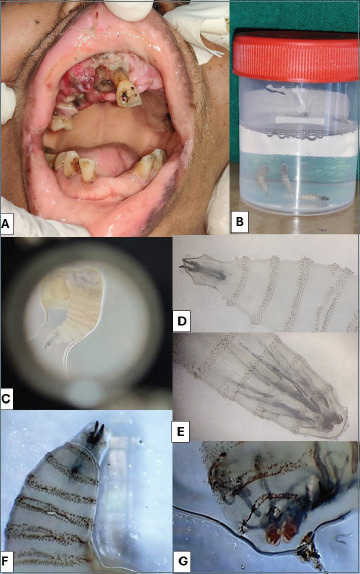
Myiasis, derived from the Greek “myia” (fly) and “iasis” (disease), refers to infestation by dipterous larvae. First coined by Hope in 1840 and later defined by Zumpt, myiasis involves larvae feeding on live or necrotic tissues. Oral myiasis, a rare condition first described by Laurence in 1909, typically affects individuals with compromised oral hygiene, necrotic lesions, or systemic debilitation. We report a case of oral myiasis in a 73-year-old non-ambulatory female with multiple comorbidities. The patient presented with pain and swelling in the maxillary anterior region, accompanied by severe halitosis, poor oral hygiene, and live larvae emerging from necrotic oral tissues. Clinical and entomological examination identified the larvae as Chrysomya bezziana. Necrotic tissue was surgically debrided, mobile teeth extracted, and the patient was followed up after anti helminthic medications. Post-operative care included oral hygiene instruction and follow-up. The patient responded well to the treatment. Oral myiasis is an uncommon yet serious condition, predominantly affecting debilitated or geriatric patients with poor oral hygiene. Awareness and early intervention are crucial for effective management. Preventive strategies such as routine oral care and regular follow-up are essential, especially in vulnerable populations.
Full article

Figure 1
Open AccessReview
New approaches to ending skin problems in persons with fecal incontinence: a systematic review
by
Dilek Aygin, Hilal Kaynak Aydoğmuş, Cansu Kubilay and Büşra Ecem Kumru
J. Gerontol. Geriatr. 2025, 73(3), 109-124; https://doi.org/10.36150/2499-6564-N855 - 29 Sep 2025
Abstract
►▼
Show Figures
To conduct a systematic review of the current literature on products used in preventing and managing skin problems in individuals diagnosed with fecal incontinence. The Medline Complete, Cochrane Library, Ovid, Google Scholar, PubMed, Scopus, Science Direct and Taylor & Francis databases along with
[...] Read more.
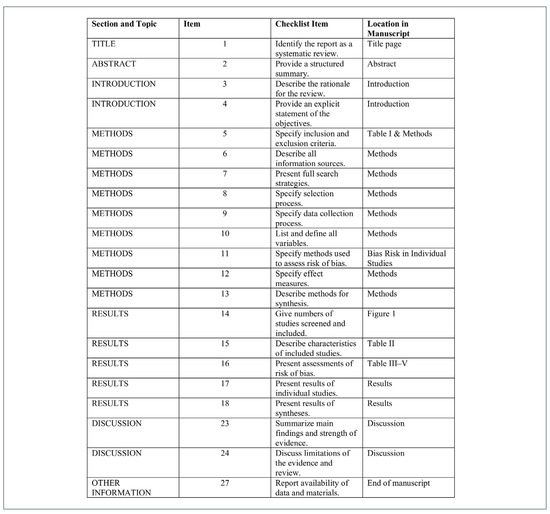
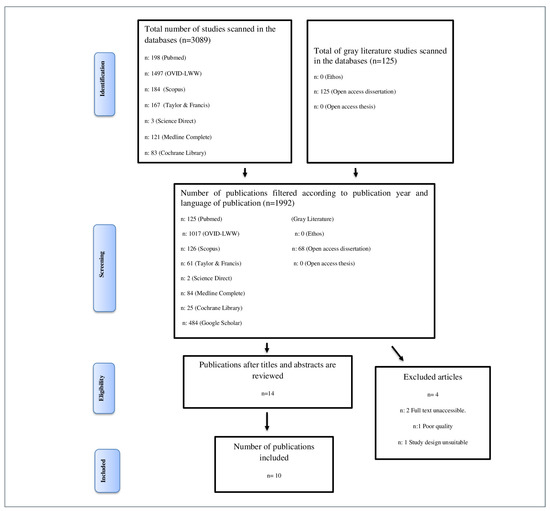
To conduct a systematic review of the current literature on products used in preventing and managing skin problems in individuals diagnosed with fecal incontinence. The Medline Complete, Cochrane Library, Ovid, Google Scholar, PubMed, Scopus, Science Direct and Taylor & Francis databases along with Ethos, Open Dissertation and Openthesis databases were used to scan the literature. The methodology for the study was structured in the PICOS format and according to the PRISMA checklist. This systematic review included a total of 10 articles published between 2012 and 2022 that met the predefined inclusion criteria for Randomized Controlled Trials (RCTs), Quasi-Experimental Studies (QES), and Interventional Studies. Absorbent products were chosen to prevent and manage the skin problems of most of the patients. In addition to absorbent products, creams, barrier films, barrier cloths, barrier sprays, incontinence briefs containing a spiral-shaped fiber moistened with an alkaline solution, silicone-bordered foam dressings and one-piece drainable fecal pouches were used. The investigations showed that over-hydration of the epidermis can be controlled with absorbent products, which are also effective in preventing and managing incontinence-associated dermatitis (IAD). The use of new absorbent products or increasing awareness of frequent pad changes may have a positive impact. Additionally, cleansing agents, barrier creams, films, cloths, sprays, incontinence briefs with spiral-shaped fiber moistened with alkaline solution, silicone-bordered foam dressings, and one-piece drainable fecal pouches were found to be effective.
Full article

Figure 1
Open AccessReview
A review on Klotho: FGF23 mediated pathway integration and aging
by
Shareshtha Devi
J. Gerontol. Geriatr. 2025, 73(3), 92-108; https://doi.org/10.36150/2499-6564-N819 - 29 Sep 2025
Cited by 1
Abstract
►▼
Show Figures
Aging is driven by interconnected genetic, metabolic, and environmental factors that manifest as hallmarks including genomic instability, telomere attrition, epigenetic drift, and altered intercellular signaling. The Klotho-FGF23 axis has emerged as a critical regulator linking mineral metabolism to systemic aging processes. Membrane-bound Klotho,
[...] Read more.
Aging is driven by interconnected genetic, metabolic, and environmental factors that manifest as hallmarks including genomic instability, telomere attrition, epigenetic drift, and altered intercellular signaling. The Klotho-FGF23 axis has emerged as a critical regulator linking mineral metabolism to systemic aging processes. Membrane-bound Klotho, primarily in the kidney and parathyroid, acts as an obligate co-receptor for FGF23 to regulate phosphate and vitamin D homeostasis, while soluble Klotho exerts hormone-like effects that modulate Wnt, IGF-1, NF-κB, and TGF-β pathways, influencing oxidative stress, inflammation, and tissue regeneration. Deficiency of Klotho or FGF23 in animal models results in hyperphosphatemia, vascular calcification, and premature aging phenotypes, whereas Klotho overexpression or supplementation extends lifespan and enhances stress resilience. Beyond its renal role, FGF23 can activate Klotho-independent FGFR4 signaling in cardiomyocytes, promoting hypertrophy and contributing to cardiovascular risk. This review integrates current mechanistic insights on Klotho-FGF23 signaling within the framework of aging hallmarks, differentiating protective Klotho-dependent pathways from maladaptive Klotho-independent effects. We evaluate therapeutic strategies including recombinant Klotho protein, gene therapy, dietary phosphate restriction, FGFR4 inhibition, and senolytics approaches that restore Klotho expression. Key translational challenges remain assay variability and poor standardization of soluble Klotho measurement, limited longitudinal human data, and differences between murine models and human aging. Addressing these barriers will be essential to advancing Klotho-FGF23 targeted interventions as a viable strategy to extend health span and delay age-related pathologies.
Full article

Figure 1
Open AccessArticle
Association of waist-calf circumference ratio with frailty by Fried Frailty Phenotype questionnaire in older adults from Japan
by
Yuki Niida, Hidenori Onishi, Ryouko Ikeda, Yasutaka Mizukami, Masafumi Kubota, Tomoko Okamoto, Hiromasa Tsubouchi, Taisei Inoue, Hiraku Watanabe, Daiki Hasegawa, Fumie Maeda, Yuya Nakajima, Kousuke Murayama, Hirohiko Ohama, Tokuharu Tanaka, Naohiro Konoshita, Masamichi Ikawa and Osamu Yamamura
J. Gerontol. Geriatr. 2025, 73(3), 85-91; https://doi.org/10.36150/2499-6564-N826 - 29 Sep 2025
Abstract
►▼
Show Figures
The waist circumference (WC) to calf circumference (CC) ratio (WCR), a measure of visceral fat, was calculated from WC and CC, measures of abdominal obesity and skeletal muscle mass, respectively. In this study, we investigated the relationship of WCR with pre-frailty and frailty
[...] Read more.
The waist circumference (WC) to calf circumference (CC) ratio (WCR), a measure of visceral fat, was calculated from WC and CC, measures of abdominal obesity and skeletal muscle mass, respectively. In this study, we investigated the relationship of WCR with pre-frailty and frailty using the Fried Frailty Phenotype Questionnaire (FFPQ). A total of 175 community-dwelling older adults in Wakasa-cho, Kaminaka-Mikata-gun, Fukui Prefecture, Japan were included in this study. Frailty was determined by the FFPQ scores, with those who scored 0, 1-2, and ≥ 3 on the FFPQ being considered robust, pre-frailty, and frailty, respectively. Pre-frailty and frailty were diagnosed in 90 (51.4%) and 18 (10.3%) patients, respectively, using the FFPQ (p < 0.001). CC was not significantly different between the groups (p = 0.415). WCR was significantly higher in the pre-frailty and frailty groups than in the robust group (p < 0.001). The FFPQ scores were significantly positively correlated with WCR (r = 0.364, p < 0.001). Pre-frailty and frailty diagnosed by FFPQ were analysed in relation to WCR, WC, and CC by ordinal logistic regression analysis, which showed that WCR and CC were associated with pre-frailty and frailty after adjustment (WCR: odds ratio (OR) 5.72, 95% confidence interval (CI) 1.43-23.70, p = 0.015; CC: OR 0.81, 95% CI 0.69-0.94, p = 0.006). This study investigated the association of WCR with prefrailty and frailty diagnosed using the FFPQ in community-dwelling older adults. High abdominal fat and low lower leg muscle mass were significantly associated with frailty and WCR during the pre-frailty stage.
Full article

Figure 1
Open AccessArticle
The relationship between fall anxiety and fall behaviors in geriatric patients undergoing orthopedic surgery with a history of falling
by
Sibel Altıntaş, Sema Şahiner, Sevim Çelik and Elif Karahan
J. Gerontol. Geriatr. 2025, 73(3), 75-84; https://doi.org/10.36150/2499-6564-N853 - 29 Sep 2025
Abstract
Falls in older adults pose significant health risks and have both physical and psychological effects. This condition is an important factor influencing fall anxiety and fall behaviors. The aim of this study is to examine the relationship between fall anxiety and fall behaviors
[...] Read more.
Falls in older adults pose significant health risks and have both physical and psychological effects. This condition is an important factor influencing fall anxiety and fall behaviors. The aim of this study is to examine the relationship between fall anxiety and fall behaviors in geriatric patients who were admitted to the orthopedic ward and underwent orthopedic surgery due to a fall. A cross-sectional correlational study was conducted with 97 patients aged 65 and above in the orthopedic clinic of a state hospital between September 2023 and September 2024. Data were collected through face-to-face surveys using the “Patient Identification Form”, the “International Falls Efficacy Scale”, and the “Fall Behaviors Scale for Older Adults”, and statistical analysis was performed. The average age of the patients was 72.62 ± 6.52, with 55.7% being male, 76.3% married, 86.6% unemployed, and 40.2% having completed primary school. 76.3% had chronic illnesses, and 75.3% had a history of surgery. 85.6% of the patients reported fall anxiety, and 78.4% had a fall history. High levels of fall anxiety and risk were found, and demographic factors were found to be associated with these behaviors. A strong relationship between fall anxiety and fall risk was observed in older individuals. To reduce this, it is suggested to implement physical activity programs, educational interventions, environmental adjustments, and psychosocial support. Additionally, the need for multidisciplinary research is emphasized.
Full article
Highly Accessed Articles
Latest Books
E-Mail Alert
News
Topics
Topic in
Brain Sciences, Geriatrics, Healthcare, IJERPH, JAL, Nursing Reports, JGG, Nutrients
Healthy, Safe and Active Aging, 3rd Edition
Topic Editors: Antonella Lopez, Andrea Bosco, Alessandro Oronzo Caffò, Elisabetta Ricciardi, Luigi Tinella, Giuseppina SpanoDeadline: 31 August 2027