Neuroimaging 2026, 1(2), 8; https://doi.org/10.3390/neuroimaging1020008 - 8 May 2026
Abstract
►
Show Figures
MaChiP 1.0 used static magnetic resonance imaging (MRI) to identify coexistent idiopathic intracranial hypertension (IIH) and spontaneous intracranial hypotension (SIH) in Chiari I malformation (CM-I), improving etiologic characterization. This Protocol/Perspective paper presents MaChiP 2.0 as a testable, artificial intelligence (AI)-integrated imaging roadmap for
[...] Read more.
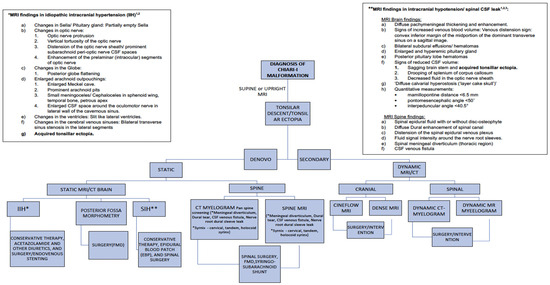
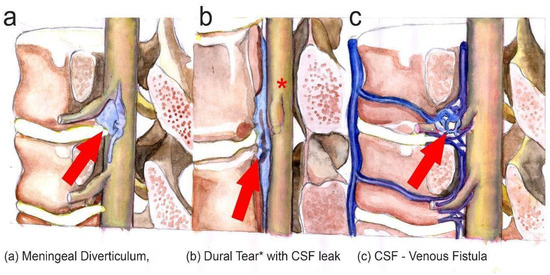
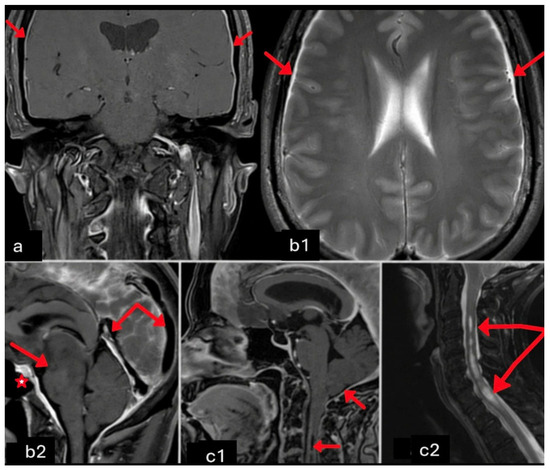
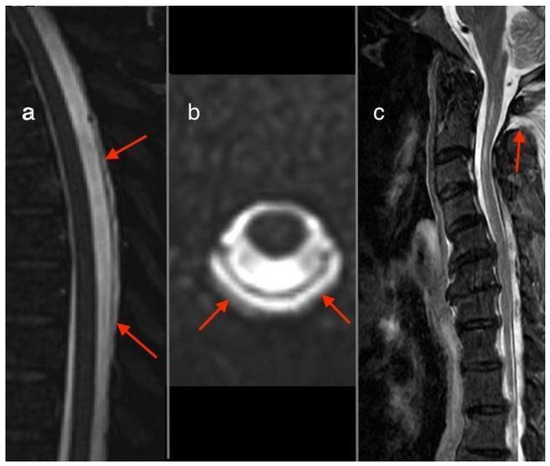
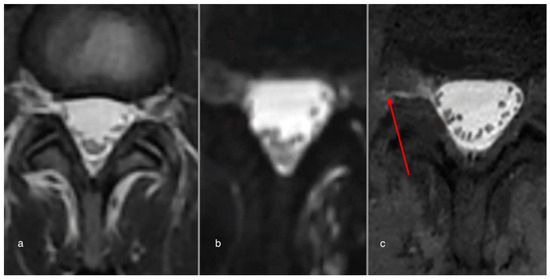
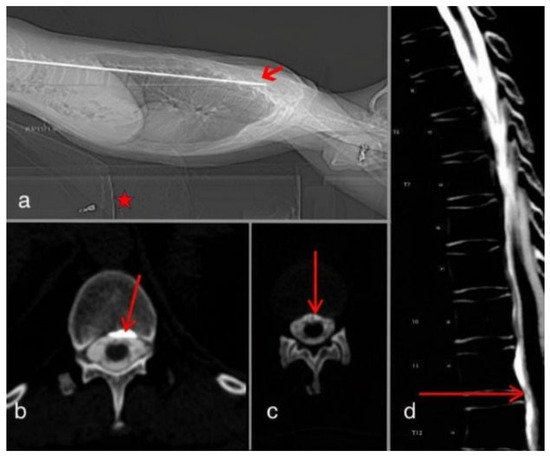
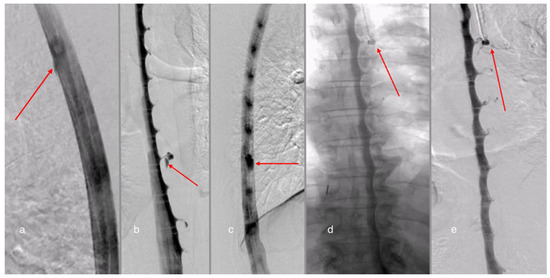
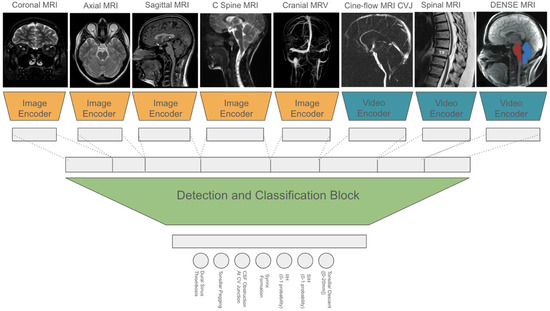
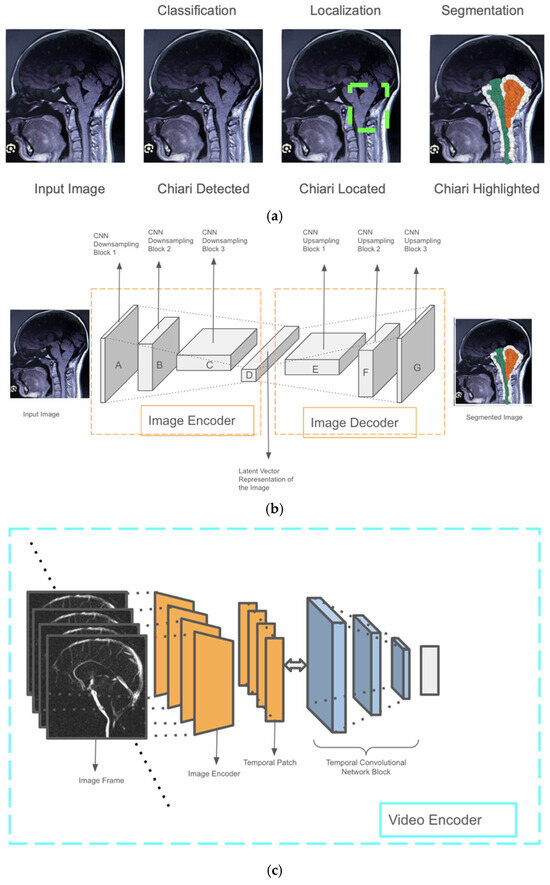
MaChiP 1.0 used static magnetic resonance imaging (MRI) to identify coexistent idiopathic intracranial hypertension (IIH) and spontaneous intracranial hypotension (SIH) in Chiari I malformation (CM-I), improving etiologic characterization. This Protocol/Perspective paper presents MaChiP 2.0 as a testable, artificial intelligence (AI)-integrated imaging roadmap for acquired Chiari I malformation (CM-I), intended to support the differentiation between congenital and acquired tonsillar descent and to guide leak-localization imaging in suspected spontaneous intracranial hypotension (SIH). Building on the structural foundation of MaChiP 1.0, this framework outlines how dynamic craniospinal imaging tools, including phase-contrast magnetic resonance imaging (PC-MRI) and displacement encoding with stimulated echoes (DENSE), may be combined with conventional morphologic markers to refine imaging evaluation. It further describes the potential use of currently available artificial intelligence (AI) methods for segmentation, cerebrospinal fluid (CSF) flow quantification, and imaging biomarker assessment. Noninvasive magnetic resonance (MR)-based techniques are proposed as first-line approaches for leak detection, while digital subtraction myelography (DSM) and computed tomography myelography (CTM) remain the reference standards when initial imaging is inconclusive.
Full article
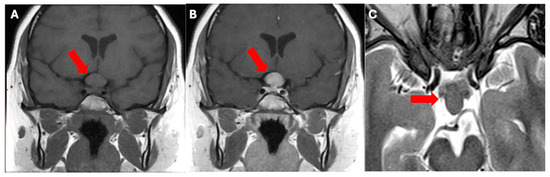
Figure 1